
The Floating Cultural Center El Embarcadero
THE FLOATING CULTURAL CENTER EL EMBARCADERO
Natura Futura
ARCHITECTS
Natura Futura
CONTRIBUTORS
Lincoln Meza, Teresa Villegas, Kevy Araujo, Jonathan Andrade, Trumo Agencia
ILLUSTRATIONS
Kevy Araujo
PHOTOGRAPHS
Mavix
YEAR
2026
LOCATION
Babahoyo, Ecuador
CATEGORY
Learning
English description provided by the architects.
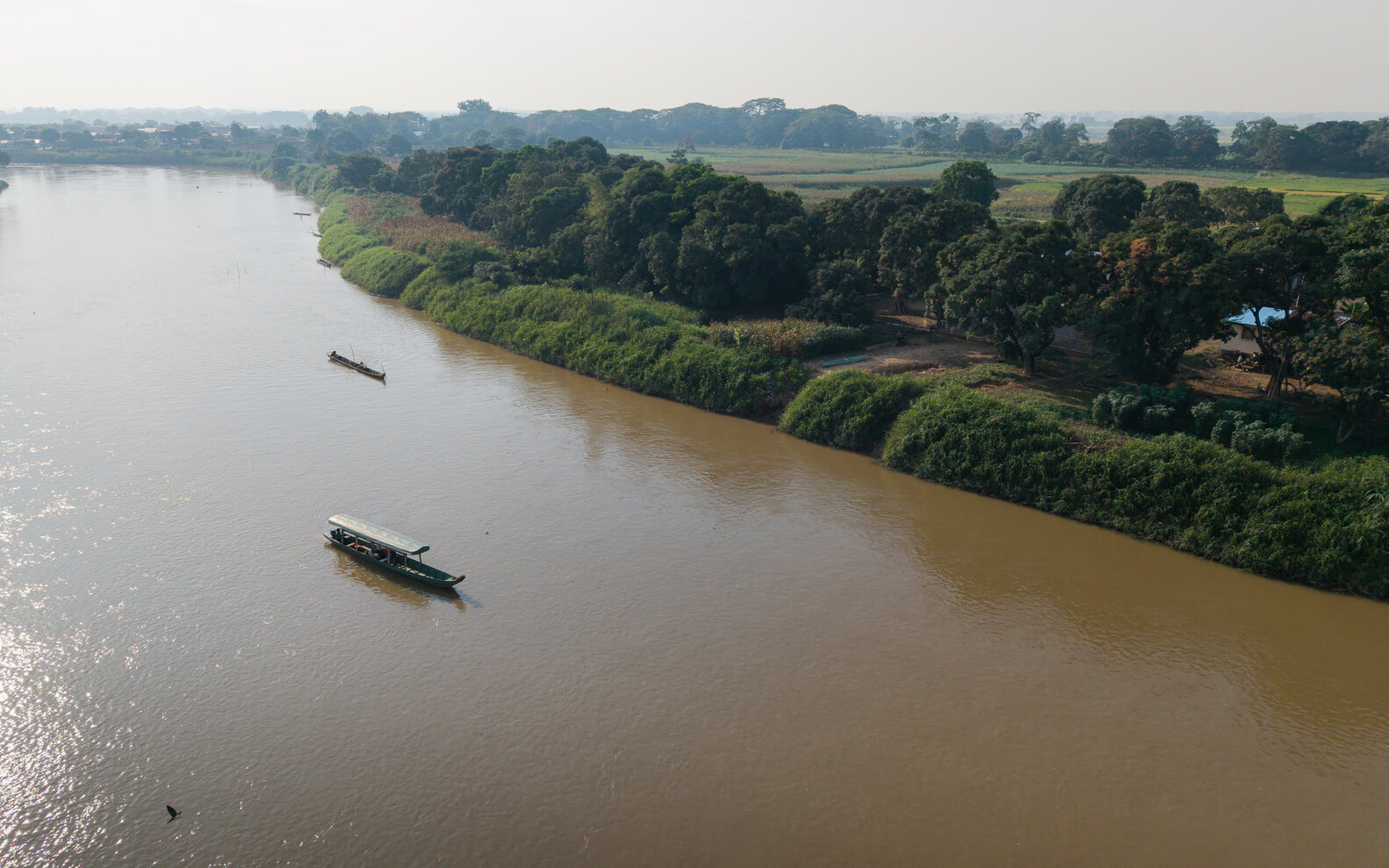
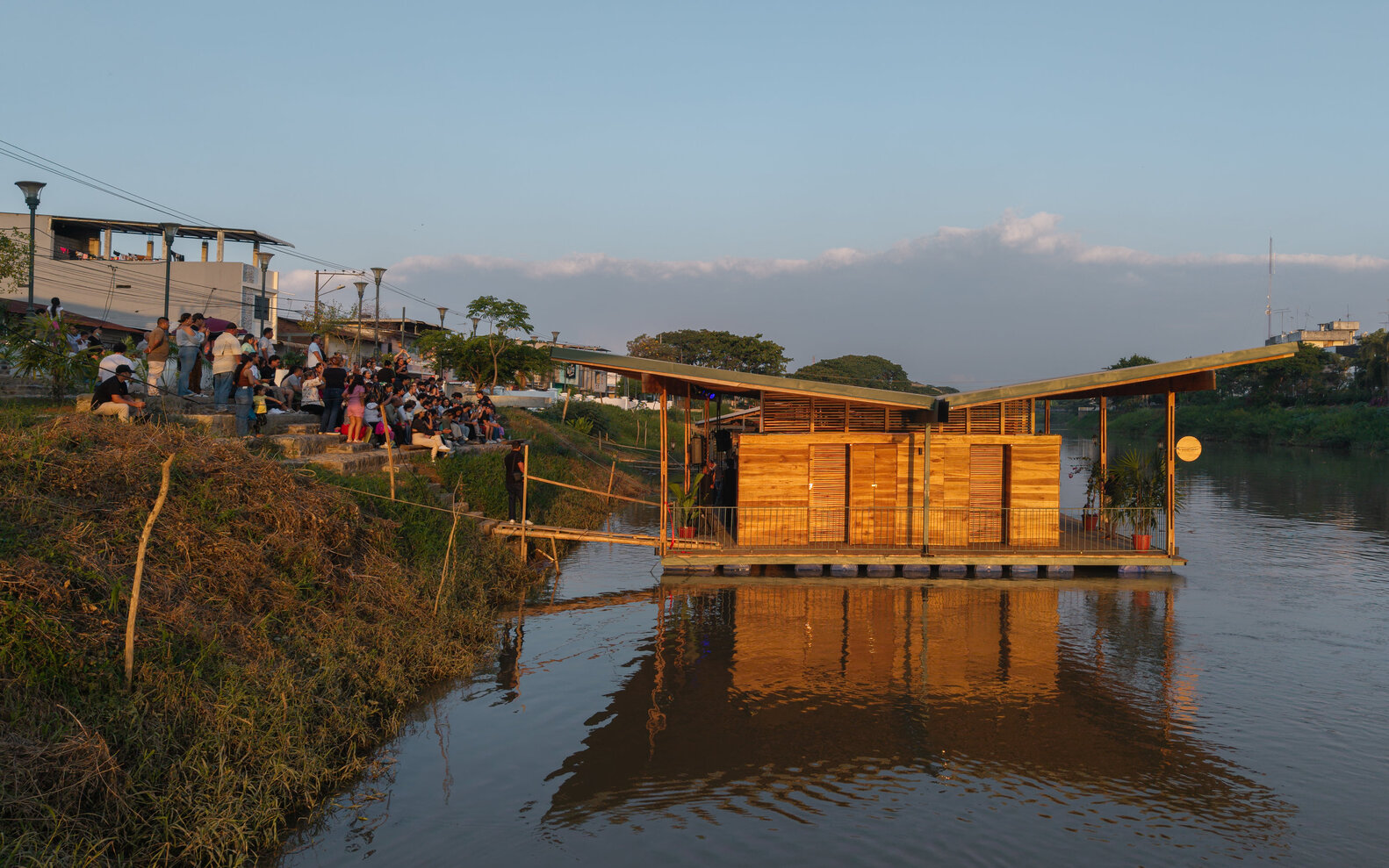
The Floating Cultural Center reconnects the river with the city, reclaiming its memory and fostering new forms of coexistence and collective development.
Developed on the banks of the San Pablo River in Babahoyo, in the Barreiro neighborhood, the project serves a community where 100% of the residents lack educational, cultural, and social public spaces.
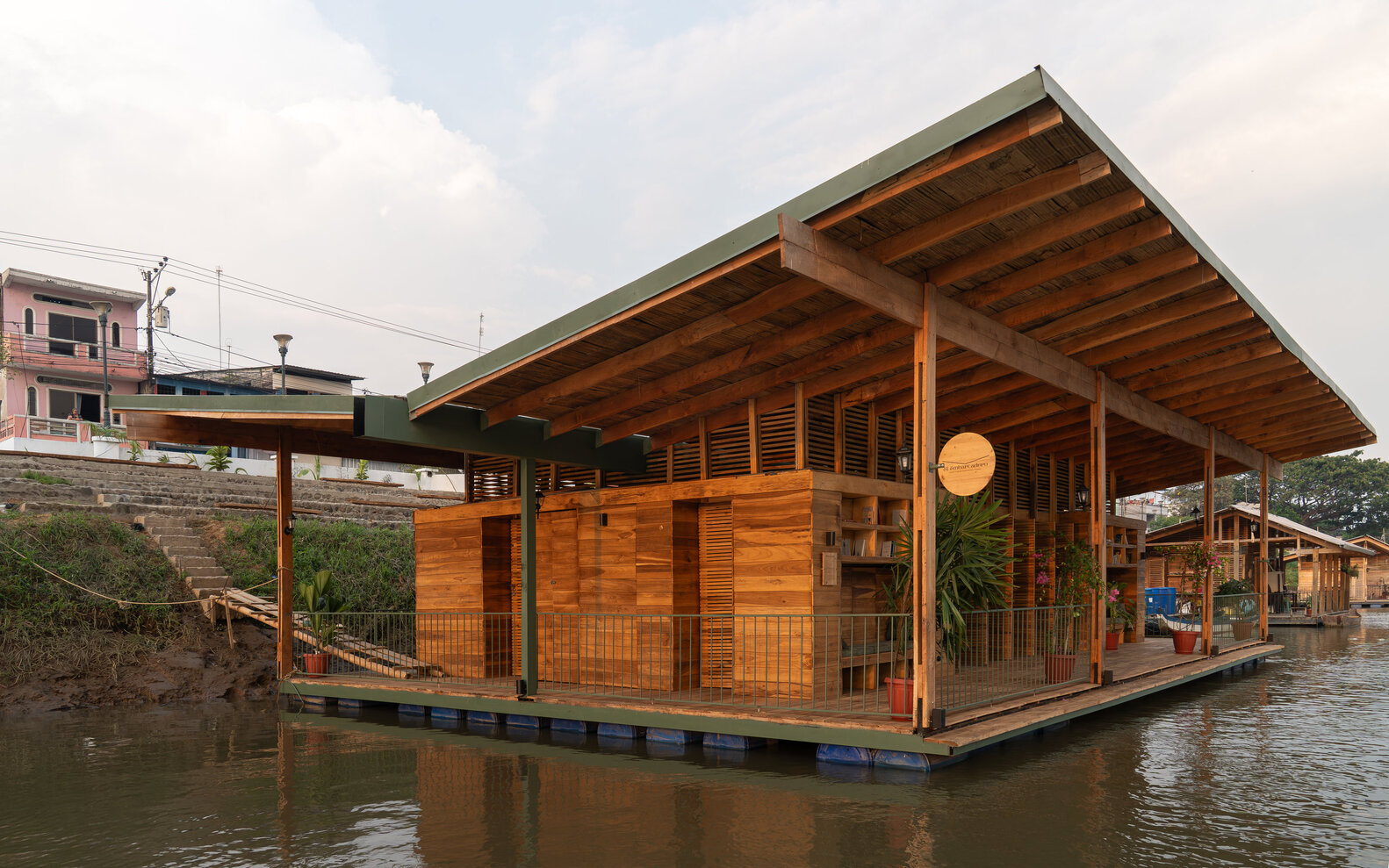
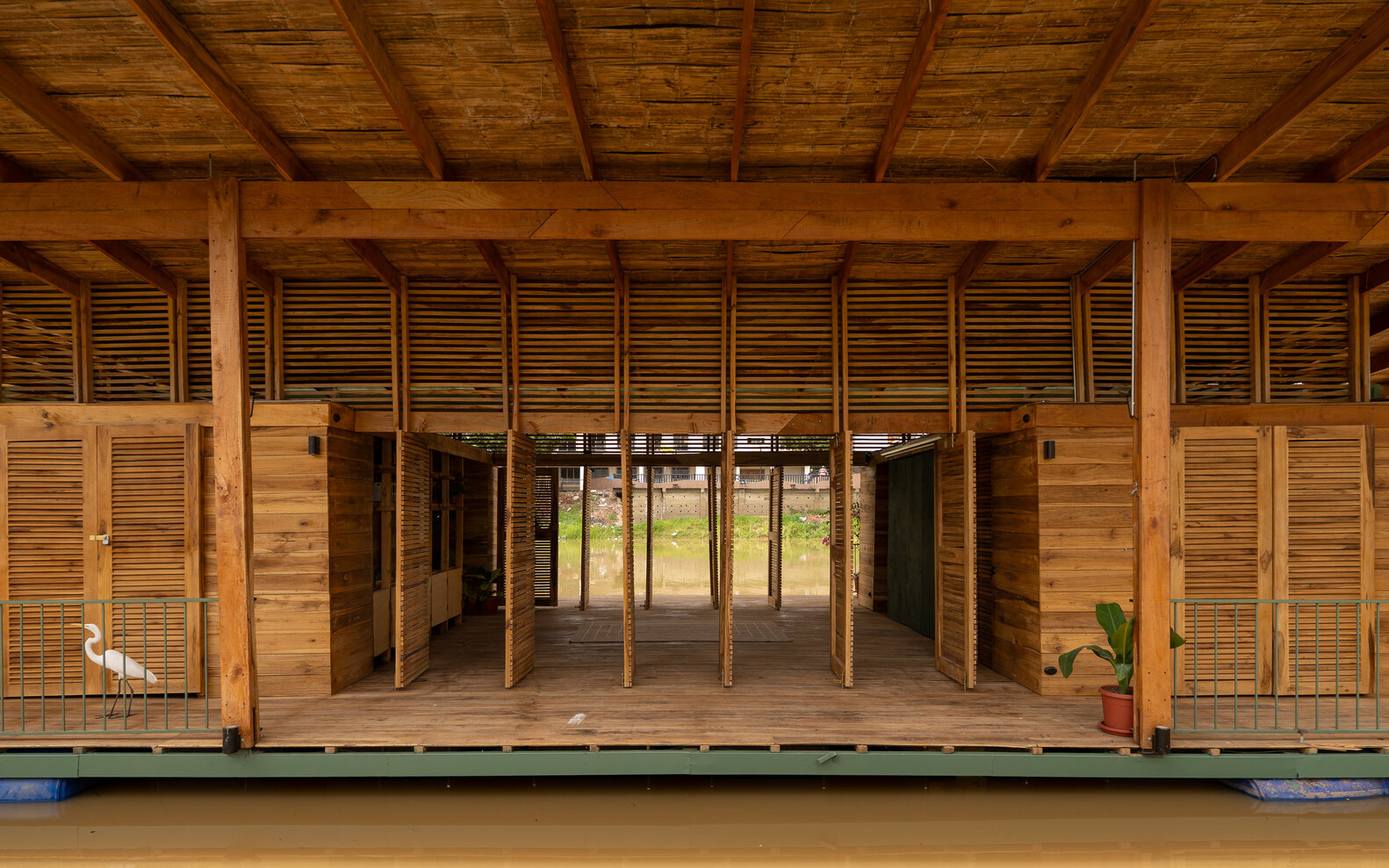
In response to this situation, the project proposes a river-adapted public infrastructure that strengthens organization, education, and cultural transmission rooted in local knowledge.
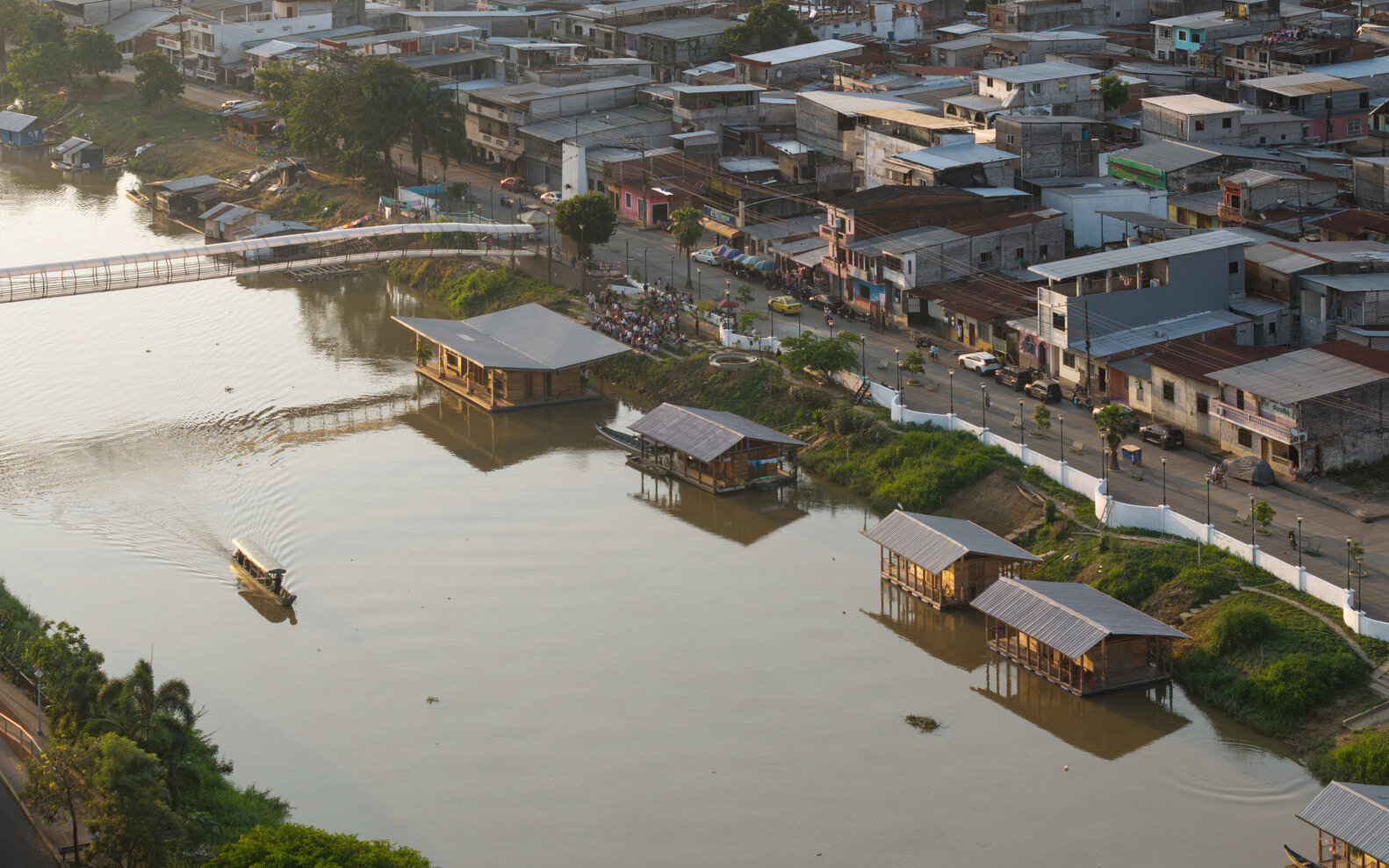
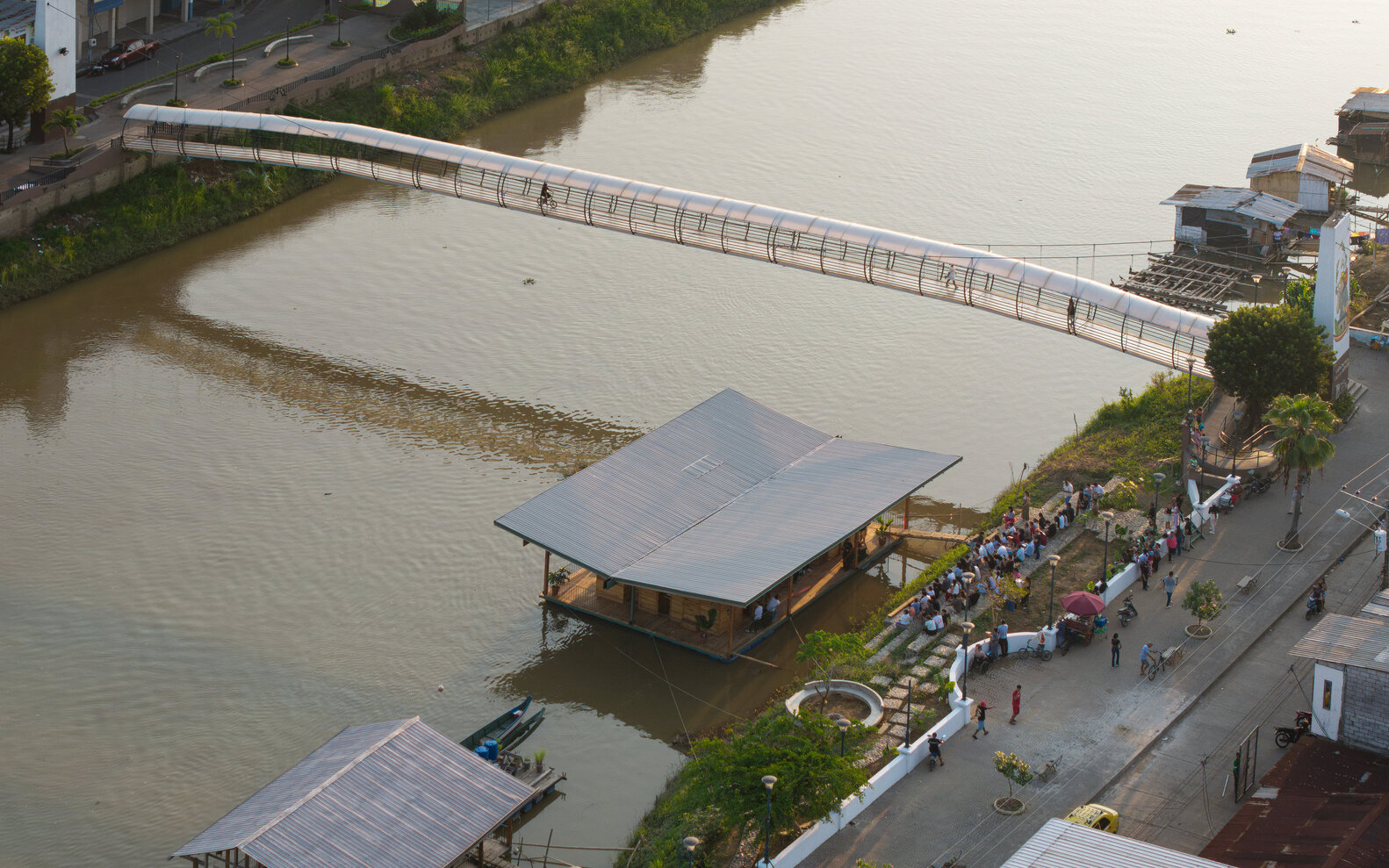
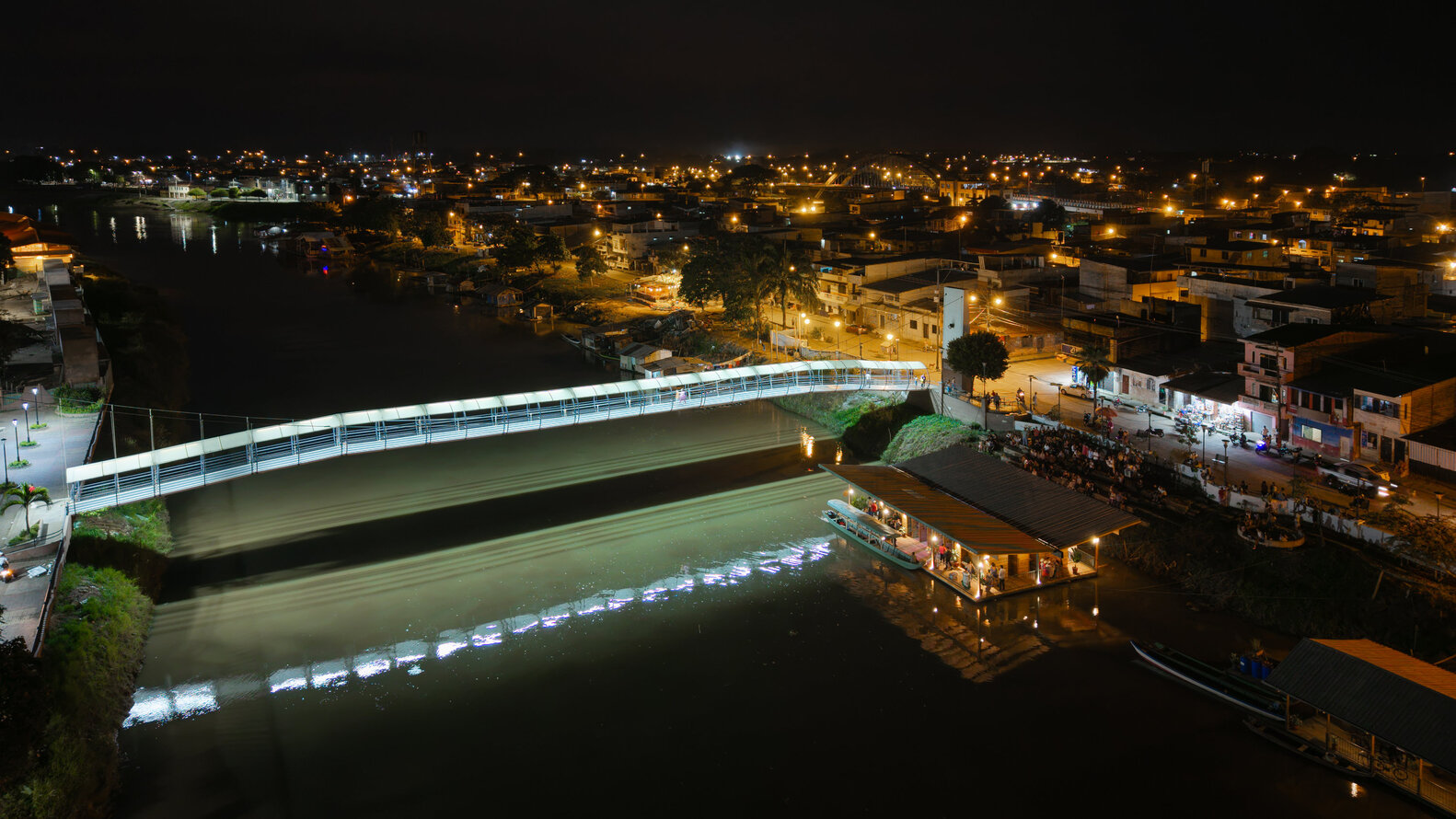
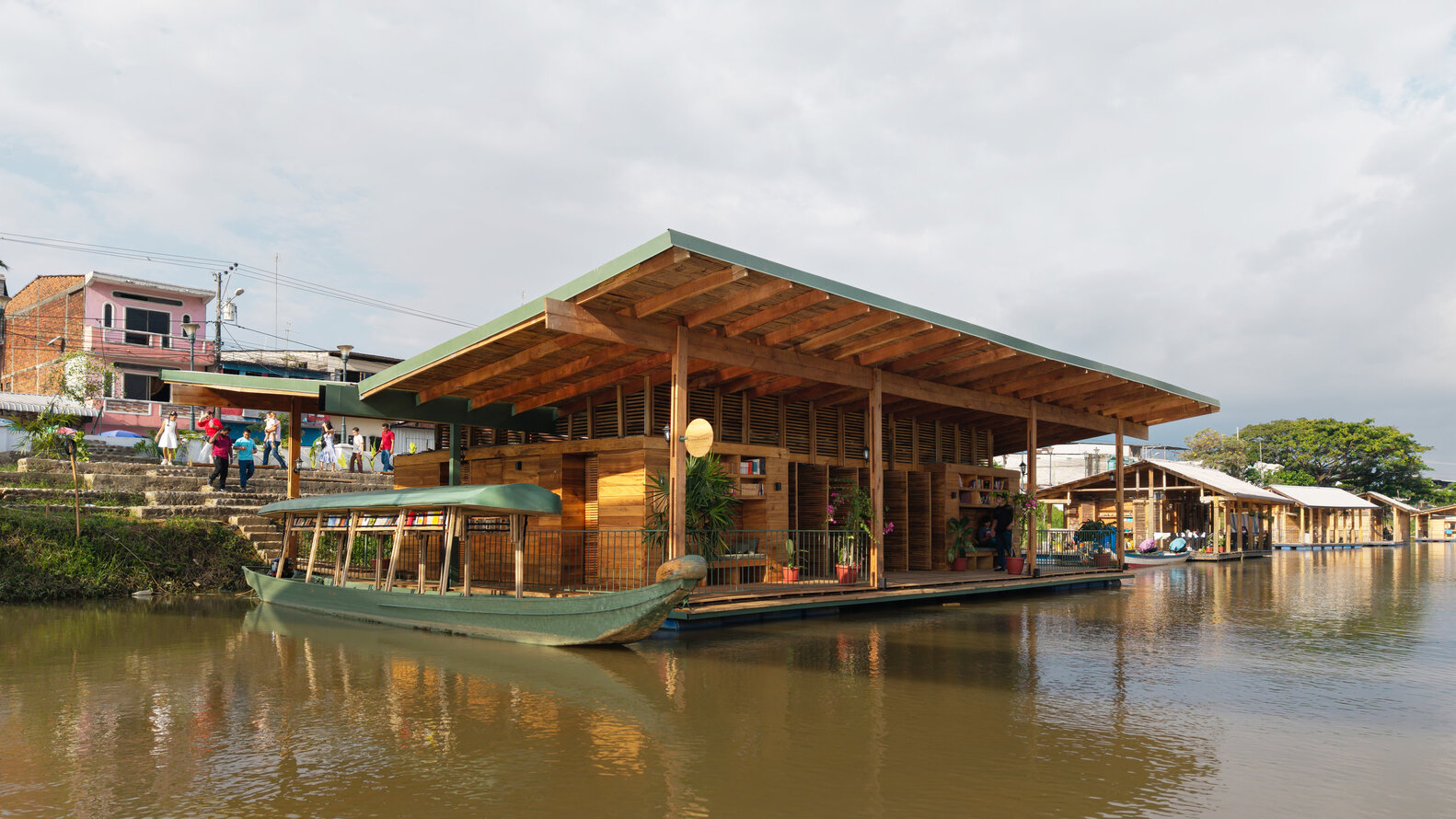
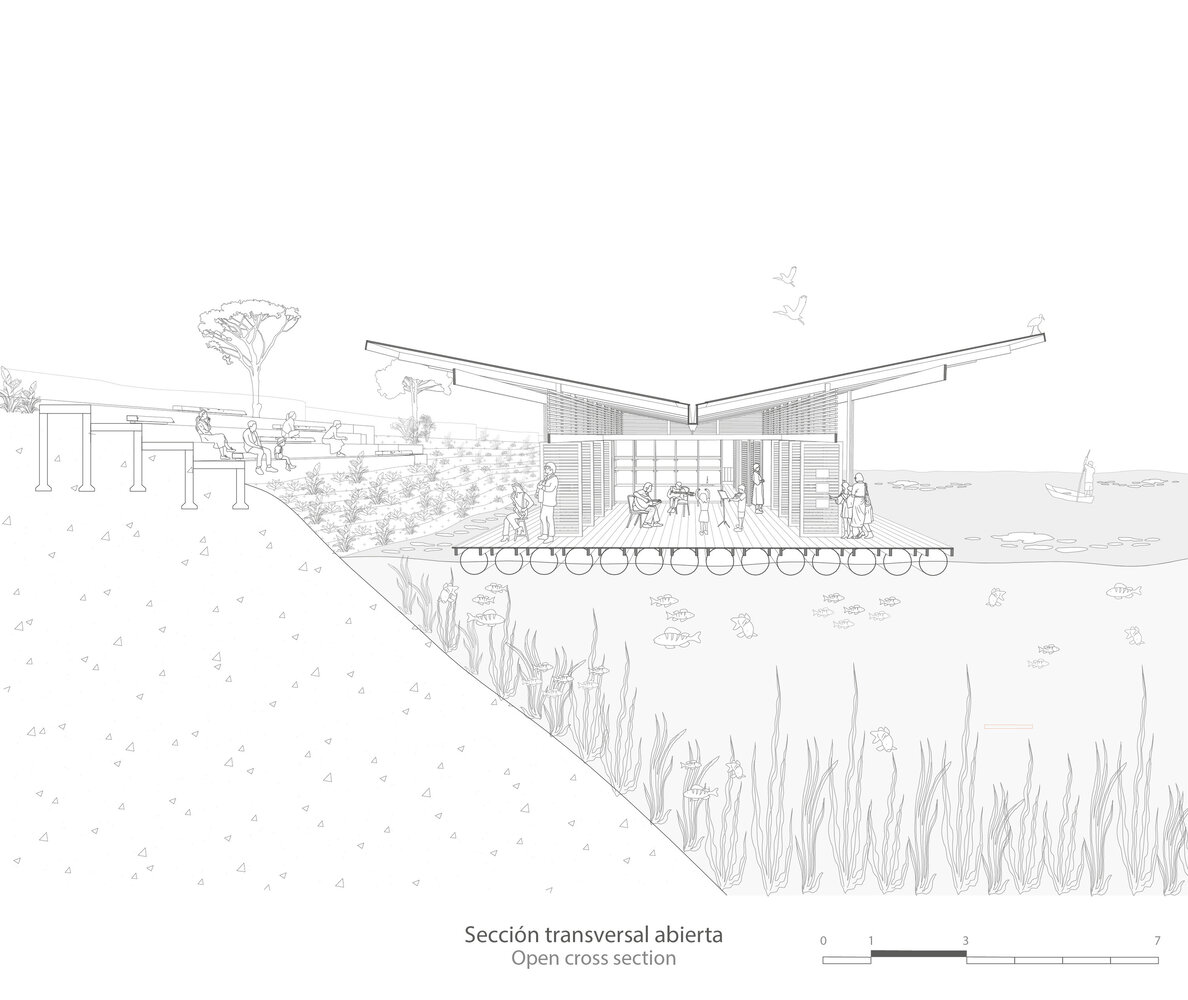
In cooperation with REARC Practice Lab, local organizations, and the community, the proposal features a system comprised of a Floating Cultural Center, a floodable amphitheater, an open-air educational ring, and a mobile Canoe Library.
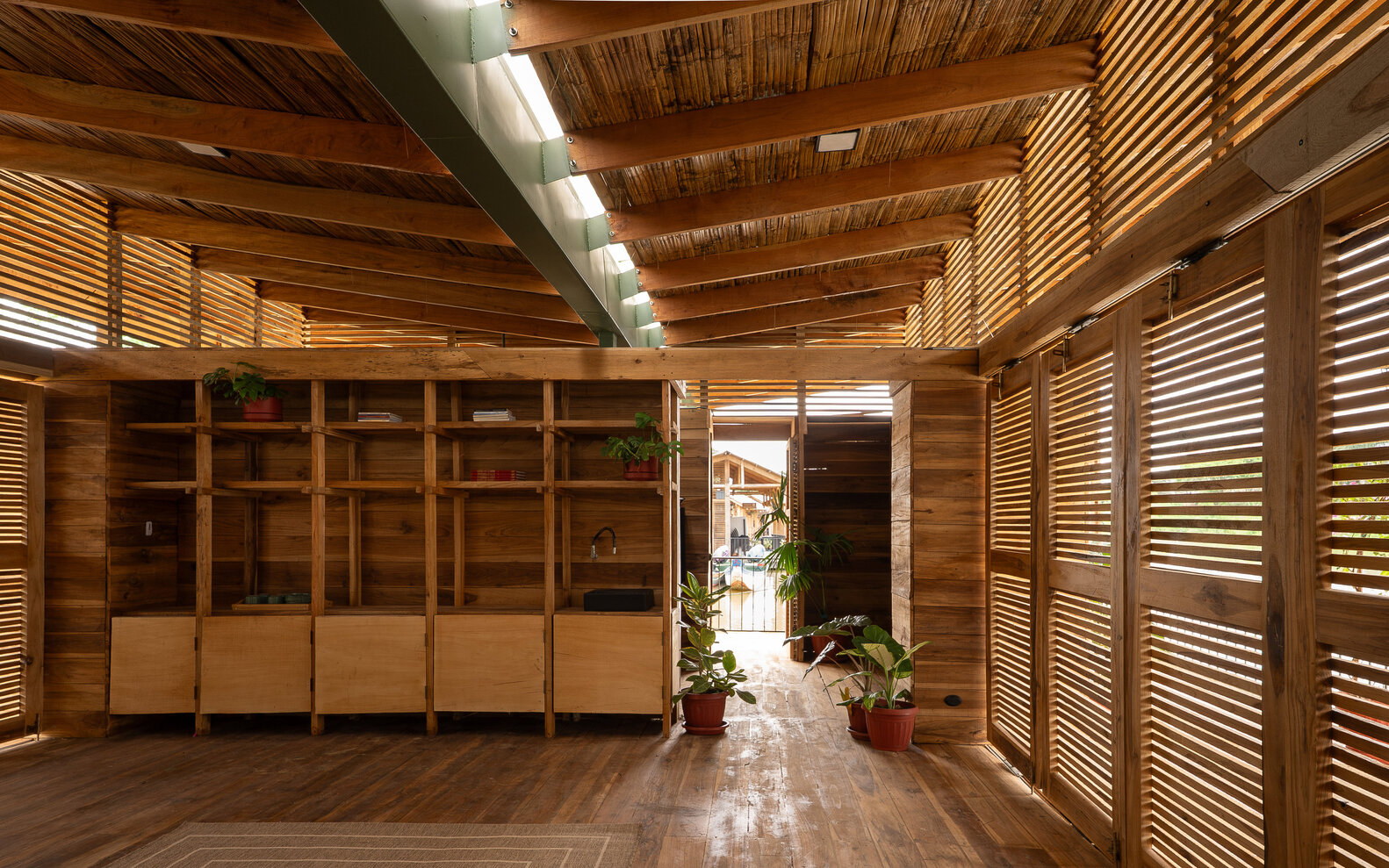
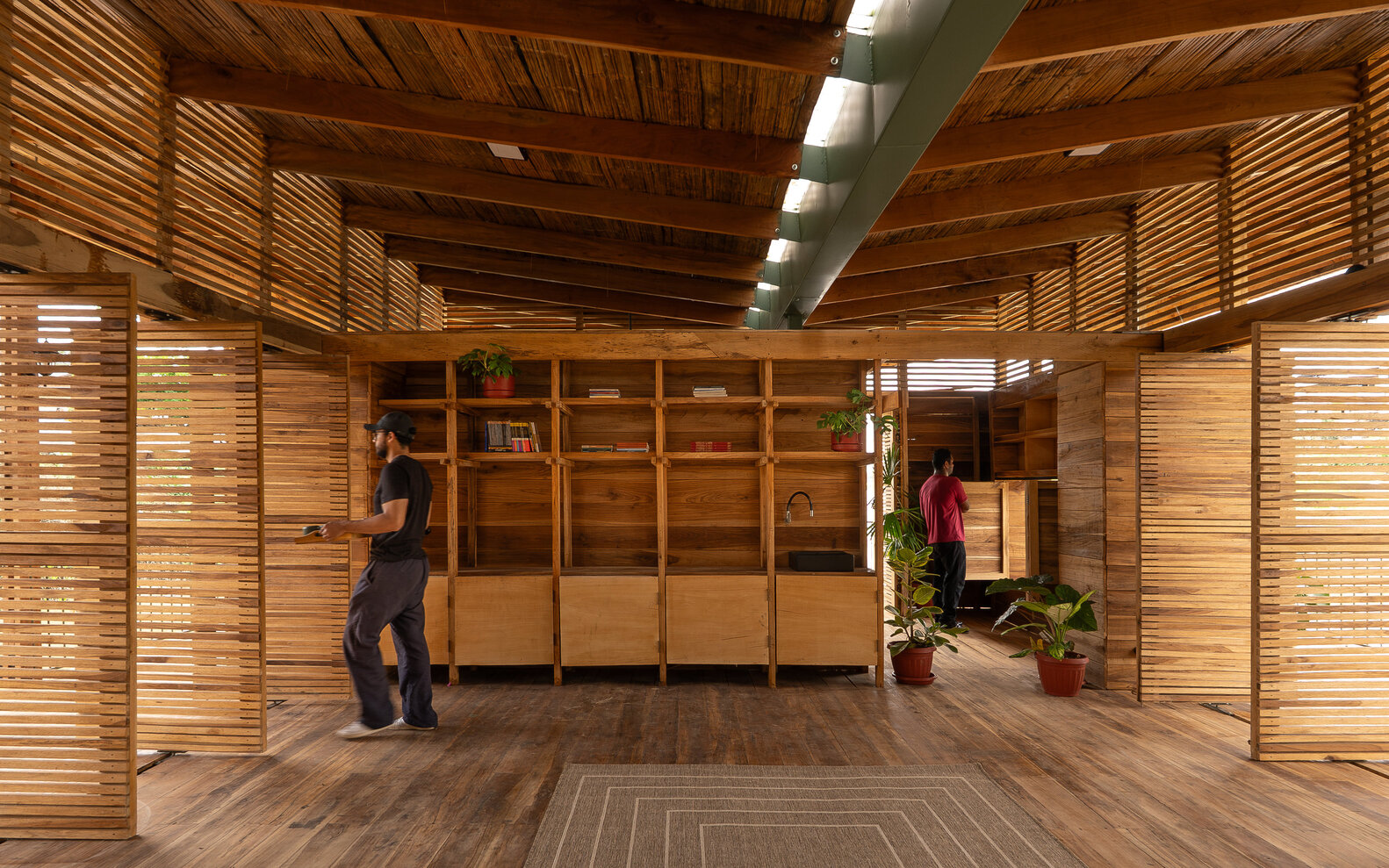
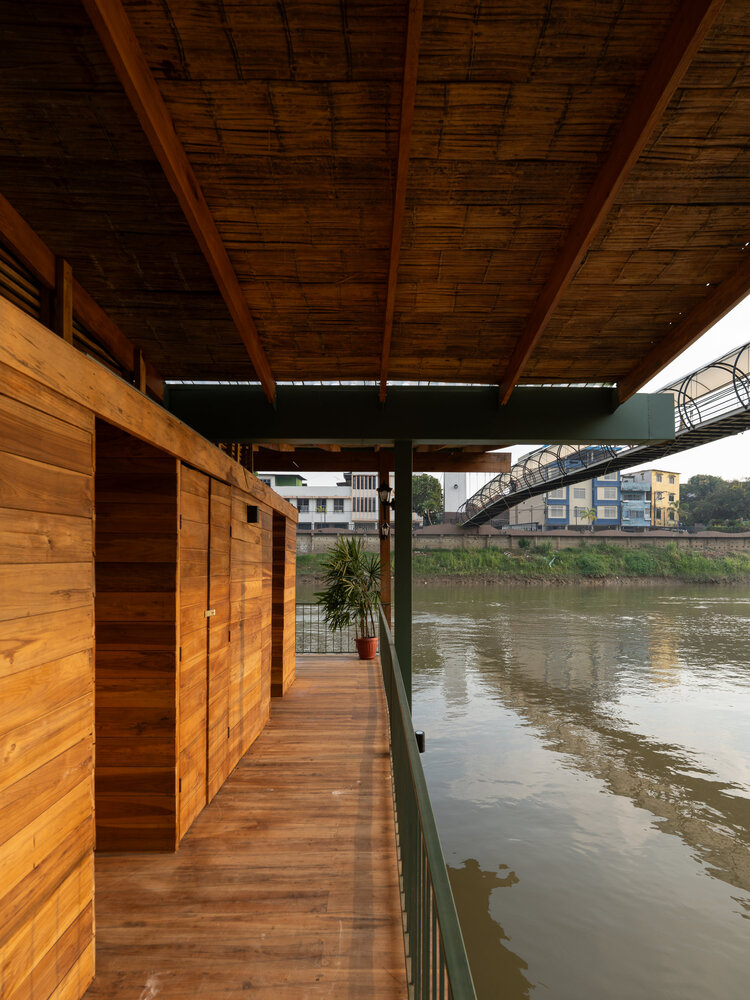
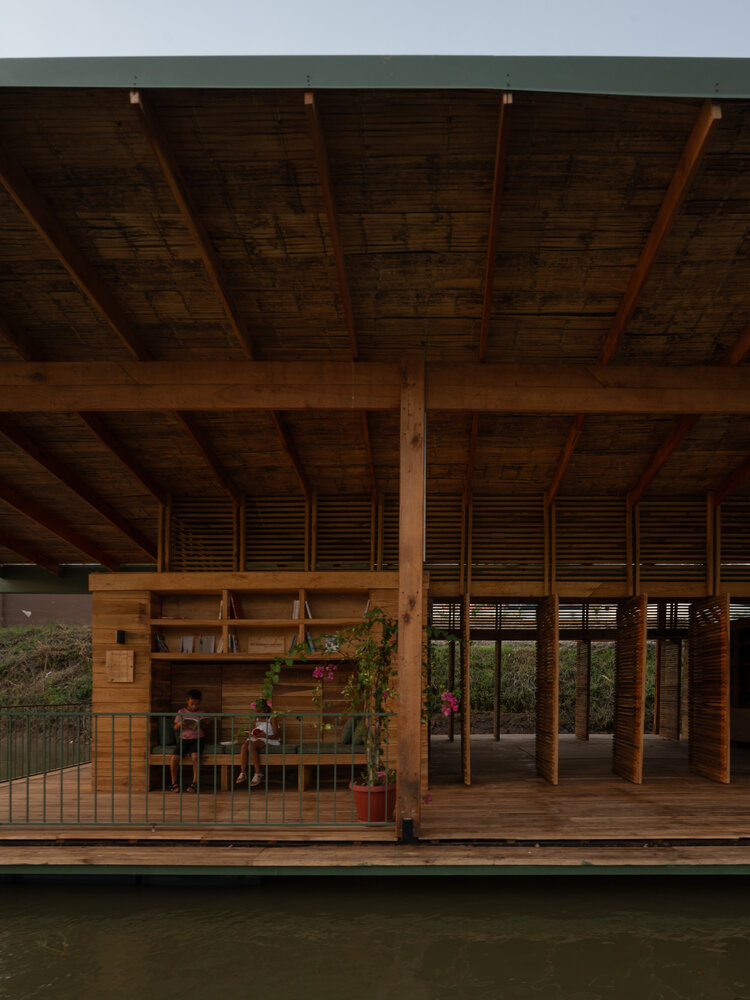
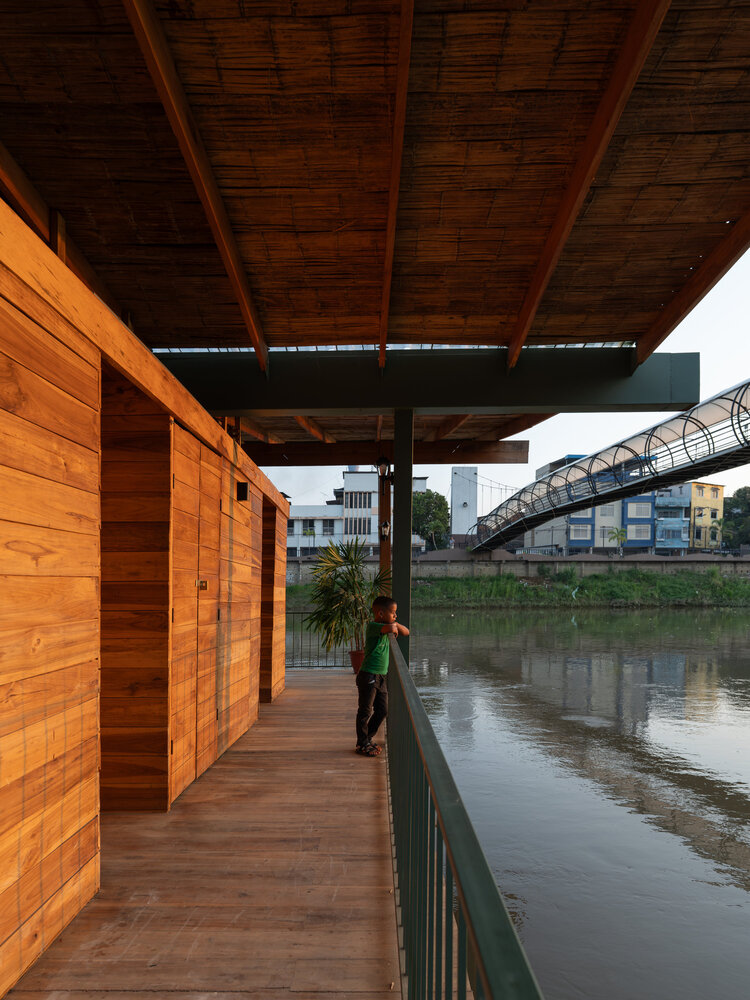
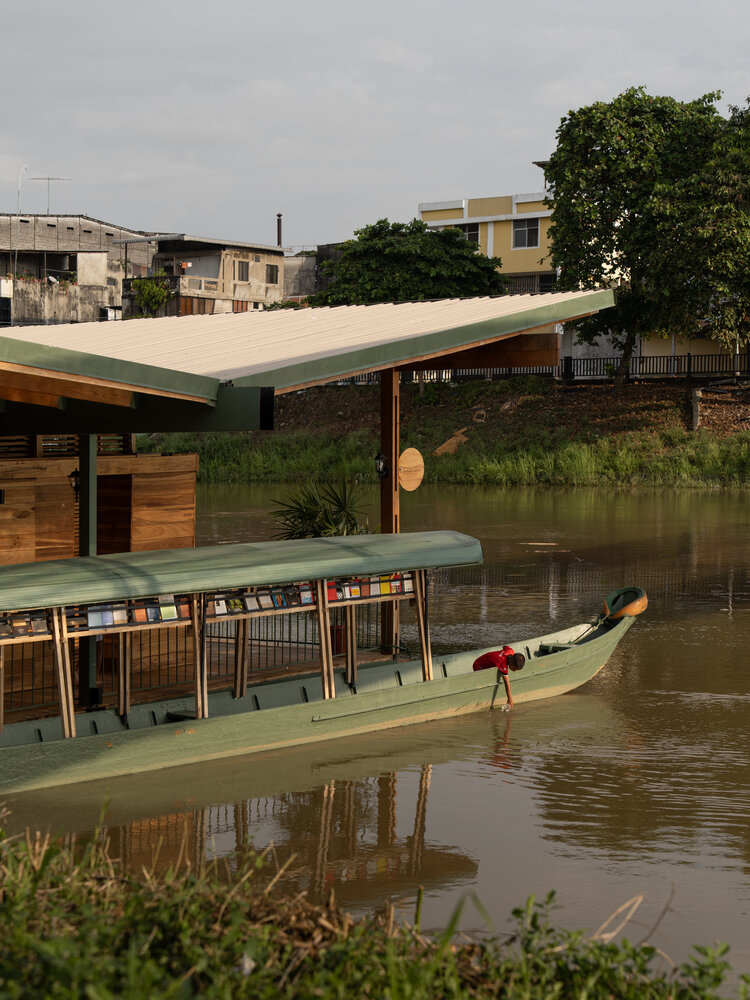
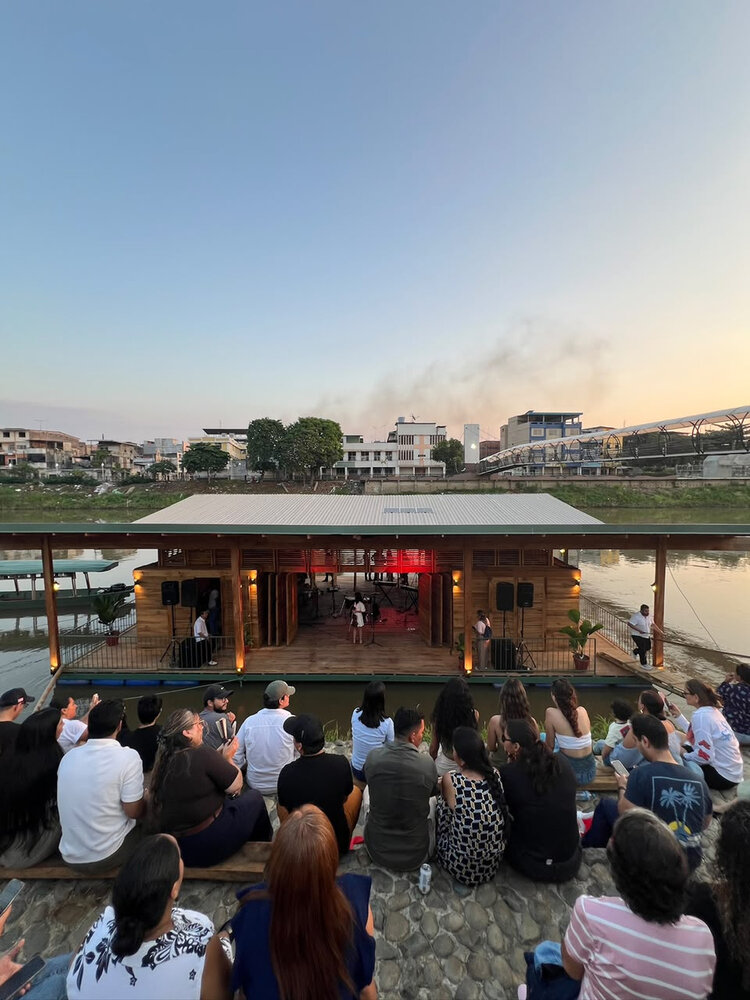
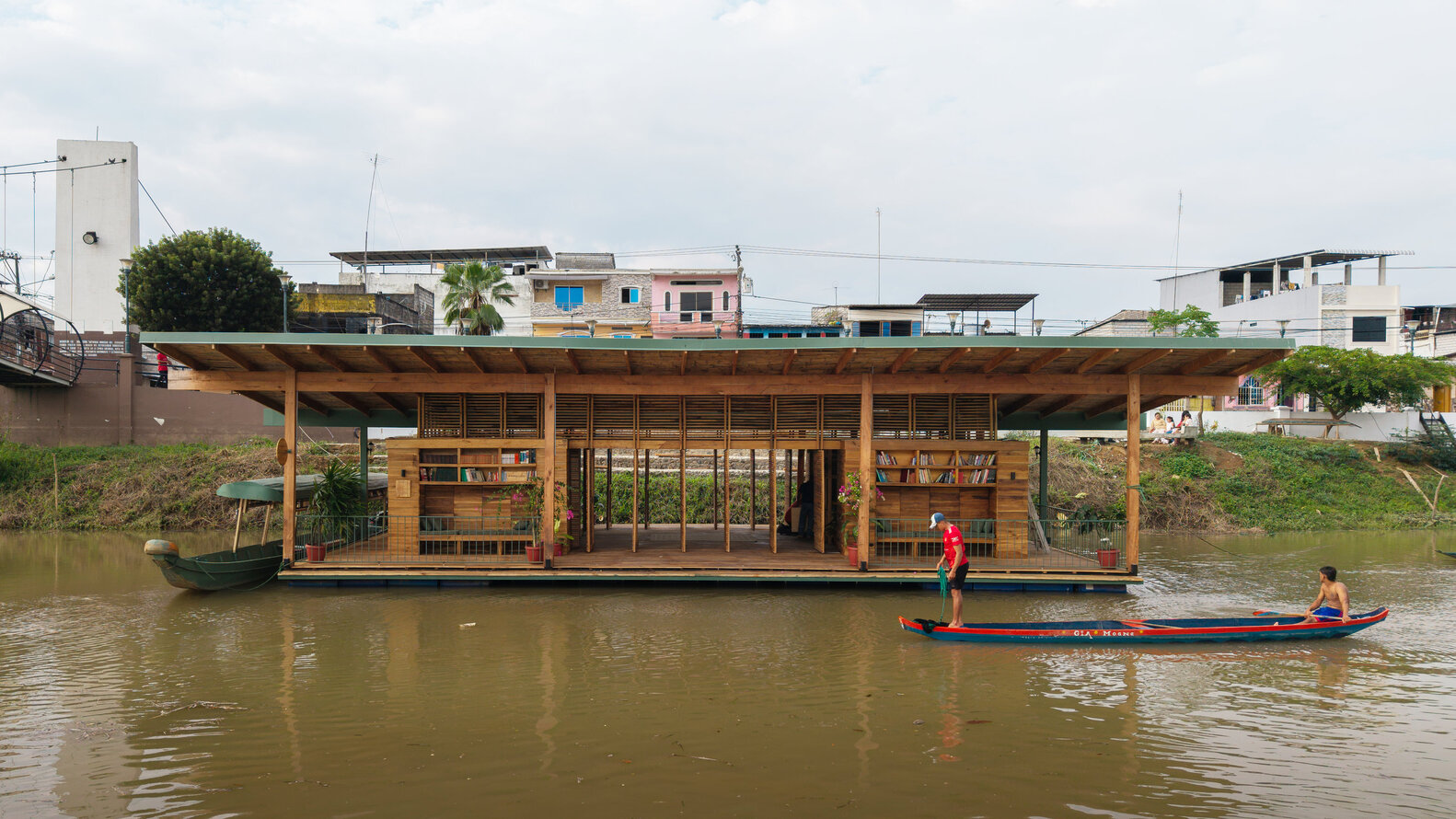
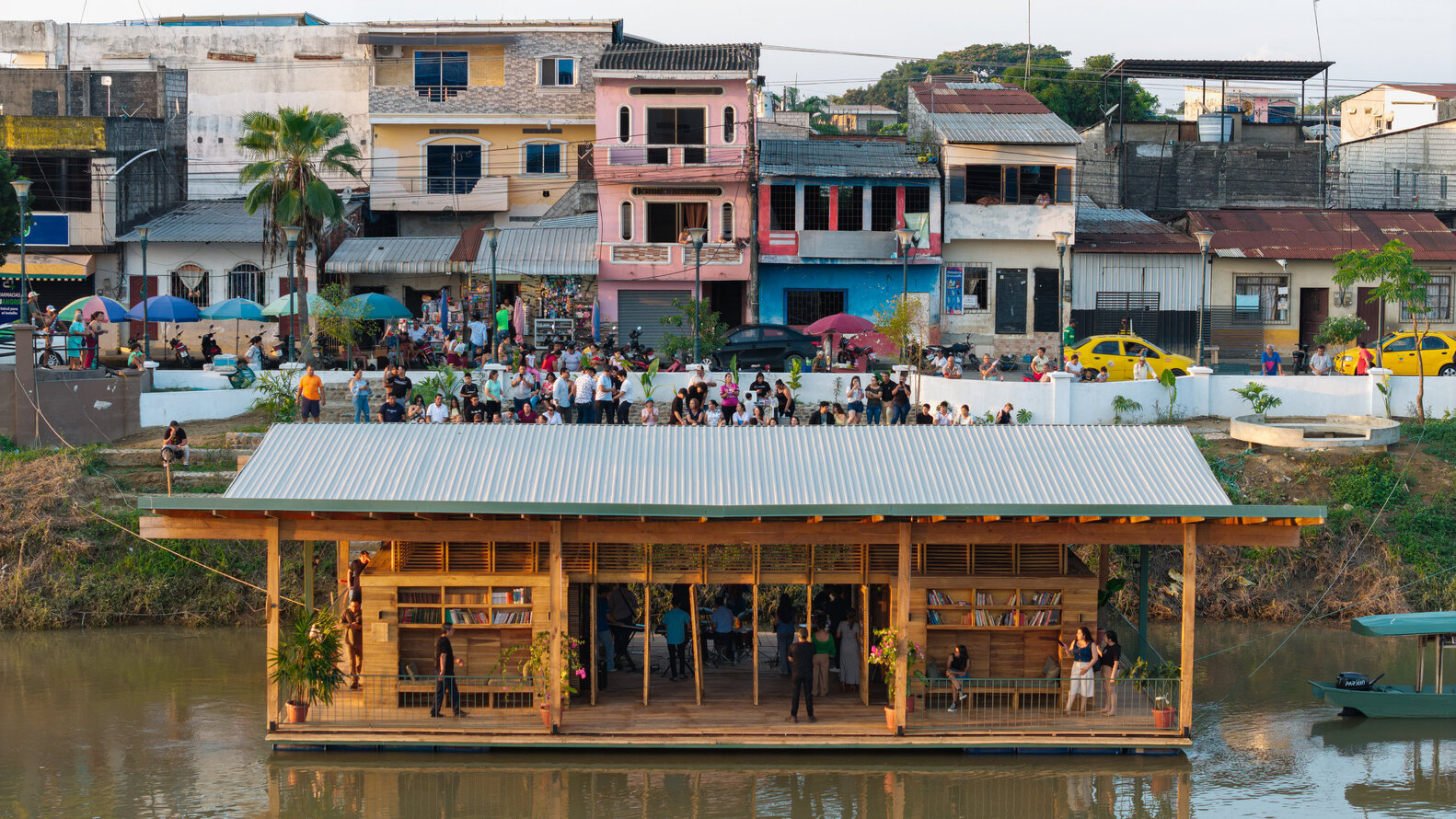
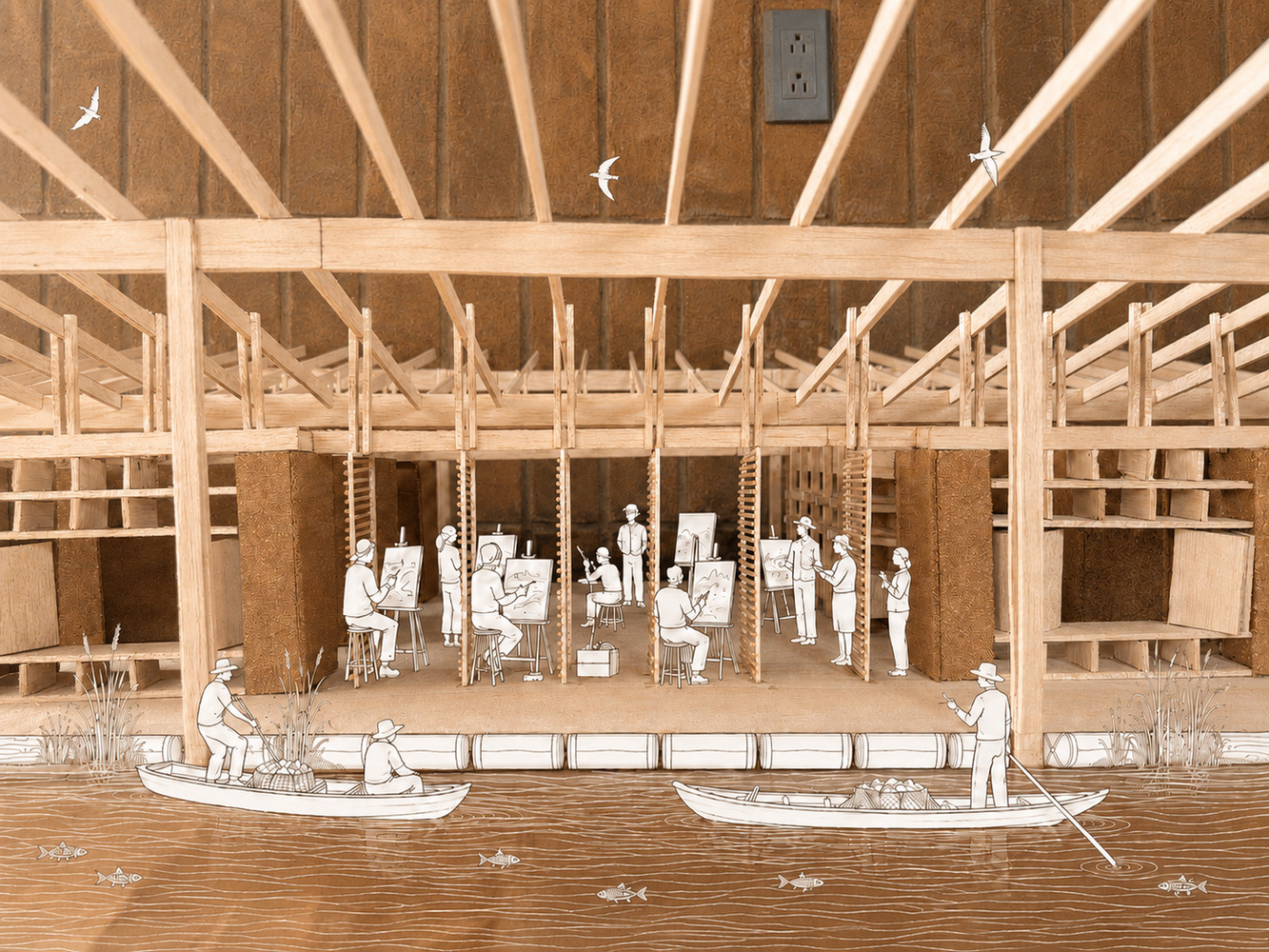
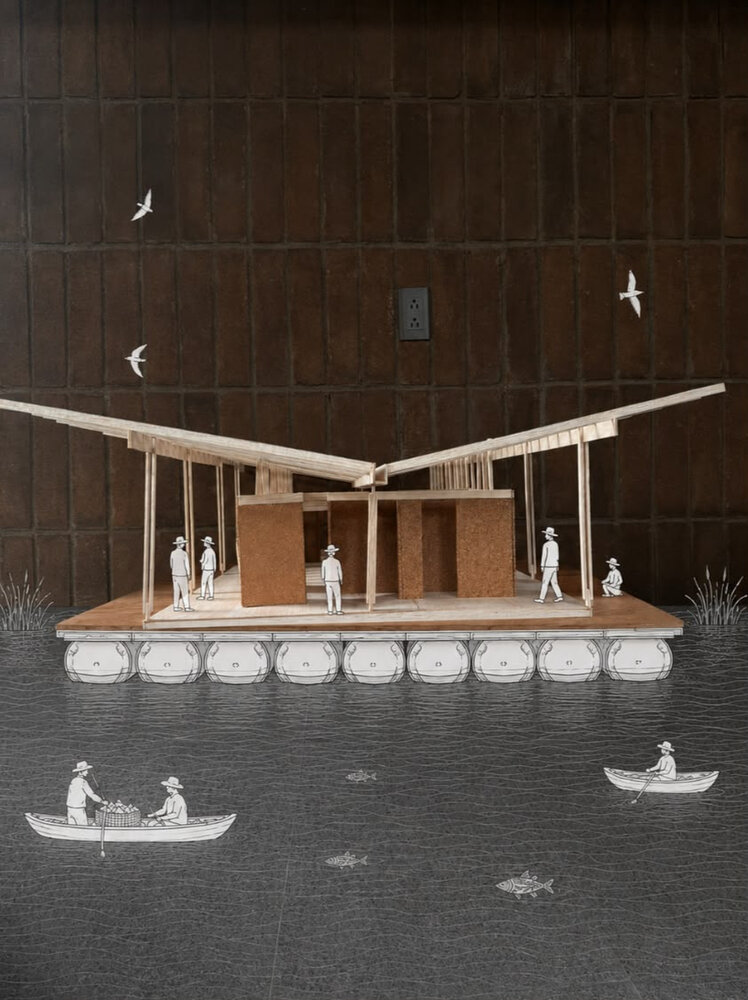
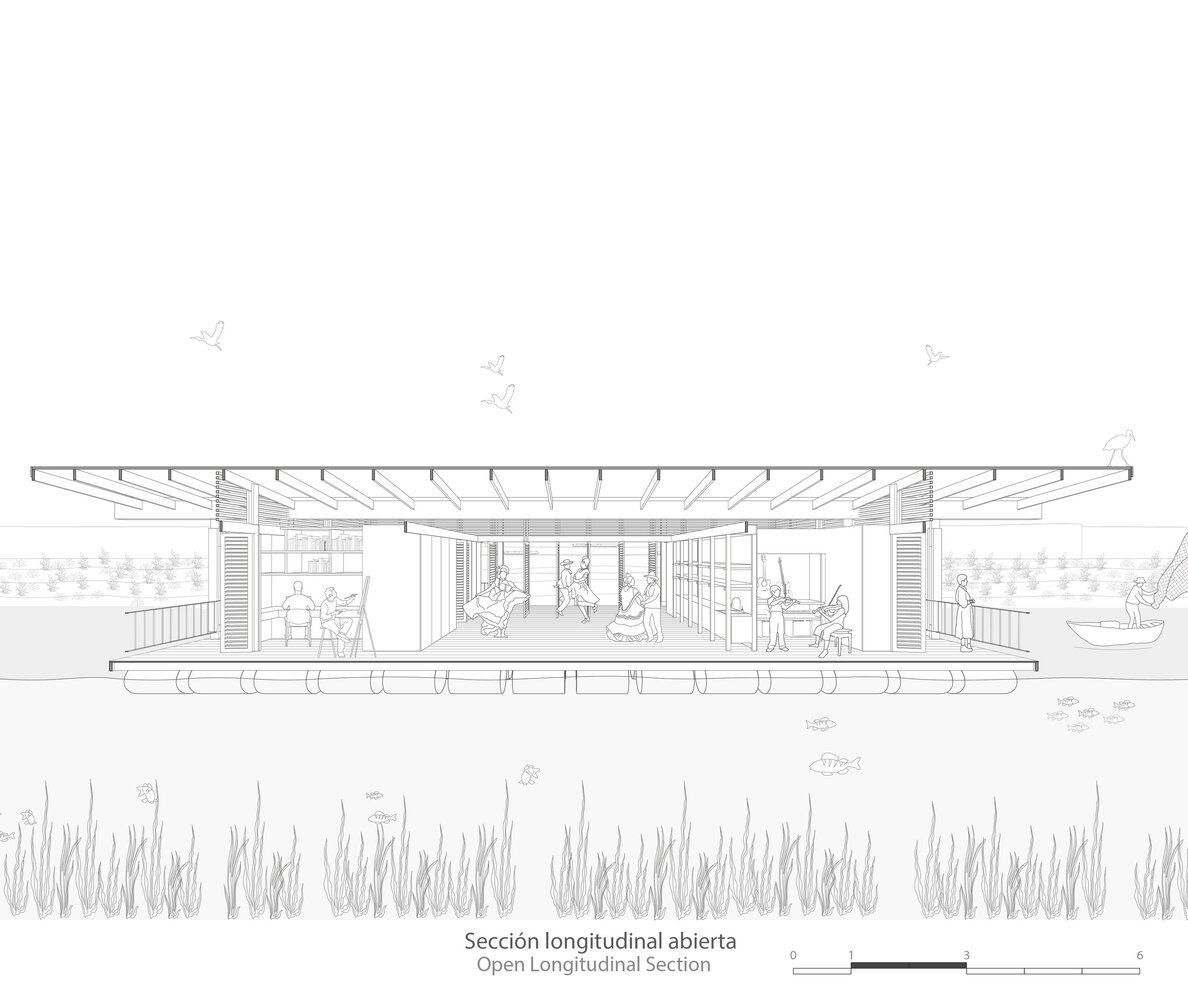
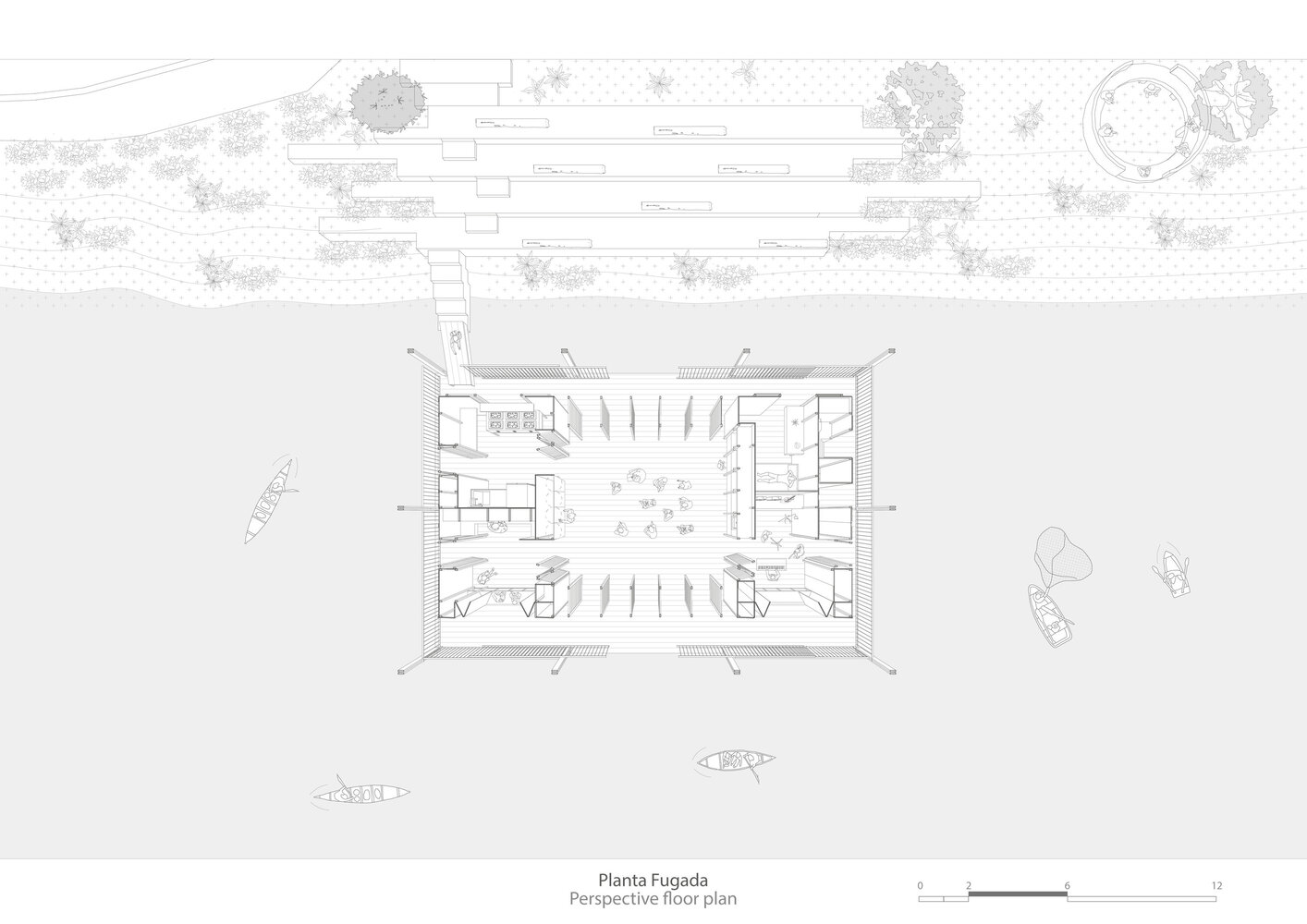
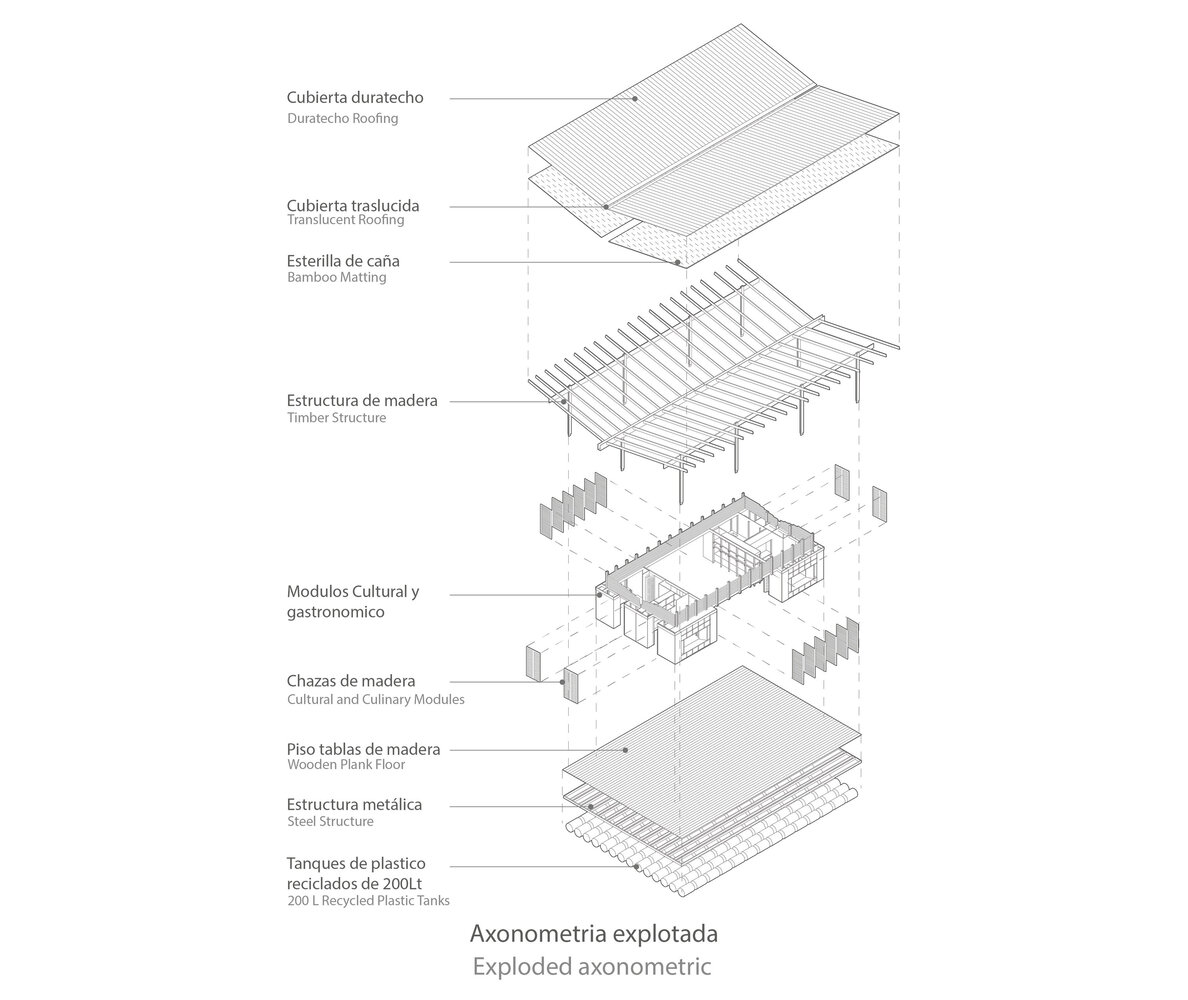
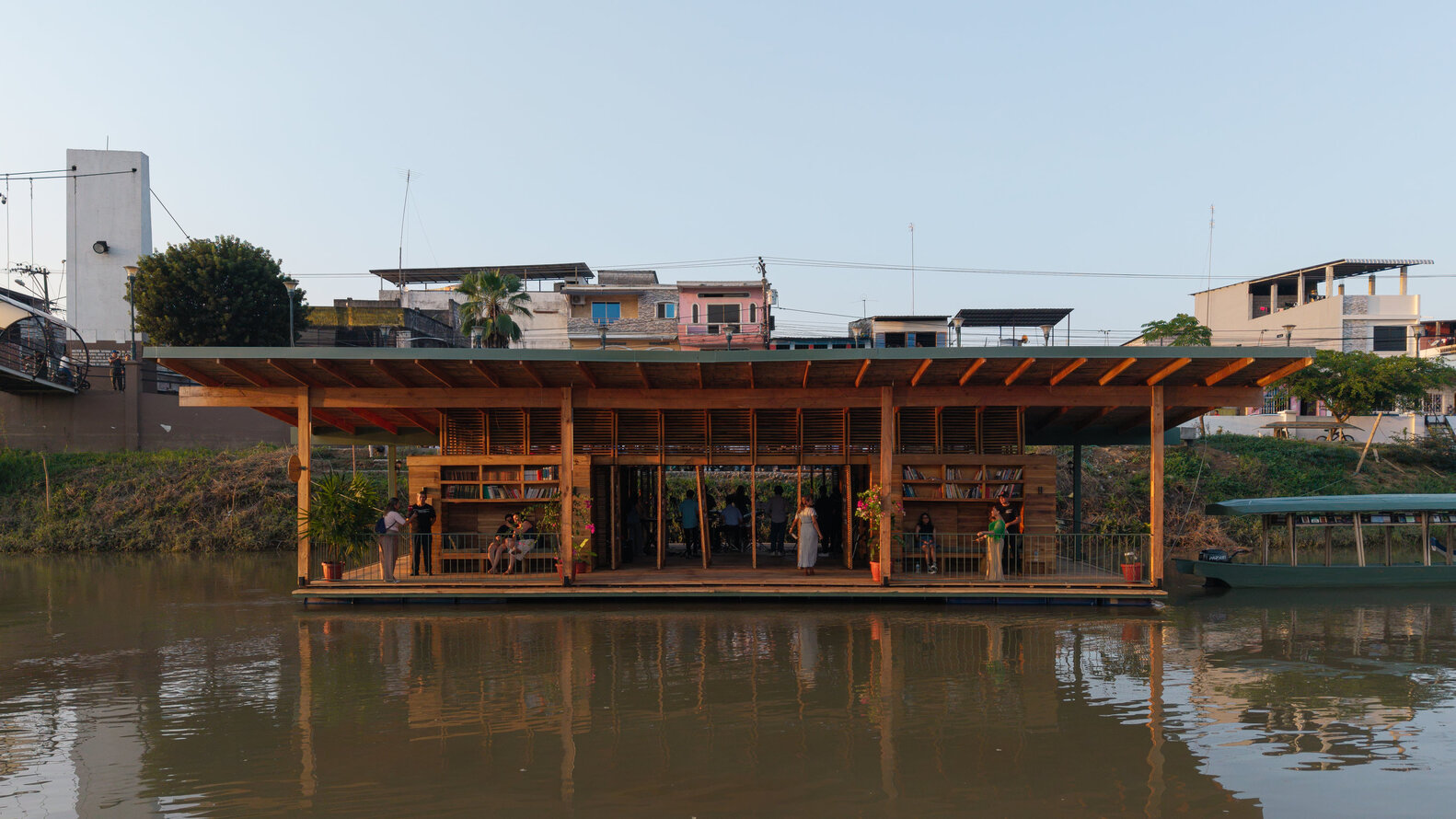
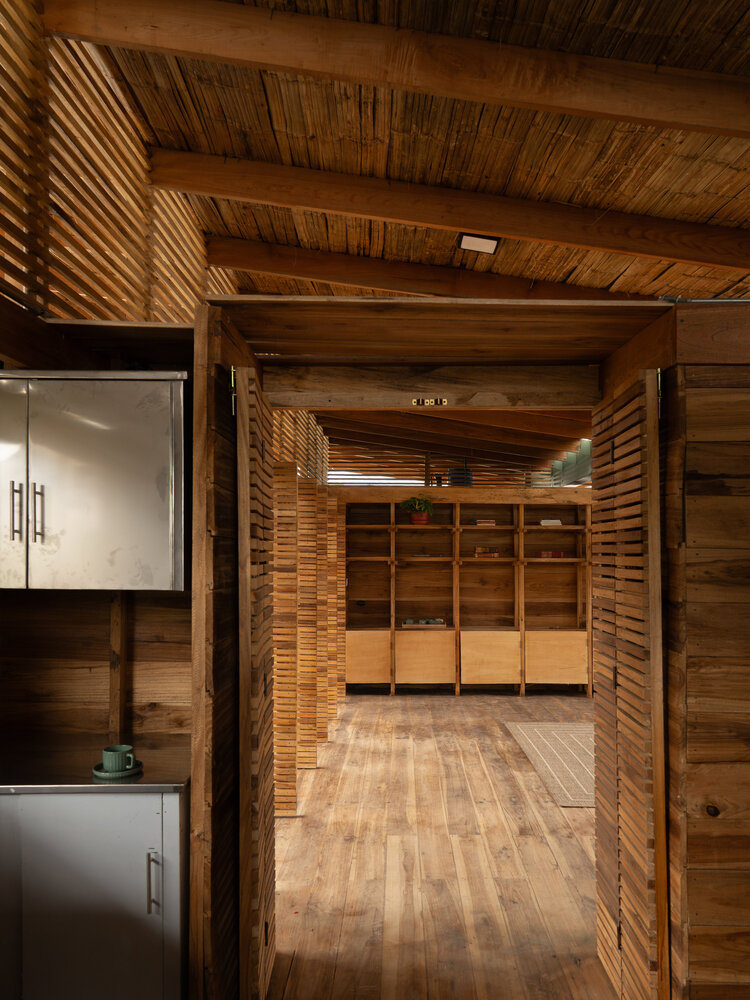
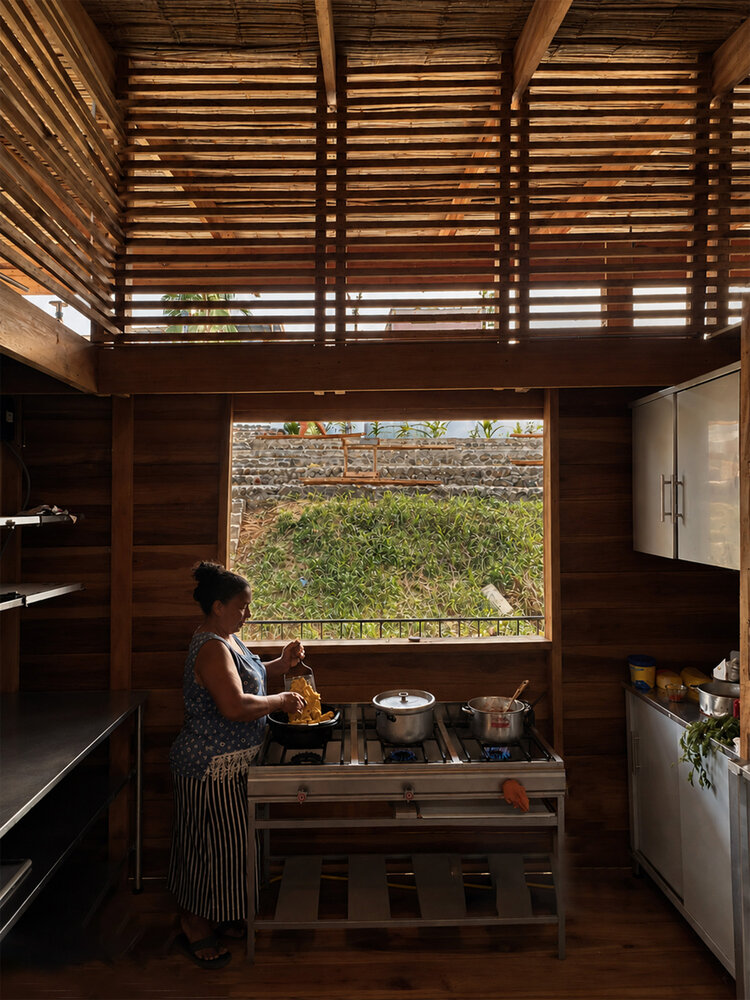
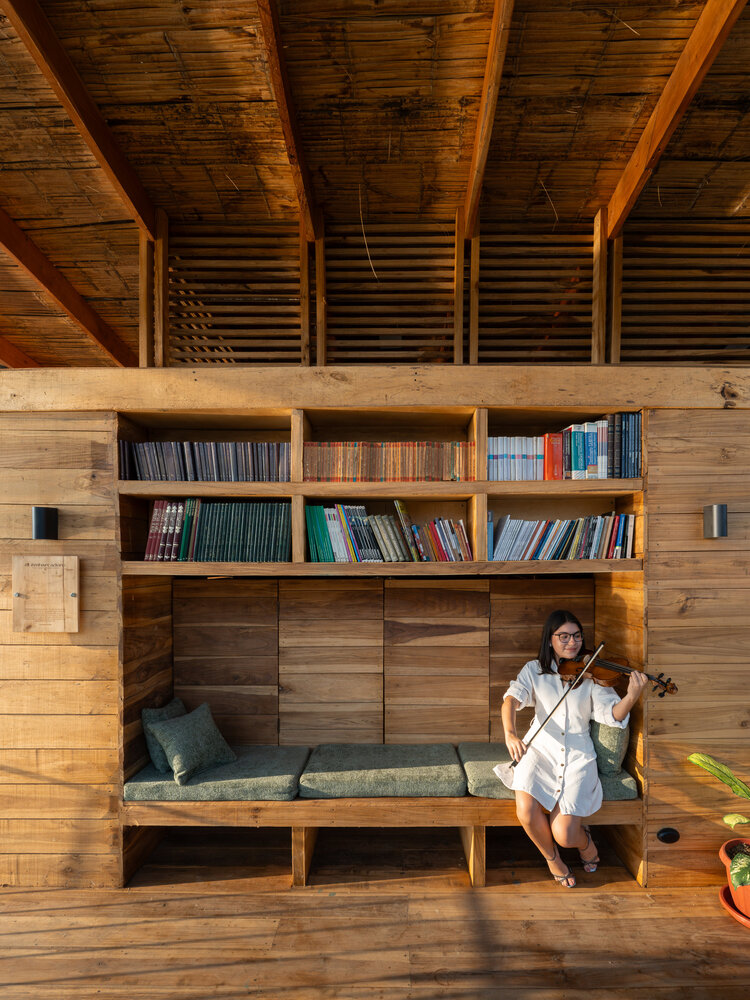
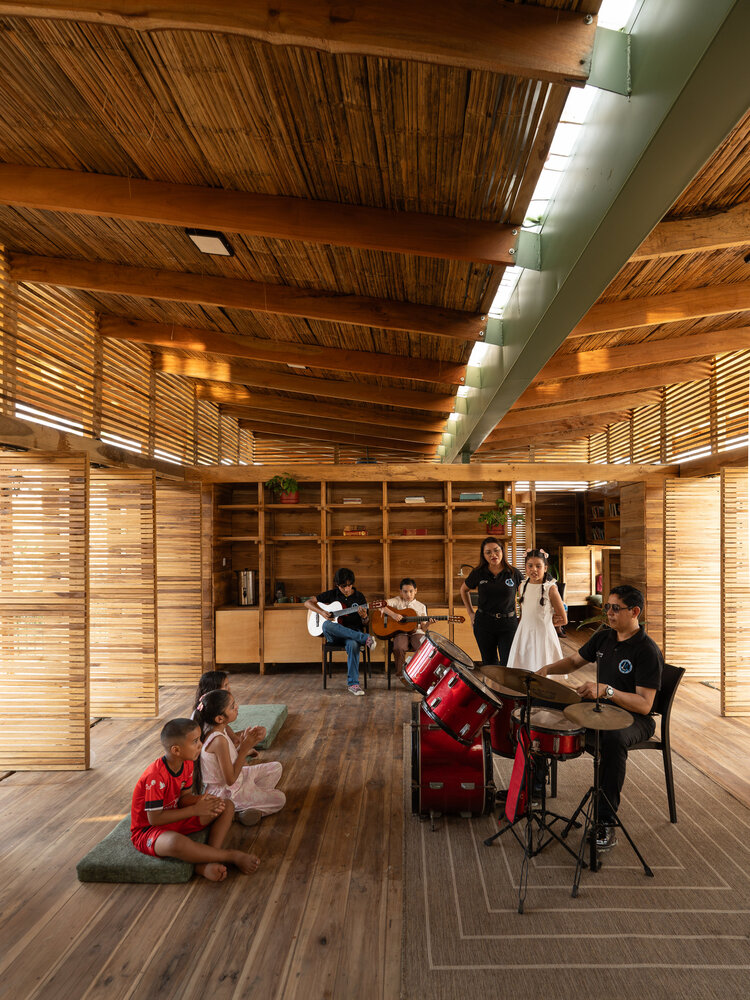
The center is built on an approximately 10x16-meter platform featuring a library, community kitchen, educational spaces, cultural management offices, a residency, and common areas.
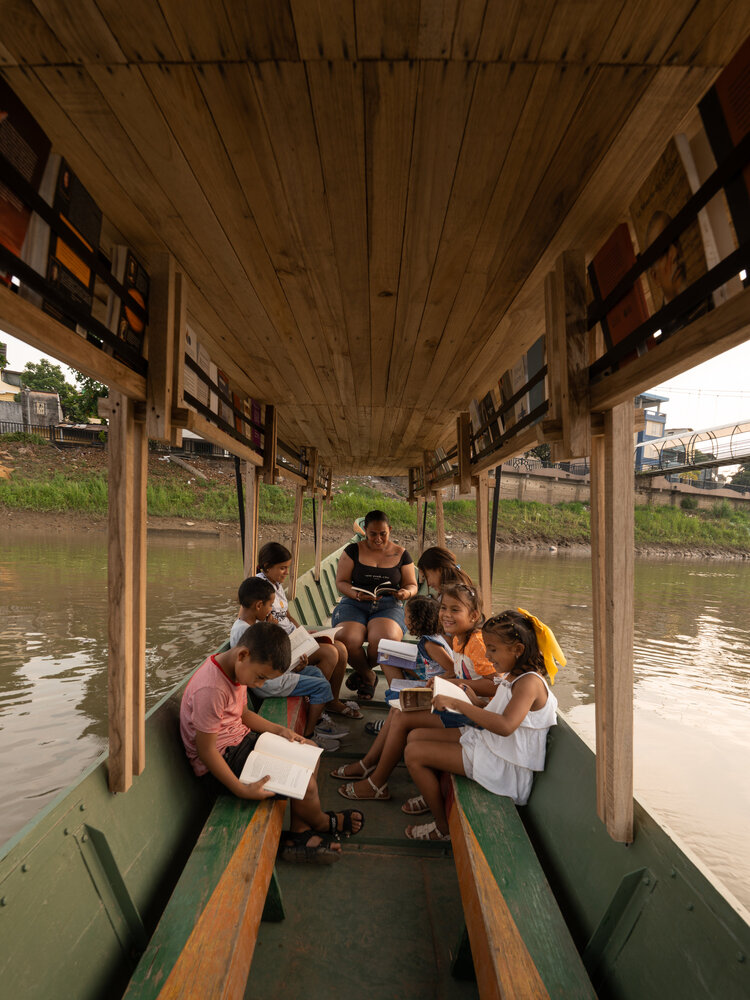
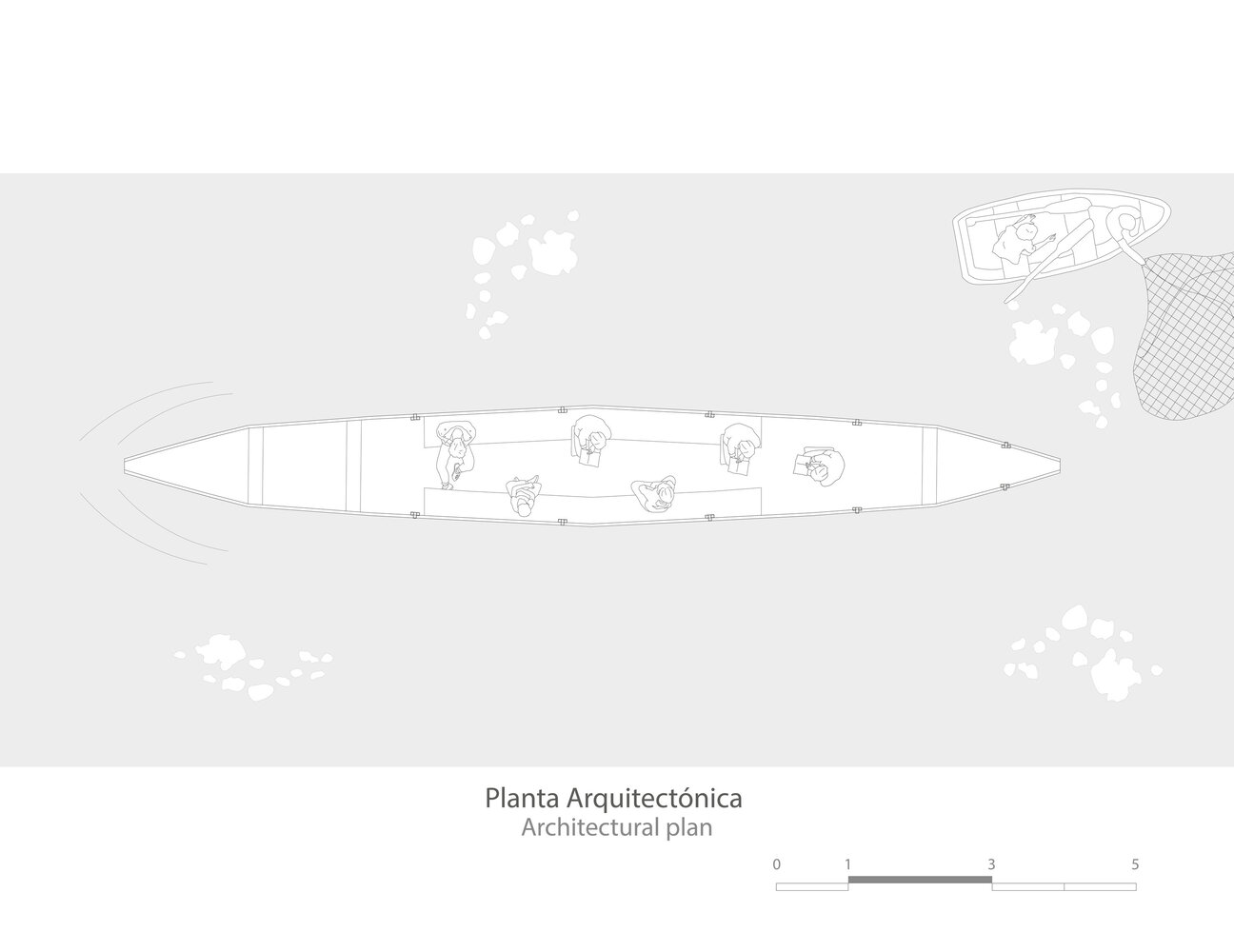
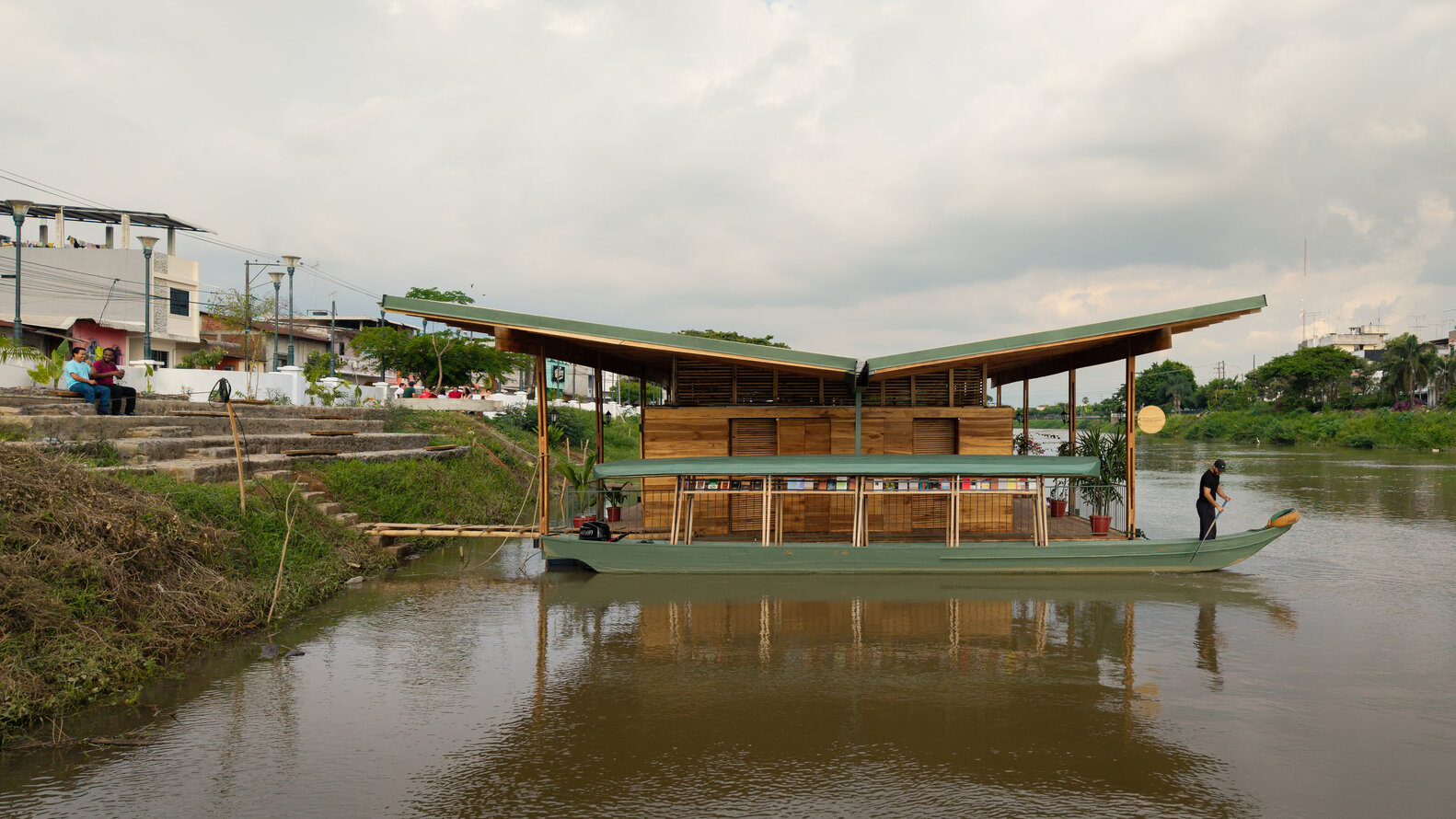
The amphitheater extends the hillside using floodable steps, and the ring incorporates outdoor activities, while the Library Canoe uses the river to deliver books, workshops, and knowledge to distant riverine homes and communities.
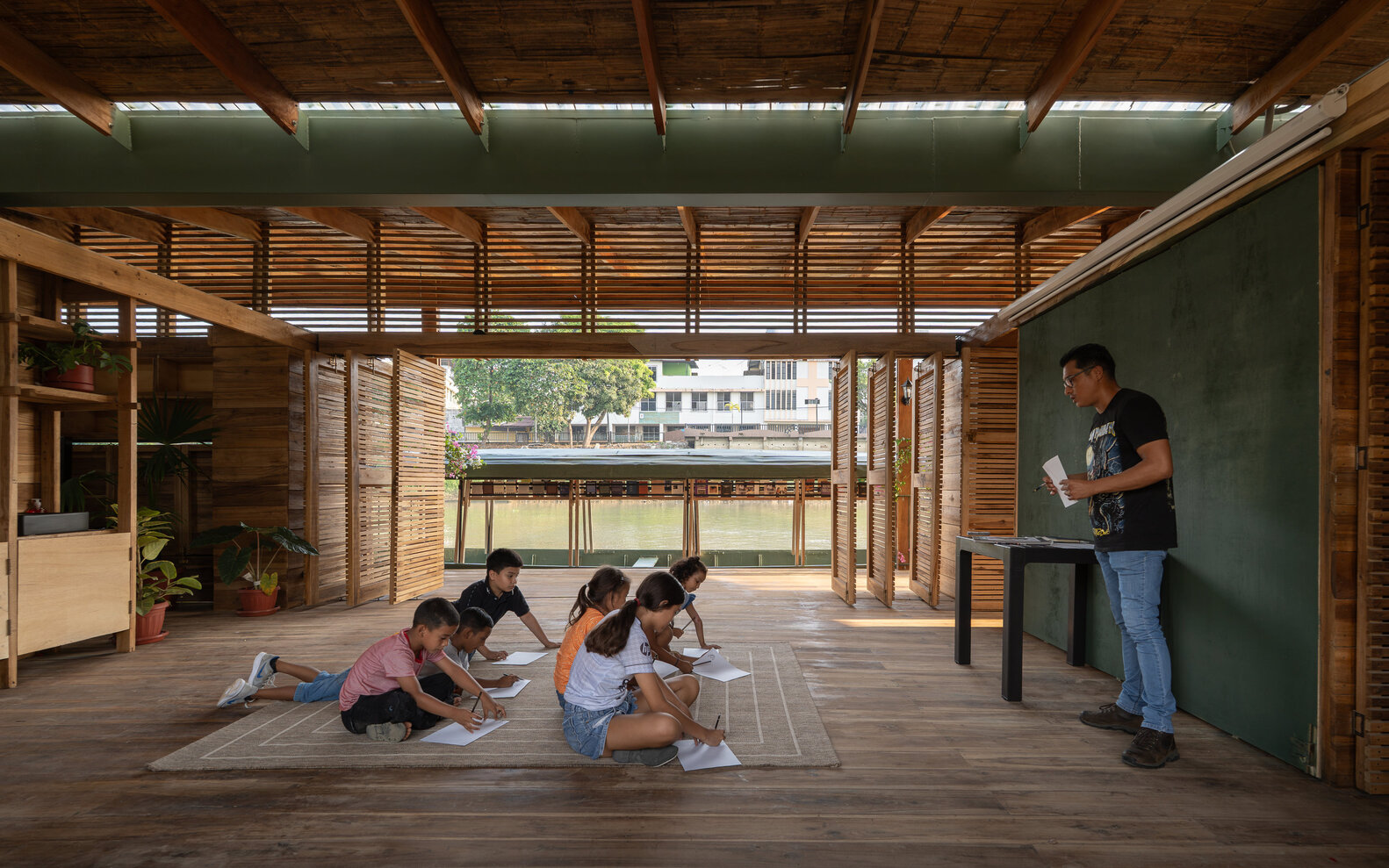
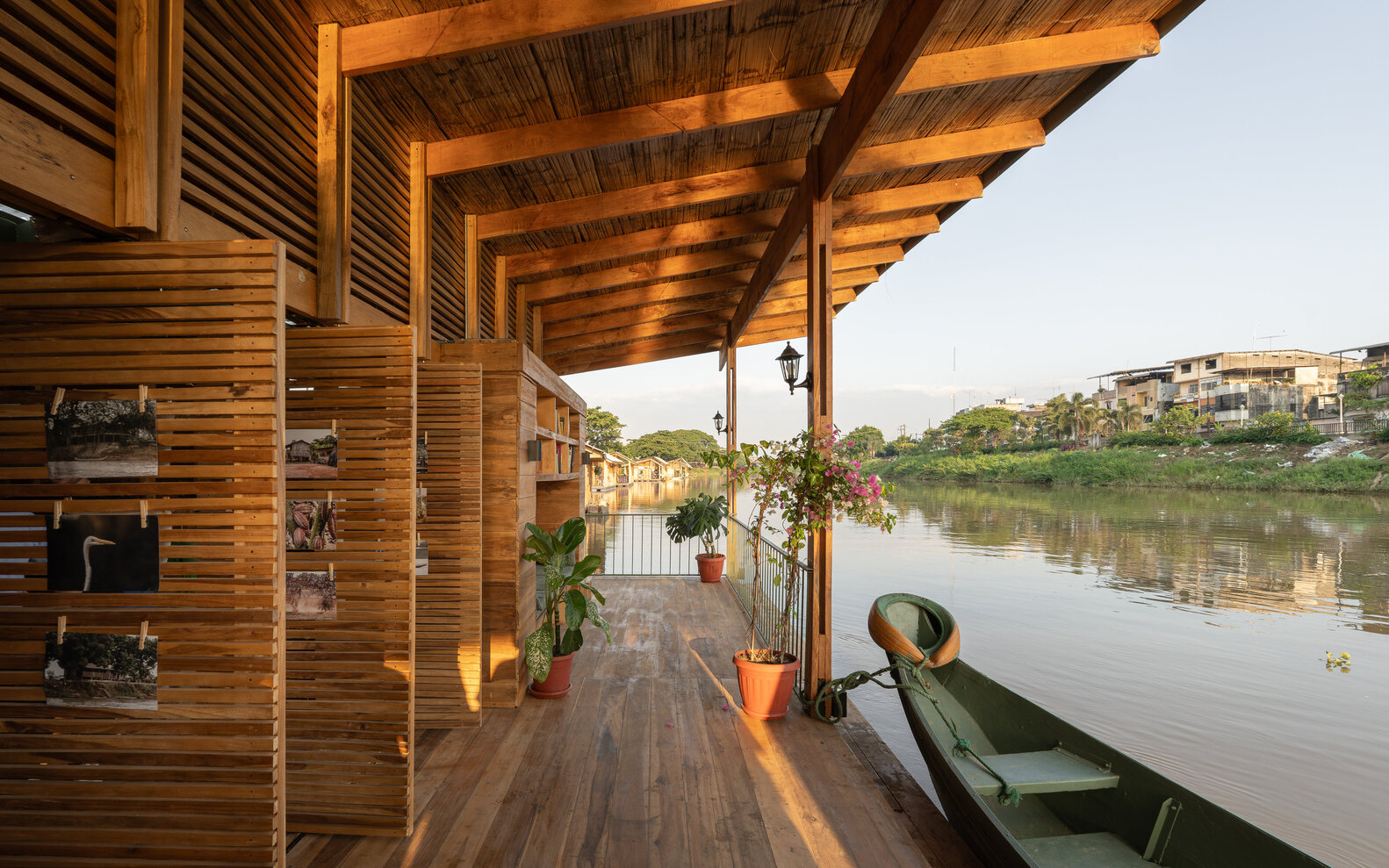
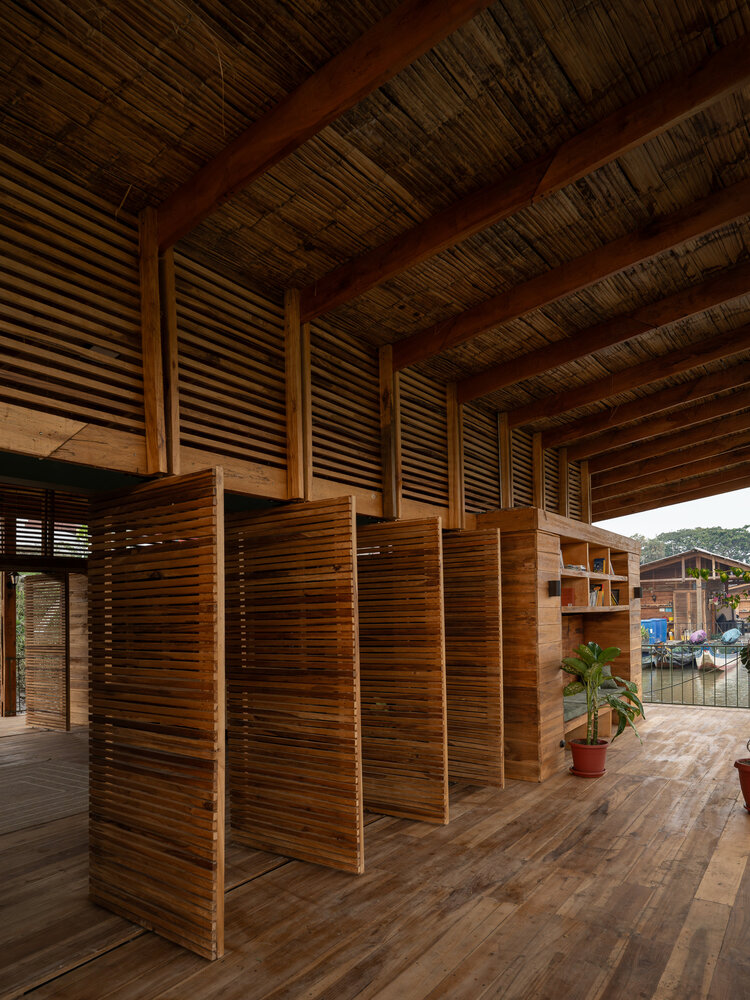
The project is modulated through a truss system that defines the spaces and the roof, which is topped with split bamboo (caña picada) that acts as a thermal mitigator.
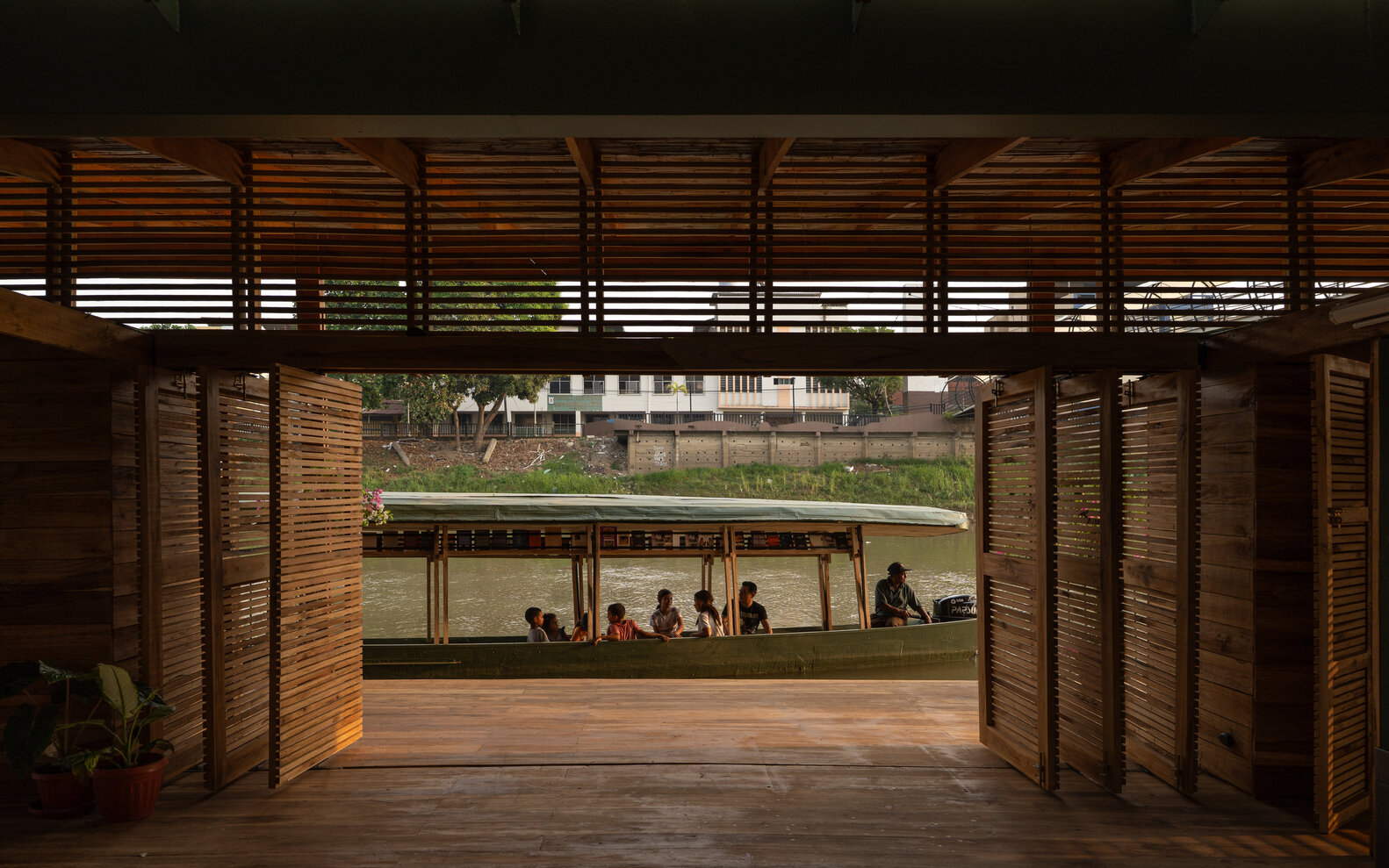
The boundaries of El Embarcadero open up to the river and the hillside, functioning as an outdoor theatrical platform, while its louvered windows allow for natural lighting and ventilation.
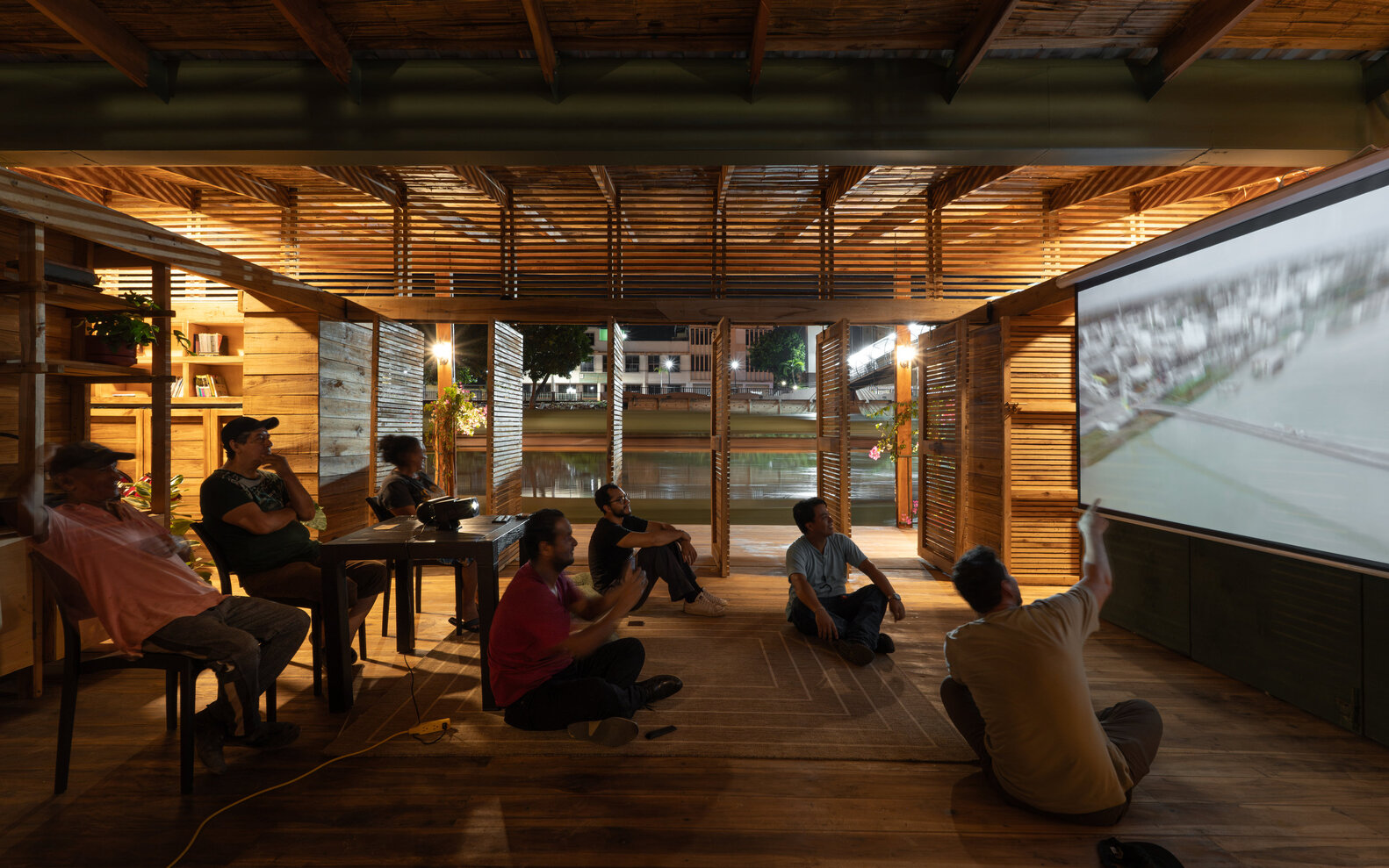
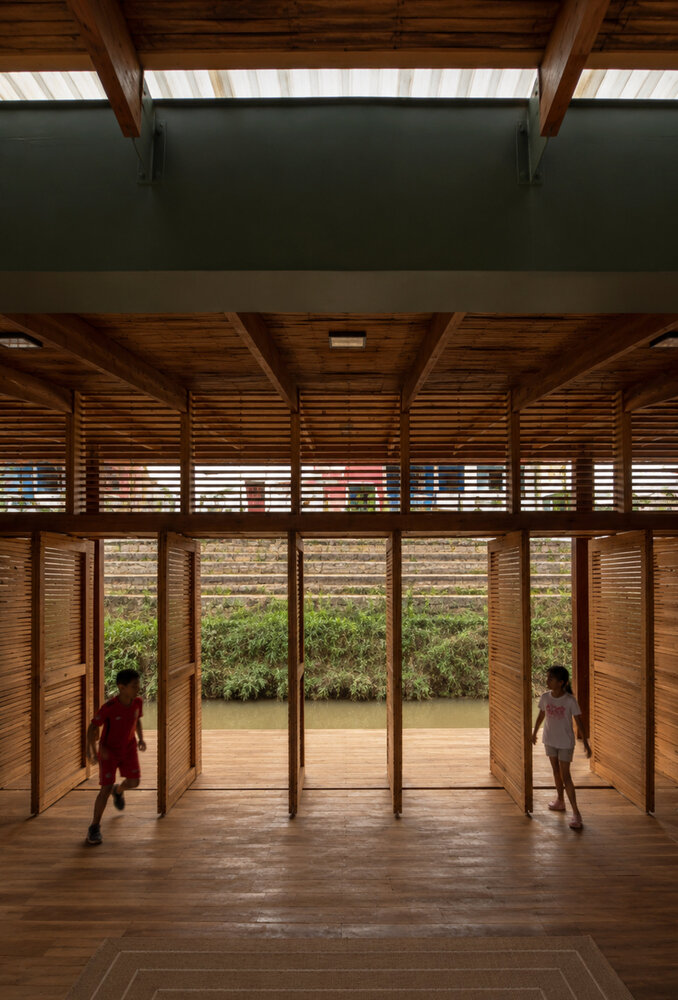
The spaces are transformed using blackboard/mirror panels, furniture/bookcases, and window/gallery elements, maximizing educational interaction among children, youth, and the elderly.
The community kitchen will be managed by the current neighborhood leader, who, through workshops and training, will preserve and guarantee access to local traditional food.
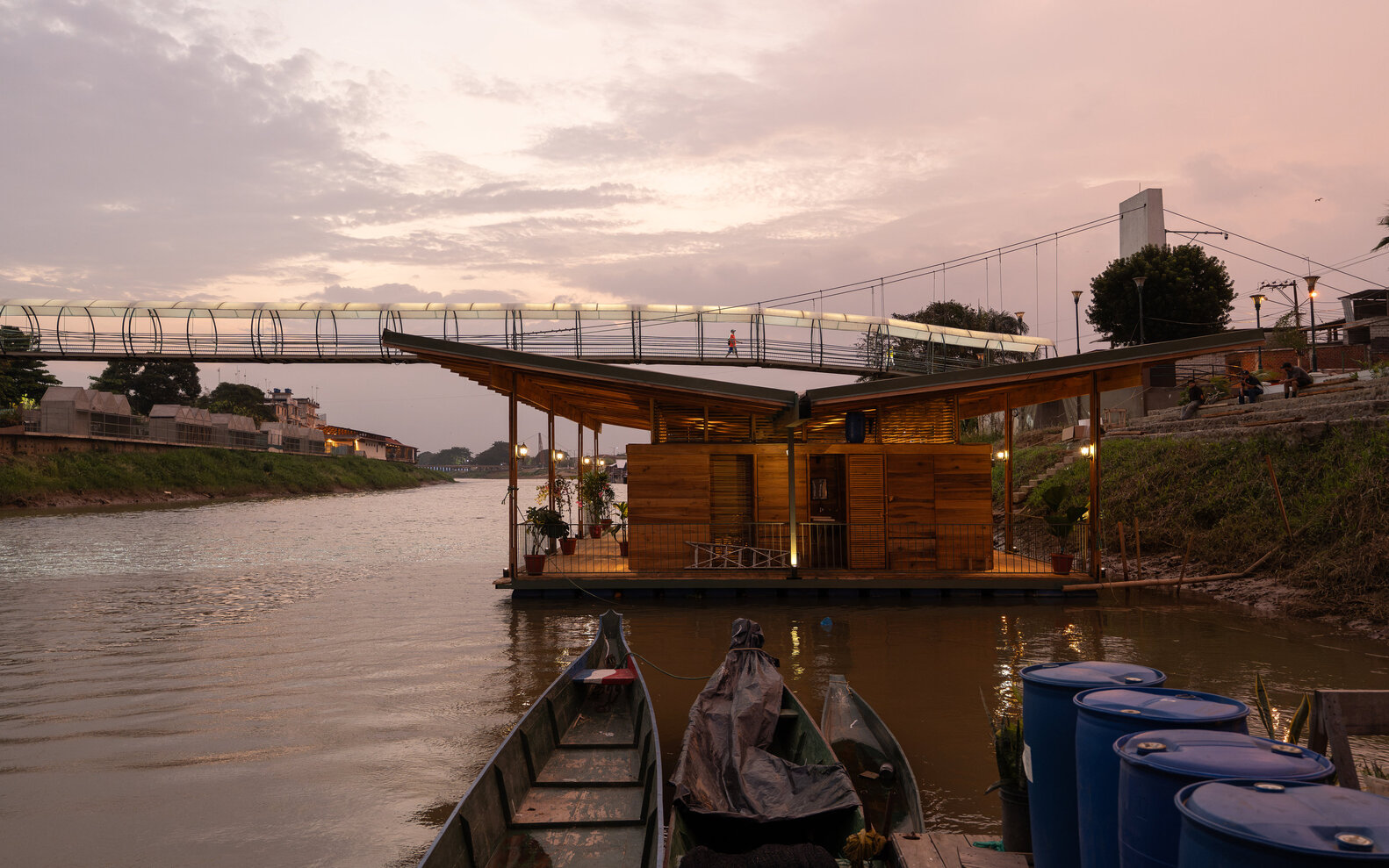
The environmental strategies treat flooding as an inherent dynamic of the territory.
Since seasonal rising waters currently reduce accessibility for approximately 25–30% of the year, the project incorporates floodable surfaces, mooring systems, and floating structures adaptable to river fluctuations.
Solar panels, rainwater harvesting, filtration, and graywater management reduce dependence on urban grids, while a shared management model between the community, foundations, and the municipality aims to ensure the continuity of its cultural programming.
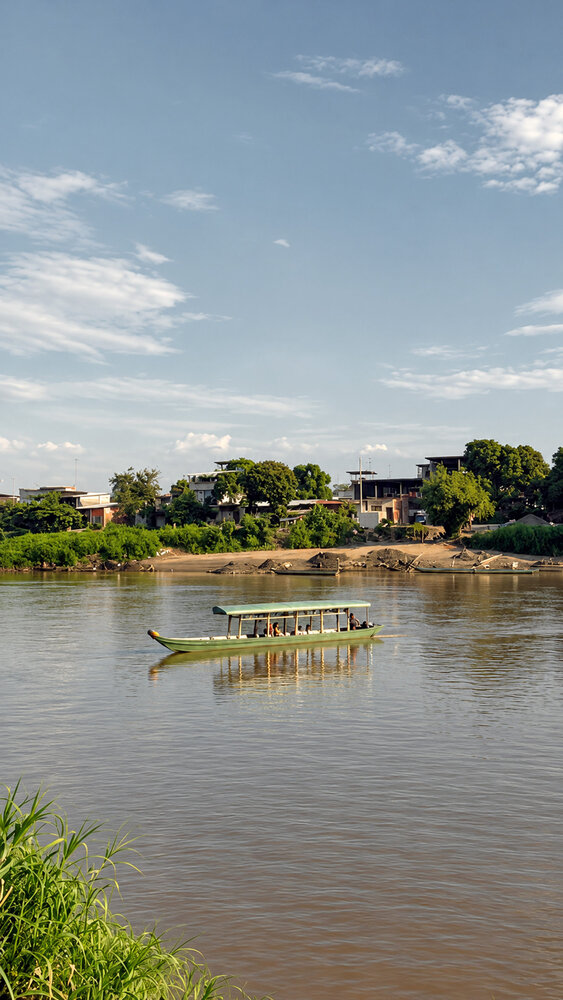
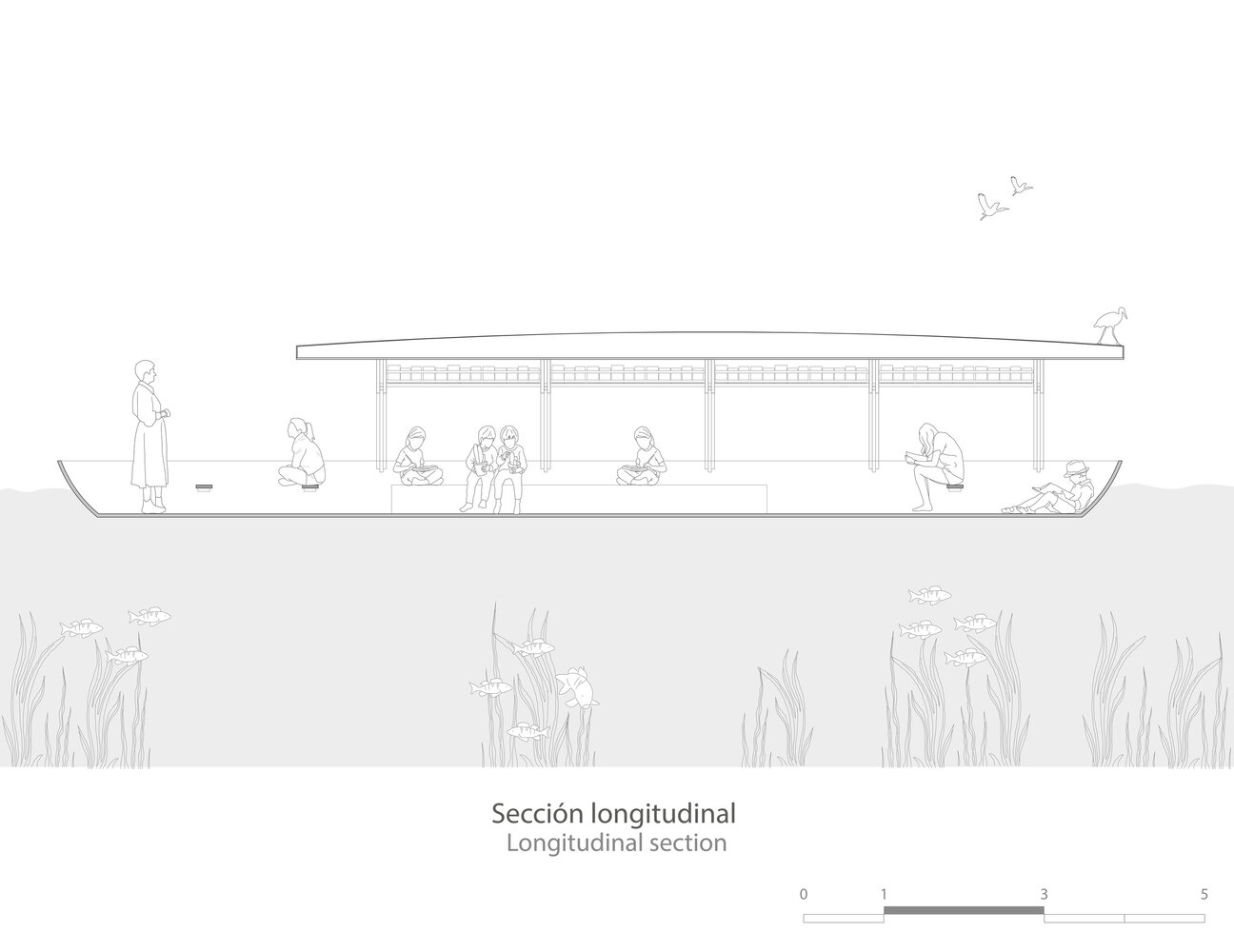
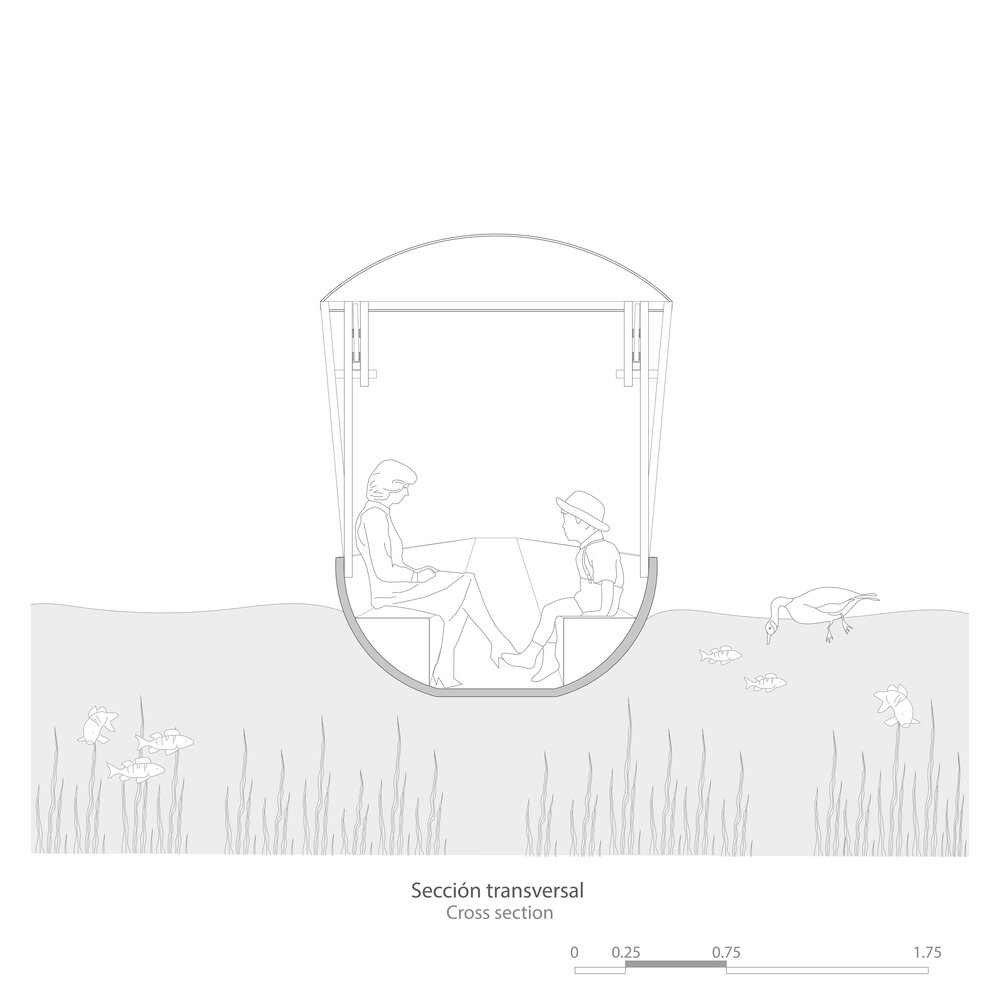
The Library Canoe transforms a traditional vessel into a traveling library that brings knowledge, reading, and learning to rural riverine communities.
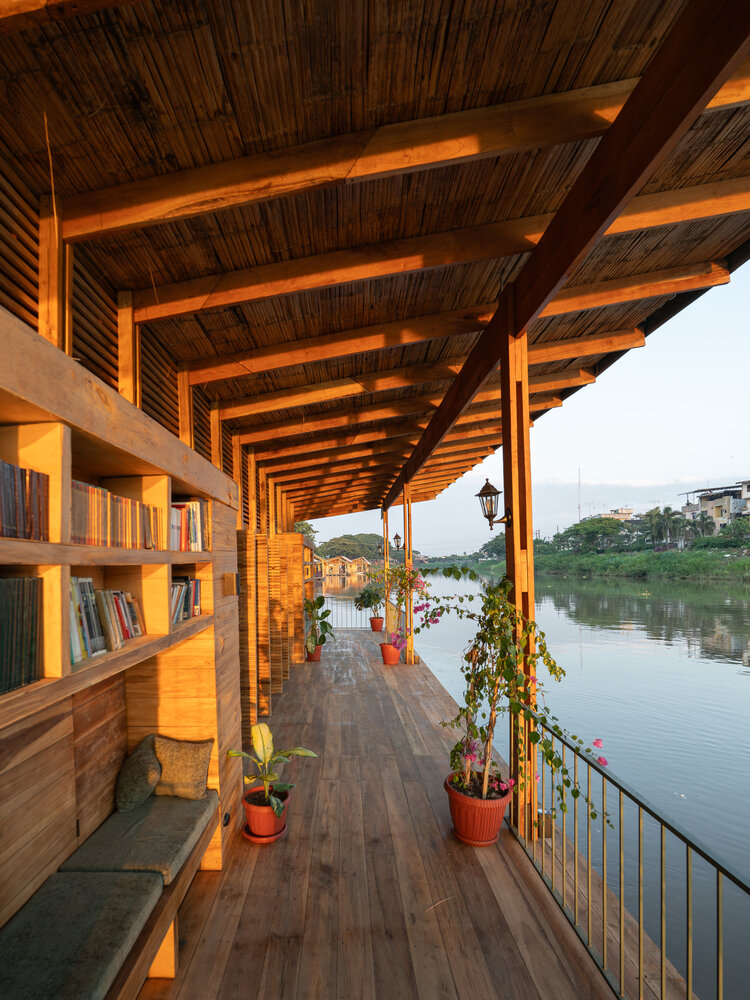
With El Embarcadero as its base, this architecture democratizes access to culture, strengthens community bonds, and reclaims the river as a living space for gathering, education, and collective transformation.
El Embarcadero explores ways of developing cultural infrastructure in flood-prone territories, treating the river as an extension of the city.
By transferring knowledge across the water, the project seeks to strengthen collective organization and promote the floating habitat as a hub of knowledge for other communities, facilitating the development of public policies that recognize education, culture, and floodable public space as vital parts of the city.