
SAFETY SHELTERS
Paulo Moreira Architectures
ARCHITECTS
Paulo Moreira Architectures
LEAD ARCHITECT
Paulo Moreira
ARCHITECTURAL OFFICES
Kelvin-alexandra-frankenwald City Studio
PHOTOGRAPHS
leon krige
AREA
50 m²
YEAR
2025
LOCATION
Stella, South Africa
CATEGORY
Urbanism, Temporary Installations
English description provided by the architects.
The "Safety Shelters" initiative addressed the requests of the K Stjwetla Patrollers, a group of volunteers fighting high crime rates in the settlement.
The project reimagined the guardhouse, typically a hostile architectural typology, transforming it into dignified, open, and visible shelters.
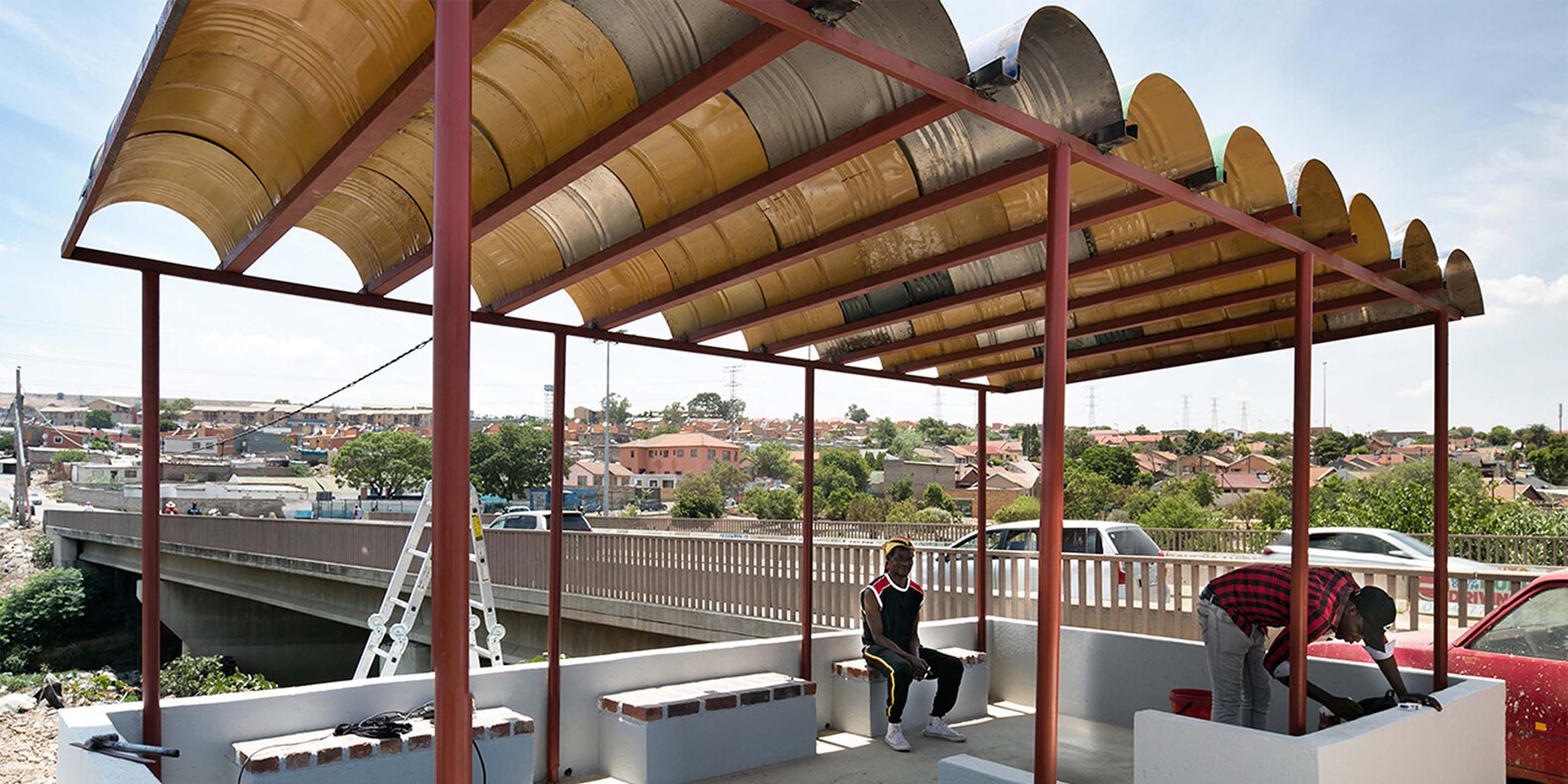
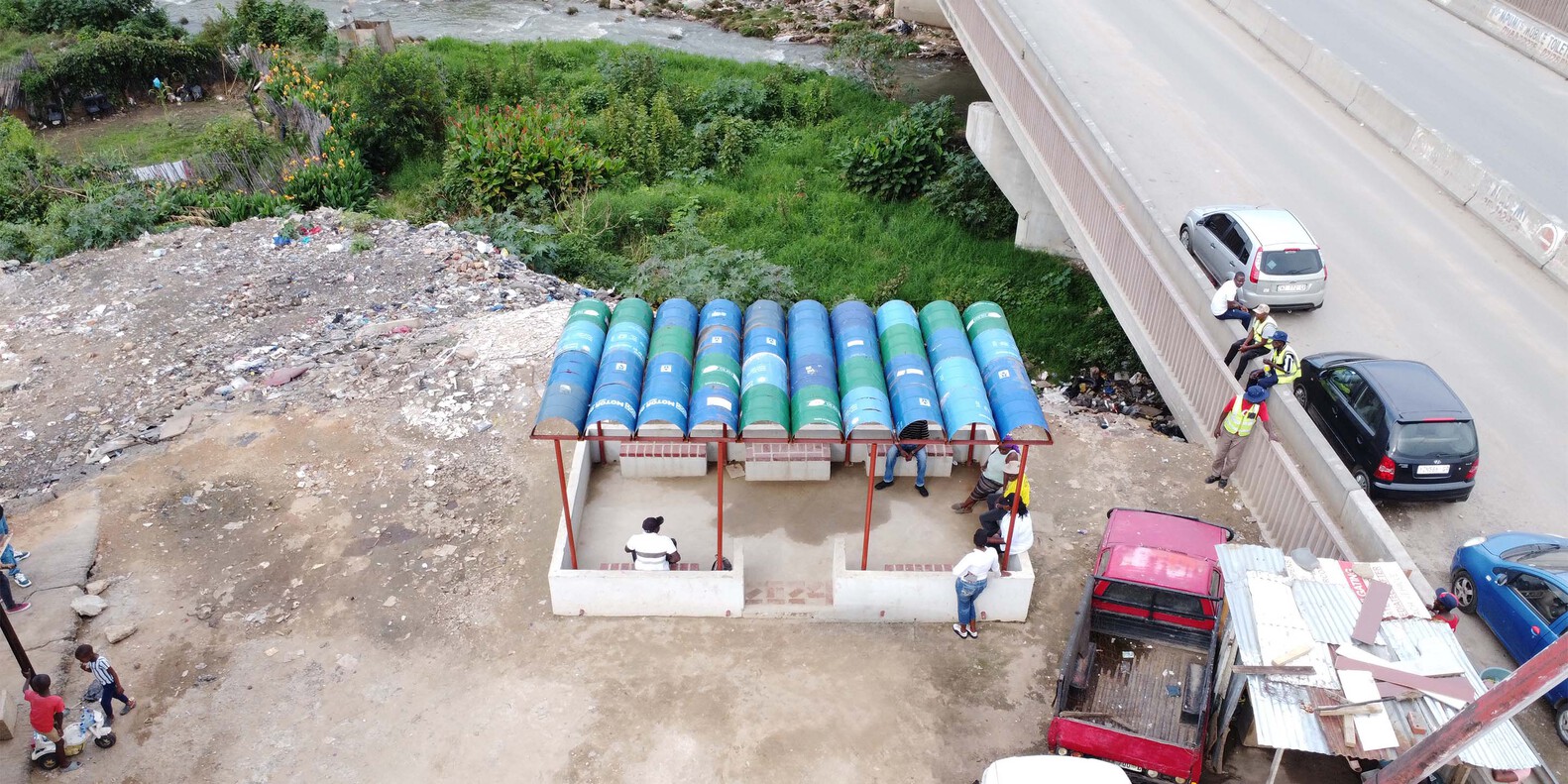
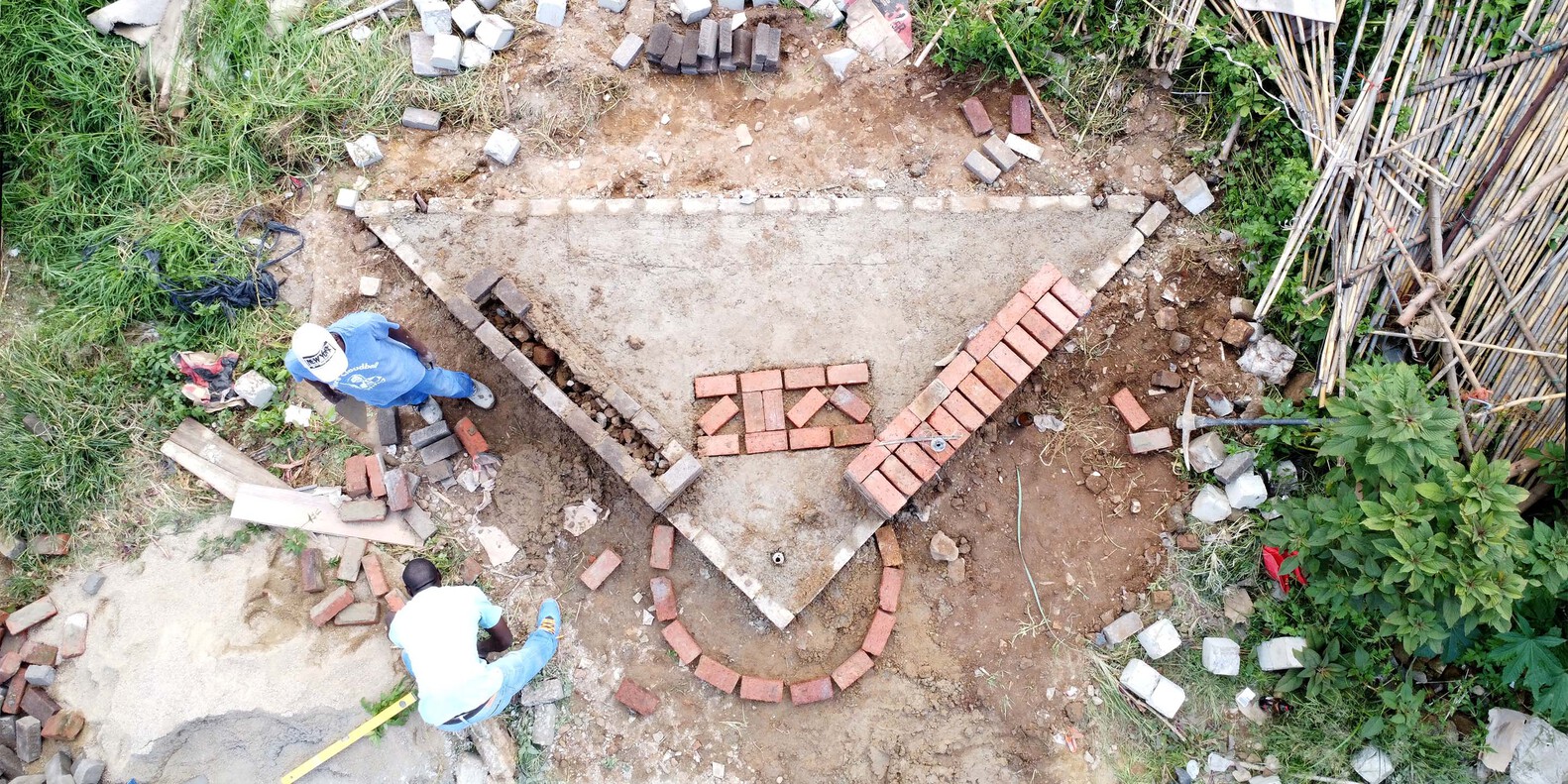
Two prototypes were co-produced at key points in Stjwetla, built alongside local artisans, students, and residents using repurposed materials to ensure sustainability and affordability.
The design and construction process combined pedagogical, practical, and civic goals.
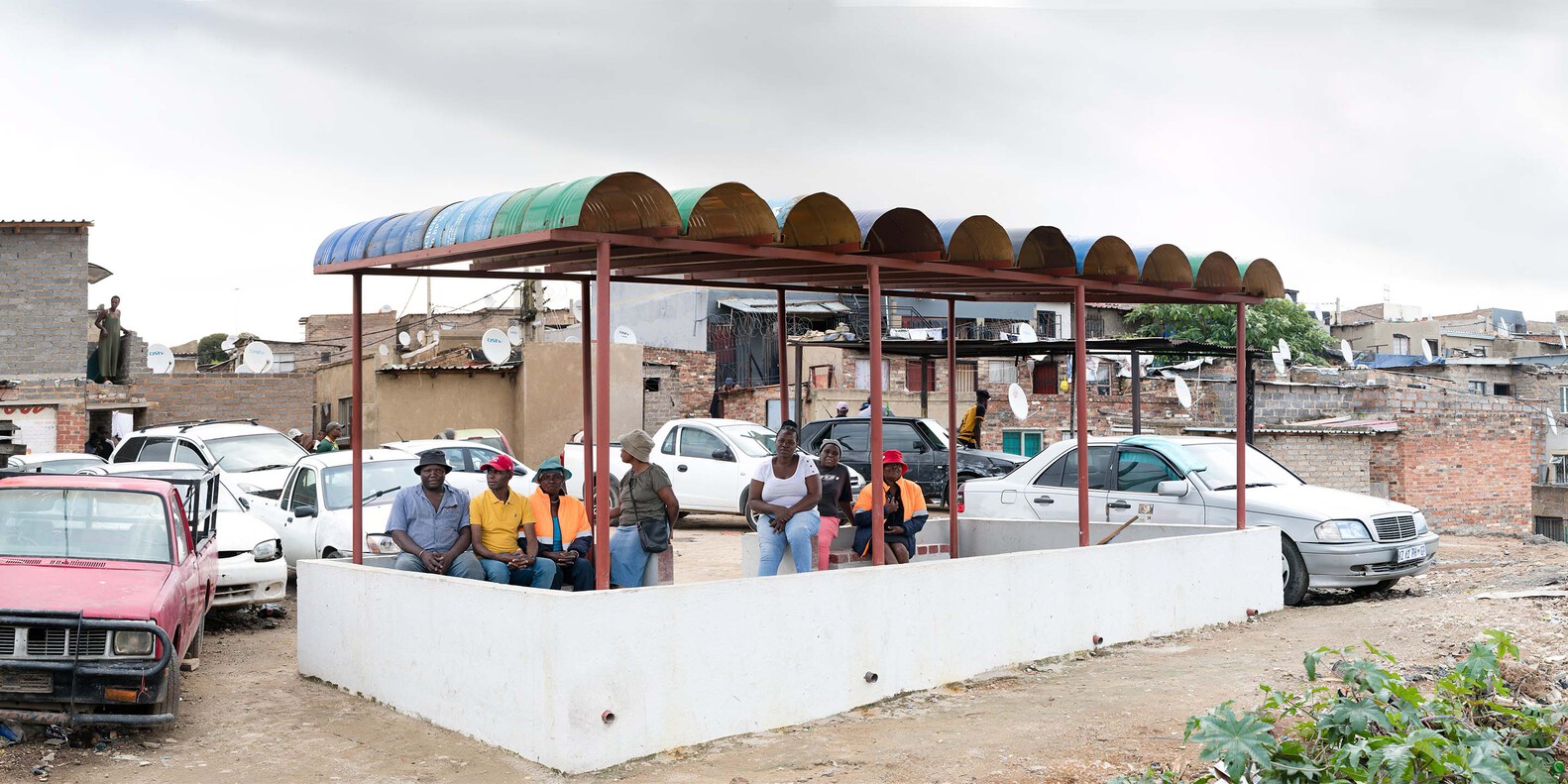
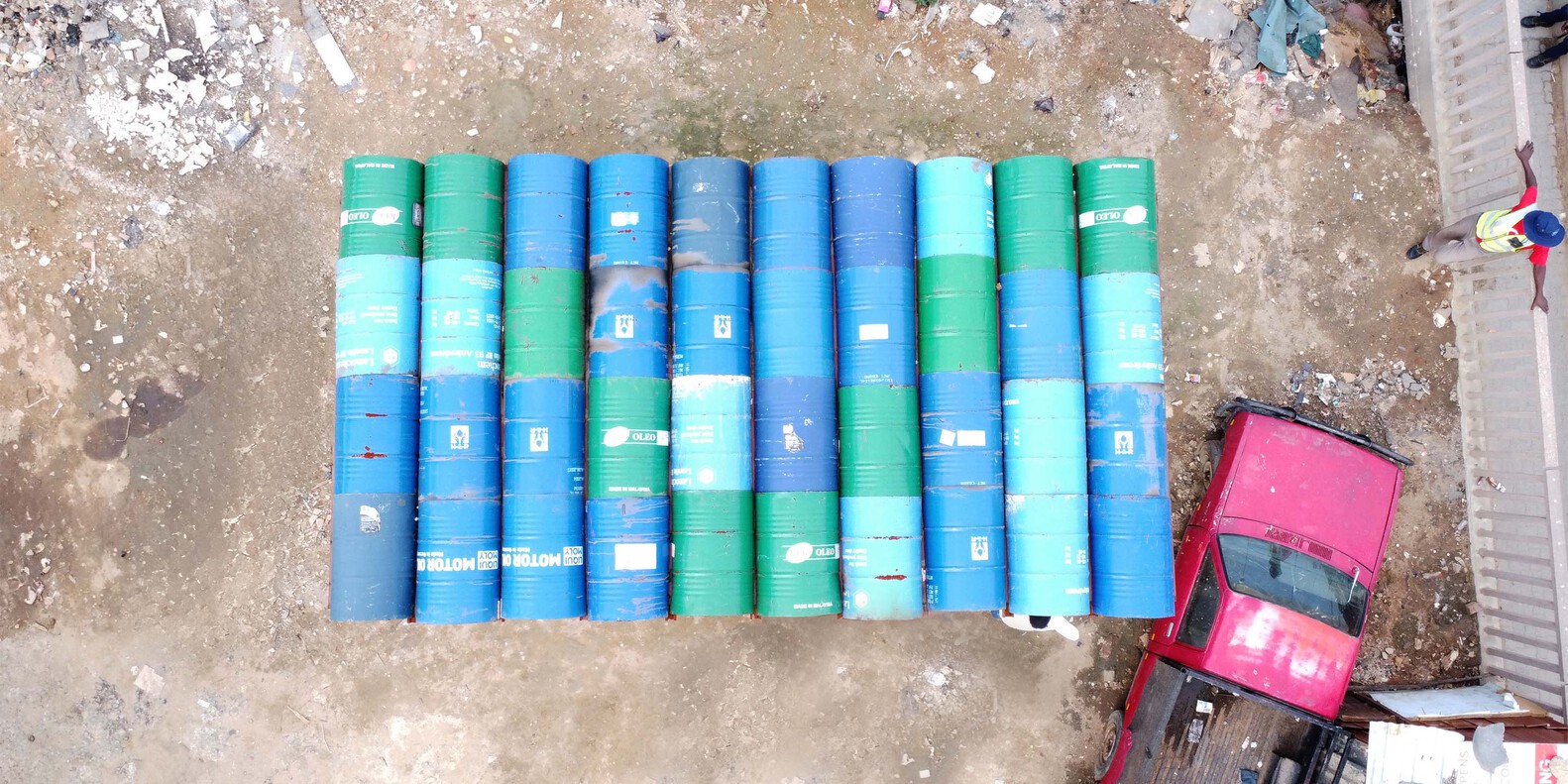
On campus, a Summer School introduced students to fabrication in partnership with community artisans; on-site construction tested adaptive, low-cost techniques under varying conditions.
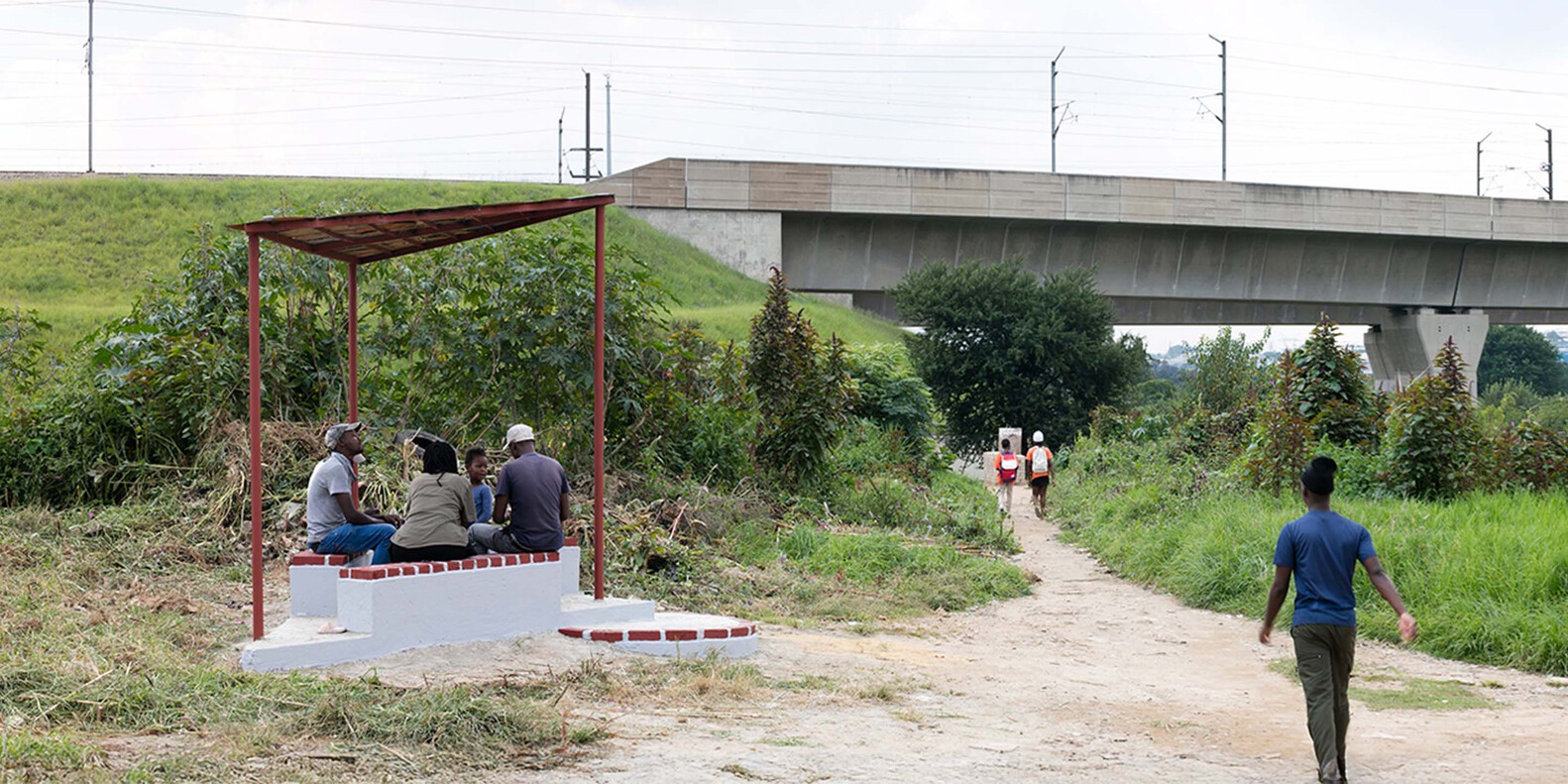
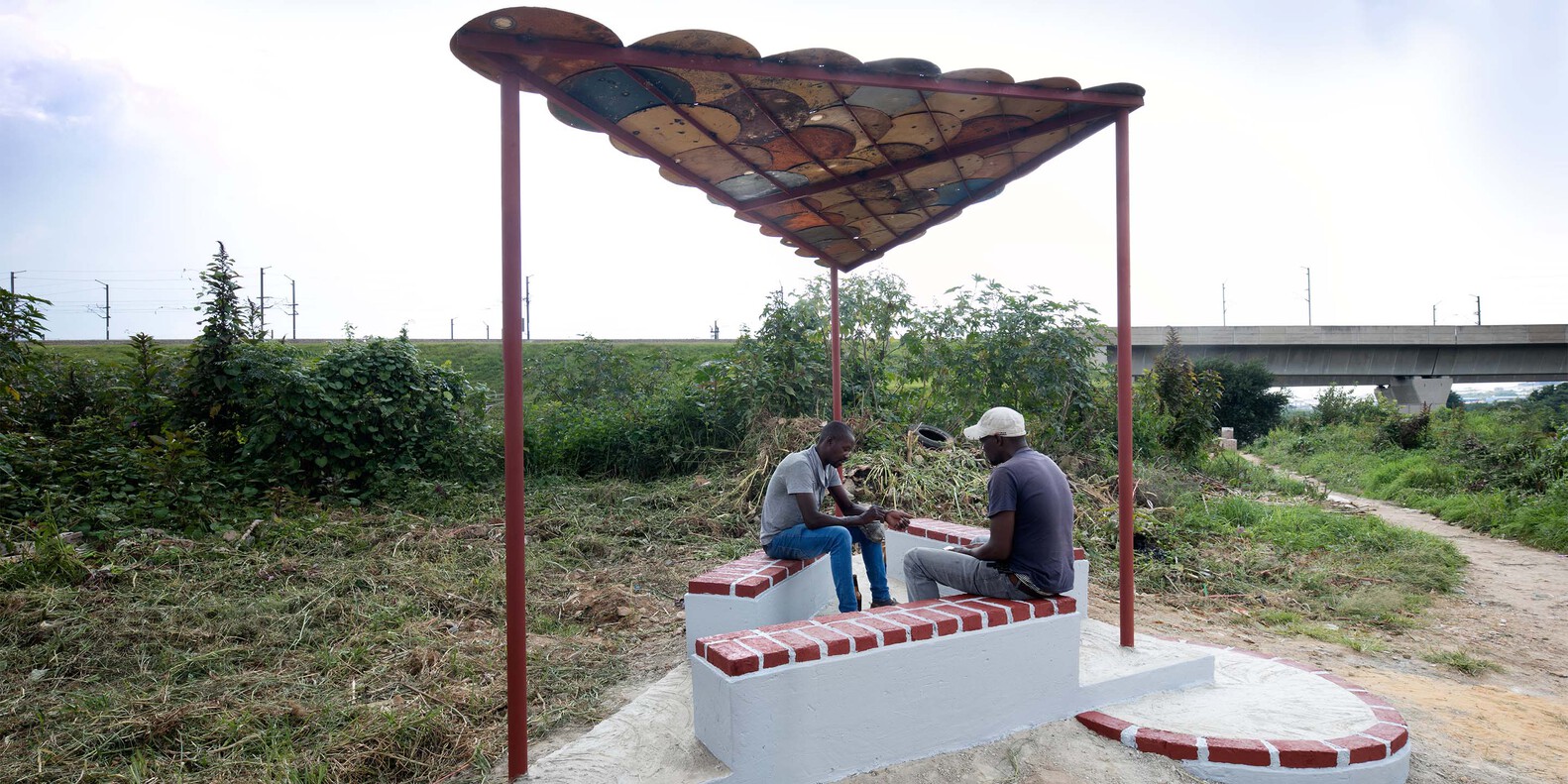
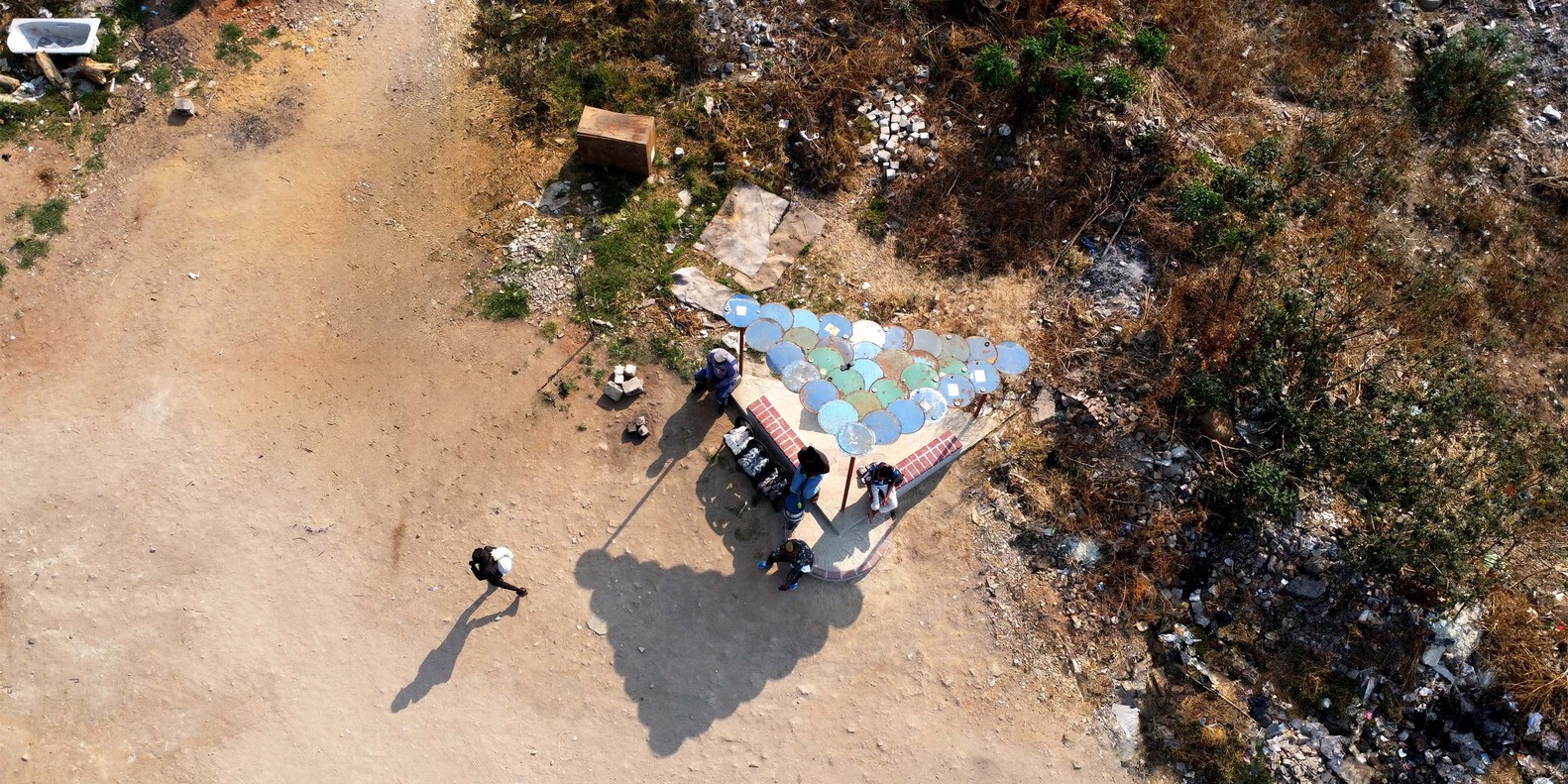
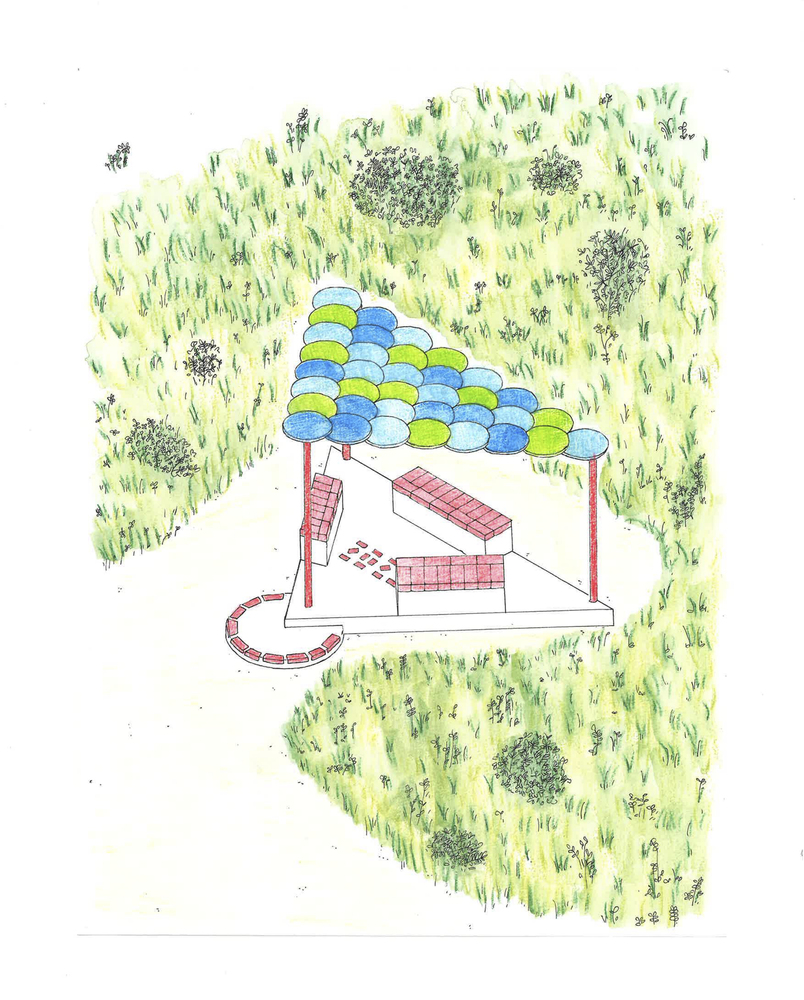
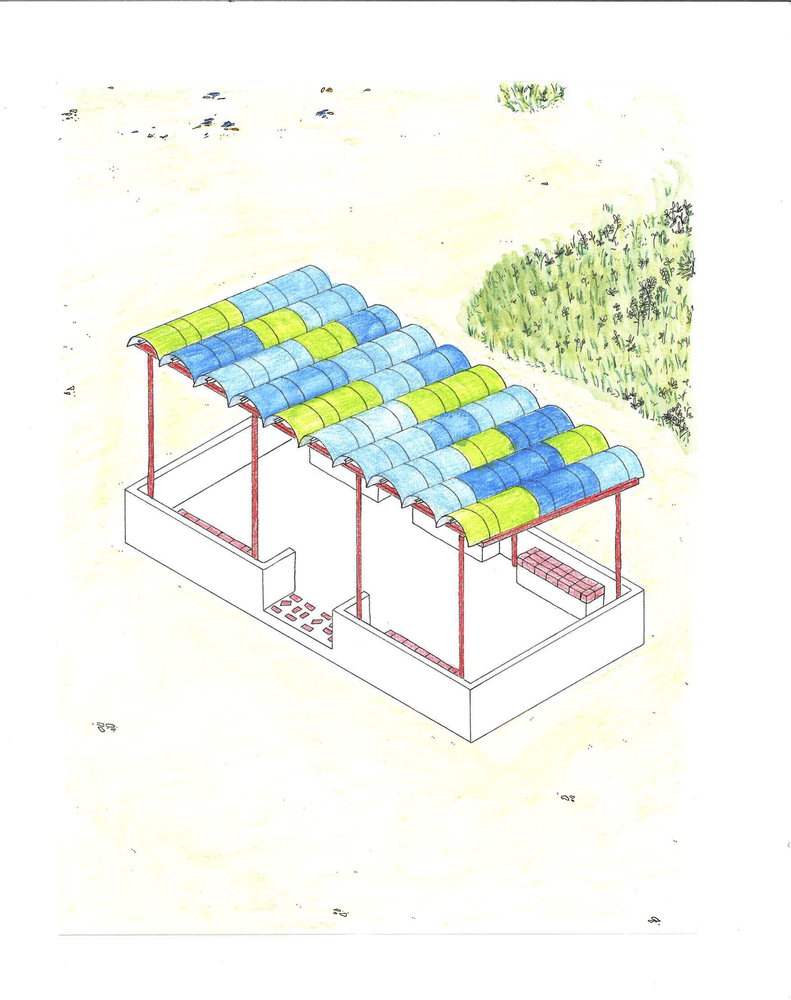
The resulting structures – one featuring a roof made of recycled steel drums, the other a triangular, open design with built-in benches – offer the patrollers visibility, protection, and legitimacy.
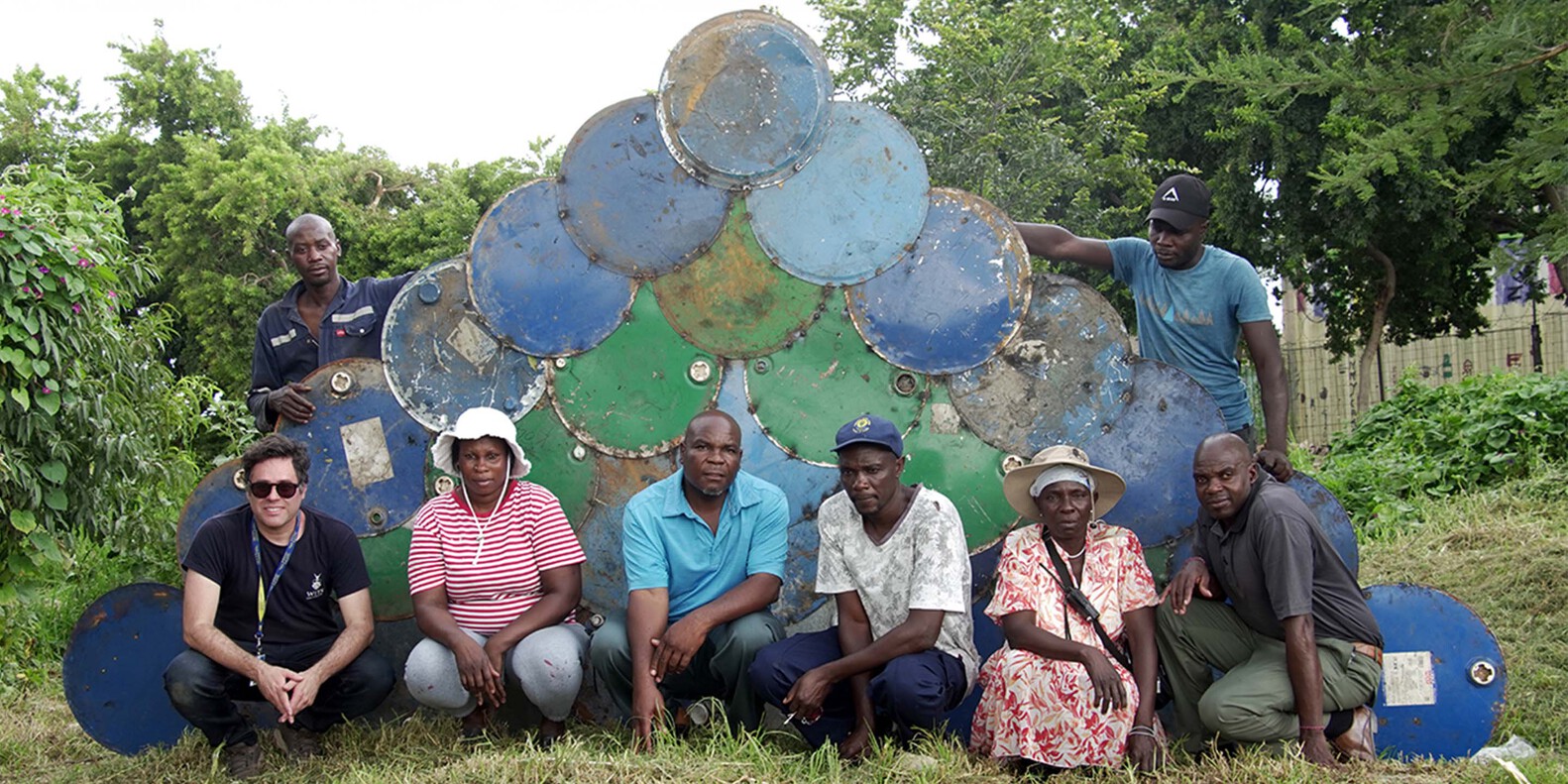
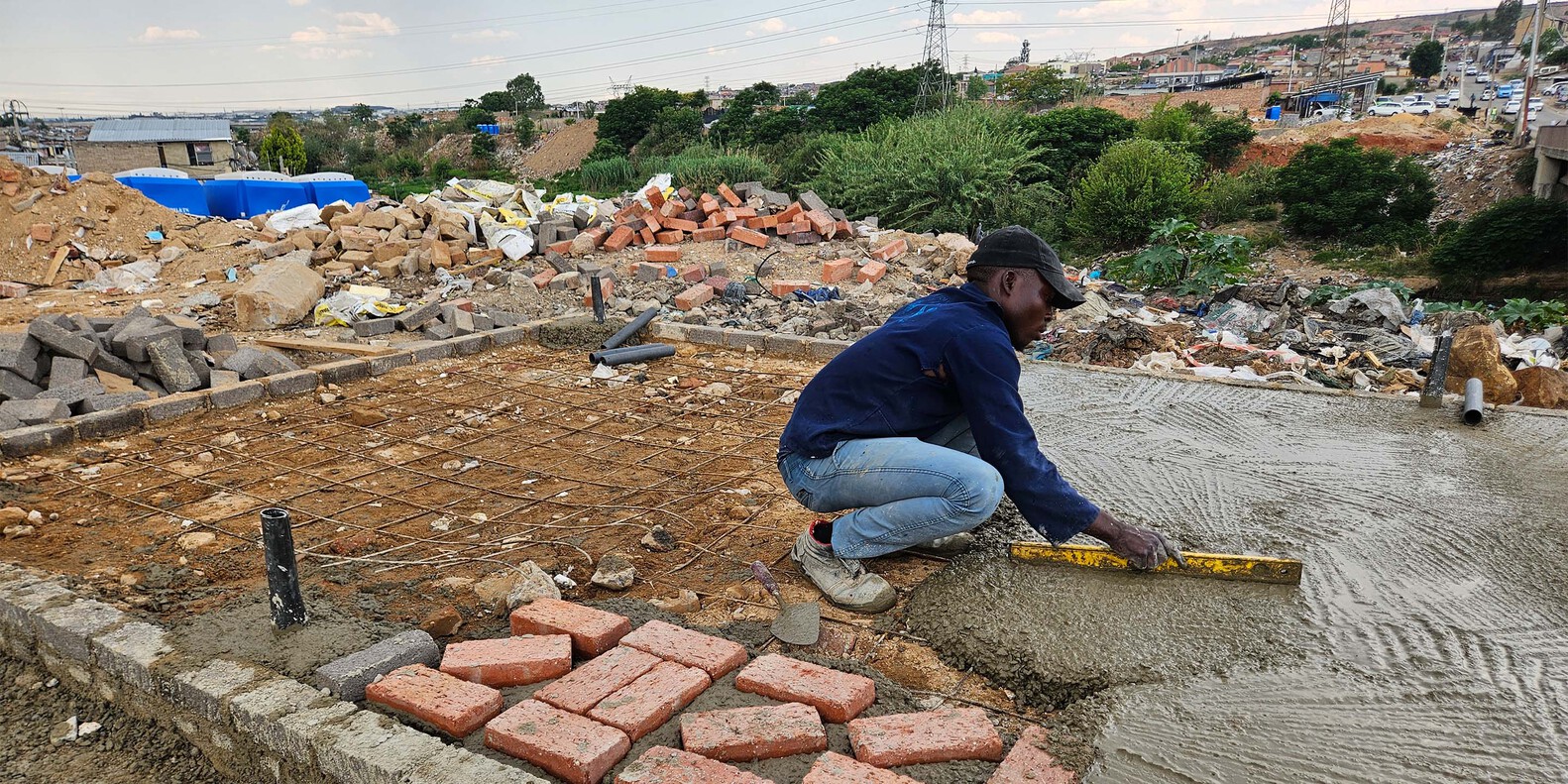
During the day, they also serve as shaded gathering areas, enhancing comfort and stimulating collective imagination.
Beyond their physical presence, the Safety Shelters established new forms of collaboration among community stakeholders, municipal authorities, and the Urban Safety Reference Group.
They propose an alternative model of safety governance based on reciprocity, in which universities act as mediators between residents and authorities.
The project demonstrates how architecture can foster safety and inclusion in contexts of inequality.
This project was developed within the scope of the Centenary Postdoctoral Fellowship at the Centre for Urbanism and Built Environment Studies (CUBES), School of Architecture and Planning, University of the Witwatersrand, Johannesburg.
It was developed as part of the Kelvin-Alexandra-Frankenwald City Studio and was made possible through the resources and strategic guidance of the South African Cities Network, funded by the Inclusive Violence and Crime Prevention (VCP) Programme, implemented by the Deutsche Gesellschaft für Internationale Zusammenarbeit (GIZ) on behalf of the German Federal Ministry for Economic Cooperation and Development (BMZ) and co-funded by Global Affairs Canada (GAC).