Black Thought Pavilion
BLACK THOUGHT PAVILION
Alberto Collet, Çisem Nur Yıldırım
ARCHITECTS
Alberto Collet, Çisem Nur Yıldırım
DESIGNERS
Meds (Meetings Of Design Students)
DESIGN TEAM AND TUTORS
Alberto Collet, Çisem Nur Yildirim
MATERIAL SPECIALIST
Kieran Donnellan
WORKSHOP NGO
Meds - Meeting Of Design Students, Meeting Of Design Students Hrvatska
PROJECT PARTICIPANTS AND TEAM
Leire Varo Marina, Ozana Konkoli, Vivek Bassi, Vesa Morina, Katarina Djonović, Viktor Marković, Alex Hövel, Aurena Syla, Matej Maslovar, Emilie El Roustom, Mineh Nazarian, Harutyun Ghazaryan, Valesa Zeqiri, Vrushali Mehta
ENGINEER
Ahmed Othman
PHOTOGRAPHS
Jan Von Der Heyde, Tea Stipanović
LOCATION
Rijeka, Croatia
CATEGORY
Installations & Structures, Pavilion
English description provided by the architects.
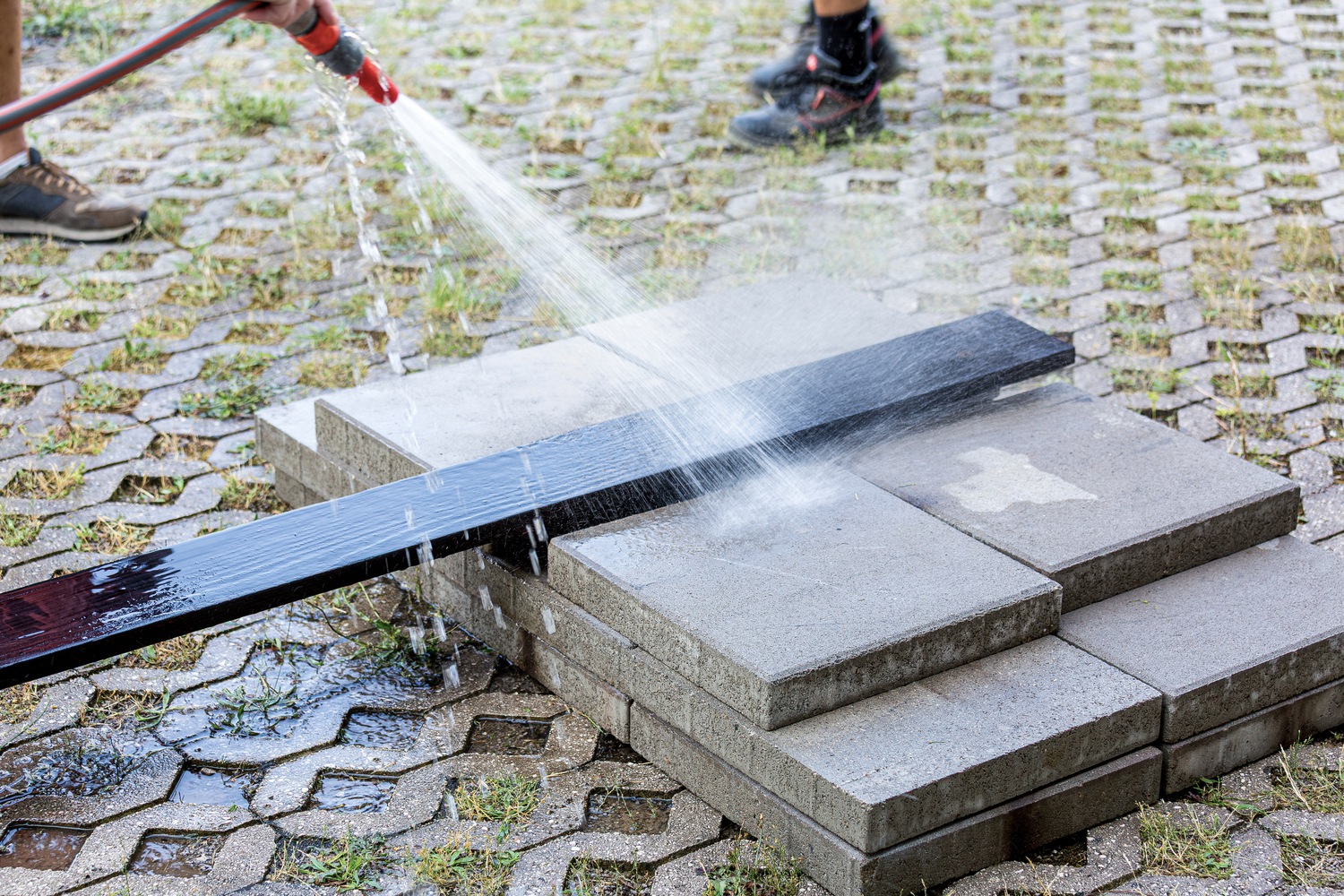
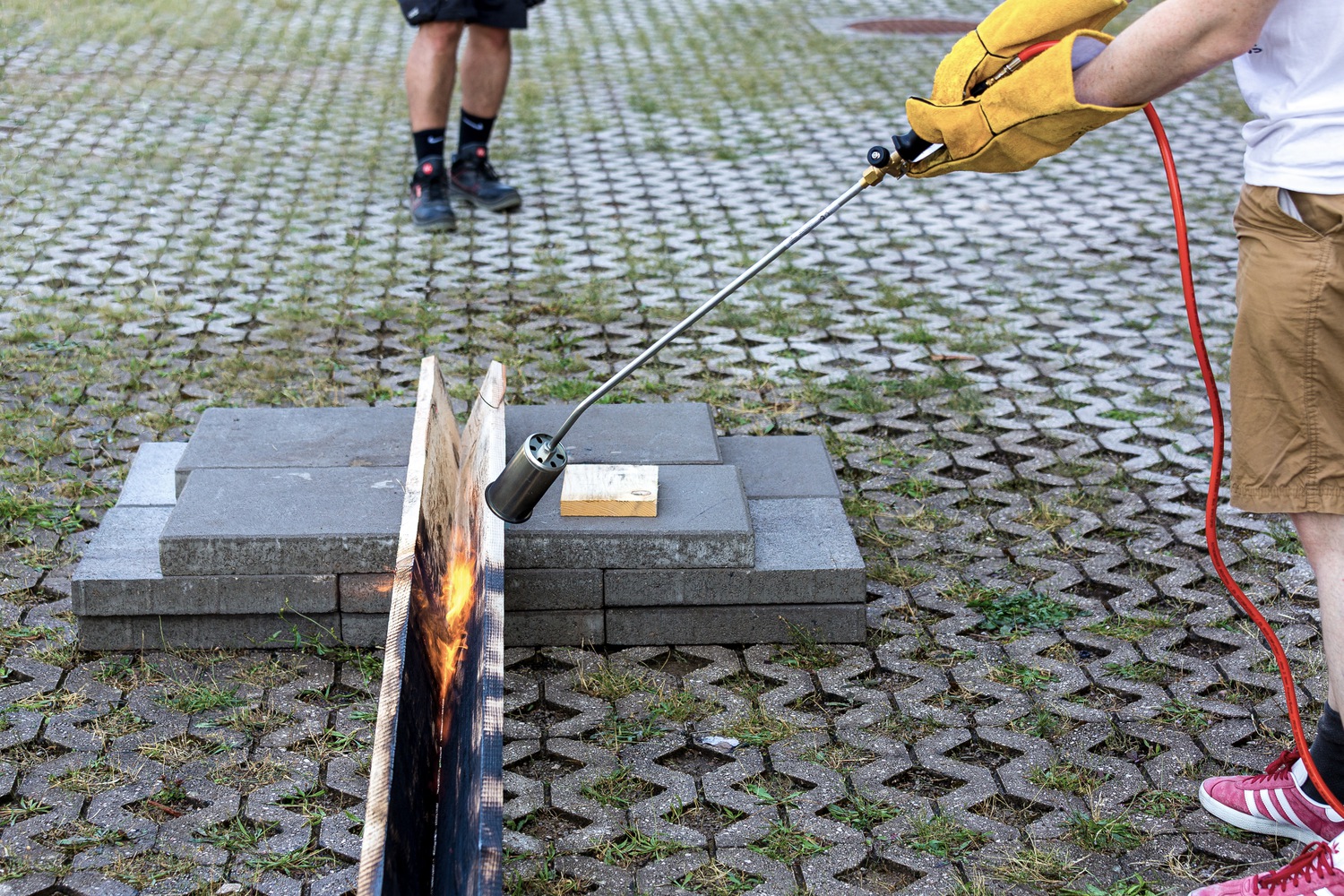
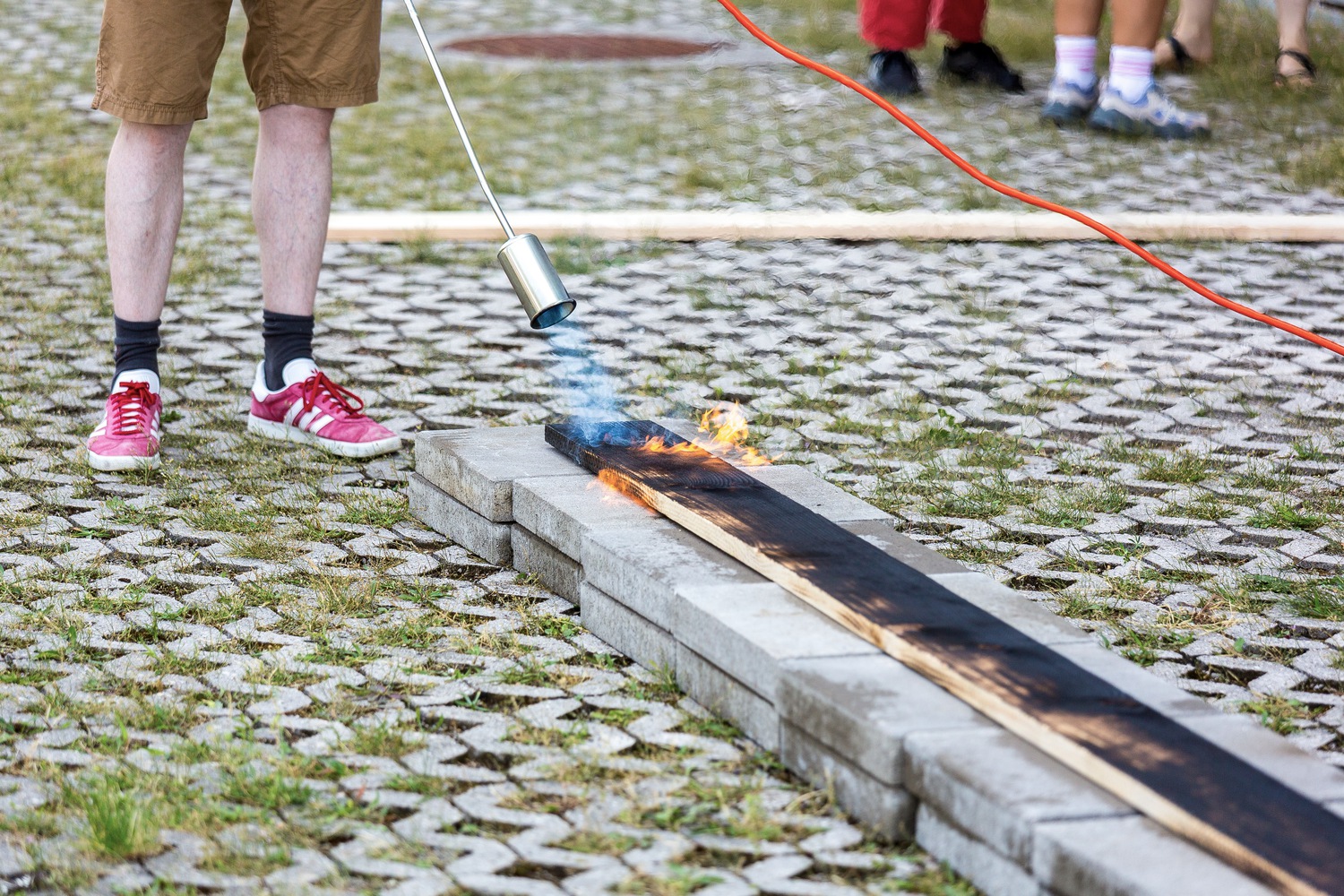
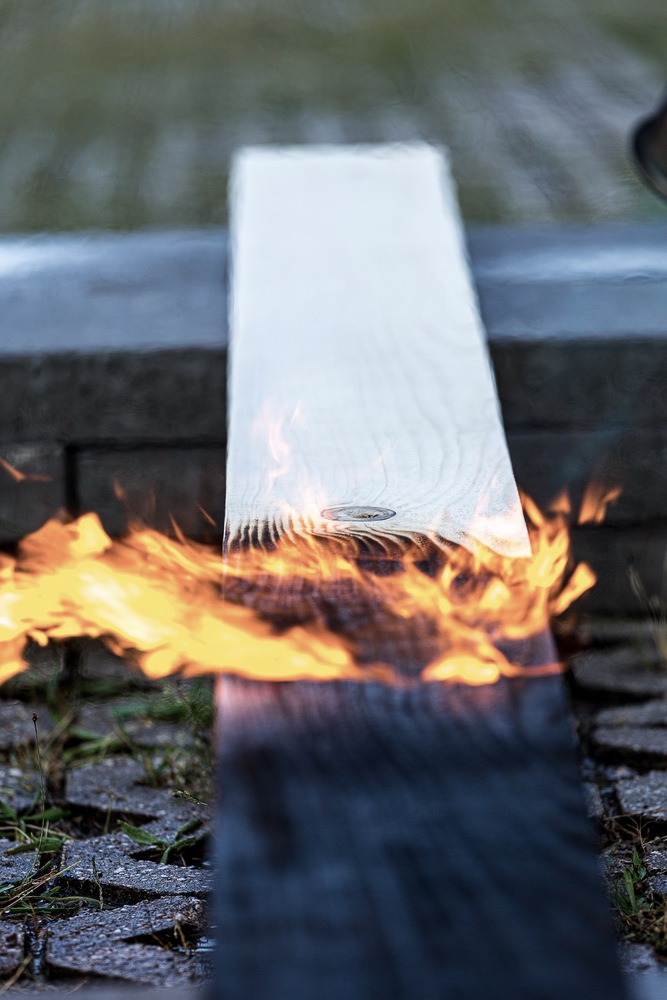
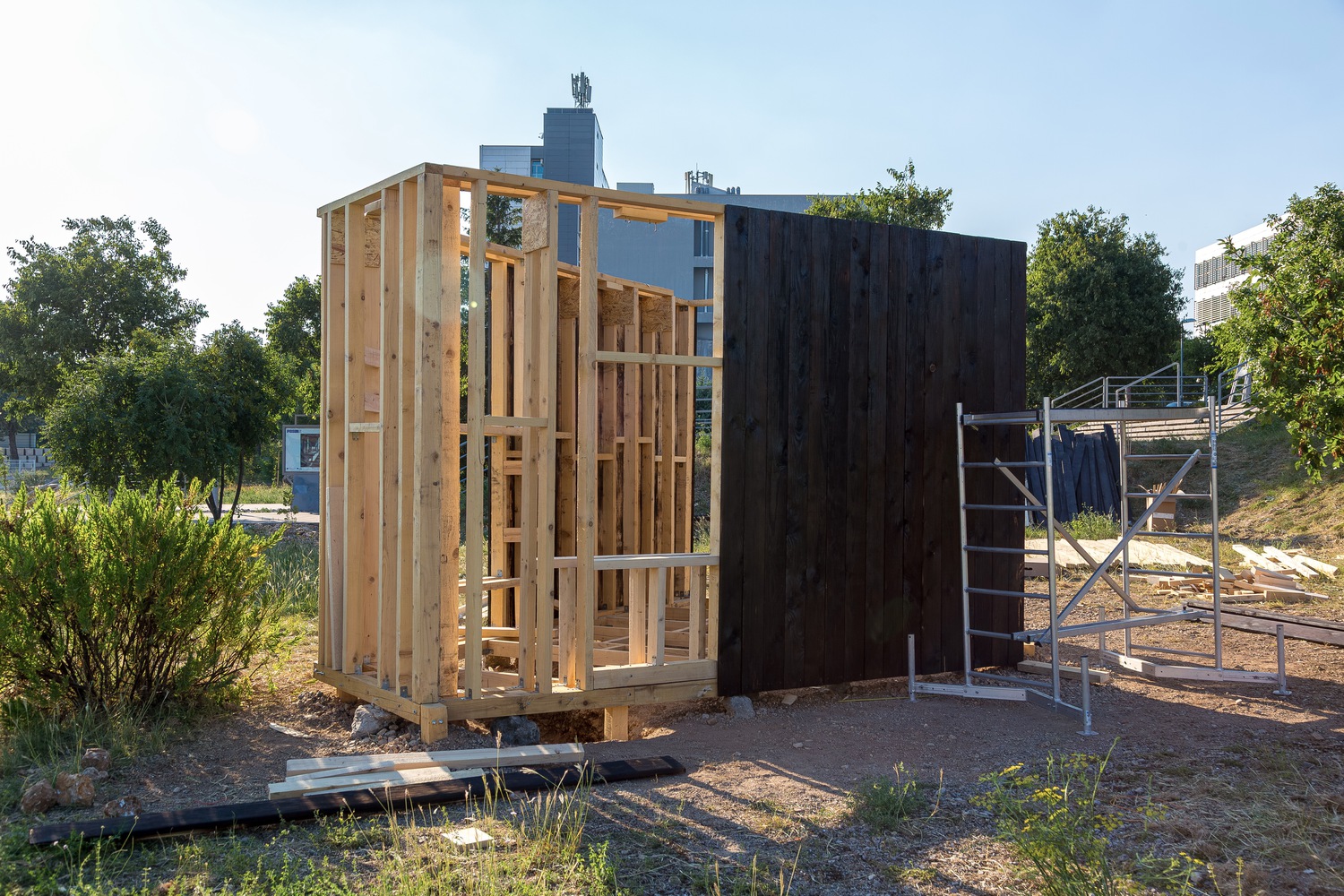
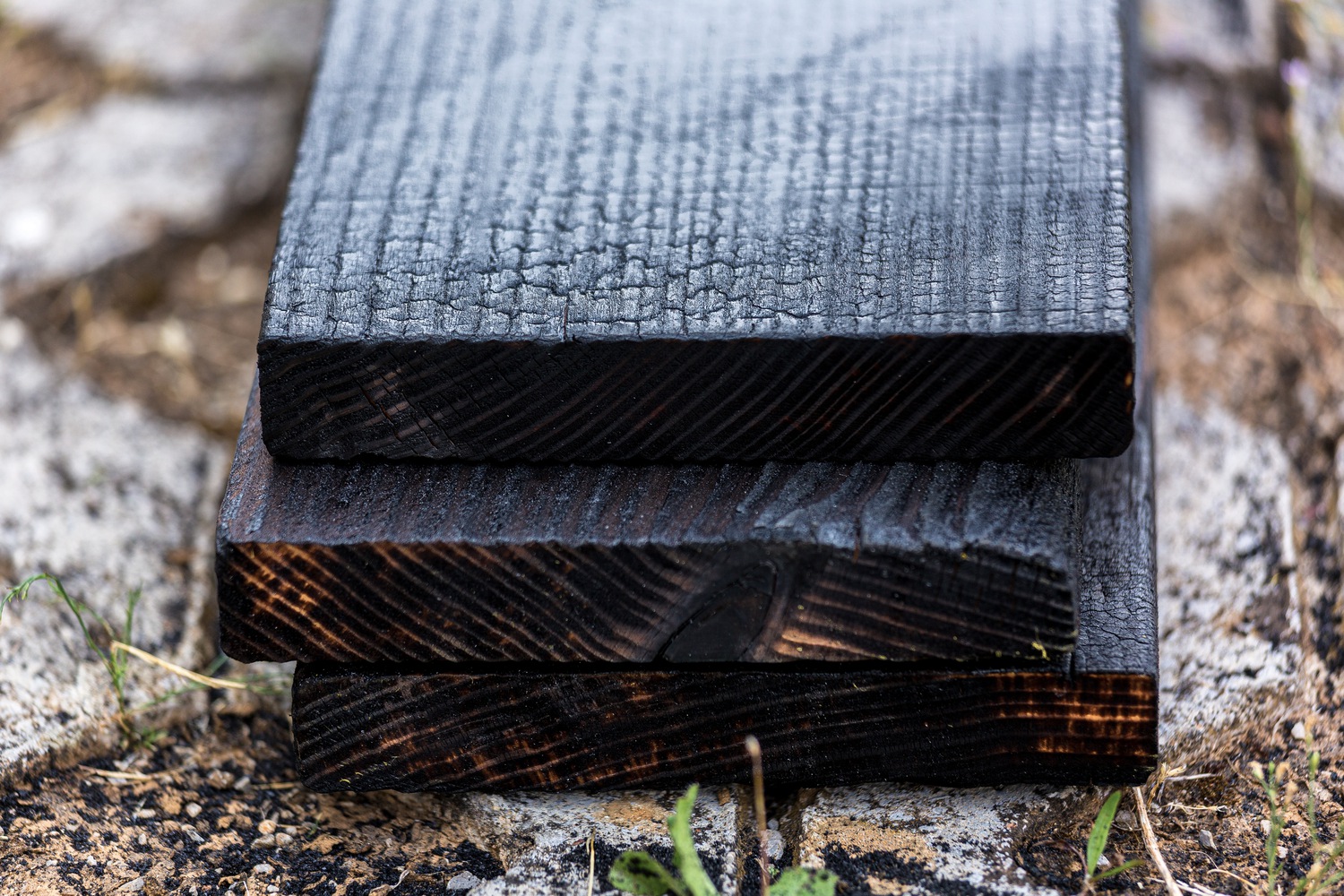
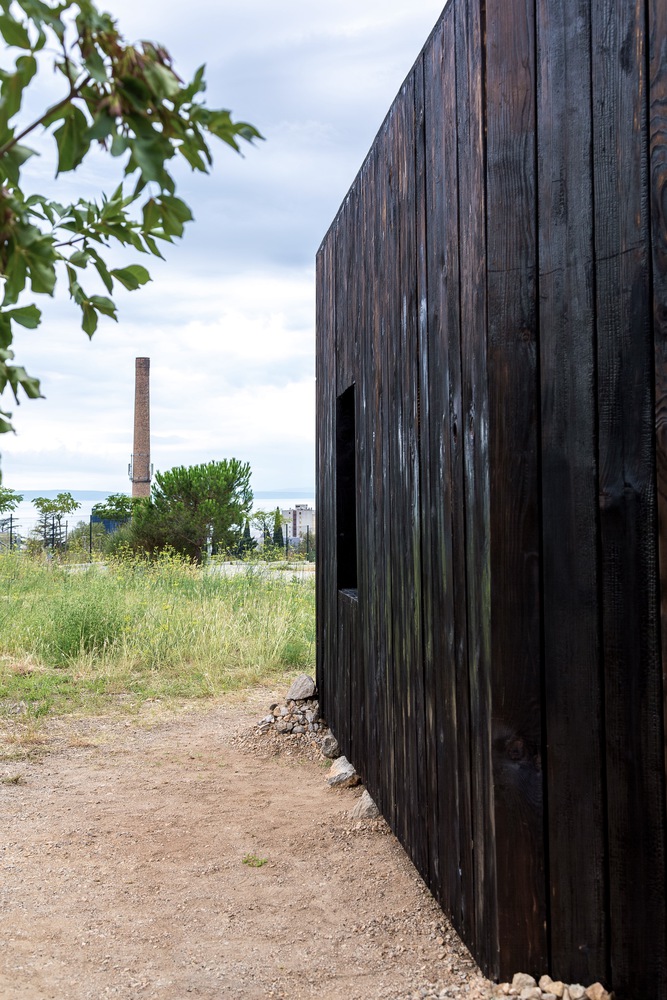
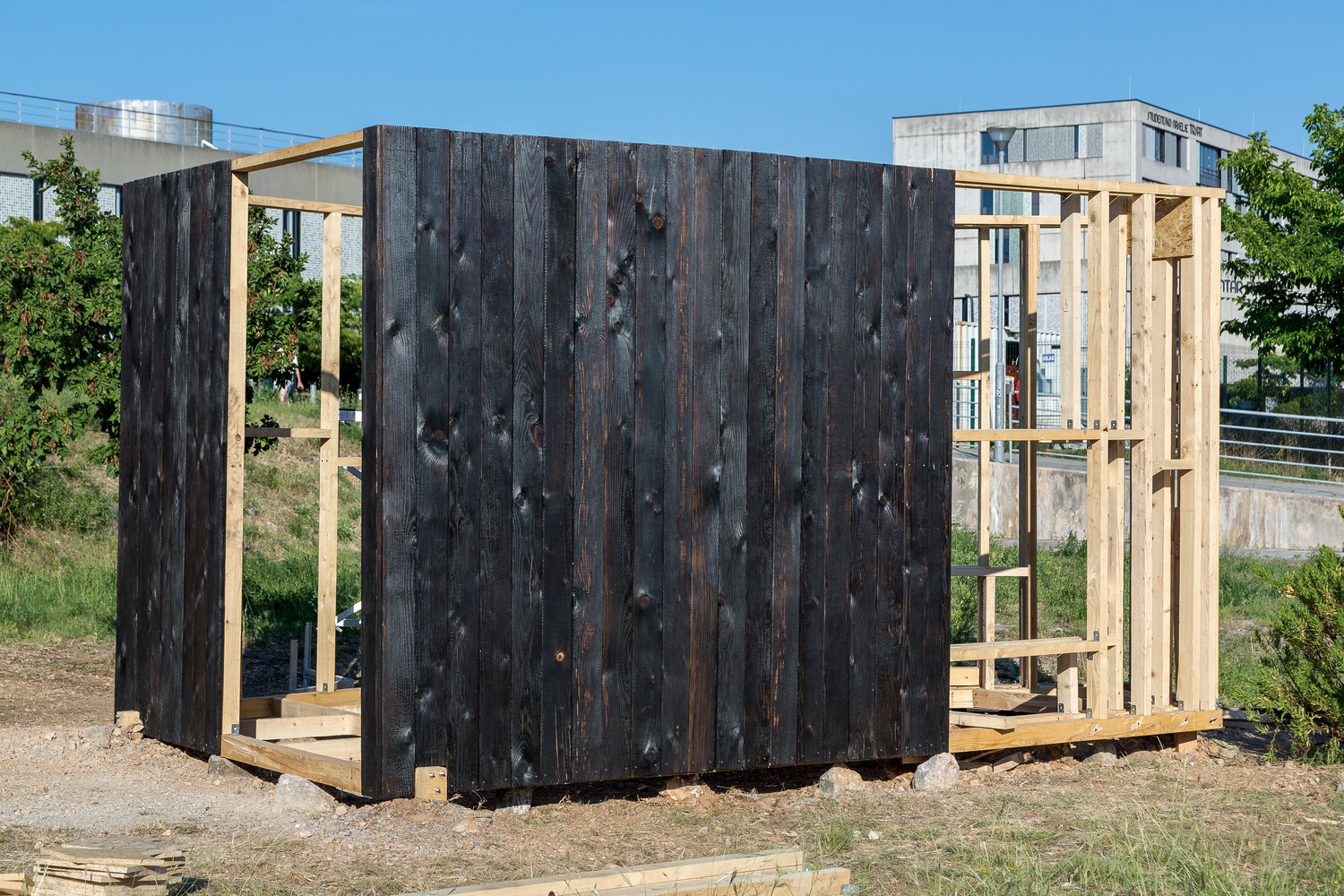
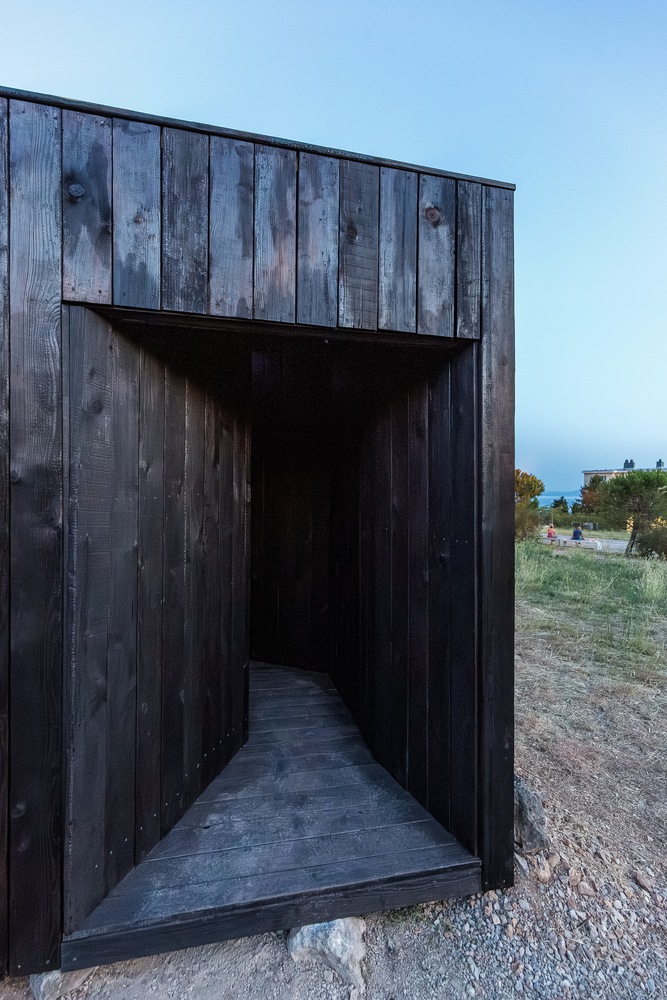
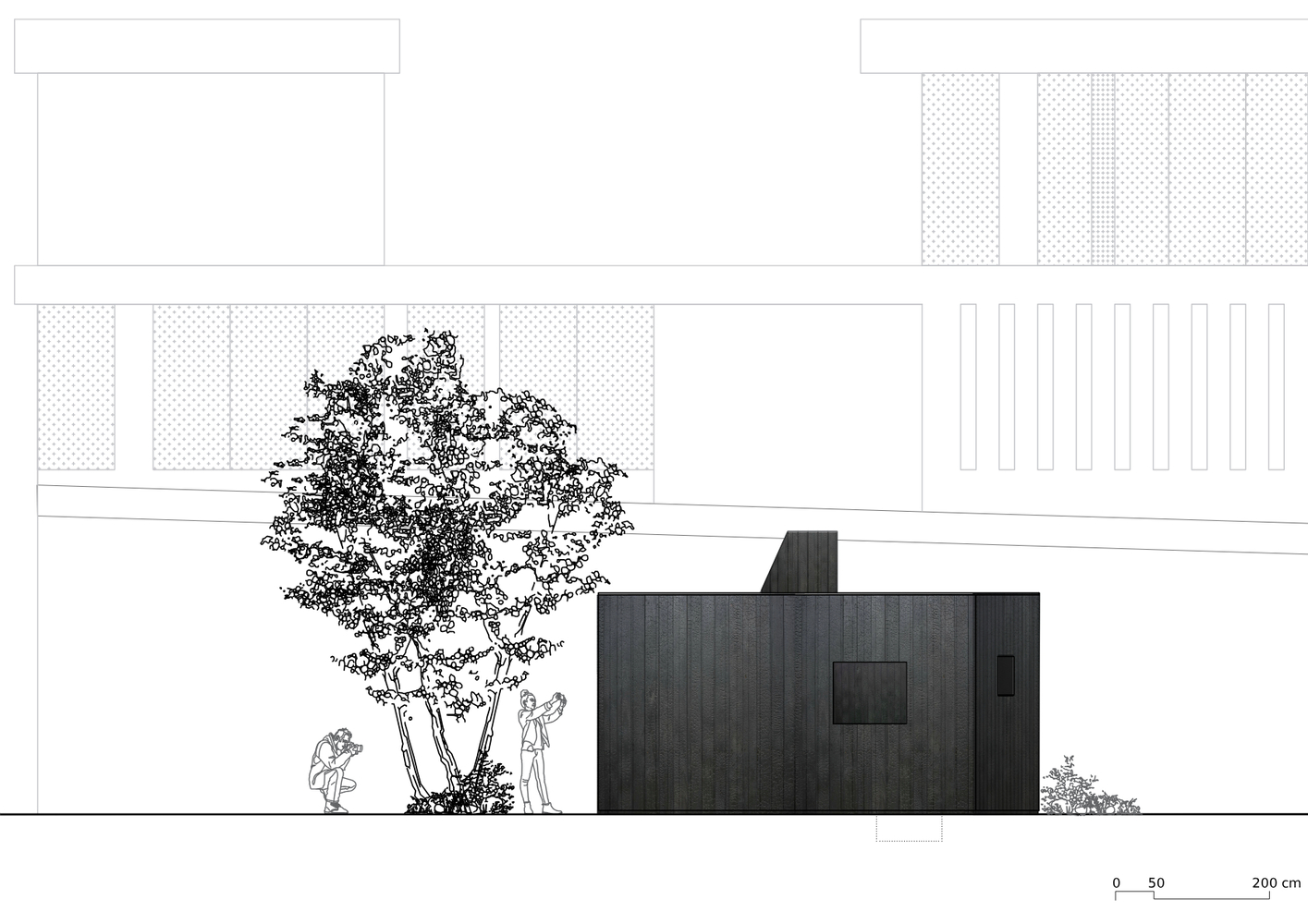
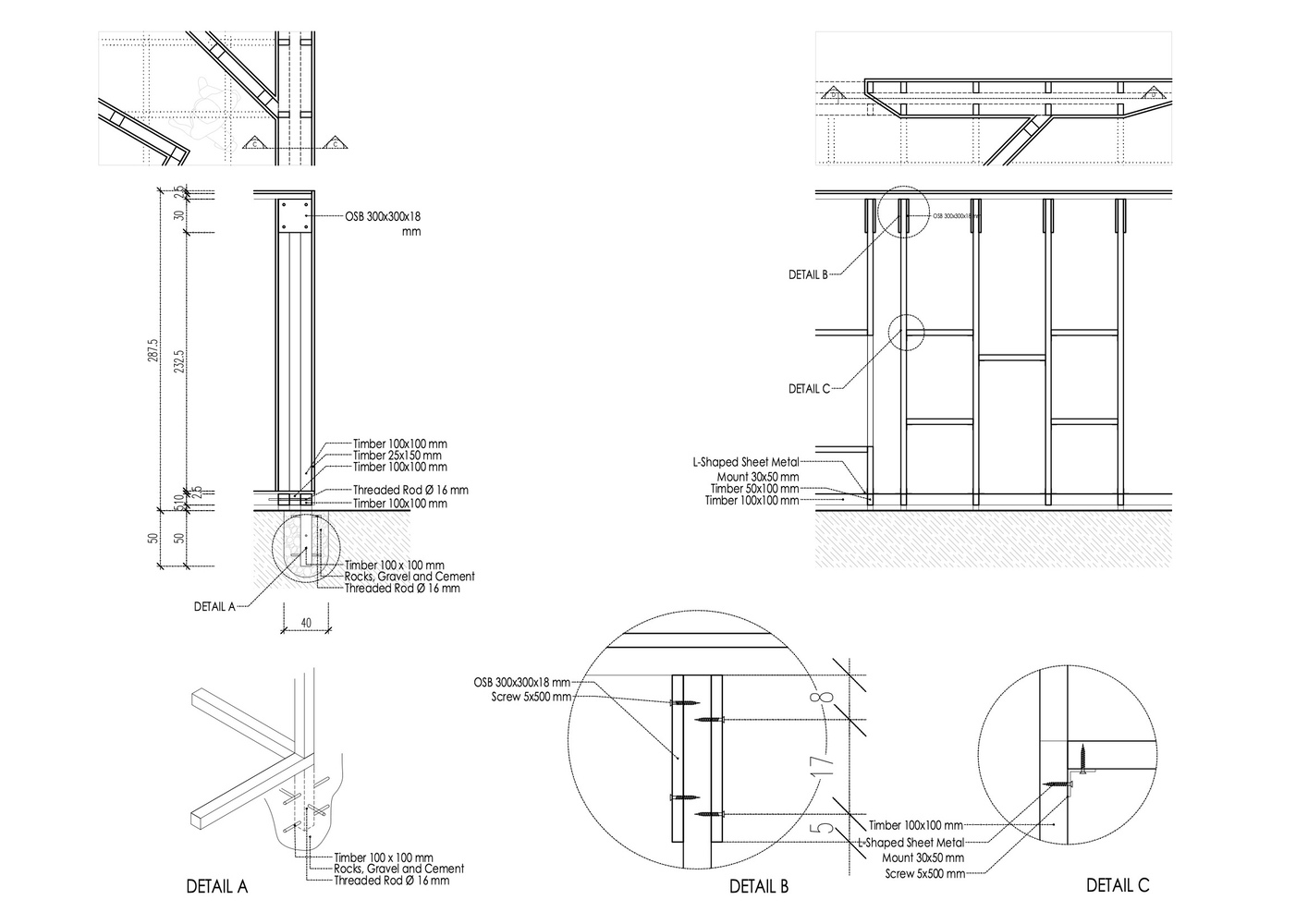
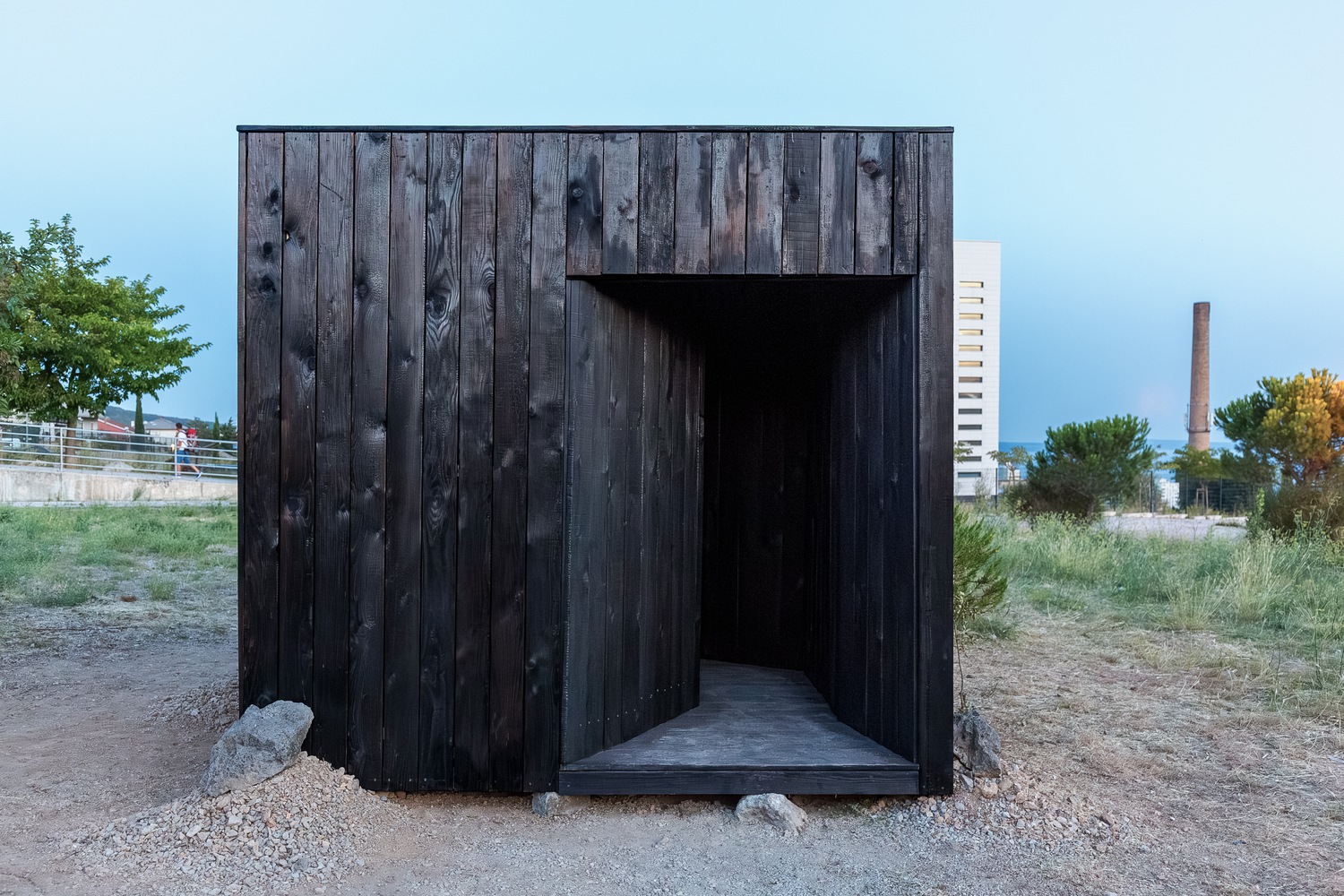
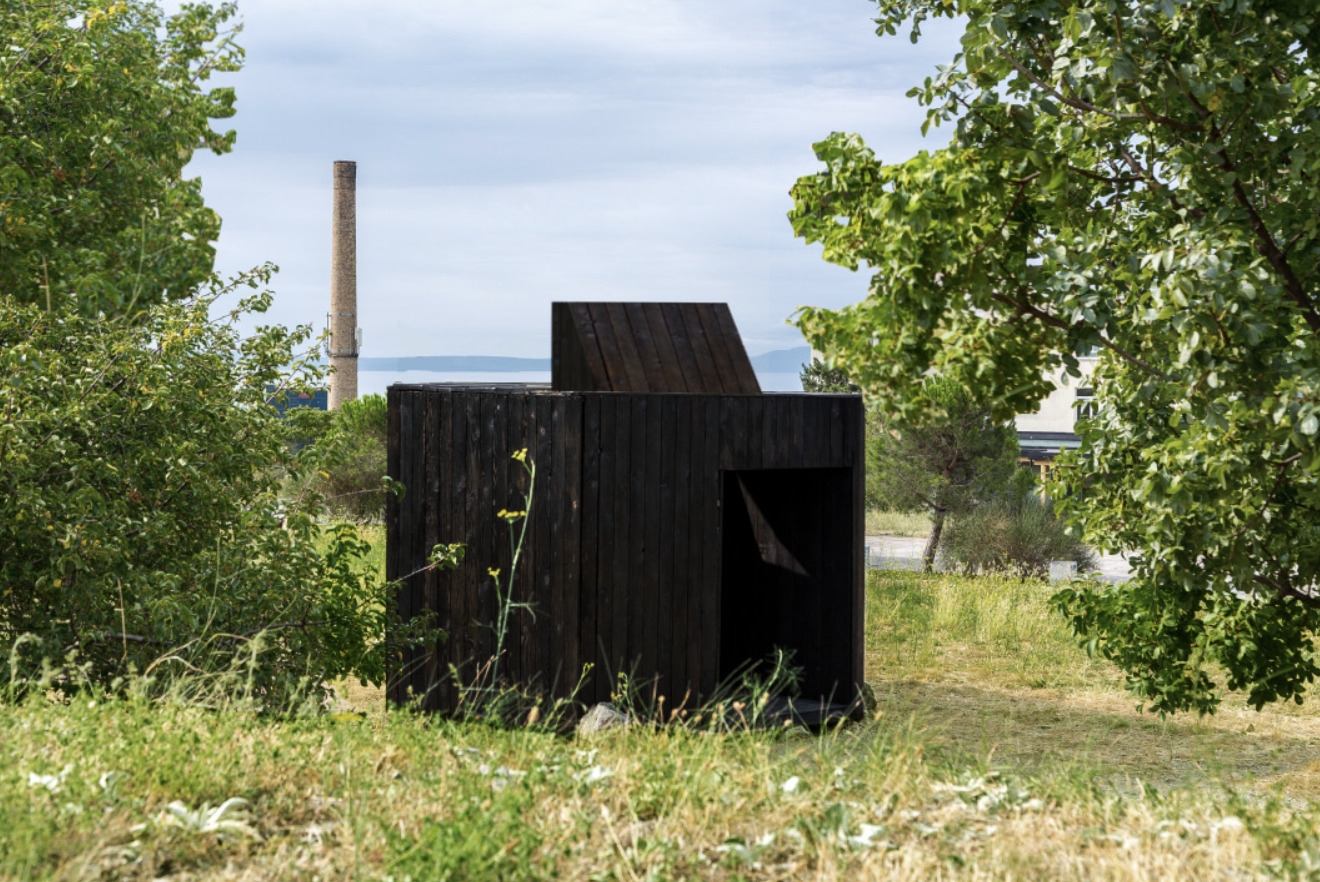
The concept for the construction of a pavilion, Black Thought in Rijeka, Croatia, utilizing the traditional Japanese technique of Yakisugi, offers a powerful opportunity to create a distinctive, sustainable, and culturally resonant structure.
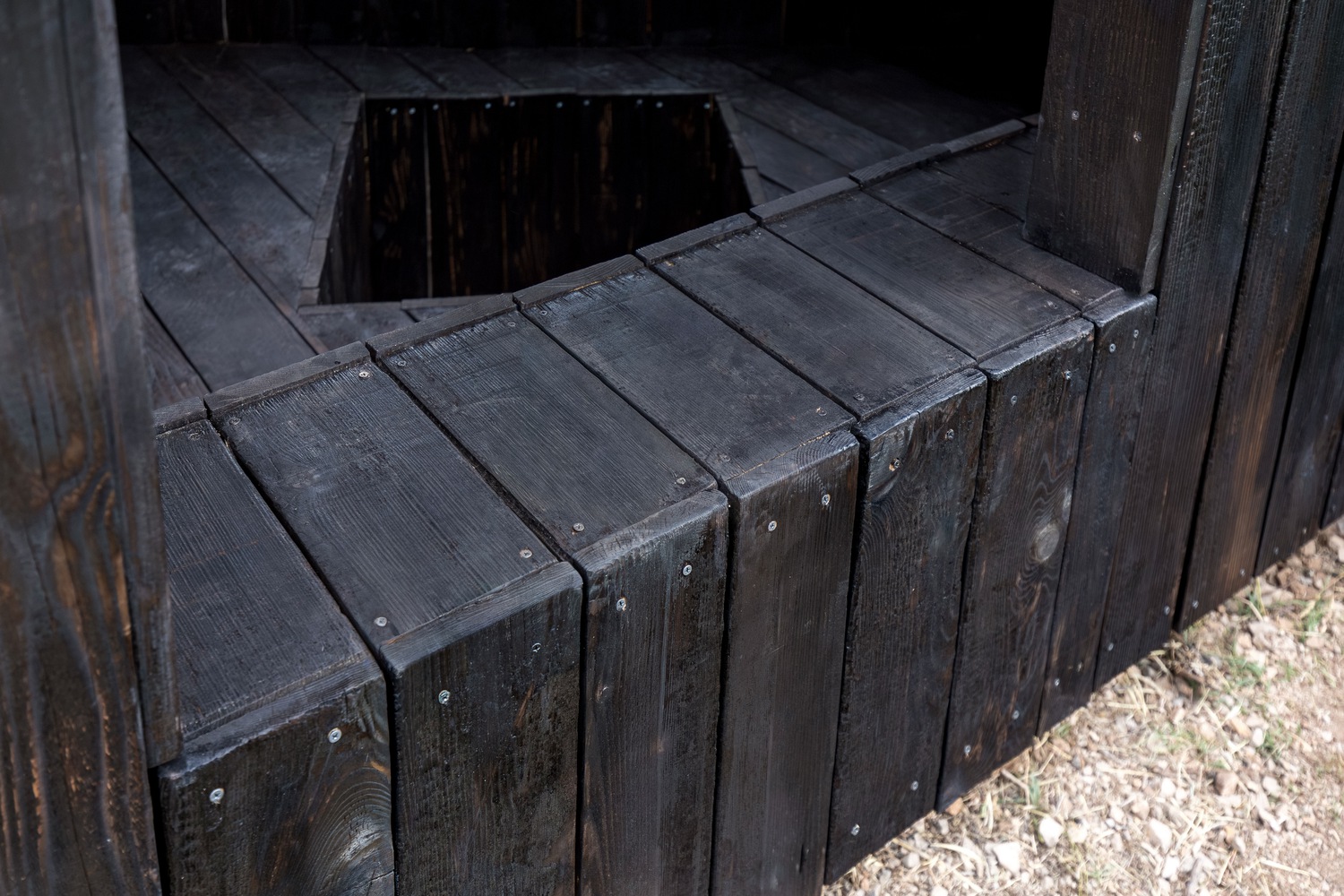
This method, where wood is intentionally charred to create a durable, fire-resistant, and aesthetically unique surface, can be integrated into a modern, eco-friendly pavilion that serves as both a space of refuge and an architectural statement in the city.
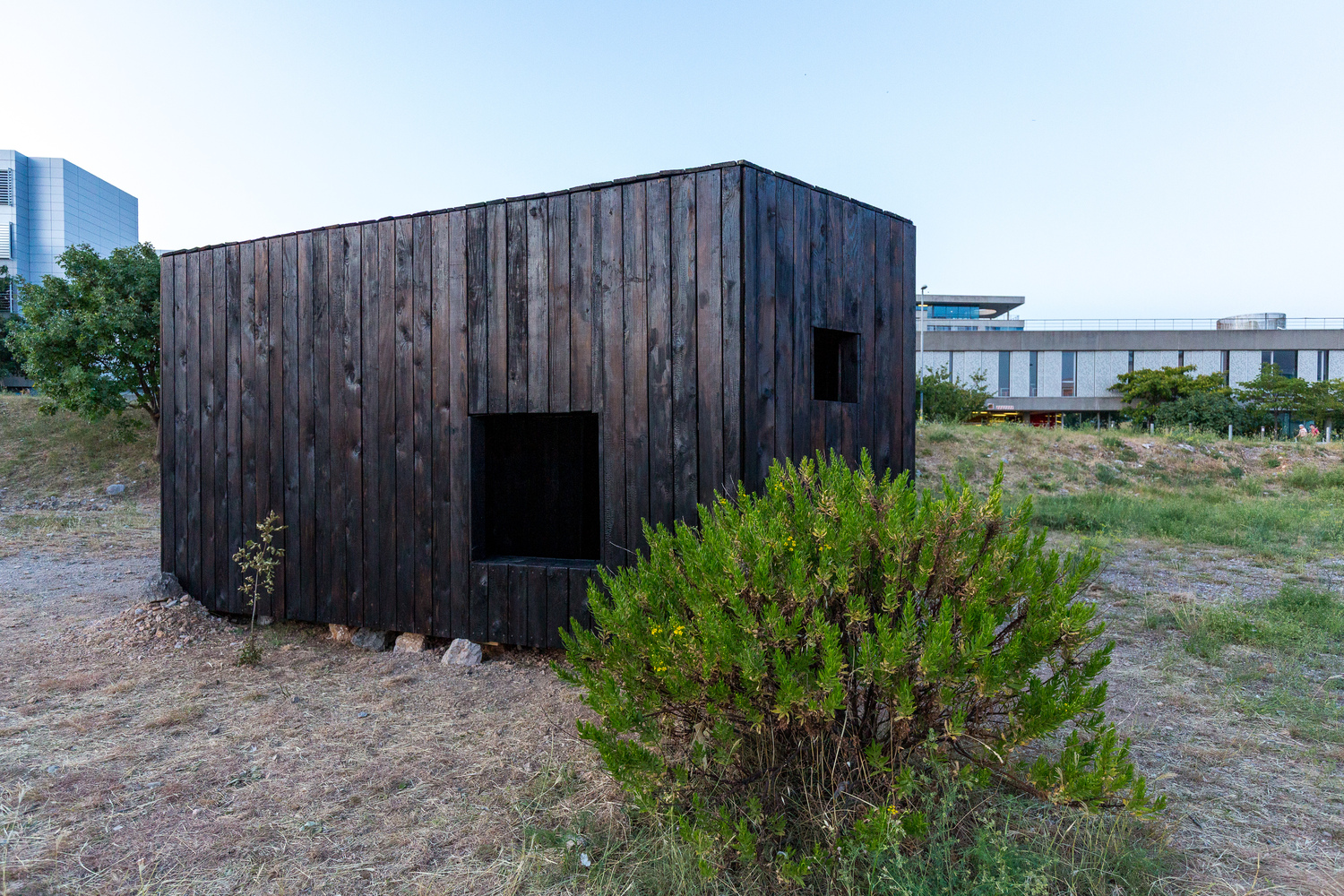
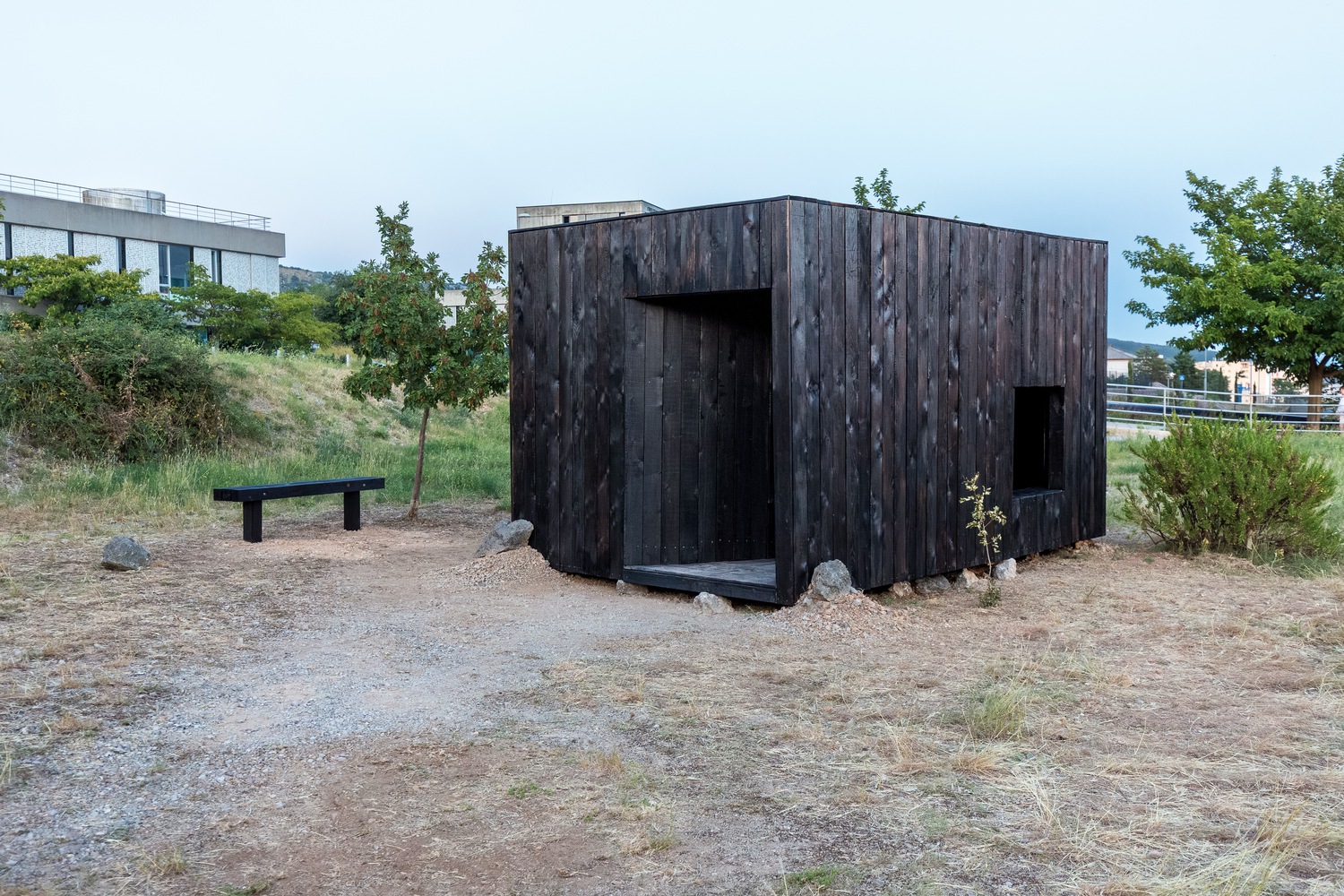
Below are some ideas that could shape this pavilion, based on the core themes of organization, efficiency, team spirit, and sustainability.
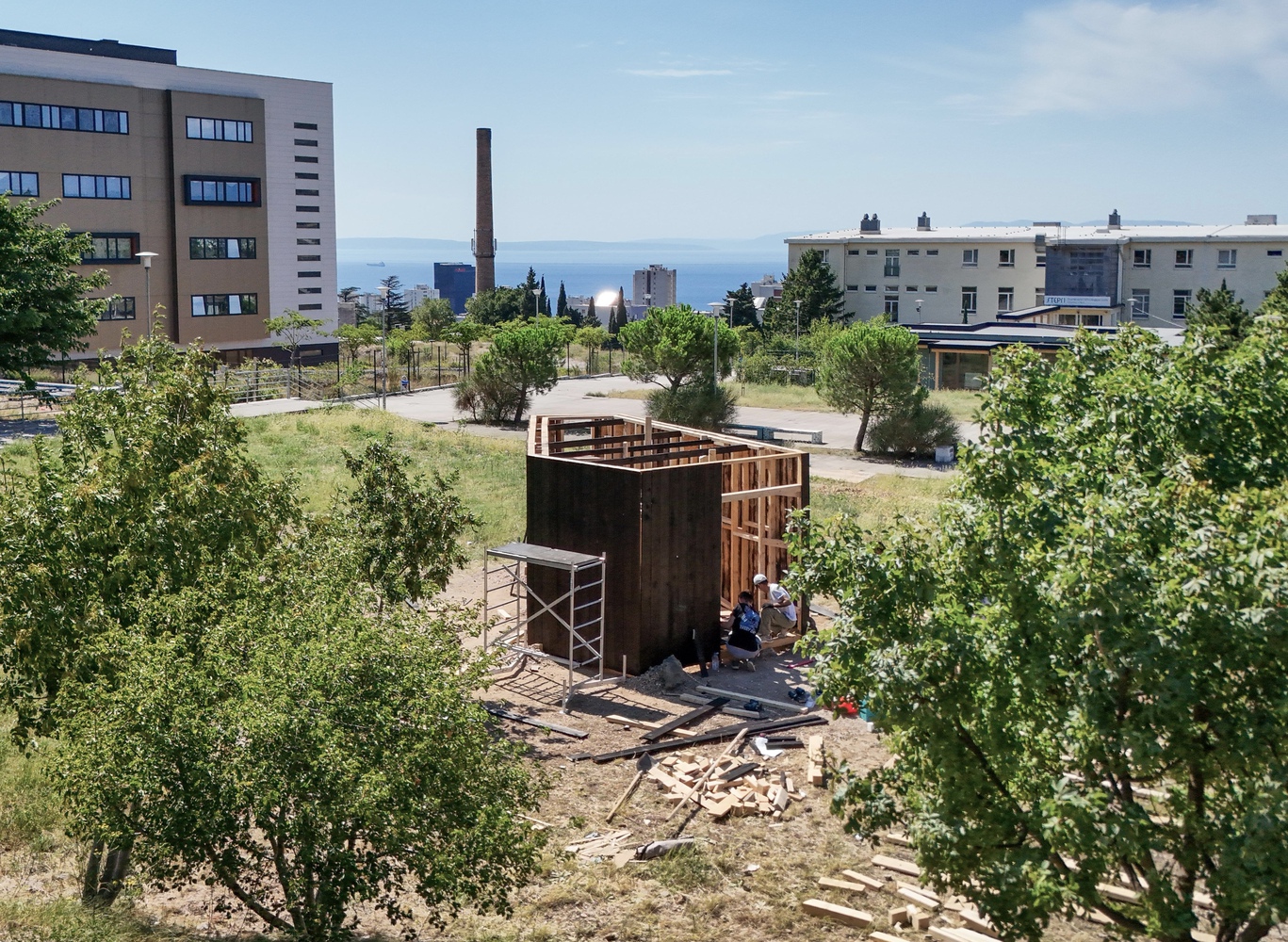
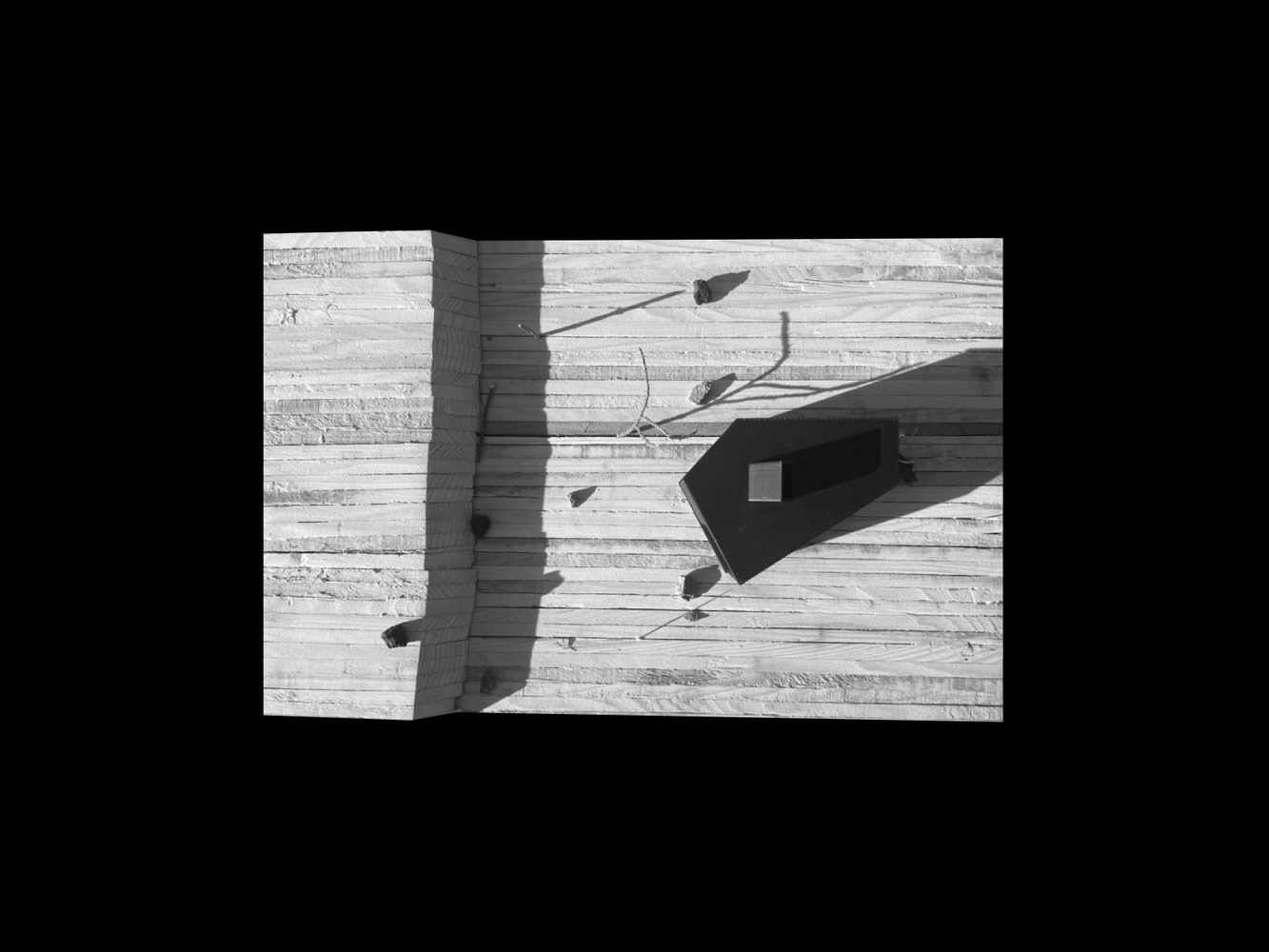
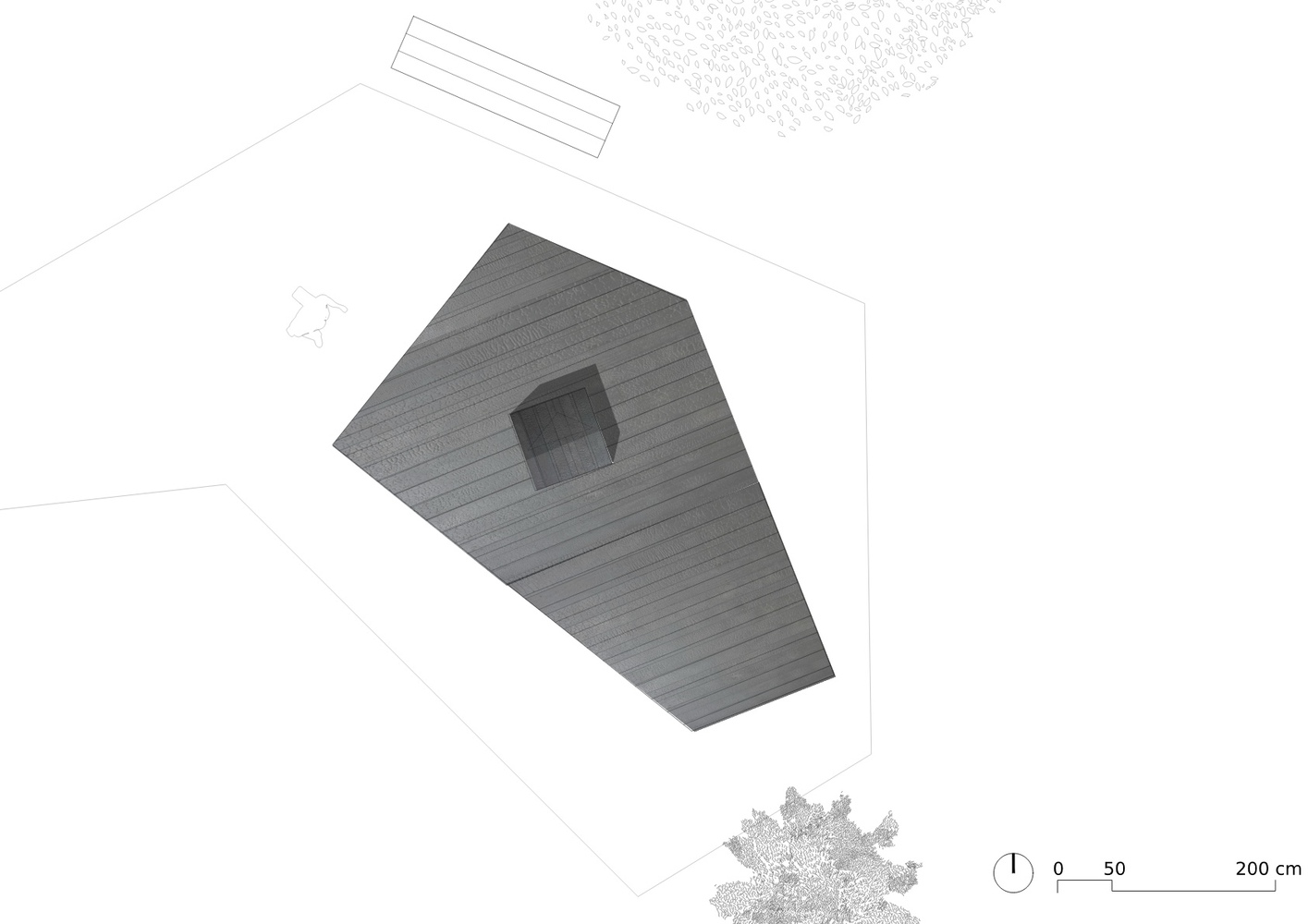
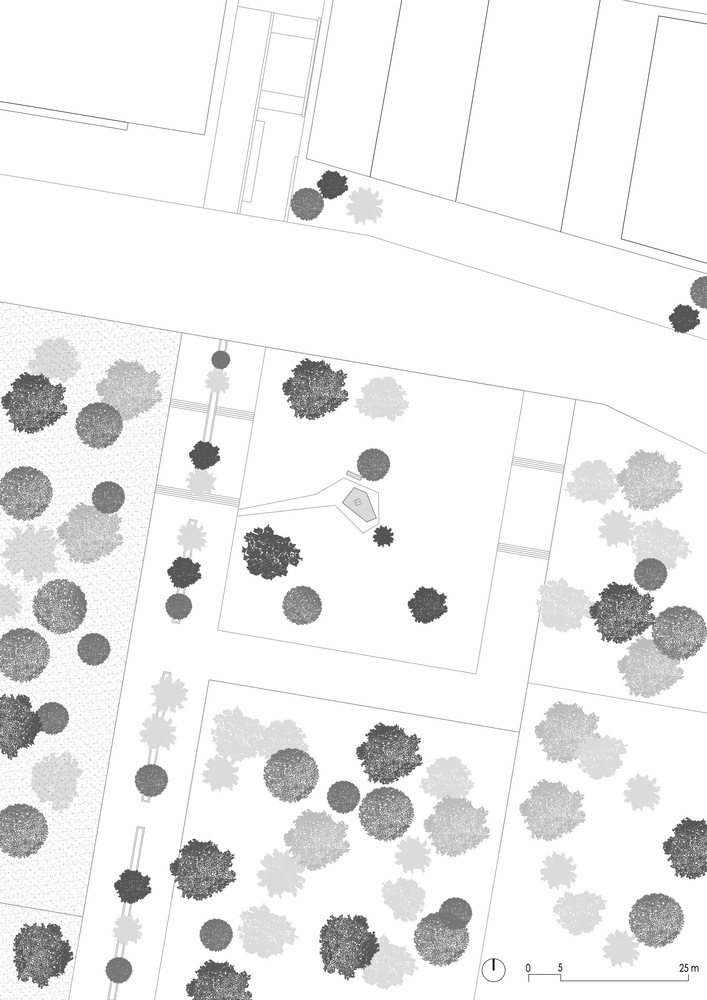
Nestled gently within the heart of a campus or urban park, the Black thought stands as a serene retreat for students and citizens alike, a place where time seems to slow, and silence becomes a gentle companion.
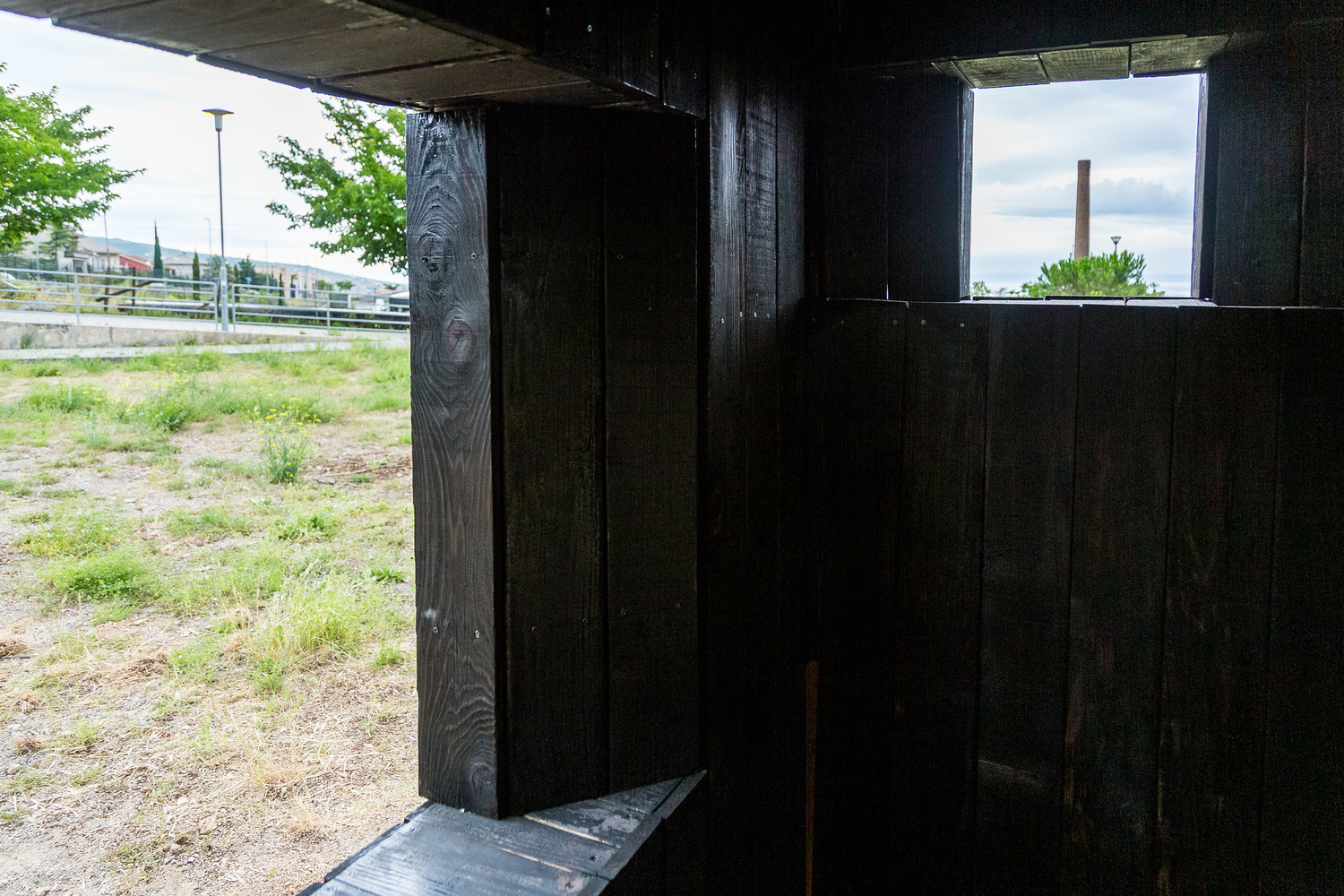
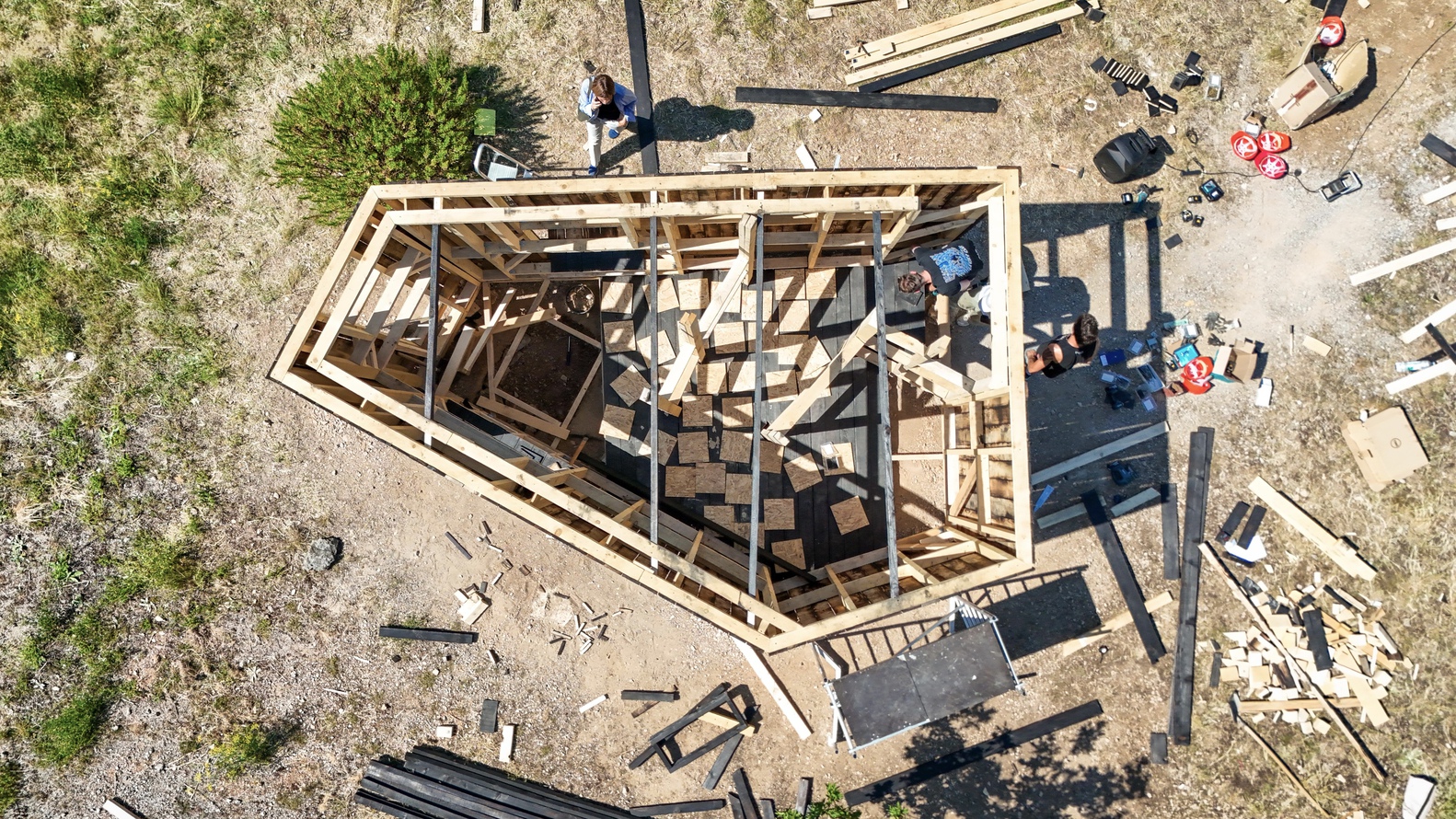
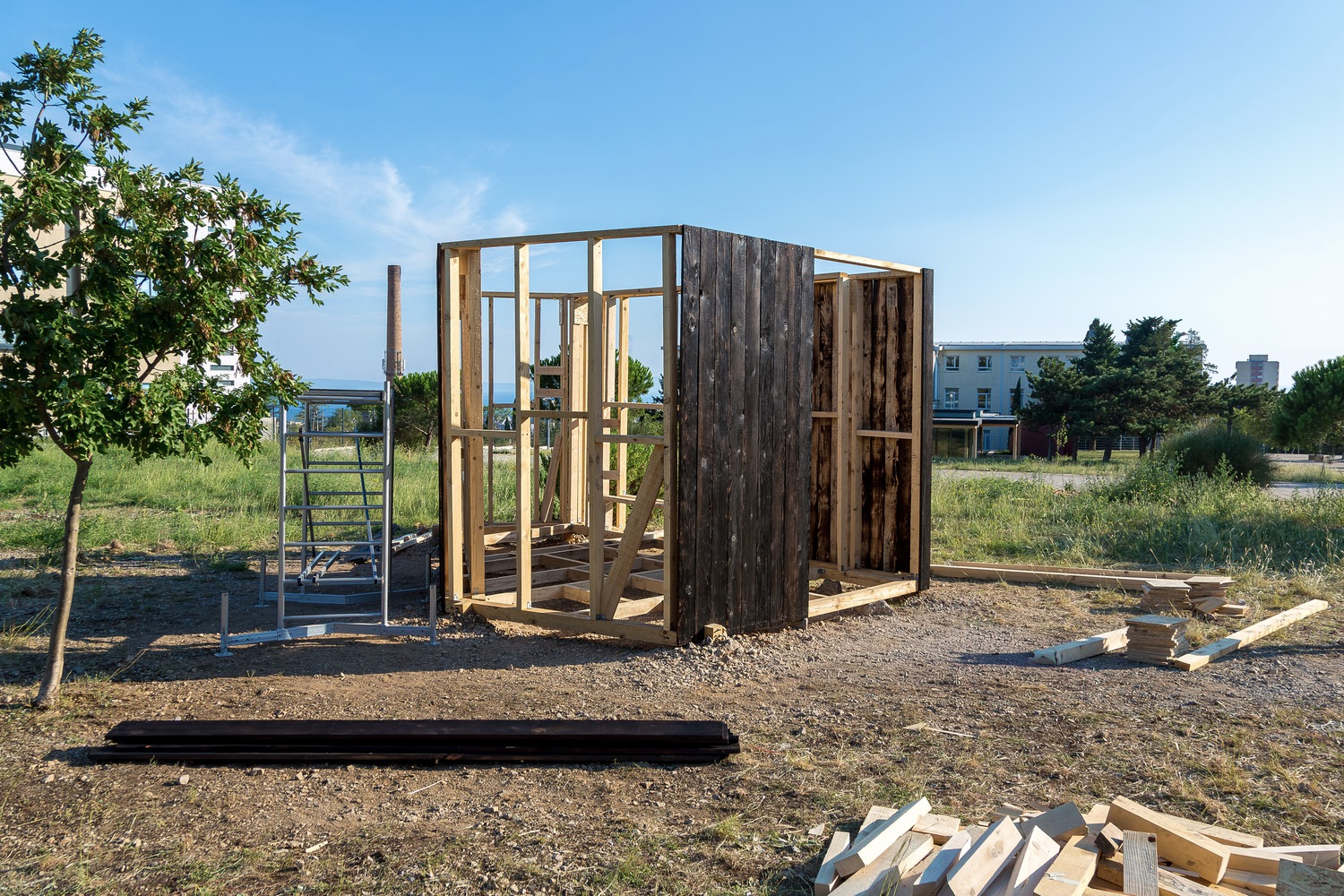
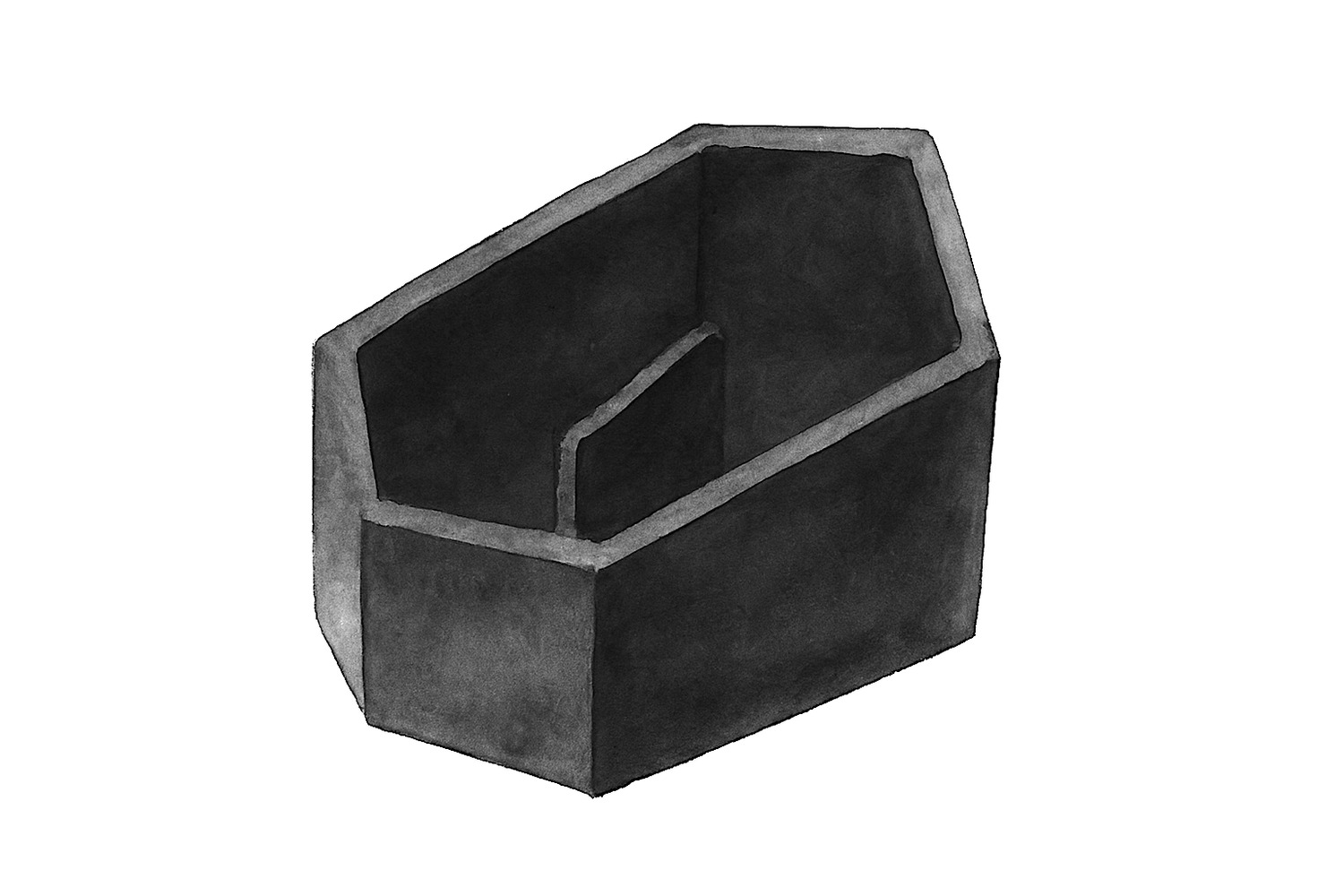
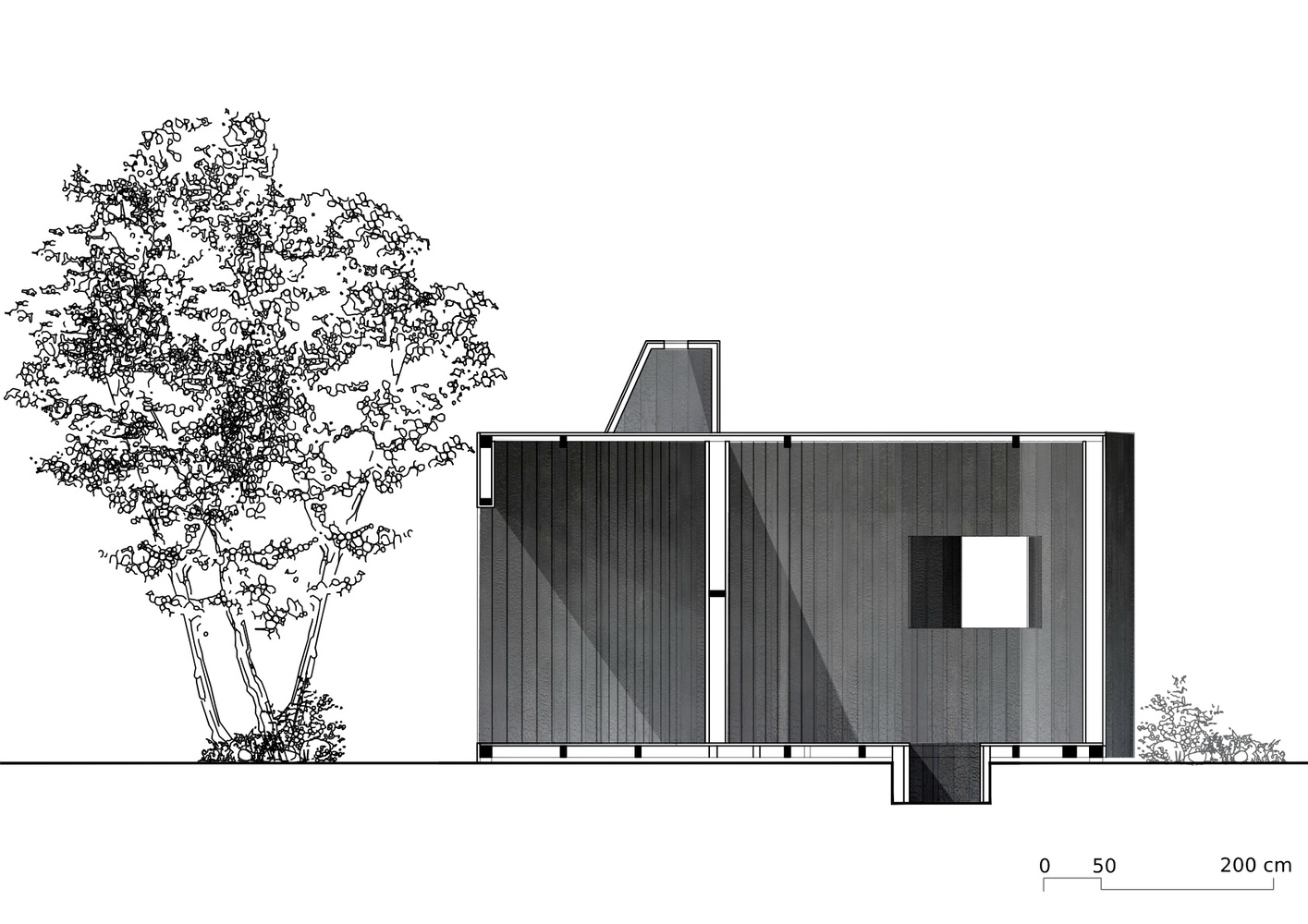
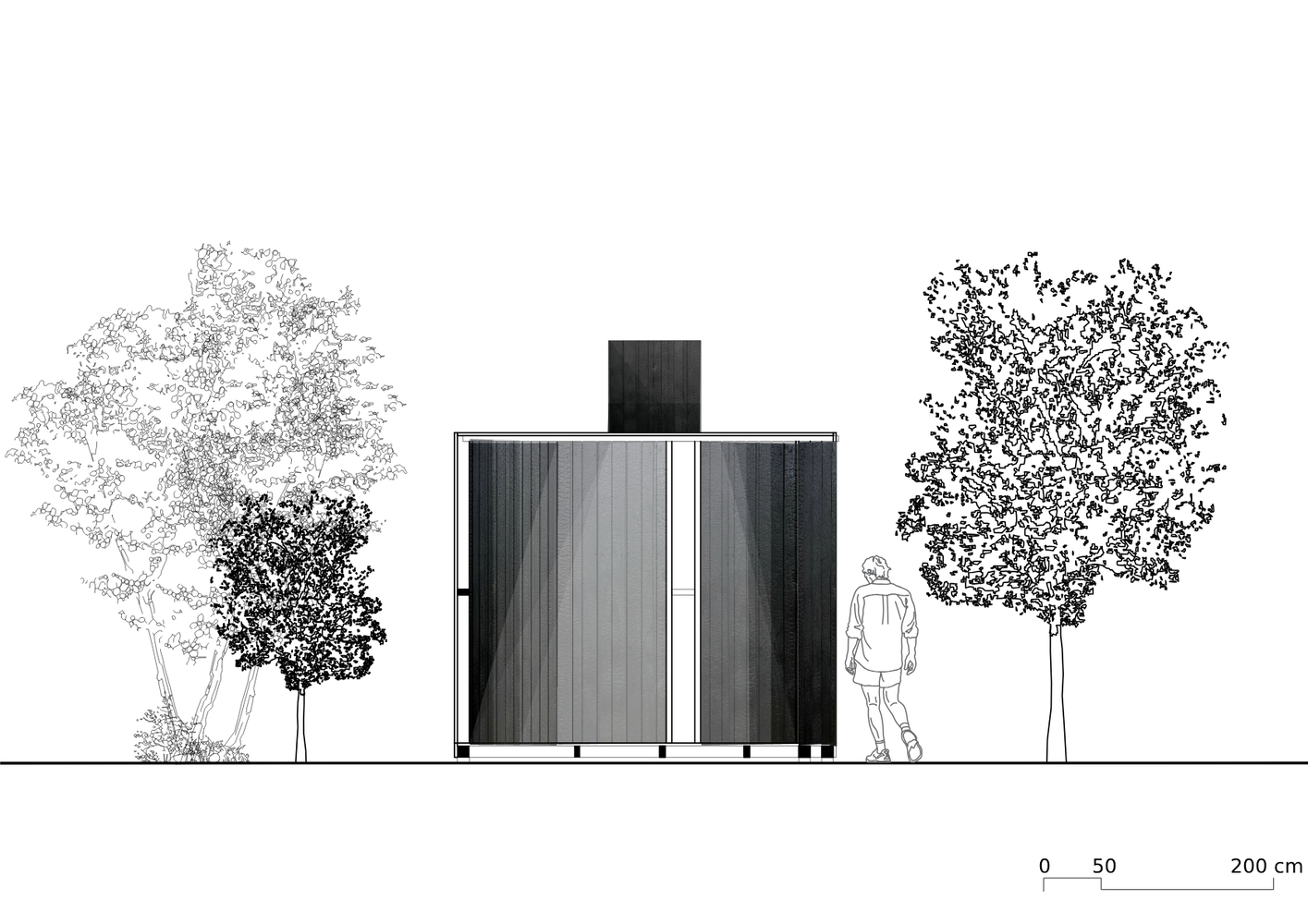
Crafted with simplicity and care, the structure balances openness and shelter. A canopy of warm, natural wood hovers above, supported by slender columns that frame the surrounding landscape without obscuring it.
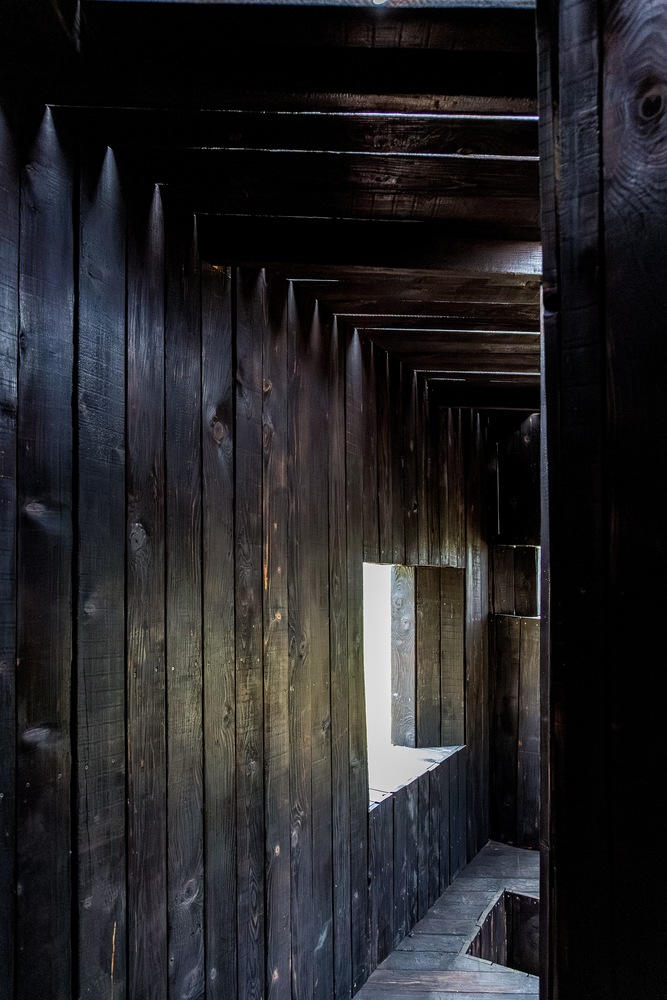
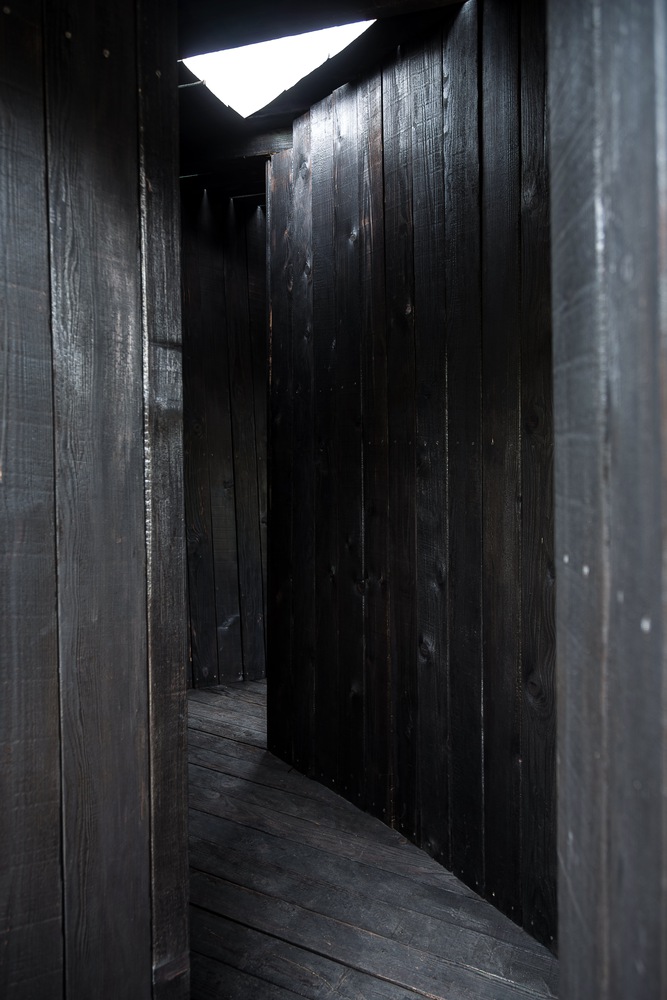
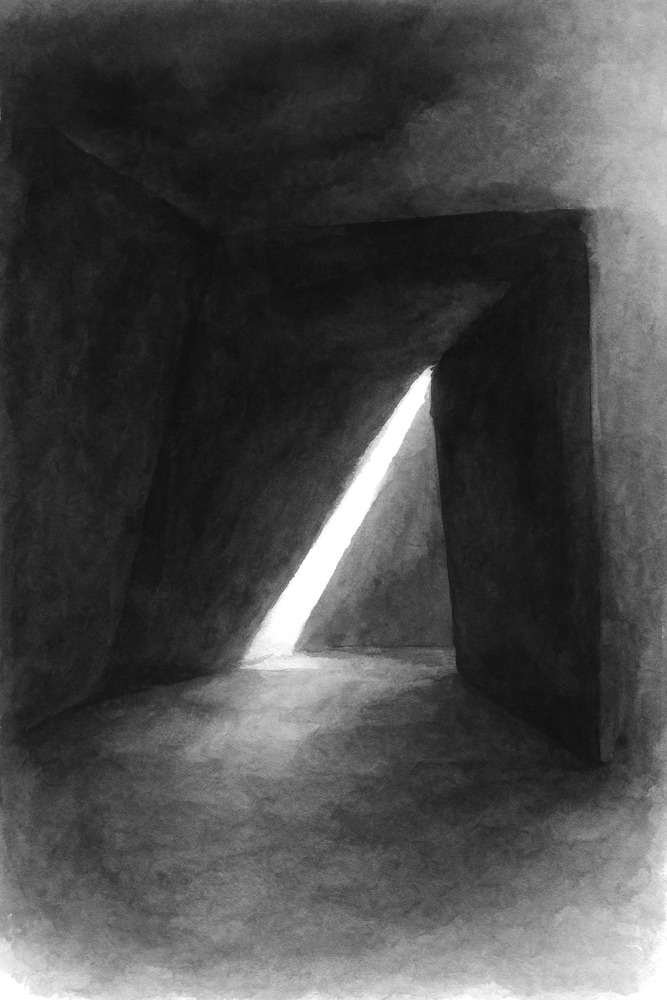
Soft light filters through translucent panels, creating shifting patterns on the floor and evoking a sense of calm throughout the day.
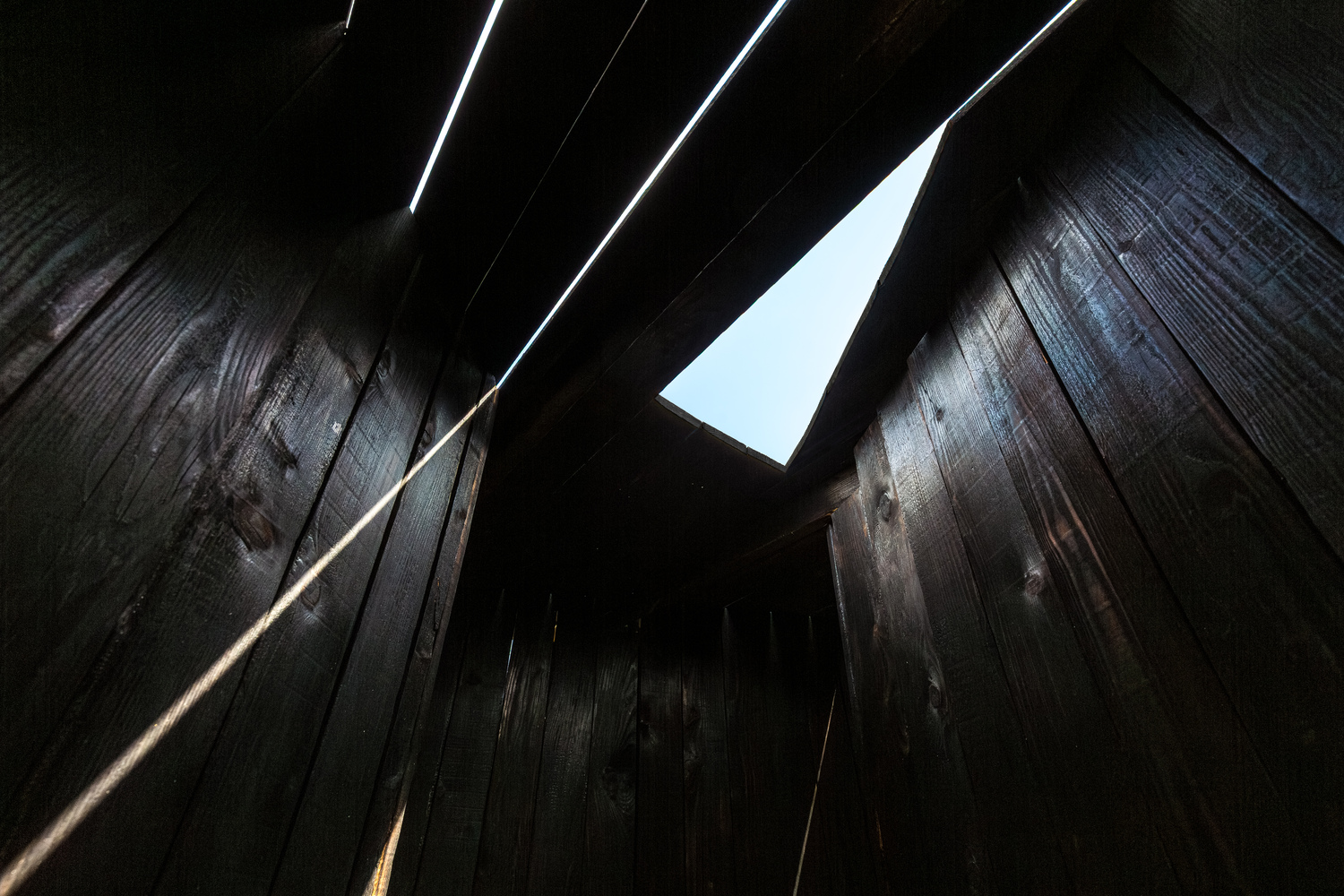
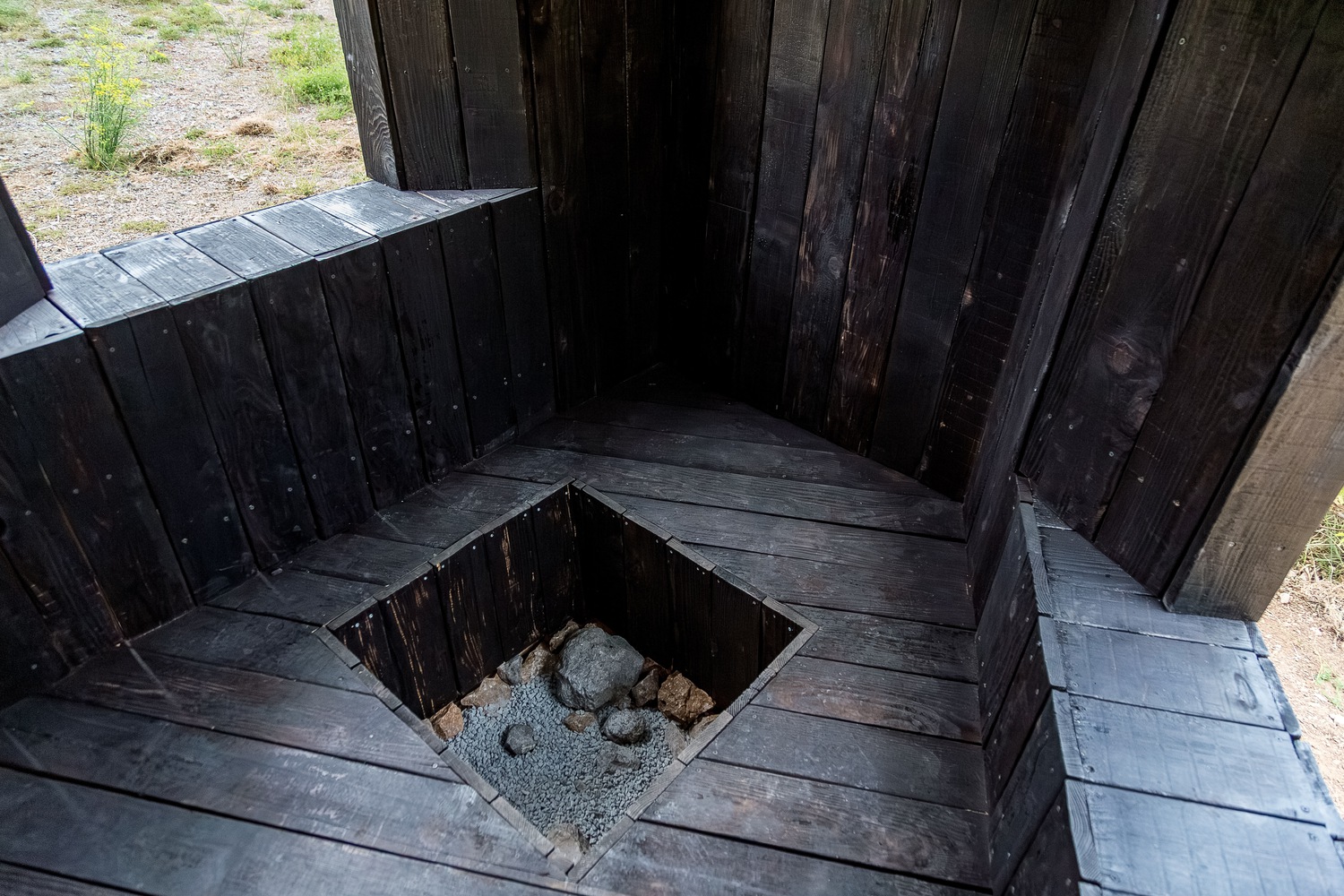
Inside, the space is minimalist yet inviting. Benches curve gently around a central feature, perhaps a still water basin or a contemplative sculpture, encouraging quiet observation and inward thought.
The material wood is chosen not only for its beauty but also for its tactile warmth and grounding presence.
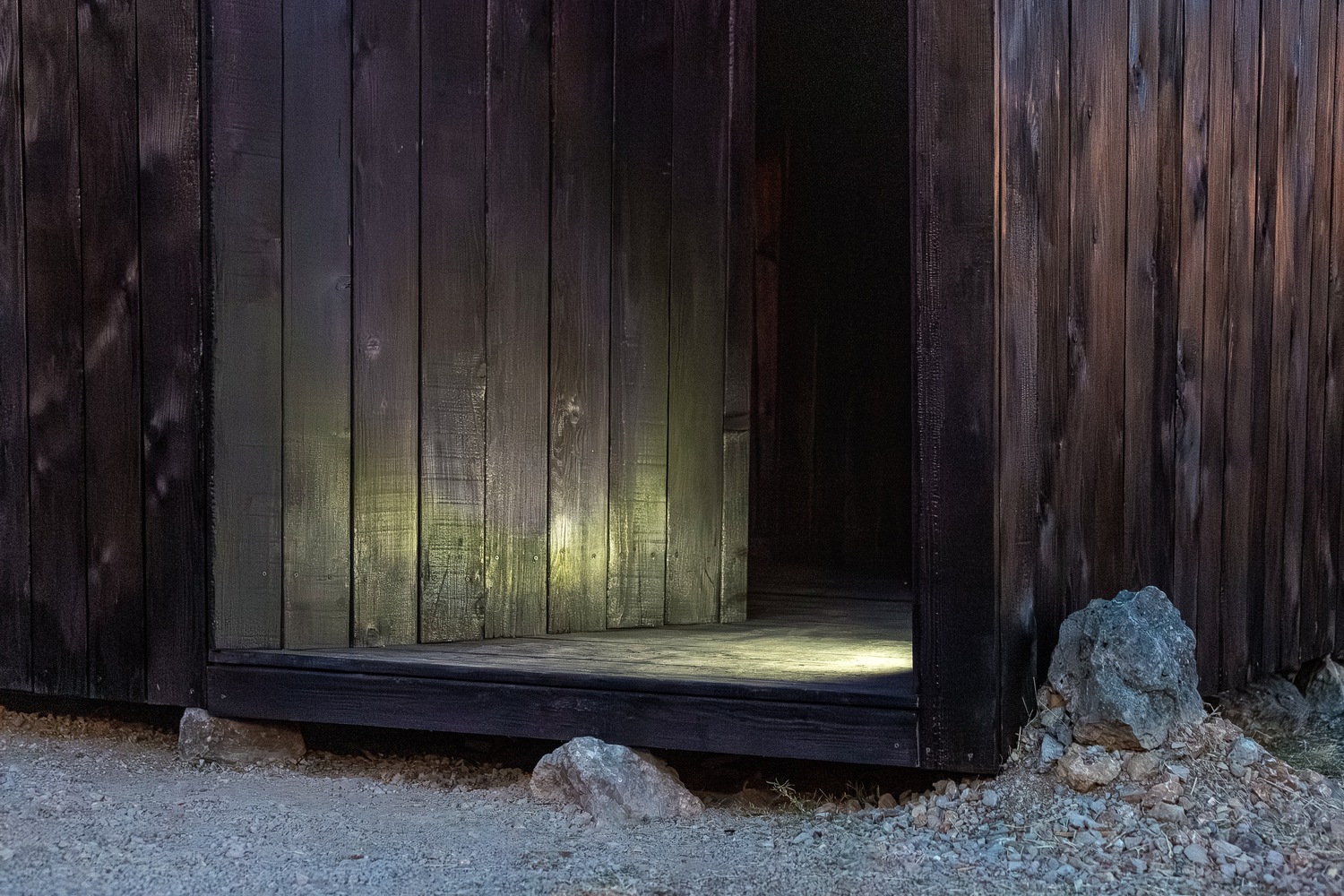
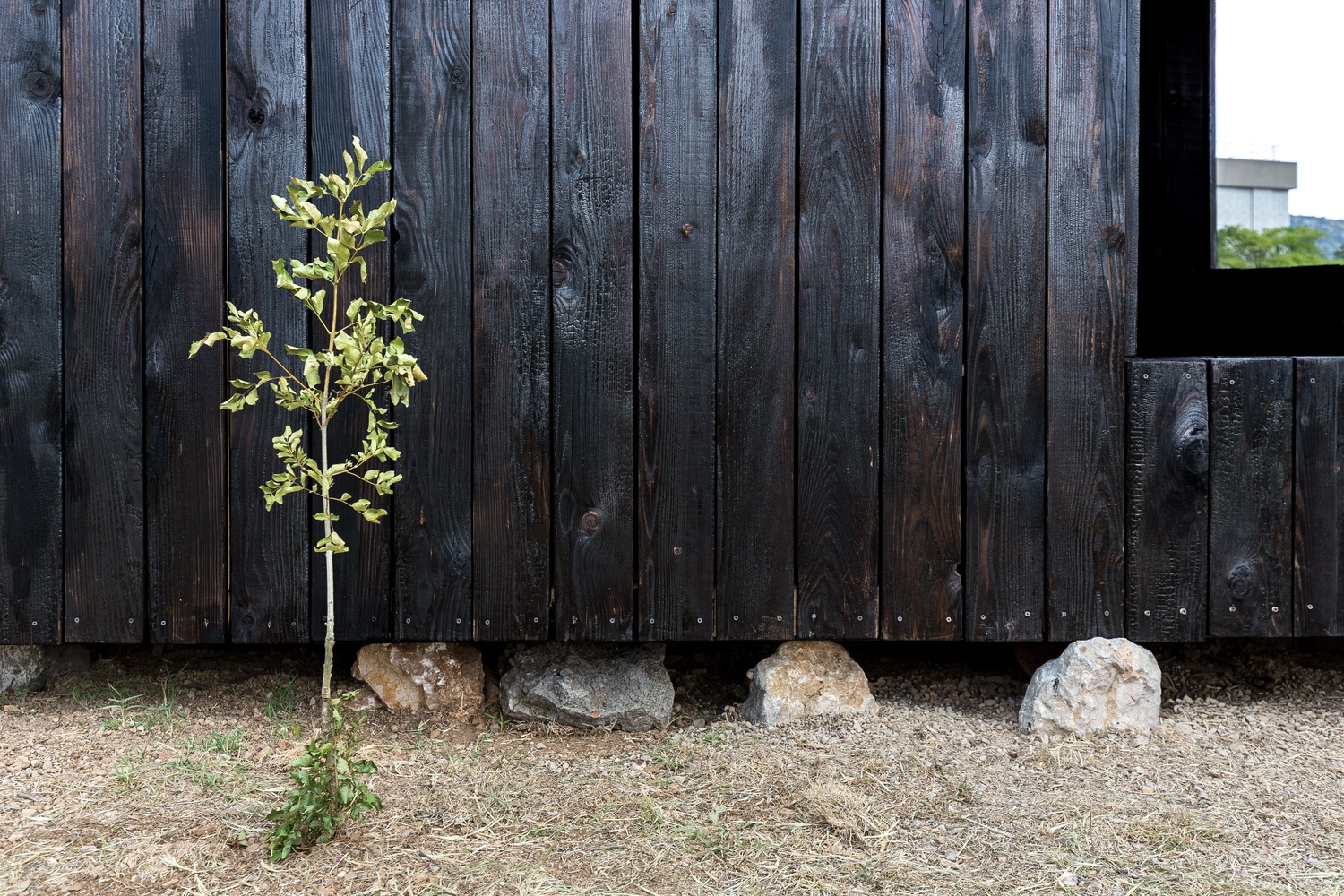
The pavilion is open to all, without barriers or formalities. It welcomes those who seek a pause from the rush of daily life: students overwhelmed with exams, citizens navigating personal transitions, or anyone drawn to a moment of solitude.
Here, reflection is not a luxury but a quiet necessity, a space to breathe, think, and reconnect.