Help Age Urban Gardens
HELP AGE URBAN GARDENS
Yemail Arquitectura
ARCHITECTS
Yemail Arquitectura
LEAD ARCHITECTS
Antonio Yemail, Natalia Carrero, Sebastián Torres
AGROECOLOGY SPECIALIST
Andrea Fajardo
PROJECT OFFICER
Daniela Vásquez
TECHNICAL SPECIALIST
Sion Jones
TECHNICAL TEAM
Helpage International
PROJECT COORDINATION
Diego Collazos
COMMUNICATIONS
Nelson Tamayo
PHOTOGRAPHS
Bé estudio, Paola Pabón & Santiago Beaumé
AREA
362 m²
YEAR
2025
CATEGORY
Urban Design
English description provided by the architects.
Let us talk about the relationship between architecture and care—about how public space can become gentler when it recognizes diverse, more fragile bodies with specific needs.
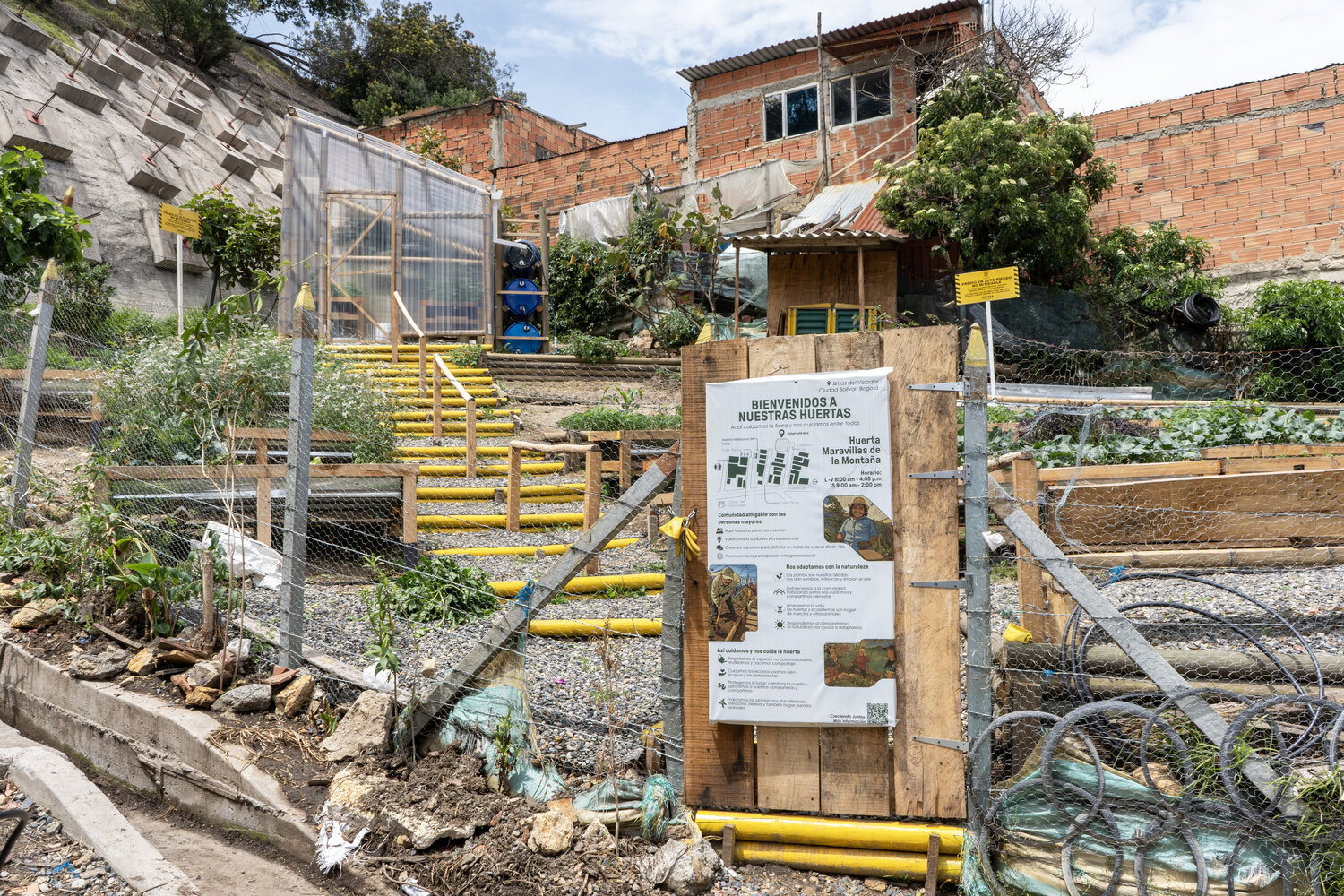
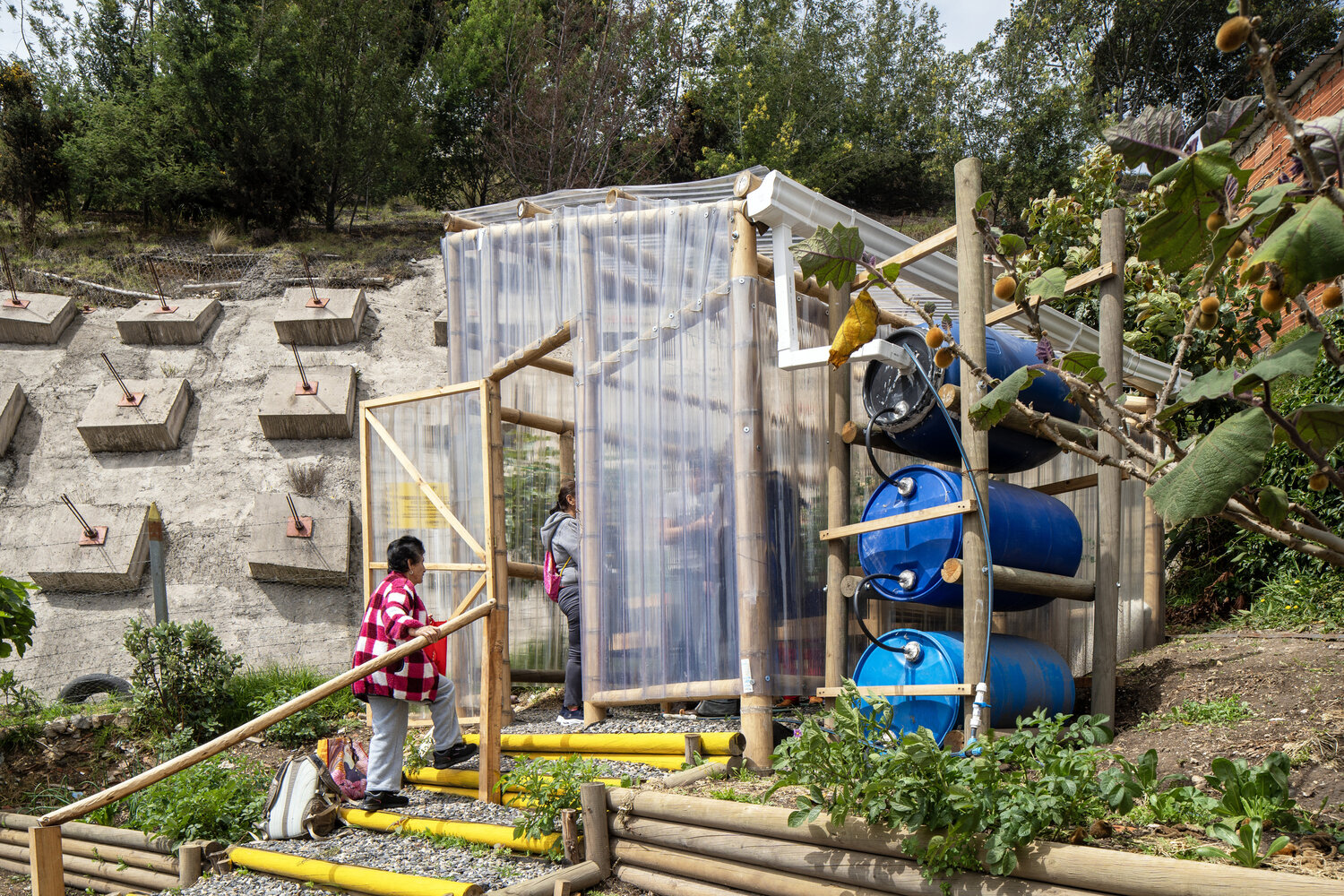
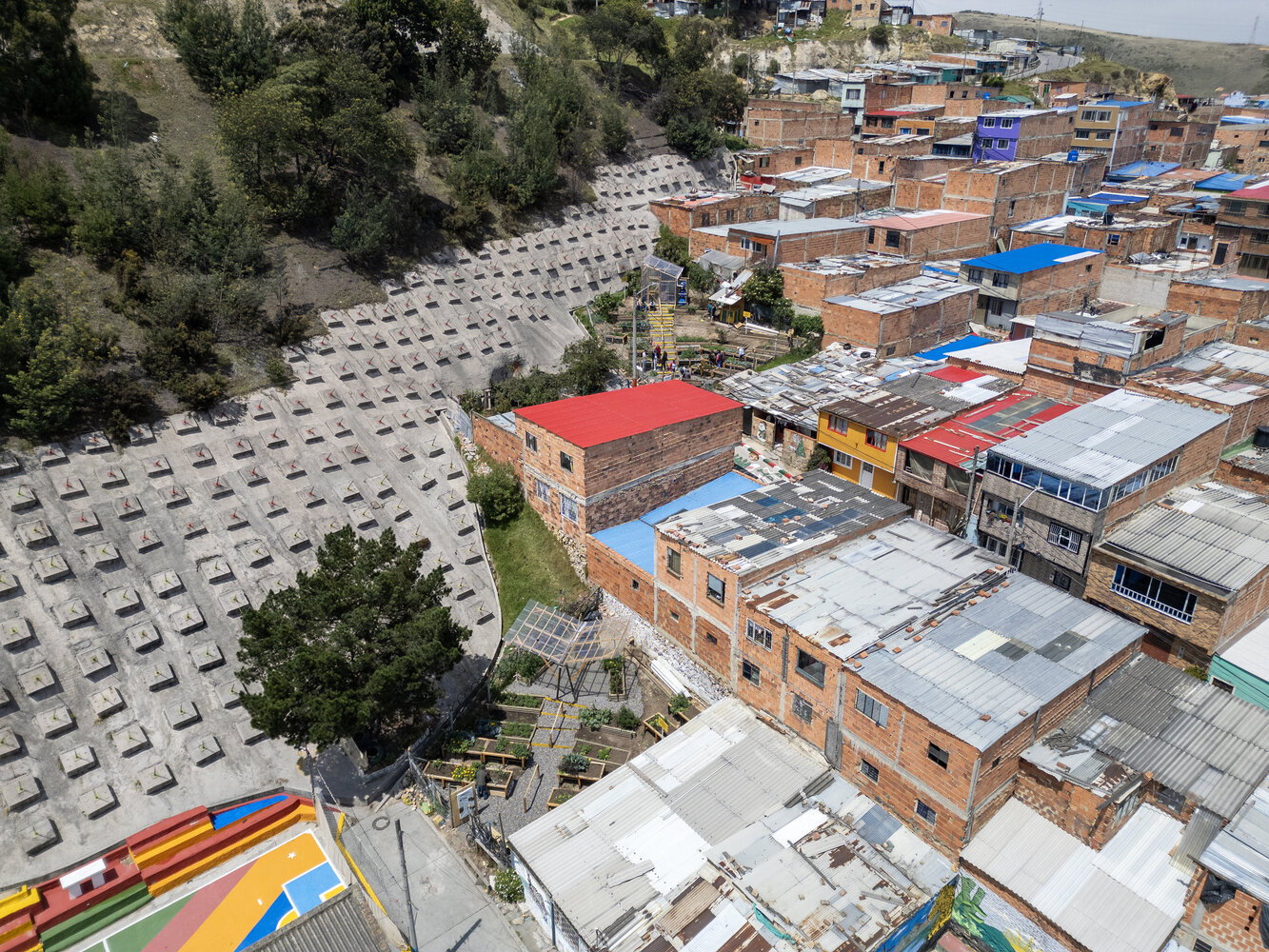
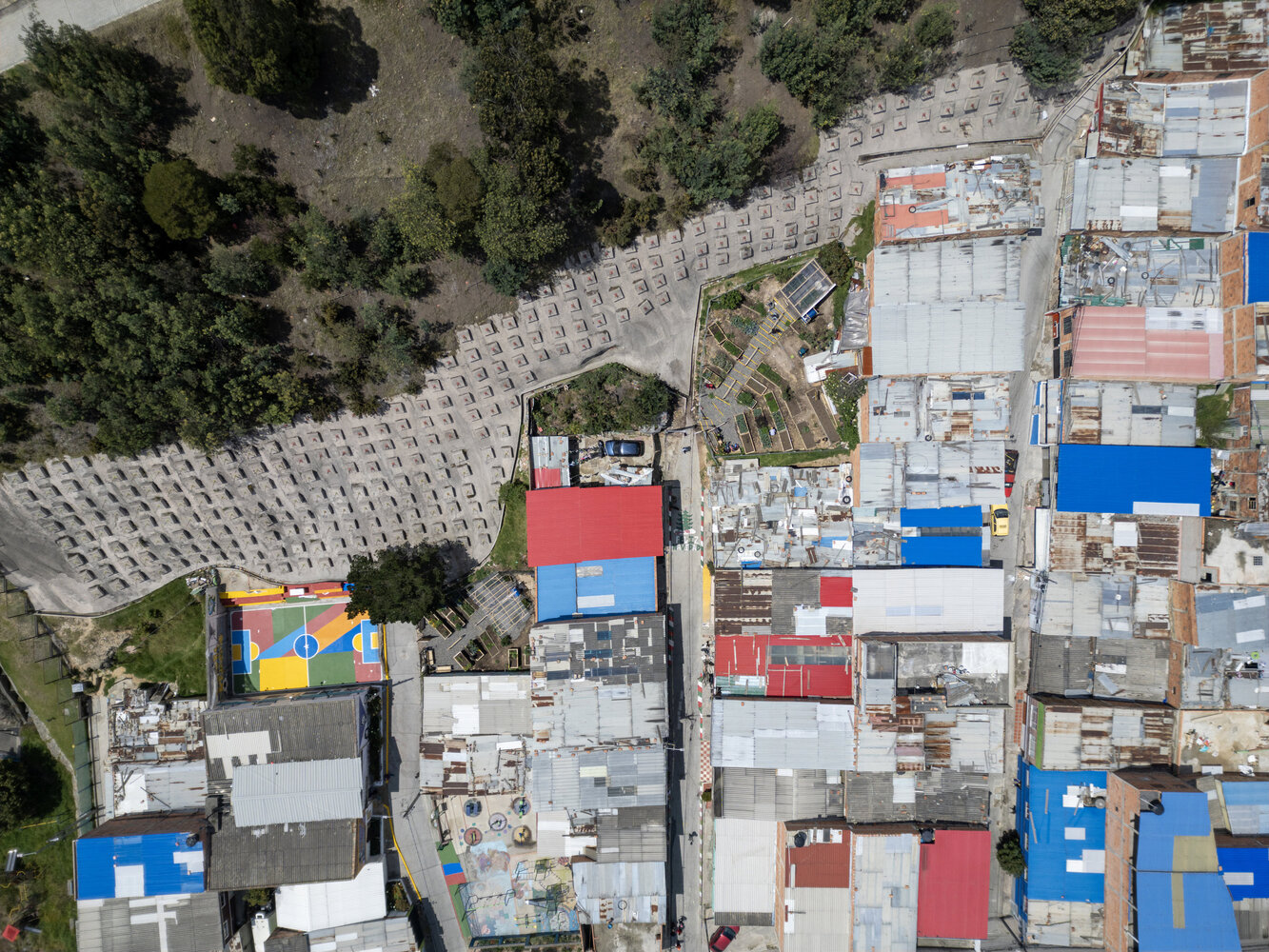
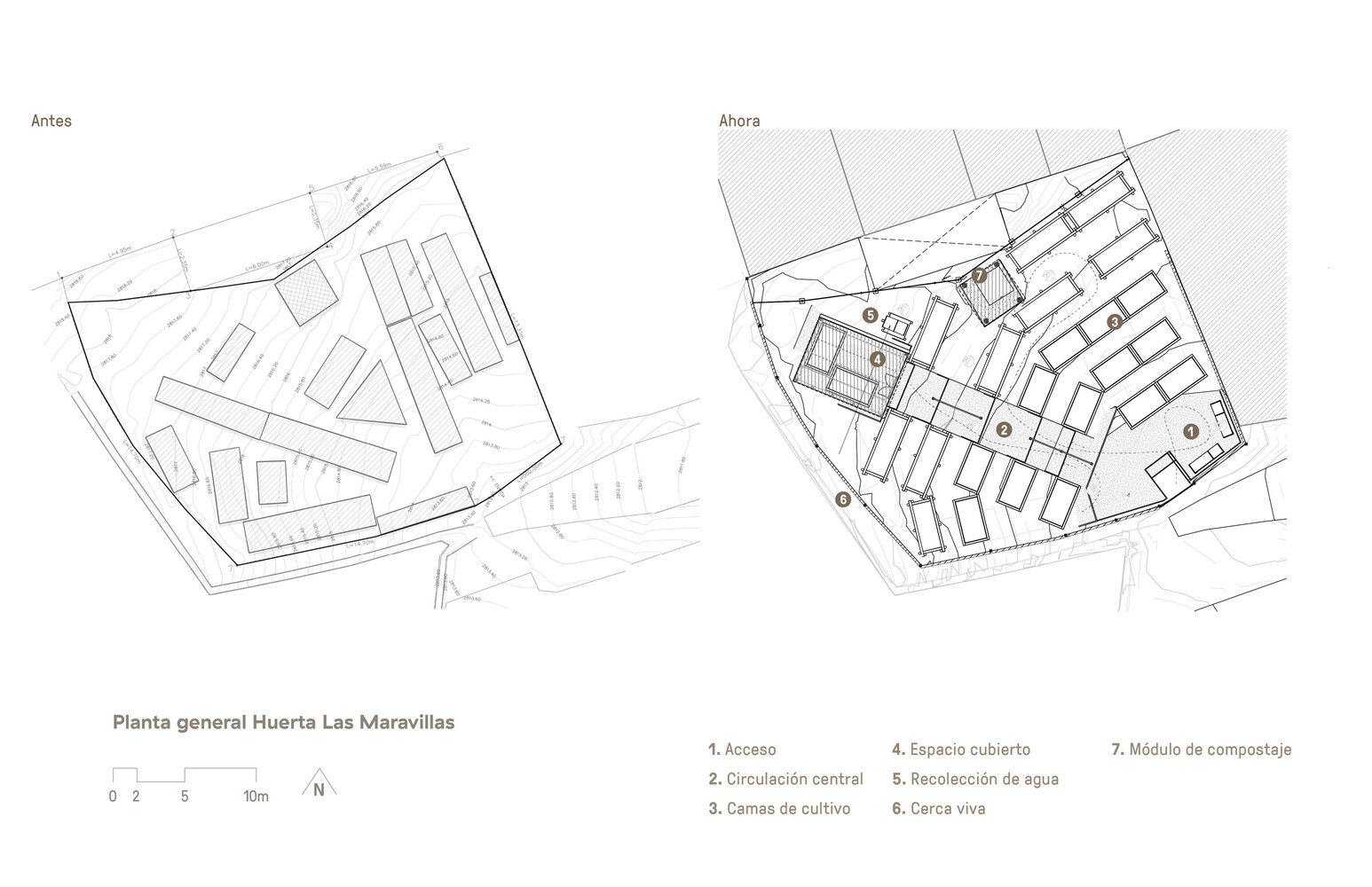
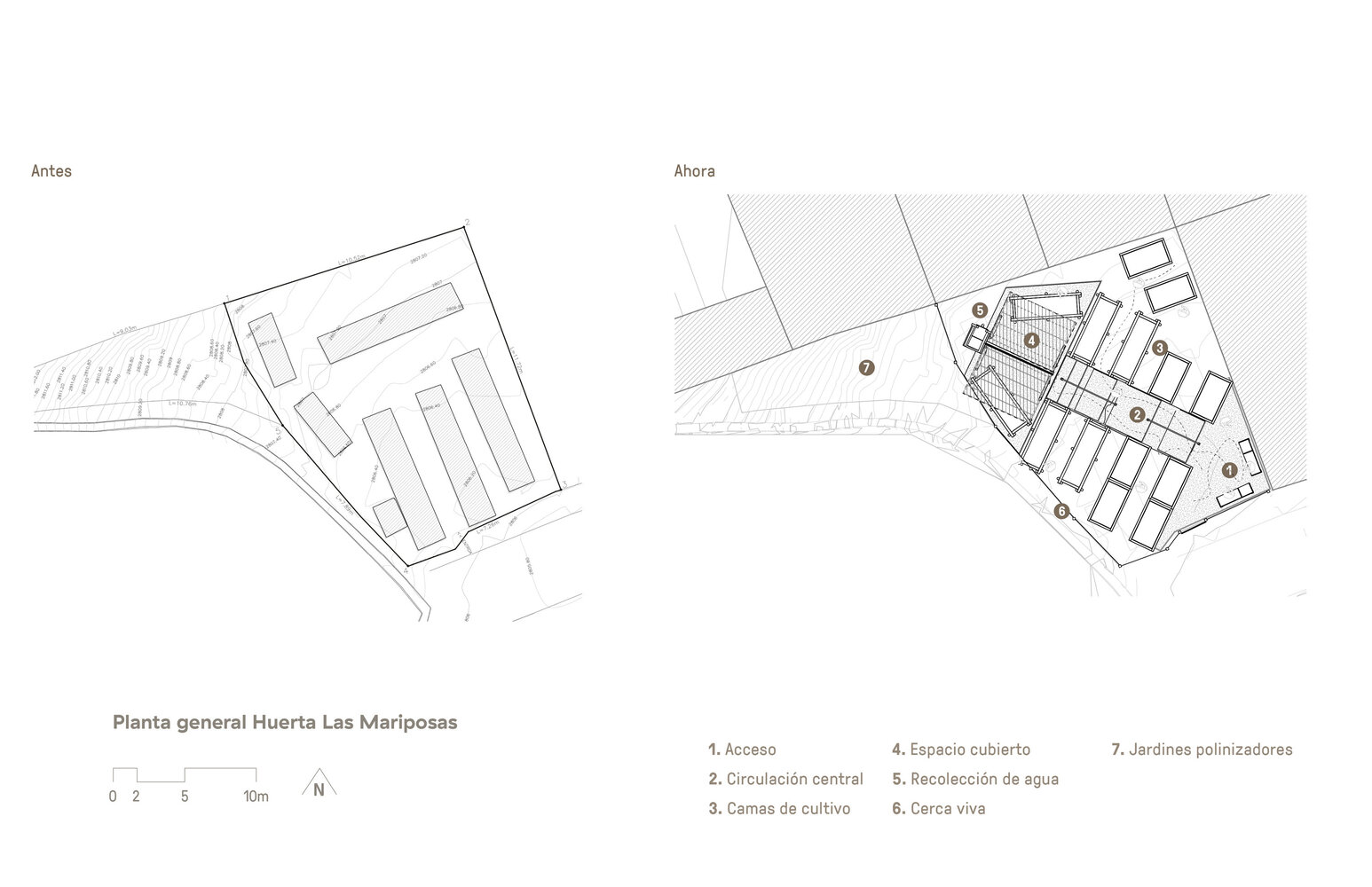
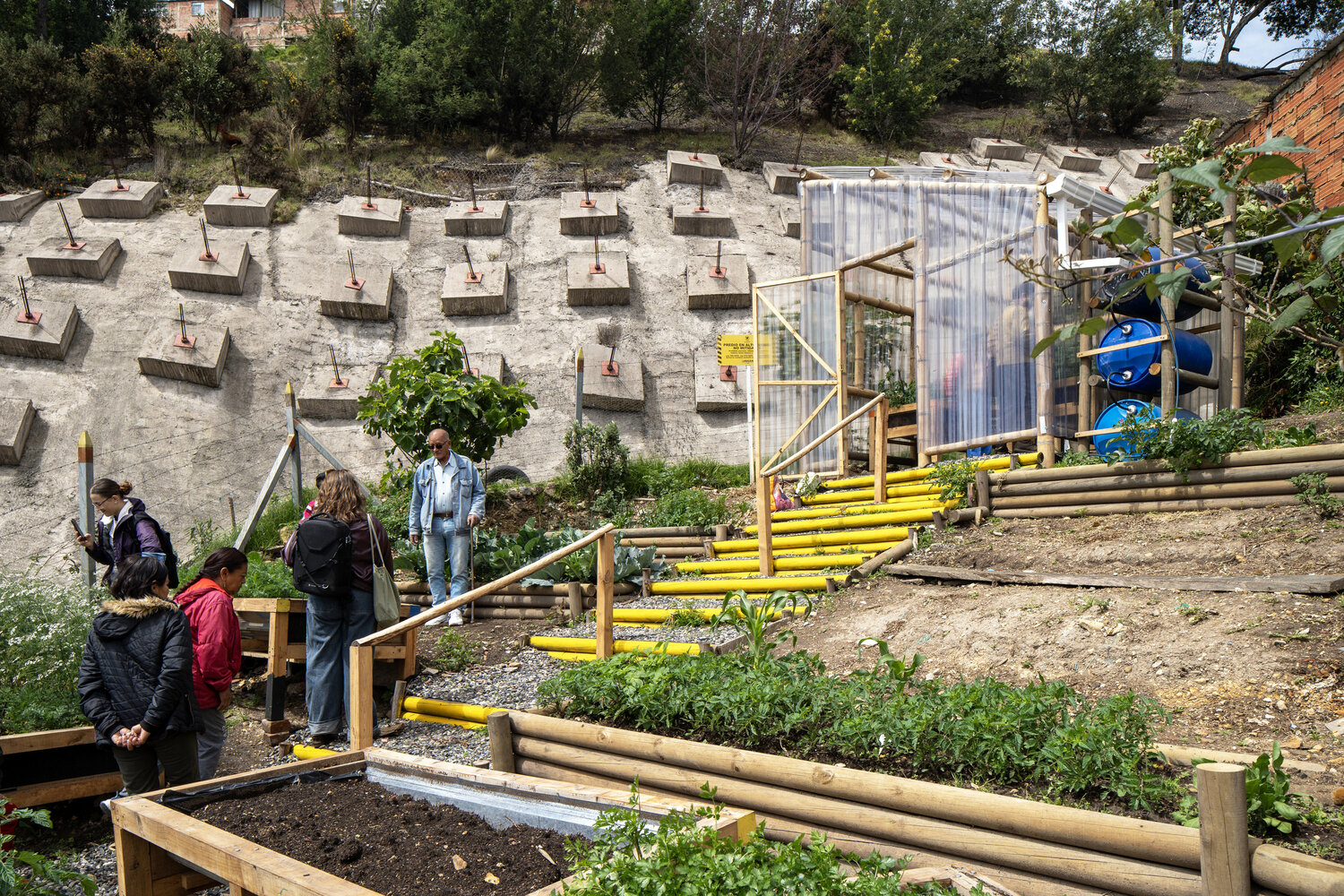
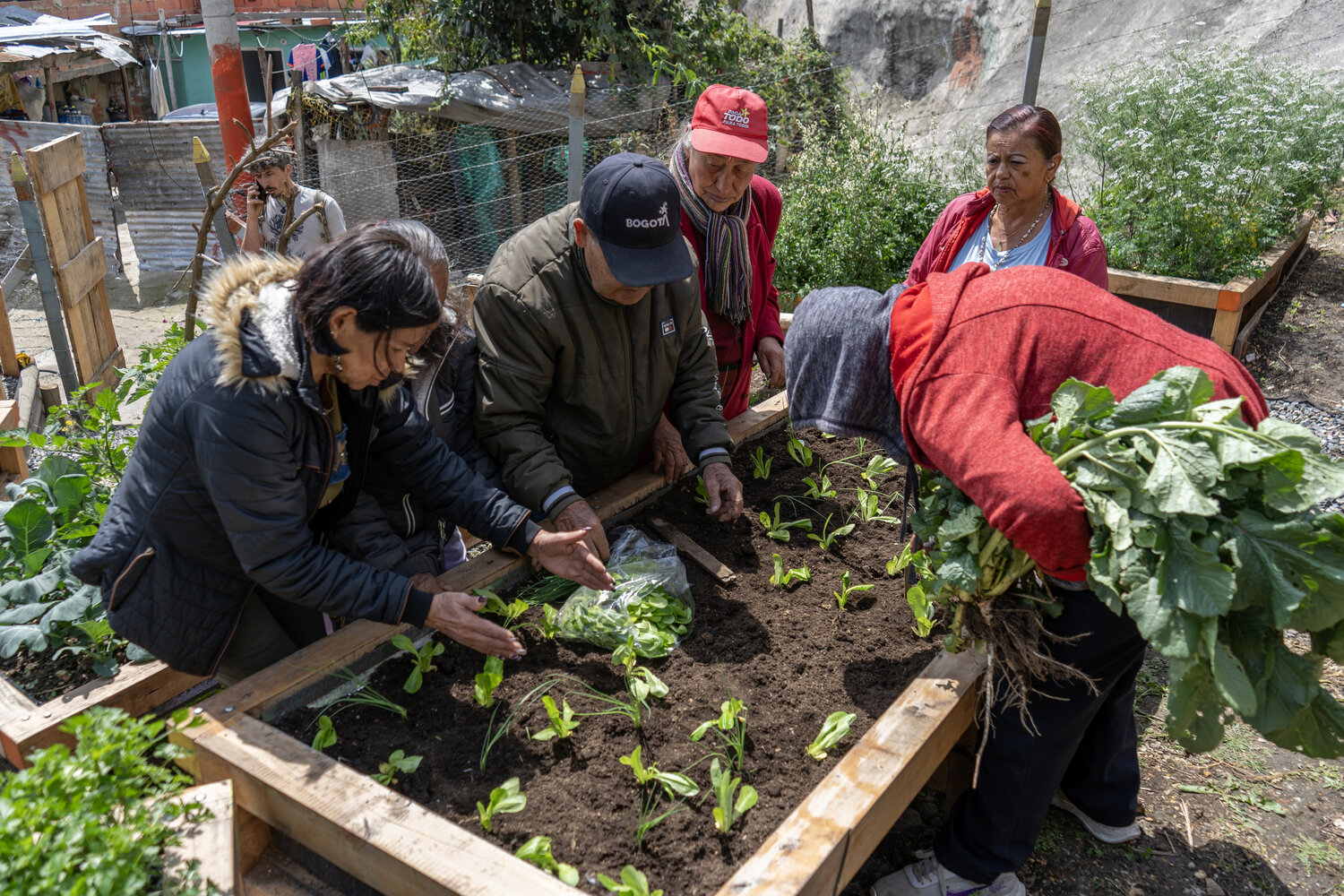
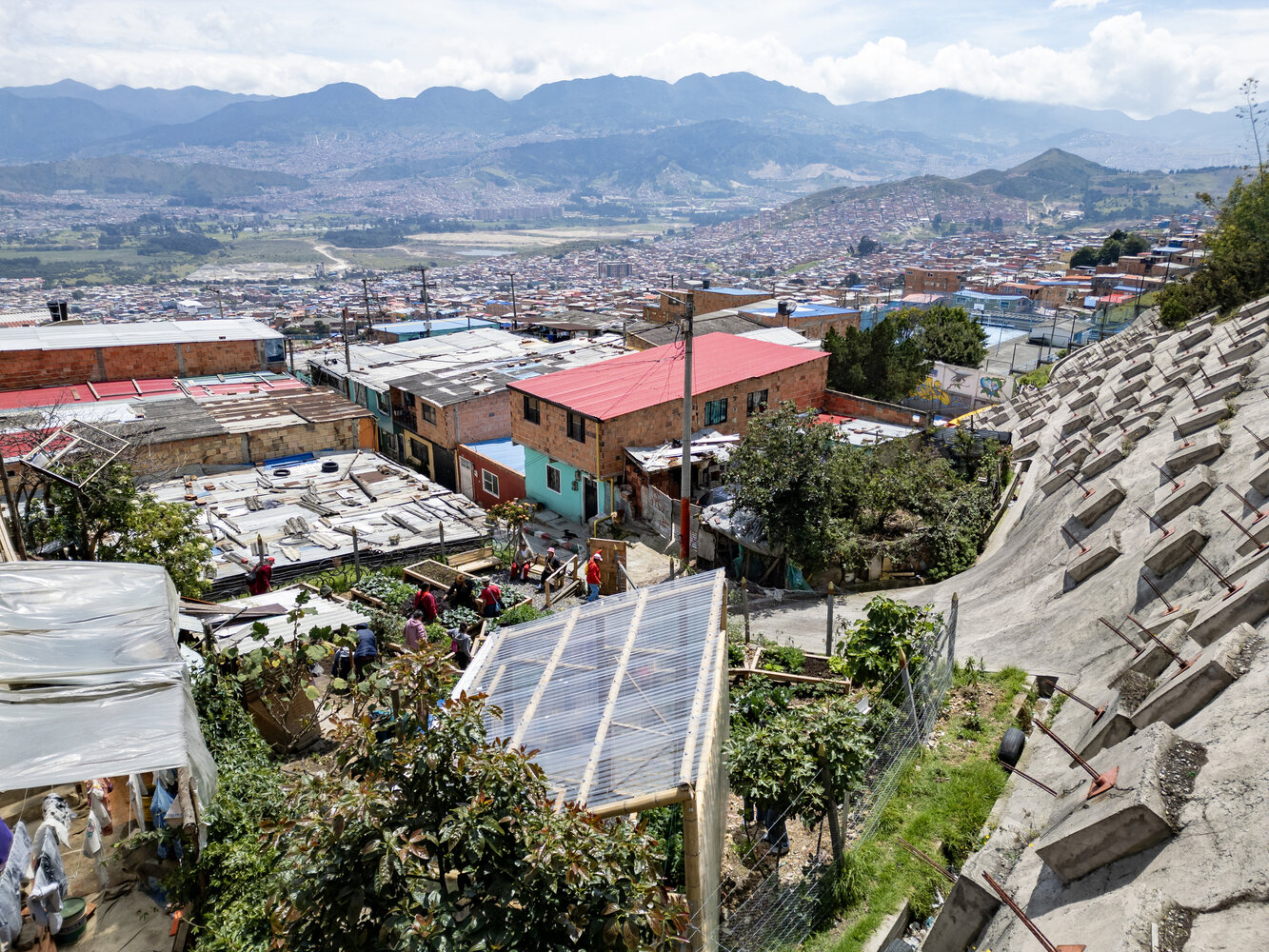
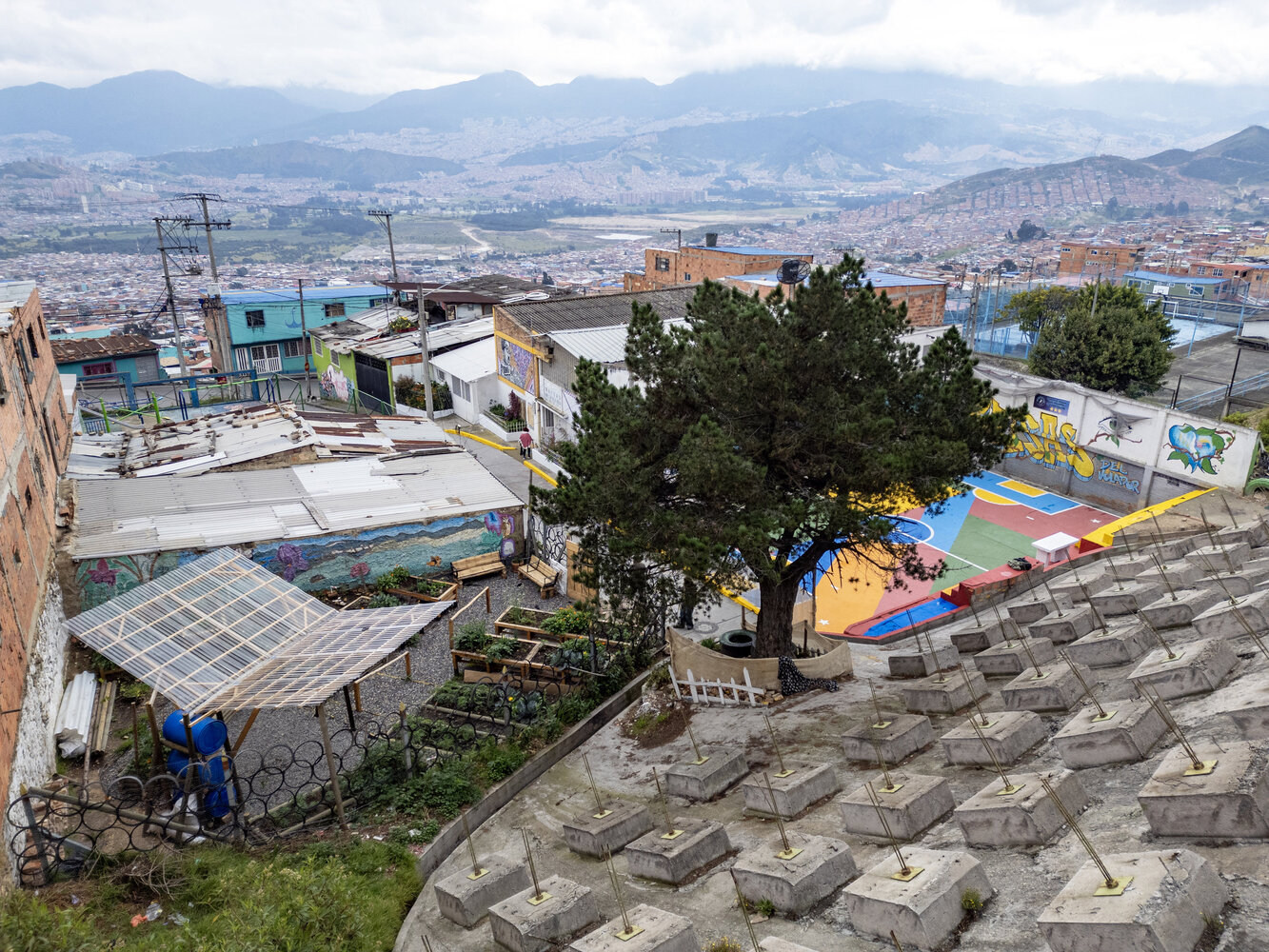
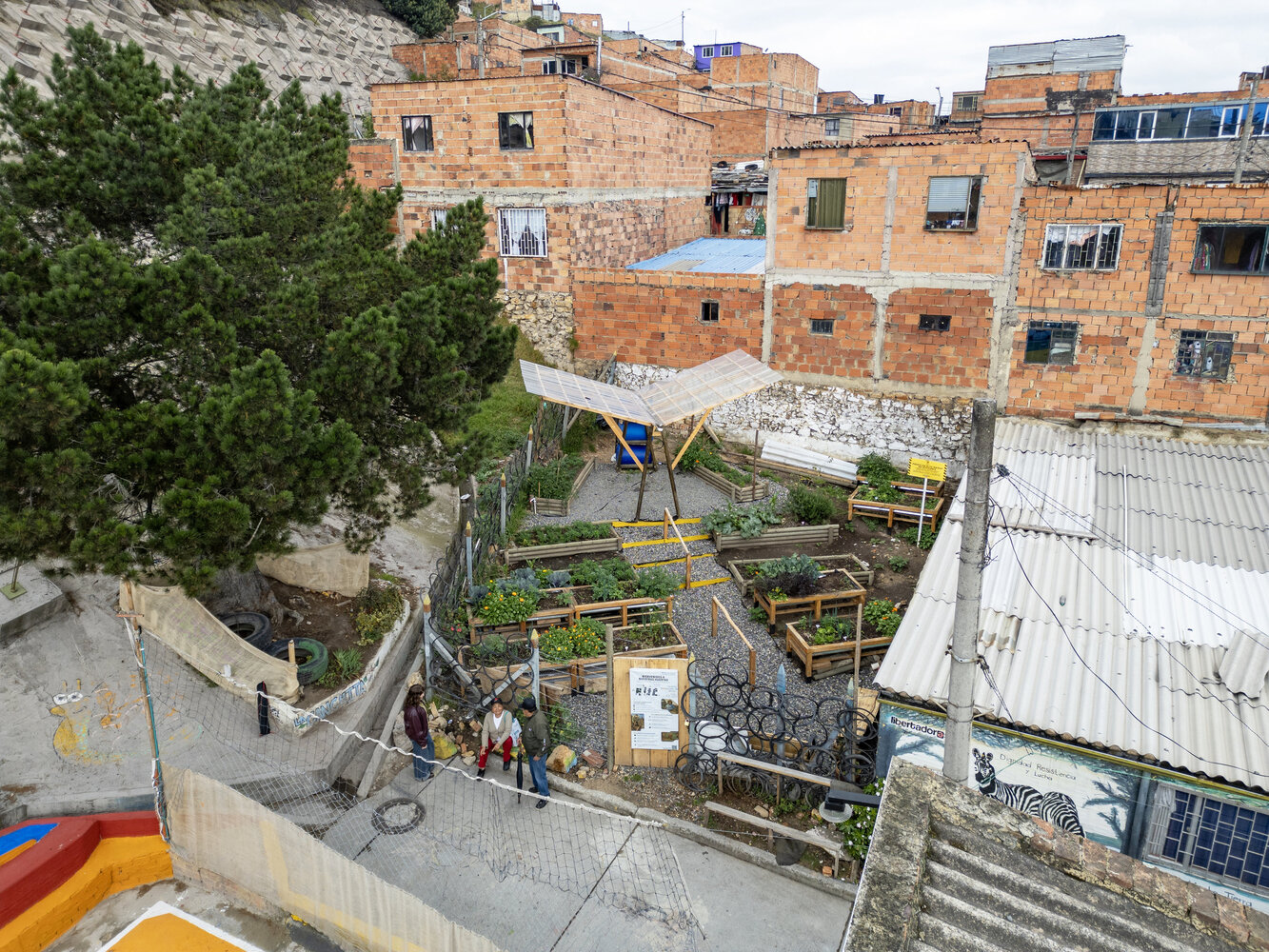
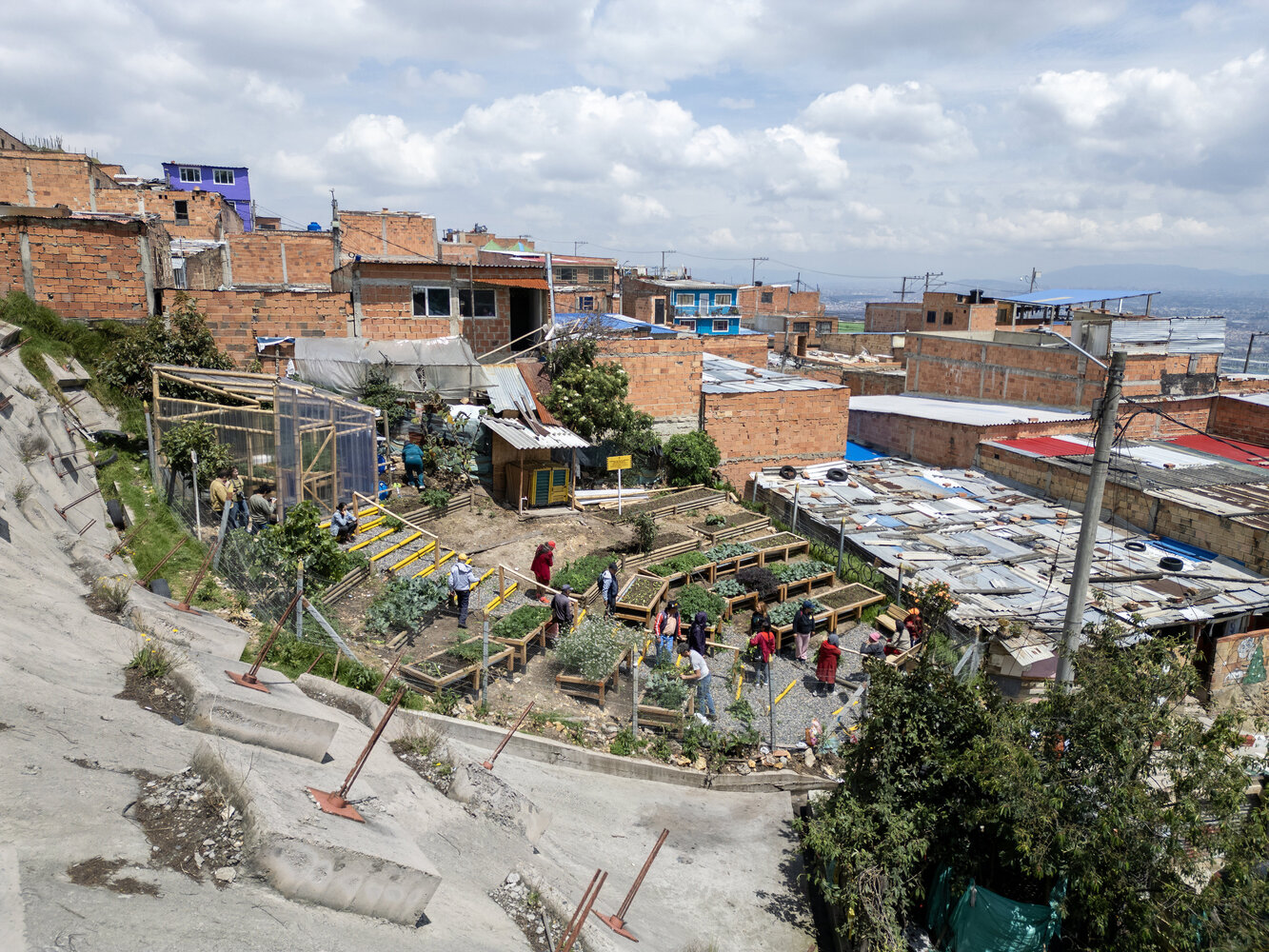
In Cerro del Volador, in Ciudad Bolívar, two community gardens have been operating for years. Self-managed by more than 60 older adults who gather weekly to plant, socialize, exchange, and sustain their community, these gardens are, in themselves, a laboratory for self-organization and food sovereignty.
HelpAge International recognized here an opportunity to combine knowledge to prototype a productive, age-friendly public space.
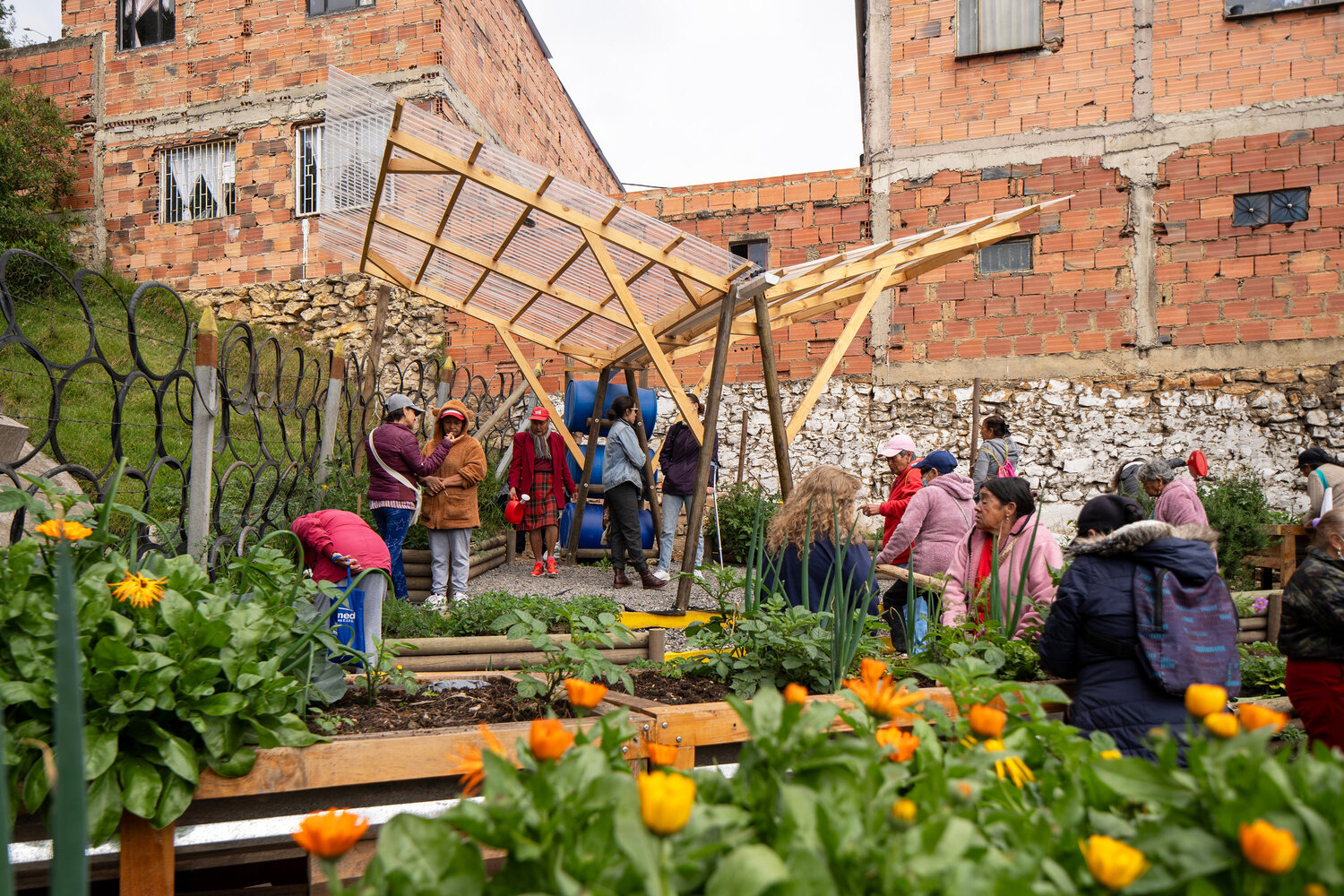
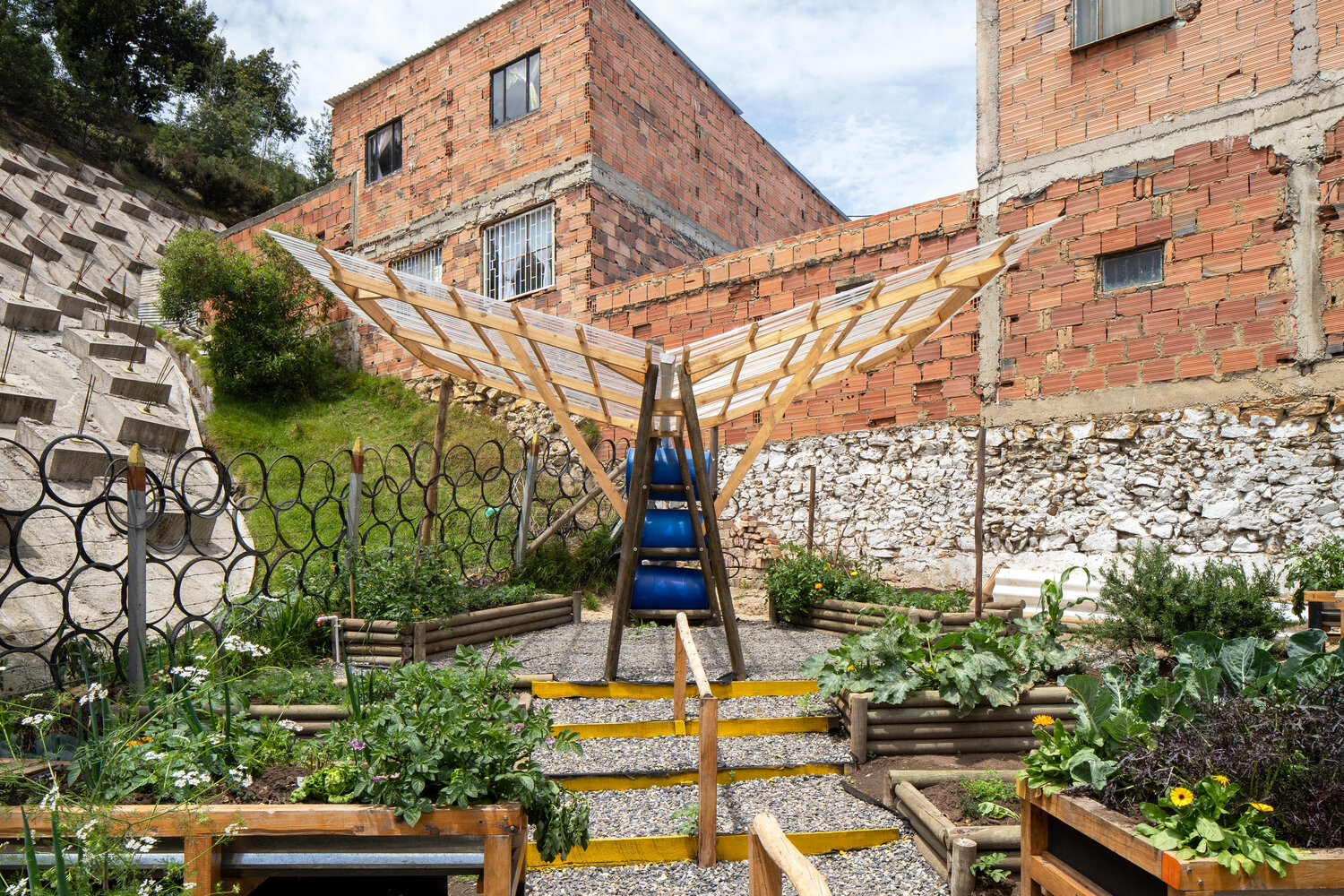
While some of these interventions might seem obvious, it is worth considering how few of the spaces we inhabit daily actually implement them:
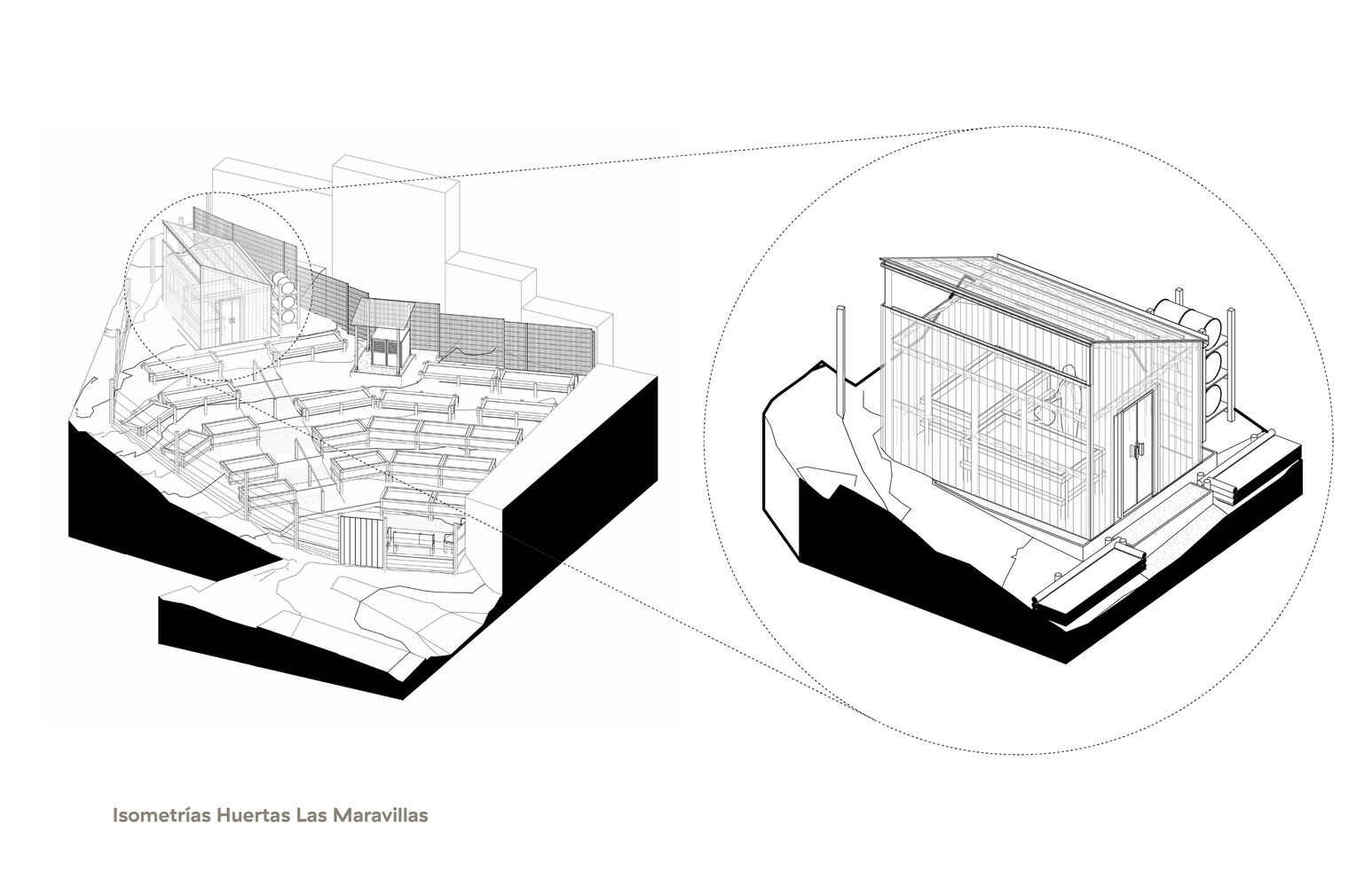
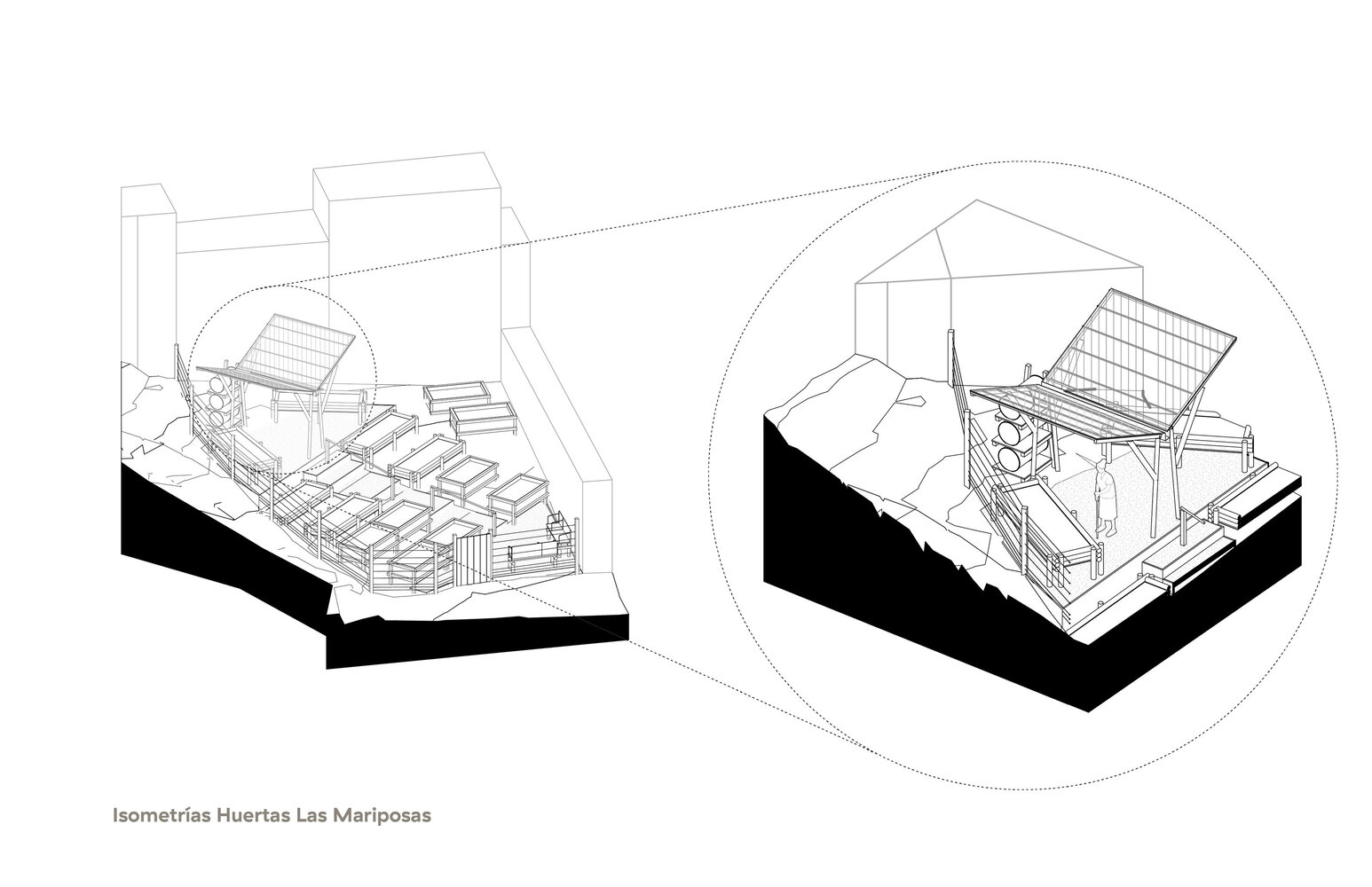
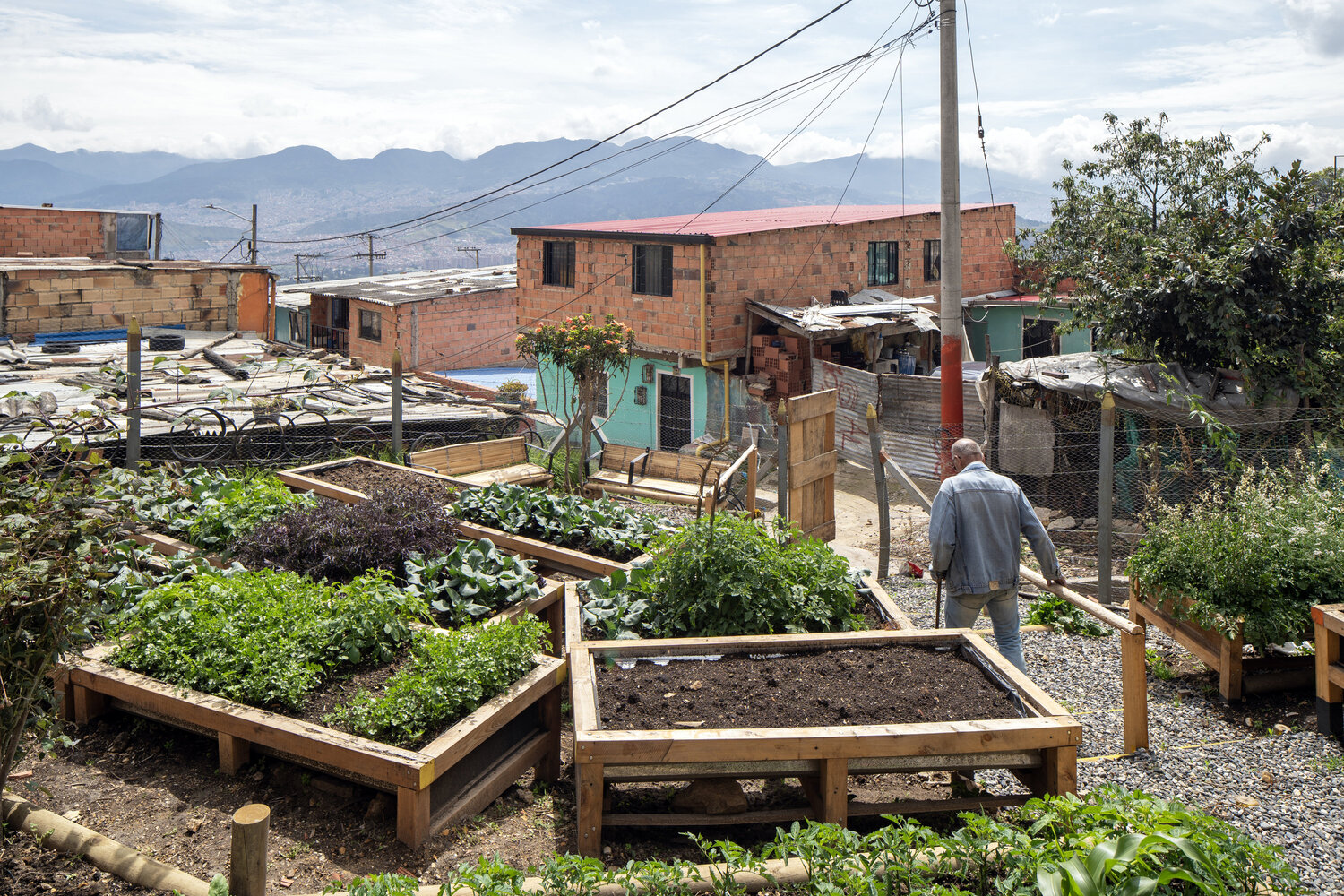
leveling the ground, reducing slopes, widening paths, marking routes, incorporating taller benches with armrests, raising planter beds to prevent bending over, providing shade, or adding handrails. Ultimately, it was about understanding that inclusion is also a form of infrastructure.
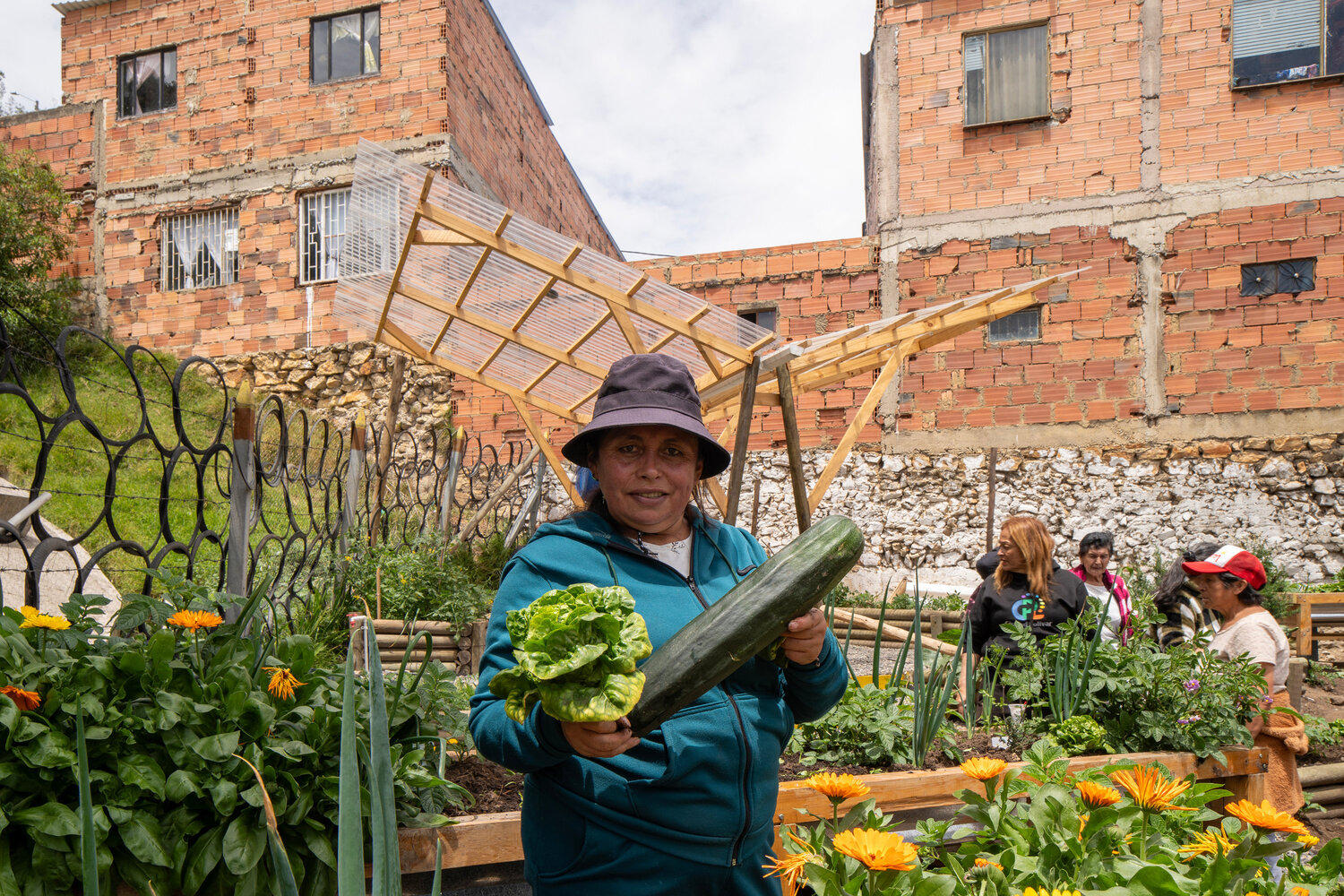
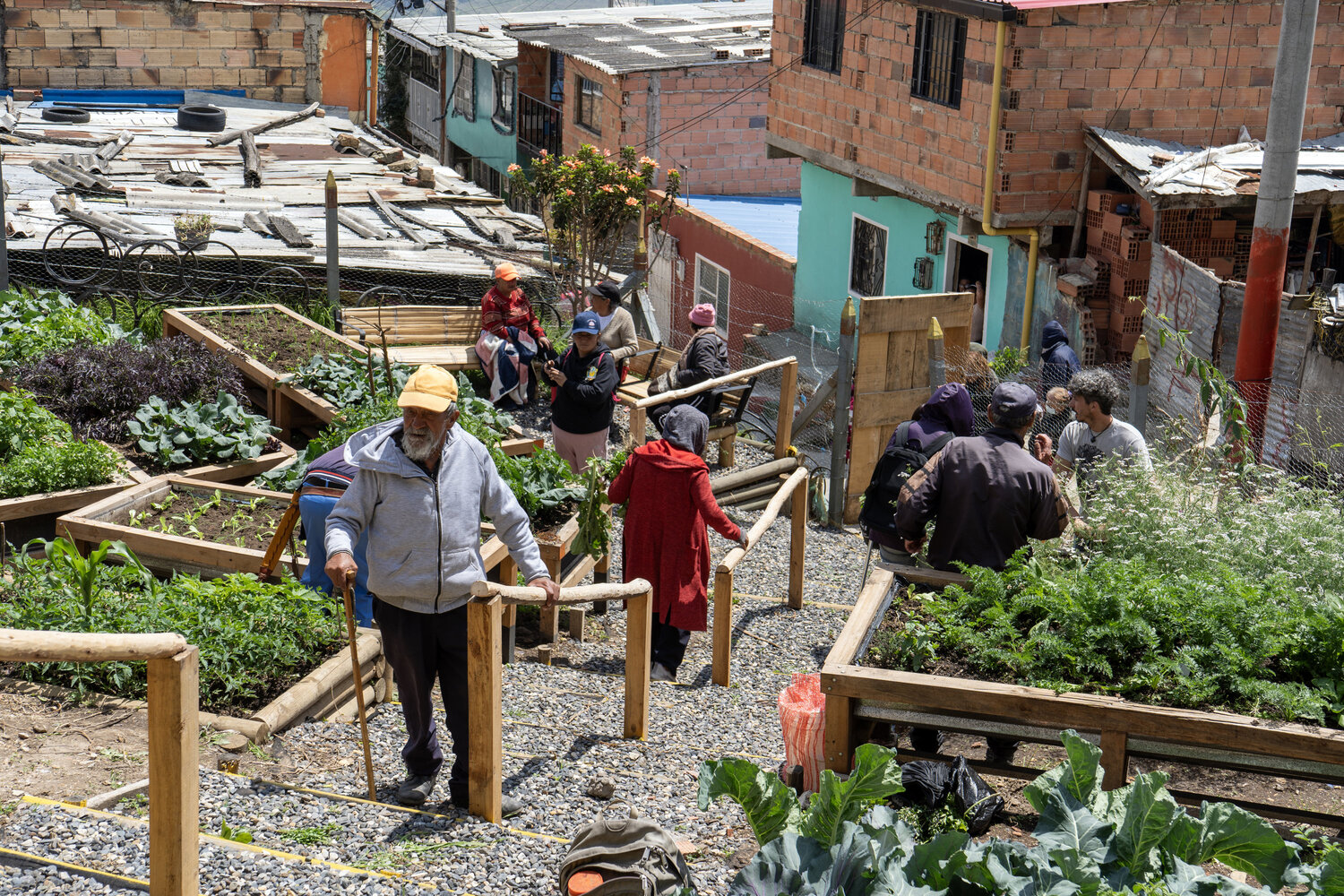
No matter how small they may seem, these community actions are the starting point for restoring the soil, and for making visible the bonds and relationships of codependency and care that sustain an ecosystem.
In the garden, cycles blend like a small choreography of the soil. Mariano and the elders knew how to coordinate this. First come the quick crops—arugula, radish, lettuce, cilantro—announcing early life. Then come the longer-term crops—cabbage, broccoli, carrot, tomato—that sustain the process.
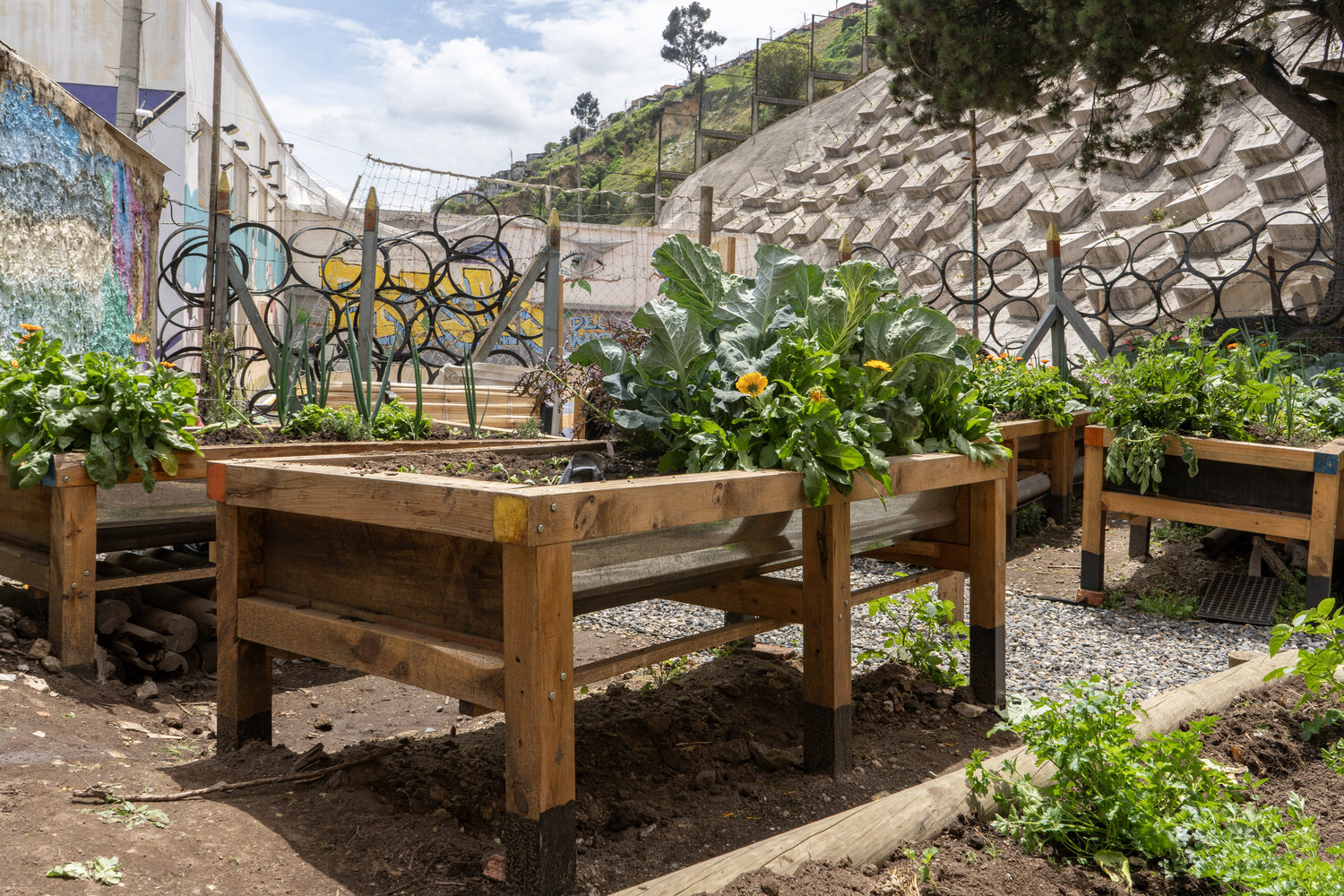
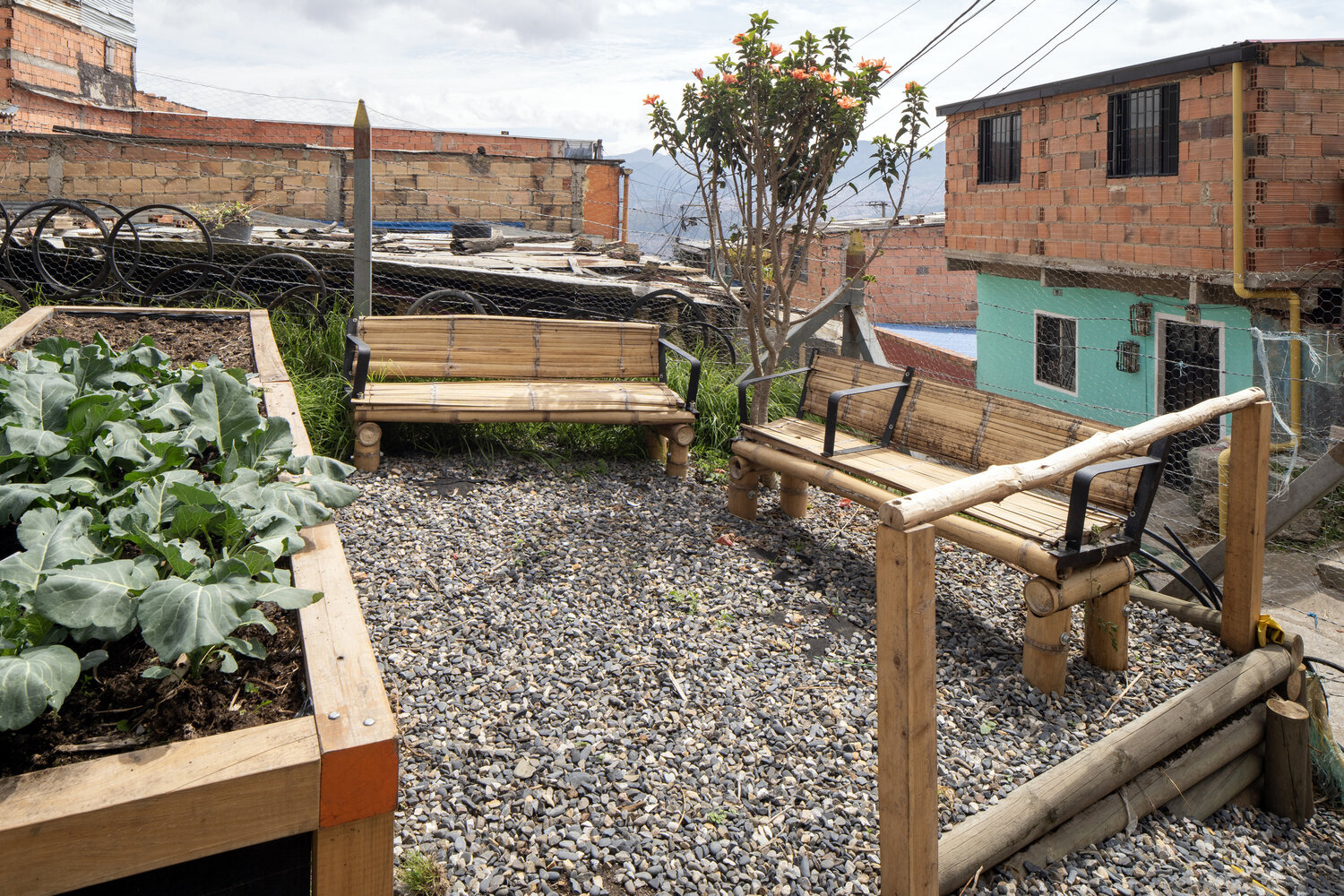
In between, aromatic plants like calendula, basil, and thyme slip in, accompanying and protecting the crops. Around the perimeter, living fences with nasturtium, chilco, and fuchsia attract pollinators and extend the life of the garden into the landscape.
Nothing starts from scratch. The goal was to seek a different kind of totality: more fragile, more conscious, closer to the actual conditions of the site. The garden already had a path of its own. This project joins that path, accompanying and reinforcing it.
The wood and metal roof tiles come from other times, from other constructions. They are dismantled, transported, and adjusted.
Building with reclaimed materials means accepting that everything has a history and that, when brought together, it can become a beacon, a symbol of community work.
Our thanks to Blanca and the more than 60 members of the Brisas older adults group for their hospitality and work. To Diego, Daniela, and the entire team at HelpAge International for their trust.
To Mariano from Paisajismo Orgánico, for his wisdom and for being such a key part of the process. To Master builder Jorge and Ángela, for the planting. To Natalia Carrero and Sebastian Torres, and the entire team at Yemail Arquitectura.
To Bé Studio for the documentation and the beautiful video that speaks so much of energy and vitality.