
Bangladesh Chancery Complex And Ambassador's Residence
BANGLADESH CHANCERY COMPLEX AND AMBASSADOR'S RESIDENCE
Shatotto
ARCHITECTS
Shatotto
LEAD ARCHITECTS
Prof. Ar. Rafiq Azam (FIAB)
PROJECT ARCHITECT
Tohidul Islam
LOCAL ARCHITECT
Rebecca Gurung
MECHANICAL ENGINEER
Ershed Jaman
SUPERVISION ENGINEER
MD. Oahedul Islam Mamun
INTERIOR DESIGN
Shatotto Architecture For Green Living, Tohidul Islam, Zannat Jui & Iftekhar Abdullah
CONSULTANT
Shatotto Architecture For Green Living In Association With Progressive Research & Consultancy Services, Ideas Pty LTD Iftekhar + Design Associates
STRUCTURAL ENGINEER
Progressive Research & Consulting Service
ELECTRICAL ENGINEERS
Mohiminol Islam & Kaka Dawa
CONSTRUCTION FIRM AND CONTRACTOR
Vajra Builders
CLIENT
Ambassador, Embassy Of The People’s Republic Of Bangladesh, Thimphu, Bhutan
COST ENGINEER
Nazrul Islam
PHOTOGRAPHS
Prantography
AREA
70000 ft²
YEAR
2025
LOCATION
Thimphu, Bhutan
CATEGORY
Public Architecture
English description provided by the architects.
On December 6, 1971, Bhutan became the first country in the world to recognize the independence of Bangladesh through an official telegram.
In this historic message, King Jigme Darji Wangchuck expressed his support for Bangladesh's struggle and his belief in the nation's eventual success.
Inspired by this profound political friendship, the Bangladesh Embassy in Bhutan embodies the harmonious fusion of Bhutanese and Bangladeshi culture, celebrating the historical, geographical, cultural, and diplomatic connections between the two nations.
The project is conceived as an expression of cultural diplomacy, where architecture becomes a medium of mutual respect, trust, and friendship.
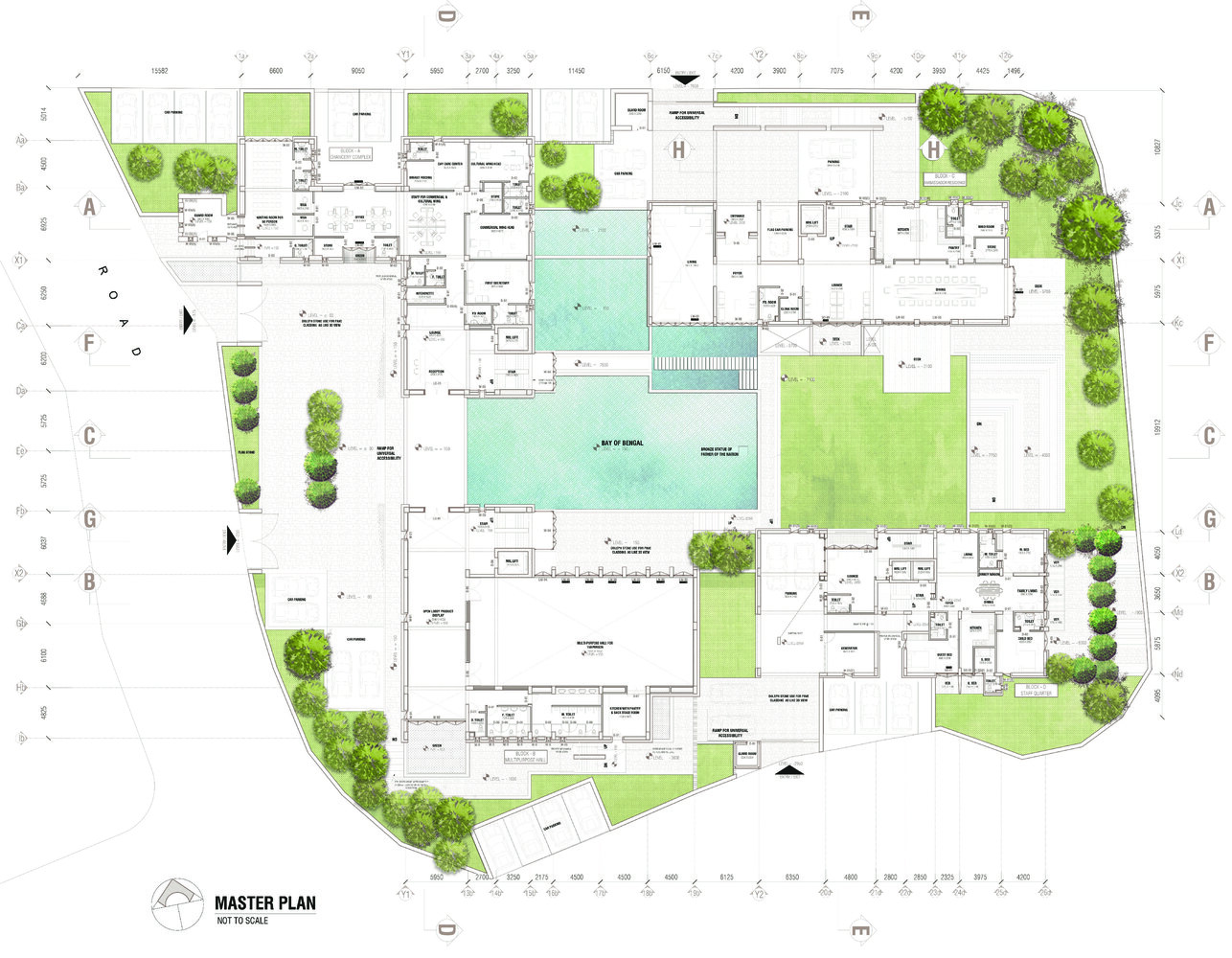
During the design development, five major subjects emerged from our research. First and foremost was our primordial relationship with water, which flows from the Himalayas to the Bay of Bengal.
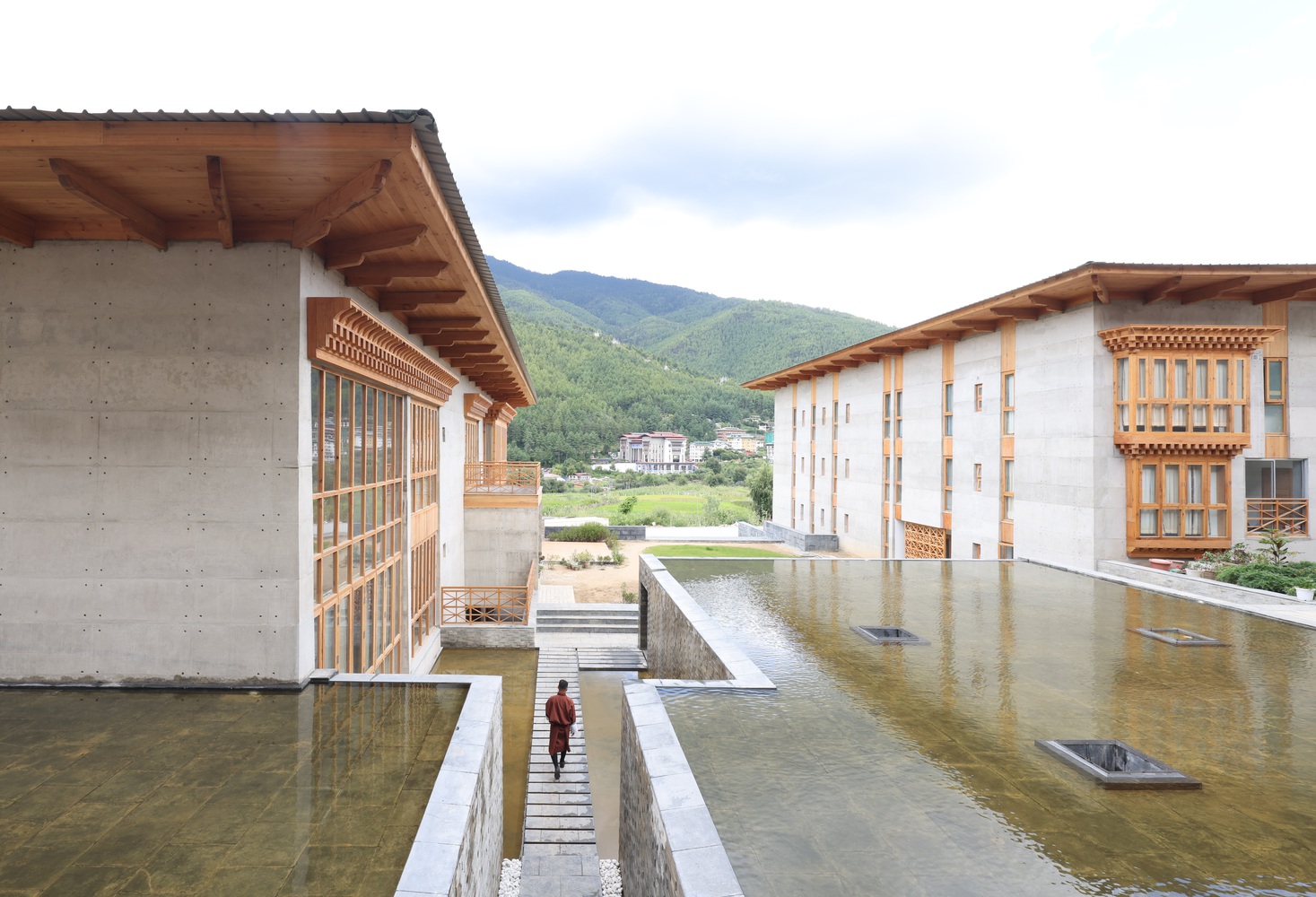
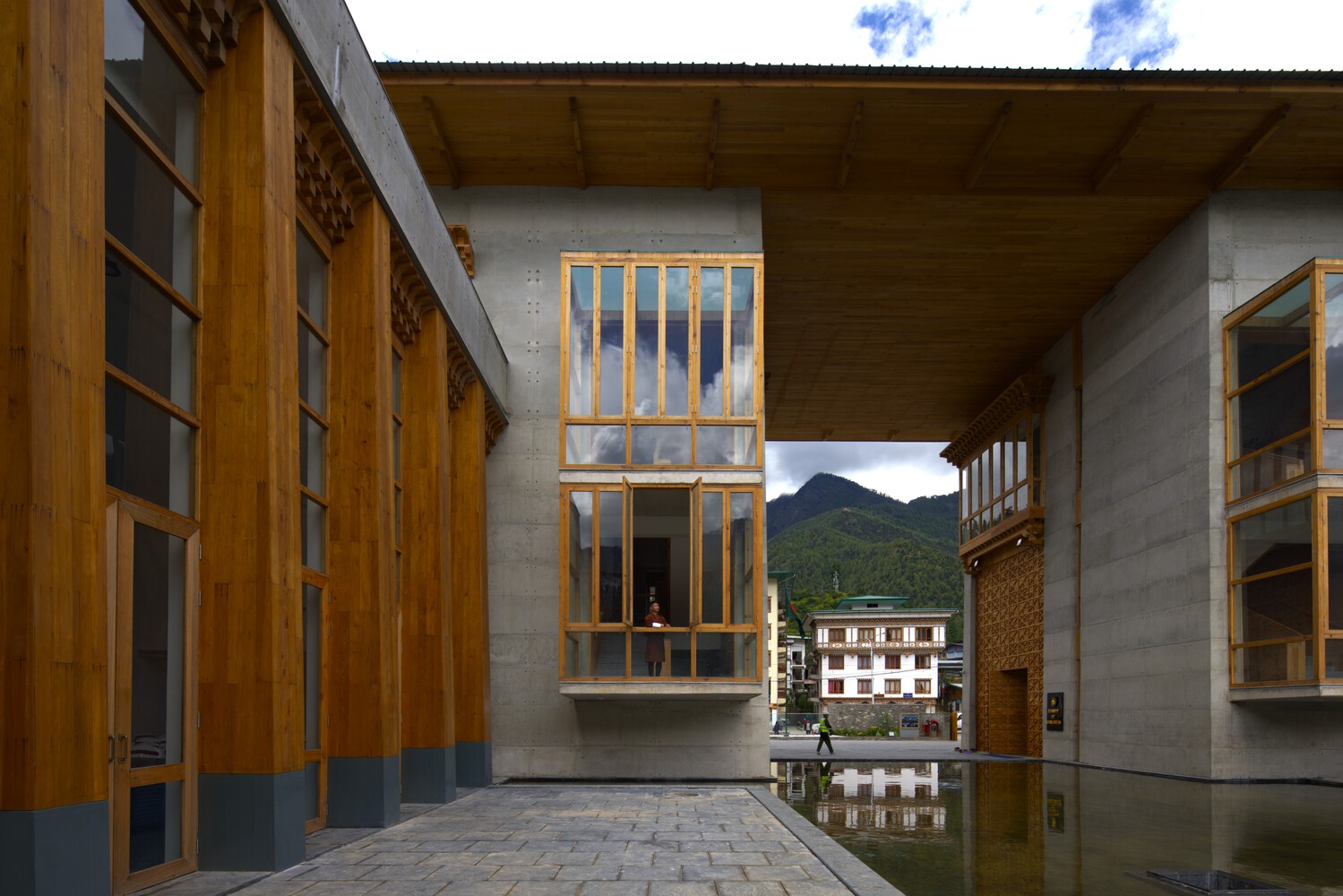
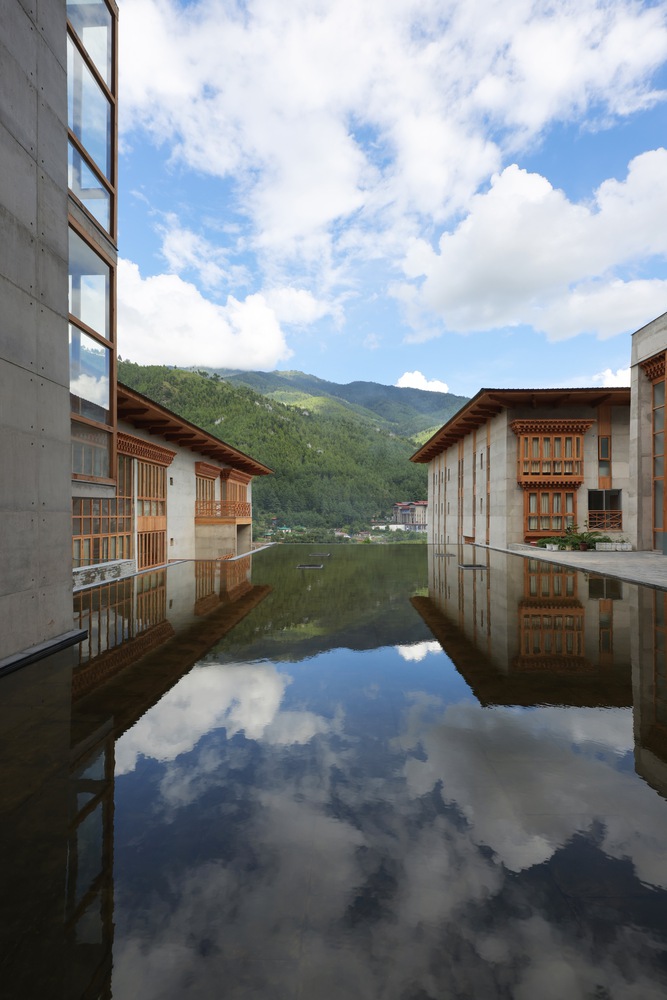
The intention was to pay reverence to this great mountain range by creating a water court symbolizing the Bay of Bengal and placing it at the foothills of the Himalayas, metaphorically allowing the mountains to see their reflection in the waters that originate from them.
Secondly, historical evidence reveals Bhutan's recognition of Bangladesh's significant role in the reformation and propagation of Buddhism through the revered Bengali scholar Atish Dipankar, whose legacy continues to connect the two countries.
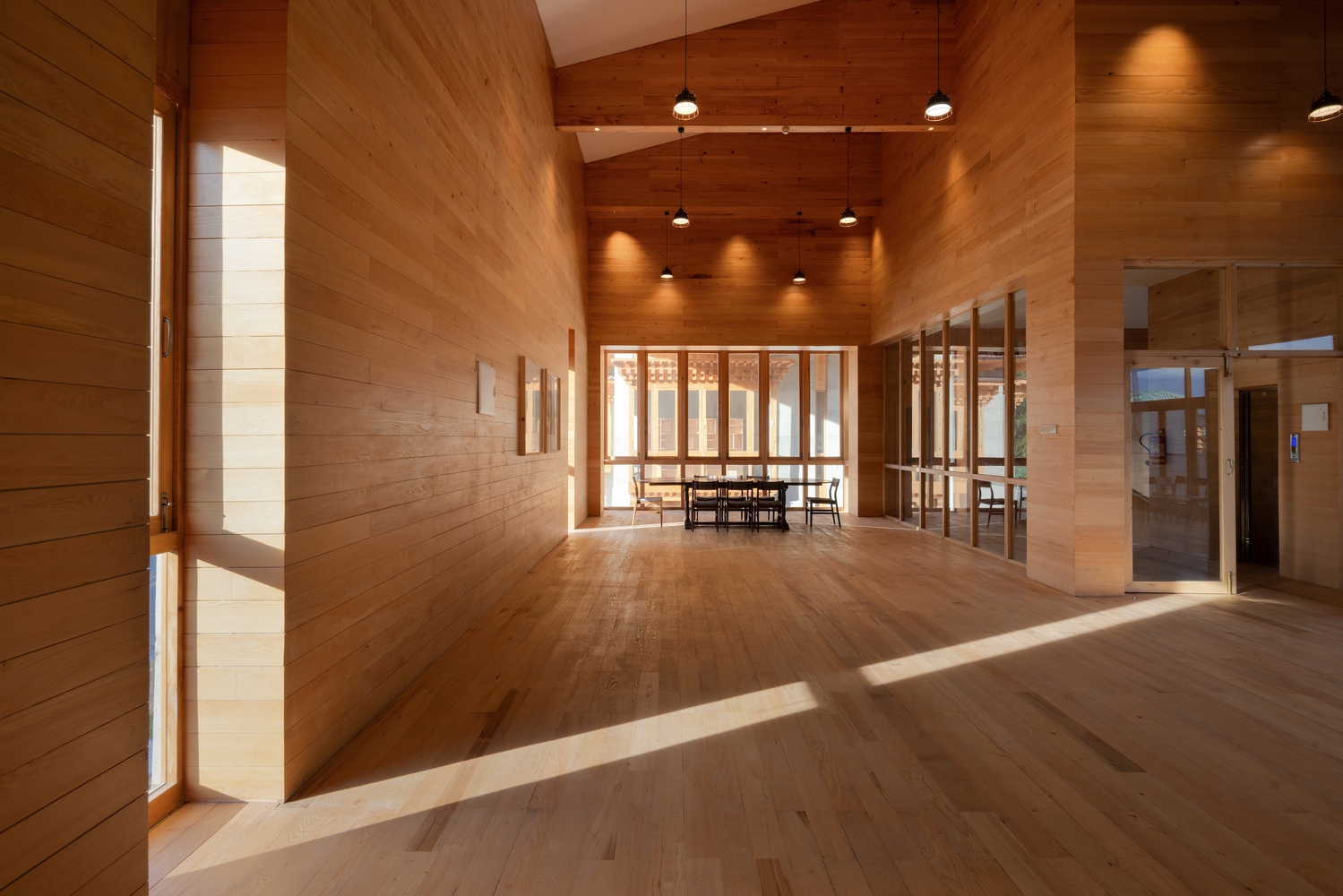
Thirdly, the climatic conditions of Thimphu—with its pleasant summers and cold winters—presented an opportunity to create a passive environmental response.
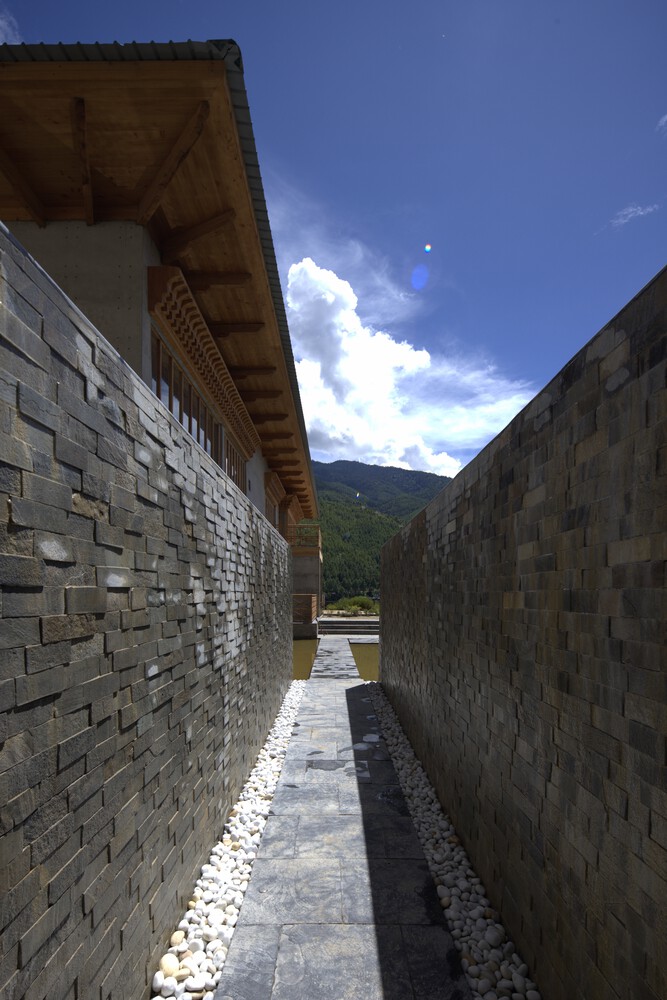
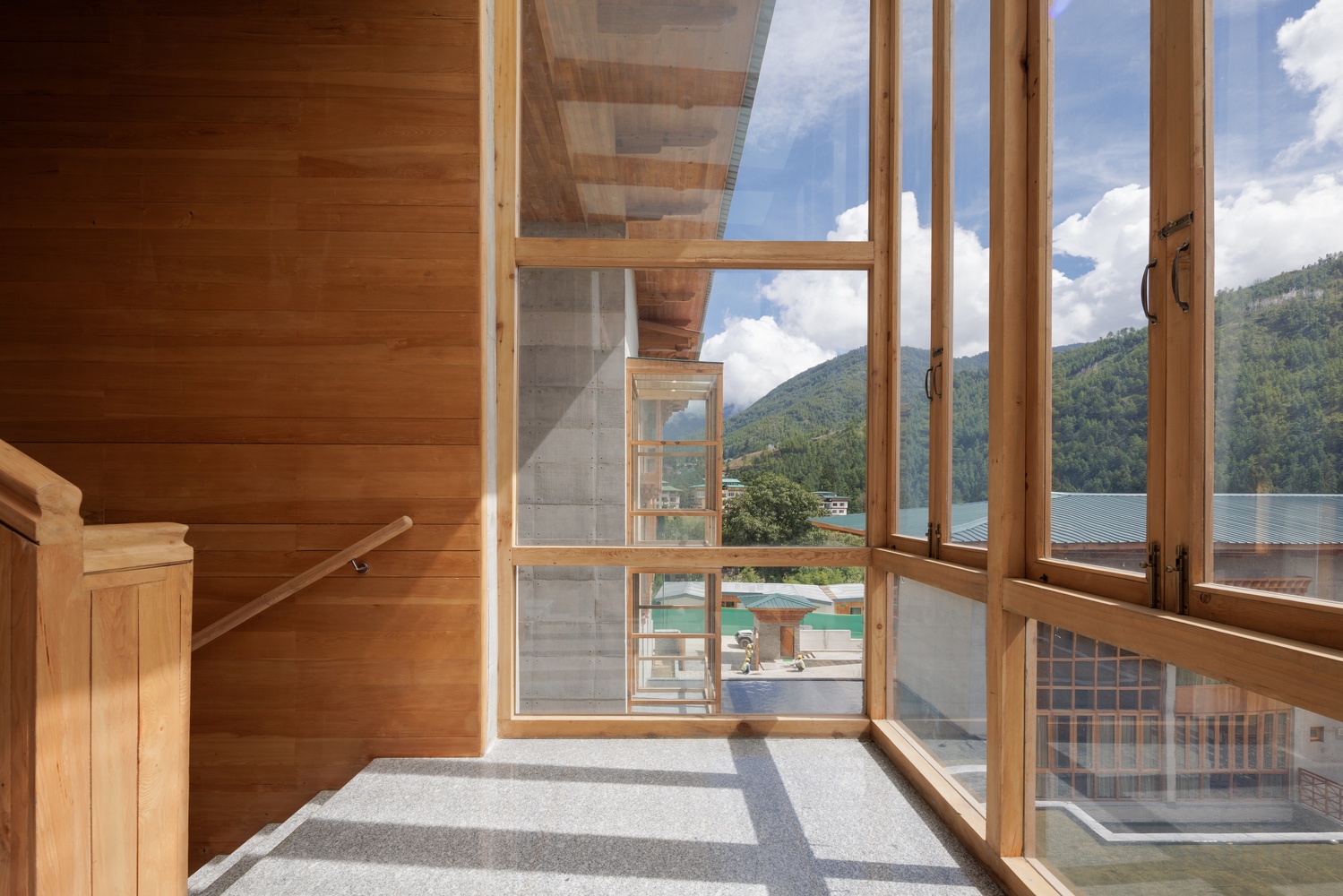
By utilizing the generous inclination of the winter sun, the building generates a greenhouse effect that naturally subsidizes heating costs while maintaining thermal comfort.
Fourthly, we challenged the conventional image of embassy architecture by expressing openness rather than exclusion.
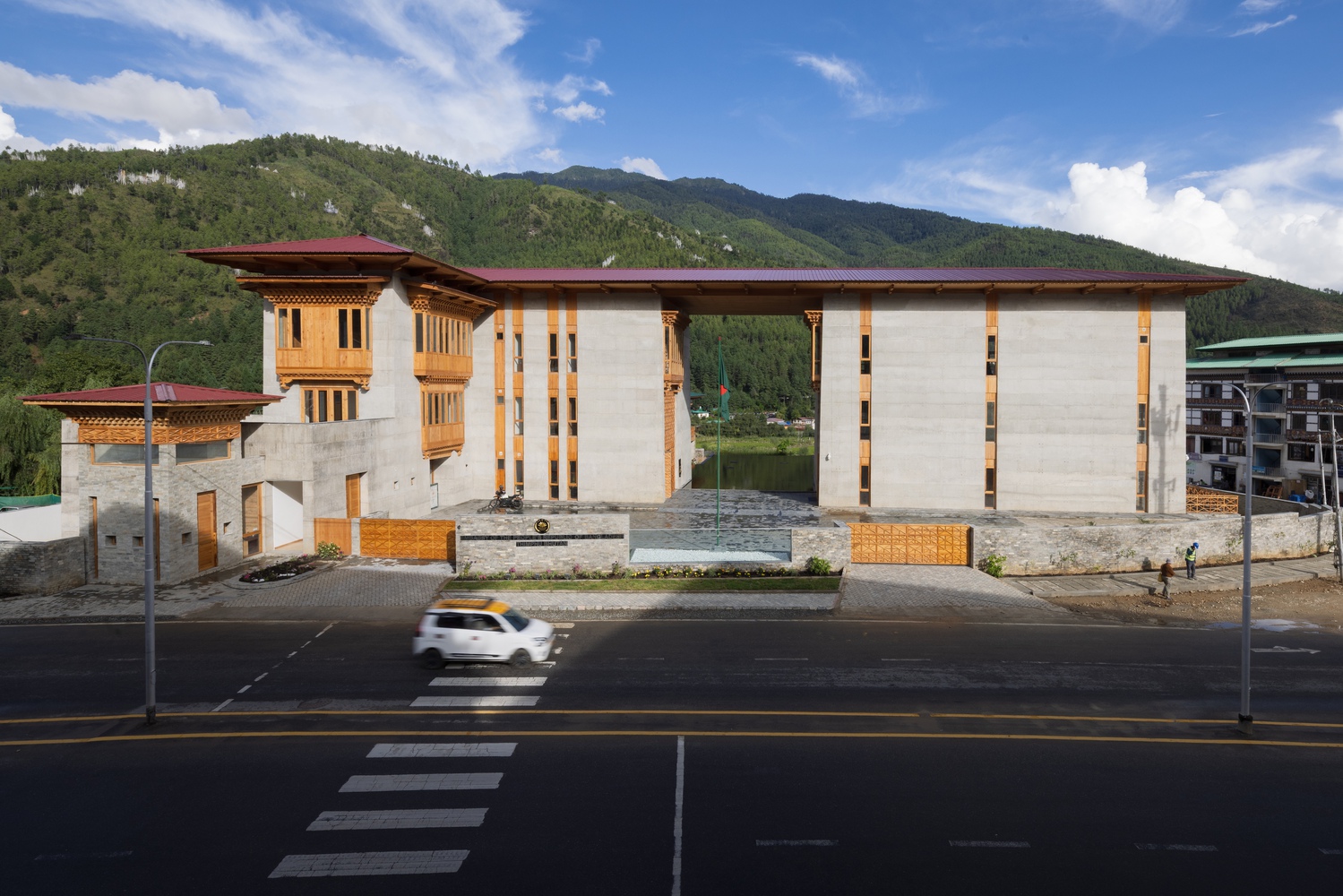
A transparent section of the front boundary wall forms a large social window, allowing pedestrians to visually engage with the water court and the majestic Himalayas beyond, symbolizing trust, respect, and enduring friendship.
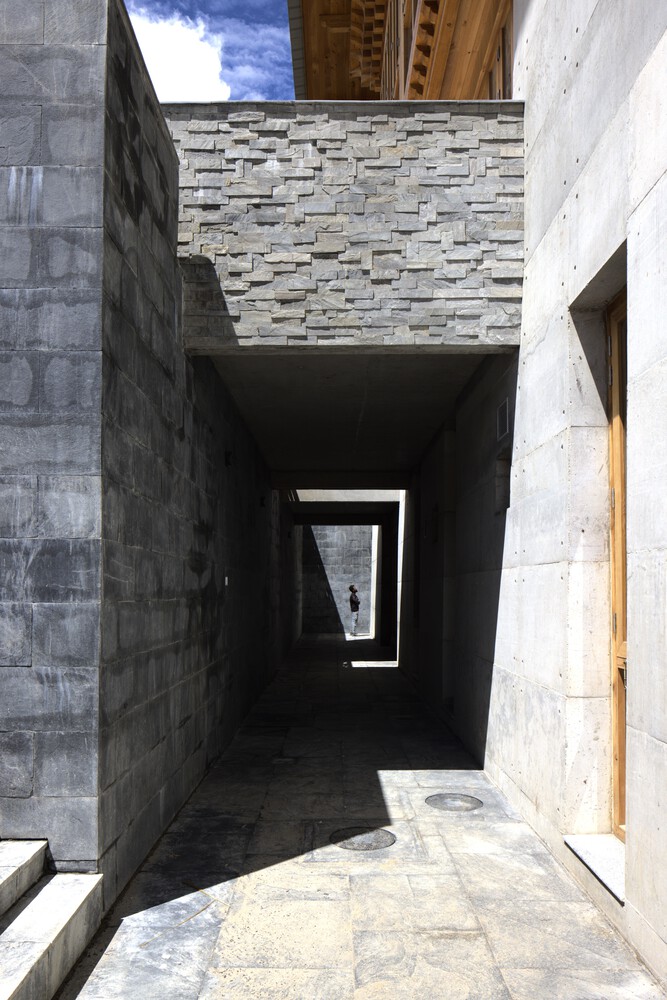
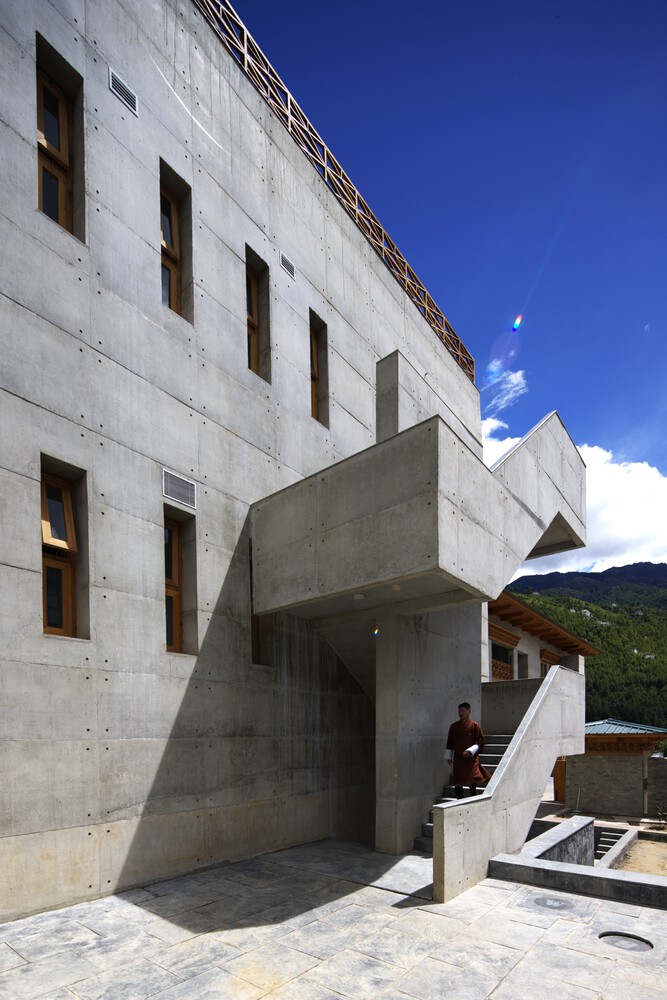
Lastly, Bhutan strictly maintains rules and regulations governing its architectural expressions. Although chancery buildings are exempt from these restrictions, we deliberately chose to be harmonious and dutiful to the surrounding context.
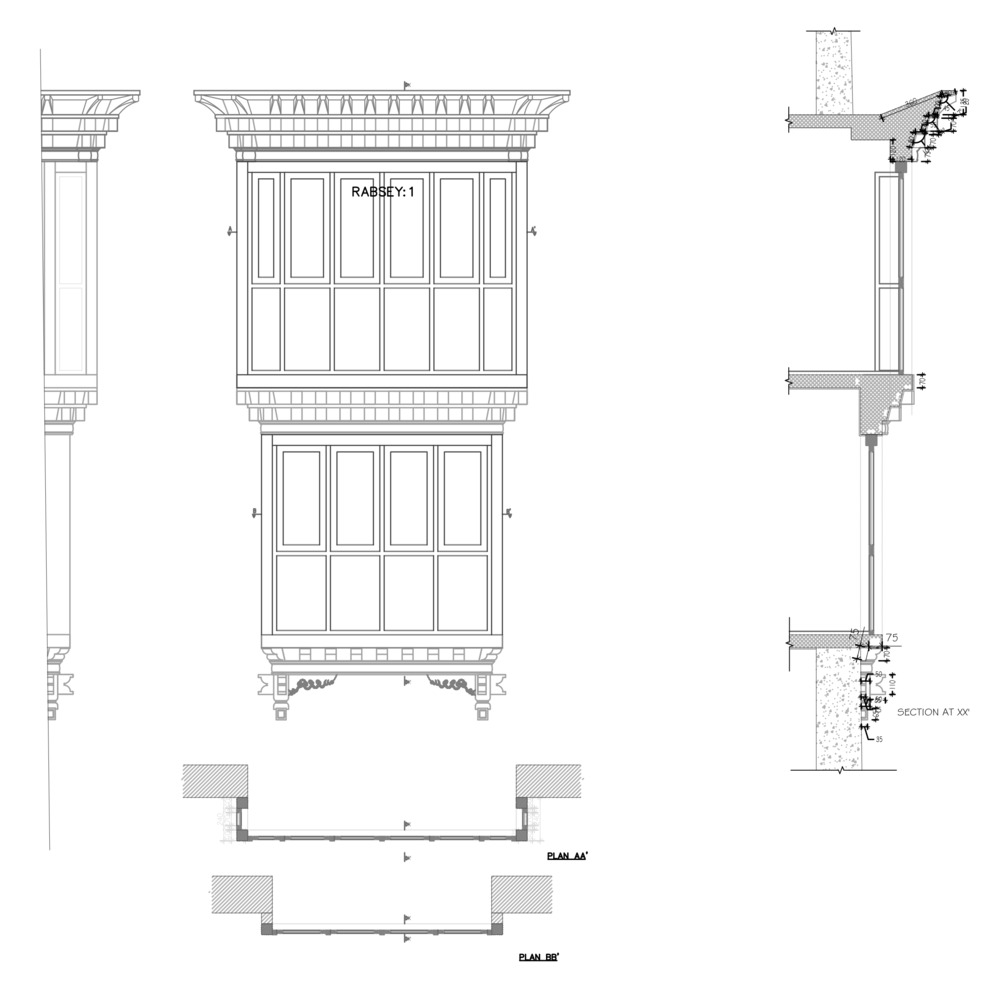
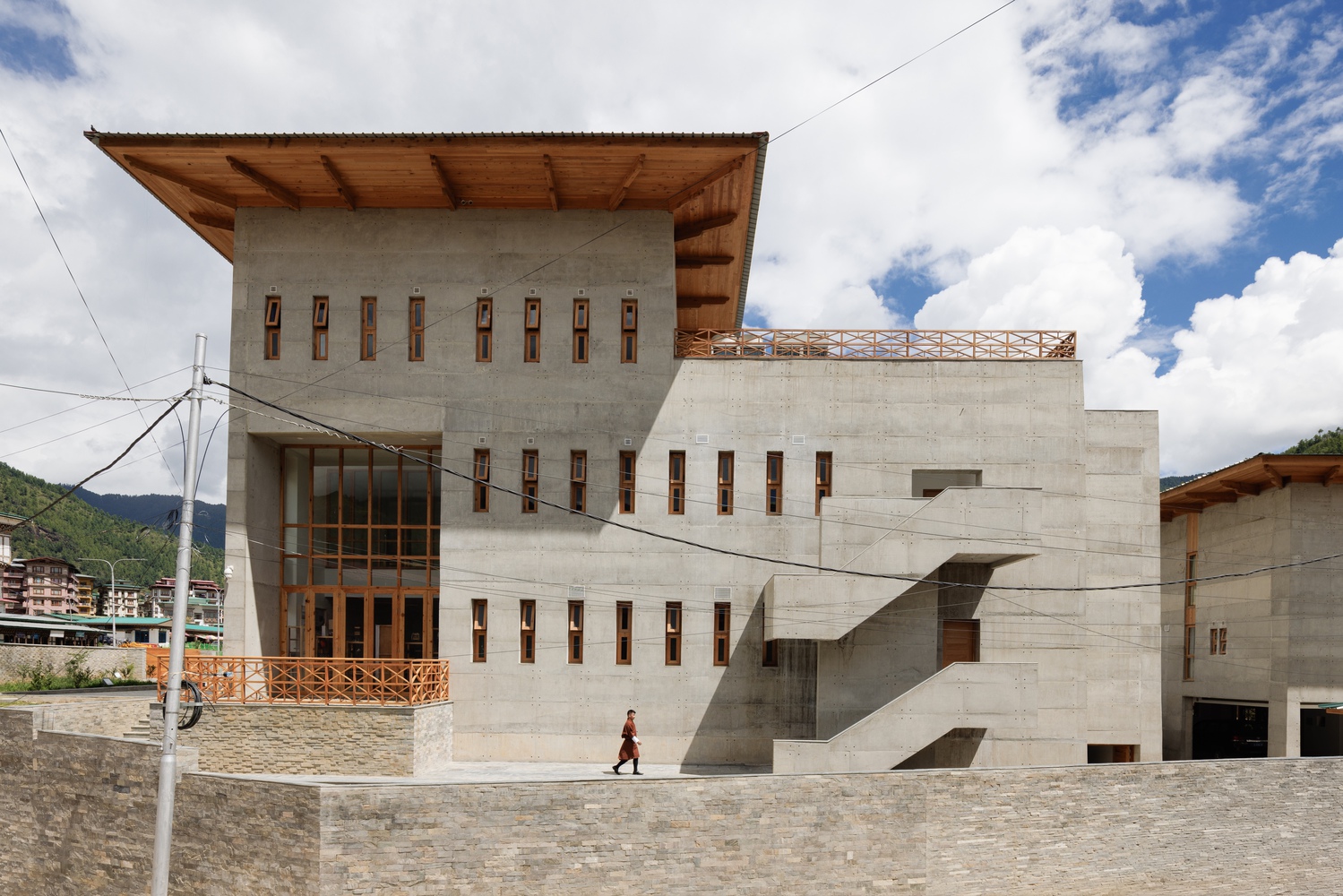
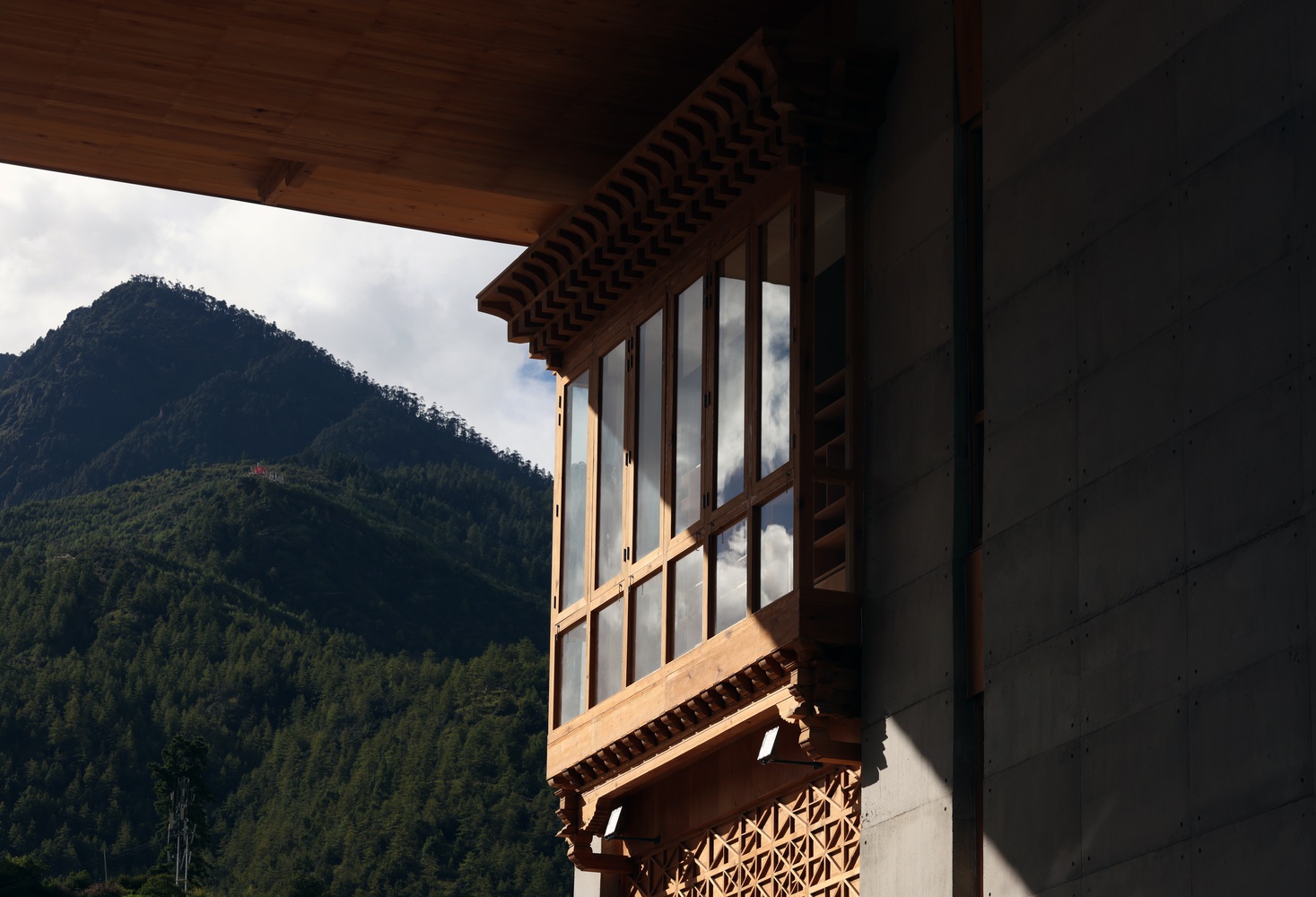
A close study of Bhutanese spatial organization, architectural elements, materials, craftsmanship, and motifs profoundly inspired the design.
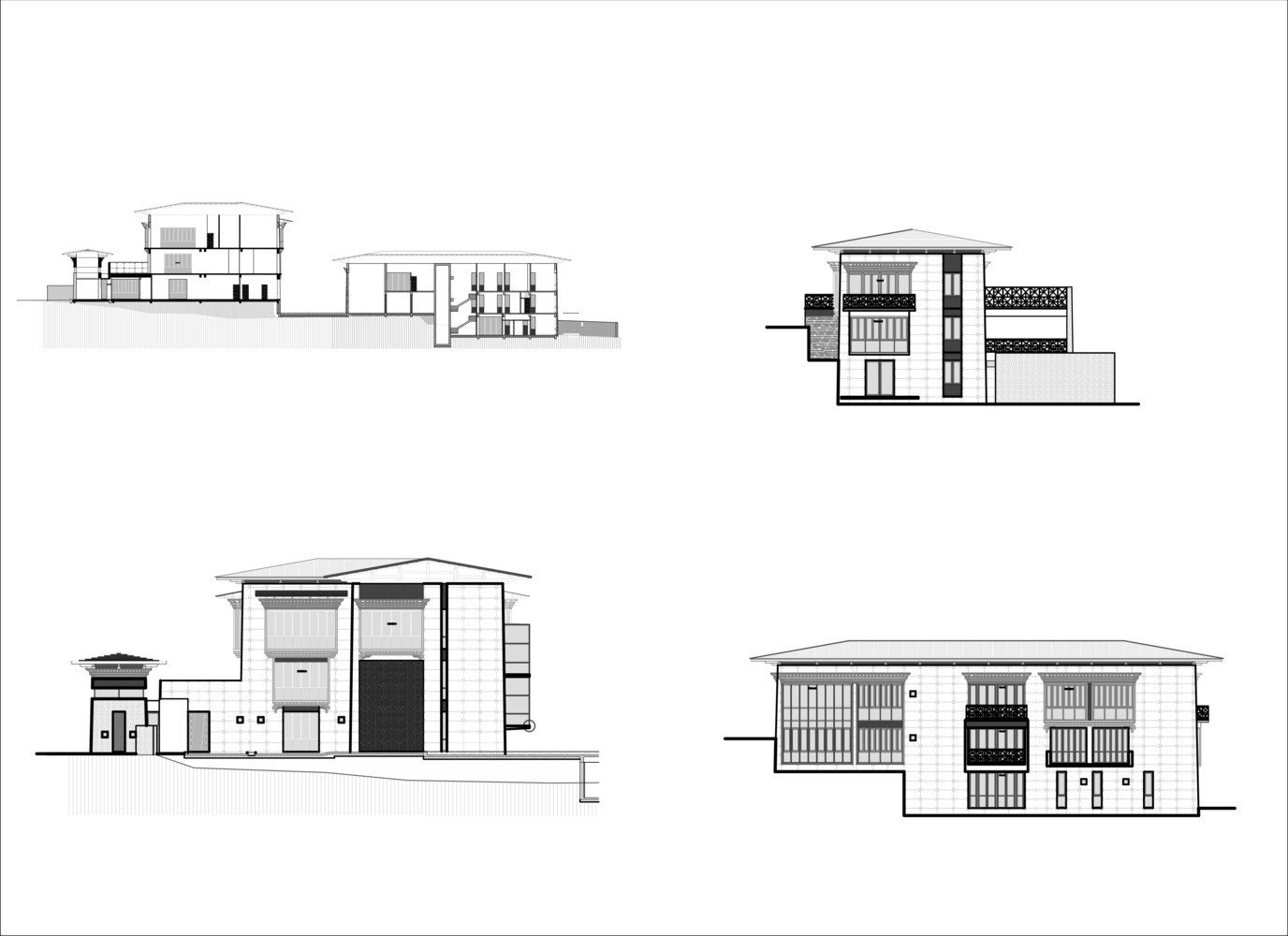
One of the principal challenges was balancing the security requirements of a diplomatic complex with contextual sensitivity and openness. The architecture therefore remains low-rise, preserving views of the Himalayan landscape while integrating naturally with the sloping site.
The spatial organization revolves around the ceremonial water court, around which the chancery, ambassador's residence, and staff quarters are arranged.
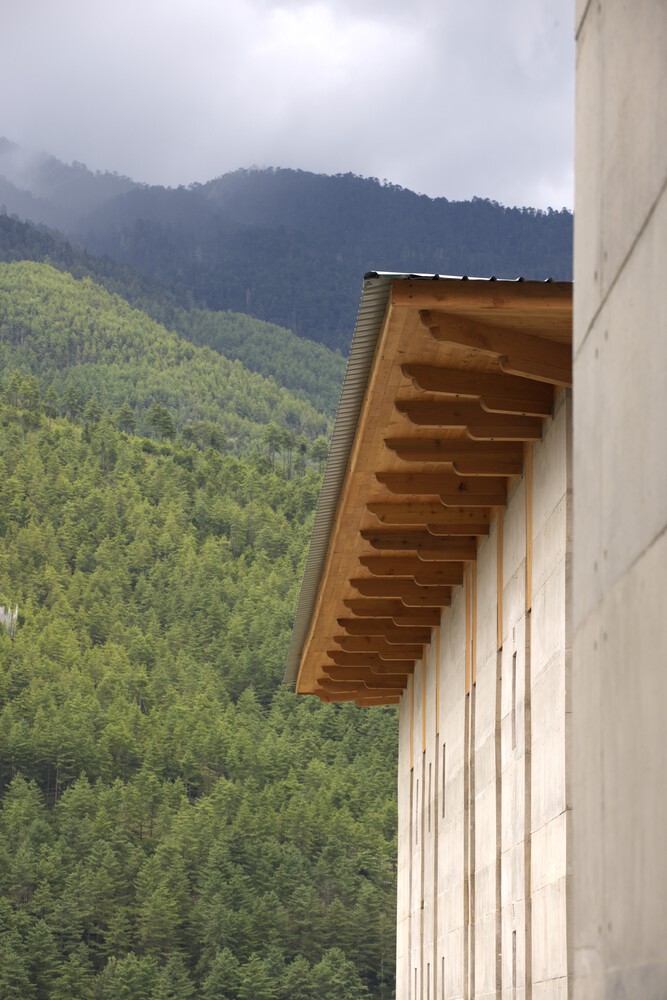
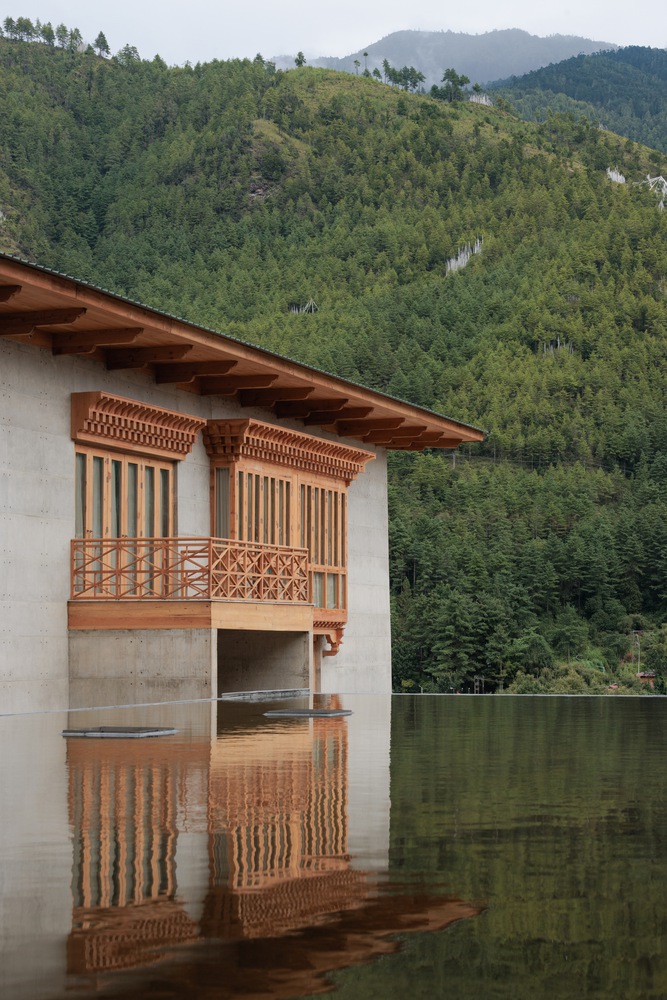
More than a landscape feature, the water court becomes the symbolic and environmental heart of the project, uniting architecture, climate, culture, and diplomacy into a single experience.
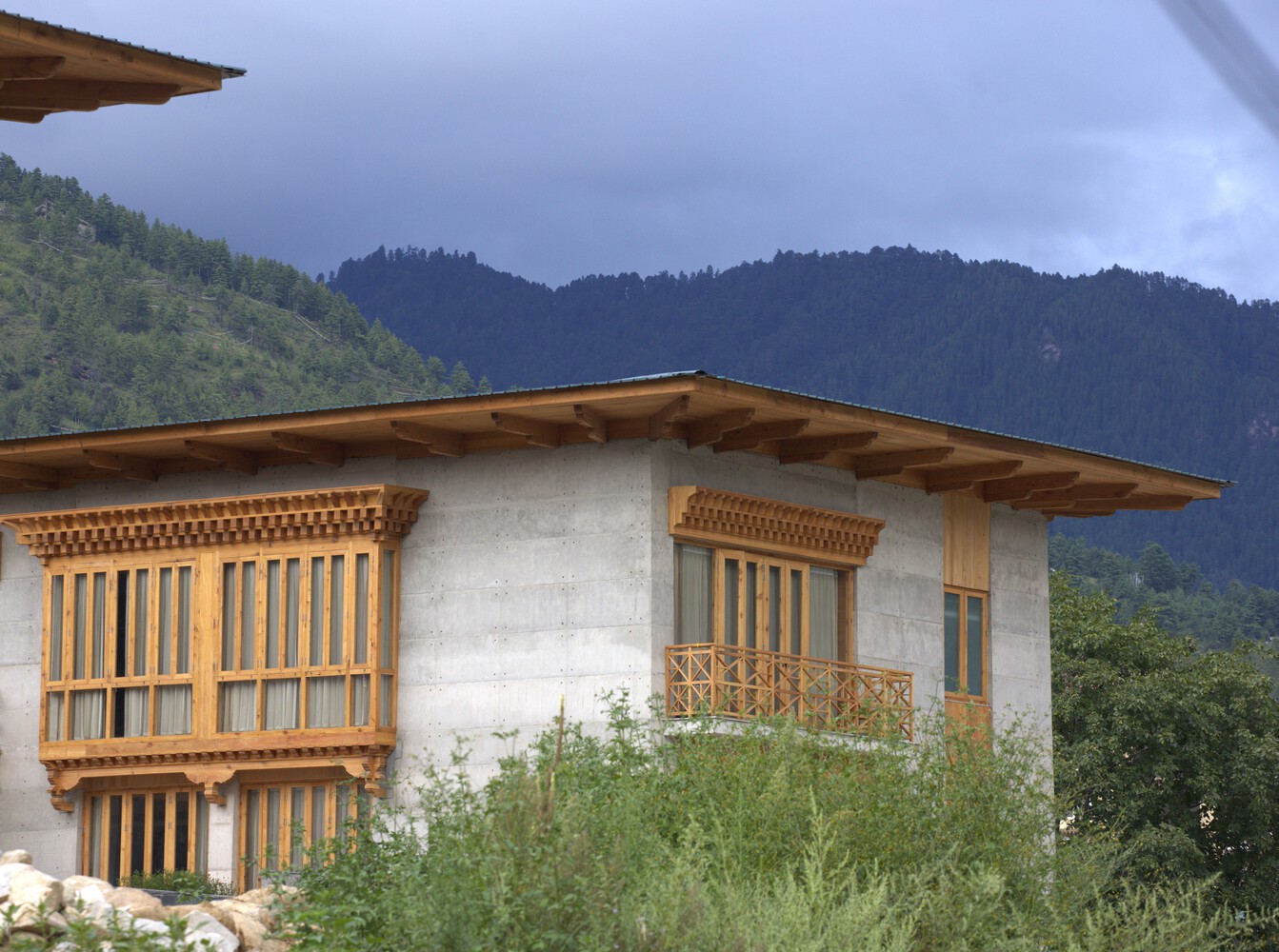
Local pine timber and stone are combined with reinforced concrete construction that recalls the solidity of Bhutan's traditional rammed-earth architecture while ensuring seismic resilience.
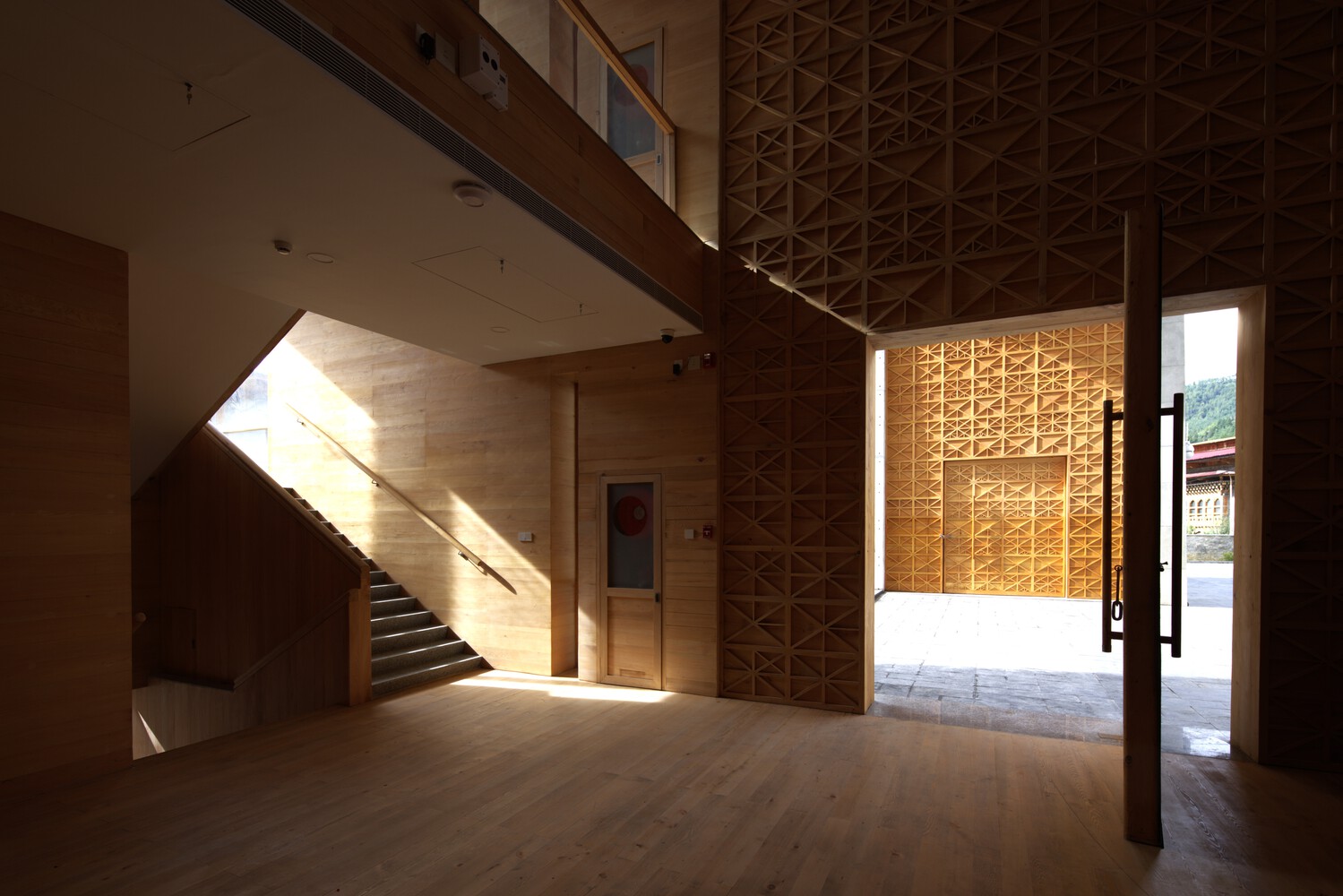
Bhutanese painted timber craftsmanship is reinterpreted through patterns inspired by the Bengali Nakshi Kantha, creating a subtle dialogue between the artistic traditions of both nations.
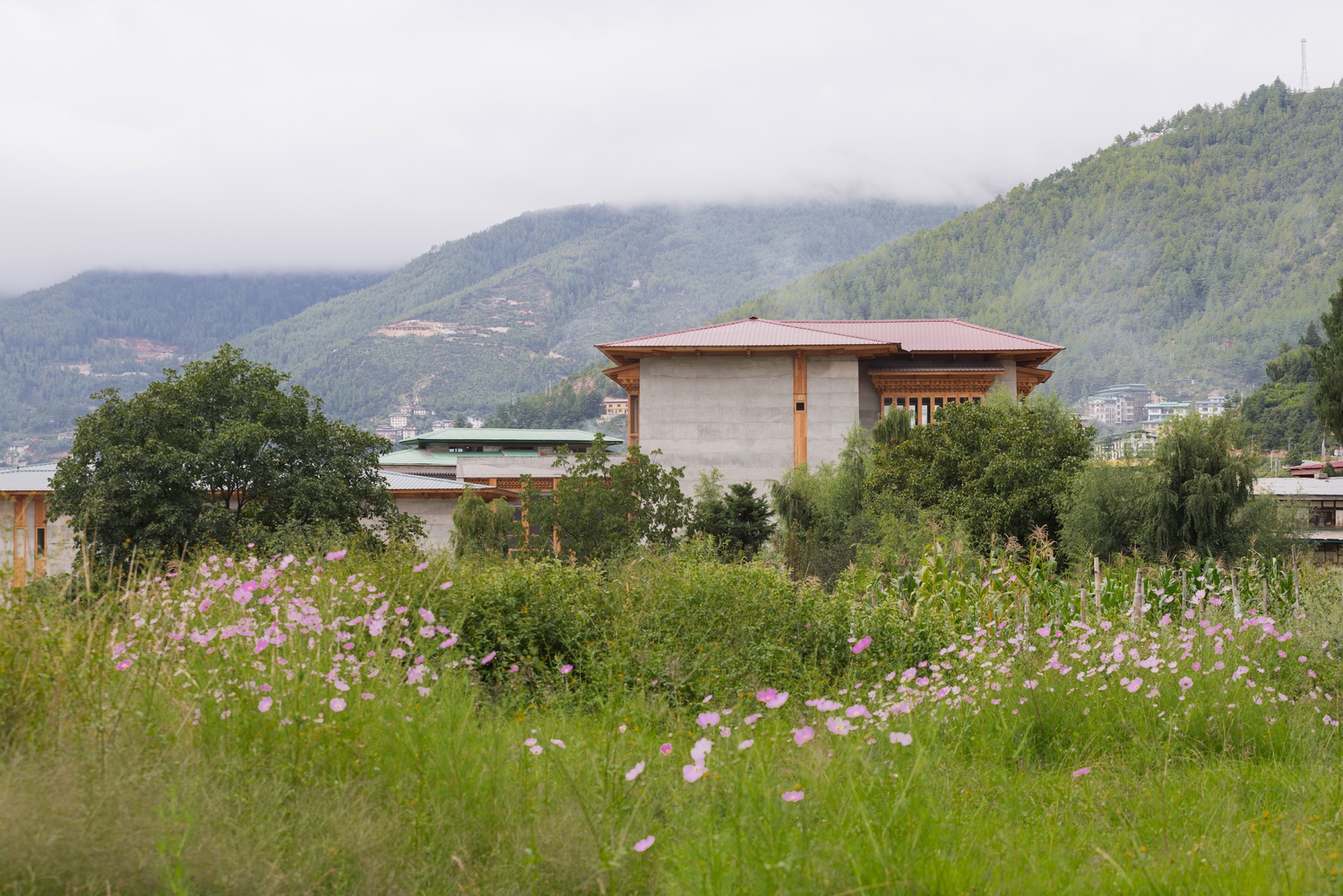
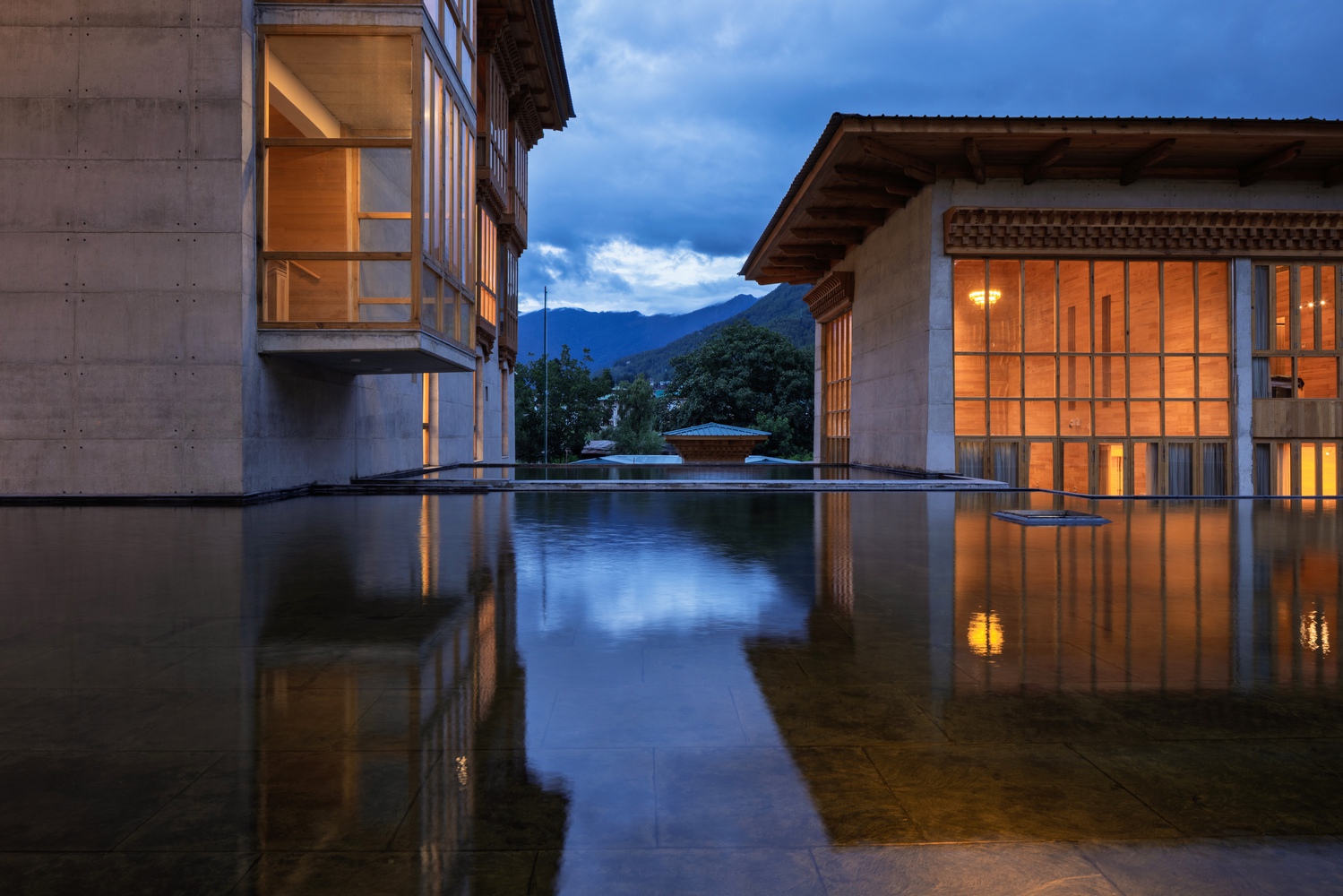
The result is an embassy that transcends its institutional function, standing as a lasting symbol of cultural diplomacy, where the Bay of Bengal symbolically meets the Himalayas through architecture.