Pavilion Reflection Of Infinity
PAVILION REFLECTION OF INFINITY
Alberto Collet
ARCHITECTS
Alberto Collet
DESIGNERS
Meds (Meetings Of Design Students)
WORKSHOP NGO
Meds - Meeting Of Design Students
PROJECT DESIGN AND TUTOR
Alberto Collet
PROJECT TEAM AND PARTICIPANTS
Liana Babayan, Har Ghazaryan, Maria Aleksandrova, Eman Hussein Mohamed, Orabi Sushruth, Vandana Gopal, Alex Mcguinness, Stefania Calori, Julia Przado, Alicja Maria Malica, Timur Baiguzin, Çisem Nur Yildirim
COLLABORATORS
Razmik Ghazaryan, Architect Vahe Buniatyan, Chip Engineering
SPONSOR
Profal
PHOTOGRAPHS
jan Von Der Heyde
AREA
10 M²
YEAR
2023
LOCATION
Gyumri, Armenia
CATEGORY
Small Scale
English description provided by the architects.
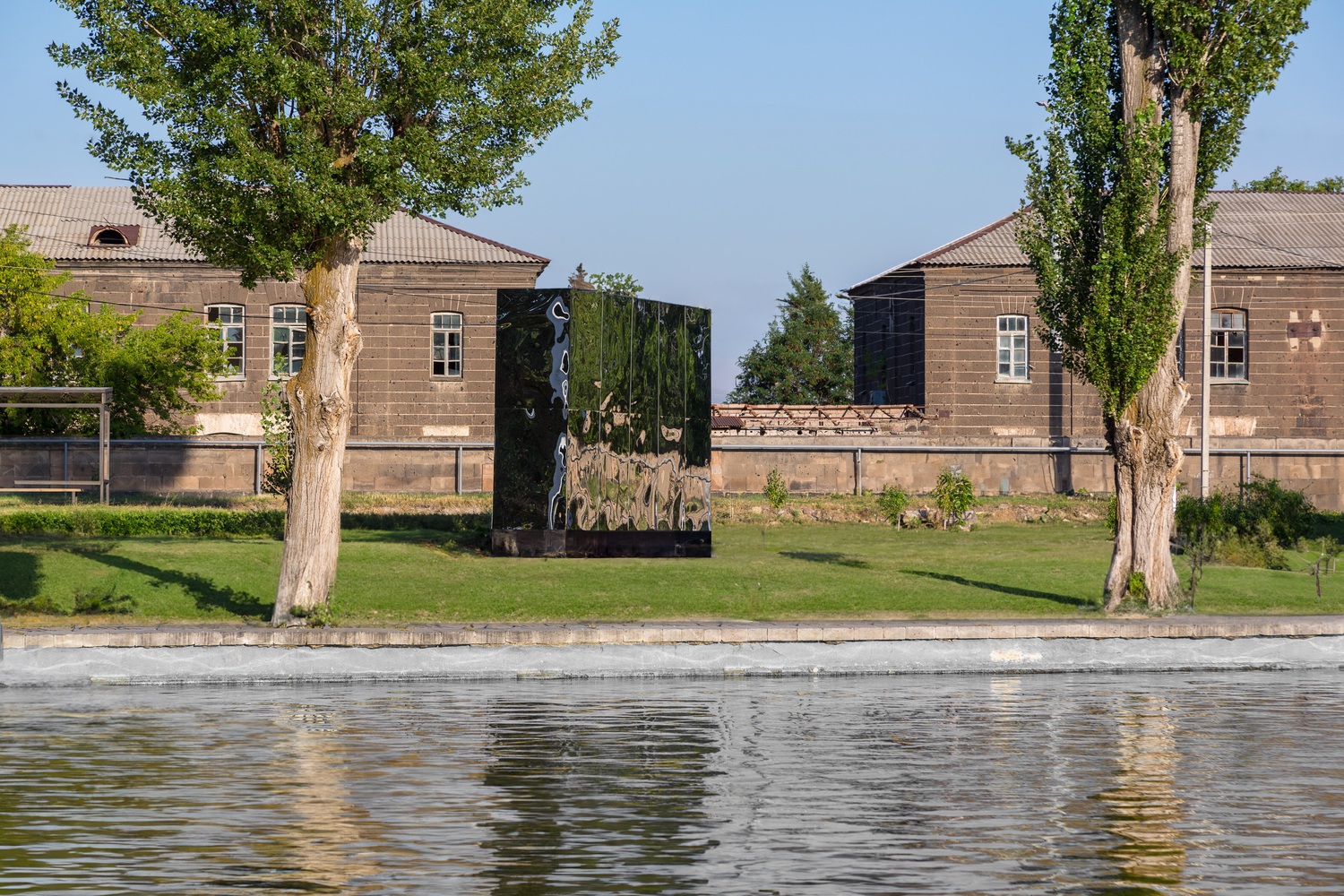
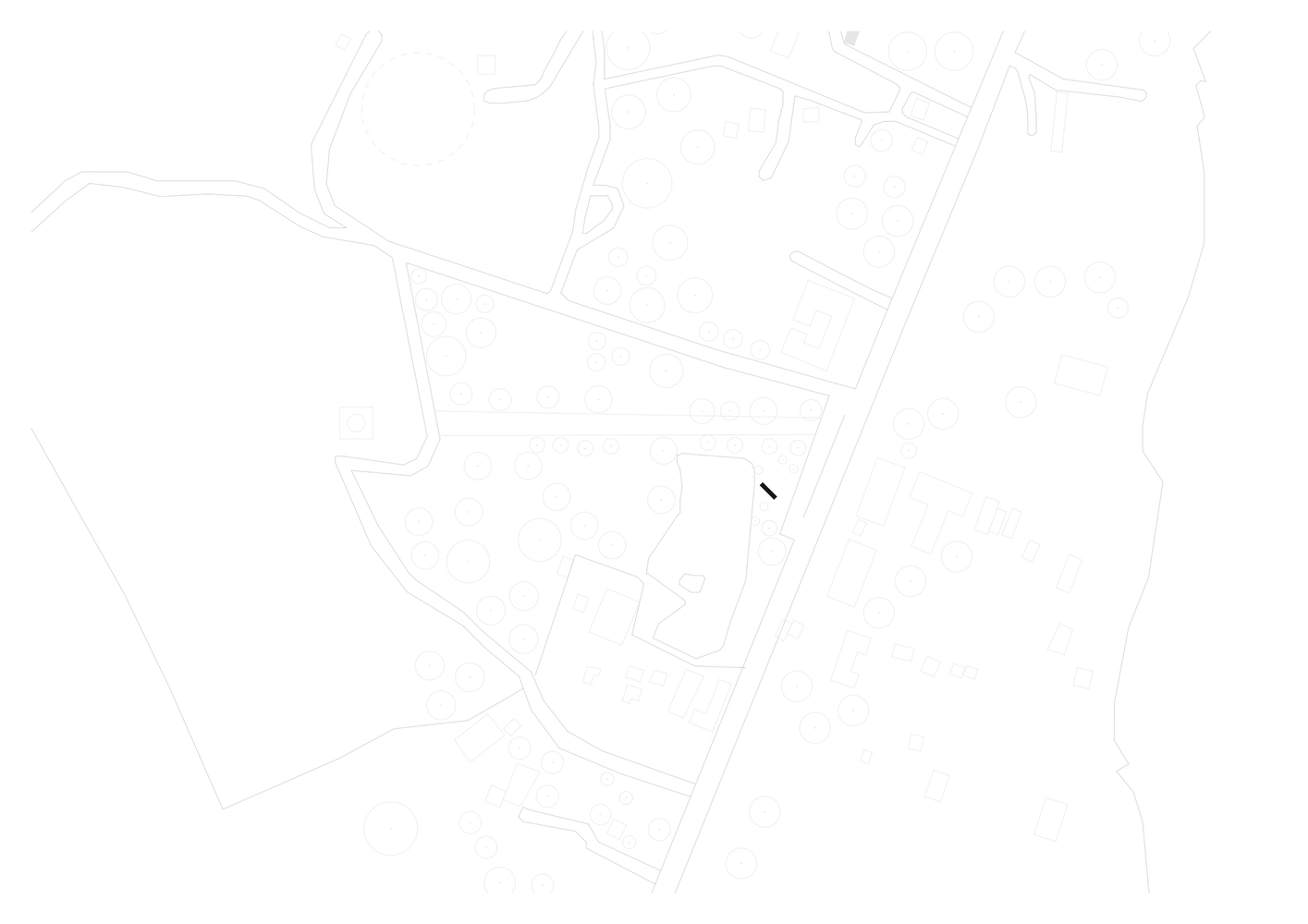
The reflection of infinity enters a redevelopment of a park in the city of Gyumri in northern Armenia. The orientation of the pavilion is towards the Sev berd, an important nineteenth-century fort, and the events in the history of this place.
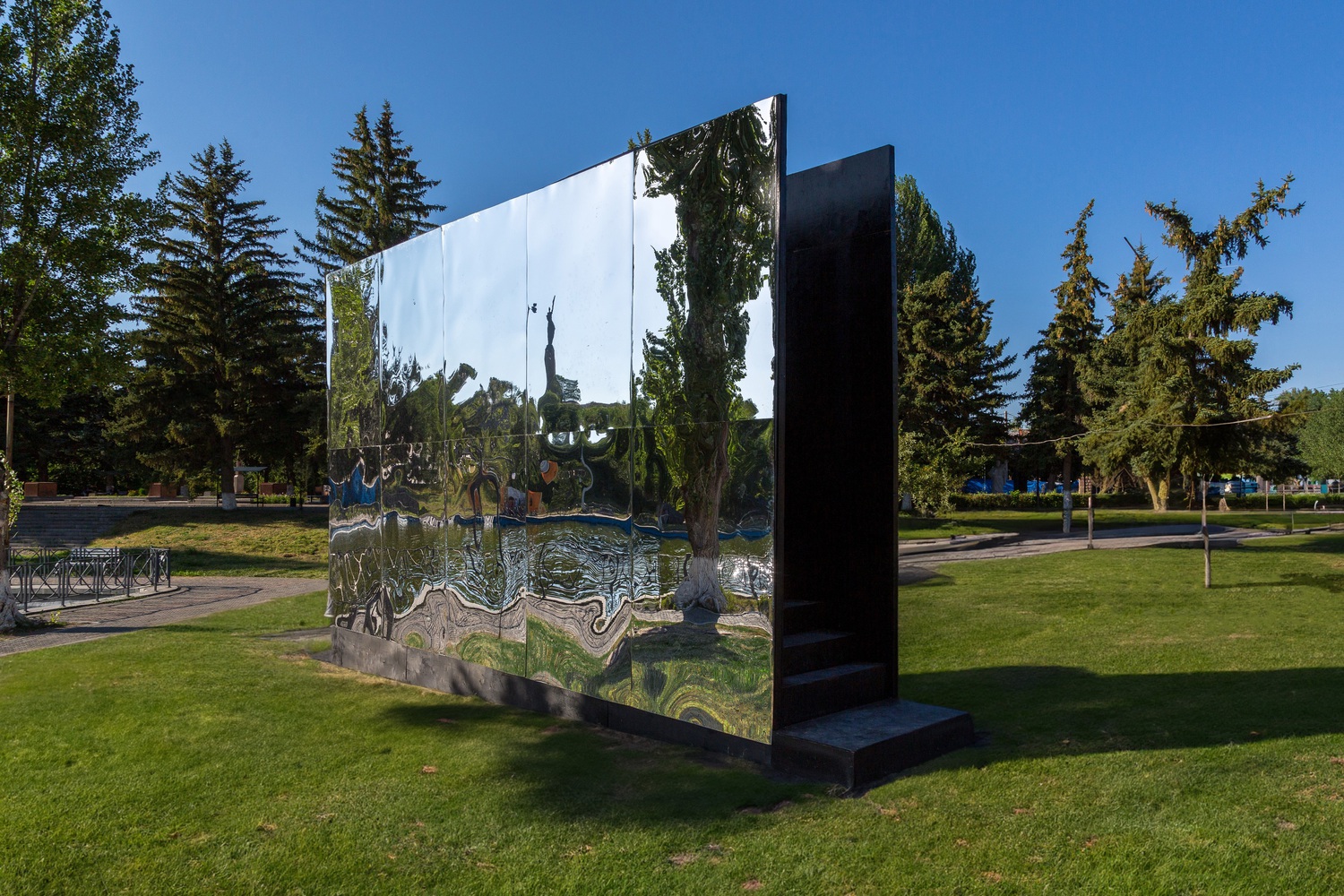
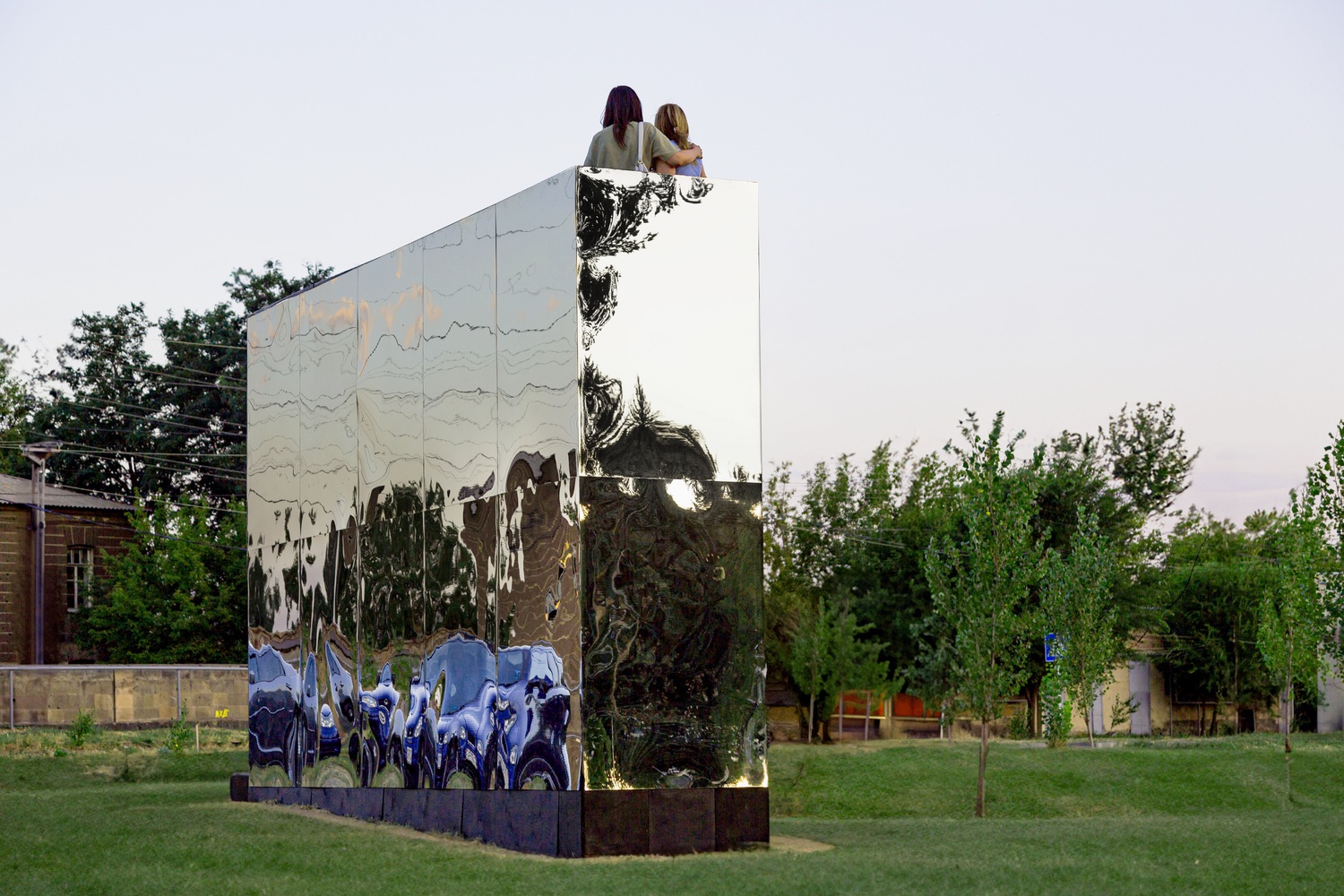
The pavilion serves as an observation point covered with a mirroring element. This reflection connects the statue of Mother Armenia to another important element, representing in this way the strength, resilience, and protectiveness of the Armenian people.
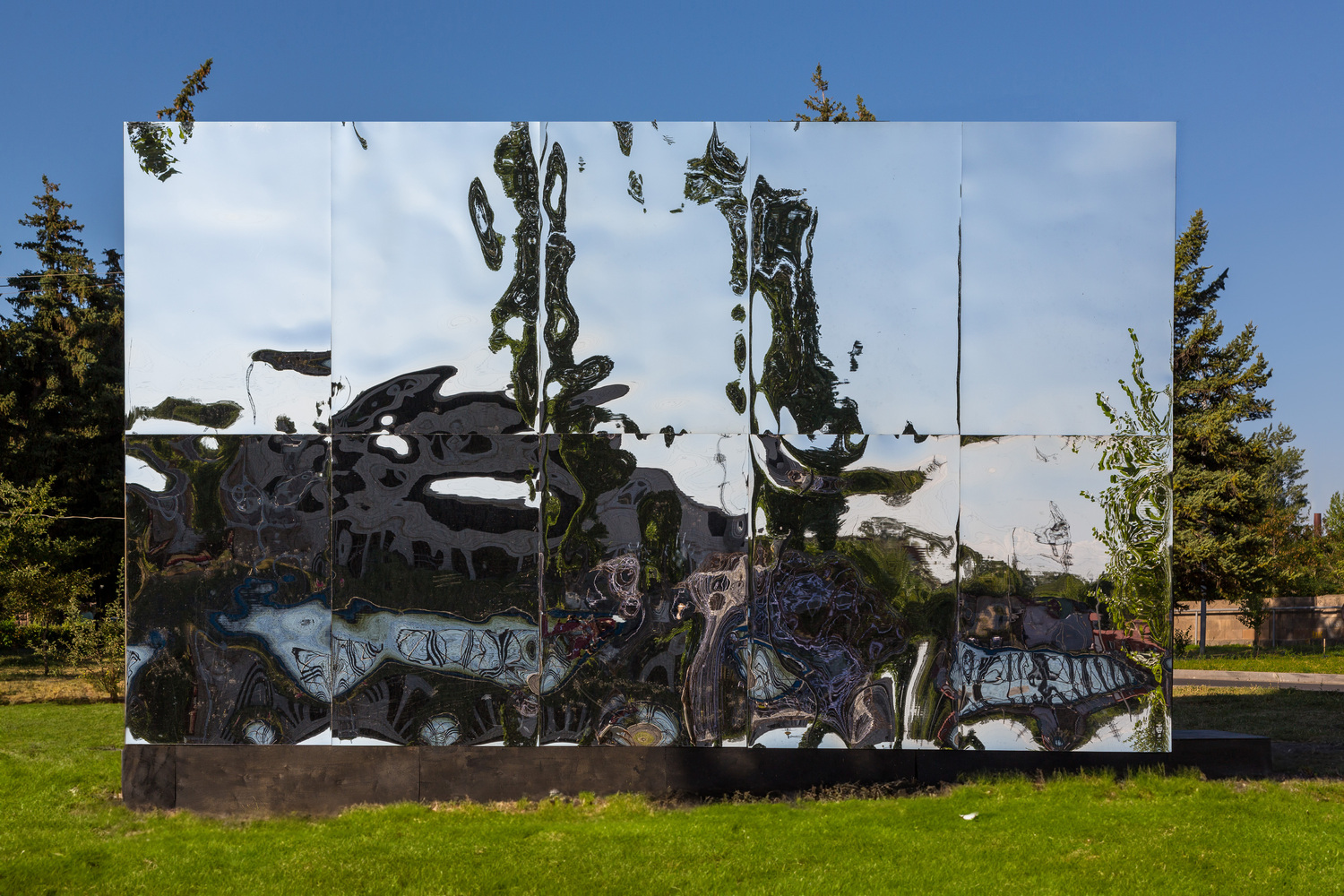
The pavilion could serve as a symbolic reflection of these qualities, emphasizing the idea of a mirrored image of strength and infinite possibilities. The design could incorporate reflective surfaces and a black painted interior to symbolize the connection with the black tuff.
The reflection of this element creates a mysterious symbolism capable of regenerating the entrance of this space towards new perspectives. At the same time, the pavilion becomes a dynamic game for the many children who visit this park.
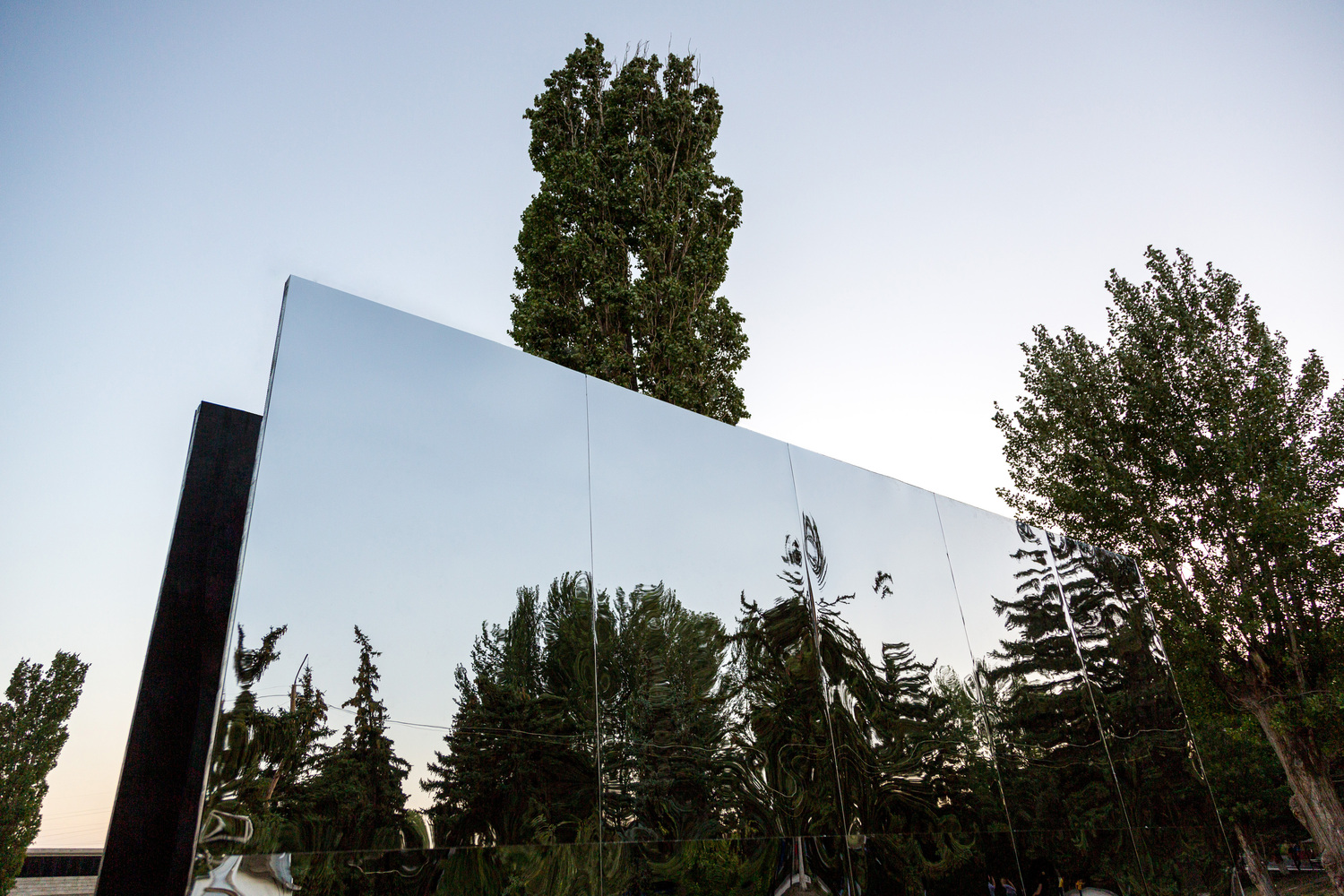
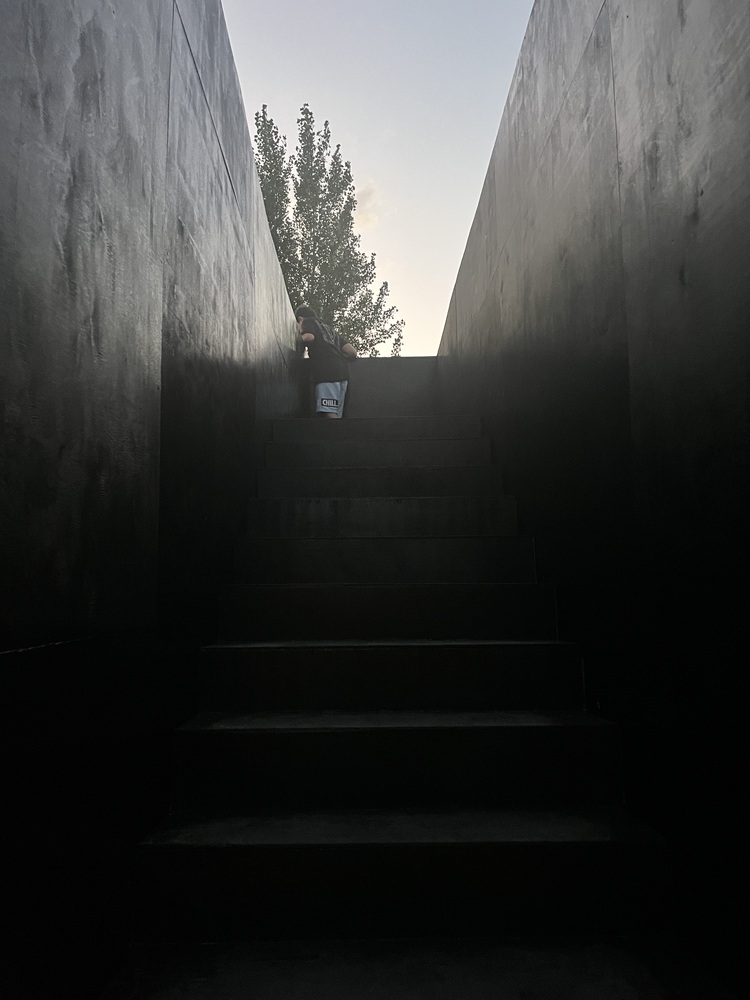
In the picturesque city of Gyumri, nestled in the heart of northern Armenia, a remarkable transformation is taking place in one of its beloved city parks. A viewing pavilion, conceived as a symbol of connection and renewal, now graces this green oasis.
The construction of the pavilion was coordinated by Tutor Alberto Collet together with a group of international architects and architecture students who chose this pavilion to be able to work together.
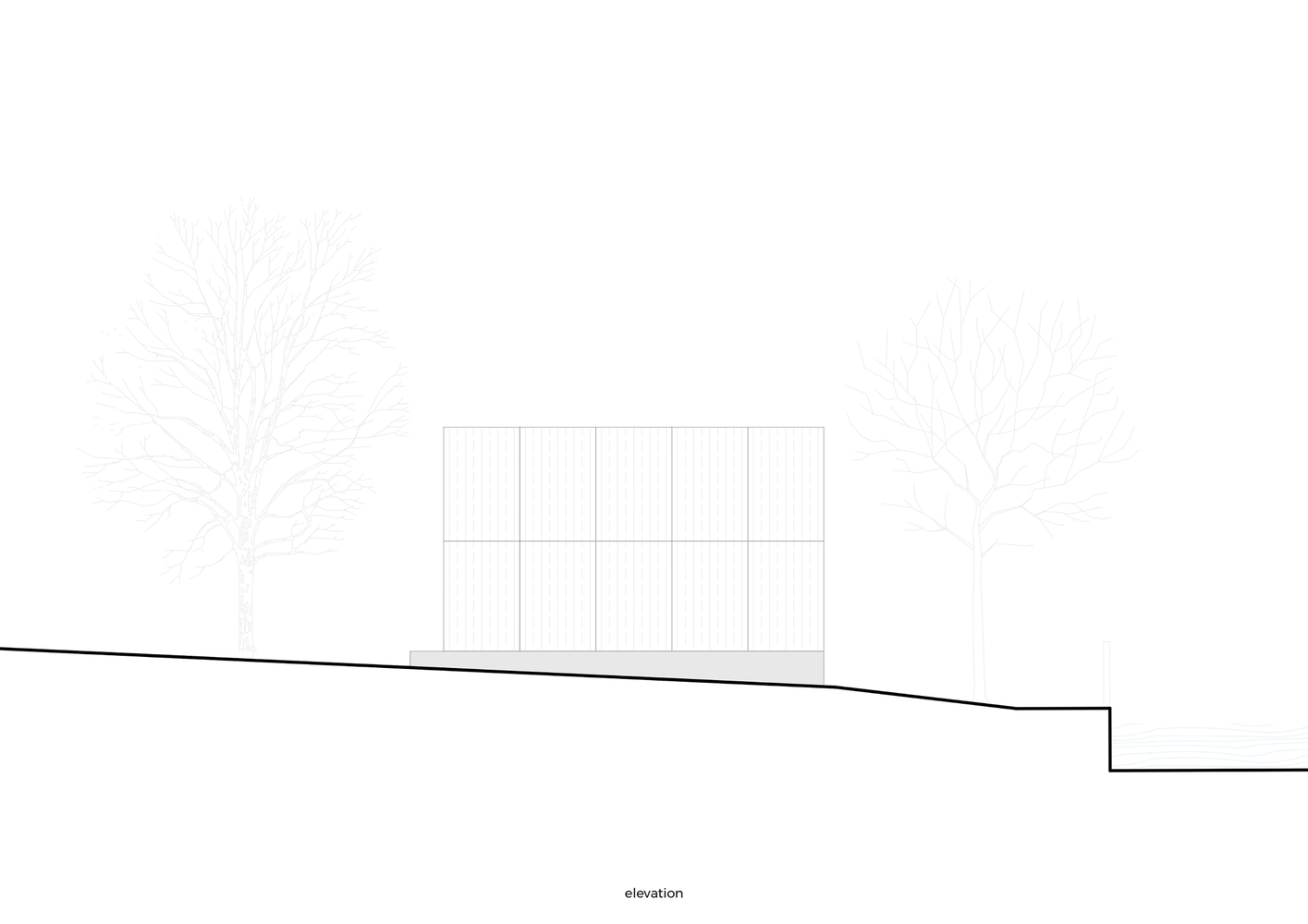
The pavilion's unique design is both an homage to the surrounding landscape and a nod to Armenia's rich cultural heritage.
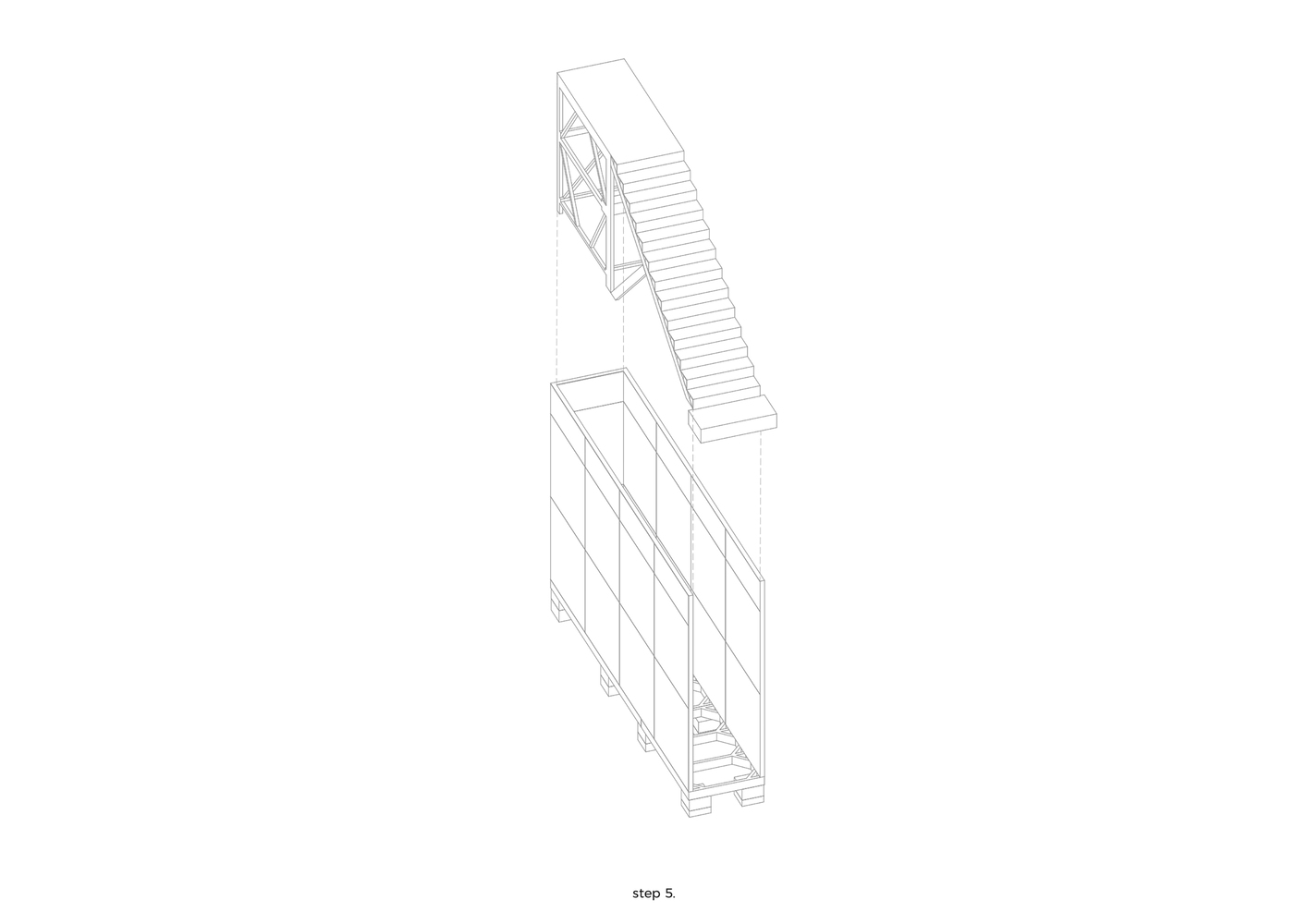
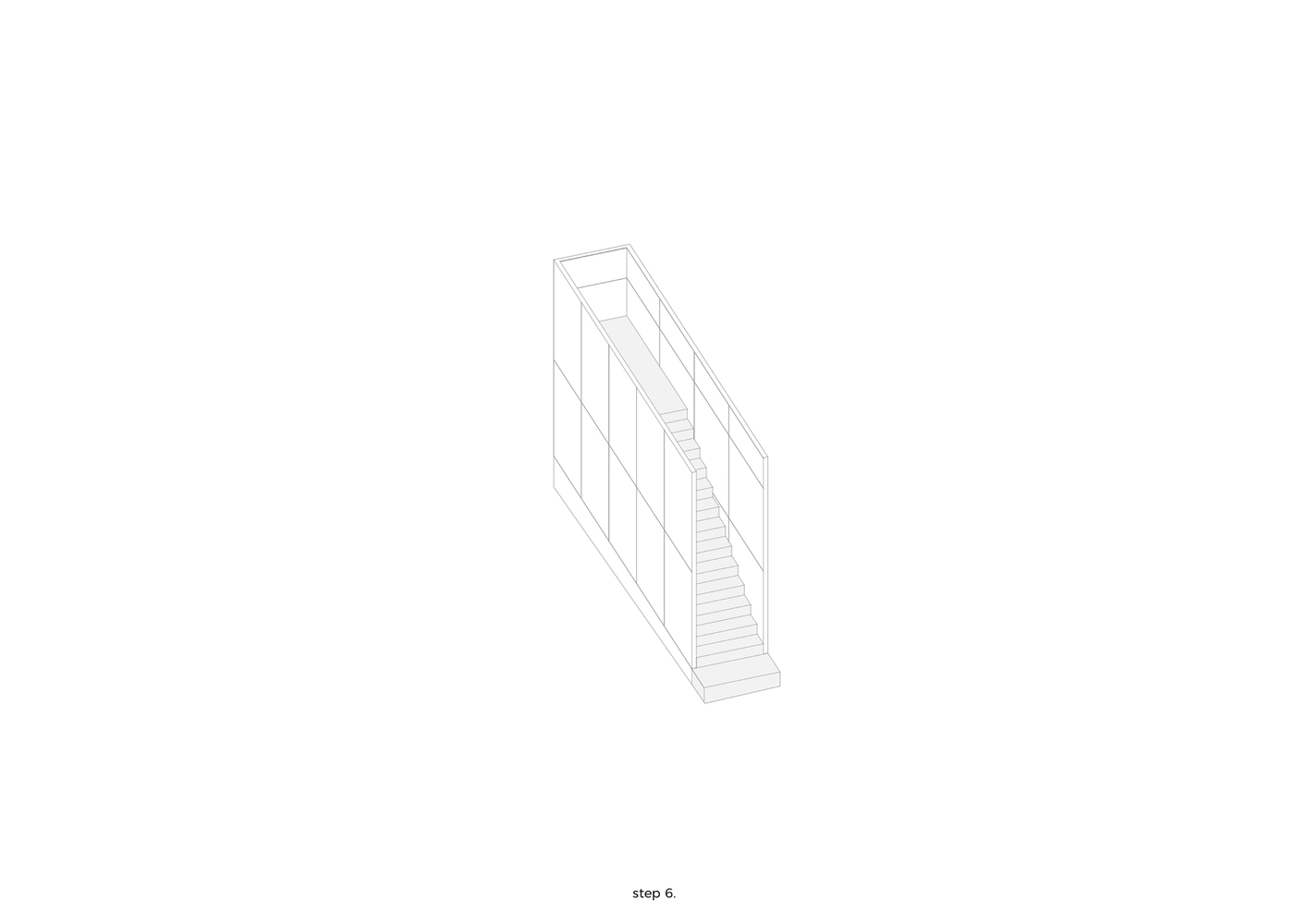
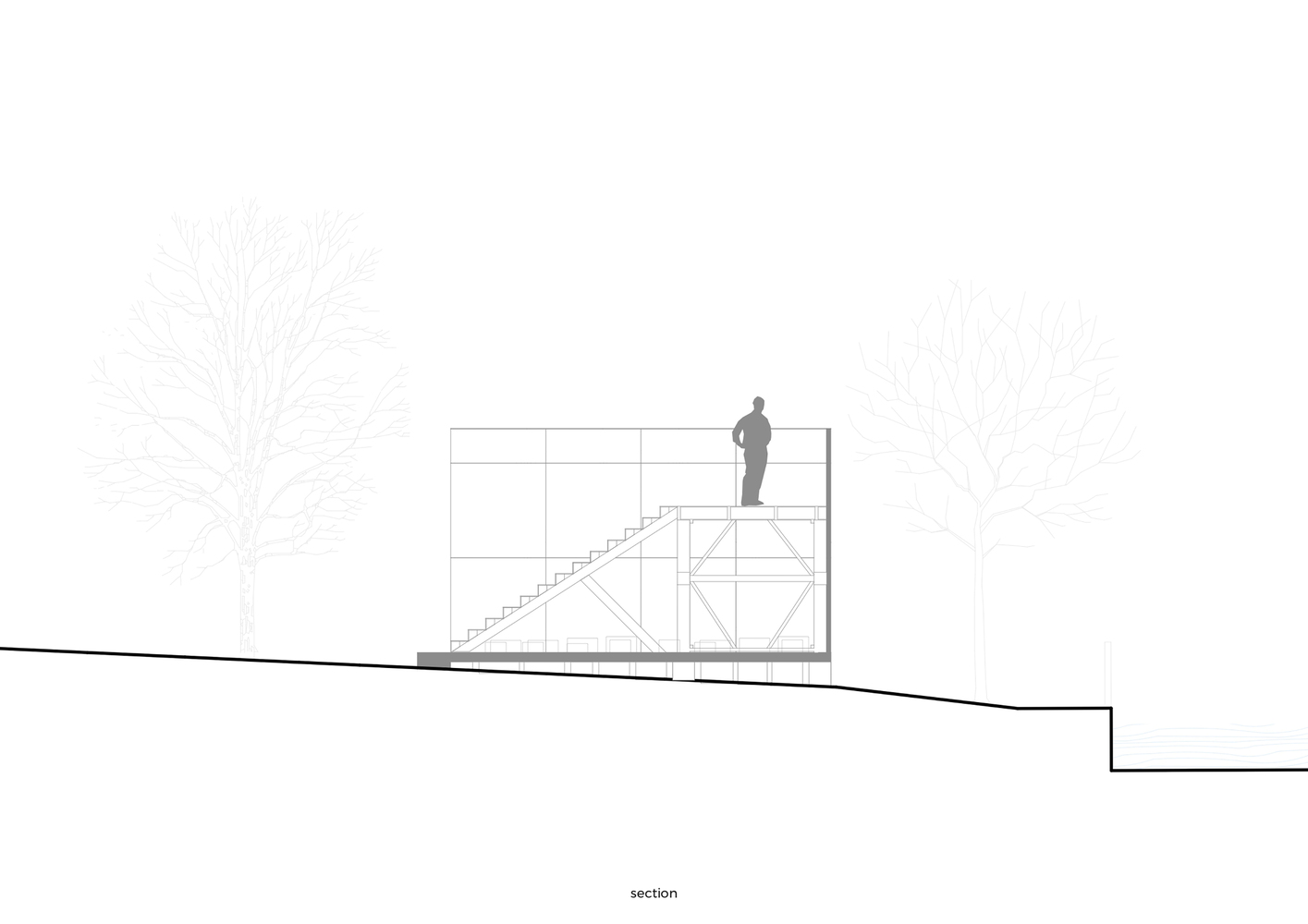
Comprising a striking black staircase that gracefully ascends toward the heavens, the pavilion's interior is adorned with polished mirrors that reflect the city's spirit. As visitors climb, they find themselves enveloped in a captivating, ever-changing mosaic of light and shadow.
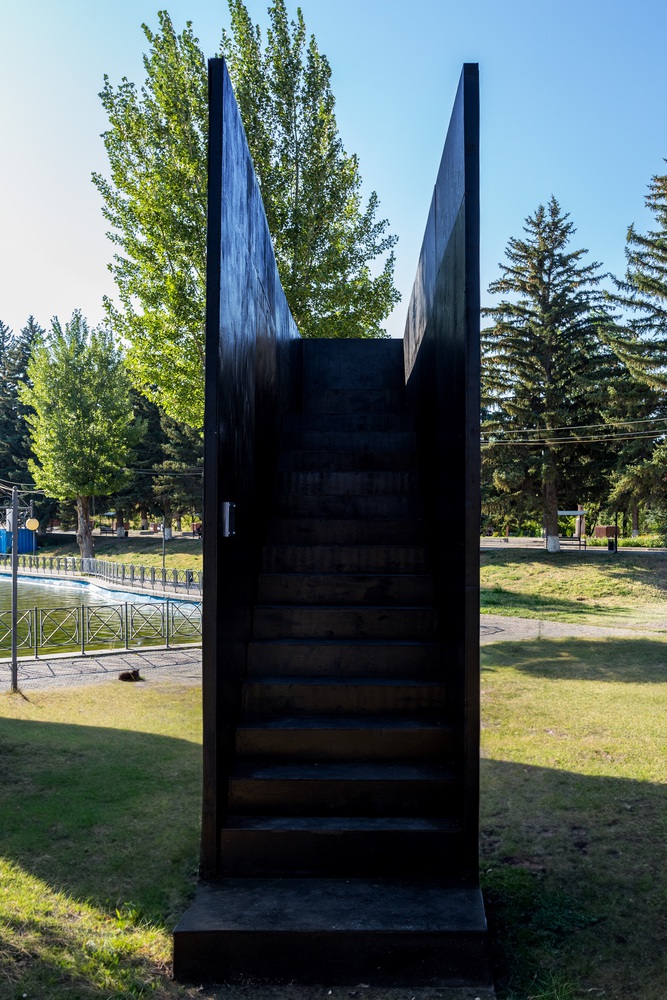
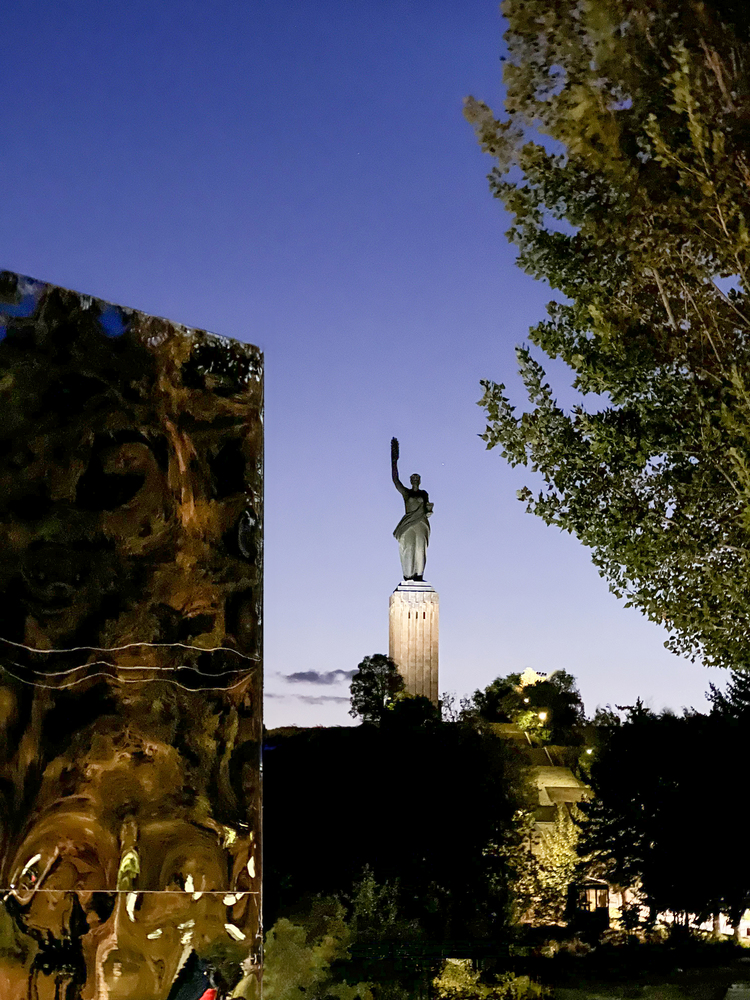
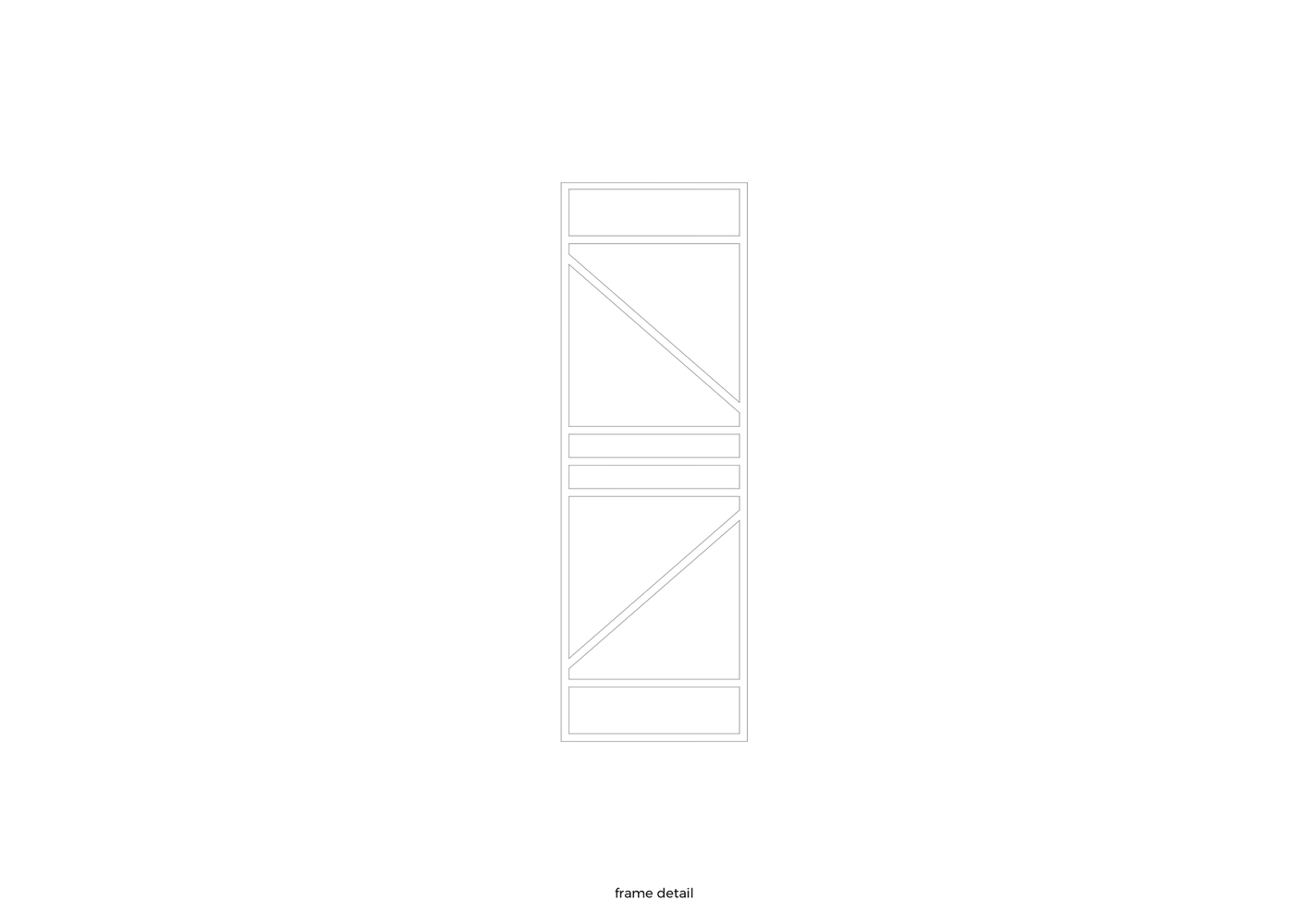
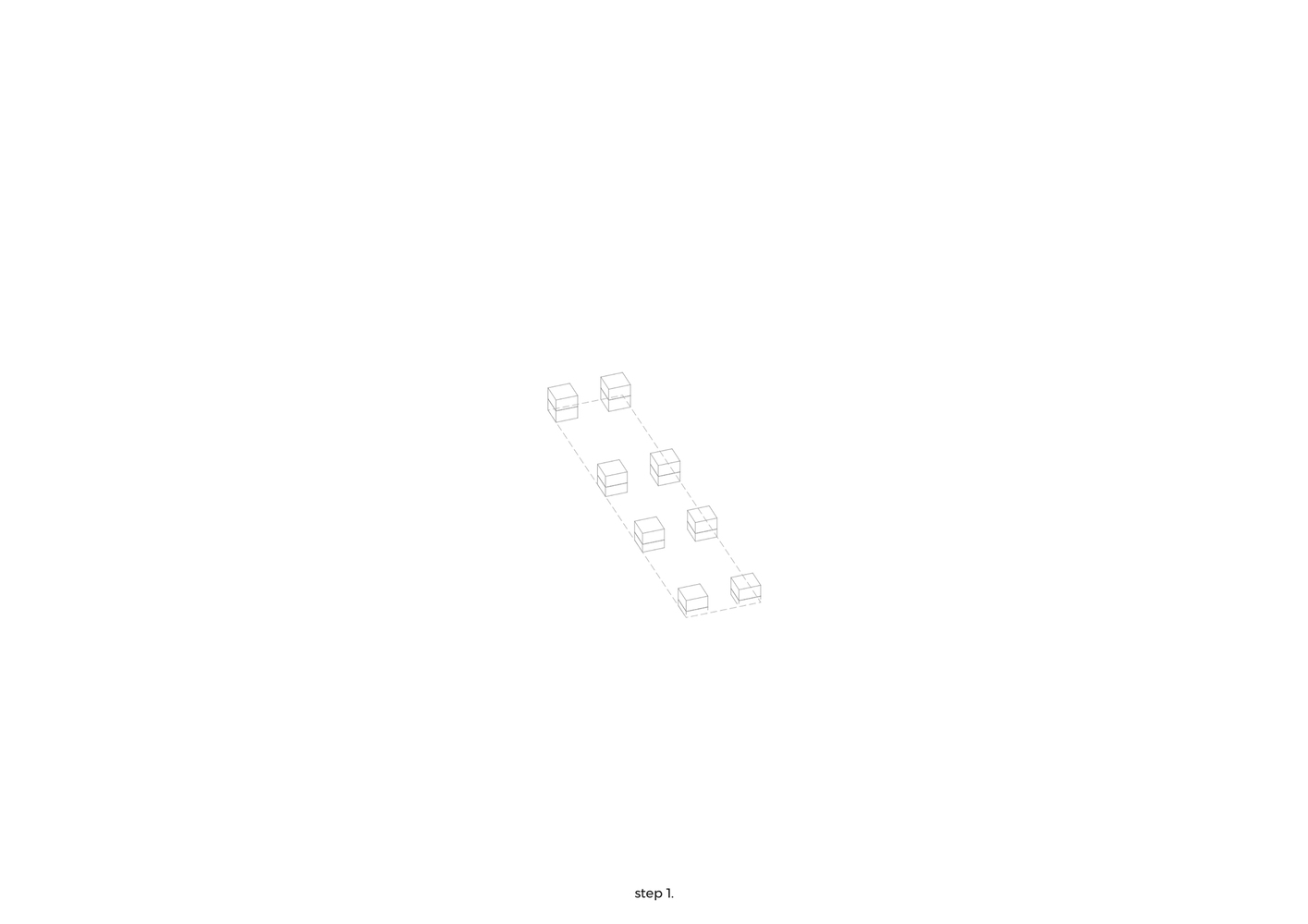
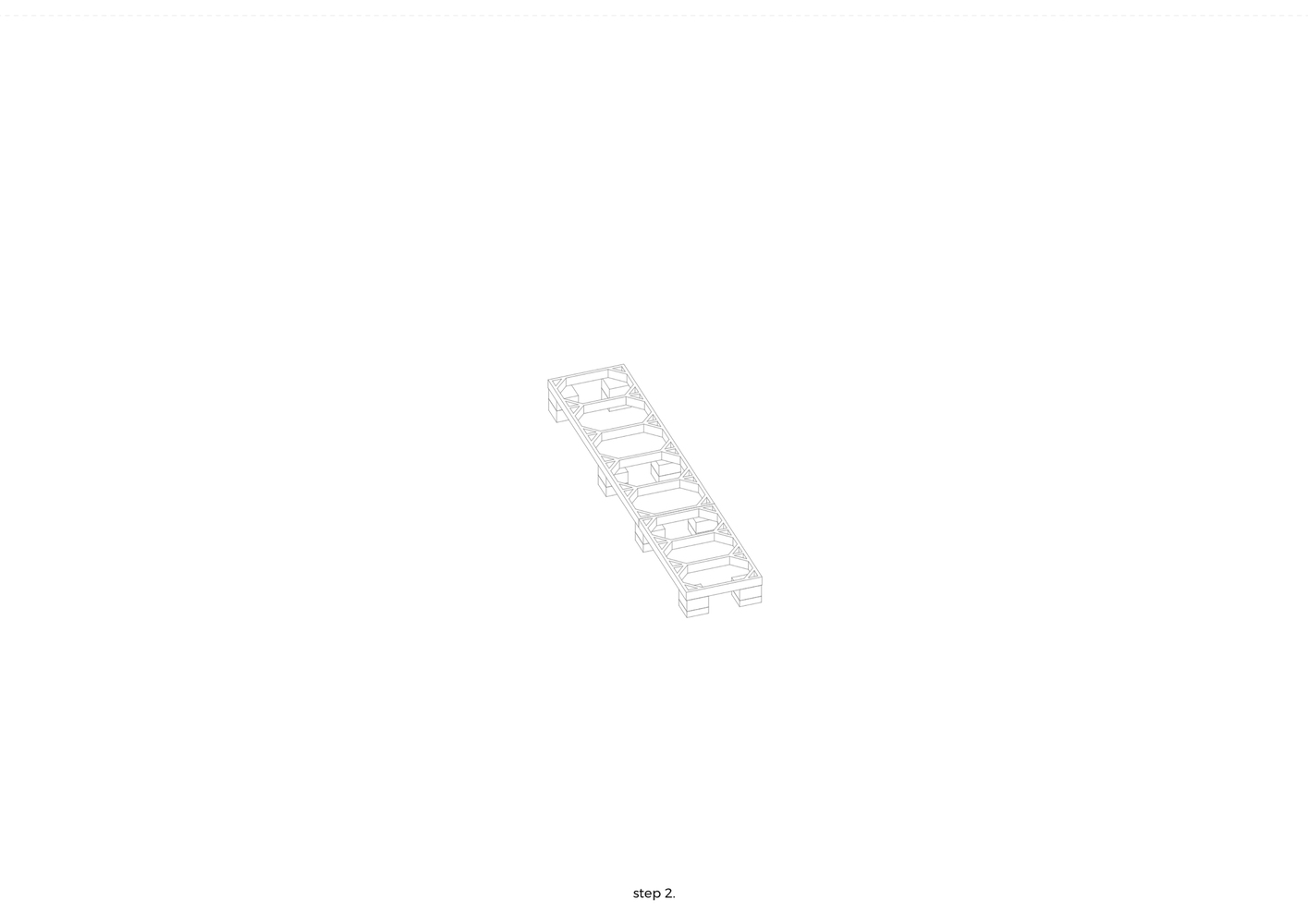
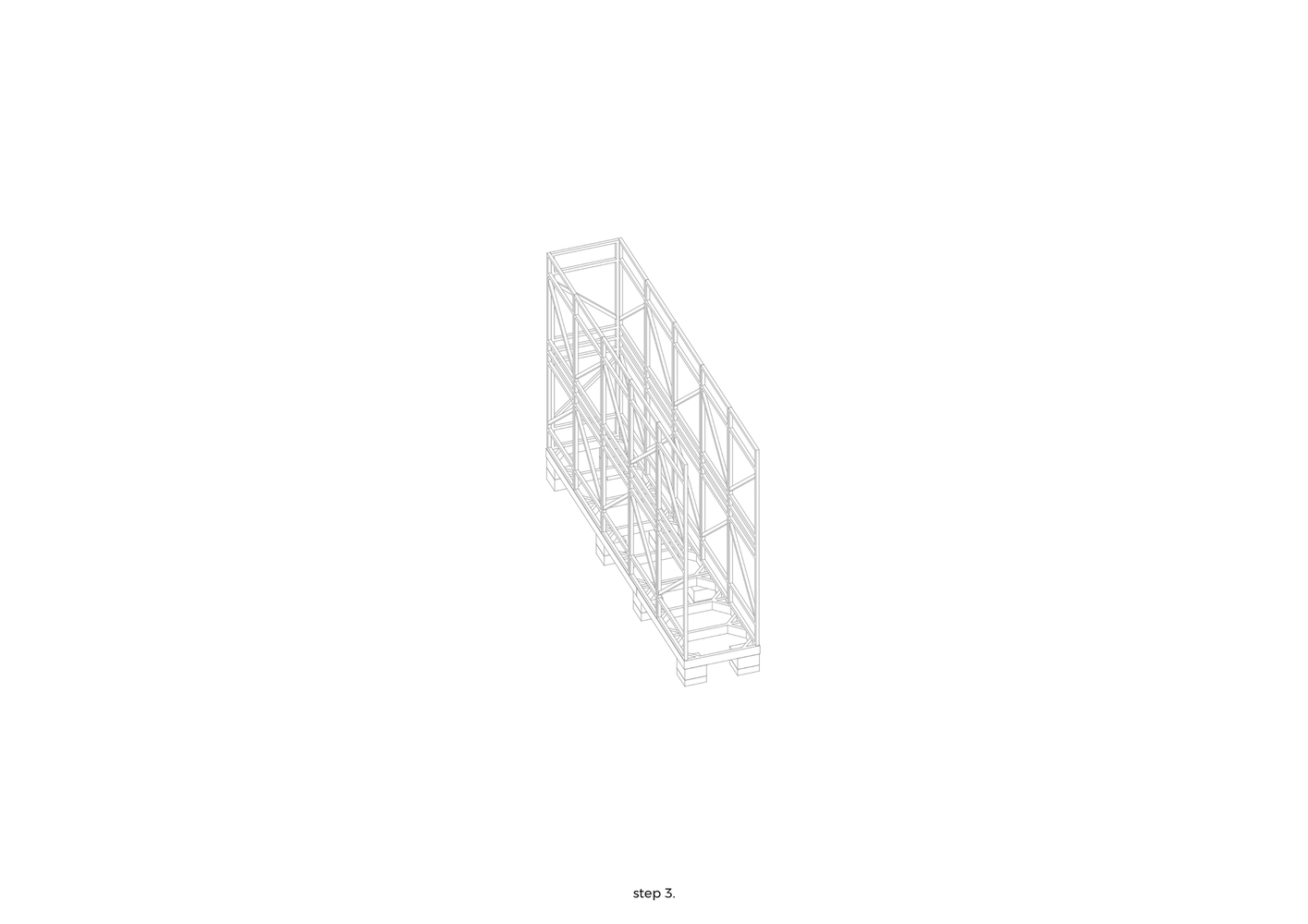
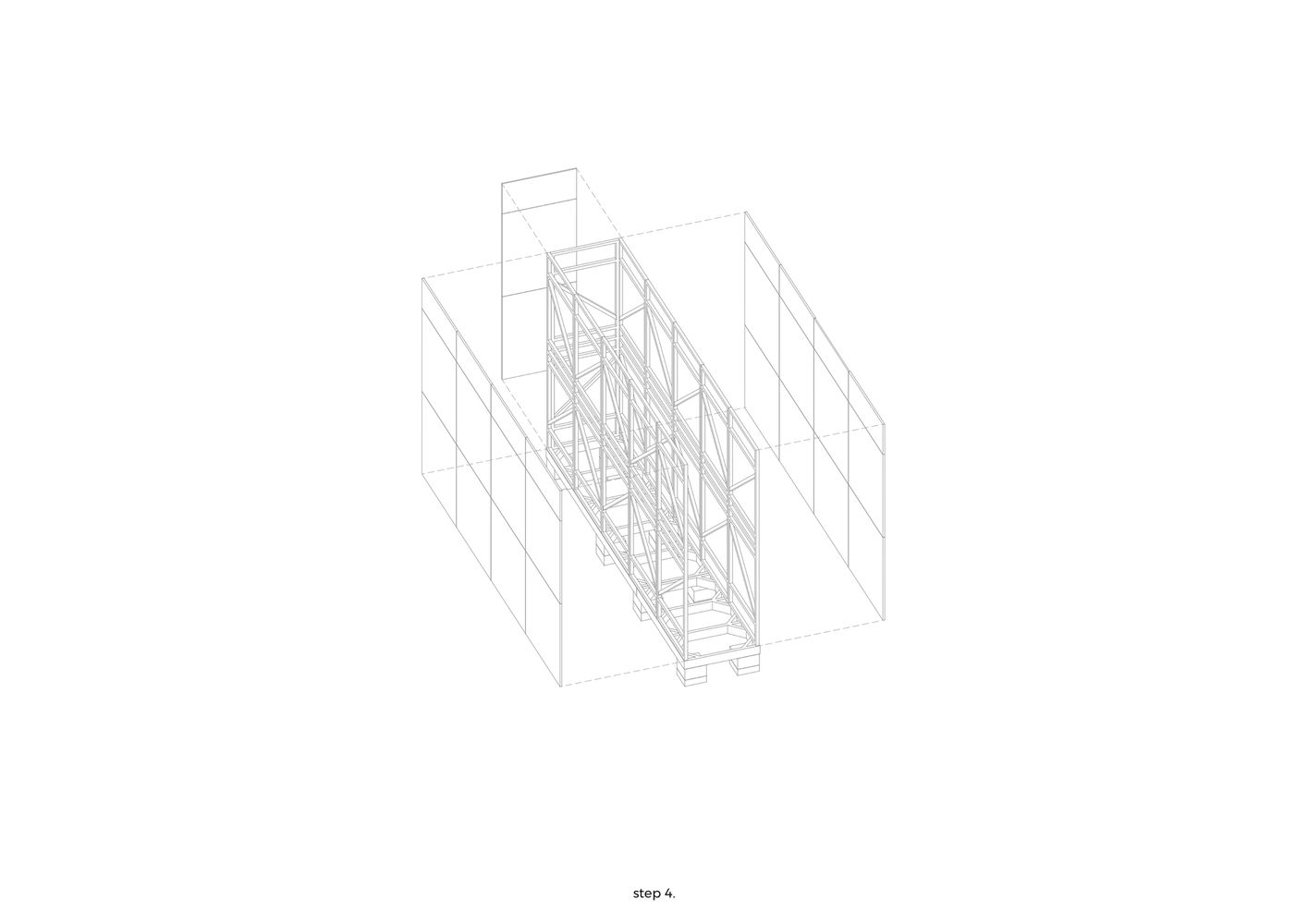
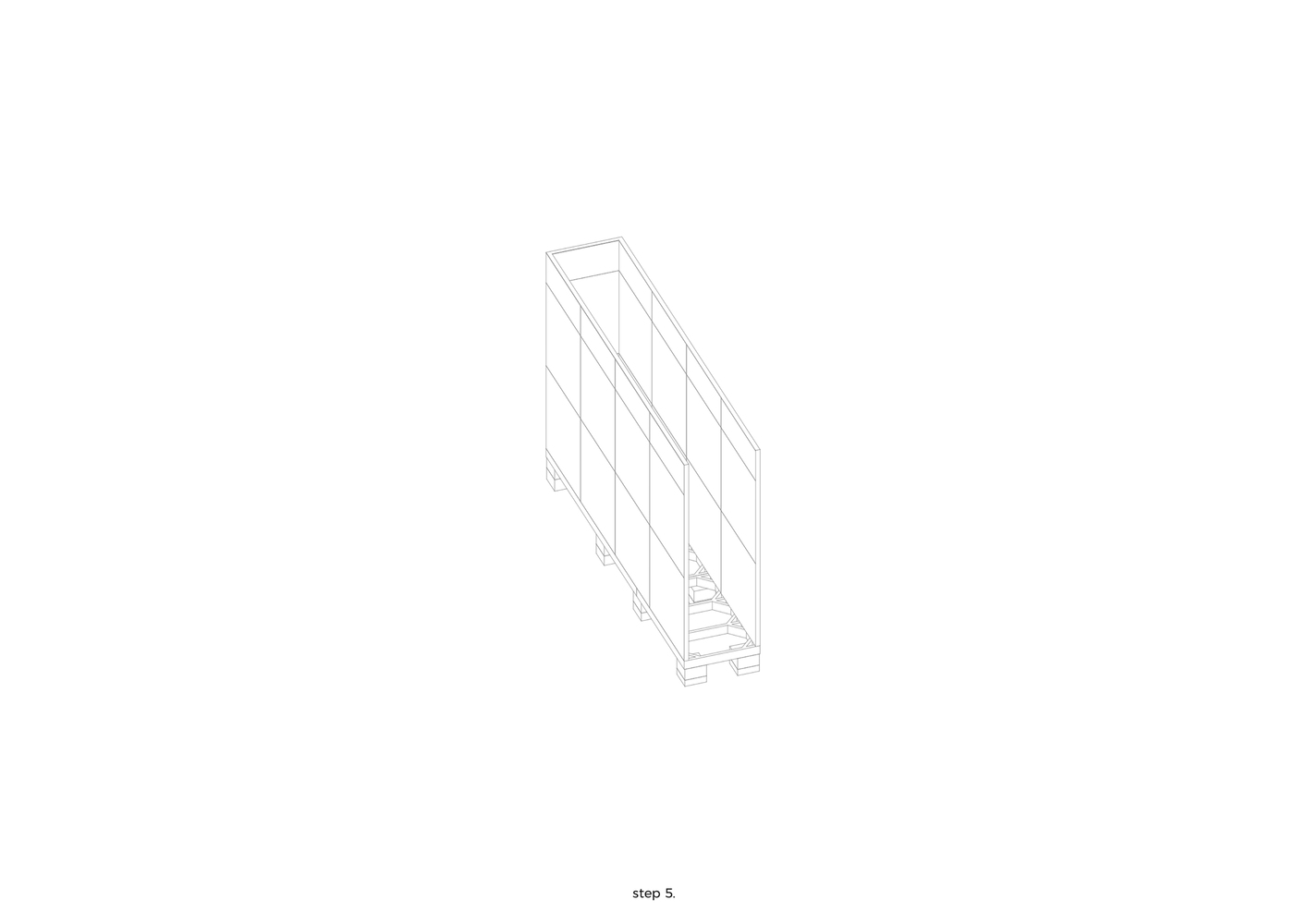
The structure of the pavilion is based on a wooden structure composed of a base and 11 lateral frames, which are in turn covered with PWC. In the internal part of the pavilion, 20 concrete blocks were placed to act as foundations since, due to regulations, it was not possible to dig into the ground.
There is also bracing and a system of wooden profiles as reinforcement. This architectural marvel is more than just a visual spectacle; it is a bridge between Gyumri's past and future.
The inclination of the staircase mirrors the angle of nearby Sew Berd, a centuries-old fortification that once safeguarded the city. It serves as a silent tribute to the history and resilience of this ancient land.
The relationship doesn't end there; from the pavilion's zenith, visitors can gaze upon the majestic statue of Mother Armenia, an enduring symbol of Armenian culture and strength. Her watchful eye over the city is a reminder that, like the phoenix that rose from the ashes, Gyumri continues to thrive.
Yet, the pavilion is not merely a piece of art; it's a vessel for human connection. It beckons families and children, inviting them to engage, play, and explore. It's a beacon of renewal and a space for gatherings, a platform where memories are forged and bonds strengthened.

The Gyumri viewing pavilion represents a beacon of hope and a catalyst for regeneration. Its purpose transcends mere aesthetics. It stands as a testimony to the power of collaboration, the celebration of heritage, and the promise of a brighter future for this resilient city.
A symbol of unity and progress, this structure is an icon that ushers in a new era for Gyumri, where past and present coexist in harmony, and the future is as bright as the reflections on its mirrored surface.