YANQIAN TRAIL
Vcd Lab
ARCHITECTS
Vcd Lab
LEAD ARCHITECTS
Lin Yingjie, Zhang Yuanyuan
ENGINEERING
Shanghai Municipal Engineering Design Institute (Group) Co., LTD.
COLLABORATORS
Shanghai Municipal Engineering Design Institute (Group) Co., LTD.
CLIENTS
Zhaoqing City Duanzhou District Project Construction Management Center
LANDSCAPE DESIGN
Verge Creative Design Co., LTD
AREA
71200 m²
YEAR
2026
LOCATION
Zhaoqing, China
CATEGORY
Yanqian TrailVisitor Center, Landscape Architecture
English description provided by the architects.
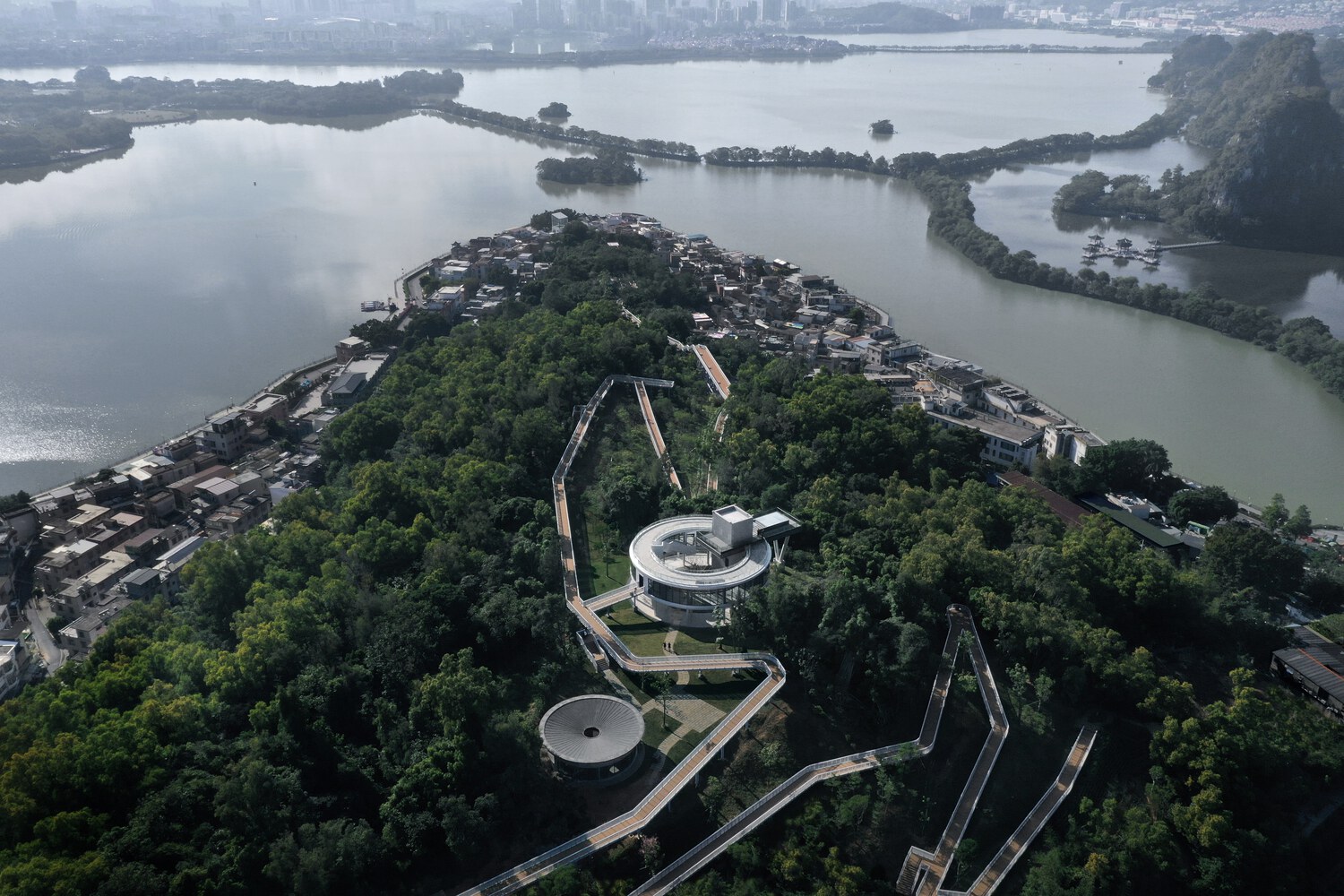
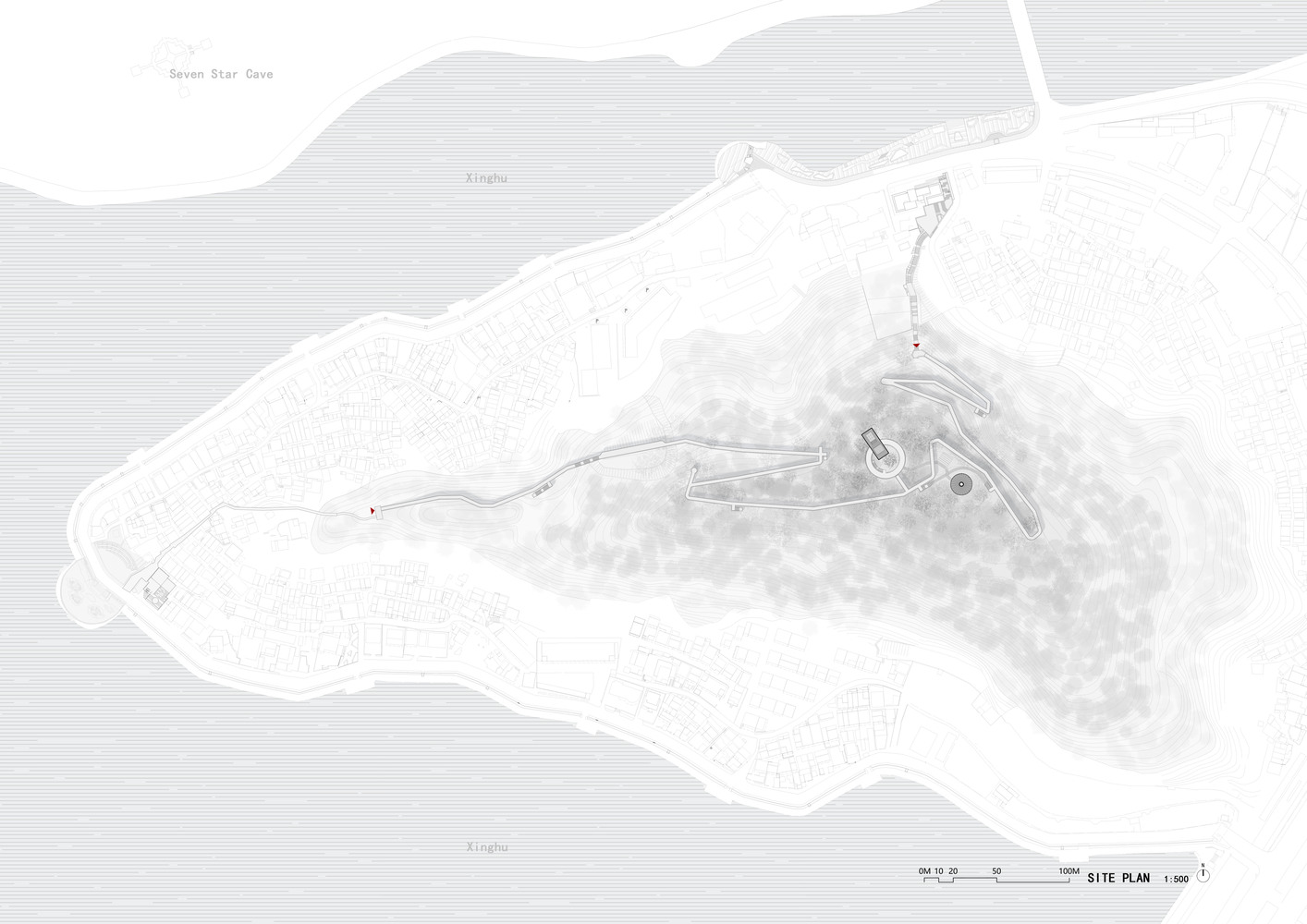
Yanqian Trail is situated on Xianggang Mountain in Yanqian Village, opposite the Qixingyan Scenic Area—a National 5A-rated tourist attraction in Zhaoqing, China.
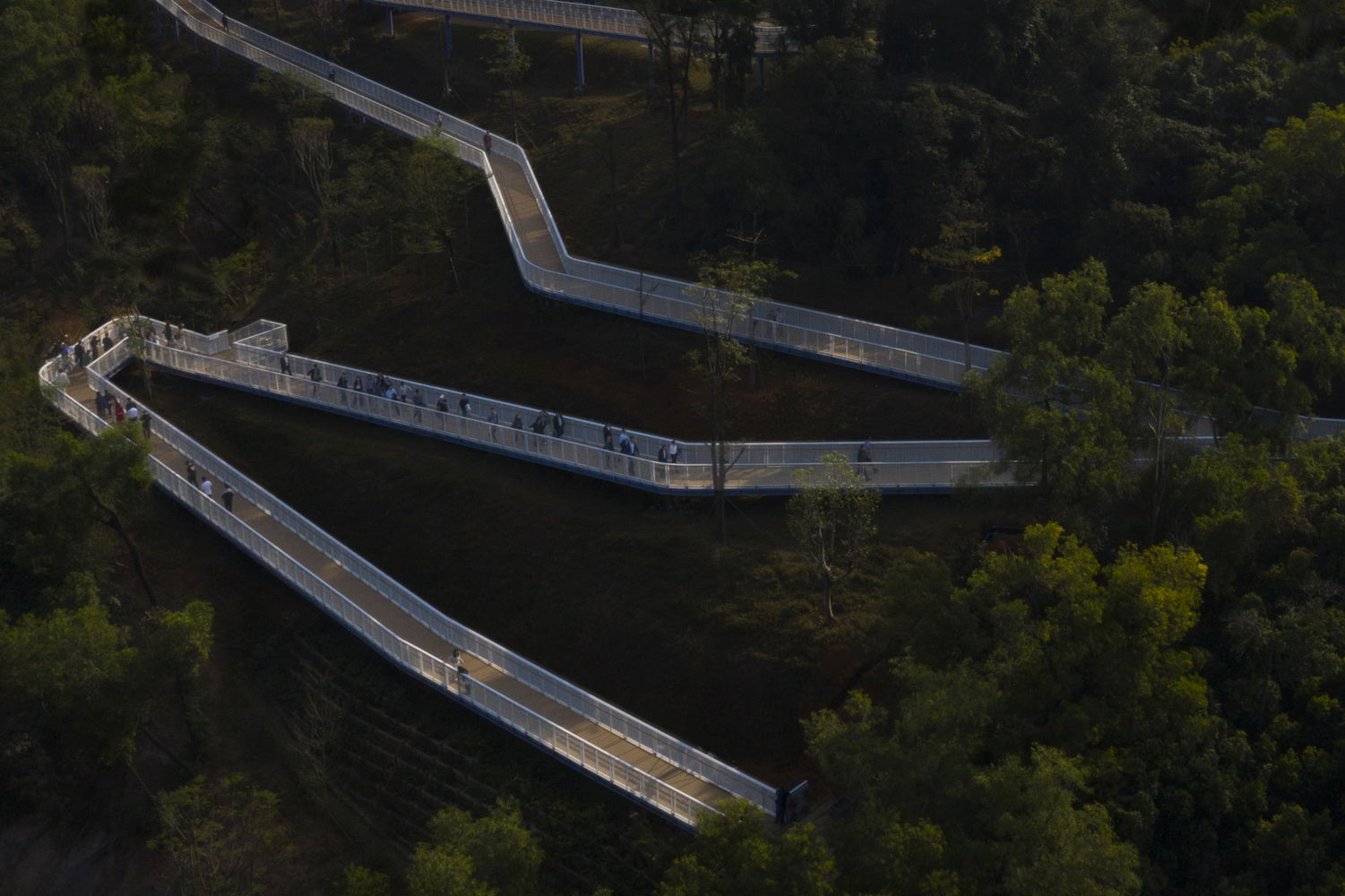
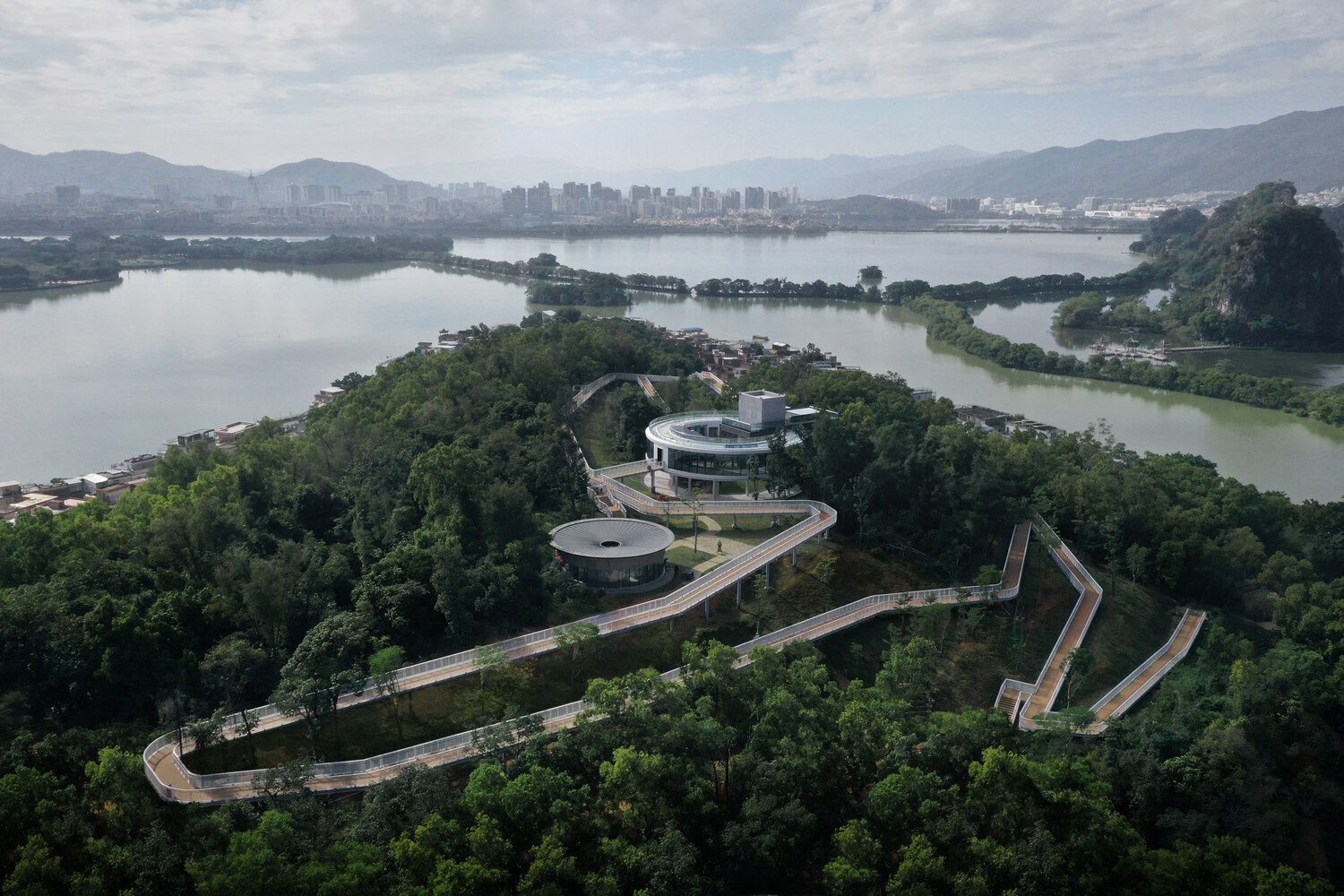
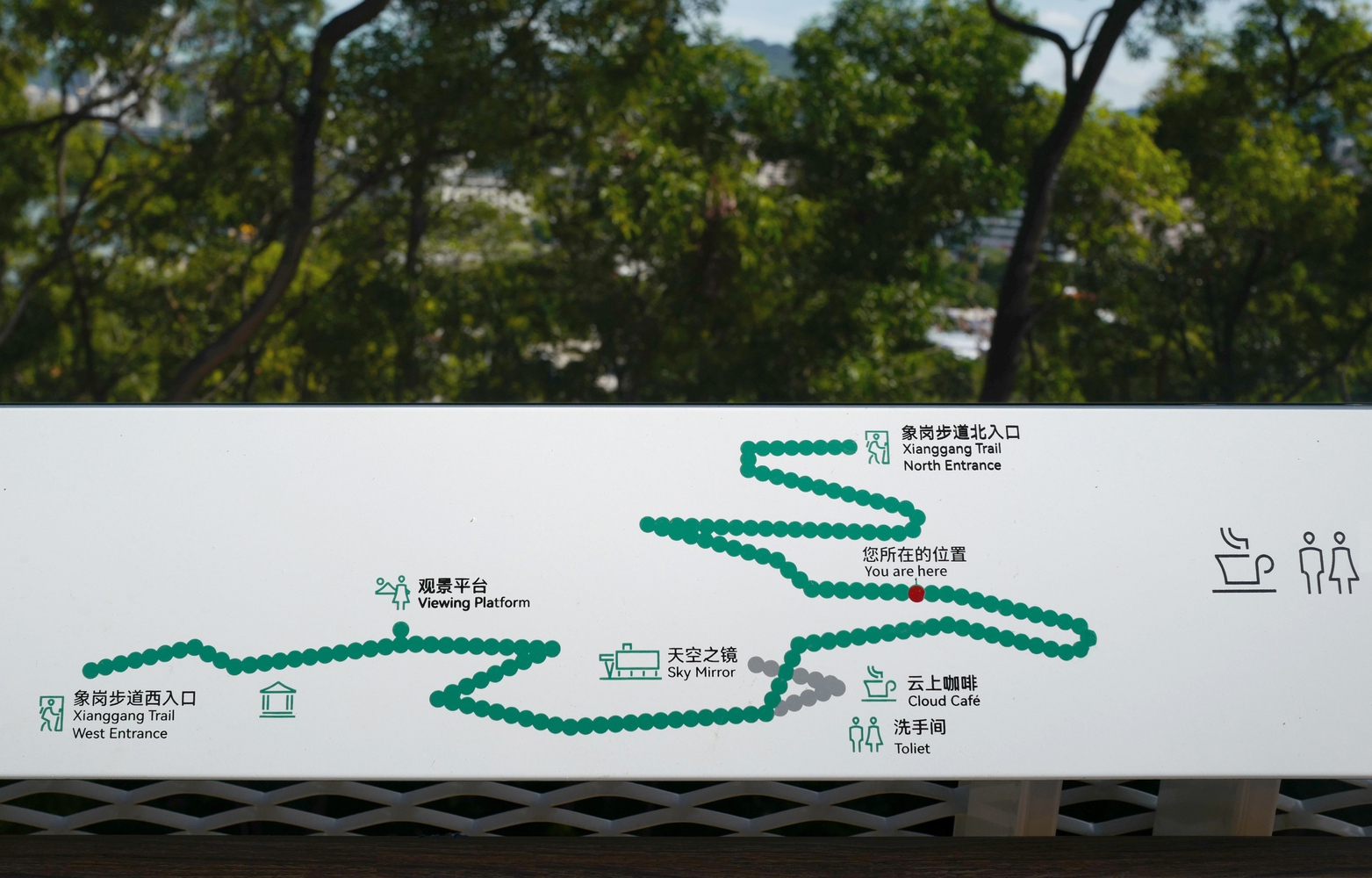
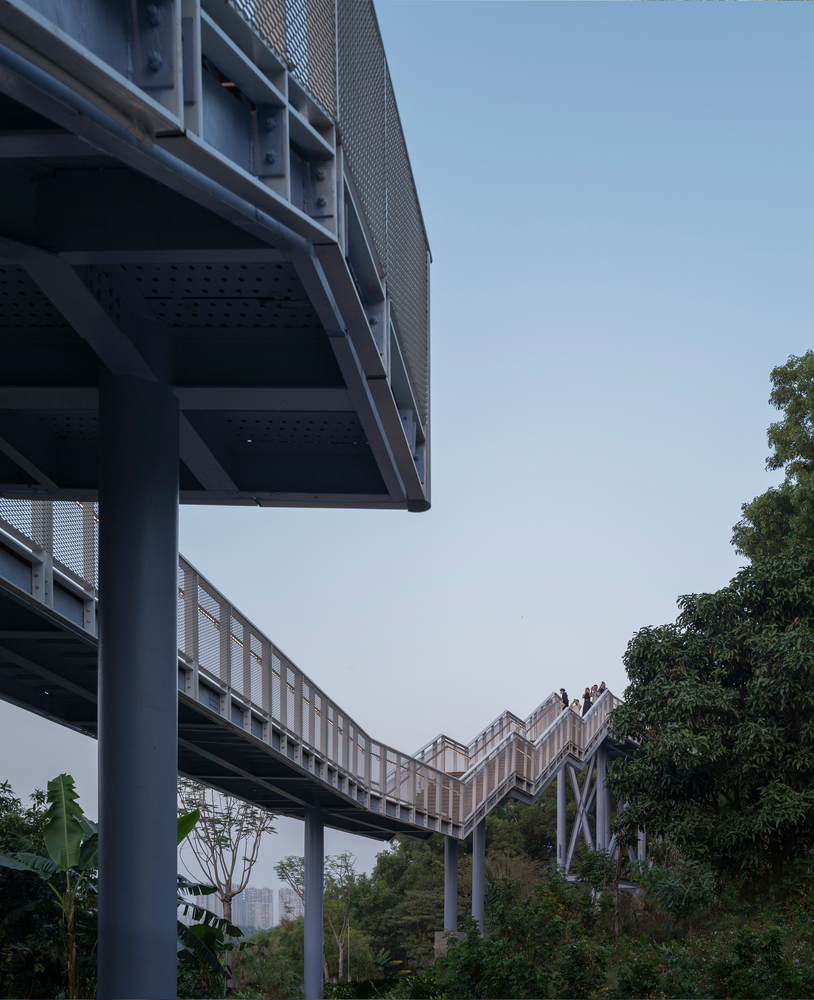
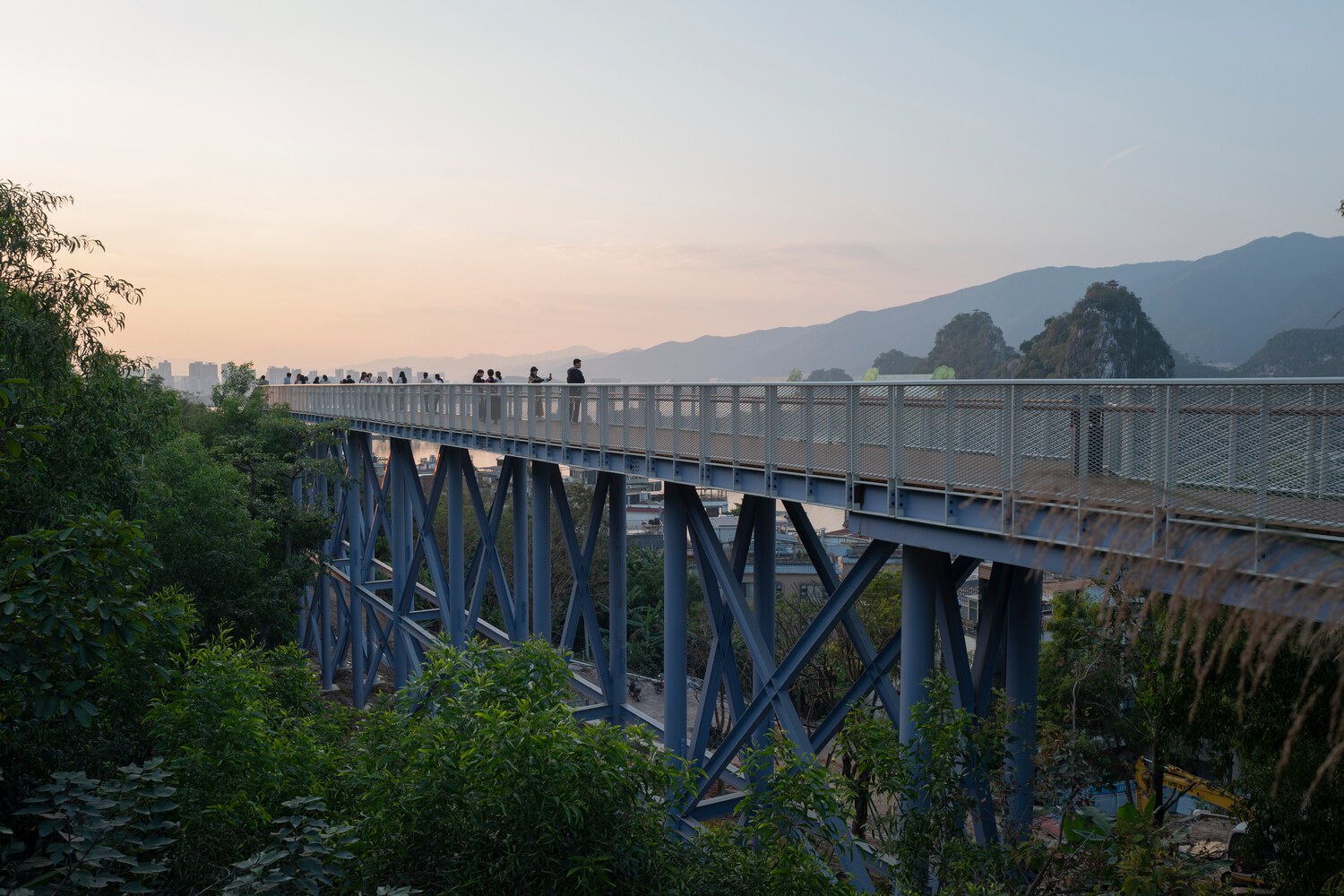
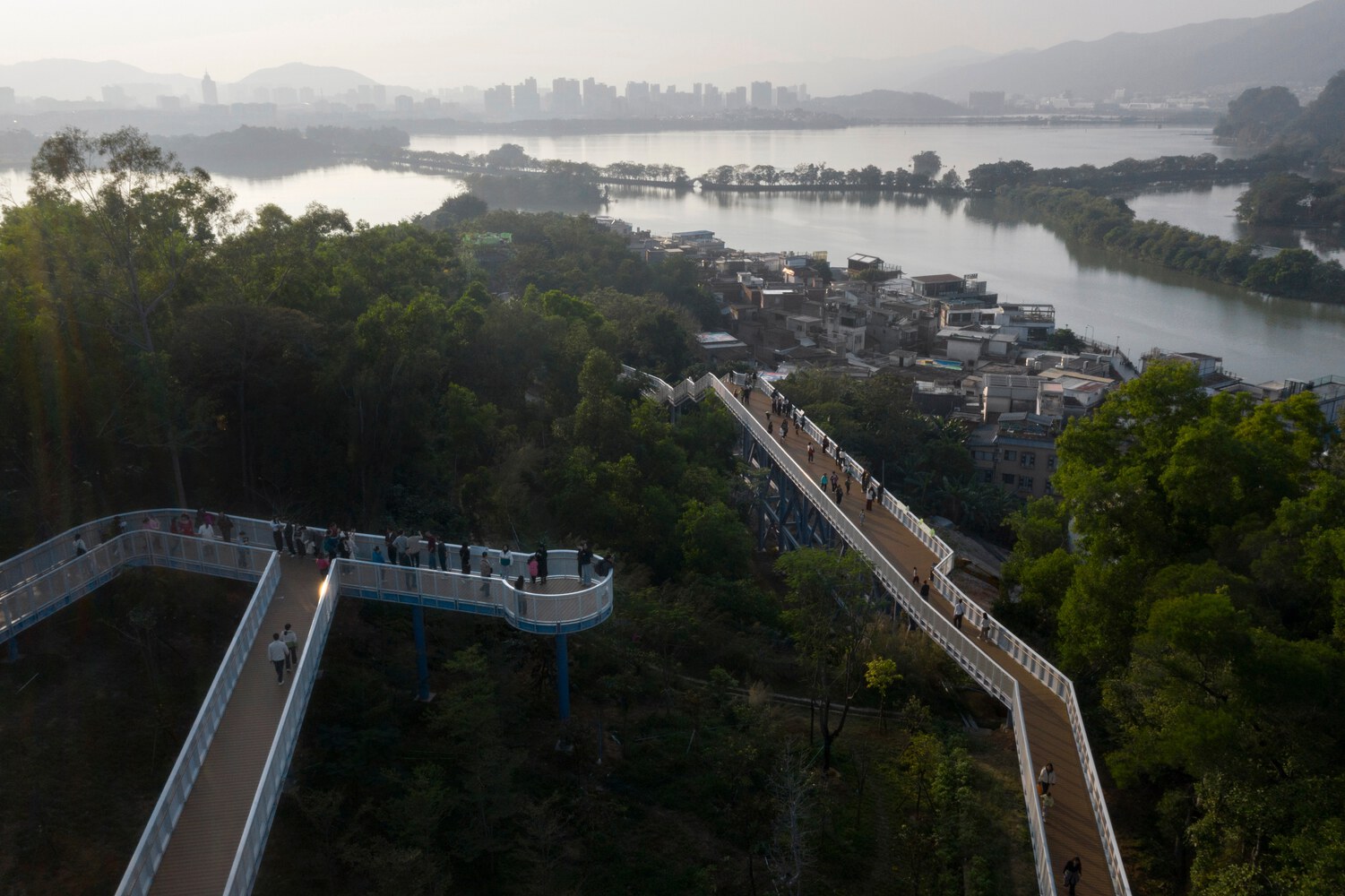
Spanning a total length of 1,310 metres, the project is an ecological footpath built on stilts encircling the mountain. The Cloud Walk meanders like a flowing ribbon along the slopes of Xianggang Mountain.
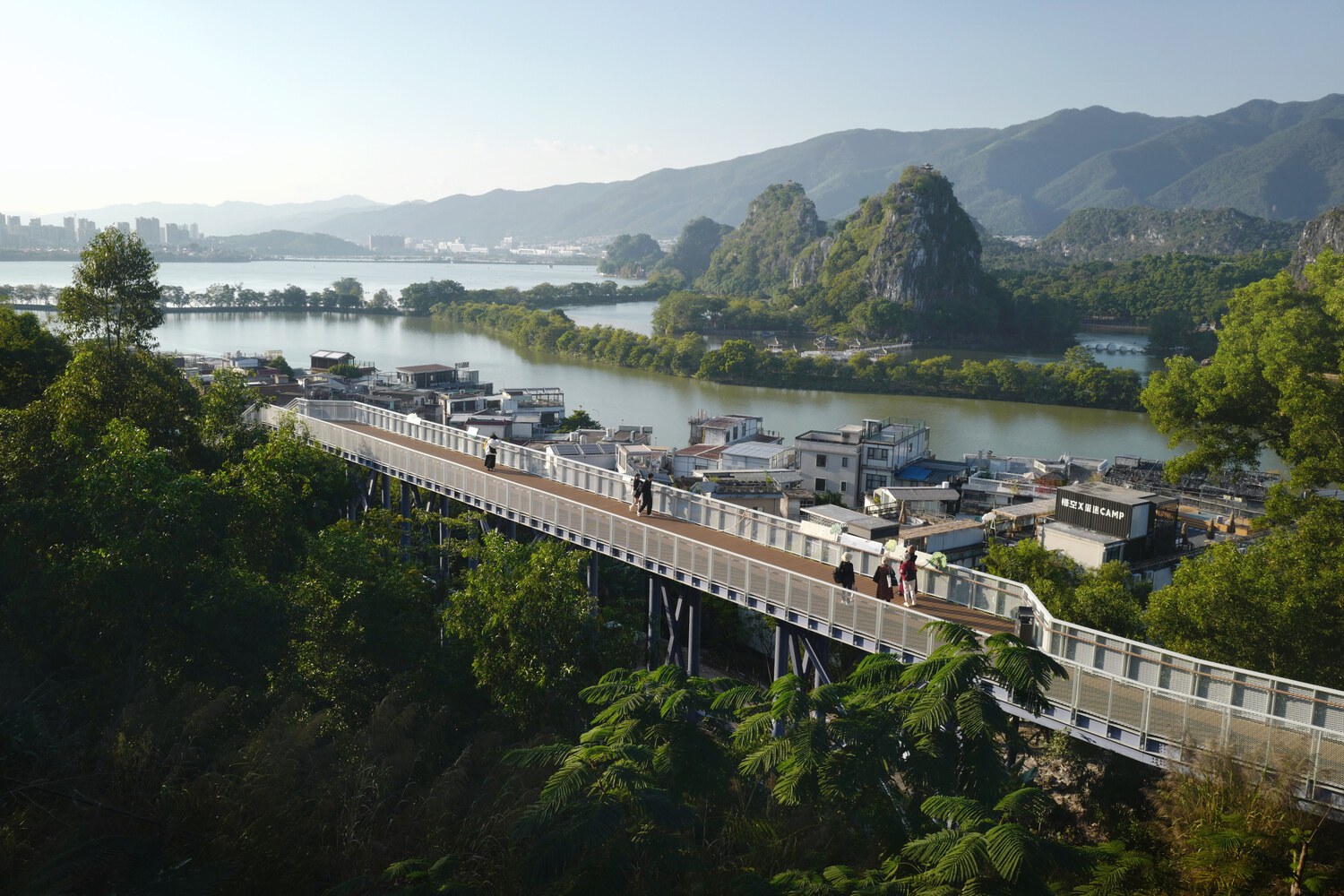
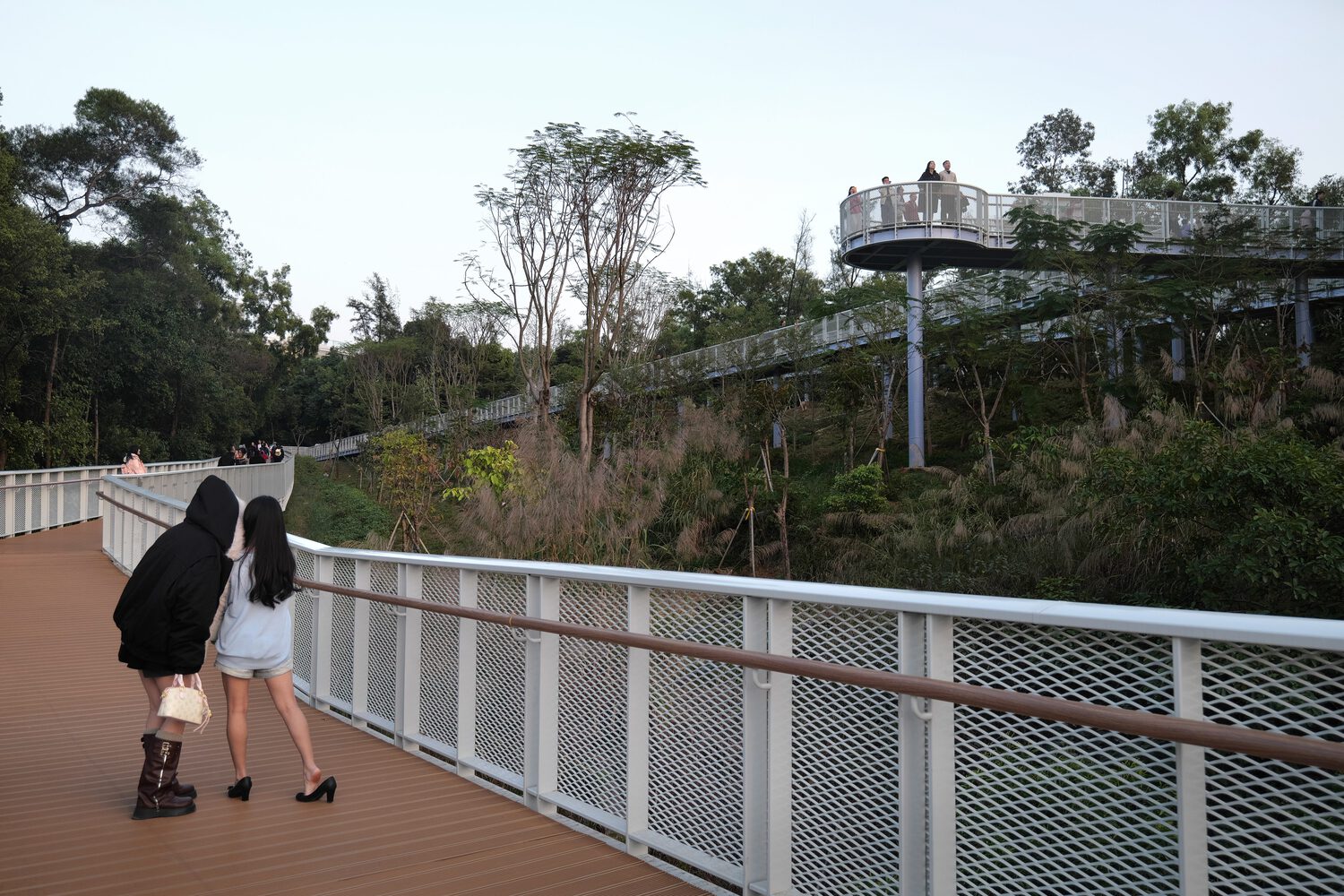
Designed with a pure steel framework that gently touches the forest, it maximises the protection of native vegetation and animal habitats whilst subtly elevating the walker's perspective, imbuing the journey with poetry and height, and fully showcasing the harmonious coexistence of human life and natural tranquillity.
The 'cloud' in Cloud Path refers not only to the physical height of the elevated walkway but also to a state of transcendence of the mind; walking along the Cloud Path is a process of elevating both one's physical perspective and spiritual experience.
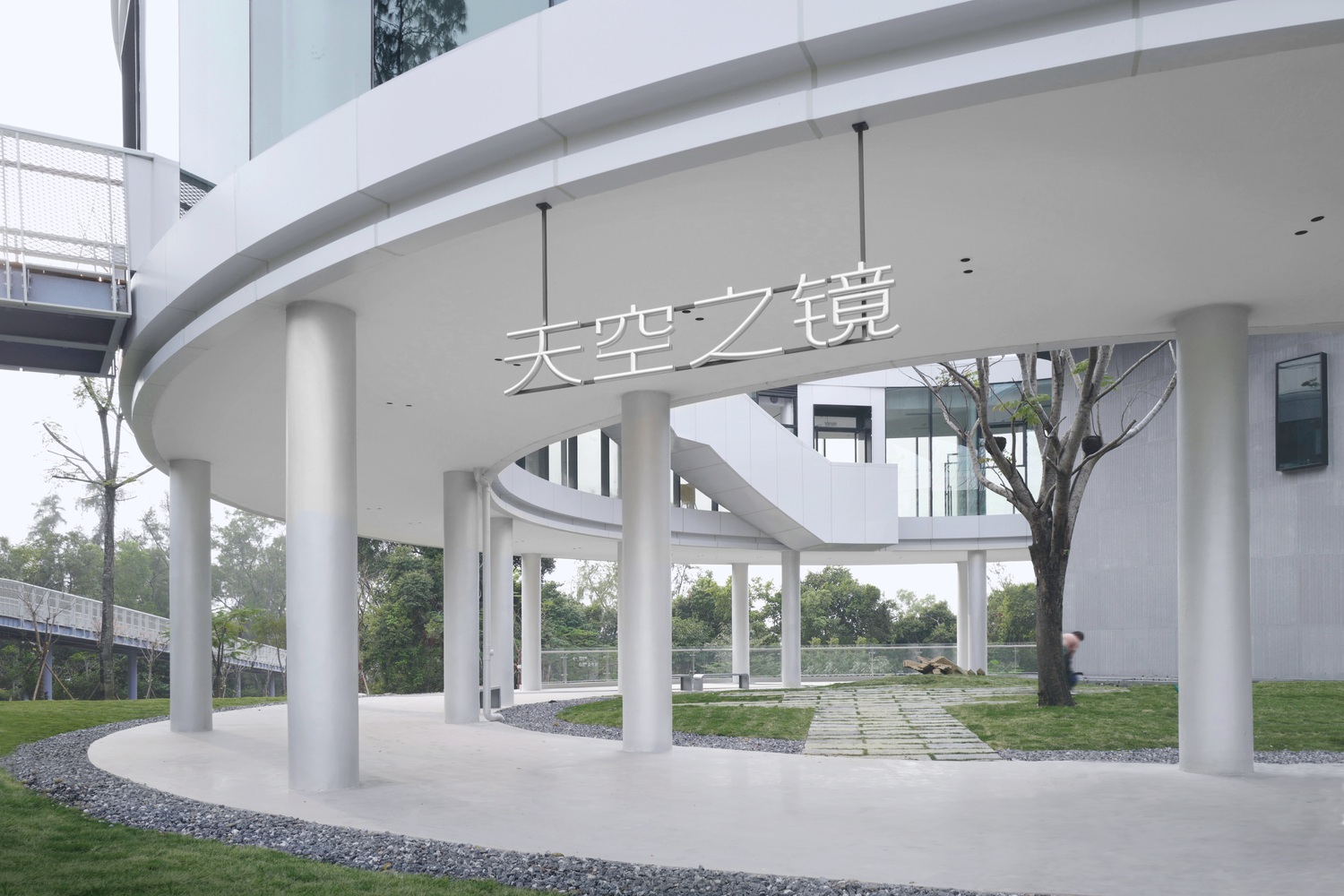
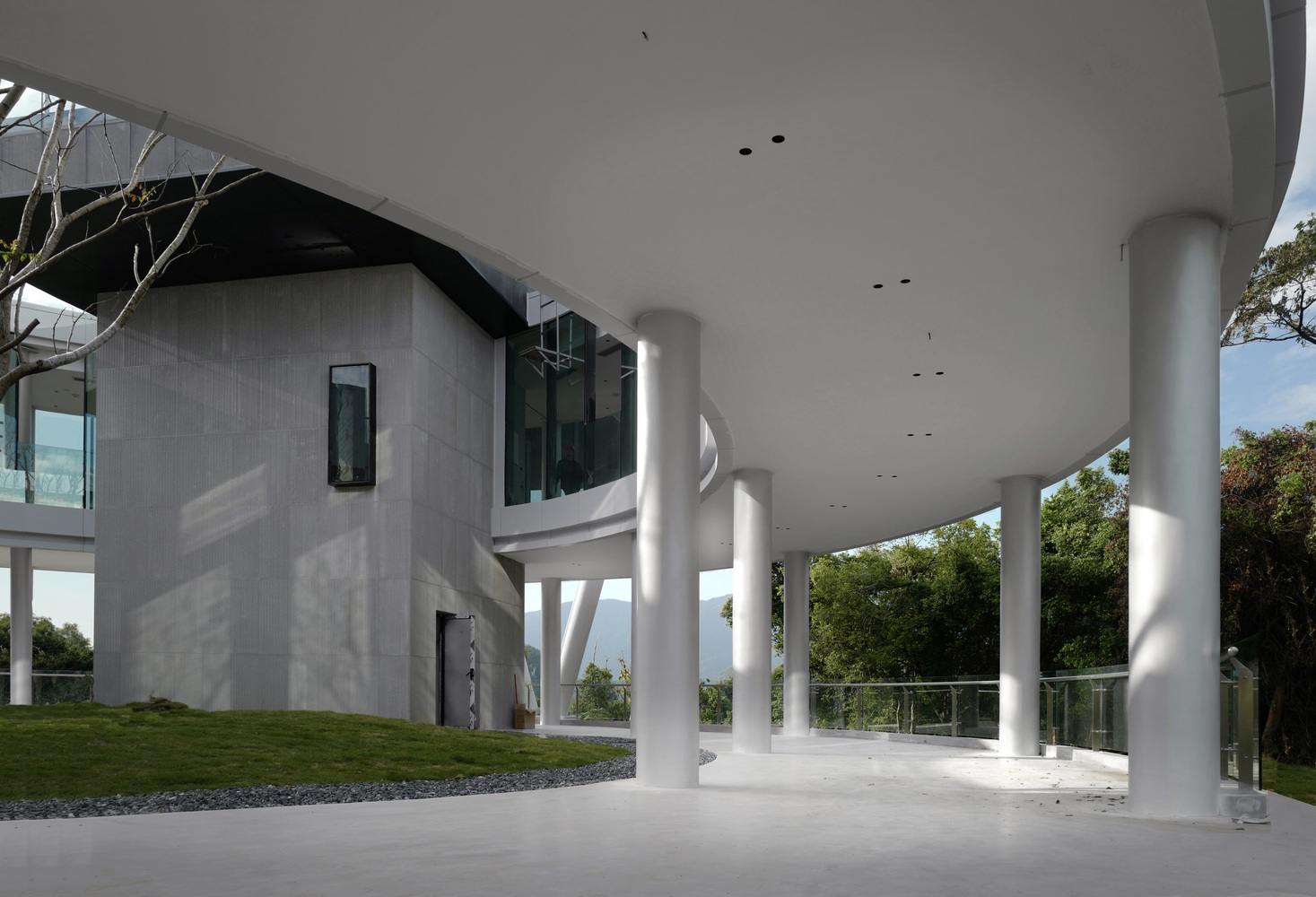
The design protects the mountain's native vegetation and animal habitats to the greatest extent possible, whilst striving to achieve harmony and coexistence between humanity and nature. Walking along the Cloud Path, visitors' perspective is subtly elevated.
At the same time, viewing platforms situated at varying heights offer multi-dimensional views of the surrounding landscape: looking north, the peaks of the Qixingyan Scenic Area and iconic landmarks such as the Five Dragons Pavilion come into full view;
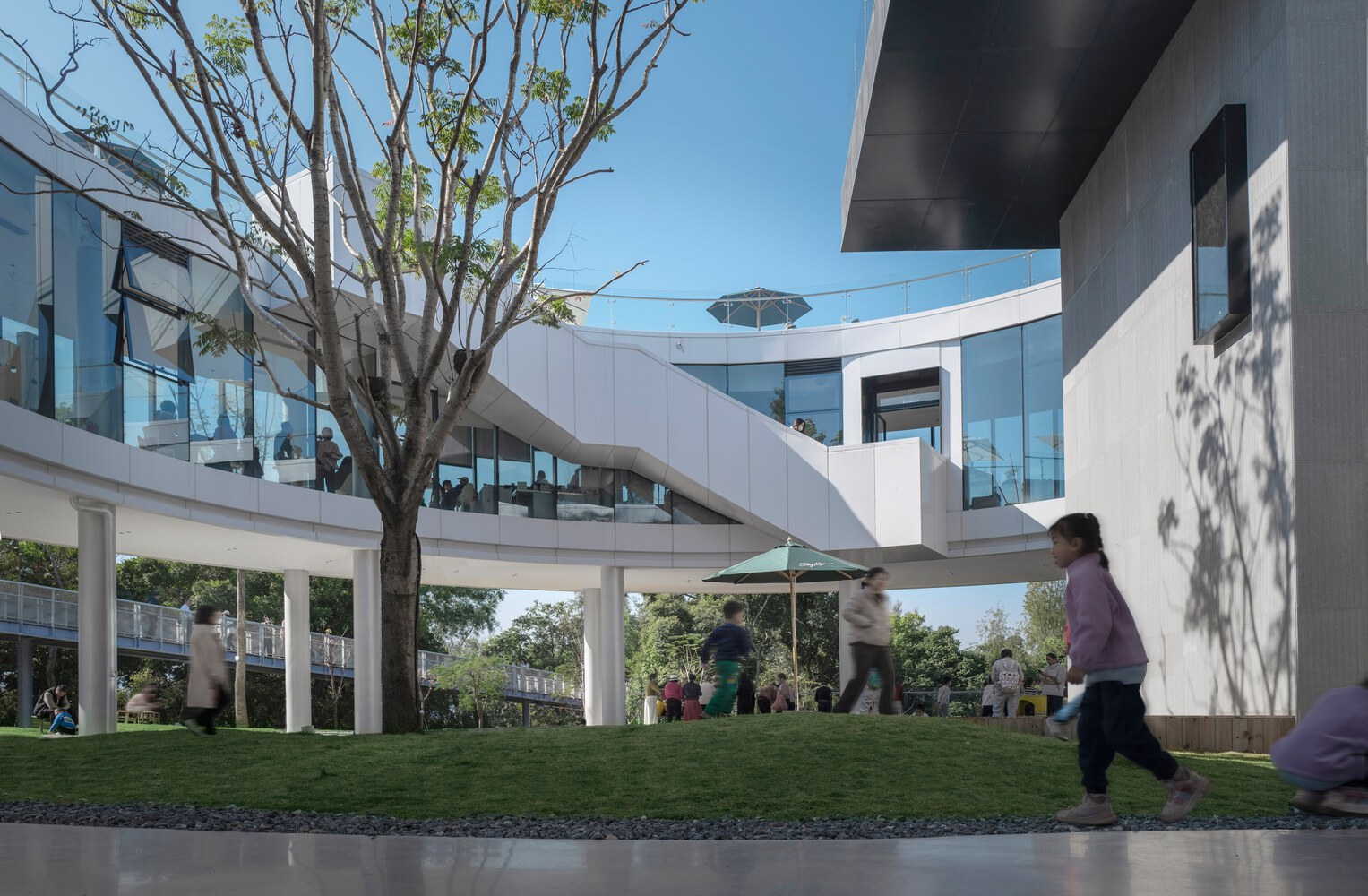
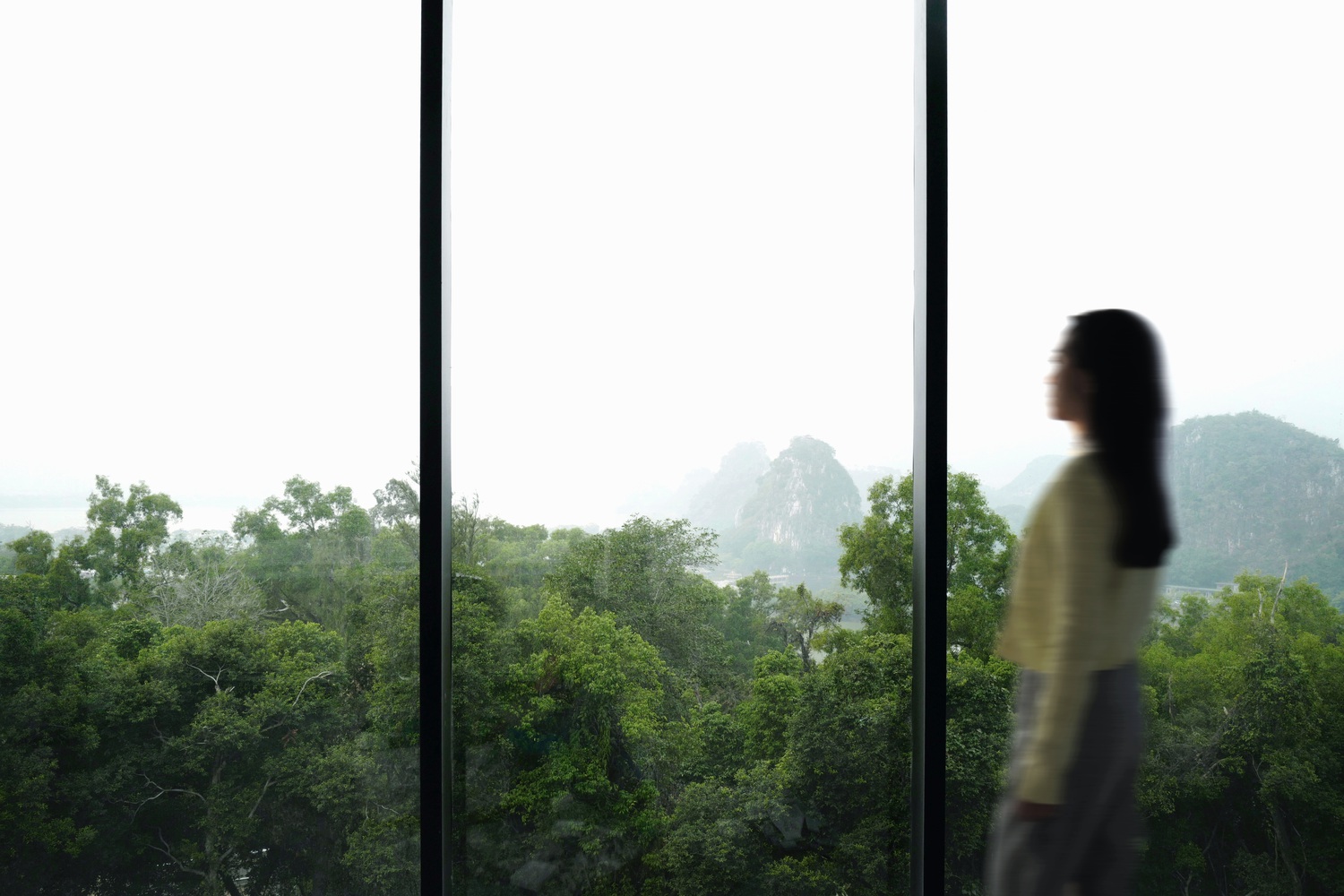
looking east, one can overlook the cityscape of Duanzhou, admiring the unique panorama where mountains, lakes, the city and forests harmoniously coexist within a single frame.
Whilst offering local residents and visitors alike a 'stroll in the clouds' and a fresh perspective from which to admire the scenic beauty of the Qixingyan Scenic Area, the project also injects new vitality into the diversified development of traditional villages.
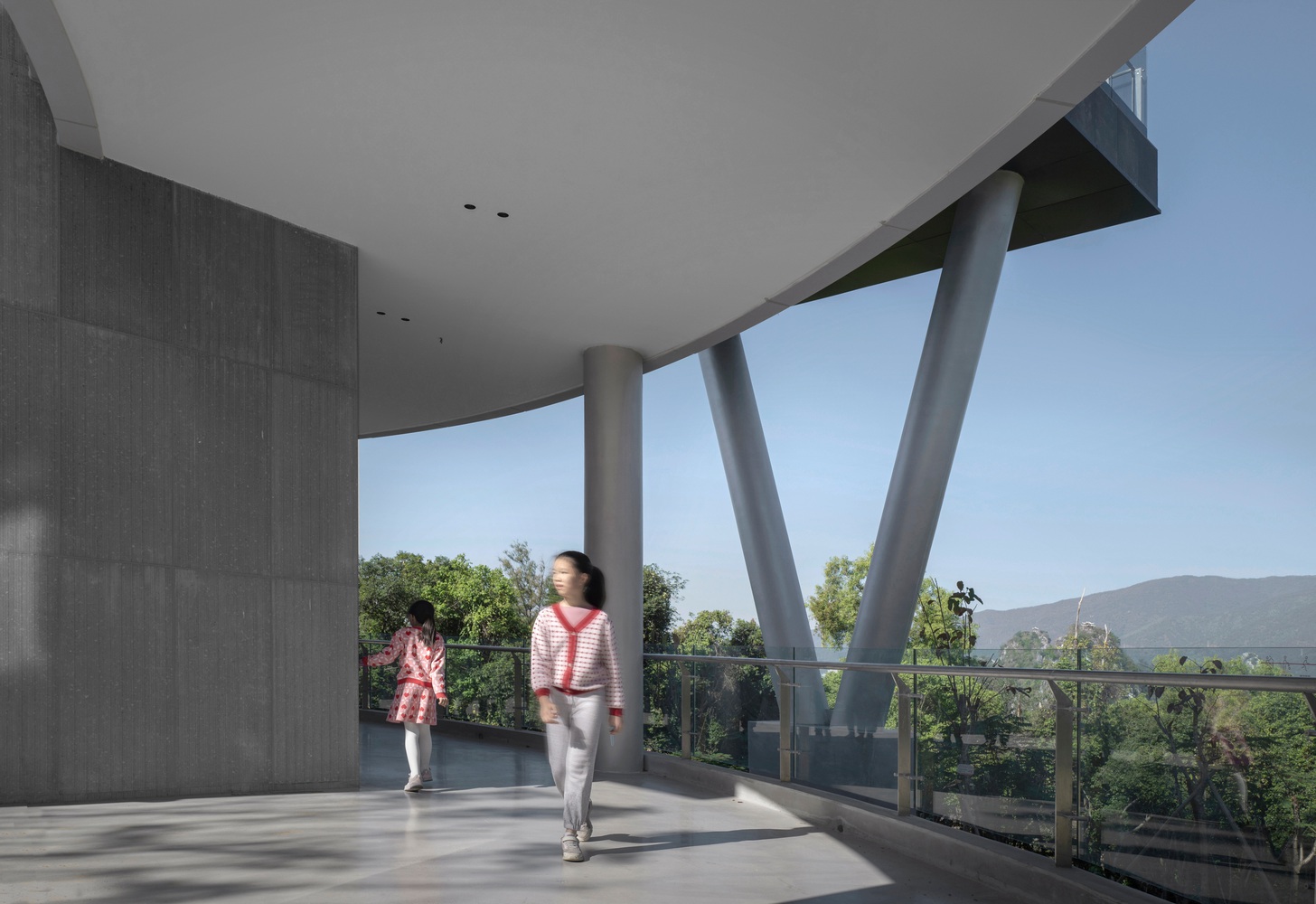
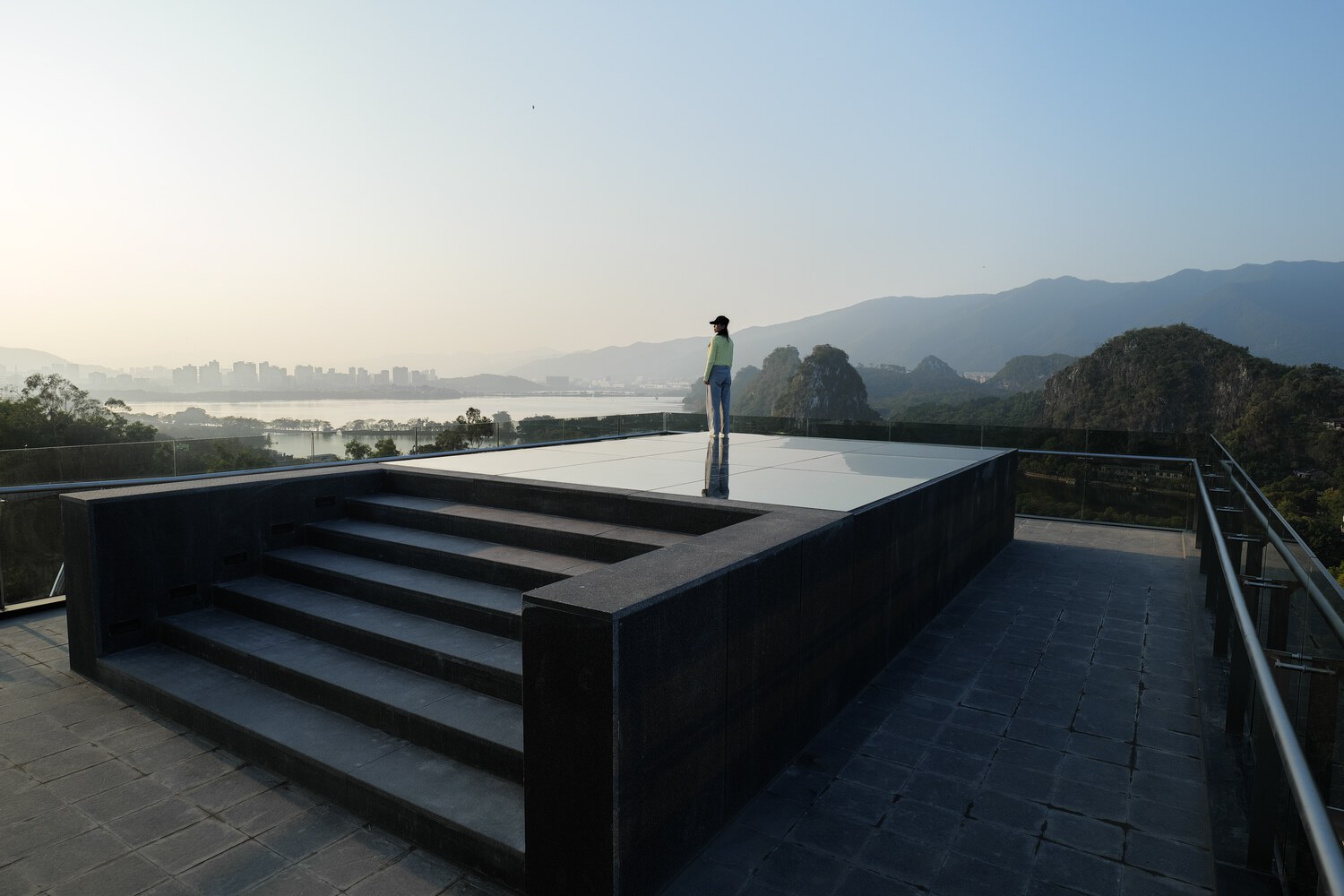
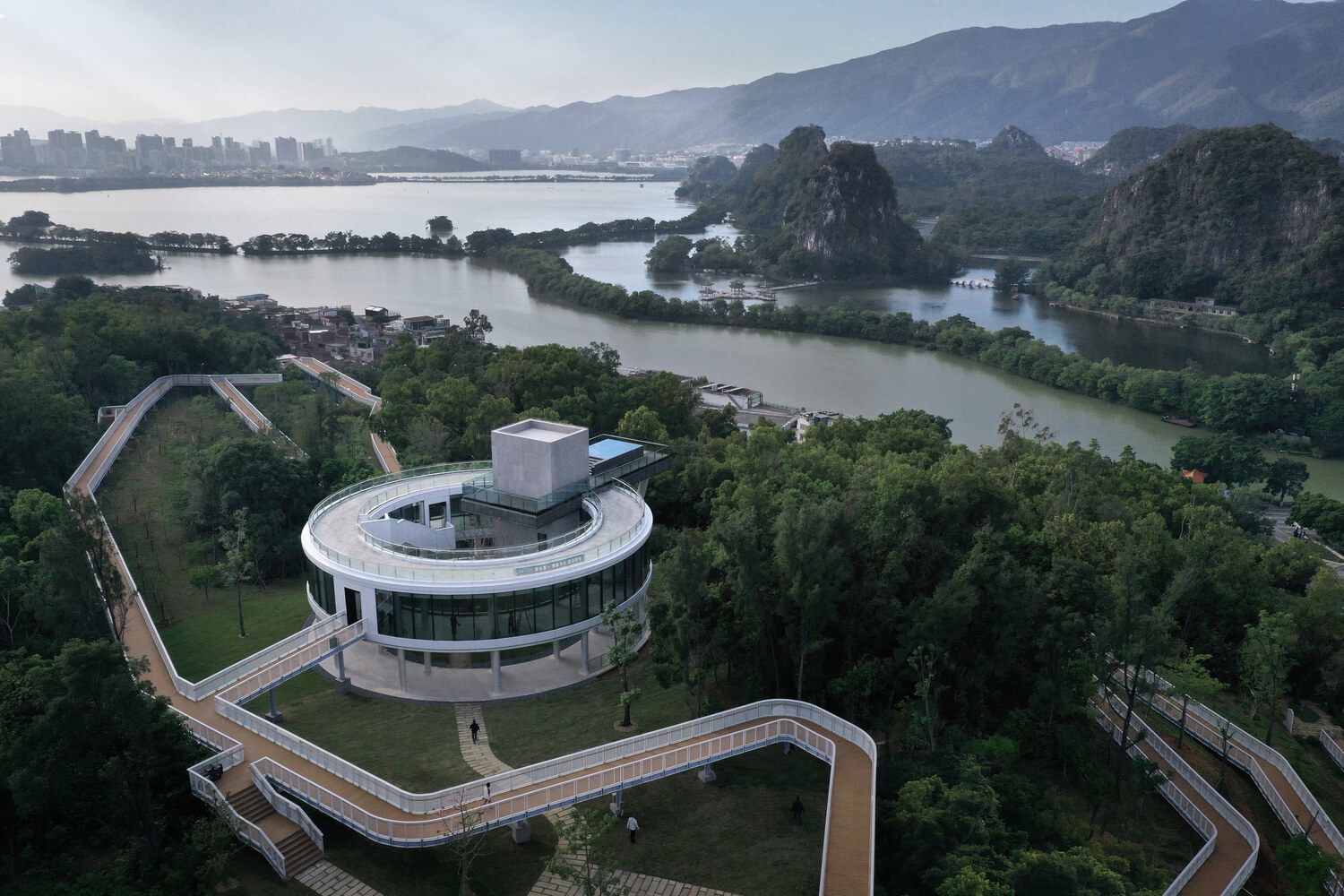
The transformation of Xianggang Mountain extends beyond the Cloud Walk itself; the 'Xianggang Station · Sky Mirror' at the walkway's highest point serves as the culmination of the entire route's atmospheric design.
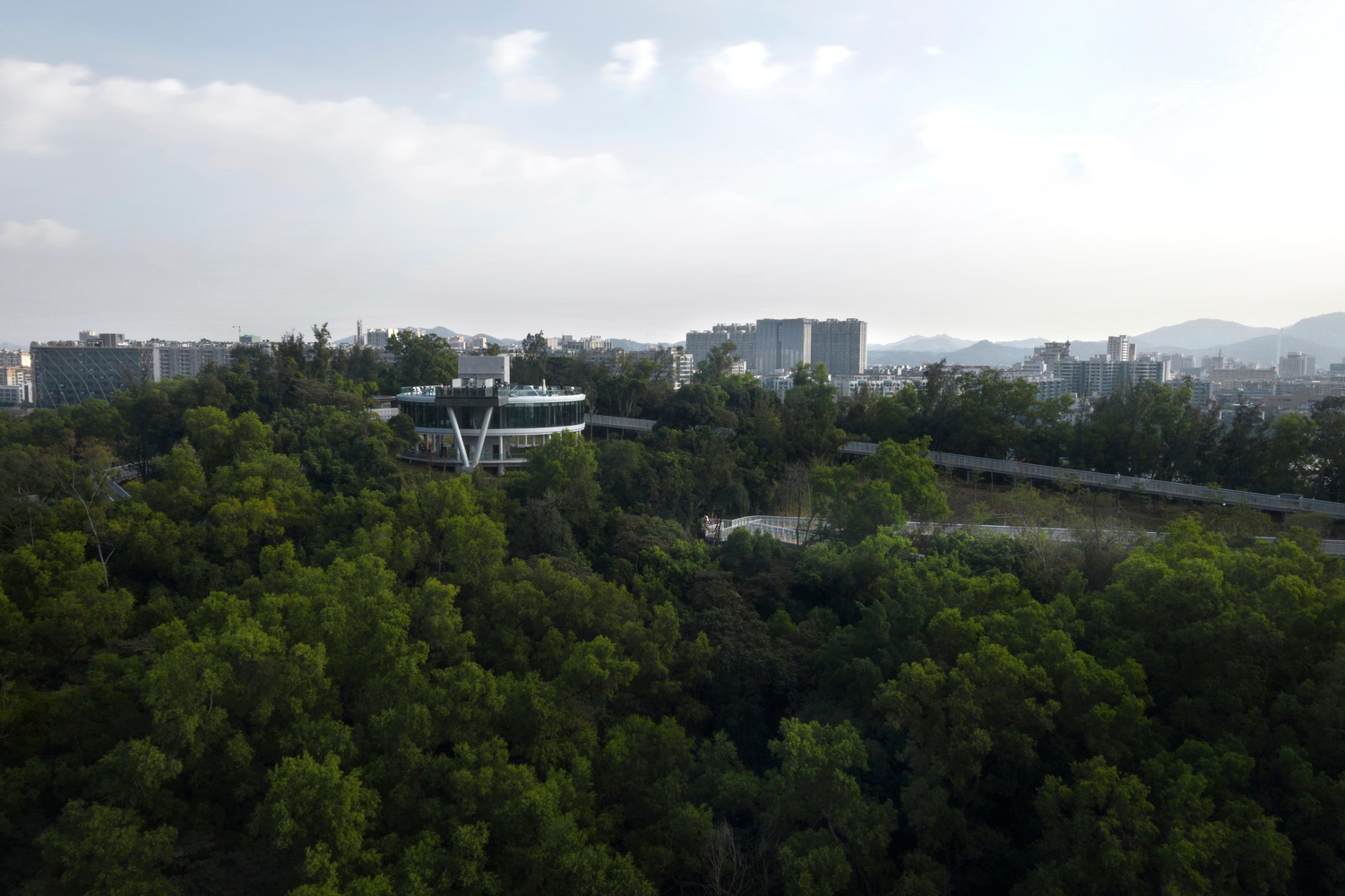
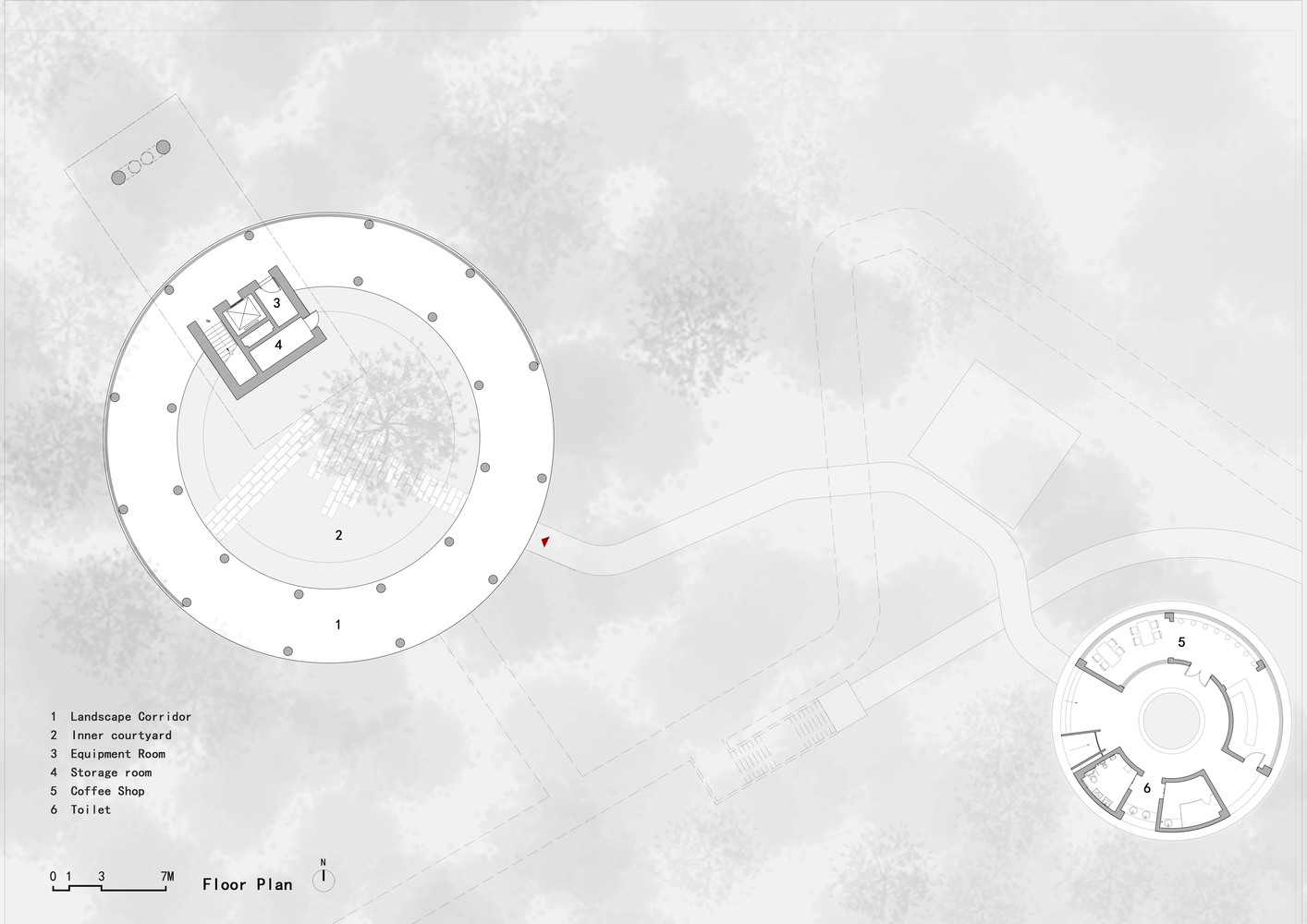
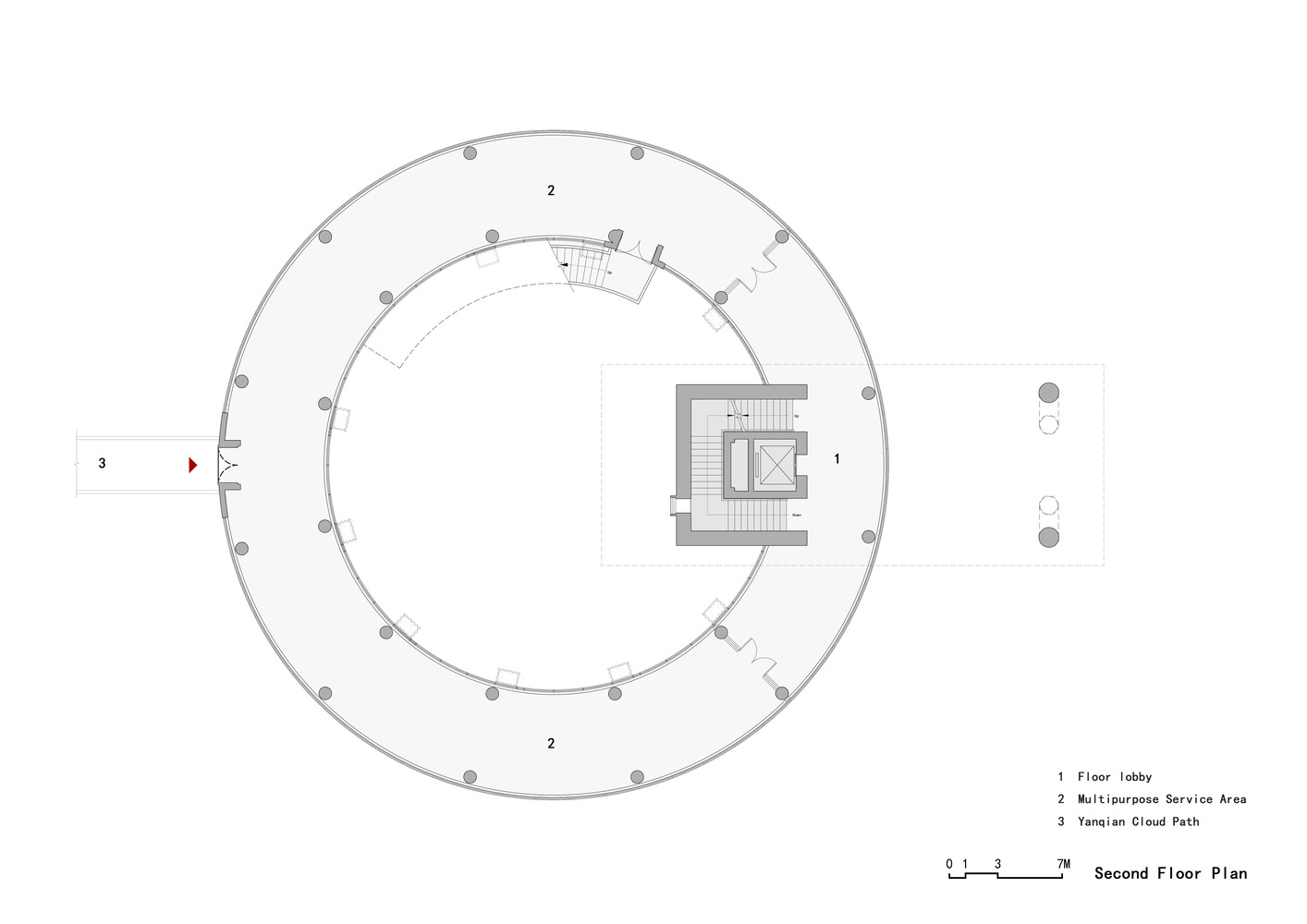
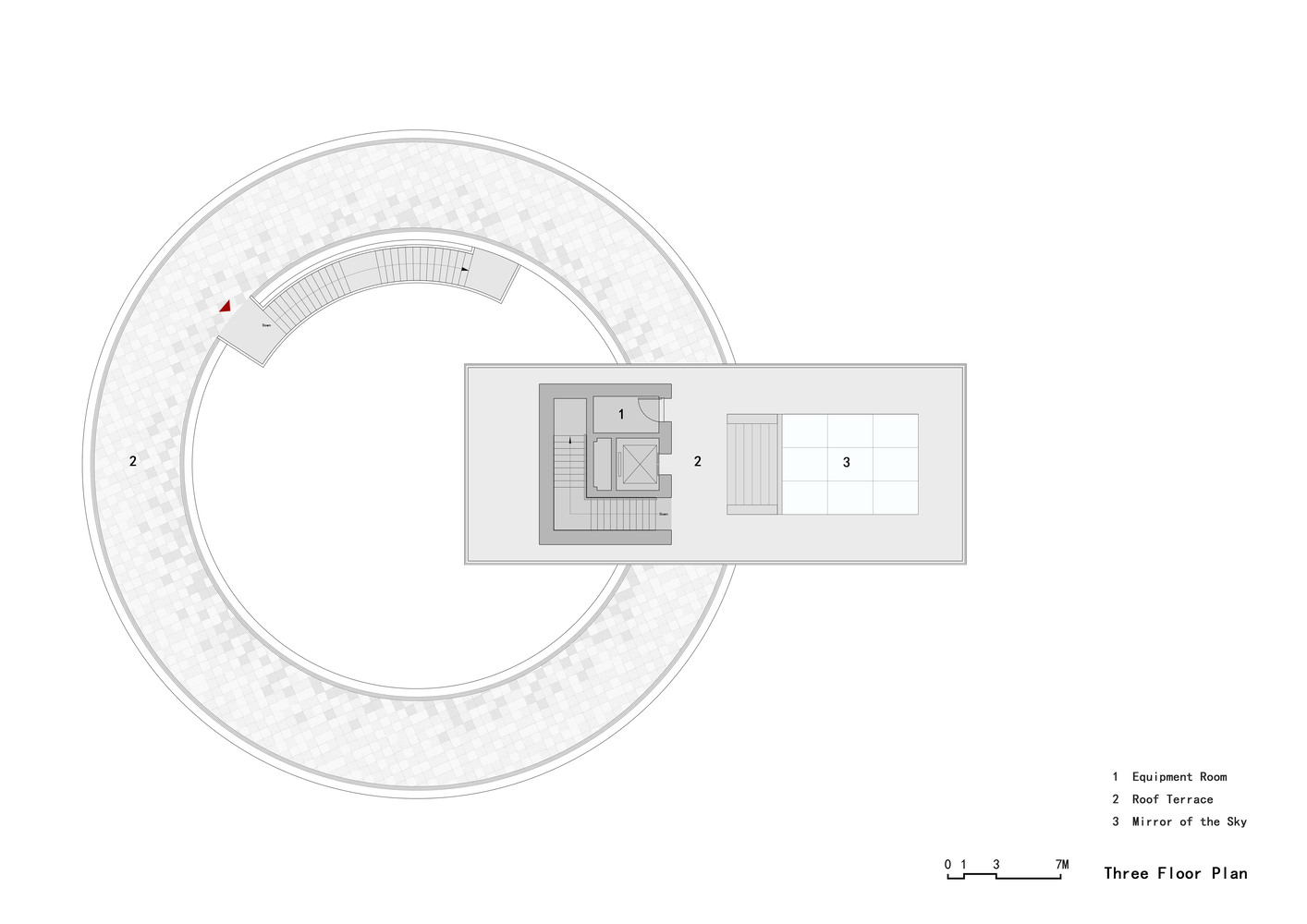
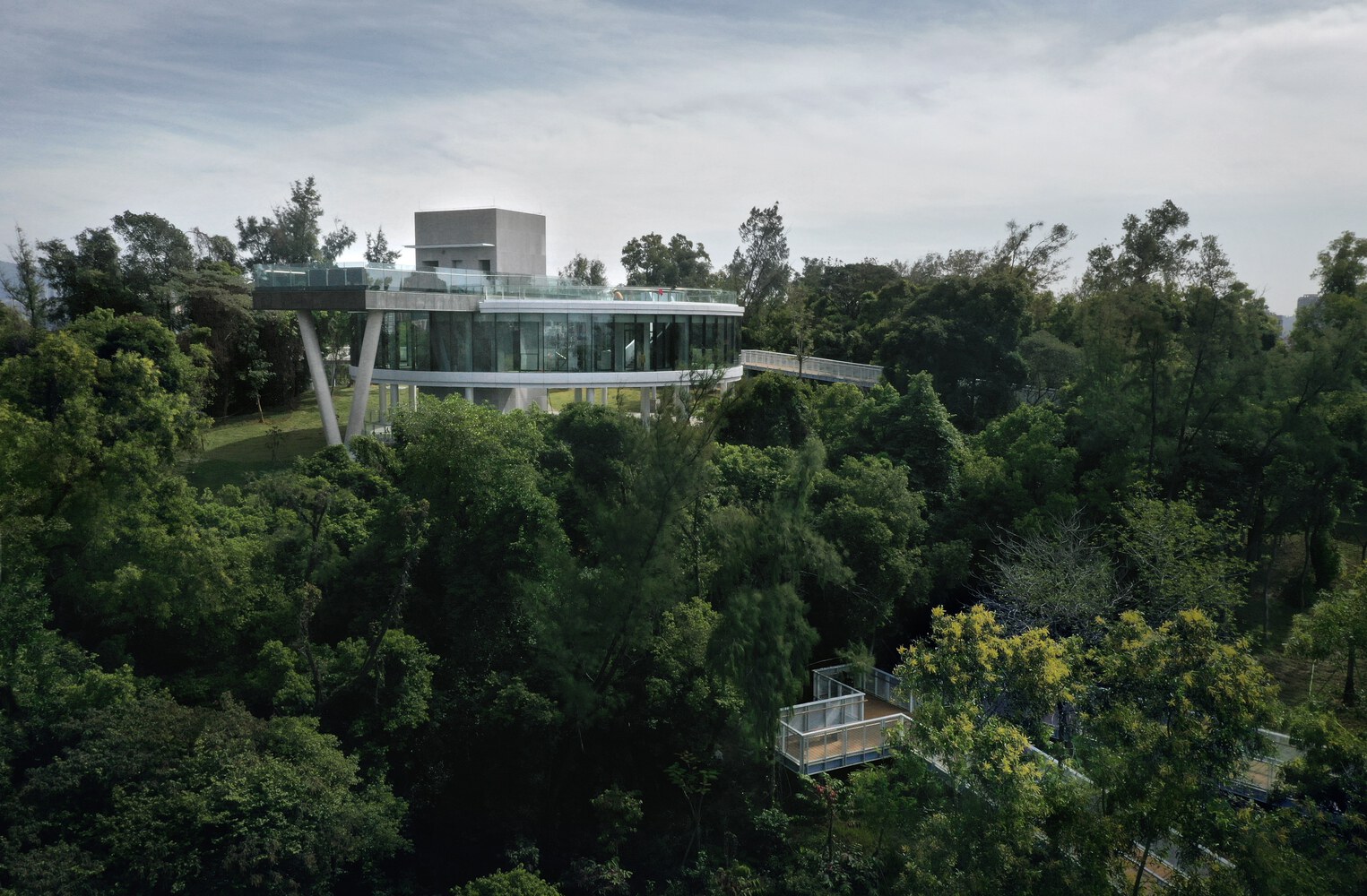
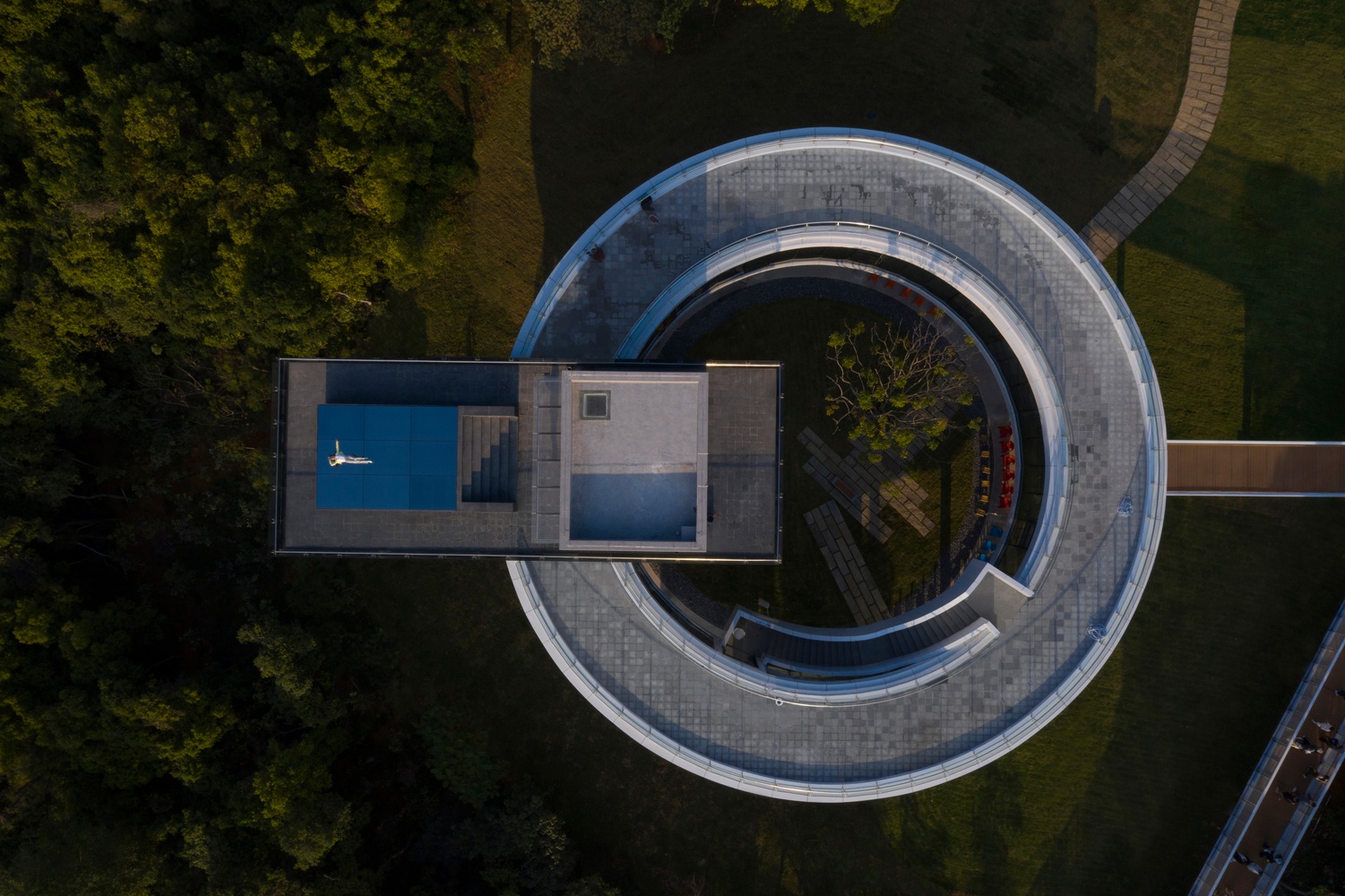
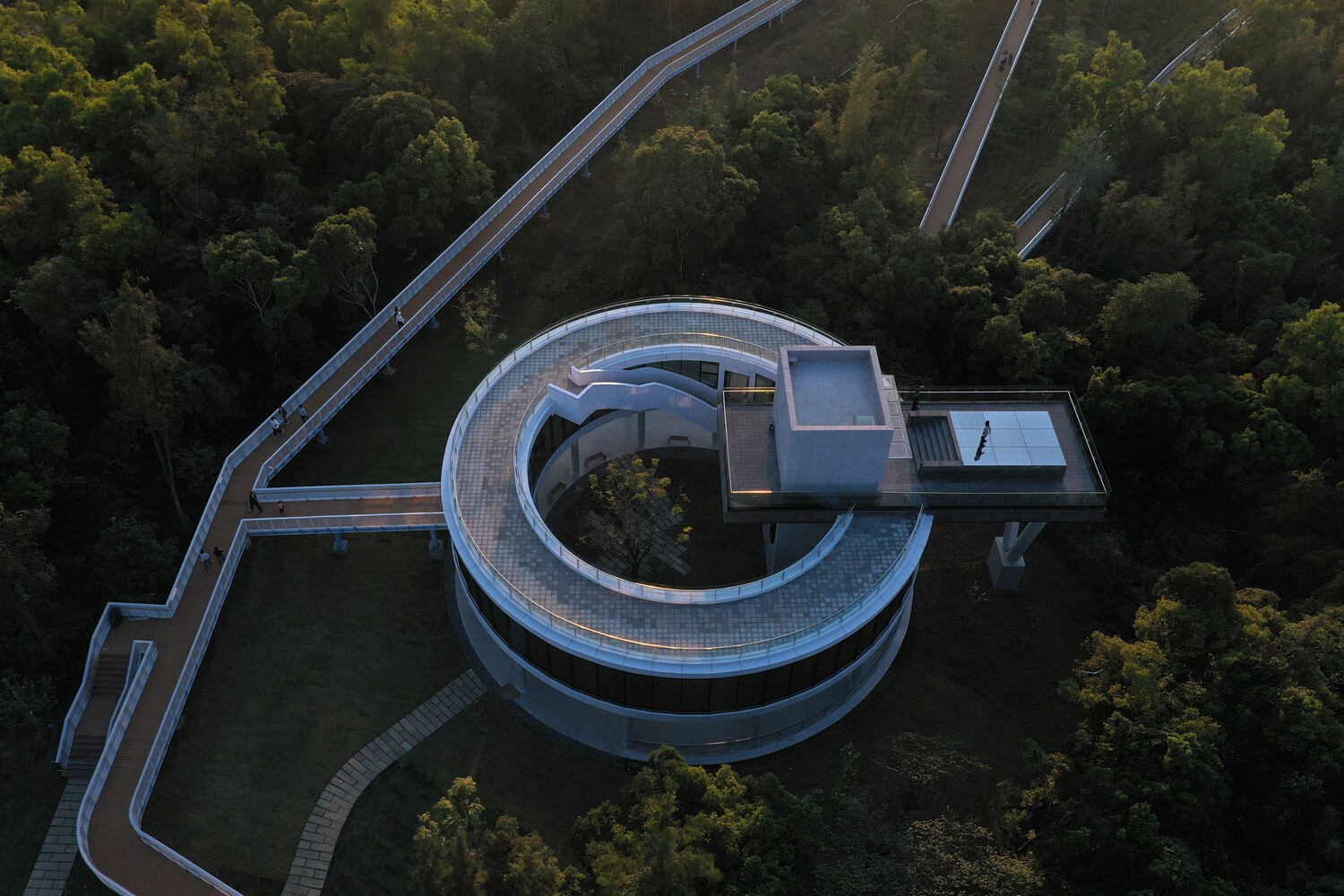
The Xianggang Station features a circular architectural design, with openness and transparency as the guiding principles of its spatial construction. The main building covers an area of 795.32 m² and stands 15 metres tall.
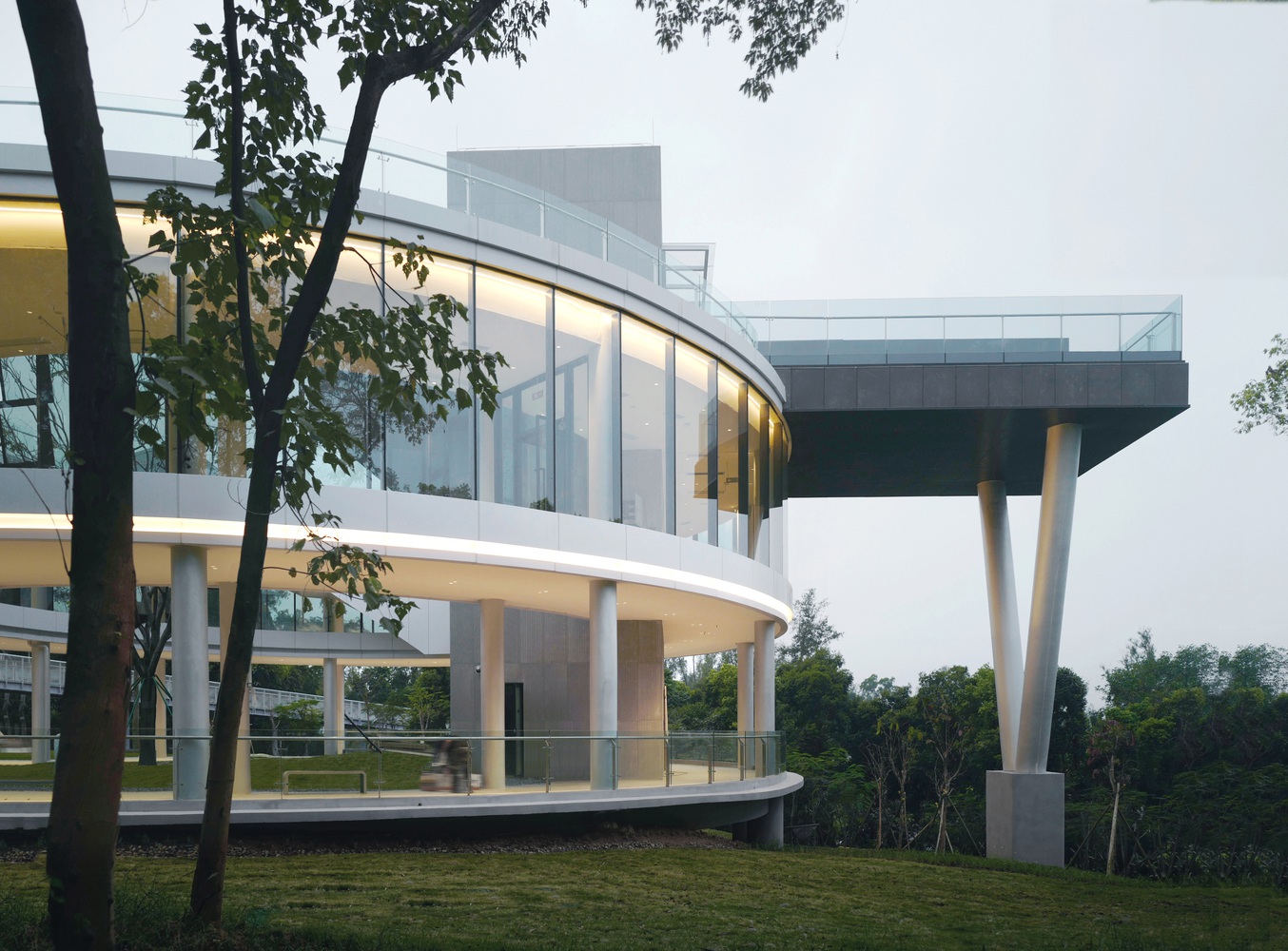
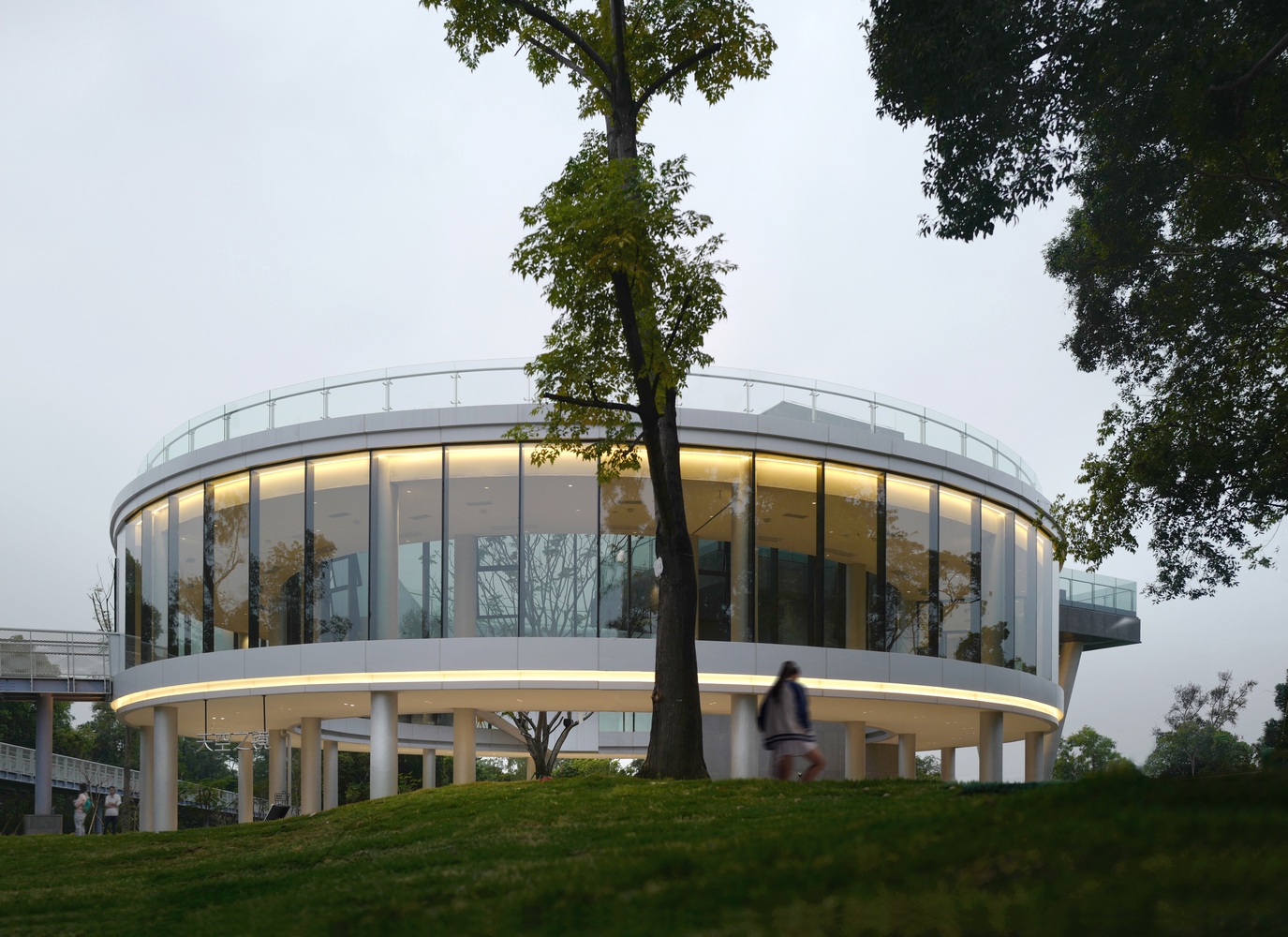
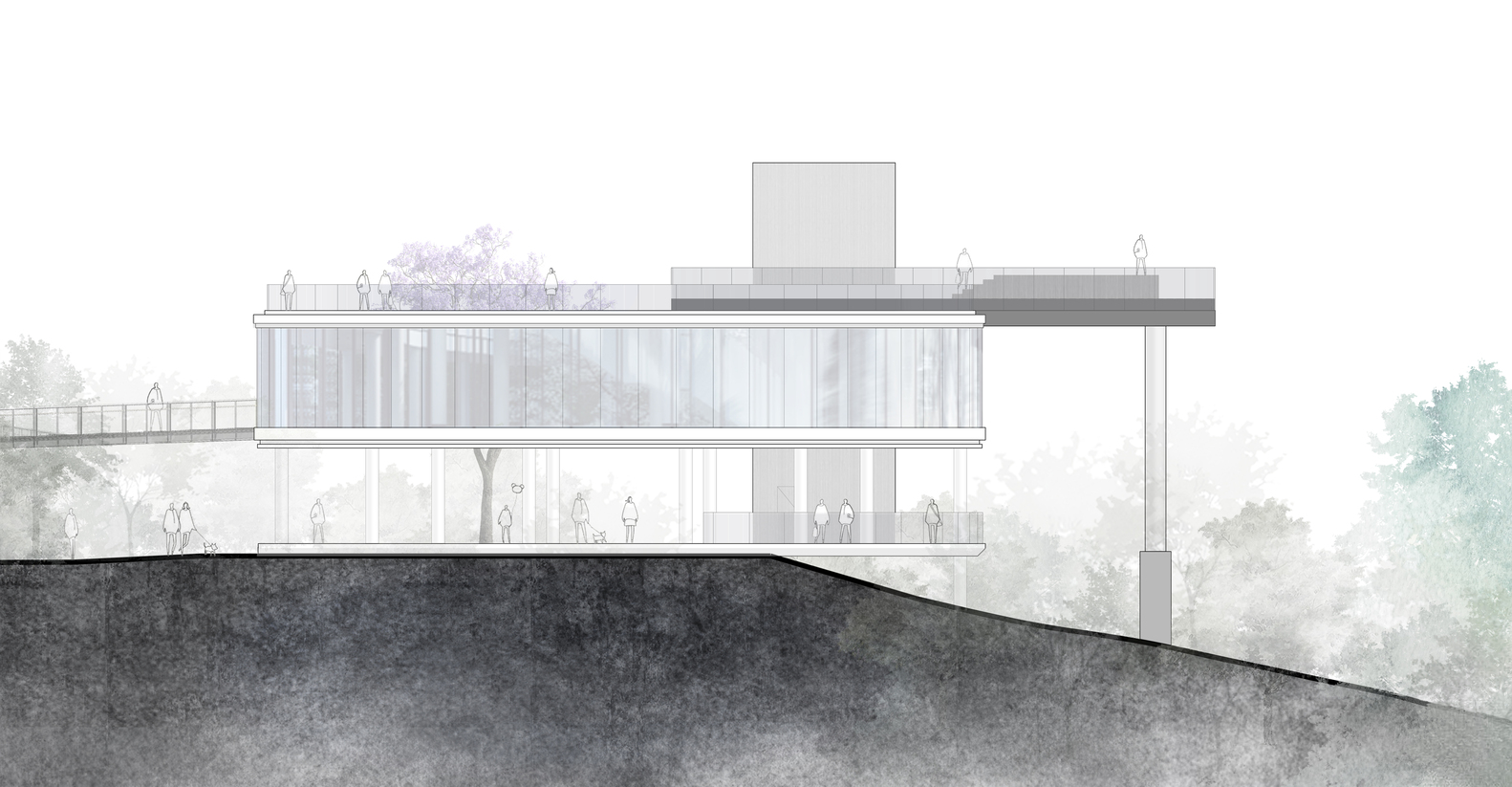
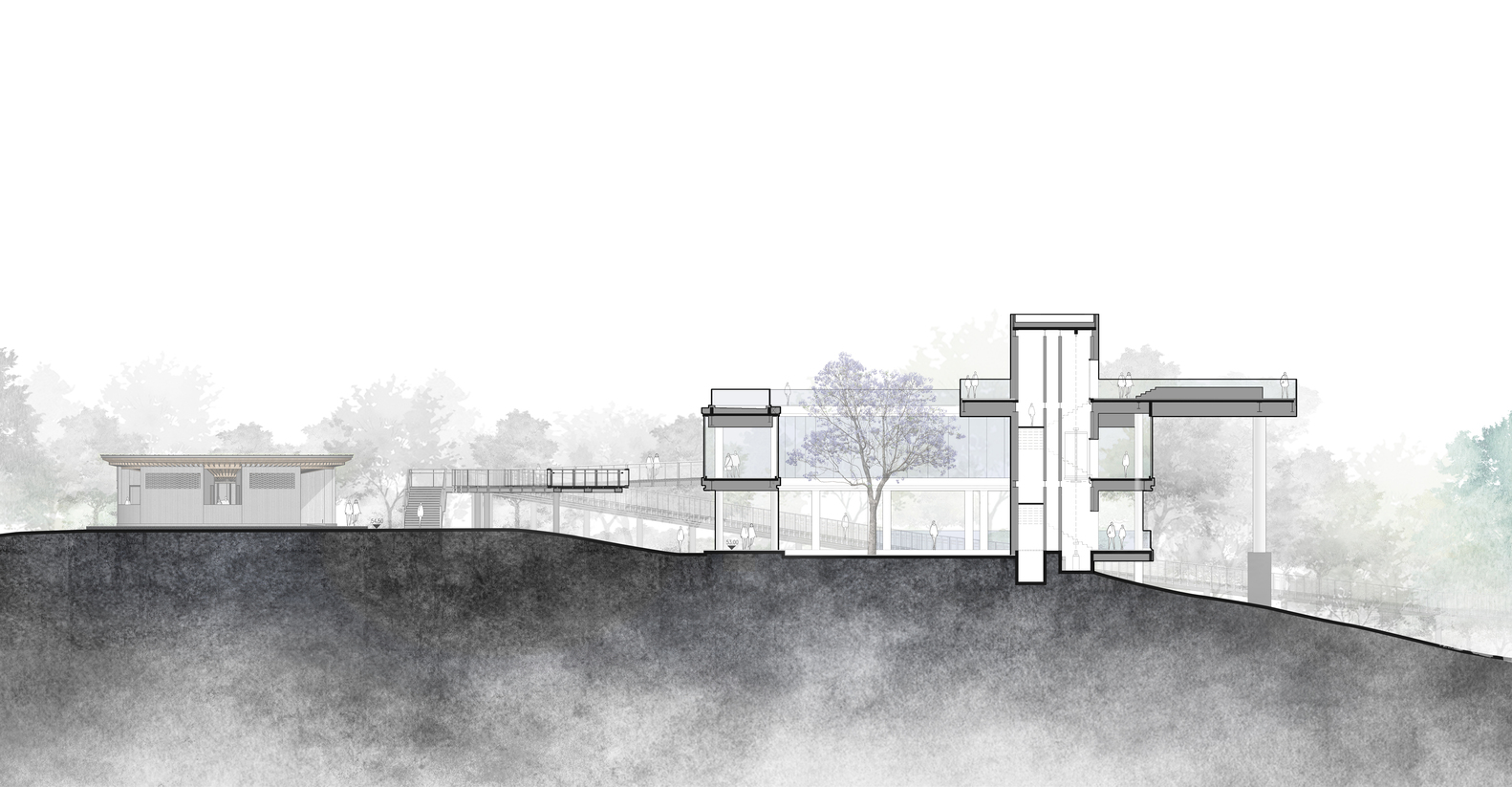
The building's highest point is kept below the height of the treetops on the mountaintop, effectively preventing it from standing out too prominently and ensuring its harmonious integration with the surrounding environment.
The ground floor is constructed as an open, elevated space; the second floor comprises a fully transparent, circular indoor viewing platform that doubles as an interactive rest area; the third-floor outdoor viewing cantilevered platform serves as the station's signature space, 'Mirror of the Sky'.
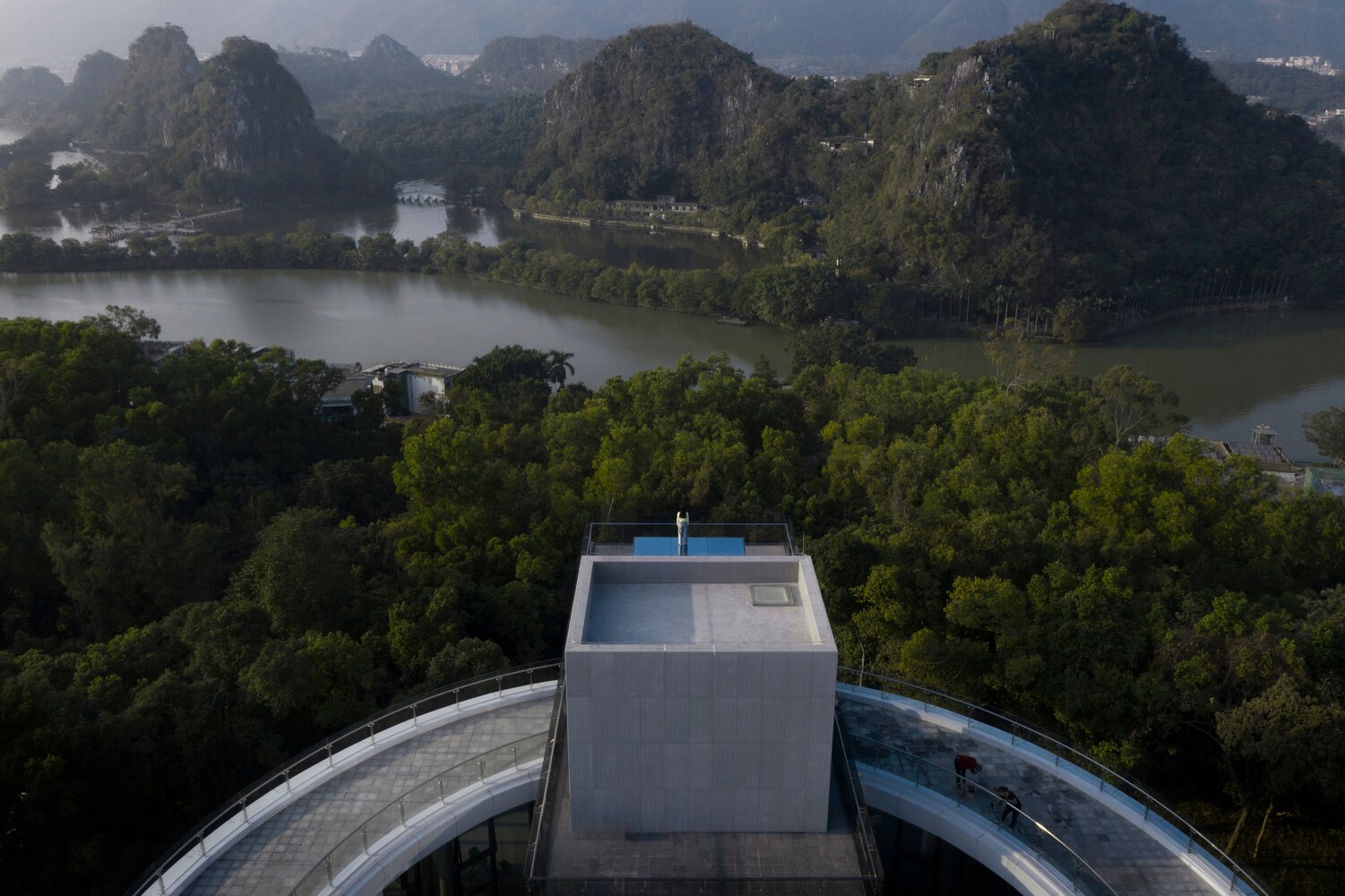
The viewing perspective from this platform faces the Qixingyan Scenic Area, establishing a distinctive regional identity for the main building.
Through a 'light-touch' approach to landscape construction, Xianggang Station integrates the main structure as seamlessly as possible into the natural environment, 'disappearing' into the mountains and forests to realise a design philosophy of 'minimal intervention, maximum experience'.
The completion and operation of the Yanqian Trail have transformed Xianggang Mountain from a 'wild' hilltop—the site of an ancient village that had lain silent for a millennium—into an ecological scenic area where humanity and nature coexist in harmony.
It has also boosted media attention and introduced entirely new perspectives for this established national-level scenic area.
The practical significance of the Yanqian Cloud Path project lies in its exploration, through a spatial development model of 'ecological light touch' combined with 'reawakening the wild', of how to achieve maximum socio-ecological benefits with minimal physical intervention at the interface between traditional villages and nature reserves, thereby fundamentally reshaping the structural relationship between 'people, nature and villages'.