Rosa Jamaica Beach Club
ROSA JAMAICA BEACH CLUB
Gris | Estudio de Diseño + Arquitectura
ARCHITECTS
Gris | Estudio de Diseño + Arquitectura
LEAD ARCHITECT
Diego García-Salas
GENERAL CONTRACTOR
Ecosys Guatemala
PHOTOGRAPHS
Denise Lipman
AREA
1750 m²
YEAR
2025
LOCATION
El Paredon, Guatemala
CATEGORY
Hotels
English description provided by the architects.
CONTEXT AND CHALLENGE
El Paredón Buena Vista sits on one of Guatemala's most sensitive stretches of coastline.
The client wanted a functional beach club—restaurant, kitchen, bar, event spaces—but not at the expense of what made the location worth developing in the first place. That's a tension most hospitality projects never resolve.
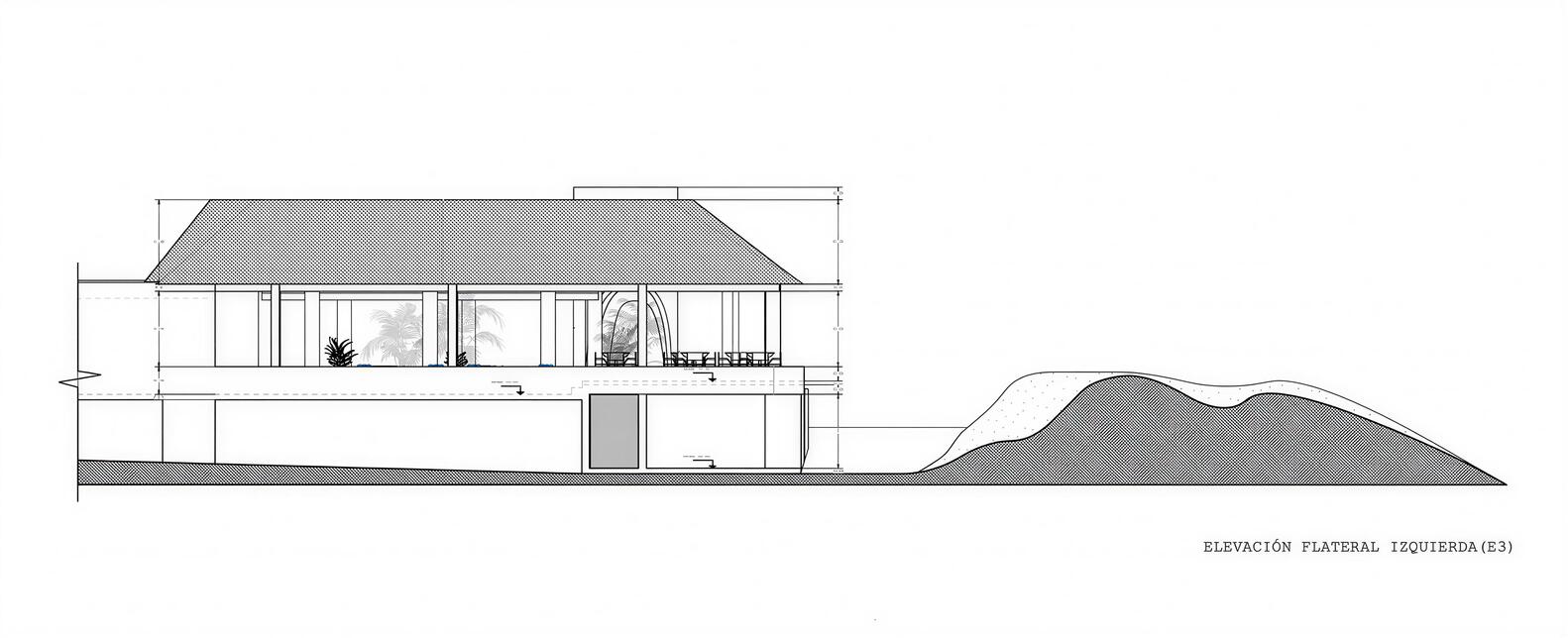
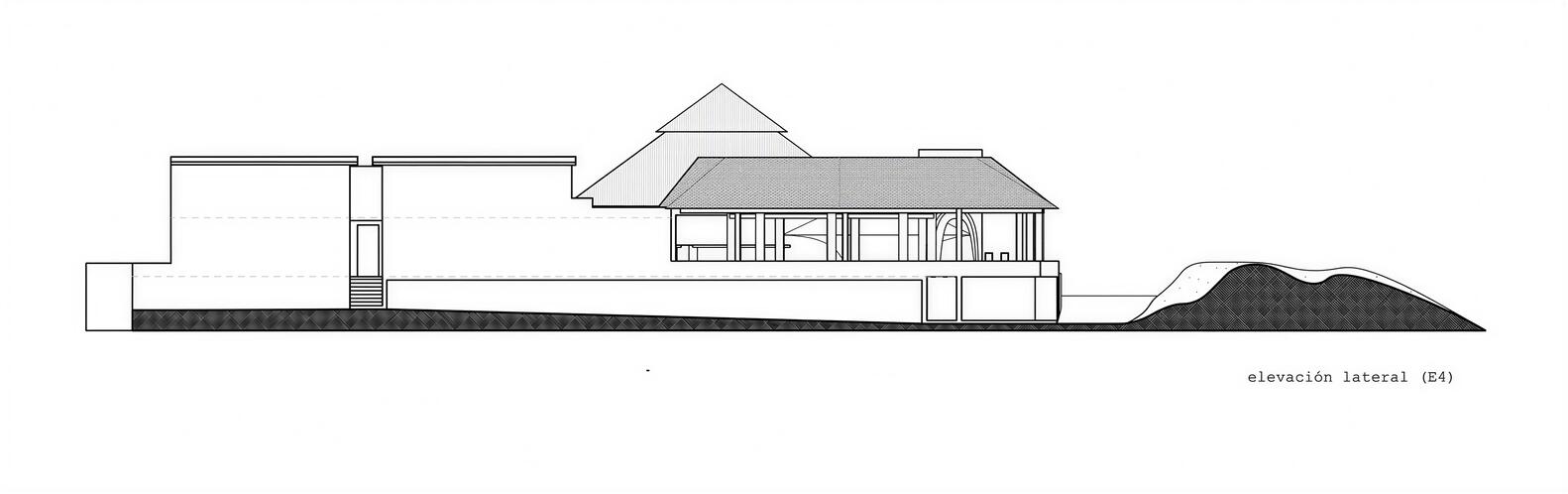
The real constraint wasn't the program or budget. It was the existing natural mound that ran through the property—a protective dune that shields the coast from wind and sea damage.
Most developers would have leveled it. We saw it differently. That mound wasn't a problem to solve; it was the solution waiting to be understood.
DESIGN CONCEPT AND SOLUTION
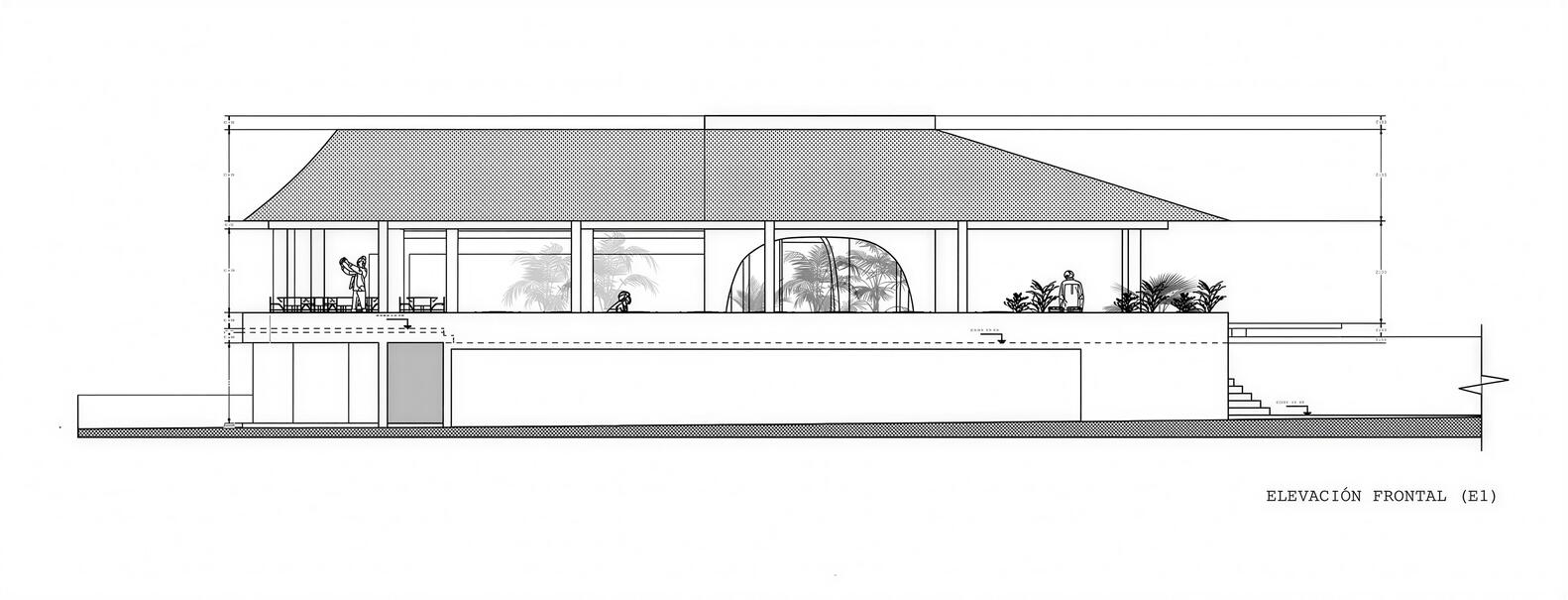
The design strategy is deliberately simple: let the topography dictate the architecture.
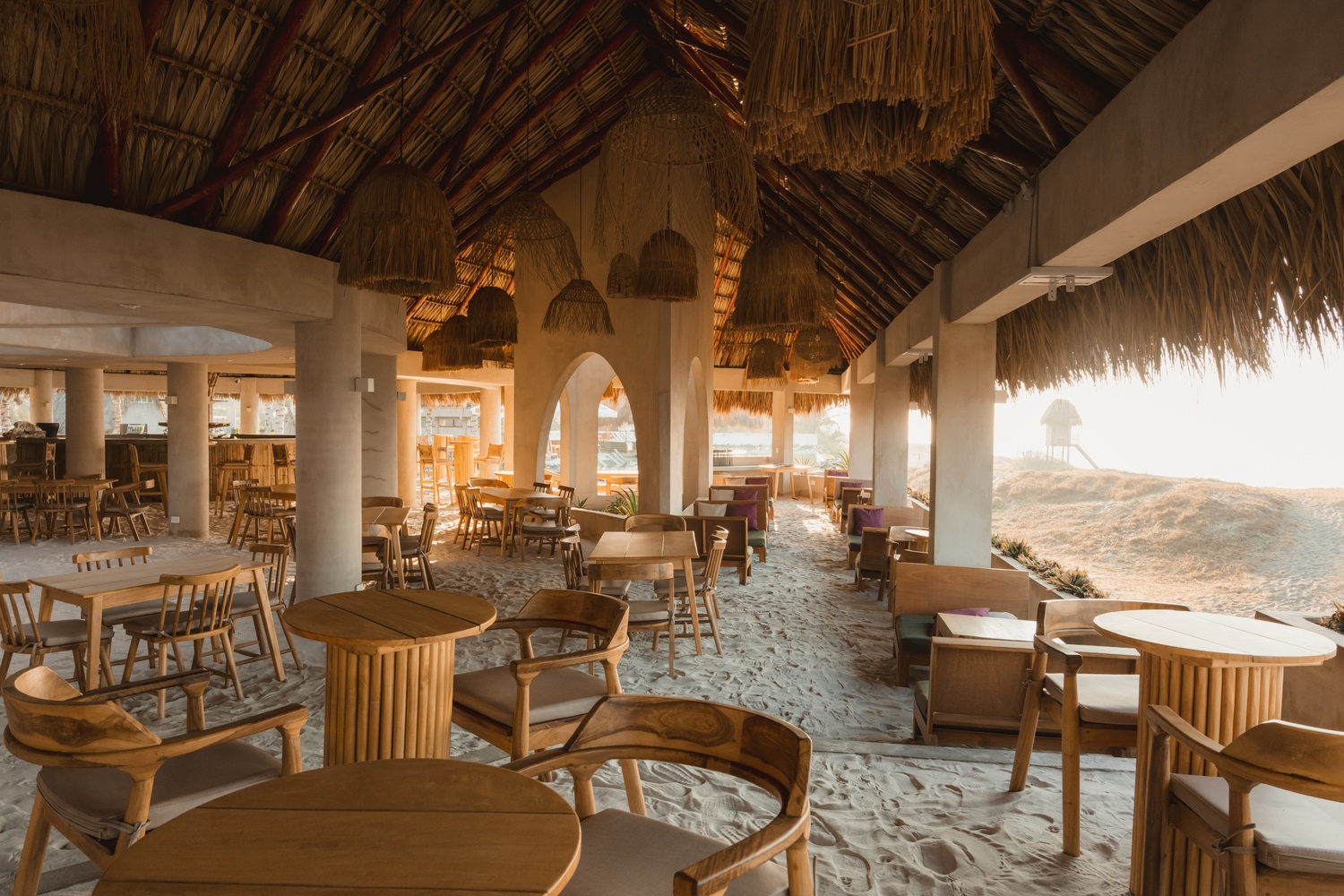
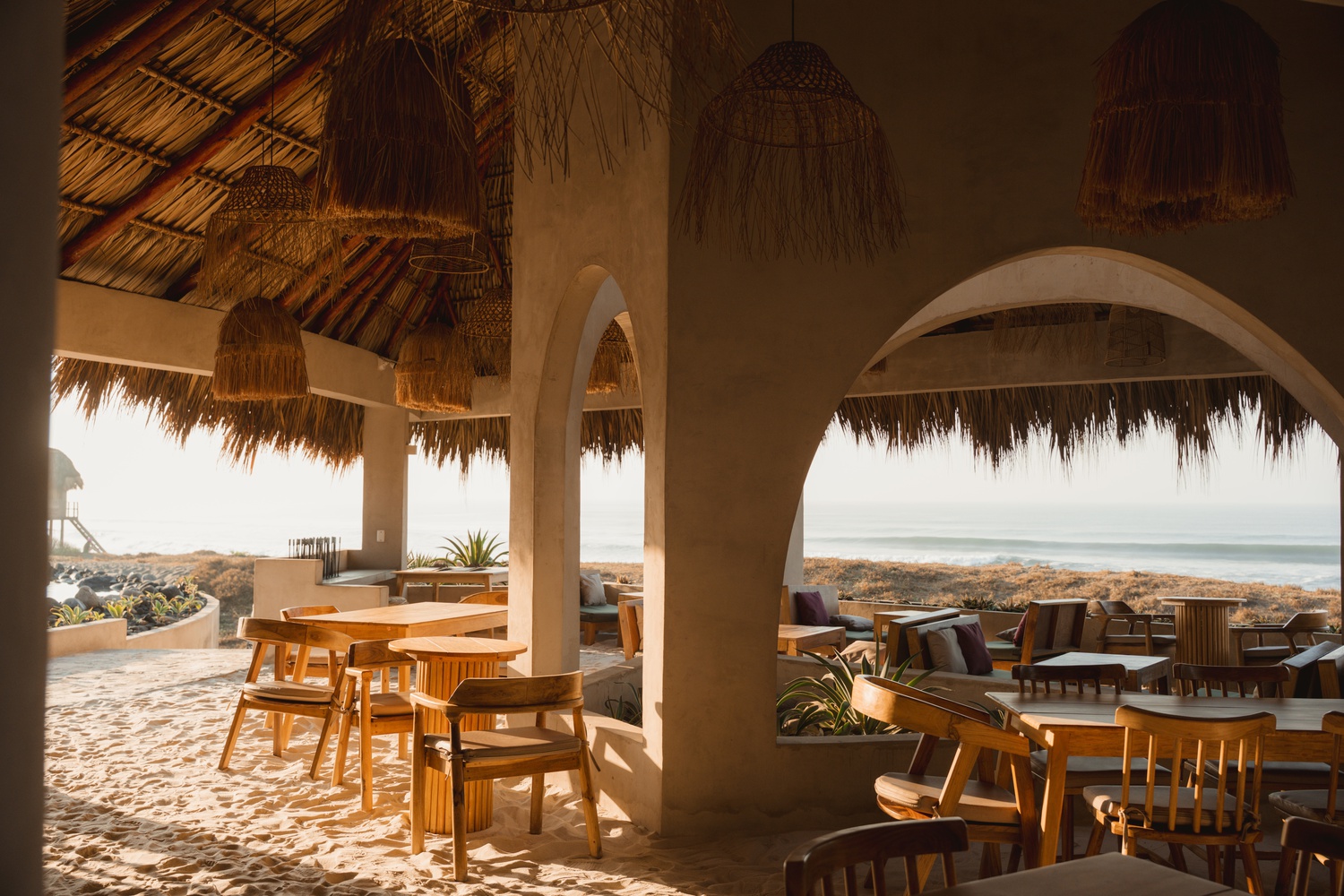
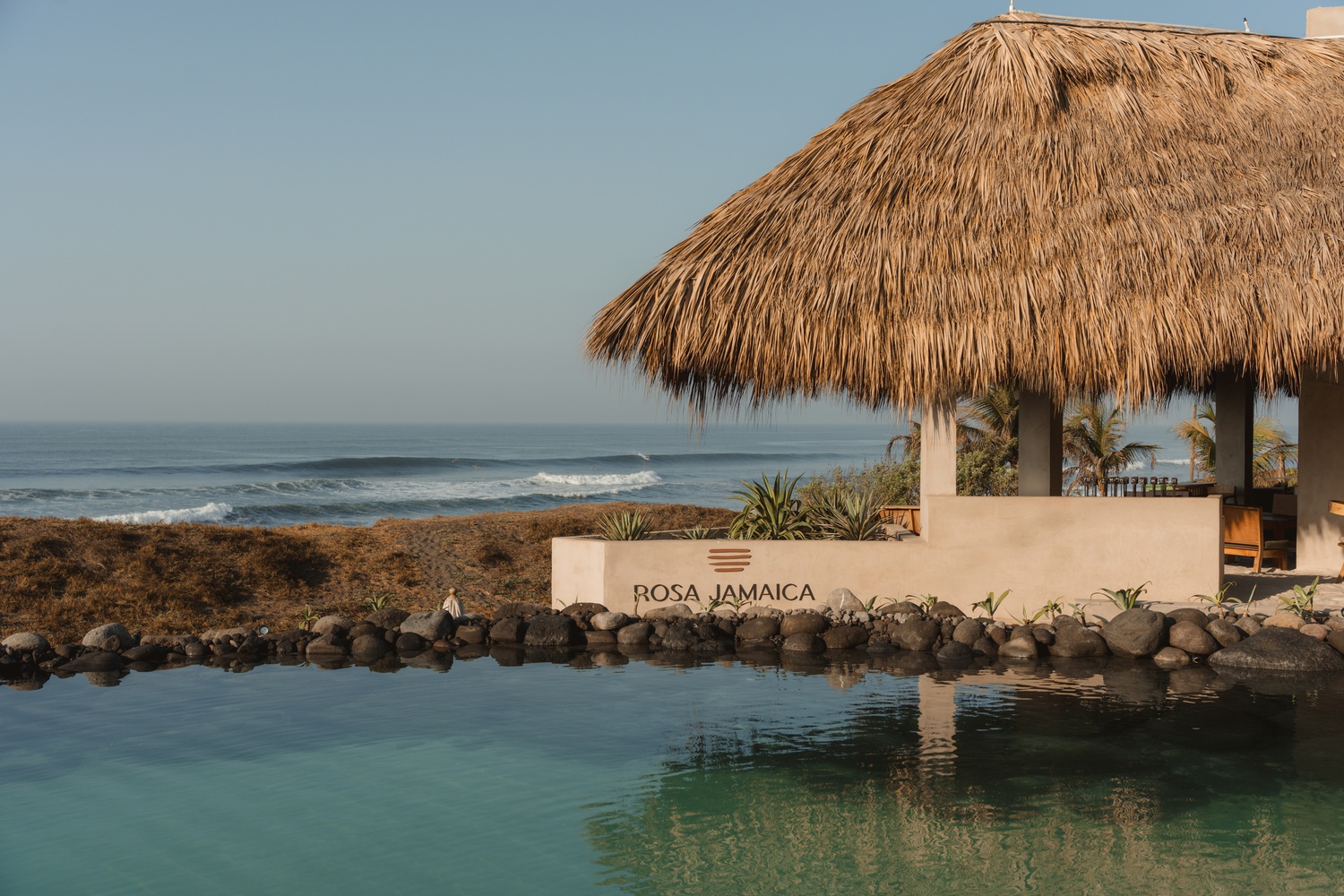
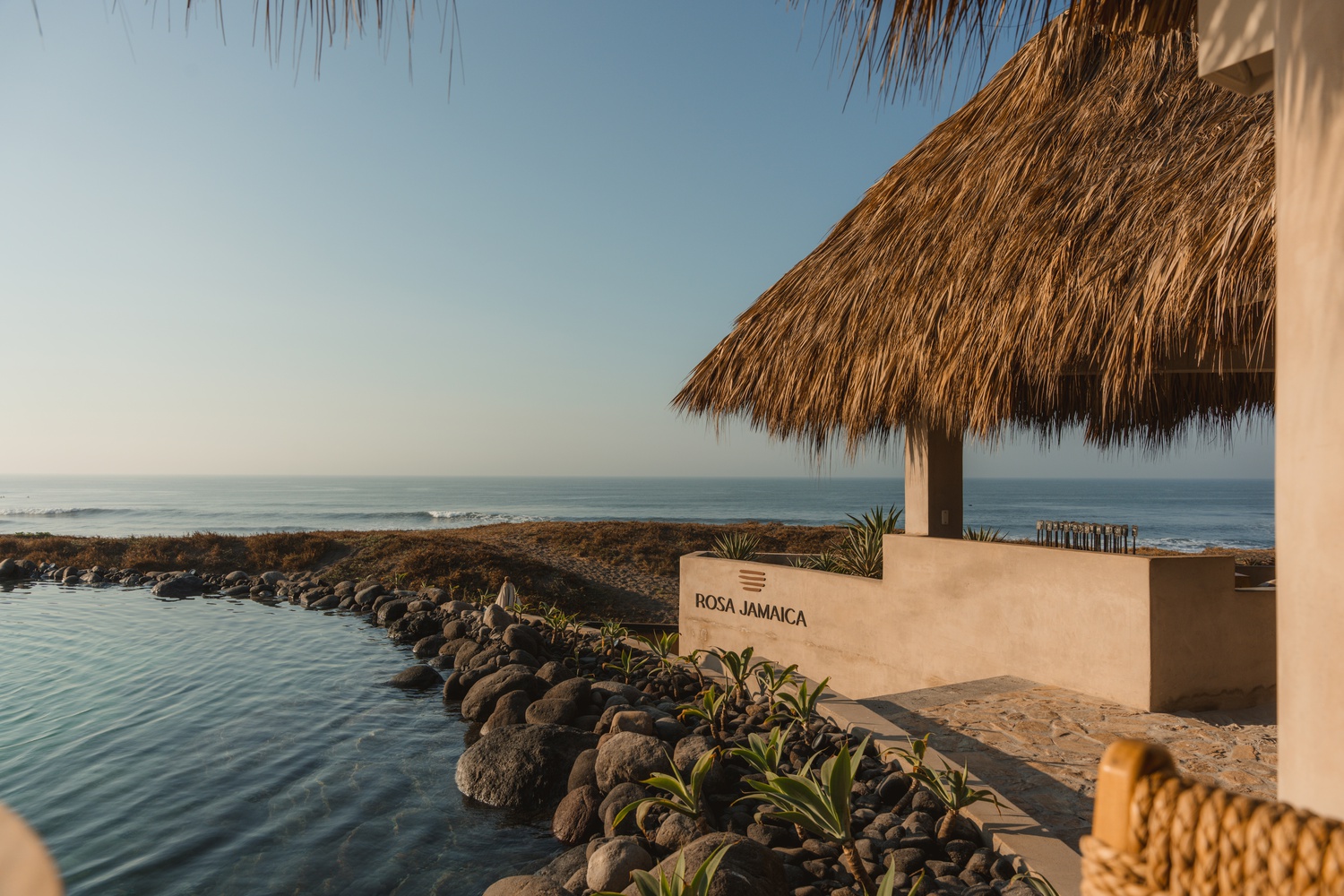
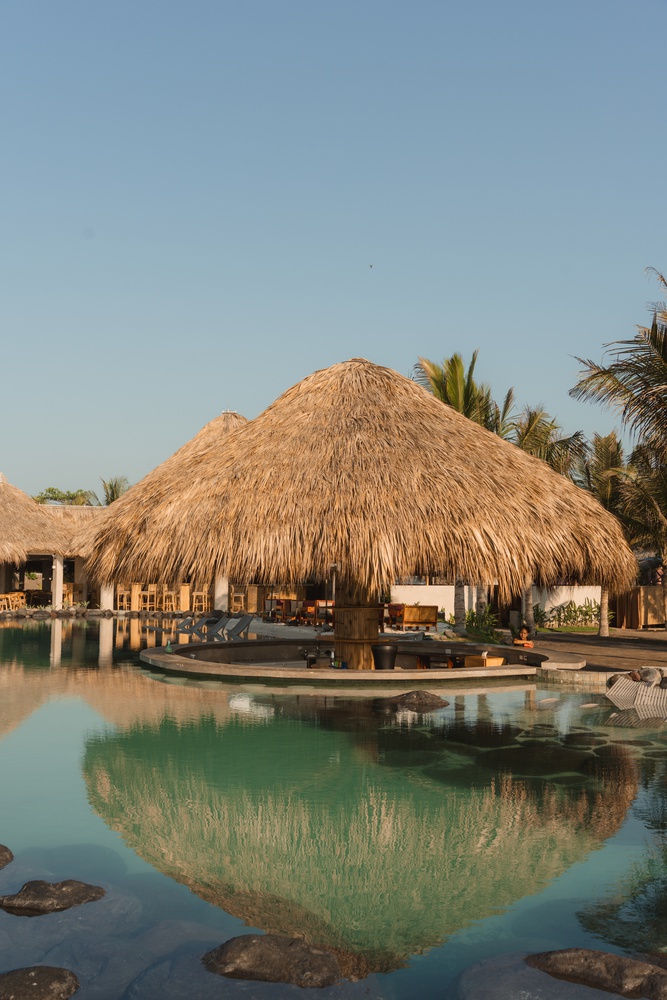
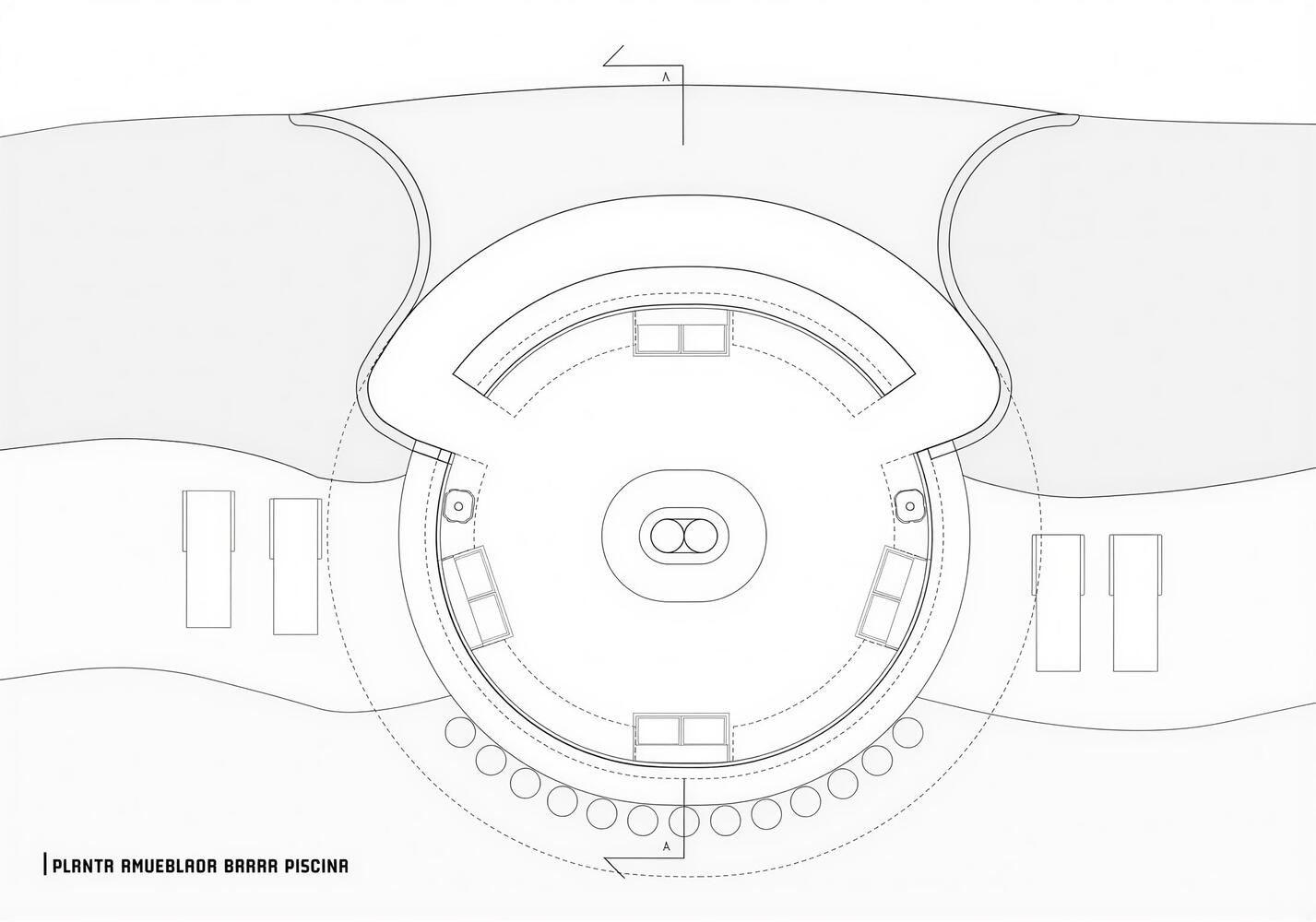
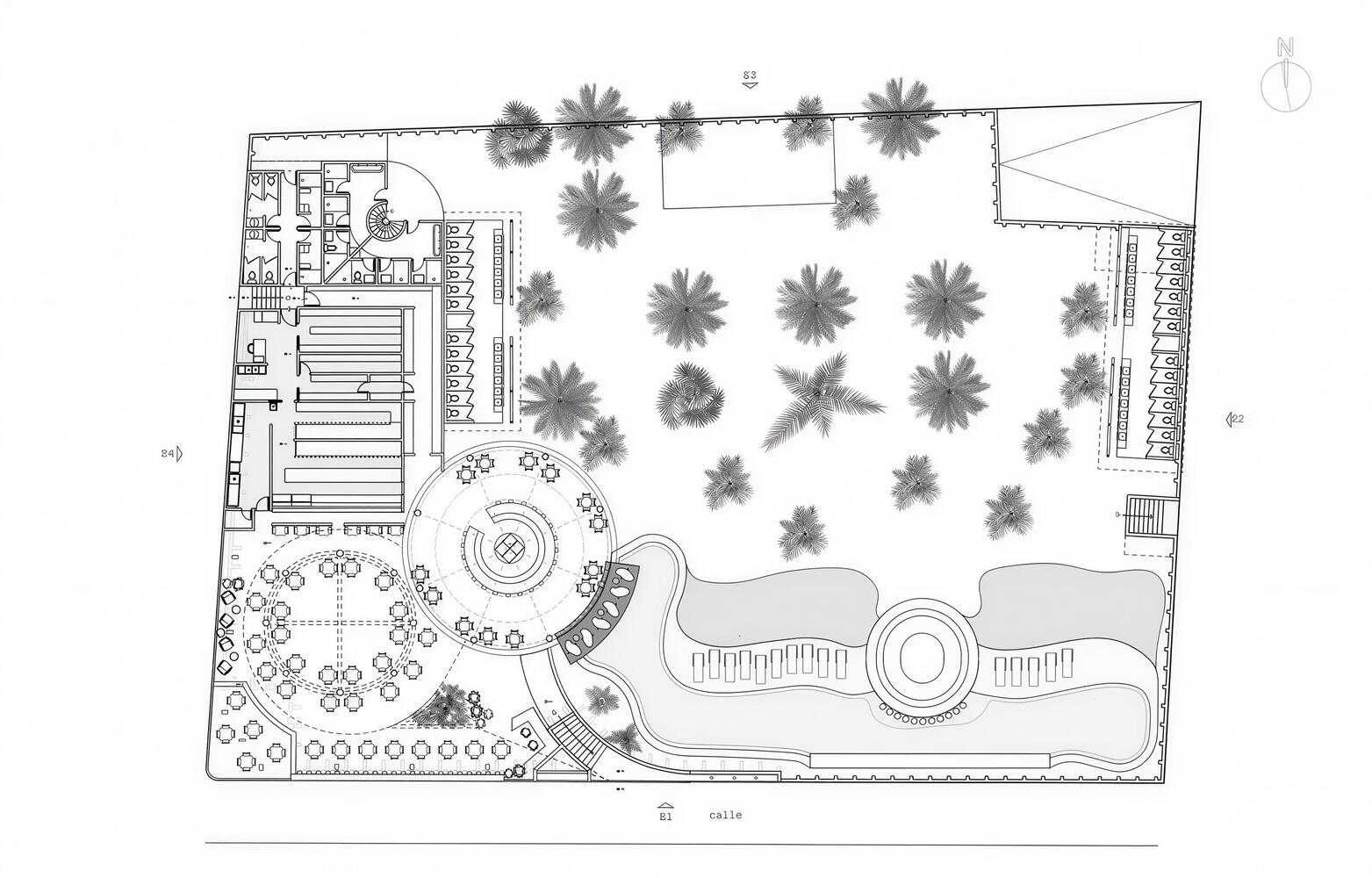
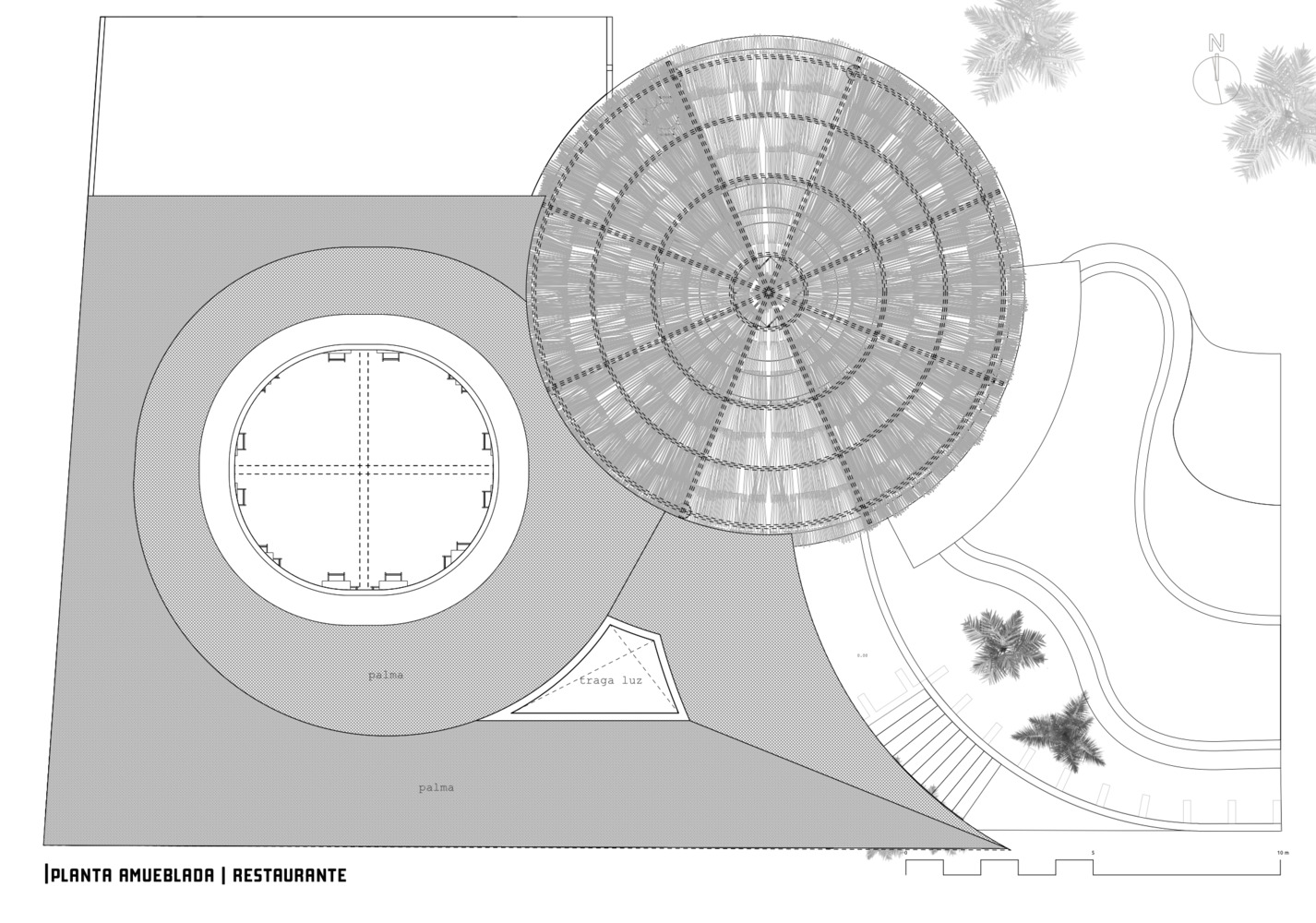
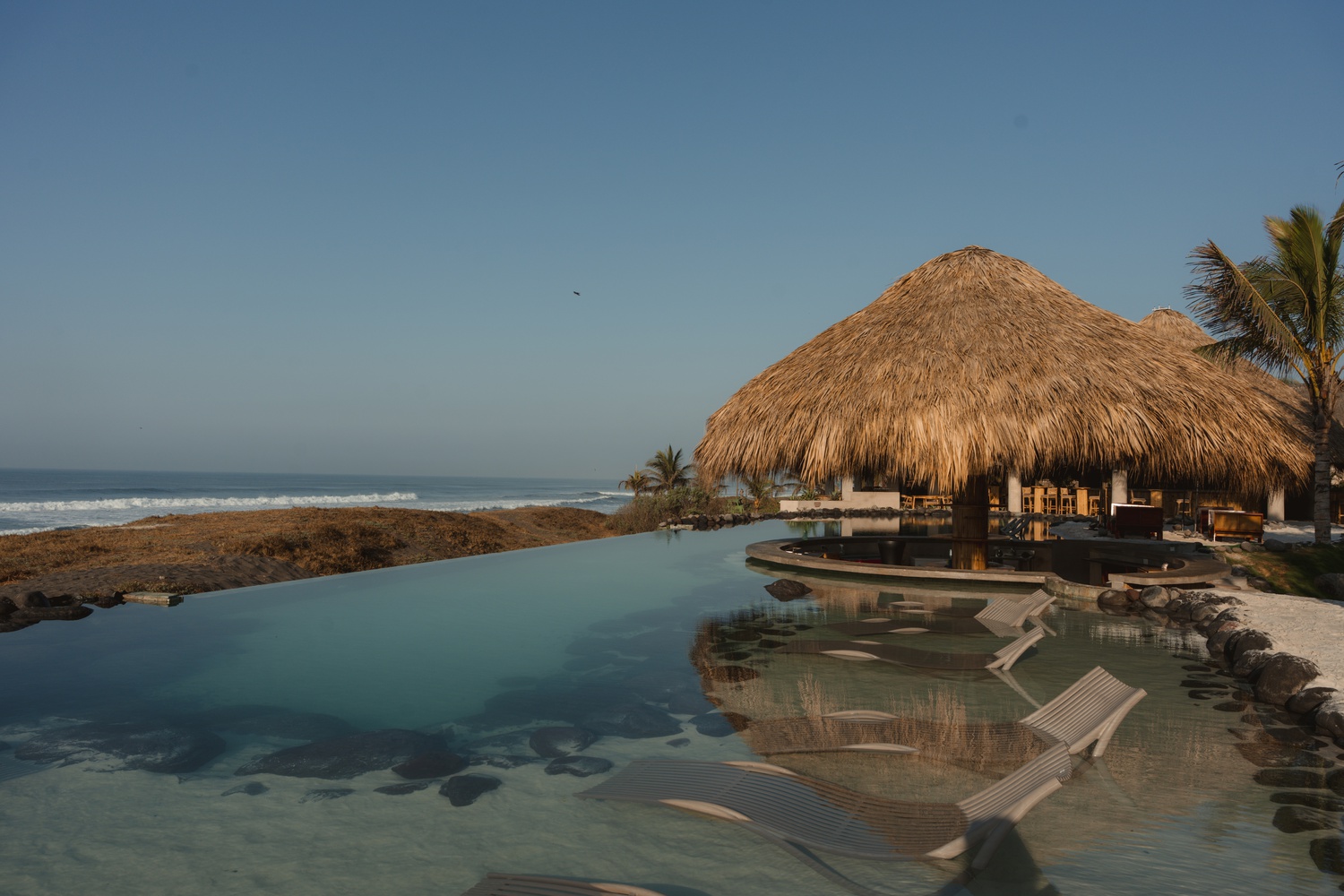
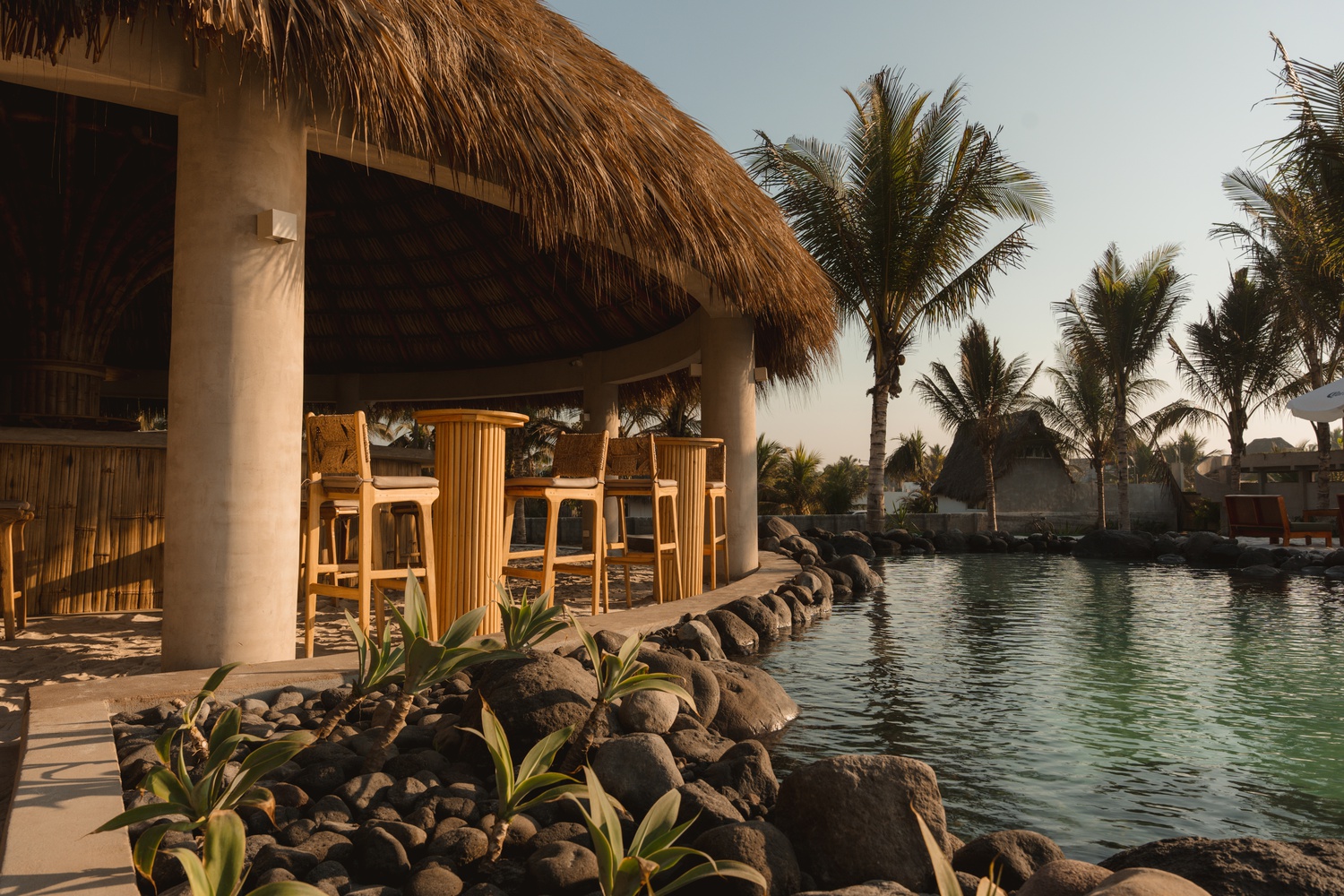
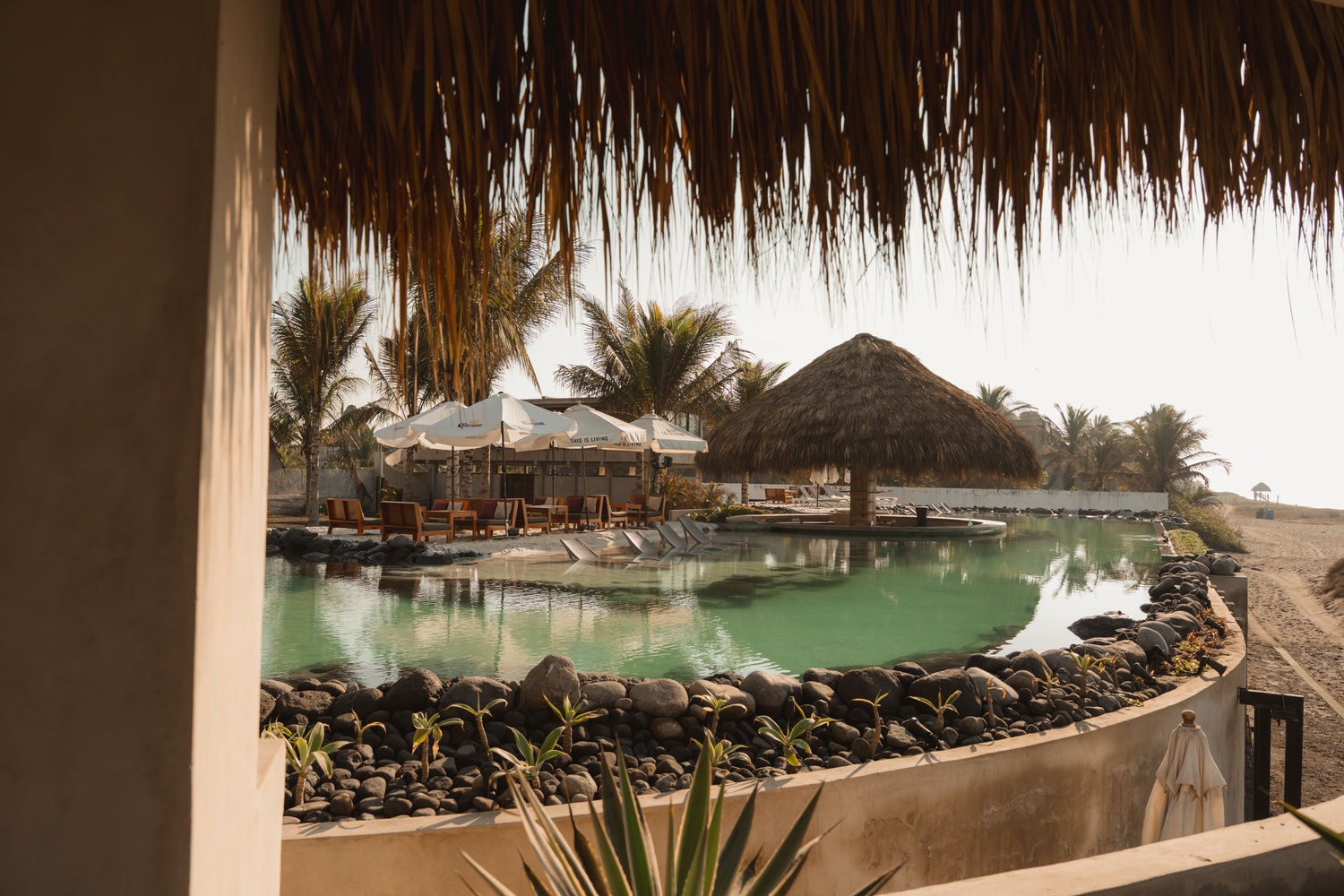
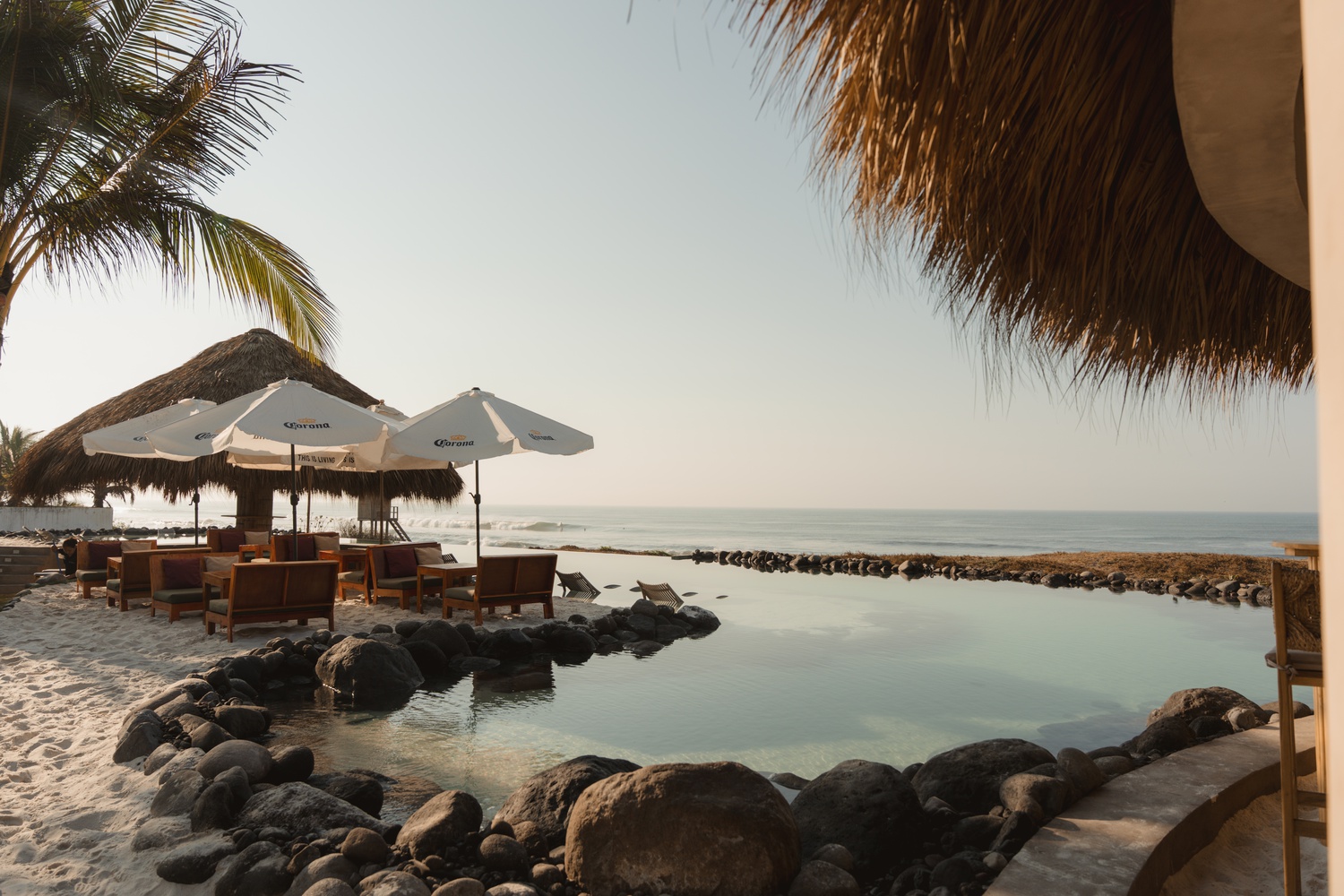
We positioned an organic lagoon-style pool as the centerpiece—not a typical rectangular basin, but a water body that reads as a natural formation.
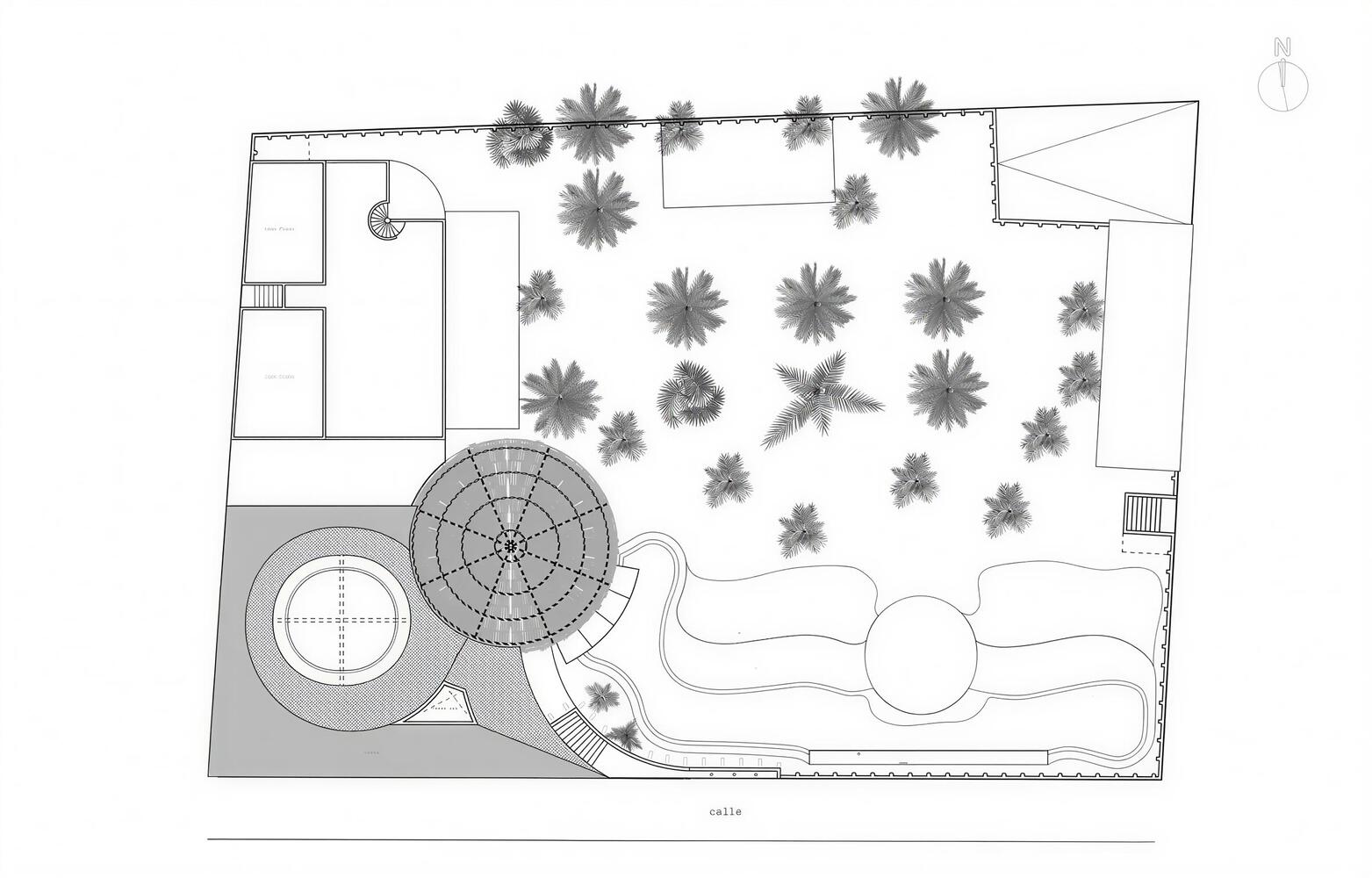
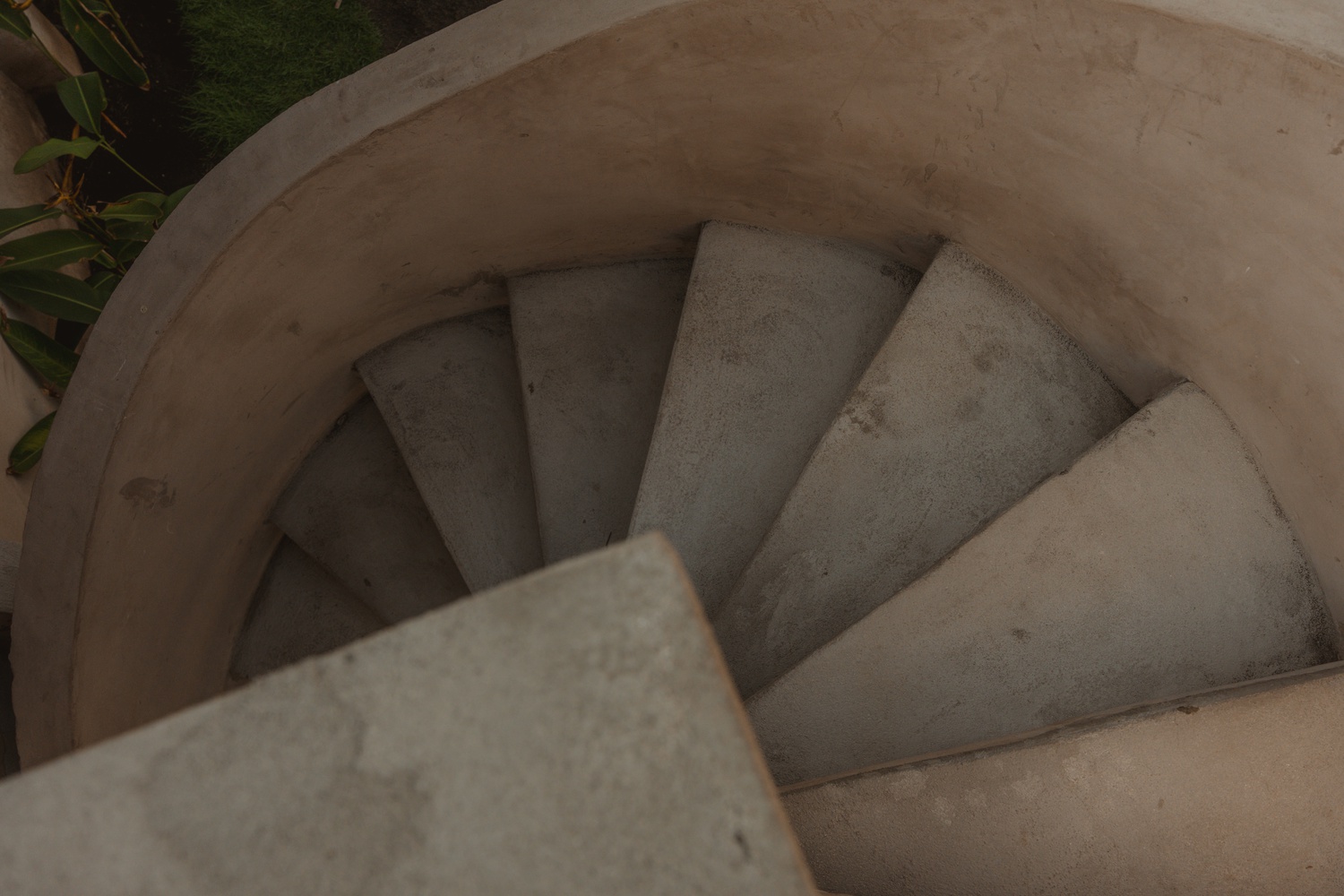
The pool sits within elevated terrain we sculpted carefully around the preserved mound, creating natural viewing platforms and wind protection without imposing a formal landscape.
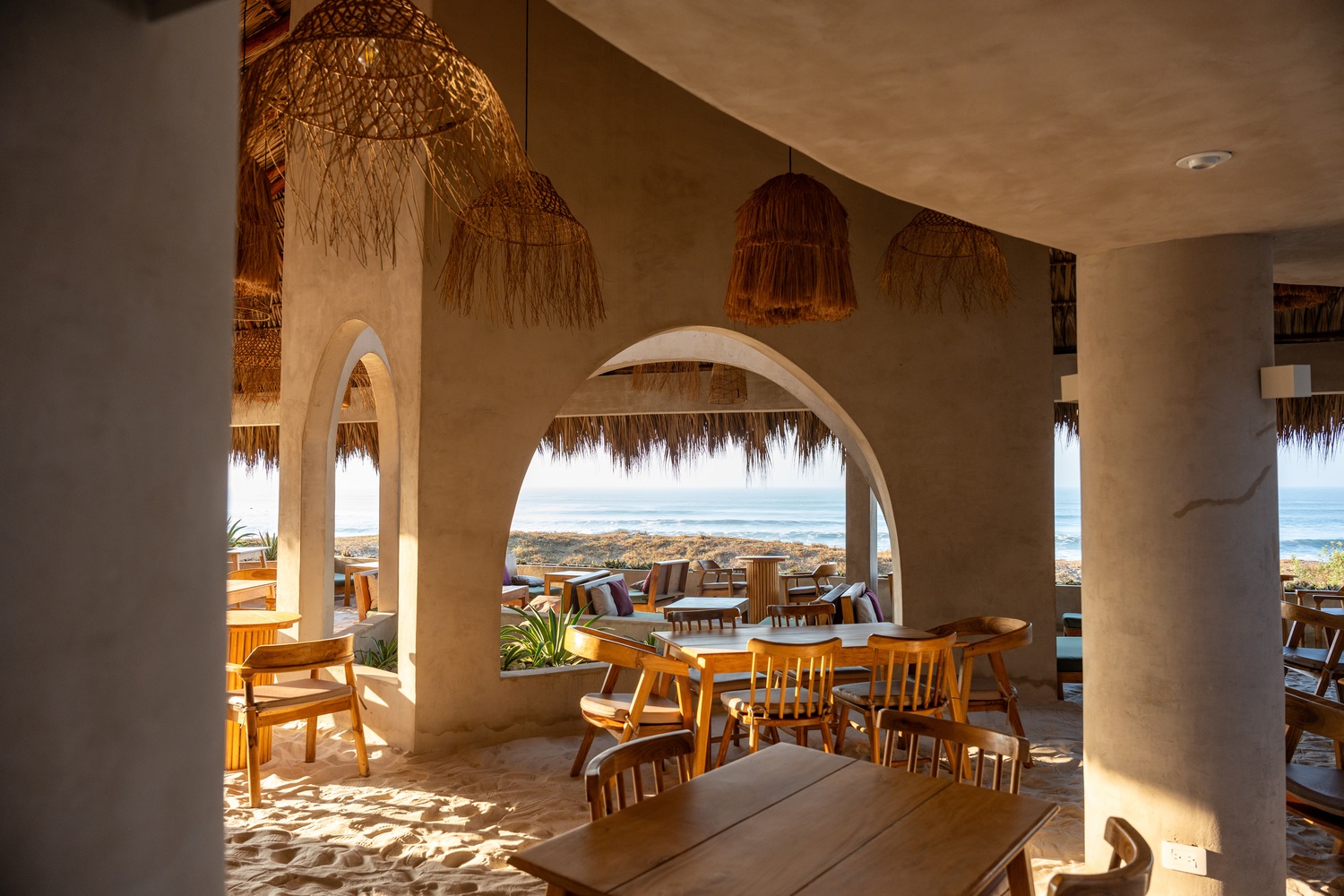
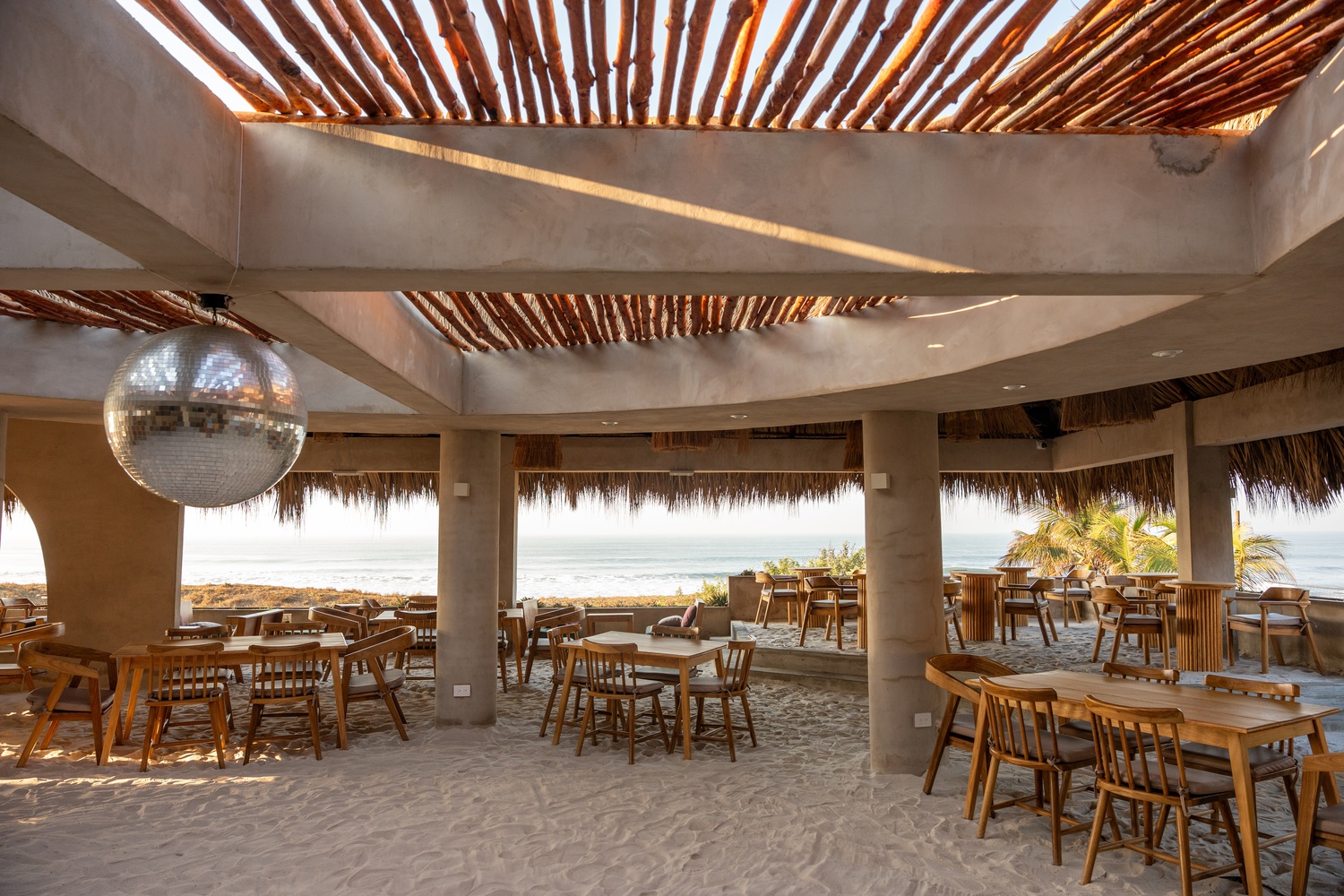
You move through the 2,000 m² site and the architecture never announces itself. The landscape does.
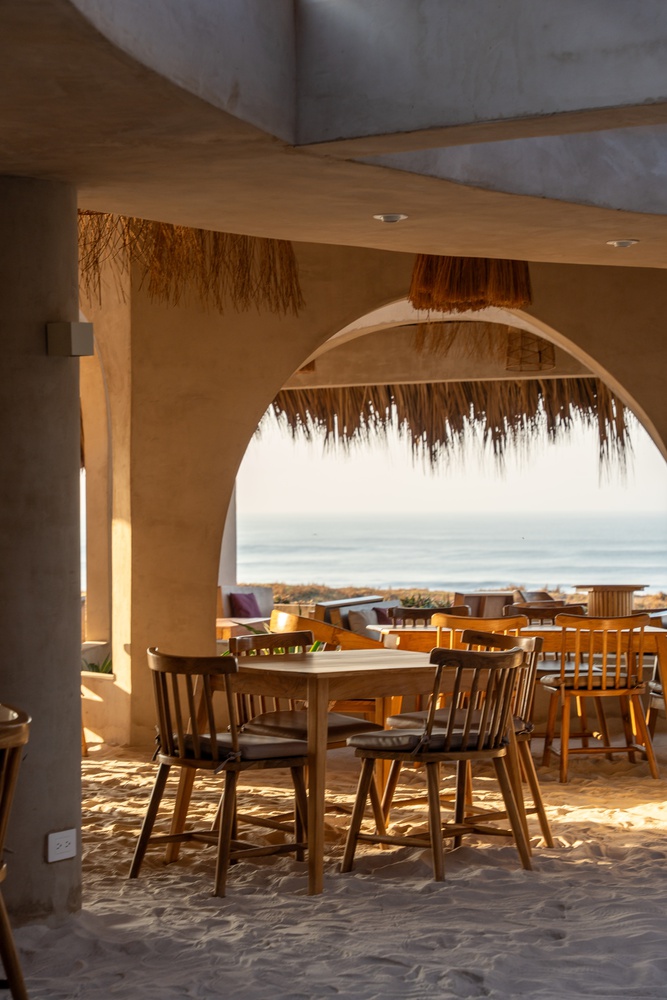
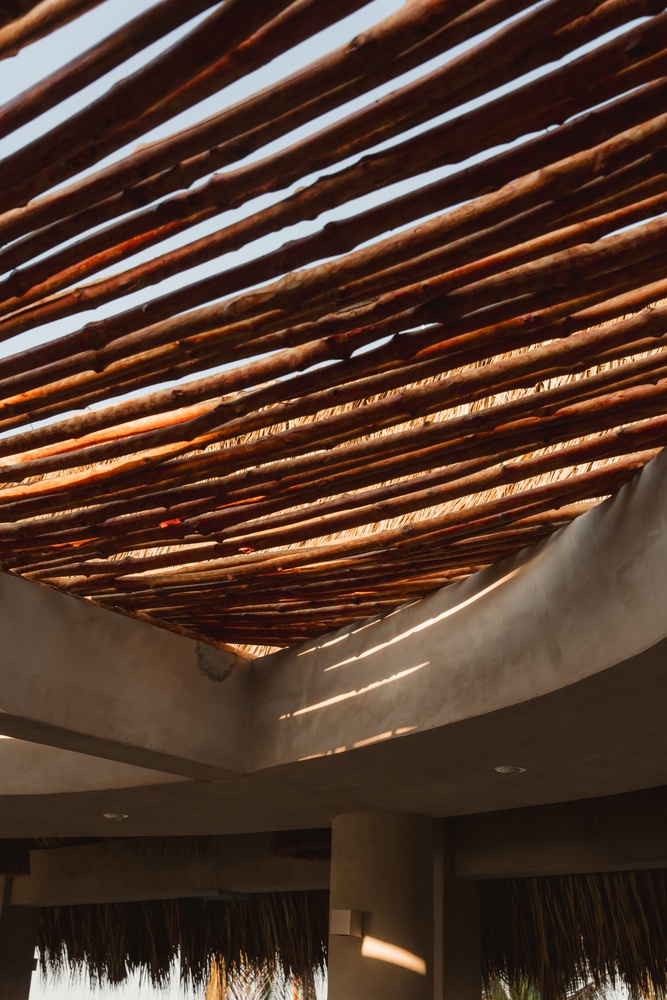
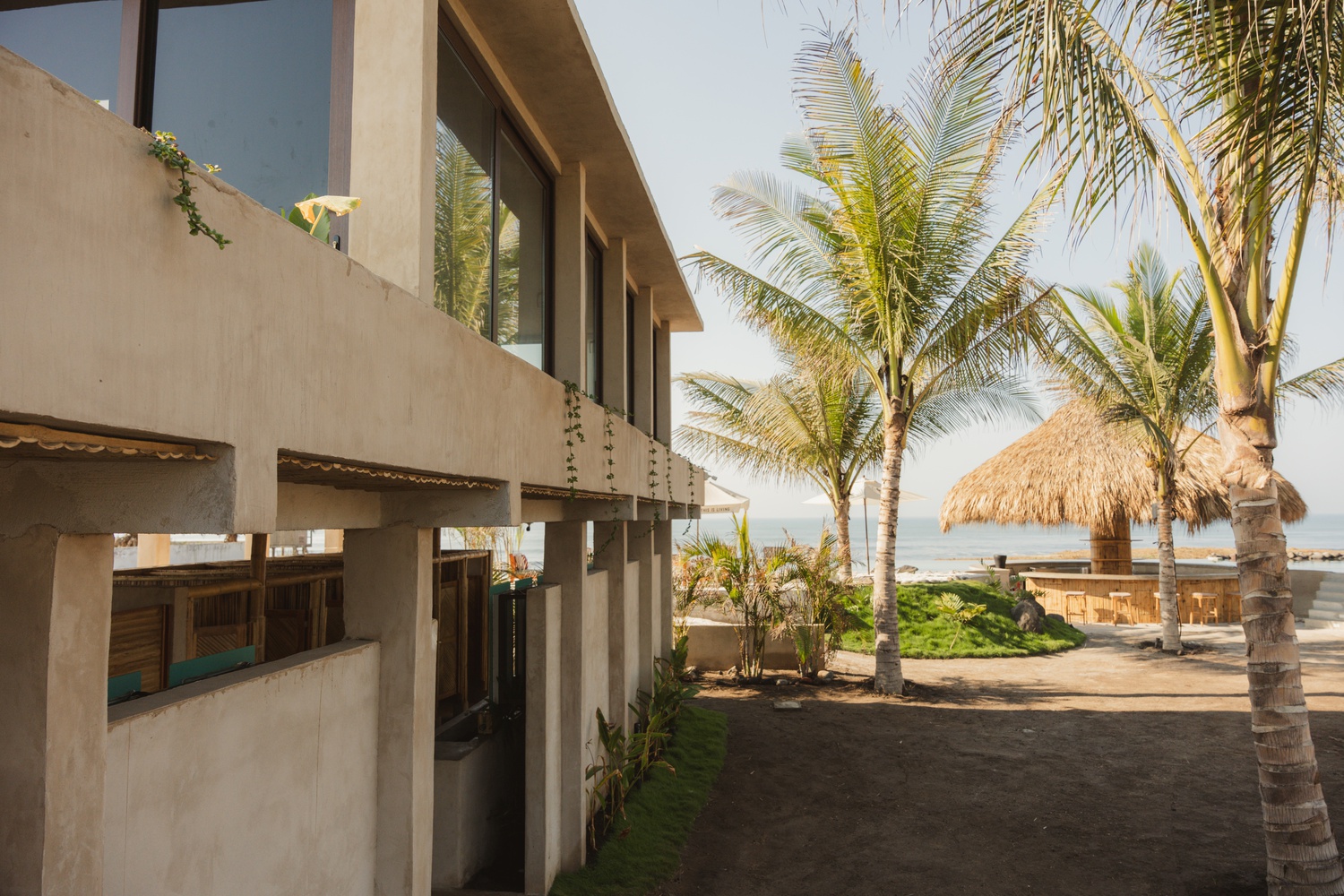
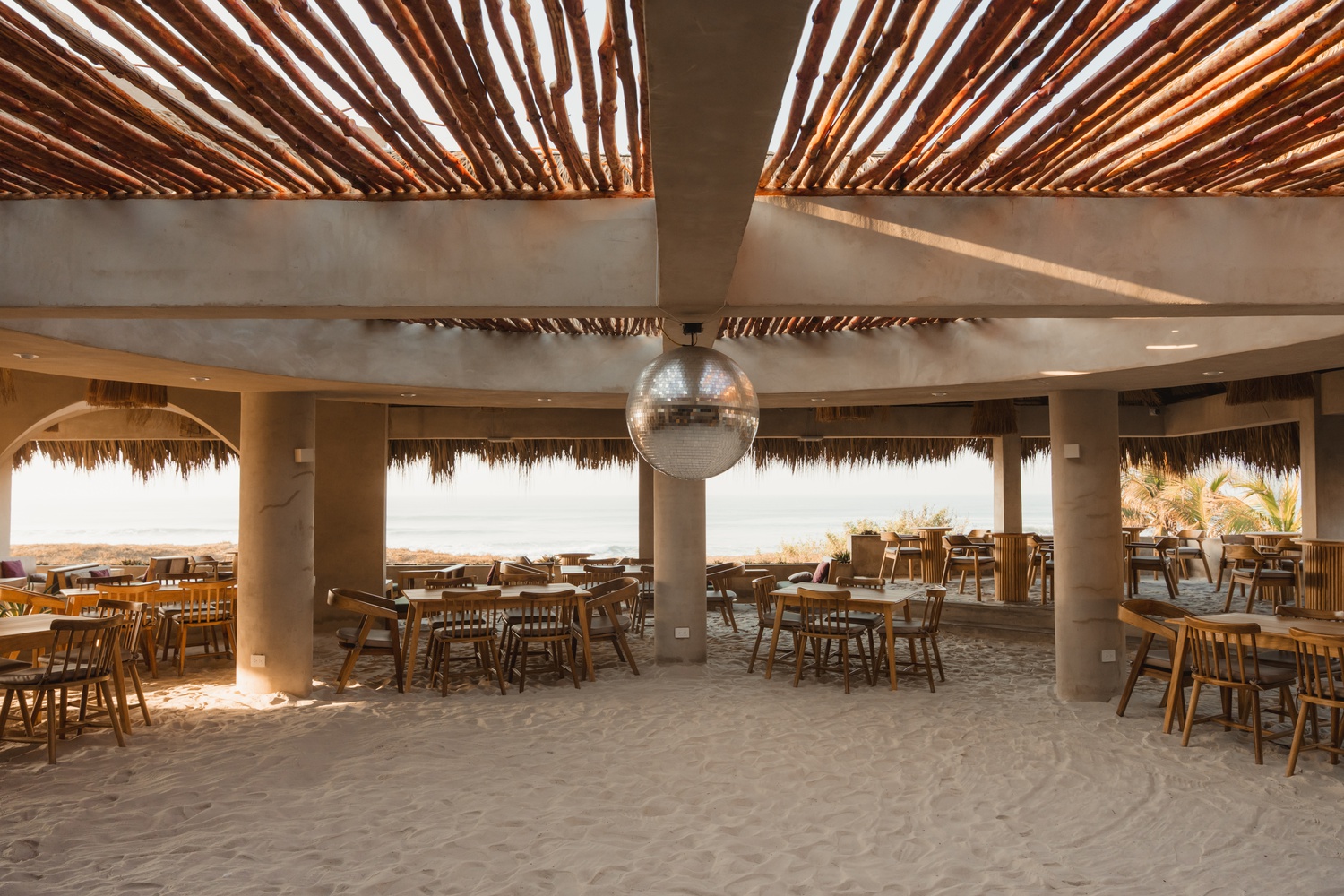
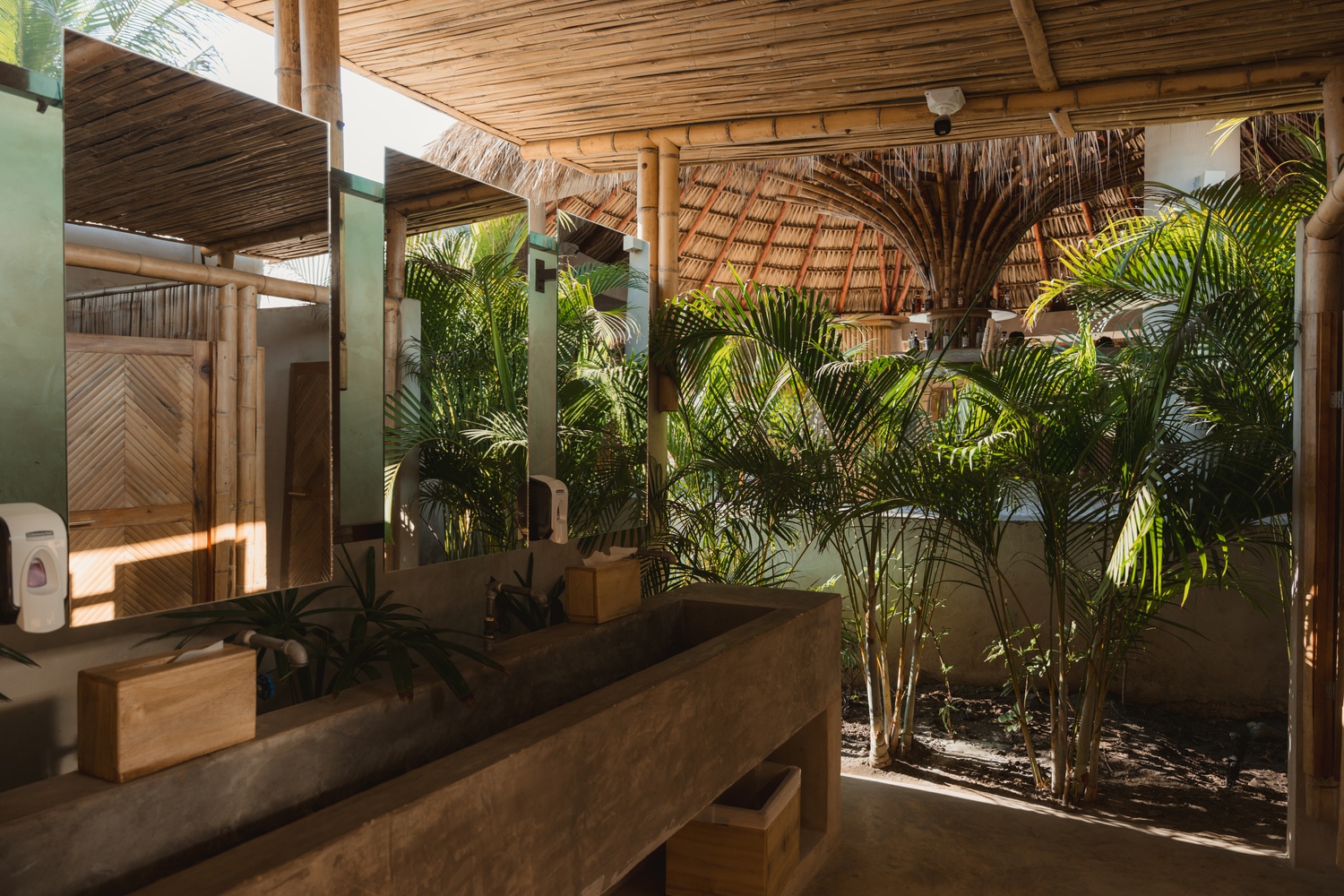
Materials matter here because they're honest. White sand, natural stone, native vegetation—these belong to the coast. They create atmosphere without pretense.
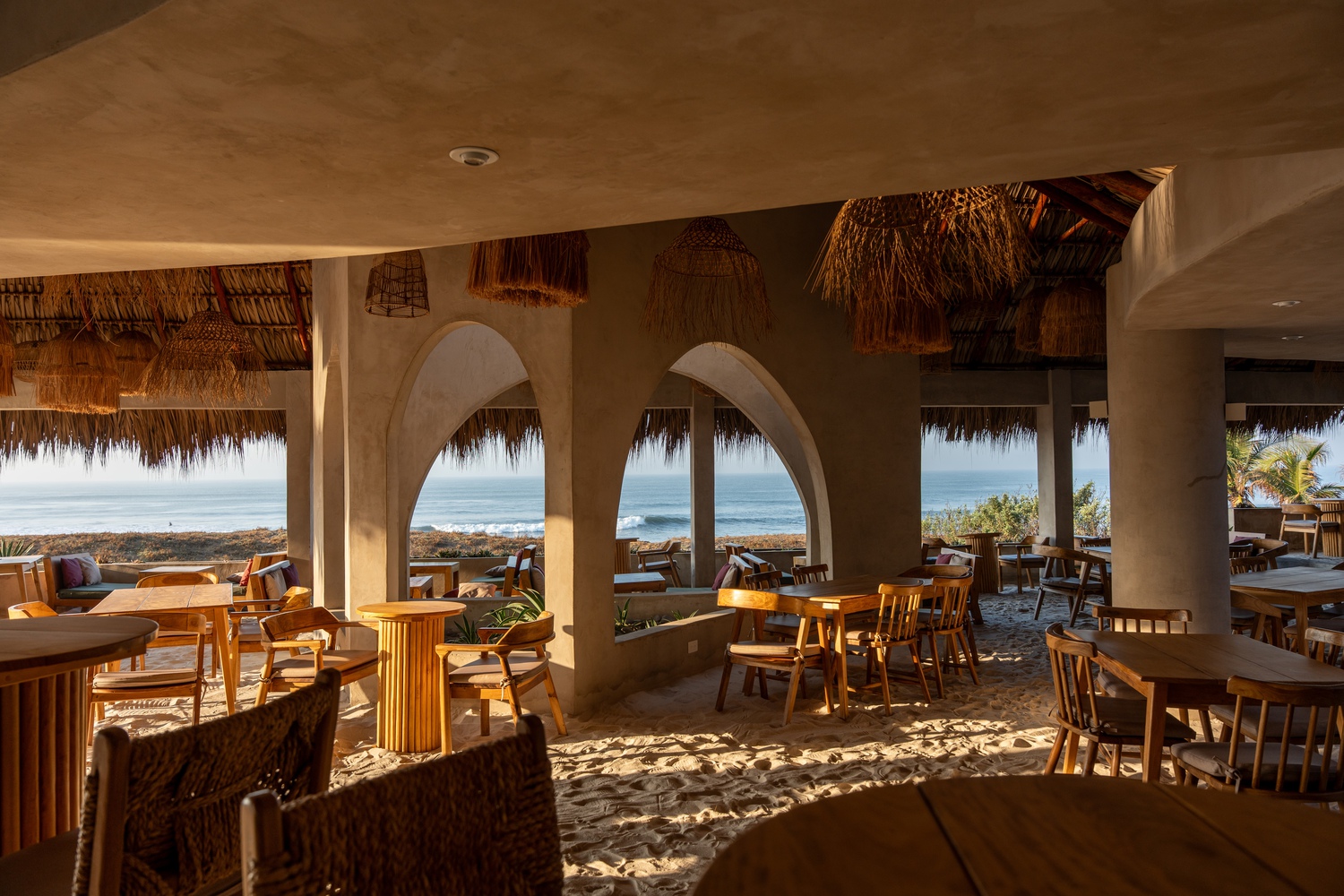
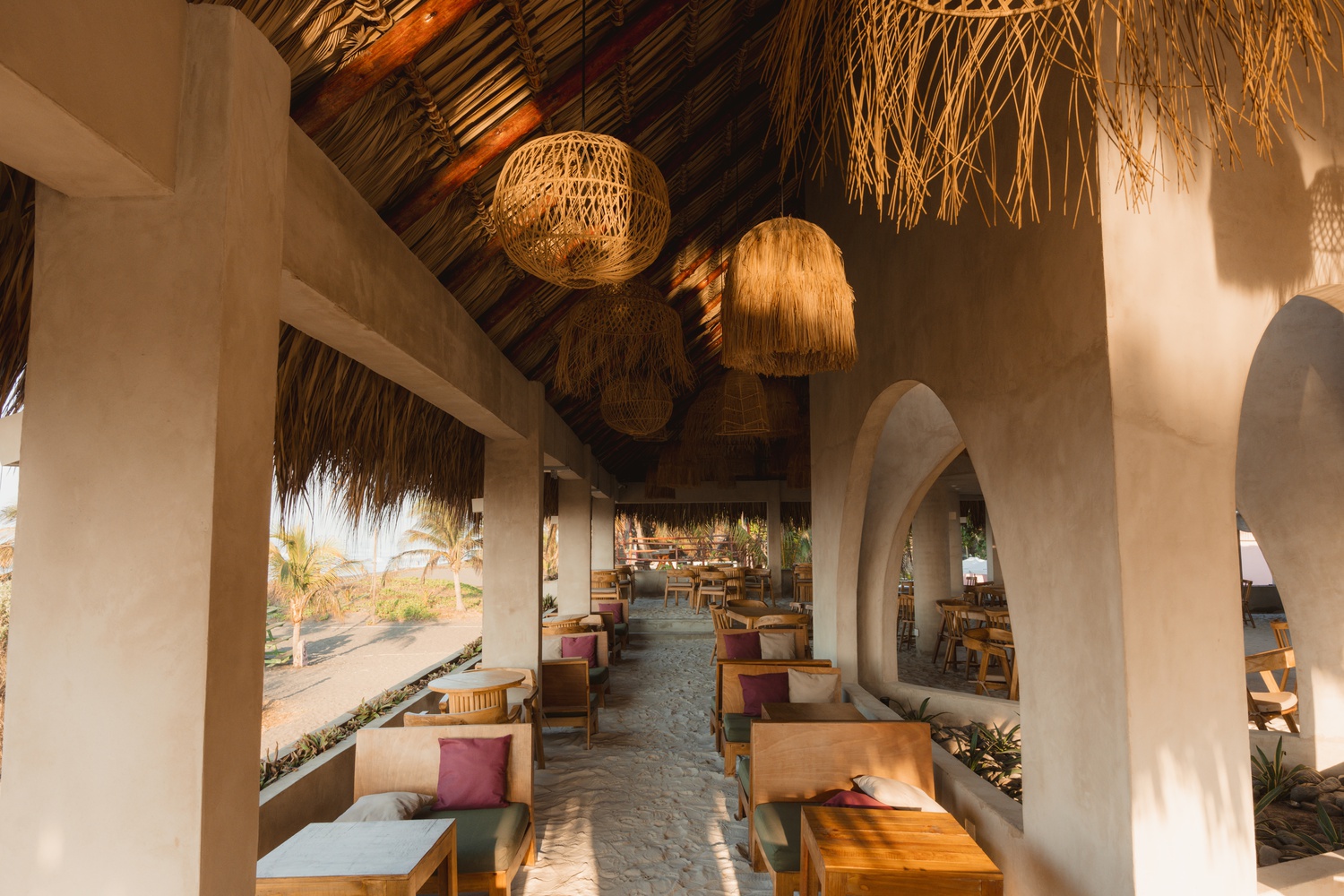
We avoided the impulse to import exotic materials or install manicured landscaping. The site speaks in its own language; we just refined the grammar.
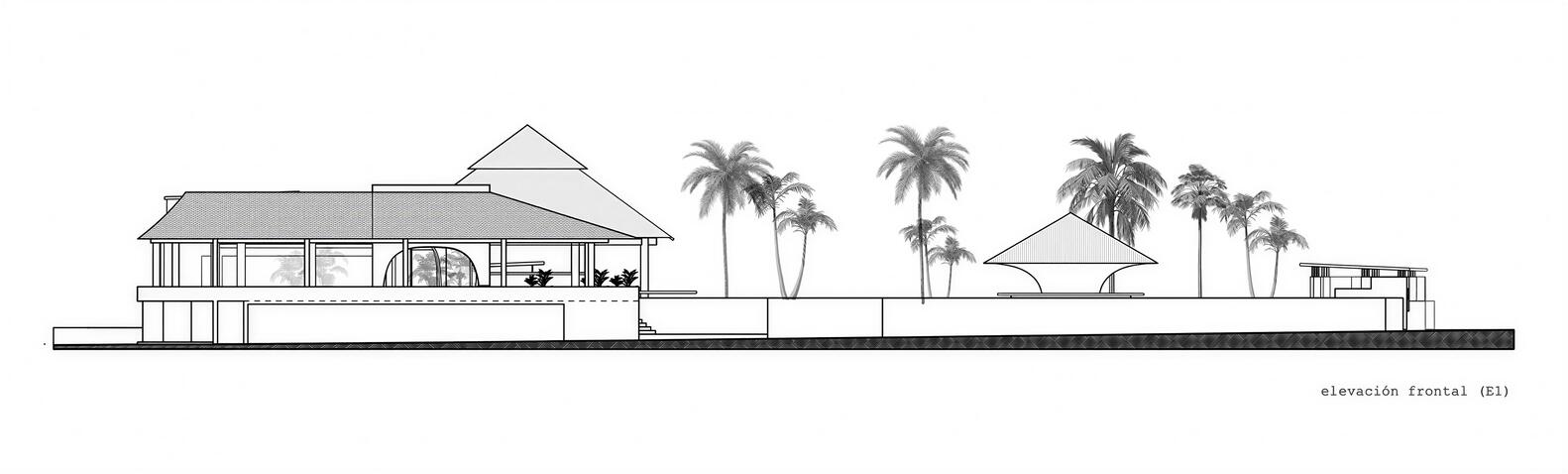
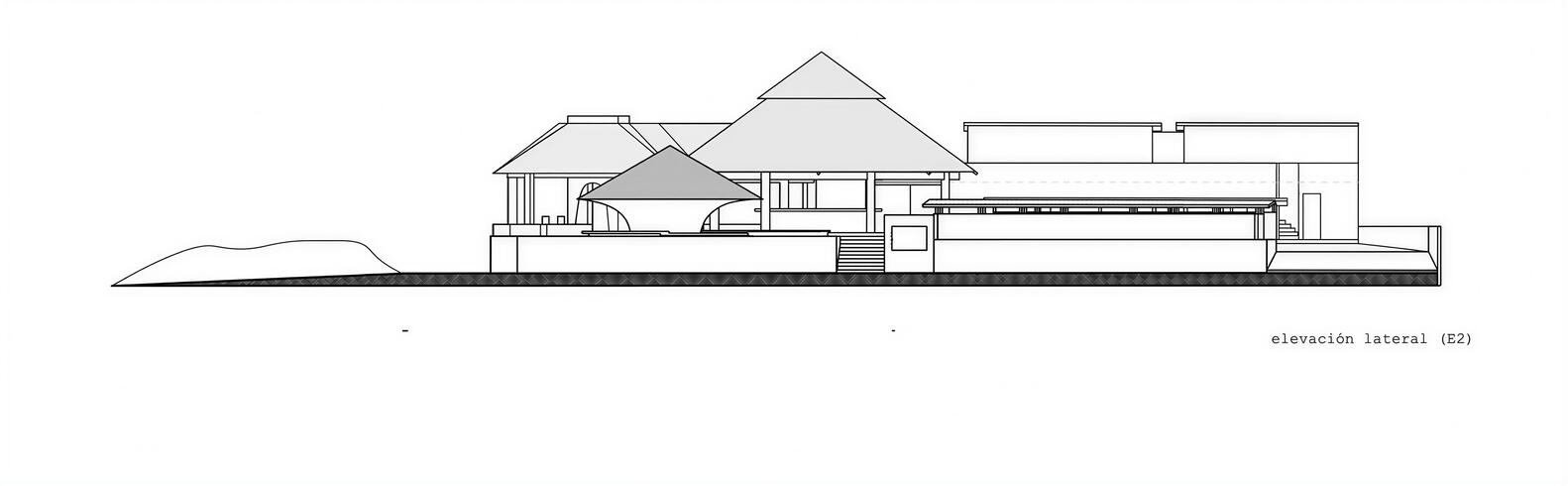
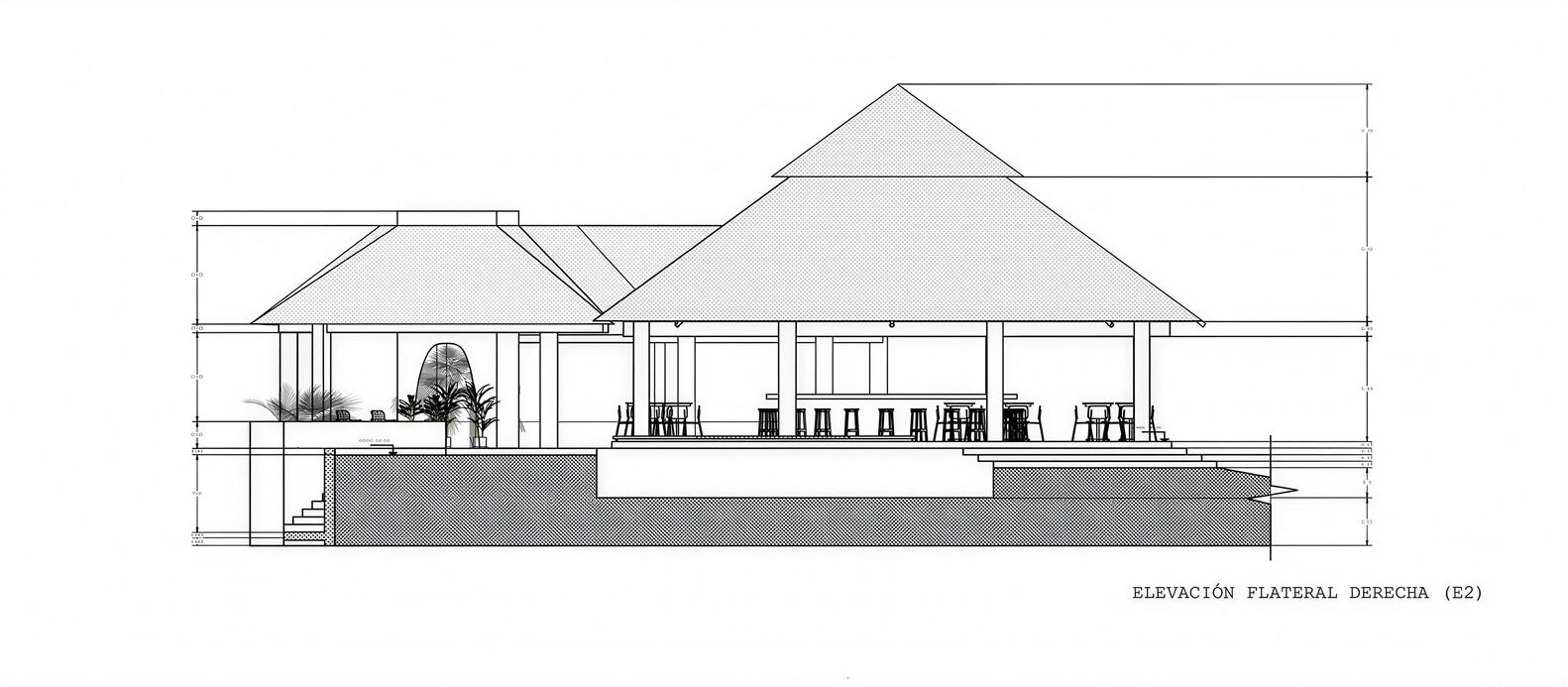
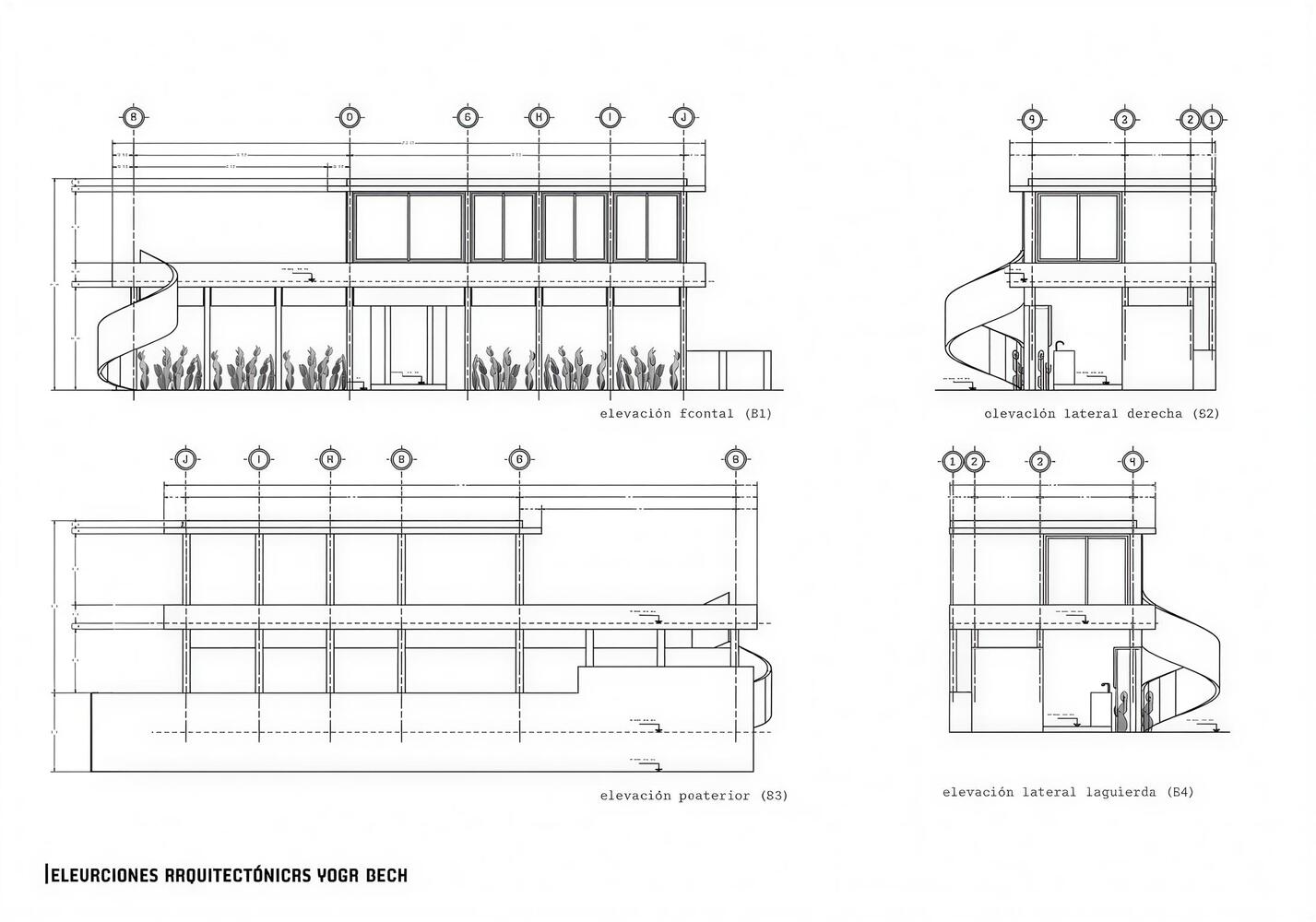
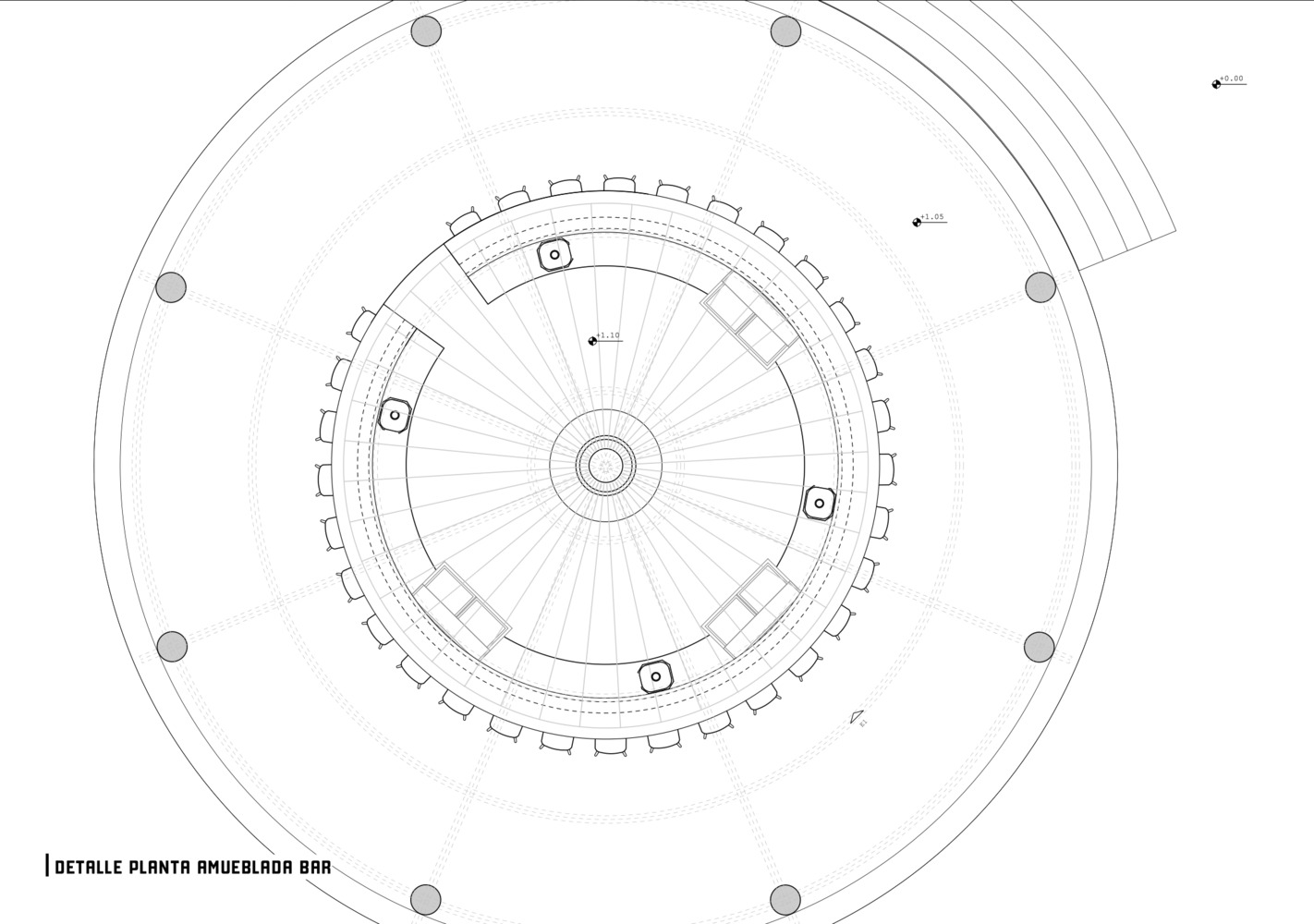
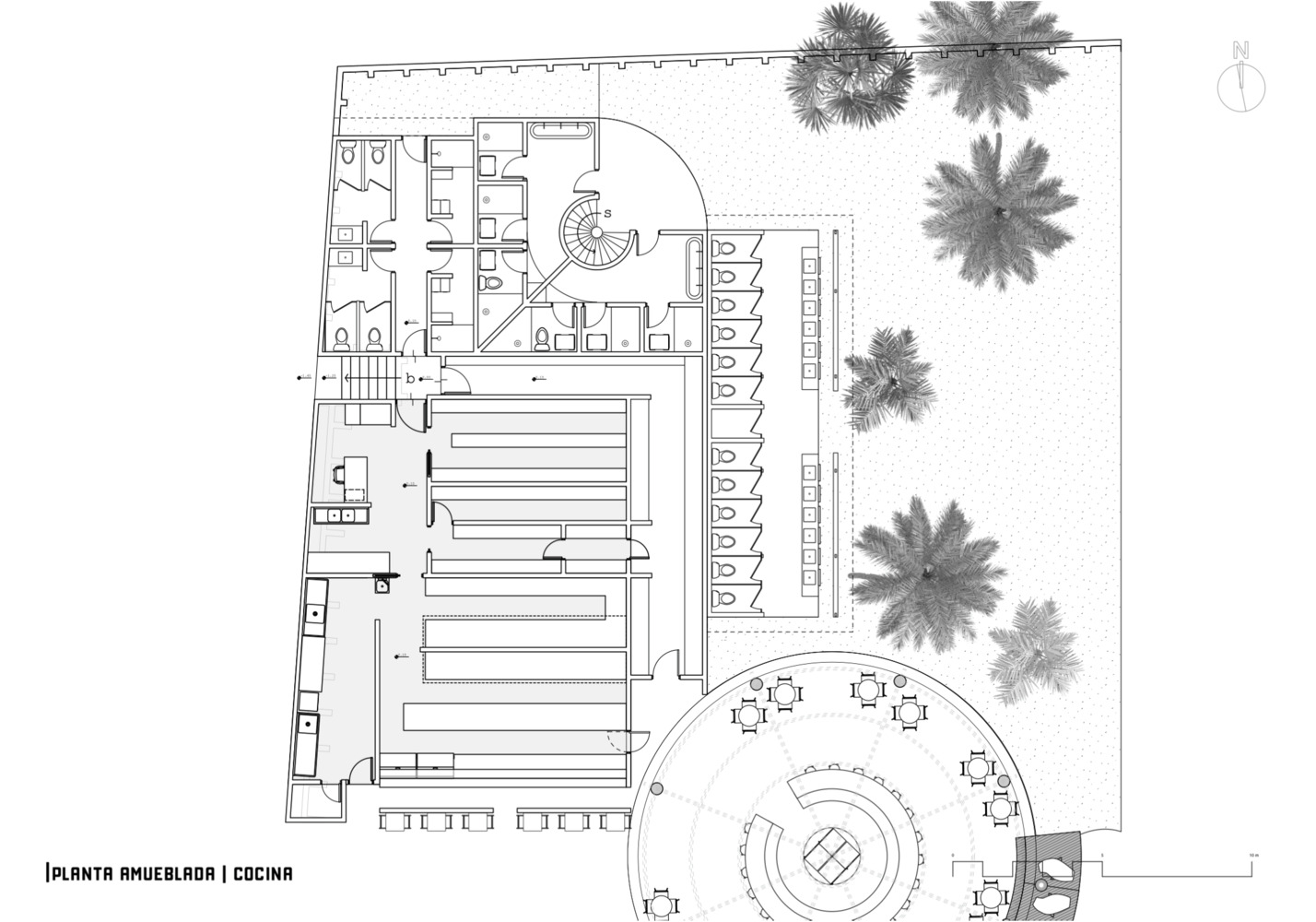
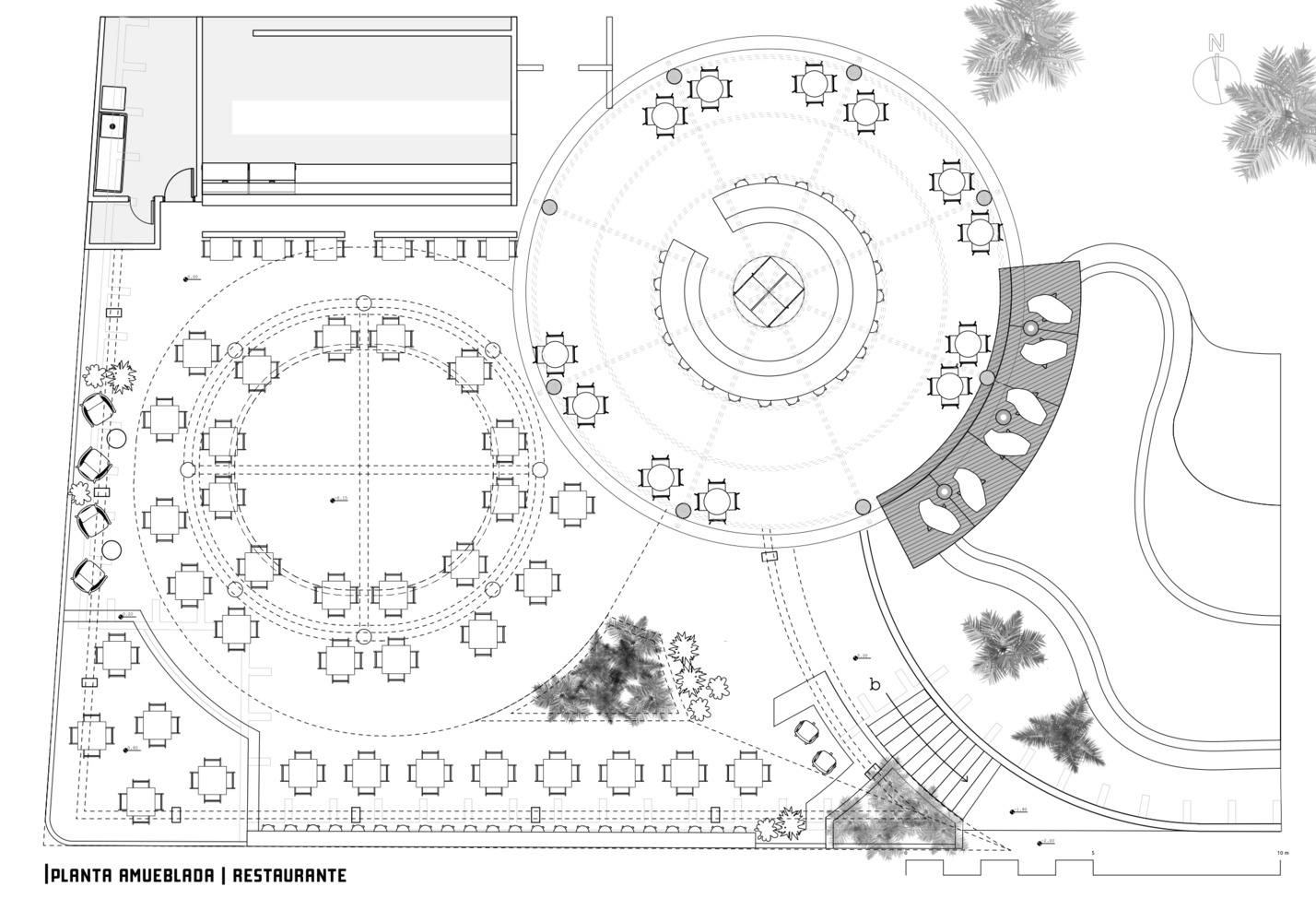
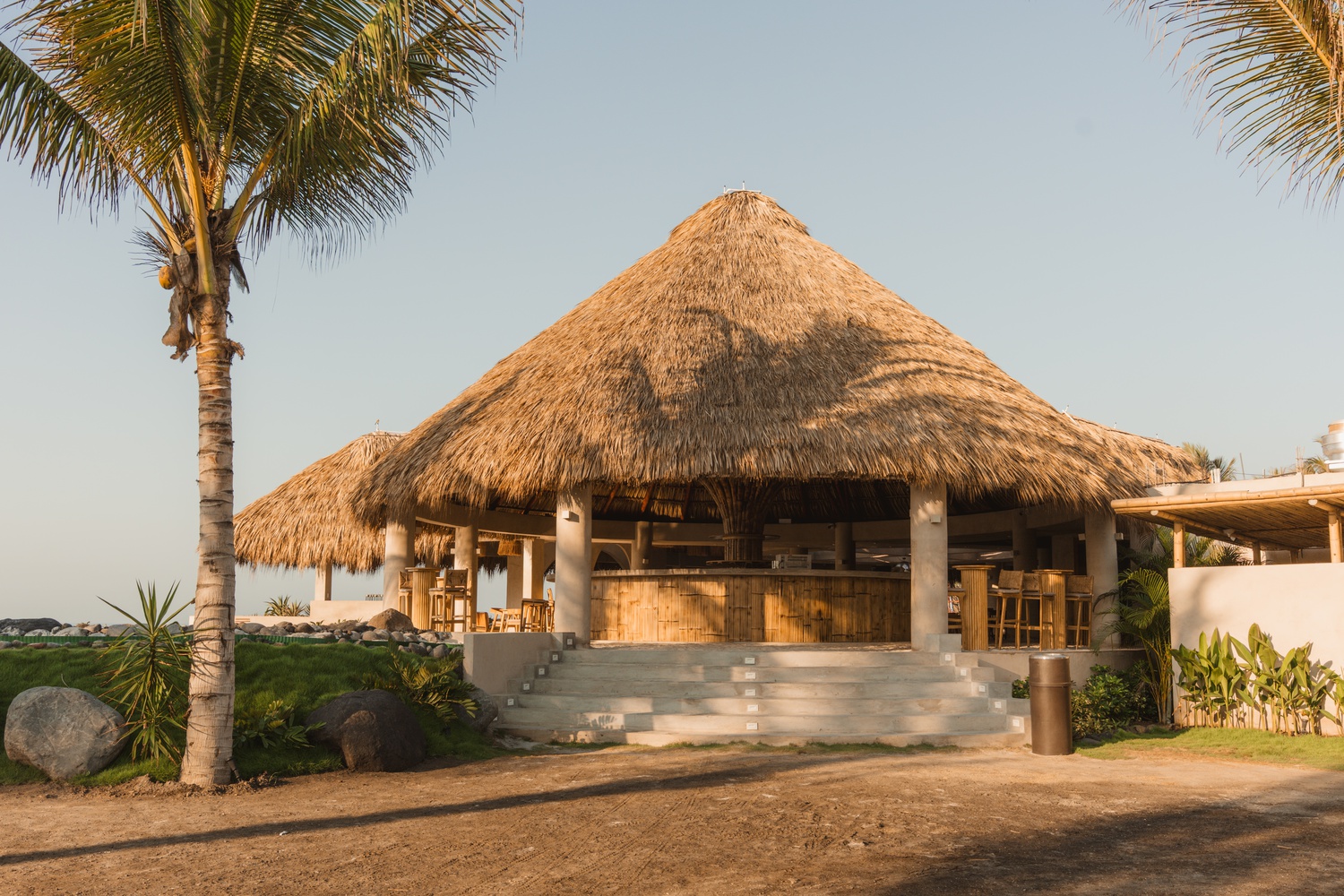
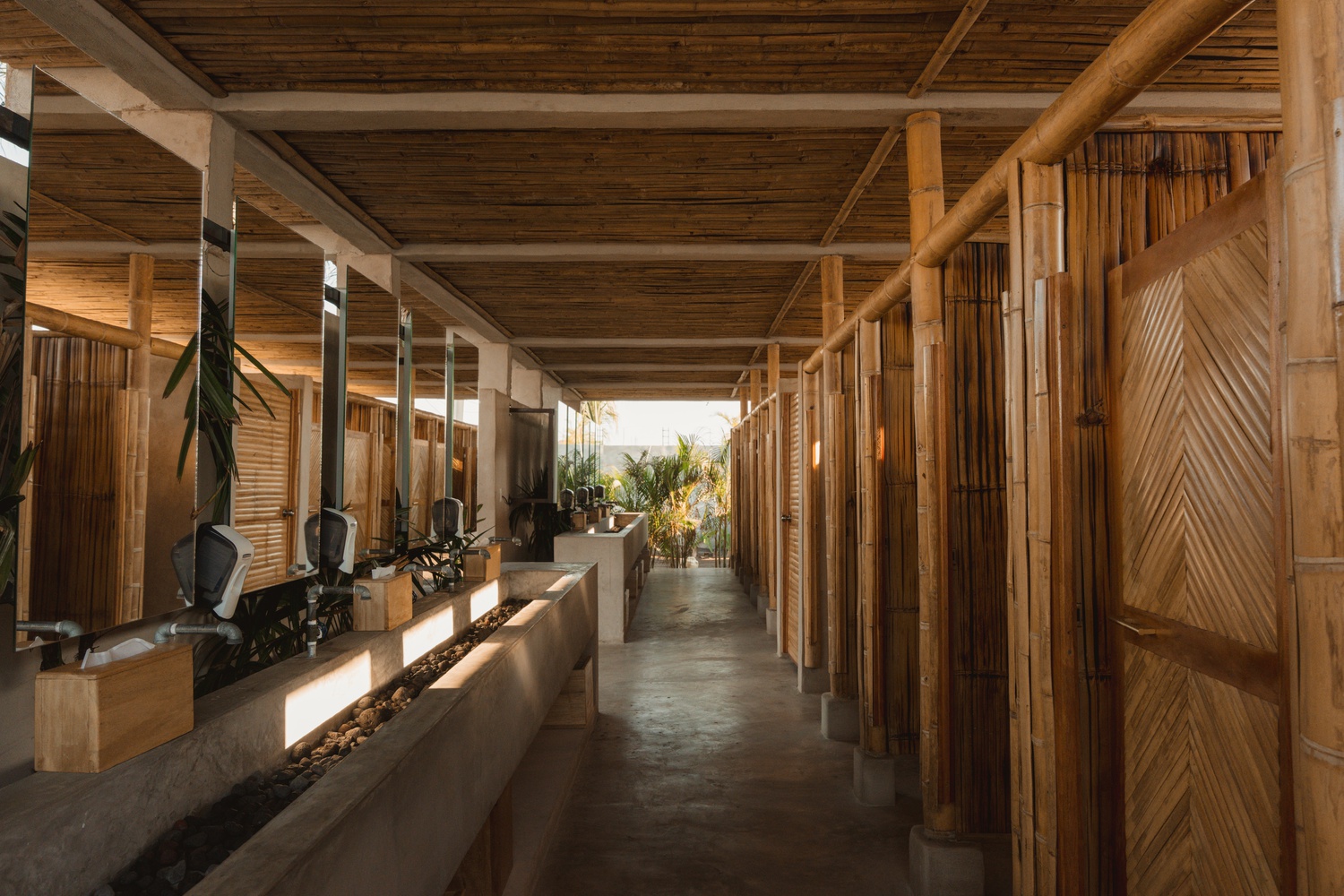
The program—restaurant, kitchen, bar, gathering spaces—scatters across the terrain rather than consolidating into a single structure.
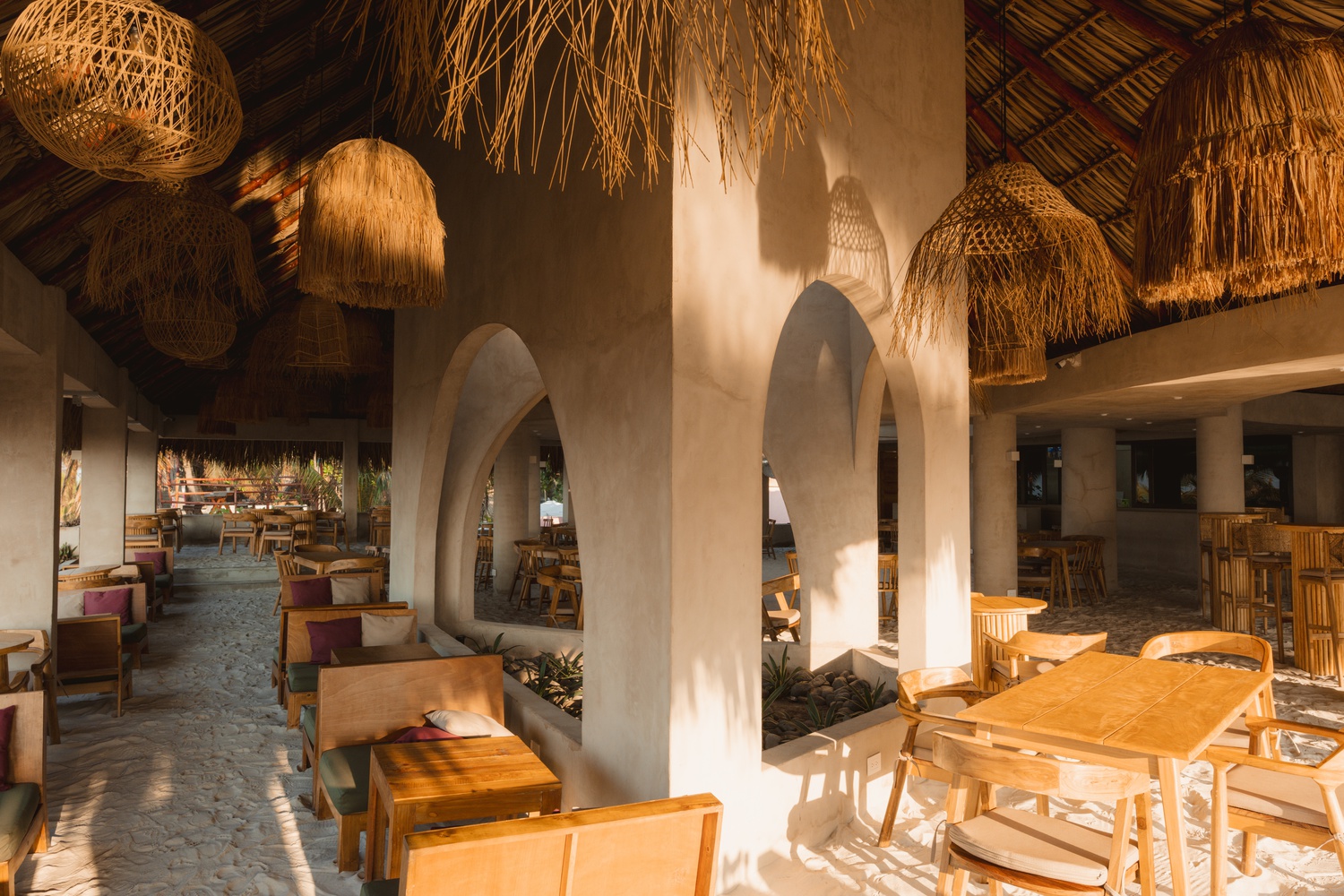
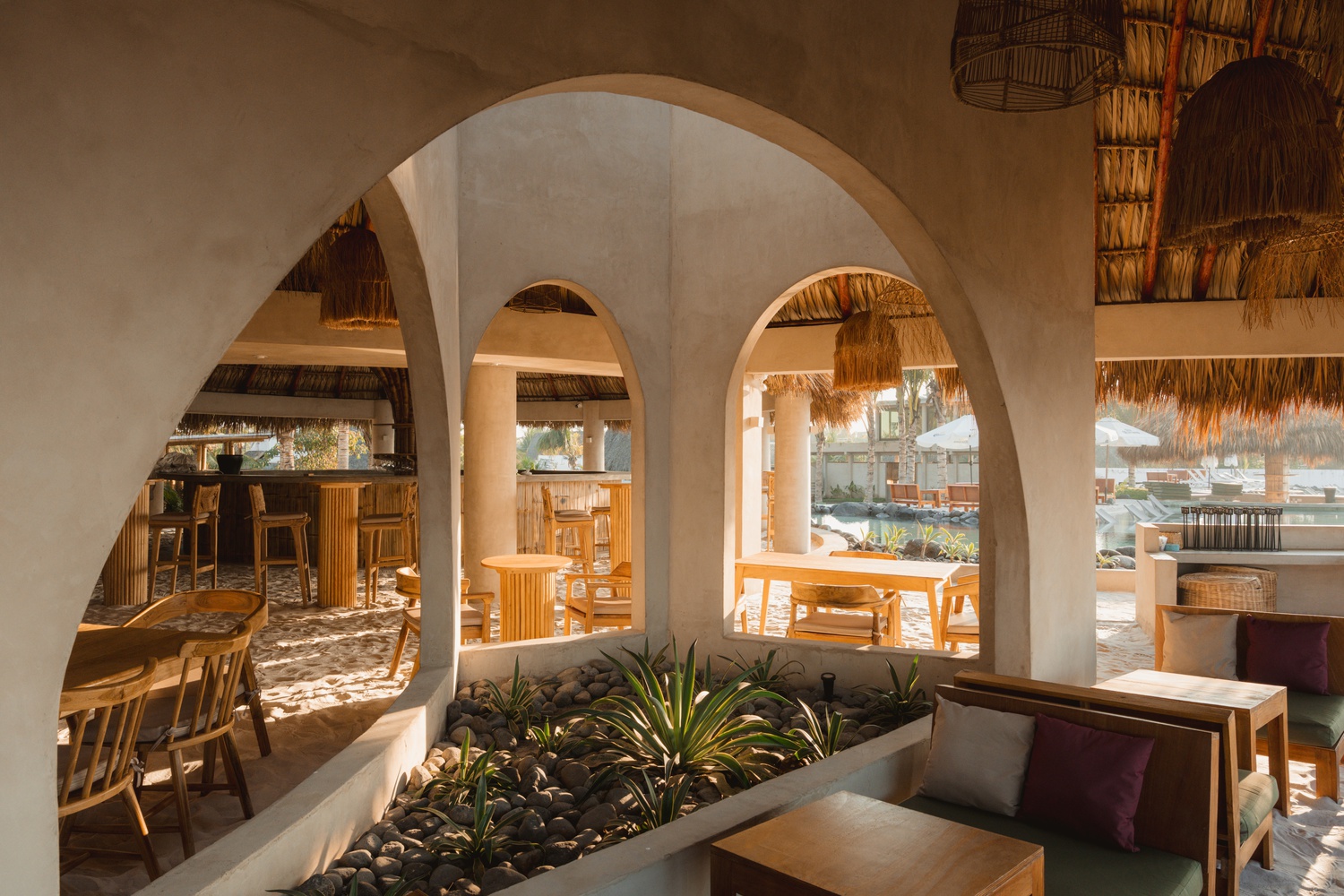
This dispersal does practical work: air flows naturally, the landscape breathes between functional zones, and users experience distinct atmospheres depending on where they move. It also does psychological work.
You never feel like you're inside a resort. You feel like you've discovered a place that happens to have amenities.
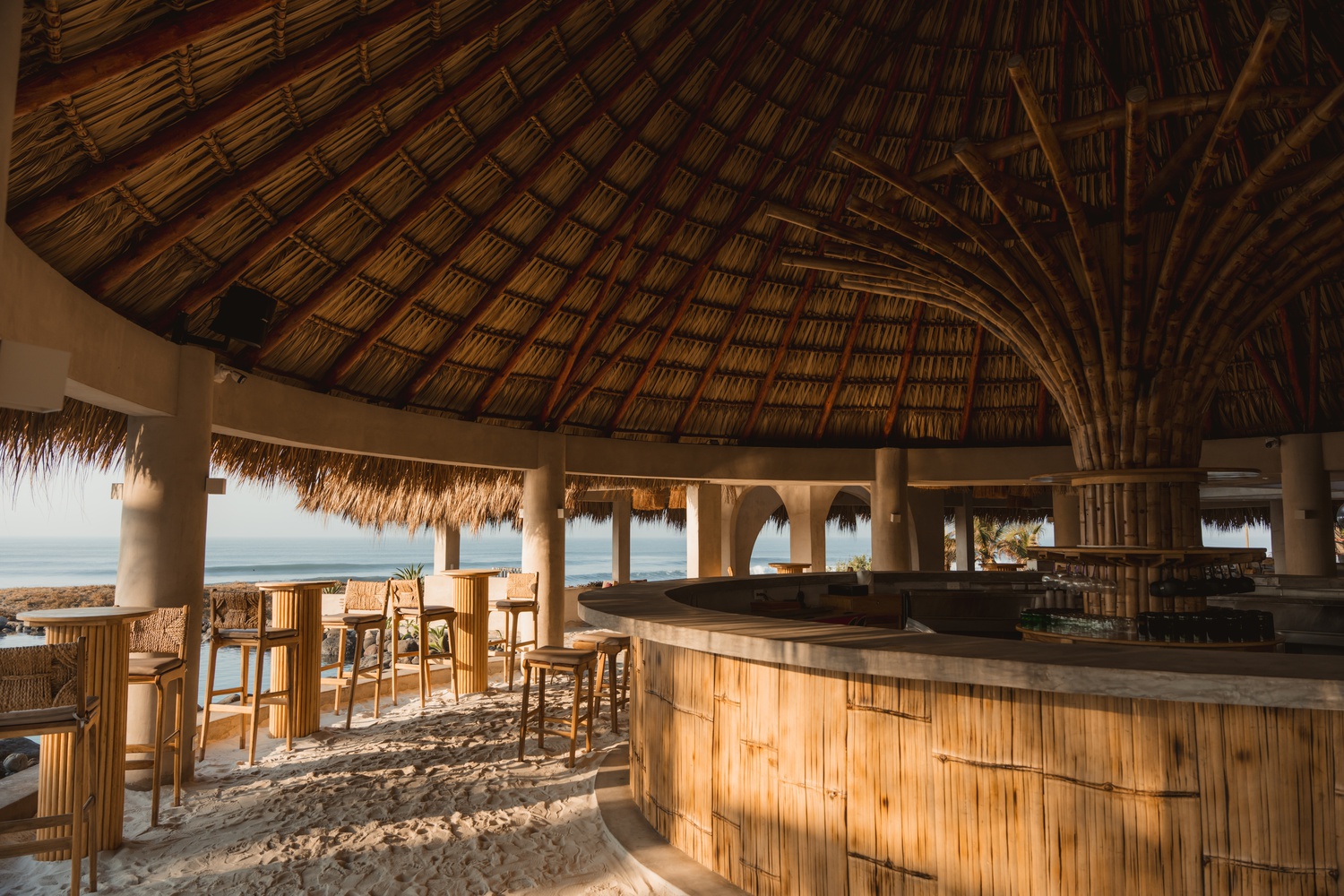
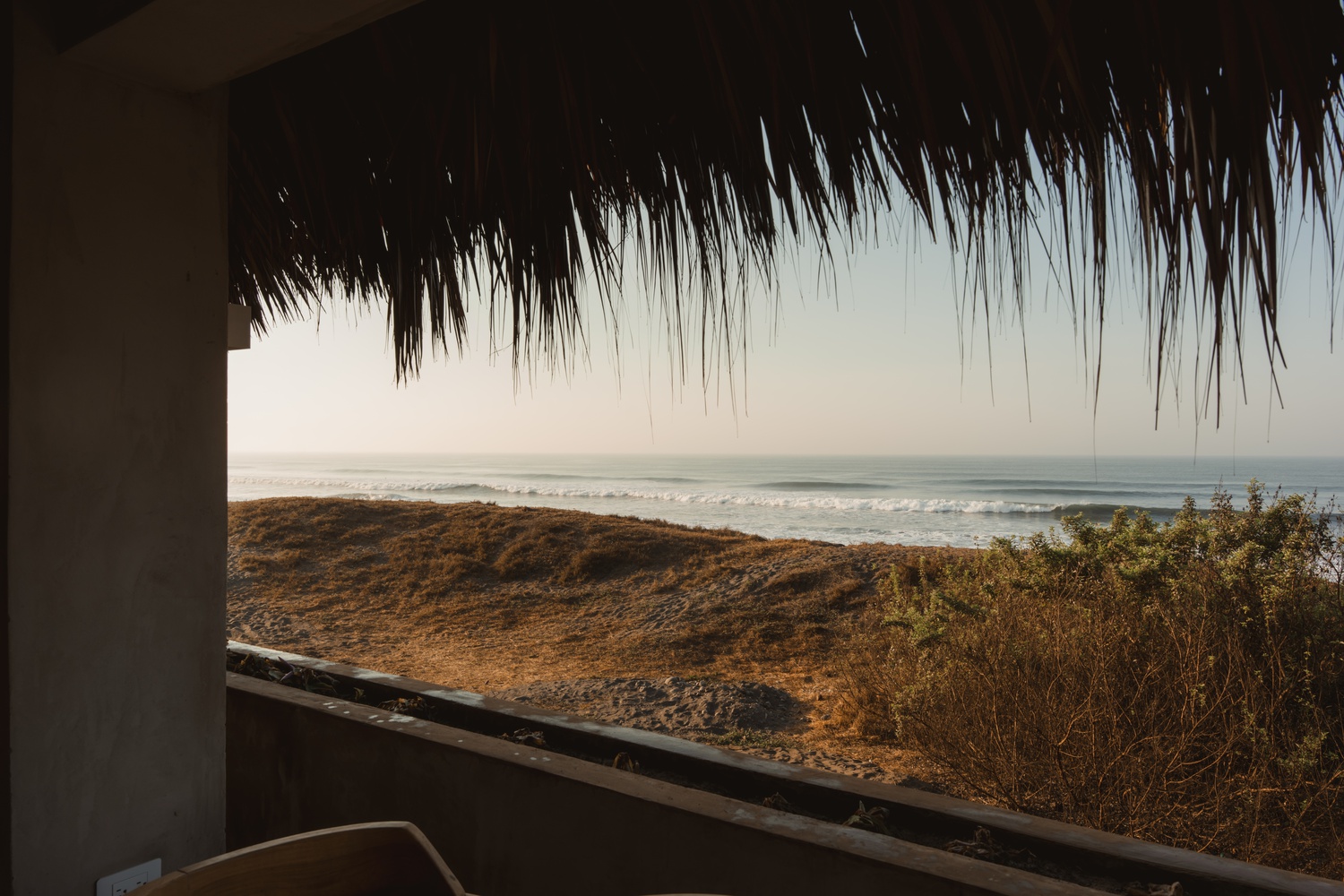
The elevated terrain creates something we think is essential: genuine seclusion without isolation. Guests sit above grade, experiencing both privacy and panoramic views.
Events held here don't feel imposed on the landscape—they feel integrated into it. That distinction matters economically and ecologically.
IMPACT AND LEGACY
Rosa Jamaica proves something that needs proving in Central America: commercial hospitality and environmental stewardship aren't competing interests. They're mutually reinforcing.
By preserving the natural mound and organizing every design decision around existing topography, we created a venue that will improve with use rather than degrade.
The landscape is the primary amenity. That's not poetry—it's economics. Guests don't come for architecture; they come for the experience of being in a place that feels inevitable, not imposed.
Five years from now, the site will look better than it does today. Ten years from now, it will feel like it was always meant to be there. That's what happens when you design with the landscape instead of against it.