
Renewal Experiment Of Chaiji Lane
RENEWAL EXPERIMENT OF CHAIJI LANE
Dca, Tjad
ARCHITECTS
Dca, Tjad
LEAD ARCHITECTS
CHEN Qiang
ARCHITECTURE TEAM
Chen Jianru, Xie Song, Fu Yue, Jin Zenghui
PLANNING TEAM
Fu Na, Qin Yuan, Shi Qingyuan, Wang Jiaqi
ENGINEERING
Zou Gongli, Zhu Qiang, Min Liang, Ma Xiaodong, Ke Chaojun
CLIENTS
Housing And Urban-rural Development Bureau Of Yujiang District, Yingtan City, Jiangxi Province
MANUFACTURERS
Baosteel, Duyo, Qiannianzhou
PHOTOGRAPHS
Qingshan Wu
AREA
33600 m²
YEAR
2026
LOCATION
Yingtan, China
CATEGORY
Urban Planning, Community
English description provided by the architects.
China has an extensive number of small towns with historic districts boasting natural and organic spatial fabric mainly composed of self-built houses.
Nevertheless, these areas are generally trapped in tough regeneration predicaments: the deterioration of physical spaces has disrupted the social ecosystem, resulting in hollowing-out, an aging population and a severe loss of vitality;
meanwhile, they fall into a quagmire due to constraints such as limited resource endowments, weak financial support, and insufficient market drive.
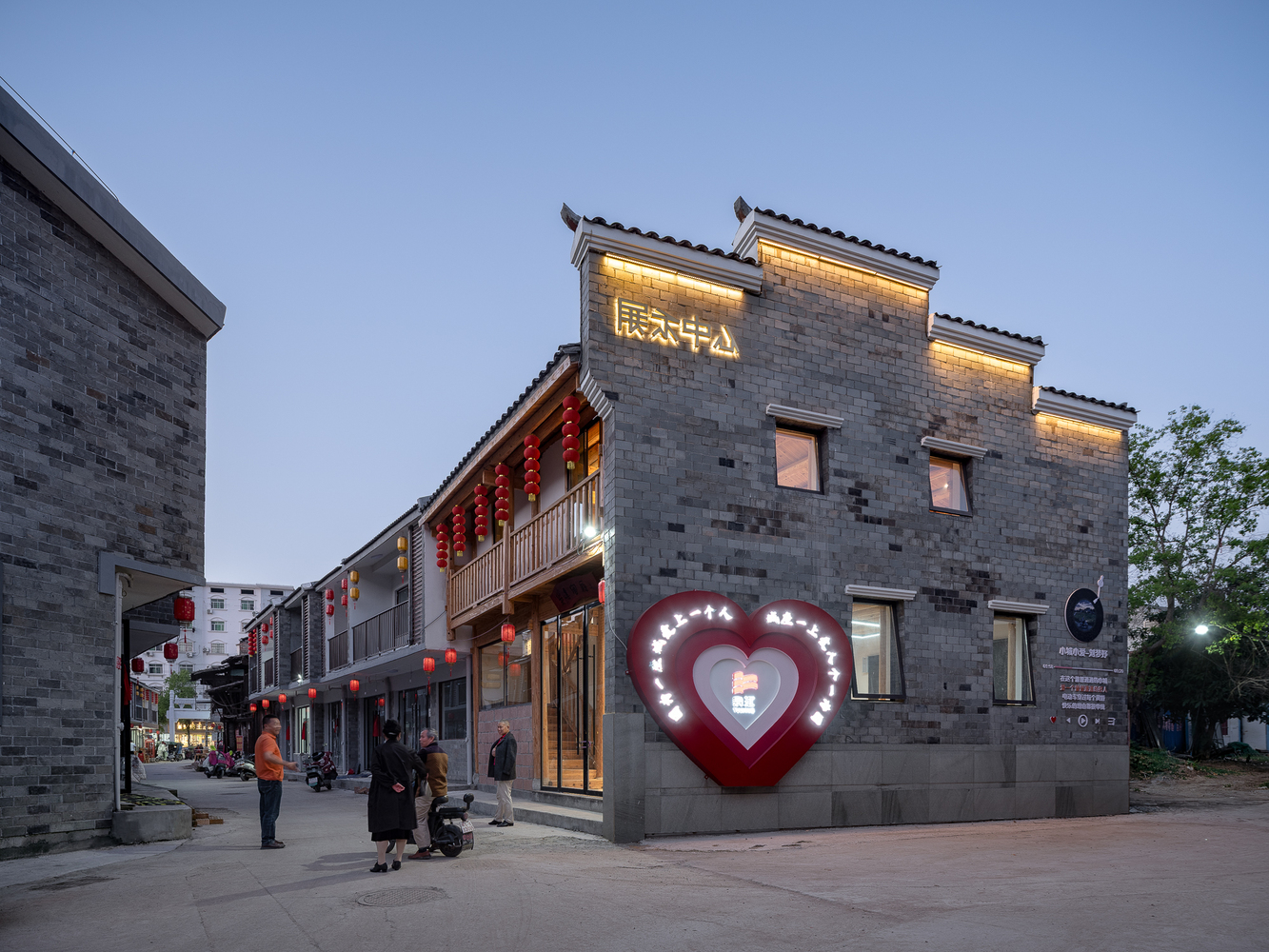
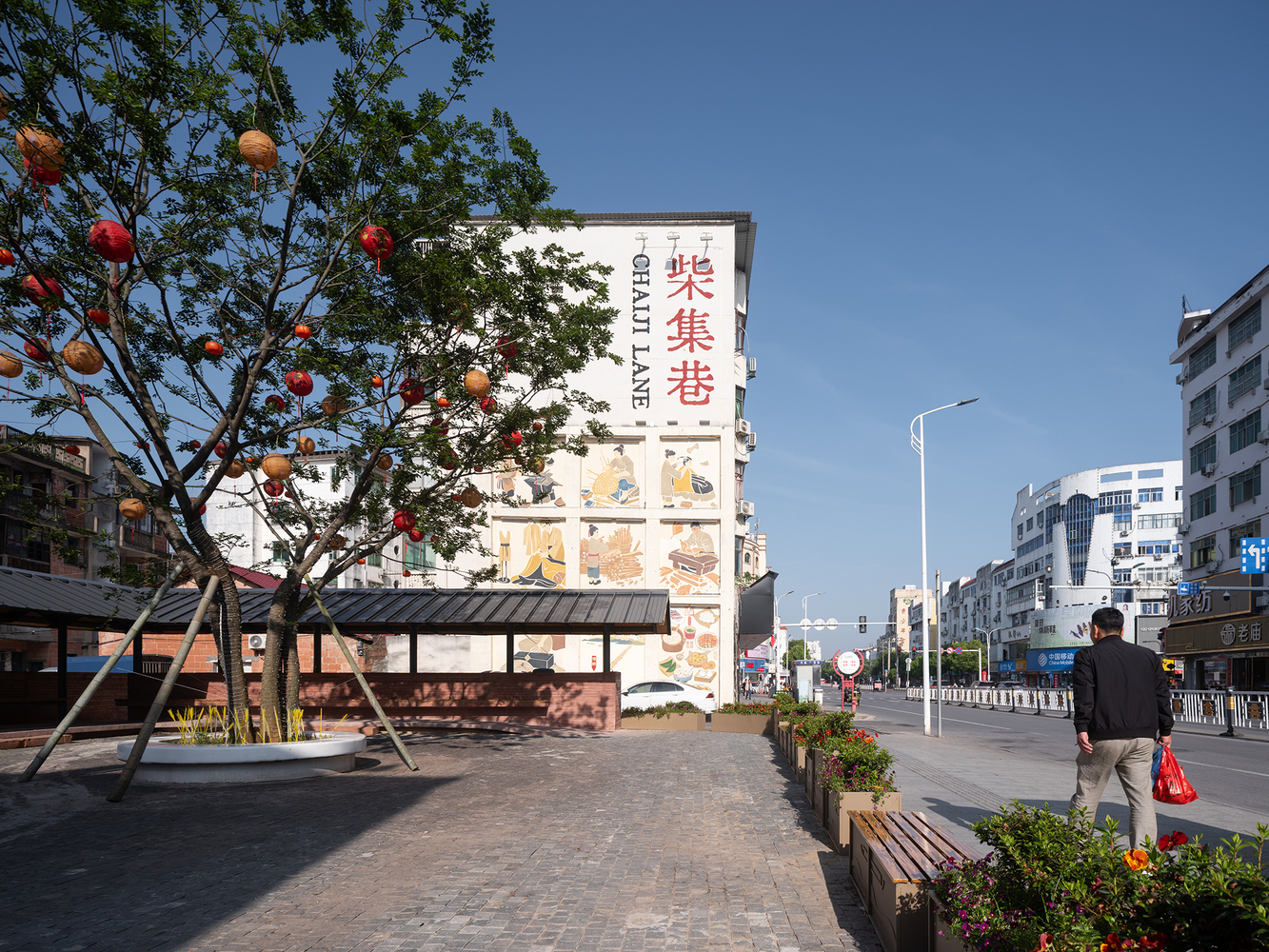
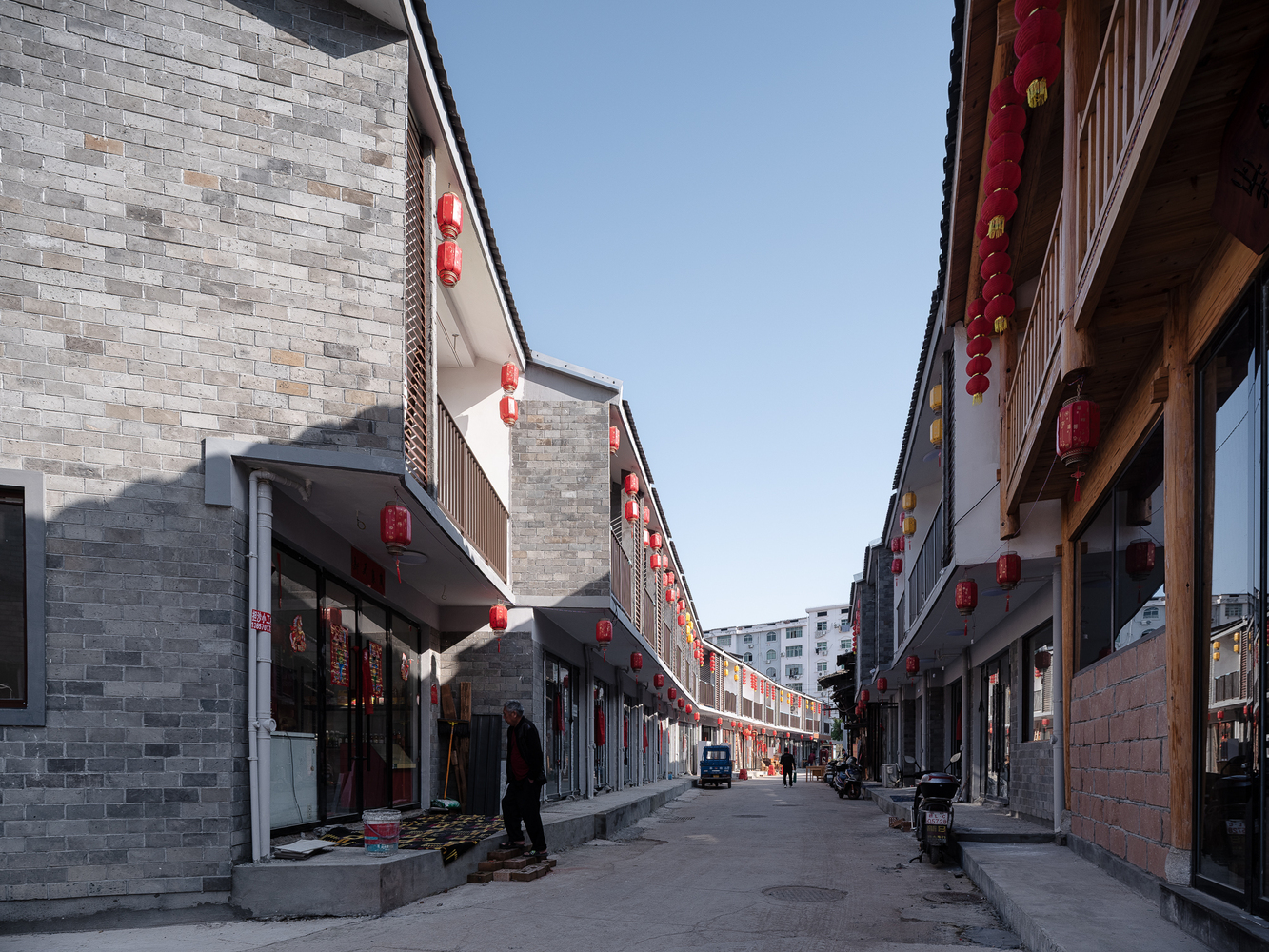
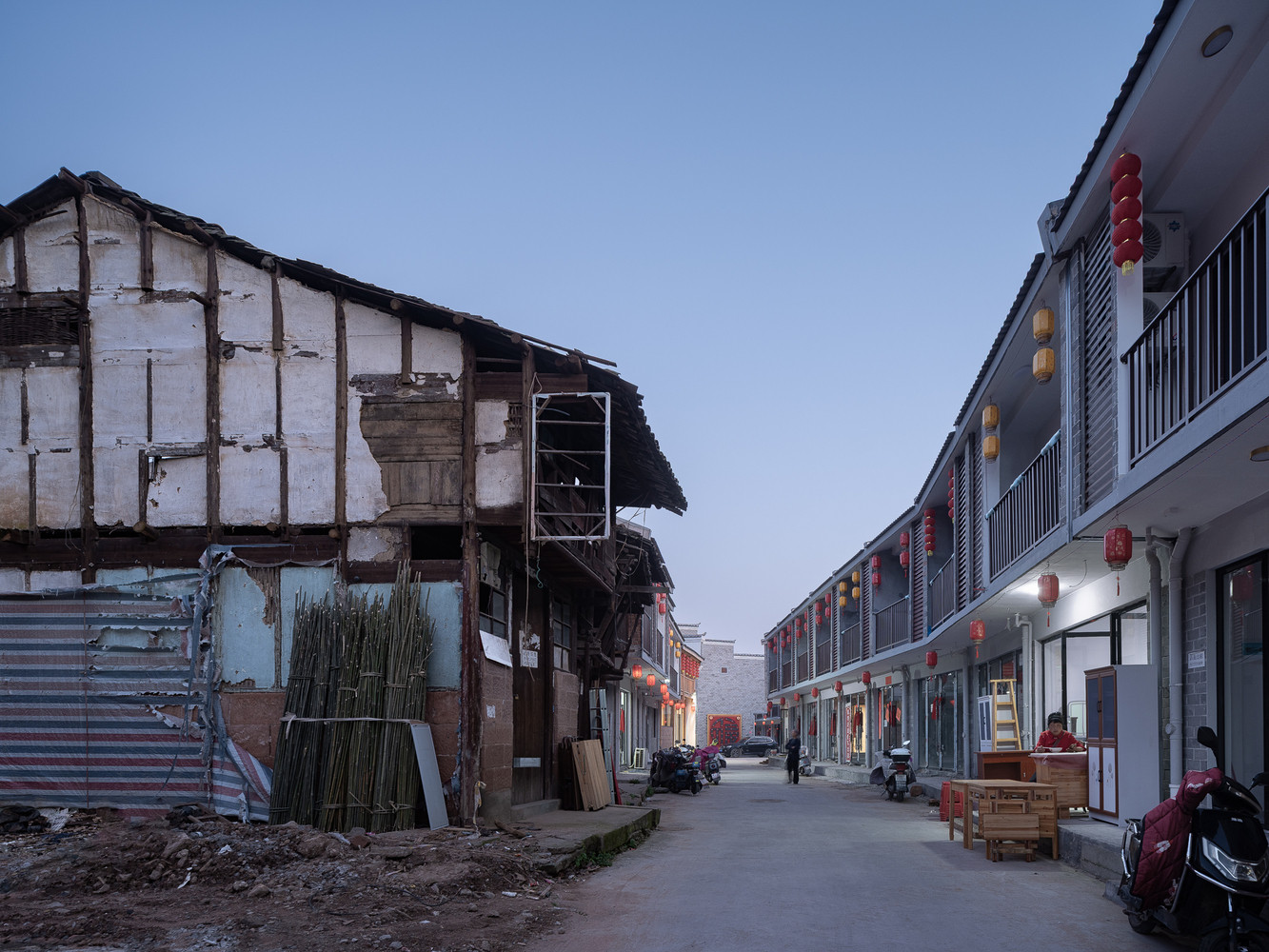
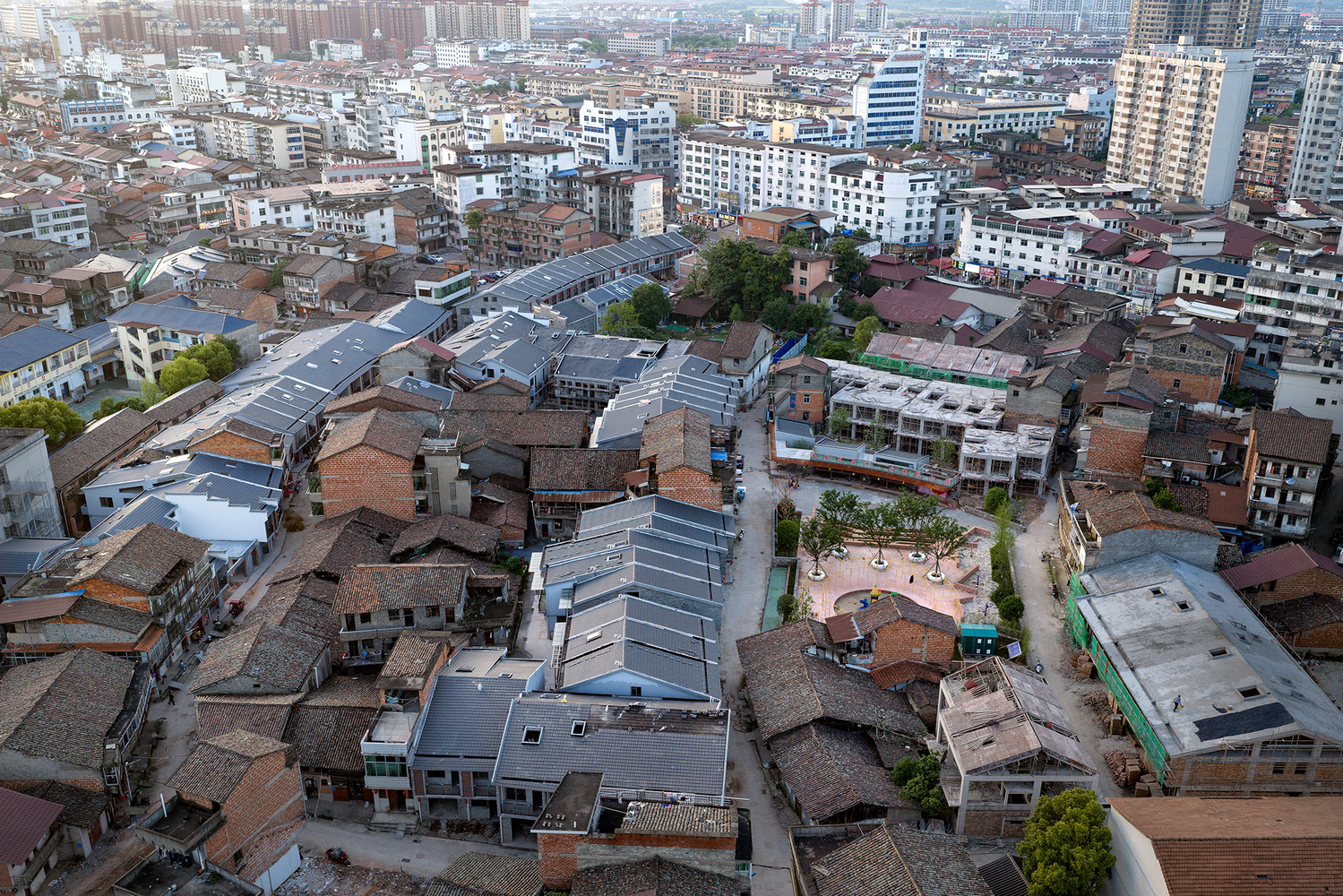
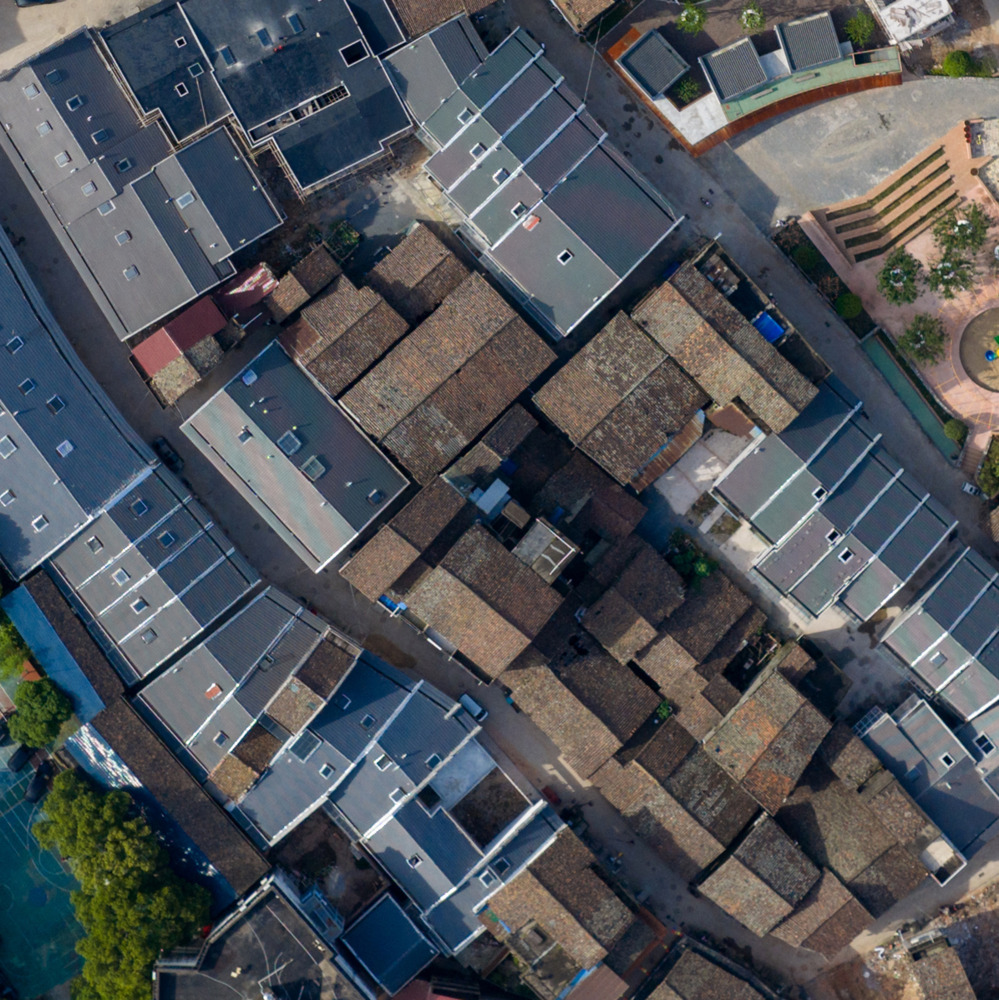
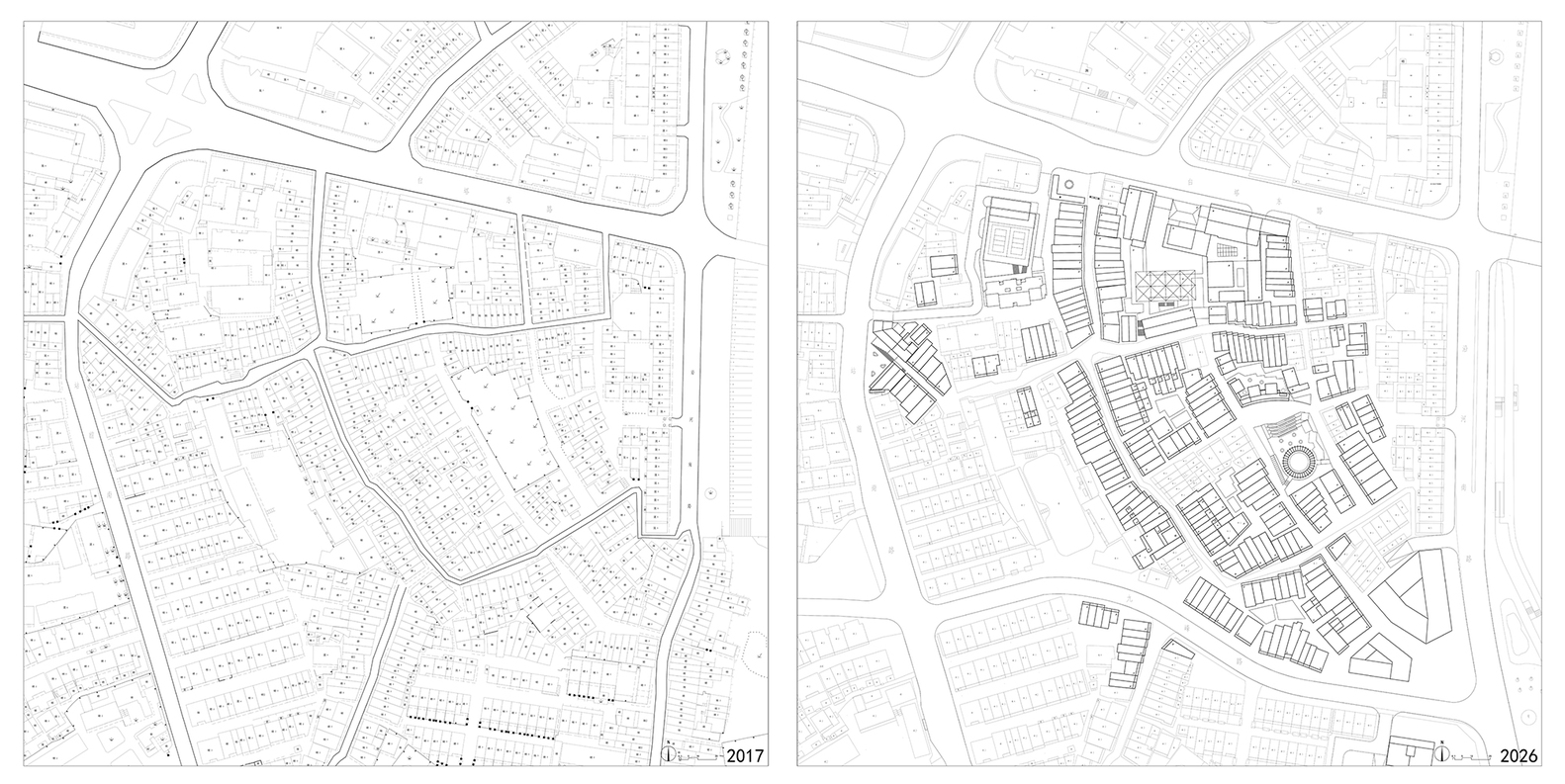
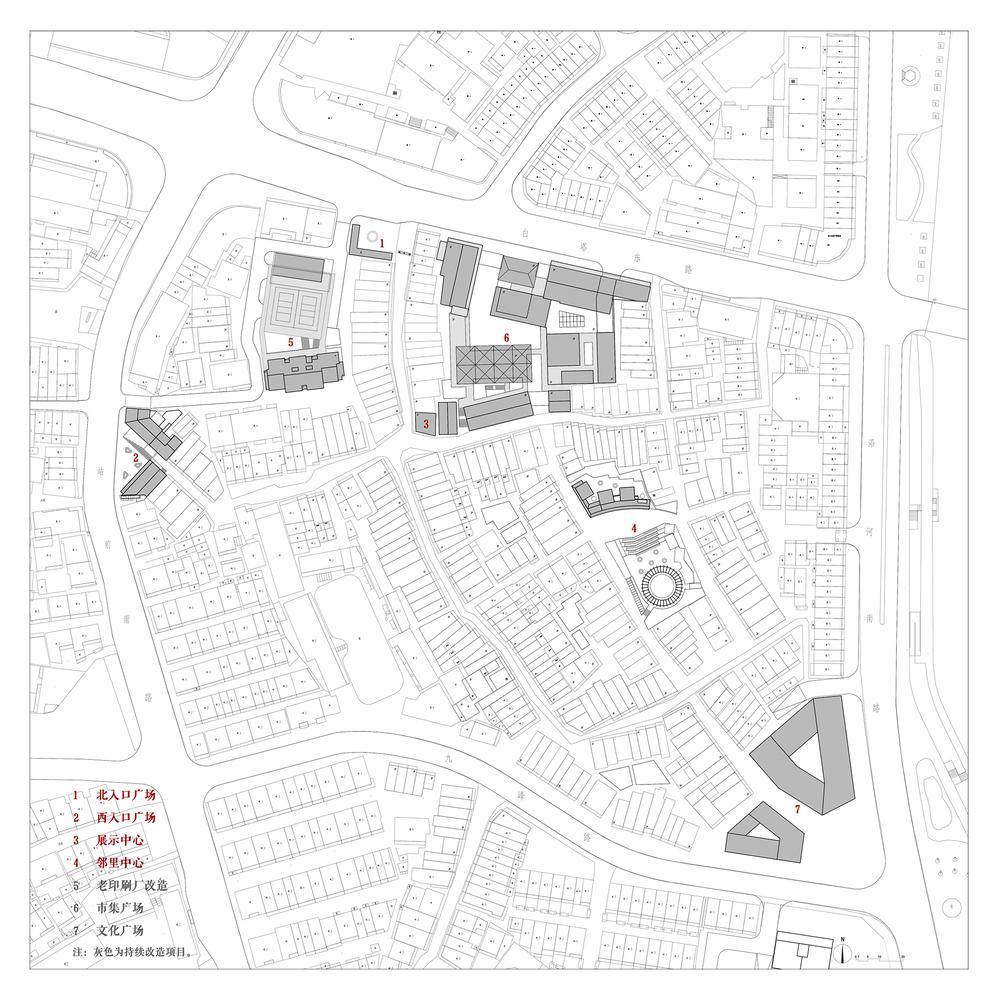
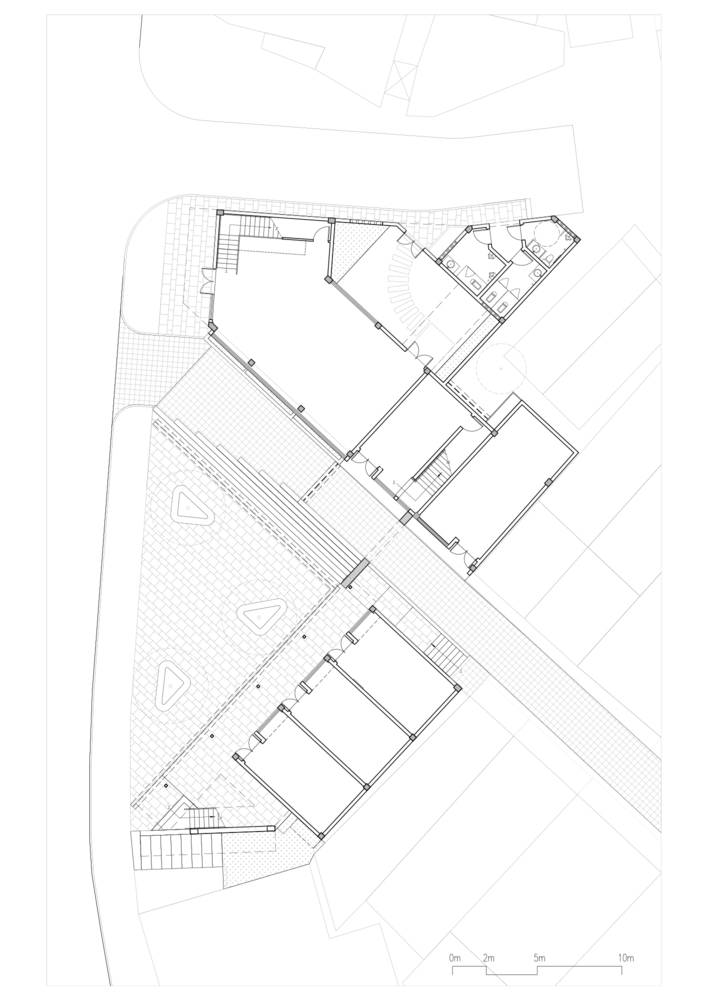
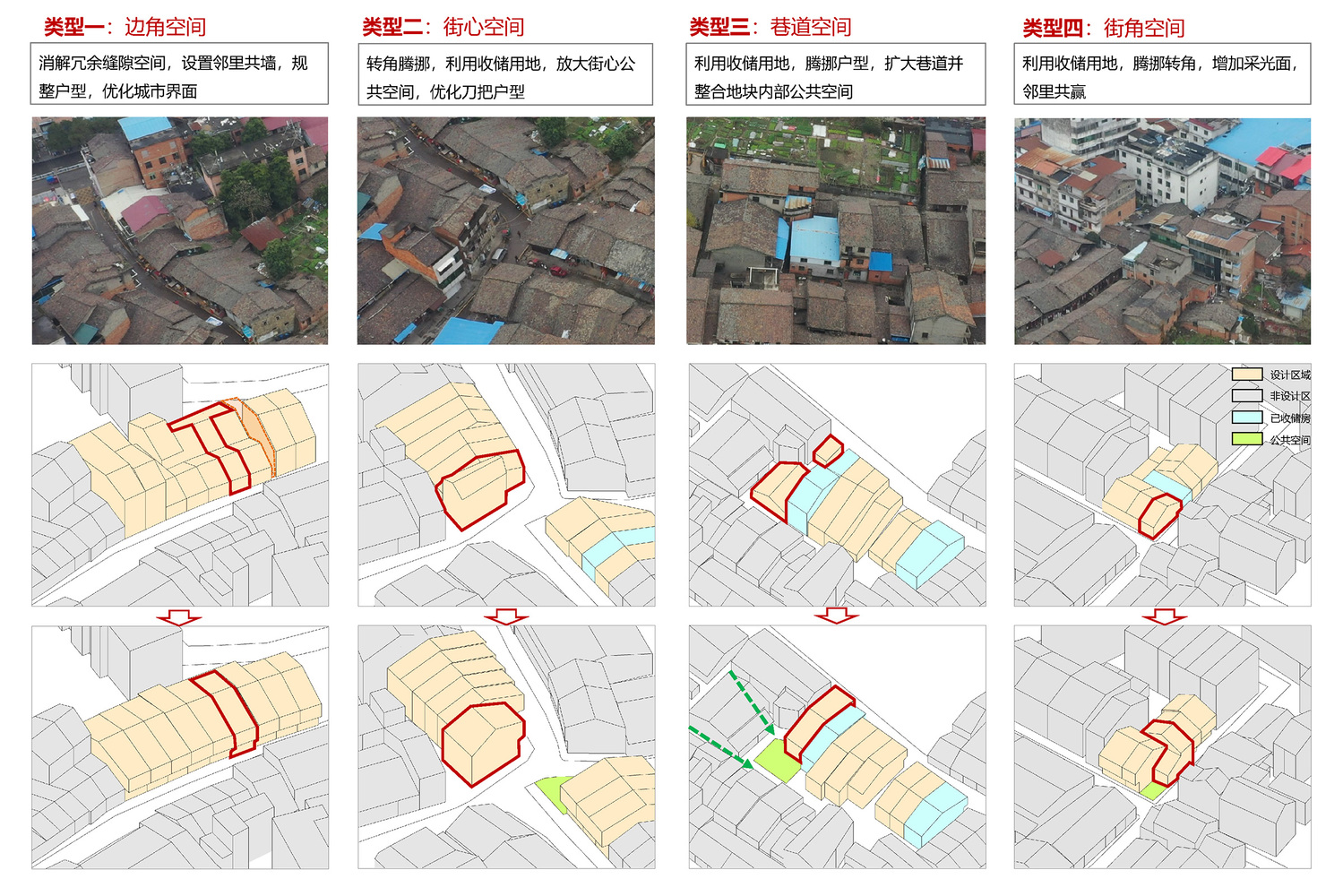
Chaiji Lane is such a typical and ordinary old neighborhood. The planning system organizes the overall relationships and positions it as a 'daily life-oriented traditional neighborhood,' using a path that combines government-led infrastructure renewal and targeted public node upgrades to drive residents to update their self-built houses.
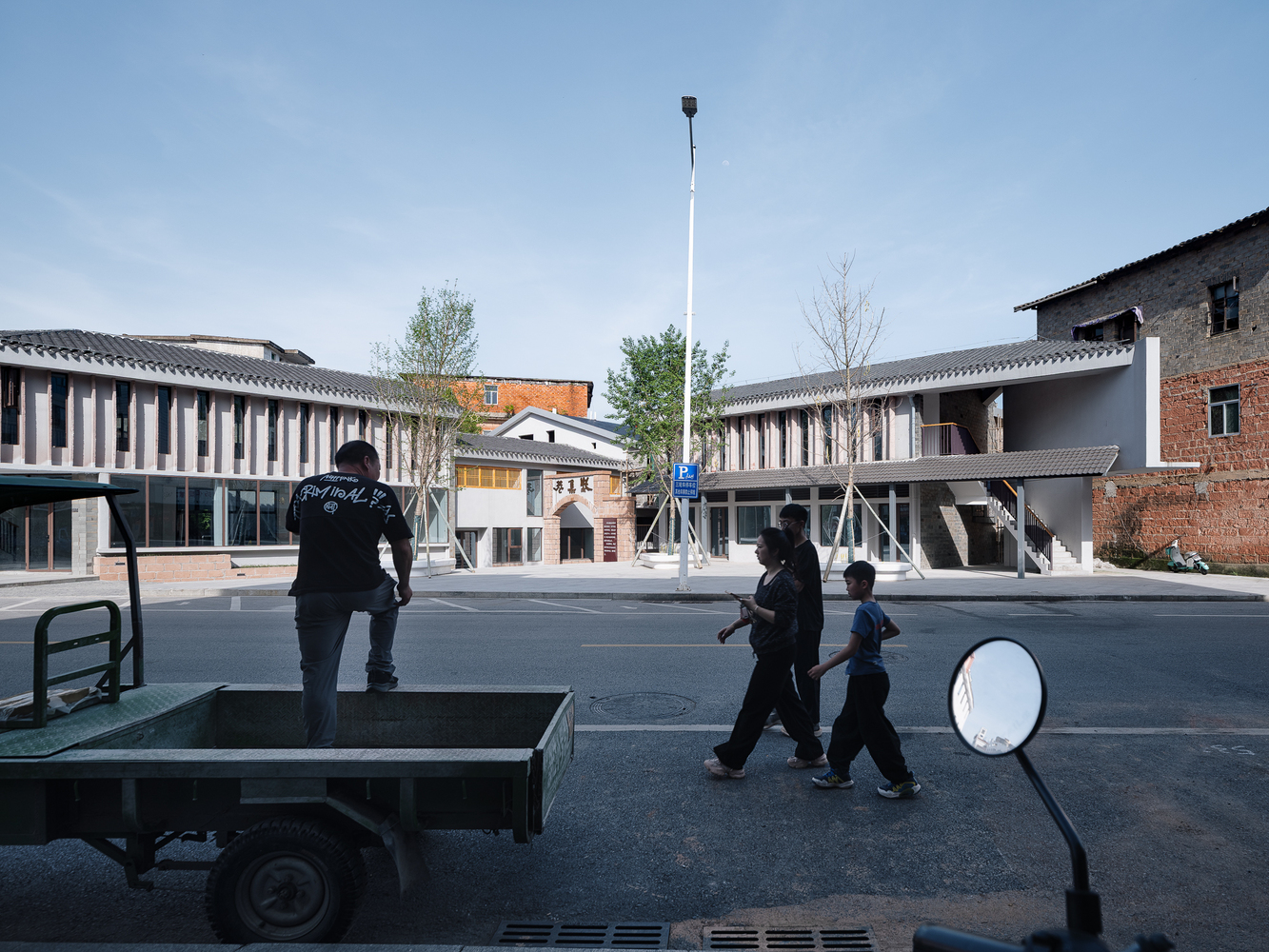
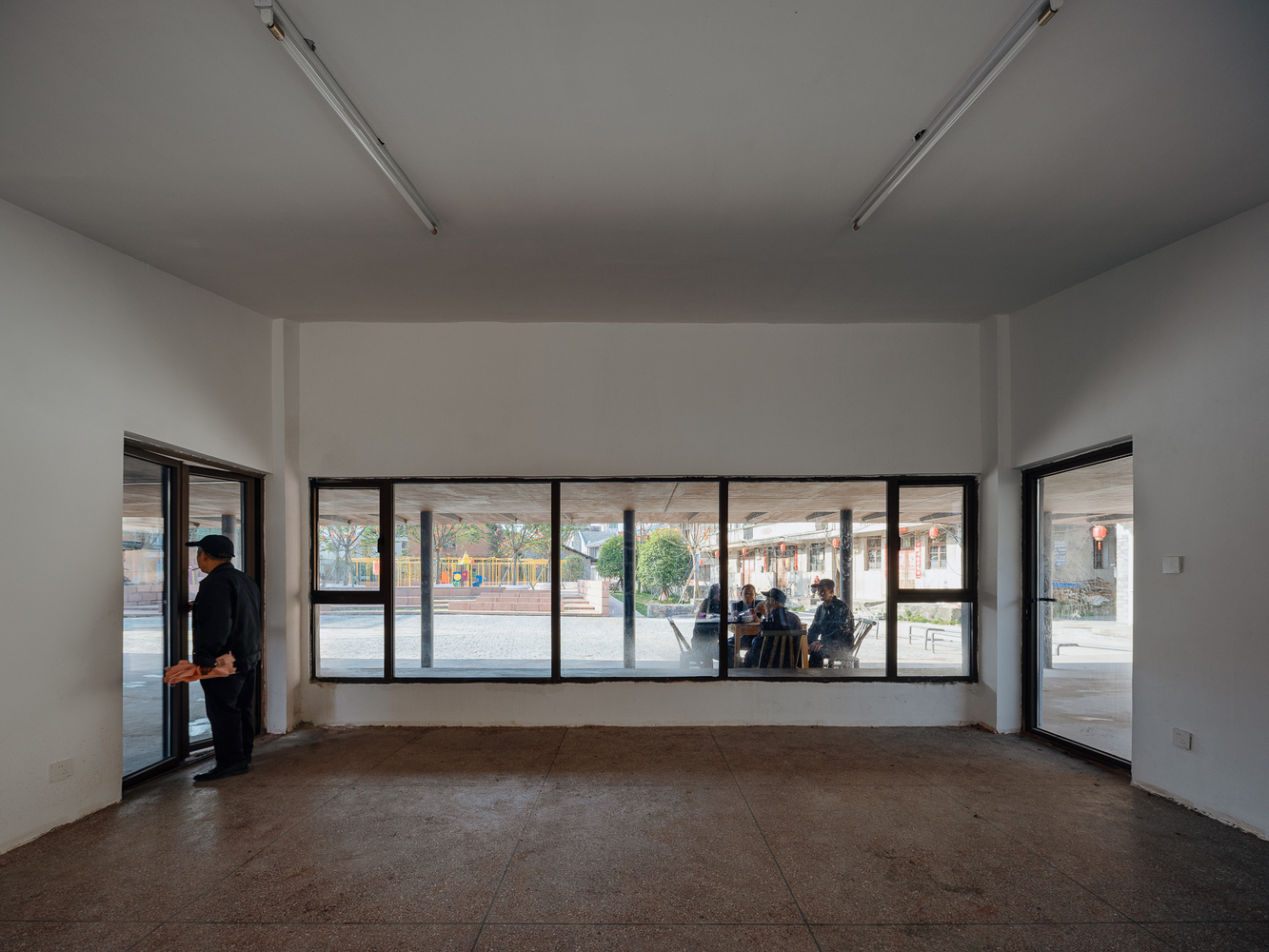
The government introduces policies to legitimize autonomous renewal, stimulating property owners' initiative through capacity expansion and quality improvement;
meanwhile, it sets a management baseline, optimizing the system based on the principles of preserving the street texture and minimizing demolition, enhancing accessibility and strengthening publicness.
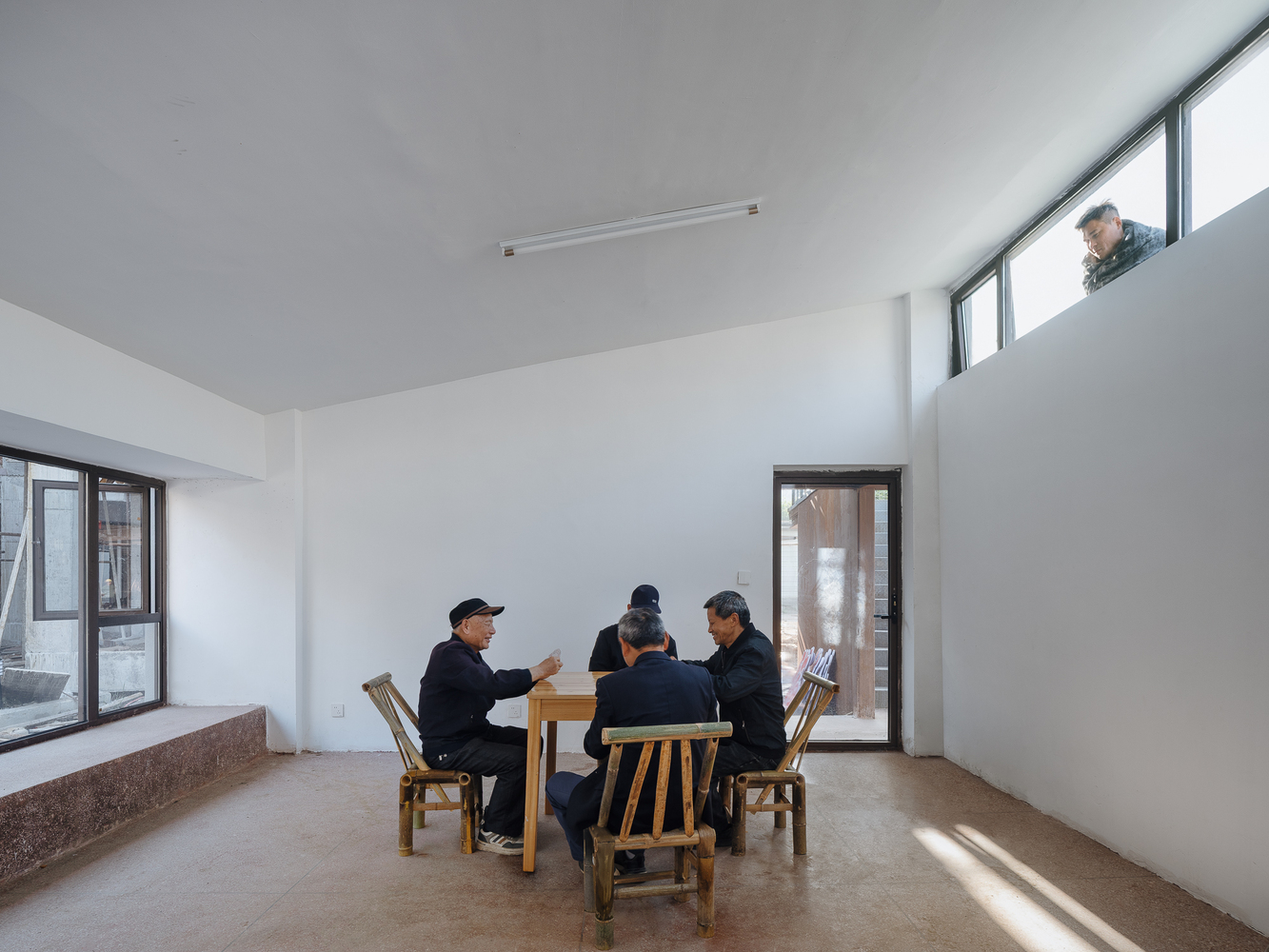
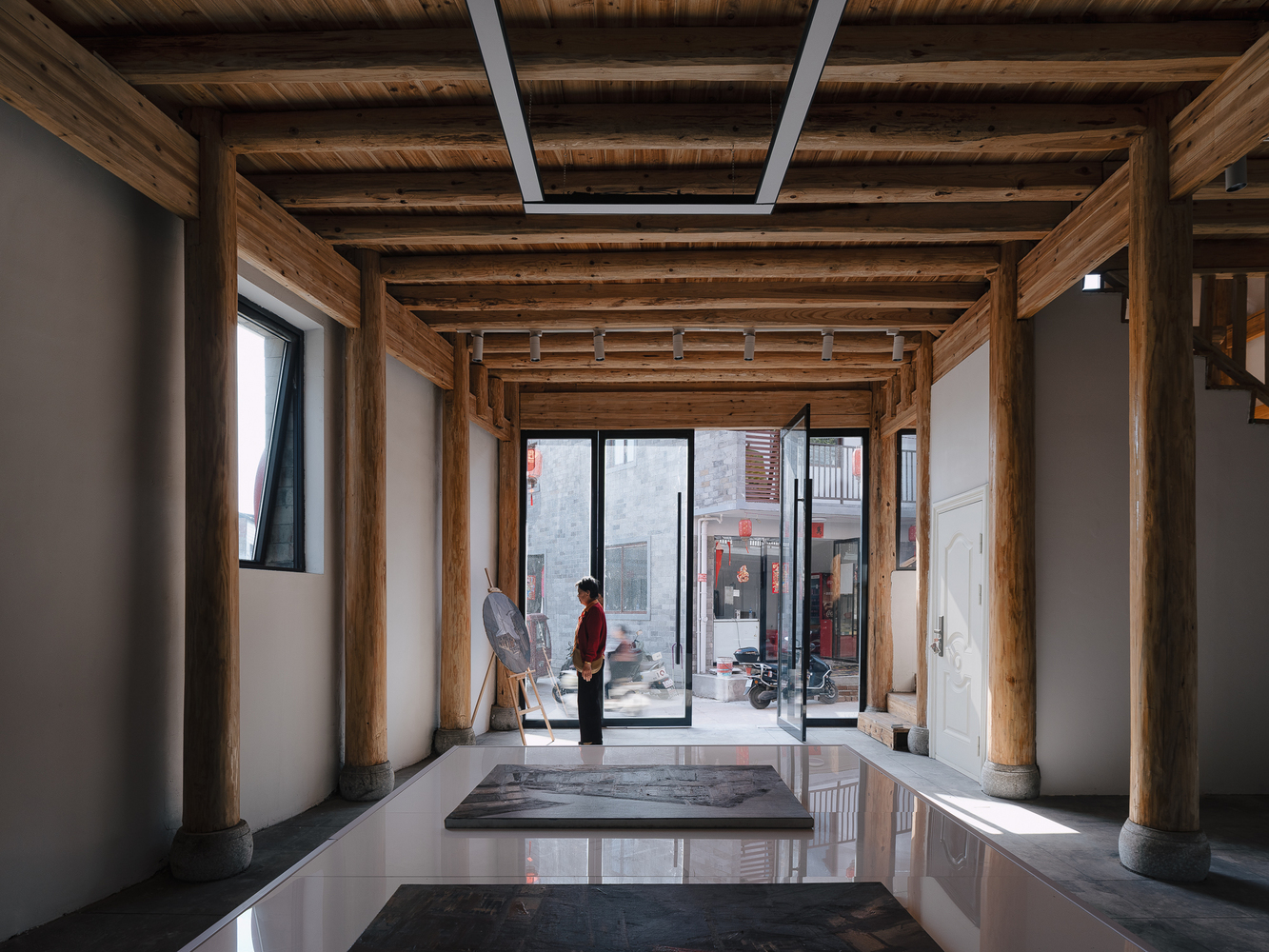
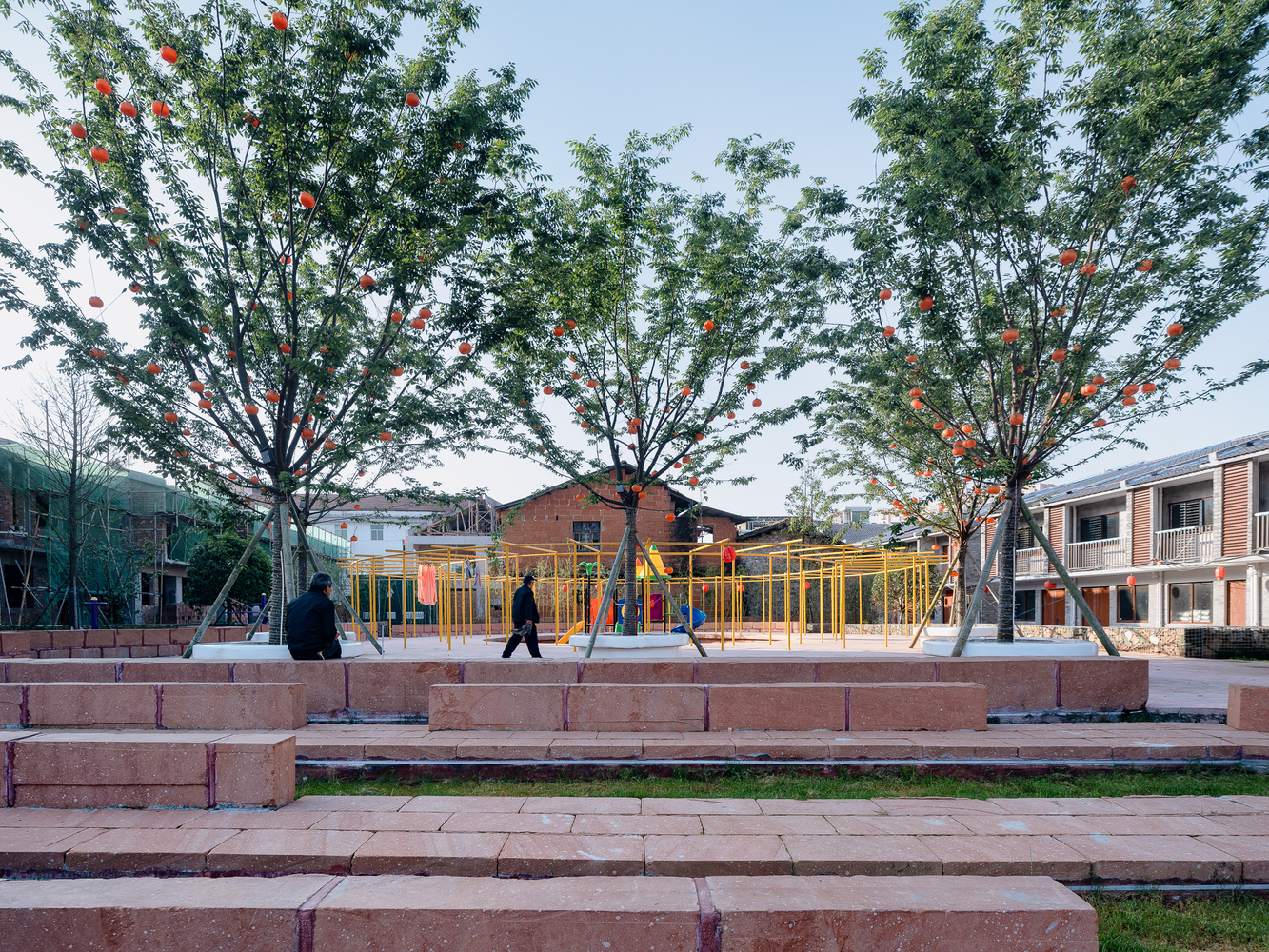
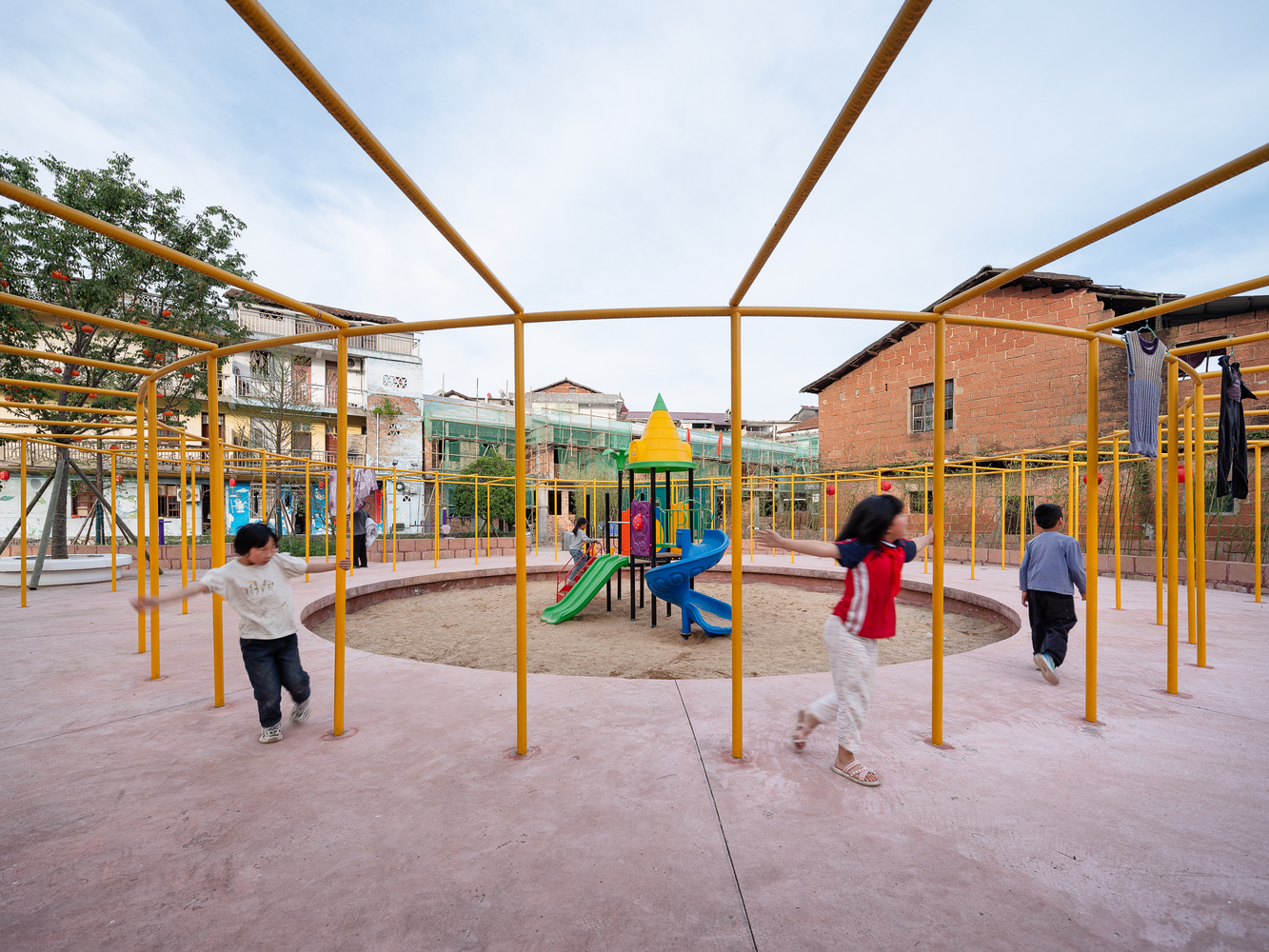
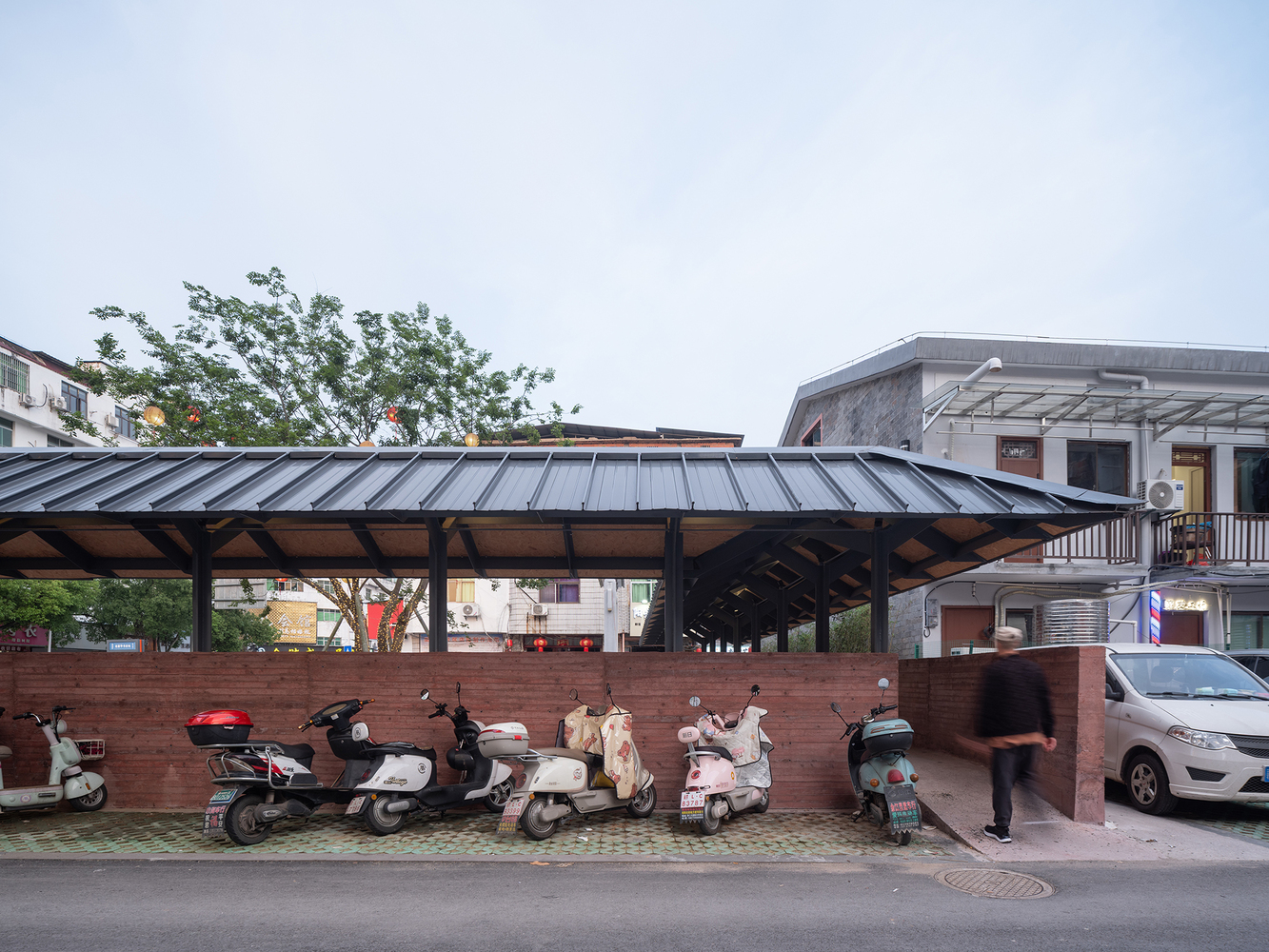
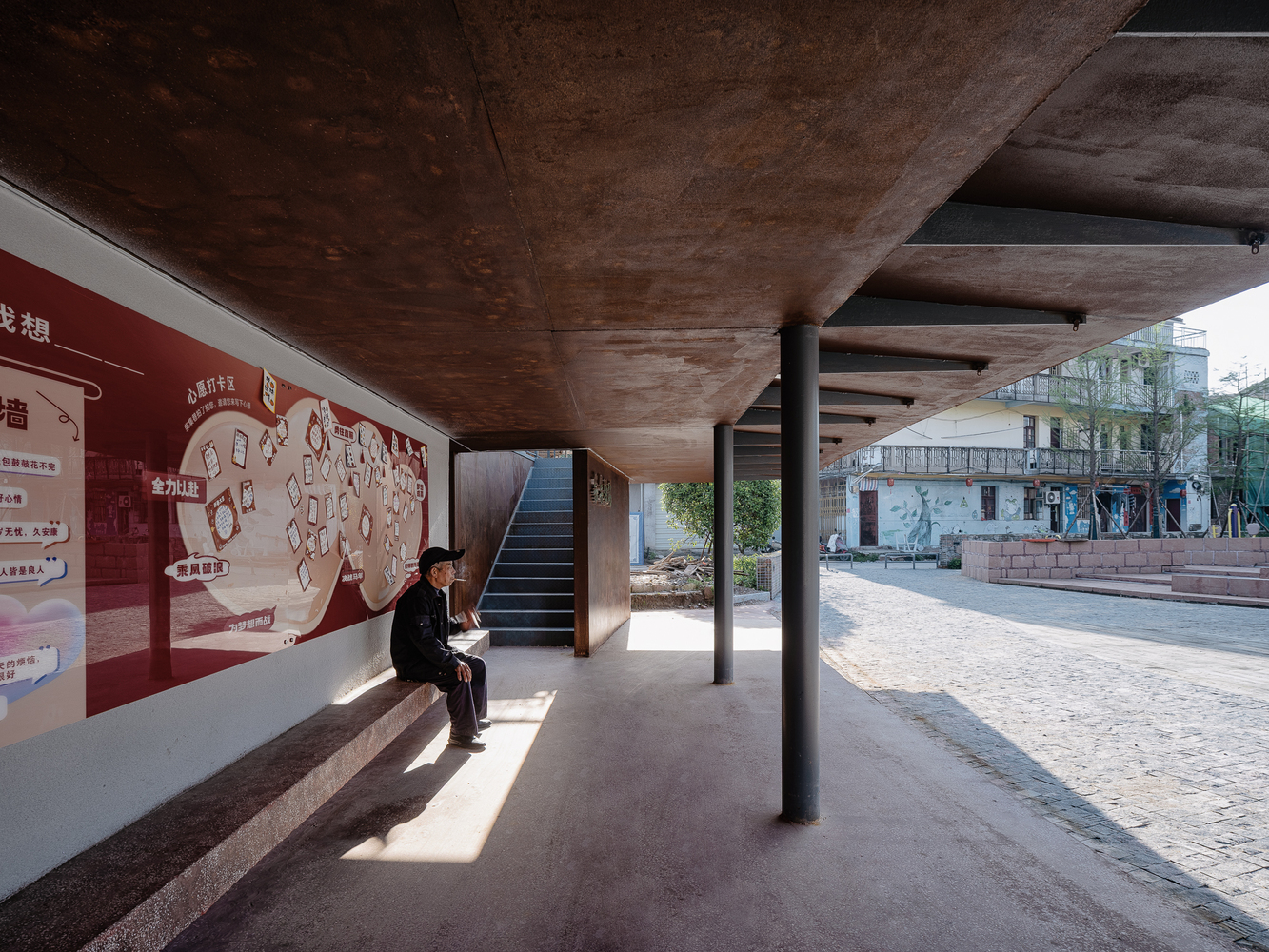
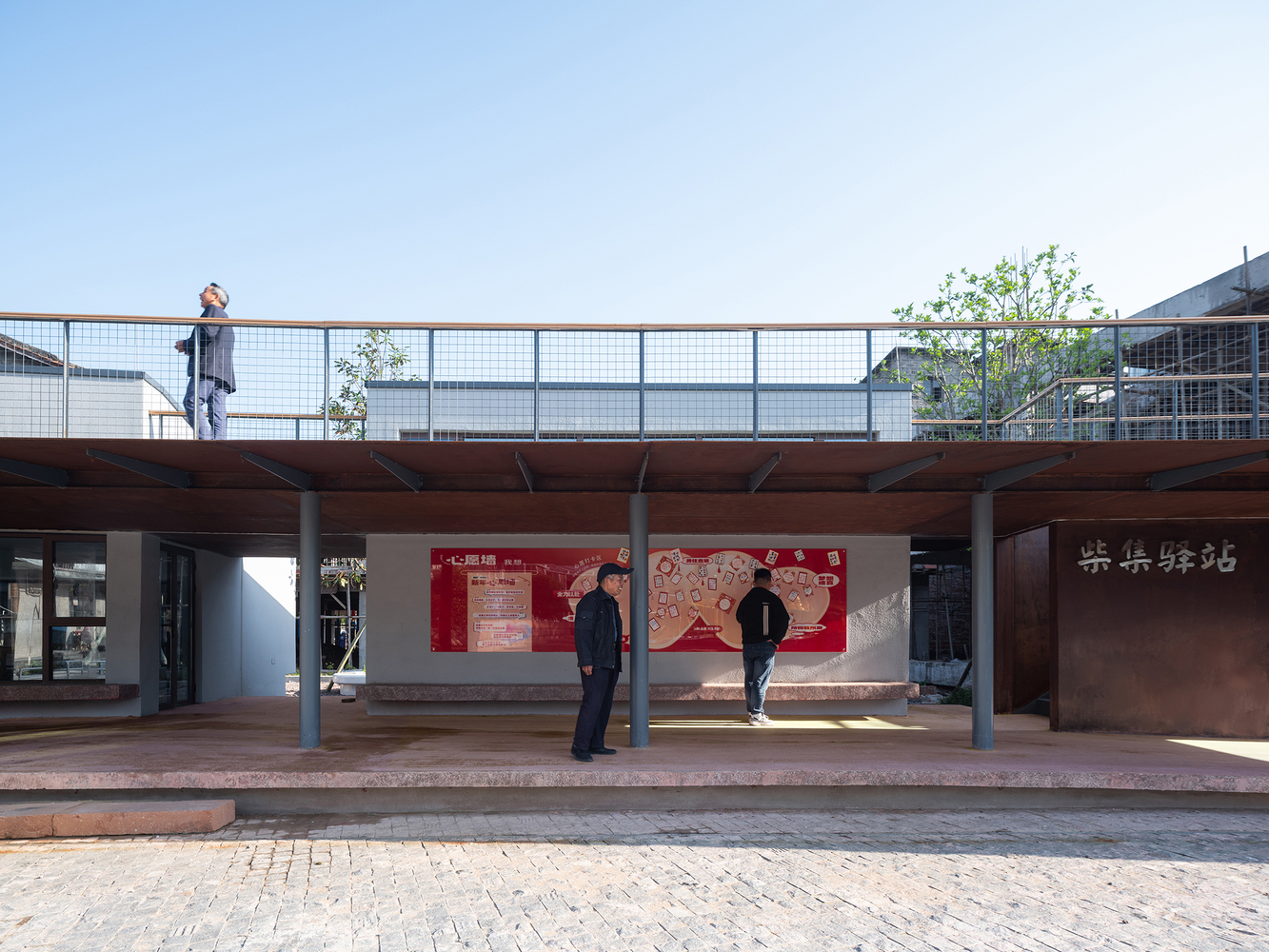
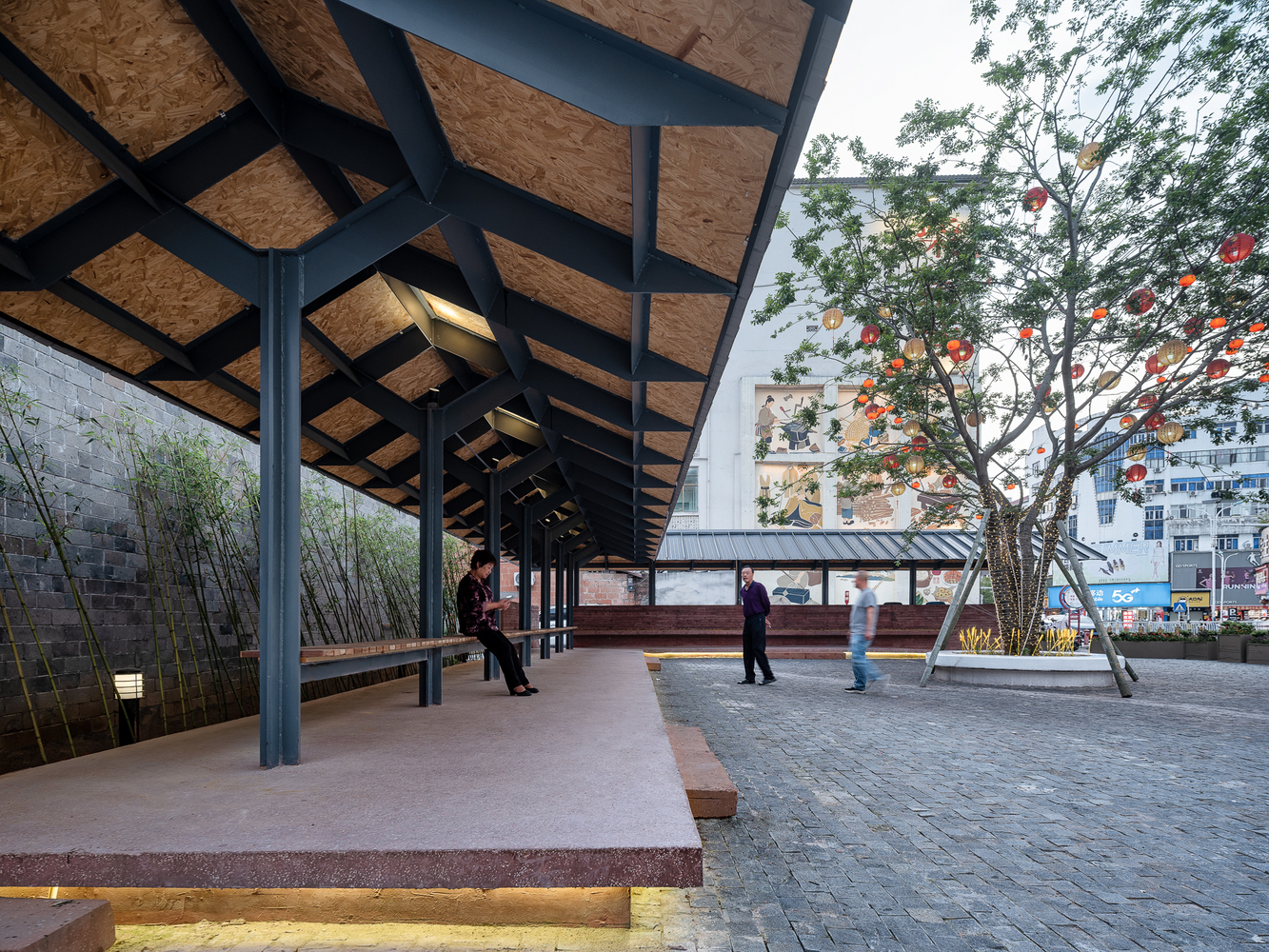
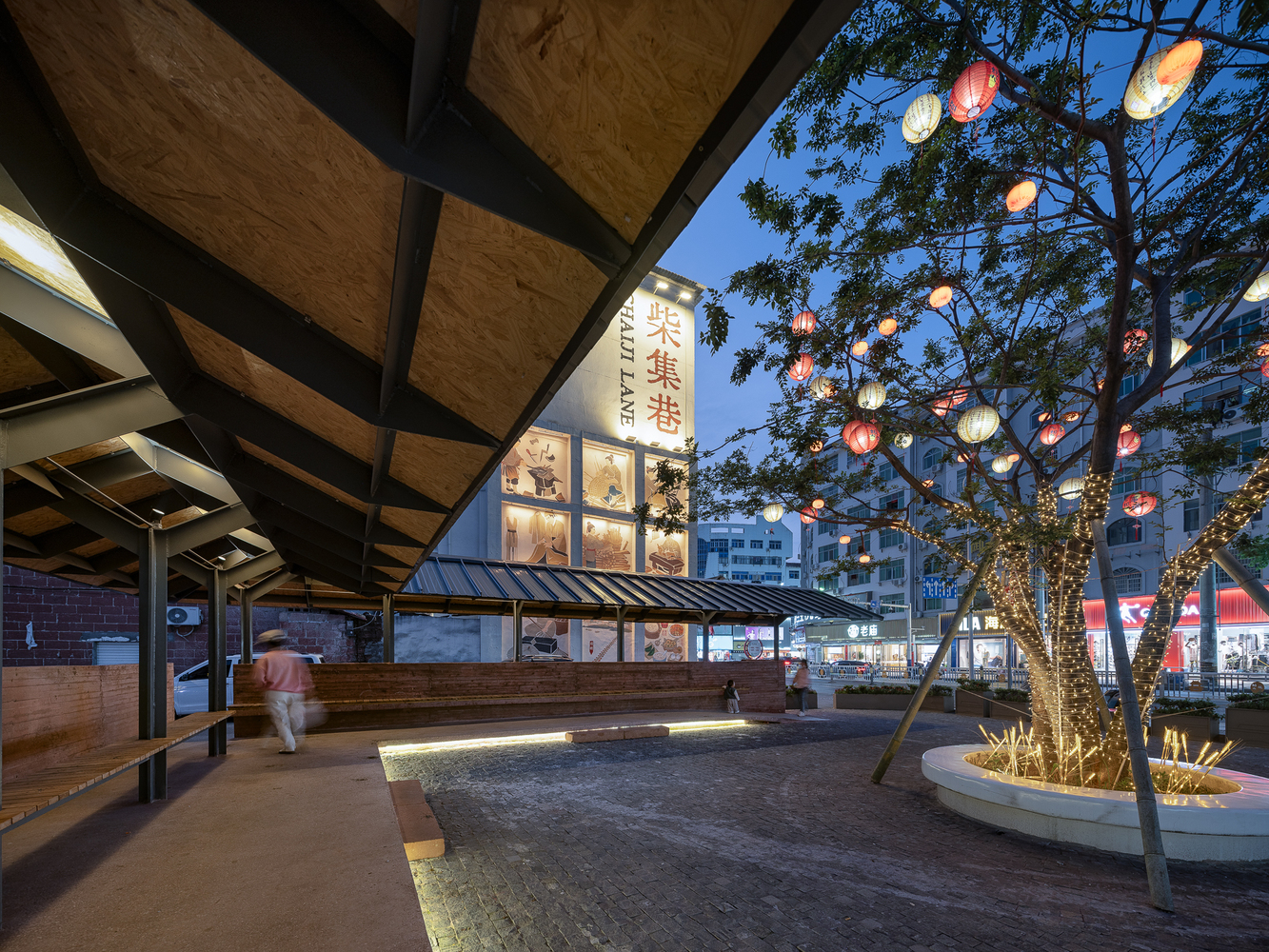
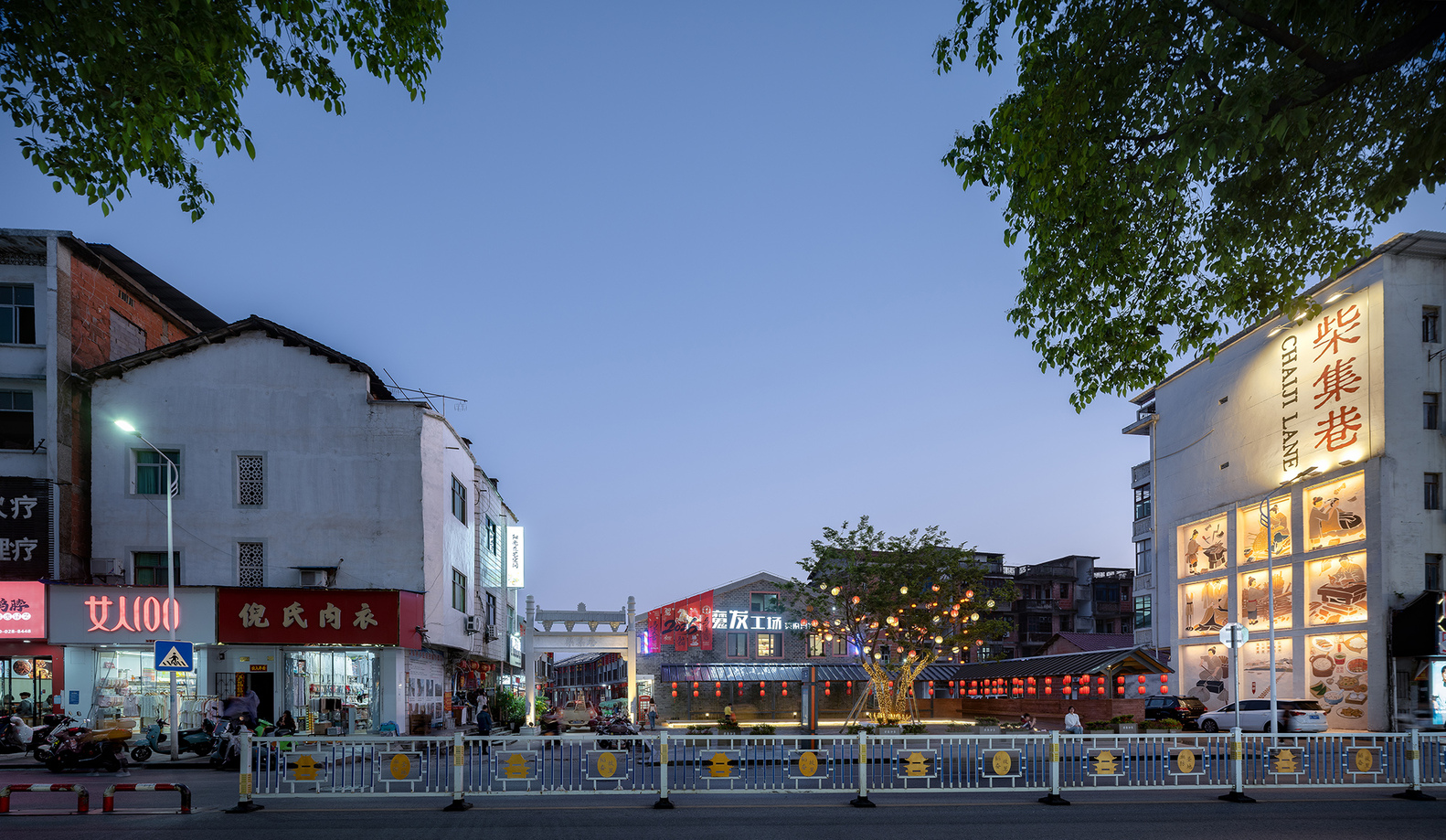
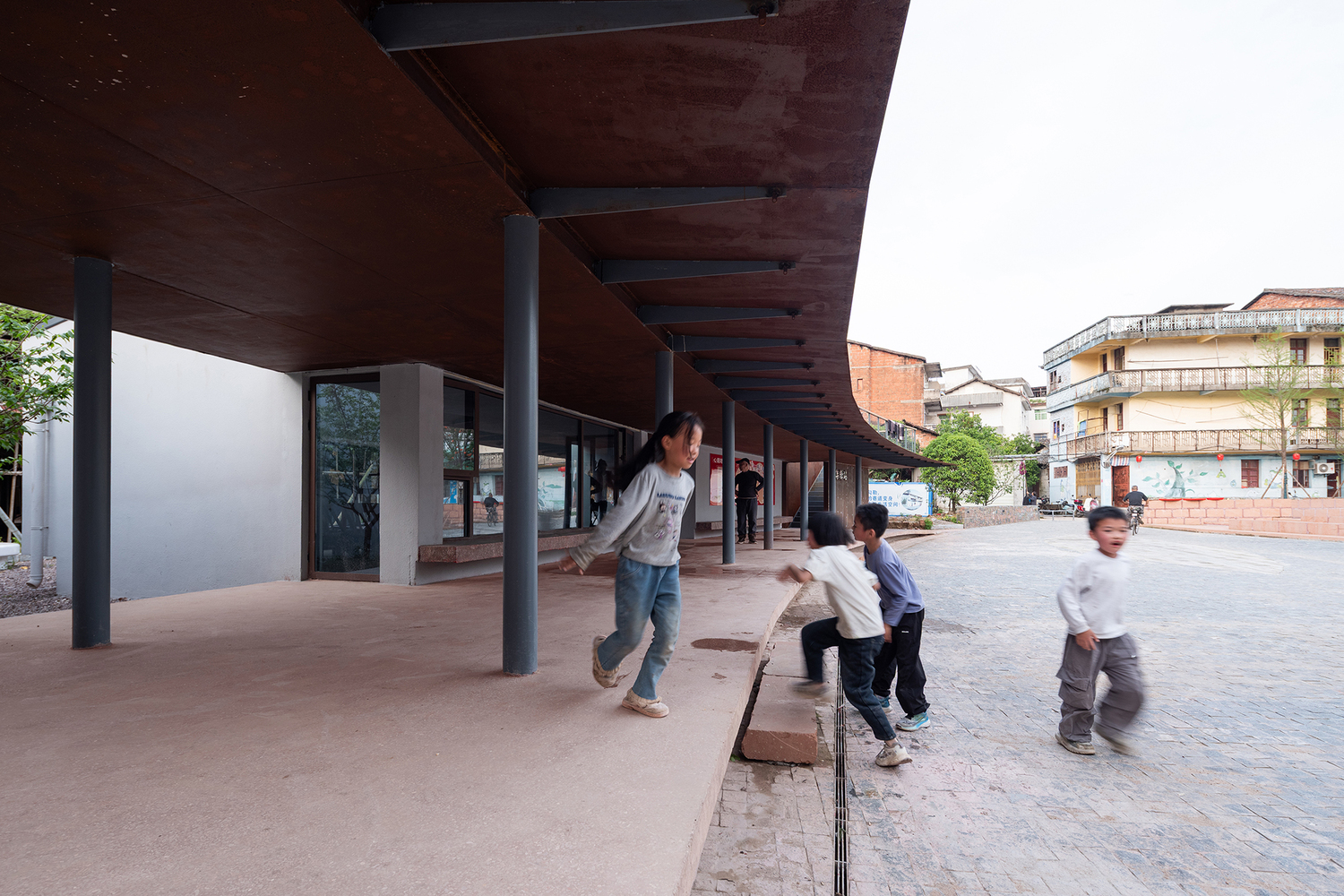
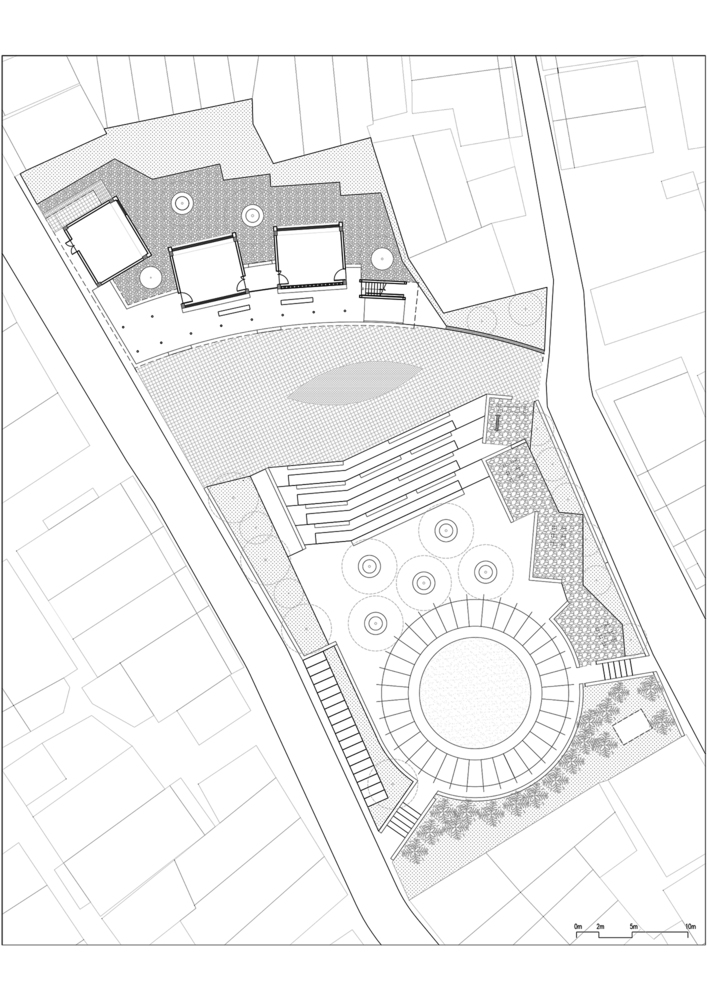
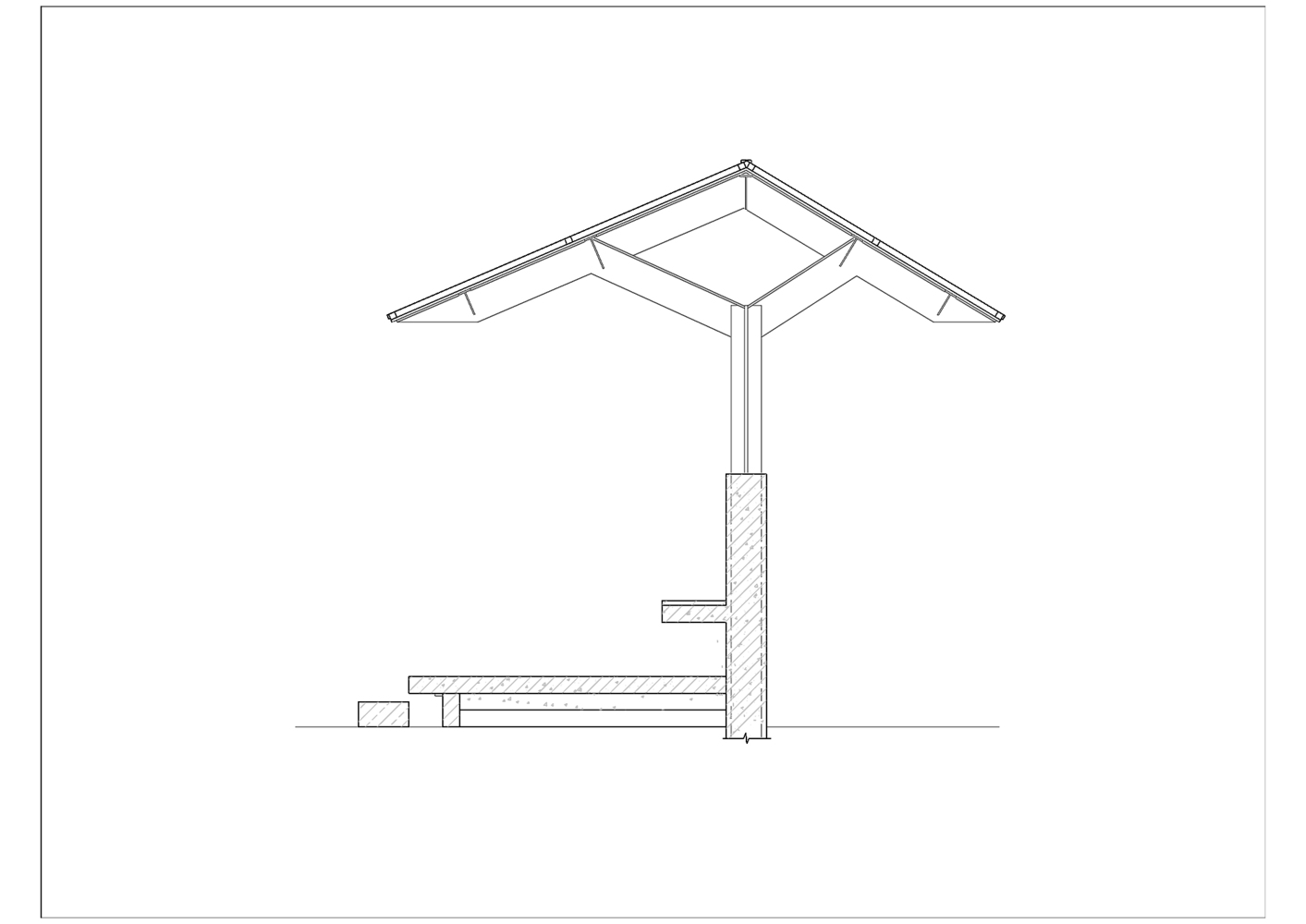
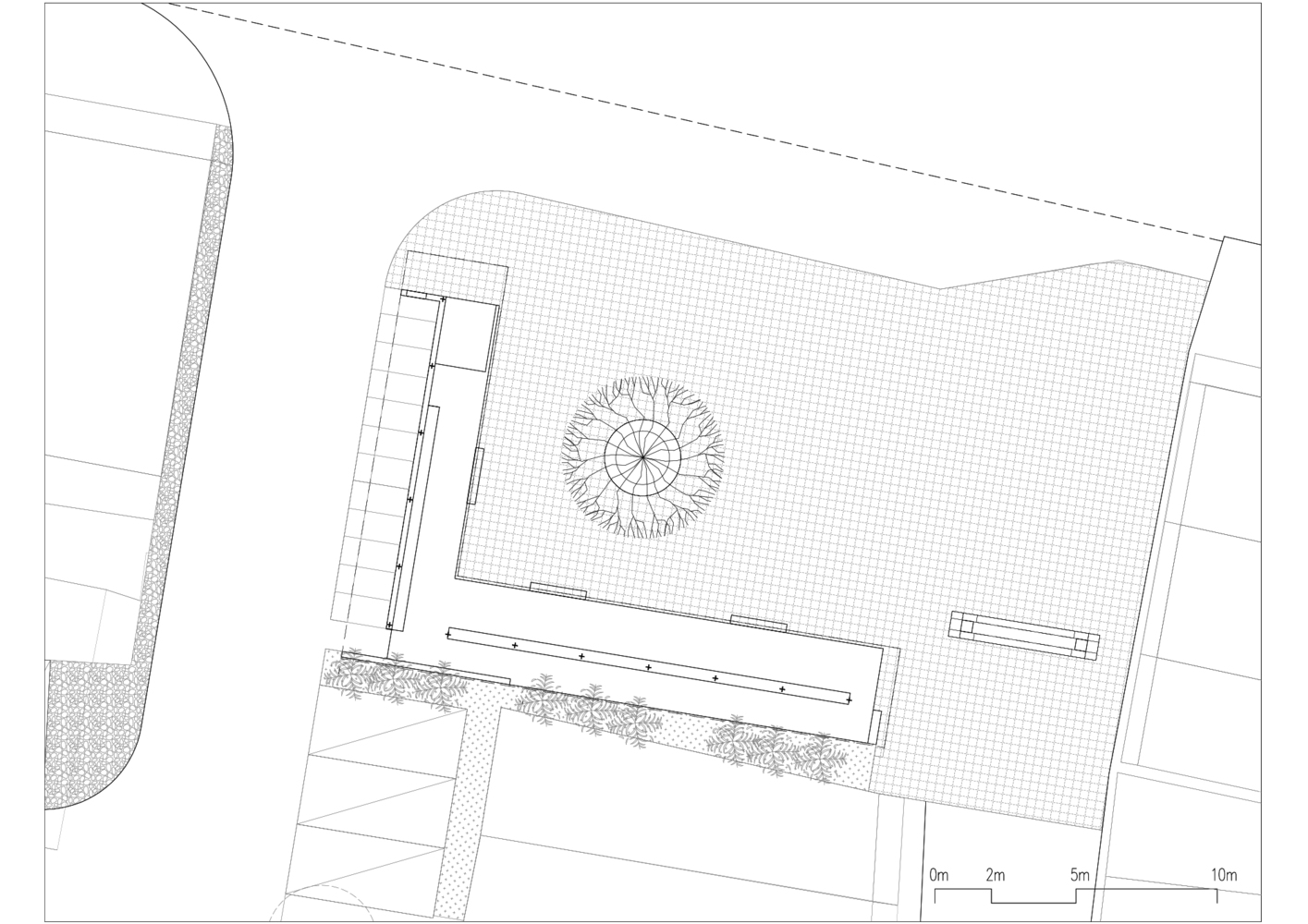
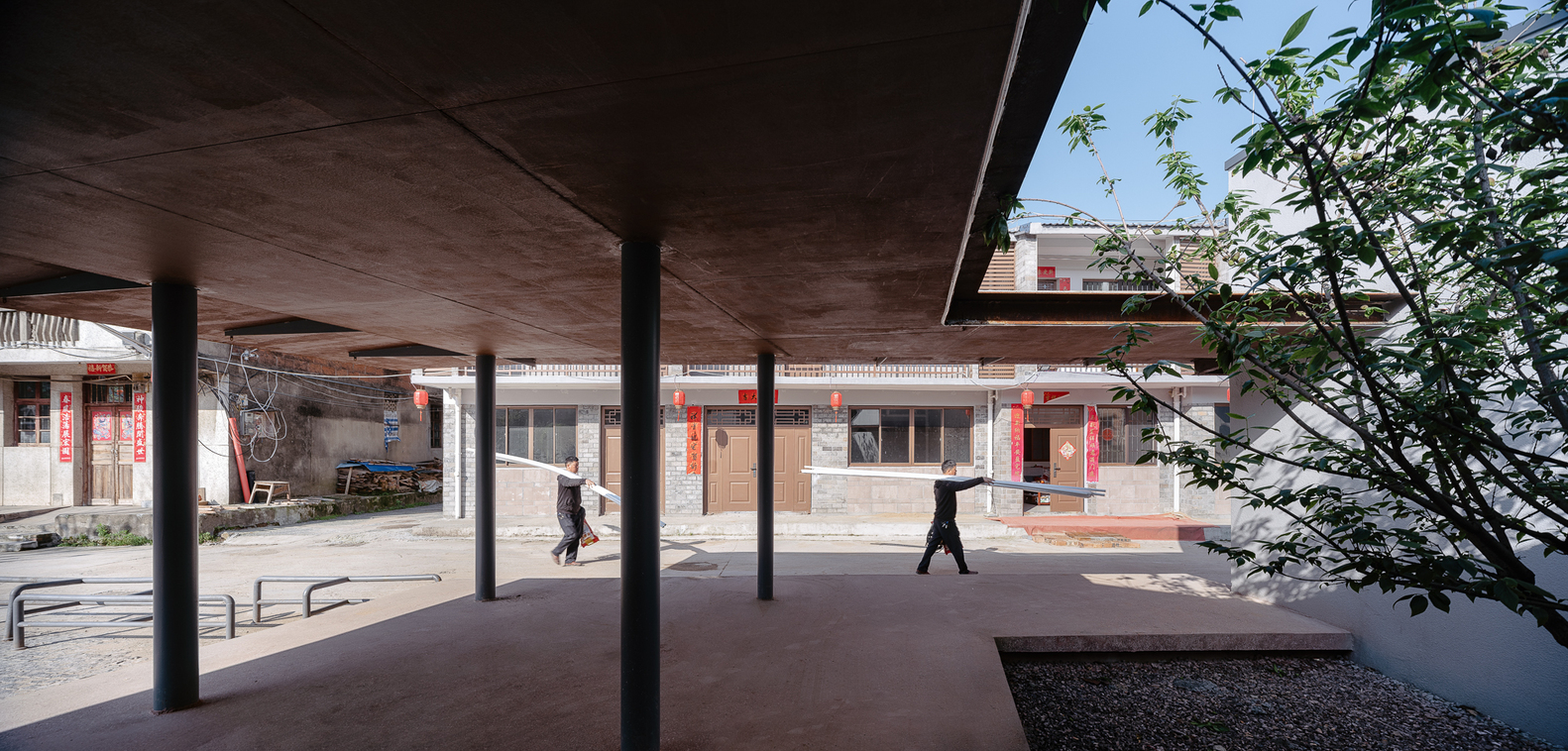
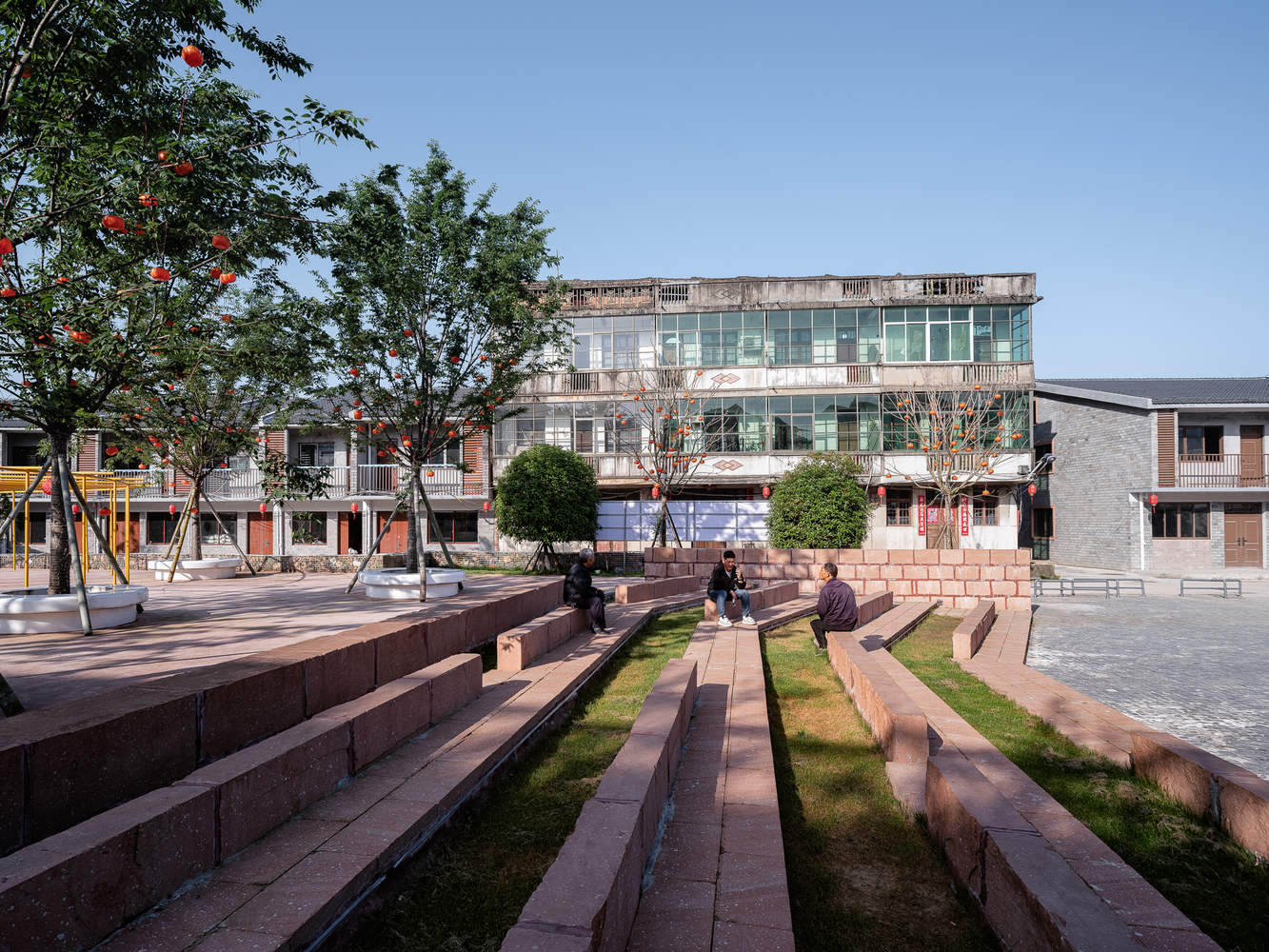
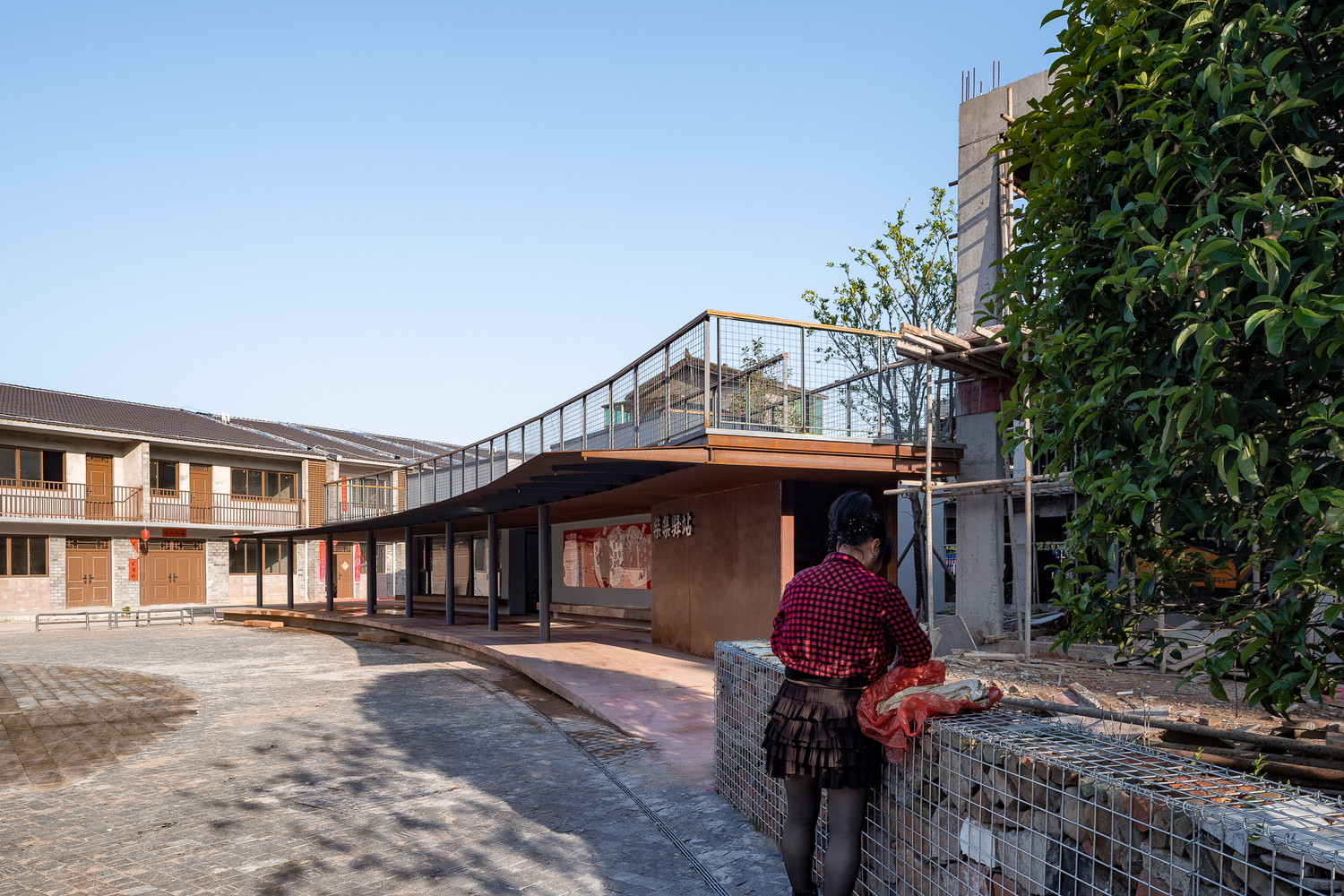
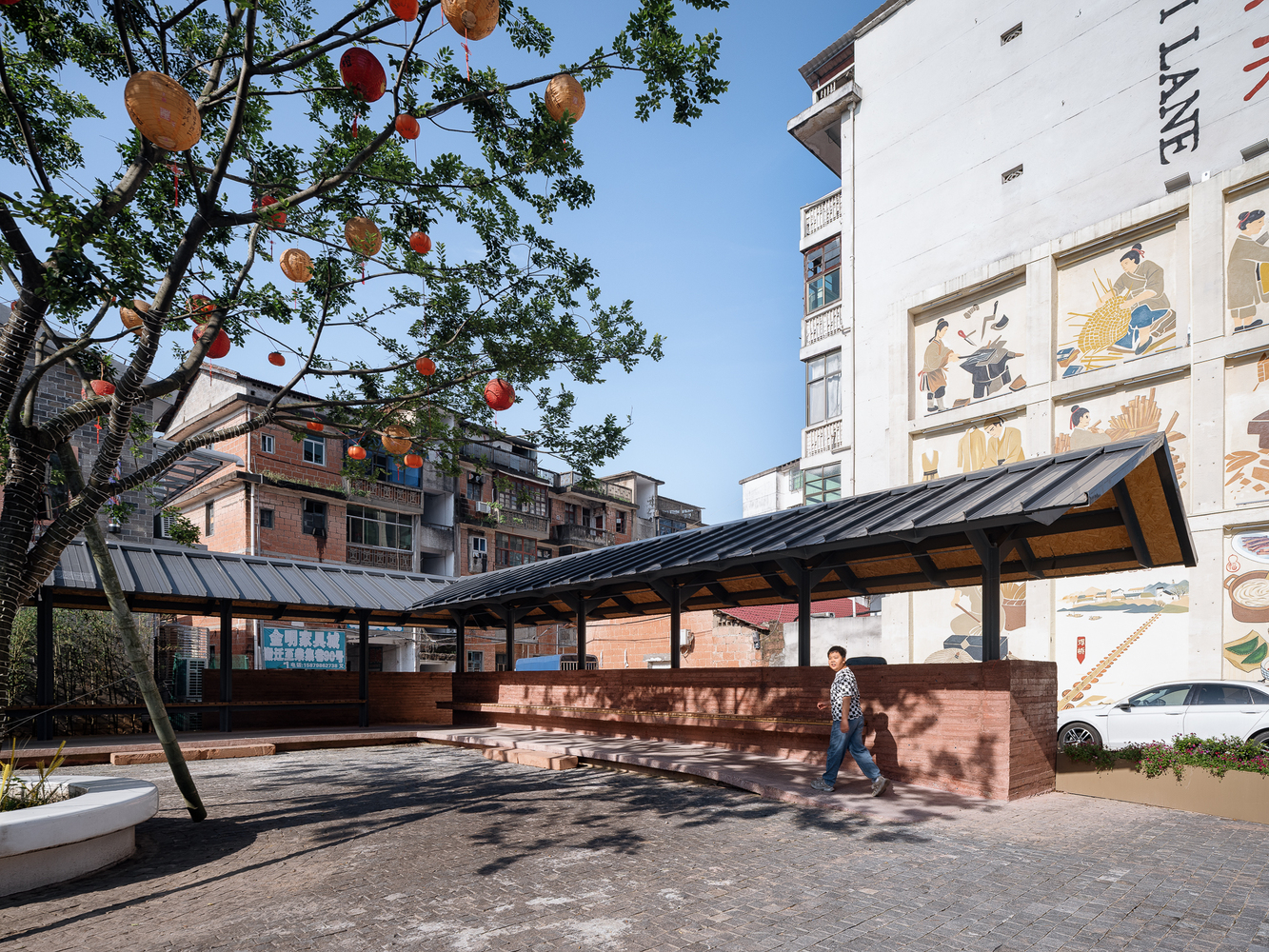
Additionally, the public space of the neighborhood is reshaped according to three principles: minimal intervention, locality, and diversity.
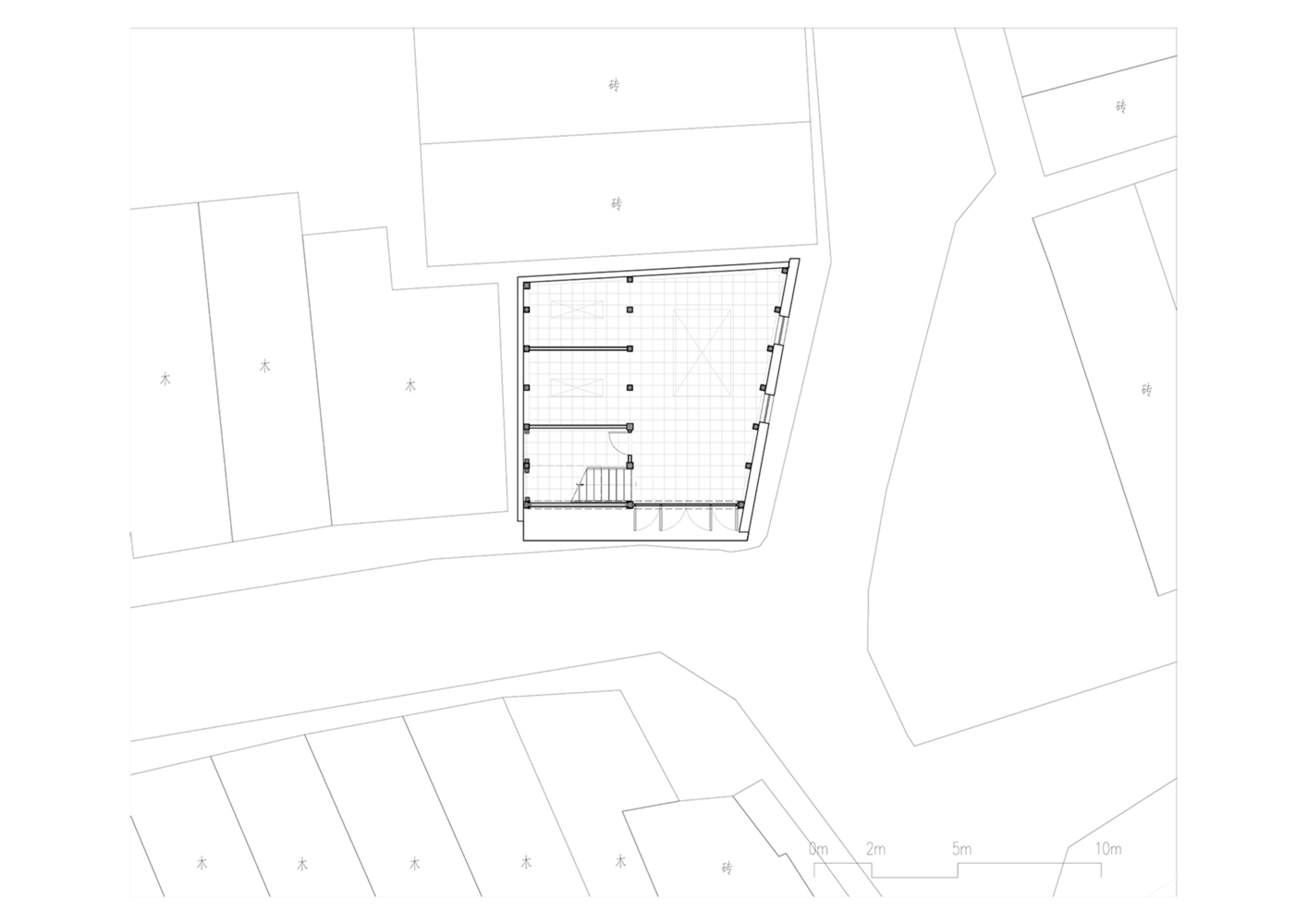
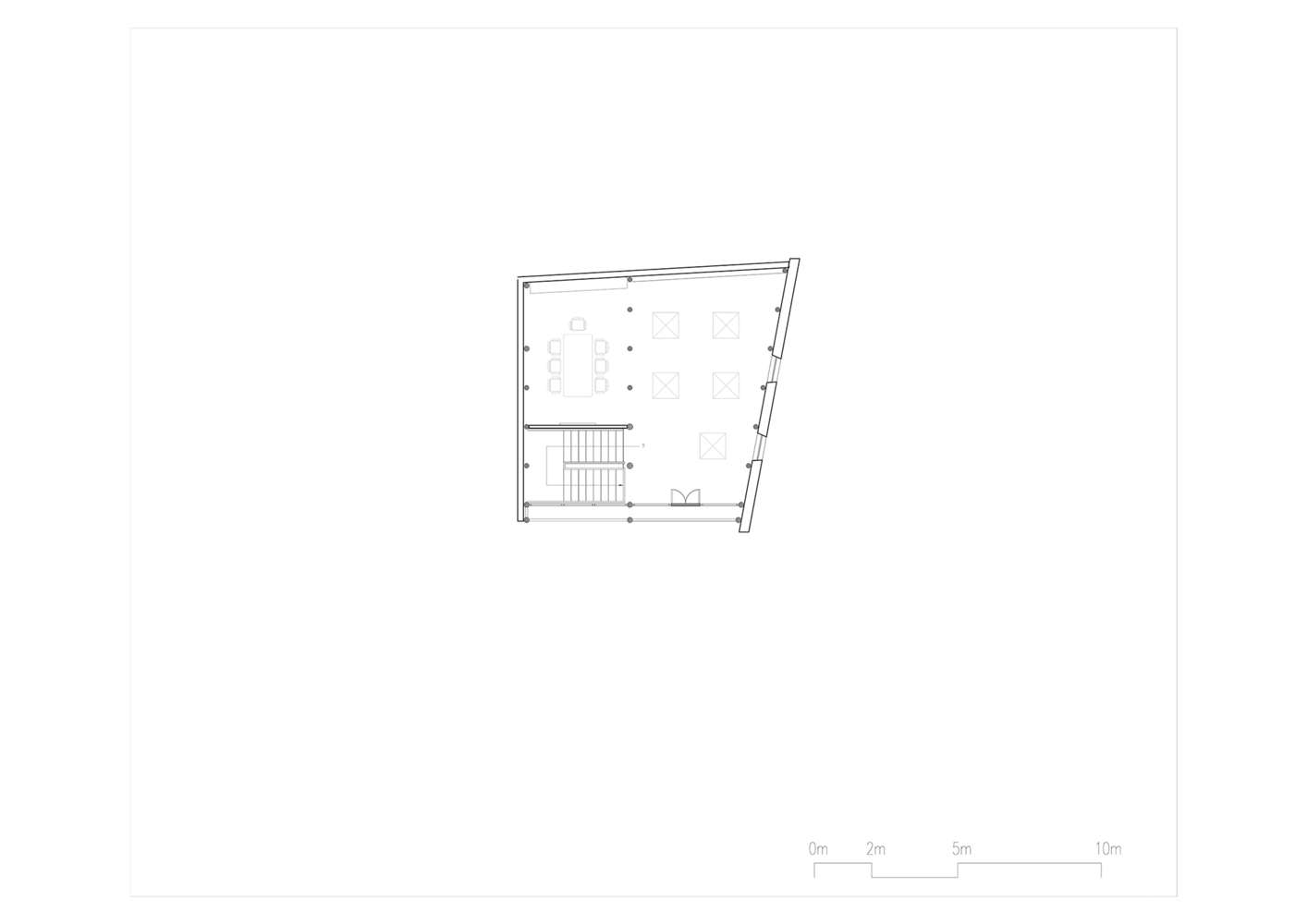
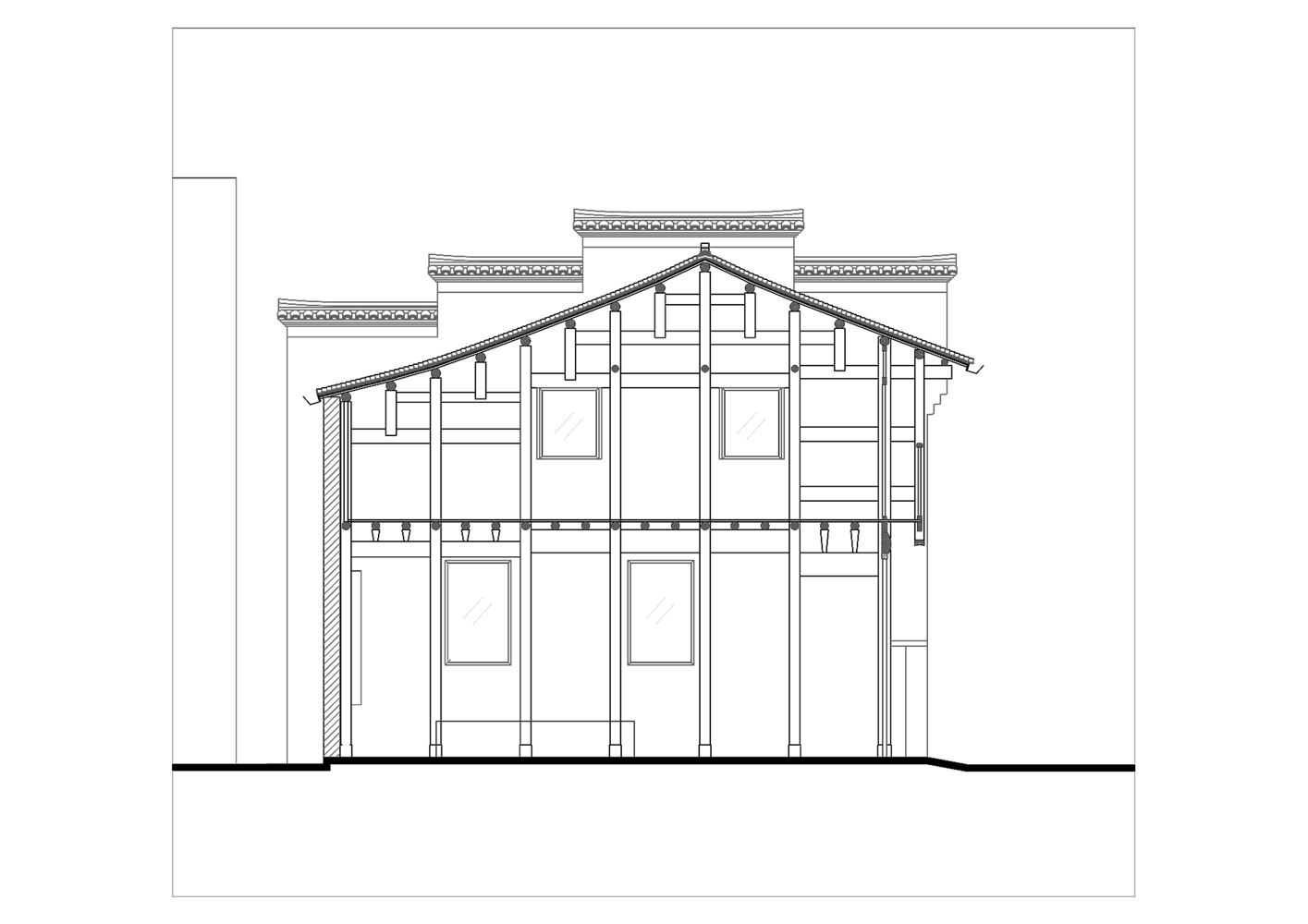
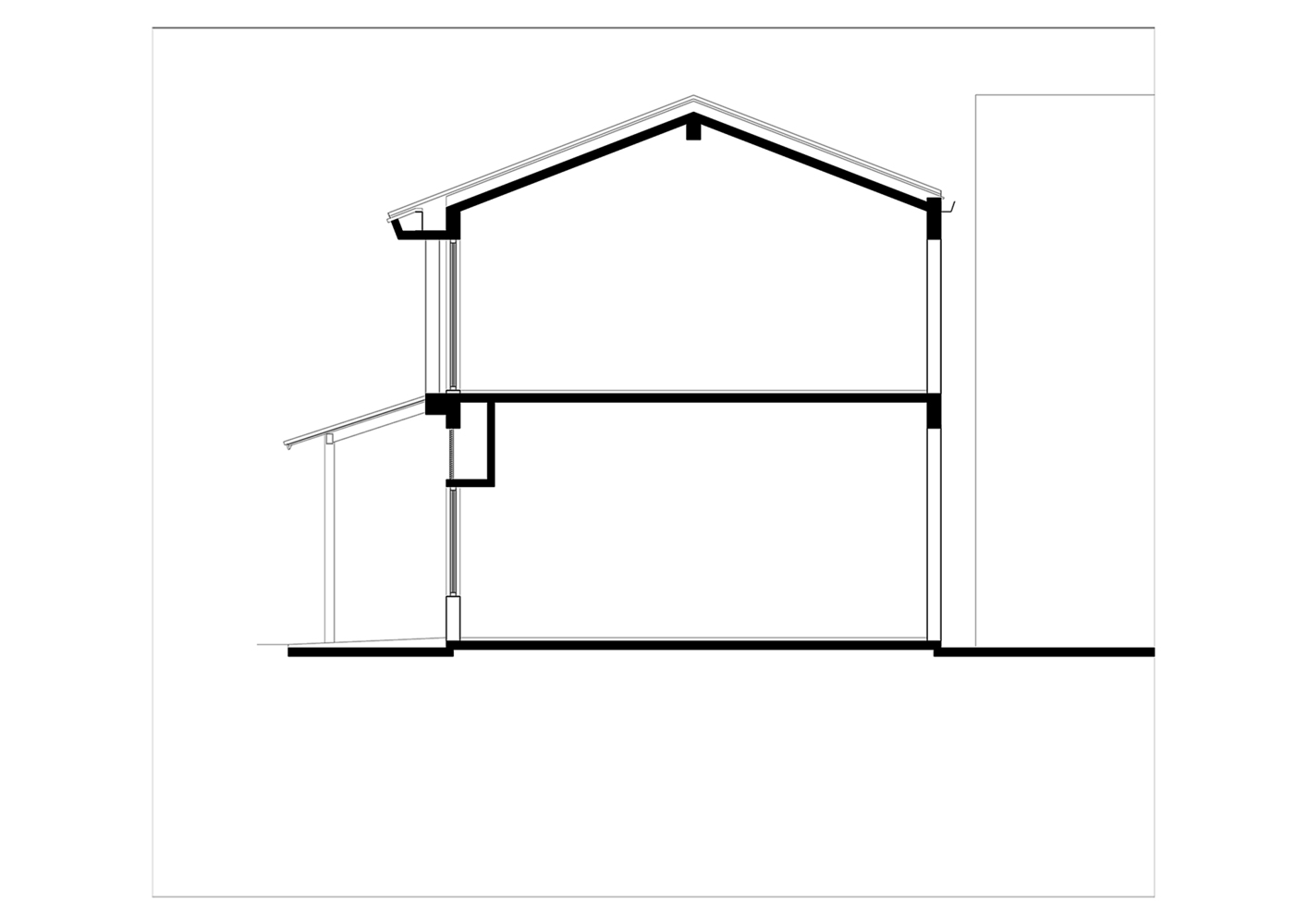
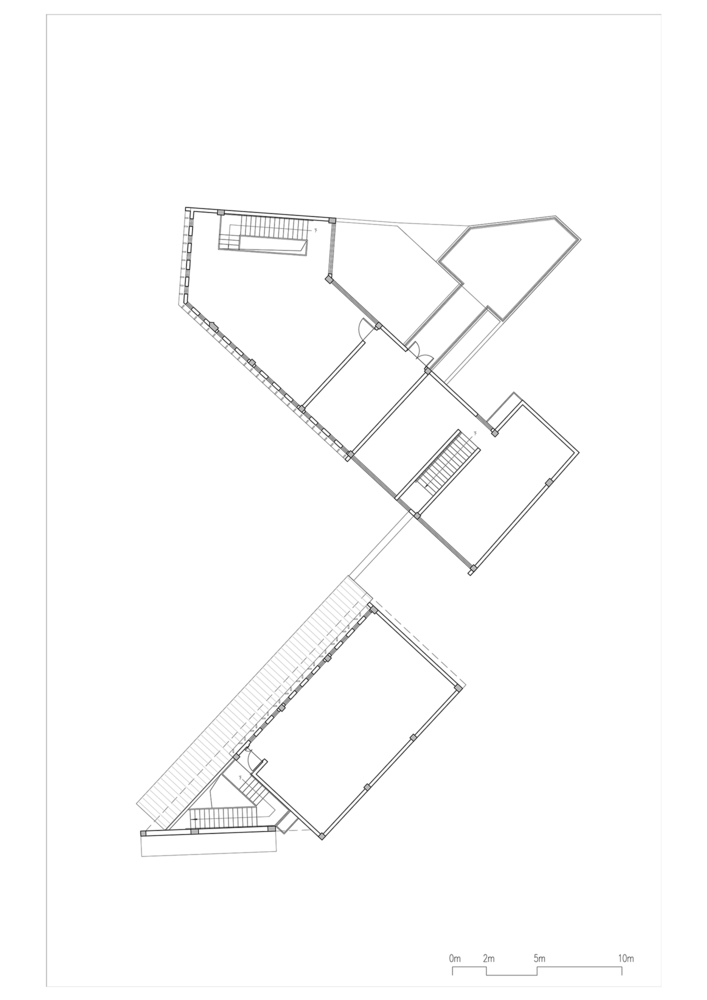
Residents, as both financiers and users, deeply participate in the entire renewal process. Combining residents' demands, practicality, and economic considerations, a new paradigm of self-built houses is formed by integrating traditional dwellings with contemporary technology, and the 'C2C' construction model is used to control construction and installation costs at 1,050 RMB per square meter.
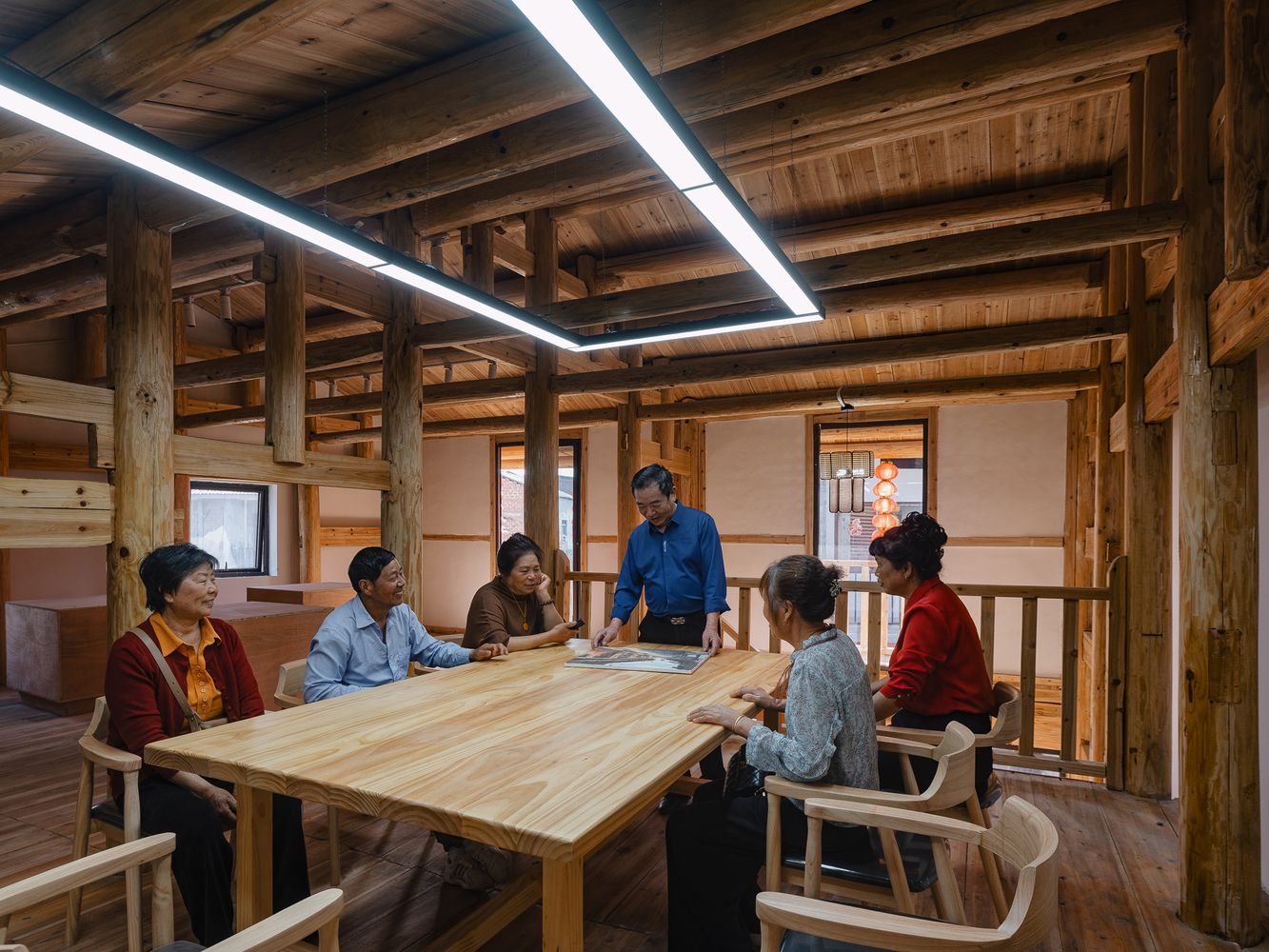
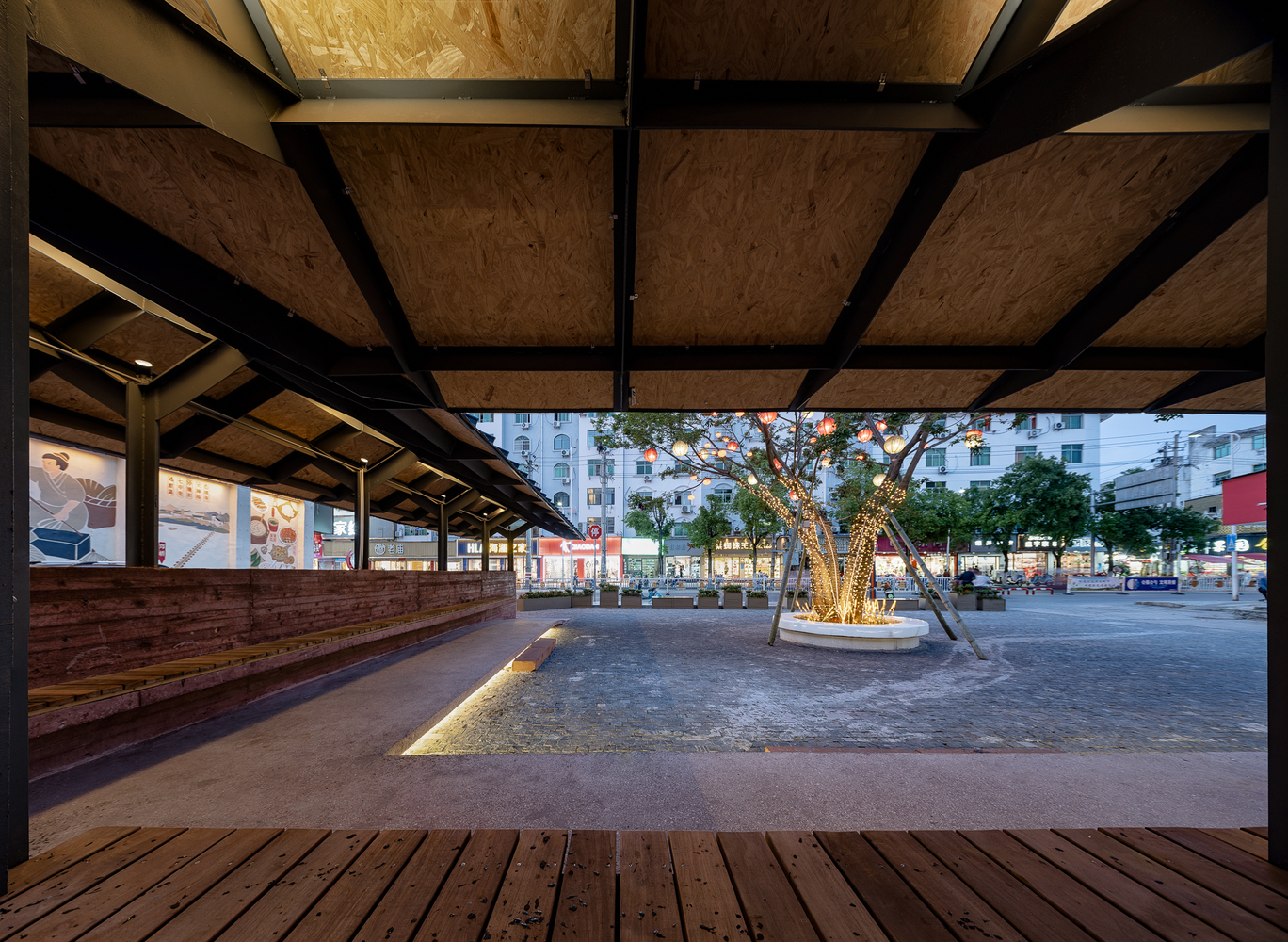
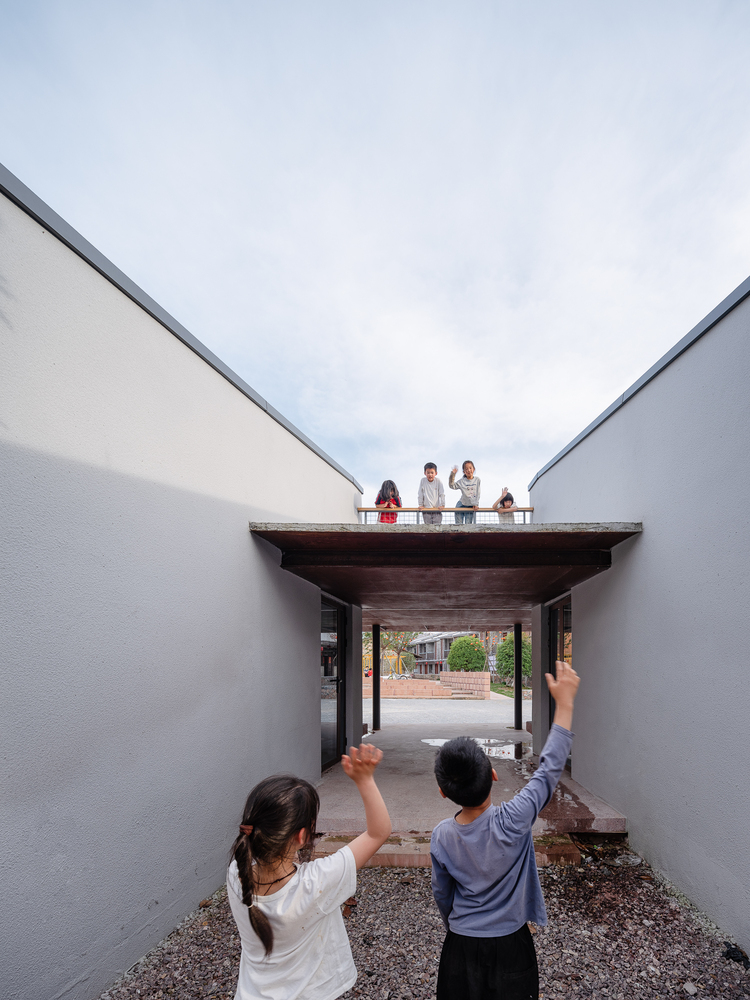
From 'dreadful living' to 'livable,' residents have shifted from passive observation to active participation. The neighborhood has also hosted a series of public activities, greatly expanding social spaces and significantly increasing resident satisfaction.
More importantly, the social ecology has been reshaped—neighborly relations are increasingly harmonious, relocated households are gradually returning, and young people are coming in droves. The streets and alleyways are gradually regaining their lively atmosphere.
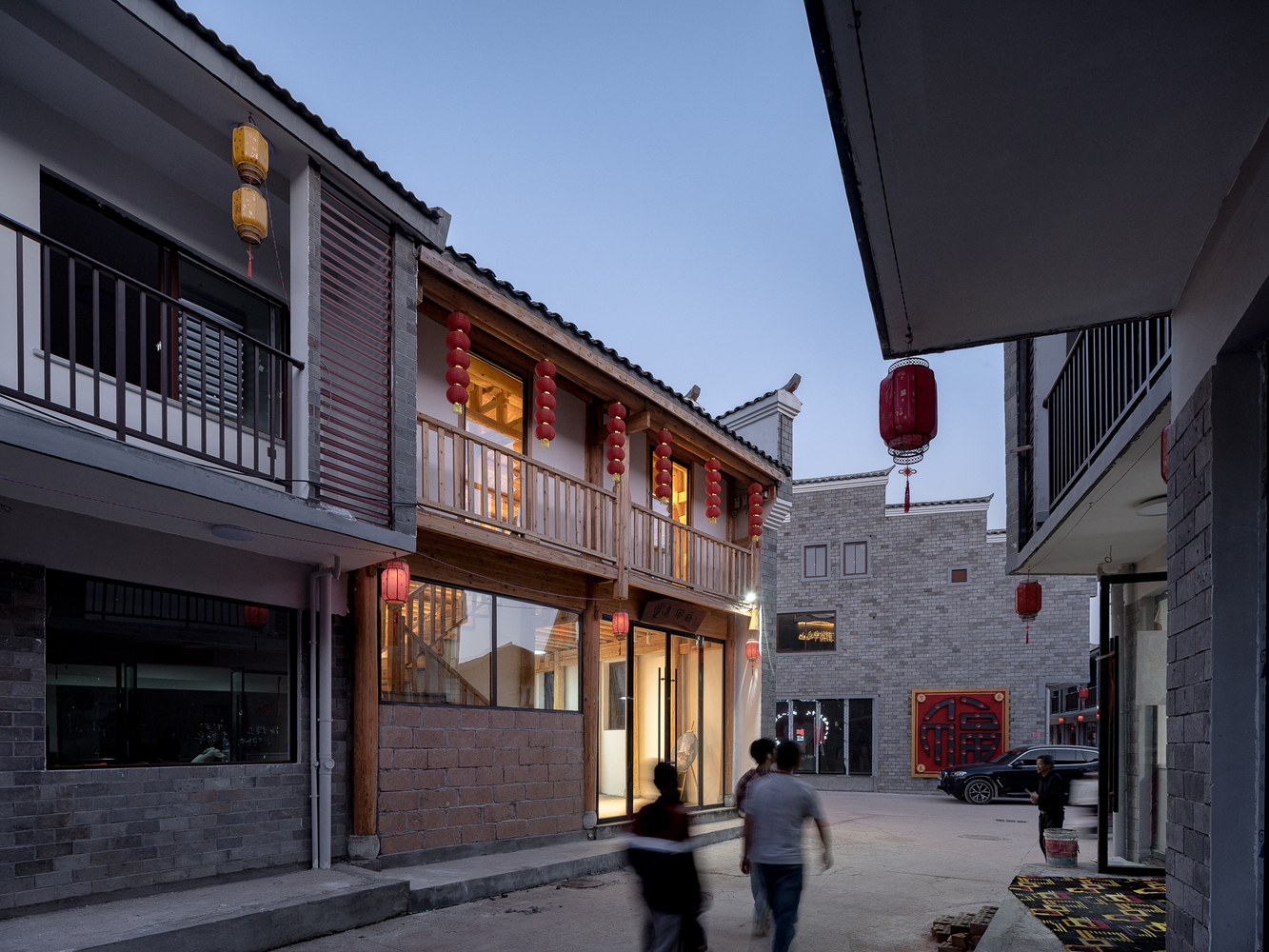
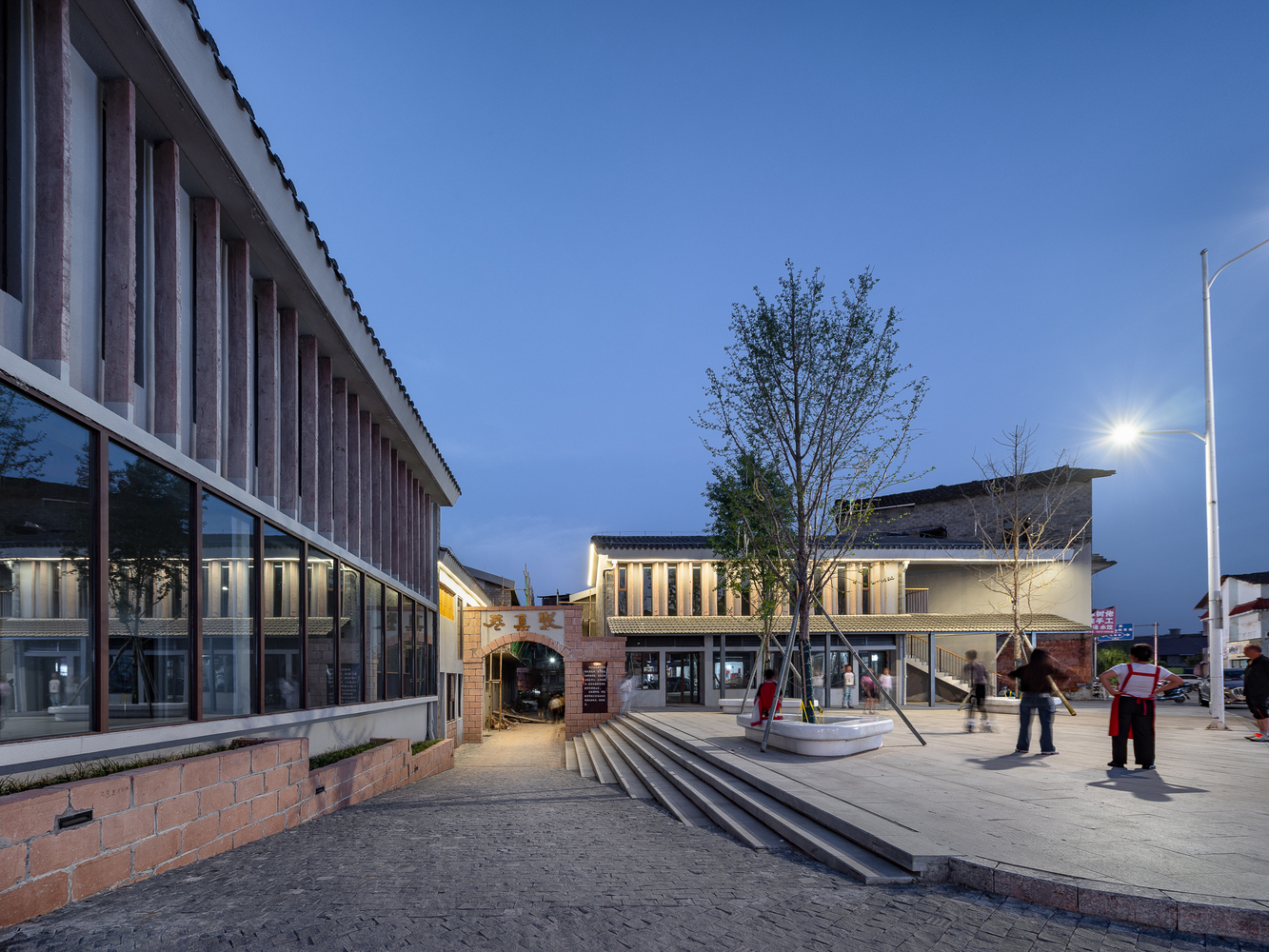
As China's first historic district featuring in-situ demolition and reconstruction as well as resident-led renovation of self-built houses, the Chaiji Lane Experiment strikes a balance between physical space revitalization and social ecosystem restoration.
It serves as a valuable reference for the regeneration of historic districts in ordinary small towns across the country.