
Karens Minde Aksen
KARENS MINDE AKSEN
Schønherr
ARCHITECTS
Schønherr
PHOTOGRAPHS
Thomas Hjort Vesterbæk and Jens Juel Thiis Knudsen, Carsten Ingemann, Juan José Palma-Alvarez, Jørgen Becker-Christensen
AREA
37000 m²
YEAR
2022
LOCATION
København, Denmark
CATEGORY
Park, Sustainability
English description provided by the architects.
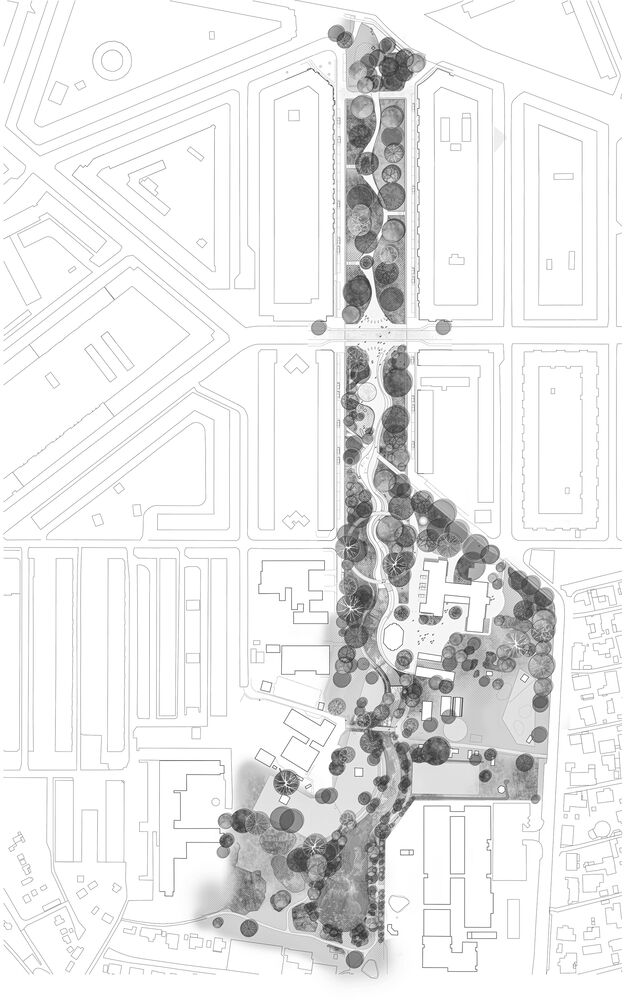
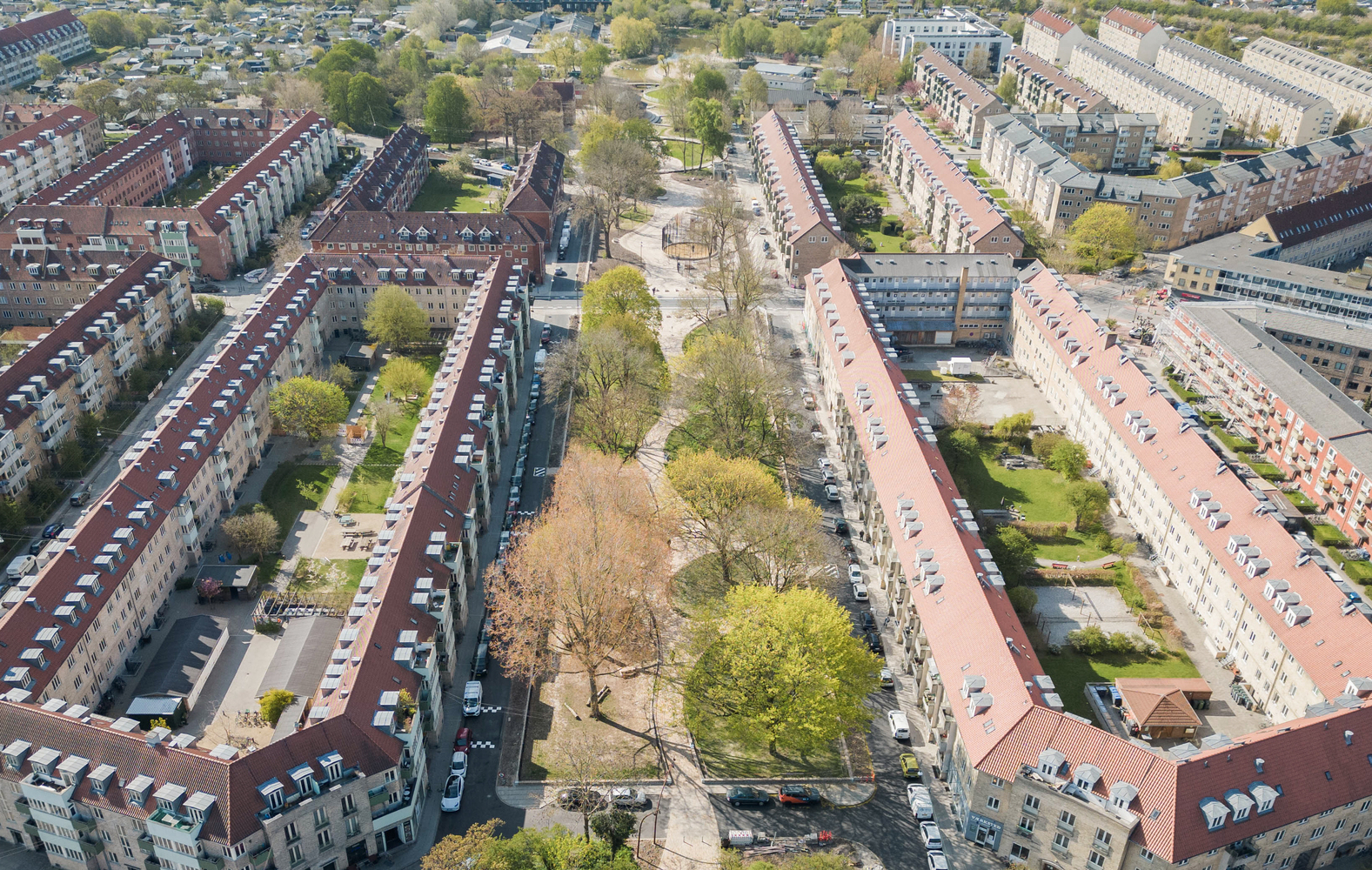
In Copenhagen, the landscape architecture project Karens Minde Aksen has transformed an elongated green area into a more resilient, climate-adapted public space shaped by ecology and community.
Schønherr was the lead consultant of Karens Minde Aksen and was responsible for programming, concept design, detailed design, supervision, and project follow-up. The project was developed in close collaboration with WSP, Vida Local, Ebbe Dalsgaard A/S, and Områdefornyelse Sydhavnen.
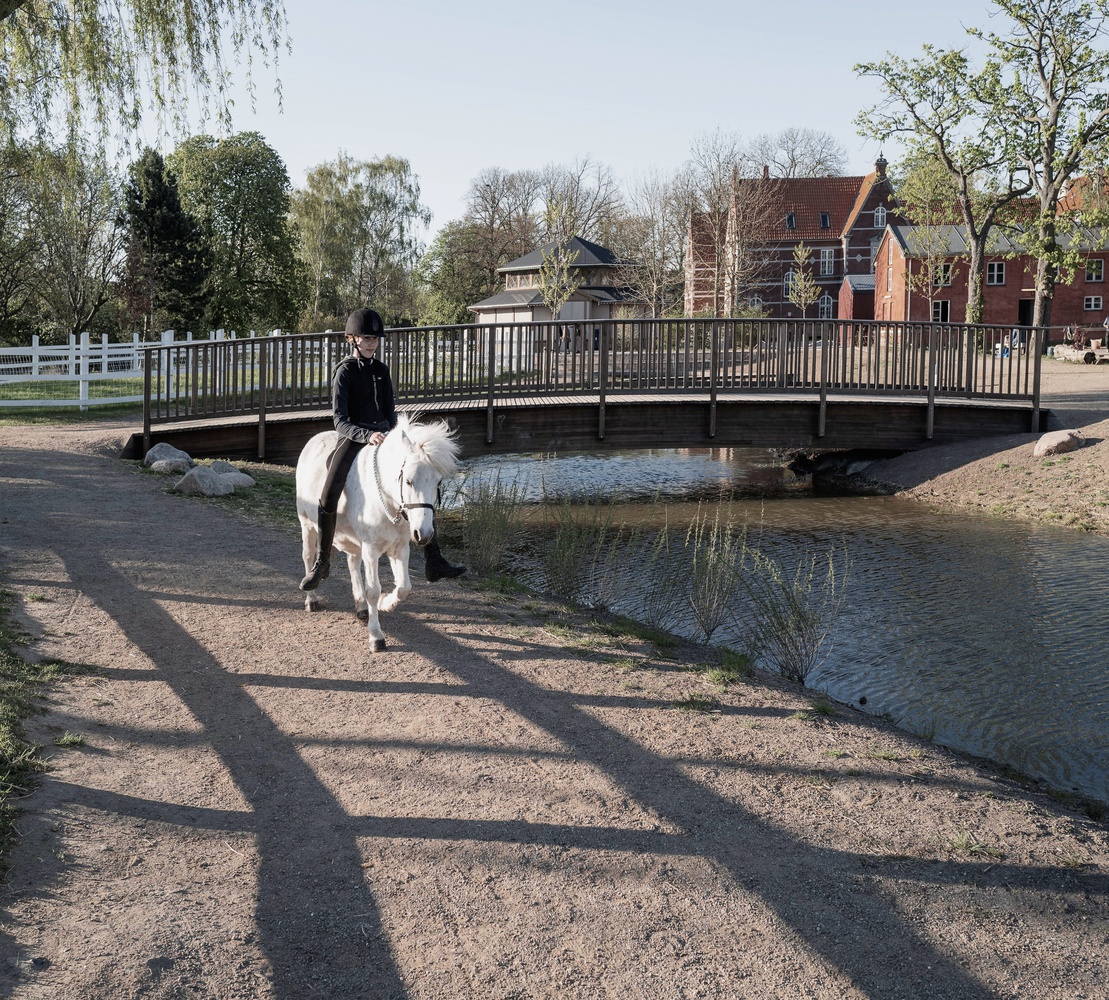
A low-lying park in Copenhagen's South Harbour district faced increasing climate pressures, worn infrastructure, and fragmented circulation. Despite these challenges, the site had a strong identity shaped by grassroots culture, semi-wild nature, livestock, and everyday community use across ages and backgrounds.
The clients, Copenhagen Municipality and HOFOR – Greater Copenhagen Utility, aimed to create a climate-resilient landscape capable of handling extreme rainfall while preserving and strengthening the park as a shared social space. Thus, the project was developed closely together with local residents through an extensive participatory process.
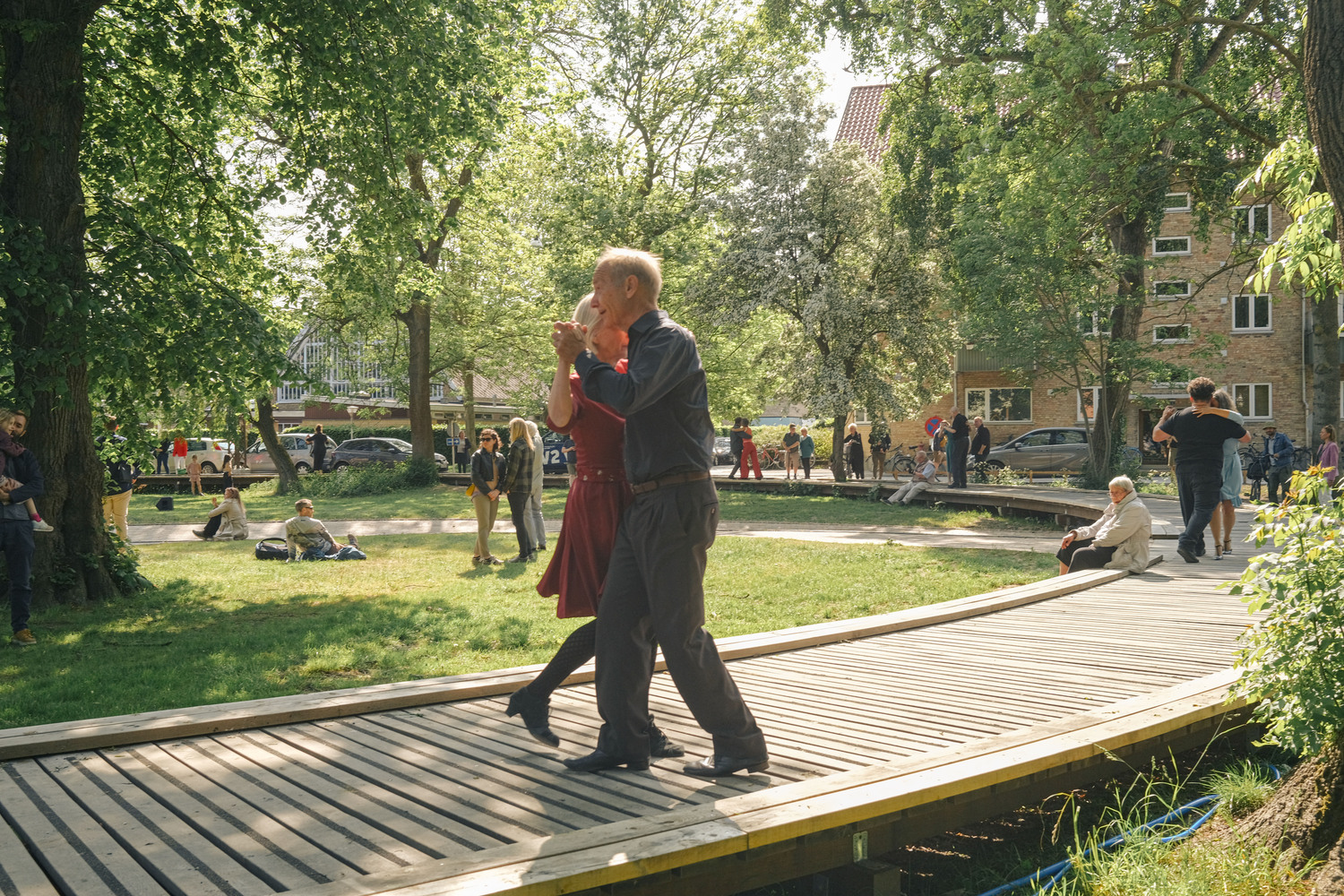
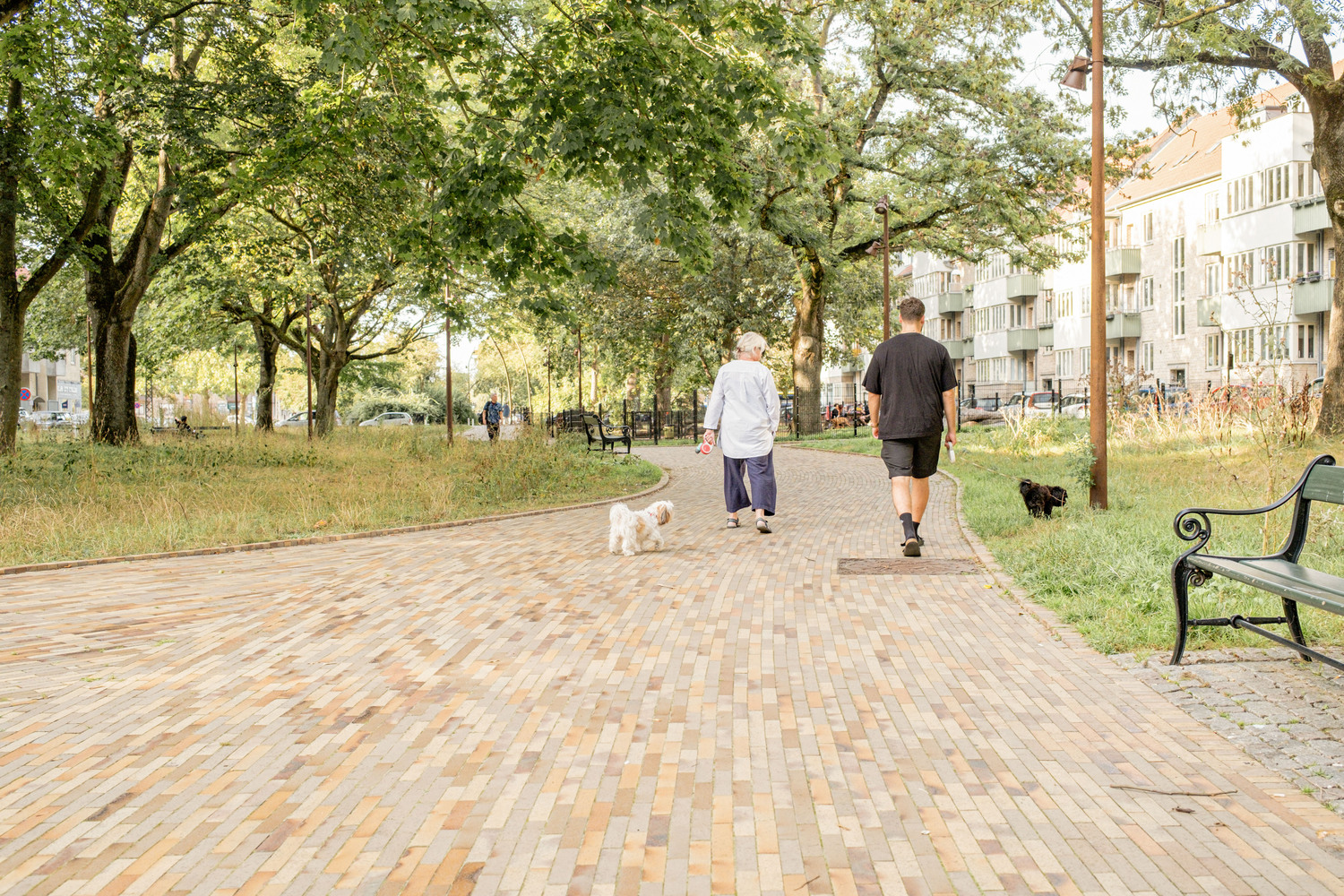
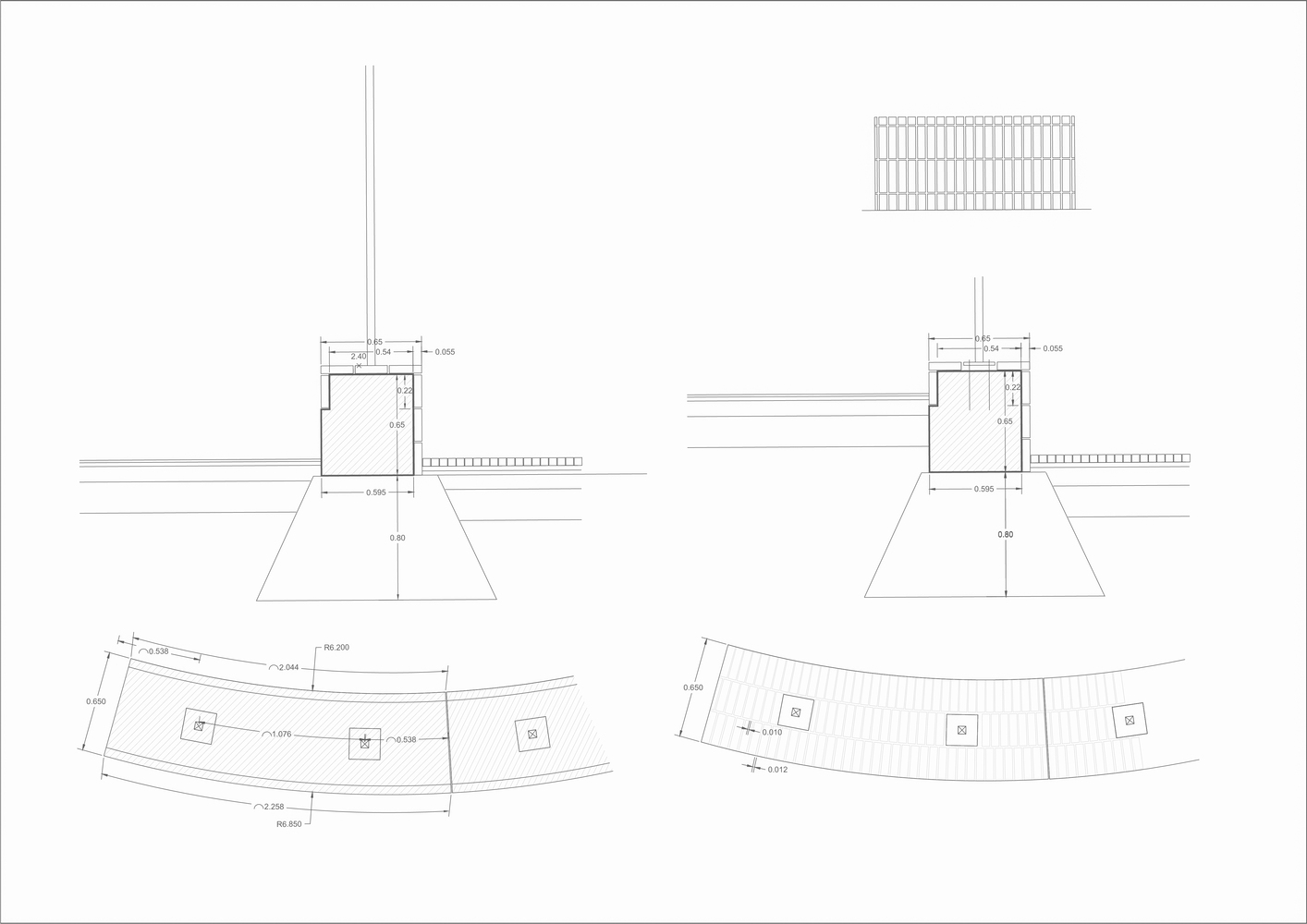
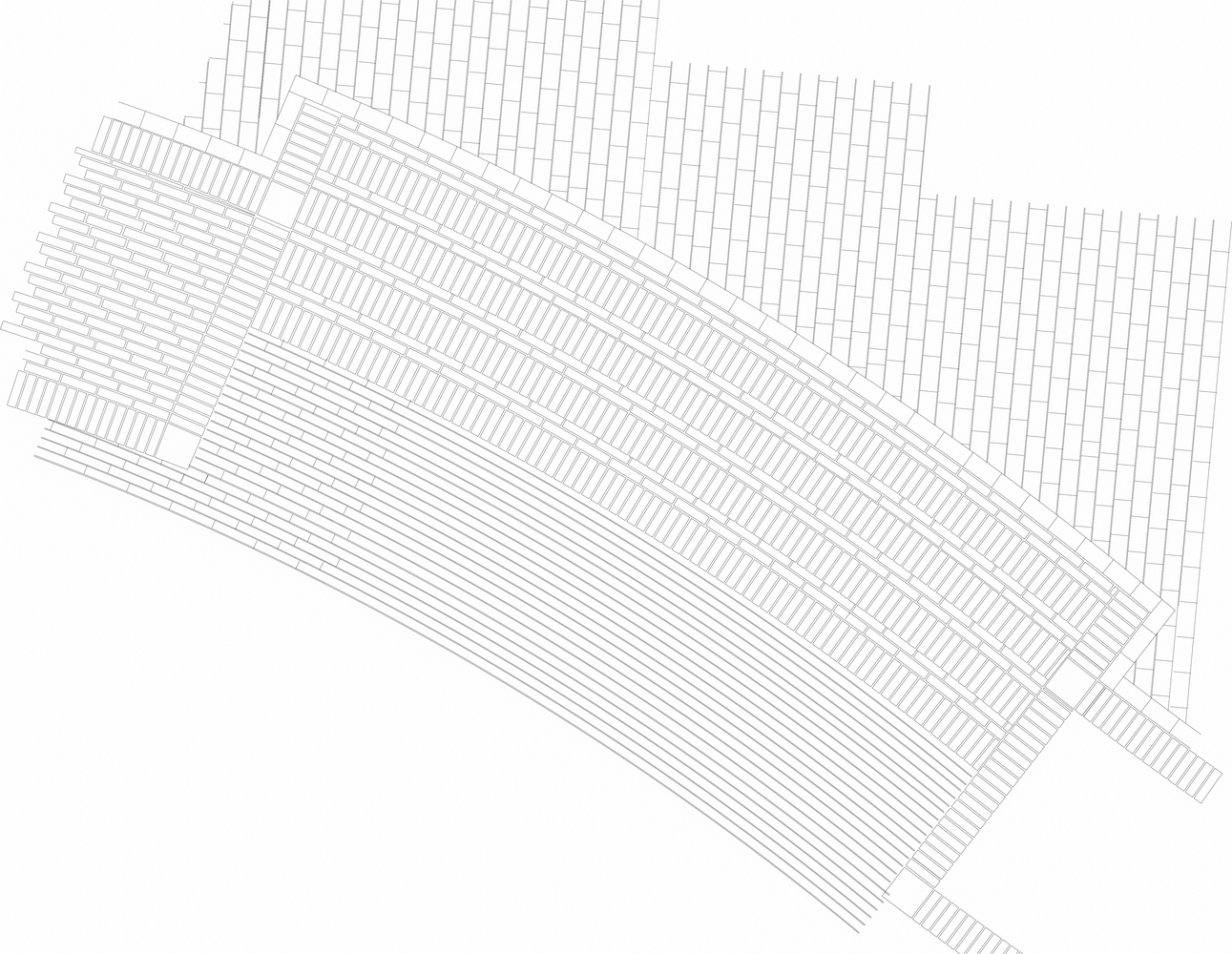
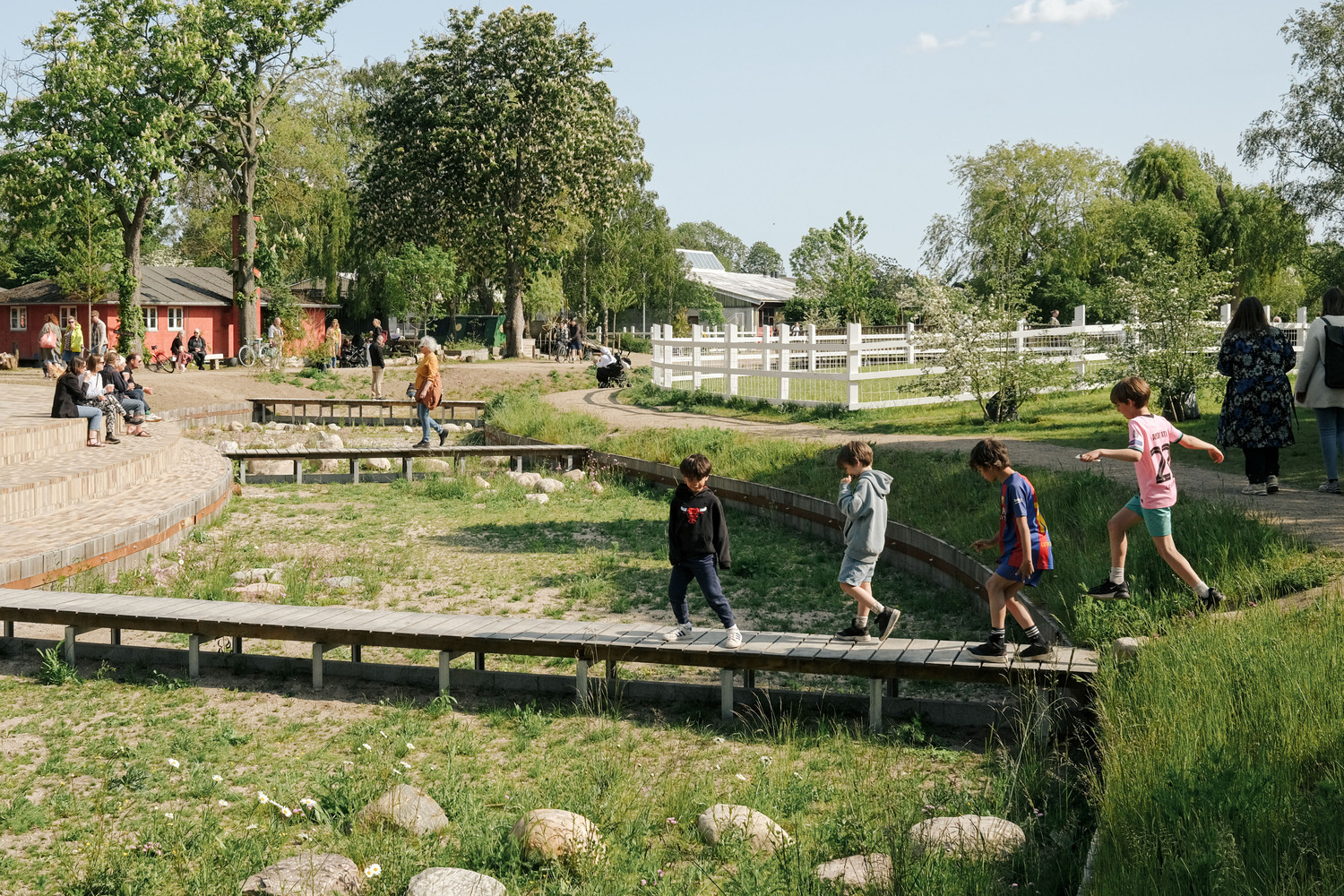
Schønherr's project is organized around a yellow "Brick River," a winding, sculptural landscape element that transforms stormwater management into a spatial experience.
This brick-paved channel weaves through the park, organizing movement and water flow into one continuous system. The Brick River shifts between dry and wet states, becoming both a pathway and a watercourse depending on weather conditions.
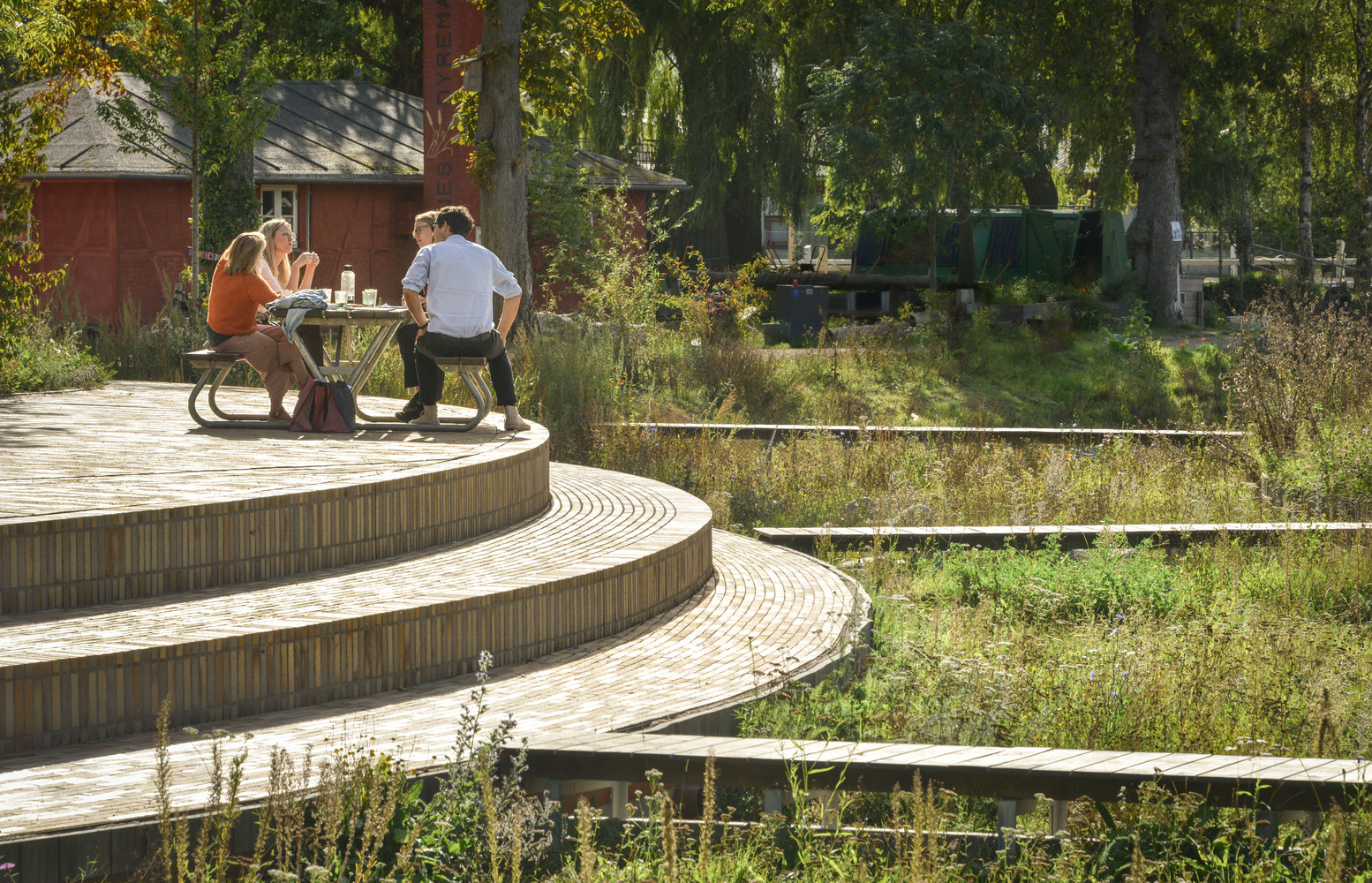
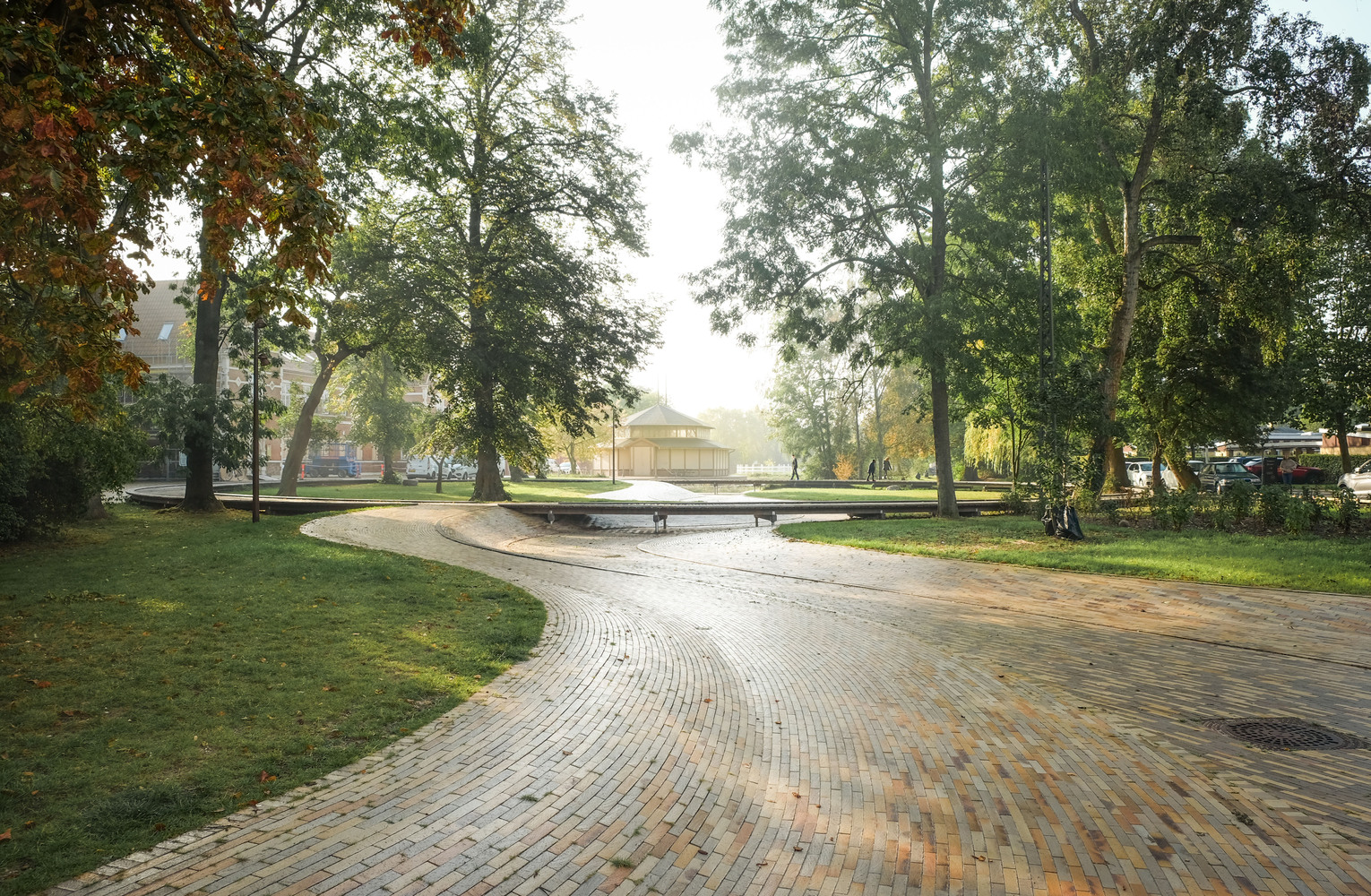
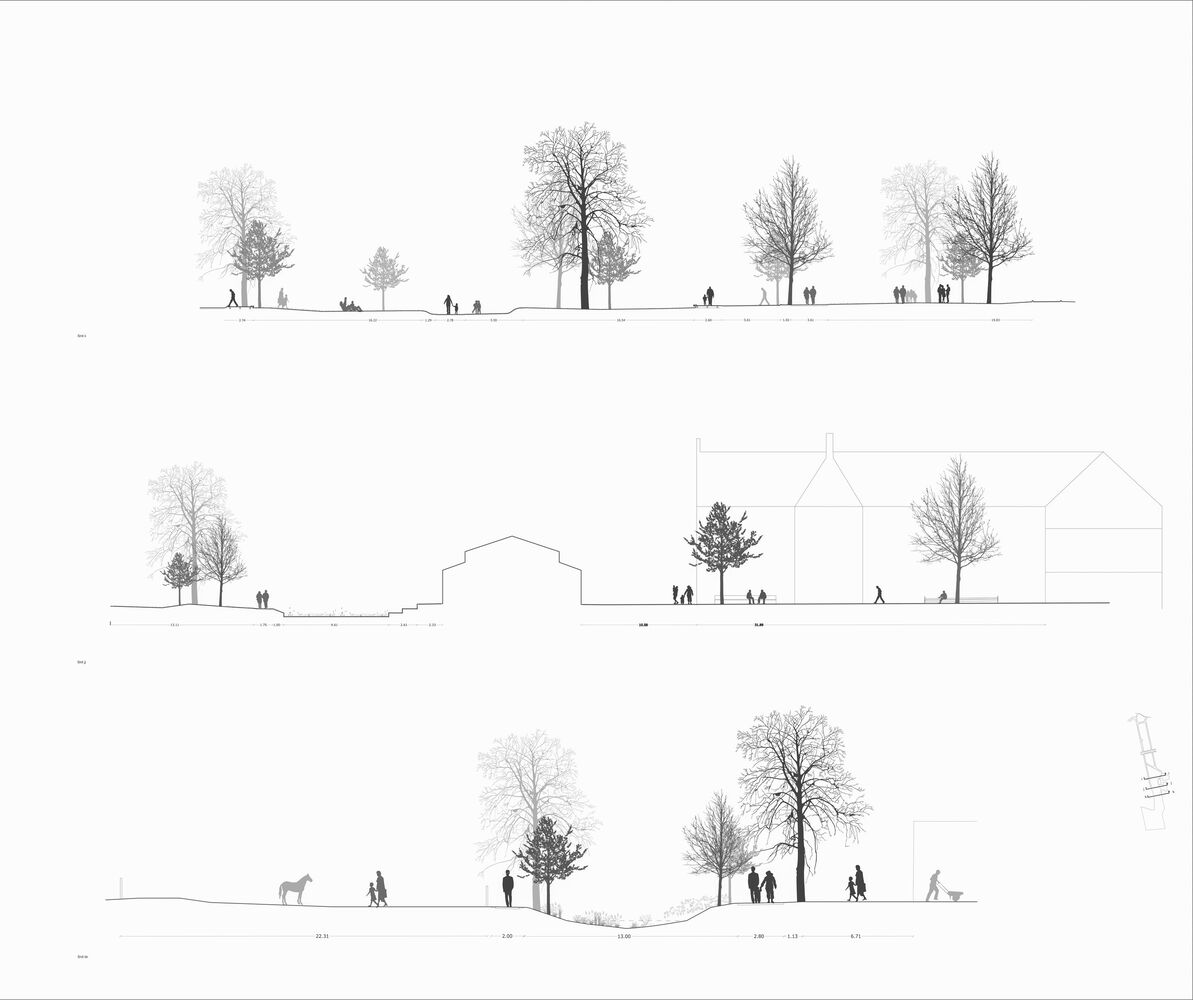
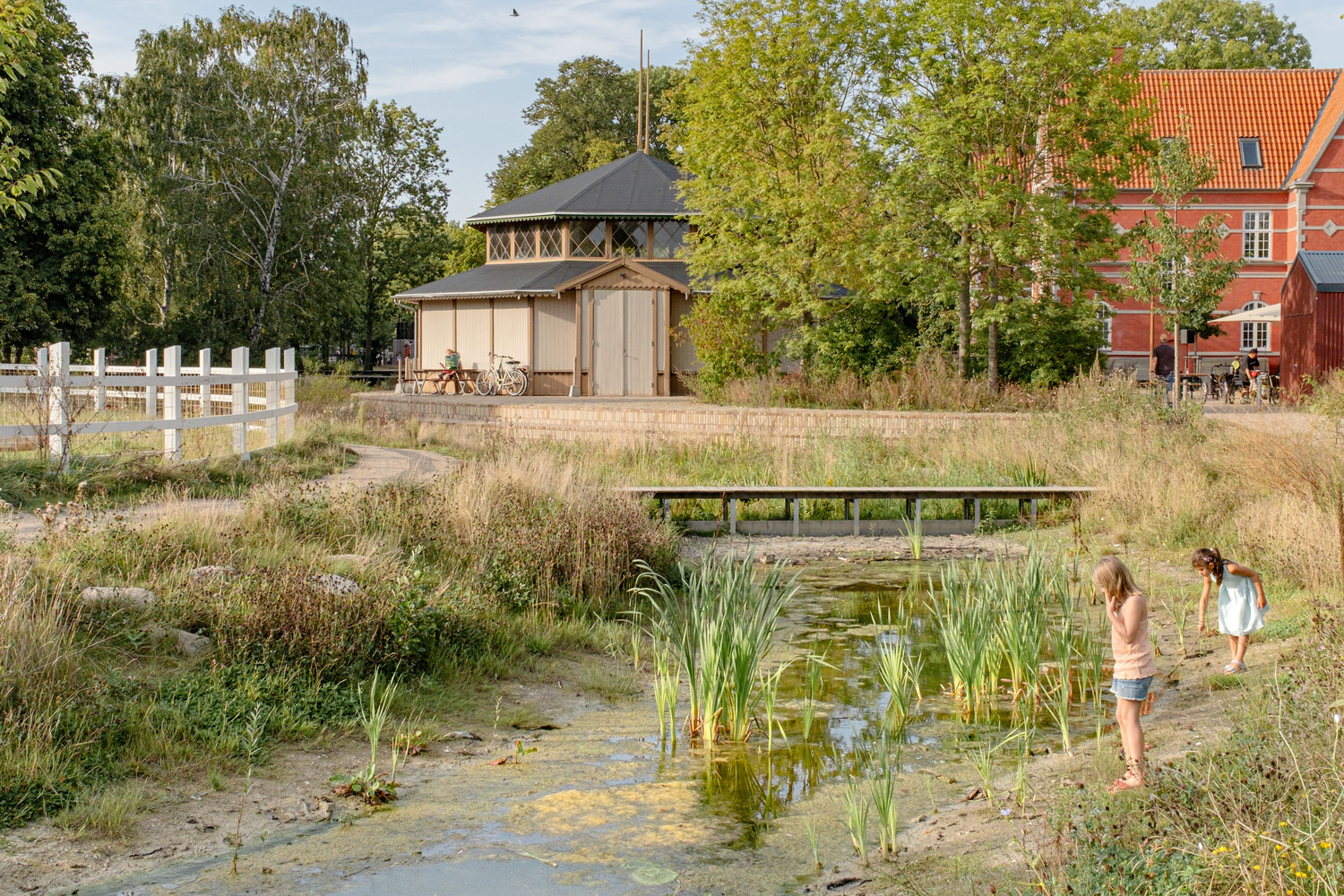
Karens Minde Aksen is designed to manage up to 15,000 m³ of stormwater. Rainwater is directed into the park, filtered through a meadow landscape, and collected in a newly formed rainwater lake with vegetated edges.
This sequence slows, cleans, and retains water while creating a visible ecological process within the public realm.
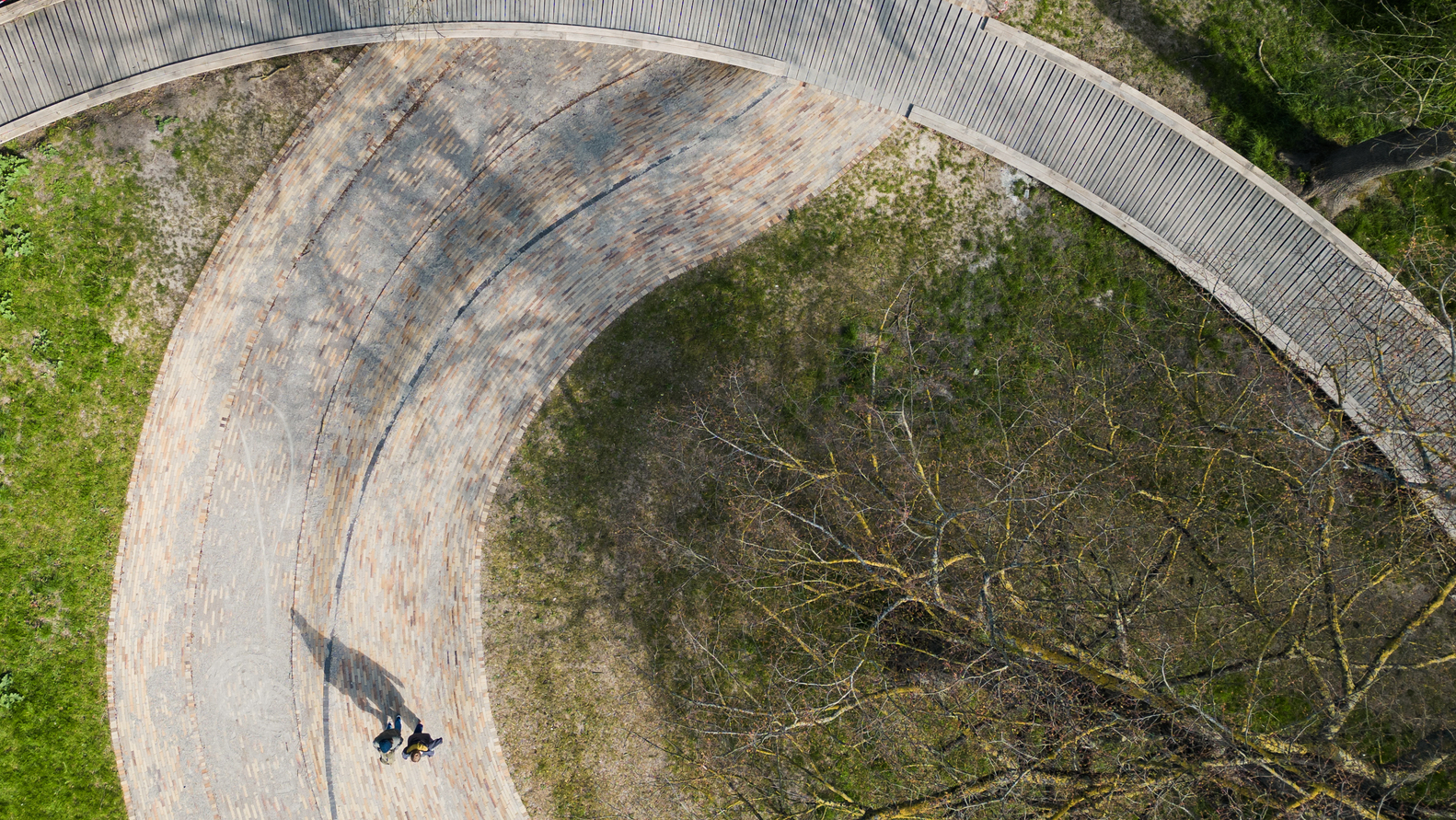
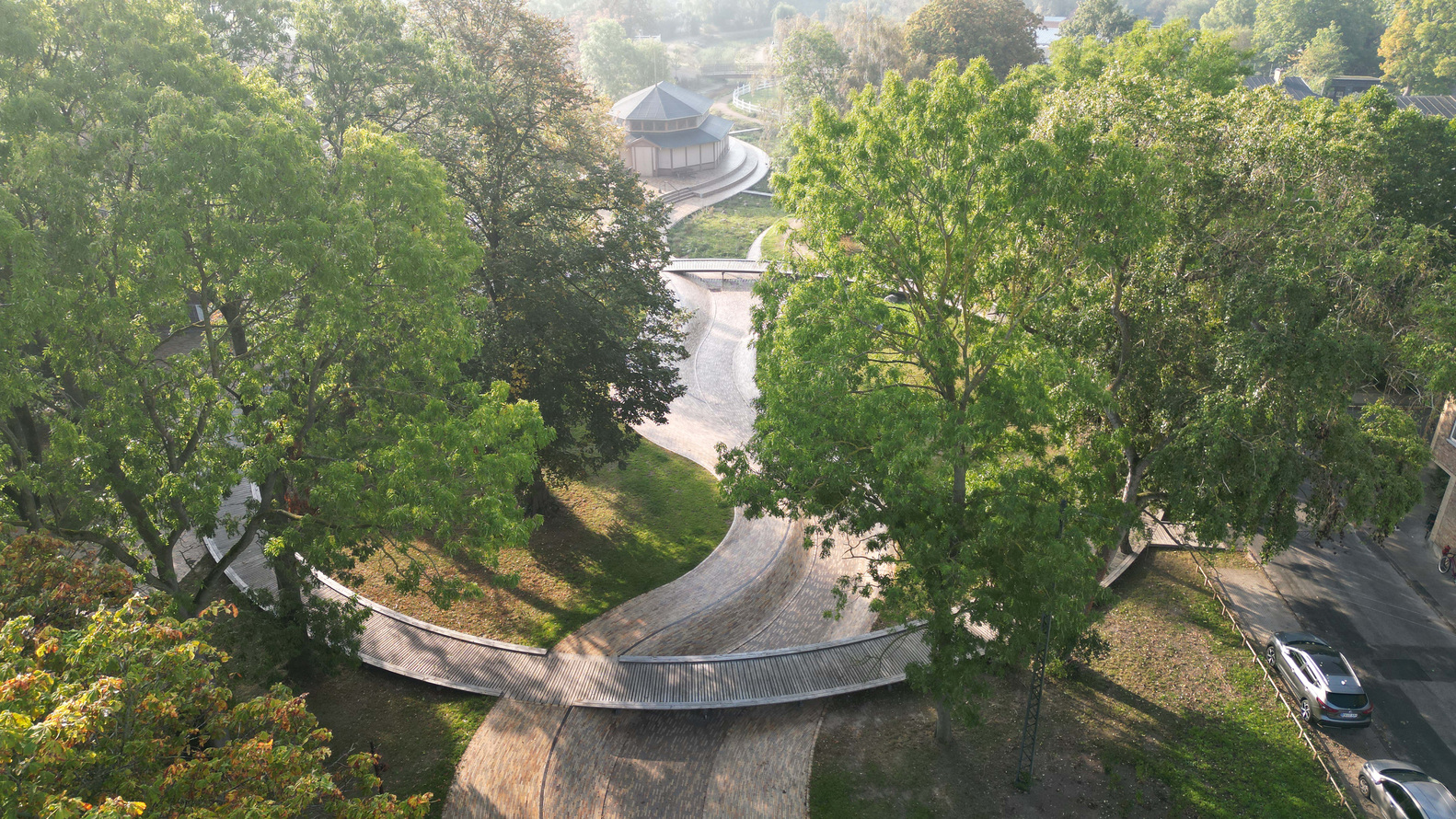
A circular wooden bridge near Karens Minde Cultural Centre replaces the former fragmented path network, improving circulation and forming a shared focal point within the park.
Material choices reinforce the project's logic: brick provides durability and continuity with the city's material tradition, while wood introduces warmth and a tactile human scale. Existing trees are preserved where possible, complemented by wild herbs and resilient planting that replace former lawns, thereby increasing biodiversity.
The project has transformed the existing green area into a climate-adaptive landscape where infrastructure and public life are inseparable. Water is no longer hidden but experienced as part of everyday space. The result is a resilient public space that strengthens ecological performance while reinforcing community identity and long-term urban value.