Muyunafest 2025 Main Floating Stage
MUYUNAFEST 2025 MAIN FLOATING STAGE
Espacio Común
ARCHITECTS
Espacio Común
ARTE
David Orlando Del Águila, Violeta Chiang
ARQUITECTURA
Daniel Canchán Zúñiga, Paula Villar Pastor, María Hidalgo Mera, Jimena González Ochoa
GESTIÓN COMUNITARIA
Natalia Power Morán, Estrella Rengifo Jaba, Brayan Ibaran Vilca, Livia Silvano Pacaya
CLIENTES & COLABORADORES
Comunidad Del Barrio Pueblo Libre, Belén, Iquitos, Estrellita De Jesús Early Childhood School, Proyecto Muyuna, The Supporting Act Foundation, Bertha Foundation, Asociación Propurús, Natura Perú
CONSTRUCCIÓN
Rafael Silvano Tanchiva, Segundo Salinas Torres, Juan García Silva, Teddy Fasabi Huaya, Jhenz Cachique Gonzales, Jair Cachique Gonzales, Jhoisy Vela Huanio, Armando Infante Chota
AREA
175 m²
YEAR
2025
LOCATION
Iquitos, Peru
CATEGORY
Temporary Installations
English description provided by the architects.
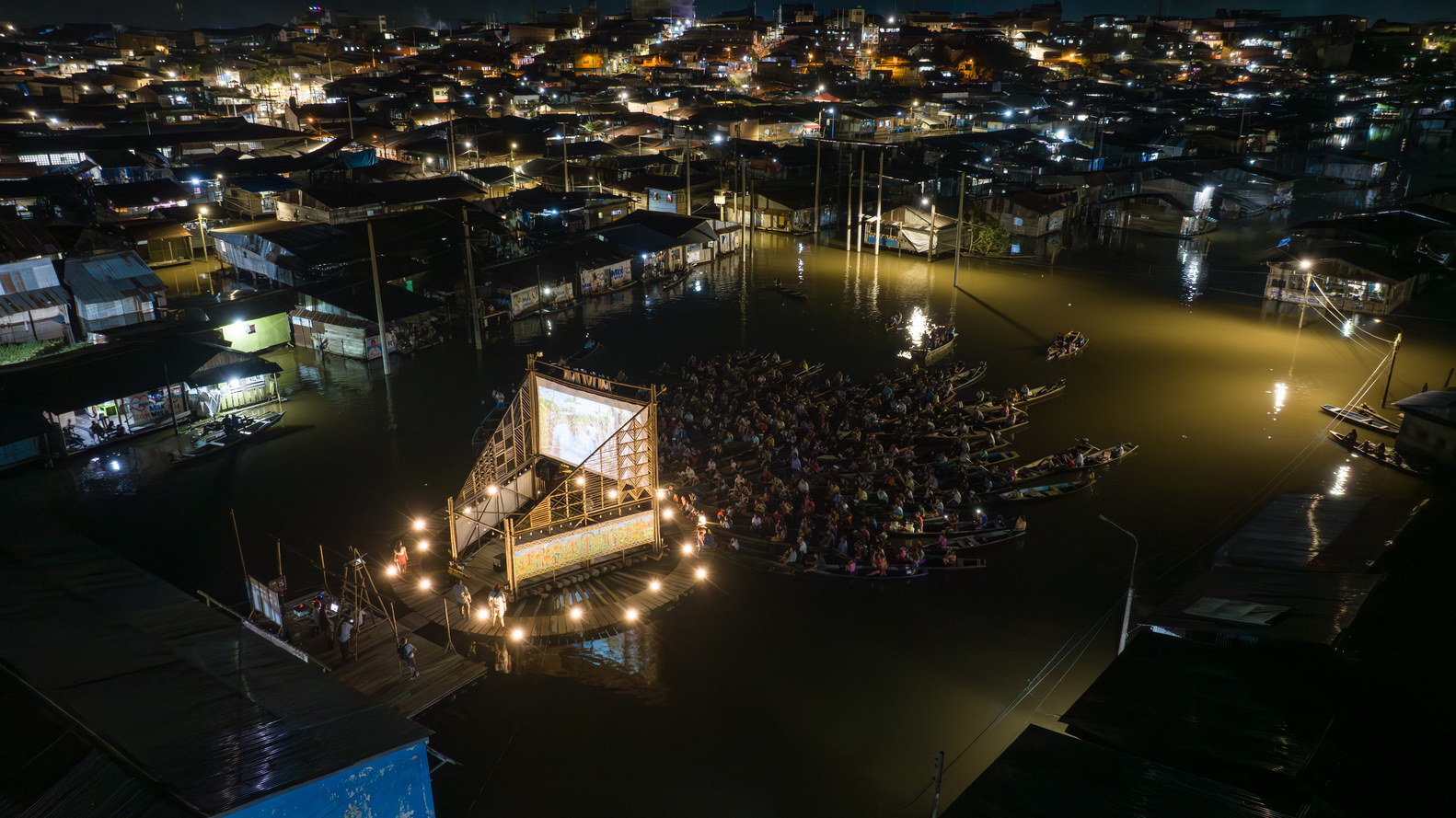
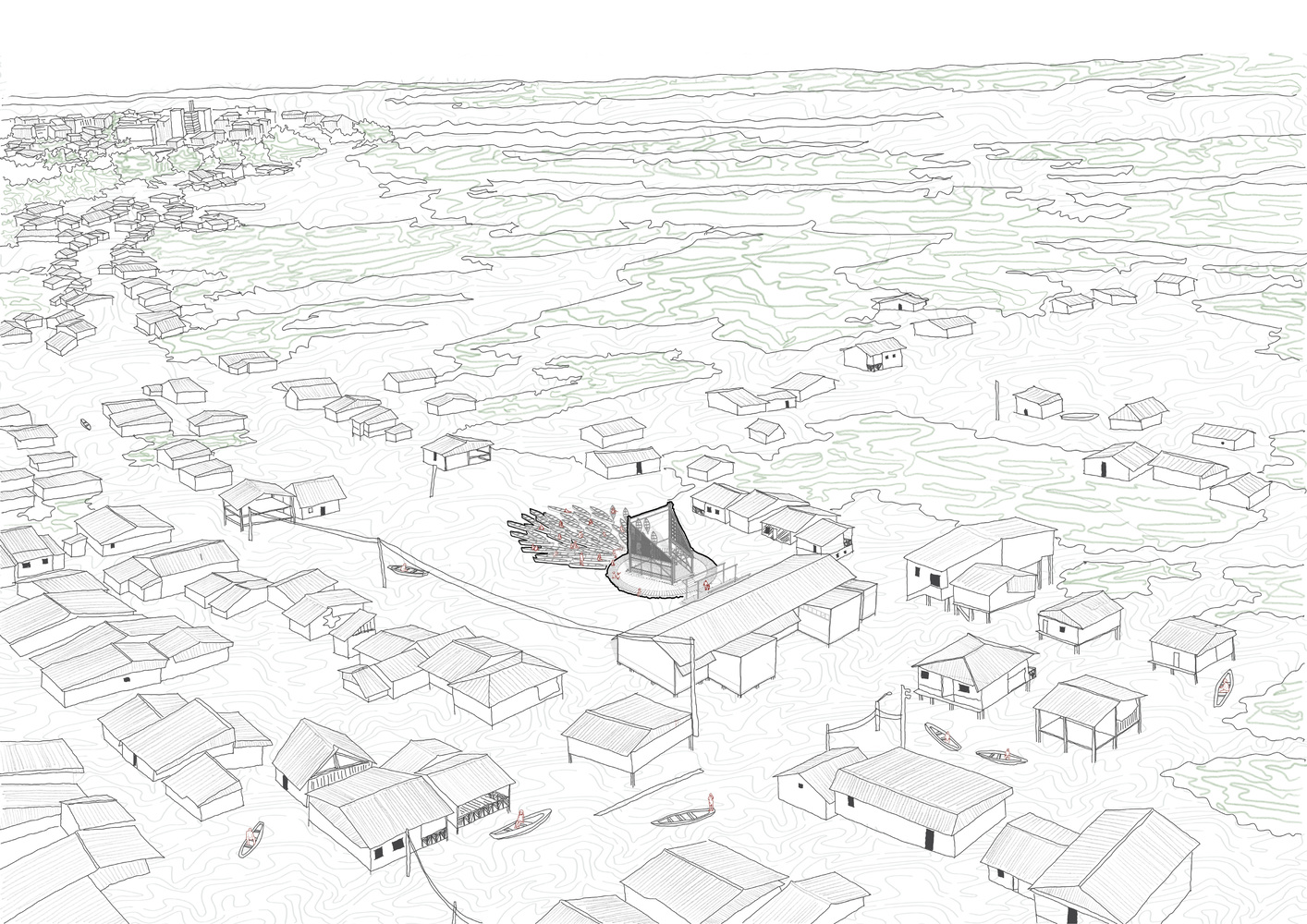
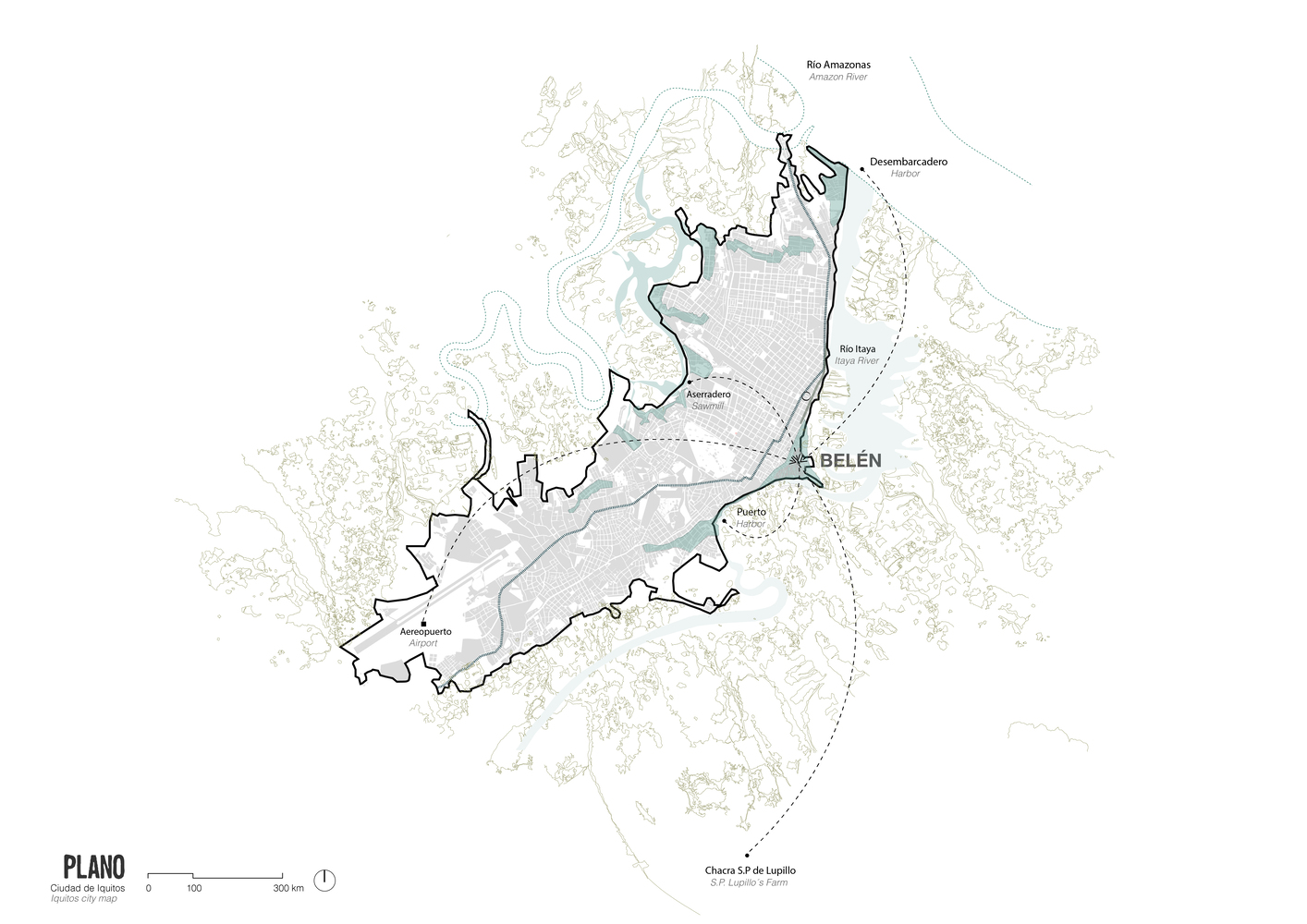
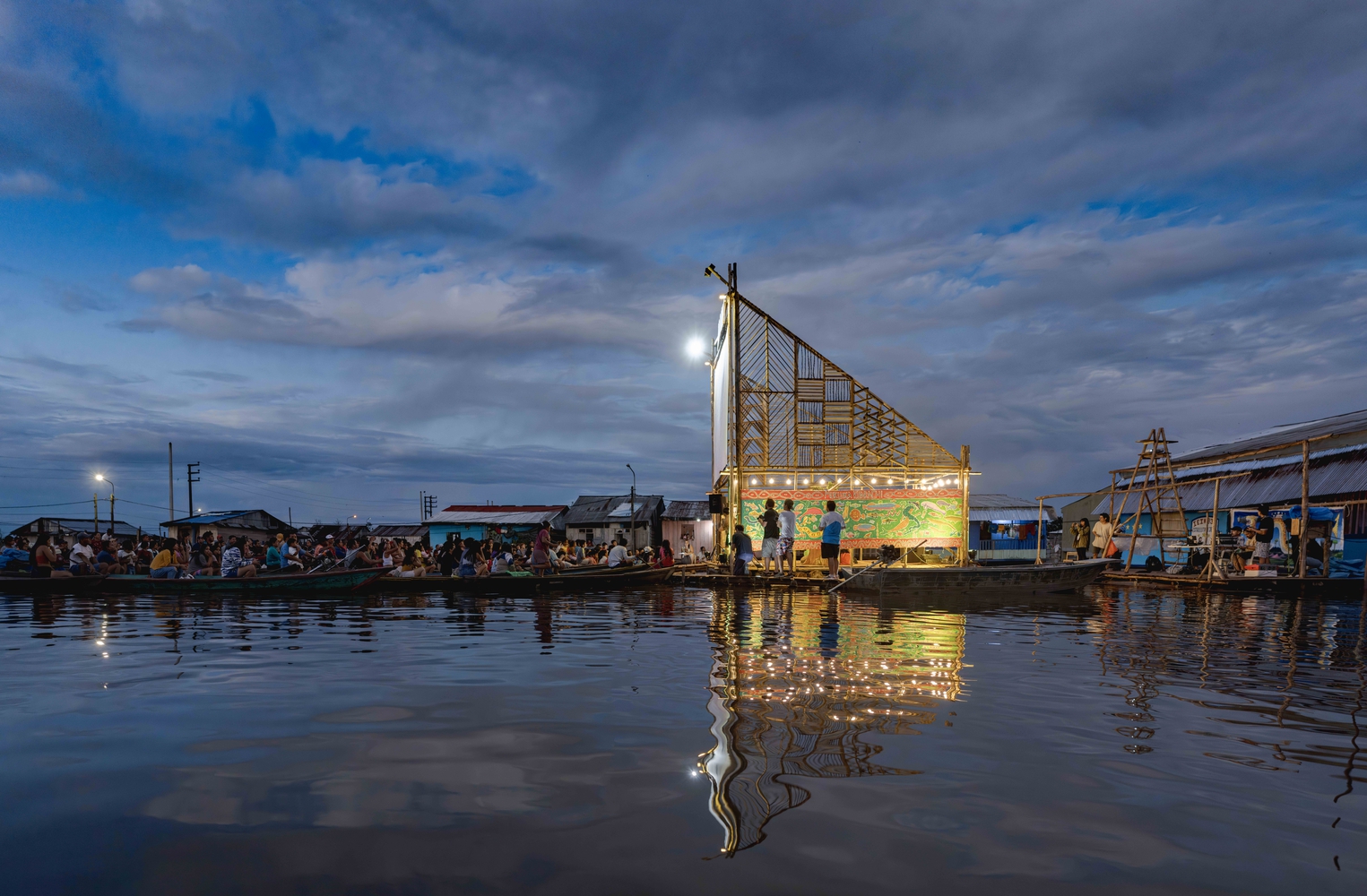
During the rising of the Itaya River in May 2025, Espacio Común, in collaboration with residents of Belén in Iquitos, built a floating stage for Muyuna Fest, a film festival that defends the world’s forests by giving voice—through cinema—to Amazonian communities.
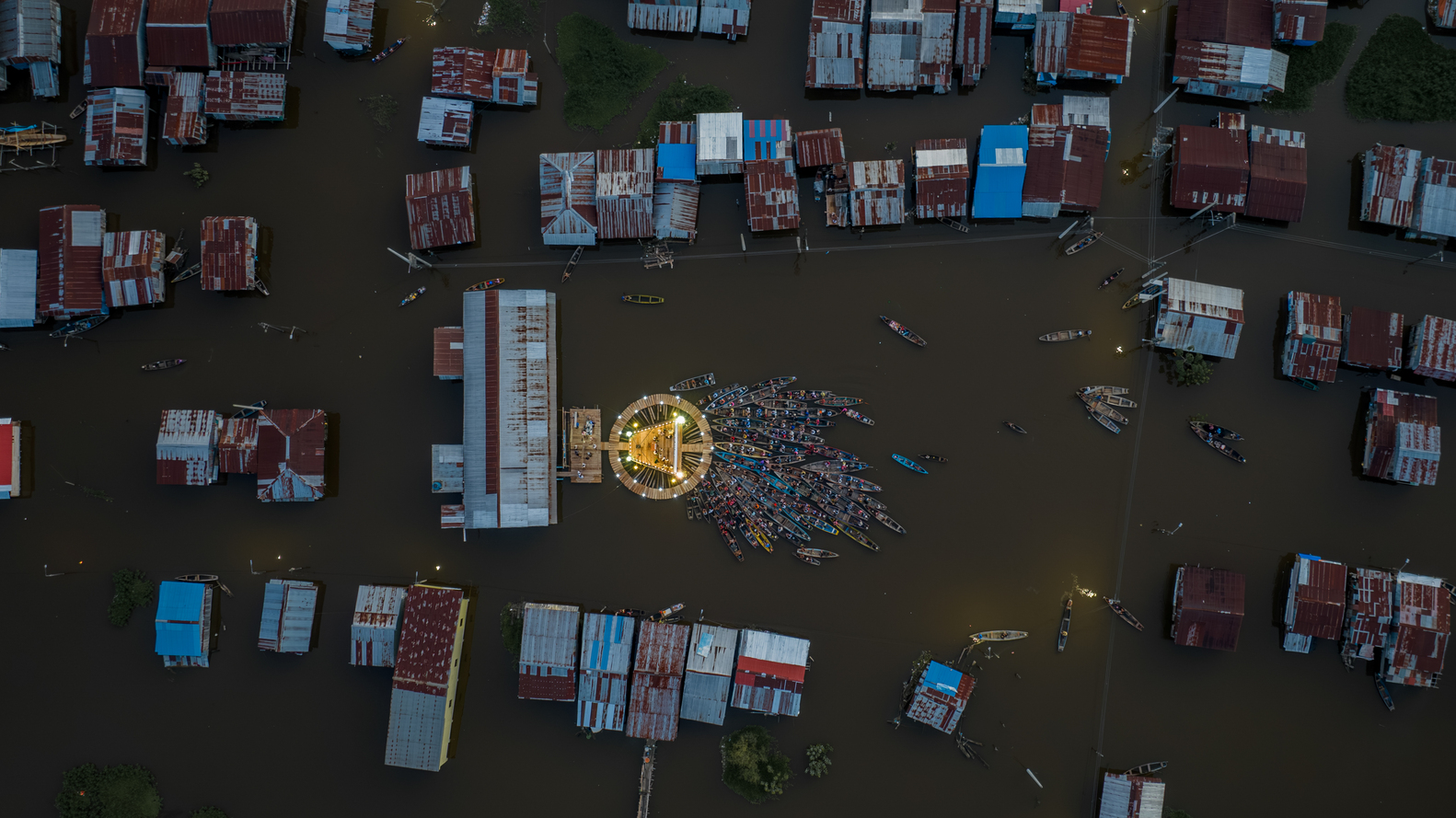
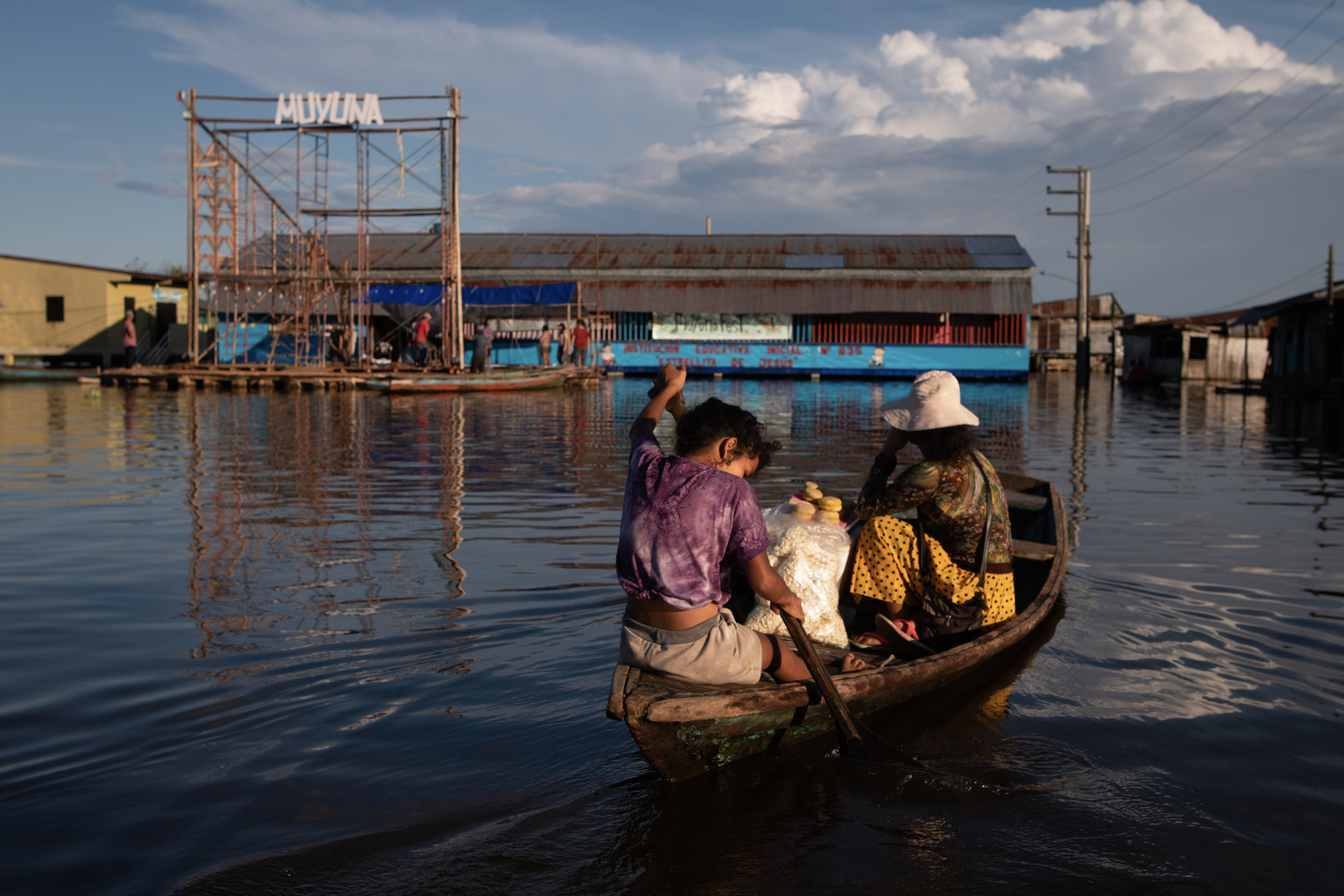
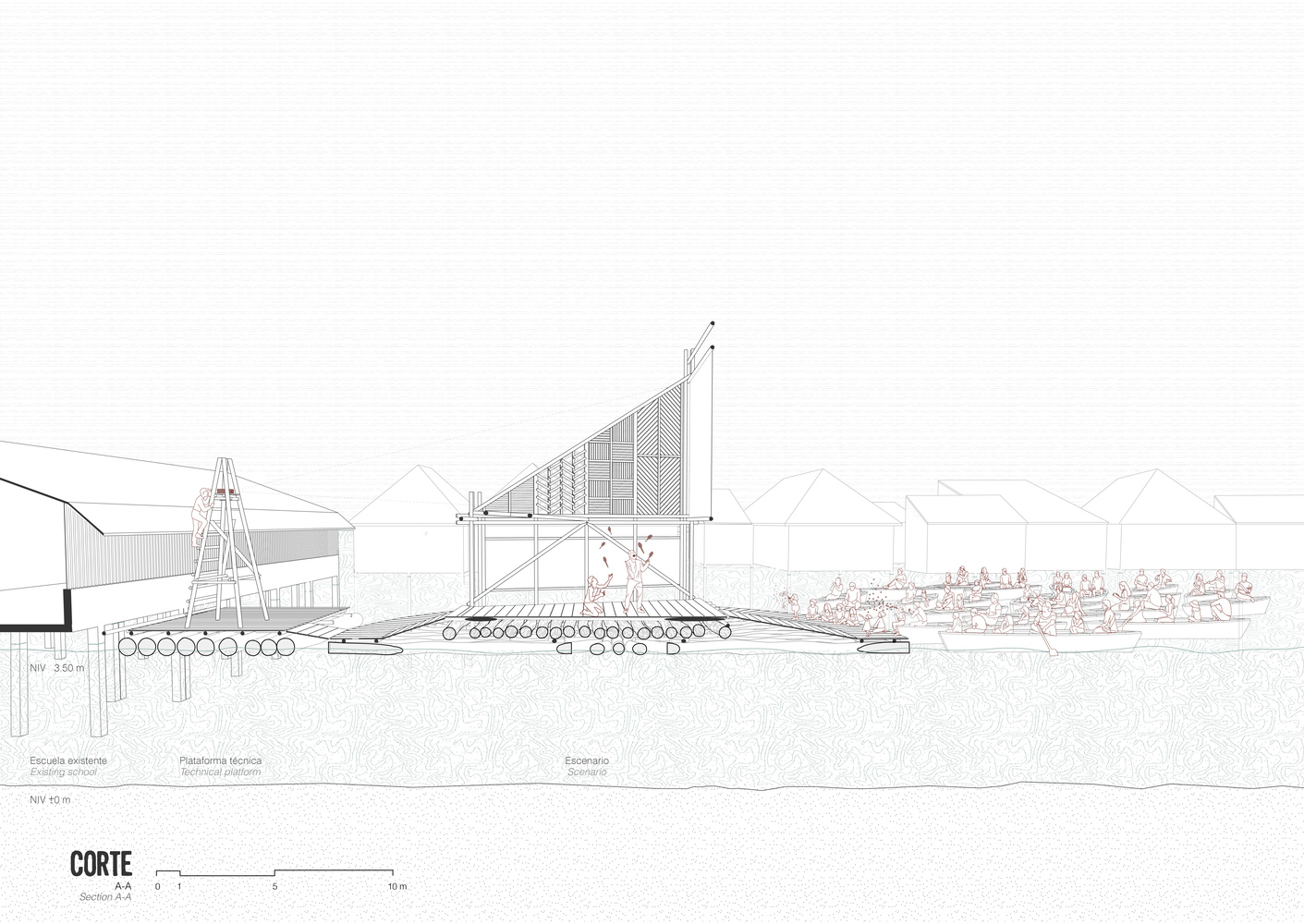
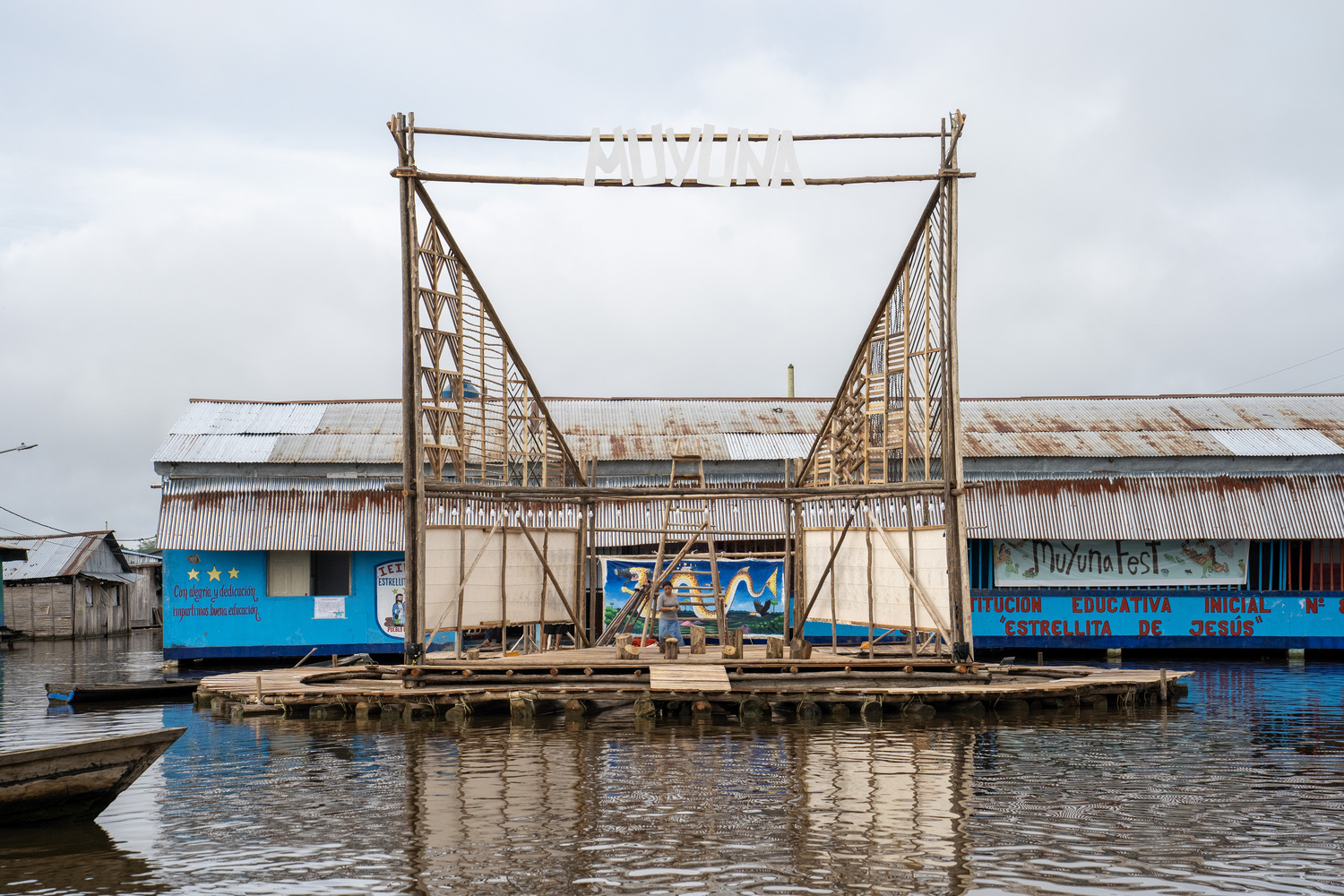
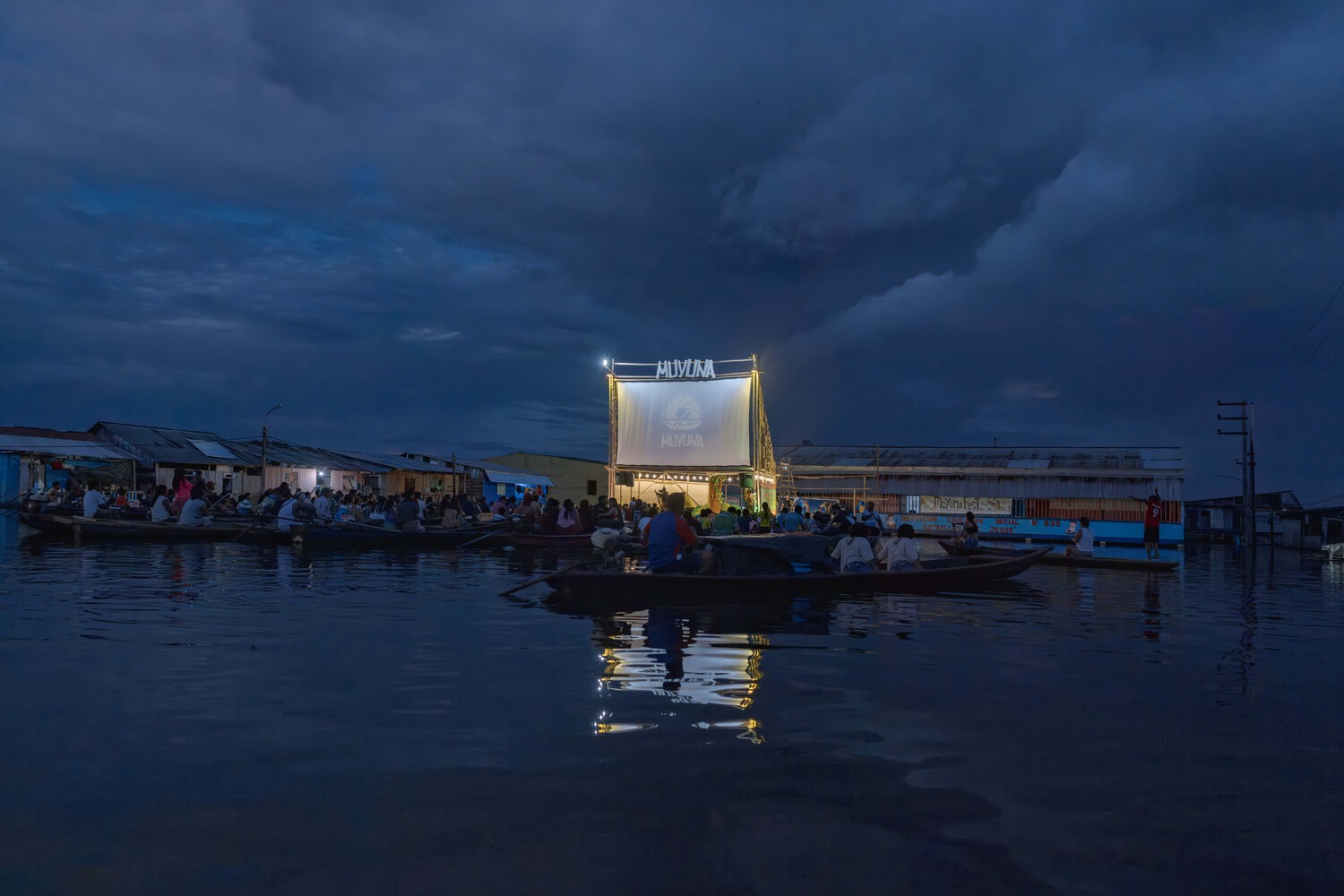
Located in front of Estrellita de Jesús school, the intervention responded to the amphibious logic of the territory and to local cultural practices, offering a temporary yet powerful infrastructure for public life.
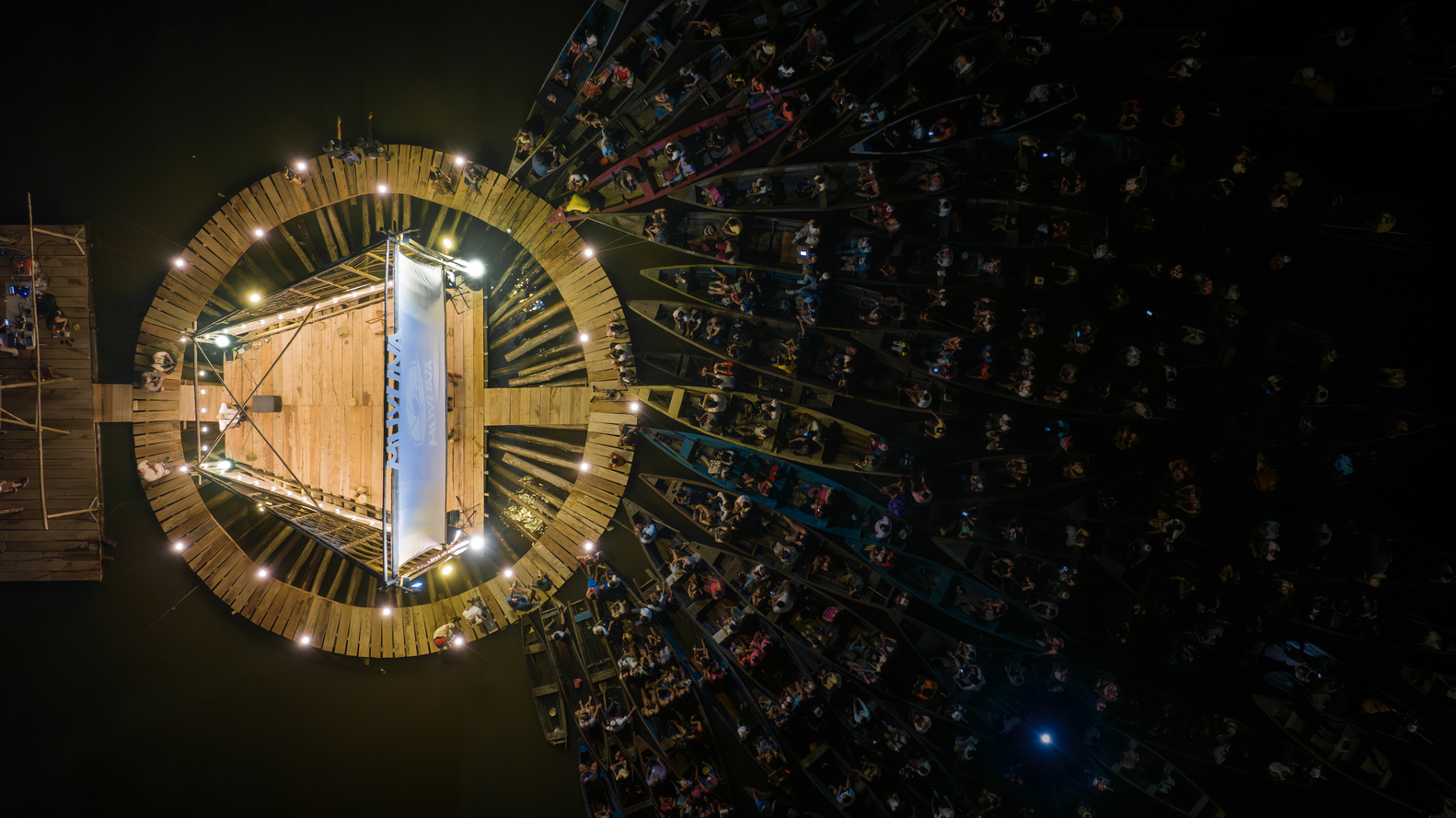
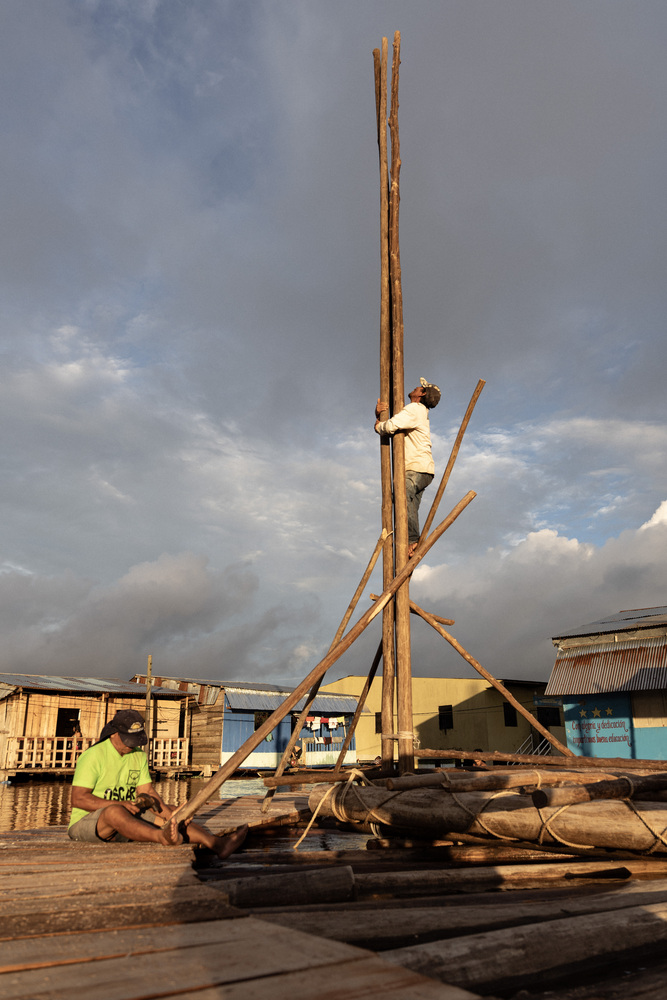
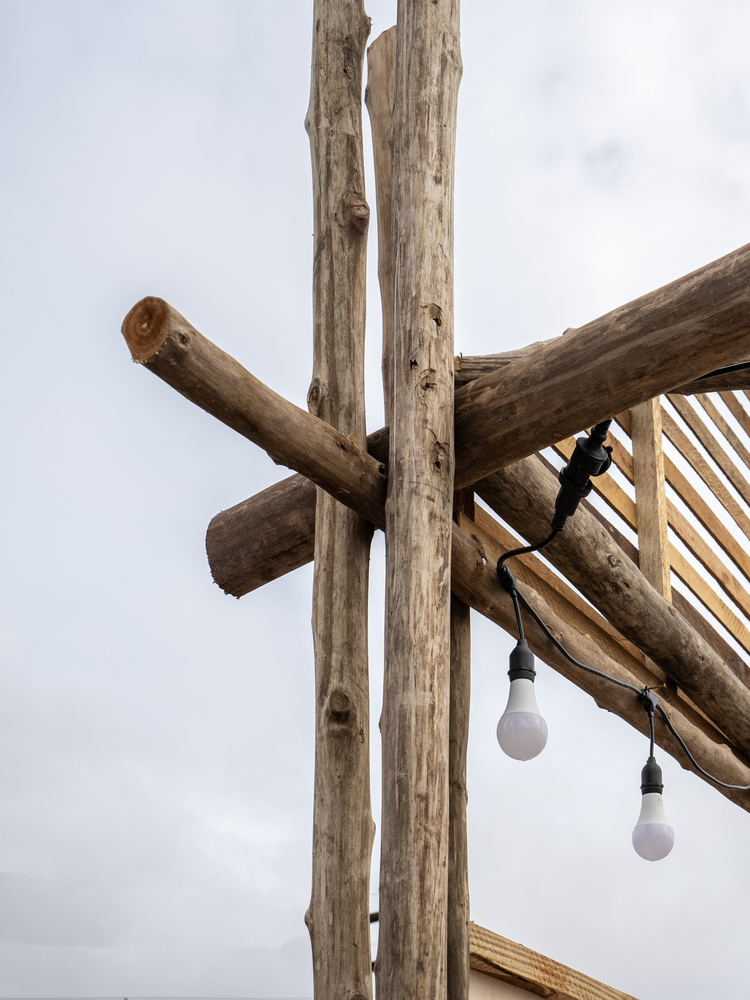
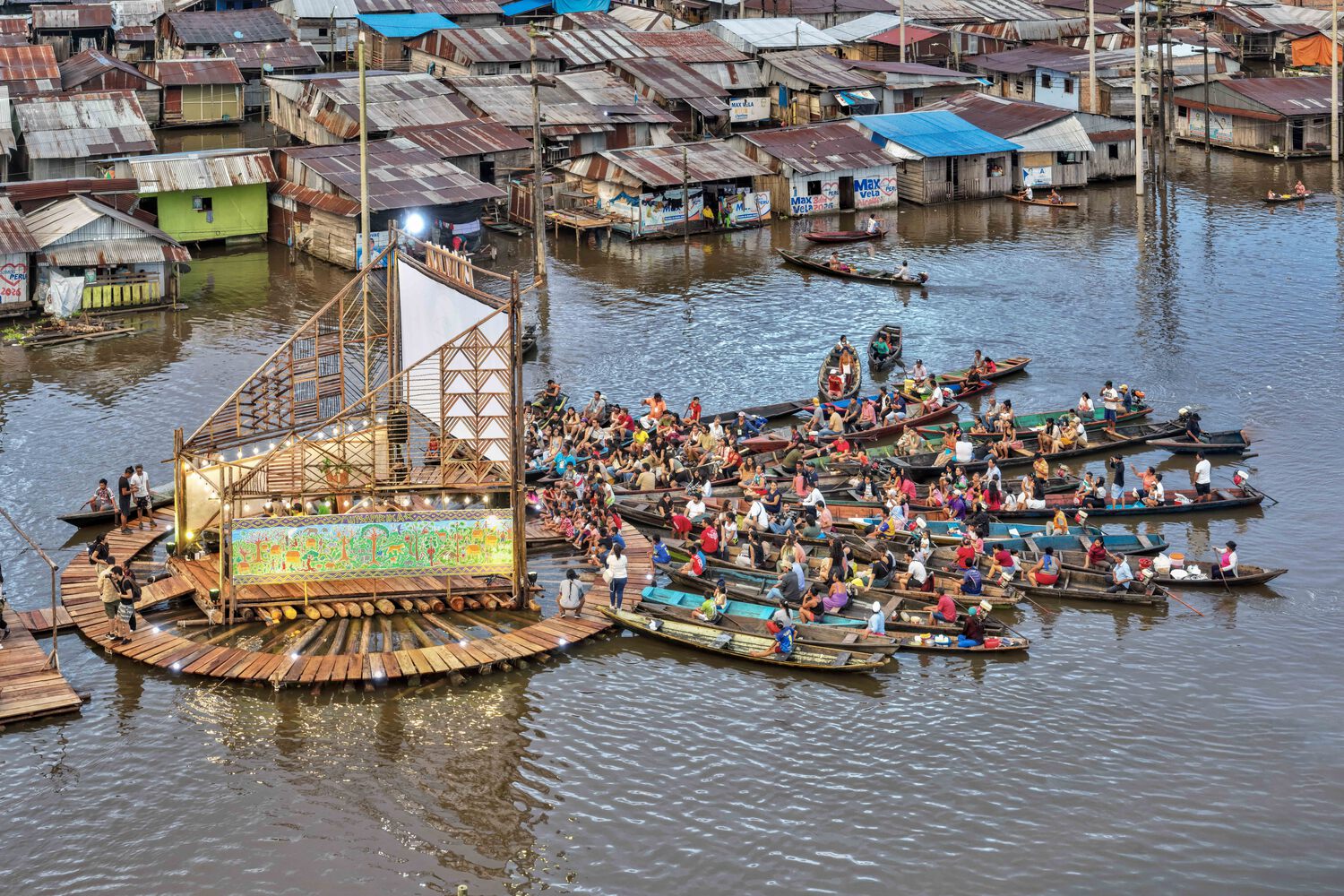
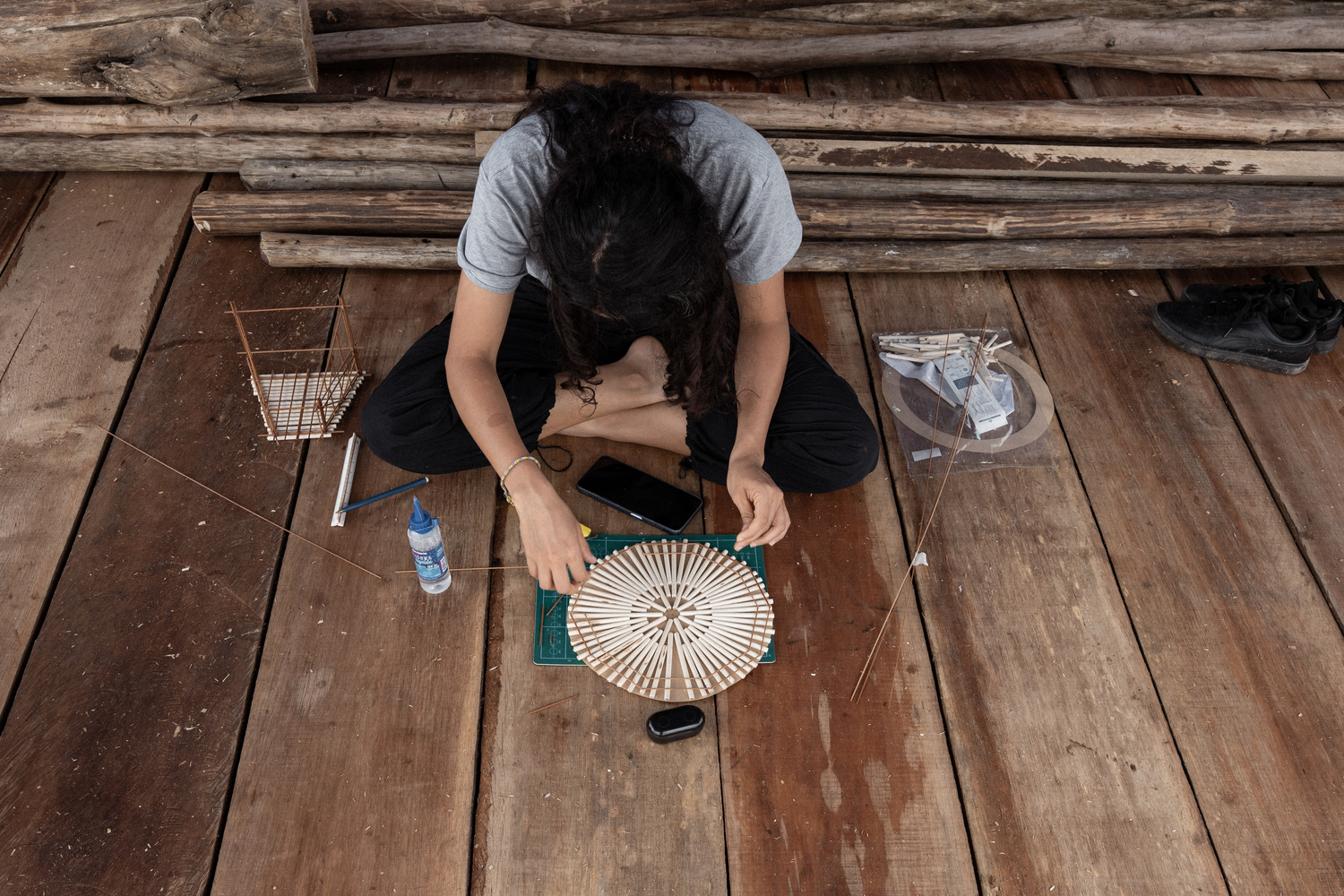
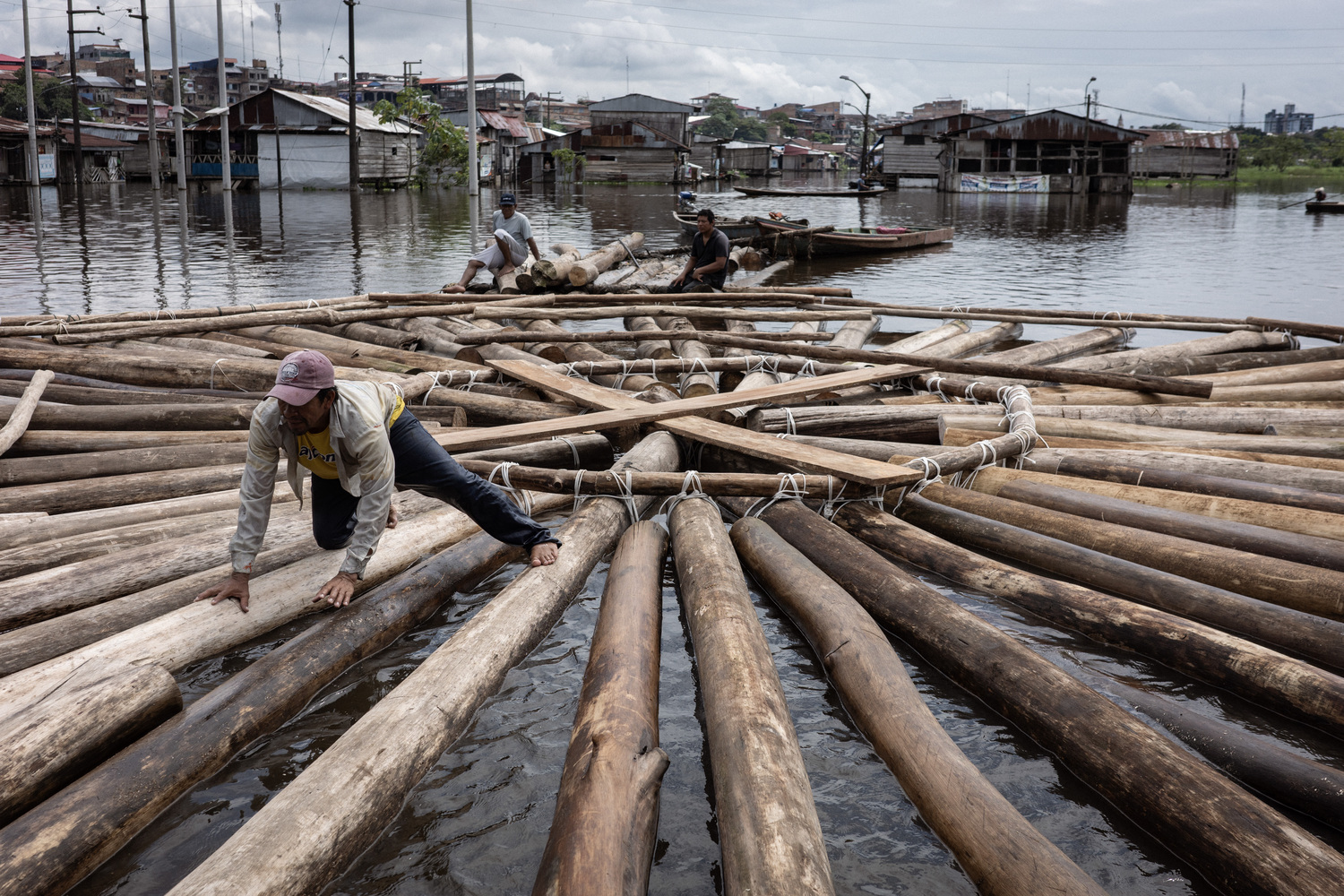
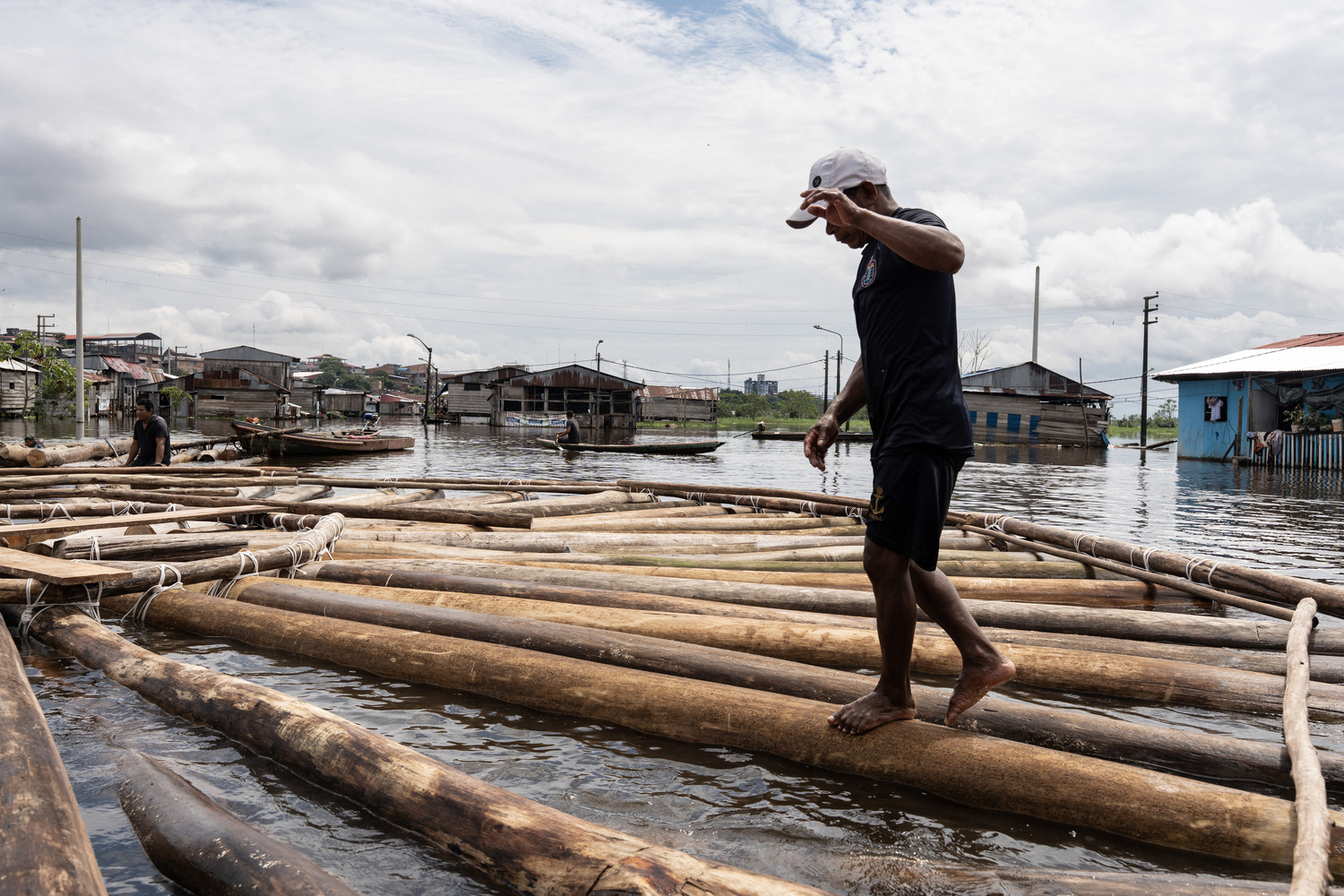
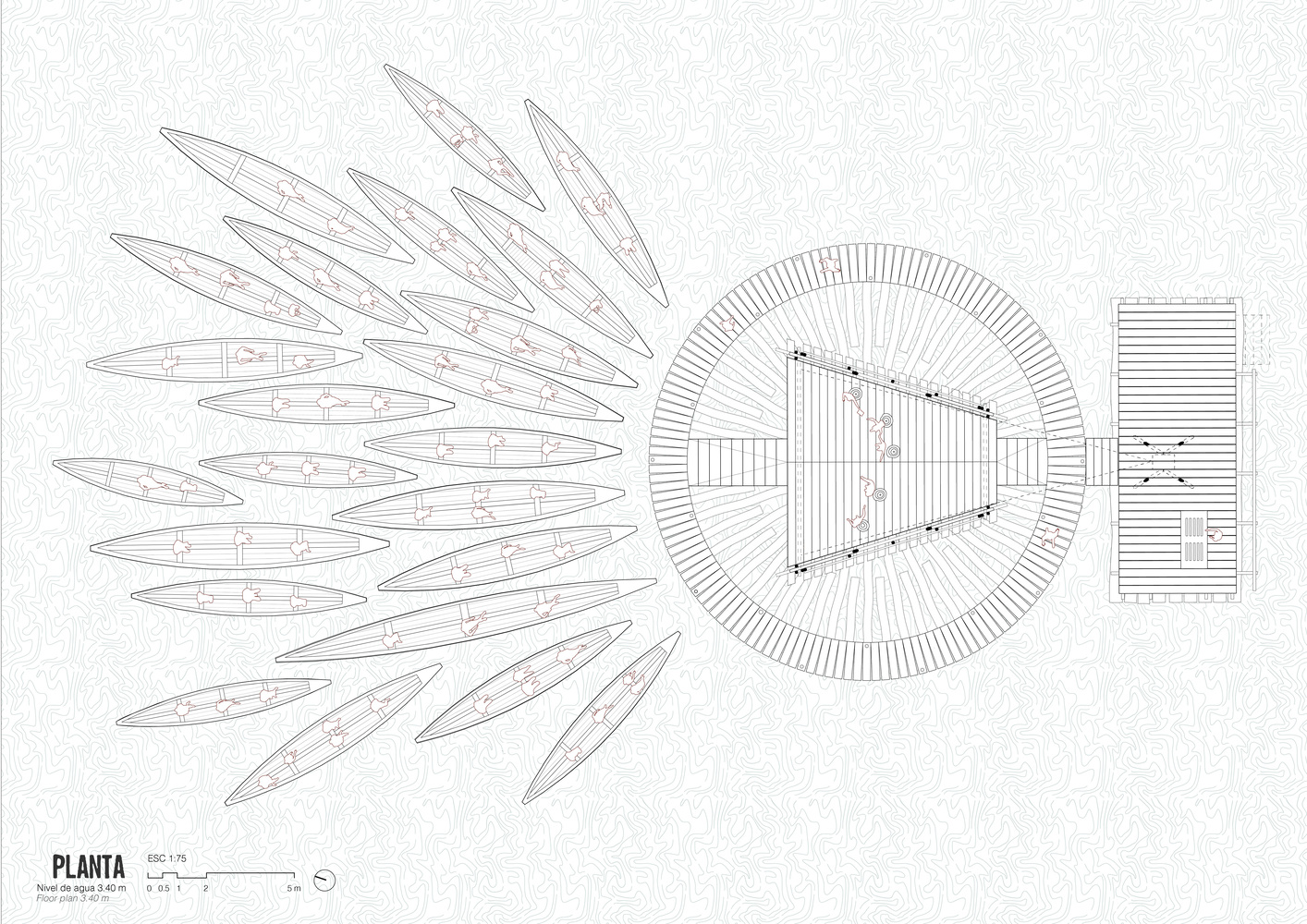
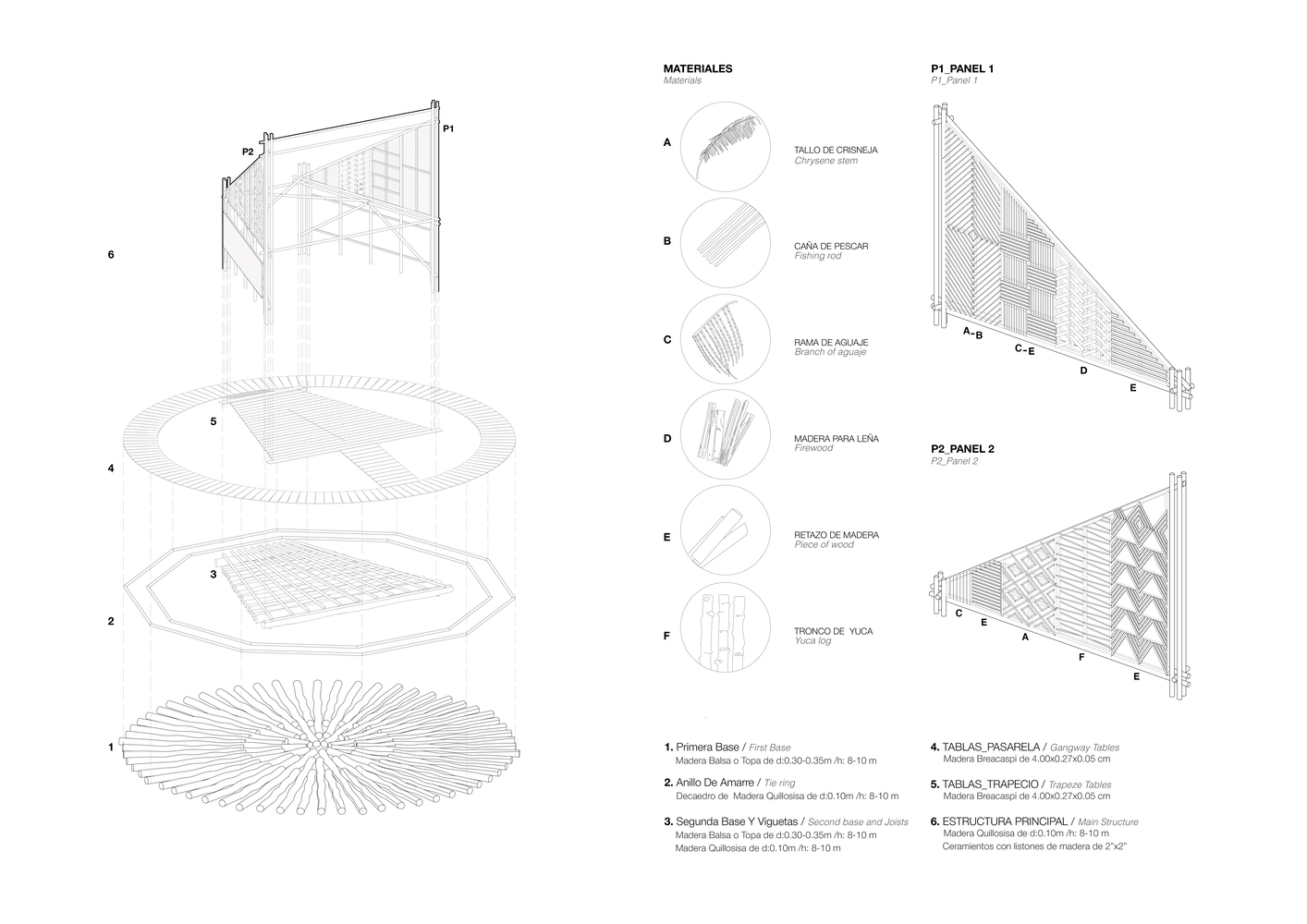
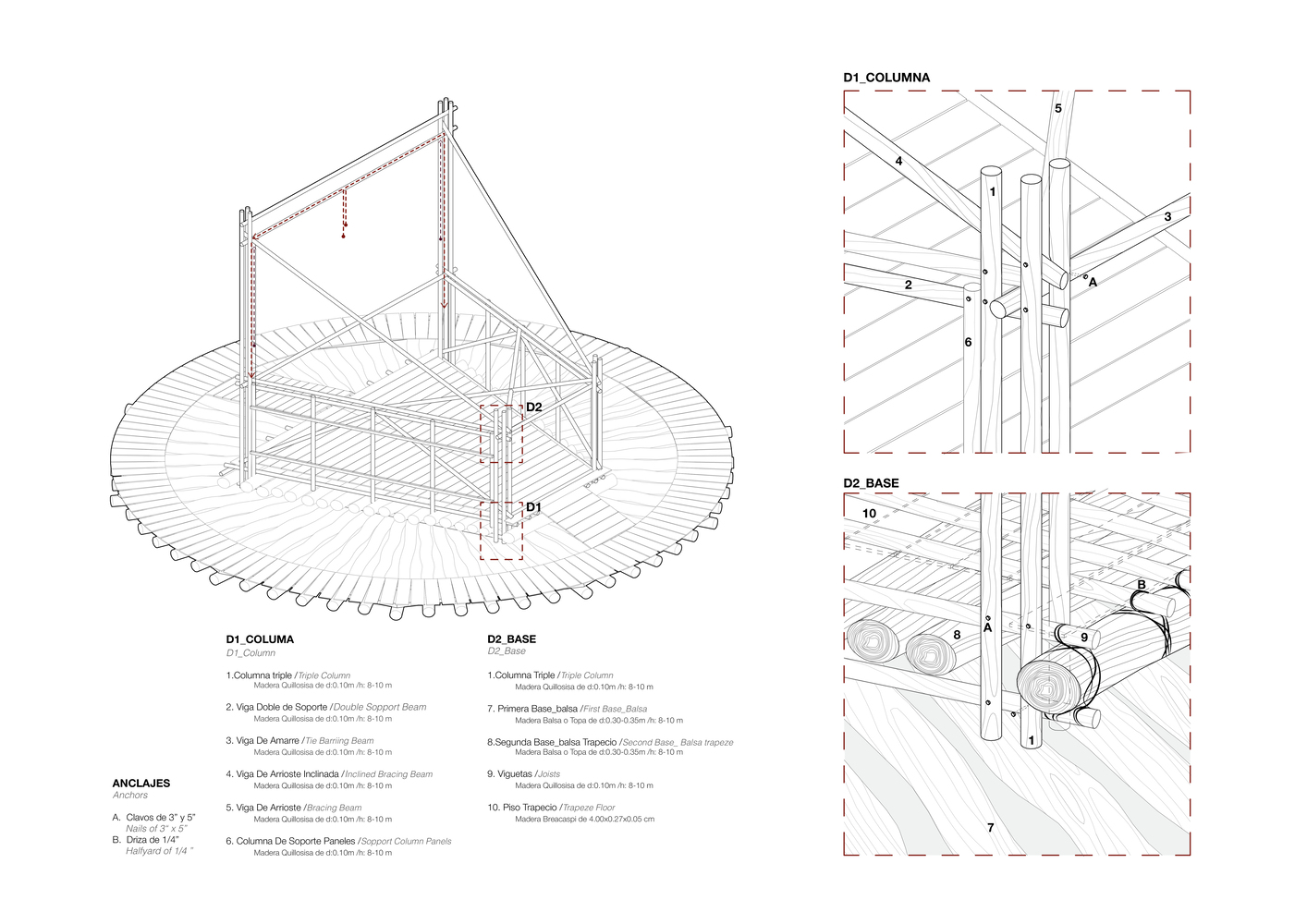
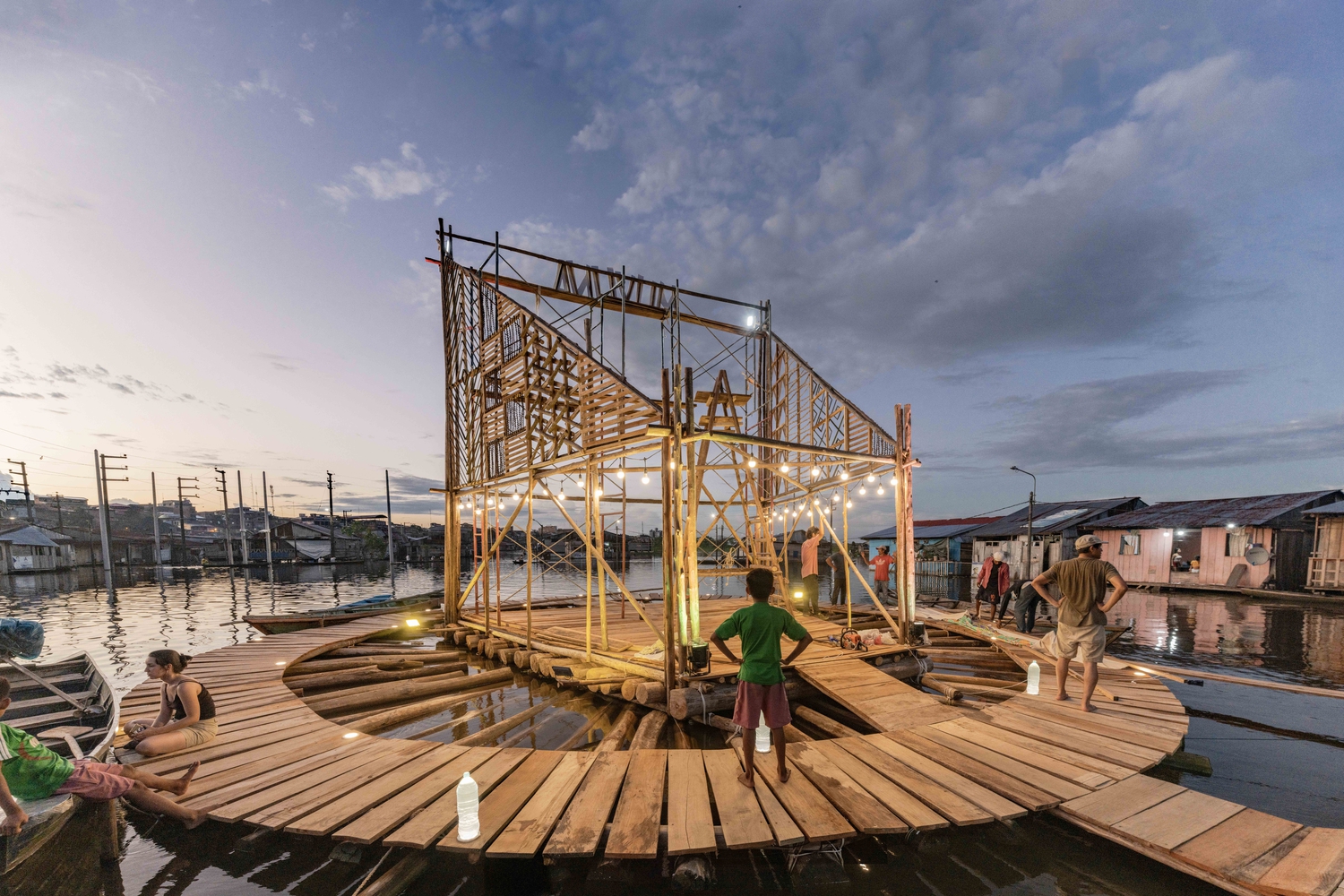
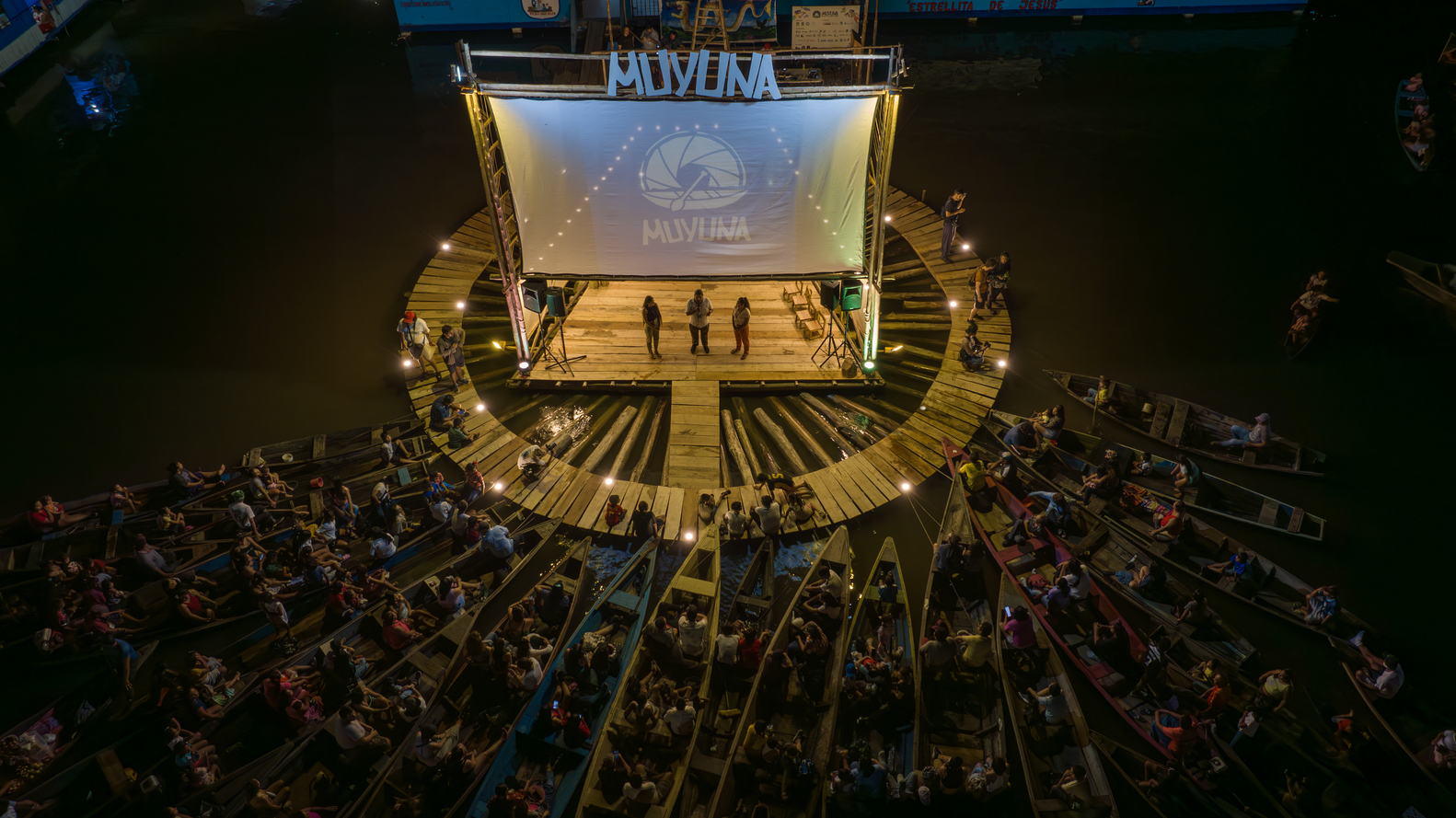
The circular platform, approximately 14 meters in diameter, was built entirely with materials from the immediate surroundings—lightweight topa logs, branches, natural fibers—and assembled using only hand tools.
The structural base consisted of triangular modules forming a decagon, topped by a radial wooden deck. This geometry evoked the muyuna, a swirling current typical of Amazonian rivers, and allowed the structure to float entirely, without fixed anchors or contact with the riverbed.
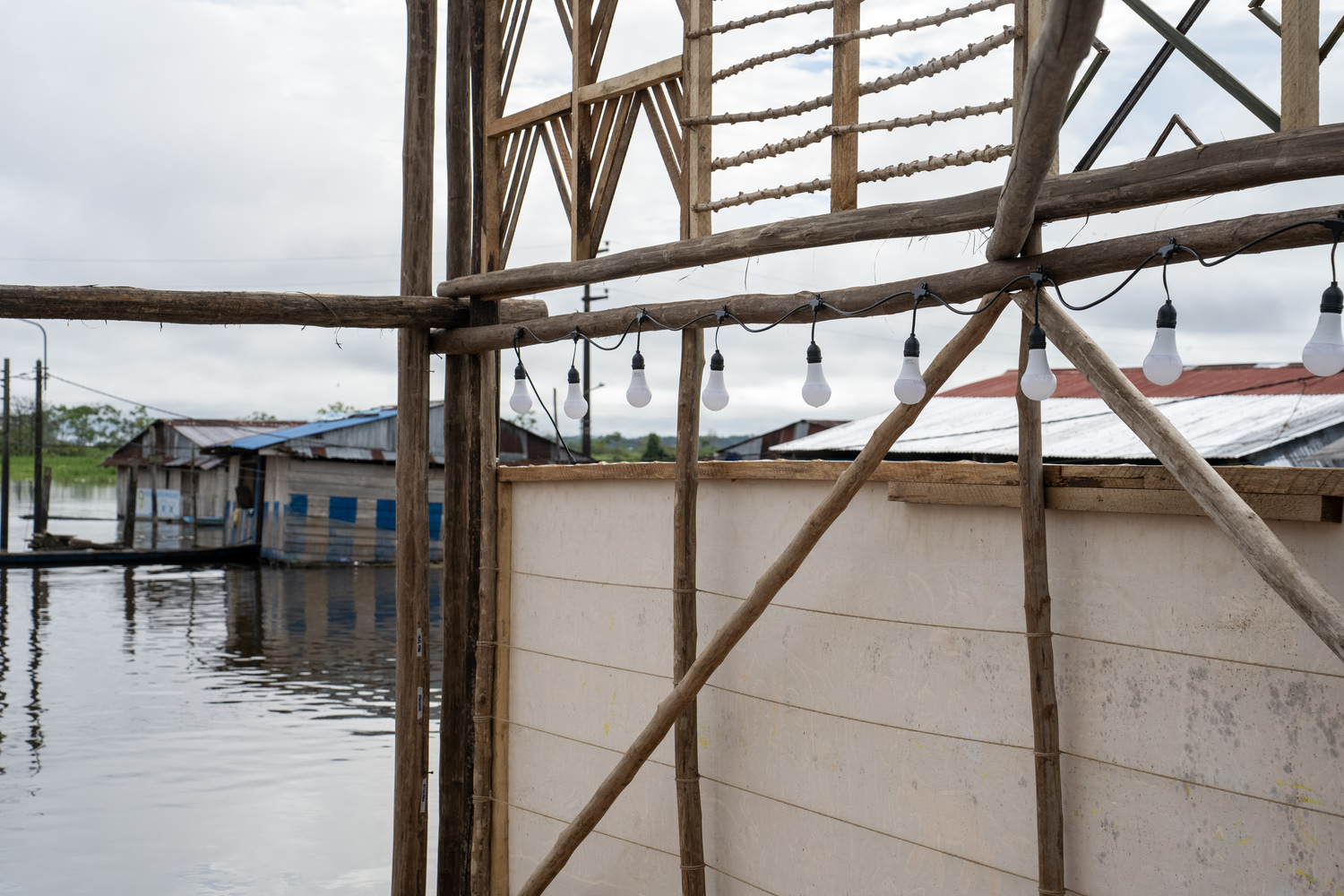
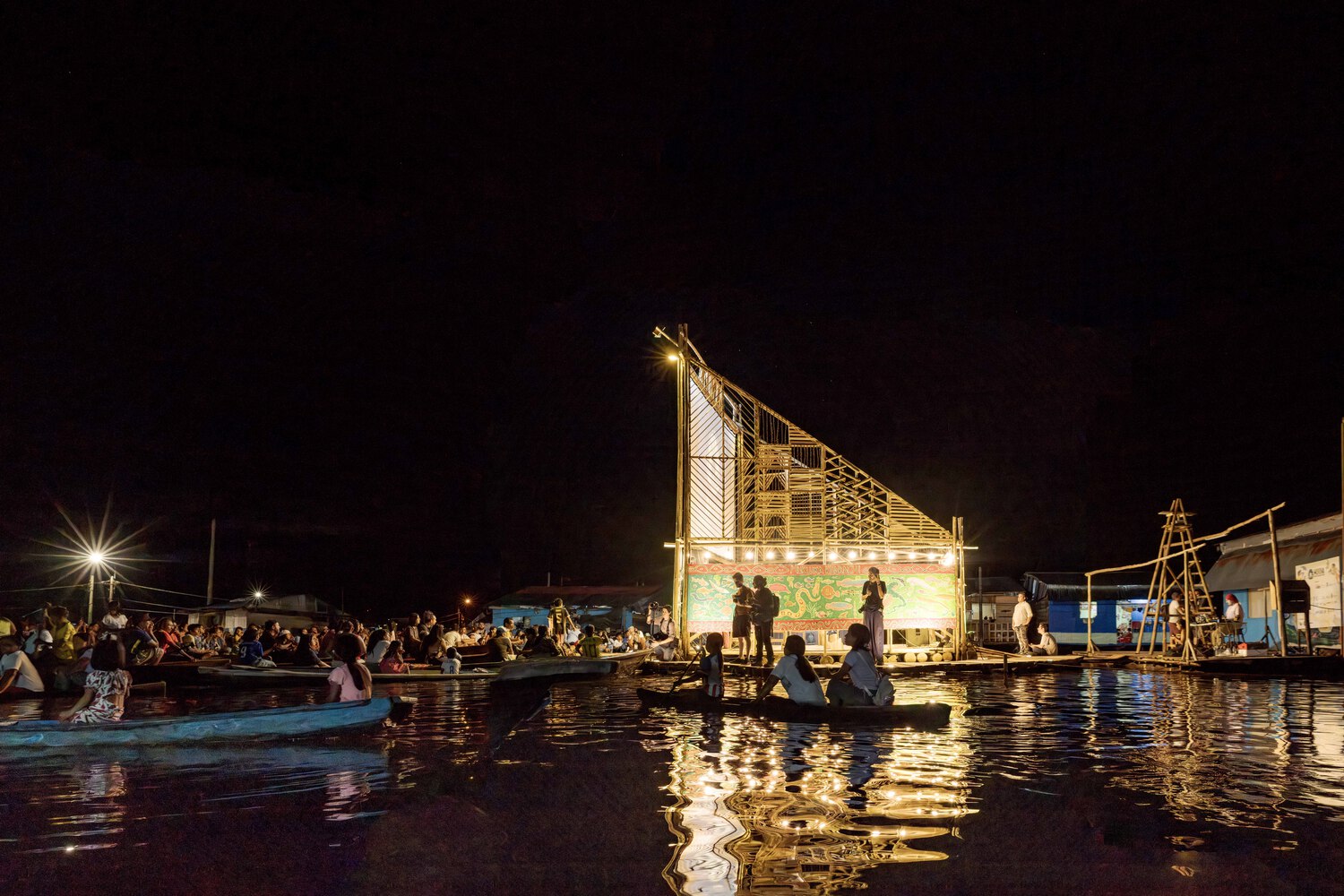
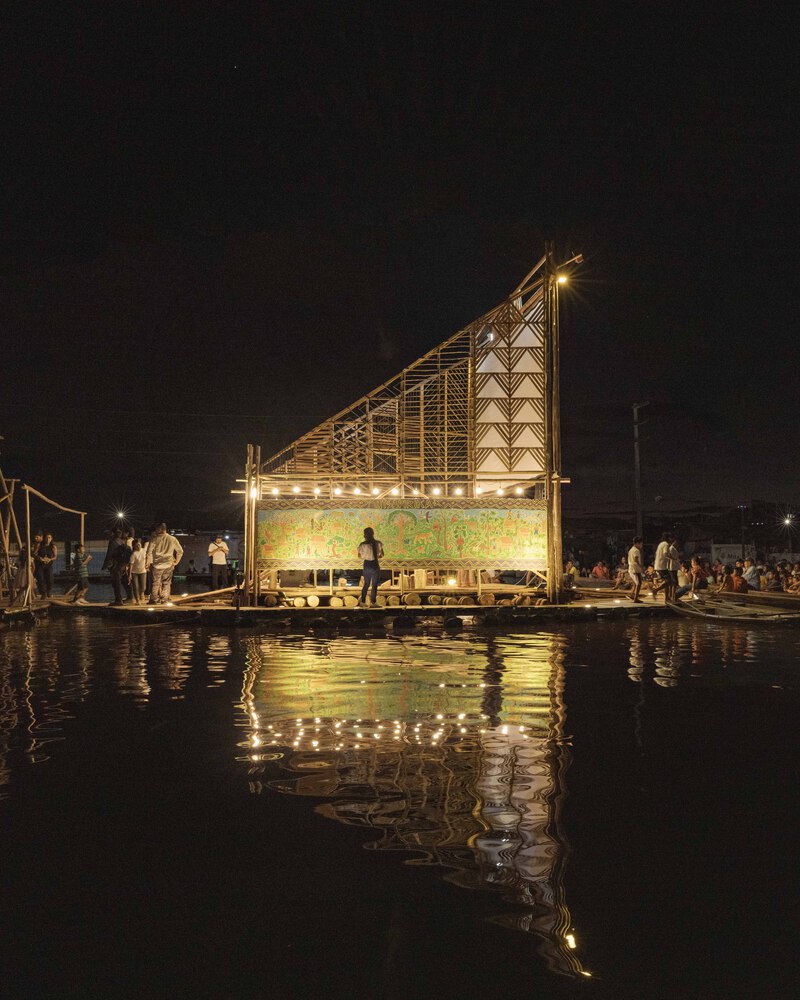
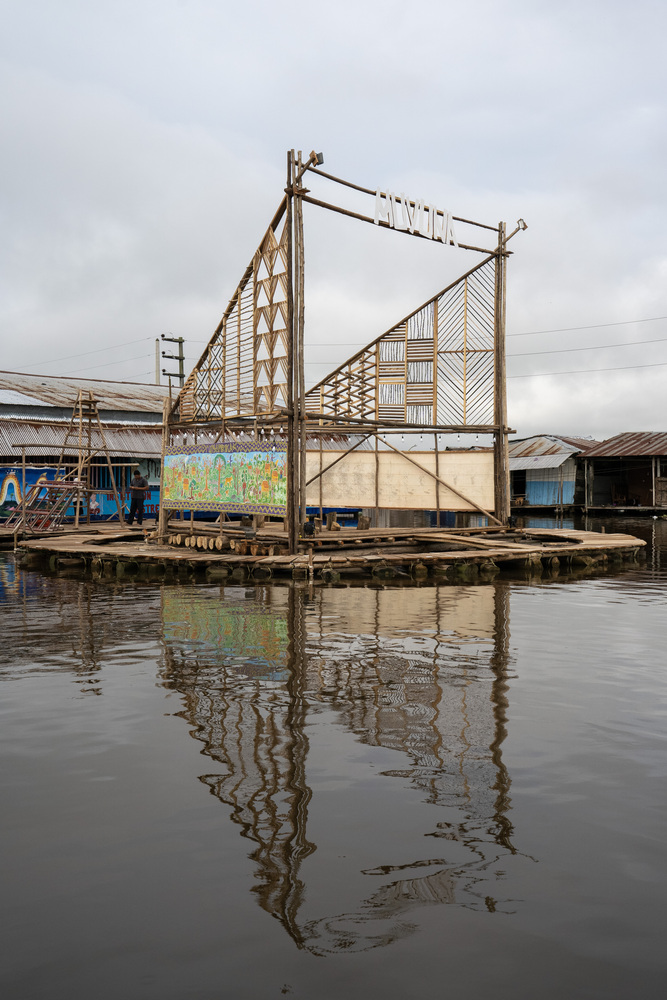
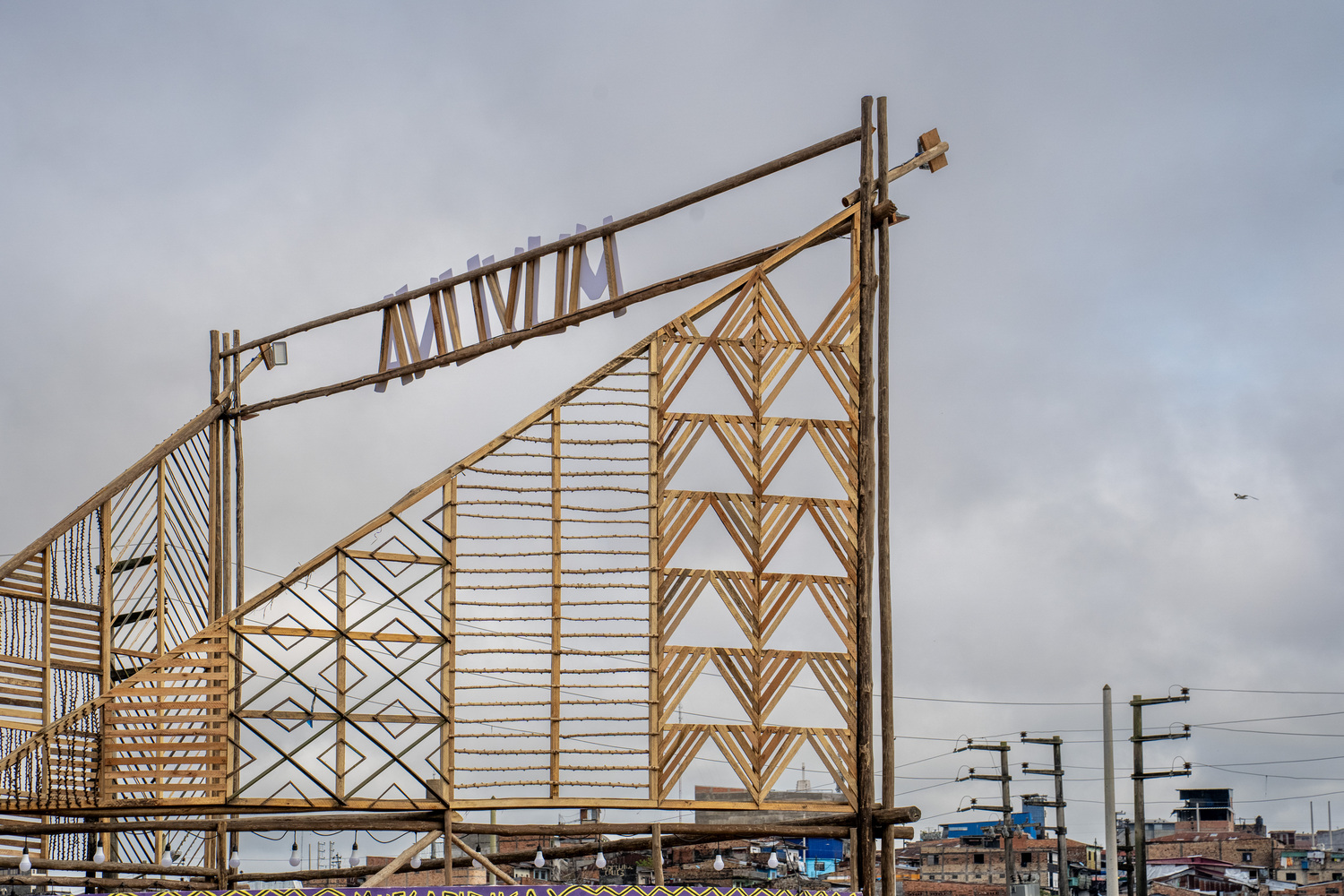
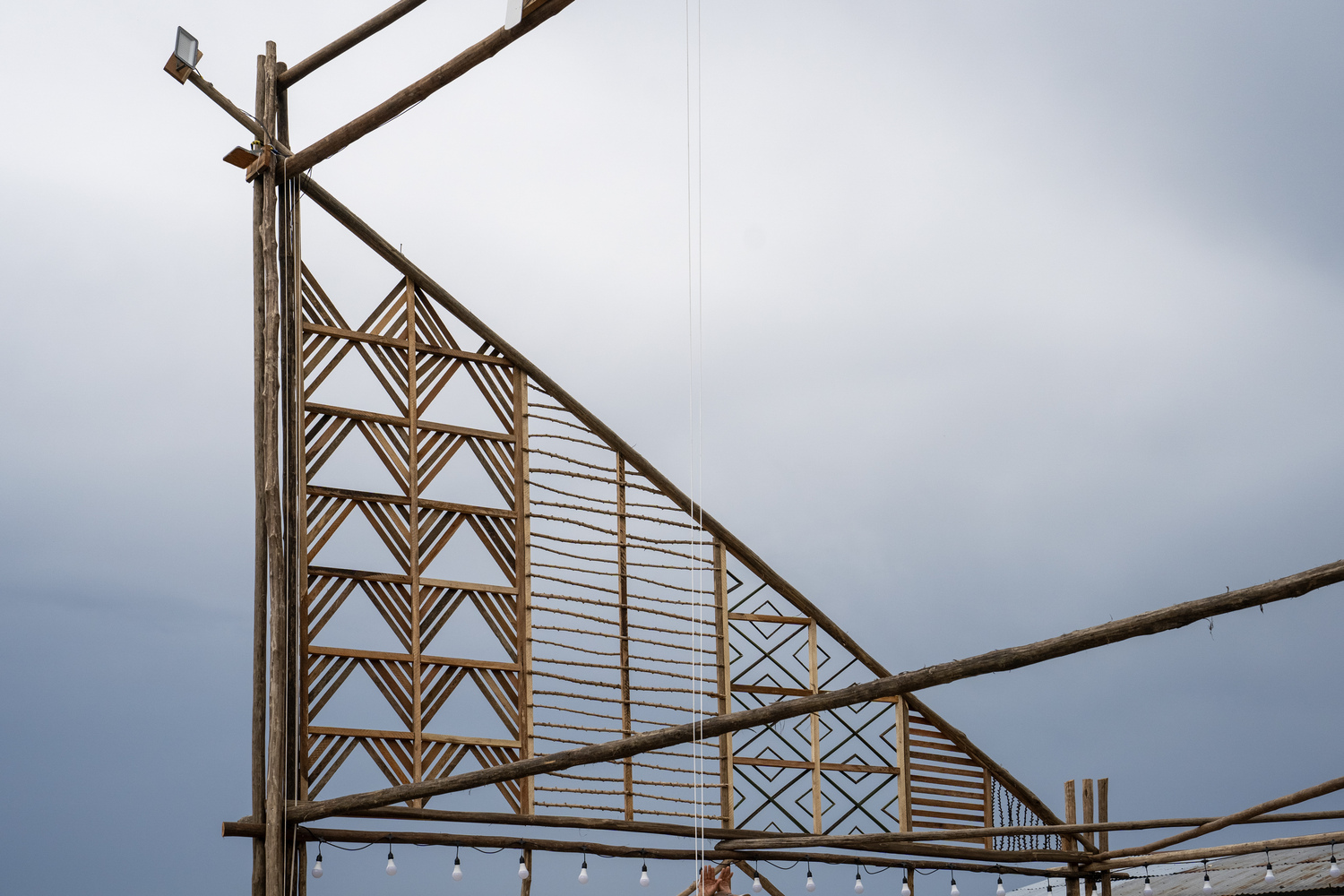
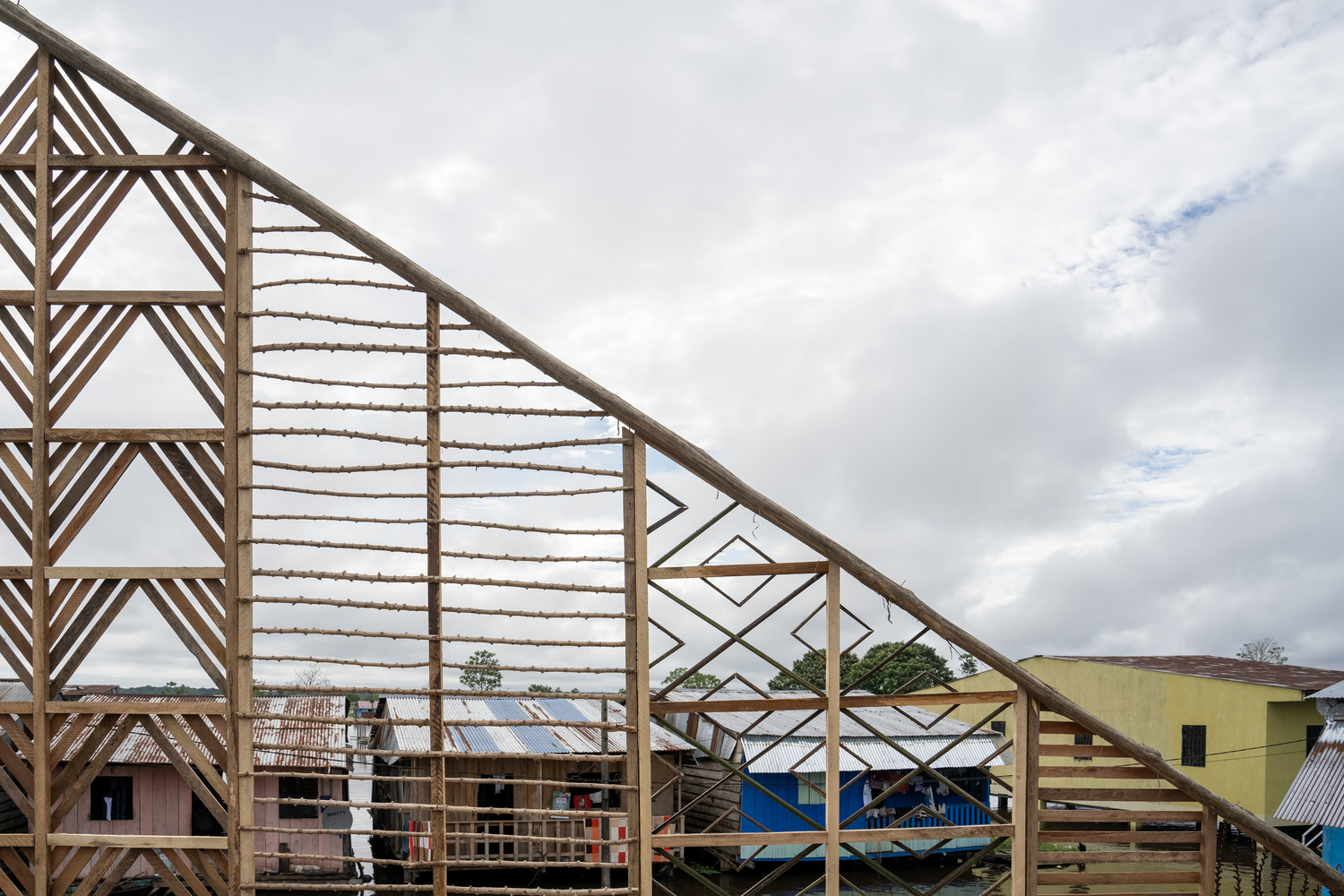
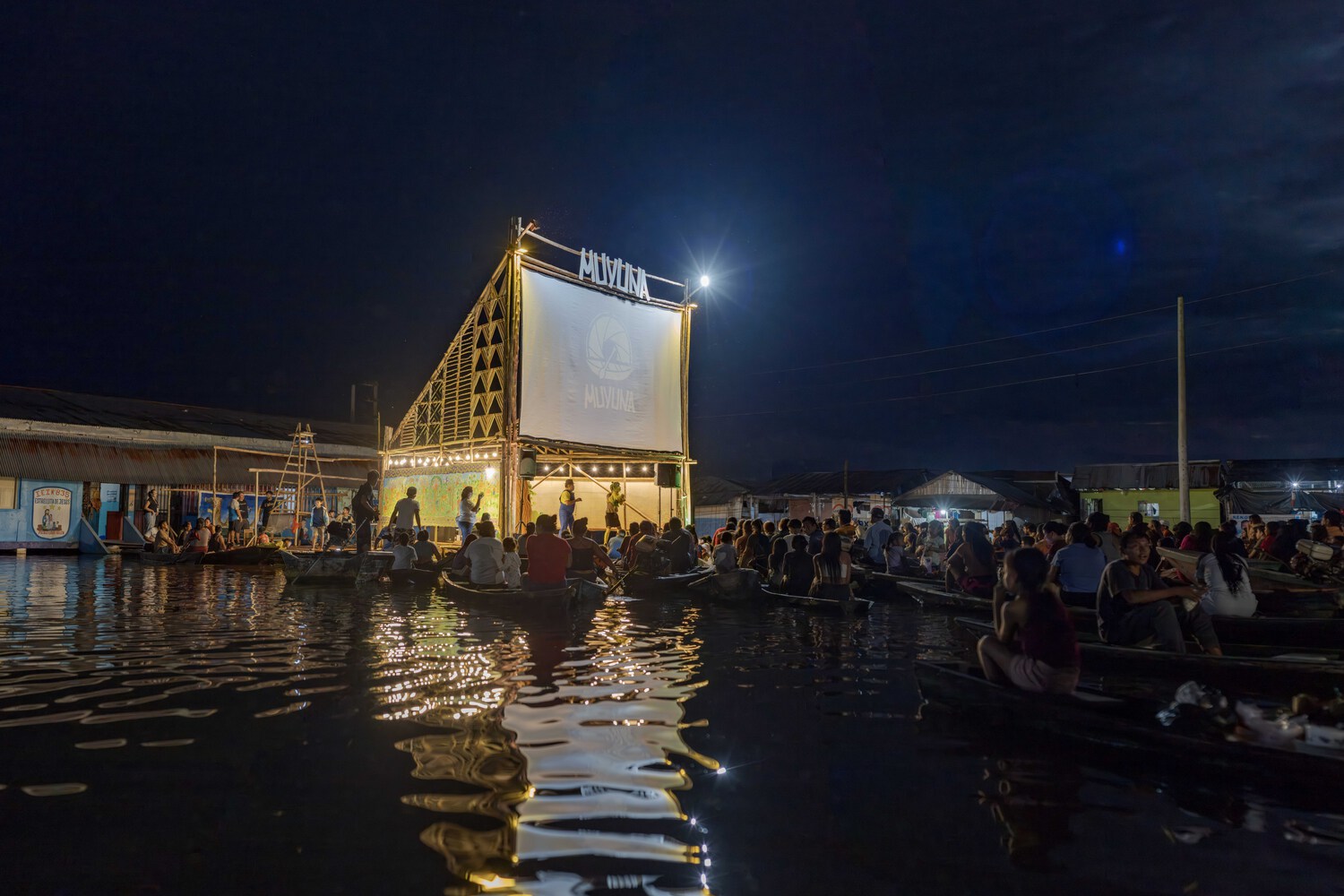
A secondary floating module was added to house technical functions such as projection and sound. Rising from the main platform, a 7-meter-high trapezoidal structure served as an open projection box facing the river. The design responded to the projector’s angle and framed large painted murals on its sides.
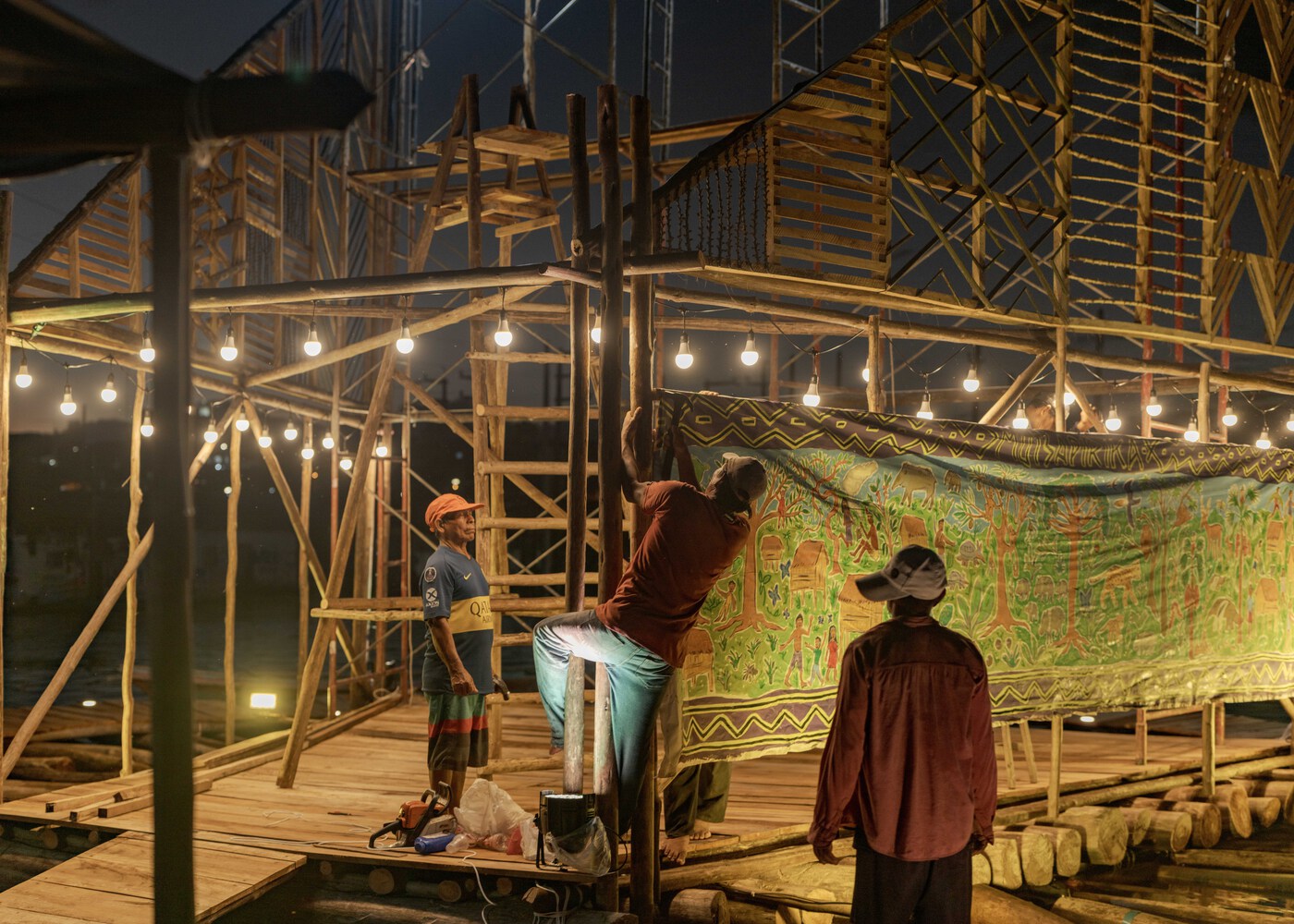
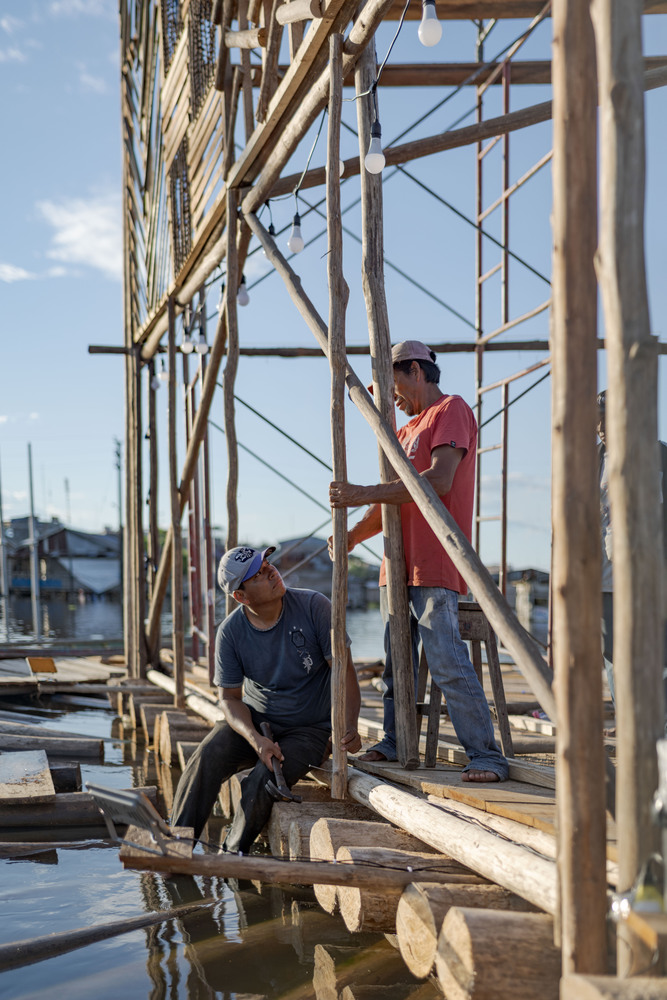
Built in just two weeks, the stage was the result of a collaborative process with local master builders—fishermen and boat-makers with no formal carpentry training but deep knowledge of riverine construction.
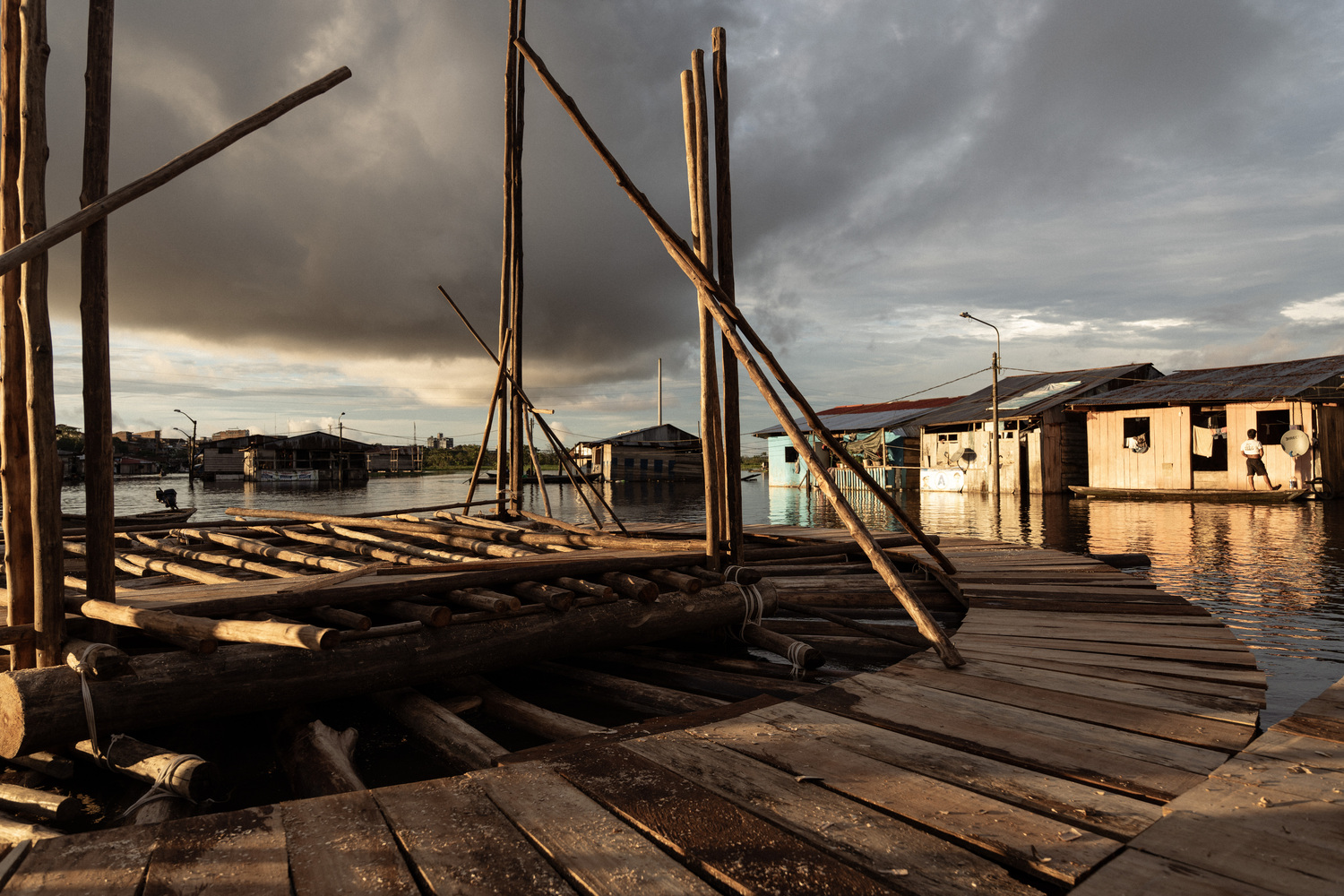
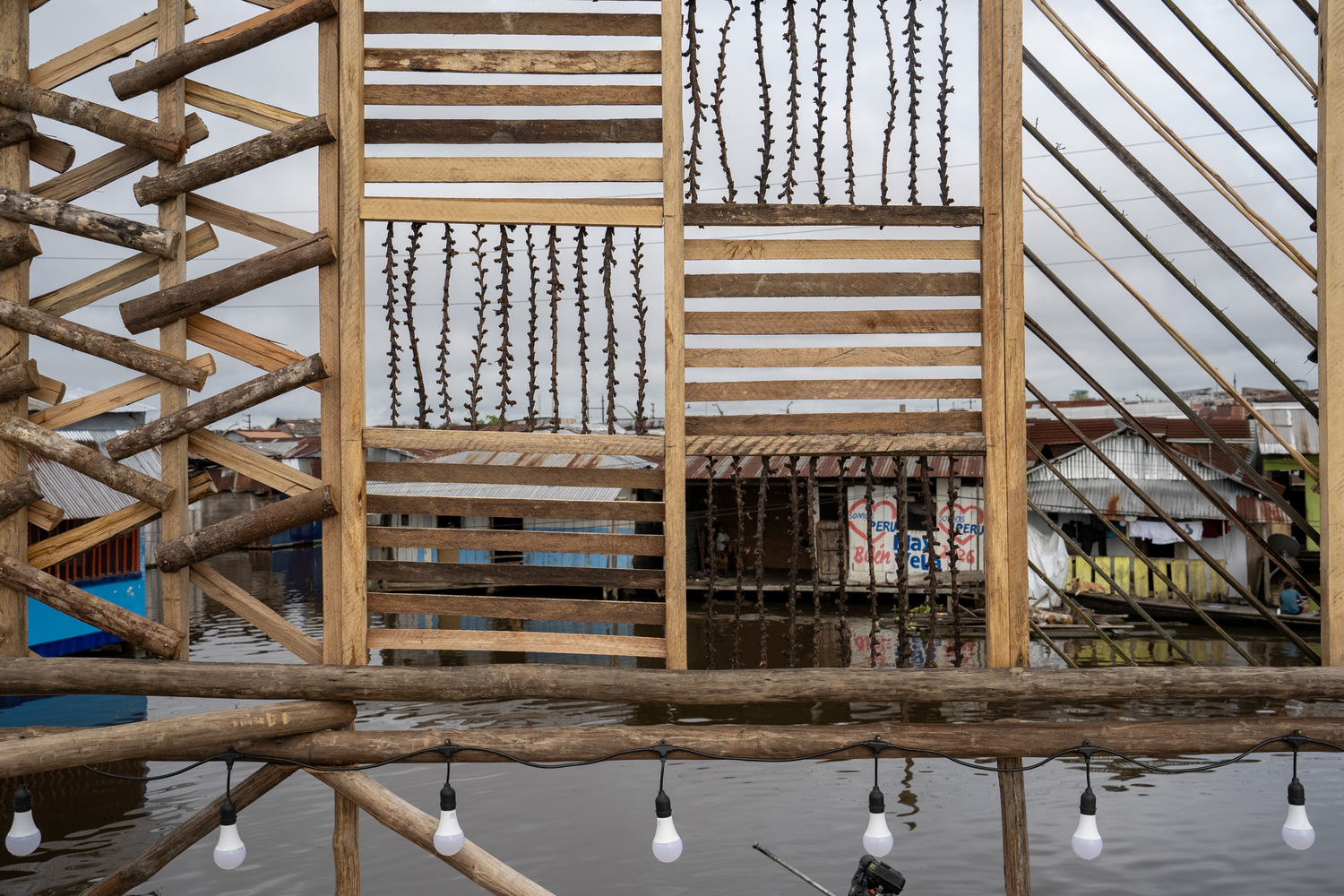
Much of the base was assembled in the water, using the builders' own bodies as tools to tie beams and stabilize the floating structure. Branches, reeds, and leaves from nearby chacras were woven into the façades, forming patterns inspired by Kukama iconography, in tribute to this Indigenous group.
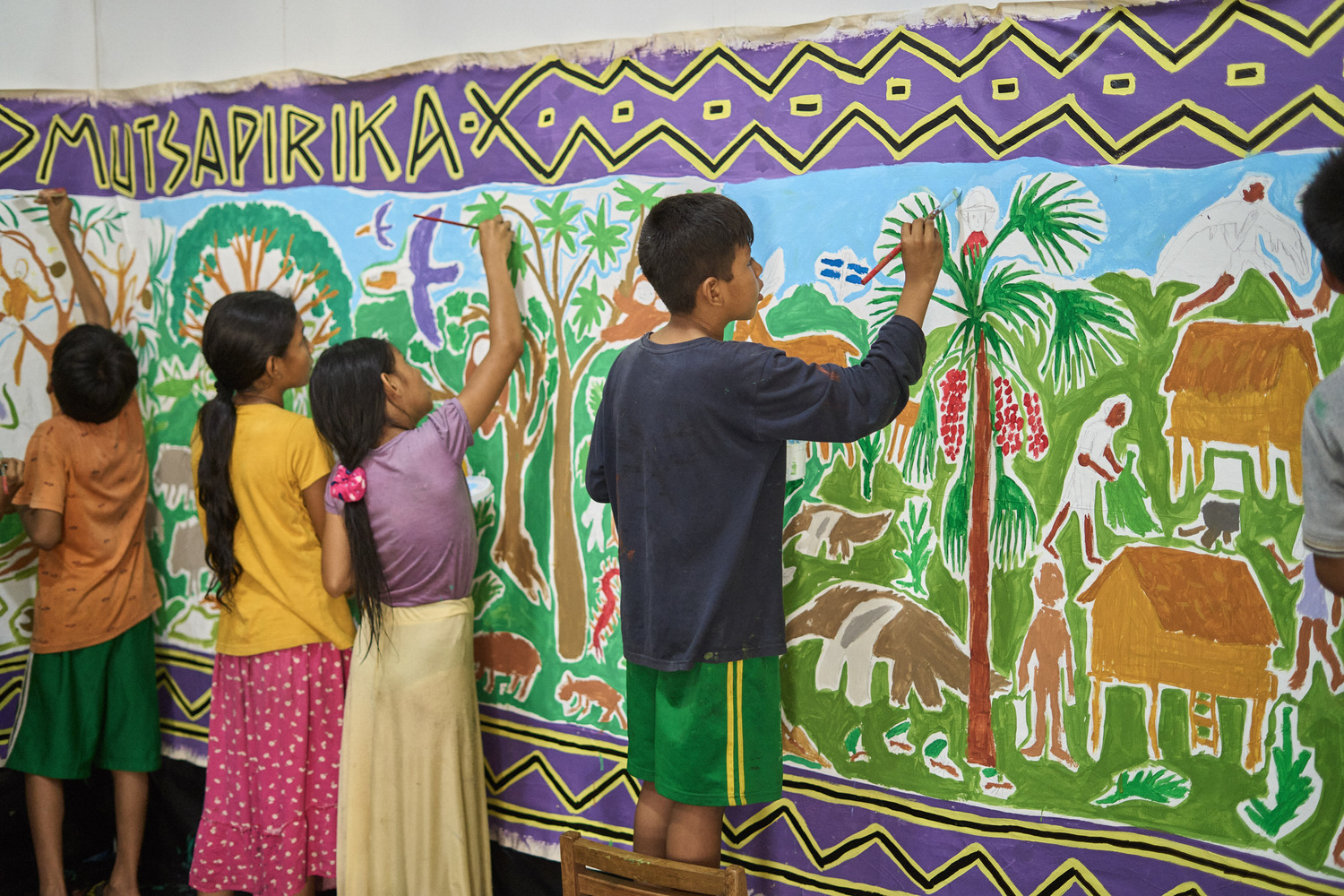
In parallel, local children participated in workshops led by artist David Orlando. Their drawings were turned into fabric murals that wrapped around the base of the platform, adding layers of collective memory and visual storytelling rooted in Amazonian life.
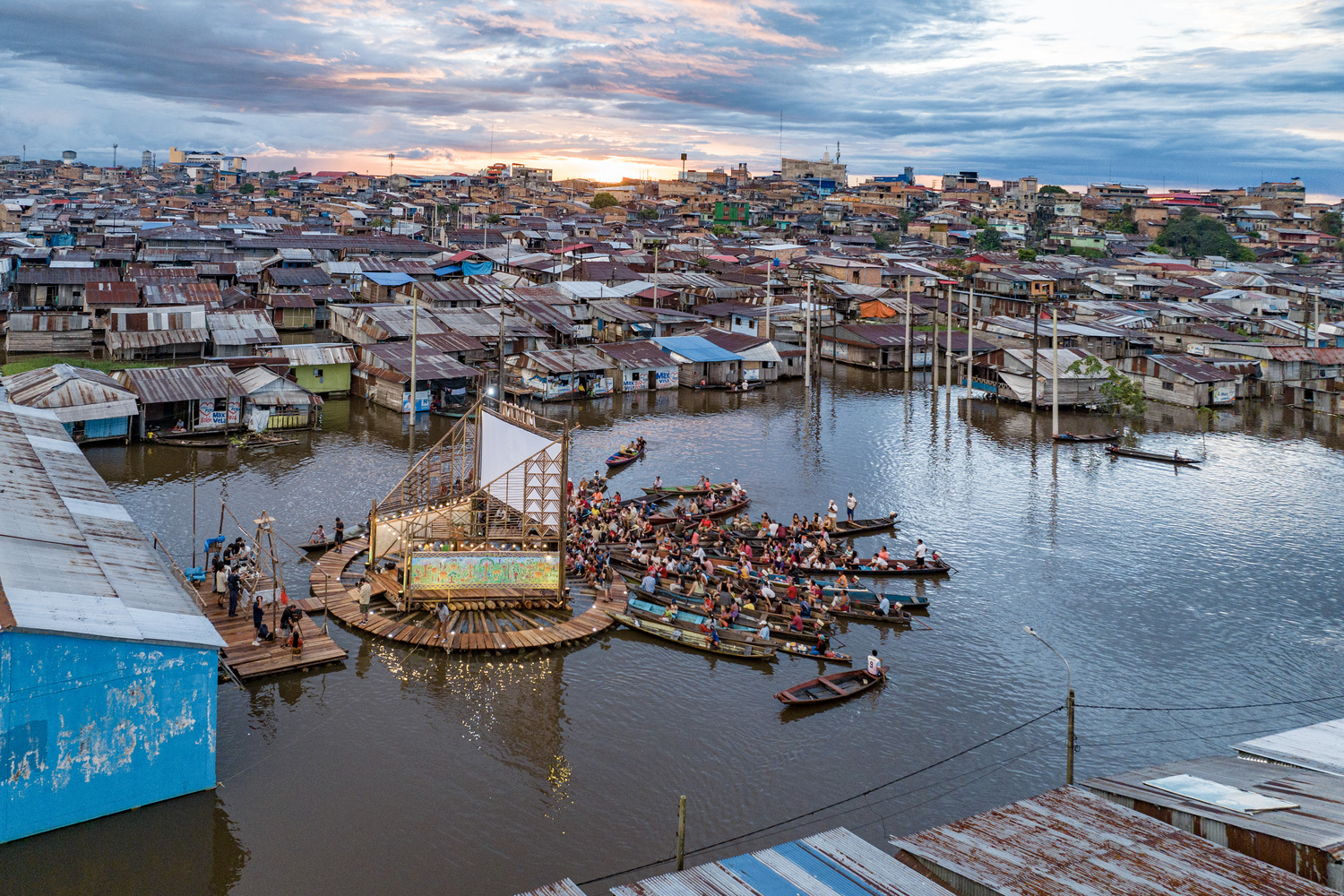
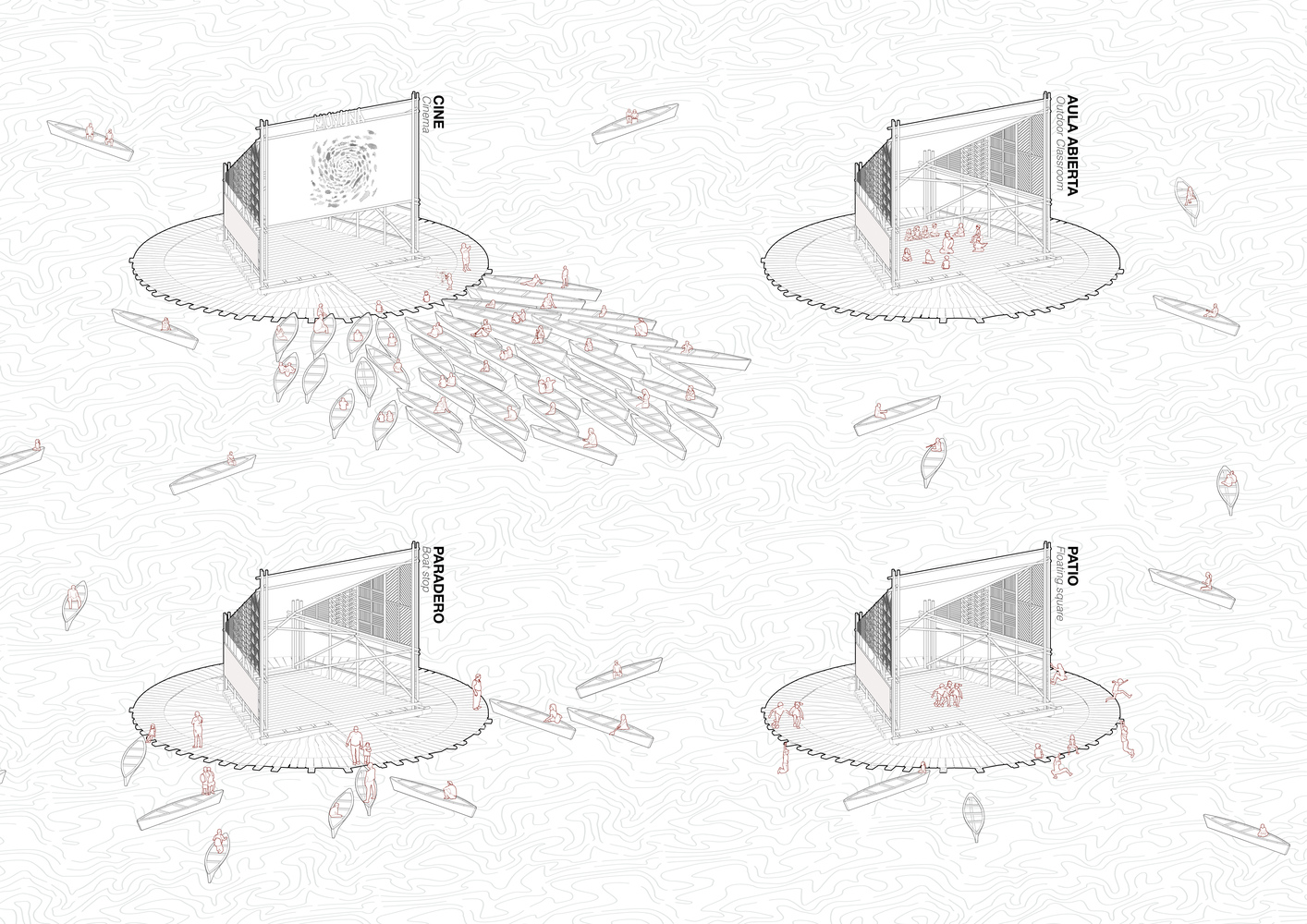
Each night during the festival, more than 50 canoes gathered around the stage, transforming the river into a floating cinema and the platform into a living device for cultural exchange.
The project also activated multiple micro-economies: boat operators transported materials and people, while local women prepared meals for the crew and audience. This process generated income, reinforced community bonds, and fostered a sense of ownership from the outset.
After the festival, the platform remained in use as a school dock, play area, and daily gathering space—an ephemeral work turned into a permanent floating public infrastructure.
The project stands as a response to dominant narratives that portray Belén as precarious and uninhabitable. Instead, it affirms the legitimacy and richness of amphibious urban life.
By embracing traditional techniques, honoring local iconographies, and weaving together architecture, film, and participation, the project offers a replicable model for other riverine communities—one that is sustainable, inclusive, and deeply rooted in territorial intelligence.