
Goethe-Institut Sénégal
GOETHE-INSTITUT SÉNÉGAL
Kéré Architecture
ARCHITECTS
Kéré Architecture
ARCHITECT
Kéré Architecture, Diébédo Francis Kéré
PROJECT ARCHITECTS
Jaime Herraiz Martínez, Andrea Maretto
CLIENT
Goethe Institut E.v.
CONTRIBUTORS
Fabiola Büchele, Léon Bührer, Javier Mola Cardenes, Linda Franken, Juan Carlos Zapata
COLLABORATORS
Worofila, André Poretti, Delta Ingenieurs Conseils, Dial Consulting, Scat Internationale S.a., Elementerre, Matthias Middelkamp
PHOTOGRAPHS
Iwan Baan, Jean-Baptiste Joire, courtesy of Goethe-Institut Dakar
AREA
1800 m²
YEAR
2026
LOCATION
Dakar, Senegal
CATEGORY
Cultural Architecture
English description provided by the architects.
Active worldwide for more than 75 years, the Goethe-Institut commissioned a purpose-built space from concept to construction for the first time in its history.
As one of its main hubs in West Africa, the choice of Kéré Architecture reflects Goethe-Institut Dakar's ambition to define what cultural exchange looks like in the 21st century.
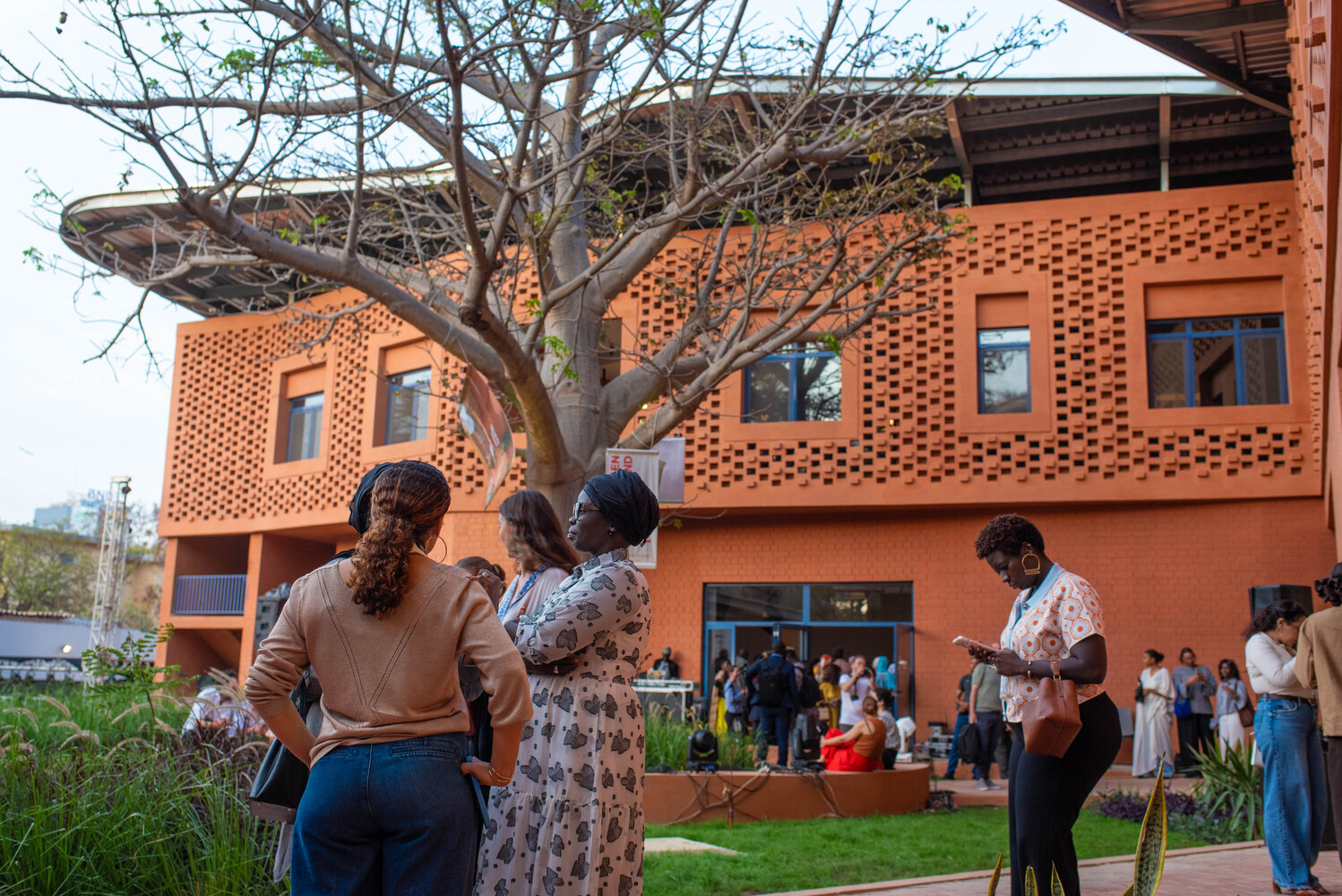
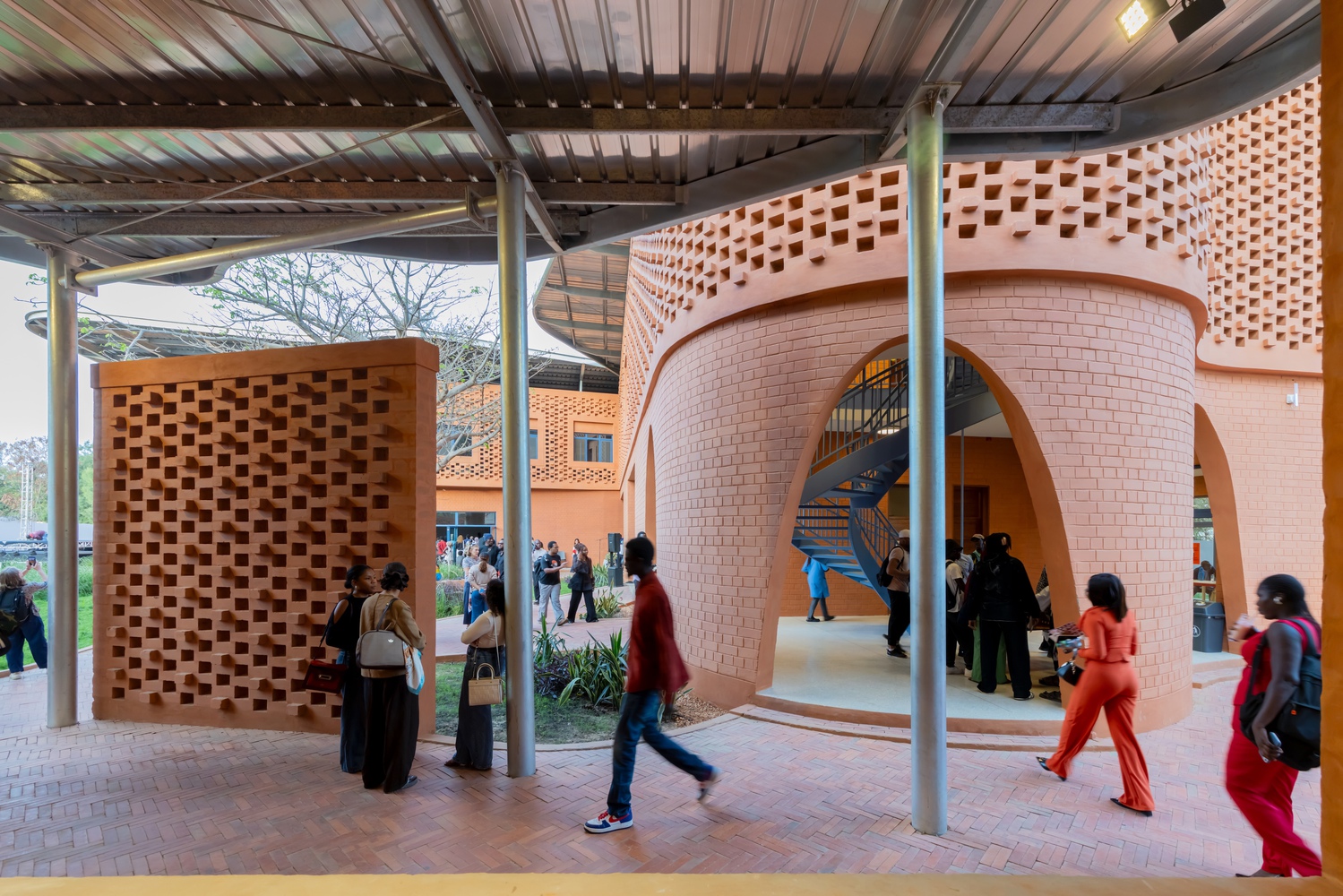
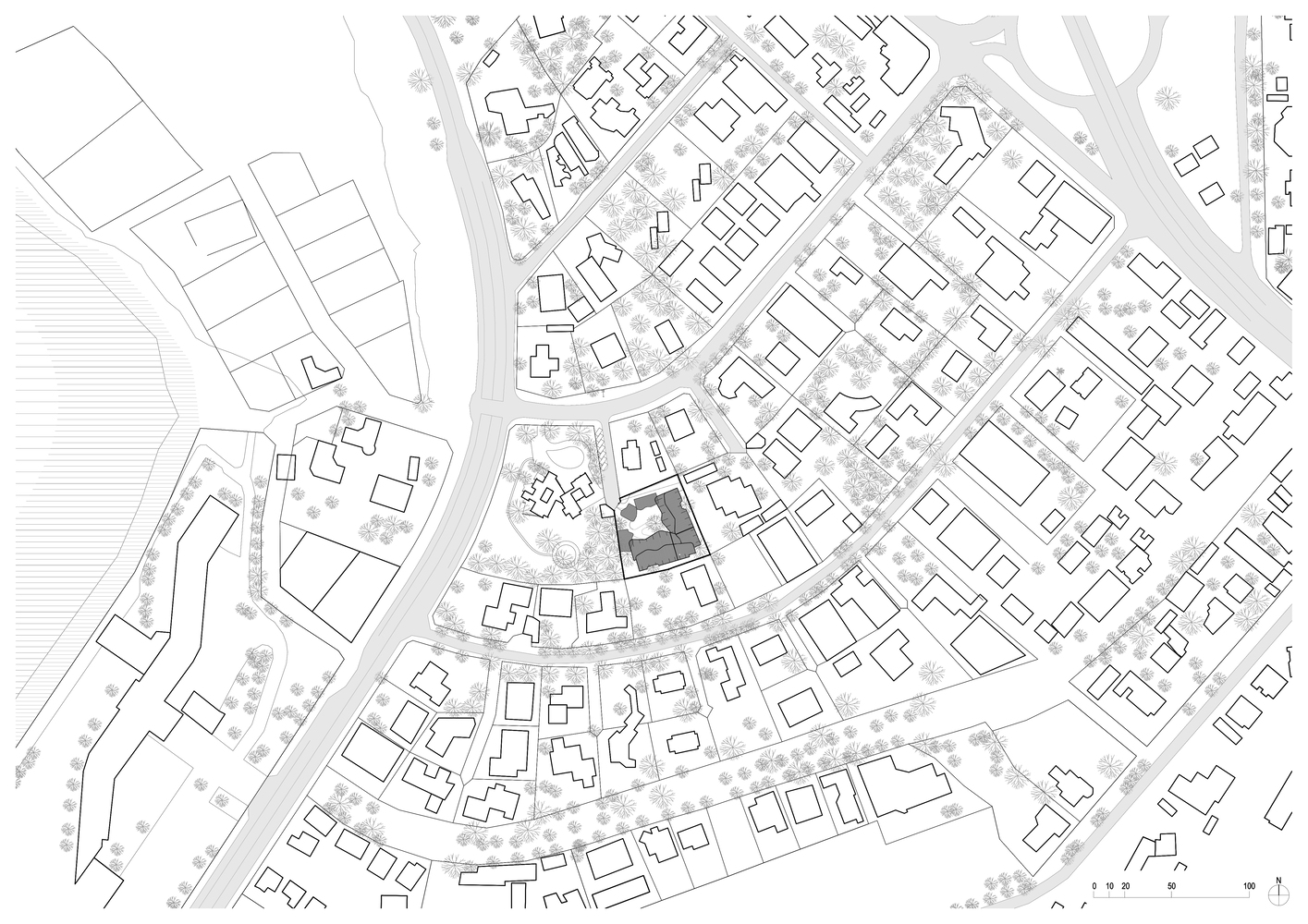
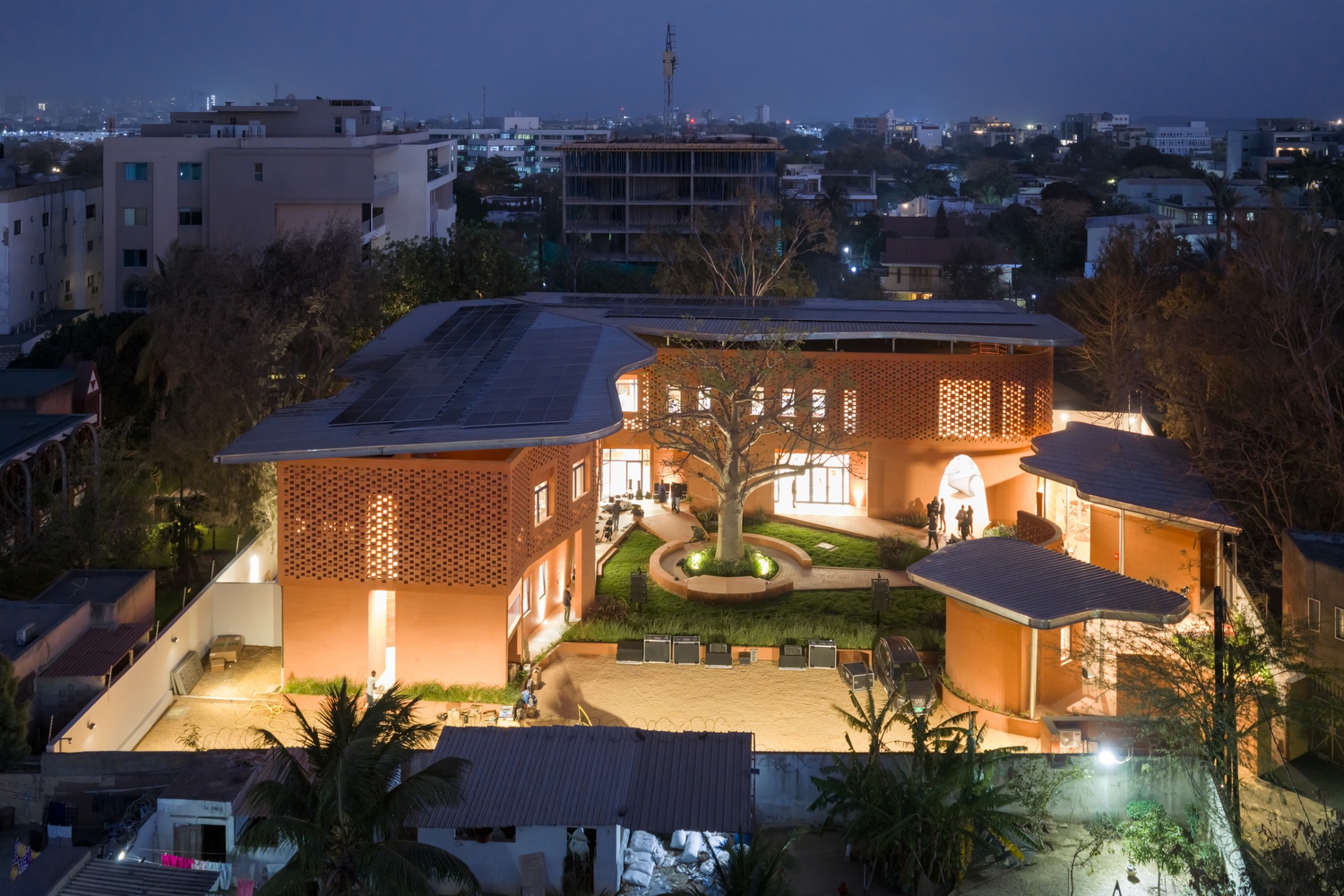
The building sits within a residential area of Dakar, surrounded by a lush garden. Kéré Architecture's design balances sensitivity to the immediate neighborhood — including the adjacent Léopold Sédar Senghor Museum — with the demands of a busy cultural institution hosting exhibitions, language courses, concerts, and informal gatherings.
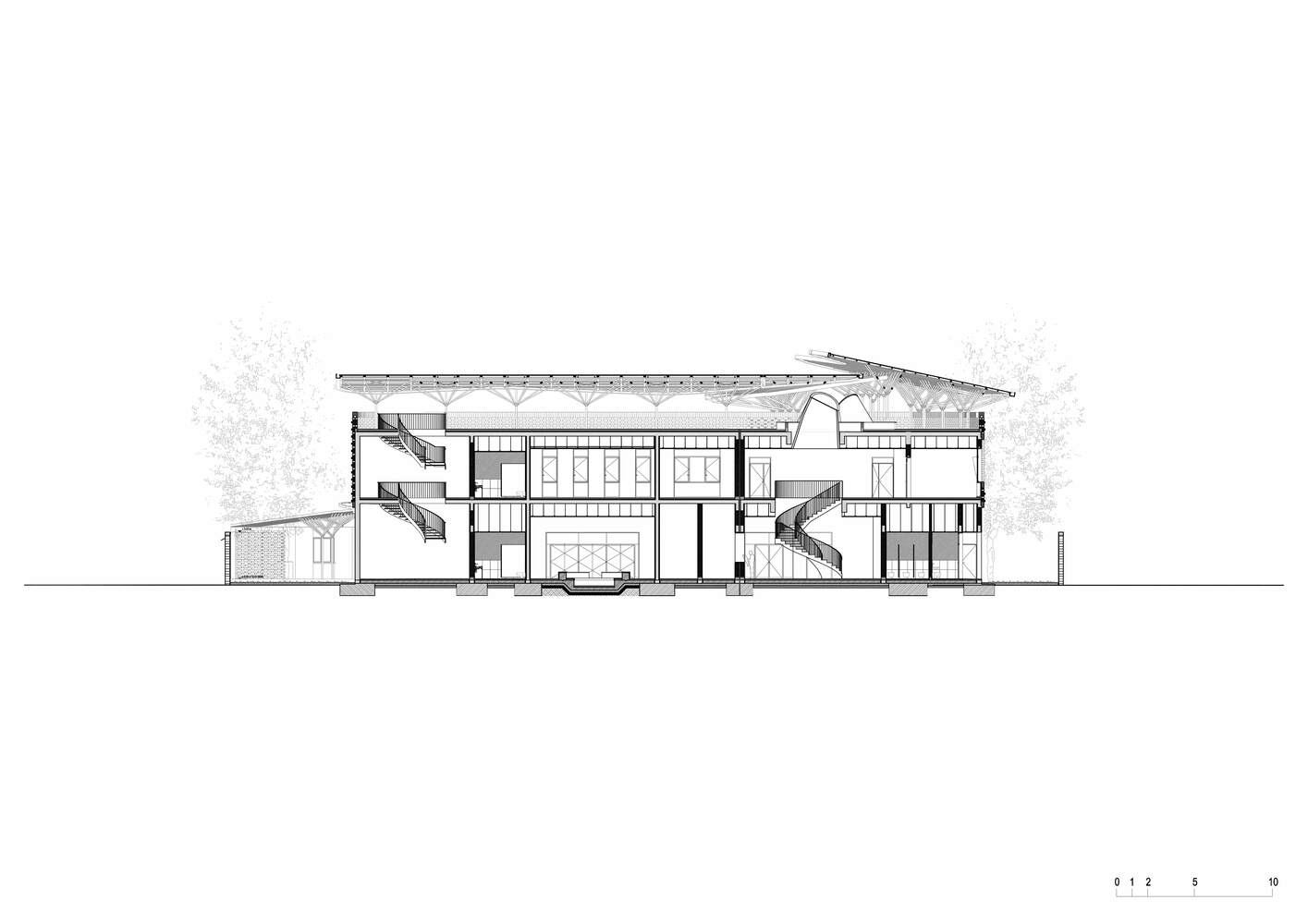
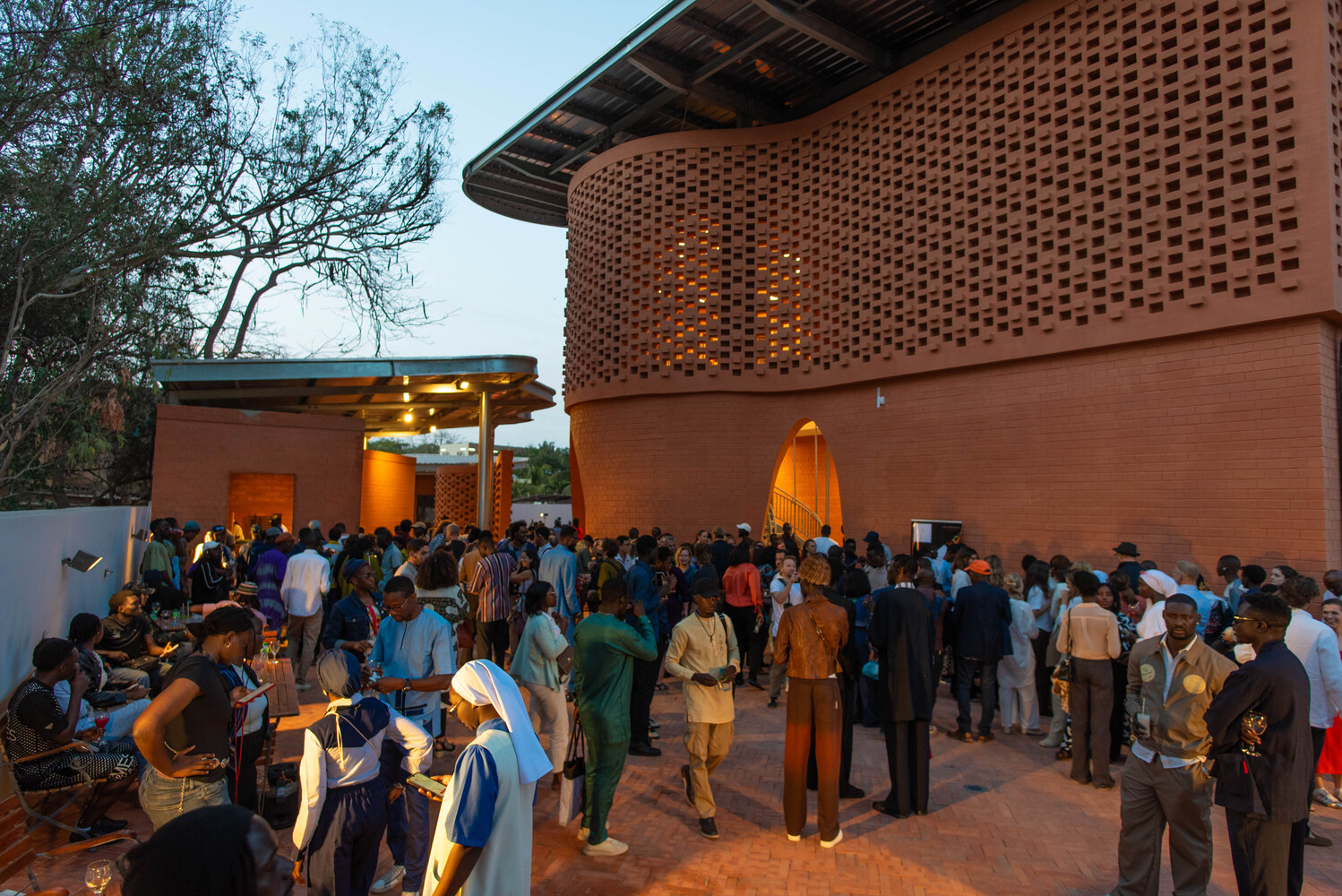
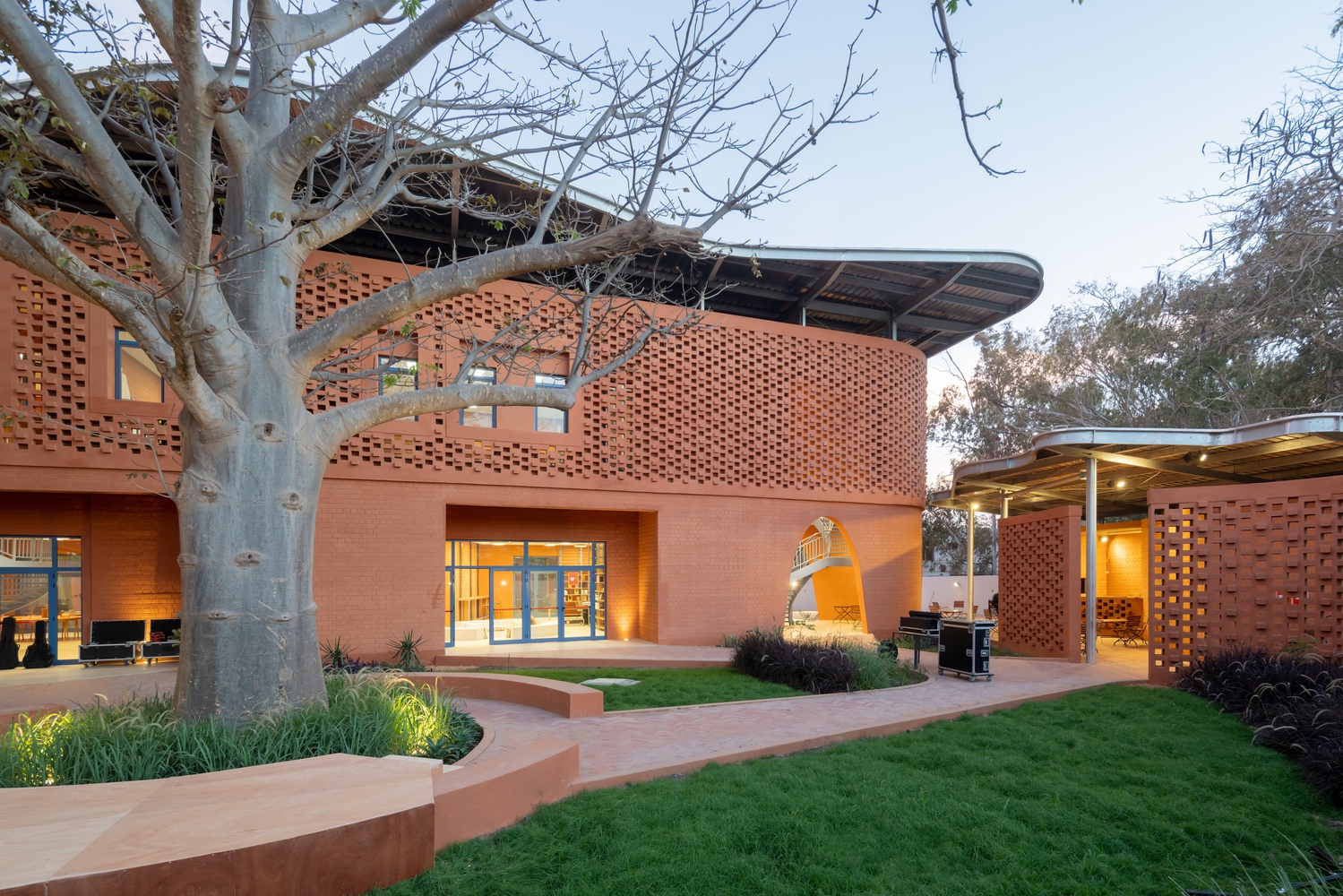
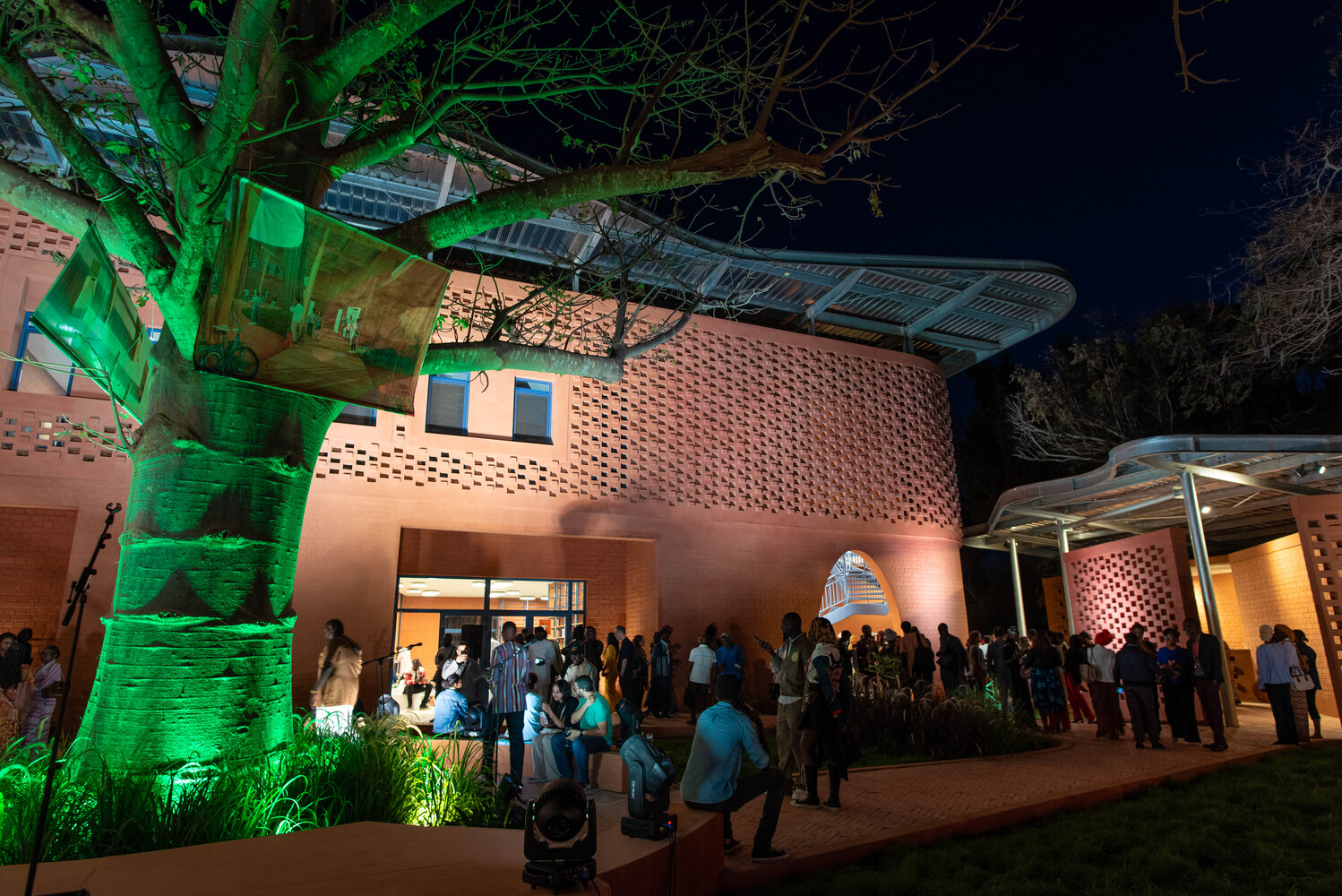
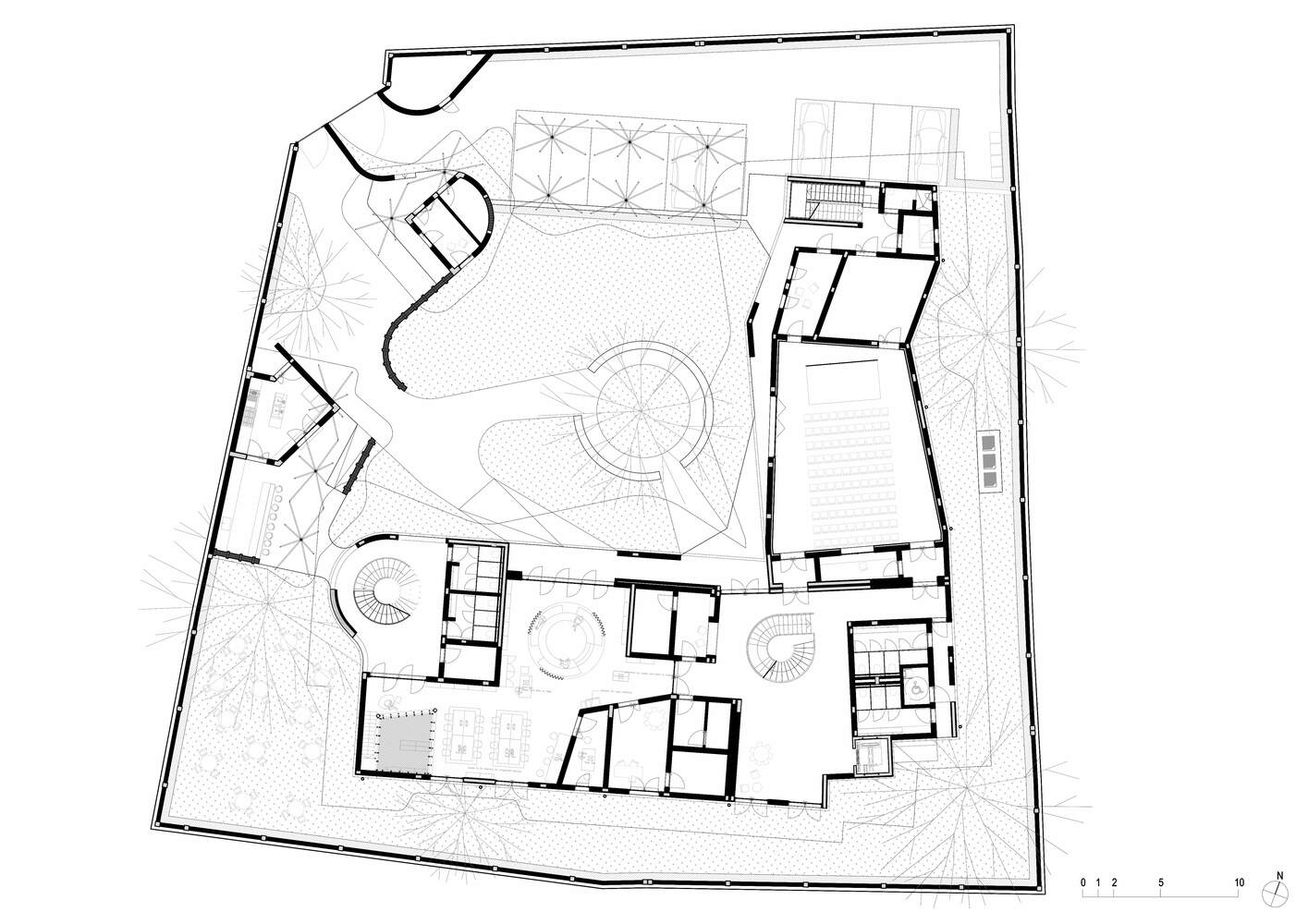
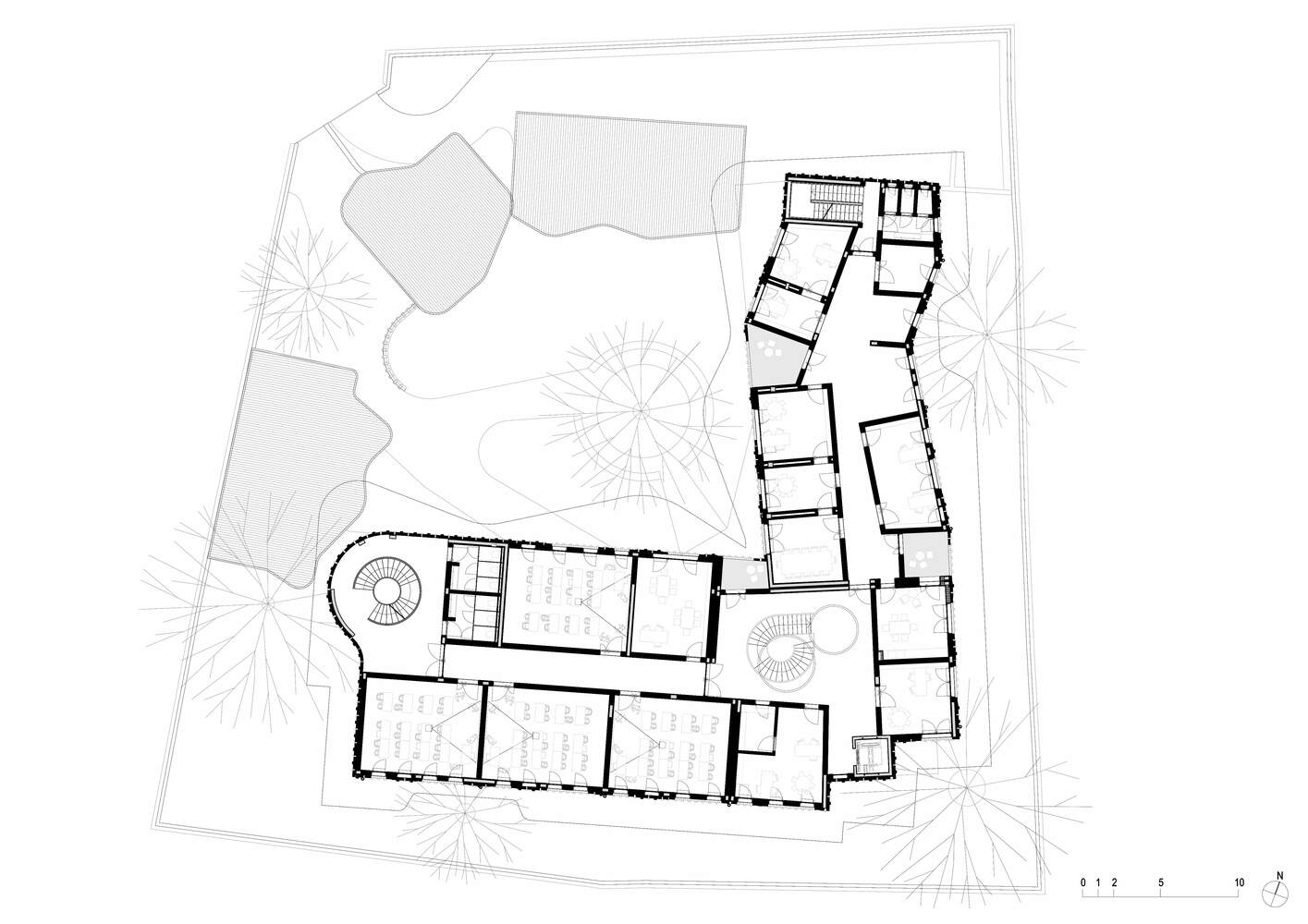
The building's compact two-story form is shaped to mirror the canopy outline of the trees that have long occupied the site, and its massing acts as a shield, protecting neighboring residents from noise while insulating visitors from street traffic.
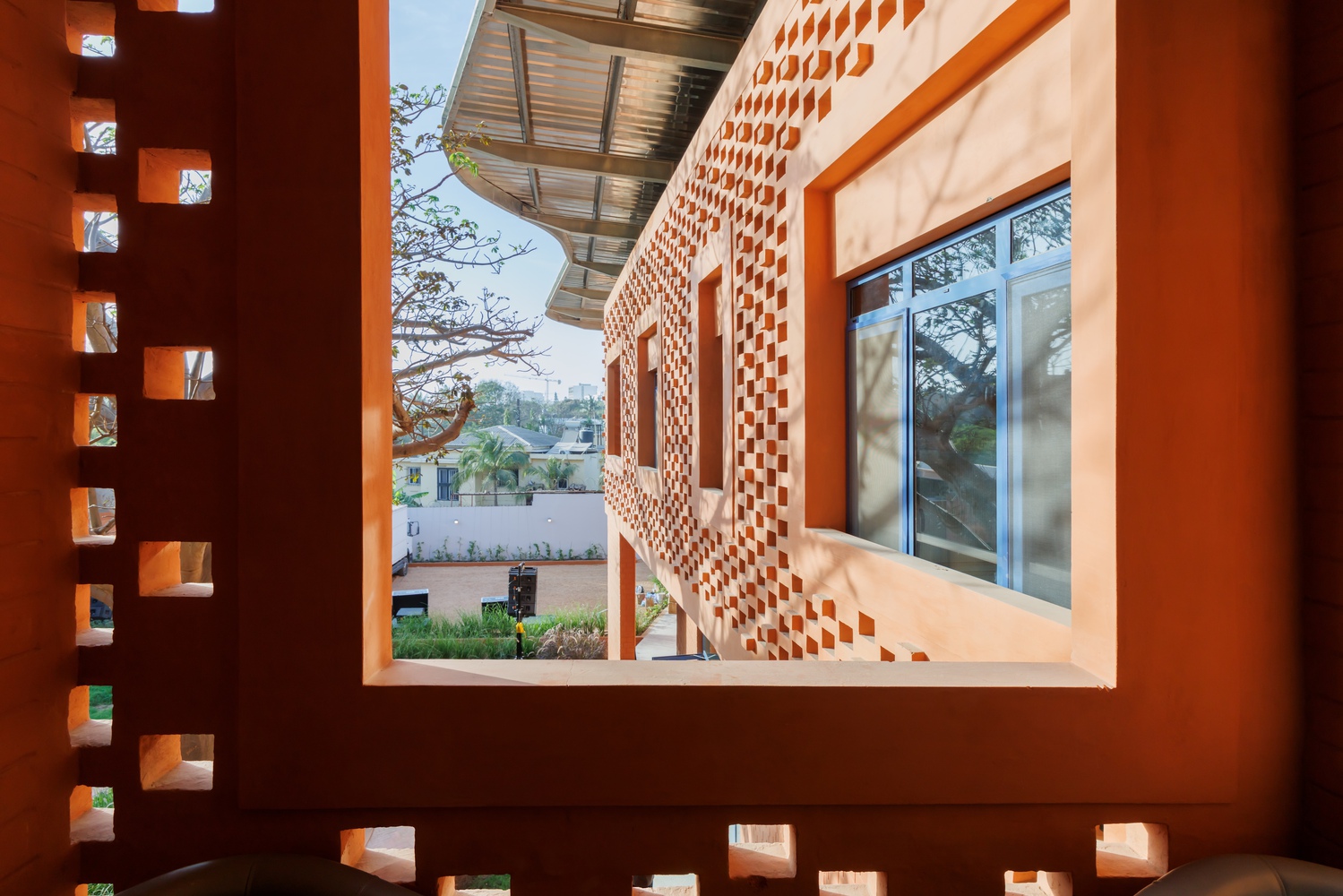
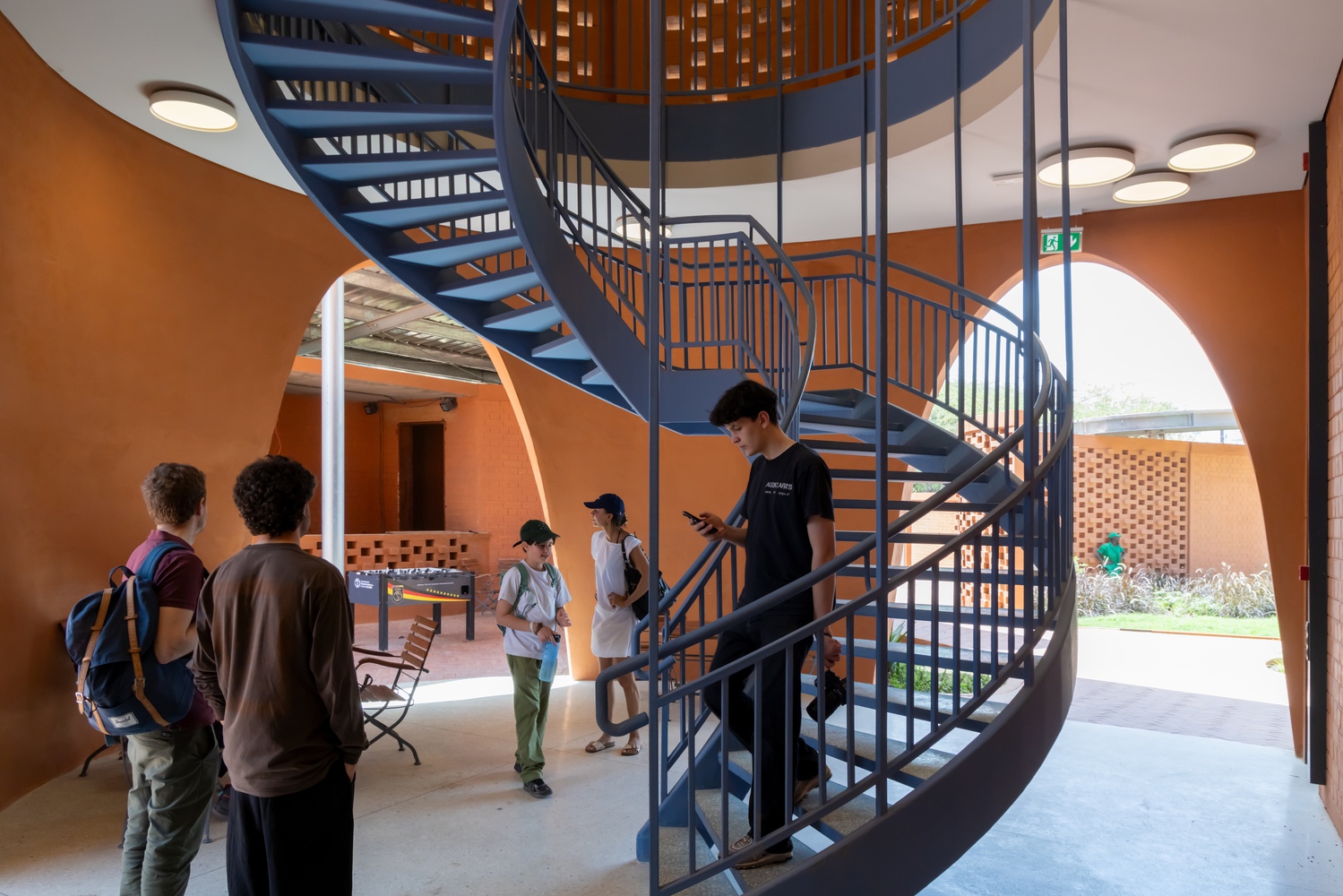
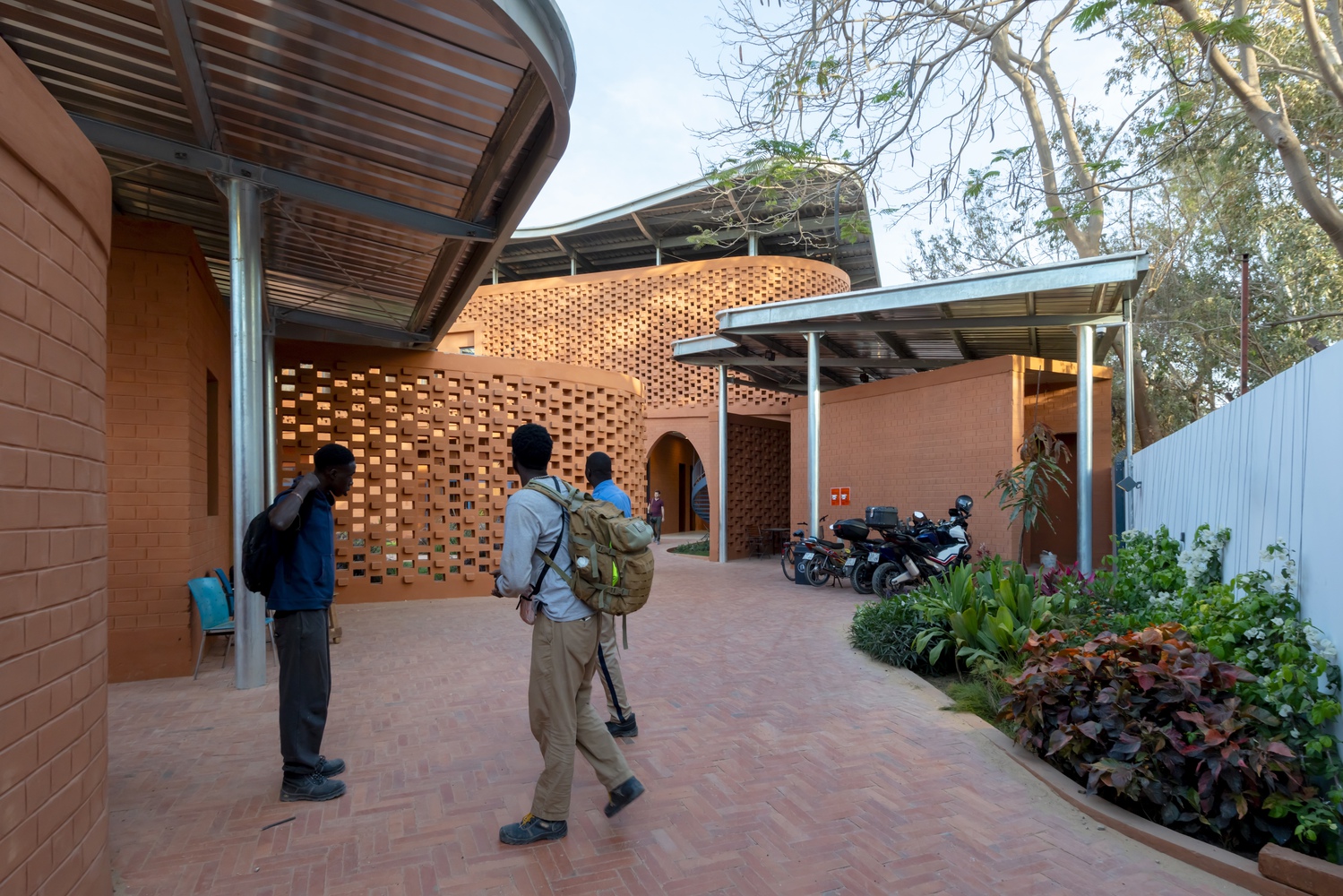
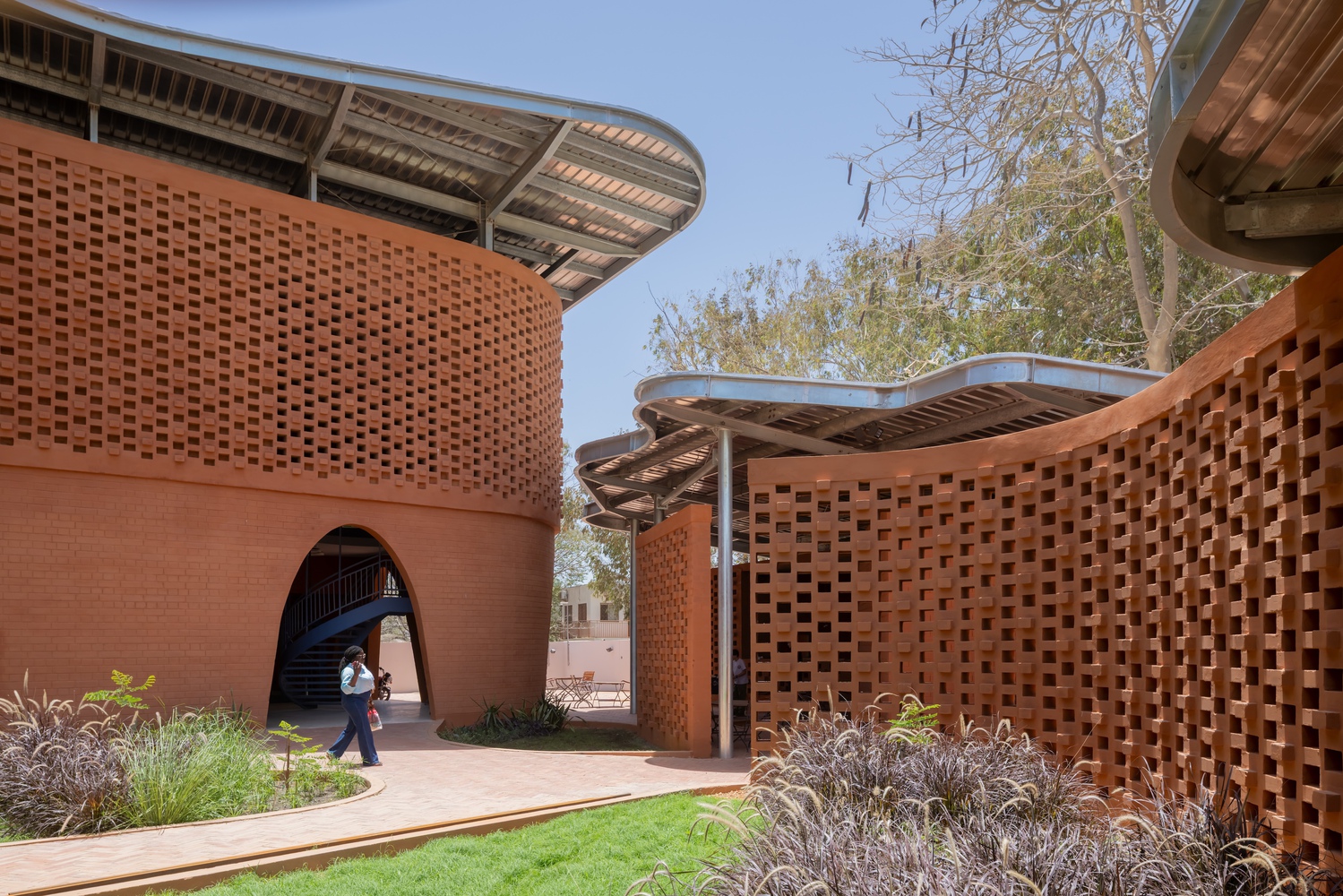
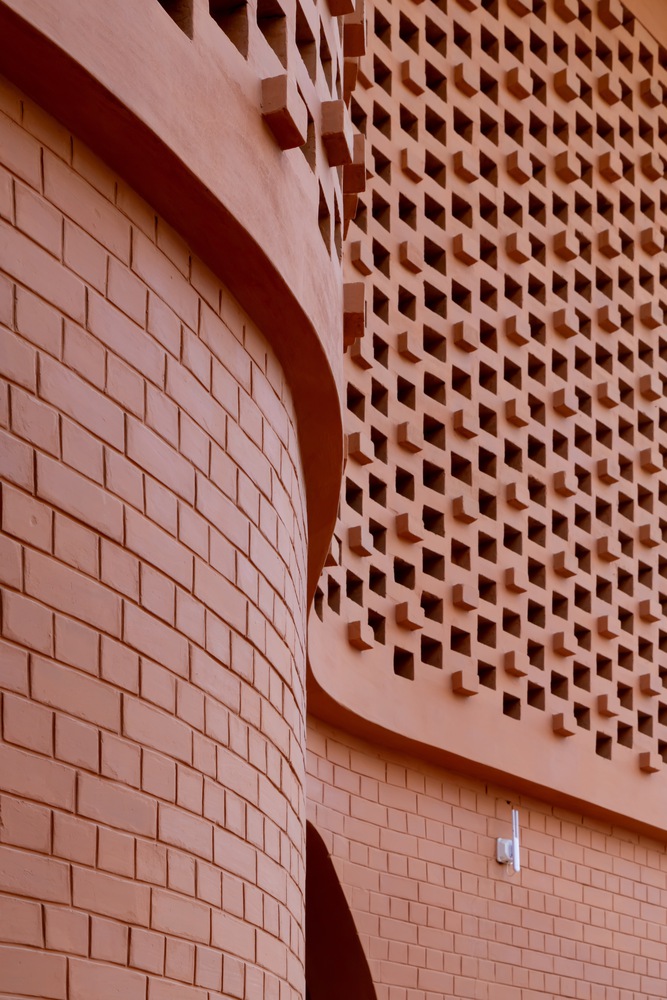
The structure is built from locally sourced compacted earth blocks, used for the load-bearing walls, partition walls, and a second translucent outer skin that gives the building a light, permeable appearance.
This commitment to local materials connects the project to Kéré Architecture's wider practice of building with resources and techniques already available in the region.
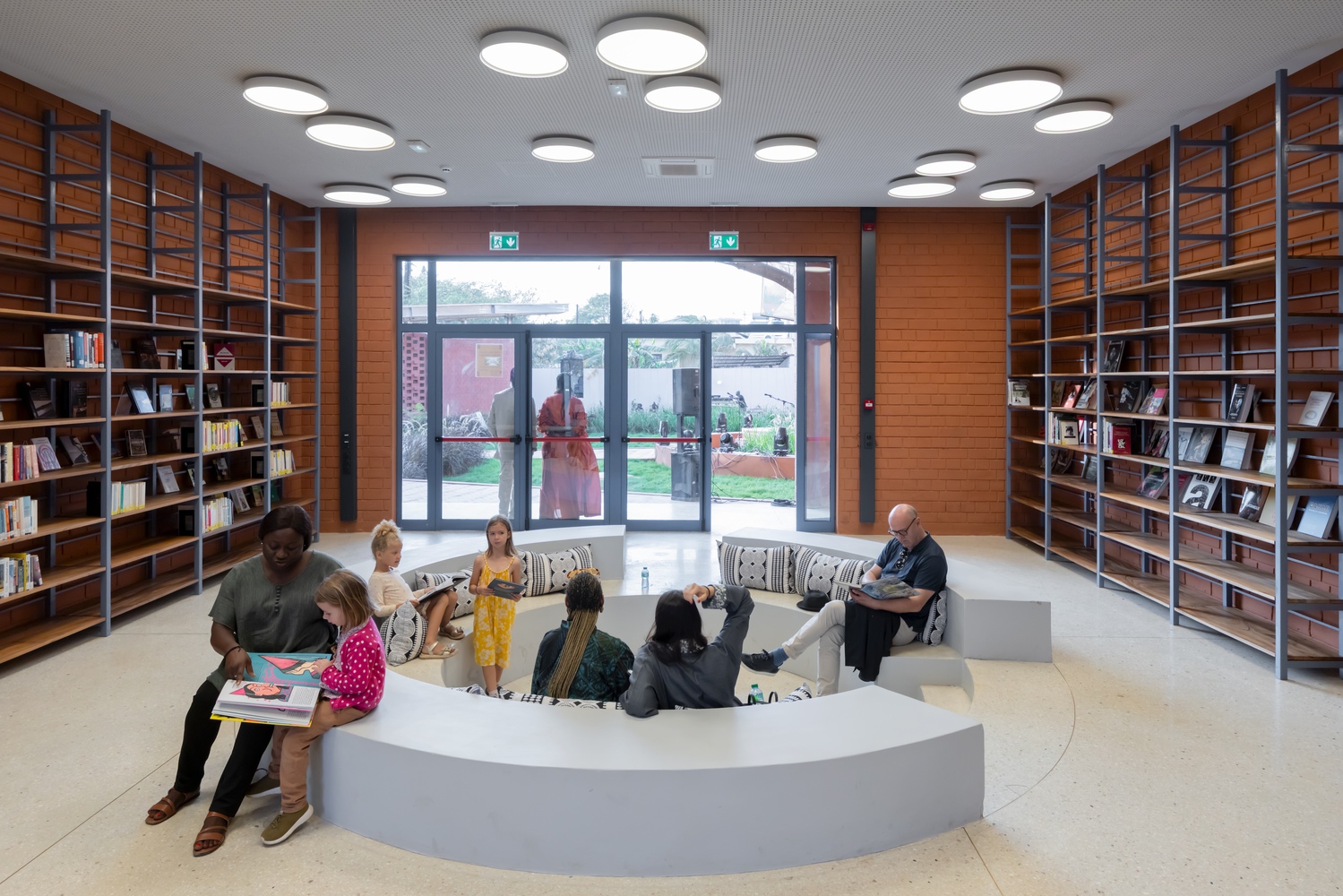
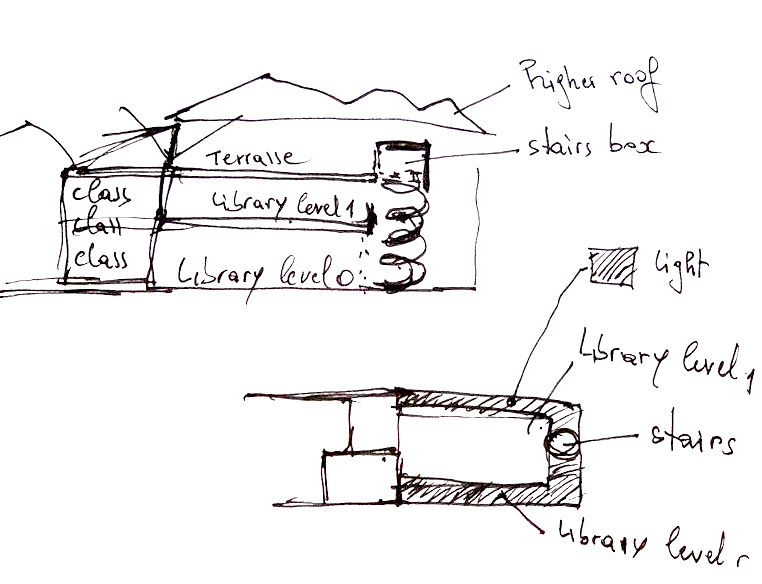
Public programming is concentrated on the ground floor, which houses an auditorium, a cafeteria, and the library. Administrative offices and classrooms occupy the first floor.
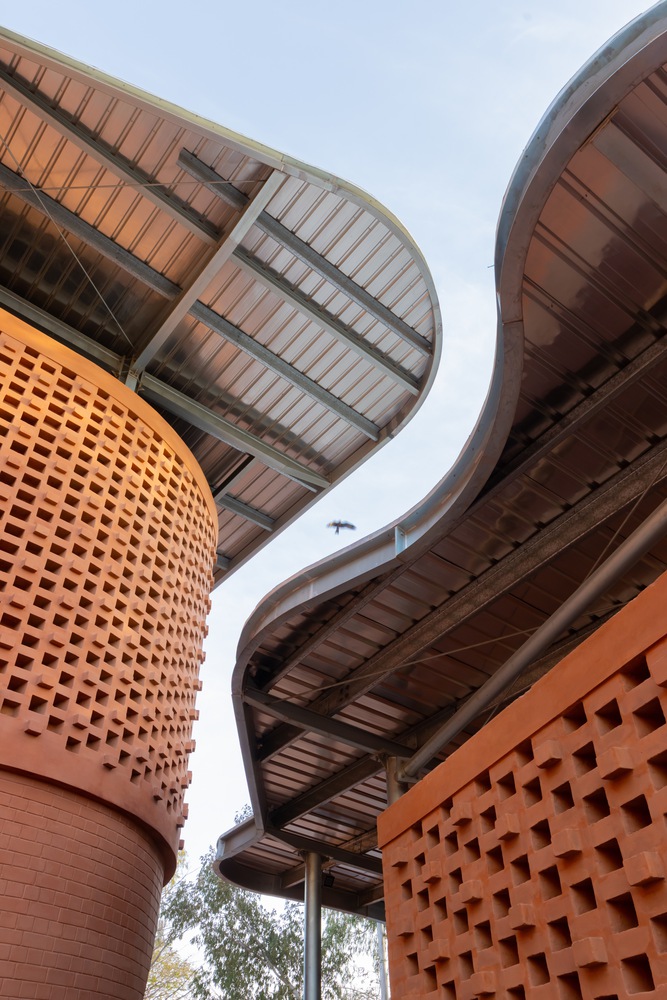
Crowning the building, a canopy roof provides shaded protection across all levels, improving thermal performance and sheltering the interior from rain, while echoing the natural, organic forms of the trees and garden below.
Across all levels, the design prioritizes a sustainable approach, making sure the building leaves a minimal footprint beyond the space it physically occupies.
Gesche Joost, President of the Goethe-Institut: "With this new building, the Goethe-Institut underscores its role as a central player in cultural cooperation in West Africa. Our new location will offer even more space for language instruction, exhibitions, and artistic experimentation.
But it will also create new spaces in a symbolic sense: for new discourse in close connection to Dakar's vibrant cultural scene. As an institution, we are proud to be embarking on this path together with Francis Kéré."
Dr. Stefanie Peter, Director of the Goethe-Institut Dakar: "We are guided by the question: what does genuine collaboration between Senegal and Germany, between West Africa and Europe actually entail?
And perhaps it is architecture itself that can provide an initial act of translation in this challenging field. In this process, architects, engineers, construction workers, institutions and local stakeholders work together.
Architecture as something that emerges through negotiation, mediation and long-term cooperation: viewed in this light, I believe our new building could serve as a guiding star for the future work of the Goethe-Institut in Dakar."
Francis Kéré: "My first building was a school. I have always understood that where people come to learn, they also come to meet, and where people meet is where culture is made.
The Goethe-Institut exists to create spaces that facilitate meeting and learning across the world. Designing their first ever purpose-built space is a responsibility I take seriously.
In Dakar, one of the great cultural cities of the African continent, I wanted this building to be open and safe, rooted and flexible, and very much alive."
The completed facility is intended to serve as a welcoming and versatile home for Dakar's diverse communities — a space that honors the layered cultural history of Senegal's capital while inviting a broad public to participate in shaping a shared and inclusive future.