
Xindu • Herbal Fragrant Cottage
XINDU • HERBAL FRAGRANT COTTAGE
Archermit
ARCHITECTS
Archermit
PRINCIPAL ARCHITECT
Youcai Pan
DESIGN DIRECTOR
Zhe Yang (Partner)
TECHNICAL DIRECTOR
Renzhen Chen (Partner)
OWNER
Chengdu Huade Ecological Agriculture Development Co., Ltd.
CONSTRUCTION CONTRACTOR
Sichuan Shentai Construction Engineering Co., Ltd.
CONSTRUCTION DRAWING
Chengdu Meisha Architectural Design Co., Ltd.
DESIGN TEAM
Rui Yang, Qinmei Hu, Yaxian Zhao, Yuanjun Gou, Yuting Huang, Ning Wu
WRITING
Zhe Yang, Xiangxin Ge
PHOTOGRAPHS
DONG Image
AREA
1015 m²
YEAR
2024
LOCATION
Chengdu, China
CATEGORY
Lodging
English description provided by the architects.
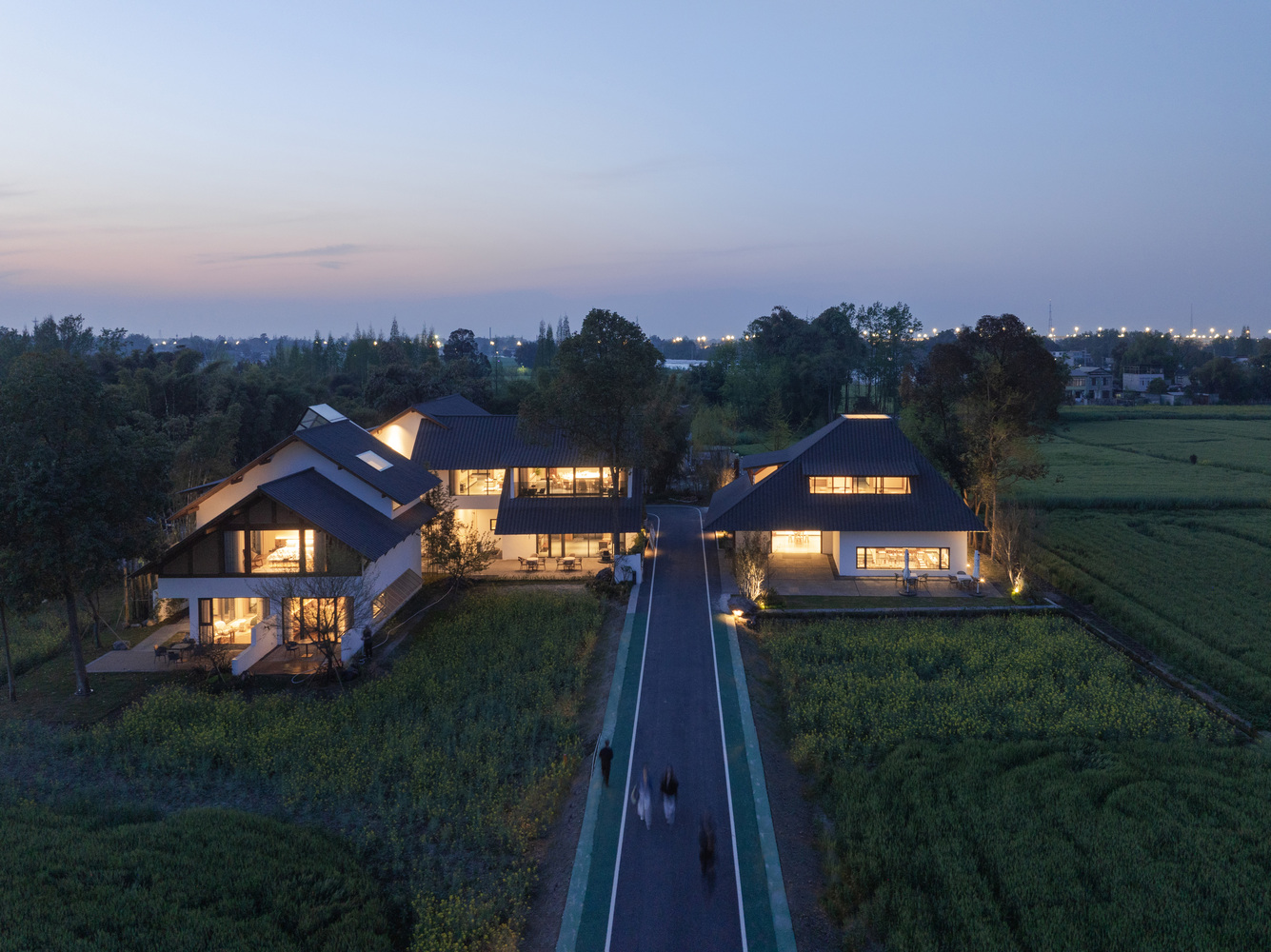
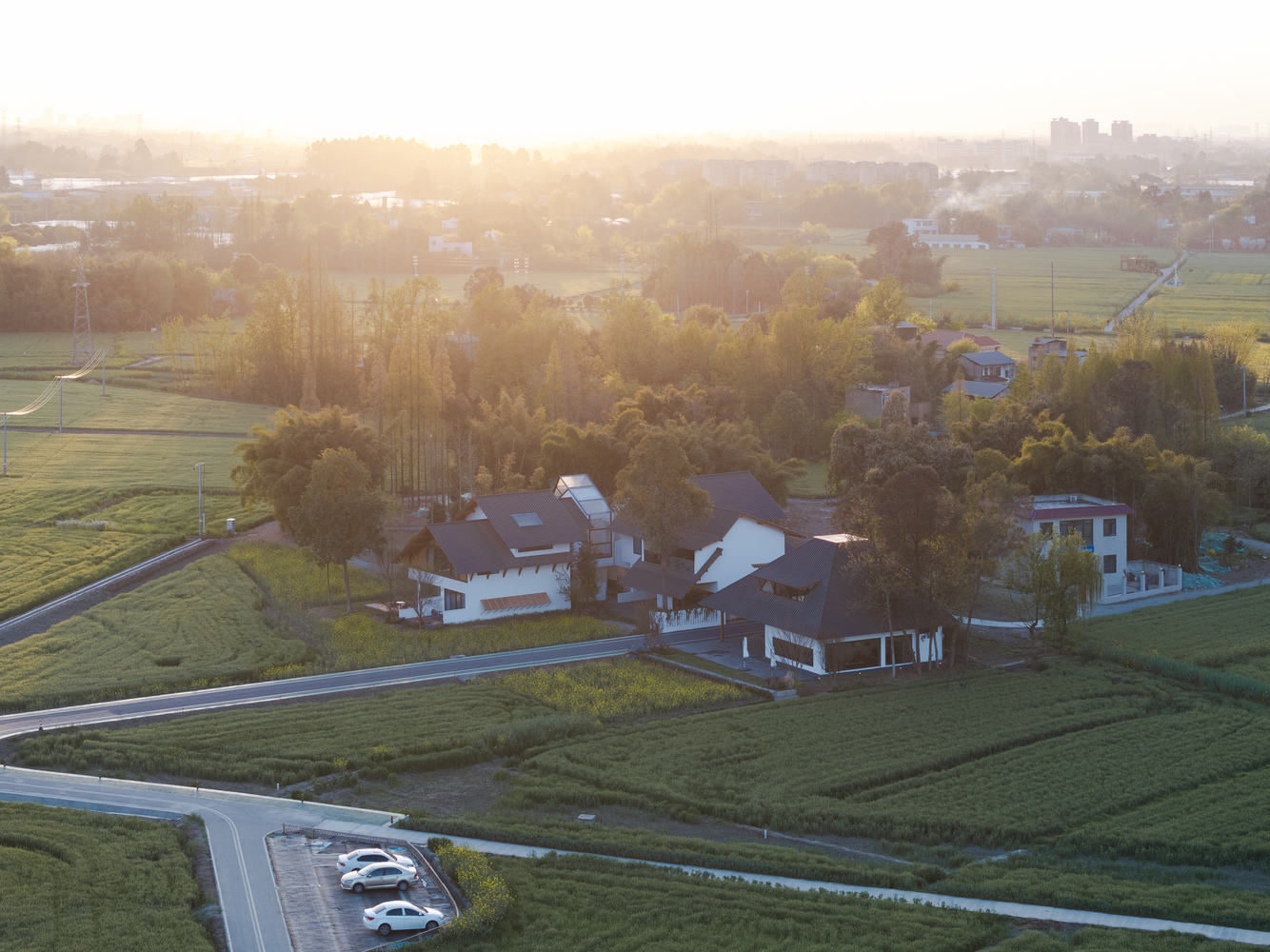
Linpan settlements represent the quintessential agrarian lifestyle of the Chengdu Plain. Herbal Fragrant Cottage is located in the fields of Xindu District, Chengdu, resembling a pastoral painting.
Farmland serves as the backdrop, with farmhouses and courtyards scattered throughout. The crisscrossing paths make it easy for people to feel as if they are stepping into a painting at any moment.
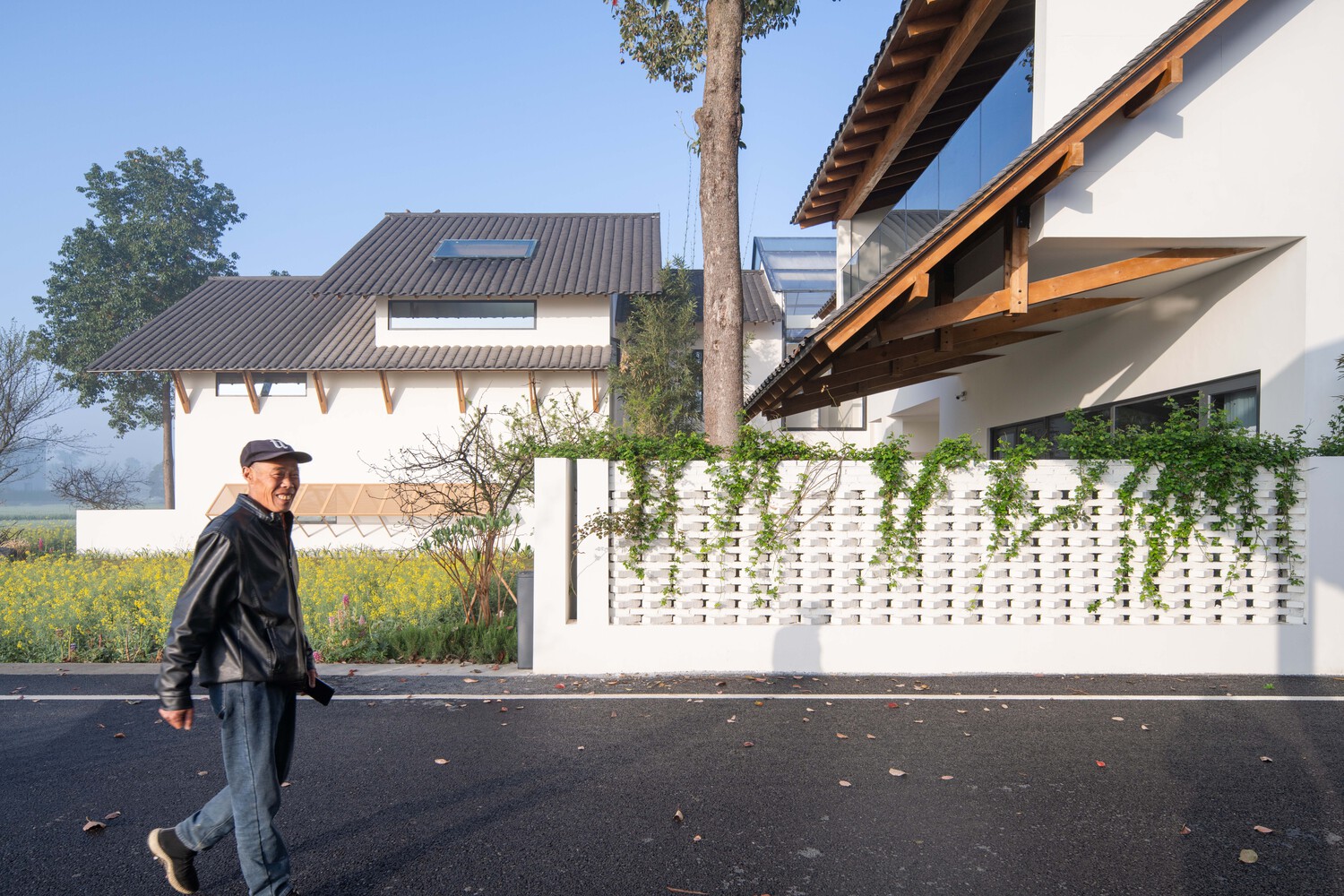
Linpan settlements represent the quintessential agrarian lifestyle of the Chengdu Plain. Herbal Fragrant Cottage is located in the fields of Xindu District, Chengdu, resembling a pastoral painting.
Farmland serves as the backdrop, with farmhouses and courtyards scattered throughout. The crisscrossing paths make it easy for people to feel as if they are stepping into a painting at any moment.
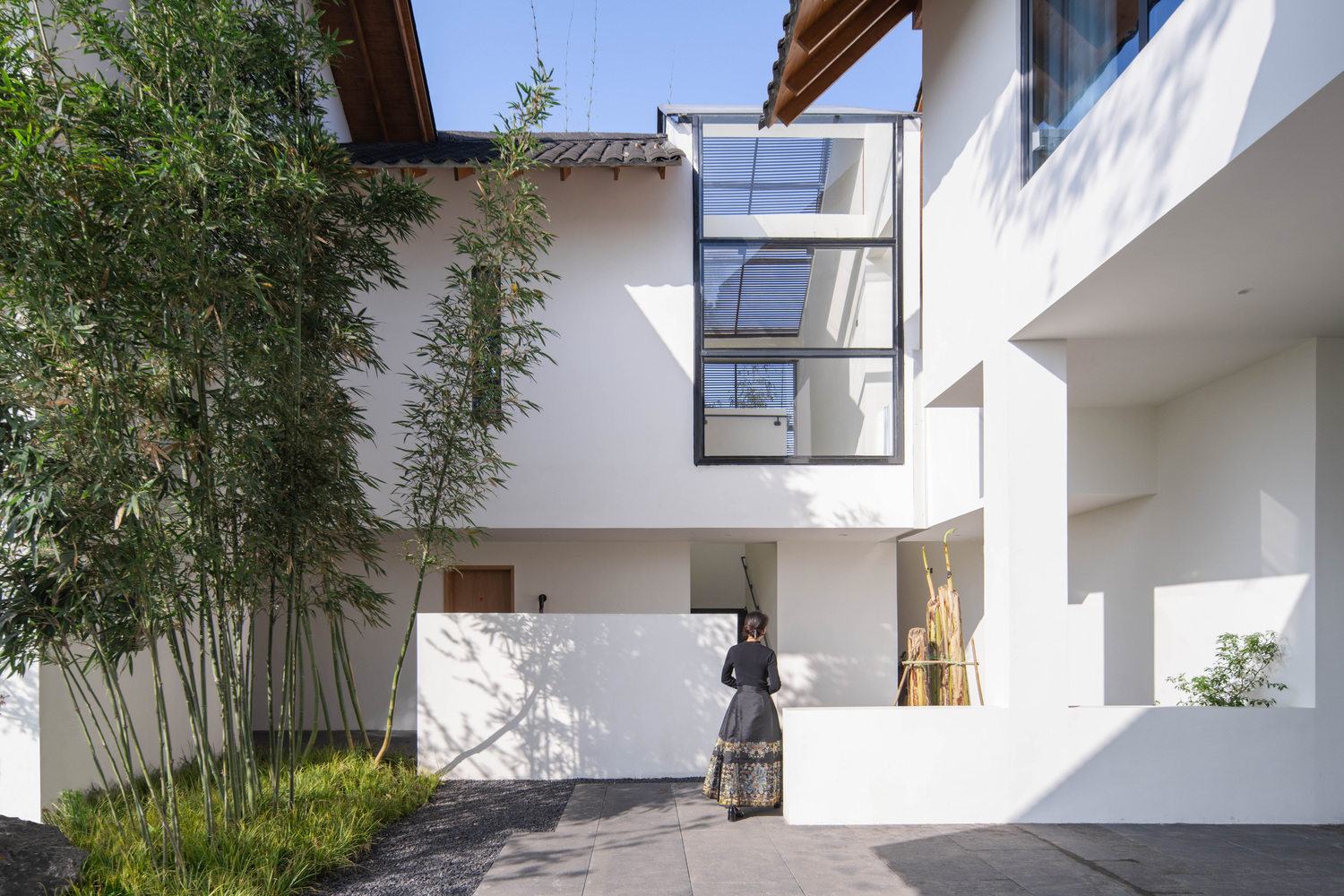
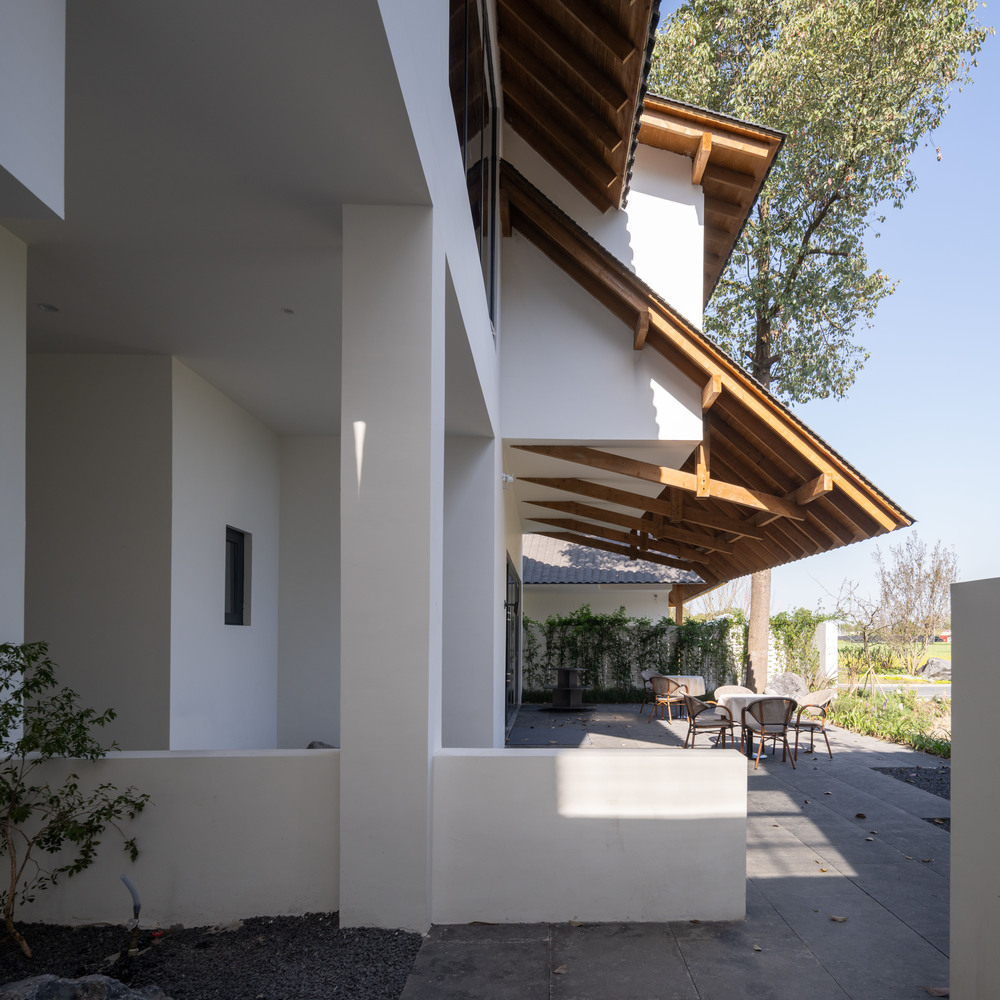
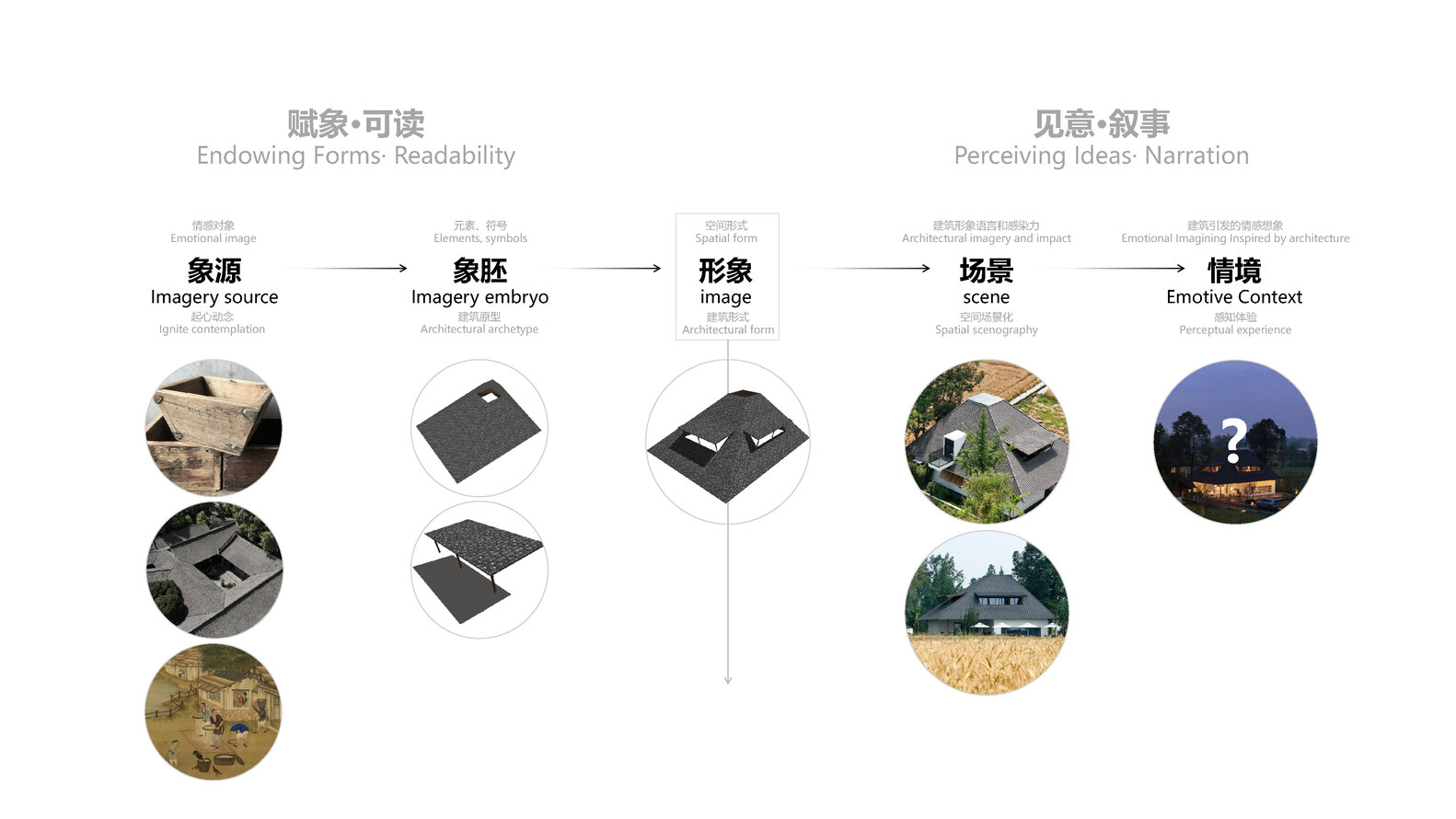
This mirrors the subtlety of classical Chinese landscape paintings. The mountains, forests, and waters are left unpainted, with the content concentrated in specific areas. Inspired by the "Farming and Weaving Picture", "Dongzhuang Painting", "Wangchuan Painting".
The original site is combined with the life scenes depicted in these ancient paintings. It is like viewing a long scroll painting, with the farmland as the blank space and the stories unfolding in each forest cluster. The design imagery is not limited to a specific rural element but rather the agricultural life scenes within the forest clusters.
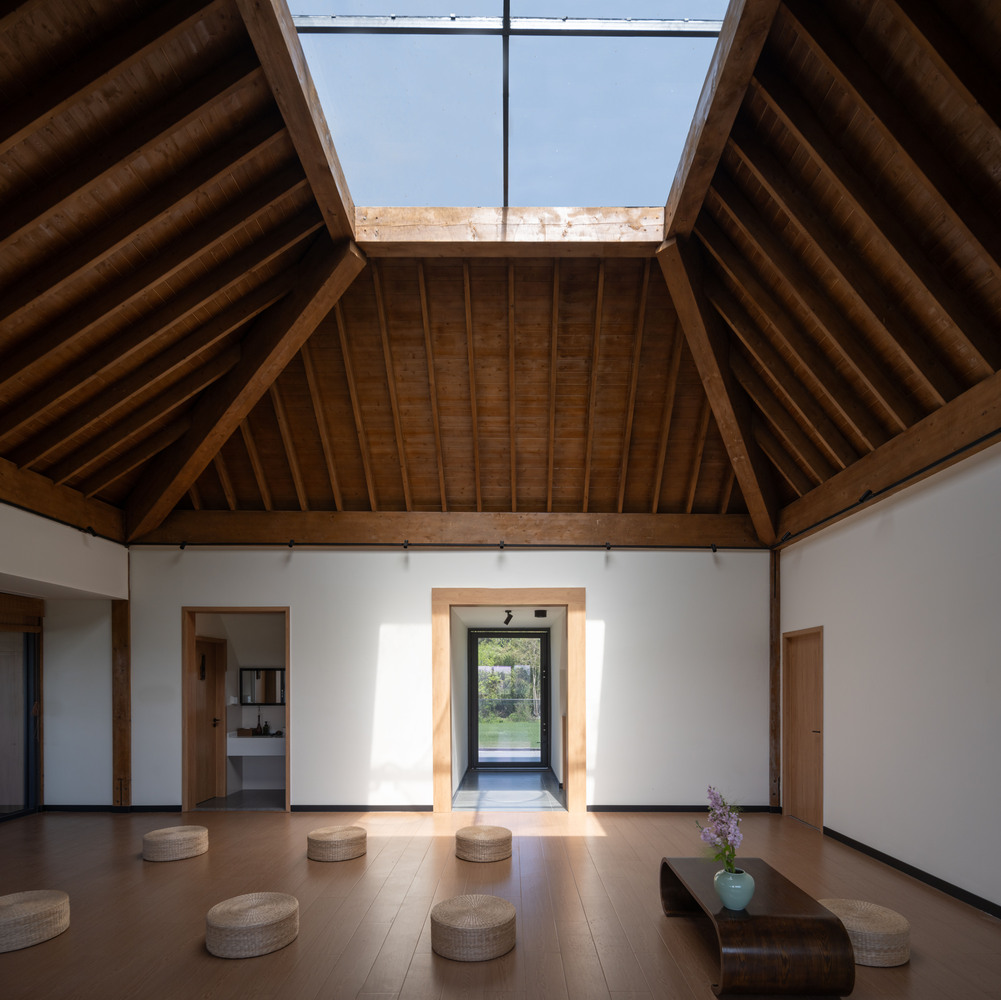
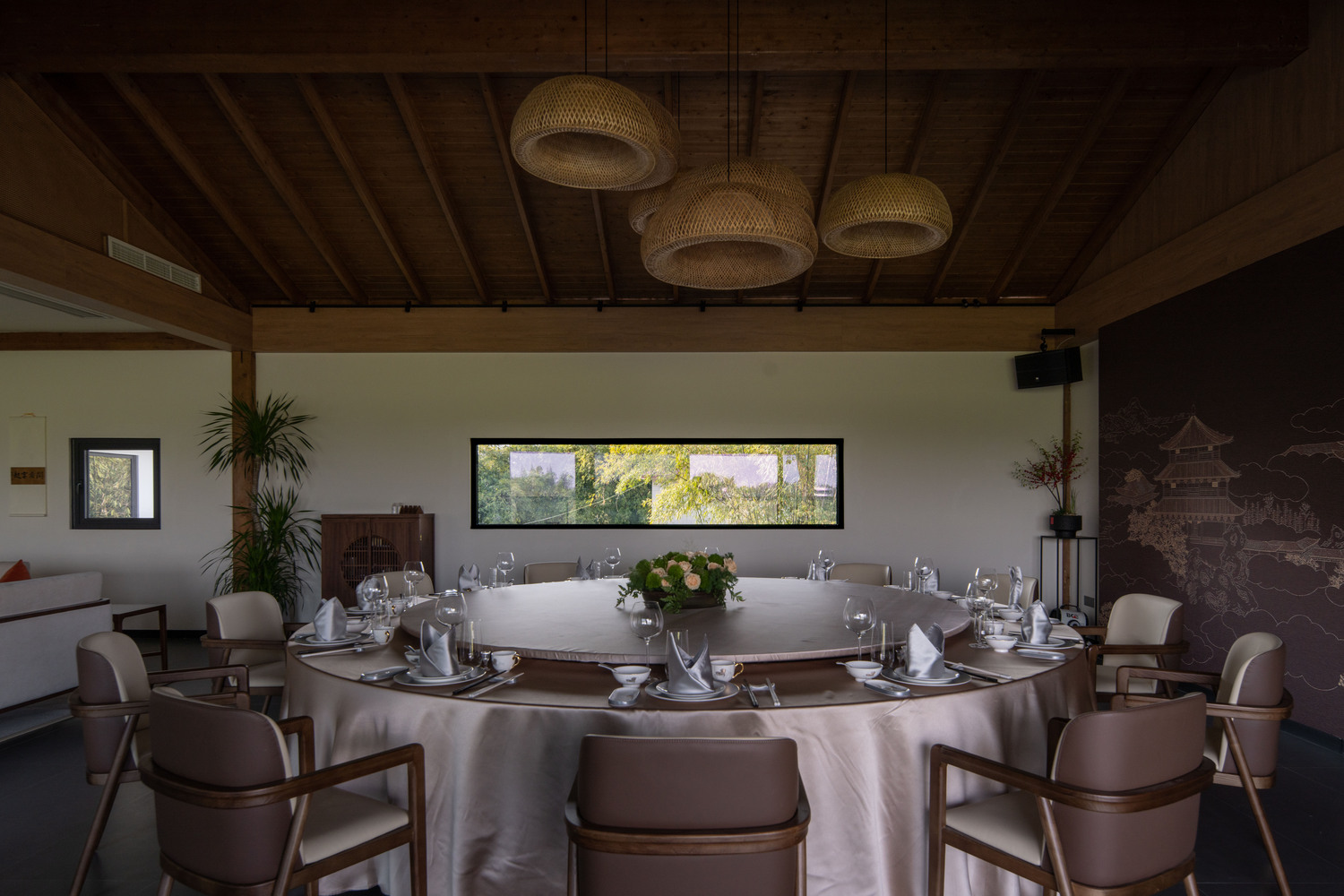
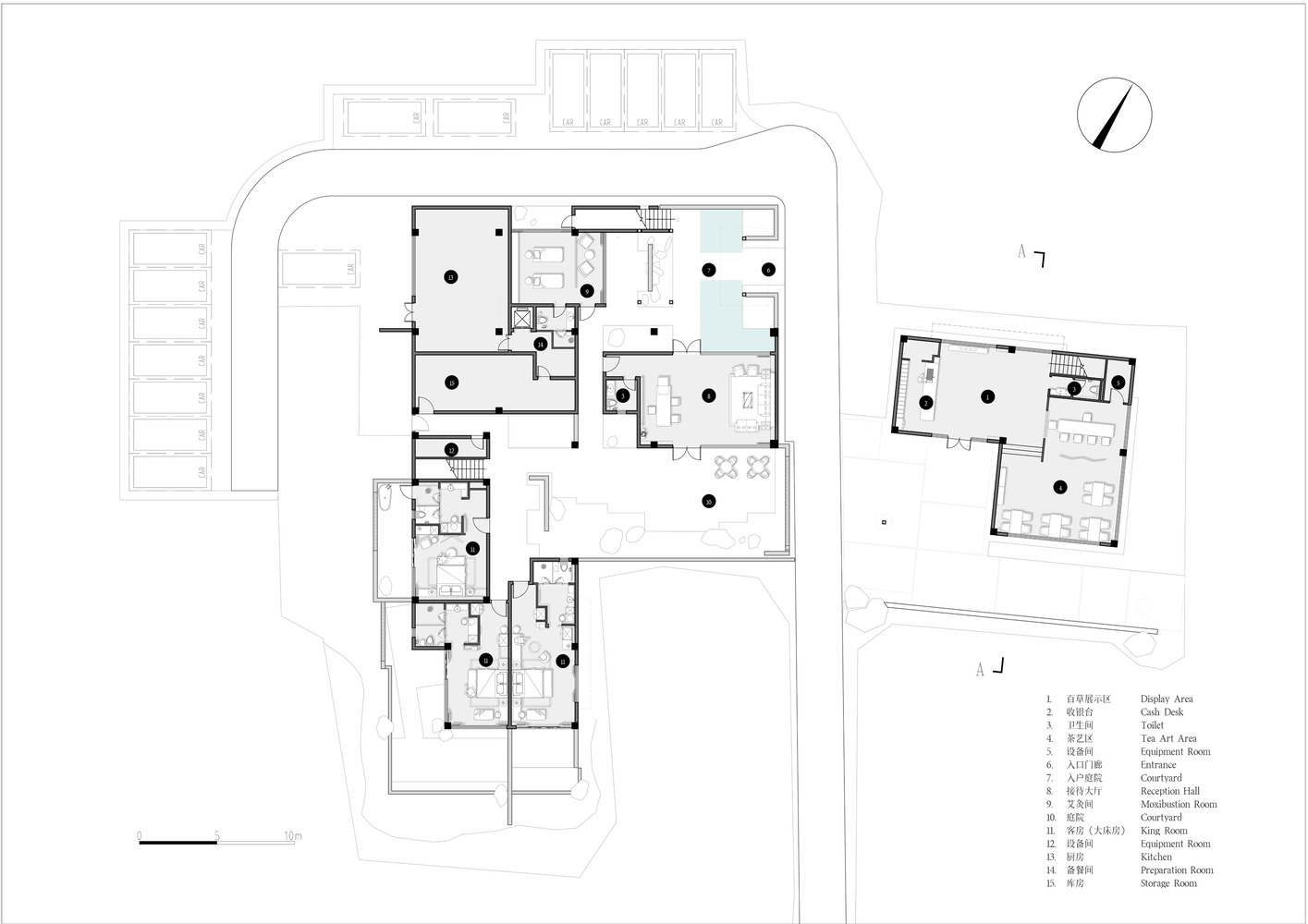
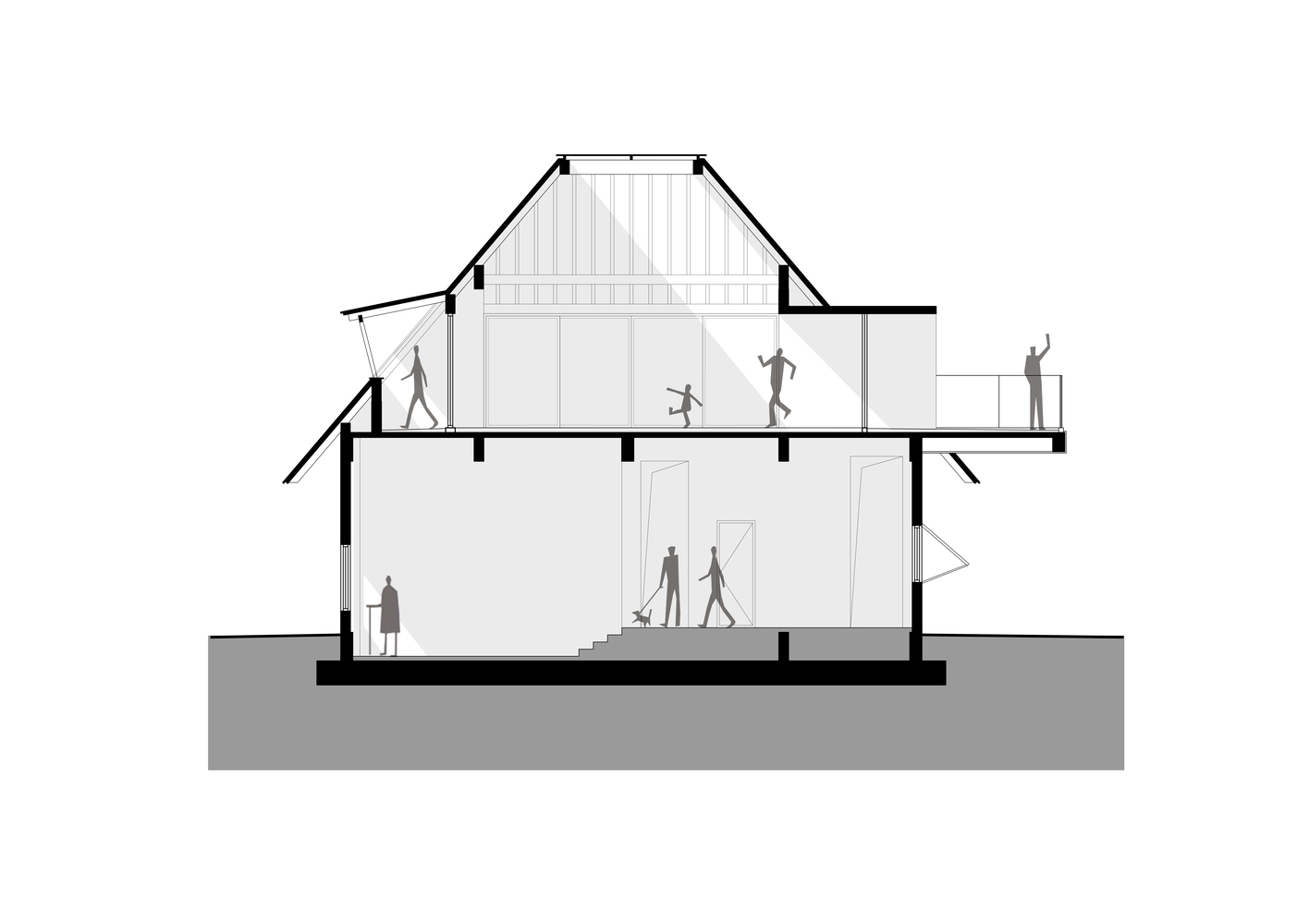
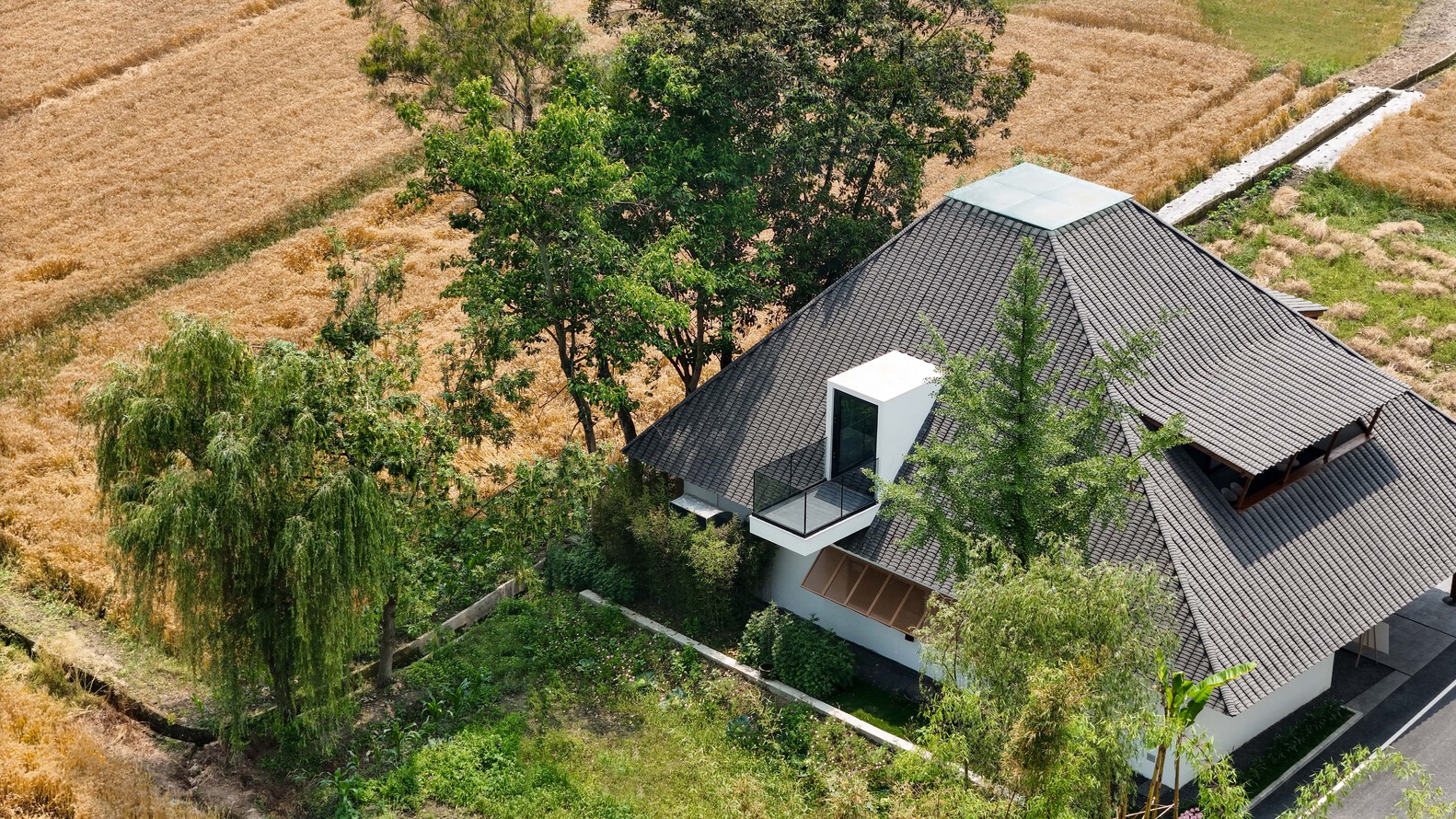
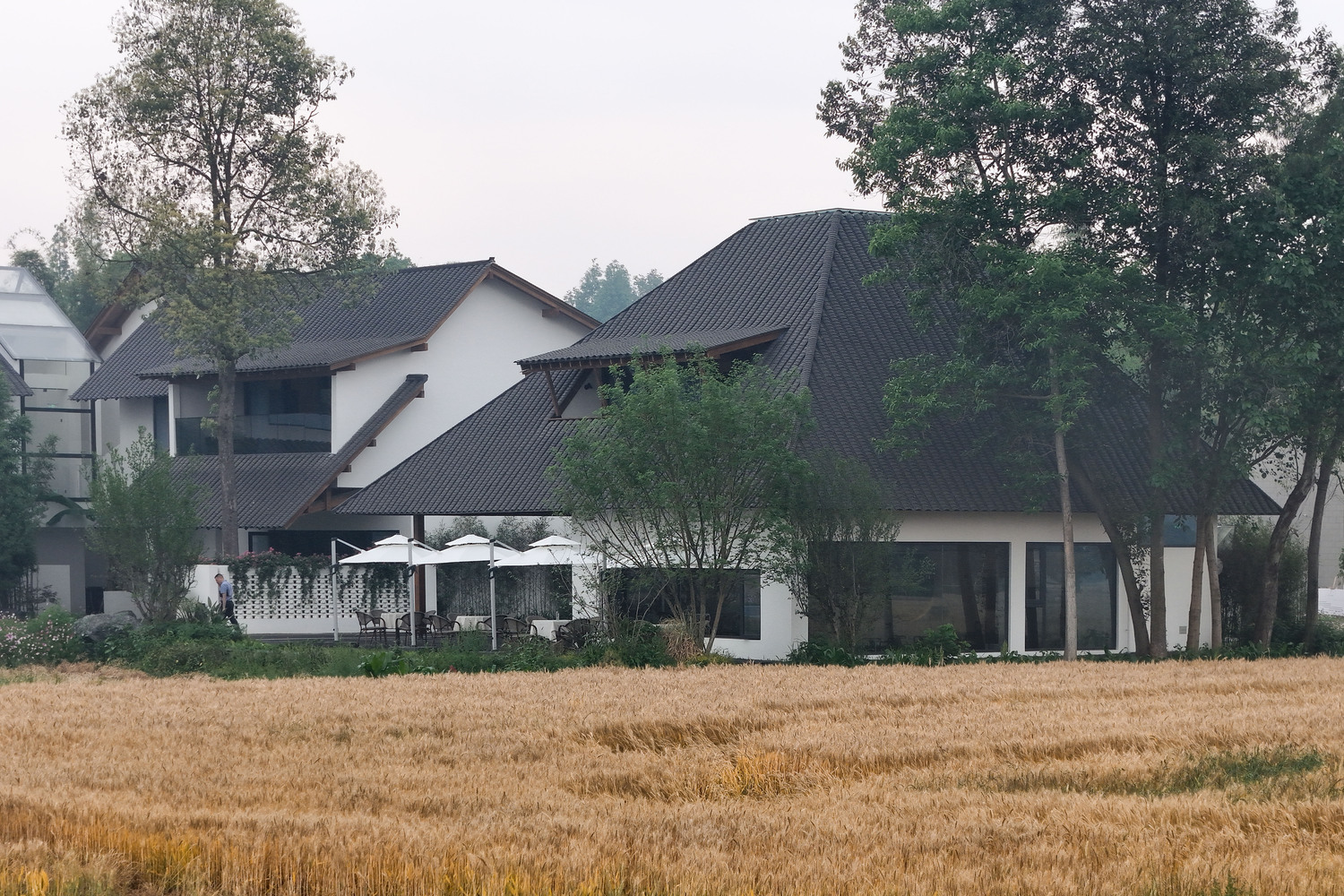
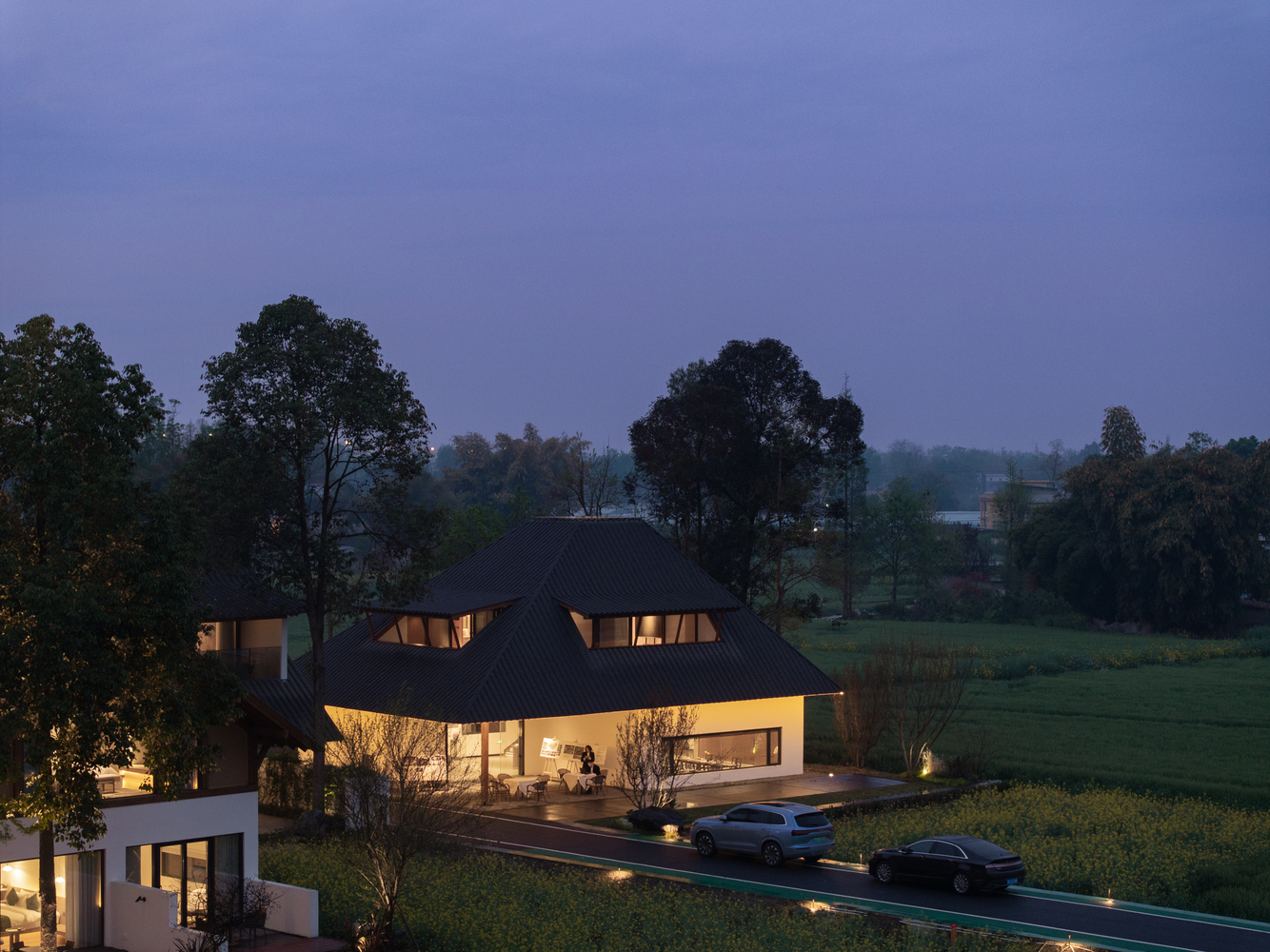
The roof of the reception hall incorporates the imagery of granaries and rice measures, enhancing its public building character. The sunken tea room on the first floor allows guests to sit and gaze at the surrounding farmland at eye level.
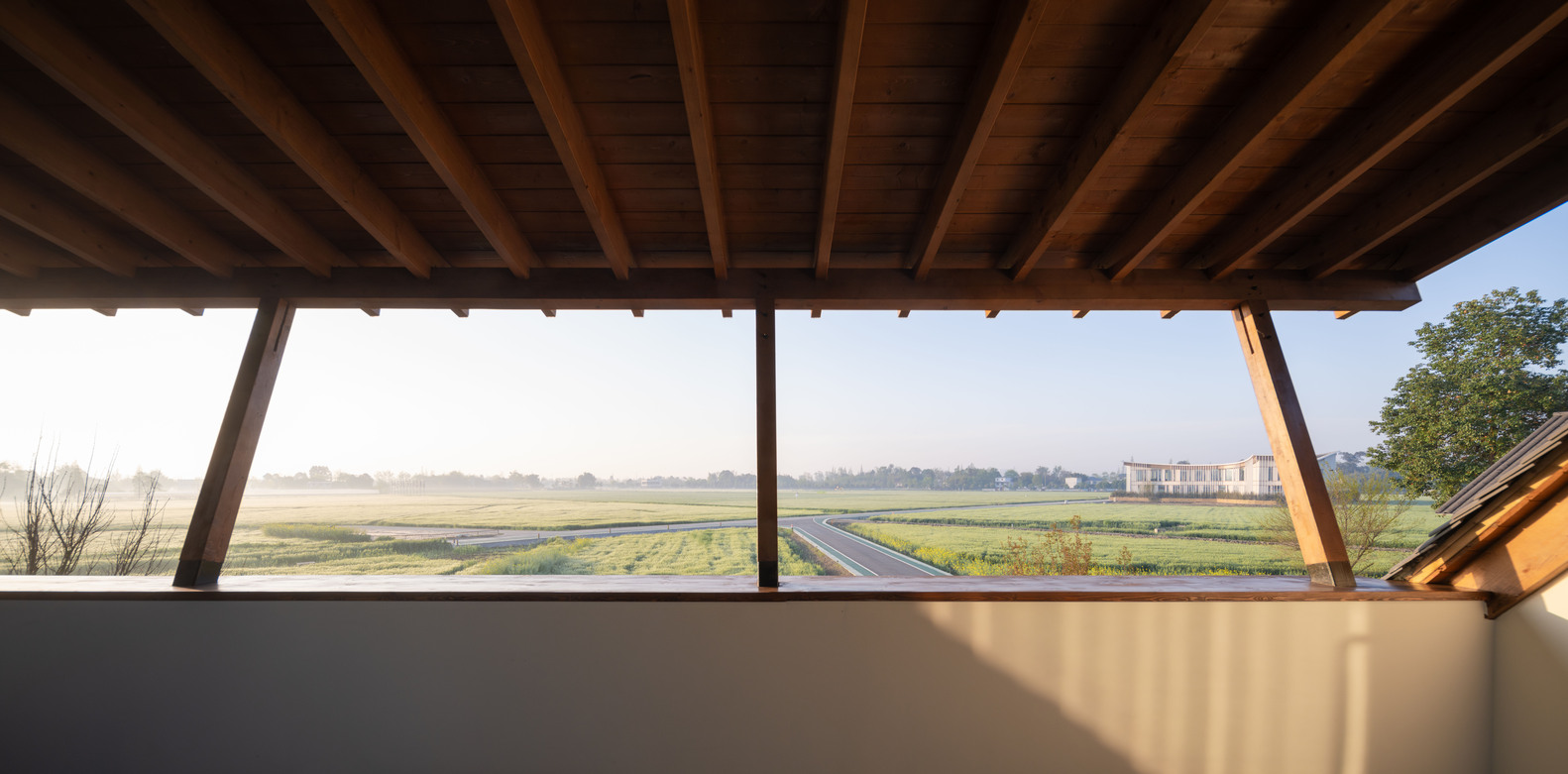
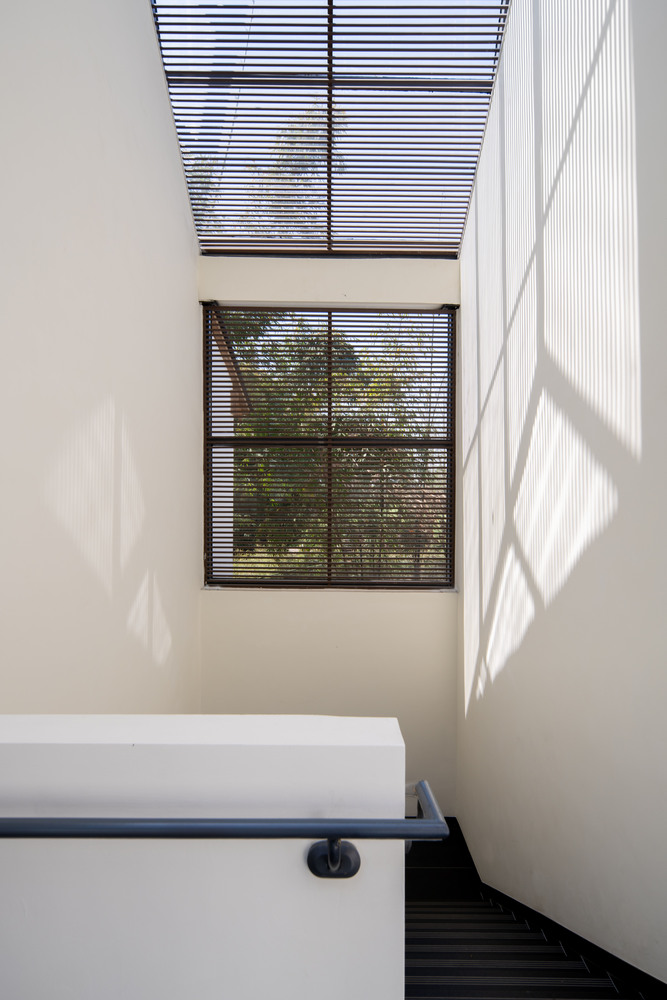
The window, acting as a silk scroll, frames the vast fields where wheat and rice are rotated, with the changing seasons painting numerous beautiful scenes.
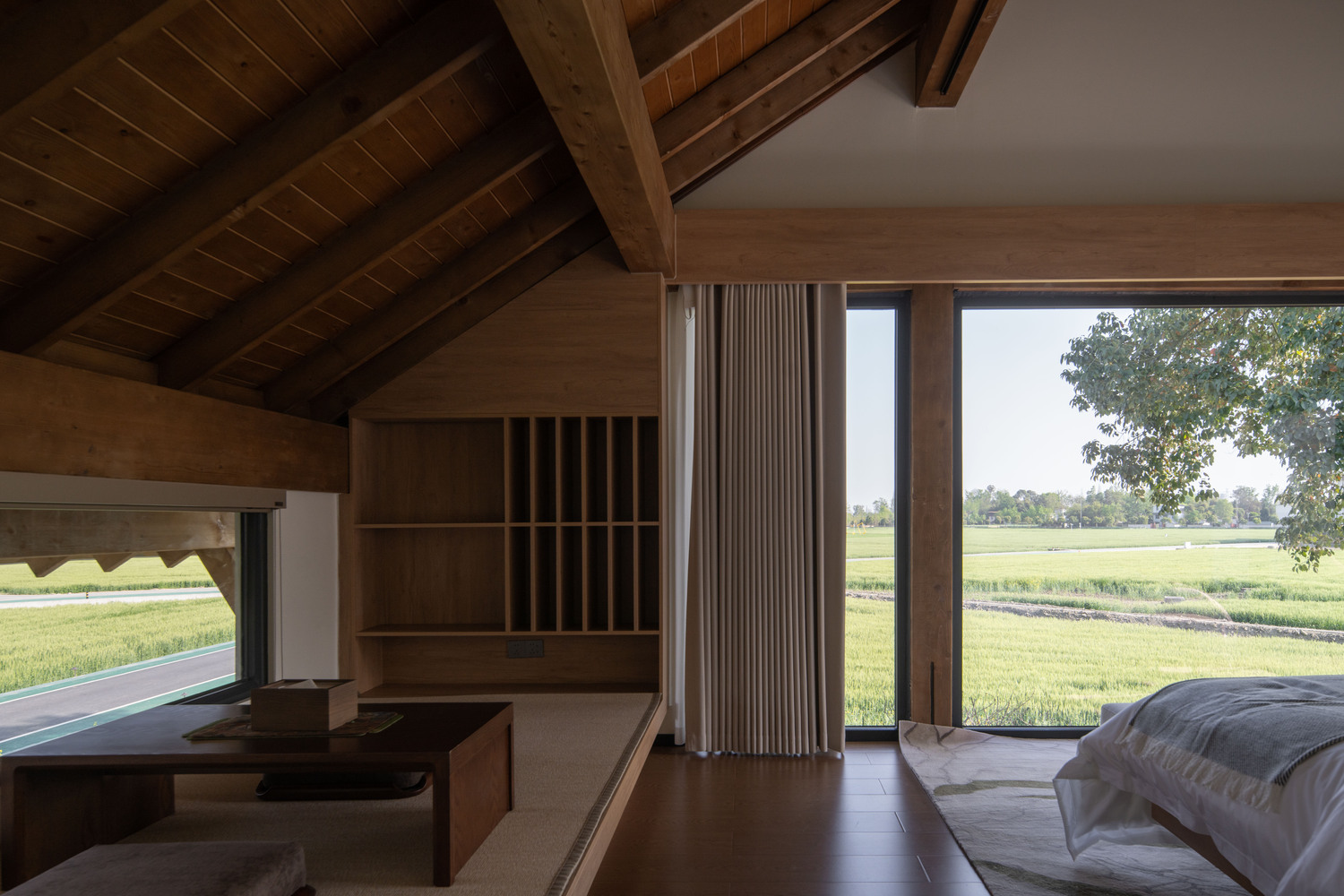
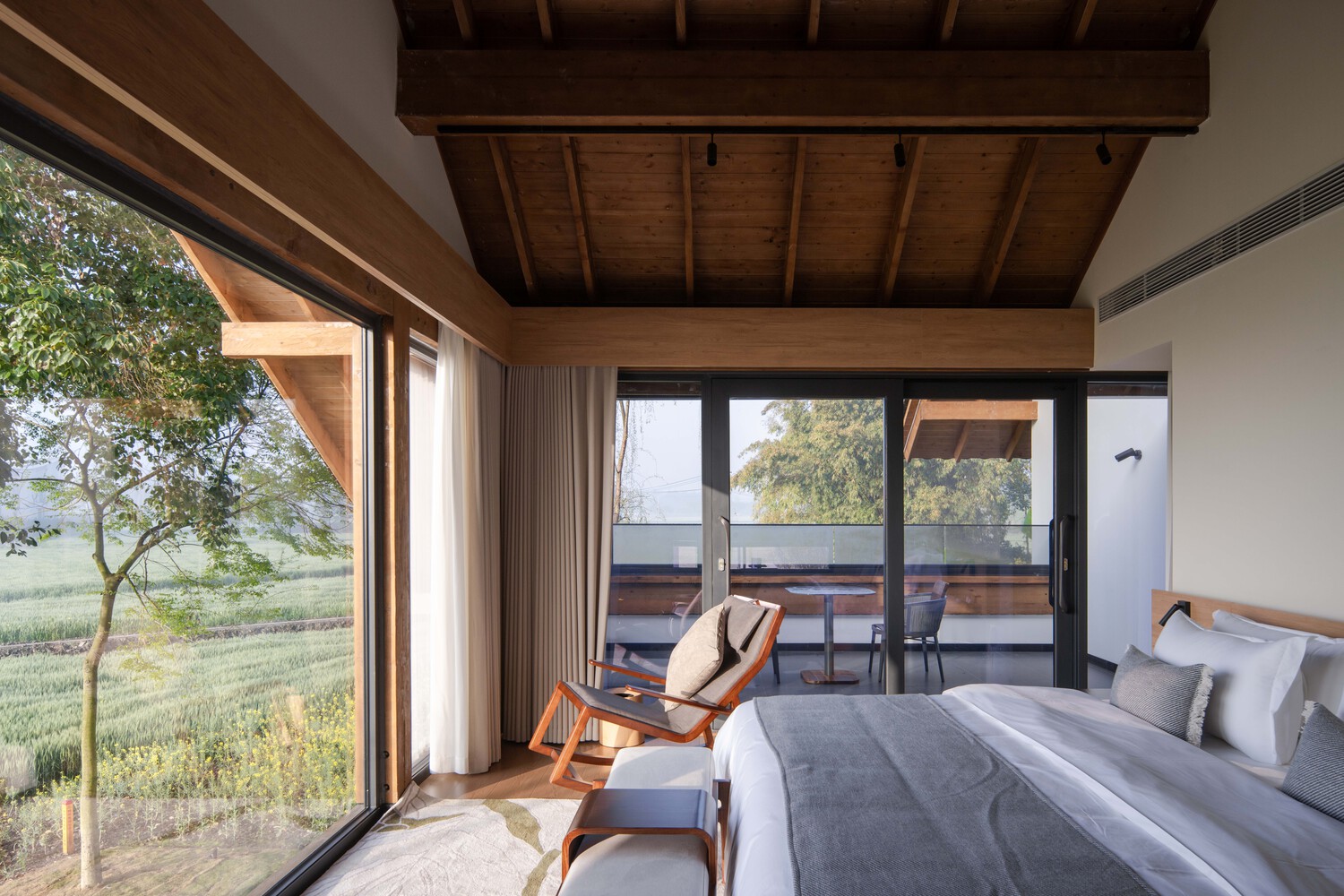
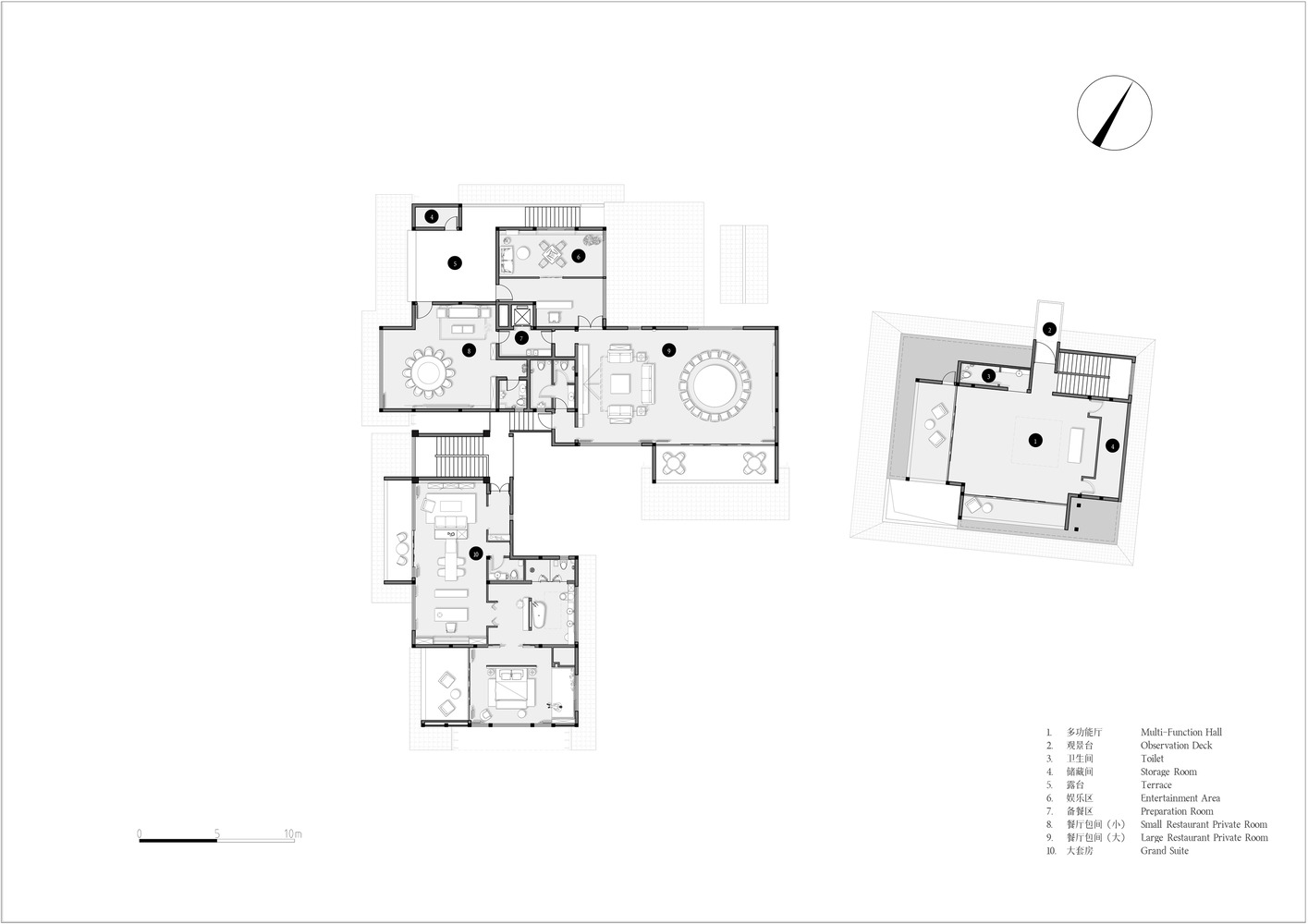
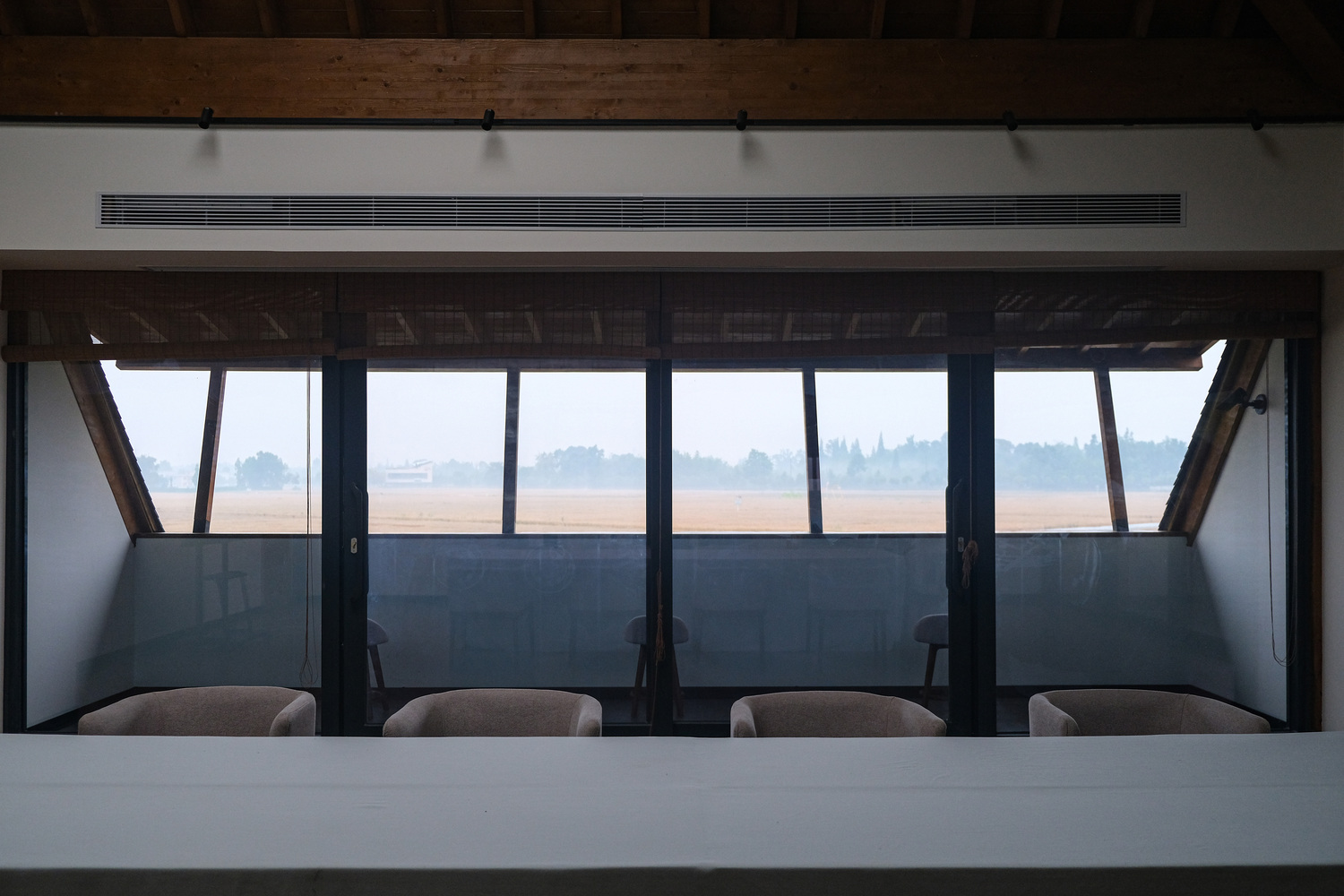
On the second floor, one can listen to the wind, watch the rain, and admire the fields. The serene multifunctional hall is used for meditation, meetings, and educational activities.
Part of the sloped roof opens up to form a viewing balcony, integrating the scenes from upstairs and downstairs, as well as from the fields and the interior, in the manner of a hanging scroll painting.
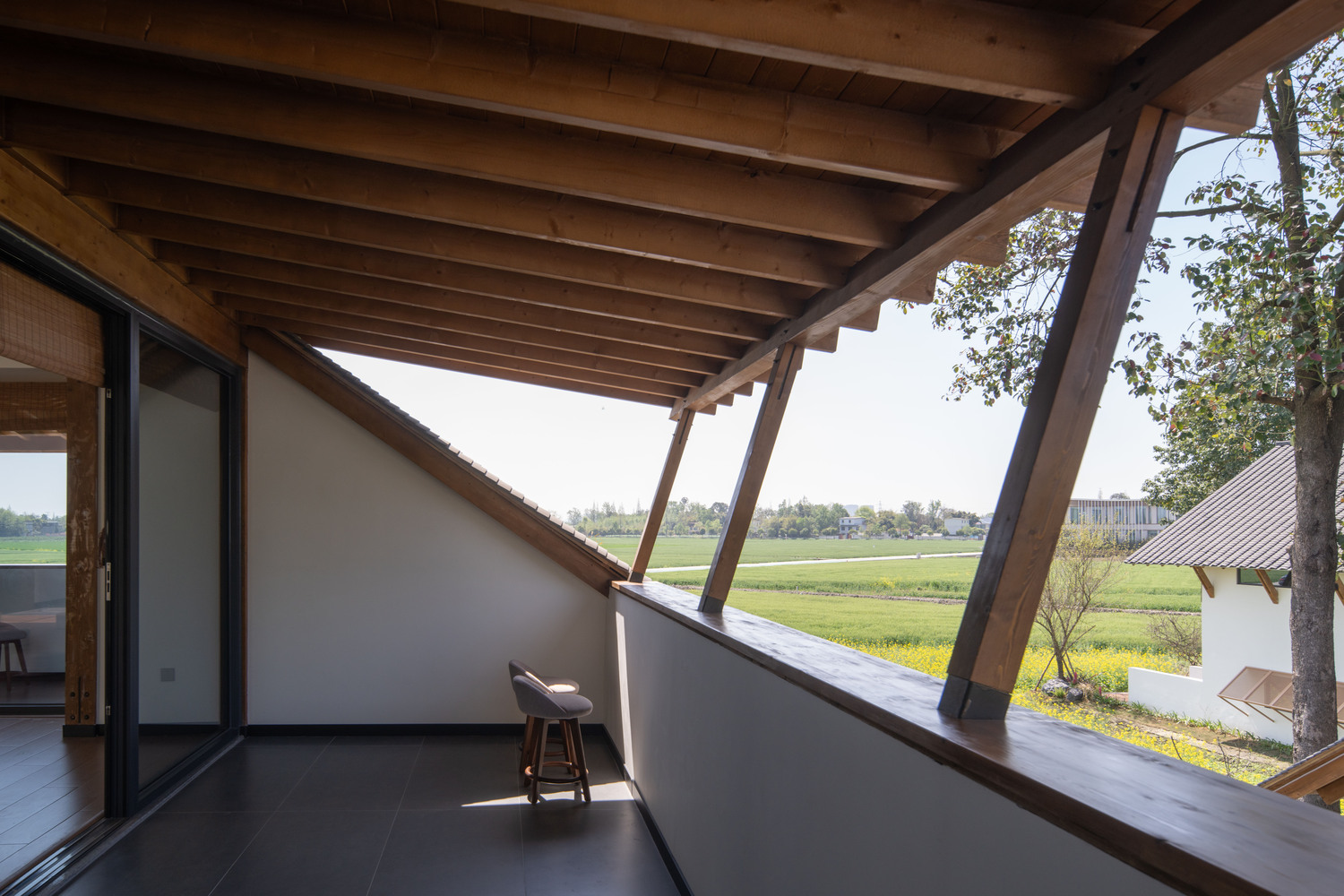
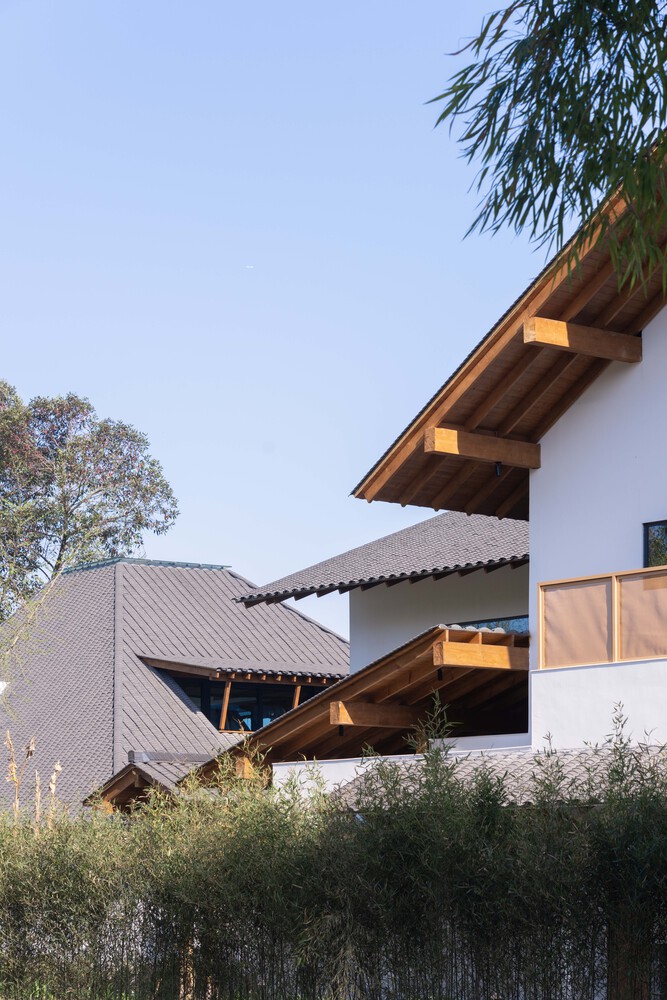
The guesthouse and private kitchen are merged into one building, with the roof divided as if it were a natural composition of multiple structures.
This design not only offers more viewpoints and outdoor spaces but also reduces the overall massiveness of the building.
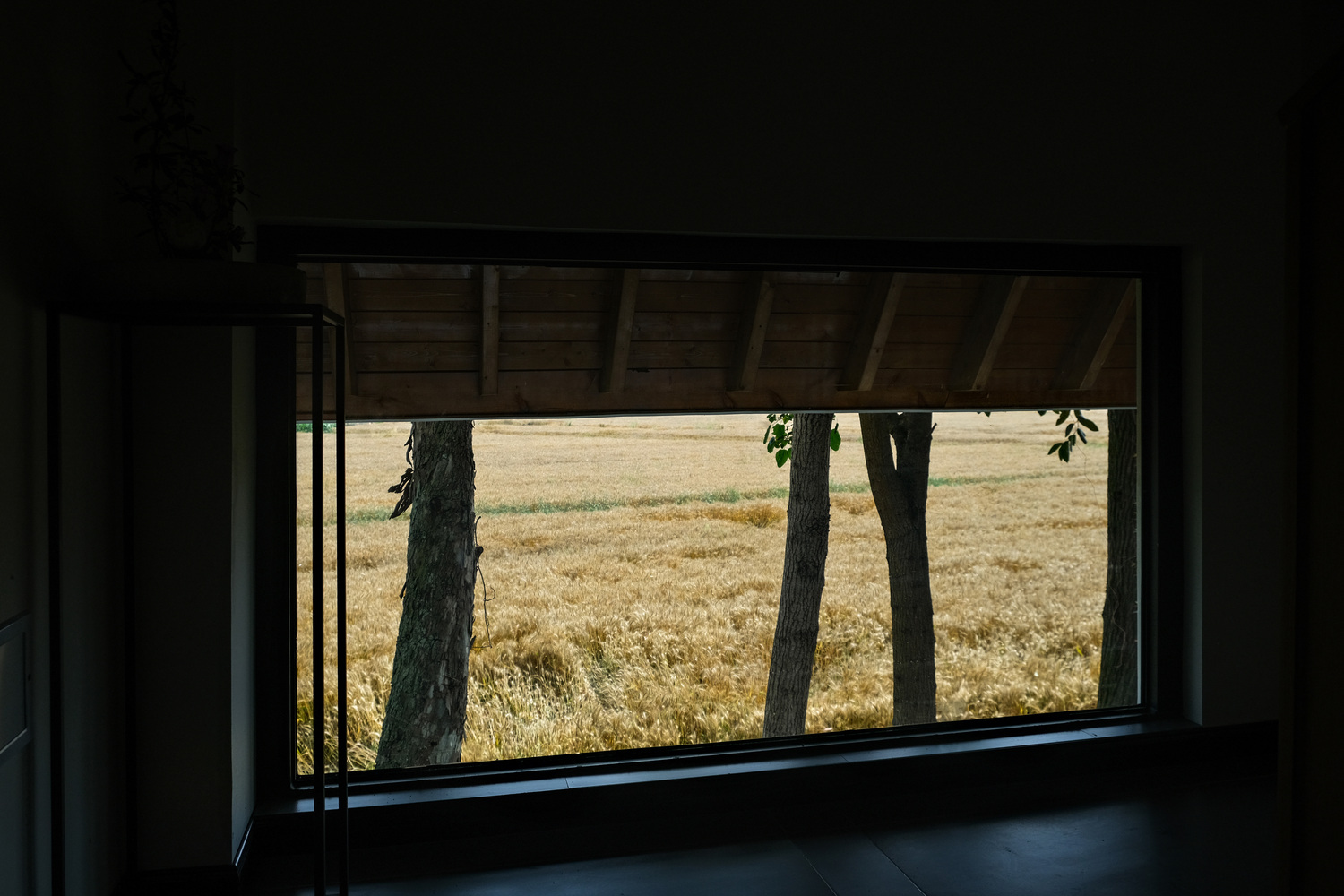
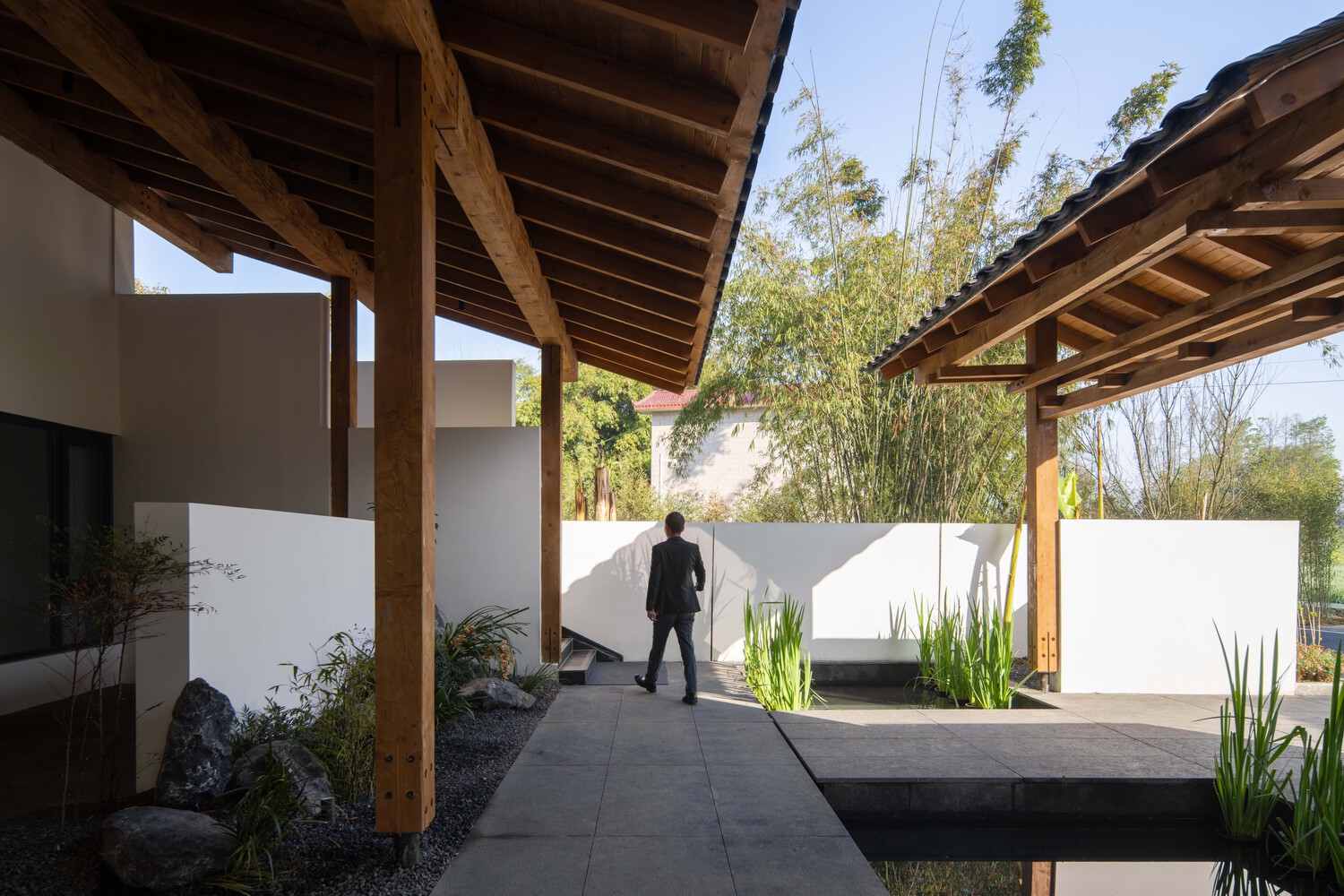
The serendipitous openings of the site combined with the scenic views, when strolling through the forest clusters, bring delight in glimpsing beautiful scenery through the trees and buildings.
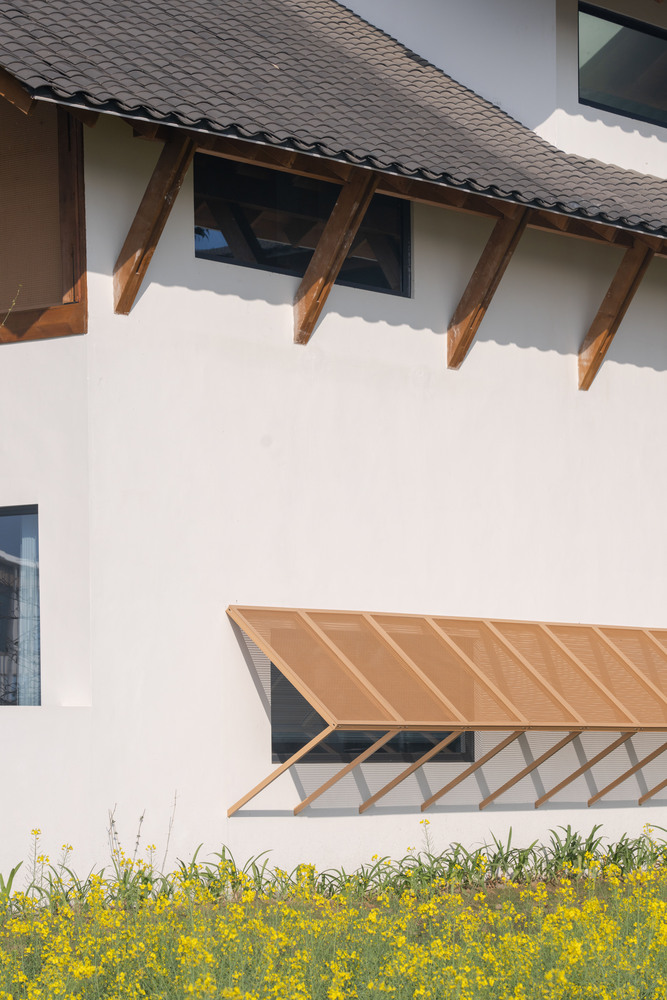
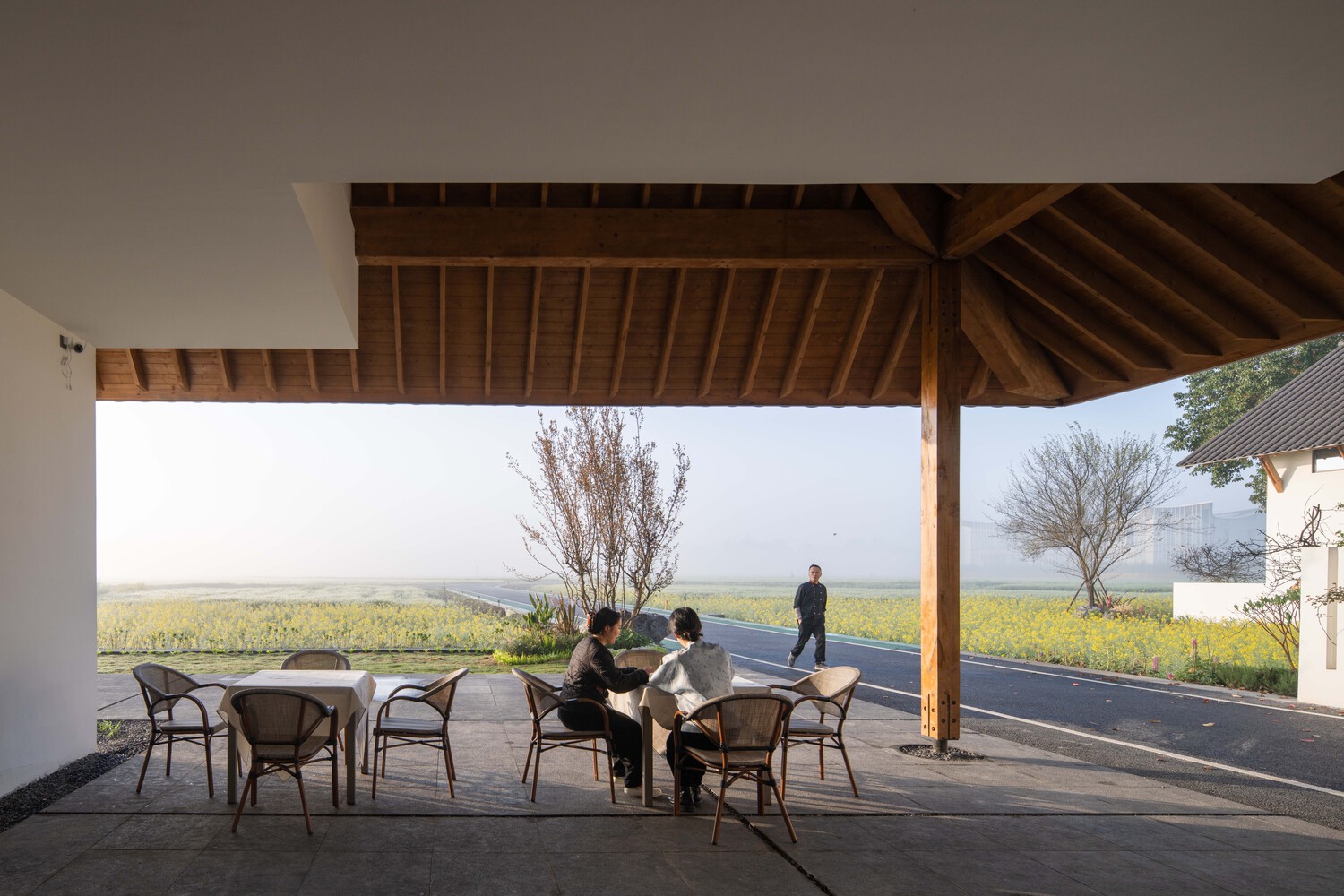
The farmland is directly integrated into each courtyard, with each room forming its own courtyard, offering exclusive enjoyment of the pastoral surroundings.
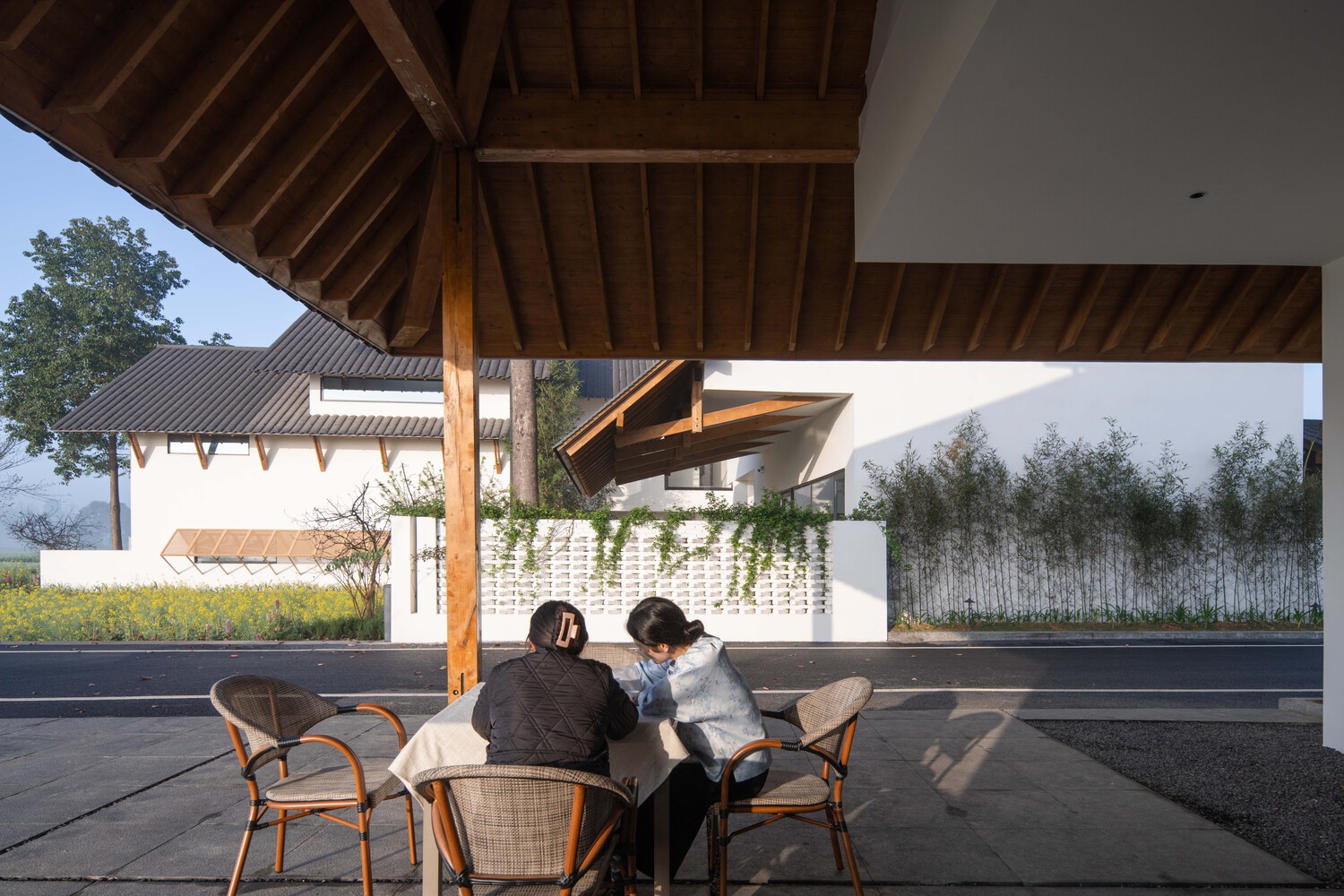
"Herbal" aims to enrich project operations by integrating the traditional Chinese medicine planting industry in Xindu, linking functions and formats such as medicinal cuisine, herbal soups, and therapy.
Additionally, it seeks to enhance the indigenous plant resources within the Linpan. "Fragrant Cottage" is based on various fragrances such as incense, scholarly aroma, floral scent, rice fragrance, and wheat fragrance.
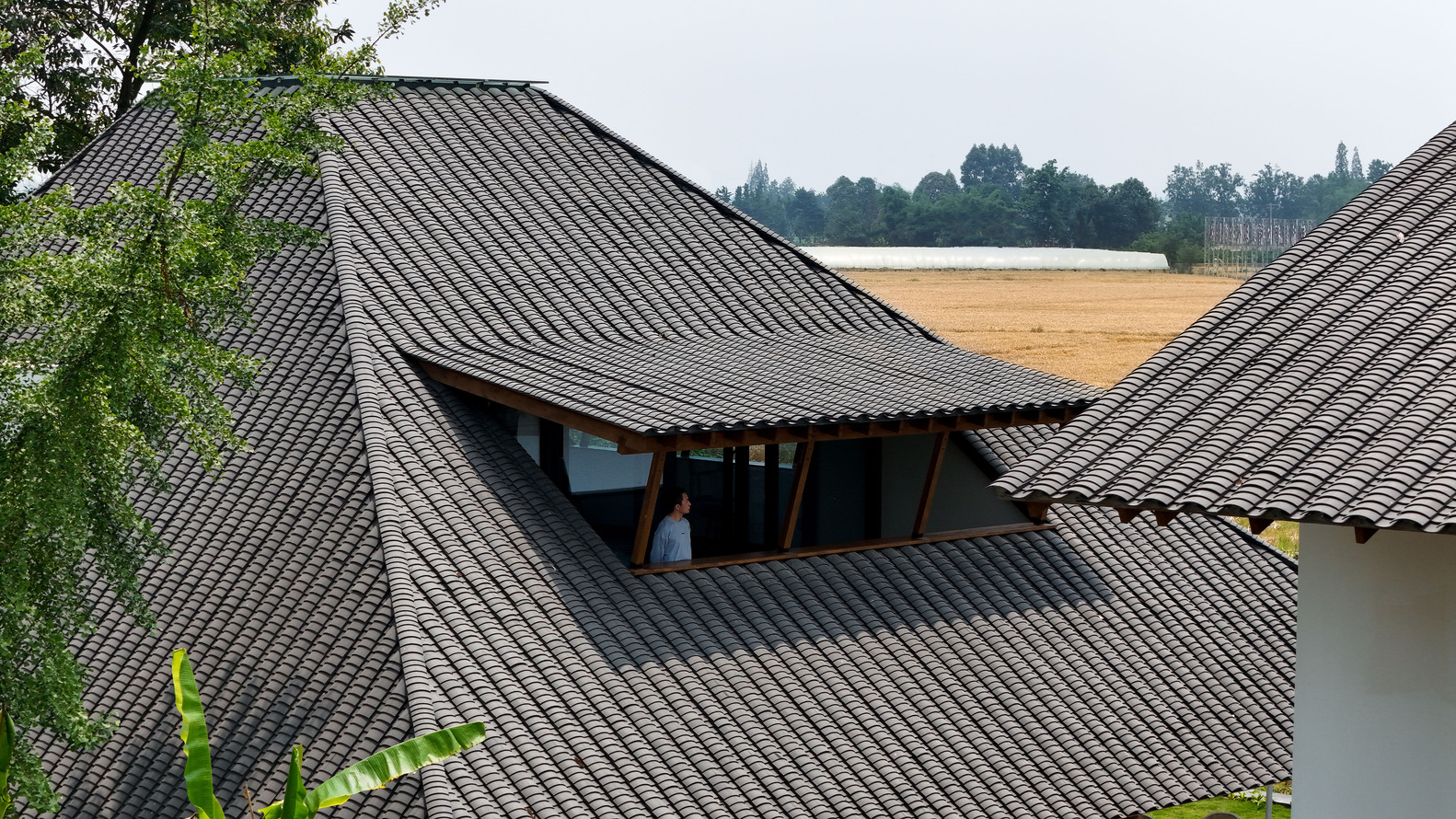
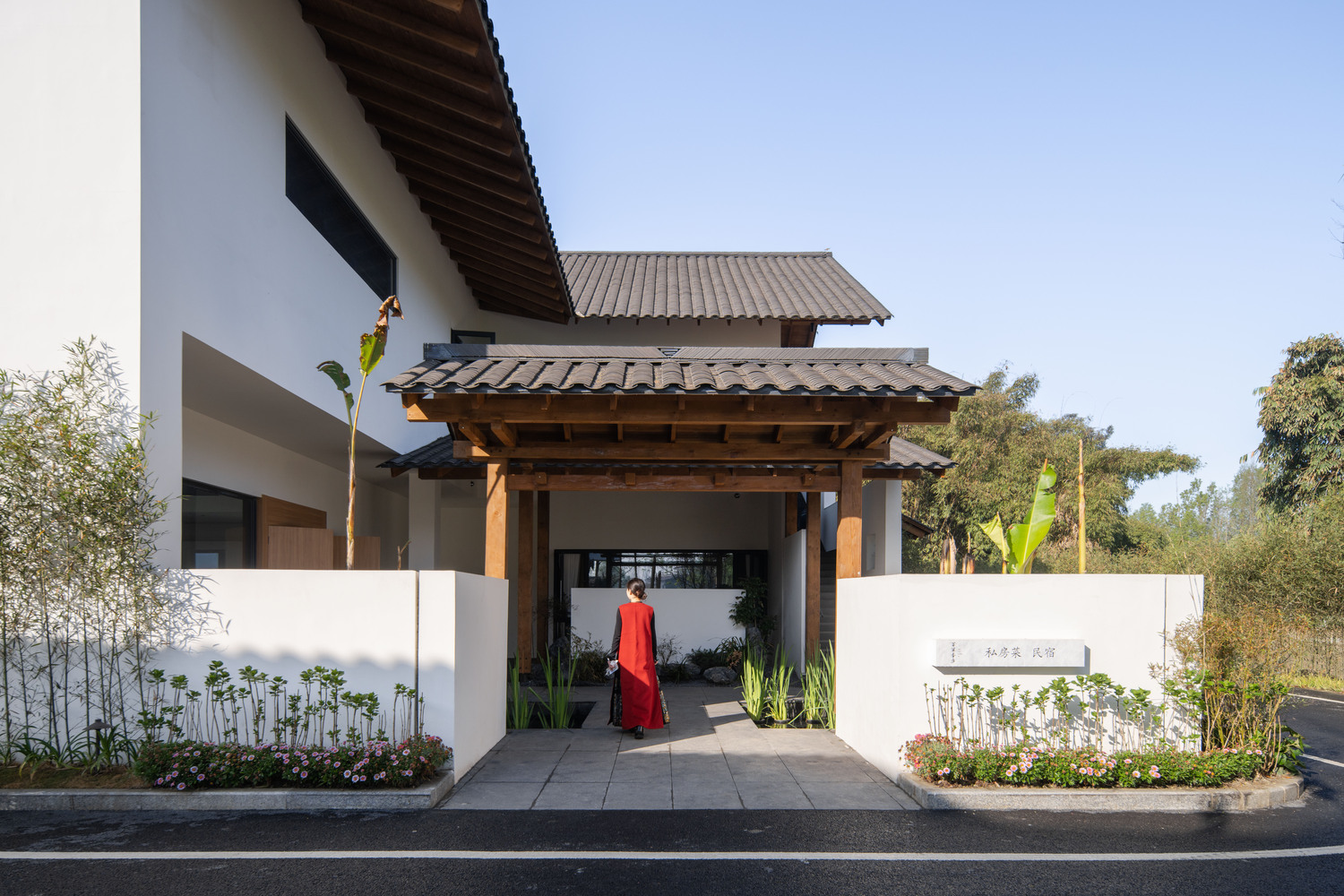
It combines these fragrances with grass to form a cottage, representing a unique expression condensed from multiple dimensions including functional formats, architectural forms, agricultural culture, and environmental resources.
The integrated development of urban and rural areas is the fundamental strategy for rural revitalization.
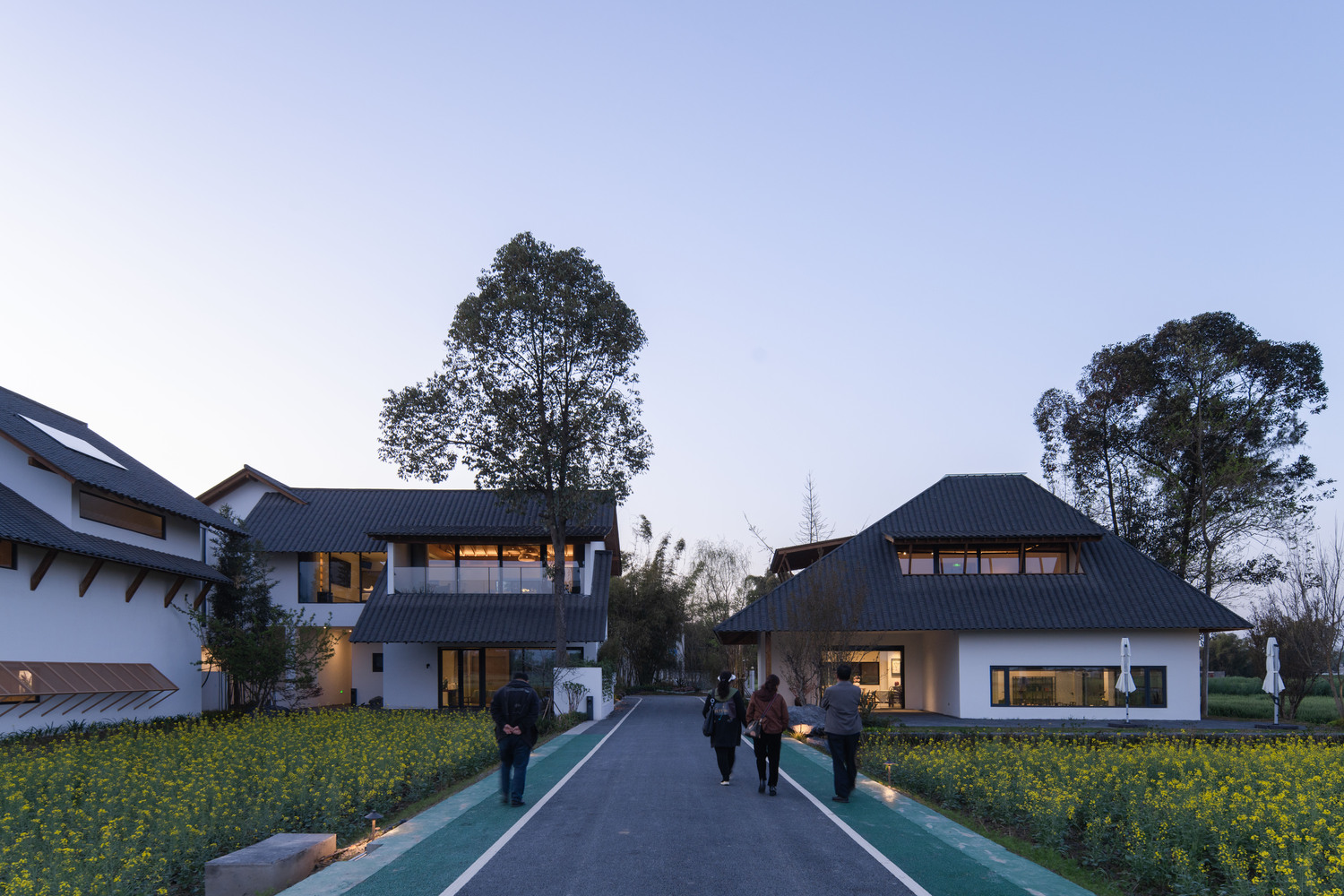
The interpretative form of rural scenes, where "the Linpan serves as silk, and life becomes a painting", combined with modern functional formats, has become a relatively independent domain.
It is pure and simple, embodying a beautiful yearning for courtyard homes and rural living.