Research Center Of The Colla Indigenous Community Of The Municipality Of Copiapó
RESEARCH CENTER OF THE COLLA INDIGENOUS COMMUNITY OF THE MUNICIPALITY OF COPIAPÓ
Arquitika
ARCHITECTS
Arquitika
LEAD ARCHITECTS
David Cortez Godoy y Natalia Jorquera Silva
LEAD TEAM
Valentina Olivares García
MANUFACTURERS
Arauco
PHOTOGRAPHS
Sebastián Maluenda Torres
AREA
148 m²
YEAR
2026
LOCATION
Copiapó, Chile
CATEGORY
Mixed Use Architecture
English description provided by the architects.
Located in the Atacama Region, Chile, the Research Center of the Colla Indigenous Community in the municipality of Copiapó arises from the concrete need to have an infrastructure that supports development, innovation, and research programs driven by the community itself, including the cultivation and botanical study of medicinal plants from the mountainous canyons.
The project originates through a participatory design process, developed through binding dialogue instances where uses, spatial organization, formal criteria, and materials were defined, along with the conceptualization of the building as a research center serving the territory, its inhabitants, and its memory.
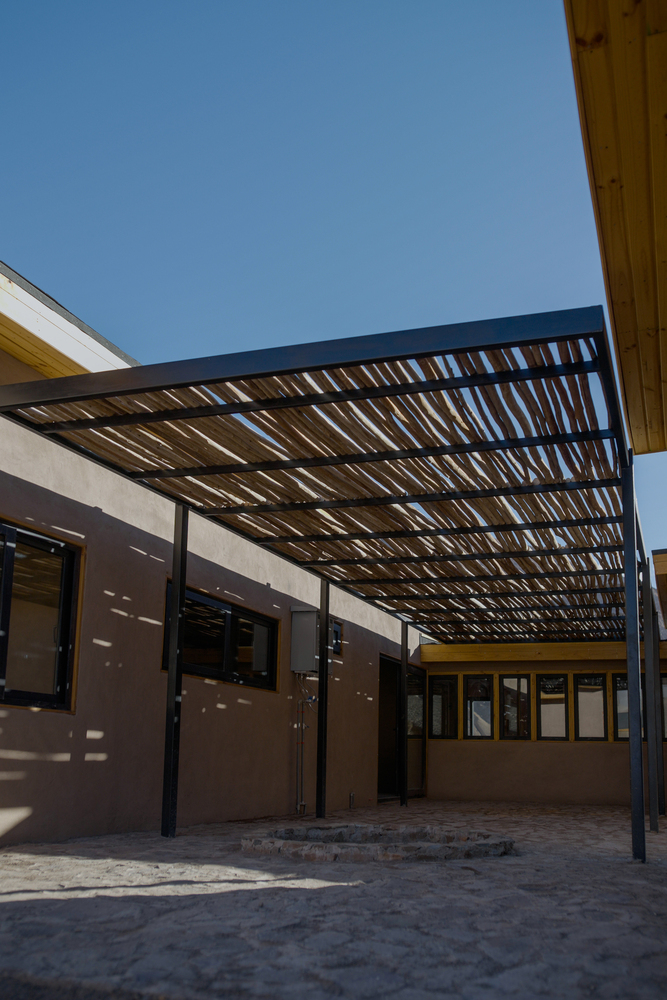
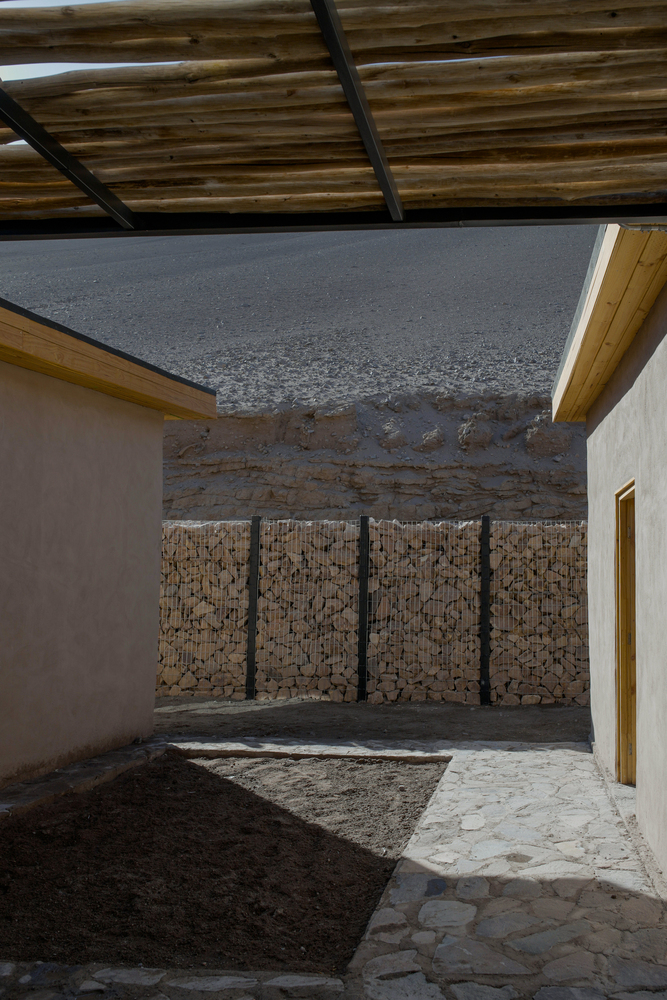
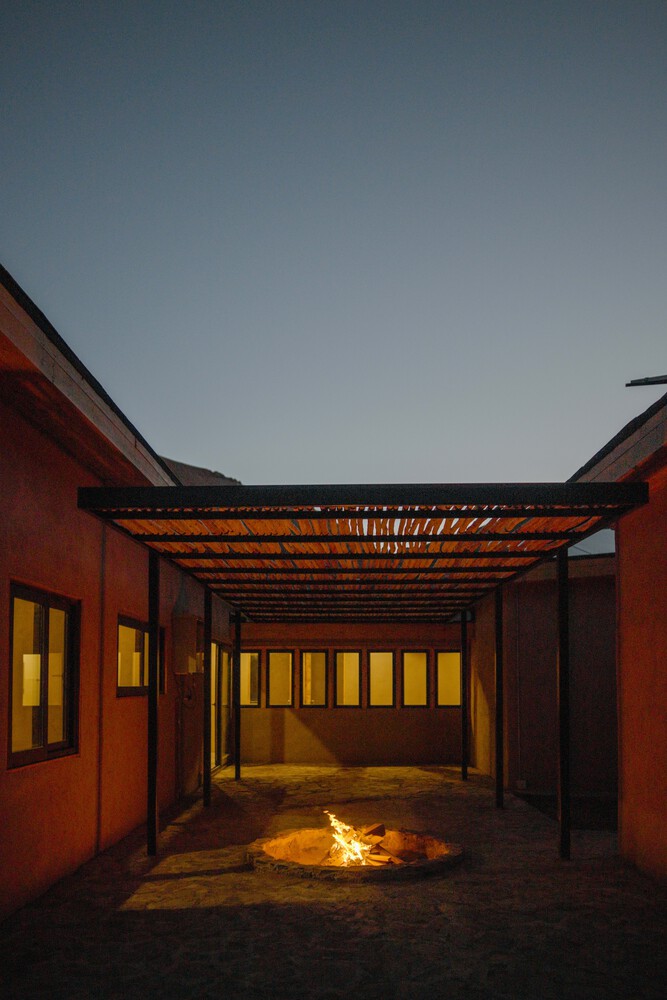
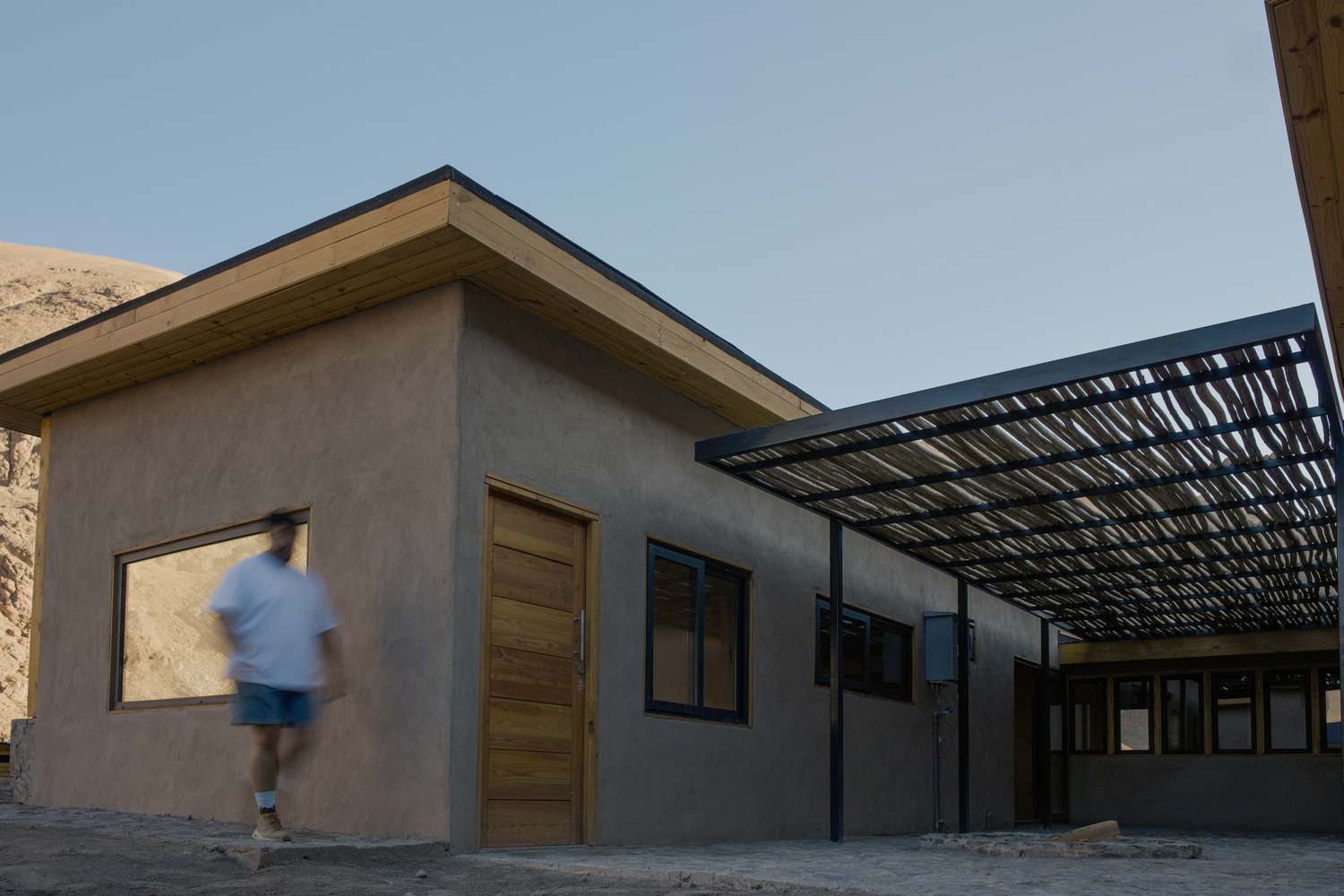
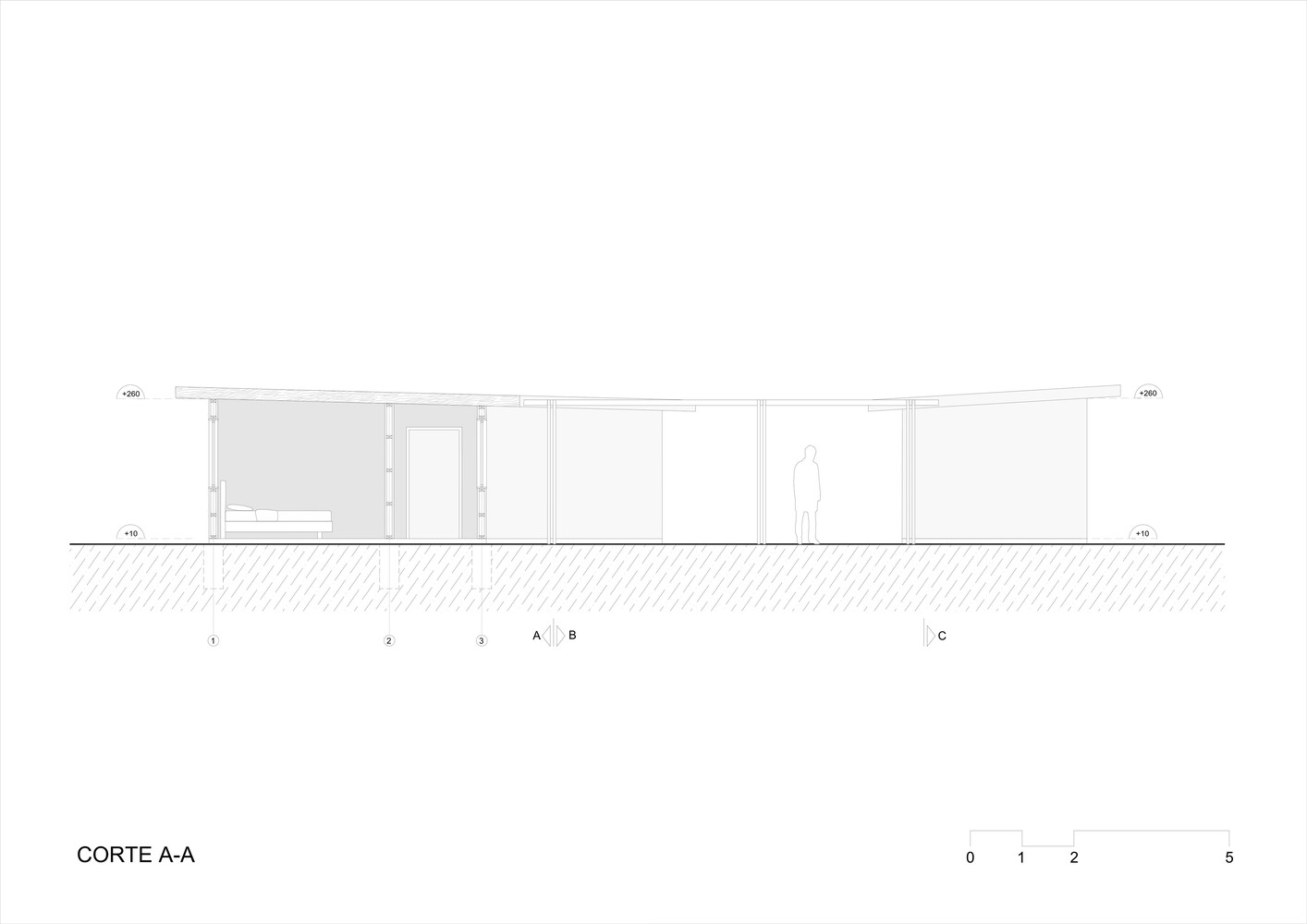
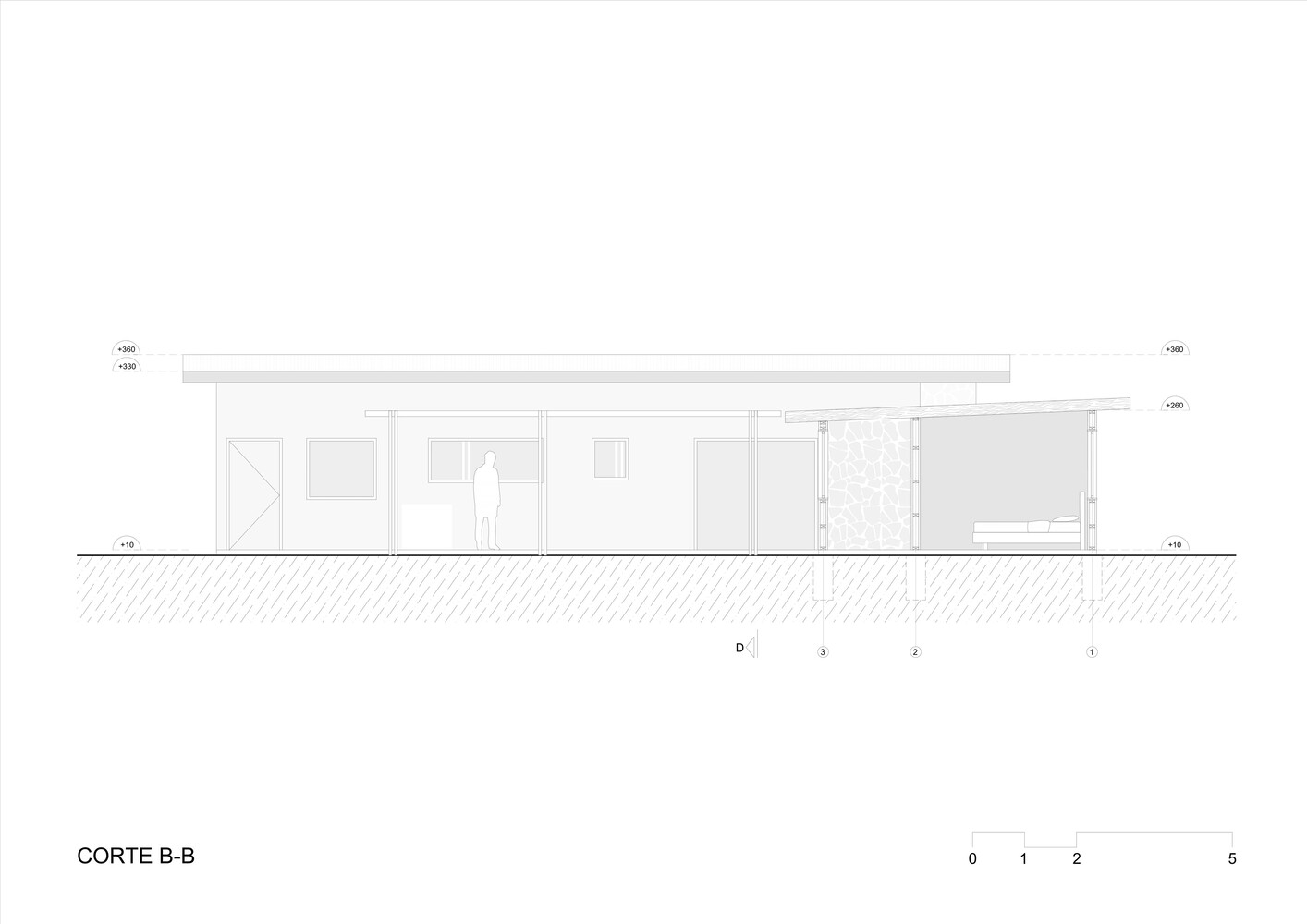
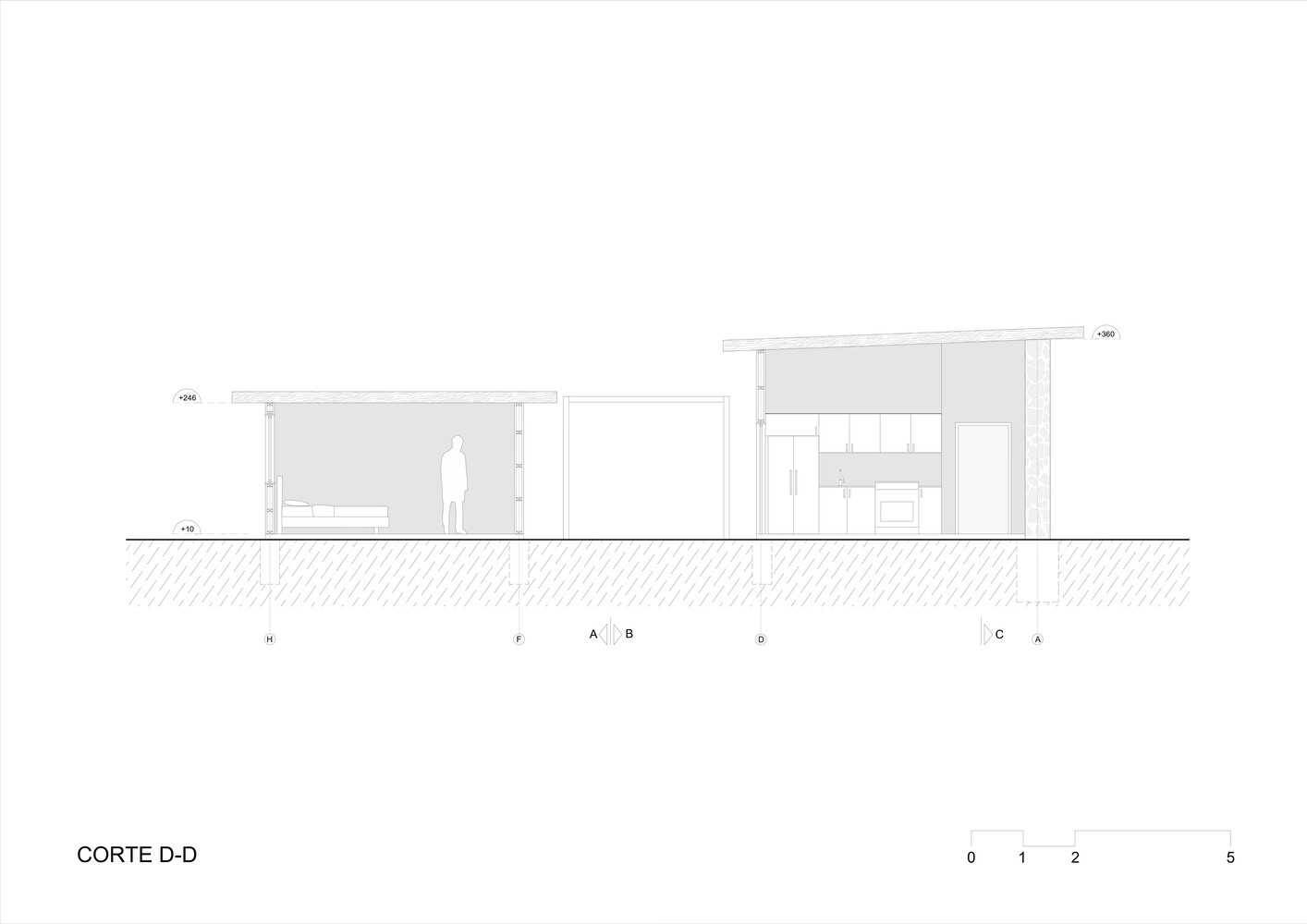
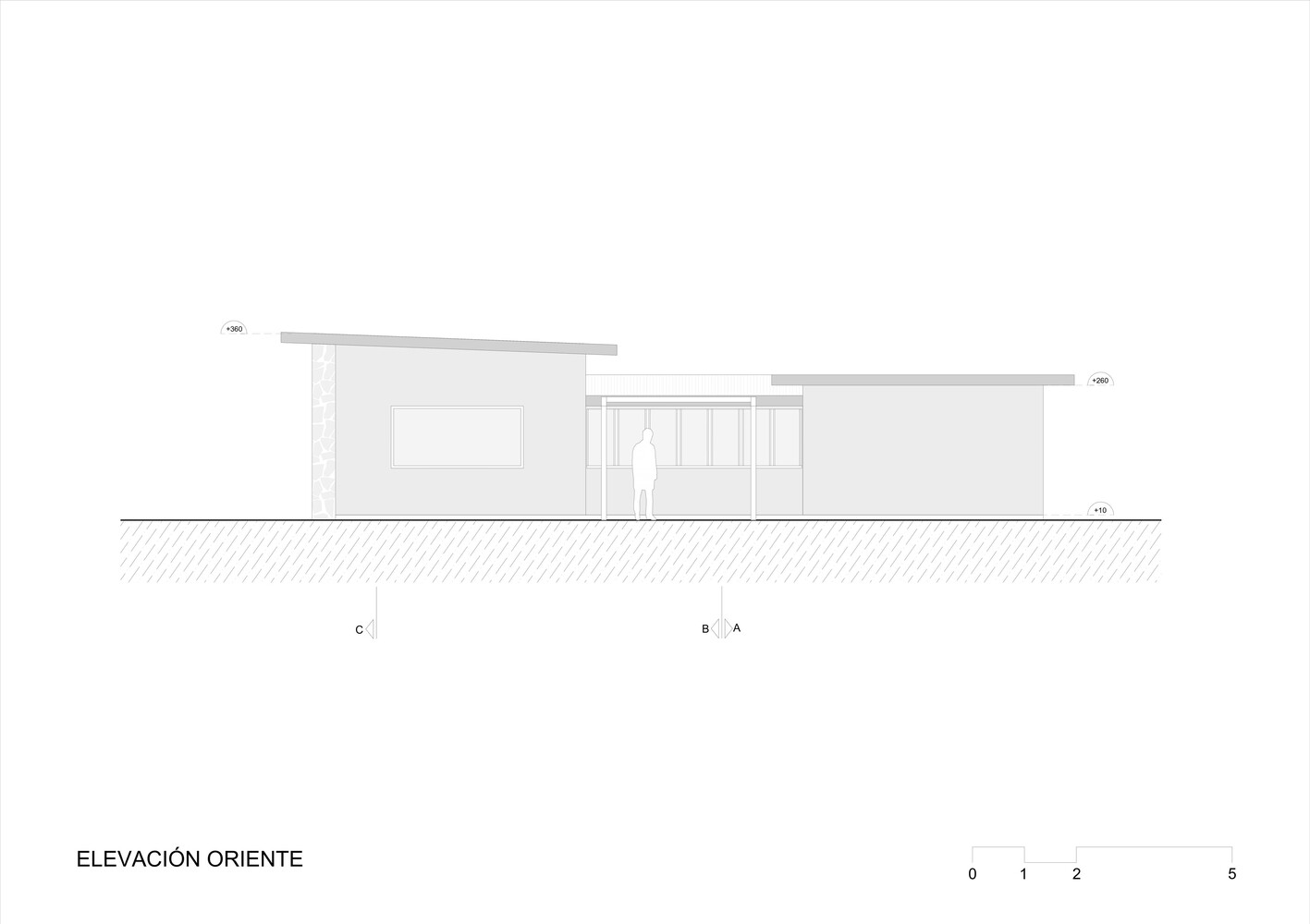
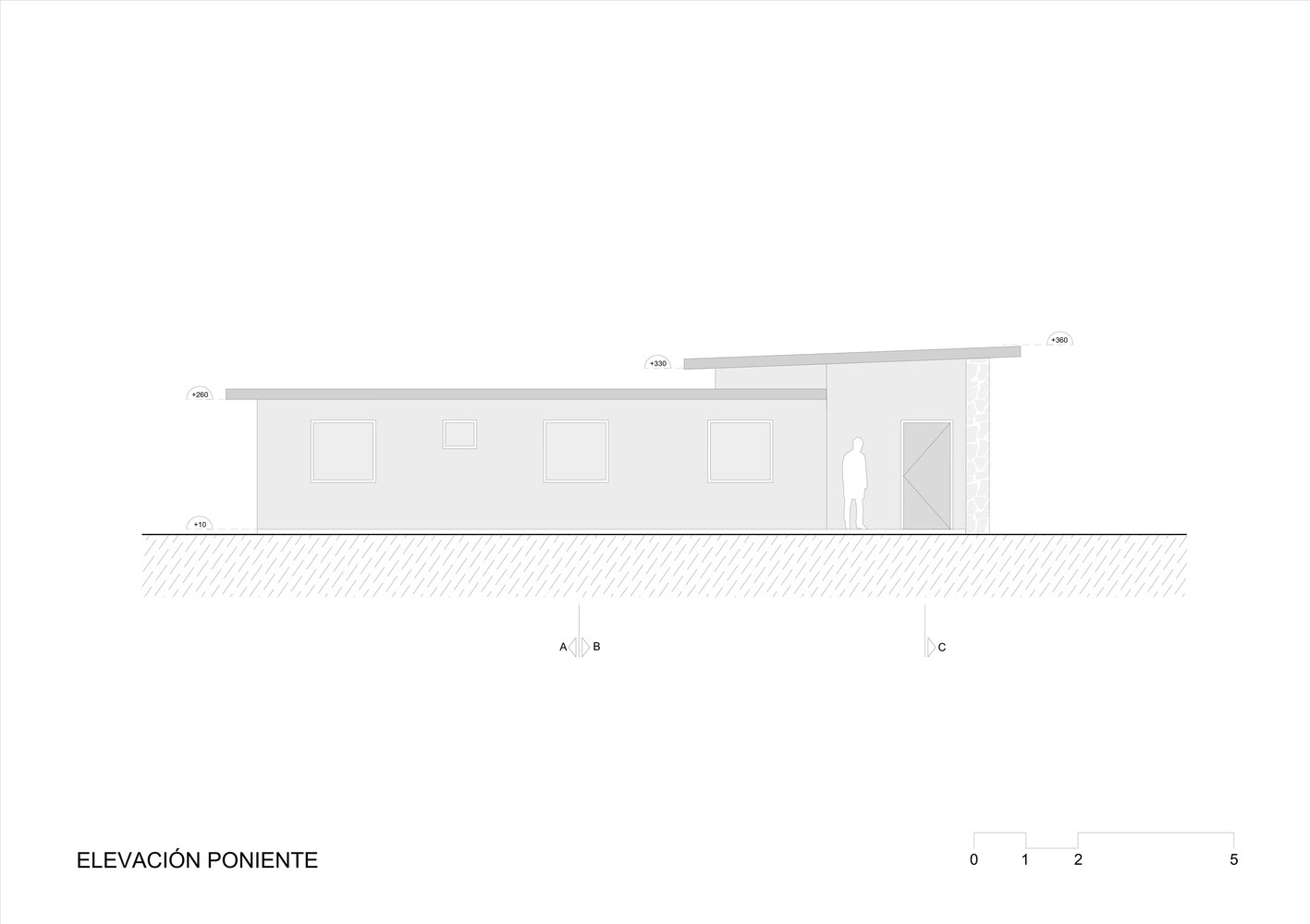
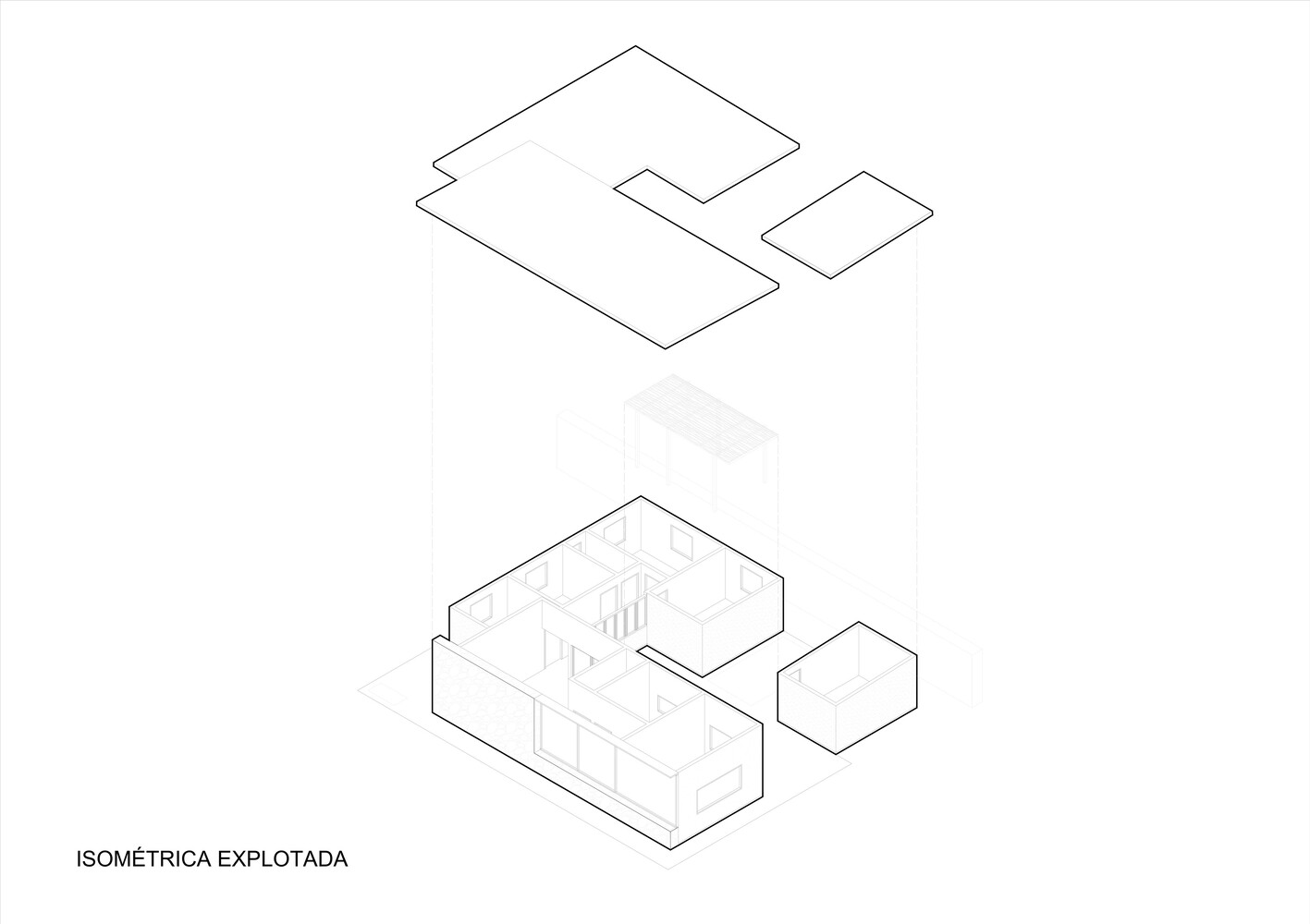
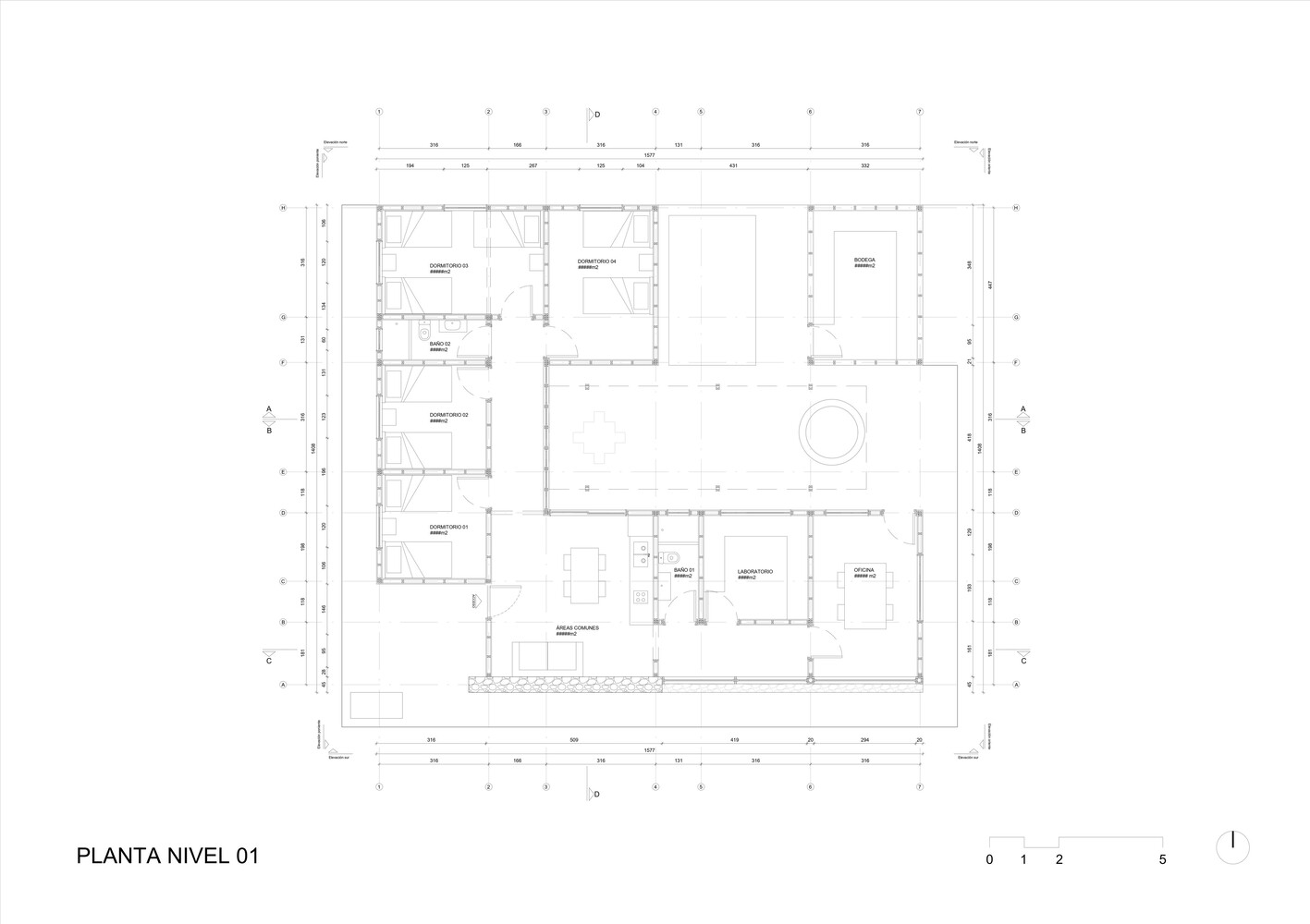
The proposal is organized into three programmatic areas: a community residence, a work and research area, and an outdoor meeting space.
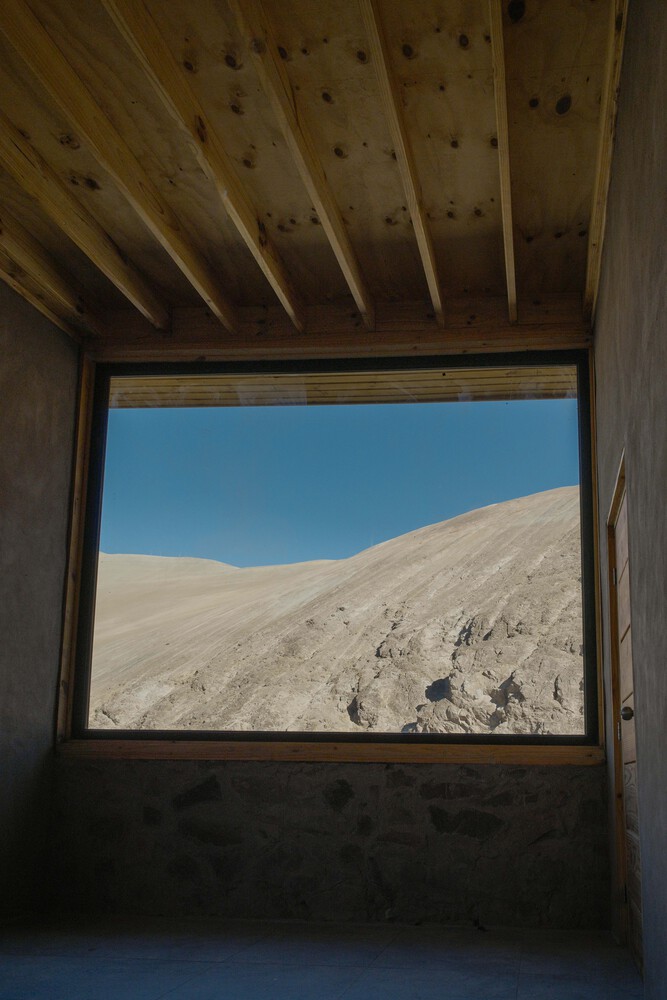
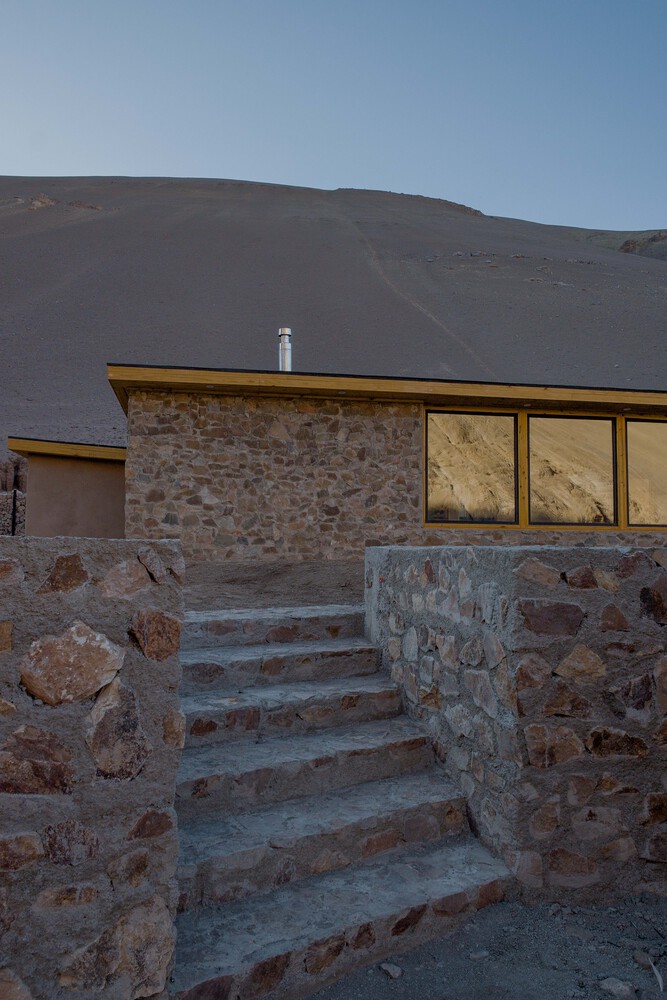
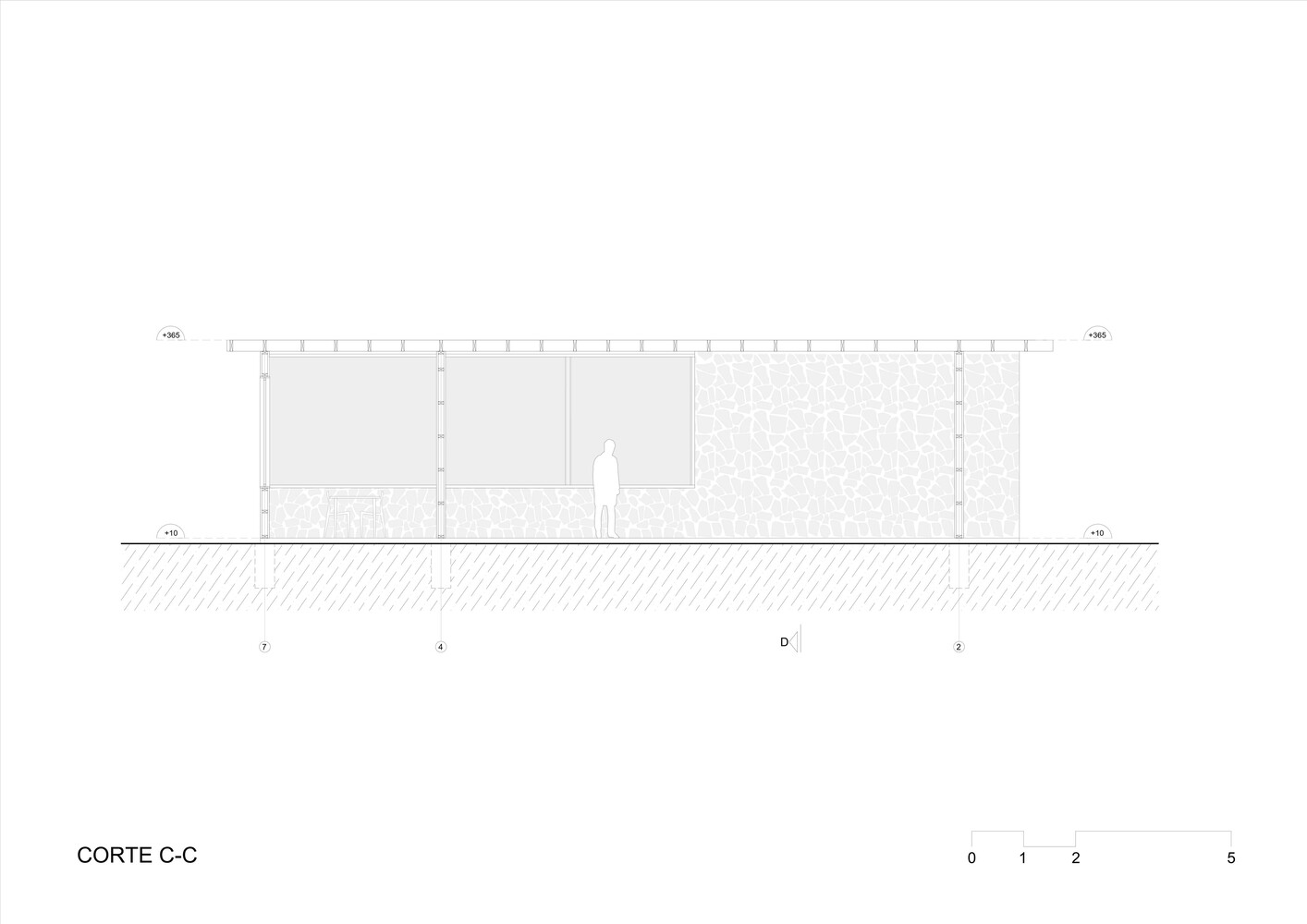
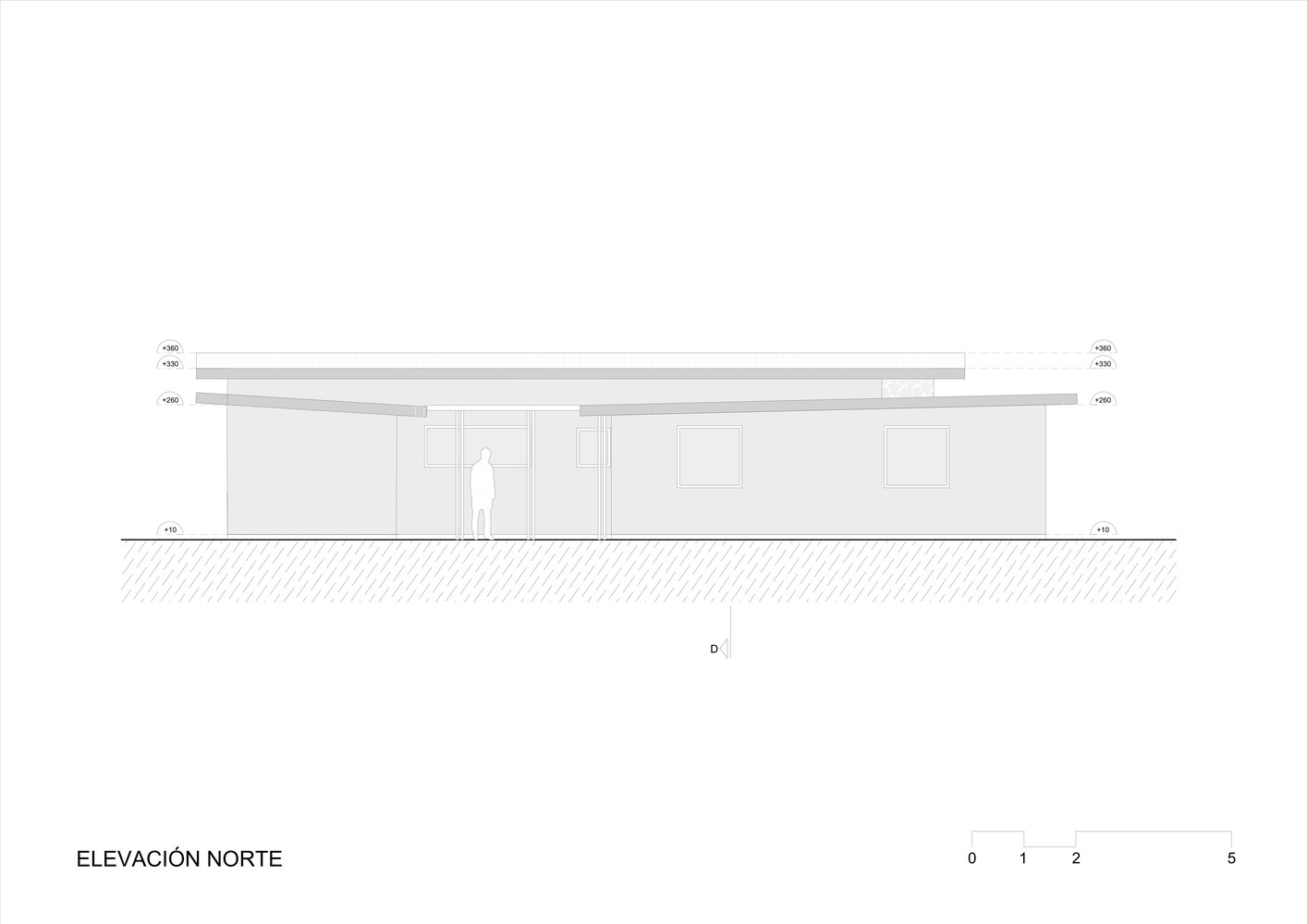
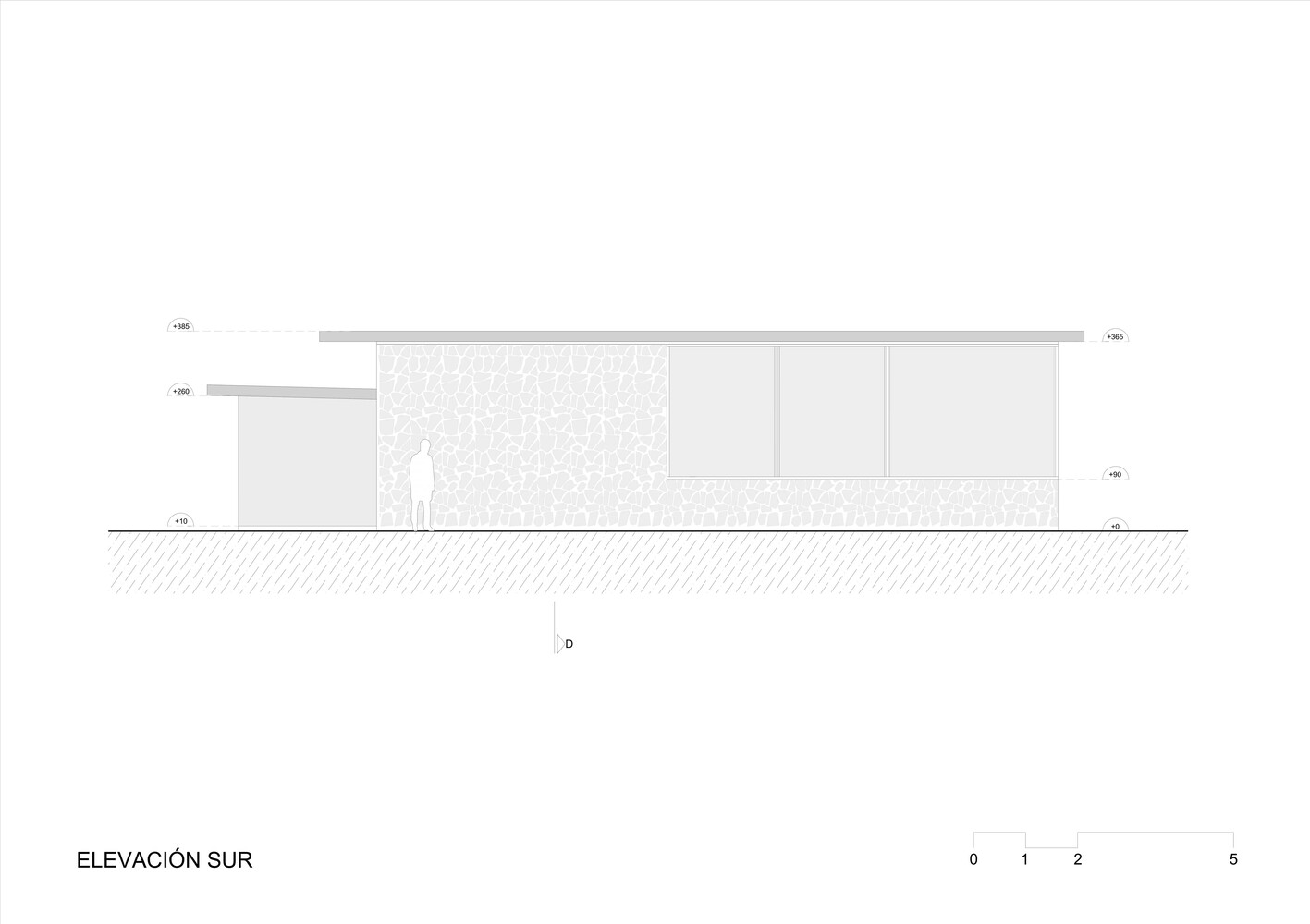
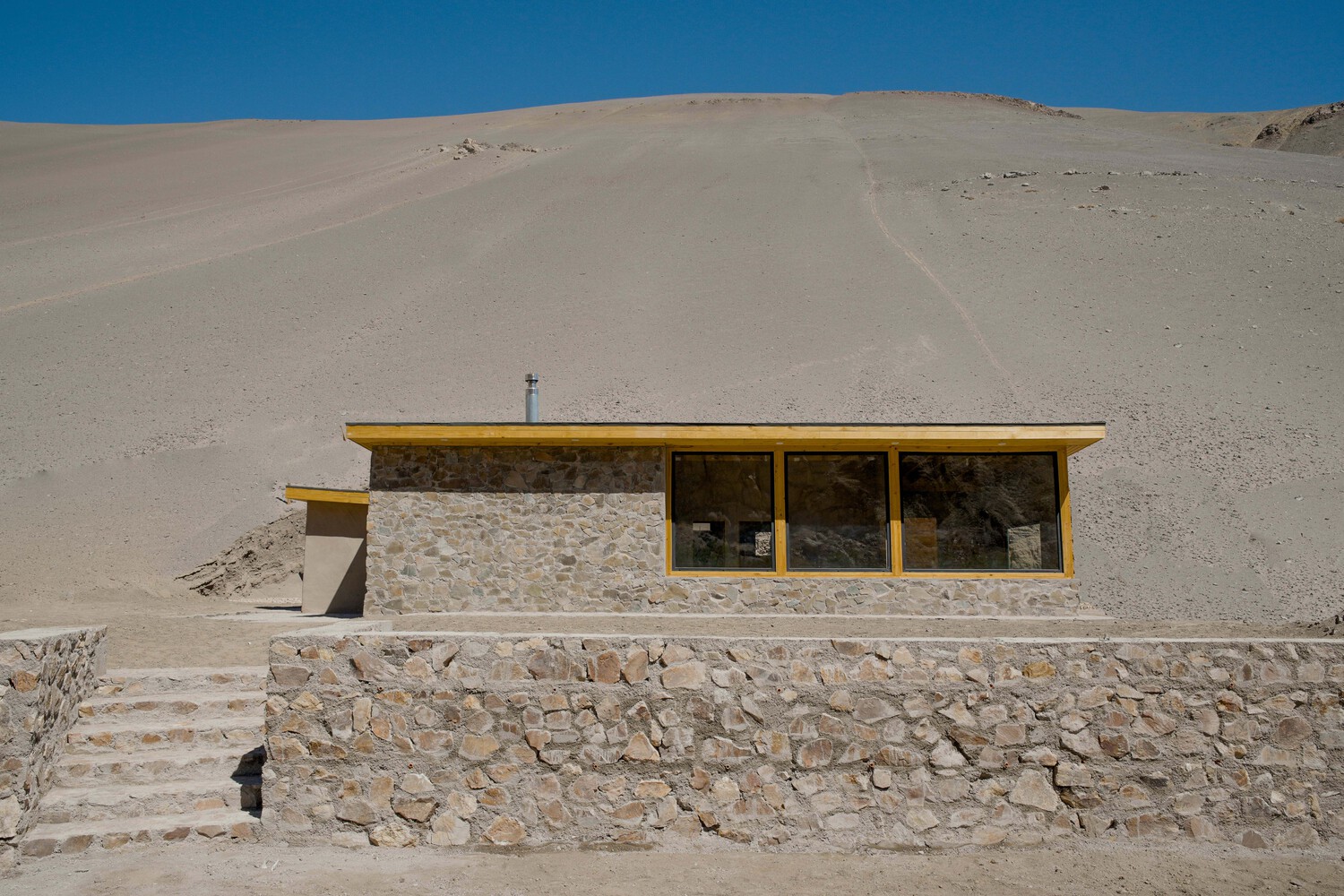
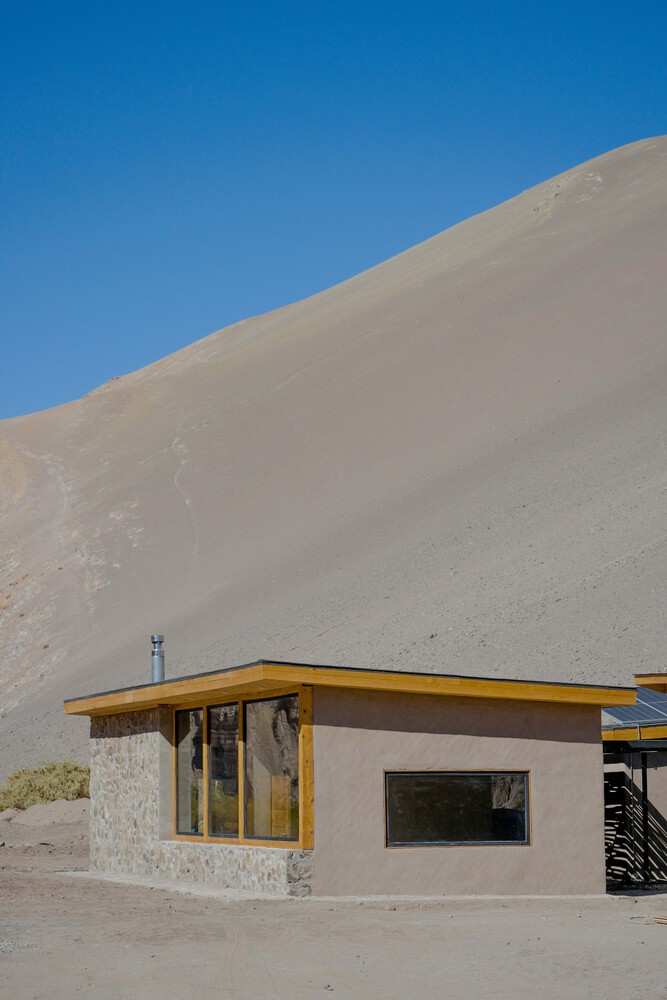
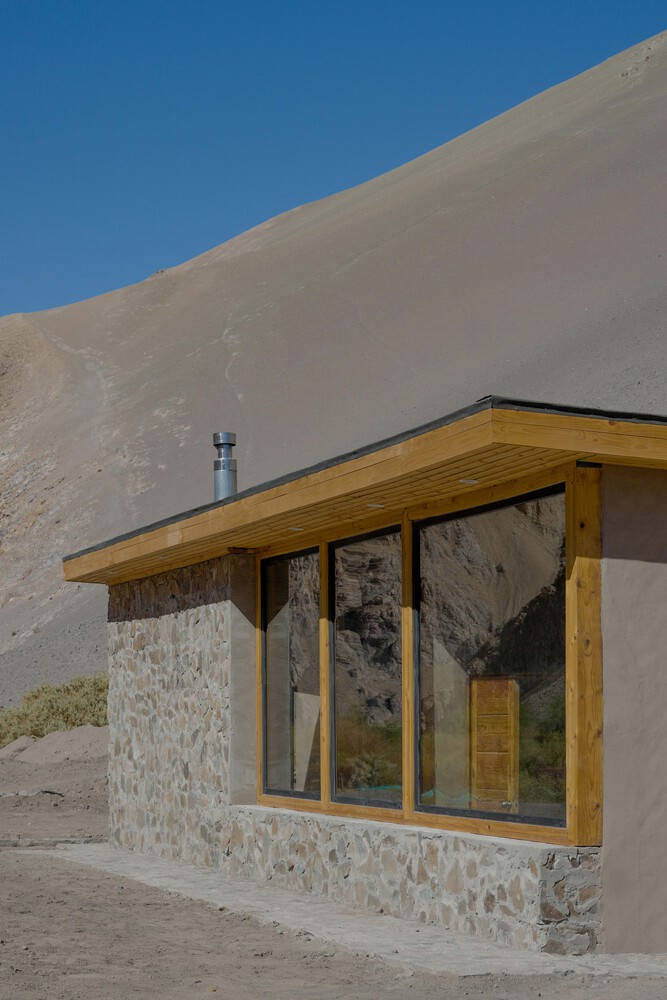
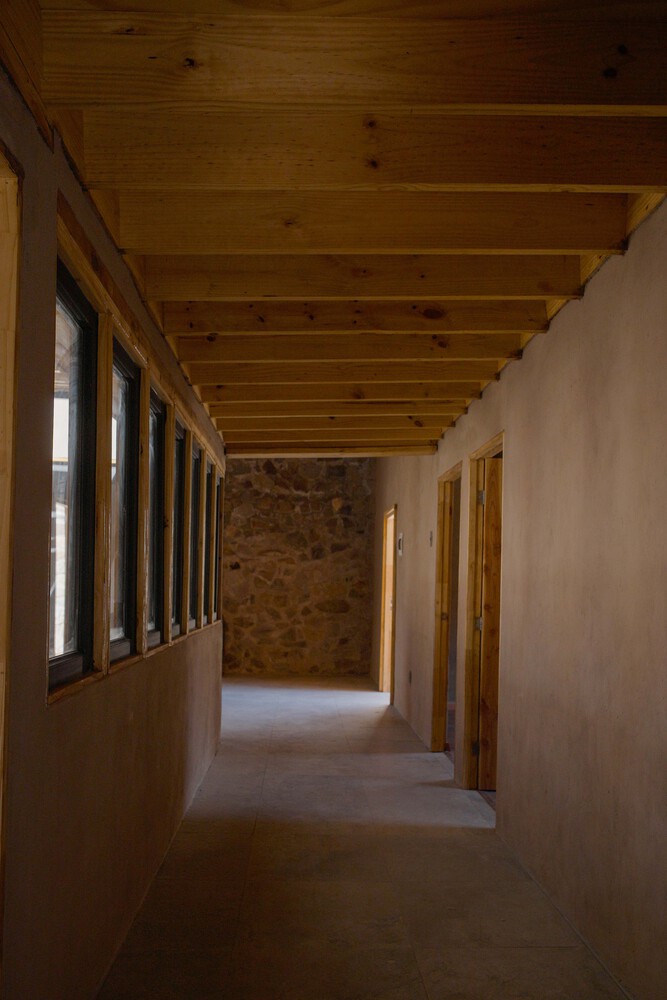
These components are arranged around a "U"-shaped volume that opens toward the slopes of the hills, integrating the mountain landscape through three large windows that structure circulation and shape the main façade, along with a solid stone masonry wall.
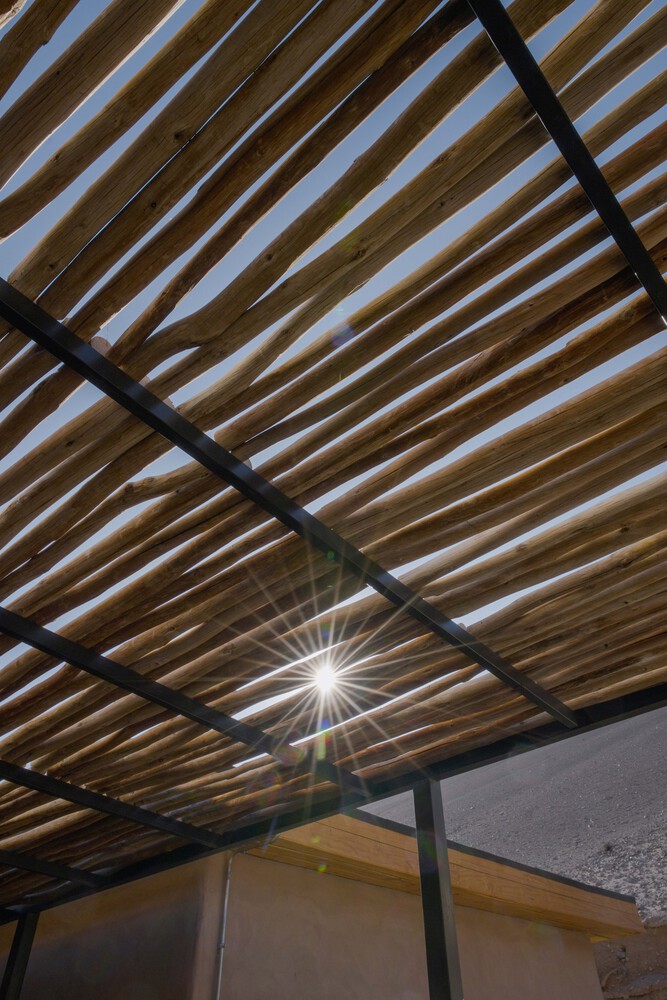
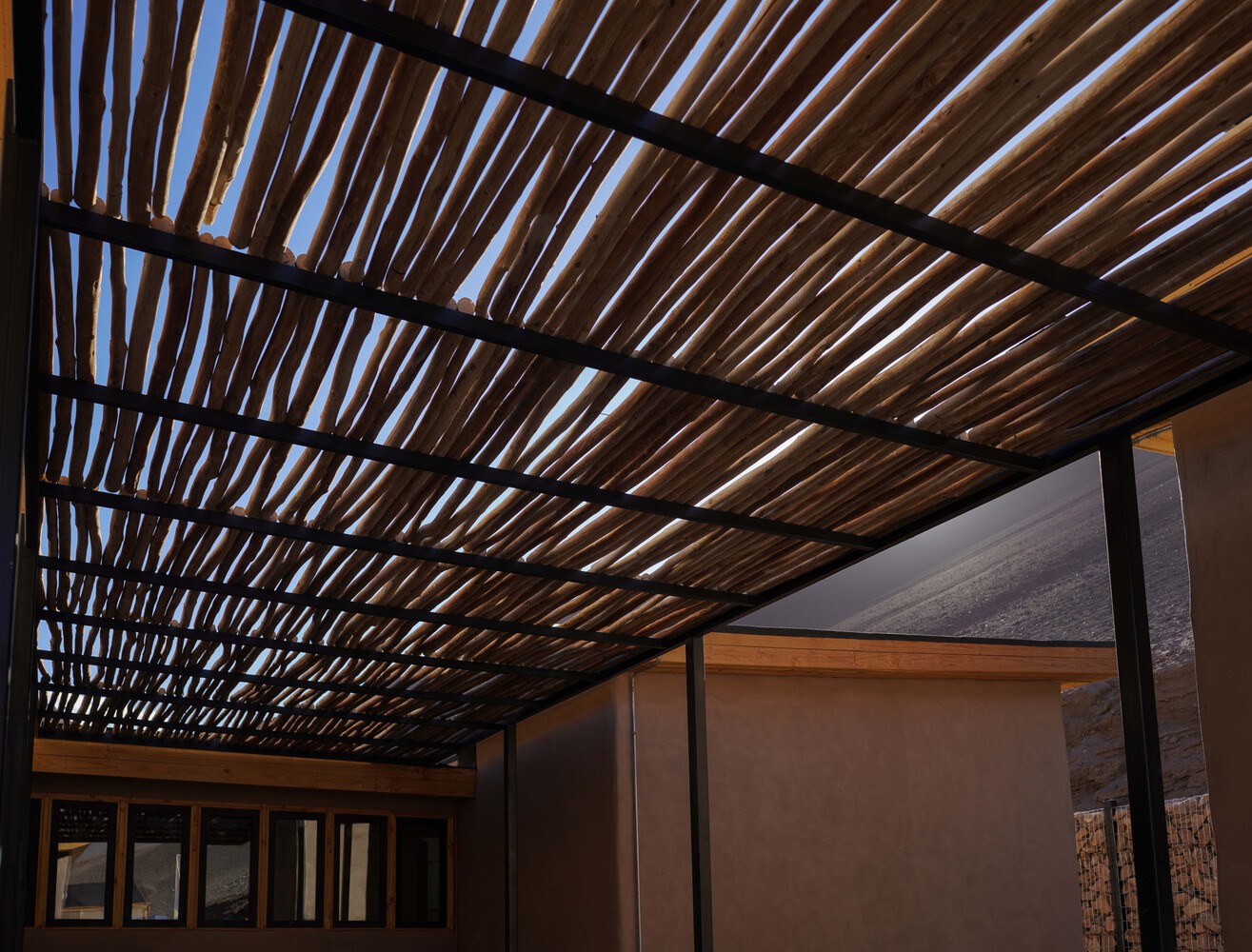
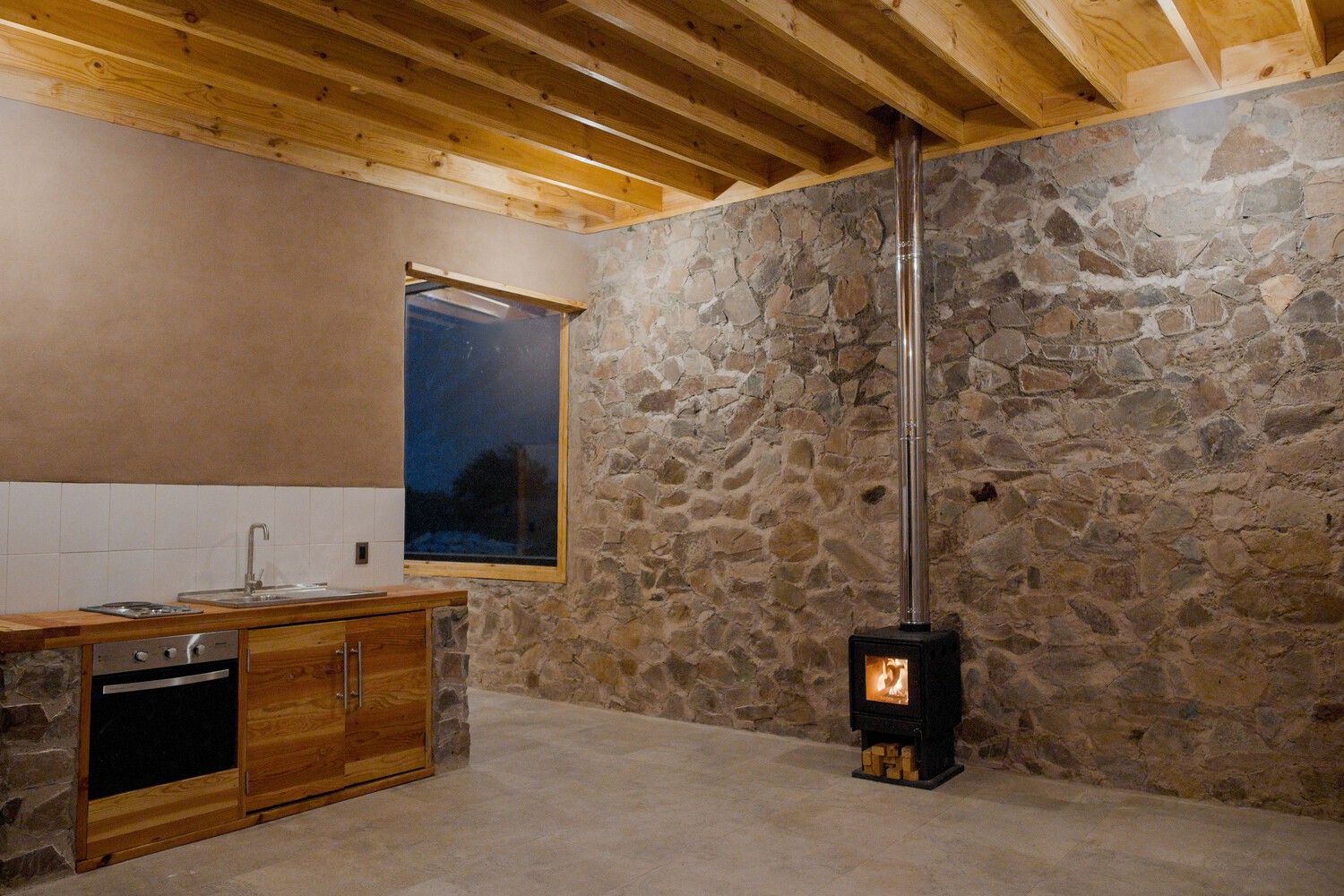
The design and execution of the work are based on the revaluation of the traditional construction systems of the Colla community, incorporating quincha and stone masonry walls, techniques native to the Atacama territory.
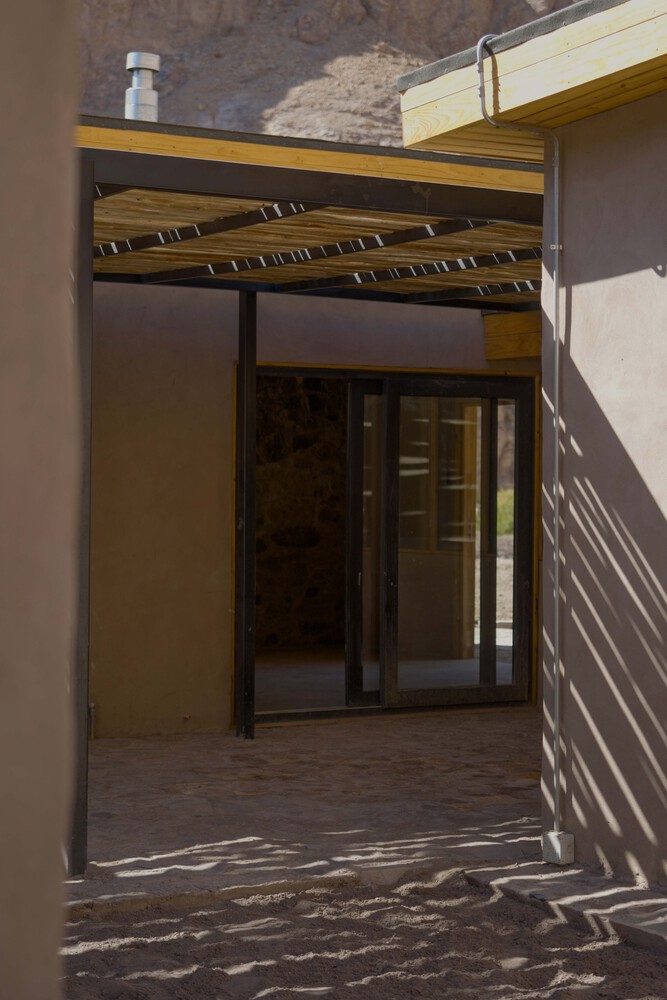
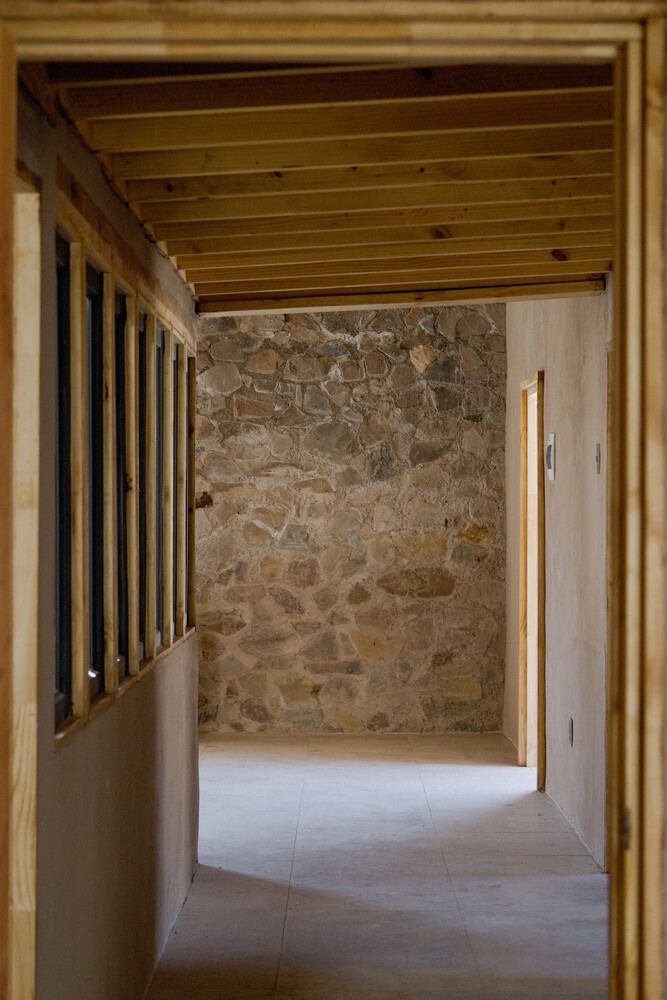
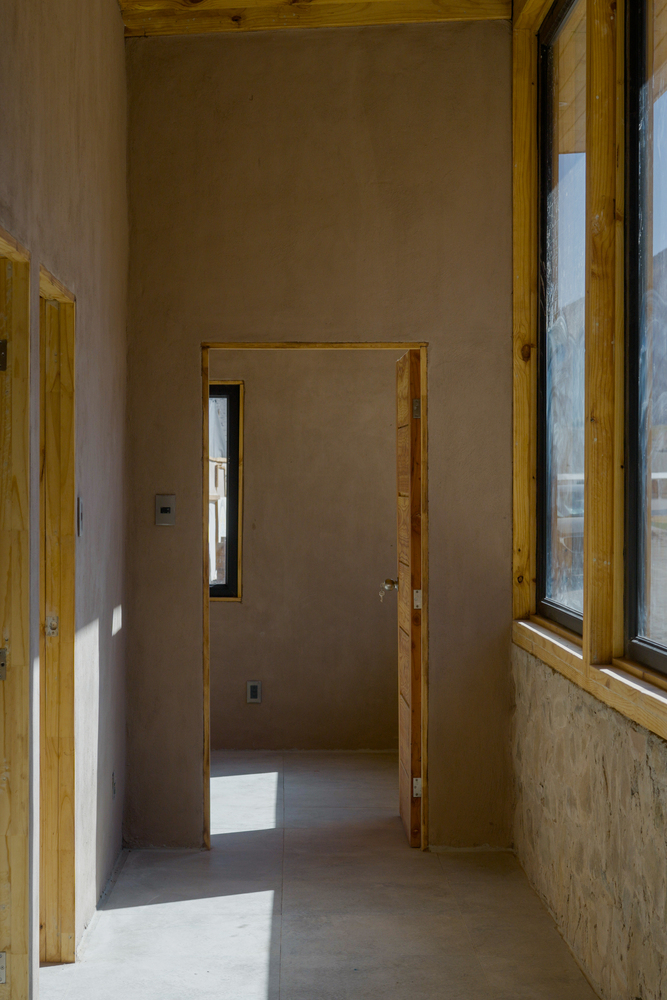
These solutions meet the climatic demands of high altitudes, ensuring adequate interior habitability standards while remaining connected to local knowledge.
The materialization is based on the use of resources available in the immediate environment —earth, stone, and plant fibers— under the principle of proximity architecture or "zero kilometer", which promotes construction efficiency, reduces environmental impact, and maintains coherence with the cultural landscape.
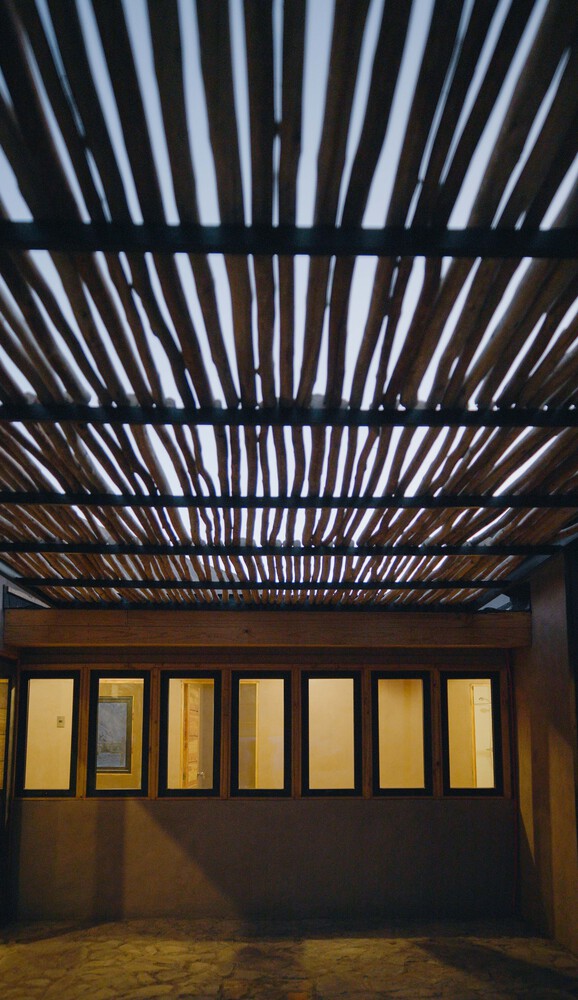
The project also incorporates a gray water recovery system for irrigation and energy supply through solar panels. In this way, the Research Center is configured as a pilot experience of self-sustaining community infrastructure, where design, technique, and tradition converge in an architecture rooted in the territory and projected toward the future development of the indigenous community in the Atacama region.