
Twin Pavilions
TWIN PAVILIONS
Atelier LuxNox, Found Projects
ARCHITECTS
Atelier LuxNox, Found Projects
LEAD ARCHITECTS
KAN Tianyu, ZHANG Miaojie
LOCAL DESIGN INSTITUTE
Zhejiang Huazhi Design Institute
ENGINEERING & CONSULTING > LIGHTING
Ela Lighting
COMPETITION ORGANIZER
Shanghai Onetenth Culture And Art Co., Ltd.
SPECIAL ACKNOWLEDGEMENT
Peinan Ren
DESIGN TEAM
Li Xinhao, Kan Tianyu, Chen Weilun (Atelier Luxnox), Zhang Miaojie, Veronica Smith (Found Projects)
CONSTRUCTION
Wang Xuegang
PHOTOGRAPHS
Dingzong Yu, Miaojie Zhang
AREA
310 m²
YEAR
2024
LOCATION
Ningbo, China
CATEGORY
Landscape Architecture, Pavilion
English description provided by the architects.
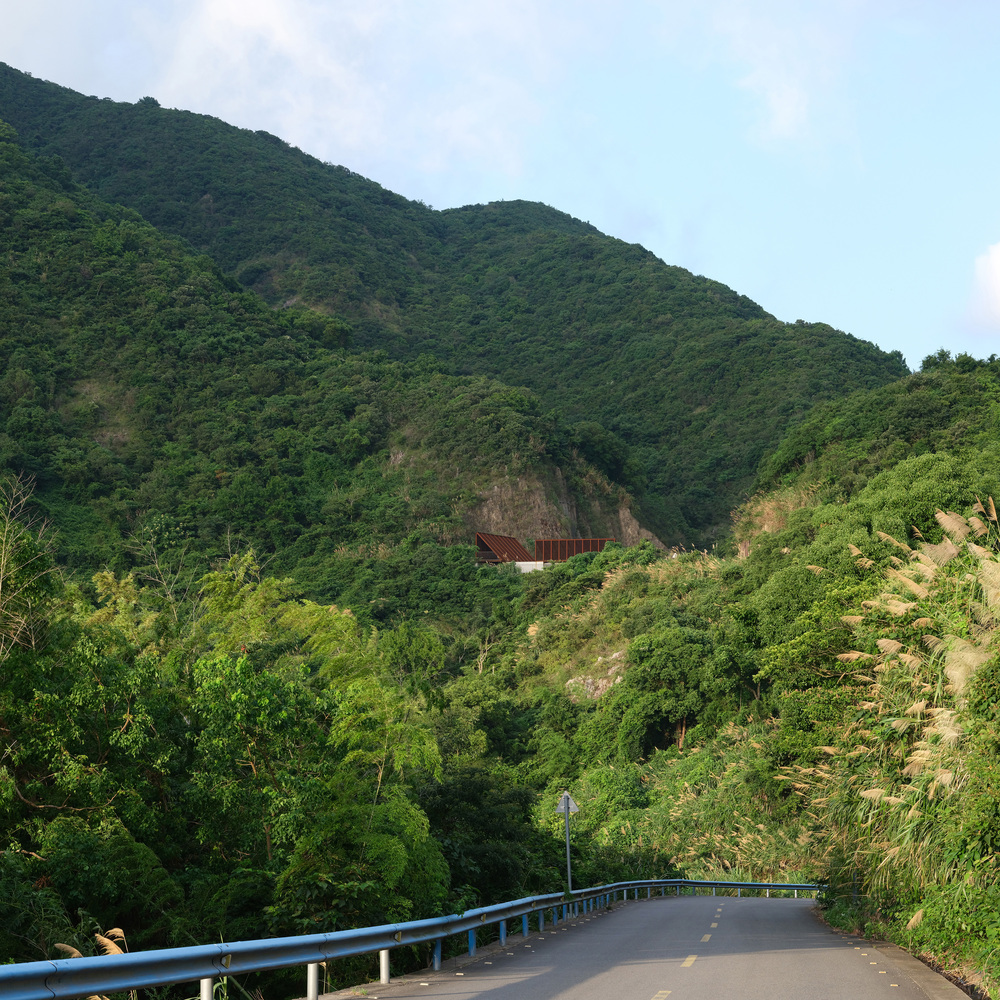
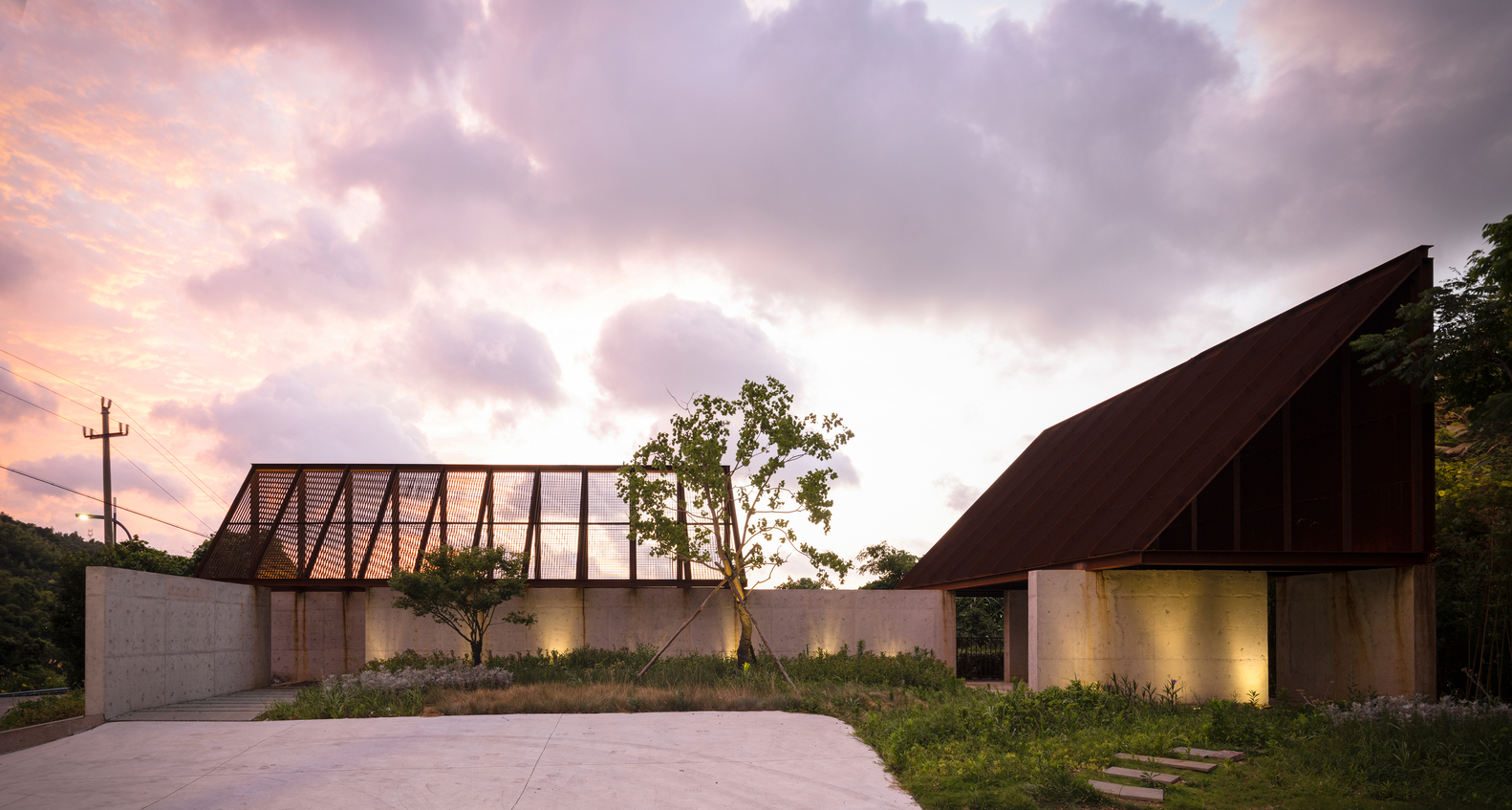
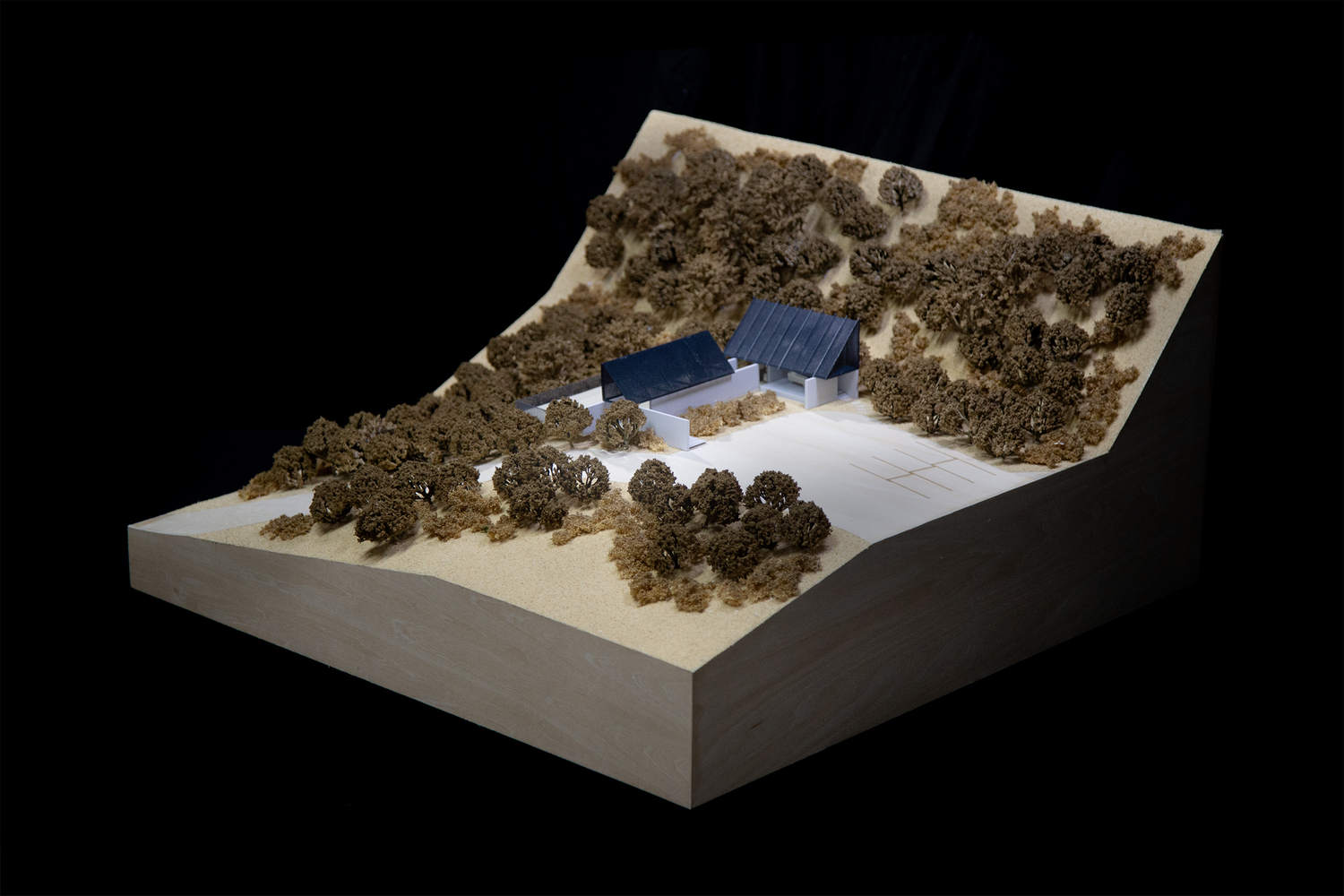
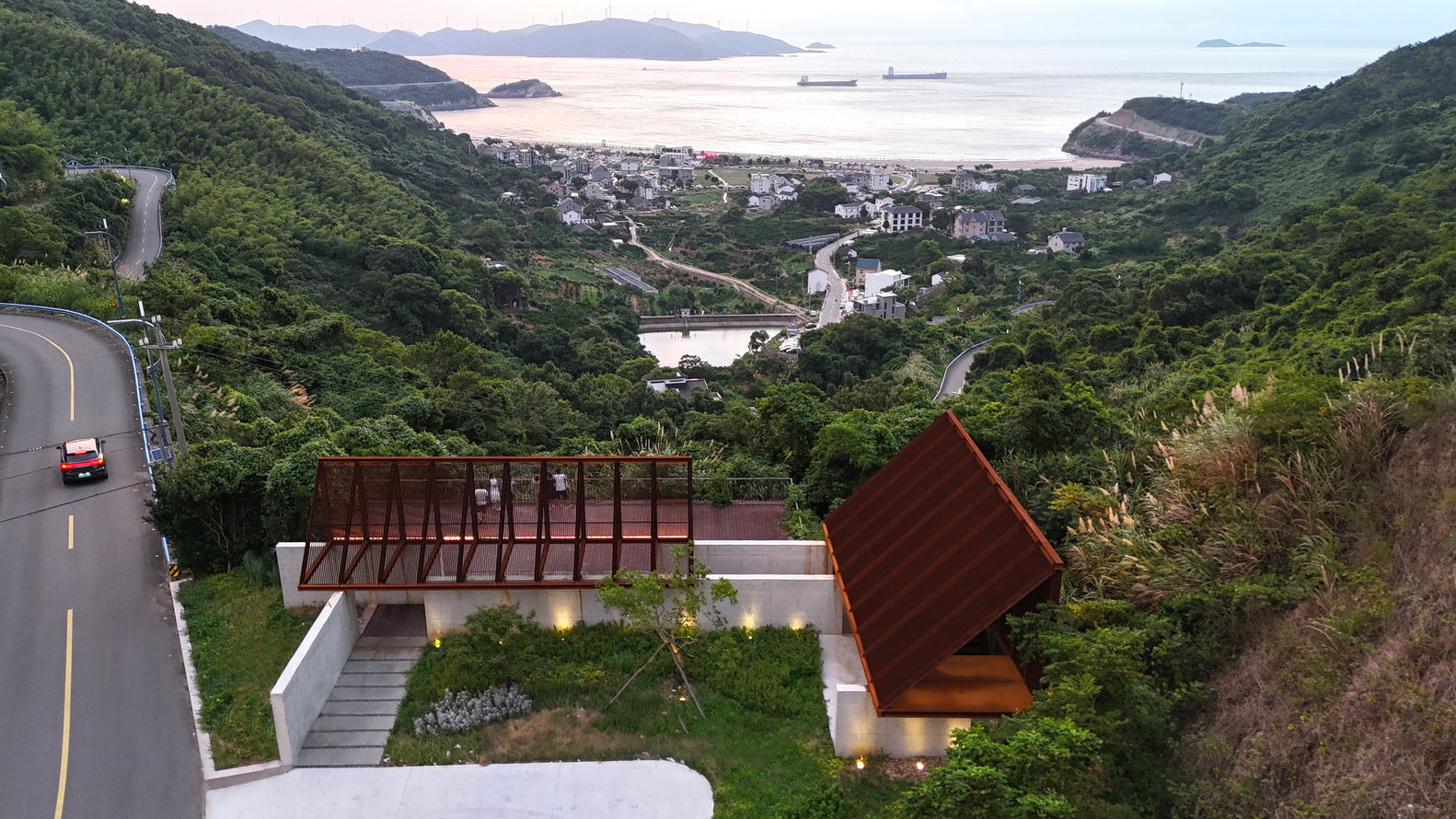
A pair of steel-structured pavilions located in a valley overlooking the ocean in Ningbo, Zhejiang, China.
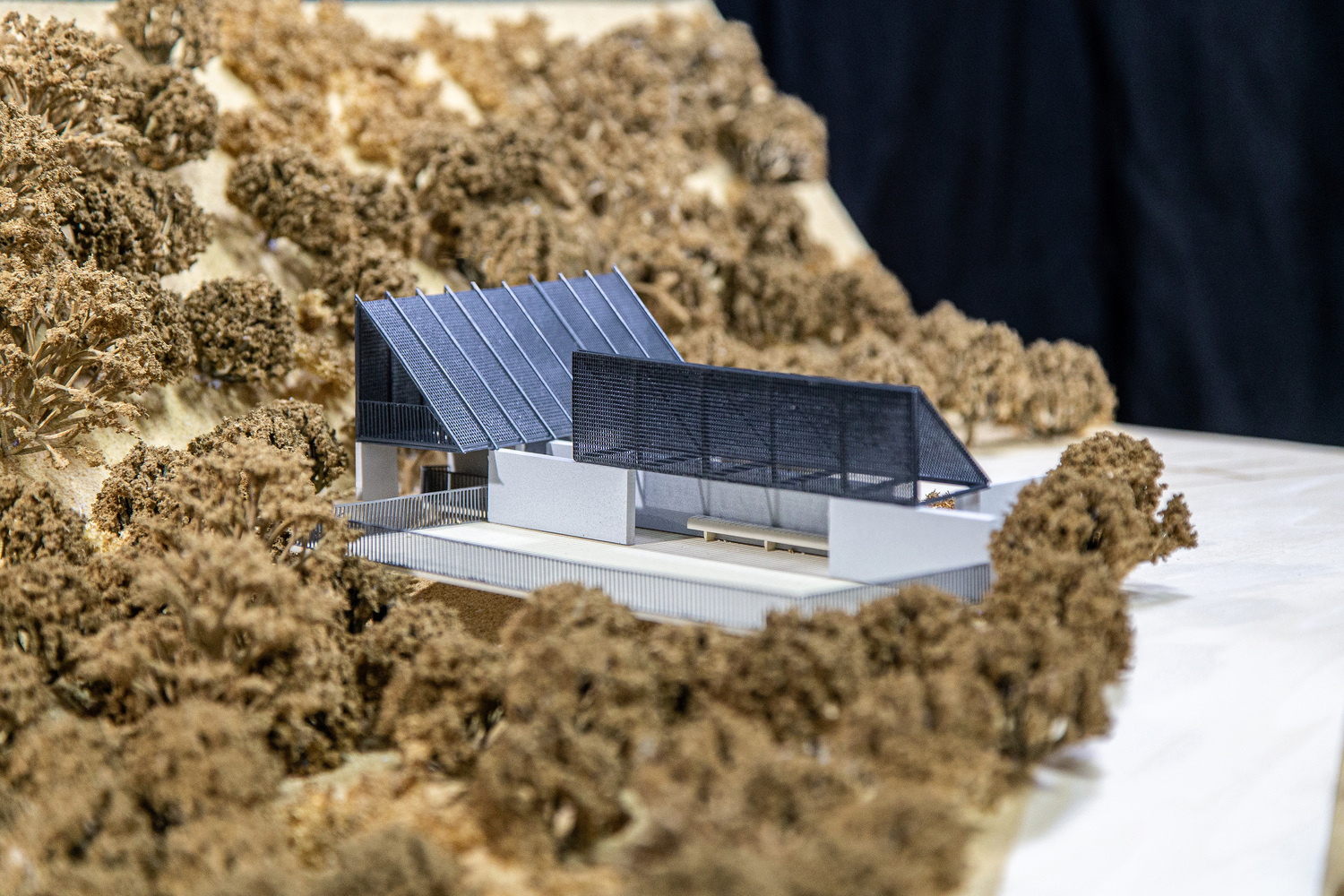
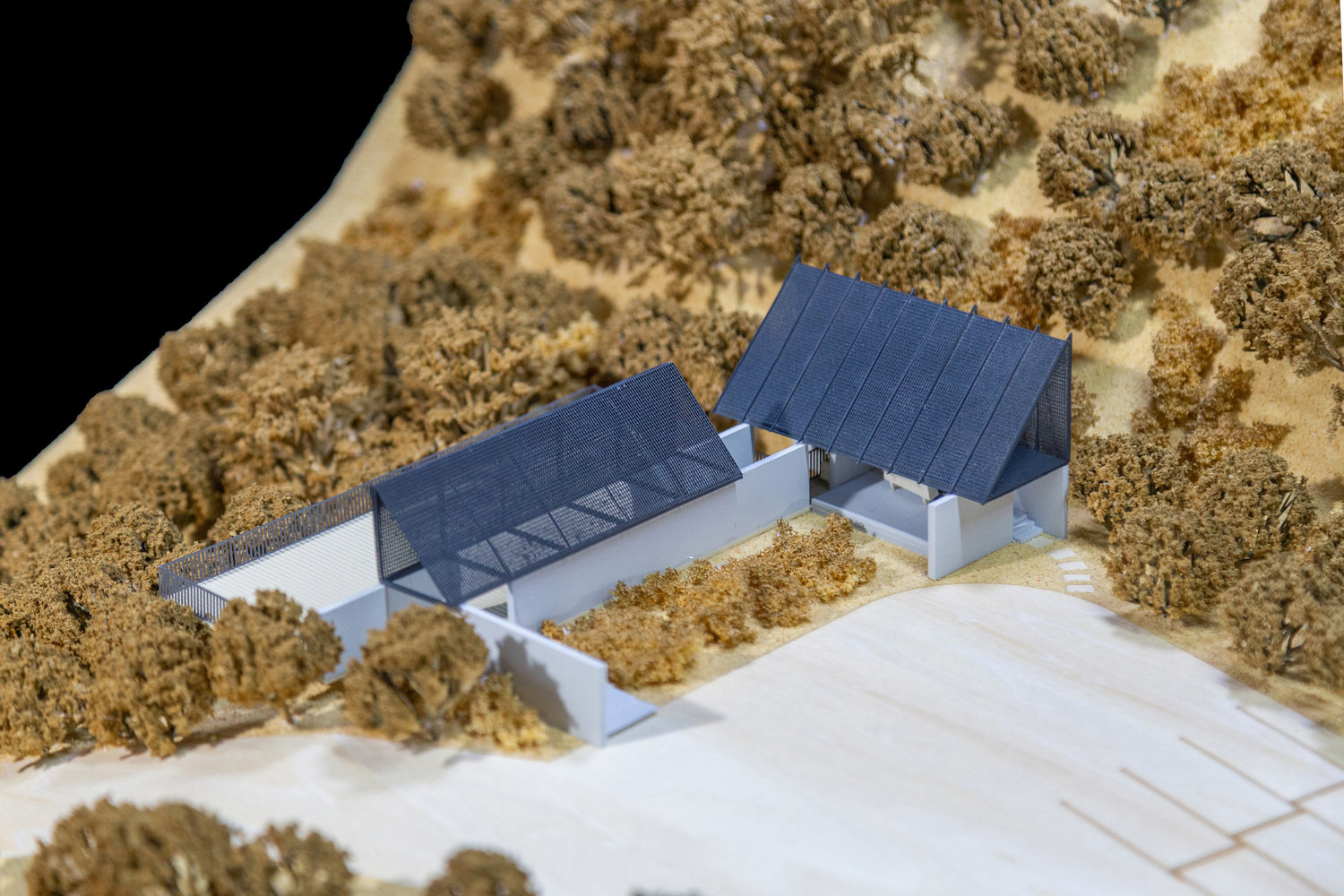
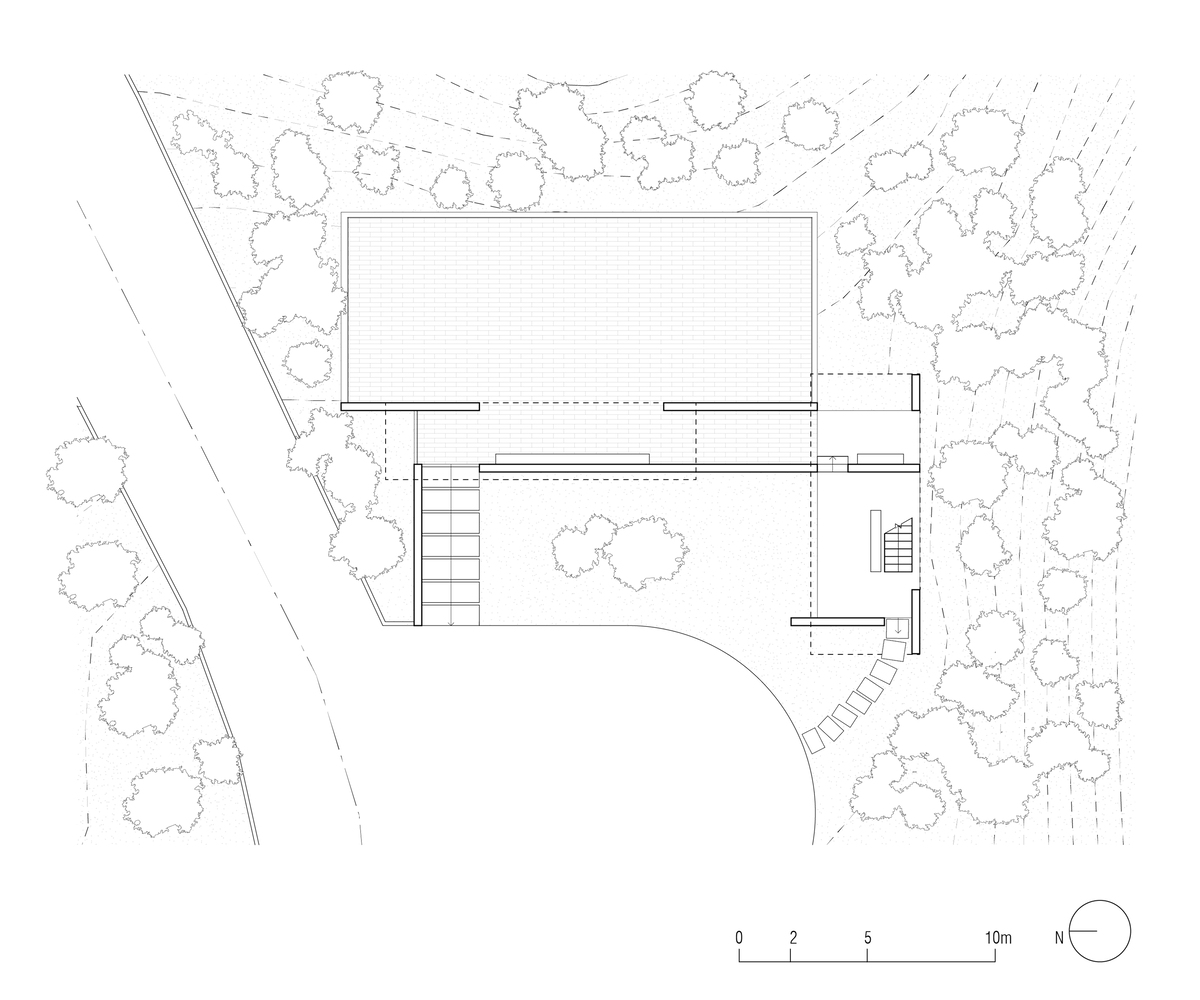
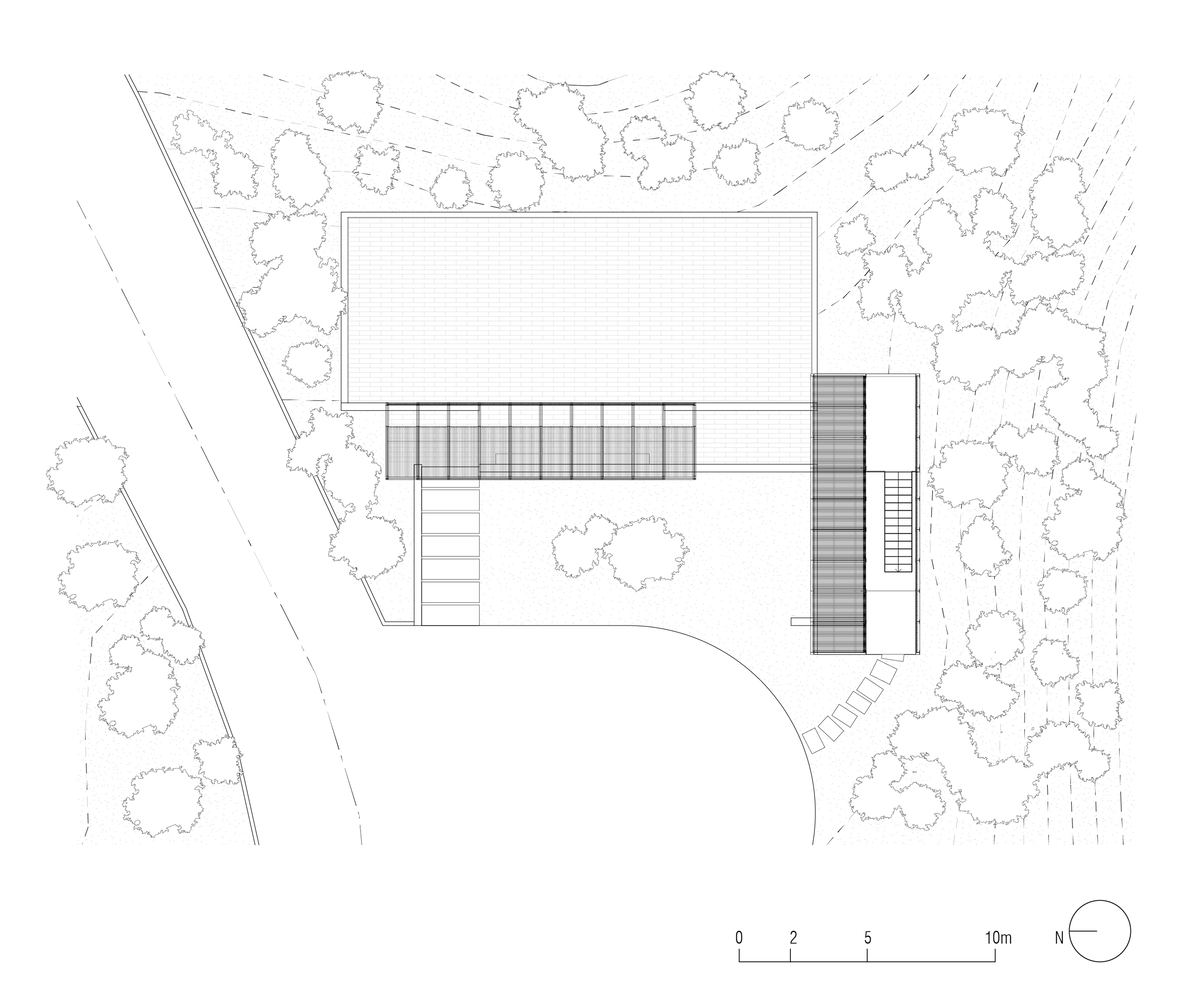
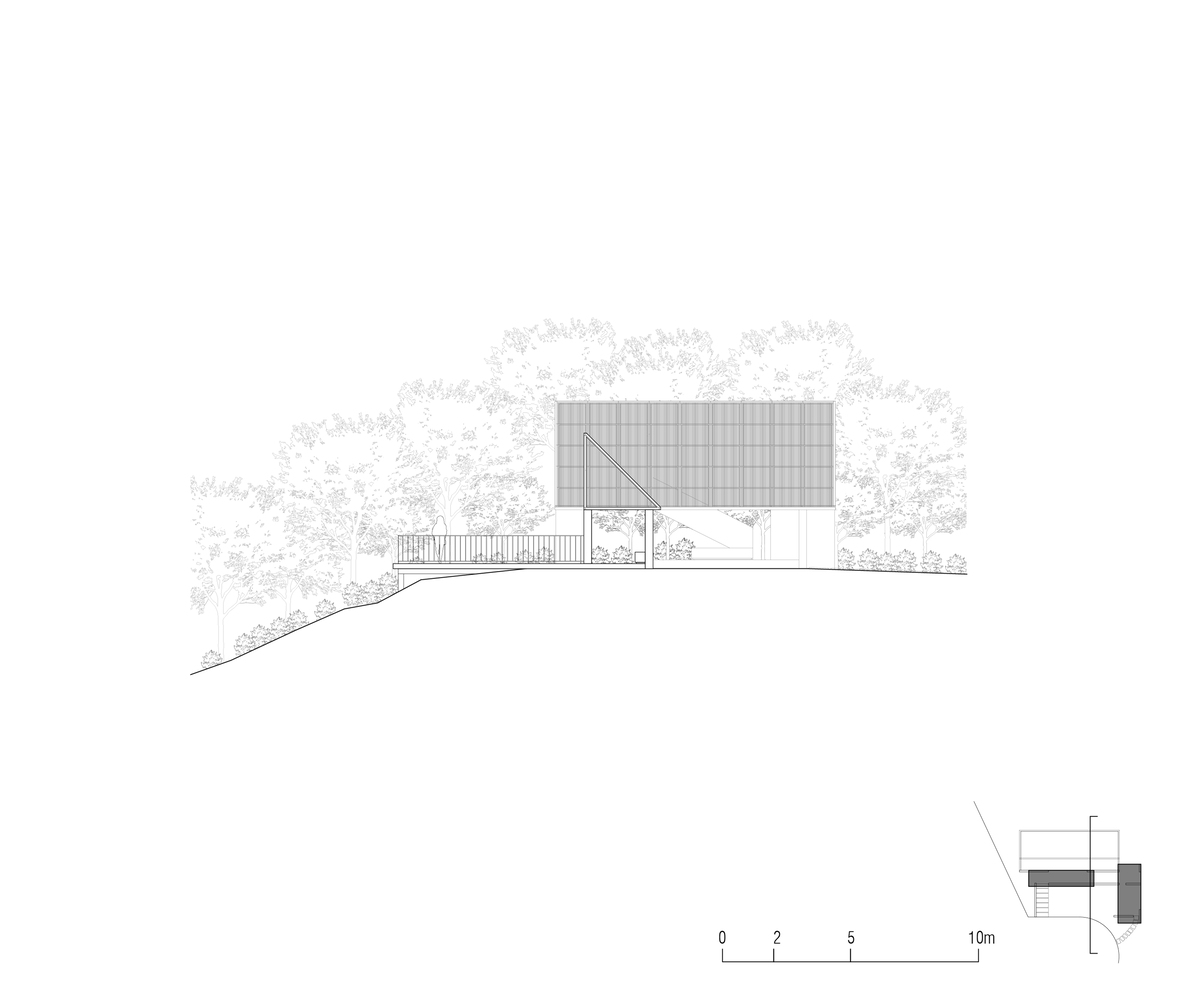
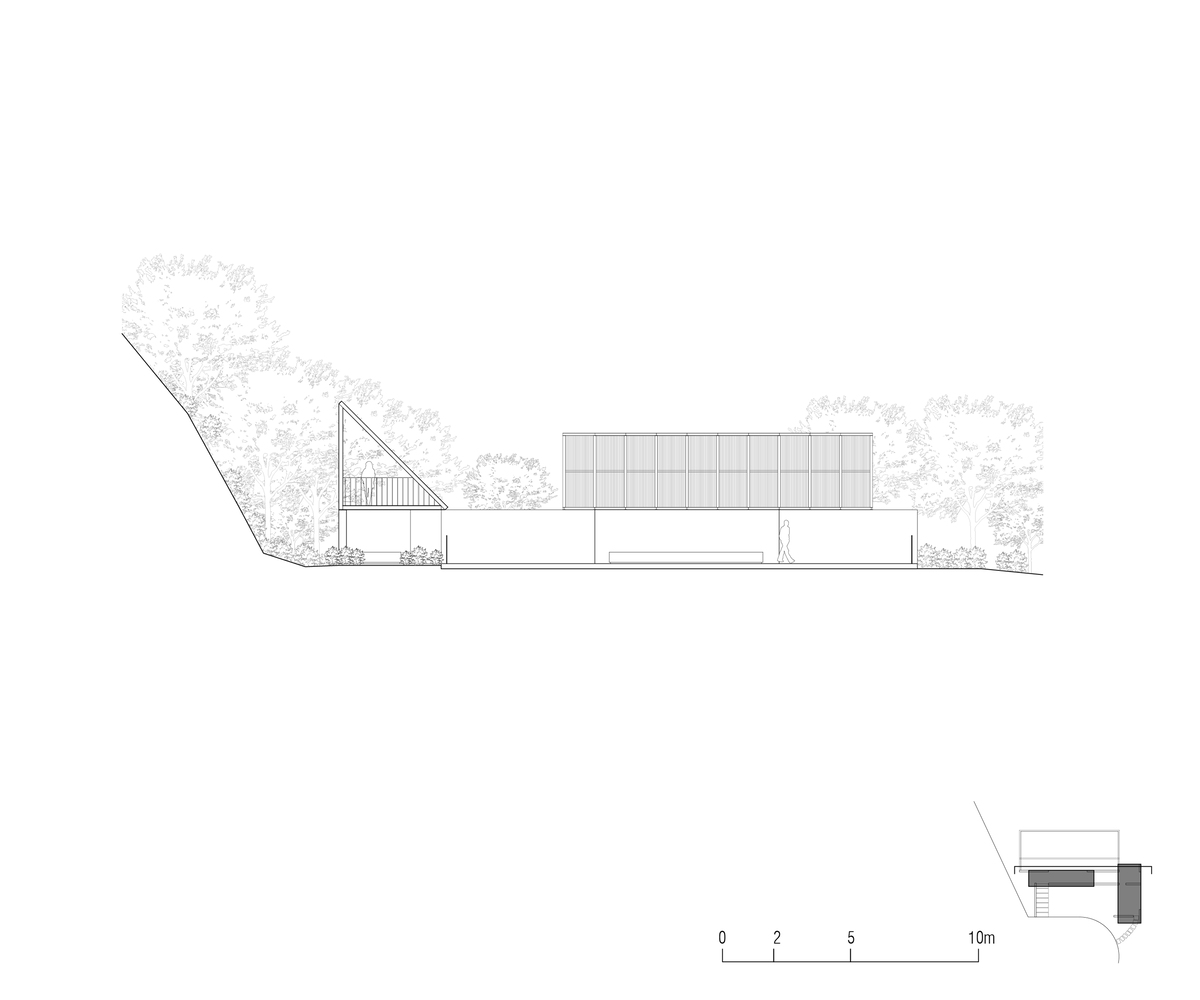
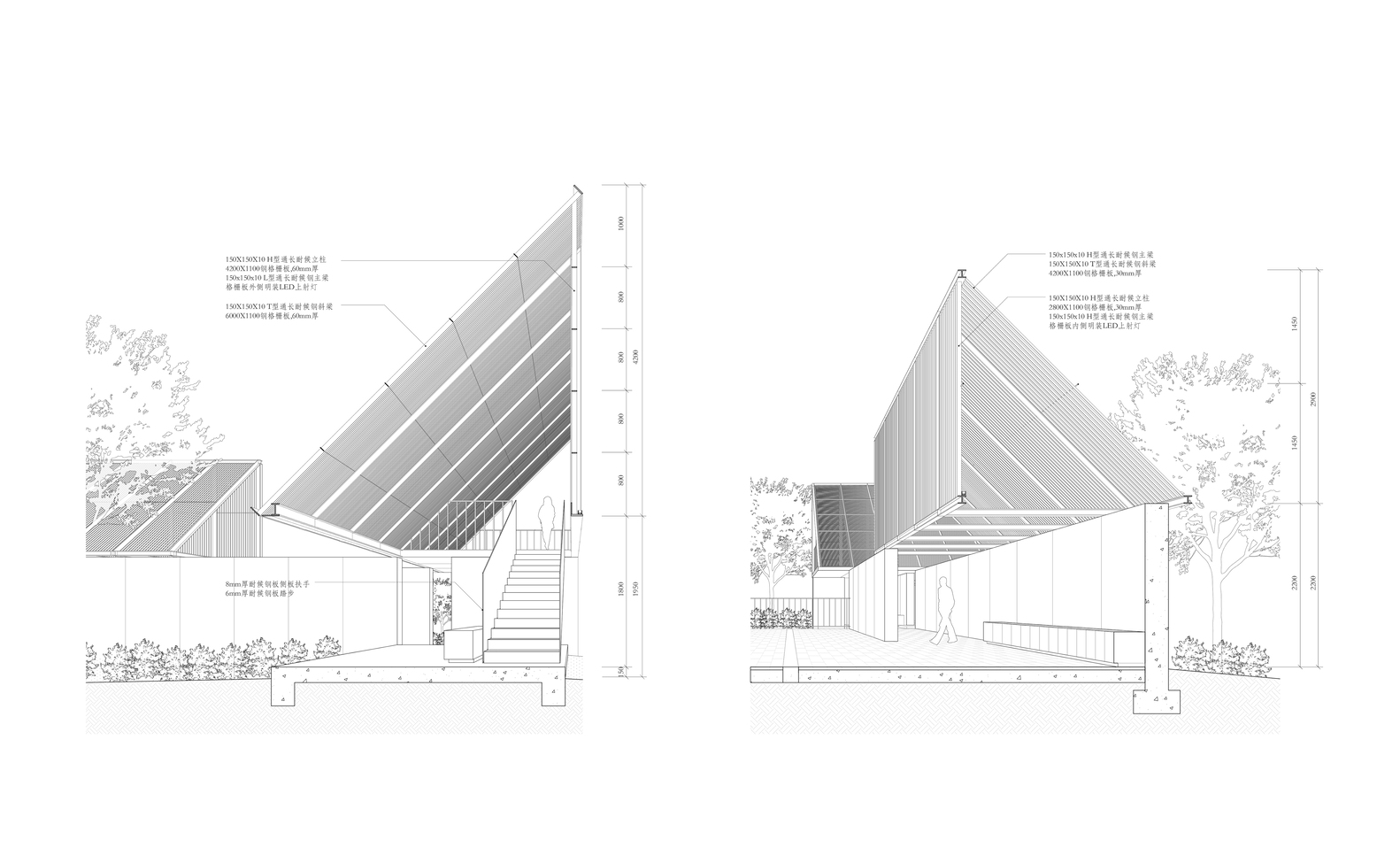
The brief called for the revitalization and expansion of an underutilized viewing deck. Responding to both programmatic needs and the existing typology, the design deconstructs the original gable-roof form into two distinct single-pitch volumes.
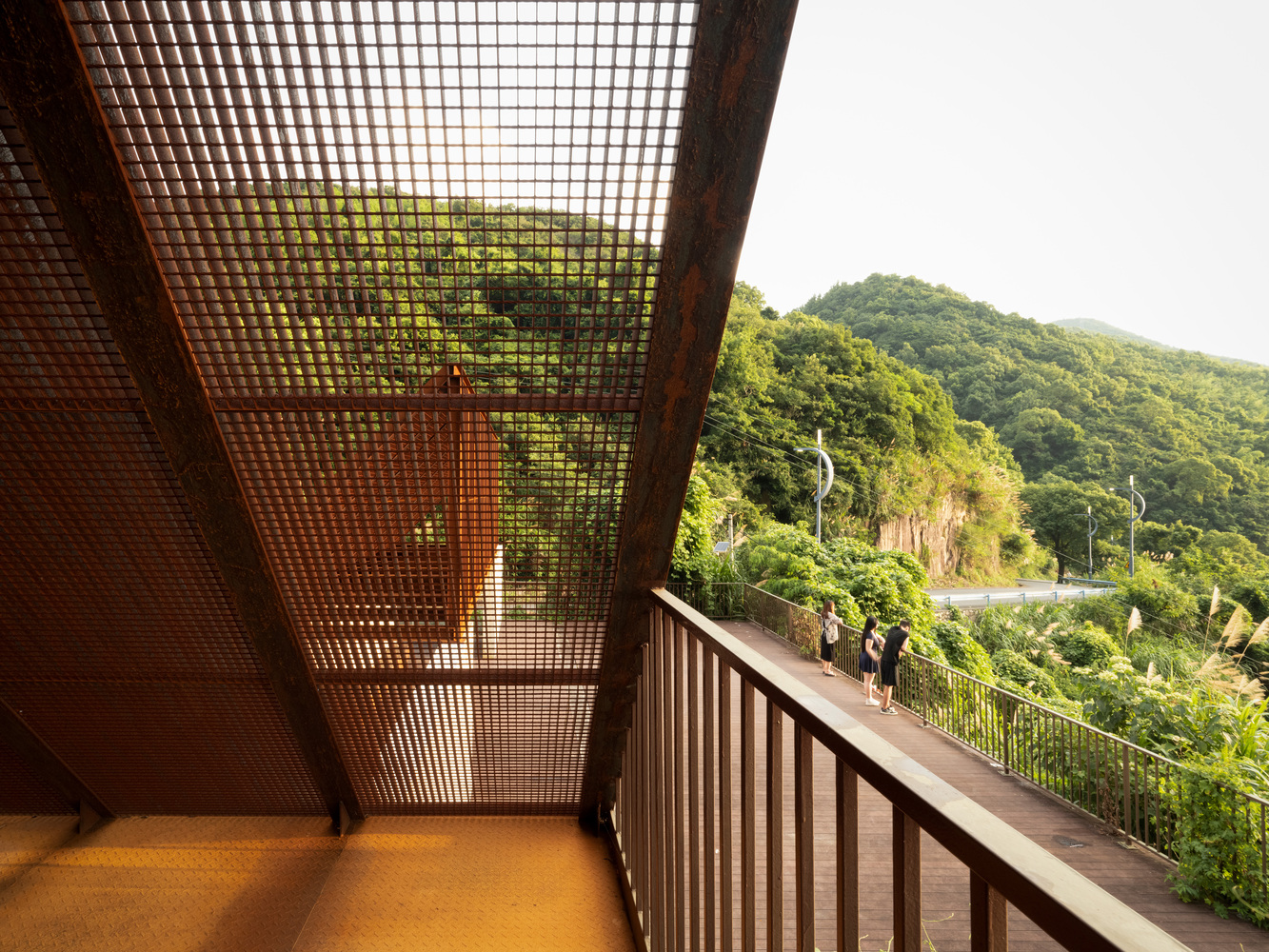
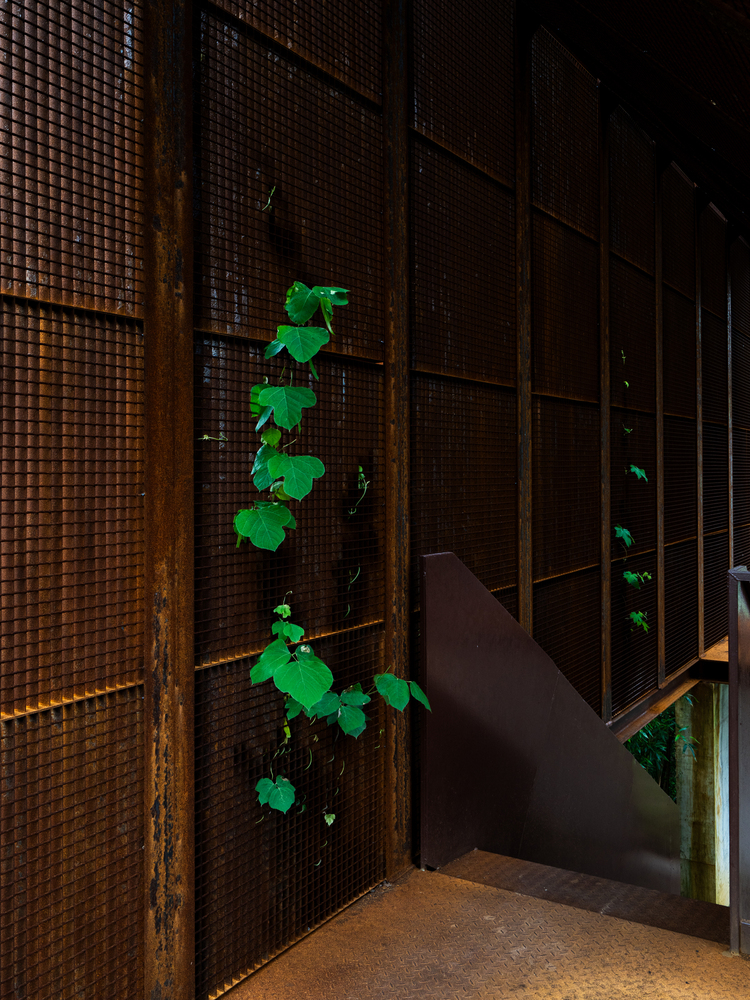
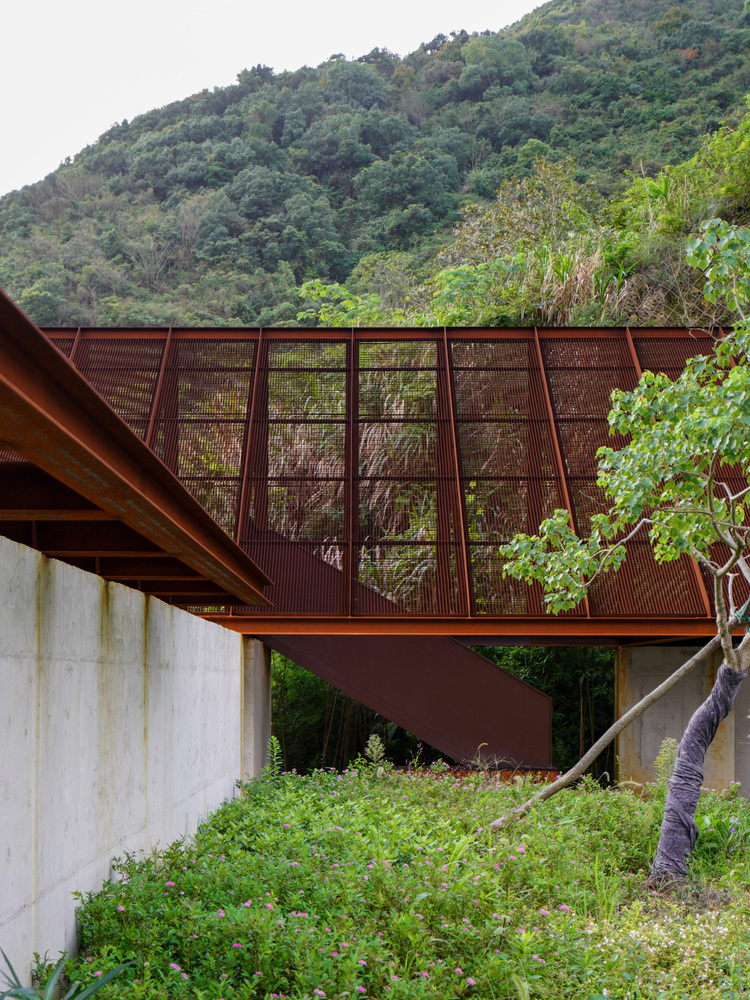
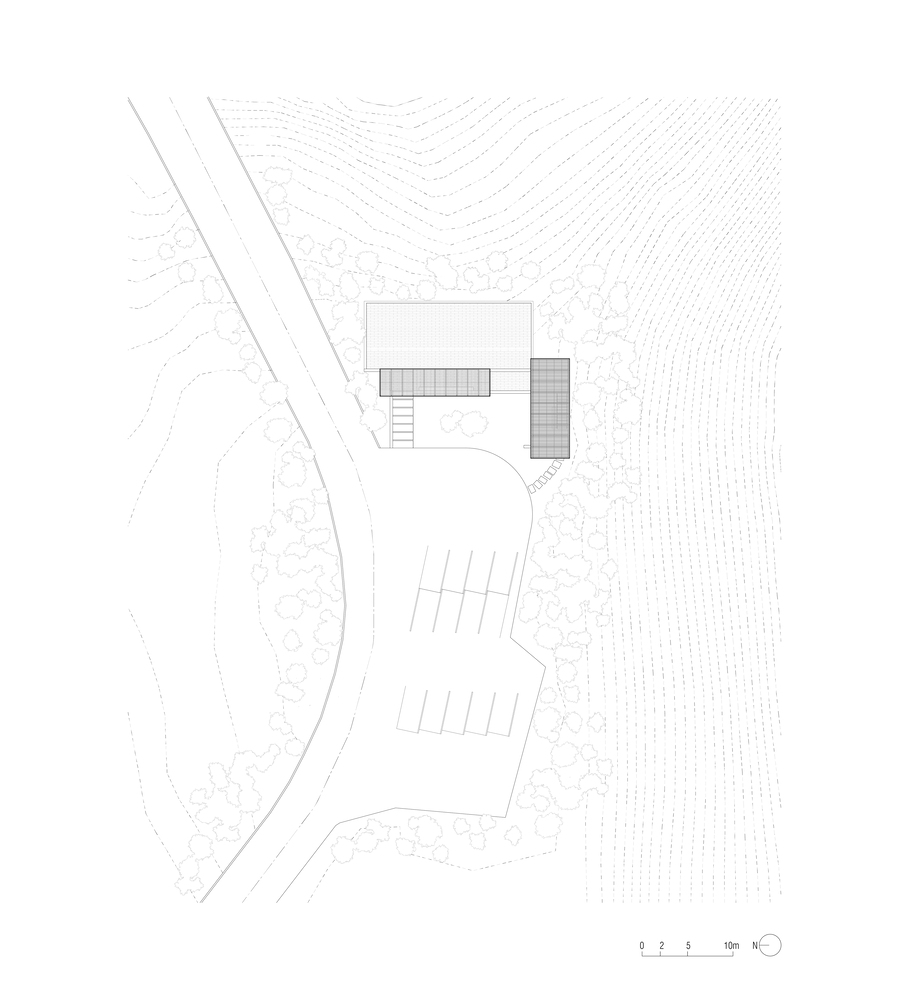
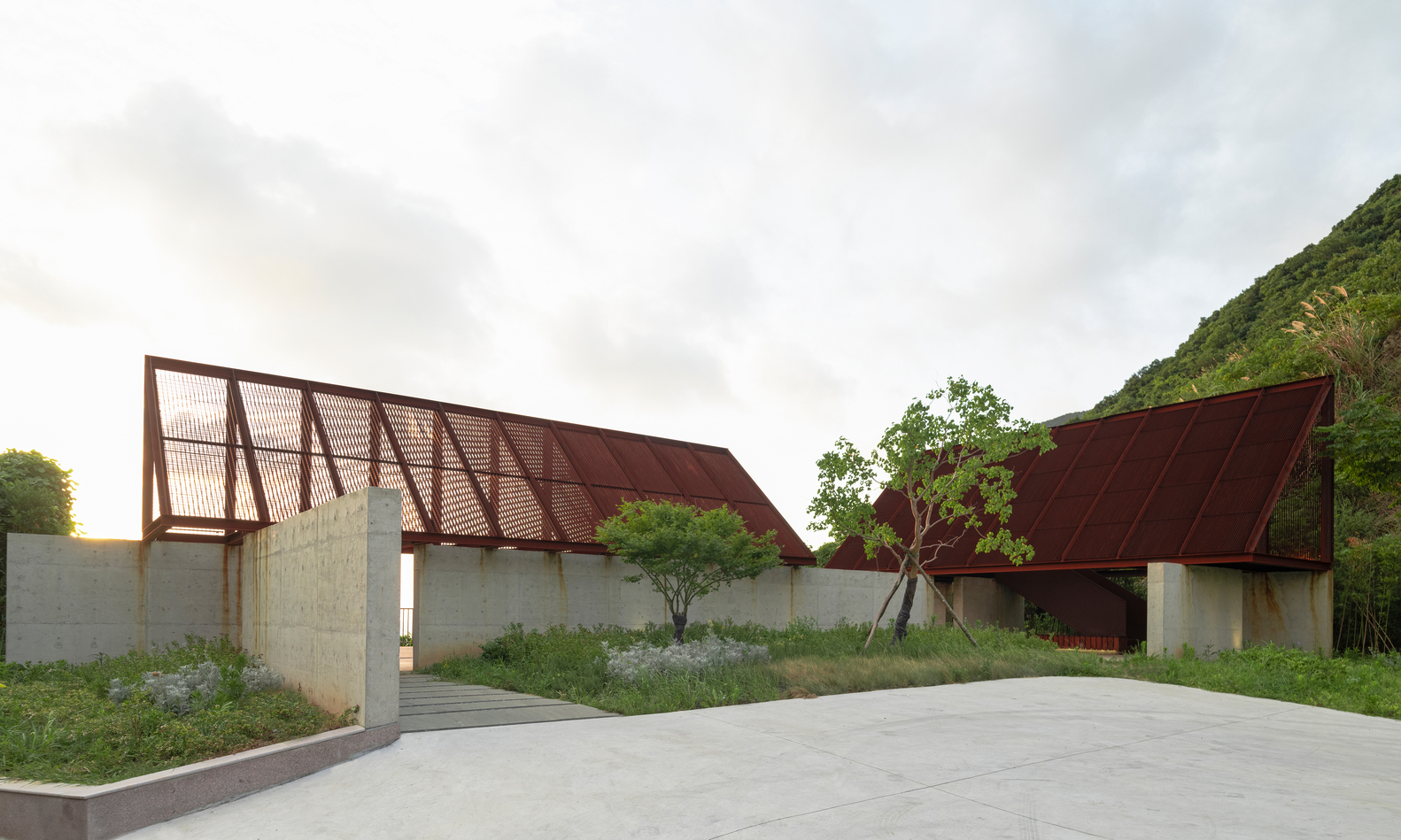
The two pavilions are arranged perpendicular to each other, with concrete walls underneath defining the circulation path and creating a semi-enclosed courtyard oriented towards the ocean.
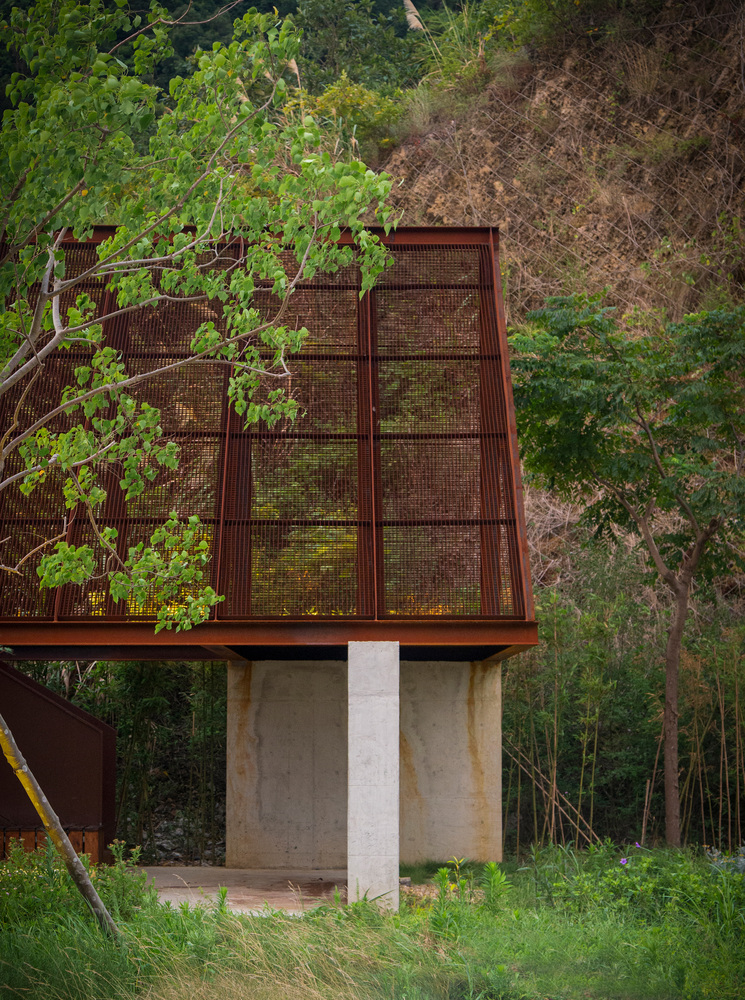
The two pavilions share a unified material palette and structural system, establishing a cohesive "twin" relationship while expressing unique architectural identities.
The pavilion by the mountain features a taller structure and a compact footprint, while the pavilion facing the sea runs parallel to the coastline with a lower profile and an elongated form.
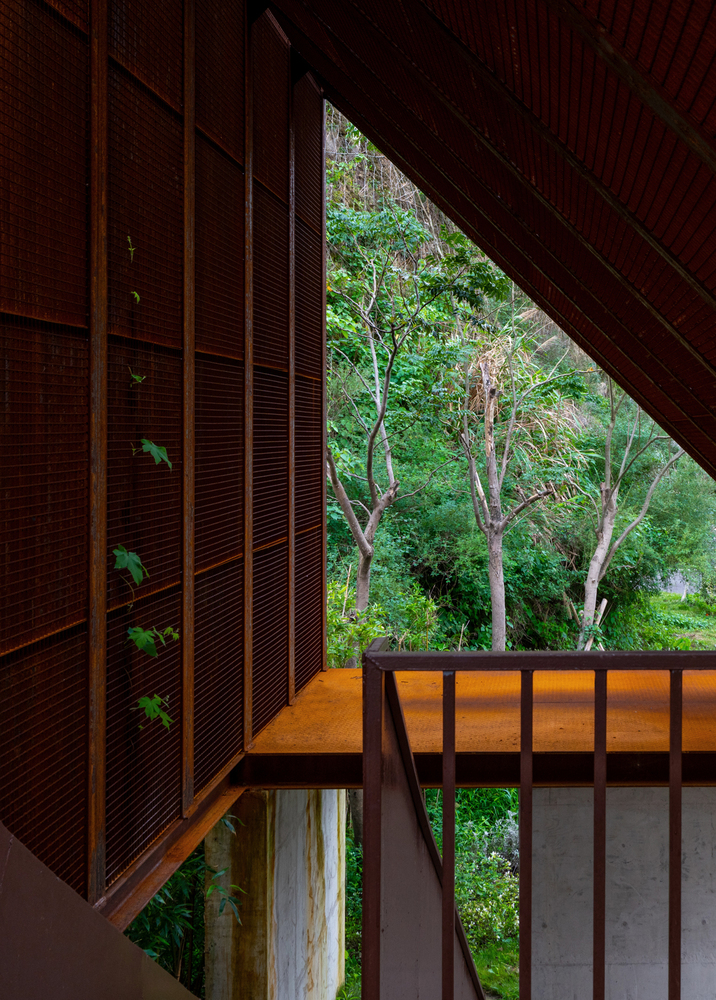
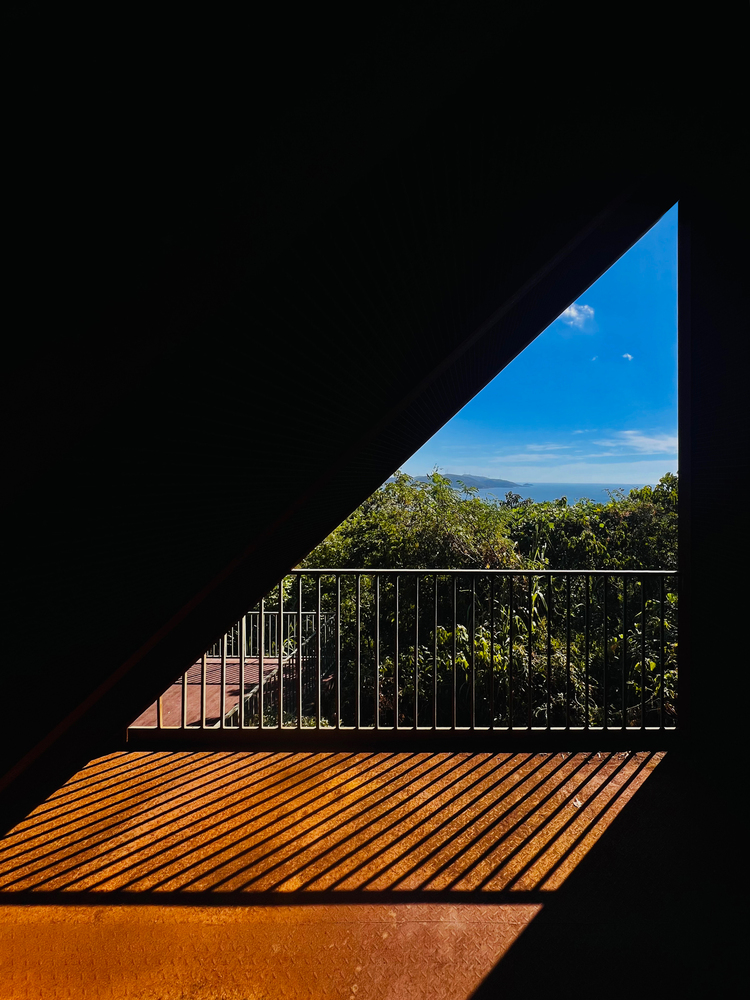
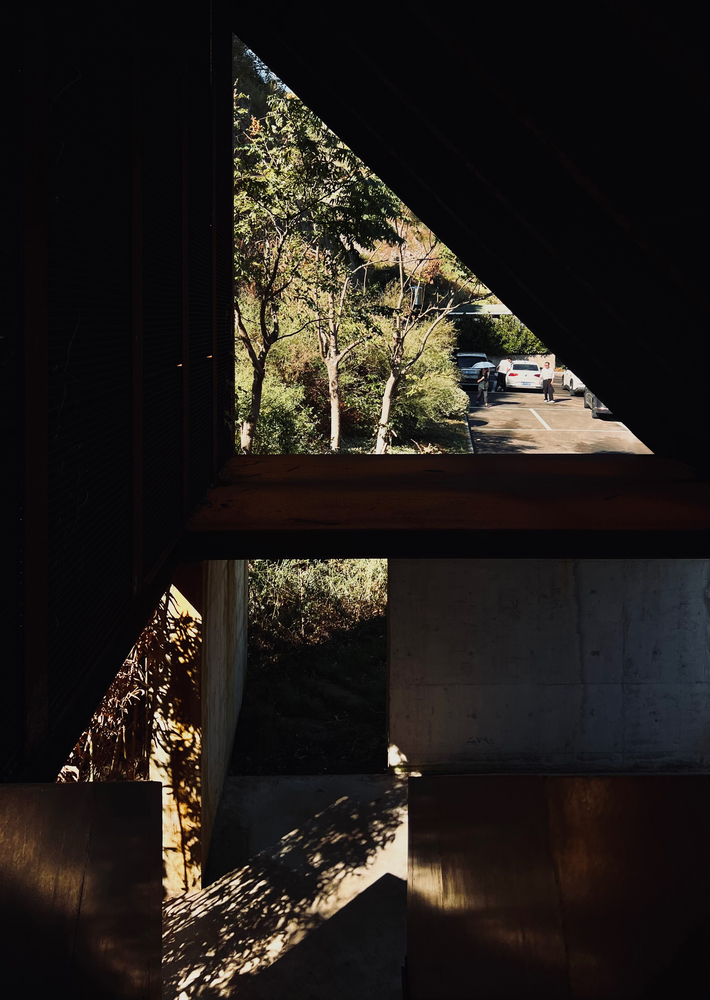
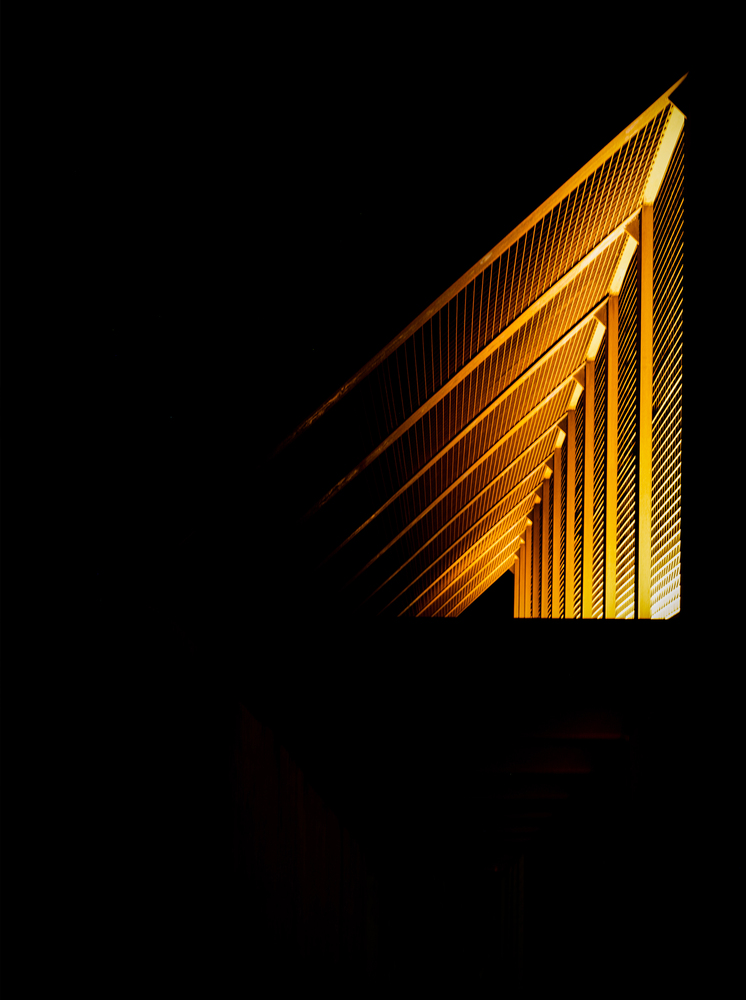
Both pavilions are clad in Corten grating with varied densities and thicknesses to evoke a sense of lightness or heaviness when lit by sunlight.
Seen from the foothill, the two structures create an asymmetrical yet balanced composition, reflecting the subtle and nuanced duality of ocean and mountain, light and heavy, transient and enduring, embedded in the site landscape.
Through contrasts of scale and proportion, the two pavilions choreograph a rhythm of movement, turns, and pause:
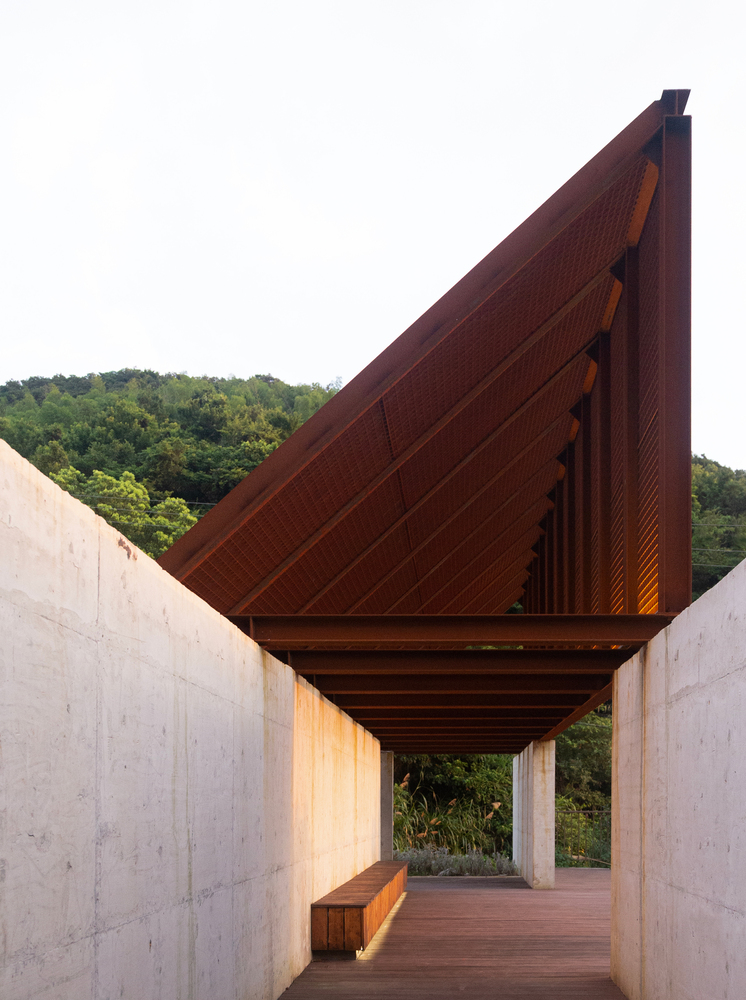
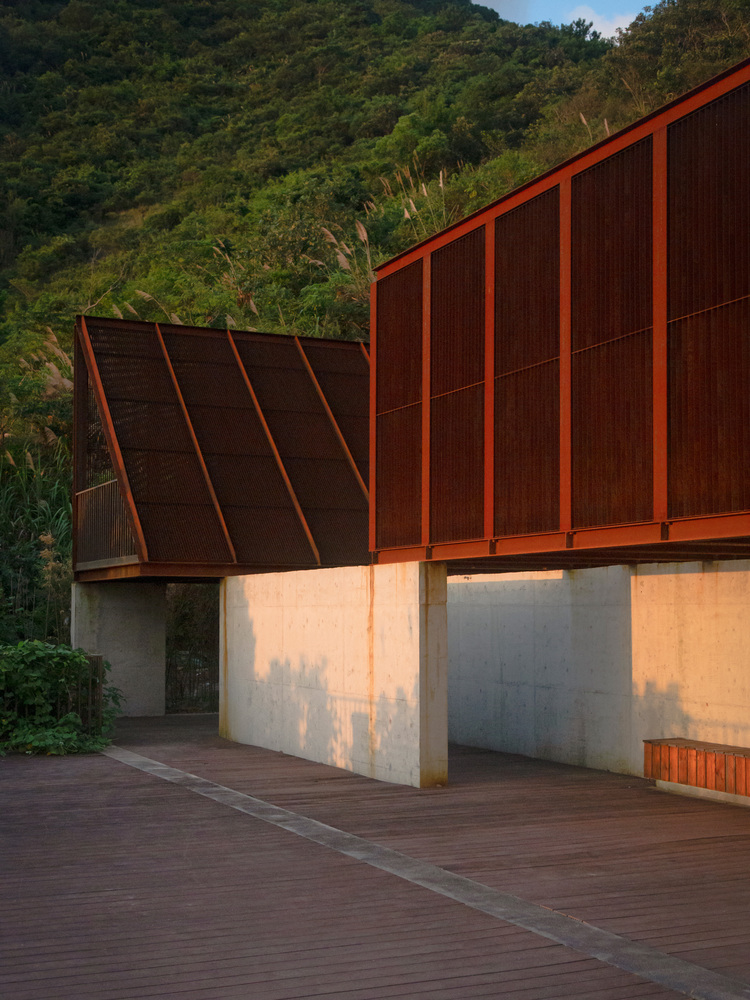
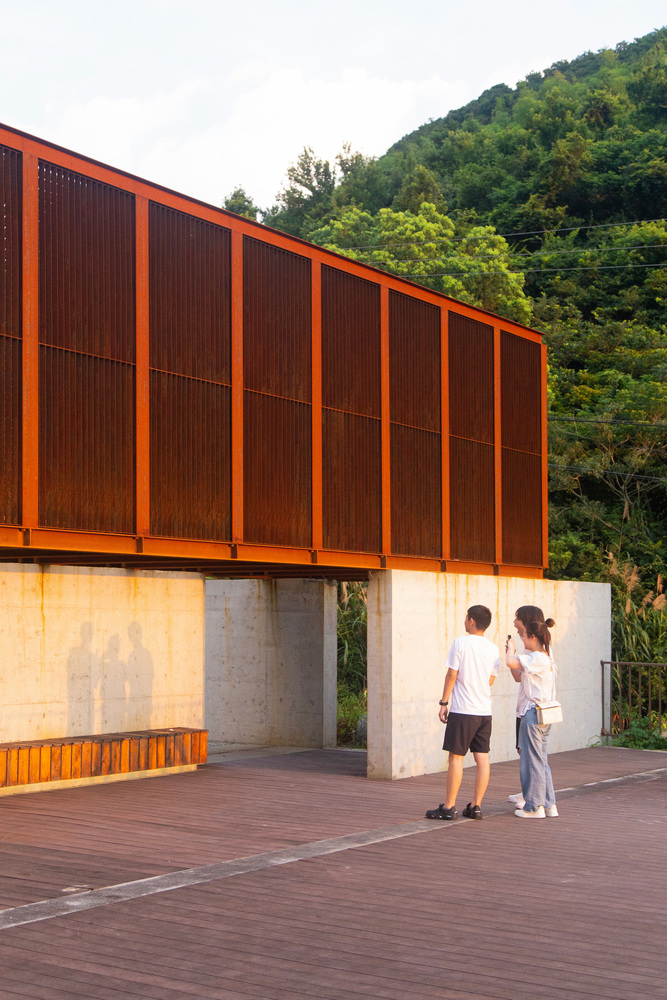
one guides an elevated, tunnel-like view of the sea framed through the treetops, while the other opens to an expansive outlook on the ground level.
Together, they make the act of looking out to sea a continuous, embodied spatial experience.