CASA BRANCA
Nebr Arquitetura
ARCHITECTS
Nebr Arquitetura
ARCHITECT
Edson Muniz
PROJECT TEAM
Rita De Cássia
INTERIOR DESIGN
Nebr Arquitetura
ENGINEERING
José Ferreira
LANDSCAPE ARCHITECTURE
Milena Laís
CONSTRUCTION
Edivaldo Cabeludo
MANUFACTURERS
Alcoa, Celite, Lanxess Bayferrox, Leão Metais, Norvidro, Seves Glass Block, Tigre, Tintas Coral
CONSTRUCTION MANAGEMENT AND COORDINATION
Nebr Arquitetura
AREA
150 m²
YEAR
2026
LOCATION
Paudalho, Brazil
CATEGORY
Residential Architecture, Houses
English description provided by the architects.
Nestled between the sea and the hinterland, Pernambuco’s Zona da Mata region is characterized by a humid tropical climate and the dense vegetation of the Atlantic Forest.
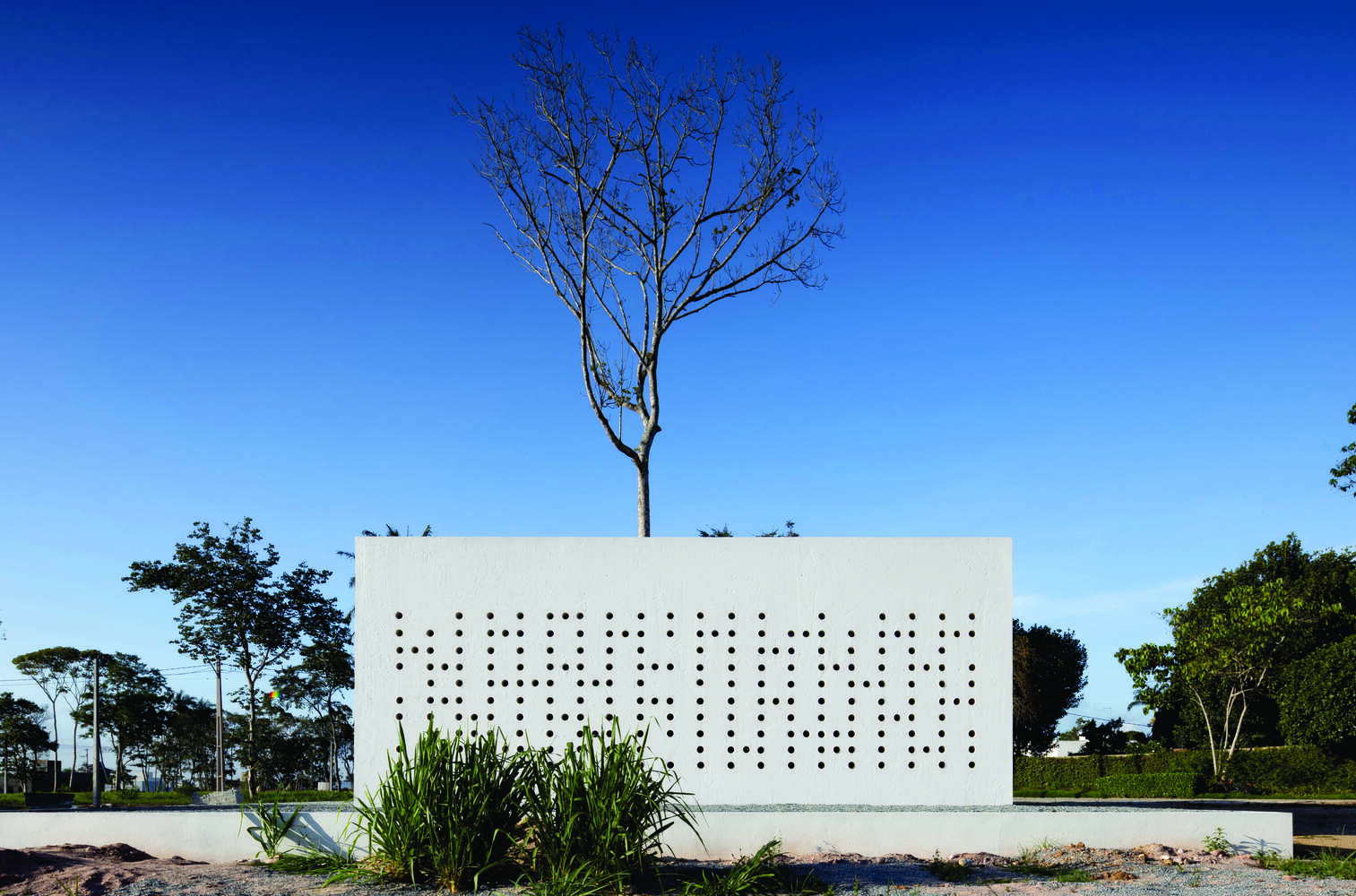
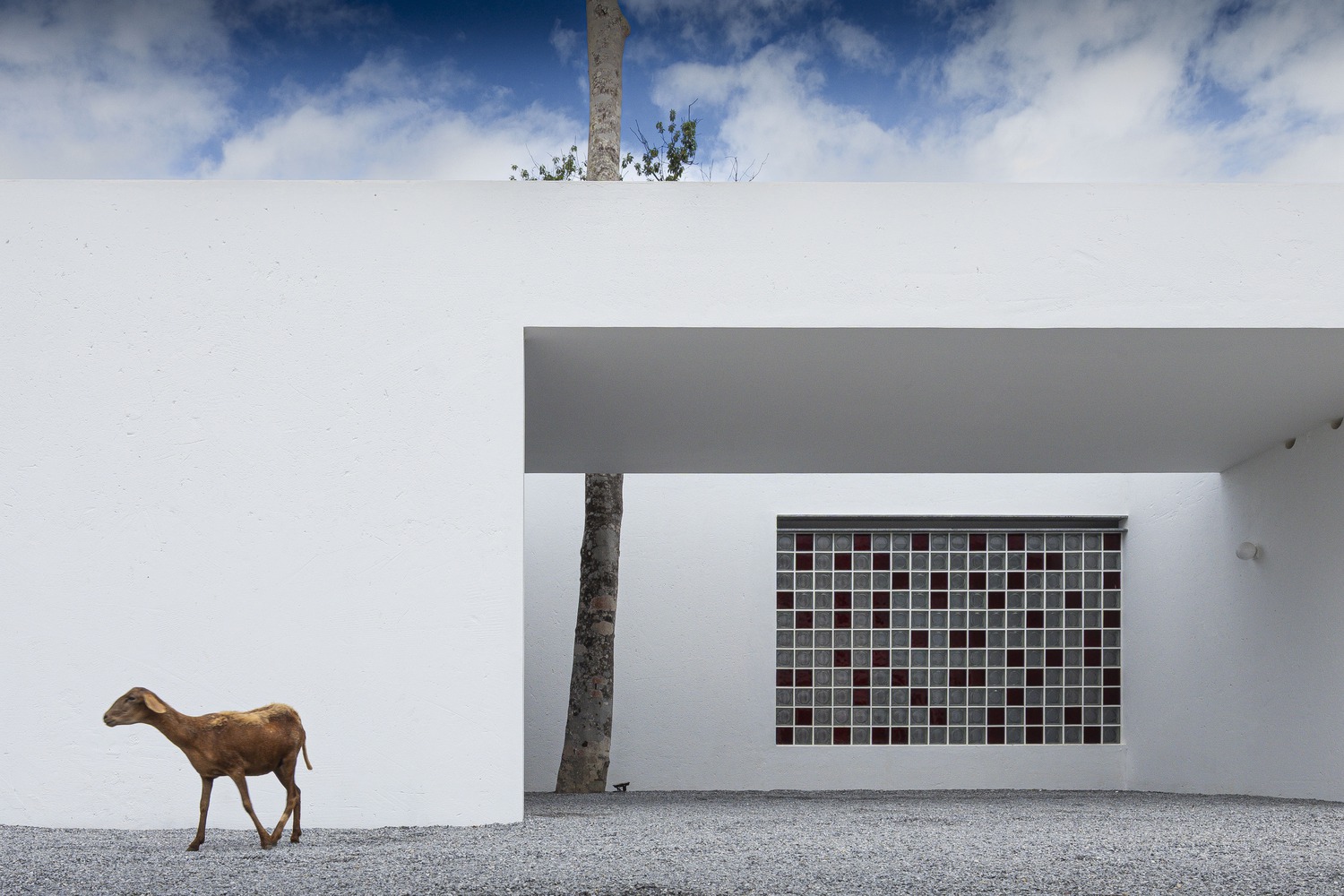
Built upon this fertile soil, the architecture emerges from a poetic contrast, rejecting formulas and asserting that the Northeast reveals new nuances—without boundaries, limits, or constraints.
This linguistic diversity resonates with inventiveness and respect for tradition, a dialectic that defies predictability but establishes new paradigms.
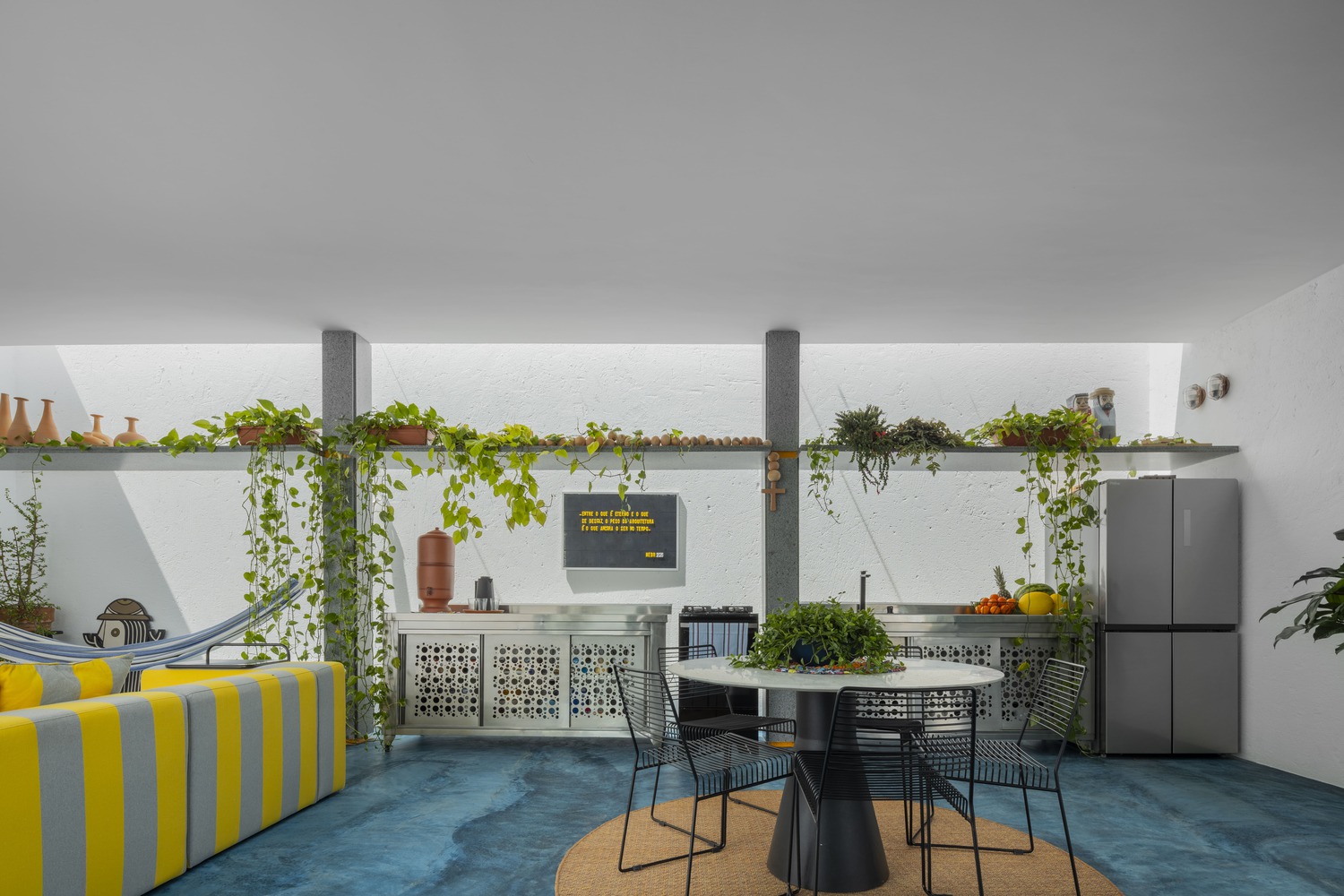
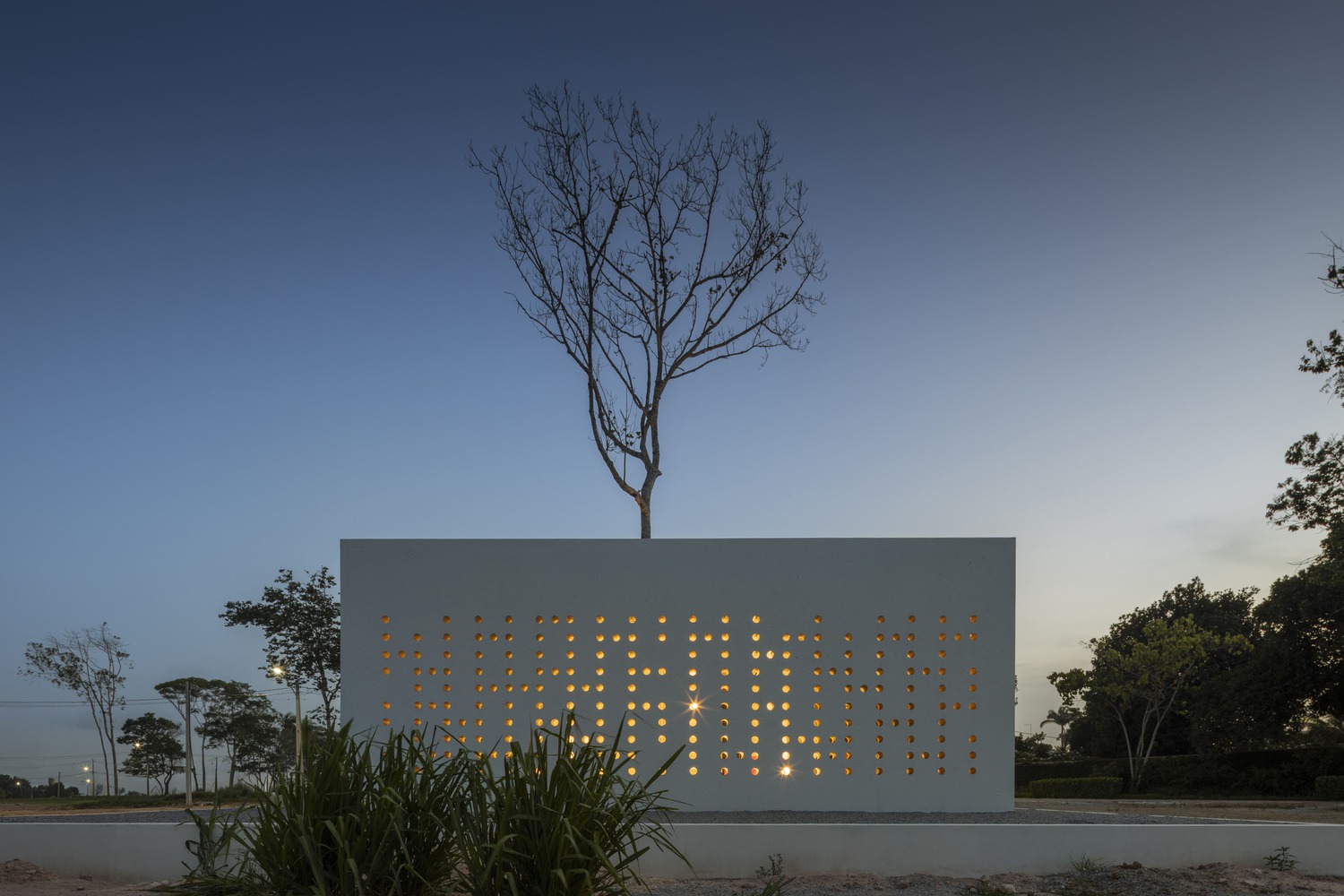
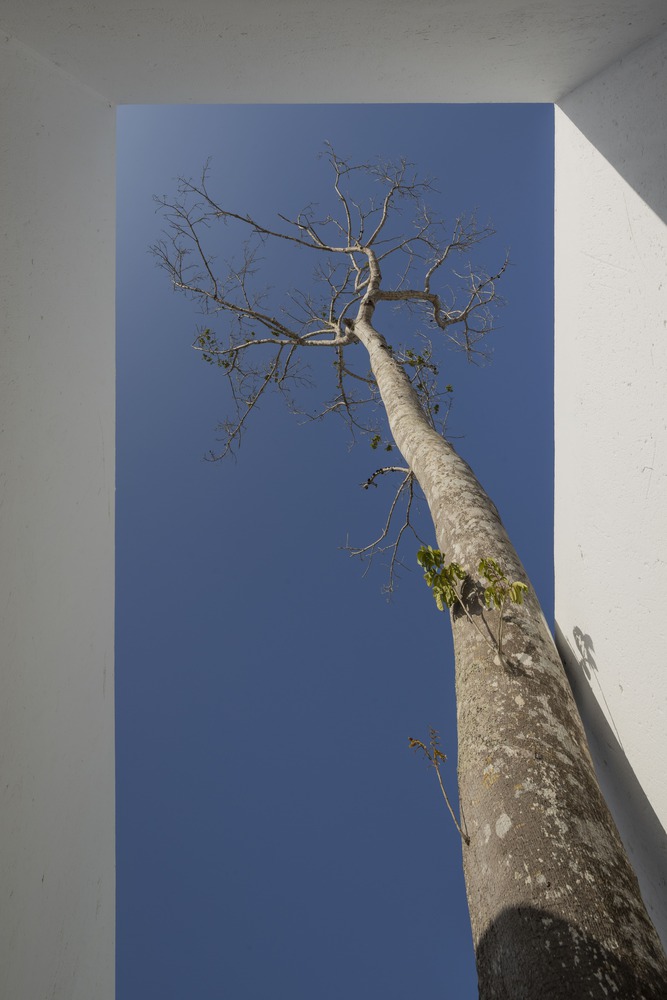
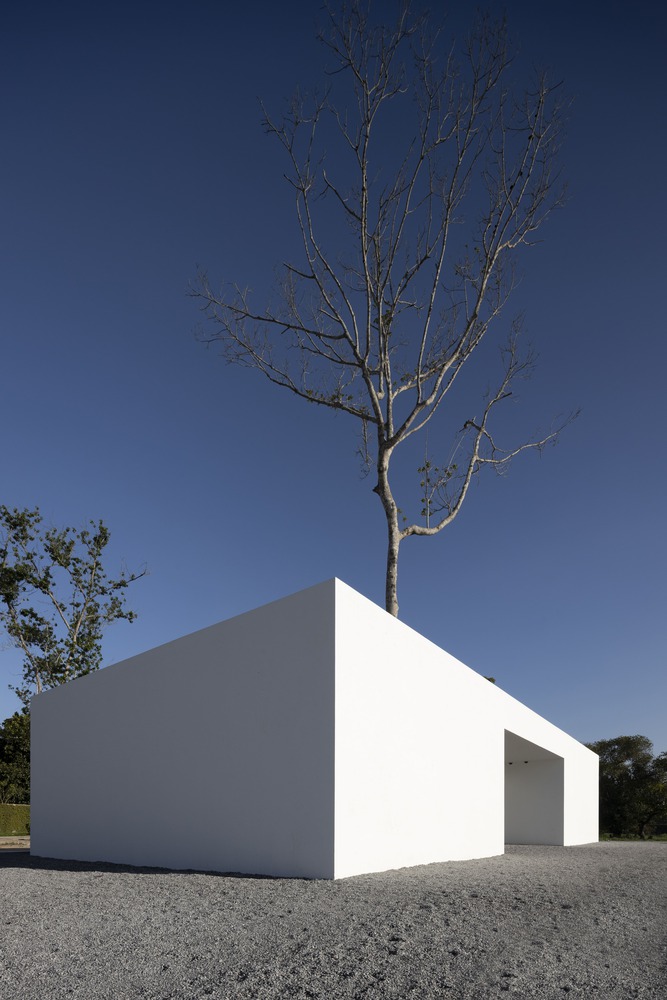
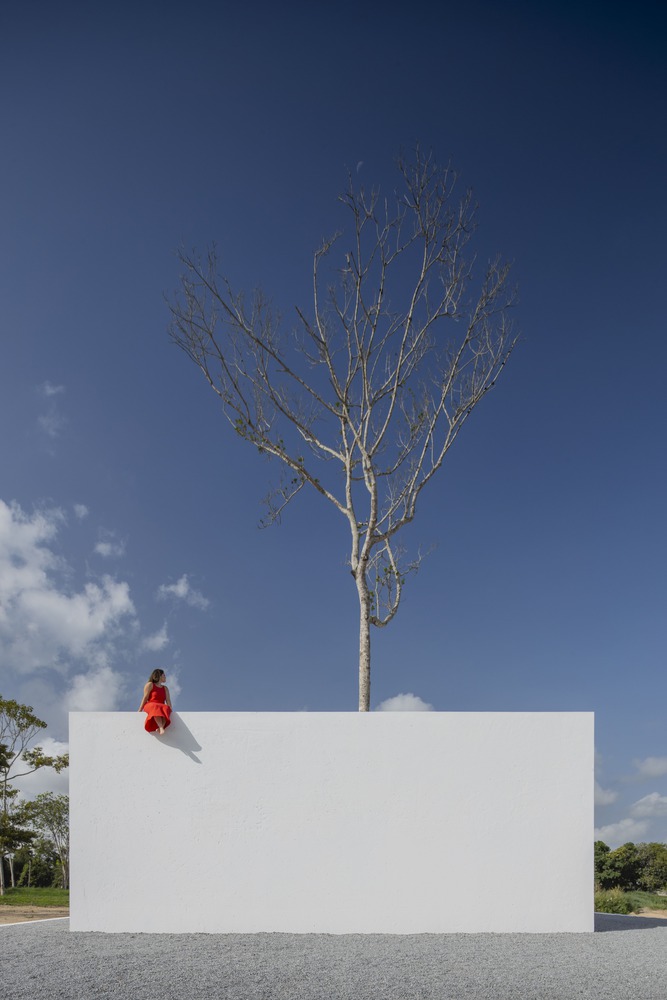
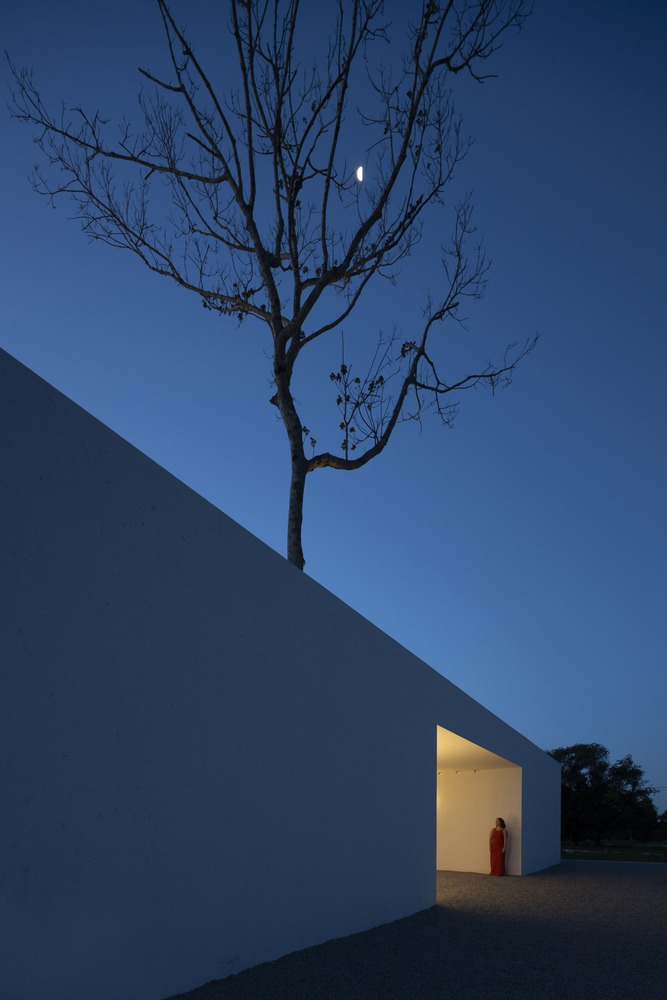
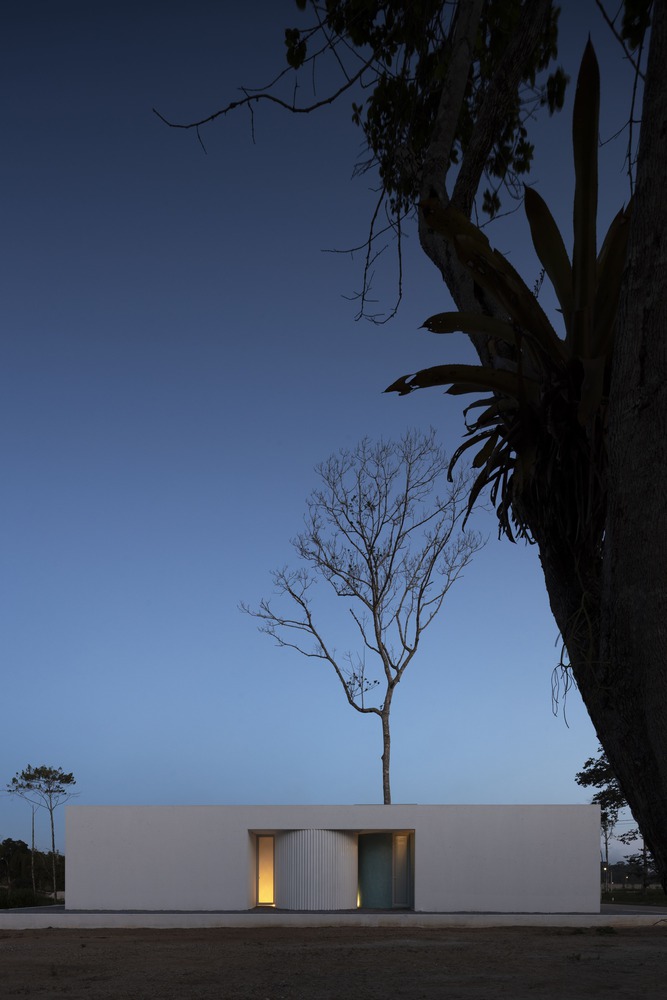
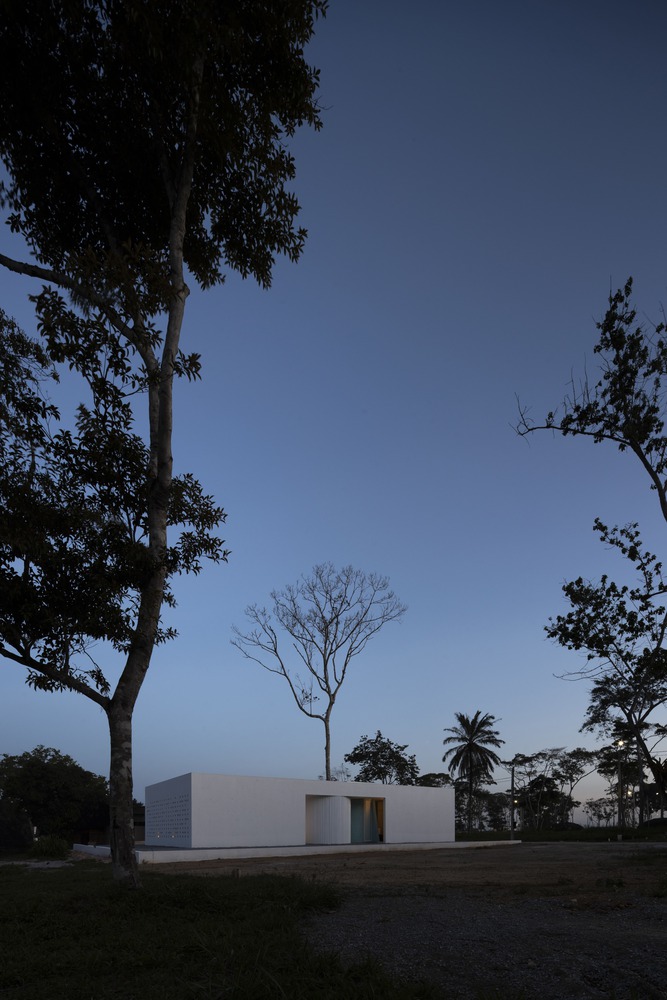
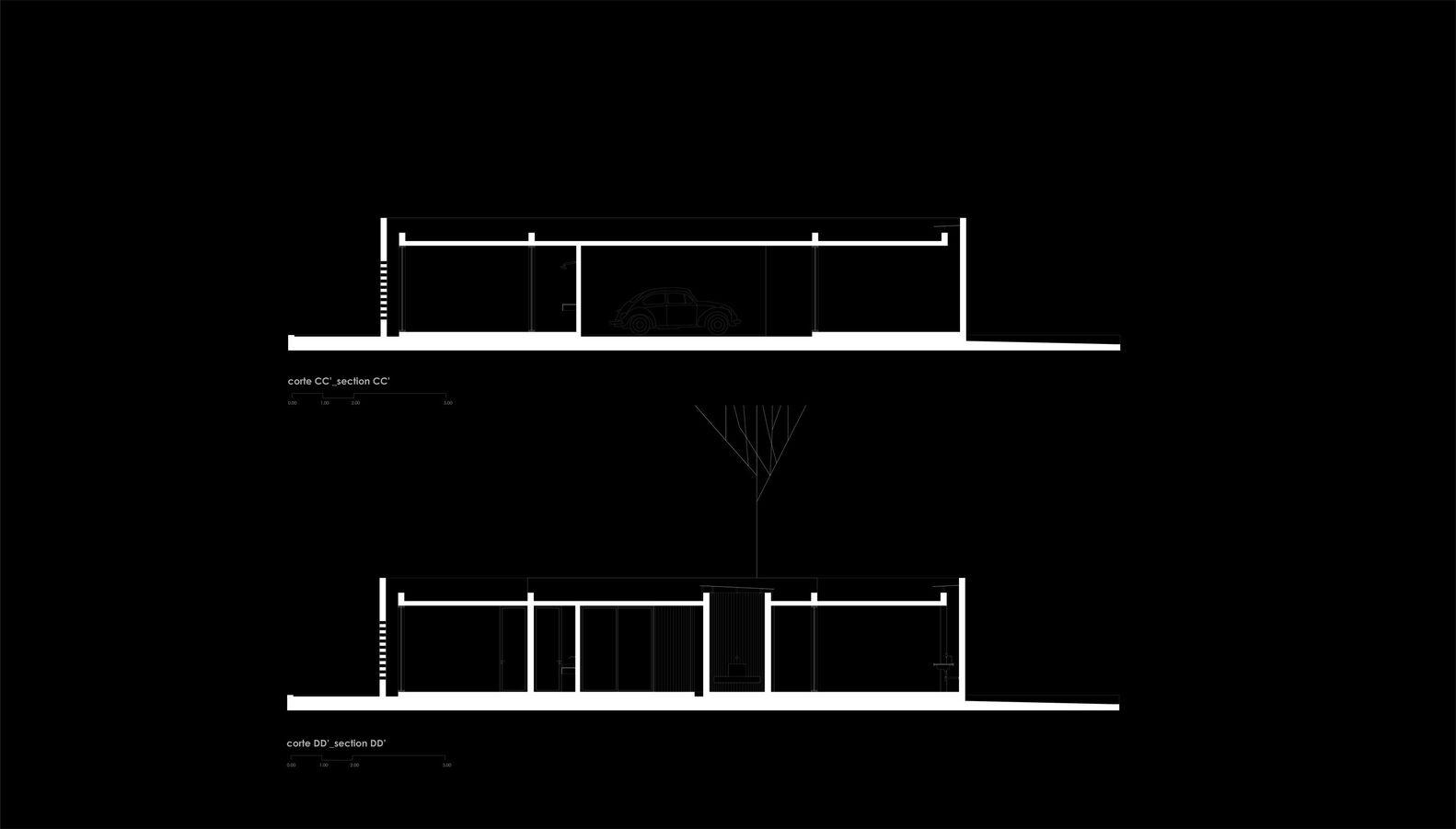
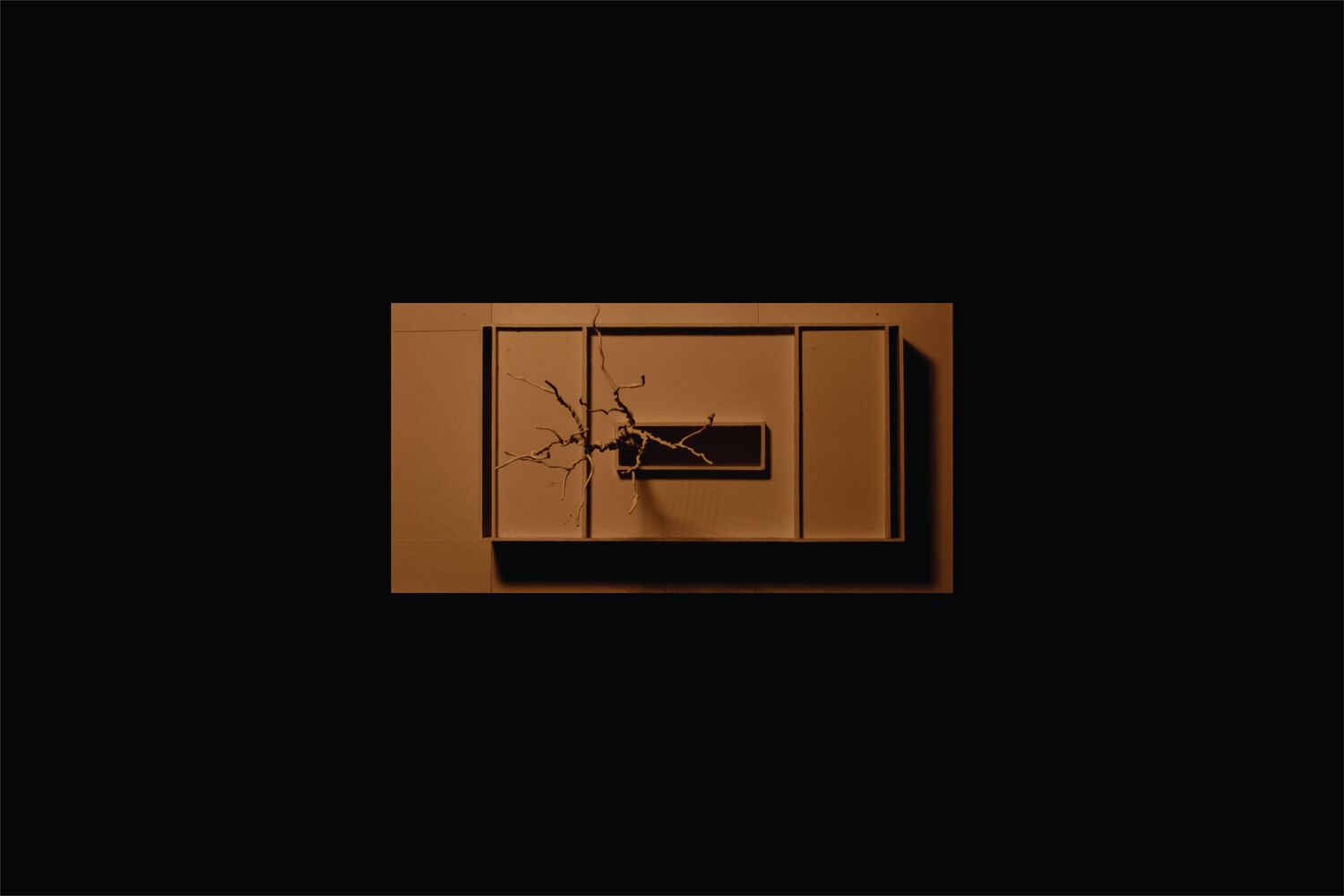
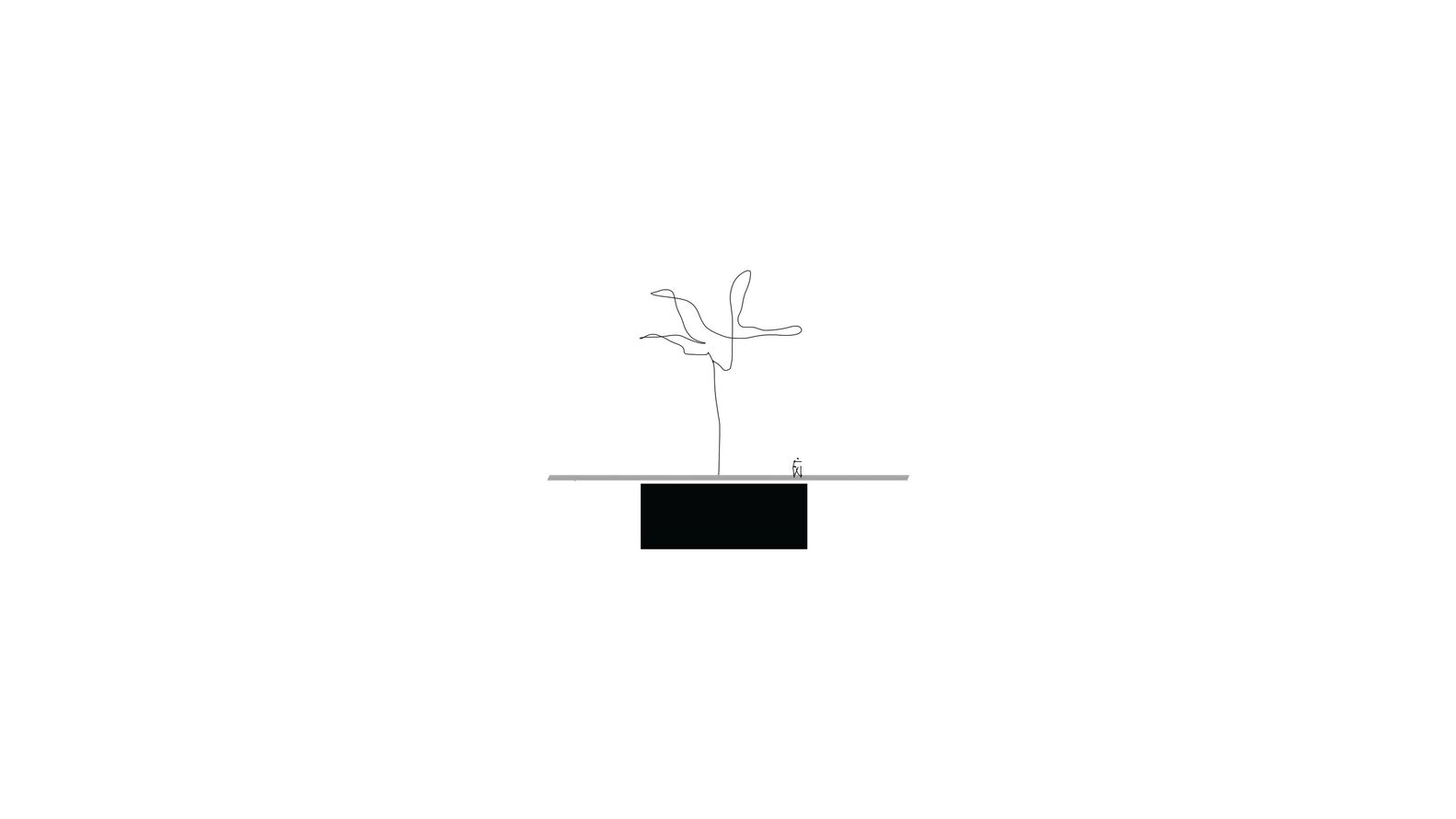
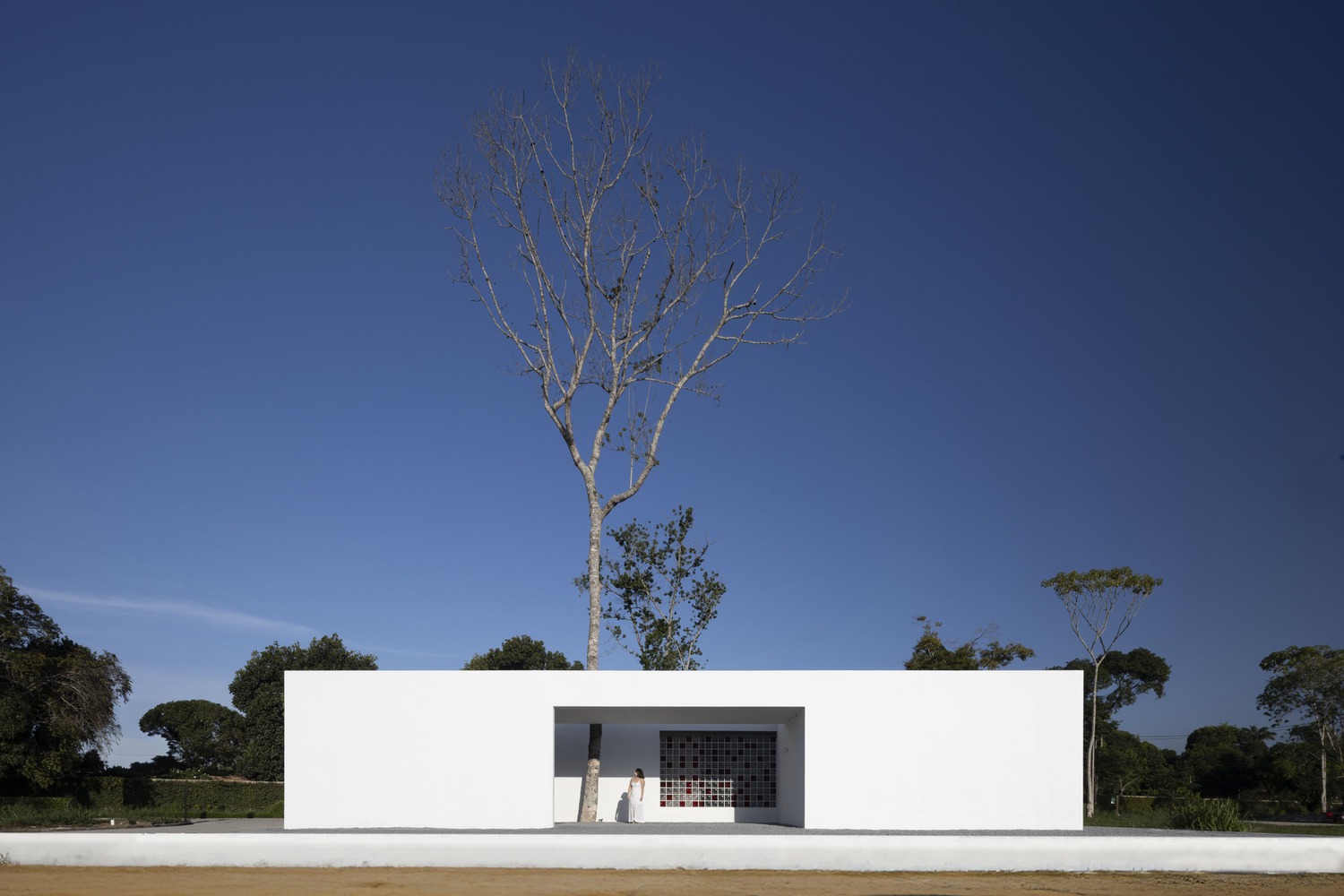
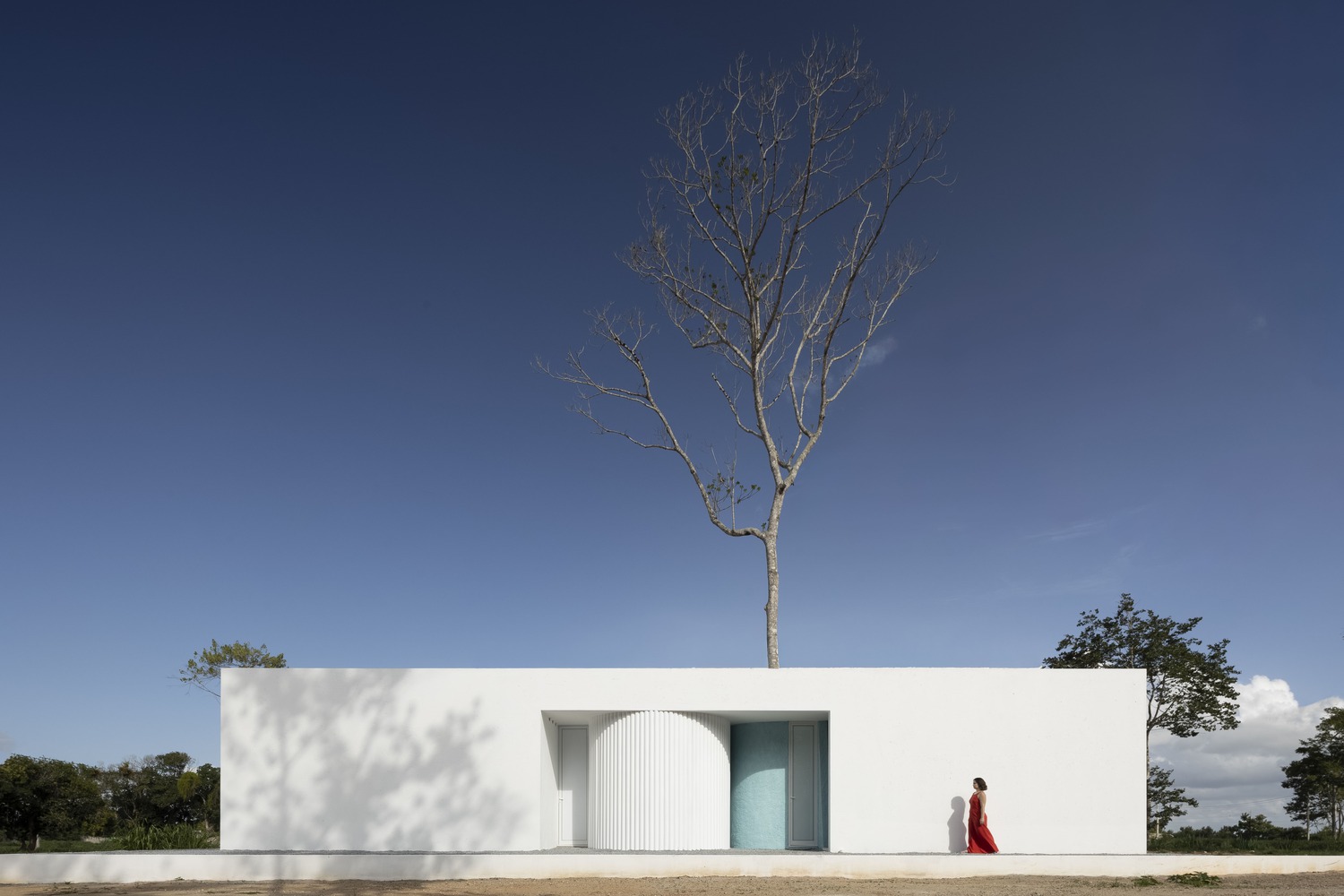
The tree is the essence of matter, and formal restraint is an act of respect. By adopting the ethereal as a principle and the geometric solid as a form, the project distances itself from the architecture of spectacle to embrace the architecture of silence.
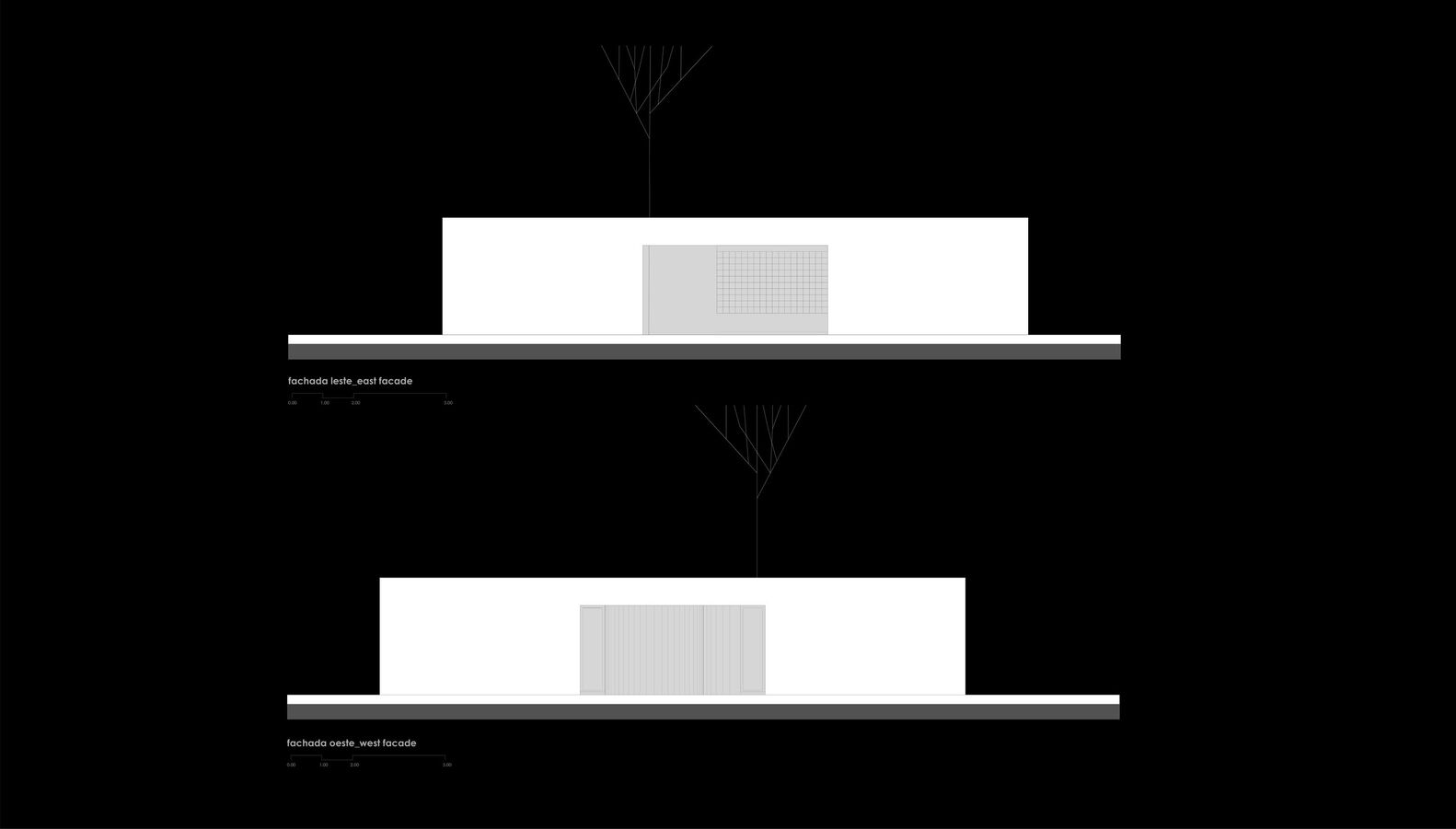
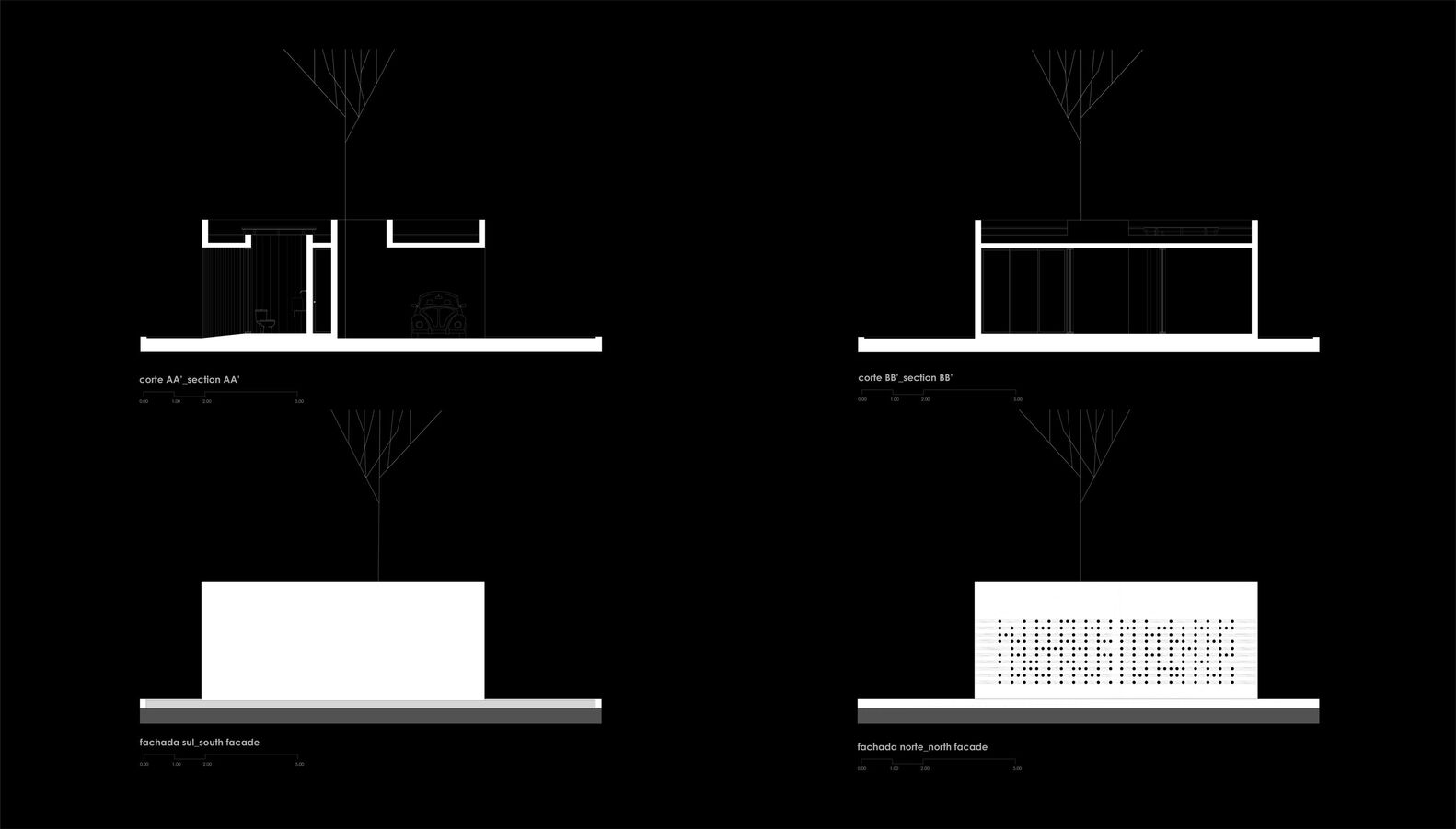
Seemingly silent, moral beauty seeks no validation; it needs neither defense nor ornamentation. Everlasting, the hermetic prism stands as the antithesis of visual ostentation—its principal virtue is not displayed, but lived.
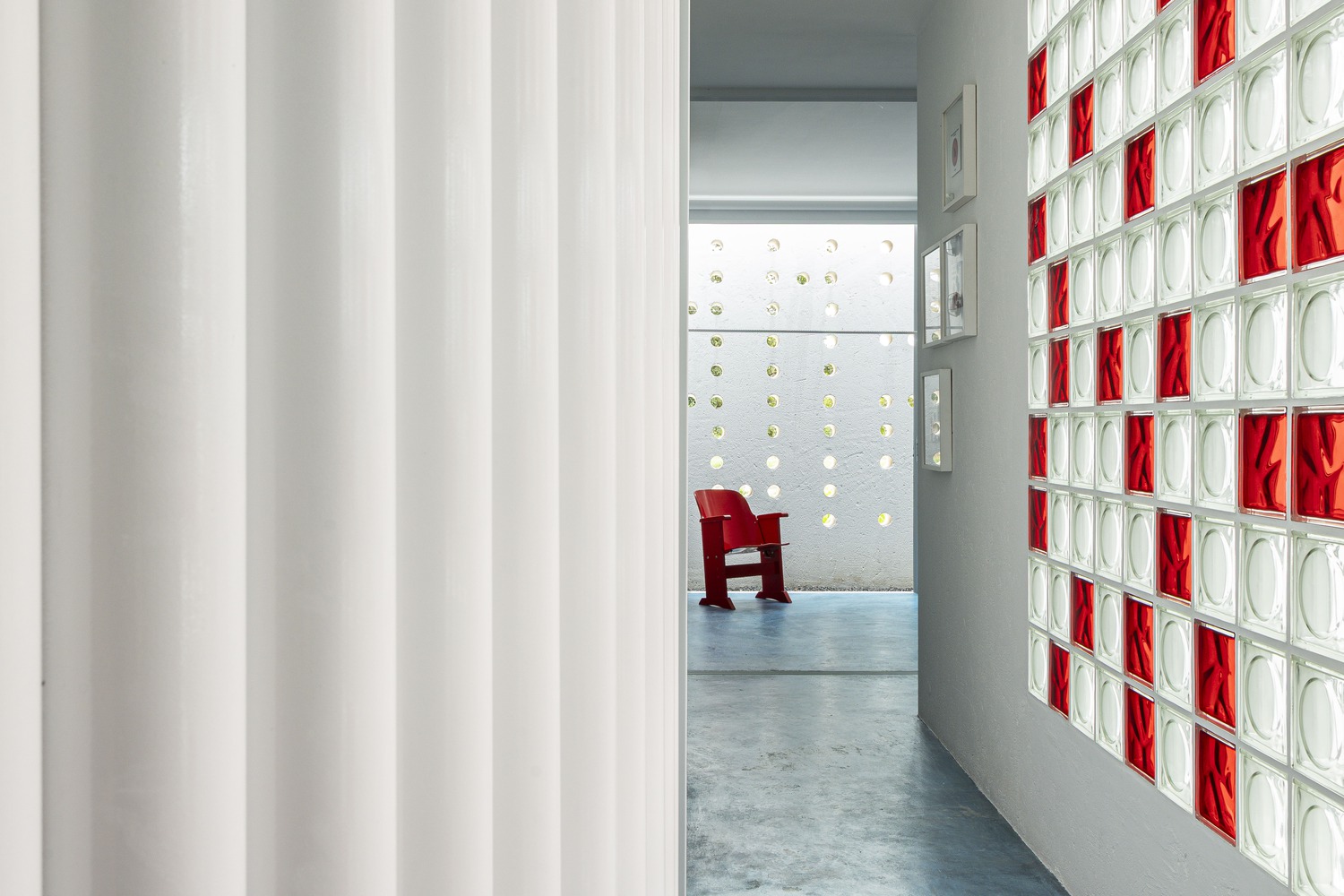
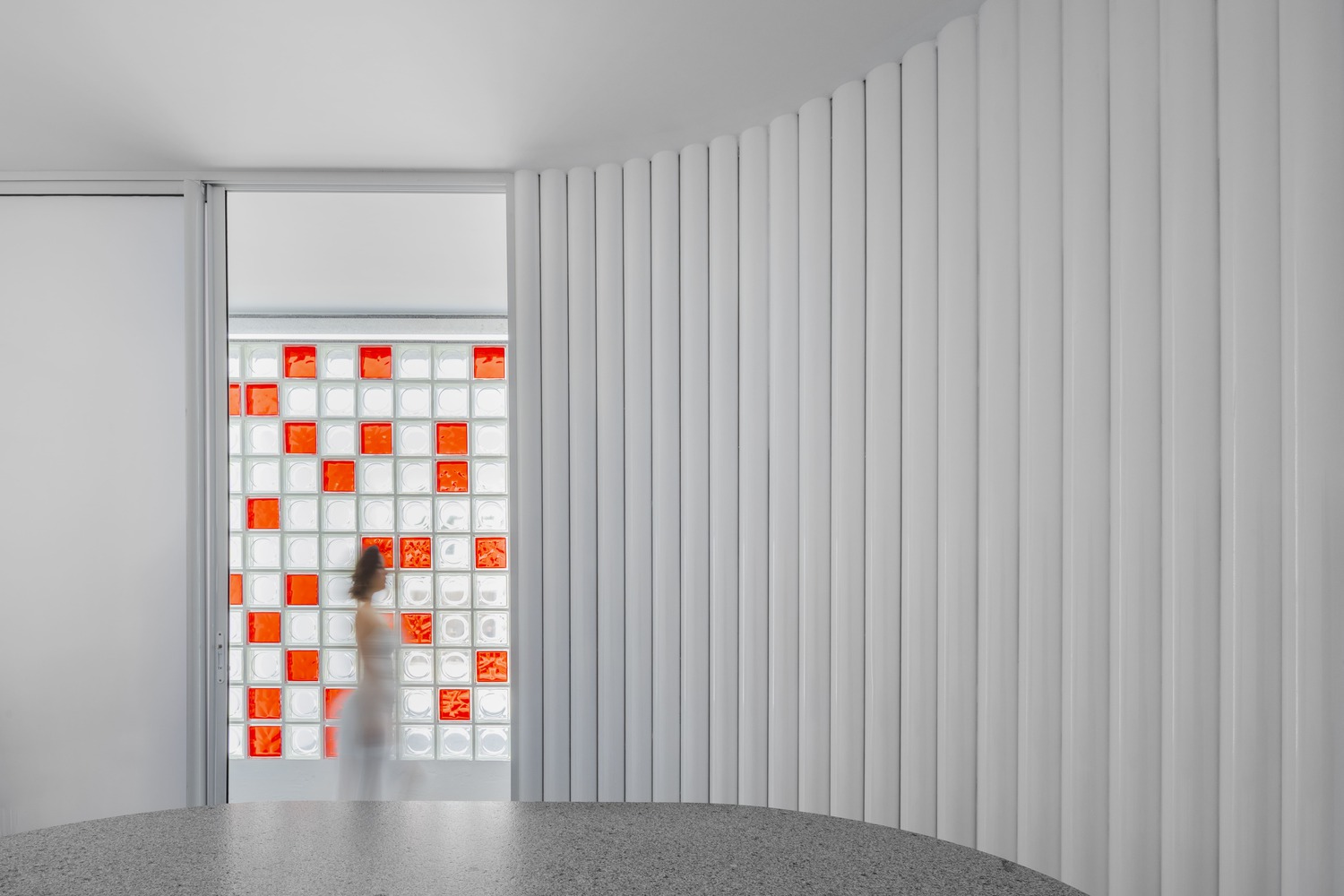
This silent dialogue follows a logic of immersive spatial perception, and what may be interpreted as introspection is, in fact, an act of preservation.
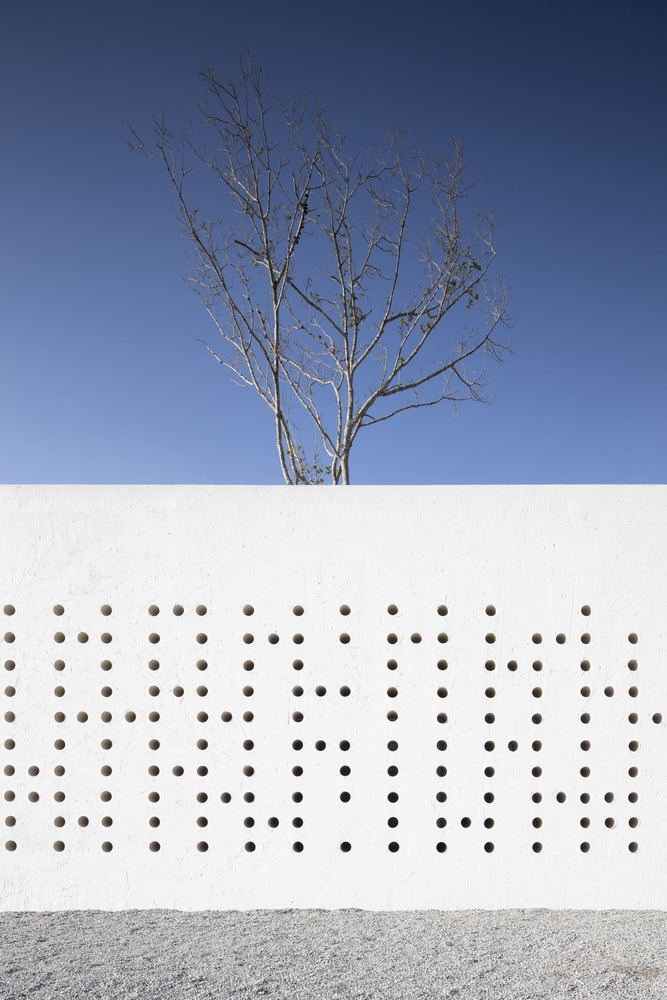
If the façade is the fabric cut with precision for the world, the reverse side of the embroidery is where the tailor reveals the value of the loom—the beauty of the shadow lies not in the perfection of the finishes, but in the weave of the materials.

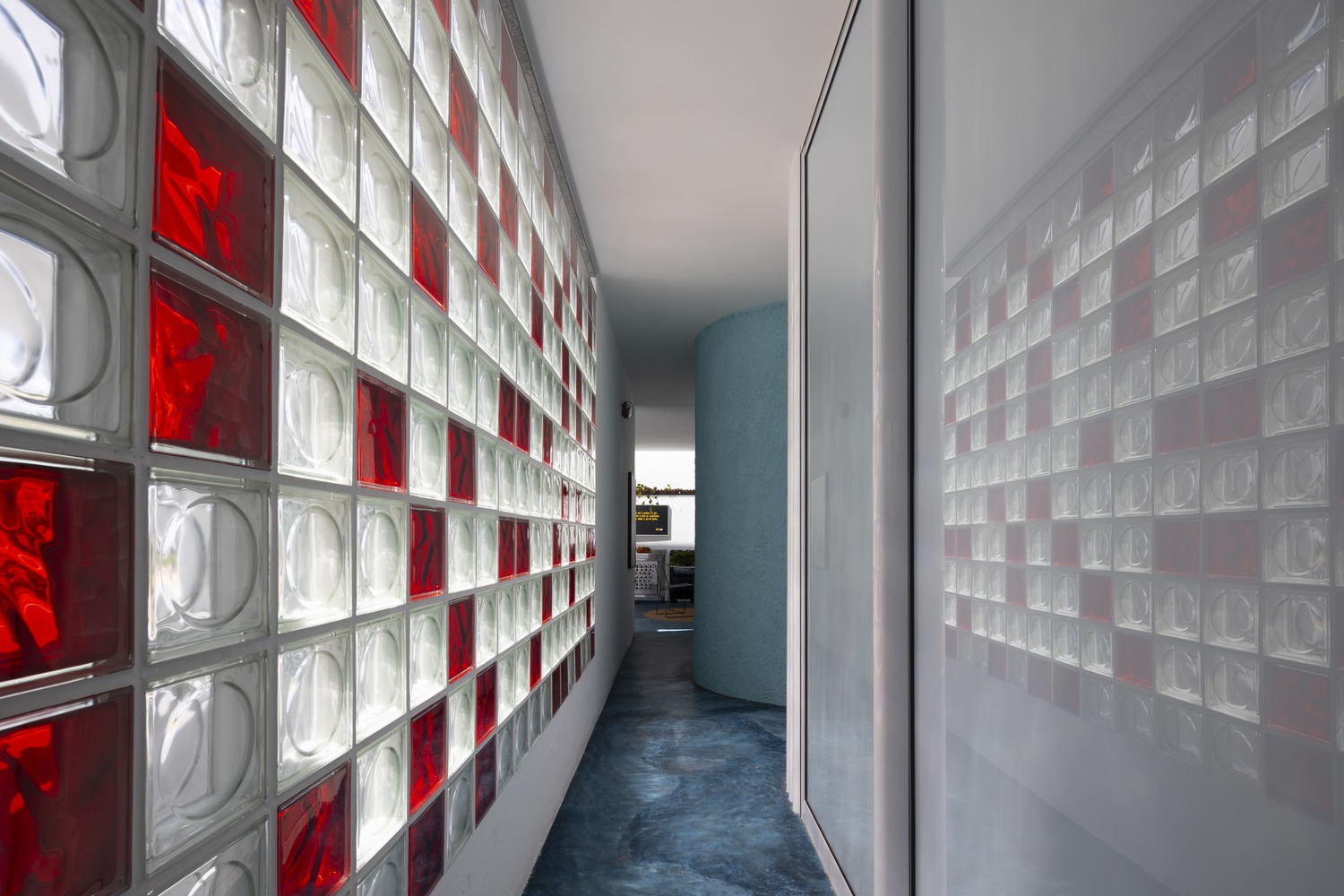
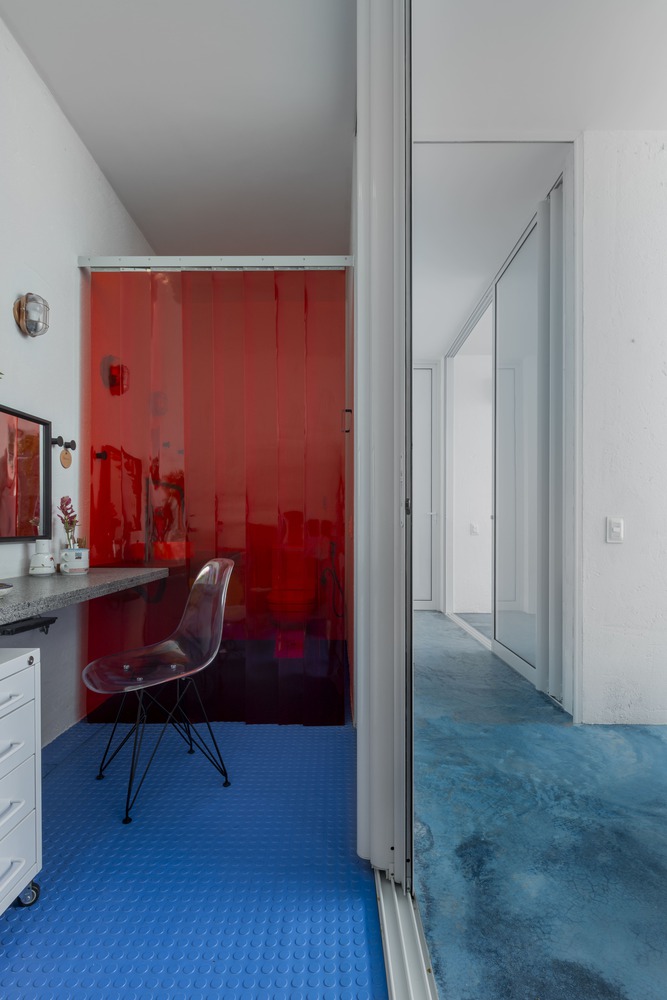
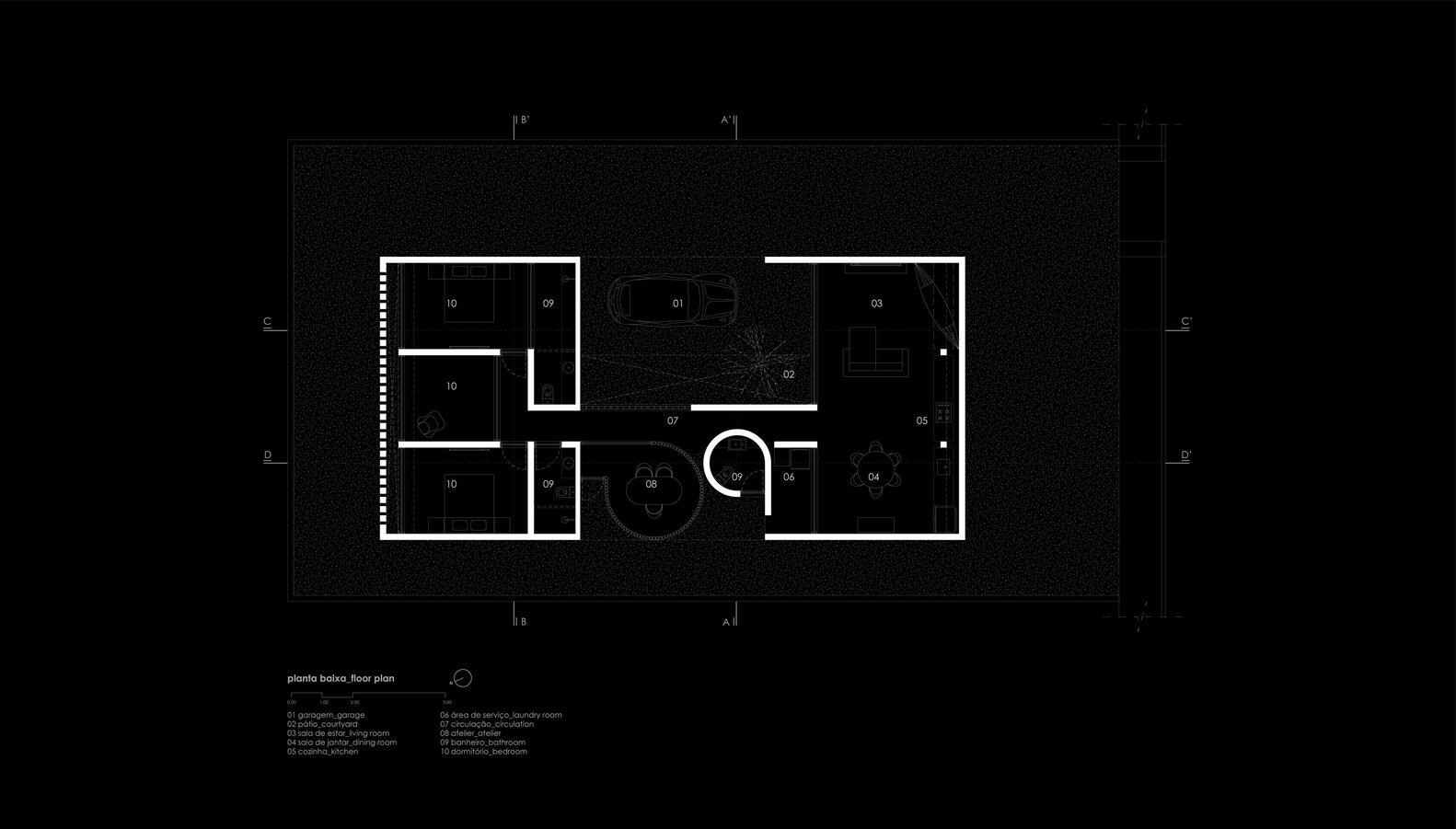
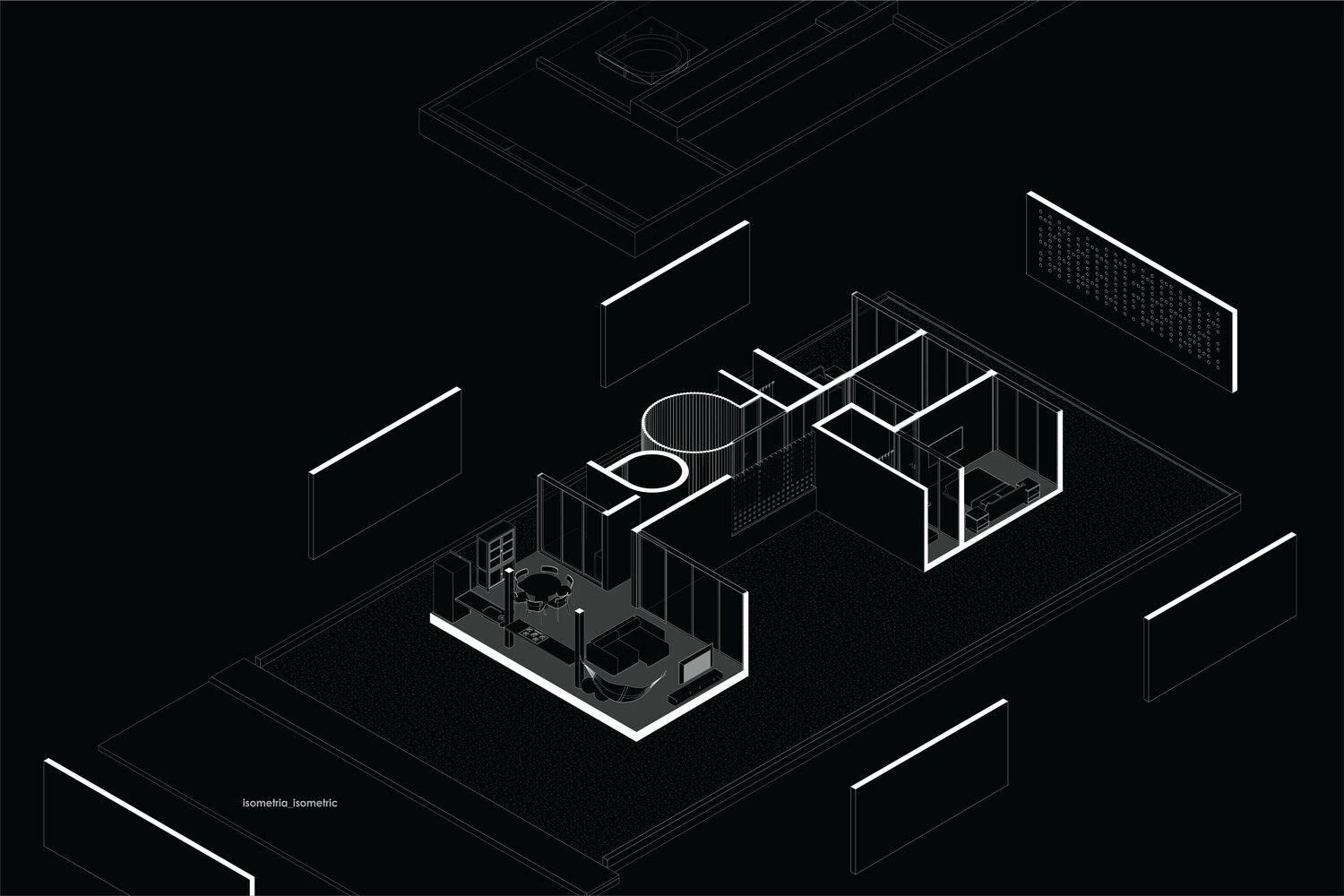
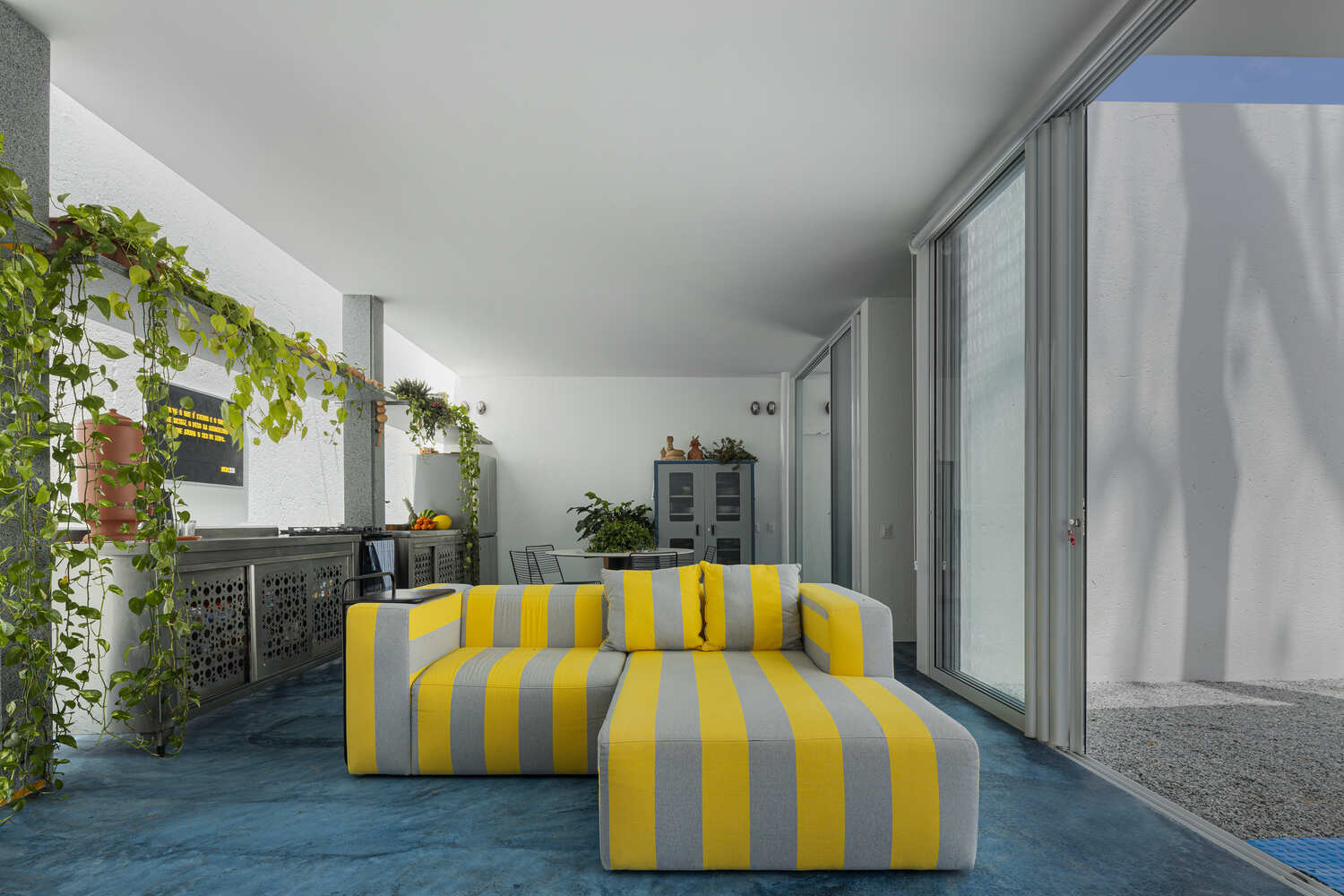
The description of the austere shell contrasts with the vibrant soul of the interior space, creating a current of paths and discoveries.
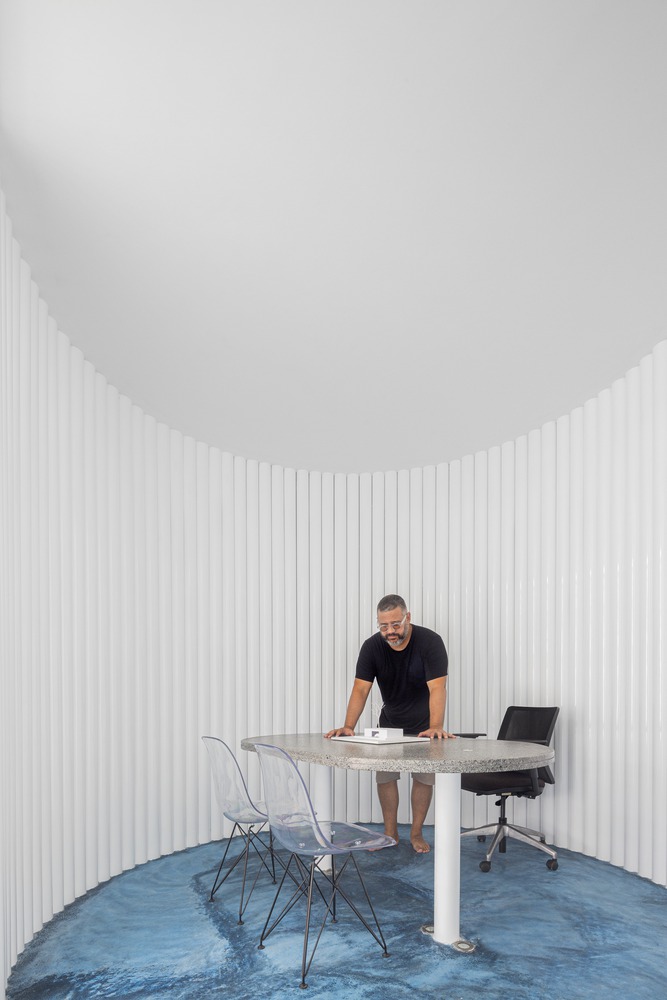
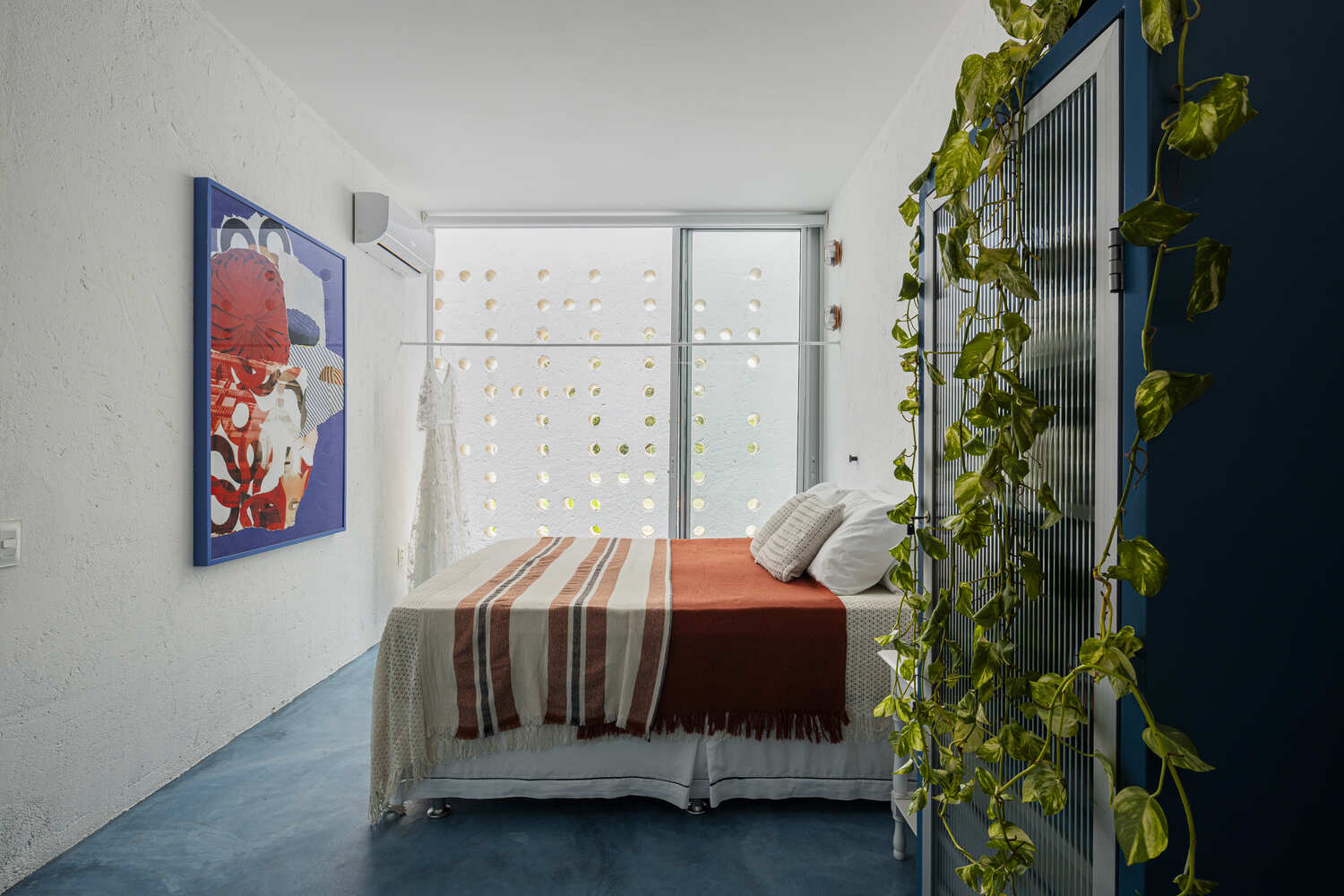
If the white prism composes the density of silence, the abyssal blue floor is the depth of the melody that accompanies it.
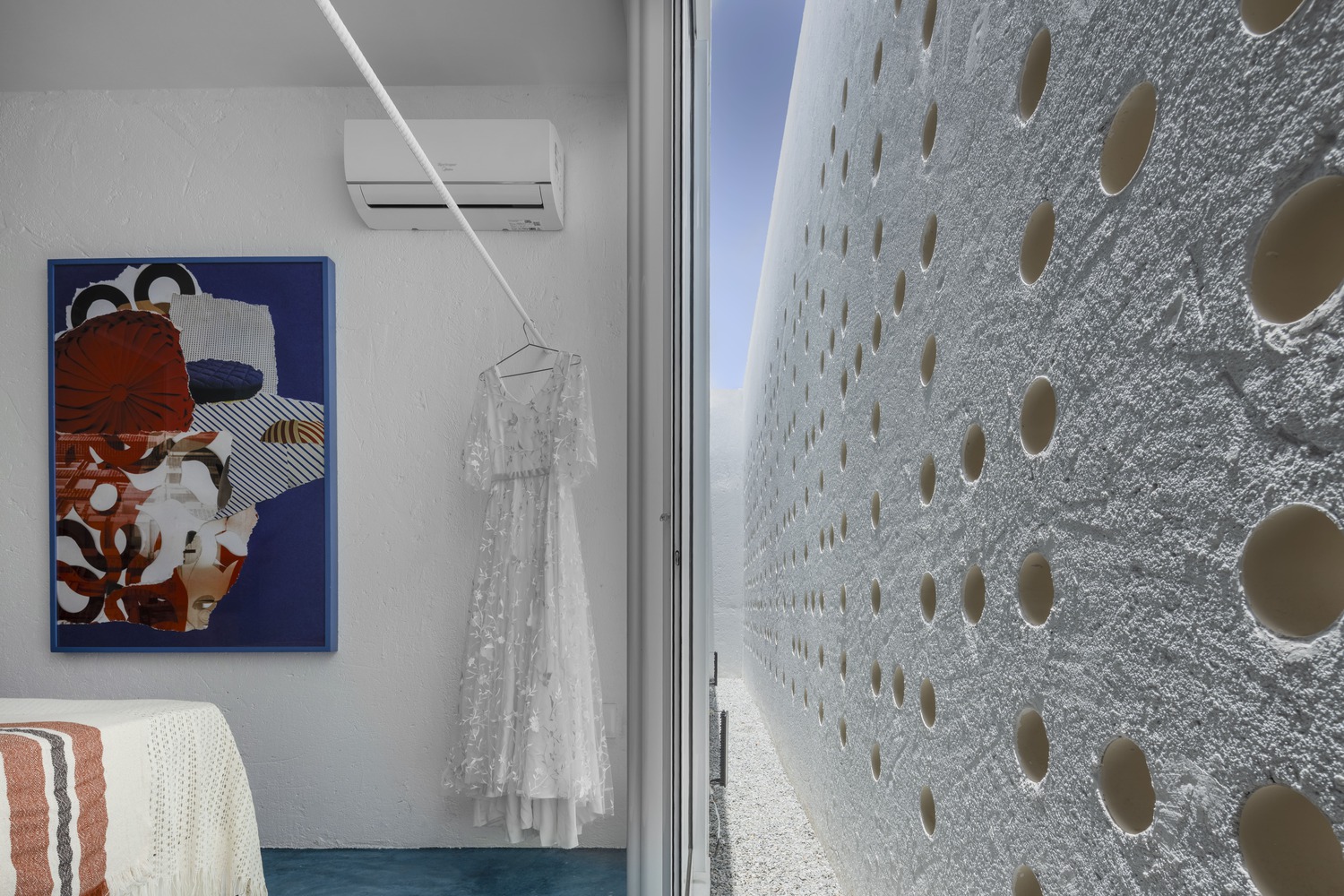
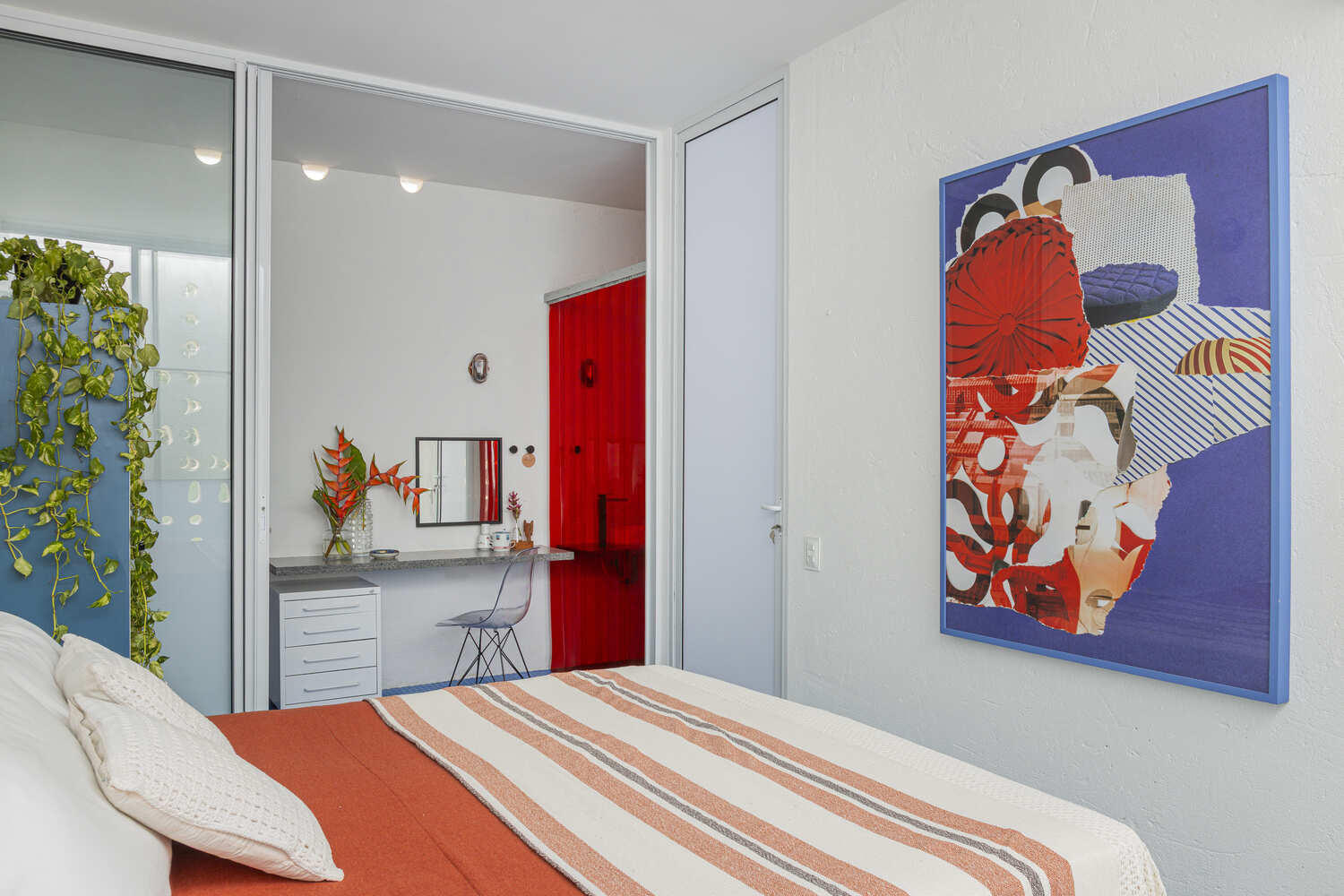
This sensitive dive into the ocean navigates through curves while establishing a functional and poetic hierarchy: the straight line dwells where the curved line works.
This existential rite represents the synthesis of an existence, where being and doing are inseparable threads of a genuine weave.
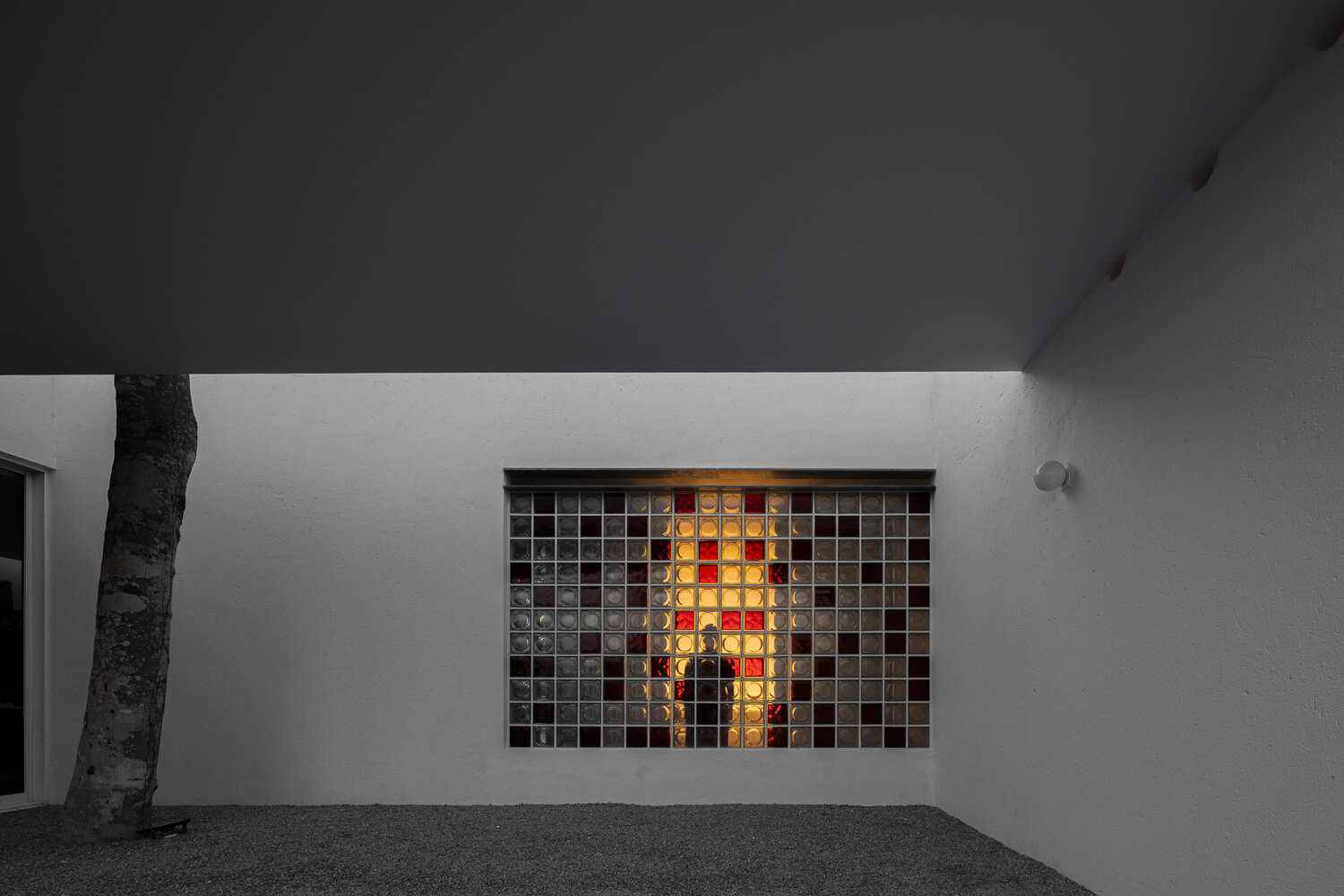
Between what is eternal and what falls apart, the weight of architecture is what anchors being in time.