Chenhu Wetland Art Center
CHENHU WETLAND ART CENTER
Tao (Trace Architecture Office)
ARCHITECTS
Tao (Trace Architecture Office)
CONSTRUCTION TEAM
Wuhan Yucheng Qianli Construction Co., Ltd.
DESIGN TEAM
Hua Li, Na Xinyi, Zhou Chang, Zhong Sheng, Jonatan García-cervantes, Lu Guoxi, Yao Tian, Qian Jin, Zhang Peng
PRINCIPAL ARCHITECT
Hua Li / Tao
STRUCTURAL ENGINEER
Zhu Yu, Lizhong
CONSTRUCTION DRAWING
Wuhan Civil Architectural Design & Research Institute Co., Ltd., Ding Song, Lin Fan, Wu Jiaqi, Zhu Yu, Wu Lizhang, Xu Kailian, Zeng Cuilin, Gao Cong, Huang Mengqing
CLIENT
Wuhan Urban Construction Investment And Development Group Co., Ltd.
MEP ENGINEER
Zeng Cuilin
PHOTOGRAPHS
Yumeng Zhu
AREA
2774 m²
YEAR
2025
LOCATION
Wuhan, China
CATEGORY
Gallery
English description provided by the architects.
Situated at the geographical center of China, Wuhan earned the title of the "Gateway to Nine Provinces" as early as the Ming and Qing dynasties.
From the ancient Yunmeng wetlands, to Yu the Great diverting the Han River into the Yangtze, and later the river's course shift in the sixth year of Emperor Chenghua's reign, the city gradually took shape as today's "River City."
Renowned as the "City of a Hundred Lakes," Wuhan is interwoven with rivers, lakes, and waterways, with water areas occupying one quarter of its territory. Evidently, the relationship between "water" and "city" is inseparable.
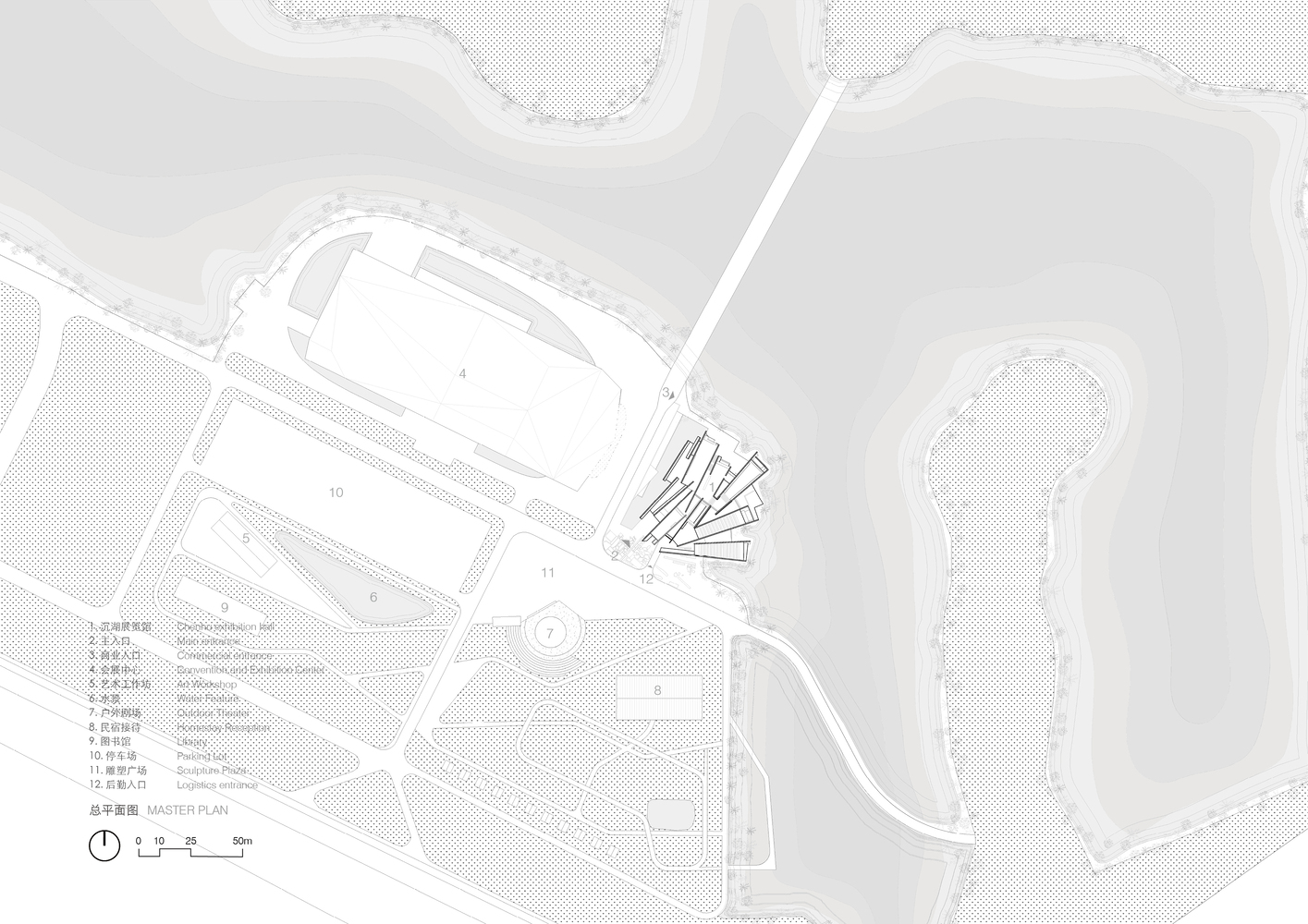
The site is enveloped by the Tonghu Provincial Wetland Park and lies approximately one hour's drive from Wuhan's urban core. Within the Tonghu region, the land is expansive and sparsely populated, with clean air and fertile soil.
Farmland, water bodies, woodlands, and riverbanks each constitute roughly one quarter of the landscape, forming a self-contained environment. Removed from urban noise and concealed within rural expanses, the site is surrounded by lakes and forests.
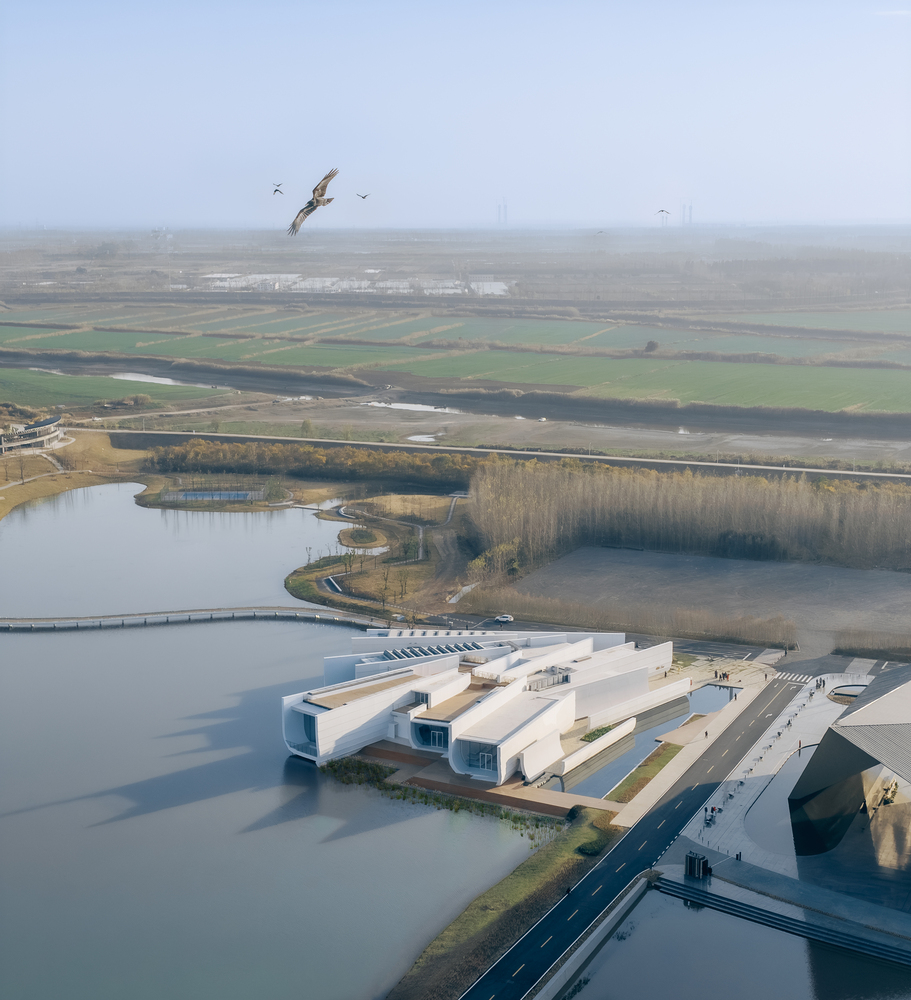
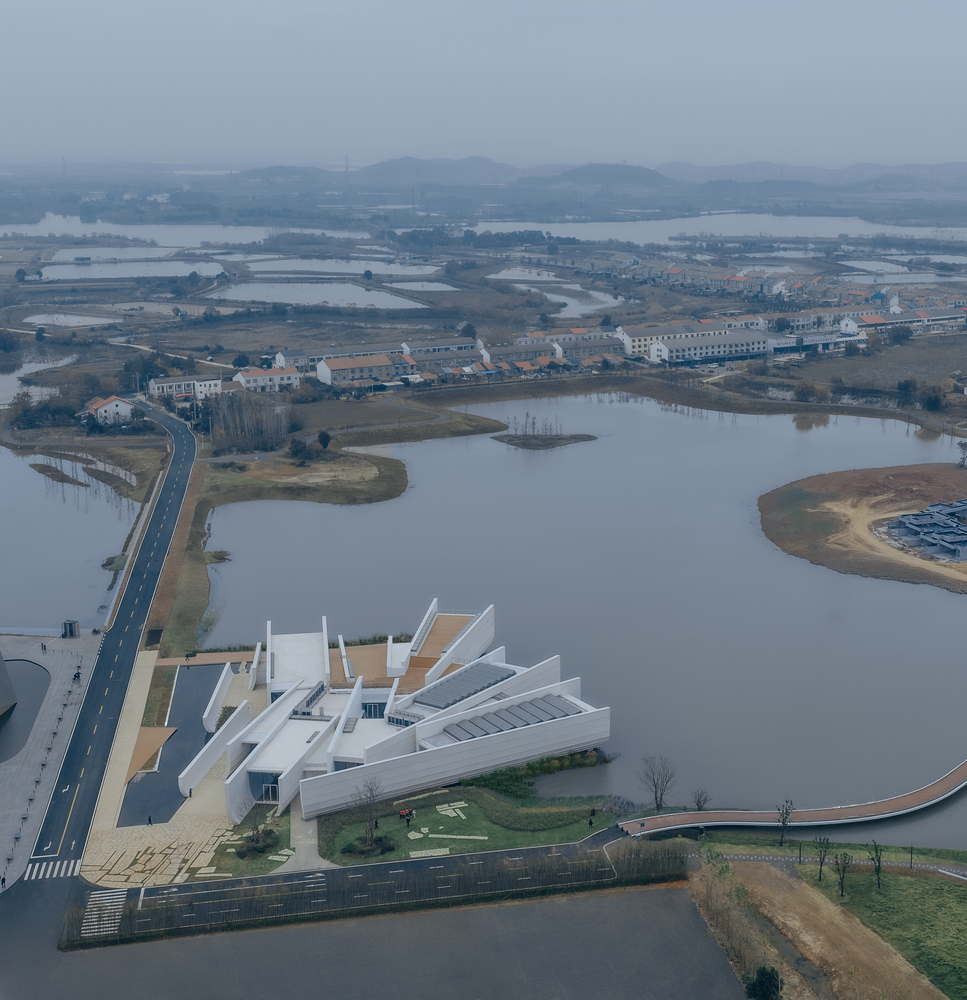
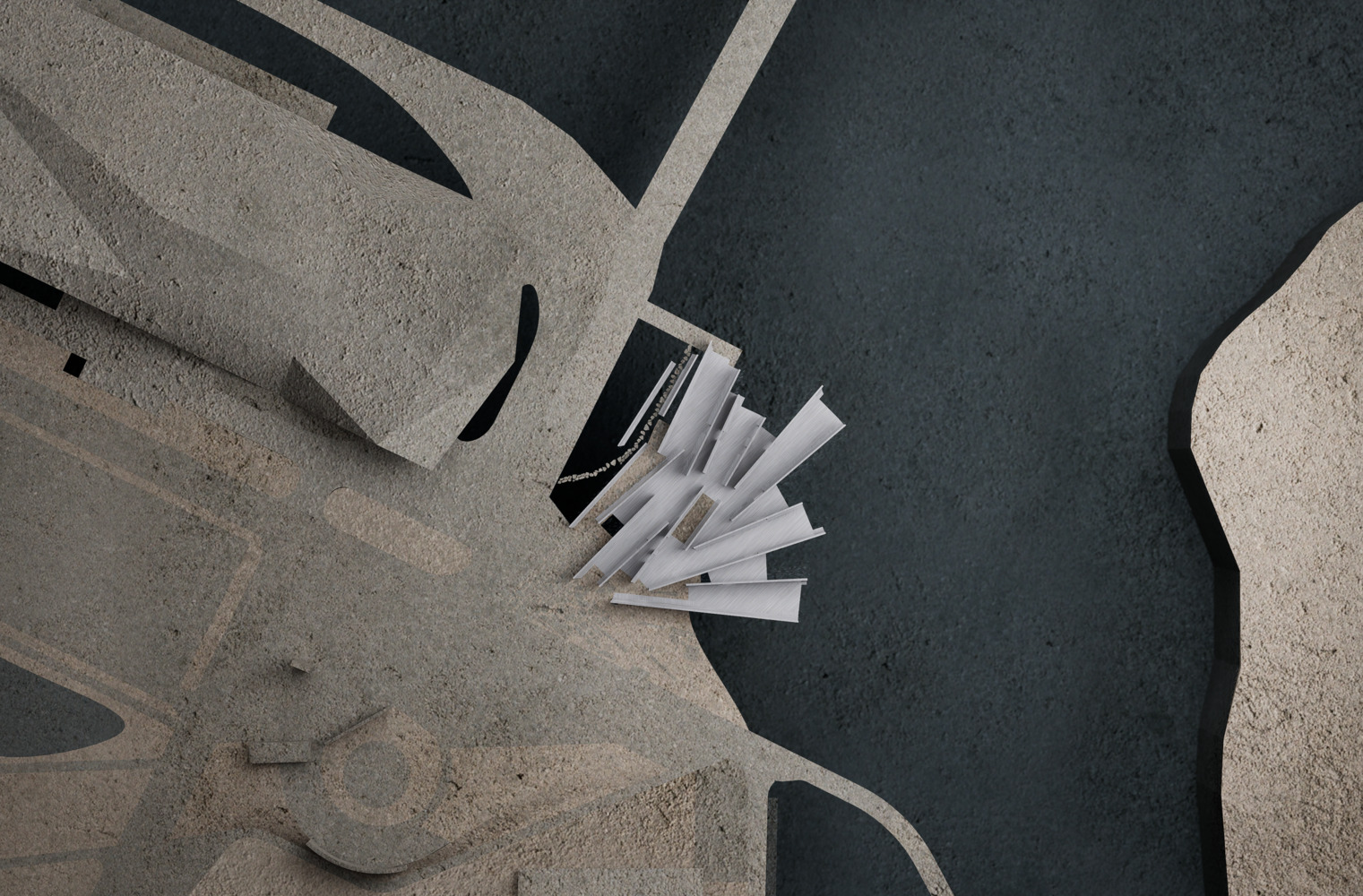
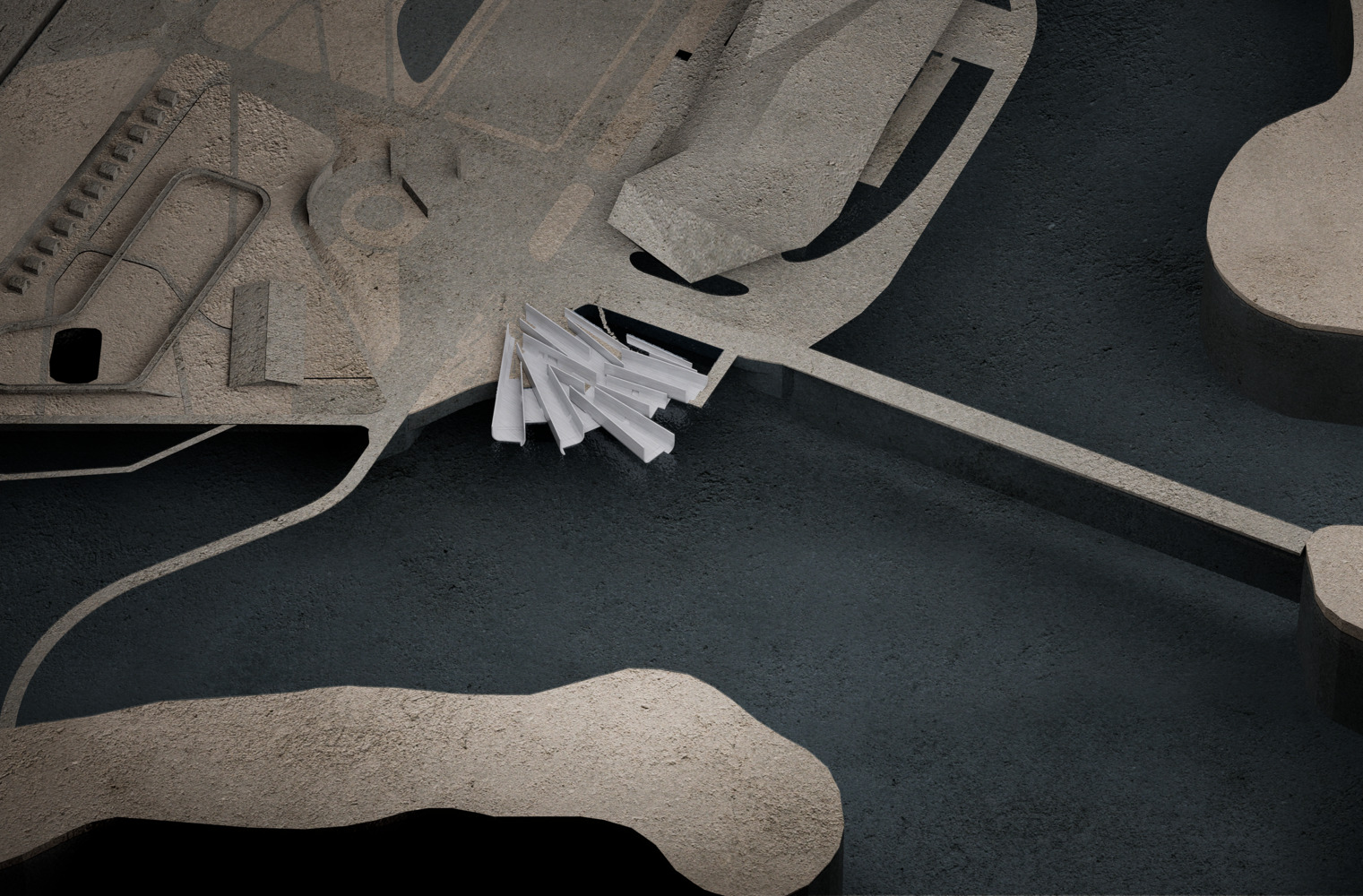
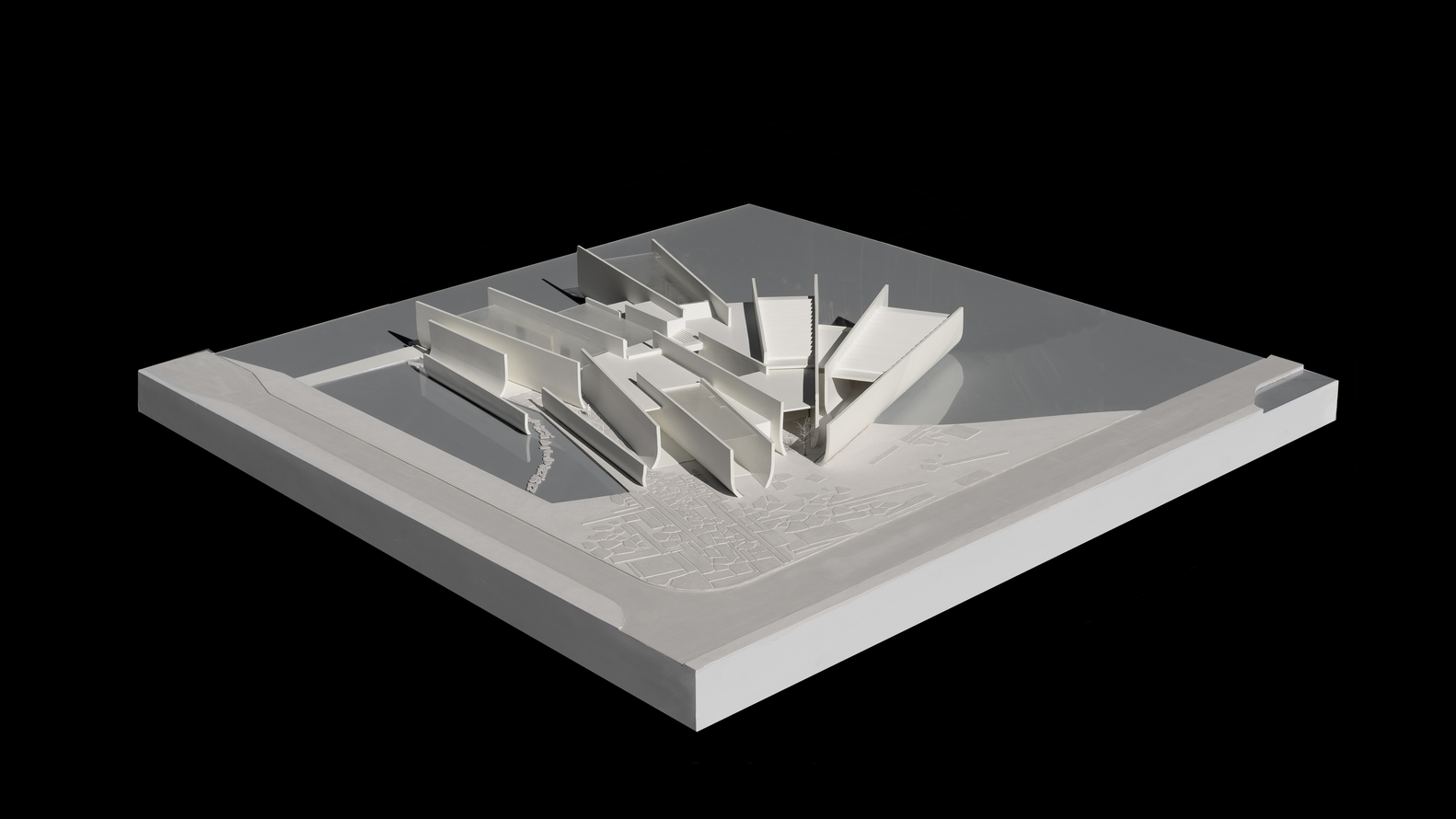
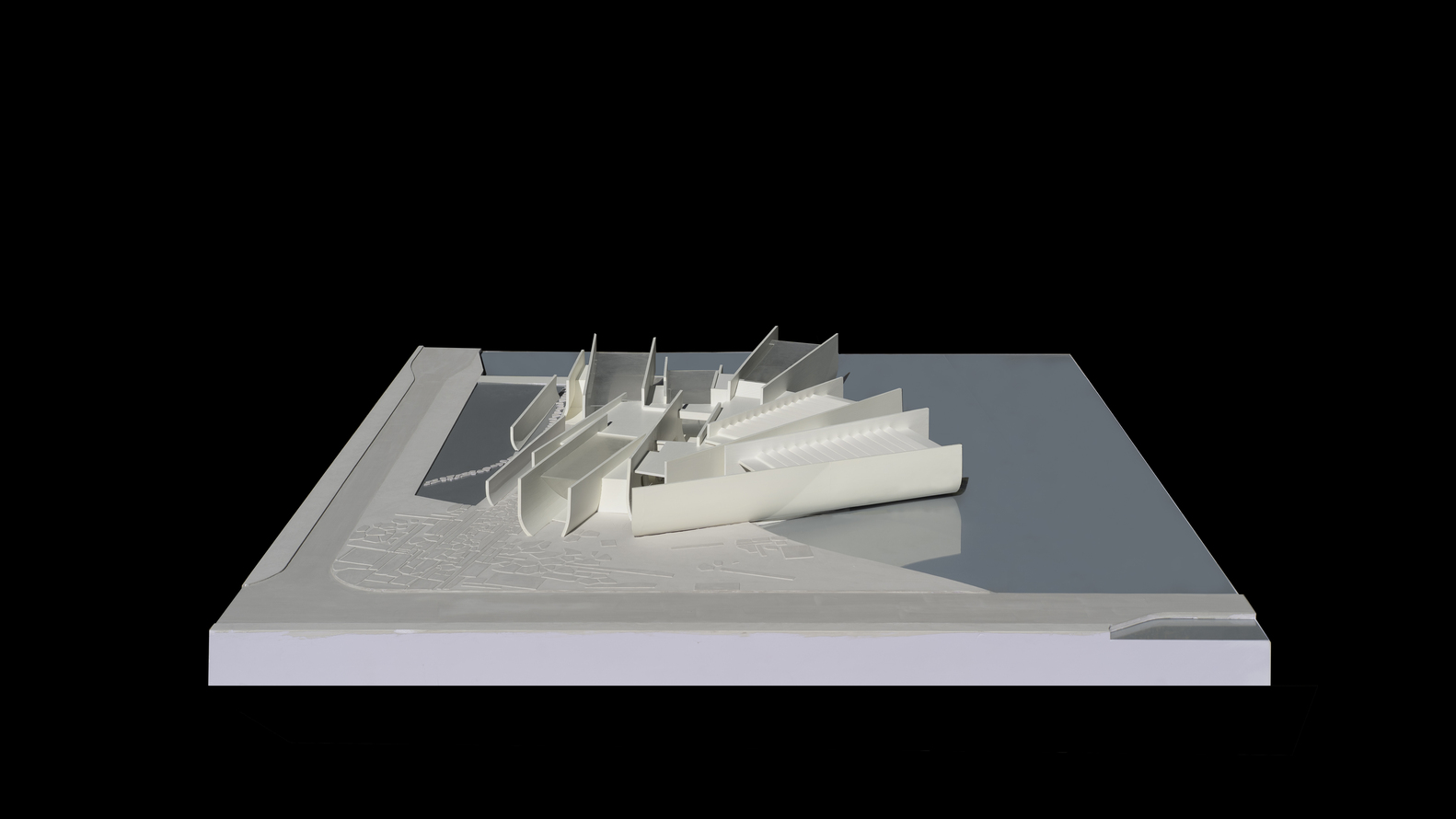
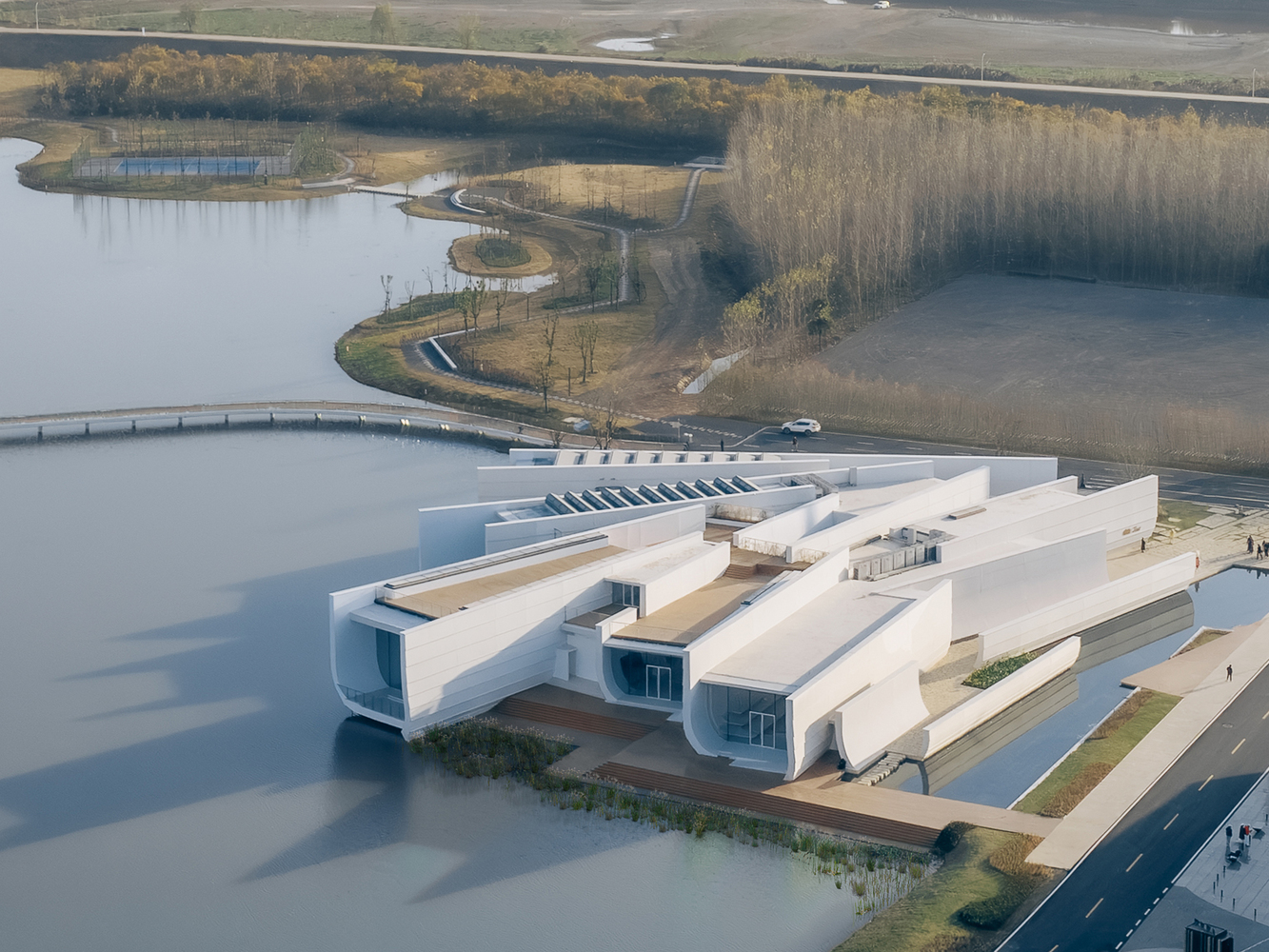
The project stands on a triangular slip of land at the junction of a natural shoreline and an artificial road fork. Here, wind and water have long shaped the gentle terrain and meandering waterline.
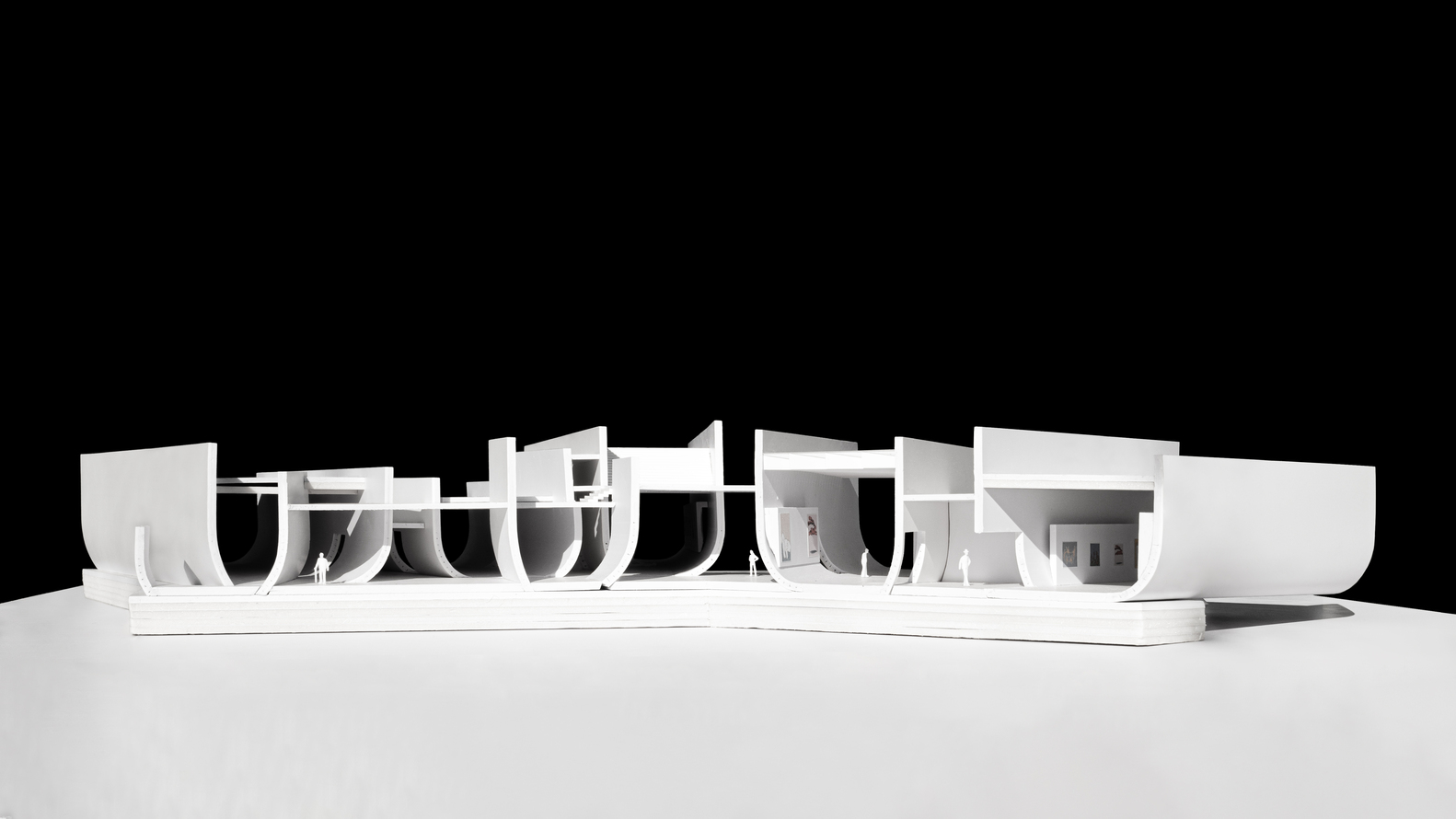
In 2017, we developed the Wall Museum from an inquiry into the architectural potential of the "wall" as a generative element. In this project, the wall becomes the sole driver of spatial formation.
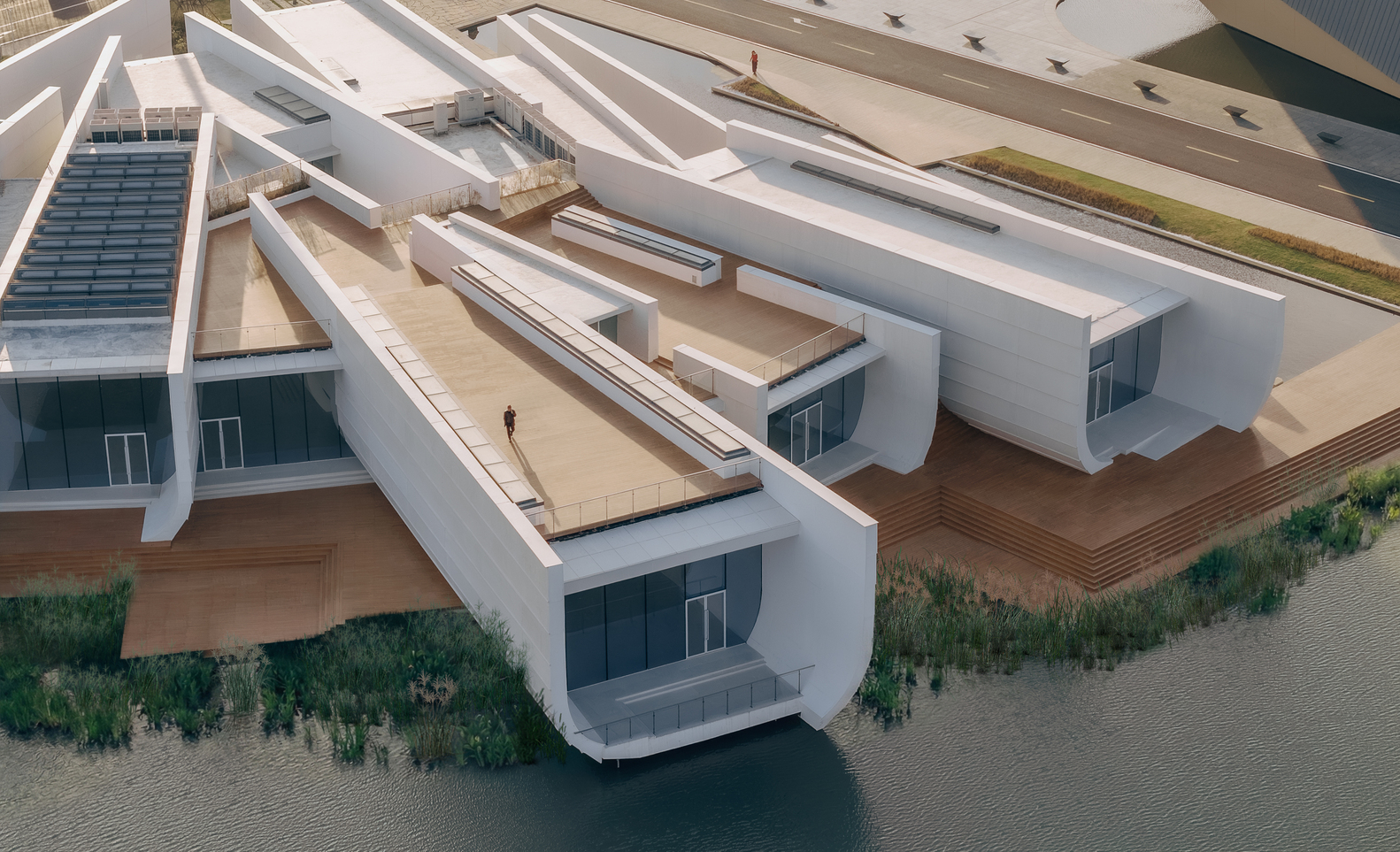
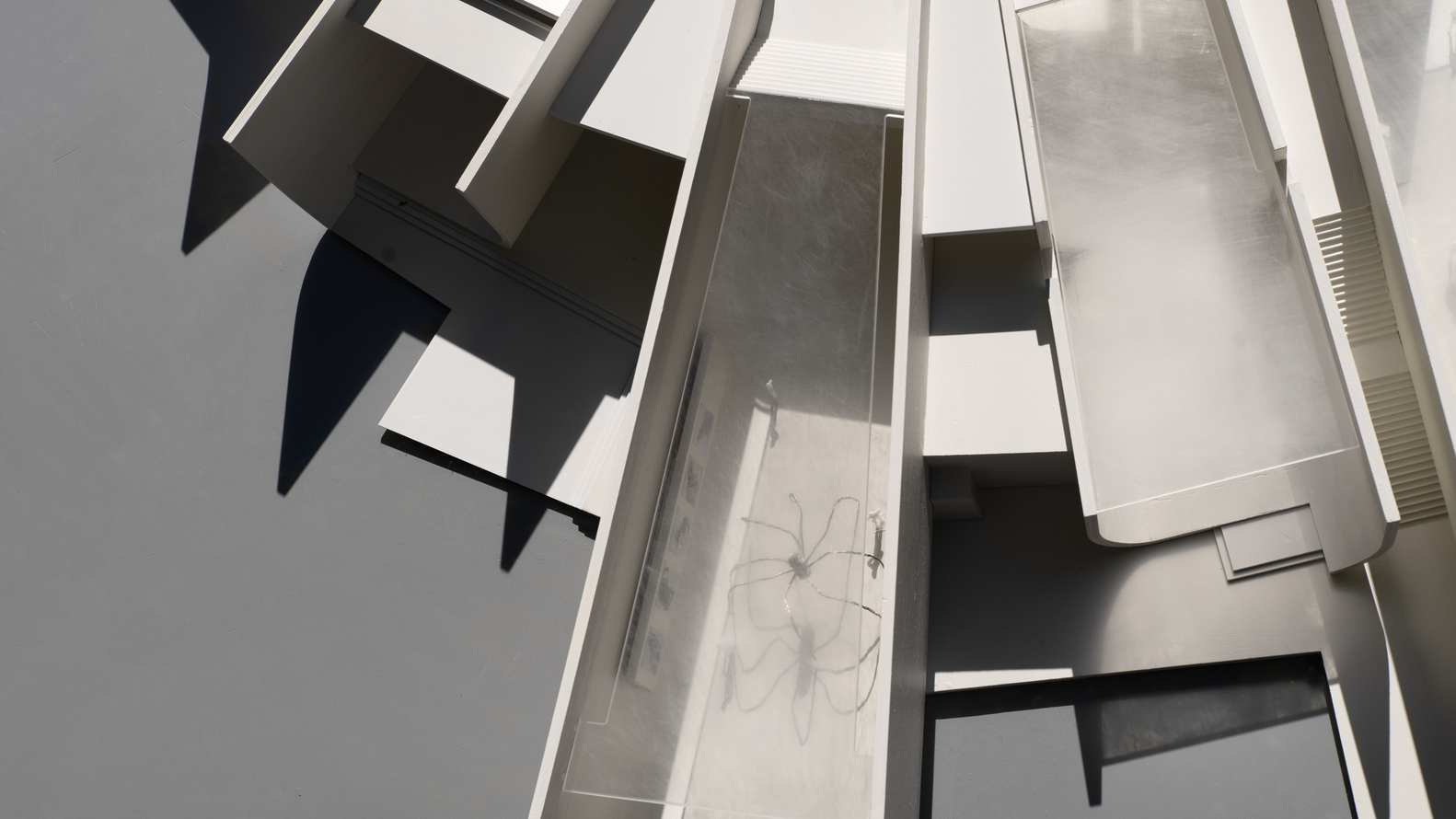
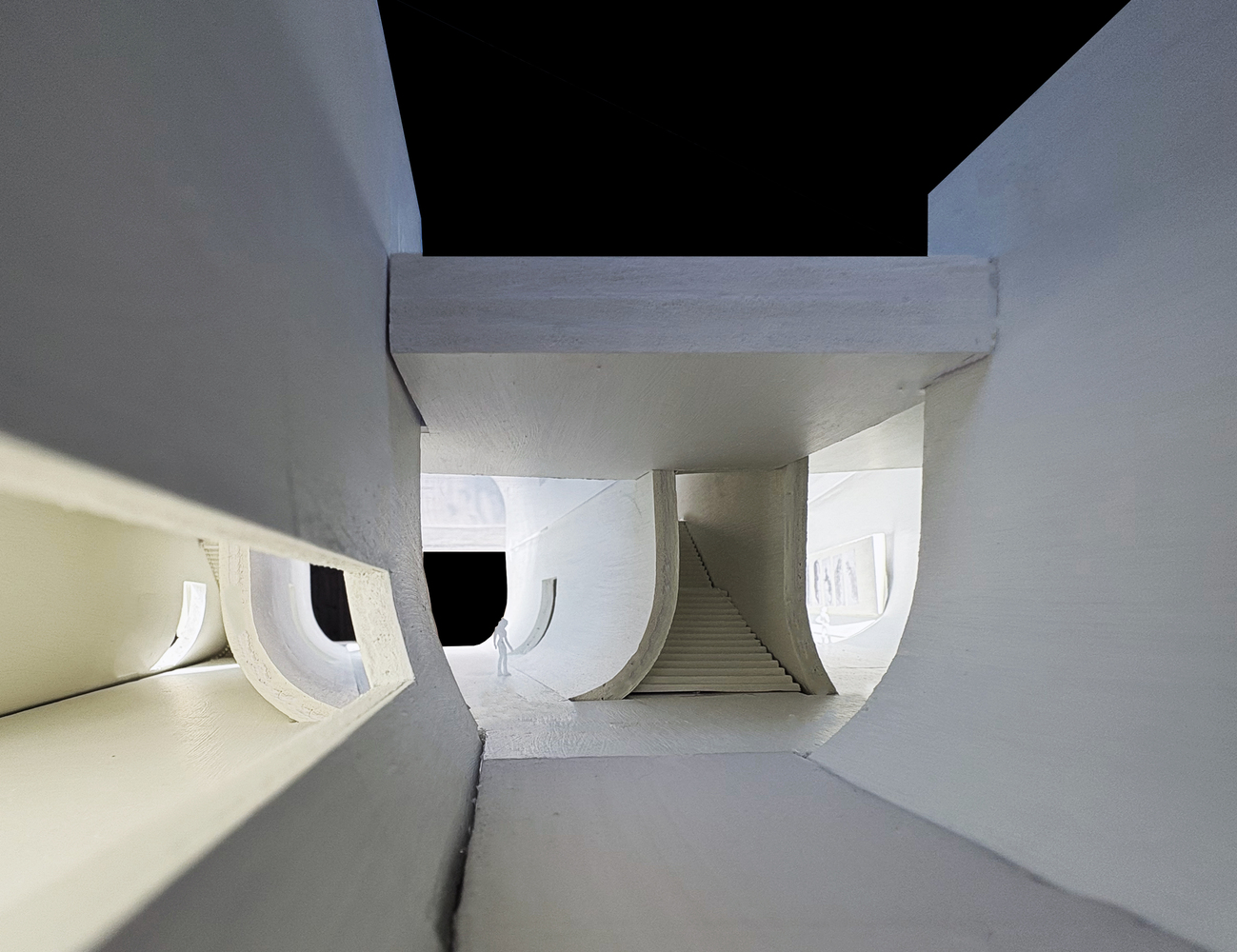
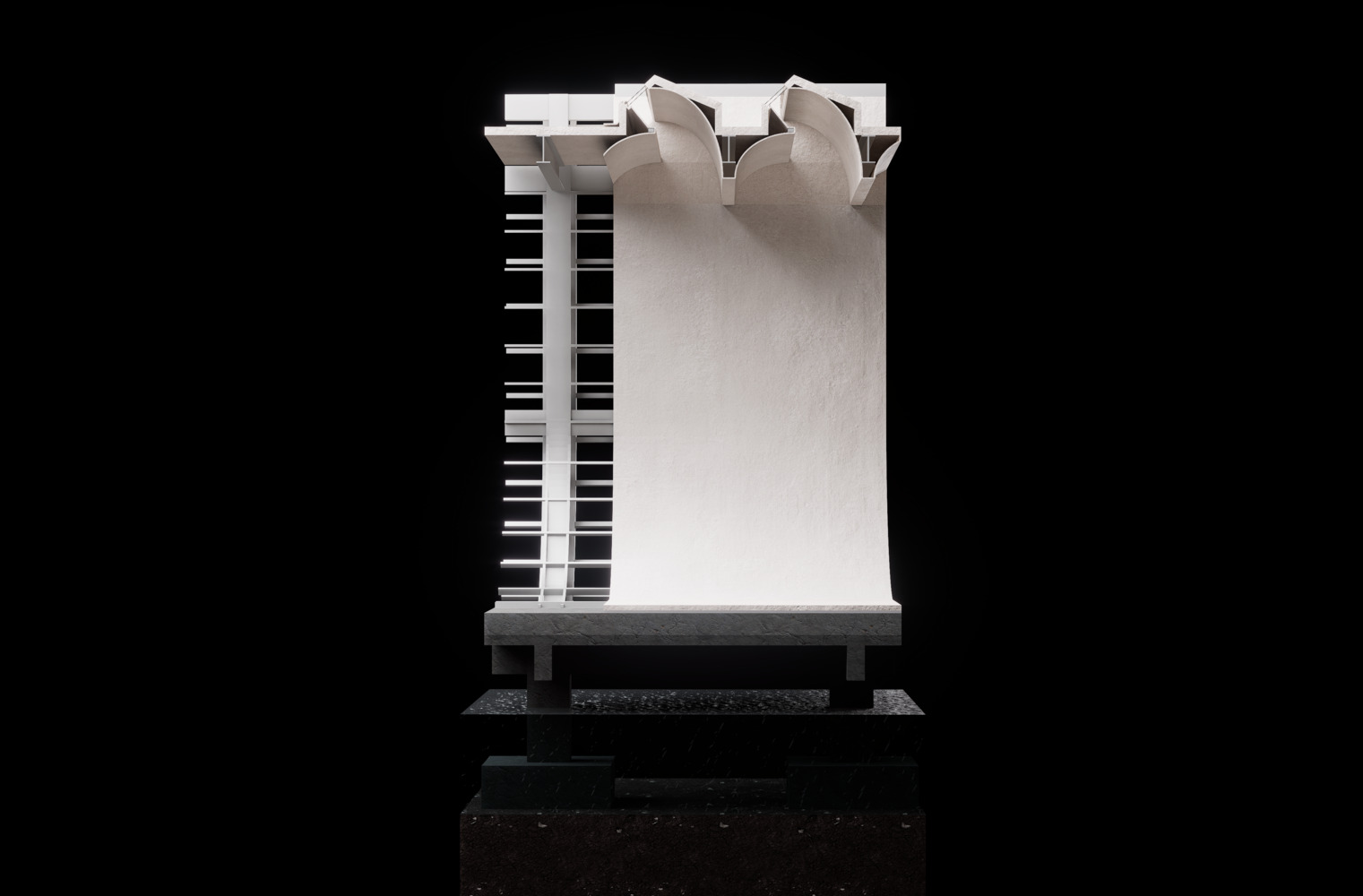
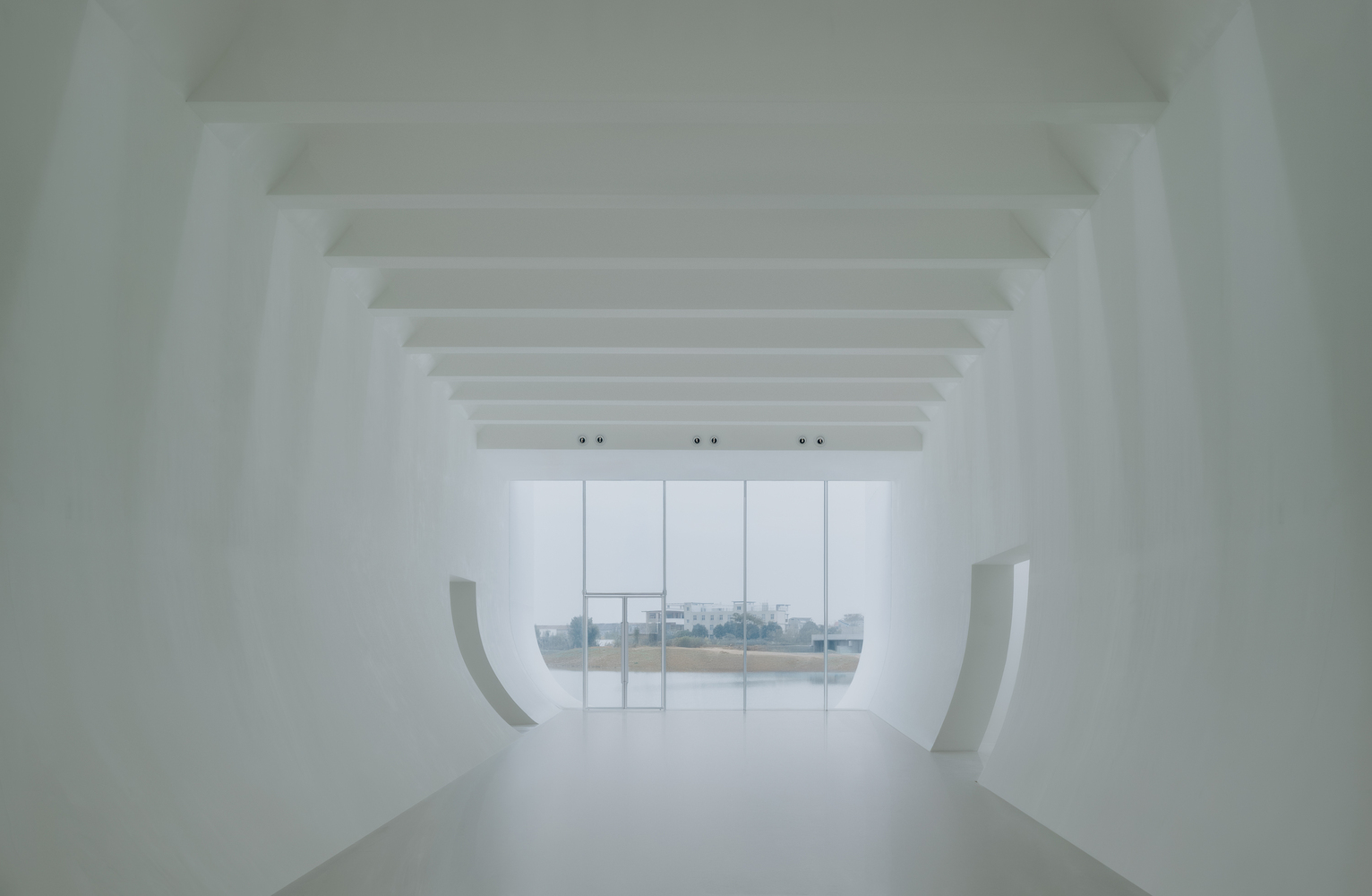
As the walls thicken upward, the roof gradually dissolves, turning into fissures between wall surfaces through which light enters. The building appears like a ruin dispersed across an expansive landscape, evoking a sense of primal weight and tectonic solidity.
The unique locality of the intertidal flat where the present project is situated once again prompts us to reconsider how walls can reformulate spatial relationships and articulate a grounded connection to the site.
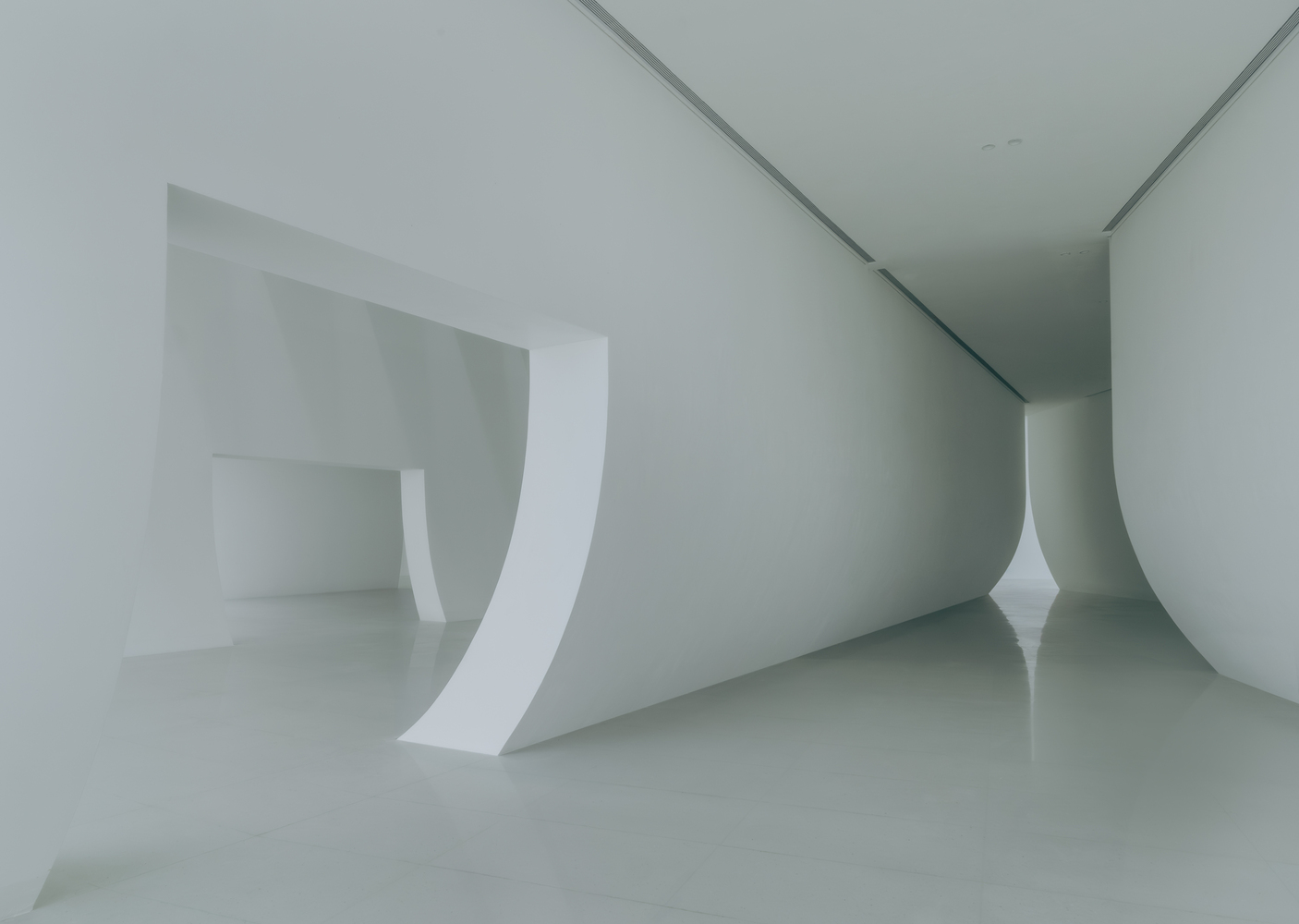
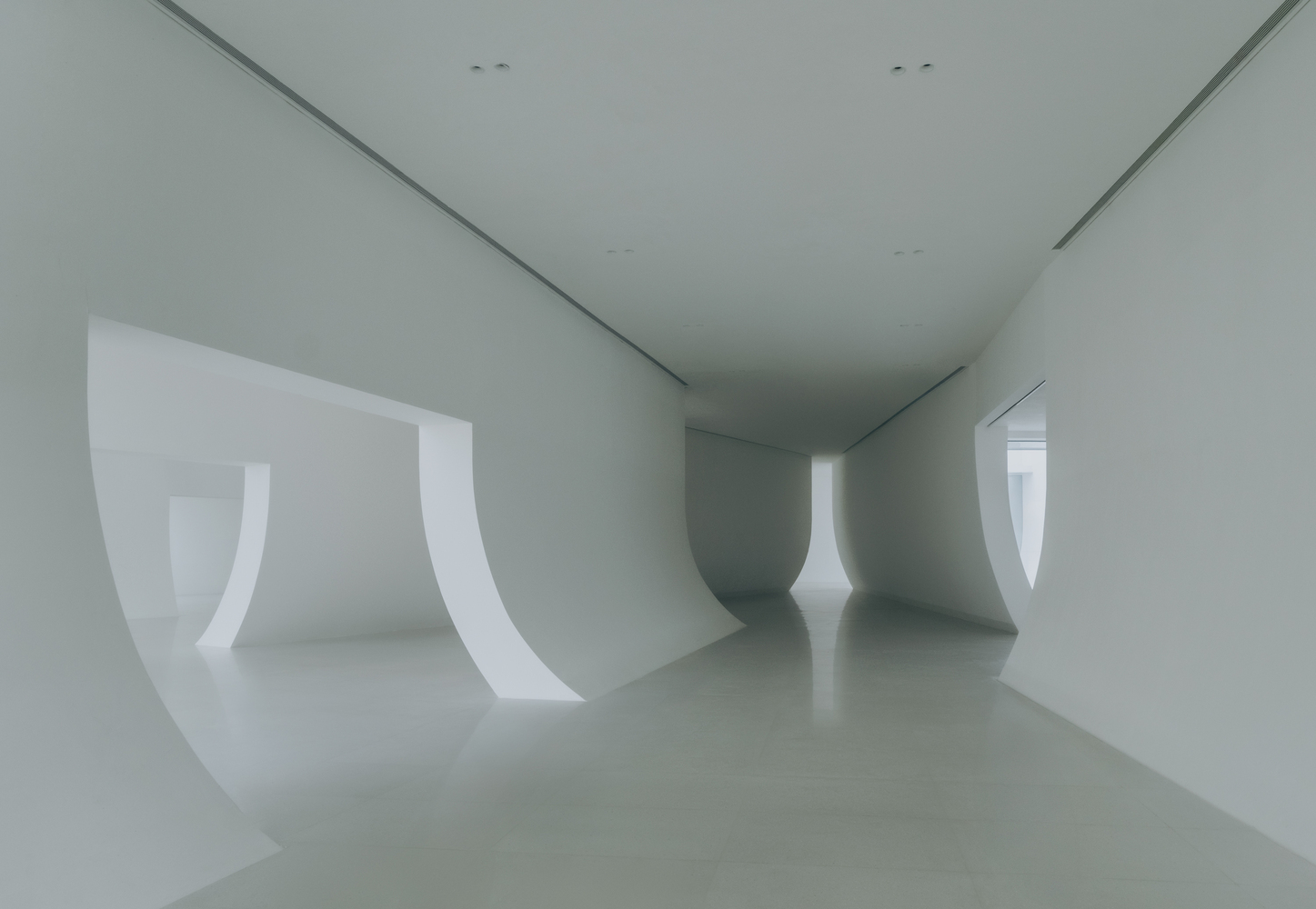
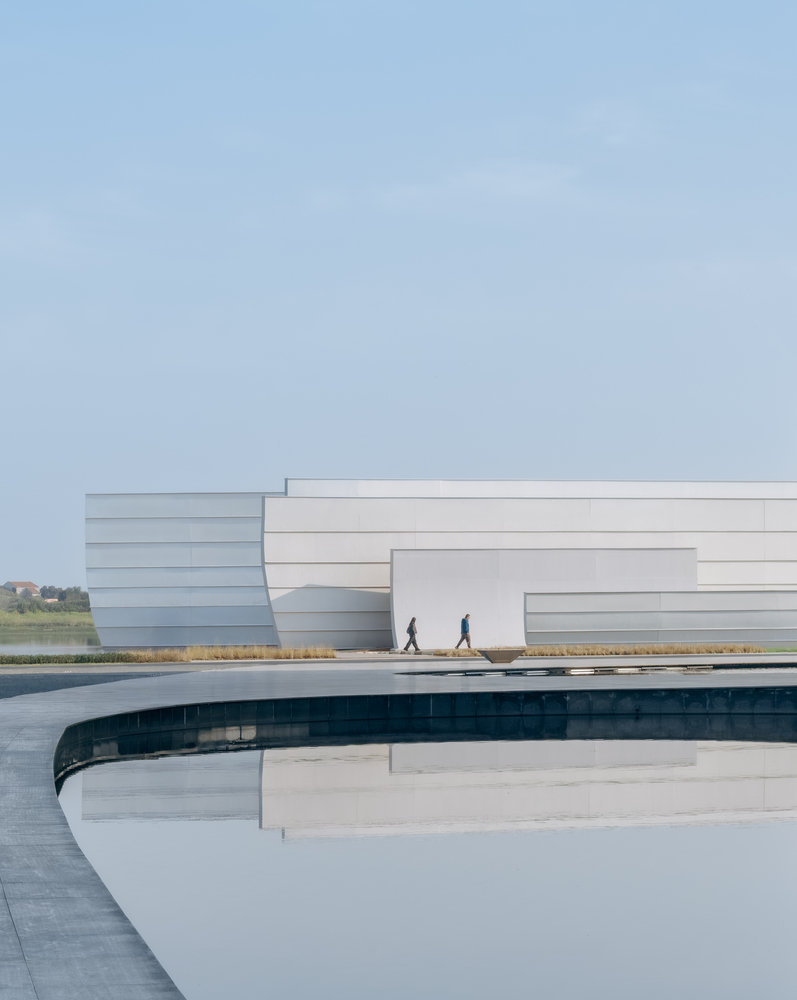
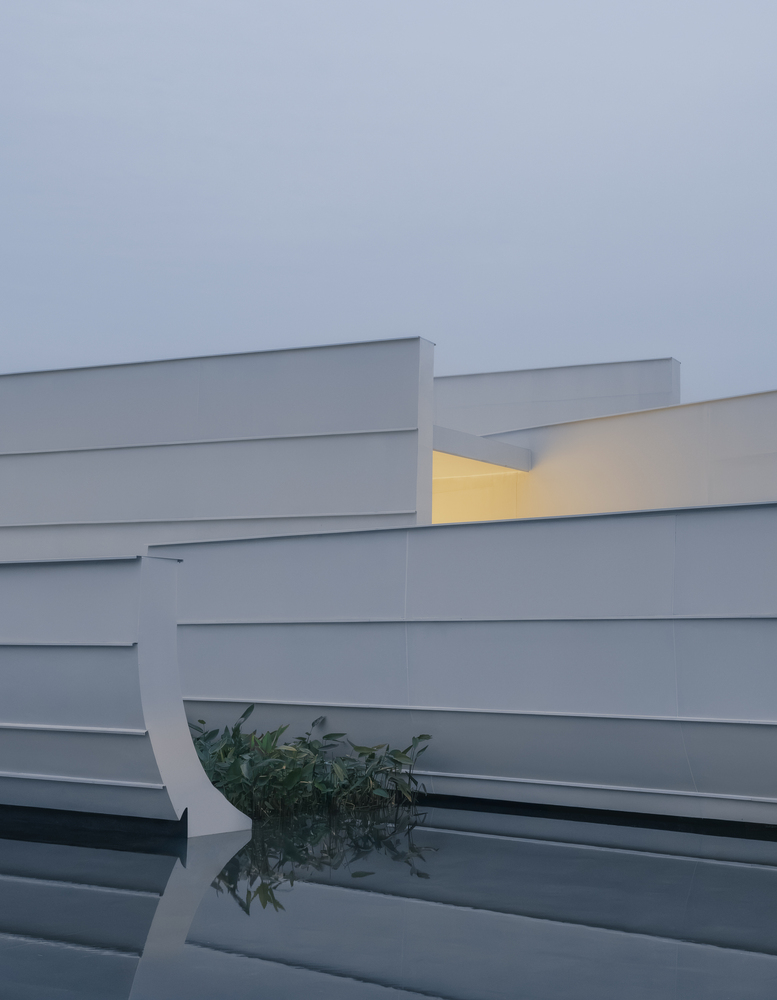
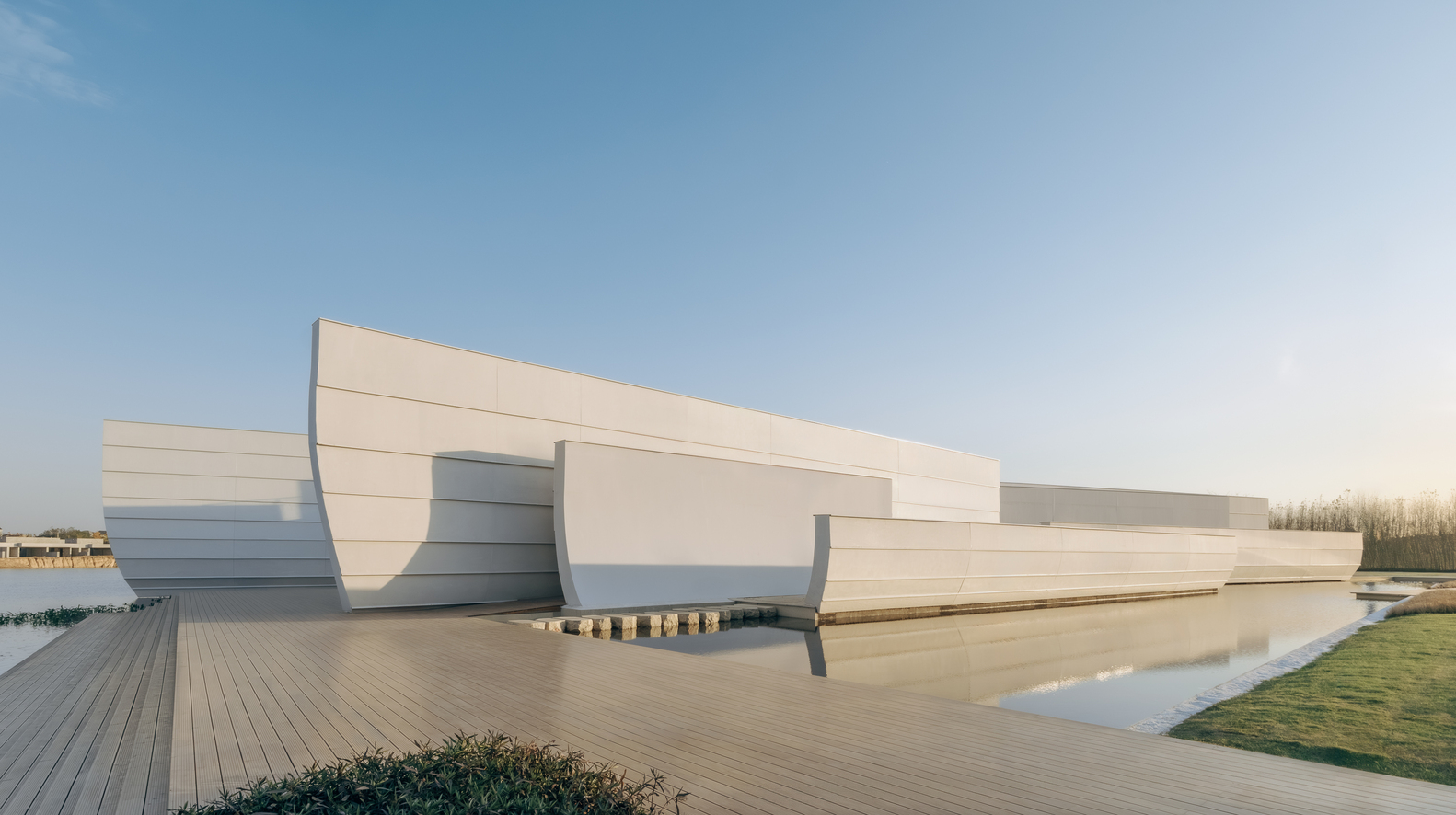
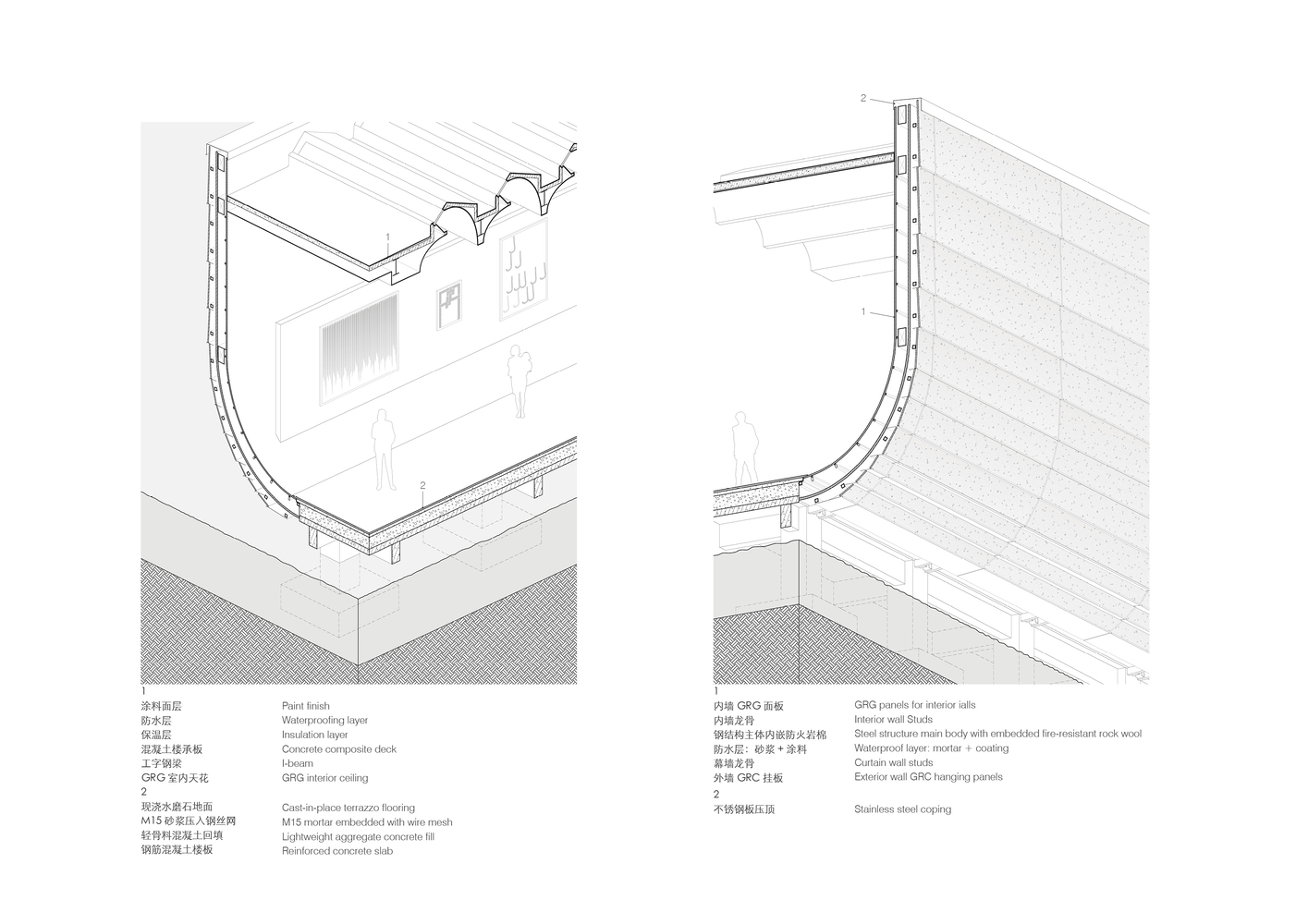
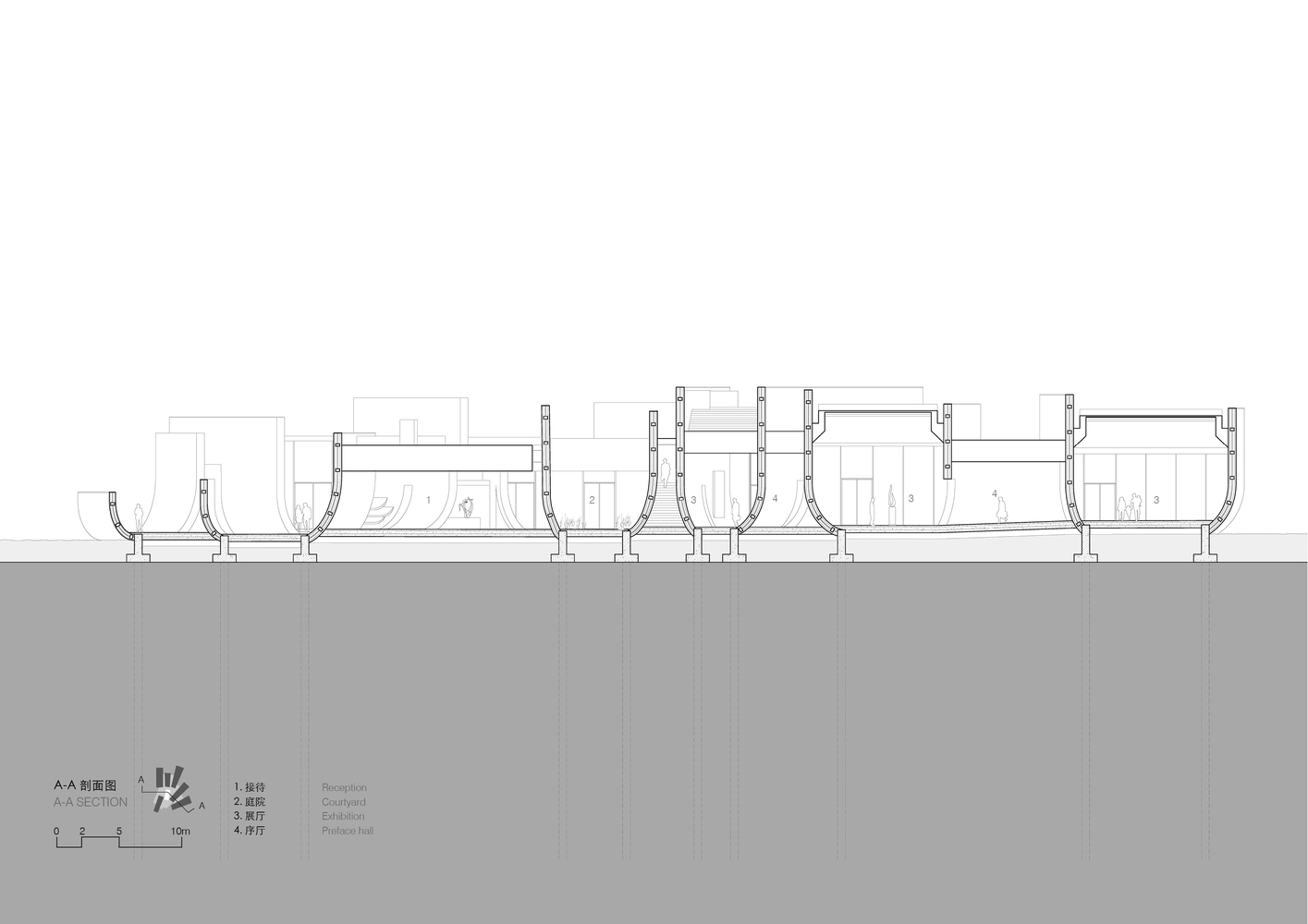
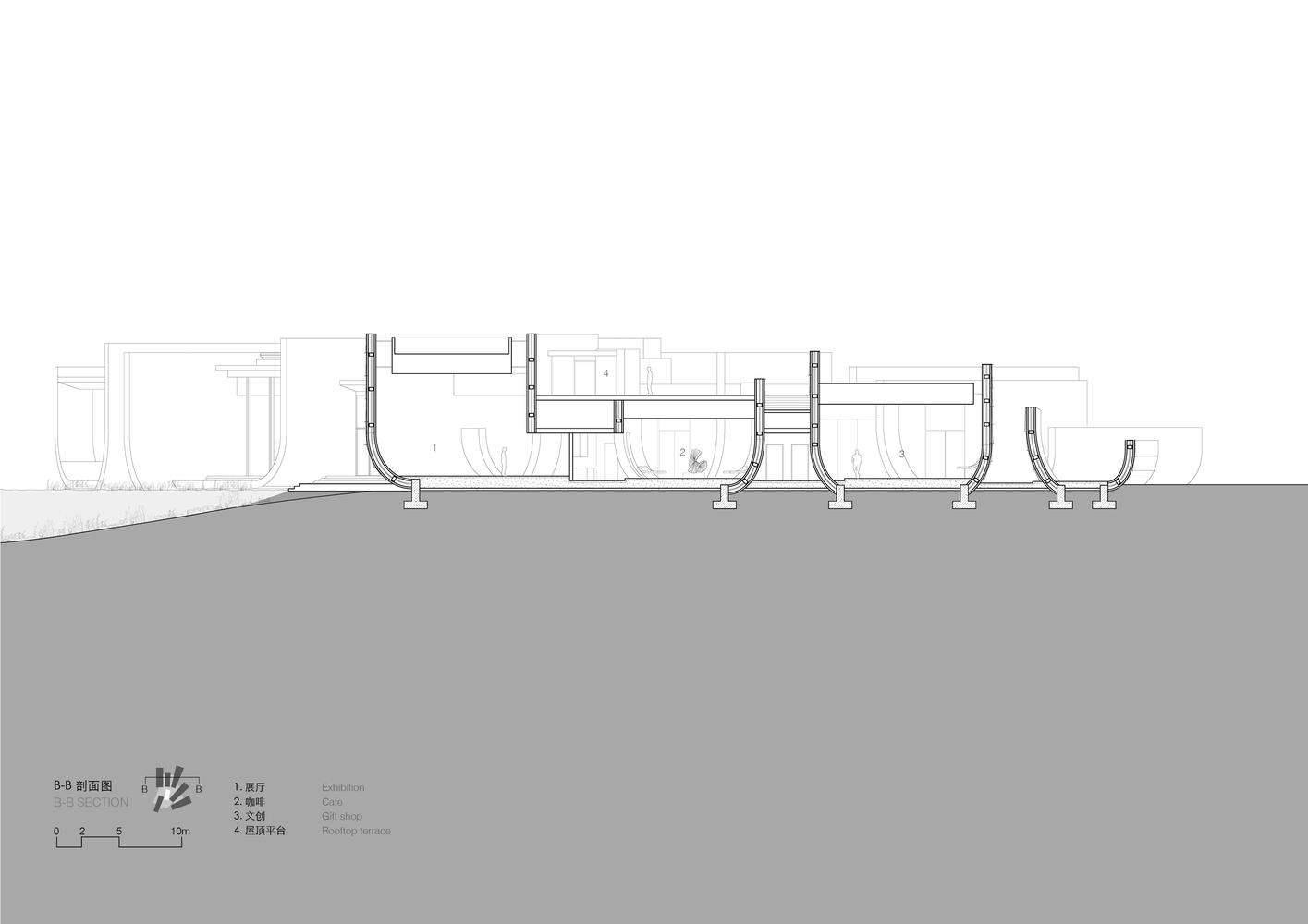
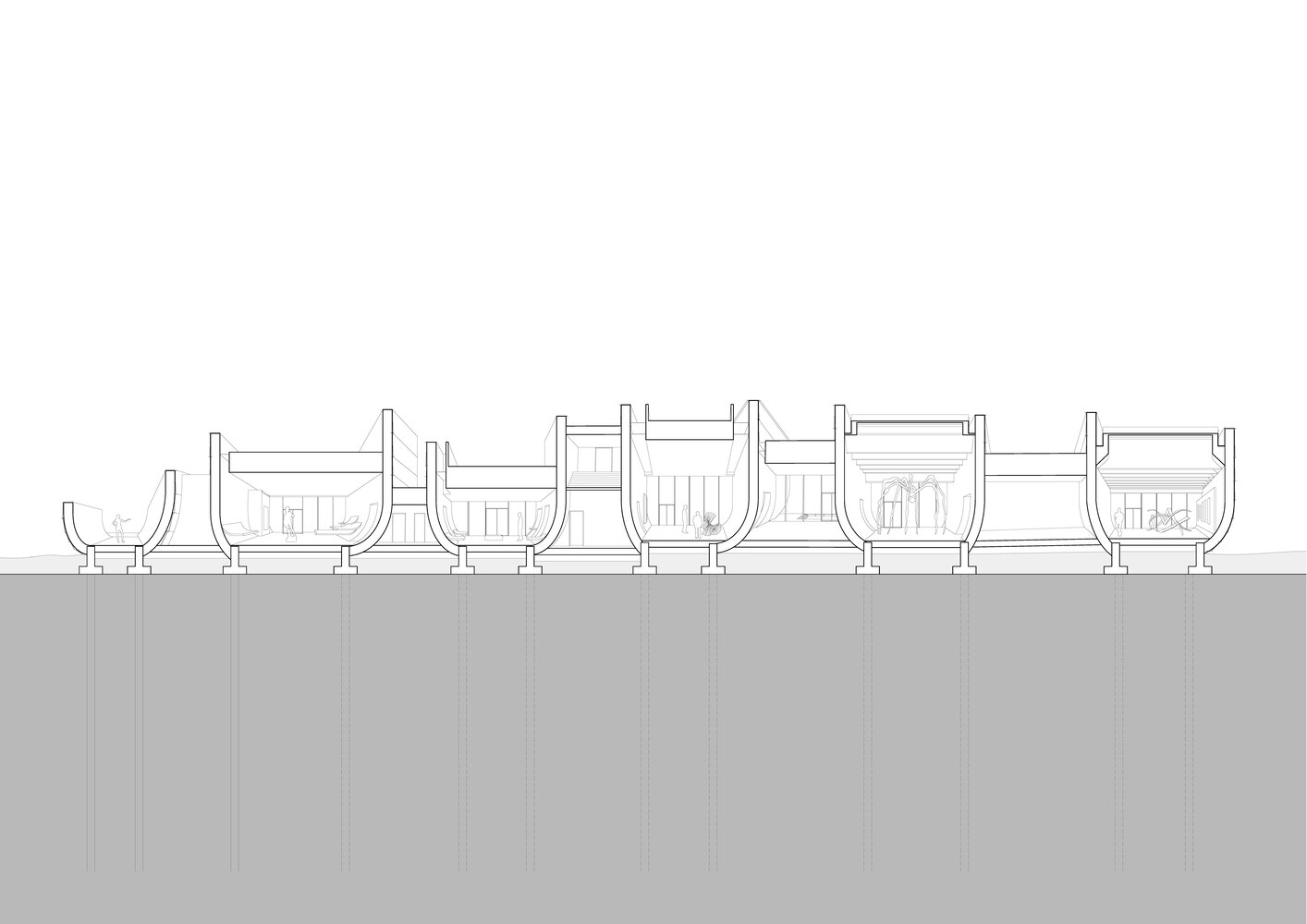
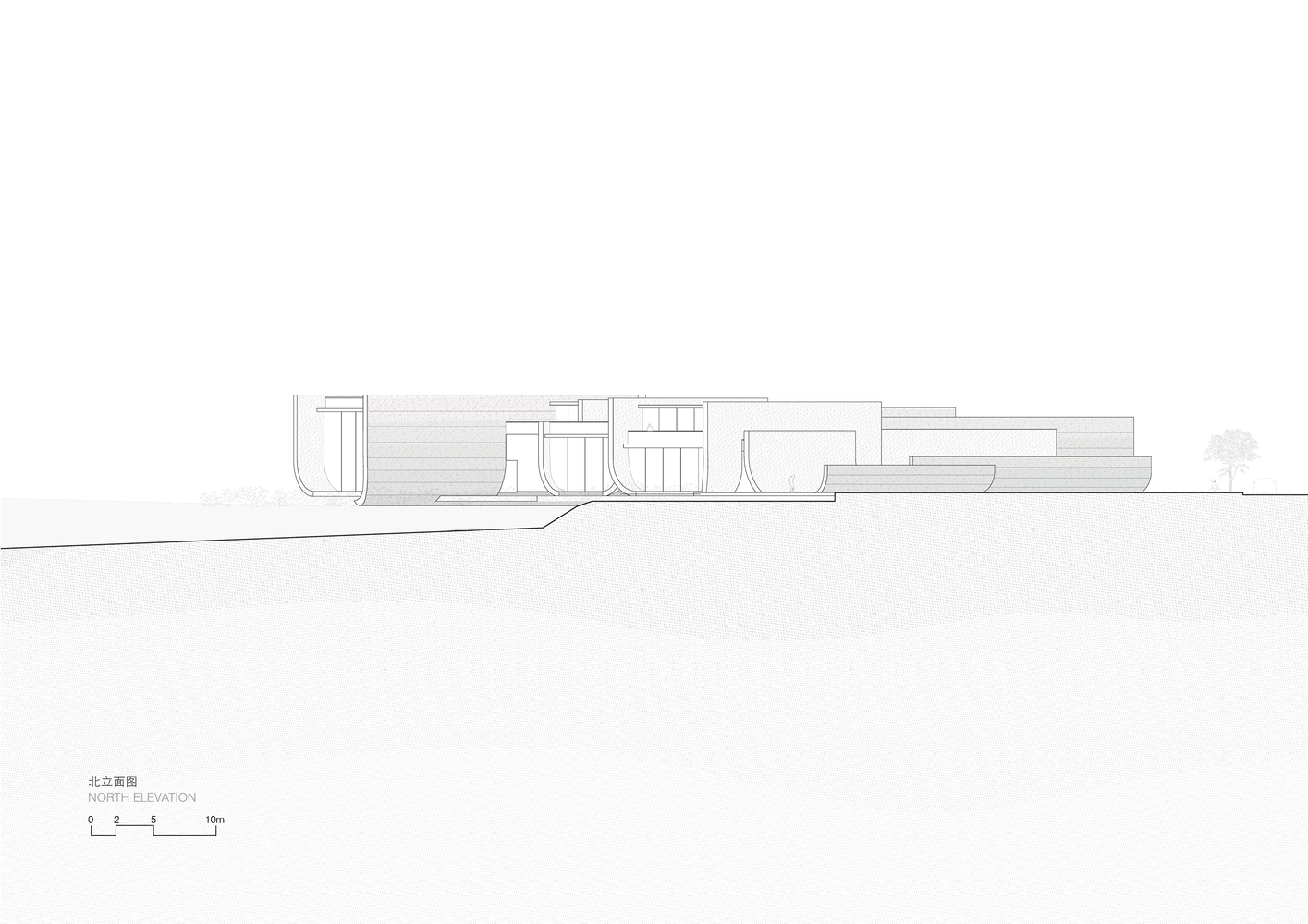
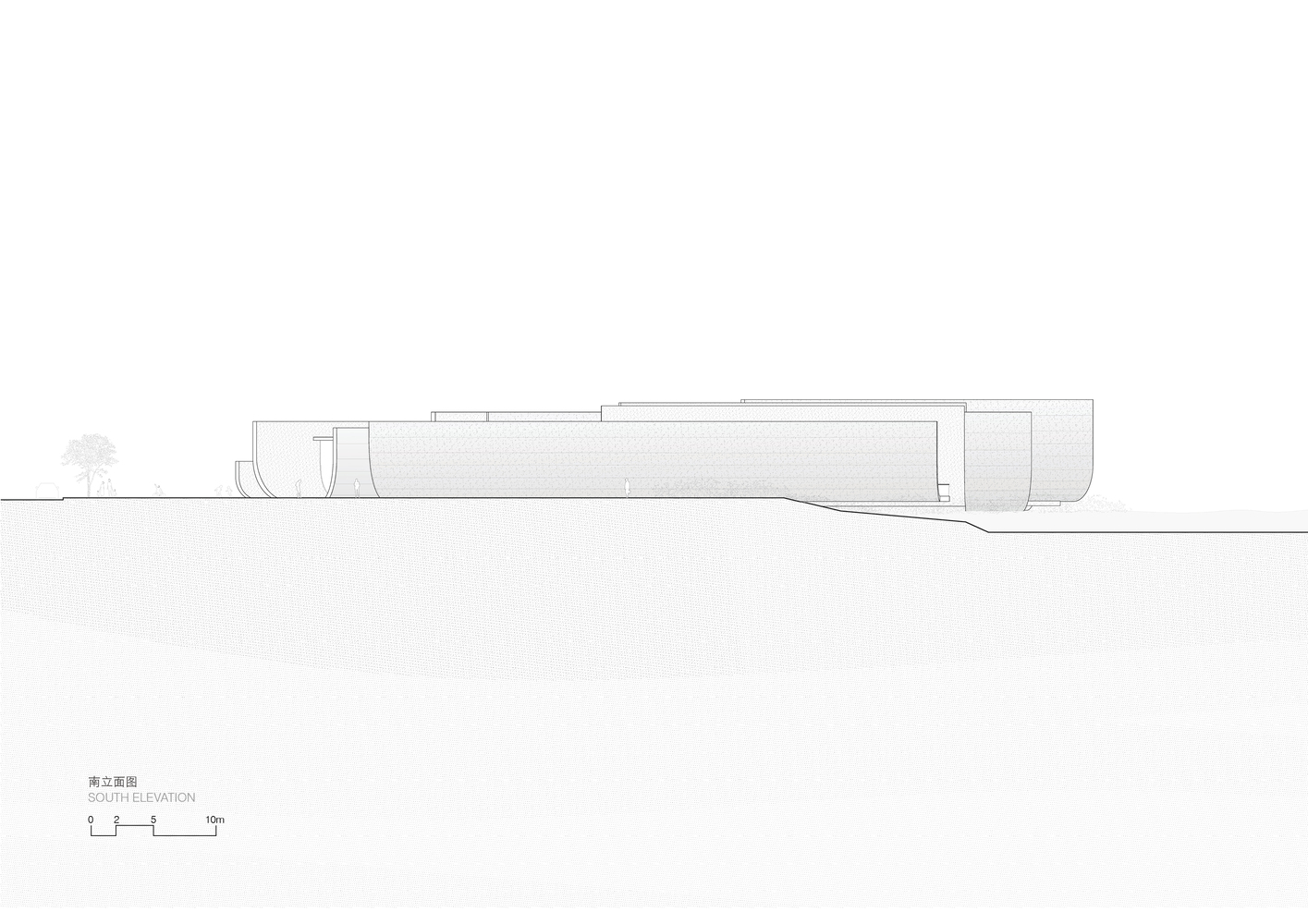
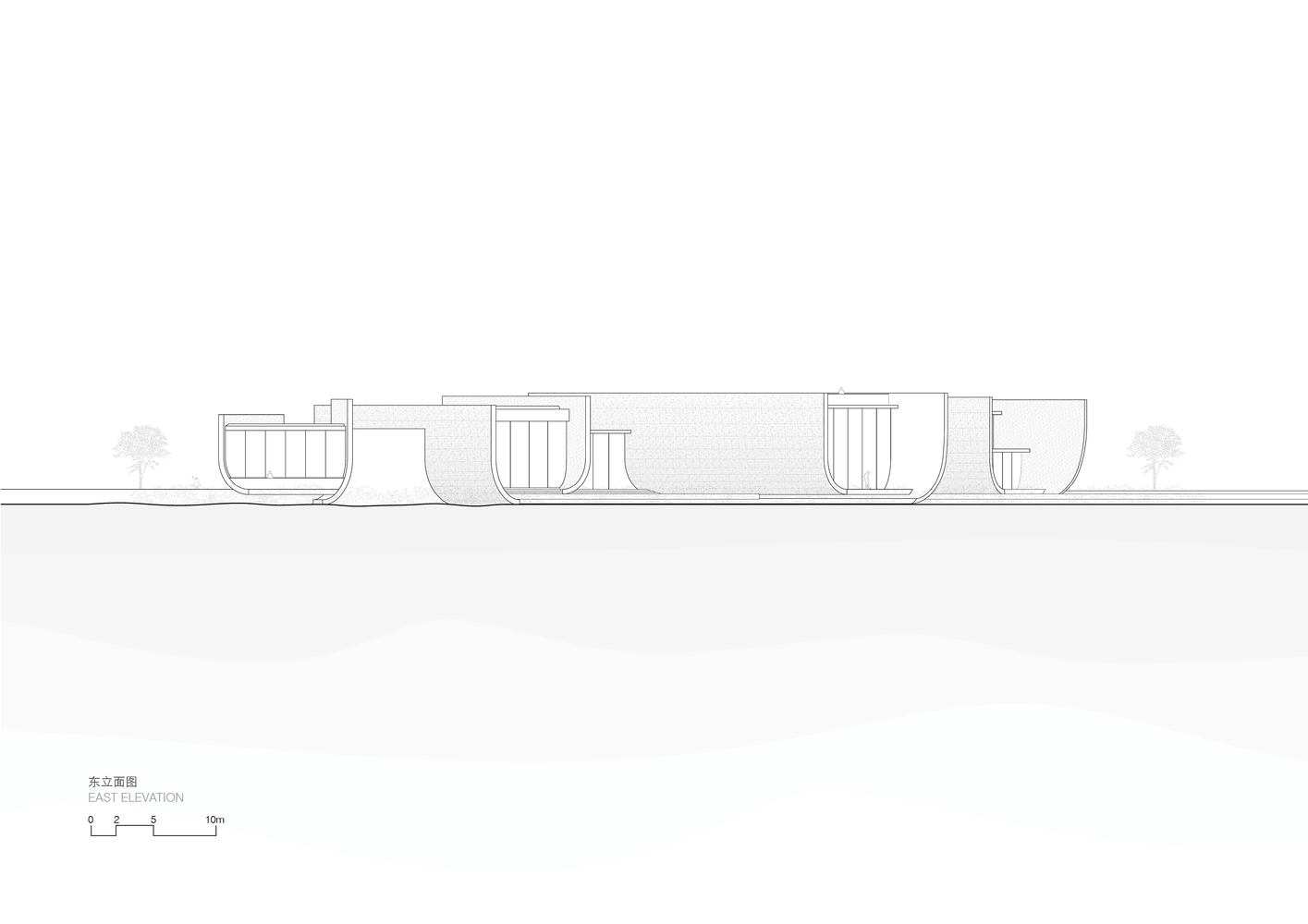
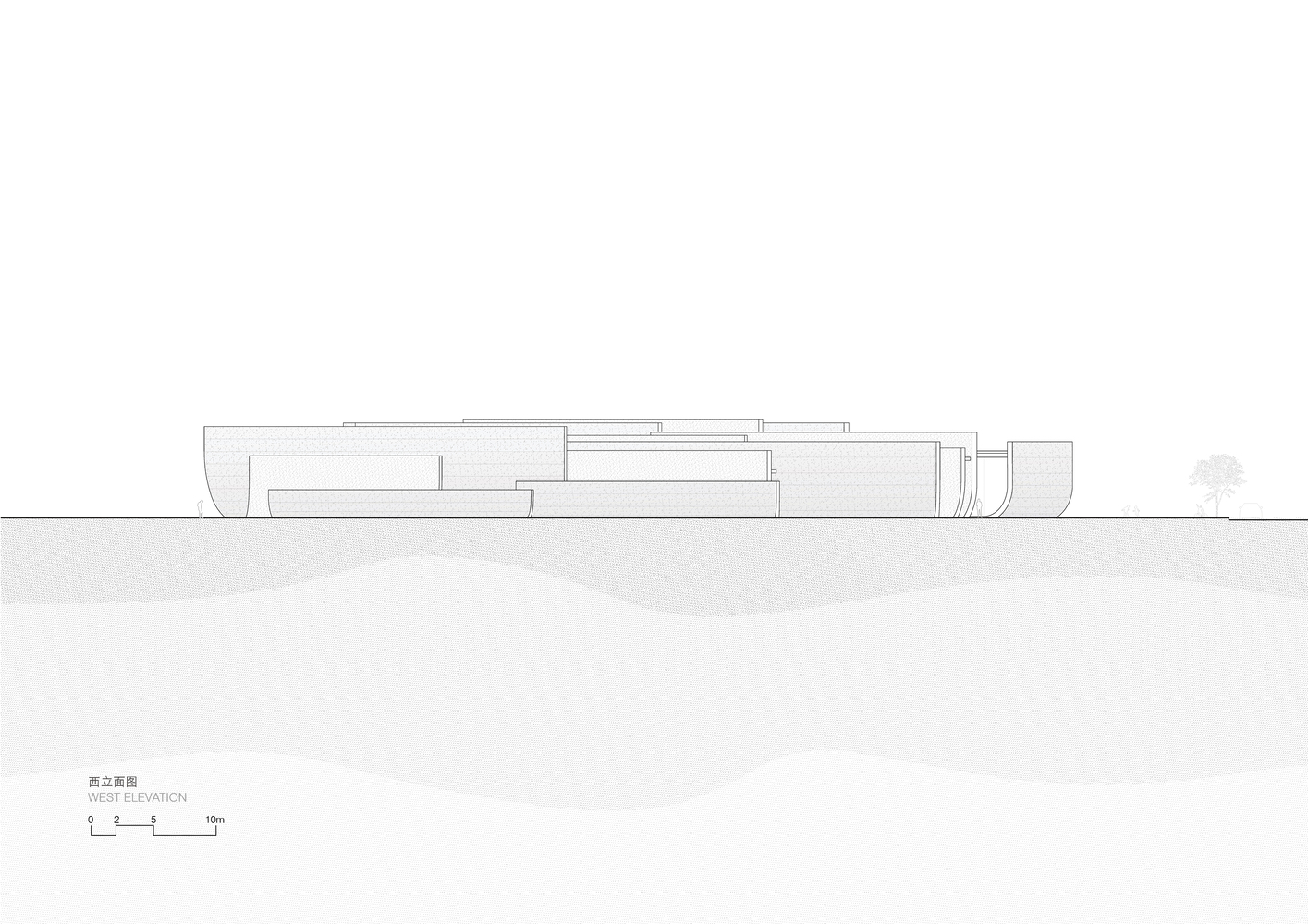
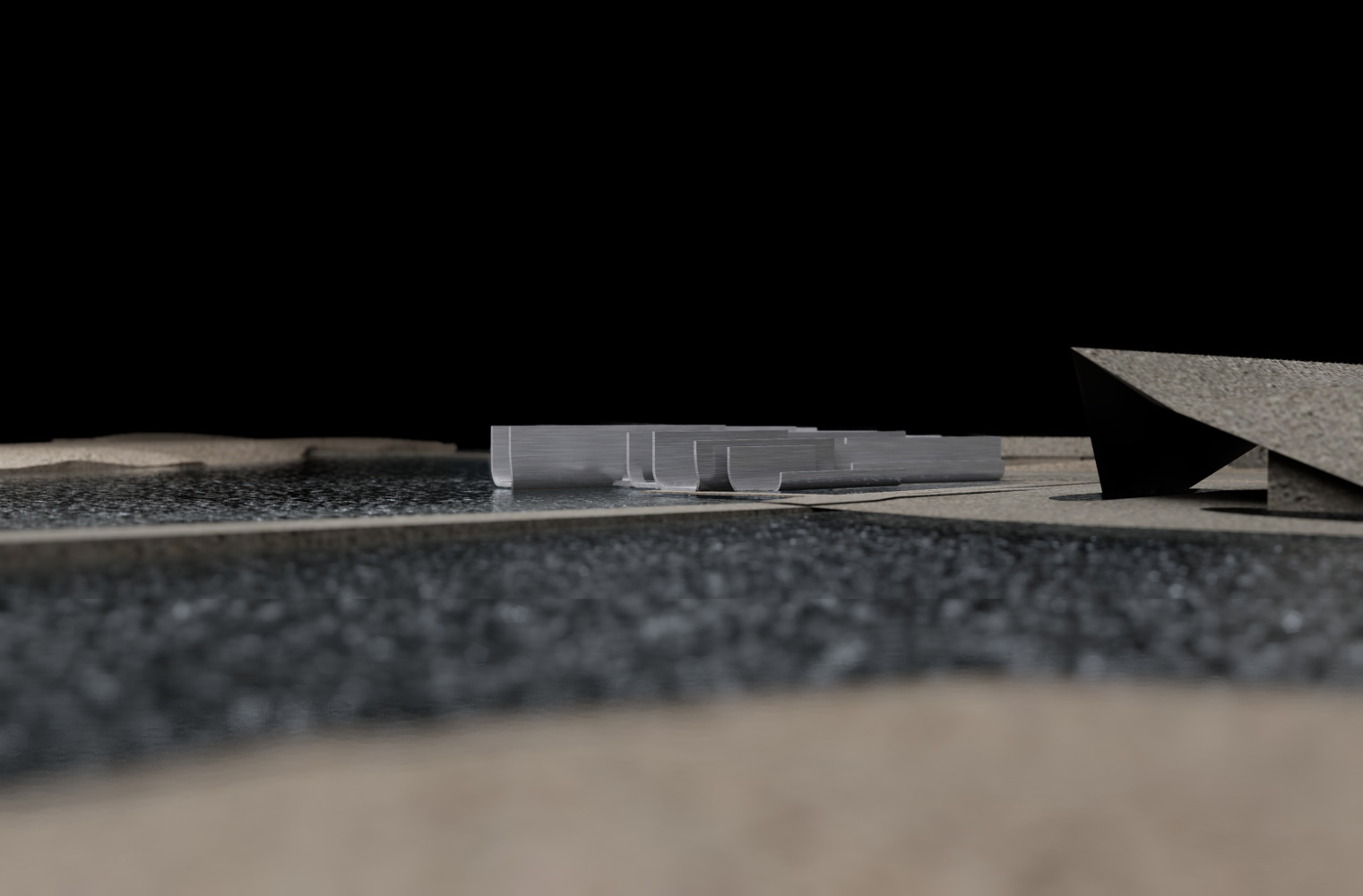
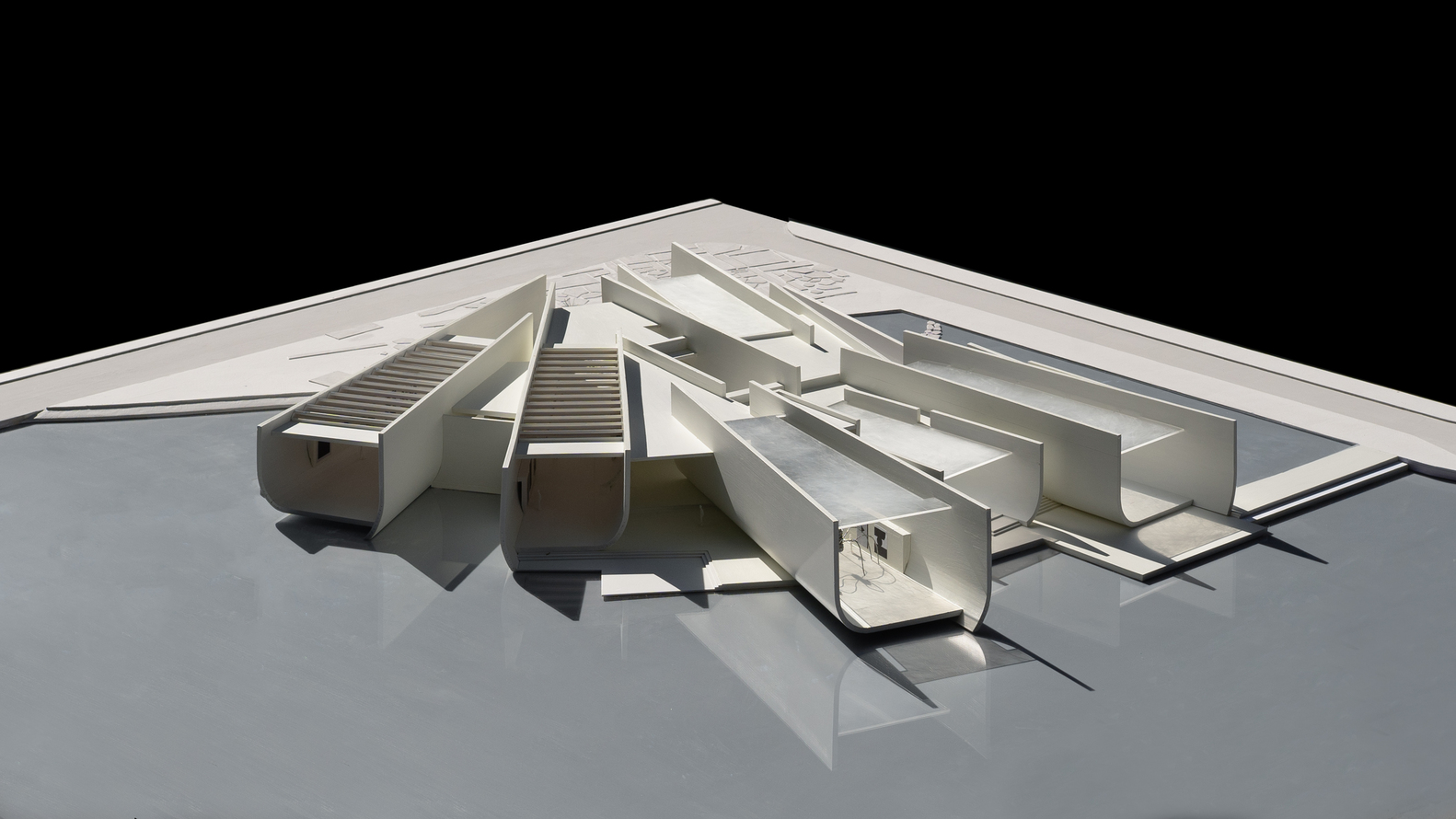
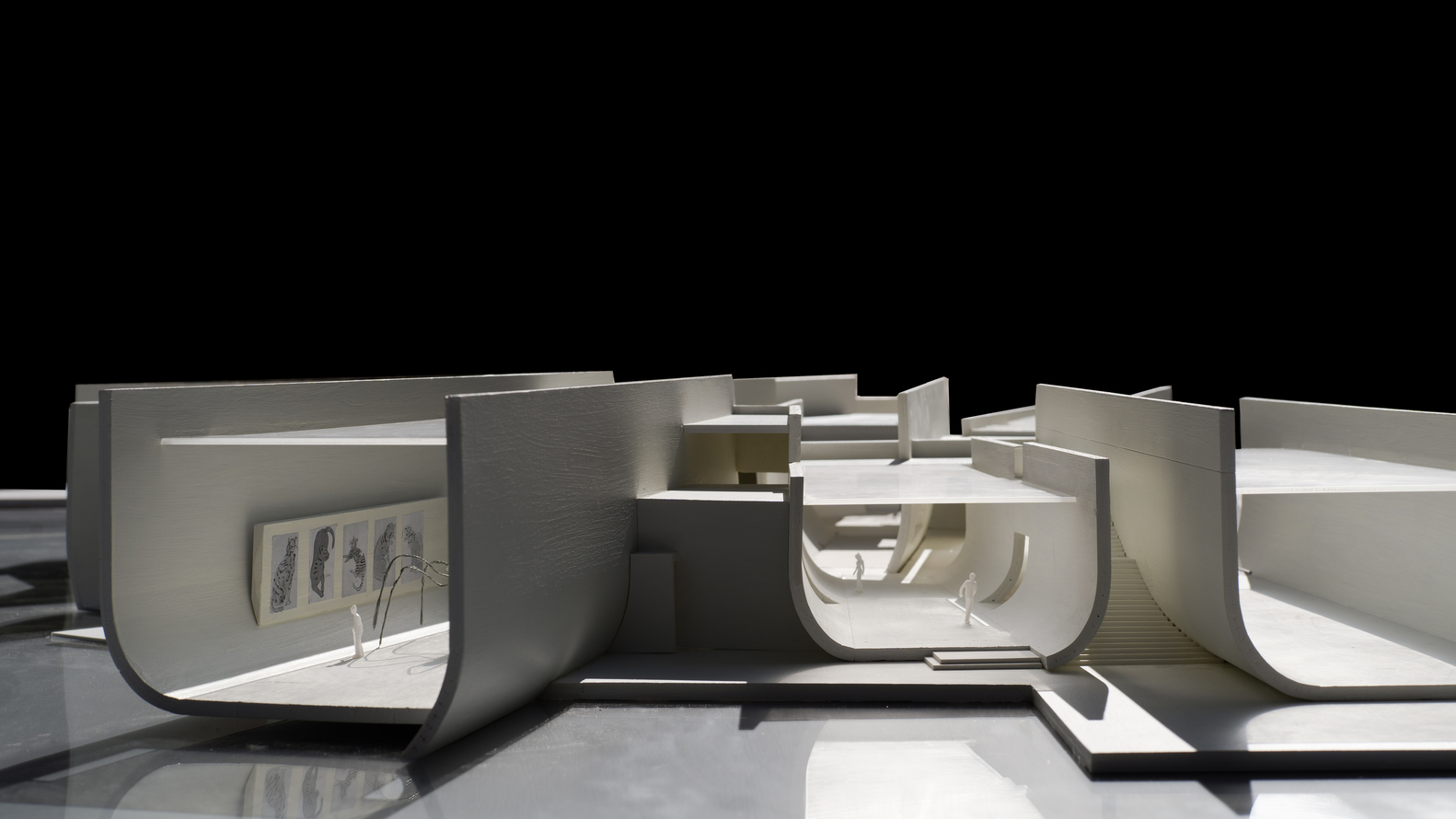
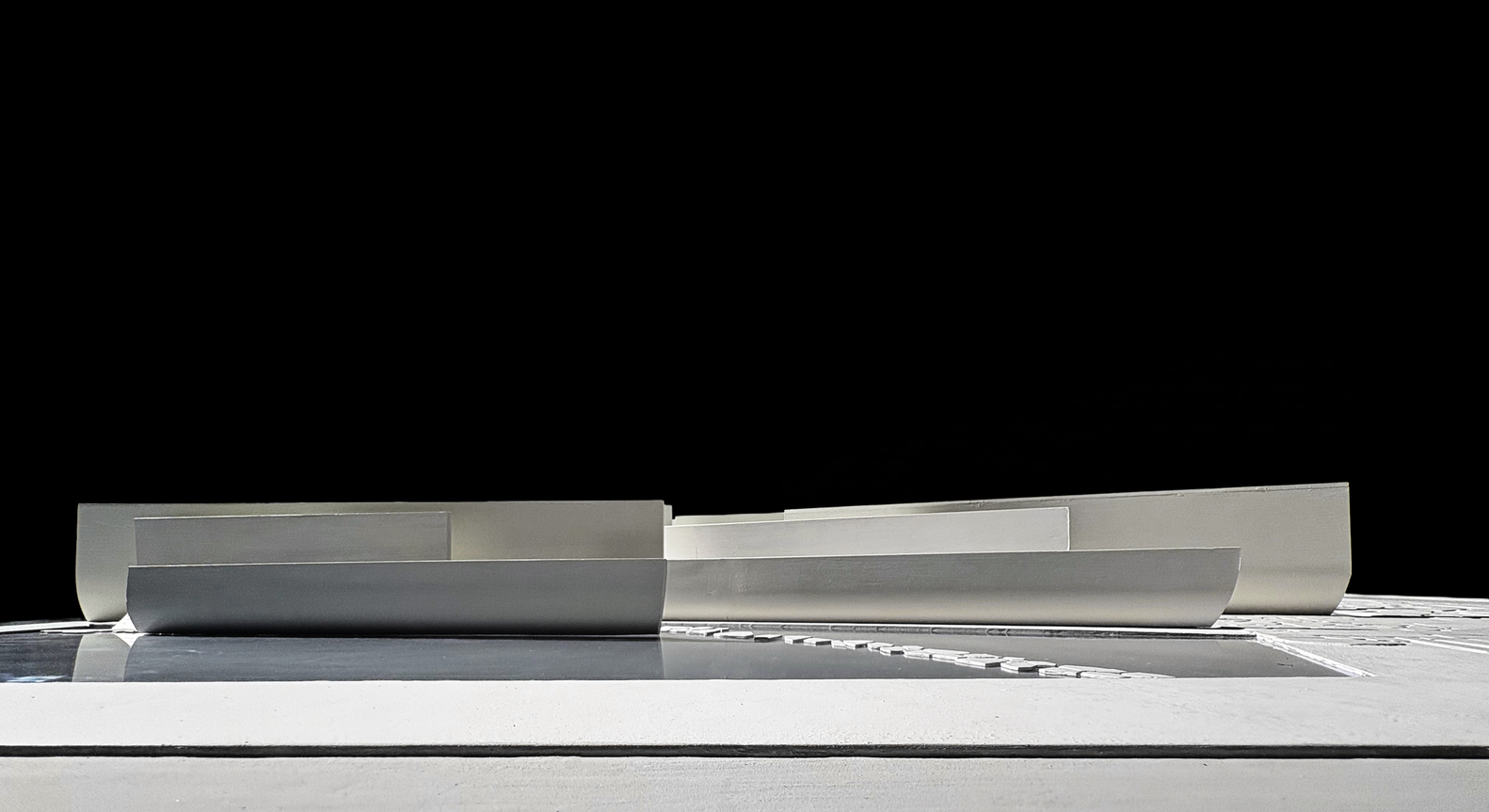
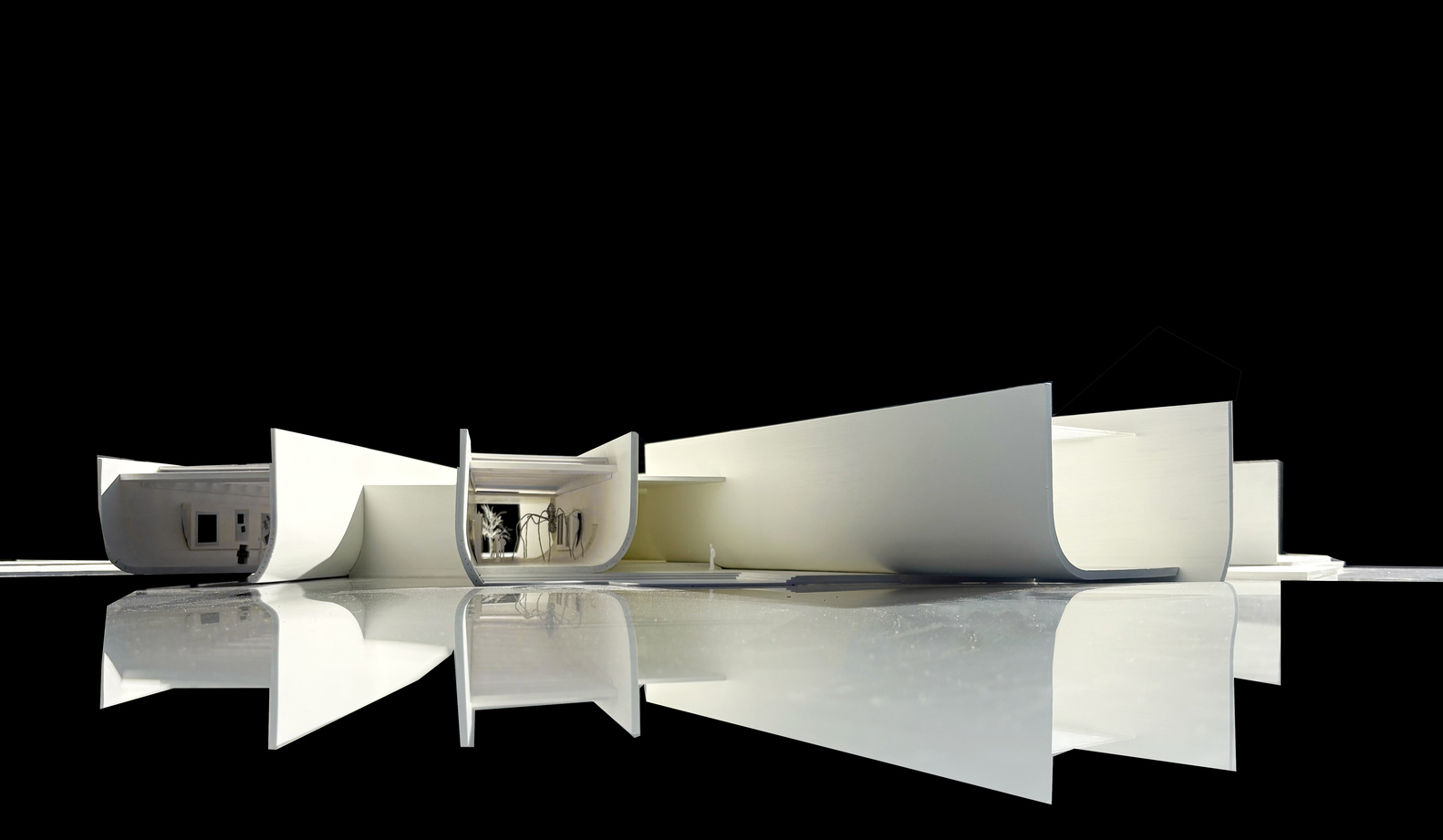
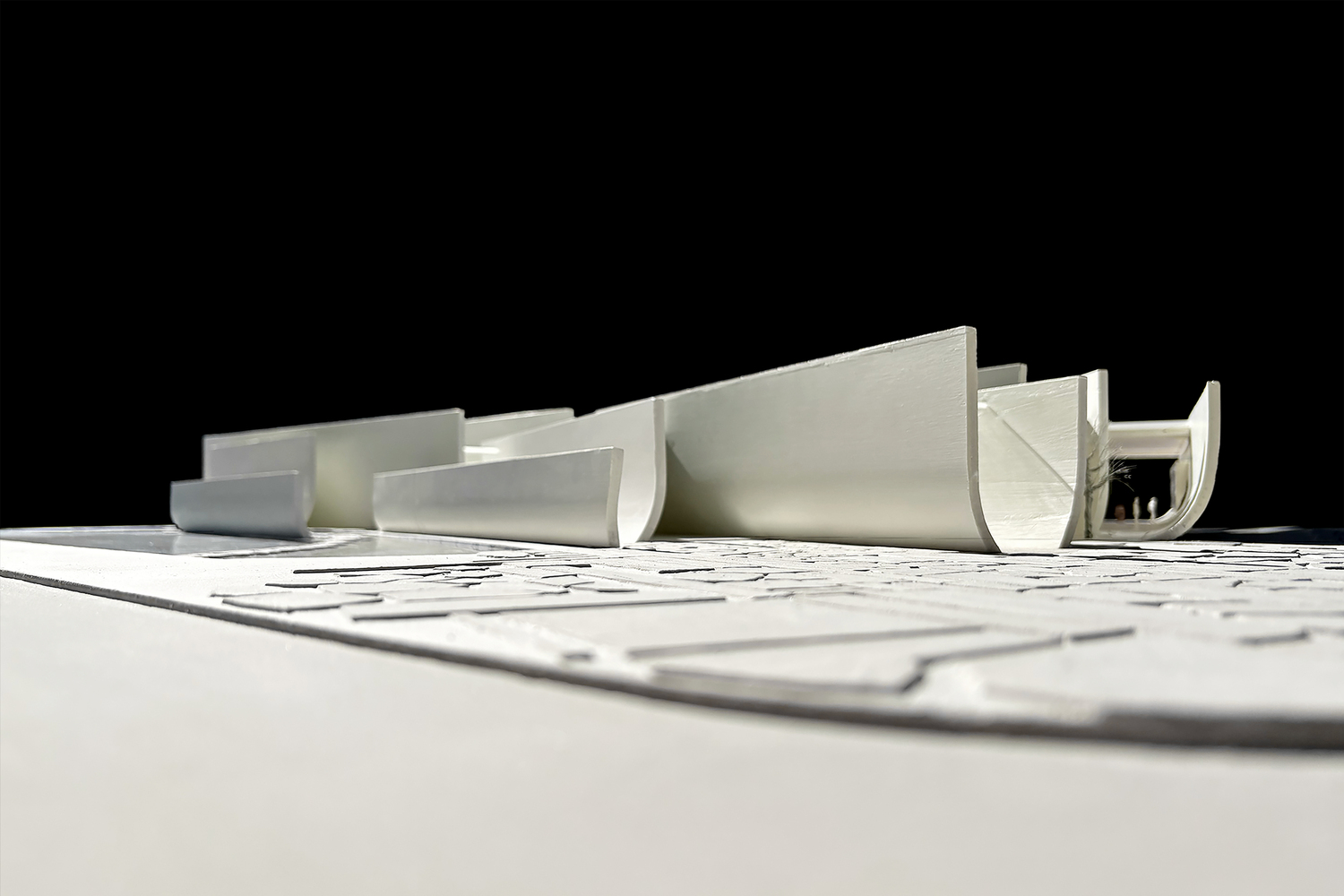
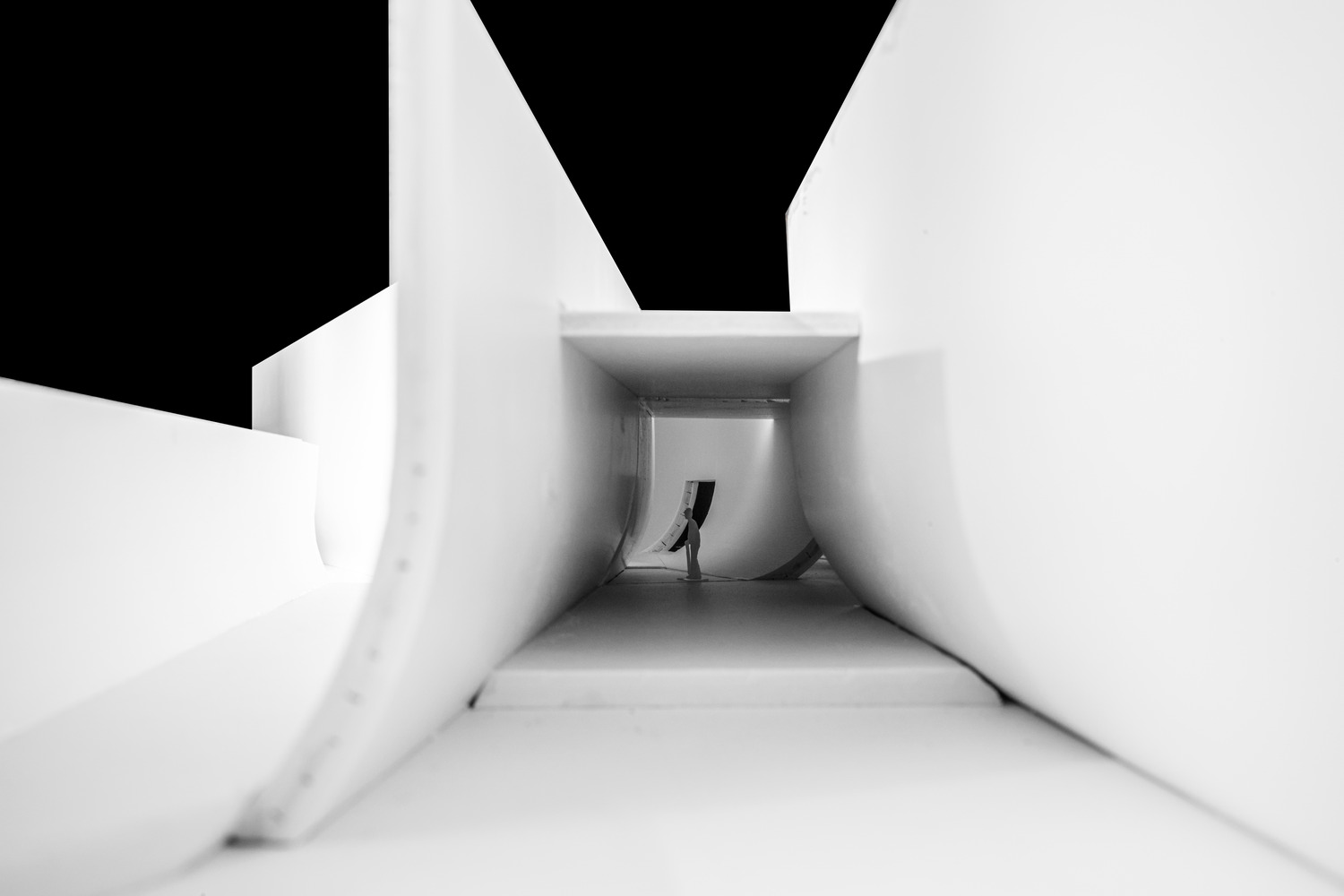
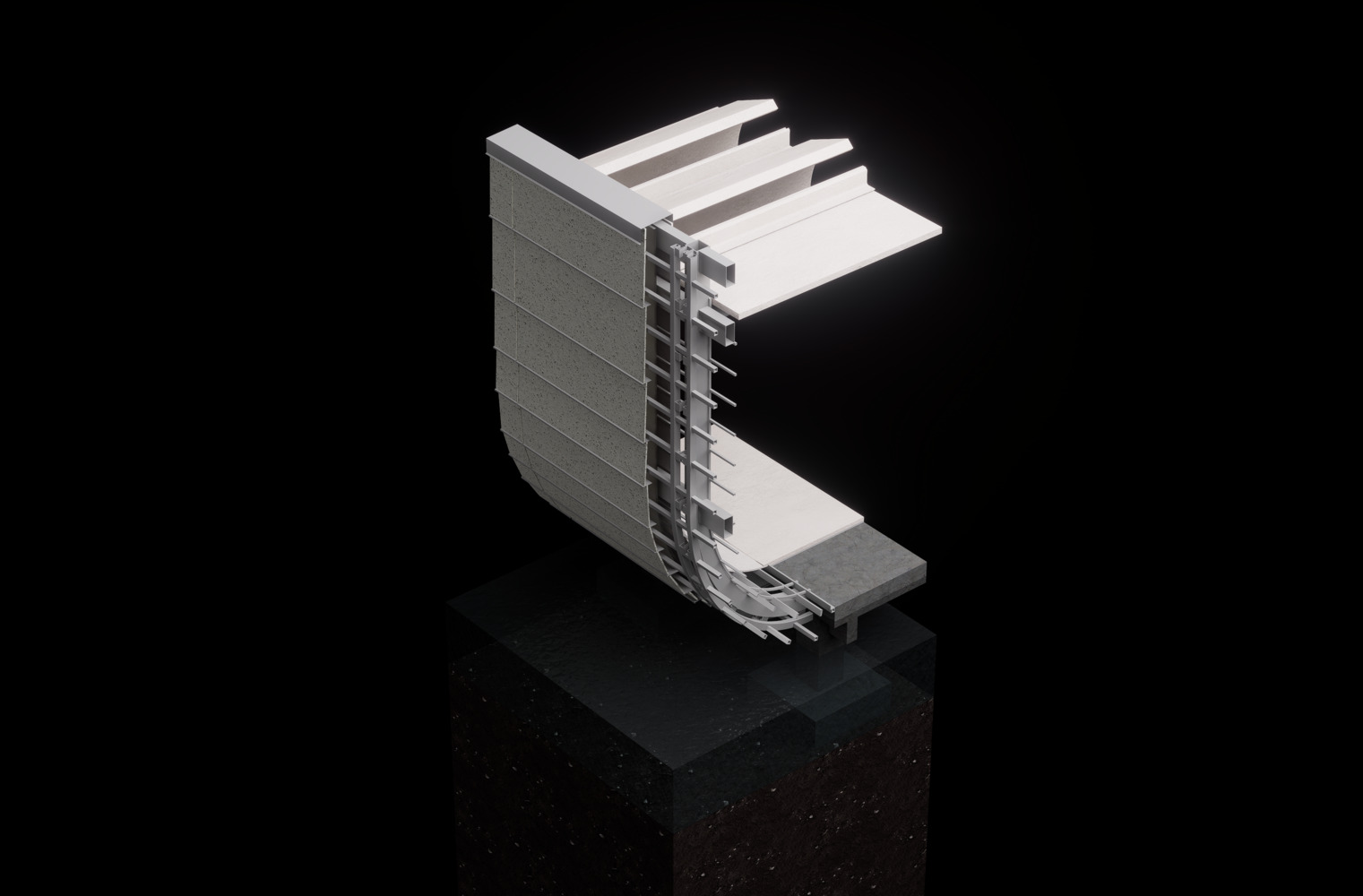
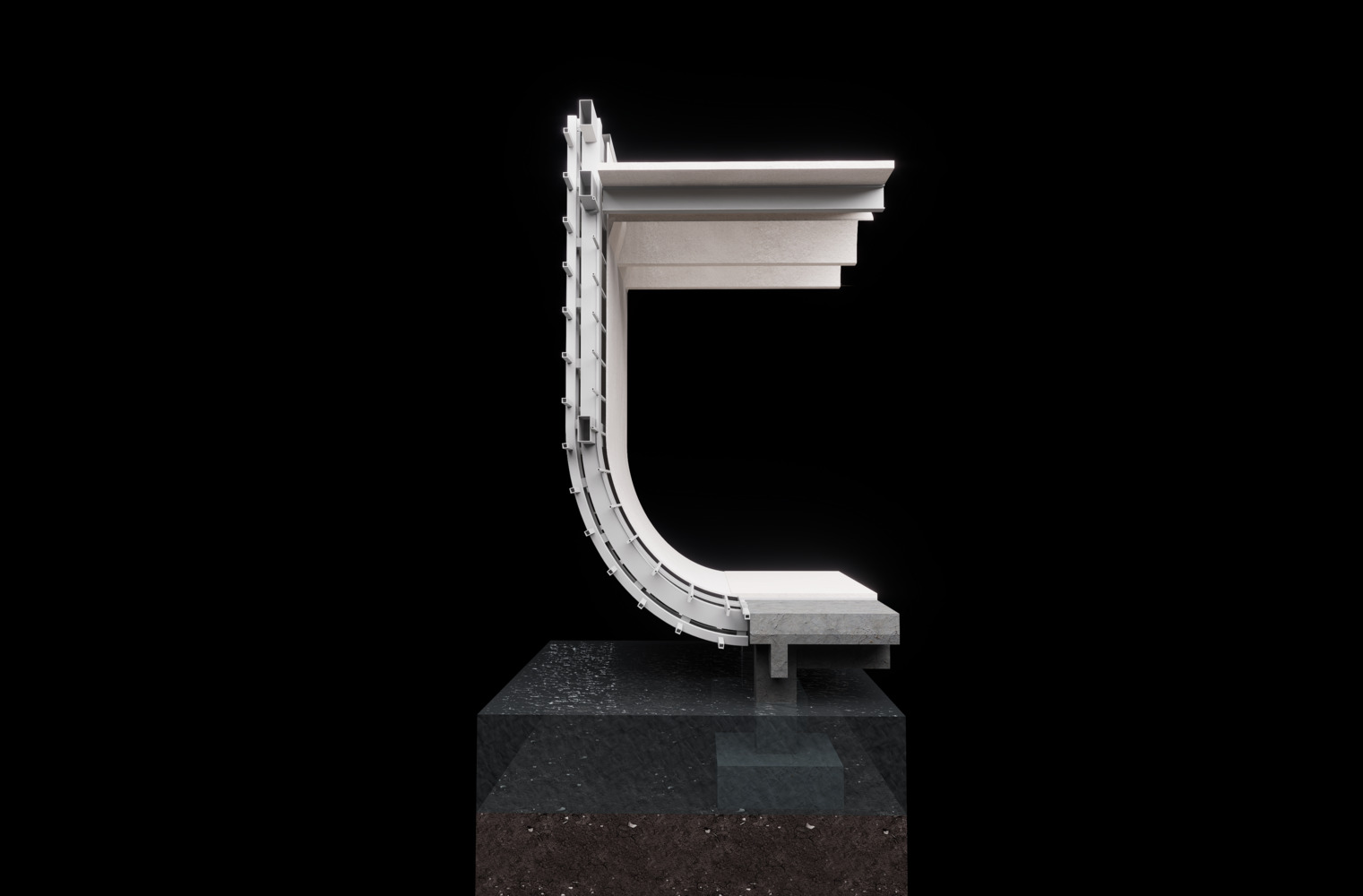
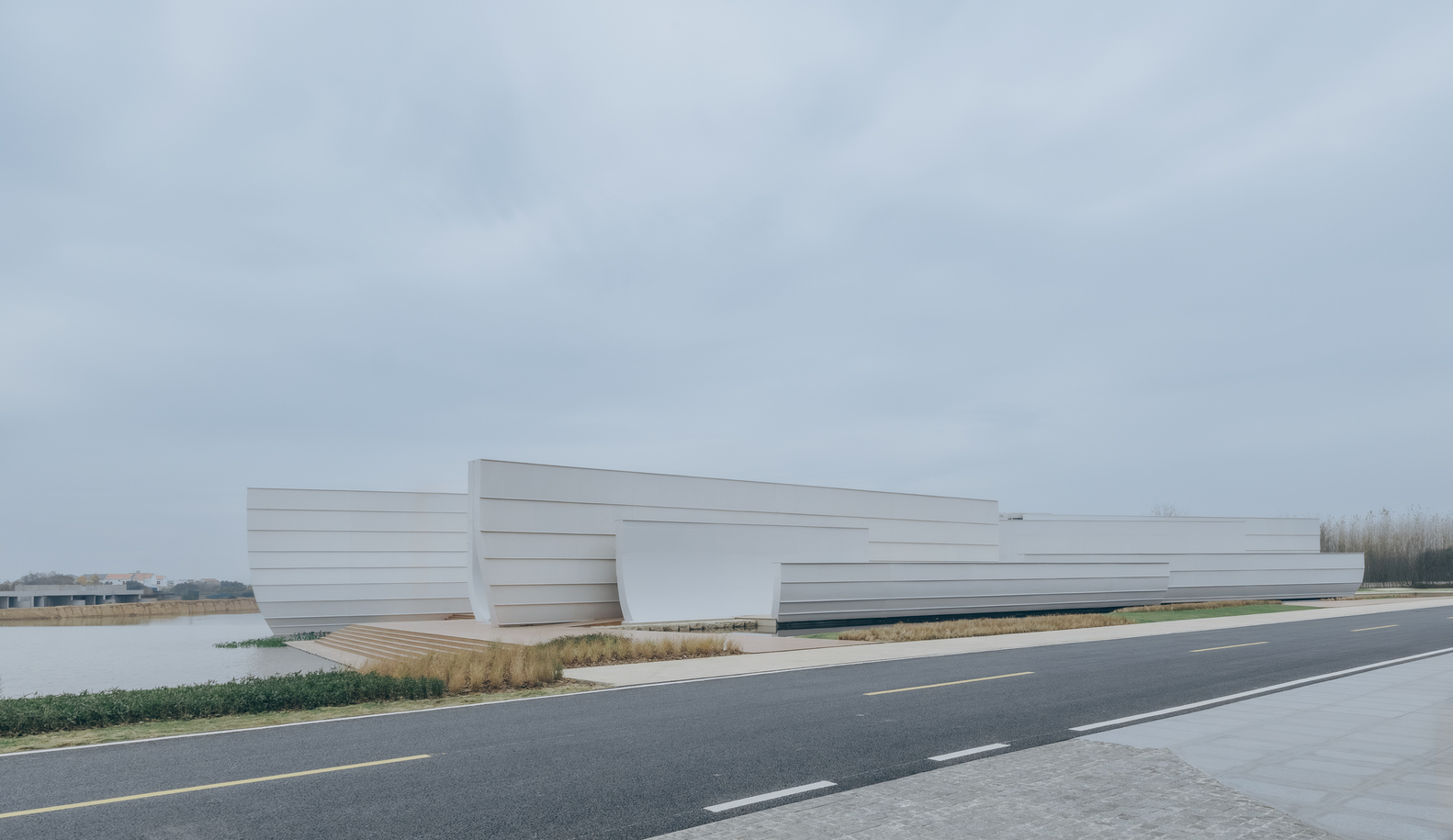
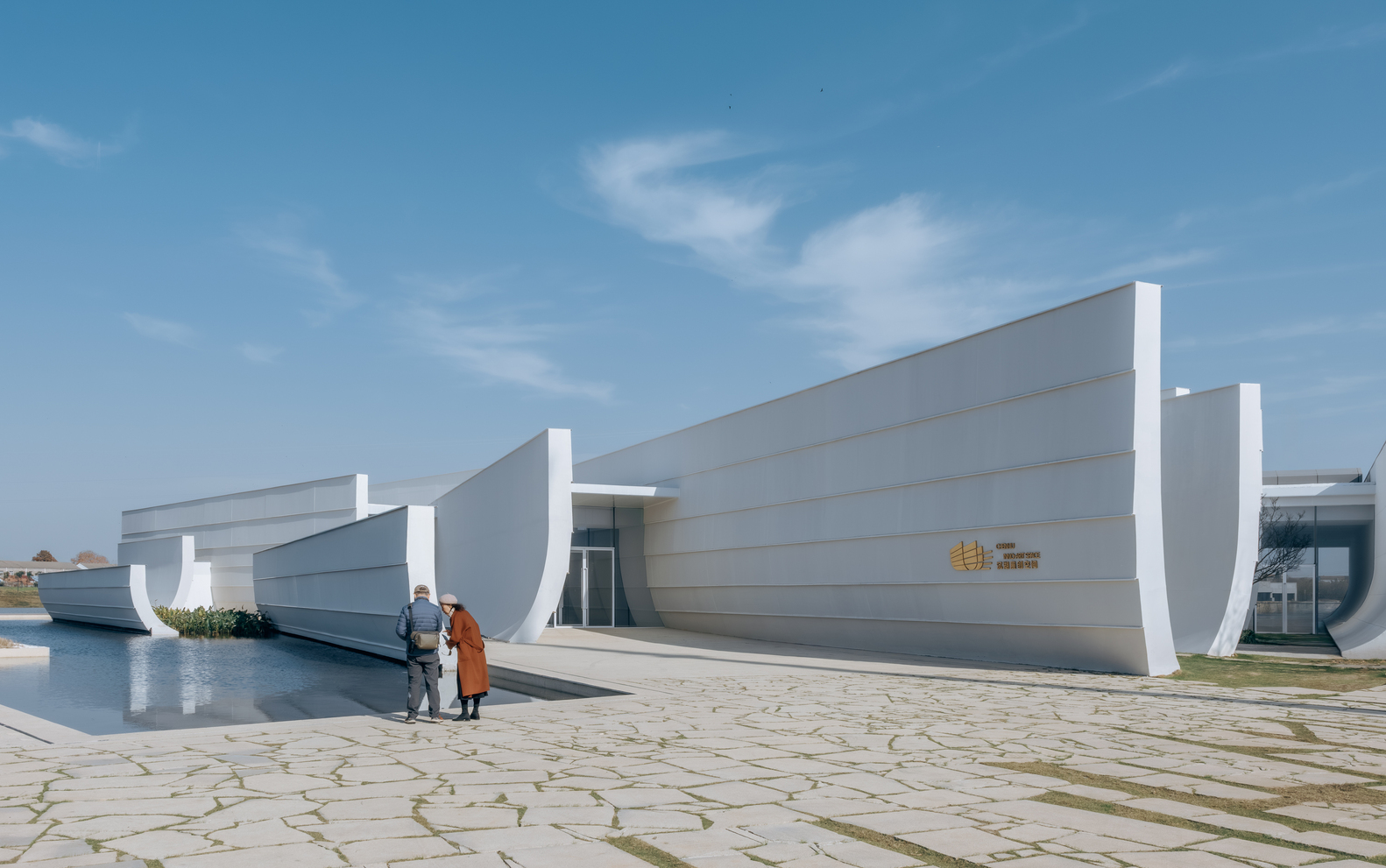
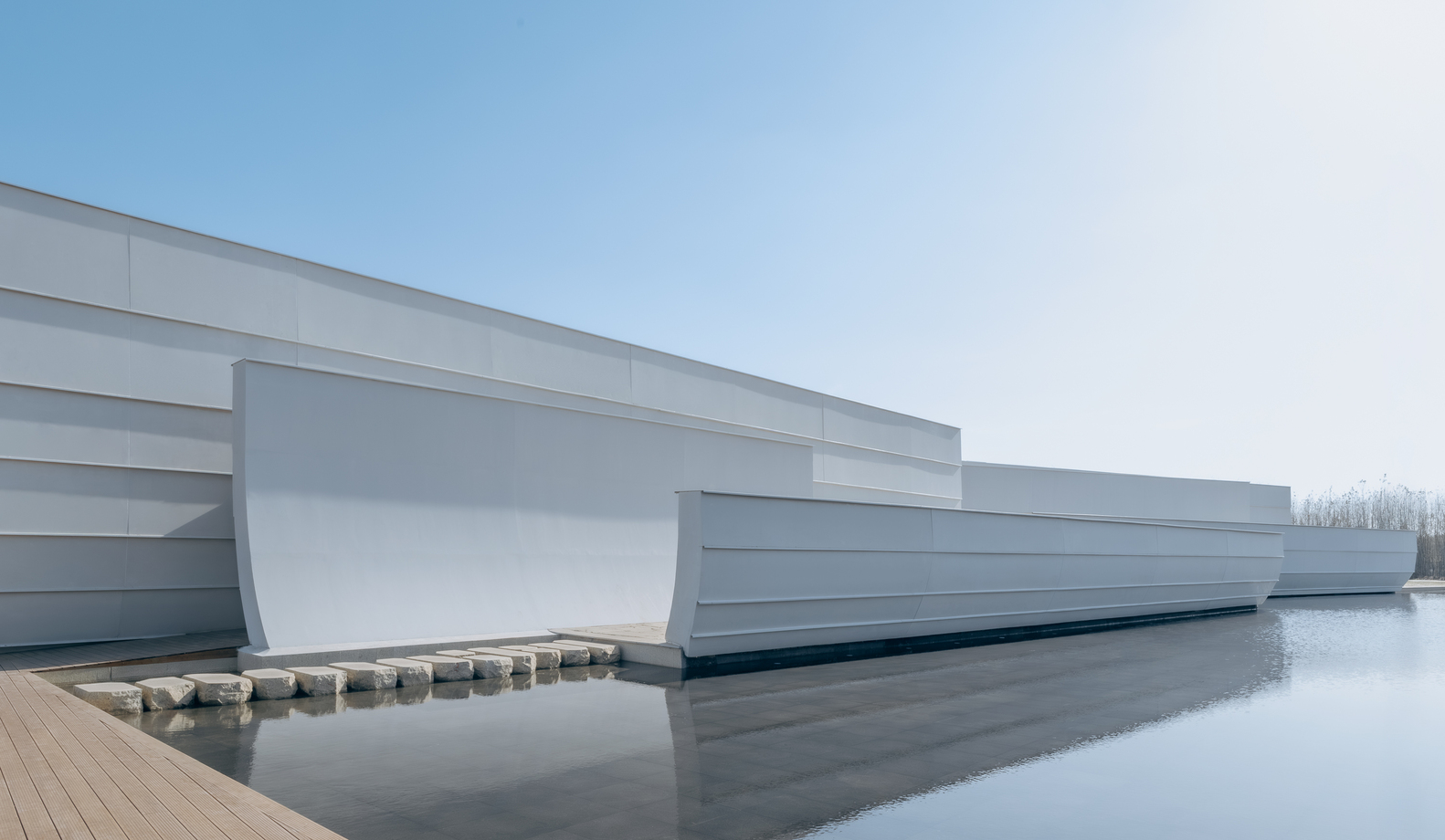
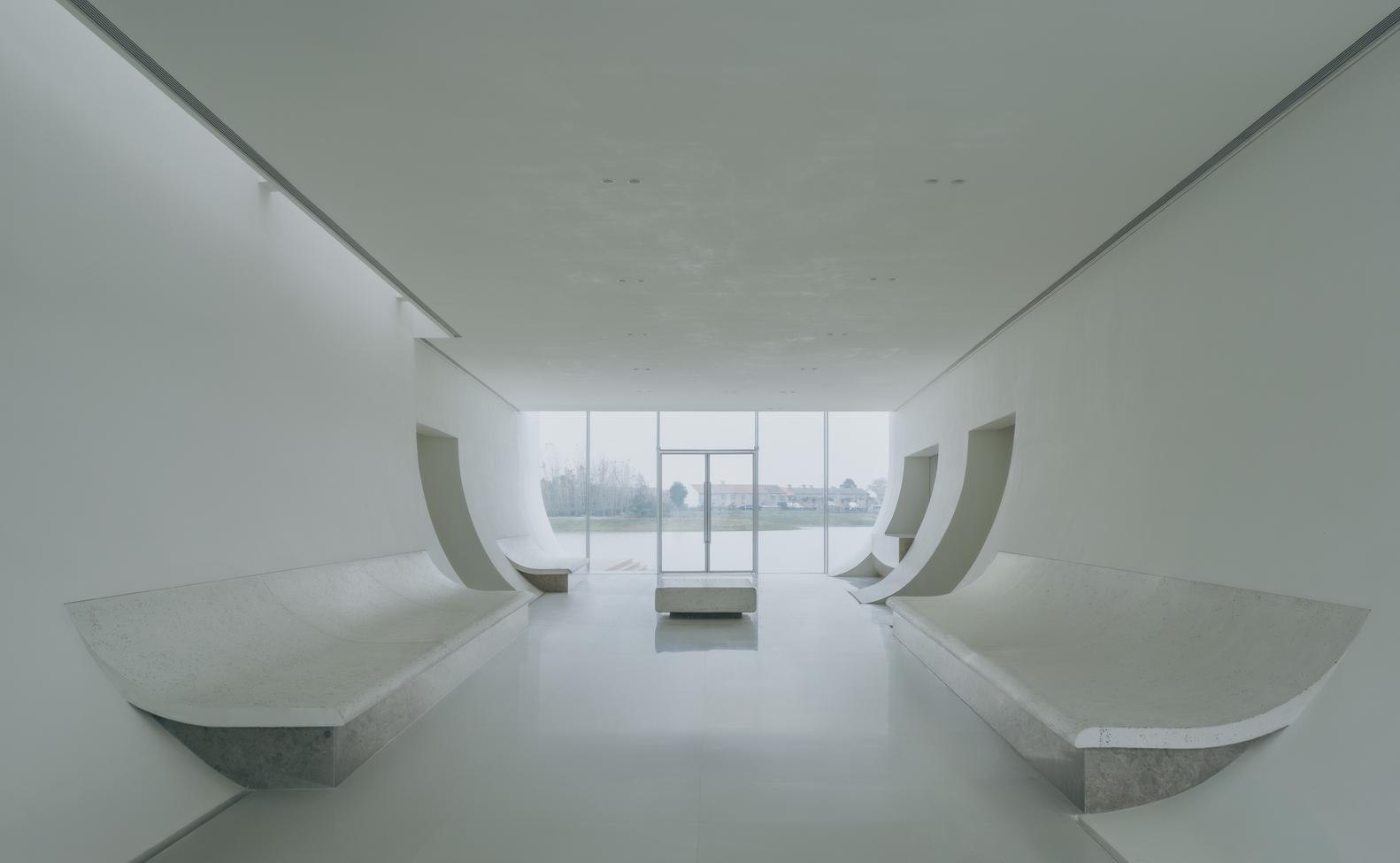
This project emerges from these natural conditions. The bending lower walls are not mere abstract form-making, but a response to the buoyant force of water. They rise and fall subtly along the water's edge, as if pushed, saturated, and molded by the flow.
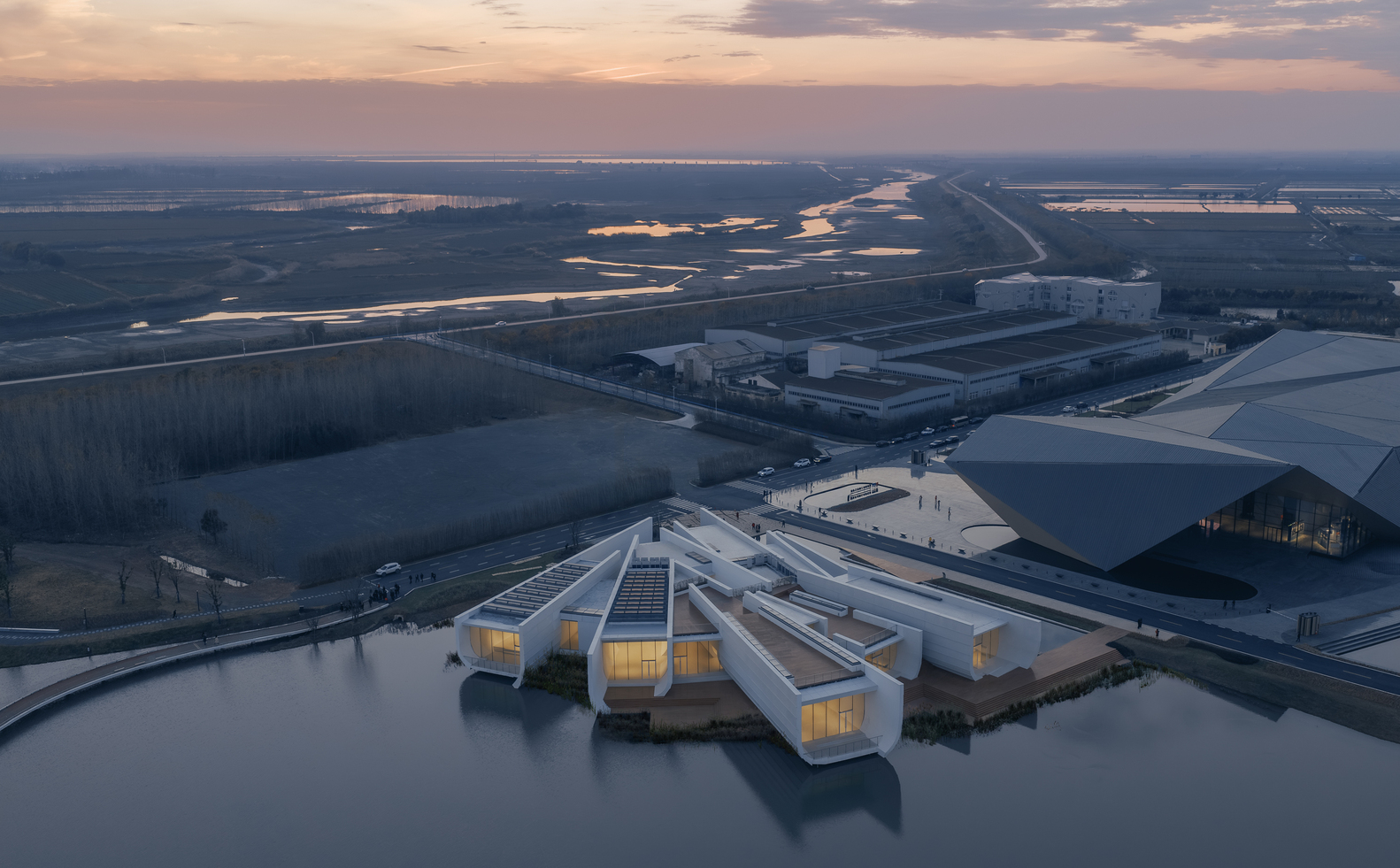
No sharp boundary separates architecture from water; the folded wall bases lightly touch the water surface, producing a distinctive reflection at the horizon line and allowing the building to become part of the wetland landscape.
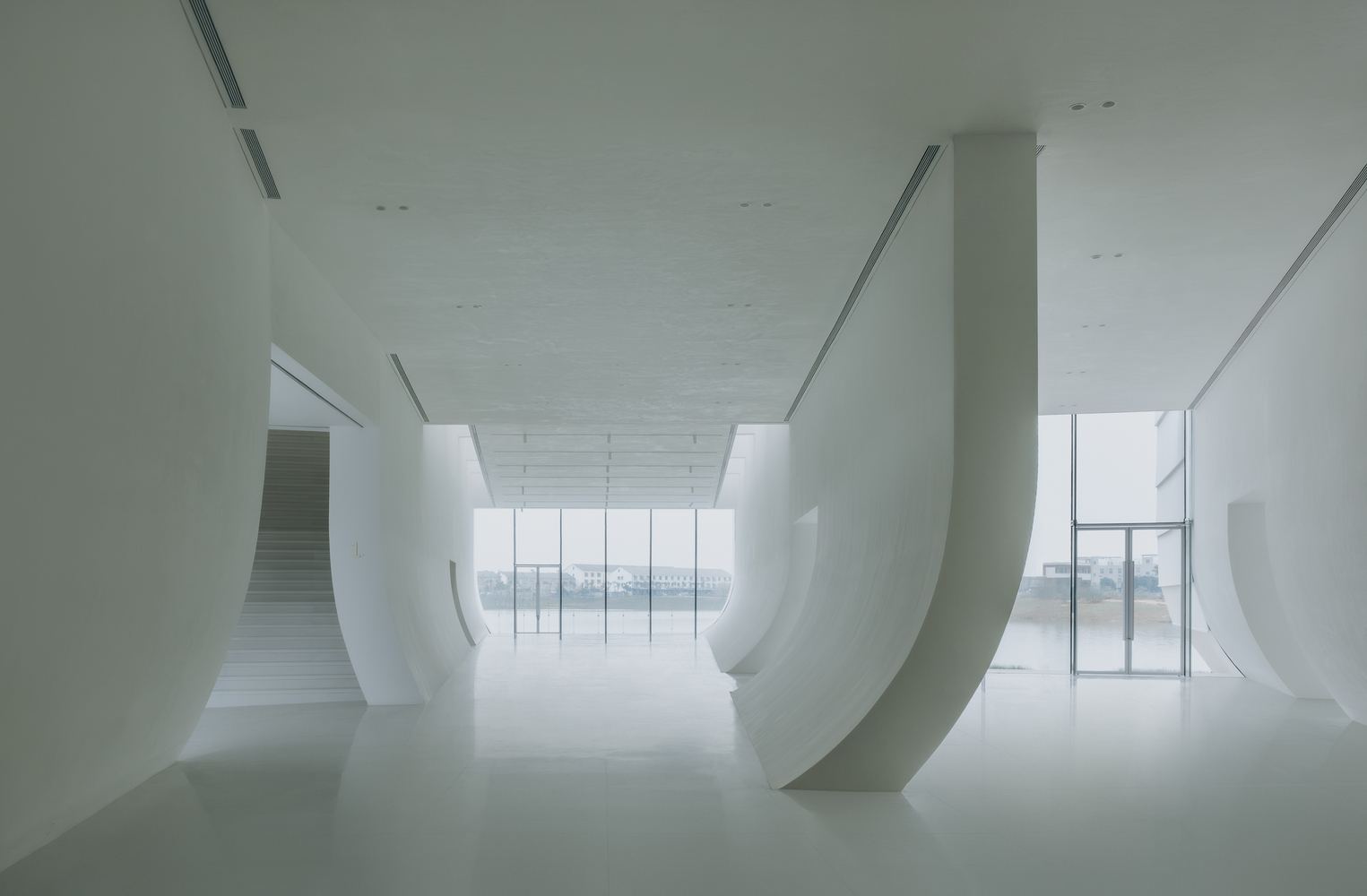
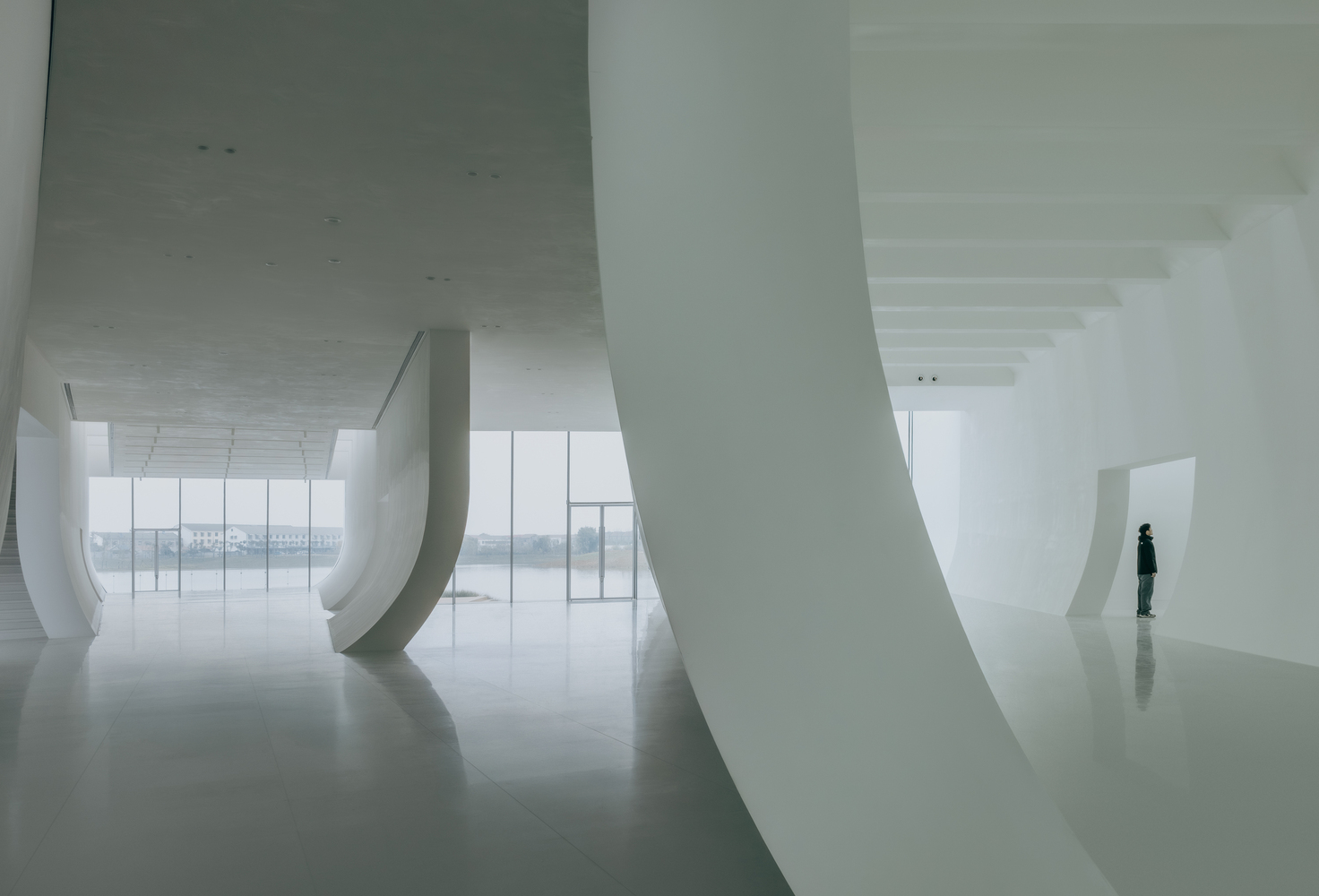
This "folding" is both a formal language and a temporal expression—it records the gestures of water as it brushes against and permeates the land. The architecture thus becomes a vessel of "water's memory."
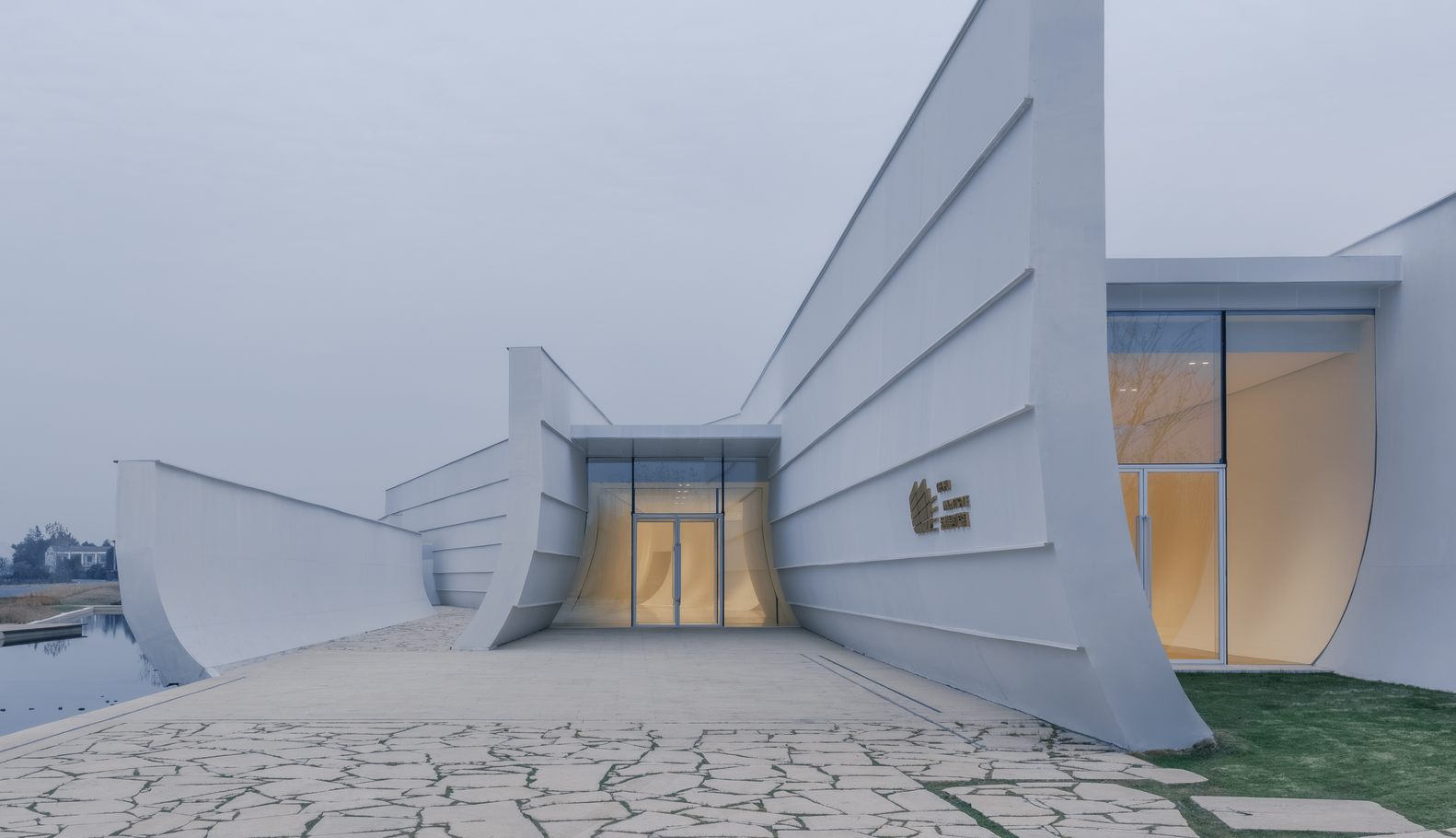
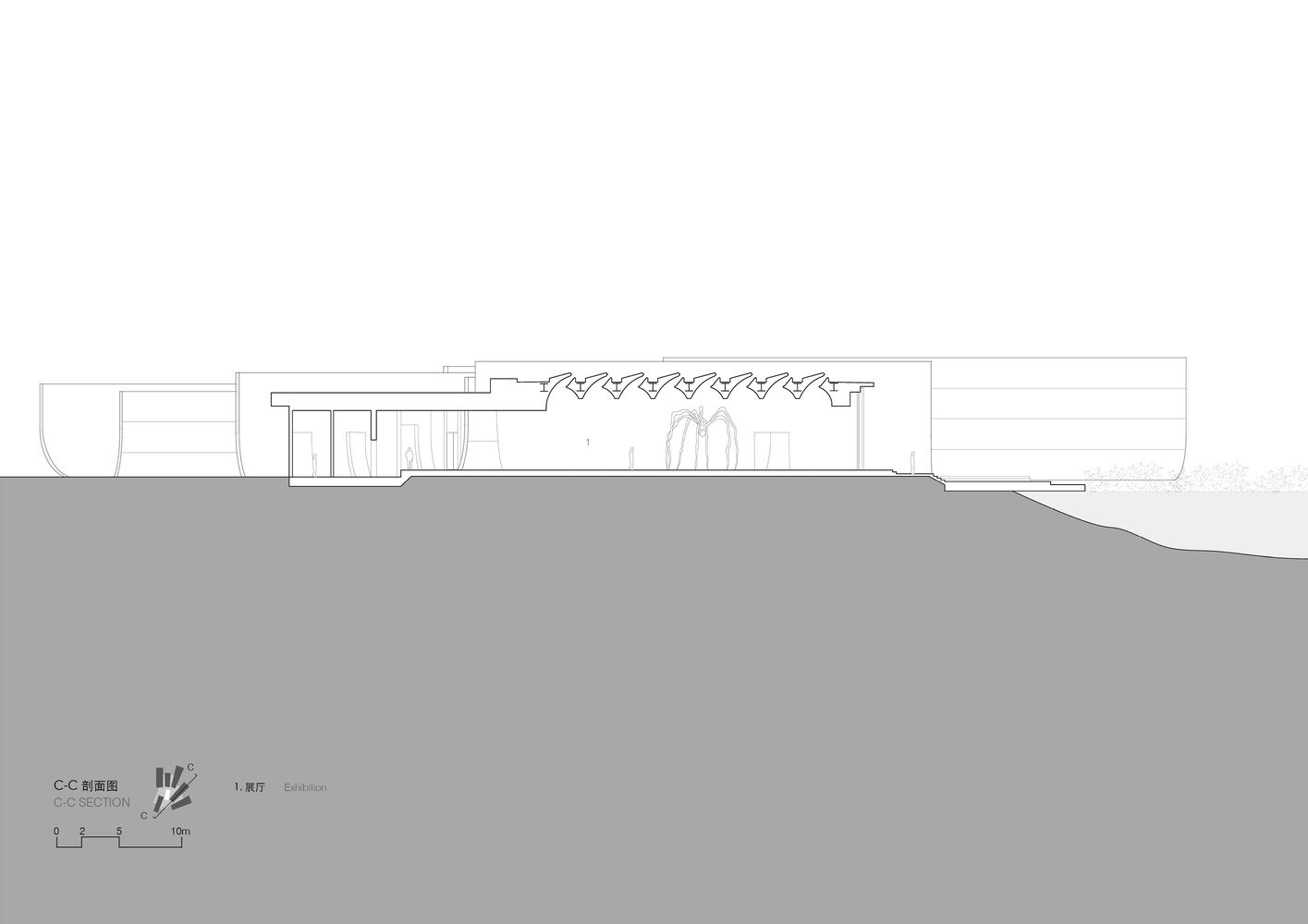
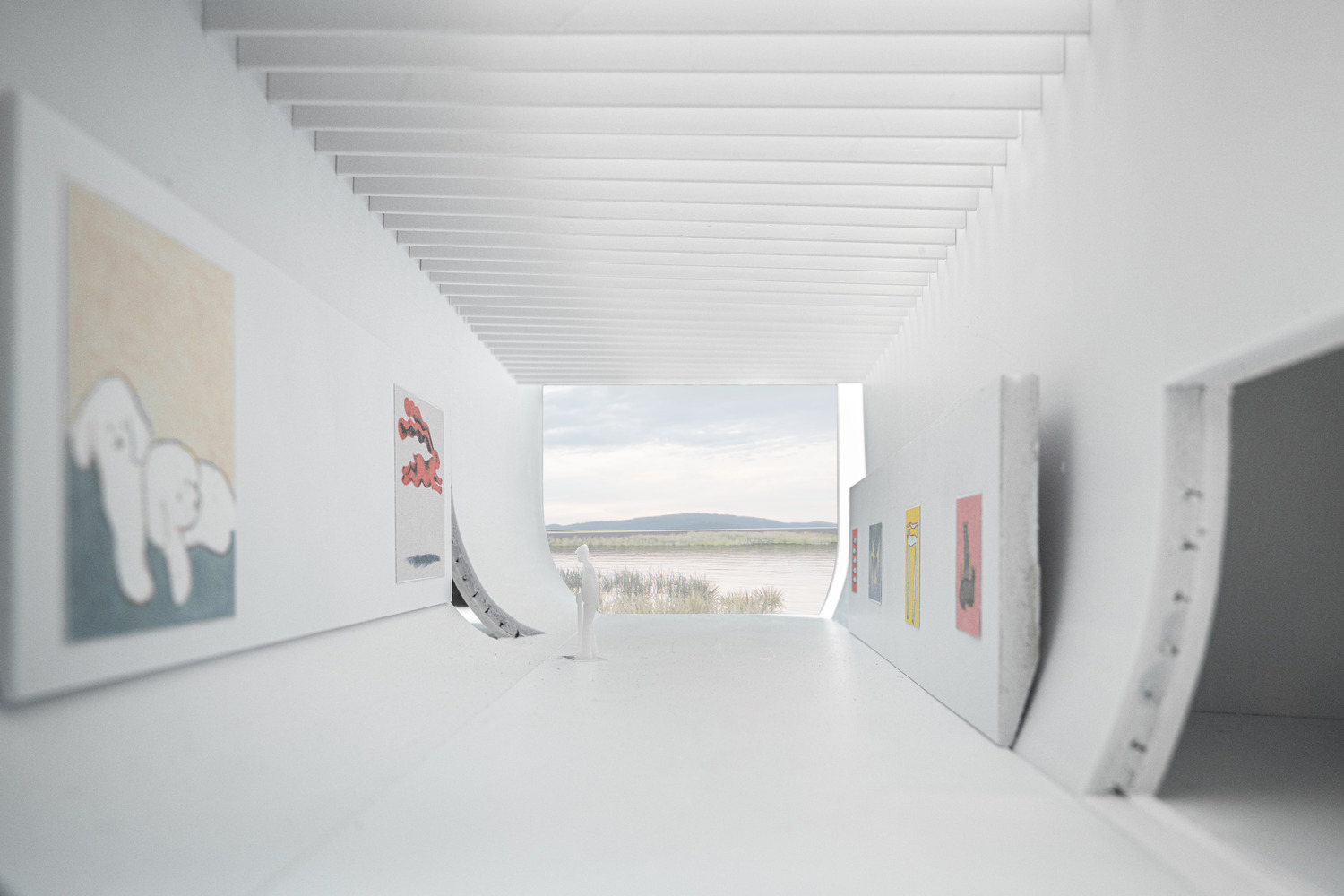
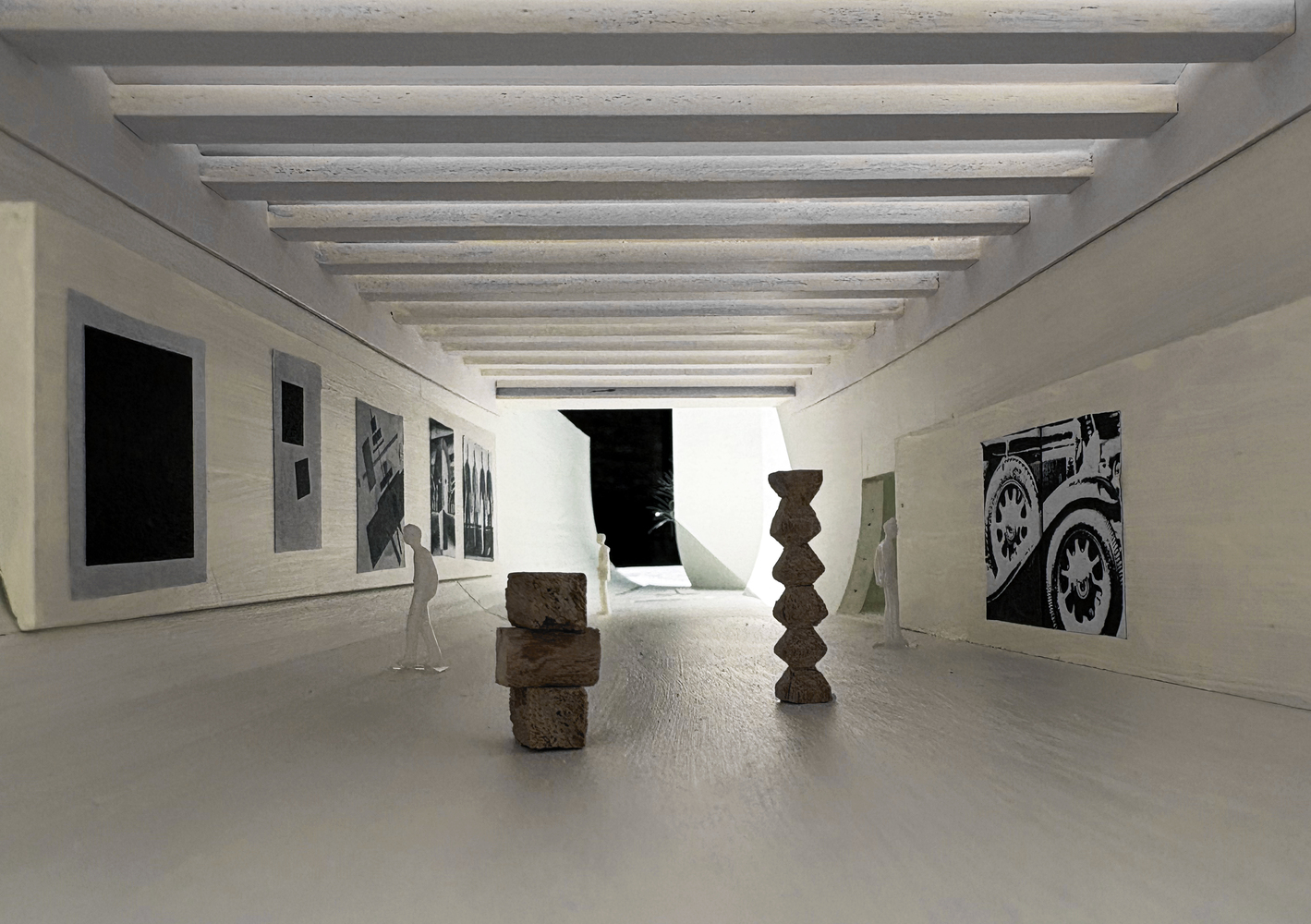
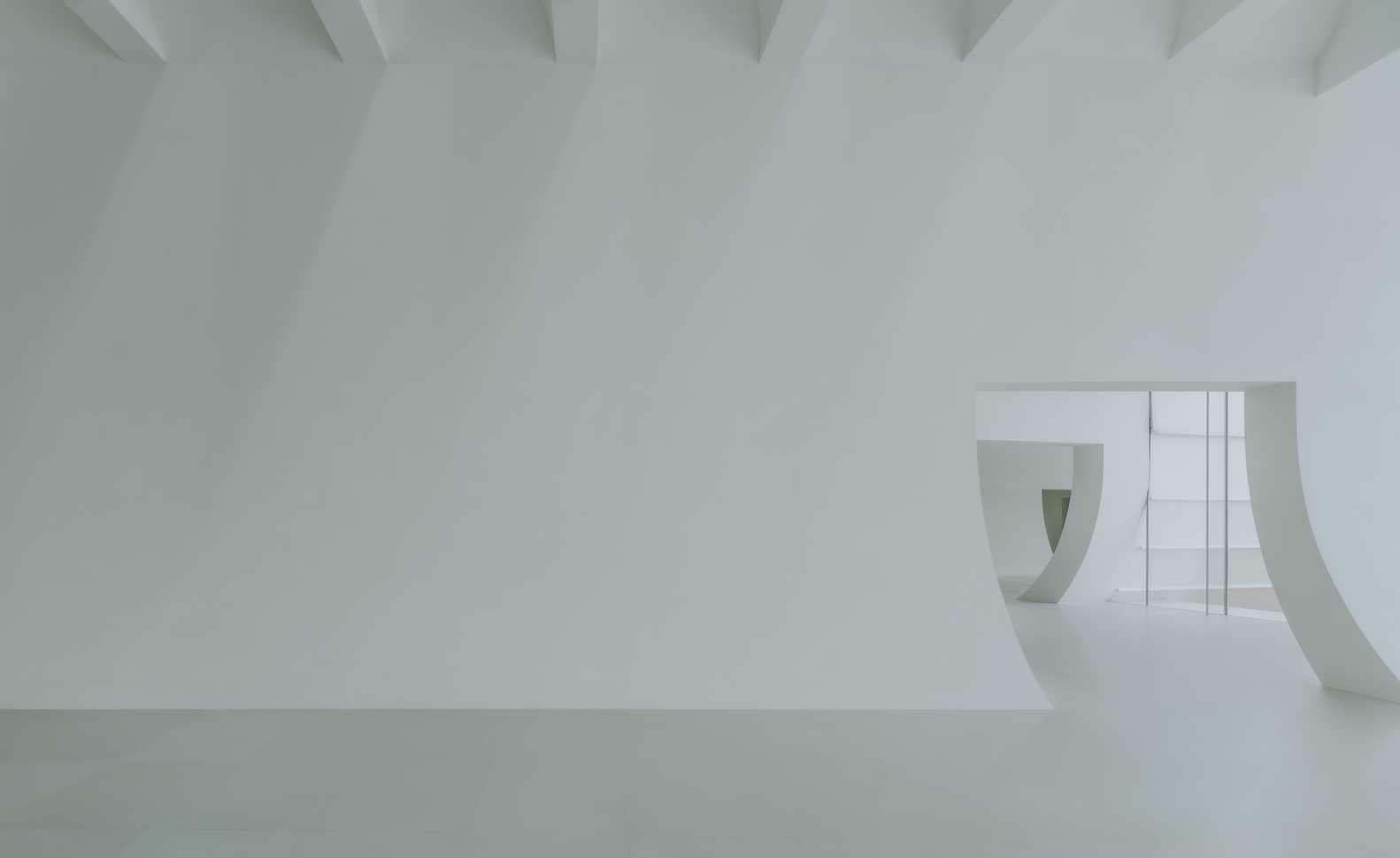
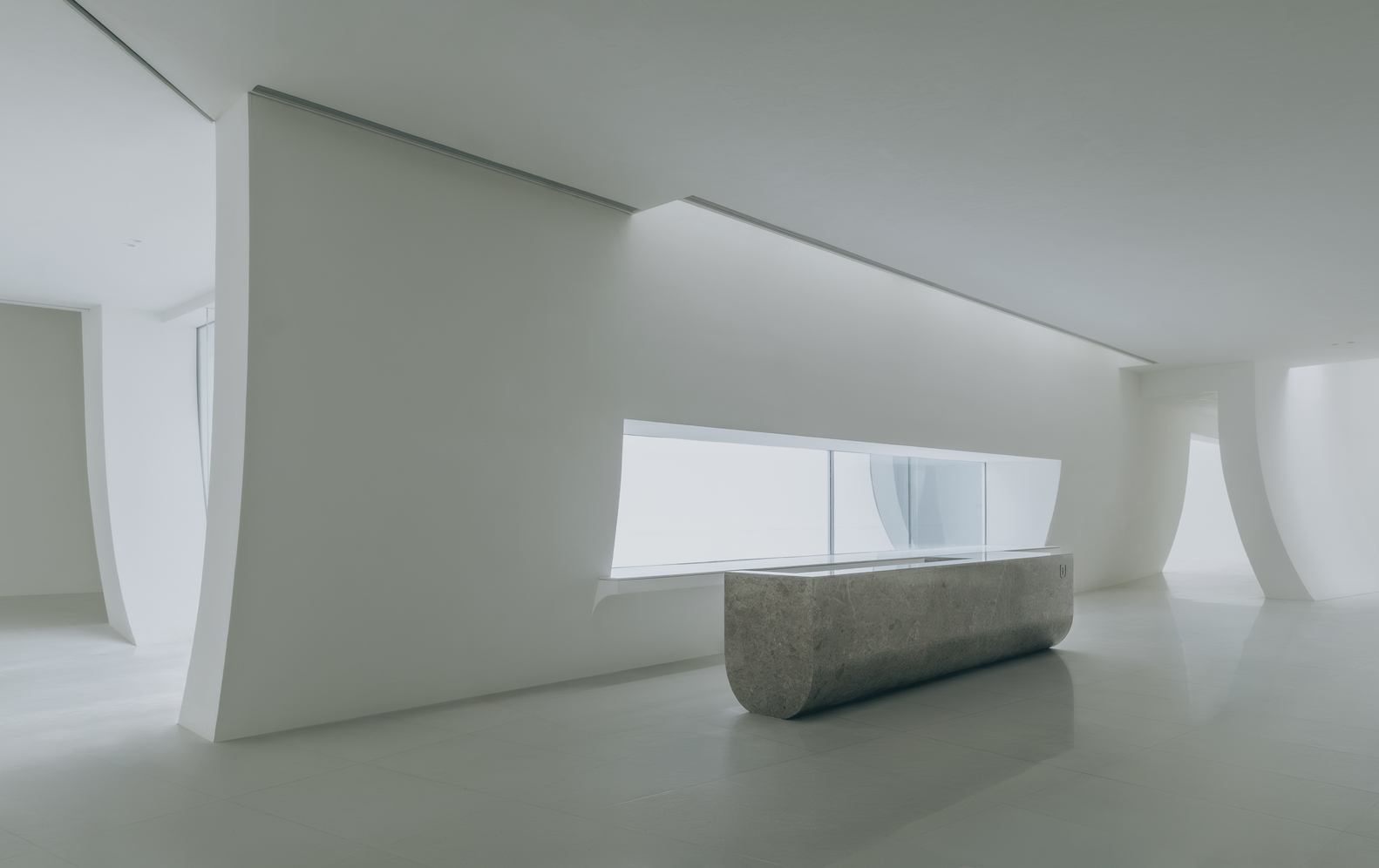
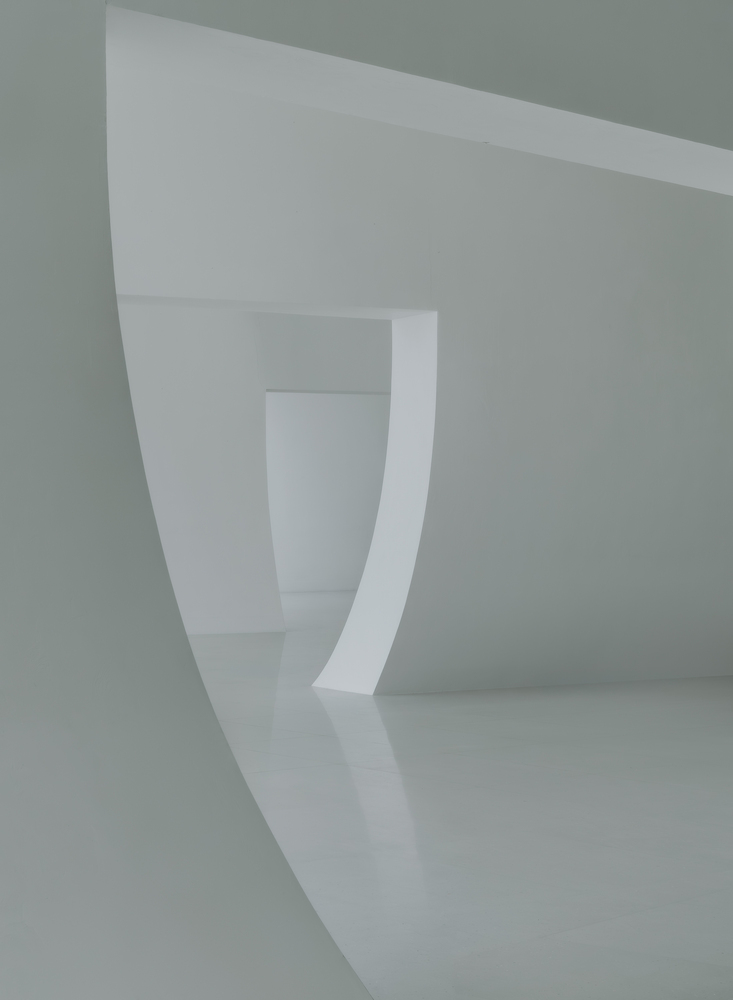
In conventional museum typologies, the roof admits light, walls serve as exhibition backdrops, and floors guide circulation. Here, the boundary between wall and ground dissolves.
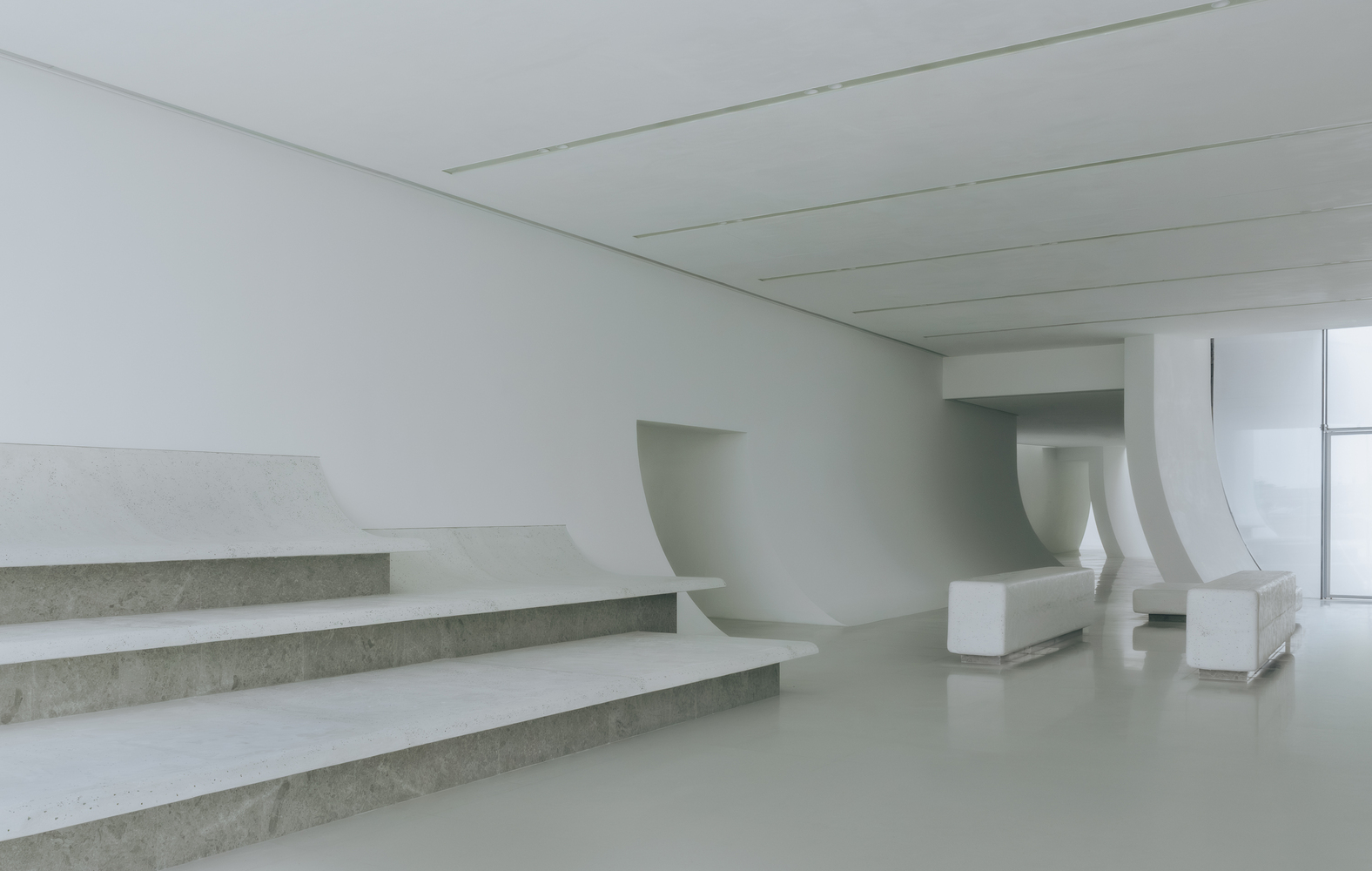
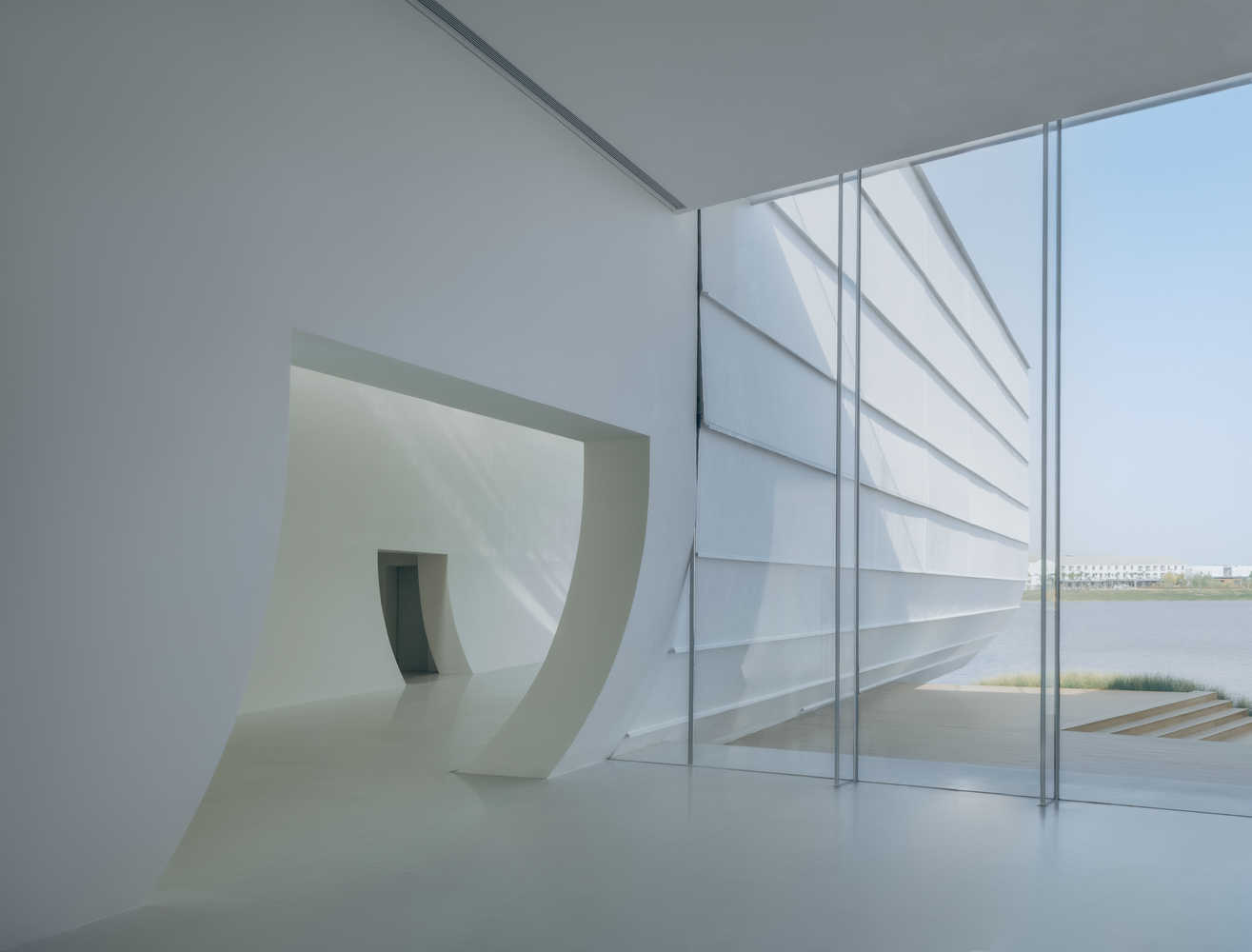
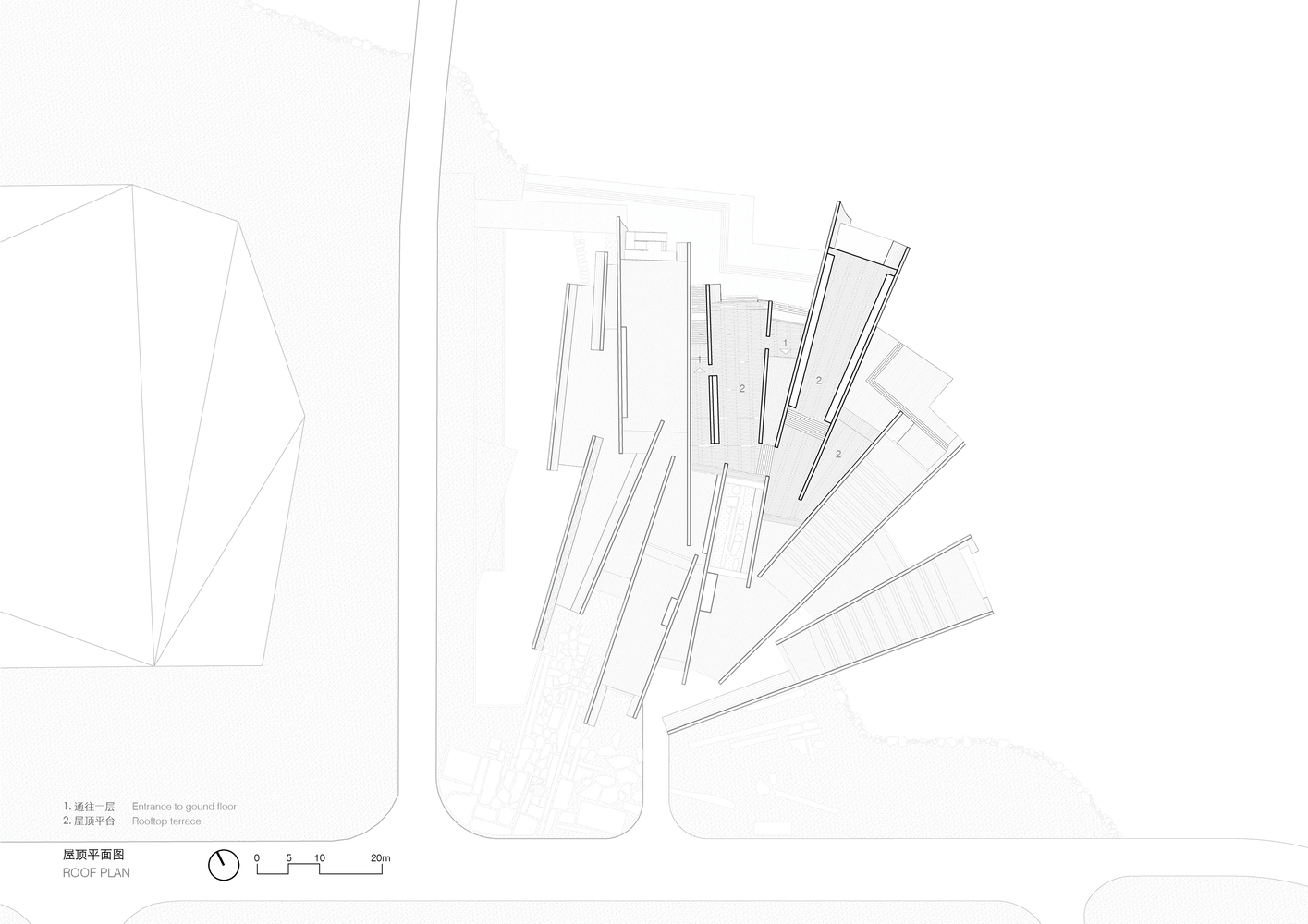
The roof is pierced by walls, skylights draw daylight downward, and the roof plane hovers at an indeterminate height, suspending one's perception. This is a museum defined by walls alone.
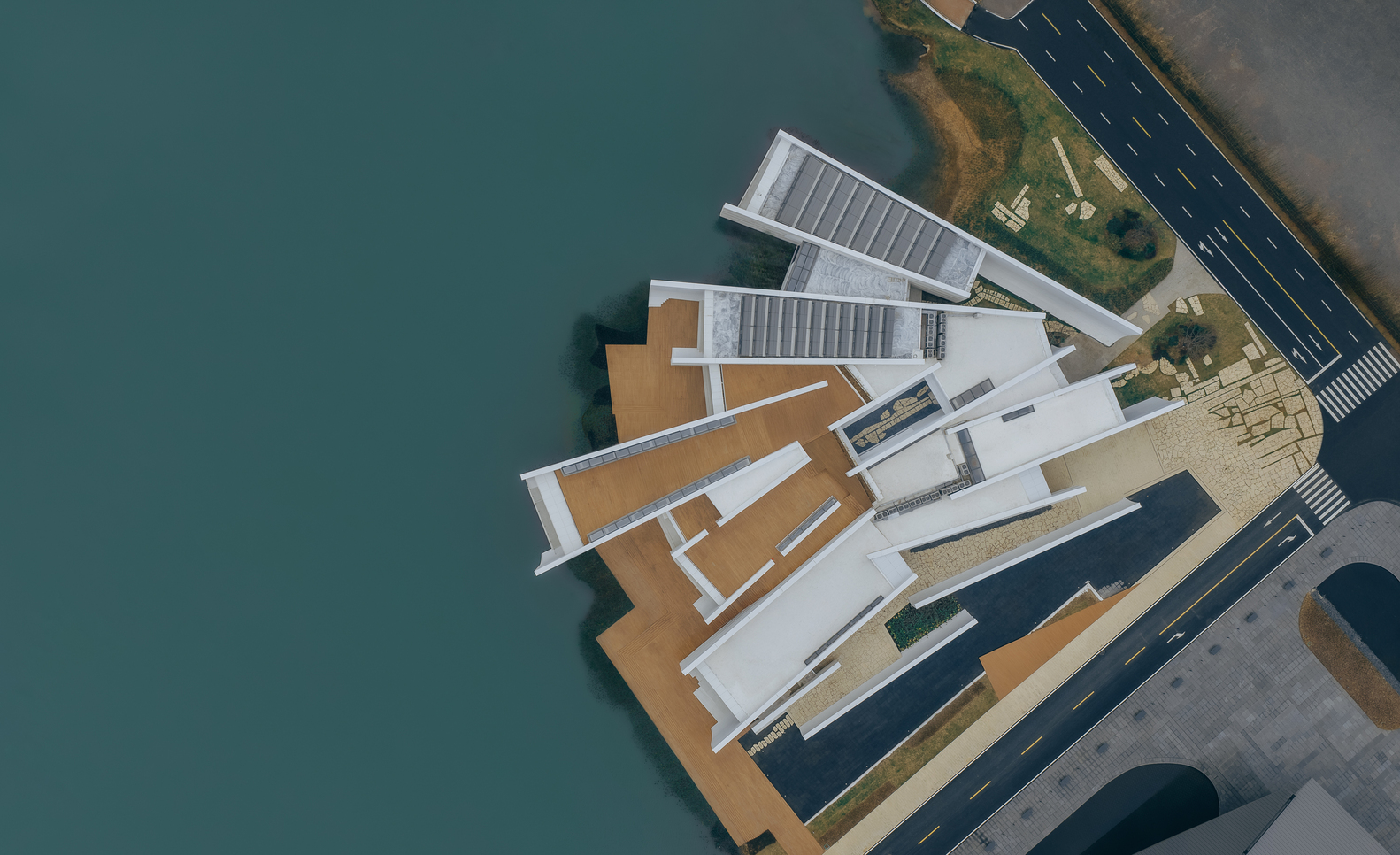
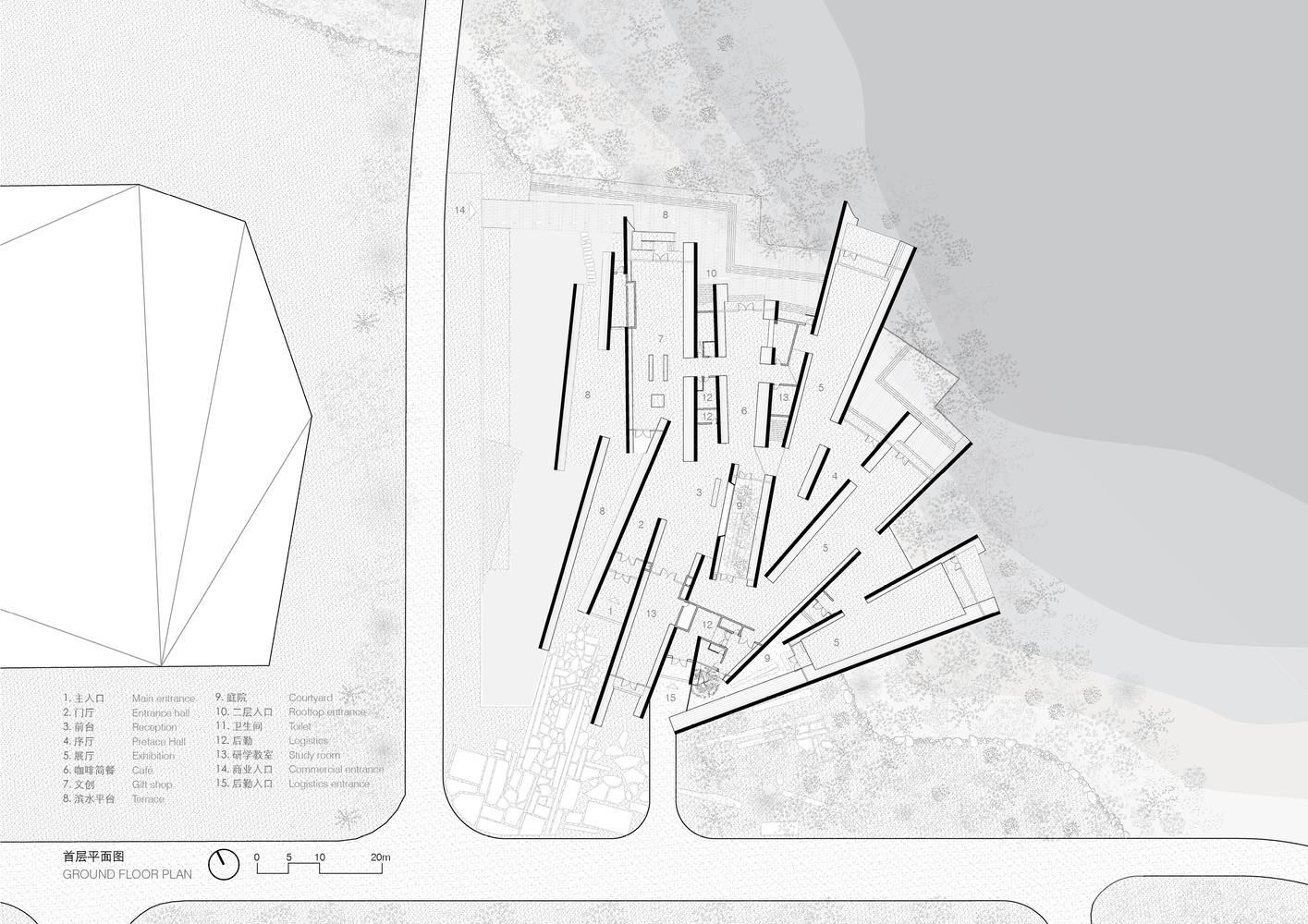
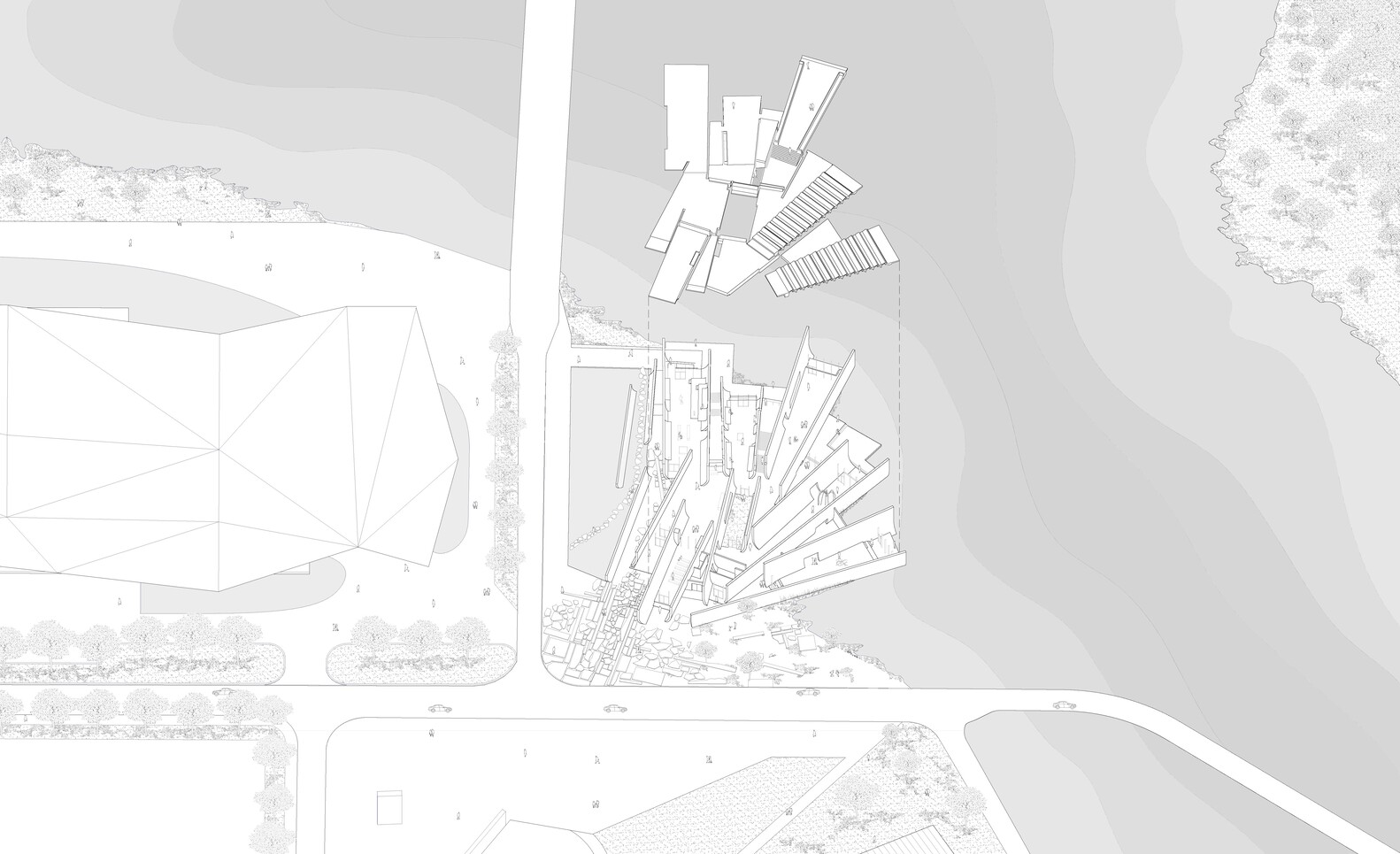
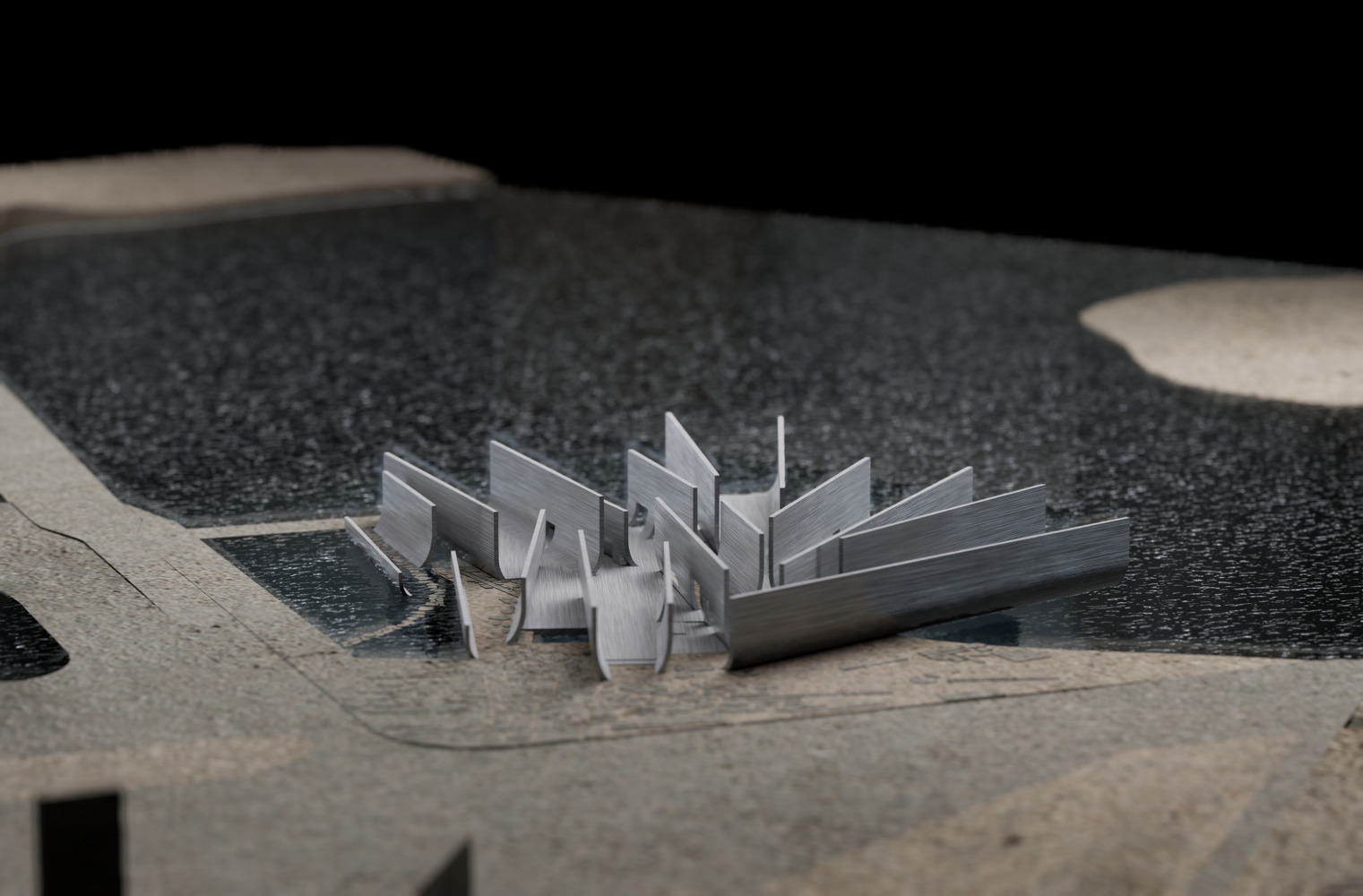
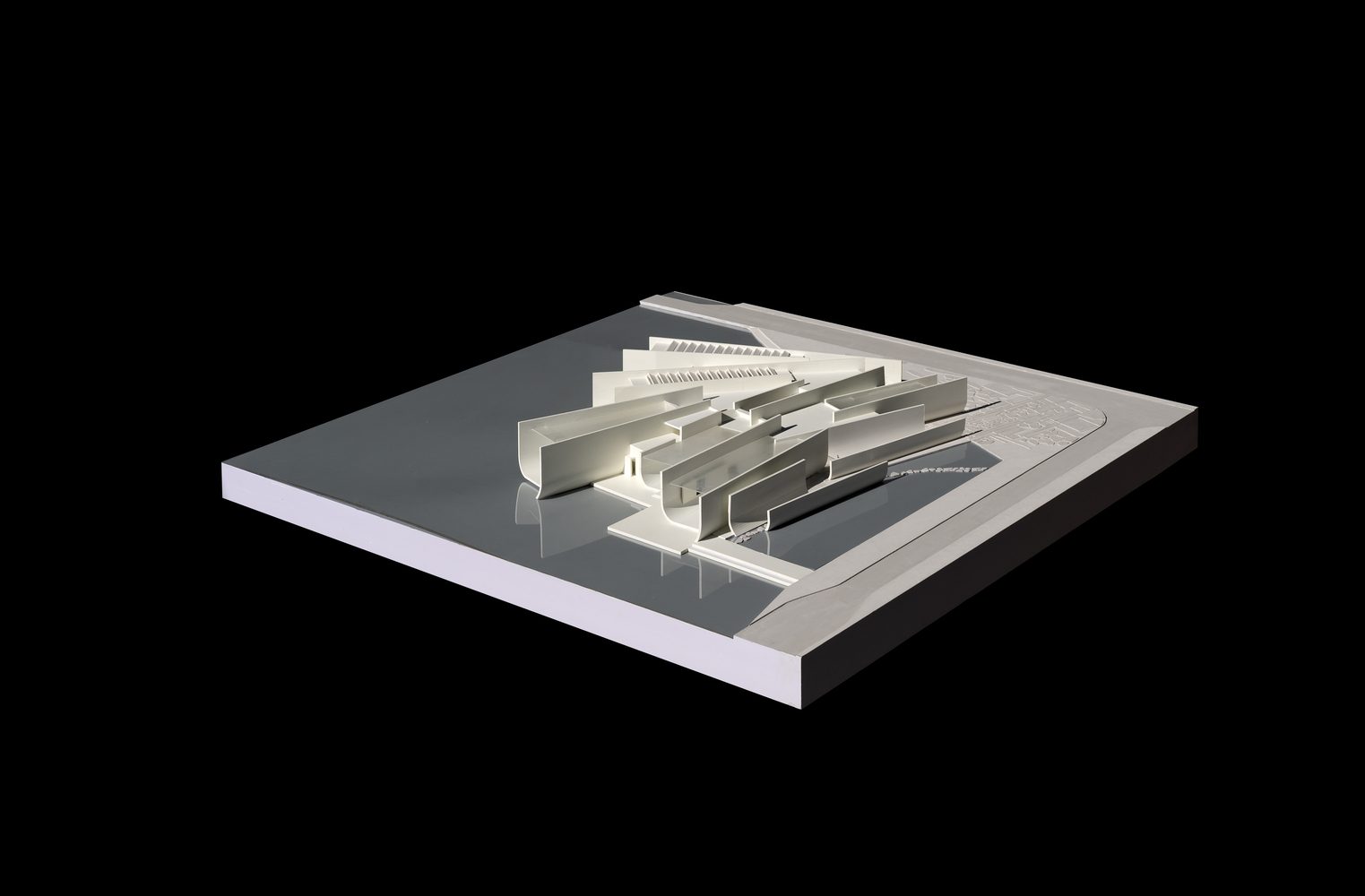
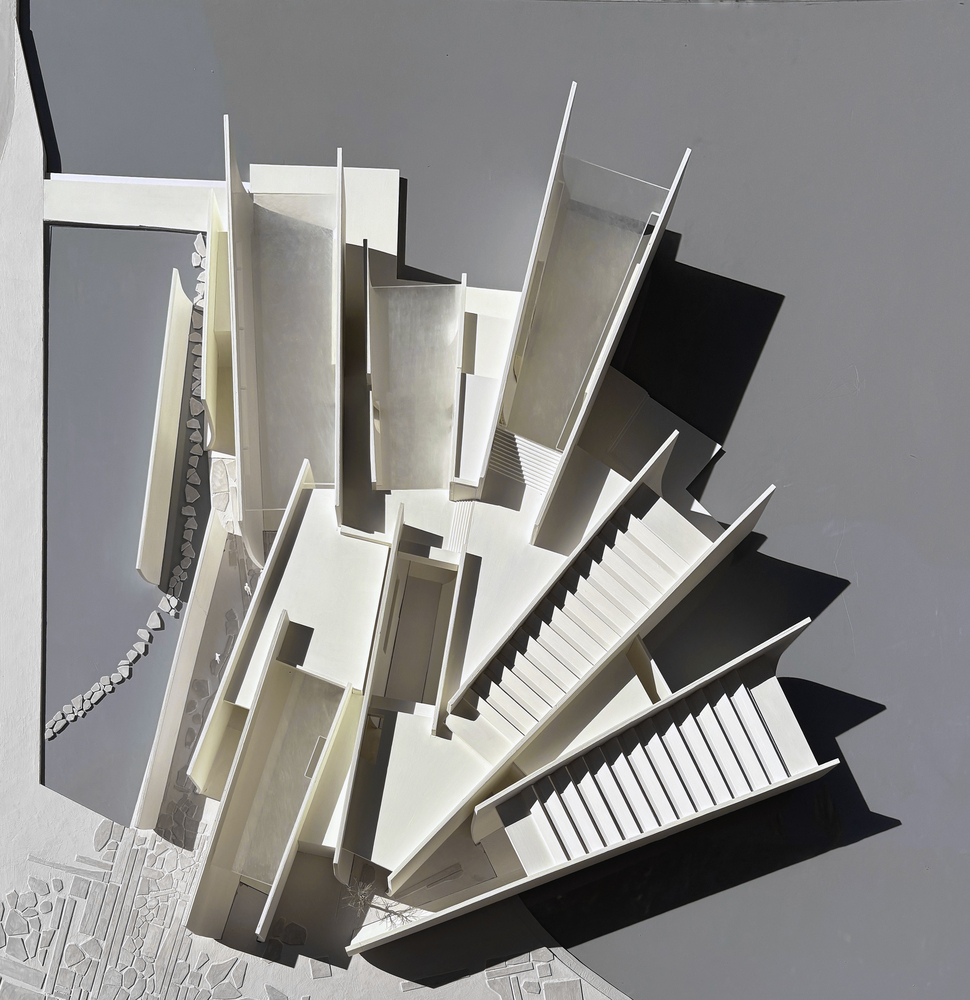
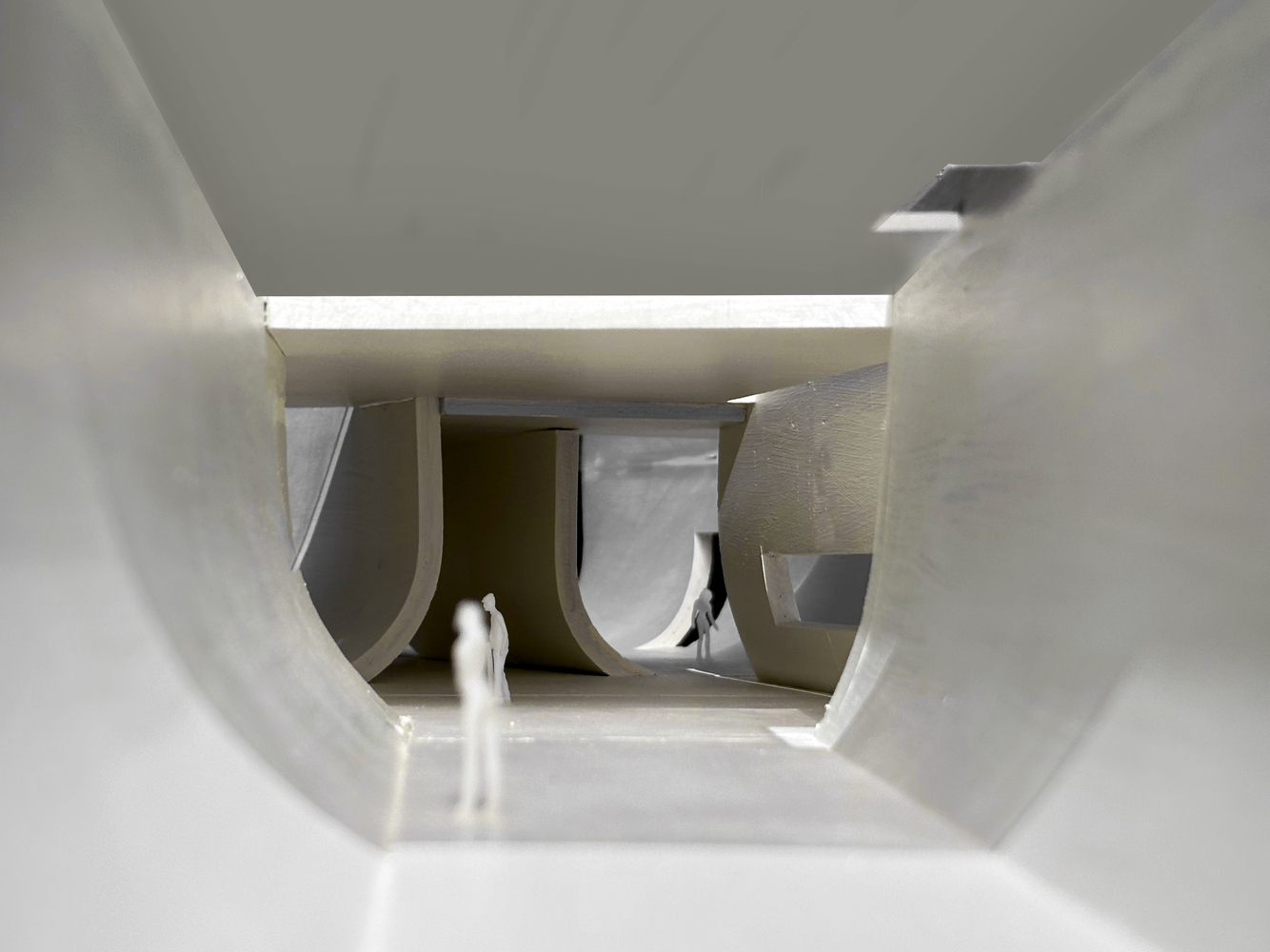
Its plan is not a continuous enclosure but a spatial field composed of freely distributed walls.
They appear almost spontaneous, yet mediate between the density of urban form and the looseness of open water.
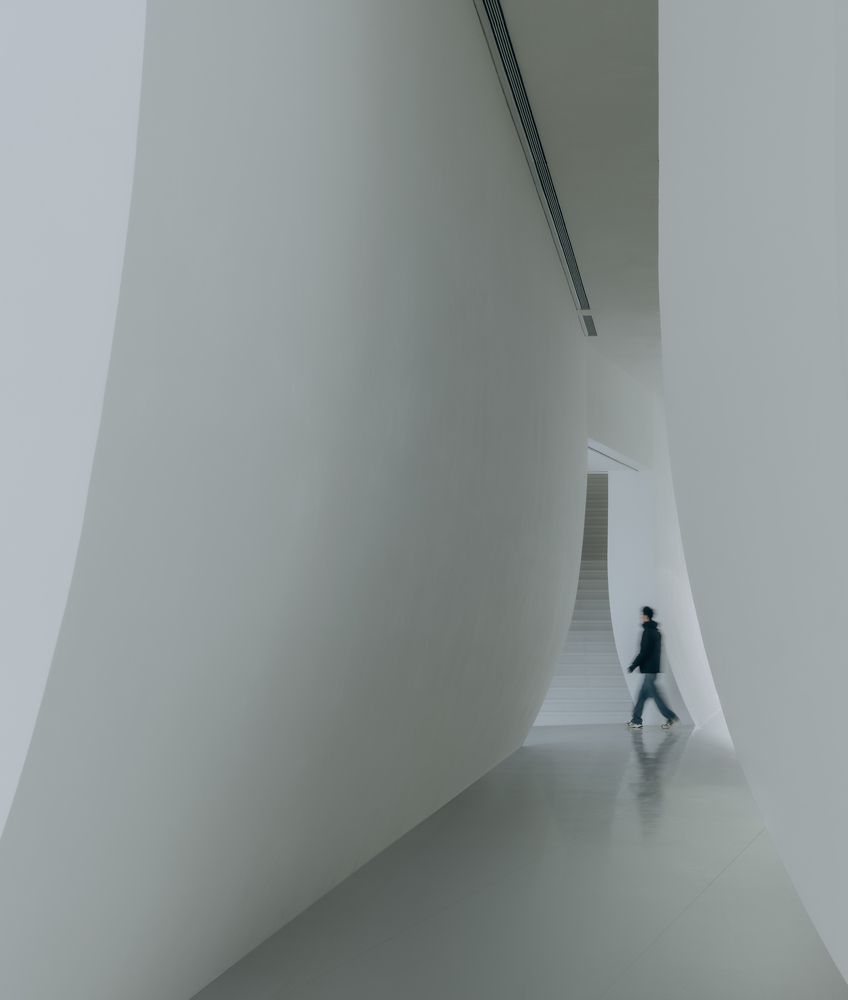
From above, the configuration resembles organic bodies floating along the shore—dispersed yet unified, simultaneously artificial and naturally formed.
This indeterminate plan echoes the ecological logic of wetlands: lacking fixed centers or boundaries, it is porous, open, and symbiotic.
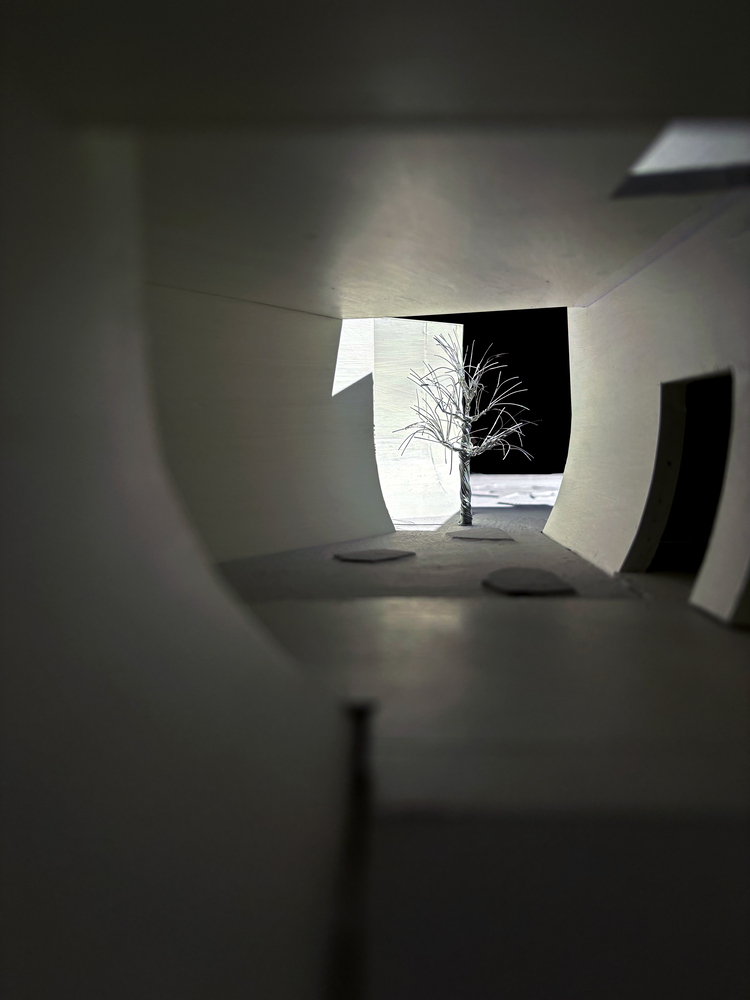
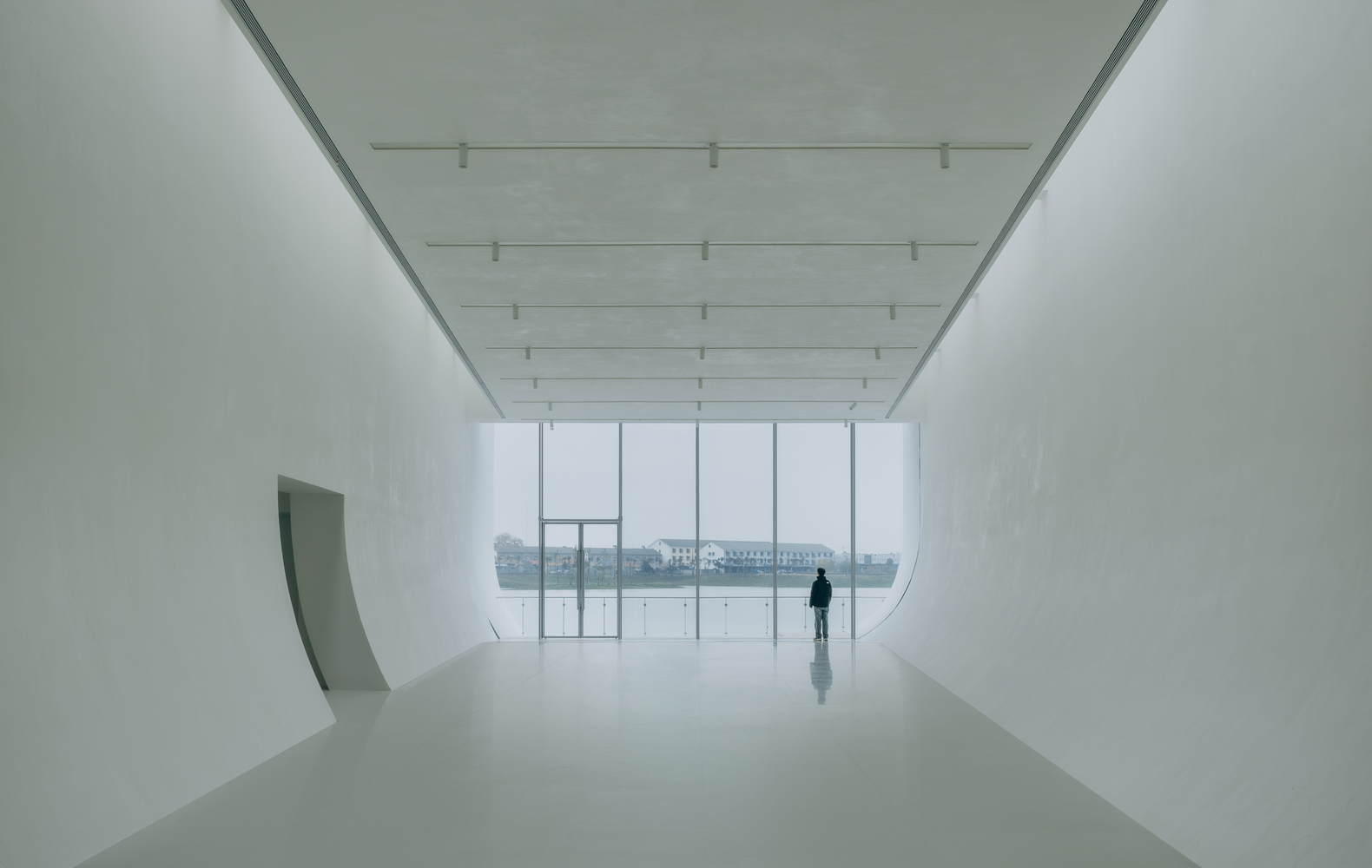
The dispersed walls produce a gallery sequence that is not linear. Visitors navigate a path that bends, divides, and reconnects, continually drawn toward glimpses of the open water.
The layout engenders a threshold between "inside and outside," "exhibition and nature." Here, one does not merely view the exhibition but participates in it, engaging bodily with walls, light, and water.
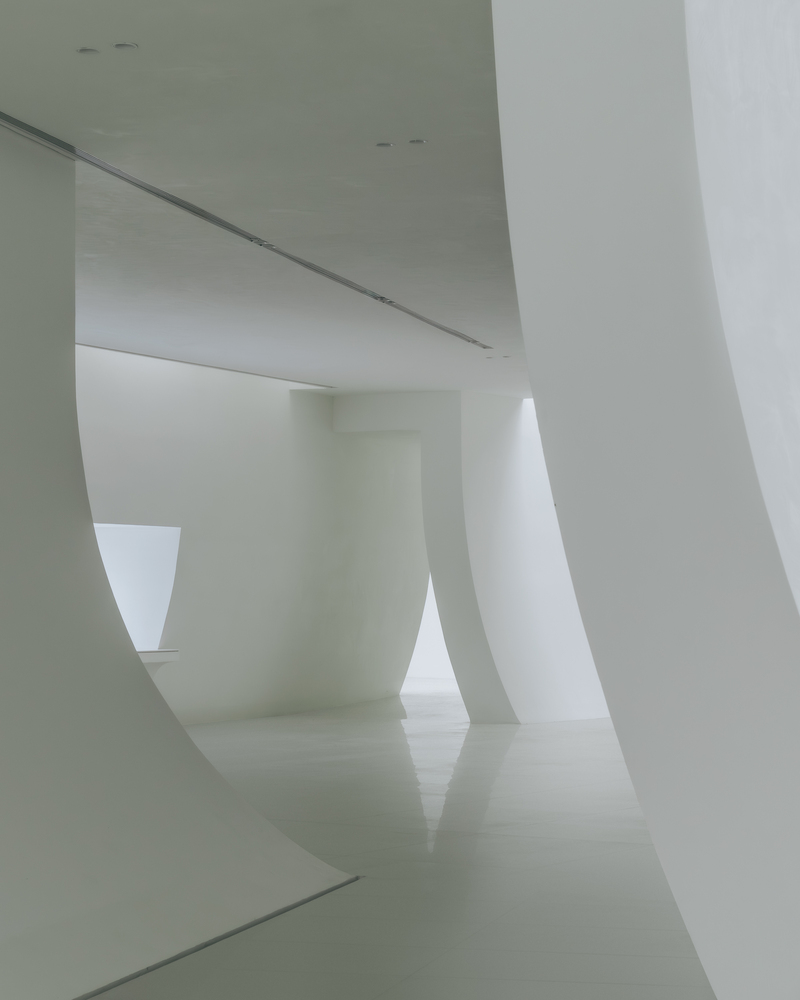
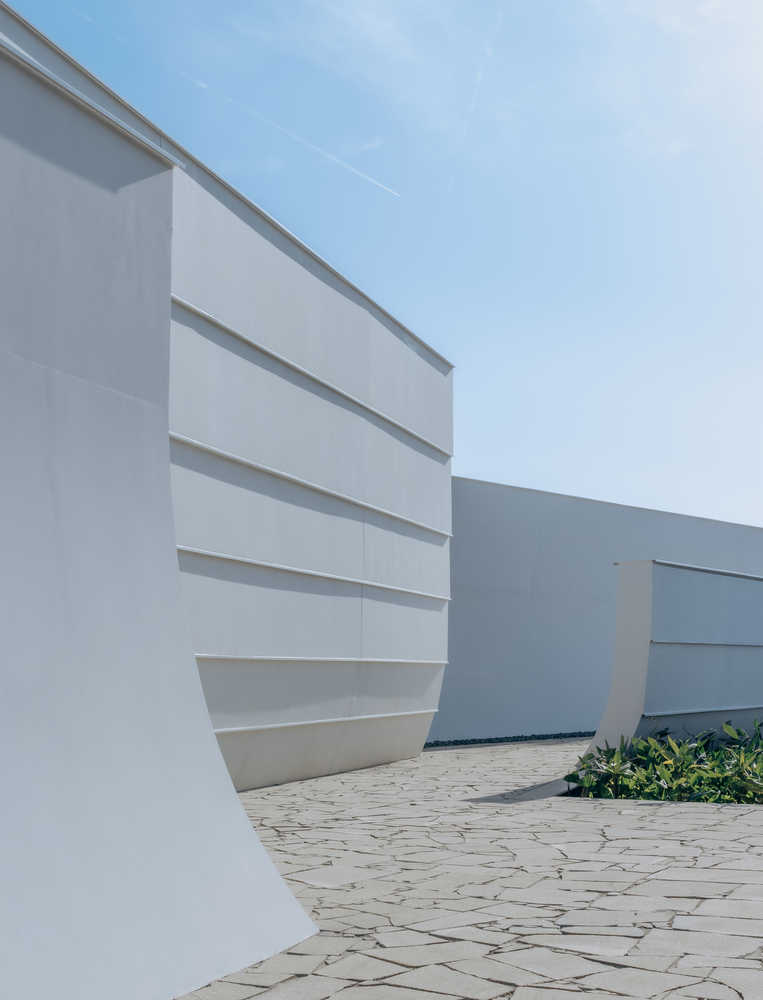
The folded walls become interfaces that guide behavior and perception, allowing "viewing" to unfold as a fluid corporeal experience.
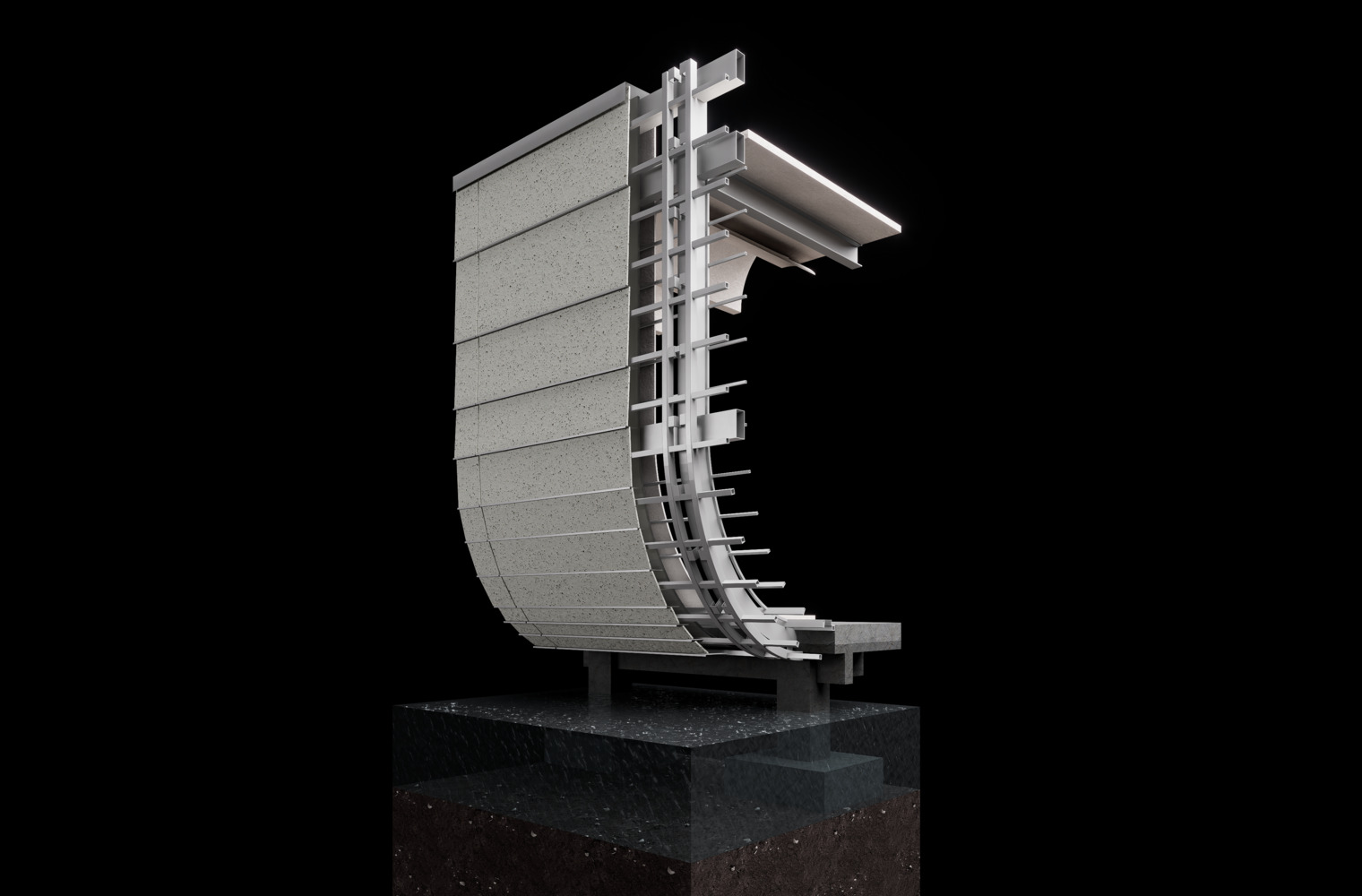
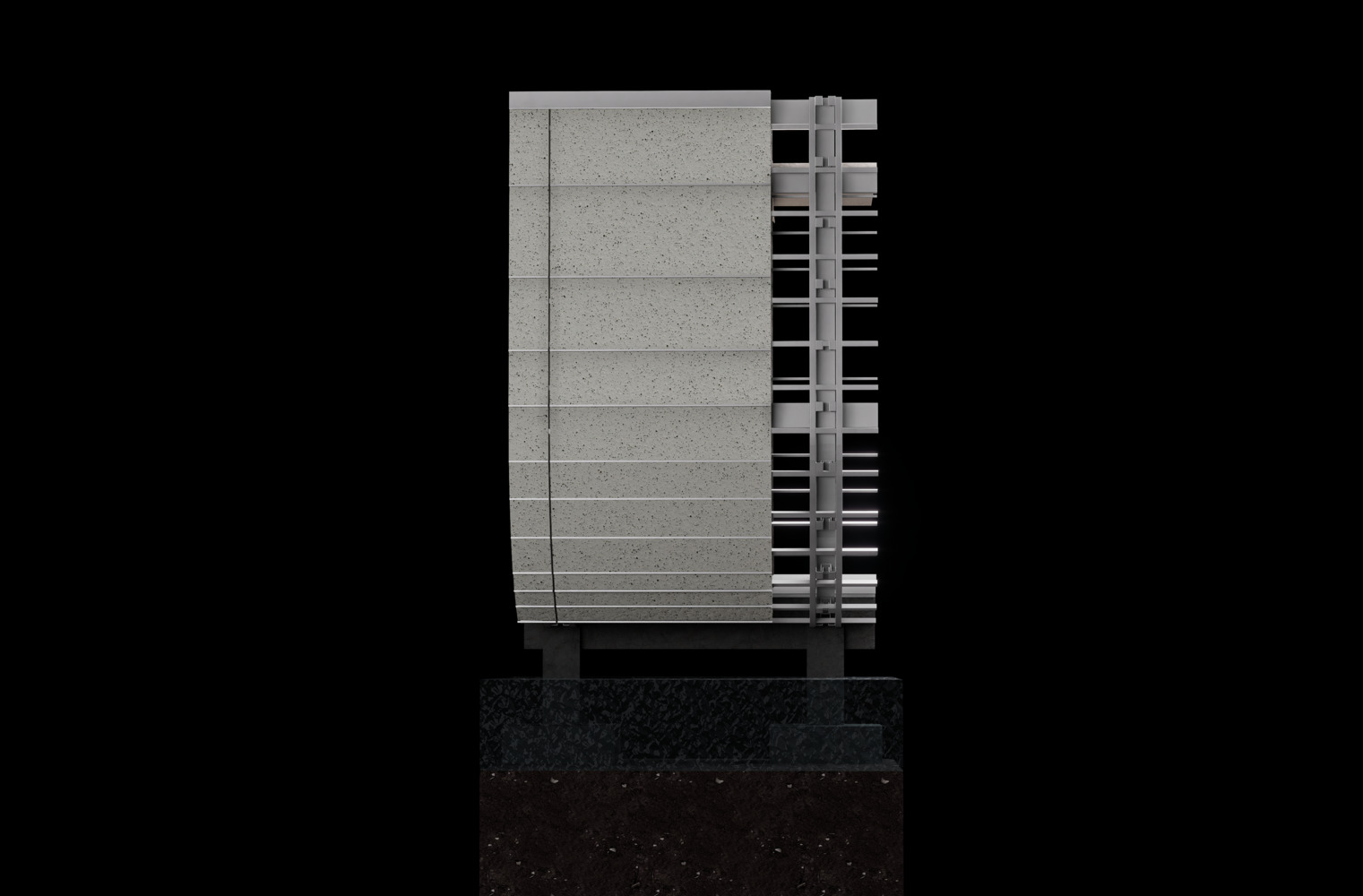
The exterior employs GRC panels incorporating shell and conch aggregates. Their granular texture produces subtle glimmers and a moist sheen under sunlight and humidity.
This material choice is not decorative; at a macro scale it resonates with the site's shimmering waters, while at a micro scale it conveys the tactile warmth of natural matter.
Under shifting daylight and due to the wall's varied curvature, the surface transitions from bright to shaded, from dry to damp, registering the passage of time.
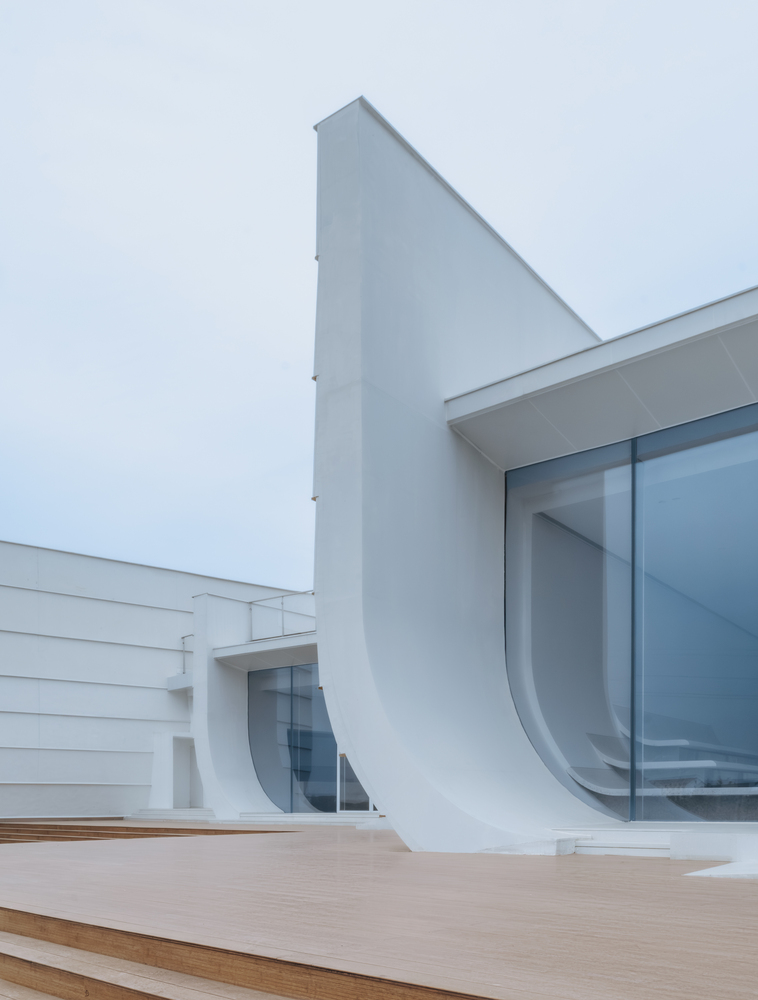
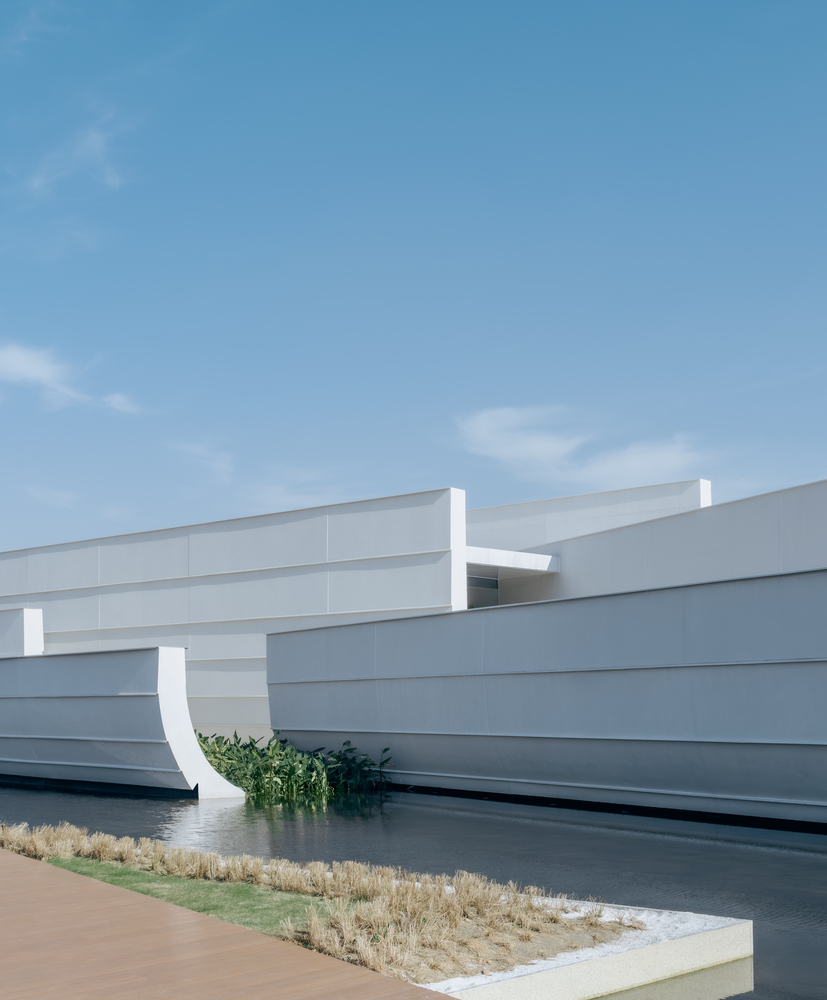
The façade becomes an interface where wetland climate, light, and material coexist.
The Chenhu Wetland Art Center does not seek visual dominance. Instead, it settles gently into its environment.
The folded lower walls bow toward the water; the dispersed plan breathes between land and lake; and the textured façade makes the building's skin part of the wetland itself.
The architecture ceases to be an isolated object and becomes a process—one that gradually merges with its surroundings under the forces of light, wind, water, and time.