
ESCA PLAYA
Badie Architects
ARCHITECTS
Badie Architects
DESIGN TEAM
Badie Architects
PHOTOGRAPHS
Nour El Refai
AREA
950 m²
YEAR
2025
LOCATION
منطقة الساحل الشمالى, Egypt
CATEGORY
Hospitality Architecture, Restaurants & Bars
English description provided by the architects.
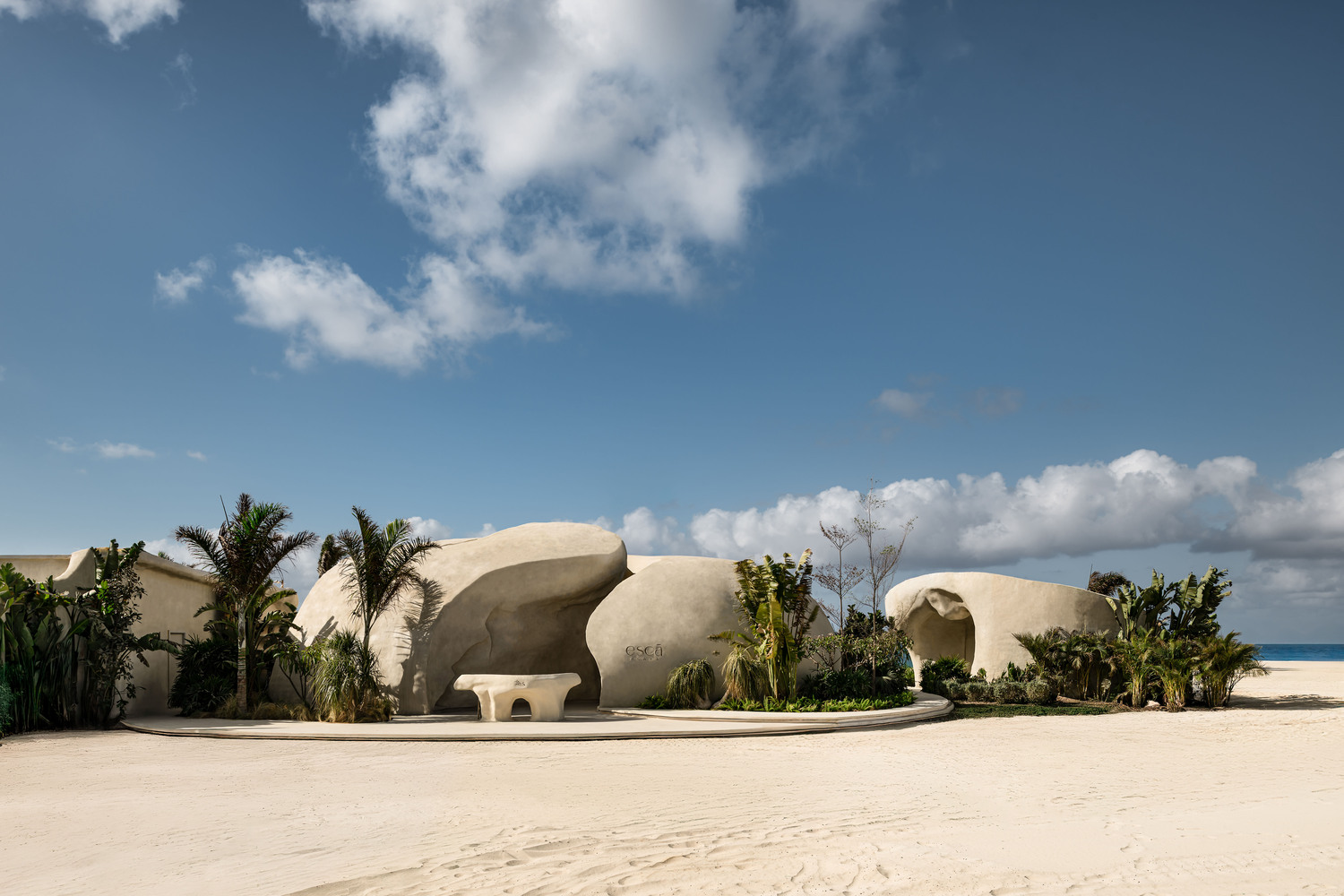
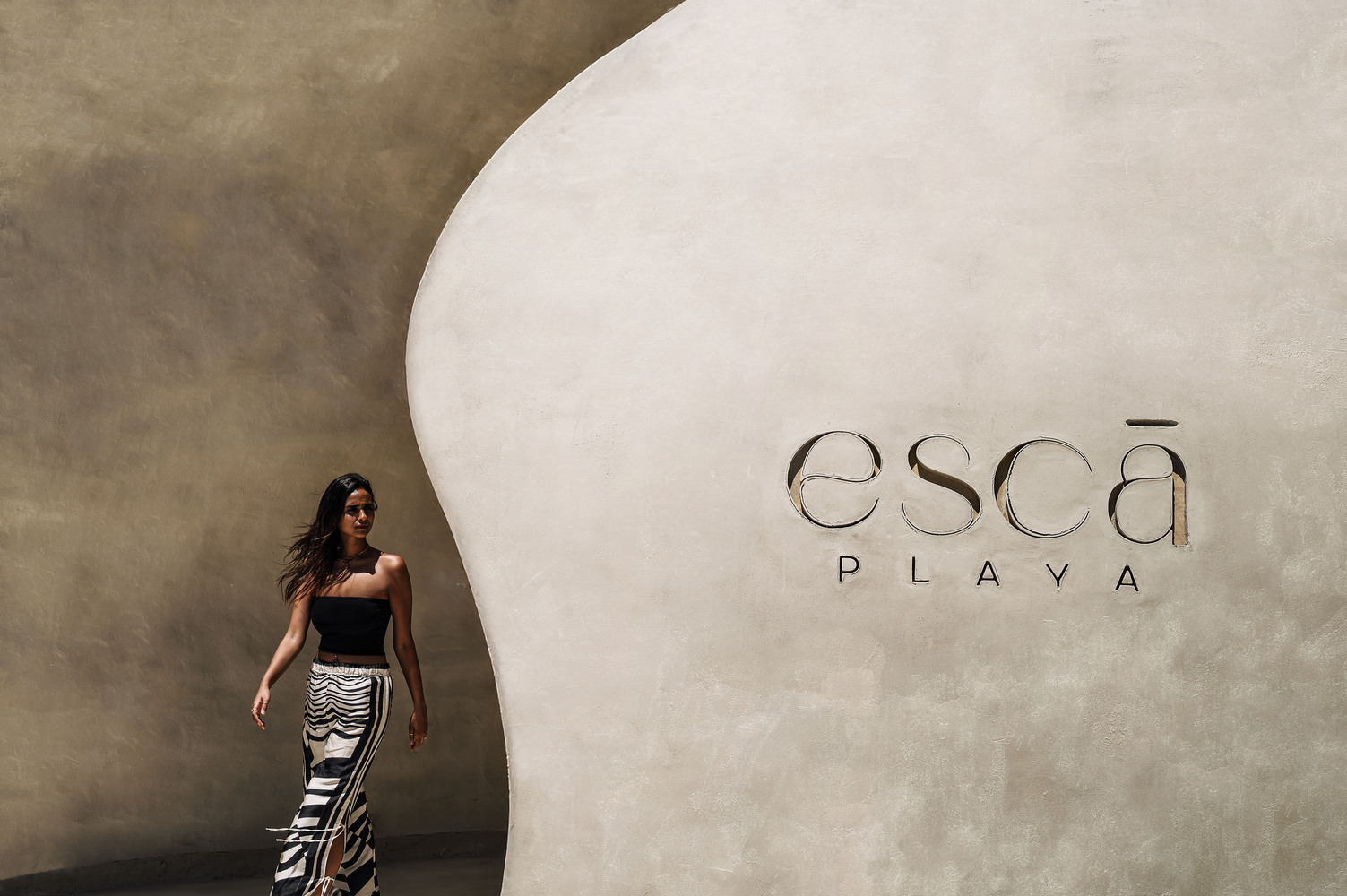
ESCA Playa is conceived as an architectural organism formed through coastal morphology, where wind, light, and tide become generative forces rather than external conditions.
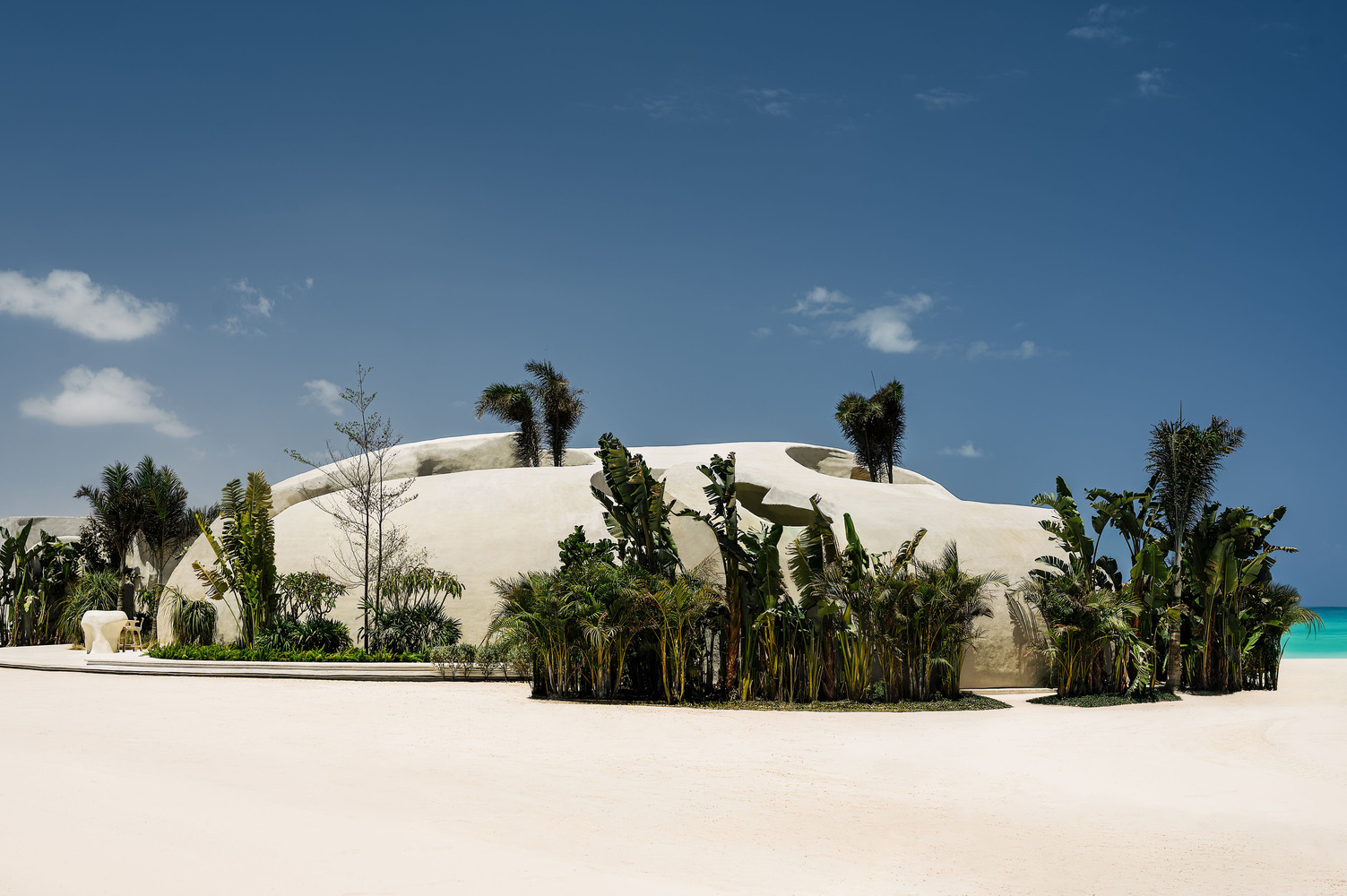
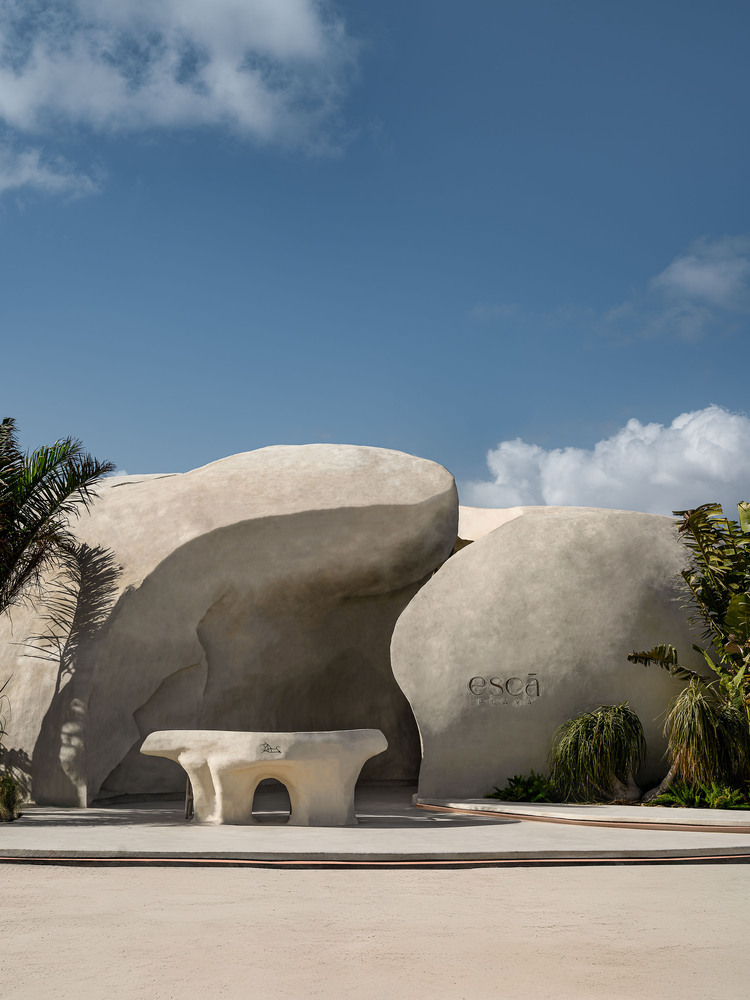
The project occupies a liminal zone between land and sea, positioned on the shoreline as a structure that does not sit on the landscape but grows out of it.
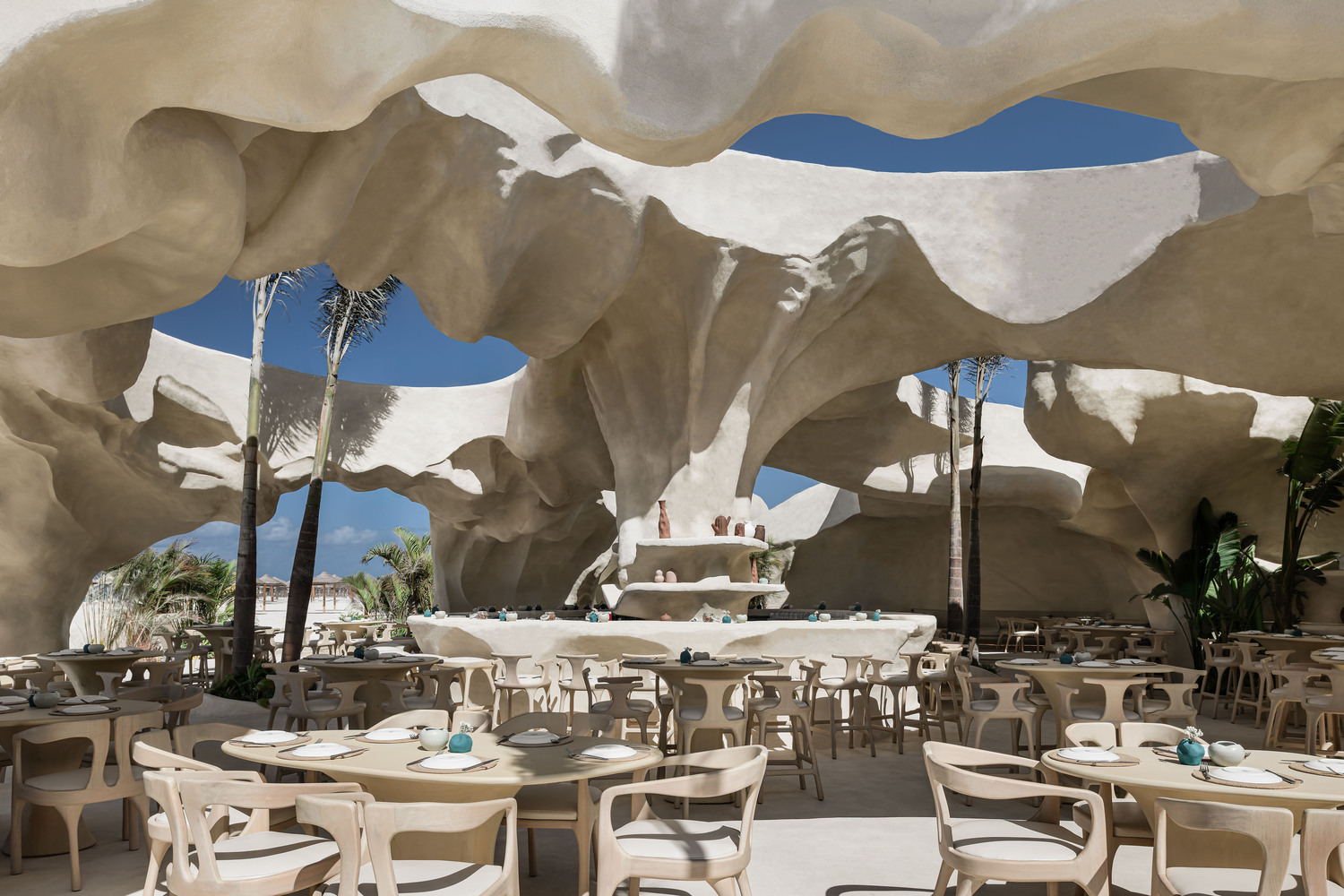
Its spatial identity is grounded in biomorphism, naturality, and growth, translating environmental logic into built form through controlled geometry and material expression.
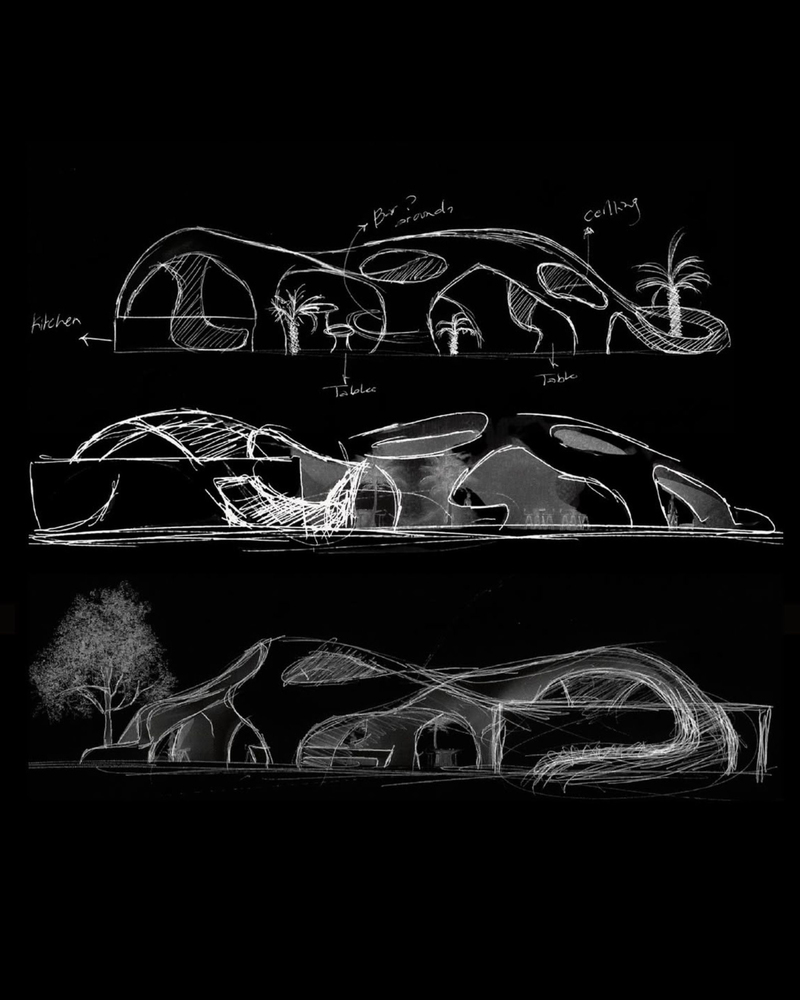
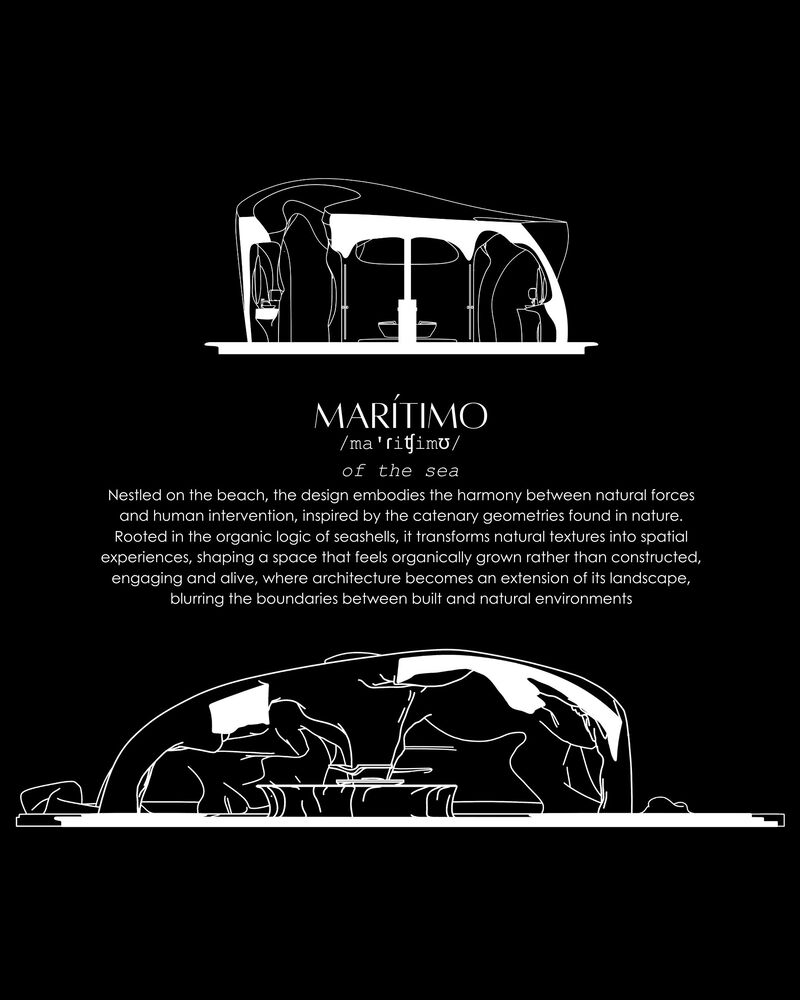
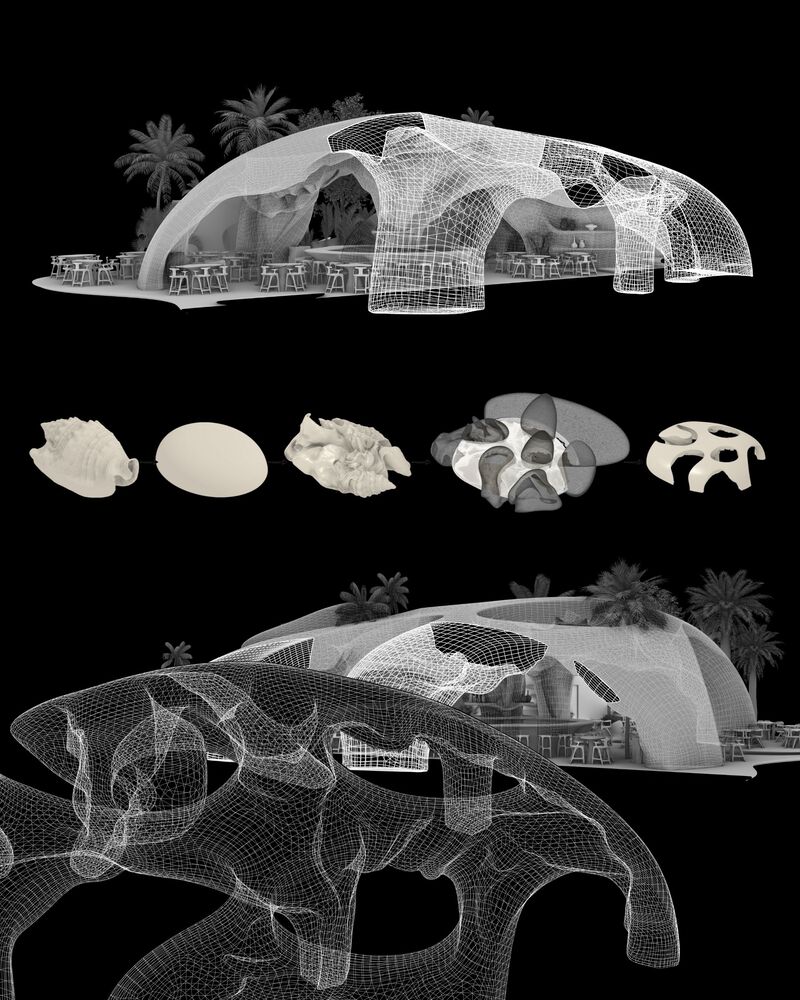
Drawing from seashell structures, catenary curves, and sedimentary formations, Esca Playa develops a continuous architectural shell shaped by the principles of natural formation.
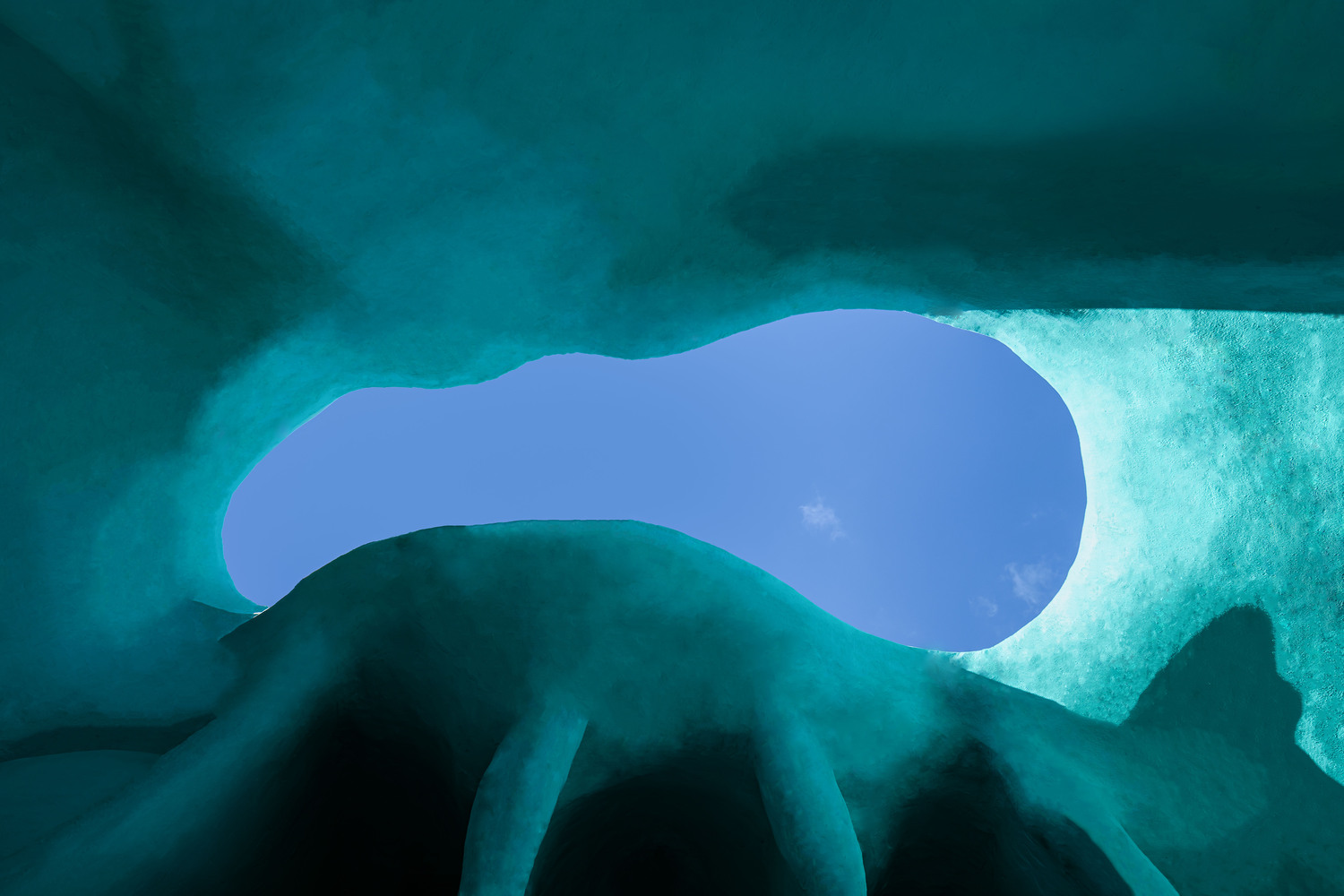
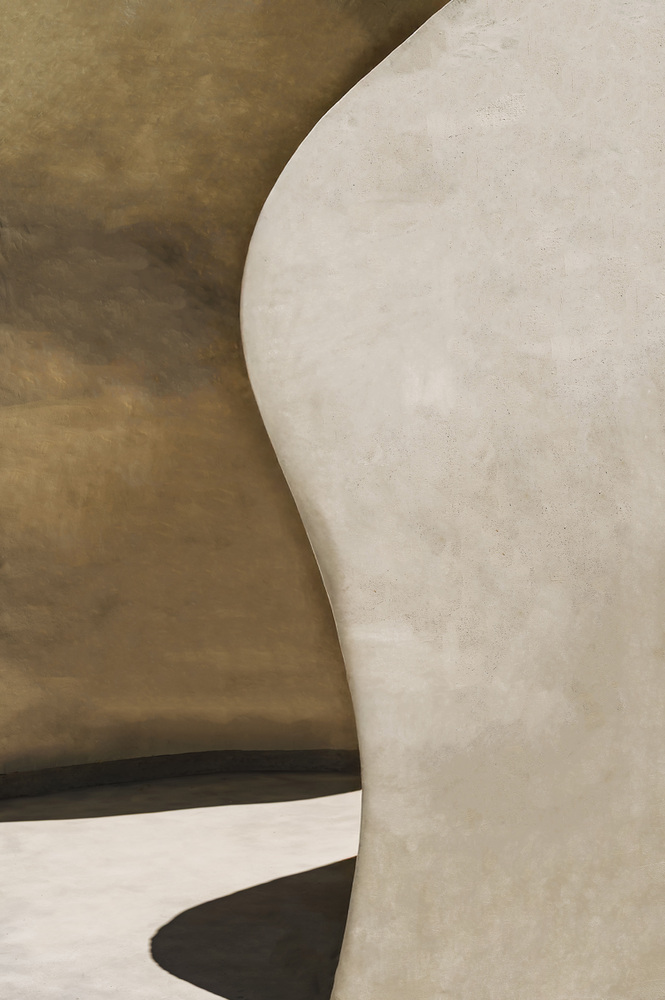
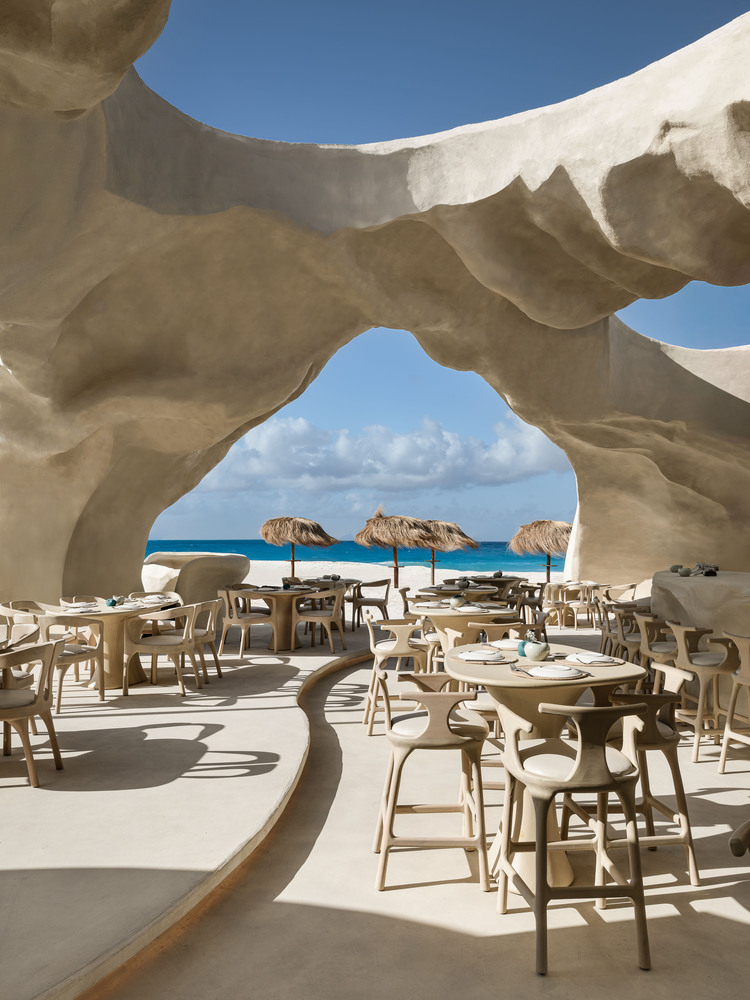
The envelope is cast as a monolithic, porous skin that responds to environmental pressure. It thickens where shade and structure are needed and opens where the coastline invites light and ventilation.
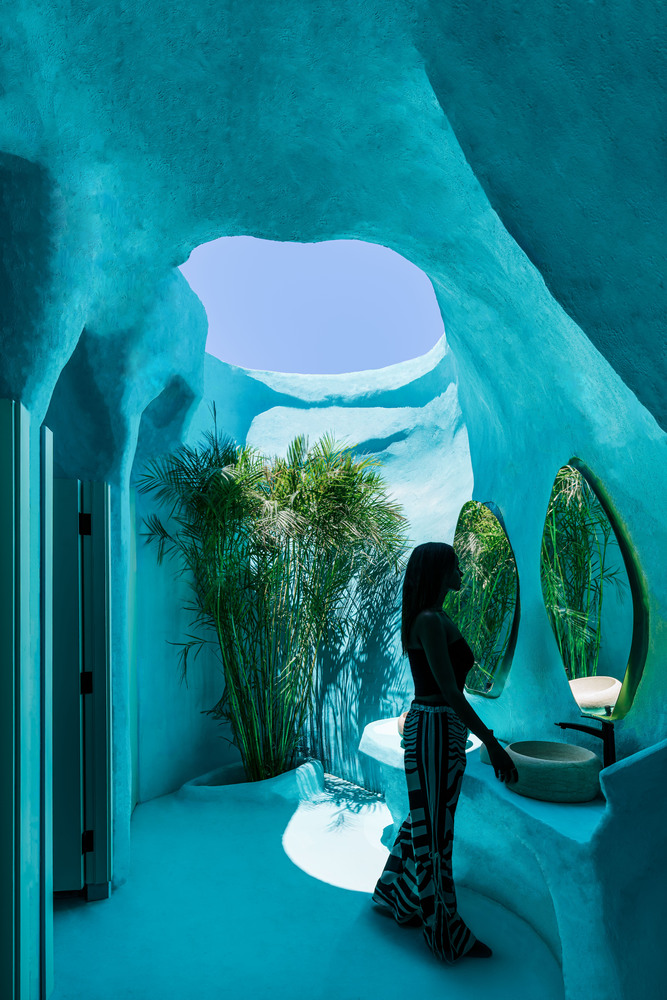
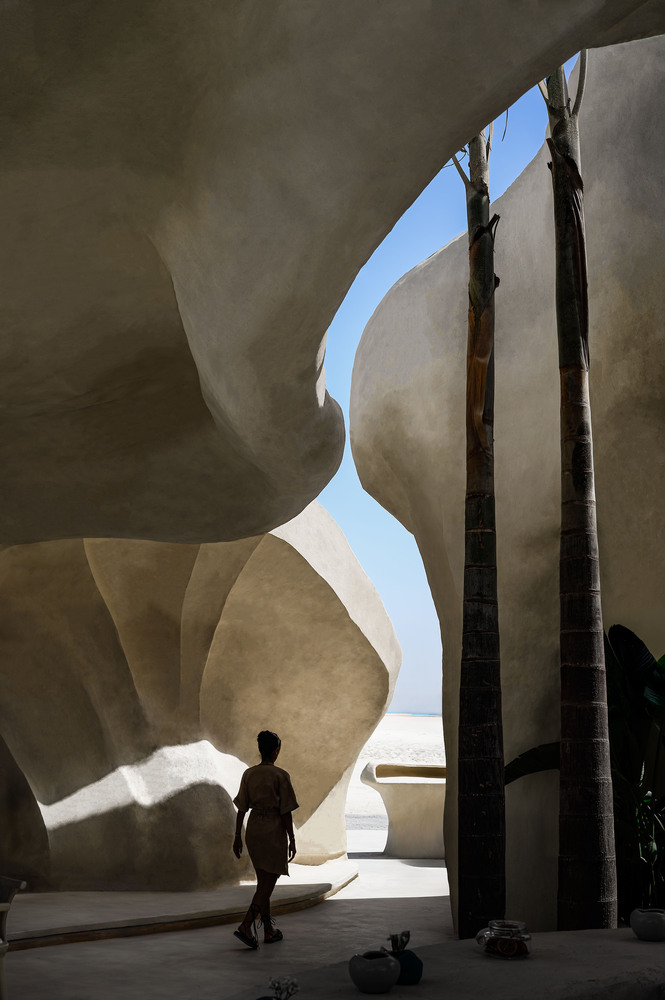
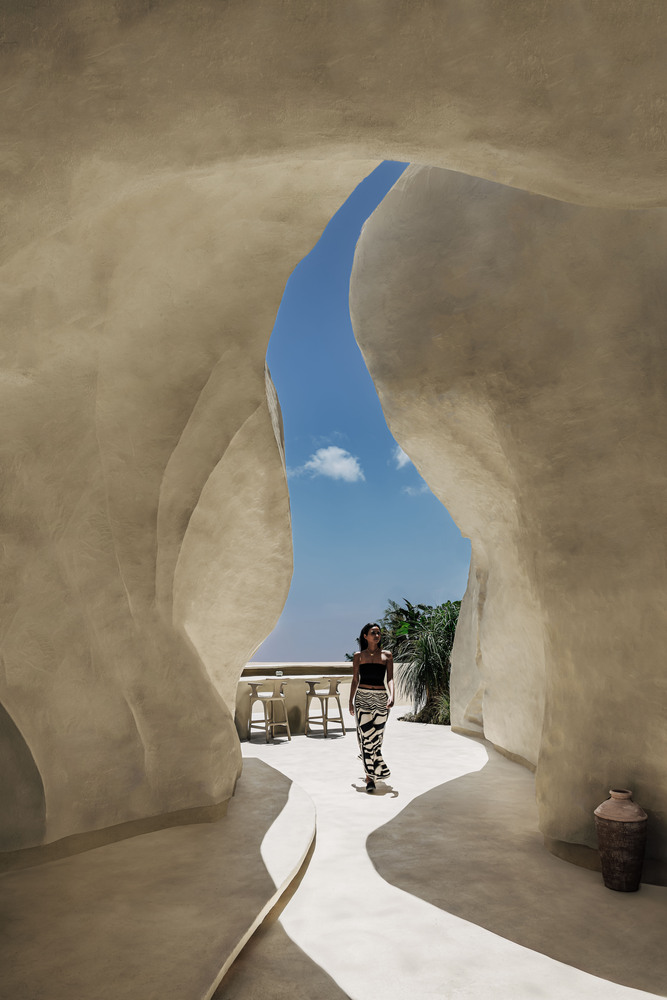
This approach creates a tectonic continuity where walls, ceilings, and openings operate as a single spatial system, shaped by forces rather than imposed by design intention.
The result is a building that feels excavated and accreted at the same time, as if it has undergone years of erosion before becoming inhabited.
The interior and exterior are linked through gradients of enclosure. Carved voids, filtered apertures, and shifting overhangs generate a spatial sequence that evolves with movement.
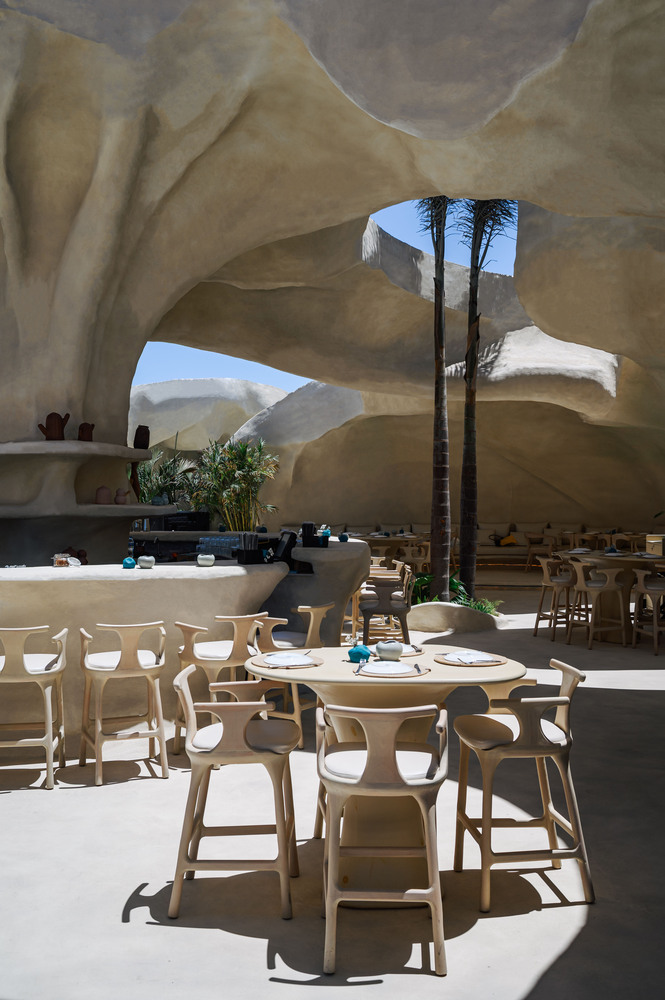
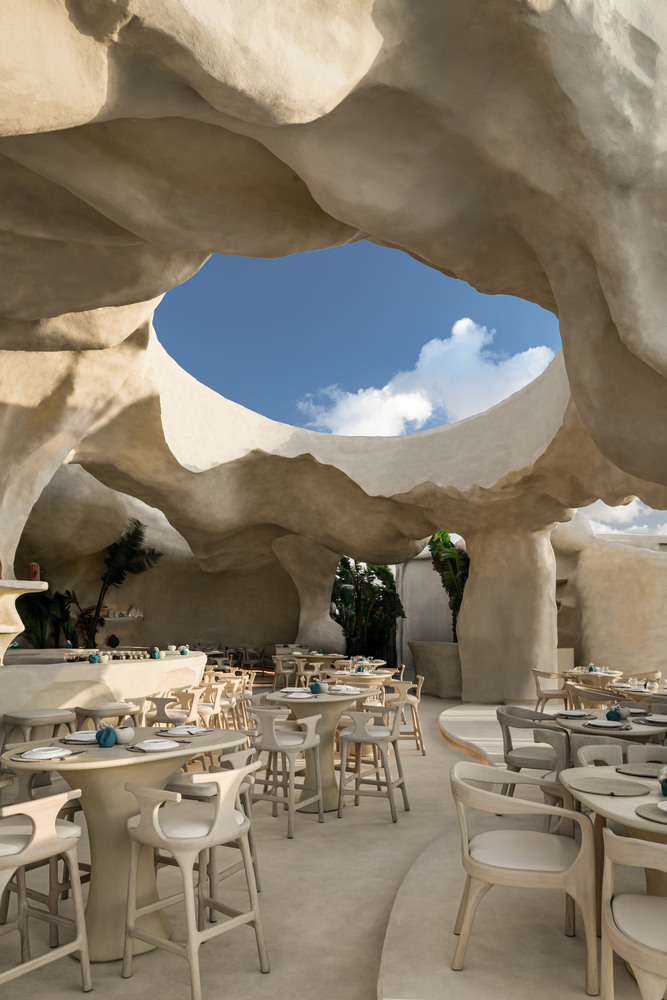
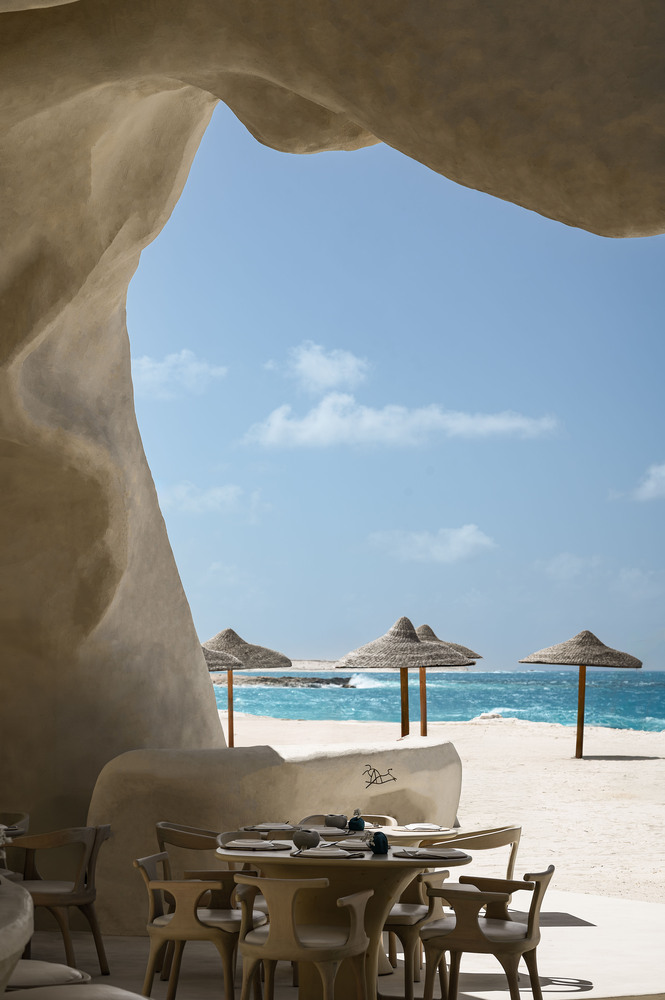
As visitors transition through the project, they experience shifts in scale, temperature, and illumination.
Light refracts across textured surfaces during the day and settles into deeper shadows as the sun lowers, creating an atmosphere that is constantly in flux.
Circulation functions as a generative element, guiding users along pathways that blur the boundaries between built and natural space.
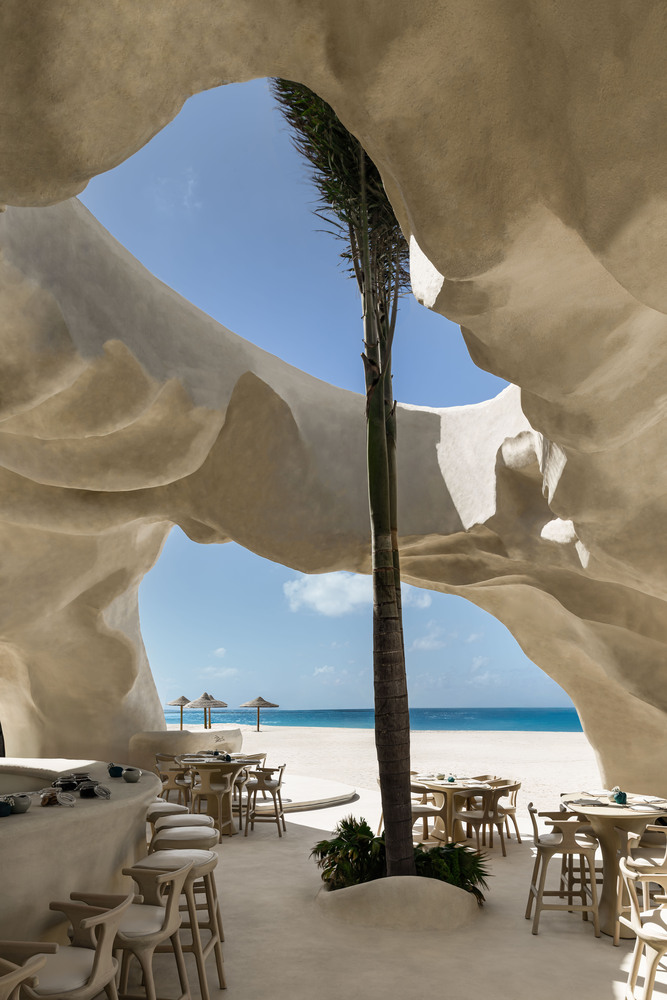
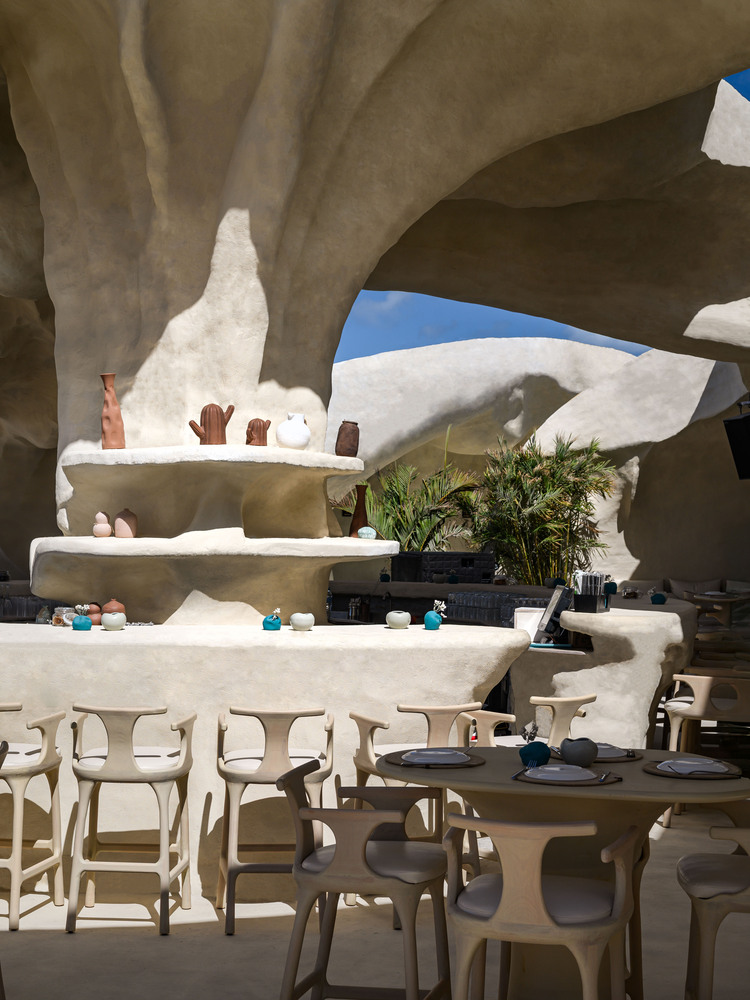
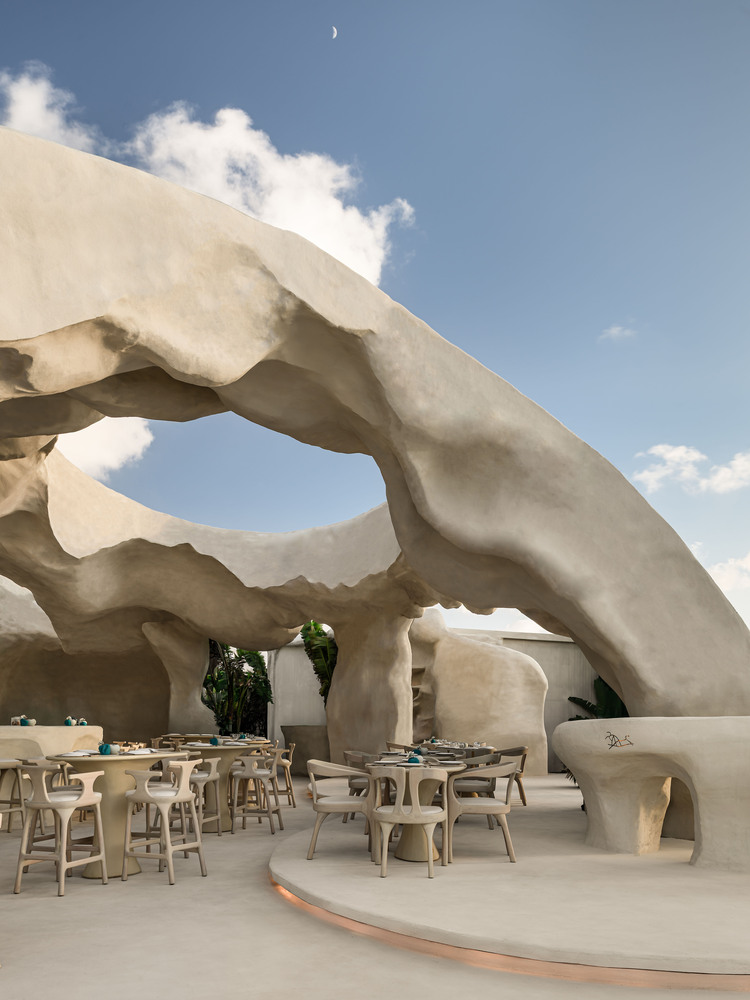
Materiality plays a central role in forming the architectural character of Esca Playa. Mineral plasters, coral aggregates, and textured surfaces echo the logic of the surrounding coastline.
Each surface carries a tactile connection to natural processes, reinforcing the idea that the structure is not a foreign object placed on the beach but an extension of the environment itself.
The project embodies controlled permeability, allowing the architecture to breathe with the shifting climatic conditions of the coast.
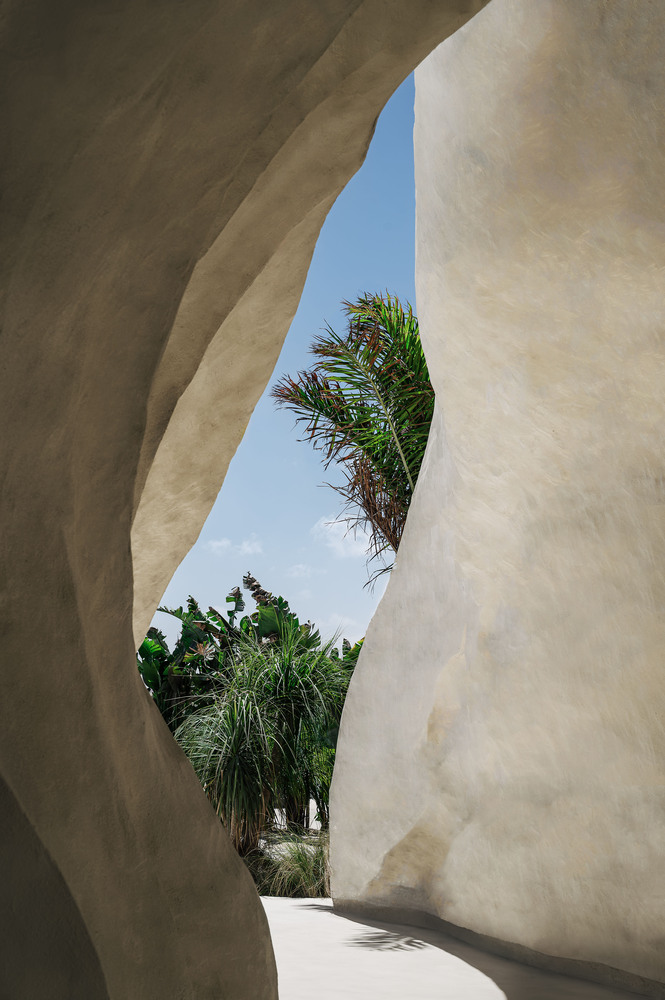
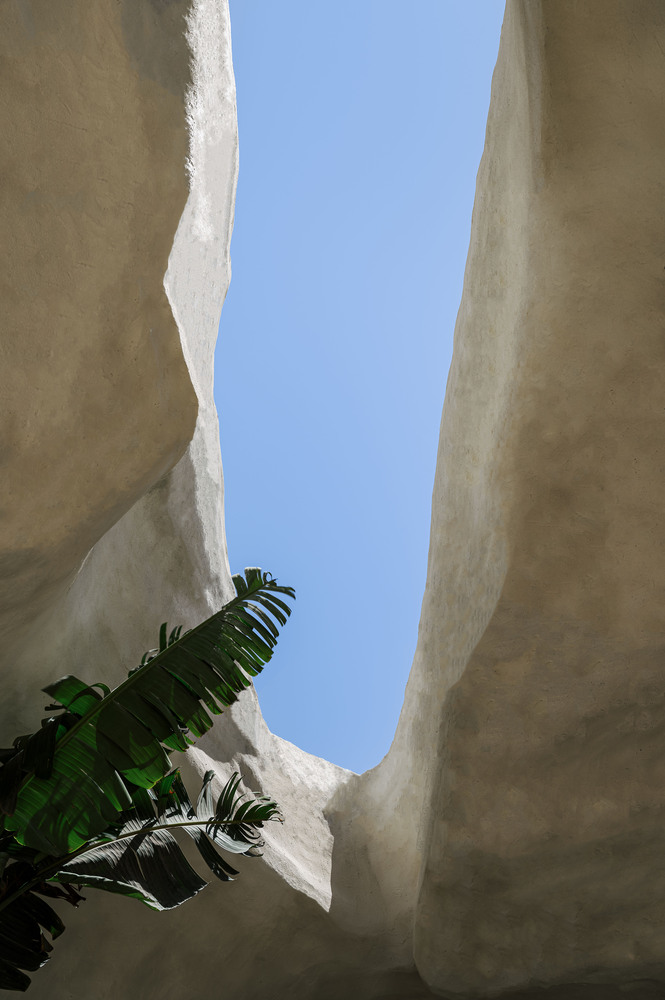
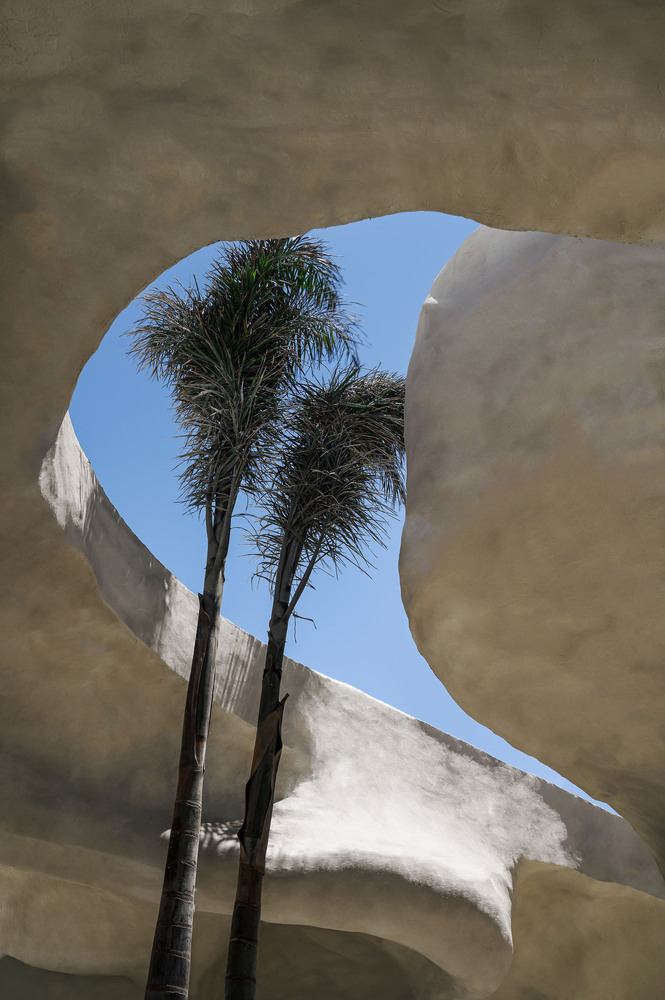
ESCA Playa operates as a living system influenced by its environment.
Its form is shaped by natural forces, its spaces are activated by changing light and wind, and its material expression is aligned with the shoreline that defines it.
The project stands as an example of architecture that grows from context, creating a sensory and spatial experience rooted in the logic of nature.
Here, dining becomes an encounter with the landscape, and the architecture becomes a continuation of the coast.