Plivatri Pavilion
PLIVATRI PAVILION
Ahmad El Zu'bi, Leda Demetriadou, Meds (Meetings Of Design Students), Stefanie Zins
ARCHITECTS
Ahmad El Zu'bi, Leda Demetriadou, Meds (Meetings Of Design Students), Stefanie Zins
DESIGN TEAM AND TUTORS
Ahmad El Zu'bi, Leda Demetriadou, Stefanie Zins
WORKSHOP NGO
Meds - Meeting Of Design Students
PROJECT PARTICIPANTS
Ahmed Bader, Gaja Bergant, Sofia Burin Leonardos, Mila Čarapić, Daria Ciesiolkiewicz, Lynn El Onaissy, Irene Favero, Sherry Gendy, Mathew Gindy, Yiğit Kağan Karabulut, Simona Lazić, Pegi Pika Lešnik, Ema Marušič, Luka Mijajlović, Valeriia Stavitskaia, Klaudiusz Szwajka, Sude Vural, Lara Wschiansky, Joya Yazbeck
PHOTOGRAPHS
Pegi Pika Lešnik, Tea Stipanovic
AREA
10 m²
YEAR
2025
LOCATION
Rijeka, Croatia
CATEGORY
Pavilion, Public Architecture
English description provided by the architects.
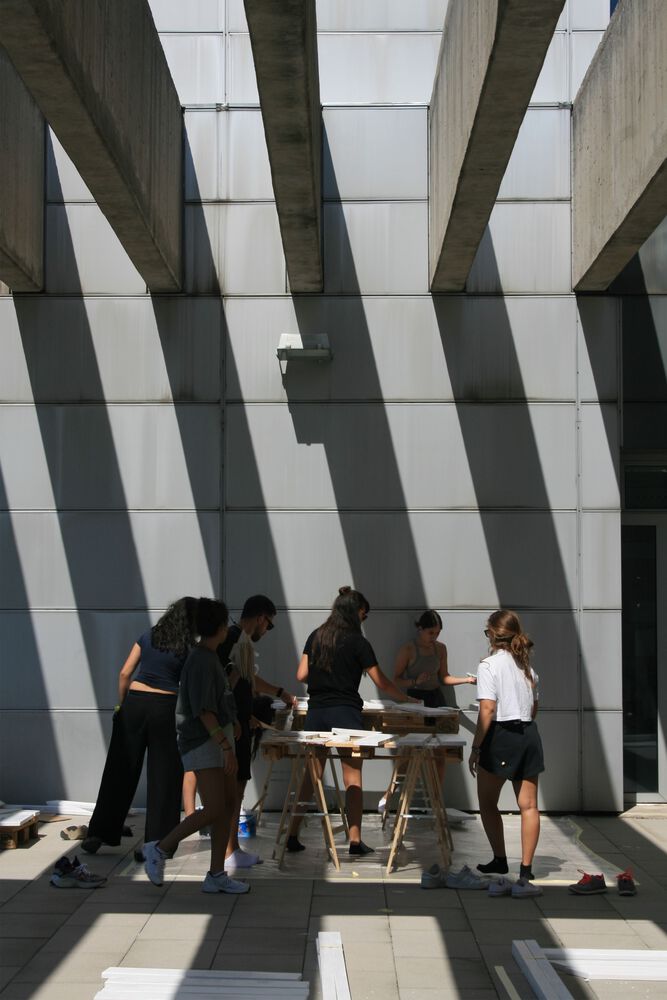
Plivatri is a pavilion built by Ahmad El Zu'bi, Leda Demetriadou, Stefanie Zins, together with international participants during the MEDS Workshop Hravtska 2025 in Rijeka, Croatia.
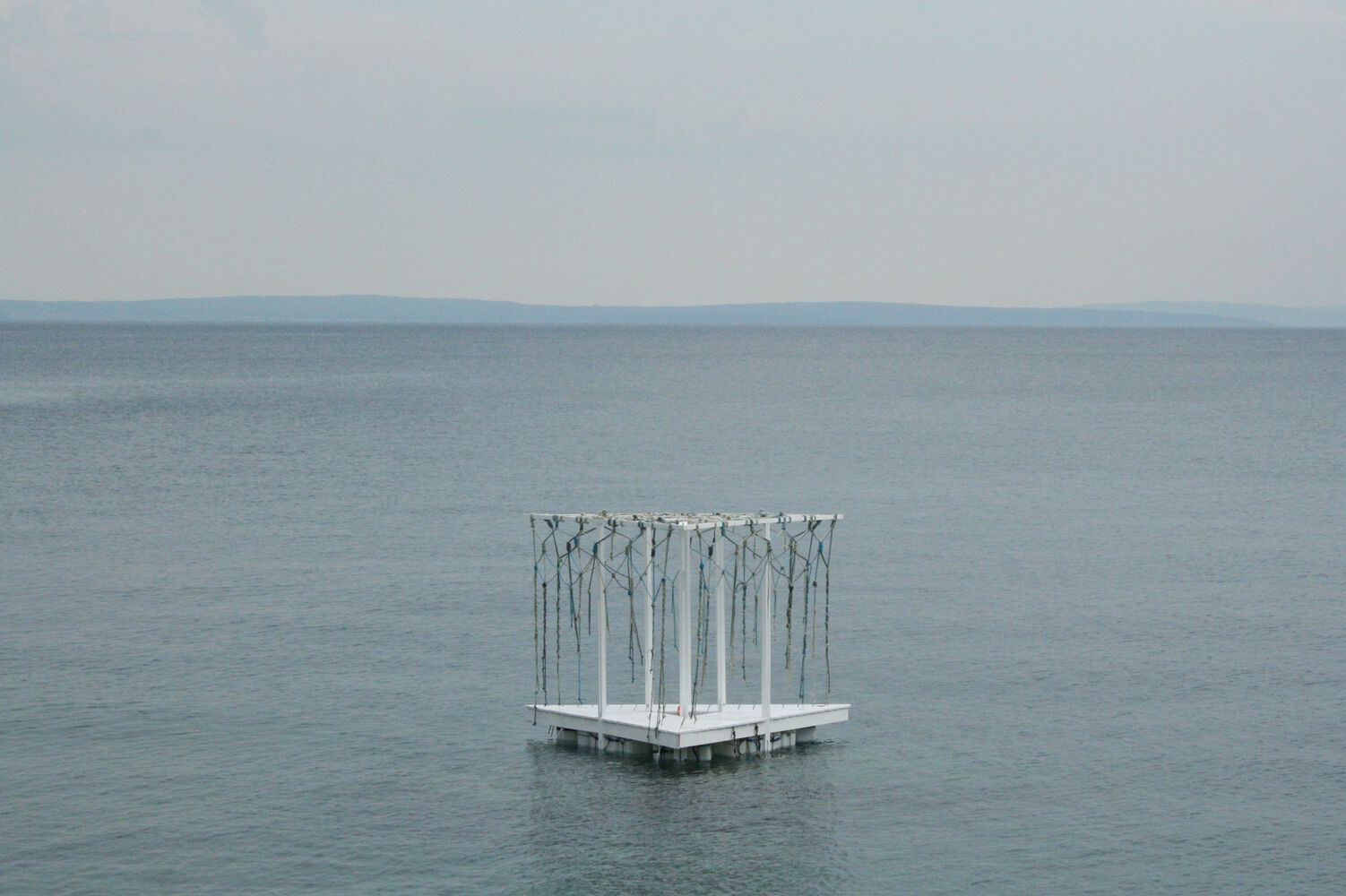
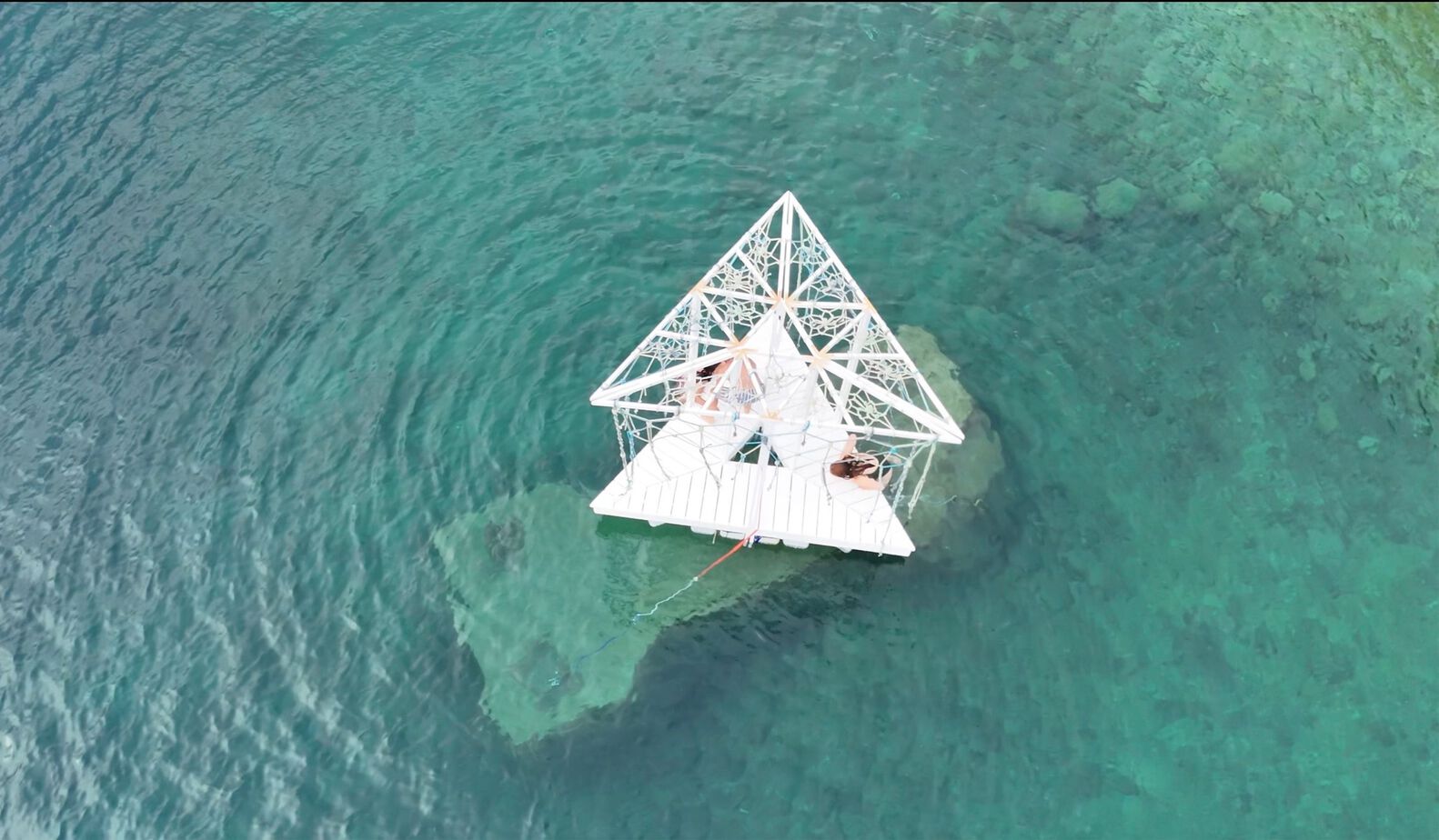
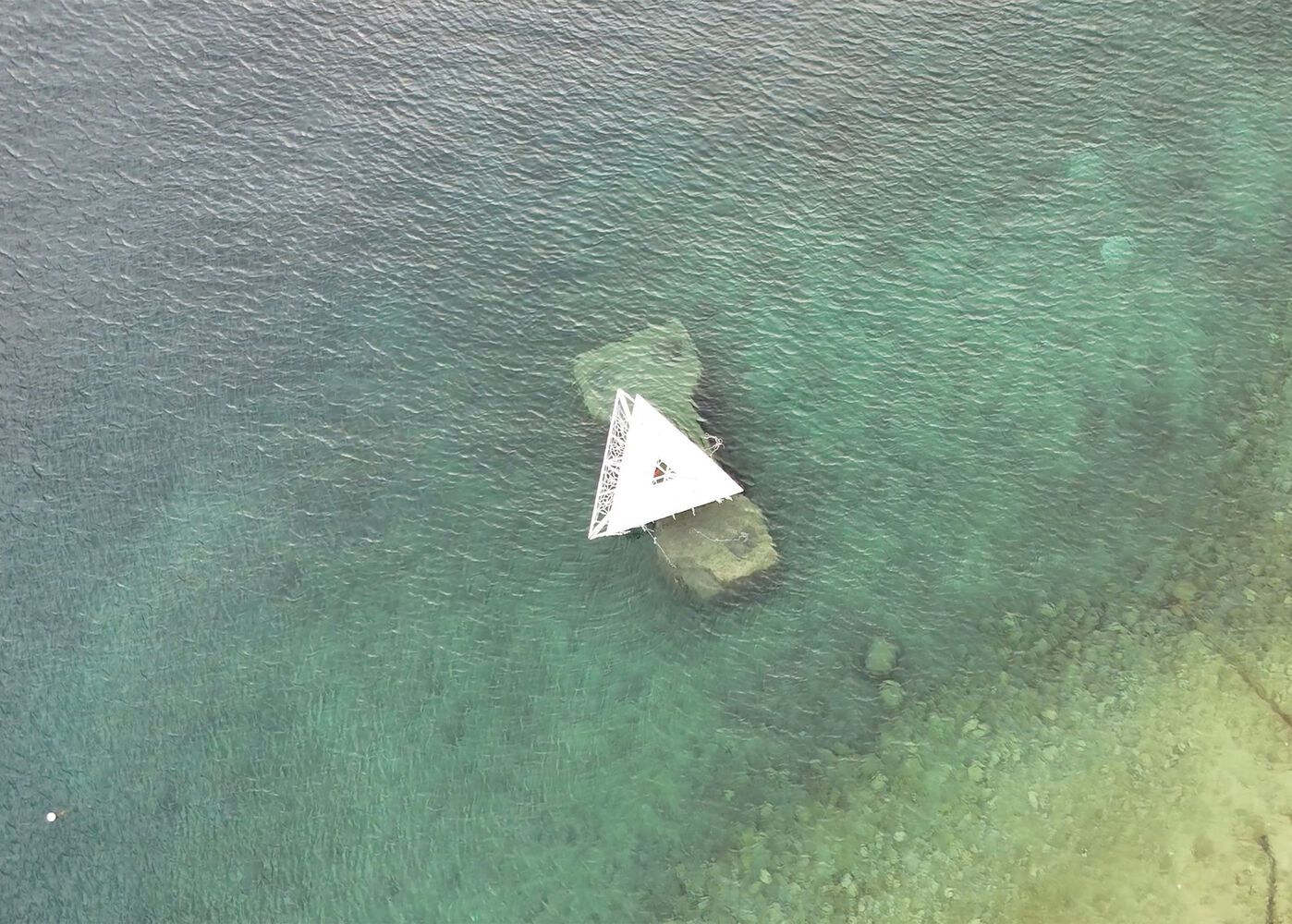
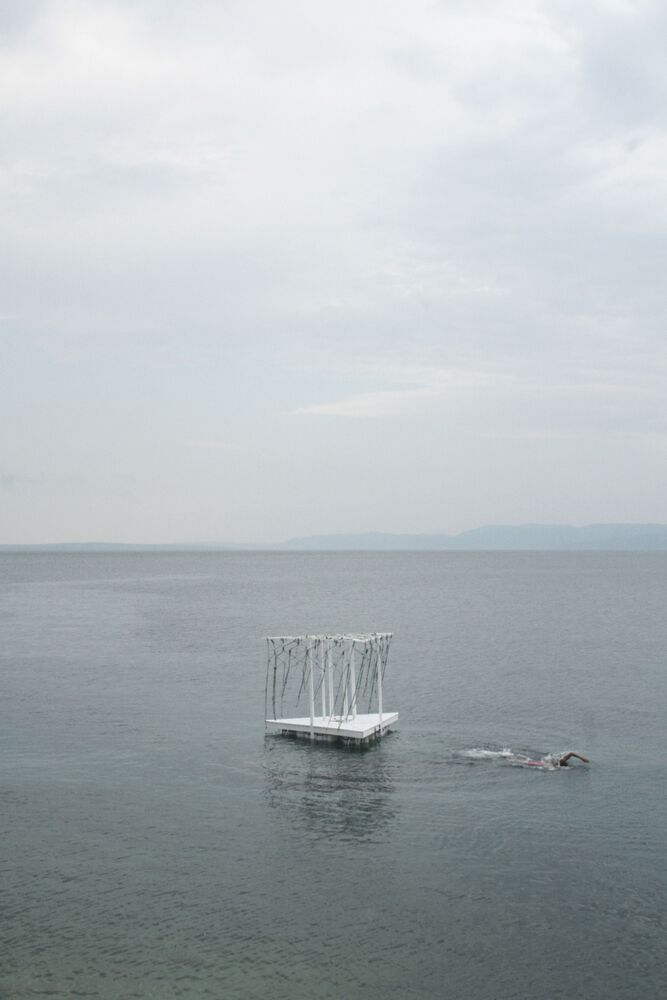
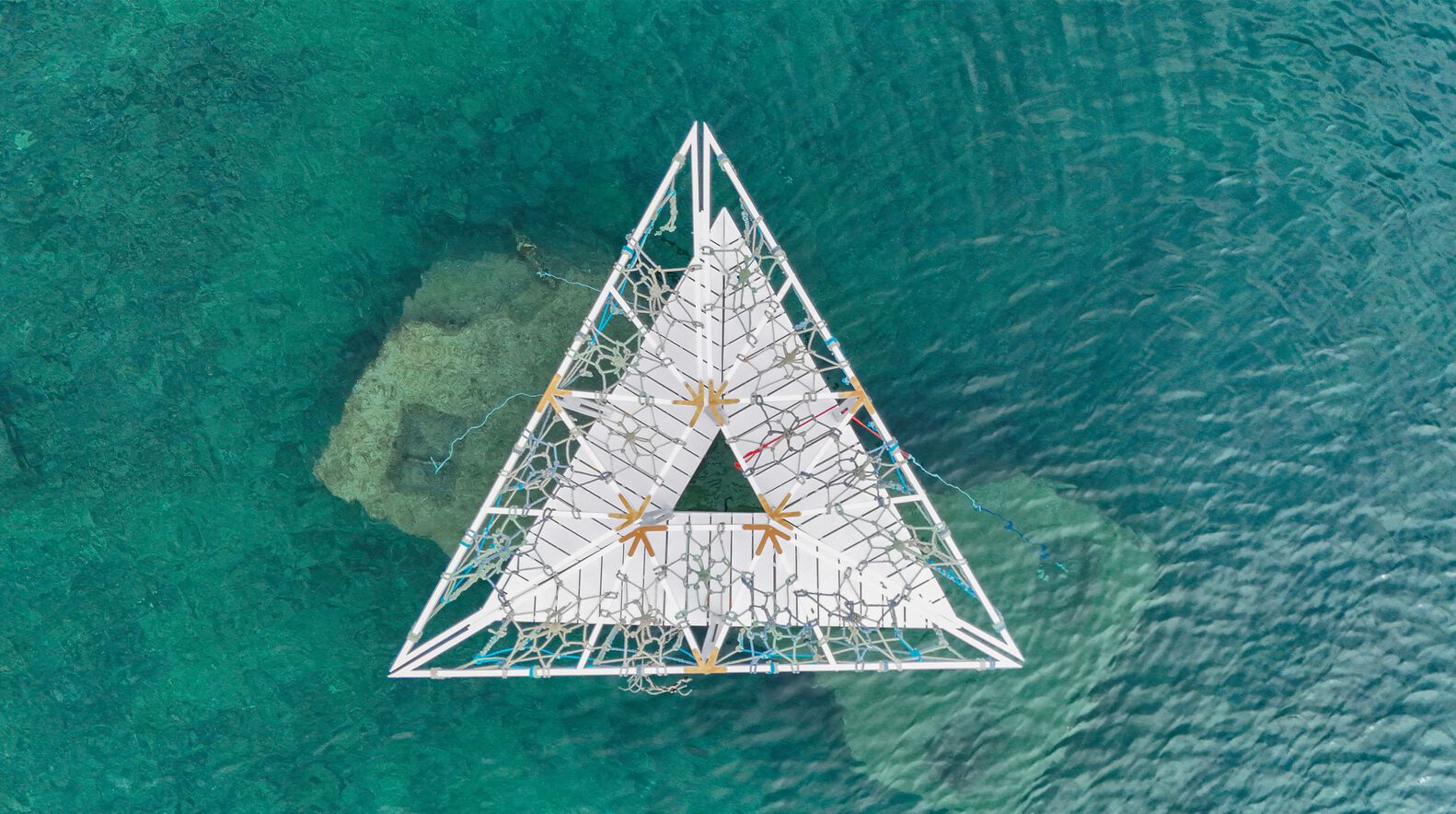
Floating in the Adriatic Sea off the coast of Rijeka could lie a triangular pavilion, acting as a temple in the sea.
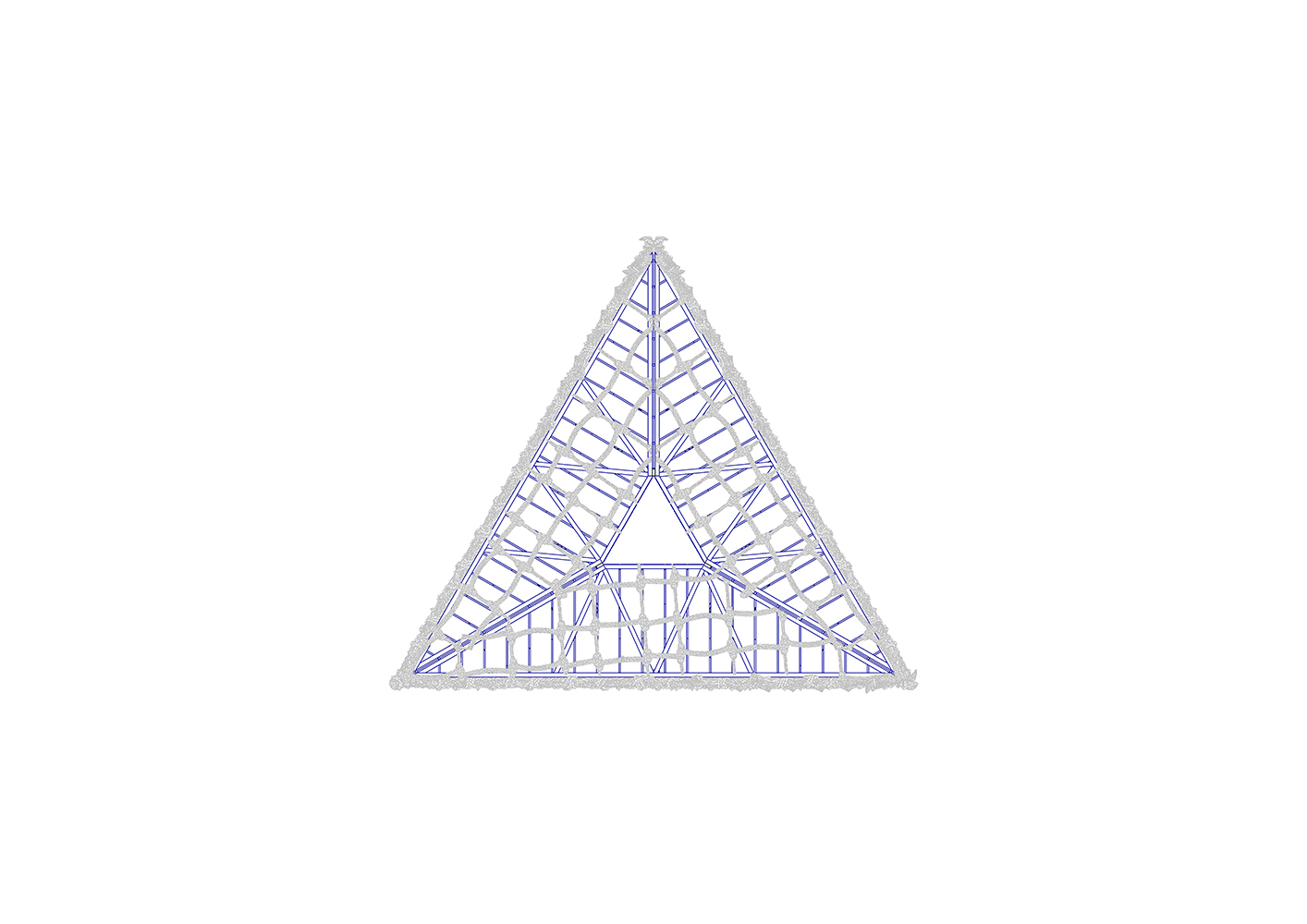
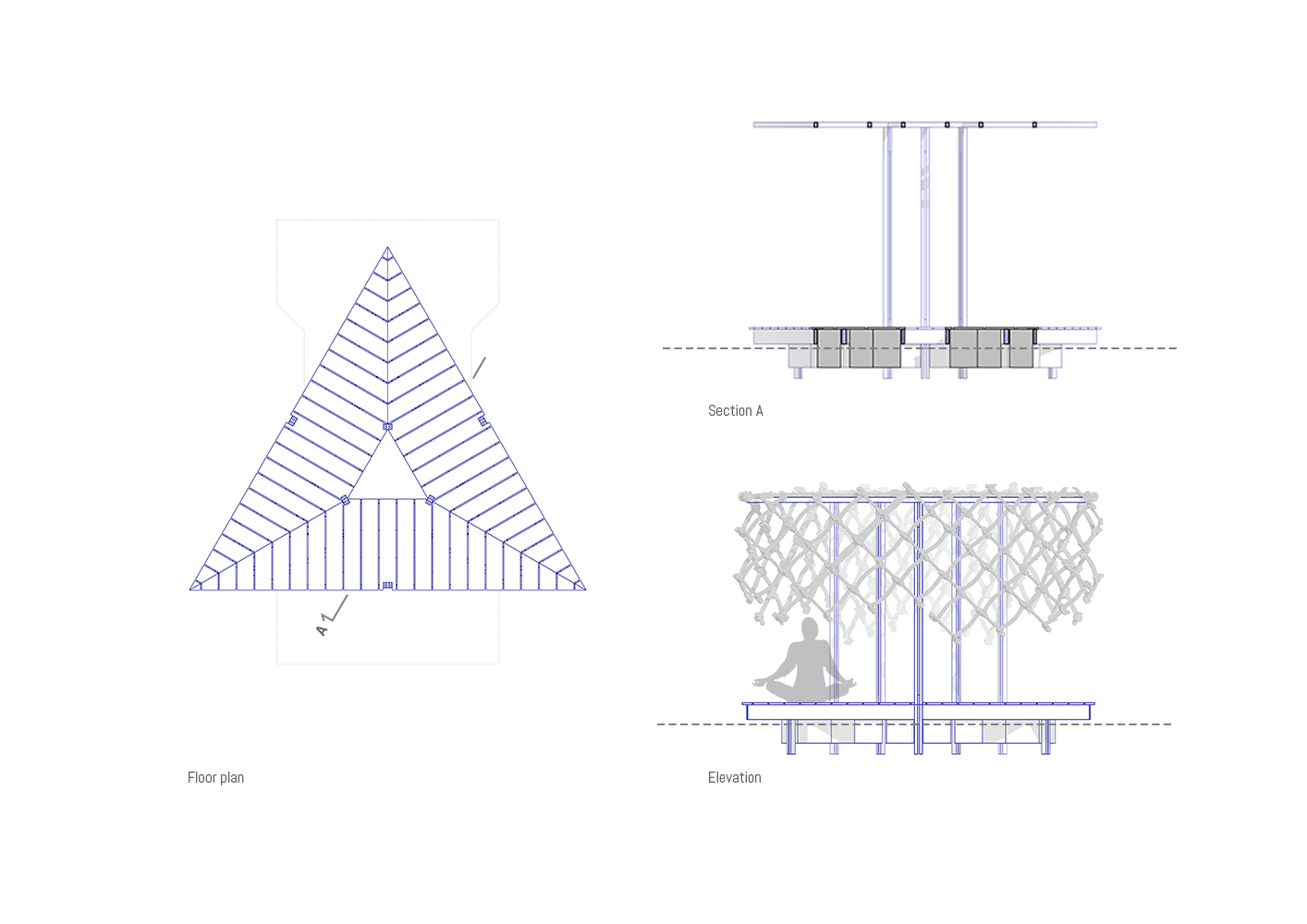
The equilateral triangular shape contrasts with the organic lines formed by the surrounding sea, highlighting its role of pointing to the three locations seen from Brajdica Beach: the shoreline, the sea, and the port.
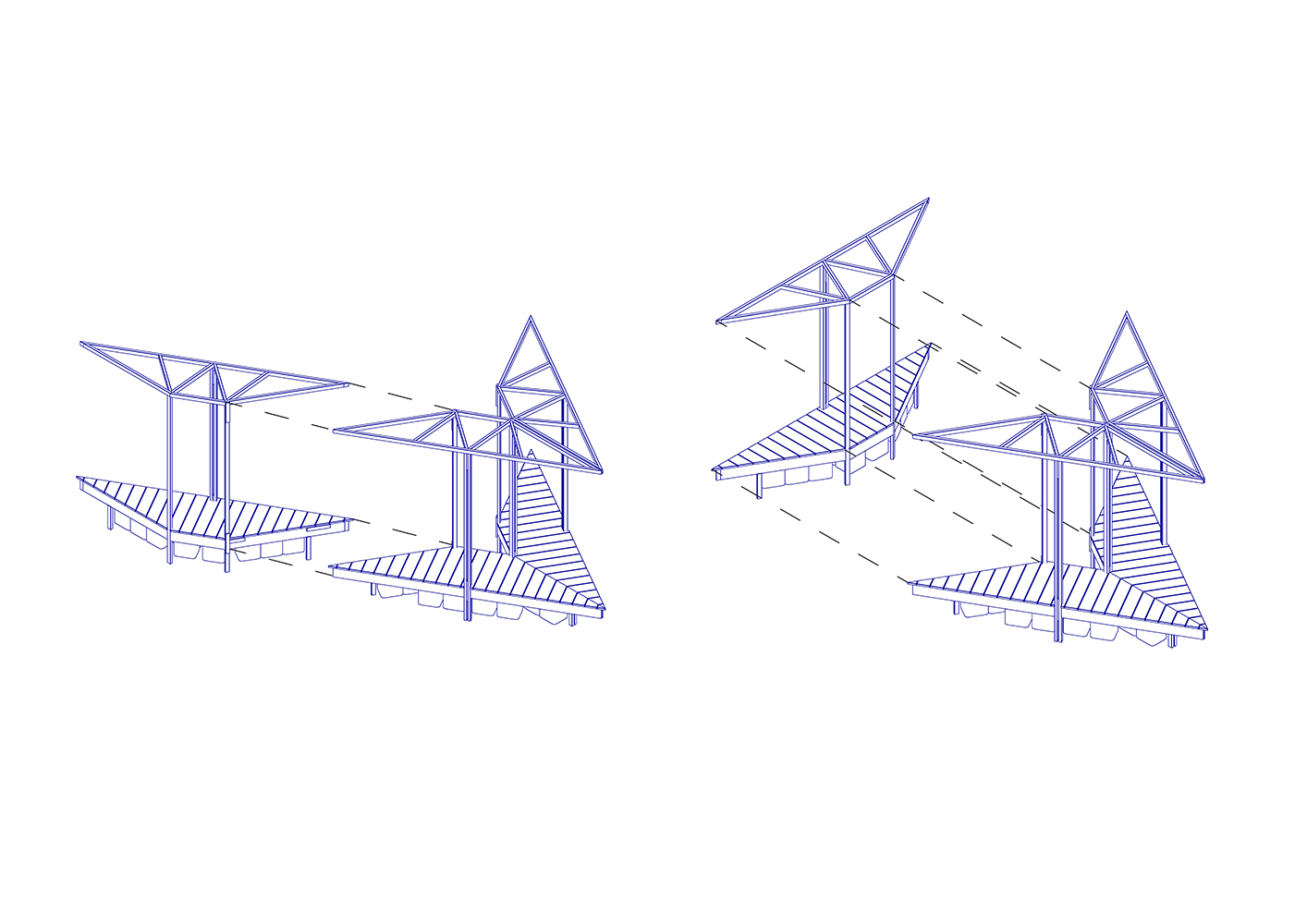
The triangular shape's outer portion is a narrow peripheral walkway wrapping the structure and offering a sequence of experiences: a moment to sit, a place to dive, or simply a platform to enjoy the shifting panorama.
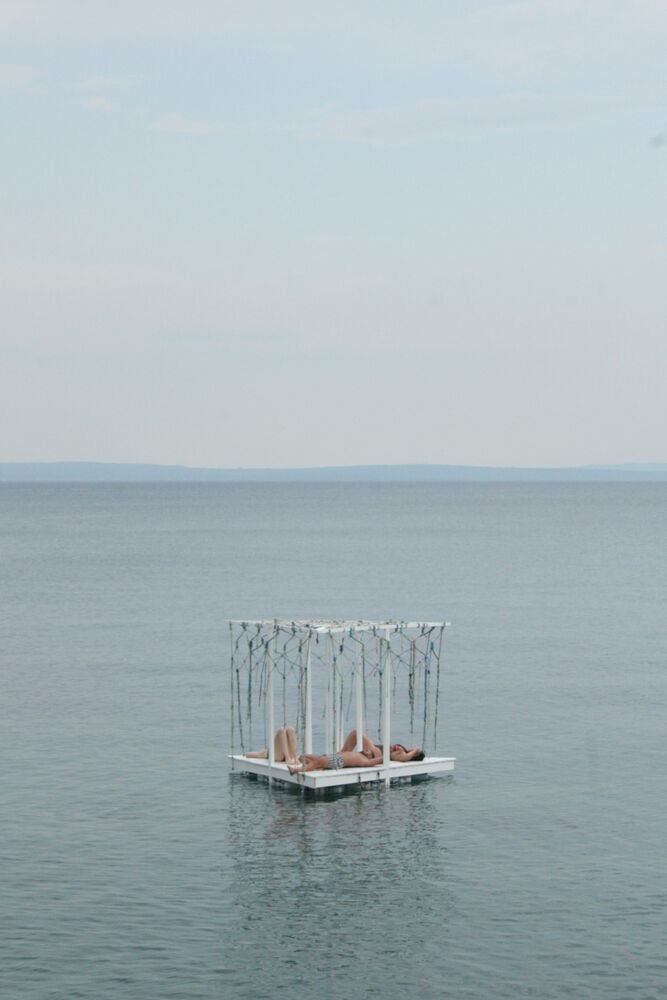
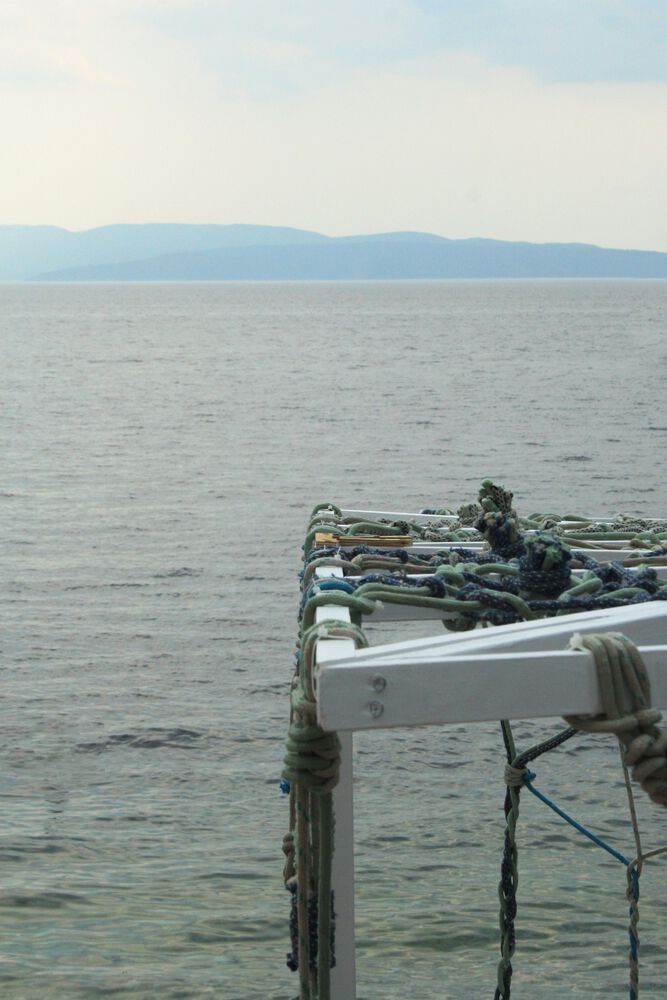
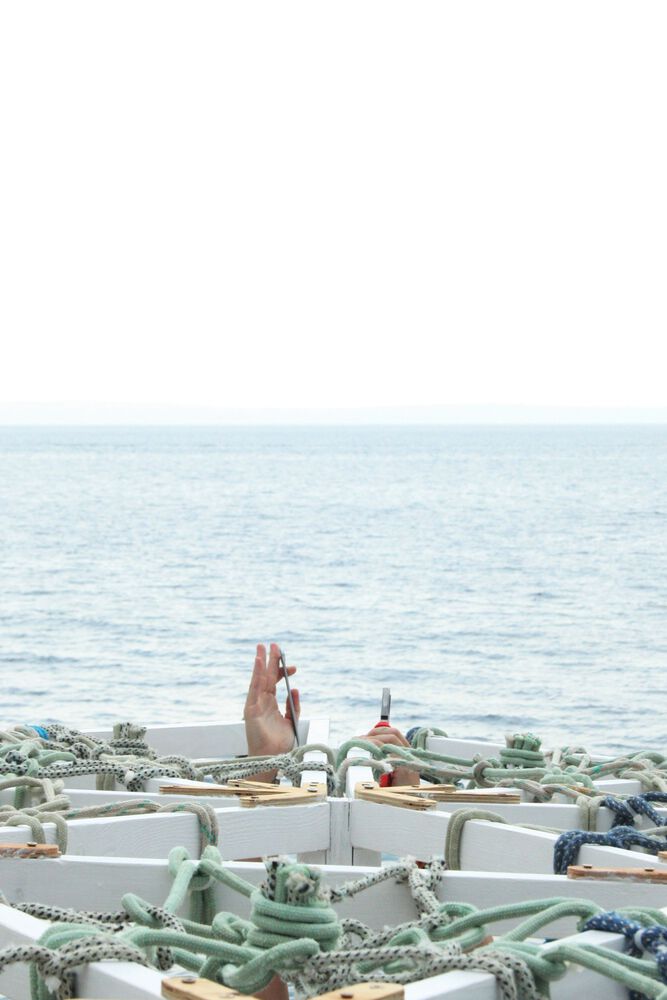
In the inner part of the triangle lies an open void, serving as a communal area. The contrast between inside & outside, geometric & organic, and natural & industrial transforms the pavilion into a temple on water - a place of reflection and connection between the elements and its visitors.
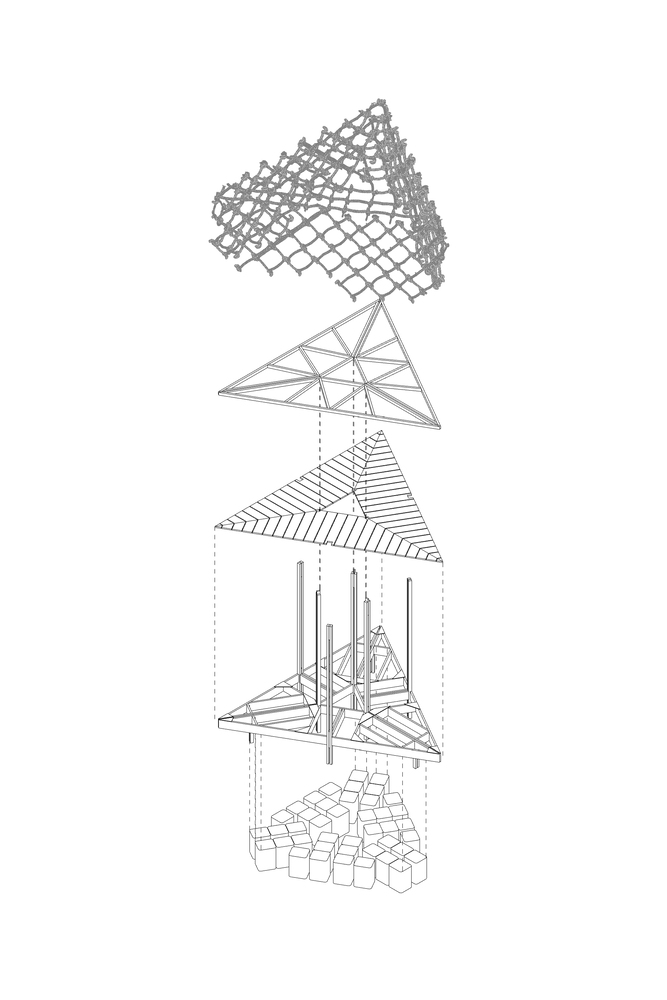
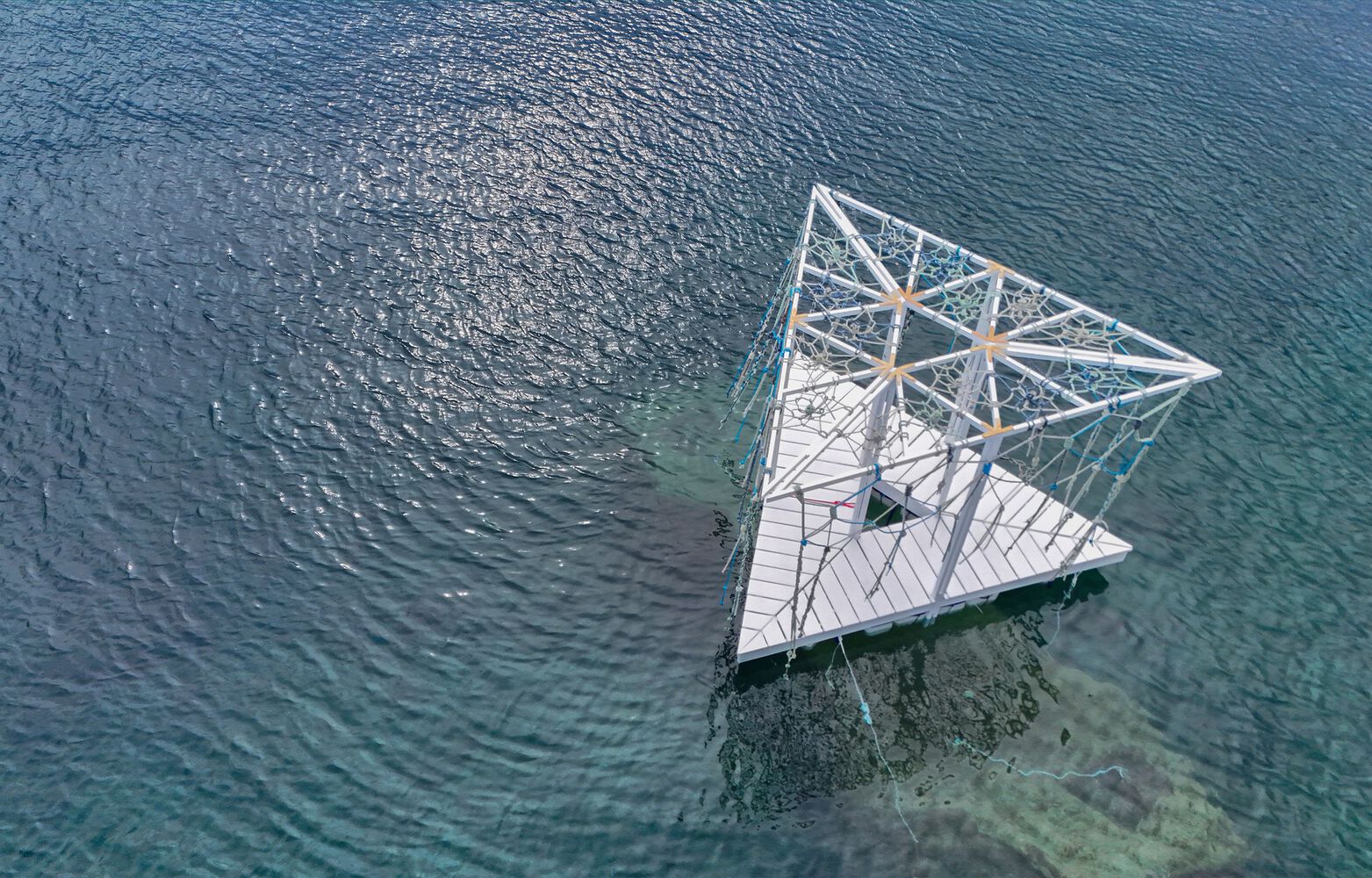
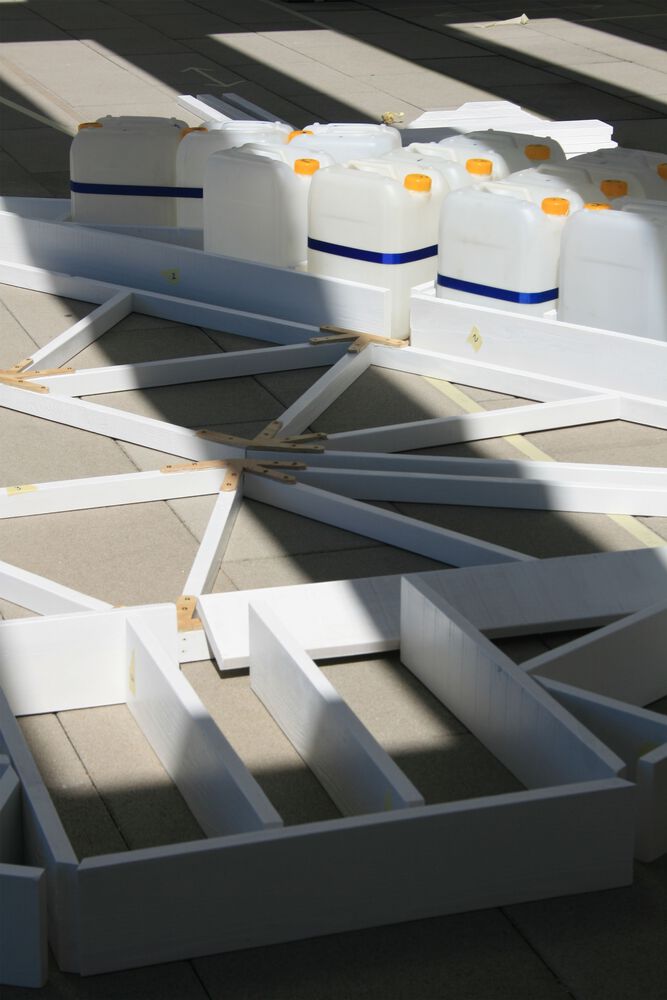
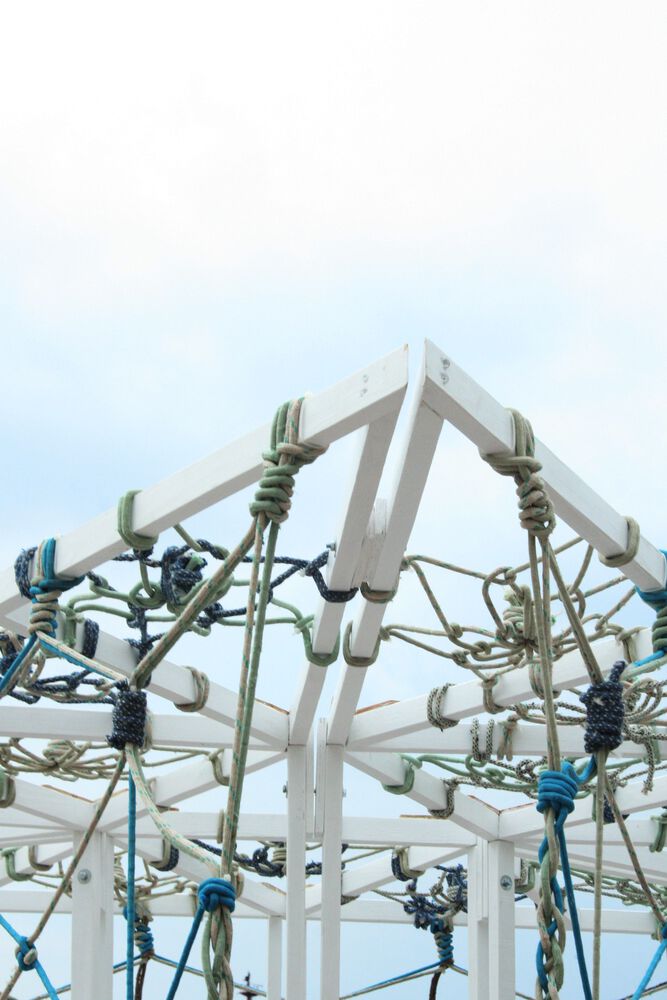
The pavilion's construction embraces lightness and environmental responsibility. A wooden frame binds the structure, while ropes - repurposed from the port - form both enclosure and ornament, representing the traditional net port pattern through woven local motifs embedded into the surfaces as a nod to local craft traditions.
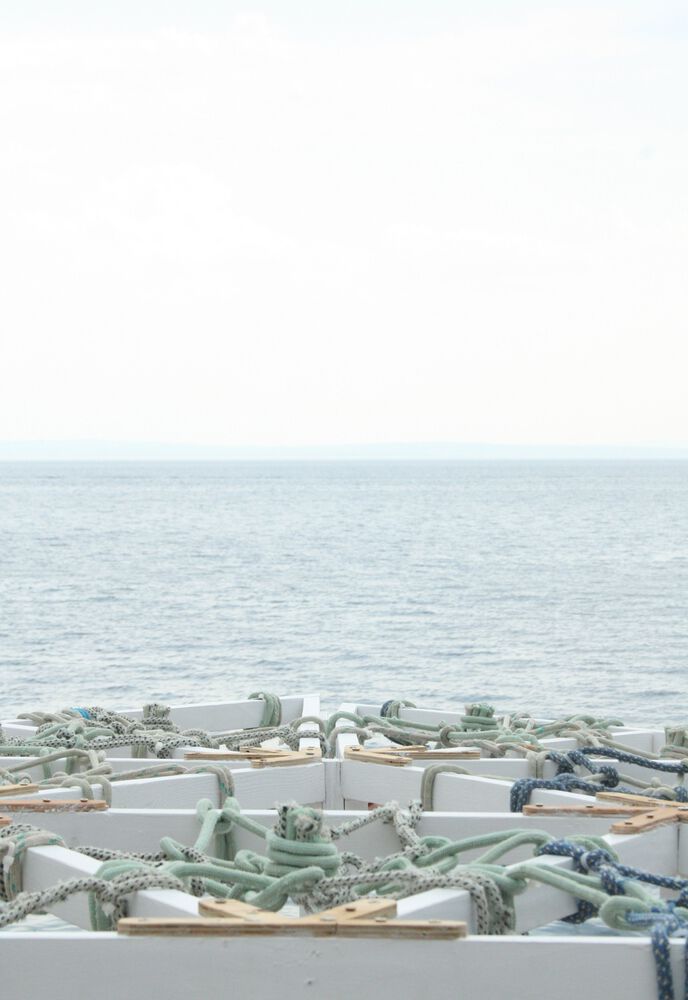
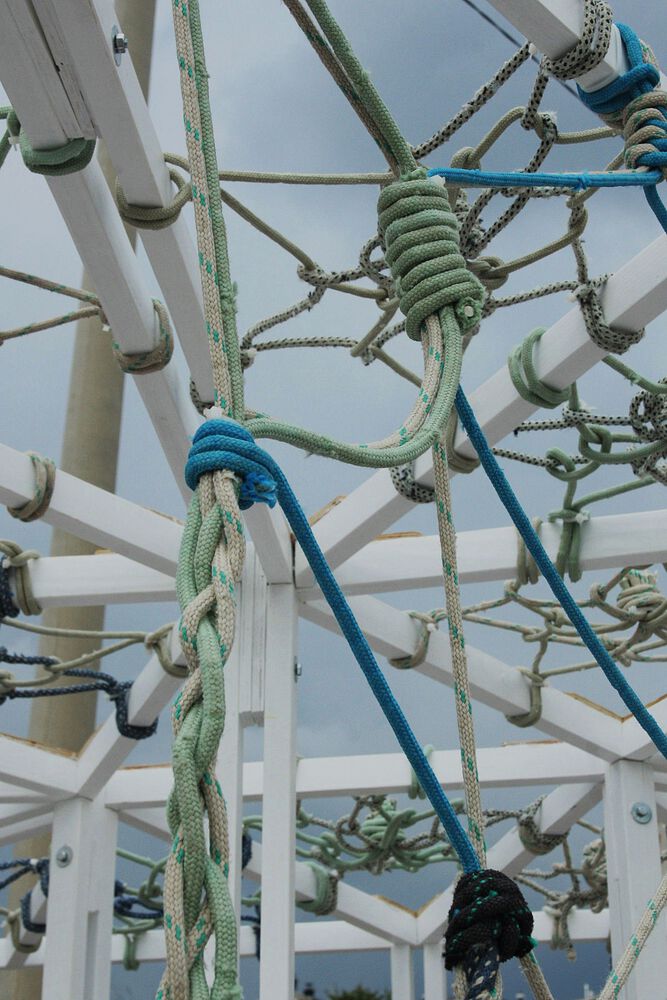
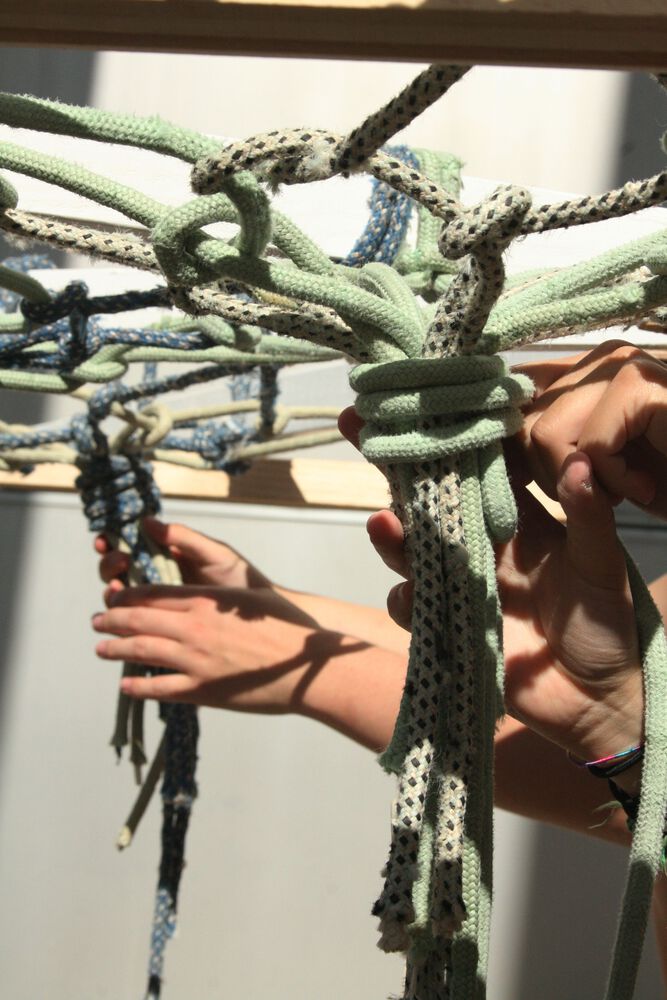
This combination creates an interplay of light and shadow, as the wind slowly rotates the structure and moves the ropes to create fluttering patterns.
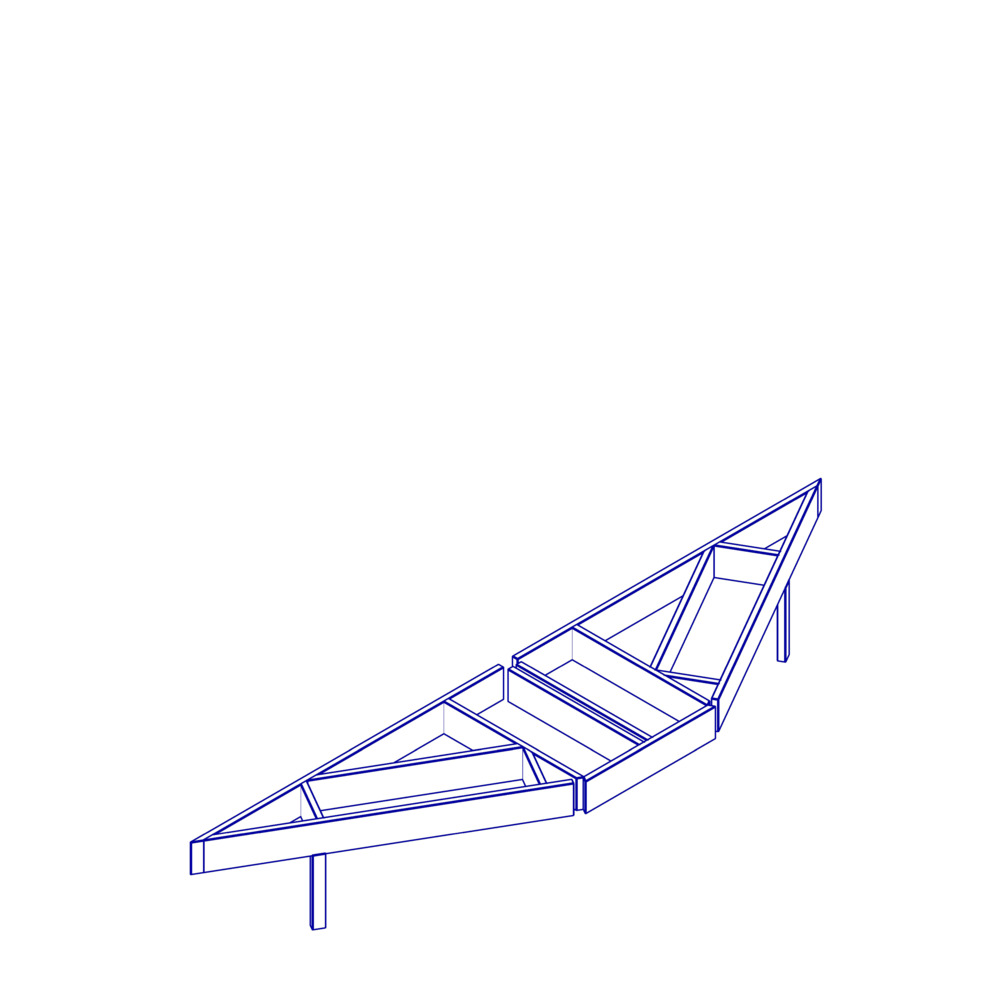
Beneath the structure, repurposed plastic barrels provide buoyancy, combining stability with the flowing movements of the ropes.
The repurposing of materials not only minimizes waste but also connects the structure to Rijeka's industrial traditions in a modern way.
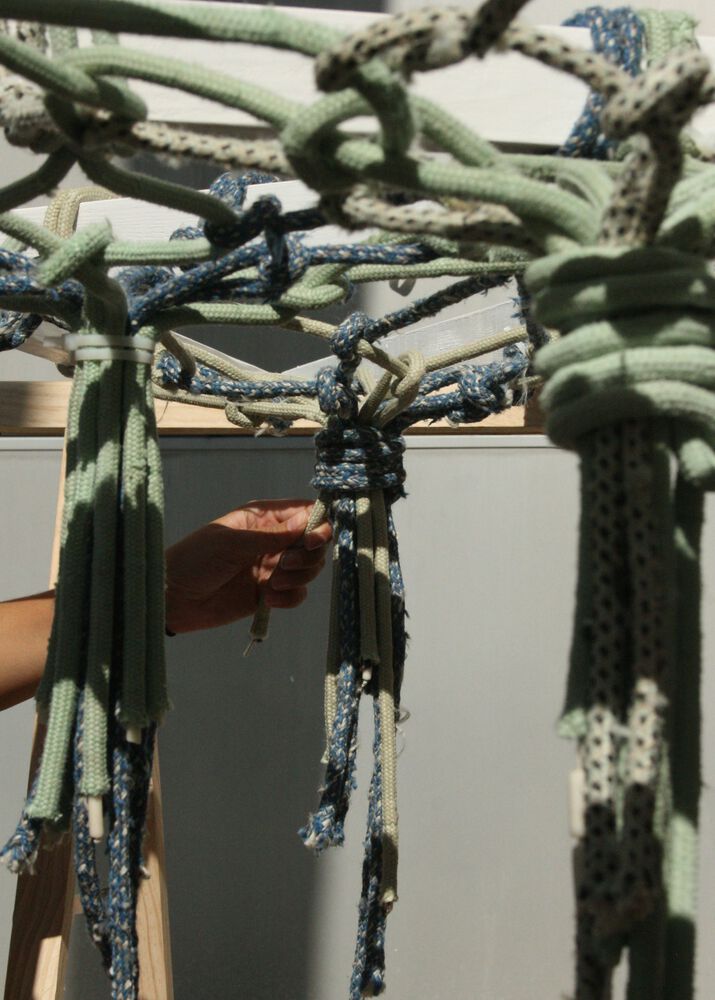
As the light changes throughout the day, so does the perception of the structure. The gentle, blue waves reflect the sunlight, and in the background, distant coastal landscapes hint at the vibrant life of the city.
The overall atmosphere is tranquil yet dynamic, with a subtle play of light on water at either golden hour or mid-day for a vivid, natural glow.
In the bright daylight, the pavilion shines brightly, inviting visitors for a spontaneous moment of refreshment and relaxation.
As the sun begins to set, the subtle lighting highlights the contours of the pavilion, transitioning textures and expressions of its environment.
The changing light becomes part of the architecture, altering its tone and presence without compromising its simplicity.
Acting as a stage for Rijeka's visitors to enjoy the beach in a new way, the pavilion becomes a point of connection between its visitors and the city.

It offers a place for reflection, interaction, and appreciation of the sea, leaving a lasting impression through its balance of clarity, craft, and calm.