Yanbu Old Dragon Park
YANBU OLD DRAGON PARK
Atelier Cns-cicada Art
ARCHITECTS
Atelier Cns-cicada Art
LEAD ARCHITECT
Gang Song, Zi'an Luo
DESIGN TEAM
Yongjiu Cen, Yuheng Xiao, Danyi Huang, Chen Liu, Qiuyi Jian
PHOTOGRAPHS
Siming Wu
AREA
5500 m²
YEAR
2025
LOCATION
Foshan, China
CATEGORY
Park
English description provided by the architects.
In Yanbu Village, Nanhai, Foshan, an ancient dragon boat rests beneath the silt of a local river—the renowned "Yanbu Old Dragon."
Constructed in 1432 during the Ming Dynasty's Xuande reign, it is now 593 years old. The legend behind it, centered on the principle of "resolving discord with mutual respect," forms the ethical core of the local dragon-boat culture, one characterized by humility and ritual observance.
This legacy has spawned a set of unique customs perpetuated for centuries. By weaving this profound intangible heritage into its fabric, the park project aims to create contemporary spatial forms that reactivate community vitality.
I FROM HISTORICAL NARRATIVE TO SPATIAL TRANSLATION
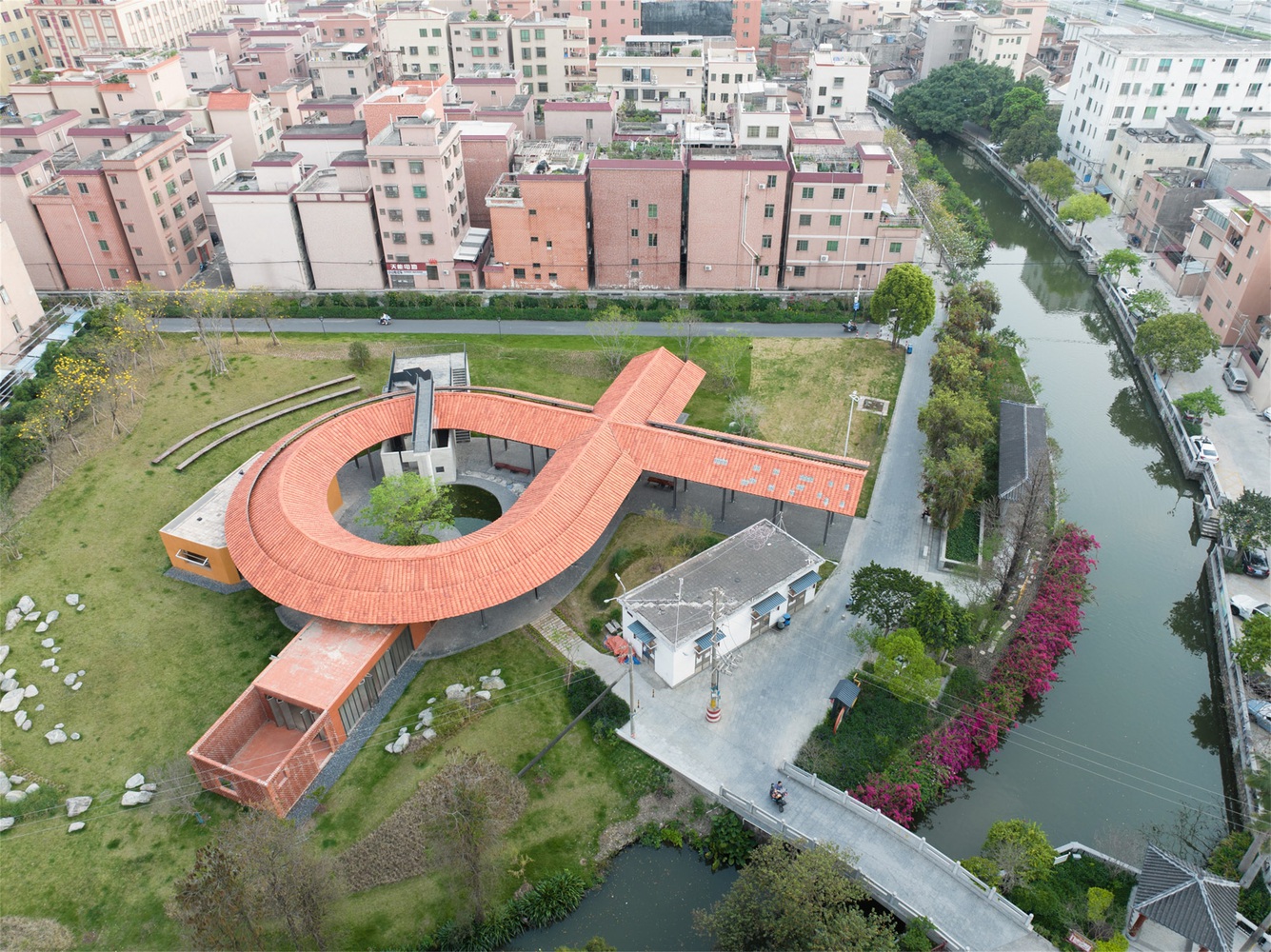
The core concept of the Old Dragon Park is crystallized in the phrase, "The New Dragon Gazing Upon the Old." This represents not a formal imitation, but an abstract dialogue concerning spirit, memory, and materiality.
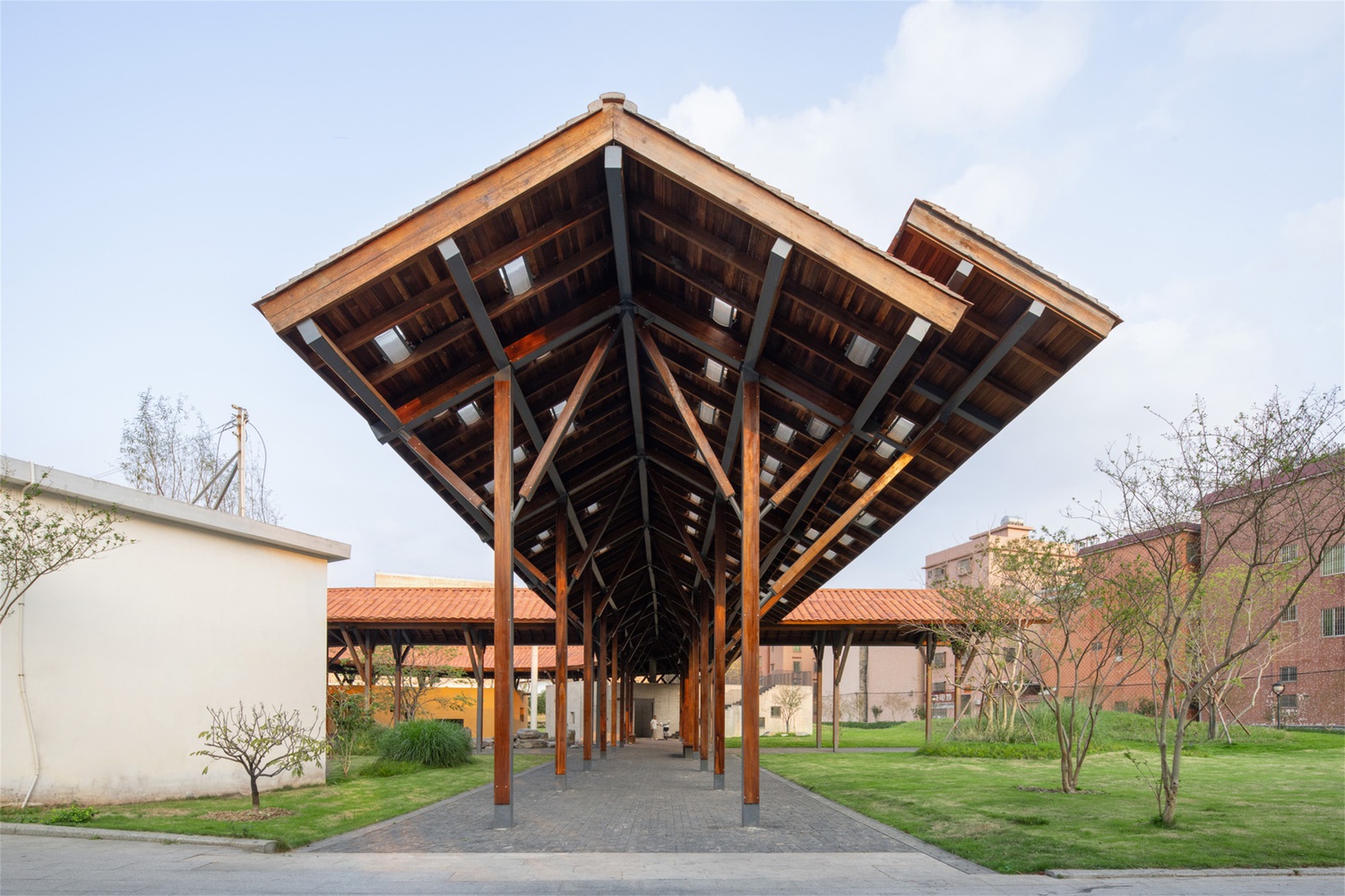
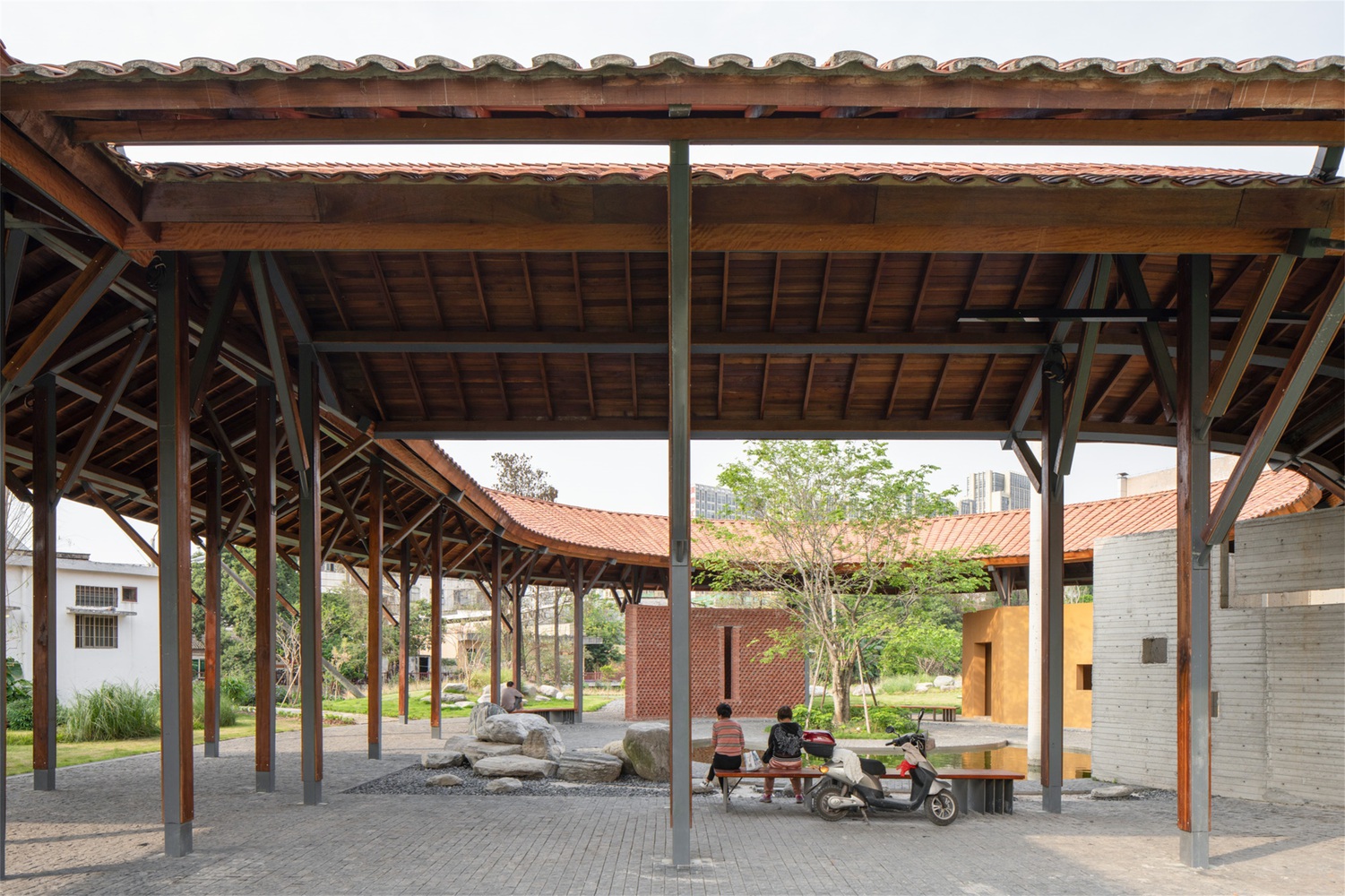
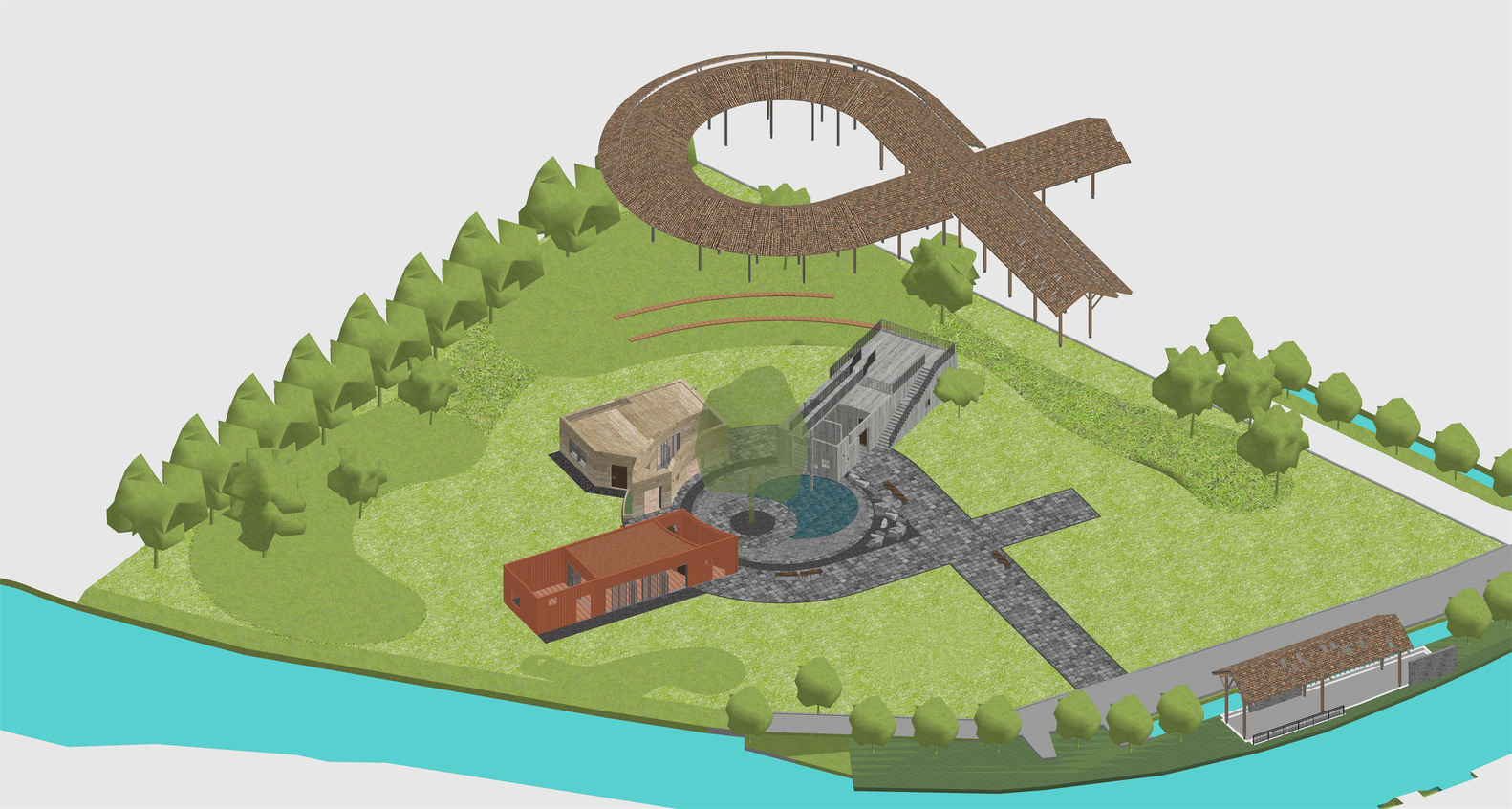
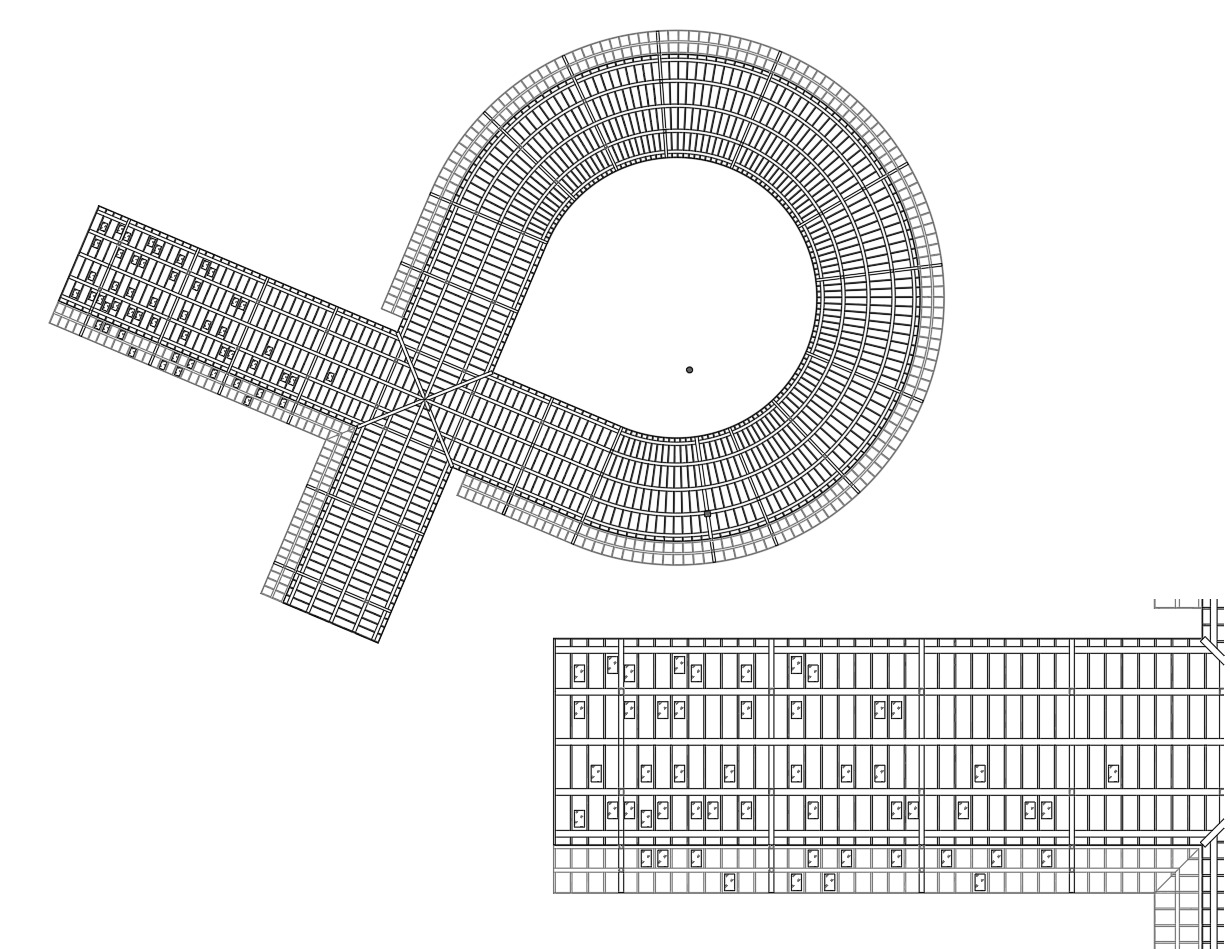
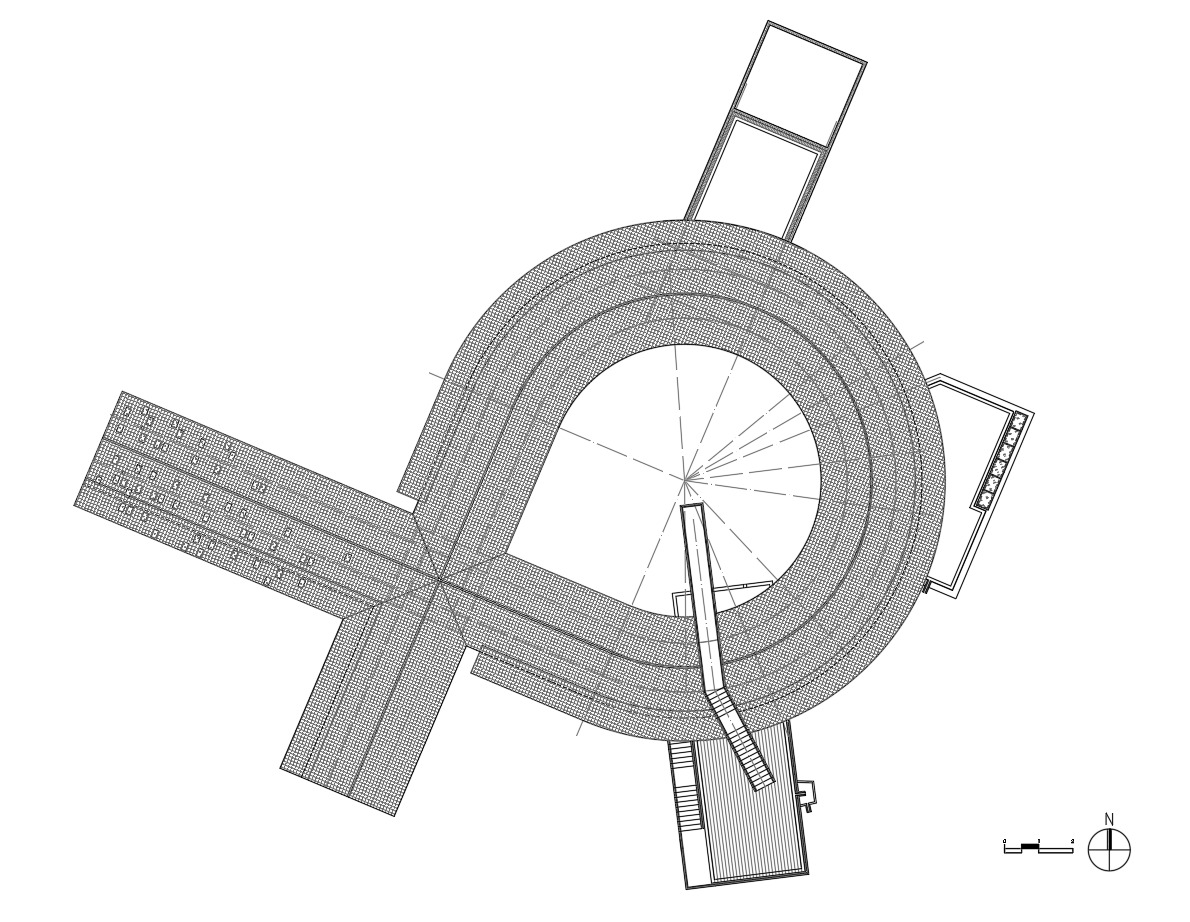
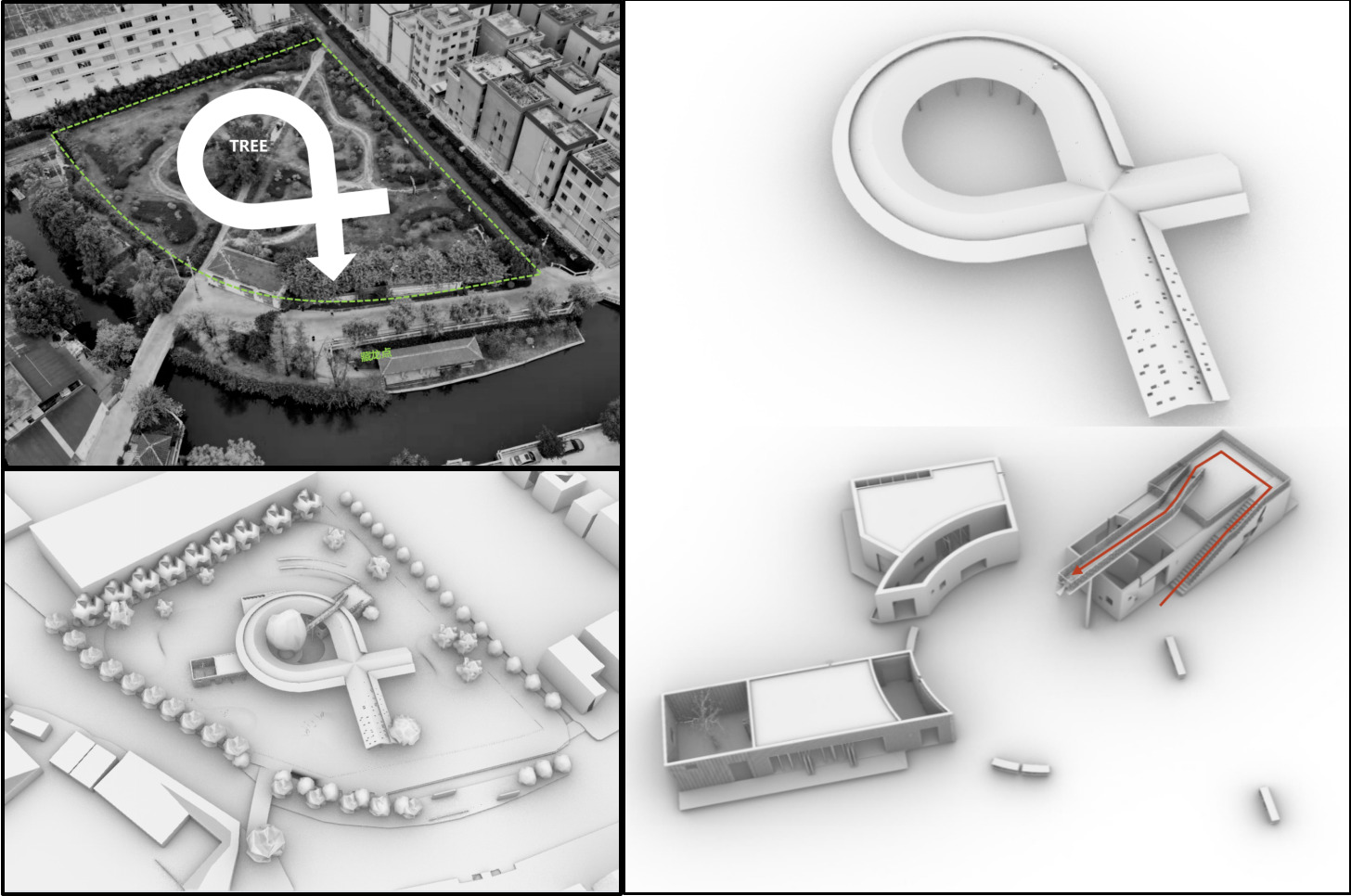
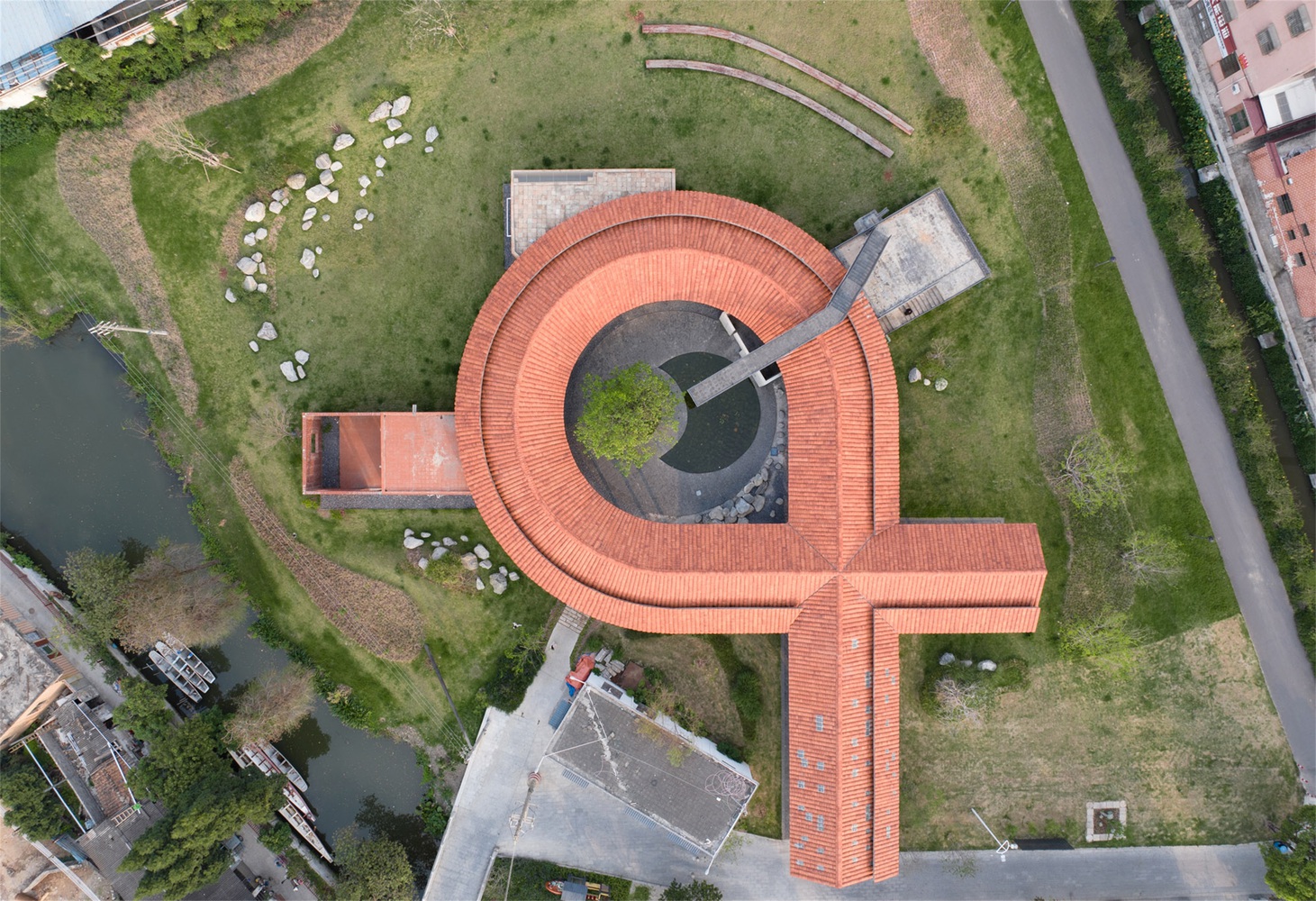
The 593-year history and its associated lore are translated into a "spatialized corridor." Its trajectory extends towards the "Dragon's Lair"—the resting place of the ancient vessel. This very path forms the narrative spine and spiritual bond of the entire project.
II REGENERATING COMMUNITY MEMORY AND "SOFT" CLIMATIC ADAPTATION
-1 A DEEP TRANSLATION OF LOCALITY
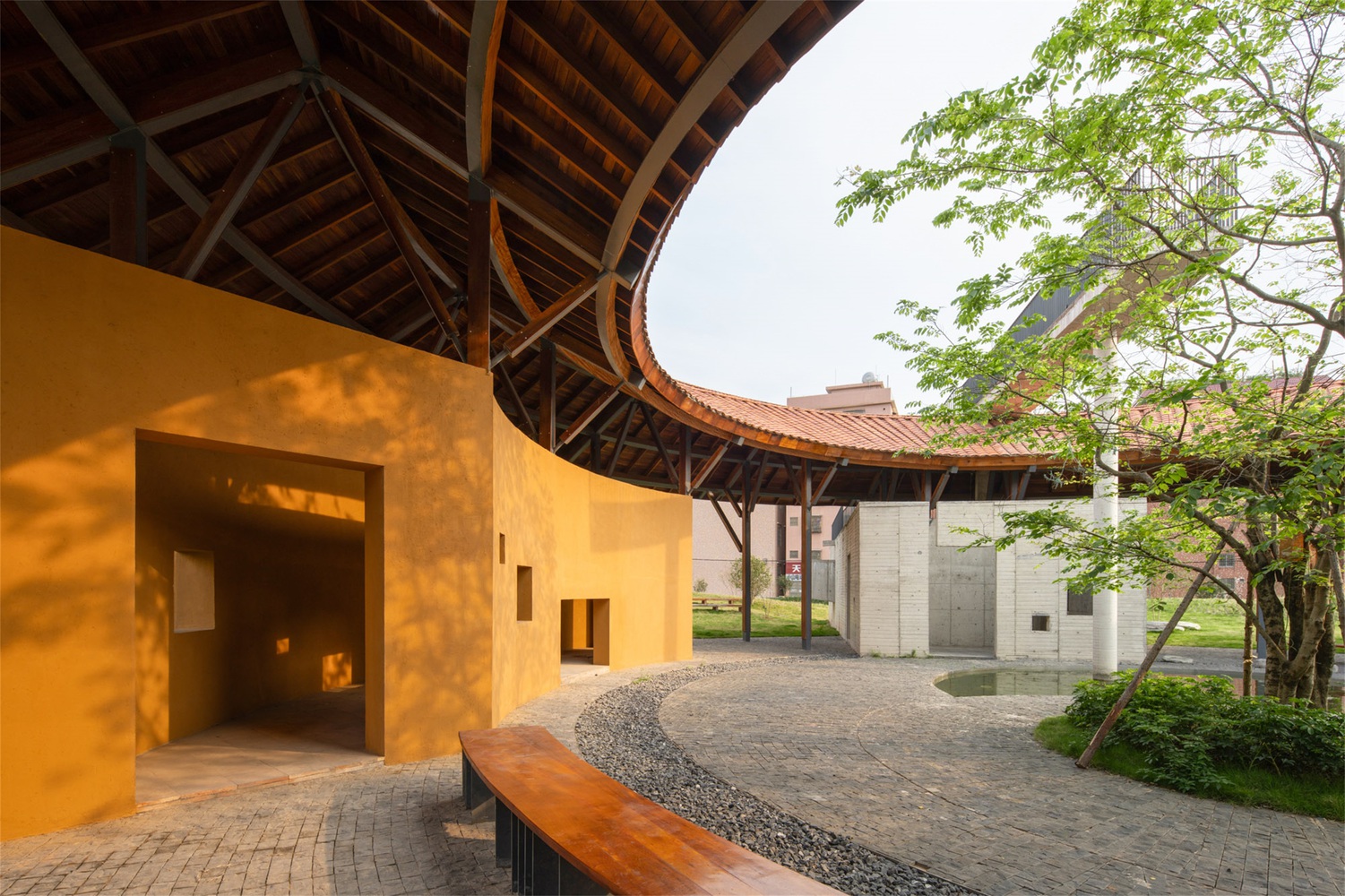
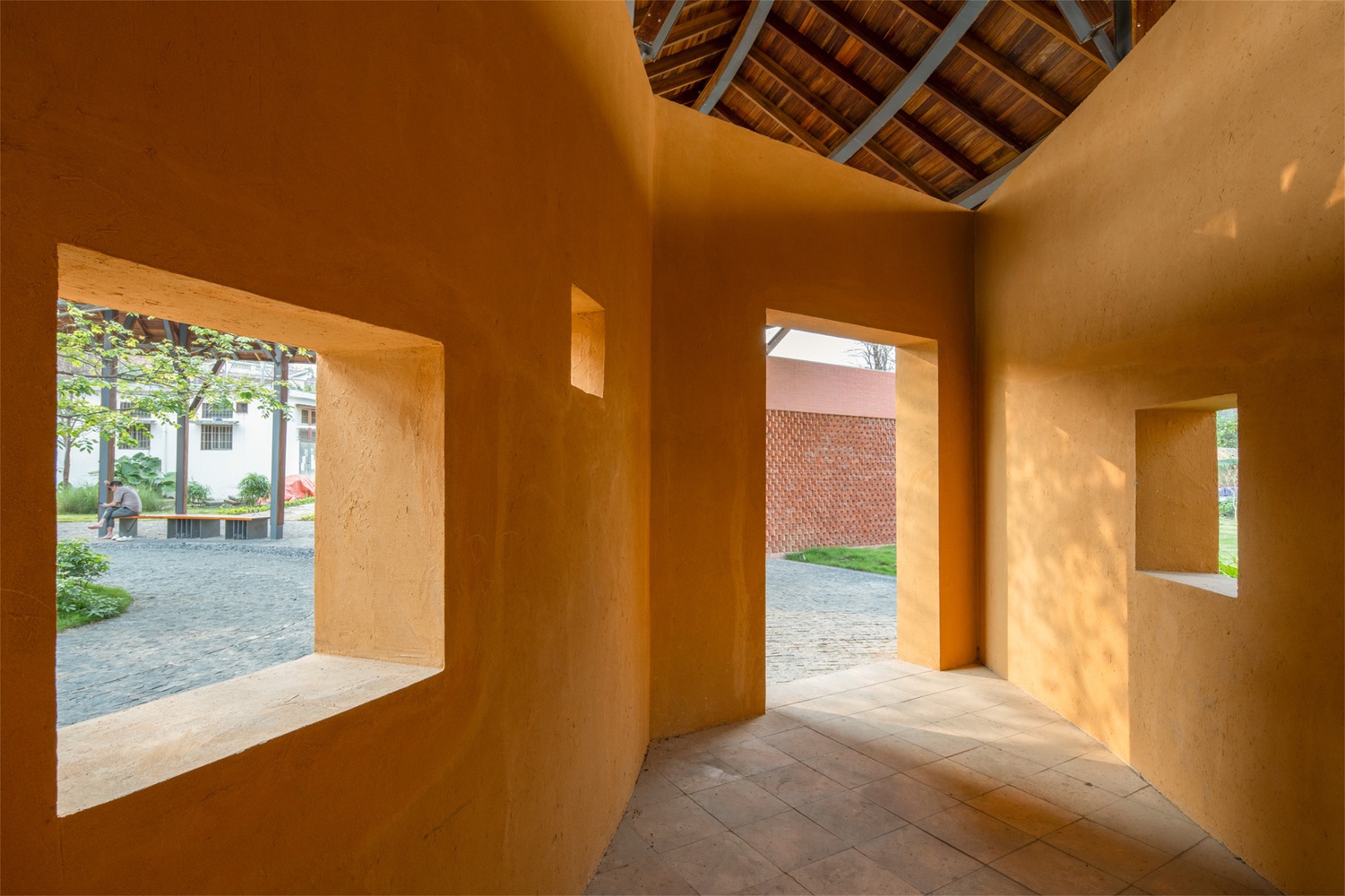
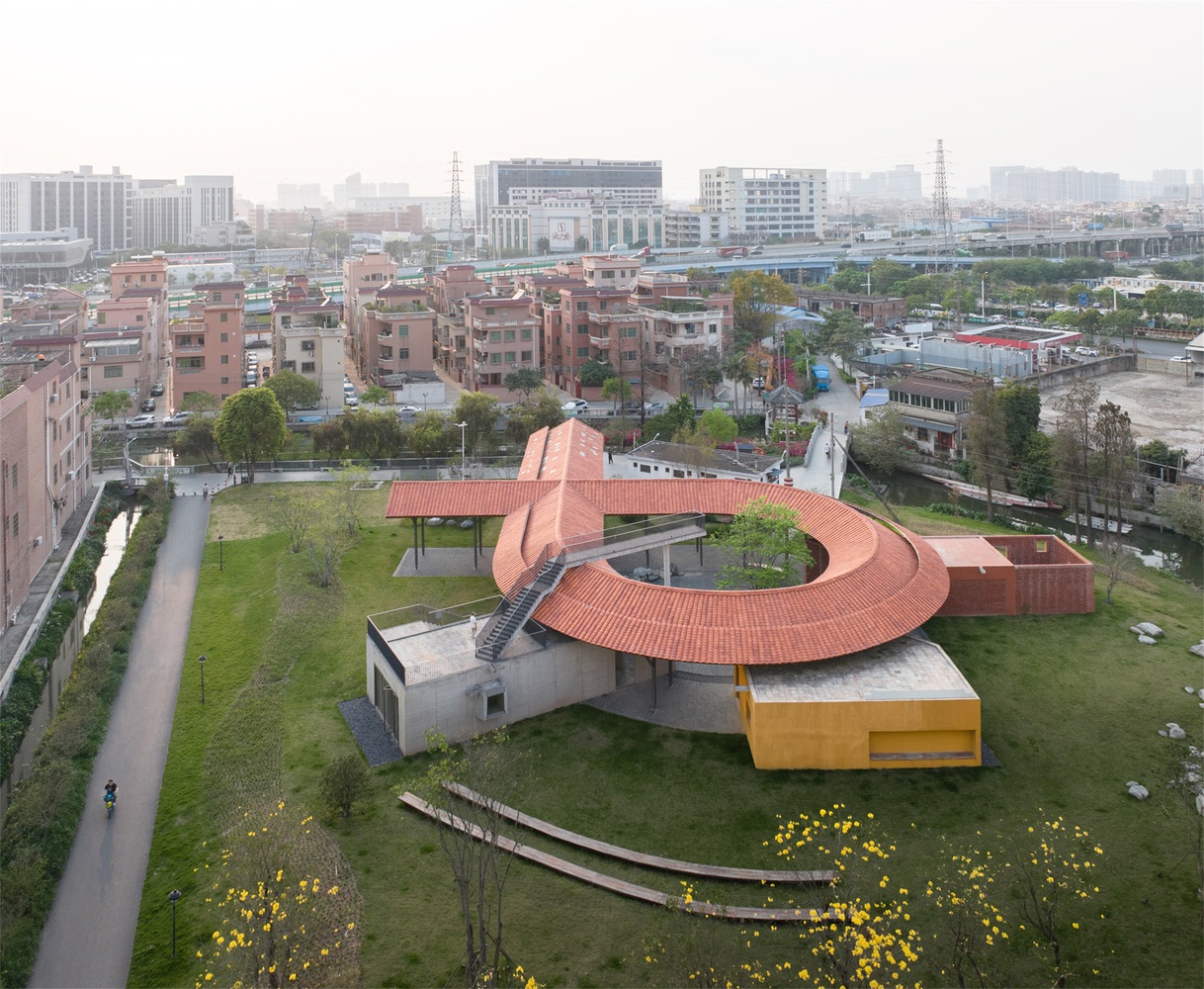
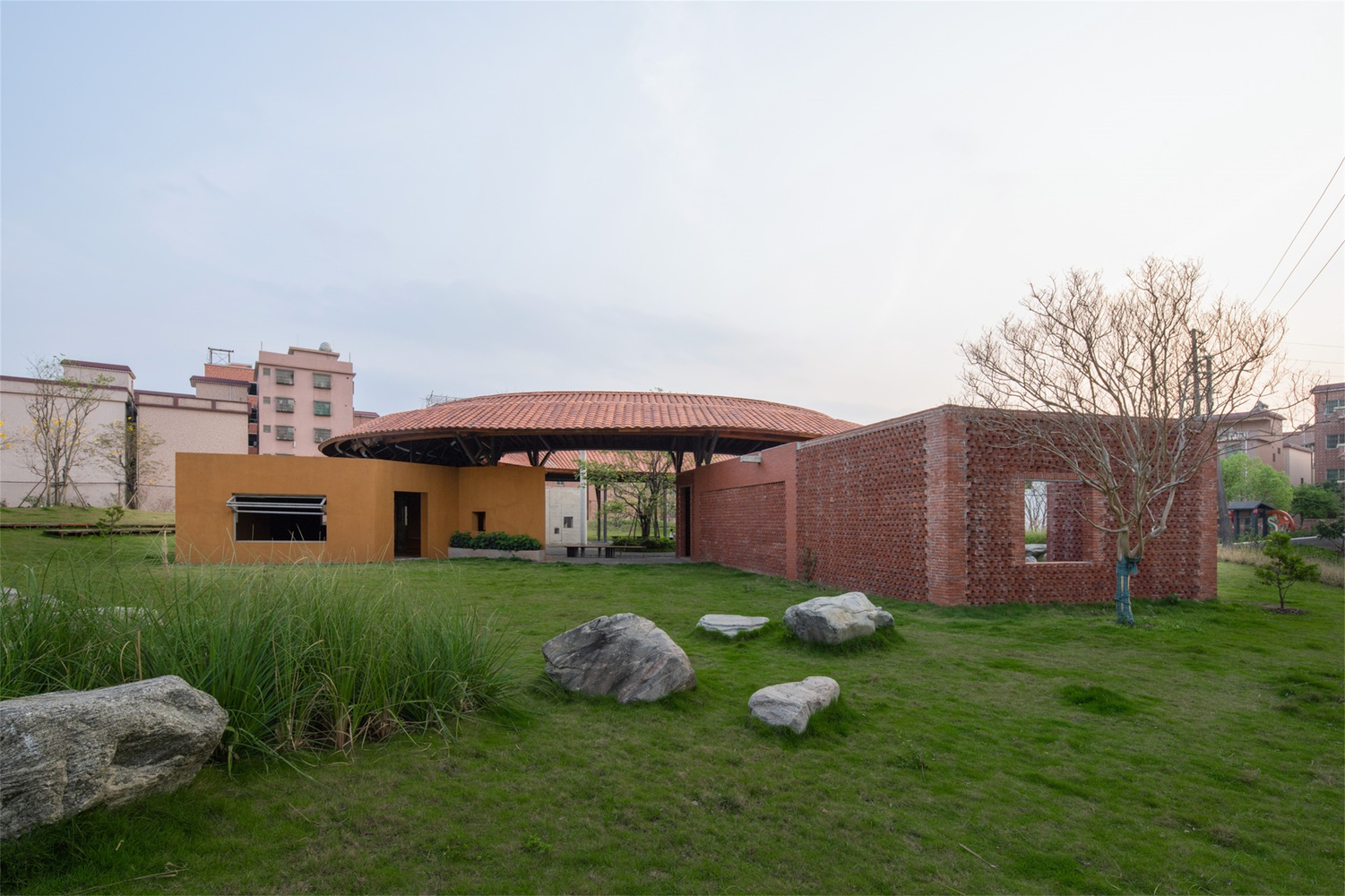
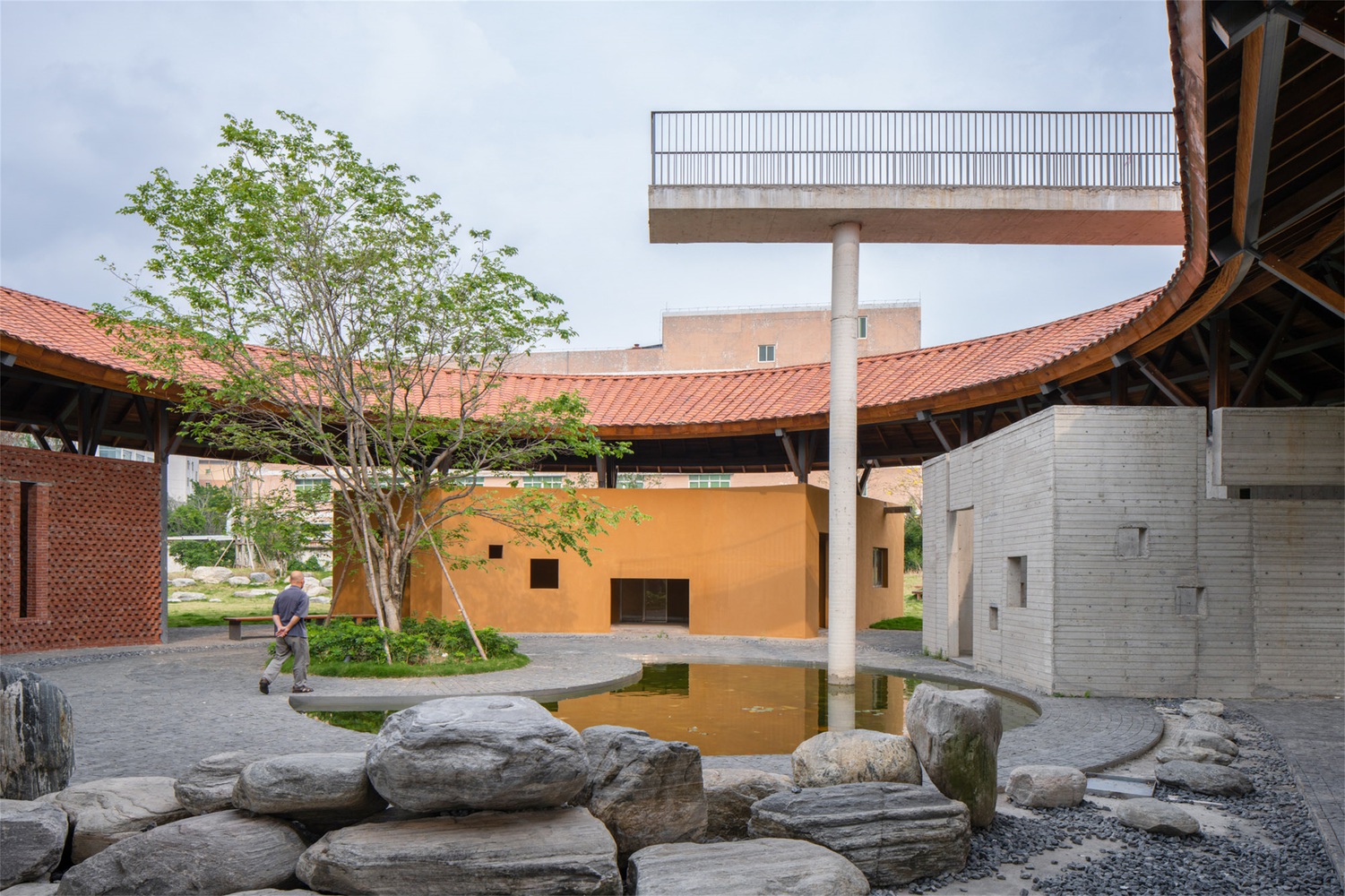
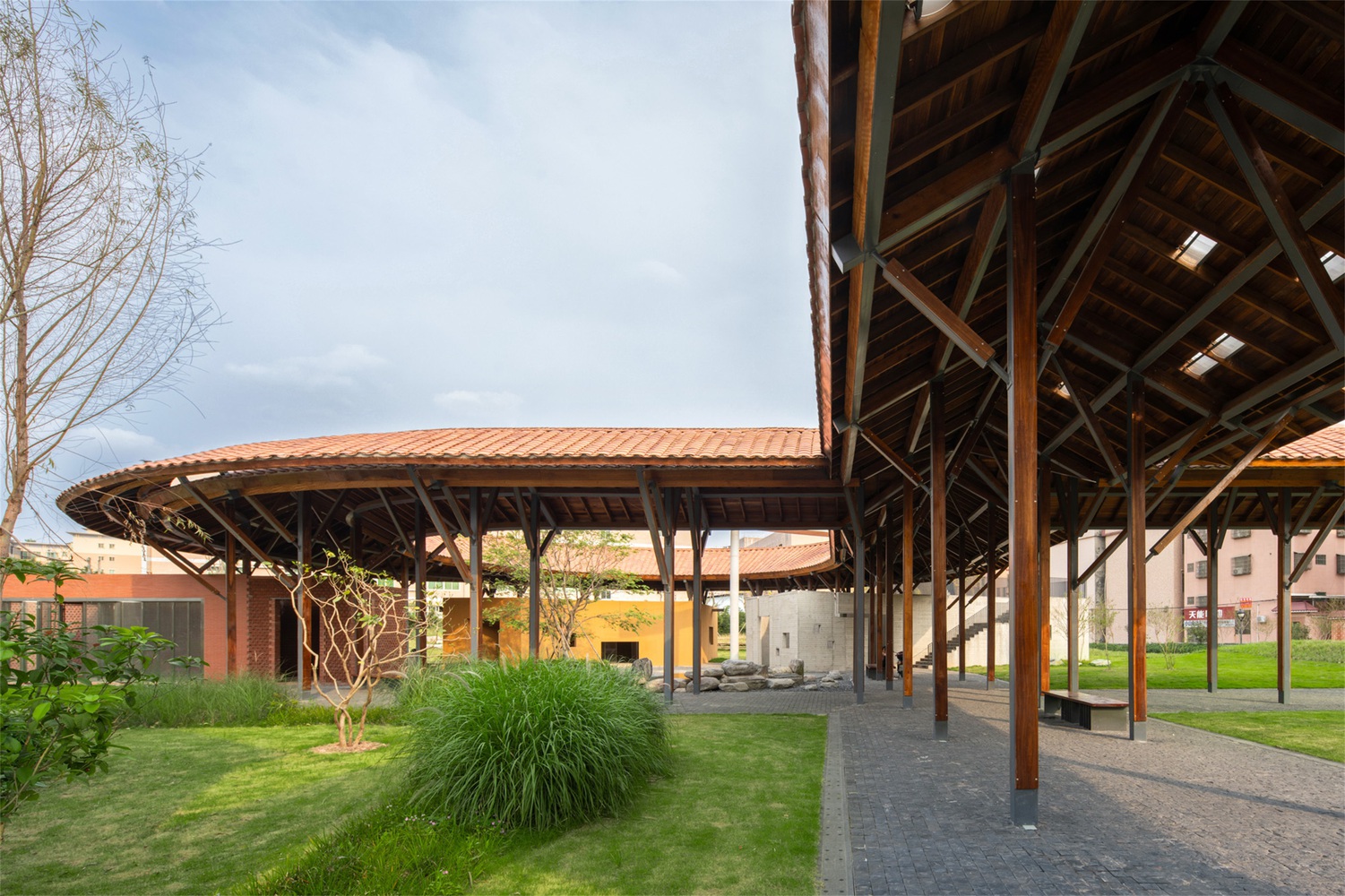
The architectural space is composed of an interwoven system of a corridor and three landscape structures, each defined by a distinct material expression. Local materials and construction methods are translated into a contemporary architectural language:
– Perforated red-brick masonry forms a semi-permeable and breathing skin.– Rammed-earth walls reveal a primordial warmth and texture.
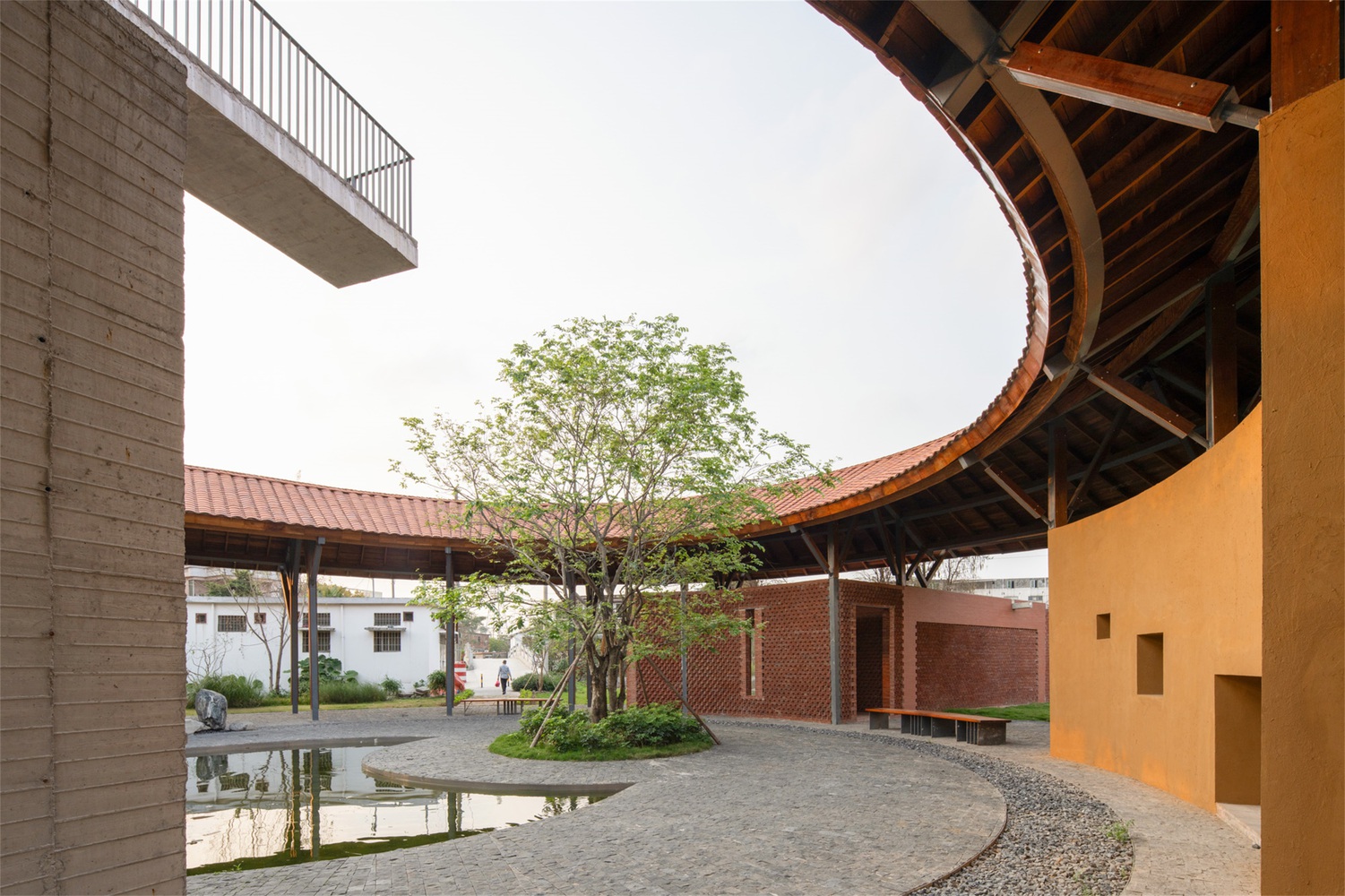
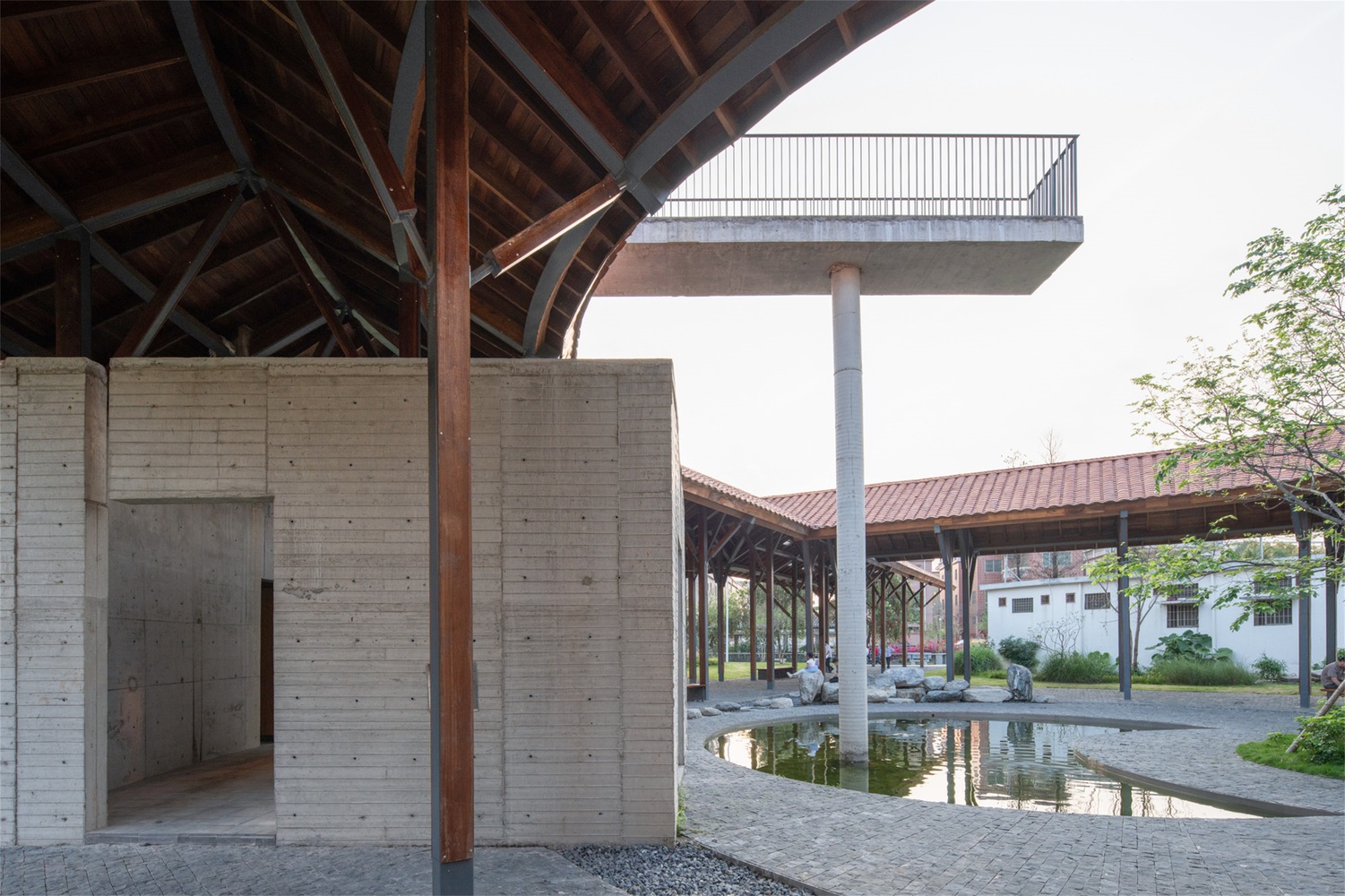
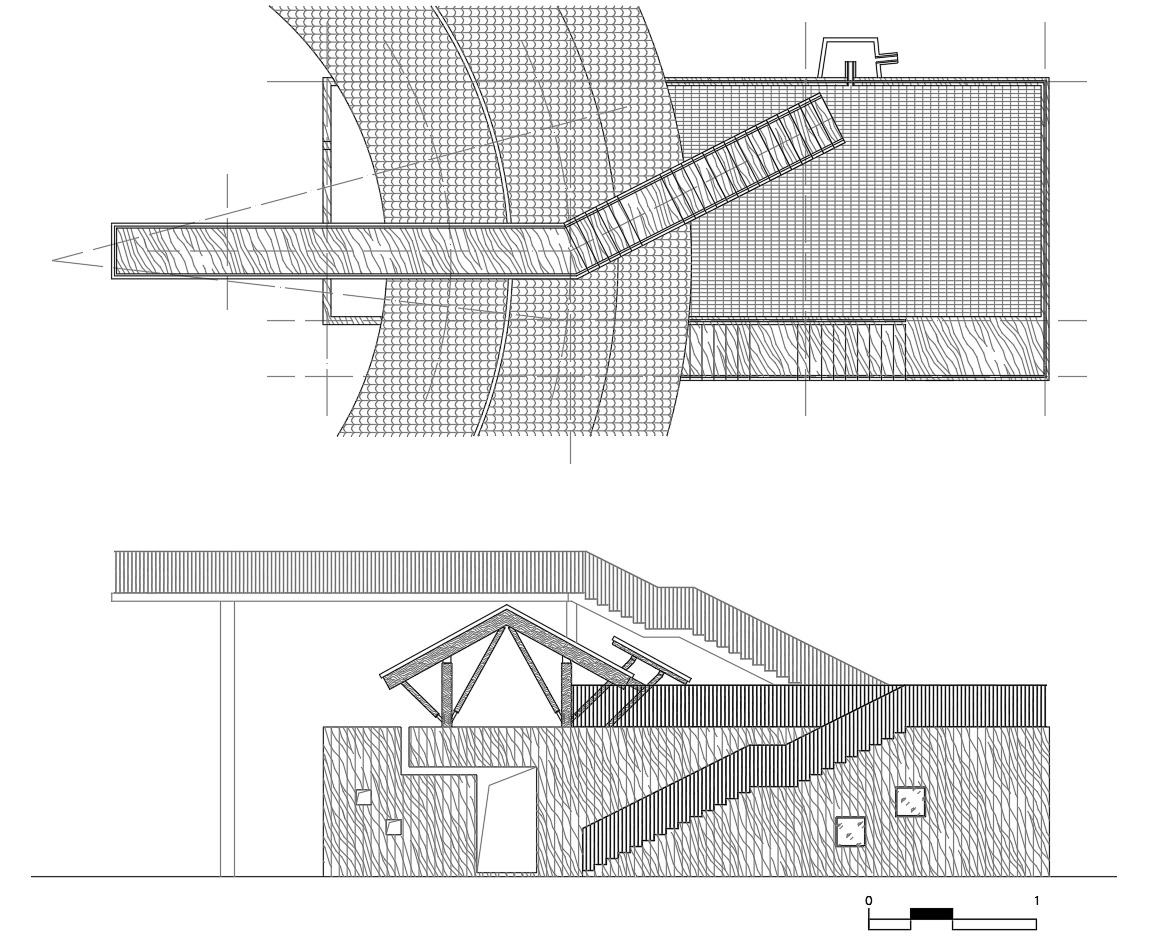
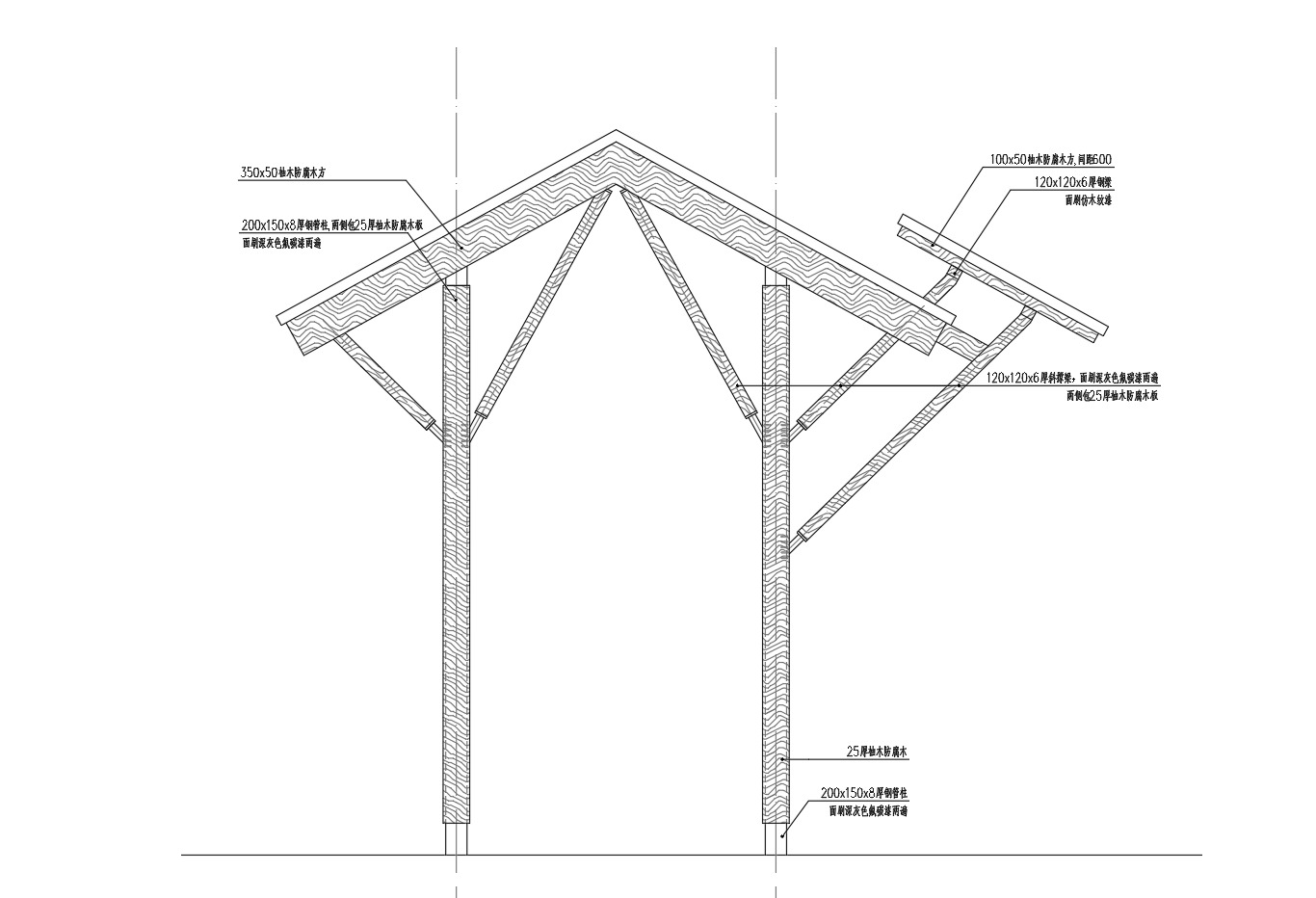
– Timber-textured fair-faced concrete is sculpted into geometric volumes and expansive cantilevered platforms.– Terracotta tiles crown the steel-timber corridor, deeply rooting the architecture in the material fabric of the site.
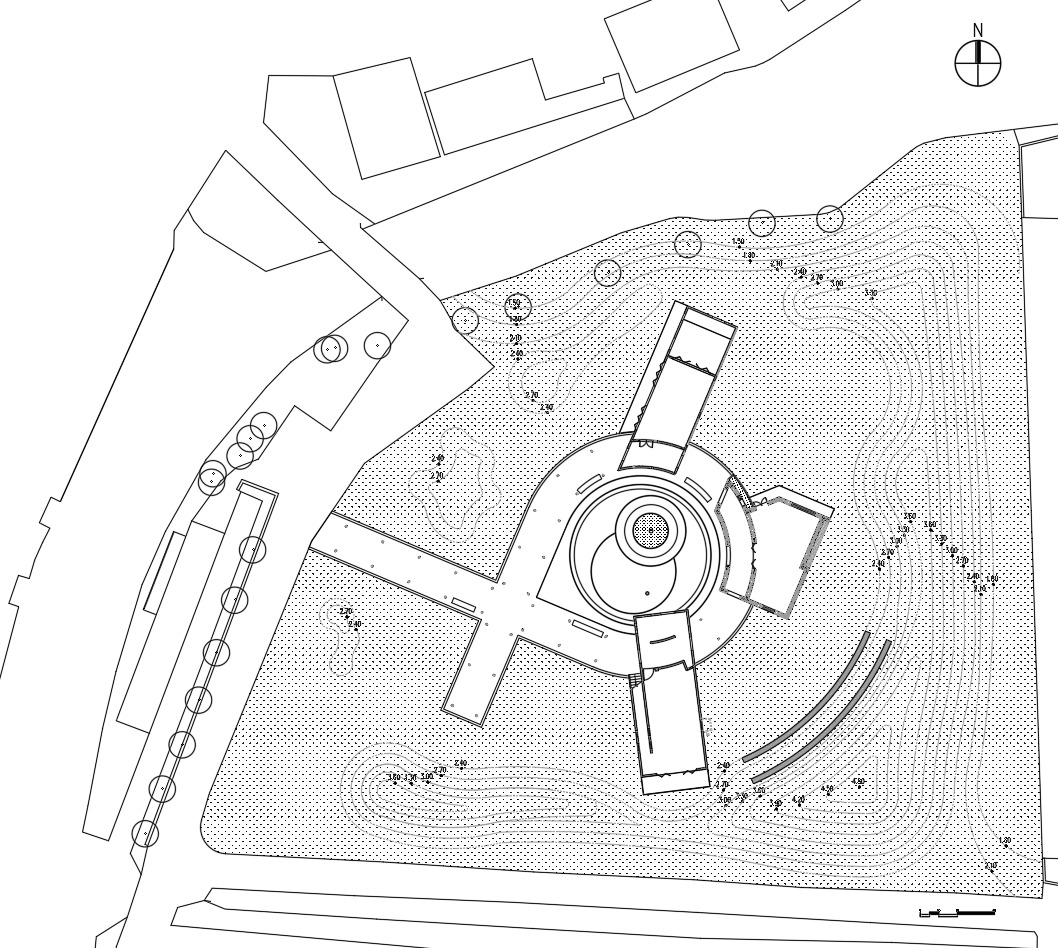
Positioned in response to the existing waterways, trees, mounds, vegetable plots, and old structures, the three volumes become "viewfinders" that frame curated vistas, capturing diverse scenes of the surrounding landscape.
-2 FLEXIBLE ARCHITECTURE AND CLIMATIC ADAPTATION
The continuous elevated corridor system serves not only as the conceptual link, "the New Dragon Gazing upon the Old," but also functionally generates a sequence of shaded in-between spaces, finely tuned to Lingnan's hot and humid climate.
These spatial gradations—composed of ⅓ solid mass, ⅓ semi-permeable screen, and ⅓ open void—actively channel natural breezes and orchestrate an ever-changing play of light and shadow.
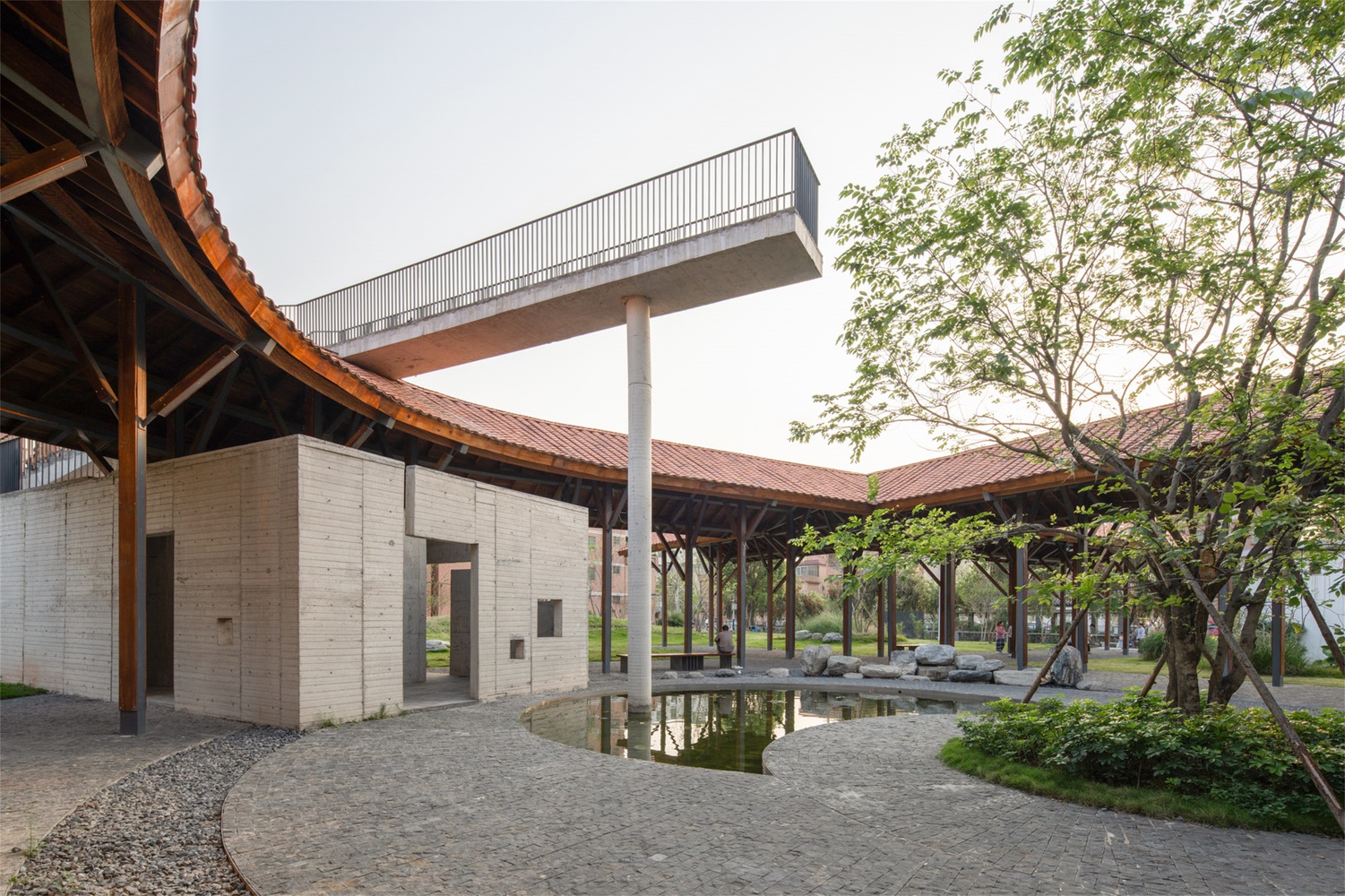
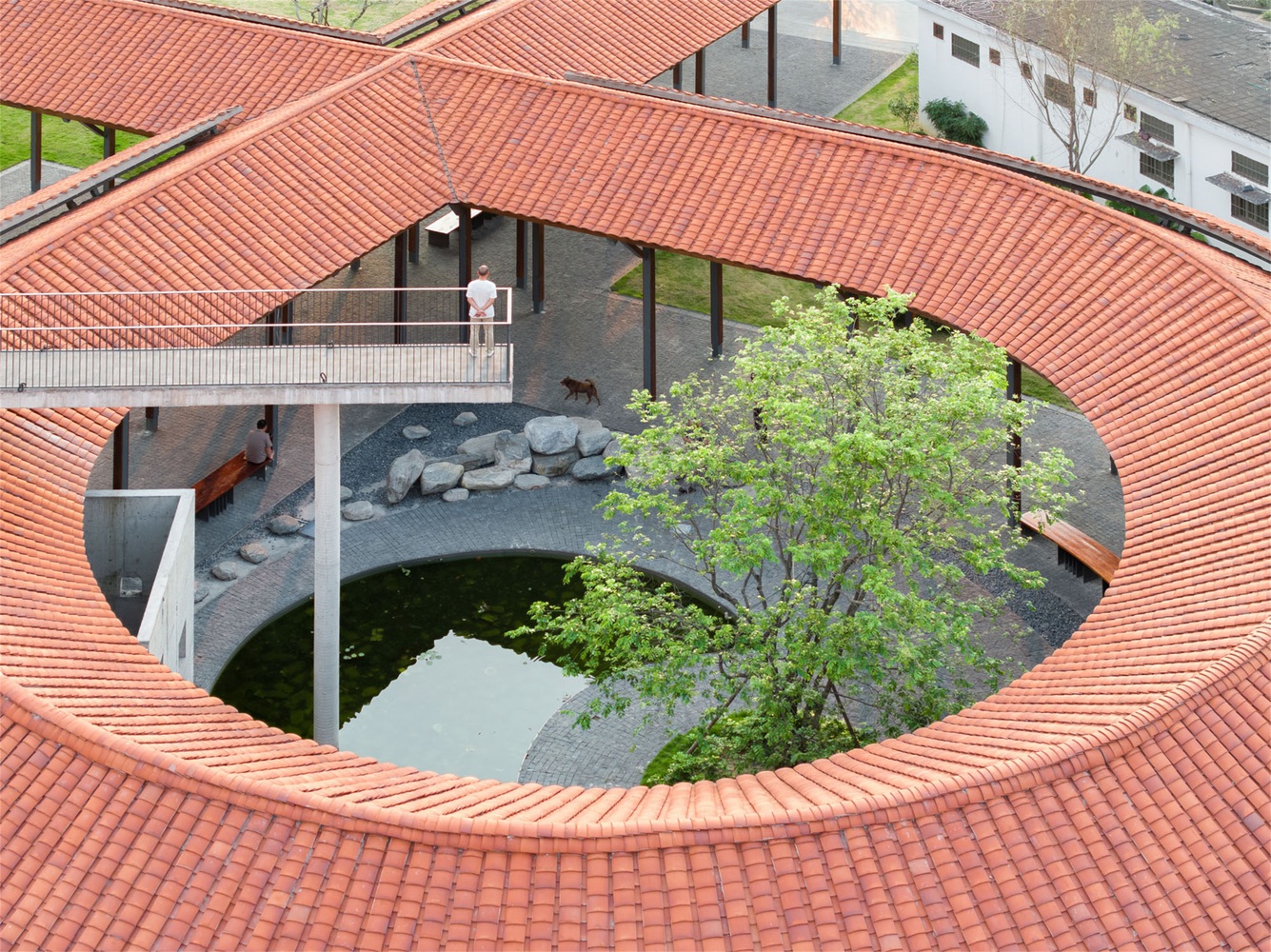
In doing so, the architecture itself becomes a breathing and responsive ecological interface, directly serving human comfort and activity. This is the essence of crafting a "flexible architecture"—one capable of subtle adjustment to shifting needs and conditions.
-3 PARADIGM RENEWAL: THE COMMUNAL "LIVING ROOM"
The three landscape volumes, together with the corridor, delineate a series of public spaces of varied scales and atmospheres.
Centered around a reflective pool and an existing tree, the composition naturally draws residents to gather, linger, and converse.
This approach actively transforms a formerly commemorative ground into a vibrant and inclusive "village living room"—a space that cultivates the routines of daily life and strengthens a shared sense of belonging.