
VILLA H
Ark-architecture
ARCHITECTS
Ark-architecture
DESIGN TEAM
Firas Somai, Skander Ktari
INTERIOR DESIGN
Sirine Turki
ENGINEERING & CONSULTING > MECHANICAL
Kais Tabka
ENGINEERING & CONSULTING > CIVIL
Malek Ben Ayed
ENGINEERING & CONSULTING > ELECTRICAL
Maher Zouaoui
MANUFACTURERS
Saint-Gobain, MARAZZI, Prissmacer, TPR
TECHNICAL TEAM
Ghiath Chaar
PHOTOGRAPHS
Bilel khemakhem
AREA
620 m²
YEAR
2025
LOCATION
Tunis, Tunisia
CATEGORY
Residential Architecture, Houses
English description provided by the architects.
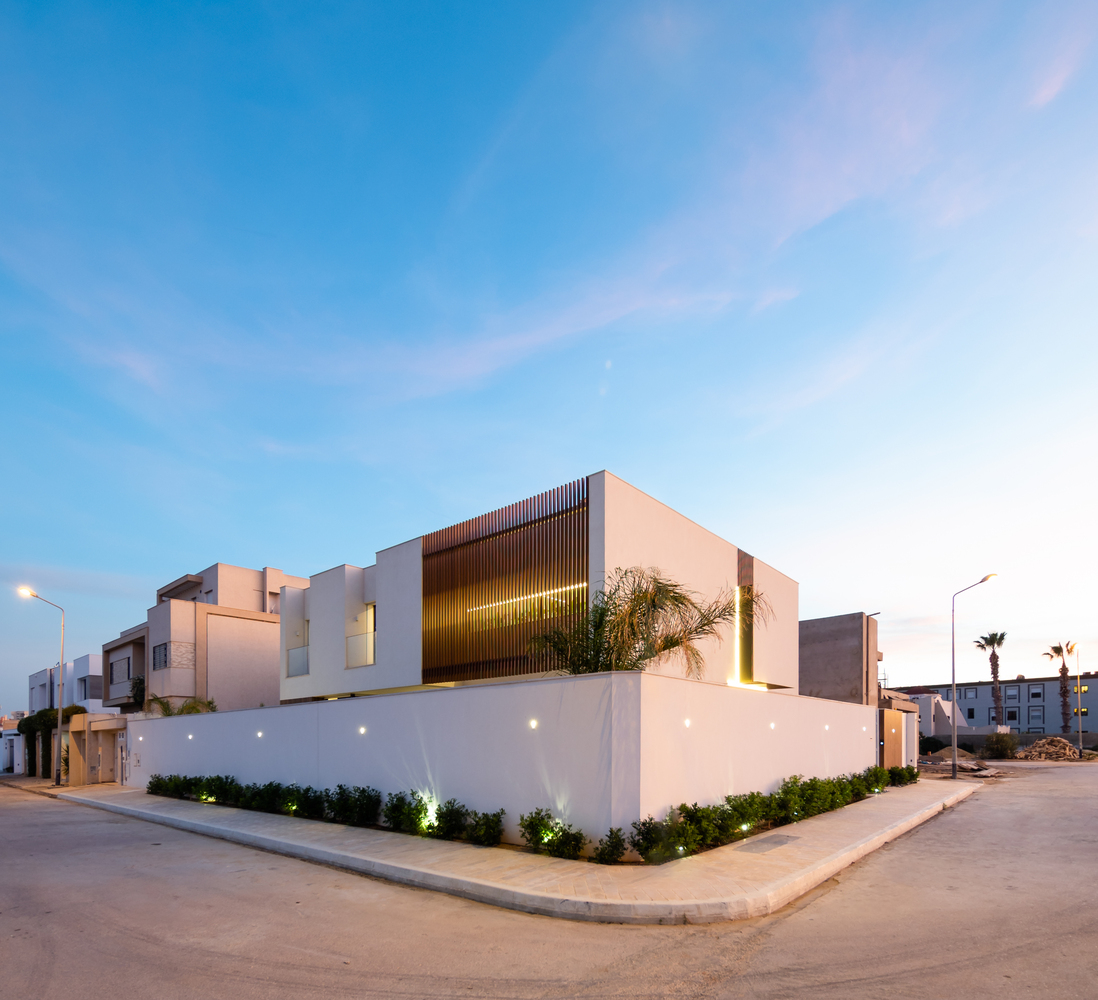
Set within a 504 m² plot in a dense residential fabric, Villa H explores the balance between compactness and openness — an exercise in clarity, light, and restraint.
The project stems from a challenge: accommodating a generous domestic program while preserving a sense of space and calm.
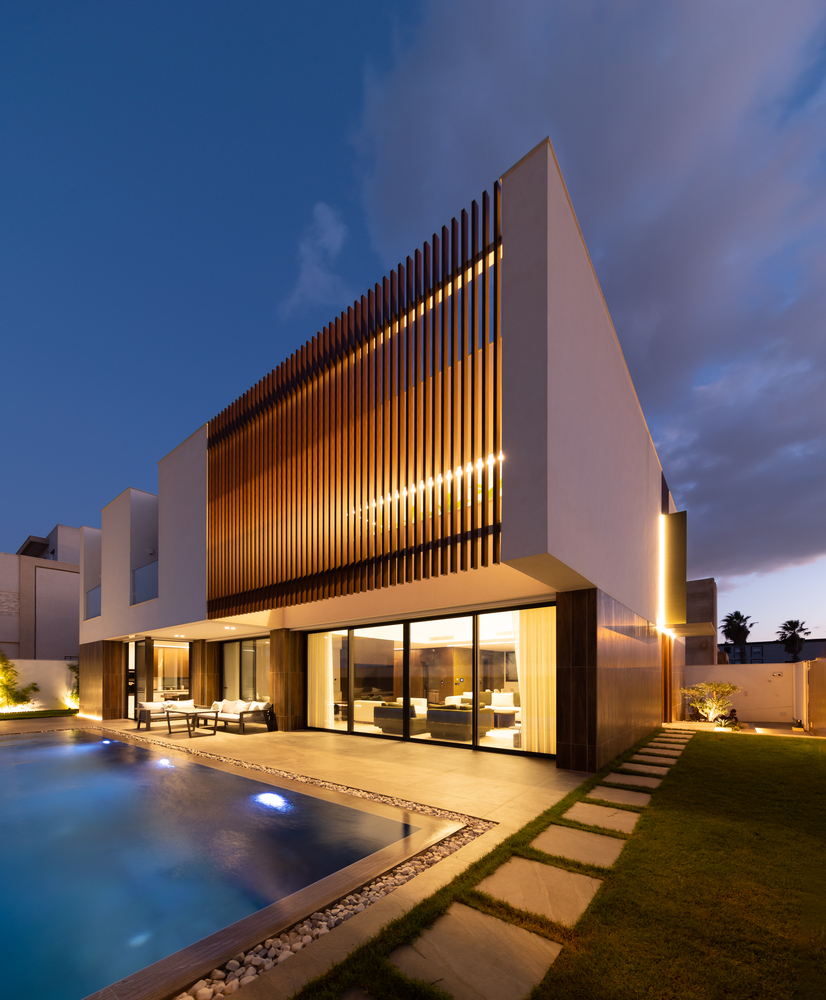
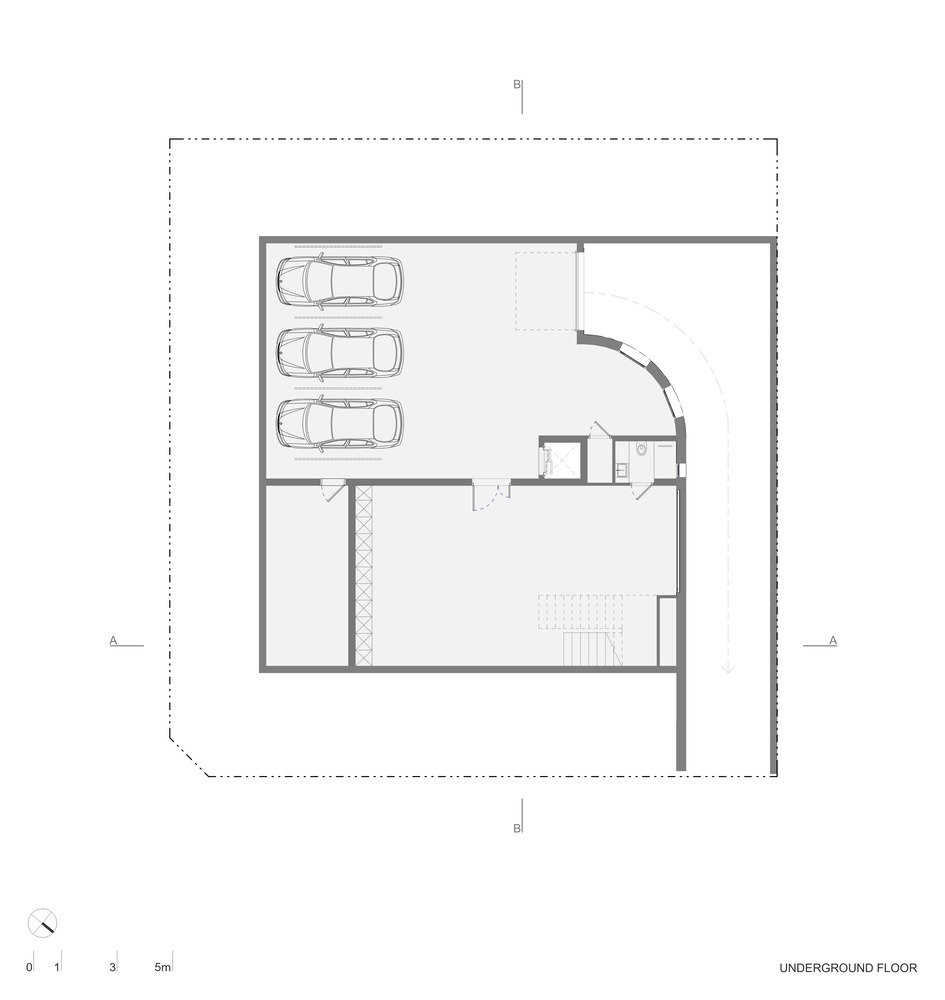
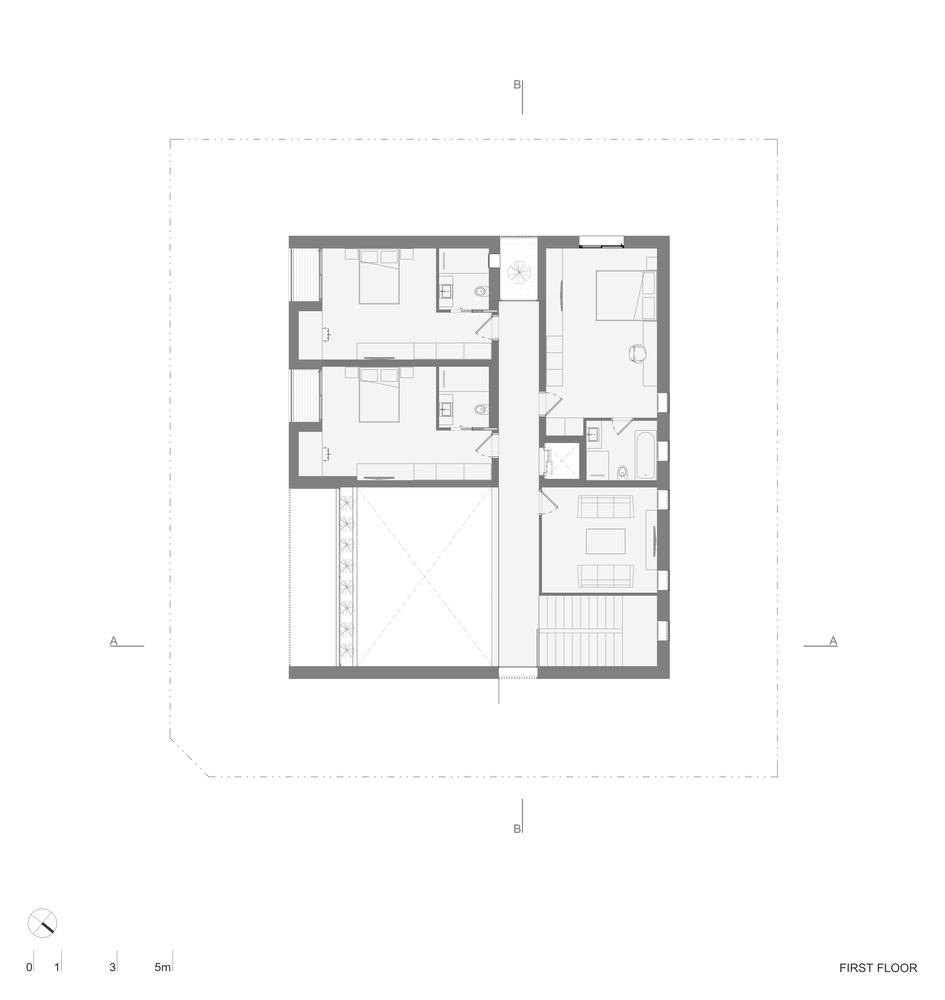
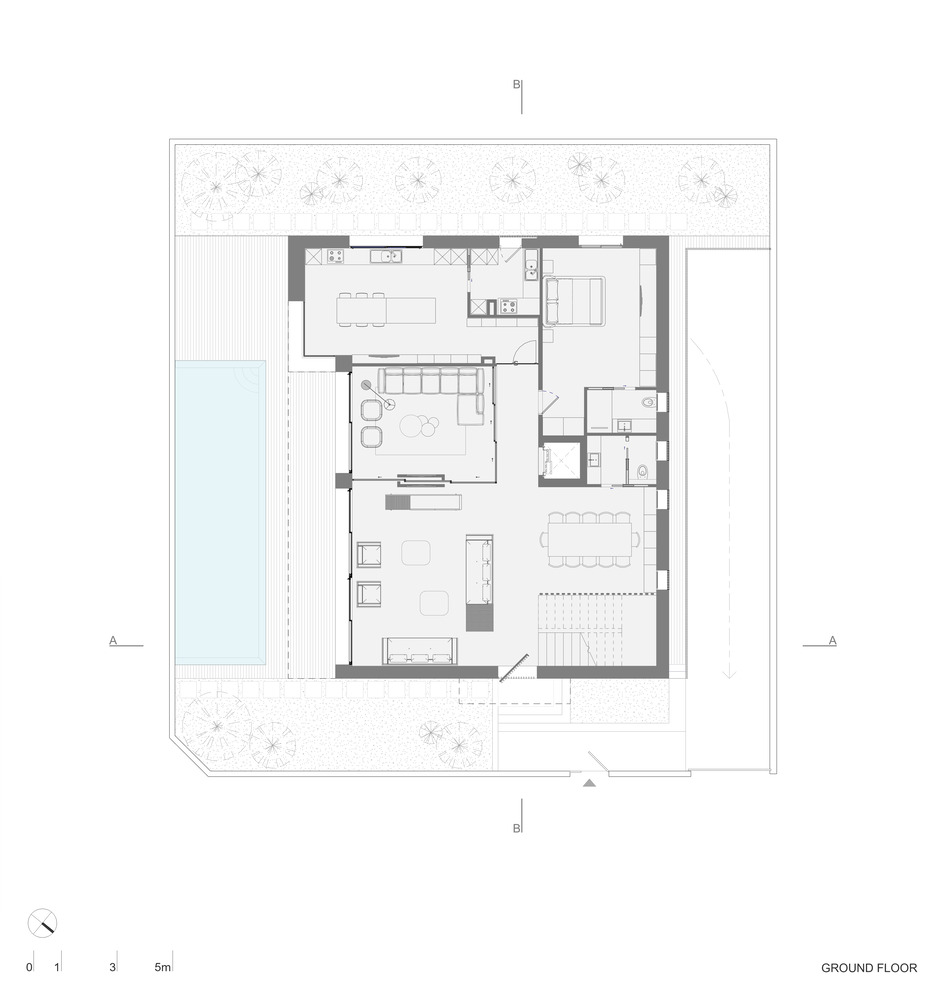
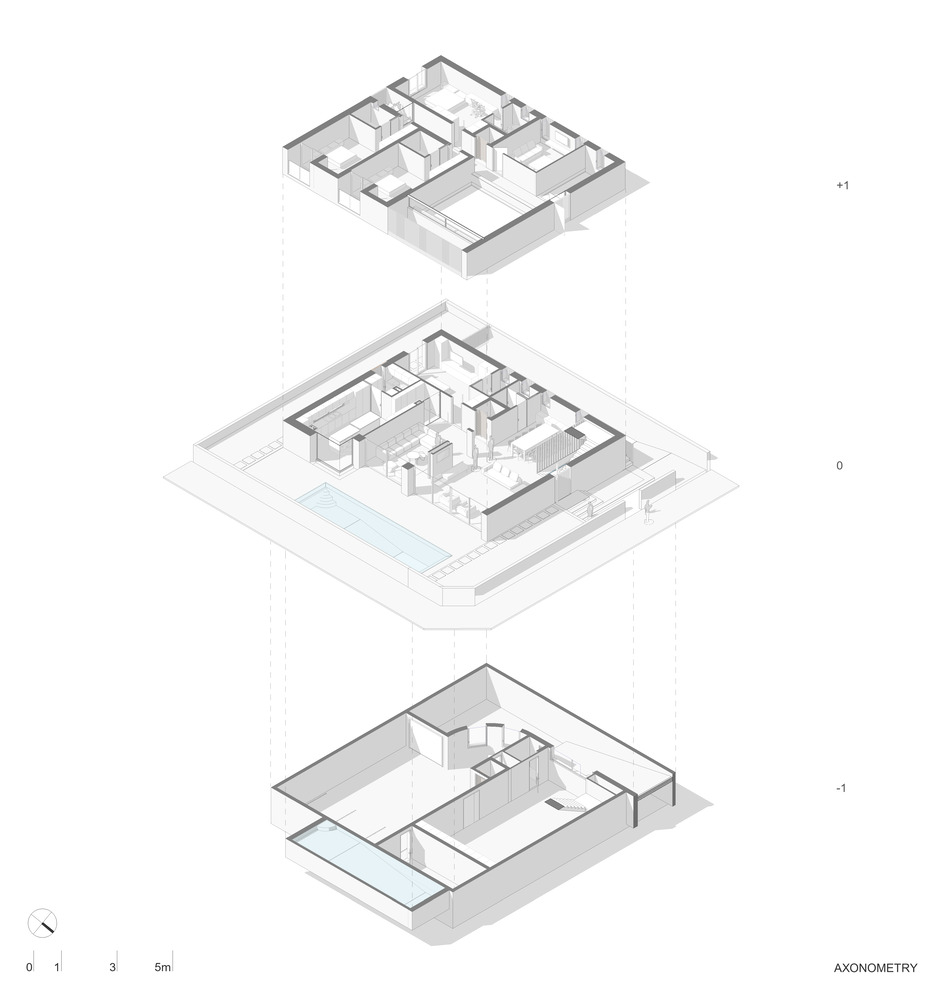
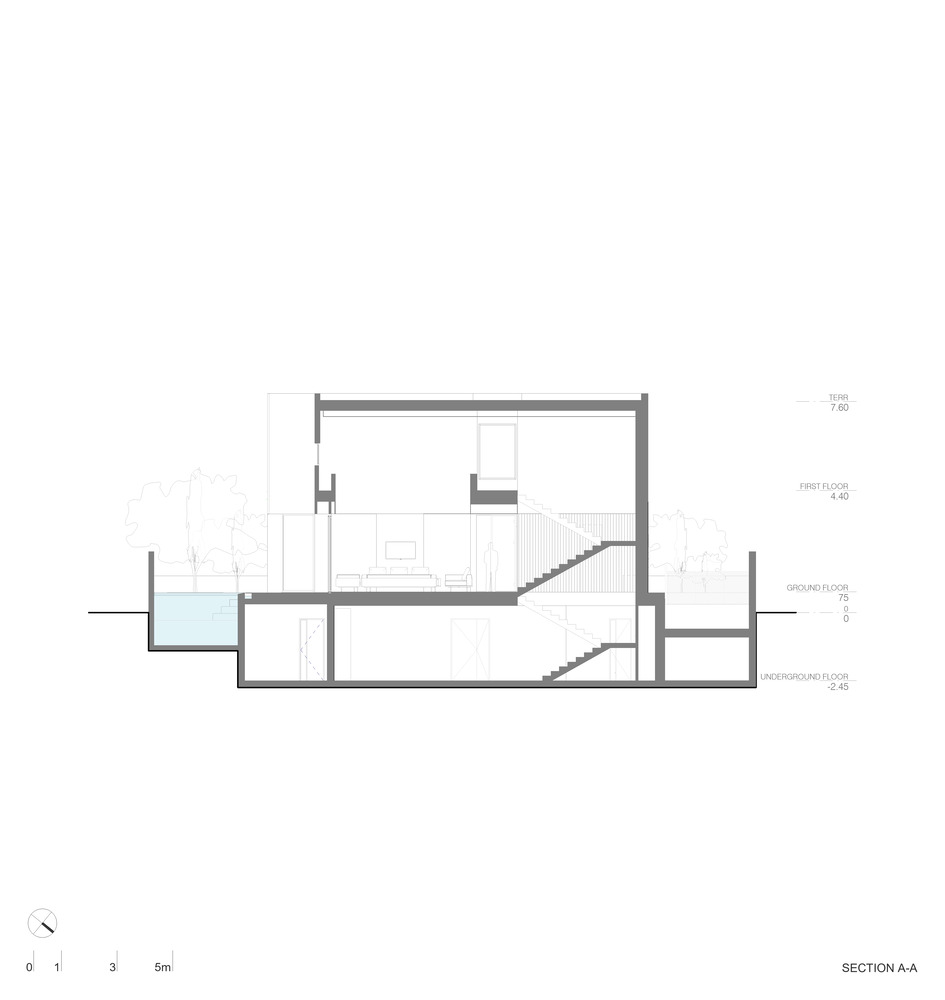
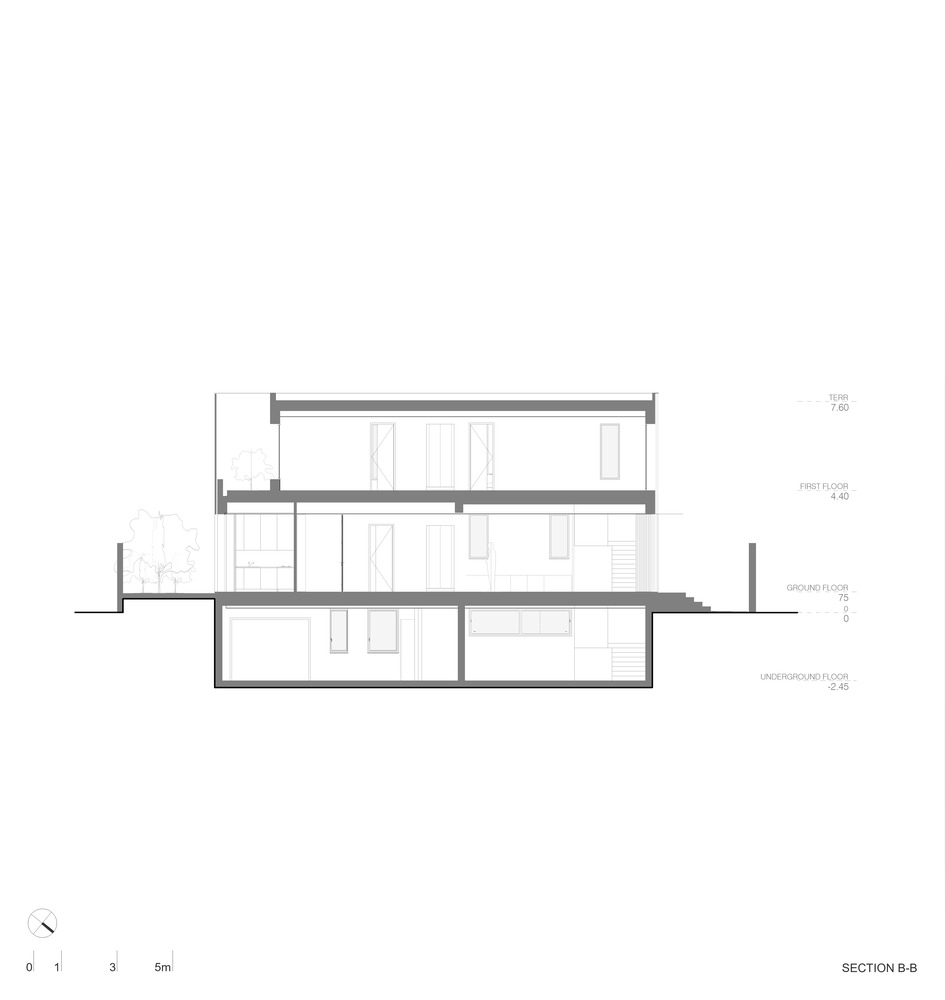
The villa unfolds across three levels: a generous basement hosting the technical and leisure areas along with the parking, a compact ground floor freeing a wide garden with a pool, and an upper level comprising four sunlit suites.
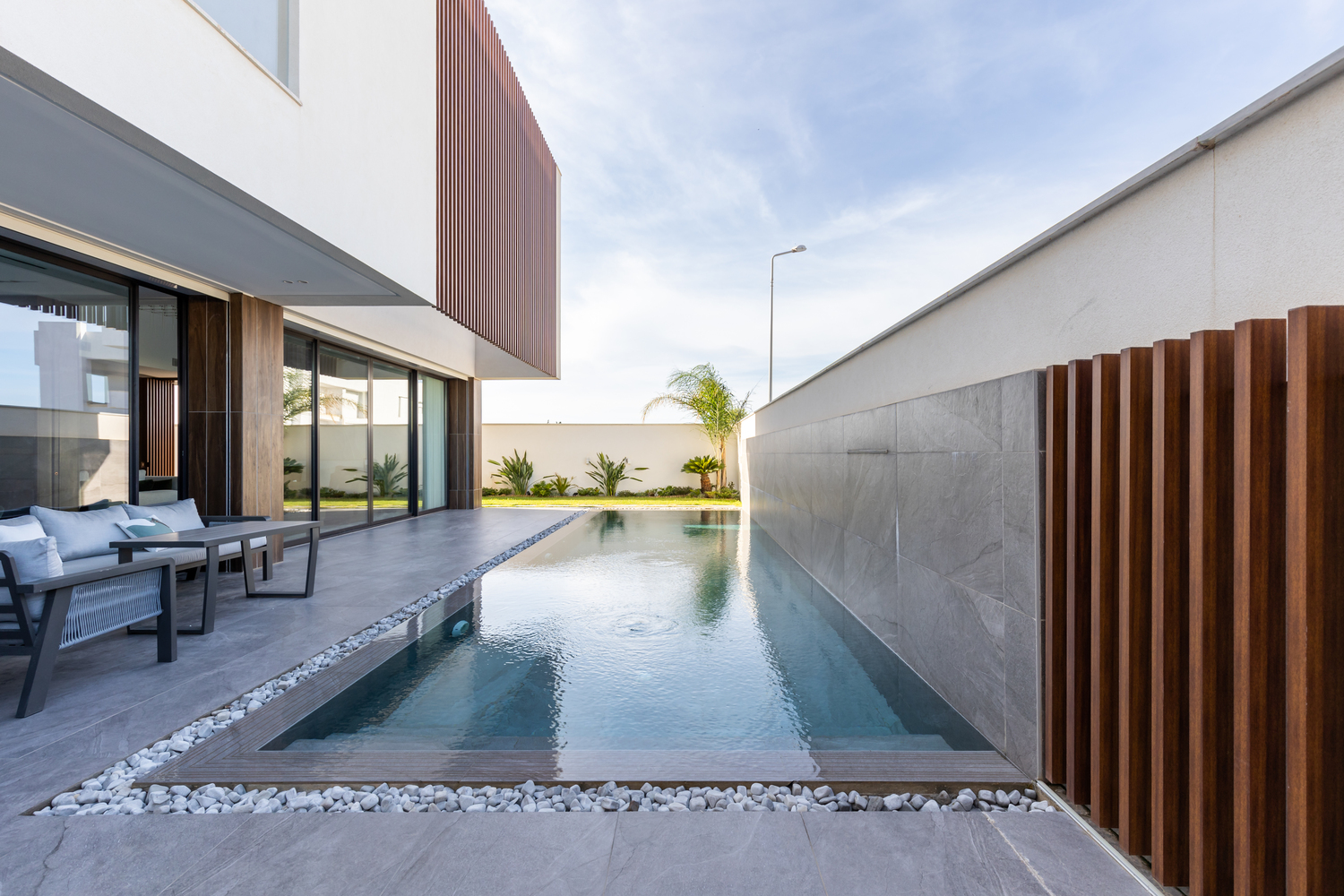
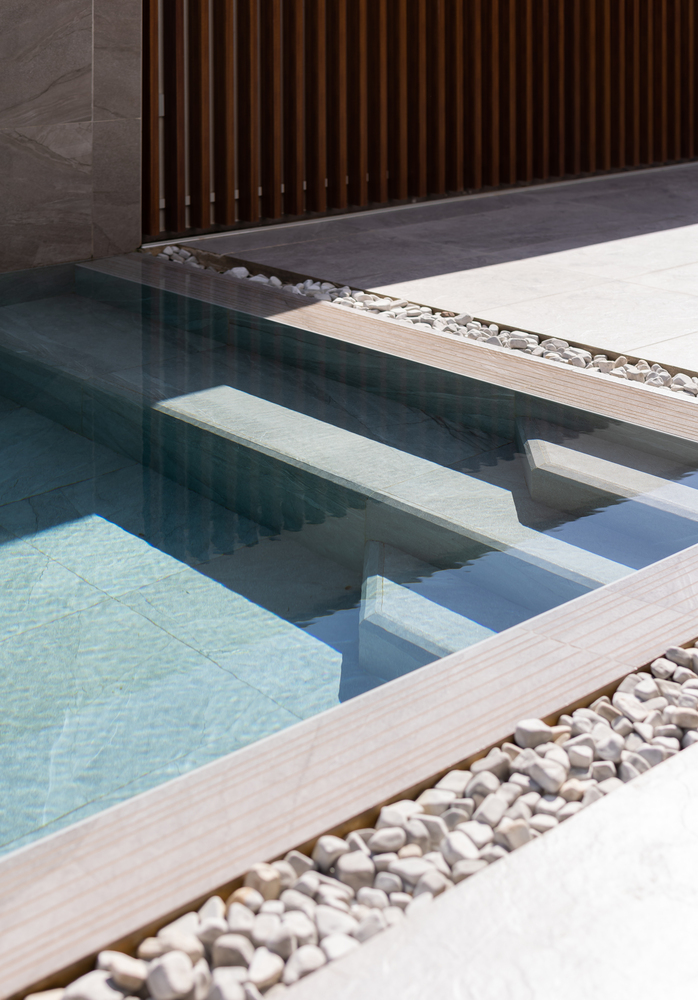
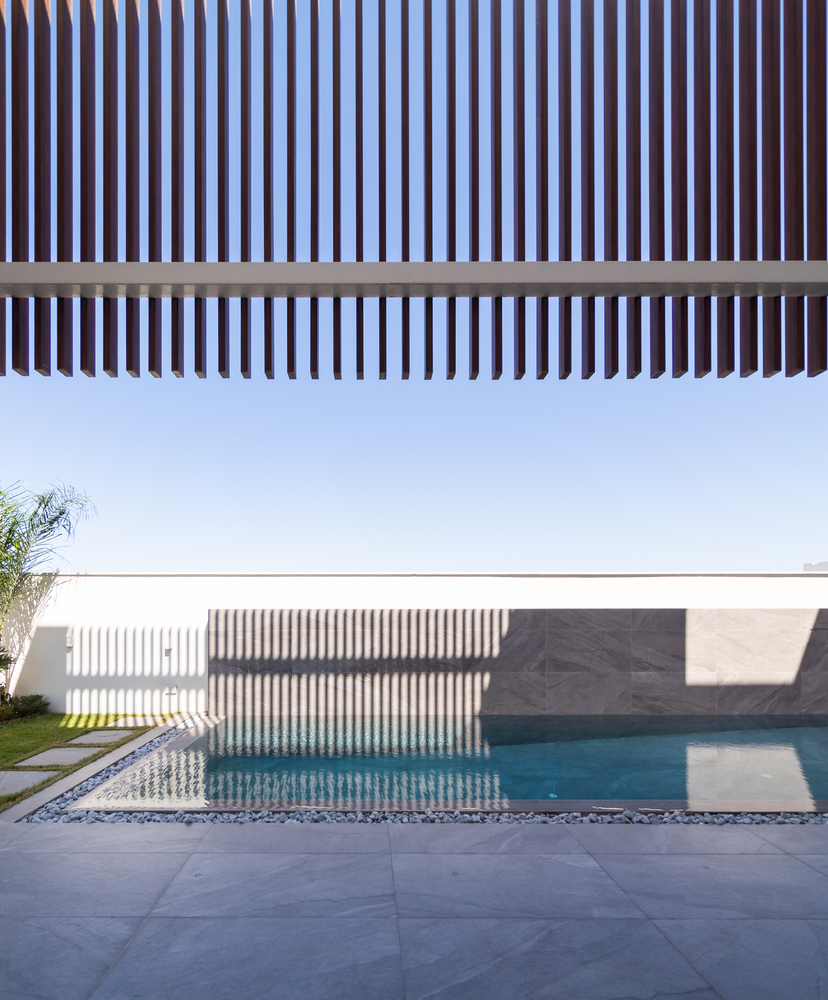
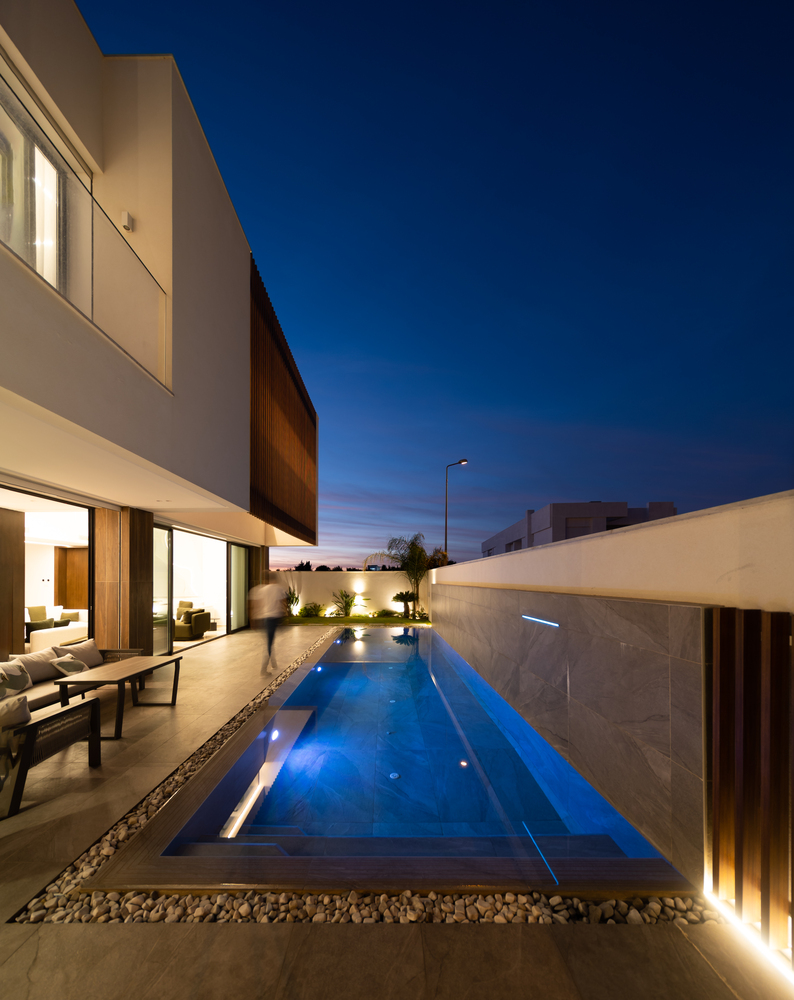
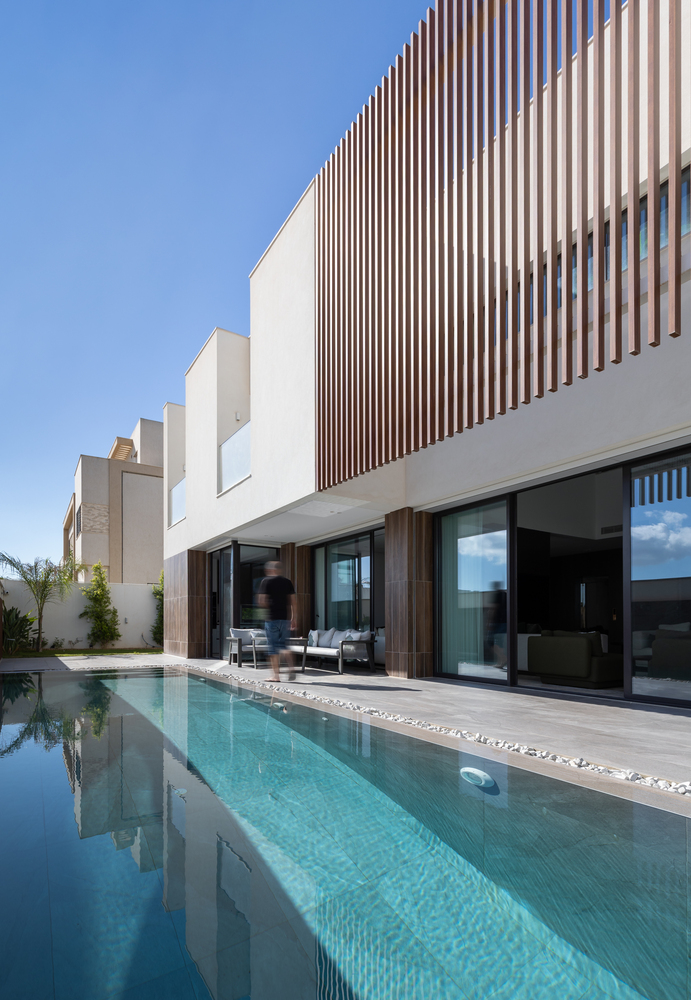
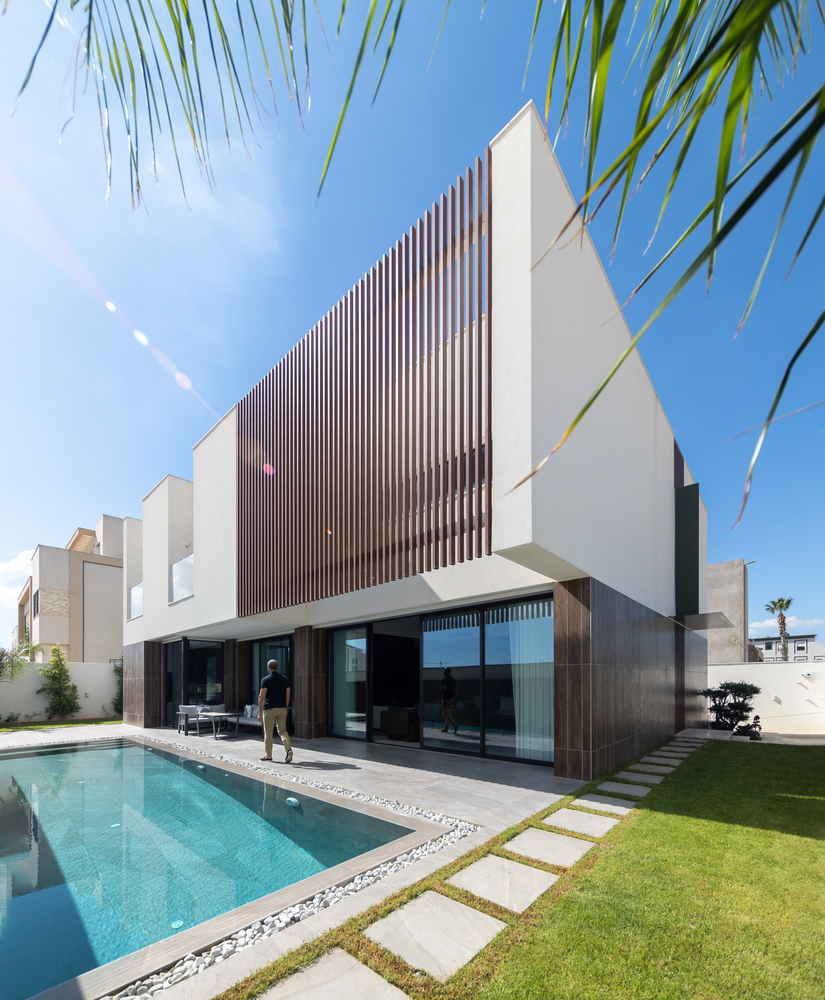
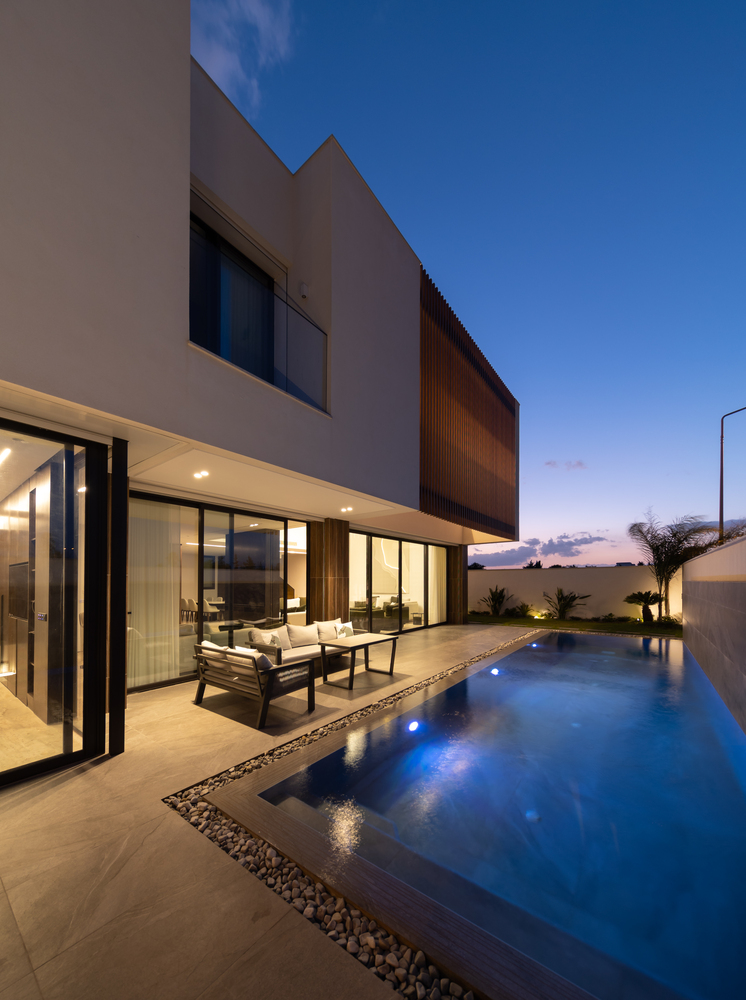
The garden and pool form the emotional core of the house. Stretching 11 meters along the property line, the pool reads as a carved extension of the podium.
Clad in the same sandstone finish as the terrace, it dissolves the boundary between architecture and landscape, merging water, material, and geometry into one continuous composition.
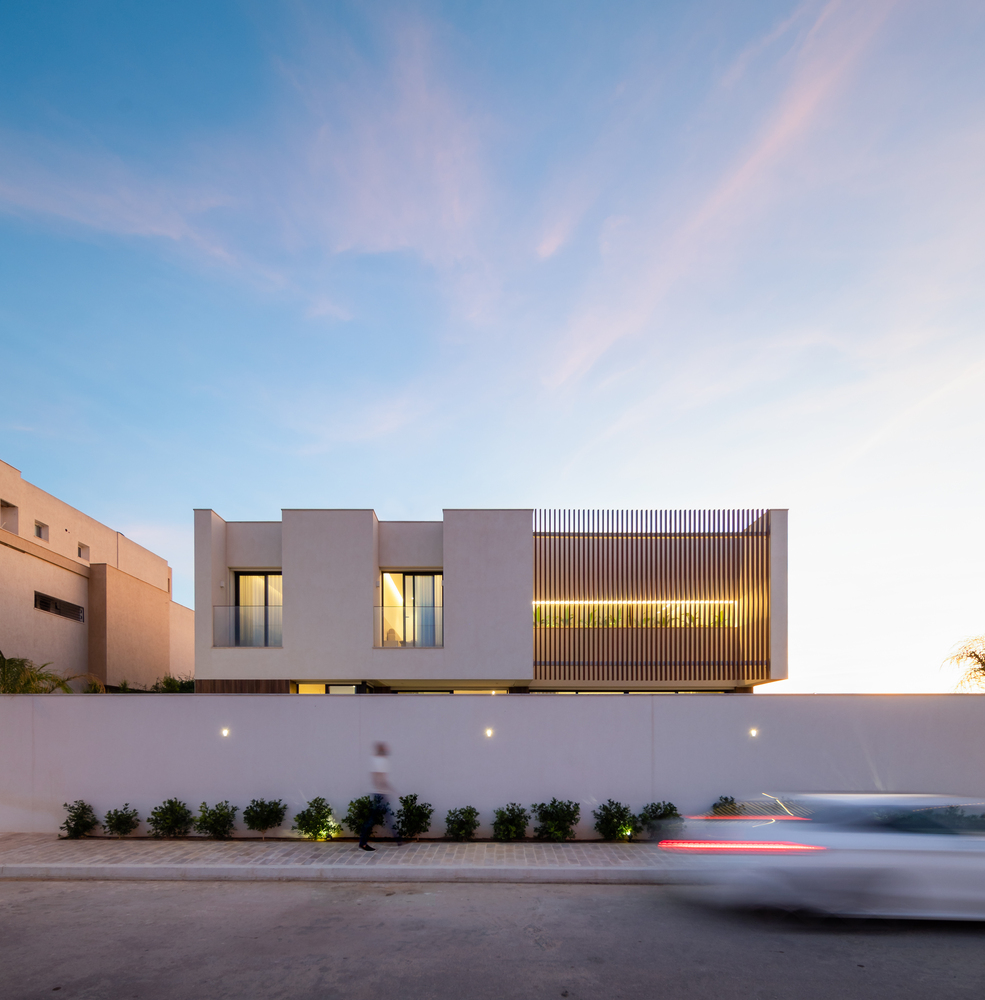
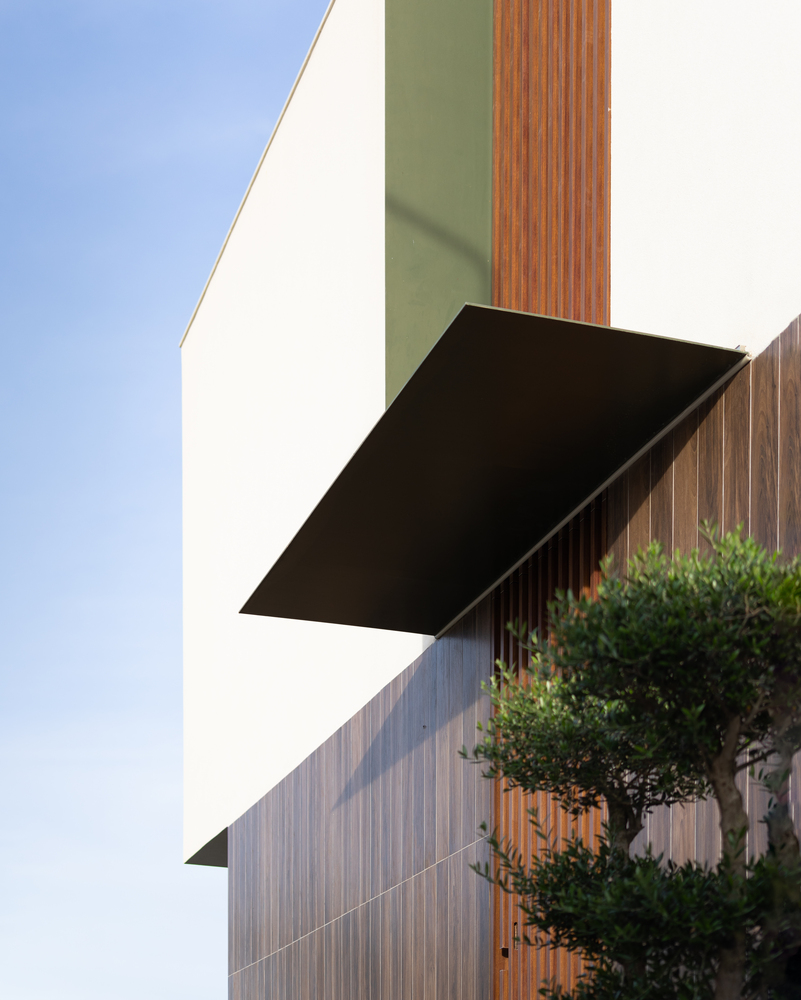
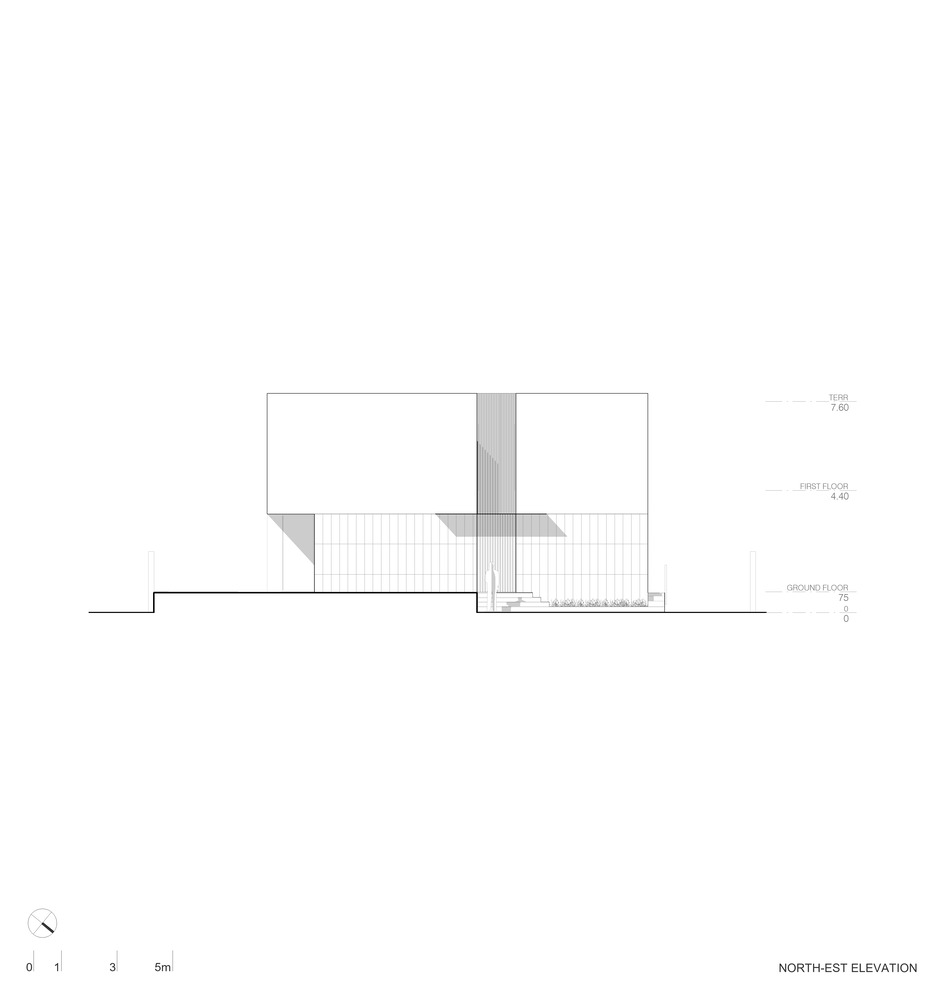
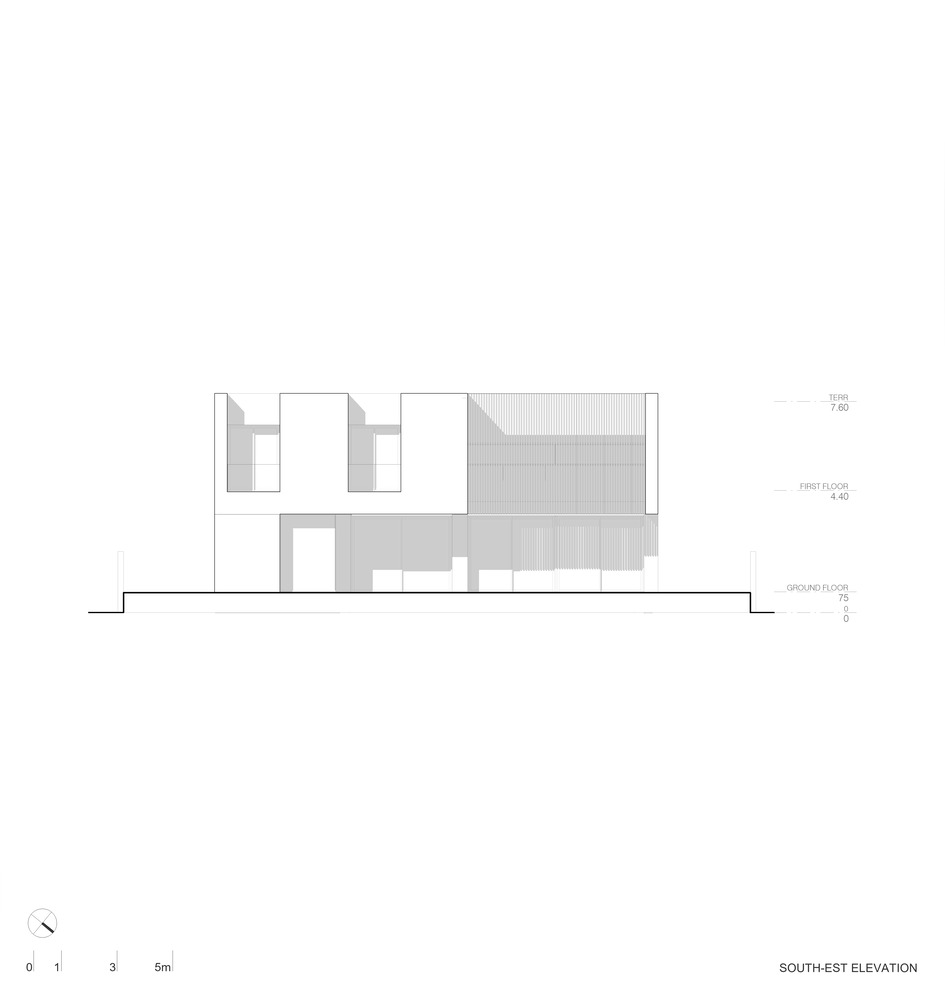
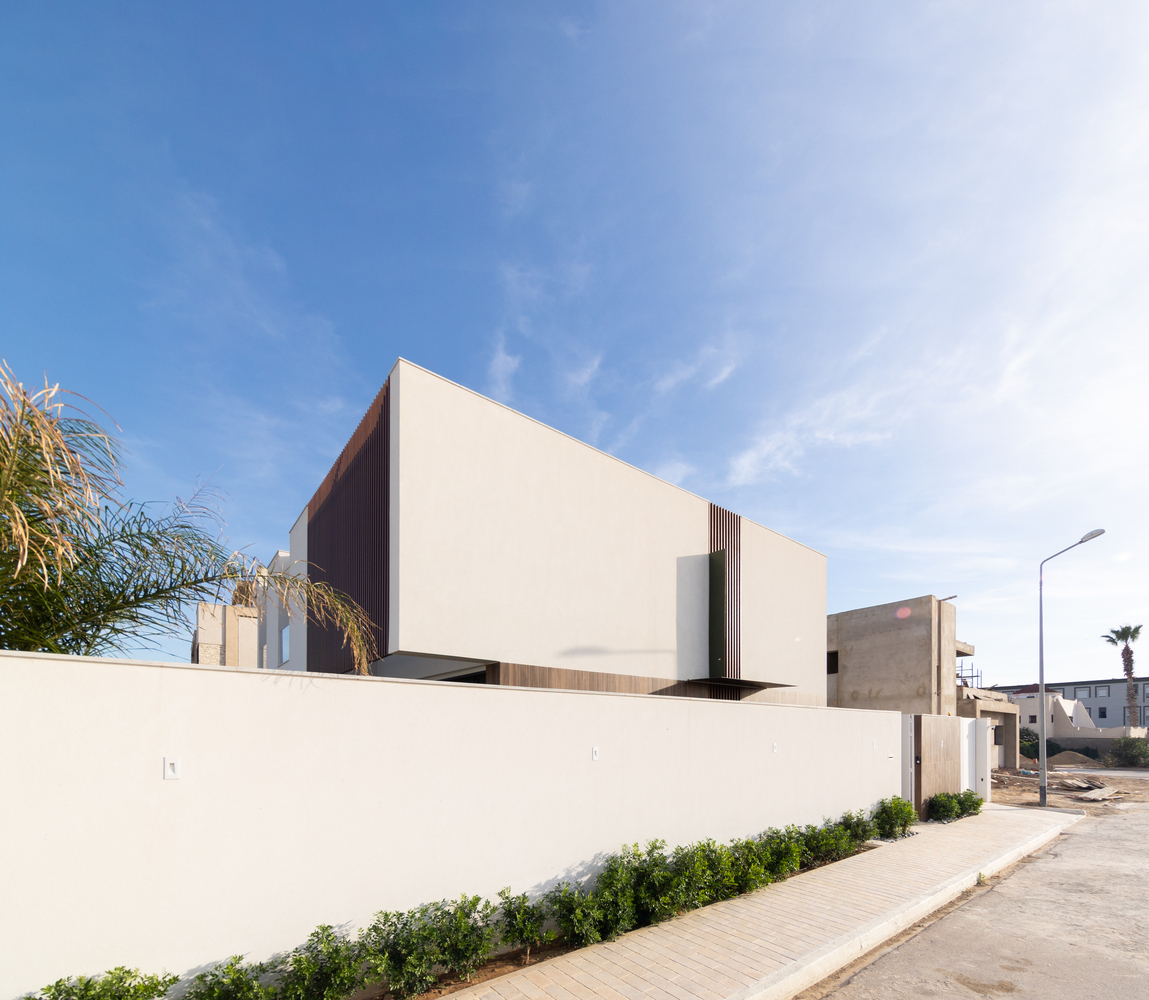
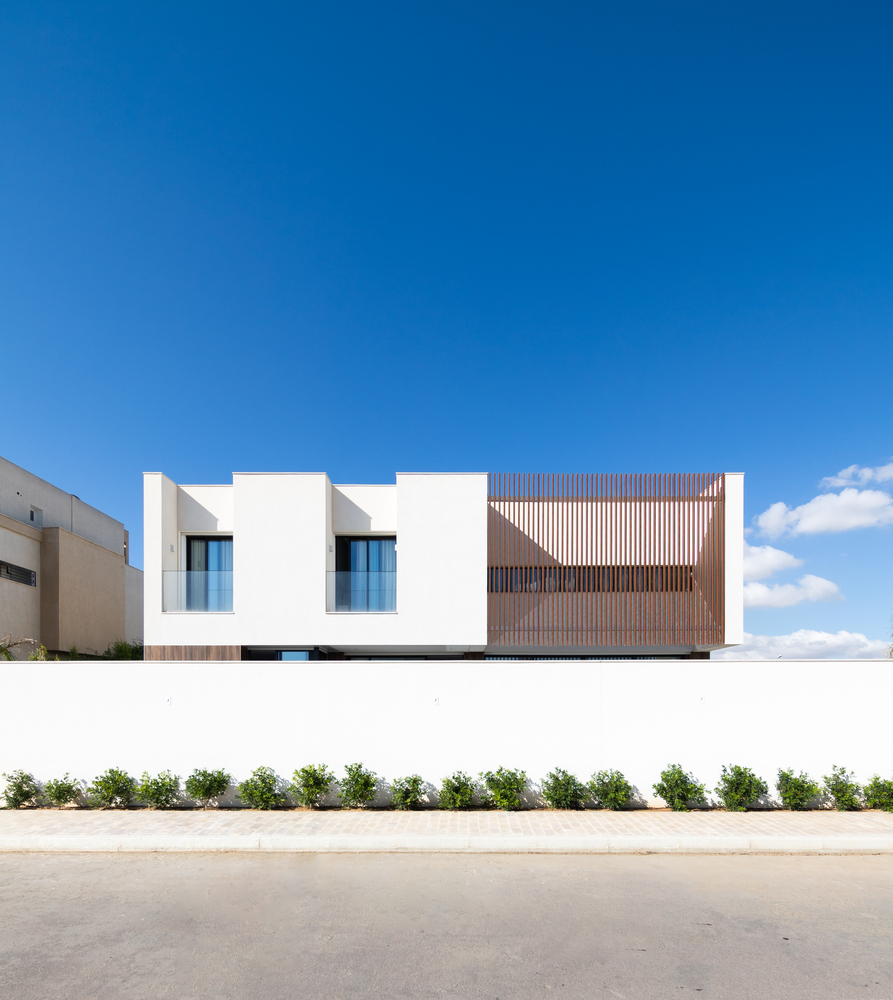
Facing the street, the villa reveals a quiet, almost mute façade.
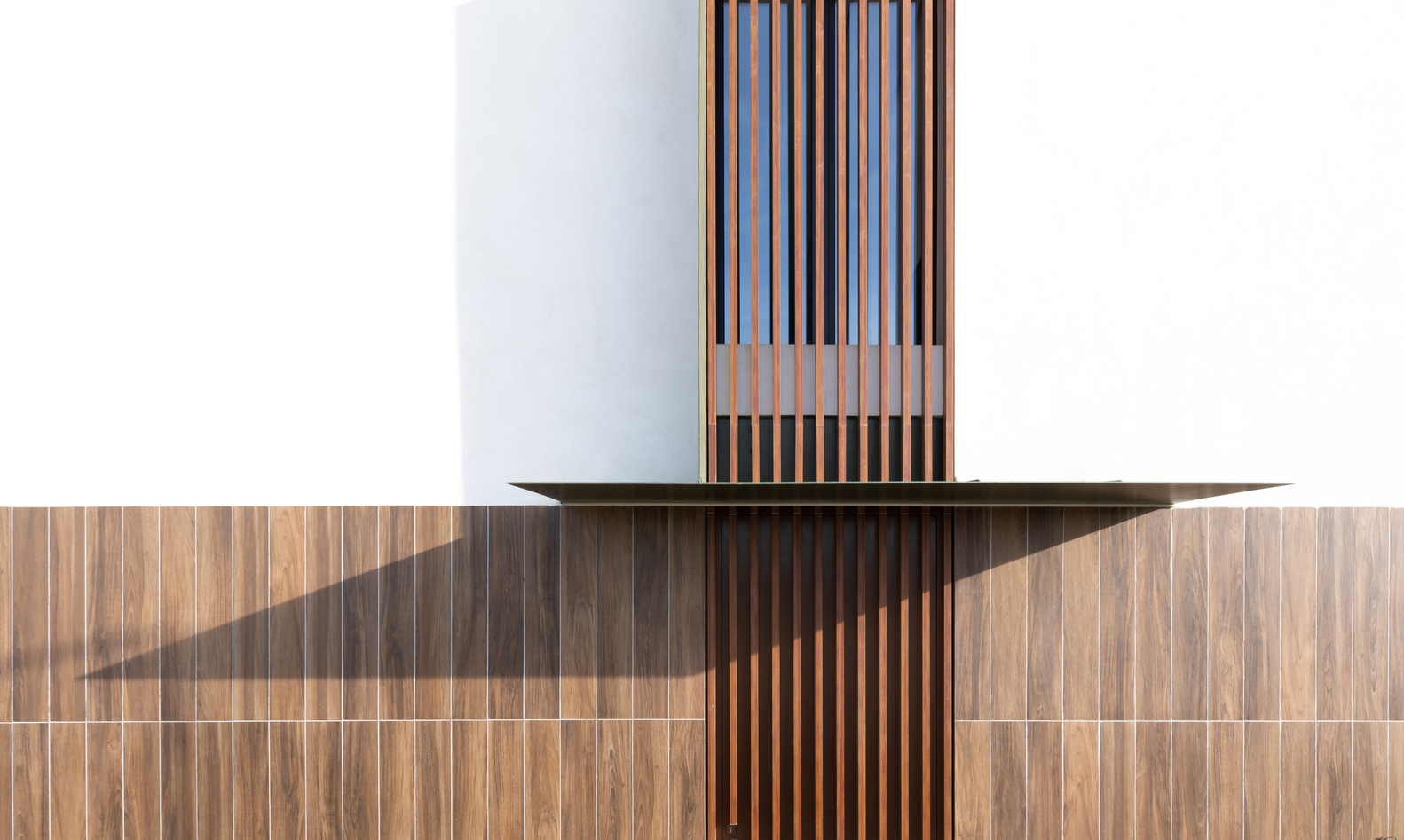
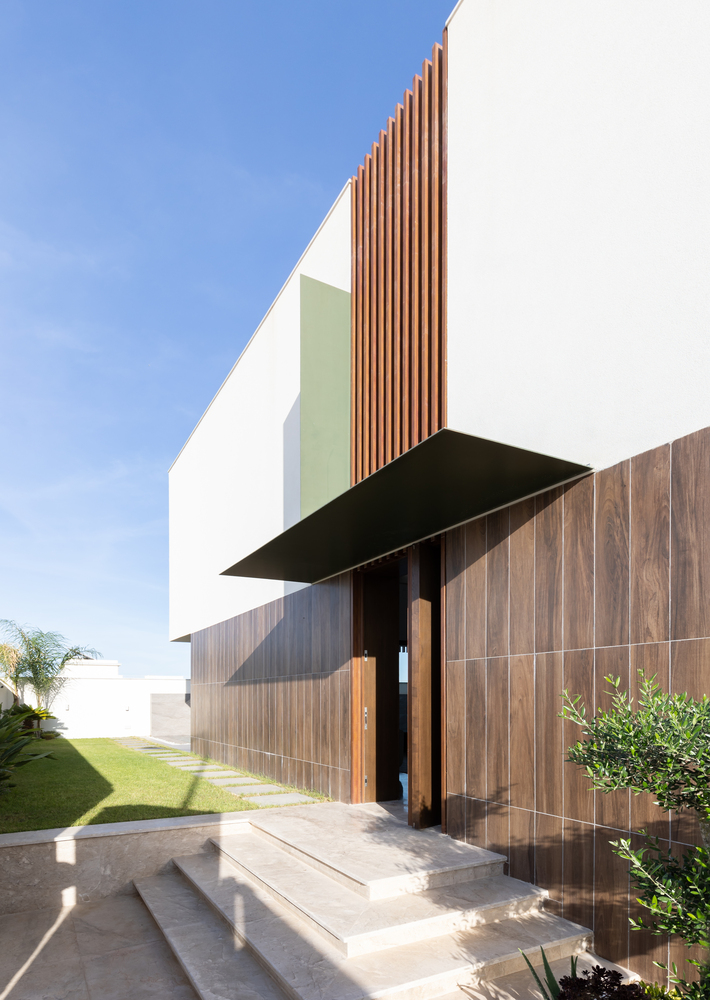
Privacy defines its expression, while a slender steel canopy, painted in an olive-green tone, marks the entrance with precision and grace. Floating lightly above the threshold, it translates structure into gesture.
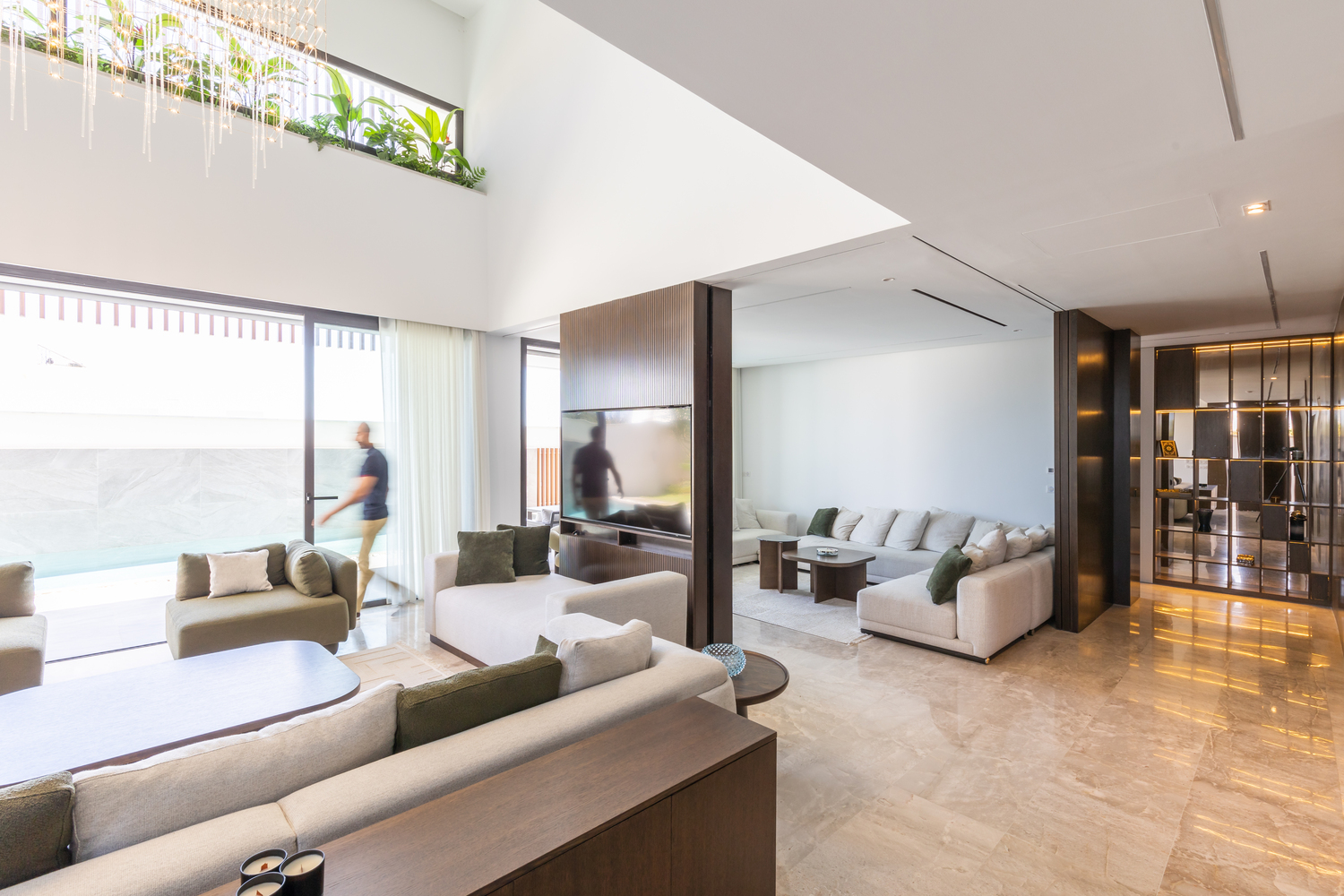
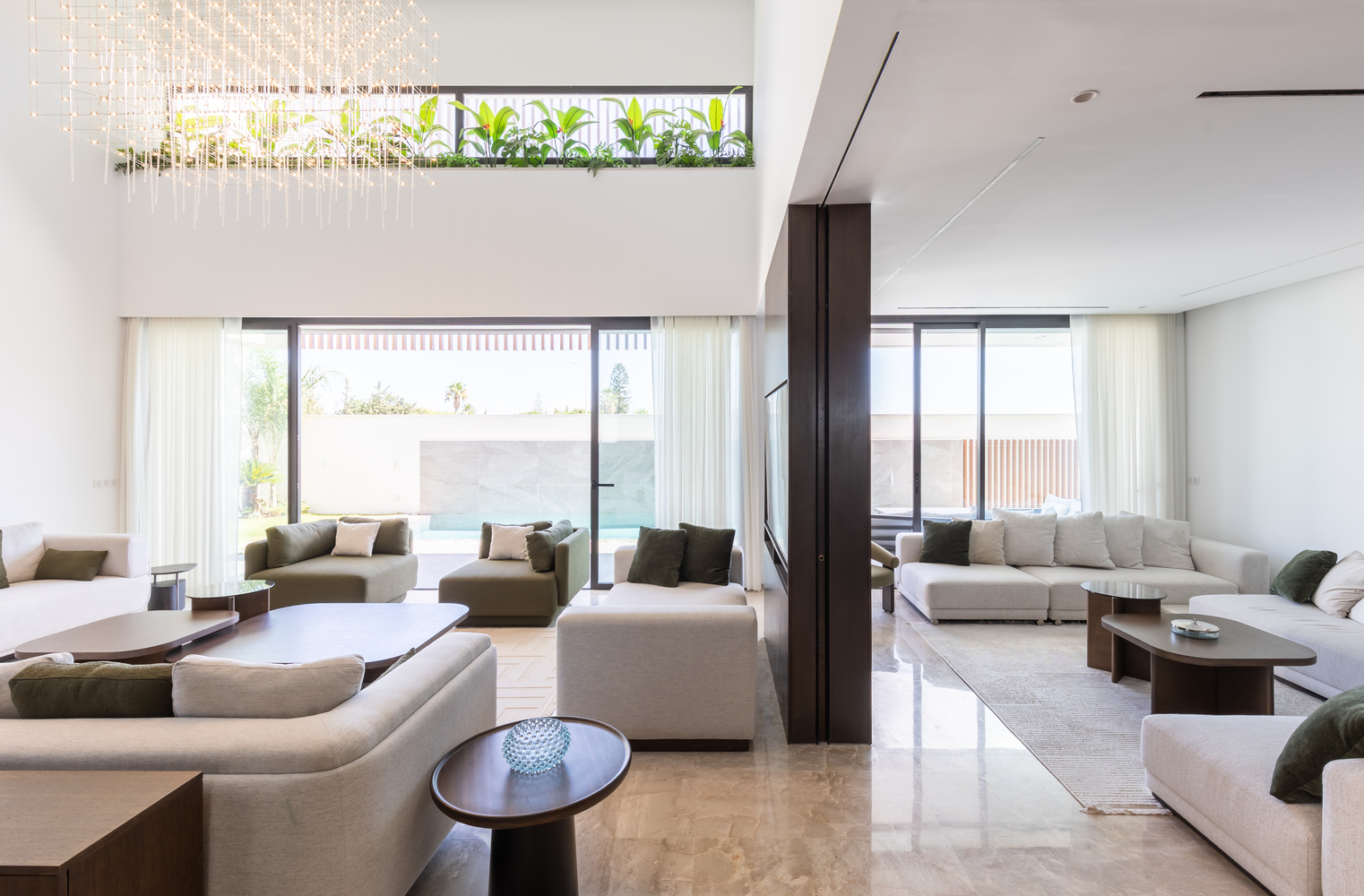
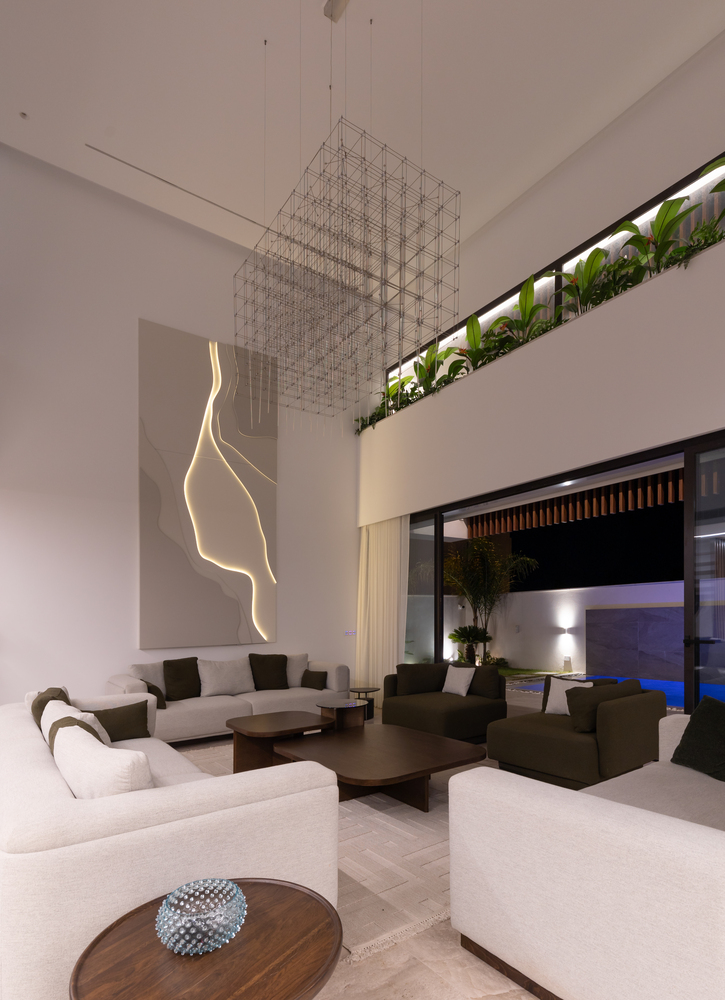
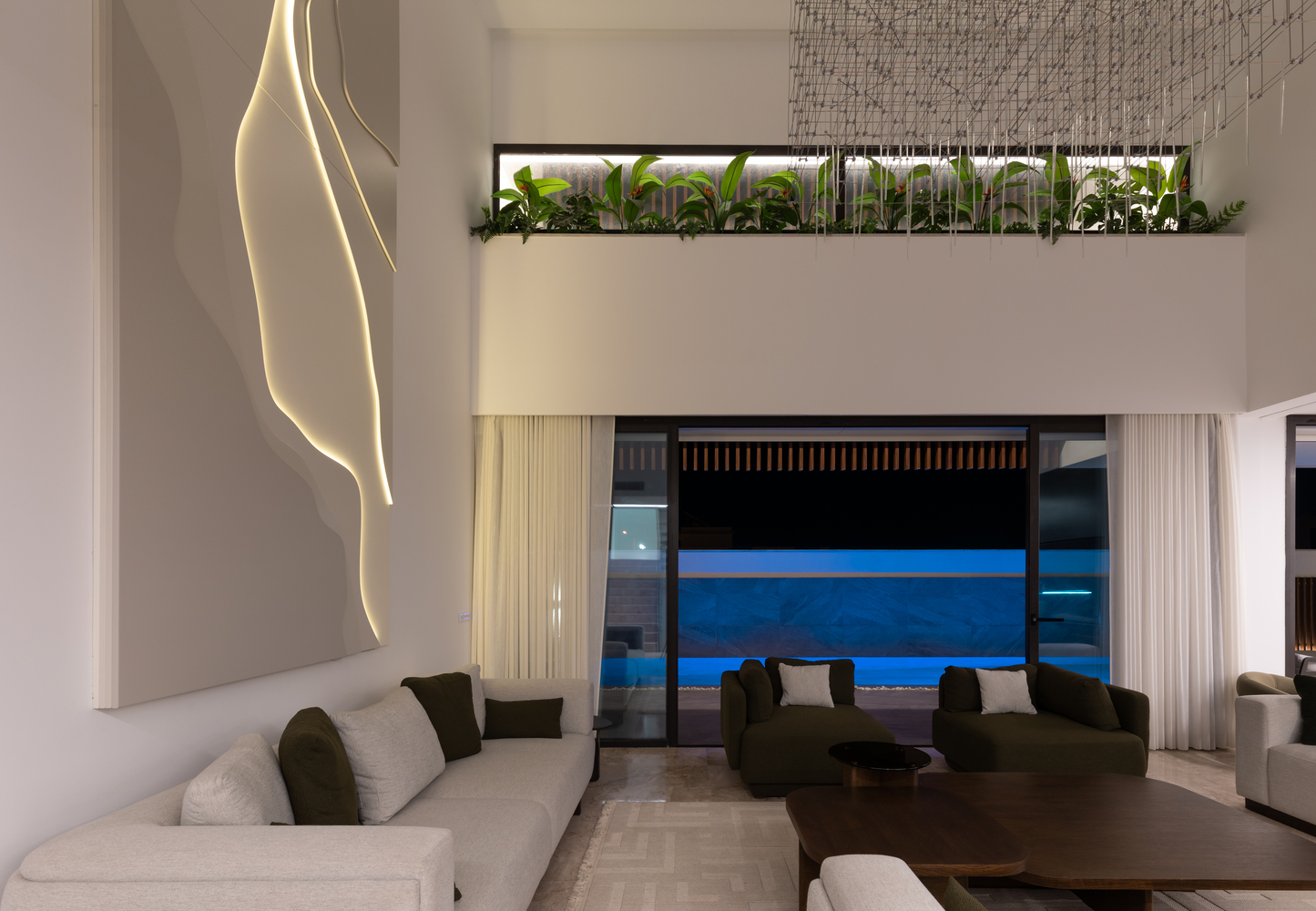
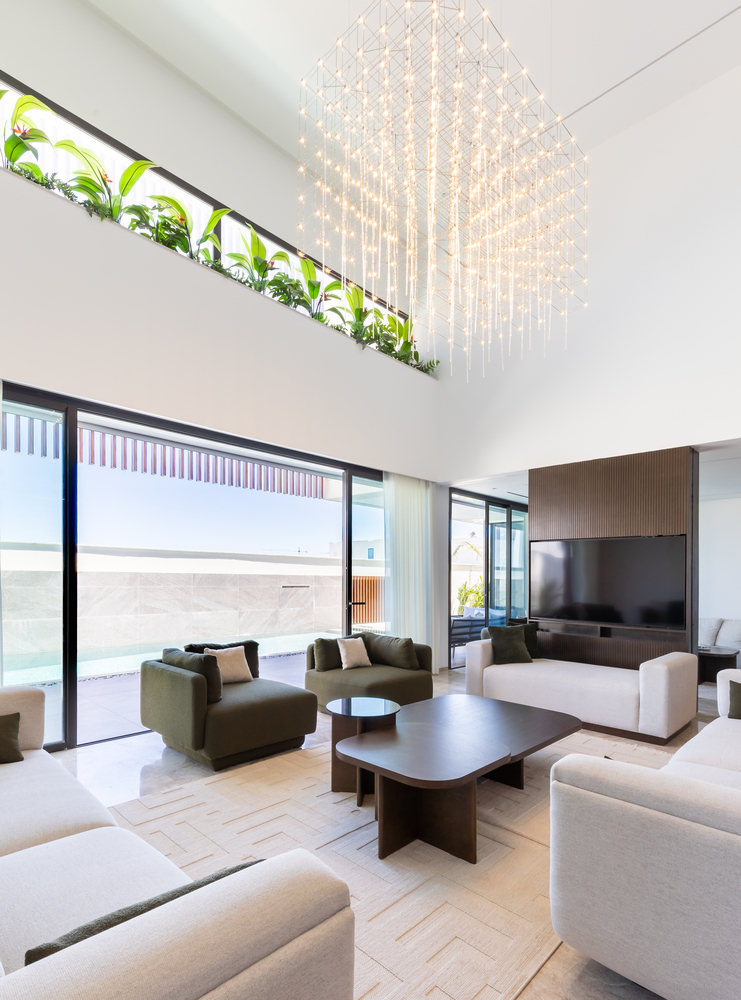
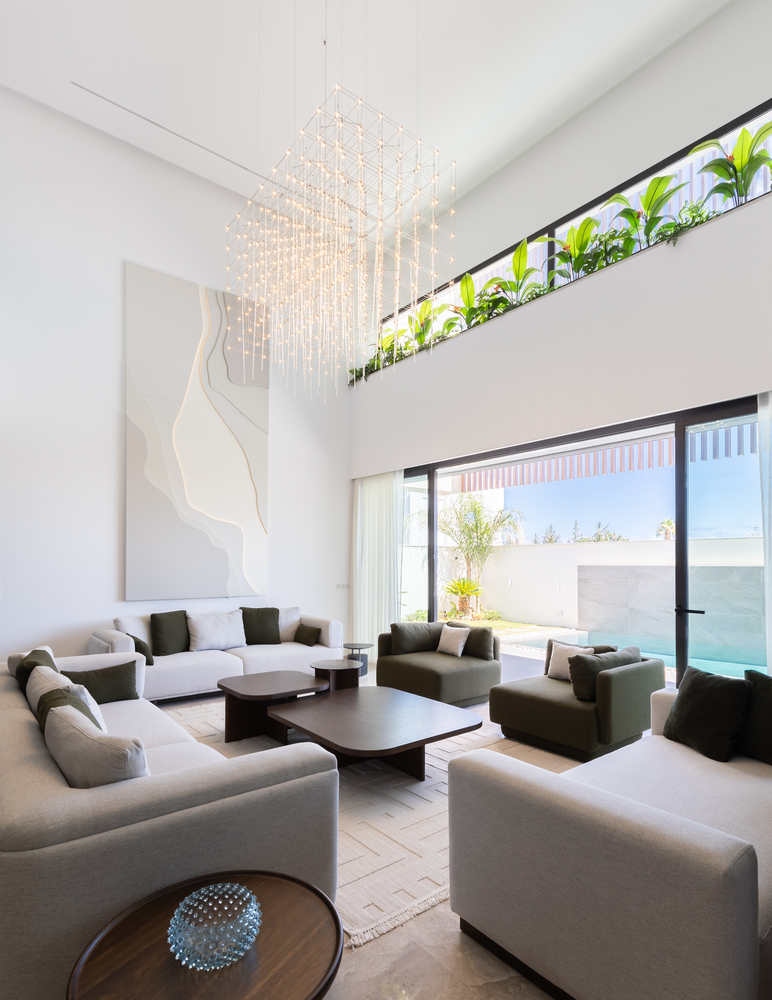
At the heart of the home, a central patio introduces a double-height void that links the living room to the upper floor.
This vertical opening, inspired by the courtyards of traditional Arab houses, invites air, light, and continuity — reinterpreting a timeless typology through contemporary minimalism.
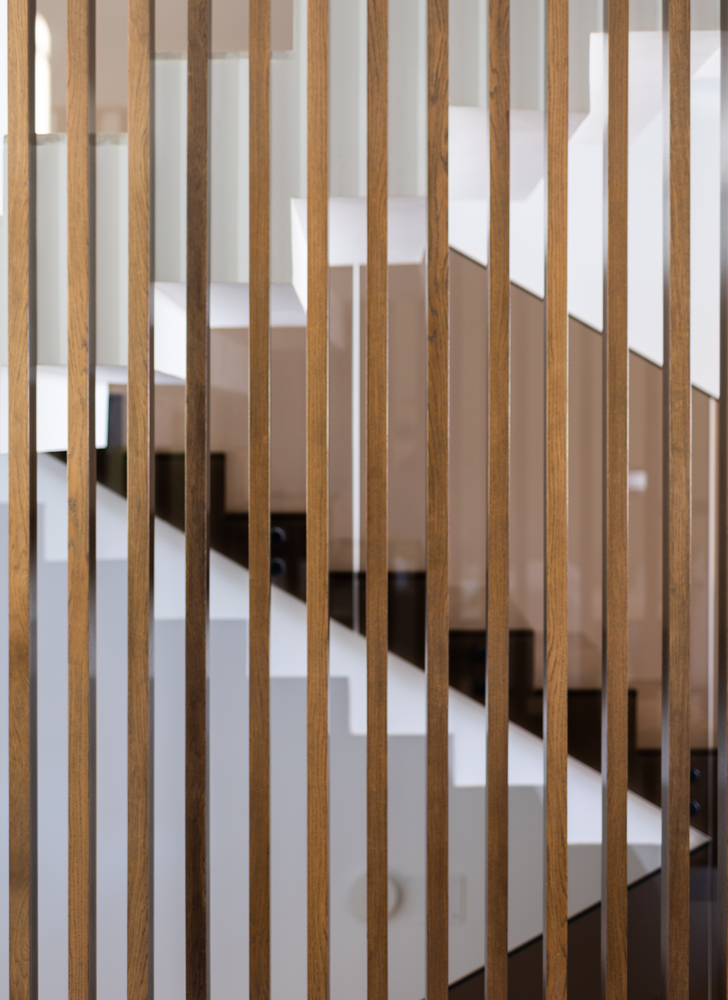
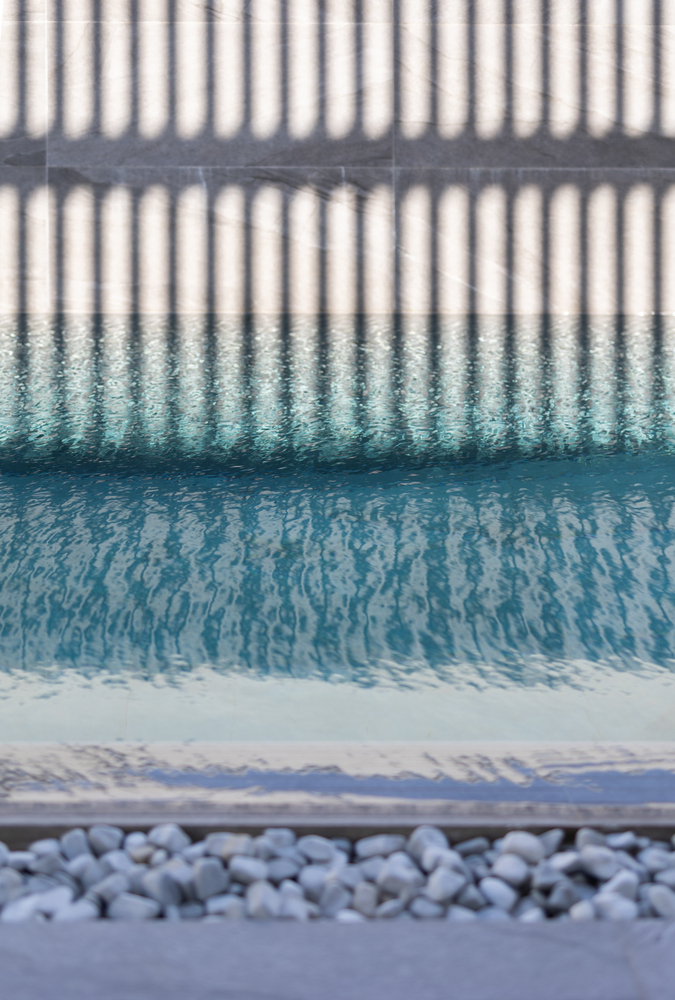
Above the terrace, a delicate aluminium louver structure orchestrates sunlight through a carefully studied solar analysis. It softens the impact on the living room's large glazed façade, casting shifting shadows that animate the day.
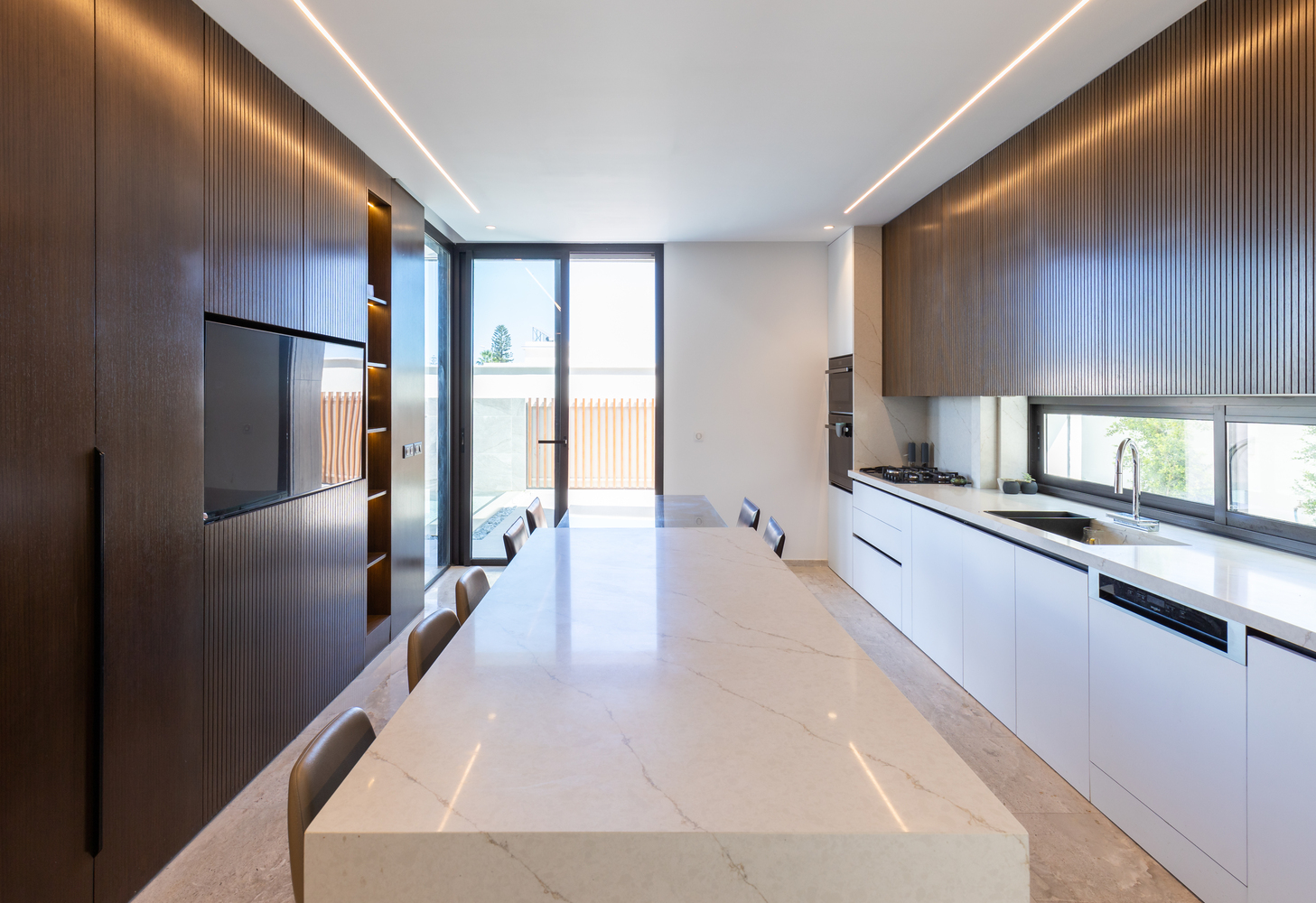
Inside, flexibility shapes the domestic atmosphere. A movable wooden partition between the living and dining rooms allows the ground floor to adapt, merging or separating spaces as needed.
This subtle device optimizes the plan and enhances the perception of volume without increasing the built footprint.
Local materials ground the project in its context: hollow clay brick walls, Kadhel marble flooring, and white plaster surfaces, amplifying Mediterranean light.
Wood finishes warm the composition, balancing precision with a sense of serenity. At the entrance, an olive tree stands as a symbol of continuity and belonging.
Around it, Villa H unfolds as an architecture of stillness and measure — where simplicity becomes a refined expression of timeless elegance.