
Liberation Museum Of Manisa
LIBERATION MUSEUM OF MANISA
Yalin Architectural Design
ARCHITECTS
Yalin Architectural Design
VISUAL IDENTITY AND EXHIBITION DESIGN
Deniz Yildirim, Erbil Algan (Manuma Studio)
ARCHITECTS
Ömer Selçuk Baz, Ece Özdür, Atakan Koca, Merve Çakırgöz, Irmak Okumuş, Halil İbrahim Zeytinci, Aslı Tusavul, Ediz Demirel, Eda Gürhan (Yalin Architectural Design), Arzu Nuhoğlu, Belma Hekim, Gizem Türker (ARZU NUHOĞLU LANDSCAPE DESIGN)
URBAN AND REGIONAL PLANNER
Okan Bal (Yalin Architectural Design)
CURATORIAL WORK
Heval Zeliha Yüksel, Büşra Erdoğdu (Hvl Studio)
SITE COORDINATION
Tufan Altun
ENGINEERING
Pi̇rami̇t Engineering
FIRE CONSULTANCY
Ethos Fire Consultancy
CIVIL ENGINEER, STRUCTURAL ENGINEER
Ömür Özger, Orhan Mete Işikoğlu (Opteng Engineering)
PHOTOGRAPHS
Hacer Bozkurt, Egemen Karakaya
AREA
3800 m²
YEAR
2025
LOCATION
Manisa, Türkiye
CATEGORY
Museum
English description provided by the architects.
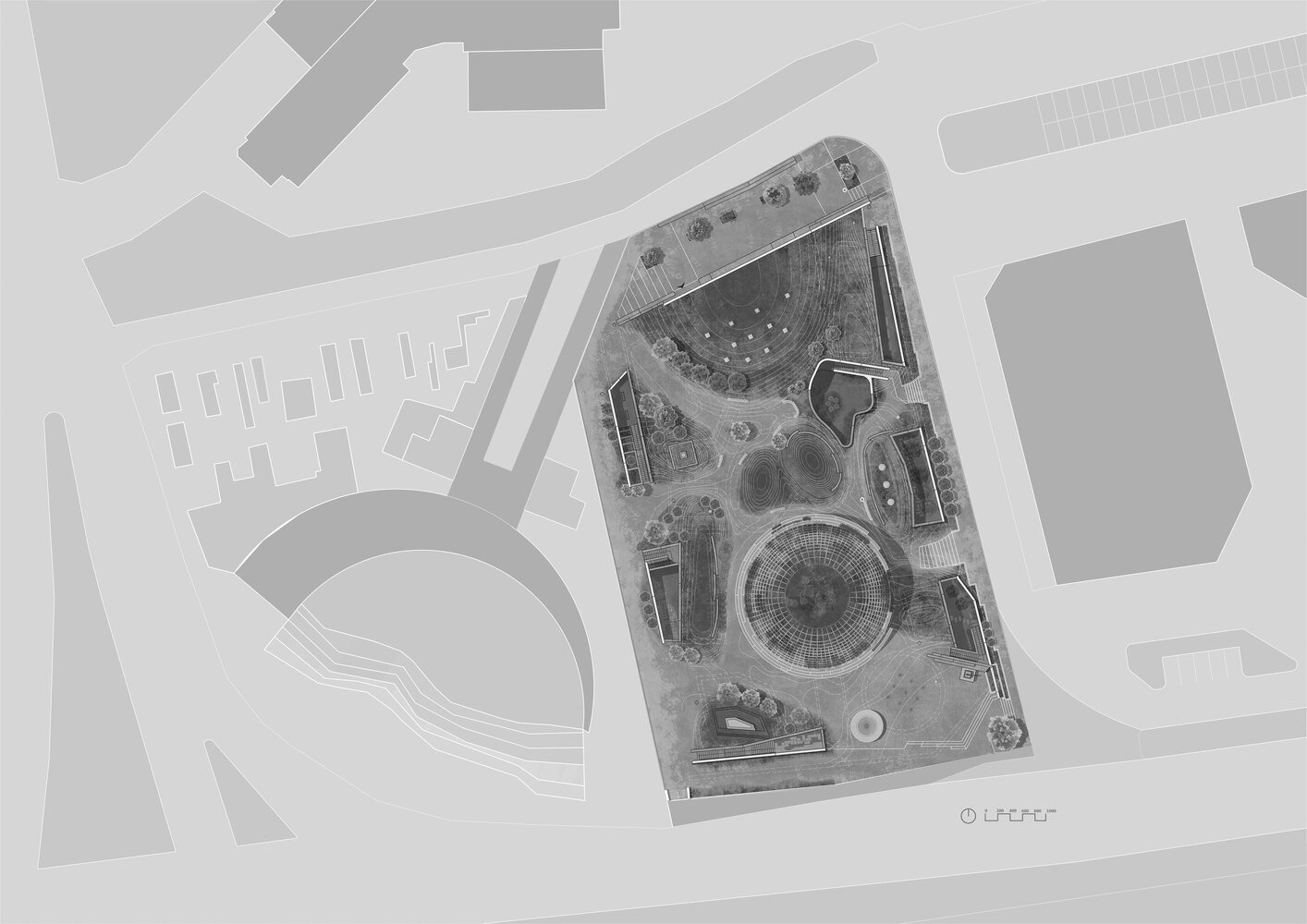
Liberation Museum of Manisa (MKM) was conceived as a memory space to convey the civilian popular movement that developed independently of central authority in the region of Manisa between 1918 and 1923.
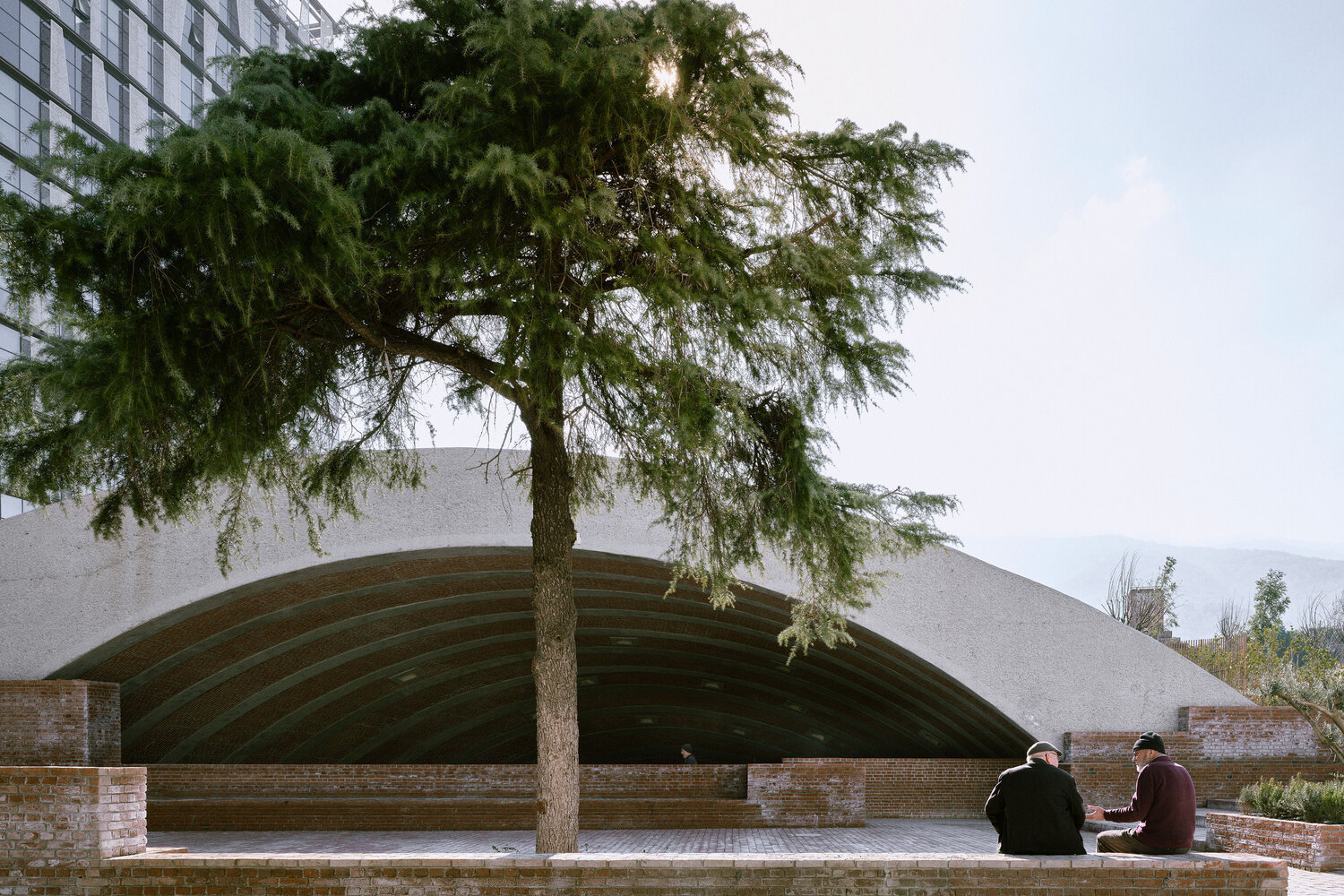
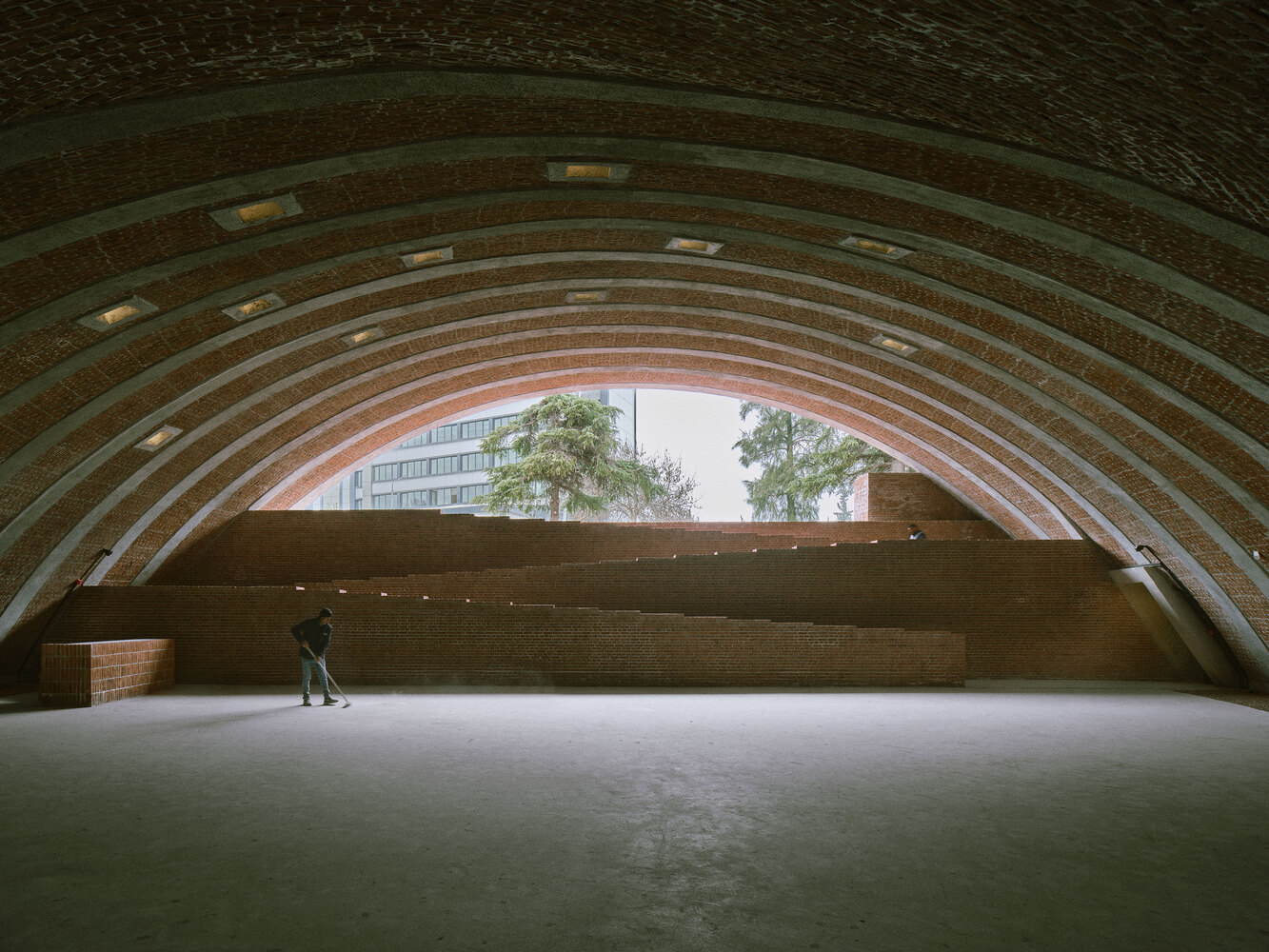
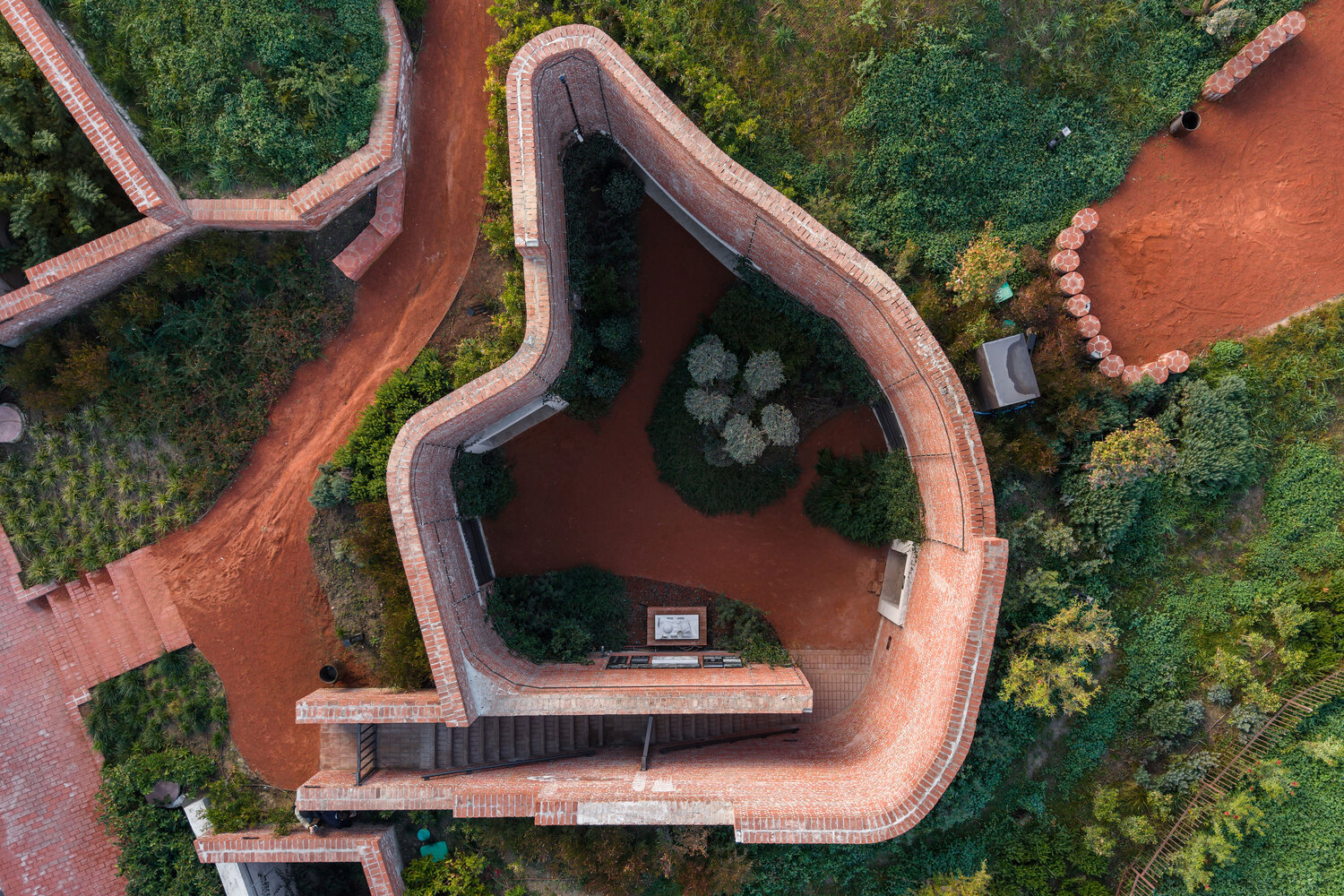
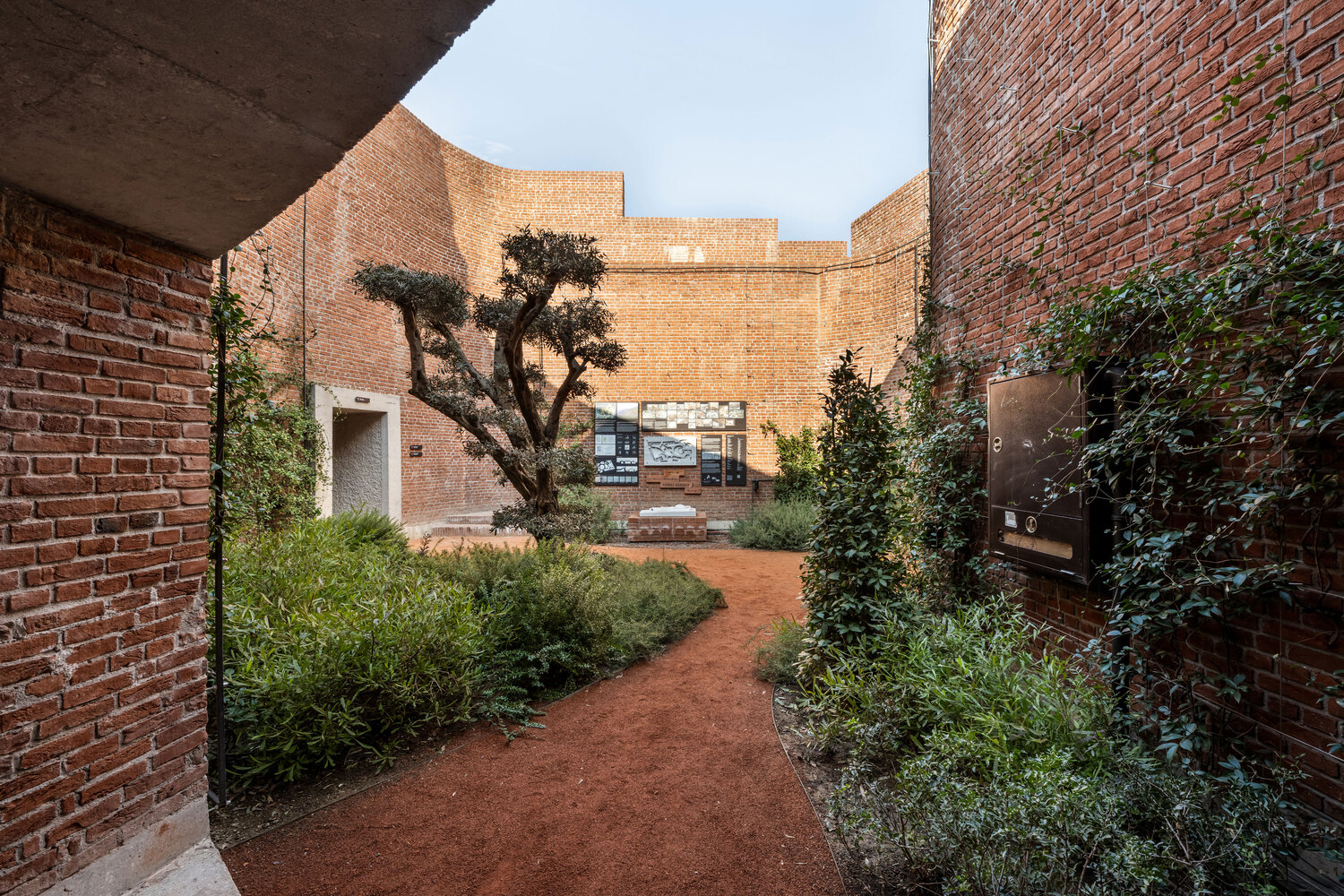
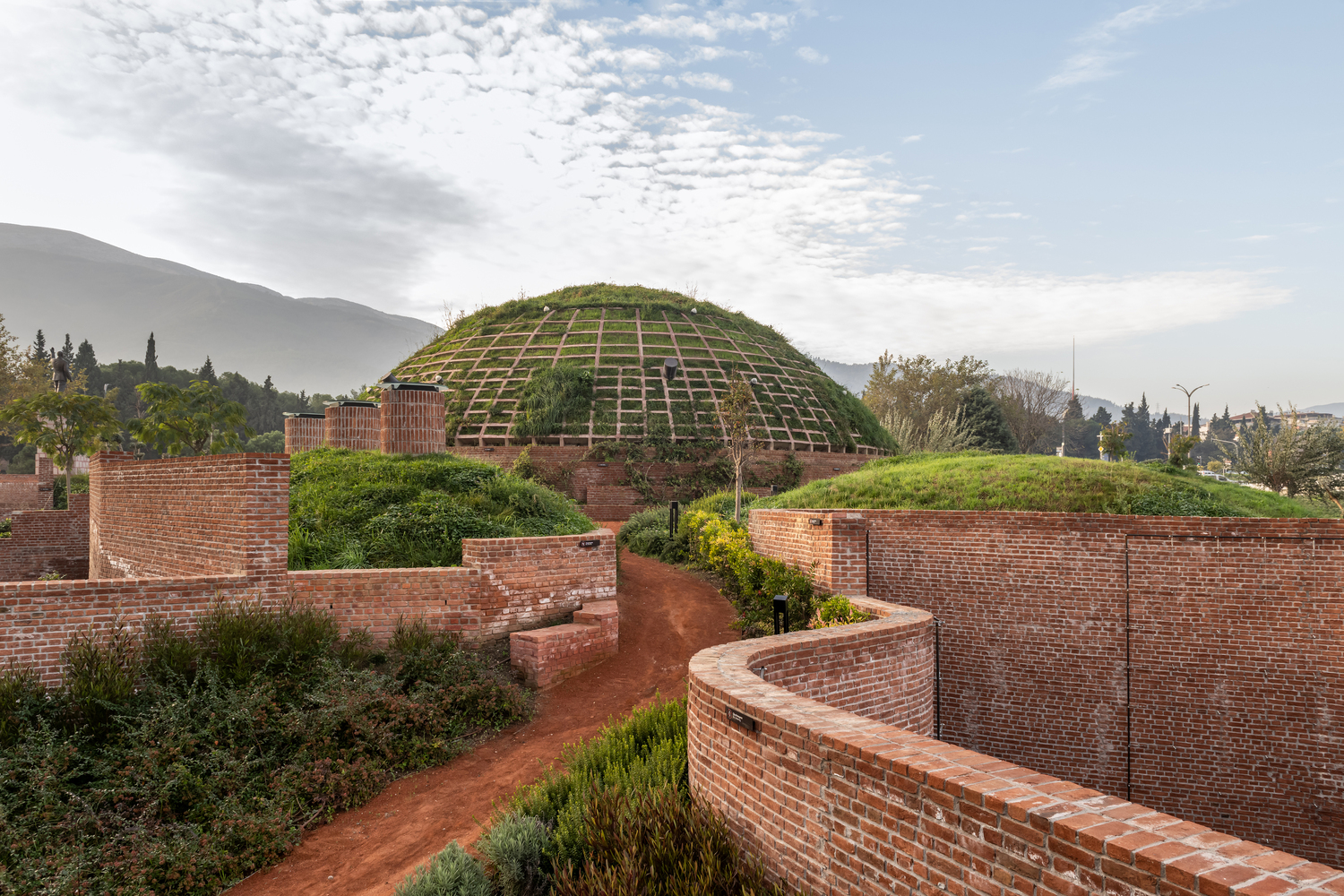
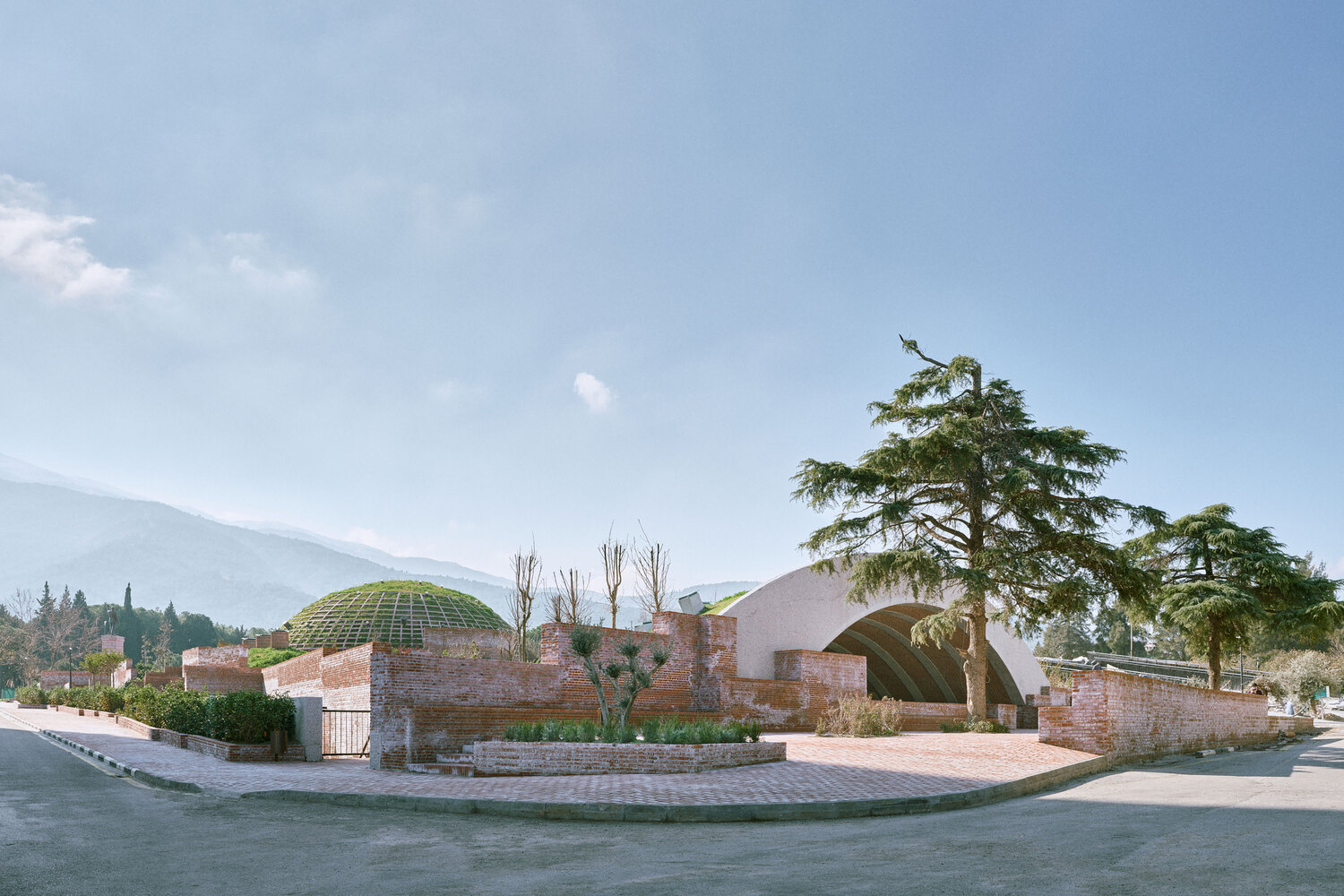
The design merges the traces of the surviving load-bearing masonry, stone, and brick structures post-fire with Manisa's local brick tradition, which stretches back to archaic periods.
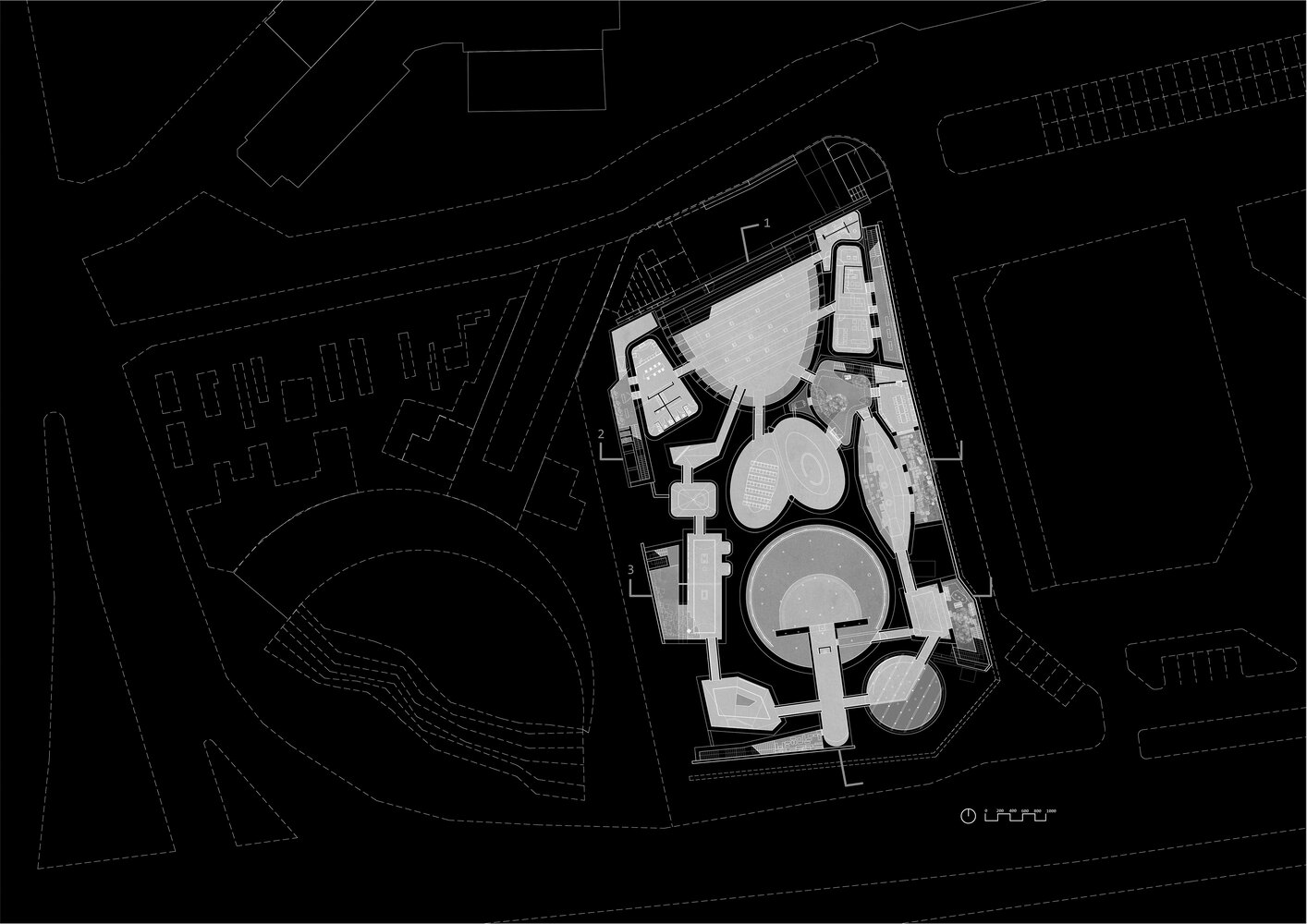
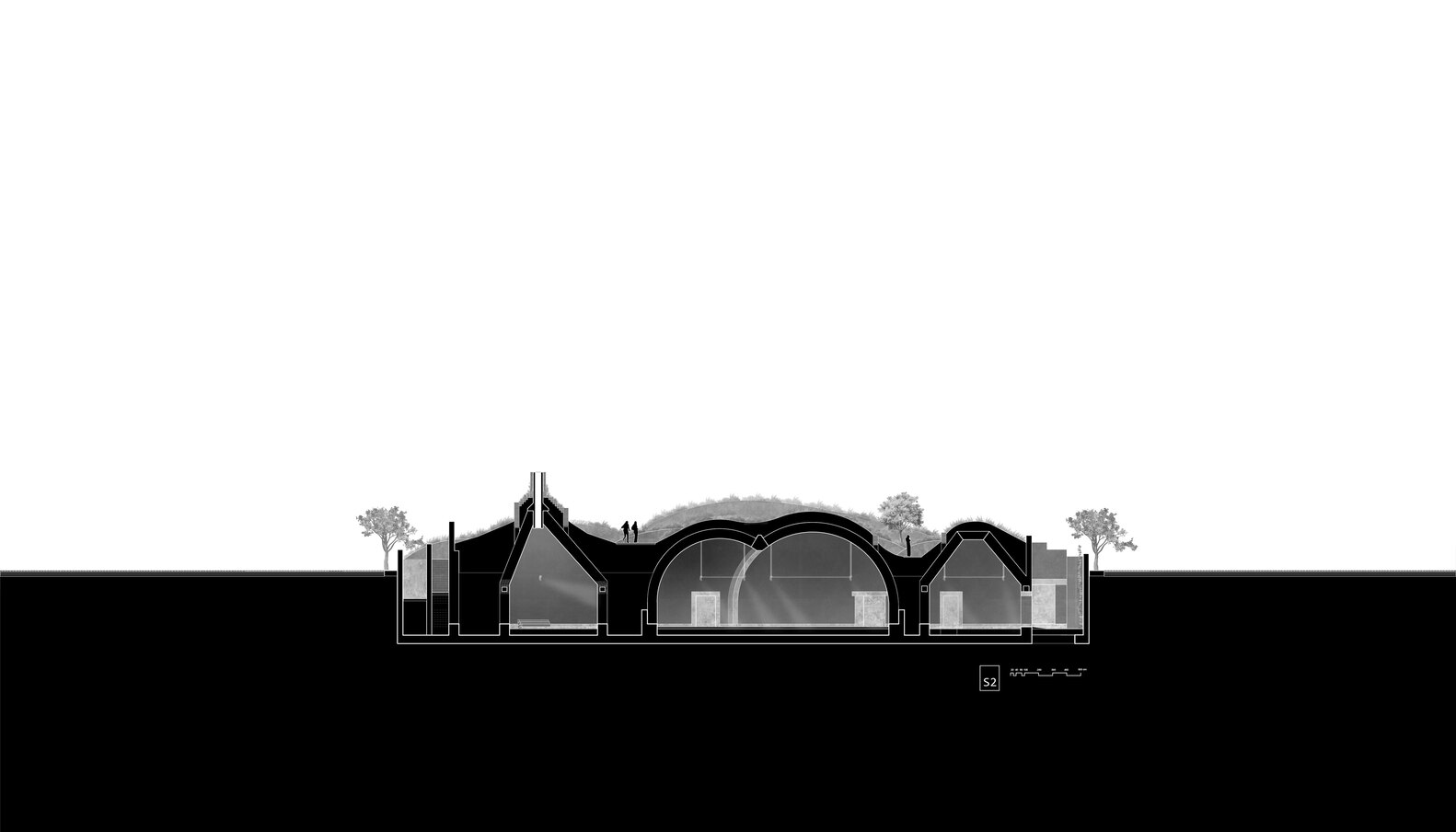
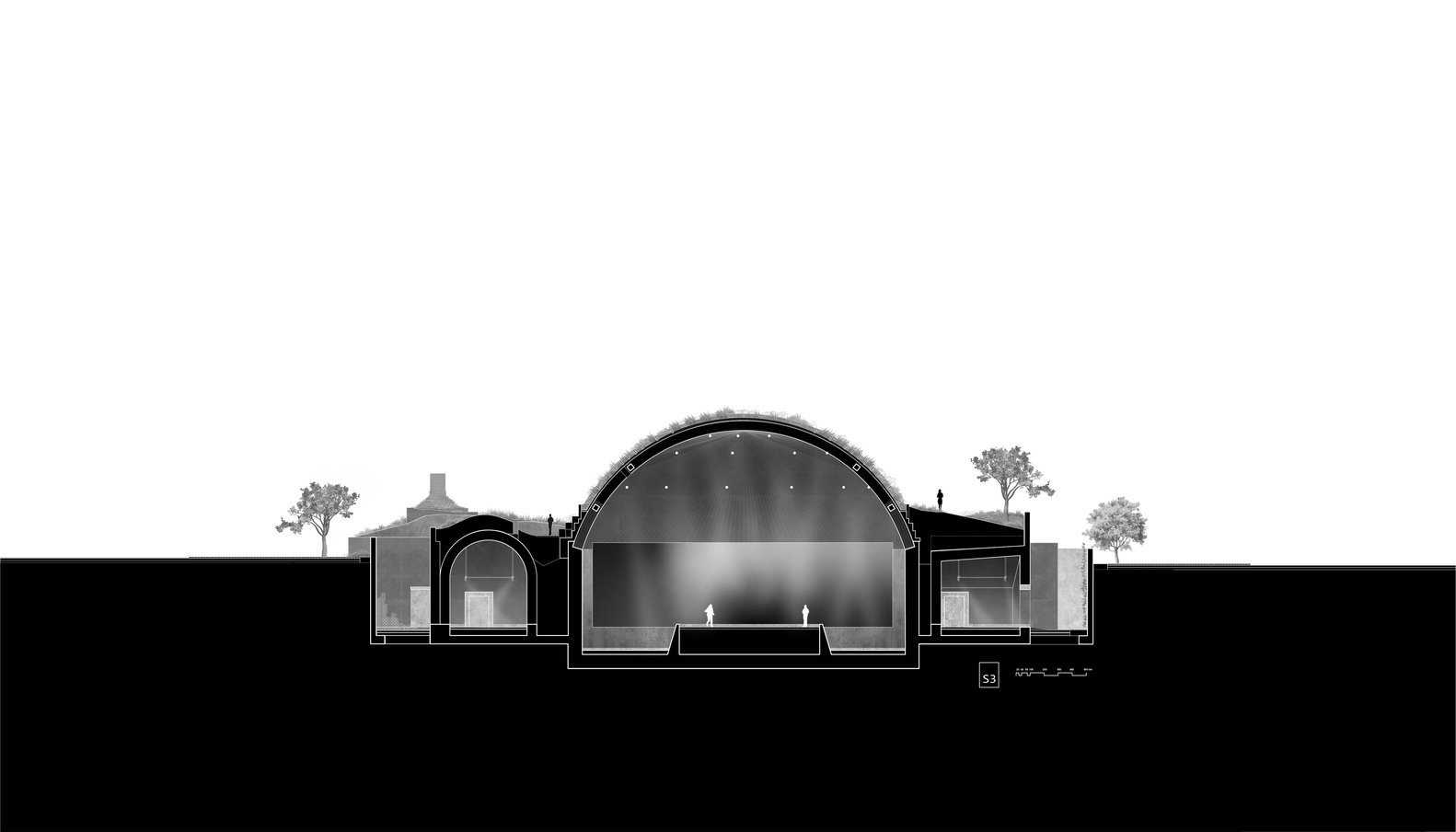
The 14 independent brick chambers, constructed entirely using the load-bearing technique, present different historical moments as a sequential experience.
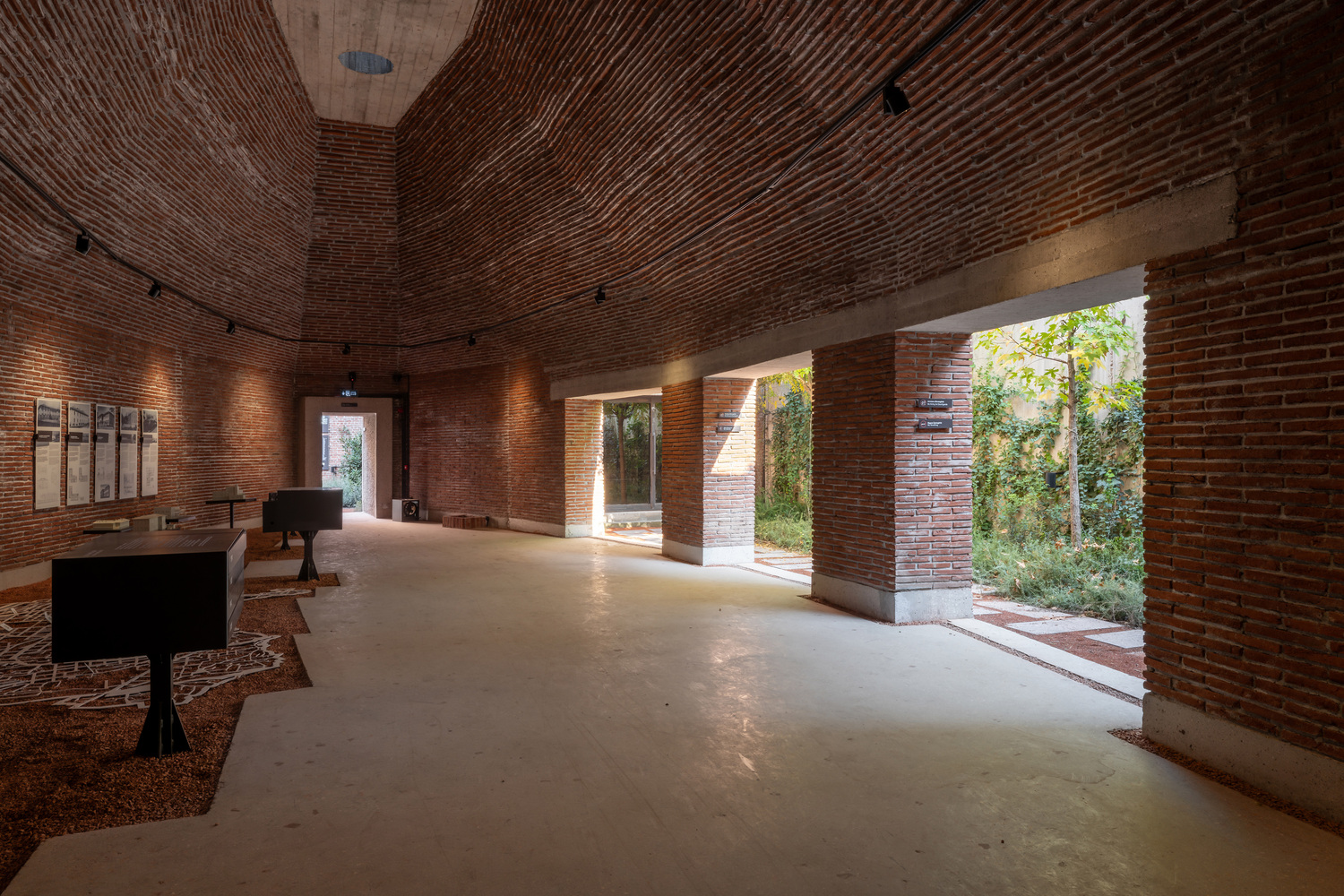
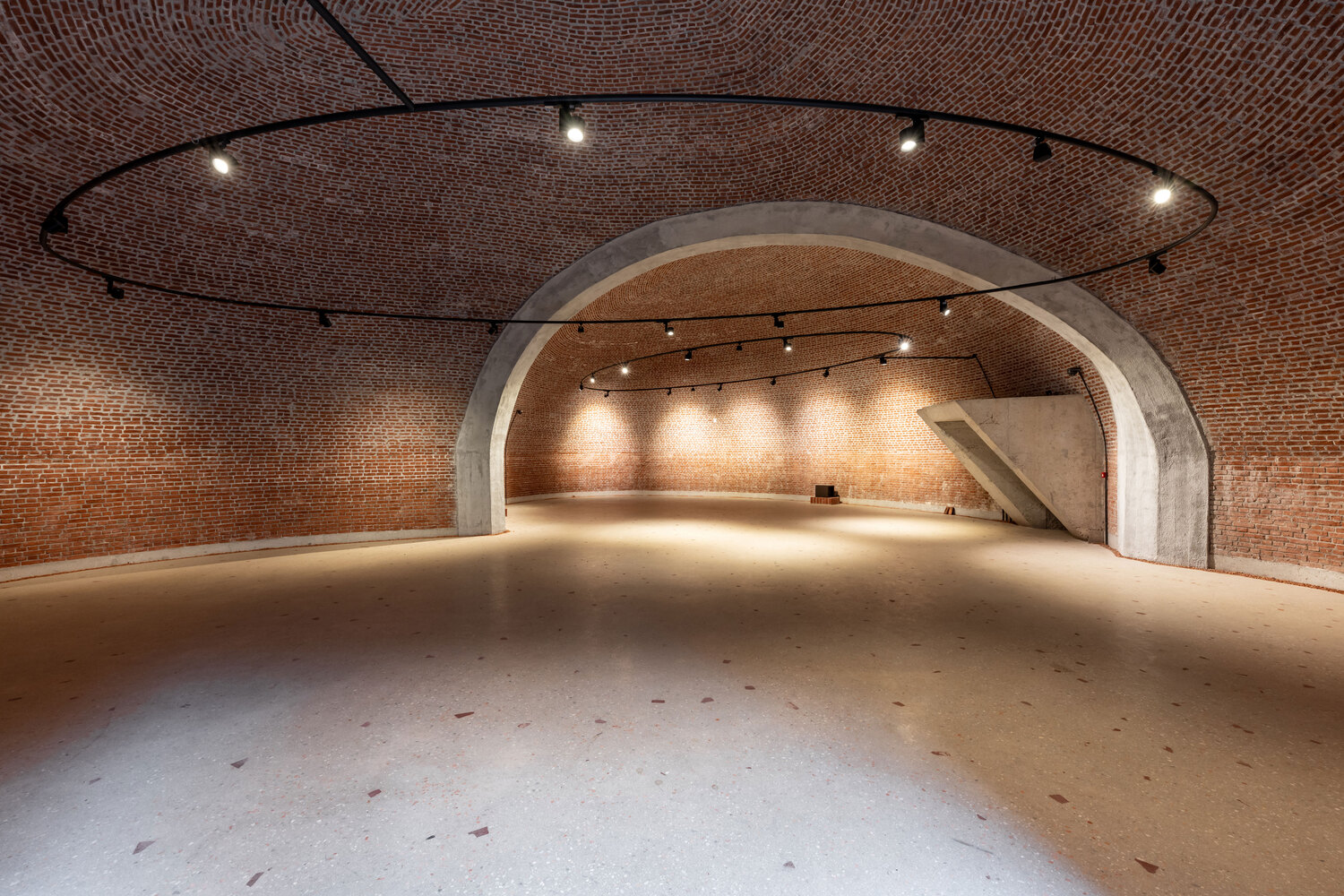
This sequence embodies specific historical turning points by foregrounding the distinct emotional state of each space.
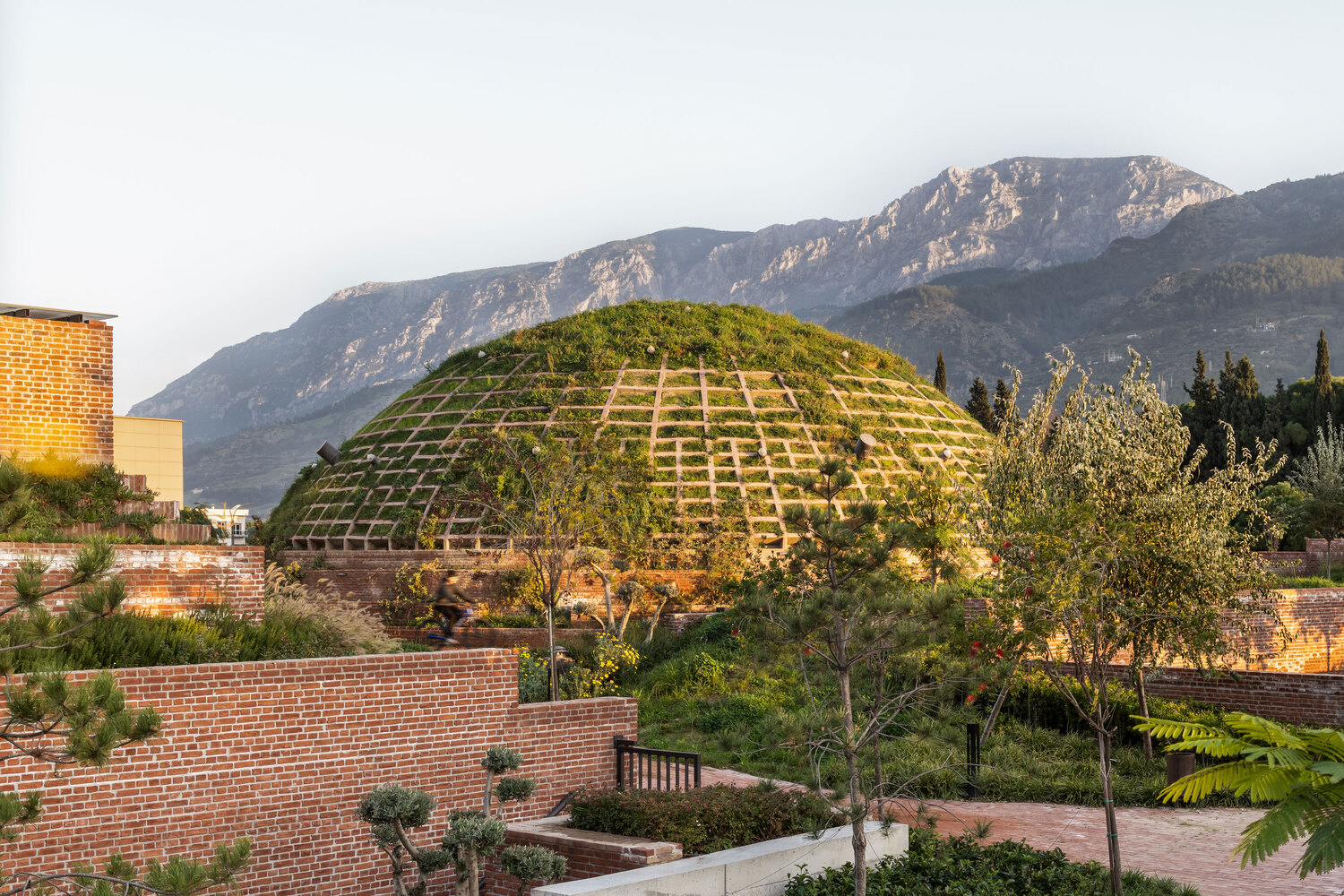
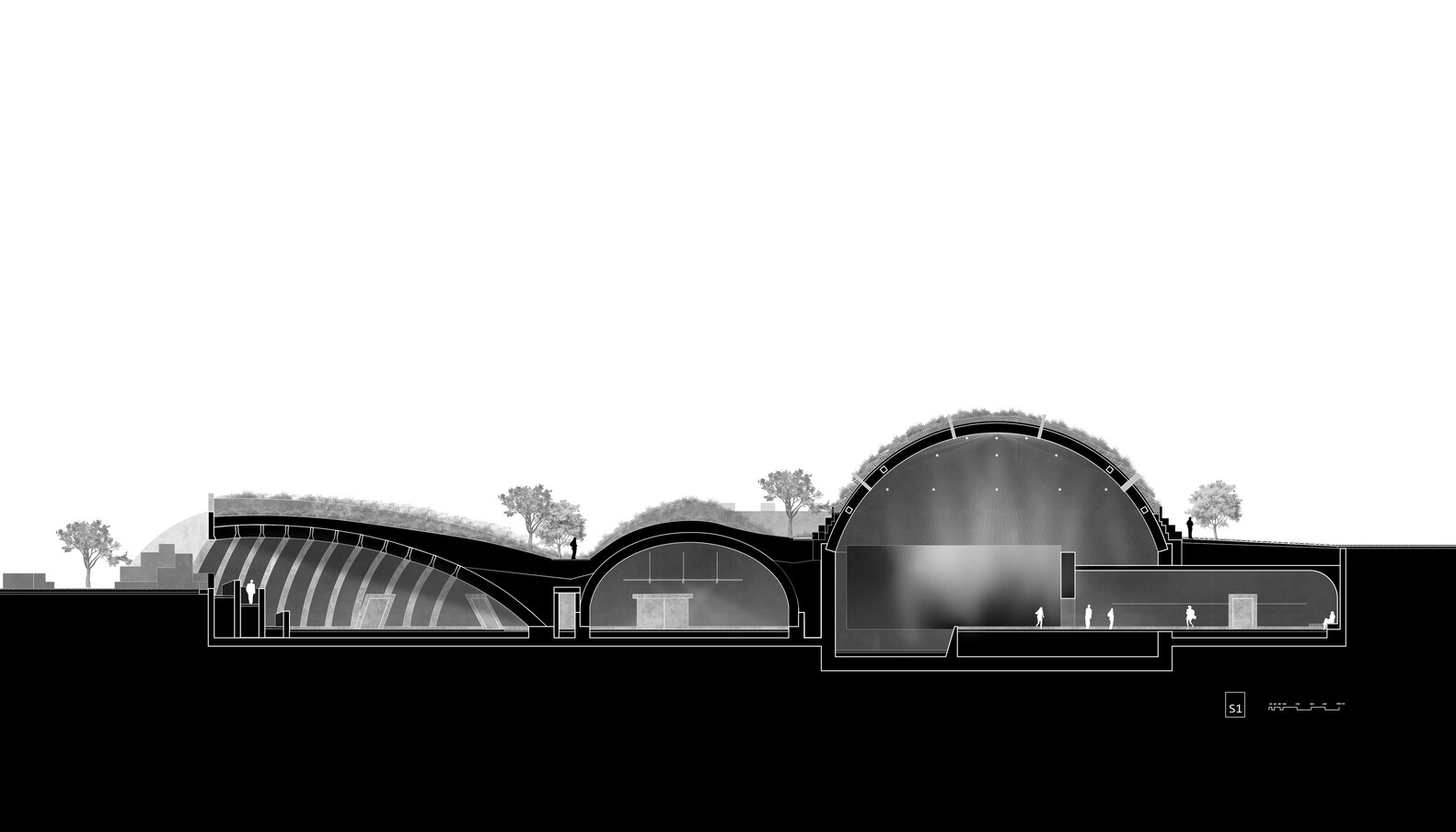
Brick arches, vaults, domes, and tent-shaped coverings create varying spatial tensions such as dark–light, narrow–spacious, and low–high.
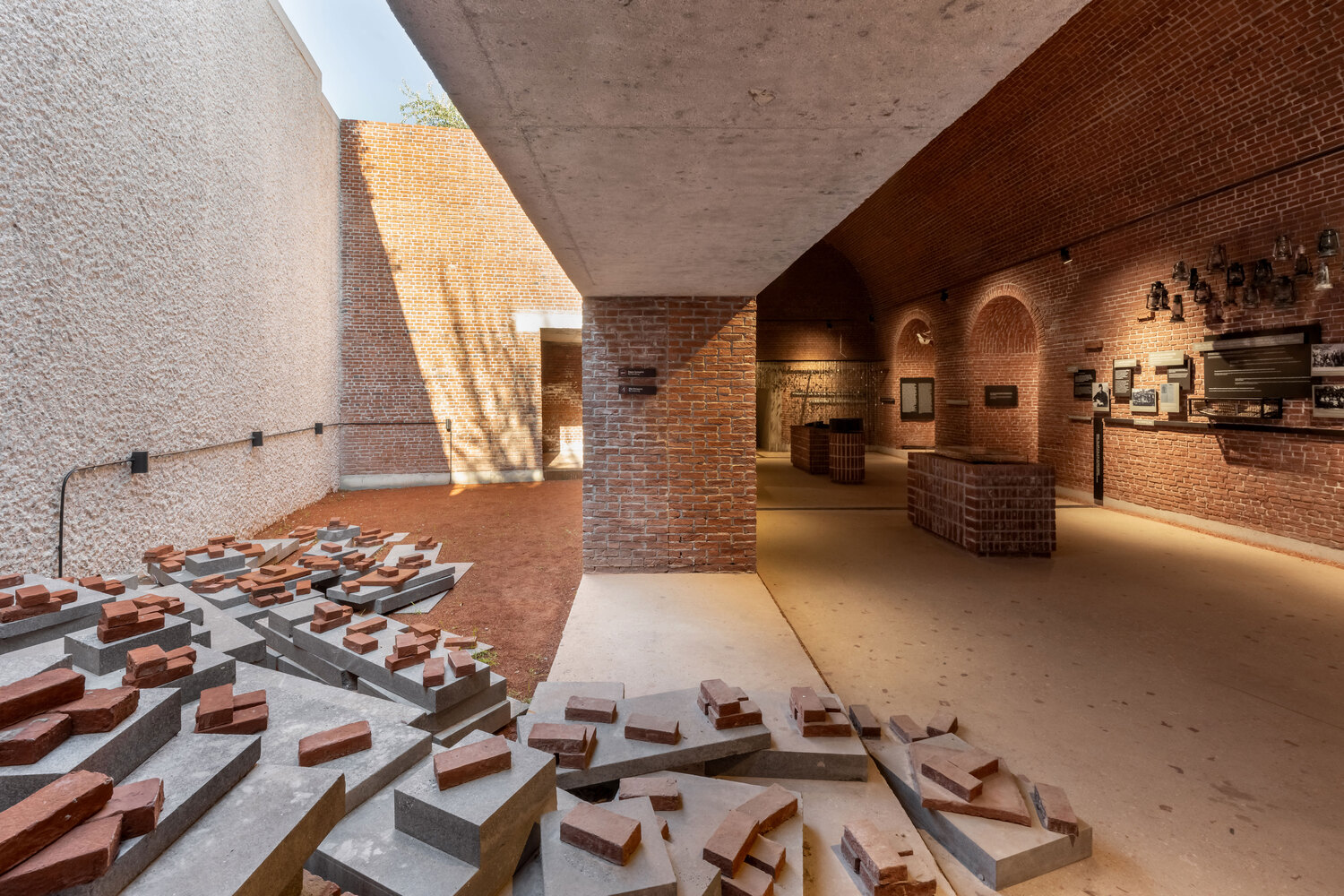
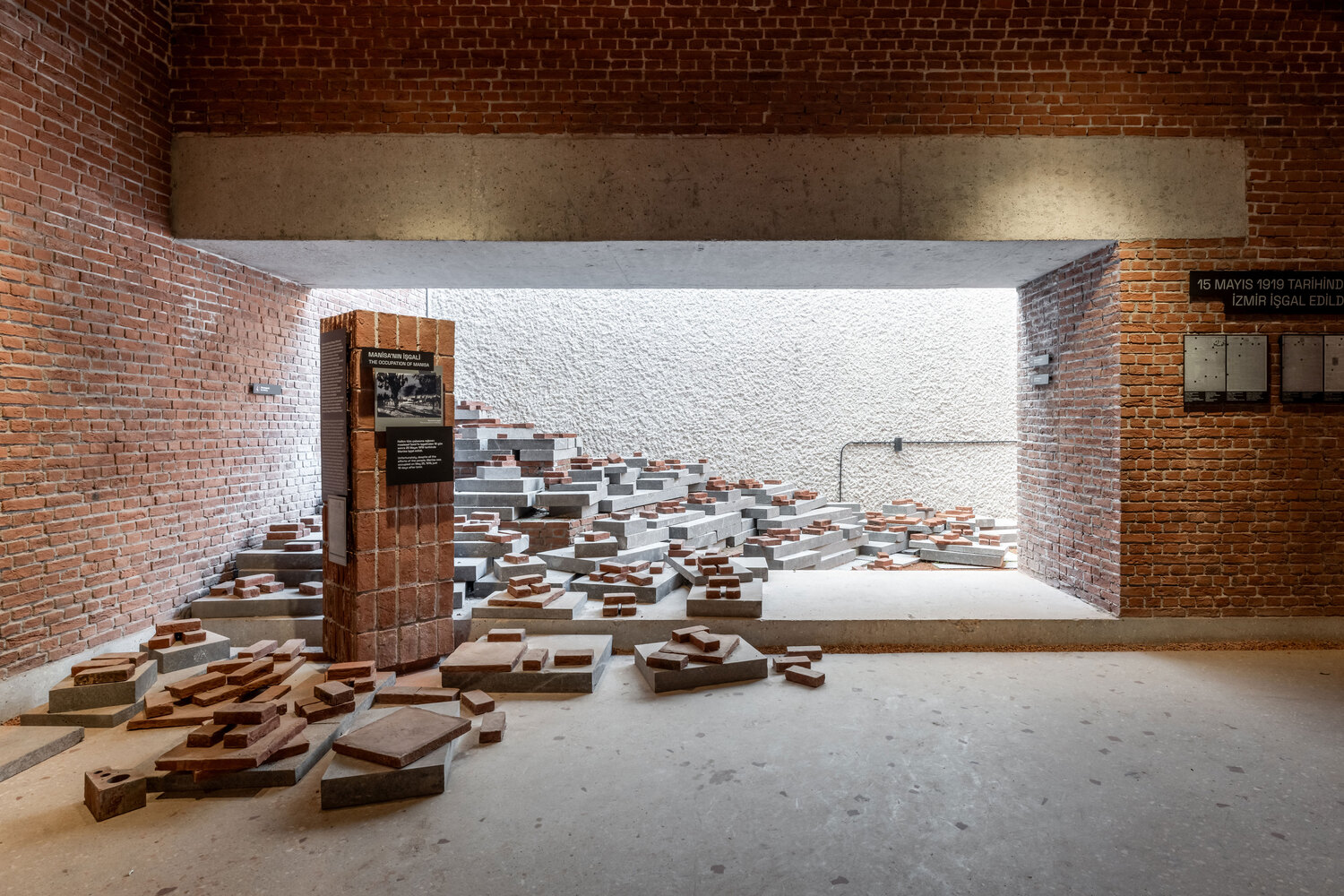
The geometry of each room is shaped by unique details. In this way, visitors experience the period's events not just by reading, but by physically sensing the embodied nature of the space.
In the construction process, a concrete base was first established for the chambers, which were built with two different brick dimensions.
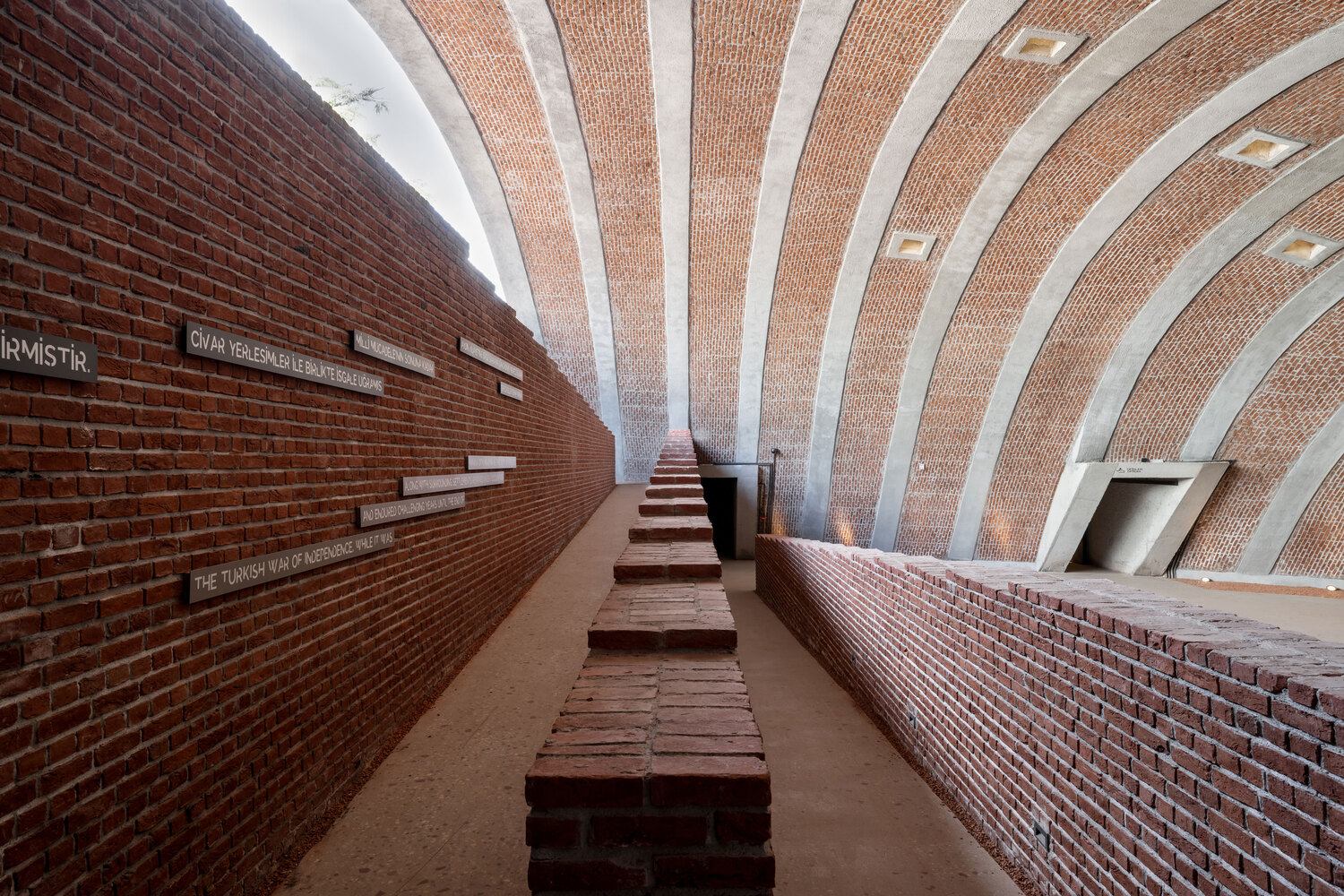
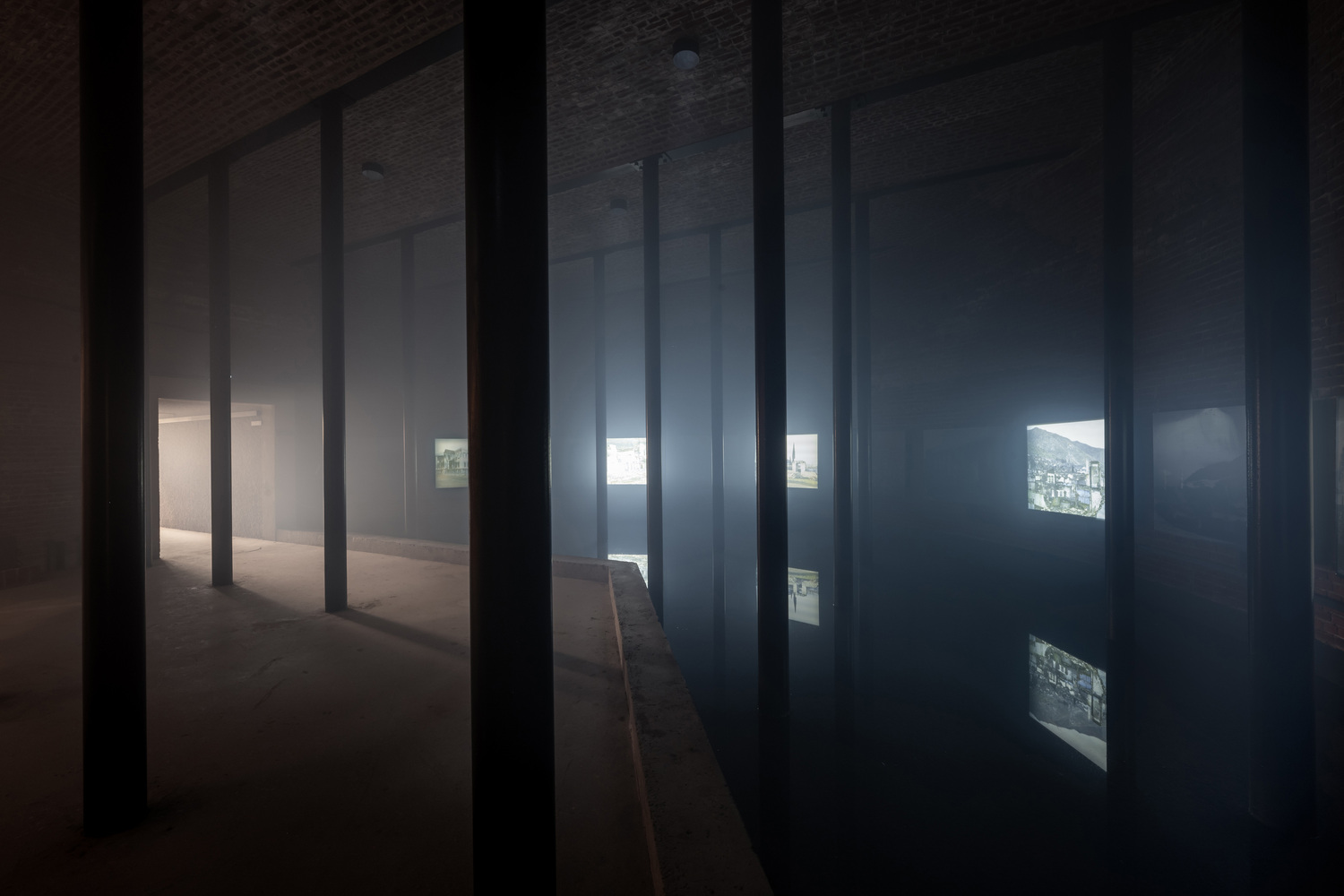
Following this, wooden molds were prepared, and in the final stage, the load-bearing brick walls were laid over these molds.
In these vaulted, tent, or dome-shaped rooms, the rhythm of the brickwork on the inner surfaces was fully revealed for the first time when the molds were removed, lending a uniquely surprising quality to the construction process.
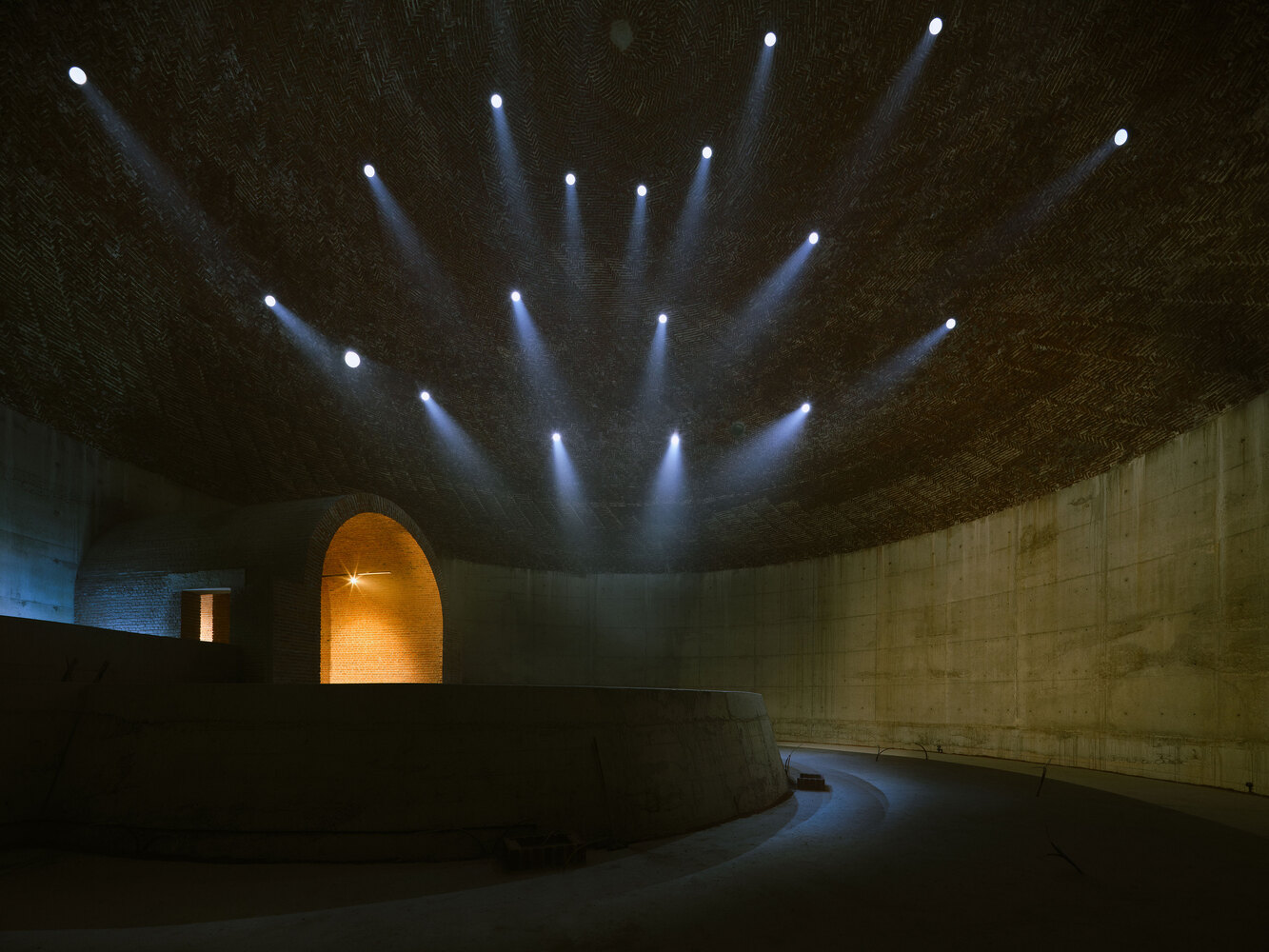
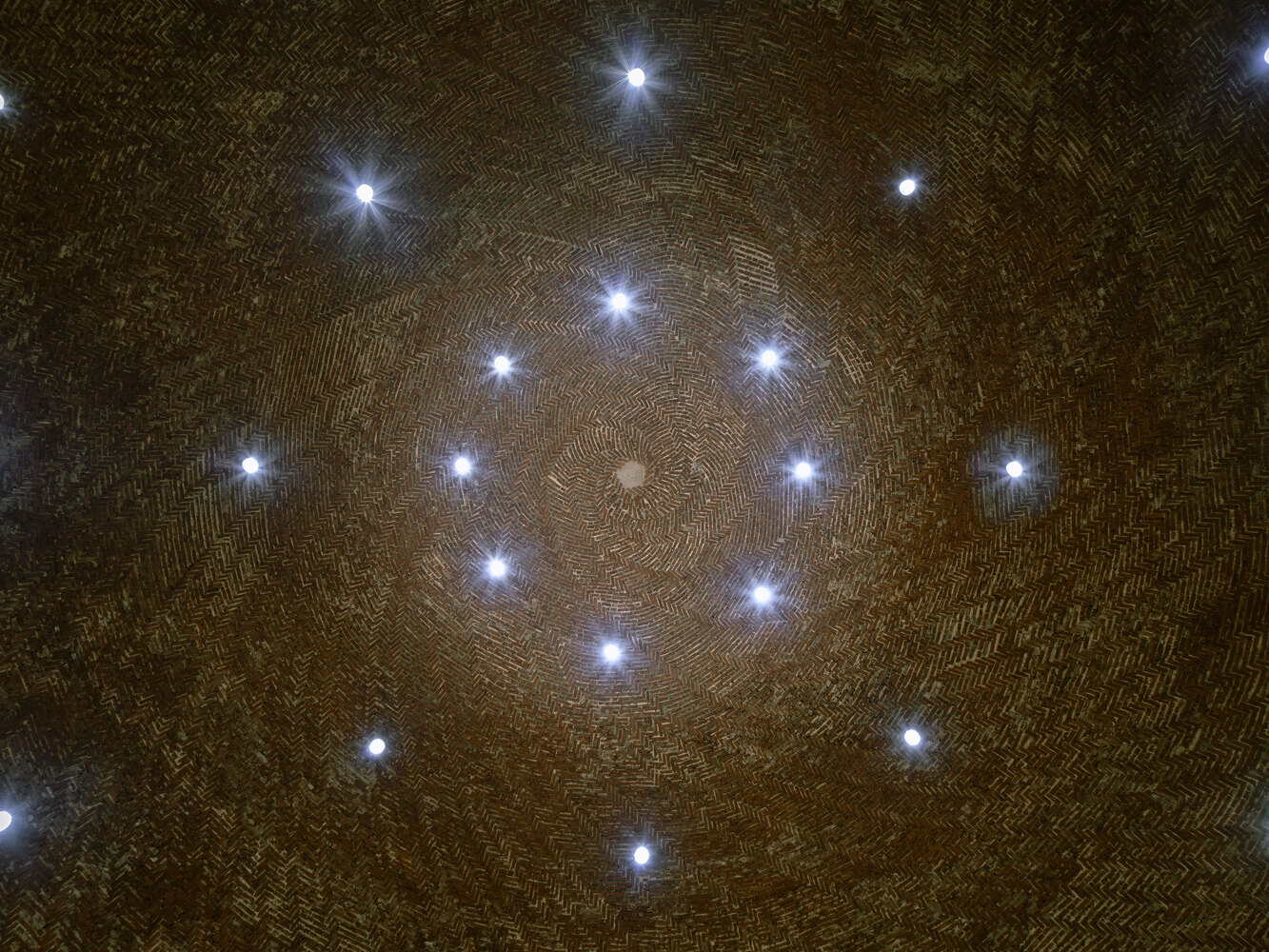
One descends into this semi-underground near-history narrative space via a three-pronged ramp. The main entrance hall was designed as a semi-elliptical, undefined form.
Concrete vault slabs and brick arches characterize this entrance, reminiscent of a whale's belly.
This central space serves as a large foyer connecting to various other areas.
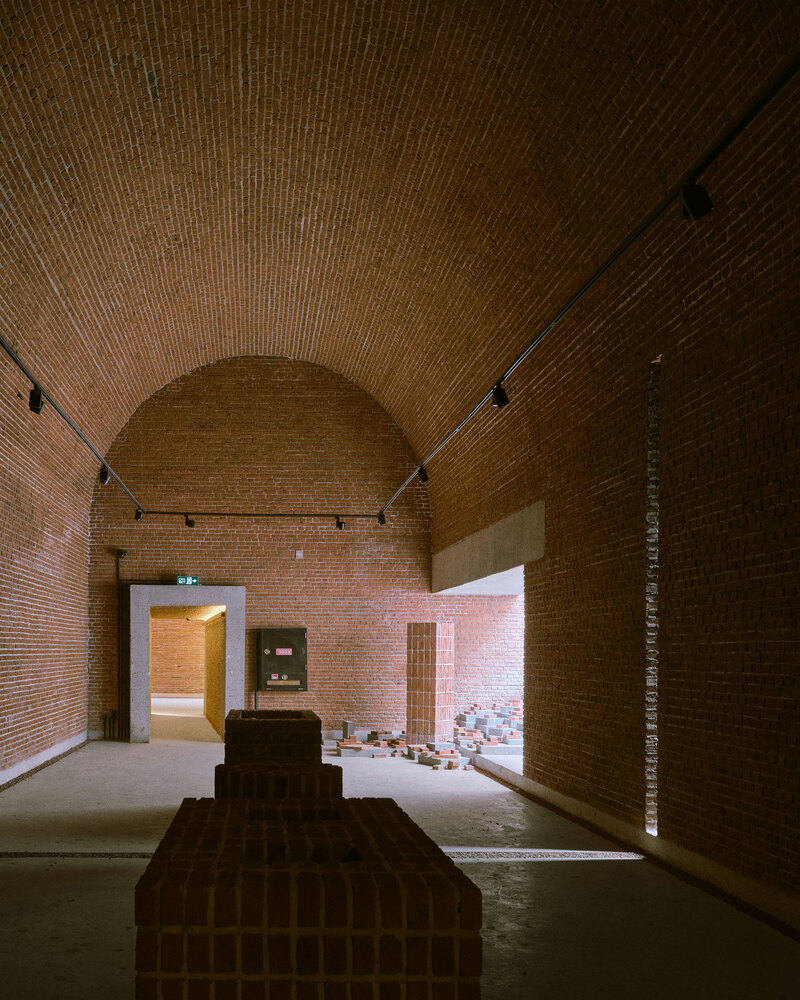
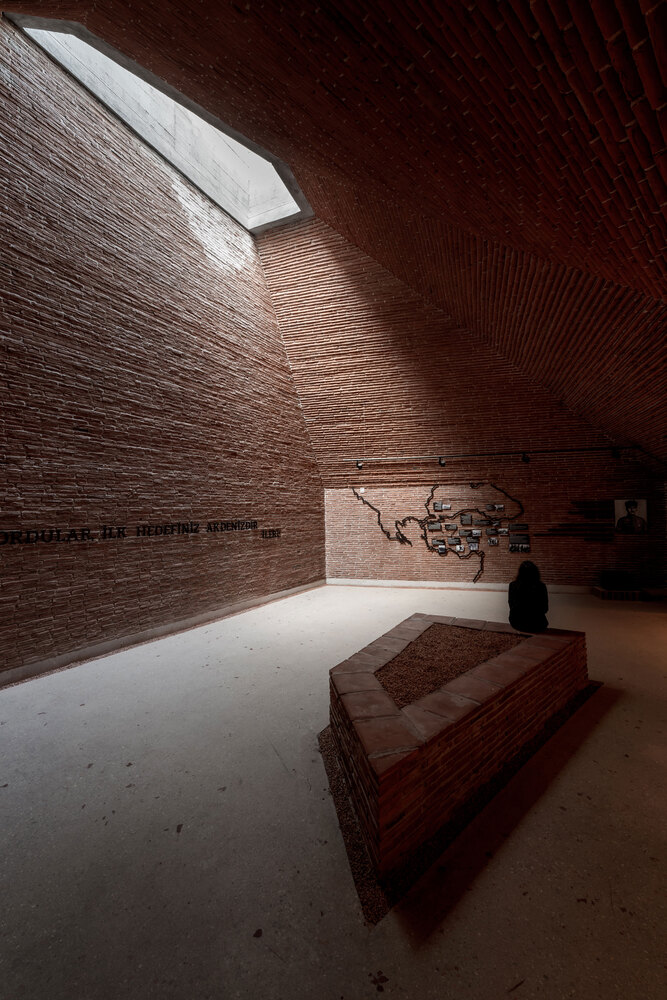
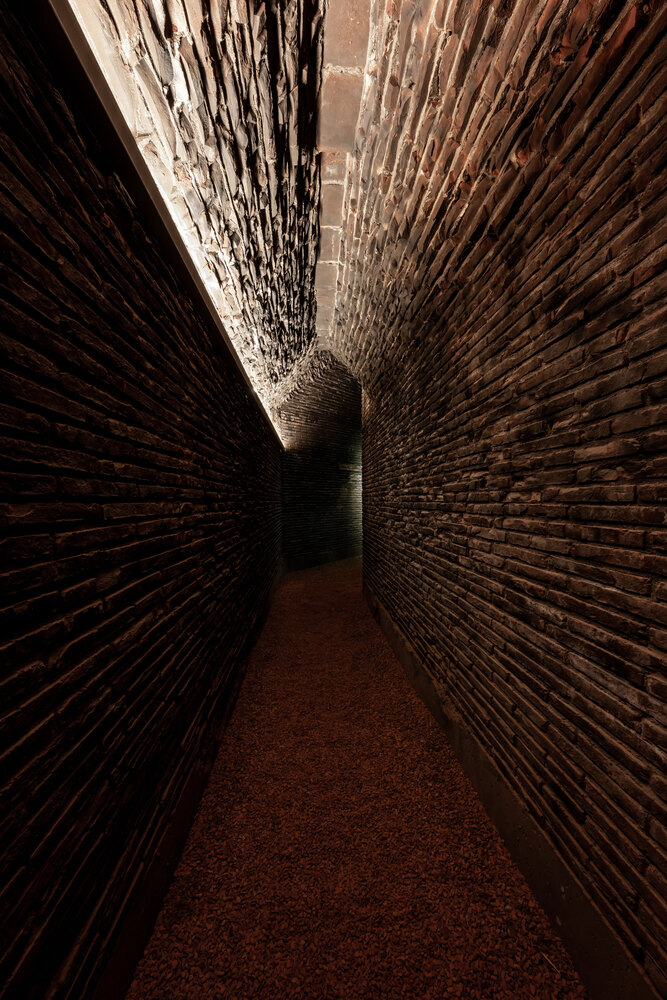
From here, the continuous process of Manisa—from the context of World War I to its burning and subsequent reconstruction—is narrated across 9 different story rooms with varying emotional intensities.
The primary goal of the museum is to transmit the immense trauma and the saga of resurgence that Manisa, continuing its life right next door, experienced in the very recent past, to citizens and visitors of all ages.
Diverse architectural and spatial narrative devices were utilized for this conveyance, spanning a spectrum from information-focused rooms to spaces with high sensory tones, and narratives where the character of an installation is prominent.
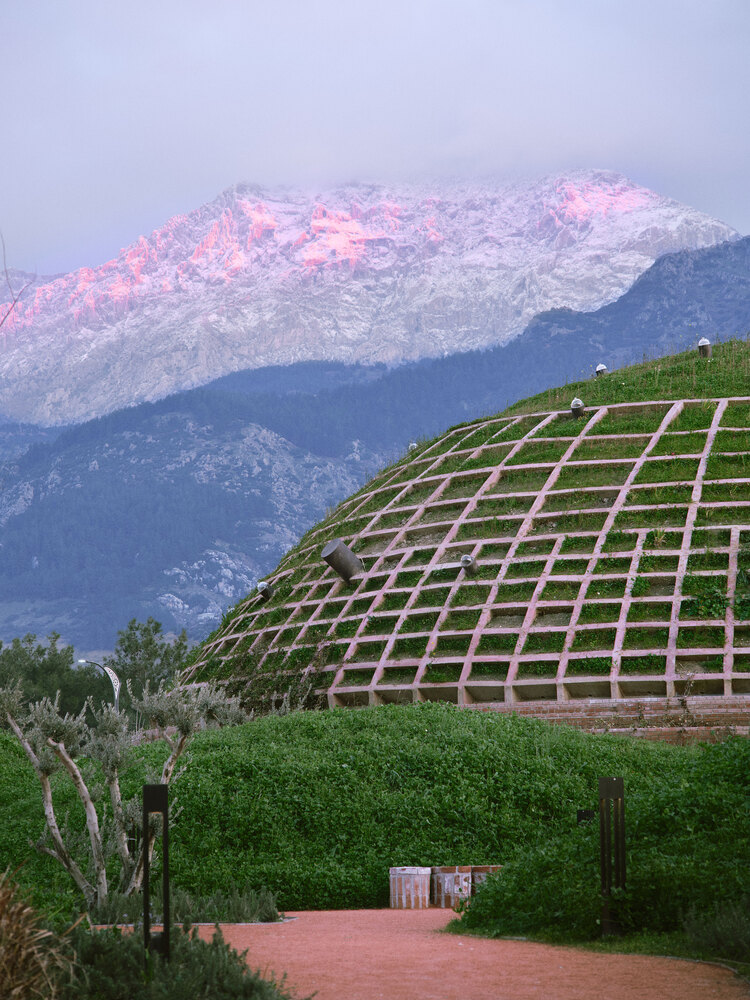
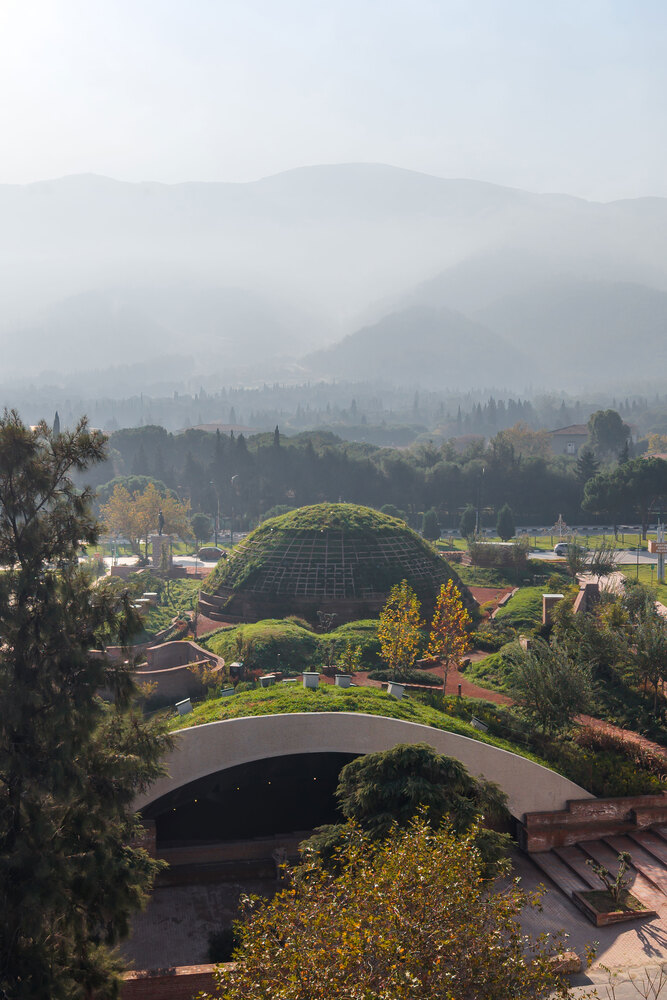
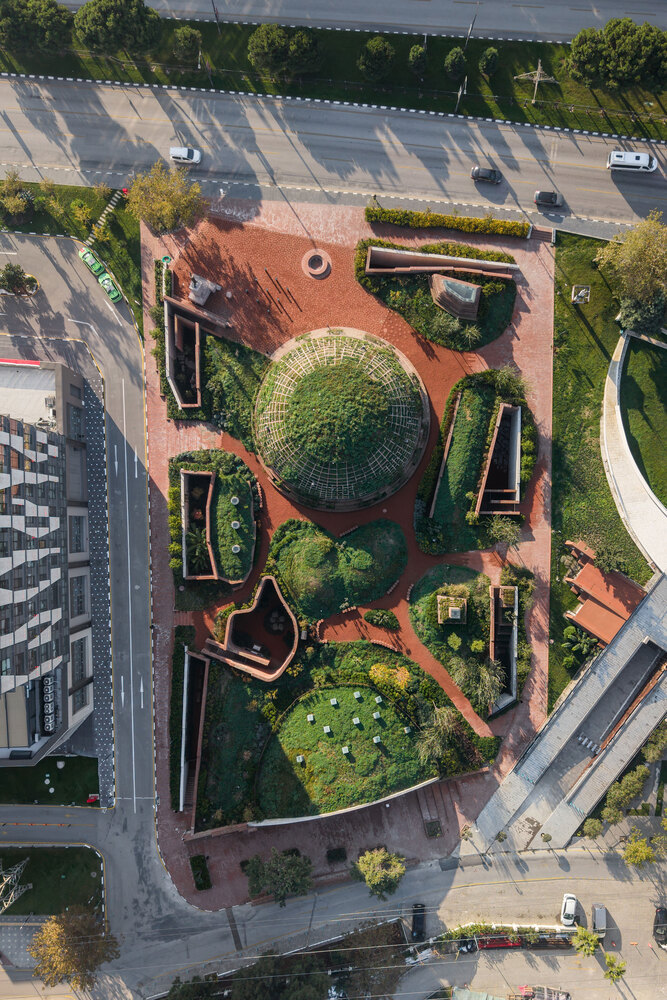
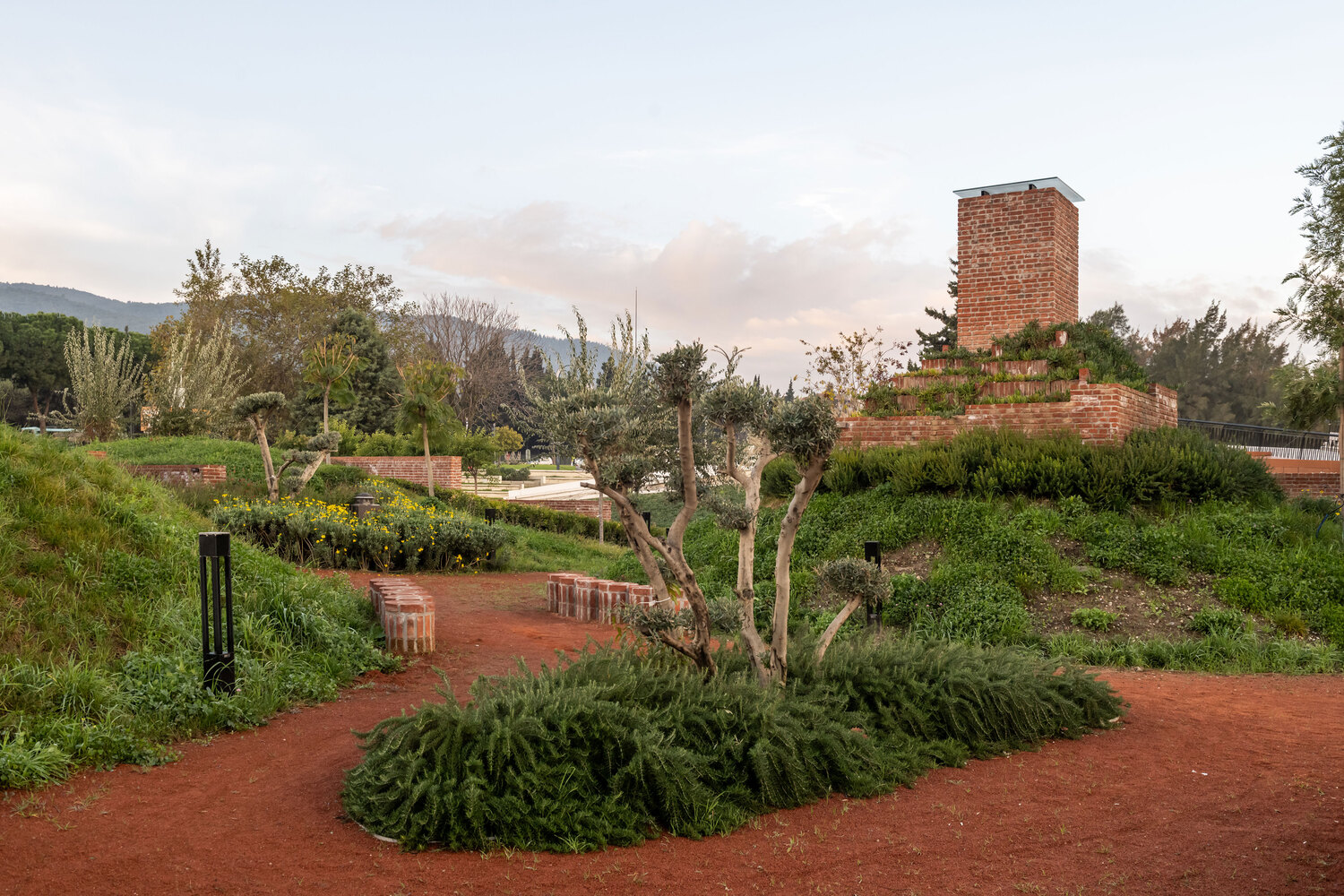
The MKM can be described as a multi-layered, semi-archaic architectural insertion that strives to forge connections between the past, the present, and even the future.