
Public School Meatpacking District Copenhagen
Public School Meatpacking District Copenhagen
NORD Architects + BBP Arkitekter
ARCHITECTS
BBP Arkitekter, NORD Architects
LANDSCAPE
BOGL landscape architects
GENERAL CONTRACTOR
Bam Danmark
ENGINEER
Norconsult
CLIENT
Municipality of Copenhagen, Building Copenhagen
PHOTOGRAPHS
Adam Mørk
AREA
12500 m²
YEAR
2025
LOCATION
København, Denmark
CATEGORY
Schools, Public Architecture
English description provided by the architects.
A new public school has just opened in the Meatpacking District. Here, the focus is on food, architecture, learning, and movement.
The school was designed in close collaboration between Danish NORD Architects and BBP Architects.
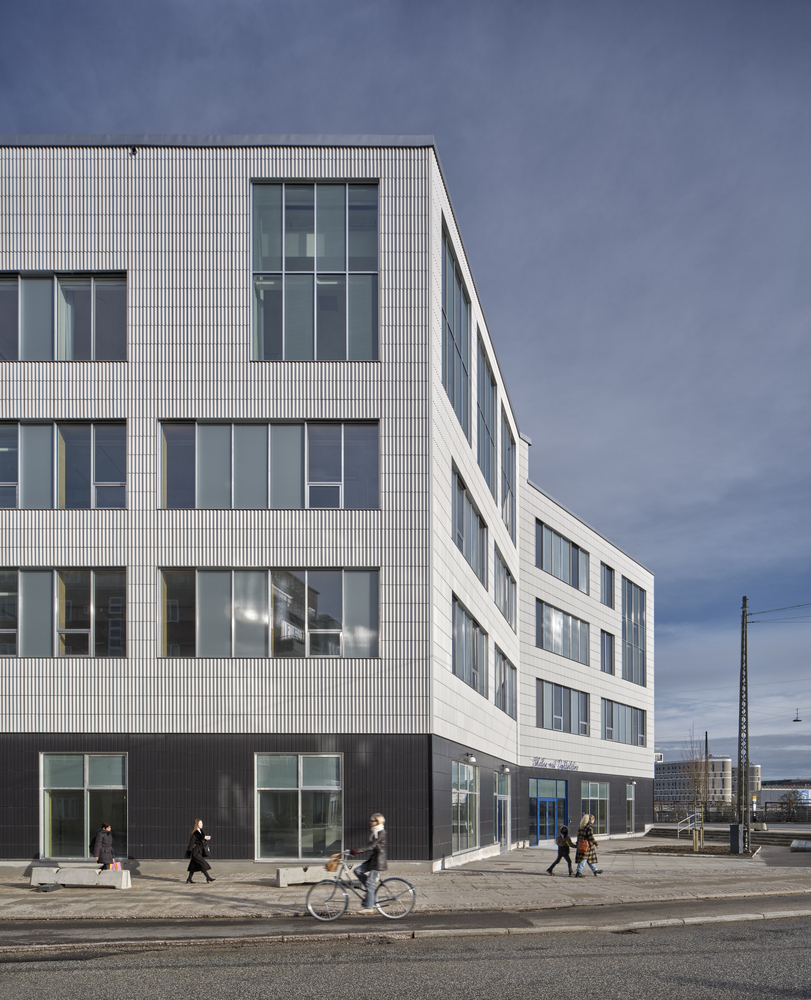
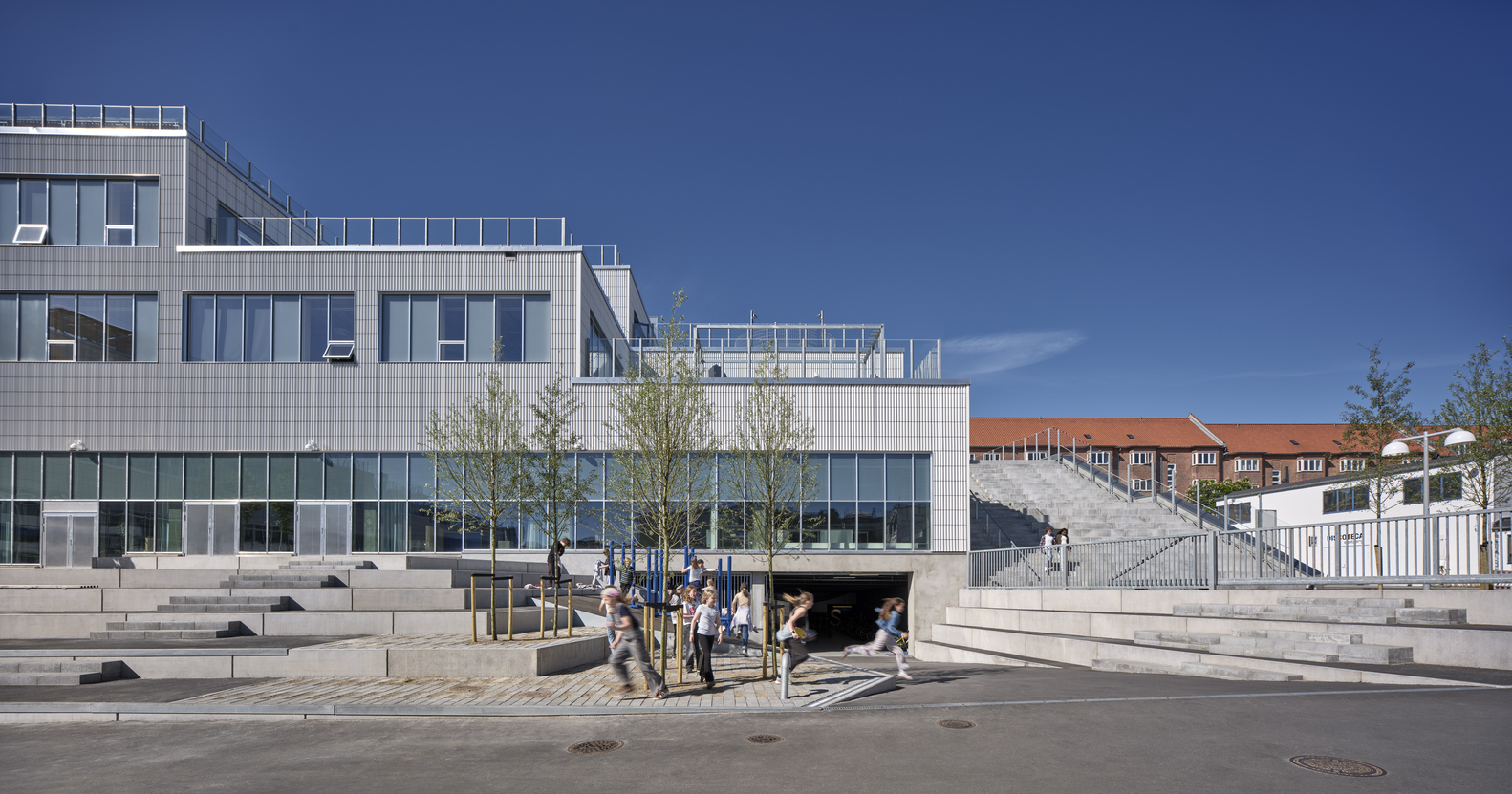
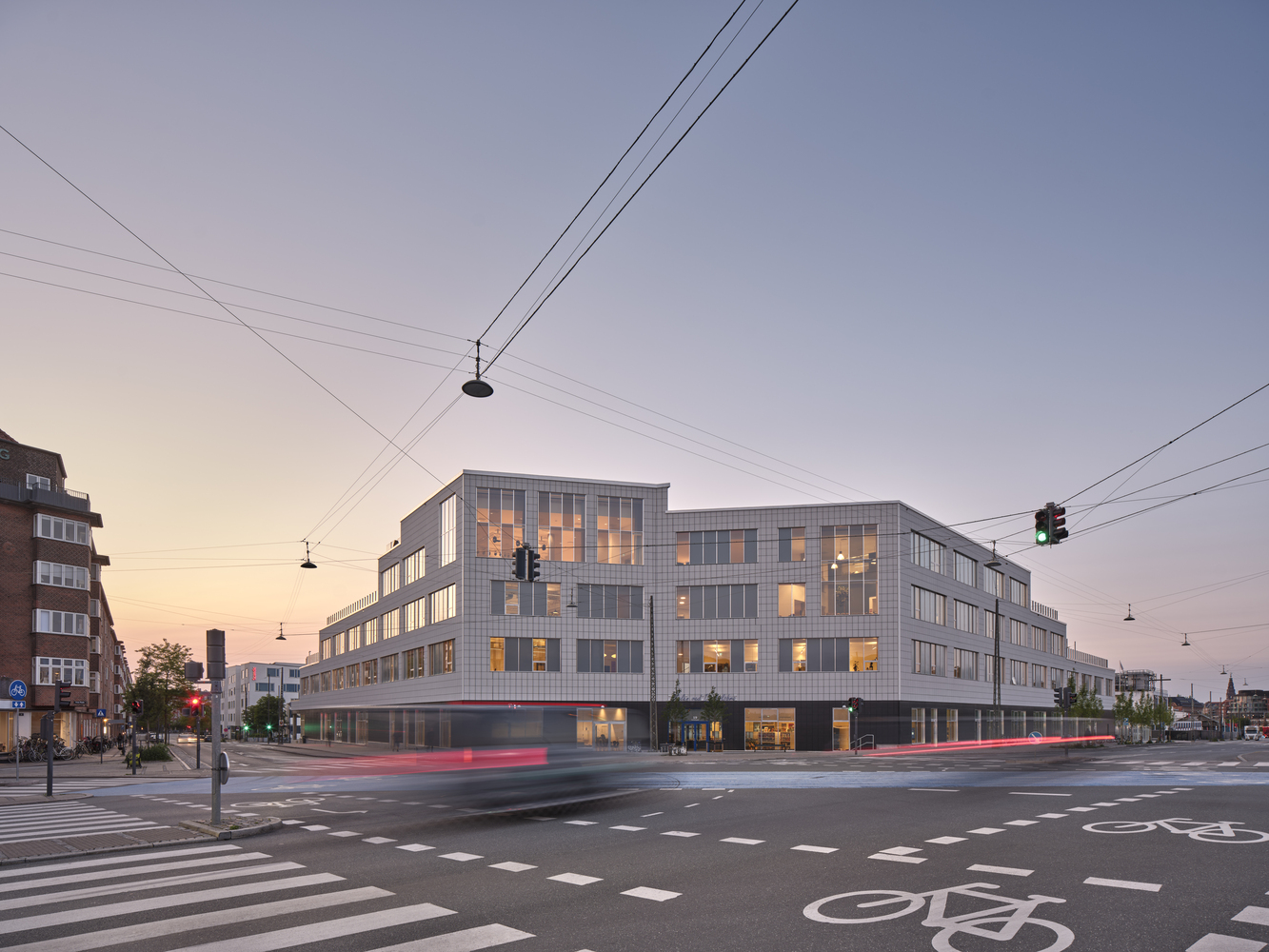
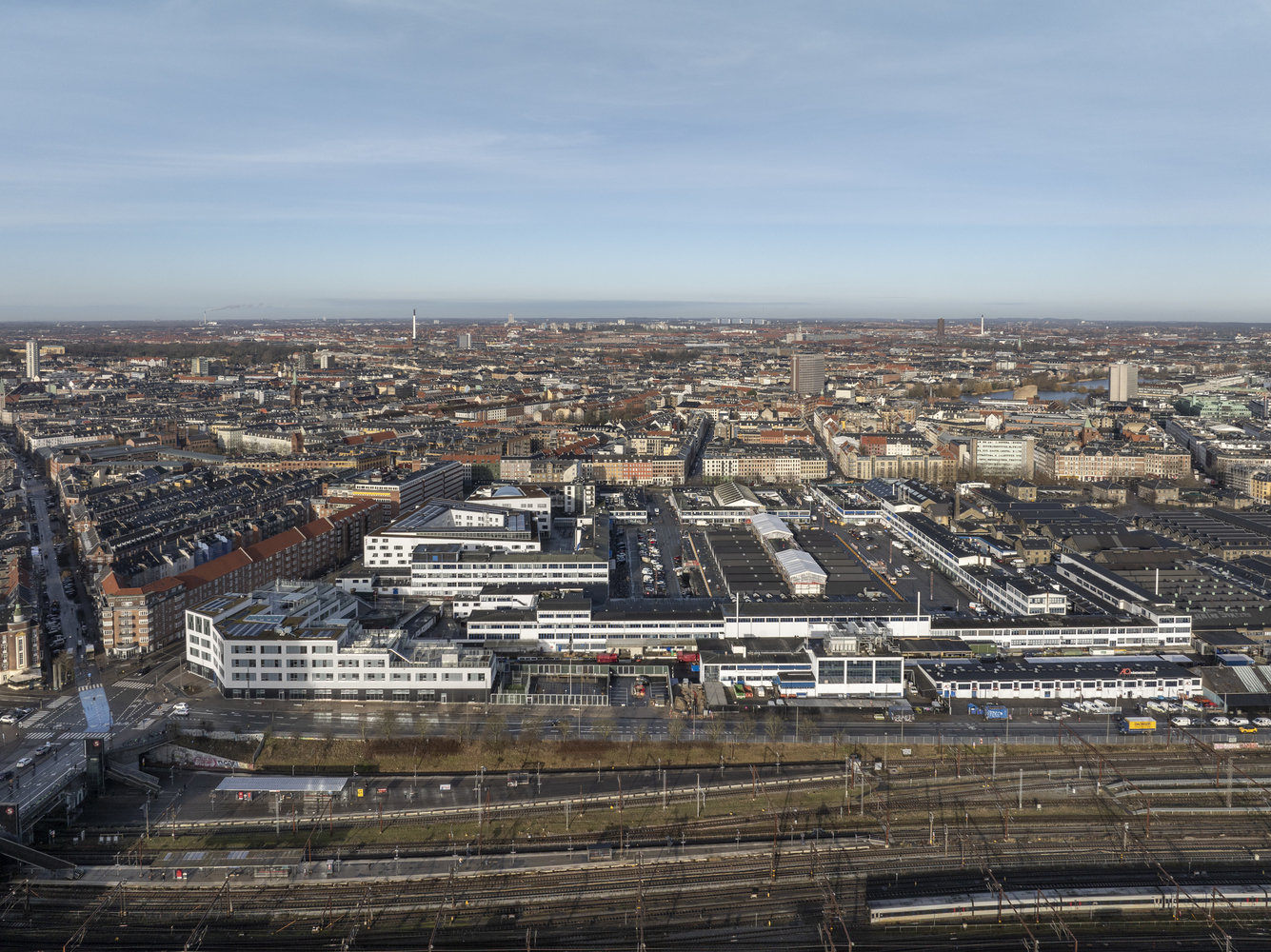
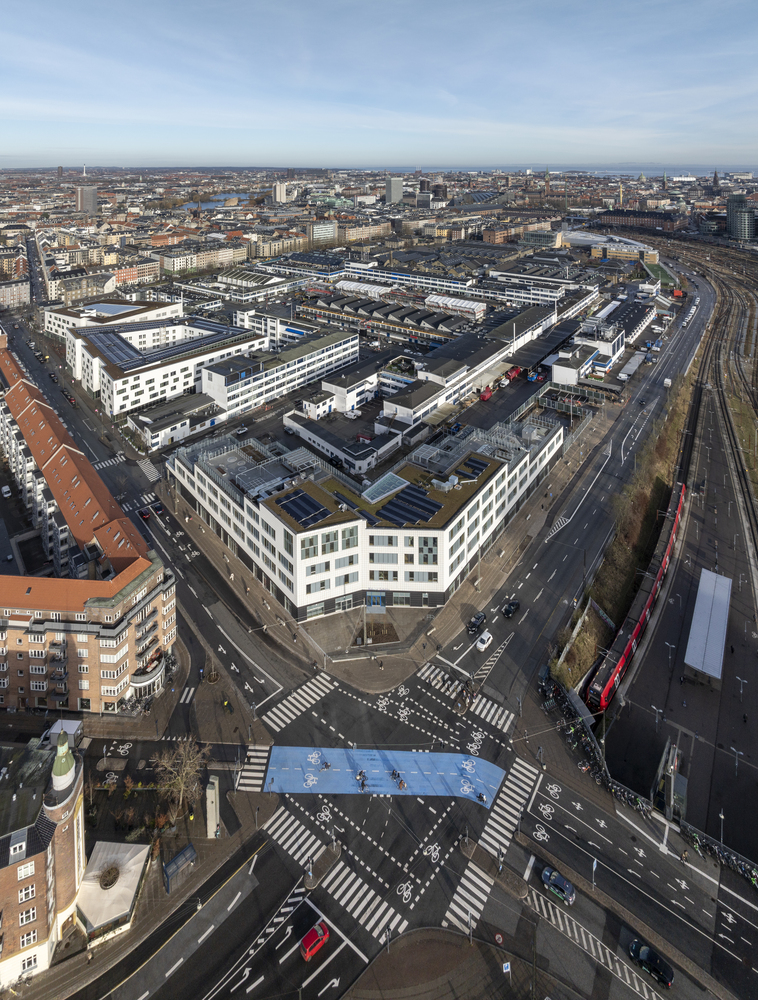
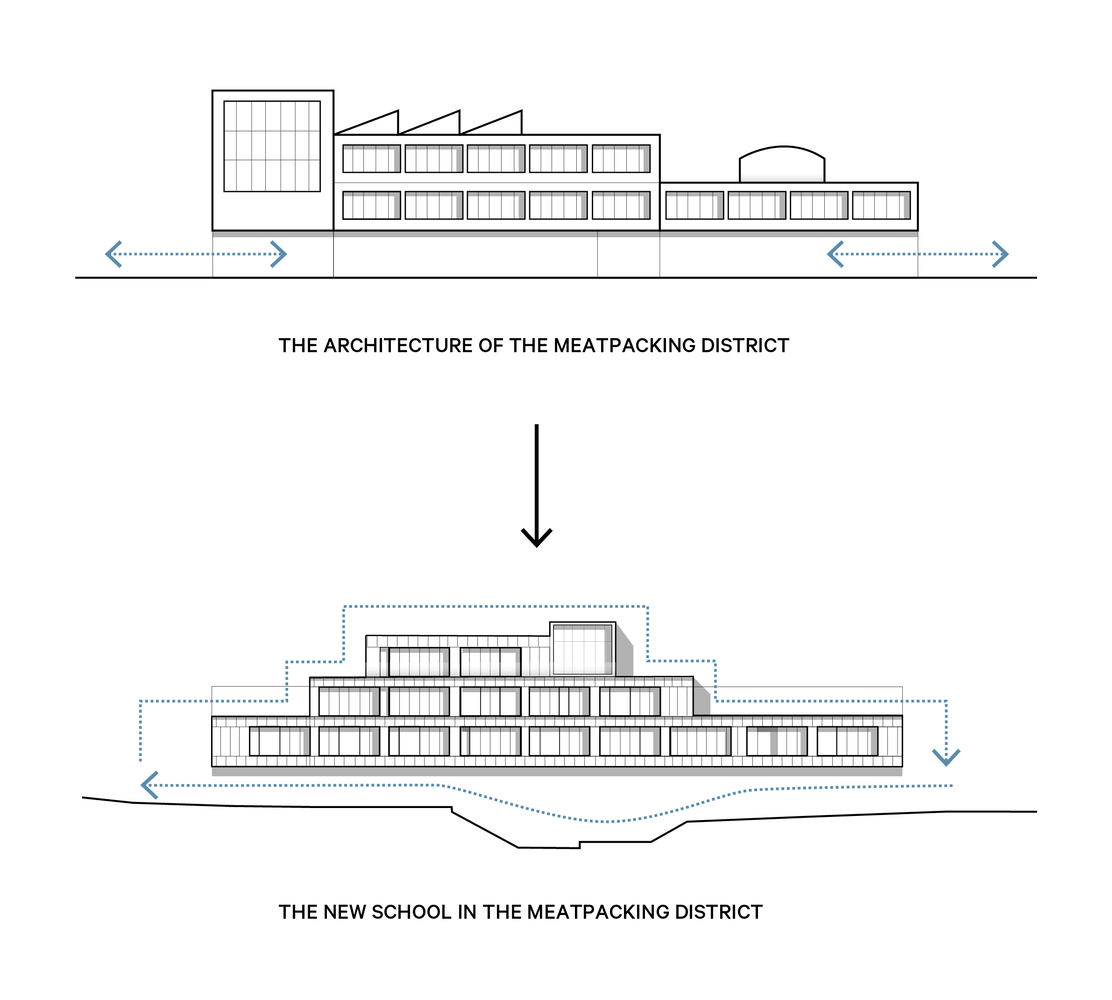
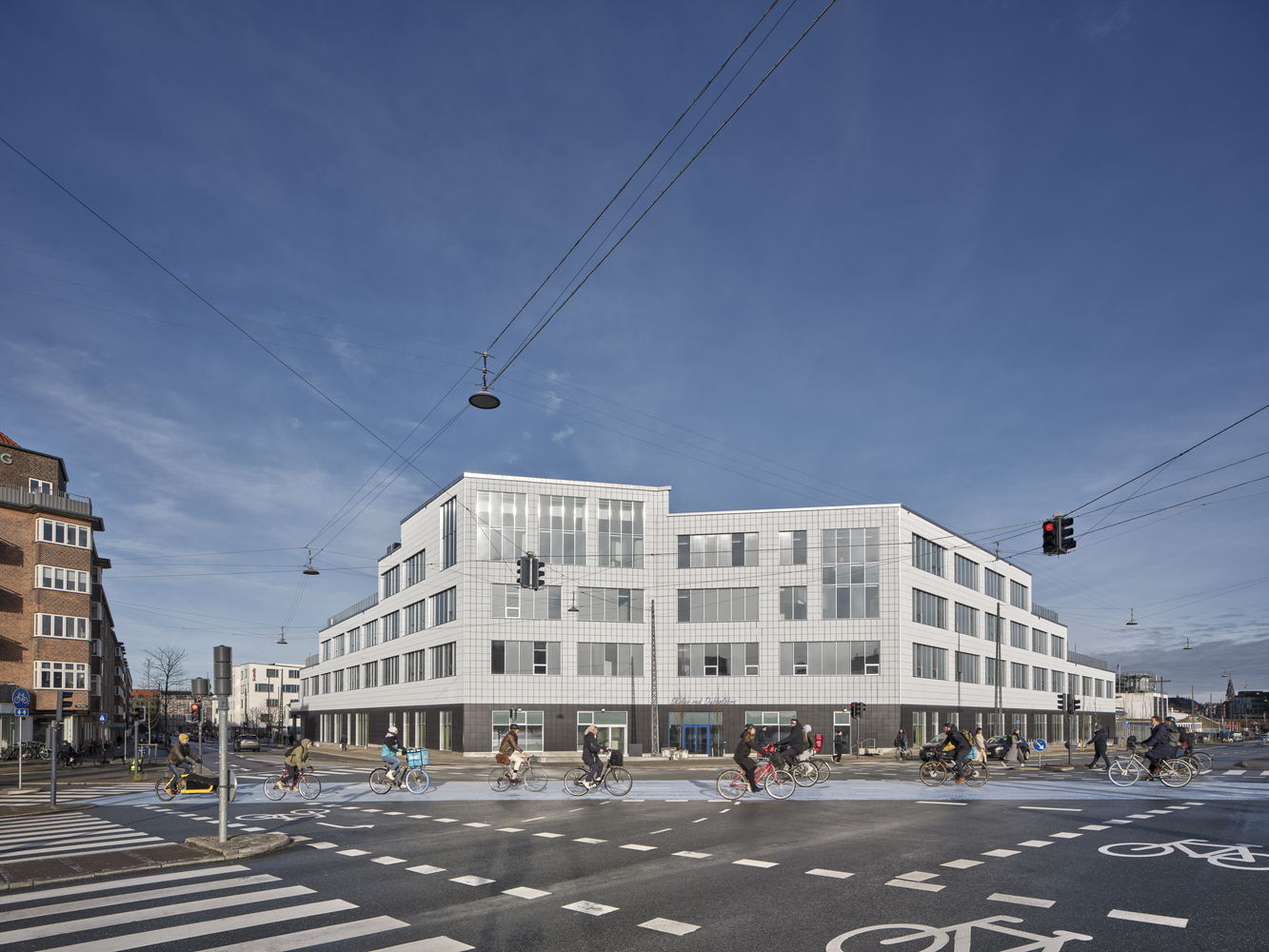
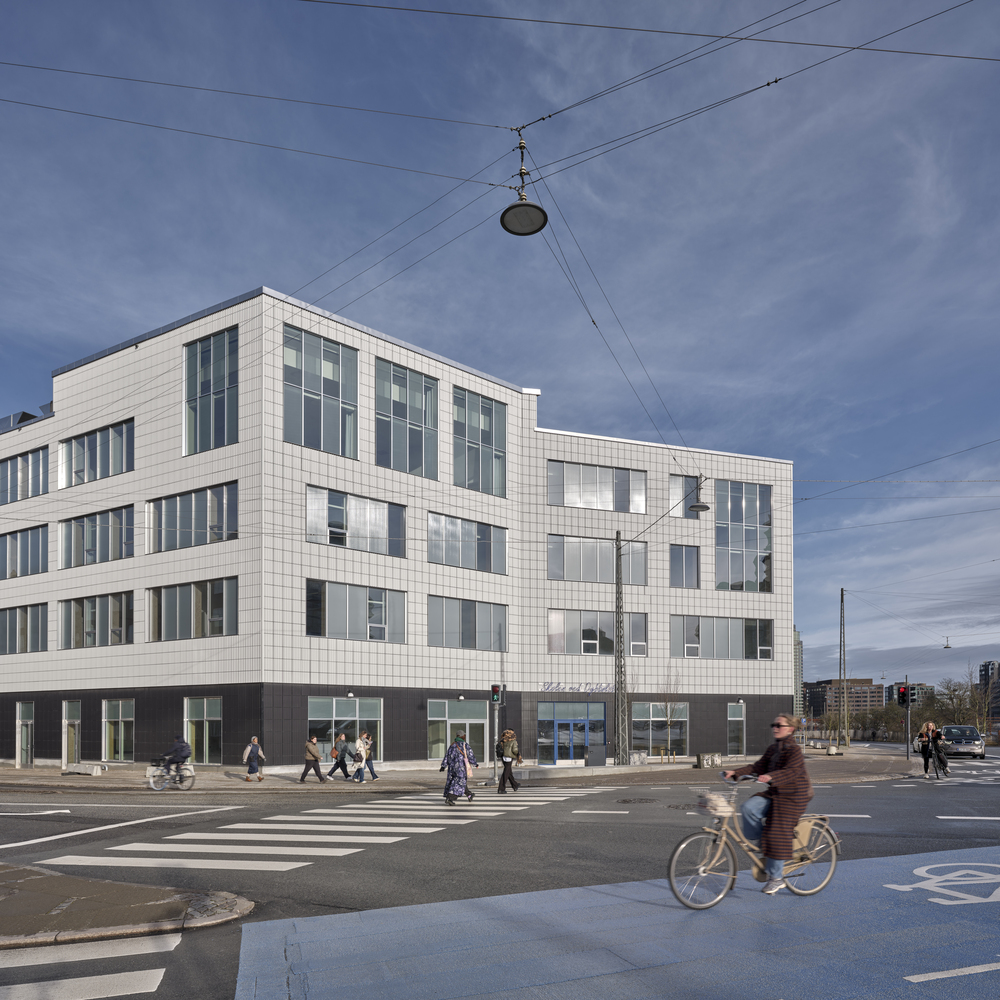
The white and blue functionalism respectfully reinterpreted - The White Meatpacking District in Copenhagen is a place with a strong industrial heritage.
The new school acknowledges and reinterprets the area's history in a new and modern context. "The Meatpacking District School is integrated into the Meatpacking District's beautifully preserved functionalism, creating a unique space in the city.
The school's white architecture and materiality interpret its history and add new elements with roof terraces, a sports hall, classrooms, specialized rooms, and a cafeteria.
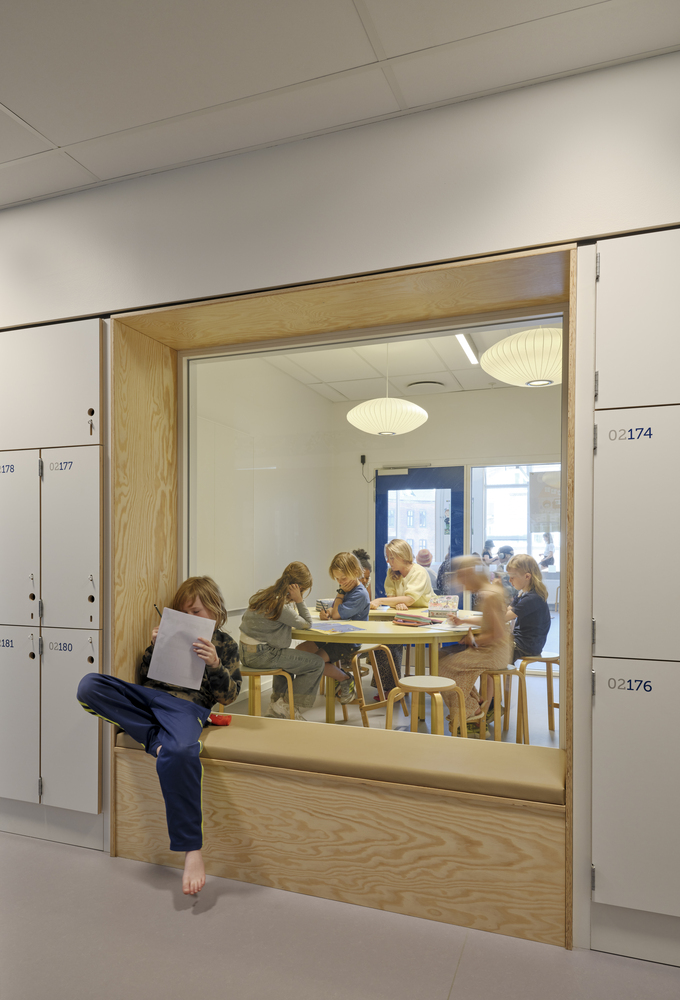
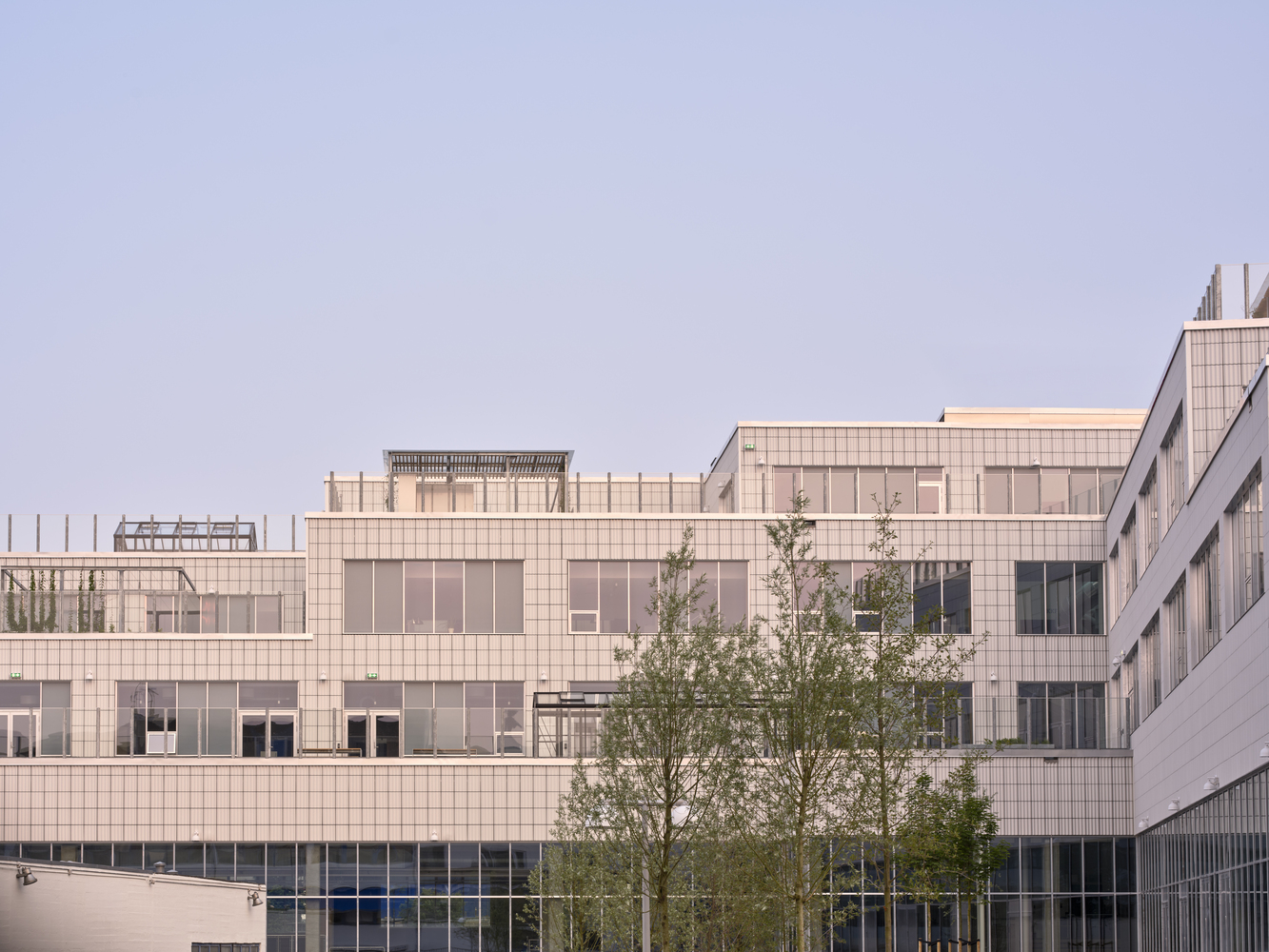
New frameworks have been created for children, young people, and leisure time in Copenhagen, and the Meatpacking District is enriched with even more life and activity," says Morten Rask Gregersen, partner at NORD Architects. The characteristic tiles on the facade are a loving tribute to the preserved White Meatpacking District and the beautiful functionalism of the past.
The school's terraces and classrooms provide spectacular views across the city. As the crowning achievement, the high-ceilinged Tumble Hall forms a distinctive corner that contributes to the historical fabric of the White Meatpacking District.
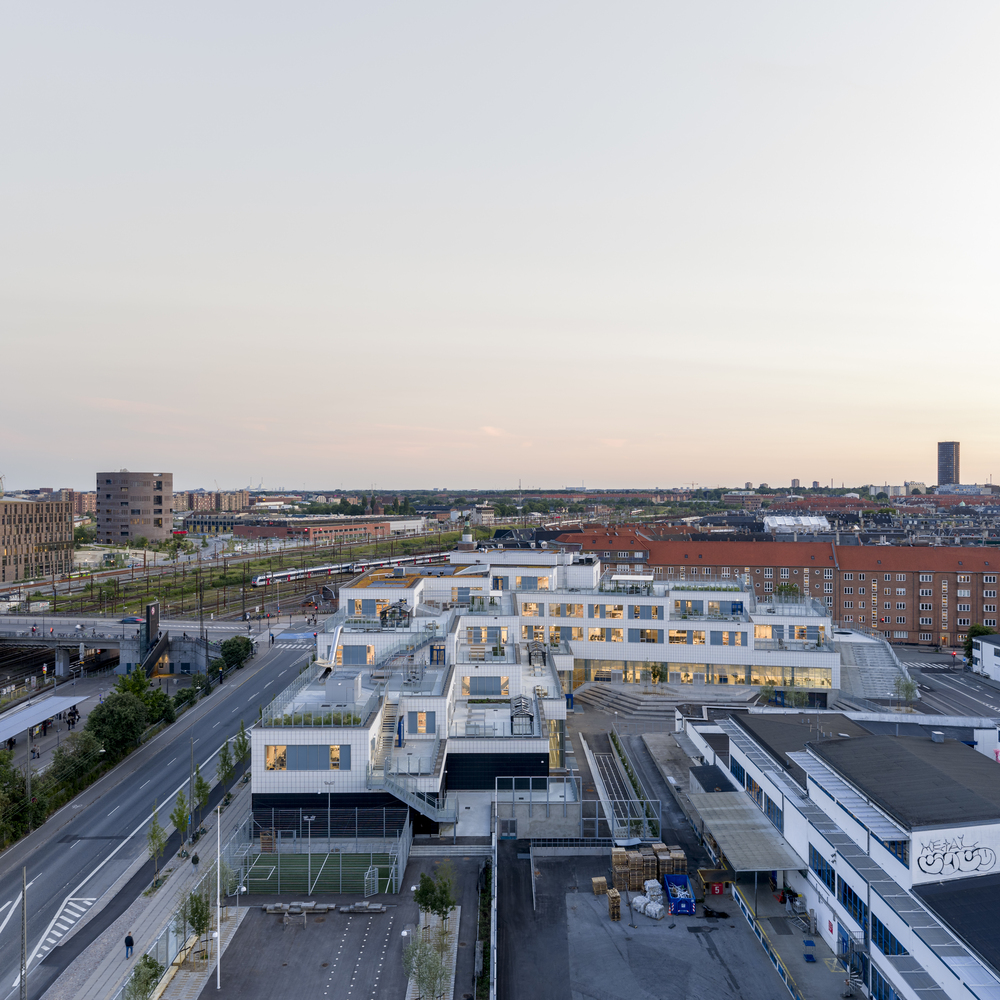
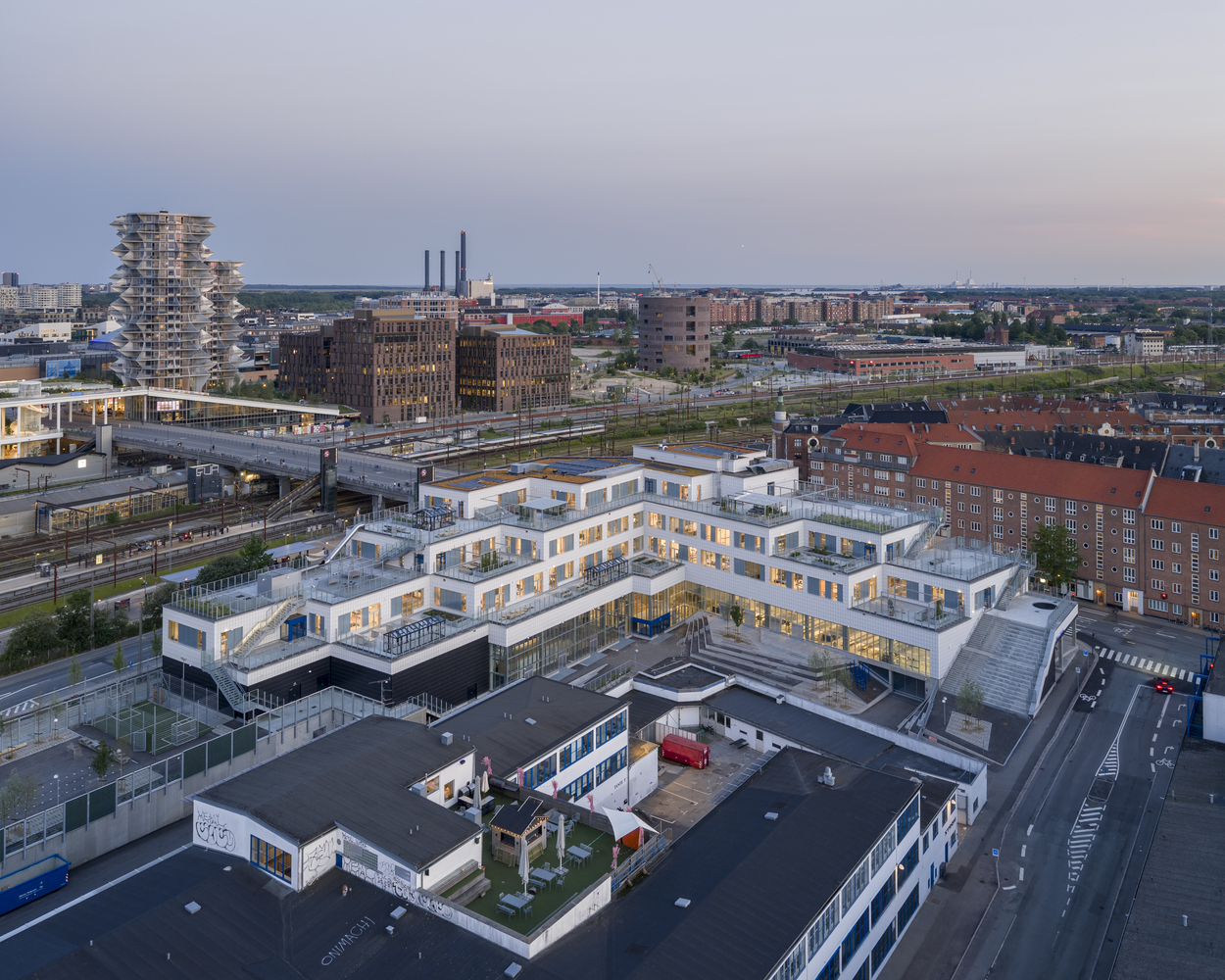
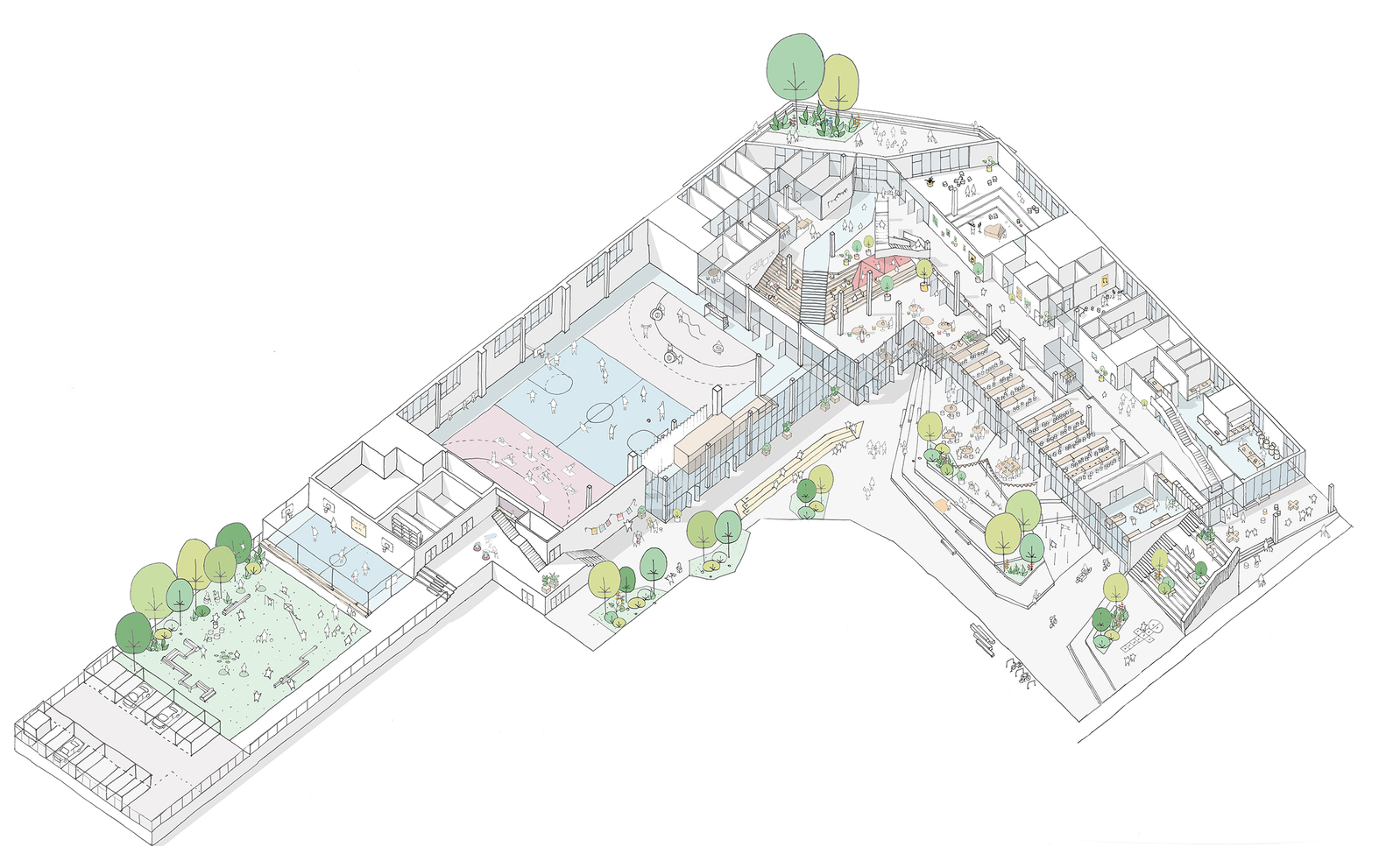
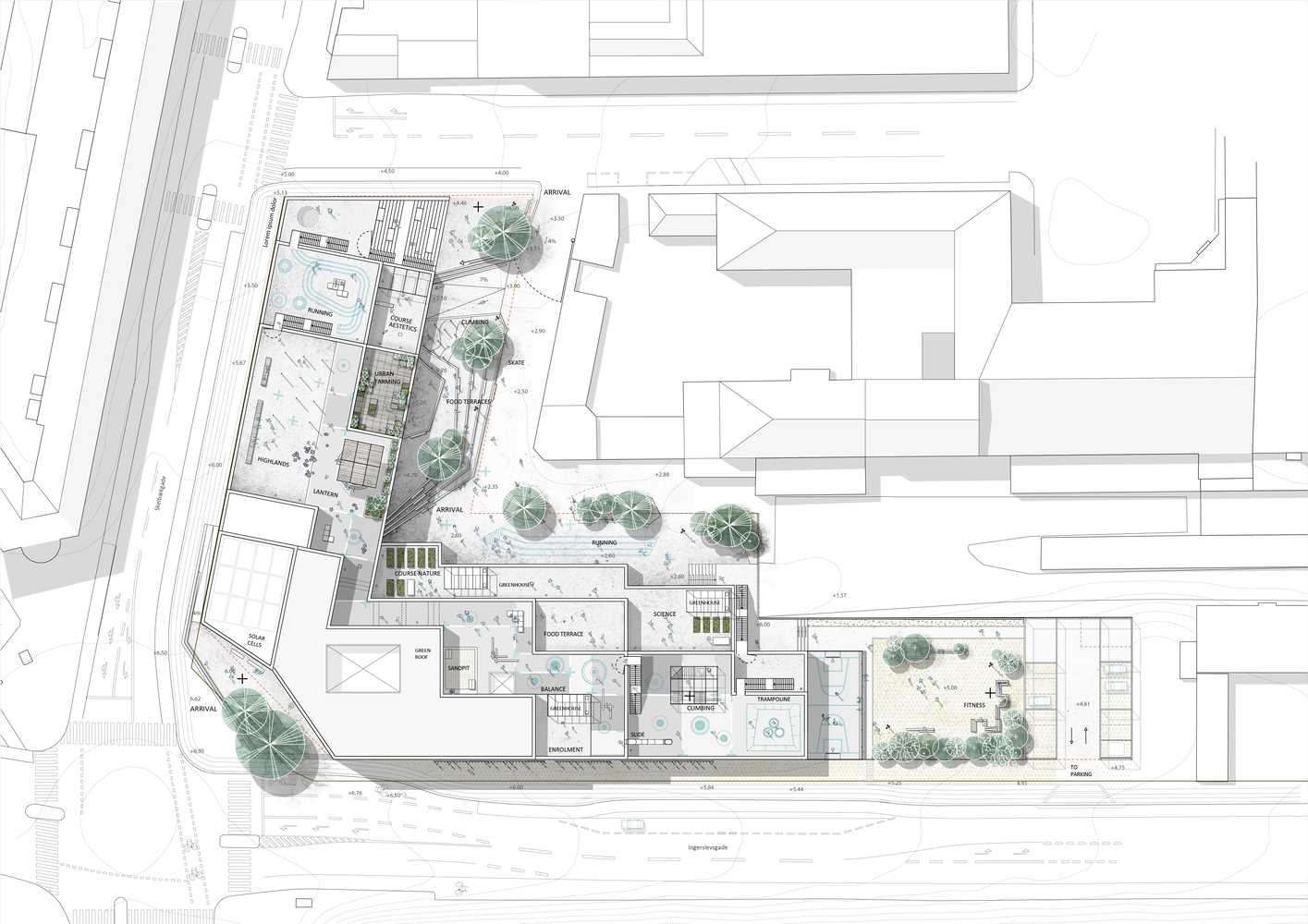
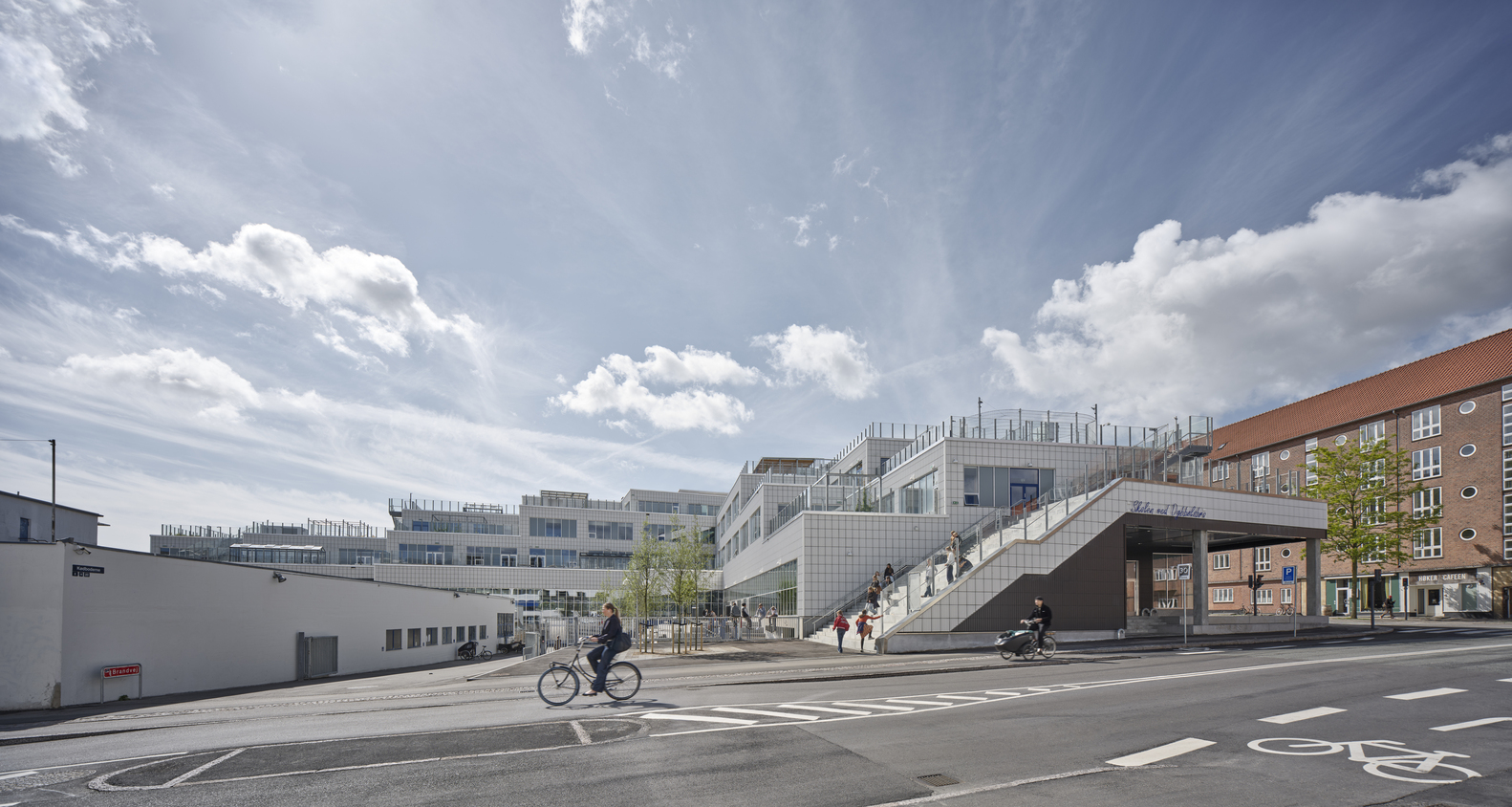
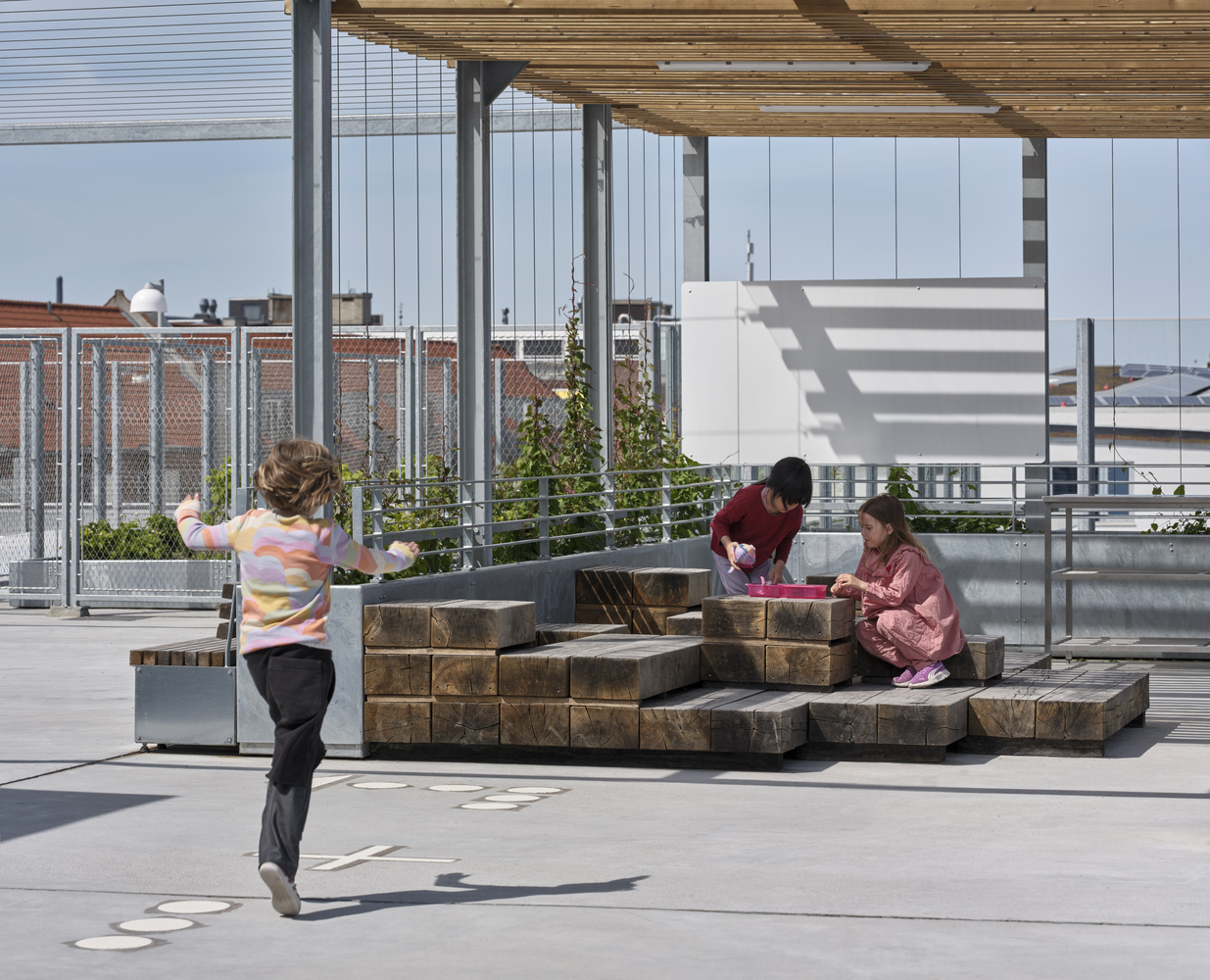
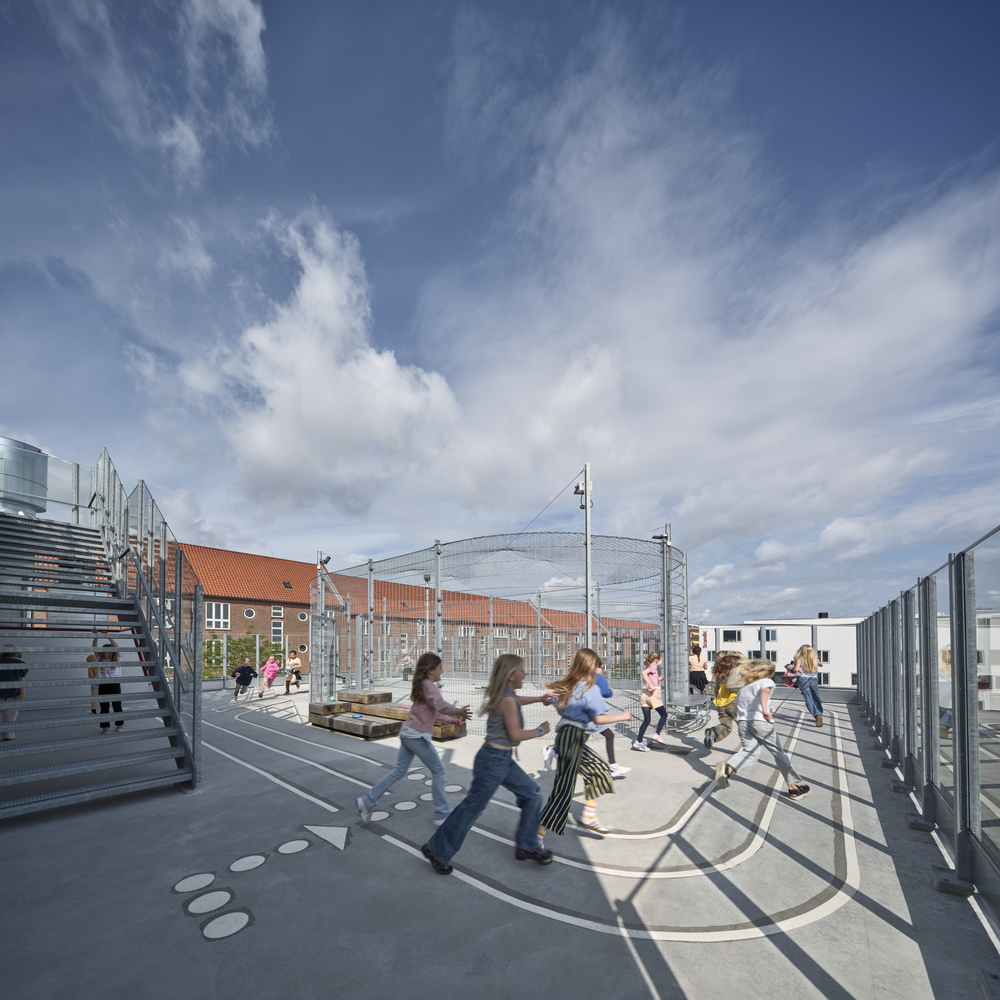
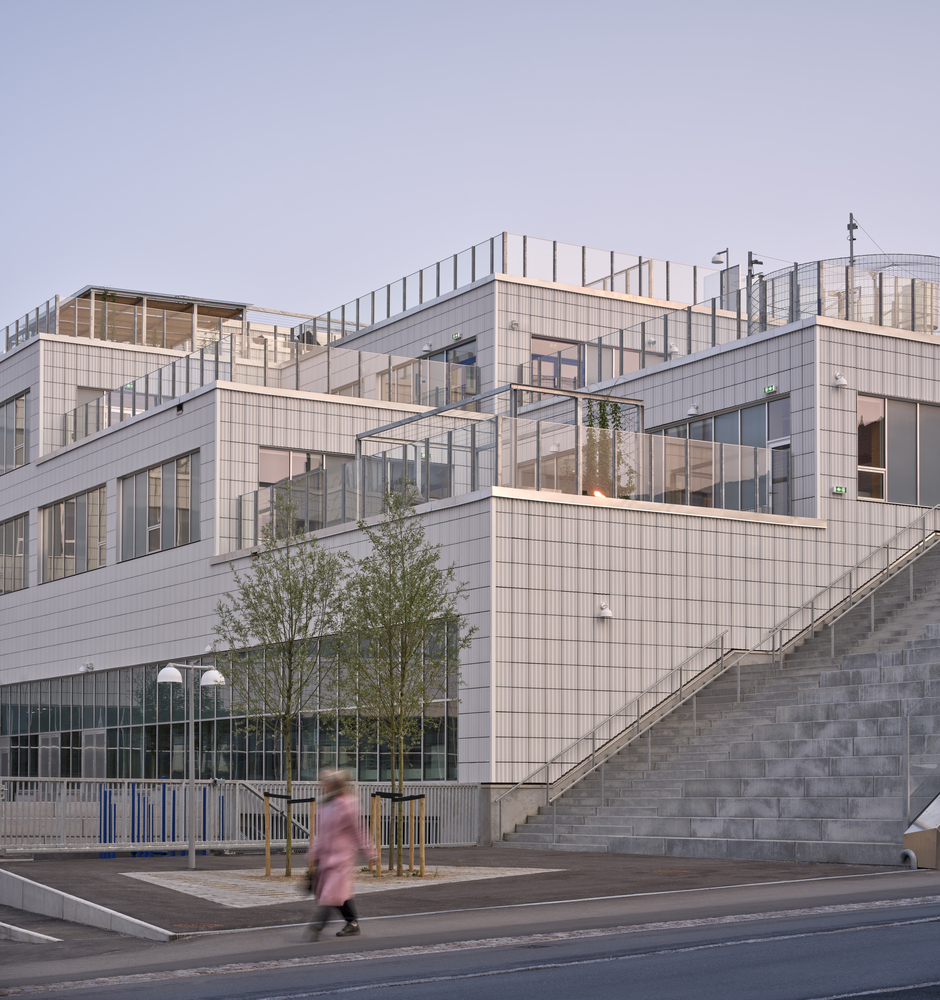
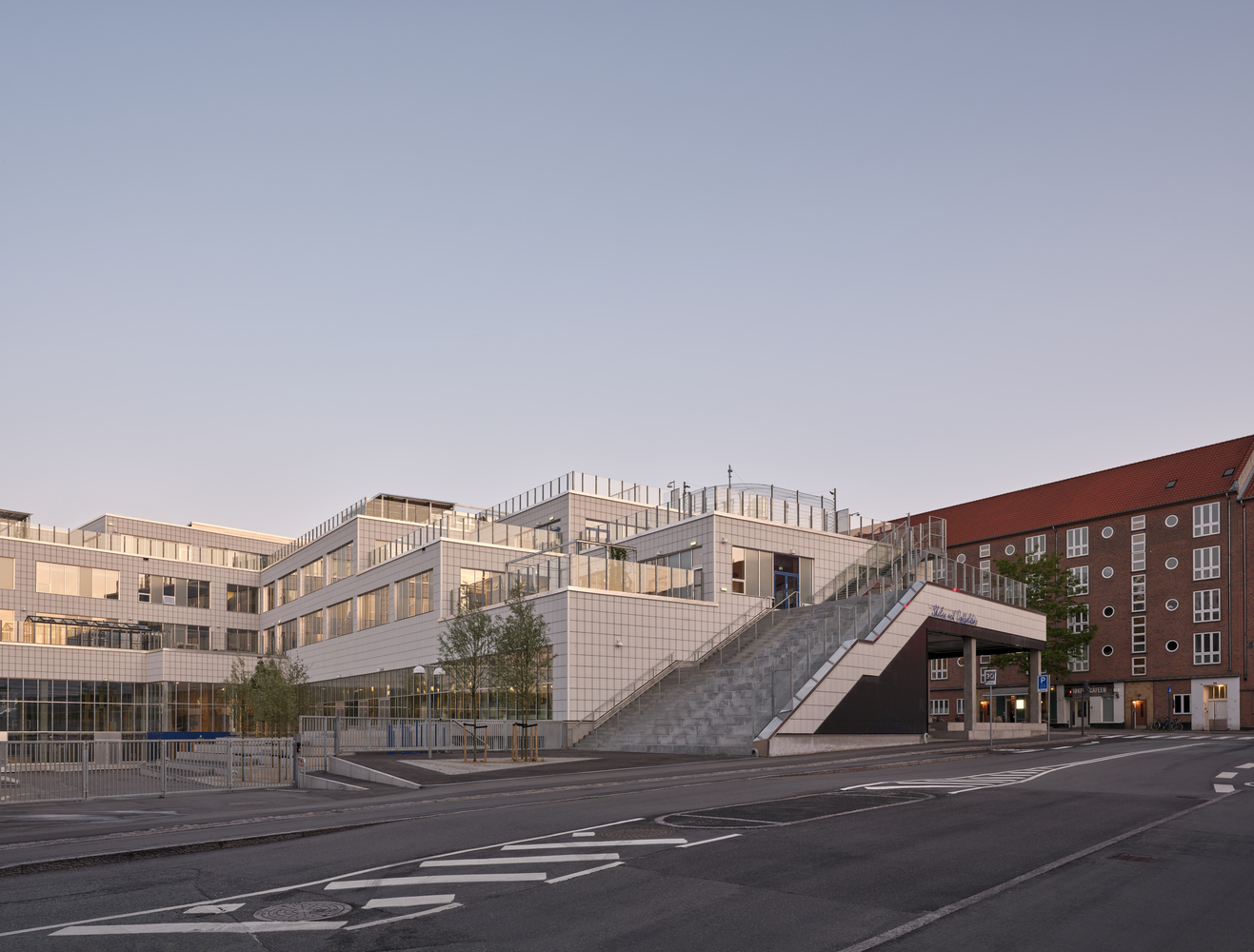
Rooftop schoolyard on three floors with space for movement for everyone - A landscape of connected roof terraces forms a schoolyard, which orients the internal spaces to the outdoor space.
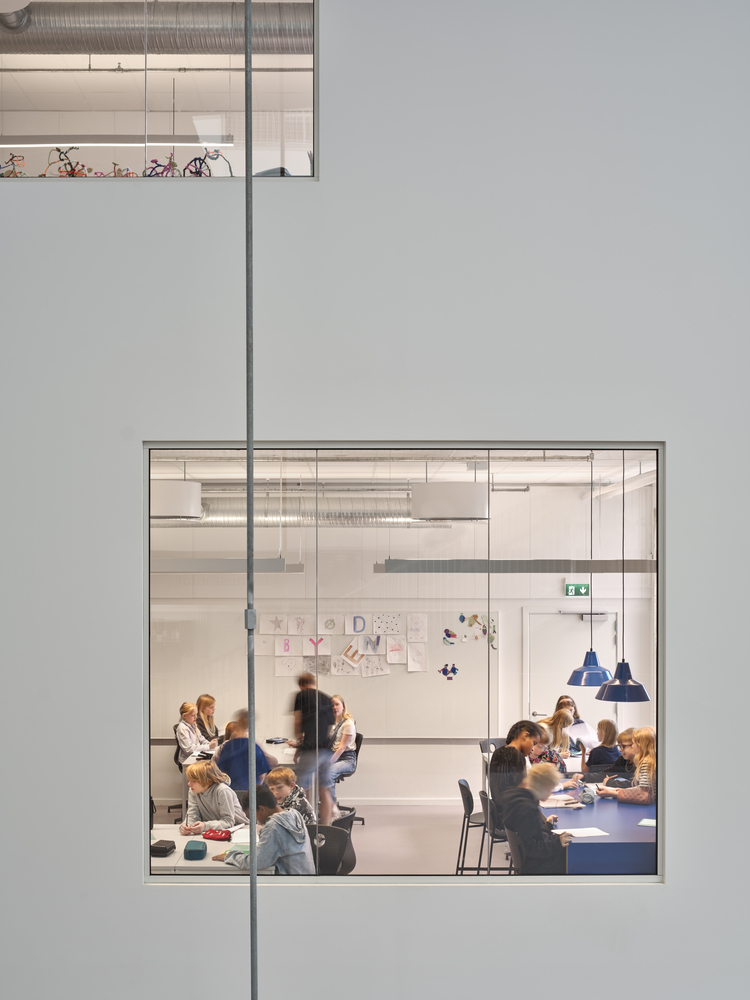
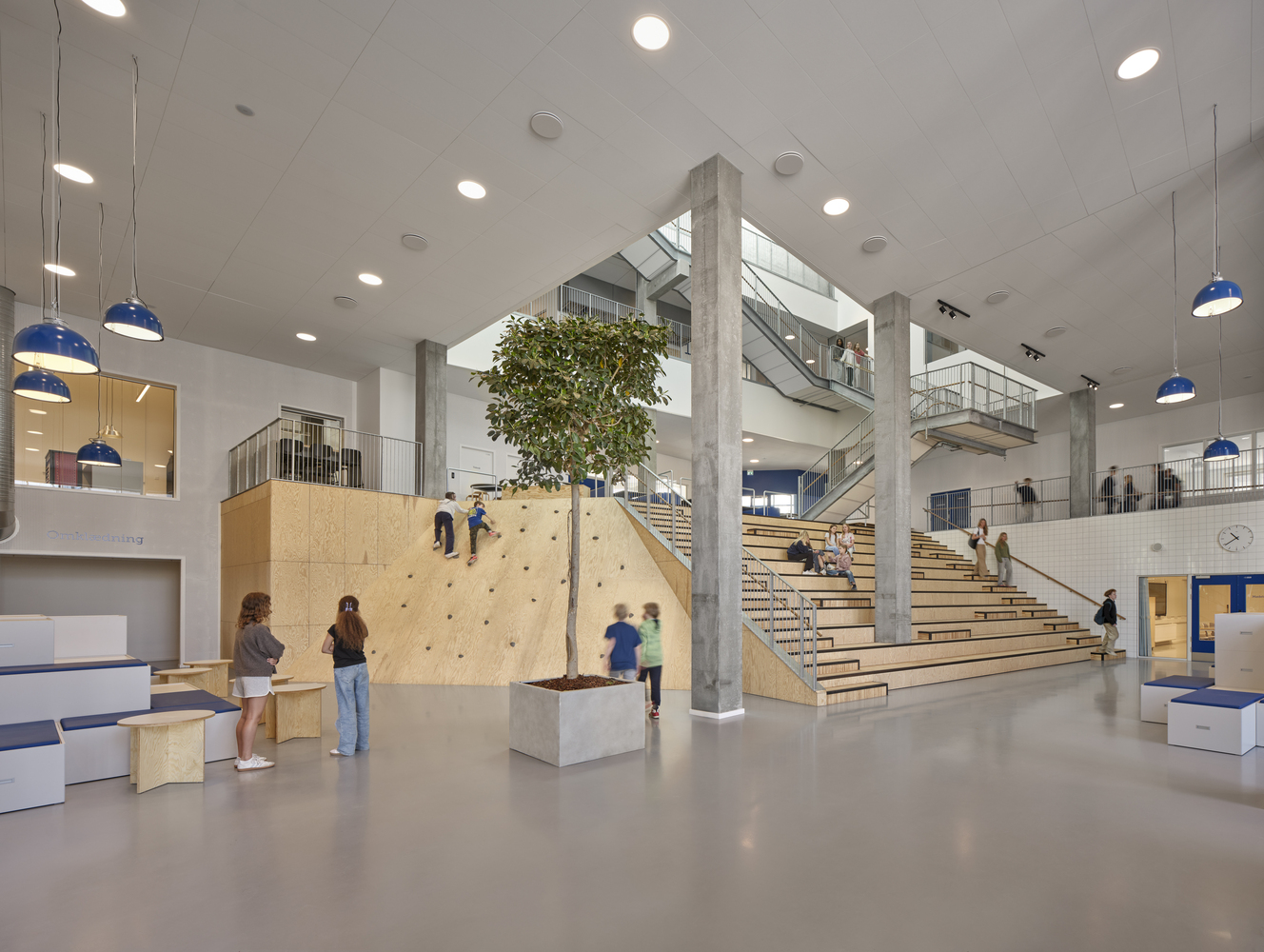
An architectural invention that could be described as a "Rooftop schoolyard" spread out over three floors. The school's terraces are experienced as a circular loop, where children, users, and citizens can partake in various activities such as 'urban farming' and outdoor workshops, with starting and ending points in facilities for training and play.
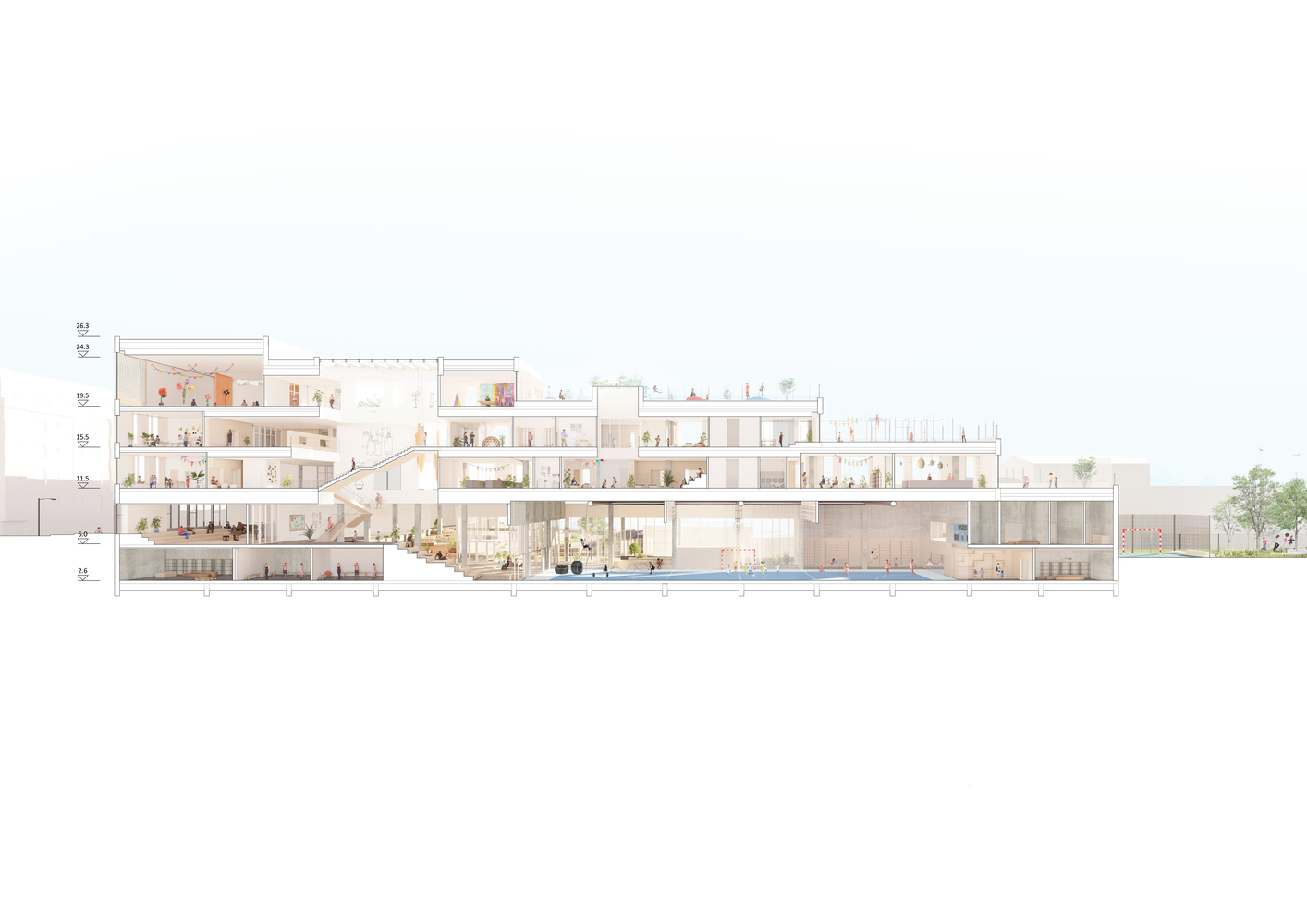
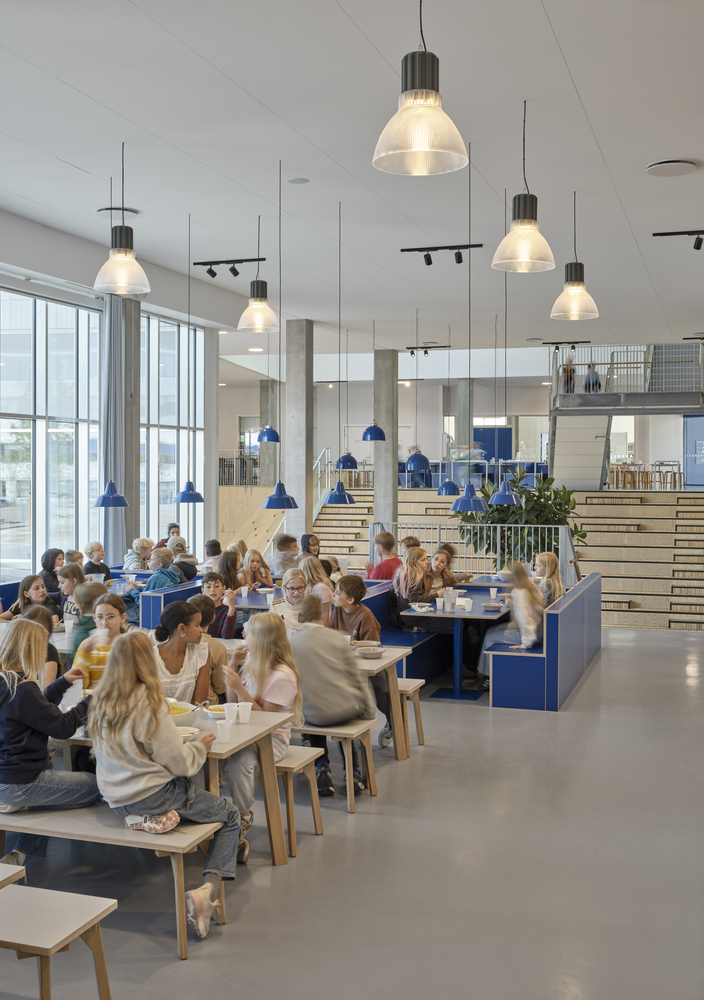
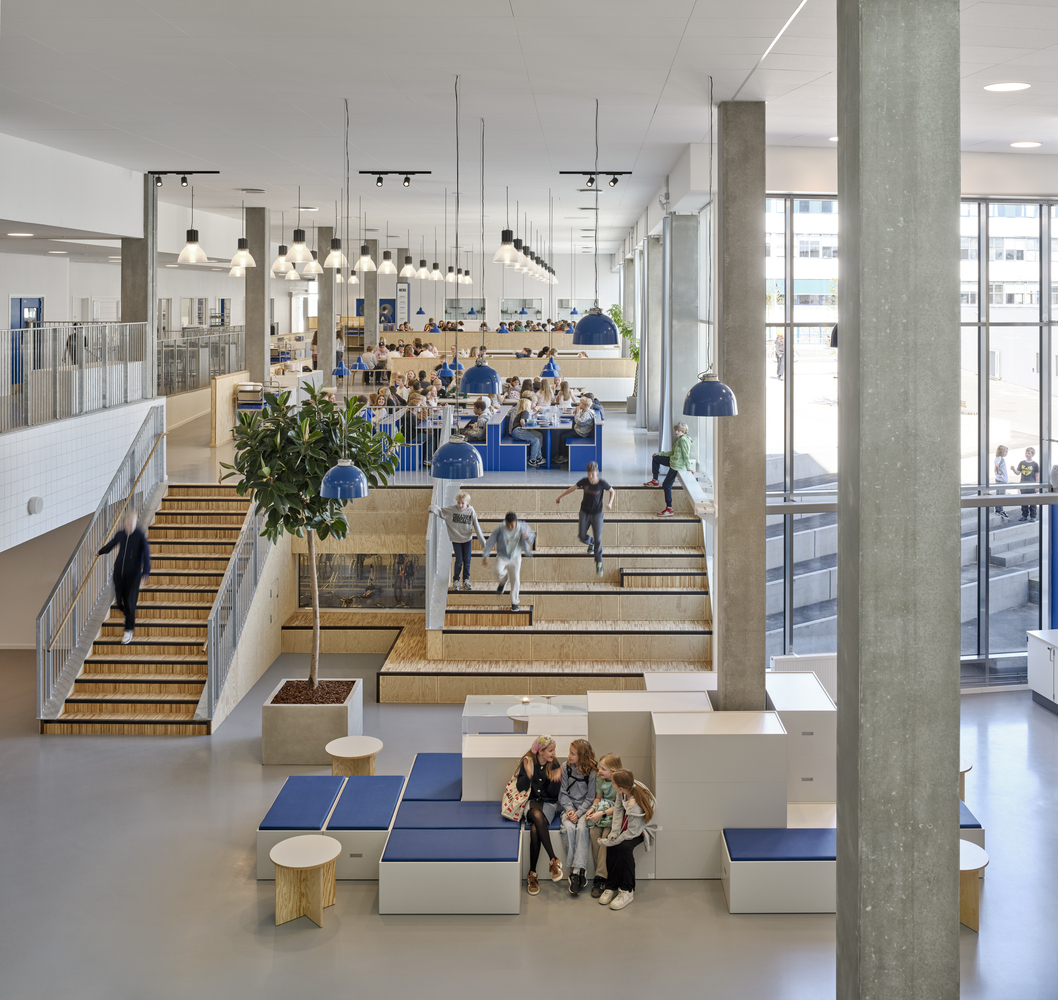
This creates a new urban landscape for the benefit and enjoyment of the entire city. Movement and physical activity have been the basis for the design of the school. The central atrium – the Heart Space - connects all levels.
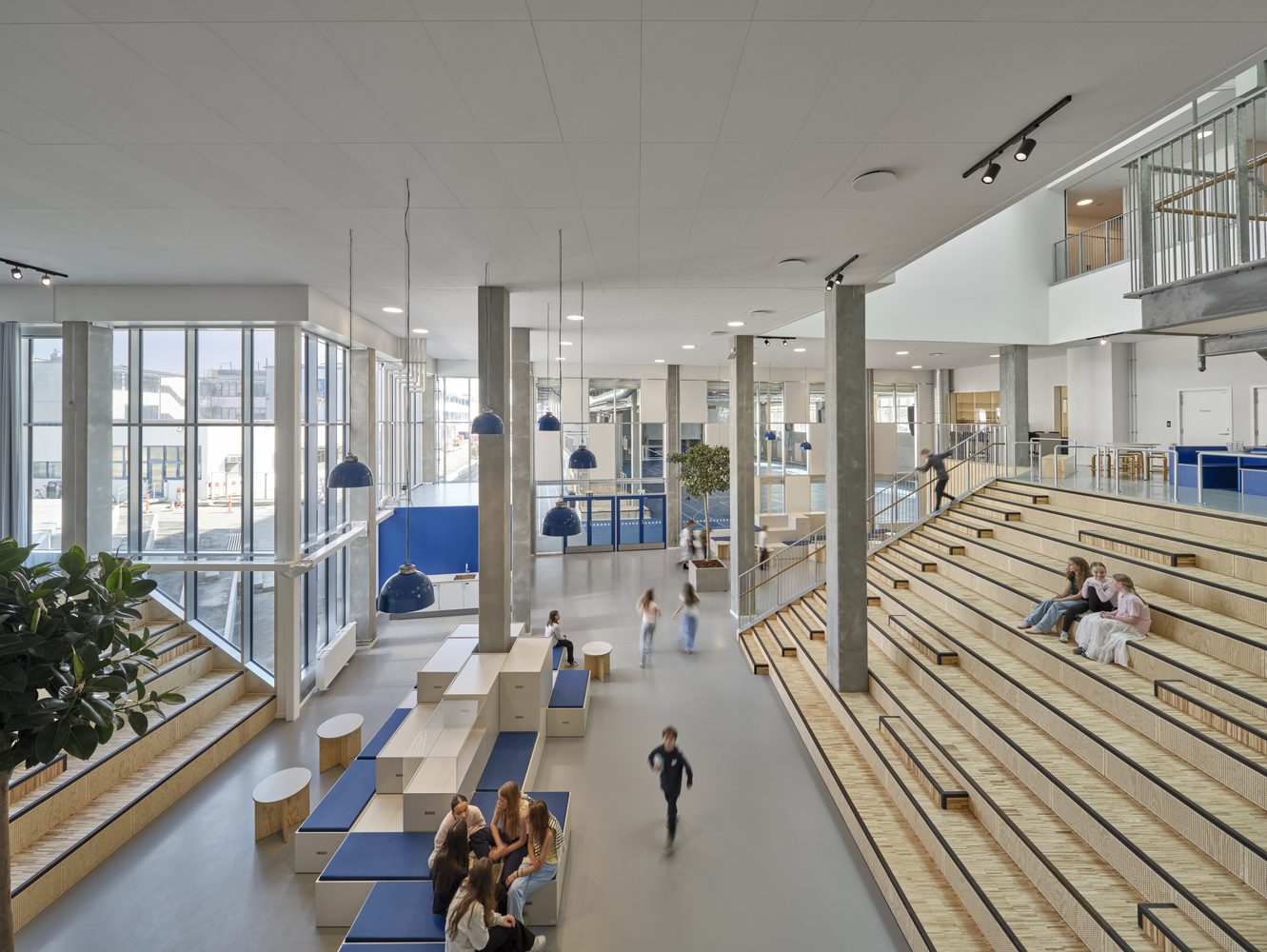
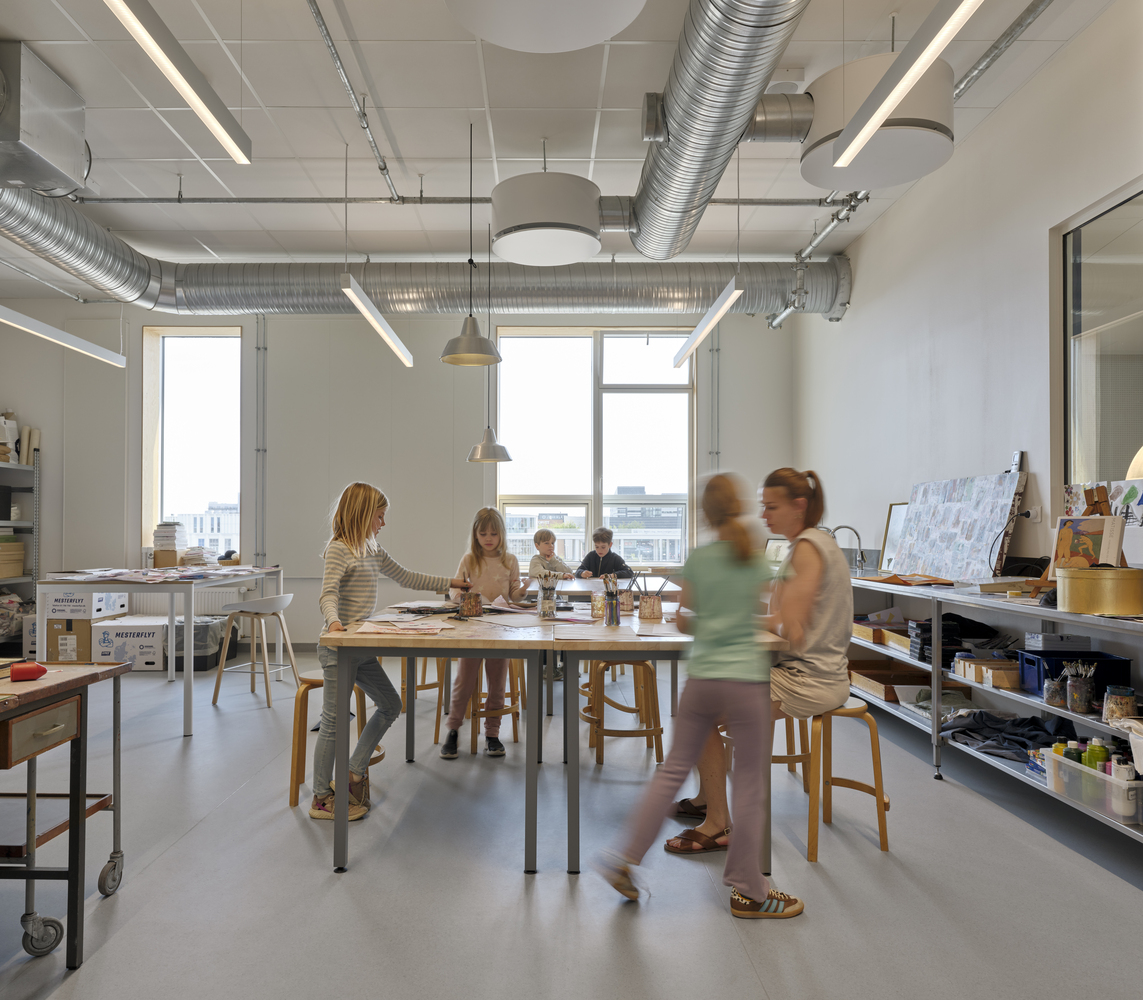
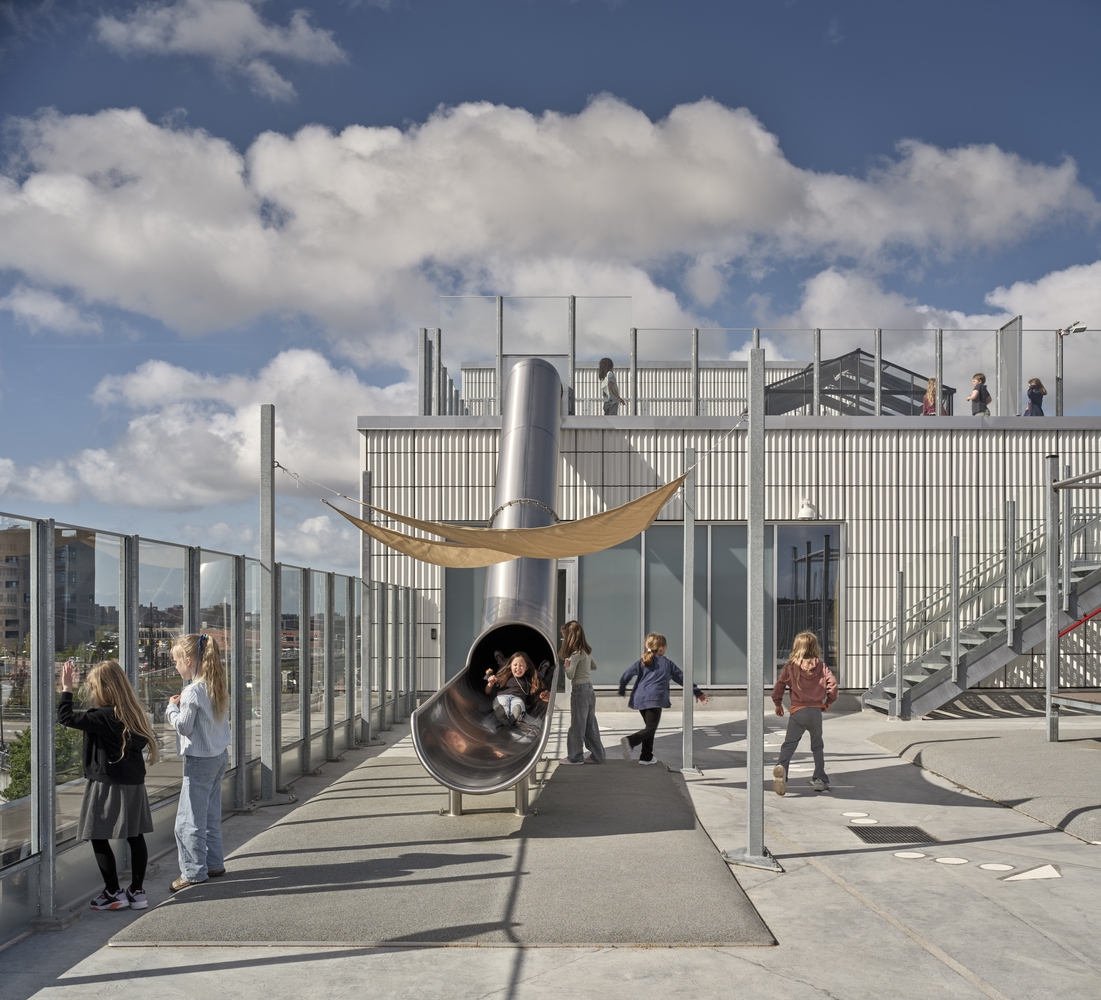
A sculptural staircase forms a rich experiential connection, and a slide winds down between the two upper floors, allowing for playful, quick descents. Additionally, there is a 1,250 m² sports hall, which can be subdivided into three smaller halls and is available for use by local associations after school hours.
A food school to educate food citizenship - The School is designed as a food school. A public school for food culture. Here, food is on the curriculum and a part of school life. The school contains a kitchen for teaching and a large open dining area, where students can prepare meals and serve lunch for each other, and which can also be used by the local community after school hours.
"The public school is not only about creating democratic citizenship. It's also about communicating and educating in our common culinary cultural heritage. To educate children to be 'food citizens'.
We have tried to express this 'food citizenship' in the building's layout with the visibility of food production and the connection between kitchen and dining terraces, which can be opened towards the schoolyard," states Eva Jarl Hansen, partner at BBP Architects.
With reference to the historic slaughter halls, a food school is reestablished within its contemporary context. Brighter, lighter, and with room for exercise, learning, and outdoor life. However, the mission remains the same: The good life requires good food, knowledge, and ingredients.
It requires its school, its place, and its kitchen. The area's strong culinary culture and heritage are translated into public access with a focus on food, health, and community. The school of food and meals connects past, present, and future in Danish food culture. And gives a very special place to the city's new life. Bon appétit.
Facilities at the School at Dybbølsbro: *Modern public school with learning facilities for 840 students. *Contains a production kitchen and a kitchen for teaching open to all after school hours. *Open outdoor areas with roof terraces on 3 floors with a playground and facilities for physical activities.
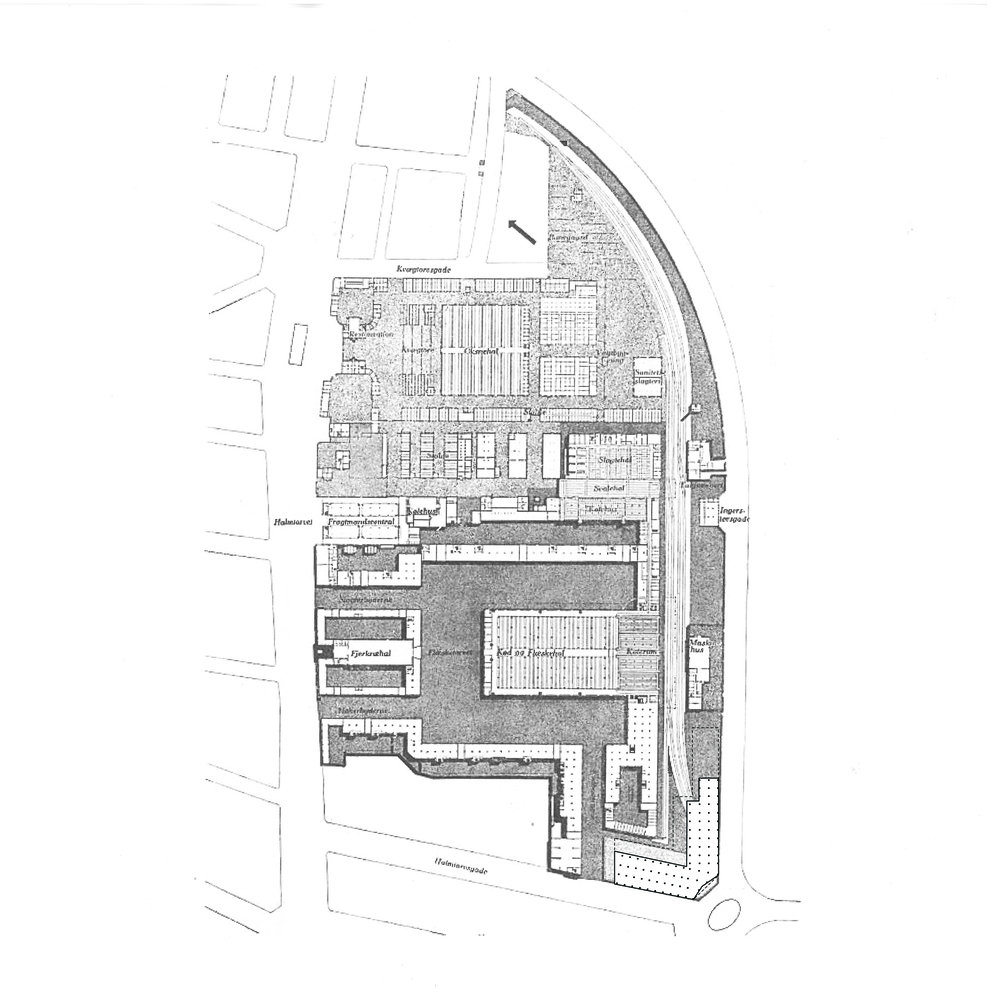
*1,250 m² sports hall open to local associations, which can also be divided into three smaller halls. Facts about The White Meatpacking District: *The design of The White Meatpacking District is inspired by the World Exhibition in Stockholm in 1930.
*In the 1980s, slaughtering stopped in the White Meatpacking District. *The White Meatpacking District was preserved in 1999.
*In 2005, the White Meatpacking District opened to the public, and creative businesses moved in. *Butchers and other food businesses still operate their businesses today alongside restaurants, offices, galleries, and the Meatpacking District School.