CRYSTAL HOUSE
Aro Studio
ARCHITECTS
Aro Studio
LEAD ARCHITECT
Dang Minh Trong
DESIGN TEAM
Tan Nguyen, Duc Nguyen
LANDSCAPE
Aro
ENGINEERING
Duong Tran
CONSULTANTS
Aro
CLIENT
Bà Hương
PHOTOGRAPHS
Hoang Le
AREA
80 m²
YEAR
2025
LOCATION
Hanoi, Vietnam
CATEGORY
Commercial Architecture
English description provided by the architects.
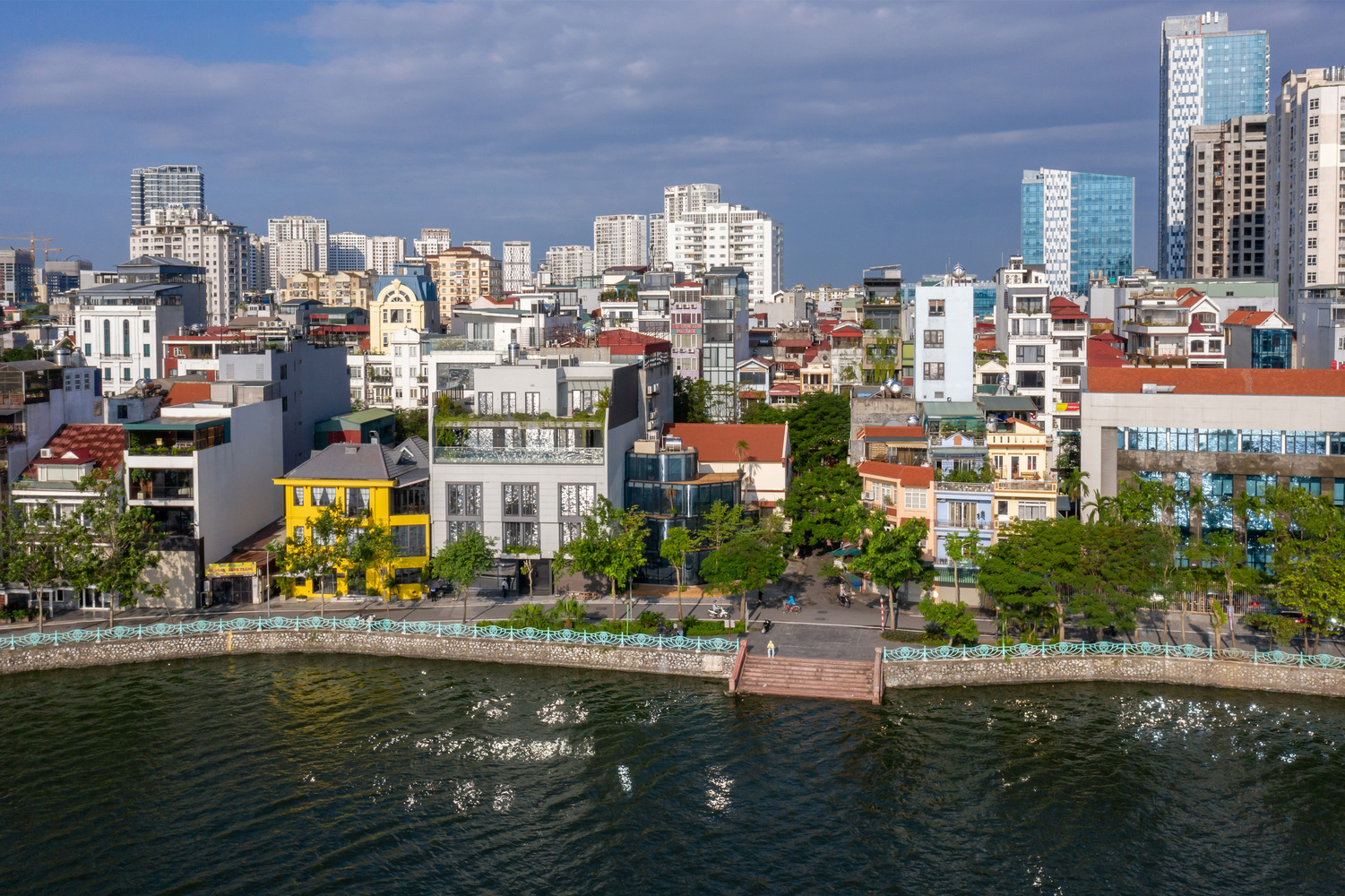
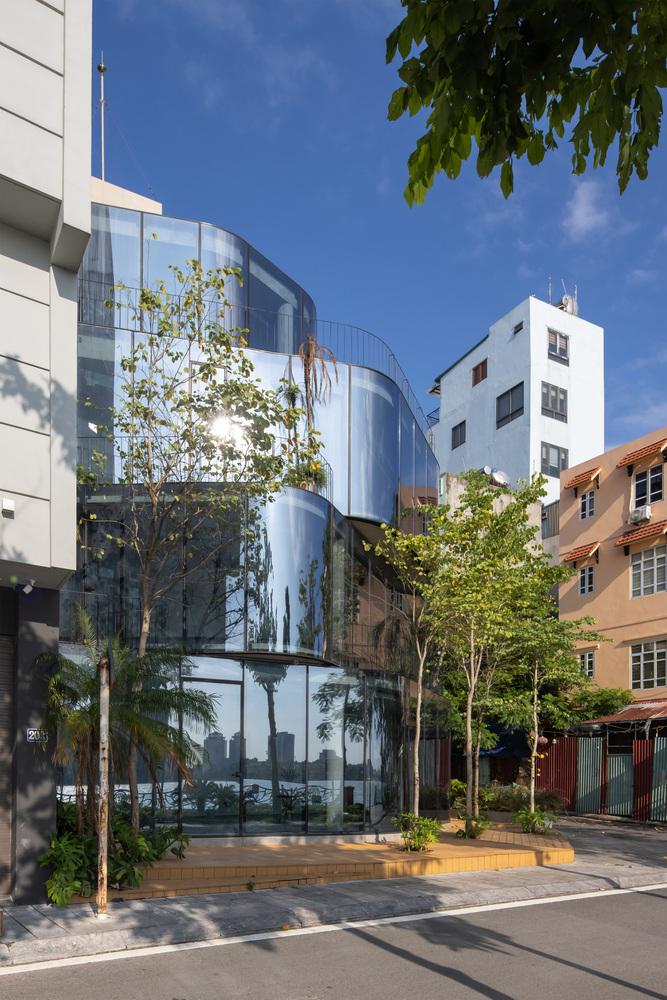
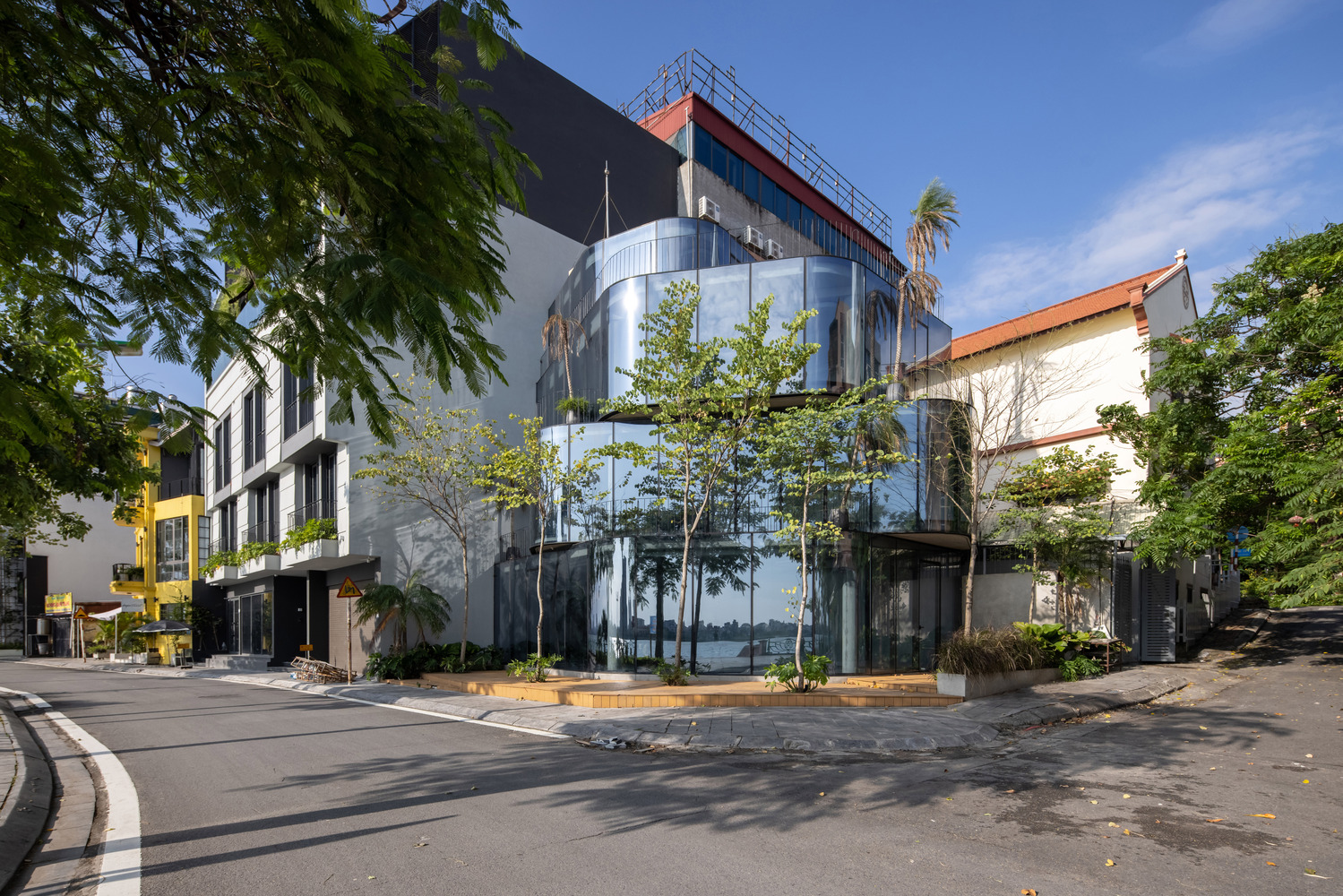
Crystal House is located at 205 Vệ Hồ, directly facing the eastern edge of Hanoi's West Lake.
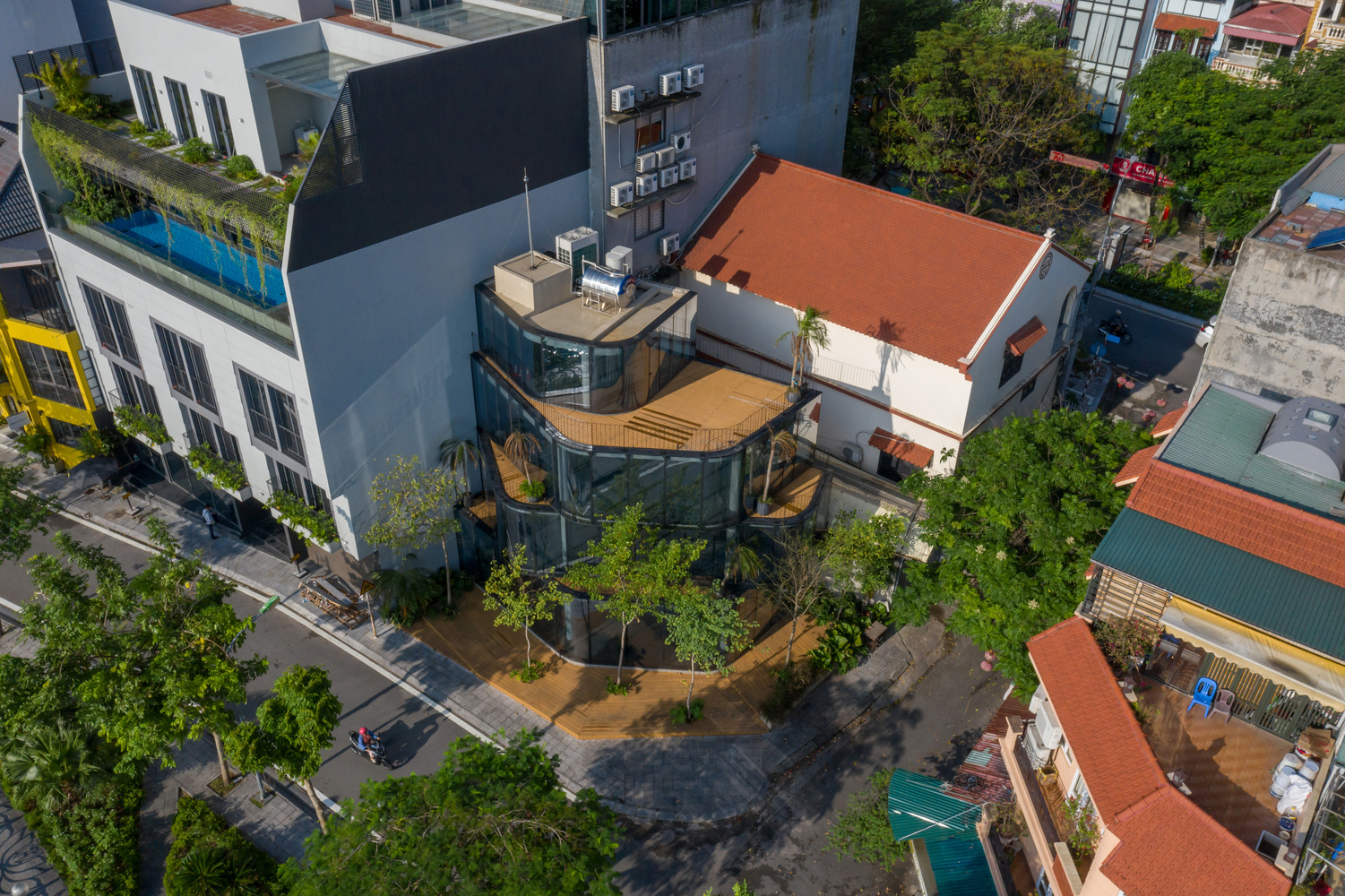
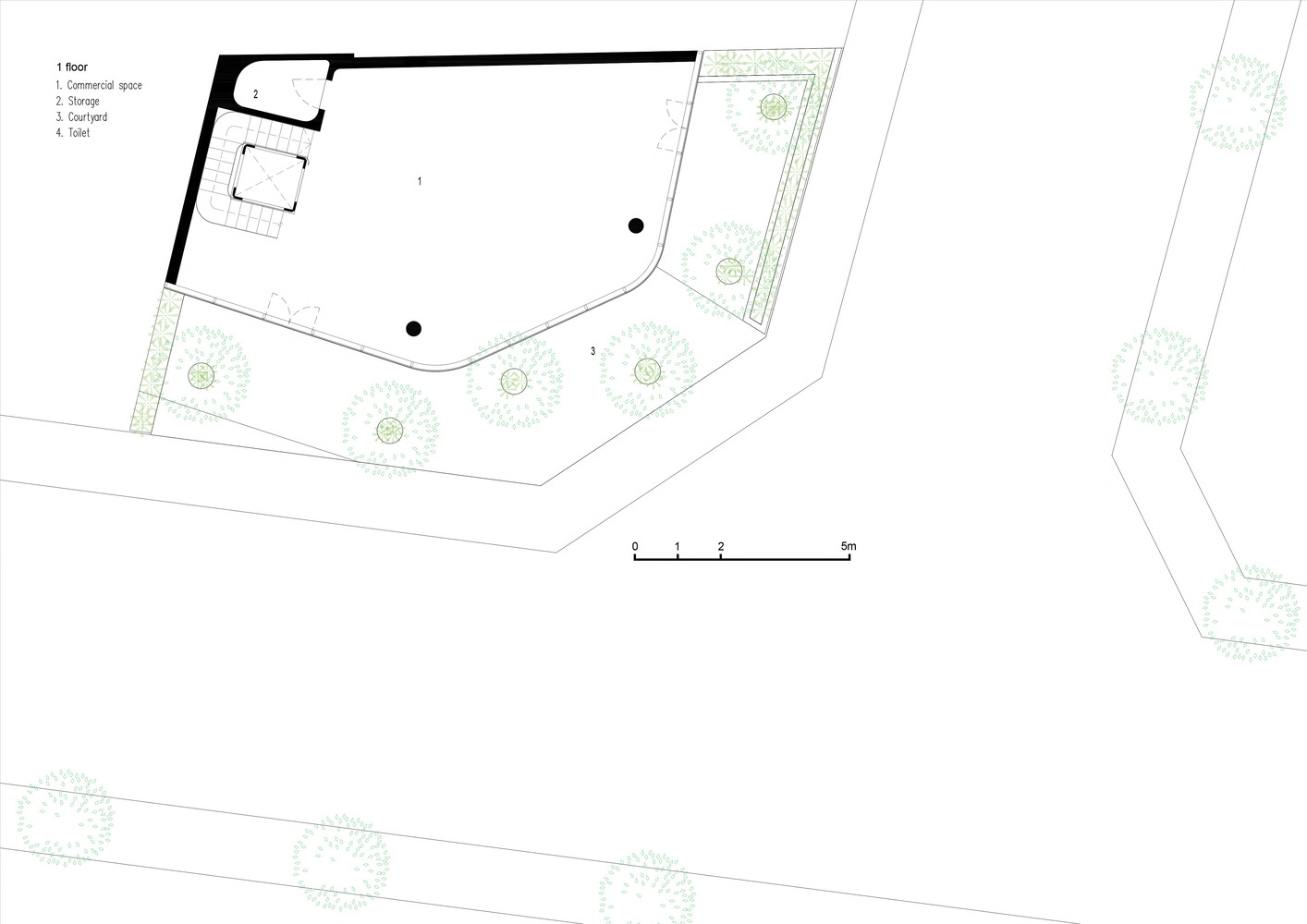
The site benefits from two open sides: a primary façade facing East toward the water and a secondary façade toward the Northeast.
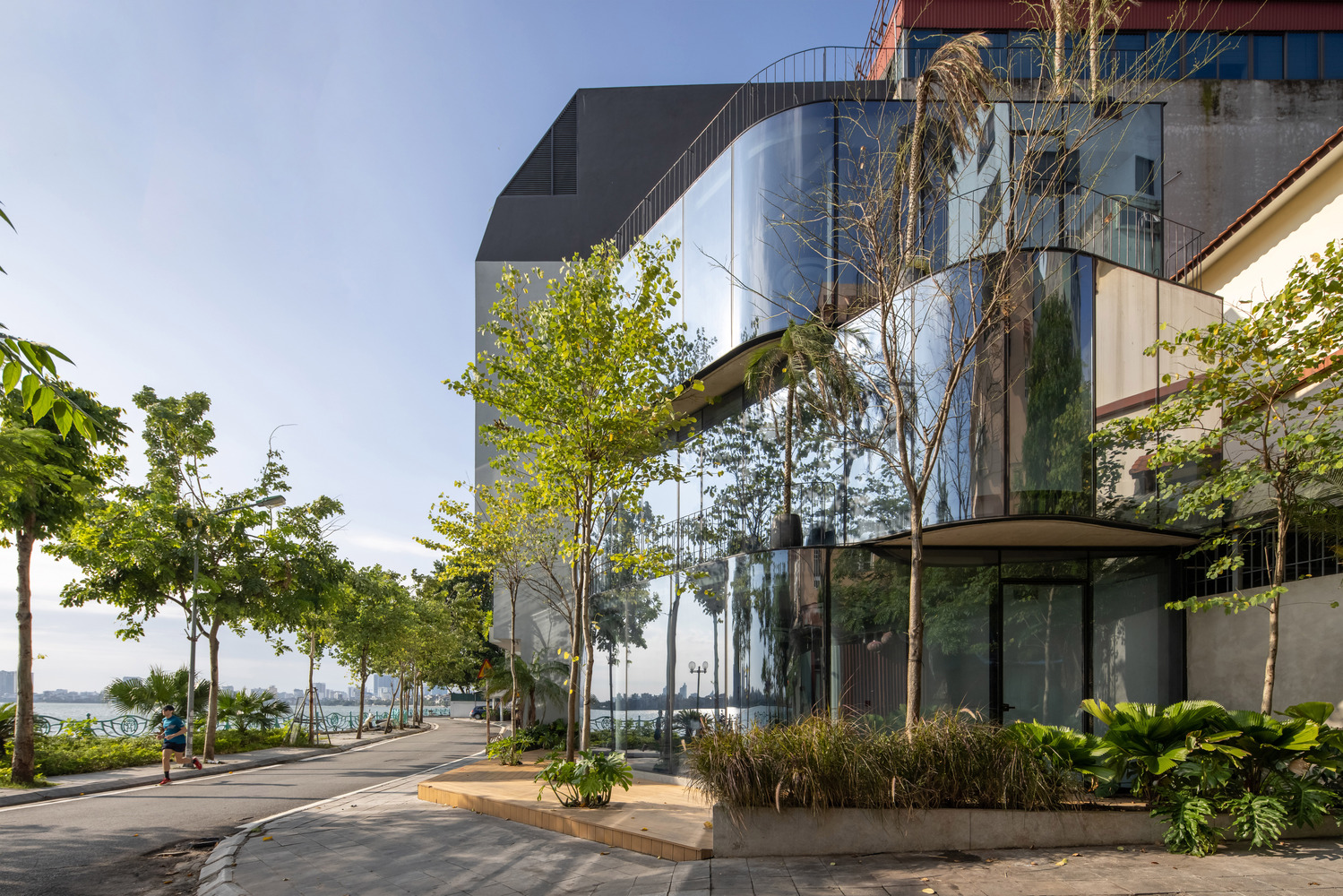
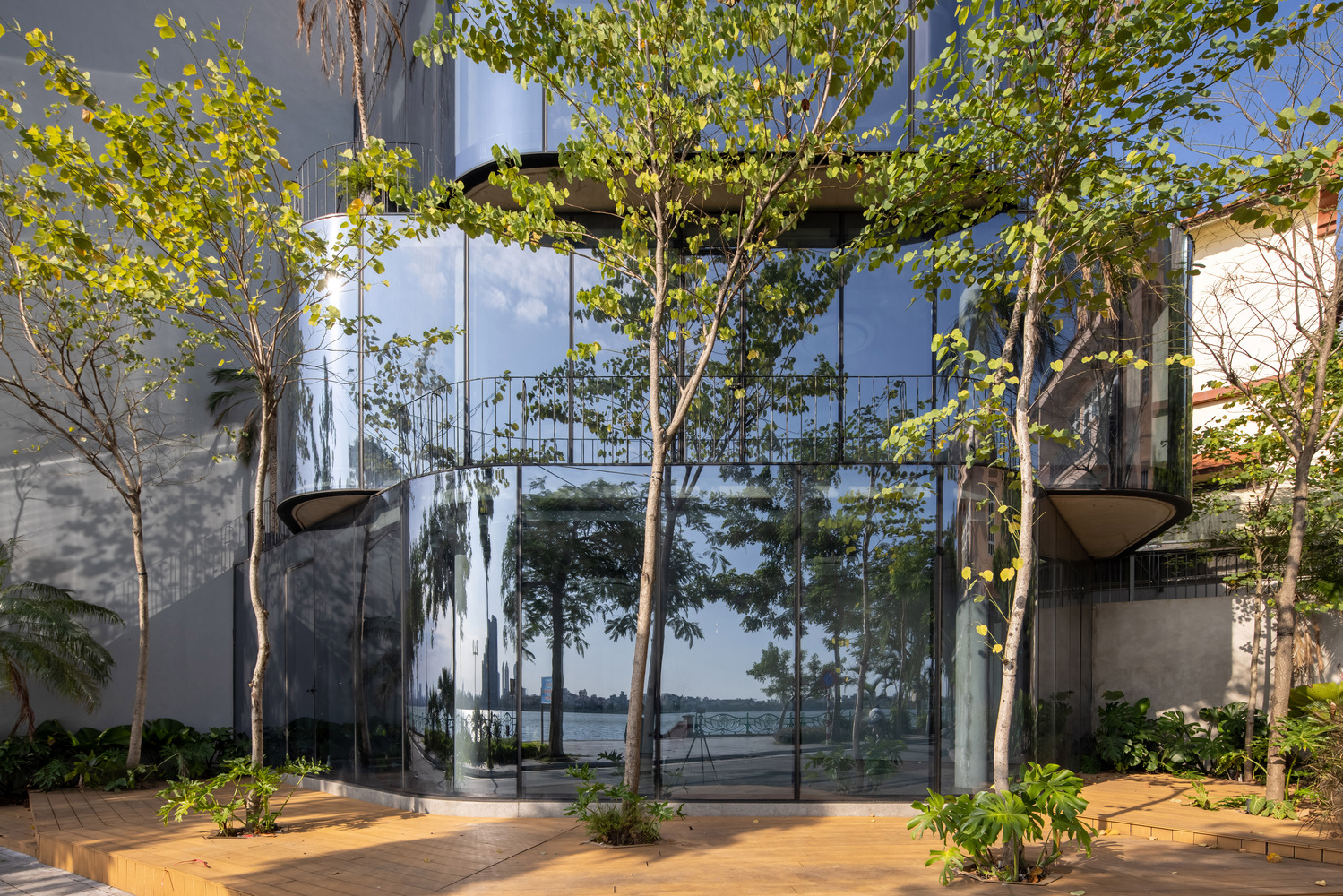
This condition allows the building to maximize natural daylight, views, and ventilation while interacting closely with the lakeside pedestrian promenade.
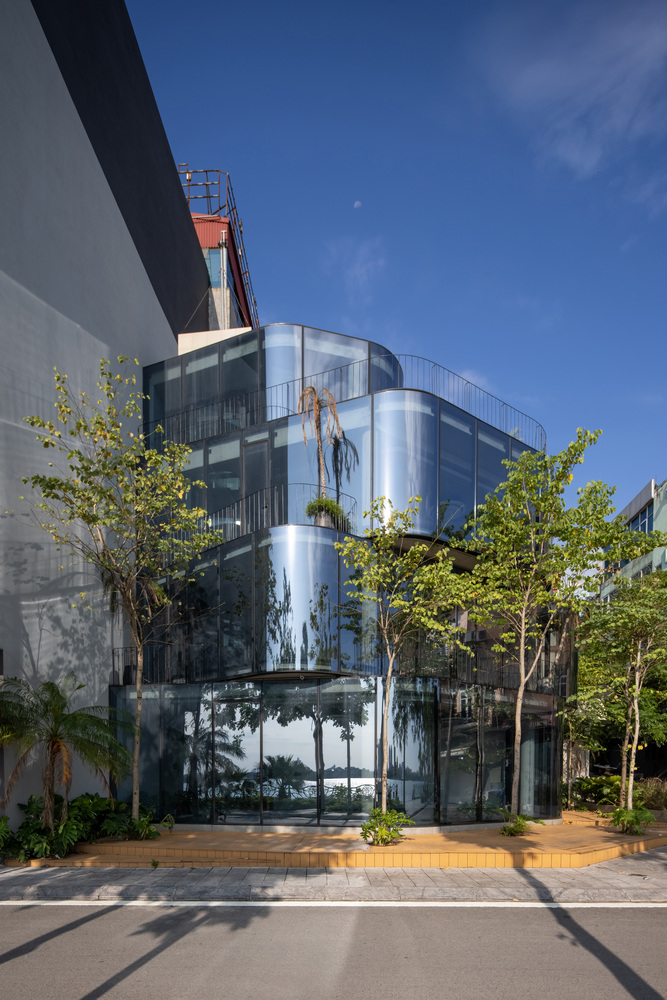
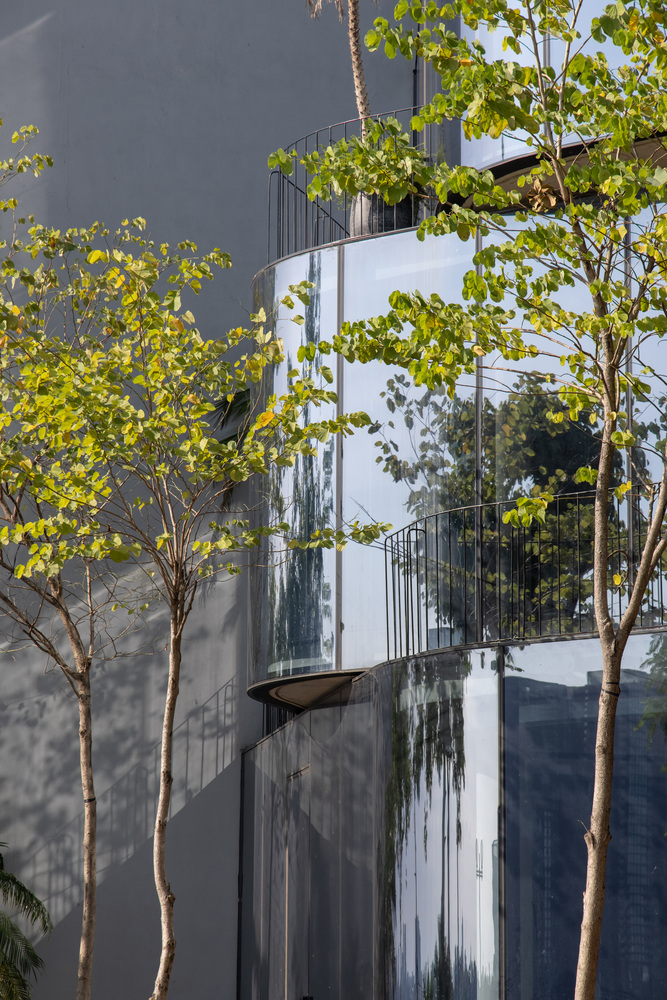
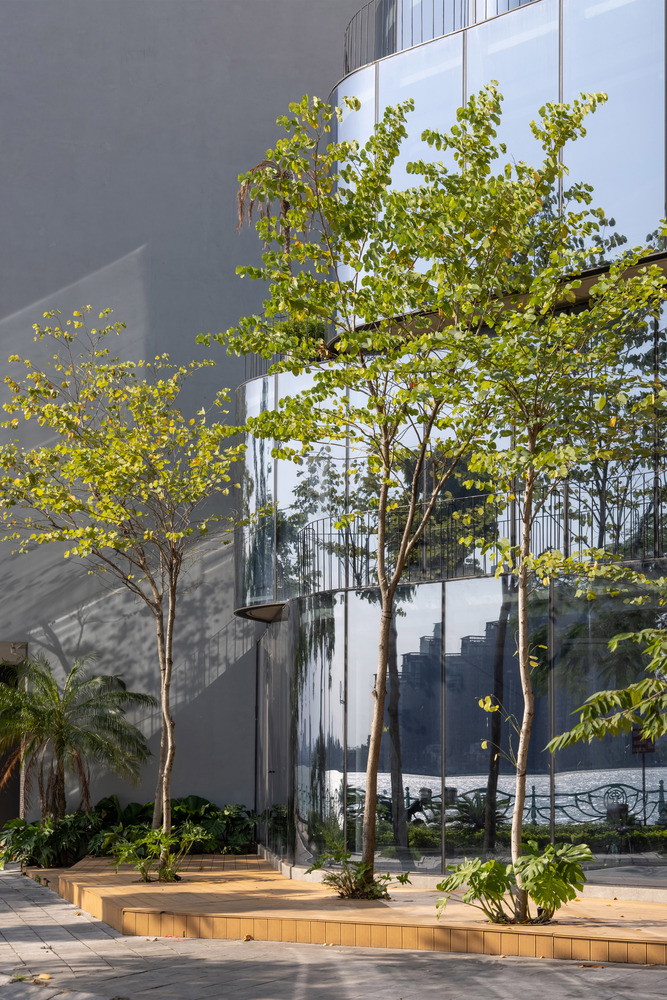
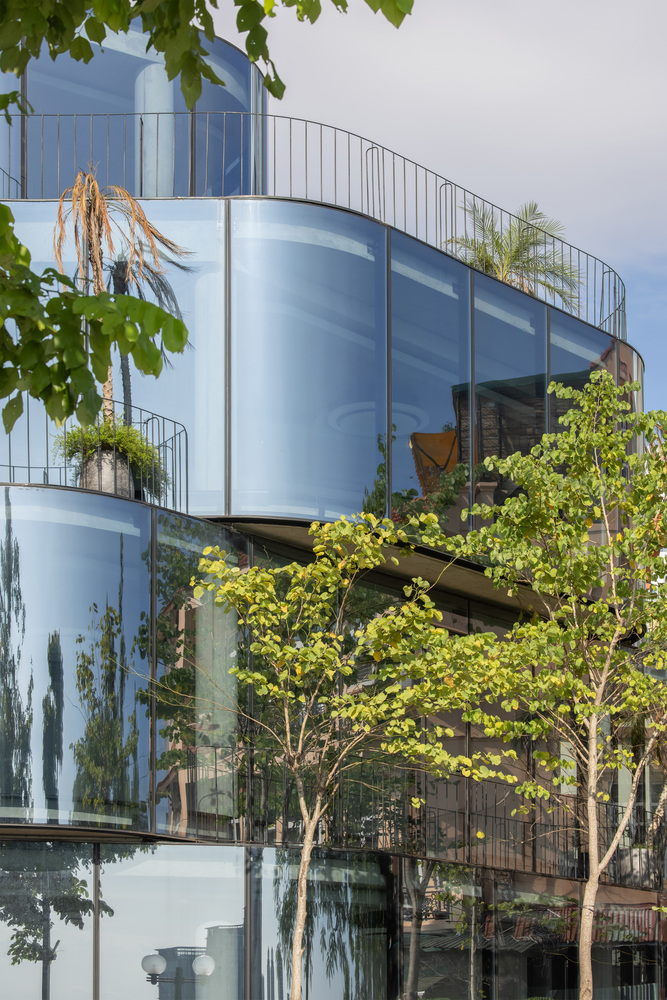
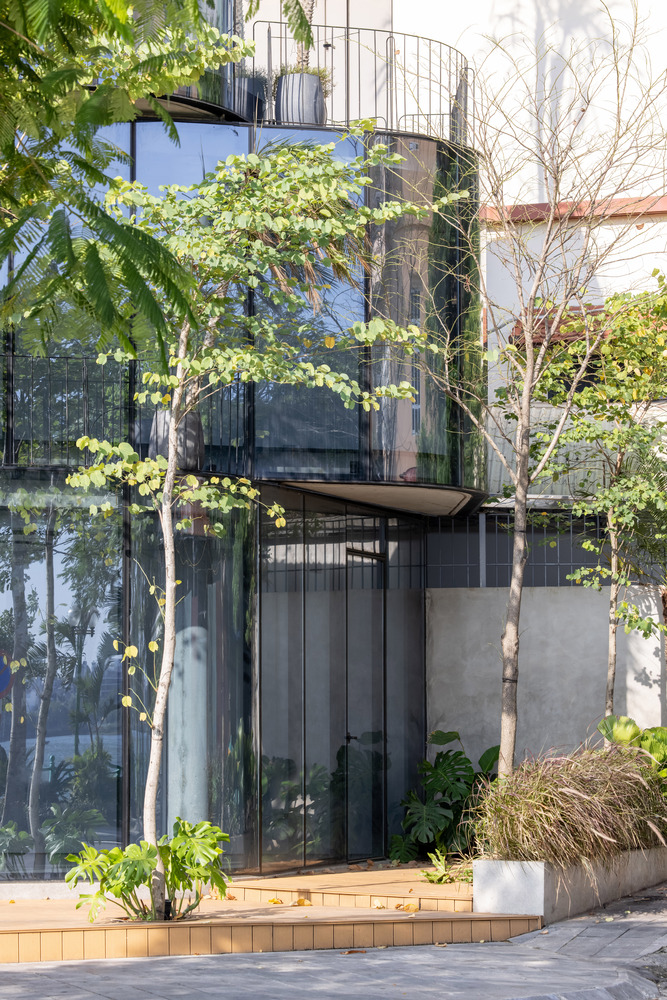
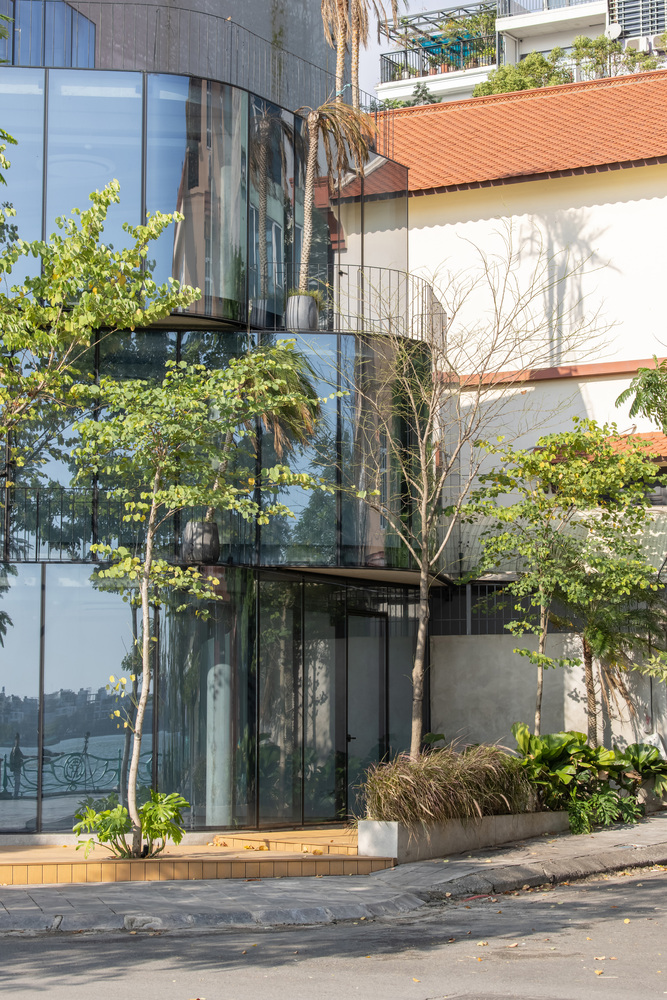
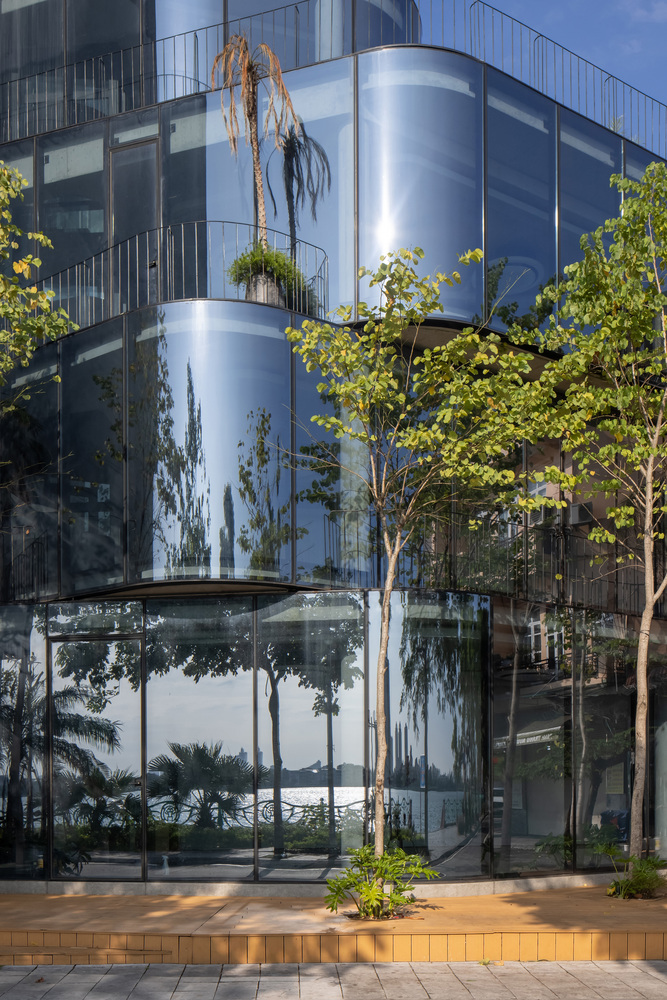
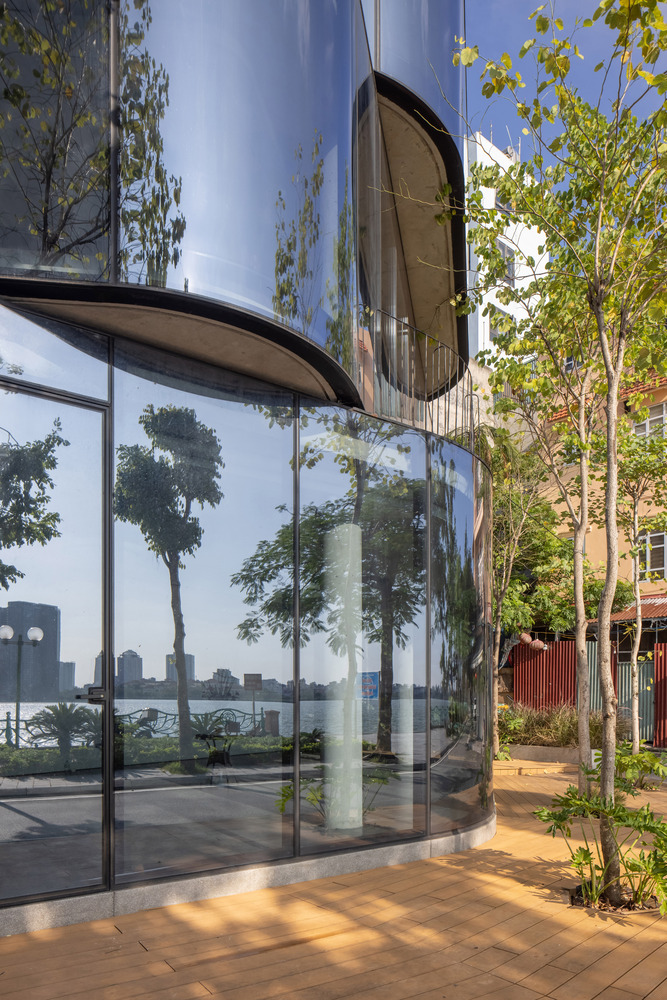
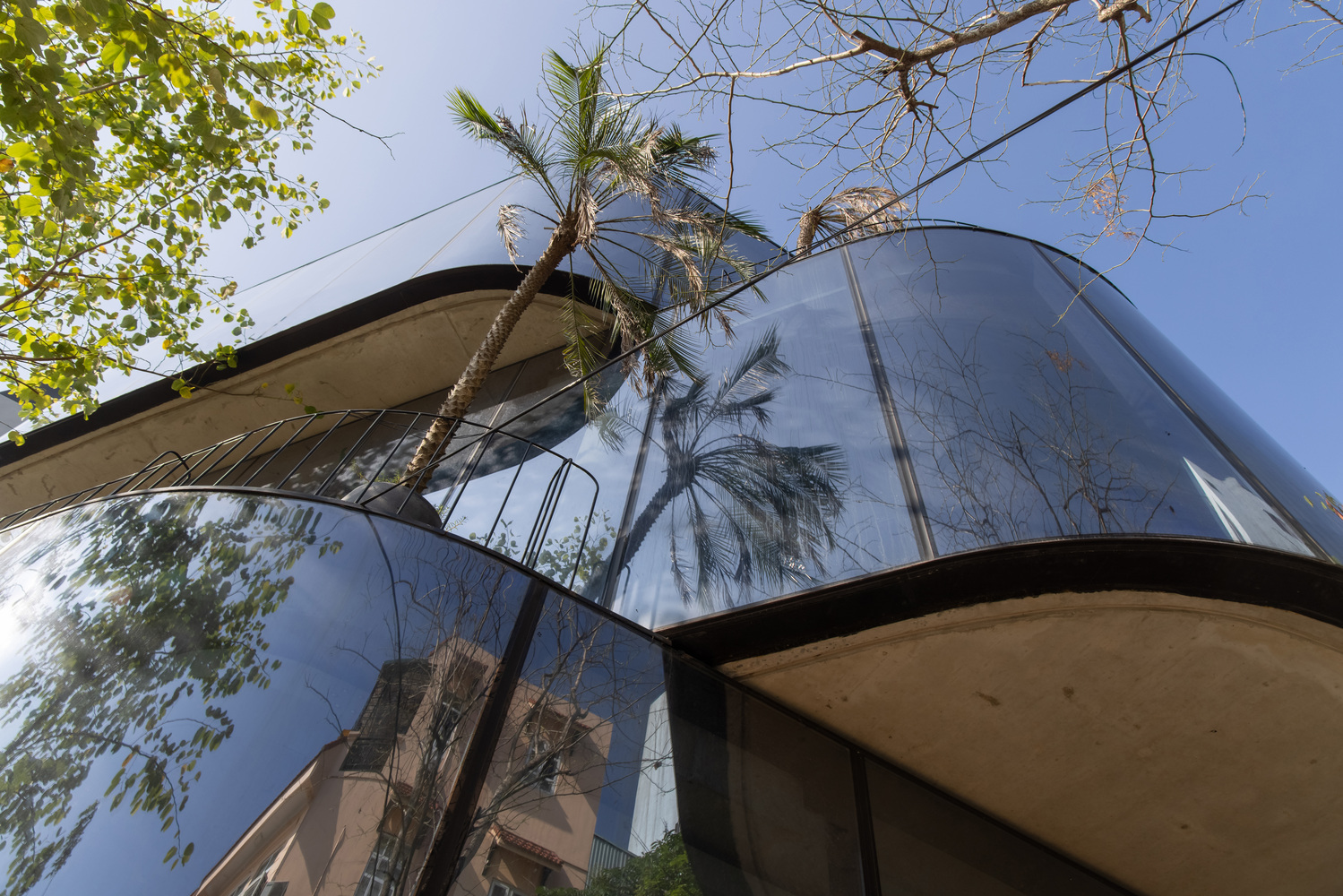
The architectural gesture begins with the idea of transparency and reflection. A continuous curved glass façade wraps the building, softening its volume within the dense urban fabric.
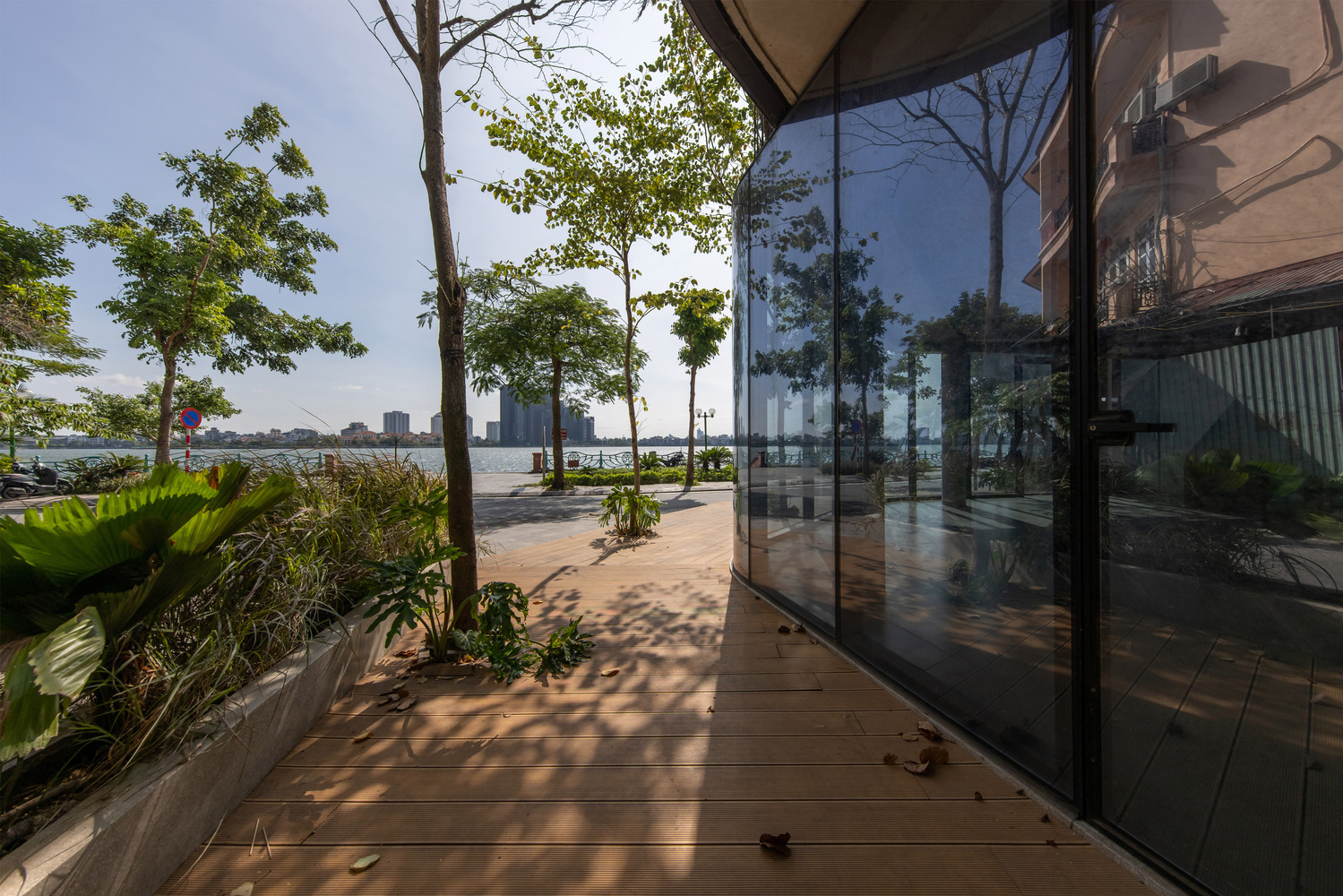
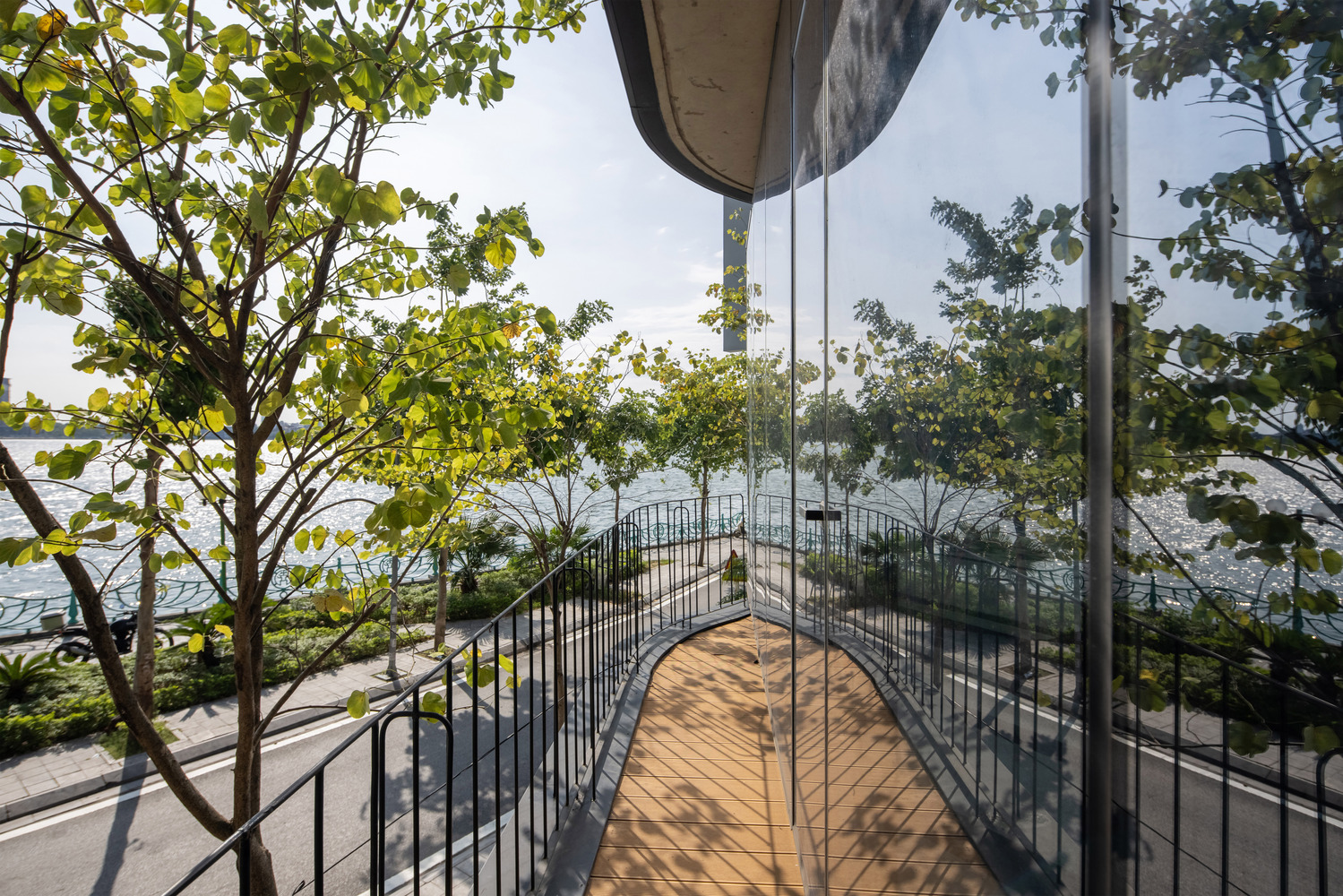
The lightly reflective surface captures the ever-changing scenery of trees, sky, and lake, allowing the building to shift in appearance depending on the time of day, weather, and activity around it.
Instead of a solid commercial block, Crystal House acts as an elegant, shimmering presence embedded naturally in the waterfront environment.
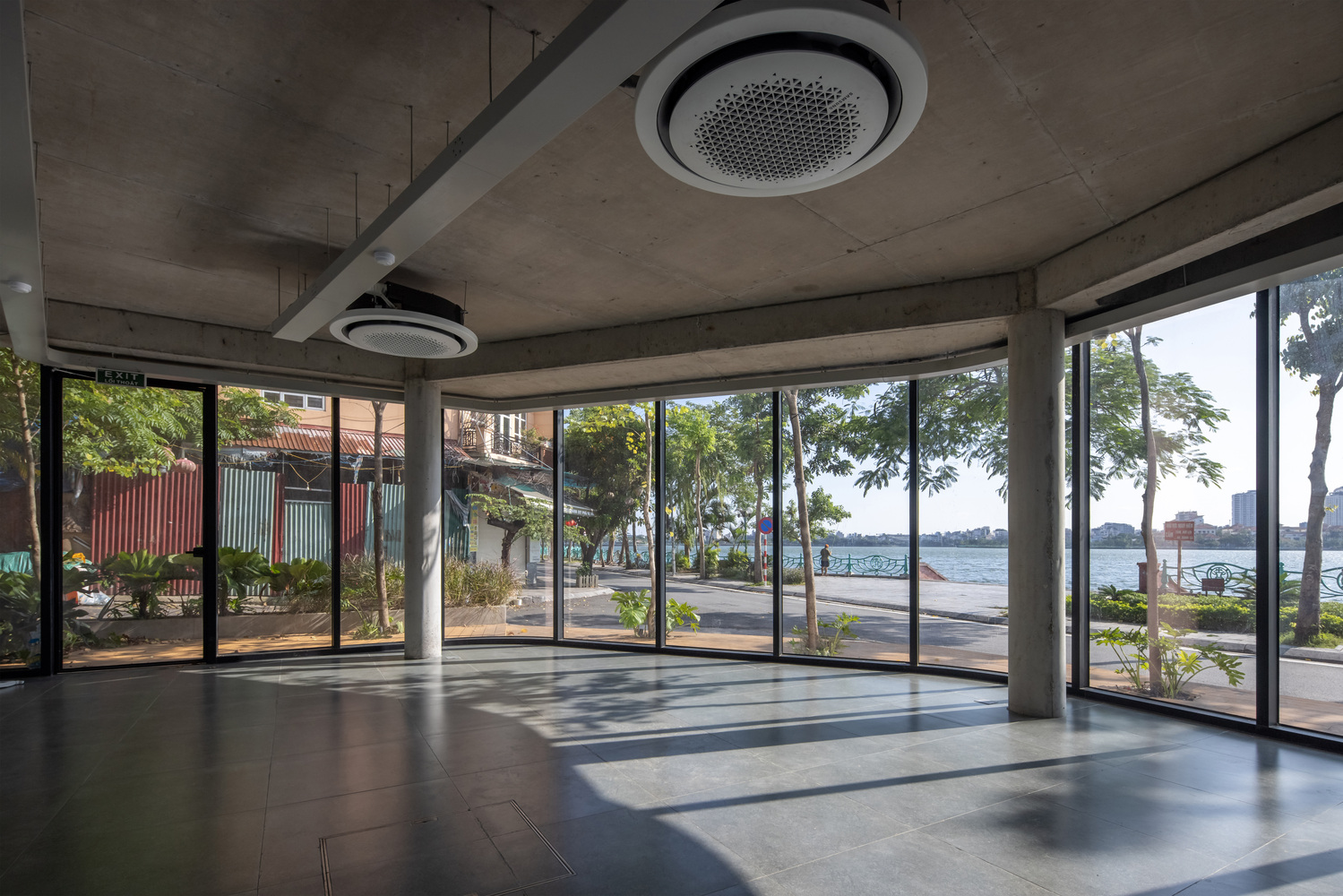
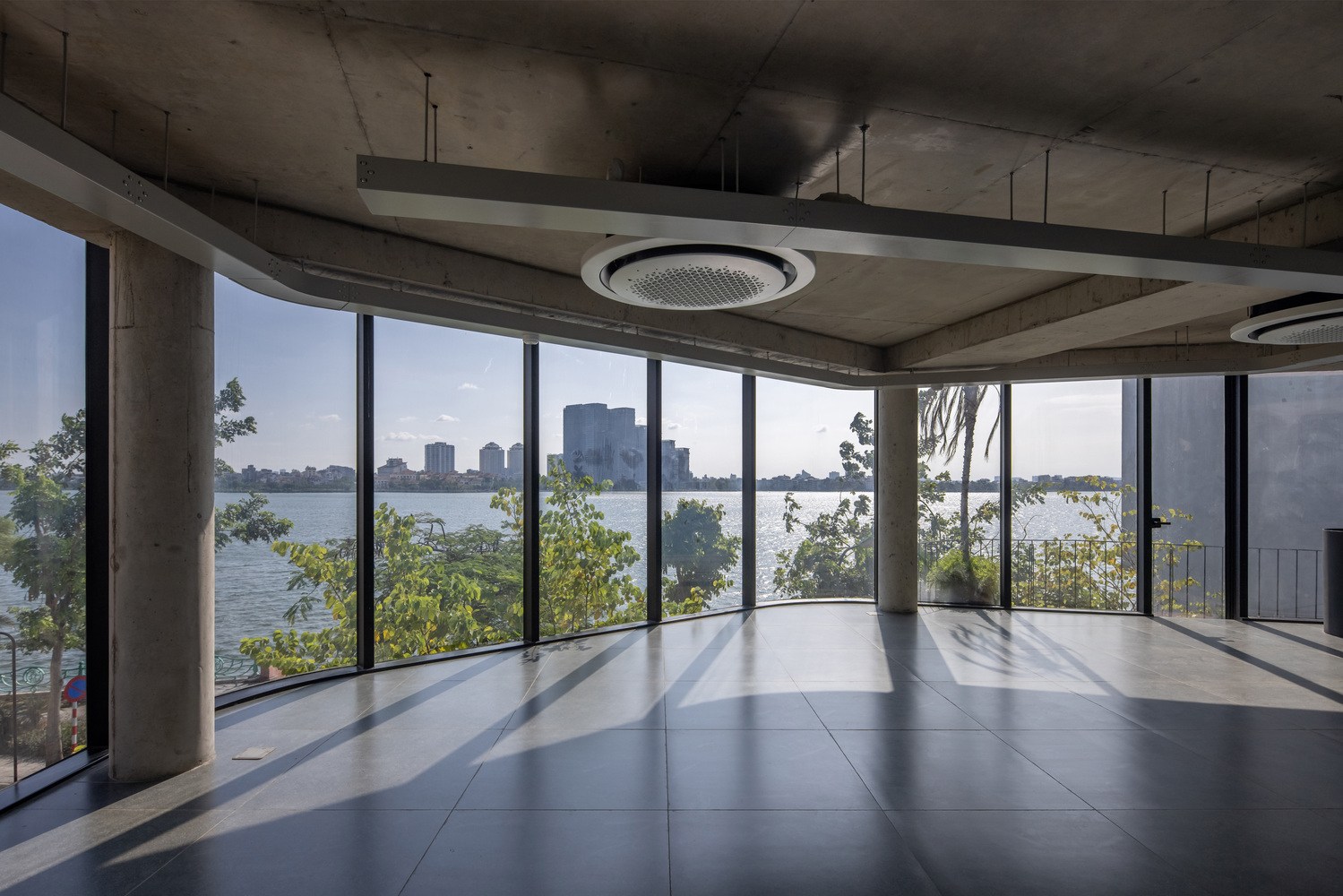
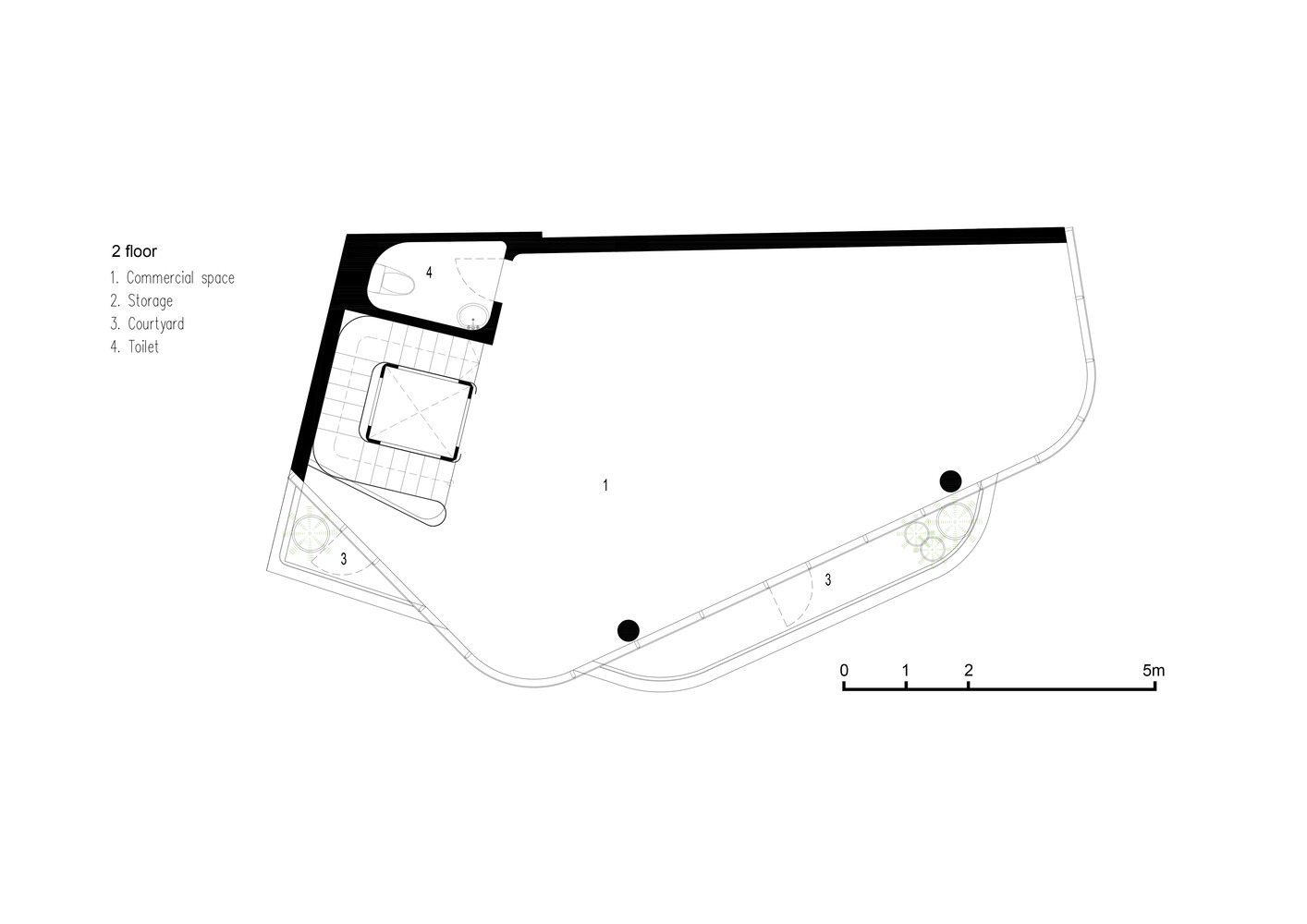
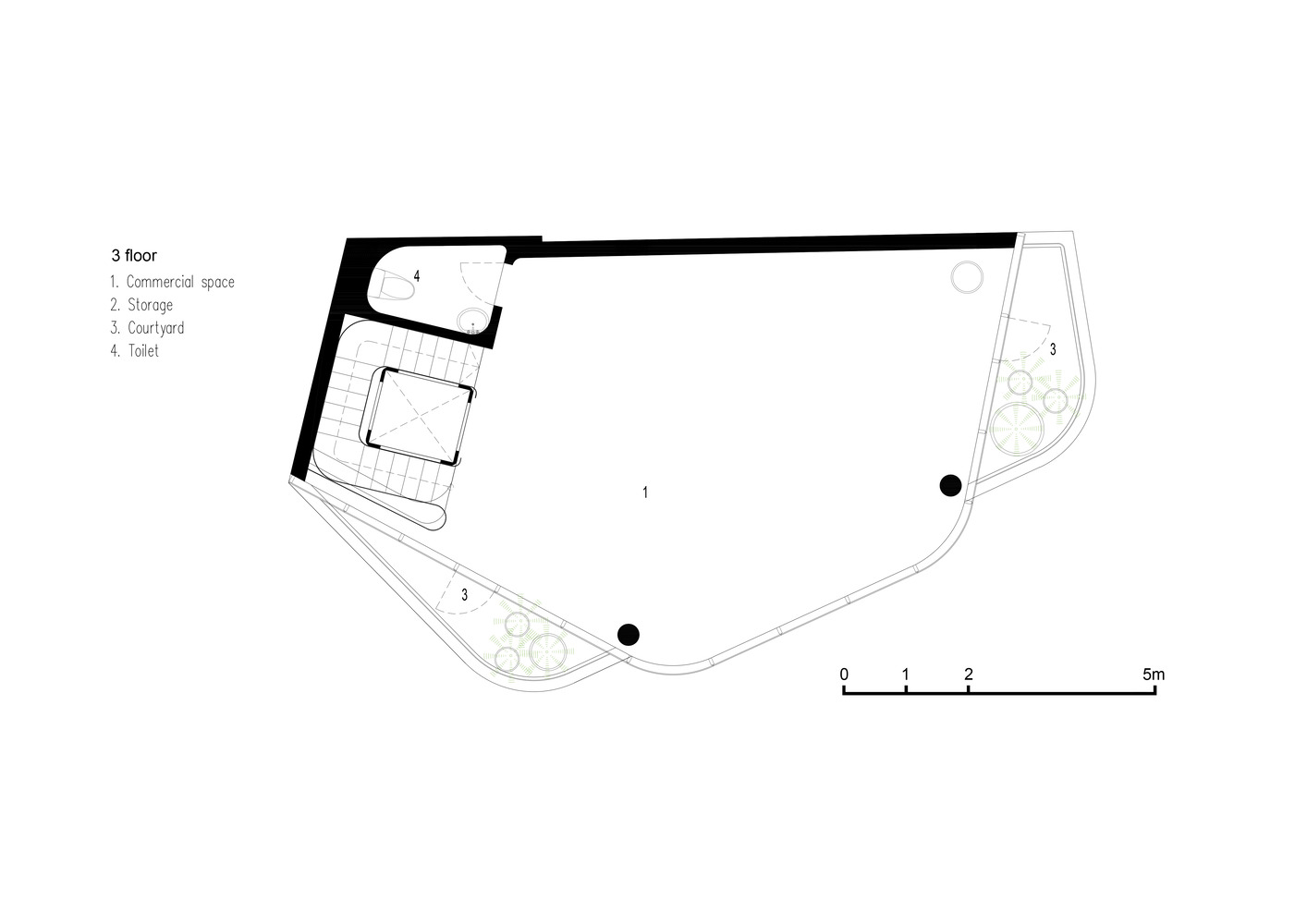
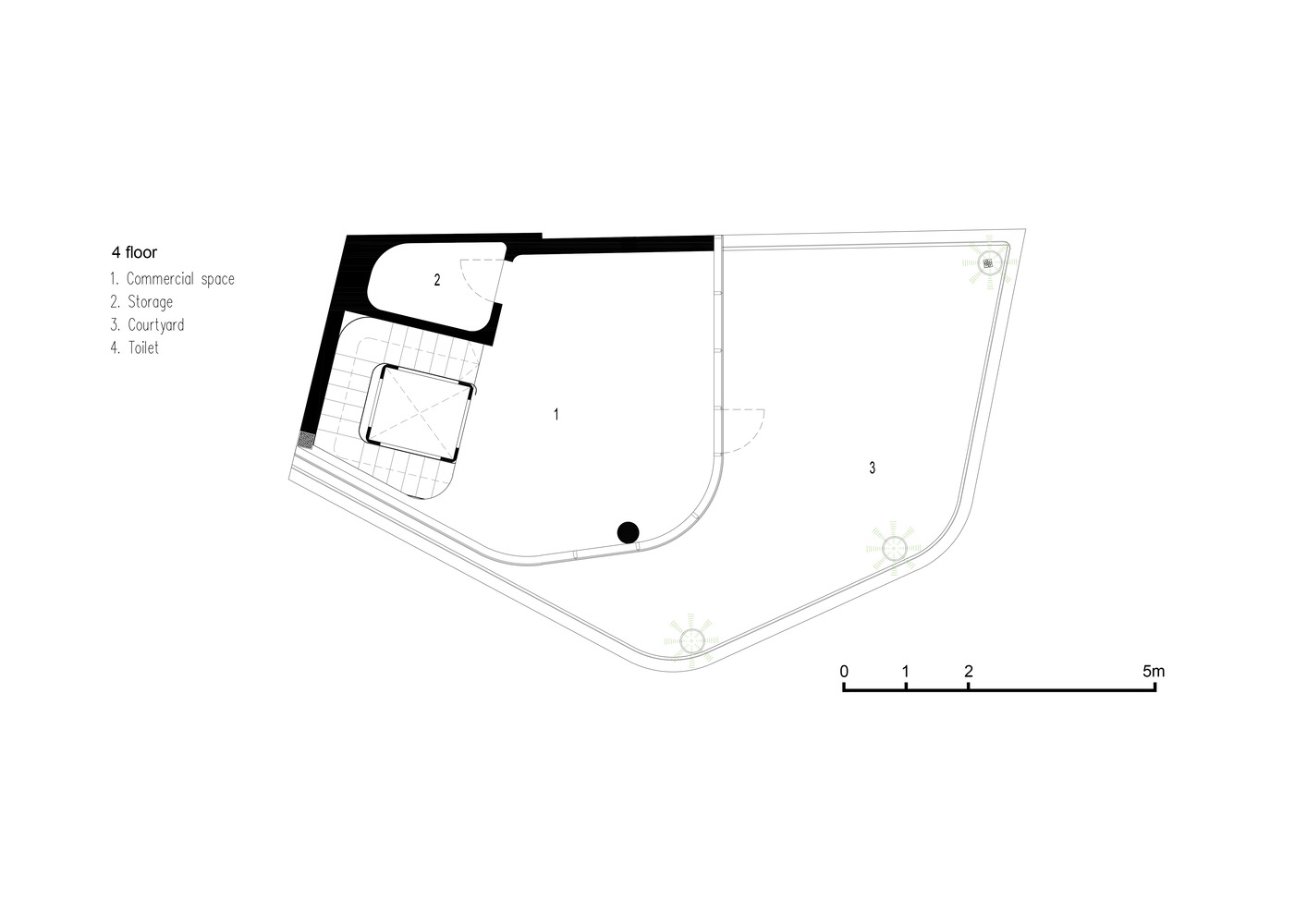
The core design strategy is flexibility. Each floor is conceived as an open, column-efficient "blank space" free from predetermined program constraints.
This allows secondary tenants to adapt the space to any type of business: cafés, restaurants, showrooms, creative studios, boutique offices, galleries, or hybrid functions.
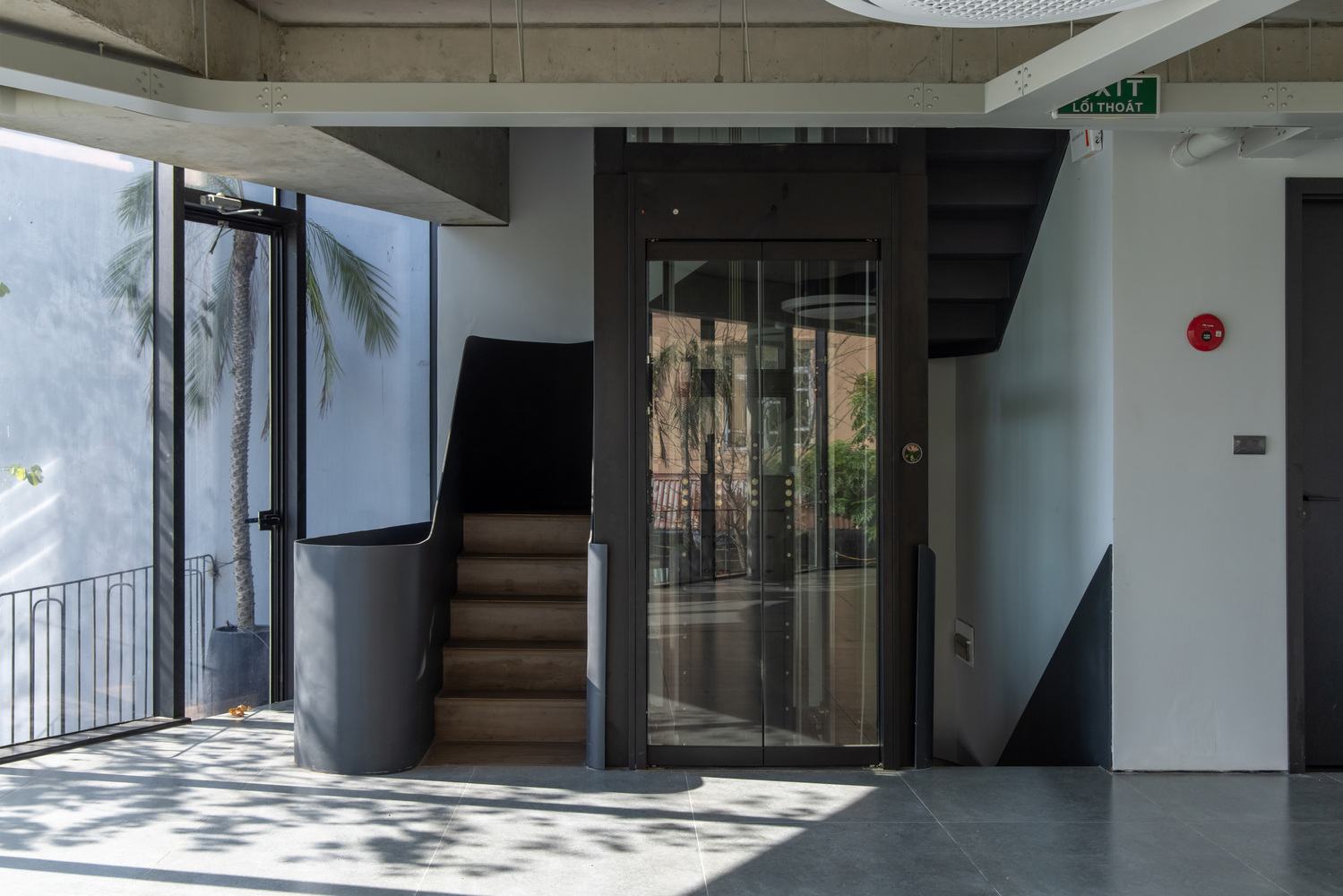
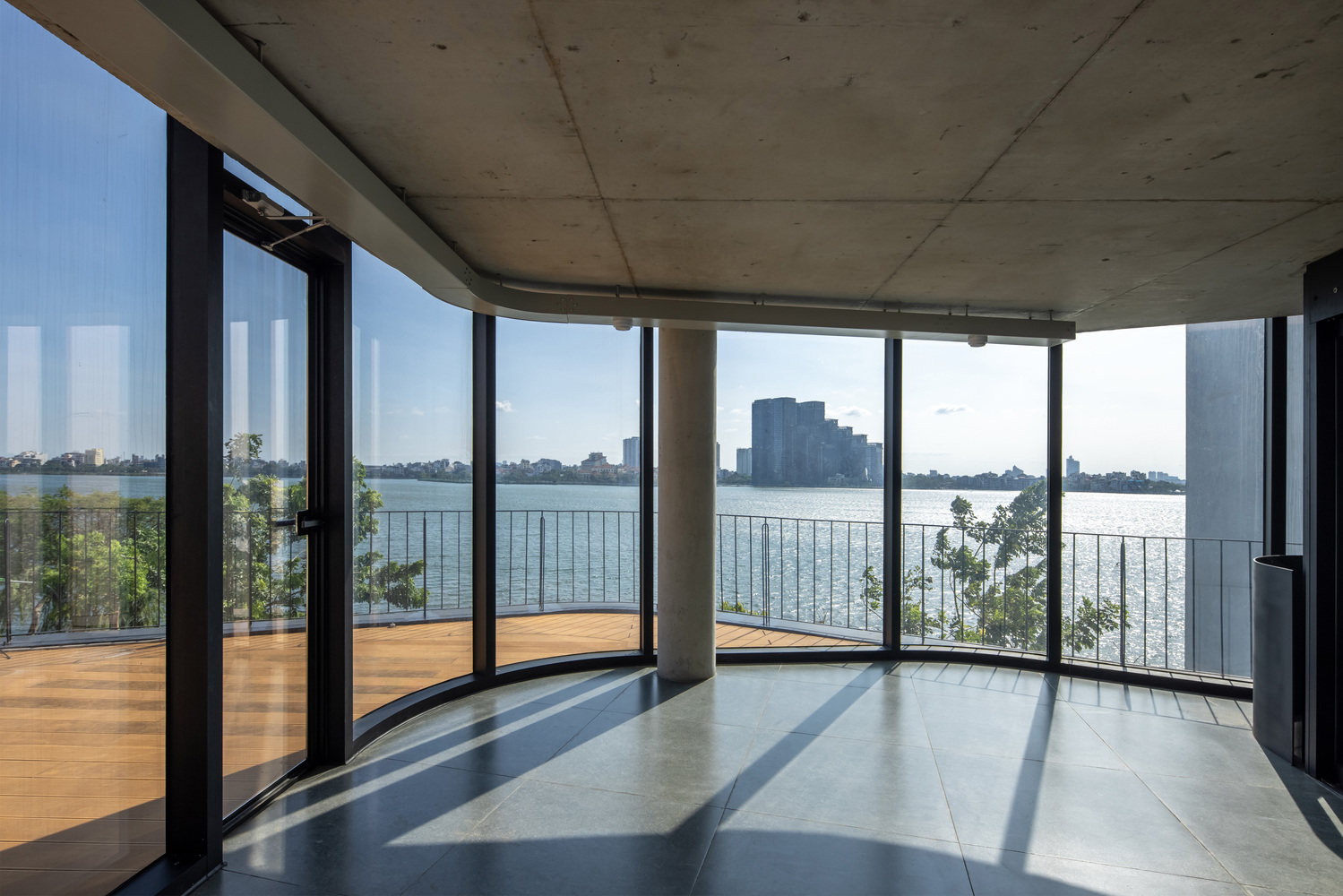
The building is designed not for a single operator but for a long lifecycle of diverse commercial possibilities.
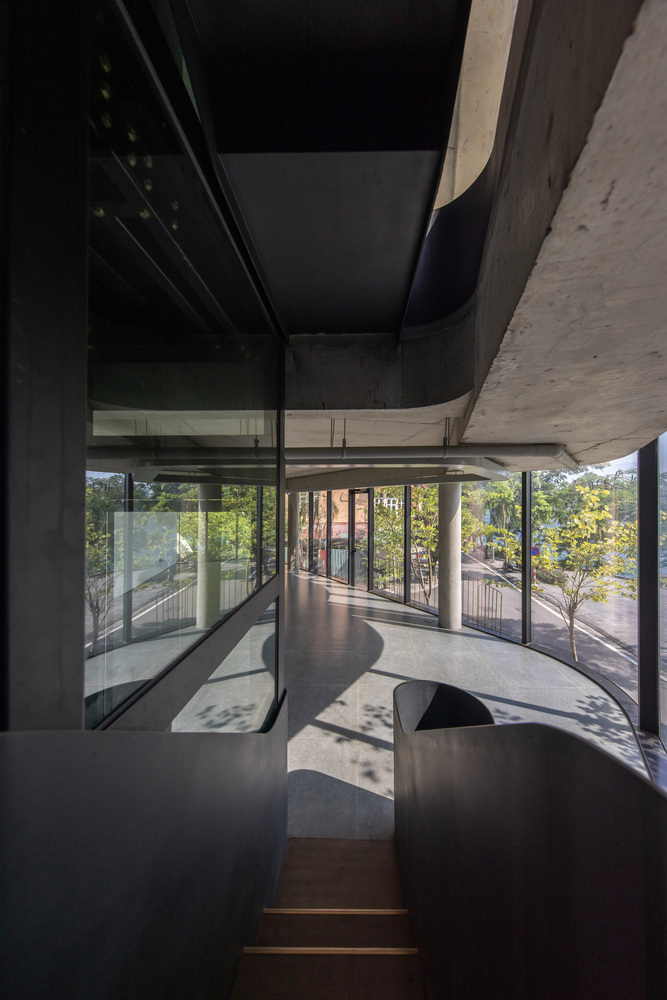
Inside, the combination of exposed concrete slabs and full-height glazing creates a spacious and raw yet refined atmosphere. Structural elements are minimized to preserve the panoramic lake view from every level.
Natural light penetrates the interior throughout the day, while the shadows of trees and reflections of the water animate the floors and ceilings, blurring the boundary between inside and outside.
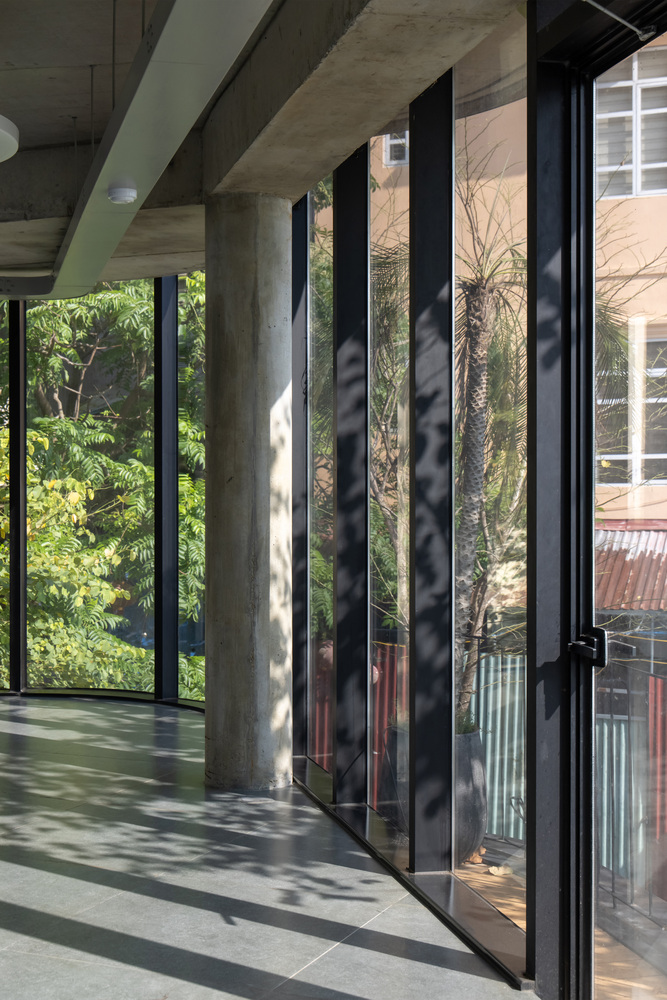
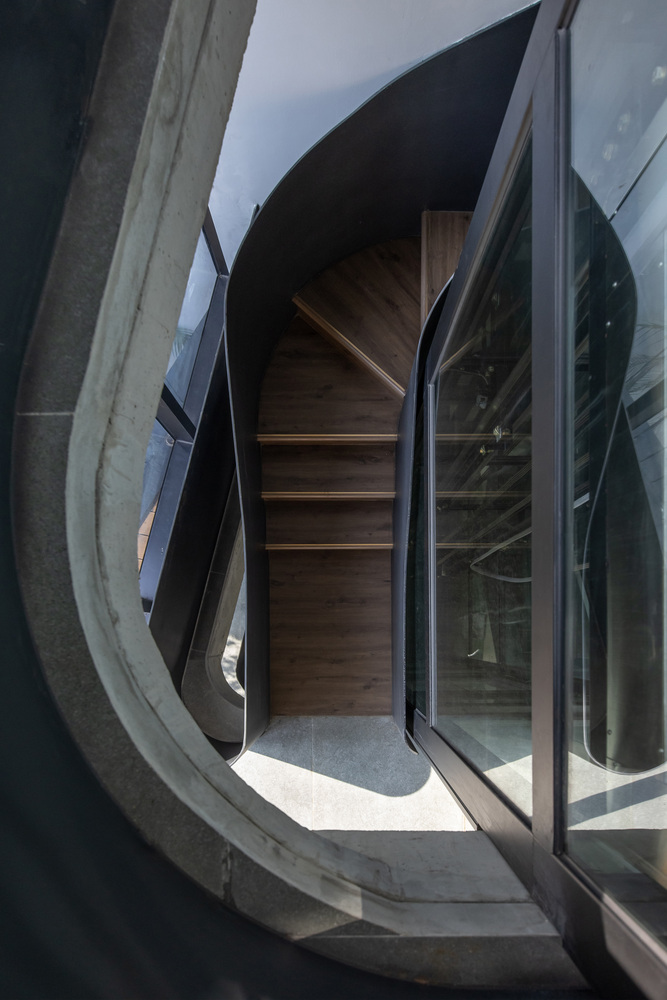
At ground level, a soft transition space is created through a wooden terrace, greenery, and a setback from the public walkway. This creates an inviting threshold where pedestrians can pause, observe, or interact with the activities inside.
In the broader context of West Lake's eclectic architectural setting, Crystal House chooses subtlety over dominance.
It blends rather than competes, becoming a dynamic canvas that reflects the surrounding landscape and the rhythm of daily life by the lake.