

Community Center Rottenbach
COMMUNITY CENTER ROTTENBACH
Atelier St
ARCHITECTS
Atelier St
DESIGN TEAM
Atelier St
TECHNICAL TEAM
Jan Franke
ENGINEERING & CONSULTING > STRUCTURAL
Thomas Fricke
ENGINEERING & CONSULTING > LIGHTING
Sws Tga Planung Suhl
PHOTOGRAPHS
Atelier ST / Viet duc Nguyen
AREA
103 m²
YEAR
2024
LOCATION
Rottenbach, Germany
CATEGORY
Cultural Architecture, Community Center
English description provided by the architects.
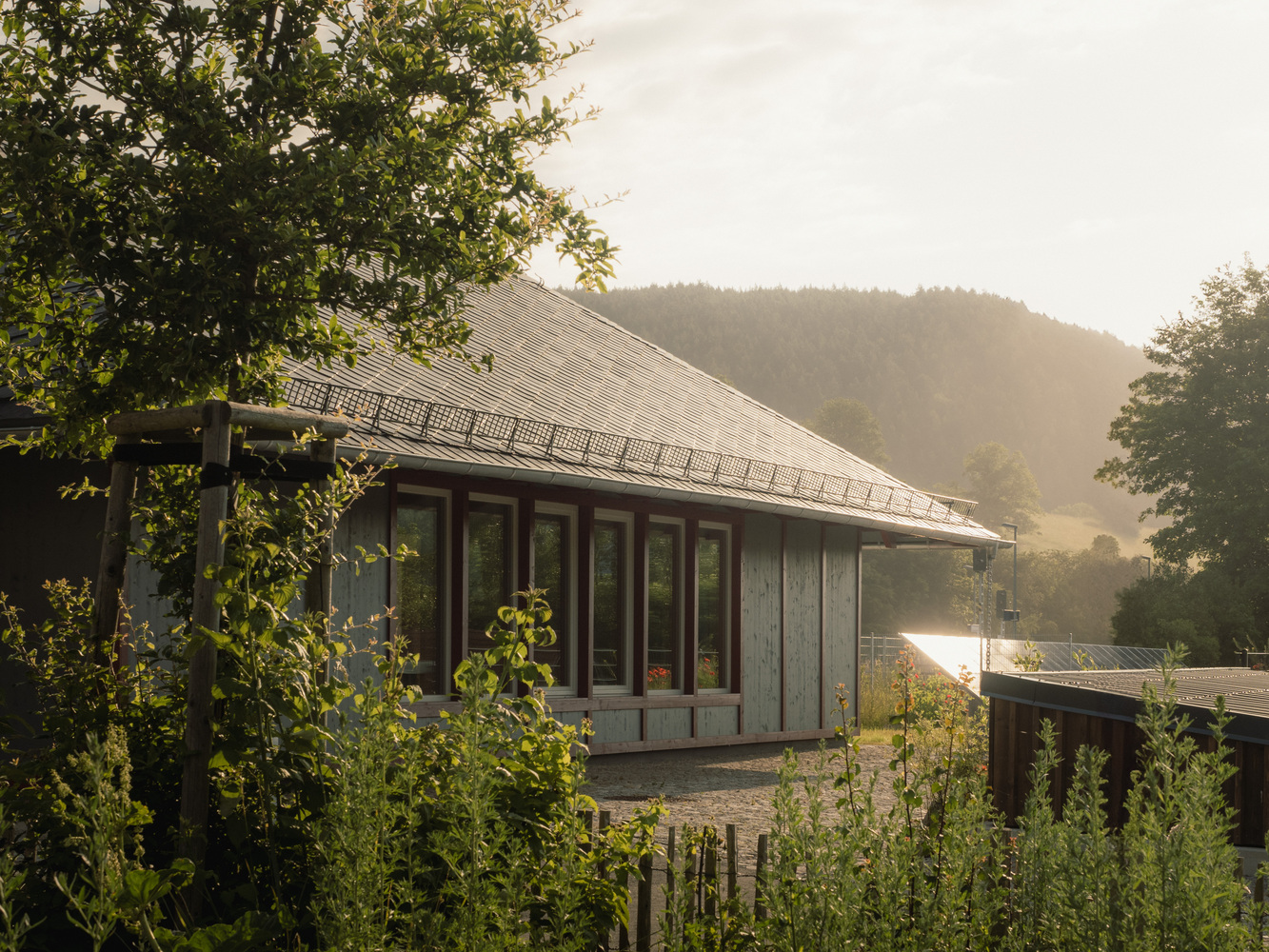
Rottenbach is part of the community of Königsee on the edge of the Schwarzatal valley.
The landscape is characterized by the rolling hills of the Thuringian Forest, historic villages with slate roofs.
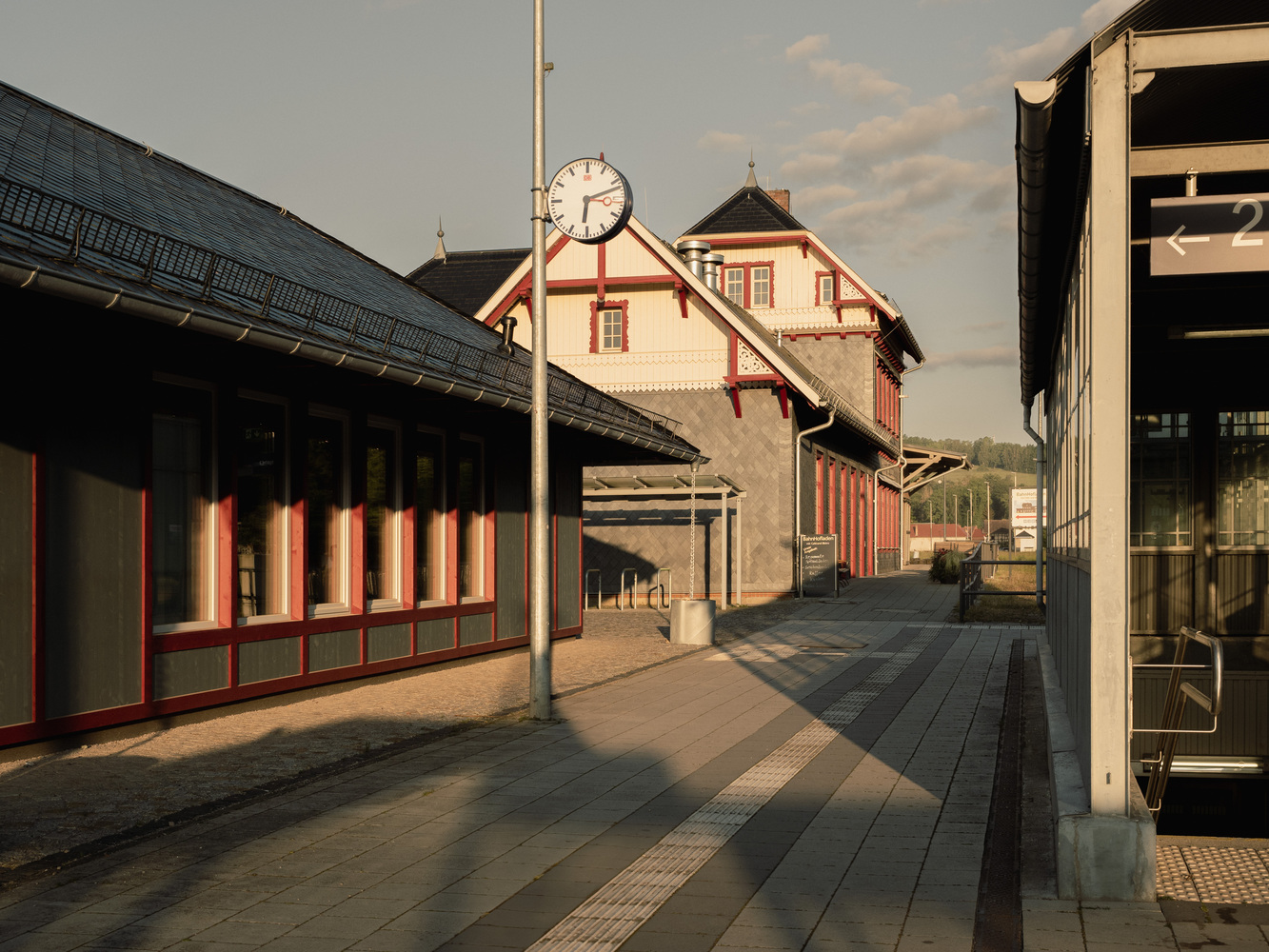
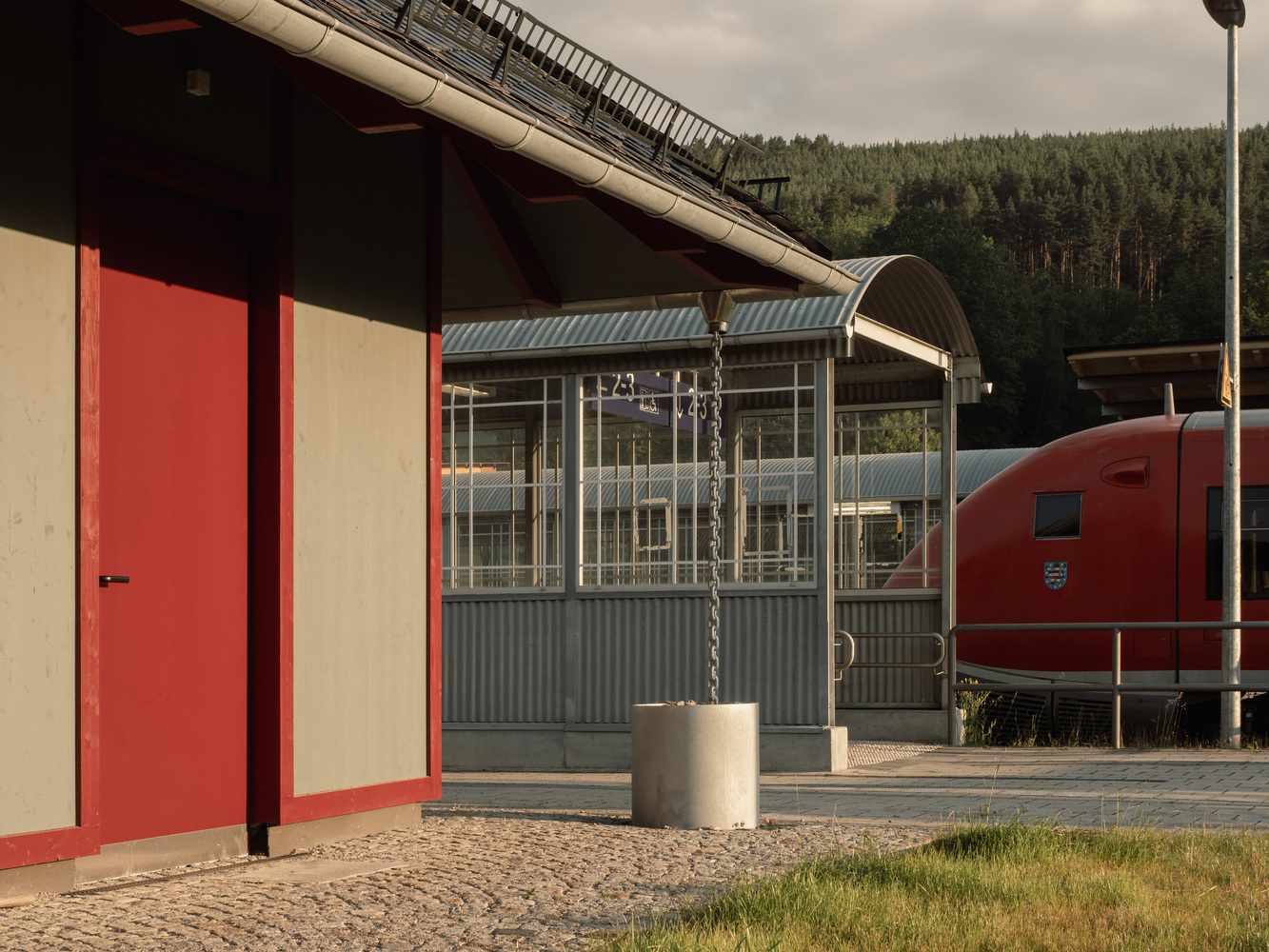
In between lies the historic railway station complex. All in all, a scenery as harmonious as any you might have seen as a child on a model railway.
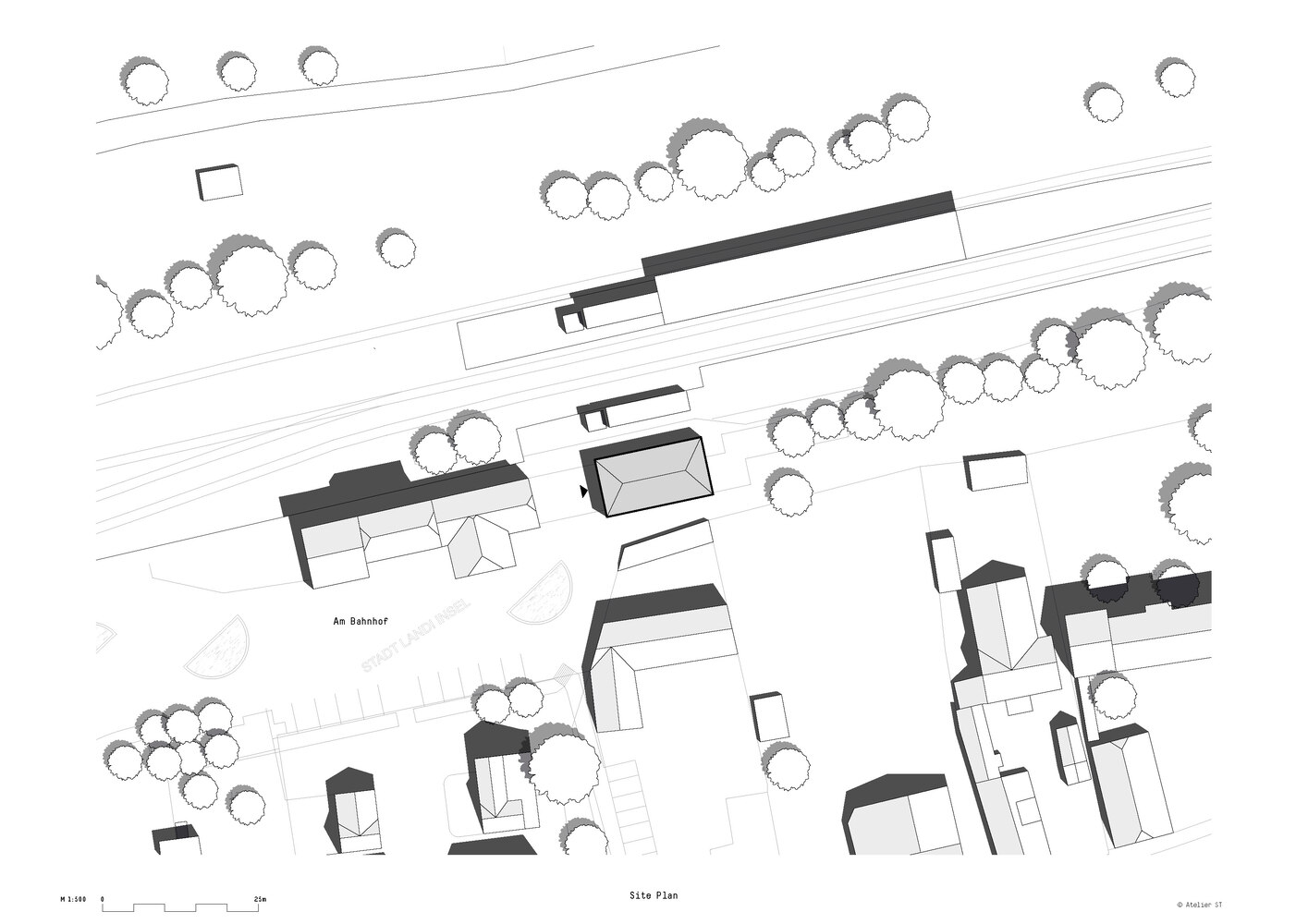
The idea was to recreate this idyll in a small replacement building for a community center in the immediate vicinity of the railway station. The project was supported by the IBA Thüringen, which ran until the end of 2023.
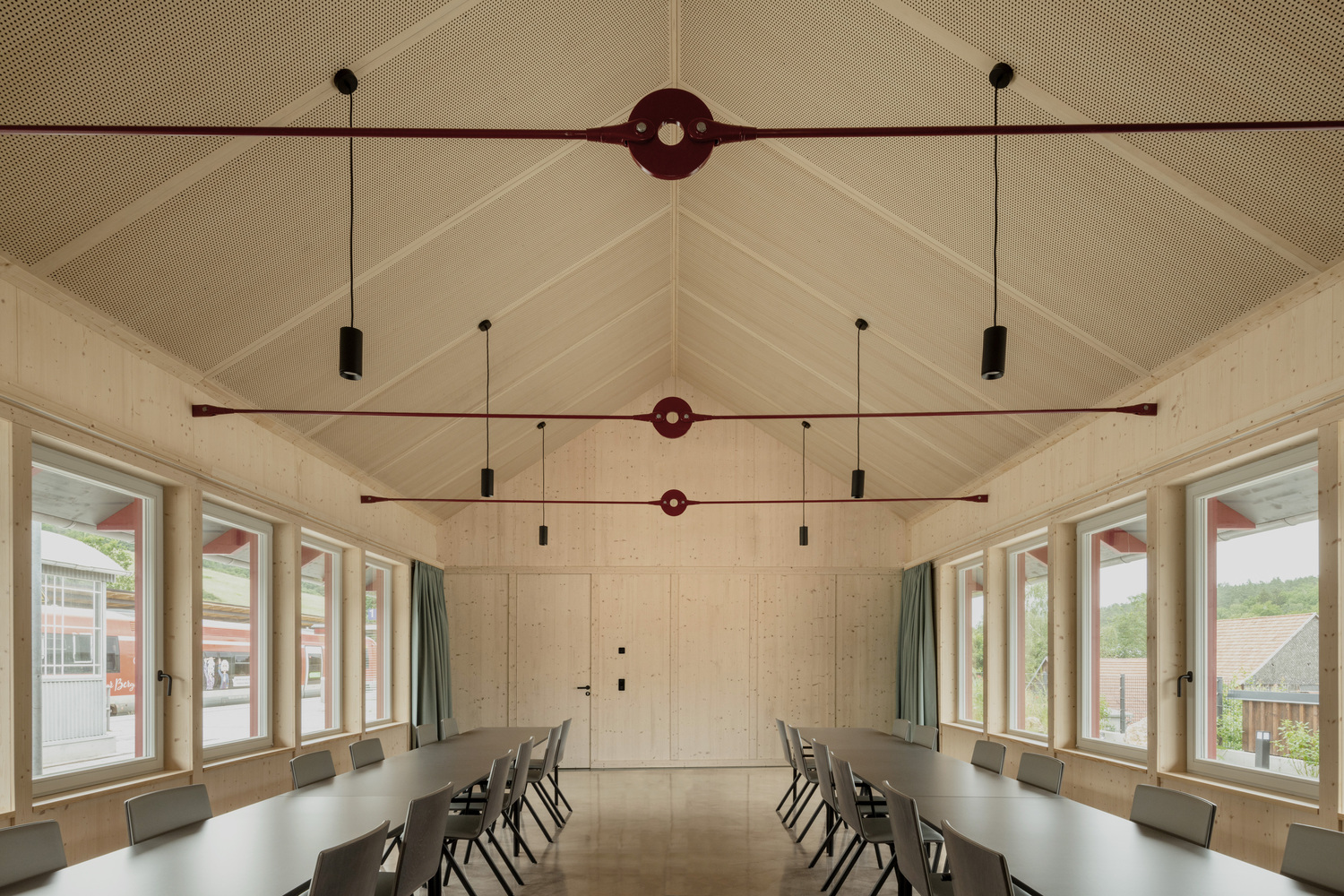
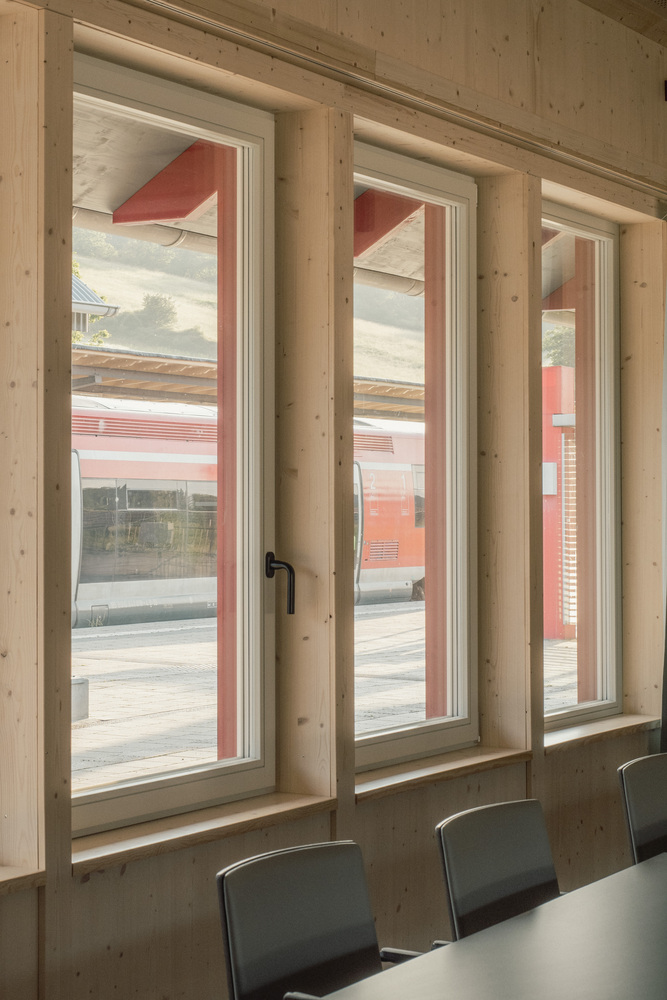
The wooden framework of the historic toilet building was translated into a new wooden structure for the community center. The aim was to develop an independent building: one that is both simple and familiar, but which also blends in naturally with the newly renovated station complex.
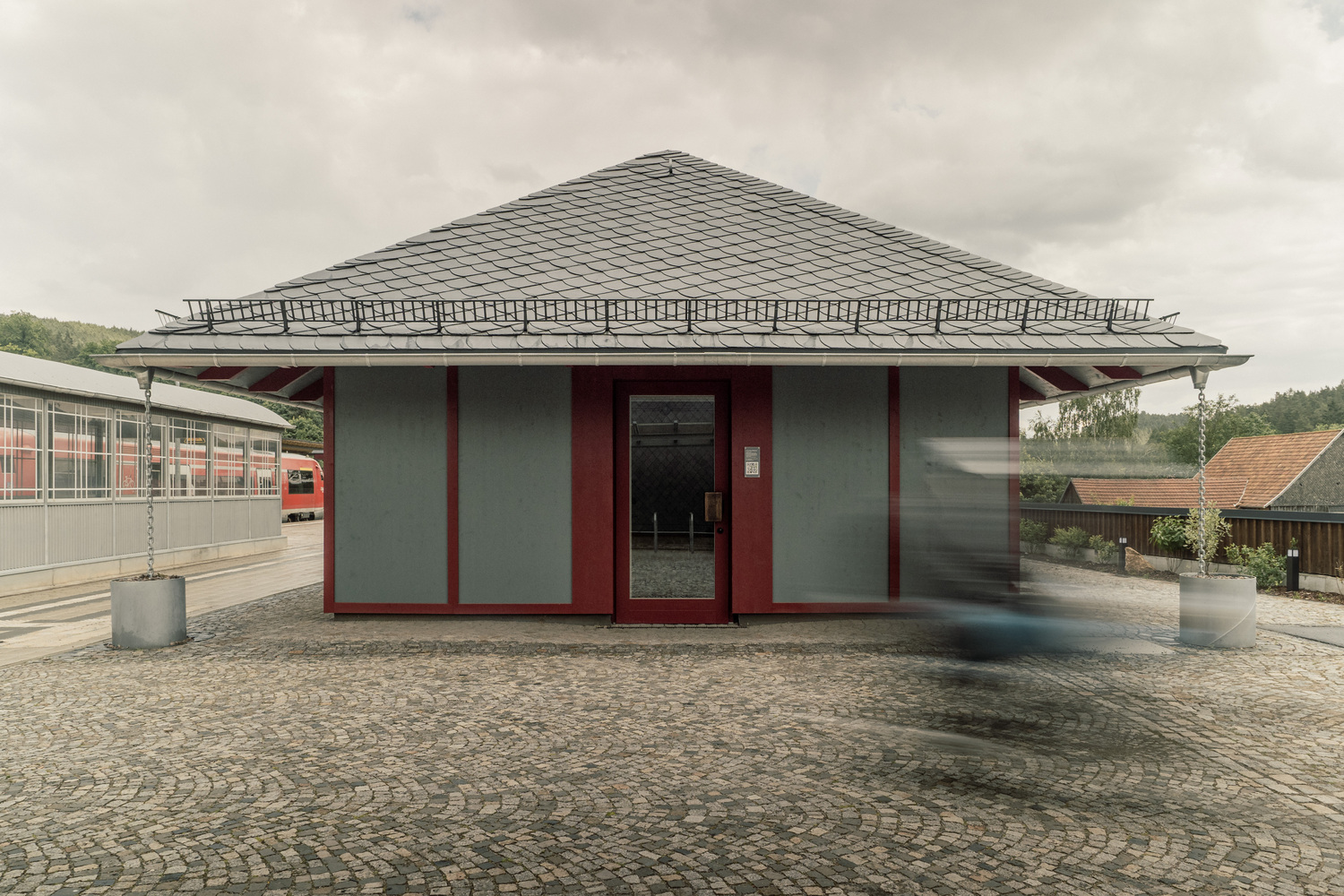
The freestanding new building is positioned in the eastern extension of this listed station ensemble. In a straight, rectangular form with a pitched roof, the community hall incorporates typical building types of the Thuringian Forest.
By dispensing a gable, the extension emphasizes its position as a neutral, public building for the community, without being overbearing.
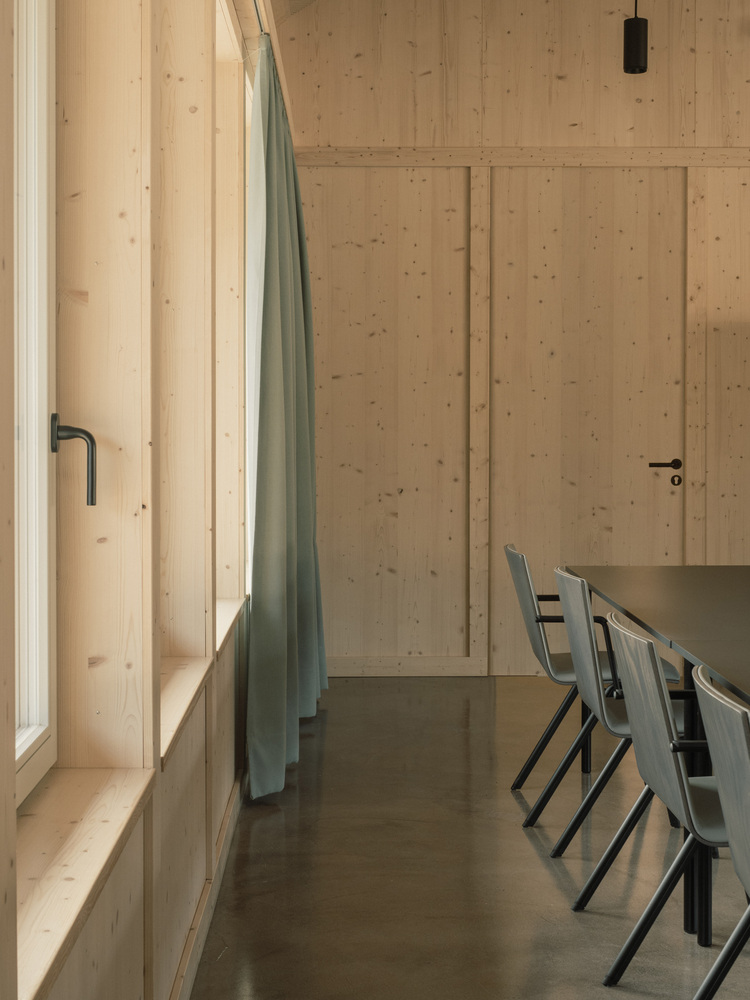
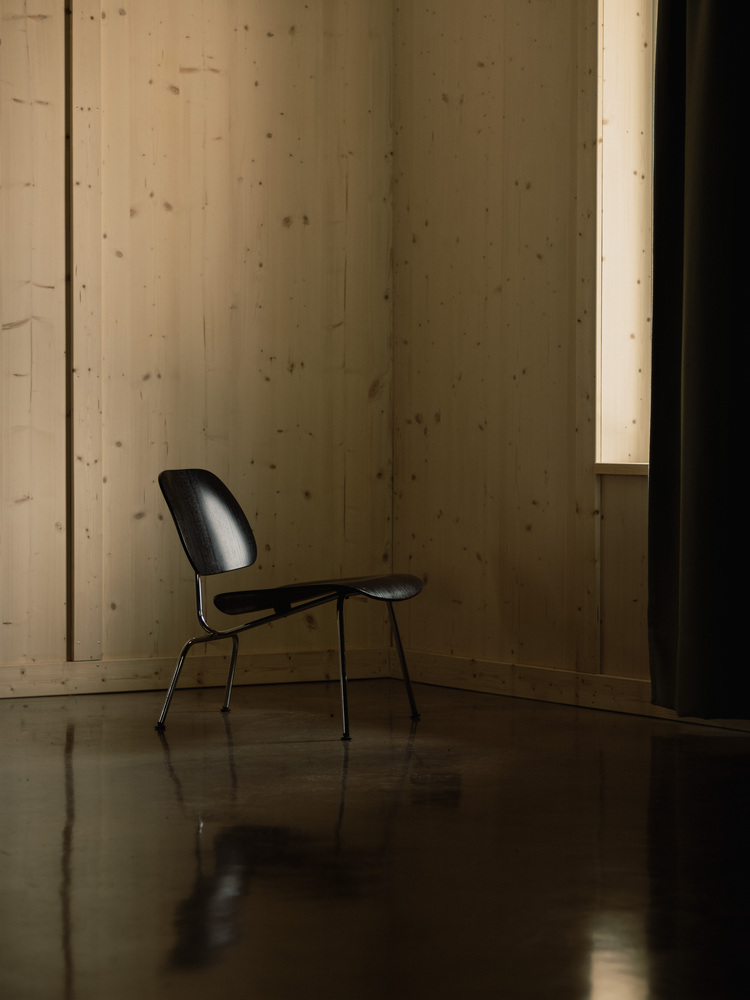
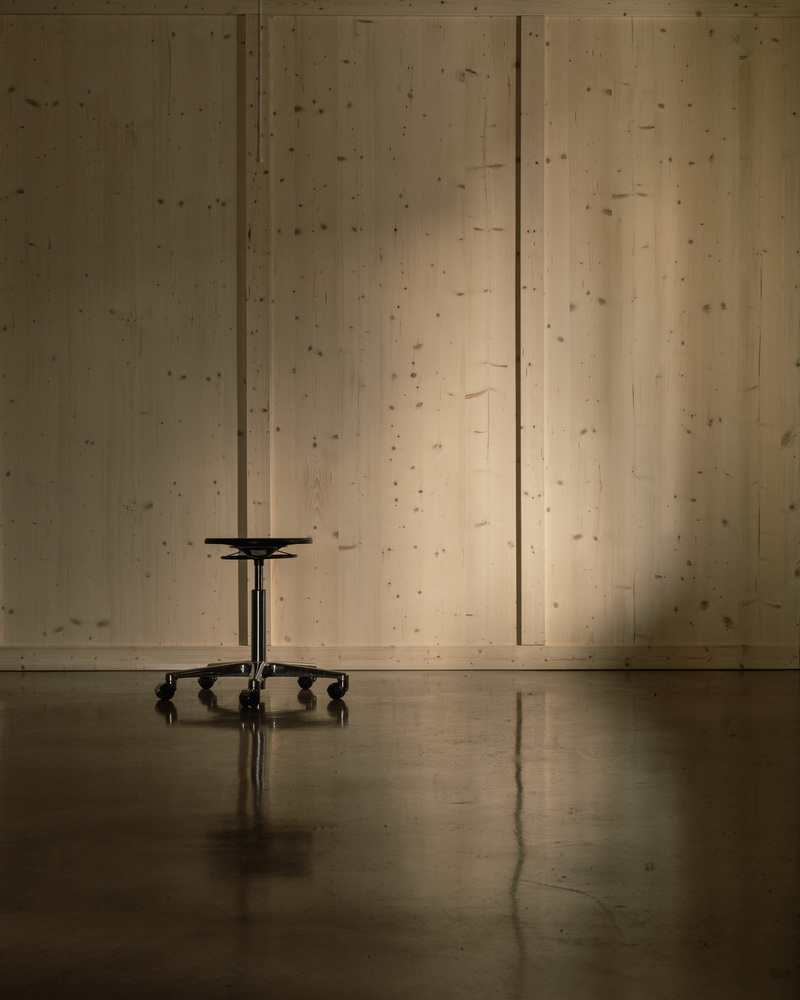
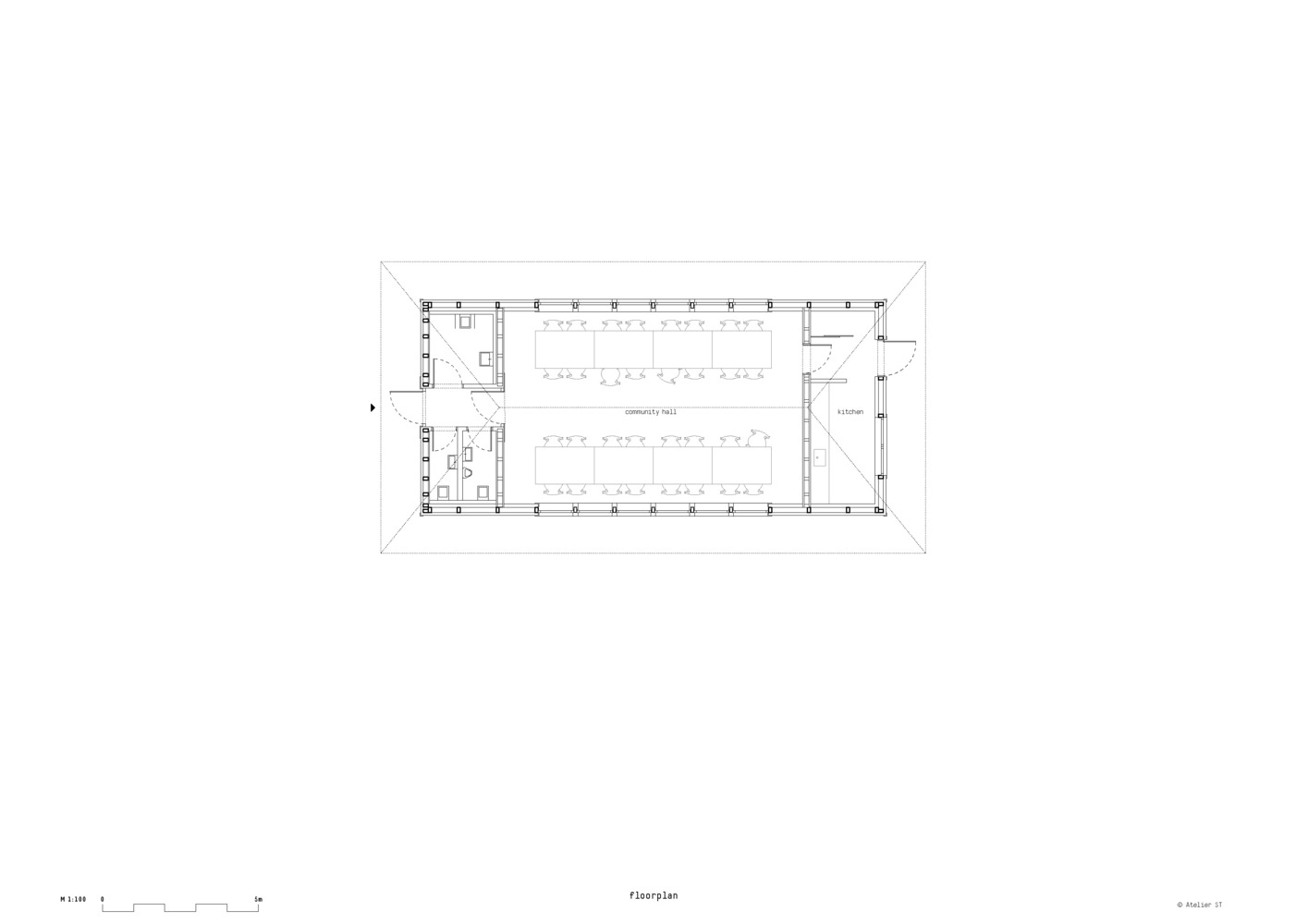
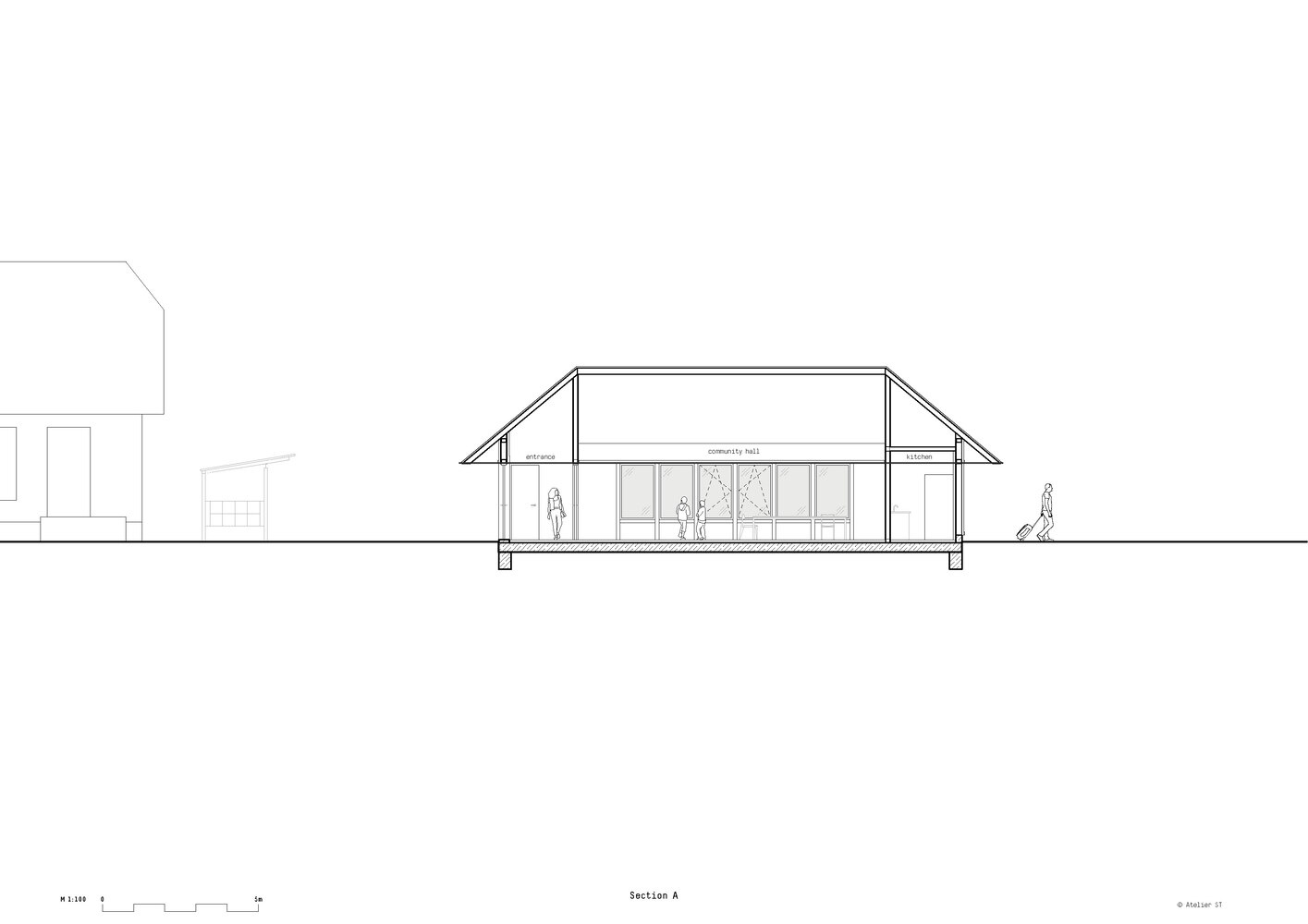
With a floor area of just over 100 square meters, the toilets and kitchen are joined by an unexpectedly spacious common room.
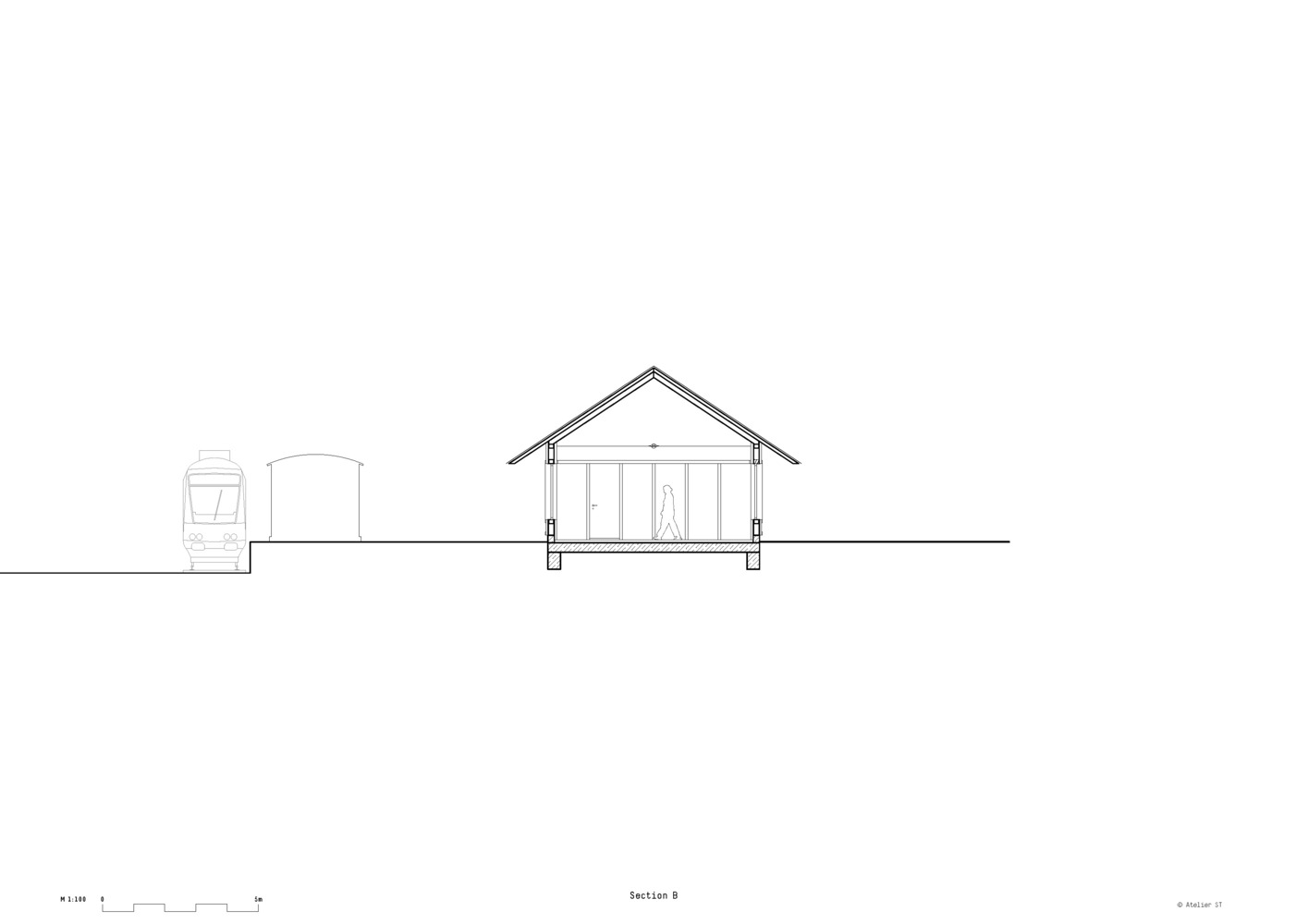
The room, which reaches up to the roof and is completely clad in wood, surprises with its unexpected spaciousness and special atmosphere.
A transparent, barrier-free main entrance with adjoining breezeway and toilet area provides access to the new building opposite the station building.
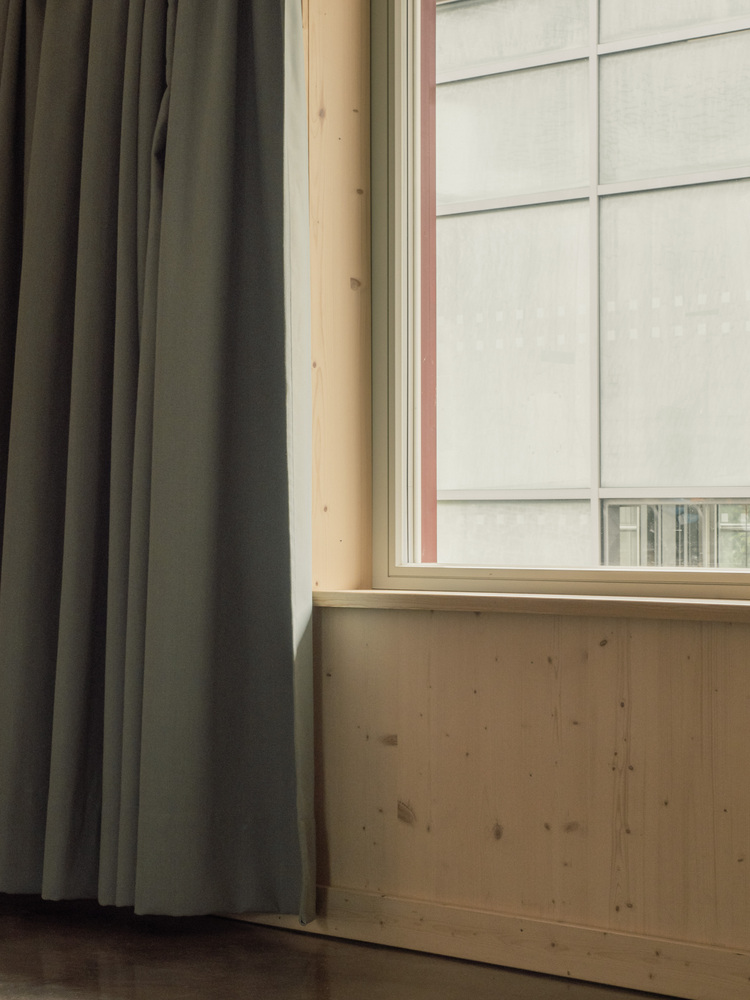
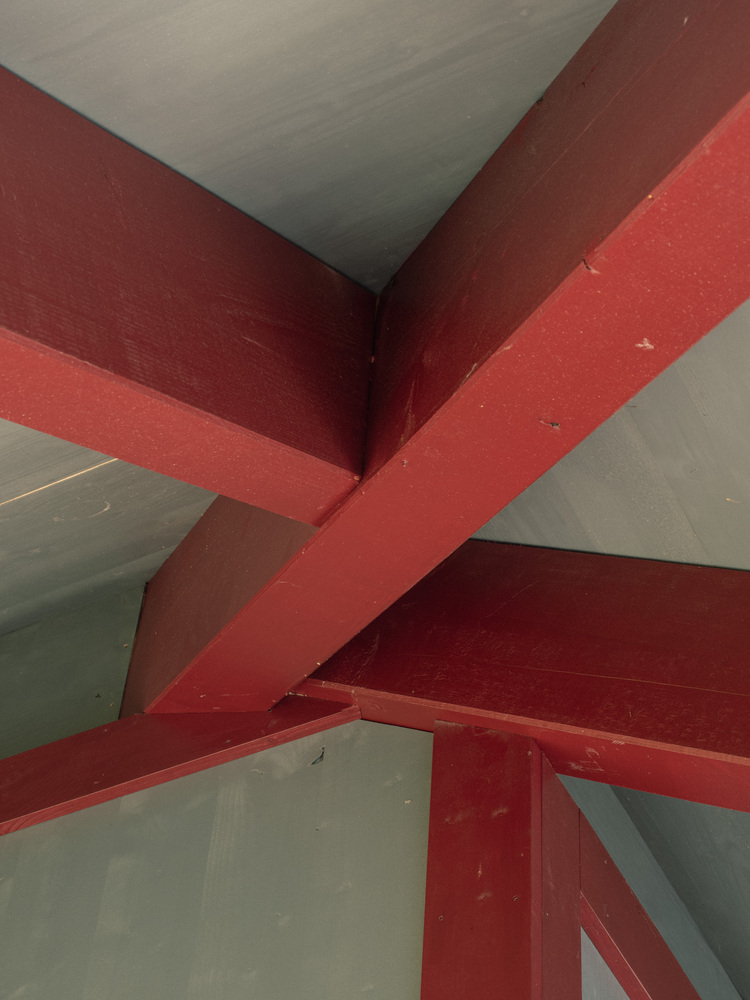
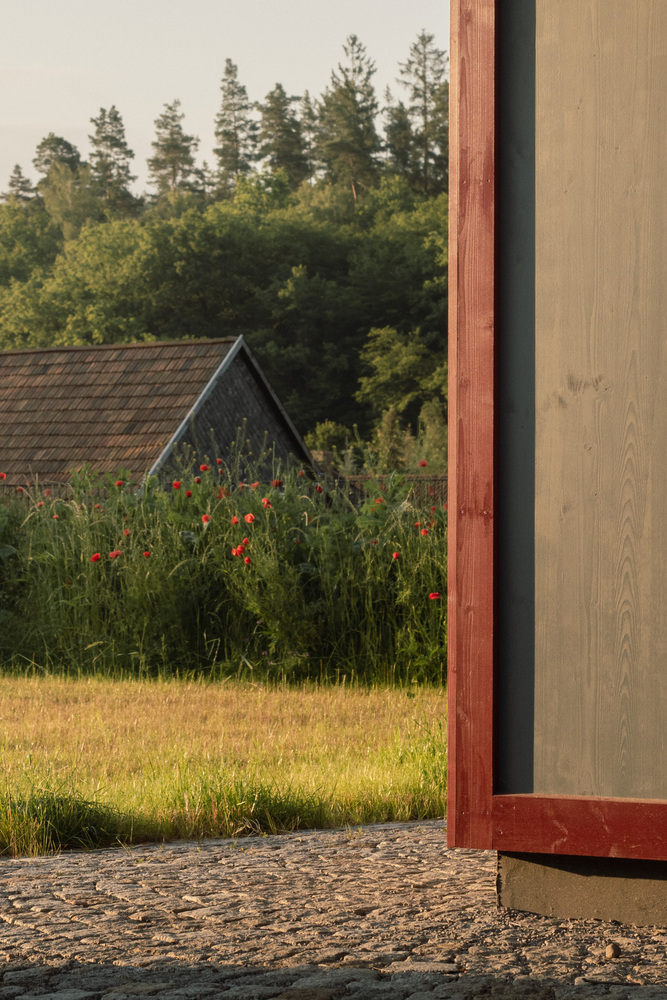
A kitchen and storage area to the west completes the functional series. This part can also be accessed from outside via a separate entrance, independent of the use of the community room.
A wrap-around, cantilevered roof offers the possibility of weather-protected use of the outdoor space.
The design and material concept is as simple and clear as the building's appearance. Strip foundations, together with a foundation slab of reinforced concrete, form the structural basis of the new building, while the community center itself is a timber construction.
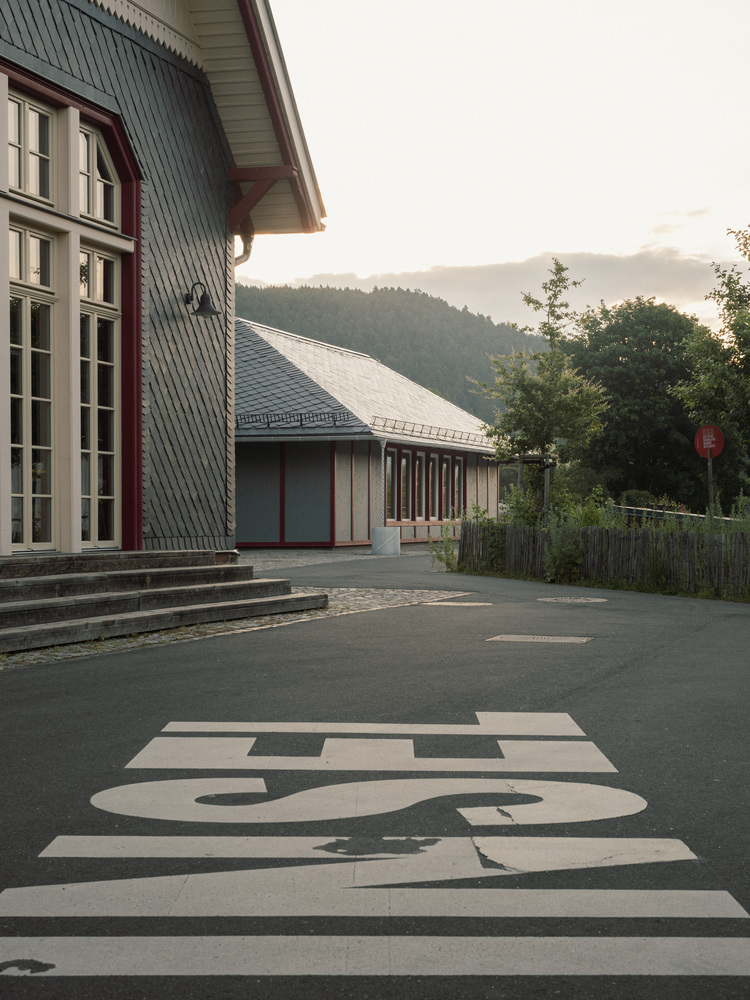
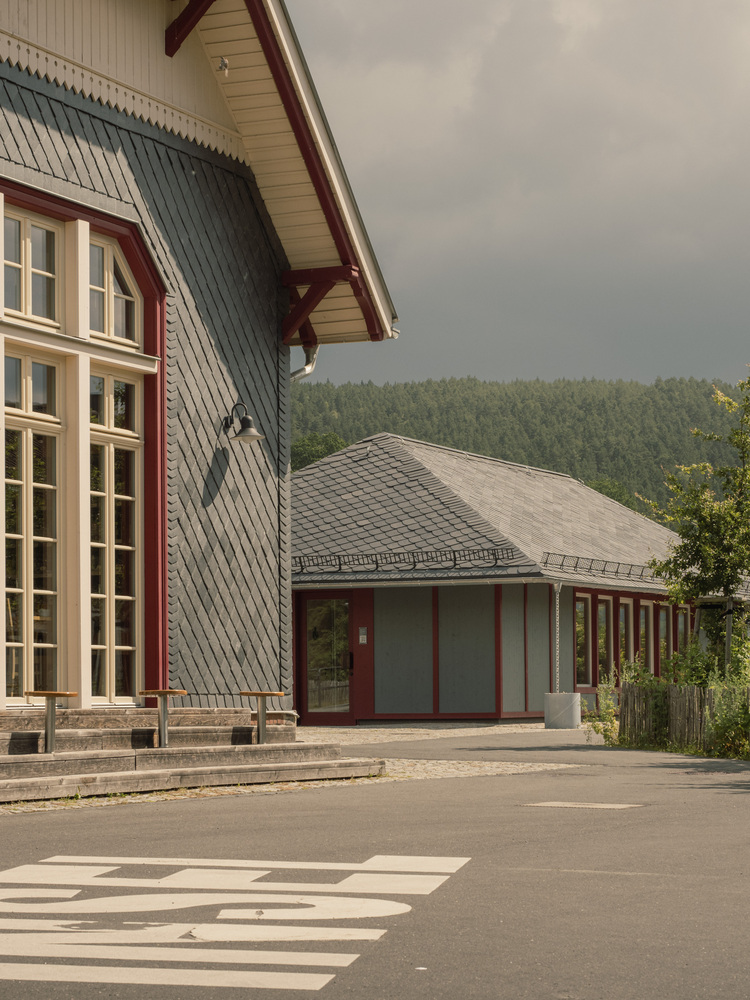
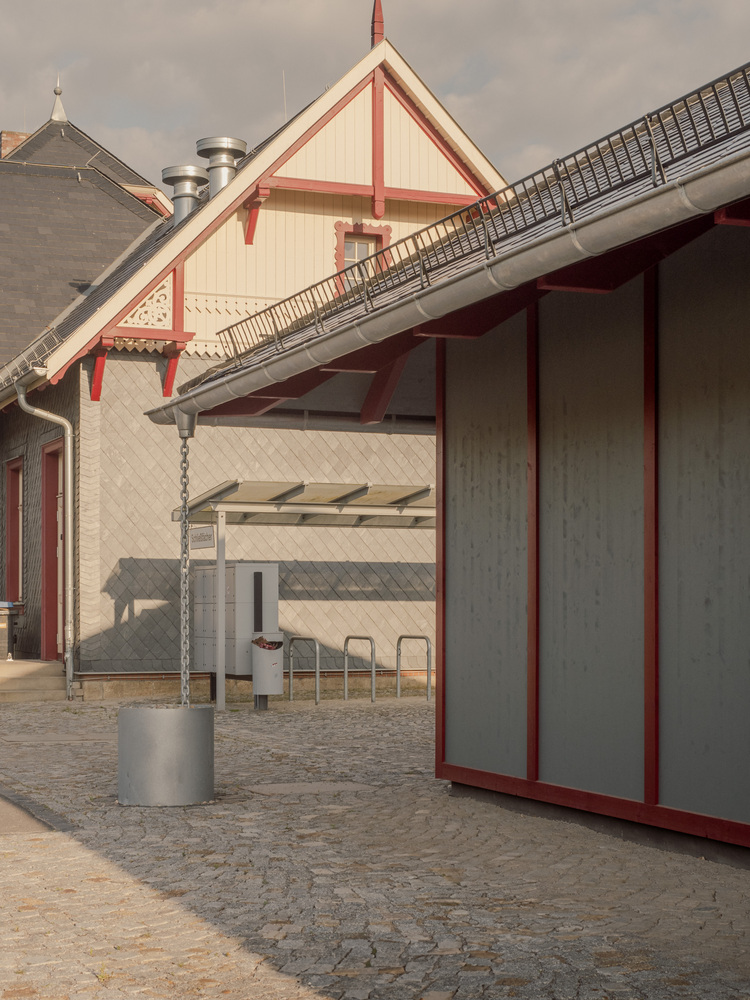
Based on a uniform, economical grid of 1.25 m, the construction structure is visible outside and inside via cover strips and cassettes.
The rafter roof is based on a timber beam construction visible from the inside with an overlapping insulation. Color-coated timber panels characterize the exterior façade.
In combination with the vertical cover profiles, a plastic appearance is modelled in addition to the protective function against the effects of the weather.
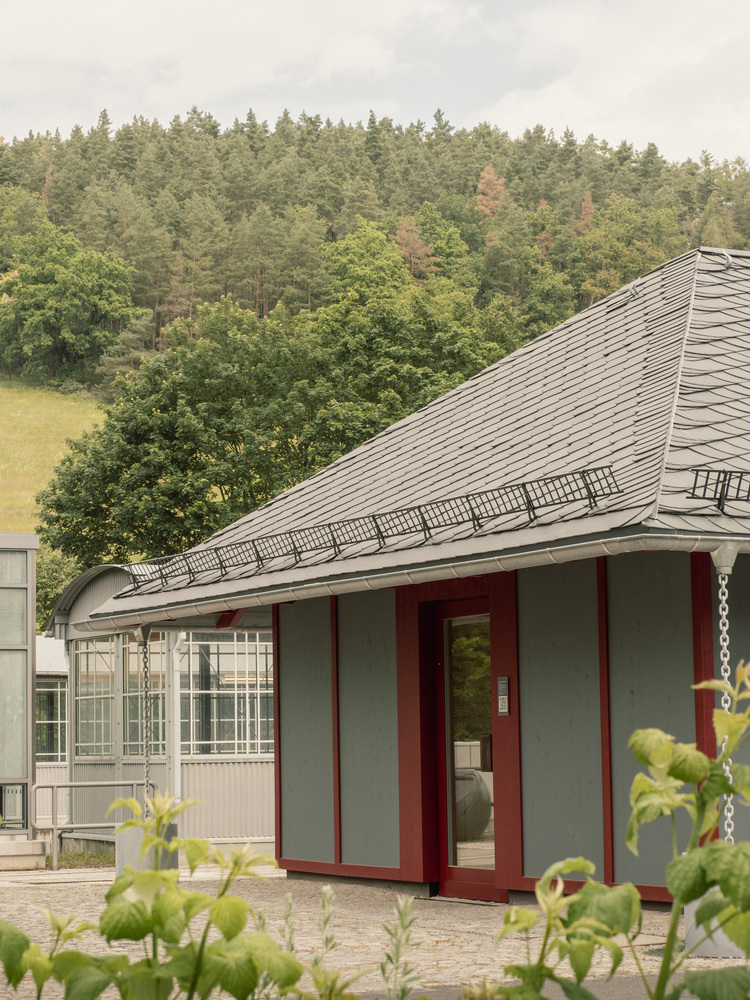
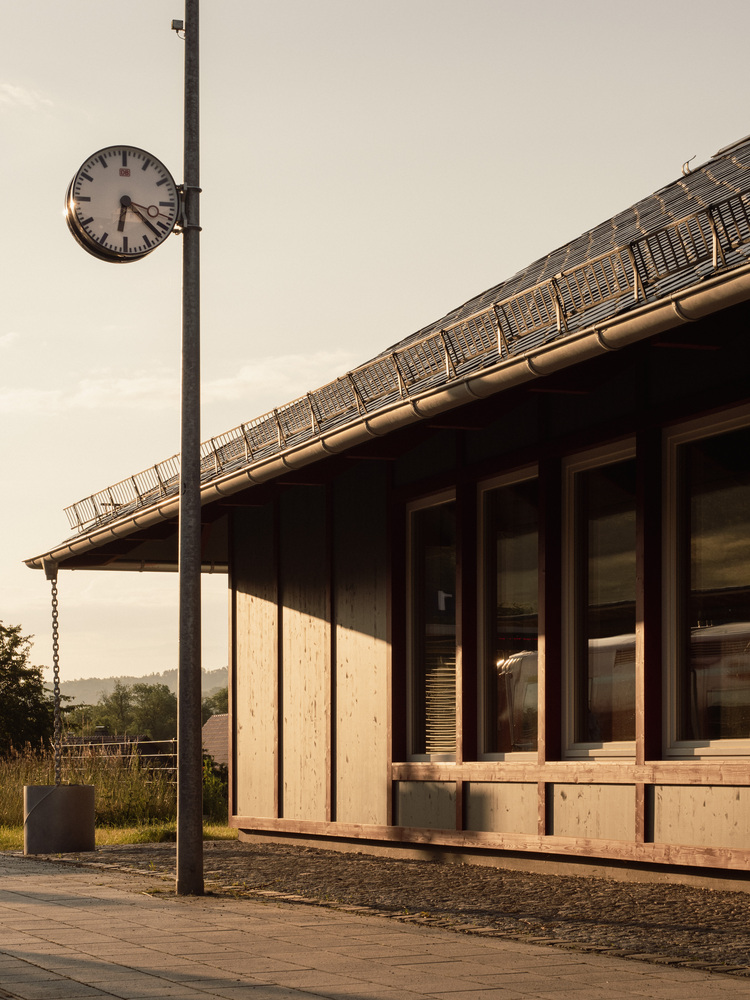
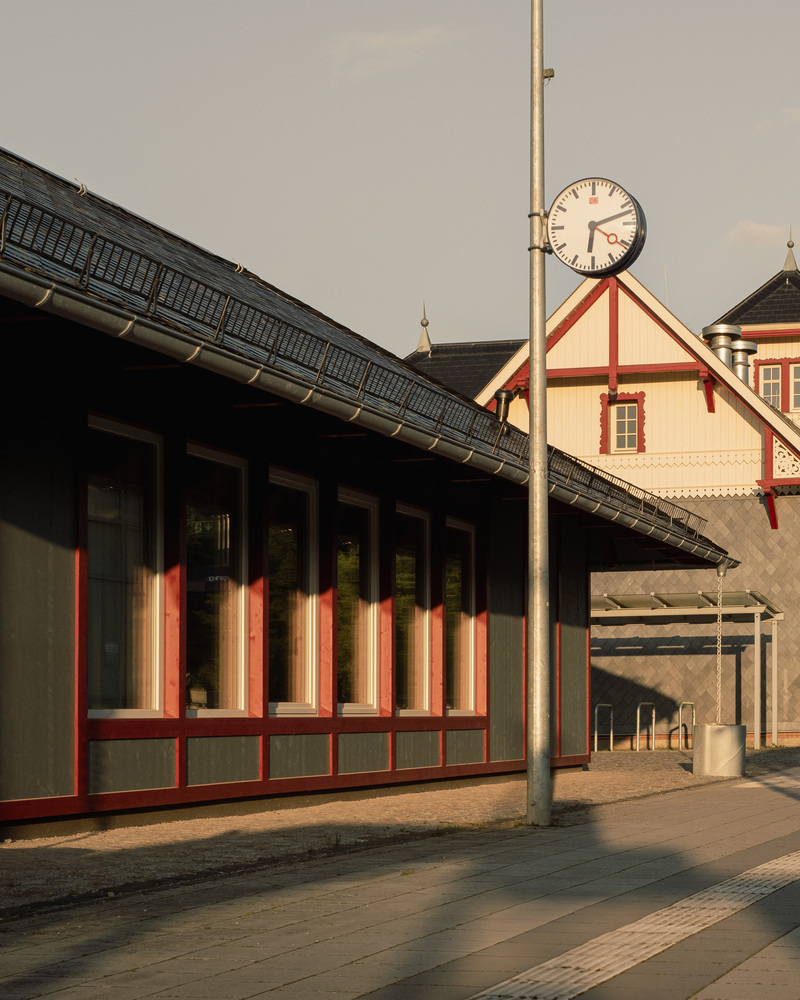
The color scheme is based on the surrounding buildings and the former toilet building. The windows are designed as highly heat-insulating timber constructions with triple insulating glazing.
As a further reference to the historic railway station and the typical buildings of the Thuringian Forest, the roof of the community center is covered with natural slate. Inside, the simple and natural material concept continues.
The floors are designed as exposed polished concrete surfaces with dark, local sand. Both the supporting structure and the wrap-around, coffered timber panelling remain visible and are only covered with a clear protective coating.
ENERGETIC CONCEPT AND SUSTAINABILITY
The largely closed and energy-efficient volume with a low A/V ratio indicates optimized energy consumption.
The relatively small amount of glass in the façades, which is deeply shaded by the large roof overhangs, prevents overheating in summer. As a natural, renewable, and locally available building material, timber is a natural choice for sustainable construction. The economic aspect was also taken into account by prefabricating the elements.
The high material depth of the timber profiles, combined with 3-pane insulating glass, and the heavy roof insulation with wood-fibre insulation boards as the rafter insulation, ensured efficient energy savings and thus a significant reduction in heating costs. The heat is supplied via the station building.
