
AquaPraça Floating Plaza
AQUAPRAÇA FLOATING PLAZA
Carlo Ratti Associati, Höweler + Yoon Architecture
ARCHITECTS
Carlo Ratti Associati, Höweler + Yoon Architecture
PRINCIPAL HÖWELER + YOON
J Meejin Yoon, Eric Höweler
STRATEGY CRA CARLO RATTI ASSOCIATI
Luca Bussolino
SENIOR ARCHITECT CRA CARLO RATTI ASSOCIATI
Gizem Veral, Rodolfo Siccardi,
PROJECT MANAGER HÖWELER + YOON
Asli Baran Grace
TECHNICAL ADVISOR HÖWELER + YOON
David Hamm
ARCHITECT/3 D ARTIST CRA CARLO RATTI ASSOCIATI
Gary Di Silvio,pasquale Milieri, Gianluca Zimbardi
ARCHITECT CRA CARLO RATTI ASSOCIATI
Sonia Simone
PROJECT PRINCIPAL & MANAGER CRA CARLO RATTI ASSOCIATI
Carlo Ratti, Andrea Cassi
RESEARCHER HÖWELER + YOON
Selin Sahin
TECHNICAL COLLABORATORS
Maestro Technologies, Cimolai, Ingembp, Naos, Nunziante Magrone, Dp38, Projema Srl, Light Follows Behaviour, Studio Fm, Stv, Matteogatto&associati, Lab Da Cidade
DESIGNER HÖWELER + YOON
Shuang Chen
PHOTOGRAPHS
Leonardo Finotti, Peter White
AREA
400 m²
LOCATION
Belém, Brazil
CATEGORY
Pier, Cultural Architecture, Sustainability
English description provided by the architects.
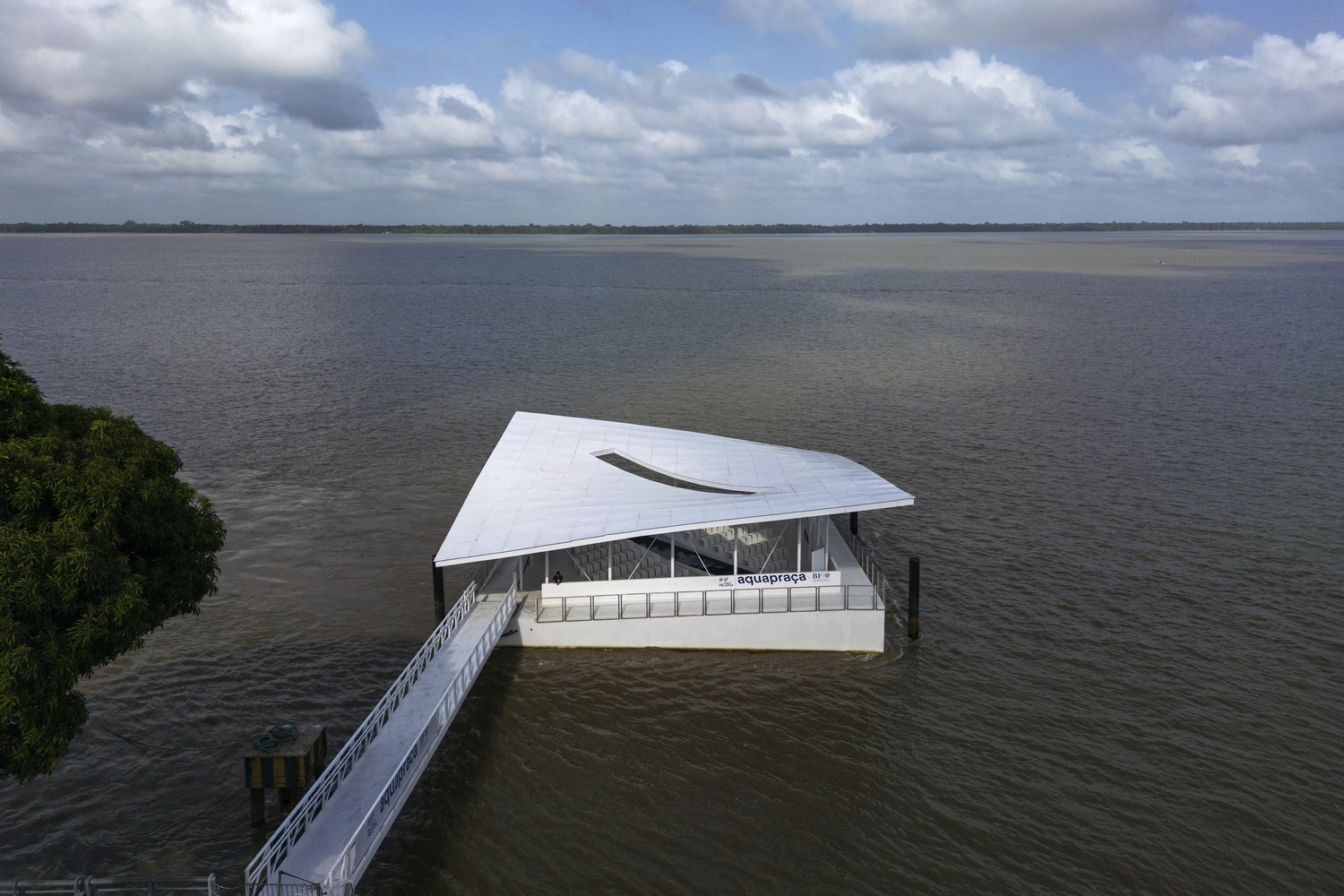
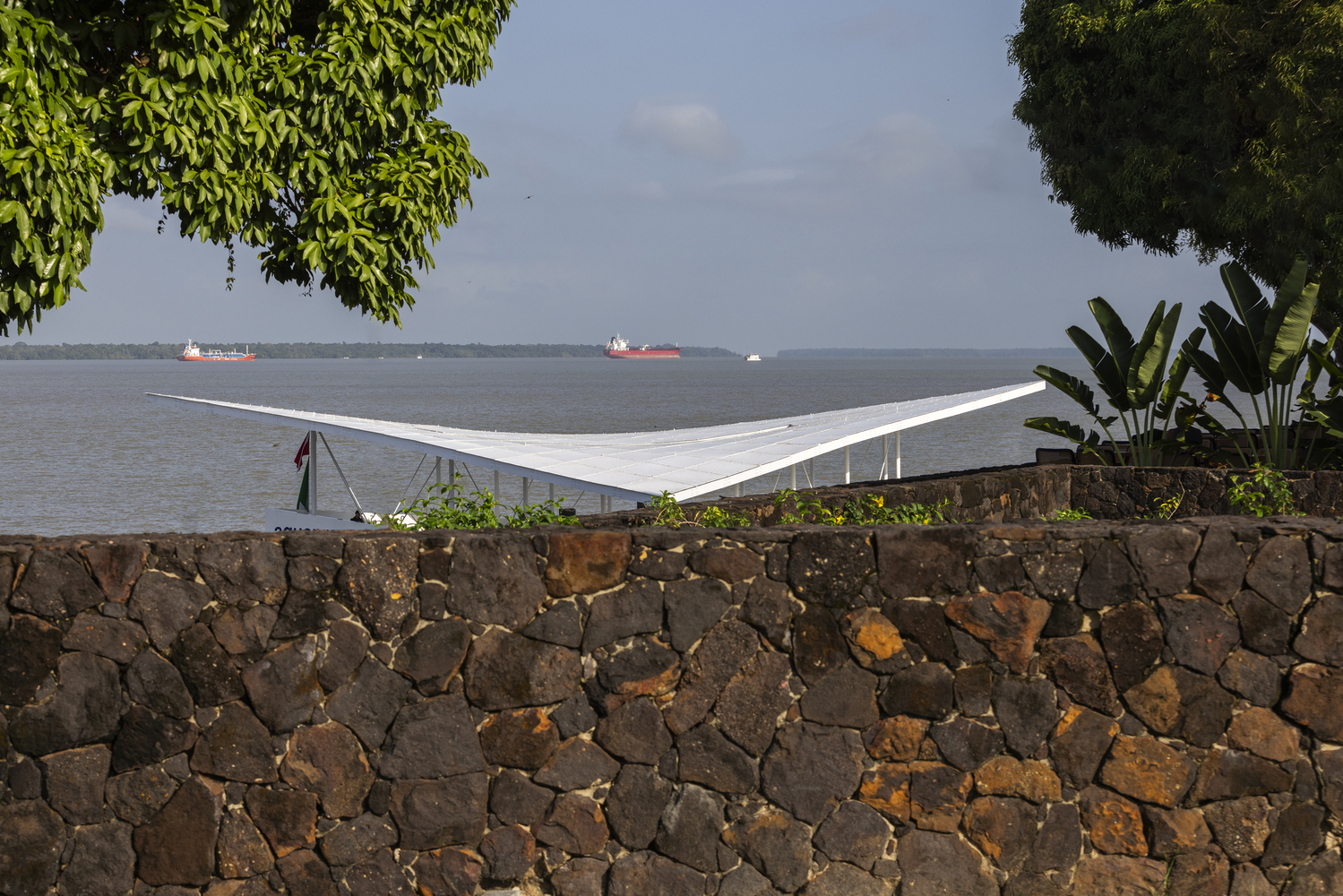
AquaPraça, the floating cultural plaza designed by CRA-Carlo Ratti Associati and Höweler + Yoon, becomes one of the landmarks of the UN Climate Change Conference COP30 in Belém, Brazil.
Following its unveiling in Venice in September during the Biennale Architettura 2025 in partnership with Italy's Ministry of Foreign Affairs and International Cooperation, Italy's Ministry of Environment and Energy Security, and COP30 Presidency, AquaPraça now serves as an integral part of the Italian Pavilion at COP30, the UN Climate Change Conference.
AquaPraça was made possible through a unique international coalition, including the Italian Agency for Development and Cooperation, CIHEAM Bari, and the World Bank Group's Connect4Climate program, and with the support of BF International – Member of BF S.p.A. Group (as AquaPraça COP30 Naming Partner), Bloomberg Philanthropies, Costa Crociere, ENEL, and Gruppo Ferrovie dello Stato Italiane.
AquaPraça was constructed by an Italian leading advanced steel construction Company, Cimolai.
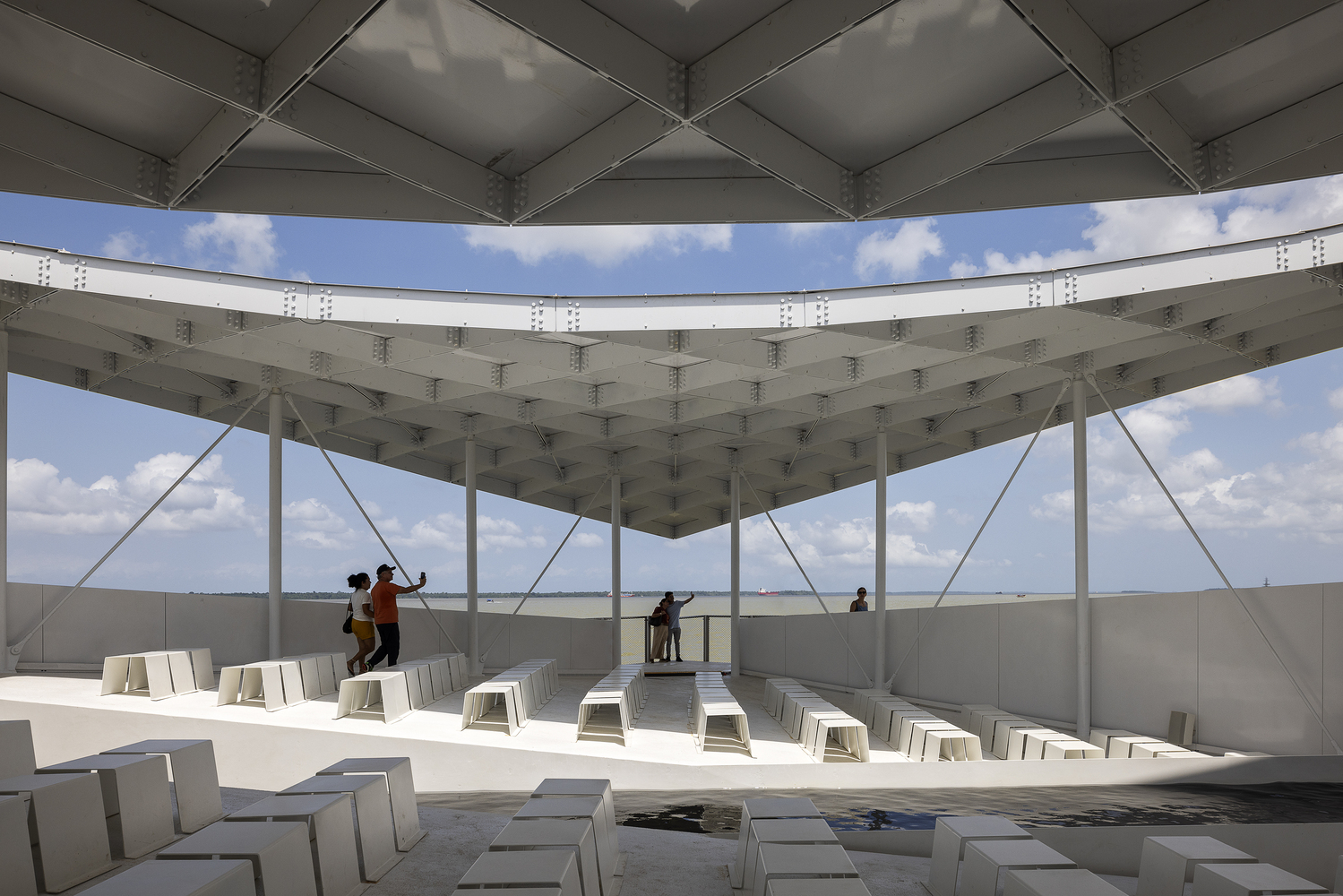
After COP30, Aquapraca will be donated by Italy to Brazil to become a community space for promoting social engagement on climate, cultural strategy, and creative industries in partnership with the State of Parà of Brazil.
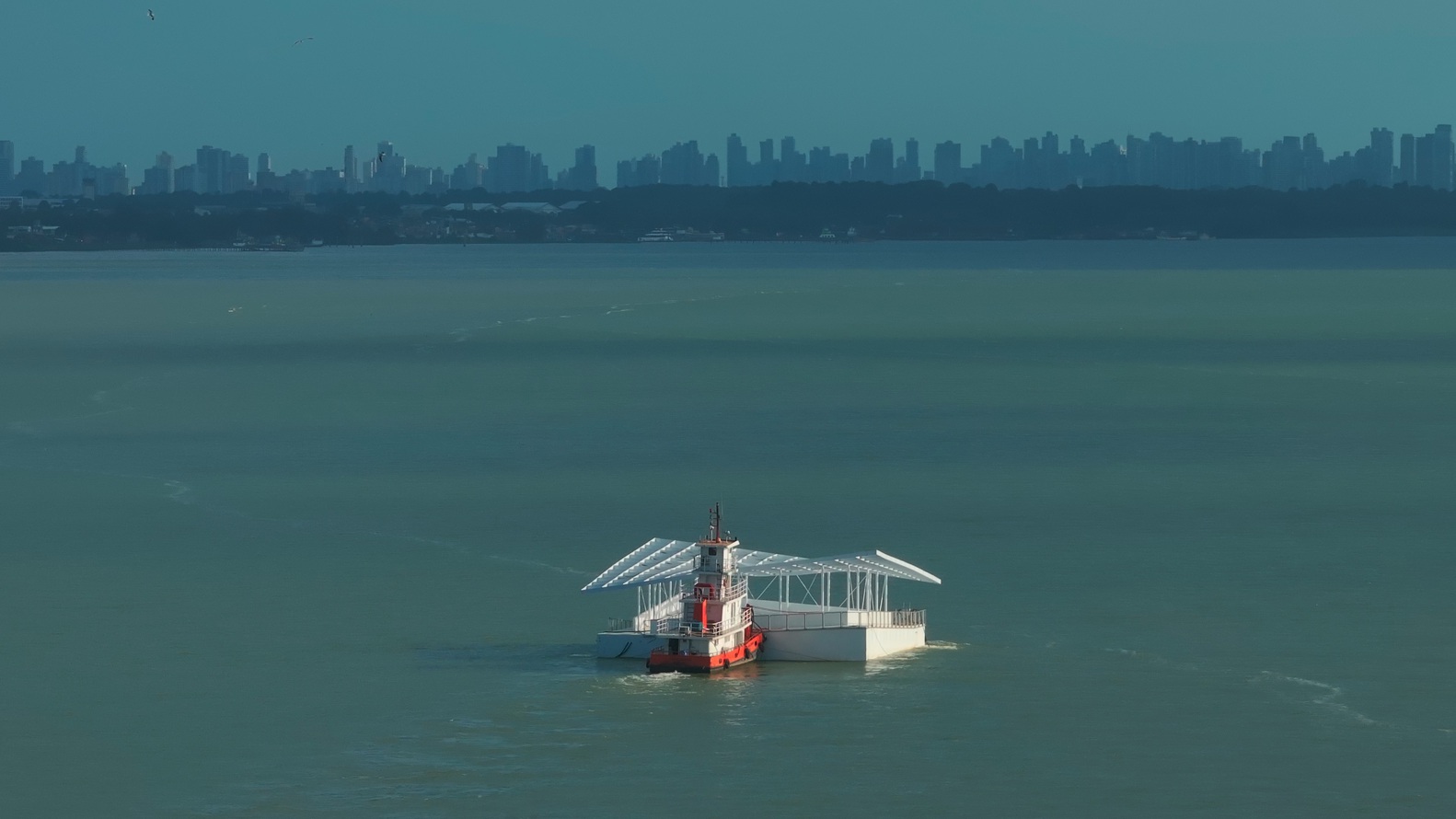
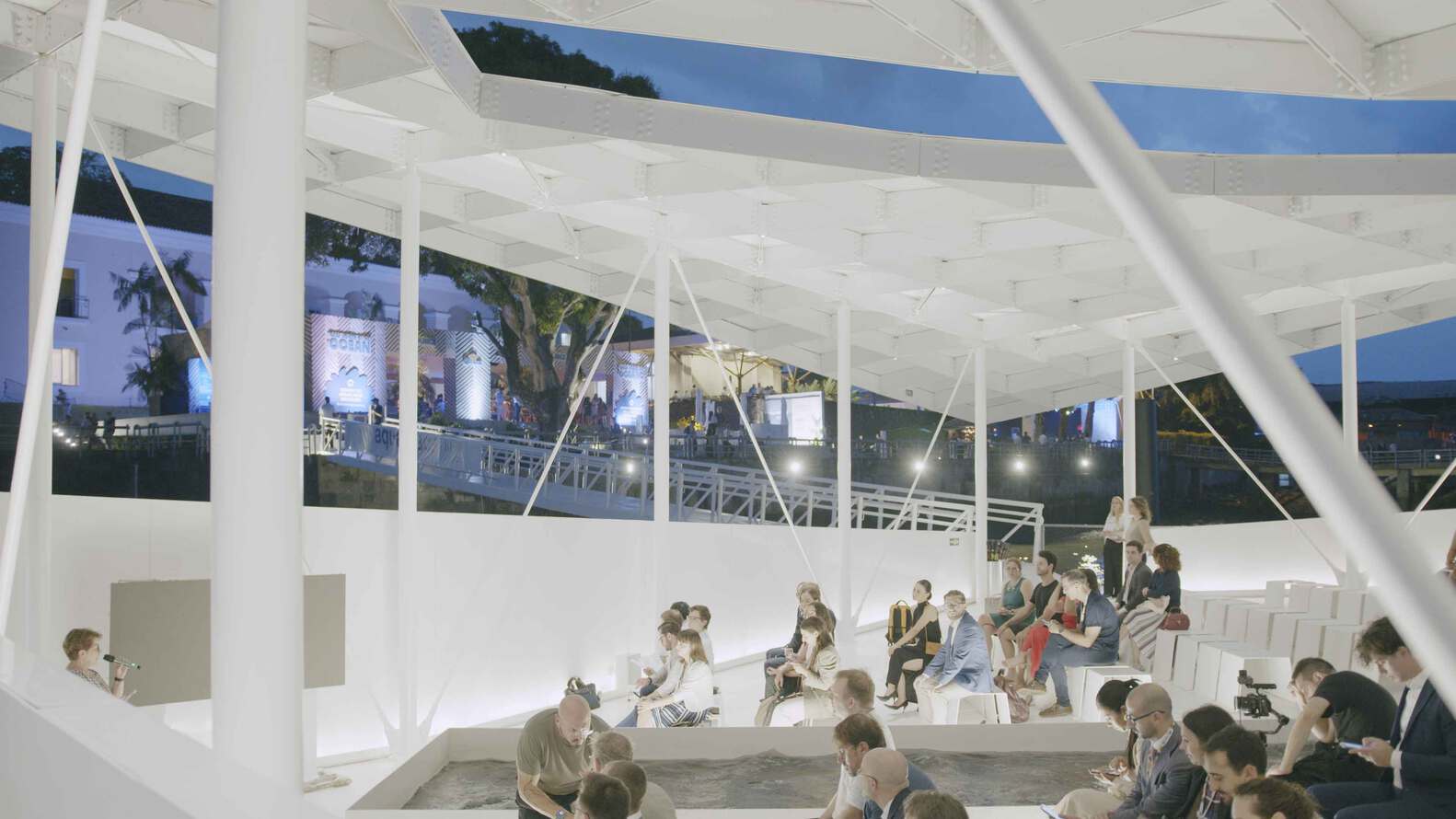
Moored along Guajará Bay within the Amazon River system, the 400-square-meter (4,000-square-foot) platform functions as a global agora where climate change can be experienced at a human scale.
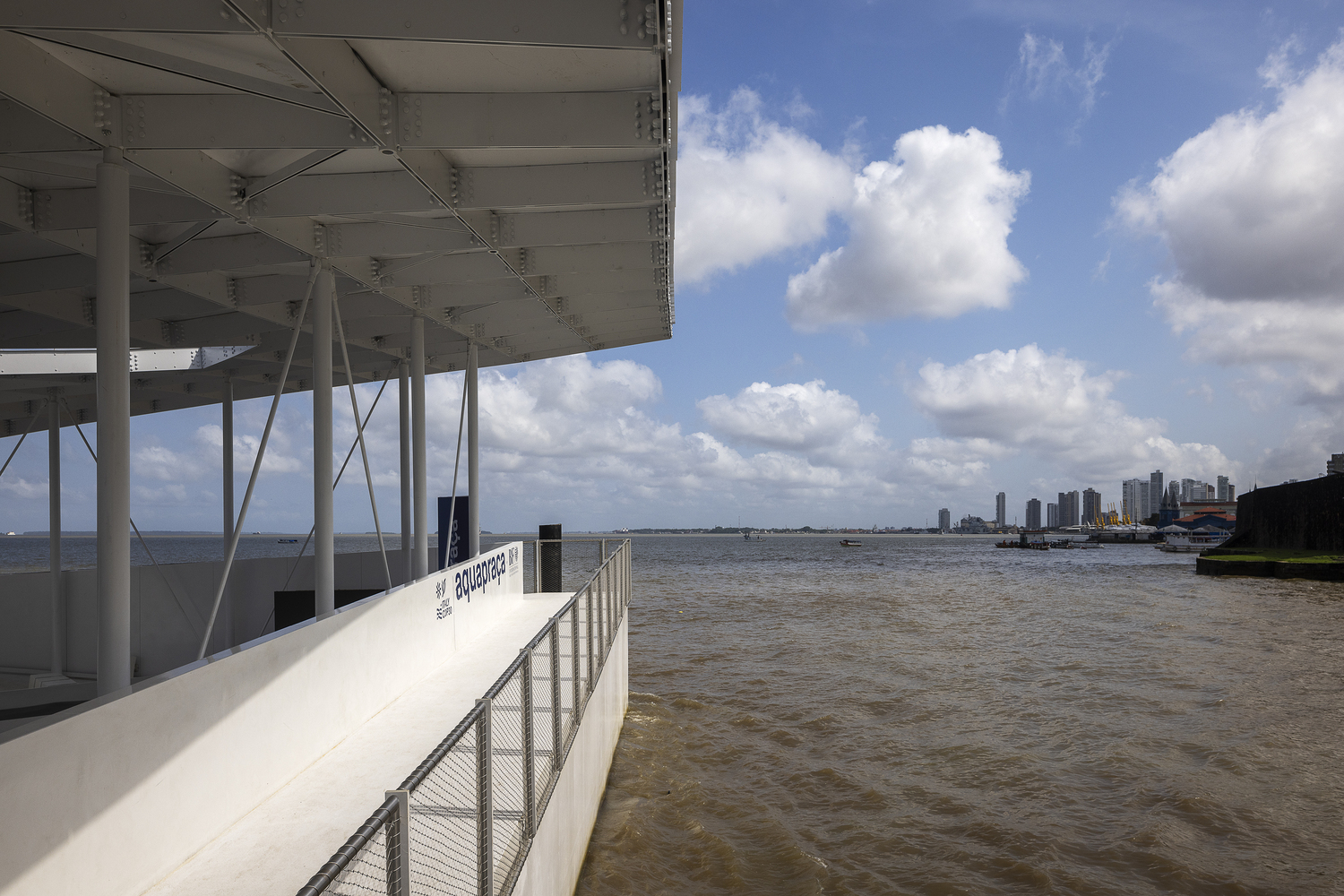
The structure employs Archimedes' principle to adapt to its environment, in a region where the Amazon Delta experiences tidal shifts of up to four meters, daily revealing the bay's underwater landscape.
AquaPraça offers a compelling context for designs that mediate between water levels and human activity. By floating, visitors can experience natural and built systems at eye level.
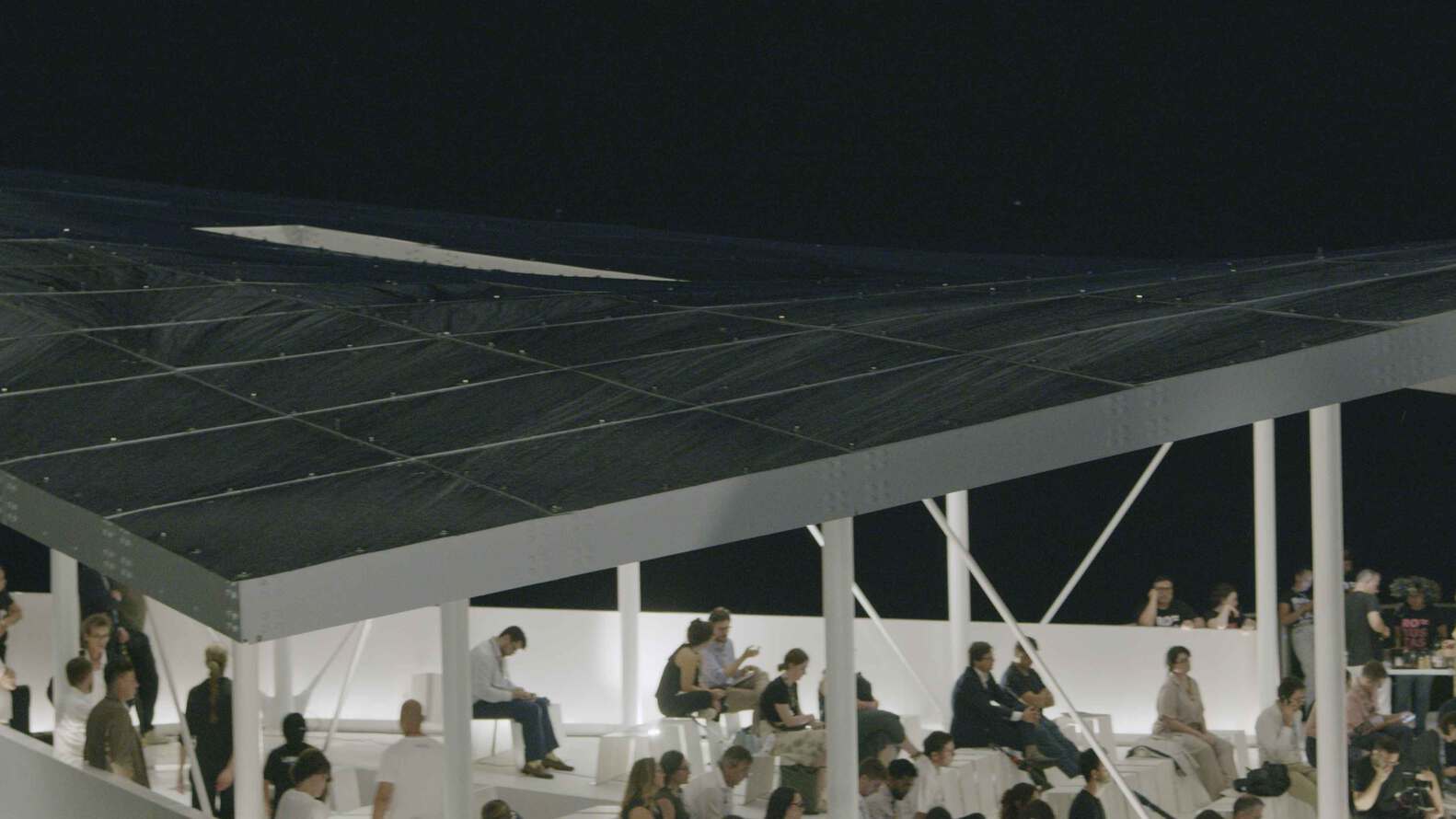
In Belém, AquaPraça incorporates an additional roof structure and serves as a civic catalyst, hosting symposia, cultural programs, and discussions on climate policy.
First unveiled in Venice in a simplified form, the project was later presented at COP30 as an extension of the House of Eleven Windows in central Belém.
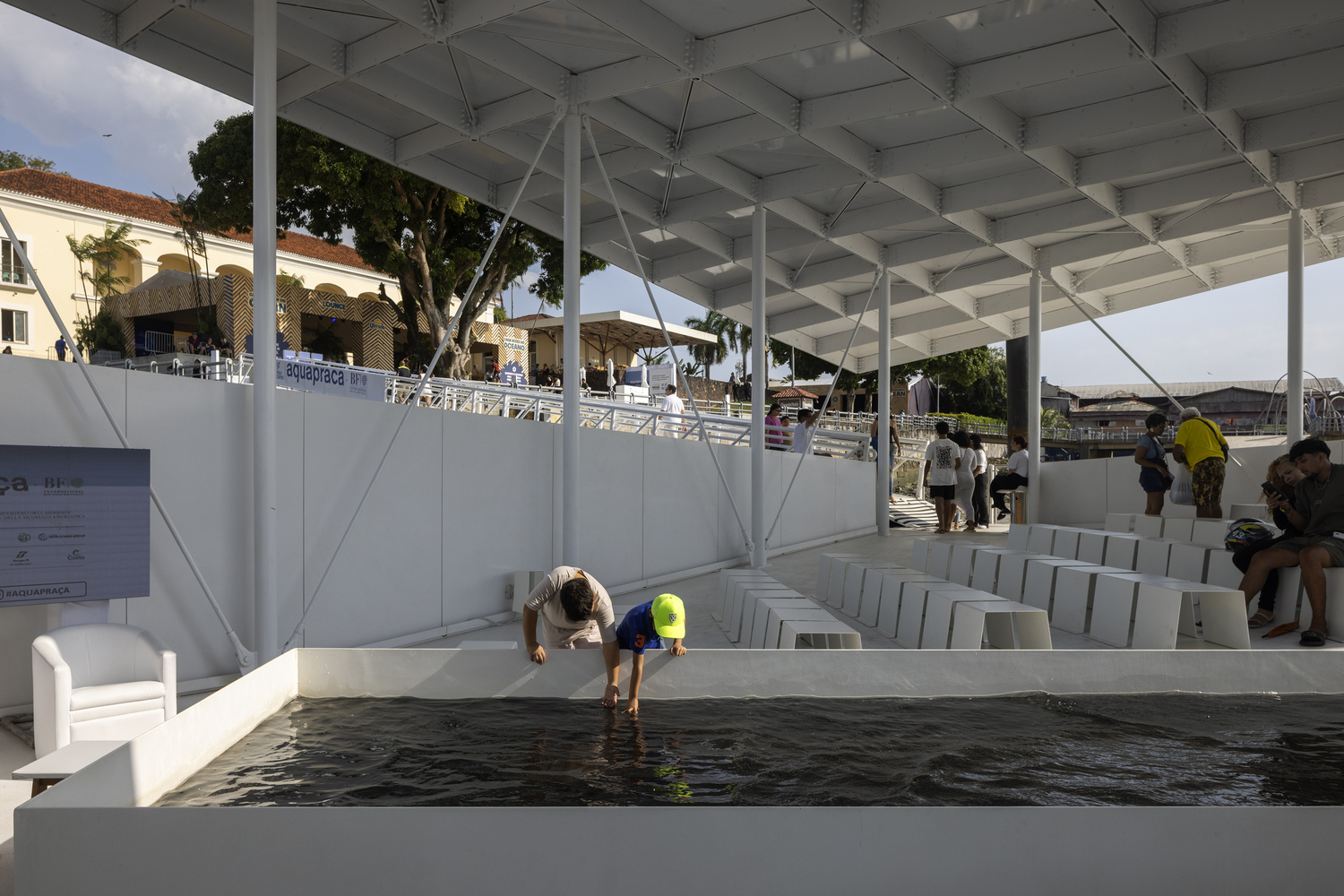
It now stands as both a new cultural landmark and an emblem of cooperation between Italy and Brazil. AquaPraça will become a permanent cultural infrastructure, standing as a legacy of Italy's contribution to global climate dialogue and adaptive architecture.
Located at the meeting point of the Amazon River system and the Atlantic Ocean, where freshwater and saltwater merge to create a powerful estuarine ecosystem, the Guajará Bay serves as the setting for the unveiling of AquaPraça in its completed form, following its initial partial presentation in Venice.
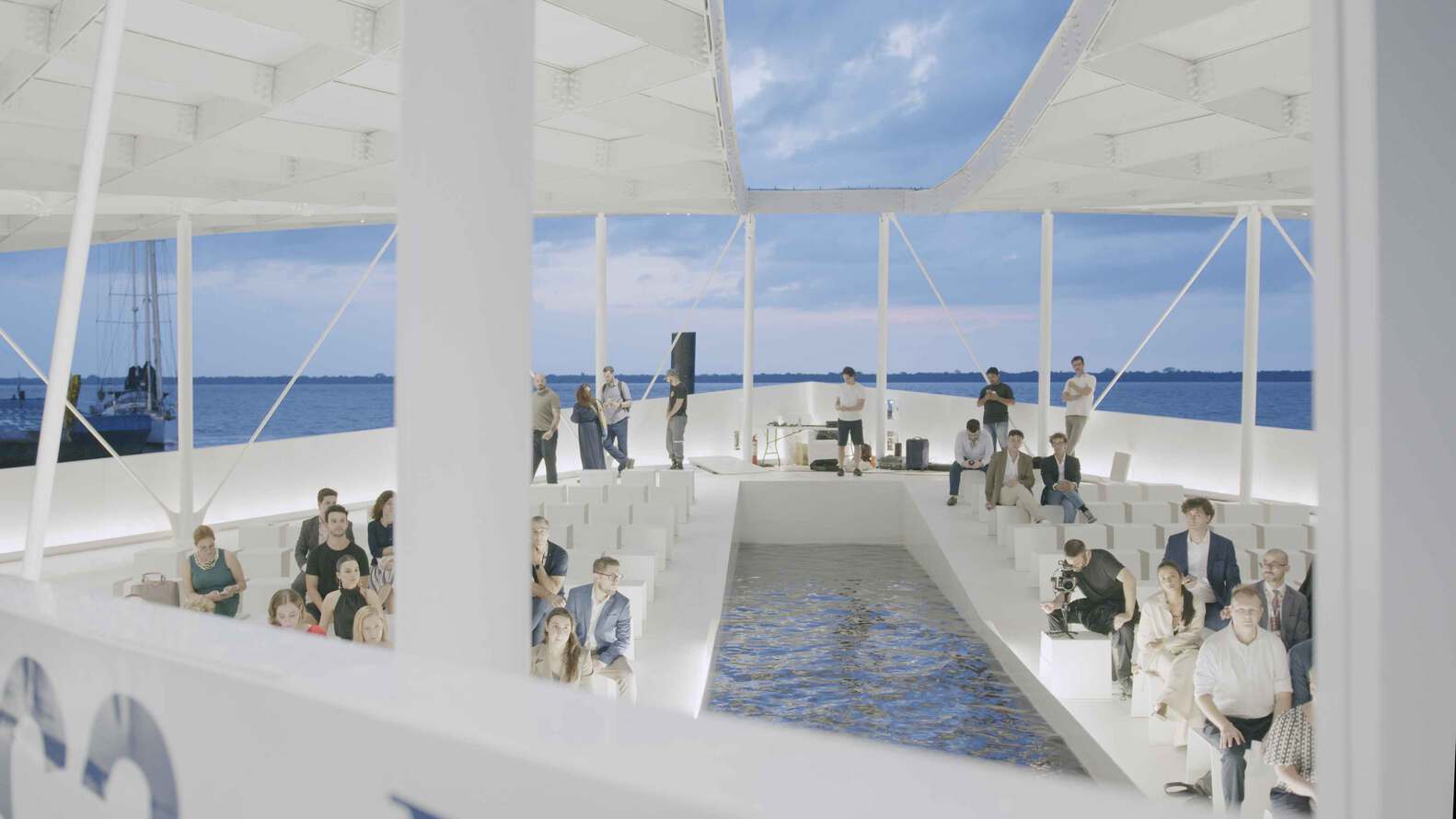
"When we talk about climate change, we must start from a principle. Ecology and freedom are not in contradiction, but must be part of a common destination towards the future of humanity," Minister Antonio Tajani said in his speech at the COP30 summit. "The strong Italian commitment I have just described finds its concrete manifestation in Belém through the Italian Pavilion AquaPraça.
A floating Italian square that evokes Venice, where it was presented in recent months. It will remain here in the Amazon as a space available to citizens and as a symbol of the deep friendship between our countries and the values of international cooperation in which Italy believes."
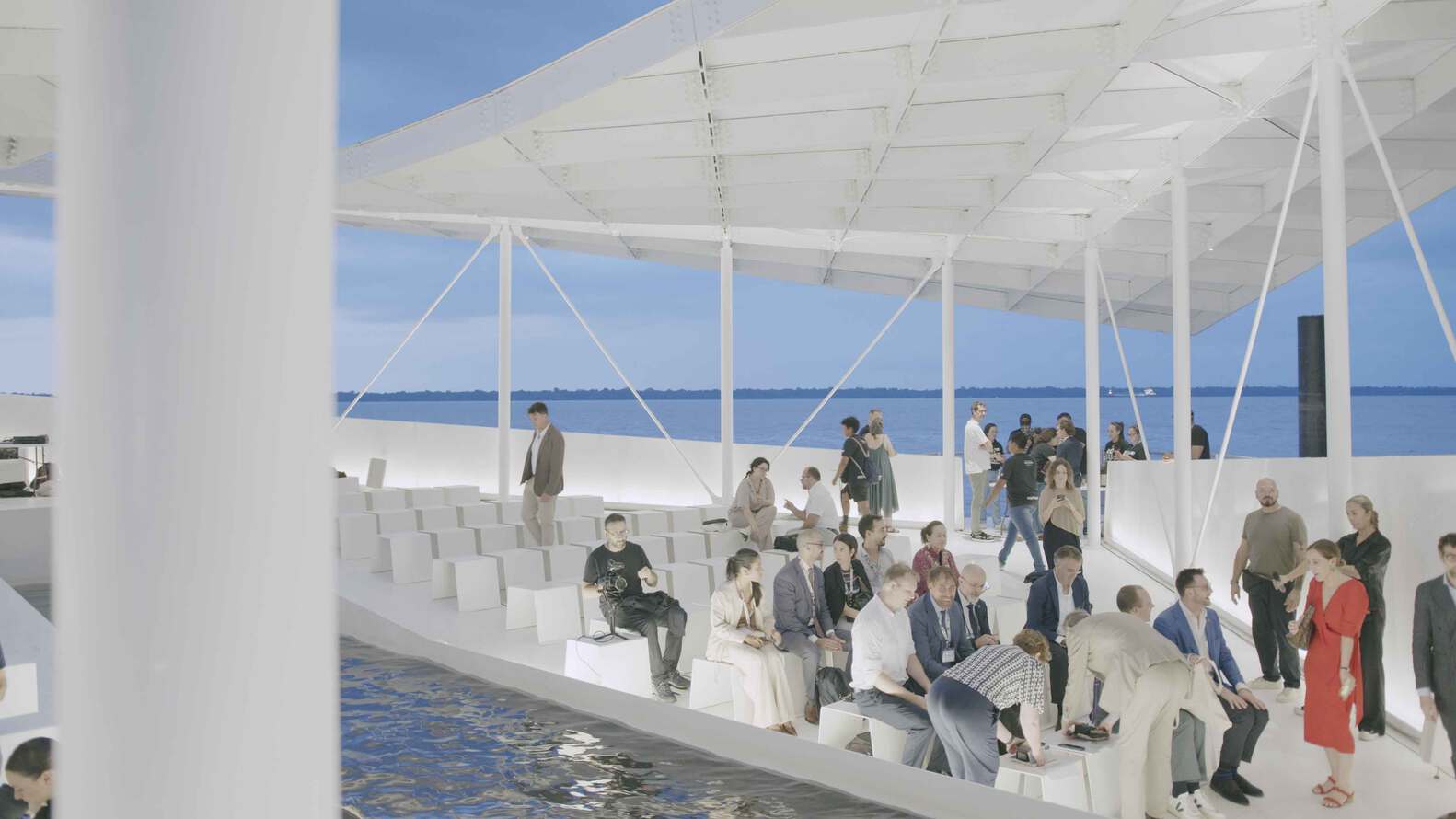
"In 1980, Aldo Rossi looked to the past to prove that architecture could still enrich the skyline of Venice. Today, with AquaPraça, we look to the future—exploring how to build with nature, not against it.
In doing so, we extend Rossi's dialogue with the city toward a dialogue with the planet," says Carlo Ratti, professor at MIT and the Politecnico di Milano, co-founder of CRA, and curator of the Biennale Architettura 2025.
"The project was always conceived as a journey: a structure with many lives. From Venice to Belém as Italy's pavilion for COP30, and will ultimately remain in the Amazon as permanent cultural infrastructure. This is the essence of circularity—the continual reuse and reinvention over time."
|| "The concept of a floating forum is truly innovative and aligns perfectly with our vision for COP30," says Andre Corrêa do Lago, President of COP30. "Bringing this structure to Brazil would create a striking and symbolic presence at the conference, highlighting our commitment to sustainability.
Moreover, it could serve as a lasting legacy of our joint efforts and a continuous reminder of the importance of sustainability."
"AquaPraça lets visitors meet the sea at eye level," says Eric Höweler, co-founder of Höweler + Yoon and a Professor at Harvard University.
"Its sloping surfaces and shifting levels embody a delicate equilibrium." "It's a platform, both literal and figurative, for deepening our collective understanding and experience of sea level rise and the impacts of climate change on global cities and communities," adds J. Meejin Yoon, co-founder of Höweler + Yoon and the Gale and Ira Drukier Dean at Cornell University College of Architecture, Art, and Planning, "and seeking collective solutions."
"Cimolai is honored to be part of such an innovative and symbolic project as AquaPraça," comments Marco Sciarra, President of Cimolai SpA. "The real challenge was to complete the platform in record time—within just five months, we finalized the structural design, construction, and certification, while seamlessly integrating both architectural and engineering aspects.
This floating cultural platform not only highlights Italian engineering excellence and the ability to tackle complex challenges, but also combines technology and sustainability to provide concrete solutions for communities affected by climate change. For Cimolai, it is a unique opportunity to strengthen Italy's role both in scientific progress and in the global dialogue on architecture and climate."