

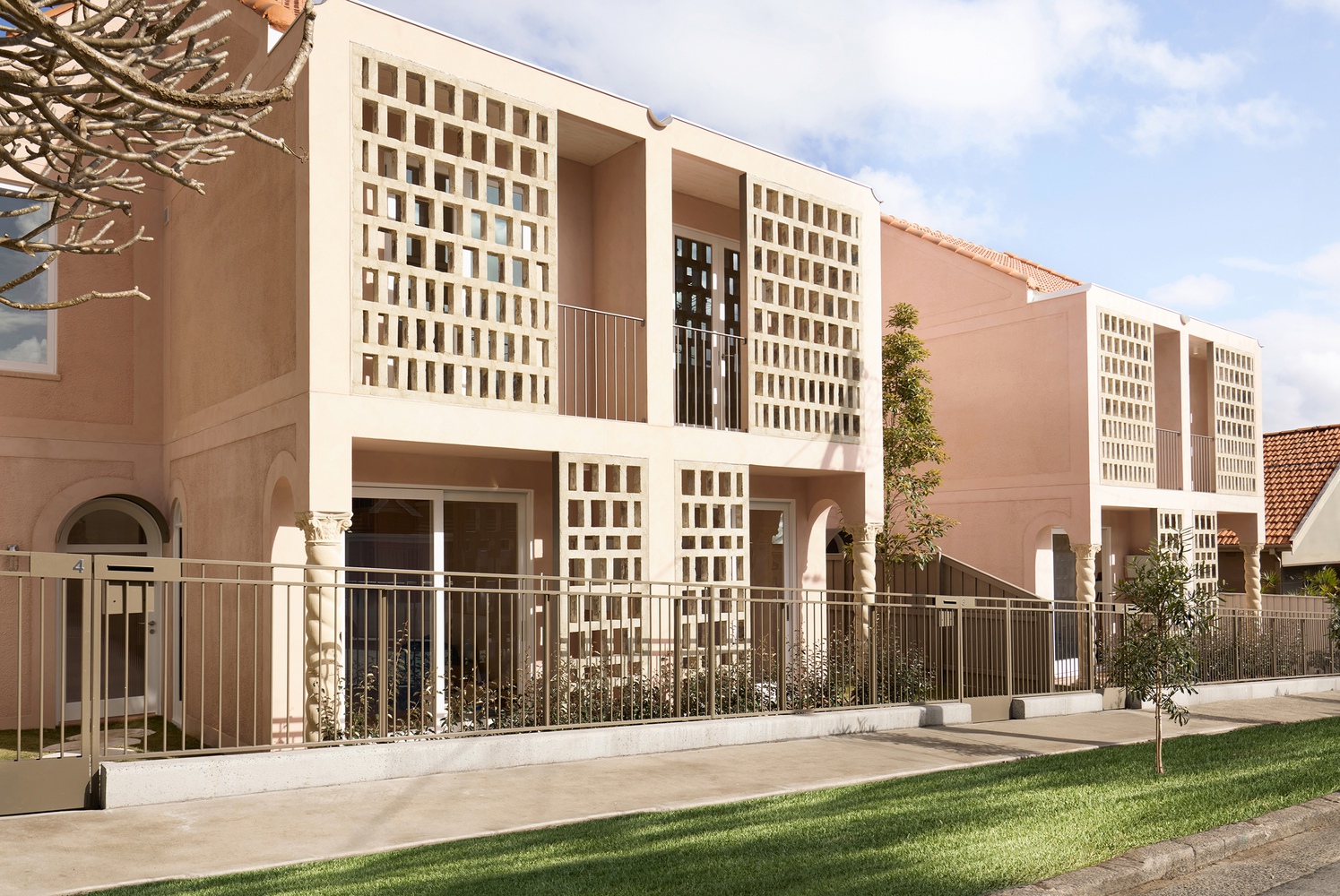
ROSE TERRACES
Luigi Rosselli Architects
ARCHITECTS
Luigi Rosselli Architects
DESIGN ARCHITECT
Luigi Rosselli
PROJECT ARCHITECT
Nicola Ghirardi
BUILDER
Layden Projects
CLT MANUFACTURER
Xlam
CLT INSTALLER
Cwc – Joseph Moser
CLT WASH FINISH
Clt Coatings Australia
LANDSCAPE DESIGN
Michael Bates, Bates Landscape
LANDSCAPING INSTALLER
Outdoor Dreams
ROOF TILE SUPPLIER
Bristle Roofing
JOINERY
Idle Mind Production
TILE SUPPLY
Bisanna Tiles
CARPET SUPPLY AND INSTALLATION
Carpet Court
PHOTOGRAPHS
Prue Ruscoe
YEAR
2025
LOCATION
Sydney, Australia
CATEGORY
Houses, Sustainability
English description provided by the architects.
Luigi Rosselli's new "build to rent" homes often feature rammed earth: a slow, sustainable material affordable only for those with the time to build them, deep pockets to cover the costs, or both.
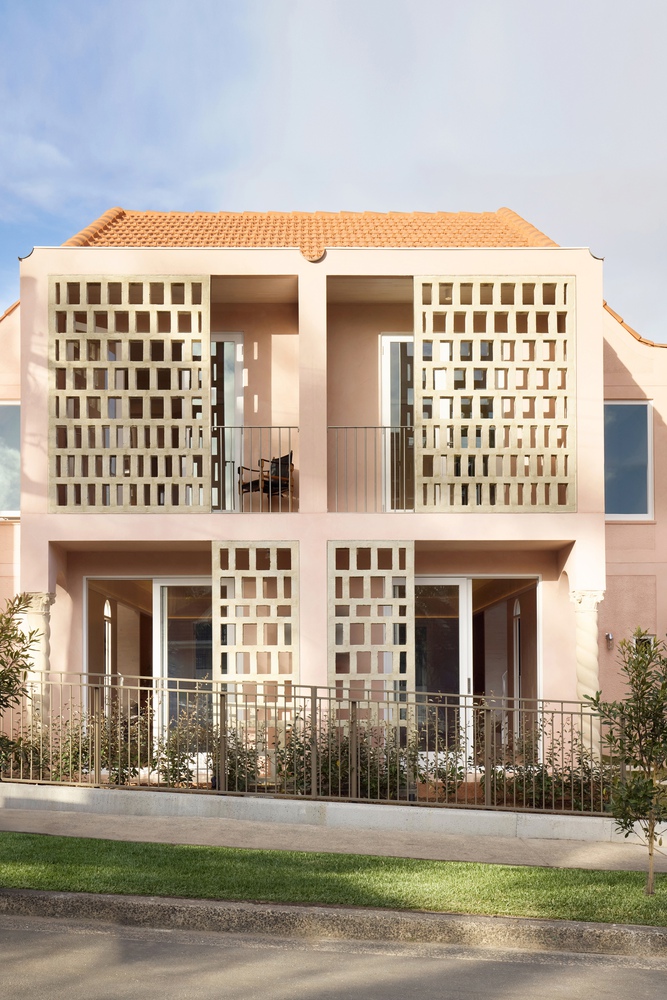
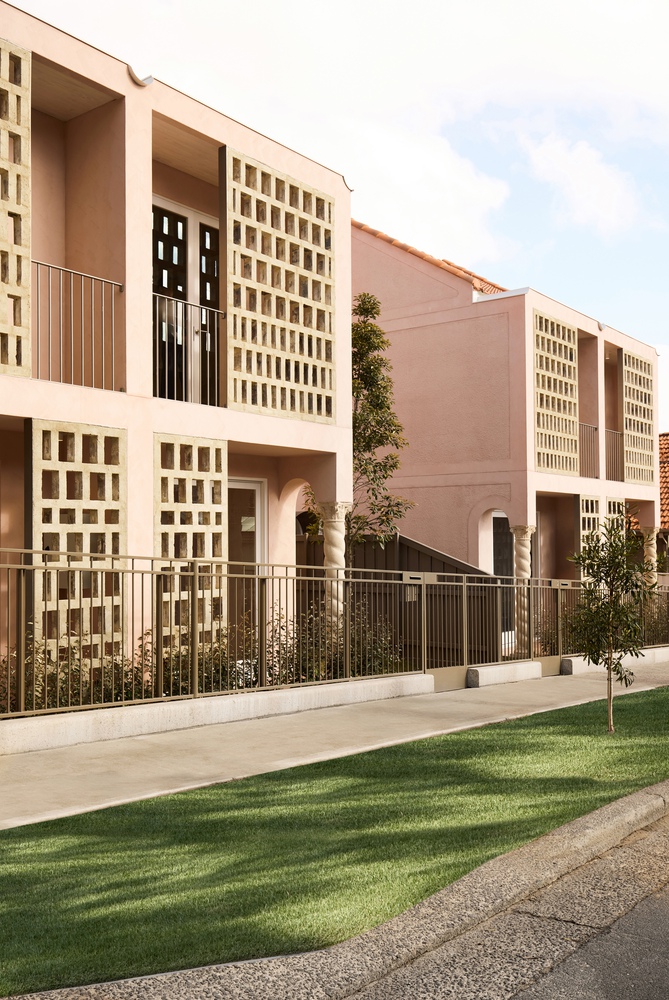
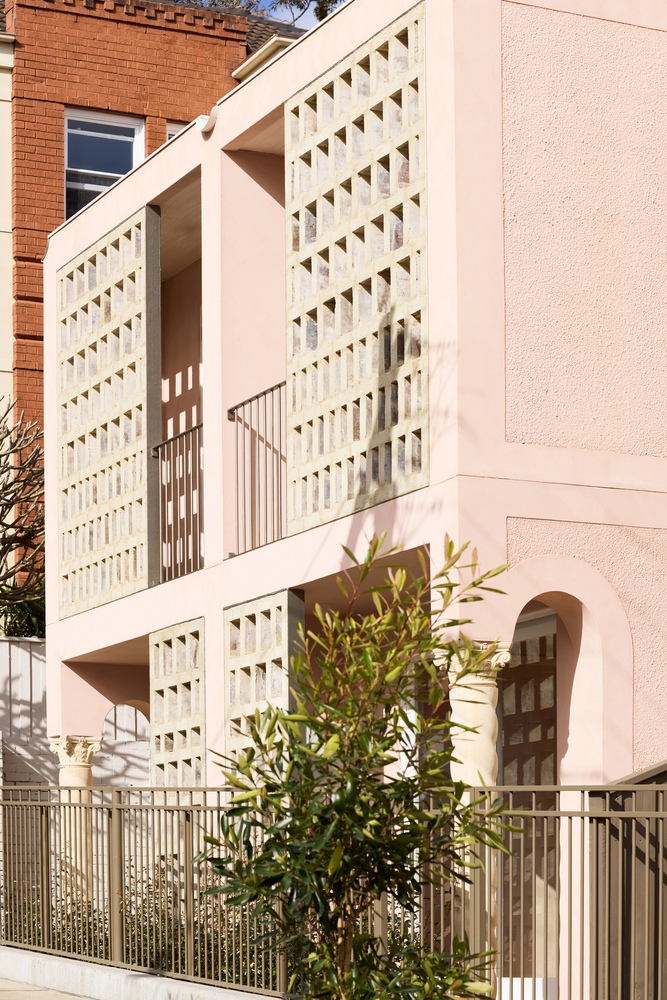
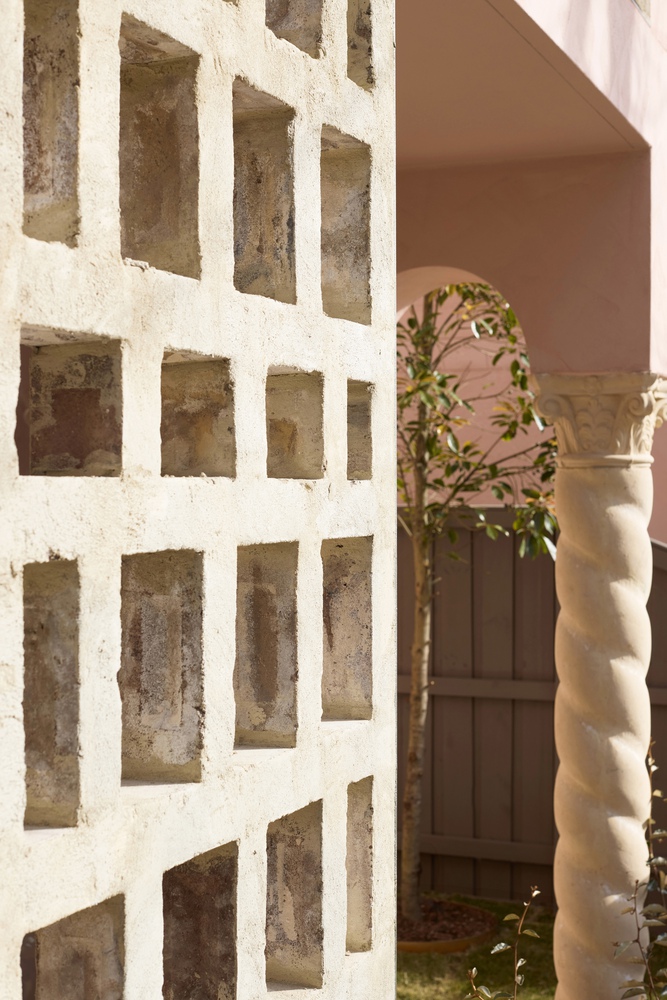
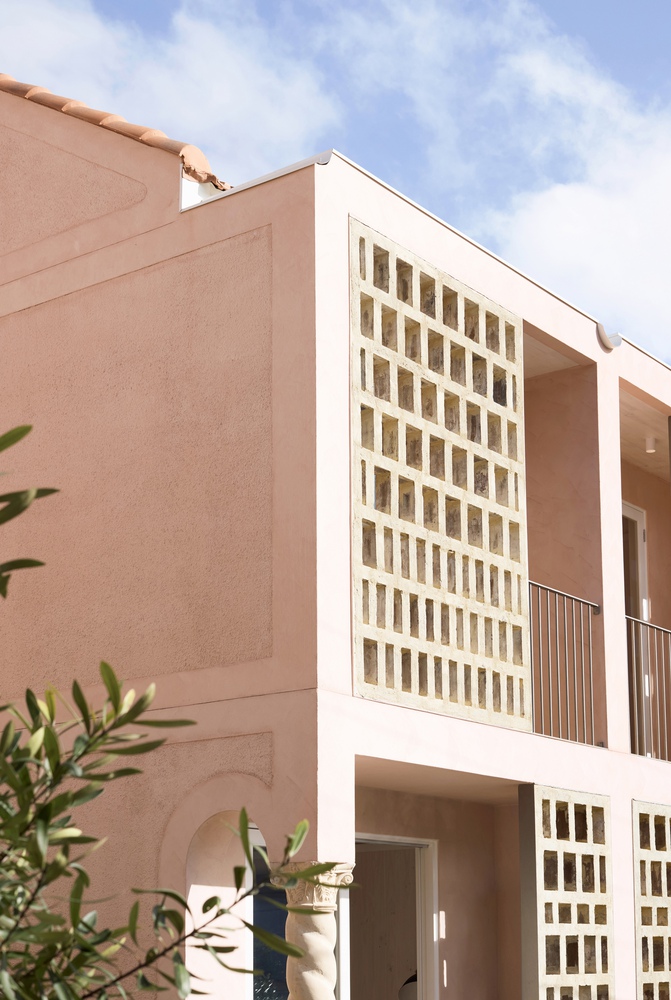
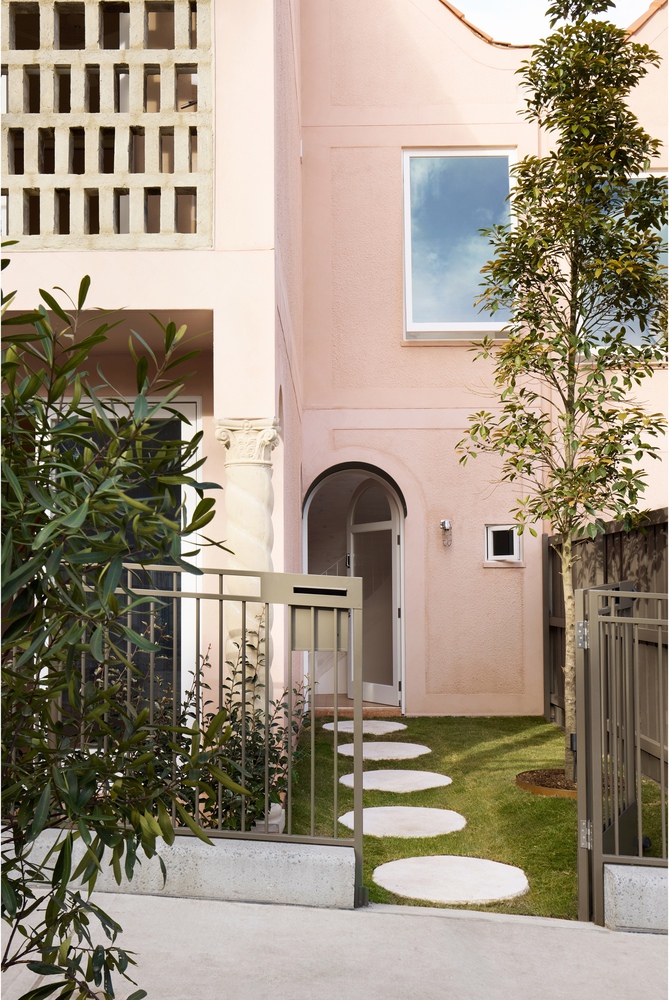
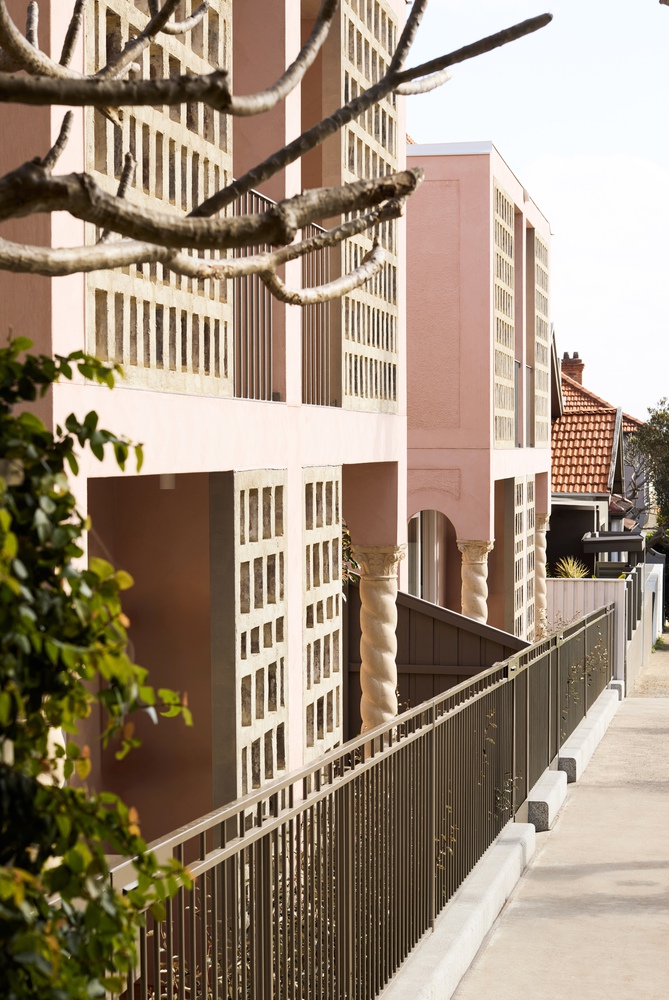
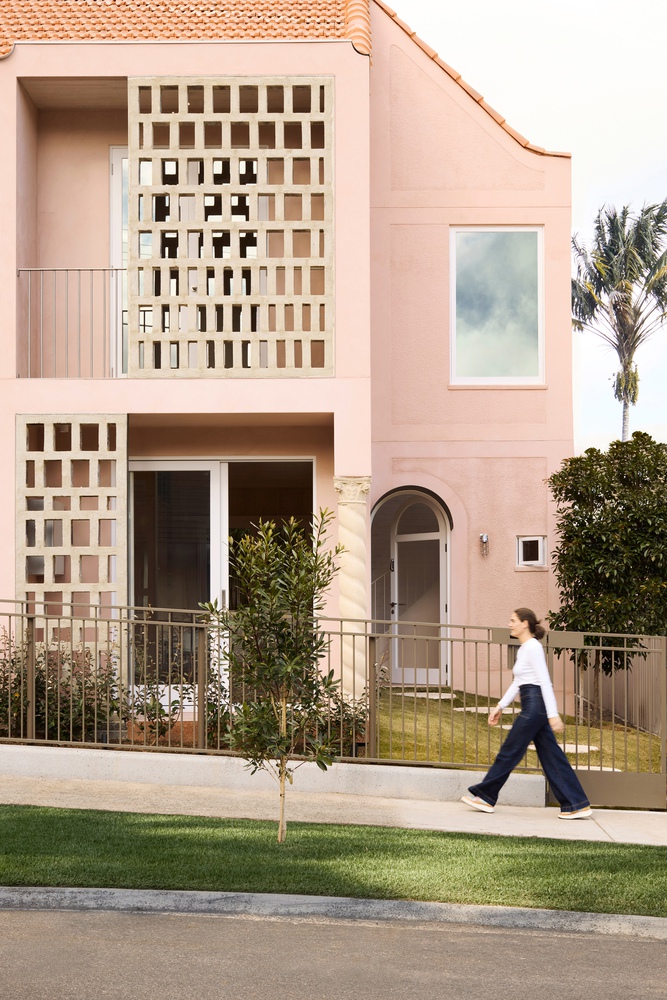
Now the Sydney architect is experimenting with another highly sustainable material on a row of four terraces in Bondi Junction with walls that go up "like a Lego kit."
Designed as a low-cost version of a terrace, the homes use prefabricated cross-laminated timber (CLT) made from layers of wood stuck together to shrink construction time from "one-and-a-half years [conventional build] to just six months."
For Rosselli, the build-to-rent project called "CLT with TLC" is a carefully documented experiment to see what can be done with speed and economy to mitigate the housing crisis, increase density, and reduce carbon associated with building projects.
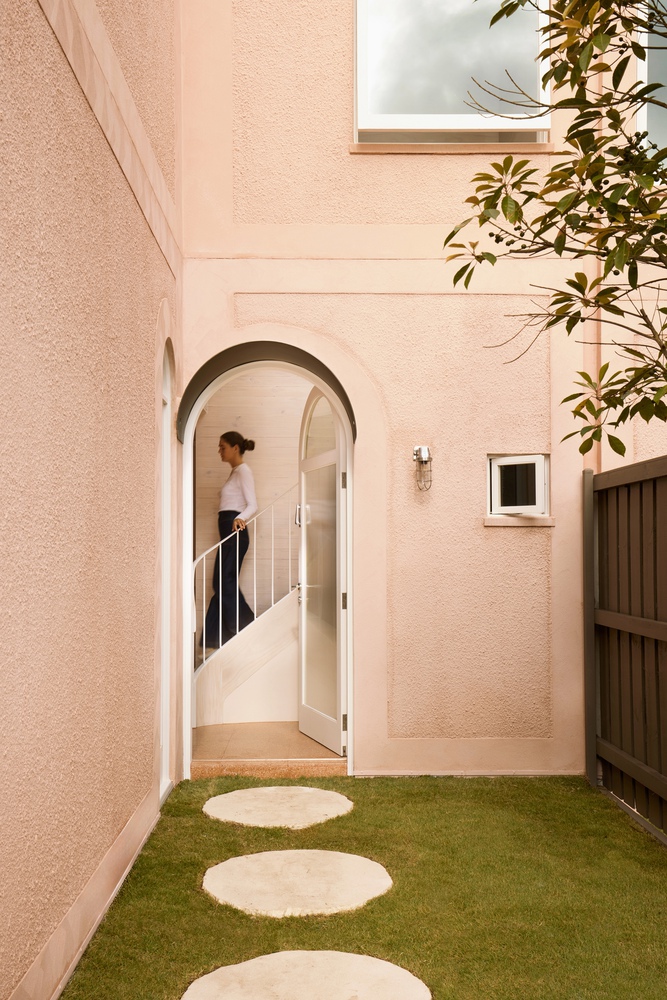
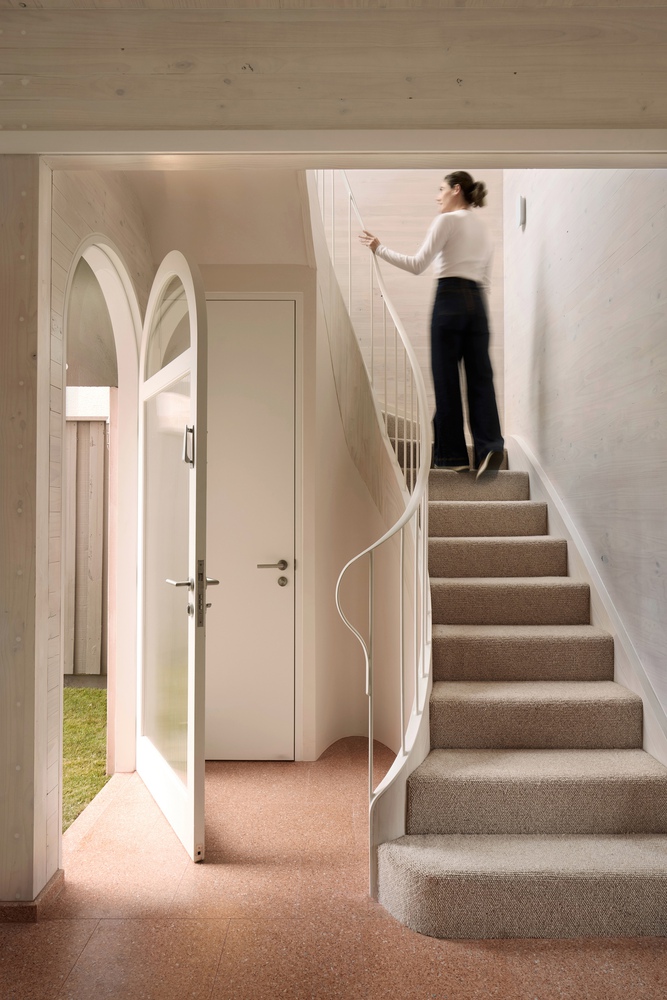
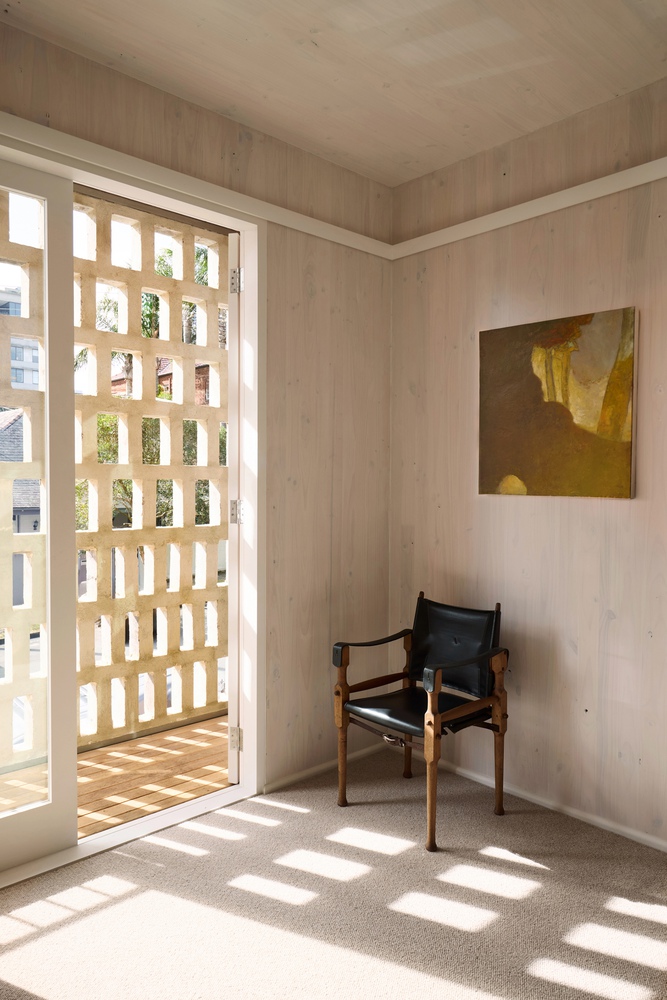
(He added that the homes would also provide him with retirement income – the project, which provides much-needed stable rental accommodation, was conceived and entirely funded by Rosselli himself).
The 2025 federal budget included $54 million to accelerate the uptake of modern construction methods that are faster and more efficient housing solutions, which reduce carbon.
When Rosselli posted a time-lapse video on Instagram showing the 80-metre square terraces going up on the site of a single-storey home, more than 900 people responded.
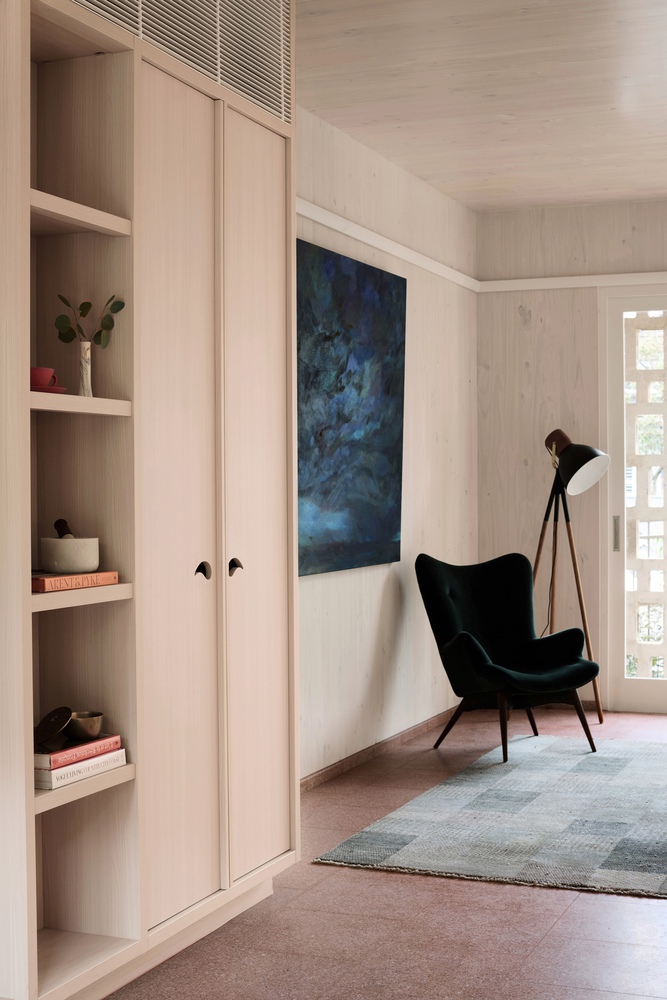
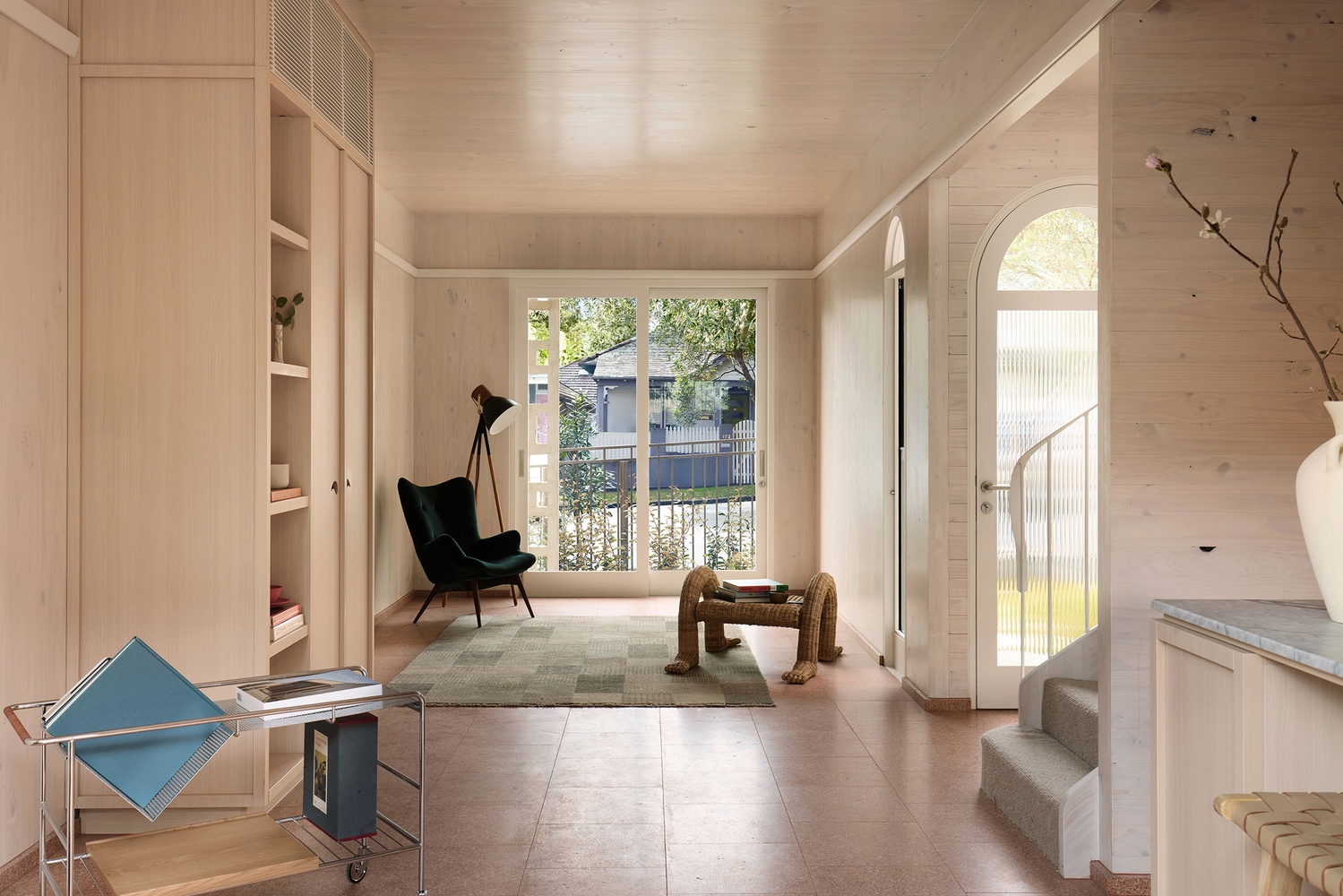
"Wonderful to see an architect who is usually associated with the highest end of bespoke residential architecture tackling a project like this," one commenter said.
Using CLT allowed a plan to be rapidly duplicated, Rosselli said, making it ideal for the rapid construction of low-to-medium-density housing.
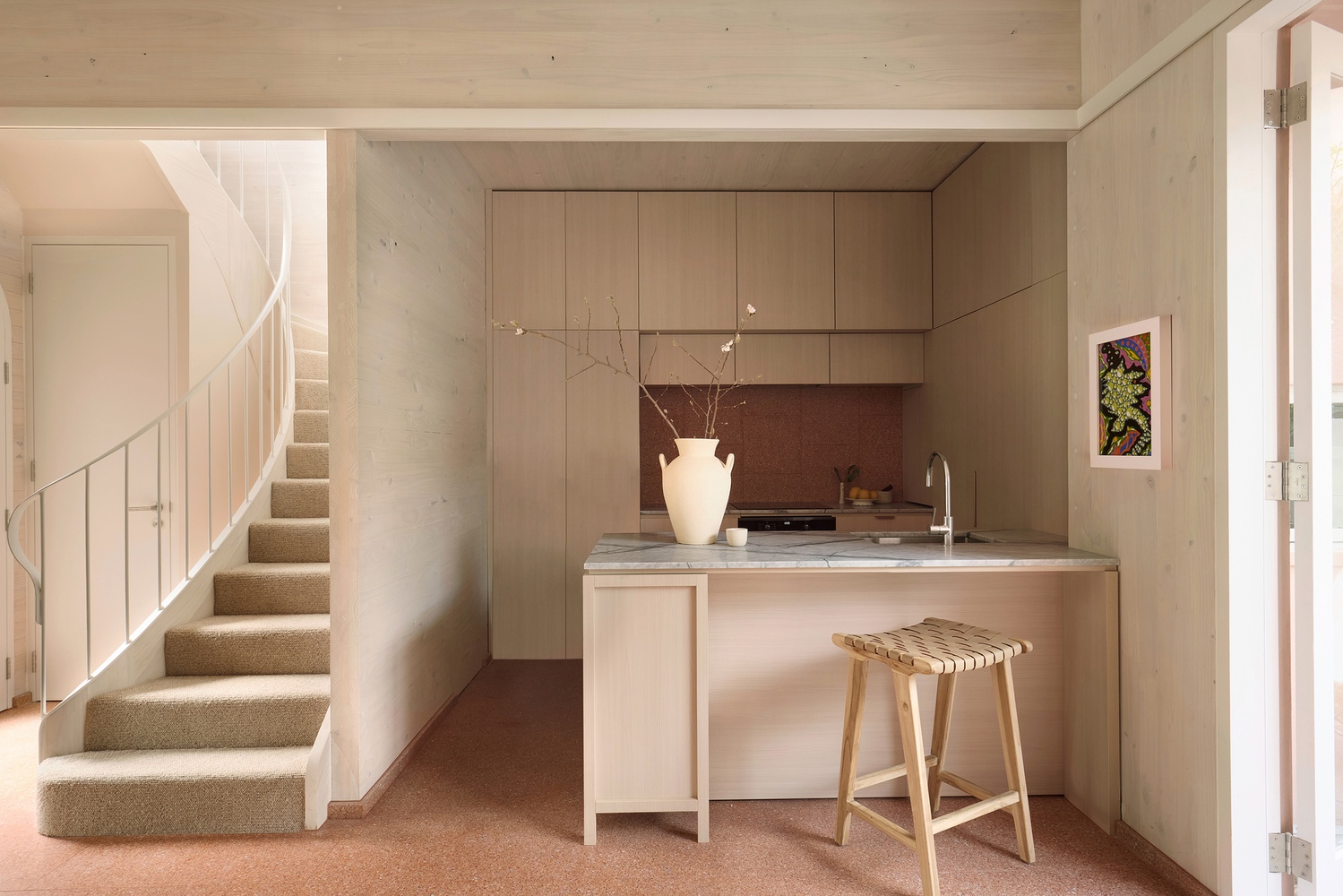
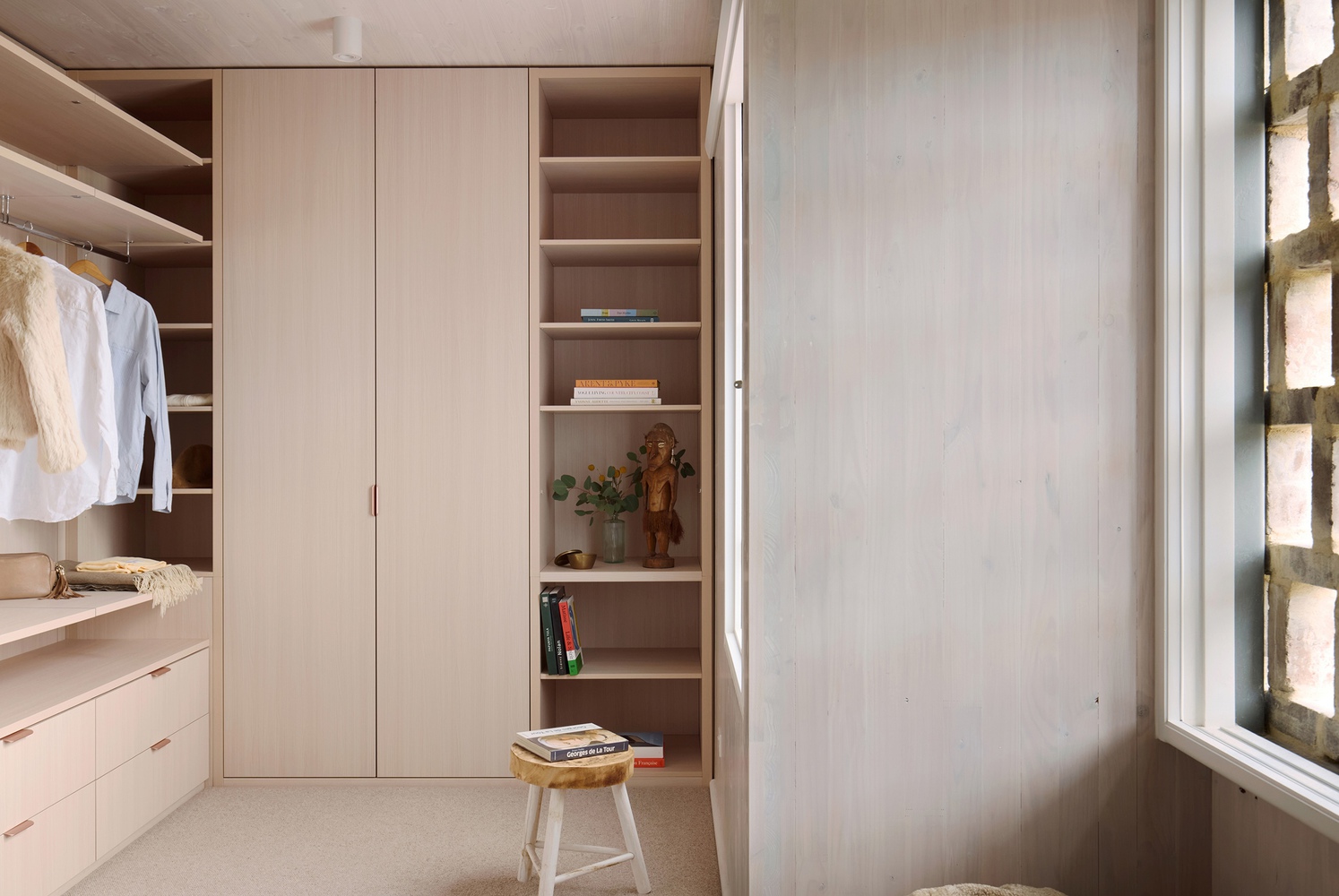
The engineered wood was more expensive than traditional studwork, but it was faster and saved money elsewhere in the build.
"The building industry is slow, and it's getting slower," he said. "I've worked for 40 years in Australia, and we used to build a house in nine to twelve months maximum. Then it was one and a half years.
Now it's two years." This wasn't the fault of workers, Rosselli said, but increasingly complex regulations, qualification requirements, and management of risk and liabilities that often required one trade to finish before another could start.
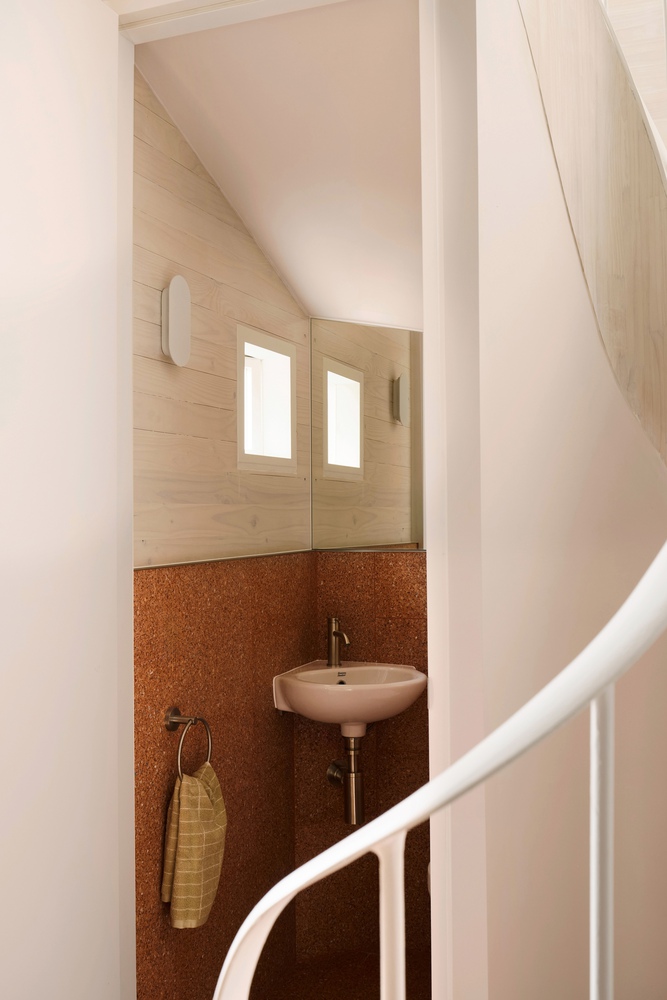
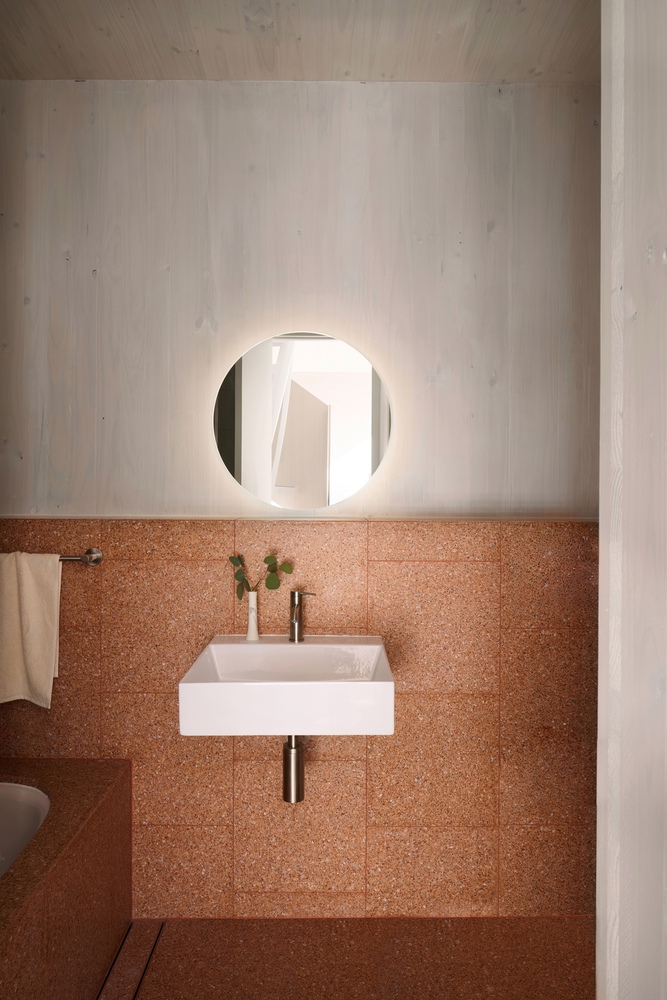
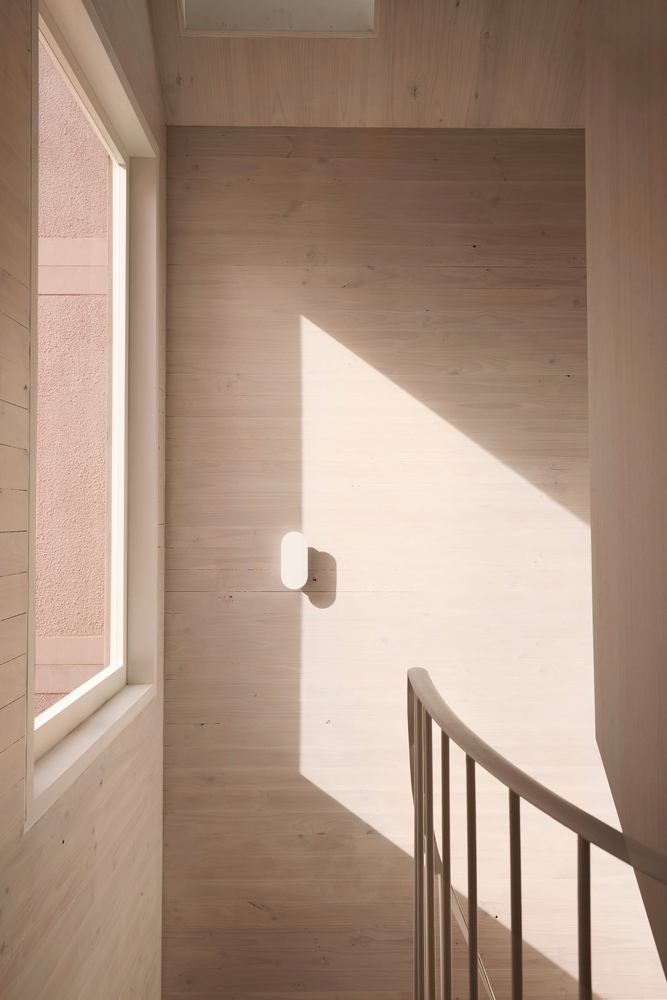
Responding to comments on Instagram, Rosselli said, "The big difference in time and accuracy. [It is] six months for the whole project, including some traditional trades, such as tilers and windows.
This is more than 50-70 per cent of a standard building site duration. Therefore, substantial reduction of overheads [such] as foreman, insurance, scaffolding, and other expensive overheads. Precision is also helping with ordering every out-of-sight item in advance without risk [of] not fitting."
It was the practice's first time using CLT, "And I must say, it won't be the last. It's a really wonderful material. It's so precise the way they manufacture cross-laminated timber panels." His practice was tracking costs and the project's impact on the environment.
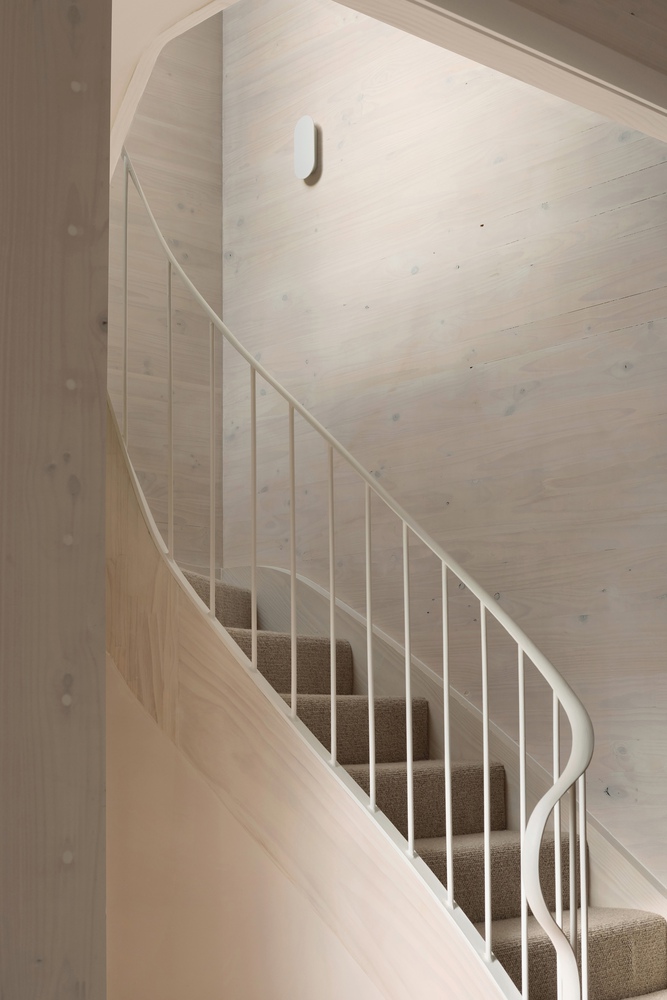
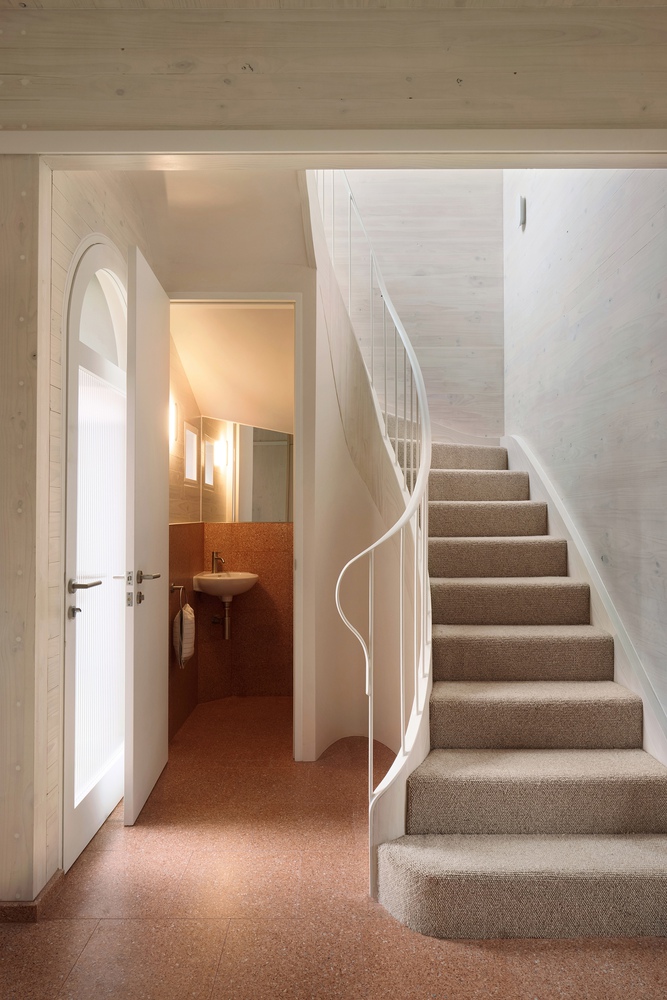
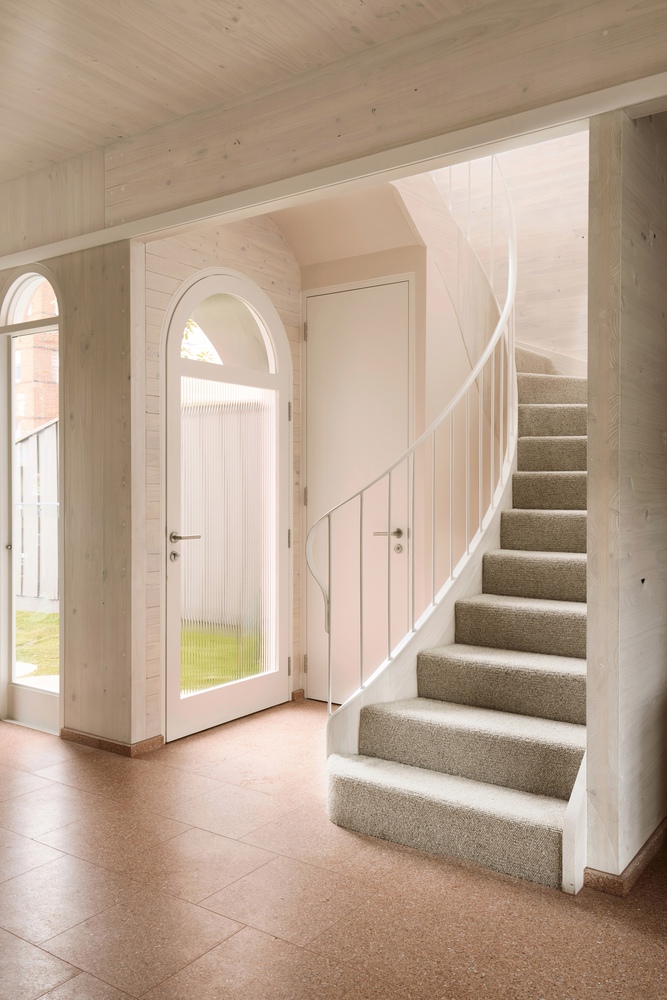
The manufacturer, XLAM, estimates that the use of 173 cubic metres of CLT, made from pine grown in Australian plantations, would store 80.63 tonnes of CO2-eq (carbon) – the same environmental impact as taking sixty cars off the roads for a year.
Architect and sustainability expert Caroline Pidcock said it was "absolutely critical" that designers such as Rosselli led the way with beautiful and sustainable builds. "There is real responsibility because architects look up to them, the press does, and clients do too."
Rosselli has spent his career trying to educate his clients, many at the upper end of wealth in Australia, on the benefits of using recycled materials. "The impact that I can have with them is sometimes 10 or 12 times that of a small project," he said.
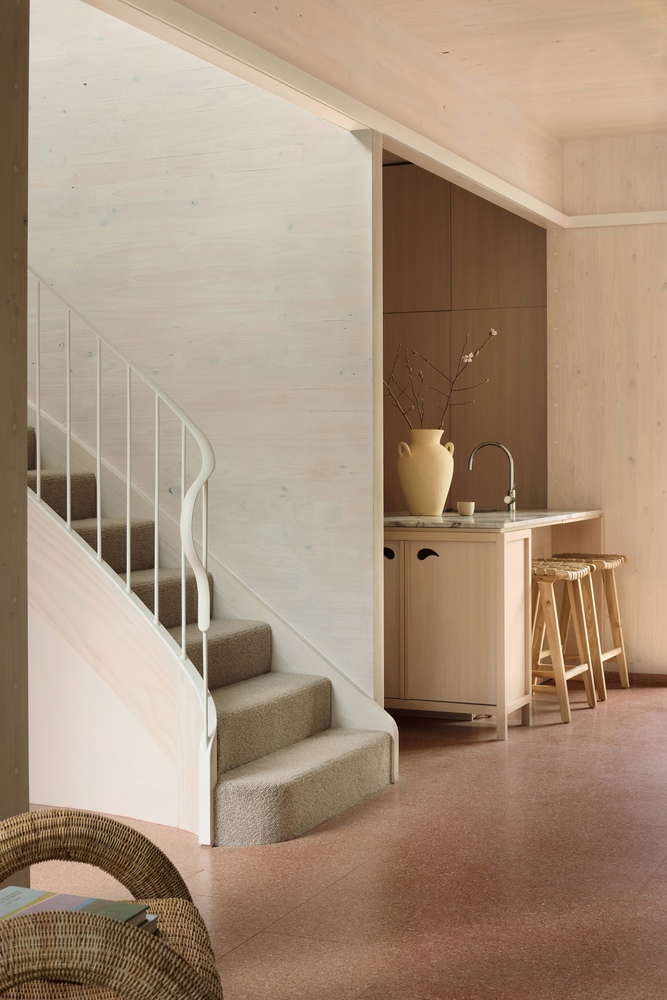
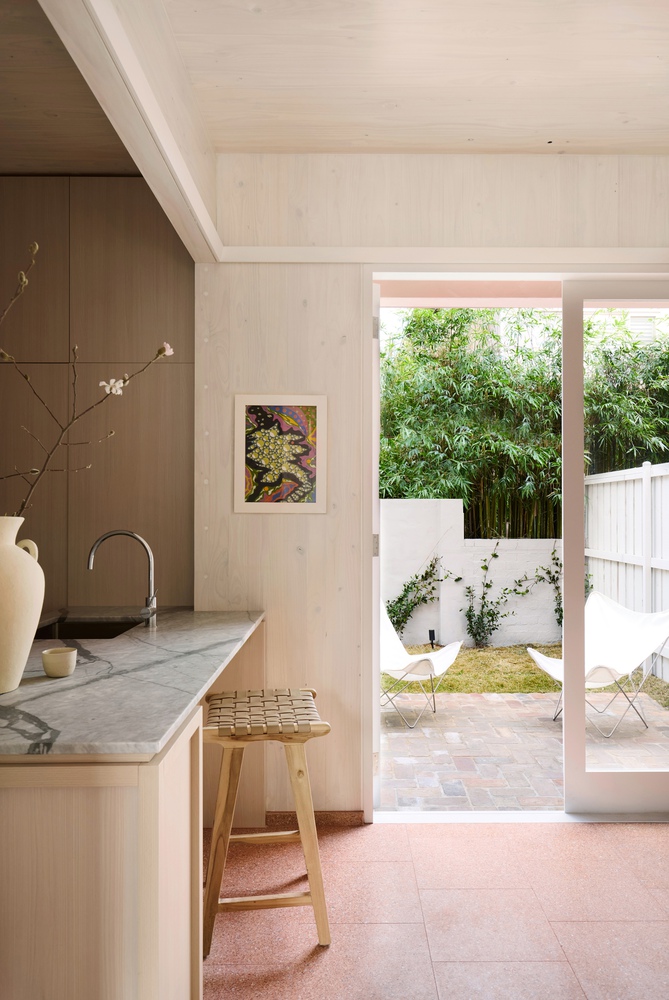
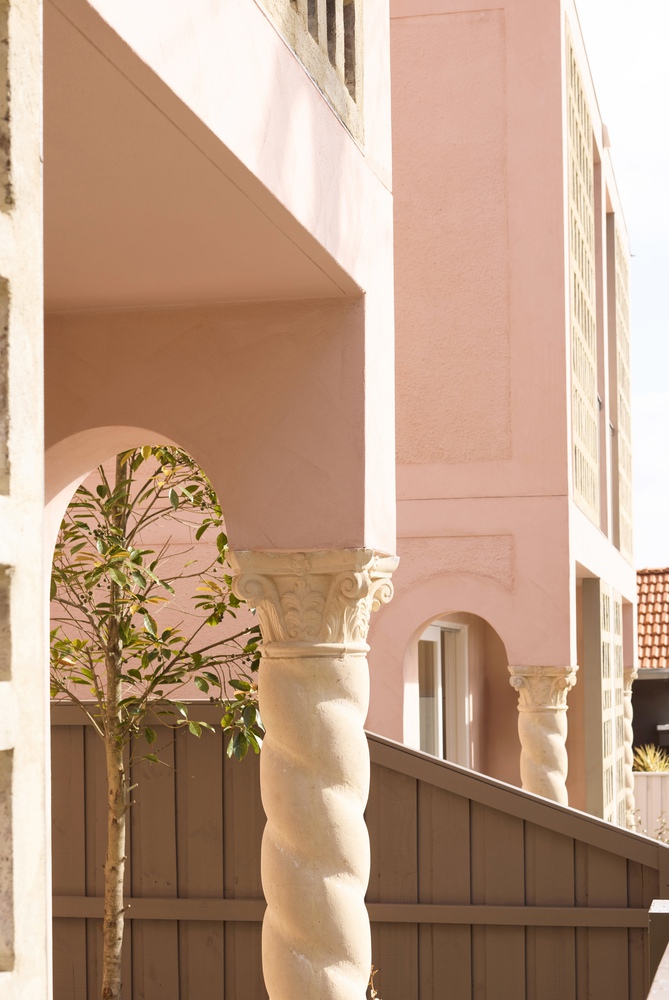
"If I can convince a millionaire, a billionaire, to reuse an existing building… it has a greater impact. We've been quite missionary in trying to convince clients to use rammed earth, which has a very low CO2 component."
Monash University professor of practice Karl-Heinz Weiss introduced CLT to the UK market in early 2000 and has been involved in more than 150 projects.
Weiss said, unlike concrete, which produces carbon, CLT is made from timber that stores carbon, and was the only sustainable and renewable building material that can be used as scale.
The longest panels were about 3.3 metres by 16 metres. "That gives you speed of assembly because you are not having a lot of little pieces," he said.
Australia had two factories producing CLT, and others manufacturing glue-laminated beams and components.
Weiss said CLT was typically most suitable for projects from four storeys upwards.
Larger projects using CLT, such as the 180-metre Atlassian headquarters, needed concrete and steel for stability.
Extracts from a Sydney Morning Herald article first published 31 March 2025, written by Julie Power
