
Power Station Leipzig
POWER STATION LEIPZIG
Atelier St
ARCHITECTS
Atelier St
DESIGN TEAM
Atelier St
LEAD TEAM
Jan Franke
ENGINEERING & CONSULTING > OTHER
Müller Bbm
ENGINEERING & CONSULTING > STRUCTURAL
Fichtner
MANUFACTURERS
MOEDING, GIMA
PHOTOGRAPHS
Atelier ST / Viet duc Nguyen
AREA
6500 m²
YEAR
2024
LOCATION
Leipzig, Germany
CATEGORY
Infrastructure
English description provided by the architects.
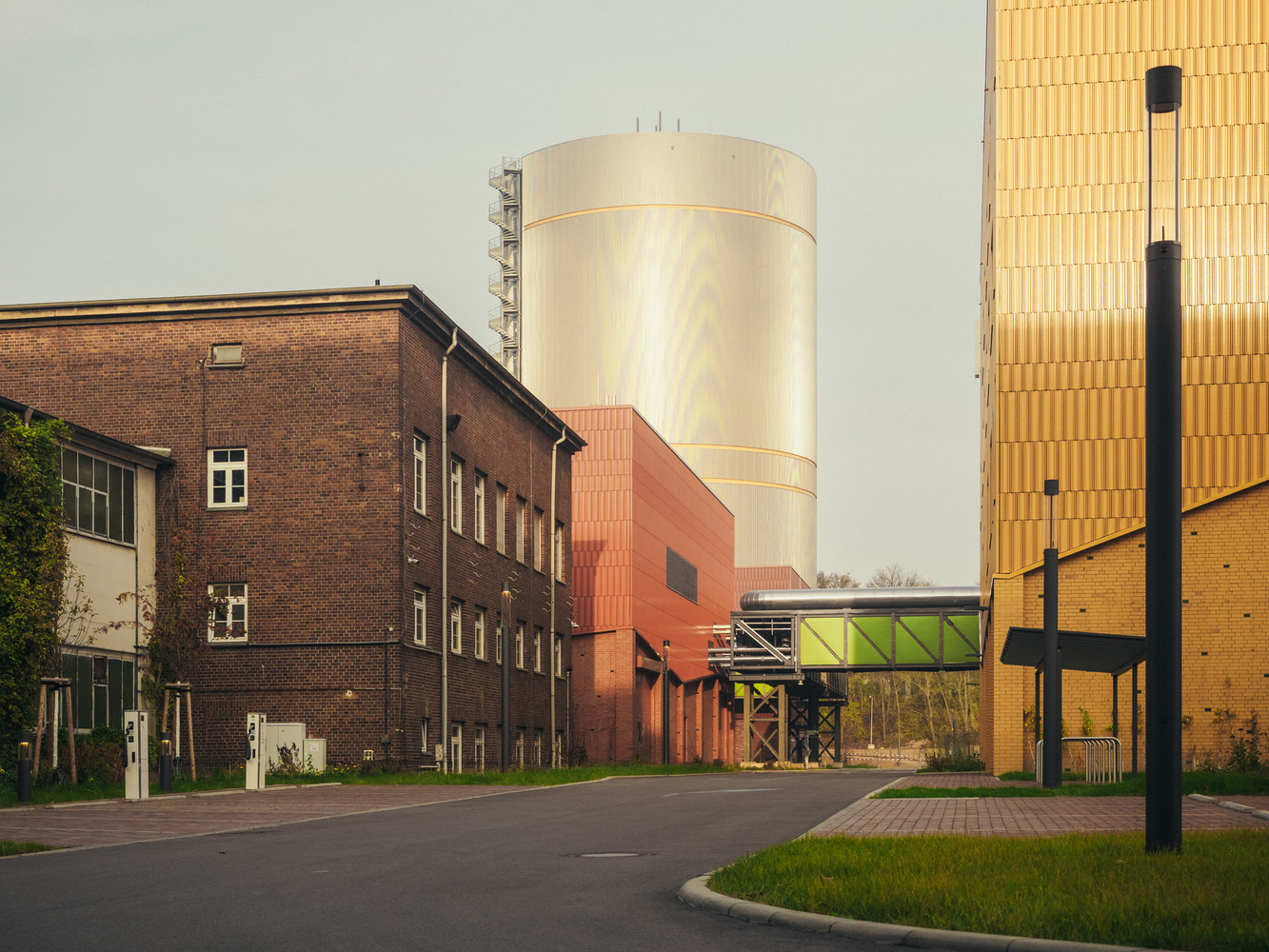
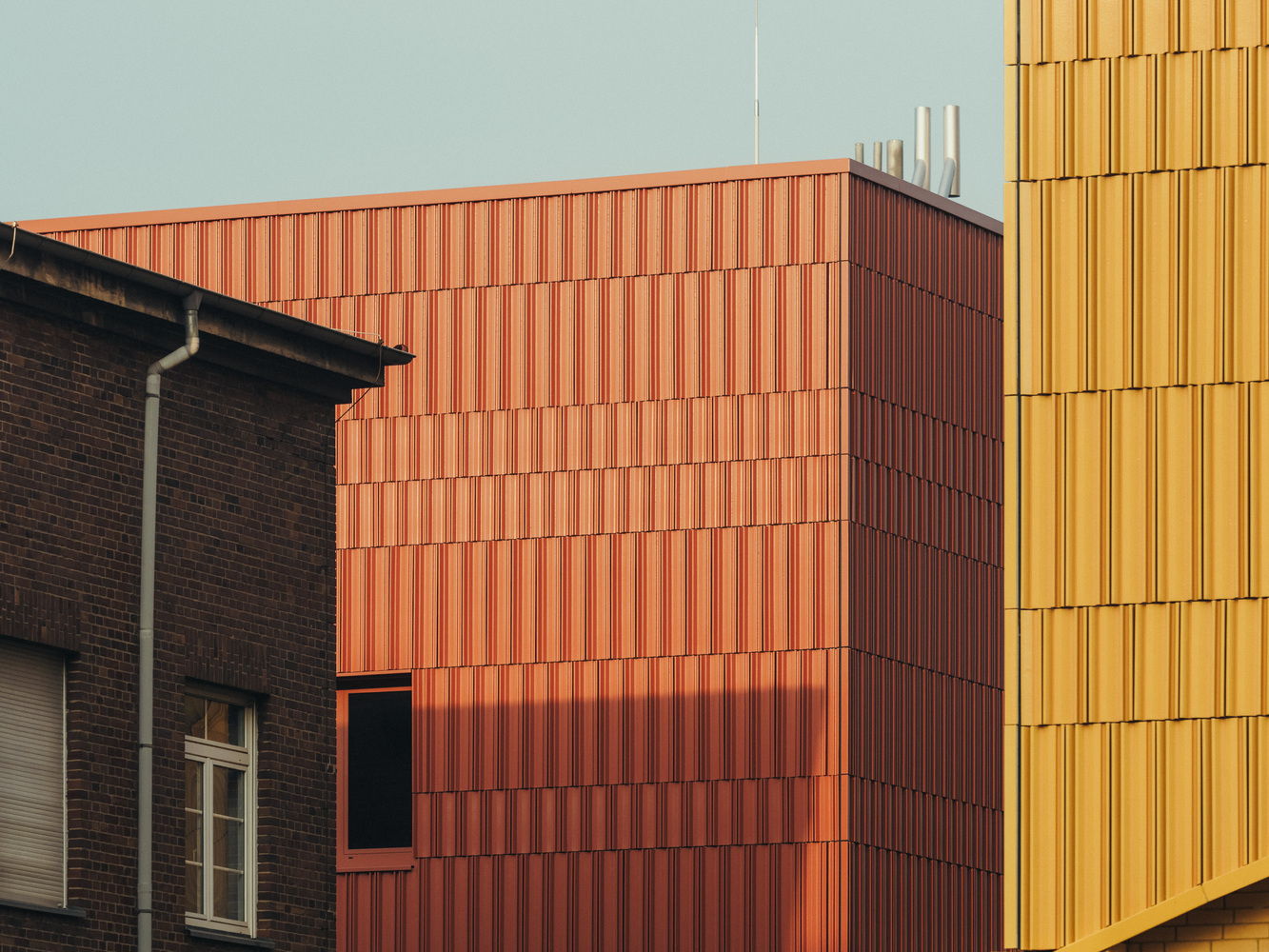
The historic industrial site of the former Leipzig power station, which used to produce electricity and district heating, is characterized by large brick buildings from the last century. The 'Südwerk' was built on the site of the former estate brickworks between 1908 and 1910.
However, the plants were shut down in 1996, but due to the growth of the city of Leipzig, it was decided to continue using the site as an energy supplier. What used to be brown coal was to be replaced by natural gas and soon by hydrogen.
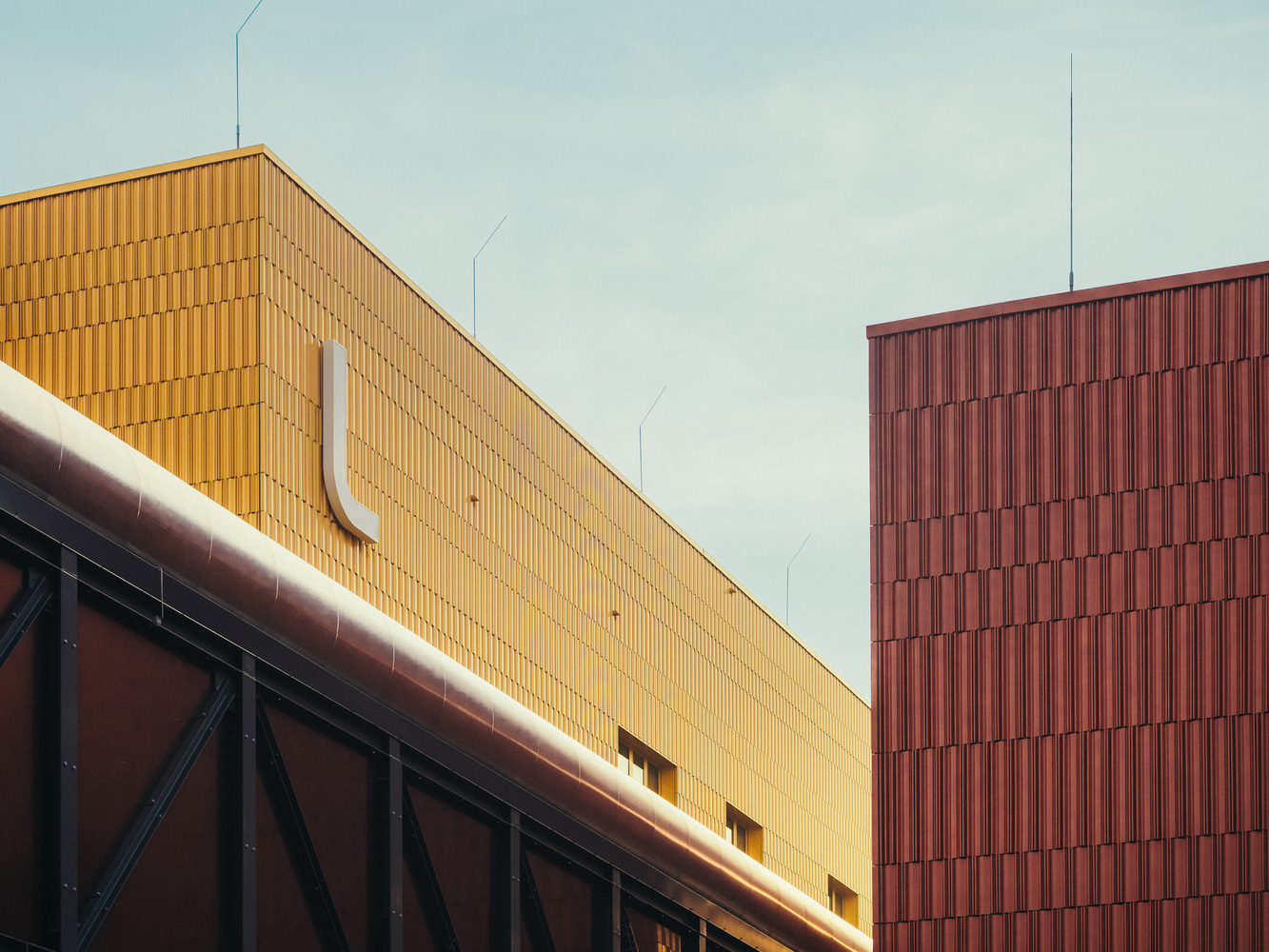
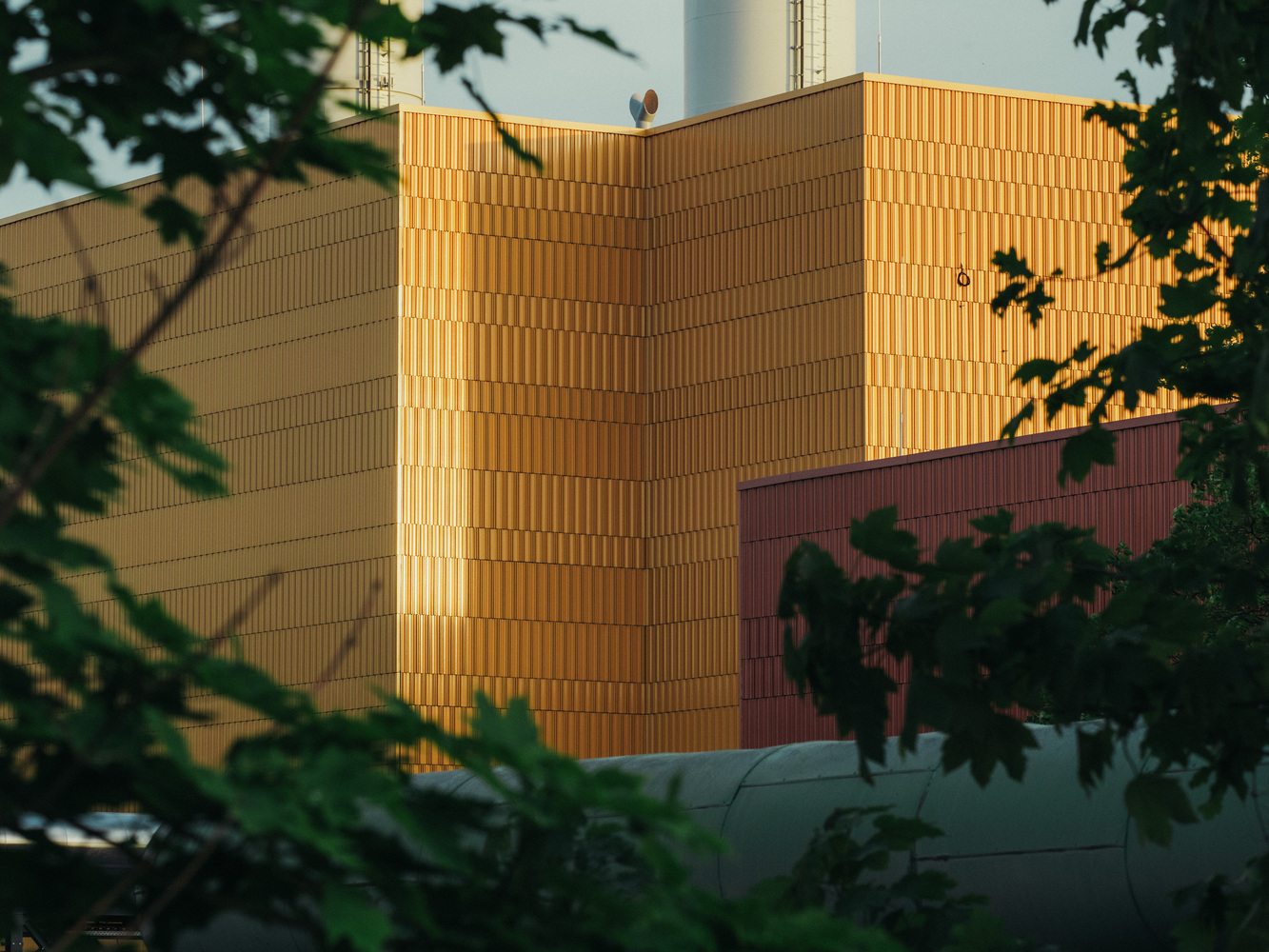
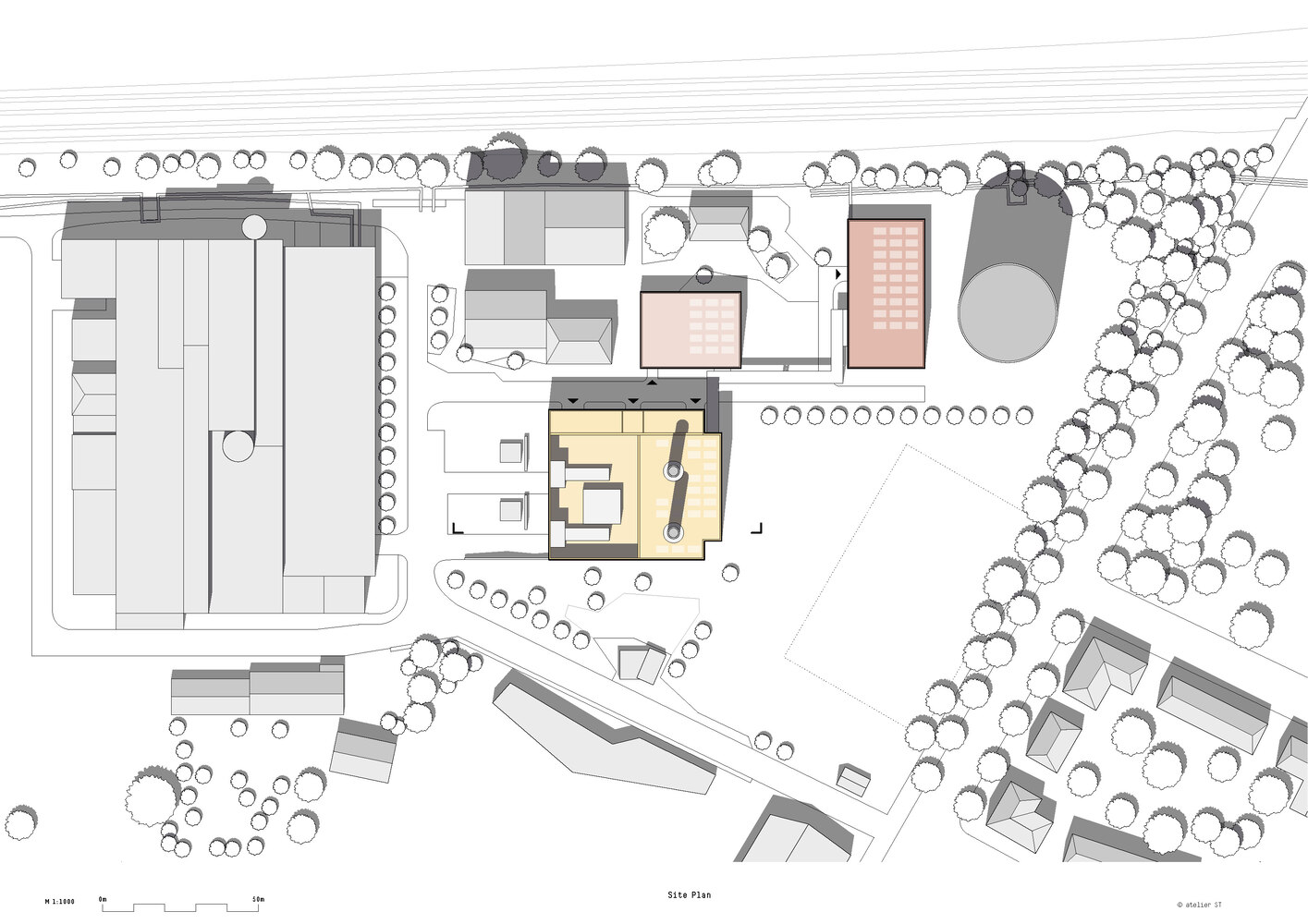
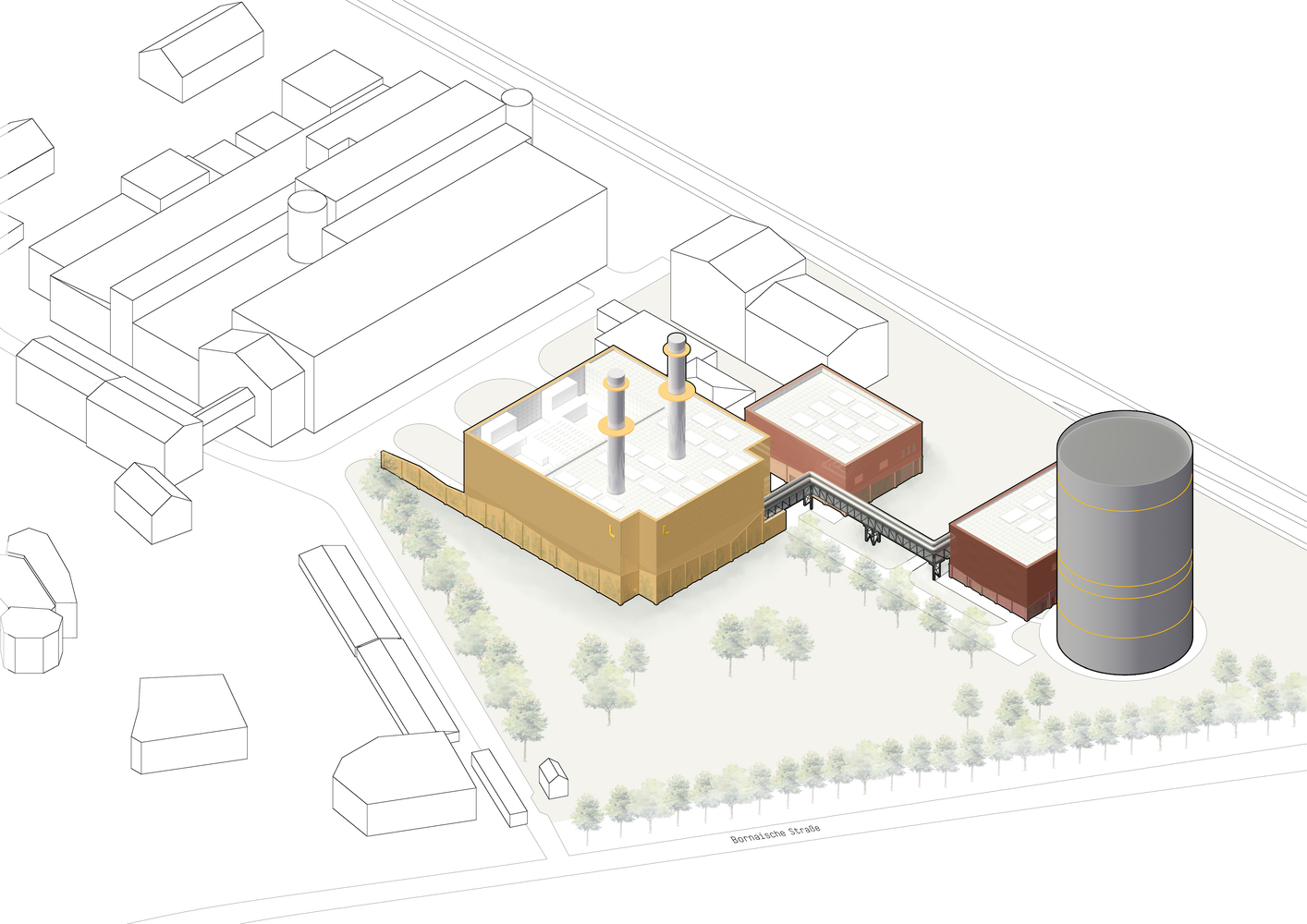
For this purpose, a new power station complex was added to the existing site, located directly behind the railway tracks and Bornaische Strasse. This consists of three buildings - a new power station building, a gas plant building, and a pump house.
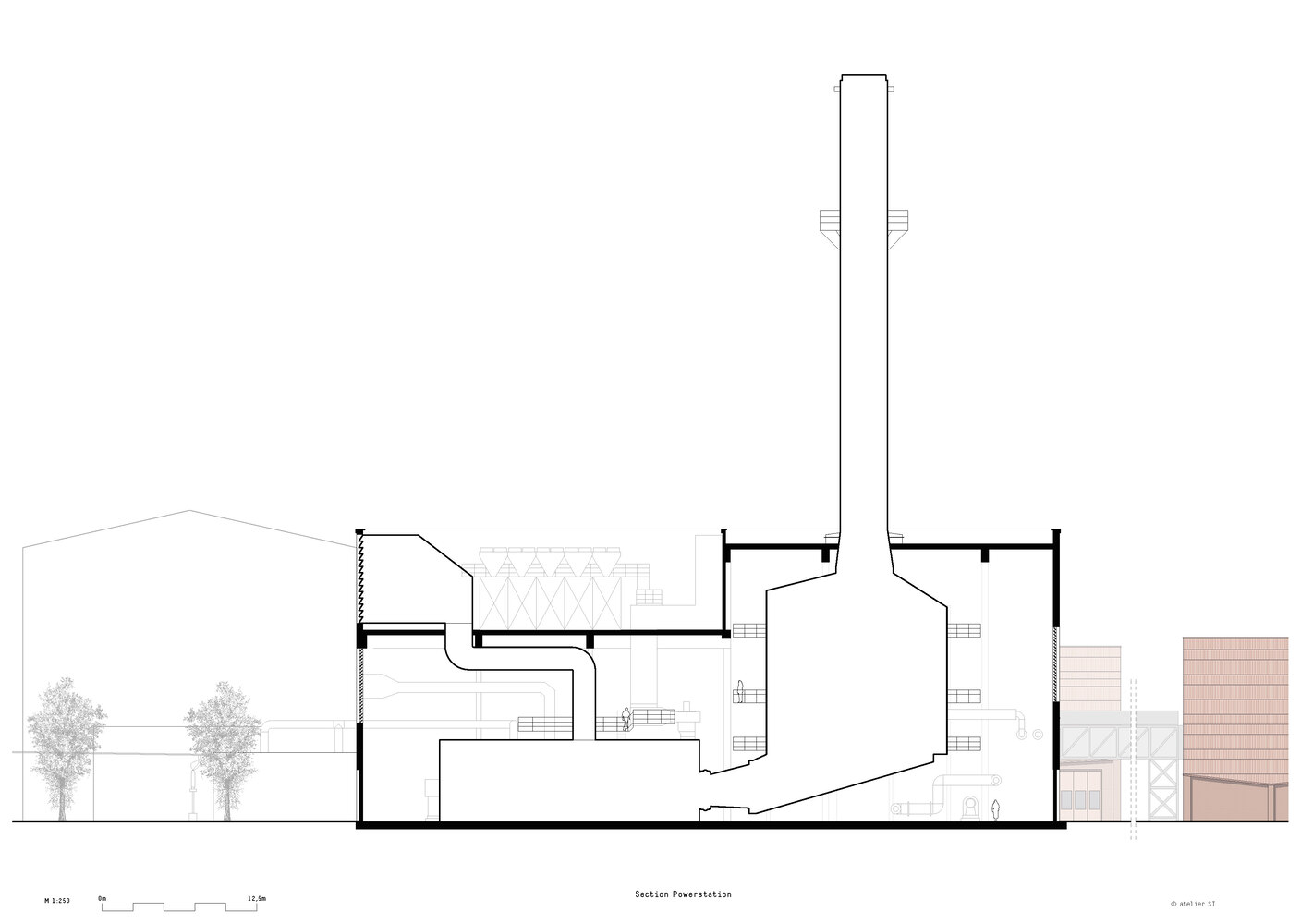
Basically, these buildings consist of a purely technical apparatus, a kind of oversized engine block. The locations were fixed, and so were the size and dimensions of the facilities.
Above all, the building envelope and its external appearance had to be designed.
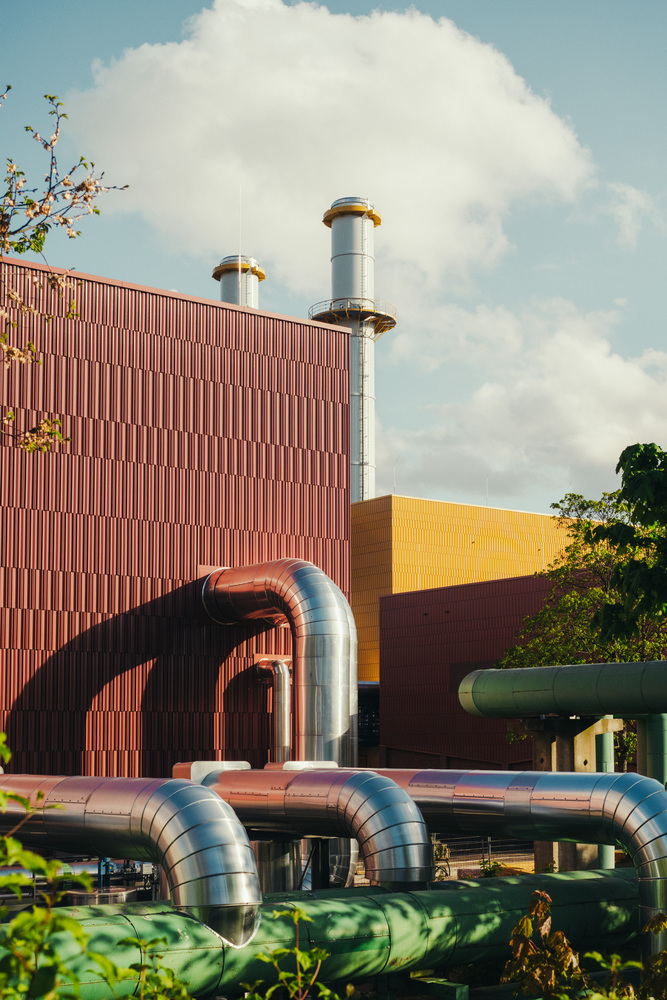
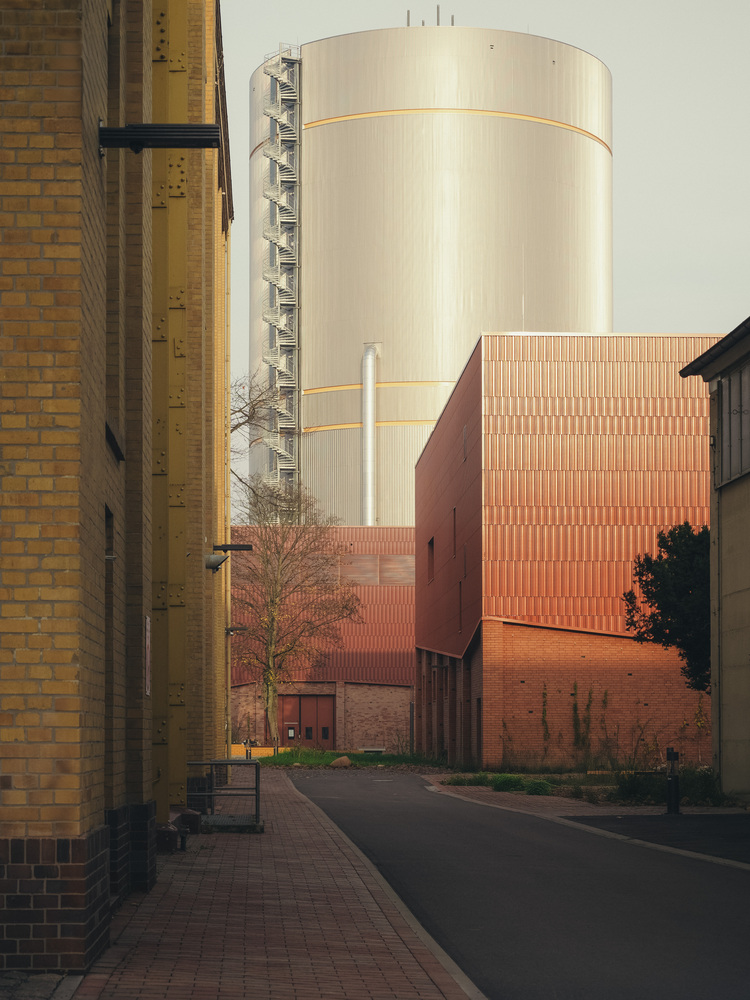
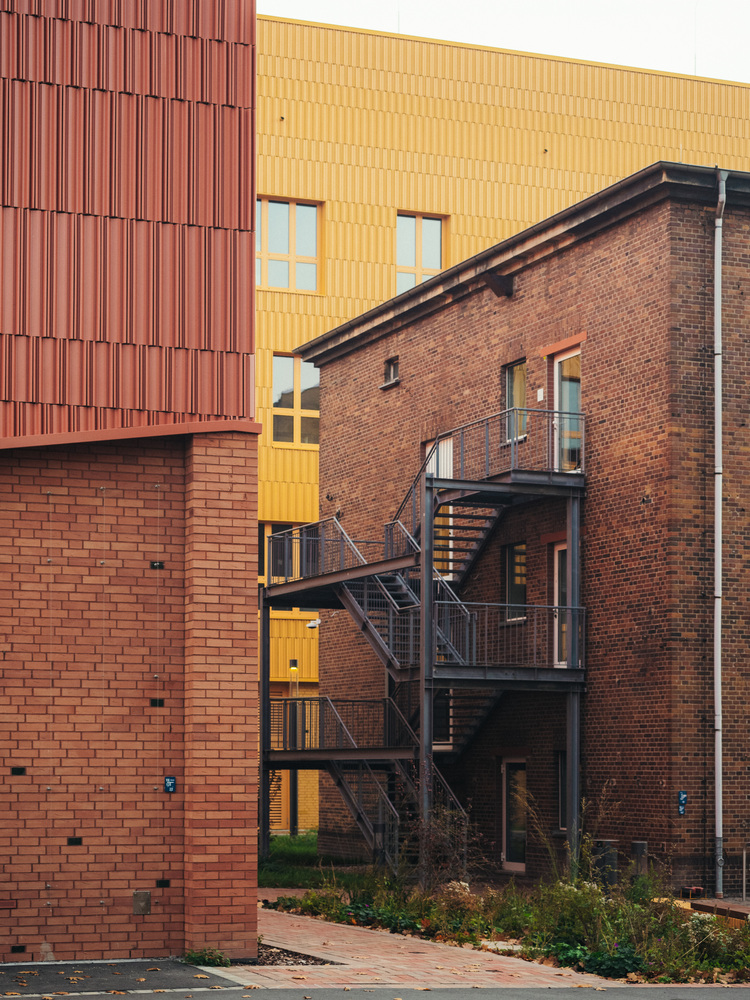
The location in the middle of the former, listed power station complex, with its high-quality brick buildings and proximity to the residential area opposite, required a high degree of sensitivity and urban planning awareness.
In addition, the new southern combined heat and power plant had to be visually appealing, as it is the first gas turbine power plant to generate 100 per cent of its electricity and heat from hydrogen.
Unusually for an industrial building, Stadtwerke Leipzig organized a national design competition, from which Atelier ST's contribution of a "ceramic continuation" emerged as the favored entry.
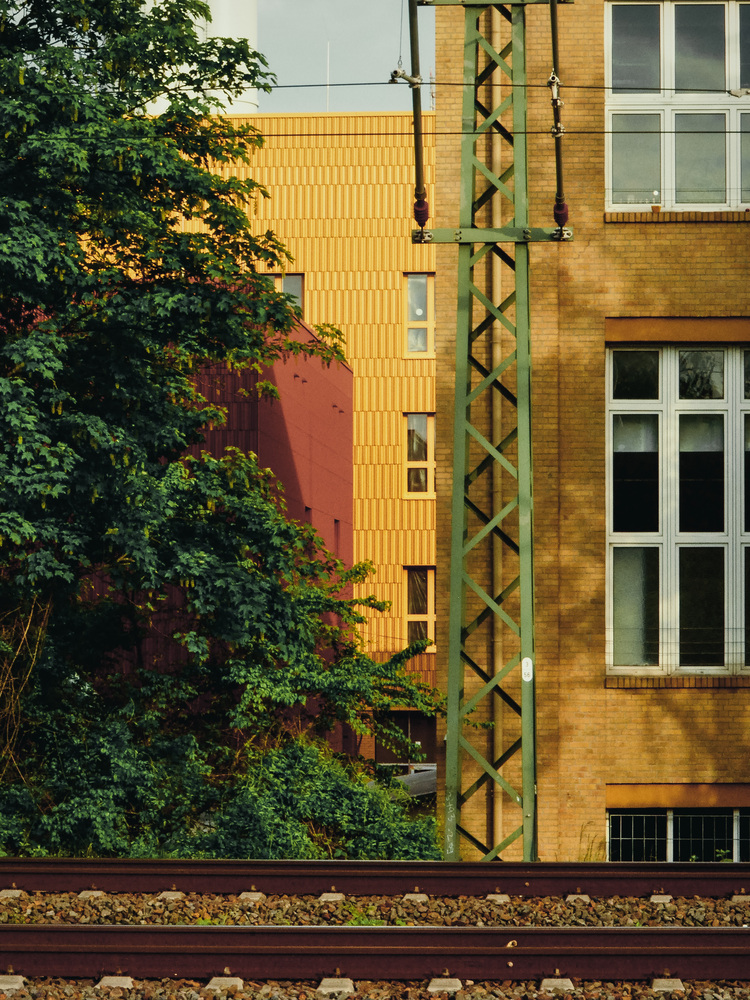
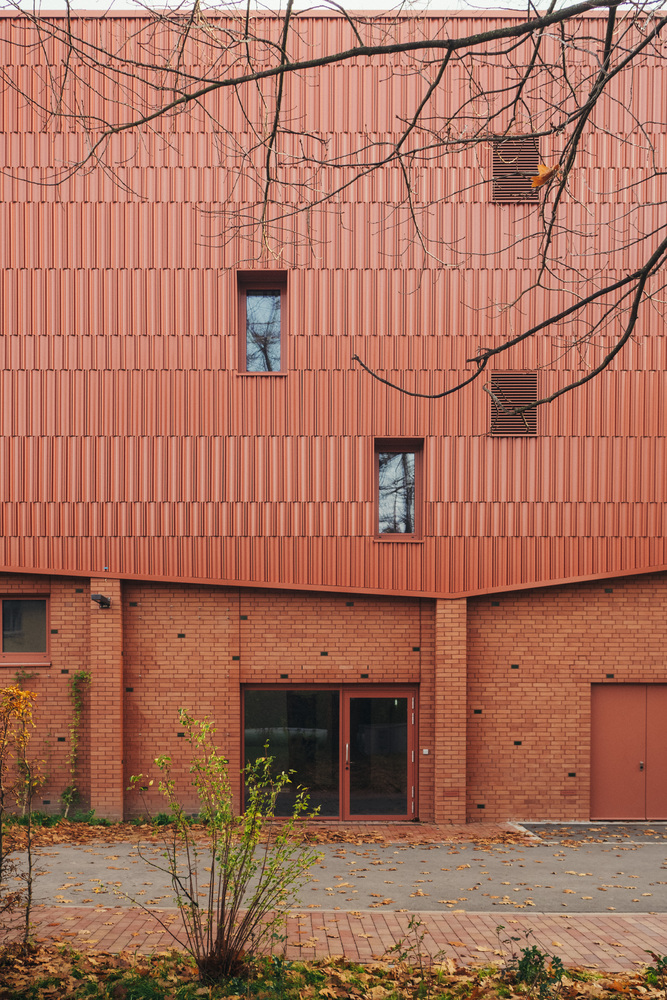
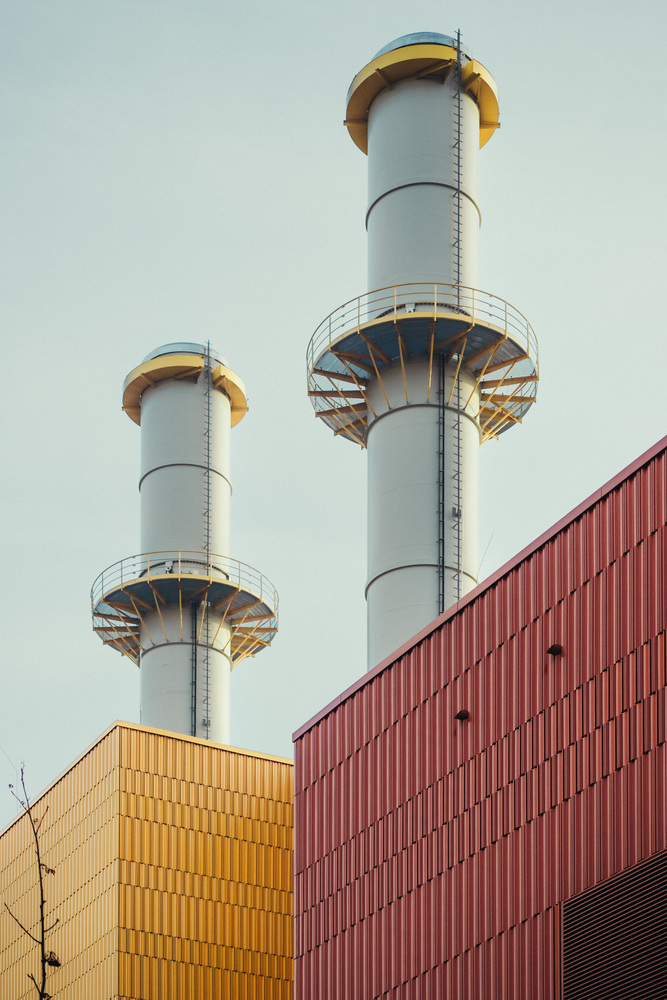
Despite the purely technical function of the buildings, the materiality of the facades was to create a quality in keeping with the surroundings and the existing buildings.
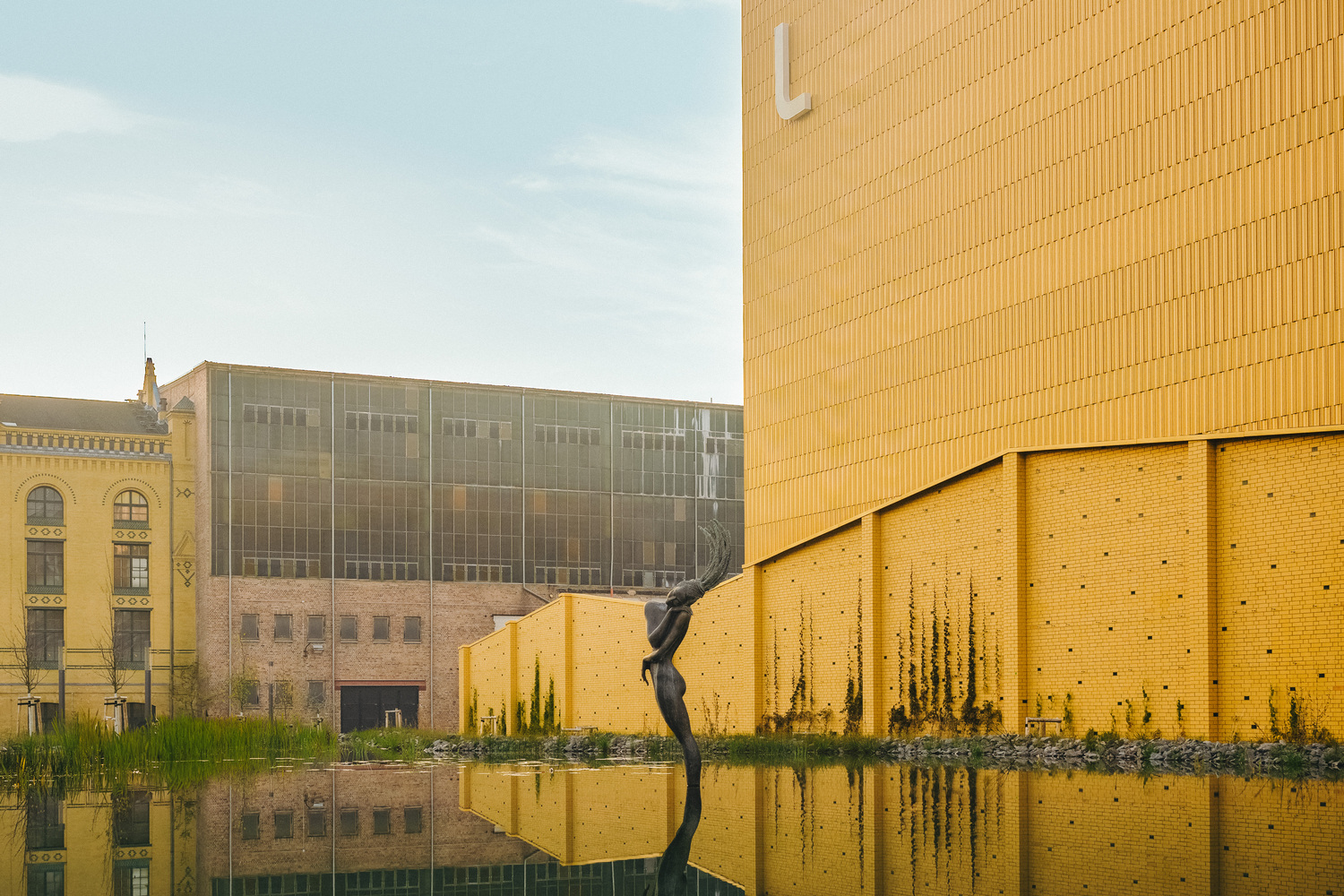
The different colors of the historic power station buildings, made of yellow, brown, and reddish clinker bricks, were coherently transferred to the three new buildings.
Due to the enormous volume of the building, a finer division of the surfaces was chosen in comparison to the existing brick buildings.
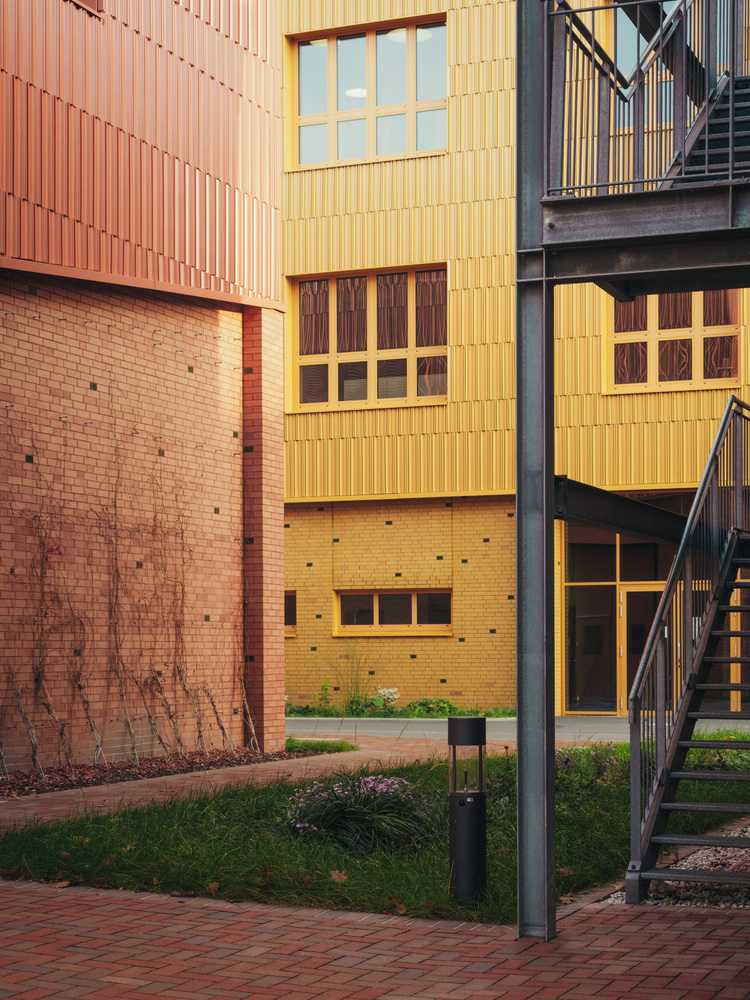
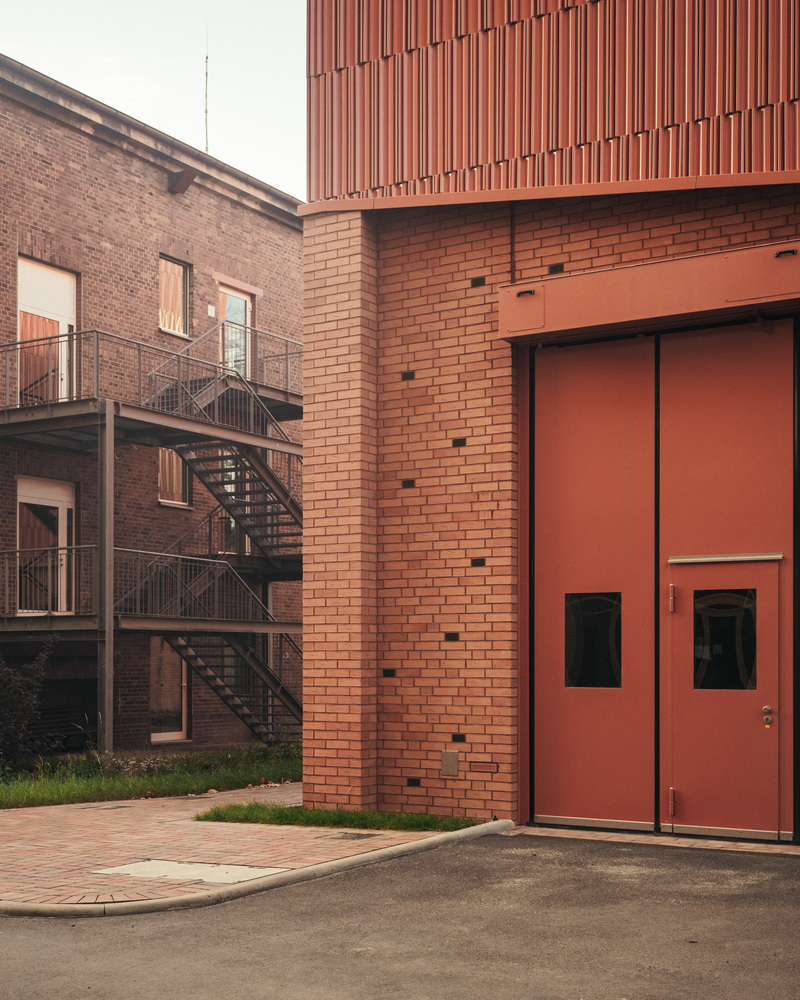
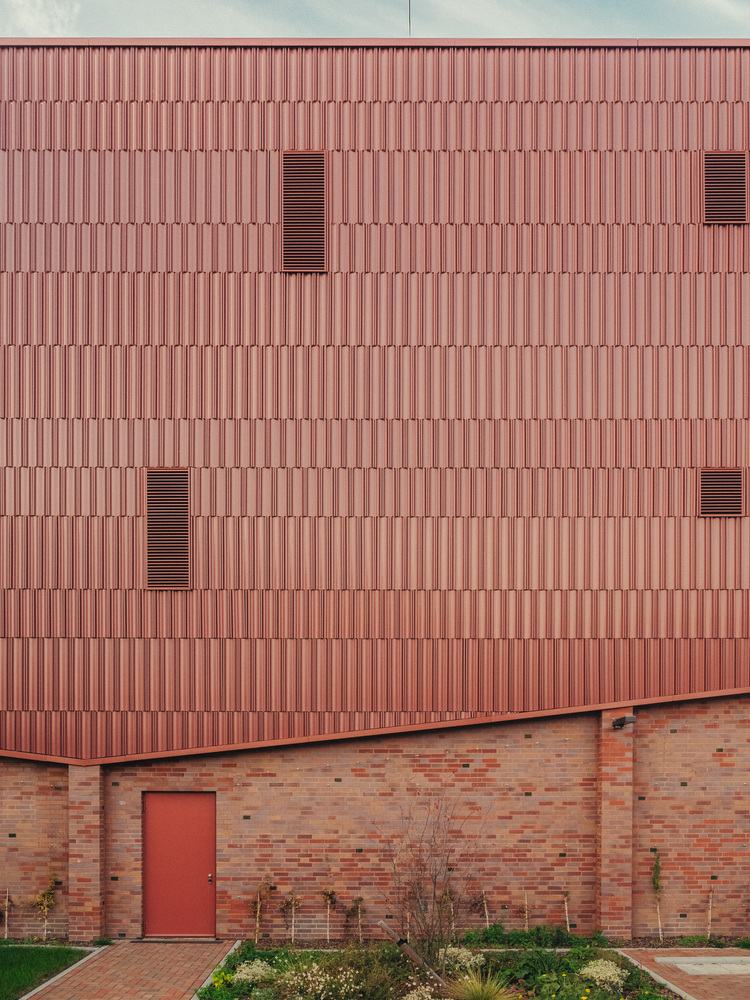
The material used was also fired clay, but in the form of glazed panels with a fine, irregular vertical structure.
The ceramic curtain wall, a project-specific special design, relates the large and mostly enclosed building volumes to their surroundings.
The irregular linear structure of the panels creates a varied interplay of light and shadow. Only the plinth floors retain the traditional clinker brickwork of the existing building.
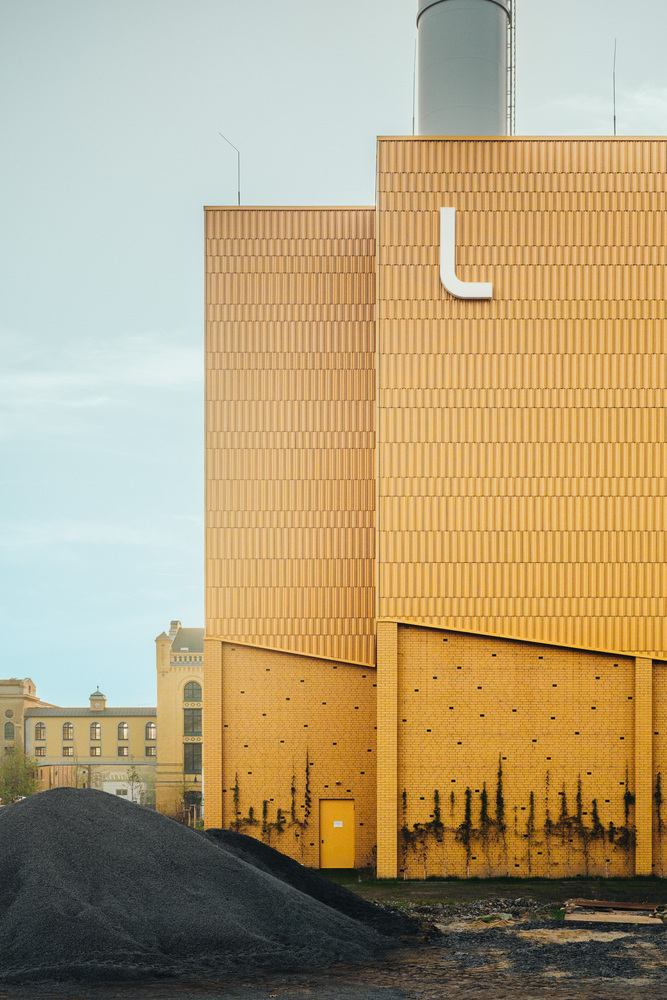
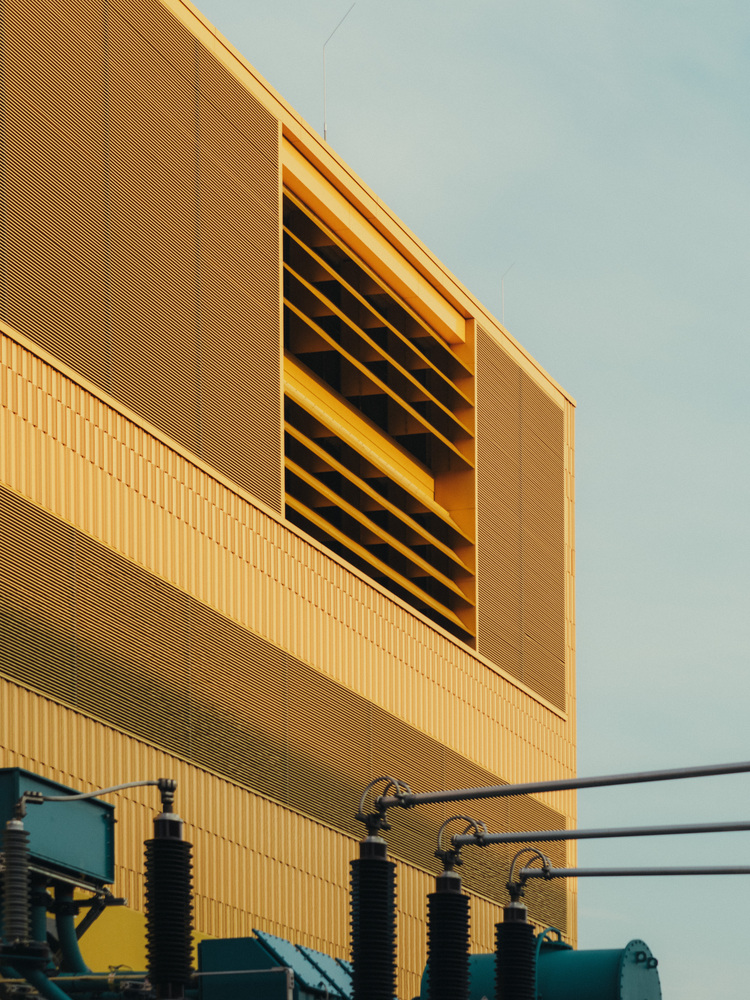
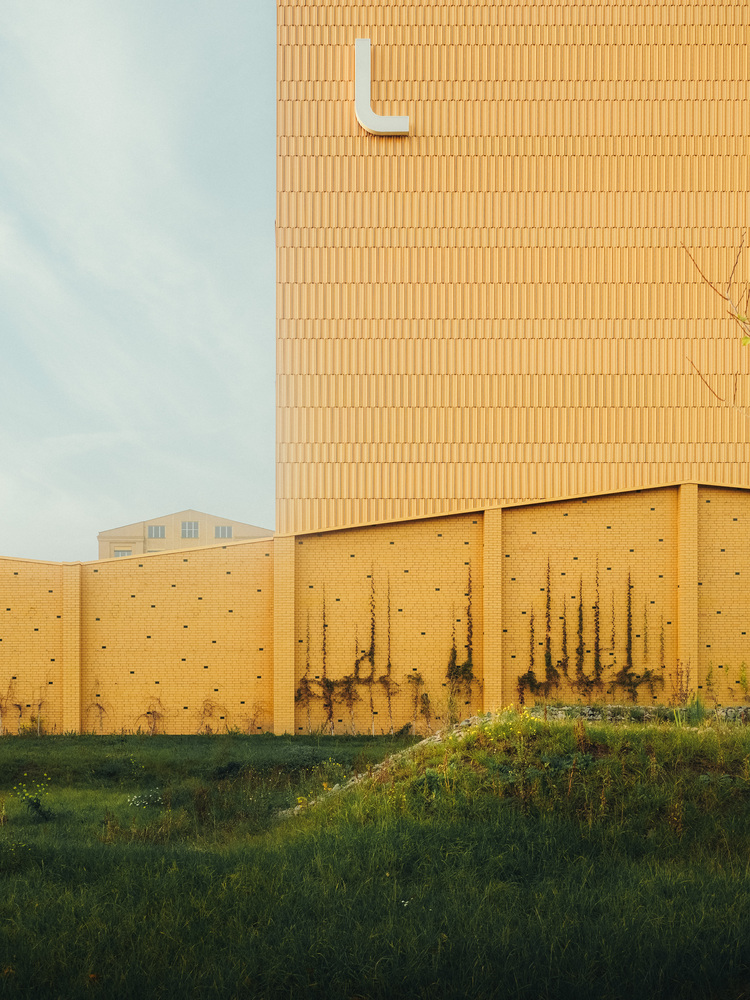
Only the basement floors take up the traditional clinker brickwork of the existing buildings.
Their partly slanted ends echo the silhouettes of the building opposite, creating a further link to the neighborhood despite their high degree of independence.
Green-glazed formwork bricks, irregularly interspersed in the masonry, break with the otherwise clear structure created by regularly projecting lisenas.
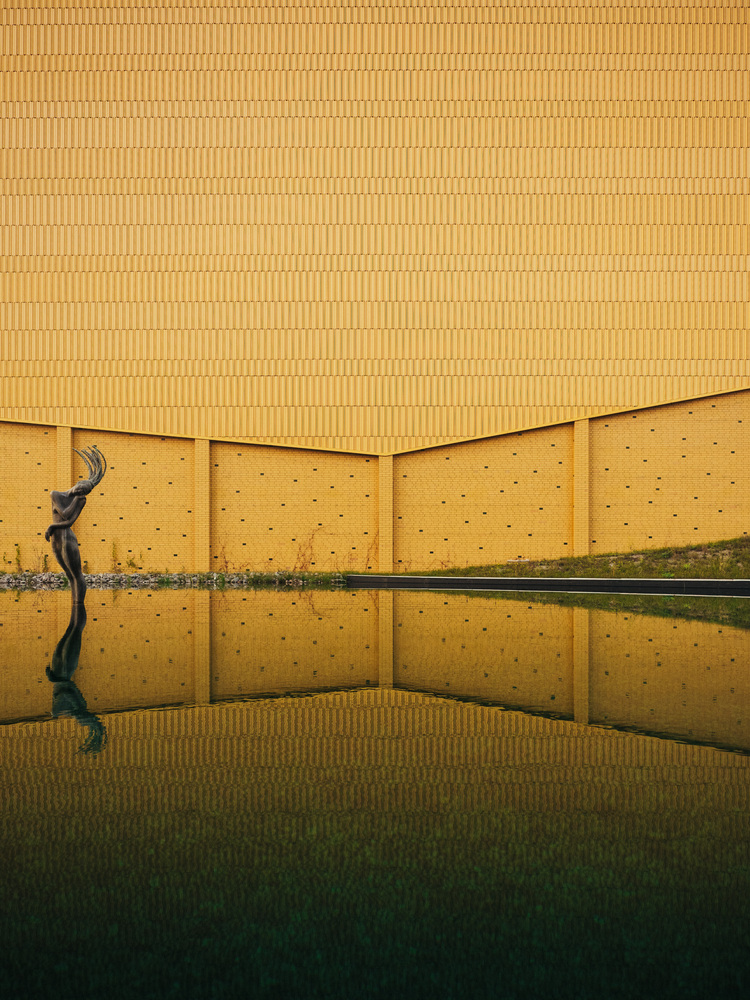
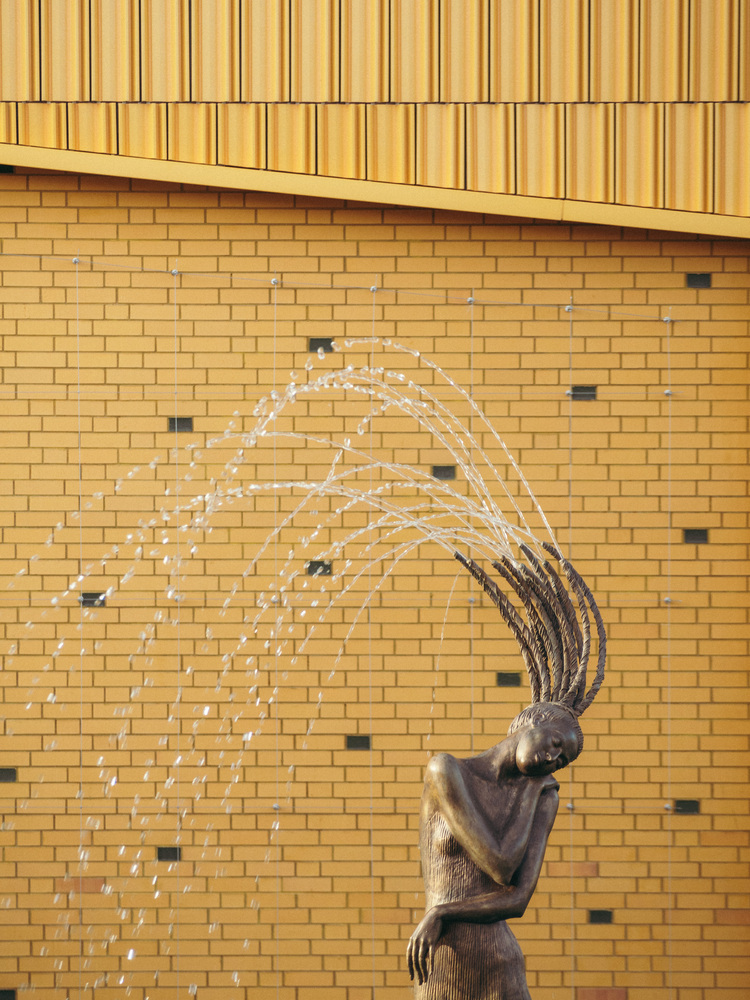
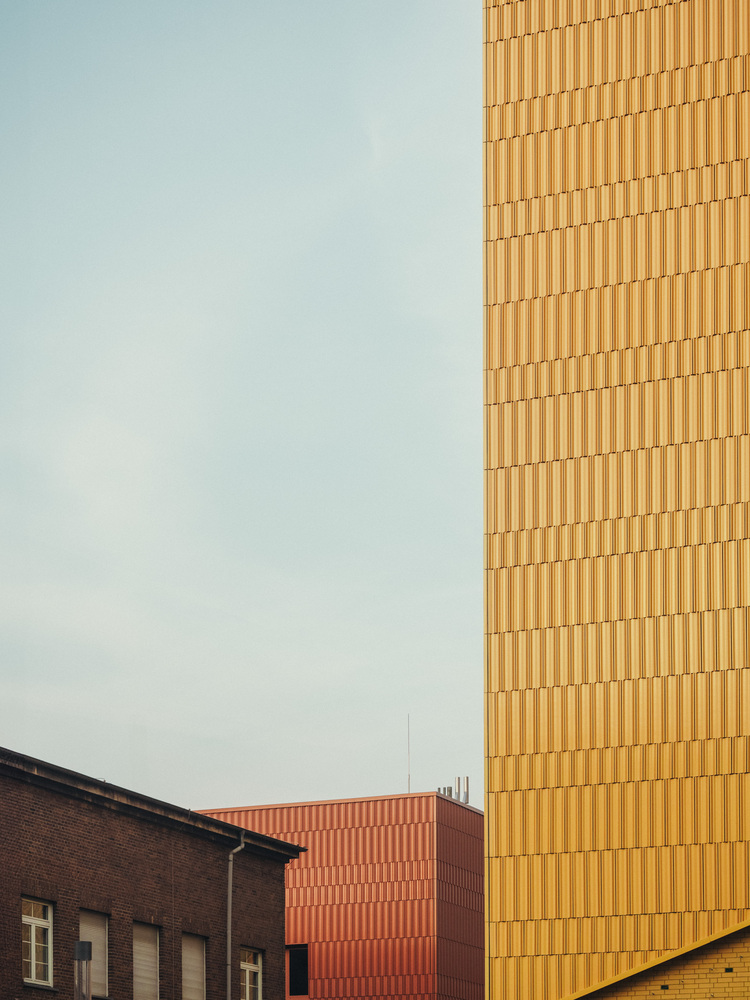
The uniform color scheme is continued in the individual elements of the façade.
All the technical installations, such as doors, gates, and cladding, are color-coordinated to match the building.
A façade greening system suspended on wire ropes at the base of the building merges the abstract volumes of the new industrial quarter with the surrounding green spaces.
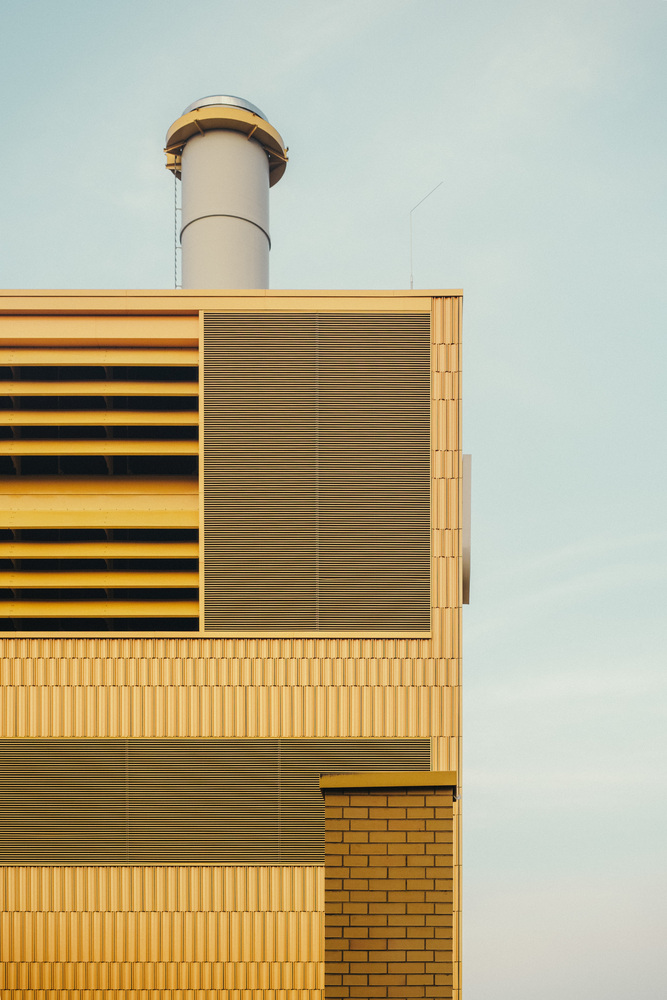
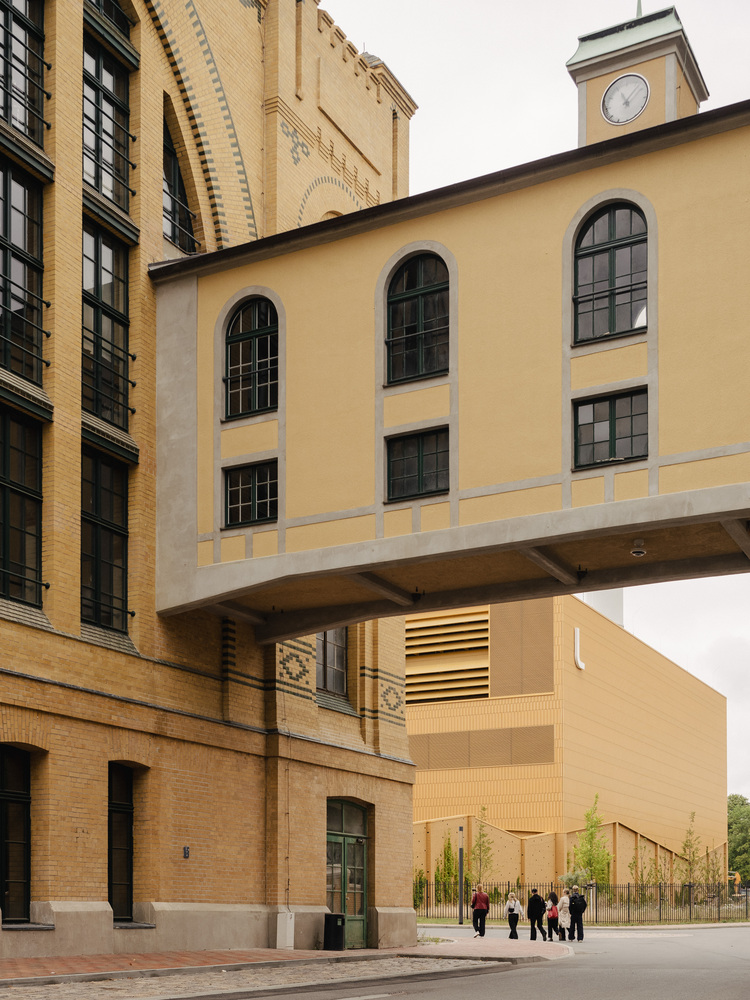
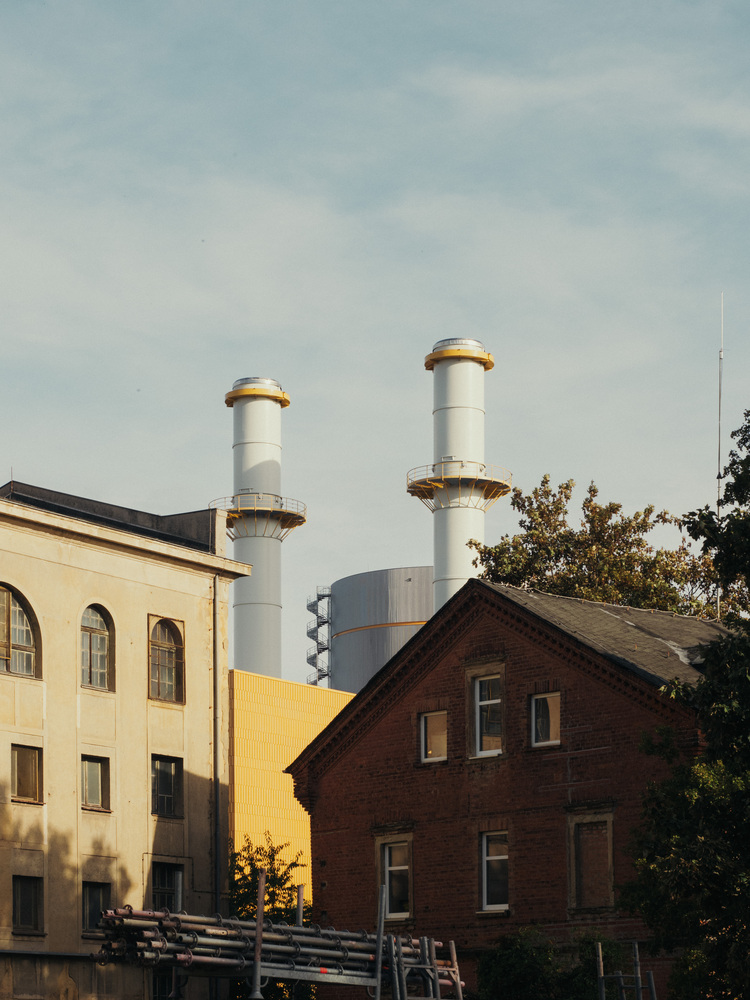
The new Southern Combined Heat and Power Plant is not only a technical showpiece, but also an architectural mediator that preserves the industrial charm of its surroundings while setting new accents.