The Tasting Tongue - Art Installation
THE TASTING TONGUE - ART INSTALLATION
Studio Deng
ARCHITECTS
Studio Deng
DESIGNER
Meichen Wang, Qicheng Wu
ORGANIZER
Festival Des Architectures Vives
PHOTOGRAPHS
Paul Kozlowski
AREA
10 m²
YEAR
2025
LOCATION
Montpellier, France
CATEGORY
Temporary Installations, Public Architecture
English description provided by the architects.
What if every object has an invisible tongue?
A column's tongue, a window's tongue, a flowerbed's tongue, each quietly sensing the world around it, extending its own way of tasting space.
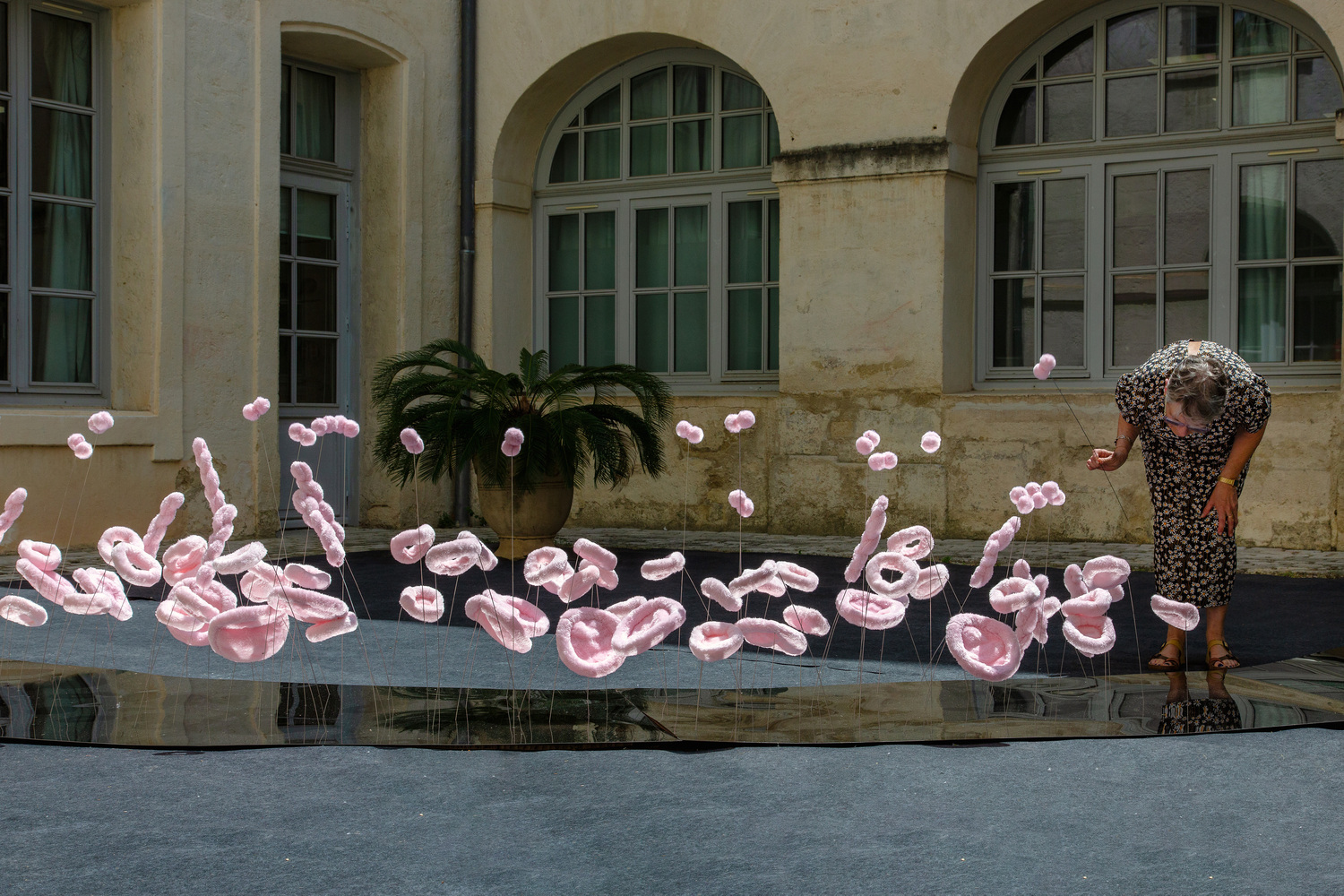
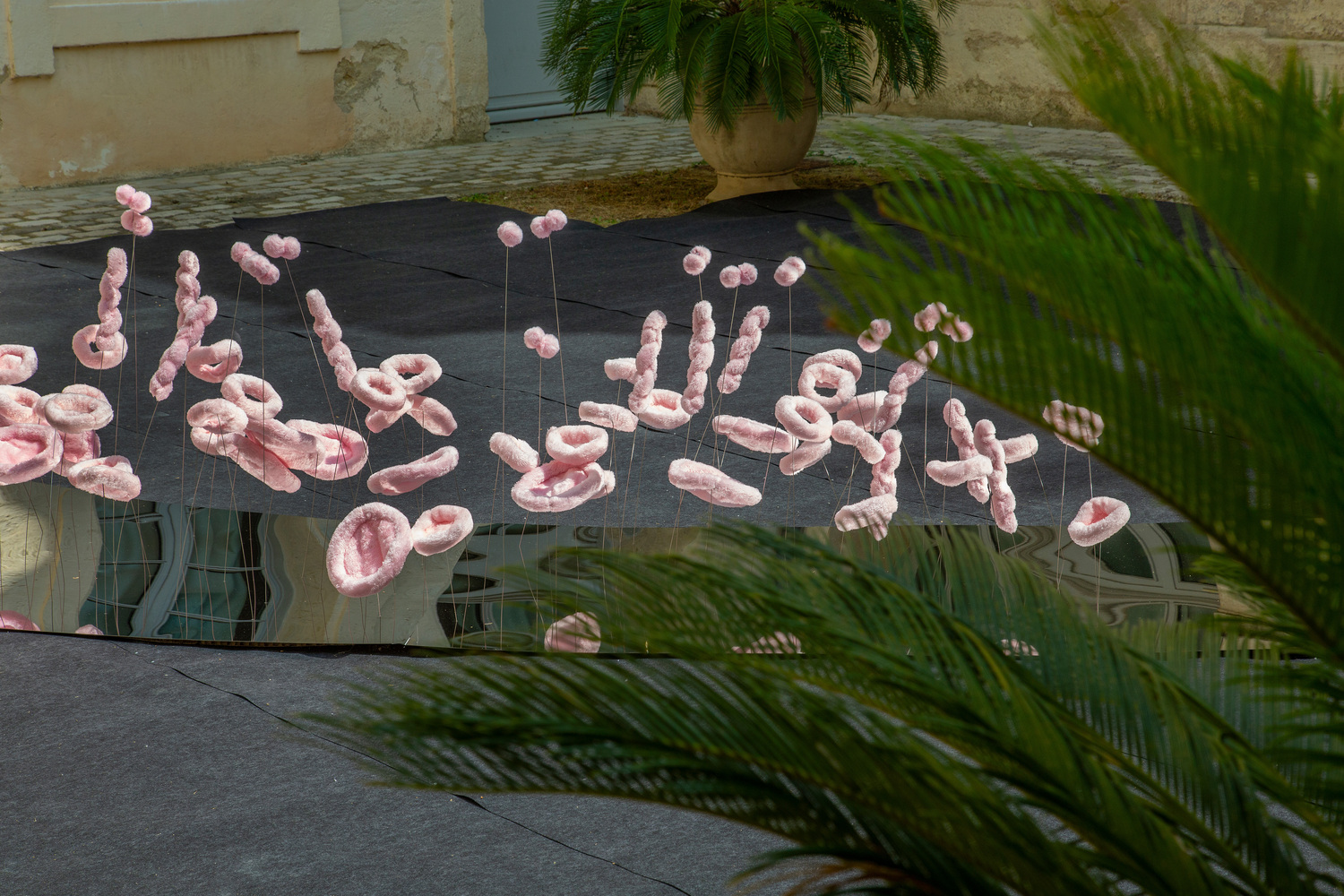
The wetness of grass after rain, the umami of a mild breeze, the electric burst of popping candy, or the velvety surrender of melting cheese each becomes a moment of shared synesthesia, a reminder that taste might extend far beyond the body.
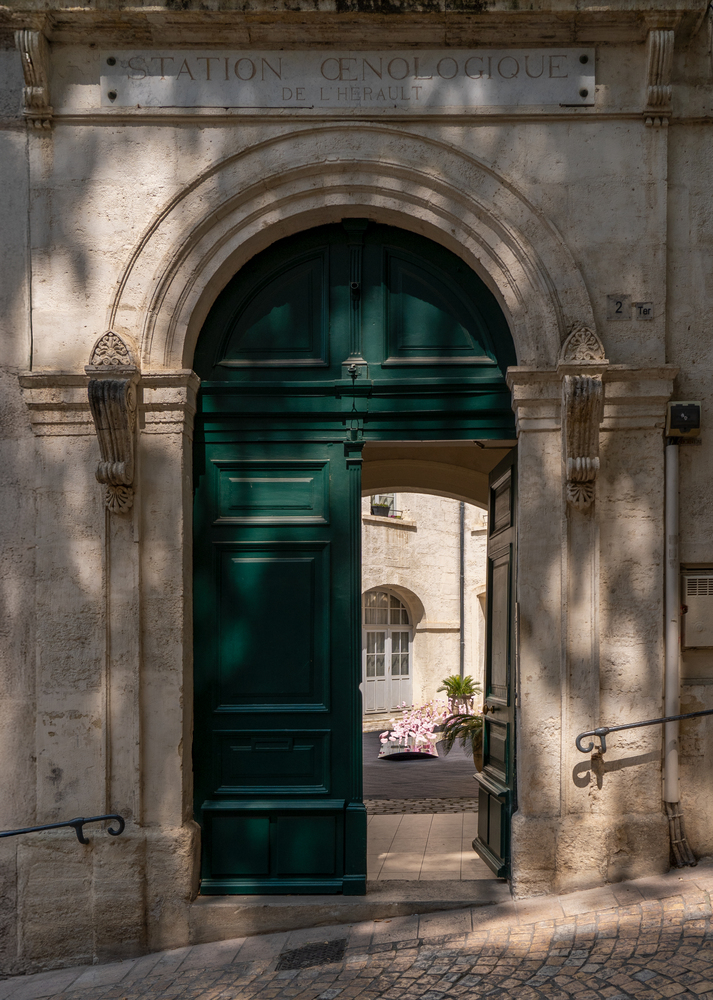
For the 2025 Festival des Architectures Vives in Montpellier, Studio Deng was selected as one of the winning teams to activate the courtyard of Hôtel de Rozel.
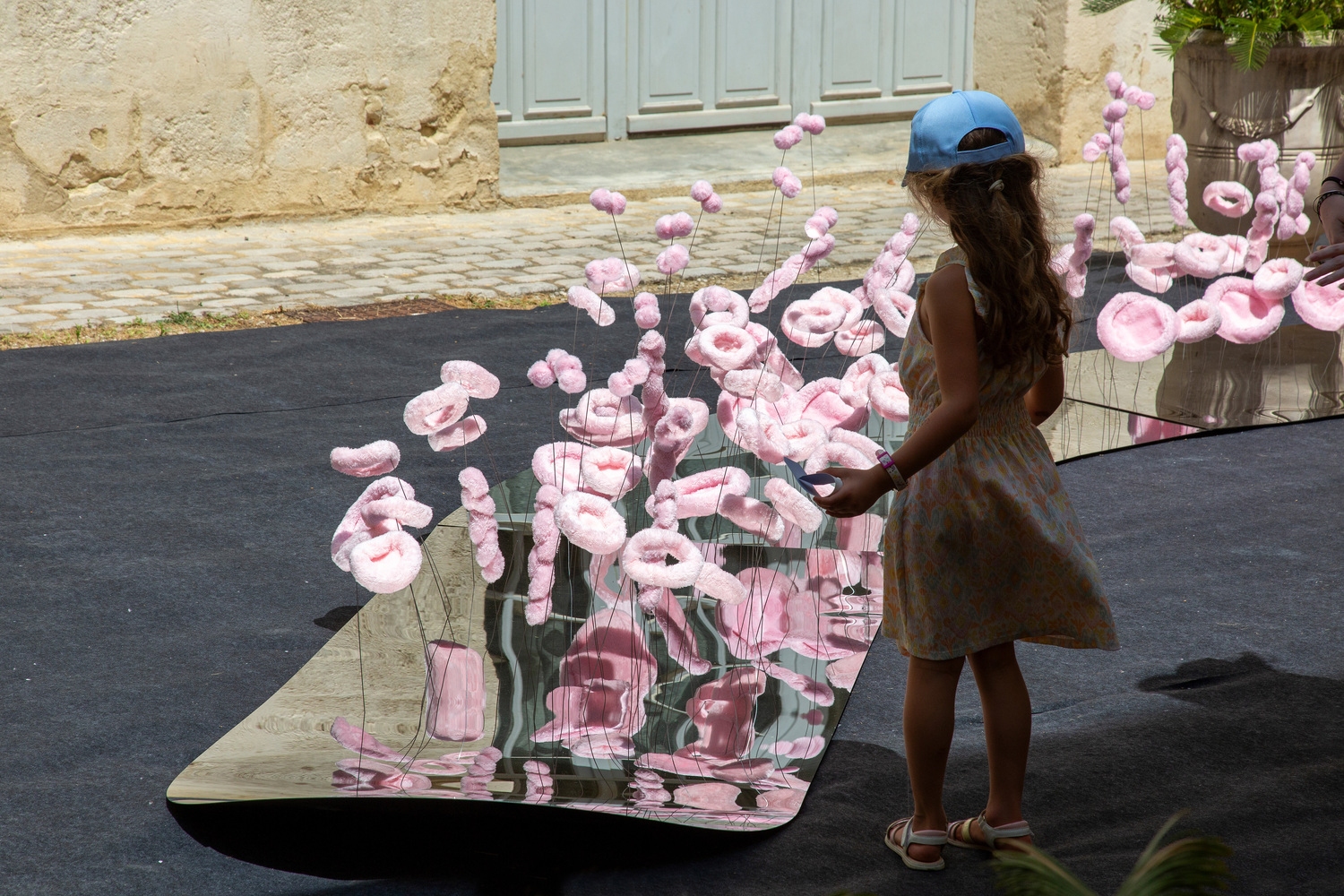
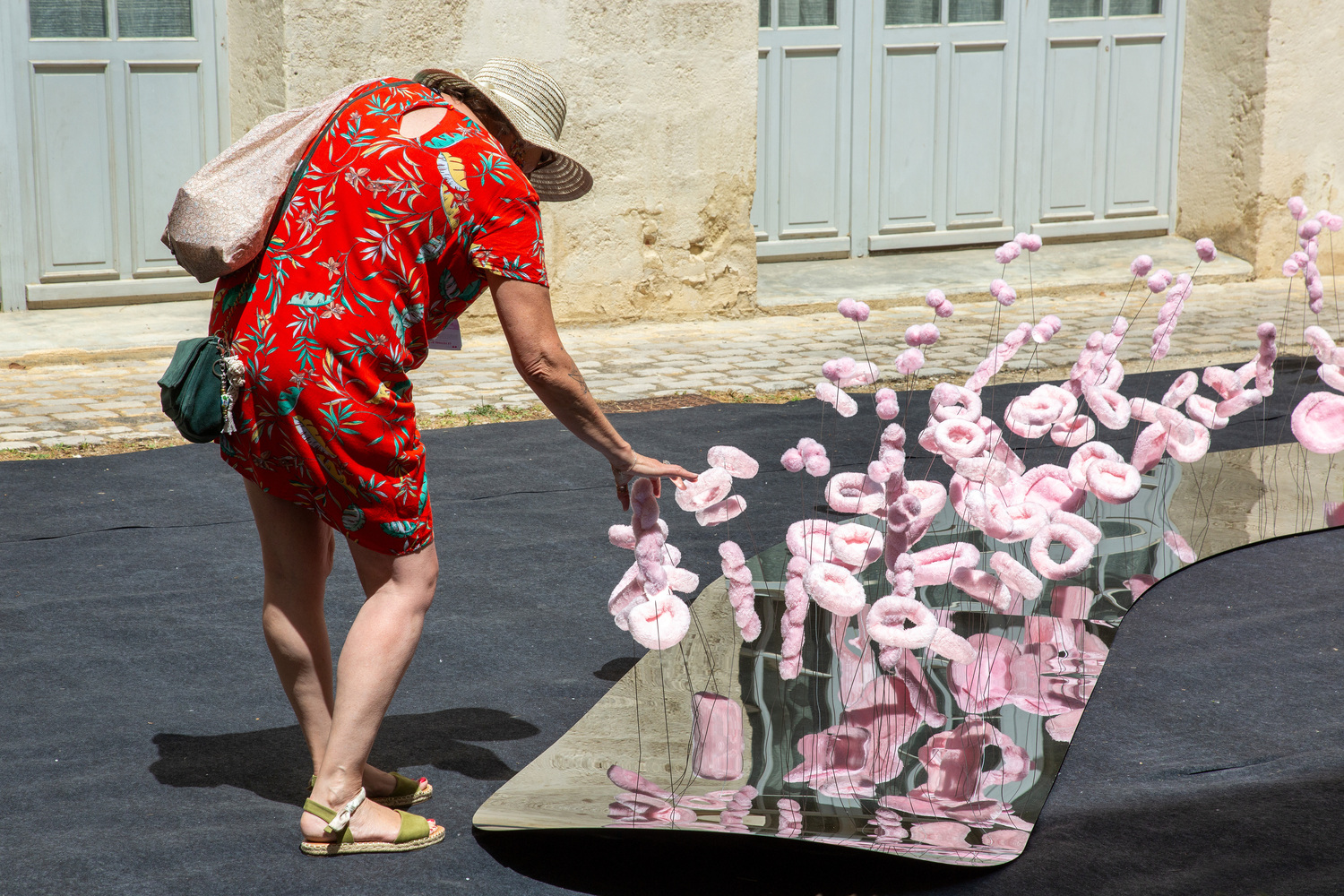
The site, a compact residential courtyard framed by historic stone, called for an intervention that could spark curiosity without overwhelming its intimate scale.
Building on the question of the invisible tongue, Studio Deng imagines every object harboring its own silent repository of flavor memories. The Tasting Tongue brings this idea to life, transforming the courtyard window into an immersive sensory fiction.
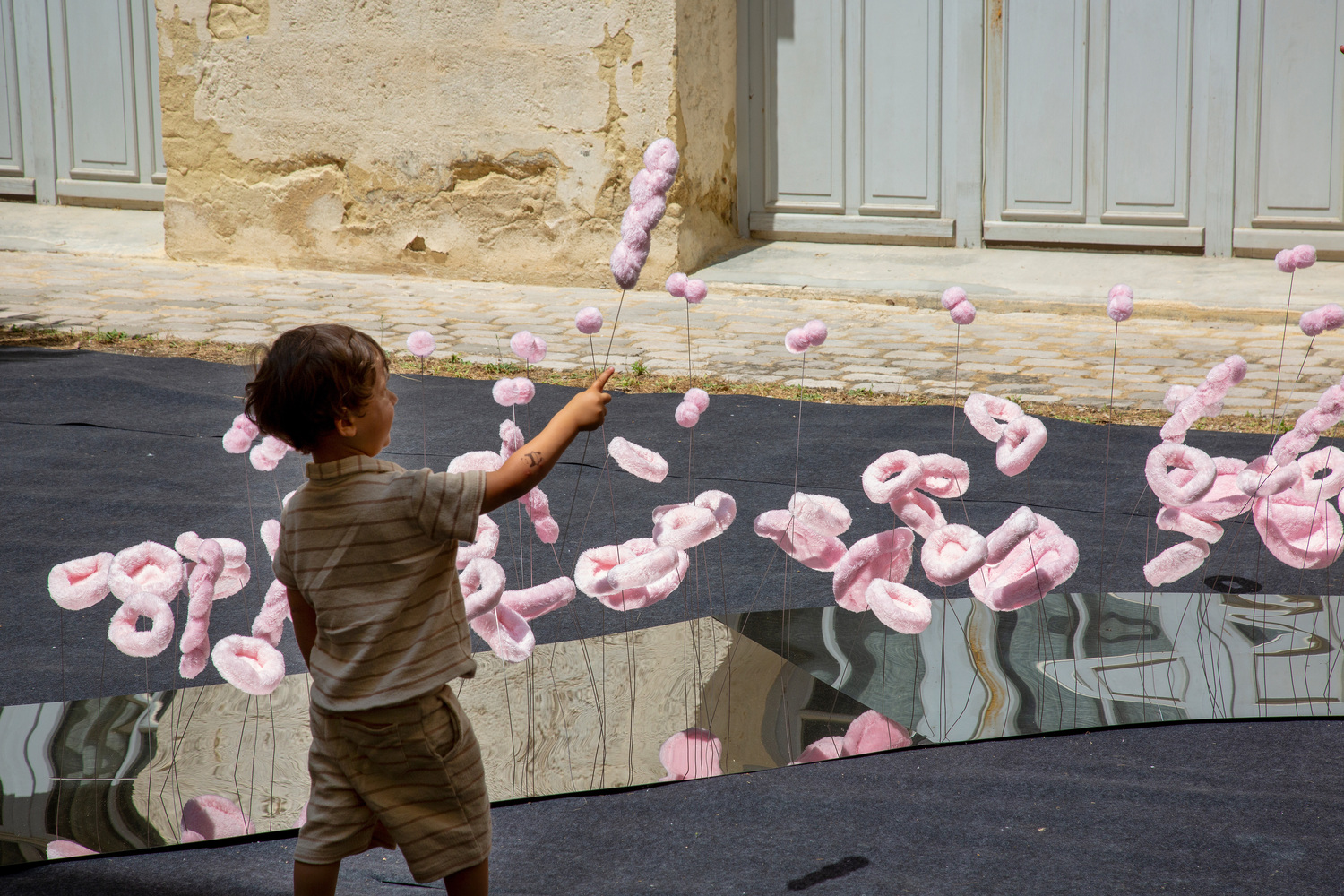
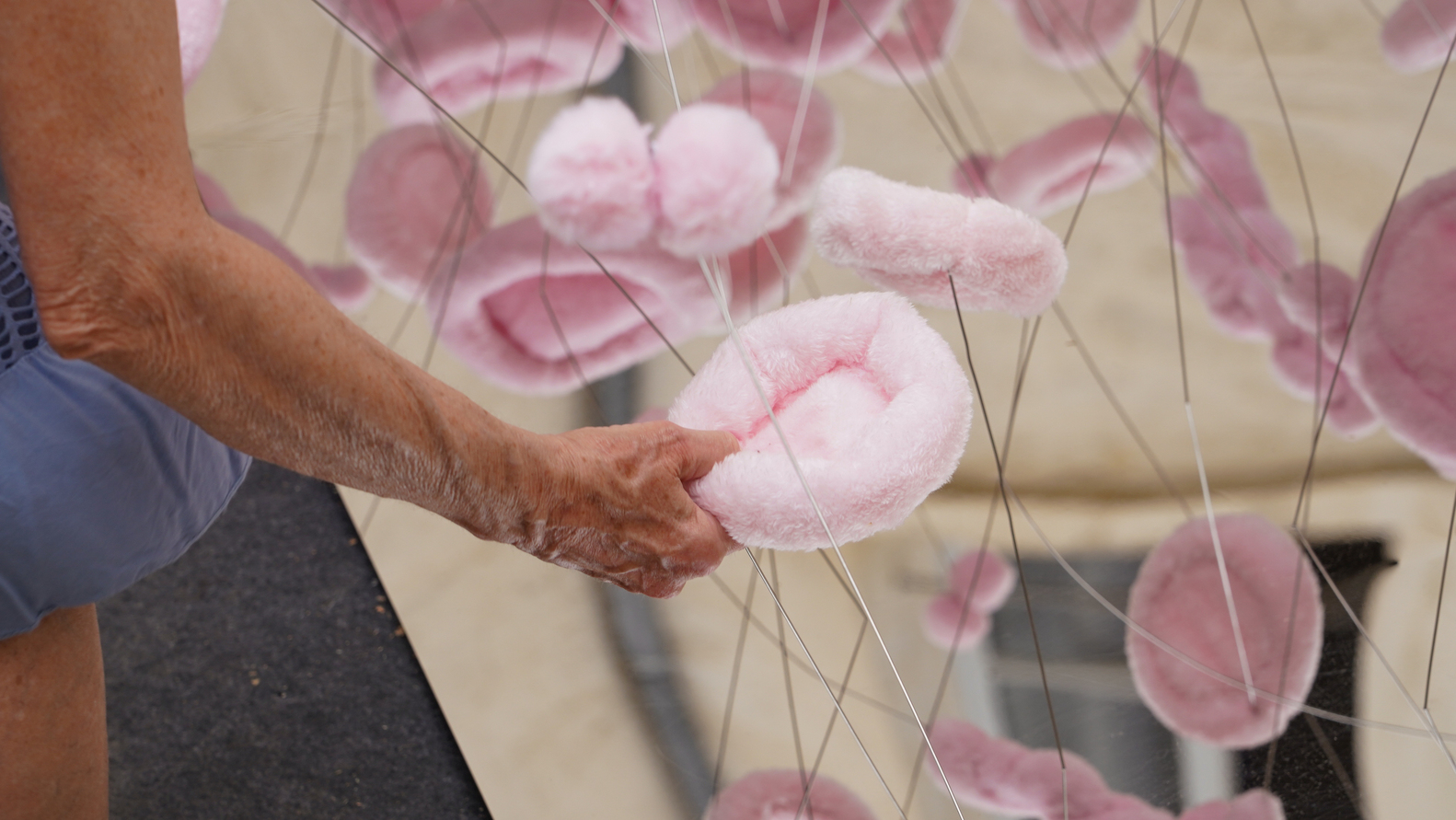
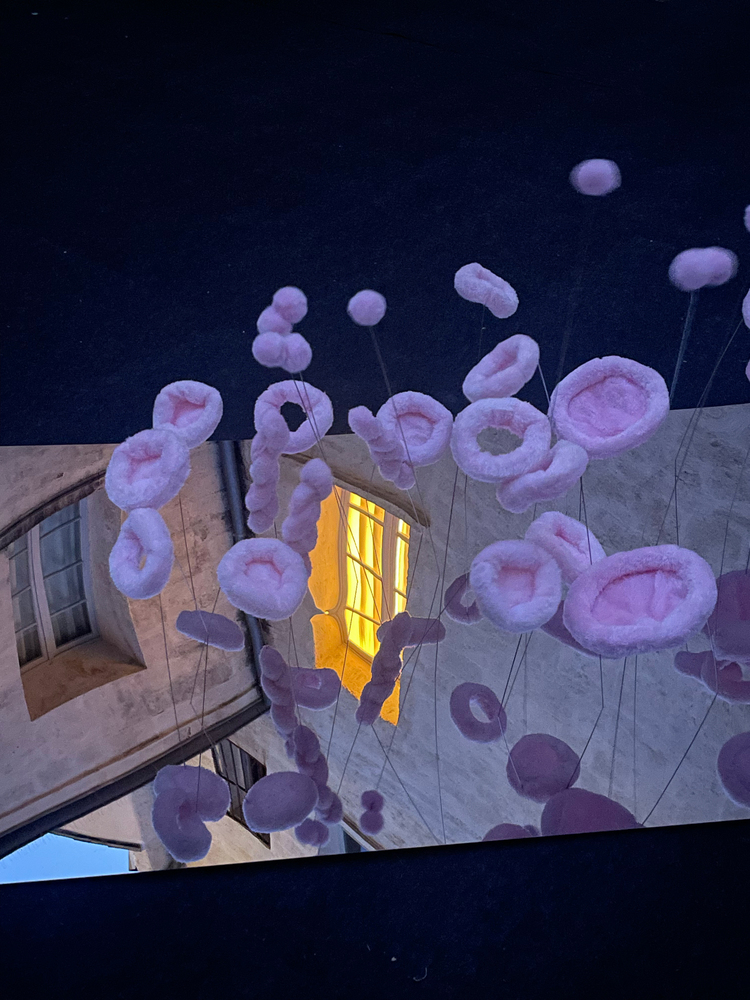
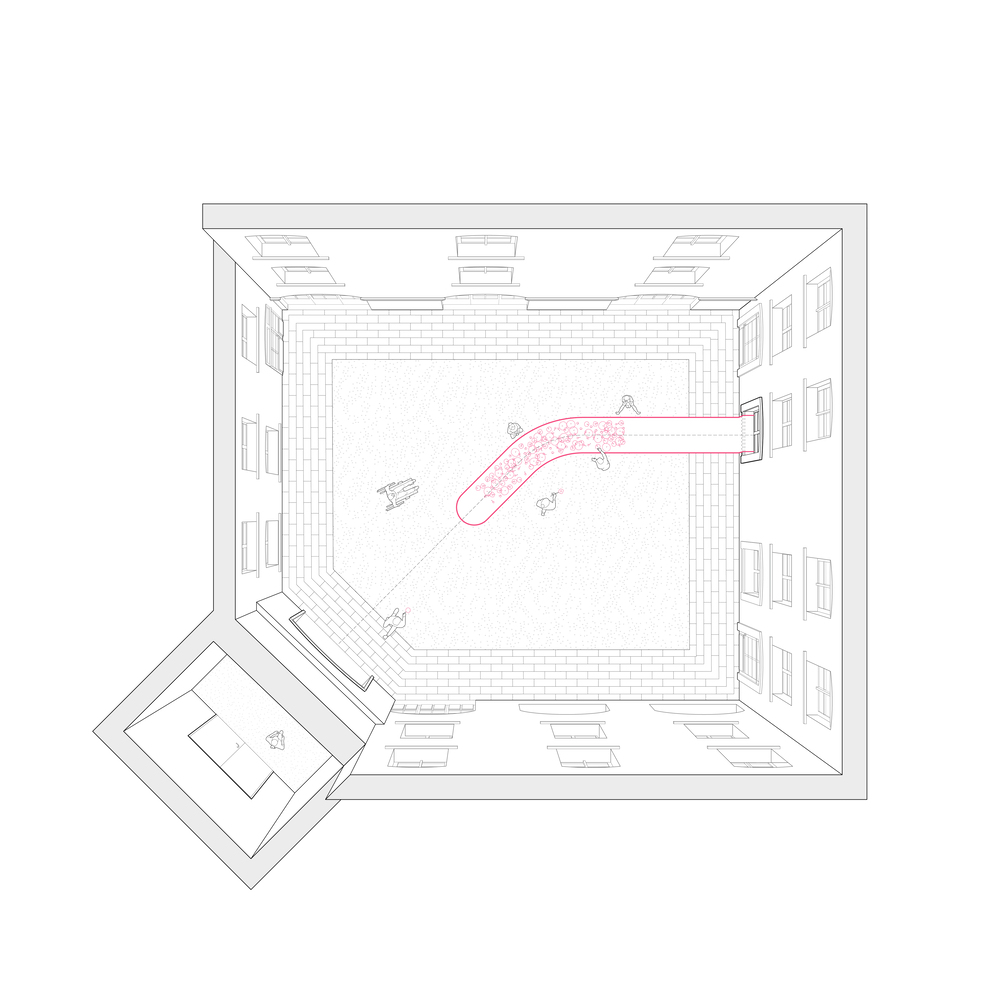
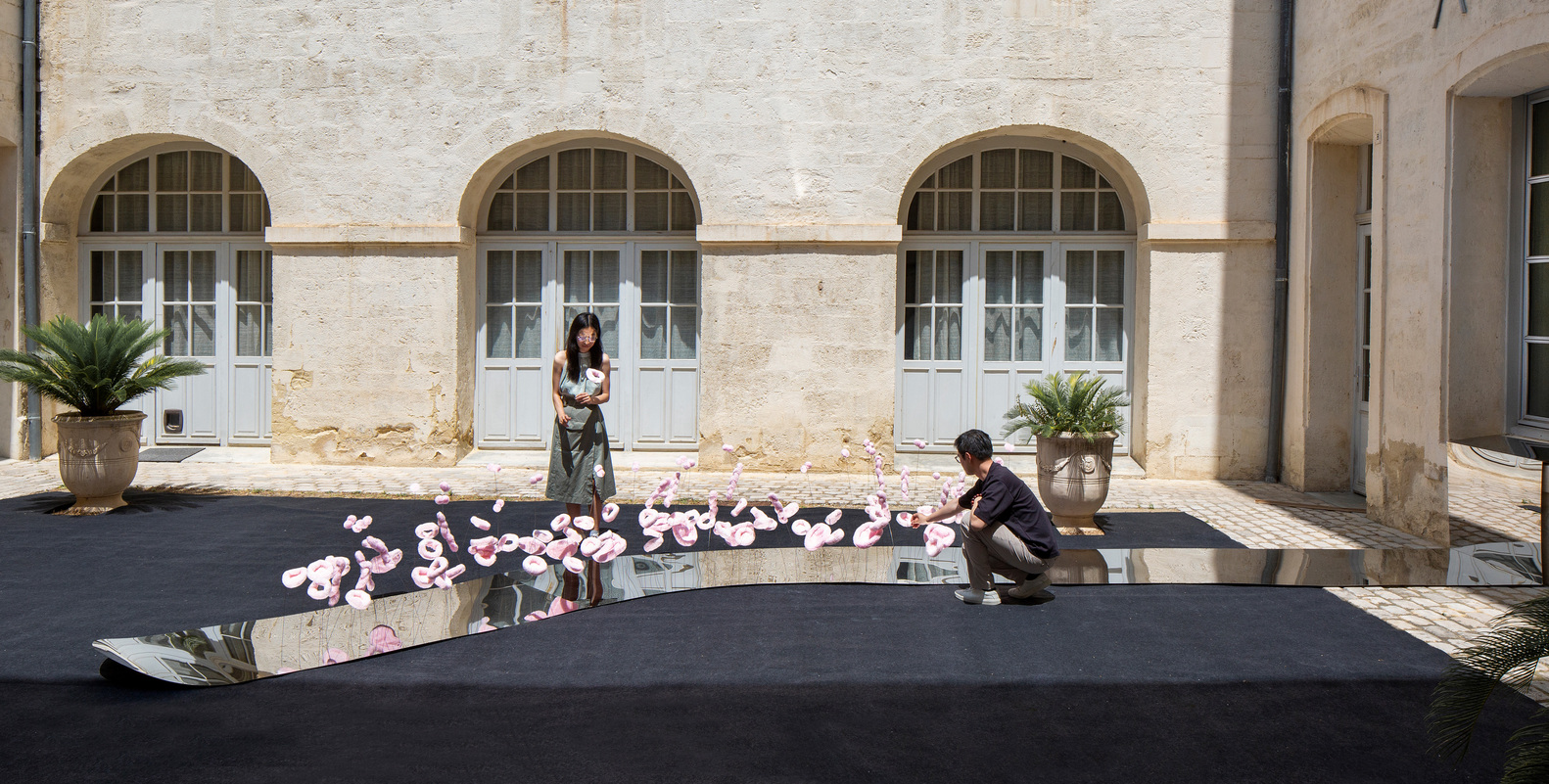
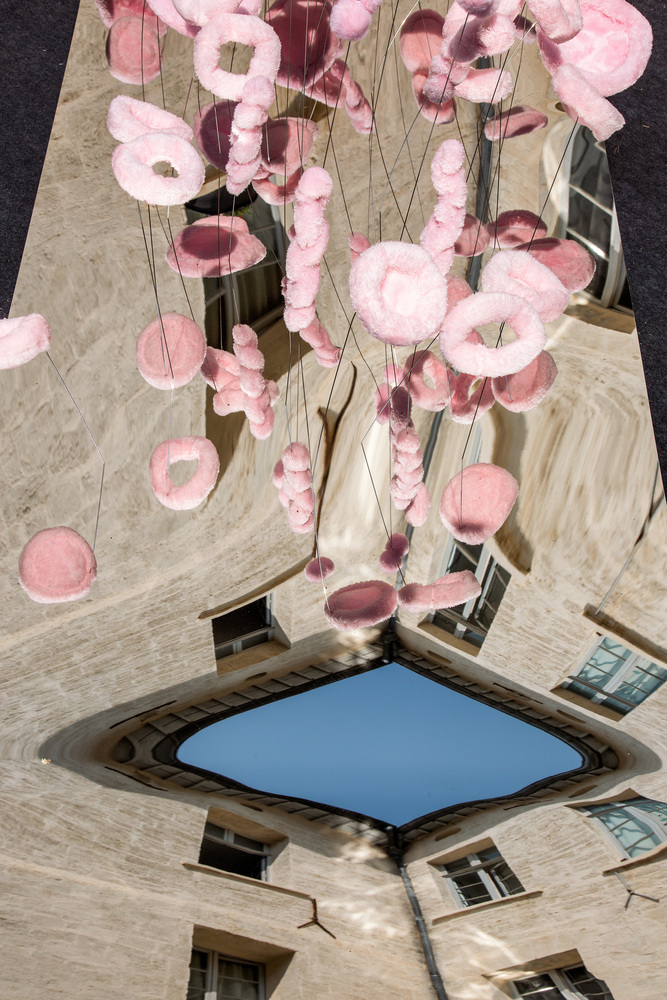
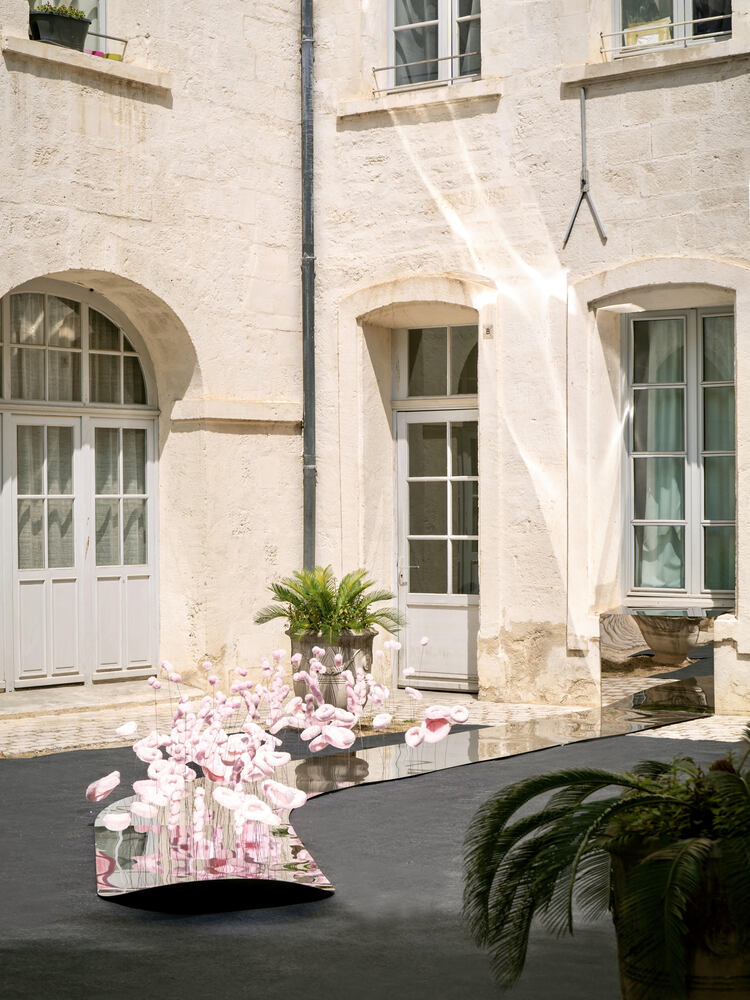
A metallic tongue flows down from a windowsill and unfolds toward the center of the courtyard, reflecting its surroundings in its meandering form.
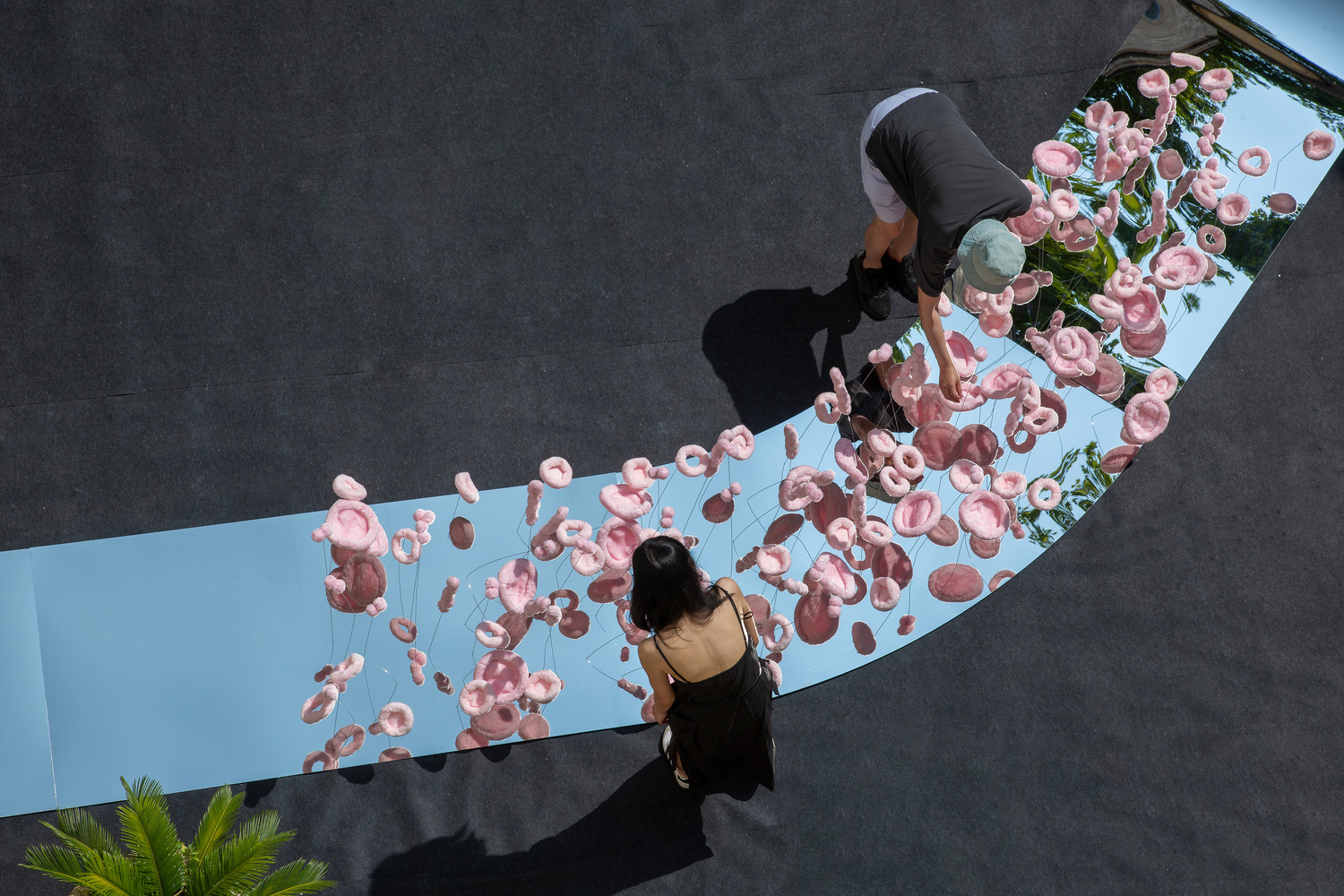
One hundred and thirty taste buds in four types grow from the tongue and sway gently in the breeze.
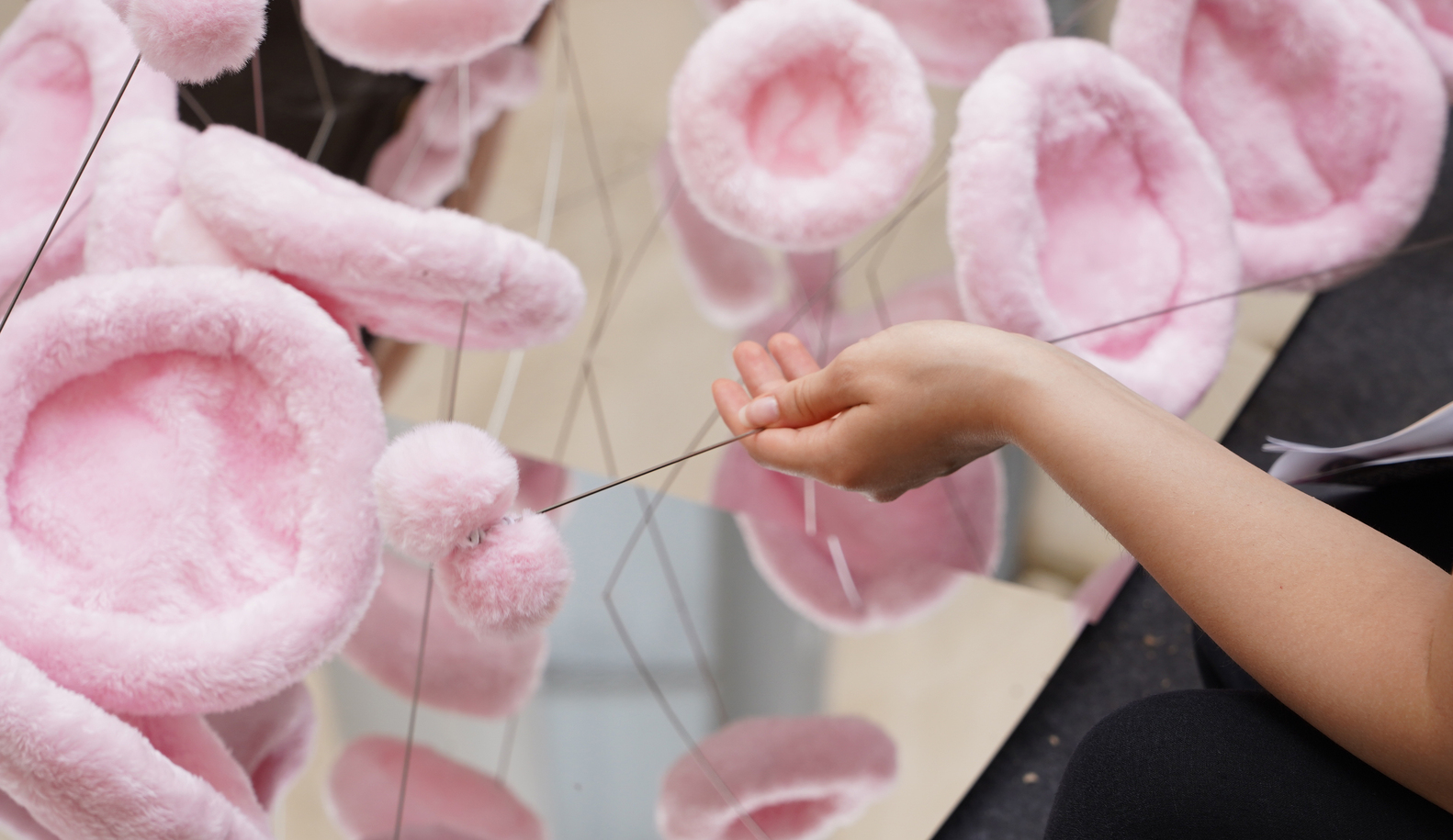
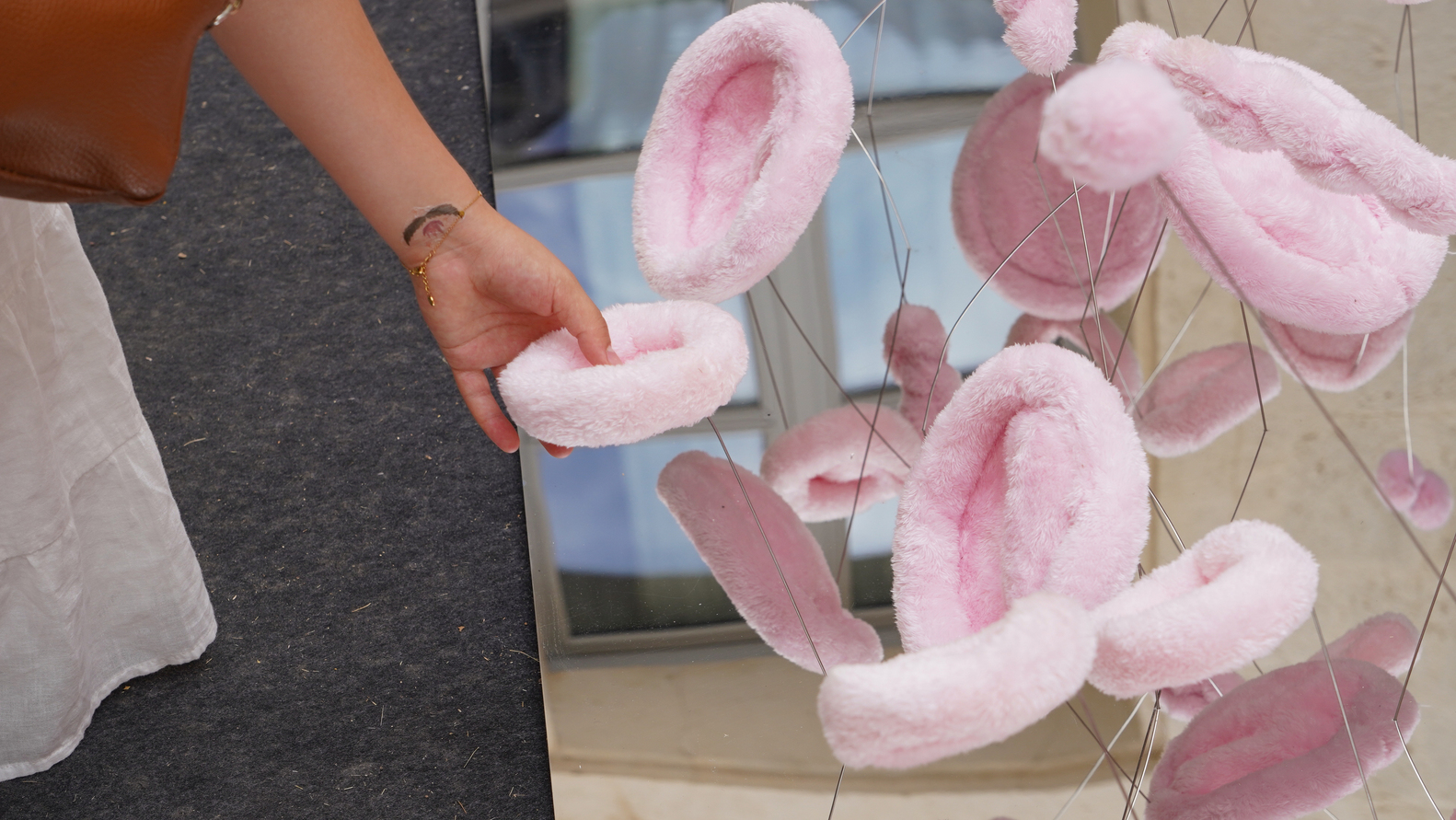
Inspired by micrographs of real taste buds, each unique, whimsical, and soft shape symbolizes a flavor - sweet, sour, bitter, and salty - inviting touch and sparking imagination.
The Tasting Tongue invites visitors to select their own taste bud and insert it into the metallic surface. This ritualistic gesture amplifies the act of tasting and allows visitors to use their bodies to sense the space.
Through this interaction, visitors contribute their own interpretations of flavor, participating in a collective sensing of the courtyard, where objects and humans share their sensory imagination to create a living archive of taste memories.
Children bent the buds into new forms; neighbors returned to watch their evolution; strangers compared the "flavors" they added. These spontaneous behaviors briefly turned the courtyard into a communal stage.
The installation later traveled to the chamber room of a 14th-century monastery during Architecture en Fête, exploring how the development of the "invisible tongue" transforms and responds to a historic space.
After both exhibitions, all pink felt and metal sheets were donated to Children's Relay as art education materials, extending the journey of the tongue.