Experimental Shelter In The Sierra De Segura
EXPERIMENTAL SHELTER IN THE SIERRA DE SEGURA
Santzo Arquitectos
ARCHITECTS
Santzo Arquitectos
LEAD ARCHITECT
Francisco Sánchez Salazar, Miguel Ángel Antonio García
MANUFACTURERS
Cortizo, Cumen, Dürer
GENERAL CONSTRUCTION
Alfredo Buyón - Carpintería
COLLABORATORS
Adrián Saviel Caviedes, Rodrigo Munar Rodríguez-nava
INTERIOR DESIGN
Benito López López, Simón López Ginés - Herrería
PHOTOGRAPHS
Courtesy of SANTZO arquitectos, Javier Callejas
AREA
65 m²
YEAR
2025
LOCATION
Spain
CATEGORY
Cabins & Lodges, Restoration
English description provided by the architects.
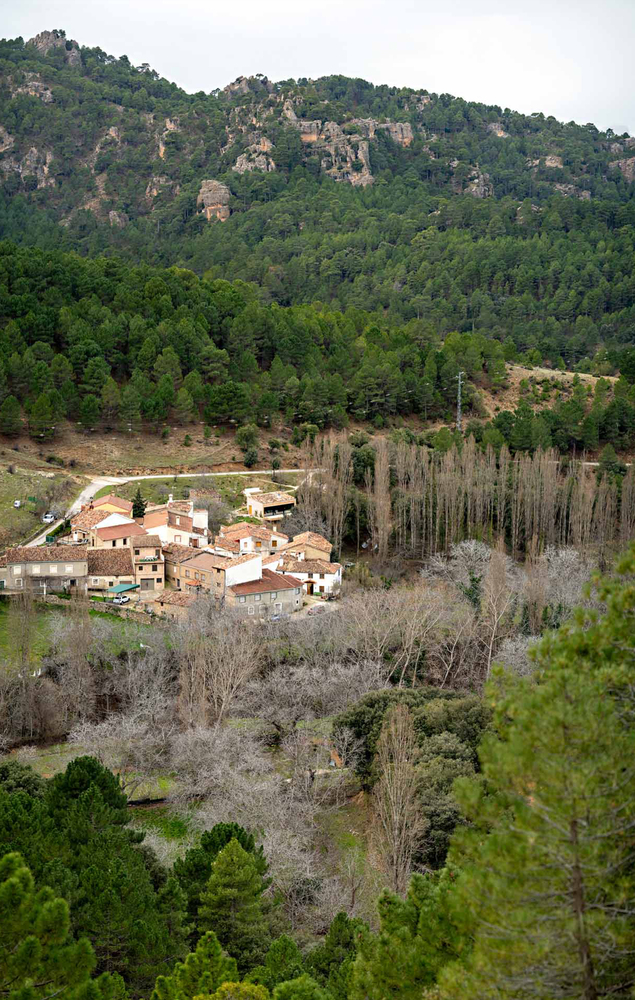
Tinadas, pigsties, mills, and washhouses populate this natural landscape of the Sierra de Segura alongside small, generally abandoned villages.
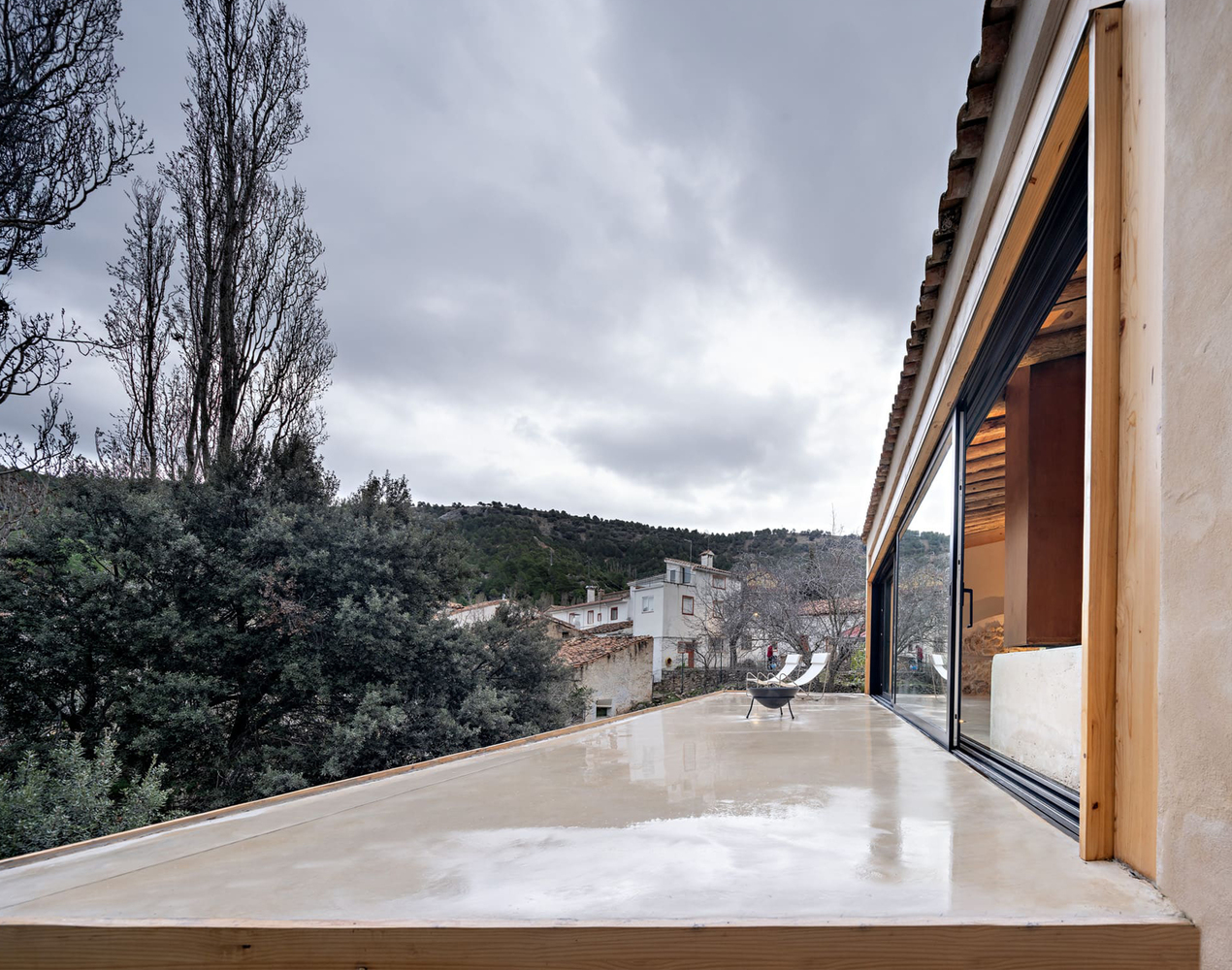
Remnants that were once an essential part of everyday life and the memory of thousands of anonymous men and women who inhabited these landscapes.
People forced to abandon their homes and lands to create an environment where they could enjoy hunting, disregarding their rights.
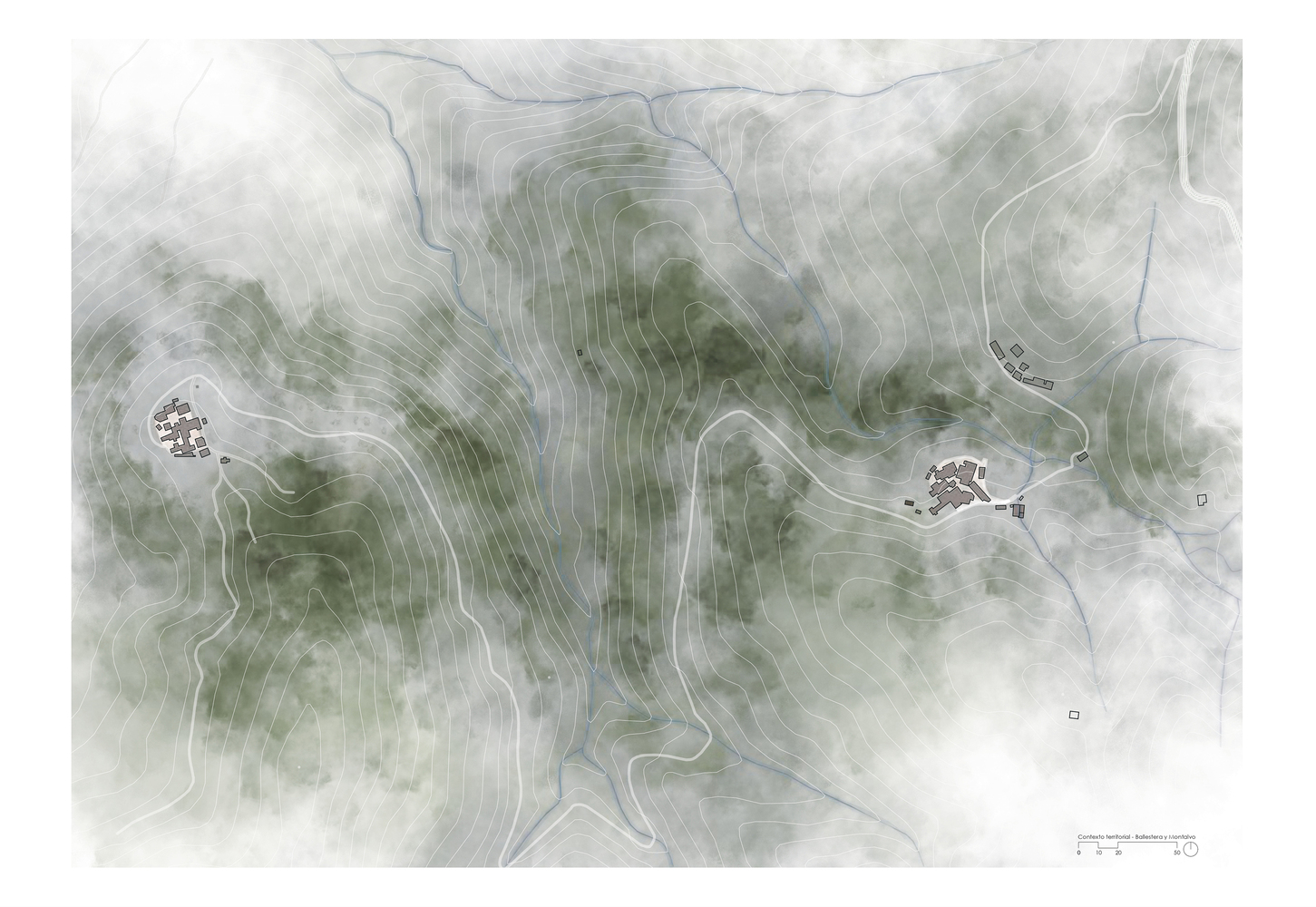
This small village emerges in the Sierra de Segura as the last resistance against those forced expropriations. A place where, to this day, the last threads of that mountain life still persist, where time seems to have stood still.
Water still flows through its ditches, and the scent of the wood from its bread ovens continues to permeate this landscape.
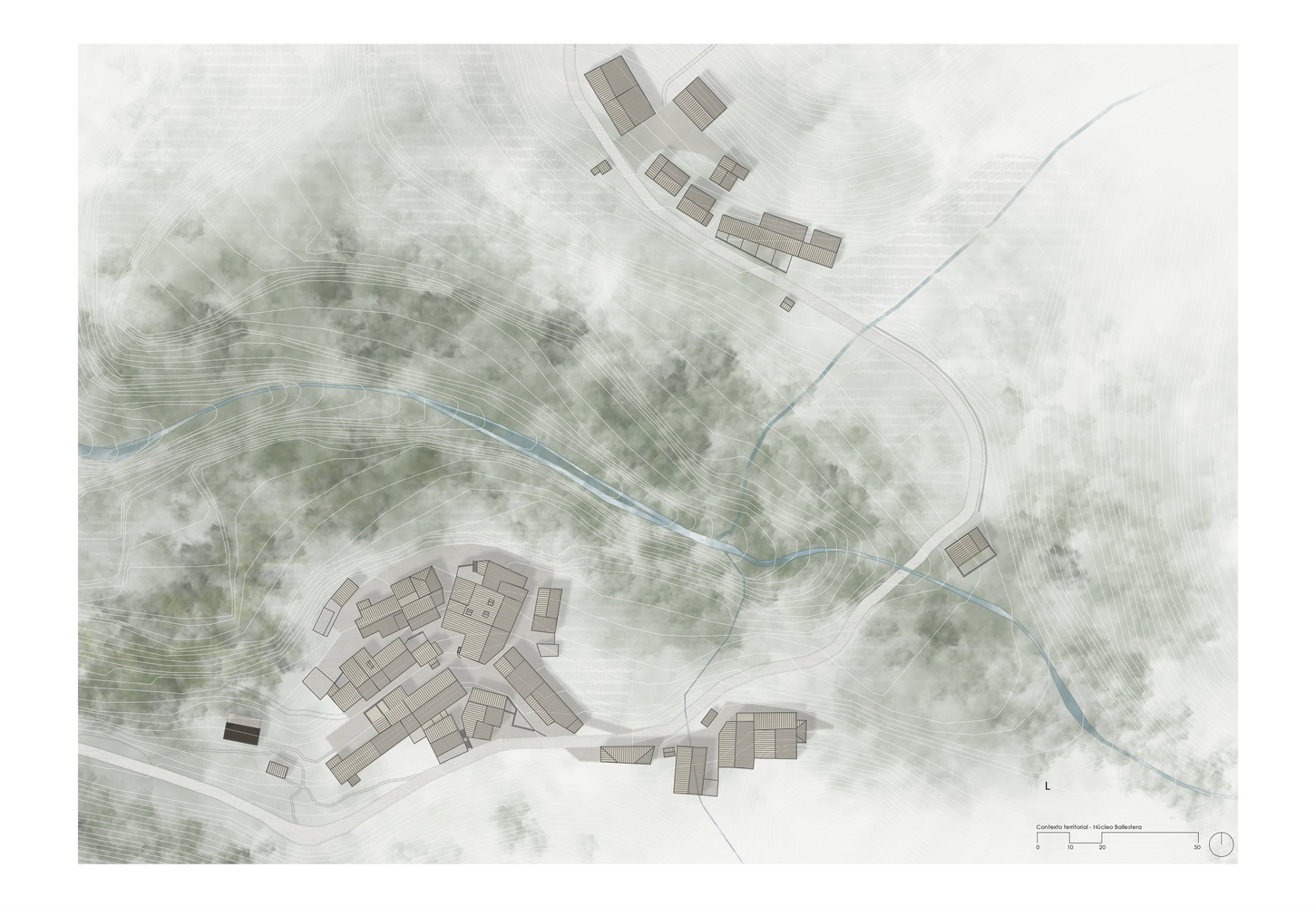
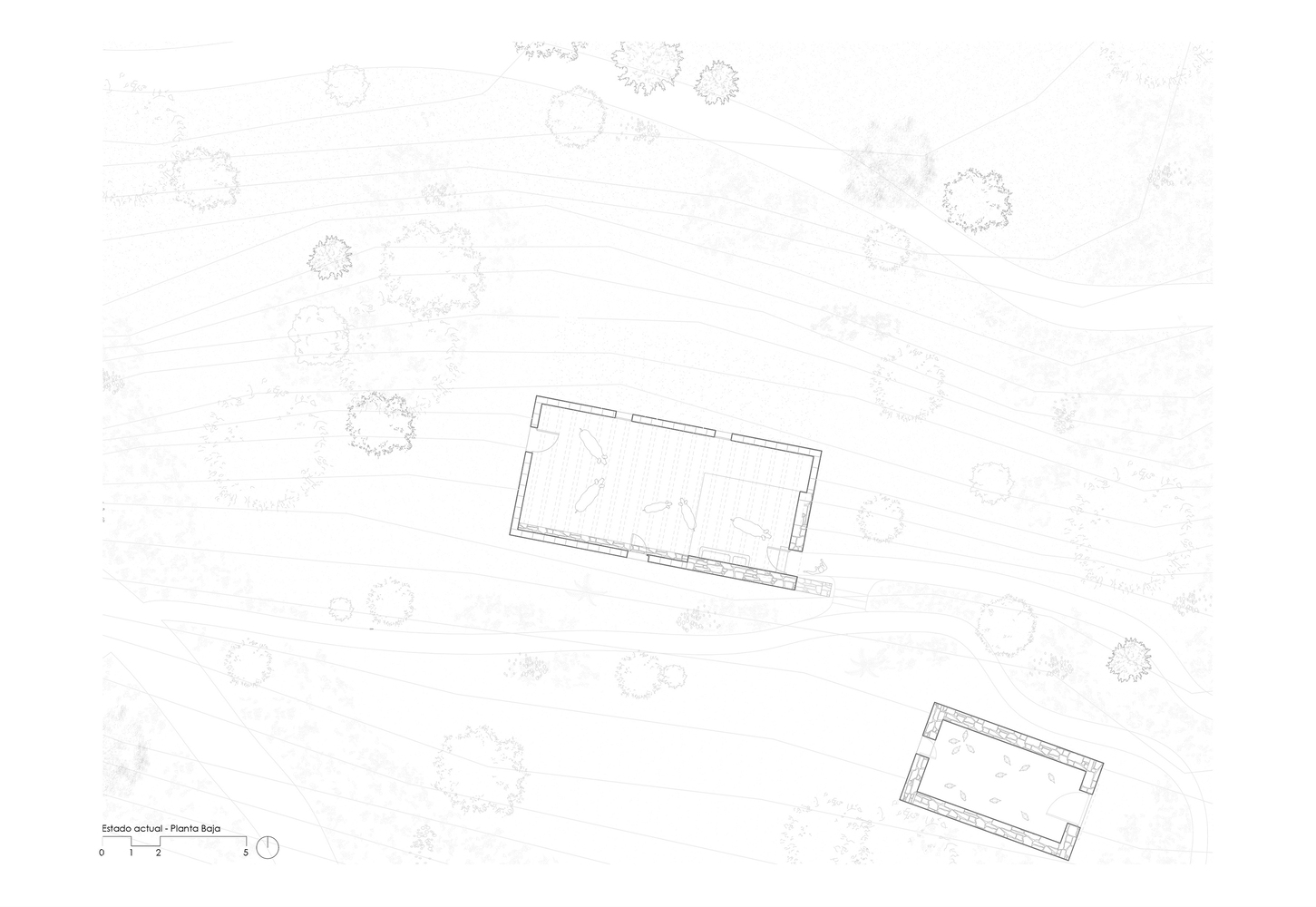
In this place, we find a pigsty and a chicken coop that are presented as separate and disconnected from the urban fabric, something common in this type of building since livestock did not require comfort and their presence could be uncomfortable.
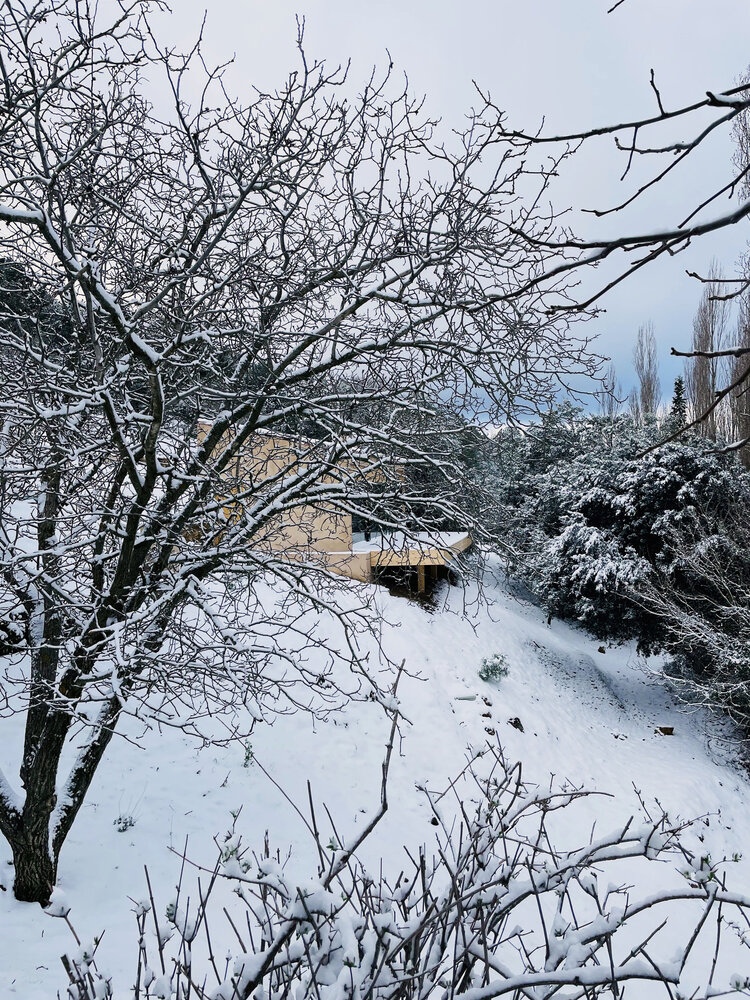
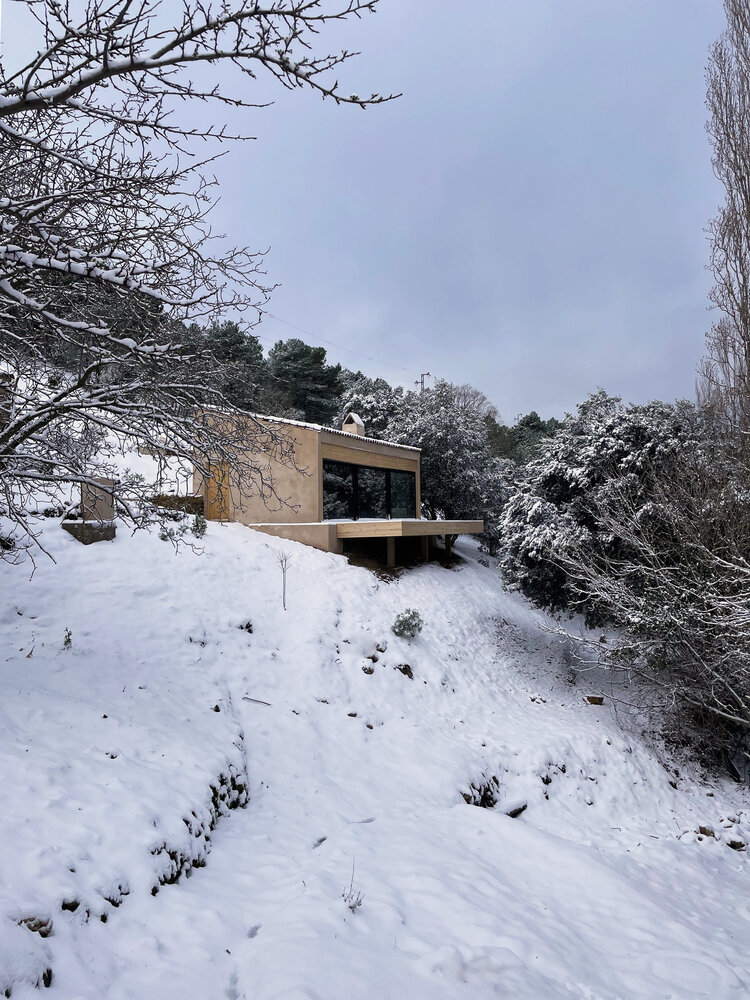
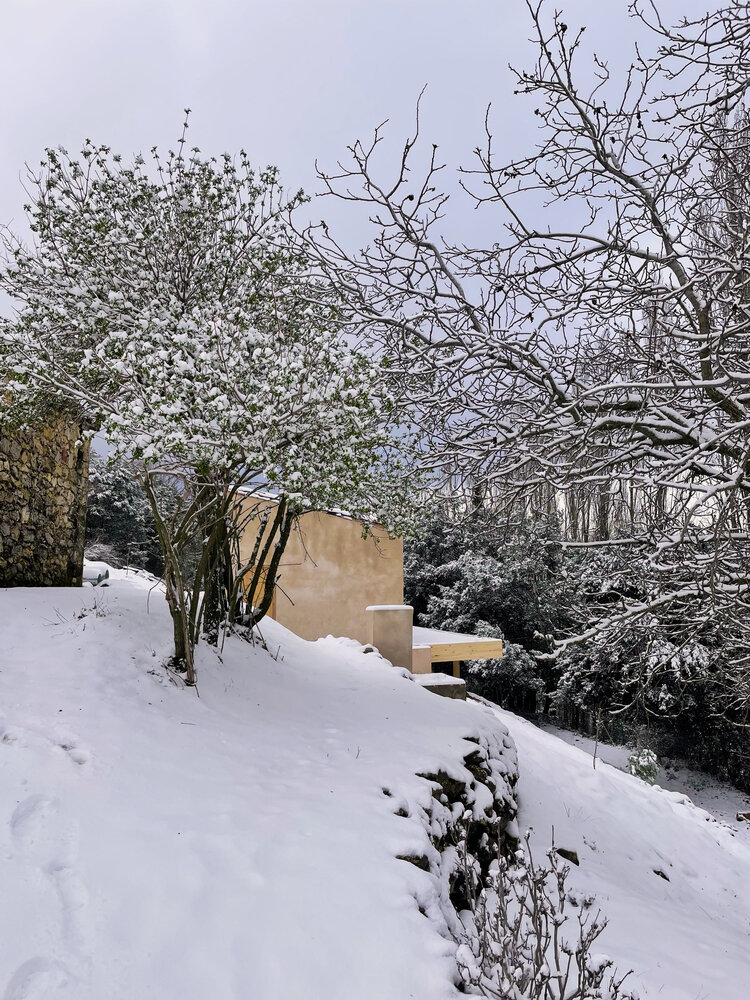
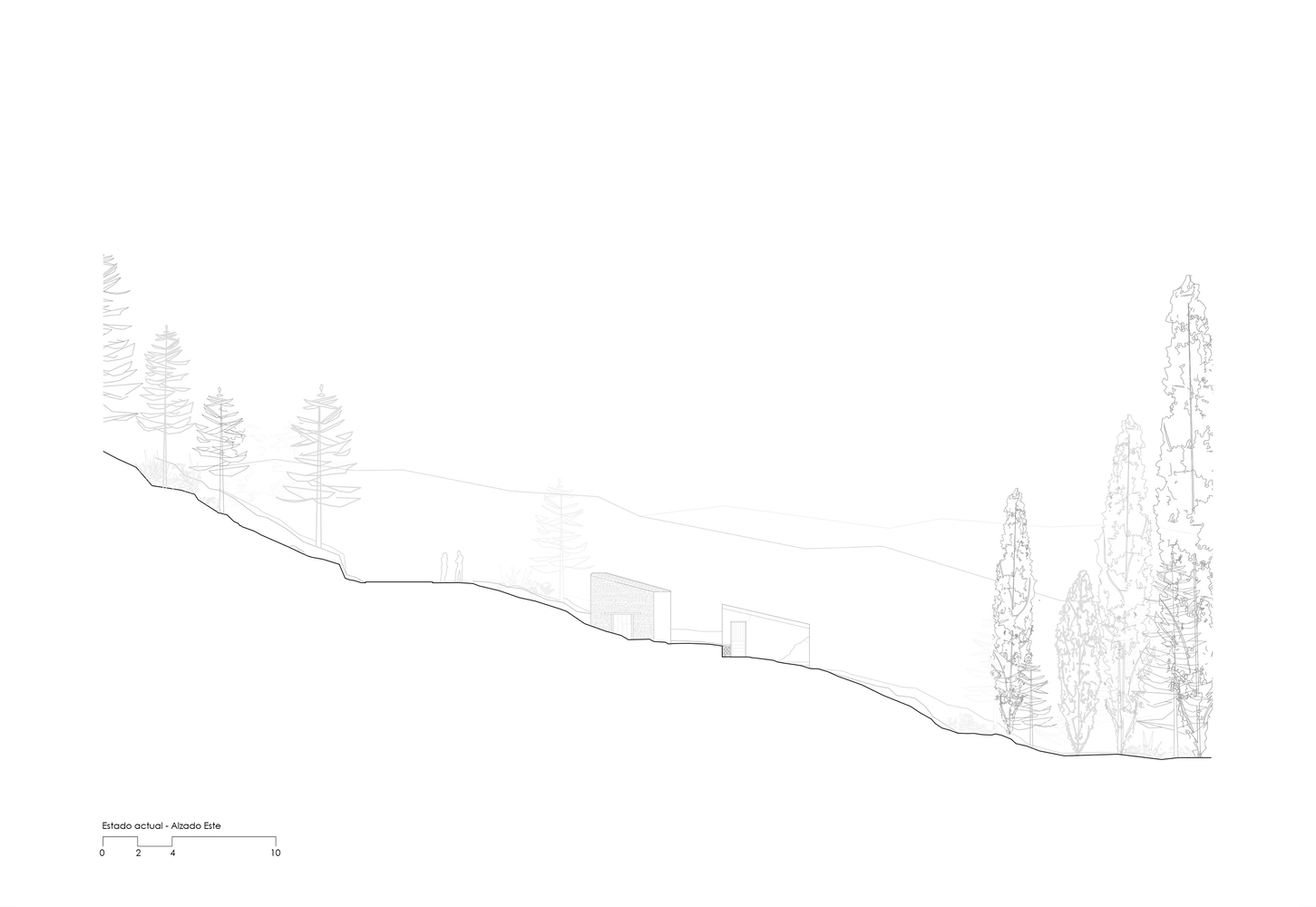
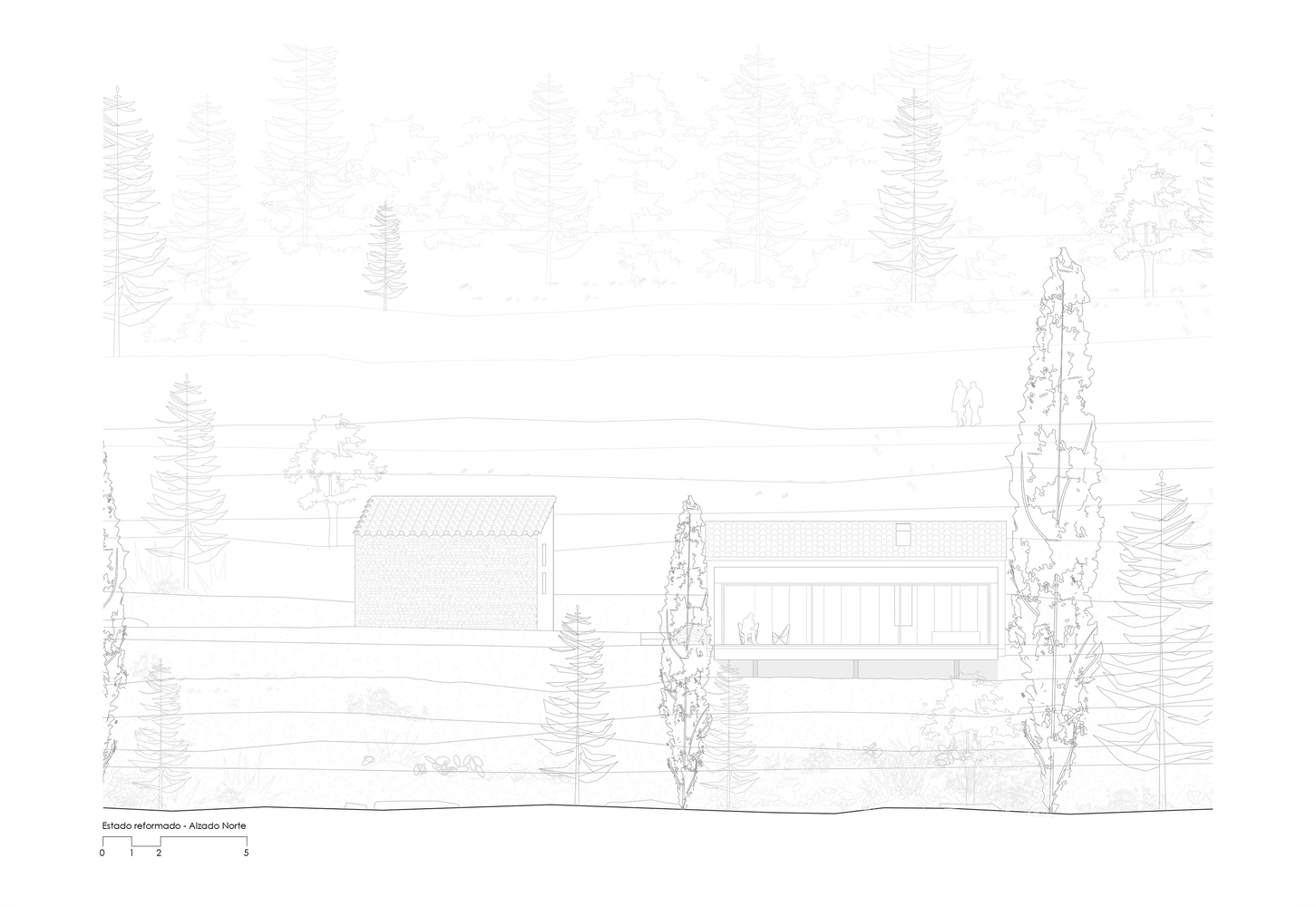
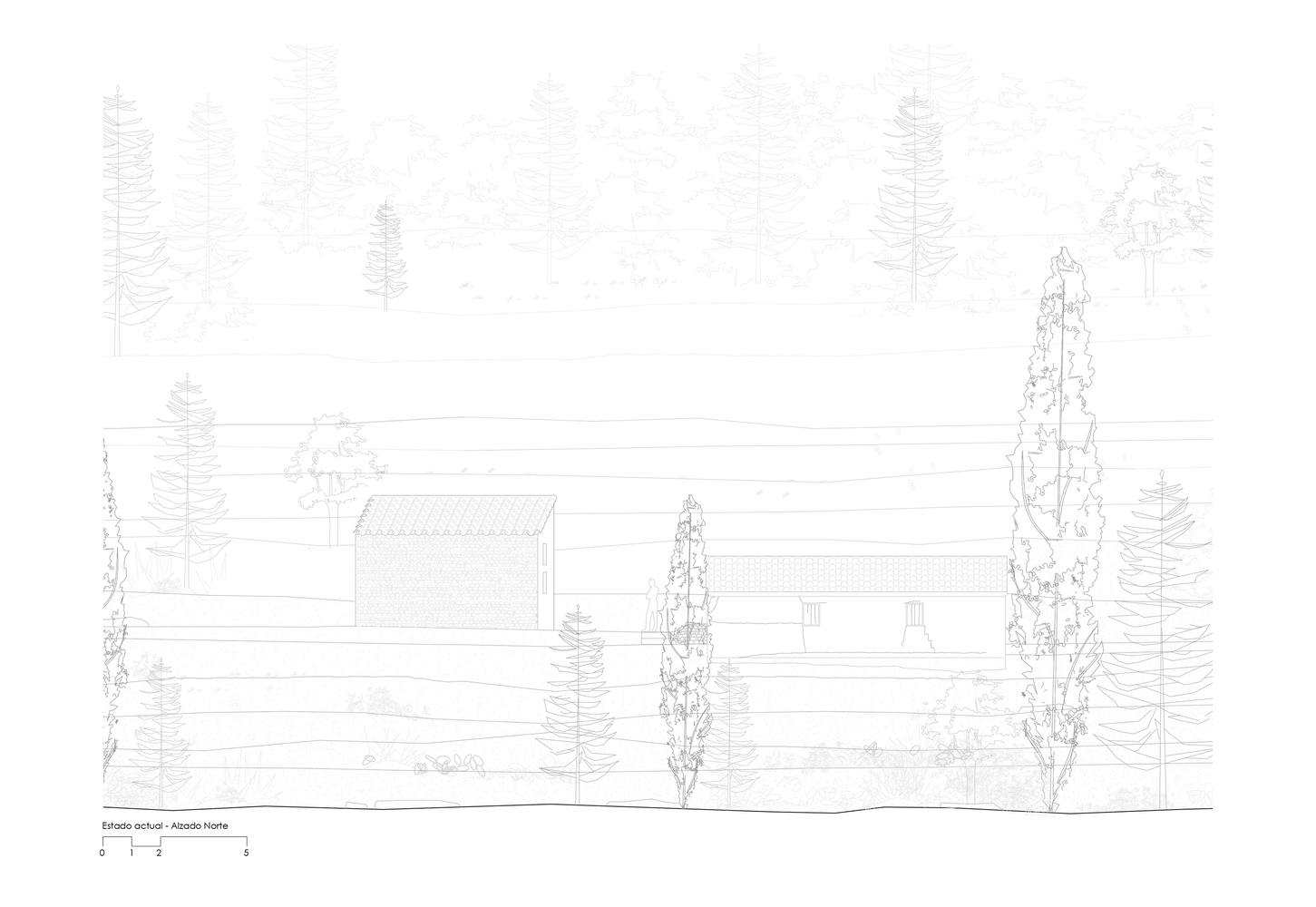
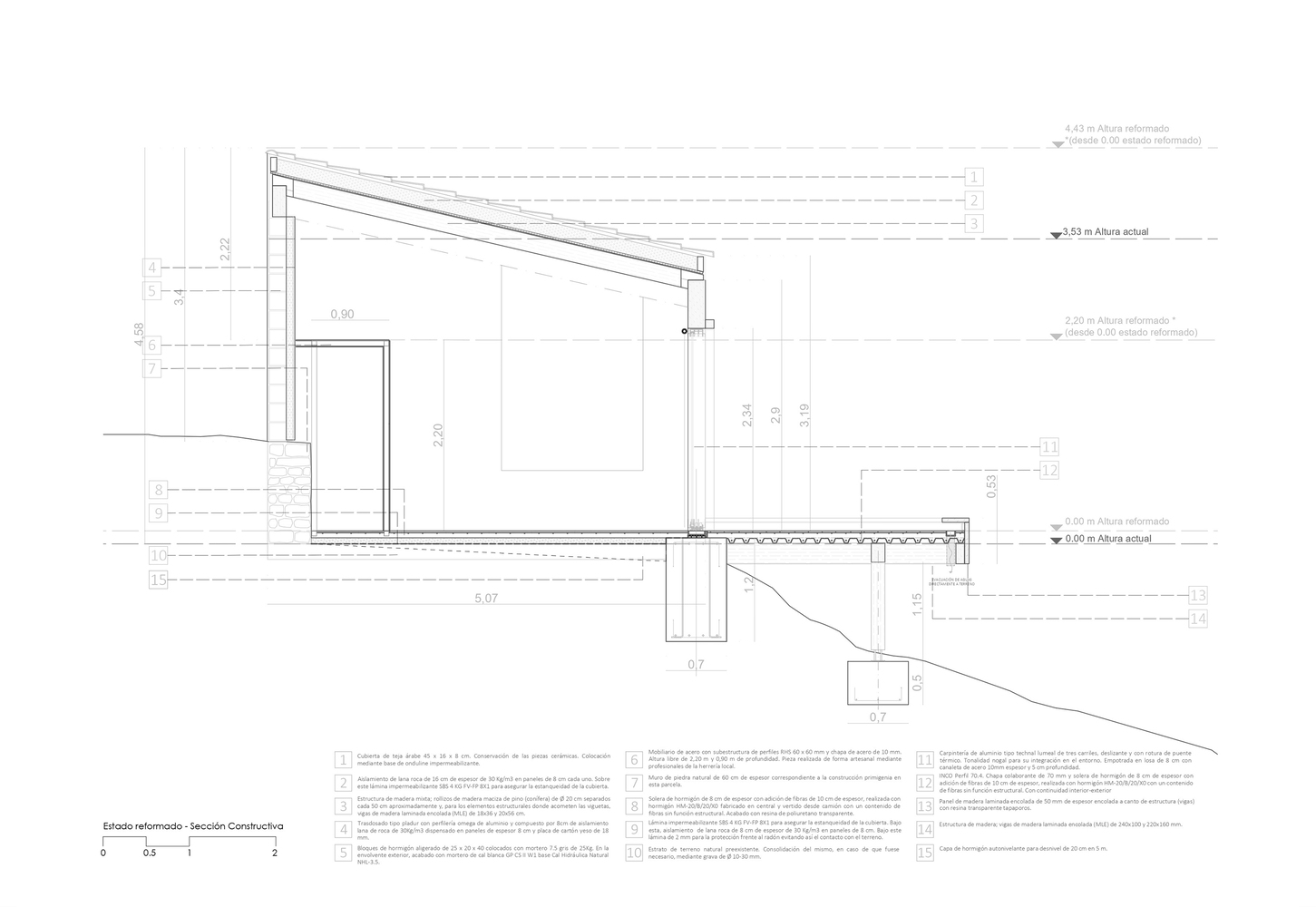
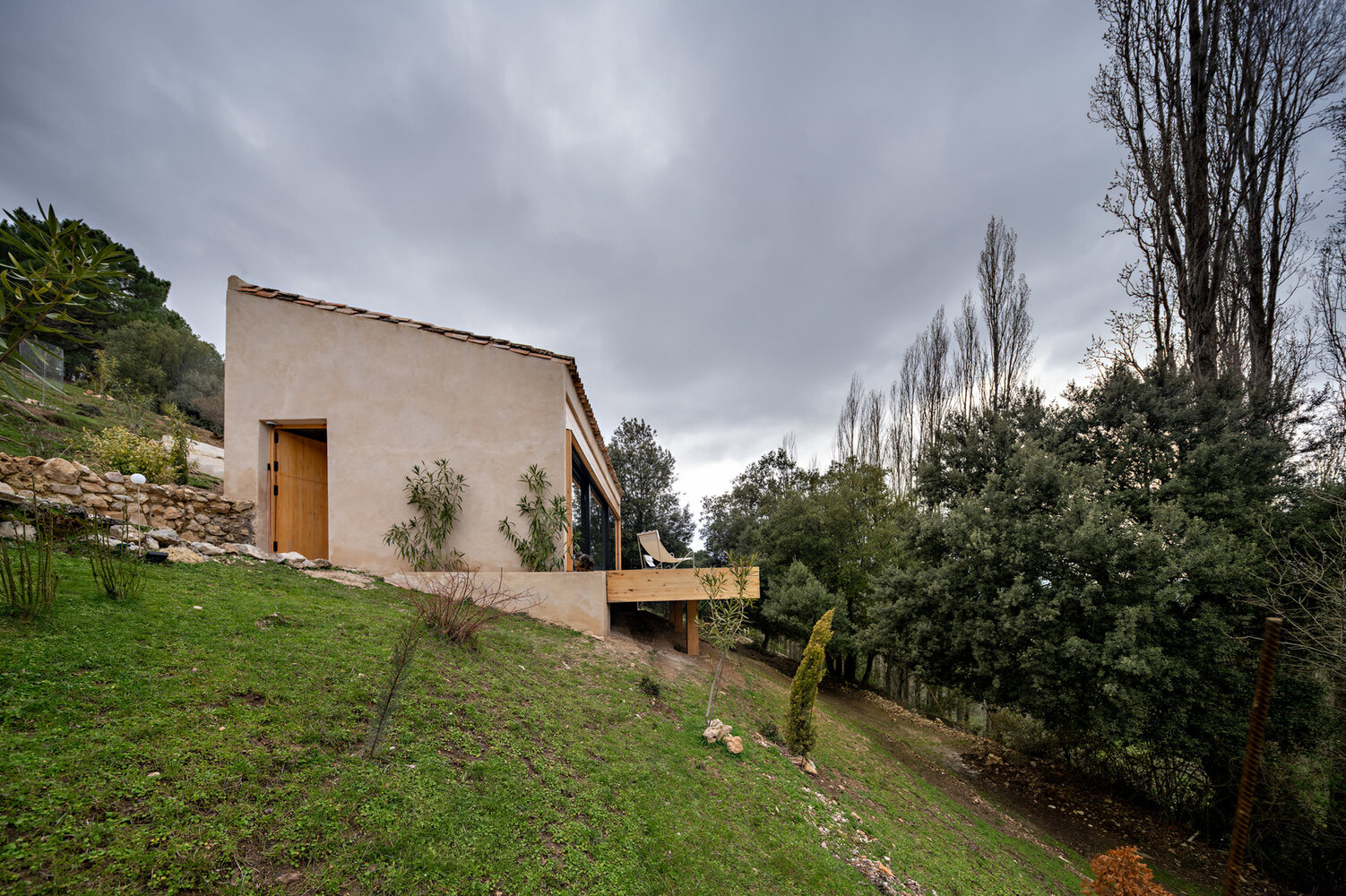
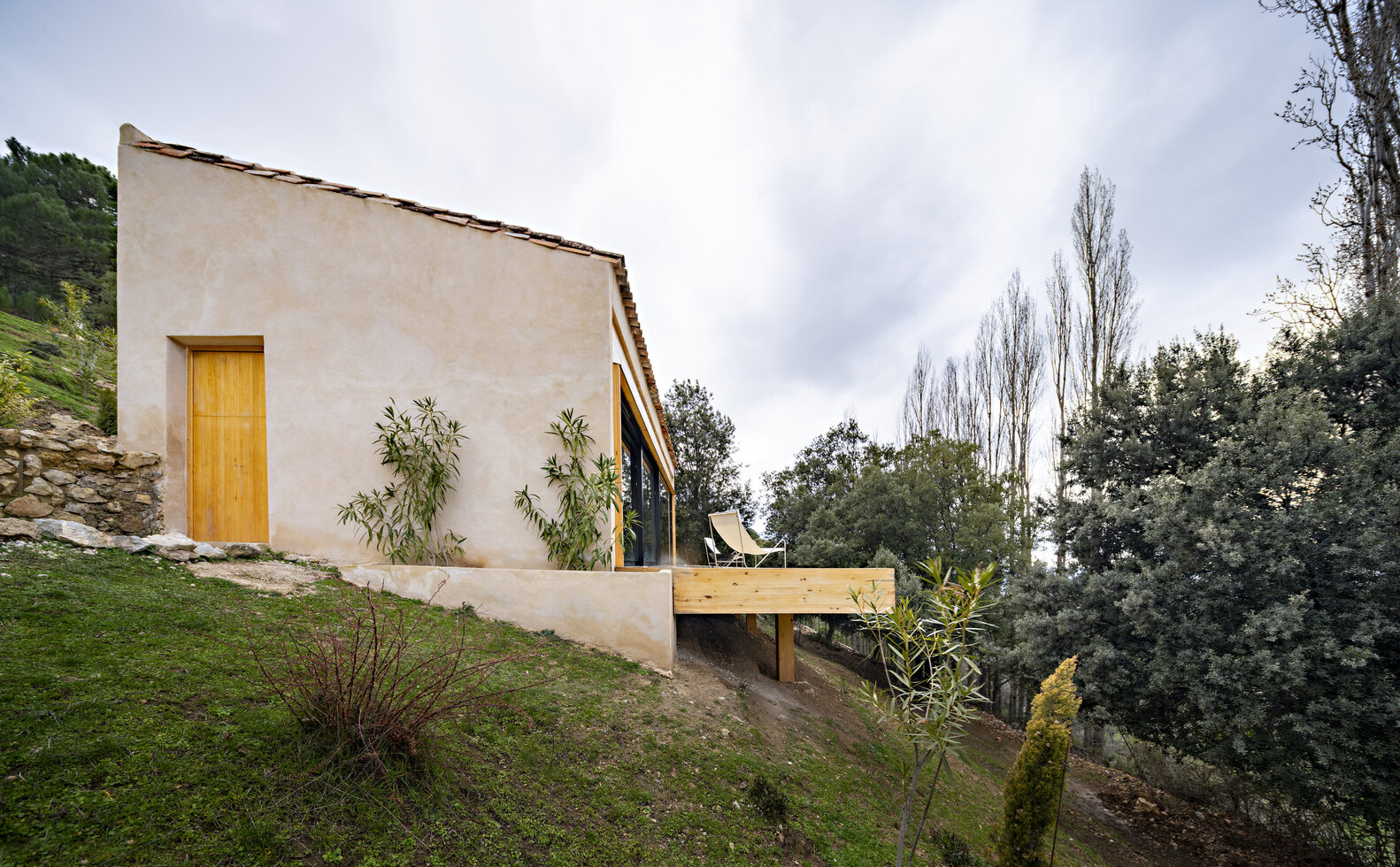
The project proposes the rehabilitation of the structure intended for the pigsty, envisioned as an experimental refuge.
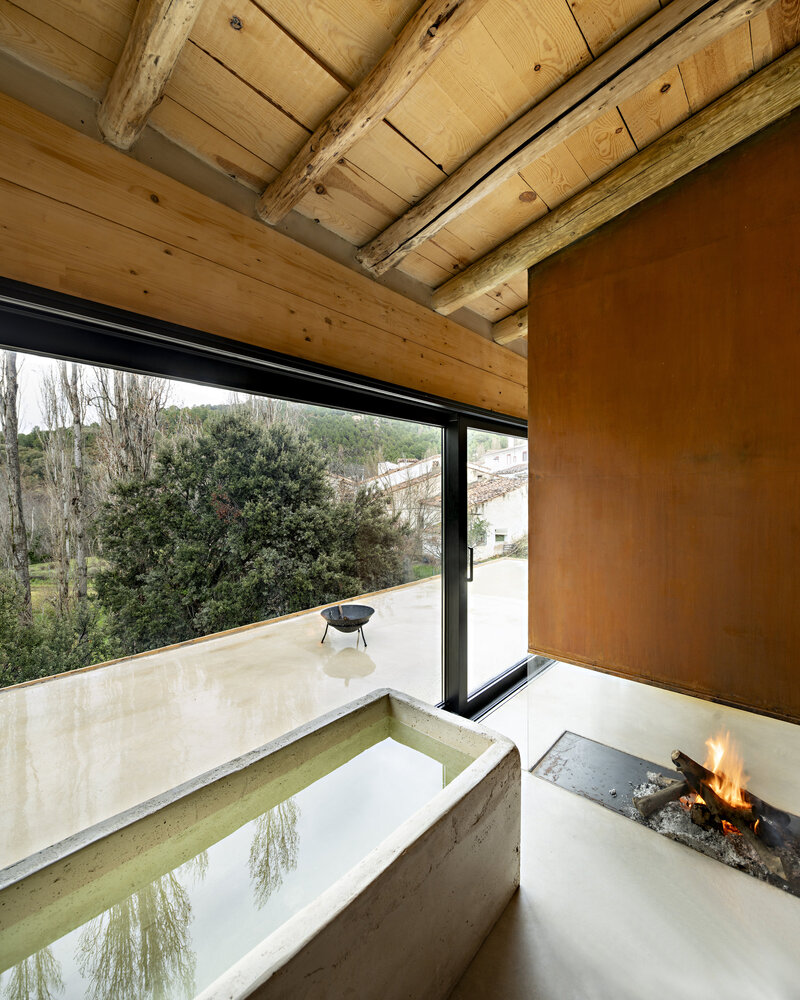
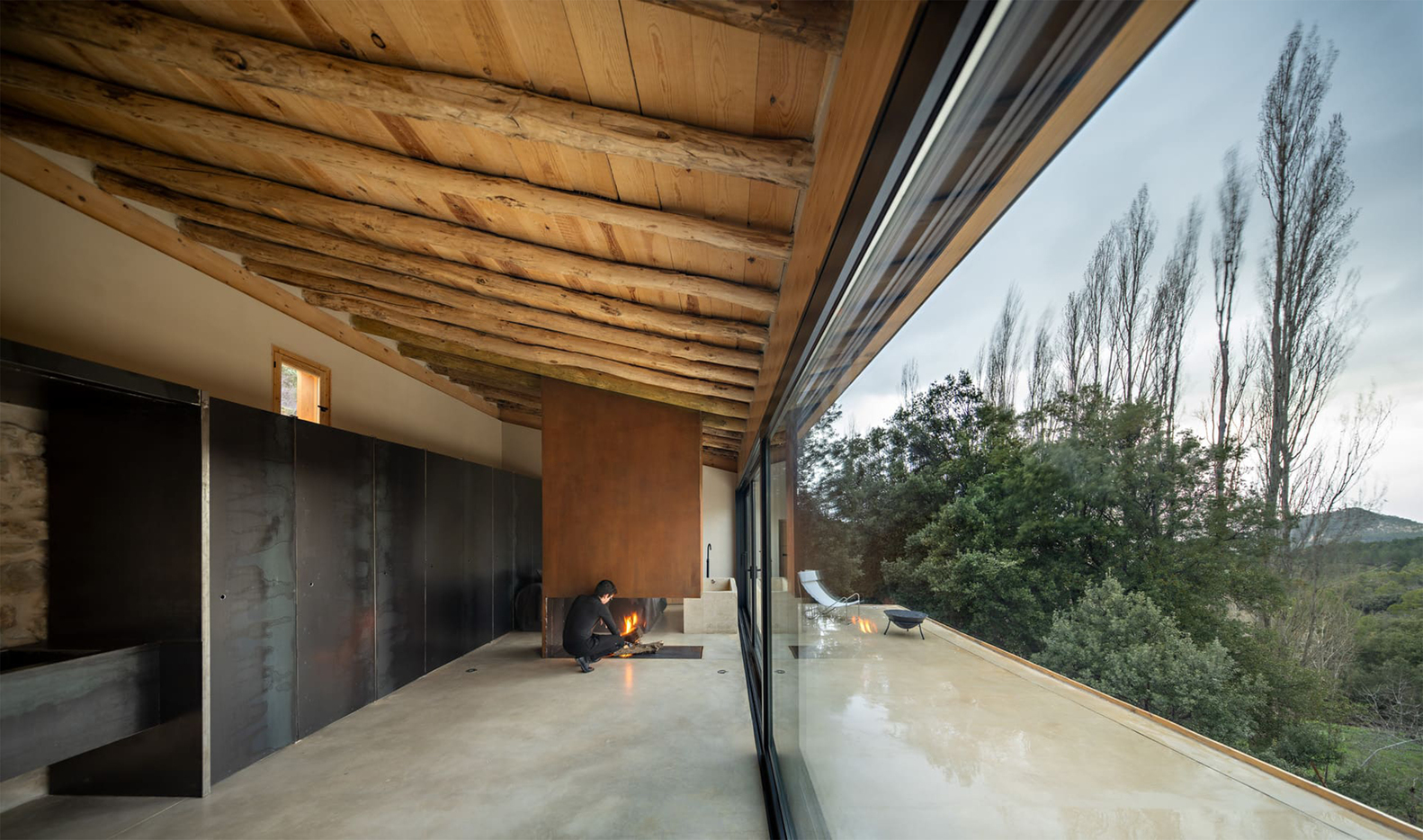
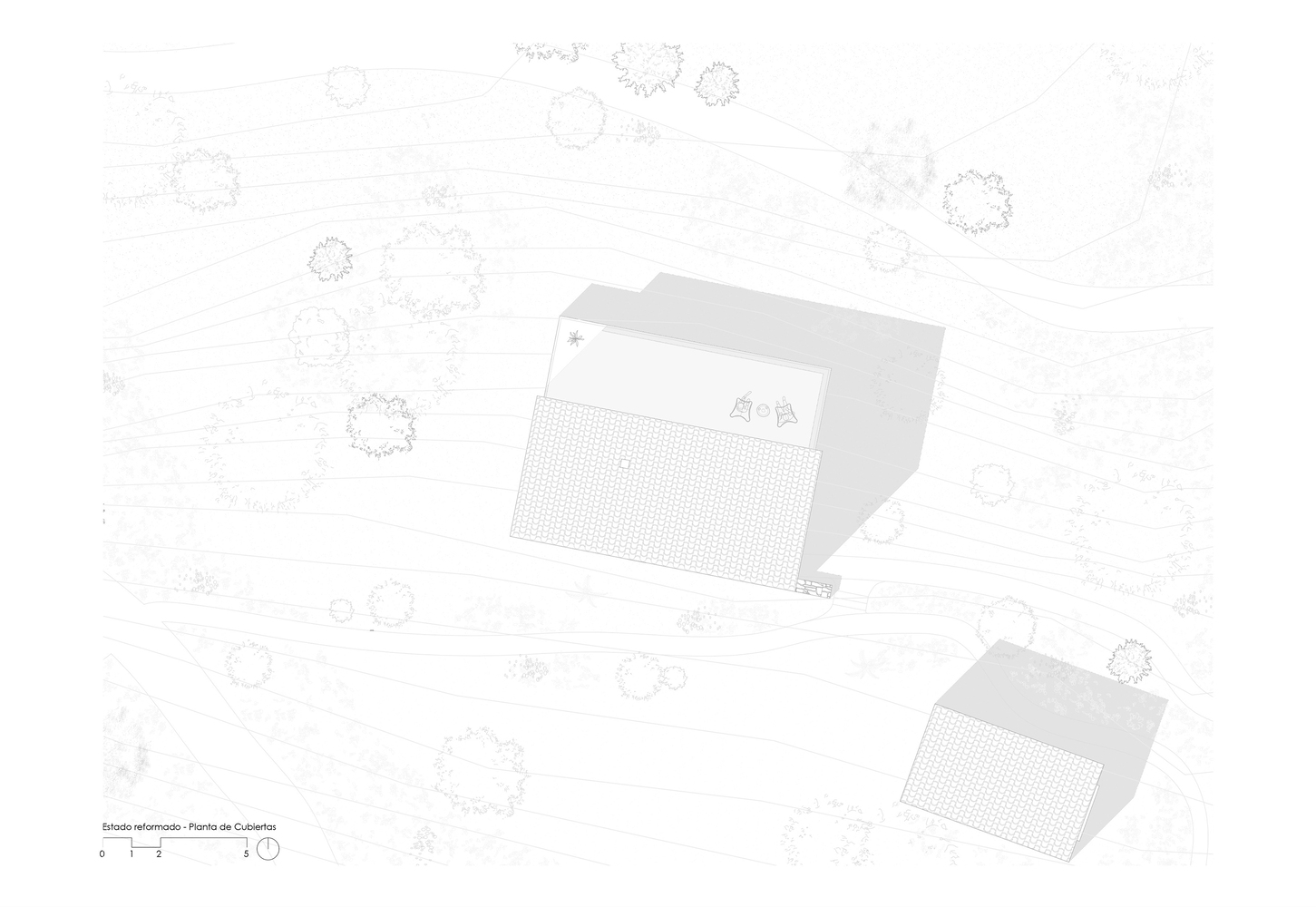
The structure follows the traditional typology of this type of building, developed in a single longitudinal nave with a single-pitched Arabic tile roof, load-bearing walls made of tufa stone with lime mortar, and double opposing access to promote the natural ventilation of the space.
The rehabilitation of this structure aims to preserve the memory of its villagers through this experimental refuge.
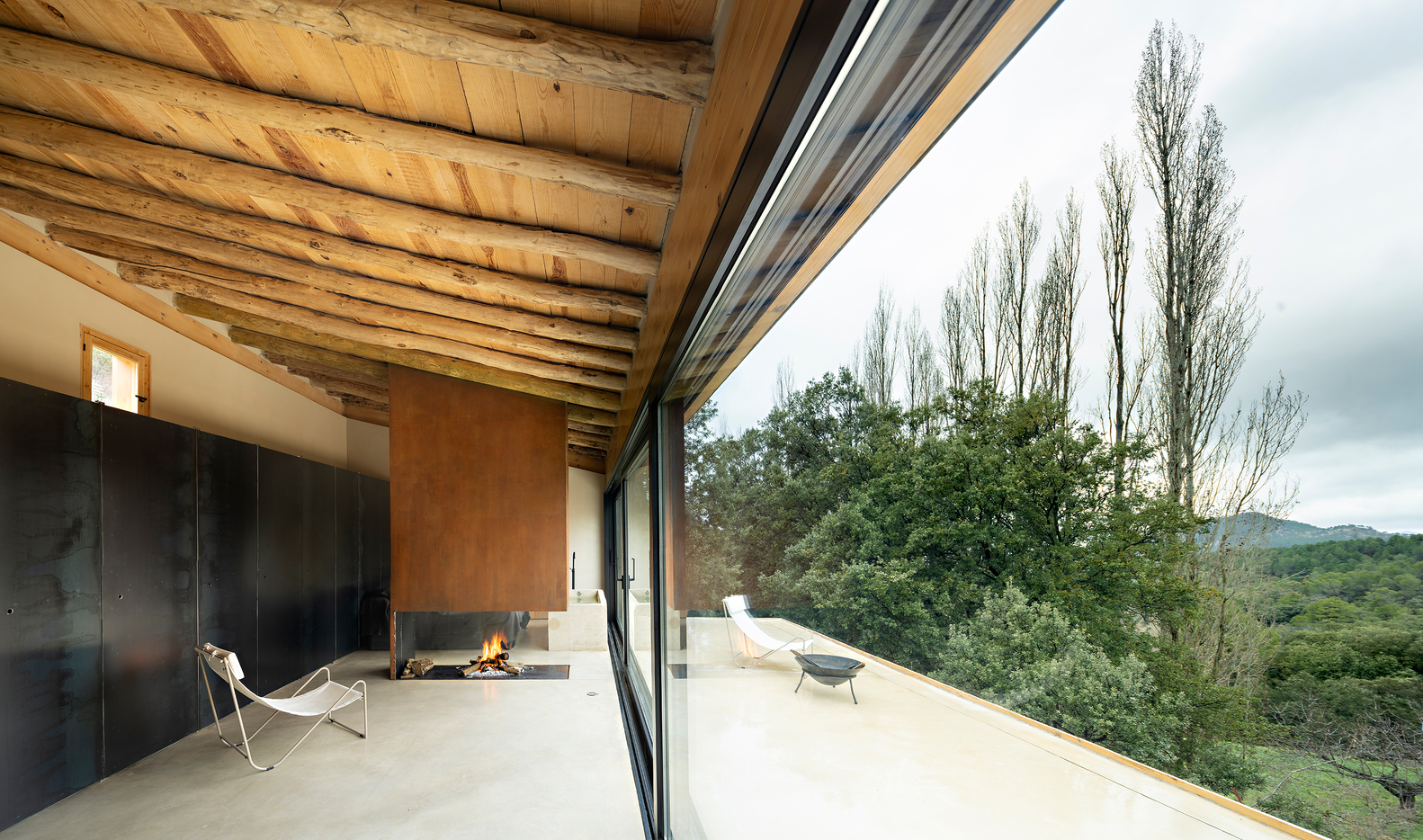
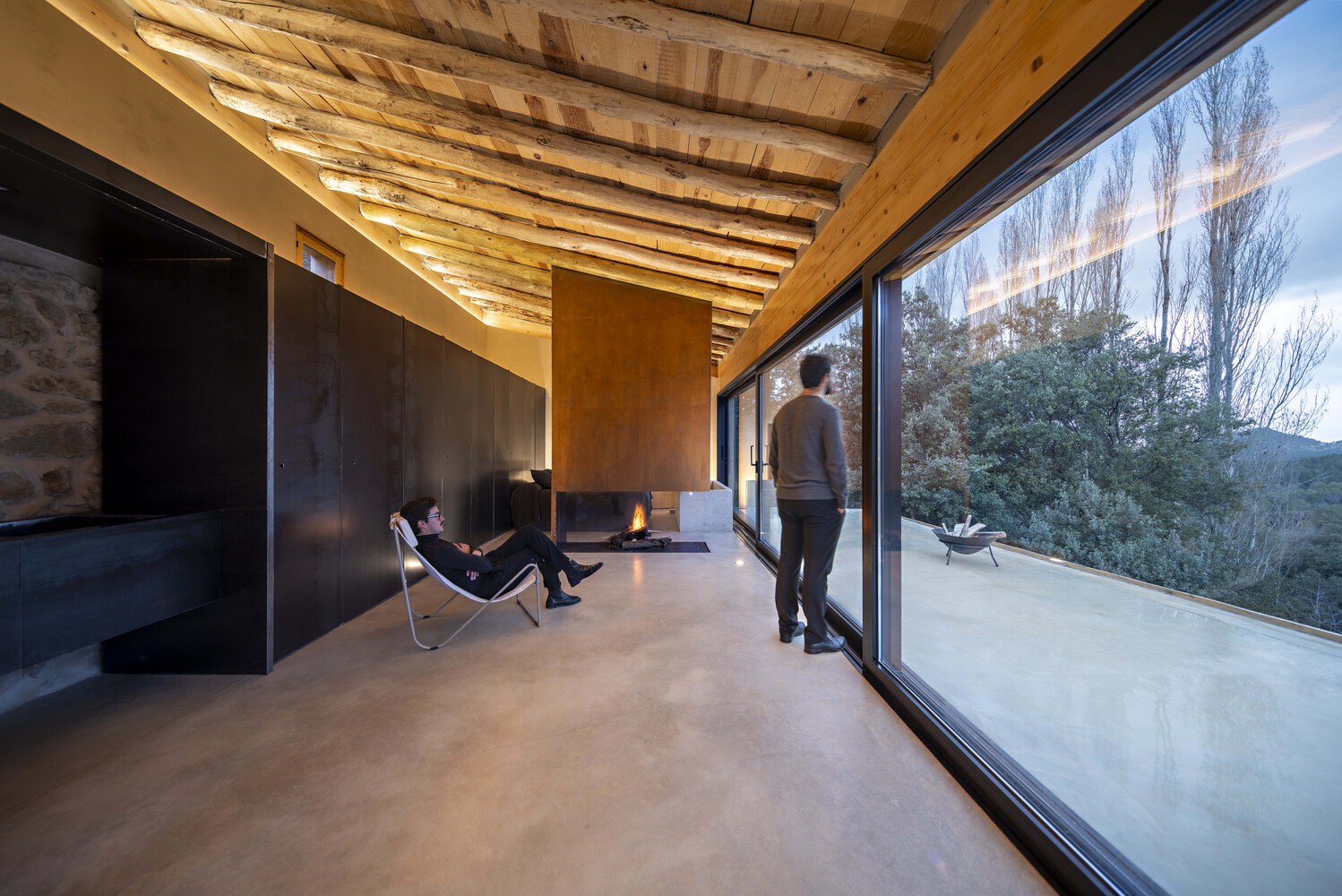
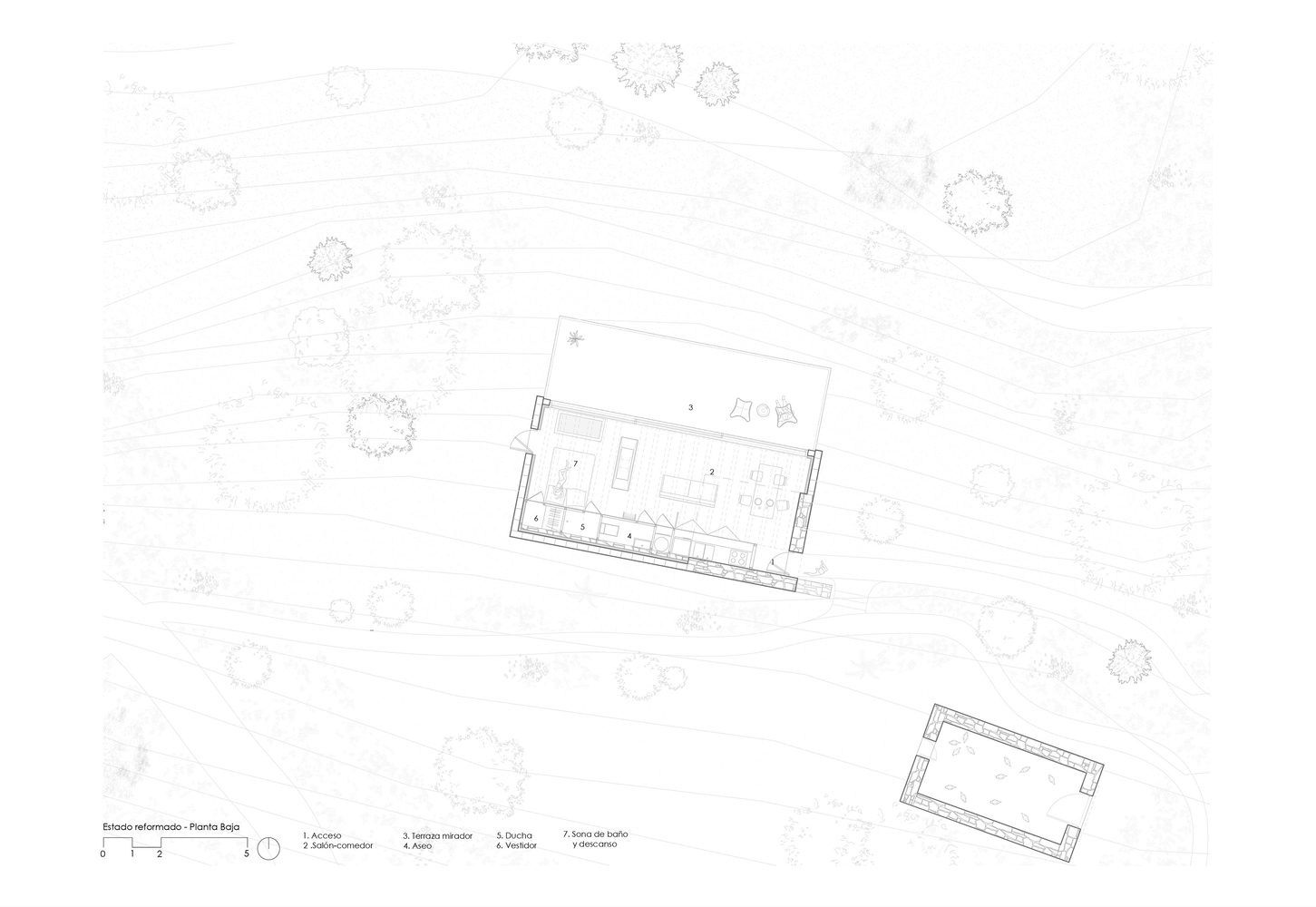
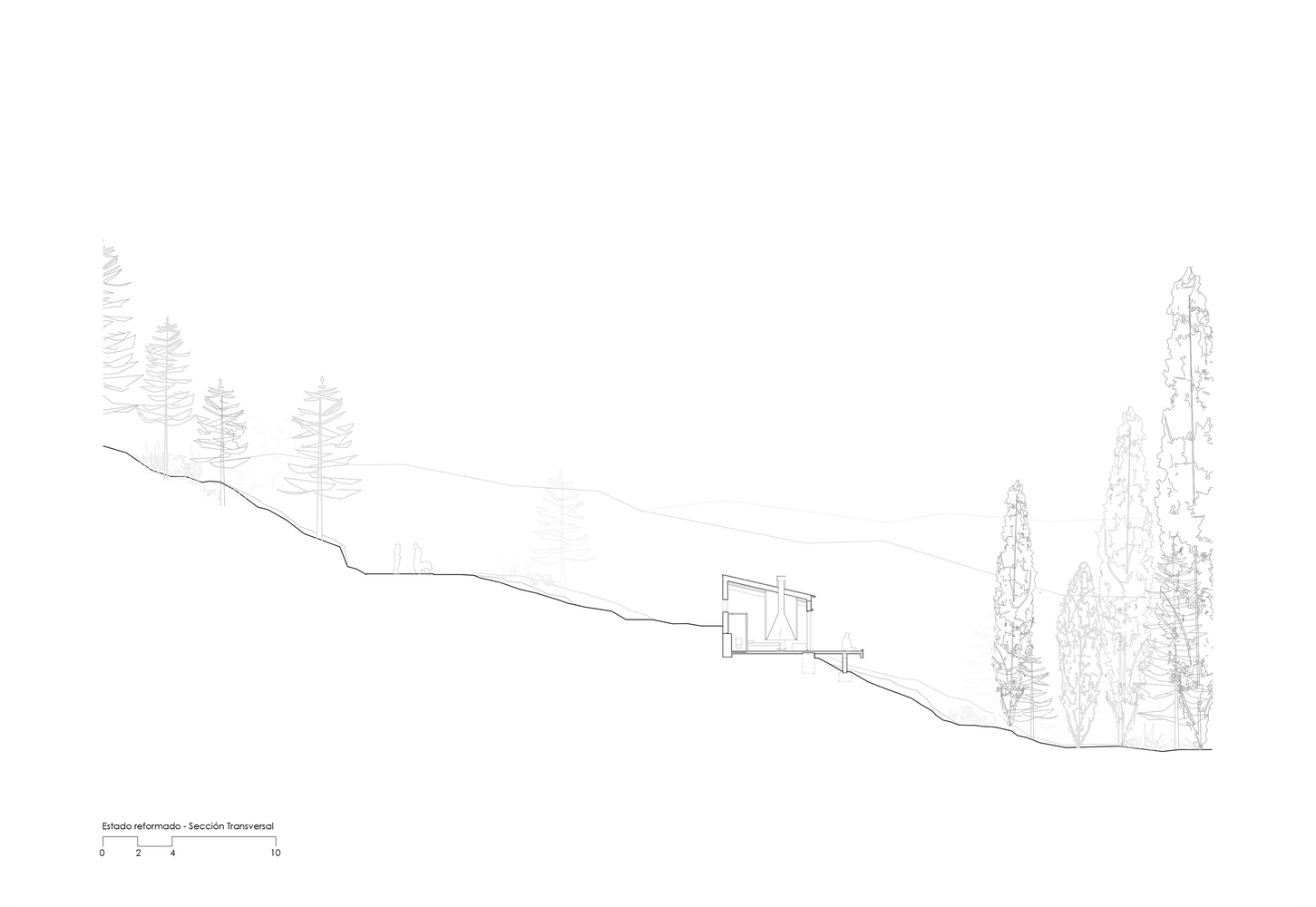
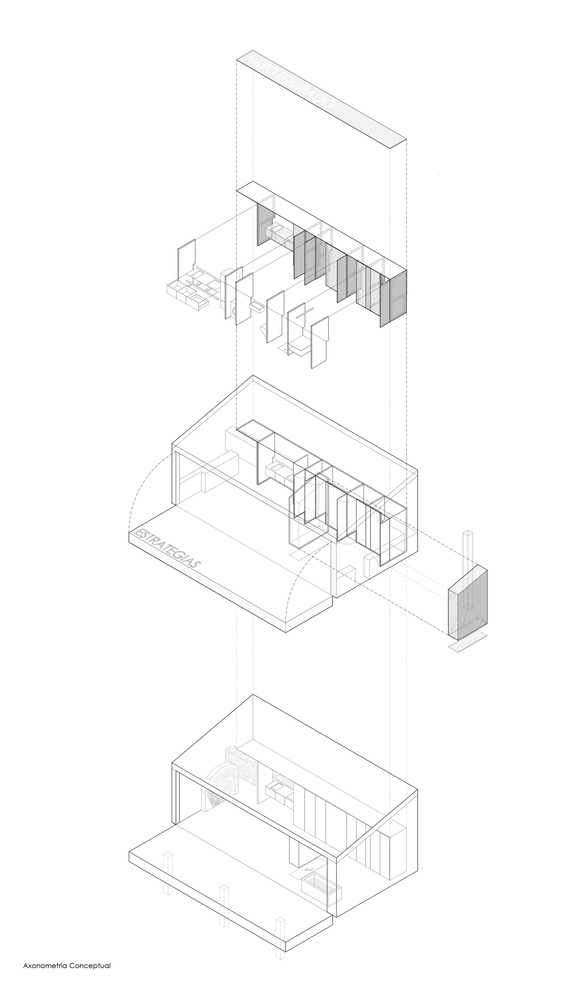
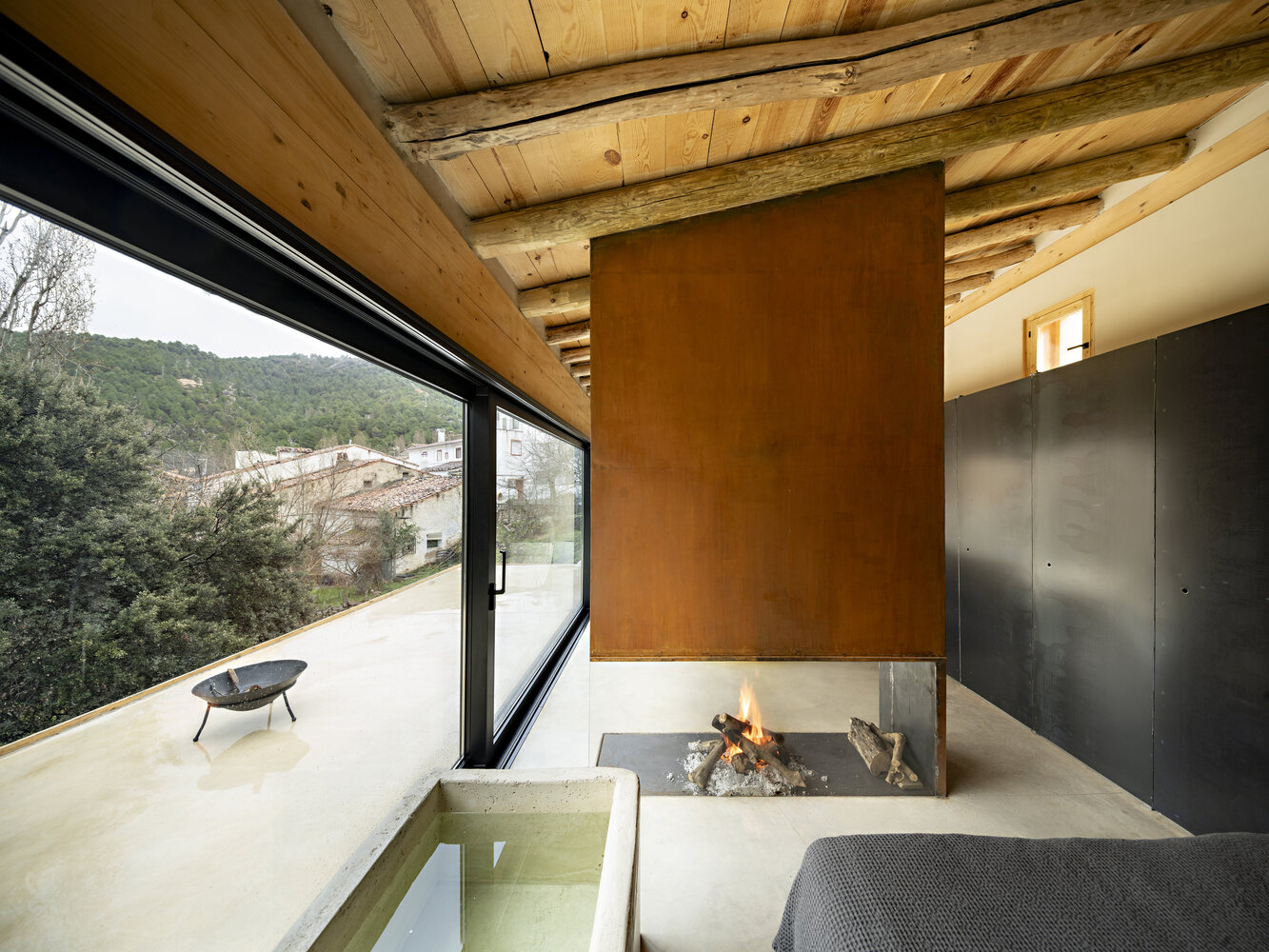
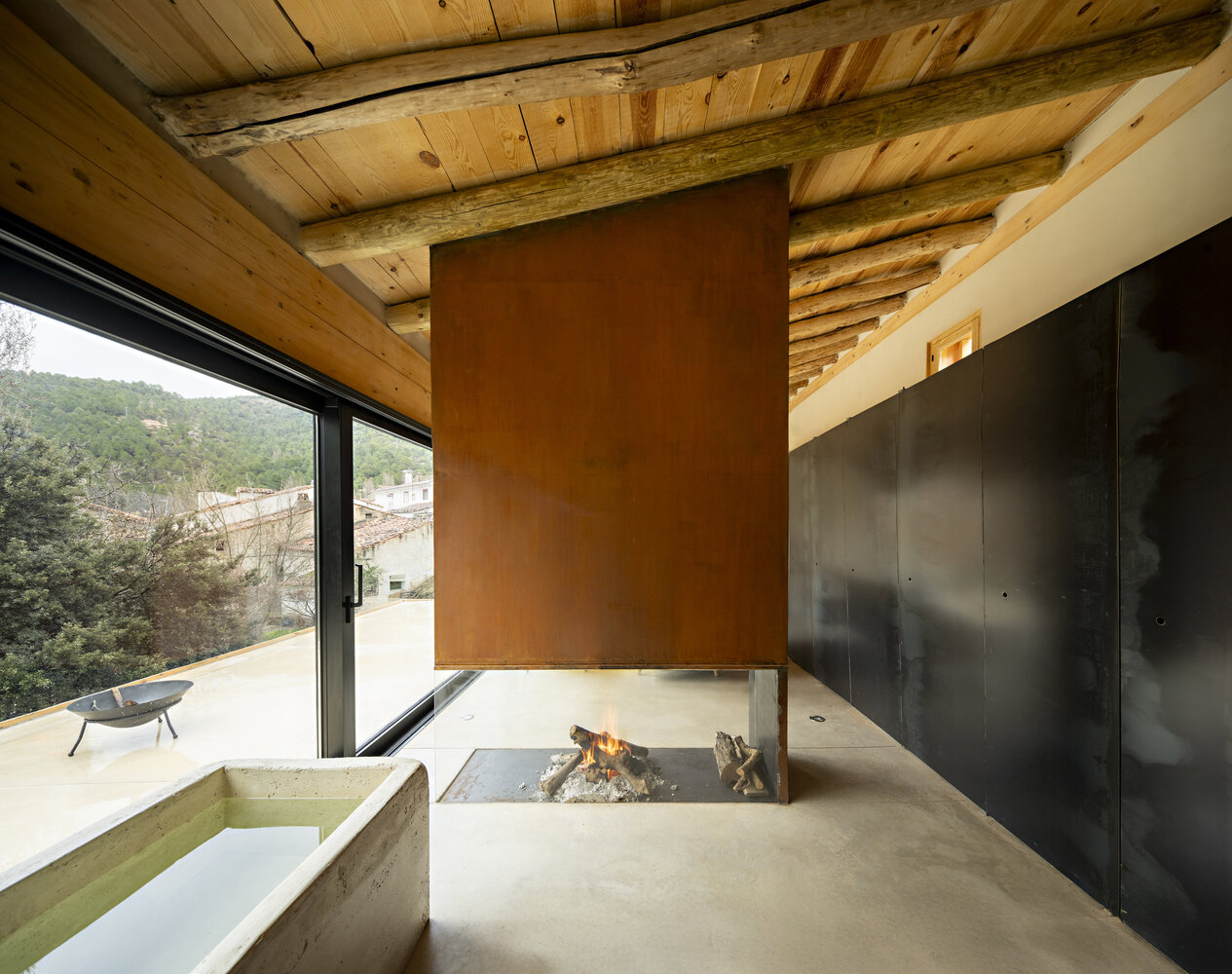
To achieve this, an open space is designed around three traditional elements of this place: fire, water, and landscape.
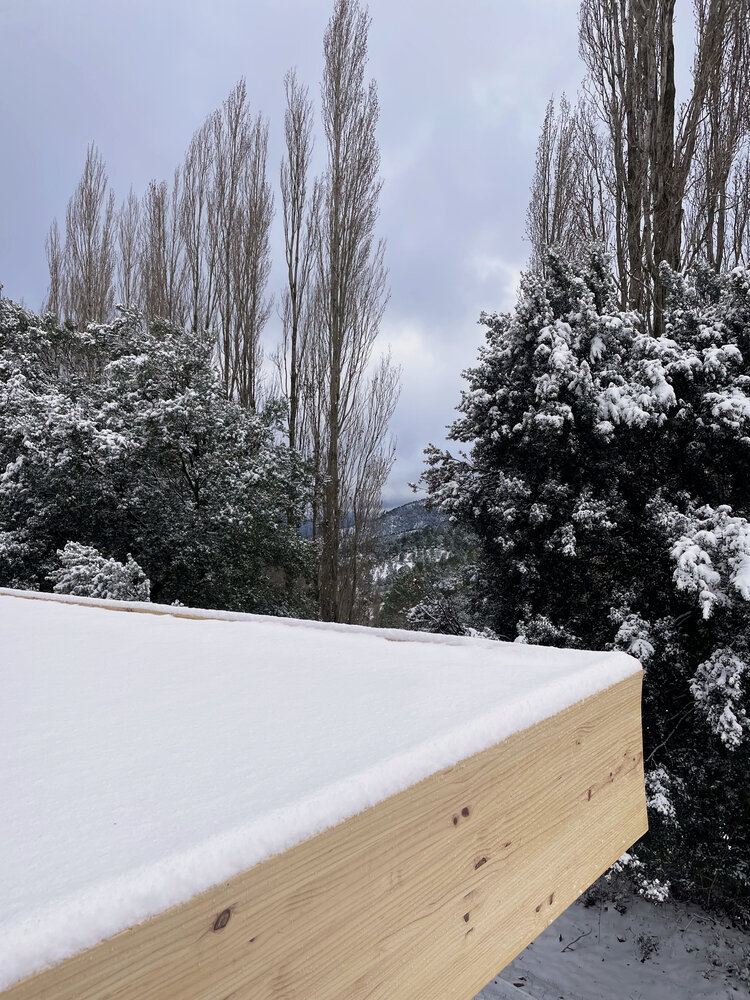
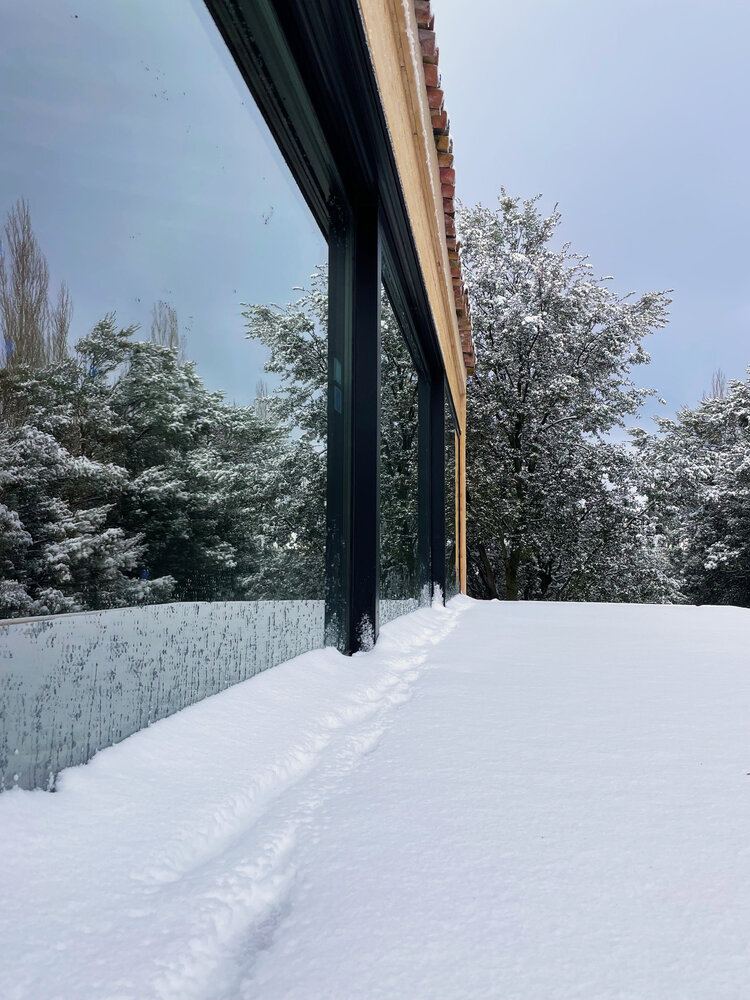
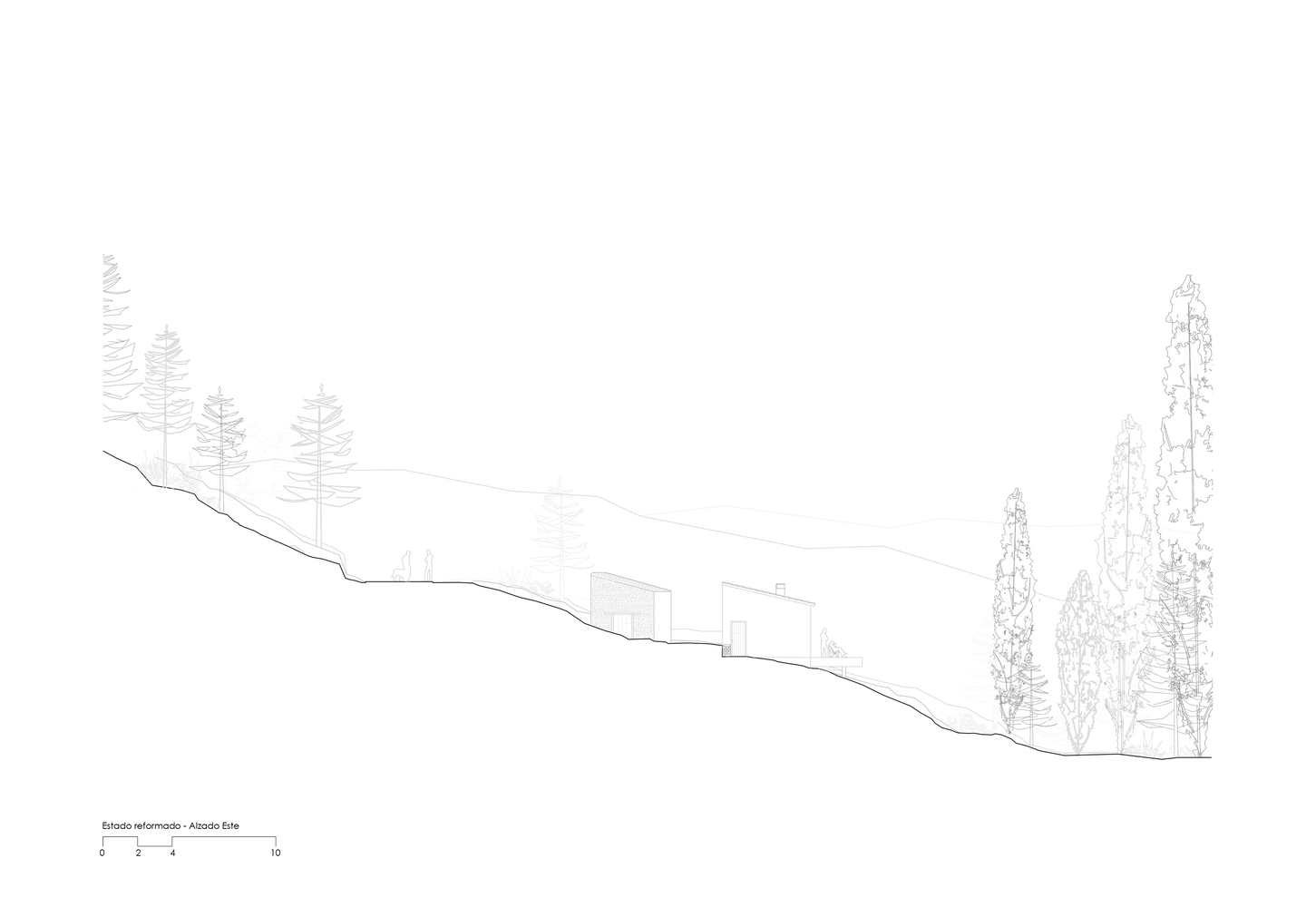
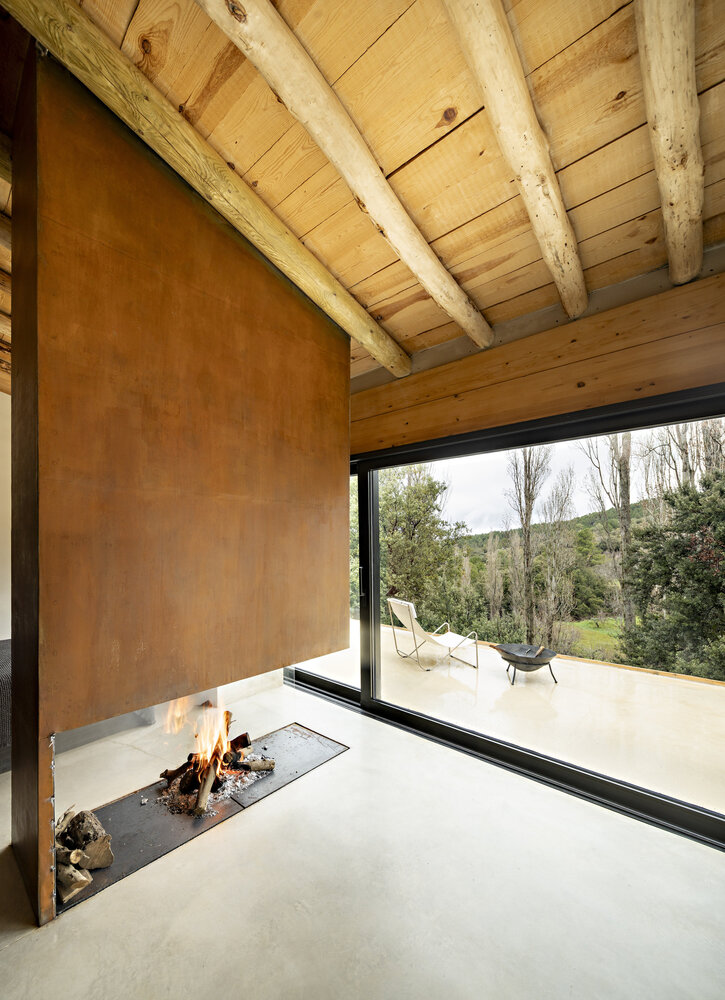
The complete opening of the north wall of the refuge is proposed to bring nature into the space, while also extending the interior surface outward through a platform corresponding to the projection of the element removed from the pre-existence, which reaches towards the landscape of poplars and pines.
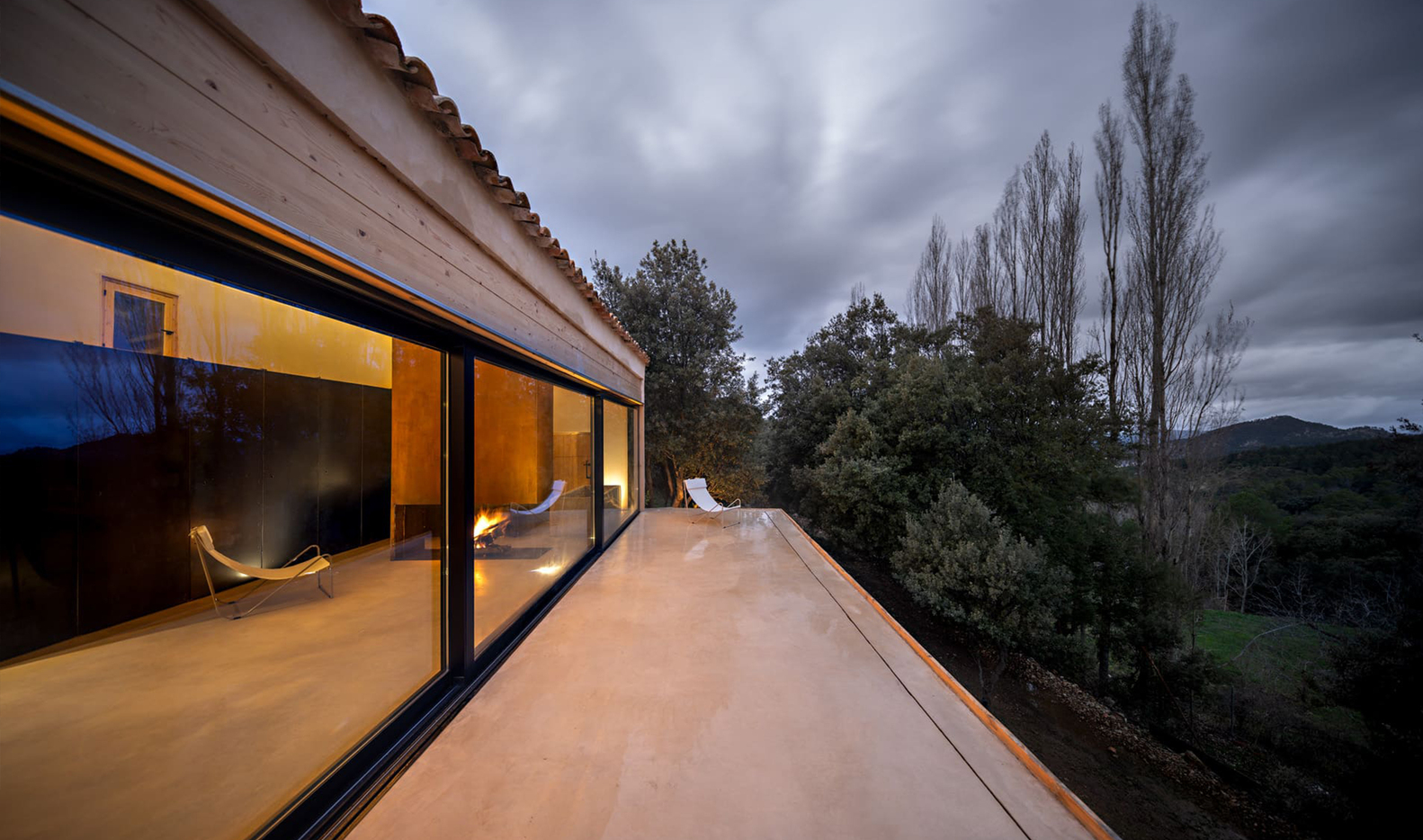
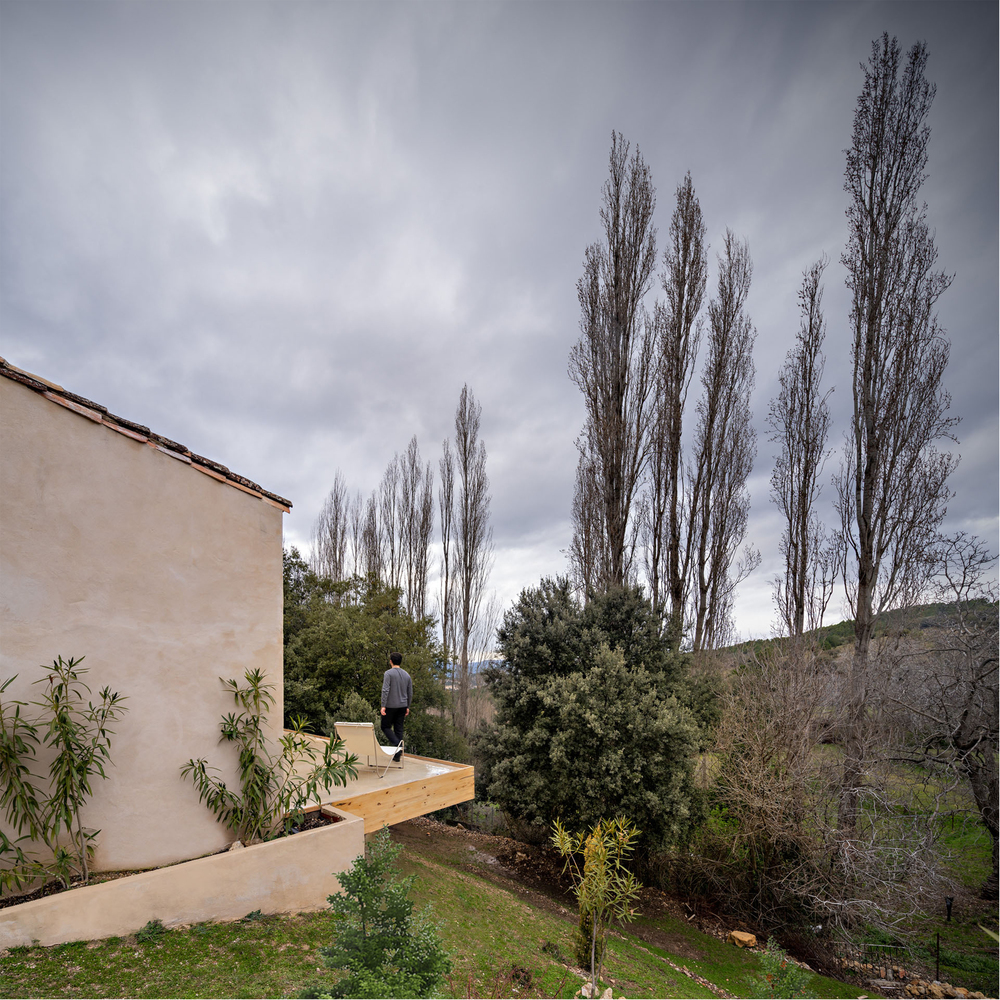
Fire, as the main element of the project hanging from the sky, divides the space into two areas intended for contemplation and day, and for rest and night, respectively, while the water space linked to rest presents a reminiscence of those livestock troughs that begin to establish an intimate dialogue with the landscape.
For the refuge's equipment, a wall made of completely free-standing steel is proposed, allowing for the containment of the more personal hidden area, seeking to maintain the character of a nave completely liberated from the pre-existence, highlighting the stone masonry from the first construction phase of this refuge over two hundred years ago.
During the rehabilitation of this space, special emphasis has been placed on the craftsmanship that is so difficult to find today, working with local carpenters who have restored part of the original structure and with blacksmiths, without whose artisanal skill it would not have been possible to materialize this project.