DC Alexander Park
DC ALEXANDER PARK
Brooks + Scarpa Architects
ARCHITECTS
Brooks + Scarpa Architects
LANDSCAPE
Plan(T), Keith Engineering
STRUCTURAL ENGINEERING
Rgd
SECURITY
Brooks + Scarpa
LIGHTING DESIGN
Sasso
WAYFINDING
Brooks + Scarpa
PROJECT ARCHITECT
Daren Chen
PRINCIPAL N CHARGE
Jeffrey Huber, Faia
LEAD DESIGNER
Lawrence Scarpa, Faia
PROJECT TEAM
Brooks + Scarpa
CONTRACTORS
Shiff Construction
CIVIL ENGINEERING
Keith Engineering
GEOTECHNICAL ENGINEER
Keith Engineering
MECHANICAL, ELECTRICAL AND PLUMBING
Rgd
SPECIFICATIONS
Brooks + Scarpa, Keith Engineering
PROJECT DESIGN TEAM
Angela Brooks, Faia, Heather Akers, David Garcia, Dionicio Ichillumpa, Eric Mosher, Iliya Muzychuk, Zachary Schoch, Arty Vartanyan, Yimin Wu
CLIENT/OWNER
City Of Fort Lauderdale, Community Redevelopment Agency And Parks And Recreation
FAÇADE ENGINEERING
Brooks + Scarpa
PHOTOGRAPHS
Brooks + Scarpa
AREA
52300 m²
YEAR
2022
LOCATION
Fort Lauderdale, United States
CATEGORY
Installations & Structures, Park
English description provided by the architects.
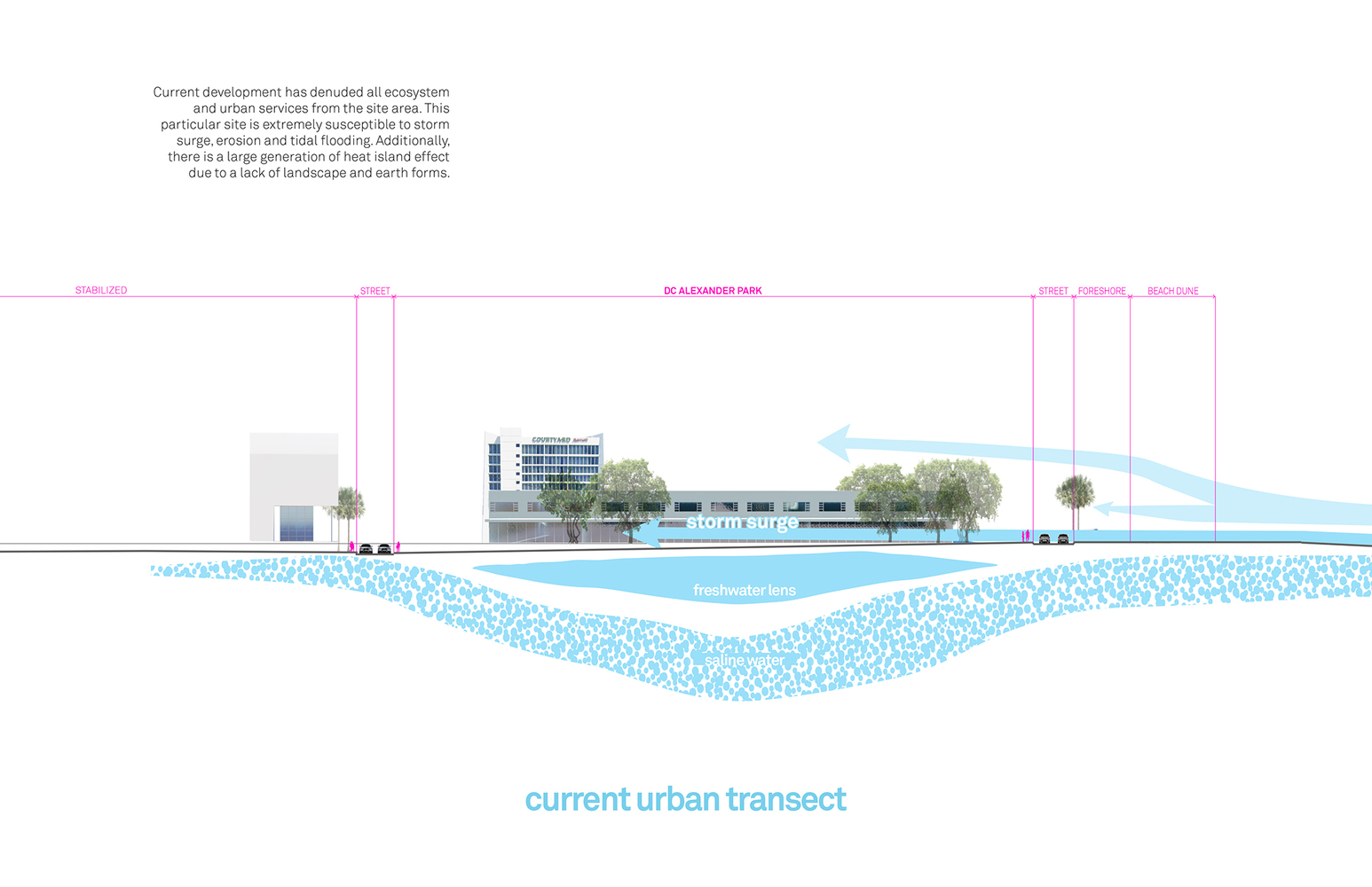
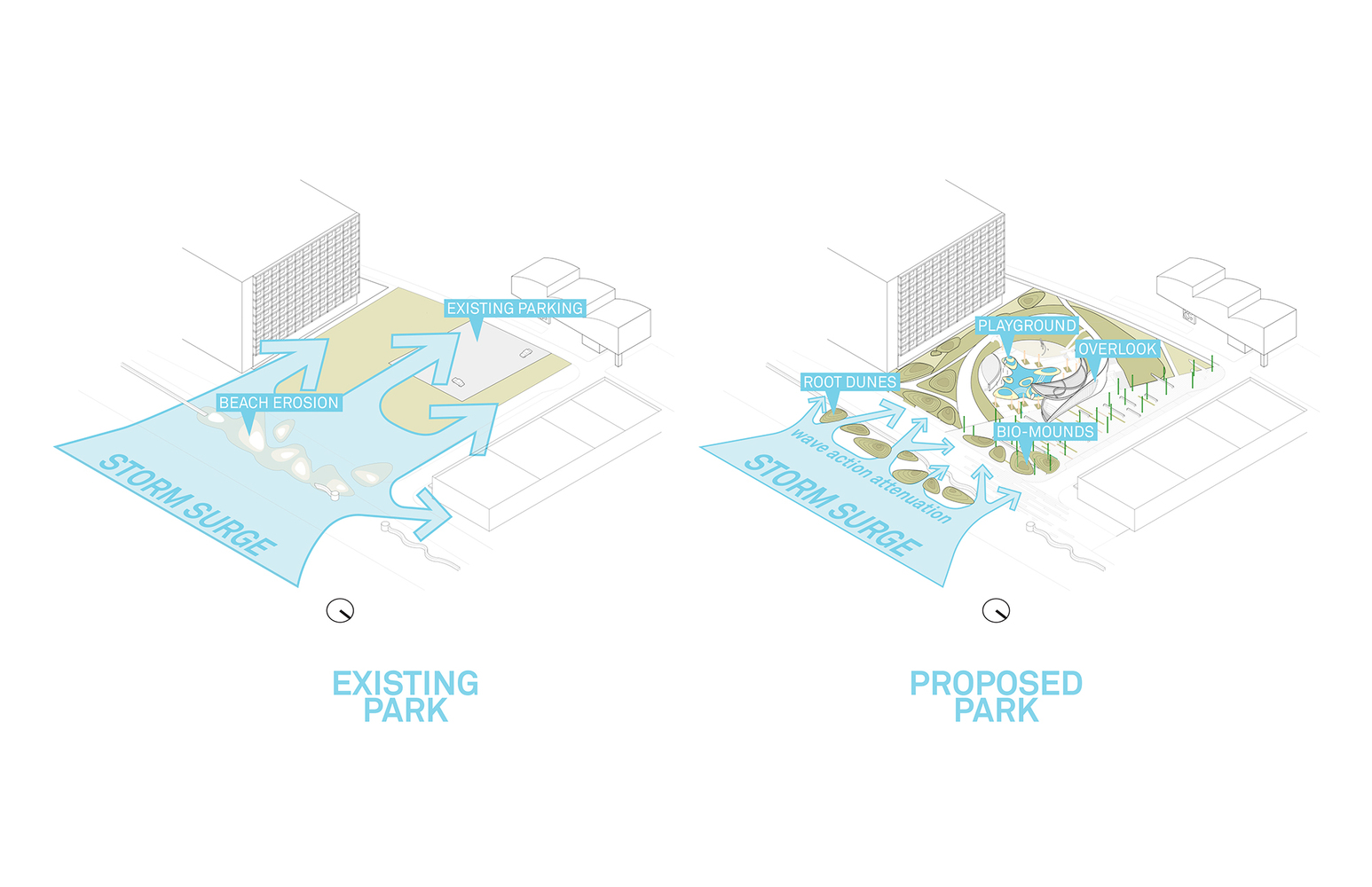
As an extreme coastal beach environment, the park site must solve for flooding and constant salt spray. The park had to solve for multiple issues related to permitting and flooding.
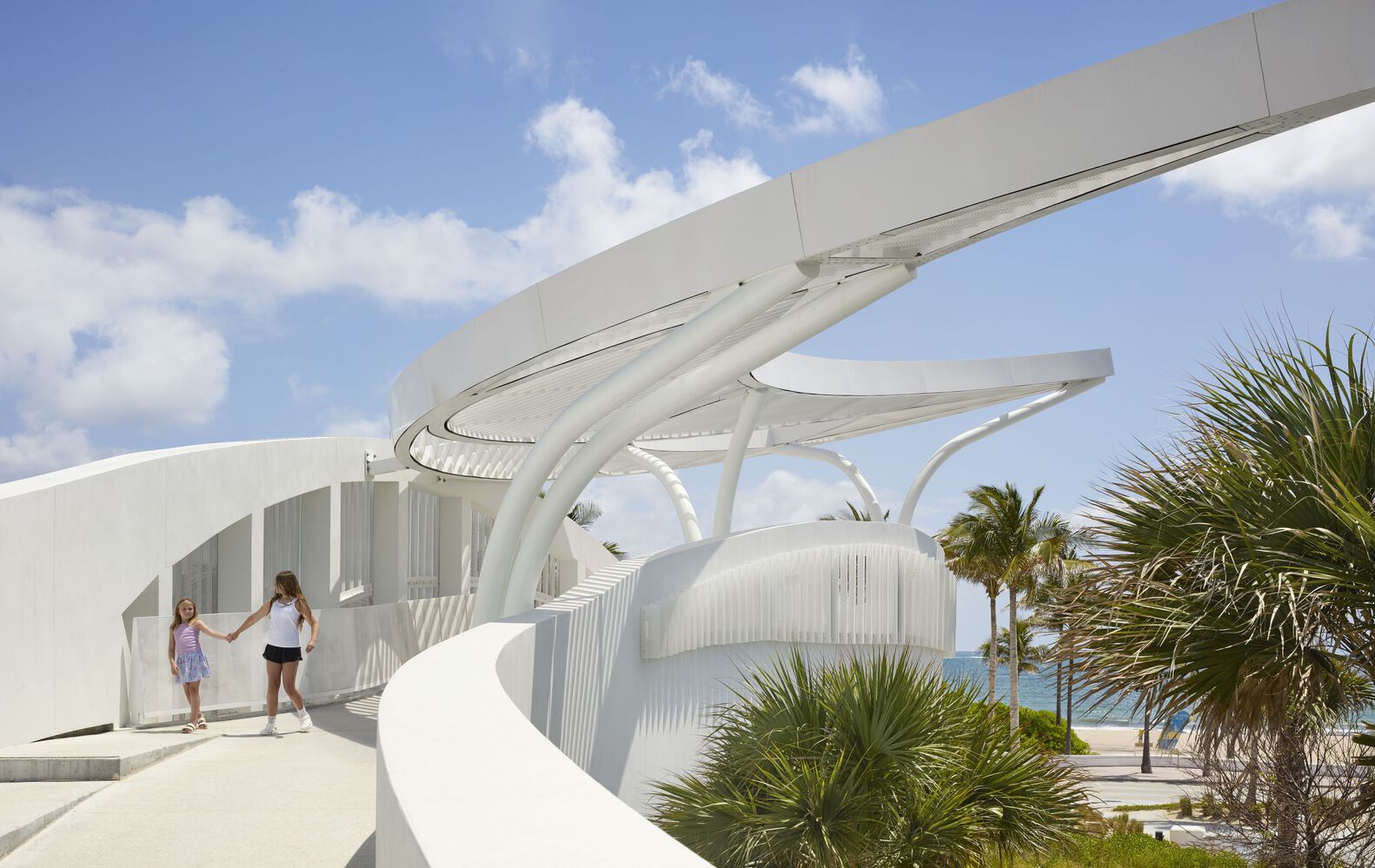
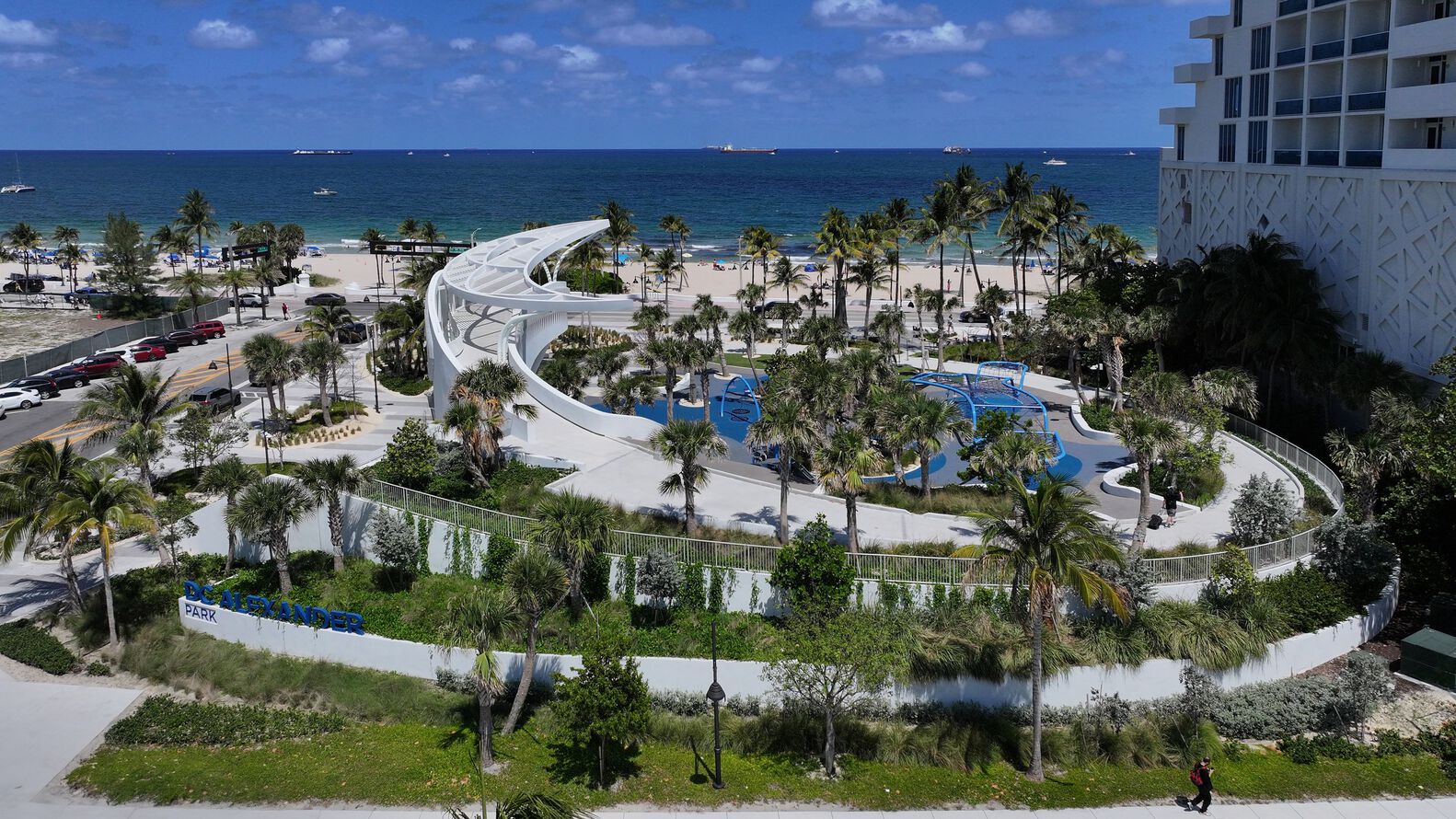
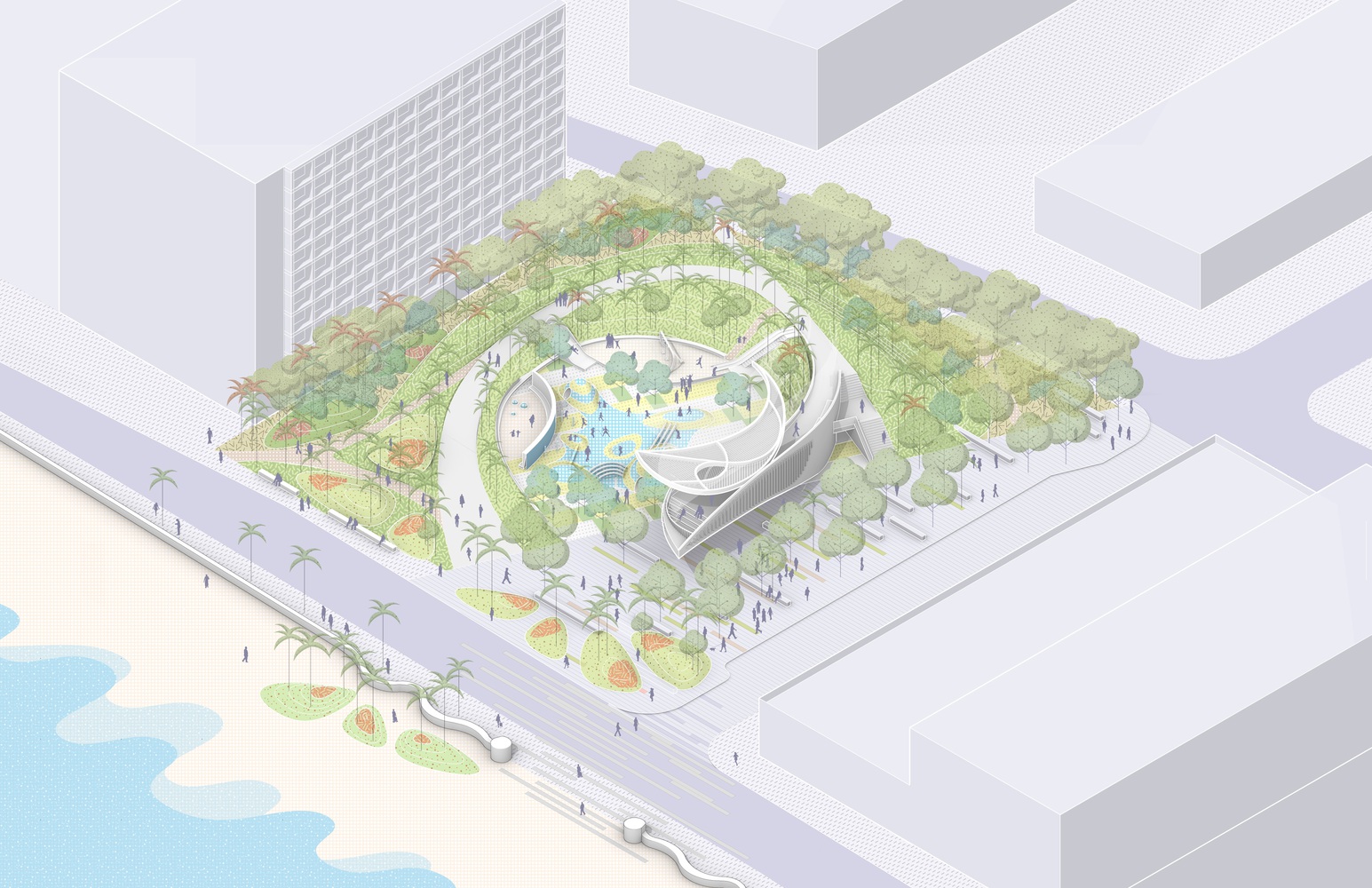
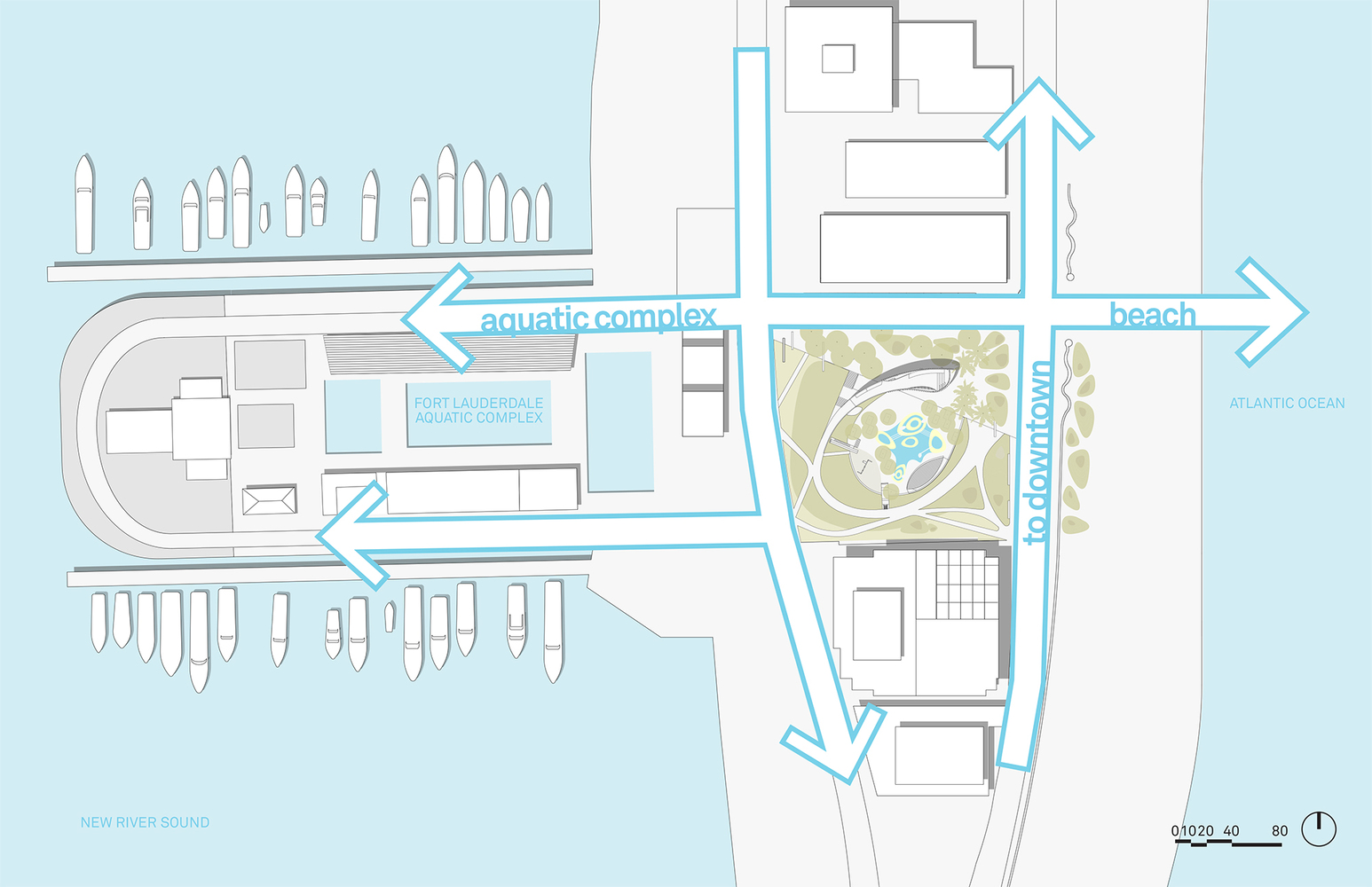
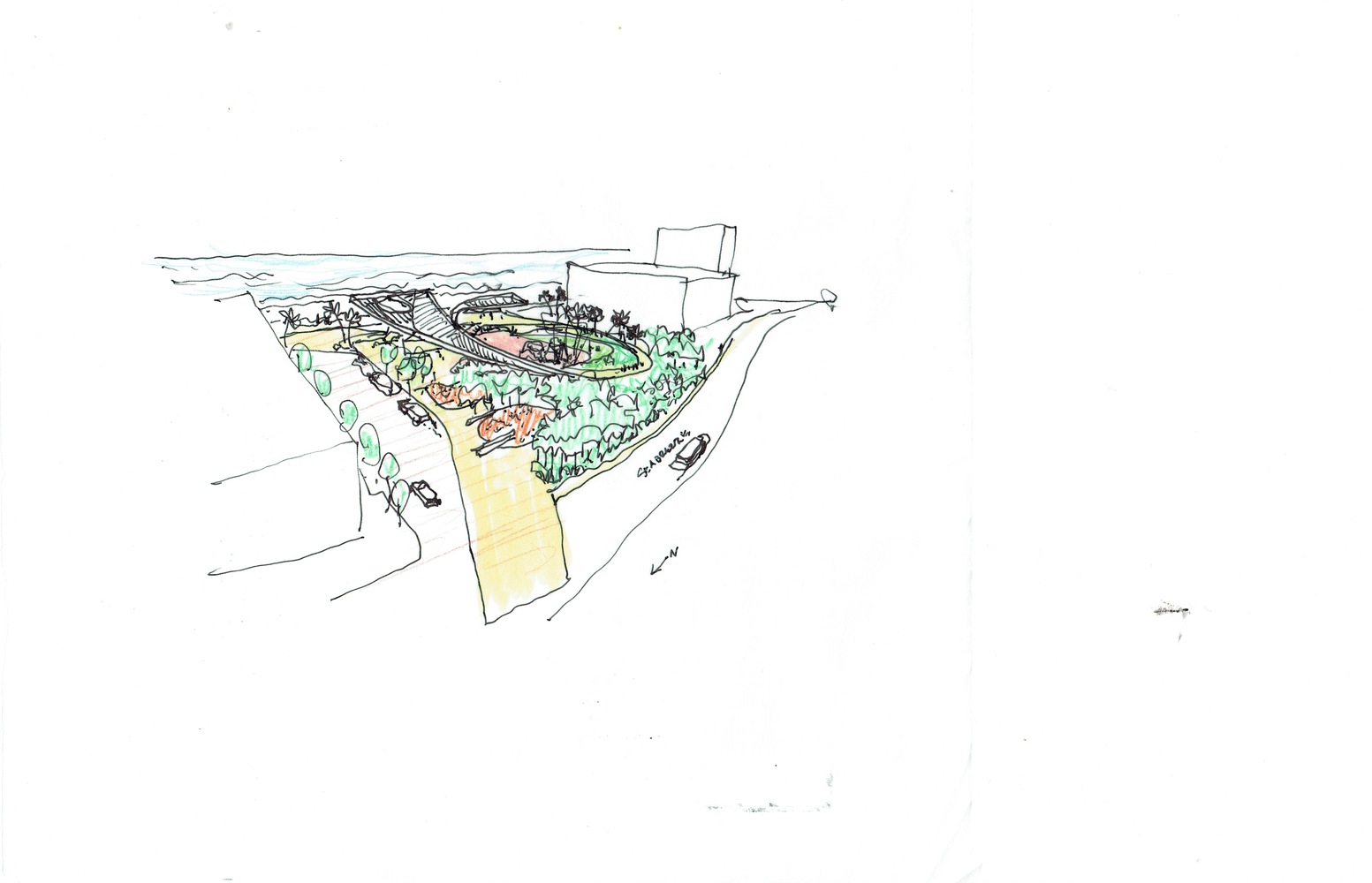
As part of ongoing resilient infrastructure and public realm improvements in Fort Lauderdale, DC Alexander Park repurposes a former parking lot into a vibrant and resilient public space for tourists and residents.
The park serves to reinvest in green and resilient infrastructure along the vulnerable shoreline of coastal South Florida.
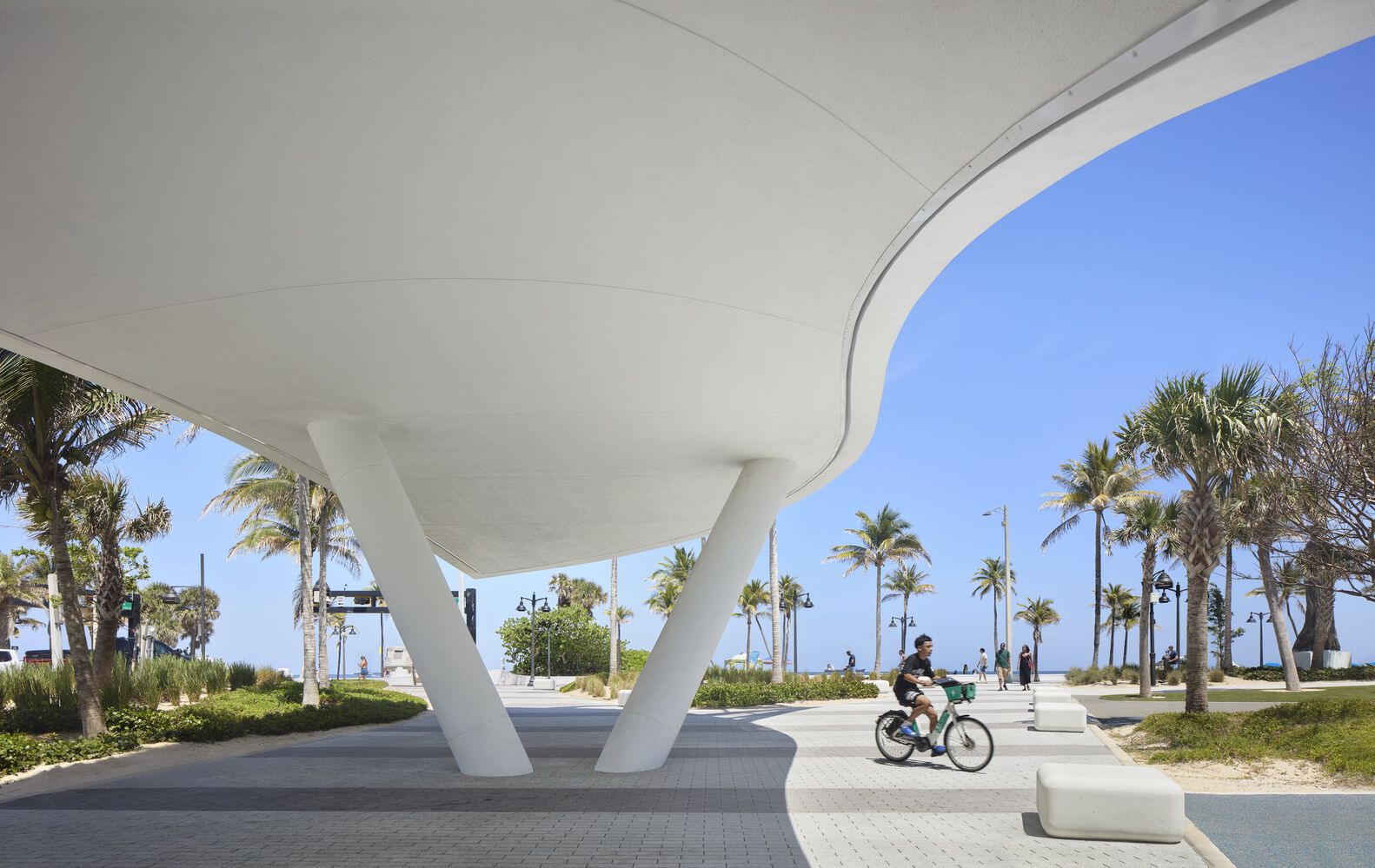
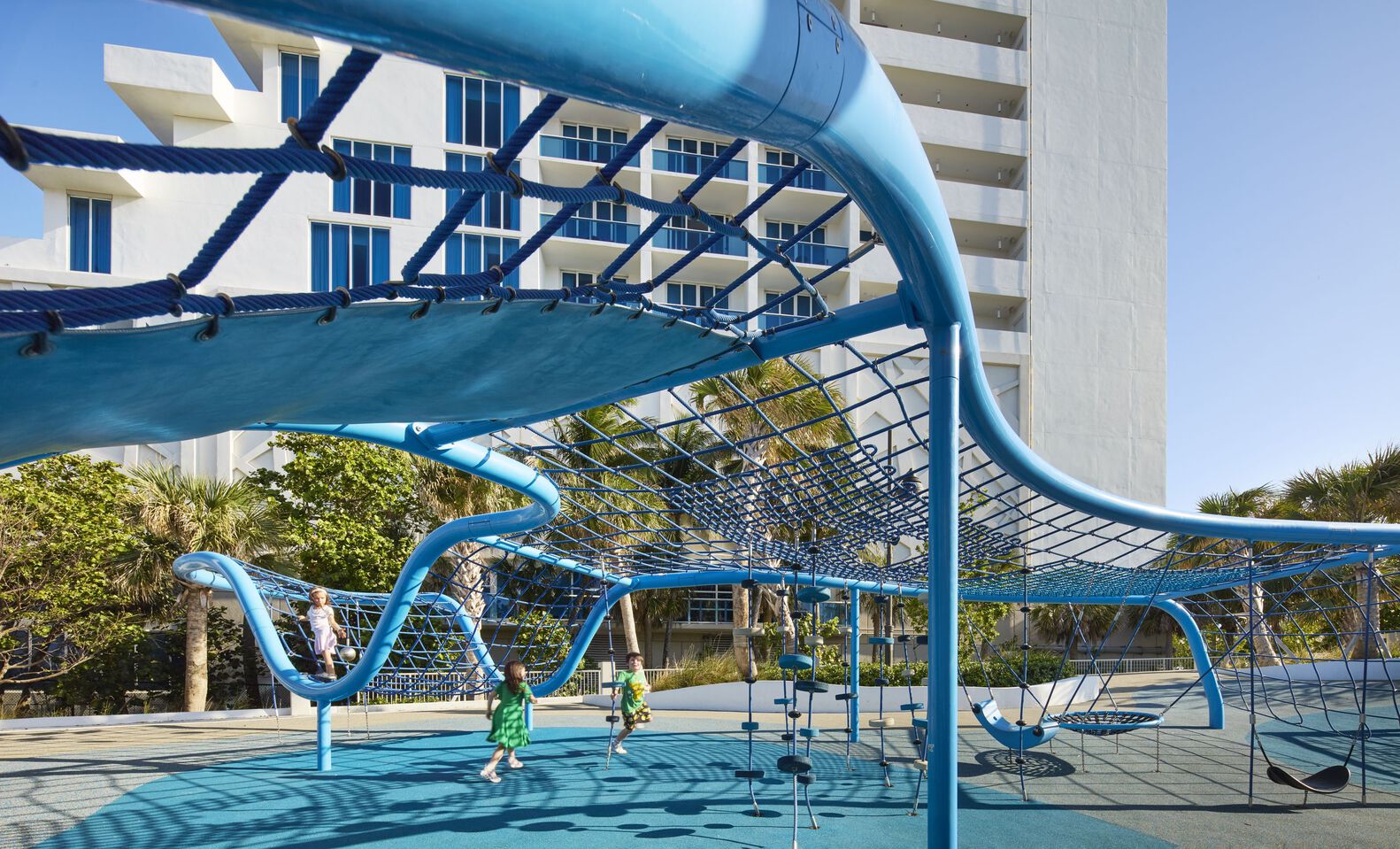
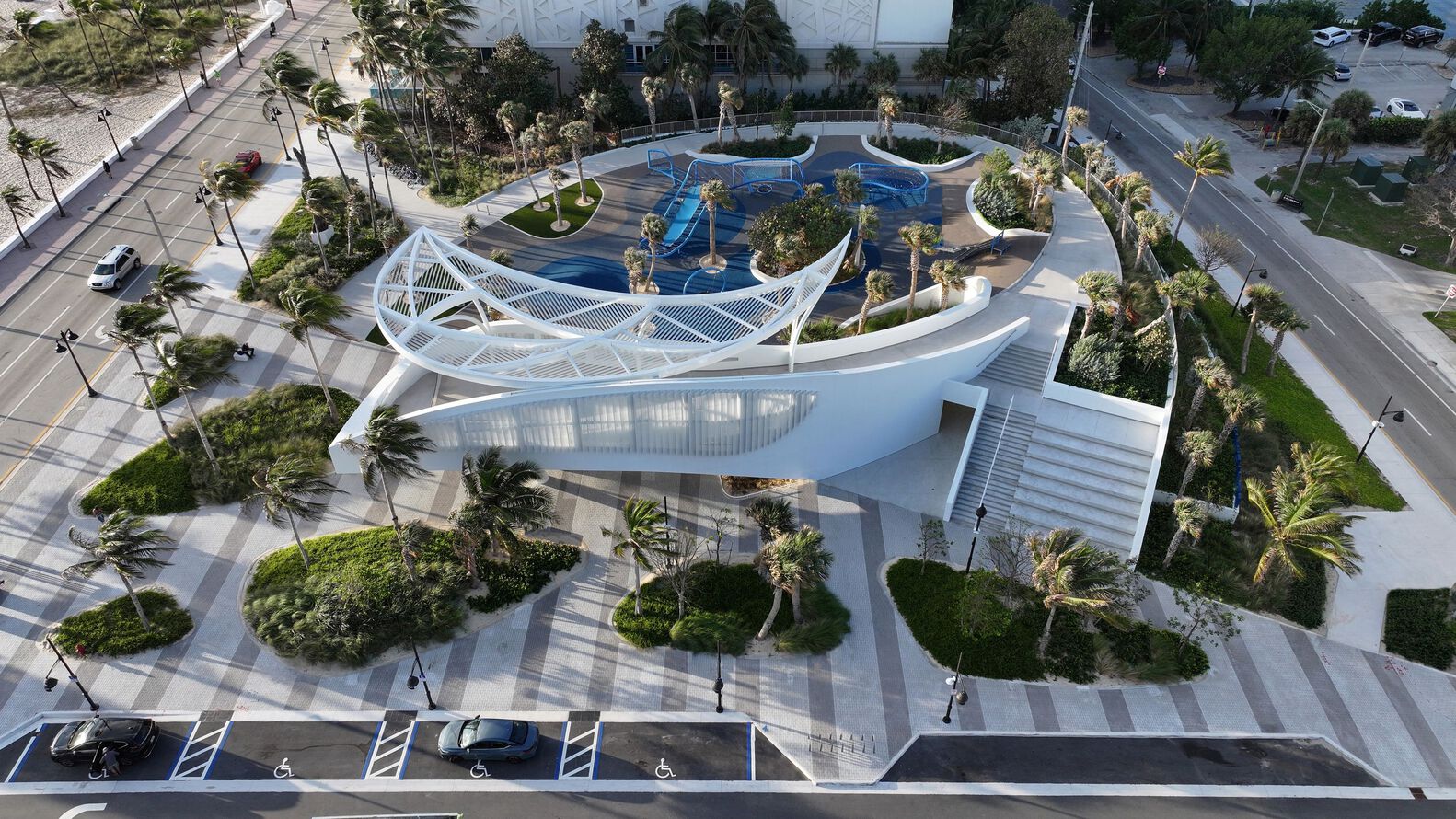
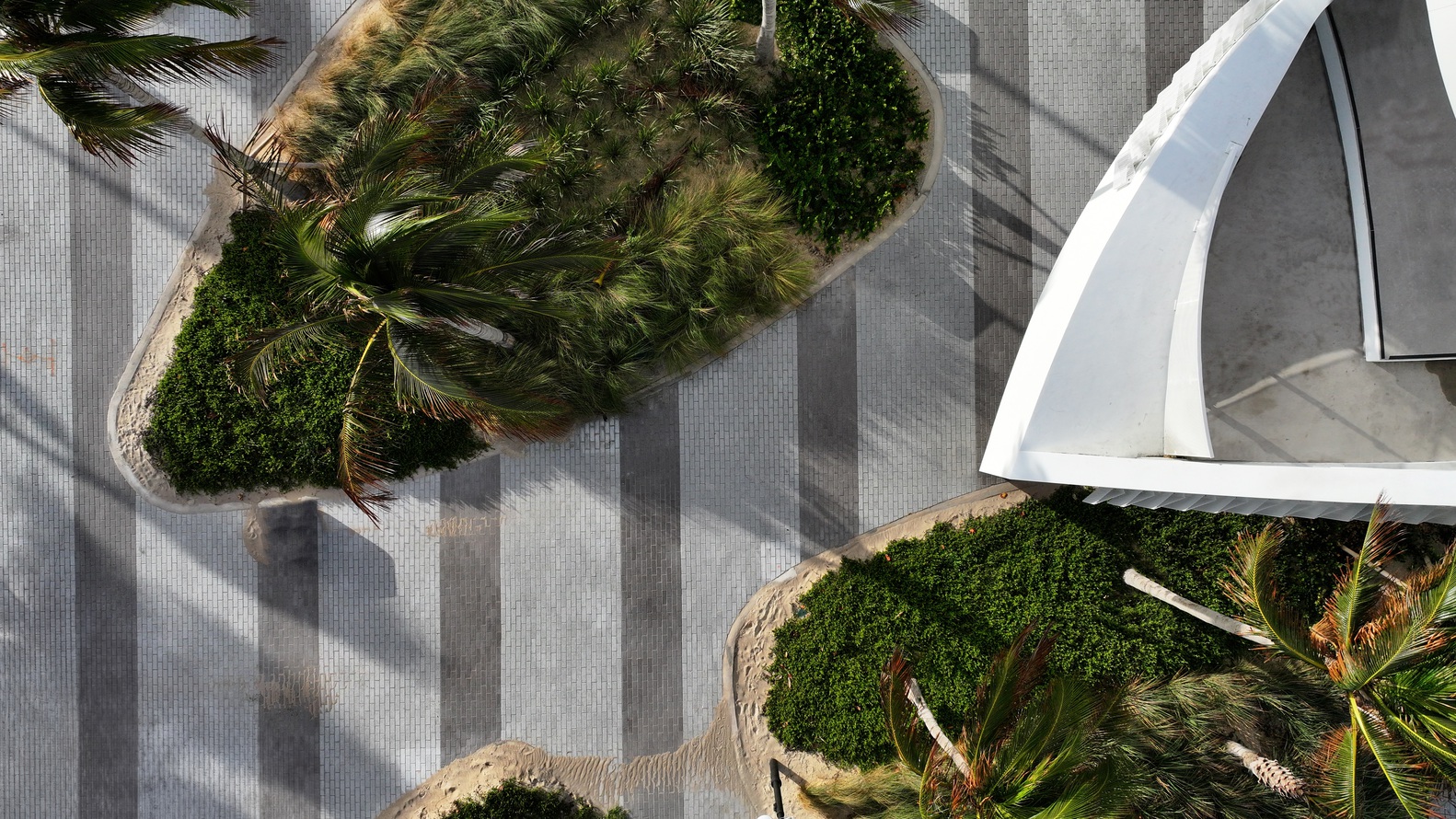
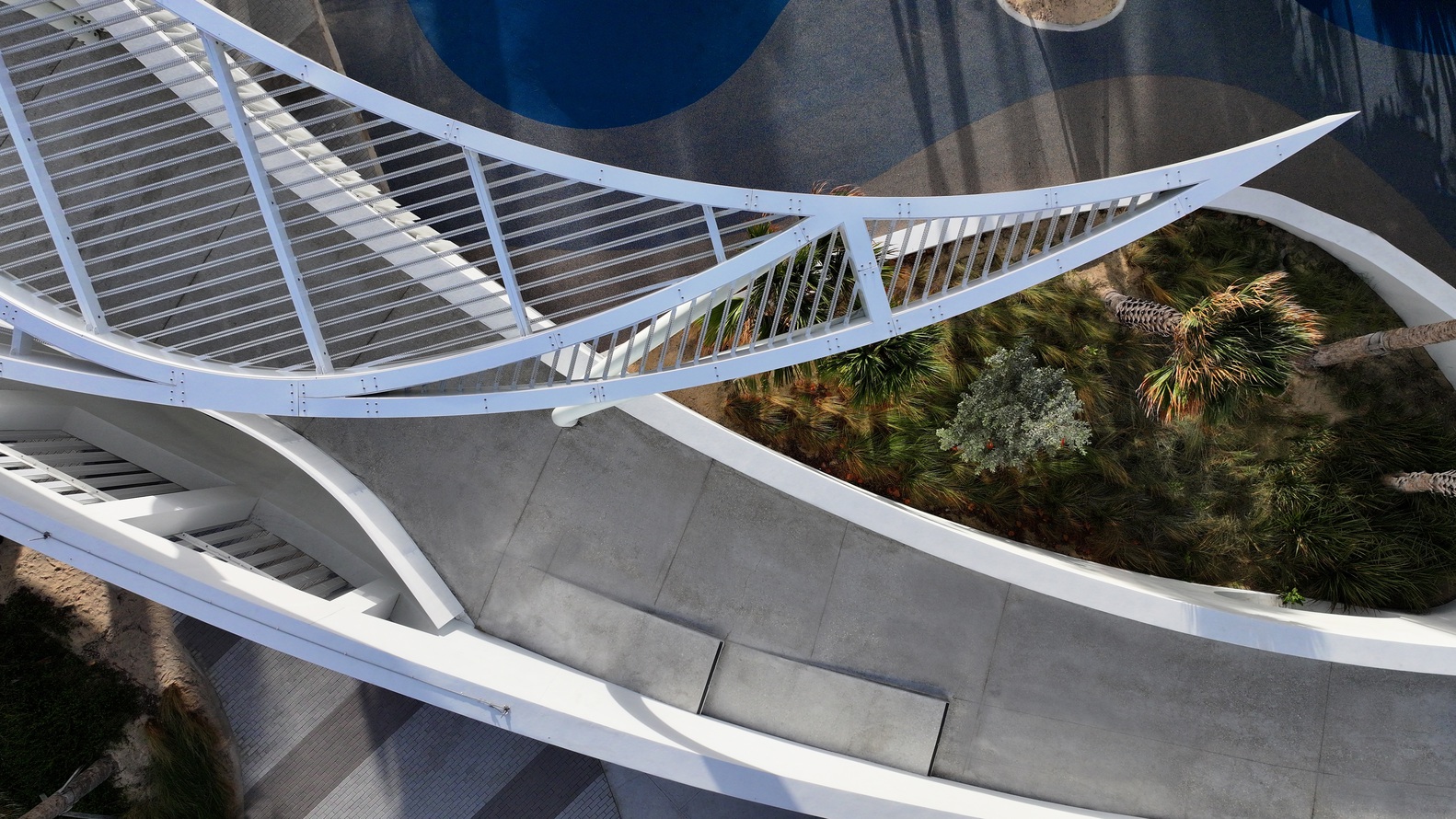
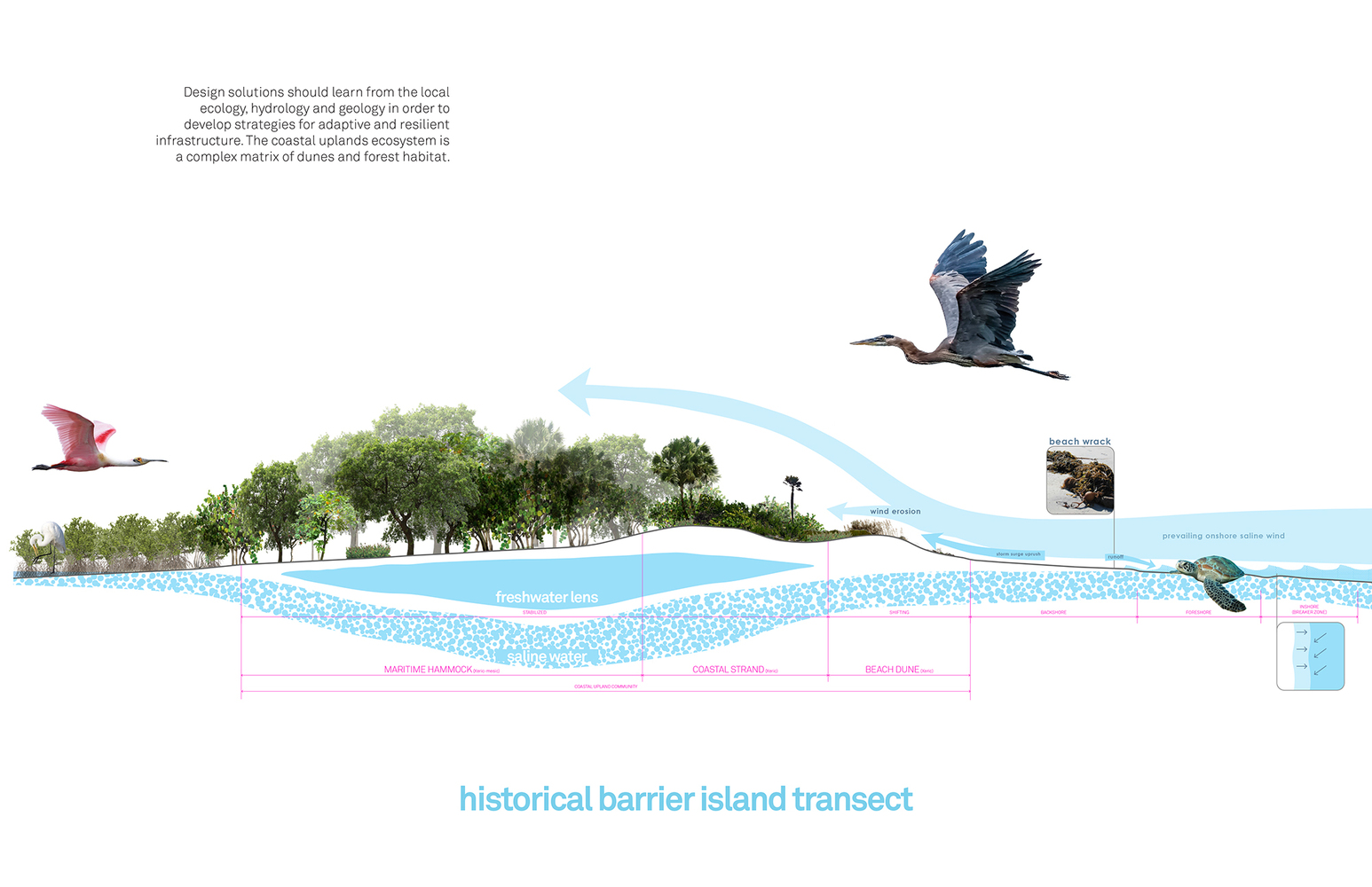
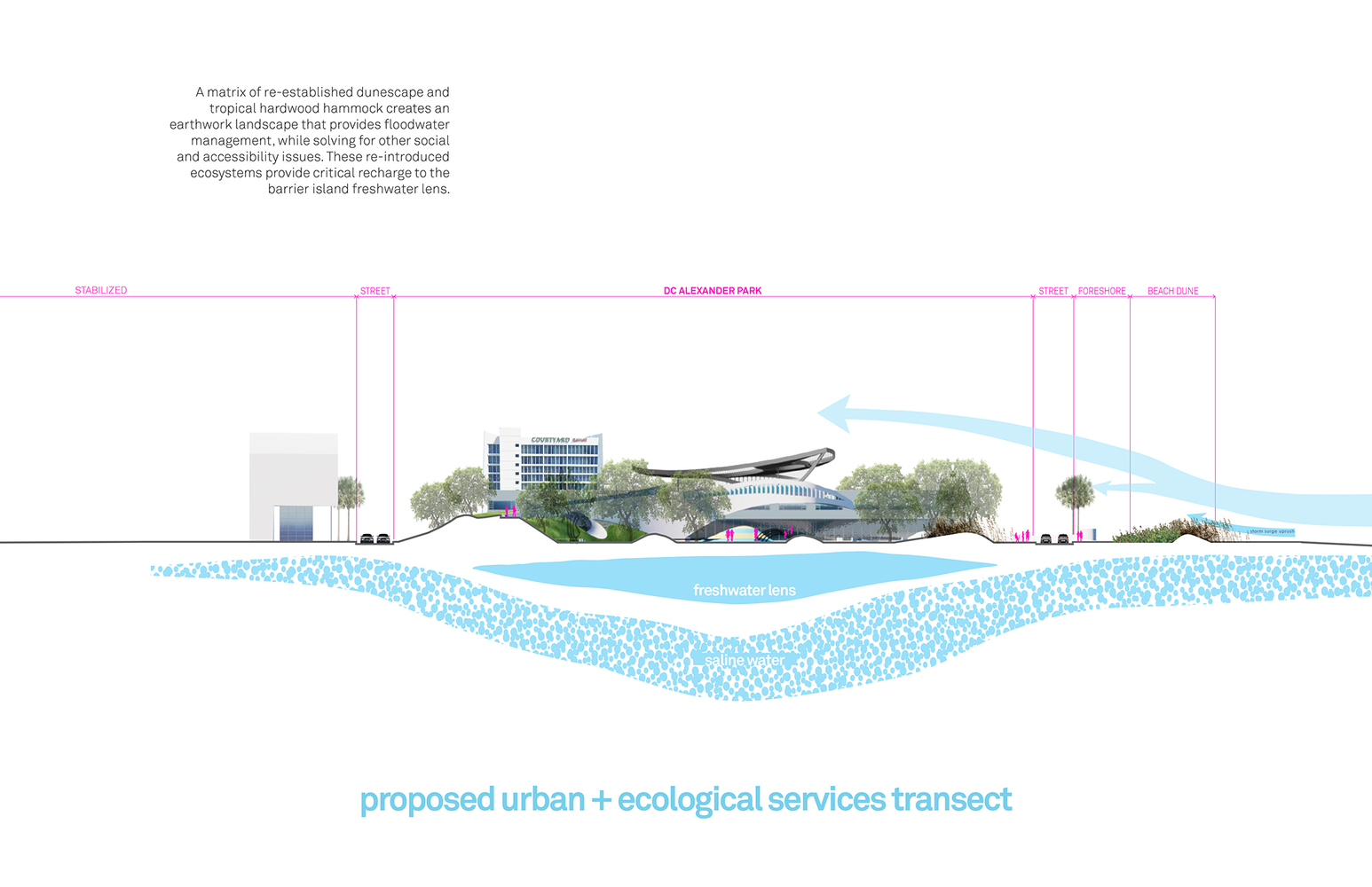
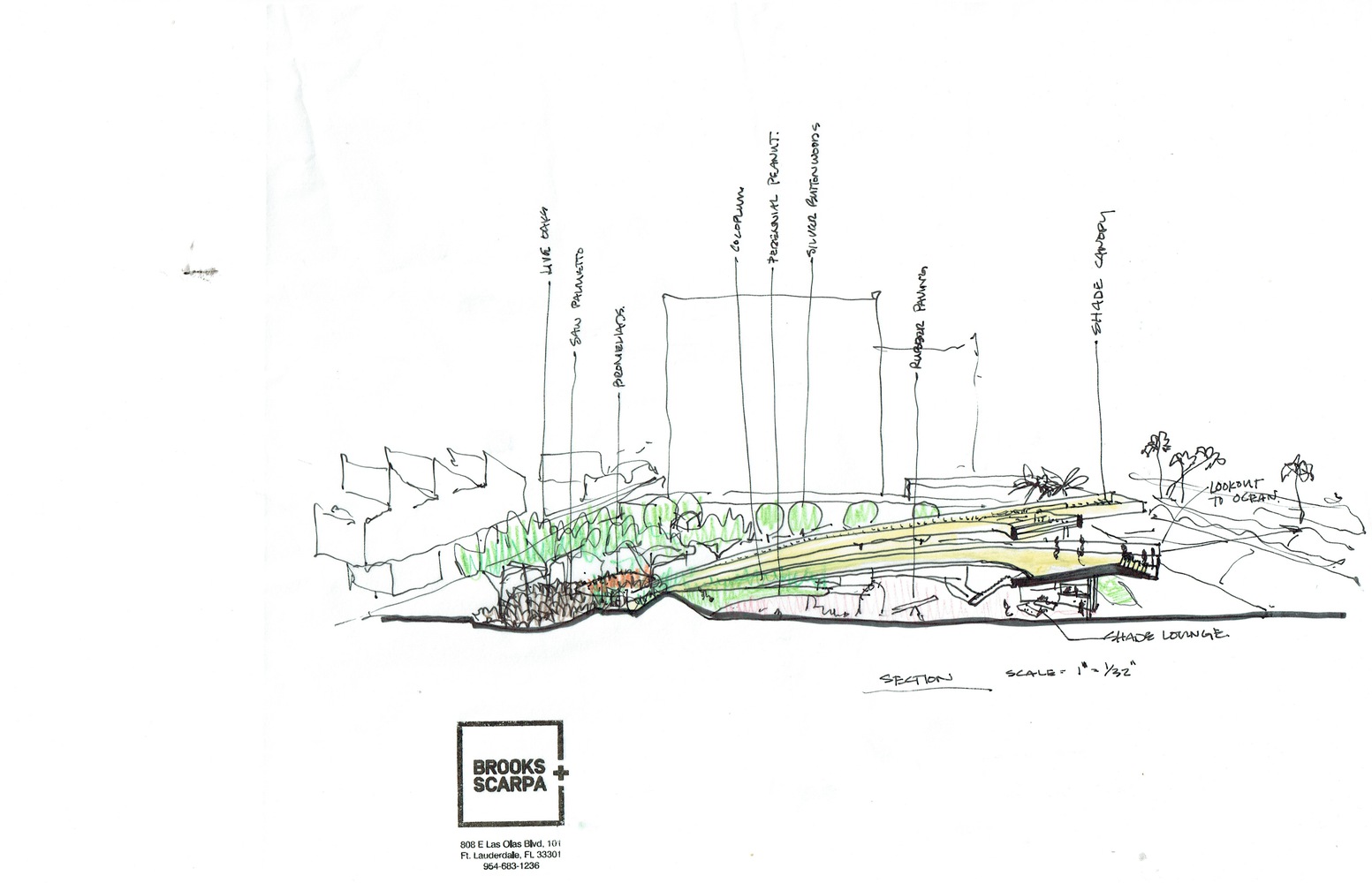
The project "botanizes" the previous asphalt parking lot through the reintegration and interpretation of coastal dune and tropical maritime hardwood hammock ecosystems.
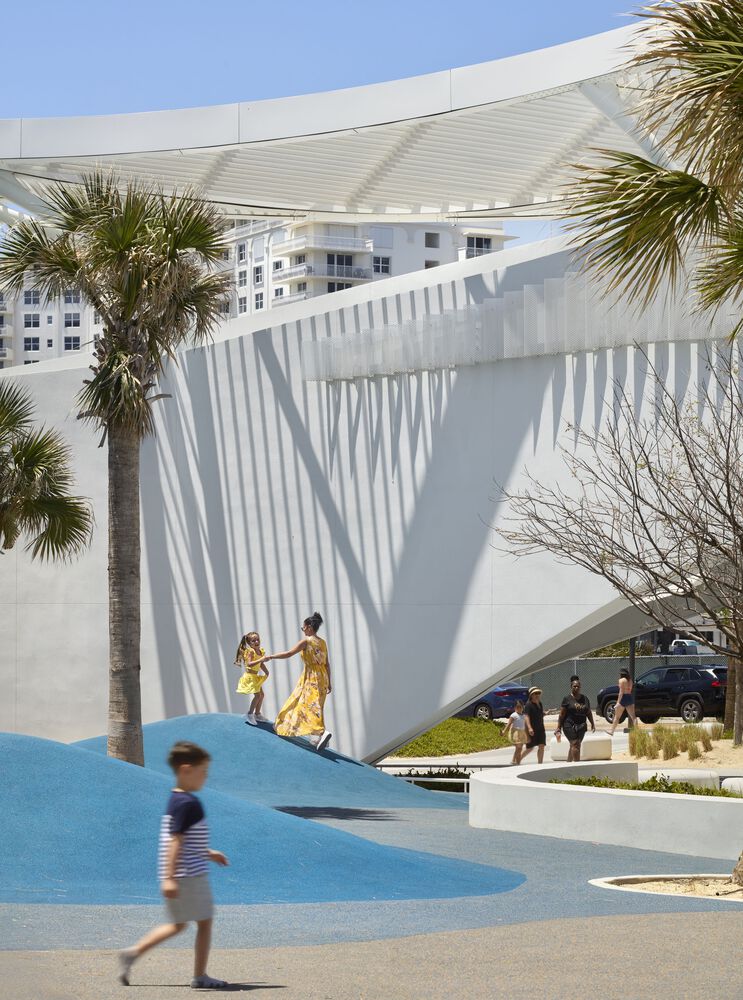
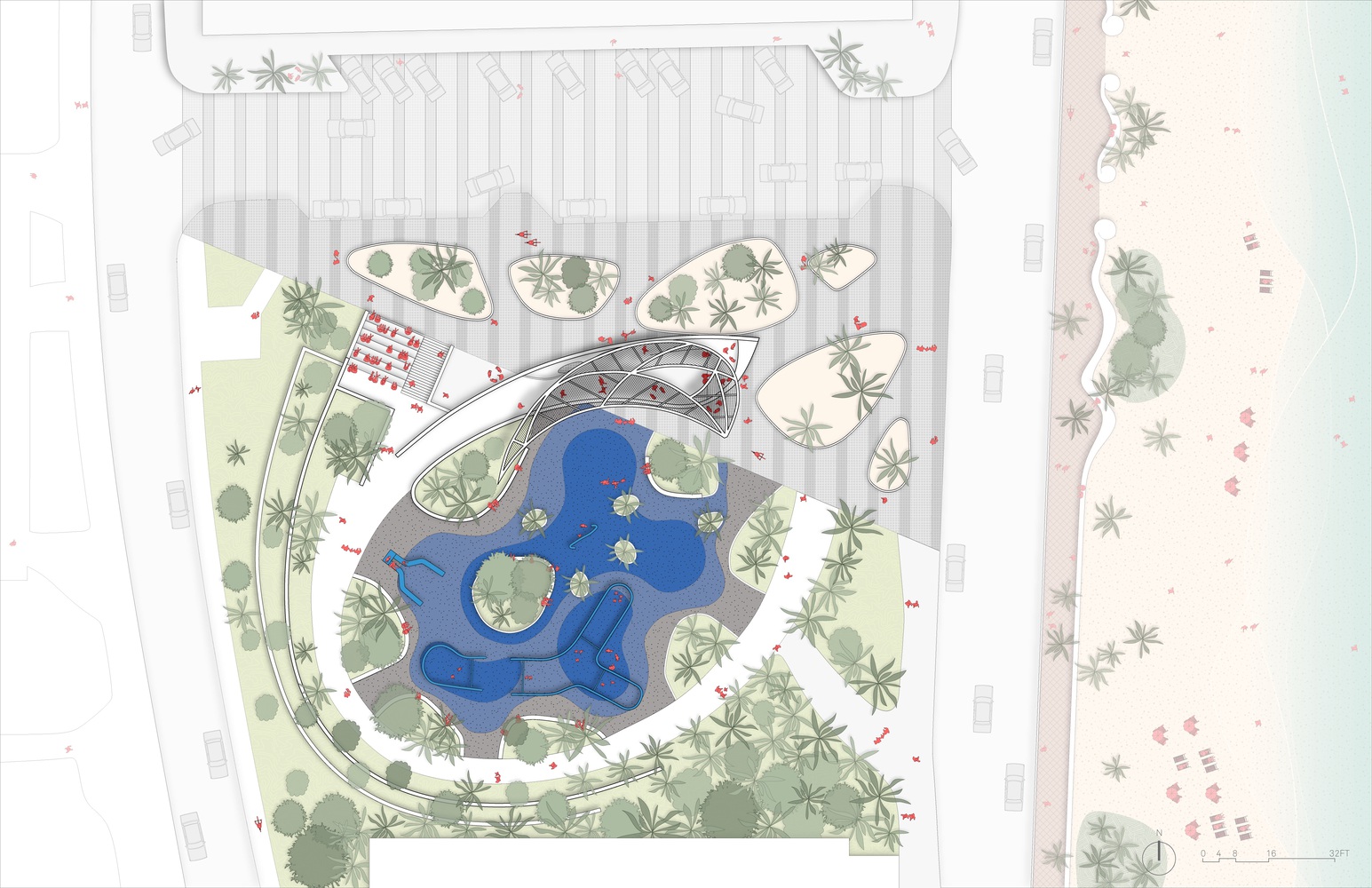
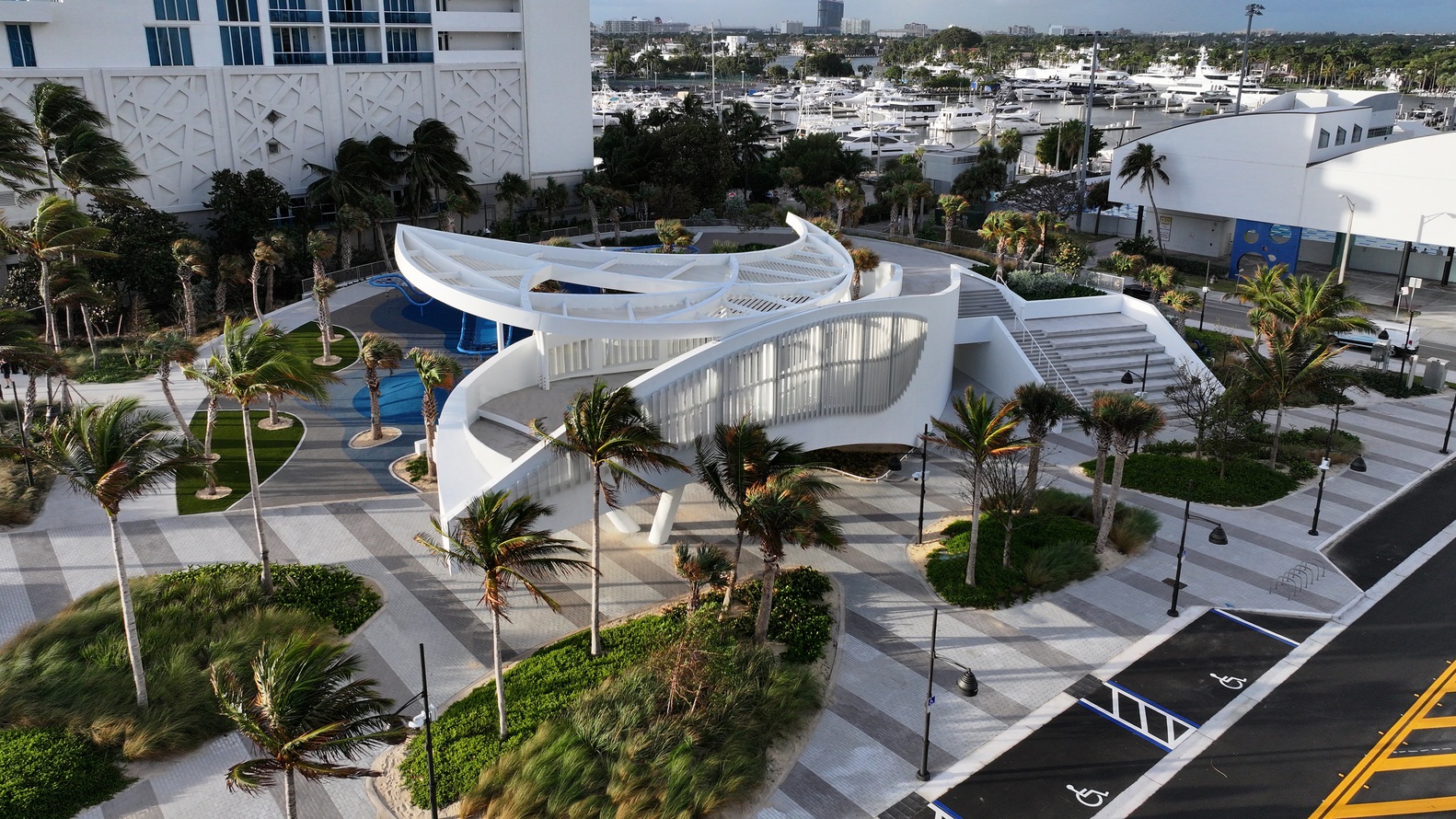
The upland coastal ecosystem includes both vegetated "root" dunes and rubberized surfaces to protect landward investments from storm surge as well as serve as "boundless" playscape.
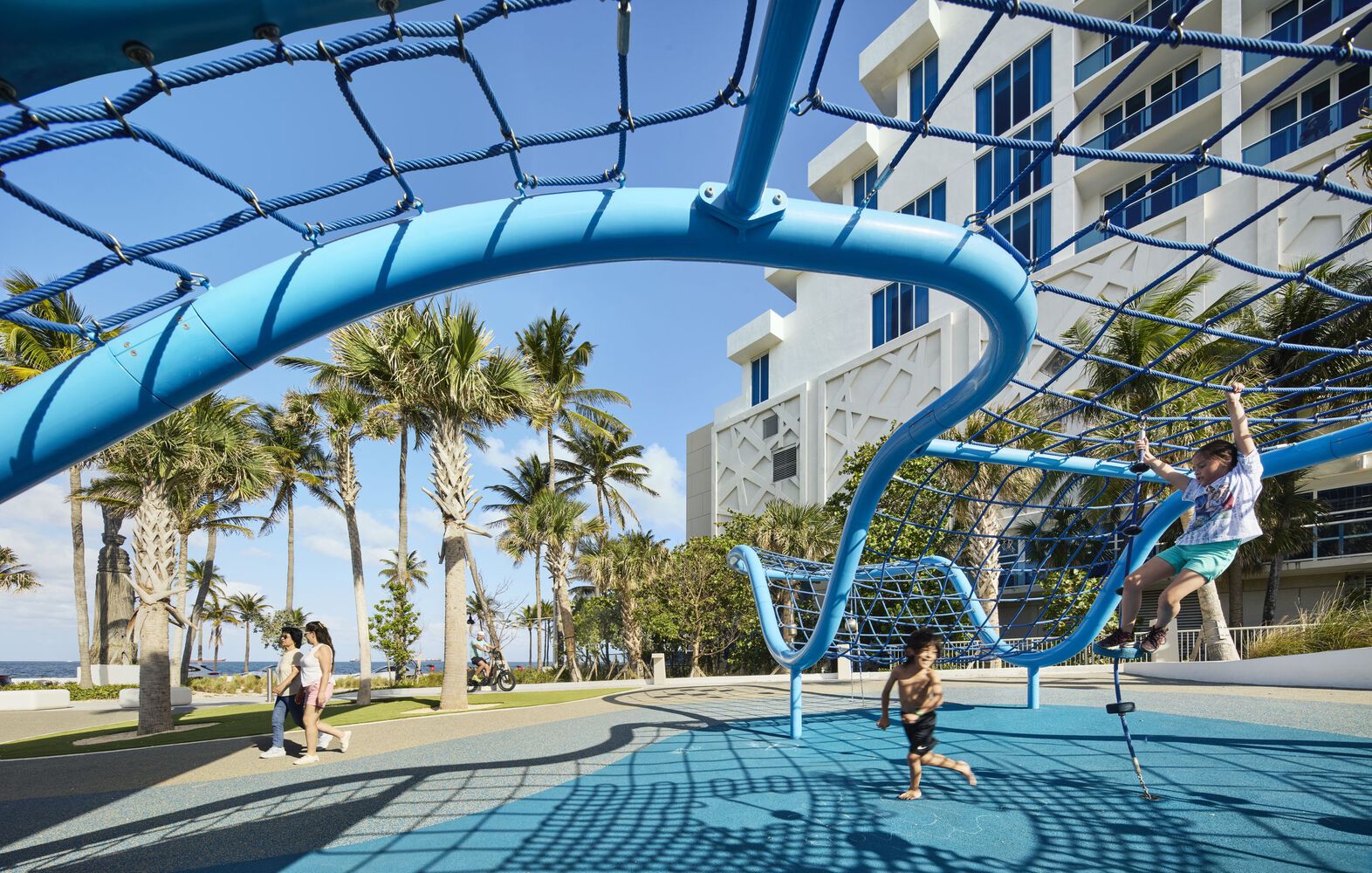
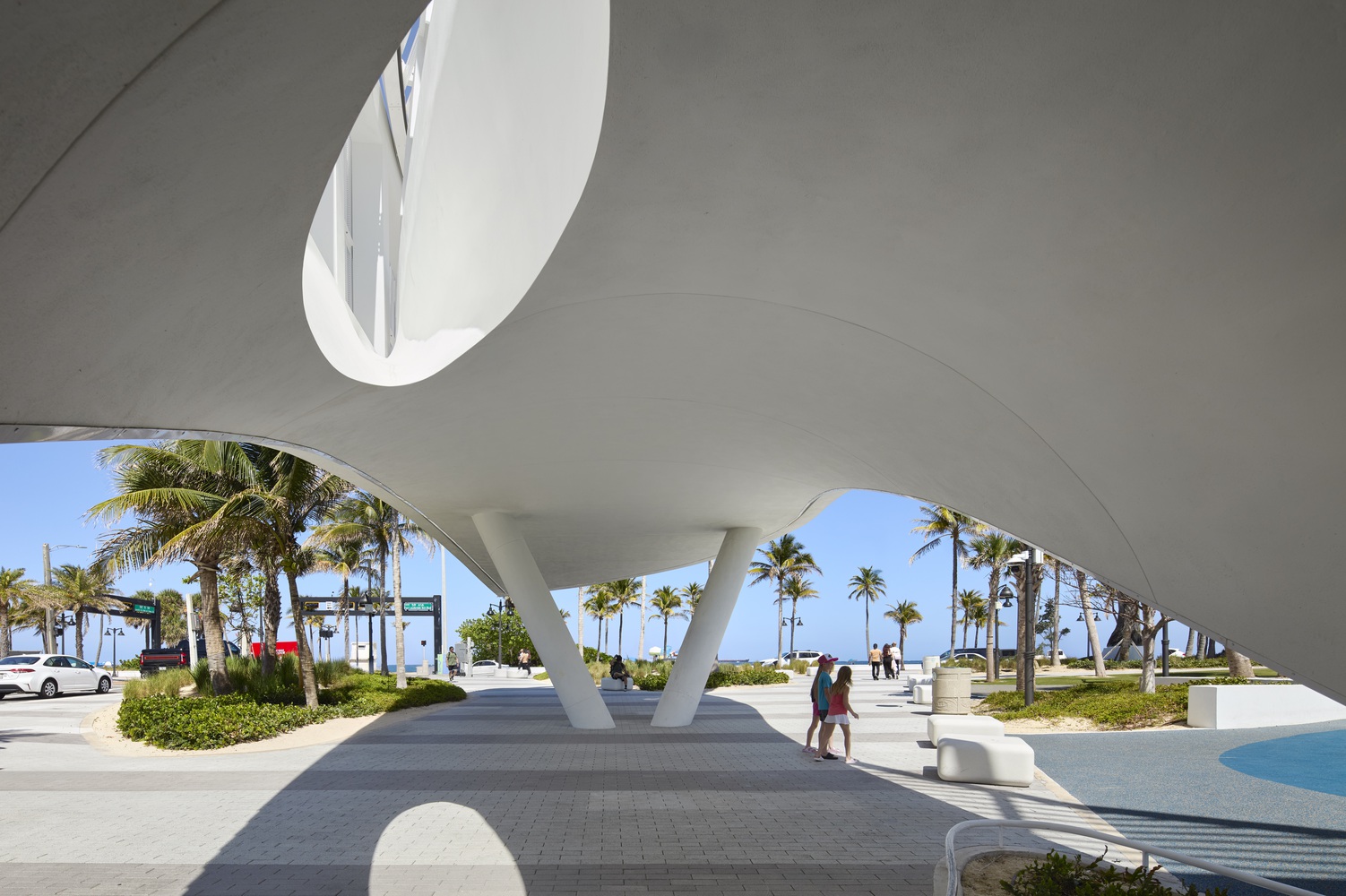
At the perimeter of the park, a re-established hammock serves as a sponge for rainfall and saltwater flooding while providing for passive park recreation and critical habitat development for native fauna.
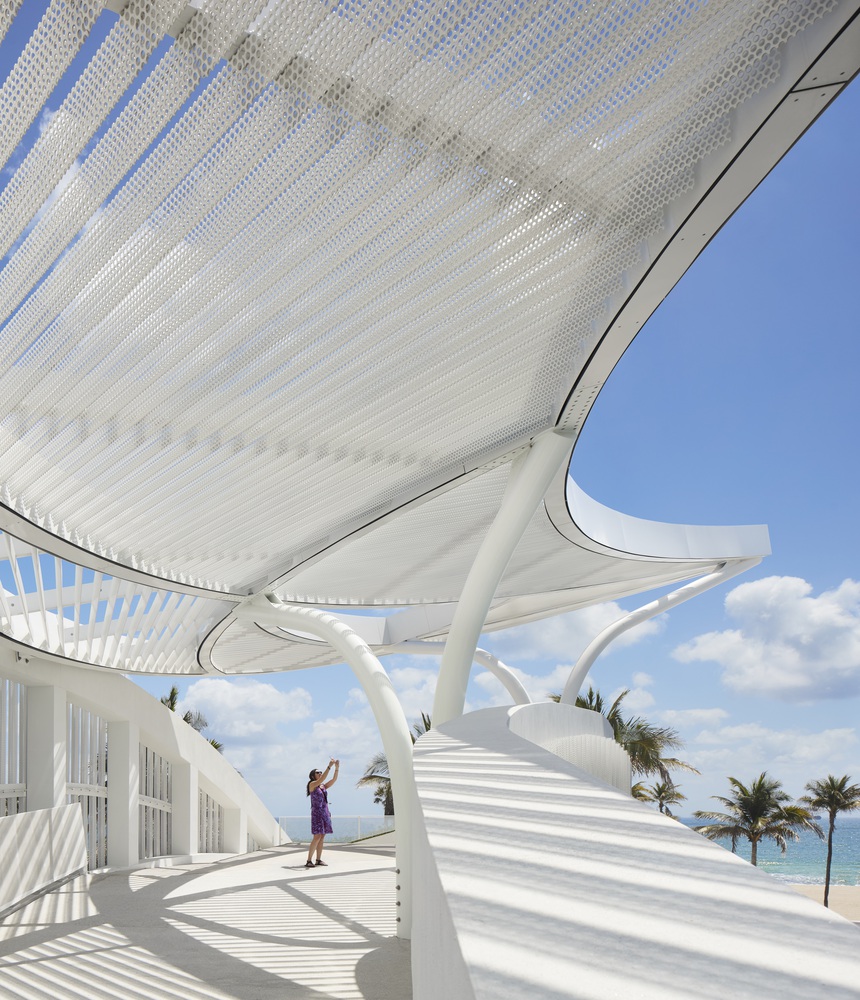
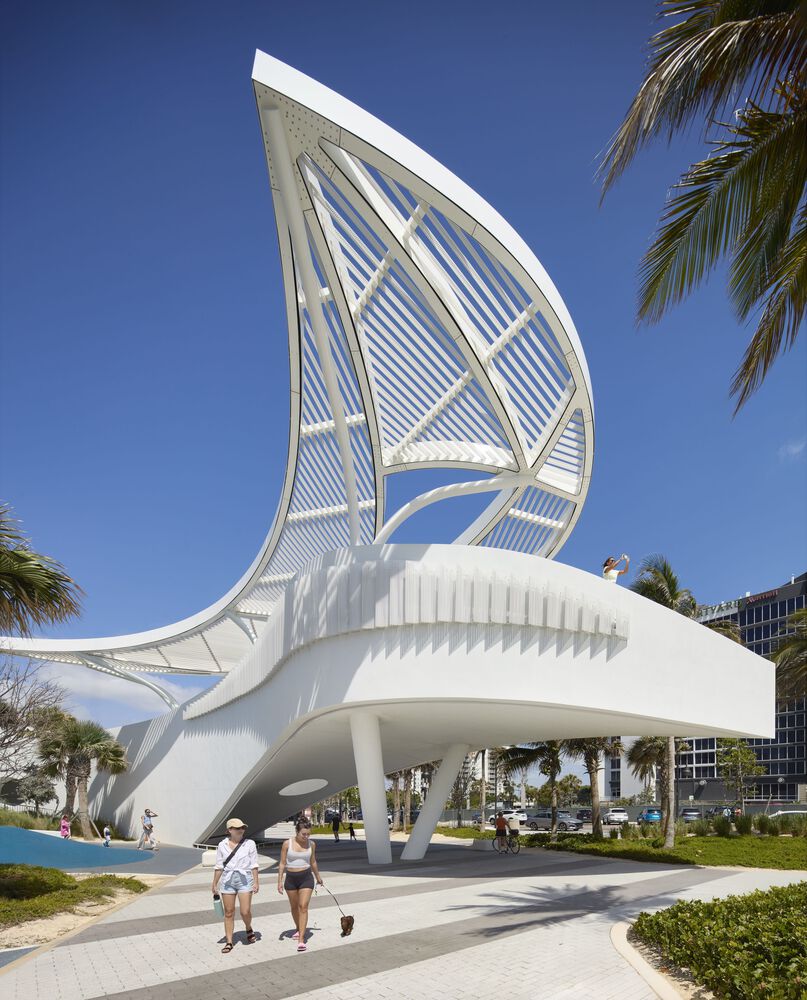
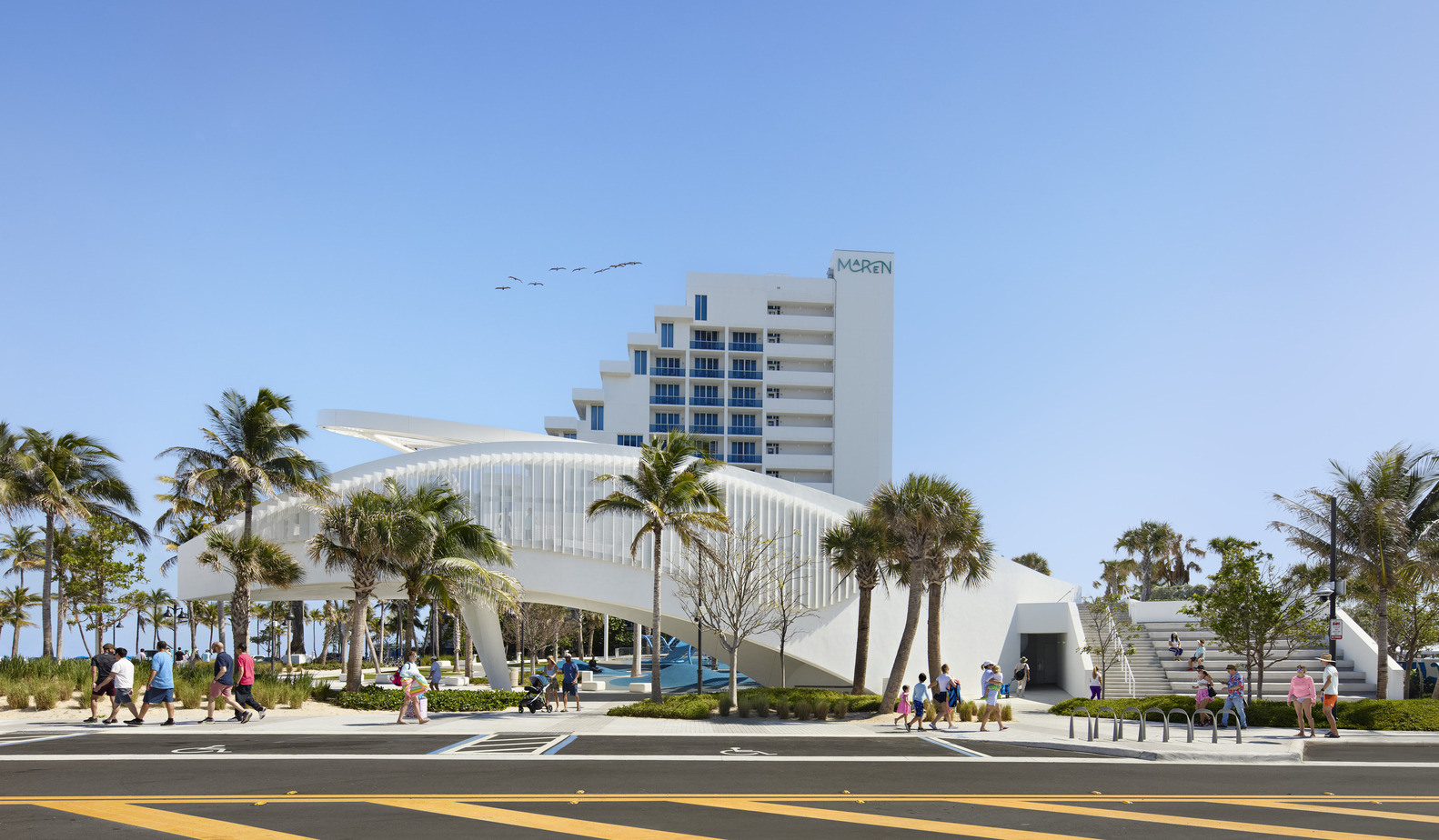
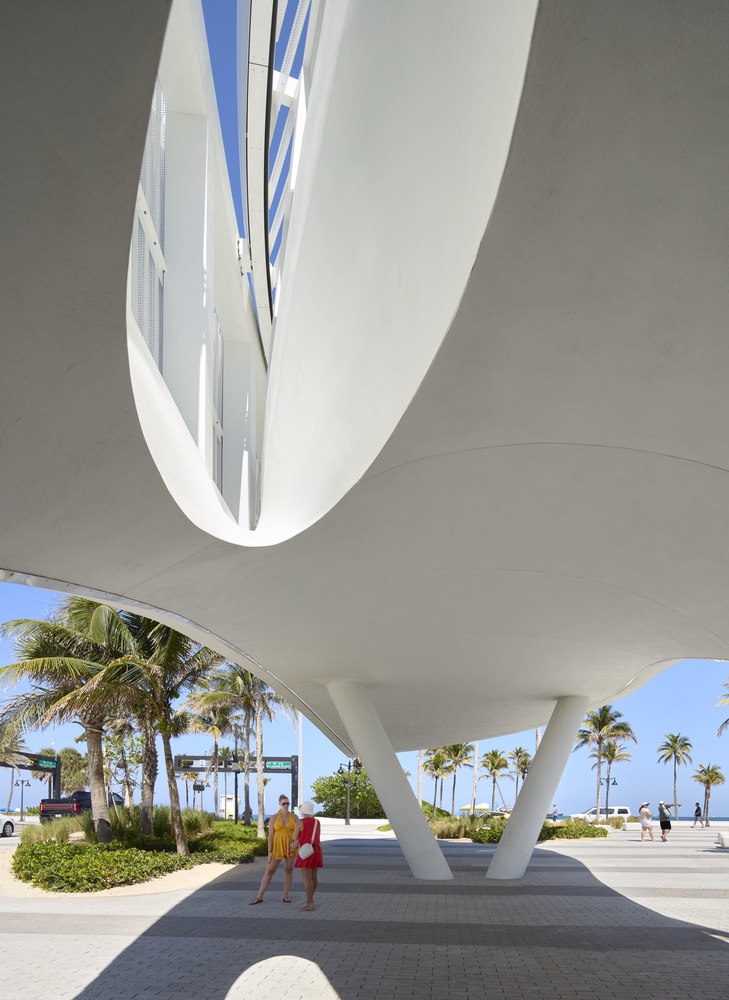
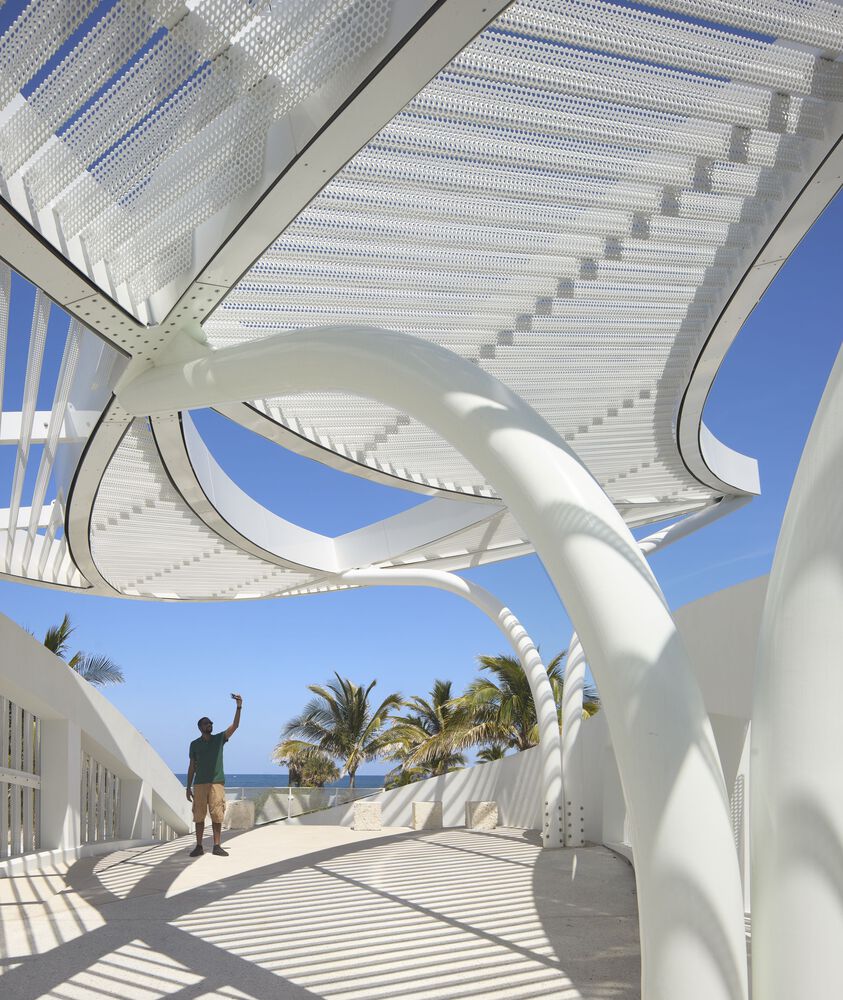
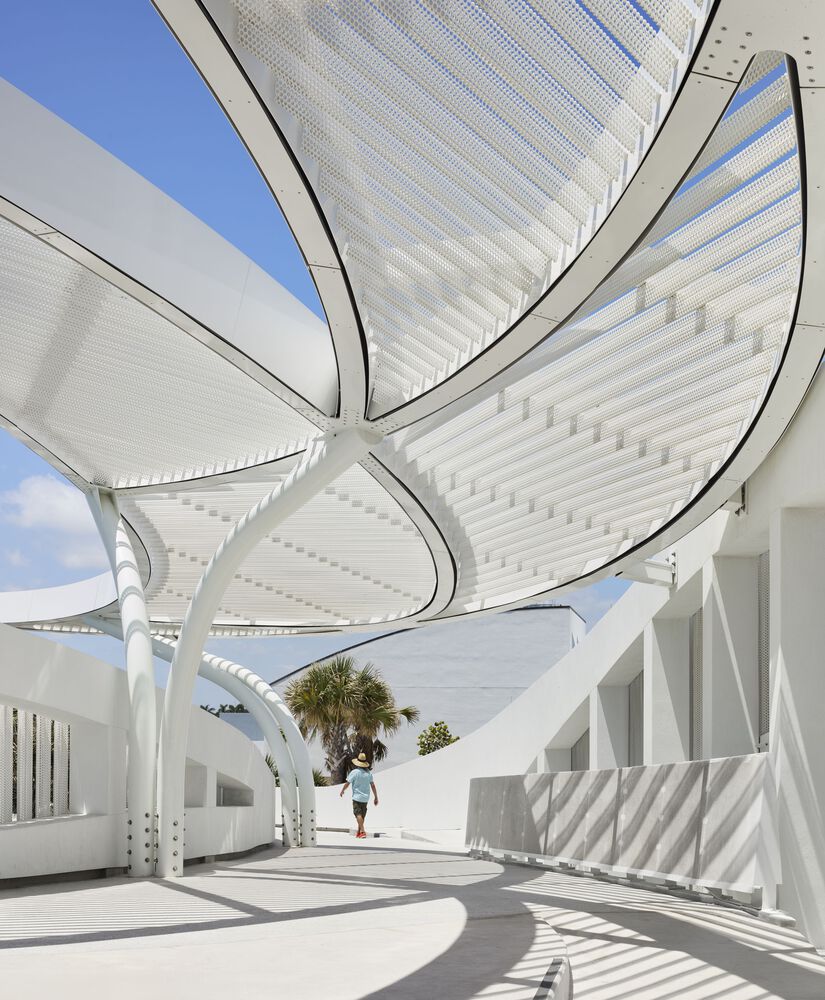
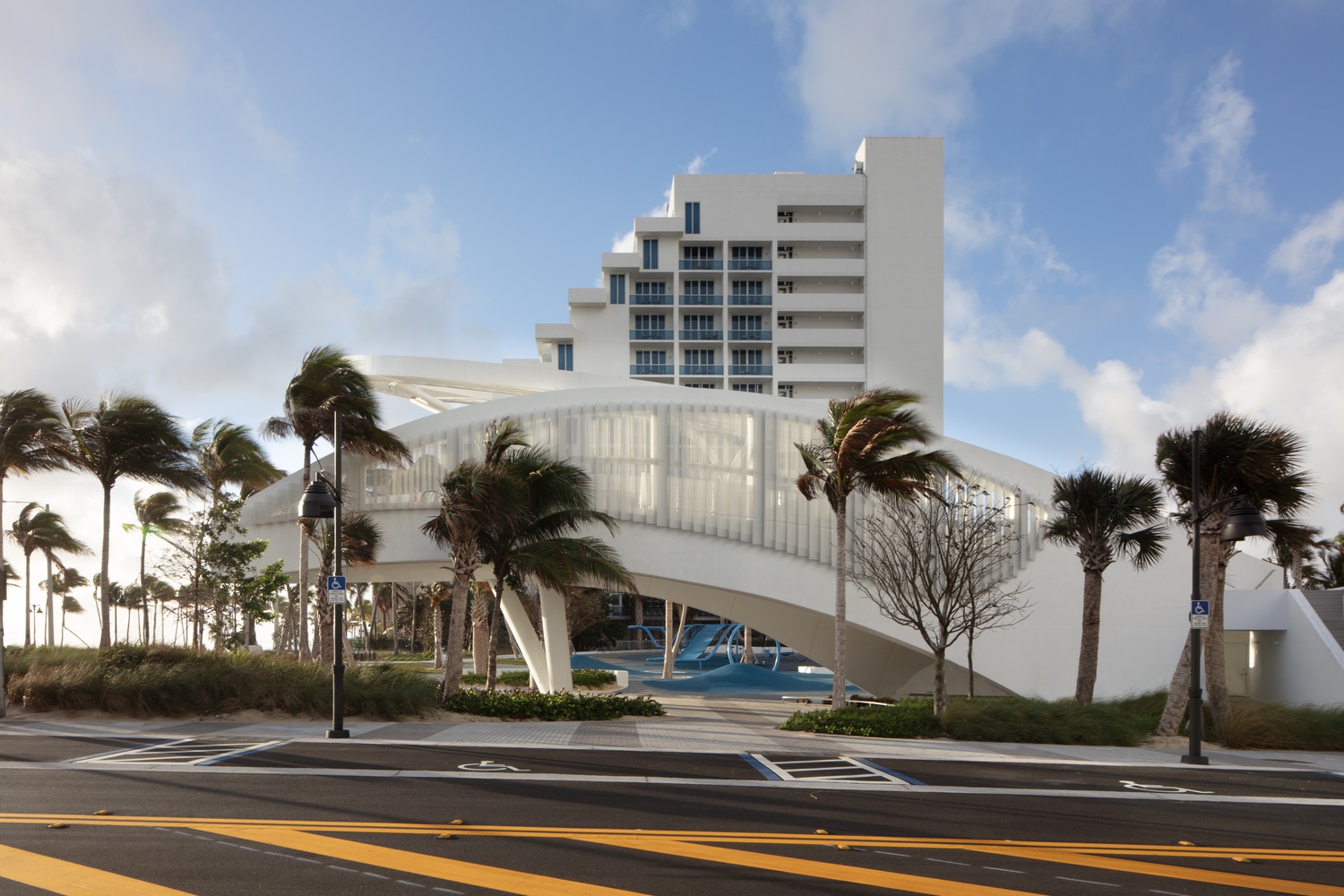
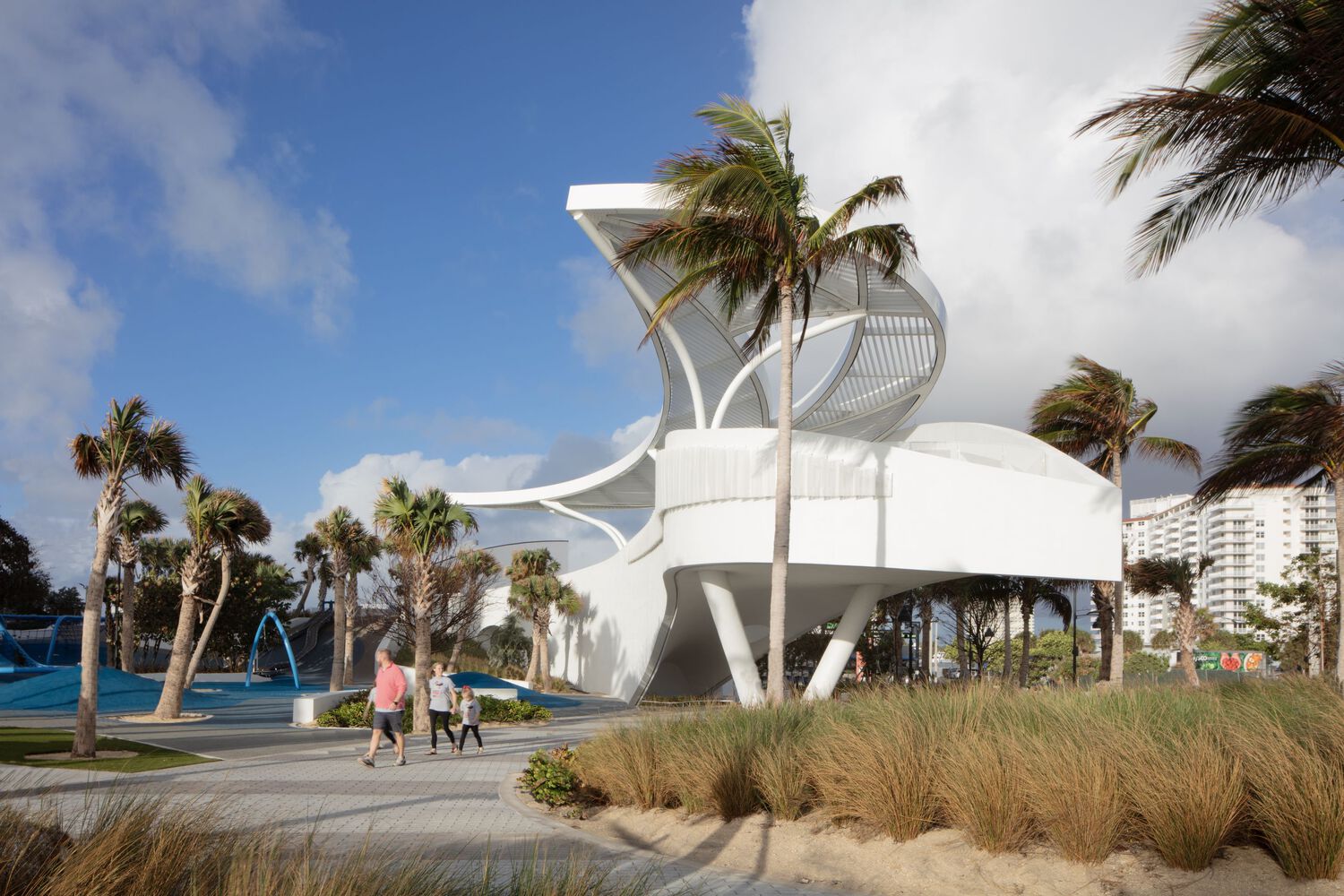
A ramping dune provides park-goers to experience the elevation changes while moving up to a twenty-five foot cantilevered overlook of the beach and ocean.
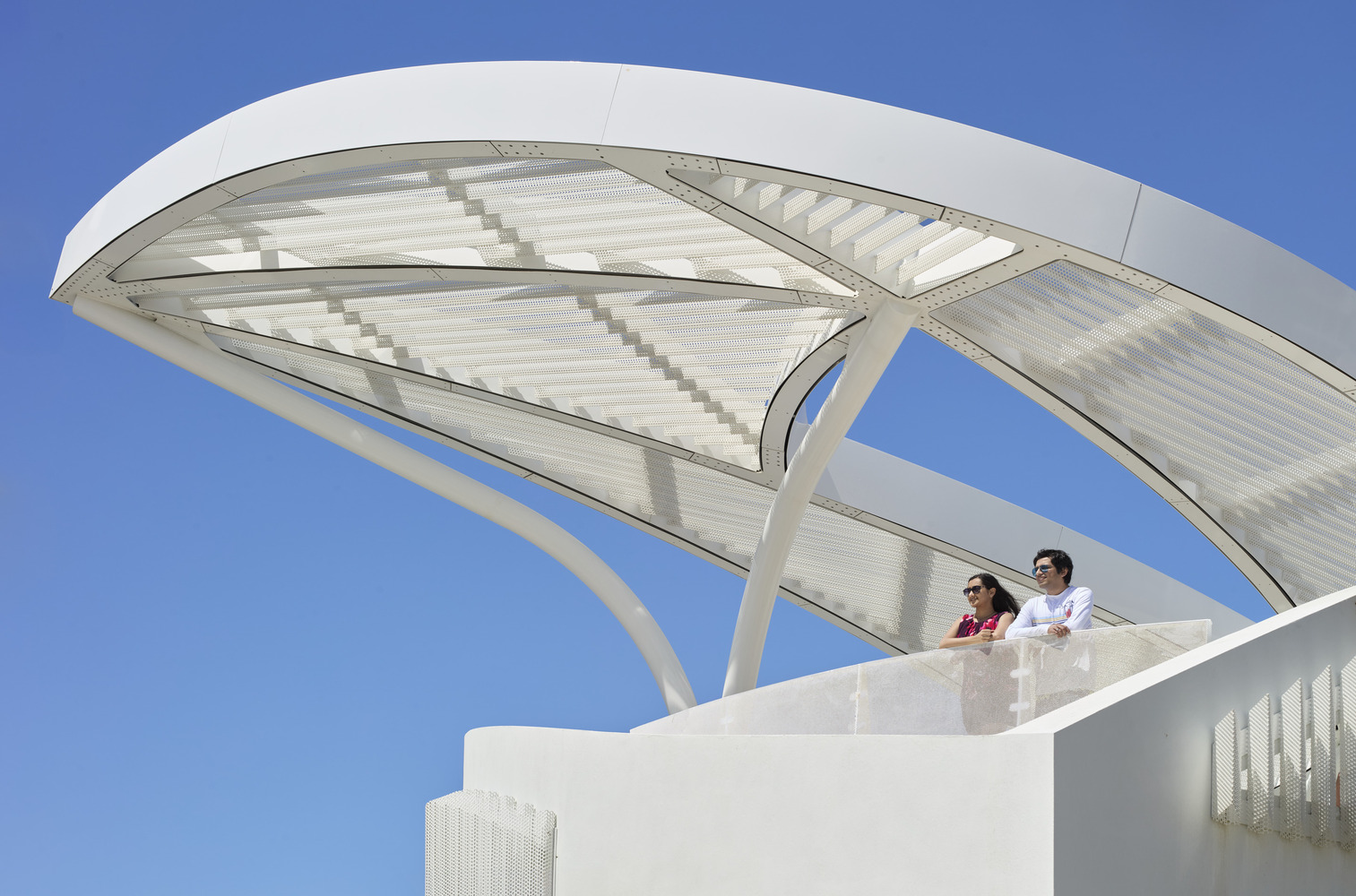
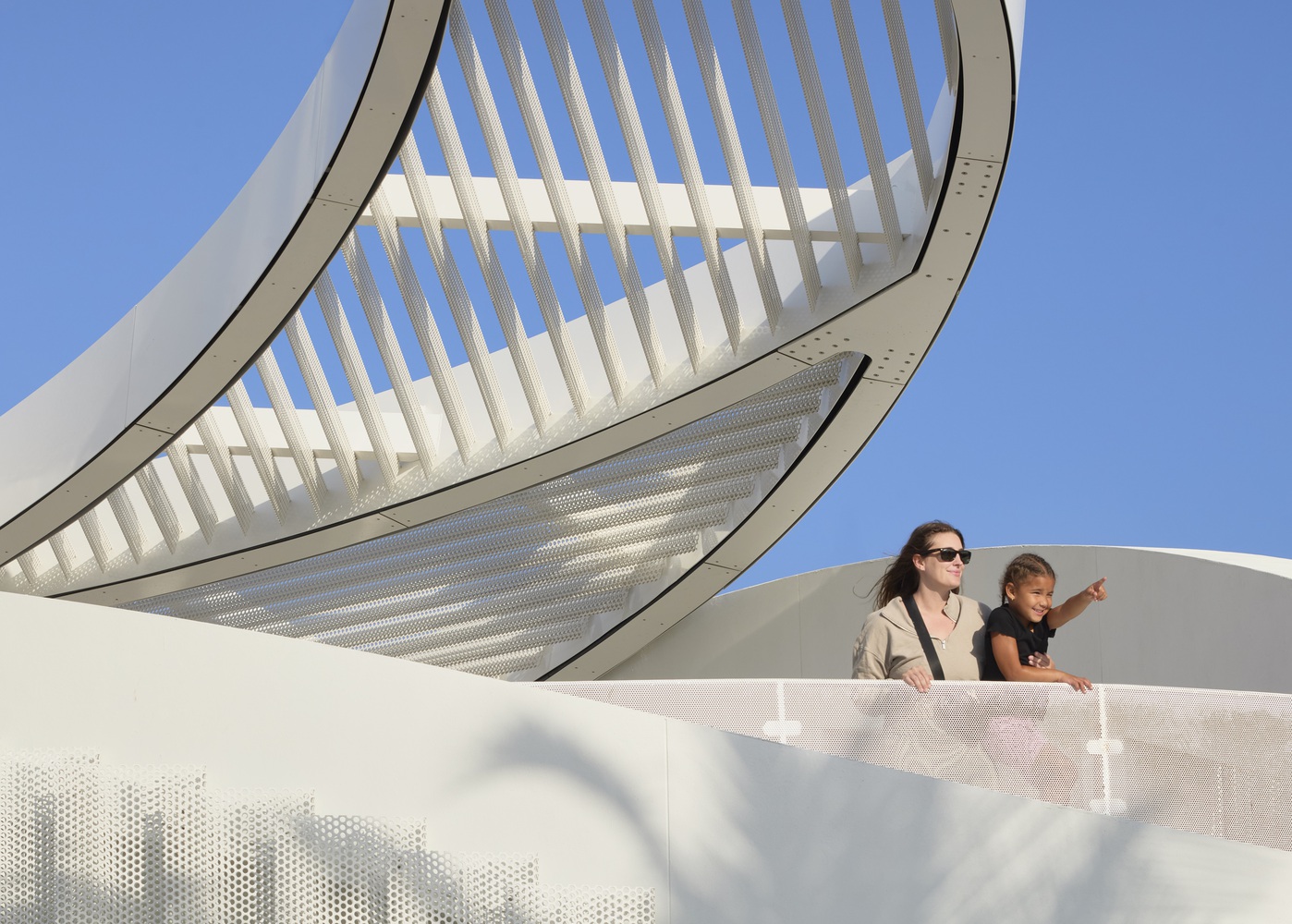
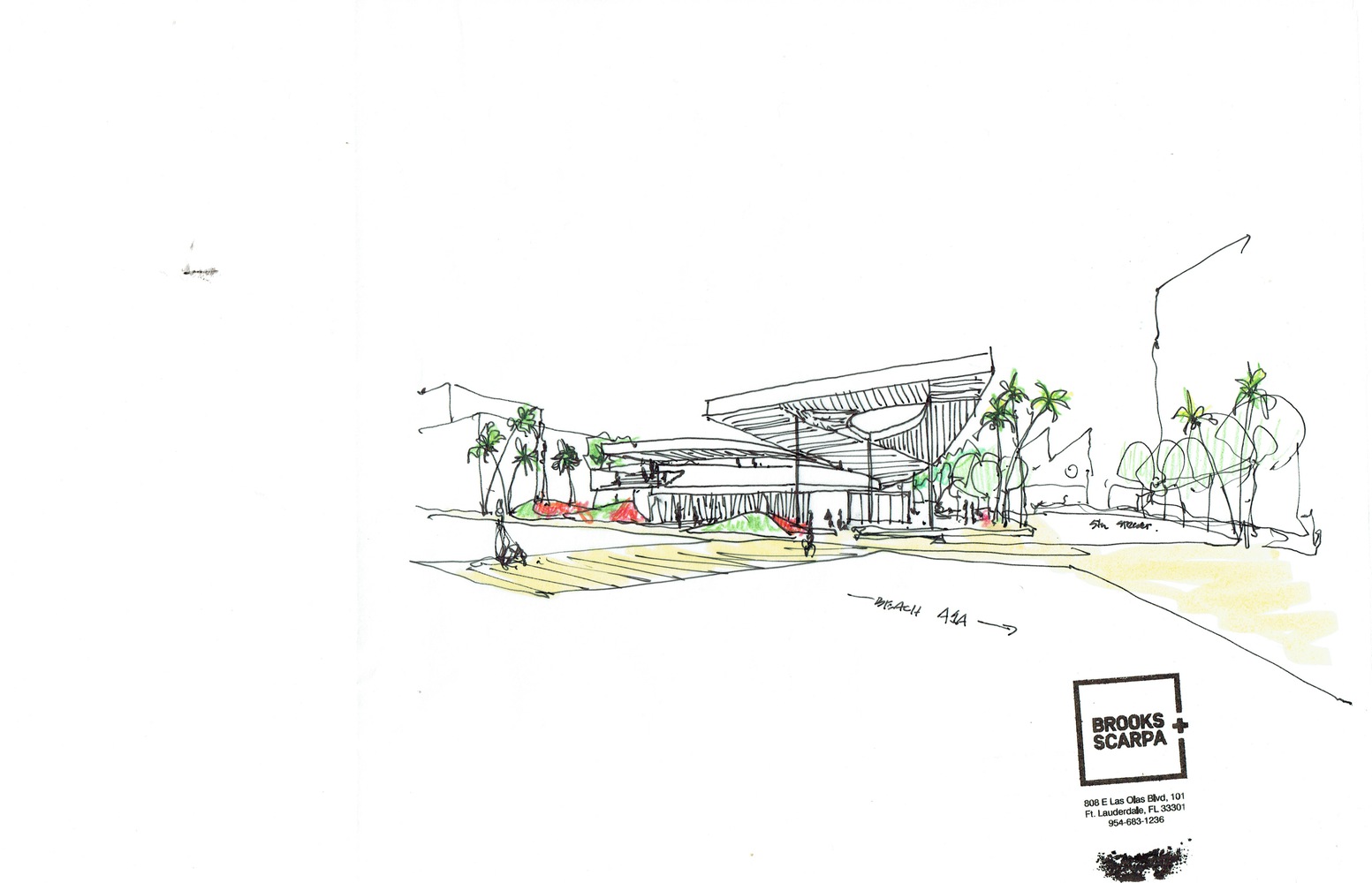
This cantilevered overlook becomes part of the resilient infrastructure, as well as provides a public art and experiential landscape element.
The overlook and corresponding ramp have been designed to create universal accessibility of the site for all users. A coastal plaza to the north creates a shared space to calm traffic and provide a "shade hammock".
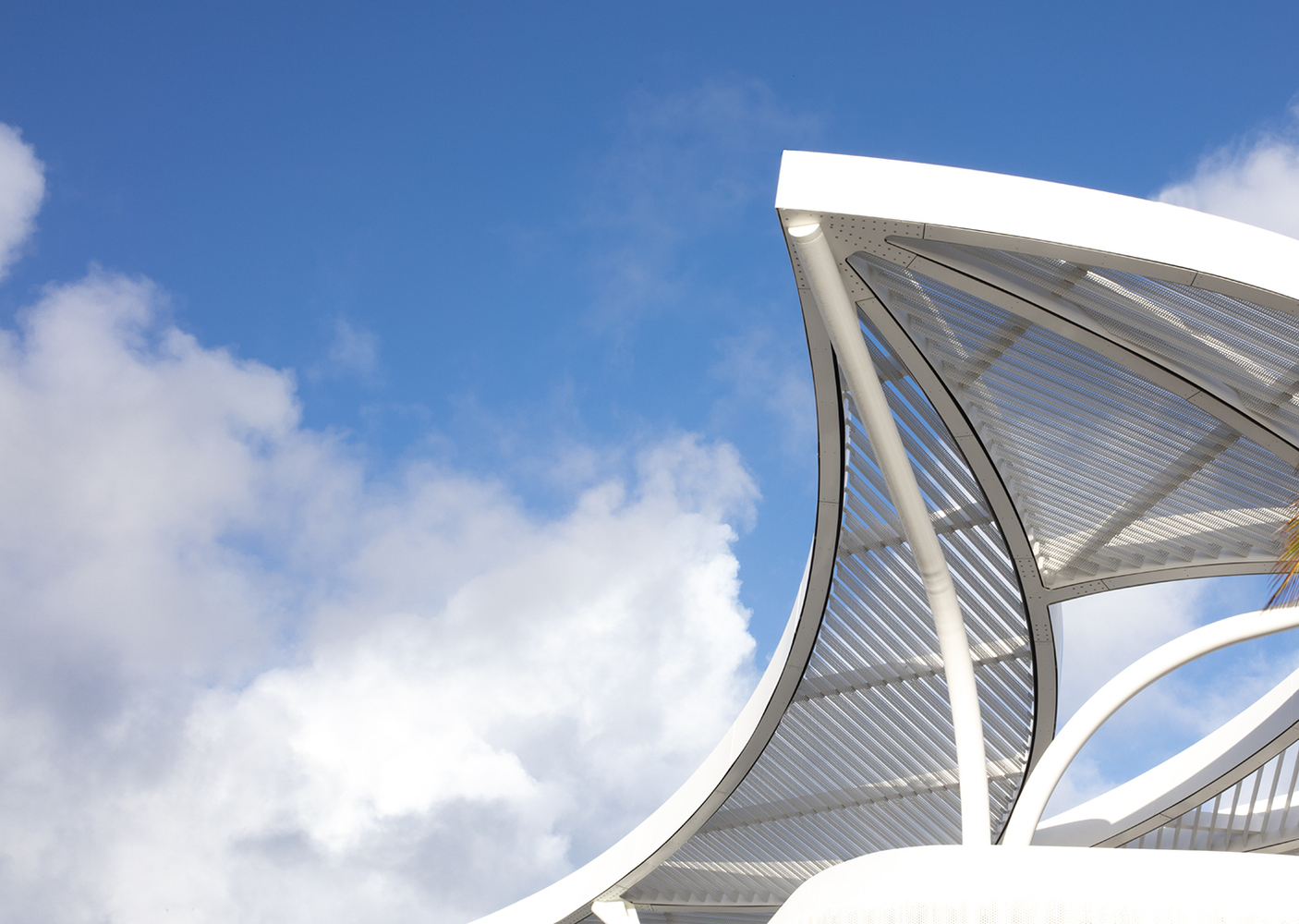
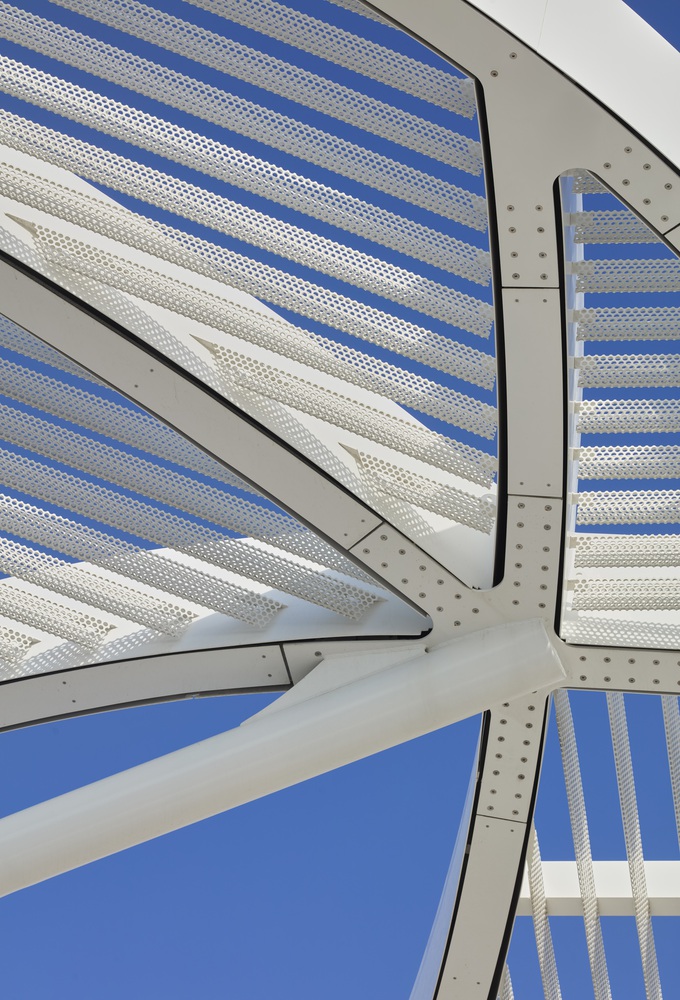
The dappled light through the shade hammock creates a dramatic effect using native and indigenous plant species like; Green Buttonwood, Gumbo Limbo and Seagrape.
The elements through the park are intended to provide critical infrastructure related to coastal flooding and future sea-level rise resilience, but also be seen as a public art form.
Currently throughout Fort Lauderdale, hardened infrastructure, like seawalls and revetments, become unsightly and the main goal of DC Alexander Park is to serve as a transformational model to showcase designs roll to provide aesthetic, functional and fiscally responsible design.