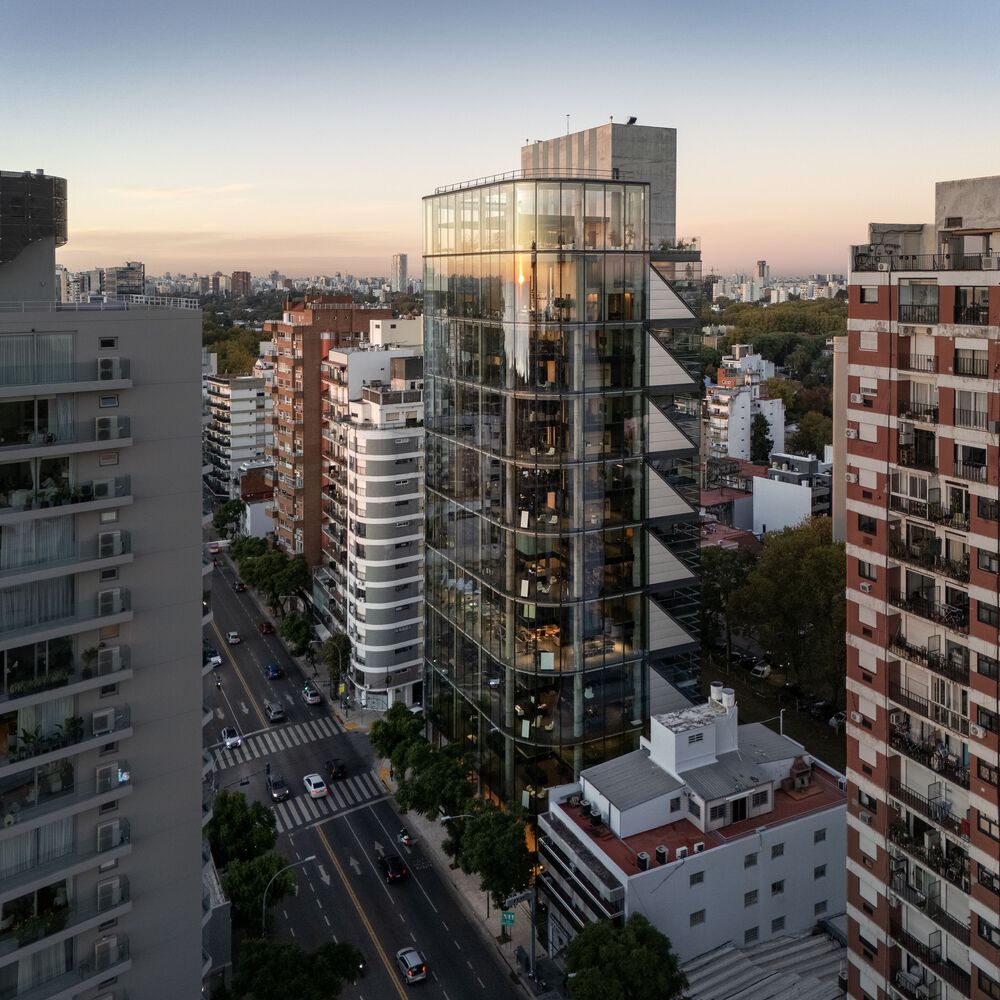

Vilo Tower
VILO TOWER
Rafael Viñoly Architects
ARCHITECTS
Rafael Viñoly Architects
STRUCTURAL ENGINEER
Curutchet Del Villar
CURUTCHET DEL VILLAR
Cappiello + Partners
CONSTRUCTION MANAGER
Amarilla
MEP/ FP ENGINEERS
Gnba
LOCATION
Buenos Aires, Argentina
CATEGORY
Office Buildings
English description provided by the architects.
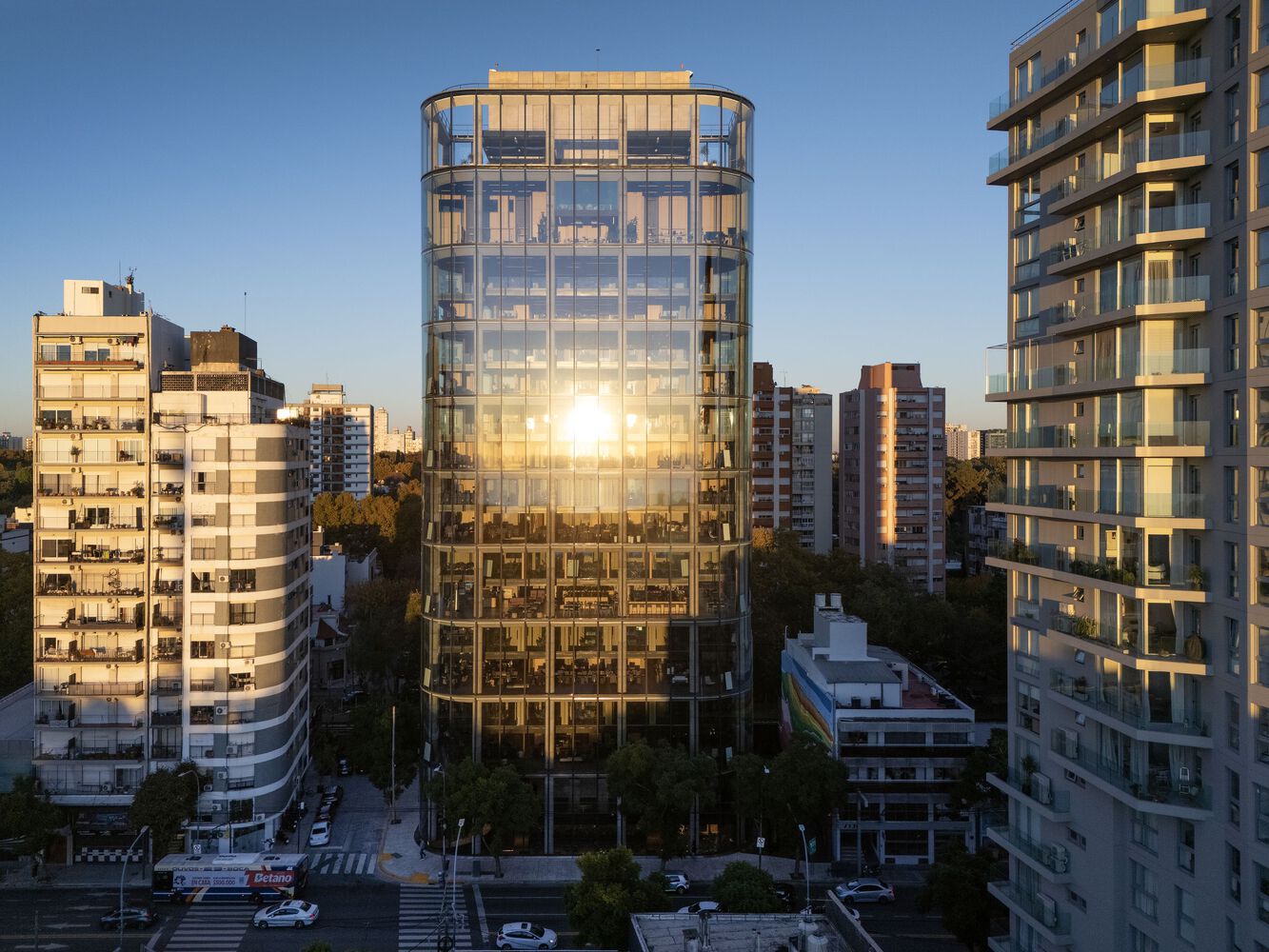
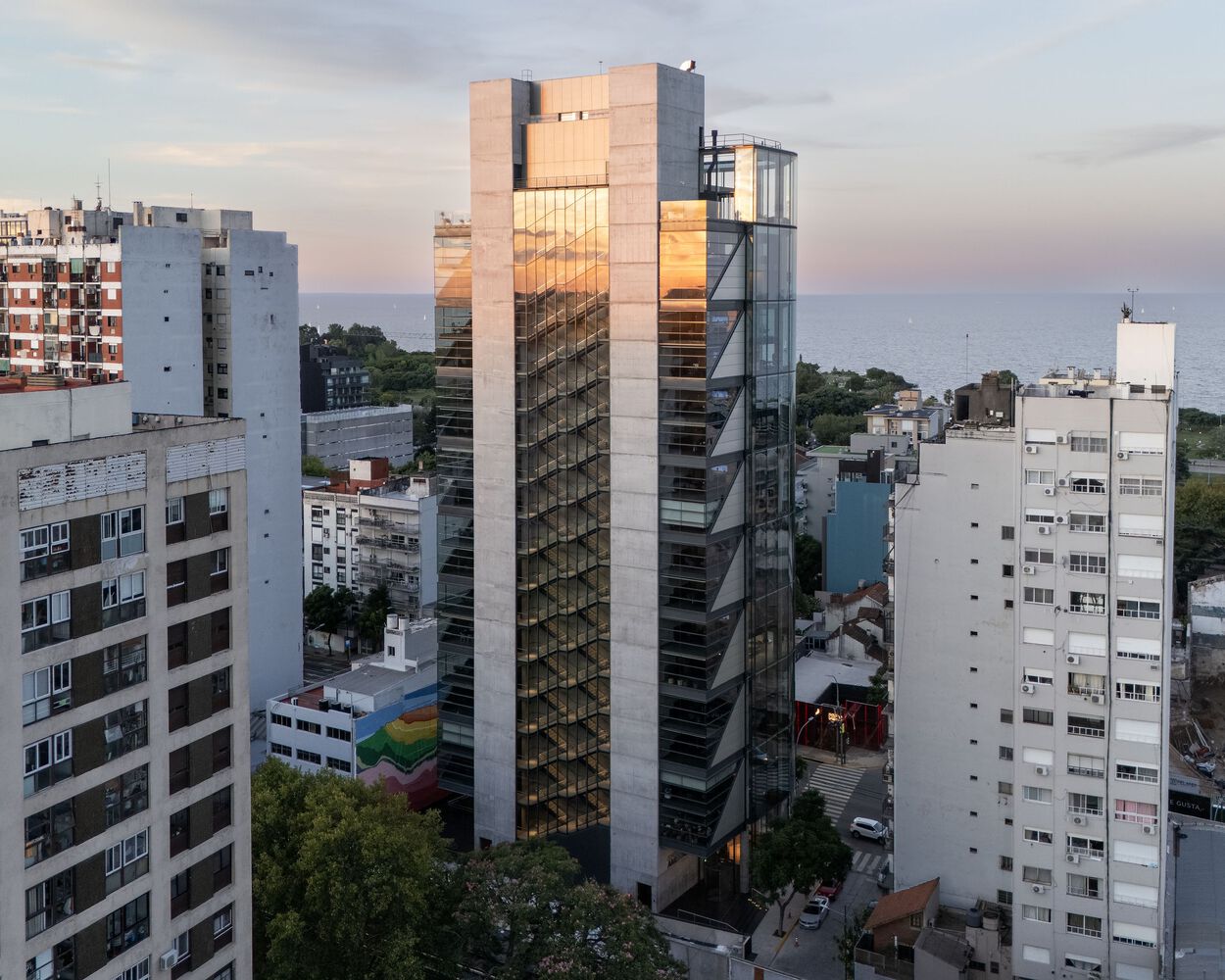
Rafael Viñoly Architects announces the completion of the VILO Tower, a 16-story Class A office building and the new headquarters for Corporación América, one of the world's largest airport operators.
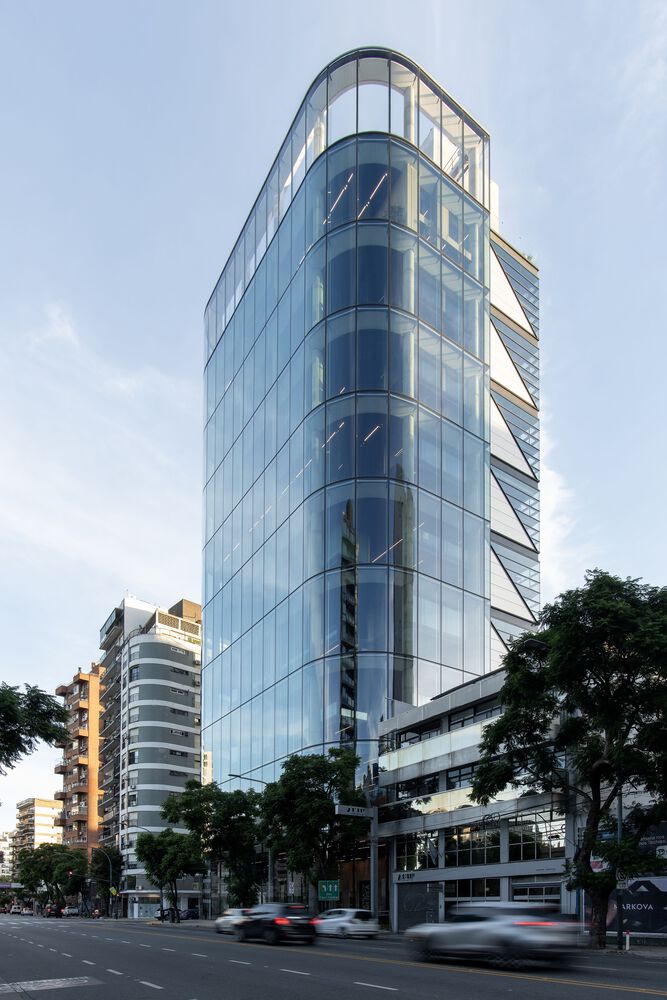
Located on Avenida del Libertador in Buenos Aires, the 13,875-square-foot development was conceived as both a headquarters and a framework for adaptability, transparency, and civic presence, exemplifying the late Rafael Viñoly's commitment to structural clarity and civic responsibility in what is his final contribution to the city. See here for photos of the VILO Tower (Photo credit: Daniela Mac Adden).
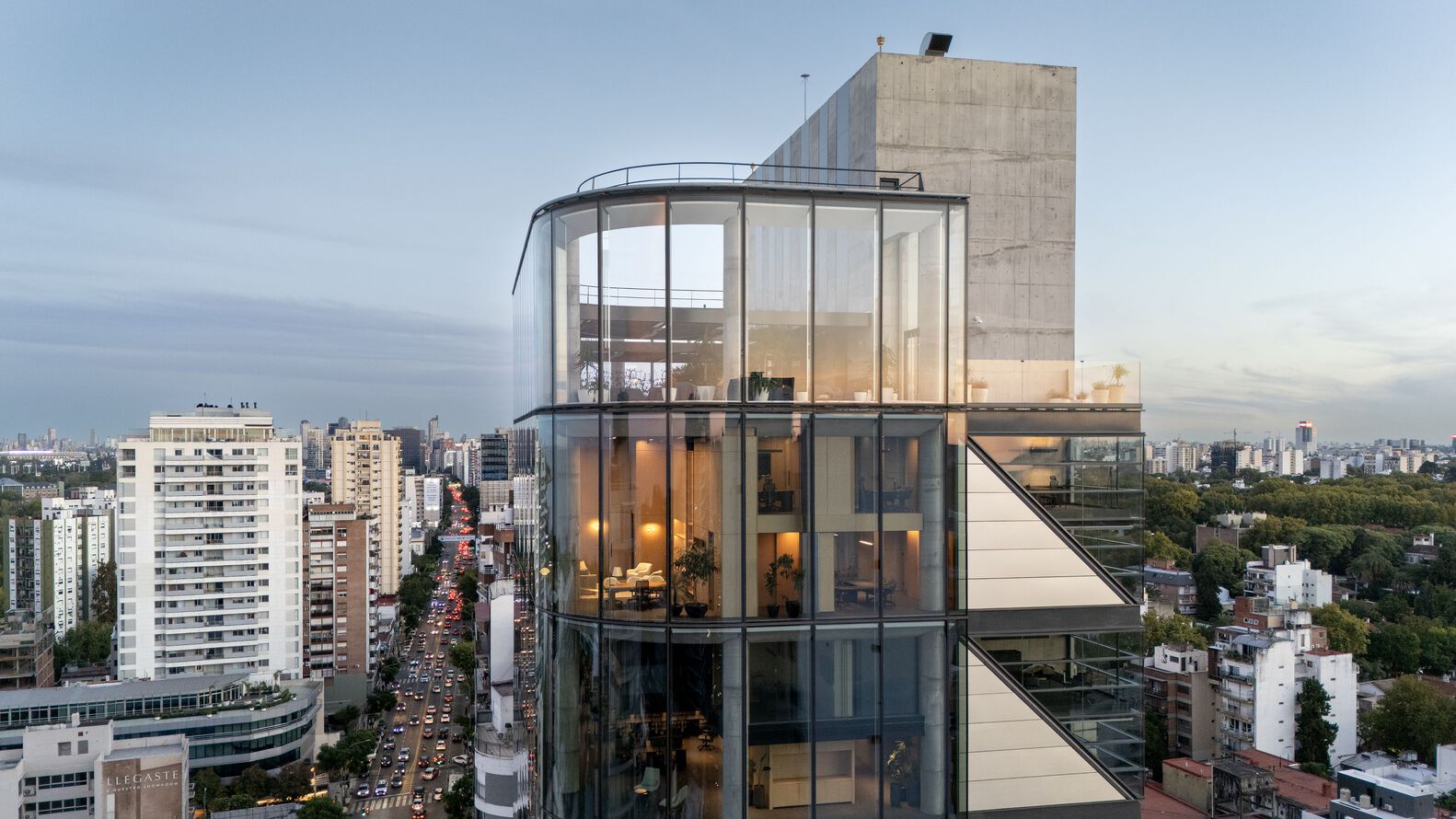
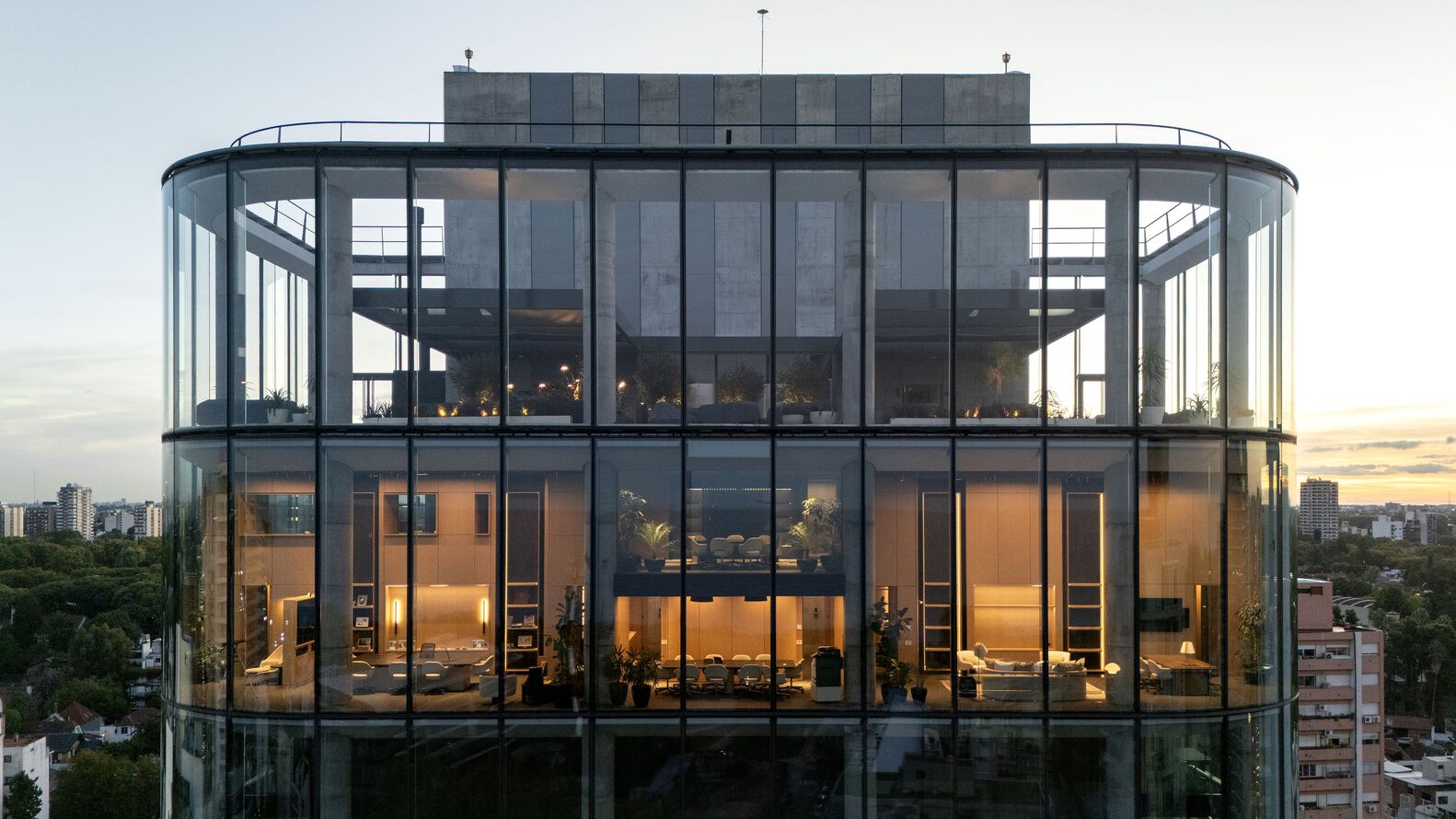
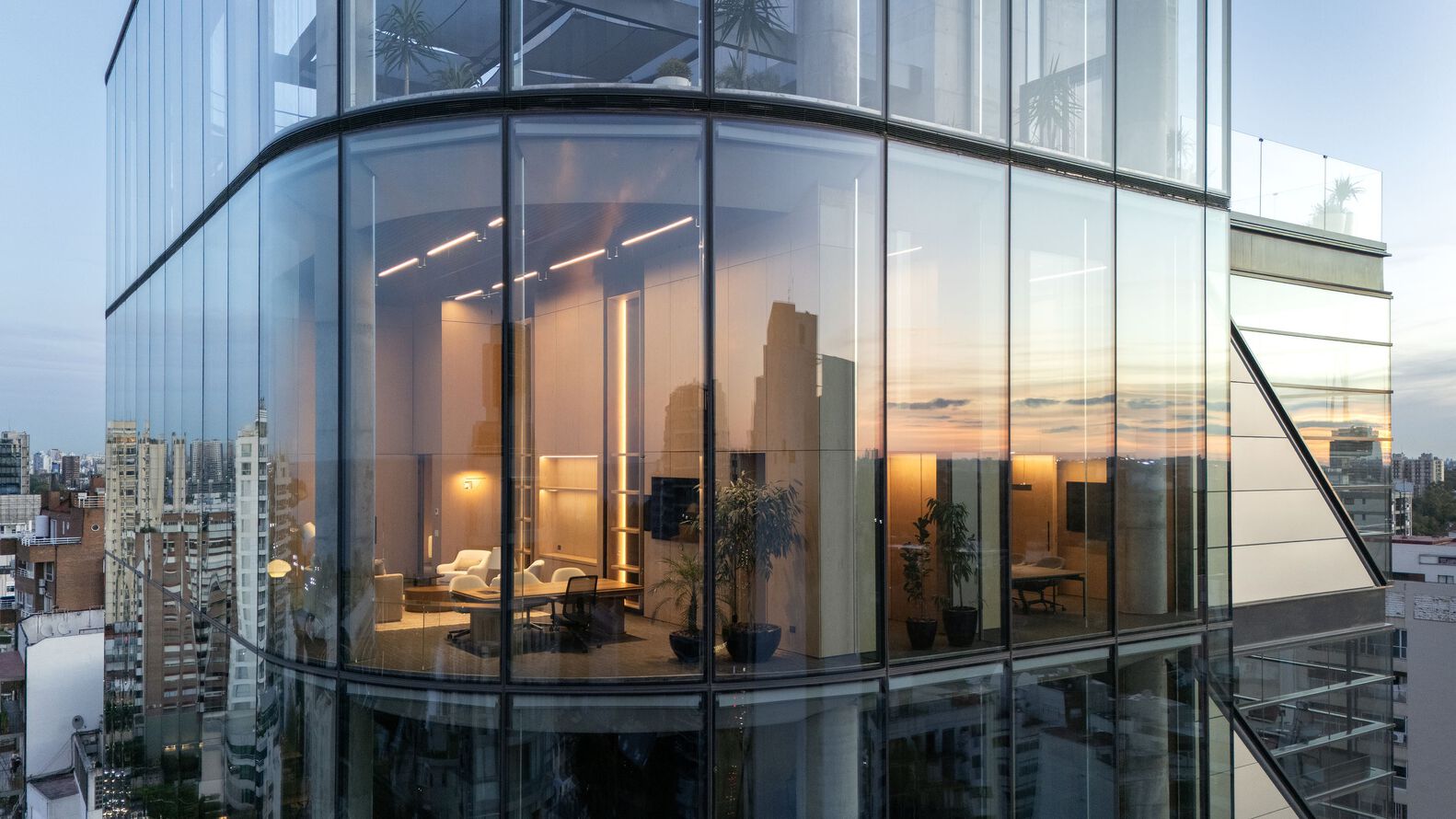
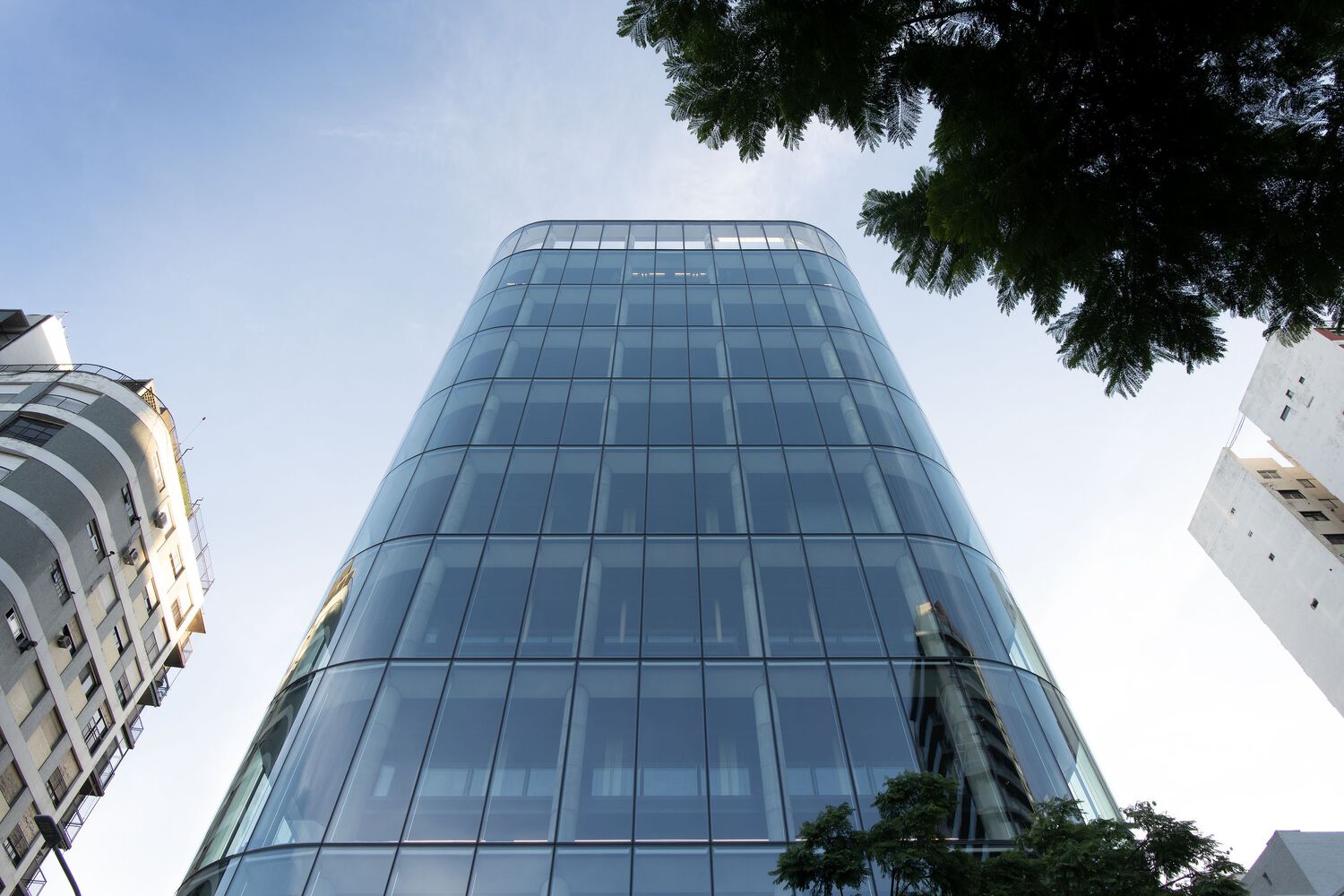
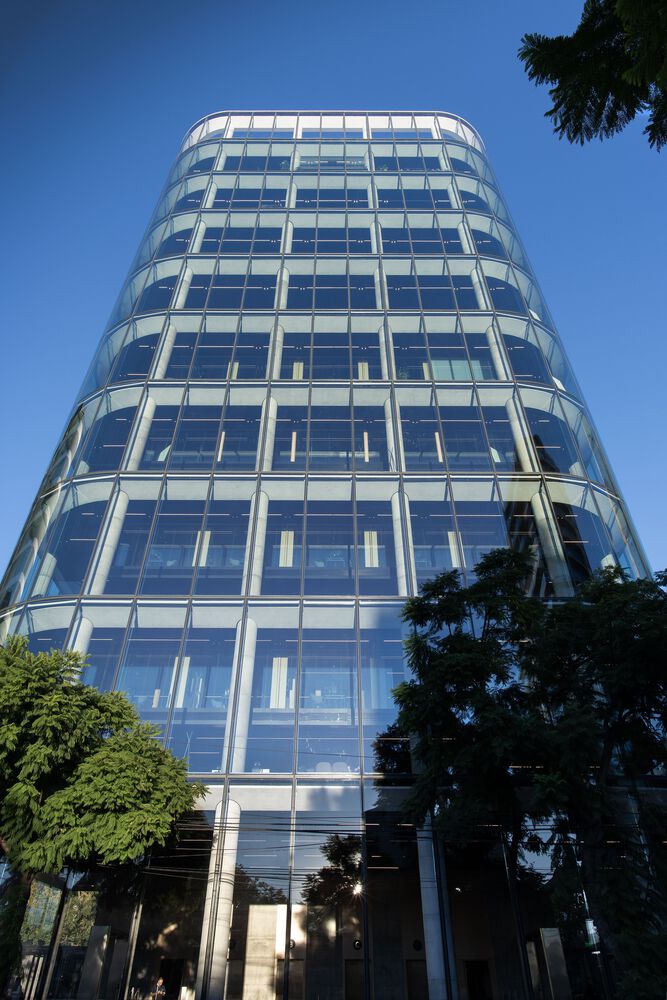
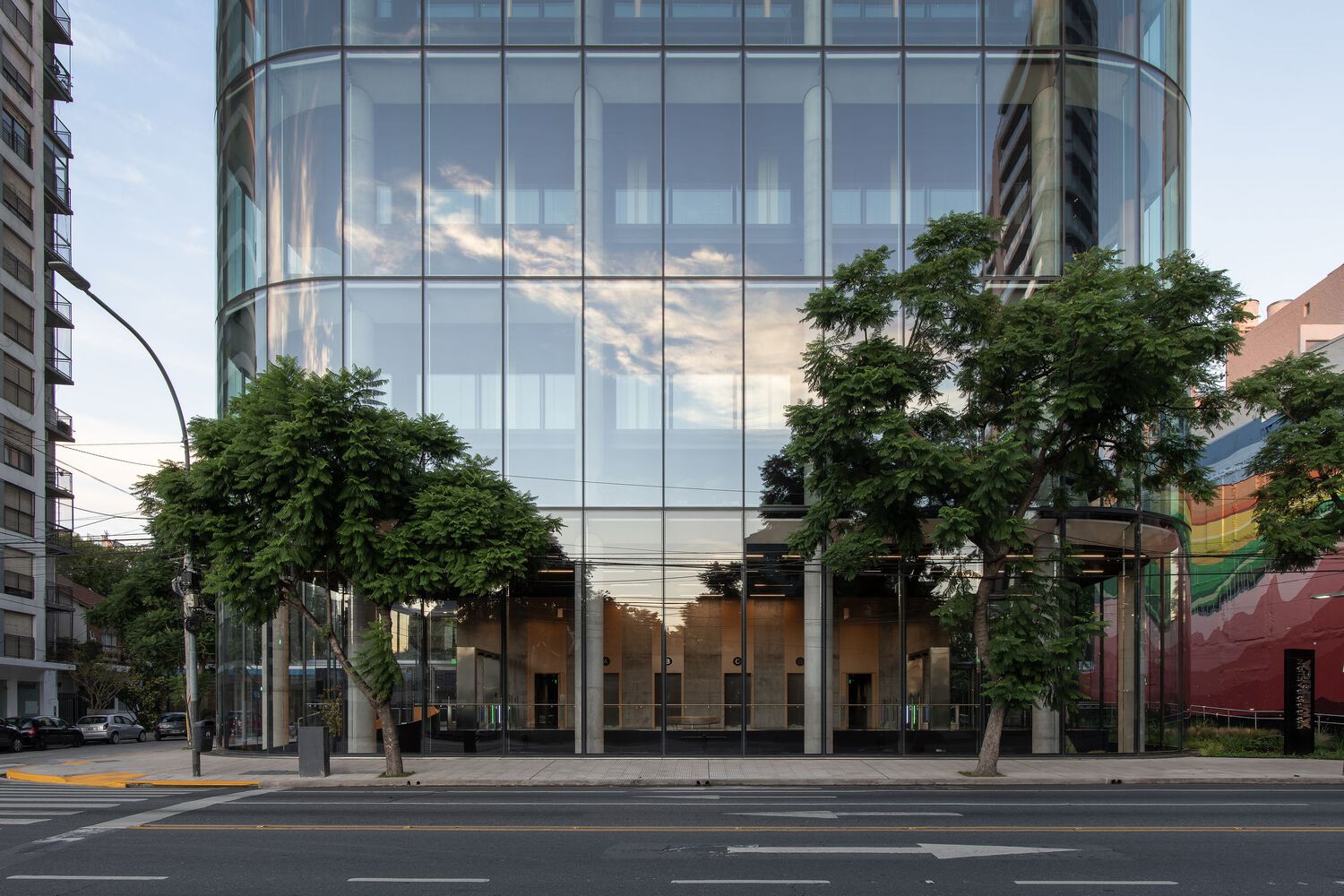
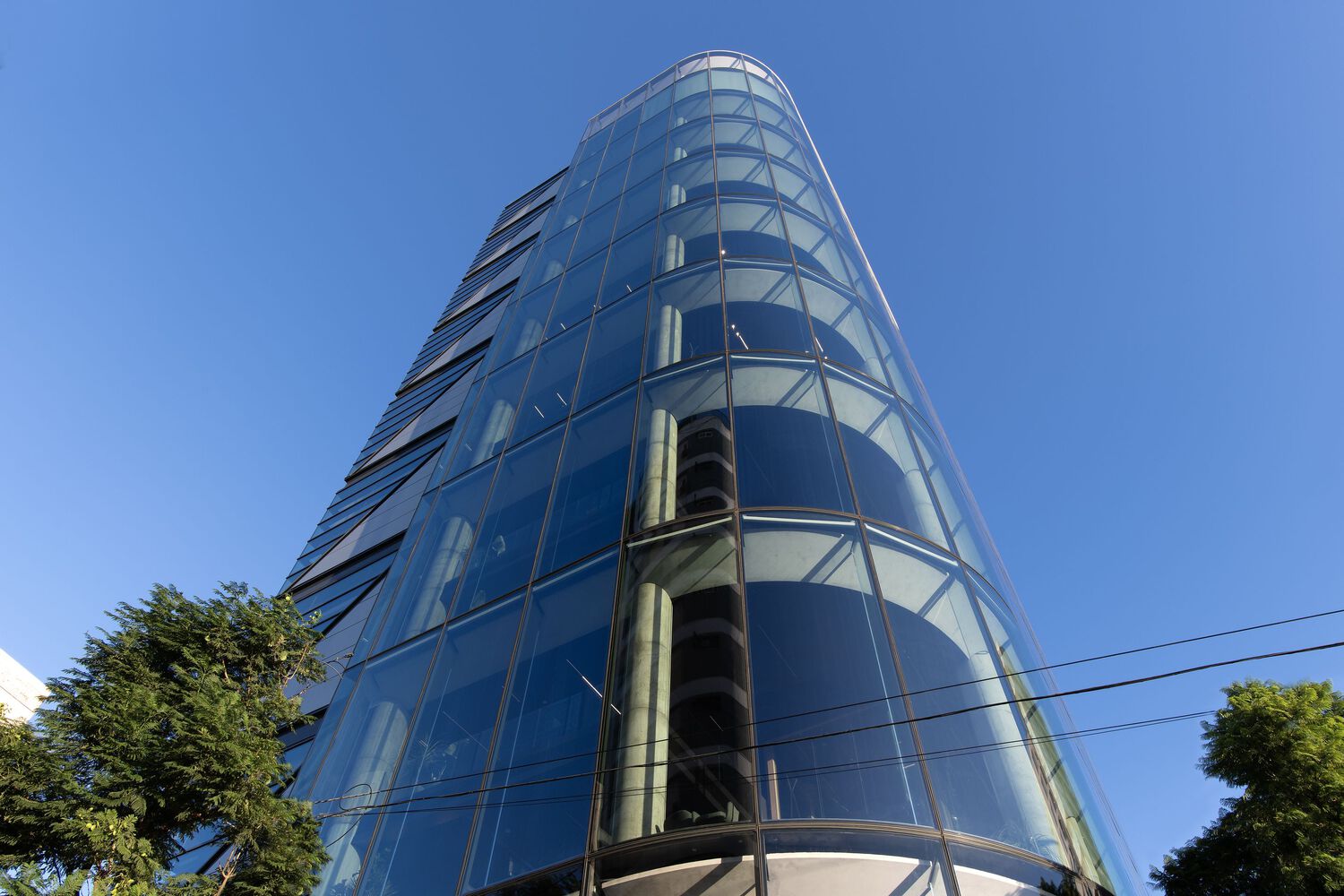
The project is made up of four fully glazed facades, a statement of precision and lightness articulated by curved glass corners free of visible mullions that dissolve the interior/exterior boundary, rising seamlessly from the ground to the sky. Oversized glass panels extend continuously across the tower's 60-meter elevation.
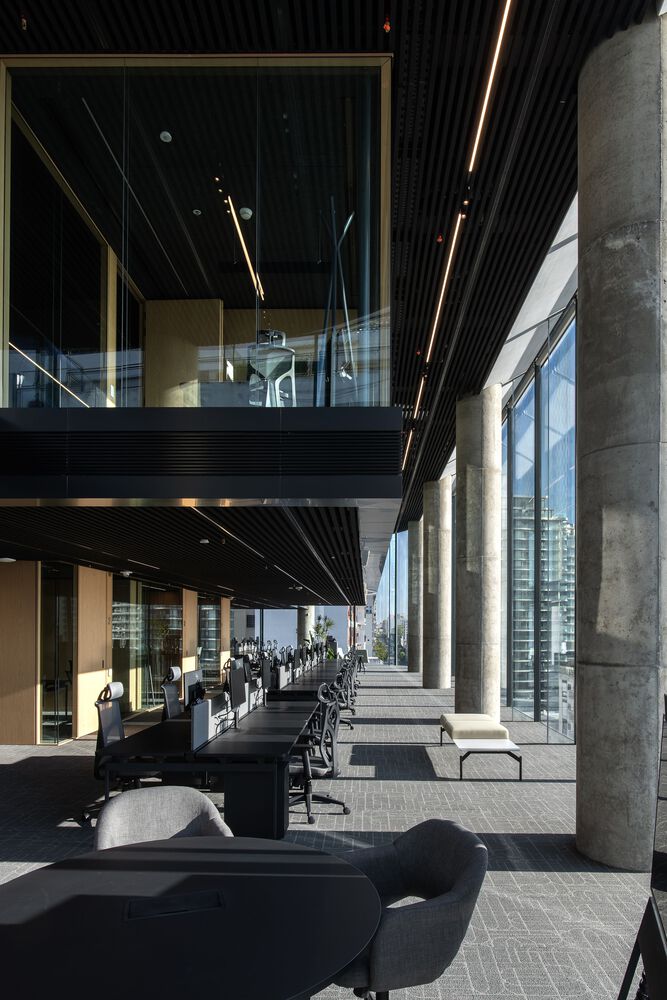
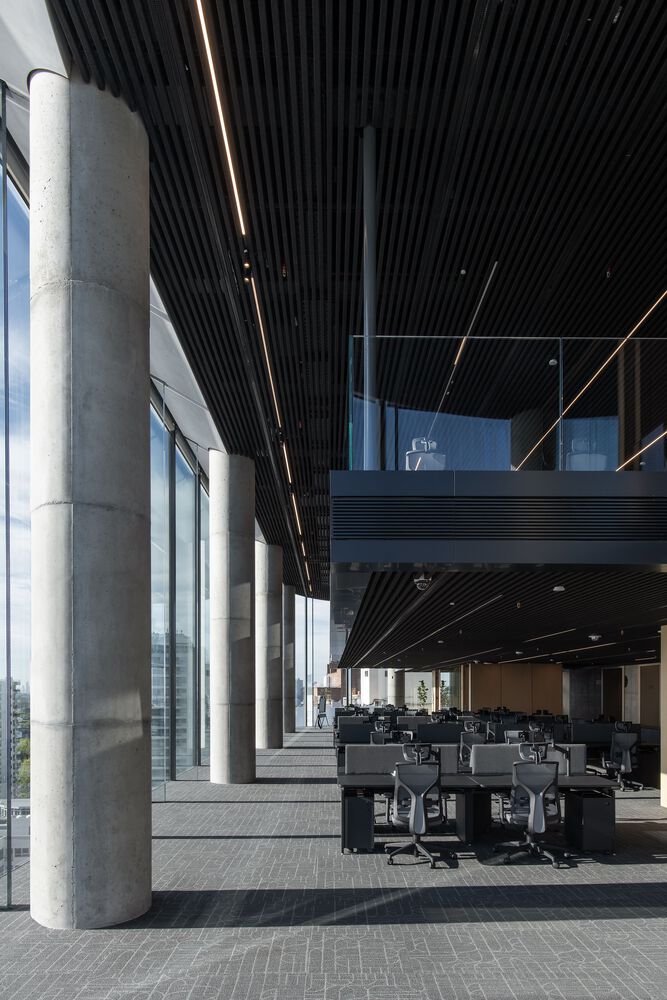
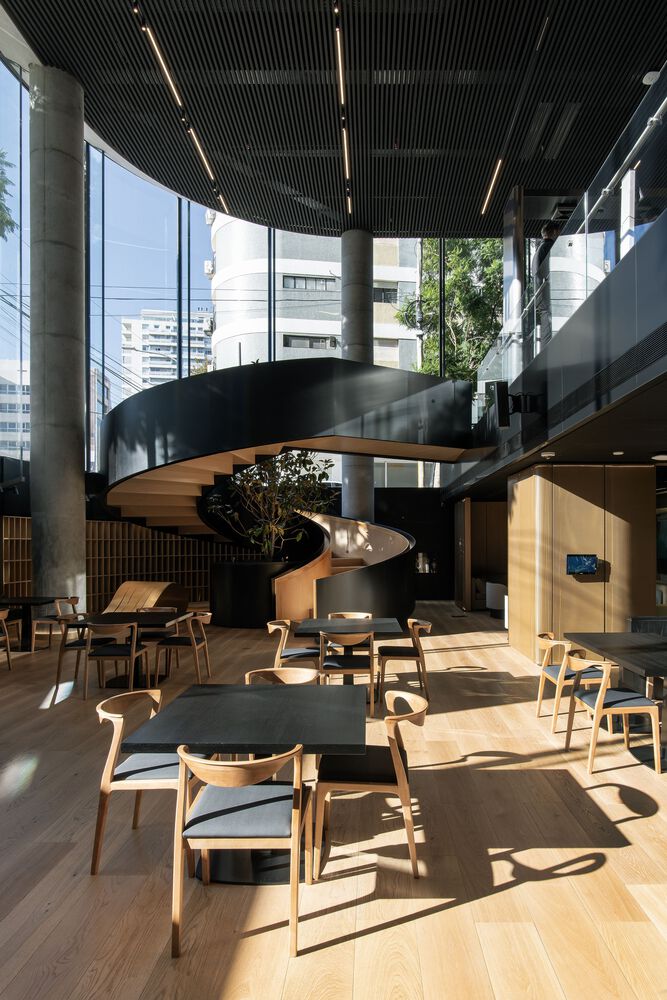
"In designing VILO Tower, Rafael Viñoly succeeded in creating an architecture of transparency and rationality. It elegantly dialogs with its surroundings and gives its occupants the greatest layout flexibility," said Román Viñoly, Partner at Rafael Viñoly Architects.
"The building marks my father's final contribution to the city that gave him his start as an architect. The way the design reveals its hybrid structural system is a hallmark of our firm's commitment to putting logic at the center of architectural expression."
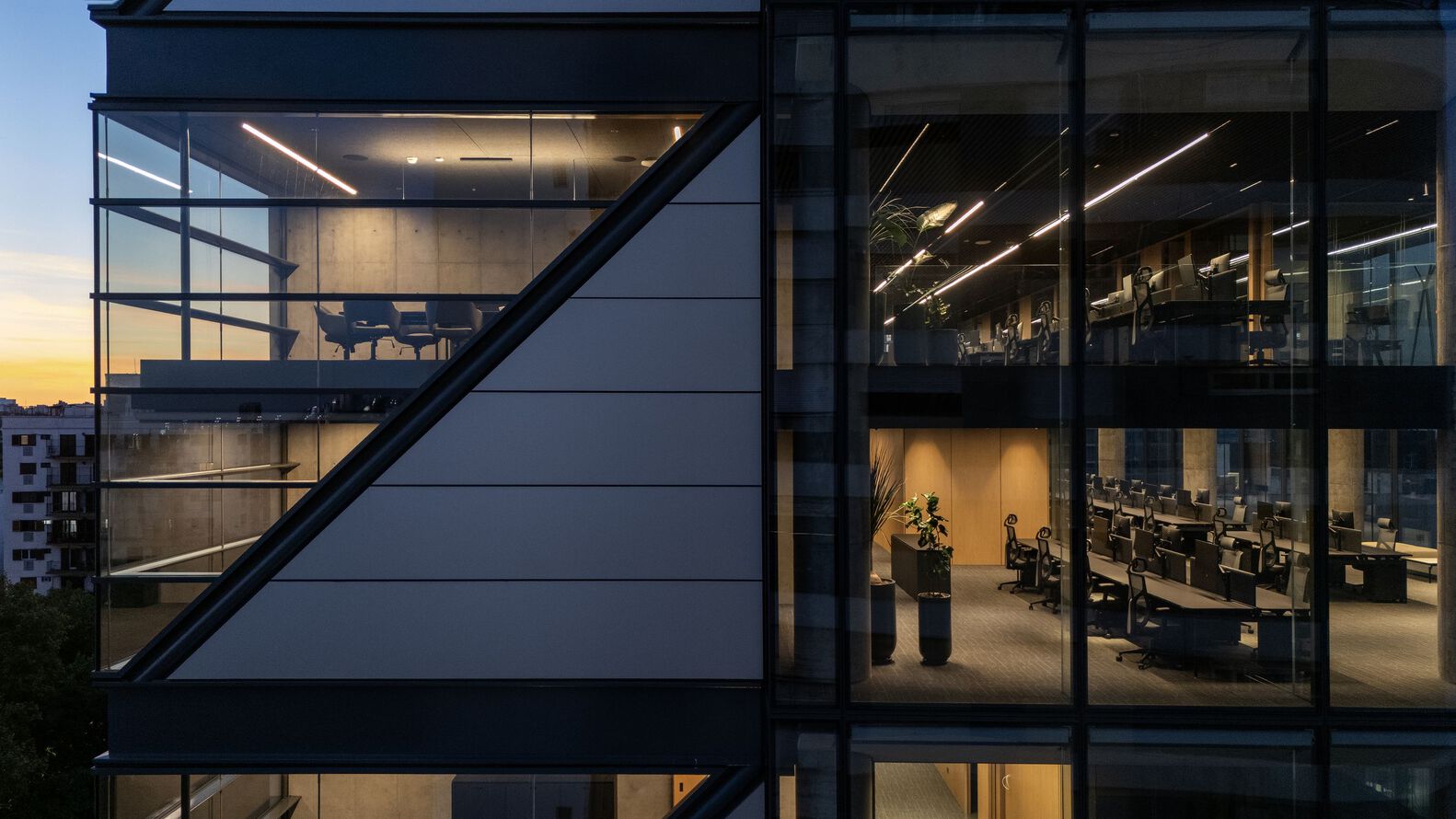
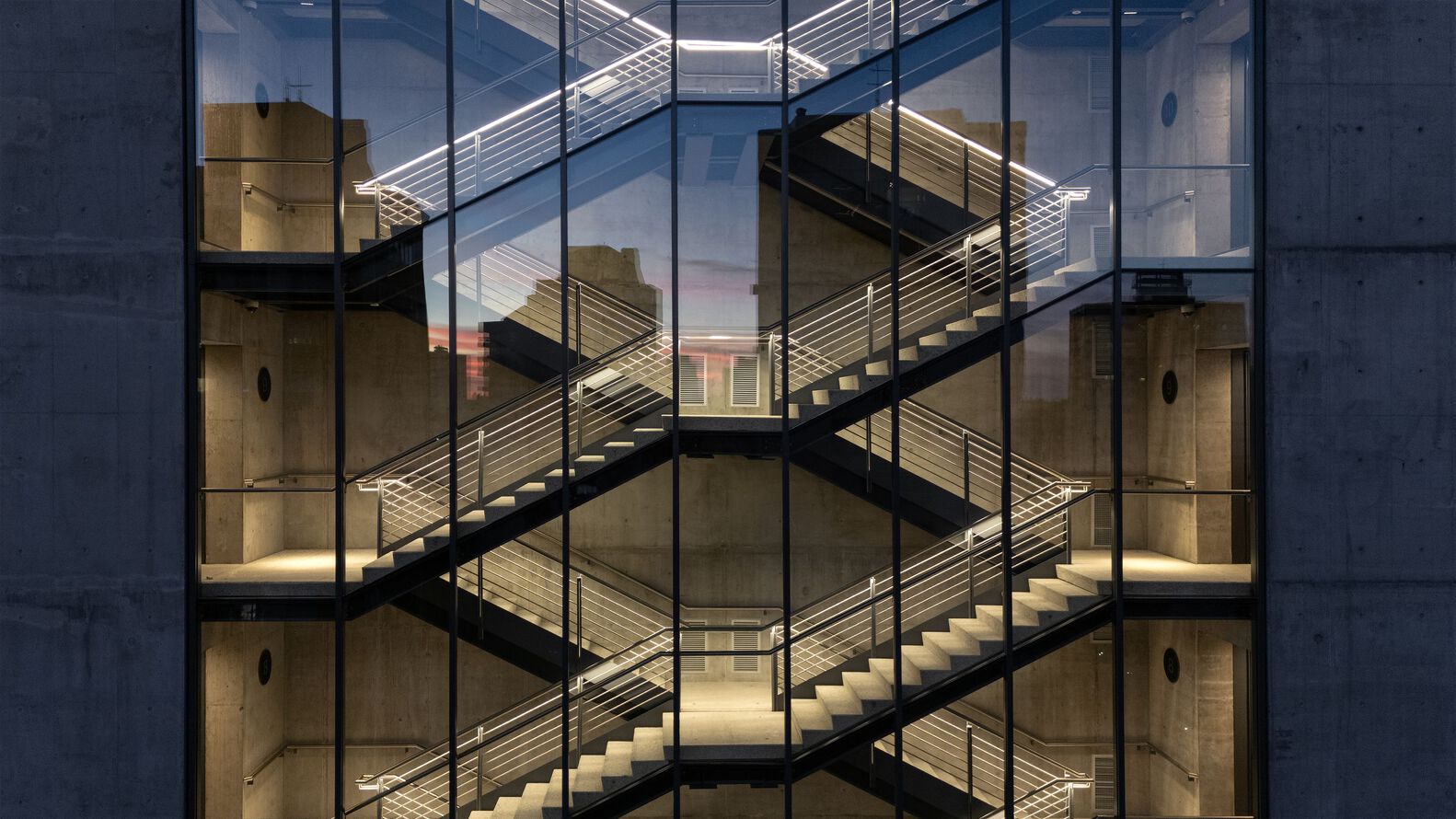
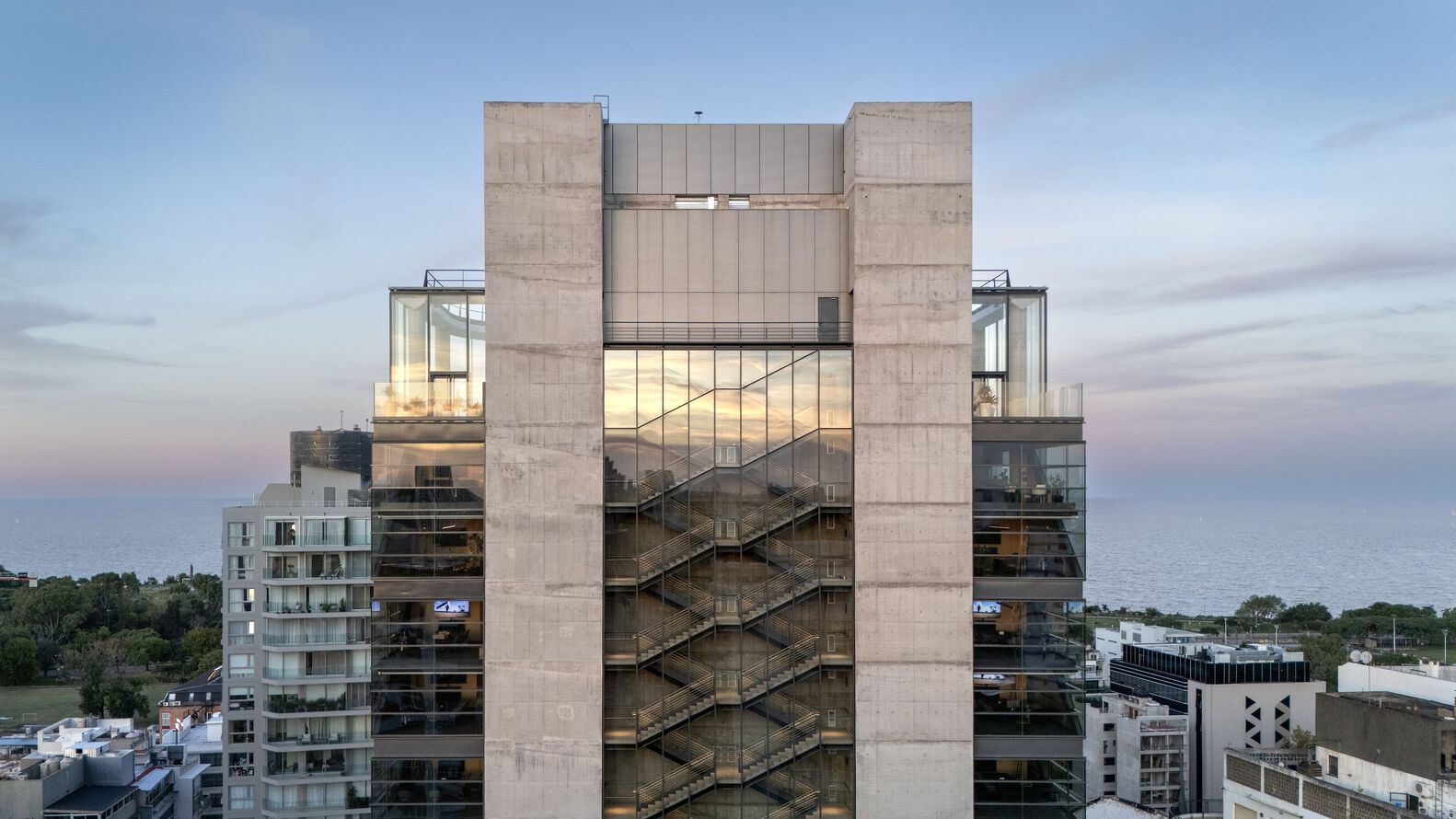
The building's hybrid structure includes a traditional concrete building (core, columns, and slabs) with a two-story module, creating interstitial floors. A sculptural, transparent scissor stair frees the core, encouraging connectivity and interaction.
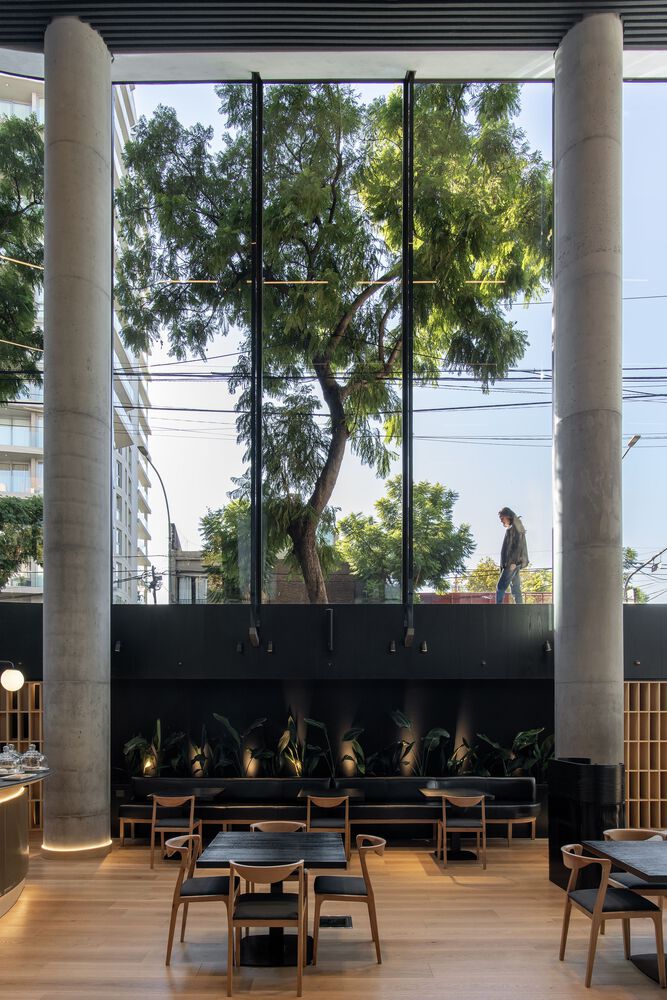
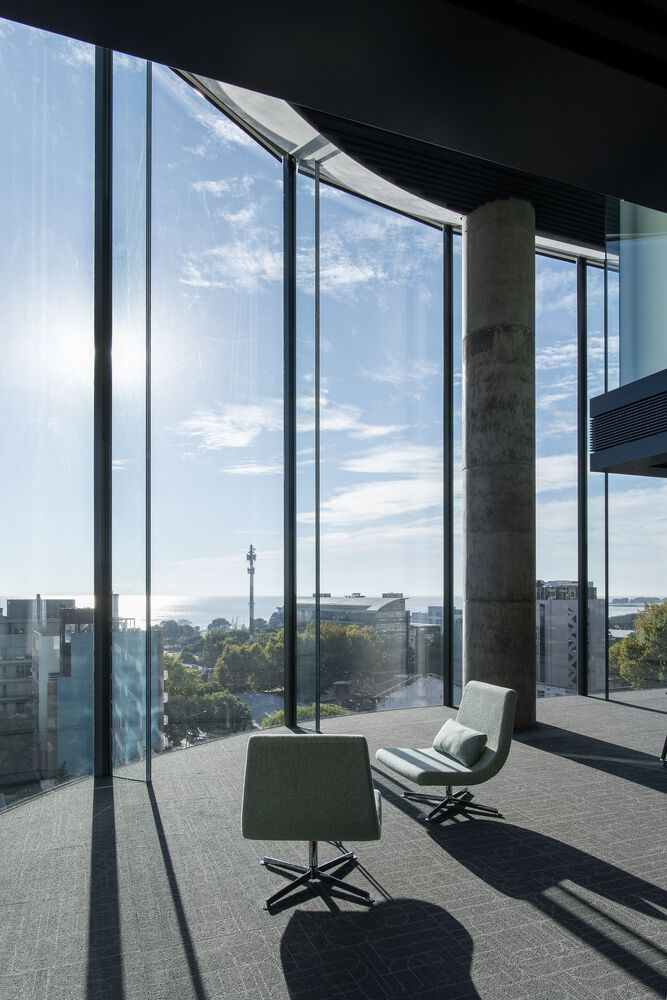
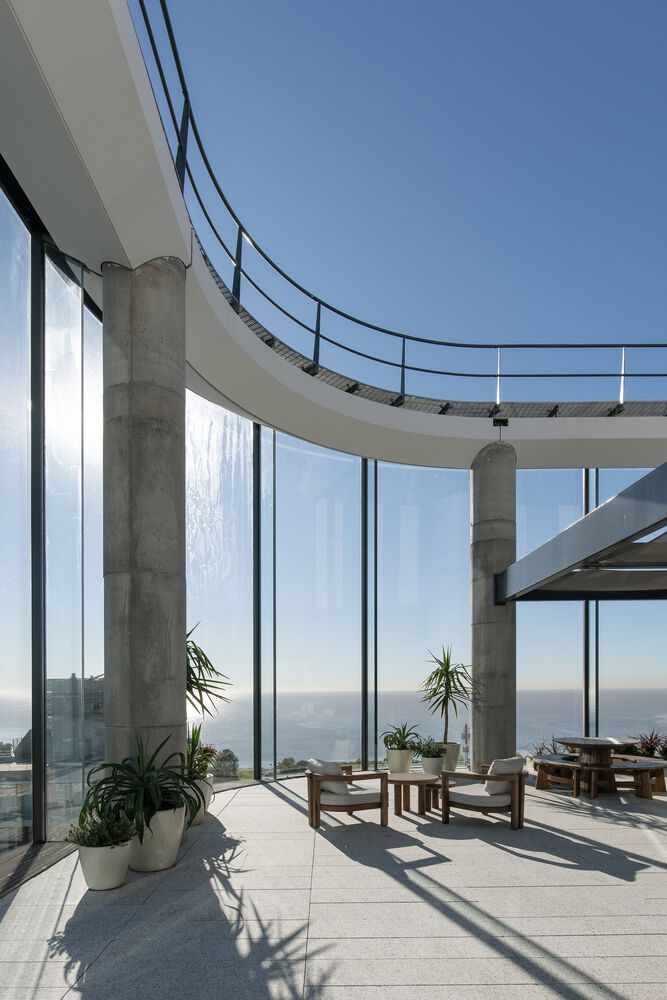
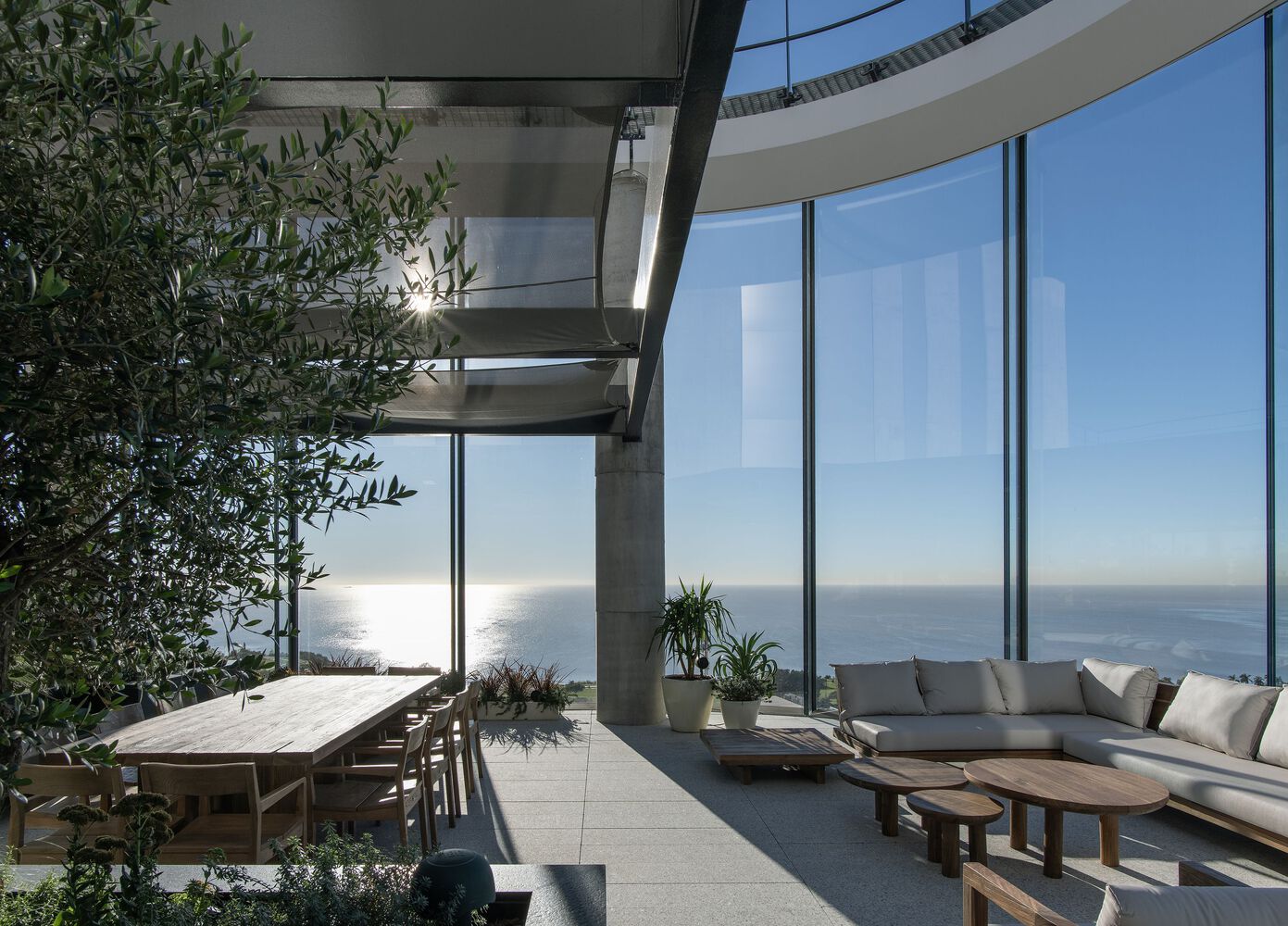
The double-height system with suspended mezzanines creates intermediate levels, maximizing usable area and producing both flexible and spatially varied floor plates.
Structural ingenuity is a visible part of the architectural concept, with exposed steel tension rods and perimeter concrete beams.
With high-performance double-glazed windows, solar panels for on-site energy generation, low-water-consumption fixtures, LED lighting, and a comprehensive building management system to manage resource use, the building is expected to achieve LEED v4 Core and Shell Gold certification.
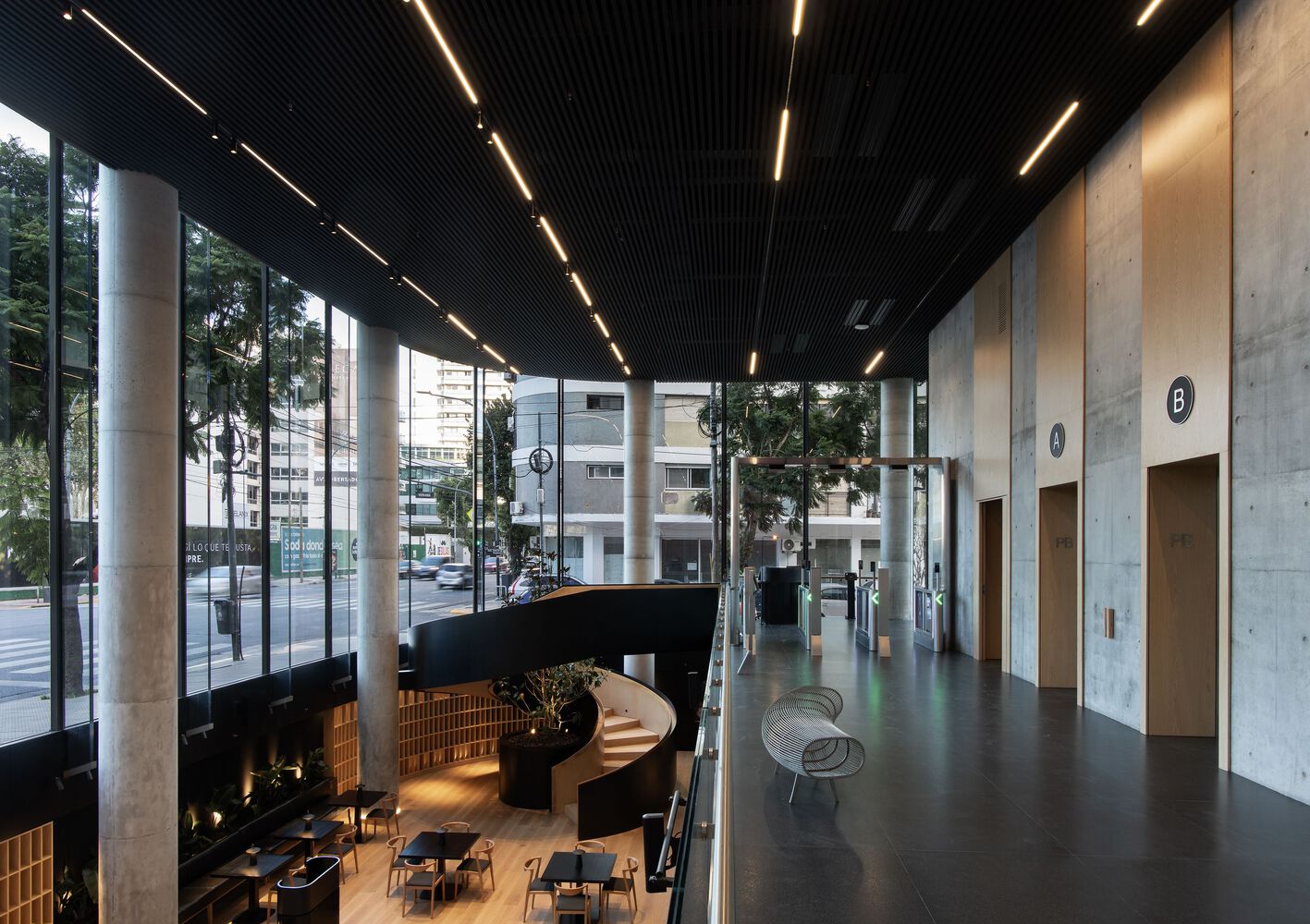
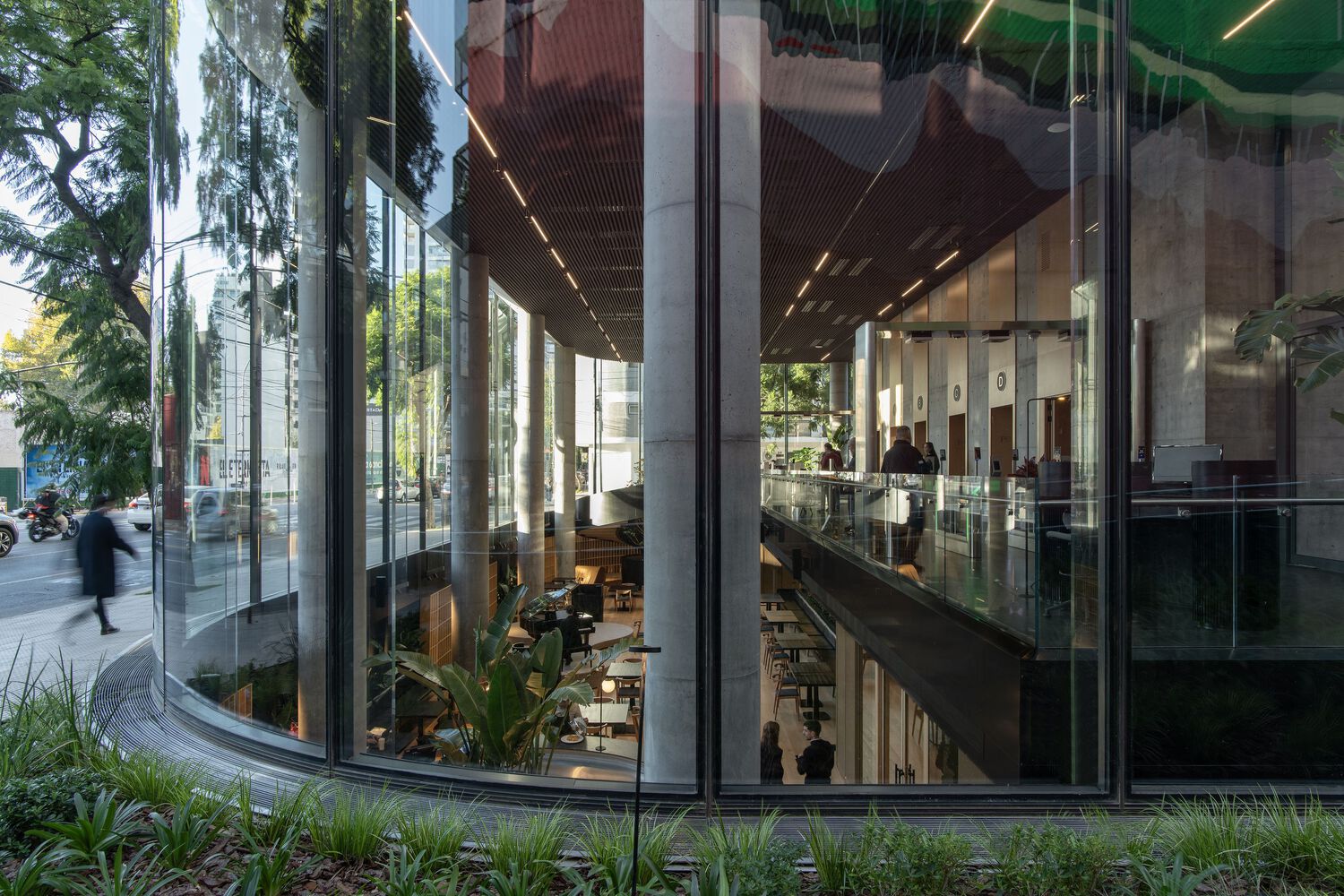
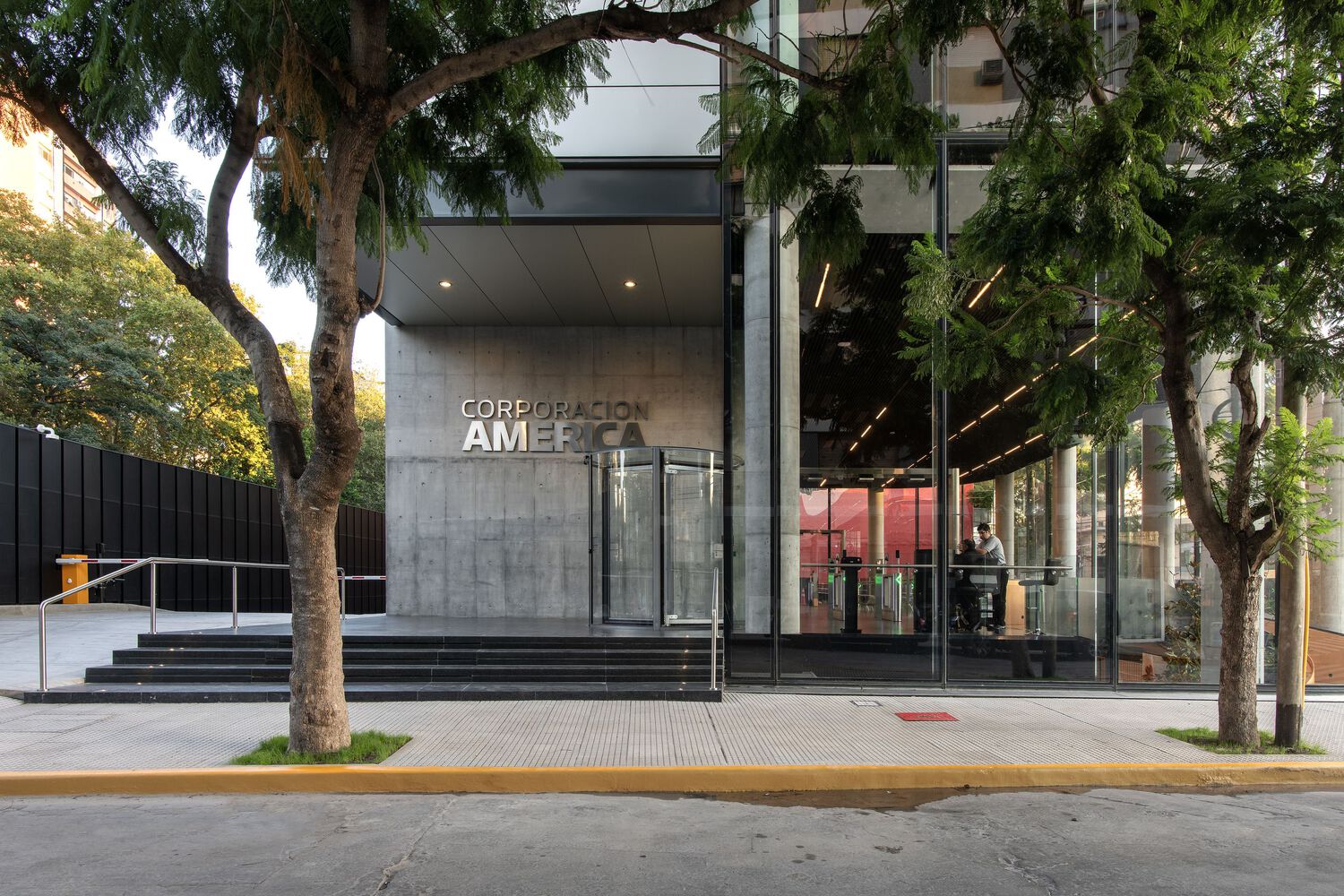
At street level, the tower engages the city with a dramatic triple-height base envisioned as an urban greenhouse designed to house a restaurant and other public uses.
A sweeping, cantilevered spiral stair descends from the street-level entry into the lower public level, establishing a powerful visual and spatial link between the city and the building's interior.
Employee amenities include a rooftop terrace with city and river views, bicycle racks, locker rooms, and showers.
Located adjacent to the Mitre railway and near the Río de la Plata, the site required complex subterranean strategies to minimize disruption.
The foundation systems were engineered to stabilize surrounding infrastructure and manage water intrusion, and the core was positioned against the railway to create an acoustic buffer while keeping river views unobstructed.
Low-iron glass ribs with structural slabs ensure the façade's performance against wind pressure and create a transparent envelope of exceptional refinement — an achievement previously unprecedented in Buenos Aires.