
Doca Linear Park
DOCA LINEAR PARK
Natureza Urbana
ARCHITECTS
Natureza Urbana
LEAD ARCHITECT
Manoela Machado, Pedro Lira
VEGETATION AND DRAINAGE DESIGN
Geasa Engenharia
STRUCTURAL DESIGN
Marcello Sanguinetti Estruturas
PROJECT TEAM
Camila Reis, Julia Ximenes, Giulia Corsi, Claudia Jaegerman, Nicollas Rangel, Juliana Santos, Luan Neske, Yan Azevedo
COMPLEMENTARY PROJECTS
Vallenge Engenharia
PHOTOGRAPHS
Manuel Sá, Leonardo Finotti
AREA
40080 m²
YEAR
2022
LOCATION
Belém, Brazil
CATEGORY
Public Space
English description provided by the architects.
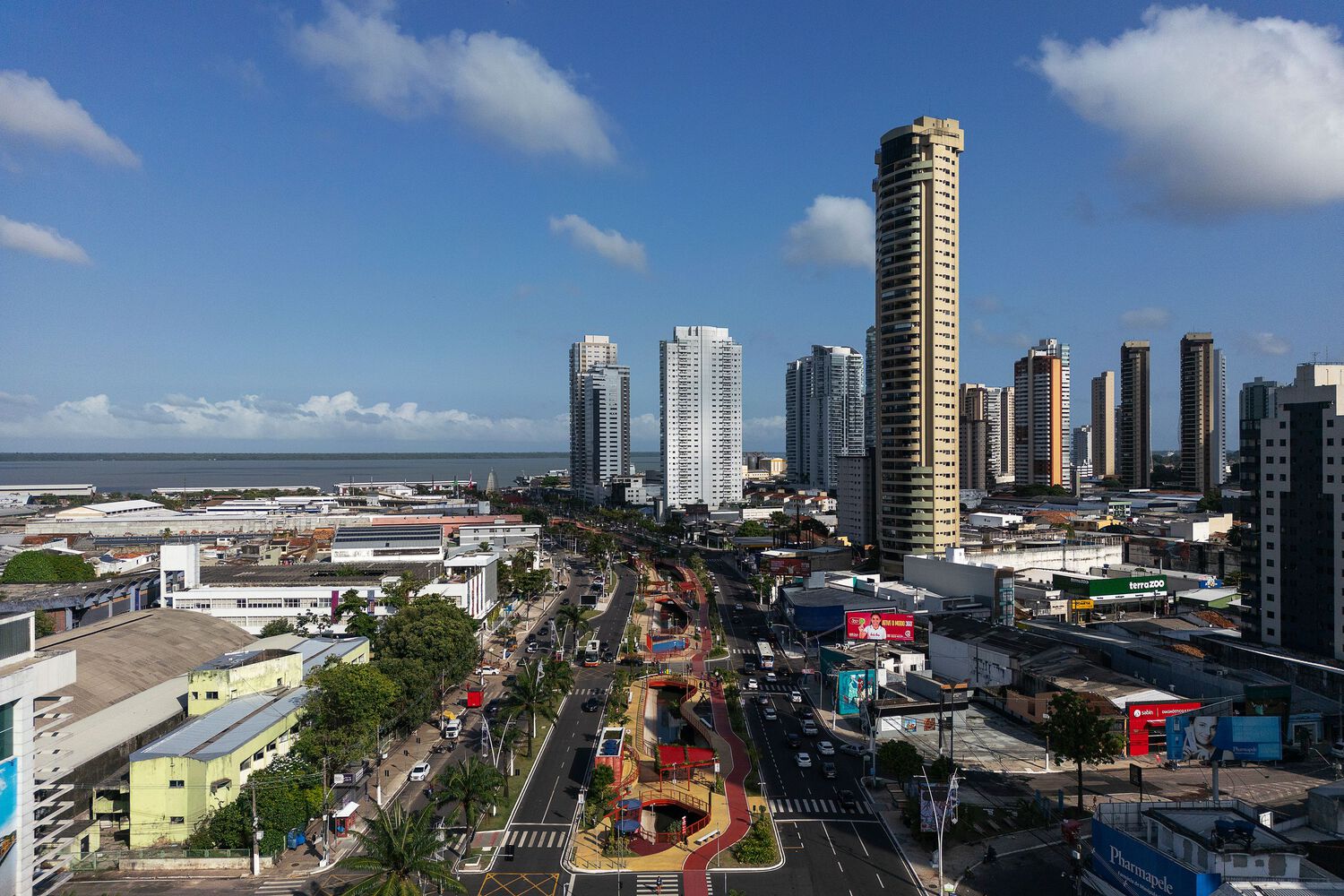
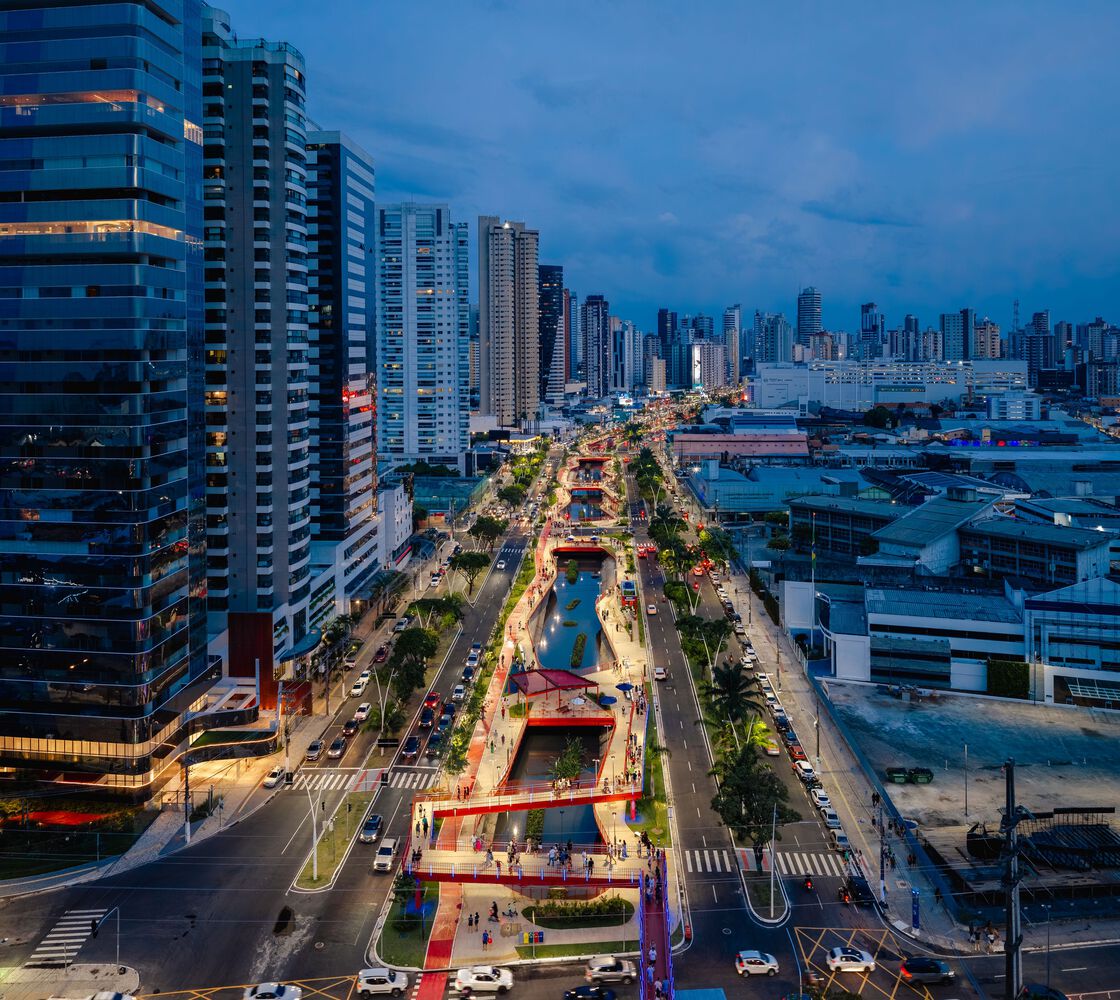
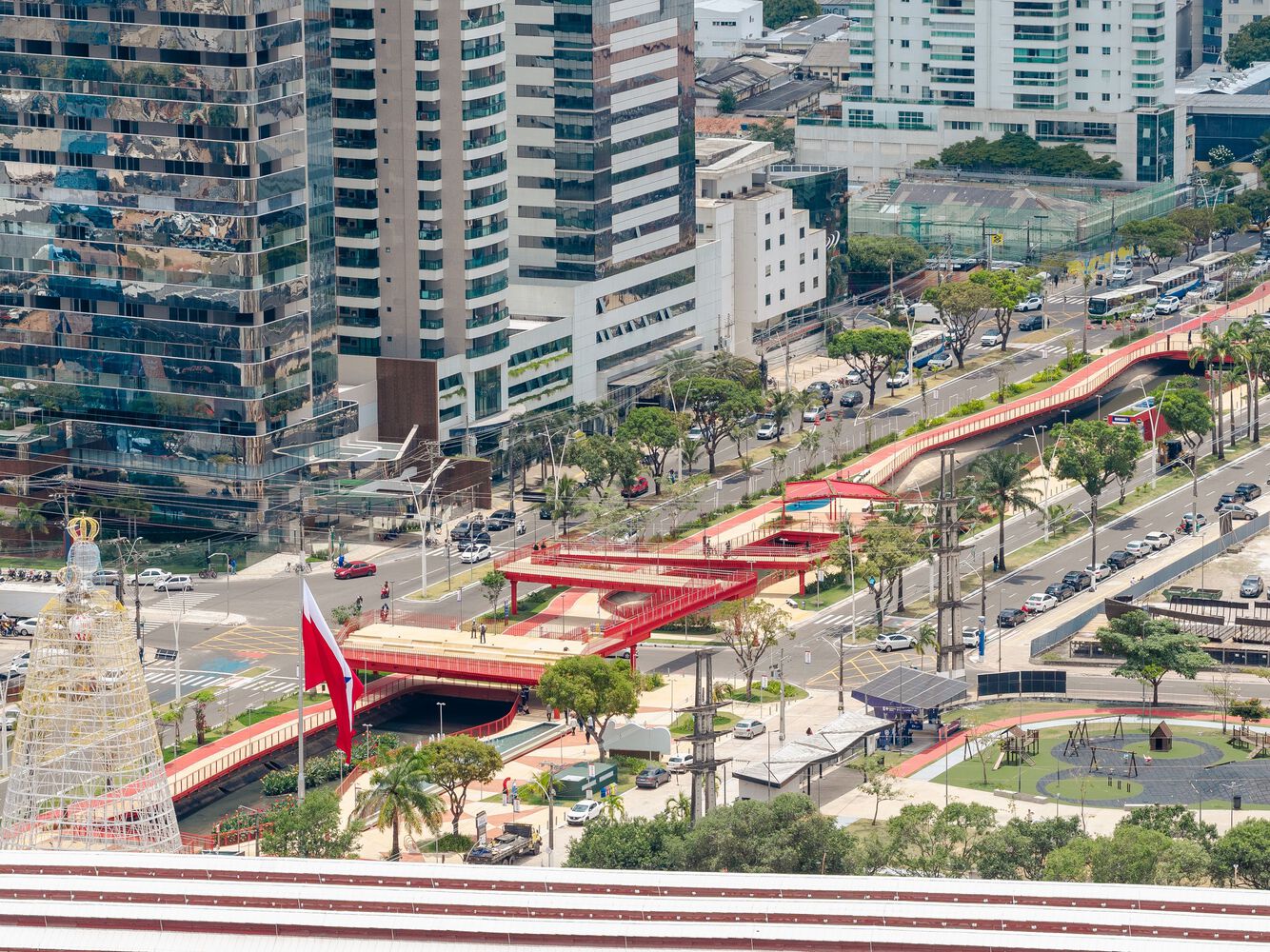
The regeneration of the Linear Park of Doca, located in Belém do Pará, arises as a strategic urban intervention that combines infrastructure, landscape, and memory to reconnect the city to its waters through the enhancement of public spaces.
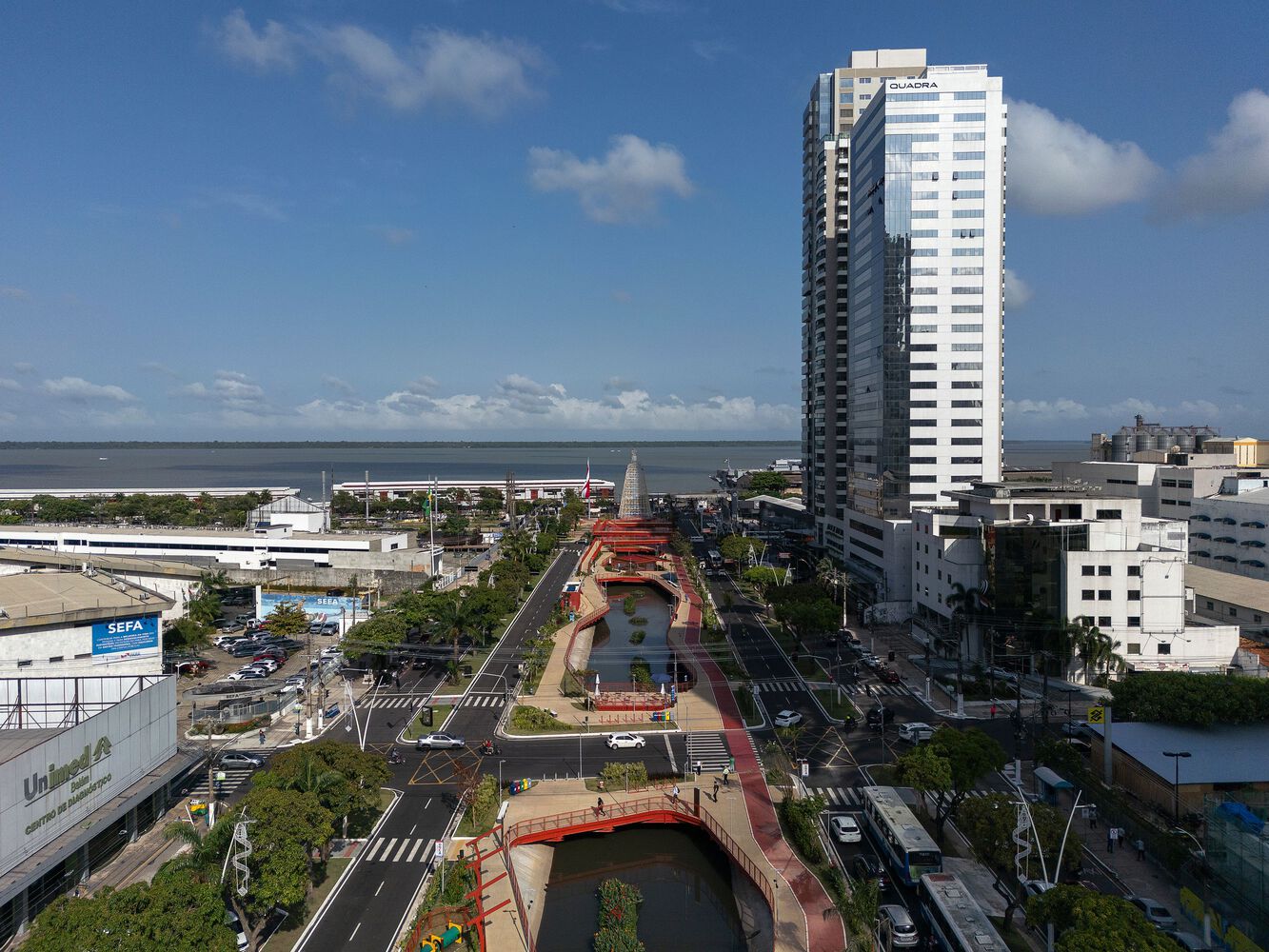
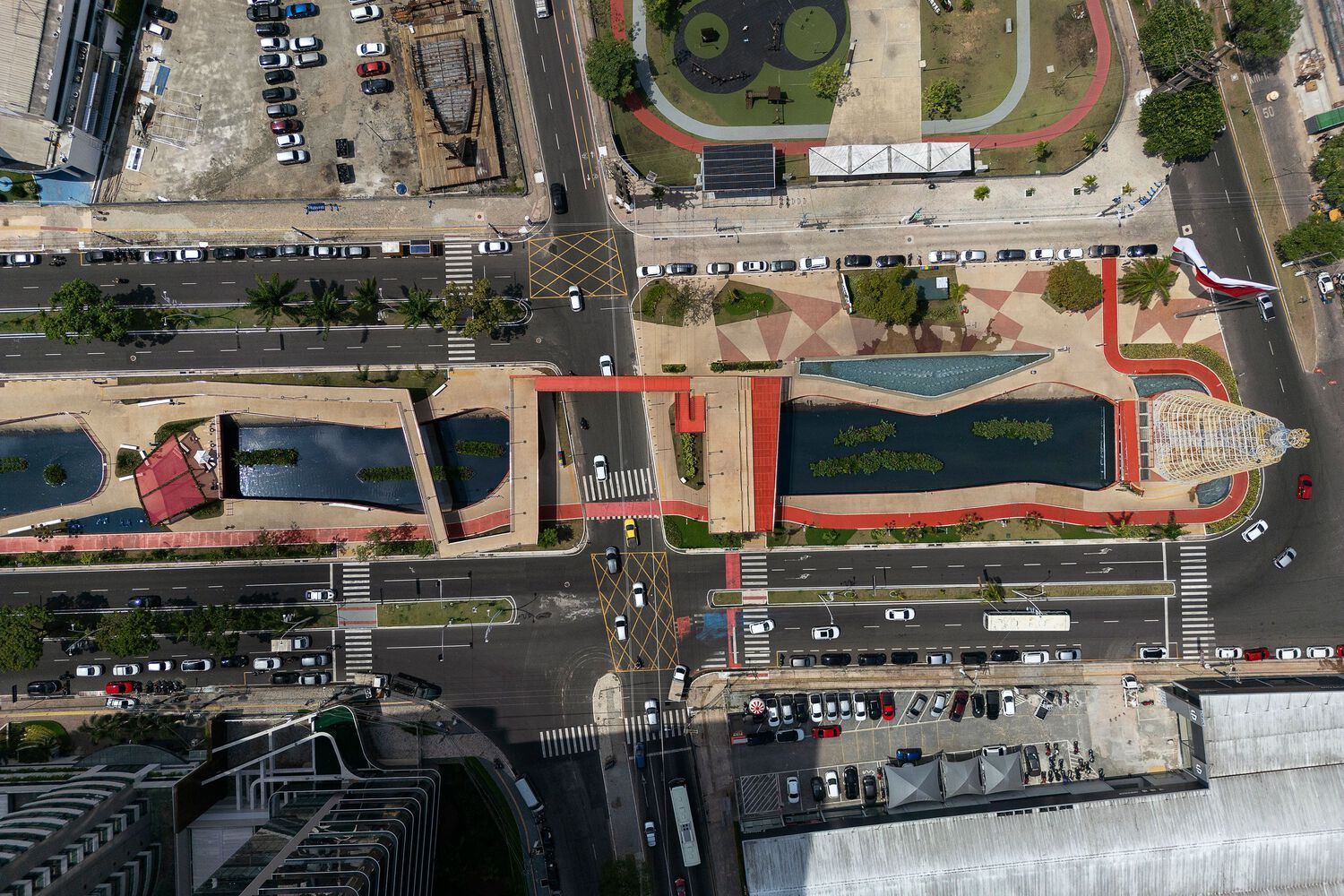
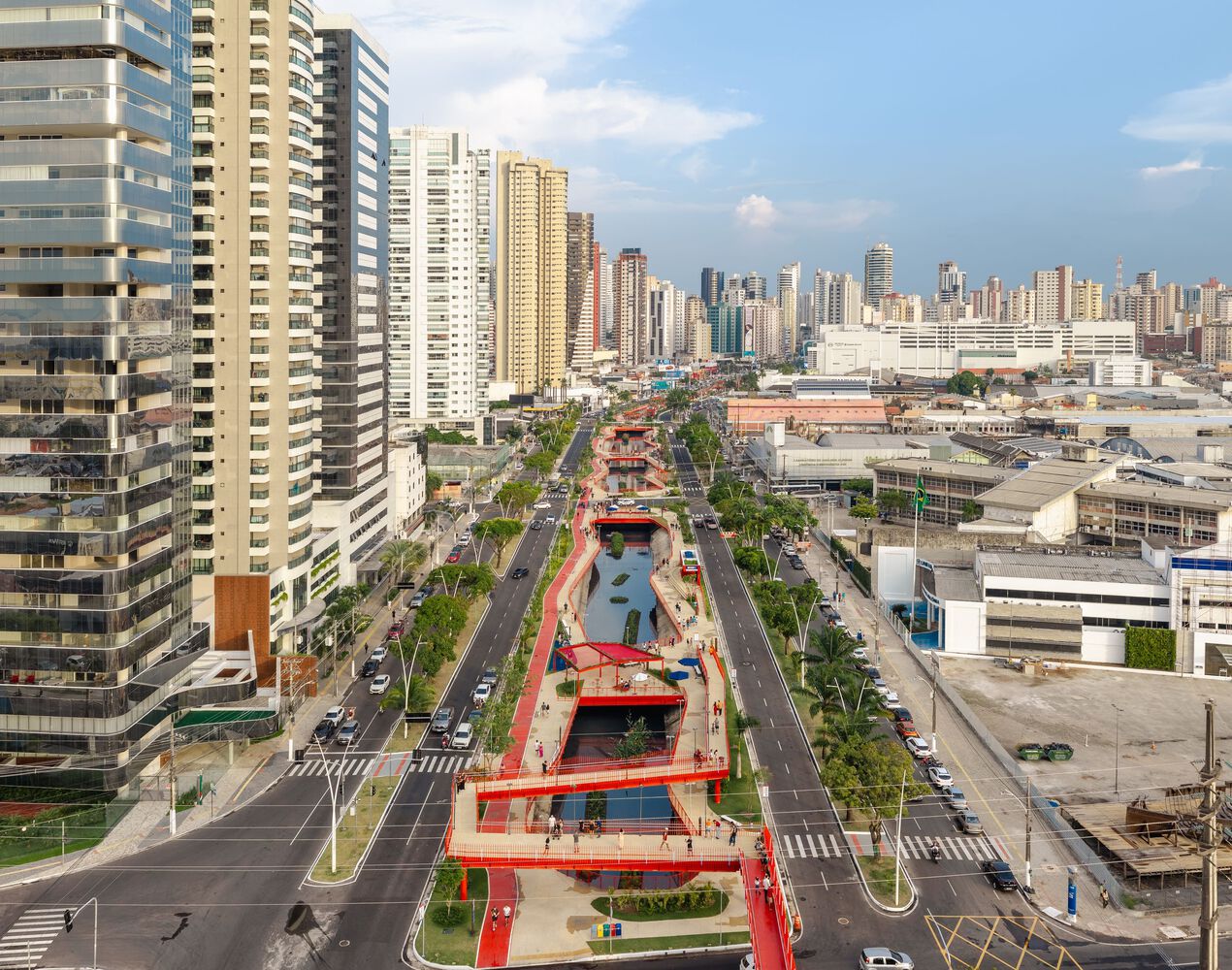
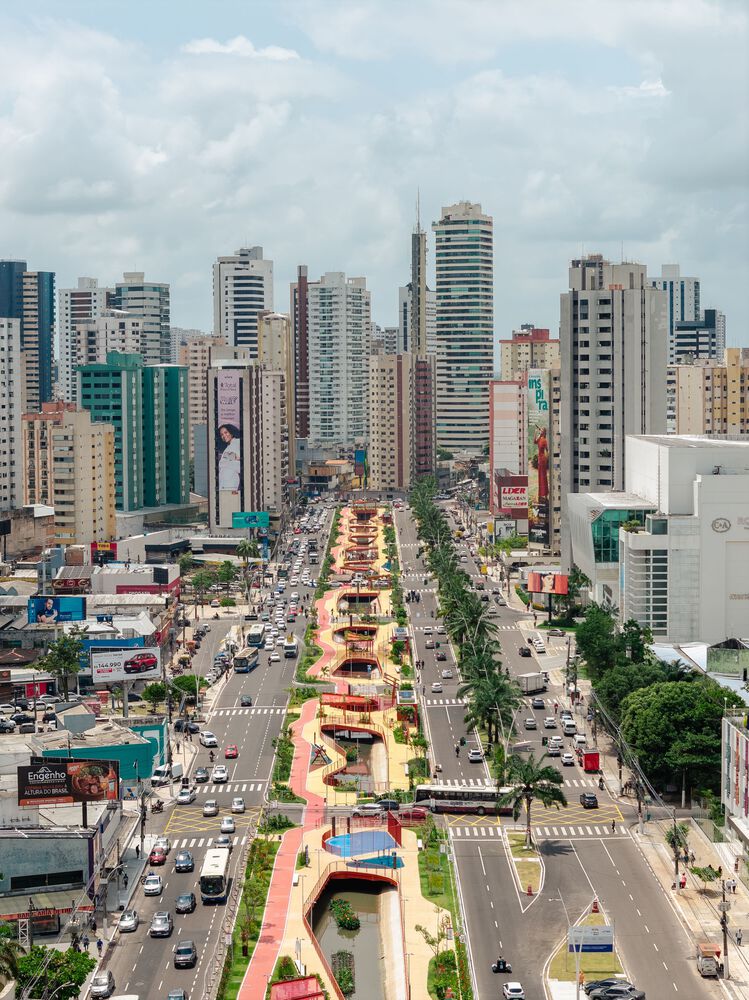
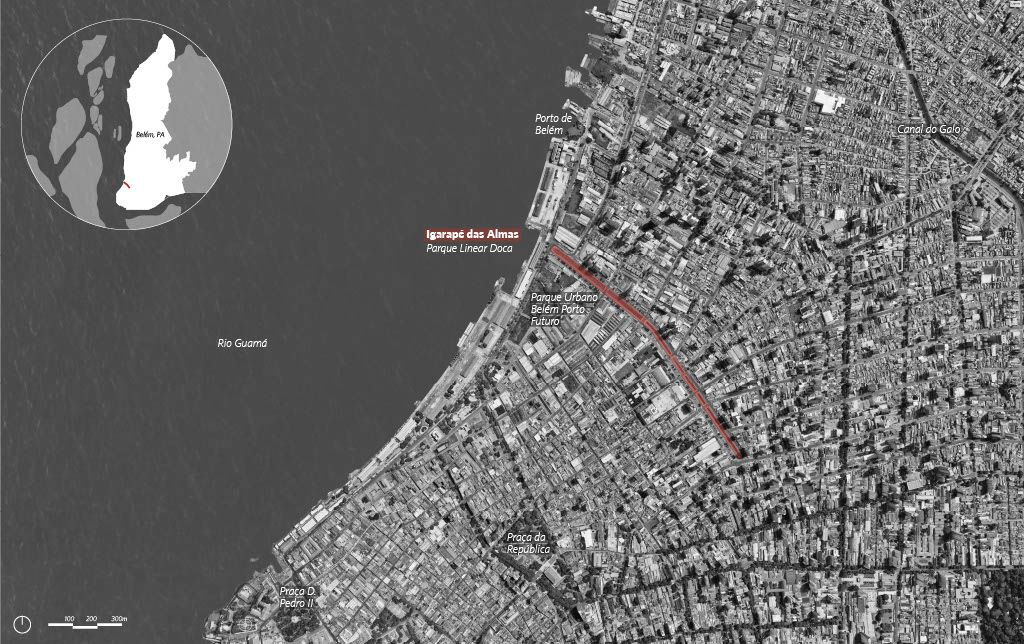
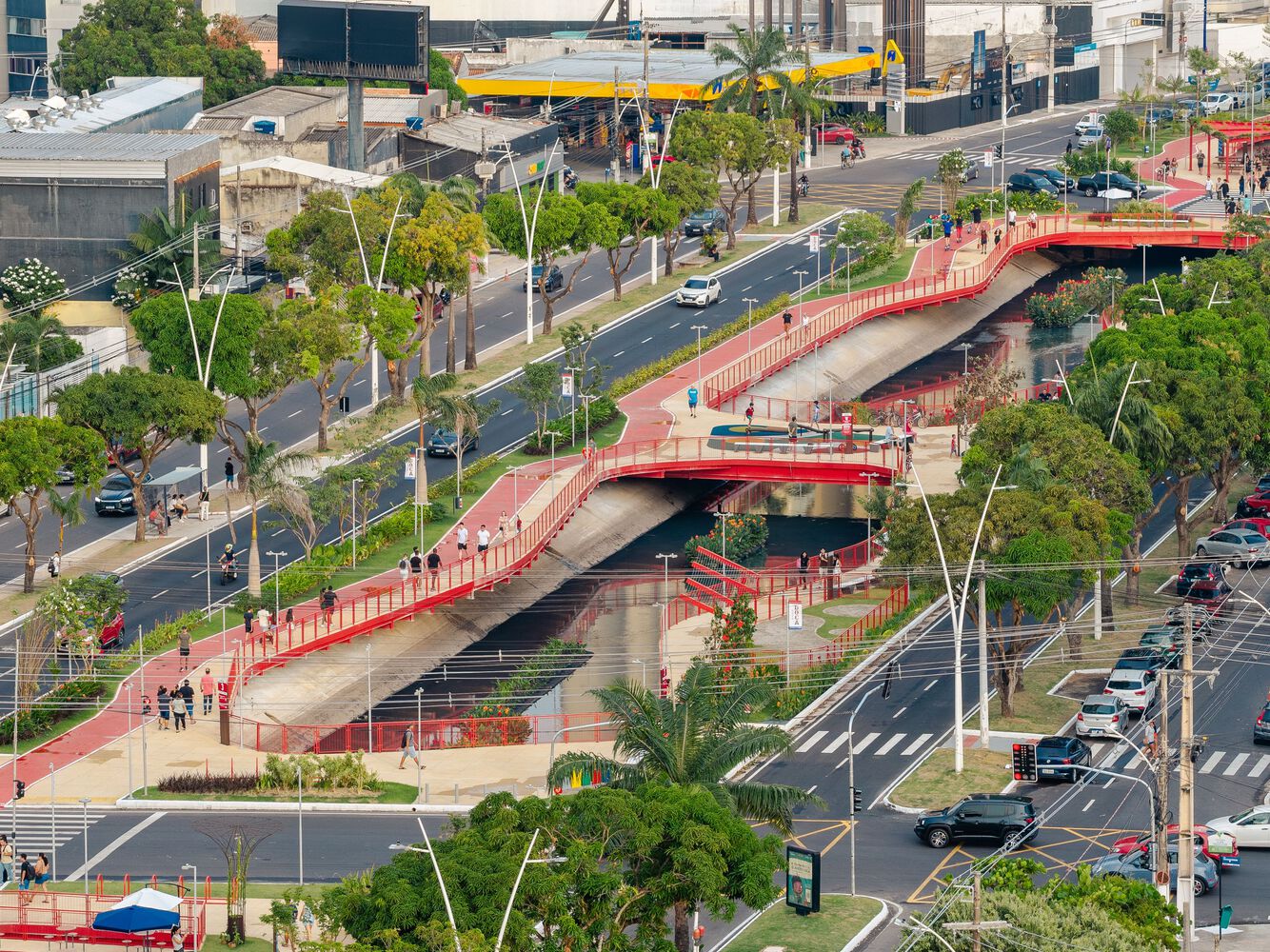
Established over the old Igarapé das Almas — now a canal about 1.2 km long in the central median of Avenida Visconde de Sousa Franco — the project recaptures the hydric identity that historically structured the Reduto basin and which, throughout the urbanization process, has been buried under fragmented and functional logics.
Belém, built on a network of rivers and igarapés, has seen its natural landscape interrupted by successive interventions that erased the presence of water in urban daily life, following a logic that is irresponsible and has been repeatedly applied in Brazilian metropolises.
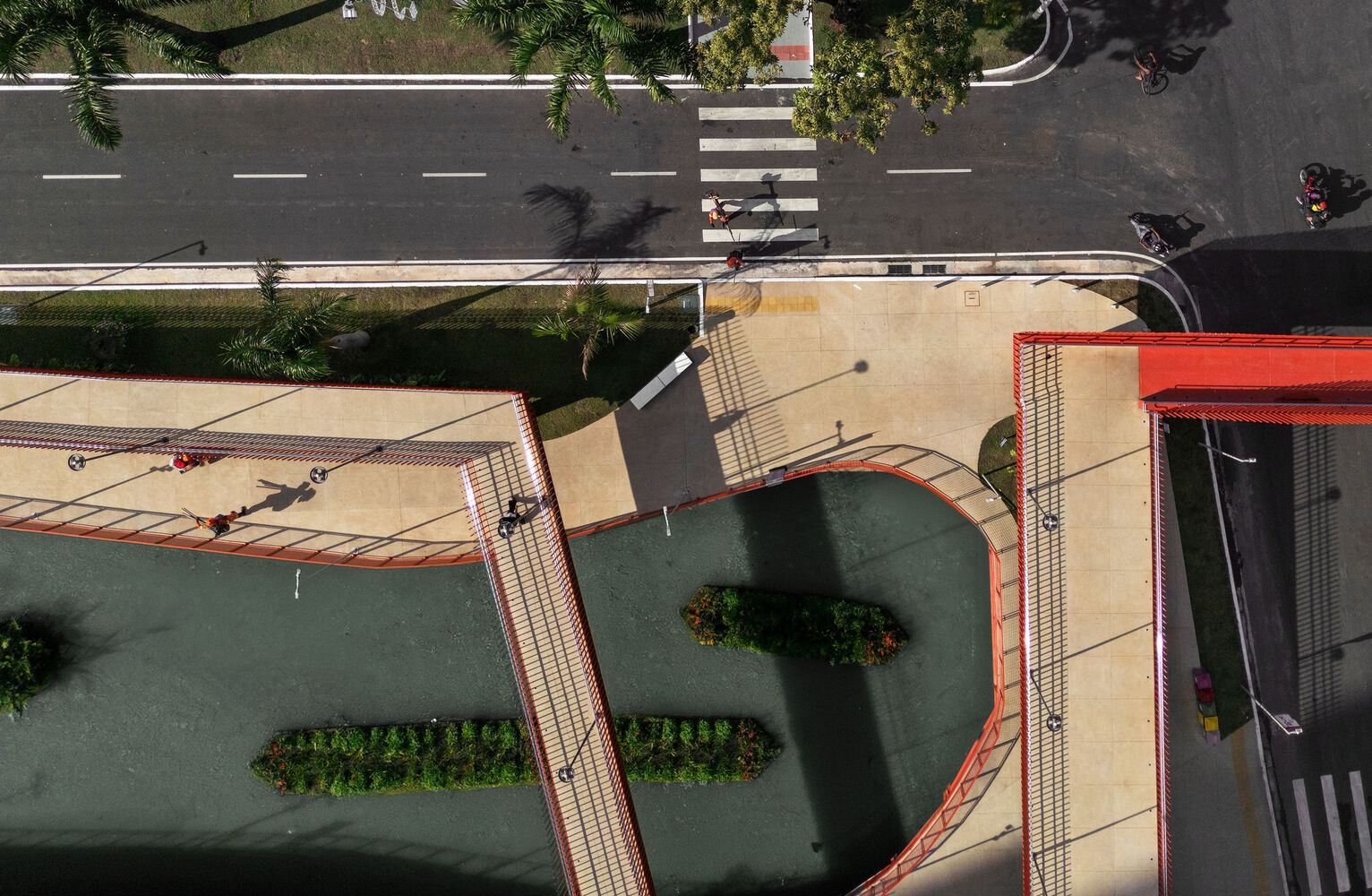
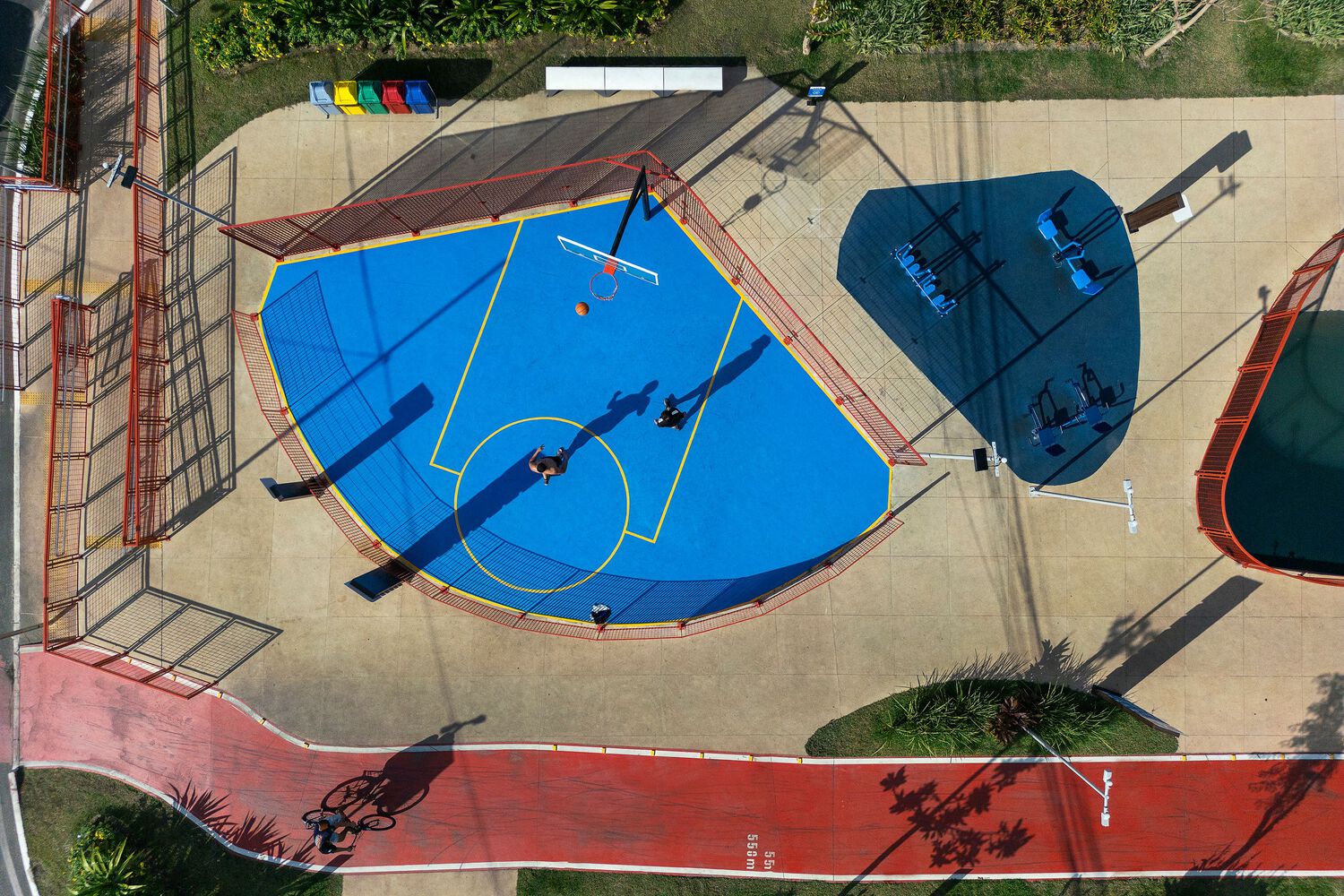
Previously marked by the absence of public spaces, the predominance of automobiles, and low environmental quality, the area around the canal lacked shade, permeability, and opportunities for community interaction.
With the arrival of COP30, the Linear Park of Doca takes on the role of one of the main urban legacies of the event. The project proposes reconciliation between city and nature, transforming the water corridor into a continuous, accessible, and multifunctional park.
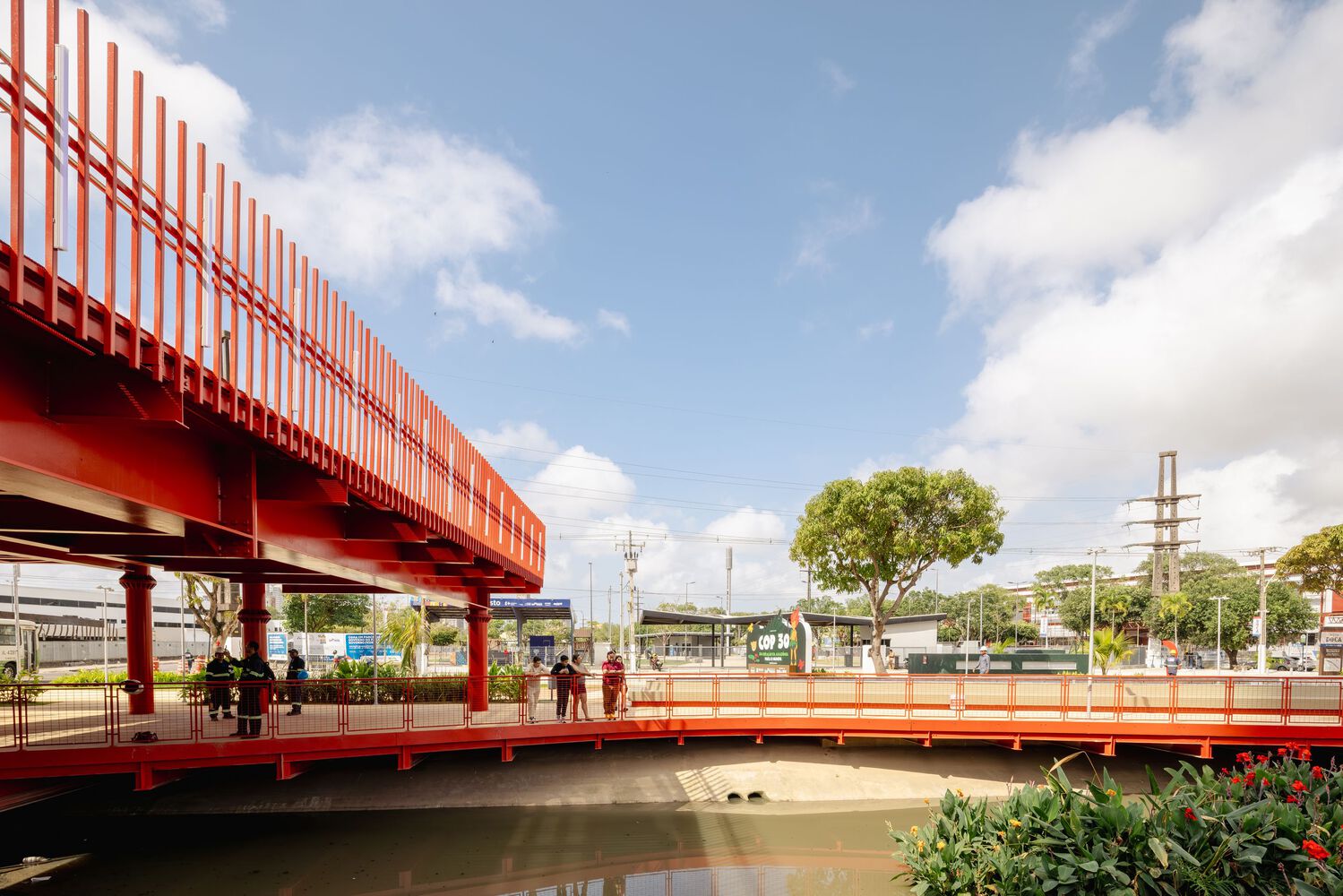
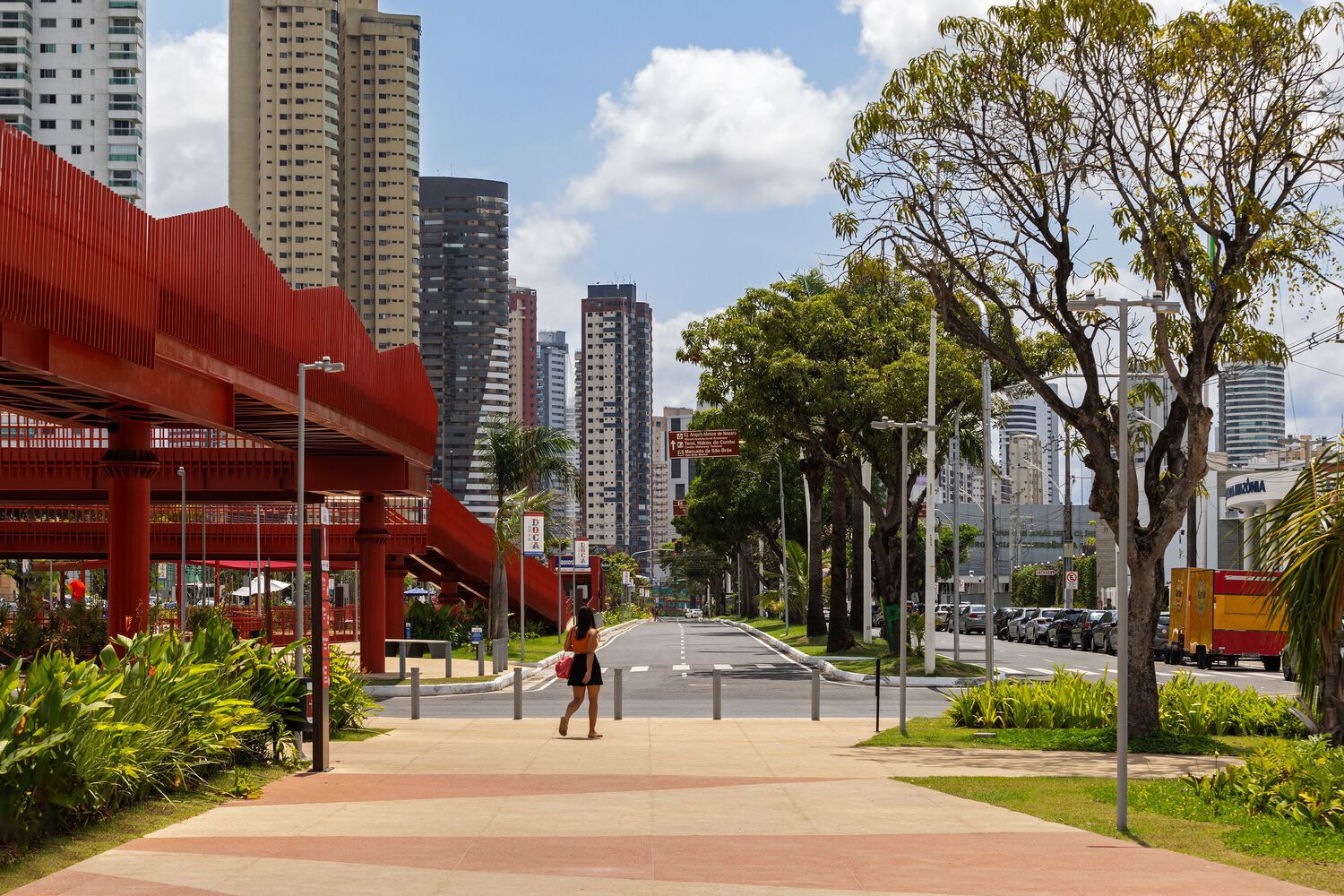
By enhancing green infrastructure, redeveloping the landscape, and valuing the memory of water, the park becomes a place for gathering, leisure, sports, and contemplation, restoring to residents the experience of living near their watercourses.
Inspired by the thoughts of Ailton Krenak — "May these rivers, which are much older than us, grant us wisdom and instruct us on how to improve our existence..." — the project adopts water as a guiding element.
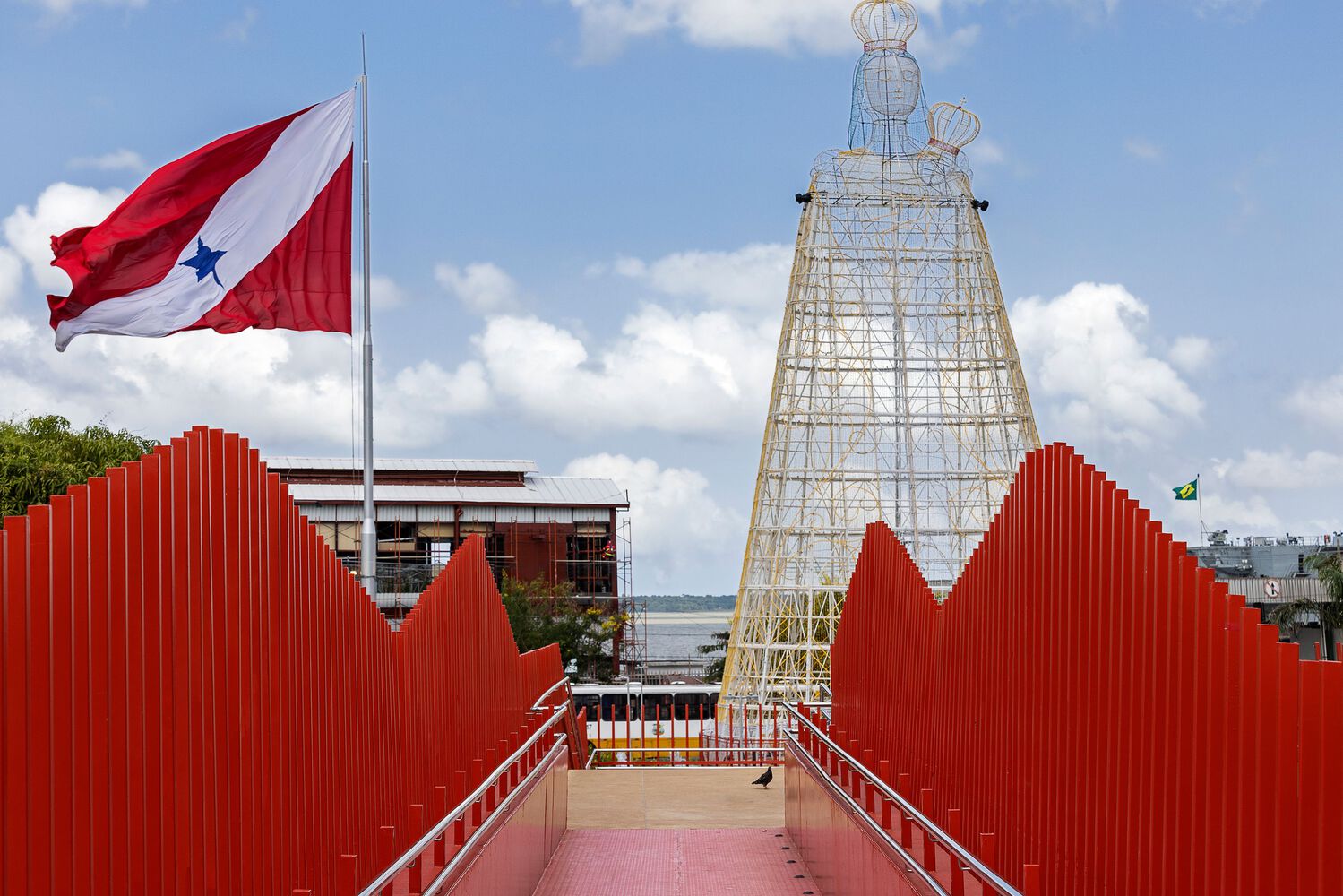
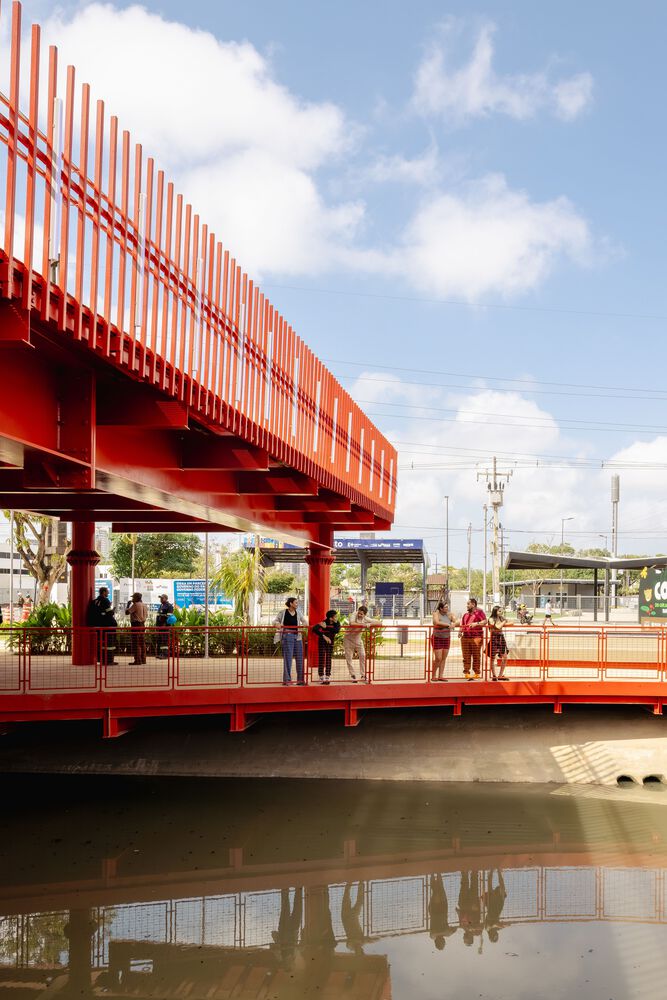
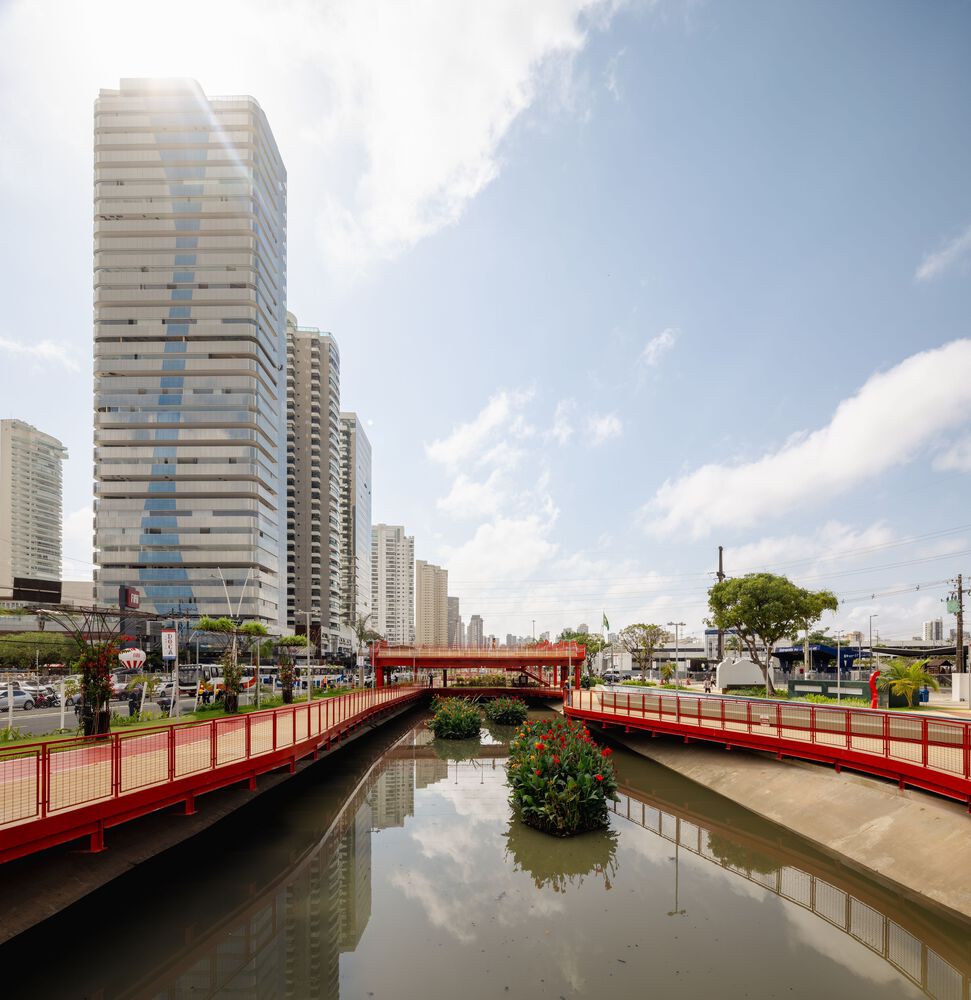
The design reintegrates the canal into everyday life in Belém, bringing people closer to the watercourse and expanding its ecological, social, and symbolic roles.
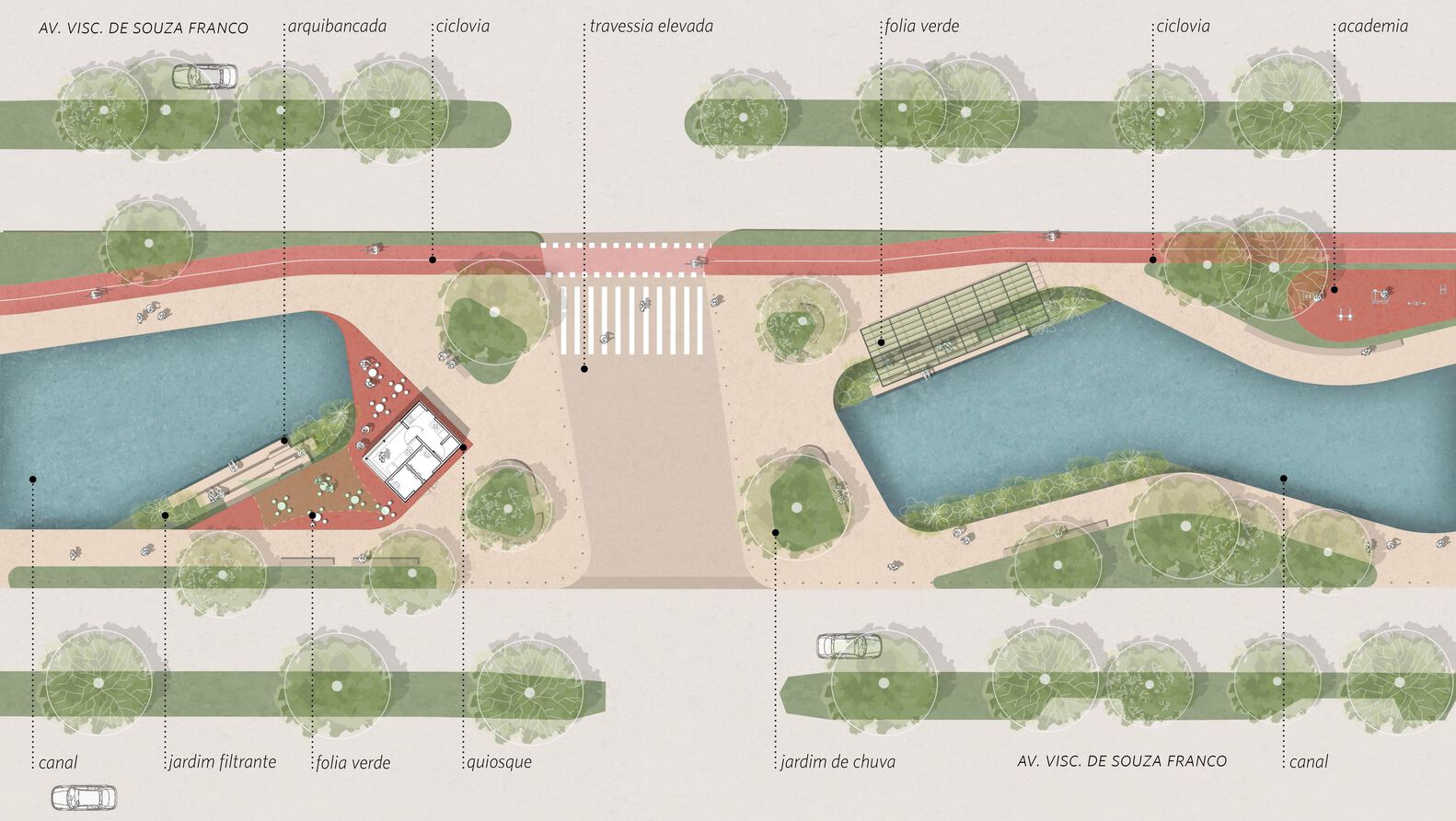
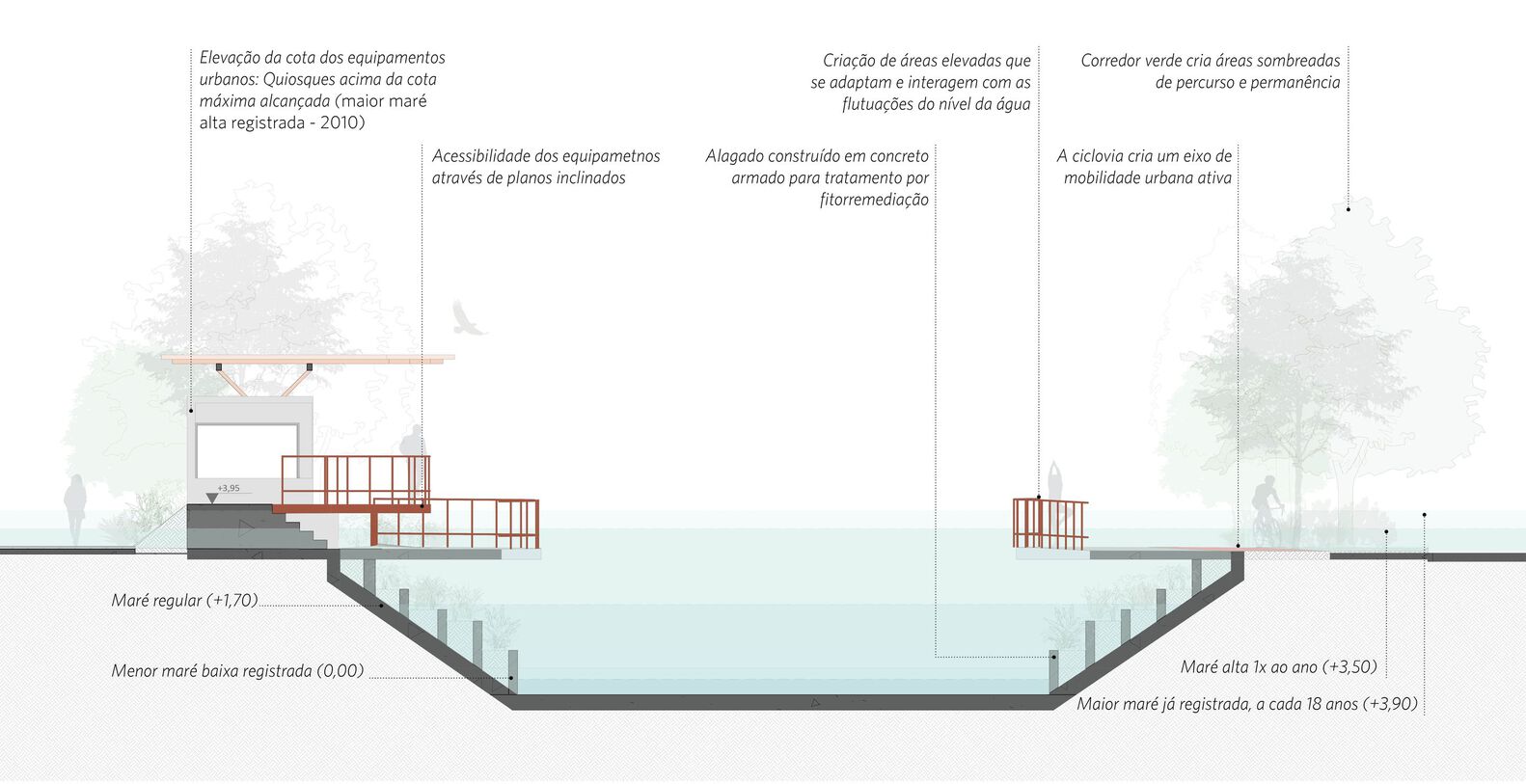
Ecological and urban regeneration strategy. The transformation of the old igarapé into a linear park relies on a robust set of environmental, hydraulic, and landscaping solutions:
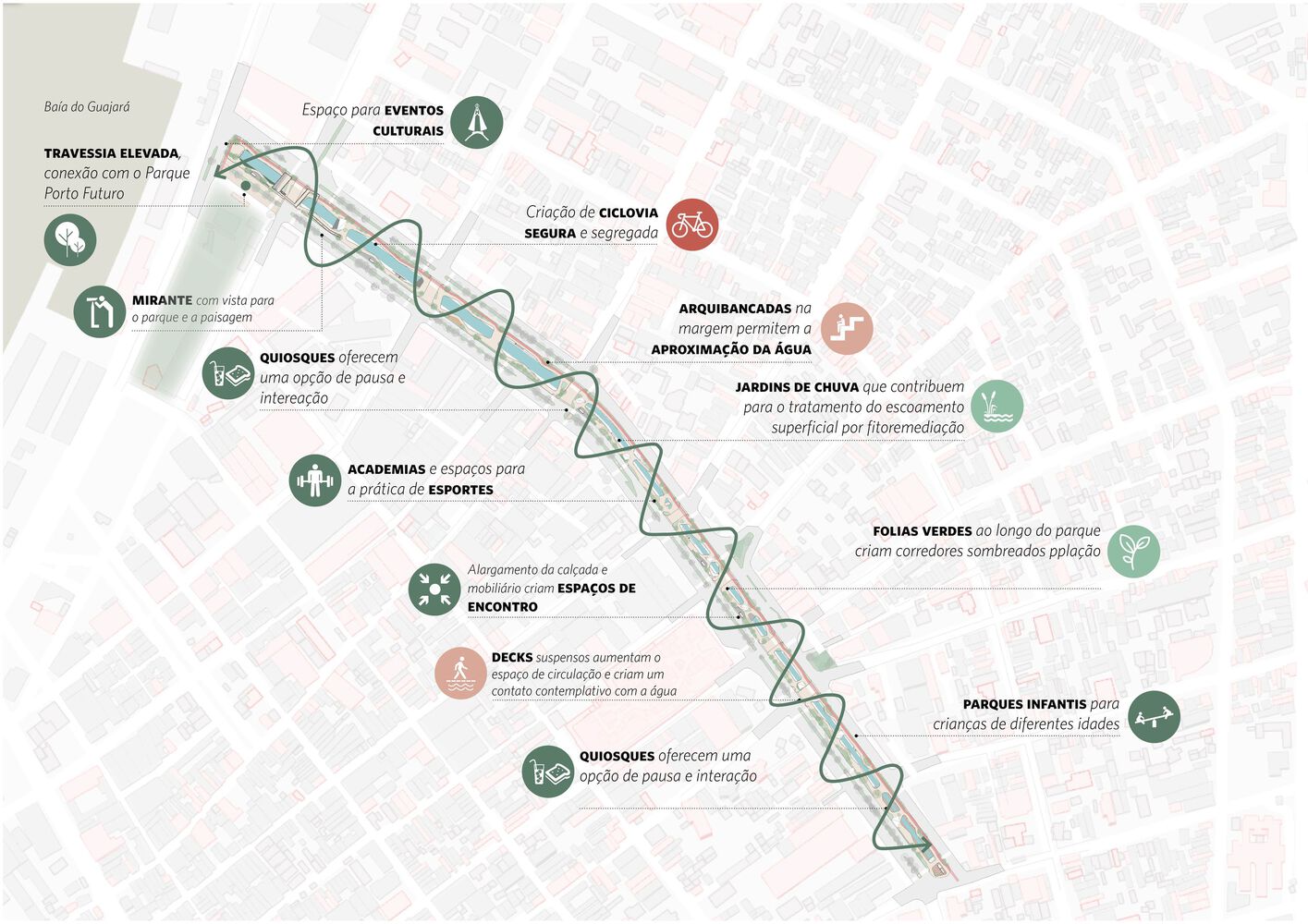
A park integrated into the territory and its people. The Linear Park of Doca organizes a set of uses that reinforces urban vitality and the daily relationship with water.
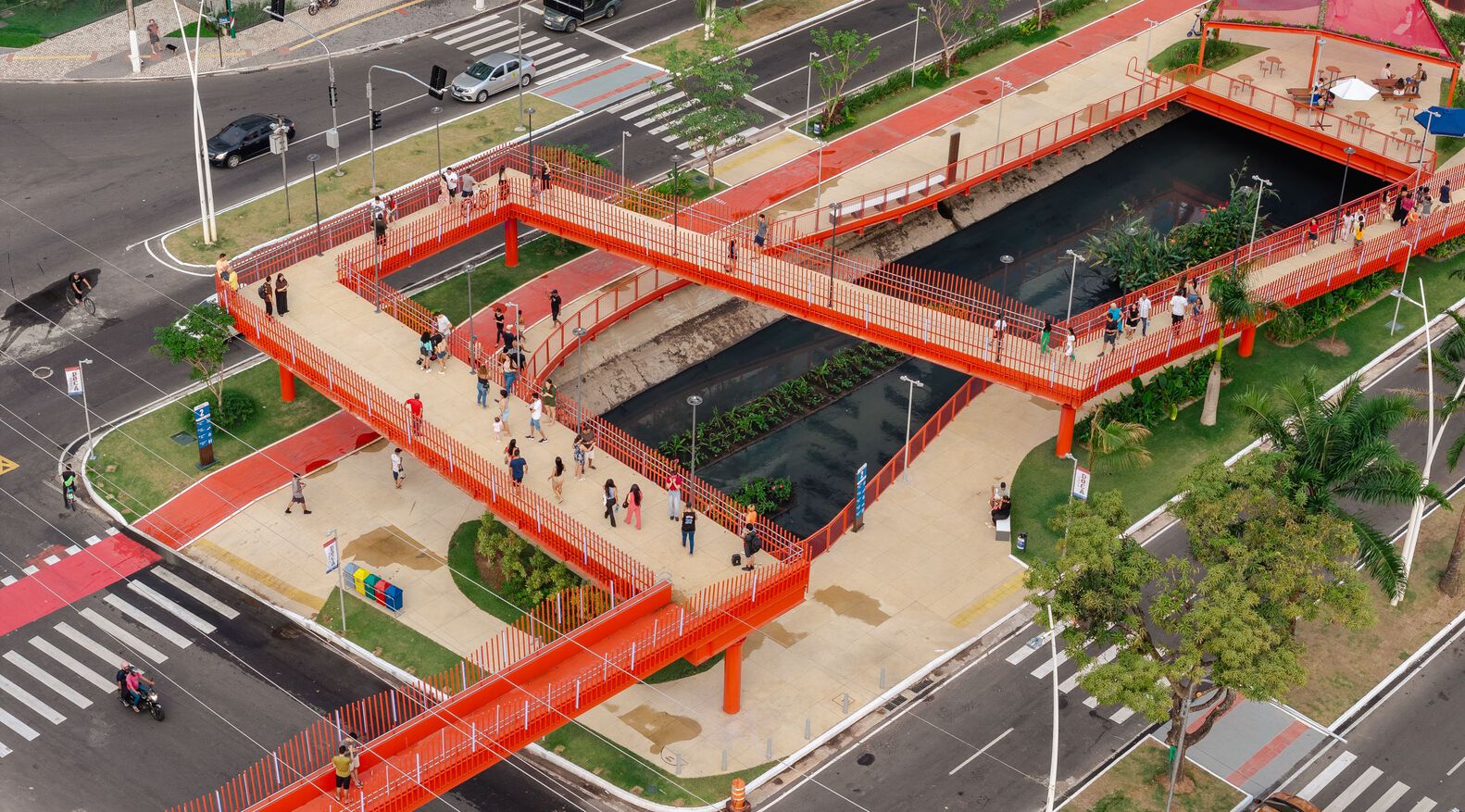
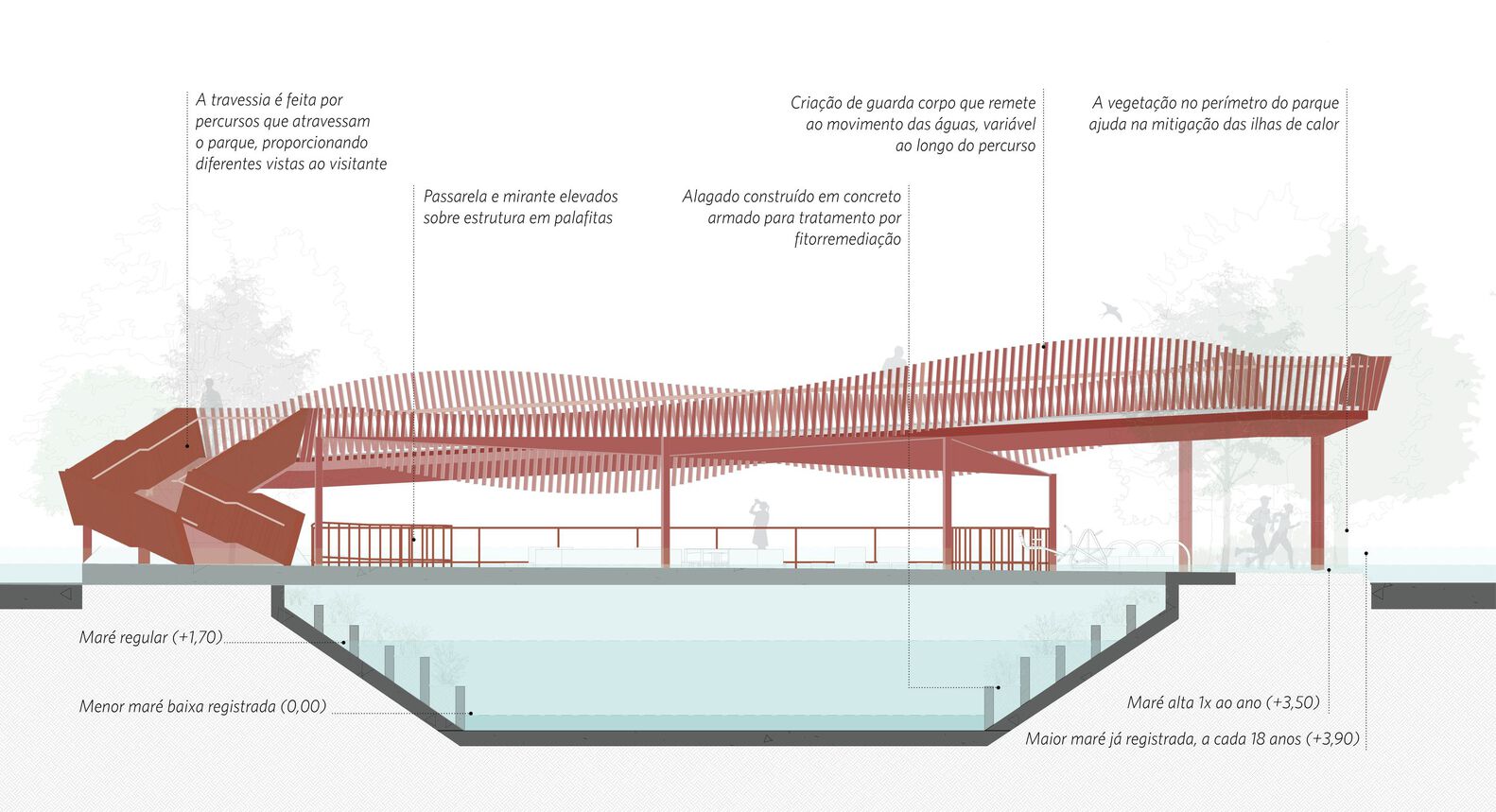
Along its length, viewpoints, elevated walkways, kiosks, playgrounds, a dog park, shaded areas, sitting gardens, bike paths, and sports spaces create a continuous sequence of environments for interaction, leisure, and contemplation.
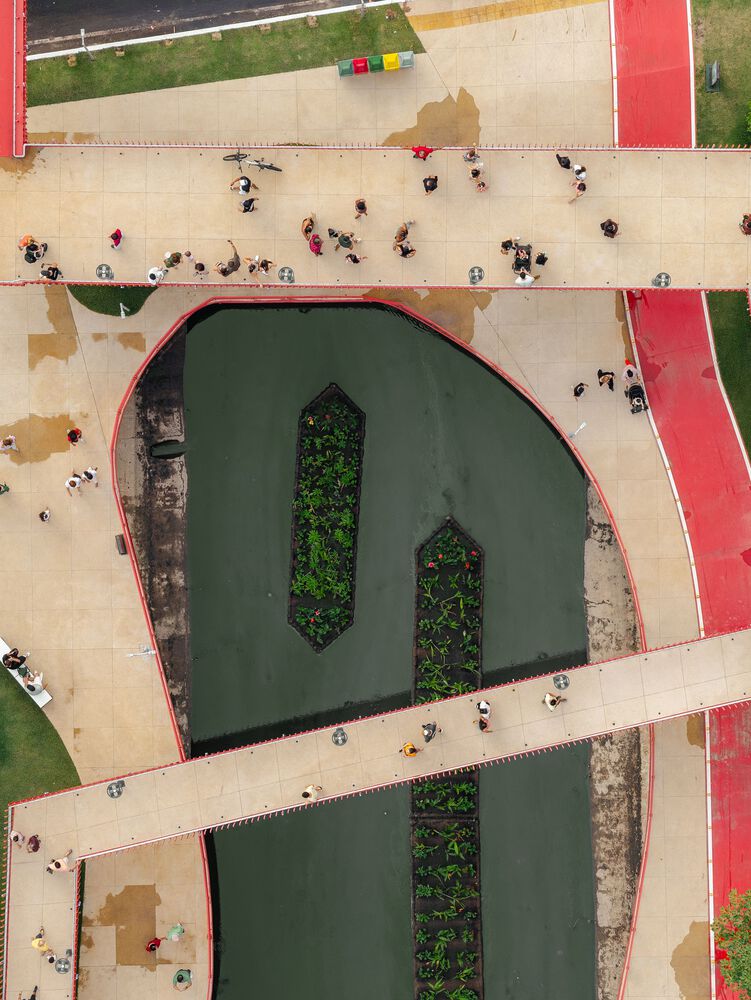
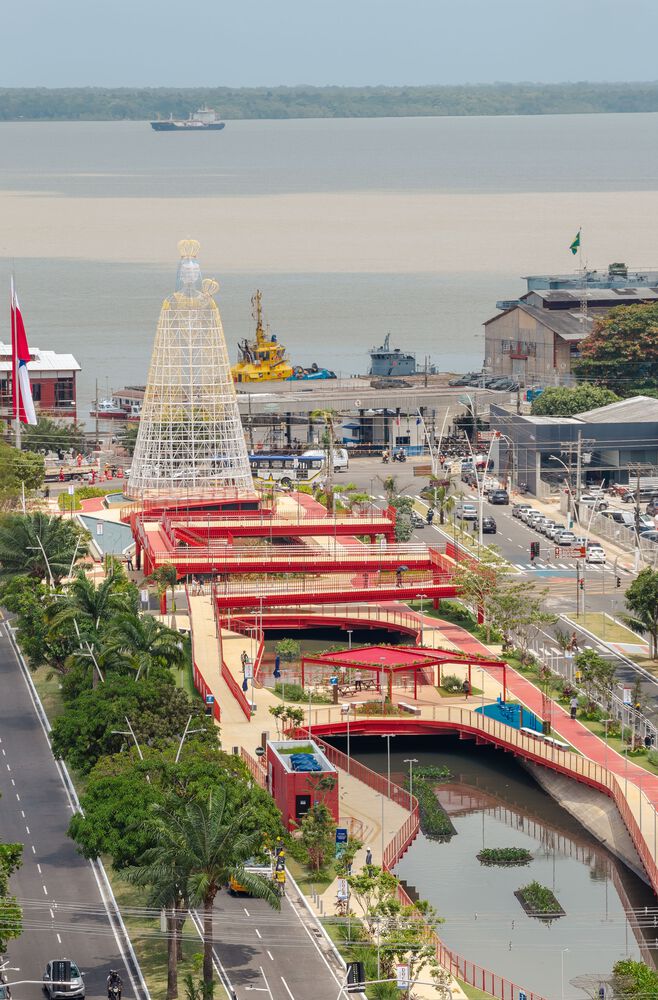
The design prioritizes comfort, safety, and accessibility, consolidating the park as a democratic and welcoming space for residents and visitors.
The intervention respects the existing vegetation and introduces native species to strengthen local biodiversity, as well as nature-based solutions for recovering water quality, since the canal still receives waste and debris from the immediate surroundings.
The process involved residents, schools, and community organizations, ensuring that the program and spaces met the real demands of the territory.
Integrated into a larger set of sanitation, drainage, and urban revitalization works in the Doca area, the park benefits about 500,000 people and has quickly become a new meeting point and identity for Belém.
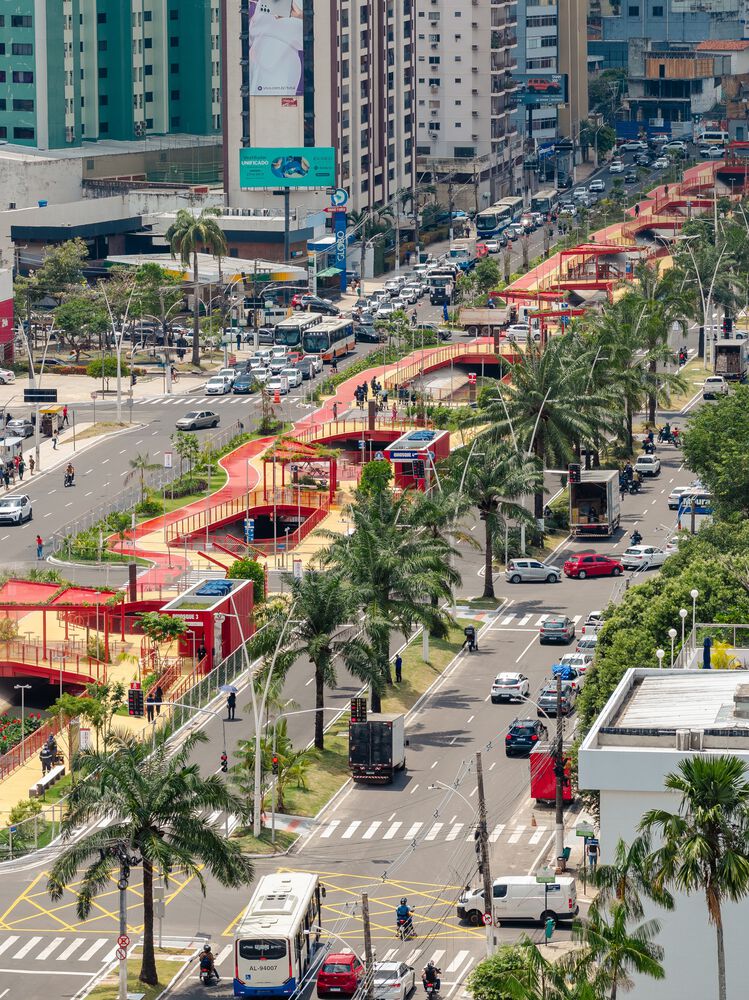
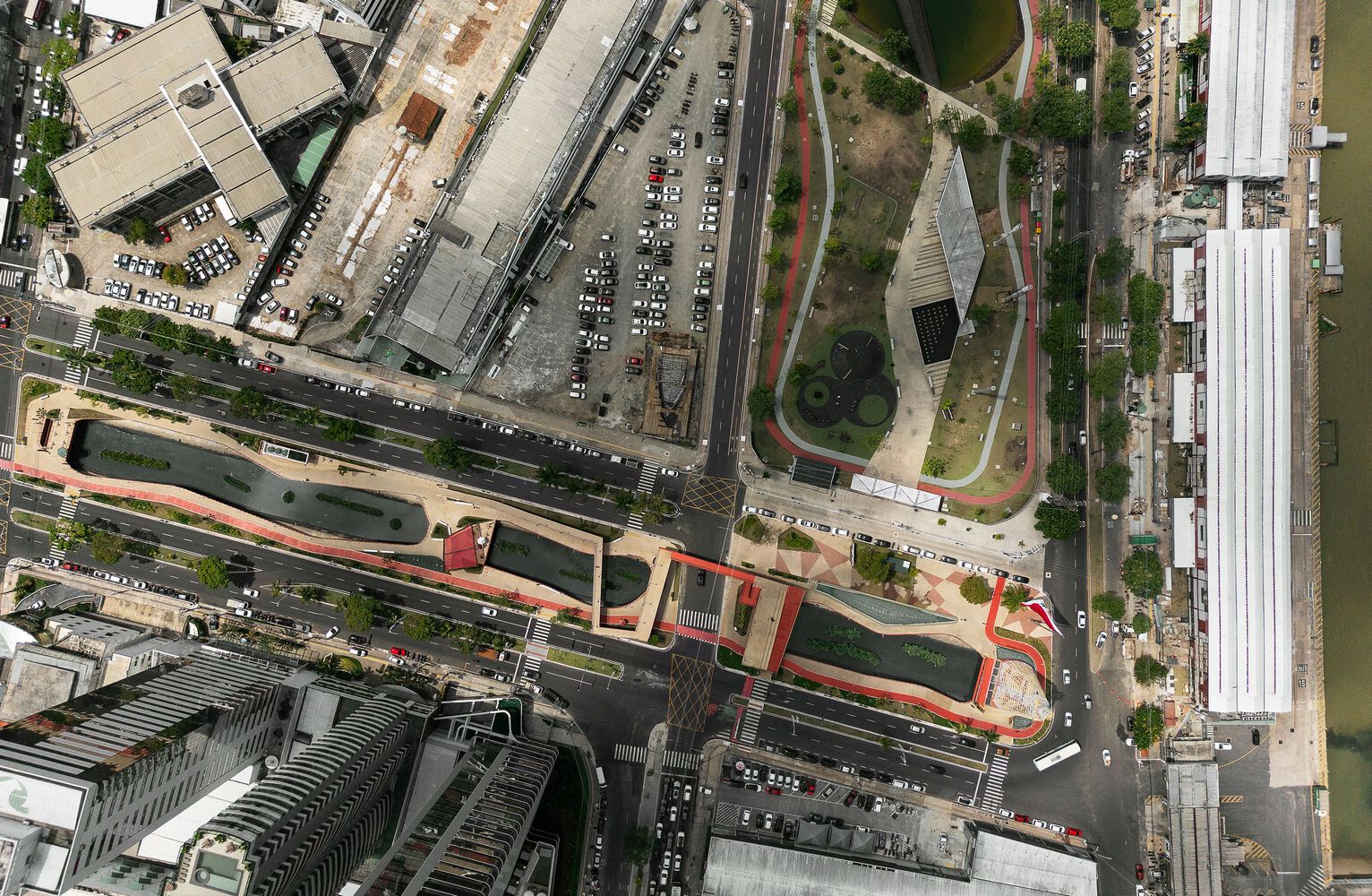
By transforming a degraded old canal into ecological and social infrastructure, the project leaves as a legacy the reconnection of the city with its waters and a model of urban regeneration sensitive to the Amazonian territory.
Integrado a um conjunto maior de obras de saneamento, drenagem e revitalização urbana na área da Doca, o parque beneficia cerca de 500 mil pessoas e se tornou rapidamente um novo ponto de encontro e identidade para Belém.
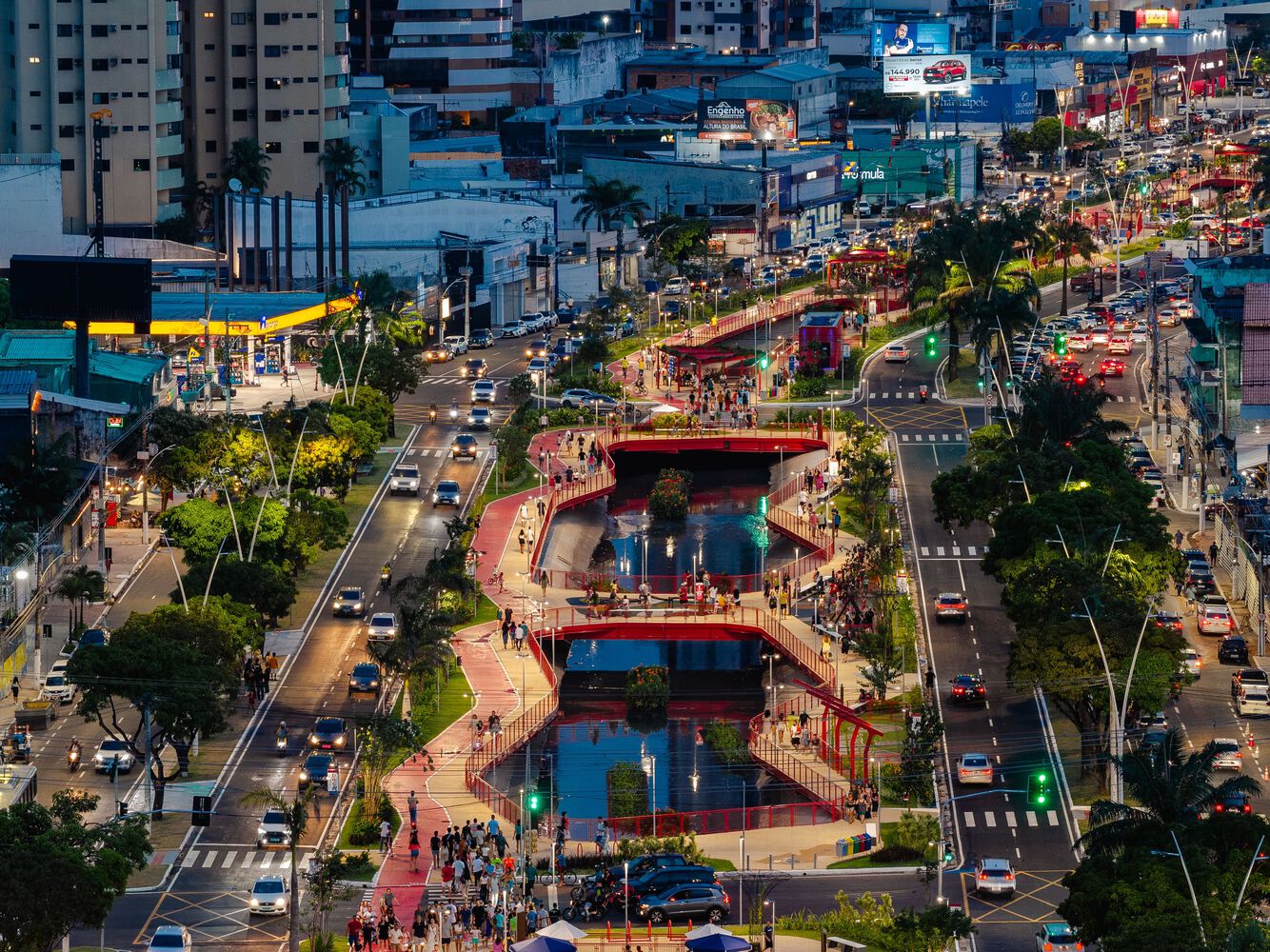
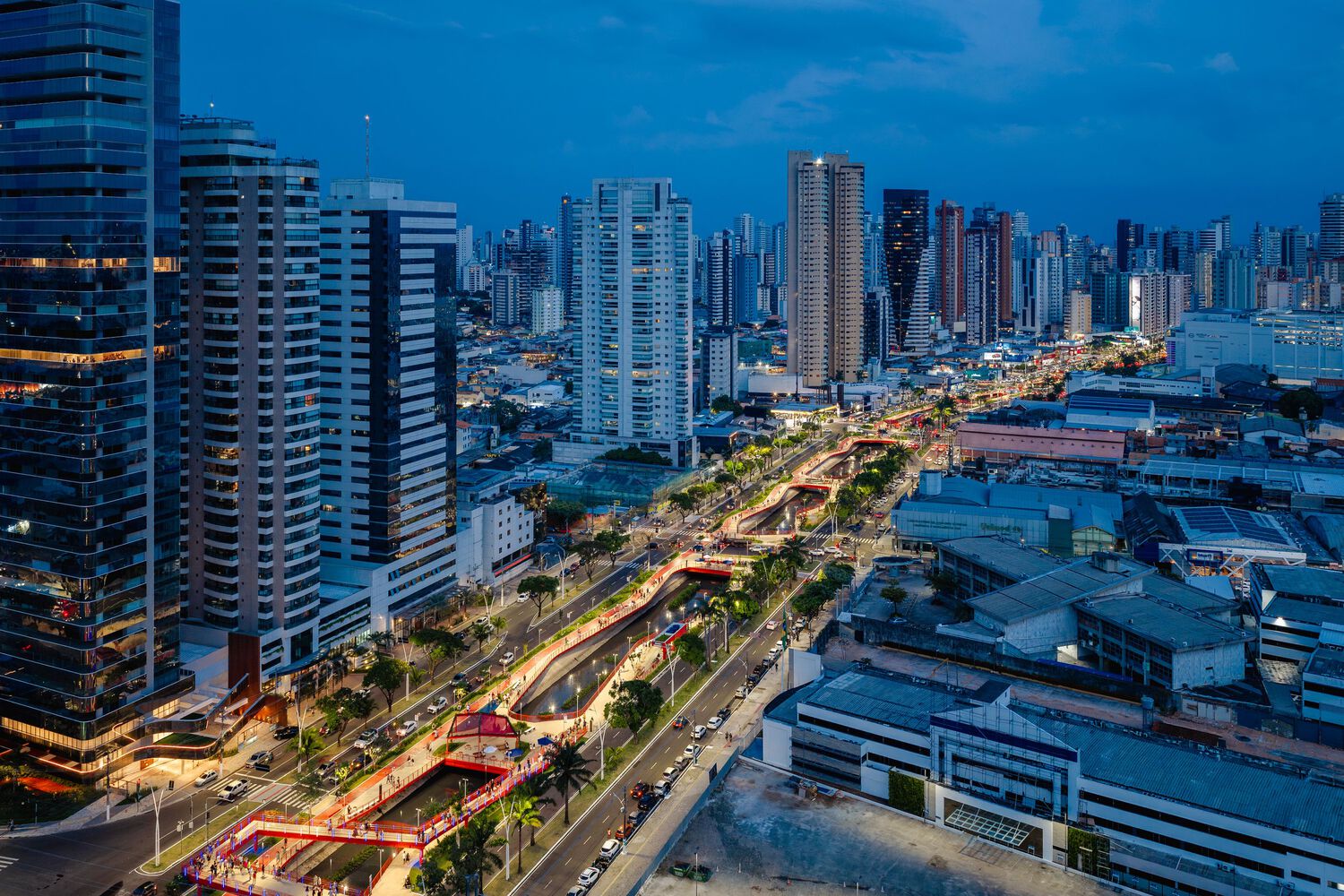
Ao transformar um antigo canal degradado em infraestrutura ecológica e social, o projeto deixa como legado a reconexão da cidade com suas águas e um modelo de regeneração urbana sensível ao território amazônico.