Mô He’ritage Villa
MÔ HE’RITAGE VILLA
Mô He Studio
ARCHITECTS
Mô He Studio
DESIGN AND CONSTRUCTION
Môhe Studio
CREATIVE CONSULTANT
Le Khanh Ly
TECHNICAL IMPLEMENTATION
Do Tan
RECYCLING ARTIST
Khuat Van Chien
CONSTRUCTION DRAWINGS
Tran Huong Tra
CHEF ARCHITECT
Phuong Thanh Tung
PHOTOGRAPHS
Cao Xuan Hoa
AREA
307 m²
YEAR
2025
LOCATION
Hanoi, Vietnam
CATEGORY
Hospitality Architecture
English description provided by the architects.
MICROSCOPES
"Architecture is a microcosm". The concept of "place" and "Ego" in architecture has also become the theme of Contemporary Architecture over the past decades.
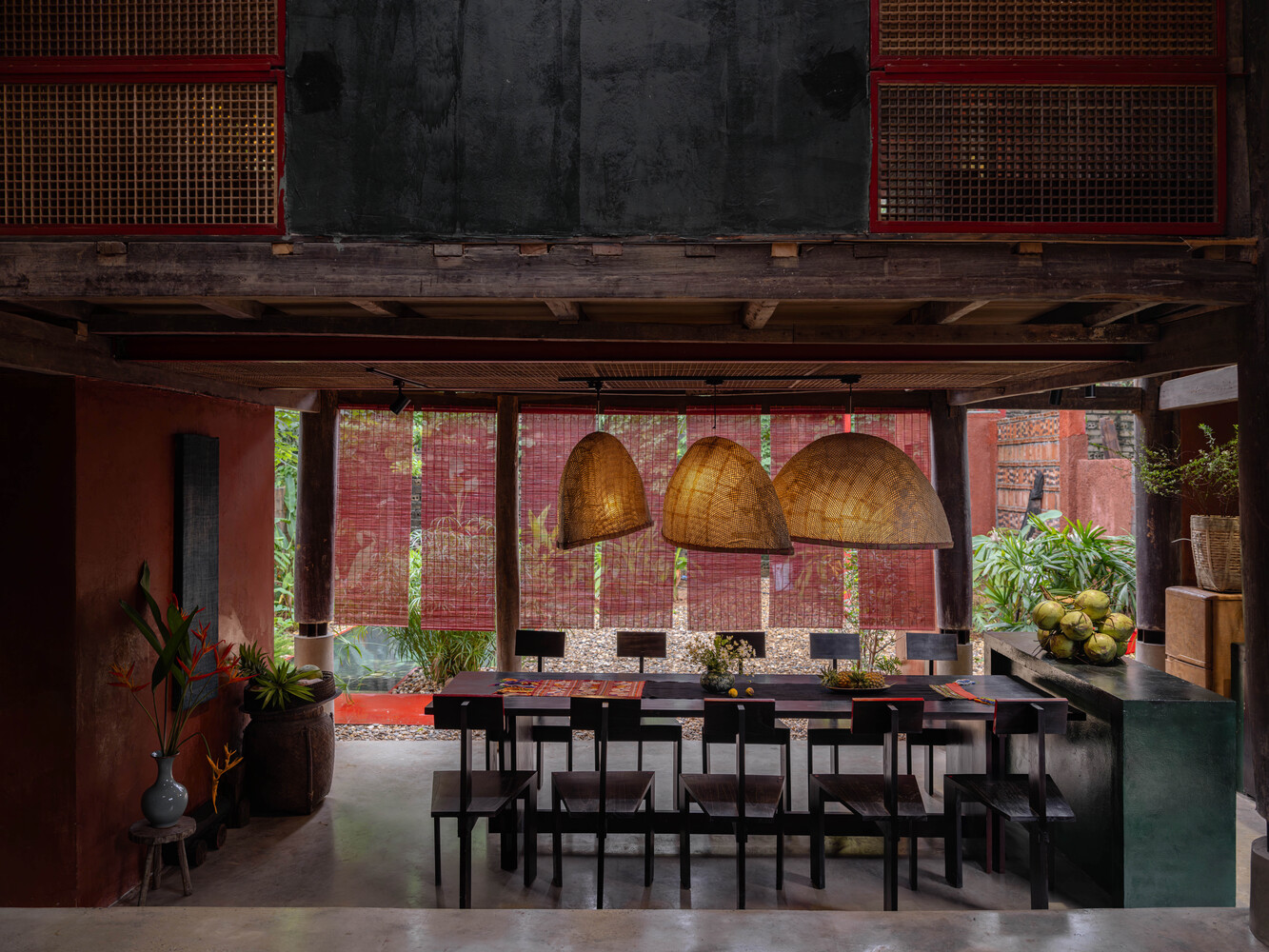
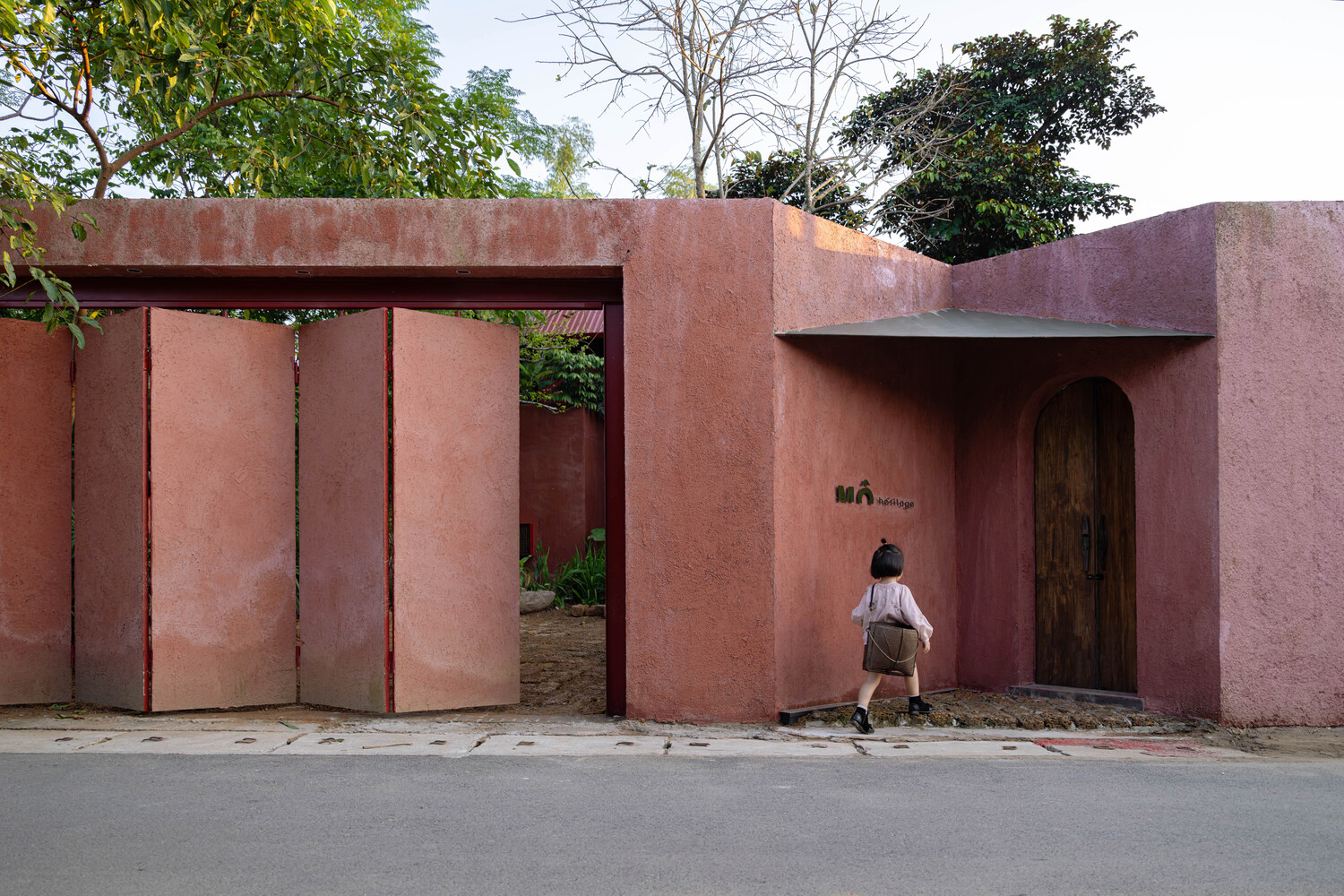
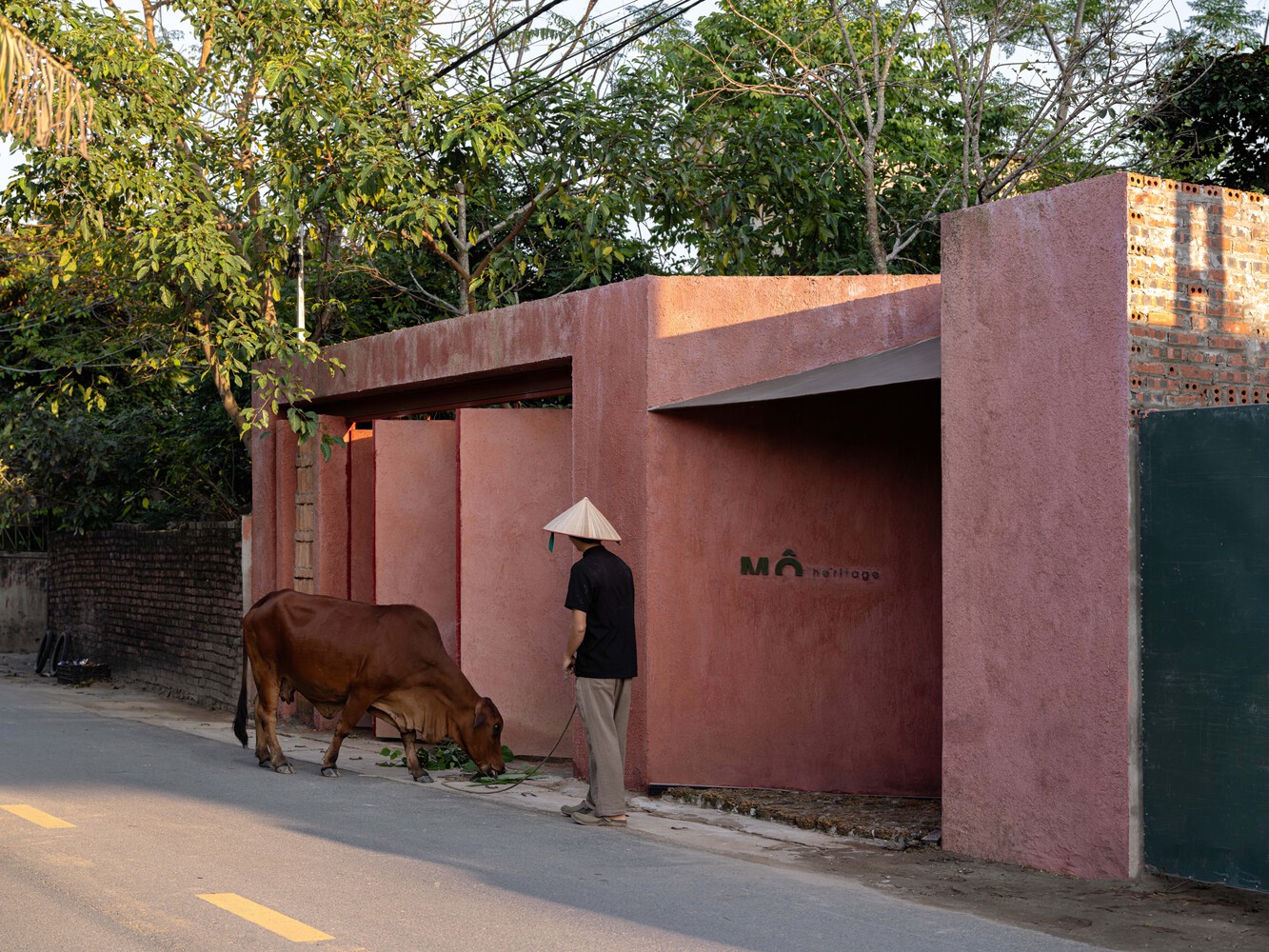
MÔhe'ritage does not exaggerate, does not turn architecture into a mark that goes with the years, MÔhe'ritage is simple, close, and gentle like someone's innocent and emotional childhood.
Being part of a series of projects on resort villas and small homestays, "MÔ" originates from the word "where" in the Central Vietnamese dialect, and is also a friendly invitation from indigenous people.
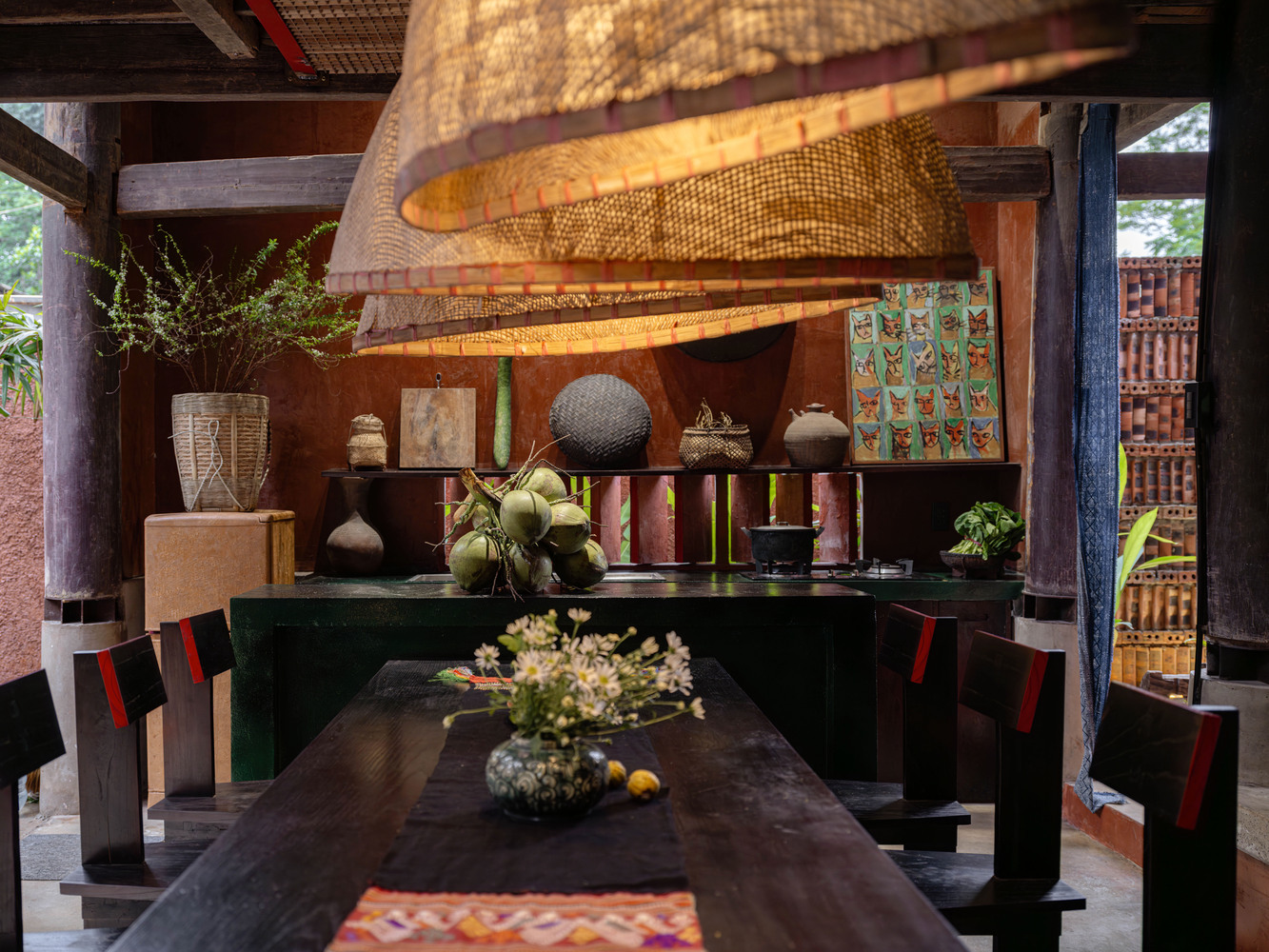
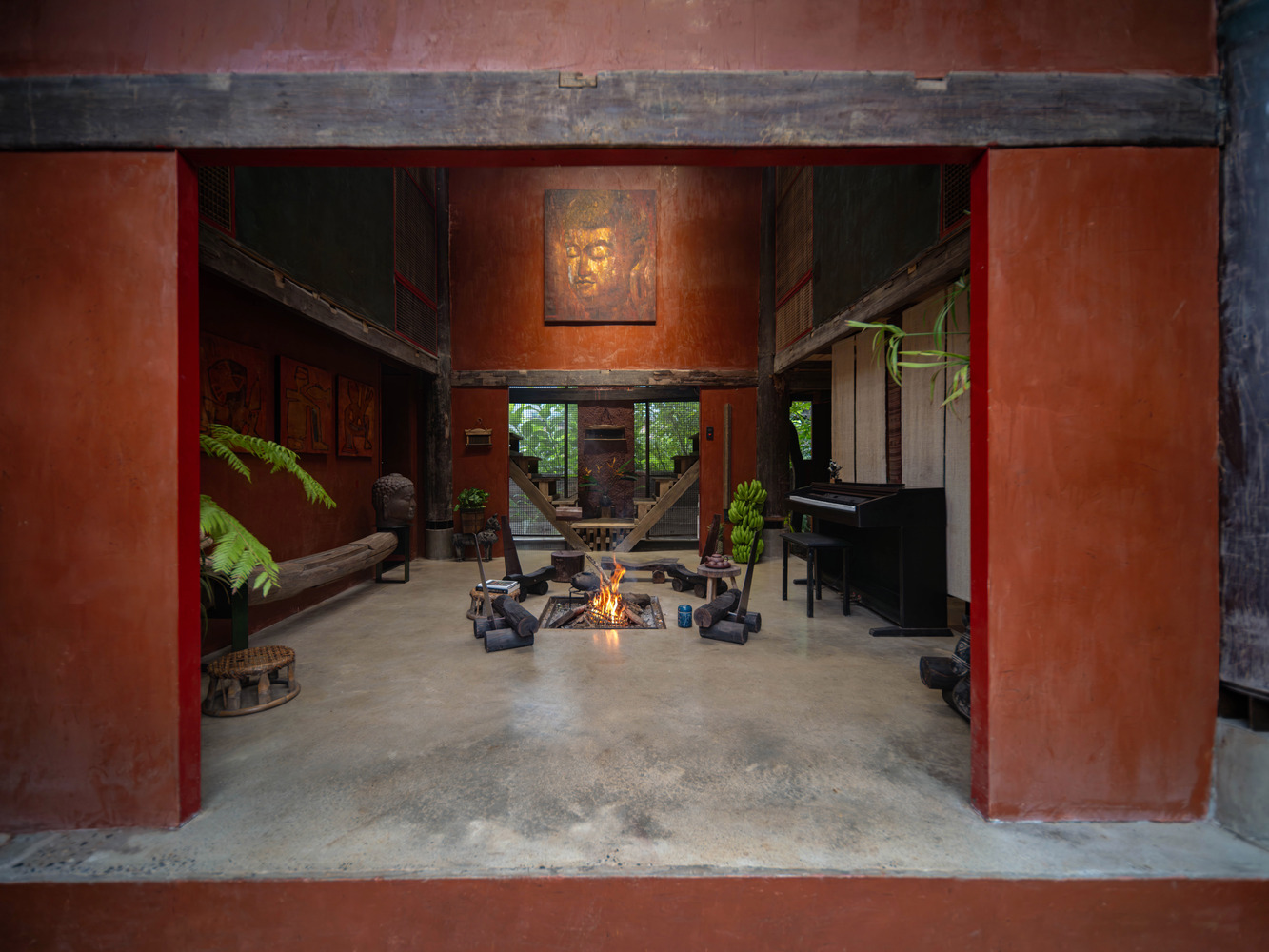
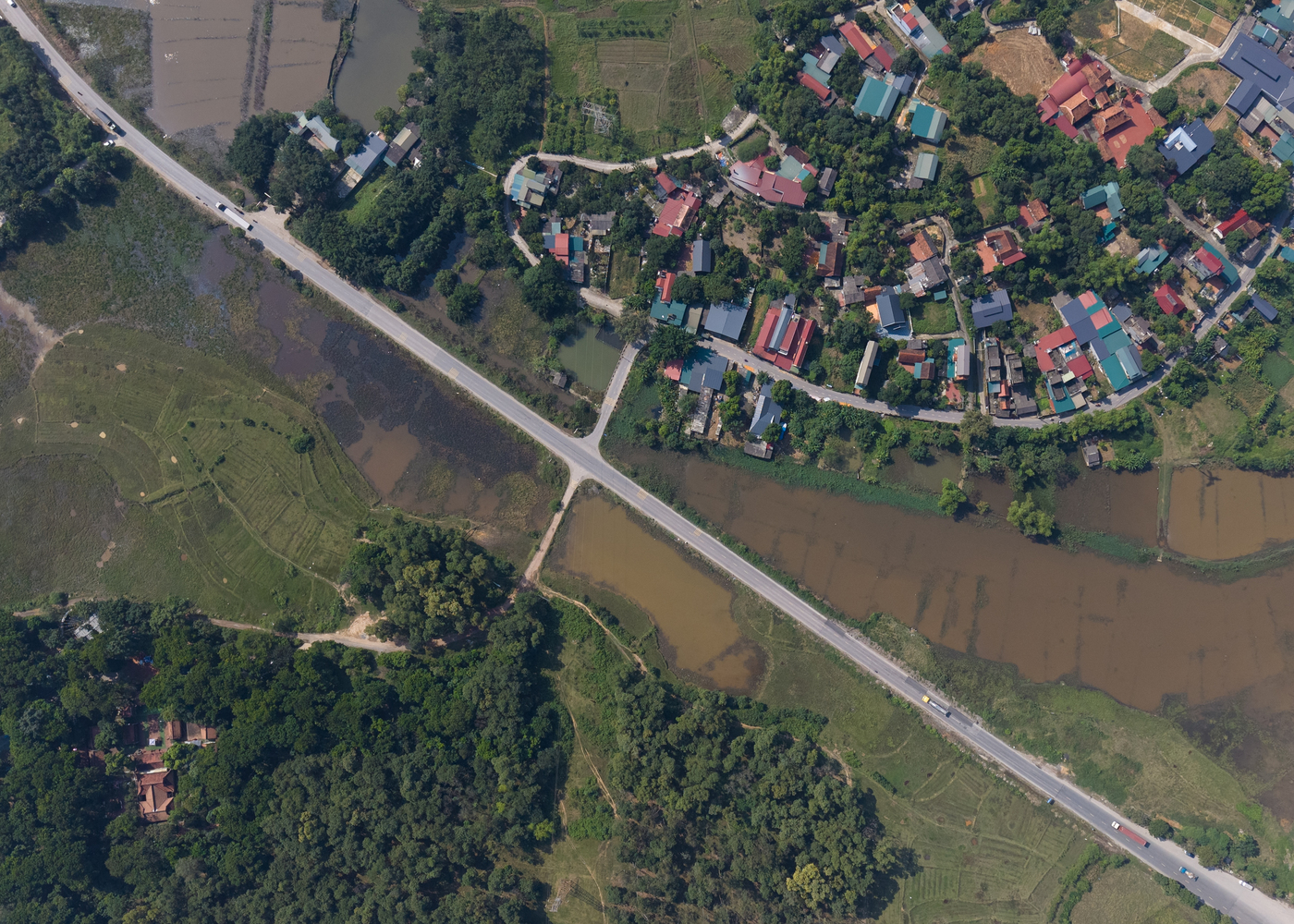
Located in the homeland of two Kings in the West of Hanoi capital (Sontay or Doai/Westernland*), the project is a connecting point in a series of local relics and landscapes such as Va Temple, Duong Lam ancient village, and Ba Vi mountain.
The project with the theme "rewriting the story of heritage", where the author transforms the tangible and intangible heritage values of Doai into his contemporary work.
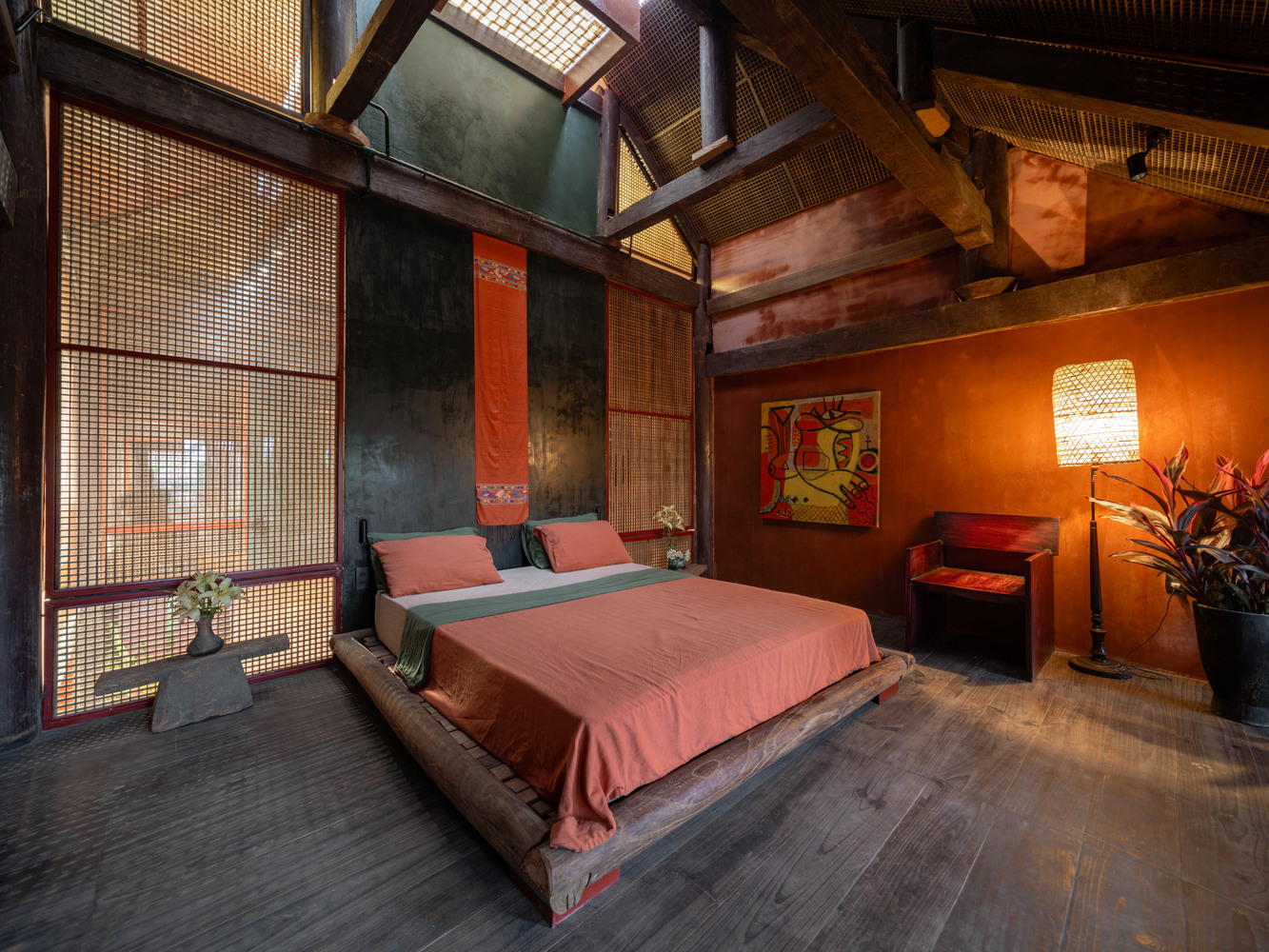
SPACE OF THE MIND
Duong Lam, a place famous for its laterite, traditional Northern houses, and the ancient village layout of "banyan tree, ferry, communal house yard."
Anyone from the previous generation of Doai can imagine with their eyes closed the cool, rough look of laterite, the old smell of wood from the house pillars, rafters, purlins…
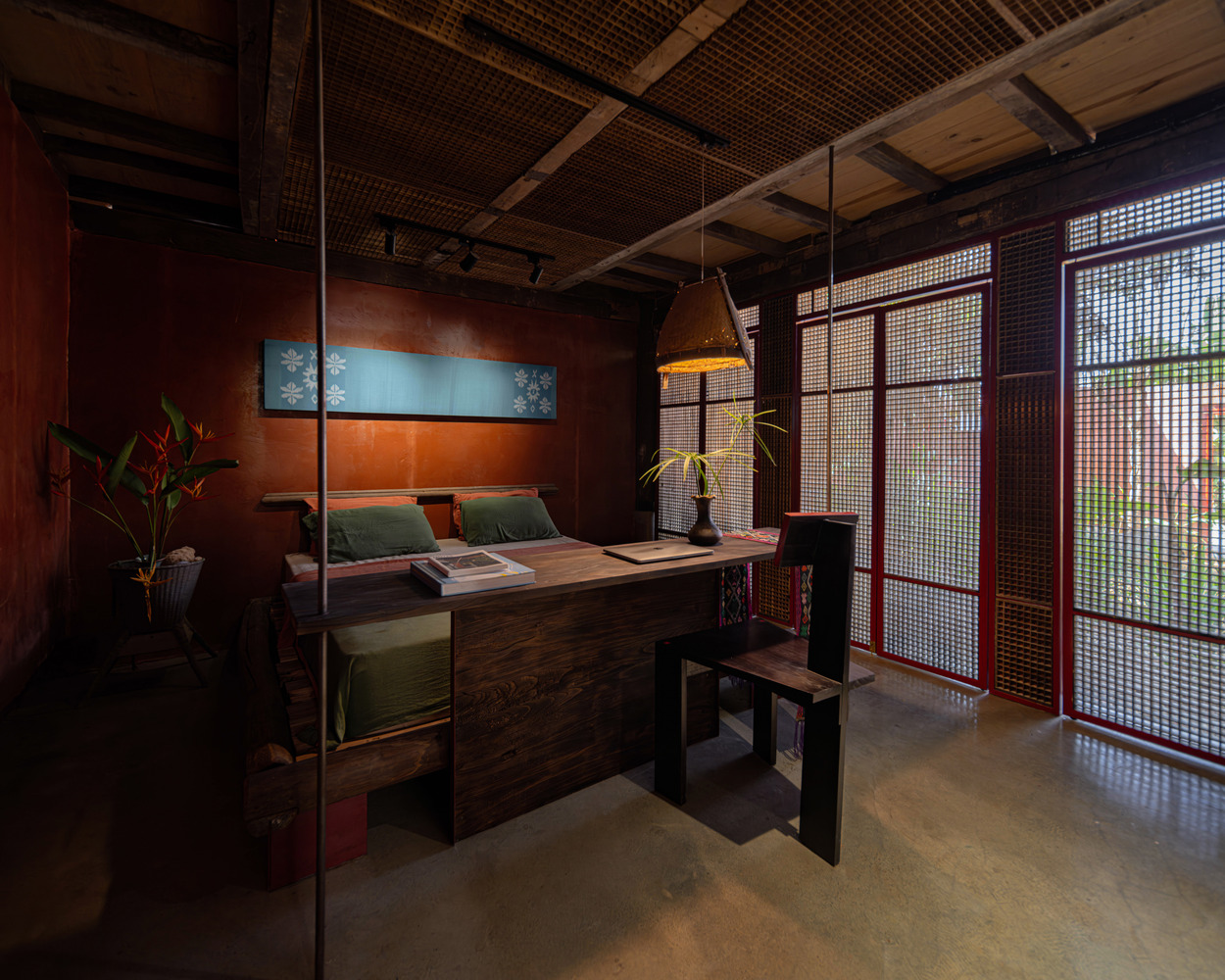
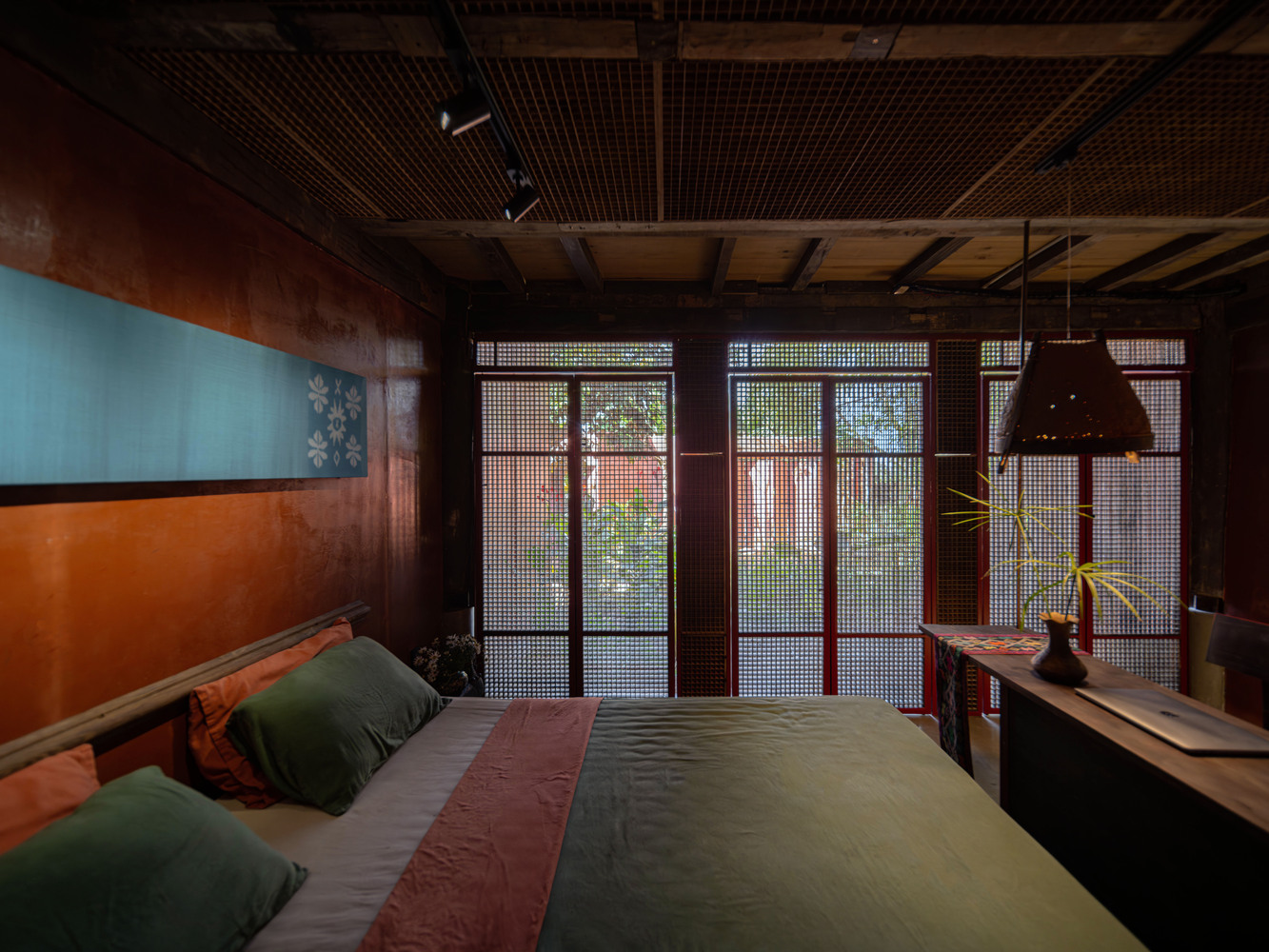
At MÔhe'ritage, users only need to let their minds wander in every corner, in every material… to suddenly realize that the old architecture is still here, very beautiful, very intact, very modern, and still very comfortable.
HERITAGE FRAGMENT
Installation art is still known as a part of contemporary architecture, or reuse is also one of the very familiar terms of Sustainable Architecture.
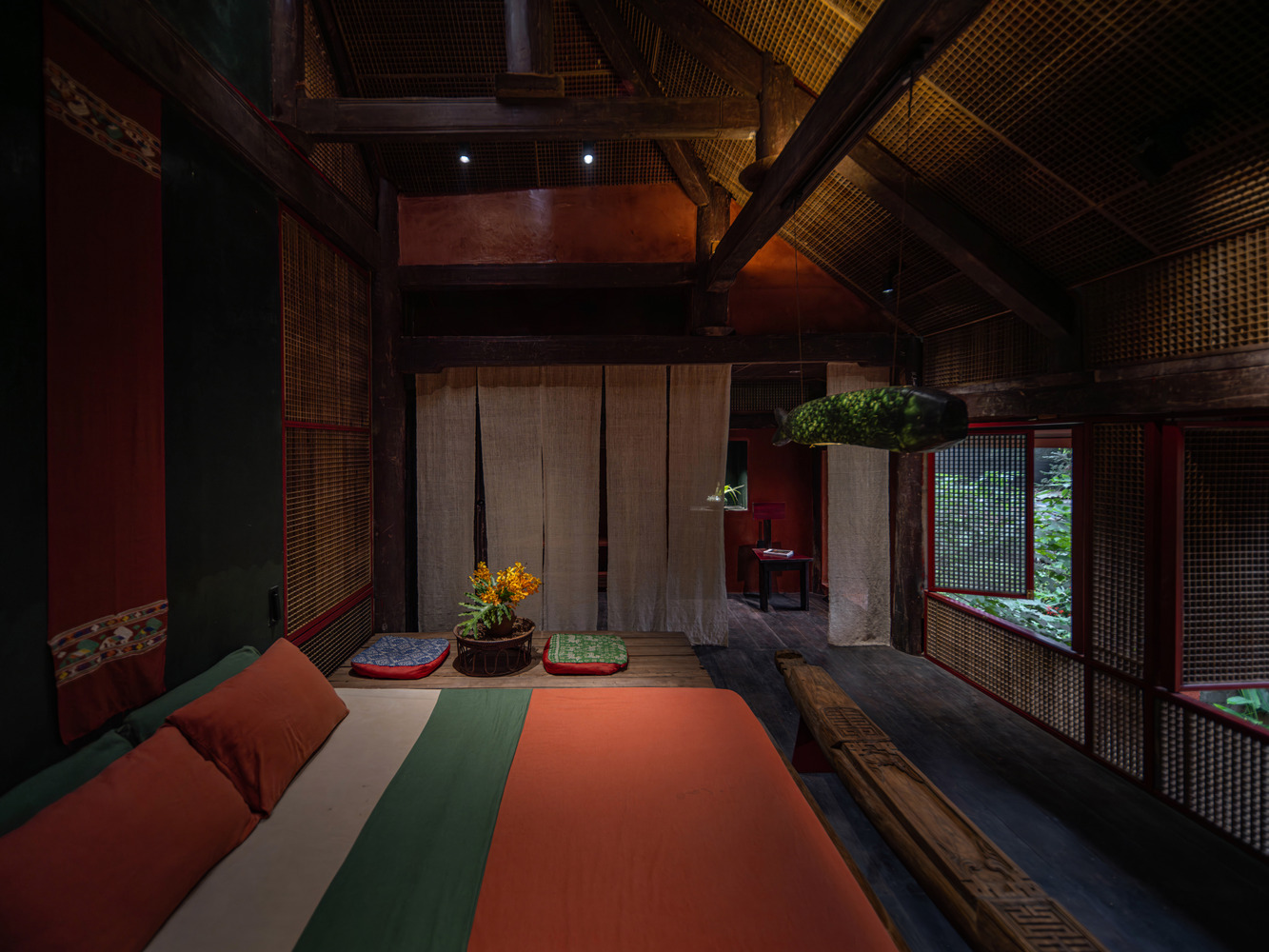
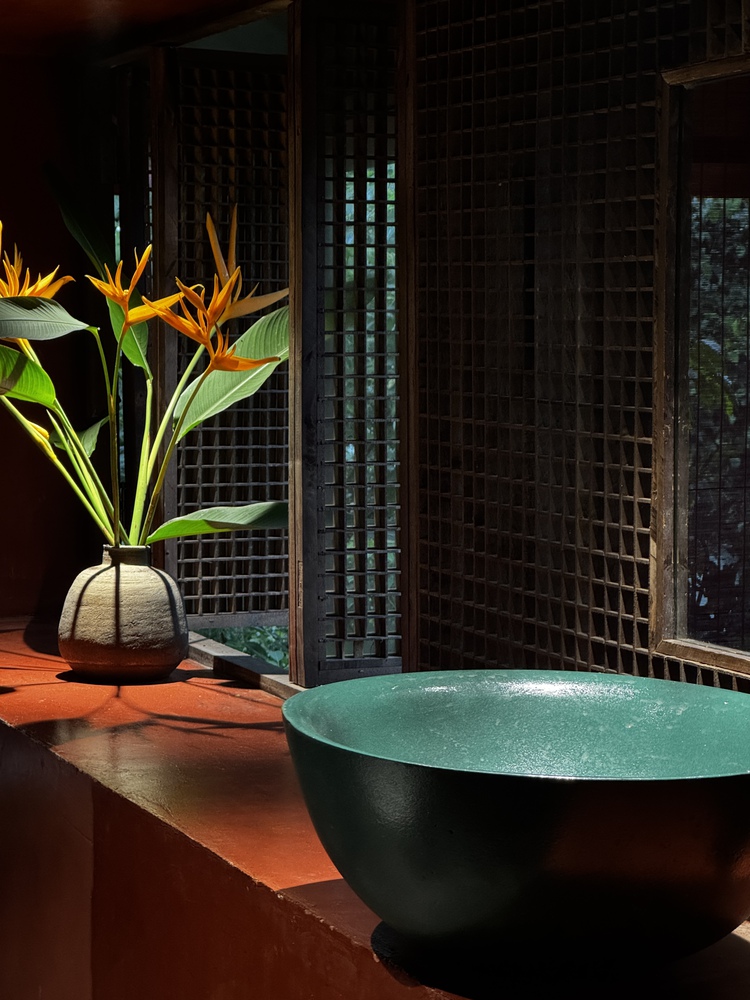
MÔhe'ritage does not name its technique; the author wants to keep its unique features as an individual, a unique ego.
MÔhe'ritage with spaces of architectural memory exhibition, heritage is recreated fresh through preservation, storytelling, and renewal.
The "heritage fragments" evoke memories, convey "cultural spirit," making tangible and intangible heritages exist somewhere in space.
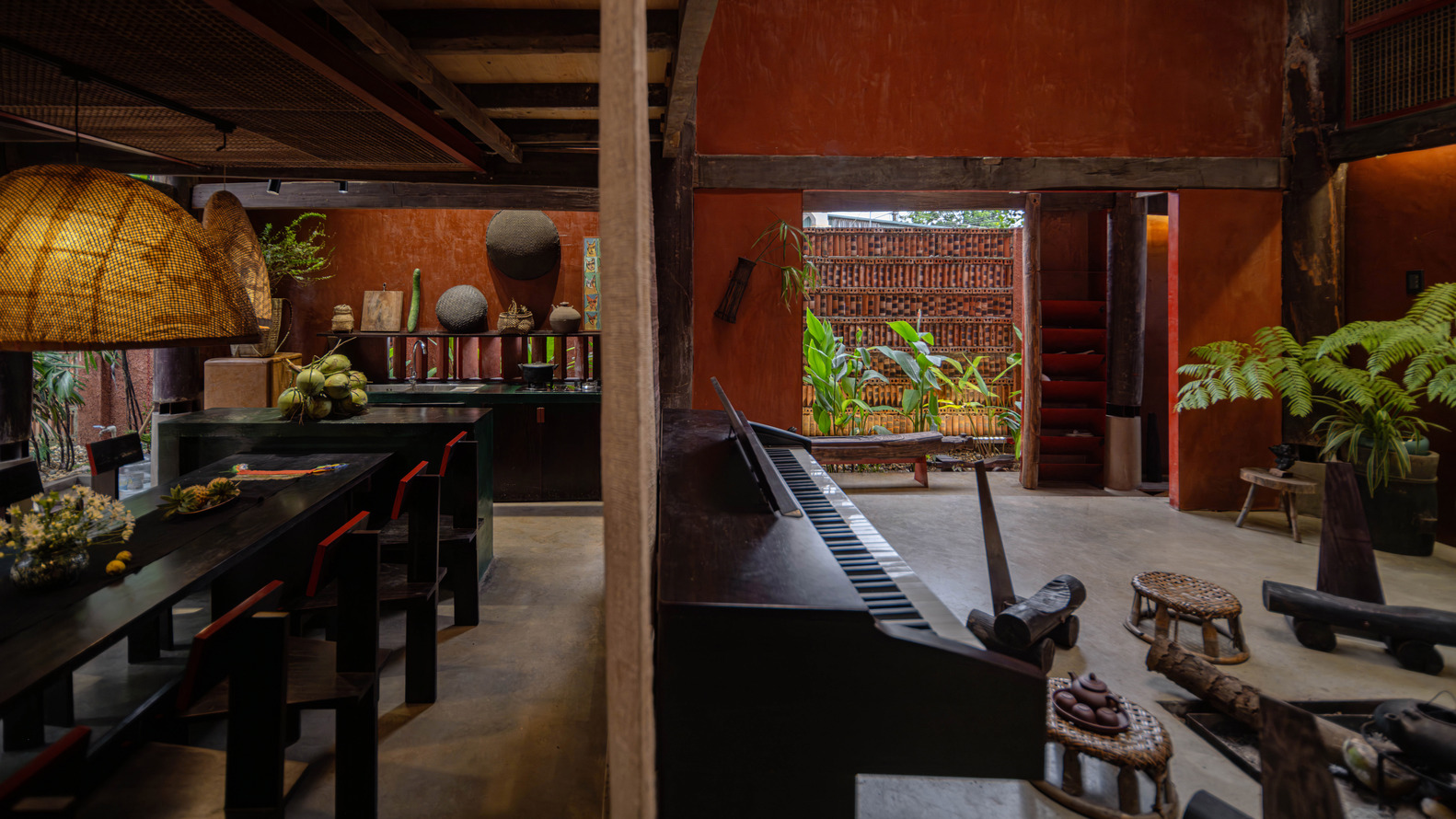
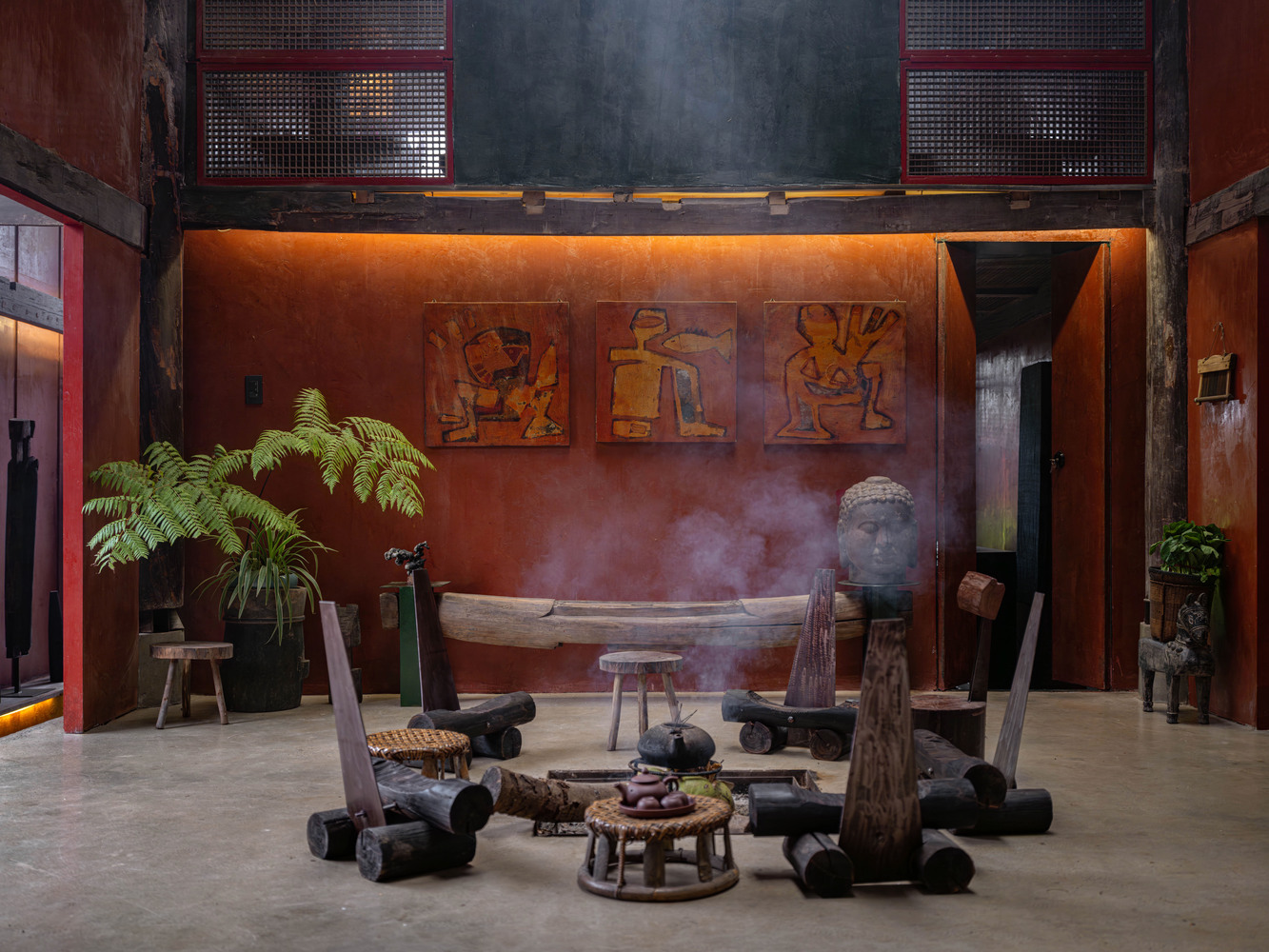
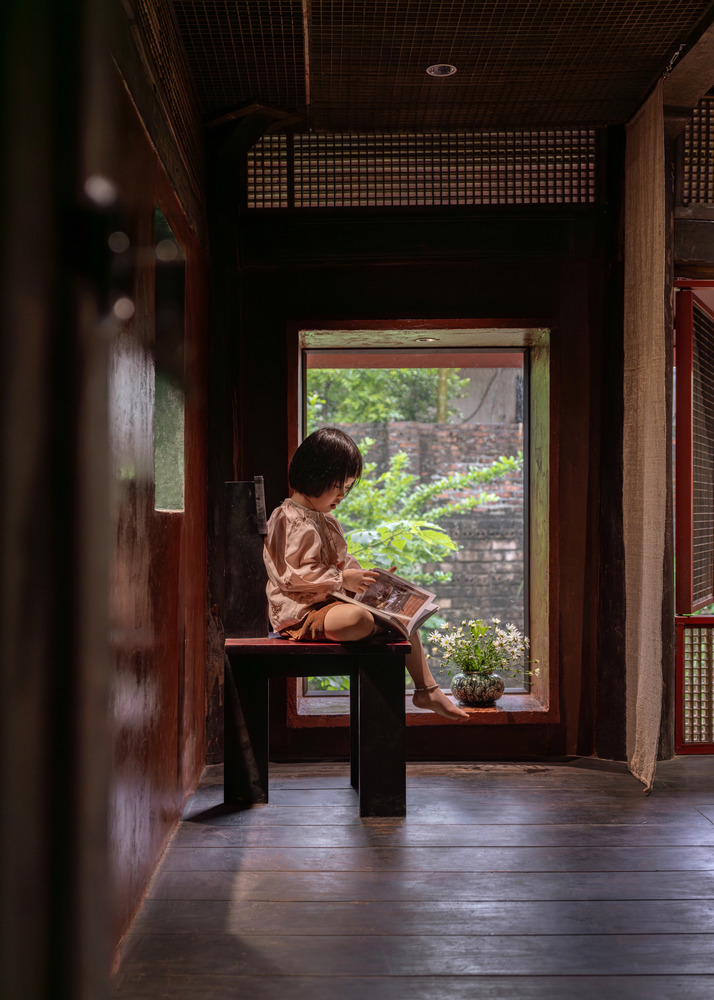
Wooden components with heritage value: Part of the traditional house's head is elaborately carved, the hundreds of years old wood carvings are embraced and felt close like a bench, a small bench in the corner of the house.
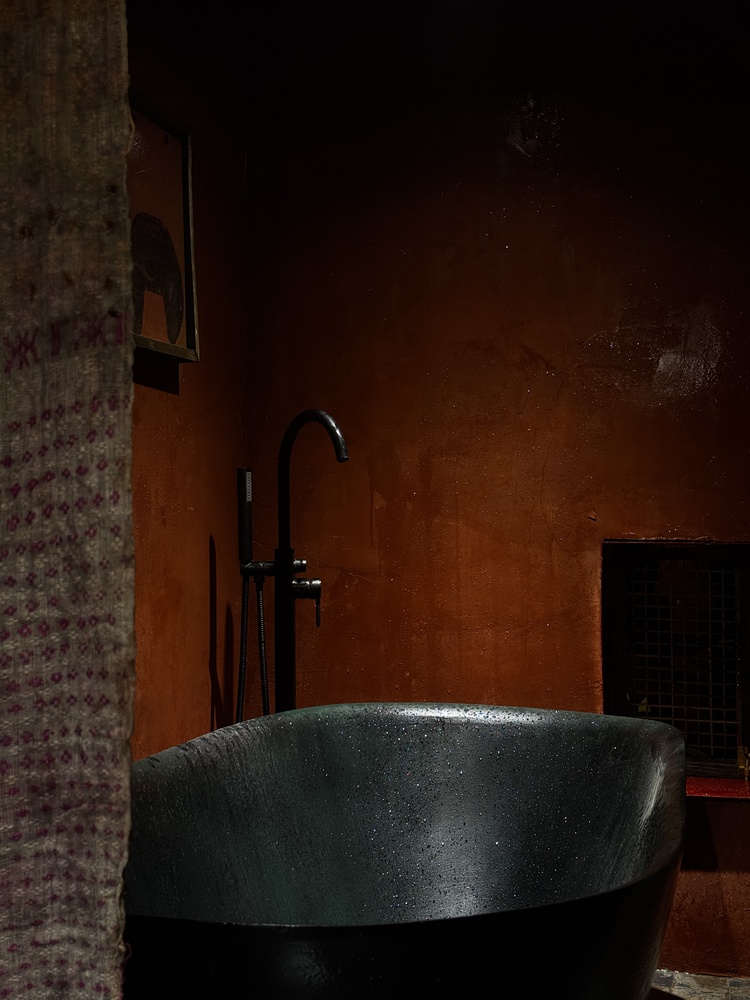
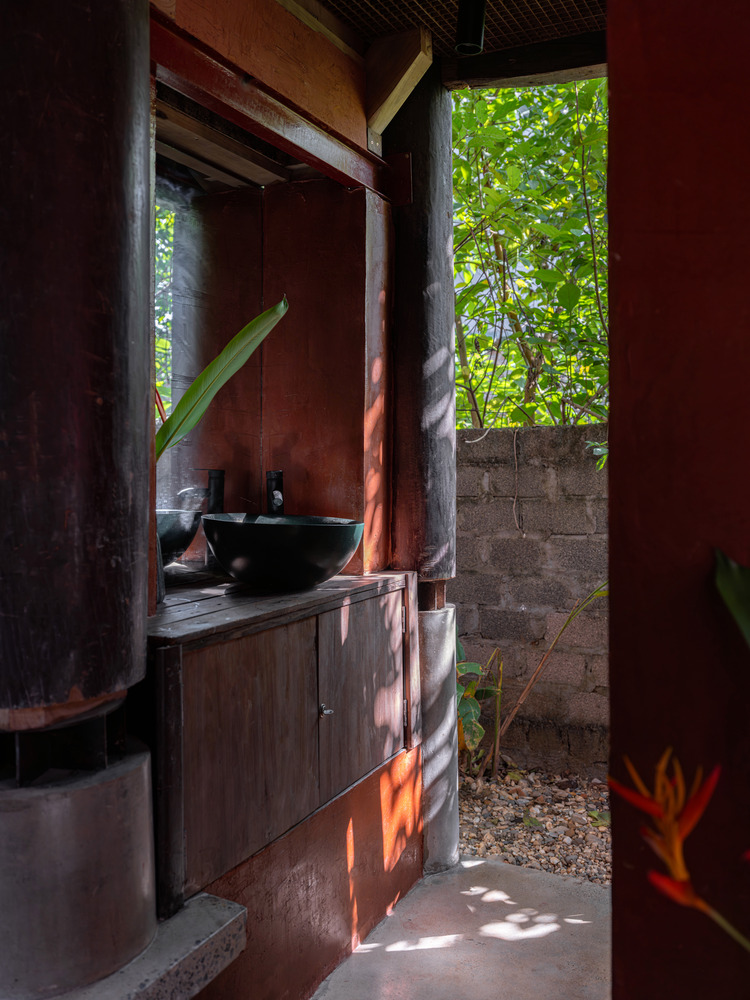
The story of the heritage piece is written simply and plainly.
THE FIVE ELEMENTS AND ENERGY FLOW
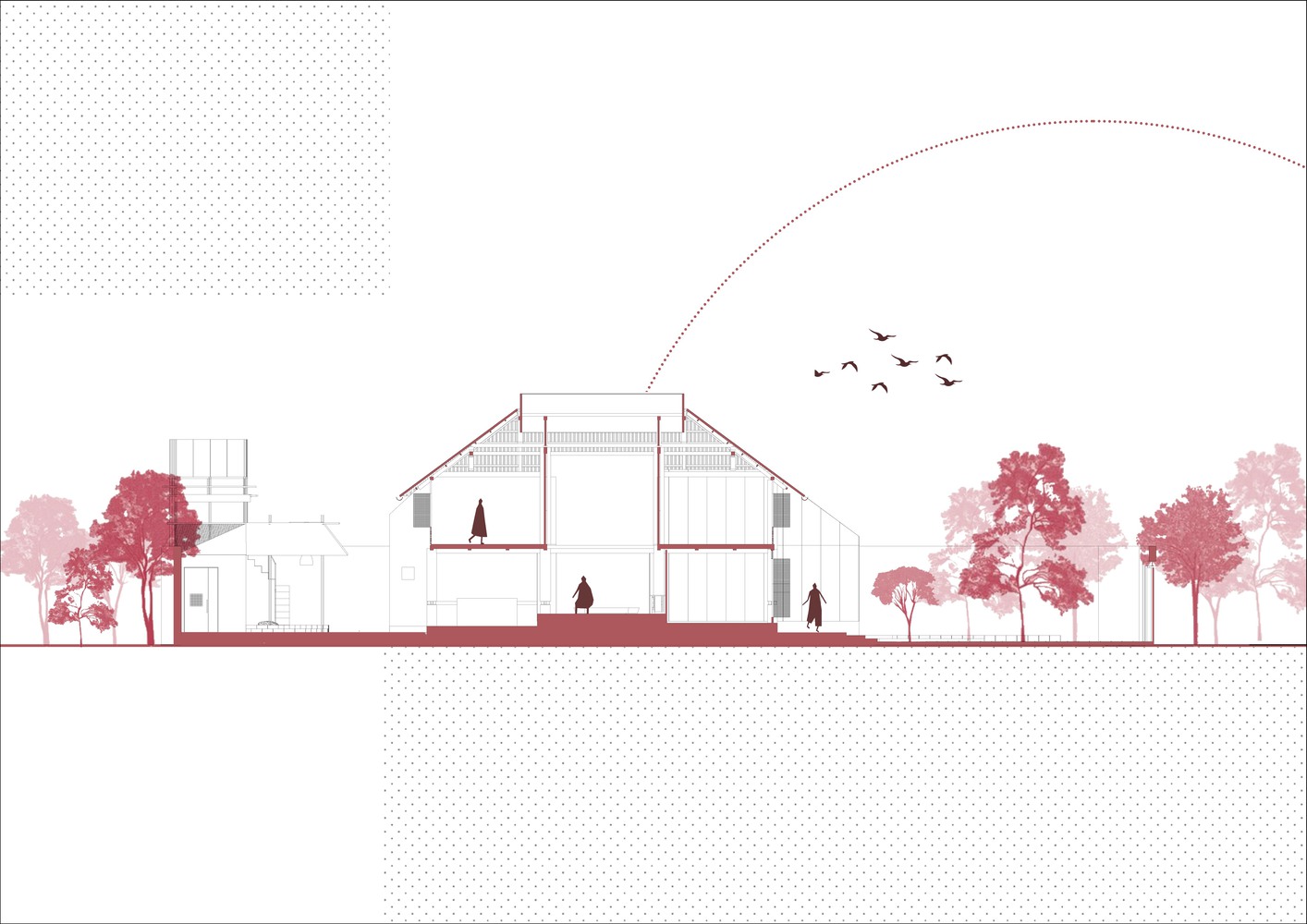
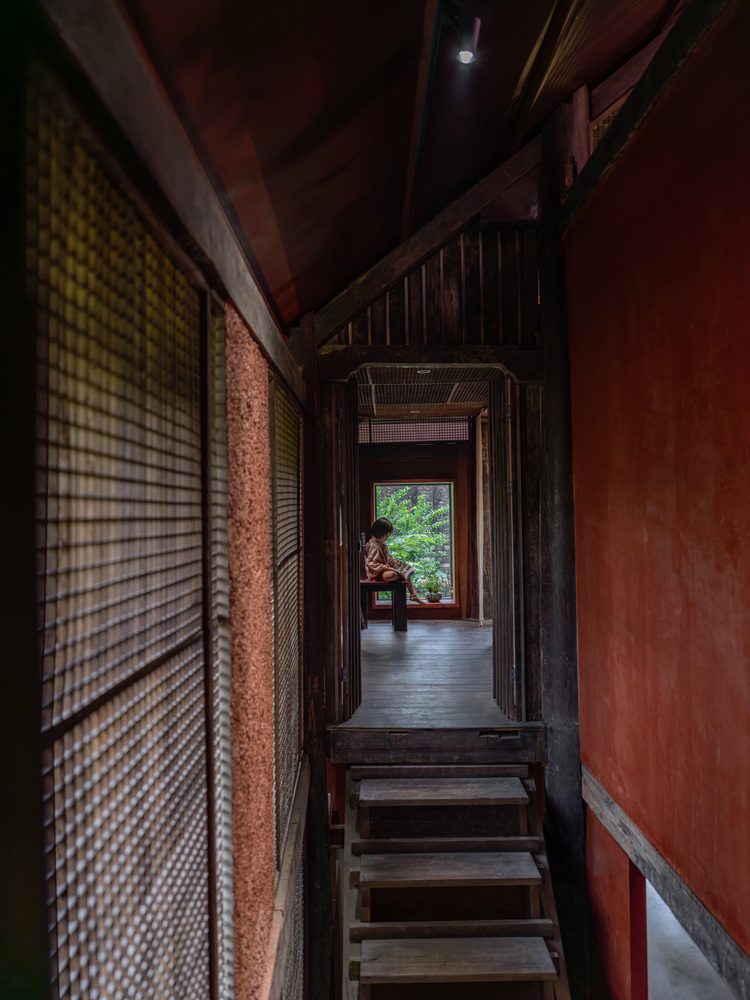
Vietnamese traditional architecture is inherently in accordance with nature; the five elements in Feng Shui just enter the human microcosm without any constraint.
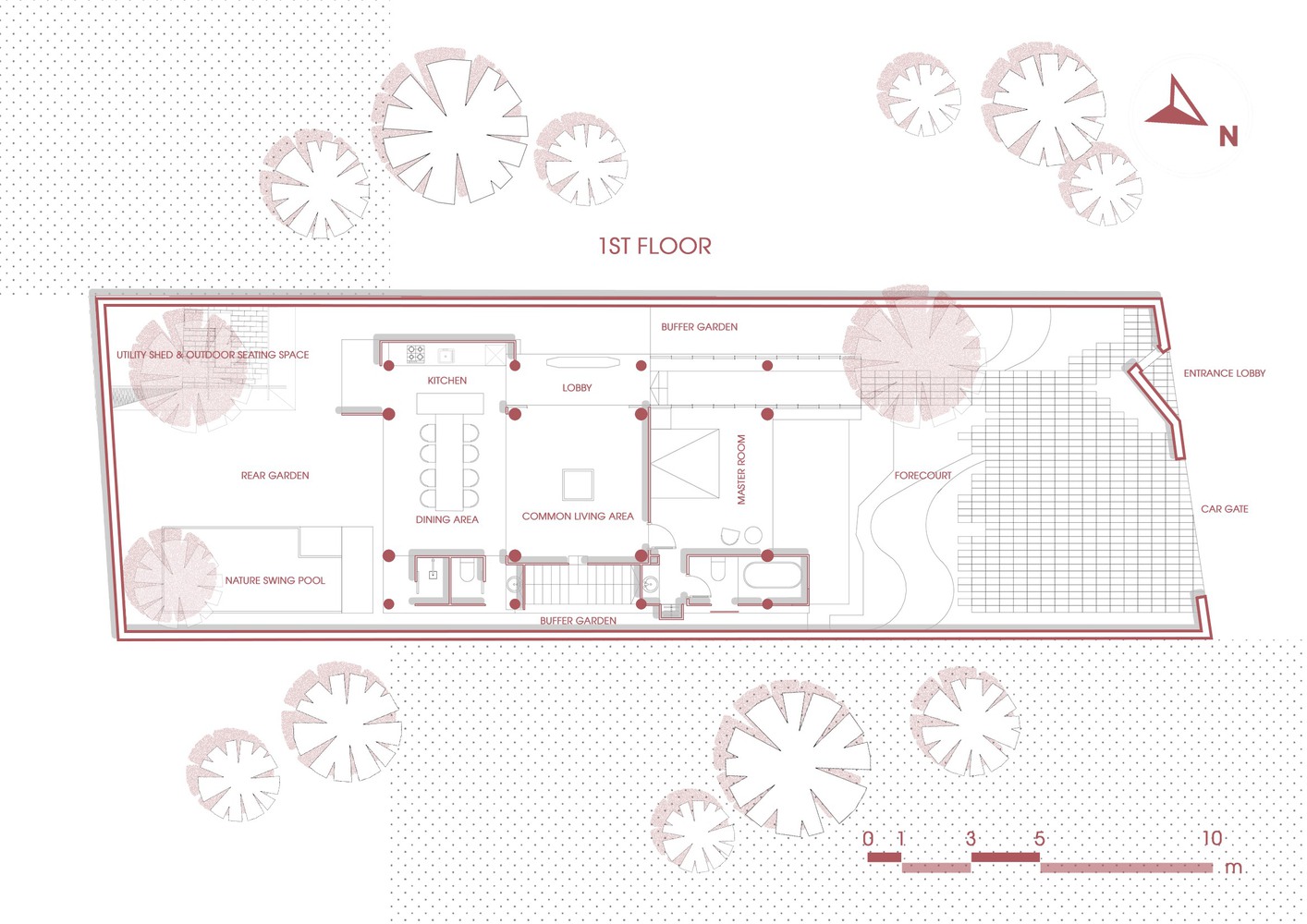
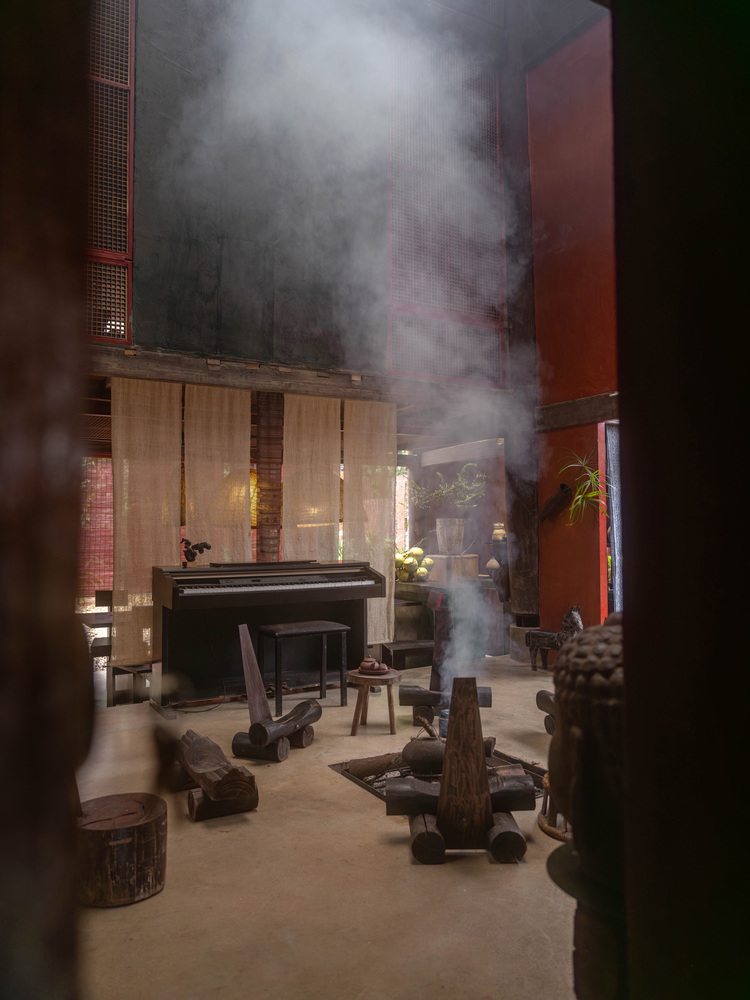
According to the concept of "Returning to the original circle", the House is where people gather around the fire to do community activities- eat, warm up, communicate - where sharing and protecting each other are formed.
Therefore, like the Vietnamese traditional house, the Fire (Kitchen) is not only a functional area, but the heart of the House - the center of vitality, memory, and connection.
The Fire (Kitchen) is like the axis of the universe in Eastern culture, where other functions in the house are organized around the center "fire".
The hearth in the middle, sacred yet still very close, somewhere filled with the smell of firewood, warm, filled with the laughter of children..., letting the mind follow the smoke into the sweet memories of childhood, where the fire is kept from generation to generation, where the positive energy (Yang) awakens all senses.
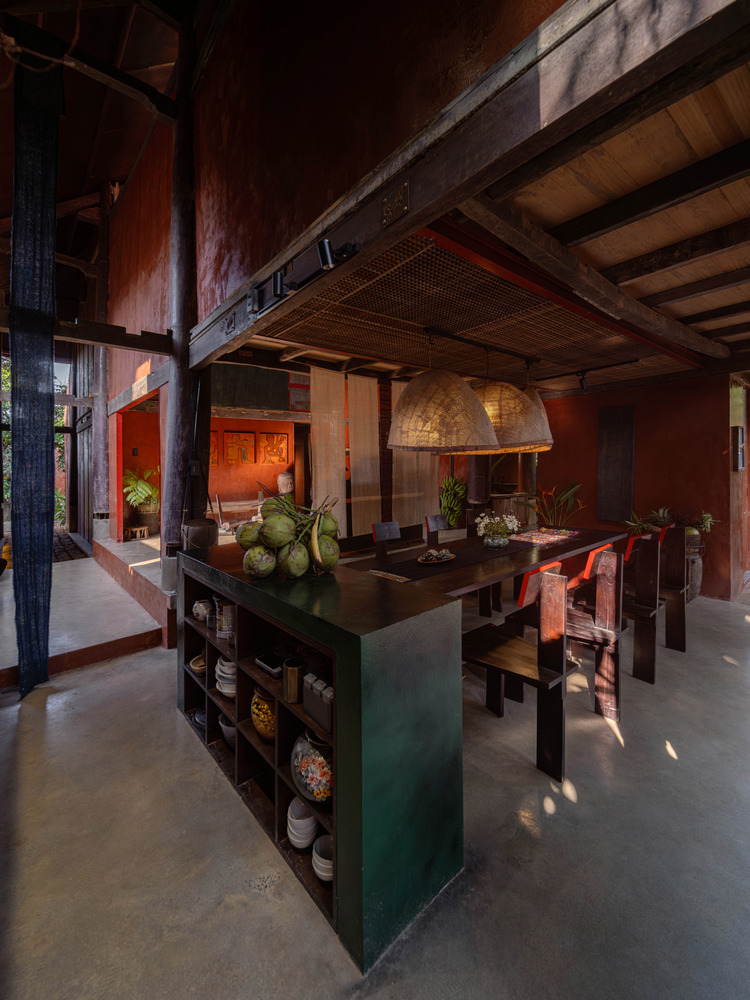
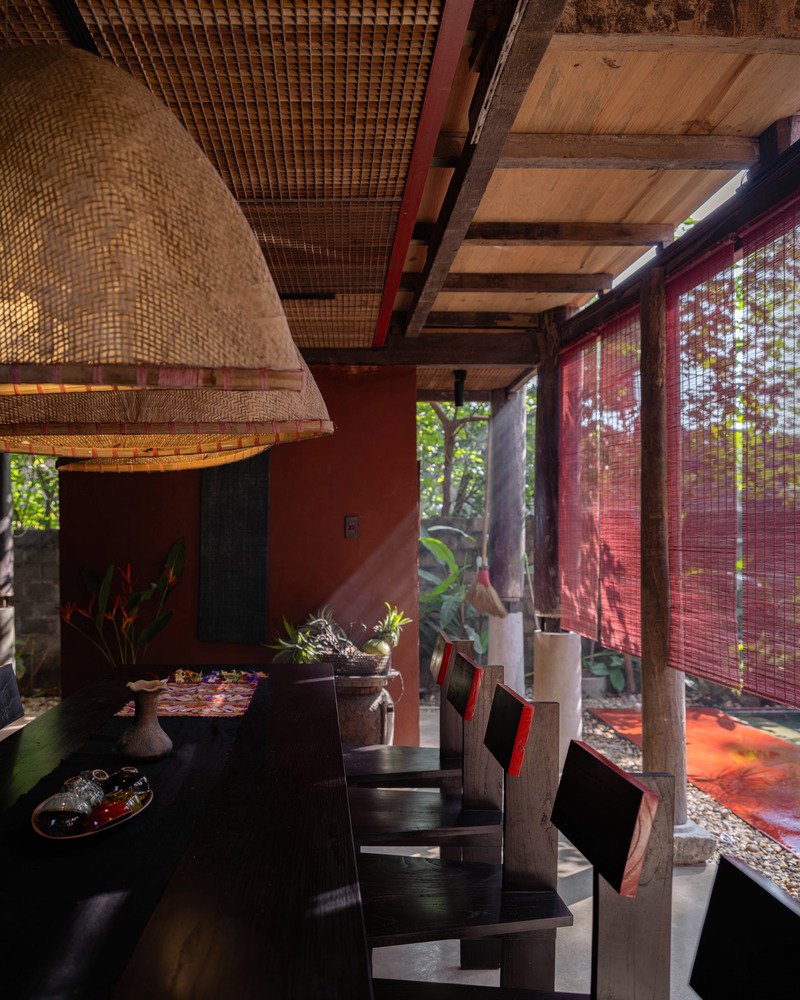
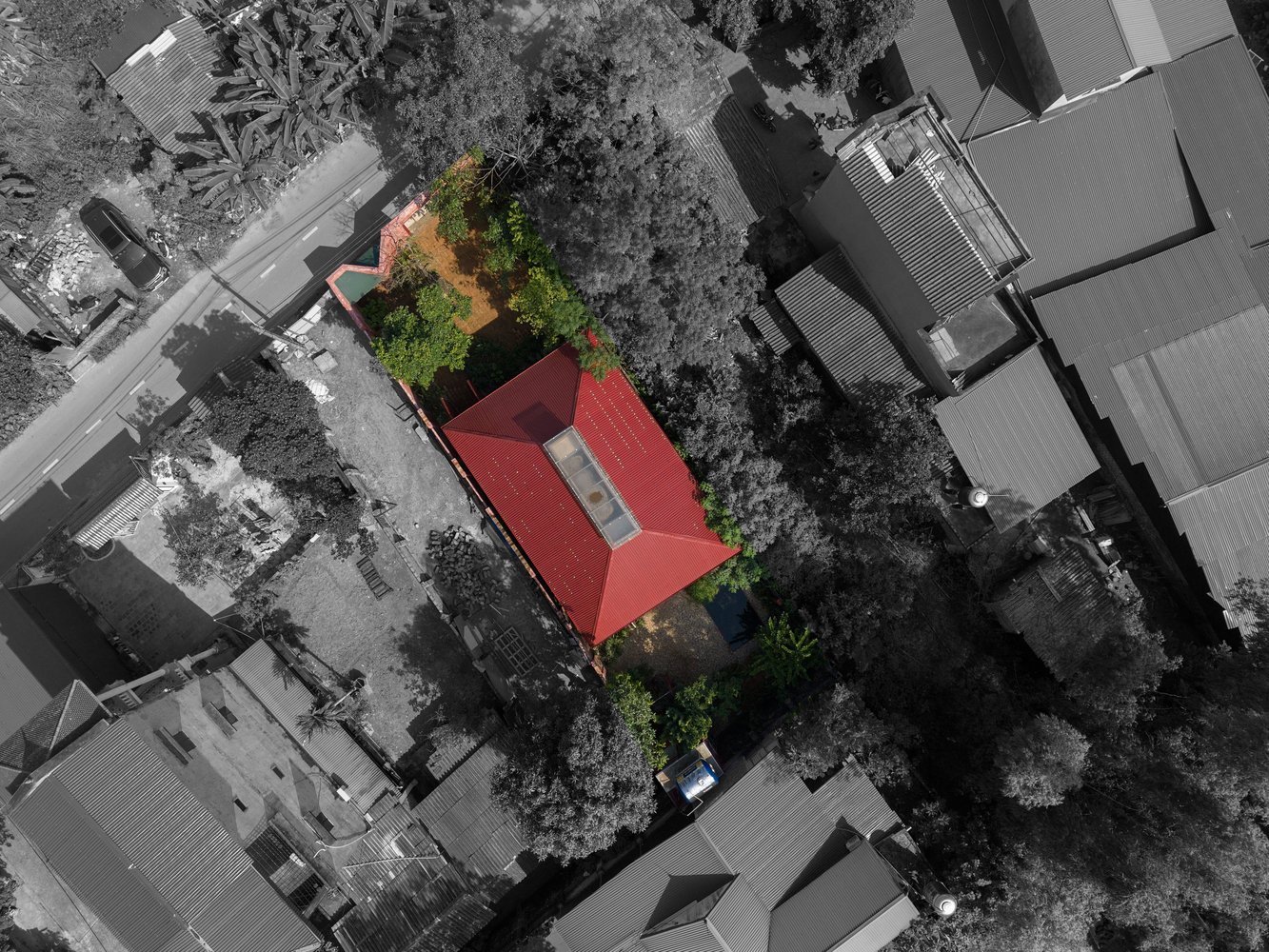
The Water tank, just enough to splash around, enough to be safe like a mother's arms, enough to be a small dot connecting with the village' pond, with the big lake or the Red River from a bird's eye view, … it is small but enough to be green, enough to balance the gentle sound energy (Yin).
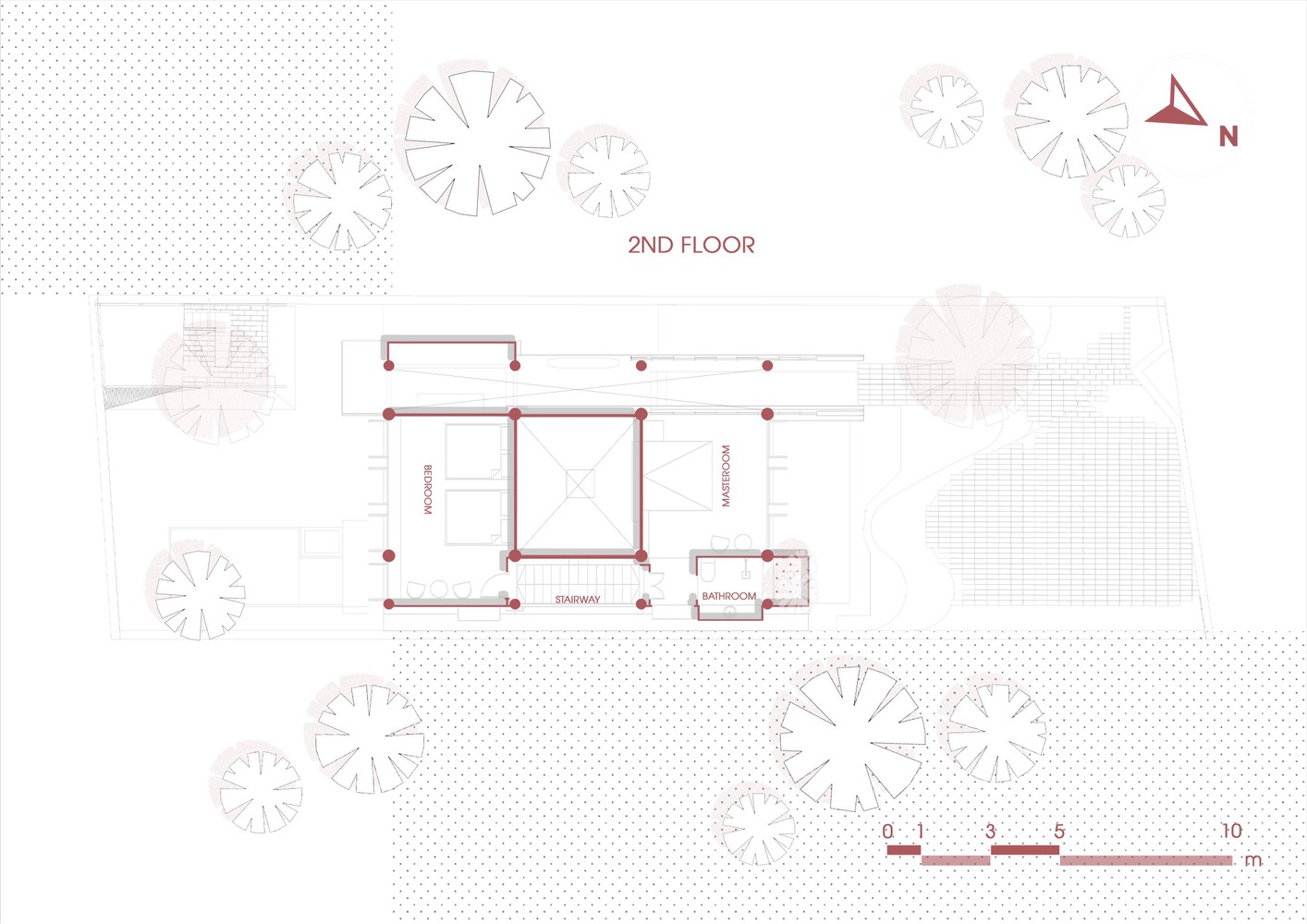
Wooden columns, wooden structures that are used to determine the longevity of traditional buildings.
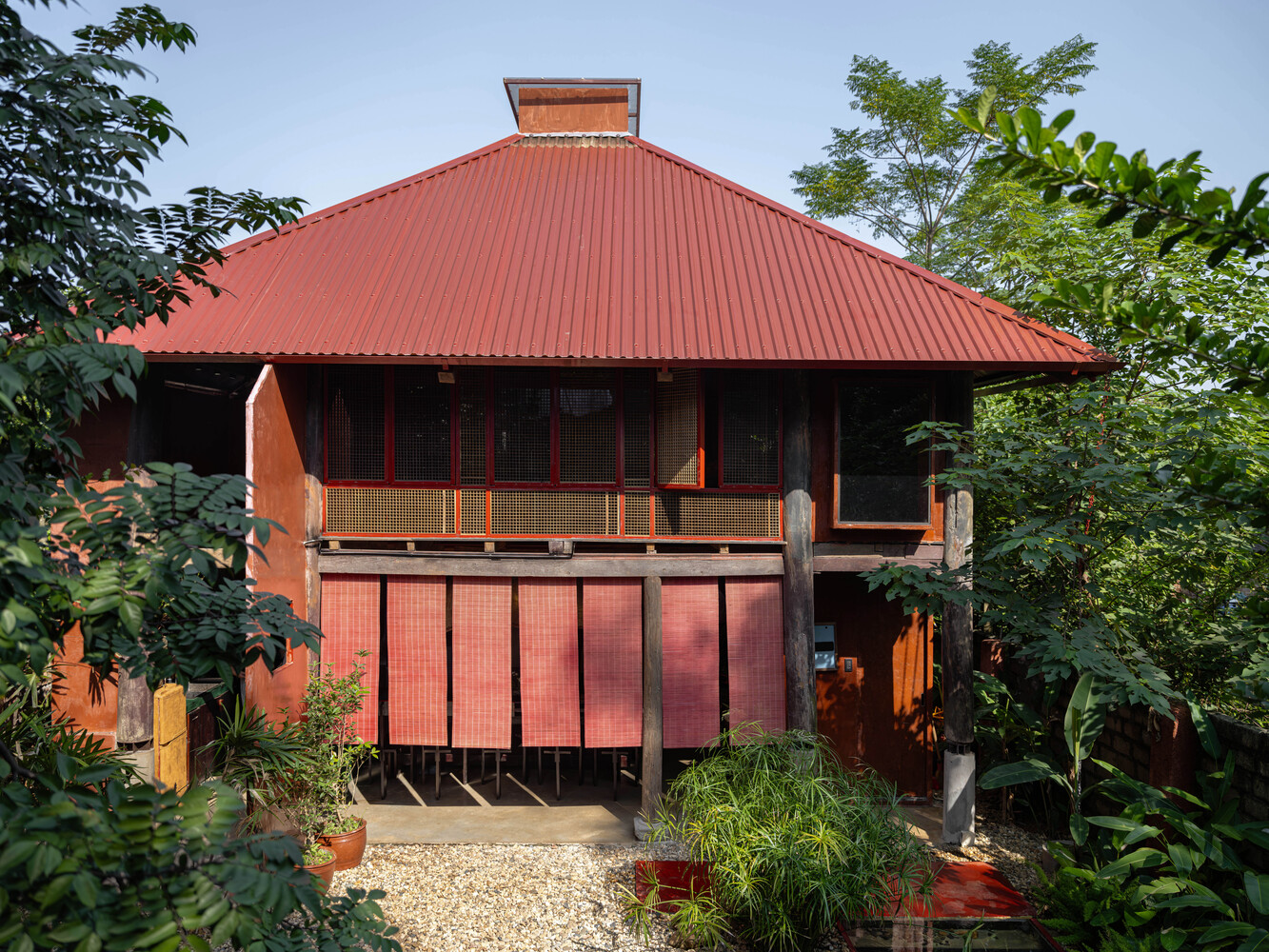
Mo'heritage uses wooden columns and natural wooden structures, reused from damaged ancient houses.
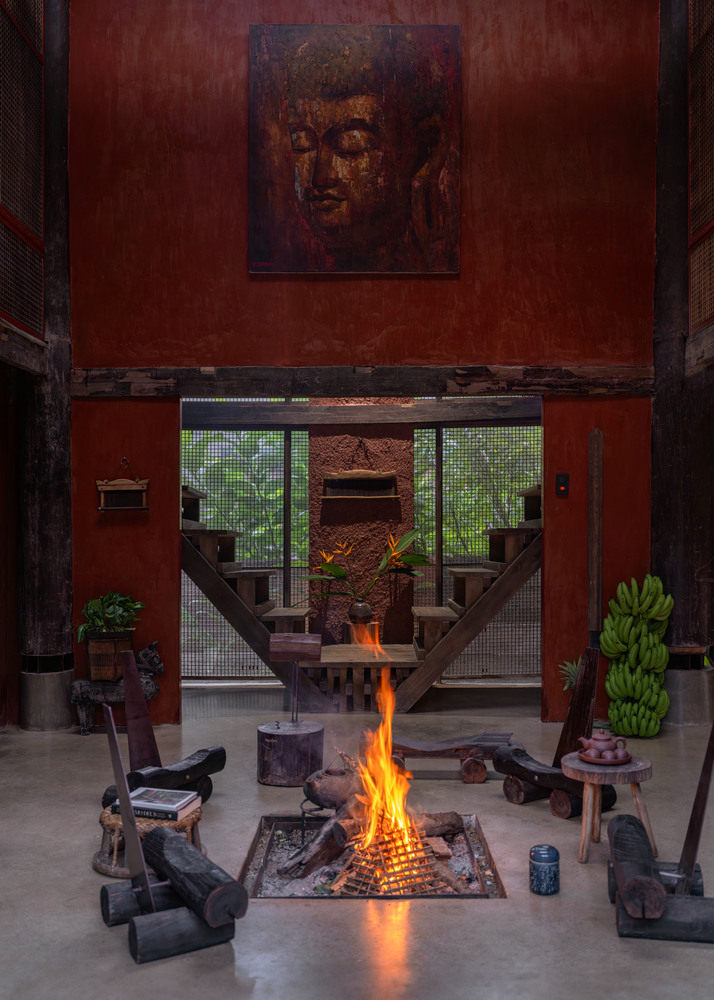
This is the Wood element in Feng Shui, carrying light Yang energy, combined with natural trees around the house to create corridors, space lines, as well as objects that are both useful and historical.
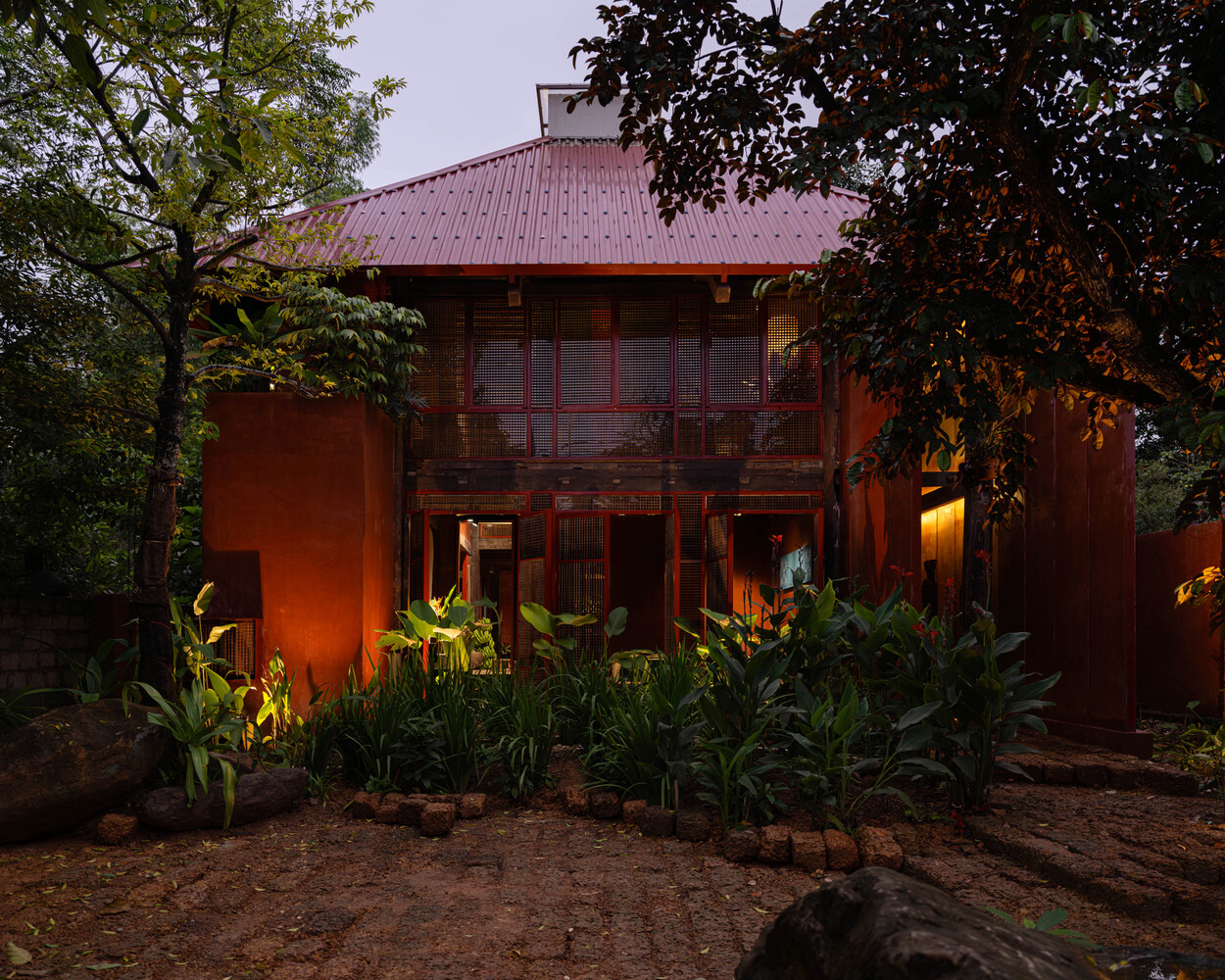
The Metal element in contemporary architecture is steel structures, corrugated iron roofs, and other metal materials.
This is an indispensable component in modern architecture, helping to increase sustainability and longevity for buildings and interiors.
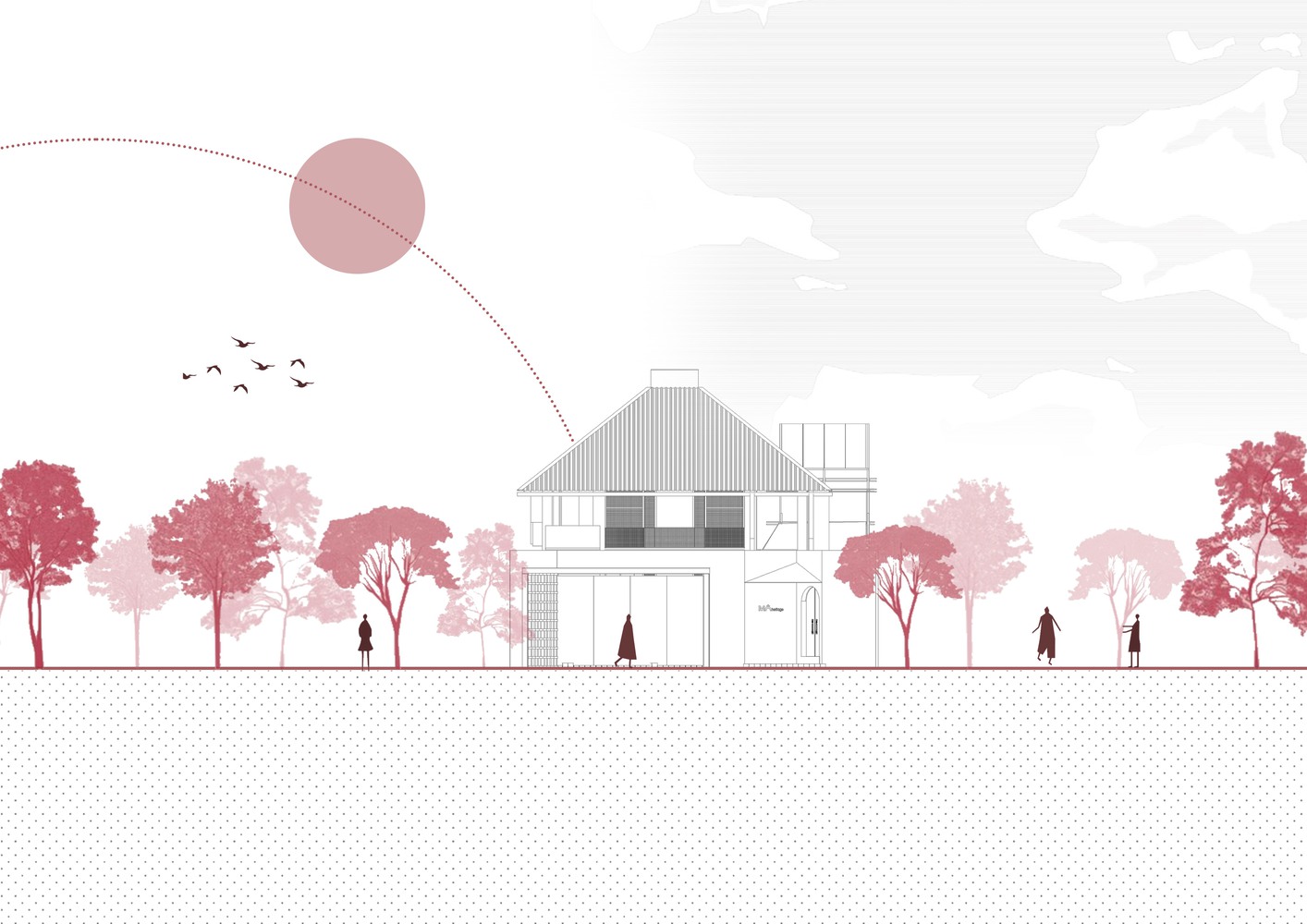
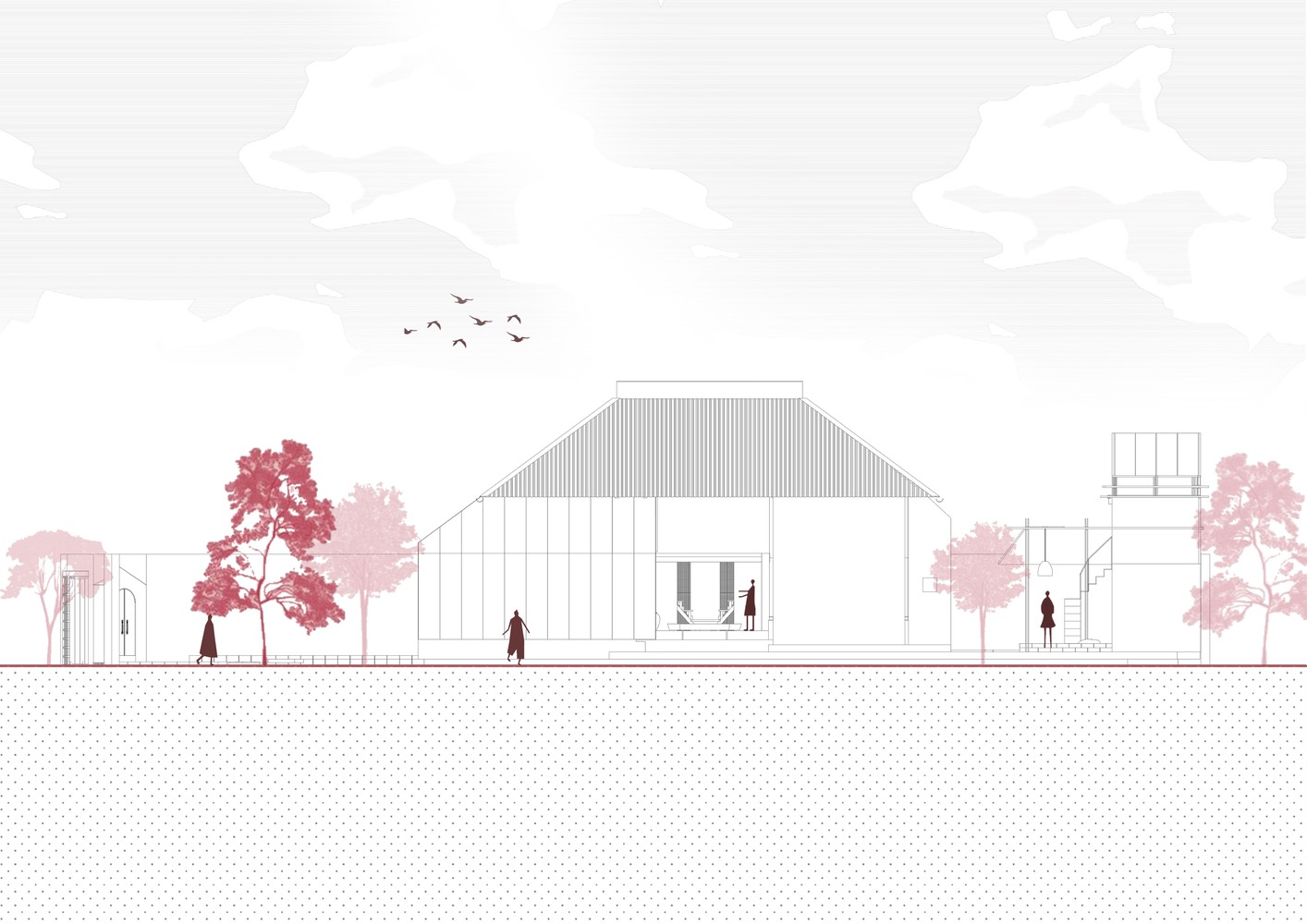
The author has cleverly used native color paint for large corrugated iron roofs and two-layer cold-rolled corrugated iron to ensure aesthetic requirements, save energy, and optimize costs.
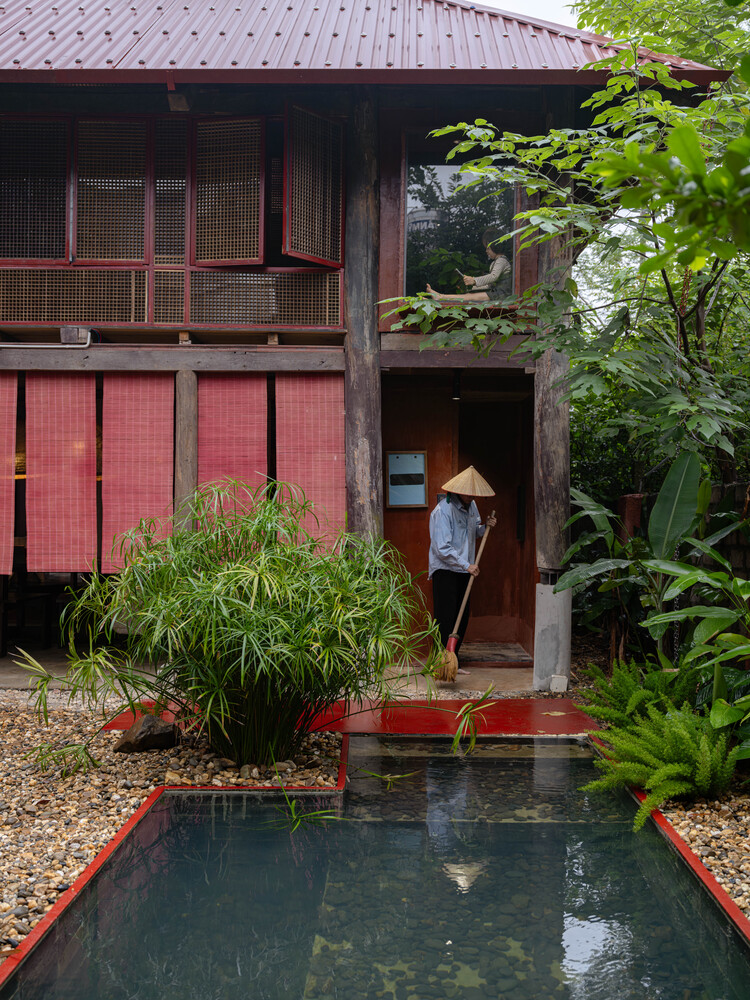
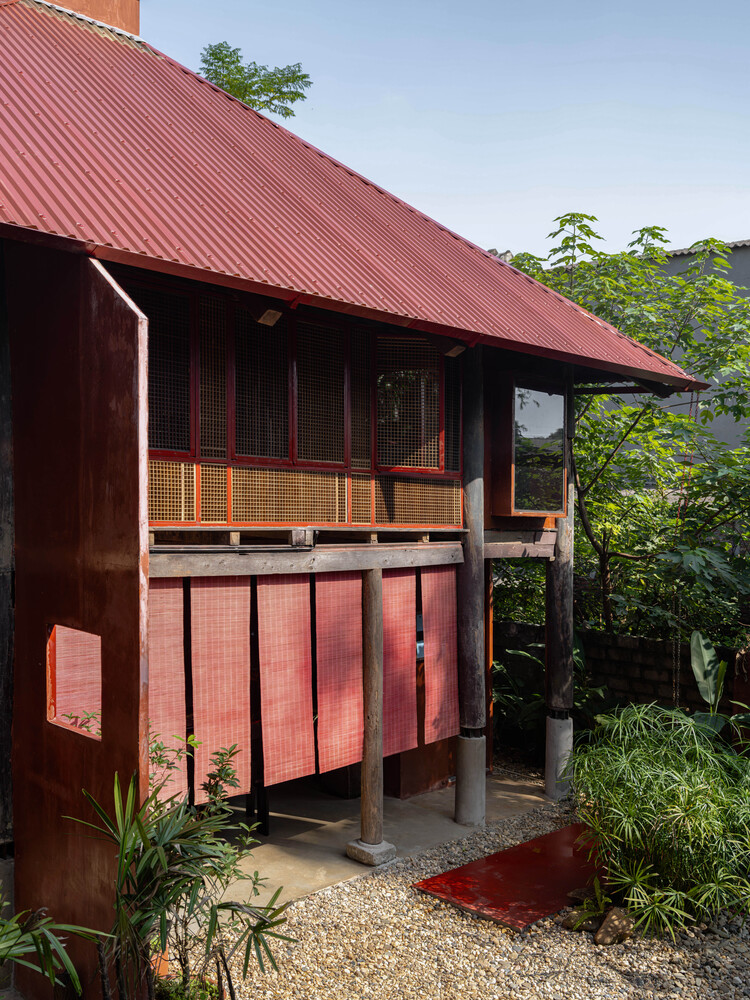
The sound transmission of corrugated iron roofs helps the indoor space blend more with nature, especially in quiet spaces like Doai, where users feel more comfortable with the sound of rain, wind, and insects.
Metal carries Neutral energy, which is a transition, combining harmoniously with other materials to help harmonize Yin and Yang.
The Earth element in architecture is soil, materials from soil.
Traditional earthen walls with modern and very local colors help create a harmonious, cozy space, ensuring effective soundproofing and heat insulation.
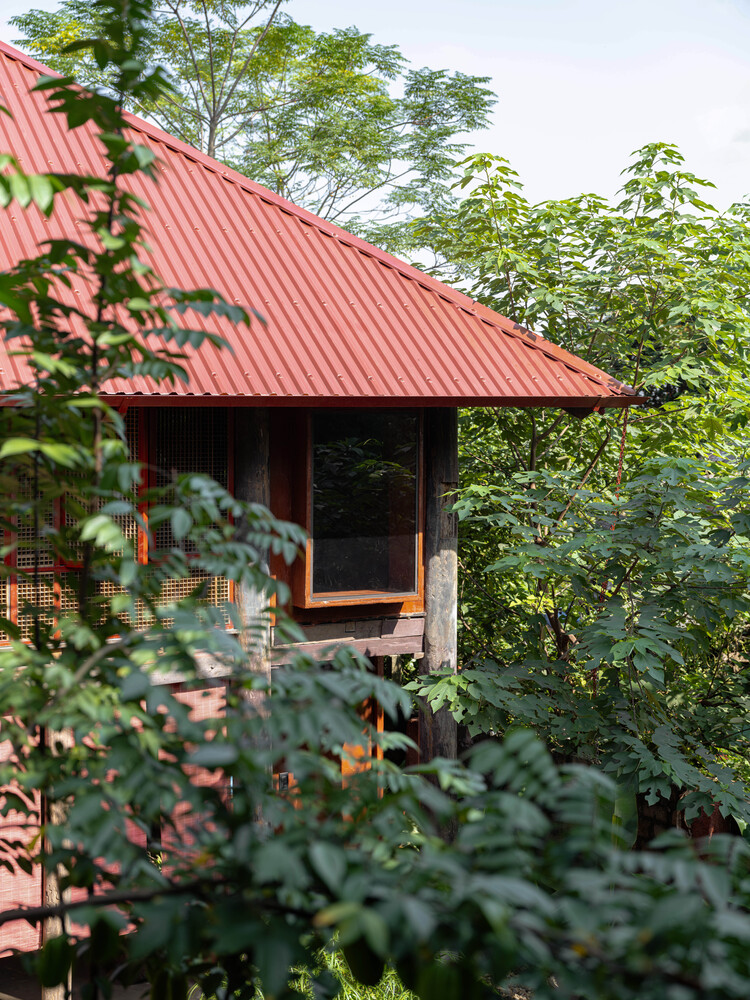
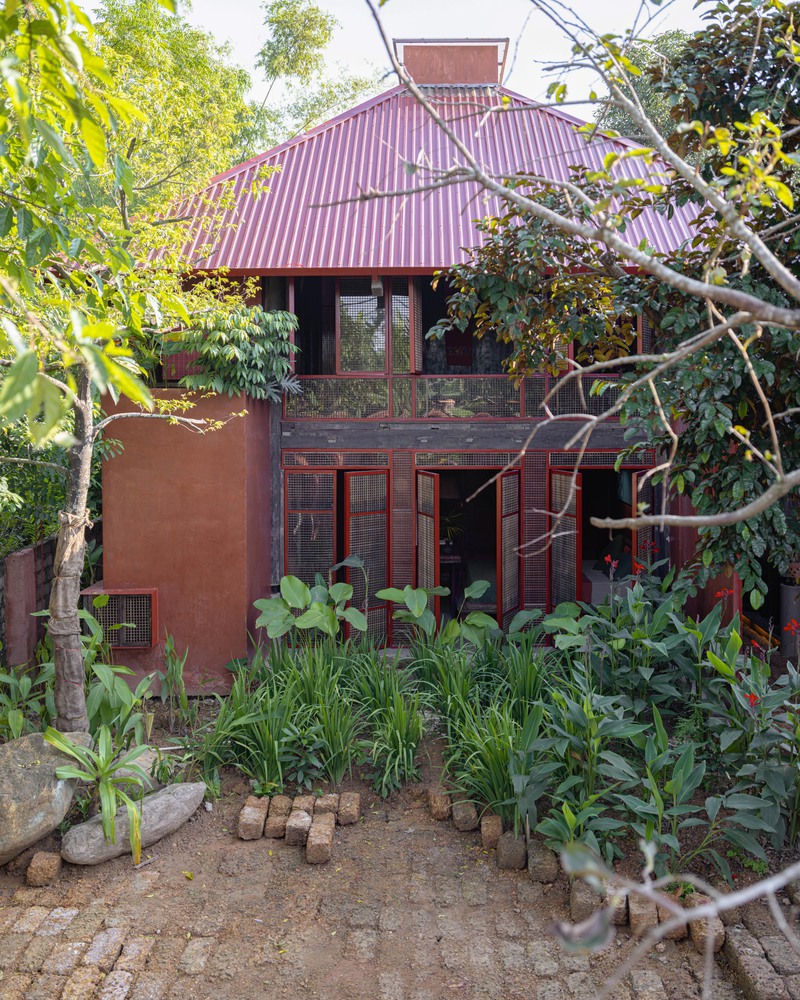
This is a very typical technique of the author that has been applied in many projects.
Handmade earthen walls help the project have a natural microclimate, passively self-cooling, towards sustainable green buildings.
*The name Sontay appeared in 1469 under the Le dynasty. Sontay is now a ward of Hanoi, this is an ancient urban area with the ancient name of Doai ( Westernland), in which Duong Lam ancient village belongs to Sontay.