María Hervás Plaza In The Historic Center Of Dénia, Valencian Community
MARÍA HERVÁS PLAZA IN THE HISTORIC CENTER OF DÉNIA, VALENCIAN COMMUNITY
Dvch De Villar Chacon Architecture
ARCHITECTS
Dvch De Villar Chacon Architecture
LEAD ARCHITECT
Jose de Villar, Carlos Chacon
LANDSCAPE ARCHITECTURE
Refugiosclimaticos
ENGINEERING & CONSULTING > STRUCTURAL
Mecanismo
DESIGN TEAM
Roma Architecture
LEAD TEAM
Carlos Chacon Perez
MANUFACTURERS
Camosail, Ceramicas La Paloma
PHOTOGRAPHS
Hisao Suzuki
AREA
1300 m²
YEAR
2025
LOCATION
Dénia, Spain
CATEGORY
Public Architecture
English description provided by the architects.
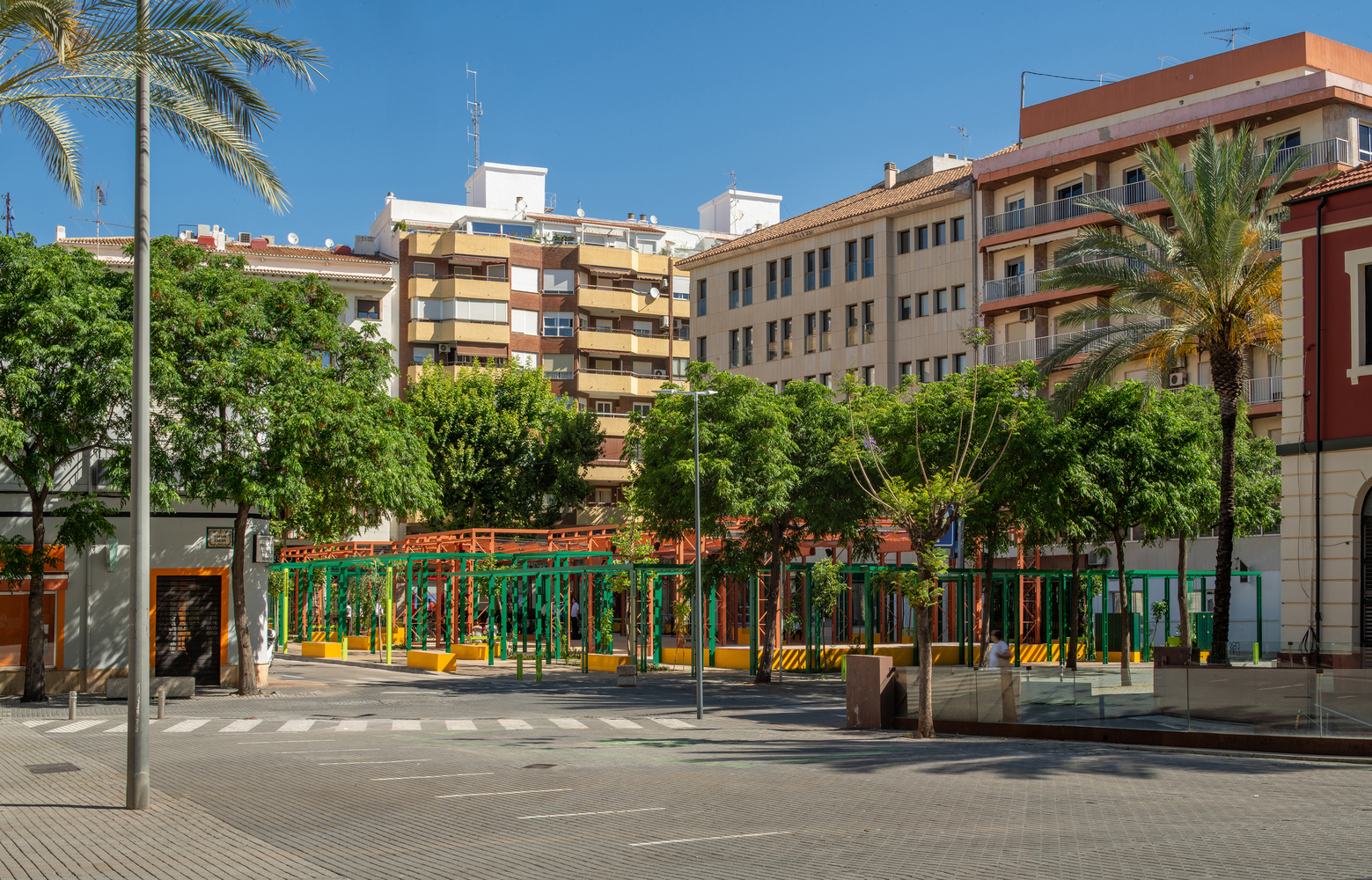
This plaza stands as a 21st-century climate refuge for the city: a living, adaptable space, capable of responding to both people's needs and the surrounding climatic conditions.
The project is the result of ten years of research into how to integrate the artificial, the social, and the natural into the spaces of our architectural practice, encompassing all scales.
From monumental works, such as the Villanueva Auditorium in Extremadura or the Nangang Towers Landscape in Taipei, Taiwan, to more intimate and experimental projects, such as the demountable house in Apan, Mexico, this project synthesizes the lessons learned throughout this journey.
Winner of the ideas competition held in Dénia in 2021, the proposal stems from an innovative initiative by the City Council:
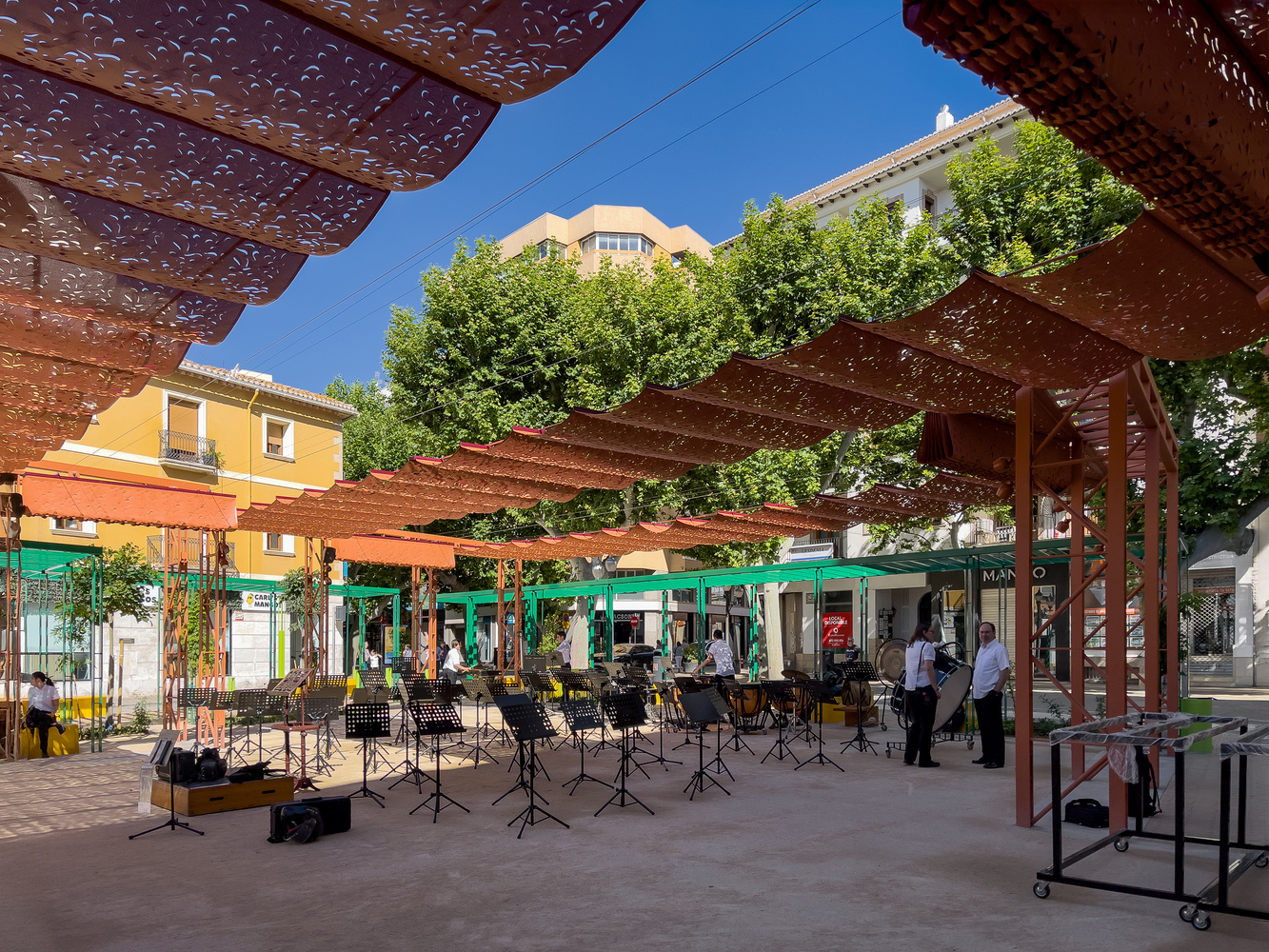
to forgo a valuable building plot on the city's main thoroughfare to create a public space strategically located at its most dynamic and busiest point.
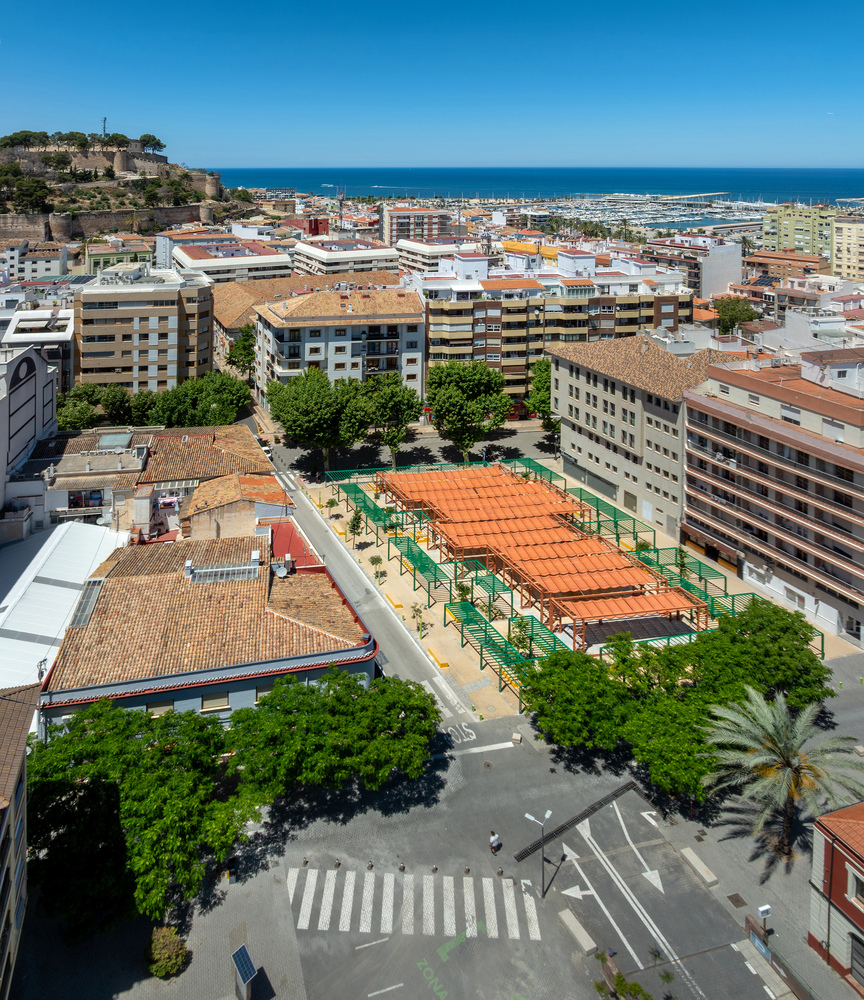
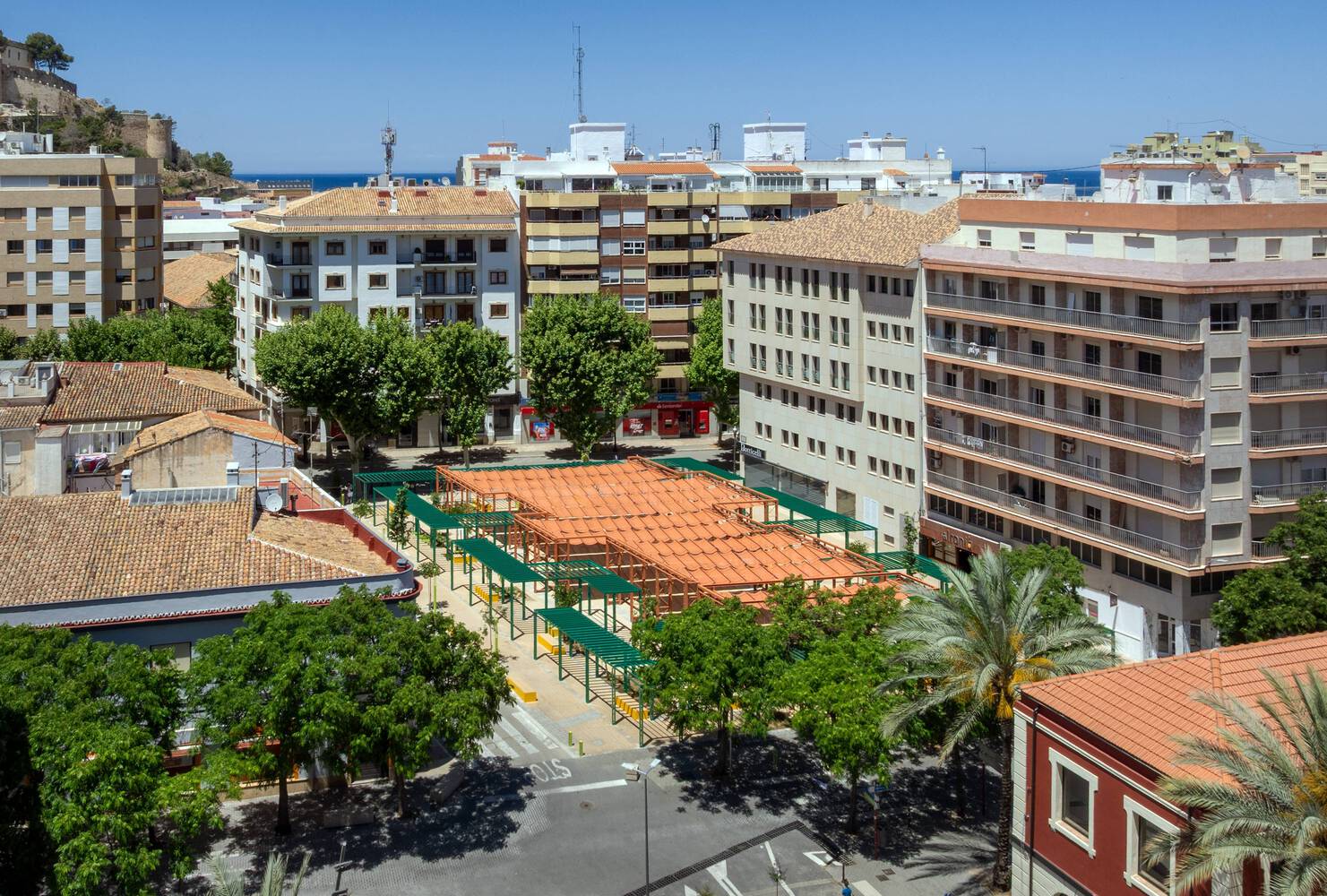
In a compact area of just 1,300 square meters, the design seeks to accommodate a wide variety of programs, offering a flexible civic platform that evolves with urban life.
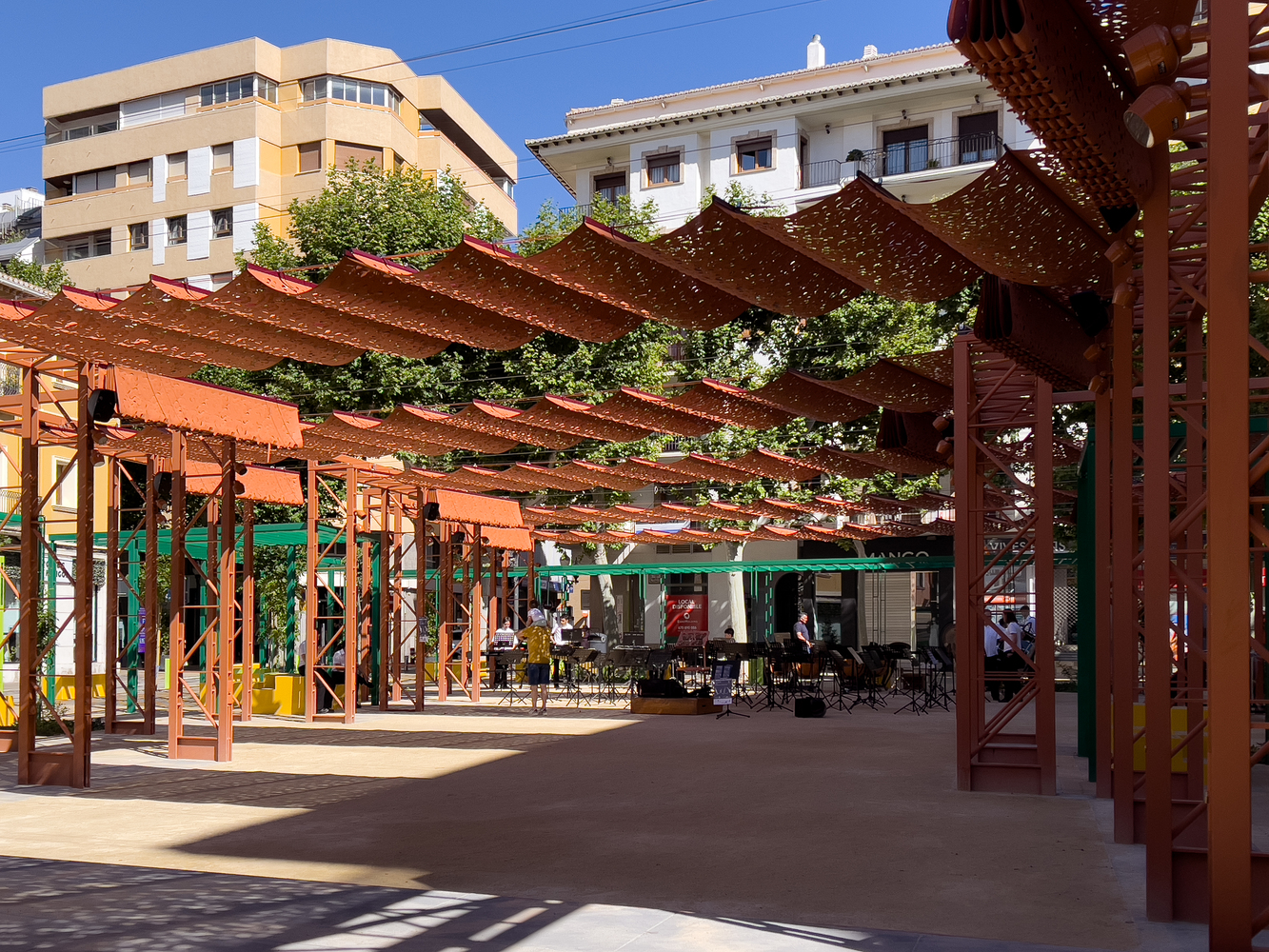
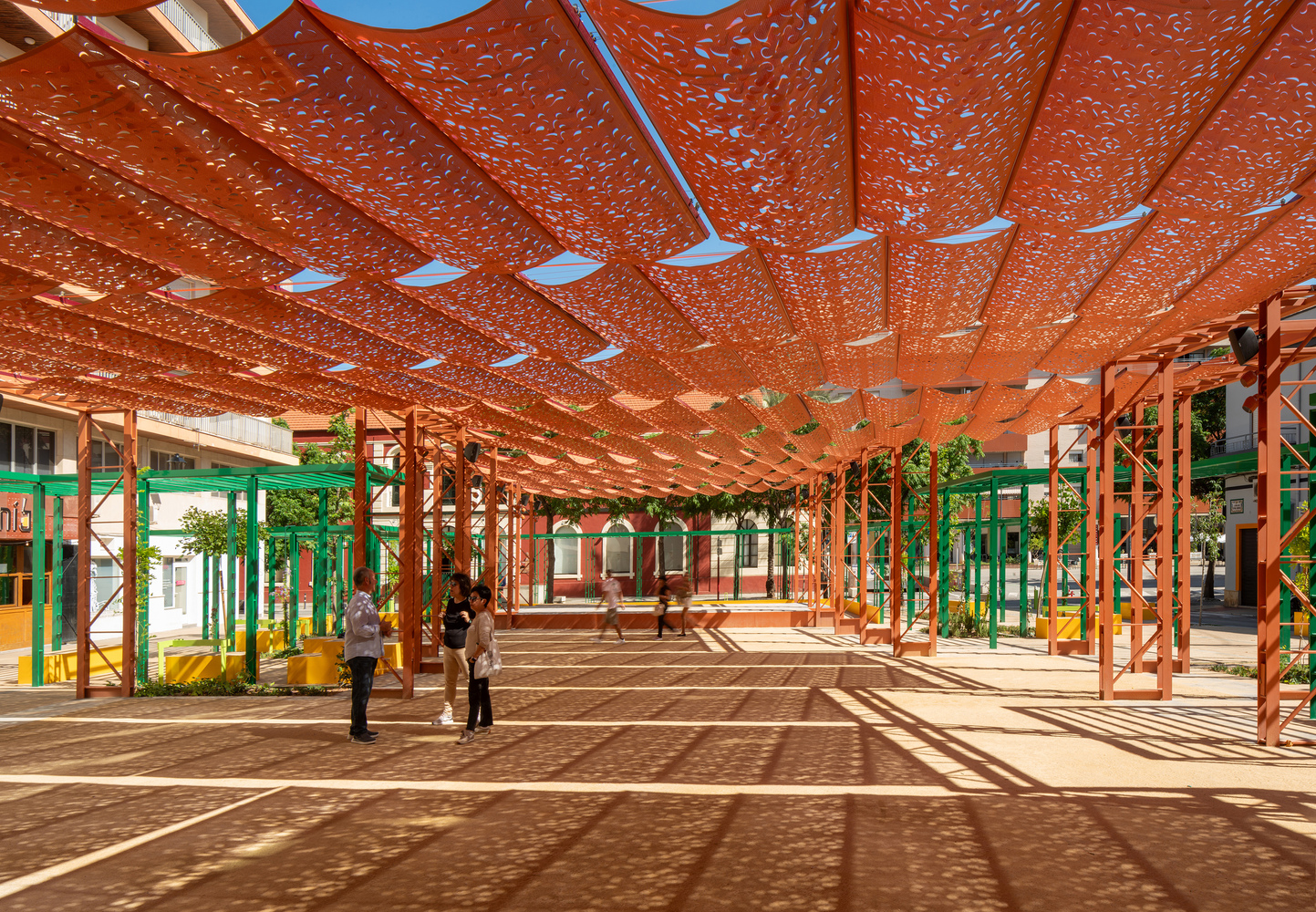
The plaza is conceived as a new urban landmark within the historic center of Dénia, improving connectivity and the spatial continuity of its surroundings.
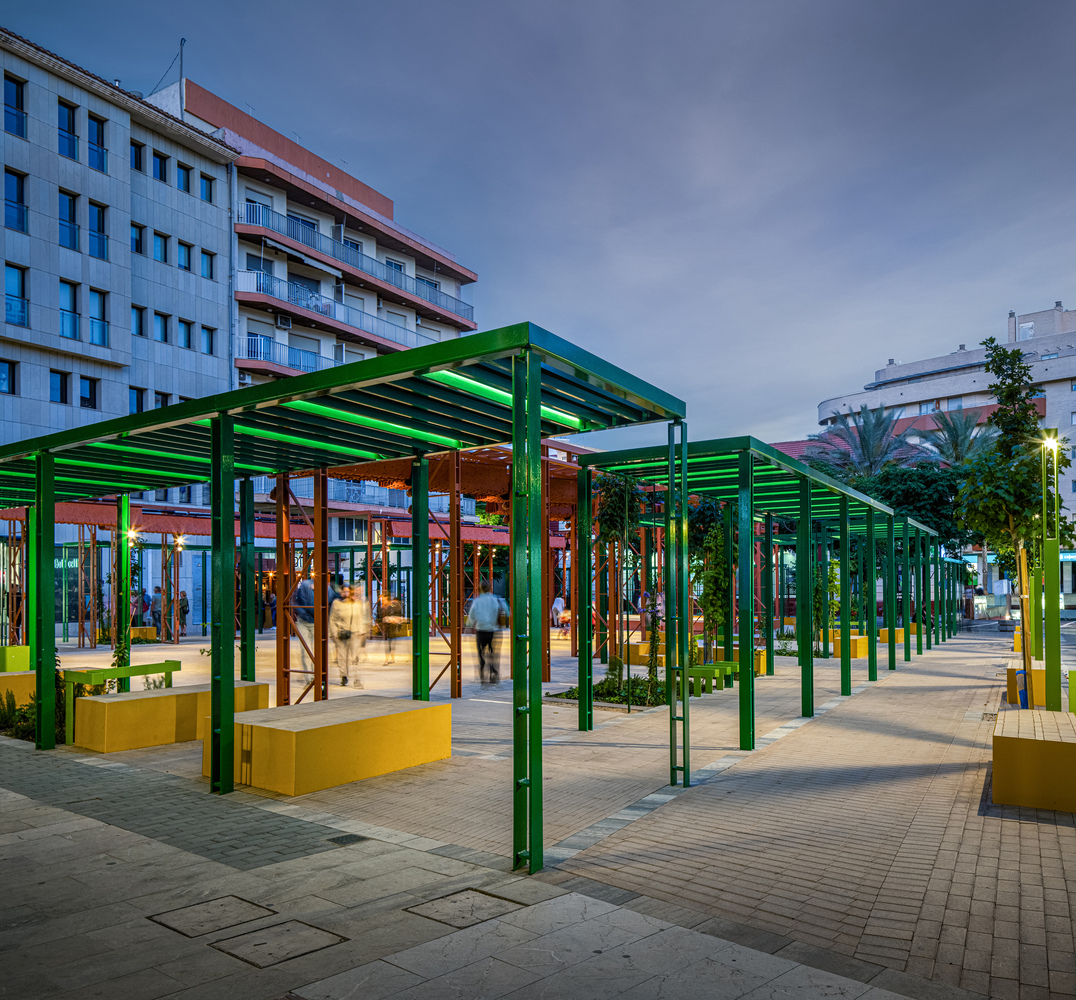
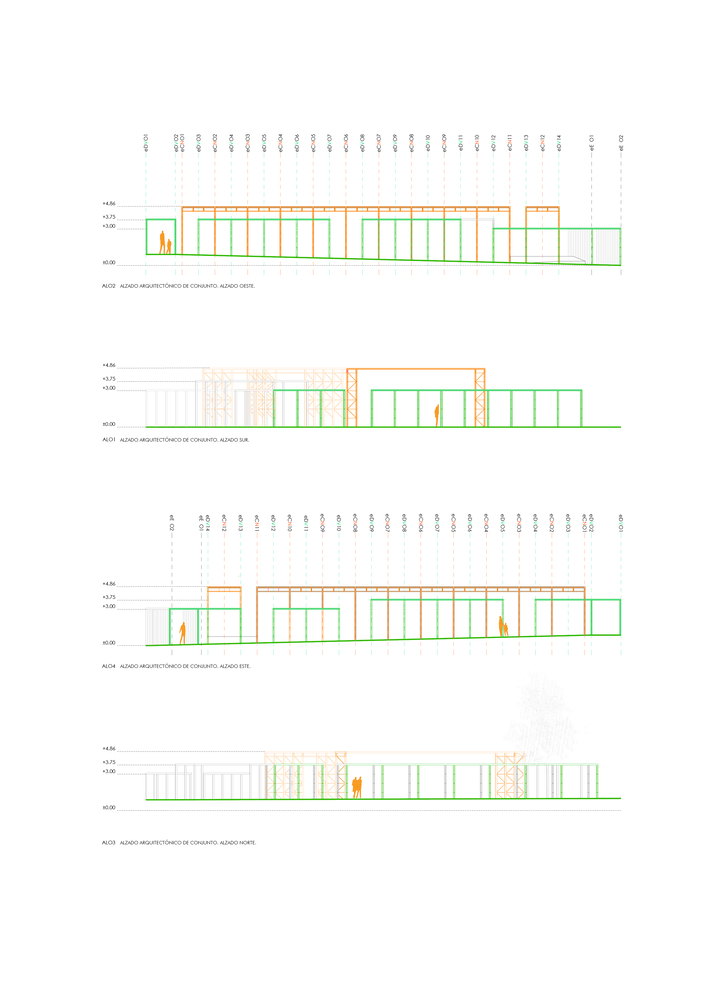
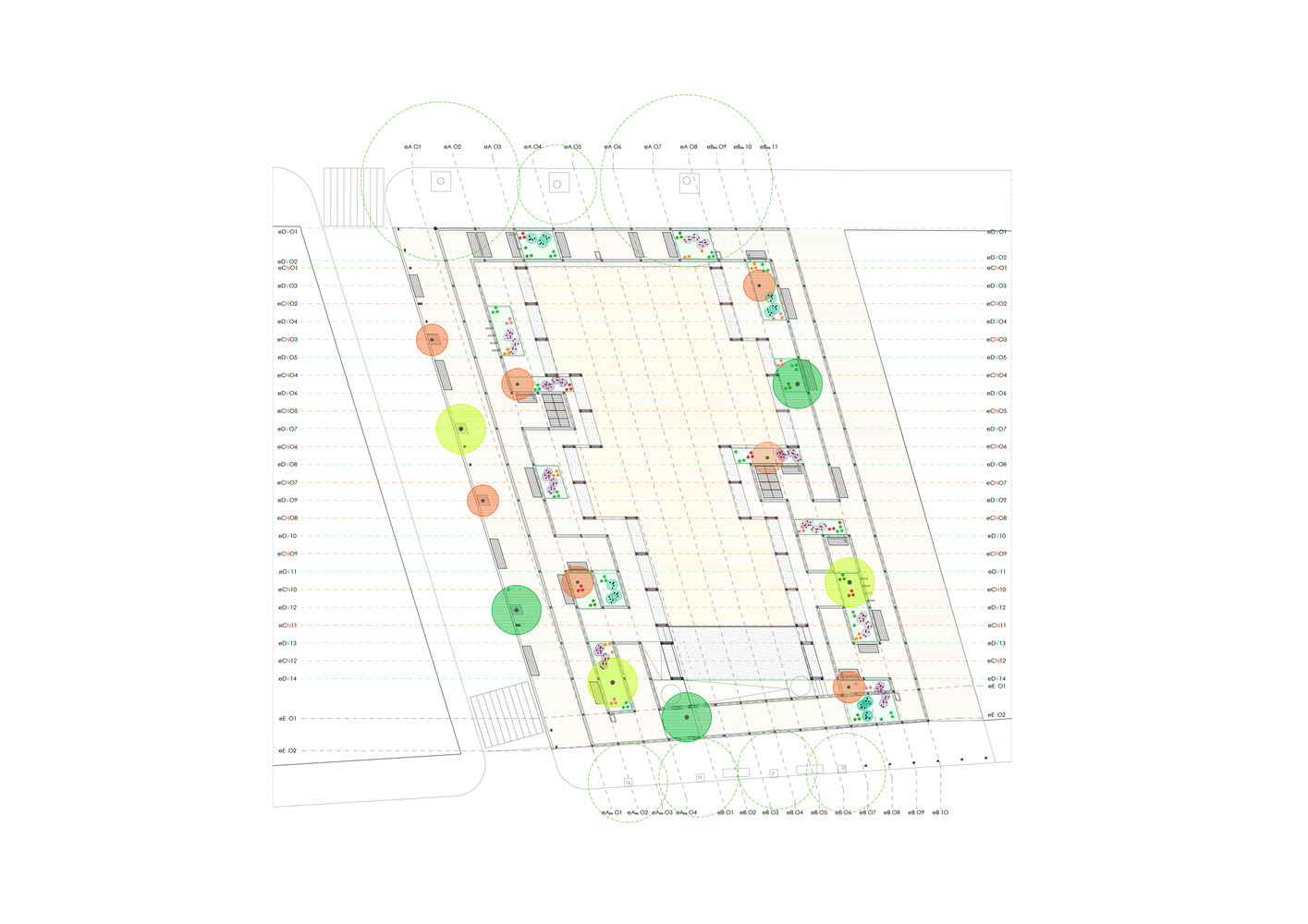
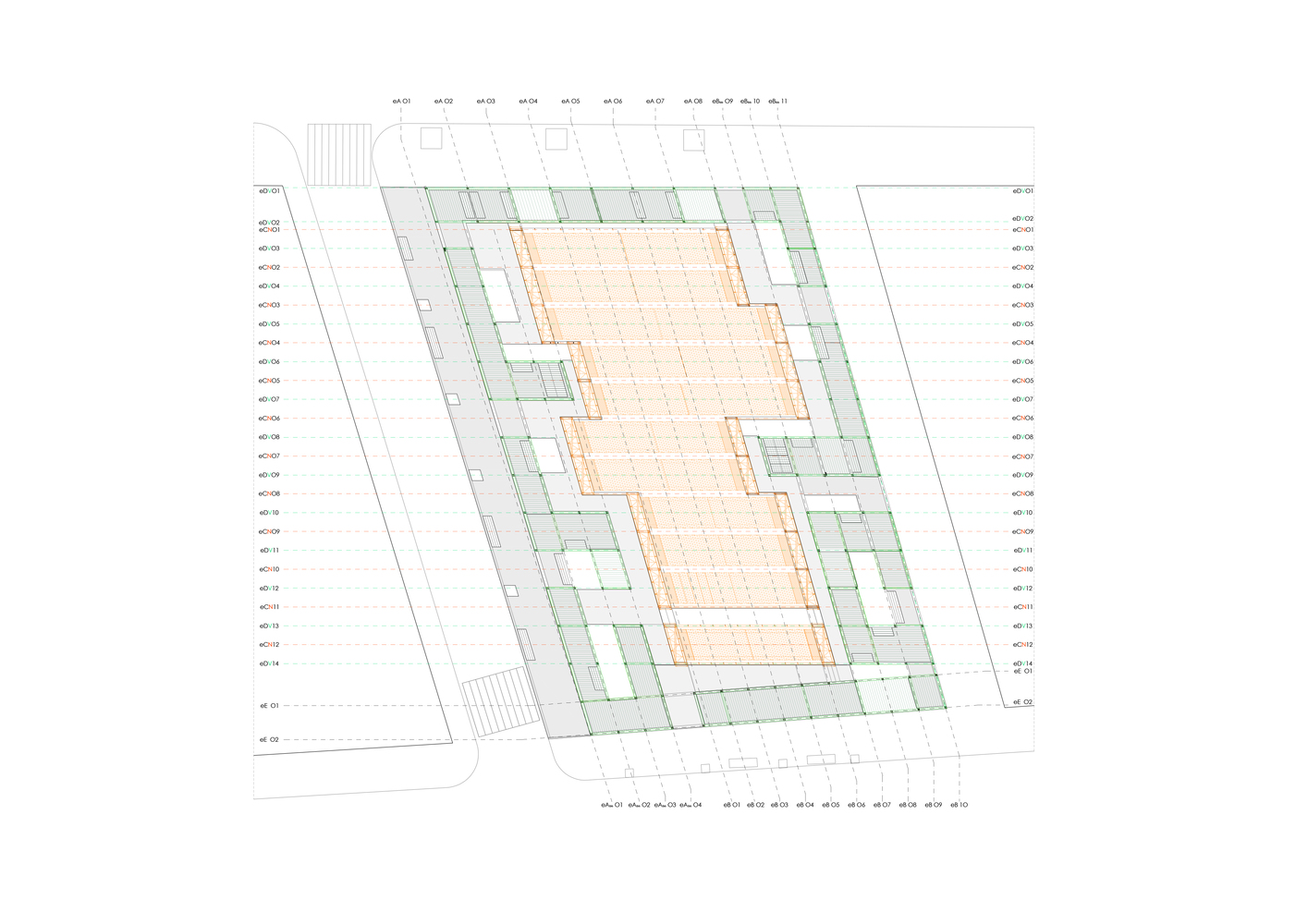
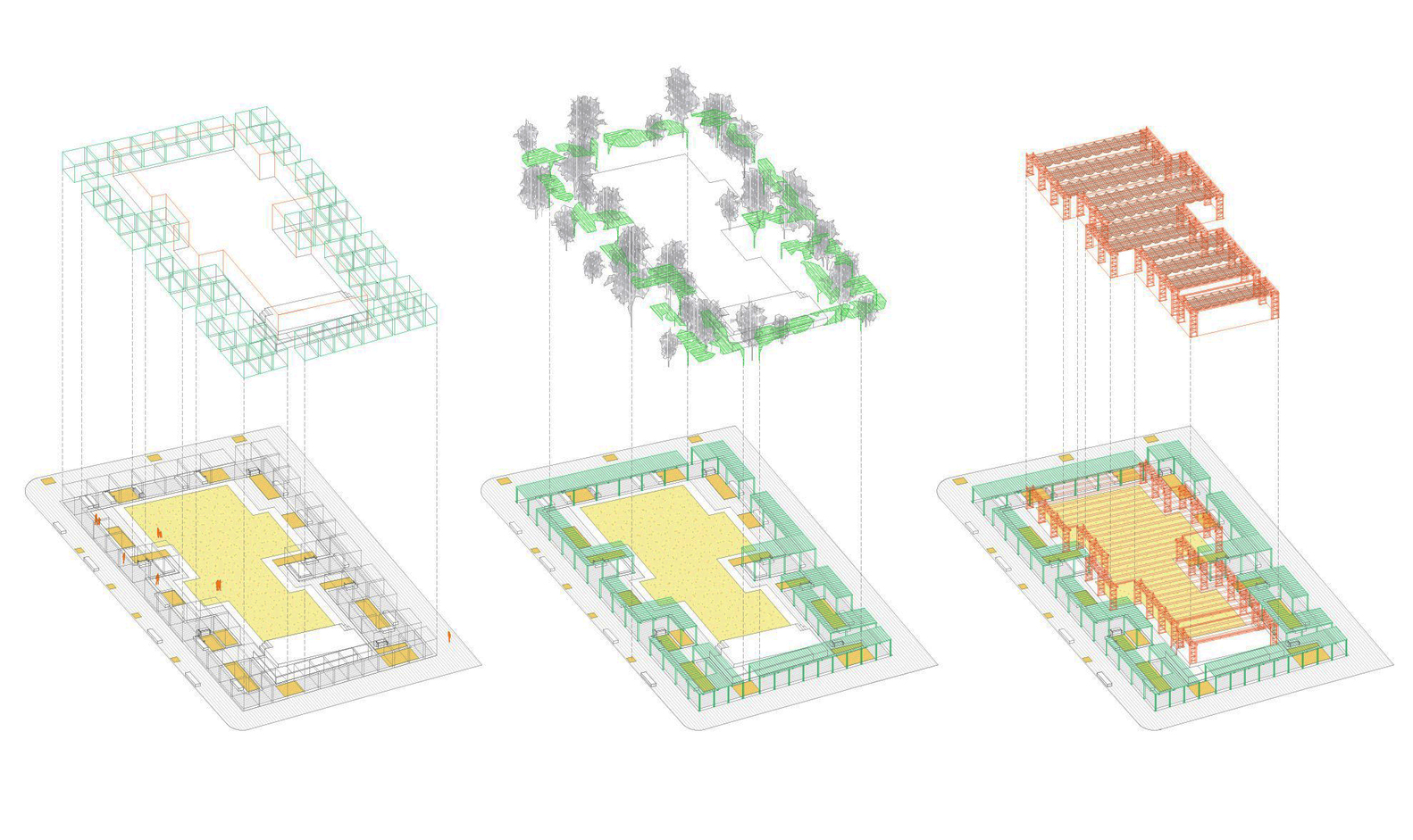
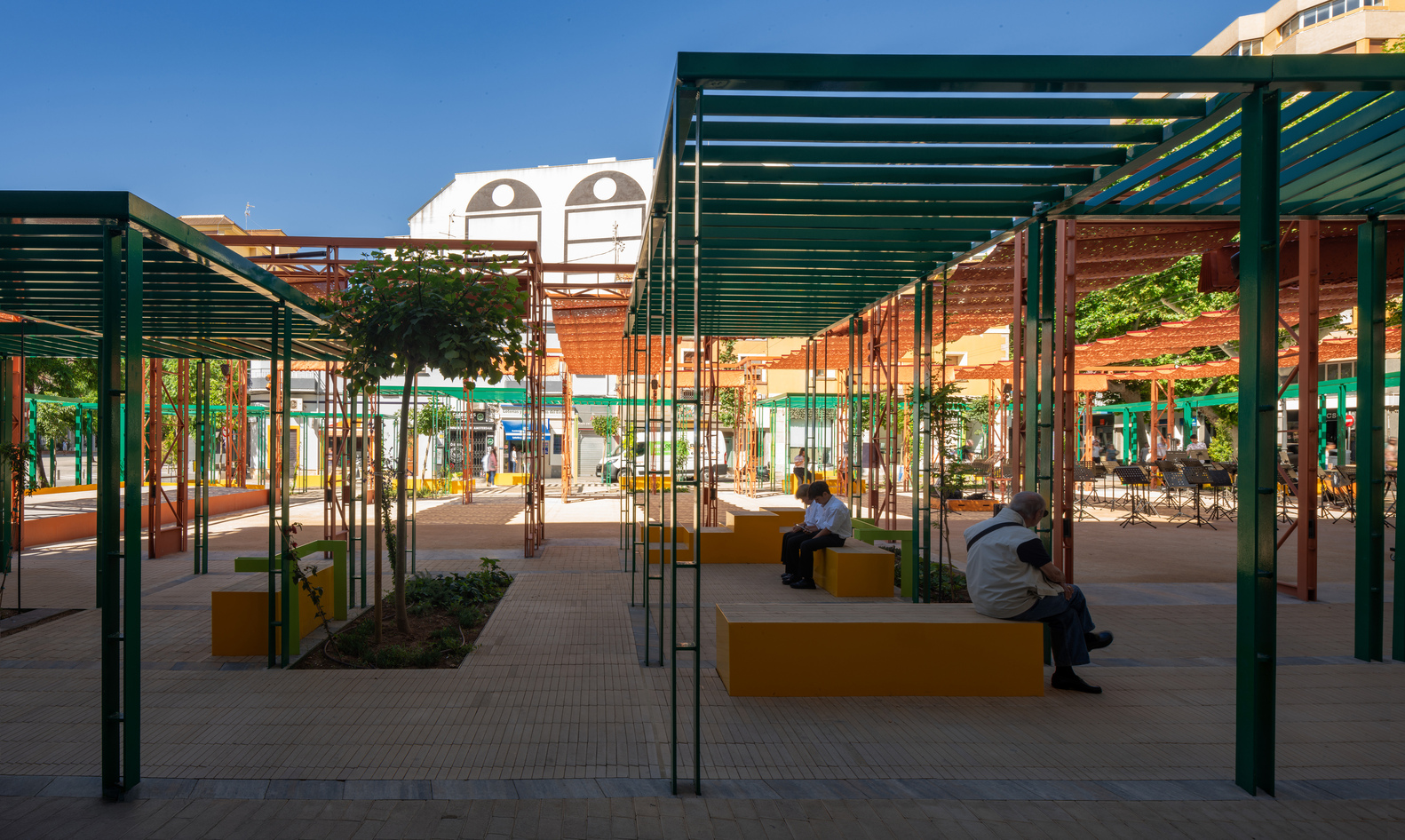
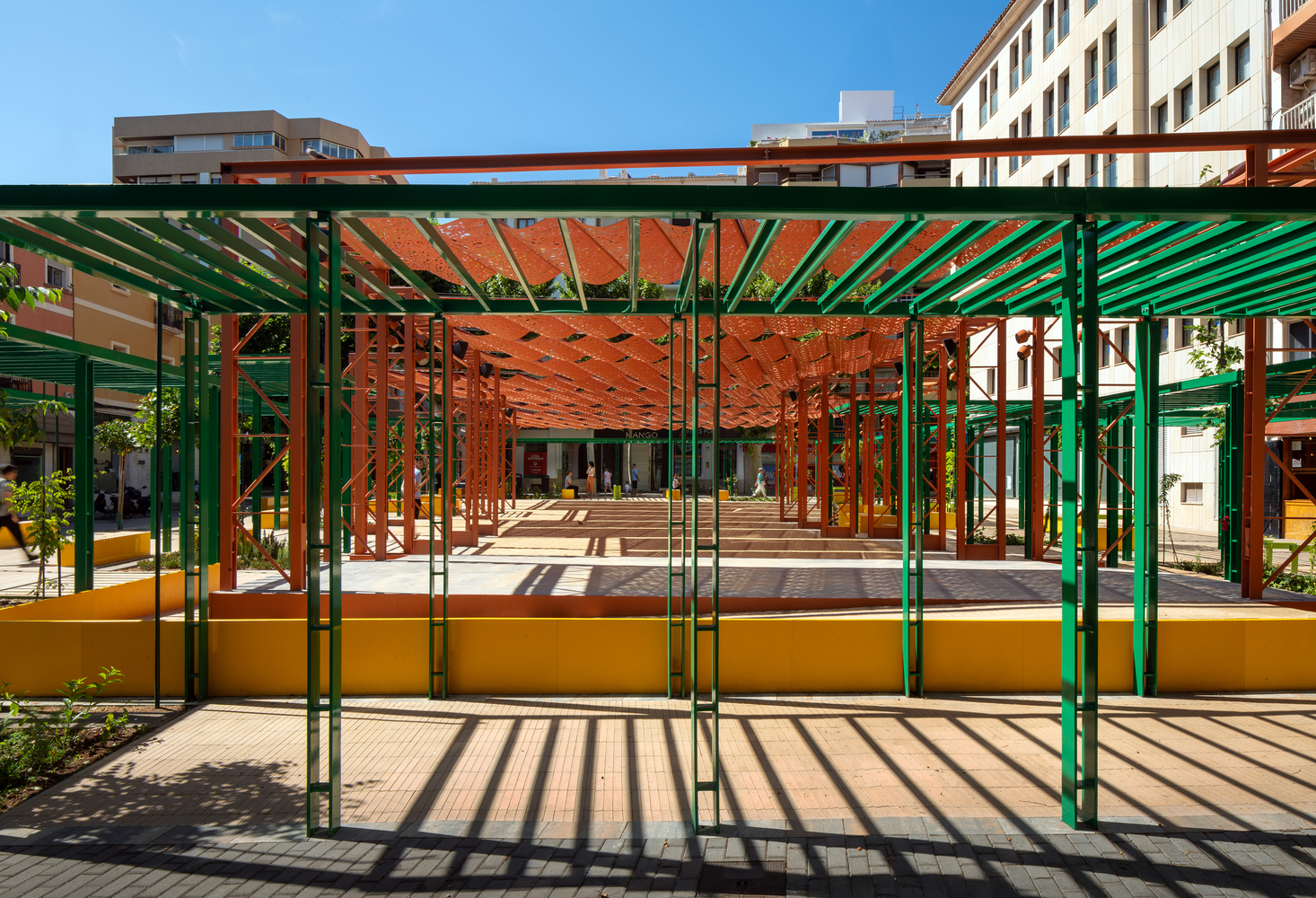
The project is organized as a concentric system, structuring two main axes by means of two pergolas of distinct character, capable of housing spaces of different scales and atmospheres.
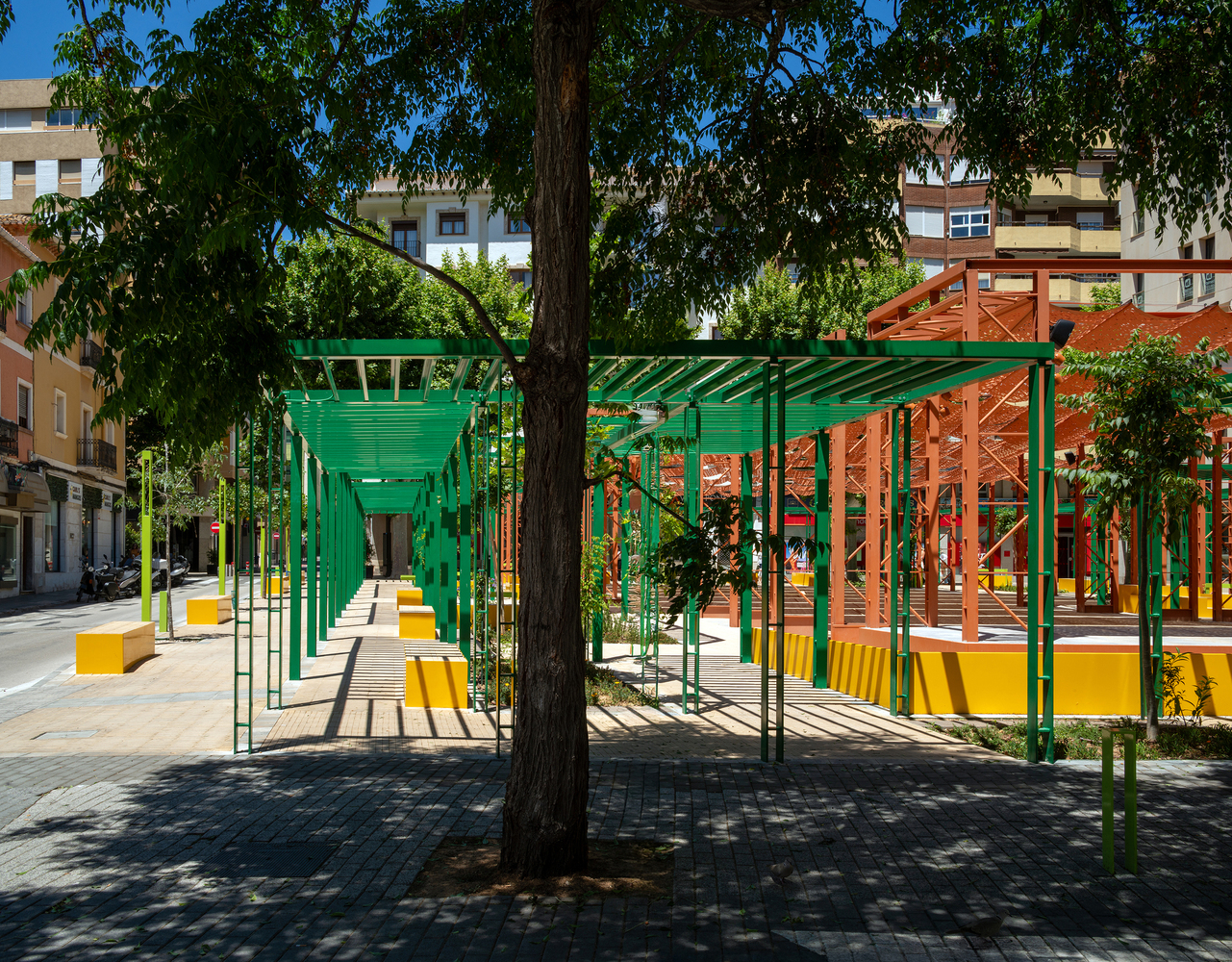
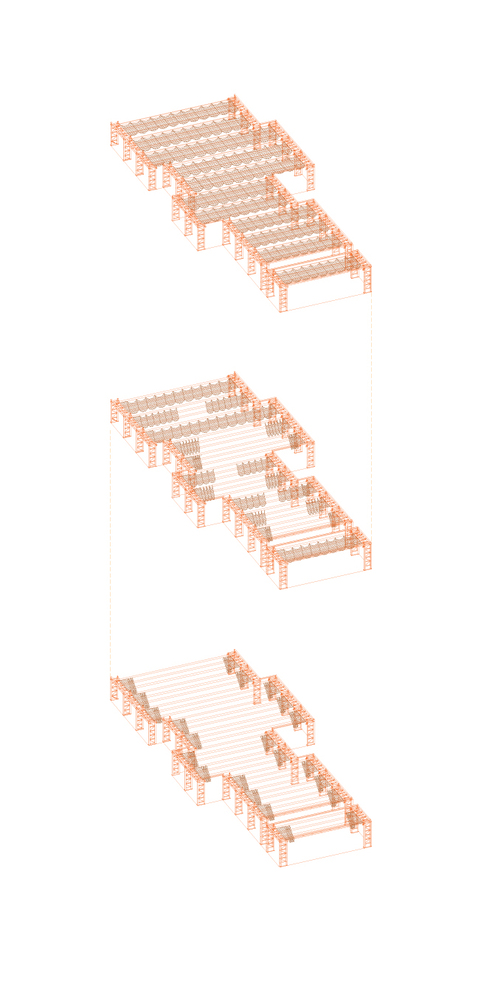
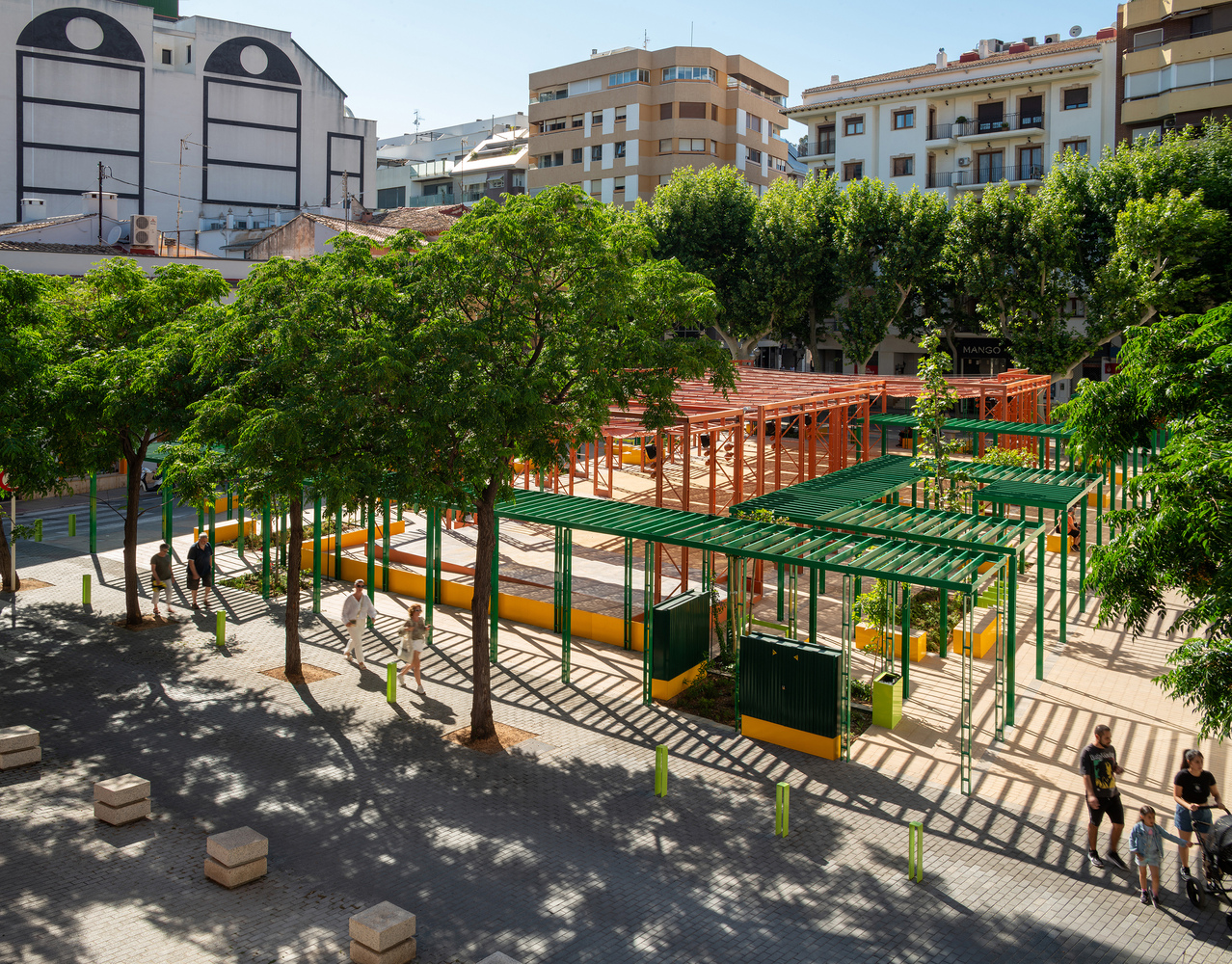
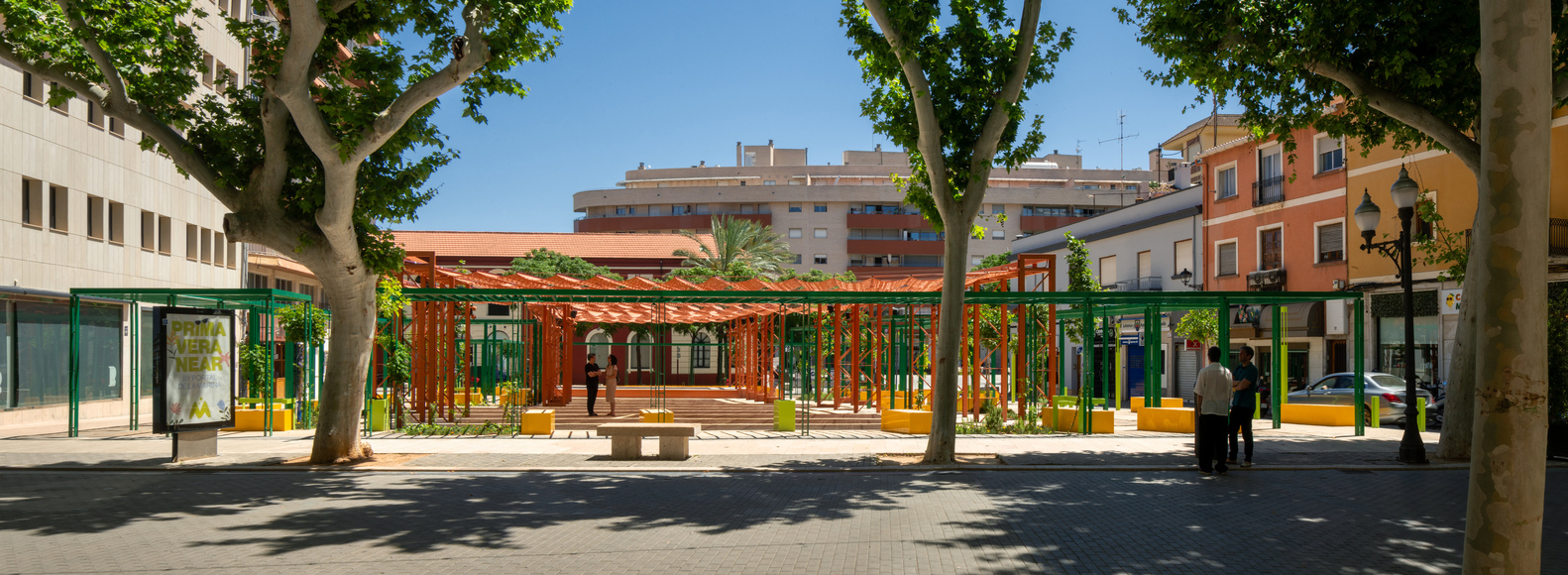
A green perimeter pergola shelters shaded, intimate, and cool areas, filled with vegetation; while a central terracotta pergola forms a collective and infrastructural heart—a scenic void open to multiple urban activities.Beneath the tectonic world of the pergolas unfolds a stereotomic landscape, sculpted from the ground plane.
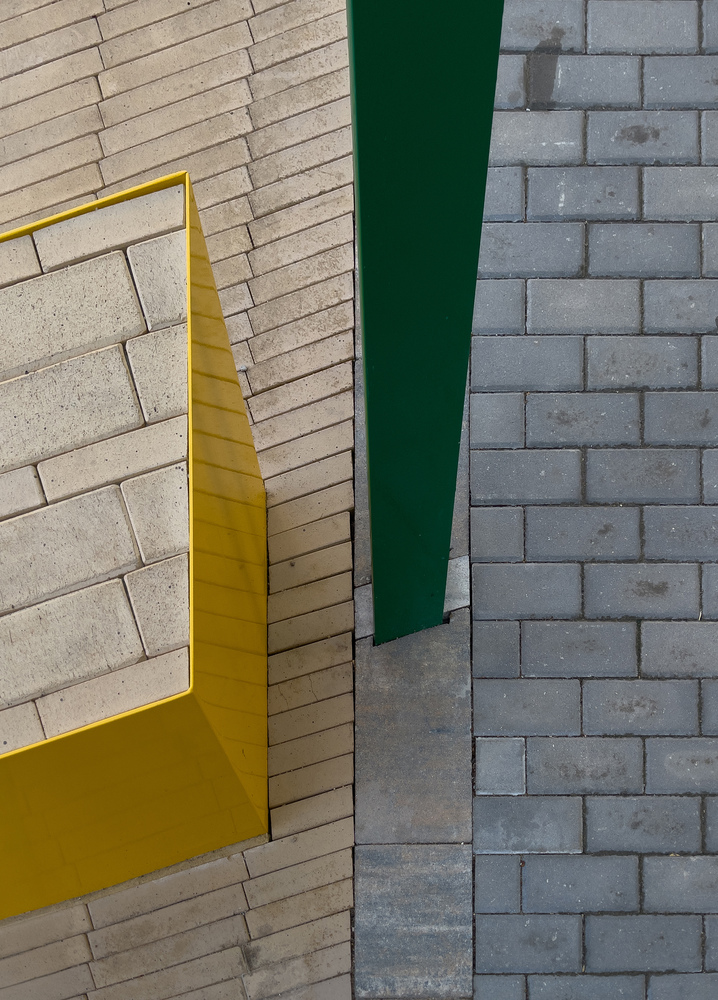
The terrain rises and is hollowed out to create benches, children's play areas, and a small stage at one end. The earthy character of this level stems from materials imbued with local memory: the weight of the castle stone, the texture of the clay cobblestones, and the subtle sheen of their glazed surfaces.
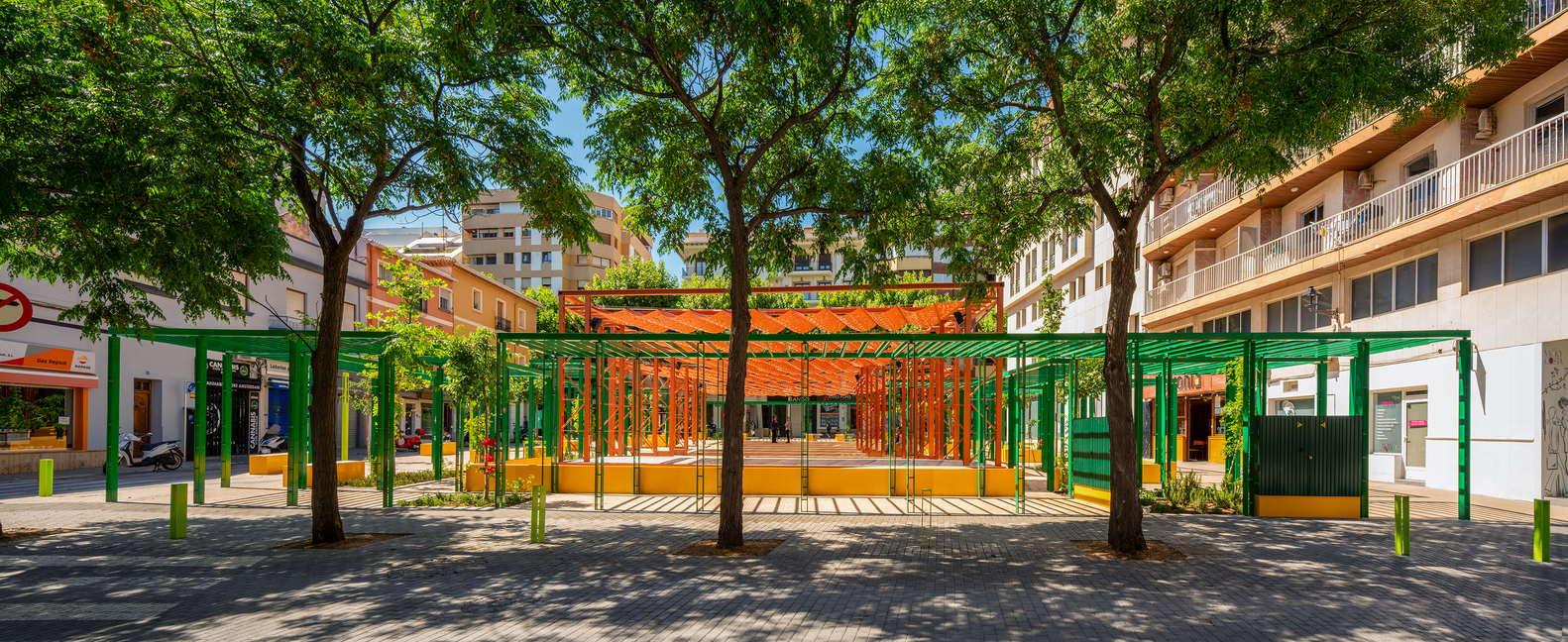
These references ground the project in its location, translating the material and cultural essence of Dénia into a new urban form.
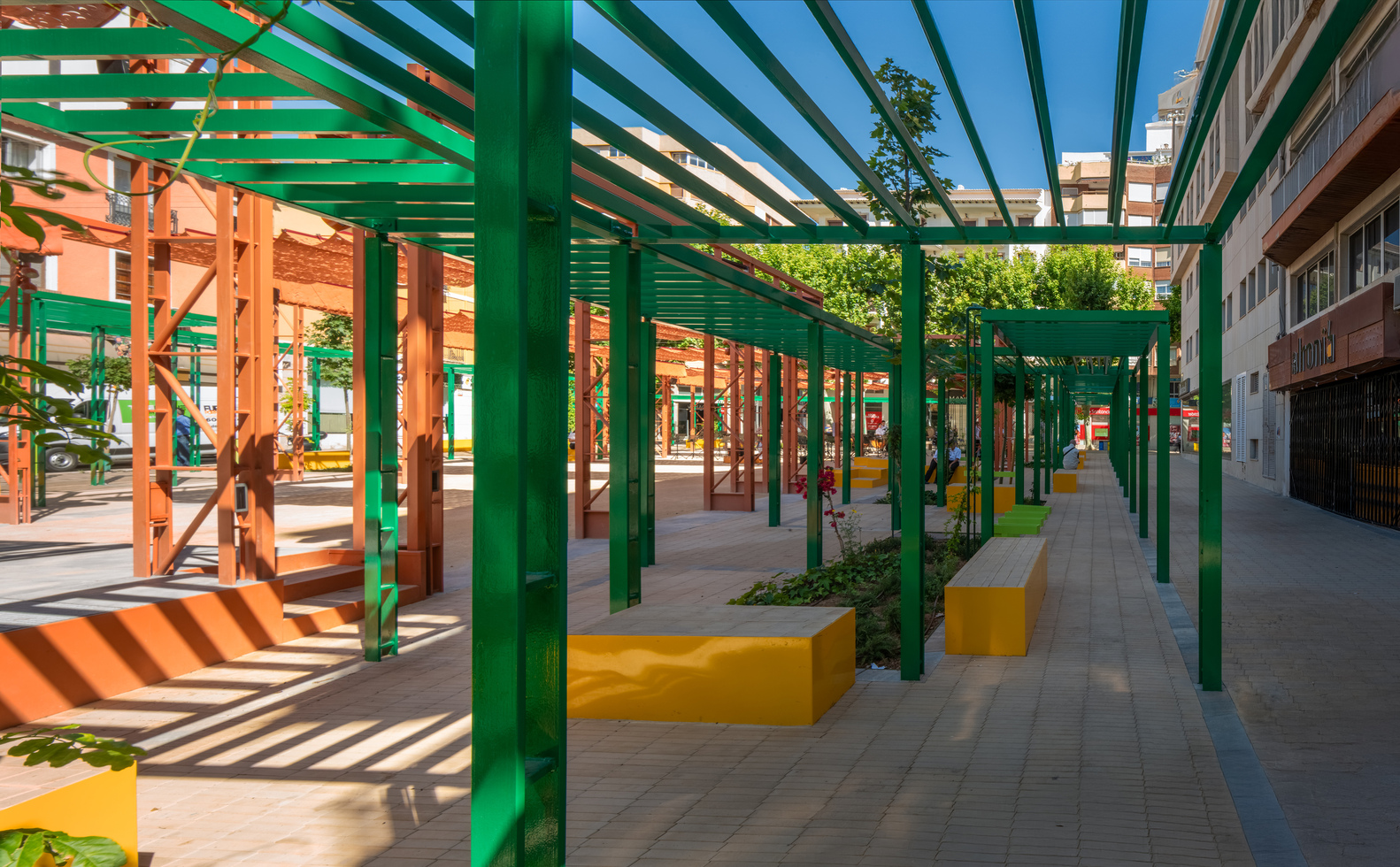
The delicate and intricate green pergola creates a continuous threshold of shade with varying depths that guides the entrance to the plaza.
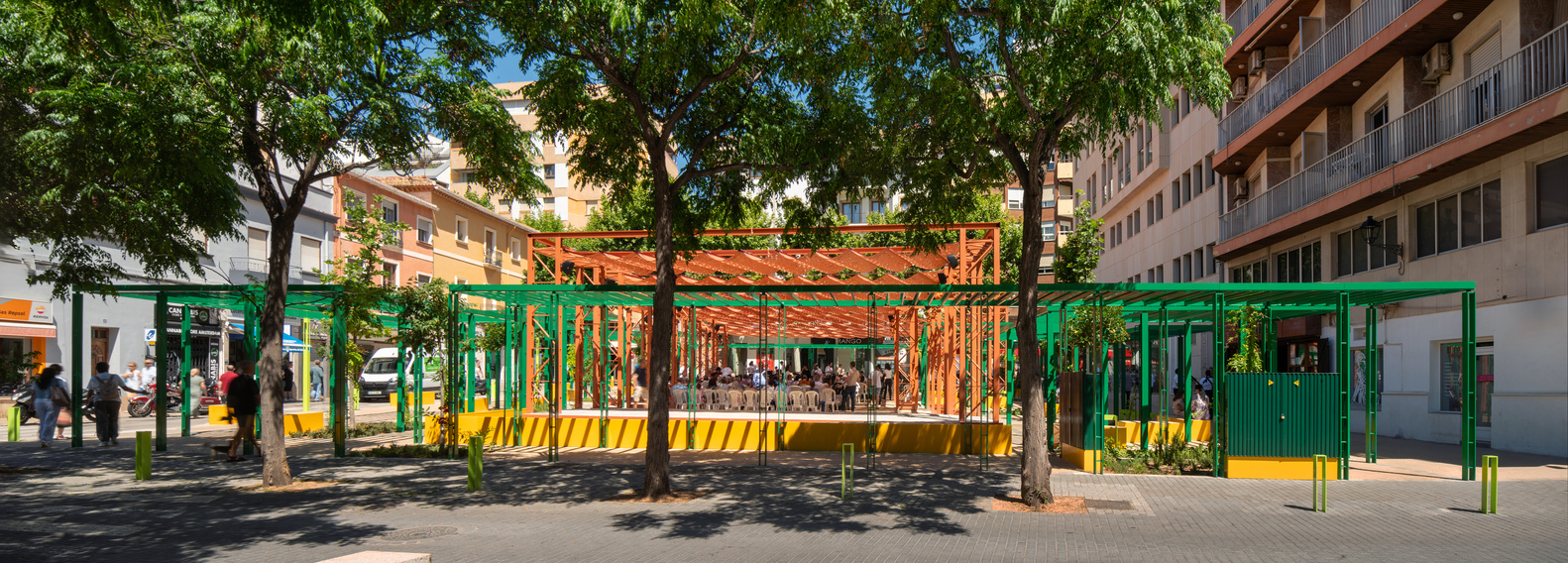
Composed of interwoven fragments from other pergolas, it is designed to blend over time among vines and trees—Mediterranean species adapted to a temperate climate, requiring little maintenance and minimal water.
Light, shadow, and breeze intertwine around smaller-scale elements, composing a mosaic of domestic spaces within the public realm. Its structure is based on thin vertical lines of aligned steel plates that support a series of "leaves," visible on one axis and concealed on the opposite, creating a rhythm of presence and disappearance.
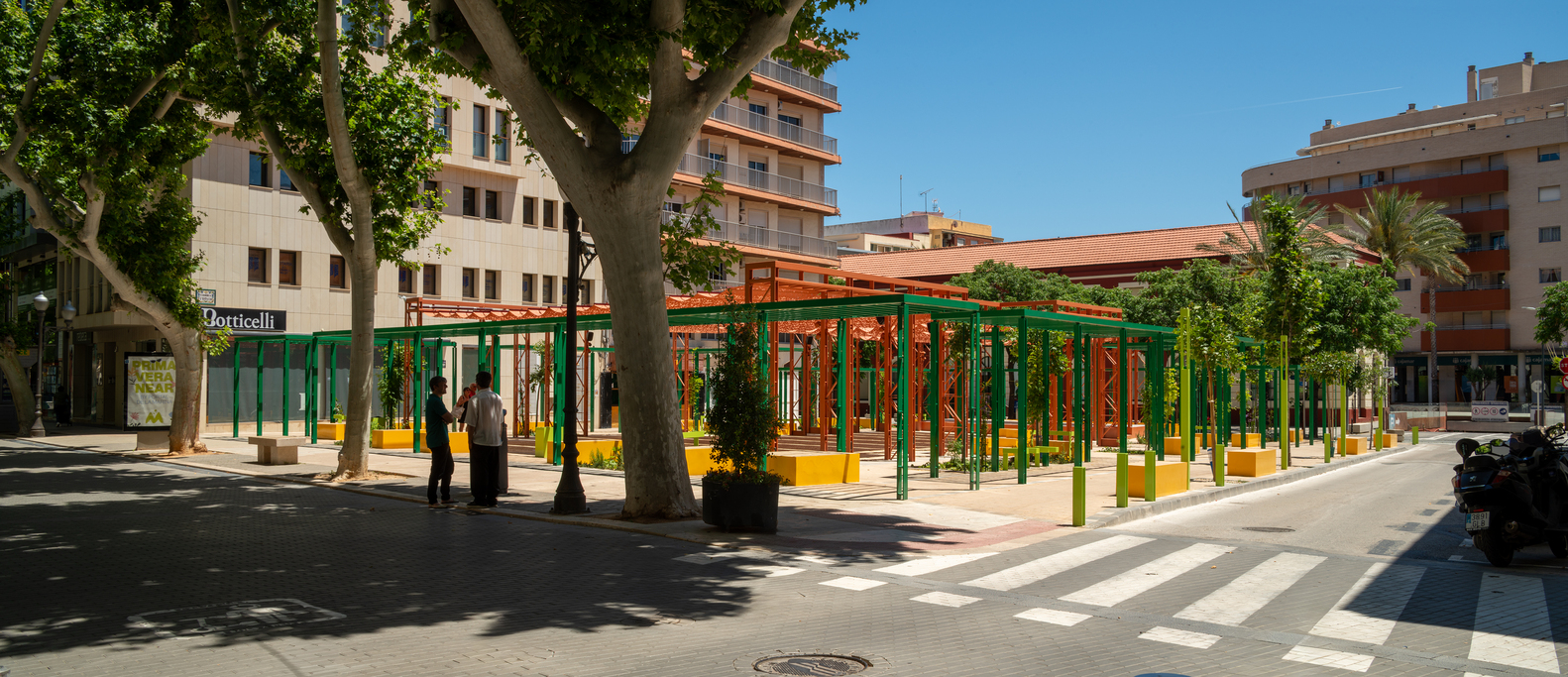
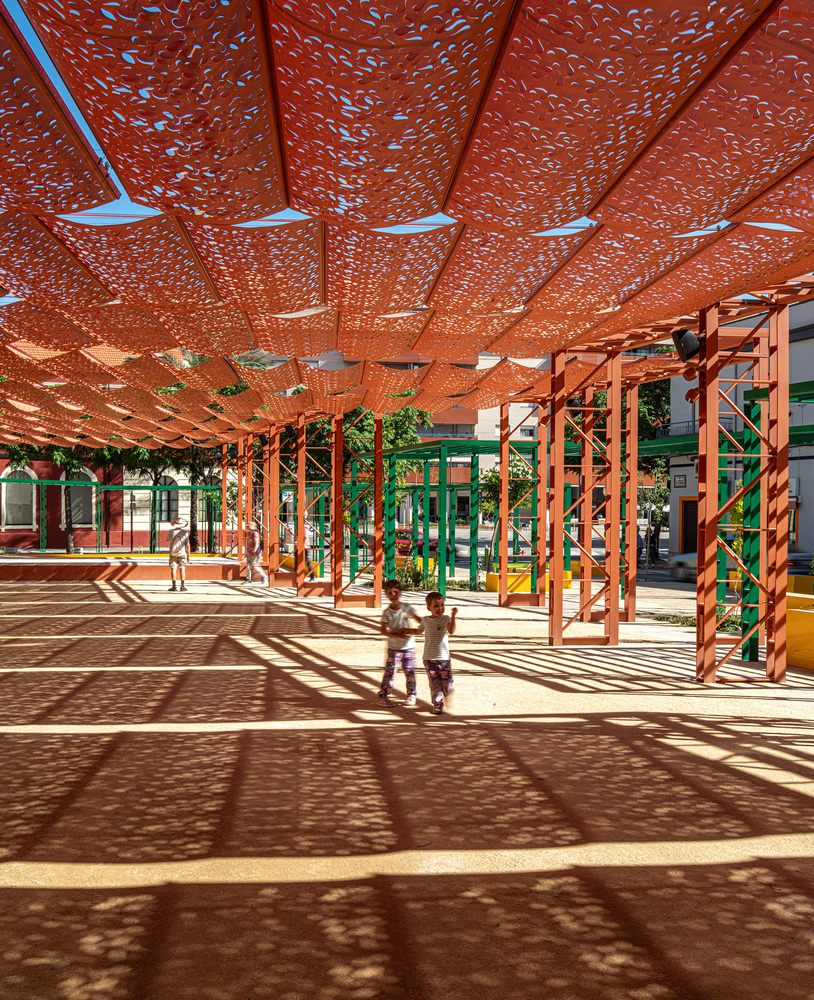
In contrast, the terracota pergola asserts itself with a more forceful and architectural presence. Its slatted structure frames a void charged with collective potential—artificial, electric, and open to transformation.
Equipped with motorized awnings for solar control, integrated lighting and sound systems for events, and electrical outlets distributed along its entire perimeter, it functions as an adaptable infrastructure, capable of hosting any activity that requires energy and participation.
Together, the two pergolas define a microclimatic and social ecosystem, a place where architecture becomes both refuge and stage: a living laboratory that redefines the relationship between public space, environment, and community in the 21st-century Mediterranean city.