

Soldalhus Nursing Home - Sunvalley House
SOLDALHUS NURSING HOME - SUNVALLEY HOUSE
Cubo Arkitekter
ARCHITECTS
Cubo Arkitekter
DESIGN TEAM
Cubo Arkitekter
ENGINEERING & CONSULTING > STRUCTURAL
Niras
GENERAL CONTRACTOR
Ncc
PHOTOGRAPHS
Martin Schubert
AREA
9800 m²
YEAR
2024
LOCATION
Sindal, Denmark
CATEGORY
Residential Architecture
English description provided by the architects.
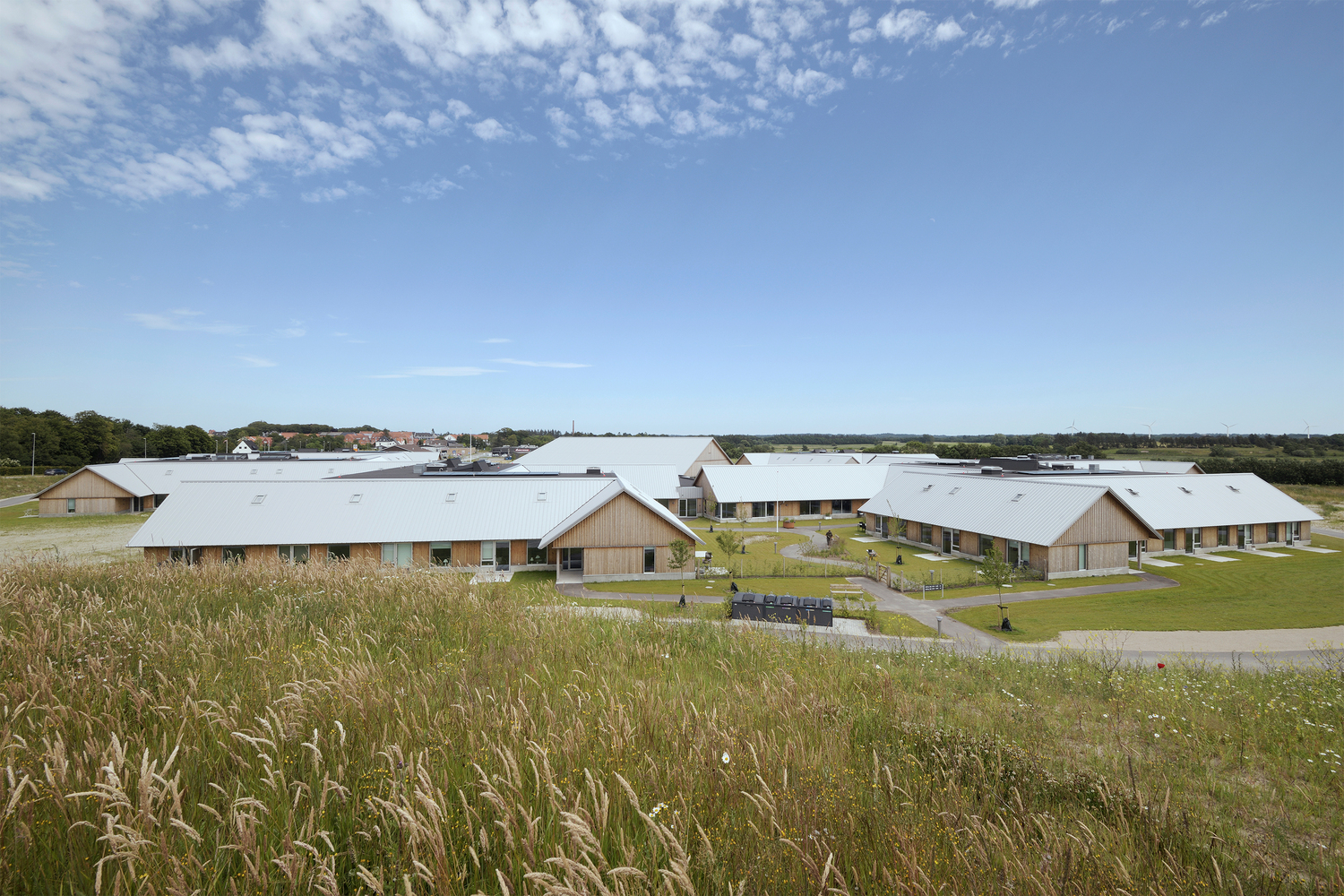
The new Soldalhus Nursing Home in Northern Jutland provides 96 dementia-friendly residences, a central community building, and extensive shared and service areas.
Designed by Cubo Arkitekter with a clear human focus, the project emphasizes dignity, independence, and connection for residents, staff, and visitors.
The name Soldalhus, directly translated as "Sunvalley House," reflects the design's emphasis on light, openness, and integration with the surrounding landscape.
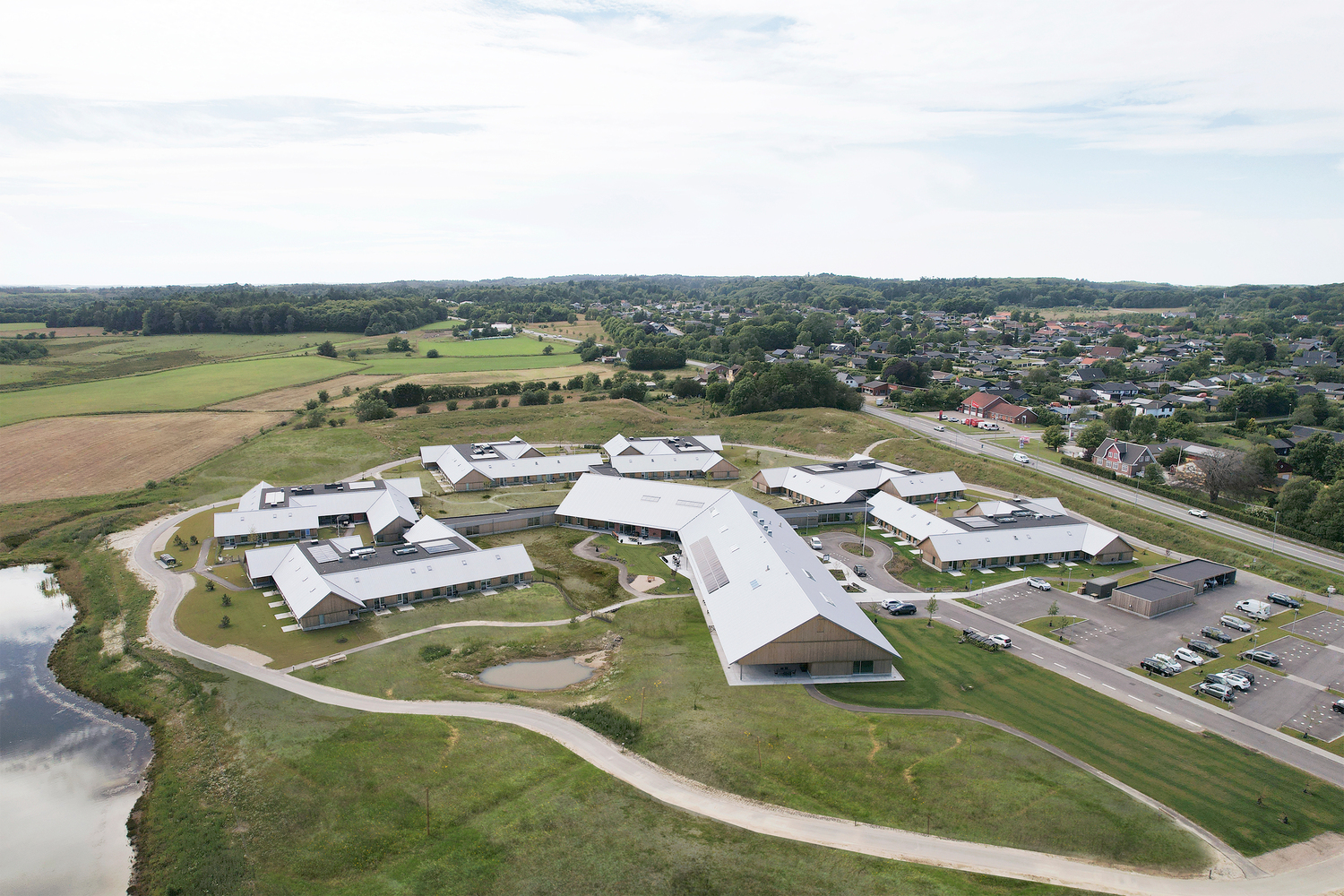
Set on the edge of Northern Jutland's characteristic hill formations, Soldalhus links the landscape with the nearby town of Sindal.
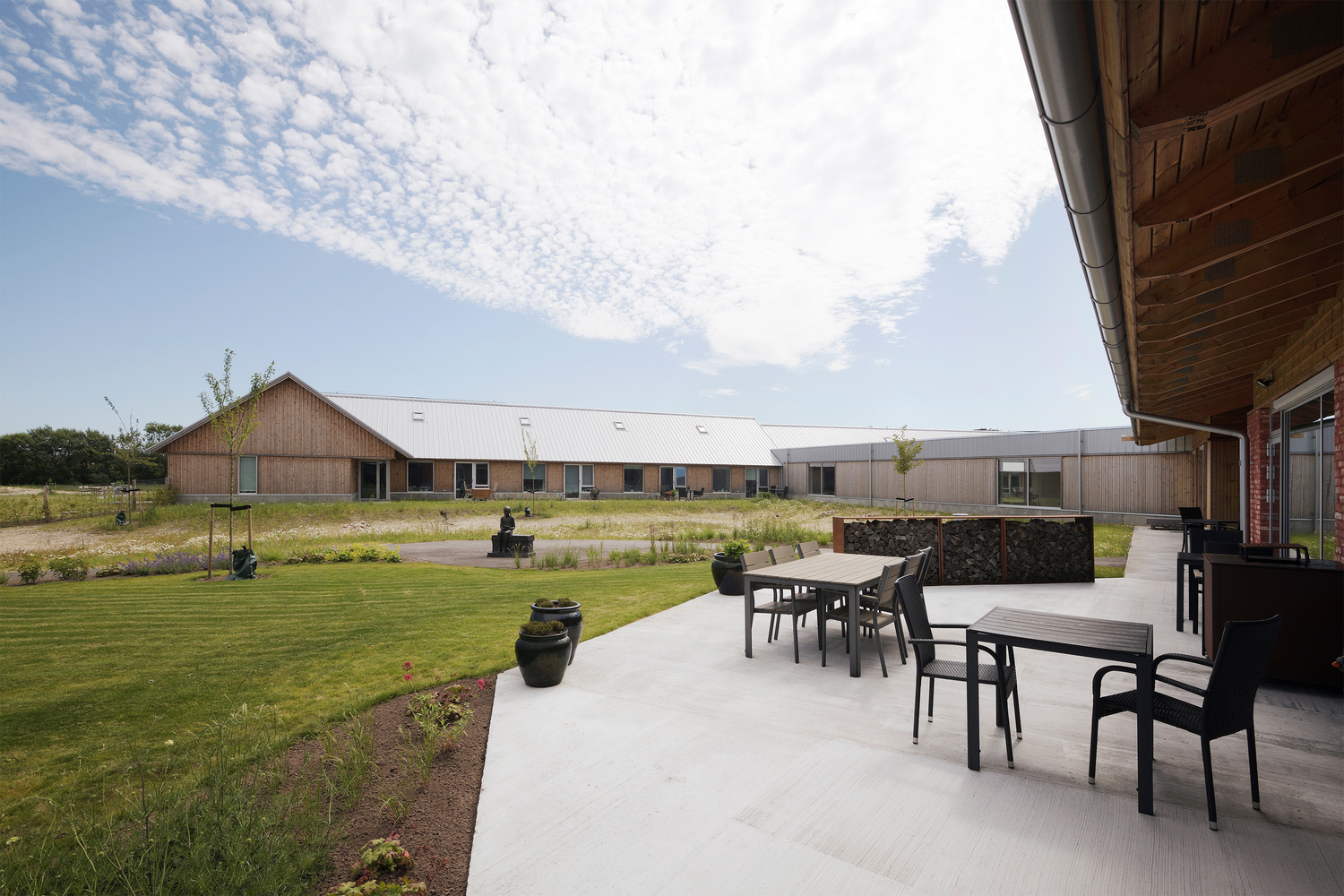
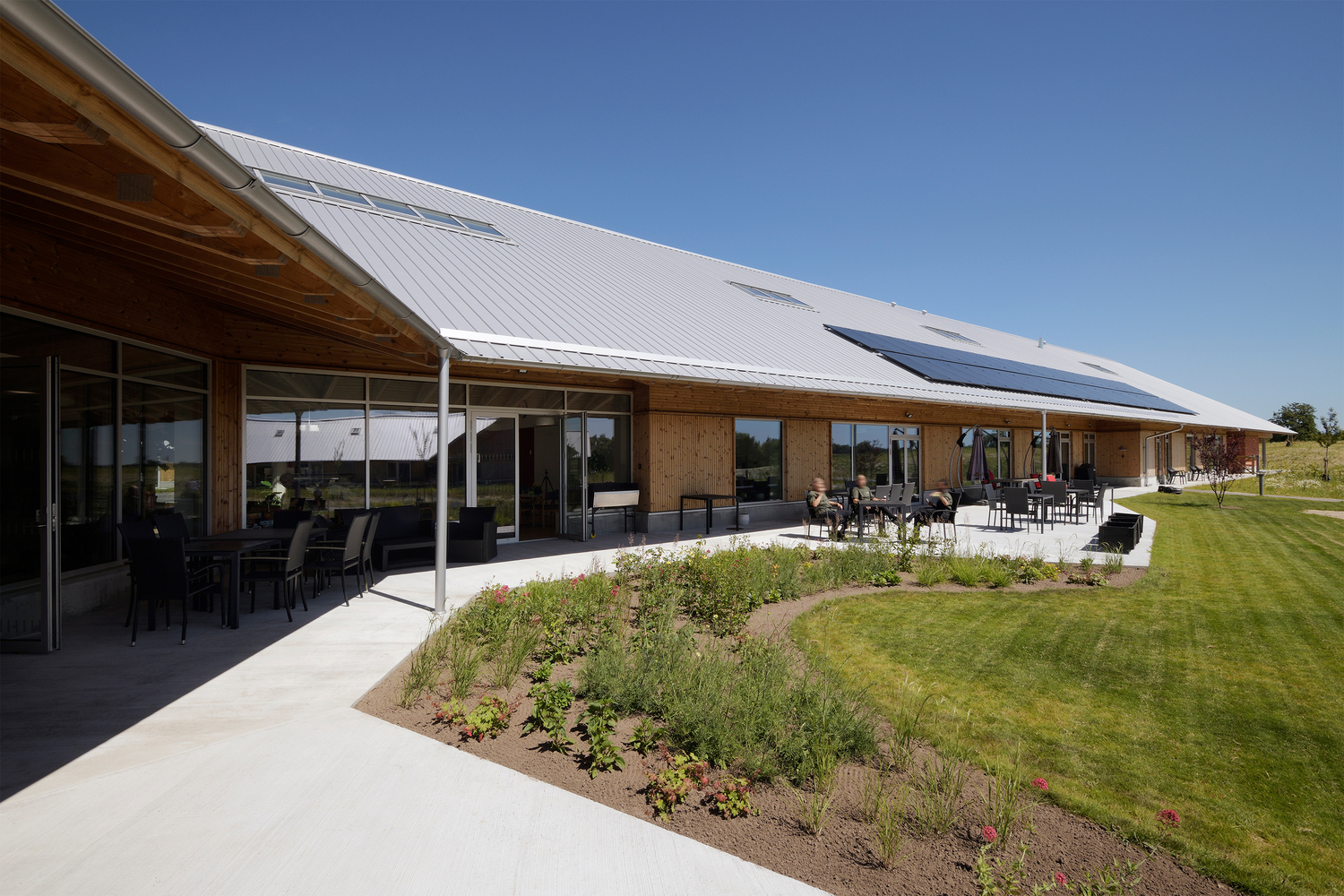
Its placement strengthens local urban life, creating new pathways between the care center and the city while offering open views of meadows and wetlands.
Subtle terracing and reshaping of the terrain create a sheltered microclimate, using landforms and planting to temper prevailing westerly winds and provide comfortable outdoor environments year-round.
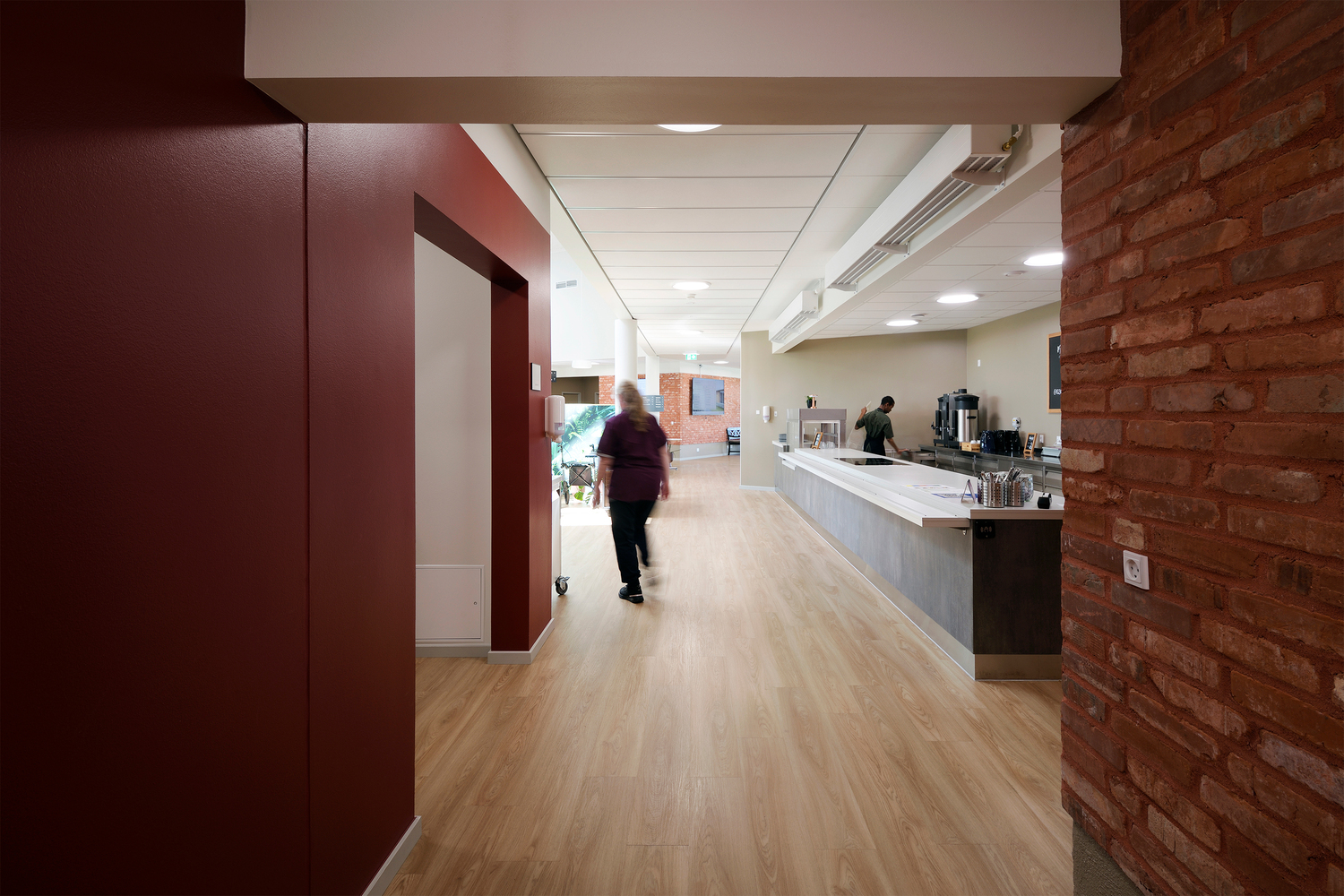
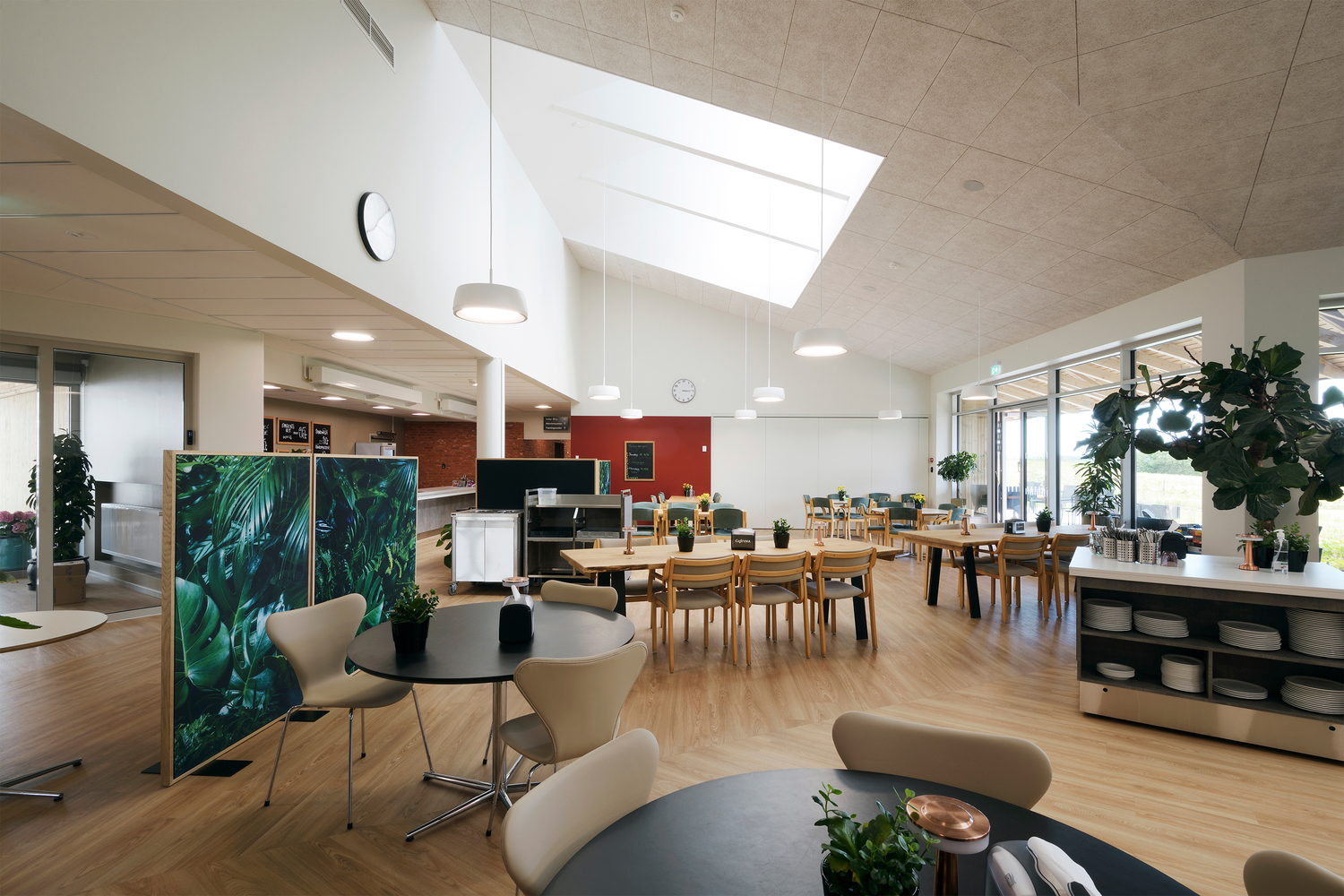
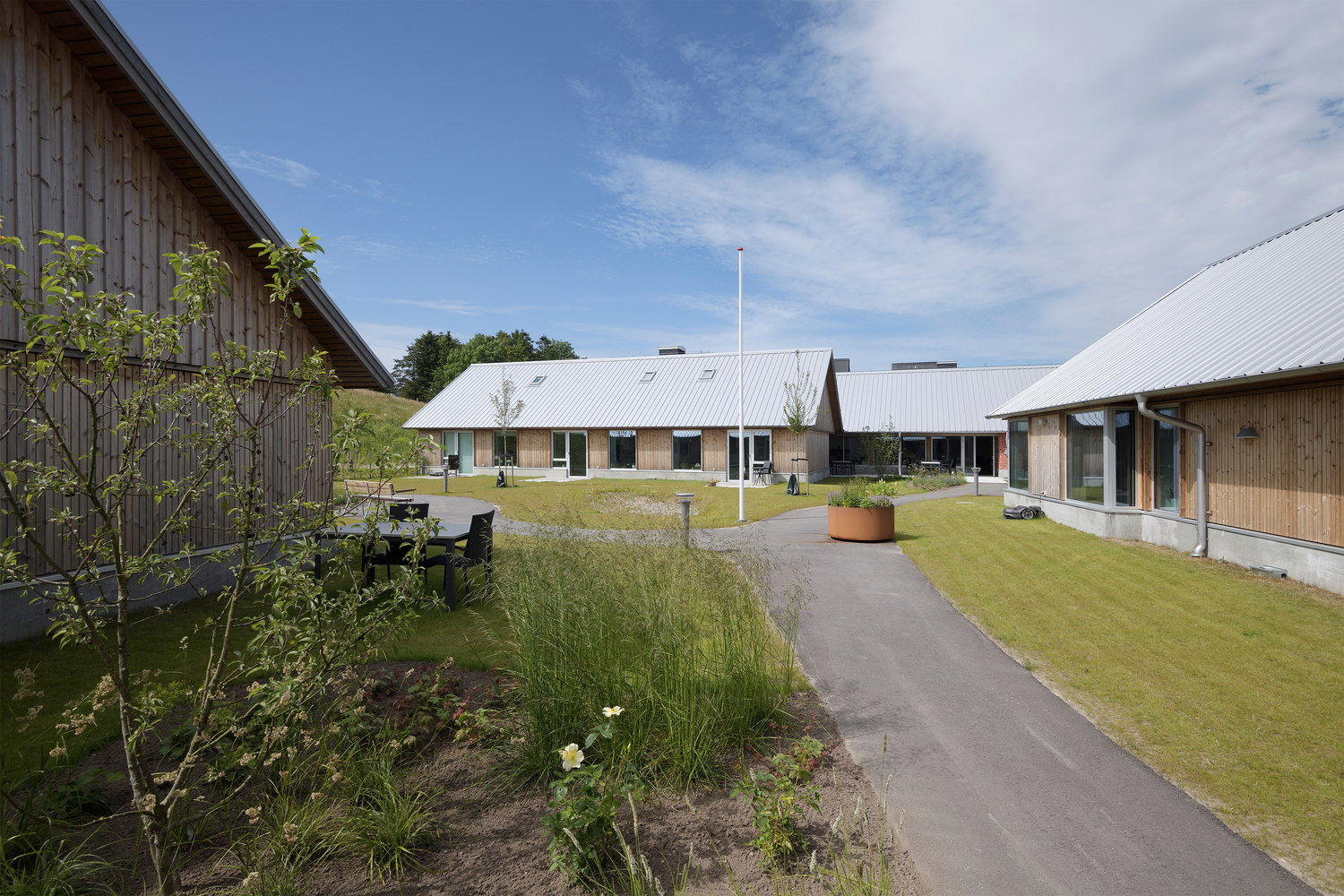
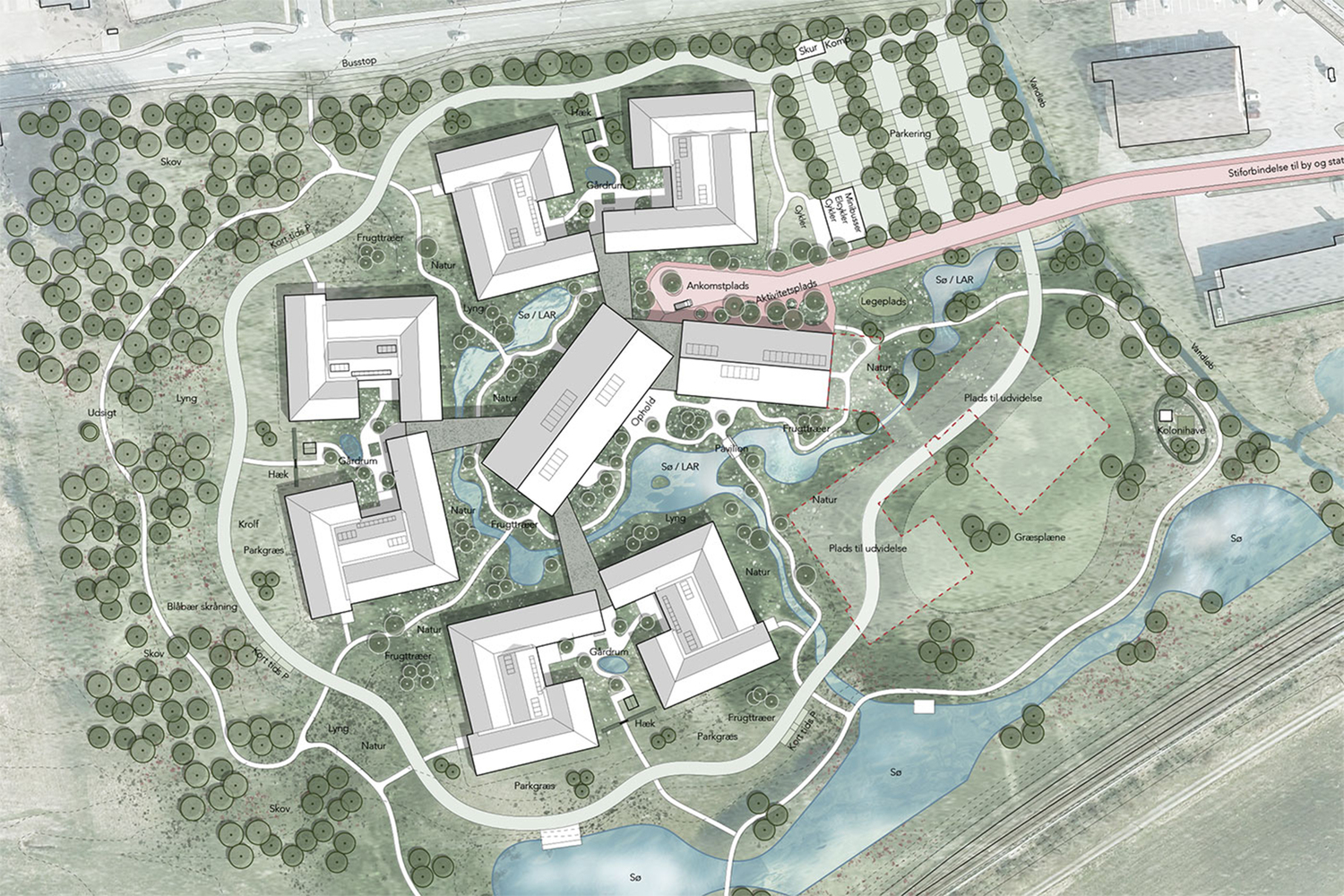
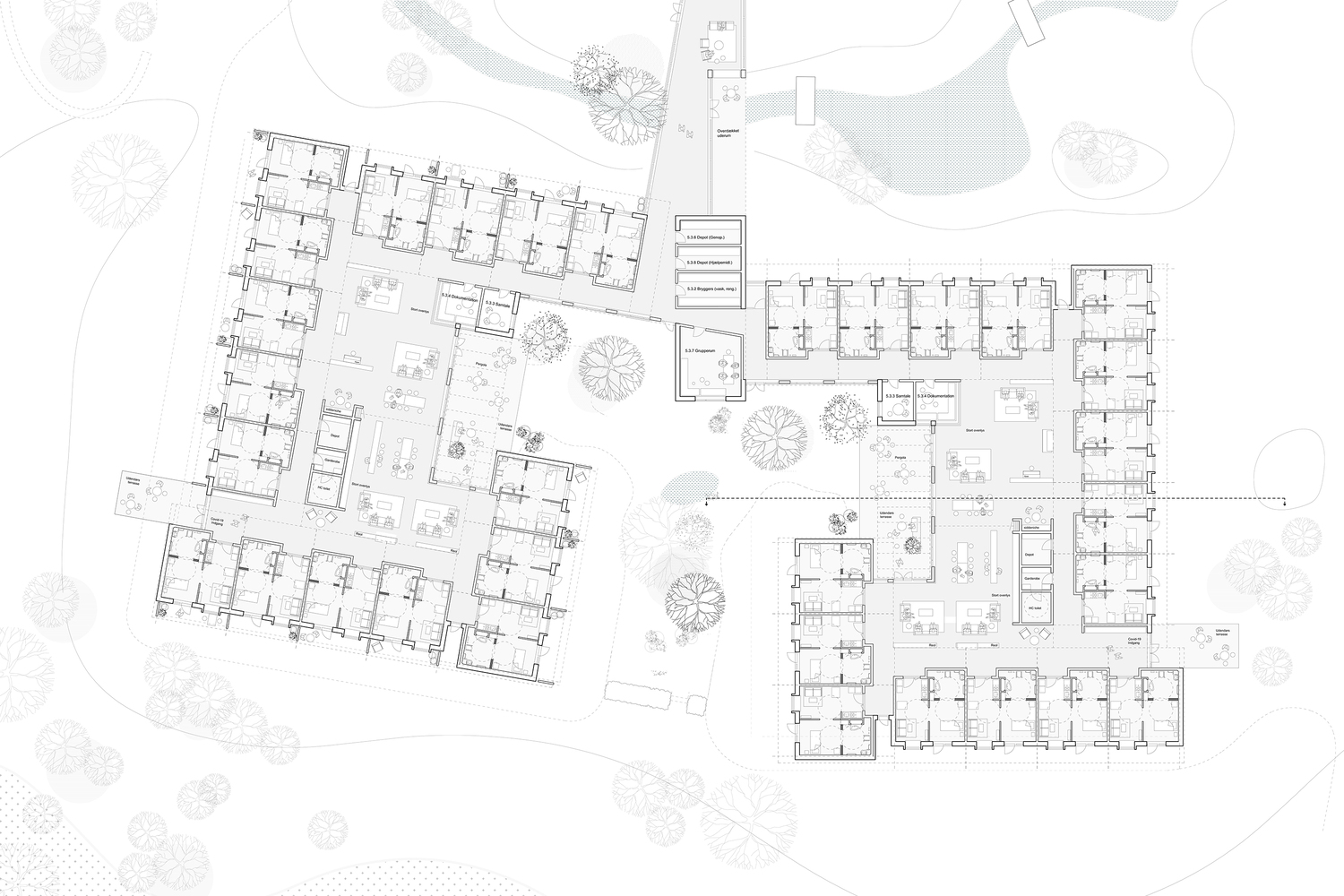
The masterplan breaks the scale into small housing groups of eight units, recalling traditional village clusters. Each group is organized around a shared kitchen, dining space, and living area opening directly to protected courtyards.
Looping circulation paths eliminates dead ends, improving orientation and encouraging movement. Direct external entrances to each housing group add flexibility and resilience – an important feature for managing epidemics.
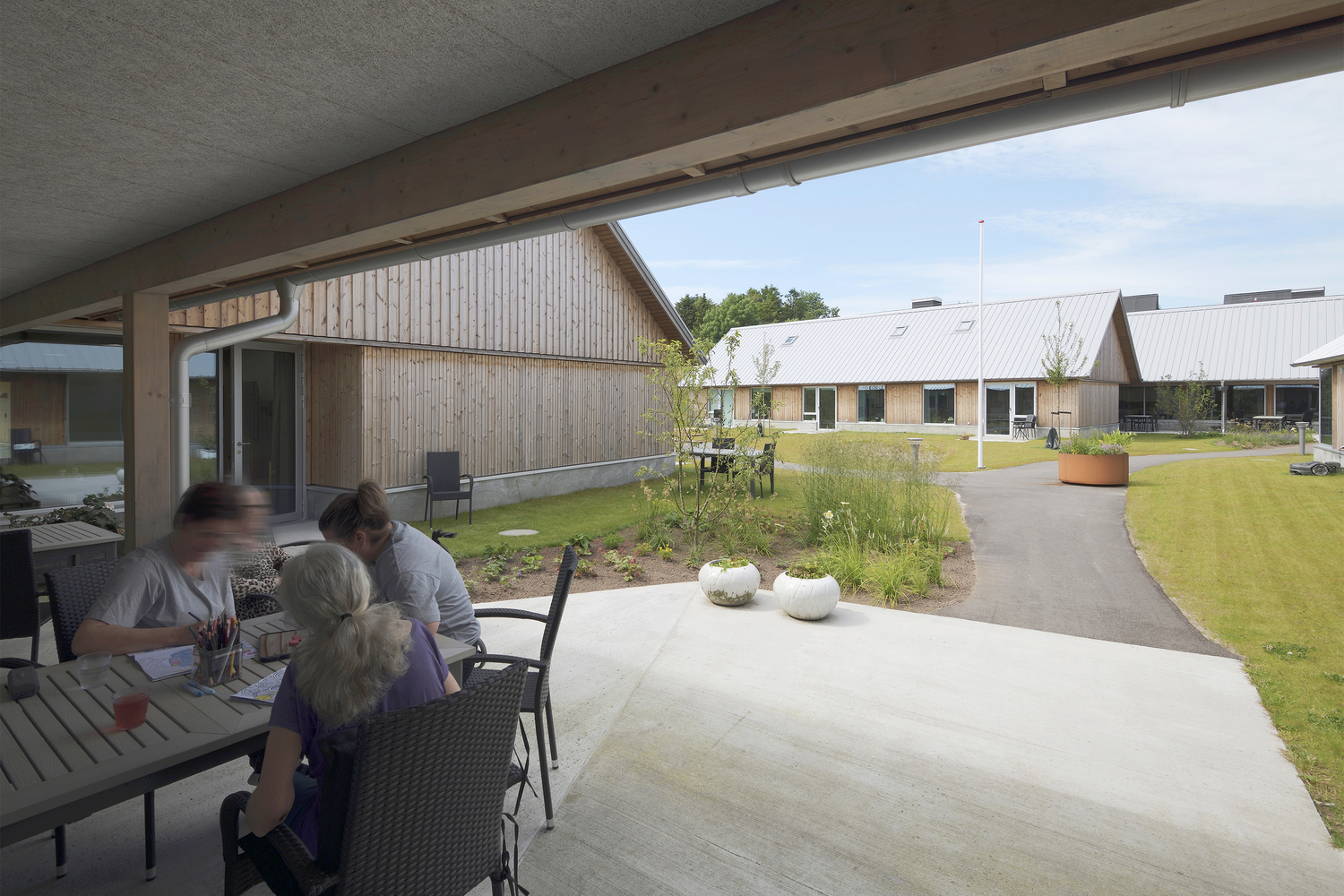
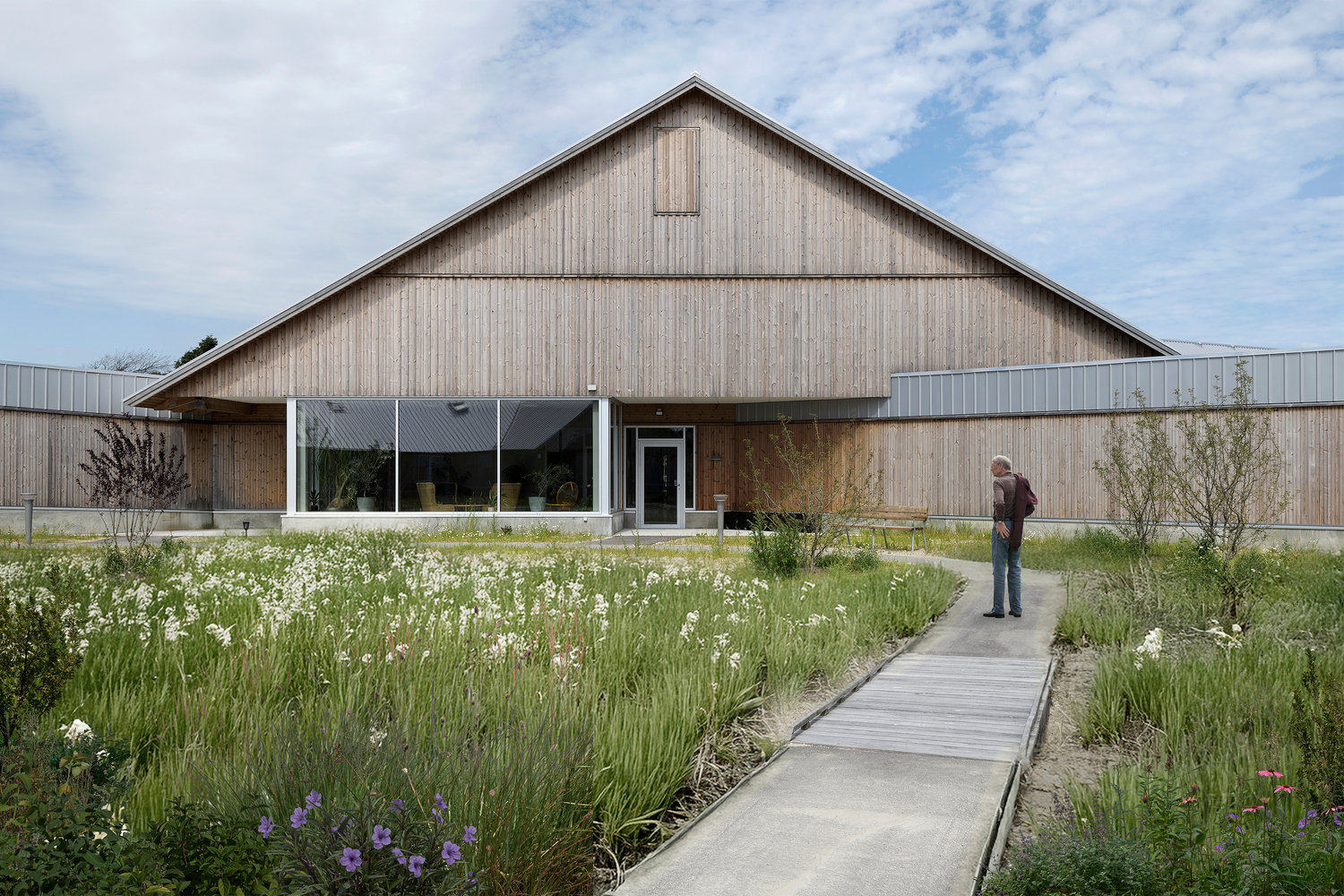
Daylight and automated lighting adjusted to residents' circadian rhythms play a central role throughout, supporting orientation, wellbeing, and intuitive wayfinding.
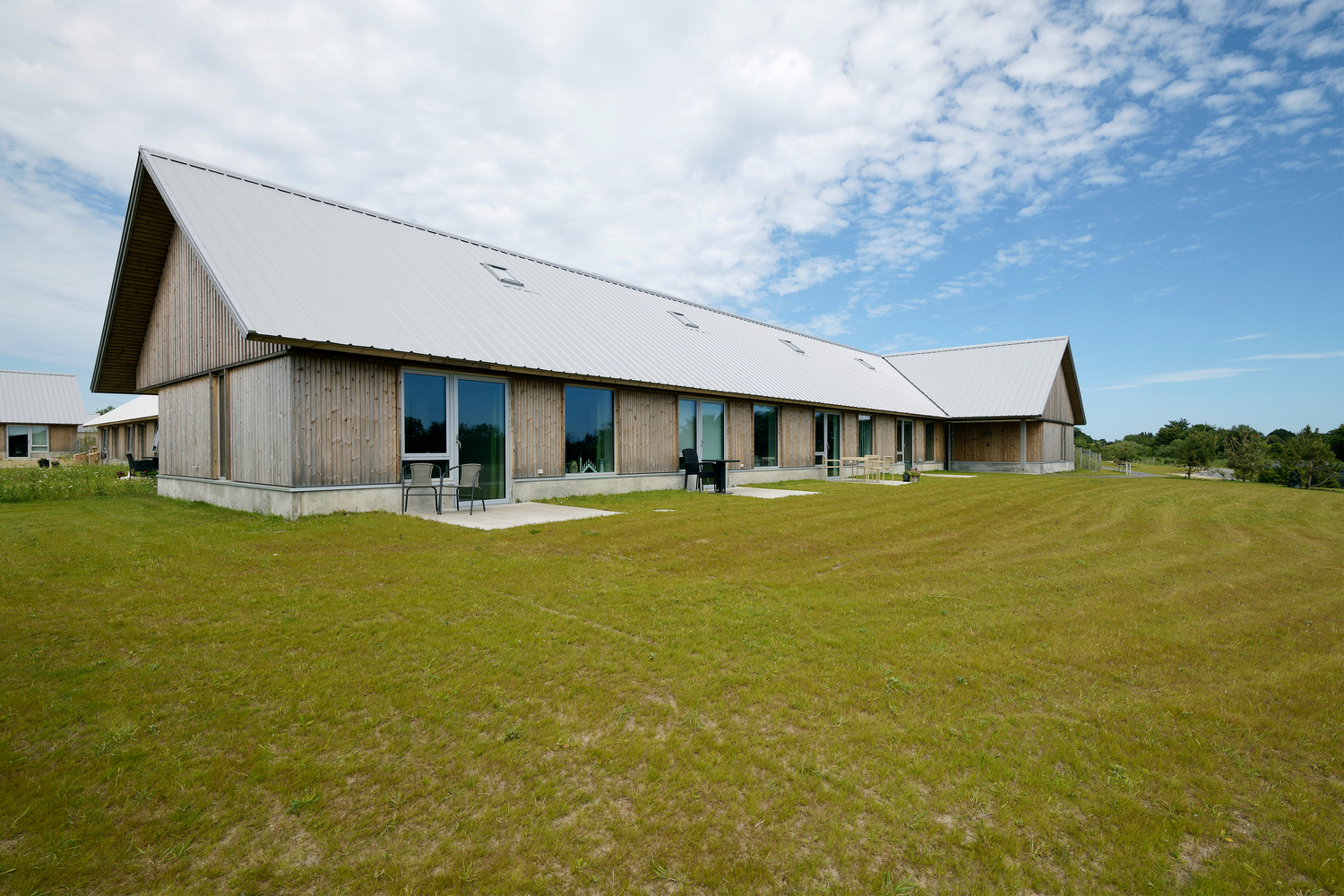
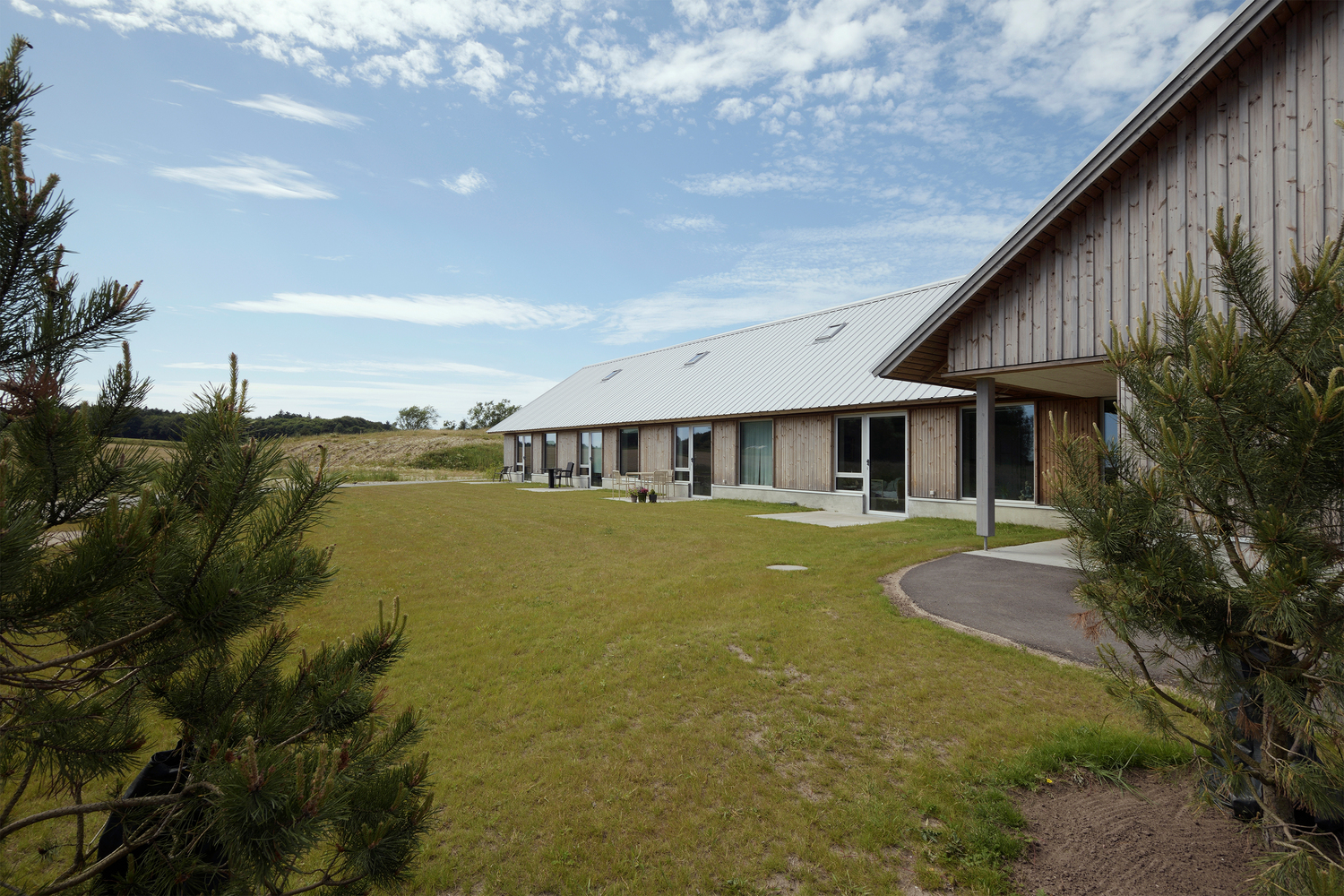
North-facing homes are supplemented by skylights or corner windows for light from two directions, while deep roof overhangs soften transitions between indoor and outdoor spaces, reduce glare, and define welcoming outdoor zones.
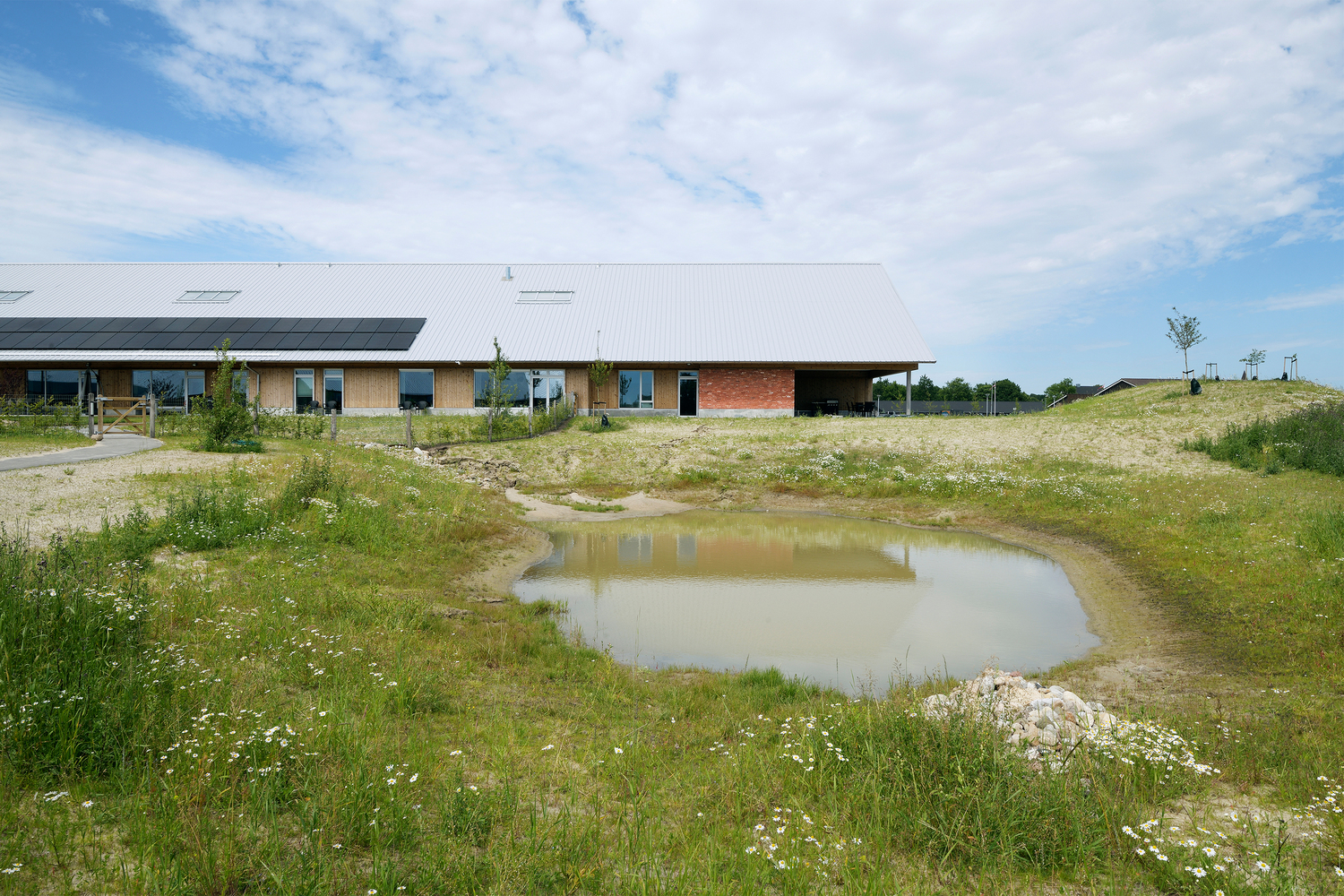
Outdoor areas extend domestic life into nature. Three distinct gardens, each with different sun exposure and atmosphere, provide sensory-rich, sheltered settings.
Linked walking loops of varying lengths encourage independent movement without disorientation.
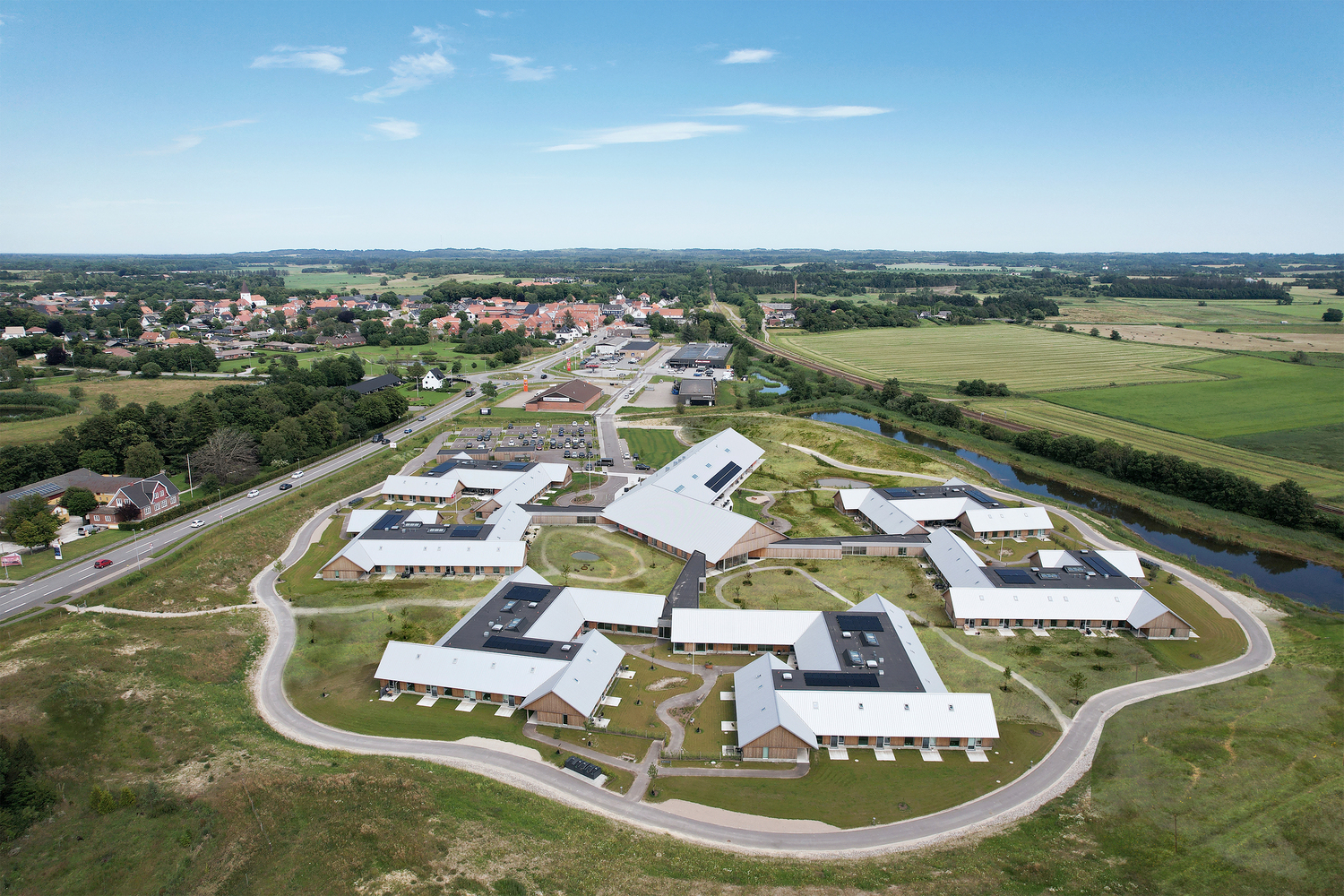
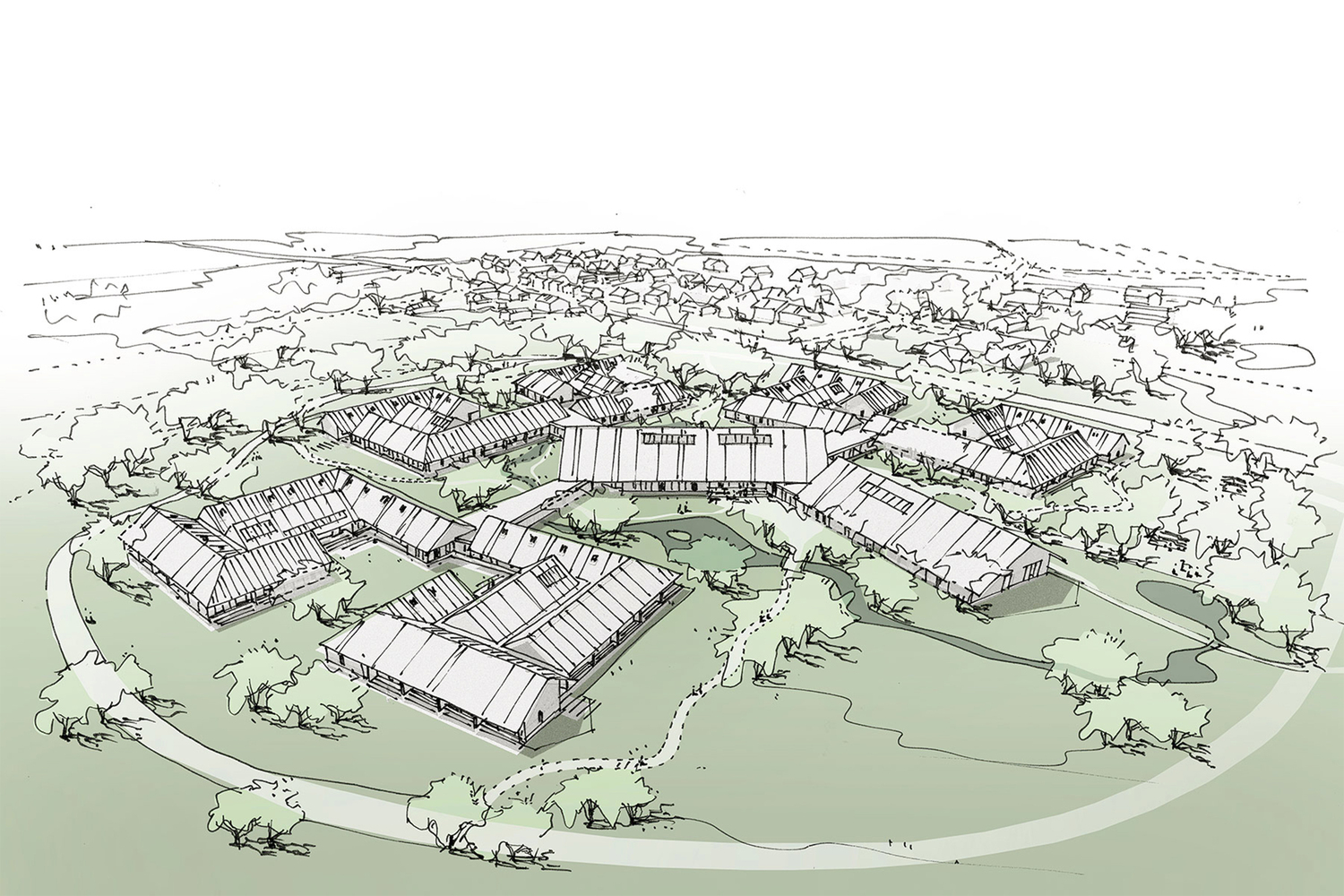
Blue/green infrastructure, rainwater-fed ponds, meadows, and native planting enhance biodiversity, manage stormwater, and offer recreational value for both residents and the wider community.
Small orchards, raised beds, and opportunities for gardening or animal care support self-reliance and meaningful daily activity.
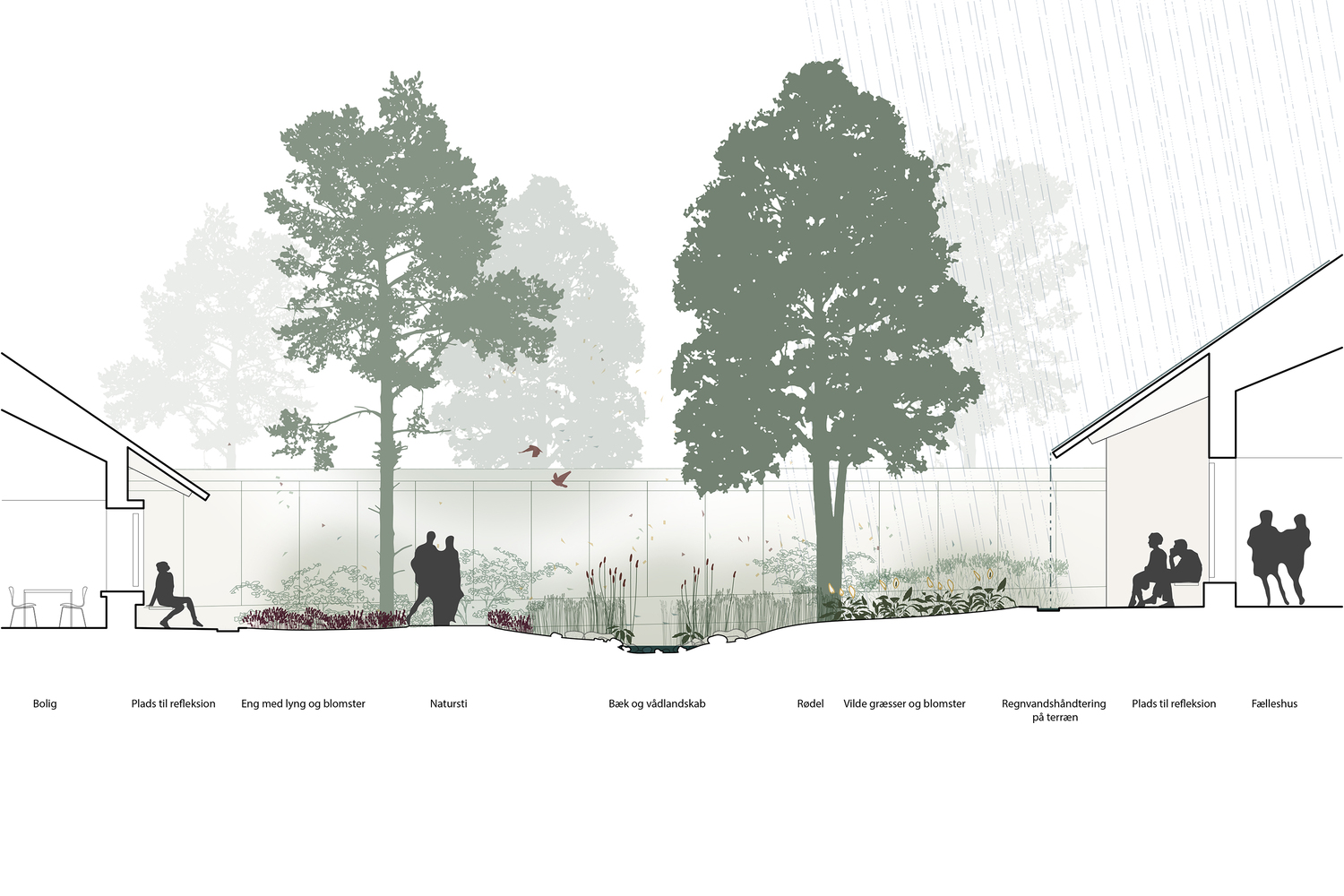
Sustainability underpins the project. Soldalhus targets DGNB Gold certification with a 360-degree approach to environmental, social, and economic performance throughout its life cycle.
Timber cladding on cross-laminated timber structures, combined with generous overhangs, reduces maintenance and environmental impact.
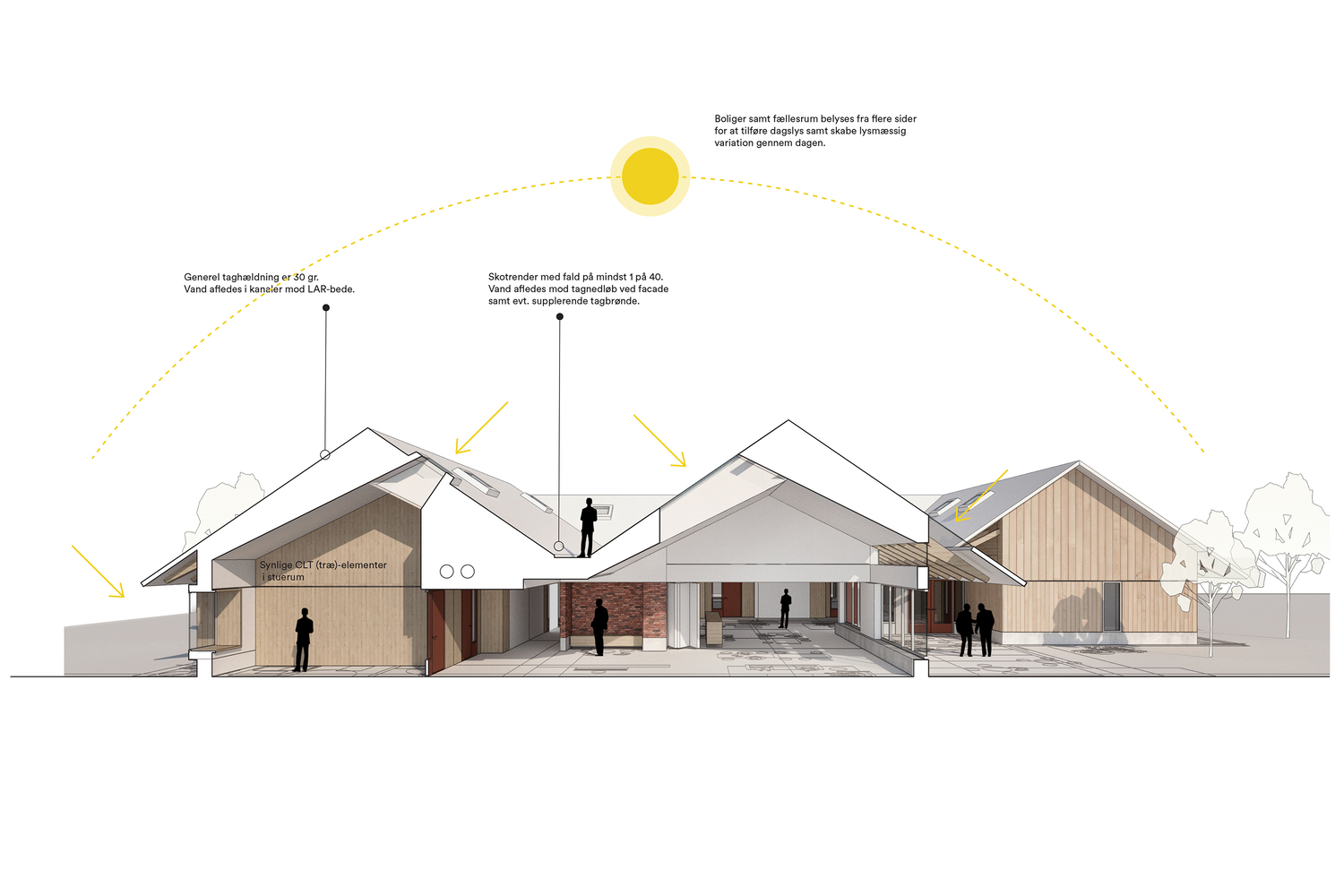
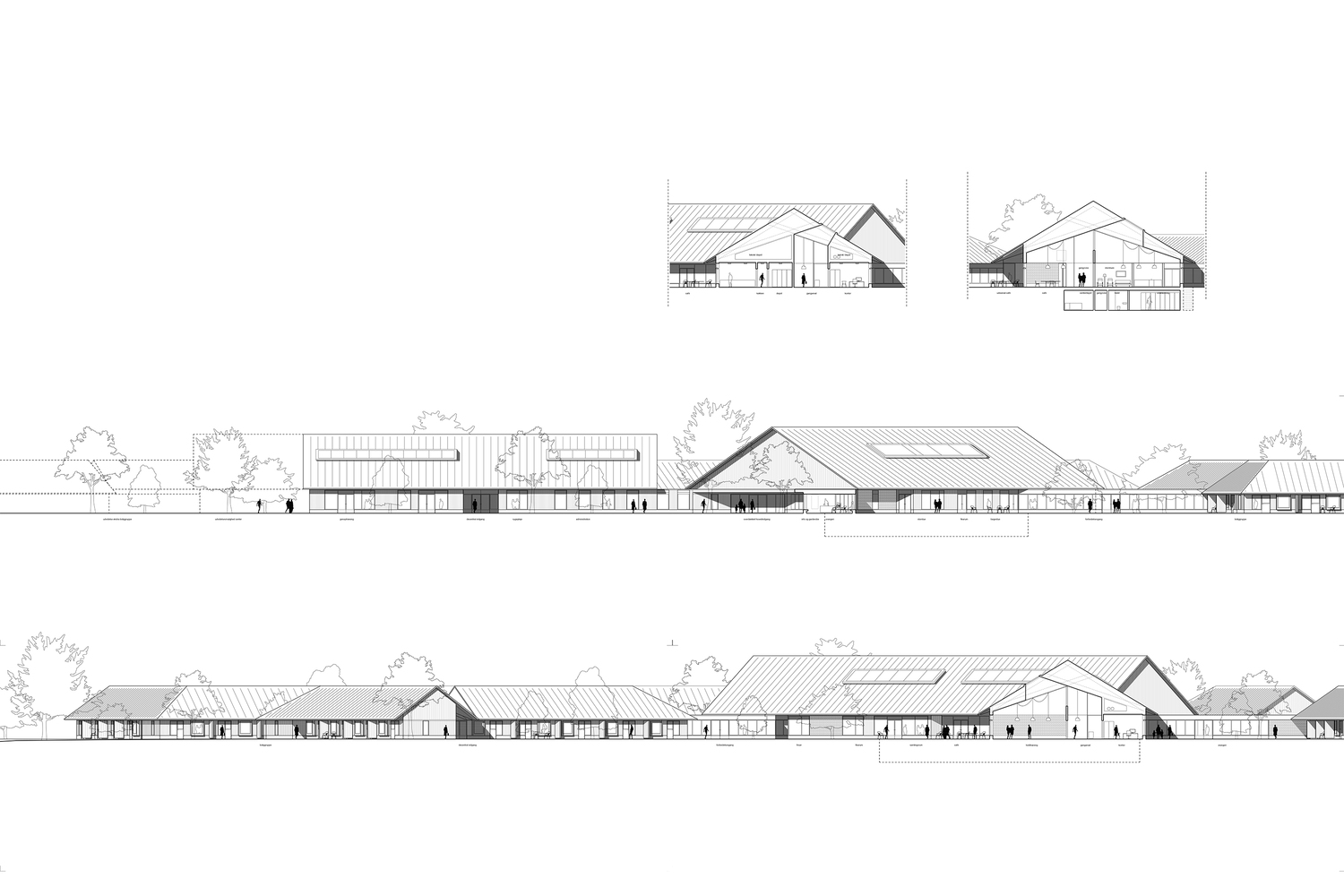
Integrated welfare technologies, including automated lighting adjusted to residents' circadian rhythms, wayfinding elements, acoustic control, and indoor climate strategies, enhance accessibility and independence for residents with sensory or mobility impairments, following inclusive design principles in line with the UN's "leave no one behind" ethos.
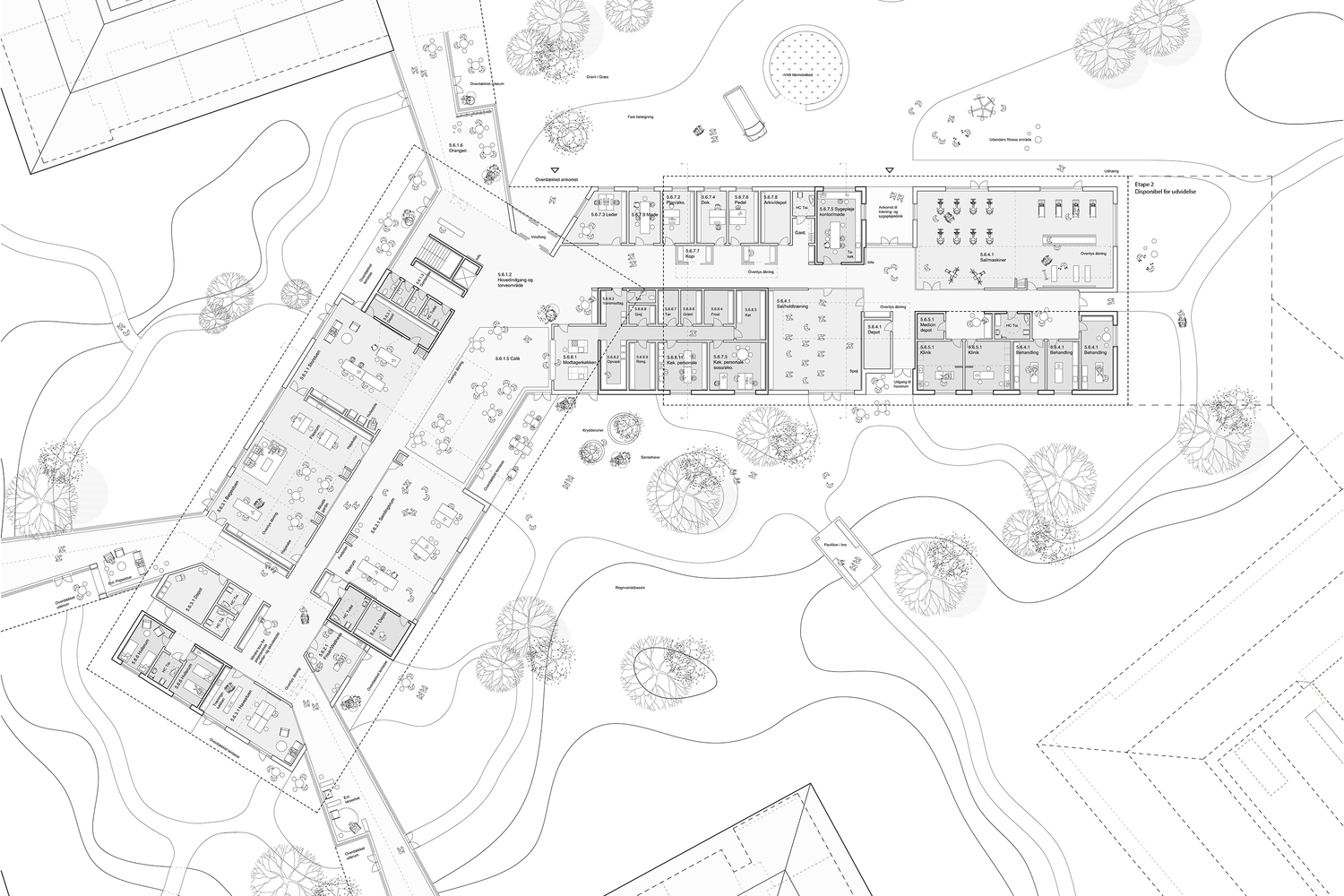
At the heart of the complex, the "Assembly House" gathers the café, activity spaces, and community rooms under a unifying roof, creating a vibrant social hub. Flexible partitions allow the spaces to transform for cultural events or intimate gatherings.
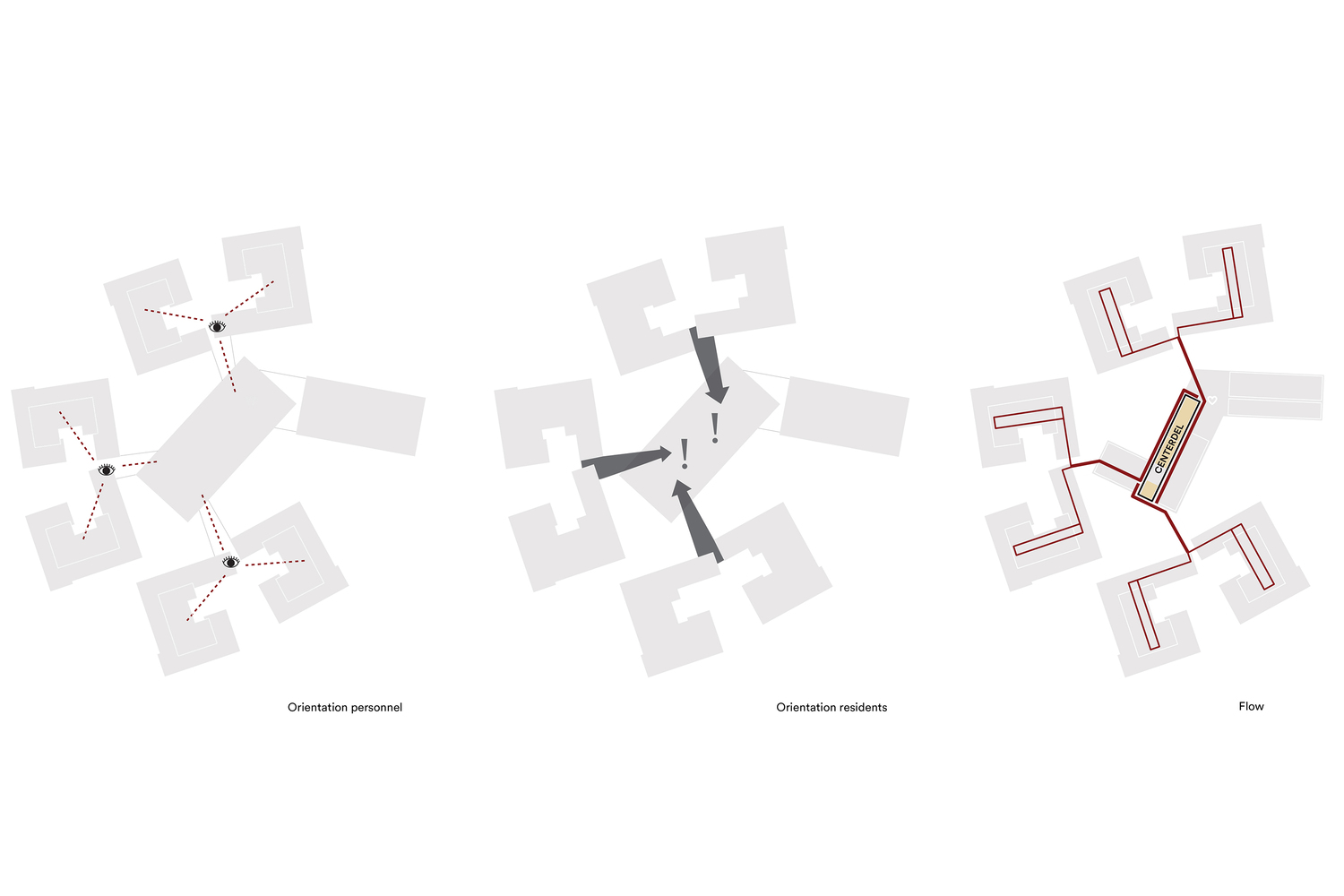
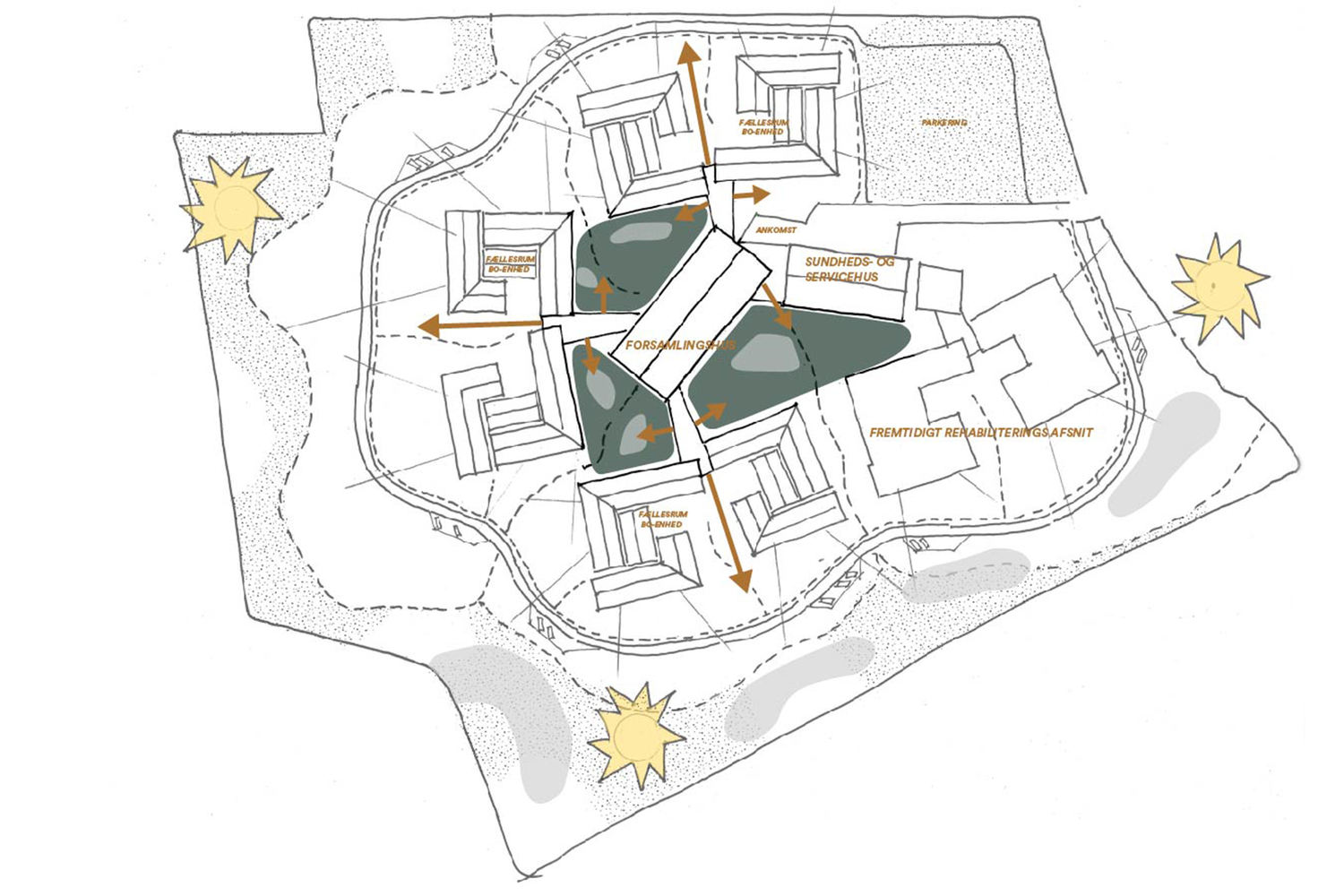
Adjacent, the "Health and Service House" arranges administrative and clinical functions along the arrival plaza for efficient operations while maintaining clear public and private zones.
Soldalhus demonstrates how careful architecture can merge landscape, sustainability, and inclusive design.
By combining small-scale domestic environments with precise terrain shaping, robust welfare technologies, and strong public connections, Cubo Arkitekter has created a living neighborhood where residents, staff, and townspeople can thrive together.
