
Baoshan Long Beach Winder Tower Complex
BAOSHAN LONG BEACH WINDER TOWER COMPLEX
Dlr Group
ARCHITECTS
Dlr Group
DESIGN TEAM
Dlr Group
LIGHTING DESIGN
Dlr Group
FACADE CONSULTANT
Shanghai Research Institution Of Building Science
AV/ACOUSTICS
Nagata Acoustics
GENERAL CONTRACTOR
Shanghai Construction Group
STRUCTURAL AND MECHANICAL CONSULTANT
Wsp
ARCHITECTS OF RECORD
Arcplus Institute Of Shanghai Architectural Design & Research (Excl. Concert Hall), Tongji Architectural Design (Concert Hall)
CLIENT
Ruitai Development (A Company Of Sipg)
CLIENT REPRESENTATIVE
Xinghua Pan - Ruitai Development
PHOTOGRAPHS
Chill Shine
AREA
25411 m²
YEAR
2024
LOCATION
Baoshan, China
CATEGORY
Offices, Commercial Architecture
English description provided by the architects.
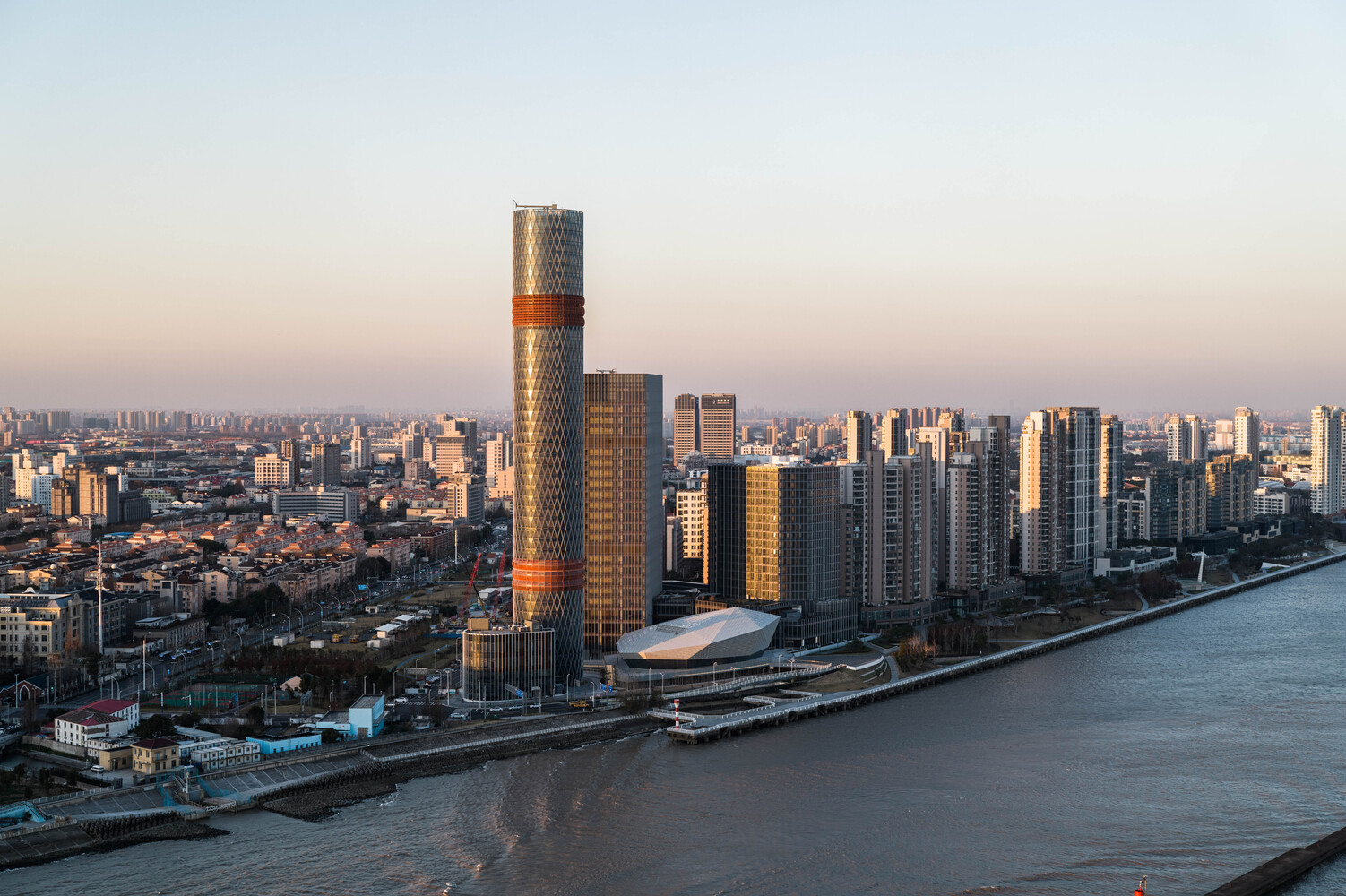
The Shanghai Baoshan Long Beach Winder Tower Complex is strategically located at the Yangtze River estuary beside the Wusongkou International Cruise Terminal—Asia's largest and the world's fourth-largest home port.
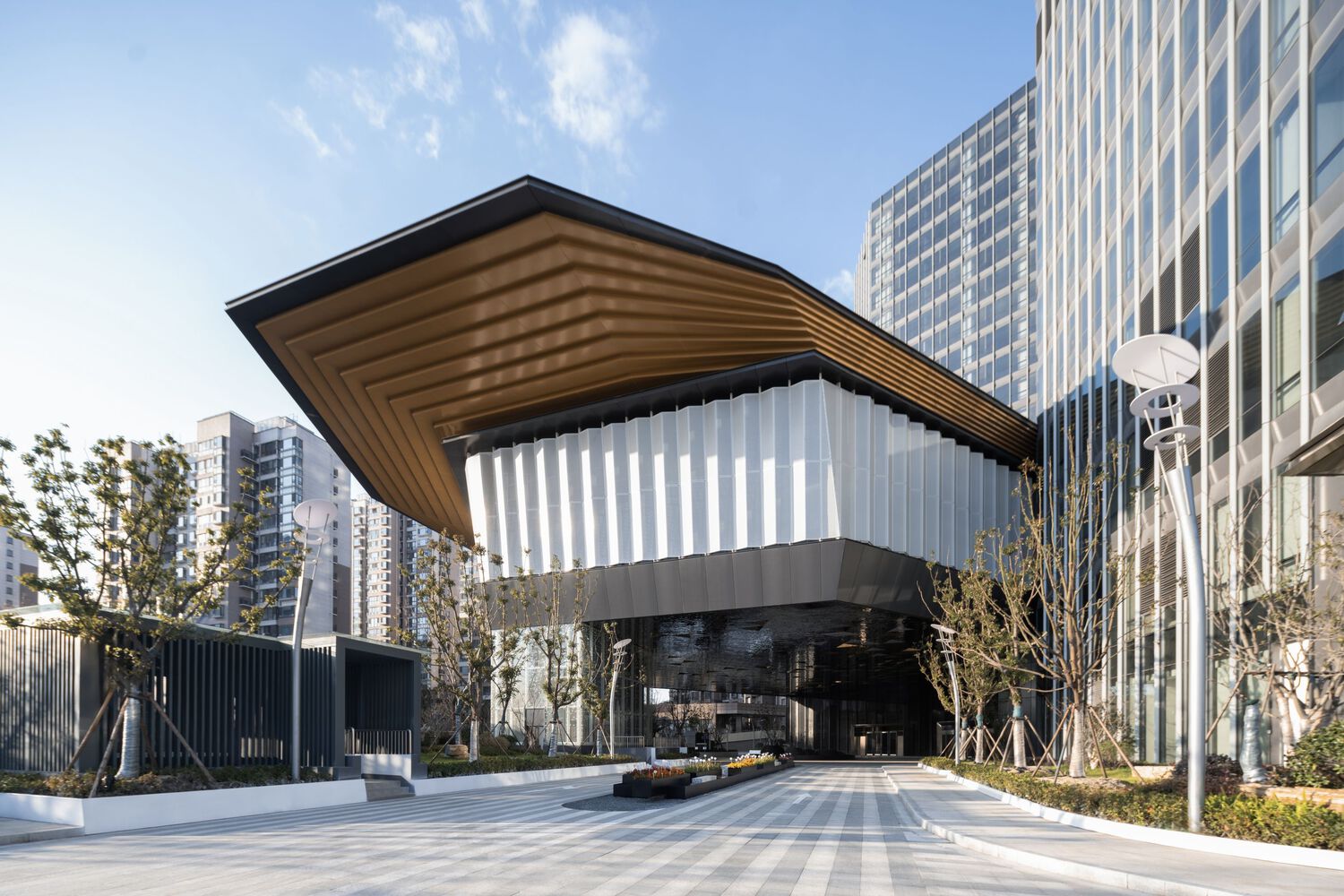
DLR Group won an international design competition with a vision to transform the industrial port into a new waterfront landmark.
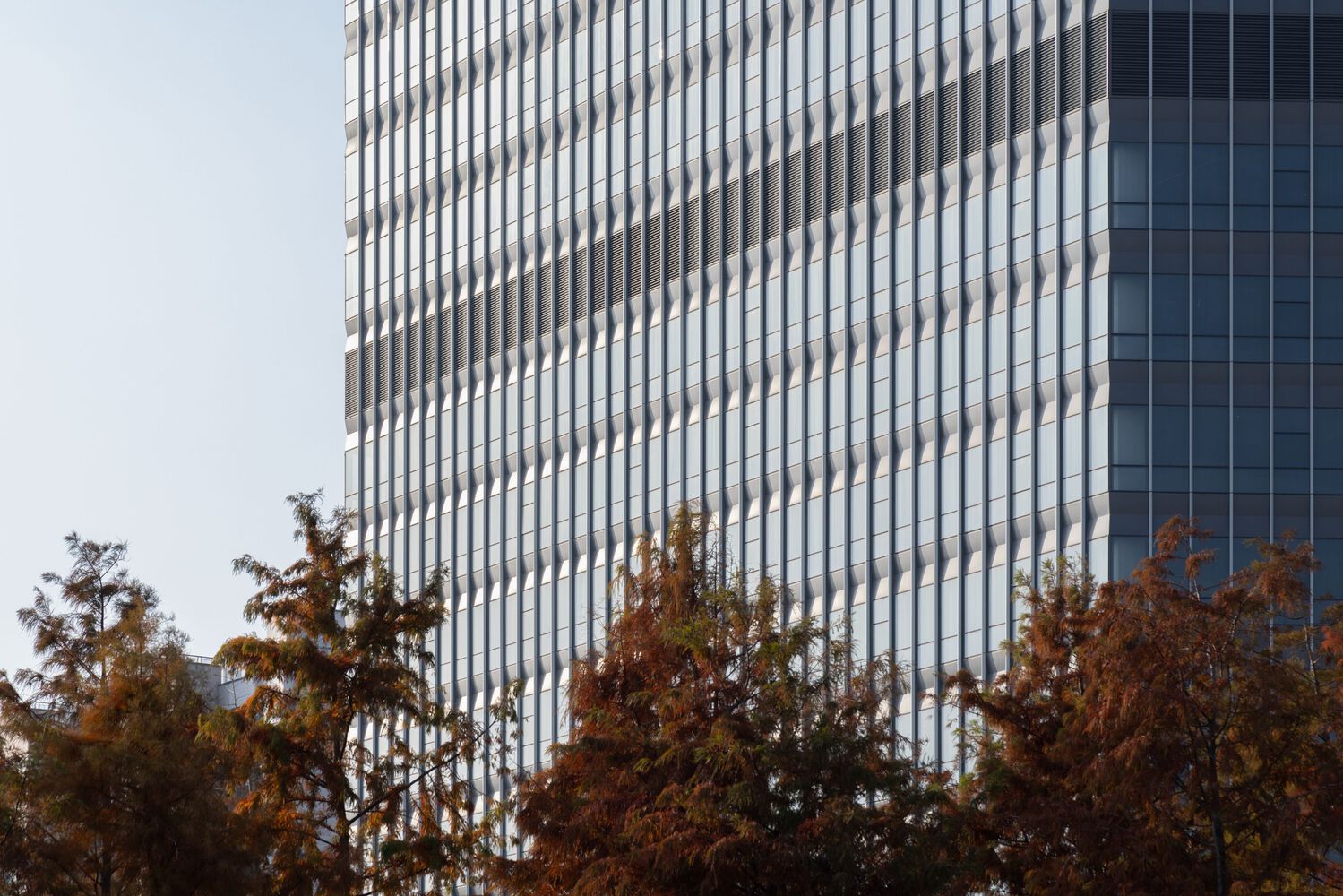
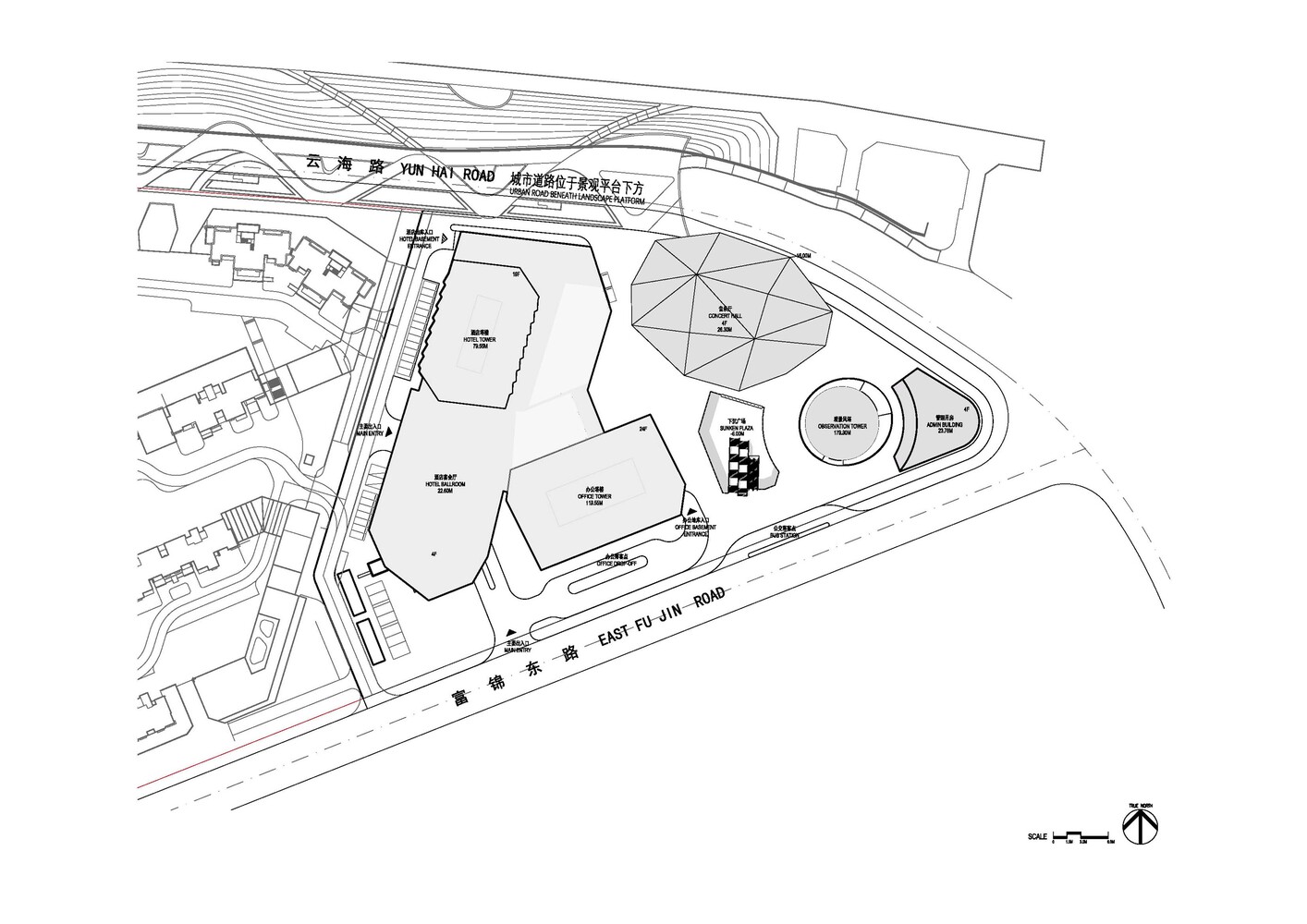
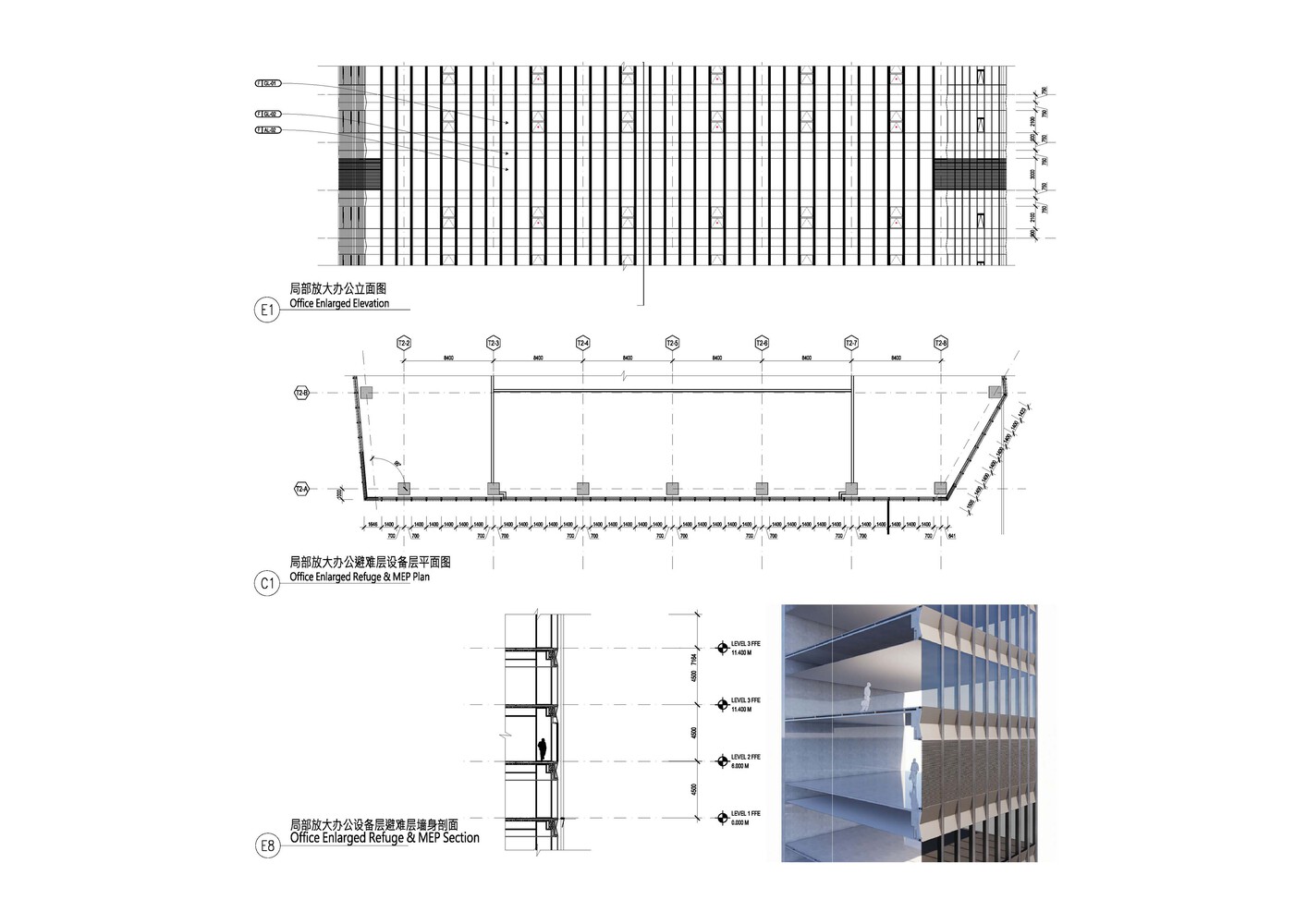
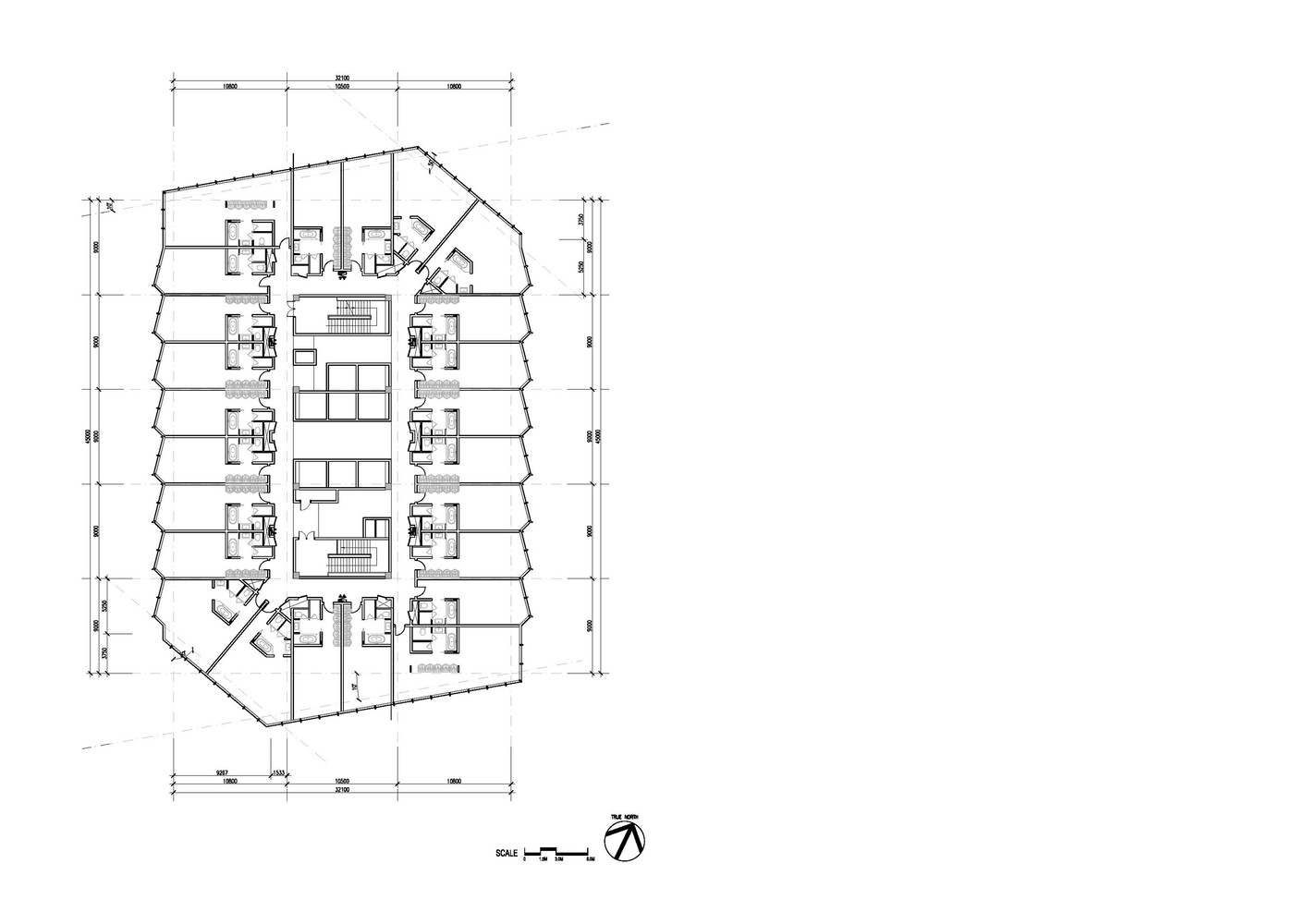
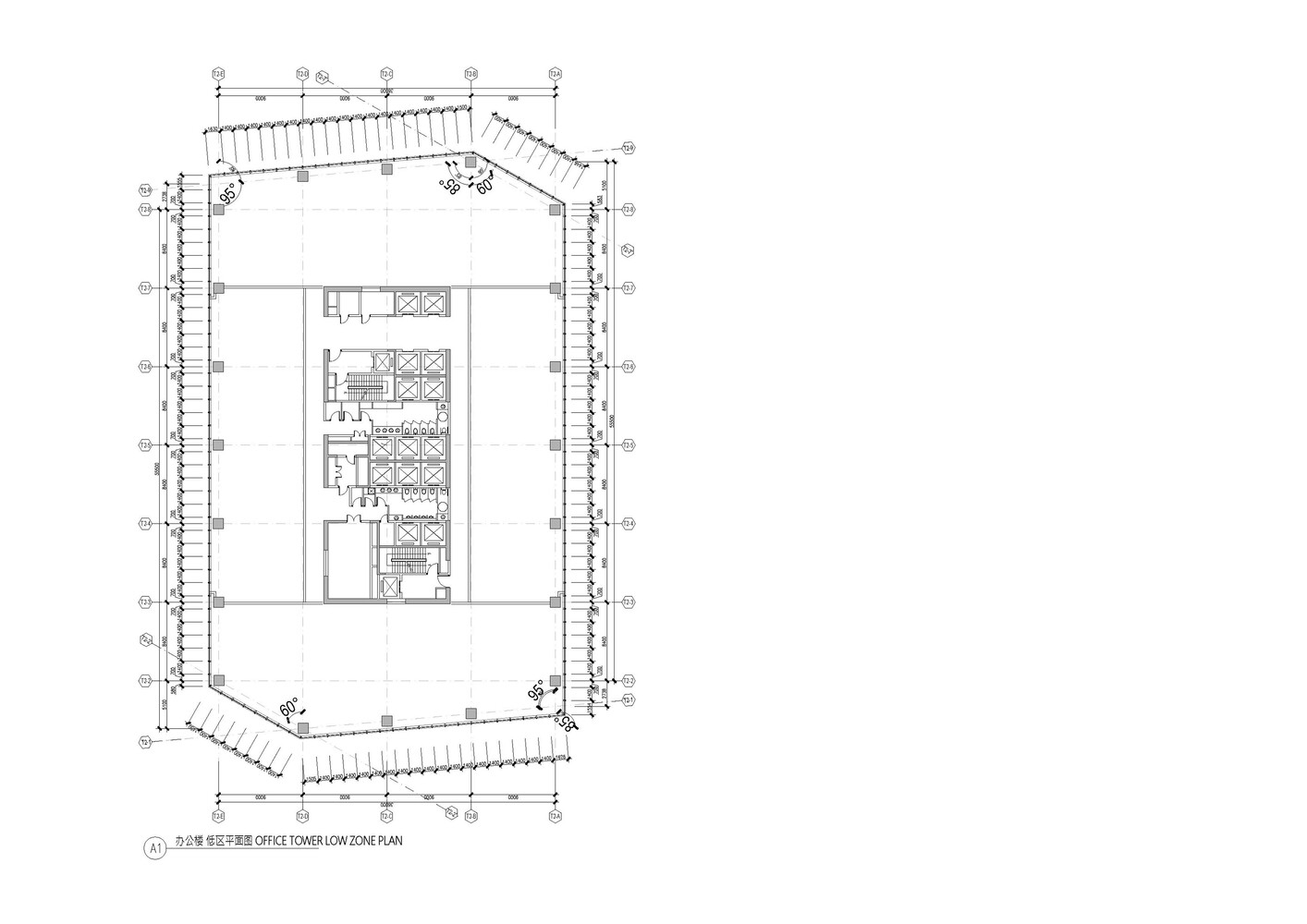
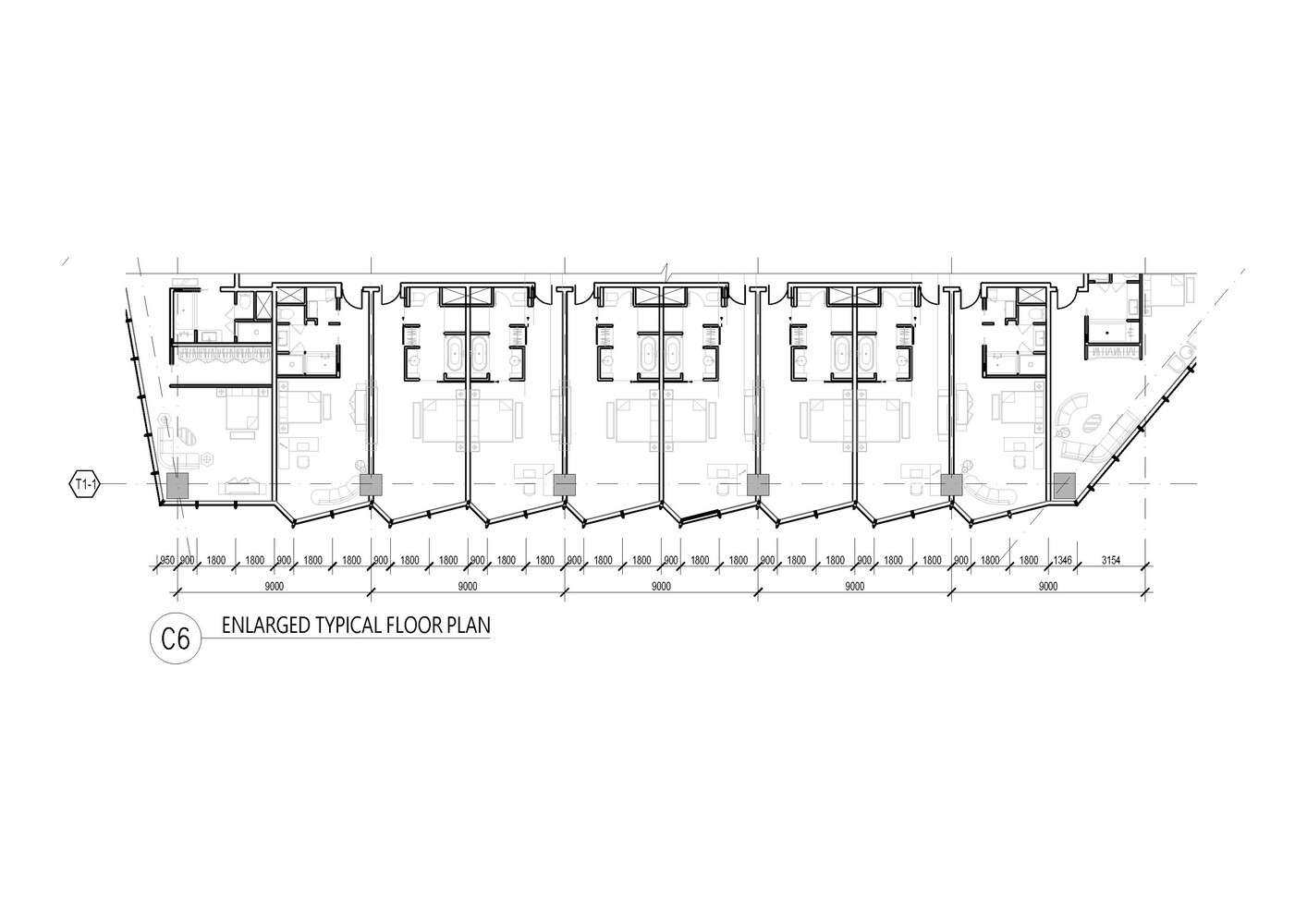
The complex is 2M SF, bringing together a 180-meter observation tower, a 120-meter Grade-A office building, an 80-meter five-star hotel with 300 keys, a 1,027-seat concert hall, a tunnel operations center, and retail.
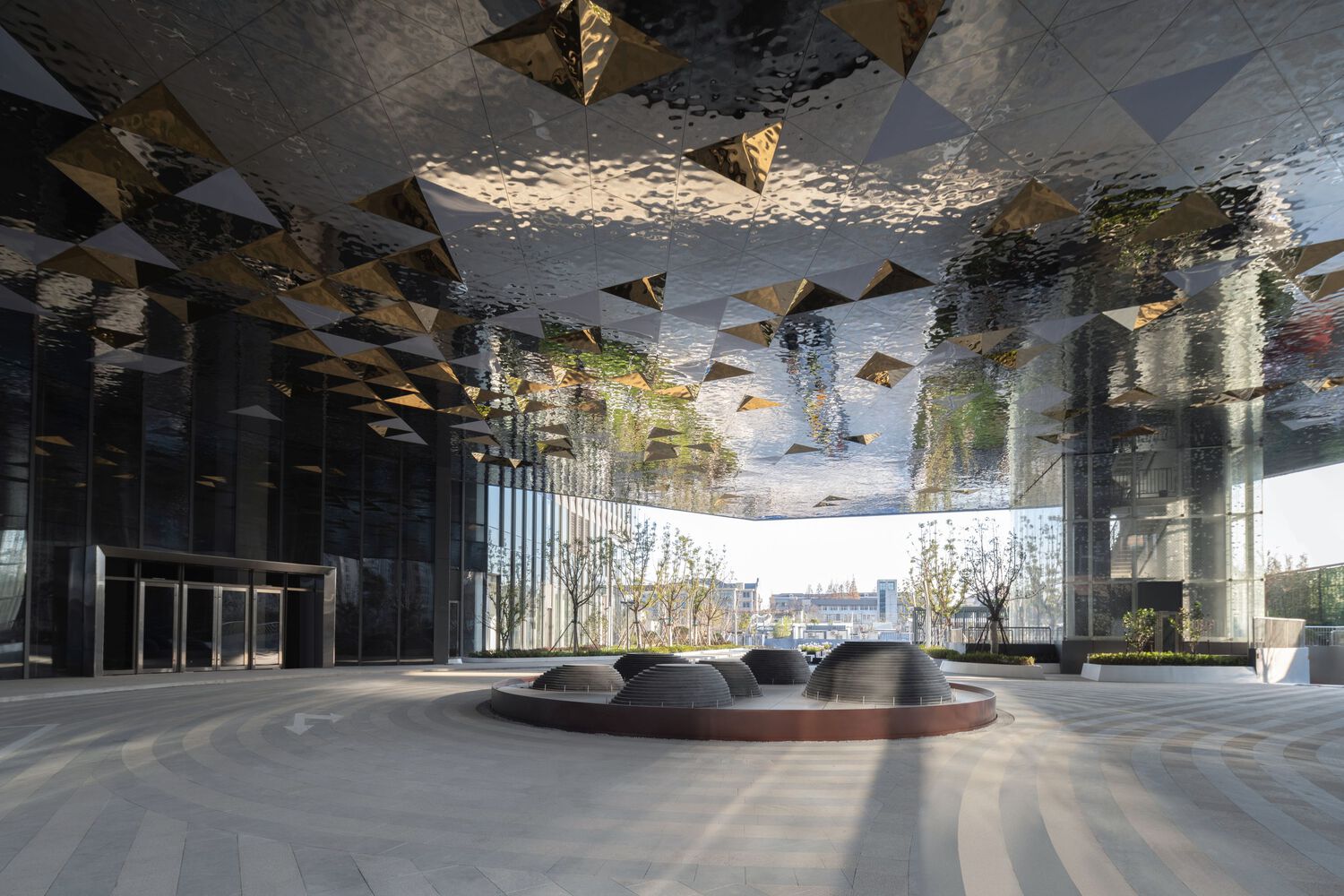
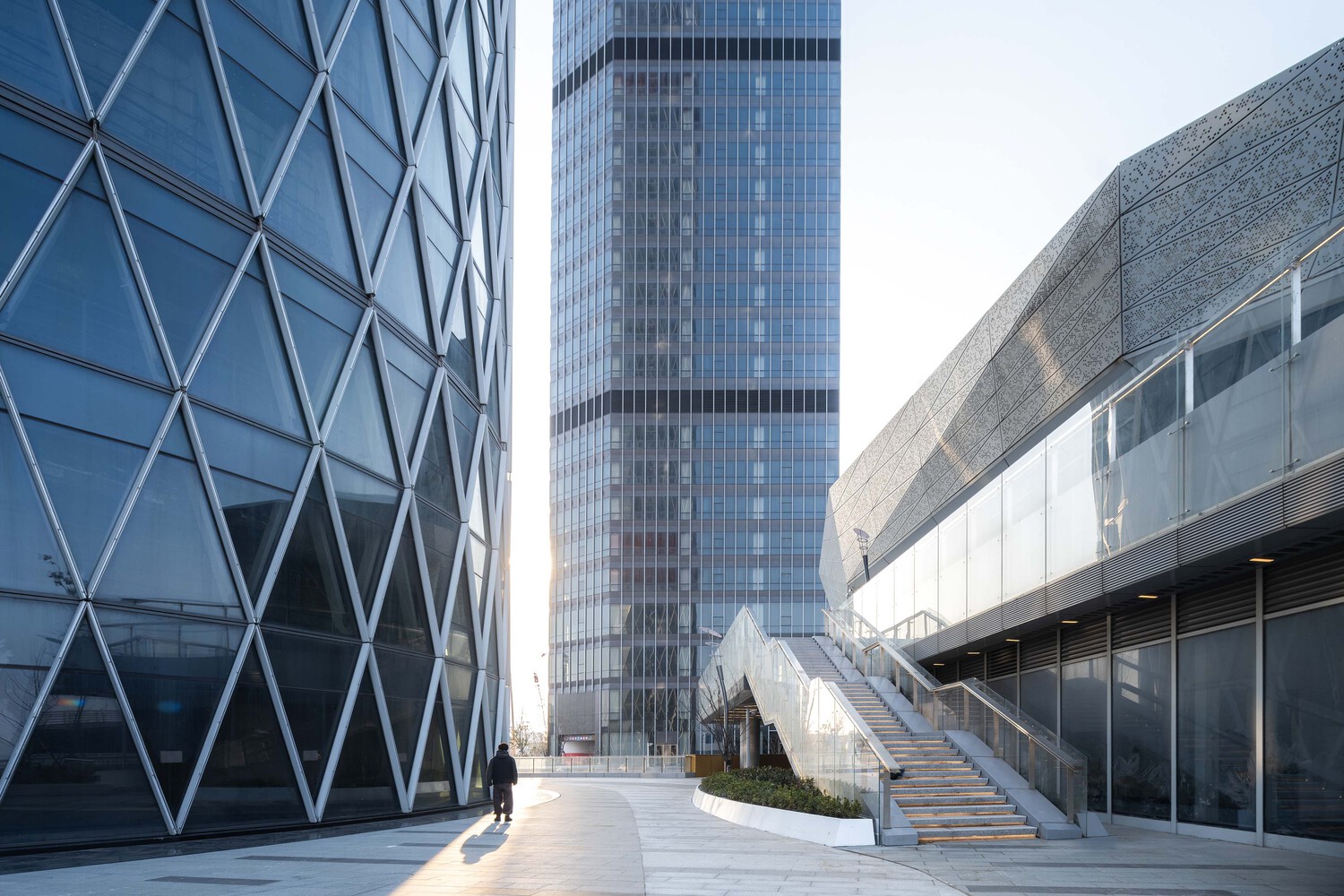
The design embraces the cultural imagination of Journey to the West. Inspired by the "Tidal Control Staff"—the legendary weapon of the Monkey King—and the "Crystal Palace of the East Sea," the team turned a once utilitarian site into a destination of wonder.
Through spatial reconfiguration, ecological restoration, programmatic layering, and cultural storytelling, the project creates a 1.75-kilometer waterfront promenade that addresses complex challenges: removing the visual barrier of the flood-control levee, integrating municipal infrastructure within the site, and resolving traffic circulation at the river's edge.
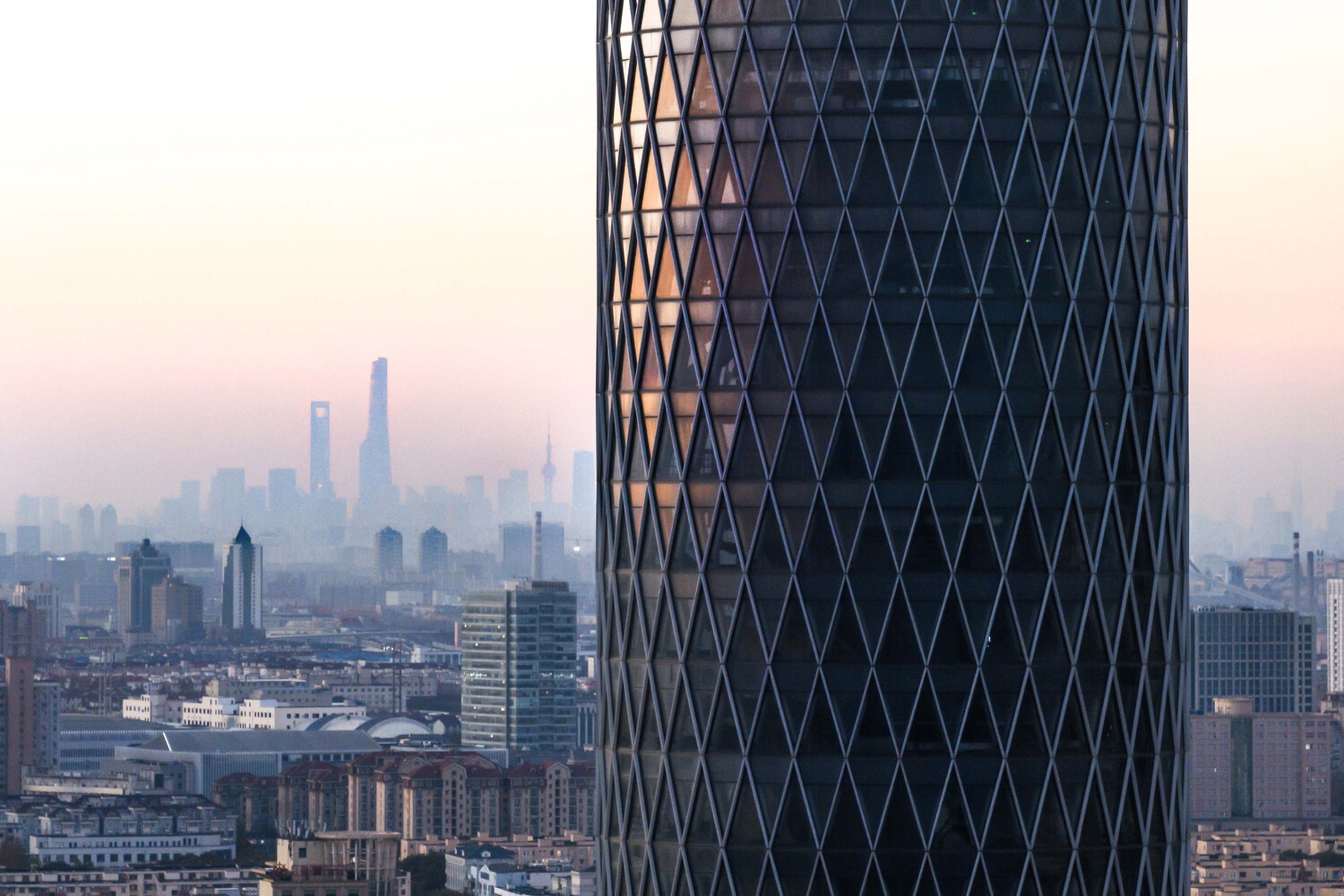
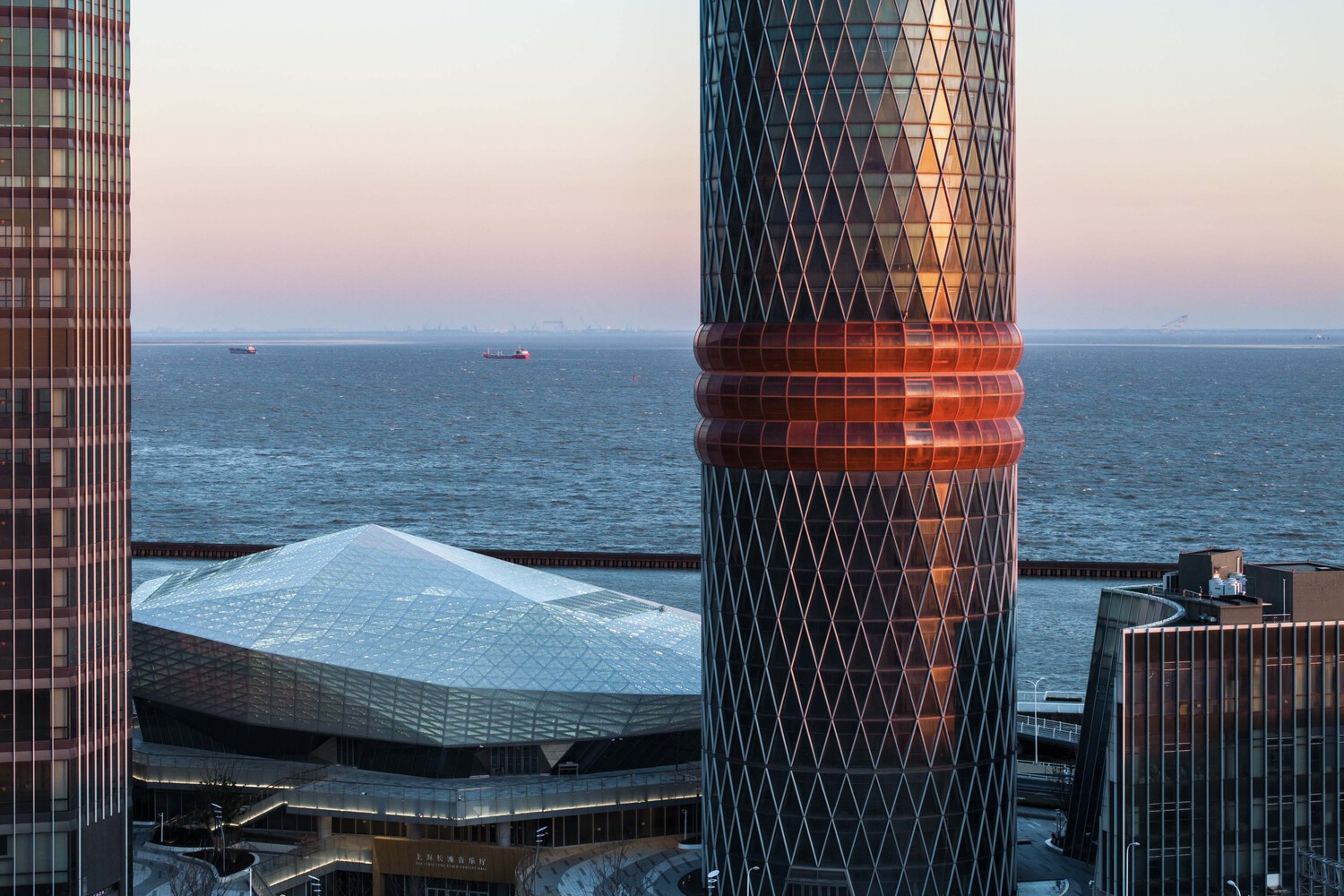
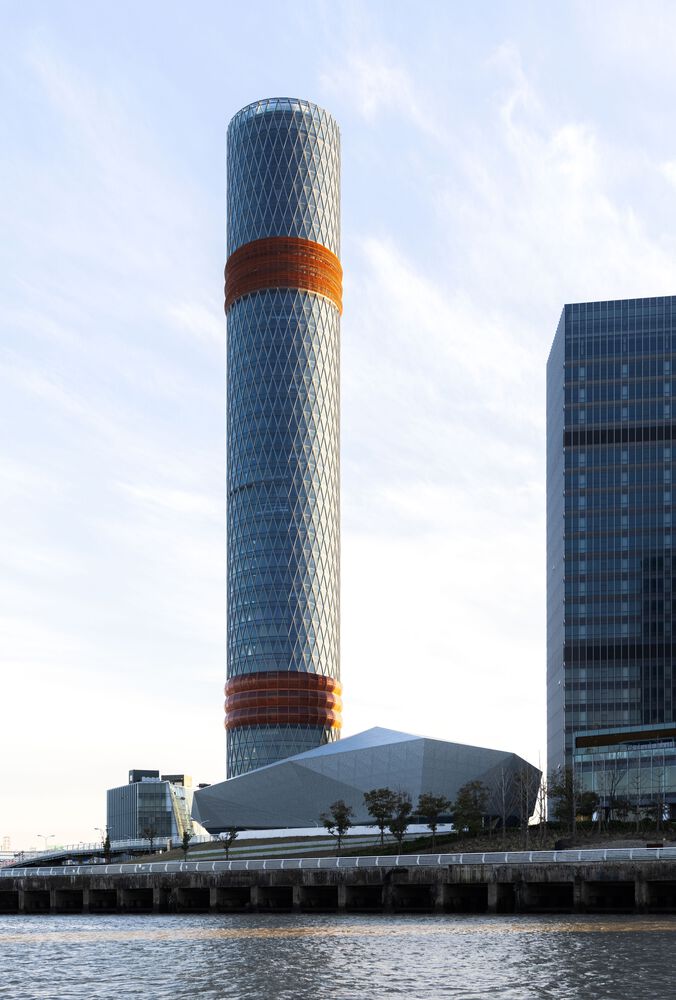
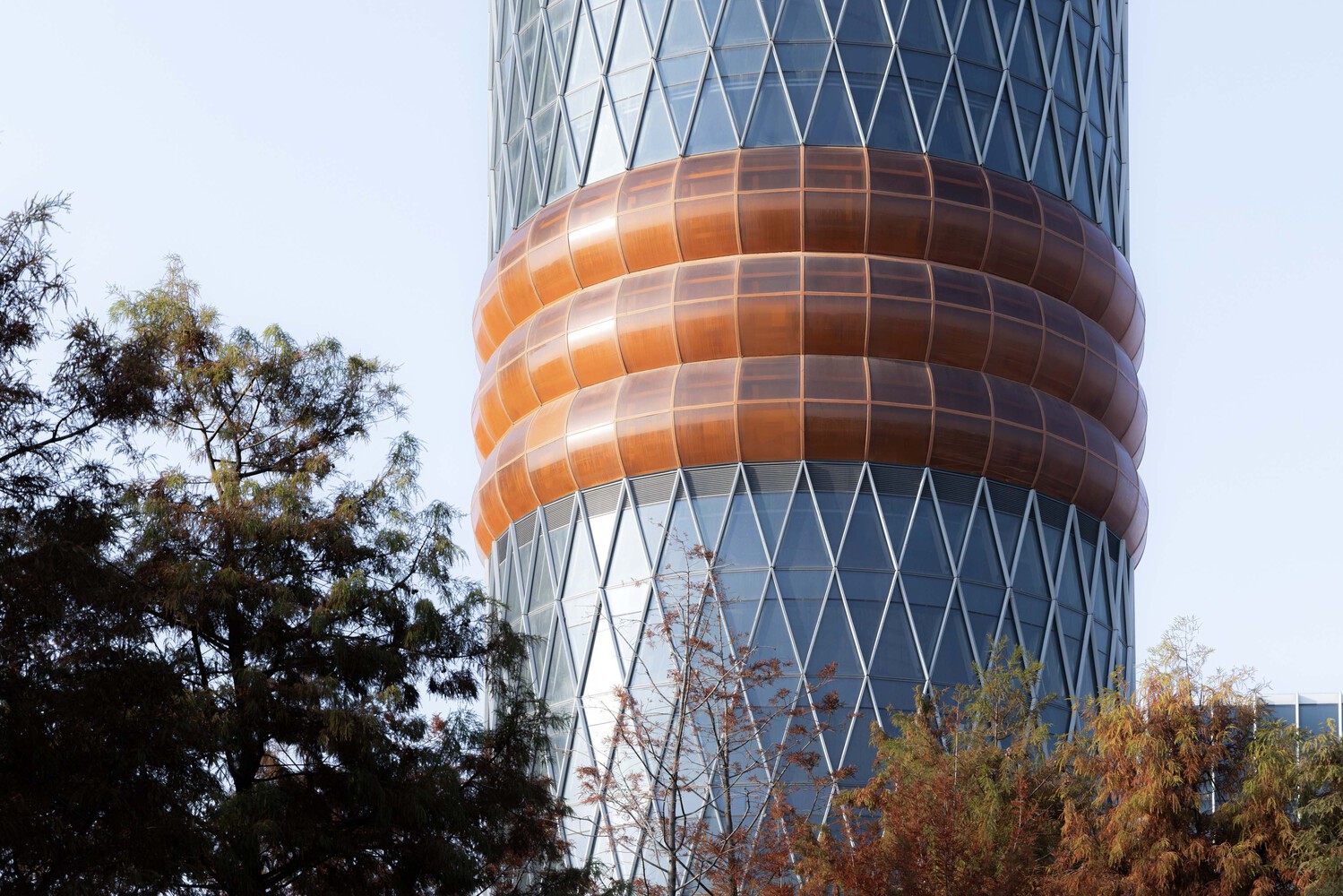
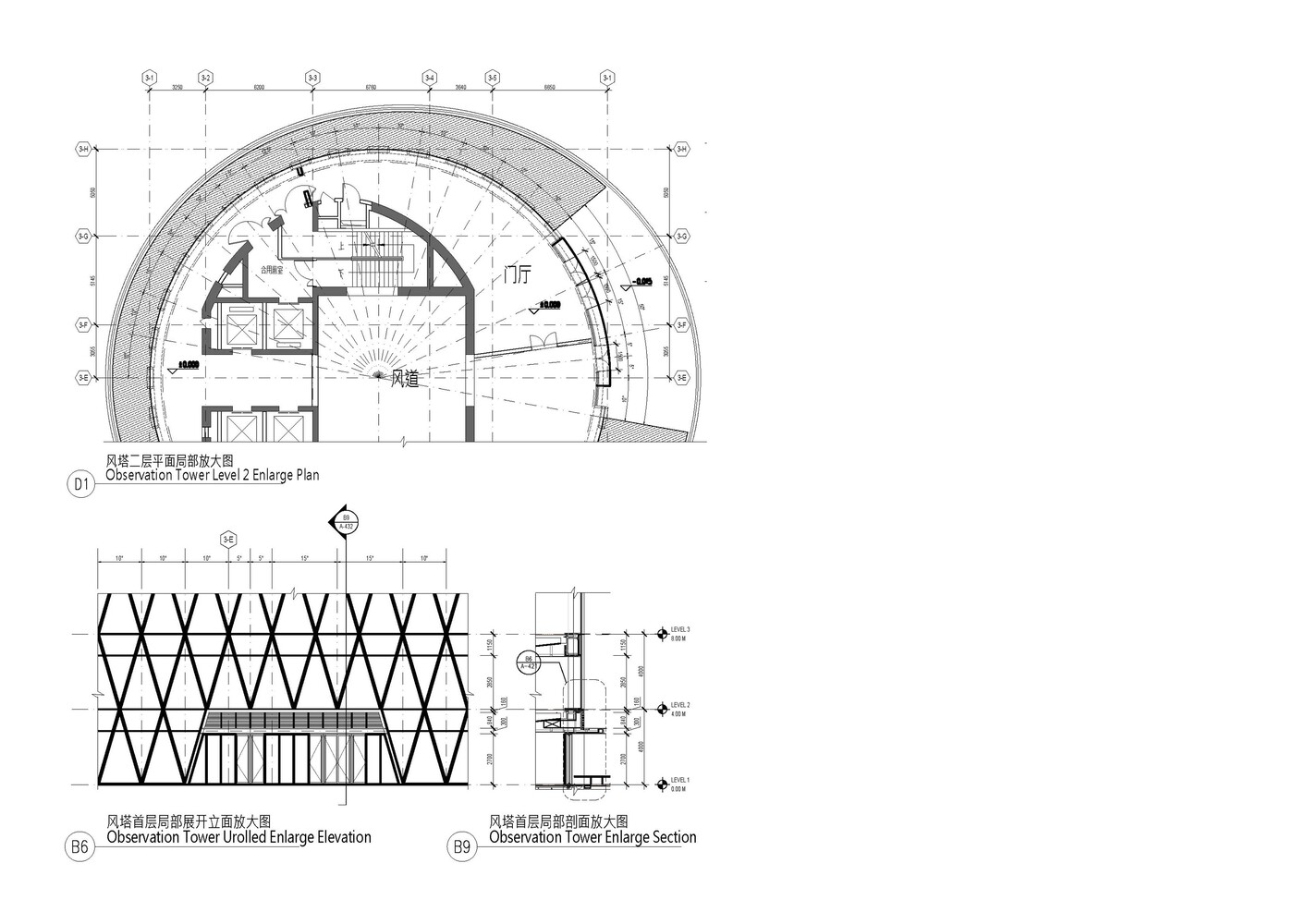
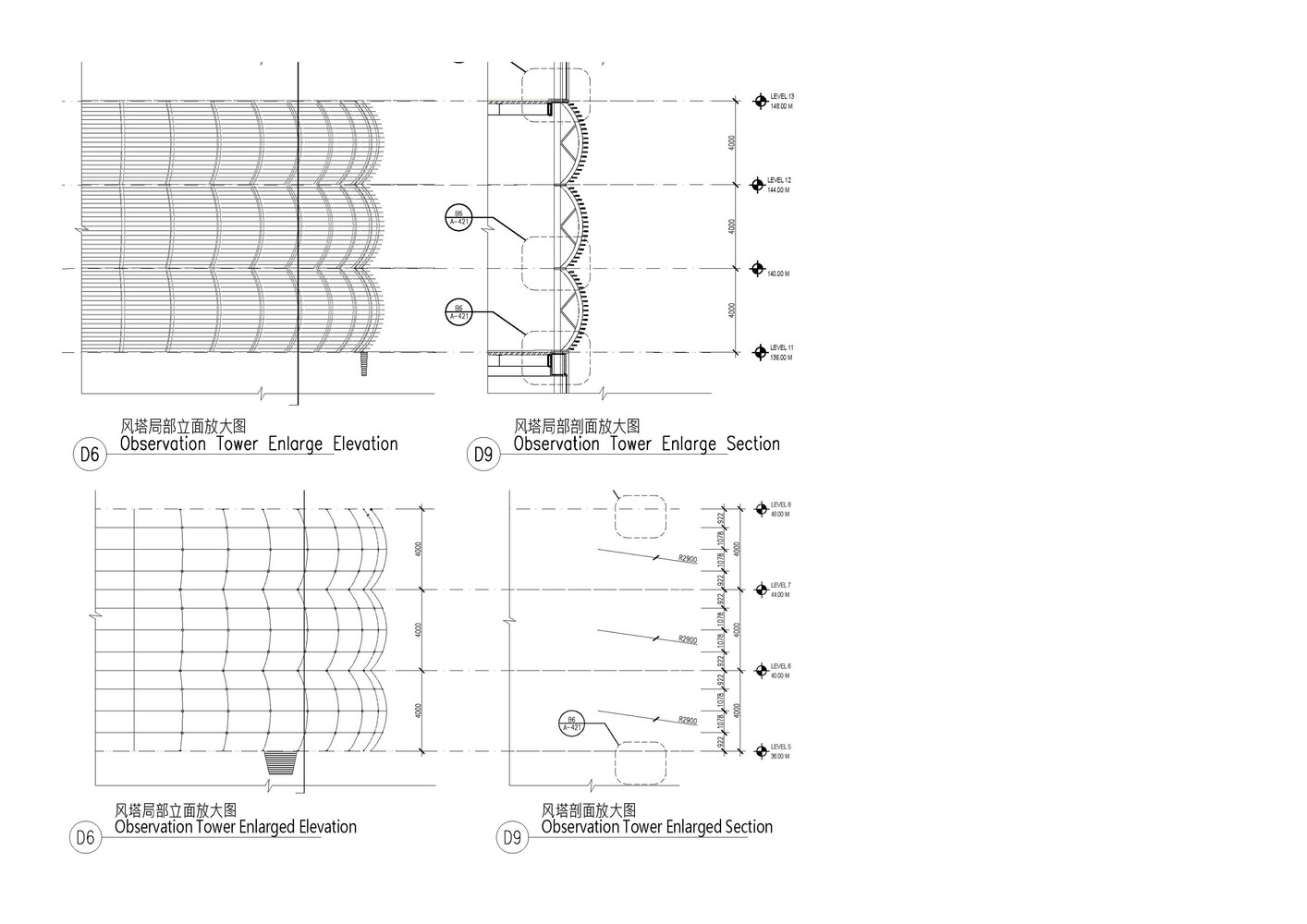
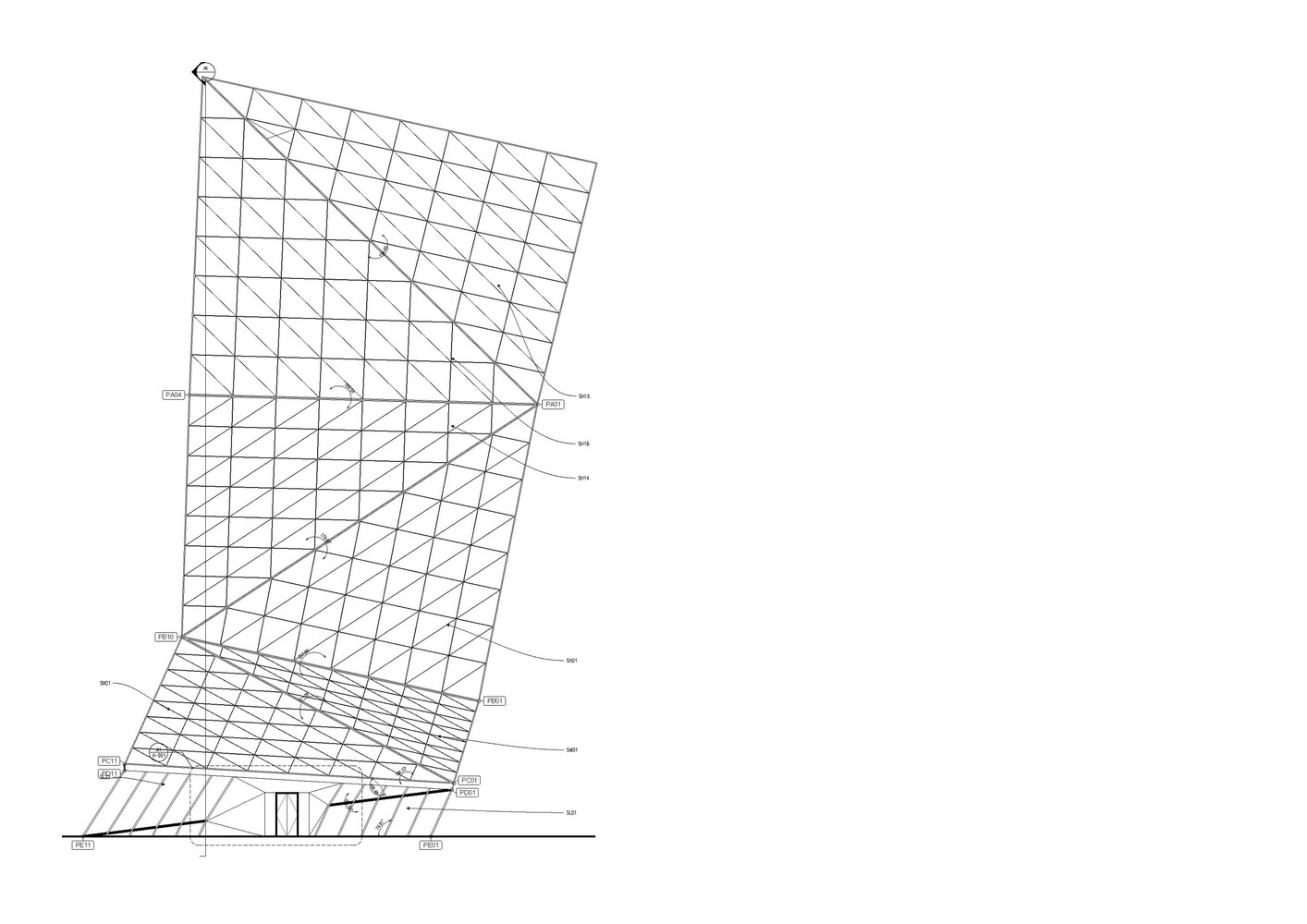
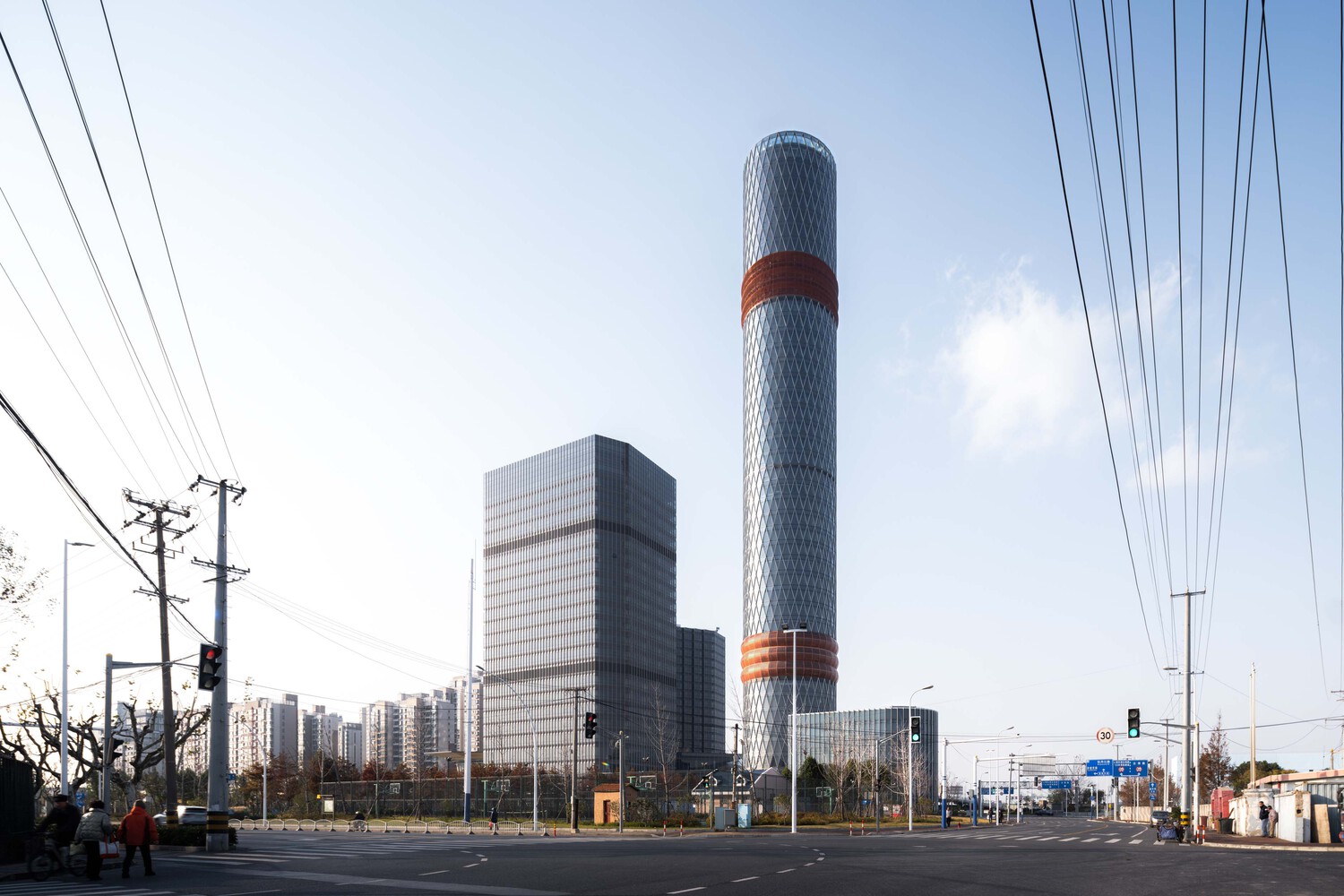
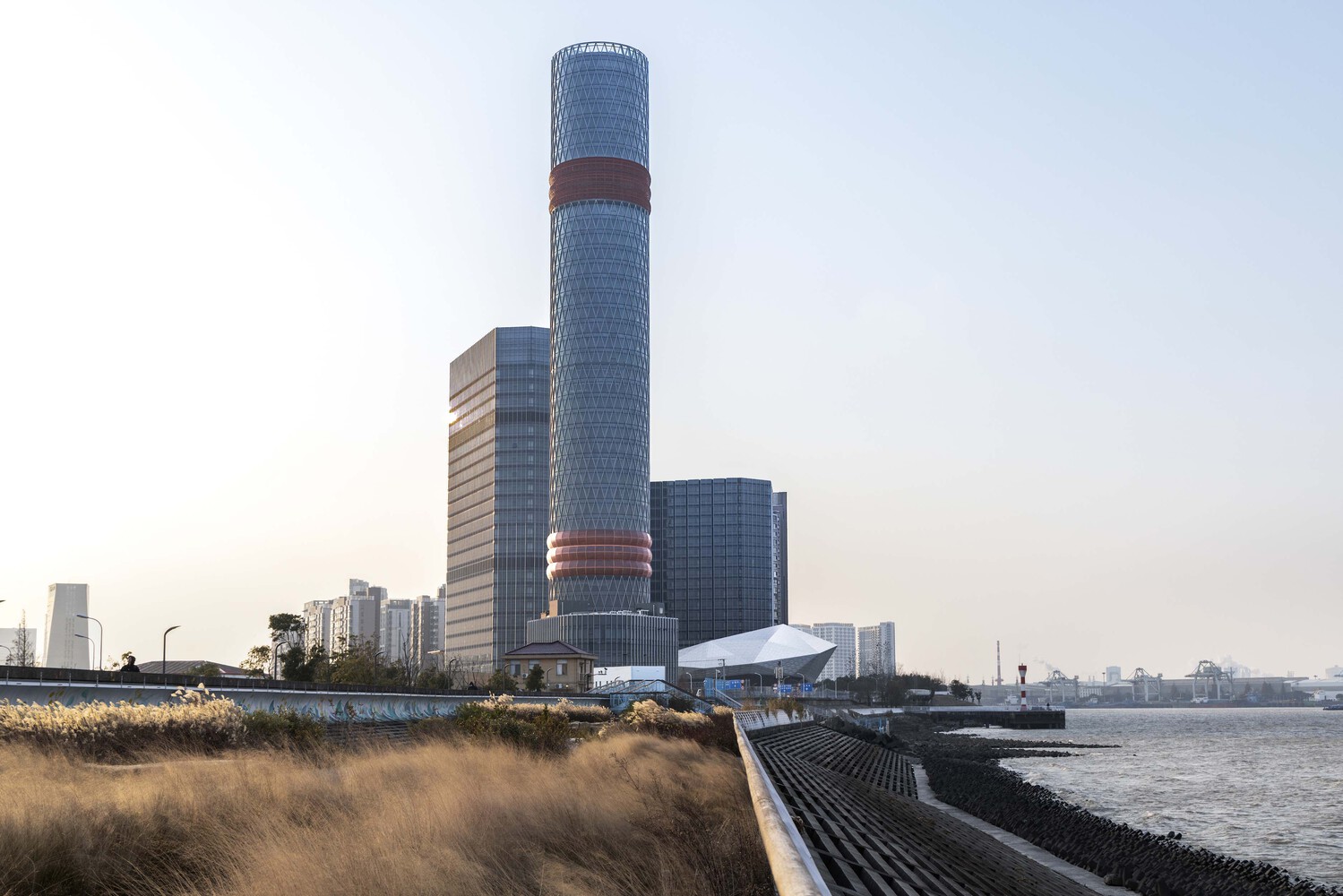
At the heart of the project lies the reinvention of a 135-meter-high municipal tunnel ventilation shaft. The design relocated the chimney's functions within the development boundary and recast it as a 180-meter multi-functional landmark.
Inspired by the mythic "Tidal Control Staff," the tower combines infrastructure with public attractions: housing, retail, exhibition spaces, sky climbing and bungee activities, skywalks, swings, and a rooftop restaurant. Once a purely functional structure, it has become a popular civic destination and visual anchor of the riverside.
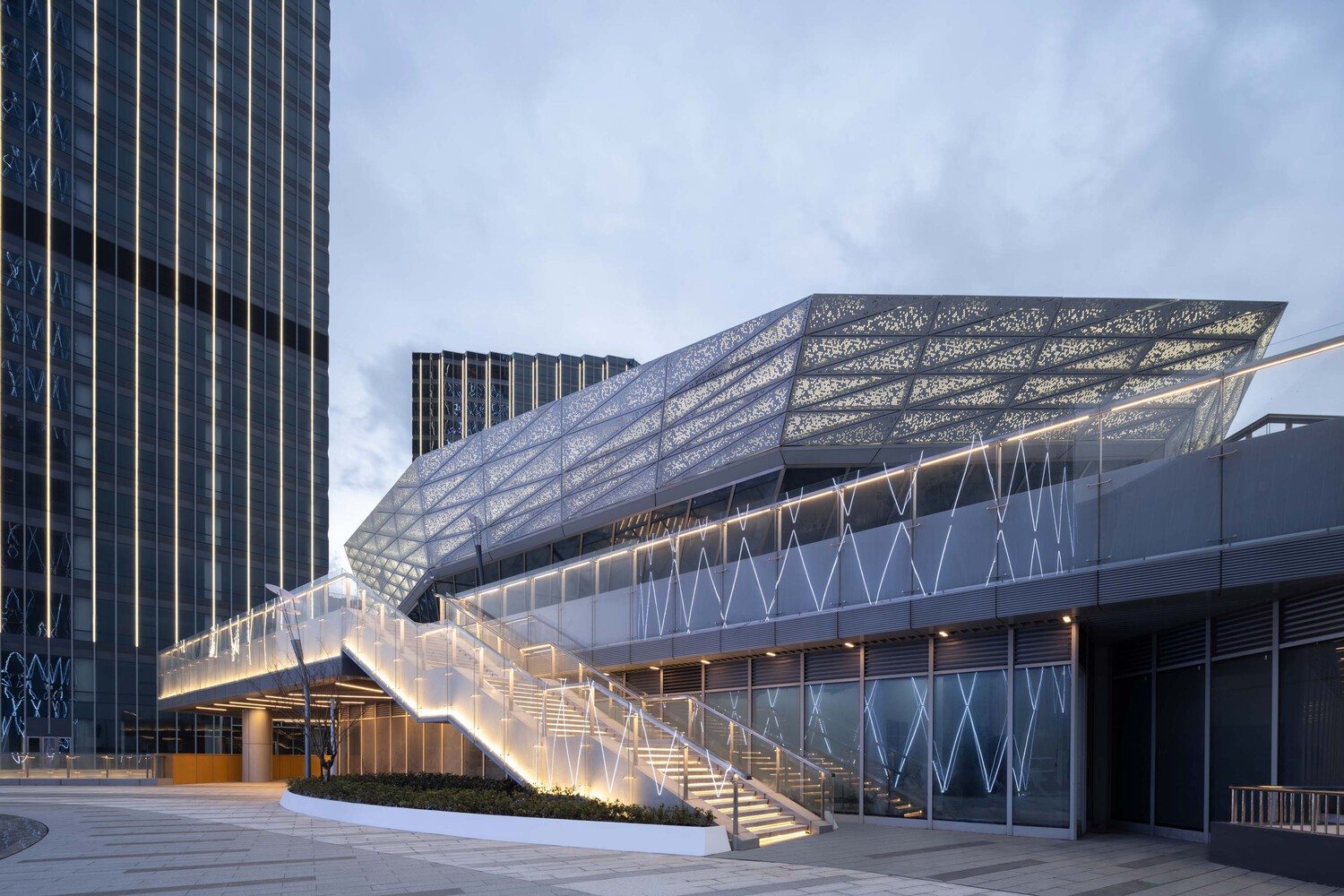
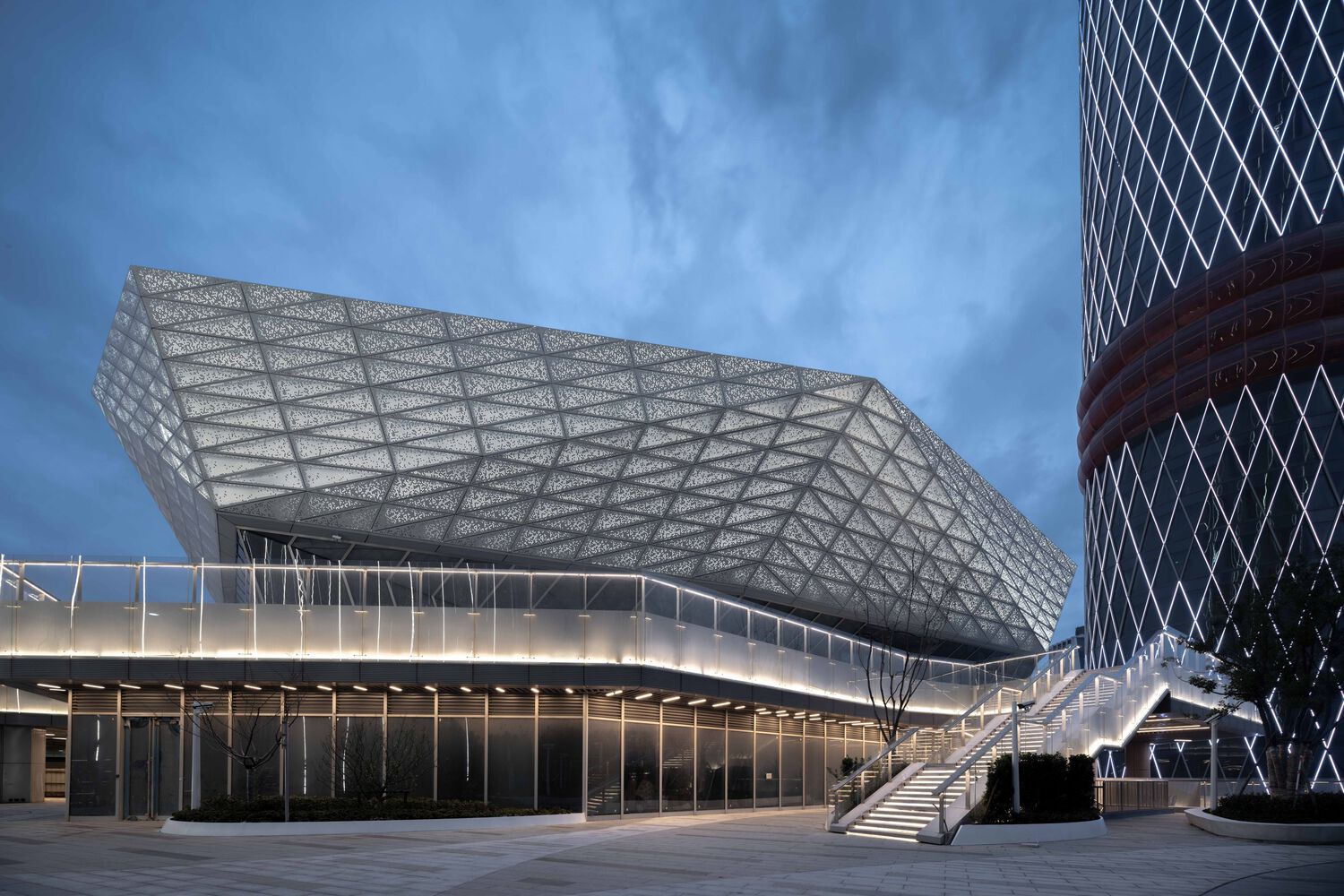
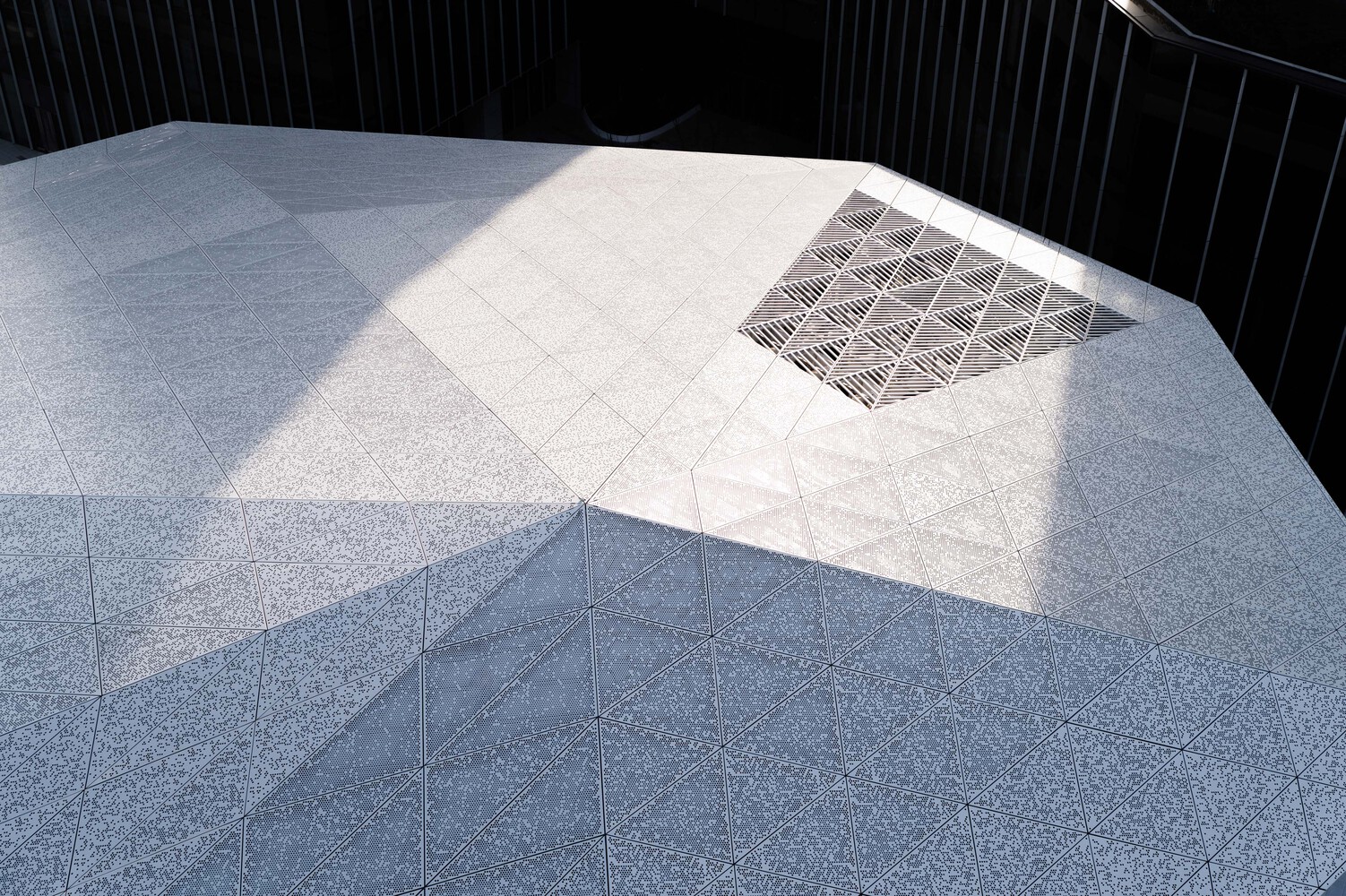
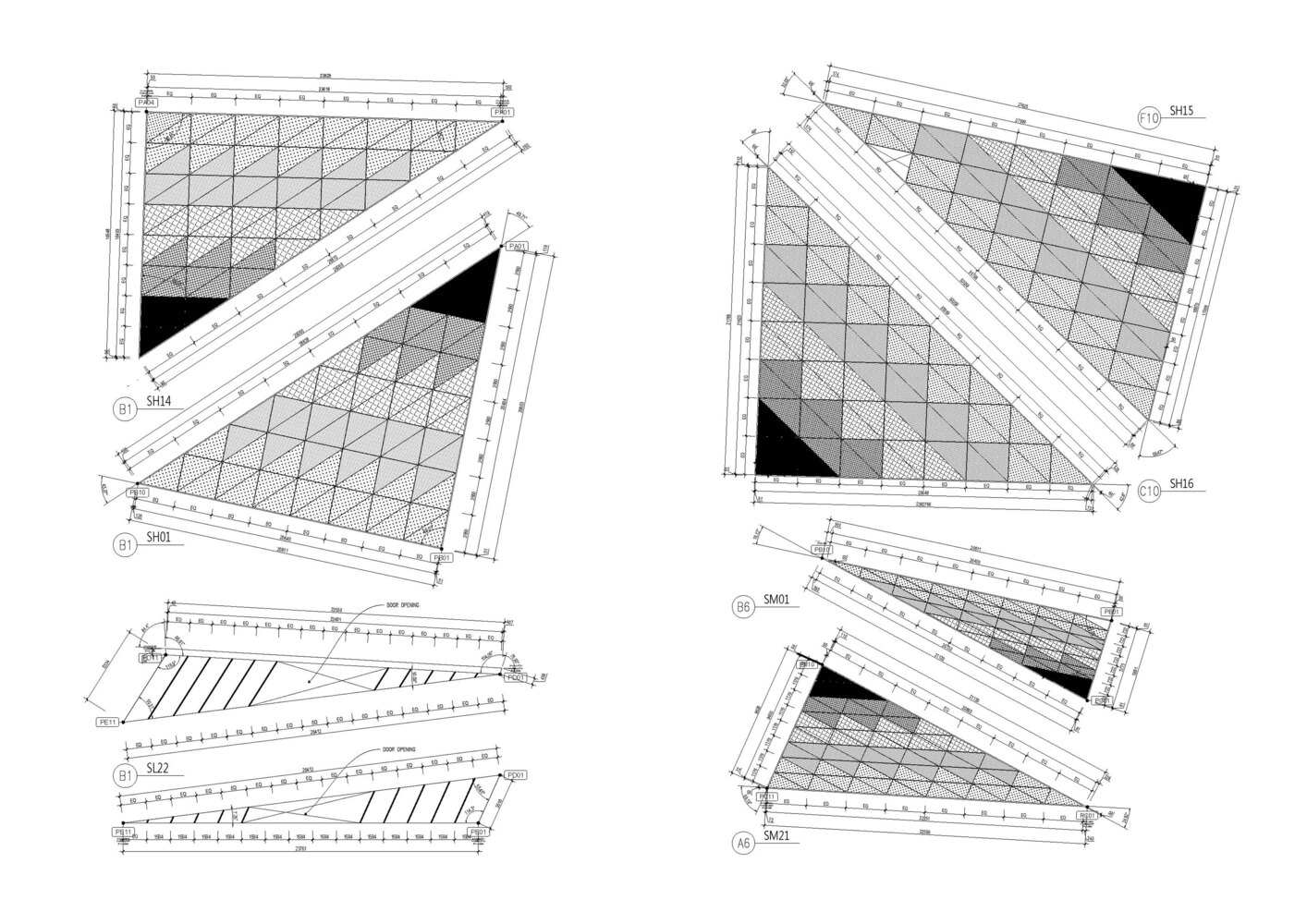
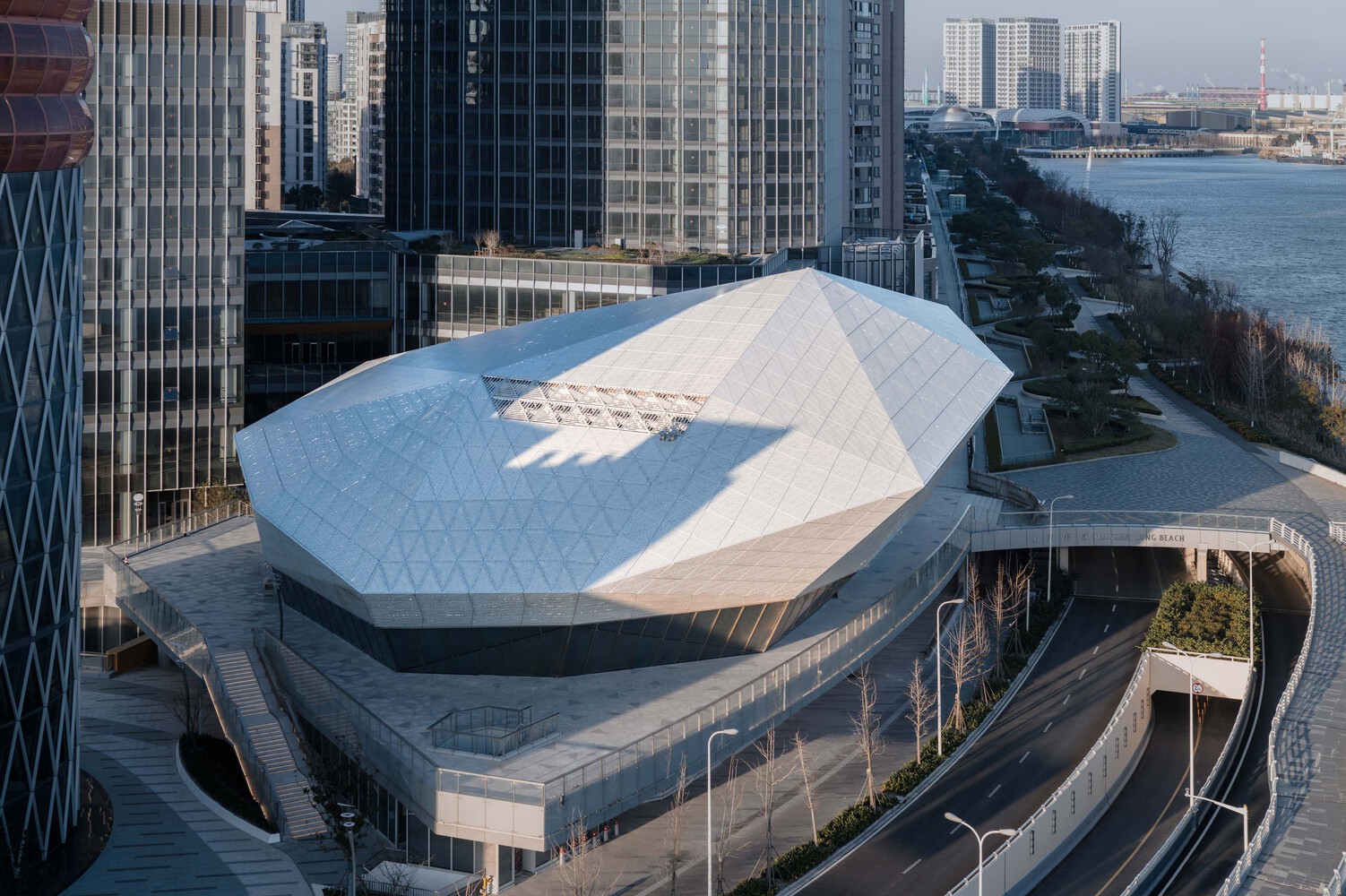
The 1,027-seat concert hall introduces another breakthrough: a parametric "diamond" façade. Composed of 59 triangular modules, each subdivided into 16–64 aluminum panels, the system creates sharp, faceted geometry while maintaining standardized fabrication.
At night, a lighting design simulates the refractions of a cut diamond, with perforated panels and embedded lights casting a shimmering play of reflections across the water.
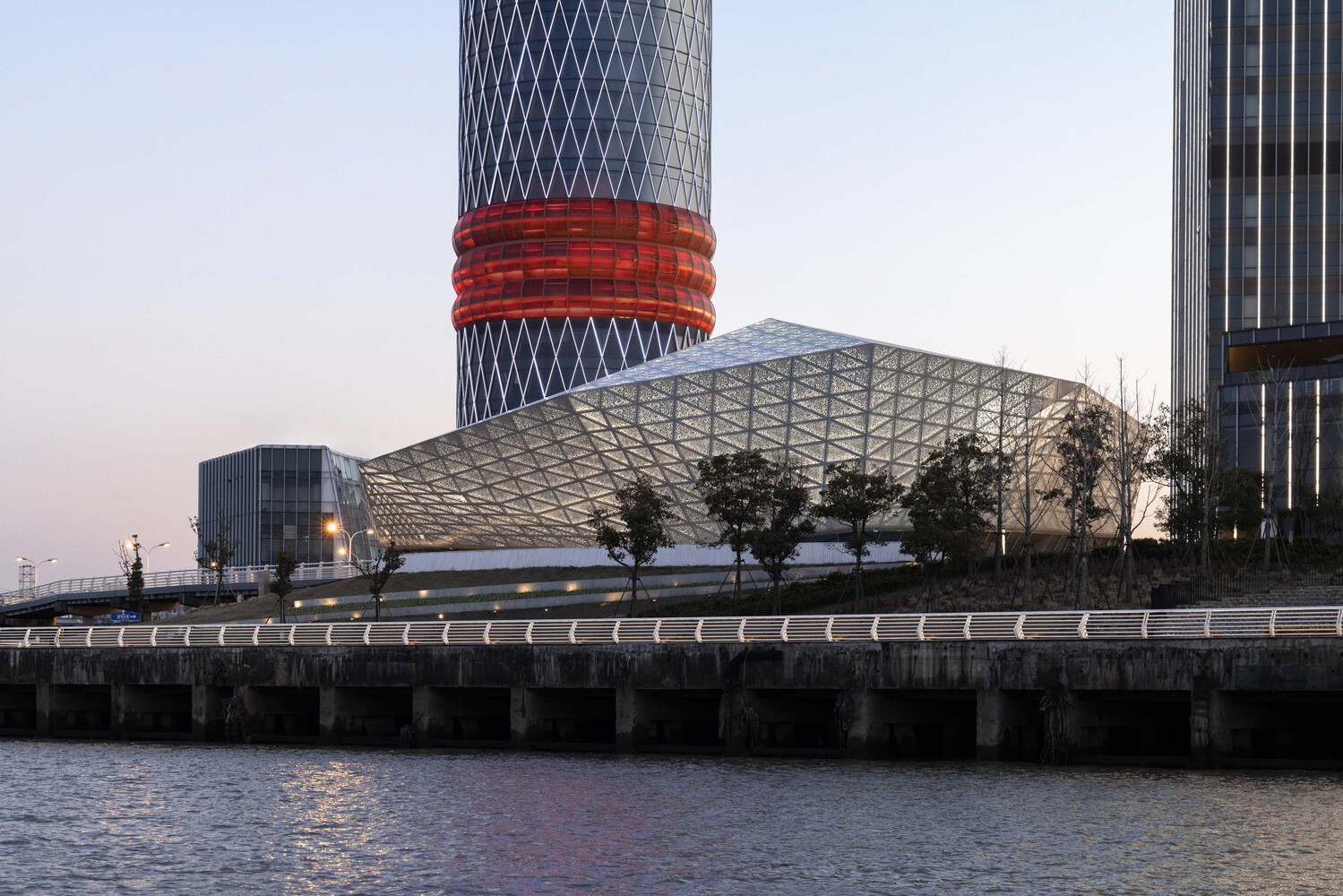
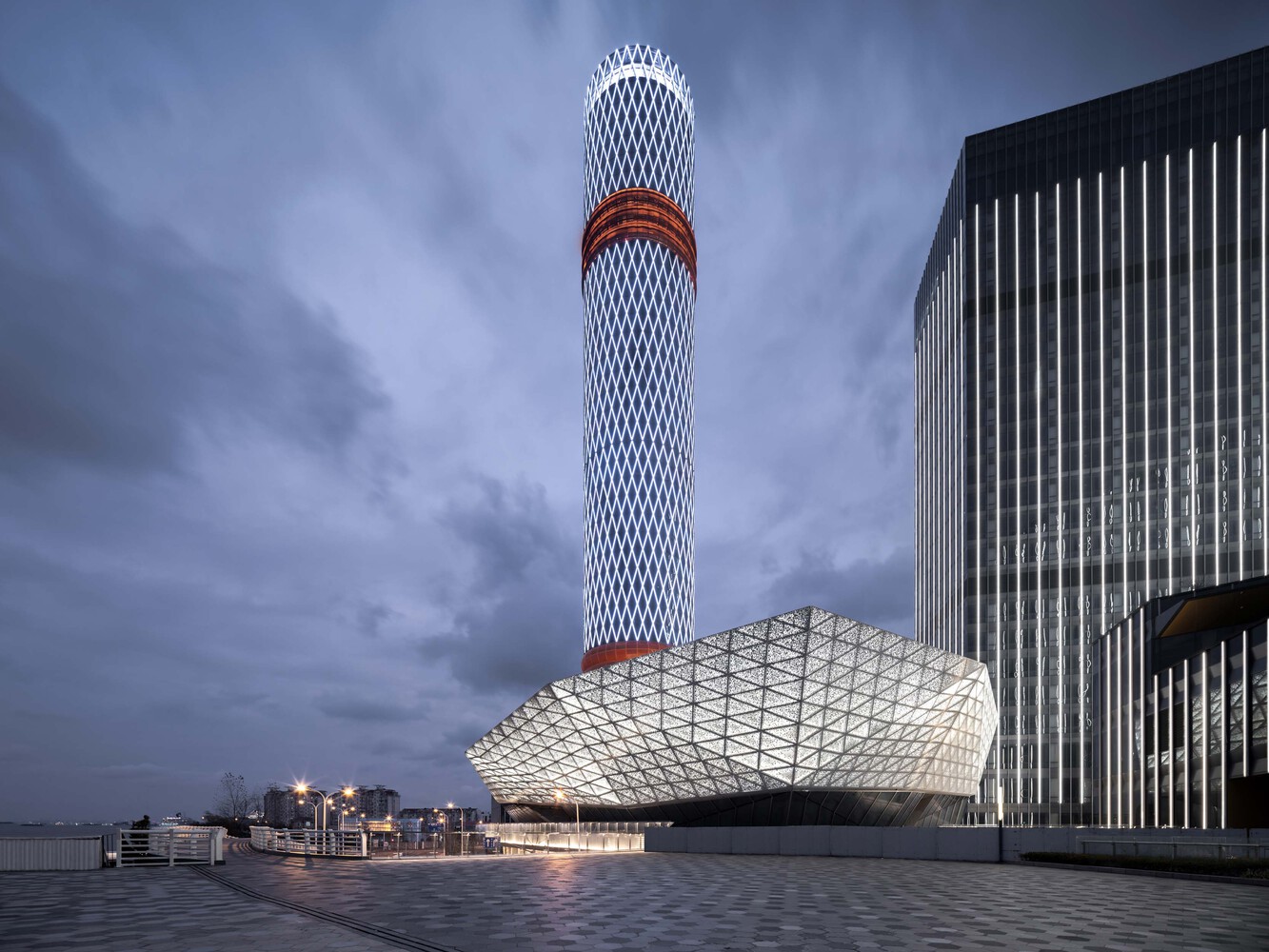
This approach combines architectural poetry with practical efficiency, achieving visual brilliance while reducing cost and construction time.
Together, these two innovations embody a holistic approach, balancing function, aesthetics, technology, and long-term operations, while elevating both spatial and commercial values.
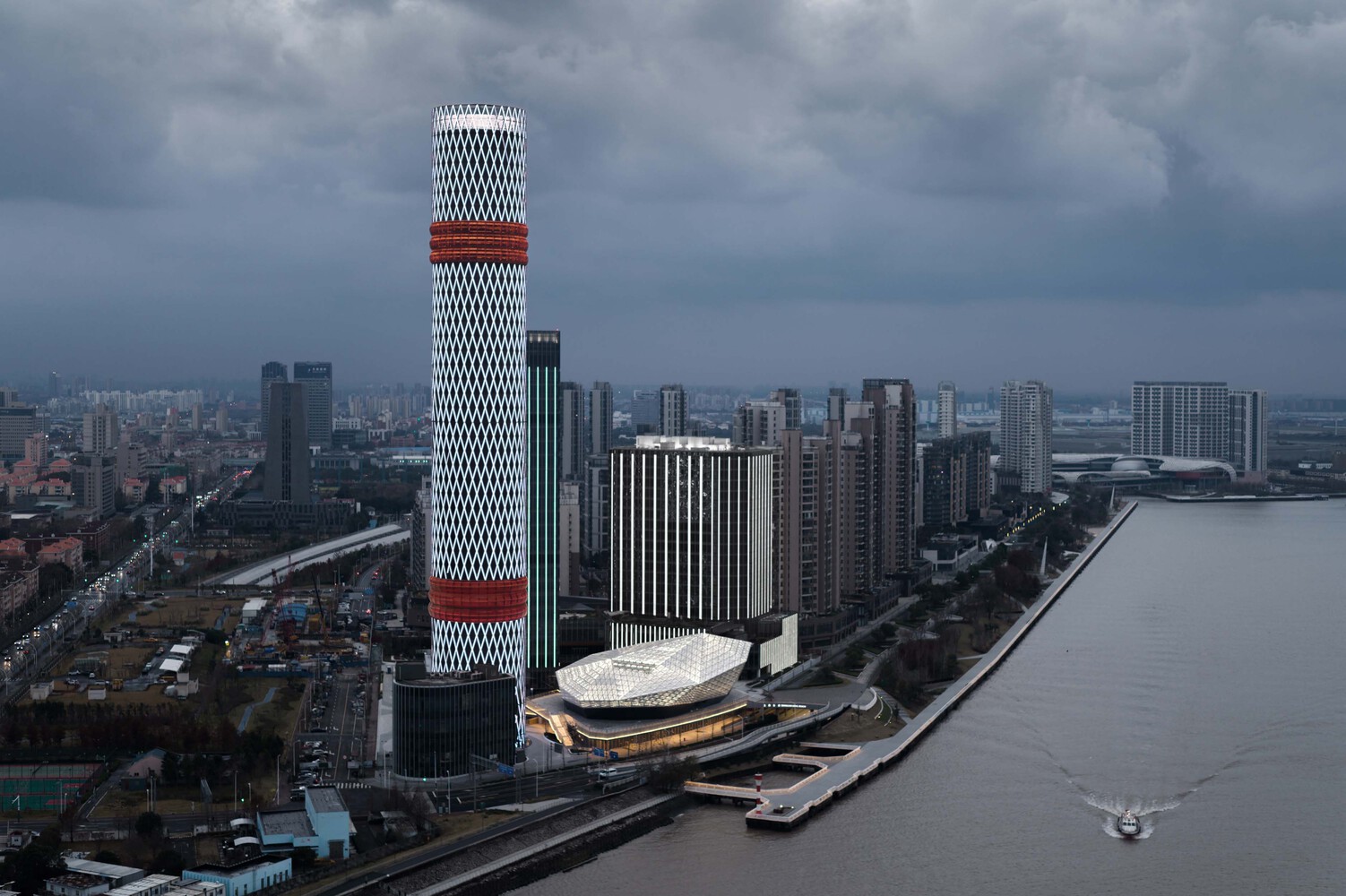
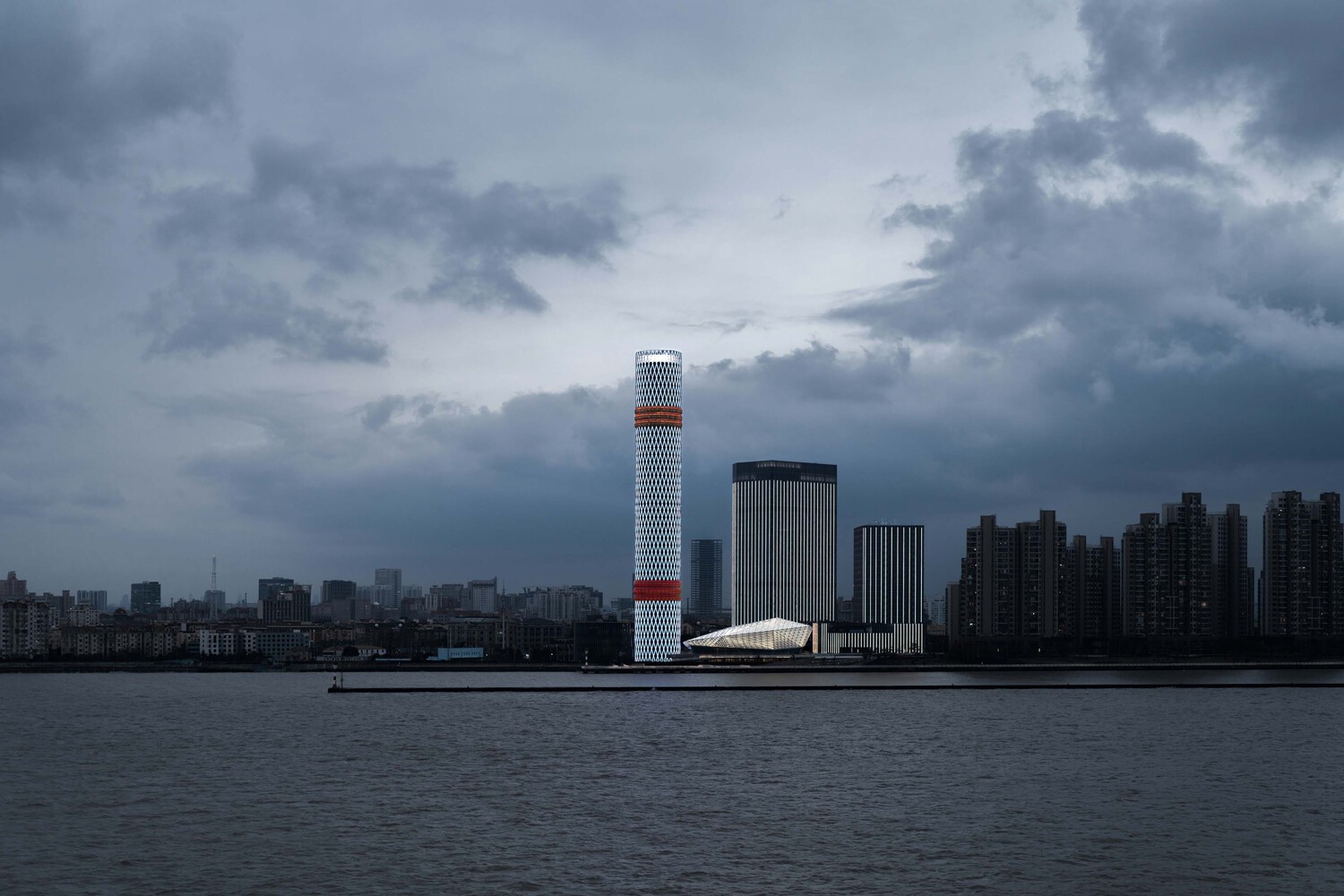
Facing the challenge of a five-meter flood wall that blocked river views, the team introduced a three-dimensional solution.
A gently rising slope meets the levee, creating a broad viewing promenade while embedding vehicular circulation below and pedestrian paths above. This not only improved traffic efficiency but also connected the city with its river.
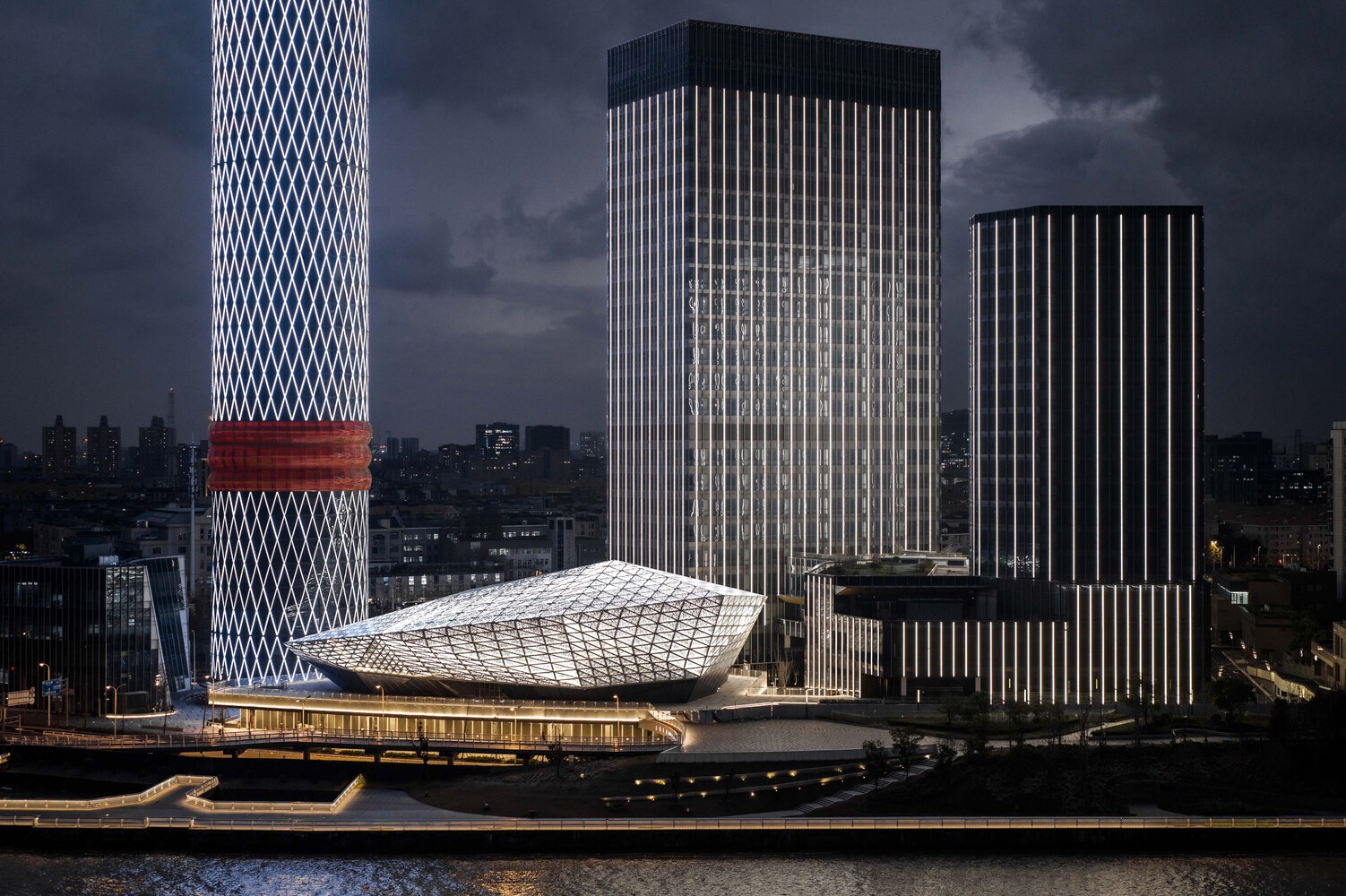
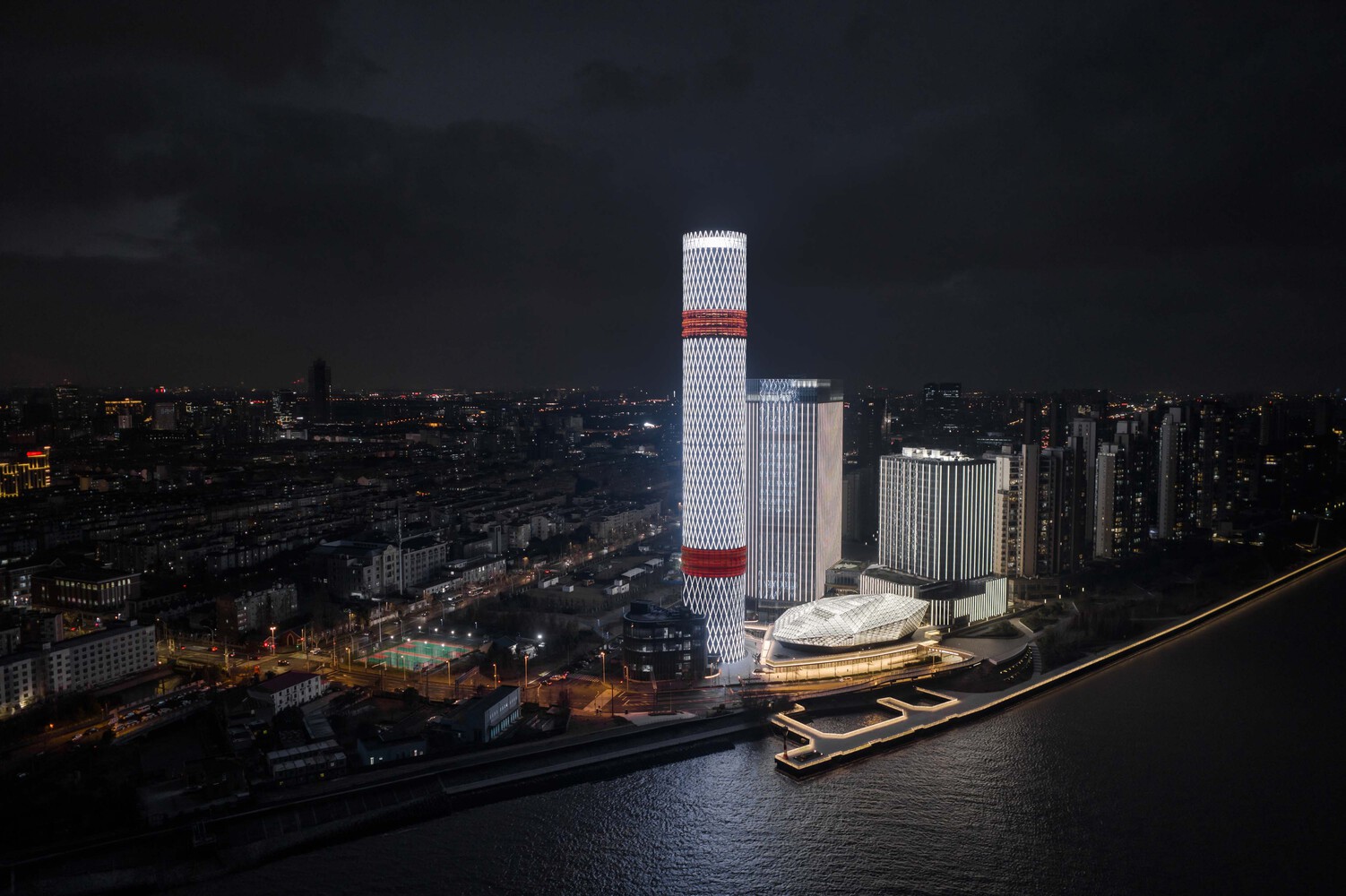
The Shanghai Baoshan Long Beach Winder Tower Complex exemplifies how bold imagination and cultural storytelling can transform urban infrastructure into a civic landmark.
Its landmark presence extends pedestrian accessibility, activates green open space, and provides a stage for diverse cultural events.
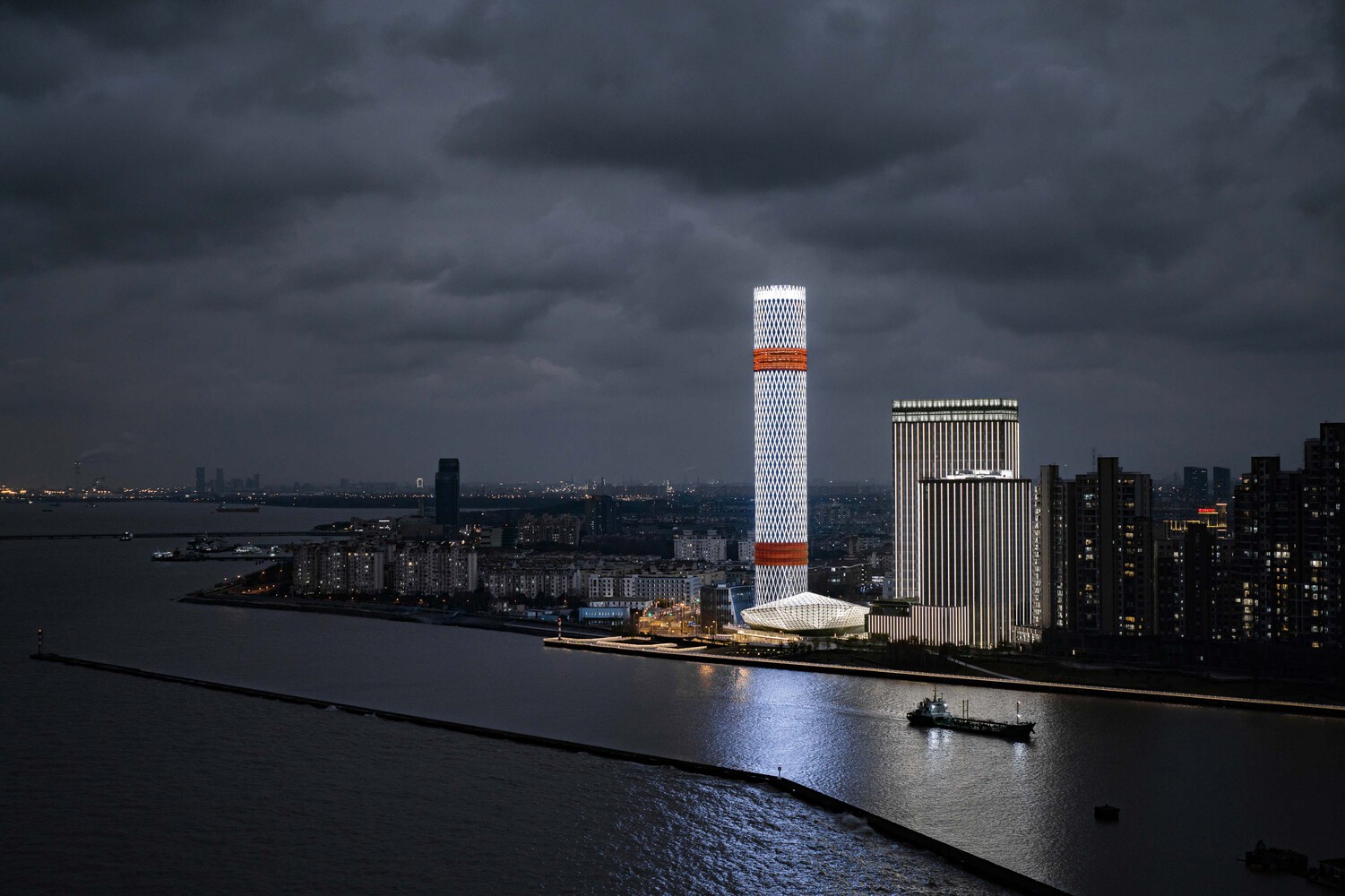
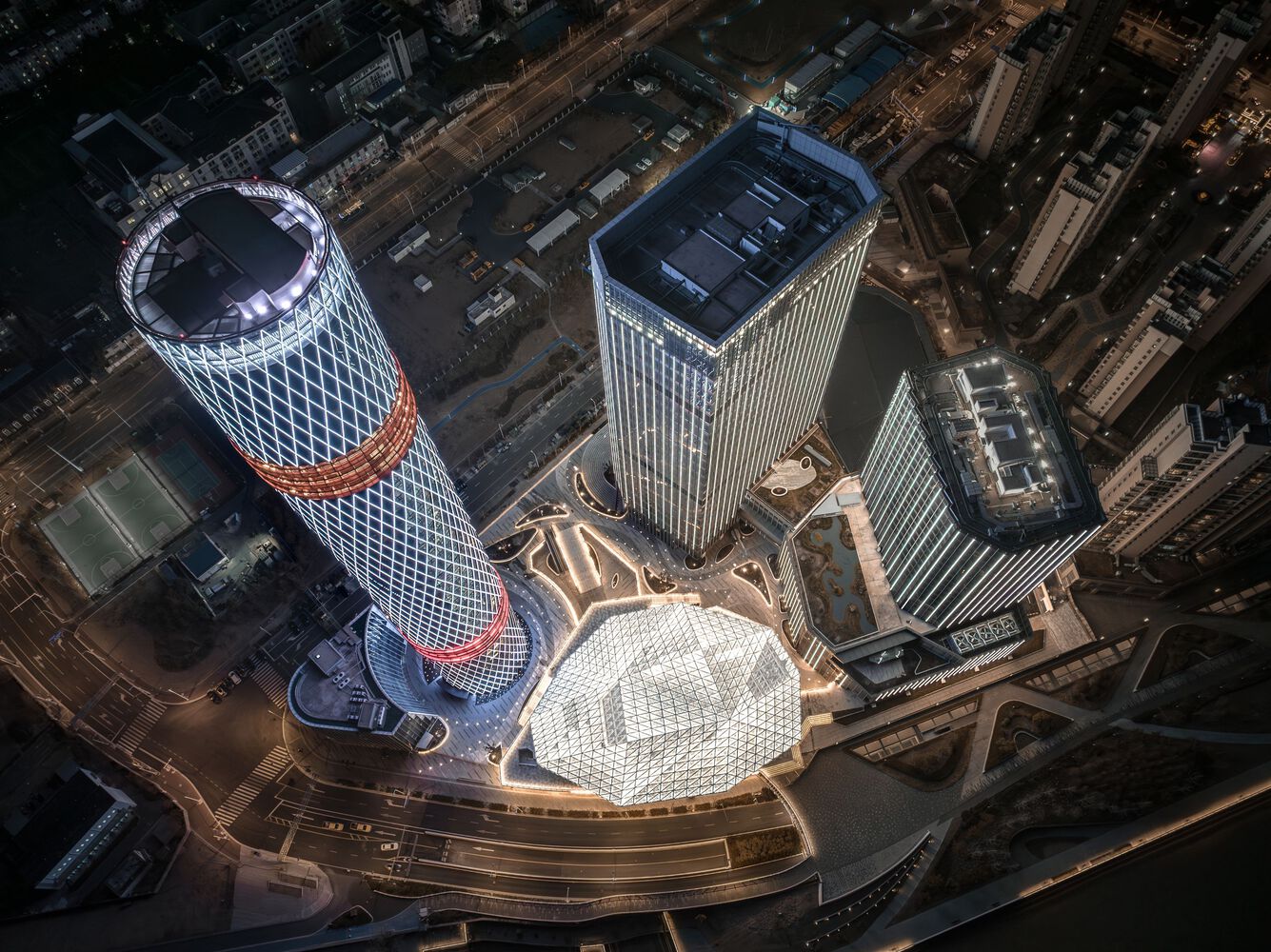
Its role as the focal point of the broader riverside district redefines the identity of the Yangtze estuary, creating a new symbol of Shanghai's evolving waterfront.