Nedarag Guesthouse
NEDARAG GUESTHOUSE
NextOffice–Alireza Taghaboni
ARCHITECTS
NextOffice–Alireza Taghaboni
LEAD ARCHITECT
Alireza Taghaboni
DESIGN TEAM
Niloufar Ghobadi, Hadi Ale Davoud, Ali Ghods, Meysam Feizi, Shanbeh Dehghani, Abdullah Dehghani, Mozammal Nohani, Zalour Nohani, Akram Nohani, Abdulrahim Delvashzehi, Mehrdad Makaremi, Sattar Ganjalipour, Masoud Soufiani, Farzad Ferasat,hadi Irani, Dorsa Sadeghi, Homa Asadi, Asal Karami, Marziyeh Norouzi, Ehsan Ahani
CONSTRUCTION MANAGEMENT
Residents Of The Village (Leaded By Shanbeh Dehghani), Hadi Ale-davood
SOCIAL FACILITATOR
Roostatish, Mina Kamran
PHOTOGRAPHS
Neel Studio, Ehsan Hajirasouliha
AREA
95 M²
YEAR
2024
LOCATION
Iran
CATEGORY
Hospitality Architecture
English description provided by the architects.
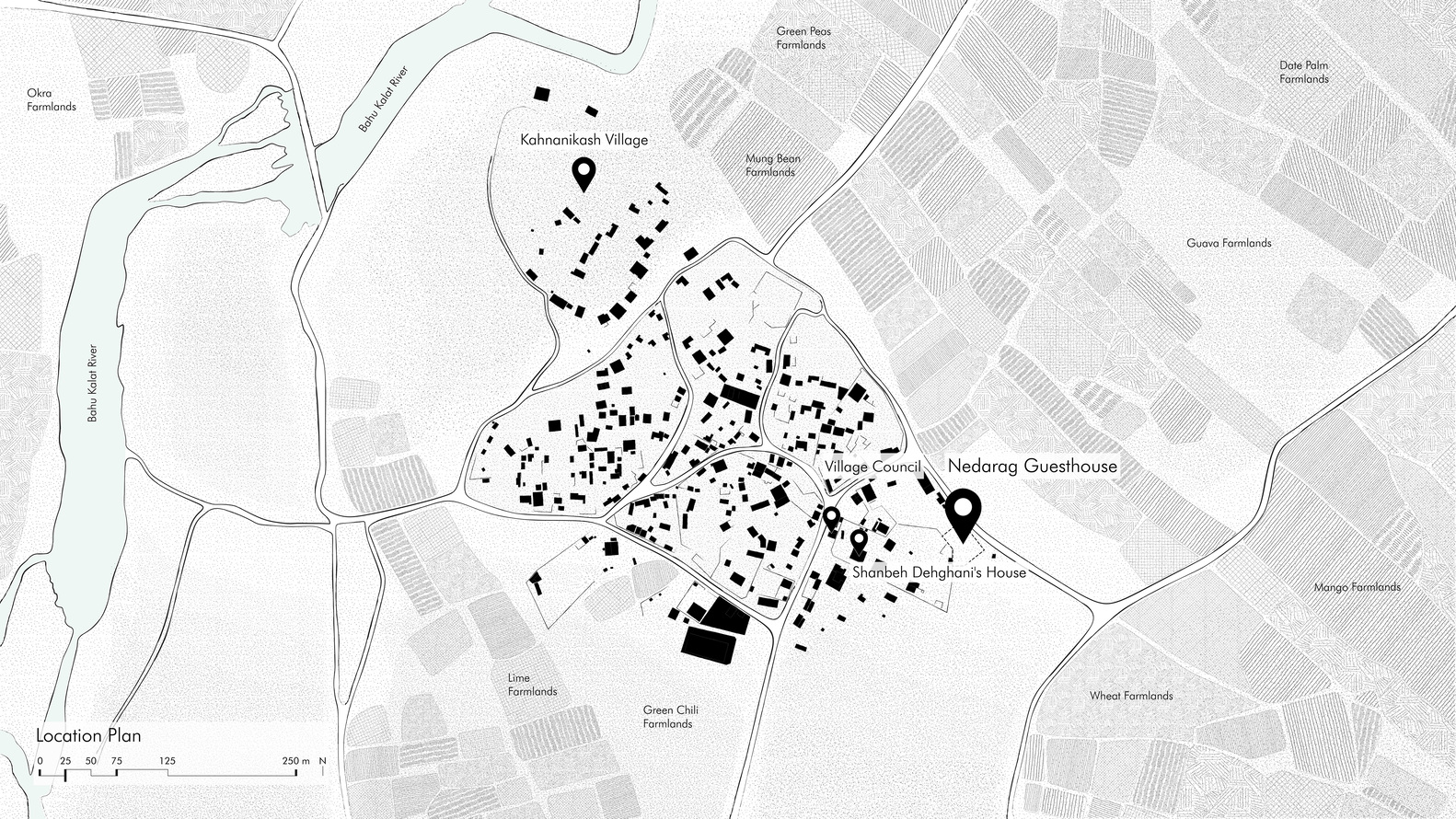
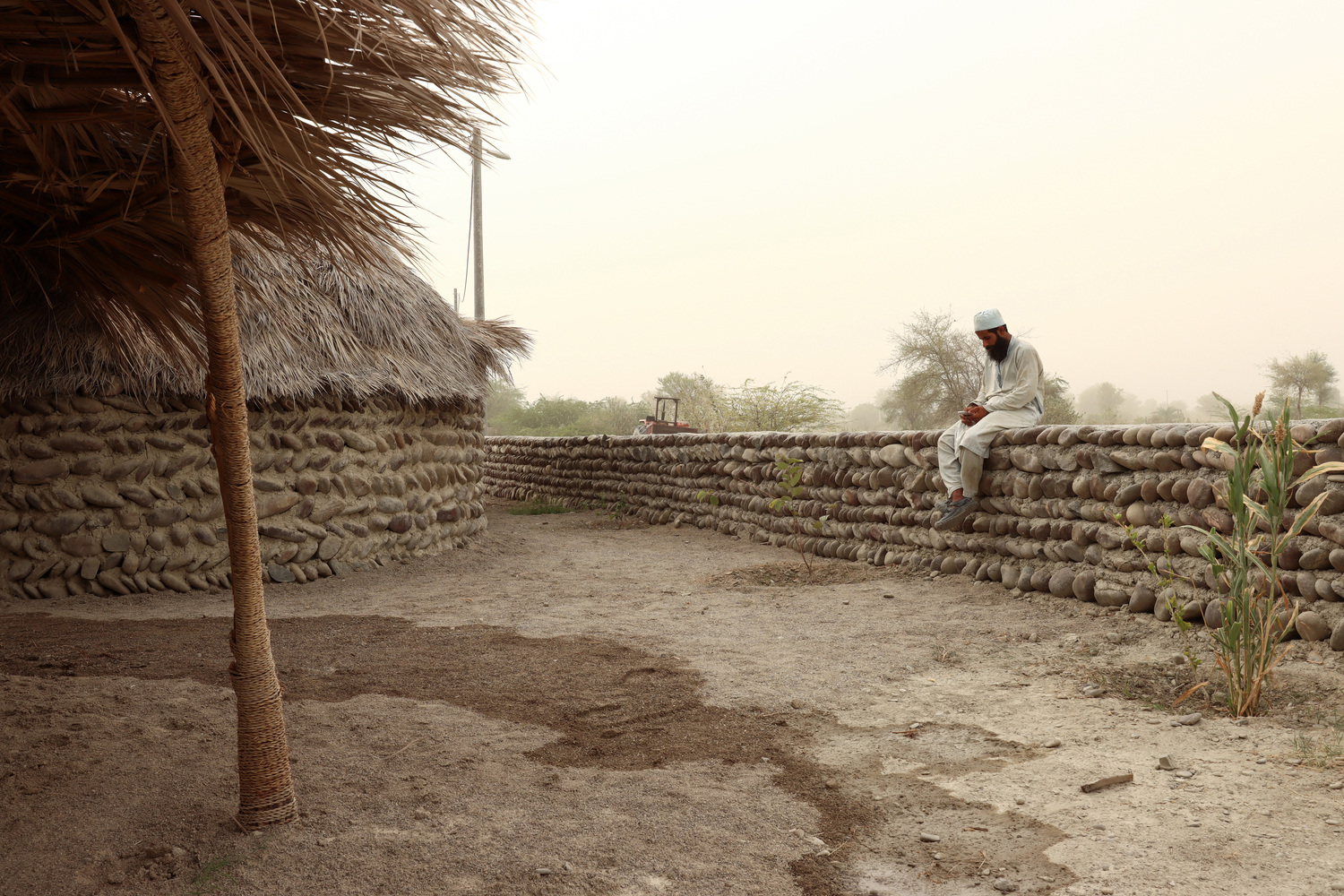
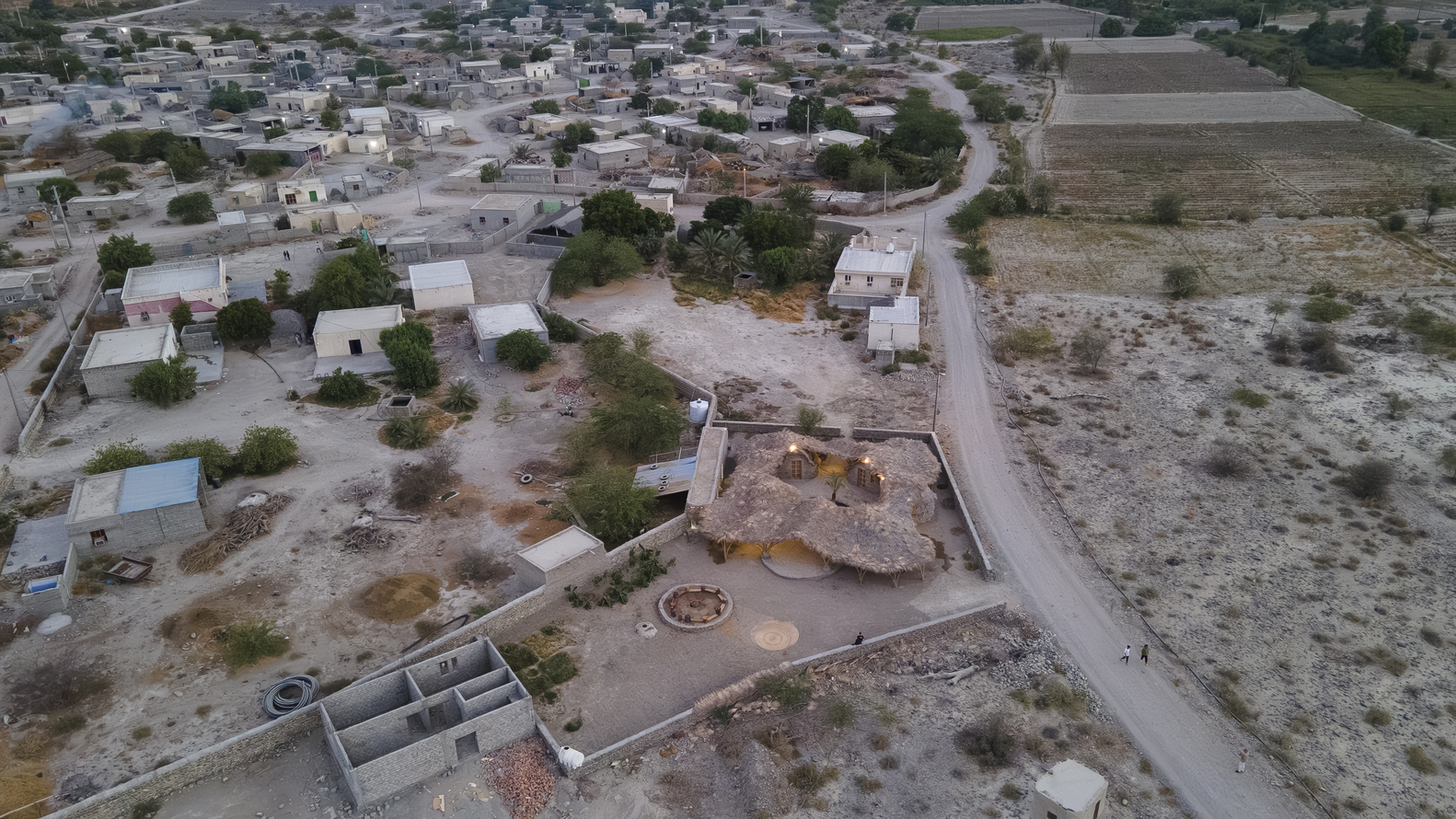
The Nedarag Guesthouse is a non-profit project situated in a remote village of roughly 200 households from the Sunni-Baluch minority in southeastern Iran.
In Iran's centralized and religiously homogeneous development system, ethnic and religious minorities are systematically excluded.
In villages like Kahnanikash, this marginalization is particularly severe due to the local practice of Zekri—a religious belief seen as heretical by the central government.
In response, grassroots initiatives have emerged as a form of self-determination.
Ms. Kamran, a social facilitator who had previously worked with Mr. Shanbeh—our client and an influential villager—on building a bridge, library, and water purifier, proposed a multi-room guesthouse centered around Shanbeh's role.
The aim was to distribute the "blessings of hospitality" across the village. Prior to this, Shanbeh hosted travelers in a room of his own house.
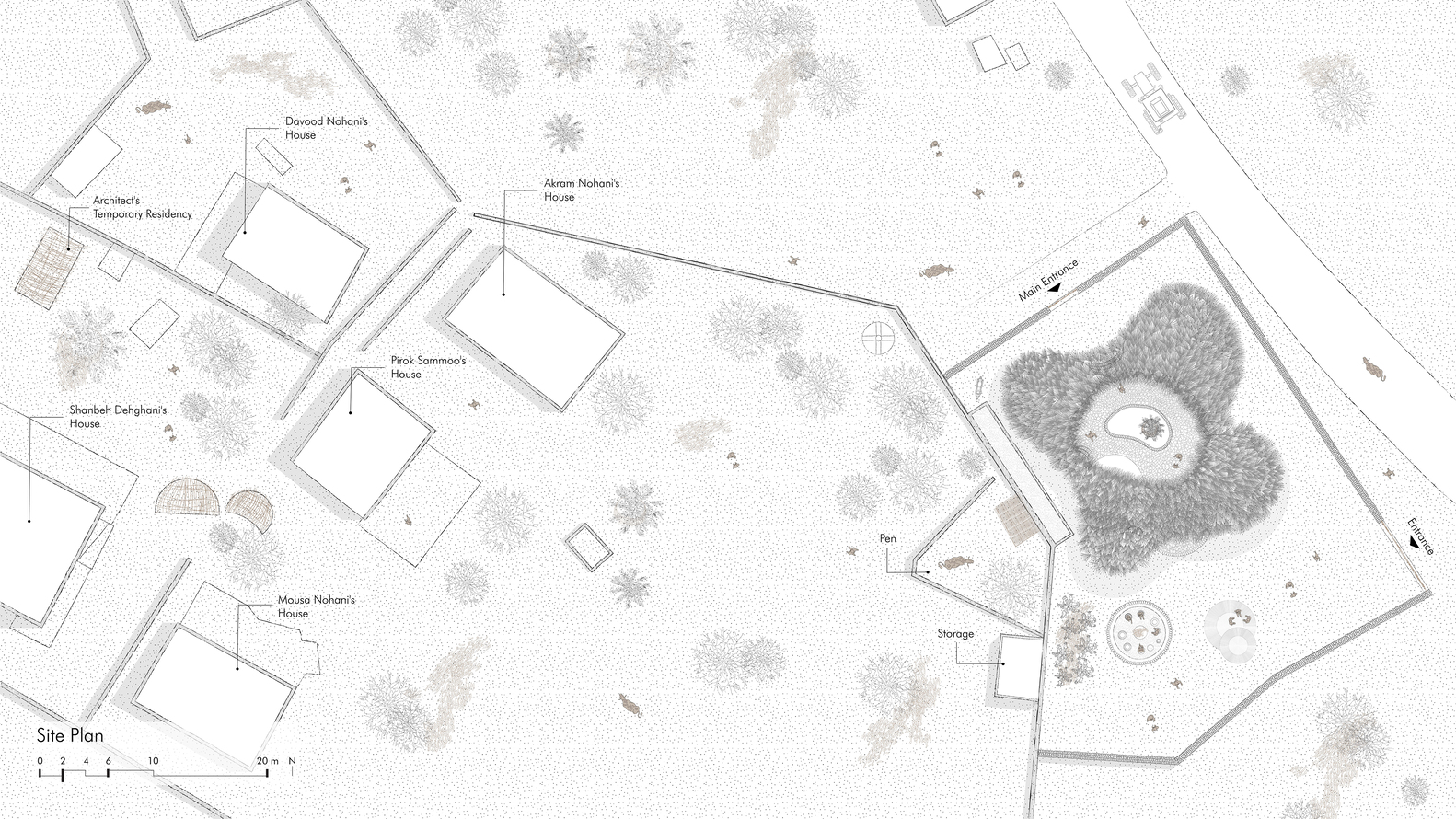
The land was donated by a villager named Heybatan Baluch and selected collaboratively by the design team, village elders, facilitator, and Shanbeh.
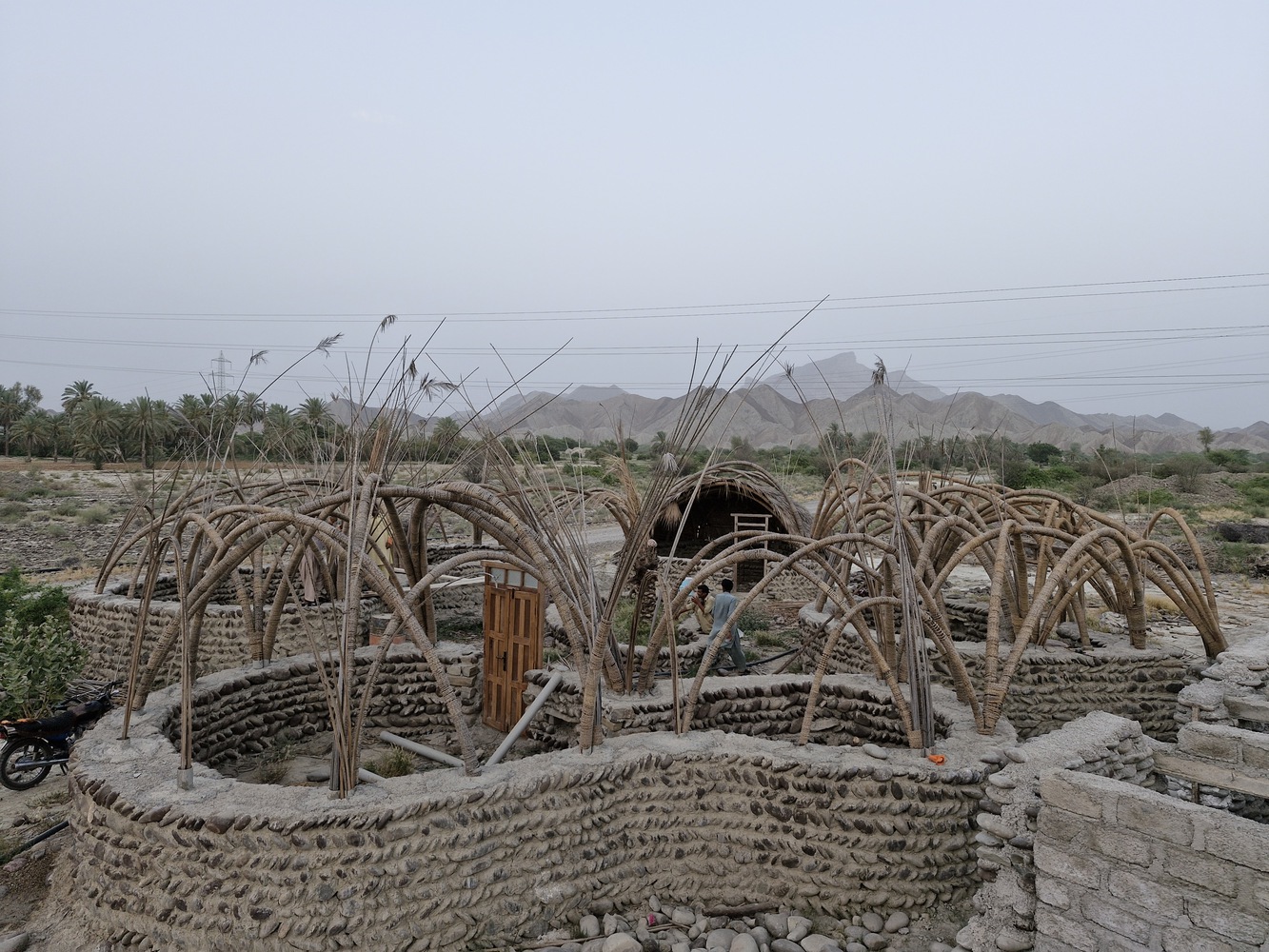
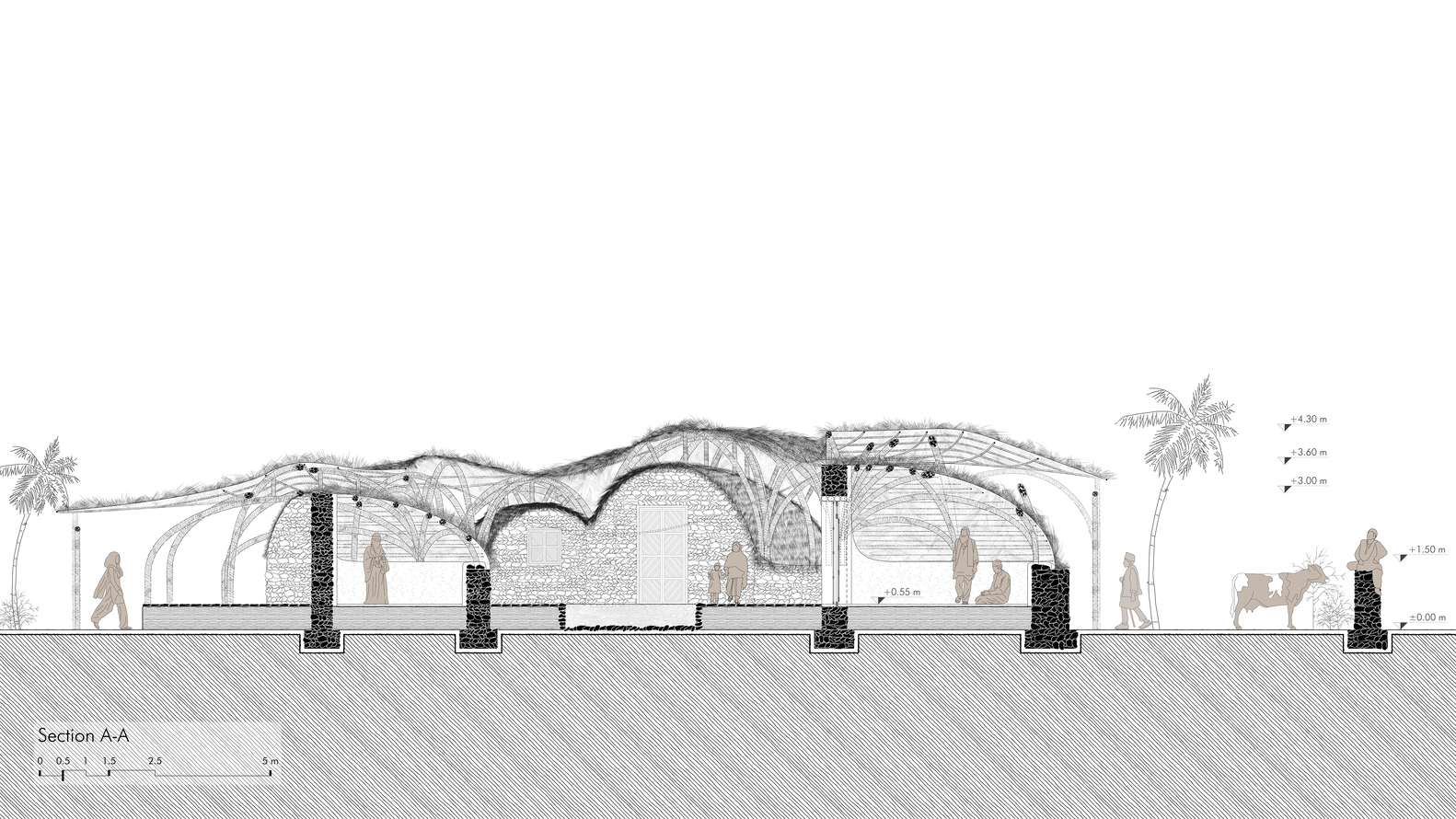
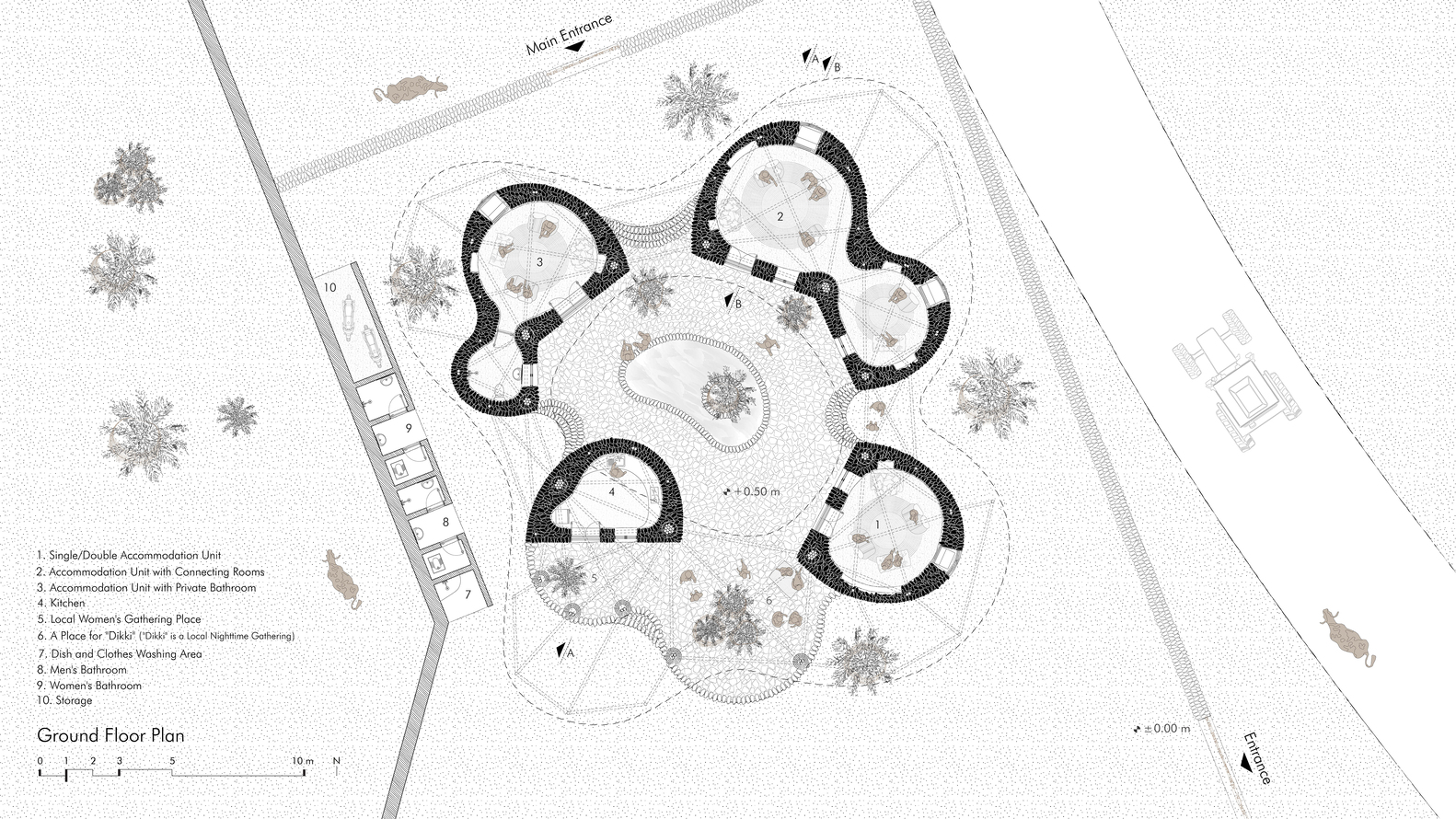
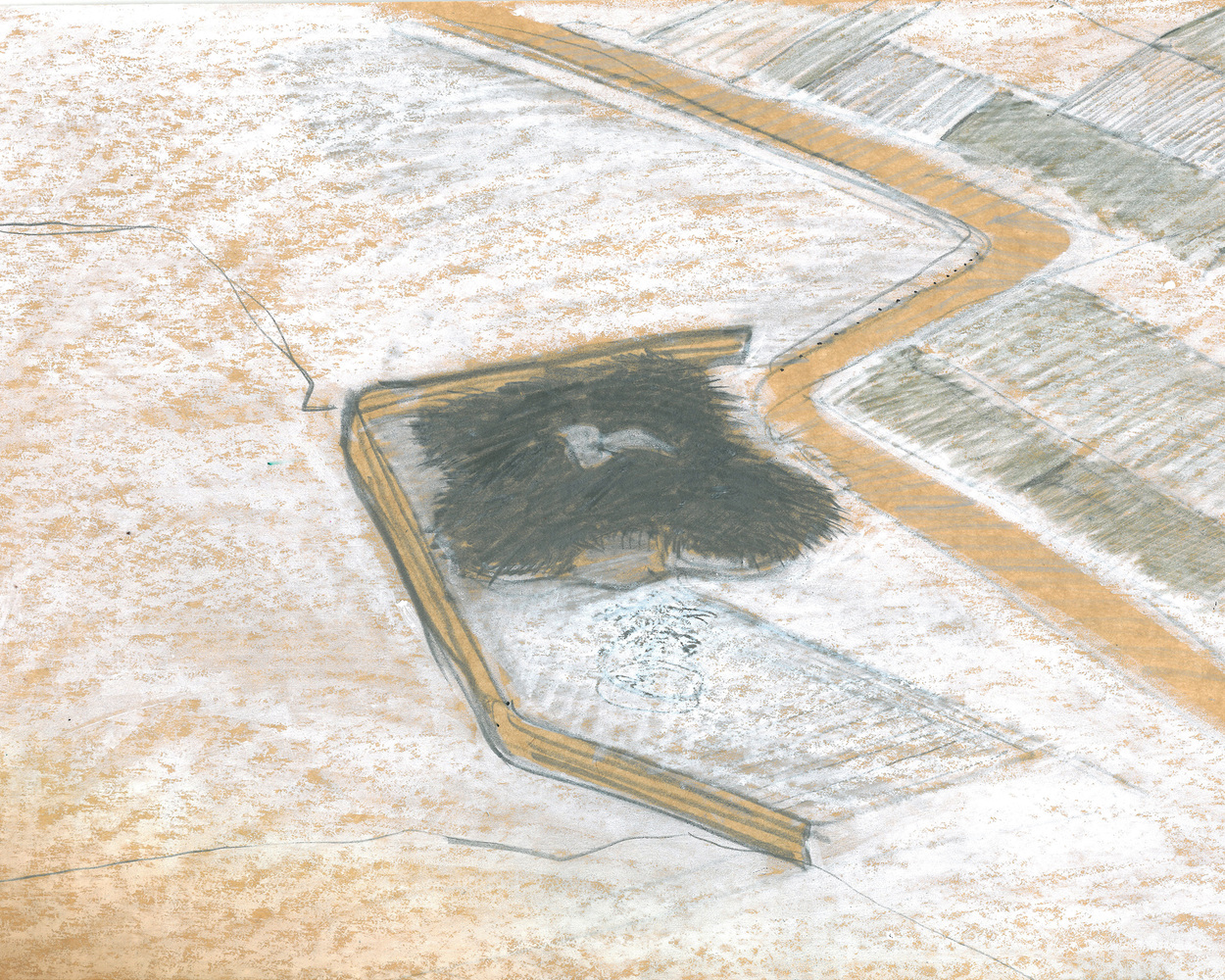
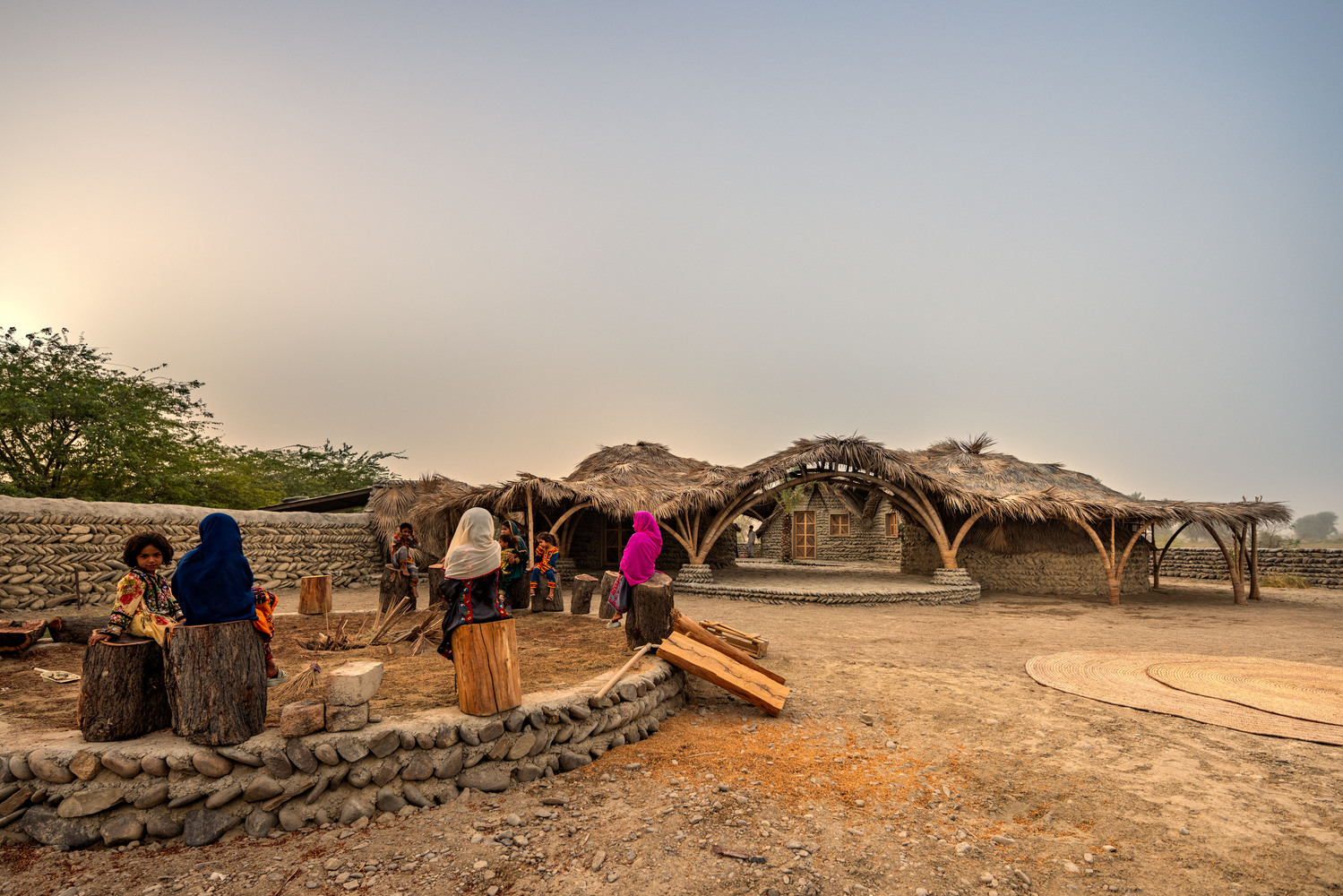
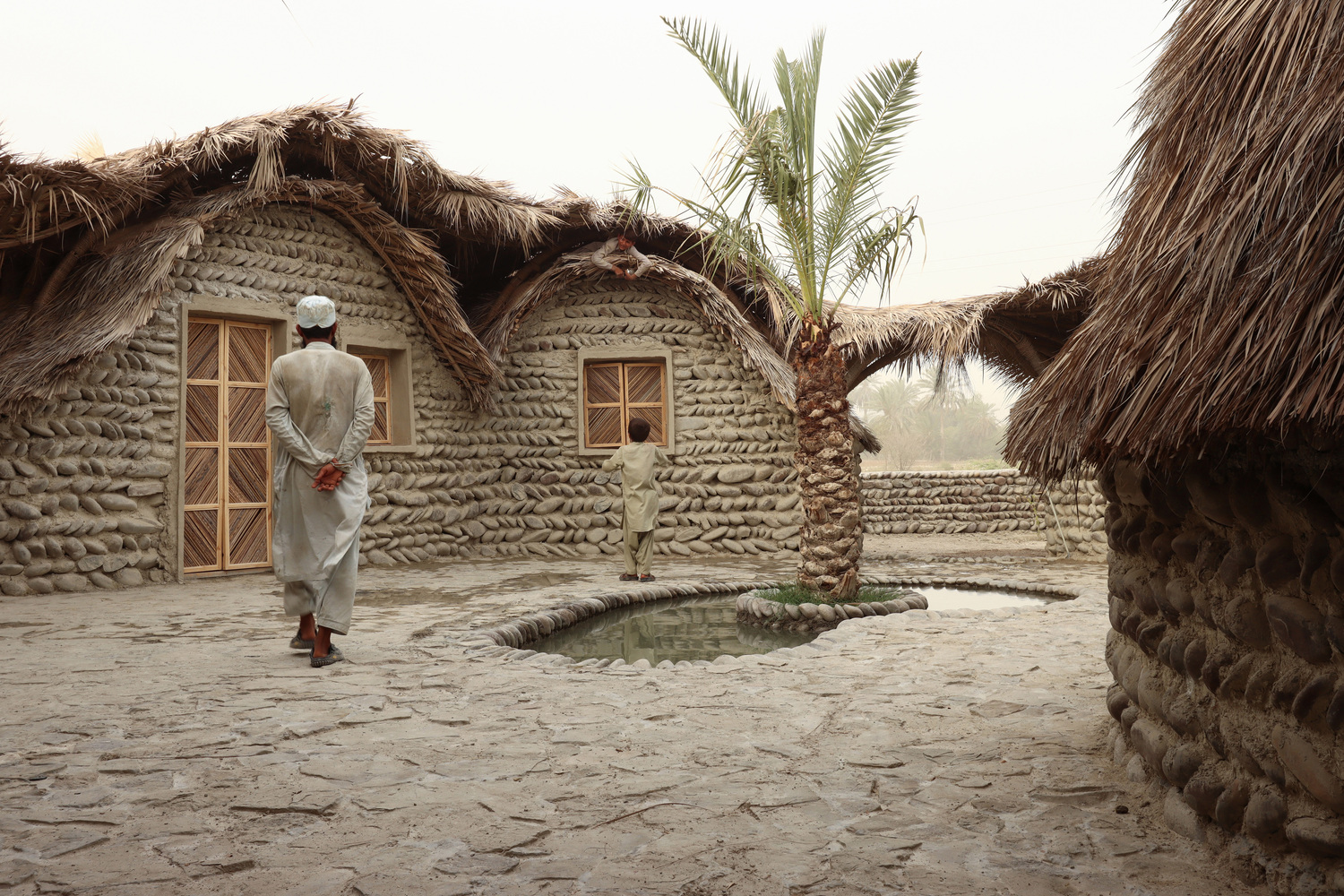
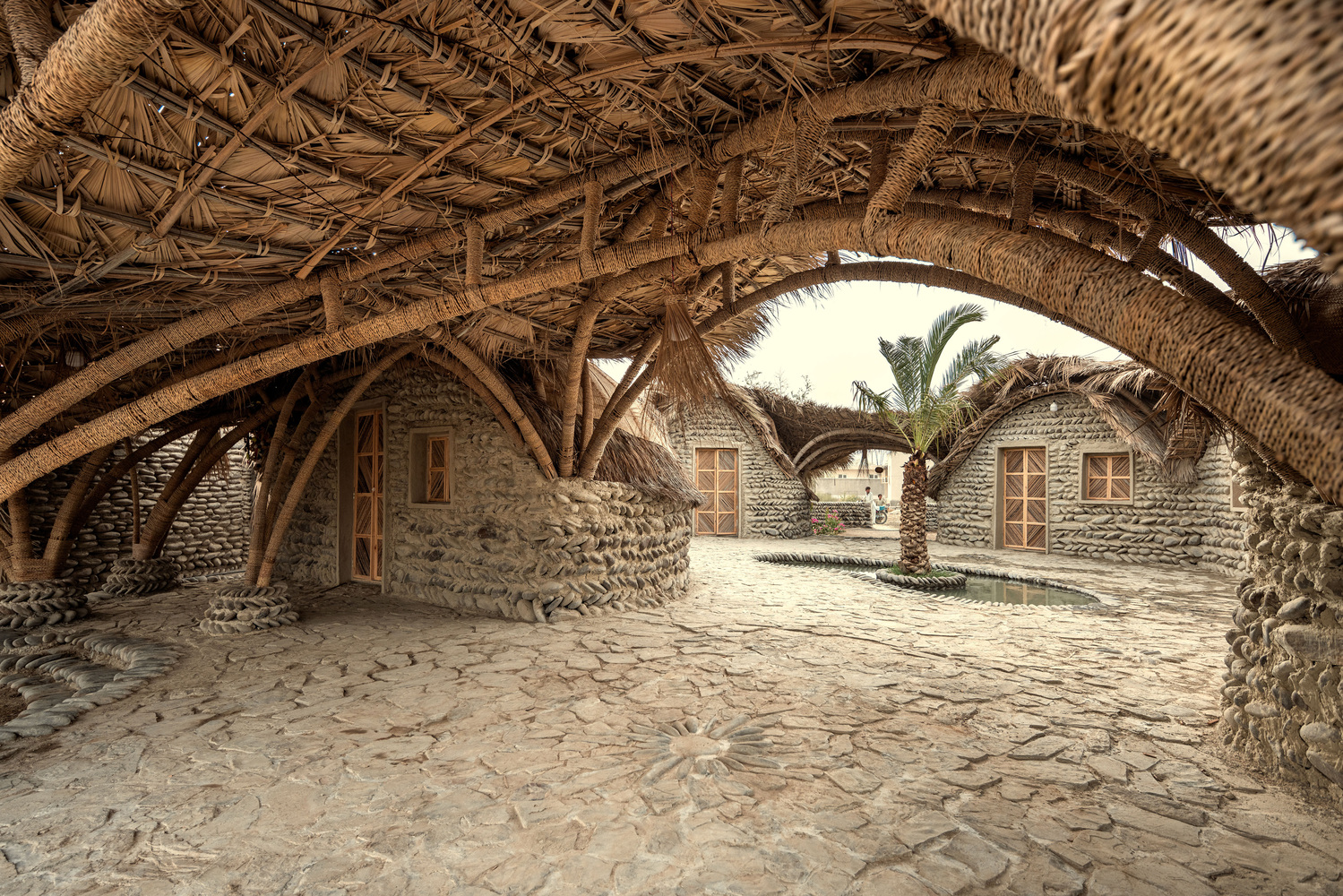
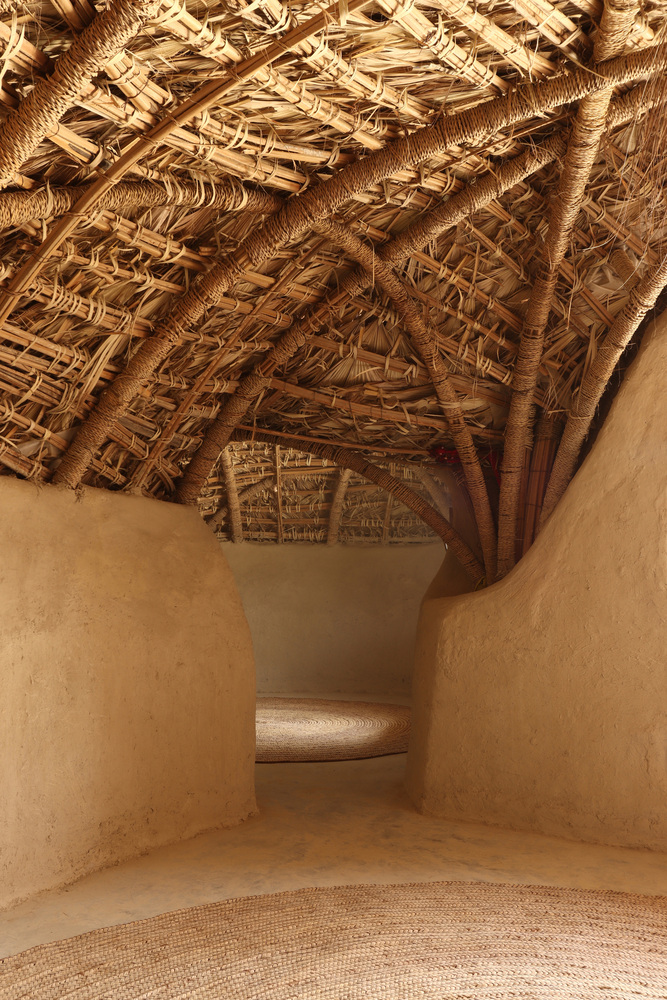
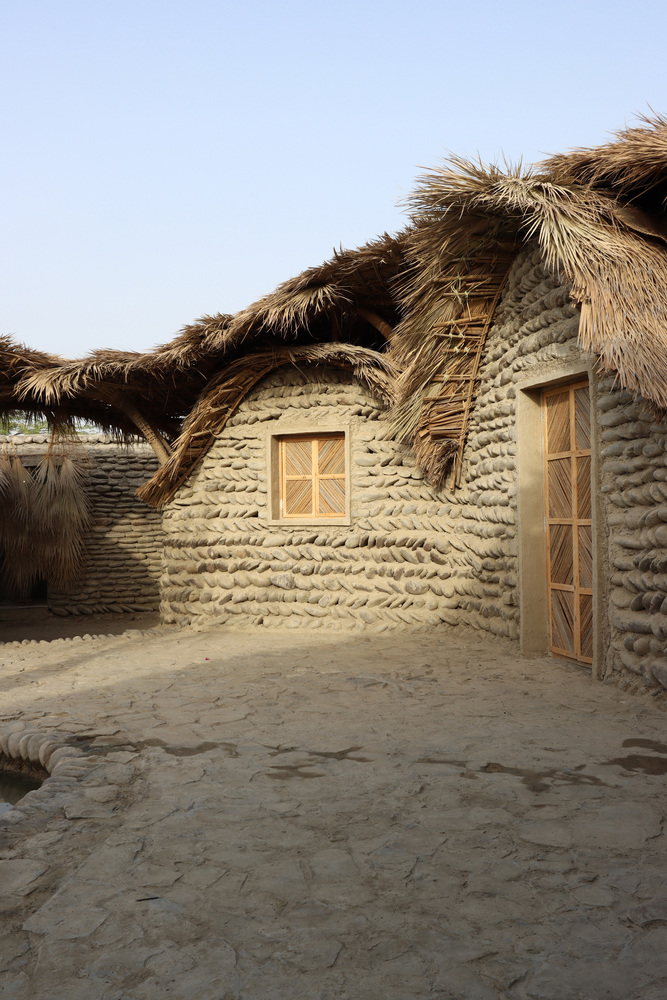
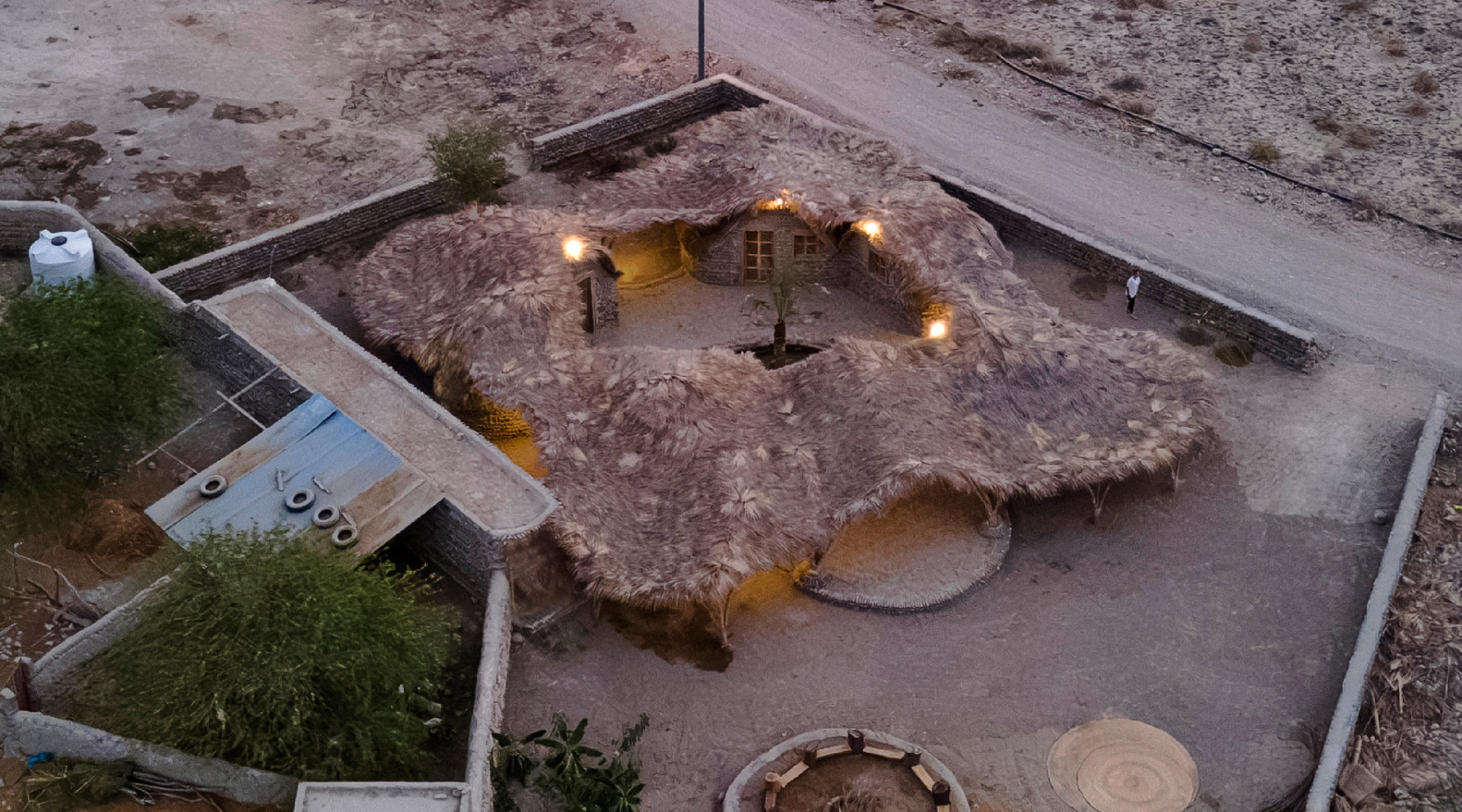
Positioned near farmlands, the site lies close to the village council and Shanbeh's home. The plan centers around a semi-open courtyard, shaded by a multilayered roof that enables passive cooling and airflow between and within rooms.
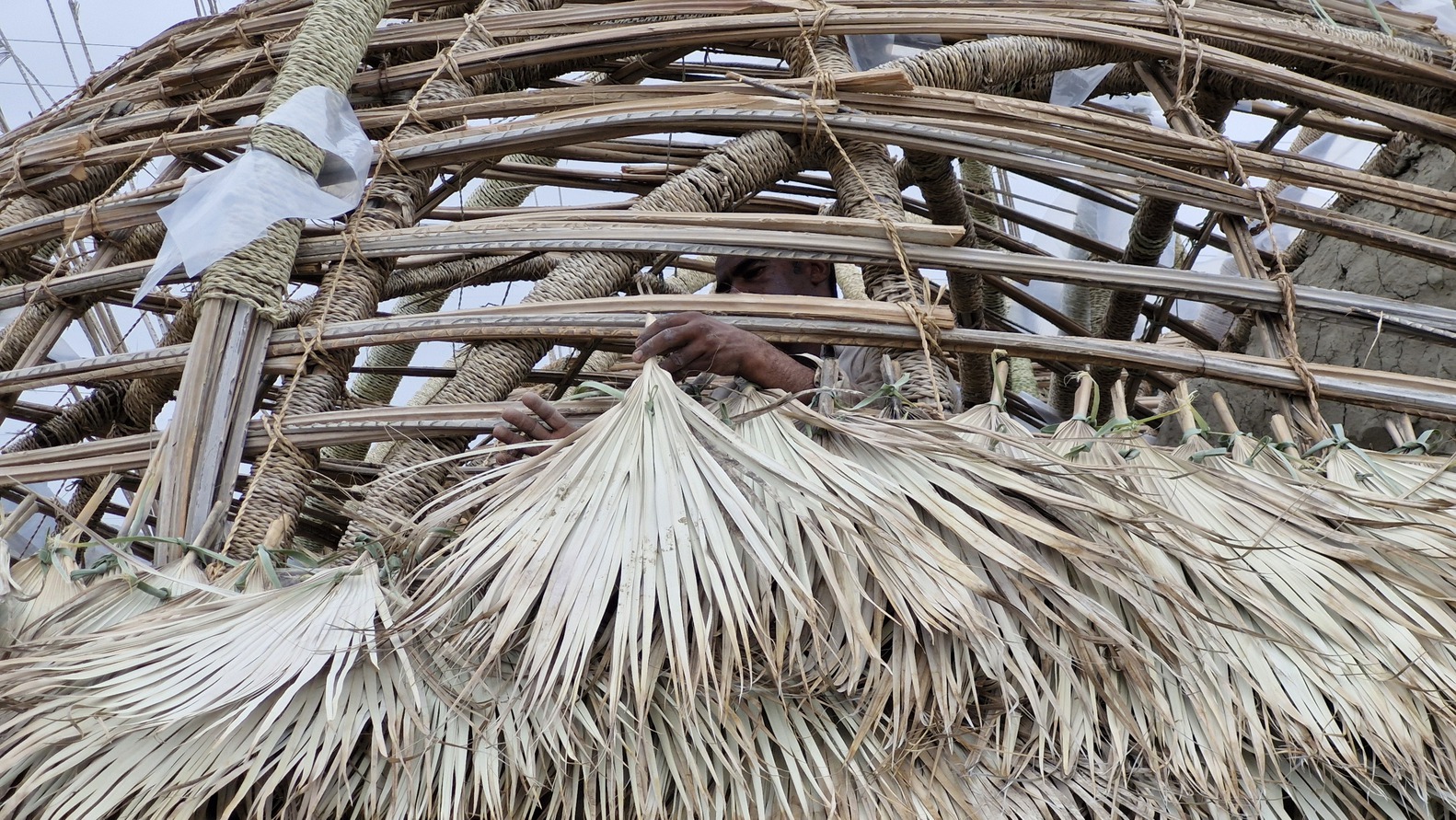
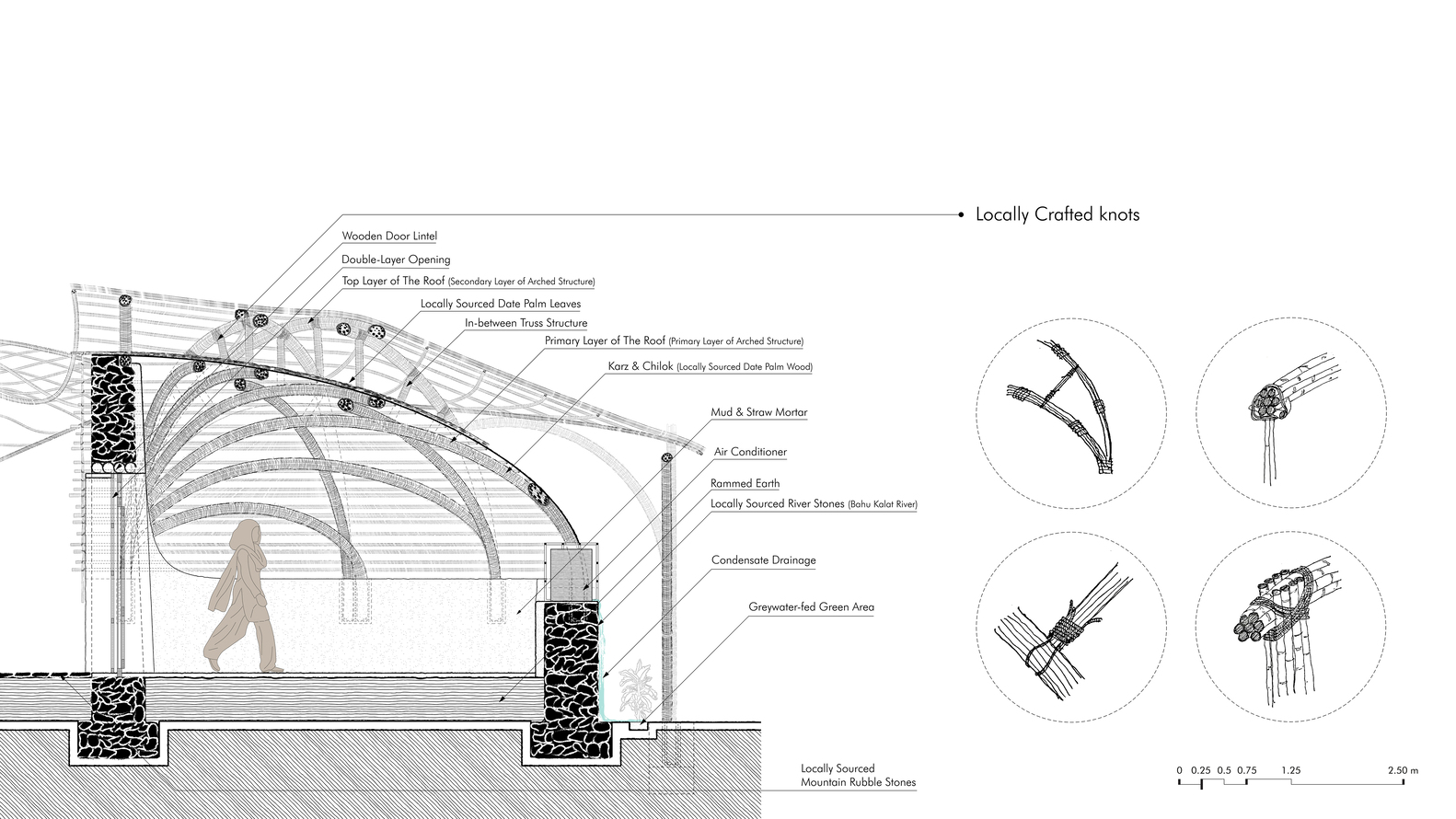
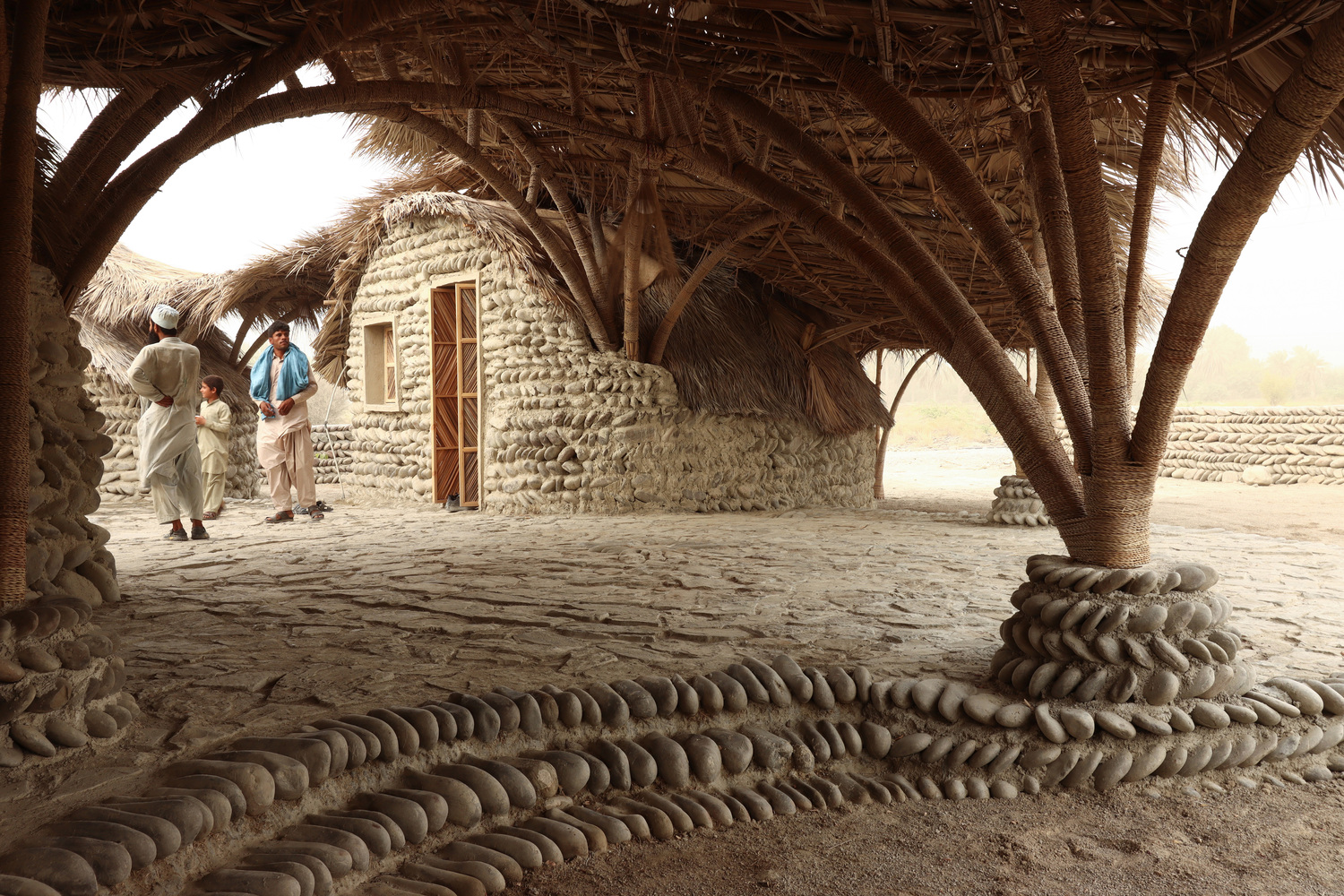
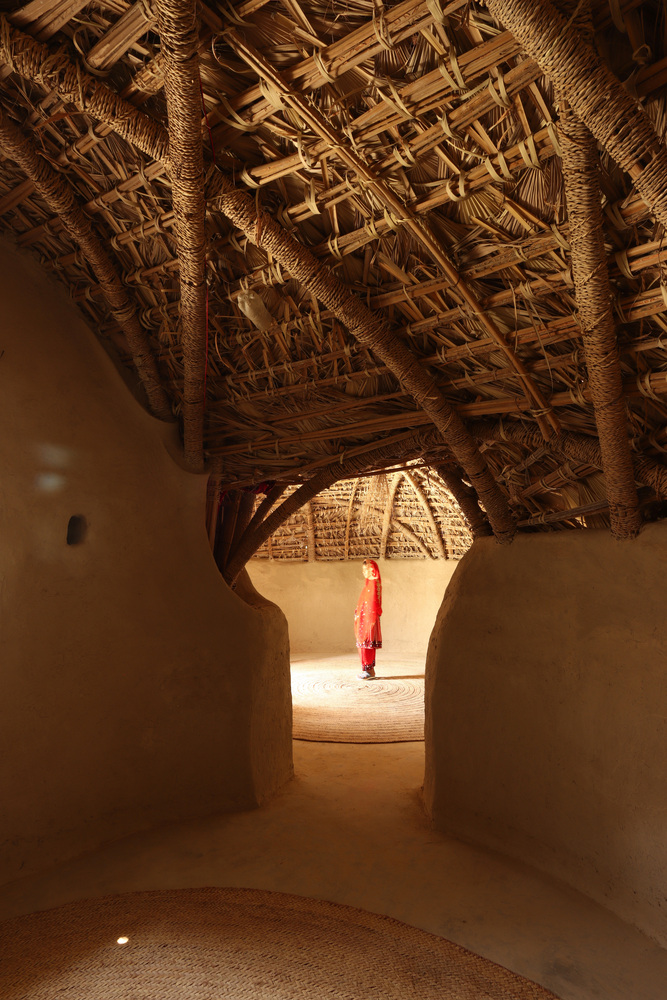
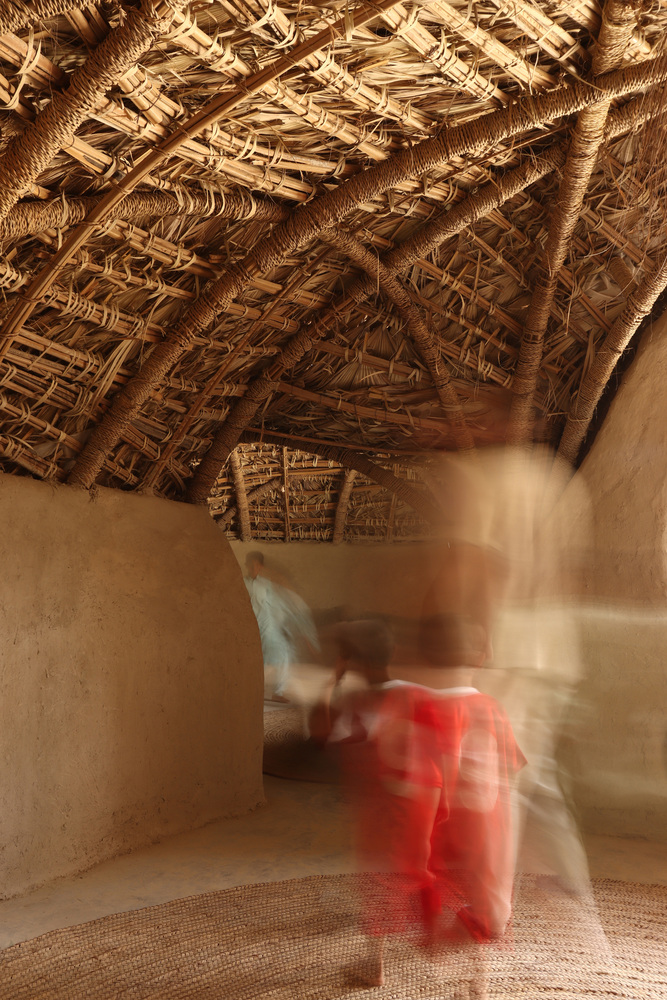
The design reinterprets the regional Kapar typology using handmade trusses in place of traditional beams to support a broad, umbrella-like roof. The double-layered roof and walls reduce thermal transfer.
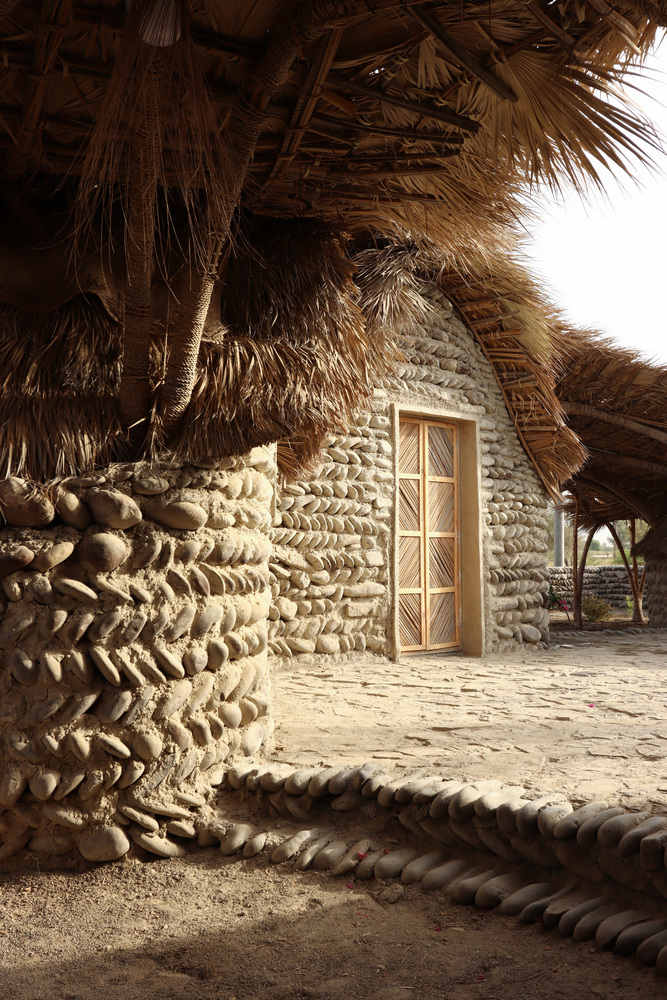
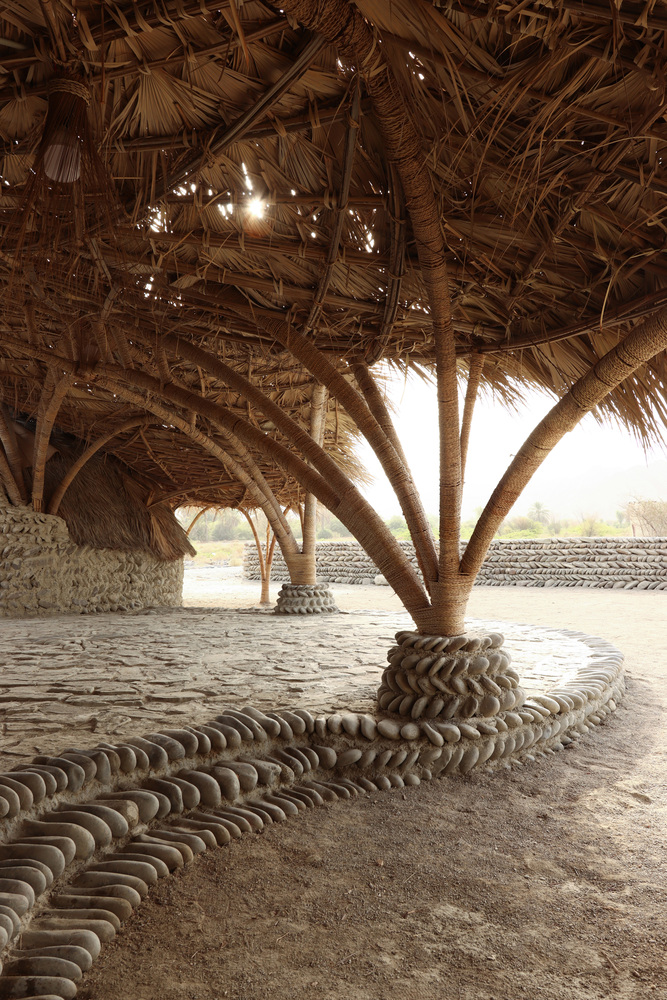
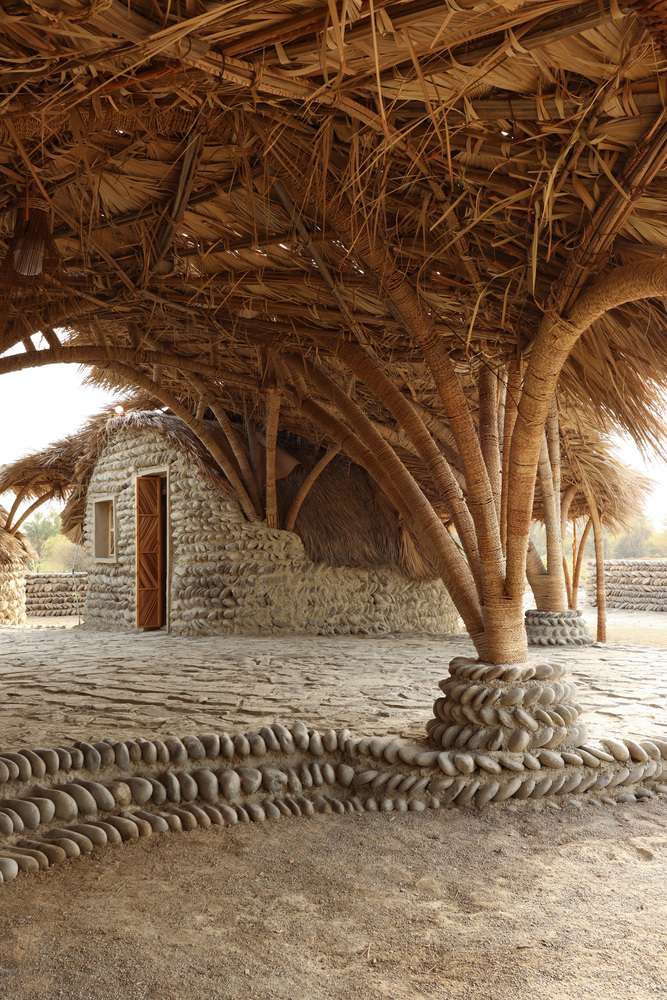
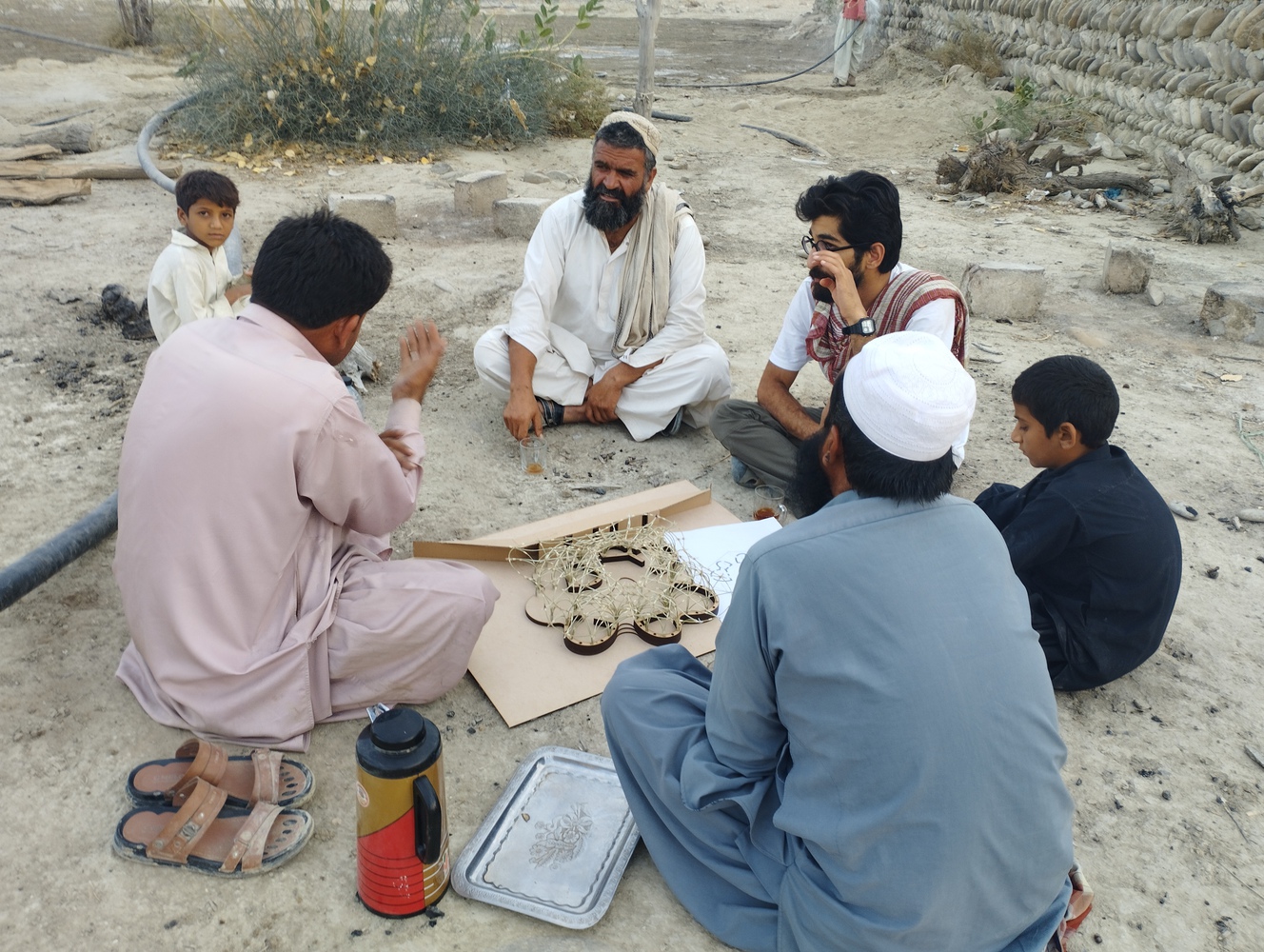
Throughout, the team worked in continuous dialogue with local craftsmen to adapt and refine vernacular techniques.
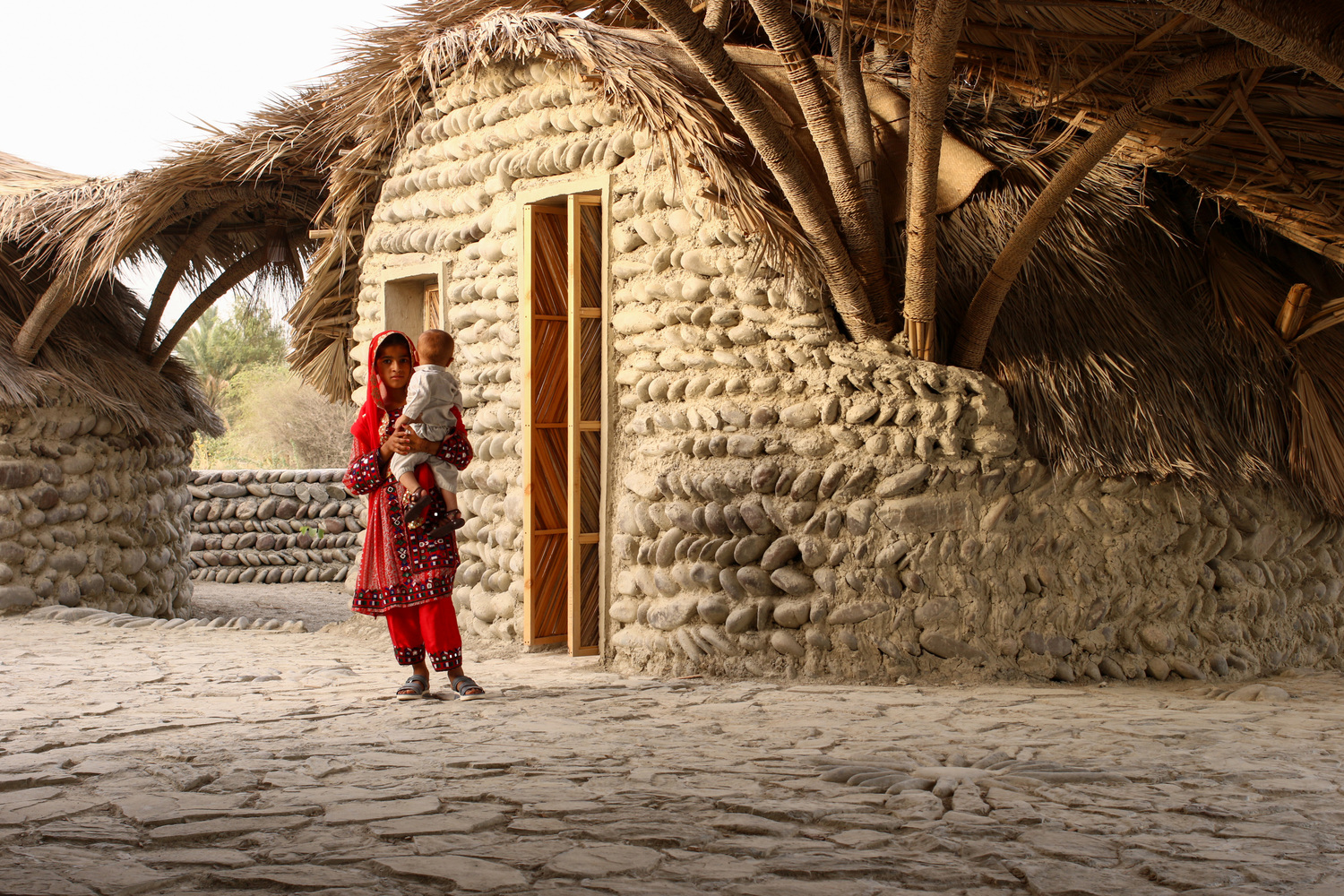
This fusion produced a distinct aesthetic through a contrast between the dome-like geometry of Iranian vaults and the imperfection of hand-built details; between the mass of thick stone walls and the lightness of the canopy; and painterly textures and details.
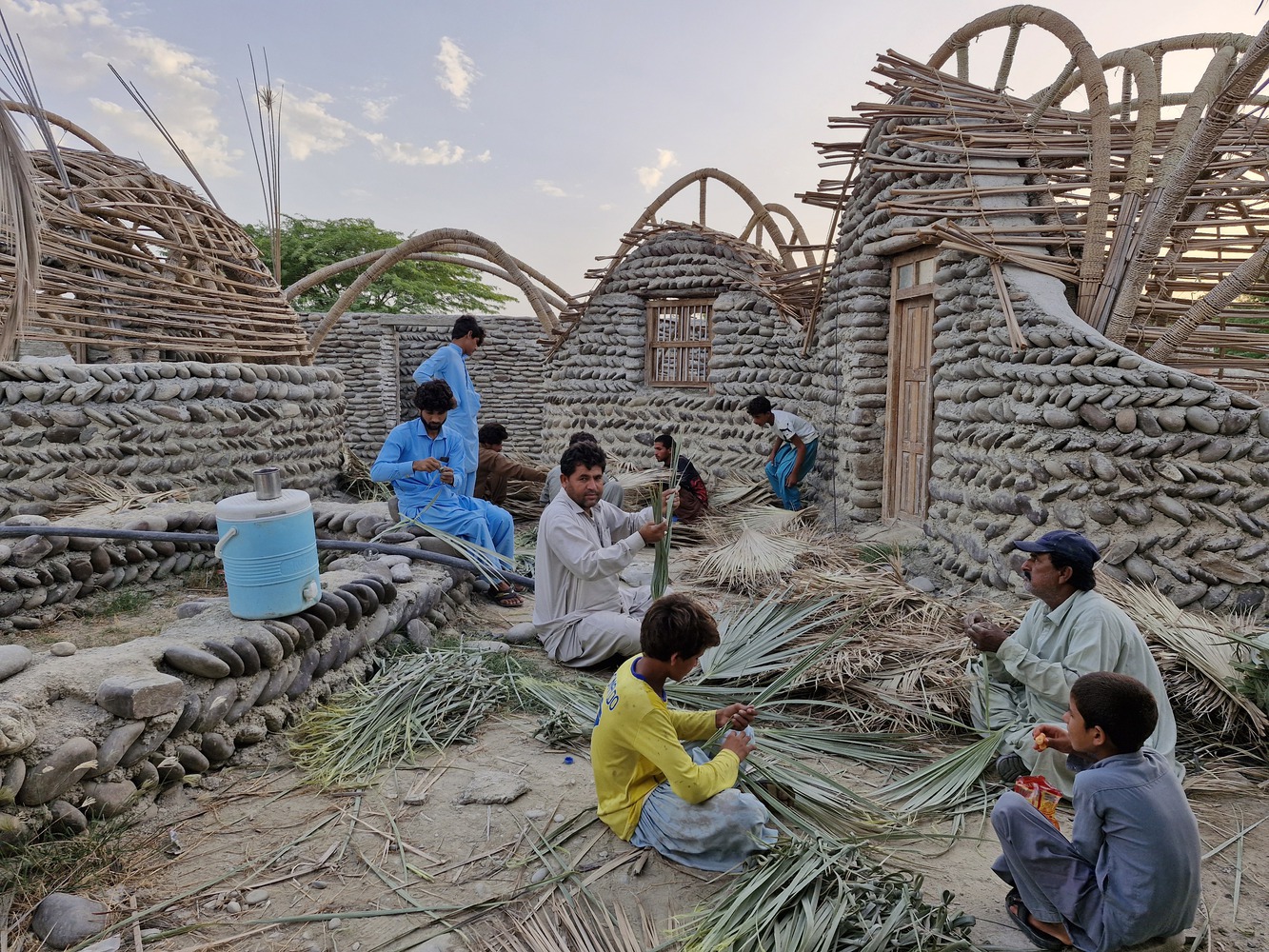
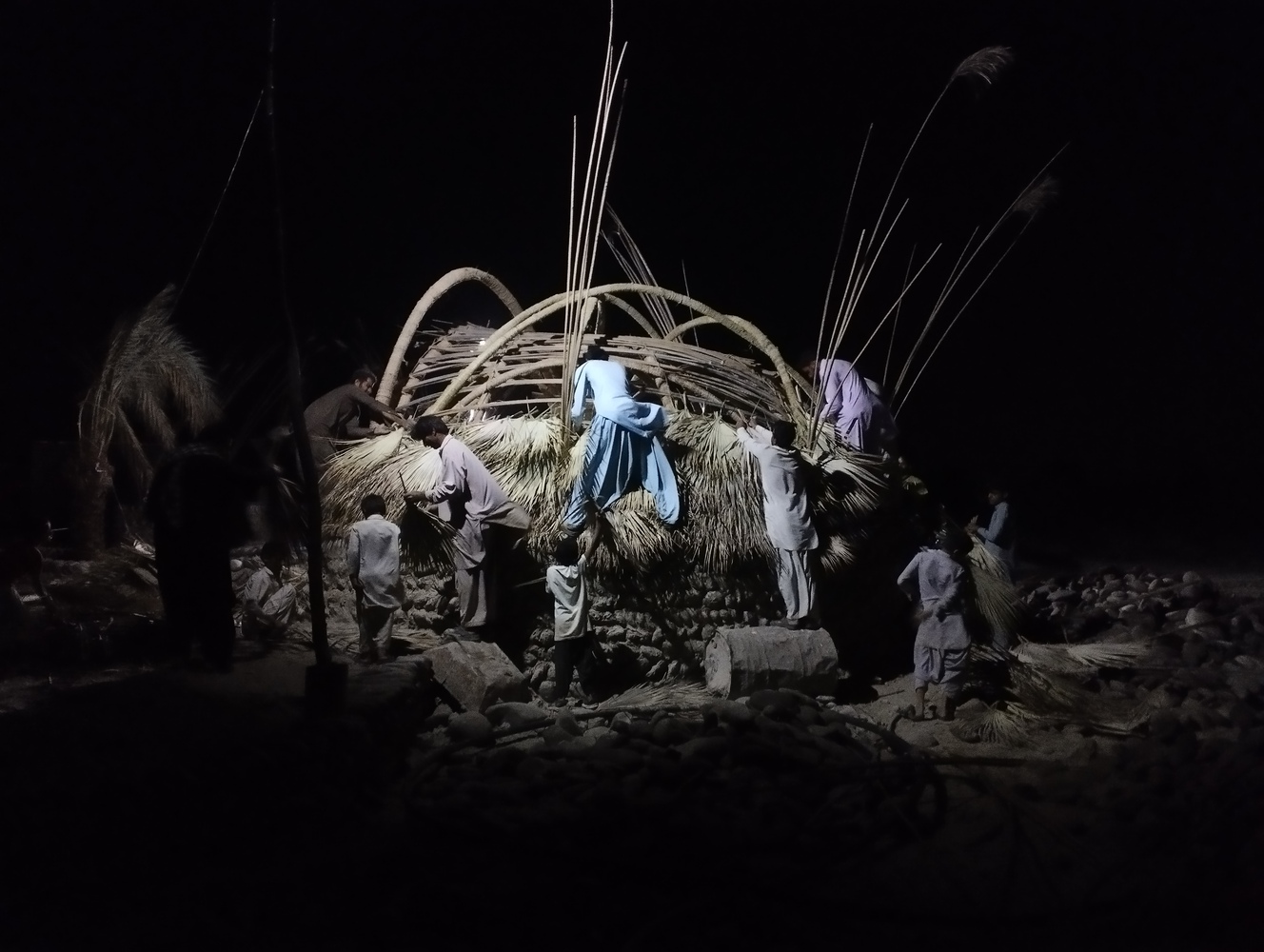
Construction was entirely collaborative. Over four months, villagers raised the stone walls; the Kapars were completed over the following year.
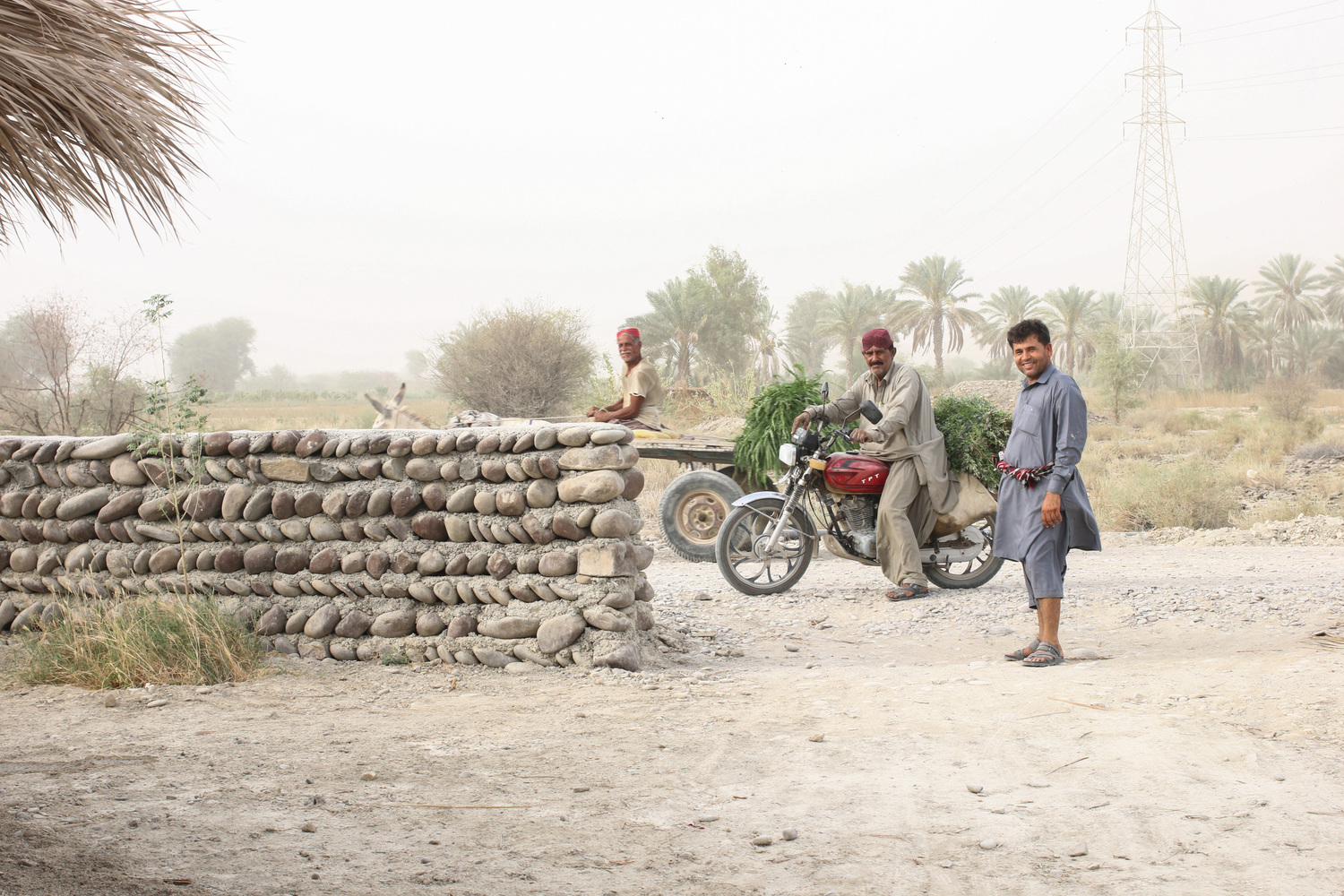
Funding came from the Nextoffice, a bank loan, a donation from Mr. Shanbeh, and contributions from other villagers—totaling approximately £8,000, well below typical construction costs.
As the construction was cooperative, instead of common surveying tools, the site layout was staked using strings and triangles in a game involving local children.
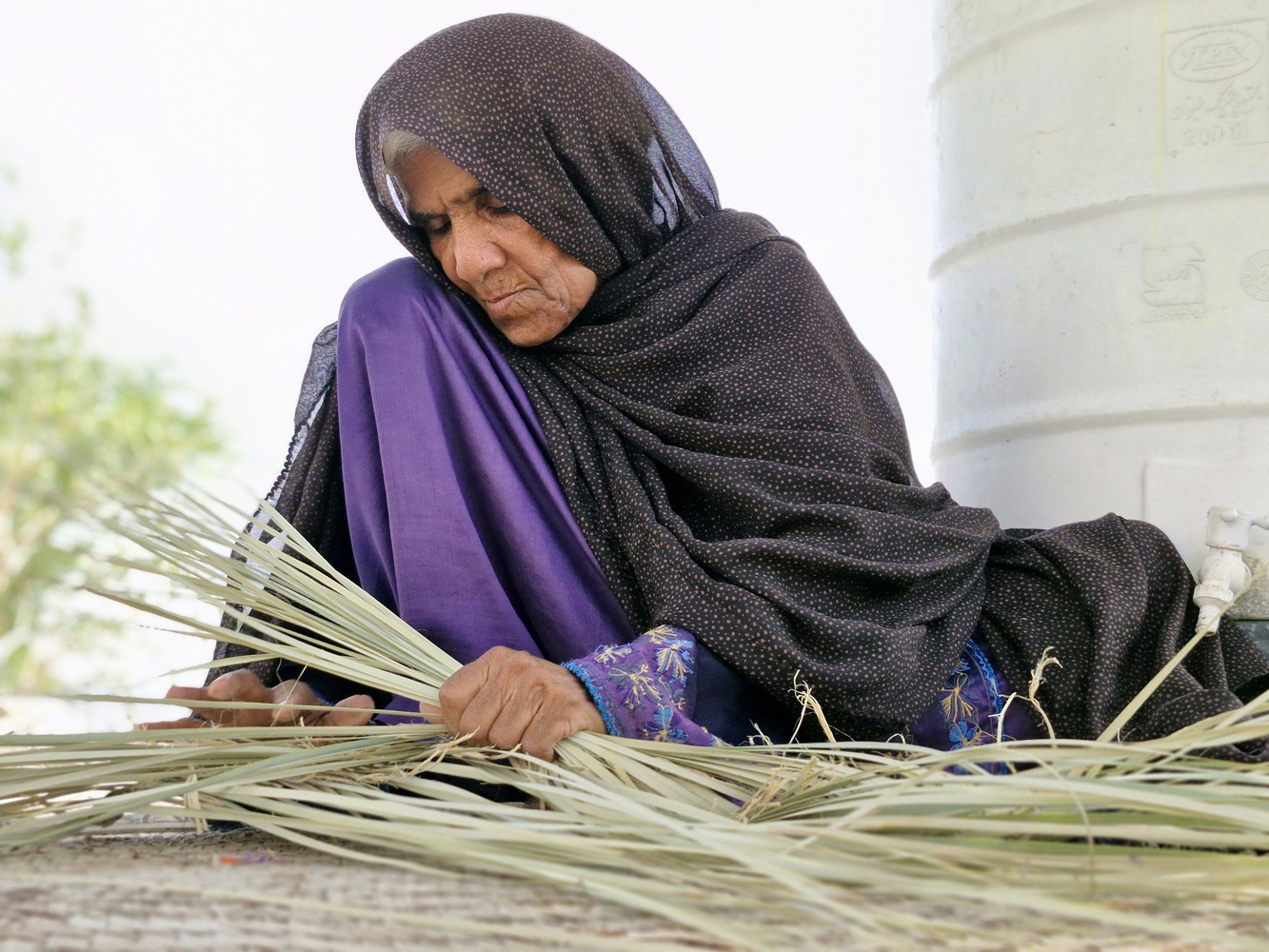
Elders wove palm-fiber ropes at night from Karz leaves gathered by youth, while women contributed to mat weaving, mud plastering, curtain sewing, and daily meals. These intergenerational efforts turned scarcity into resourcefulness.