
Princeton University Art Museum
PRINCETON UNIVERSITY ART MUSEUM
Adjaye Associates
ARCHITECTS
Adjaye Associates
ARCHITECT OF RECORD
Cooper Robertson
LANDSCAPE ARCHITECT
James Corner Field Operations
MECHANICAL/ELECTRICAL ENGINEERS
Kohler Ronan
STRUCTURAL ENGINEER
Silman
AV/IT
Hmb
LIGHTING CONSULTANT
Tillotson
SUSTAINABILITY
Vidaris
GENERAL CONTRACTOR
L F Driscoll
FACADE
Heingtes
CIVIL ENGINEER
Nitsch Engineering
WAYFINDING CONSULTANT
2X4
PHOTOGRAPHS
Richard Barnes, Dror Baldinger
SIGNAGE
2x4
AREA
13565 m²
LOCATION
Princeton, United States
CATEGORY
Museum, University, Sustainability
English description provided by the architects.
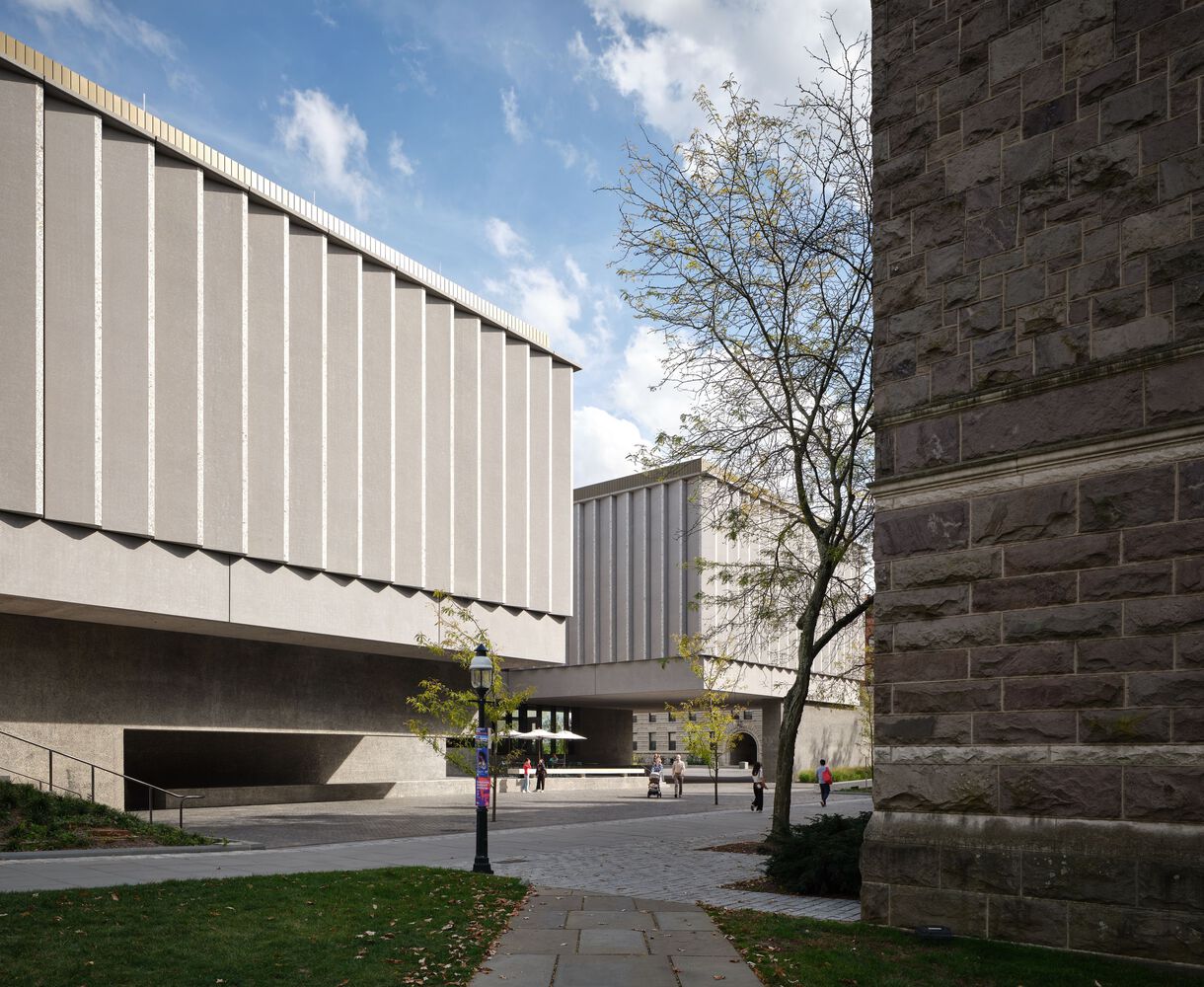
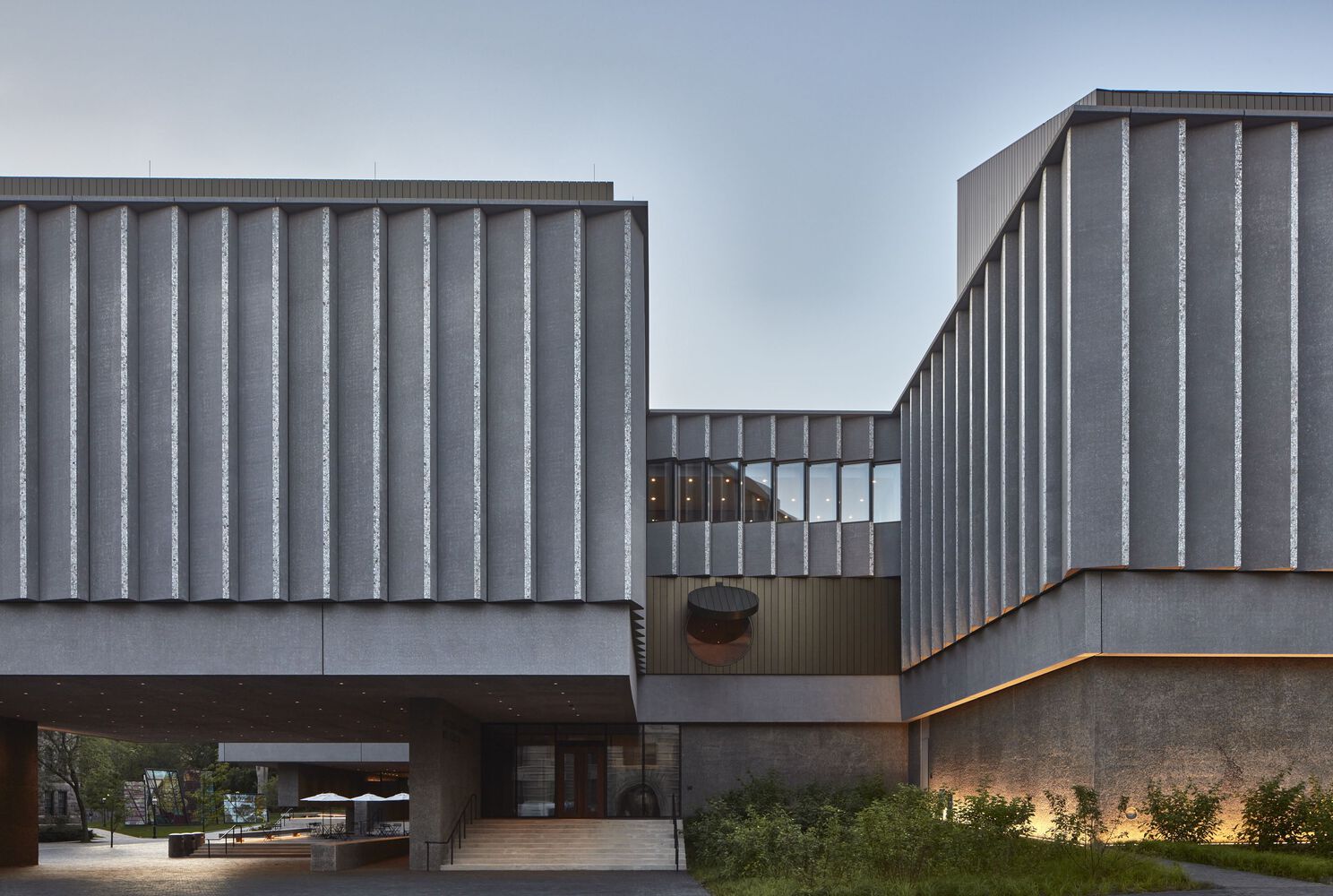
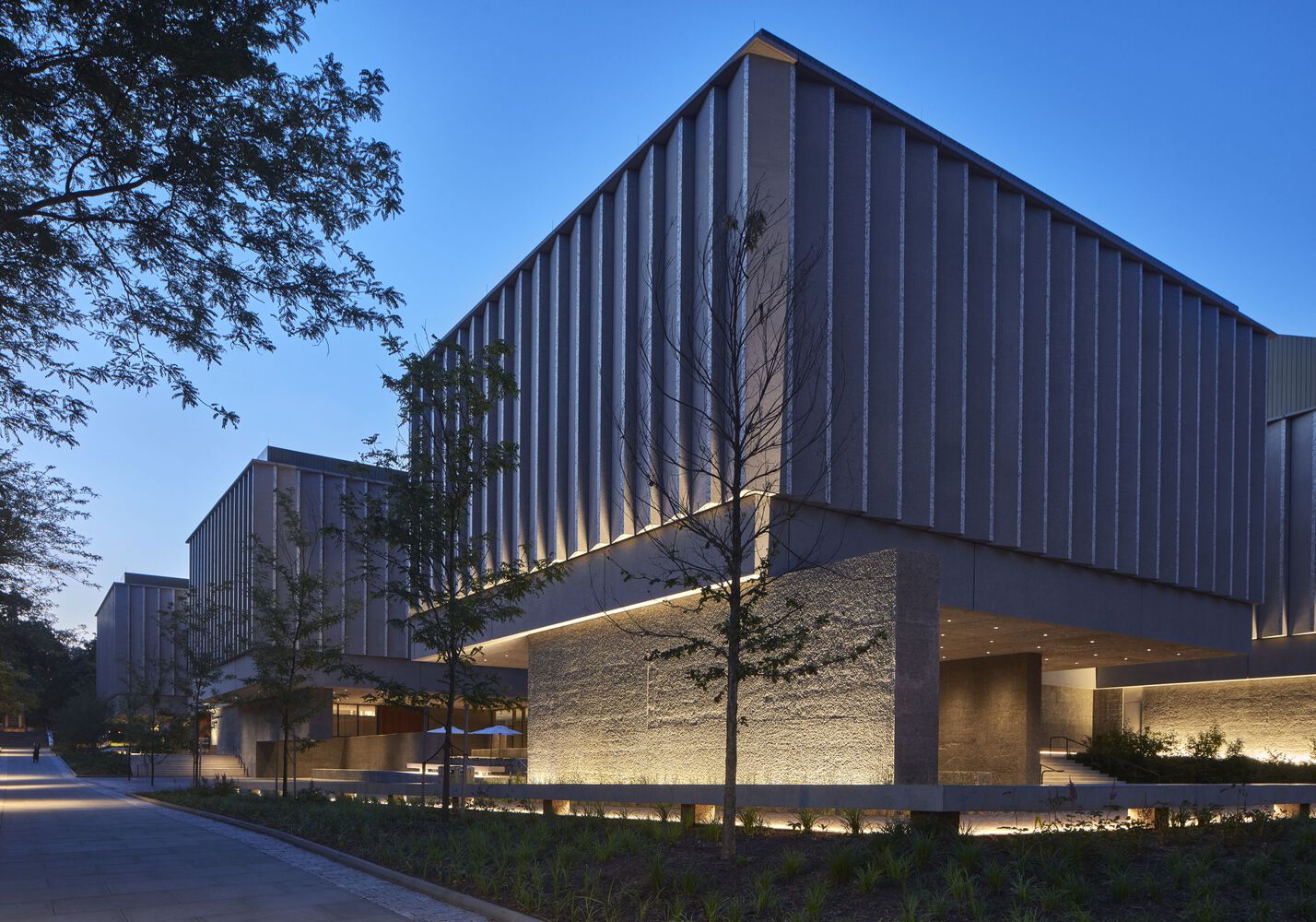
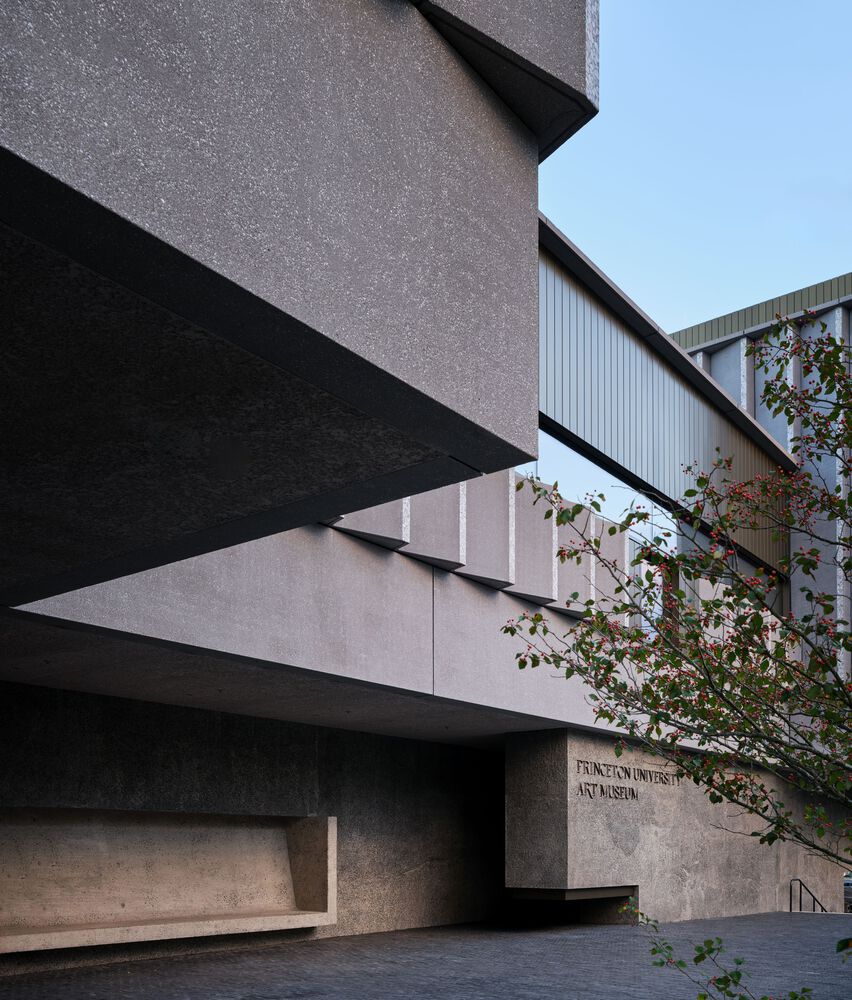
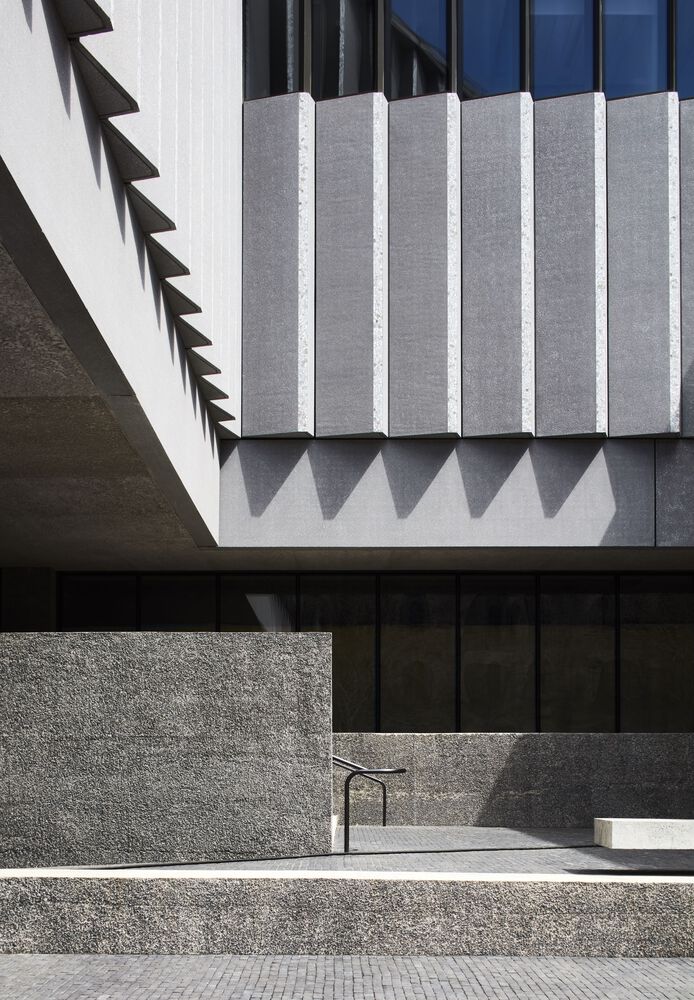
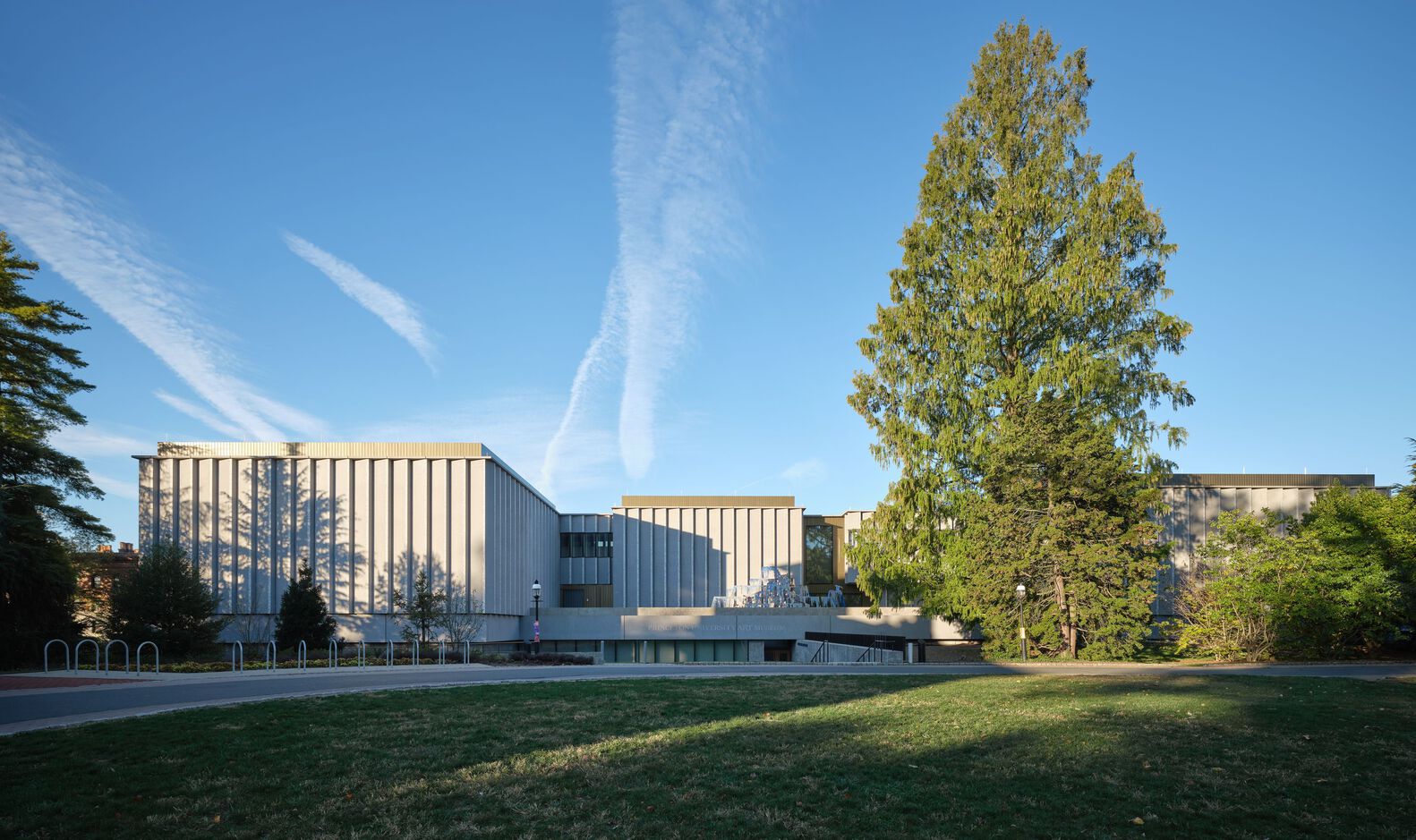
The Princeton University Art Museum has a bold new home at the heart of campus, designed by Adjaye Associates with Cooper Robertson serving as Executive Architect.
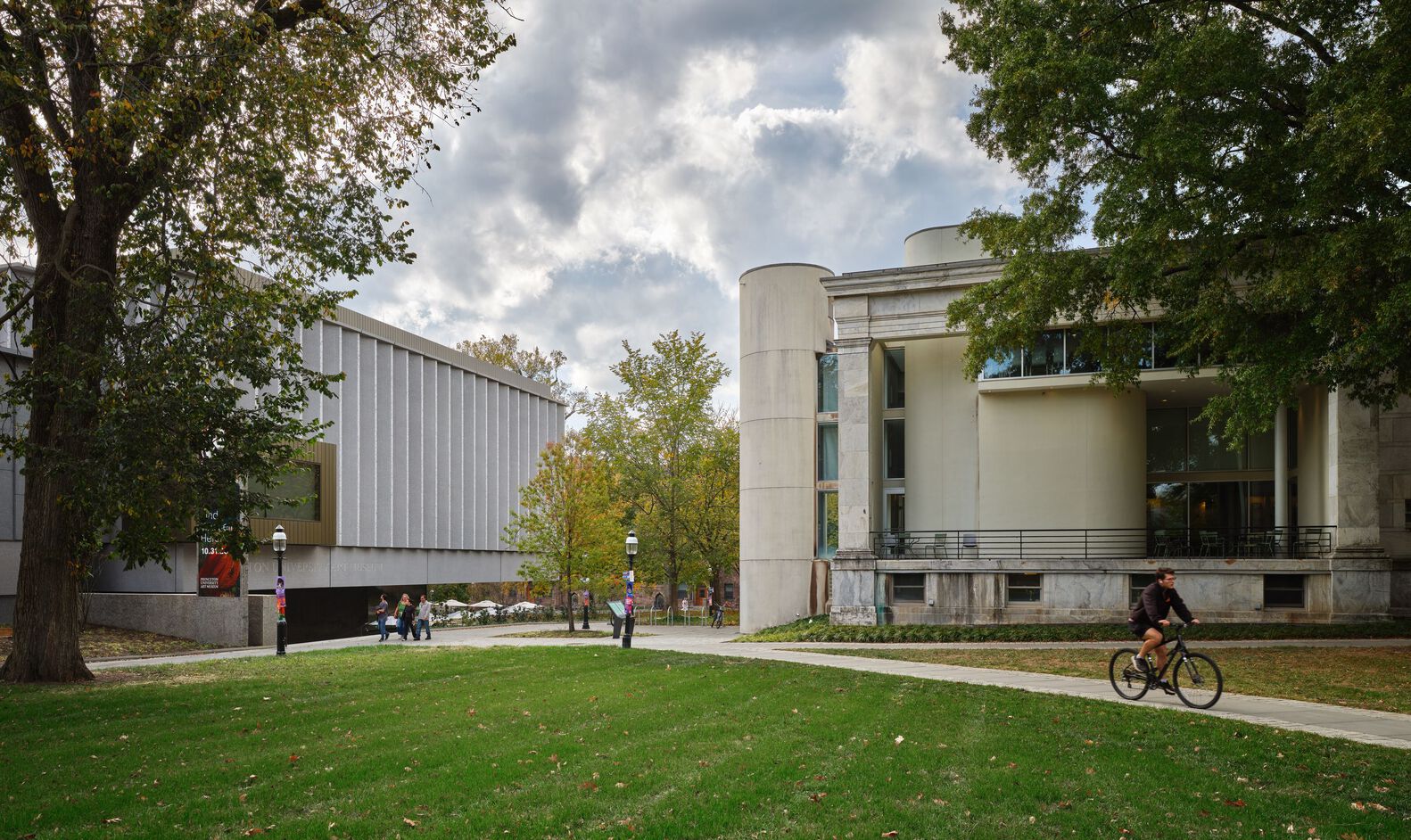
Conceived as a "campus within the campus," the new museum doubles the size of its predecessor while remaining rooted in its historic site, reinforcing its central role in university life and its place as a cultural hub for the wider community.
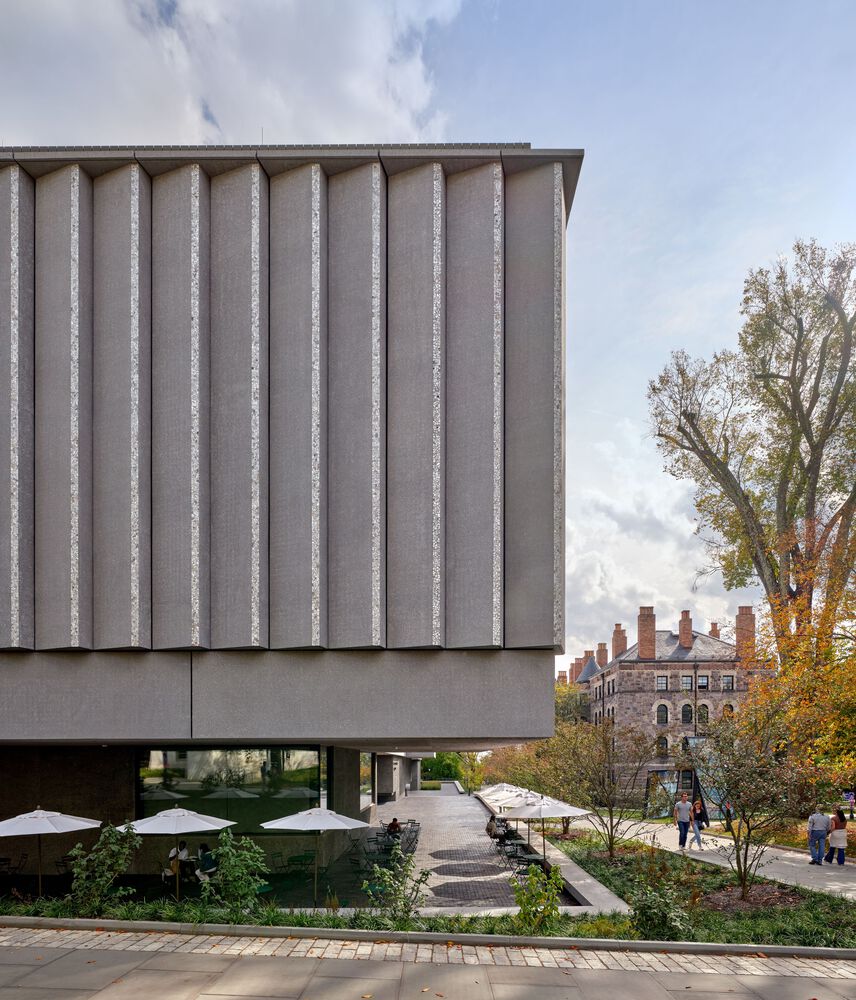
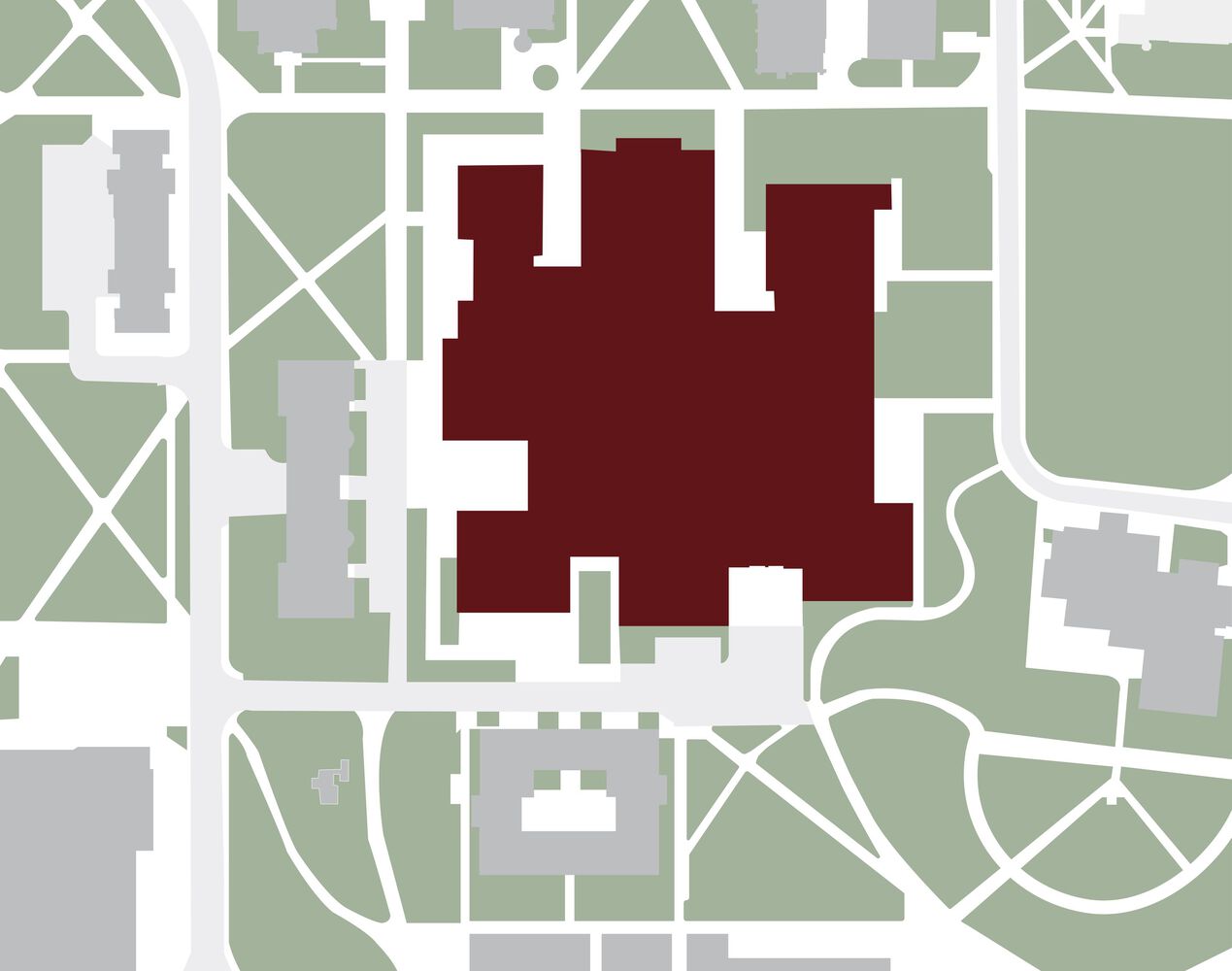
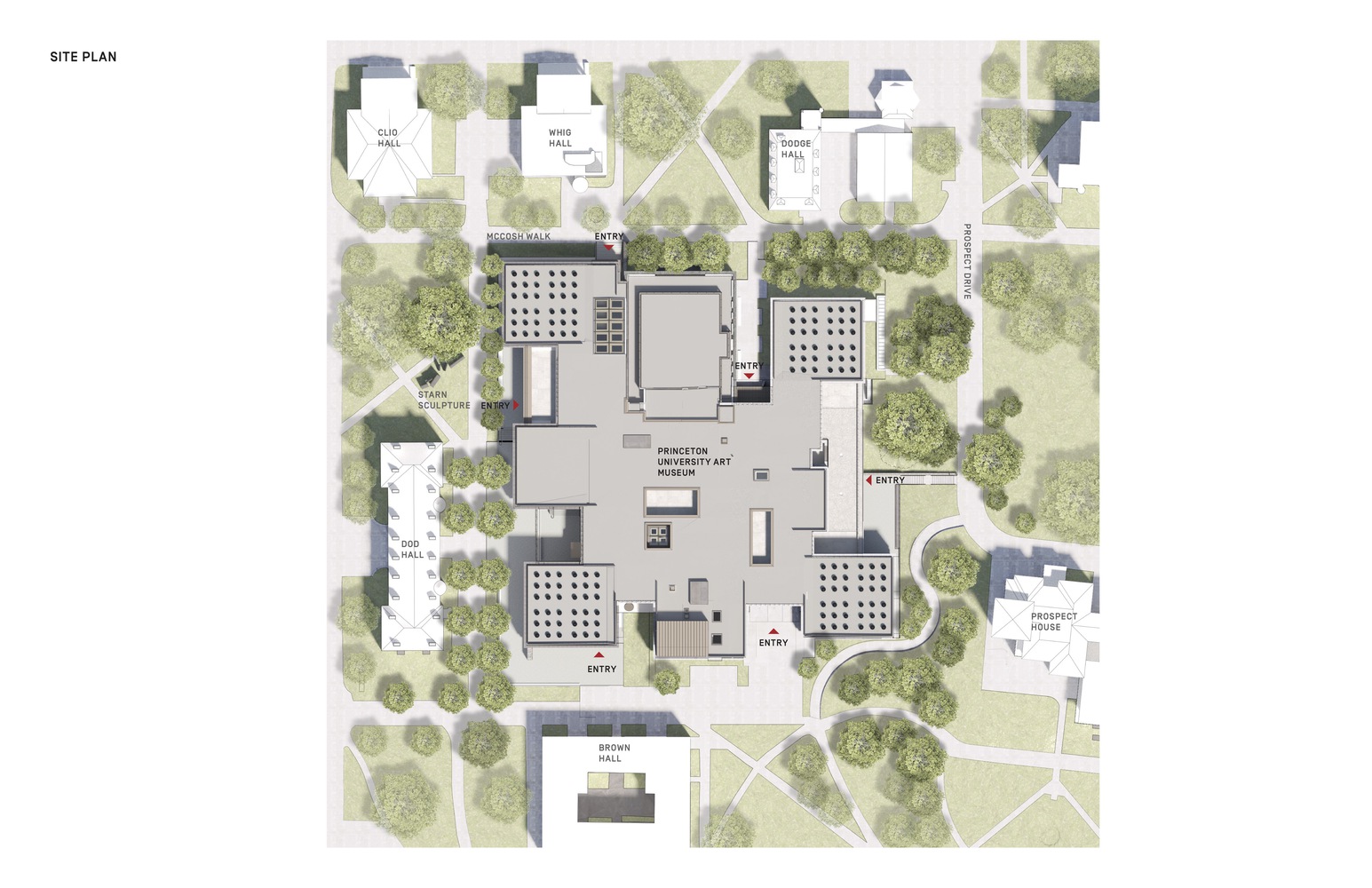
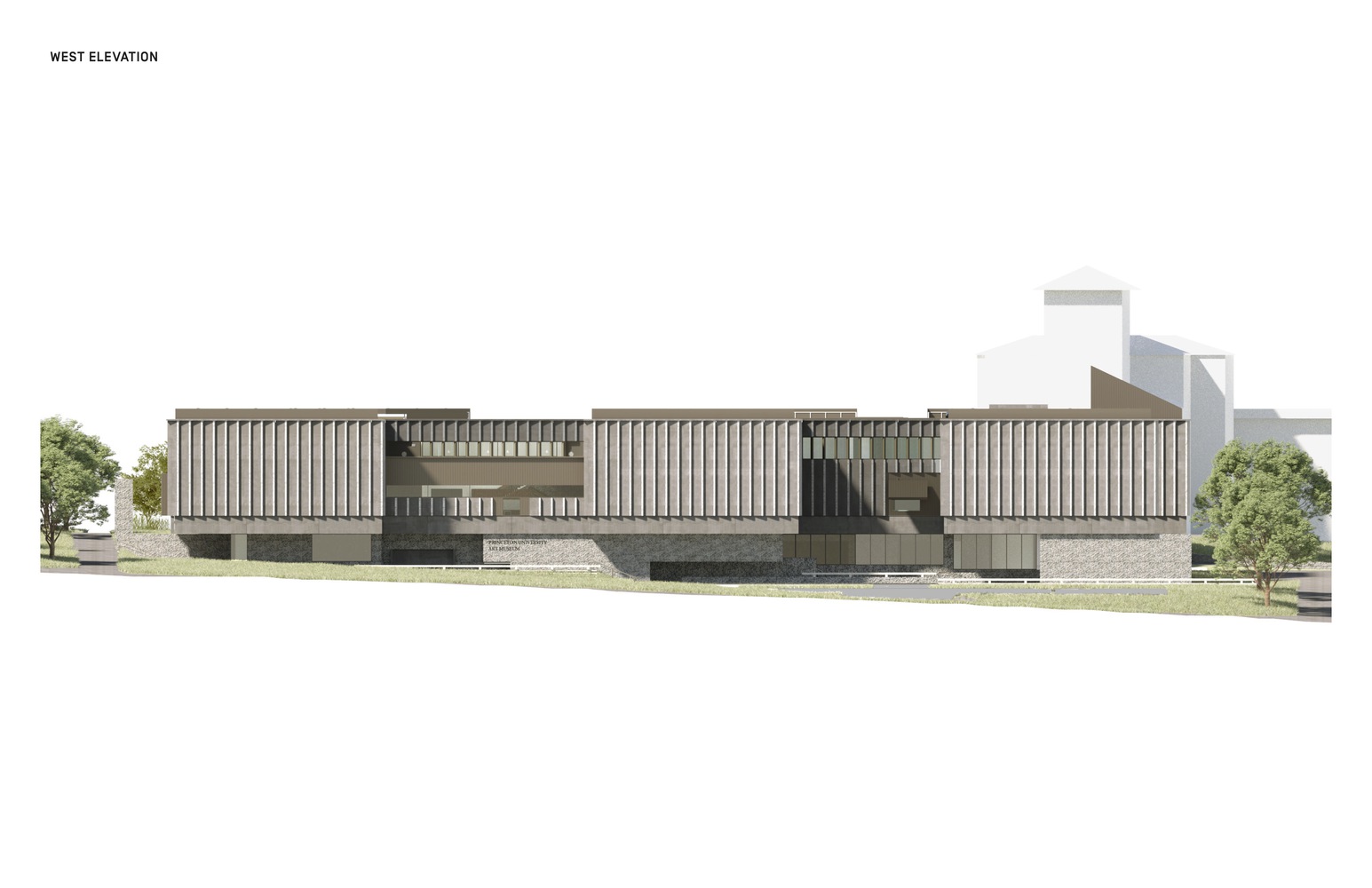
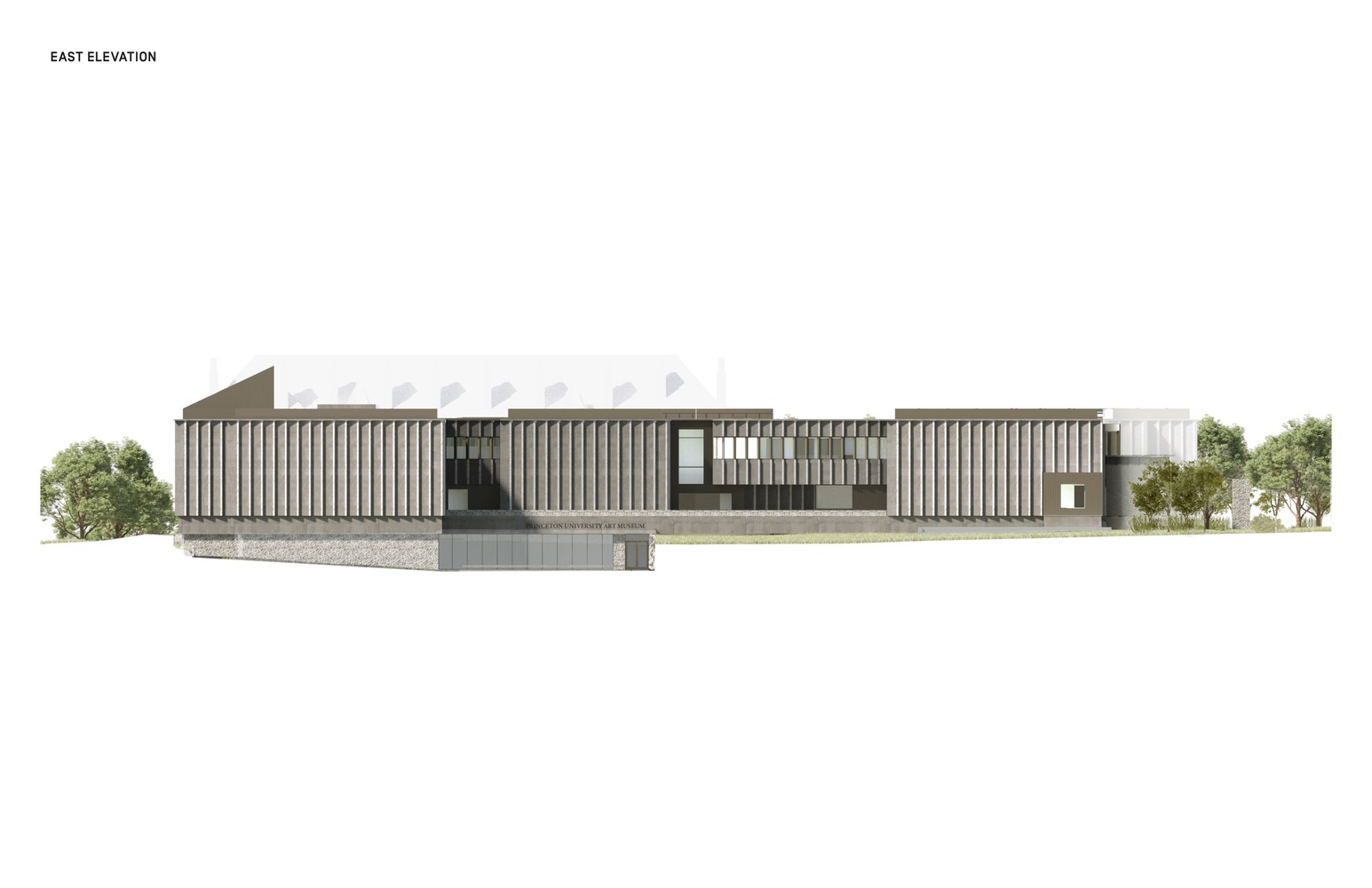
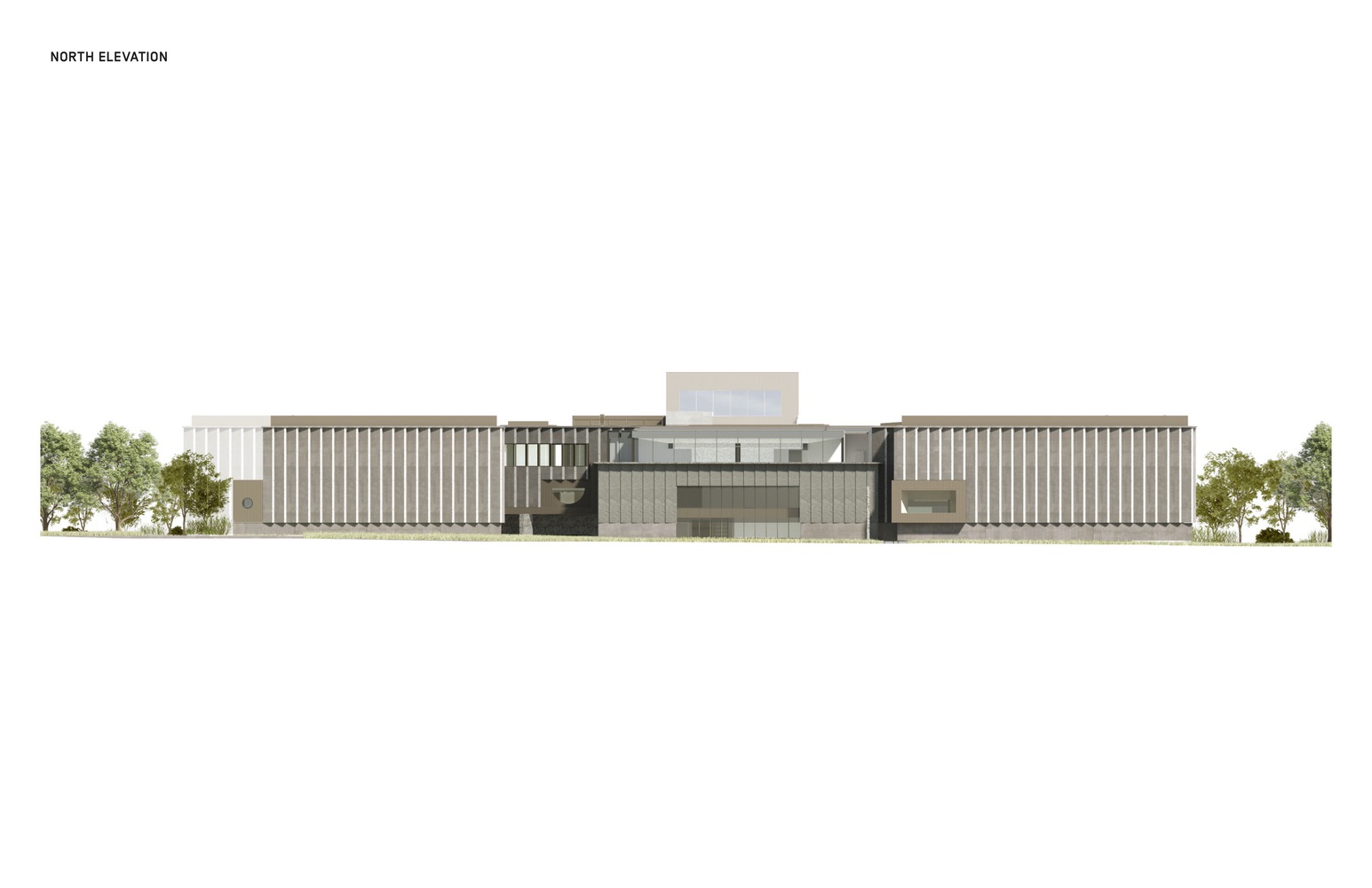
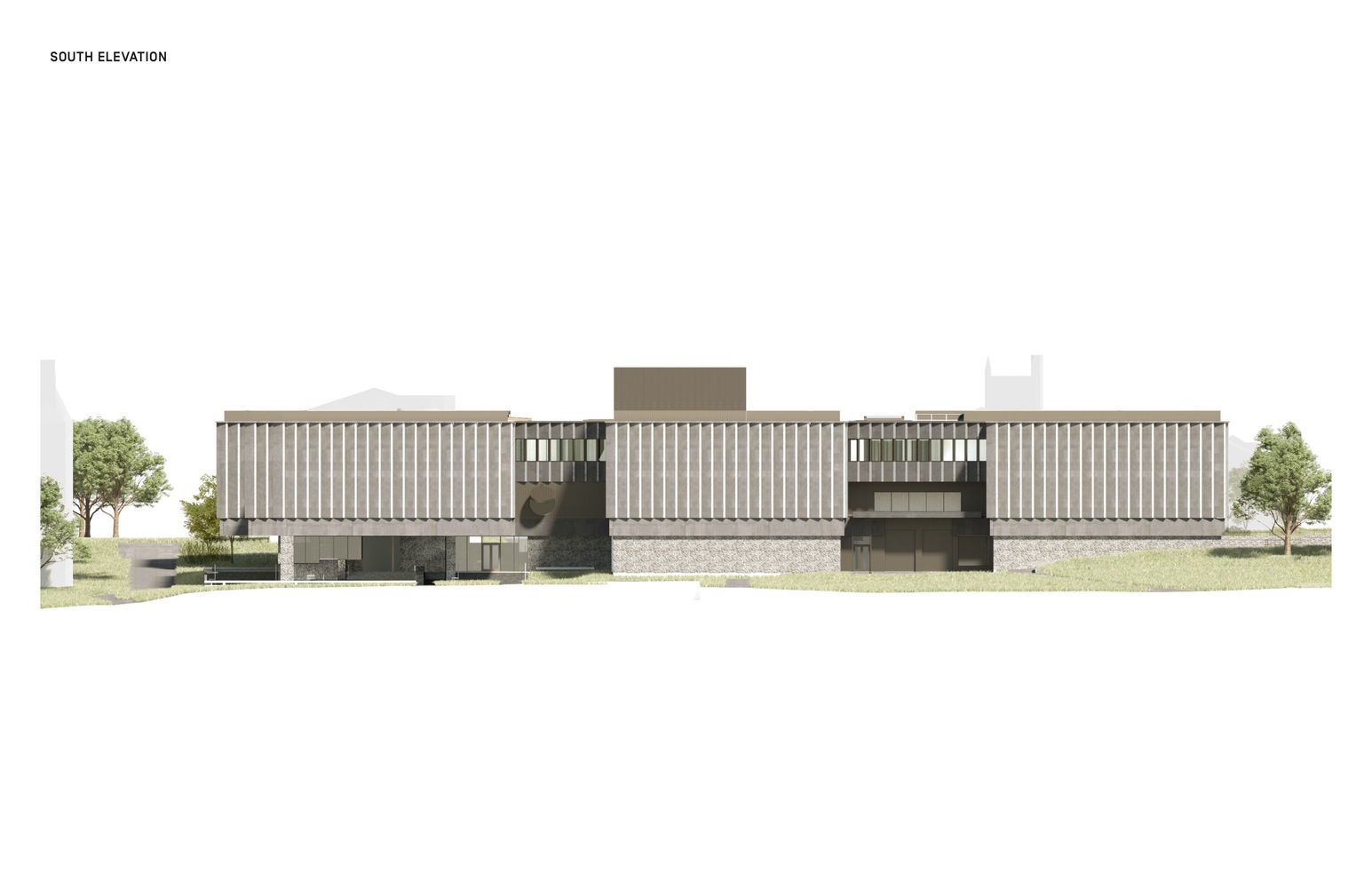
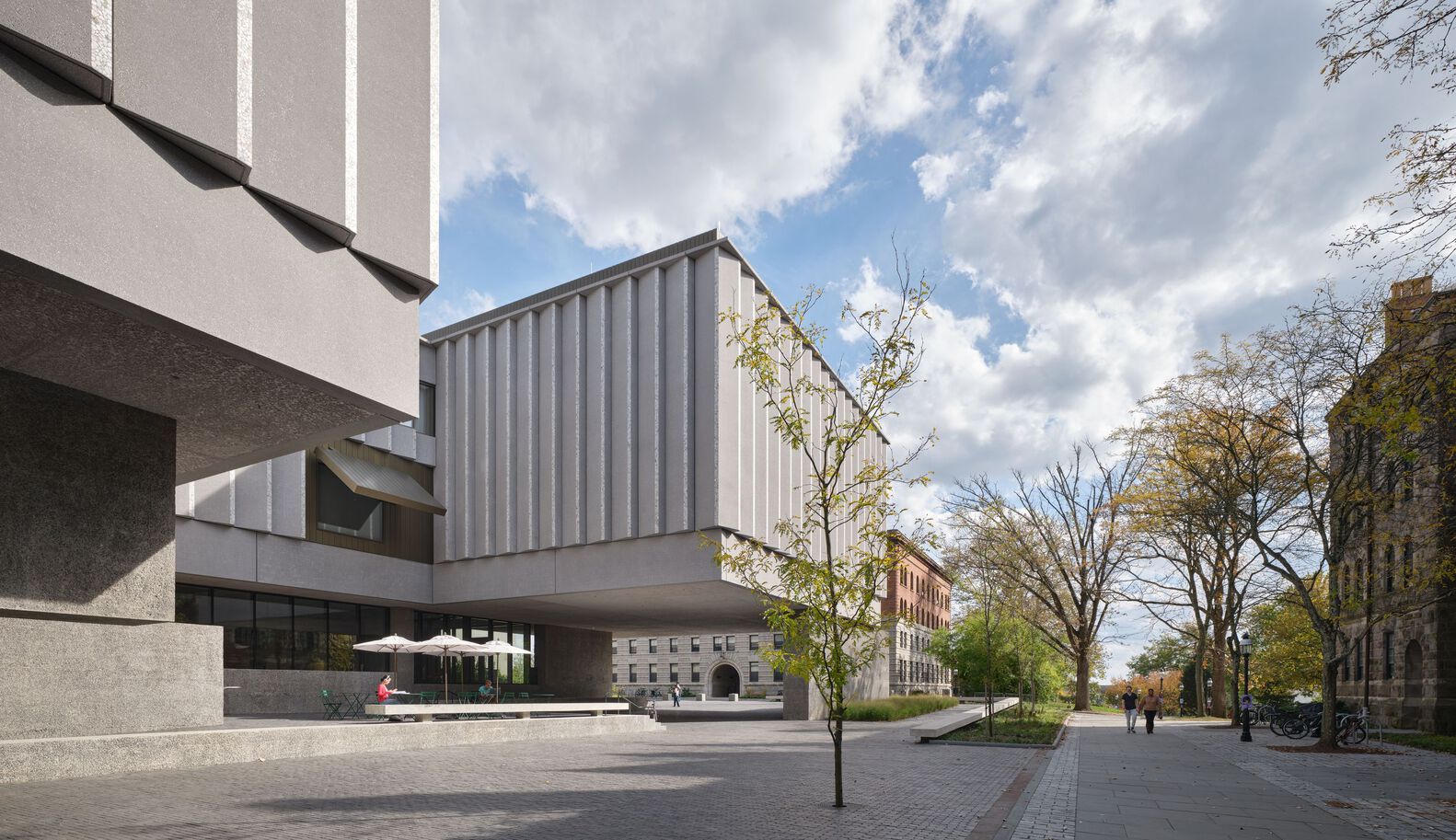
Centrally located between Elm Drive and Chapel Drive along McCosh Walk, the new 146,000 sq ft (13,565 sq m) three-story museum takes inspiration from Princeton's architectural heritage.
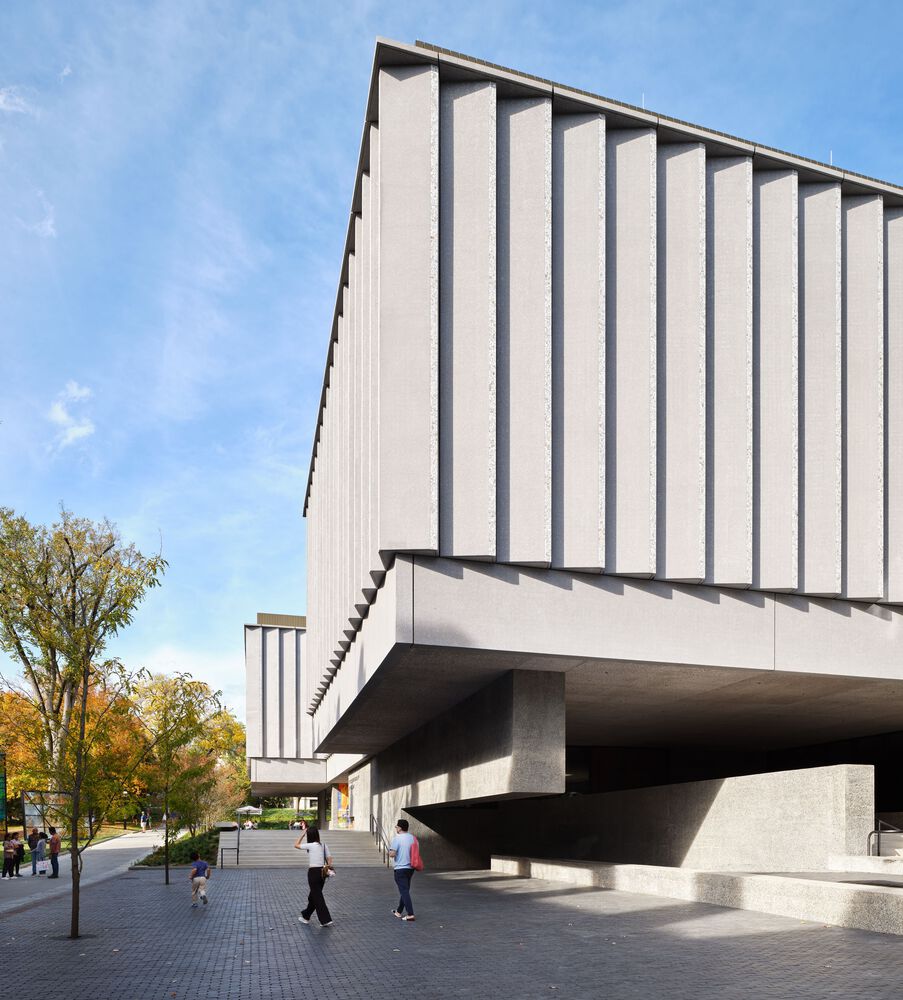
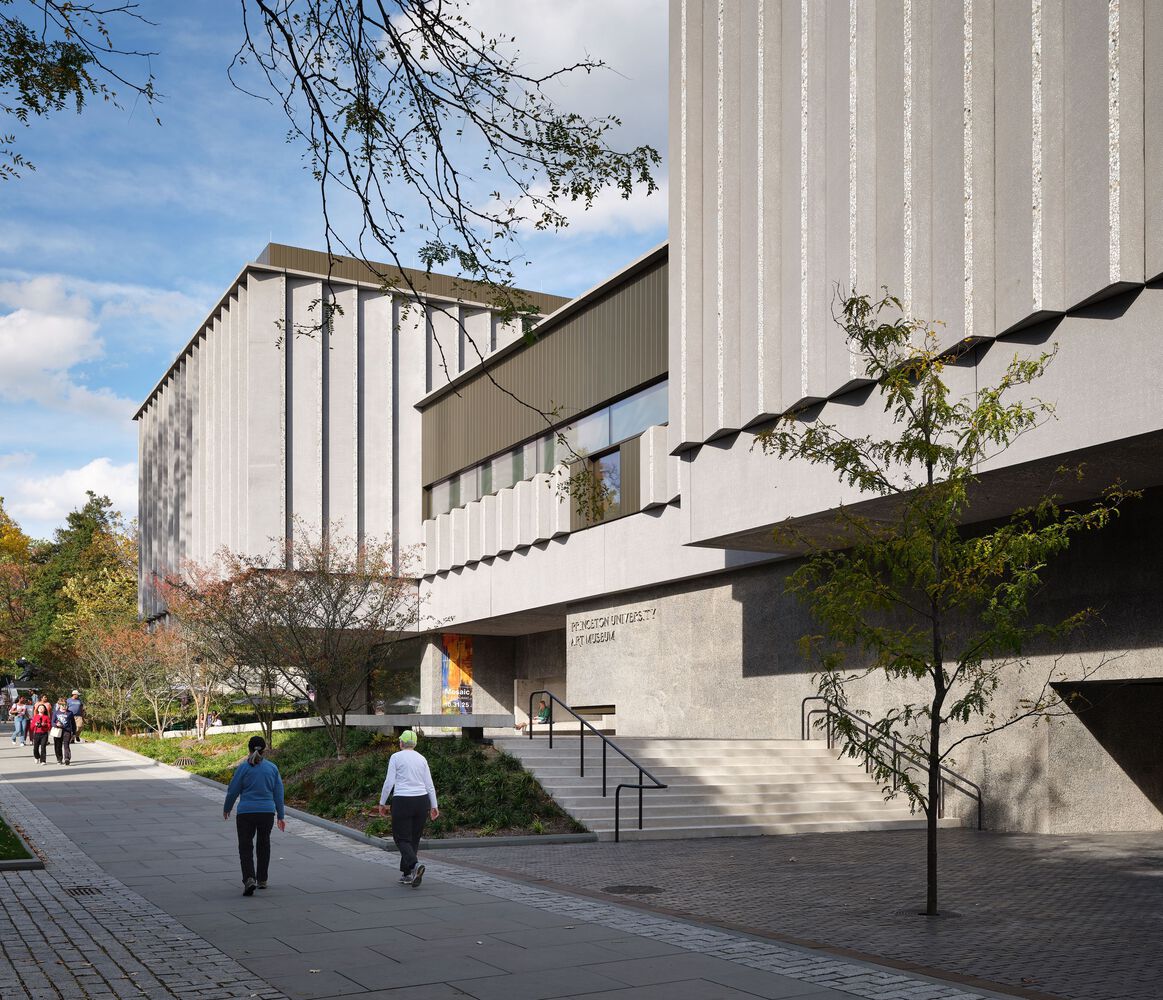
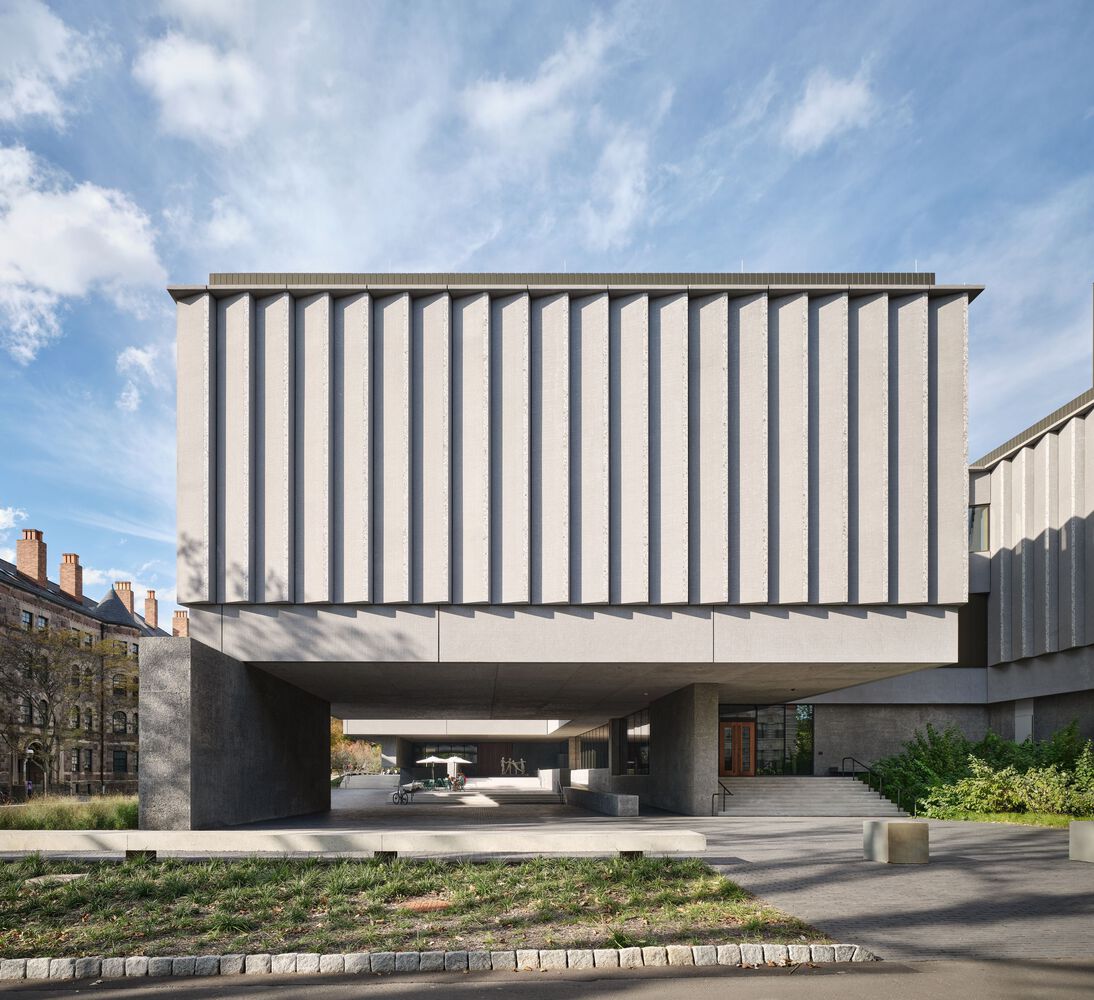
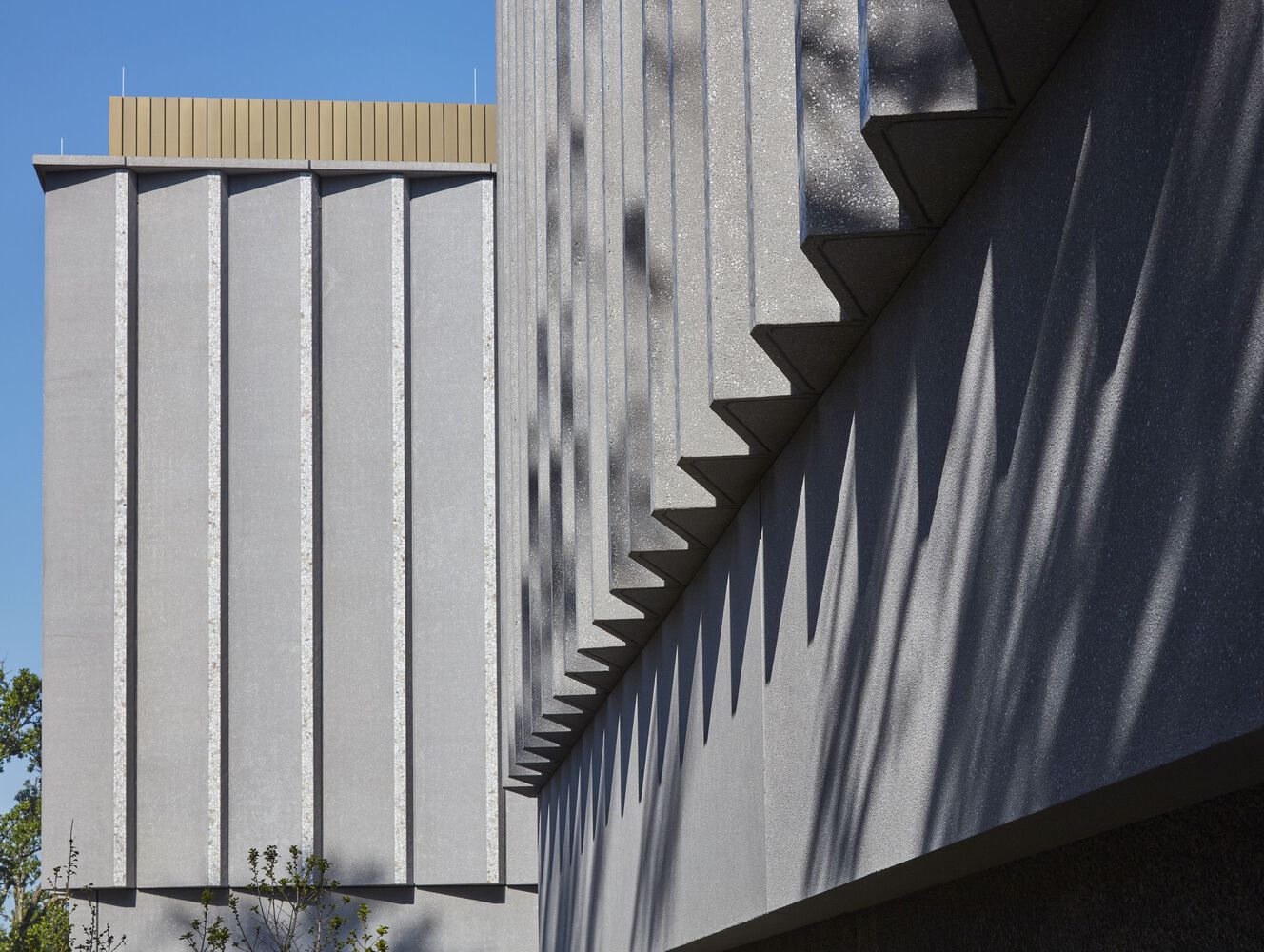
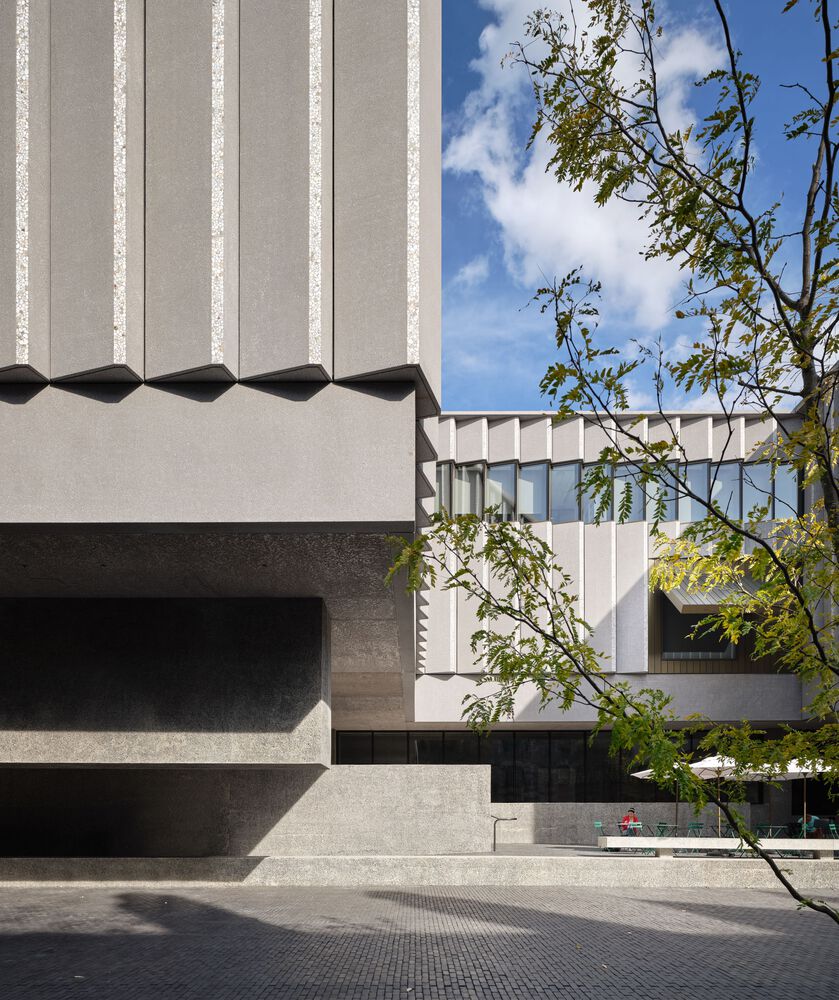
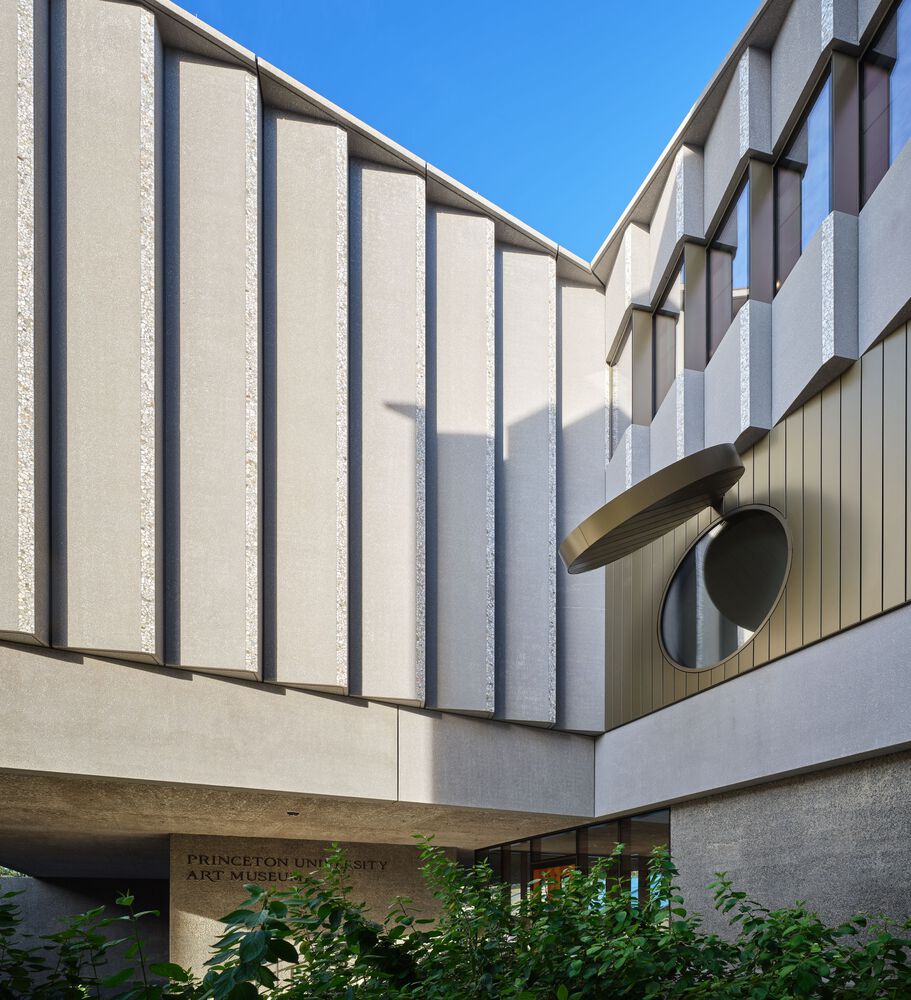
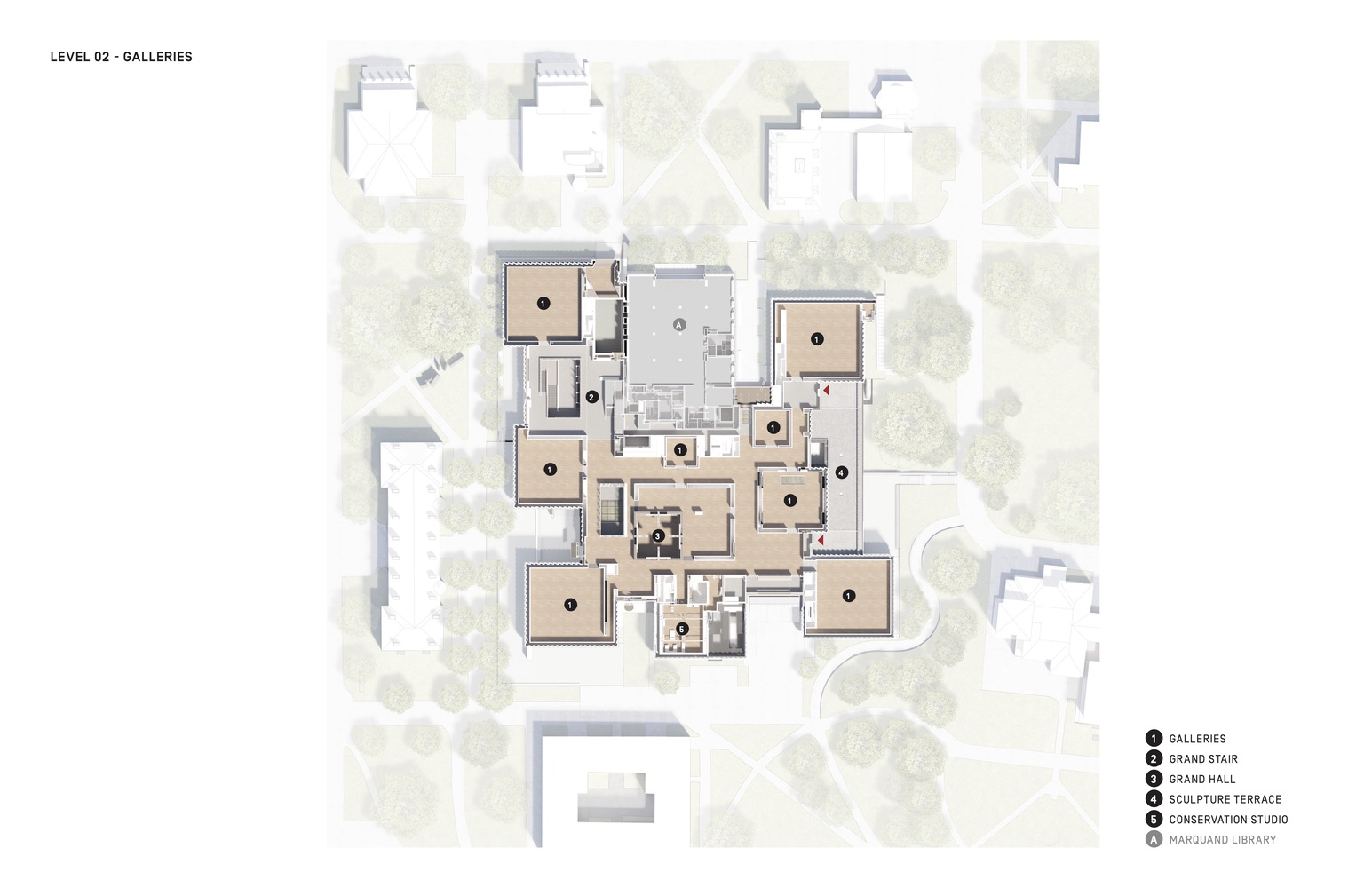
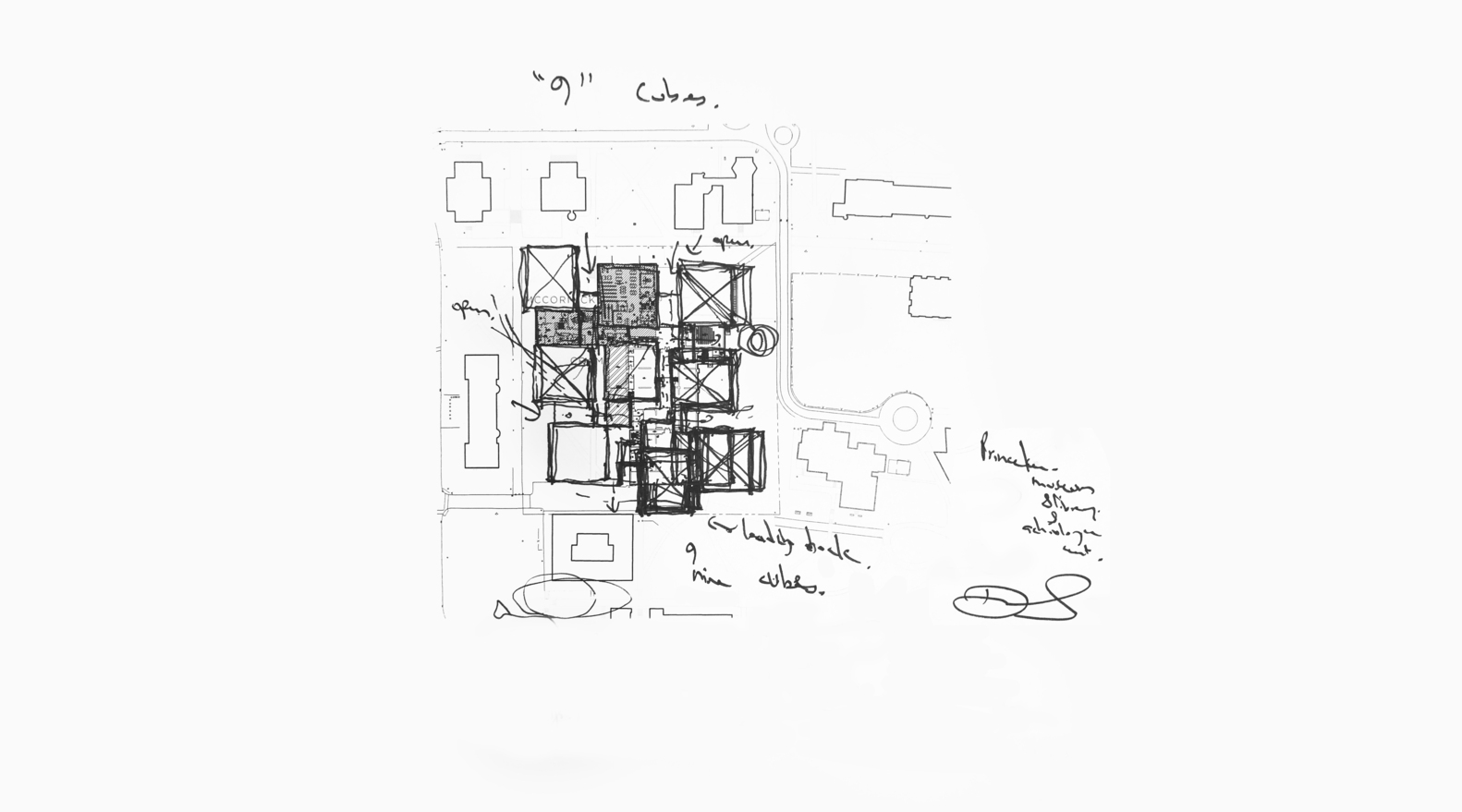
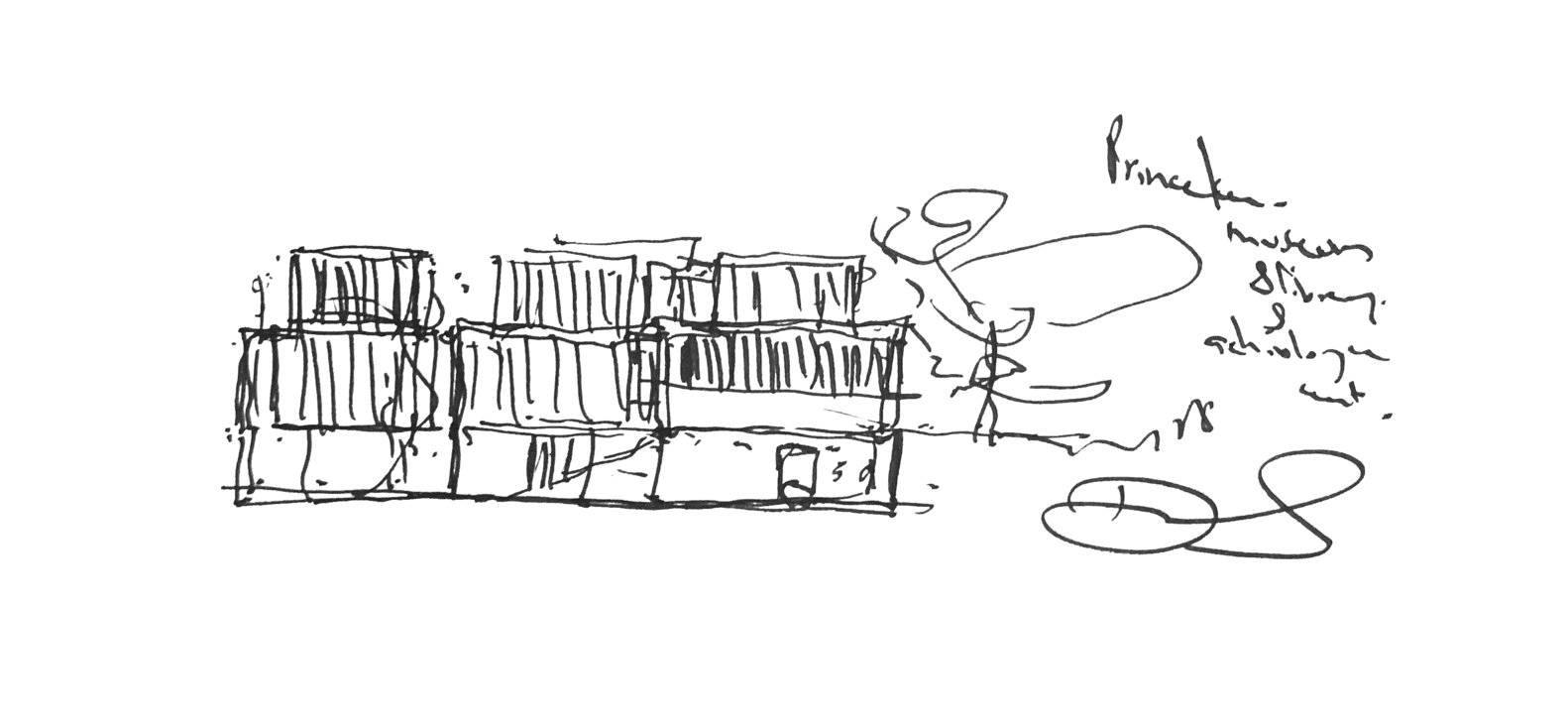
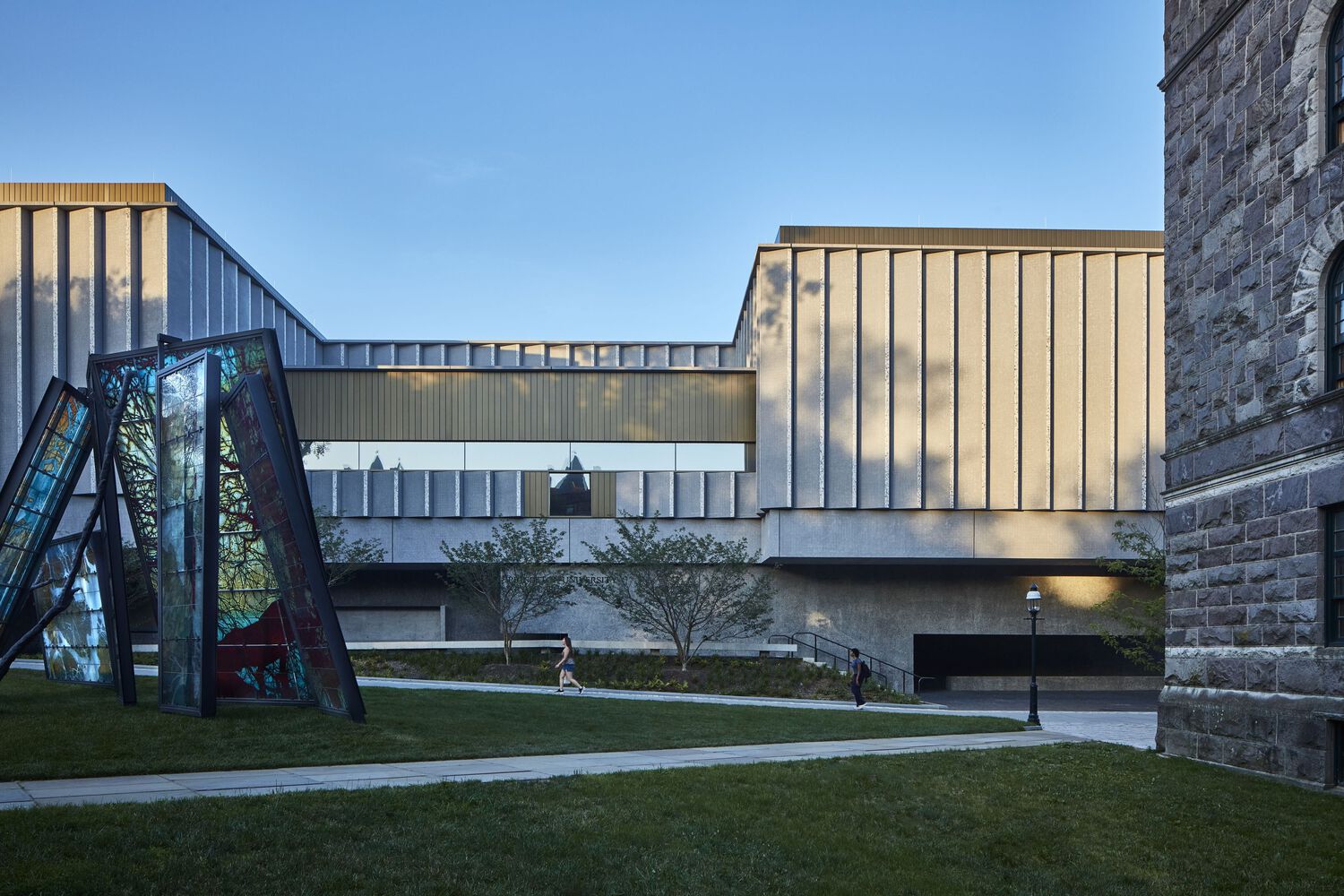
Keying into the permeability of the campus, the design breaks the mass into nine interconnected pavilions that resonate with the surrounding buildings.
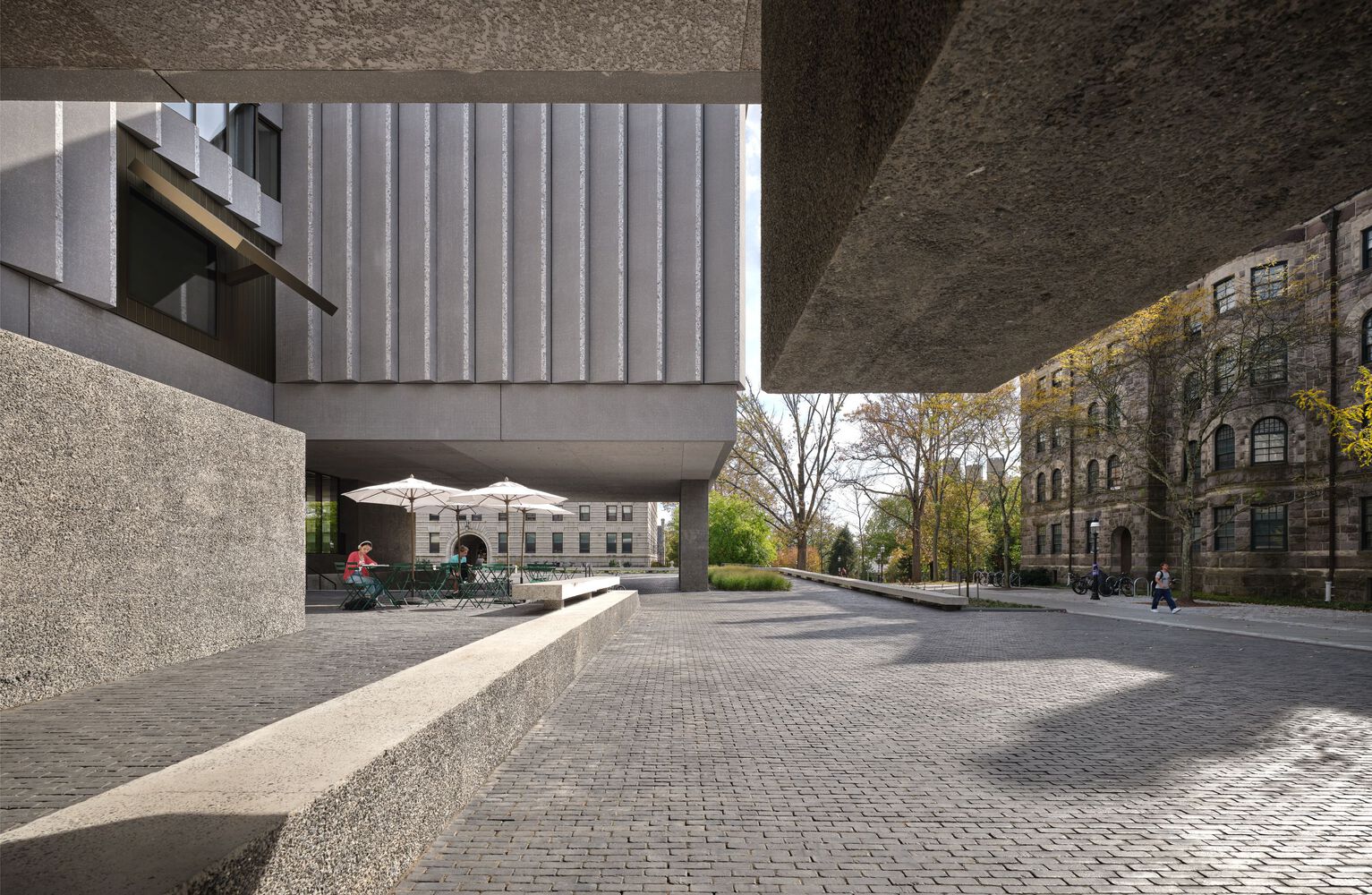
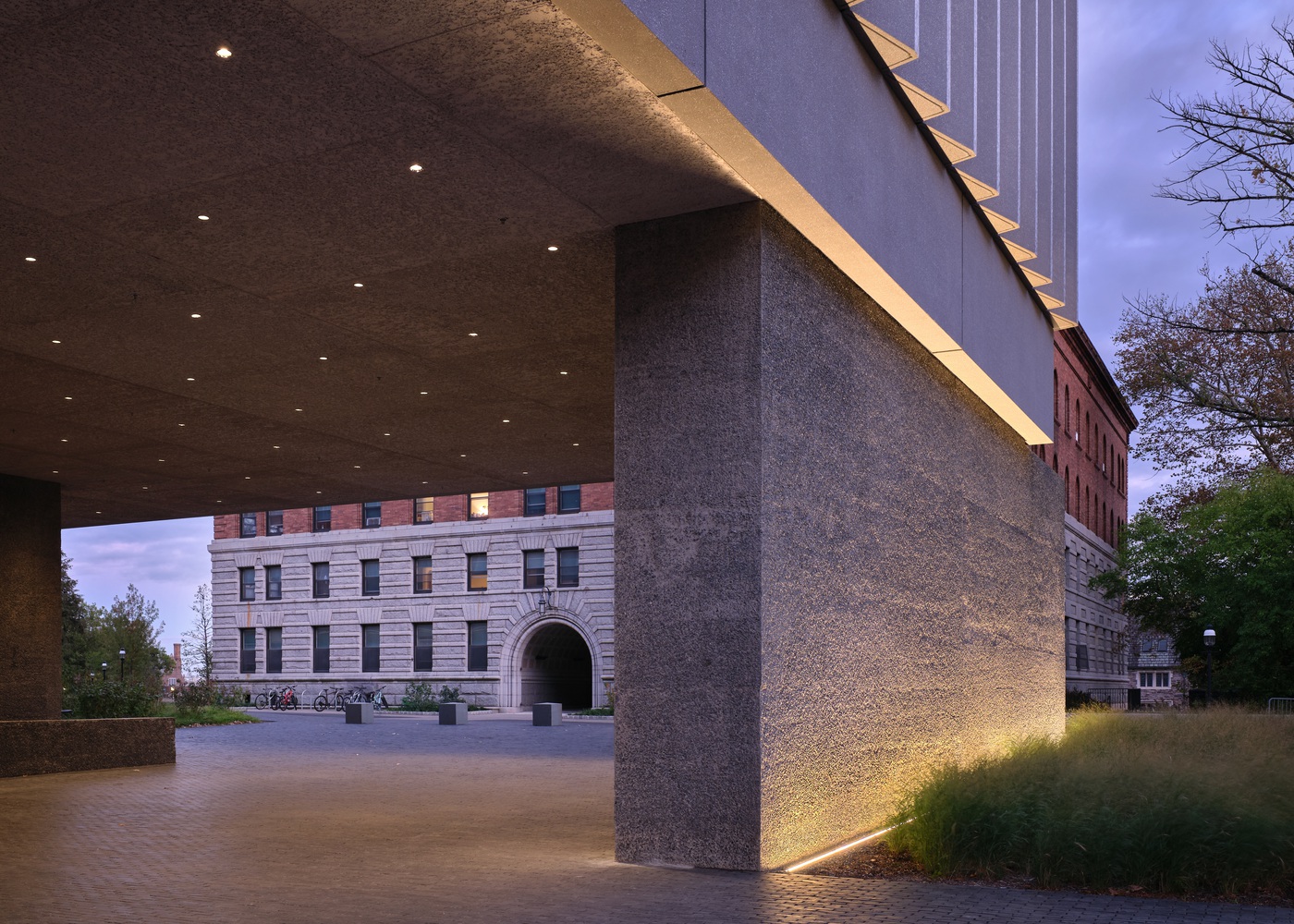
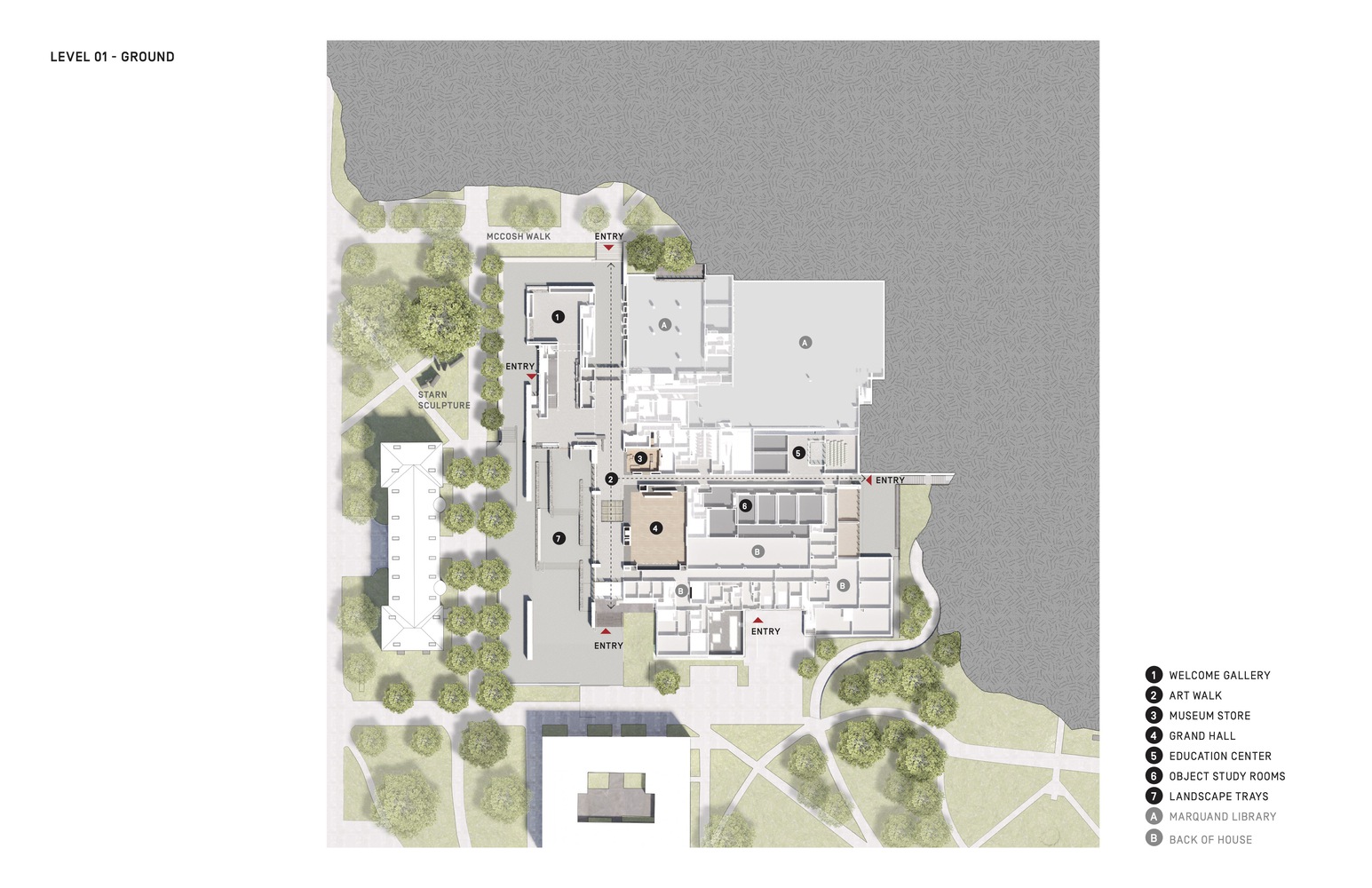
Organized around two main axes, north-south and east-west, the museum aligns with existing desire lines, ensuring it remains integrated with daily college life even when the galleries are closed.
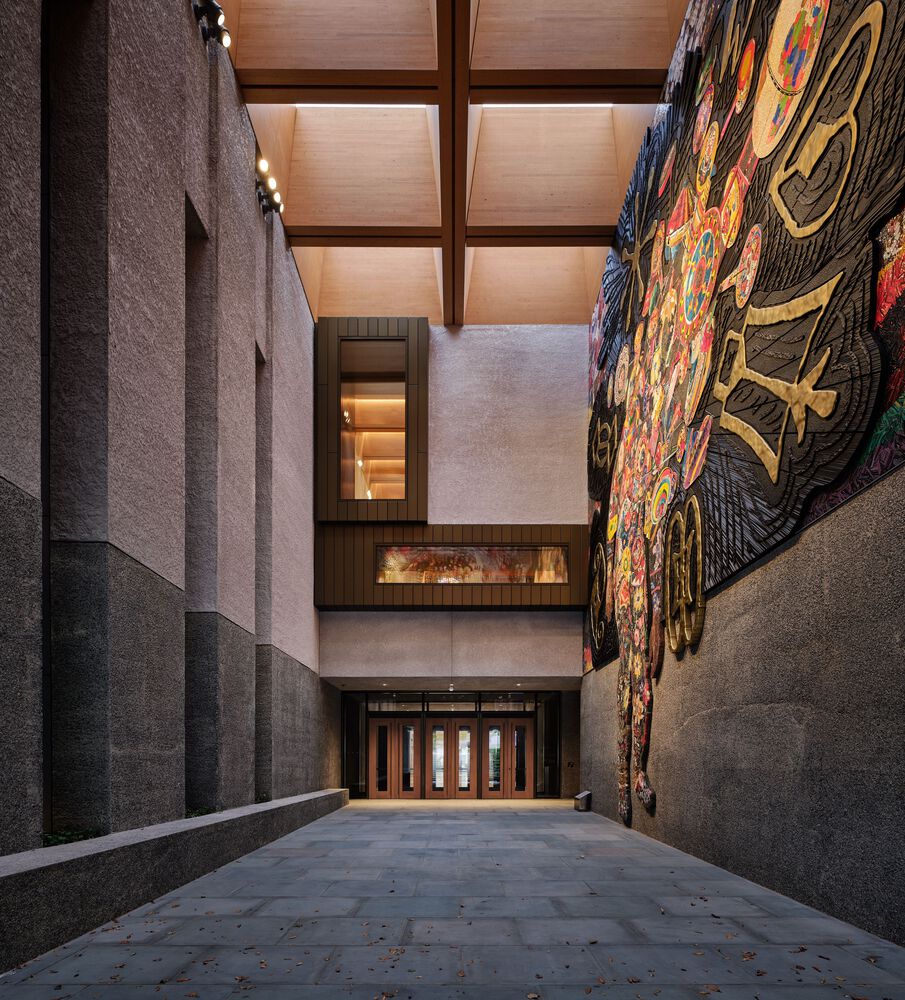
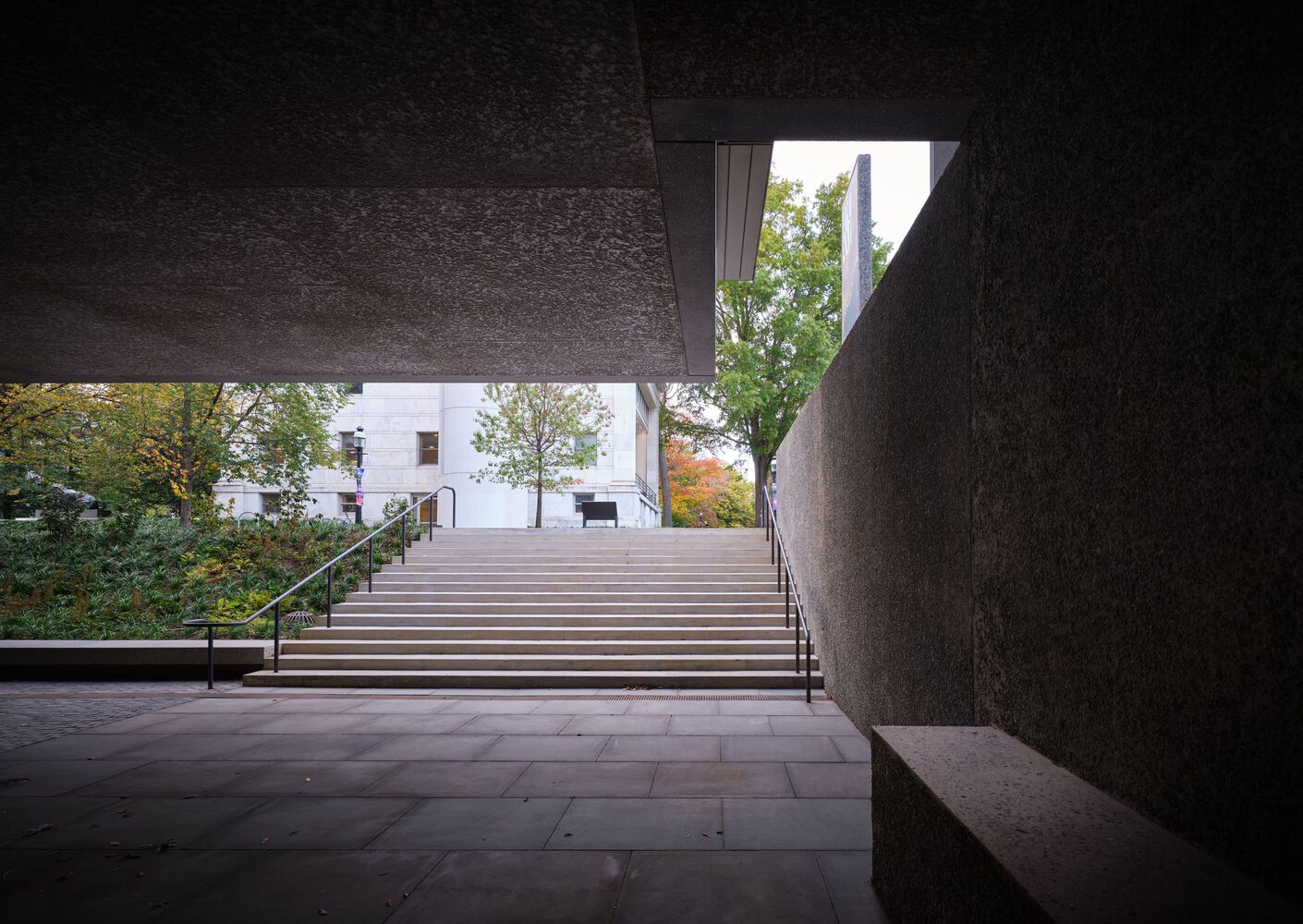
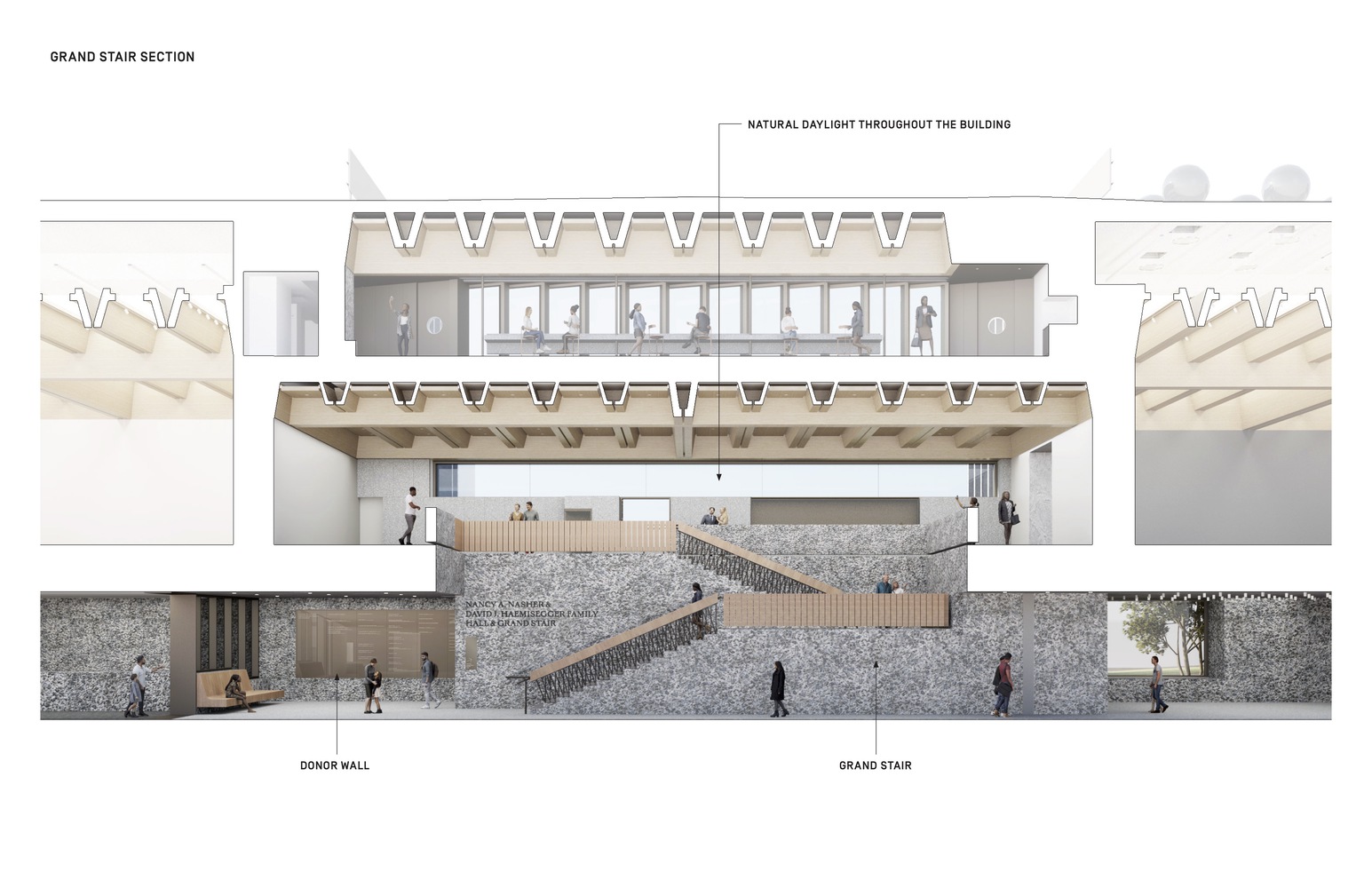
Two major "artwalks" traverse the ground floor, linking the building to existing campus circulation and allowing parts of the museum to remain active beyond gallery hours.
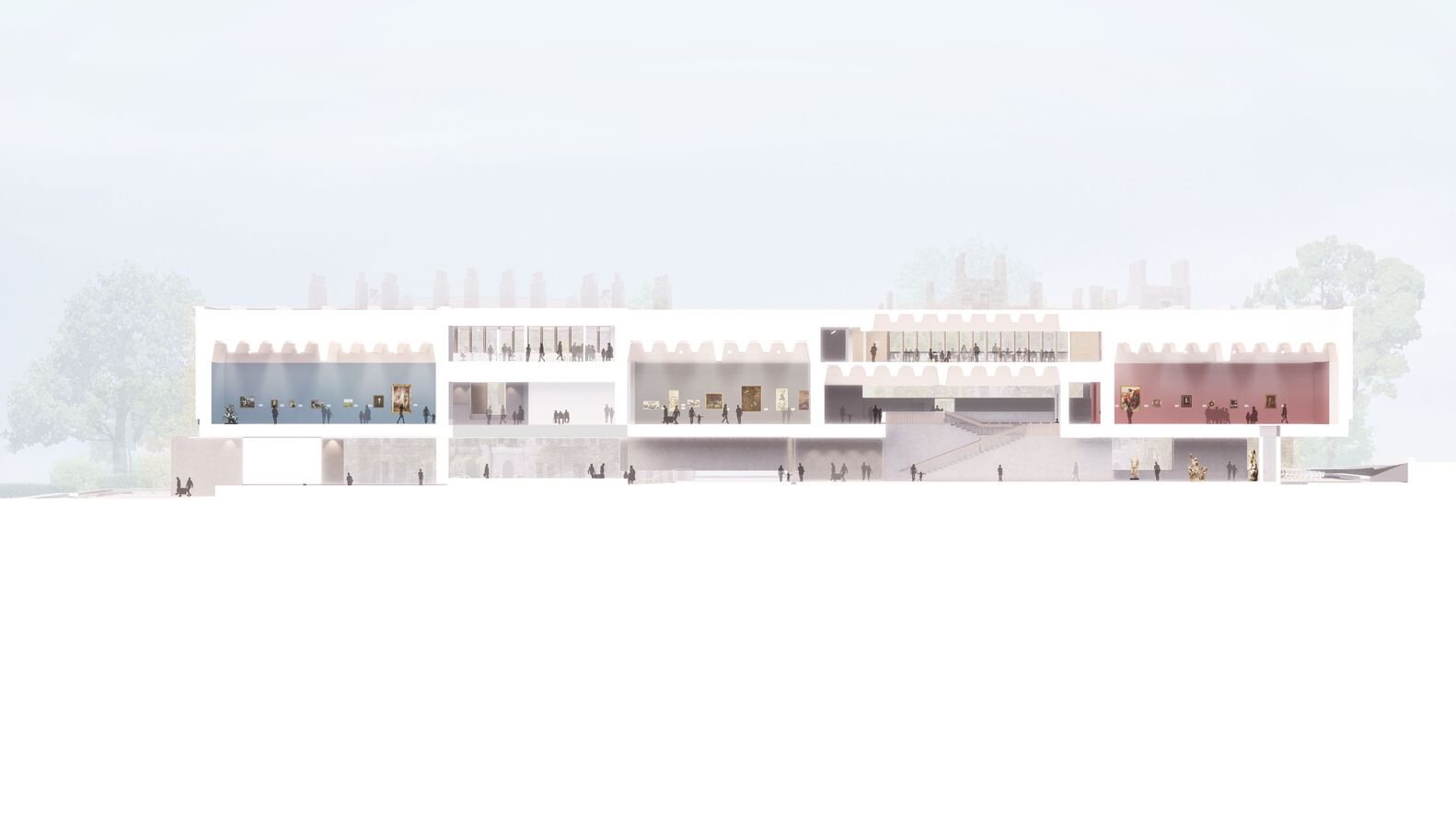
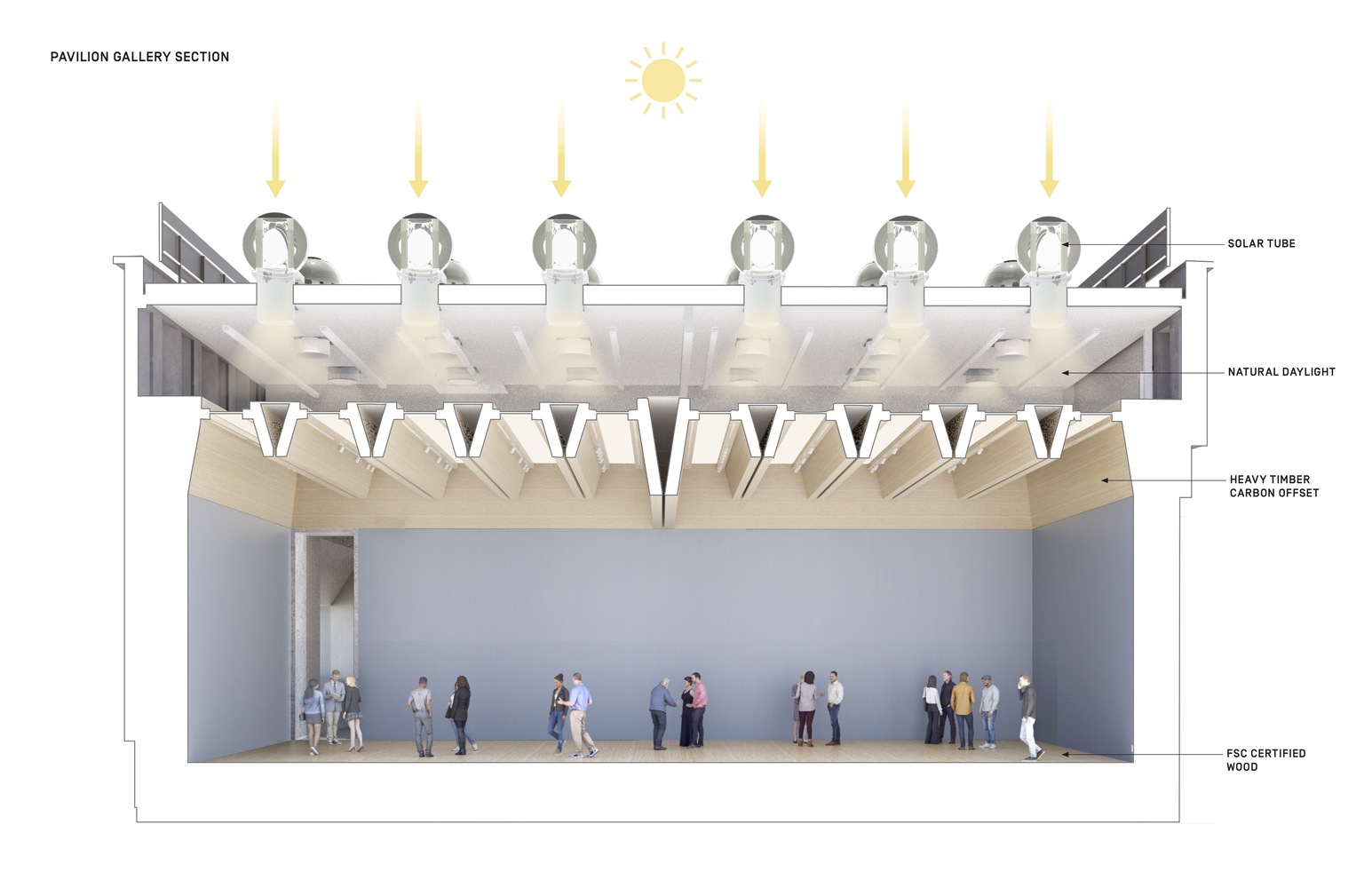
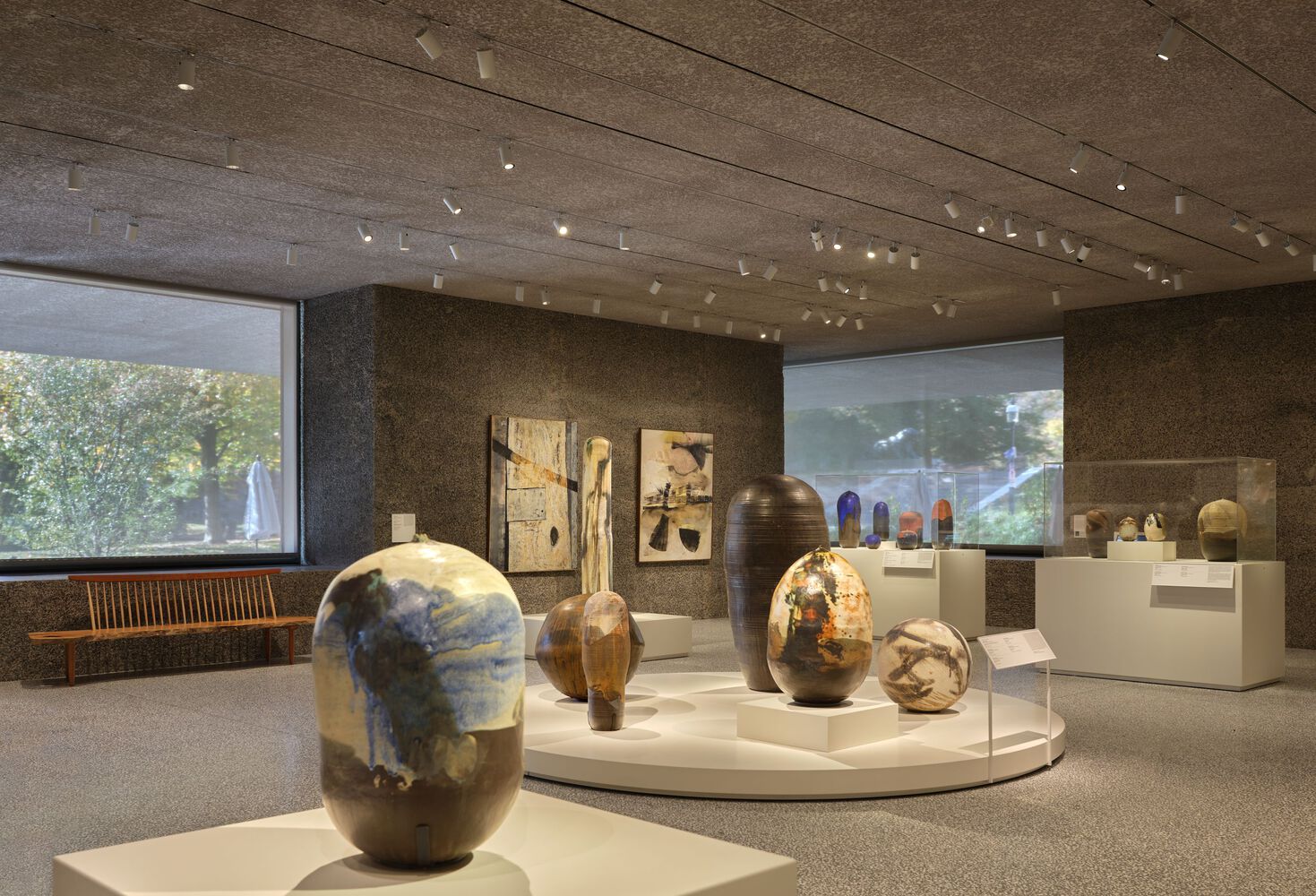
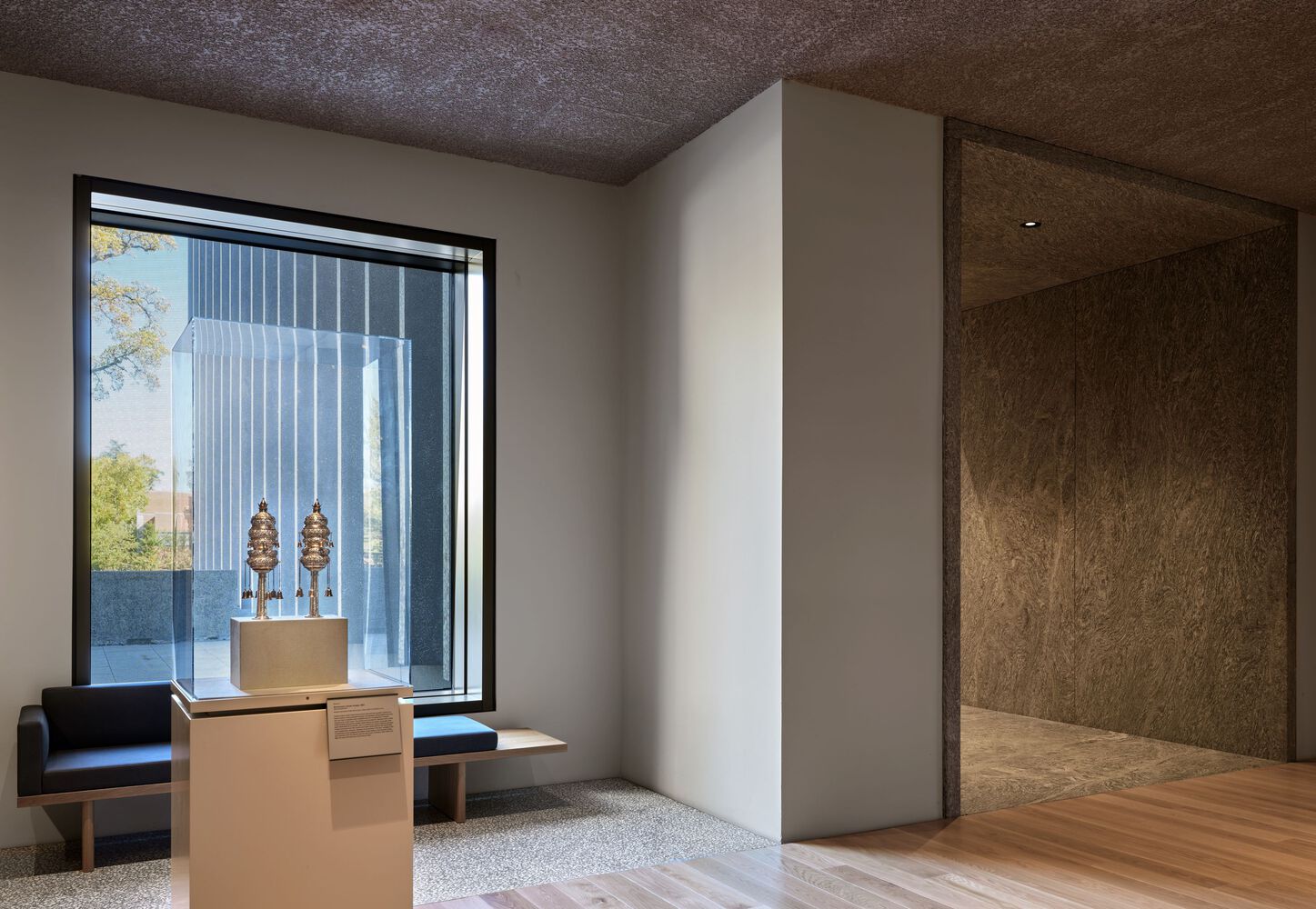
Galleries are arranged as a sequence of volumes interspersed with in-between spaces that frame views to college landmarks, the landscape, and outdoor sculpture.
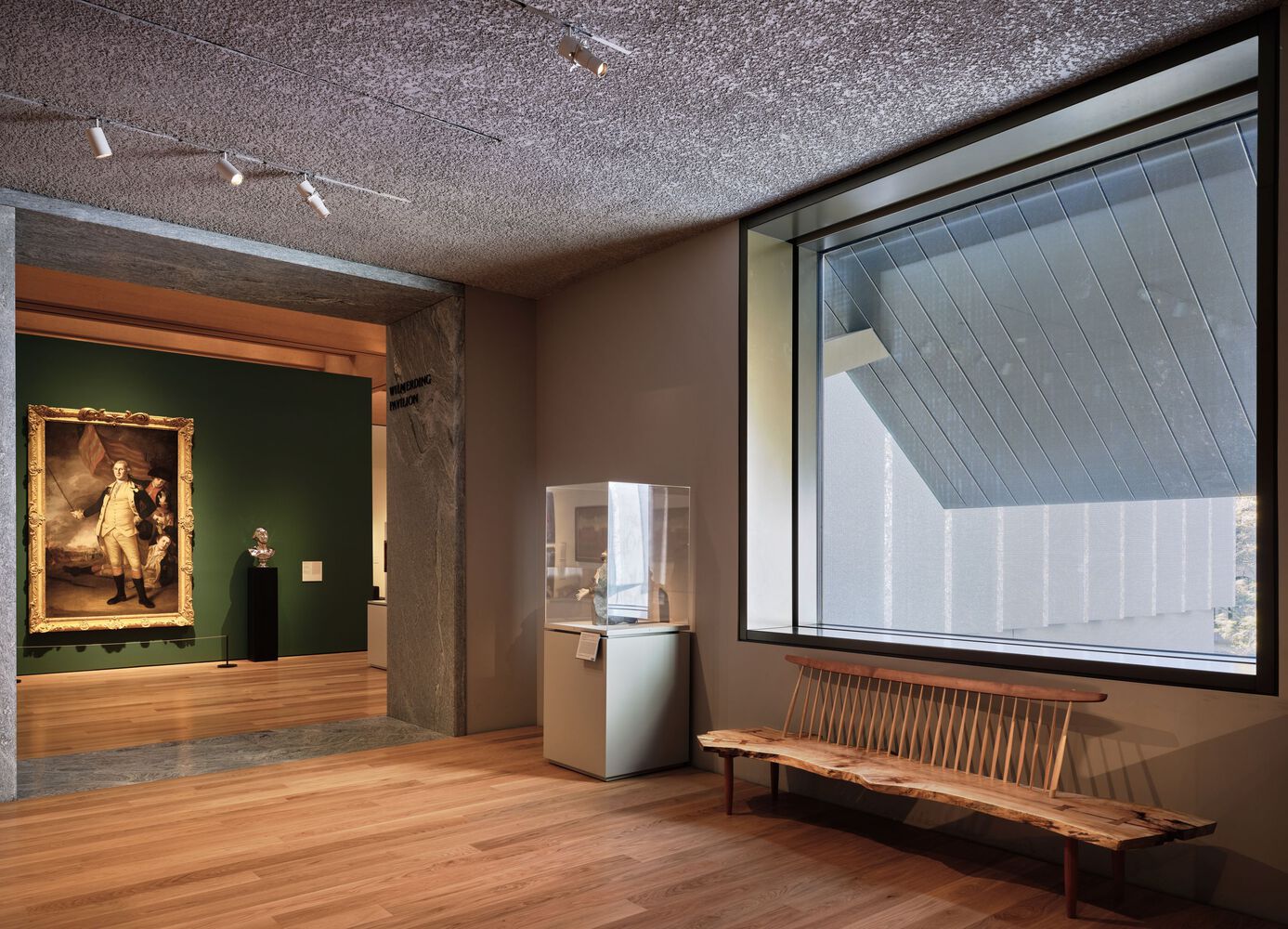
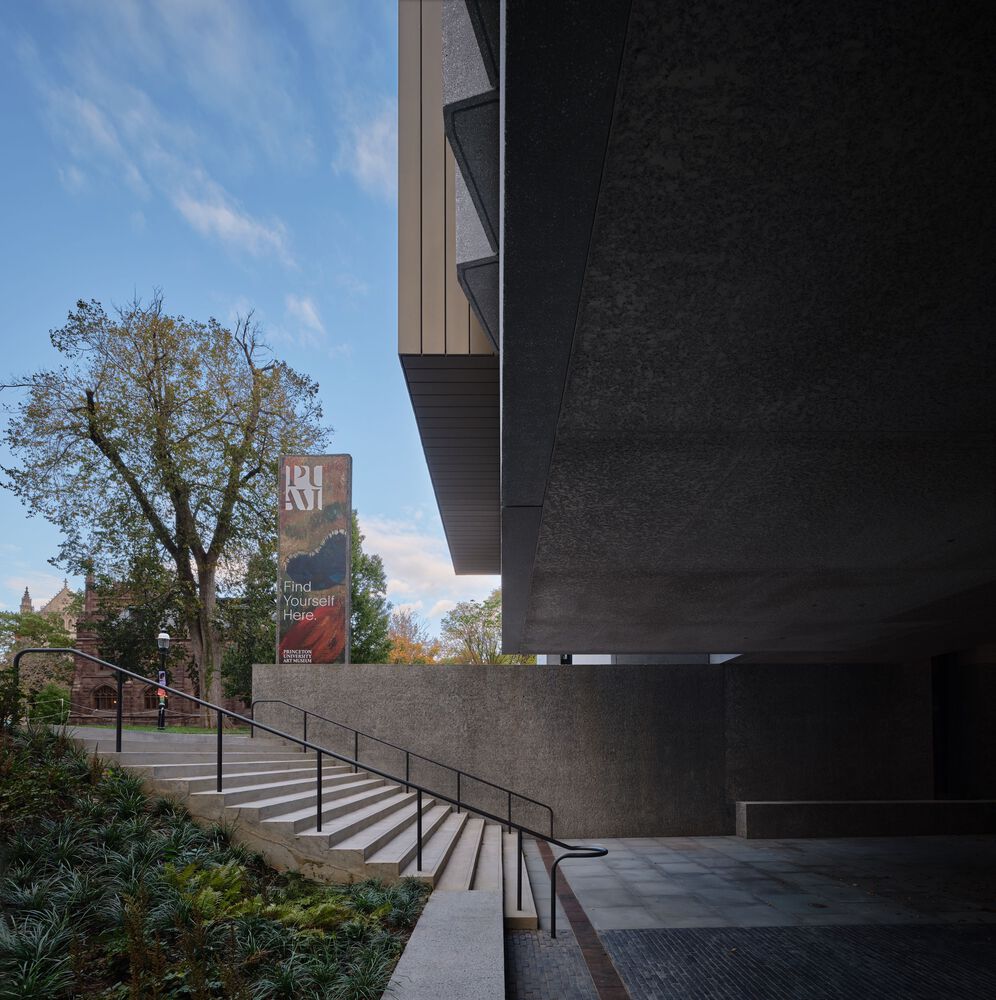
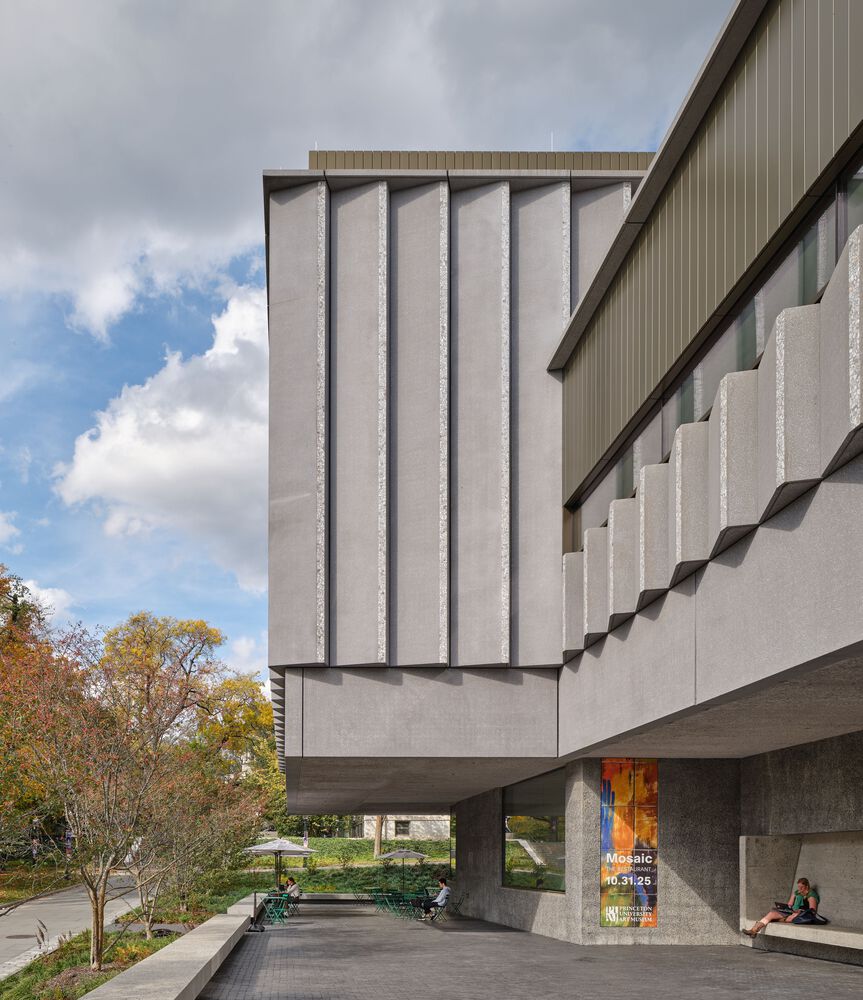
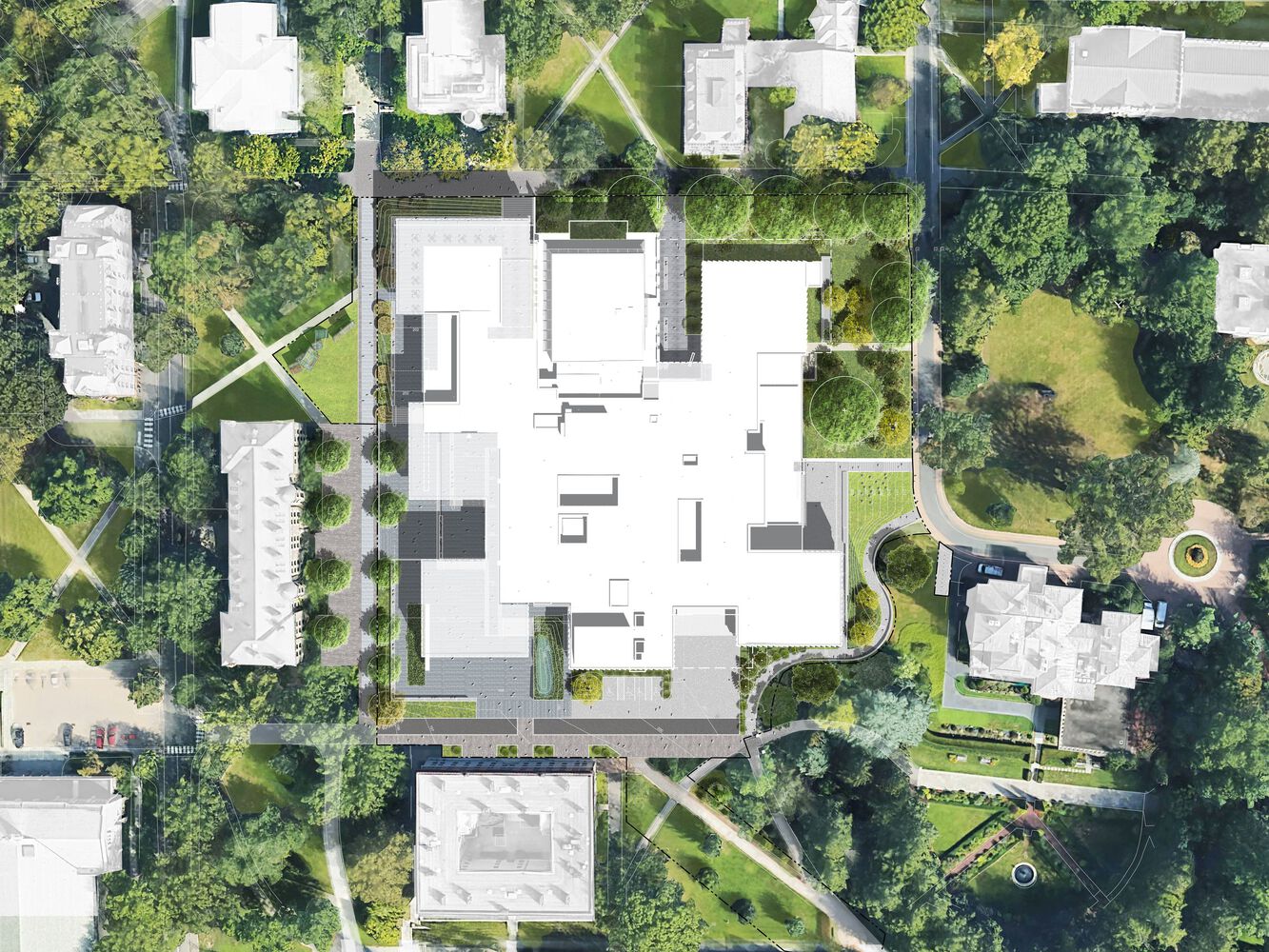
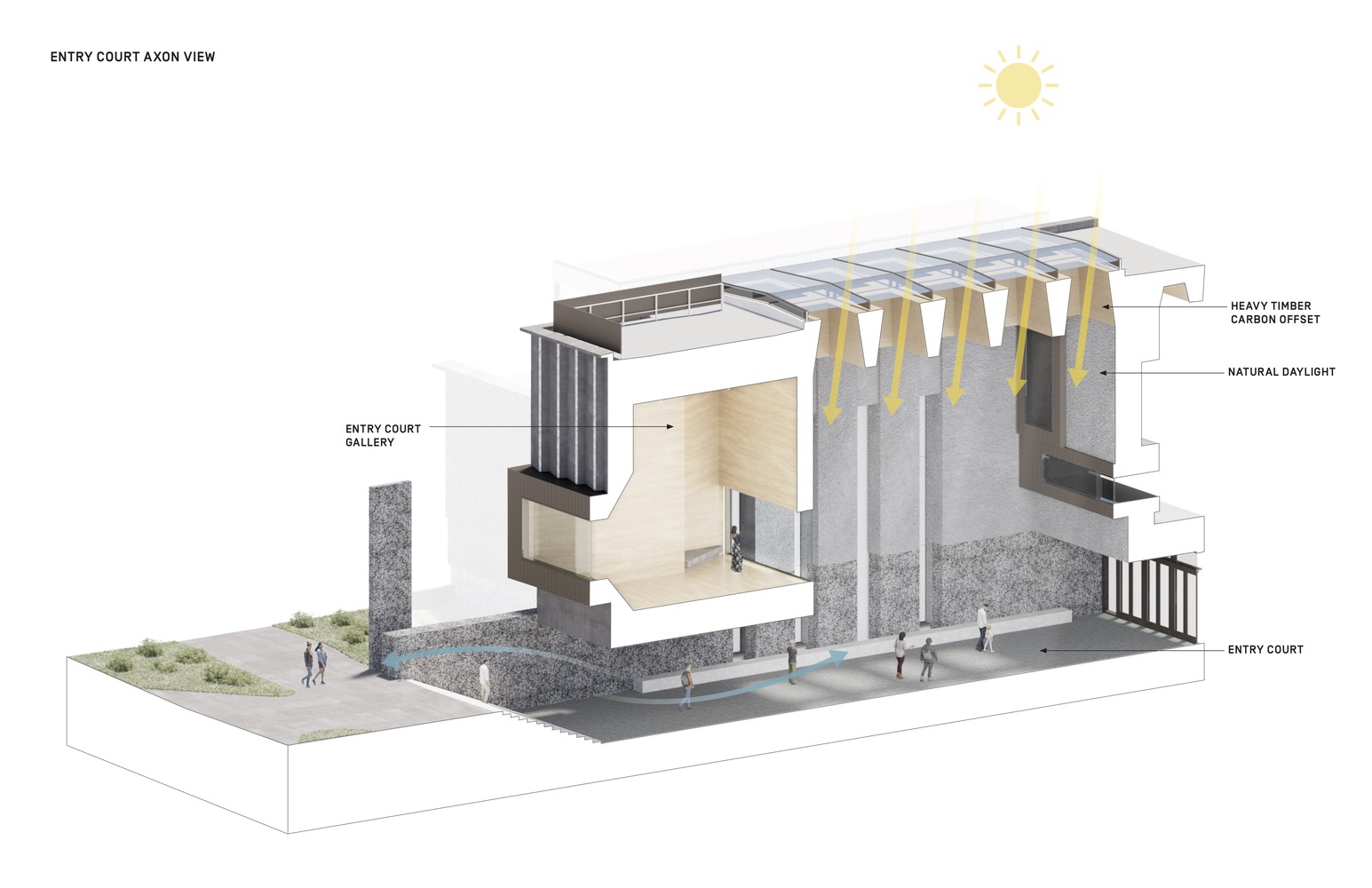
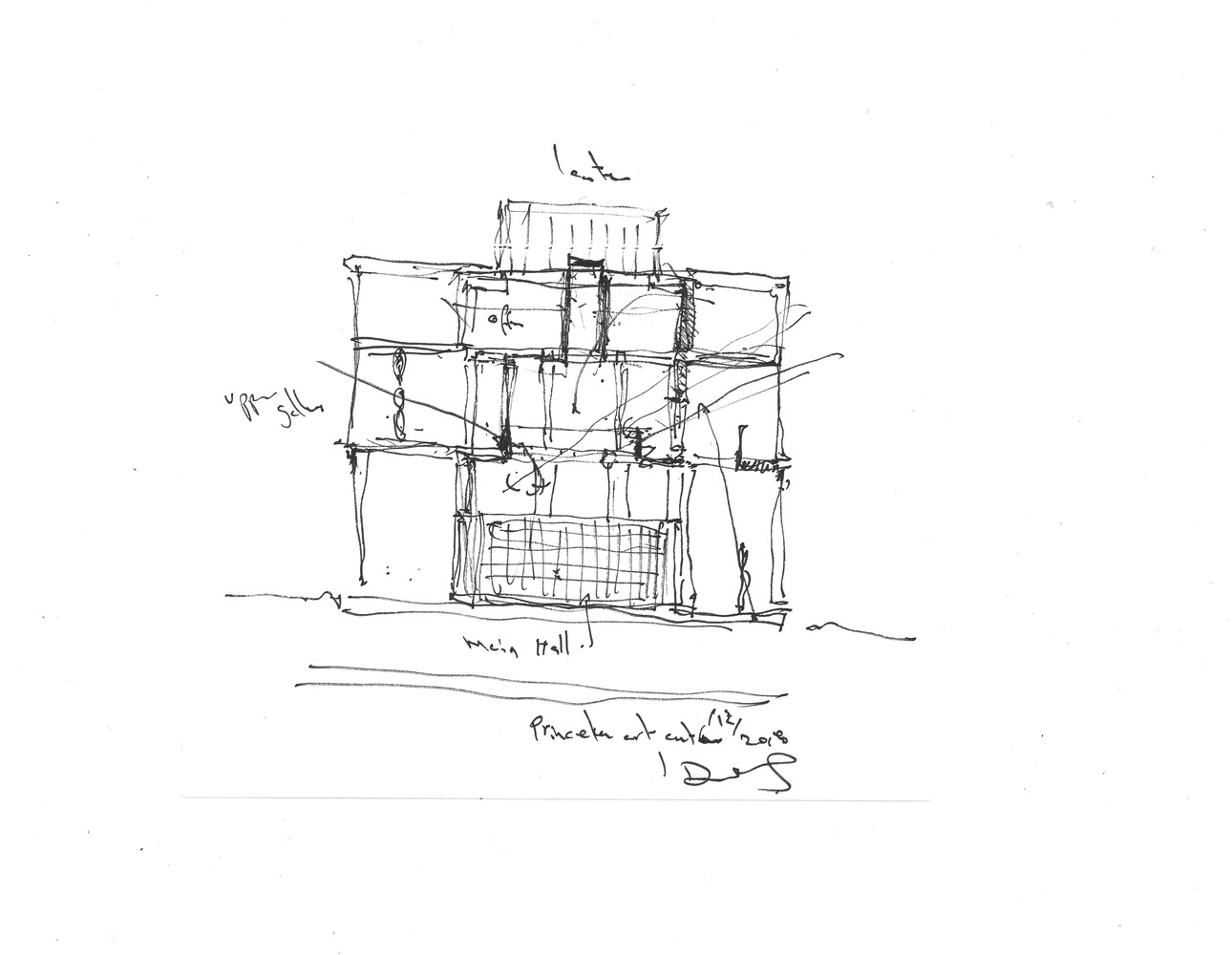
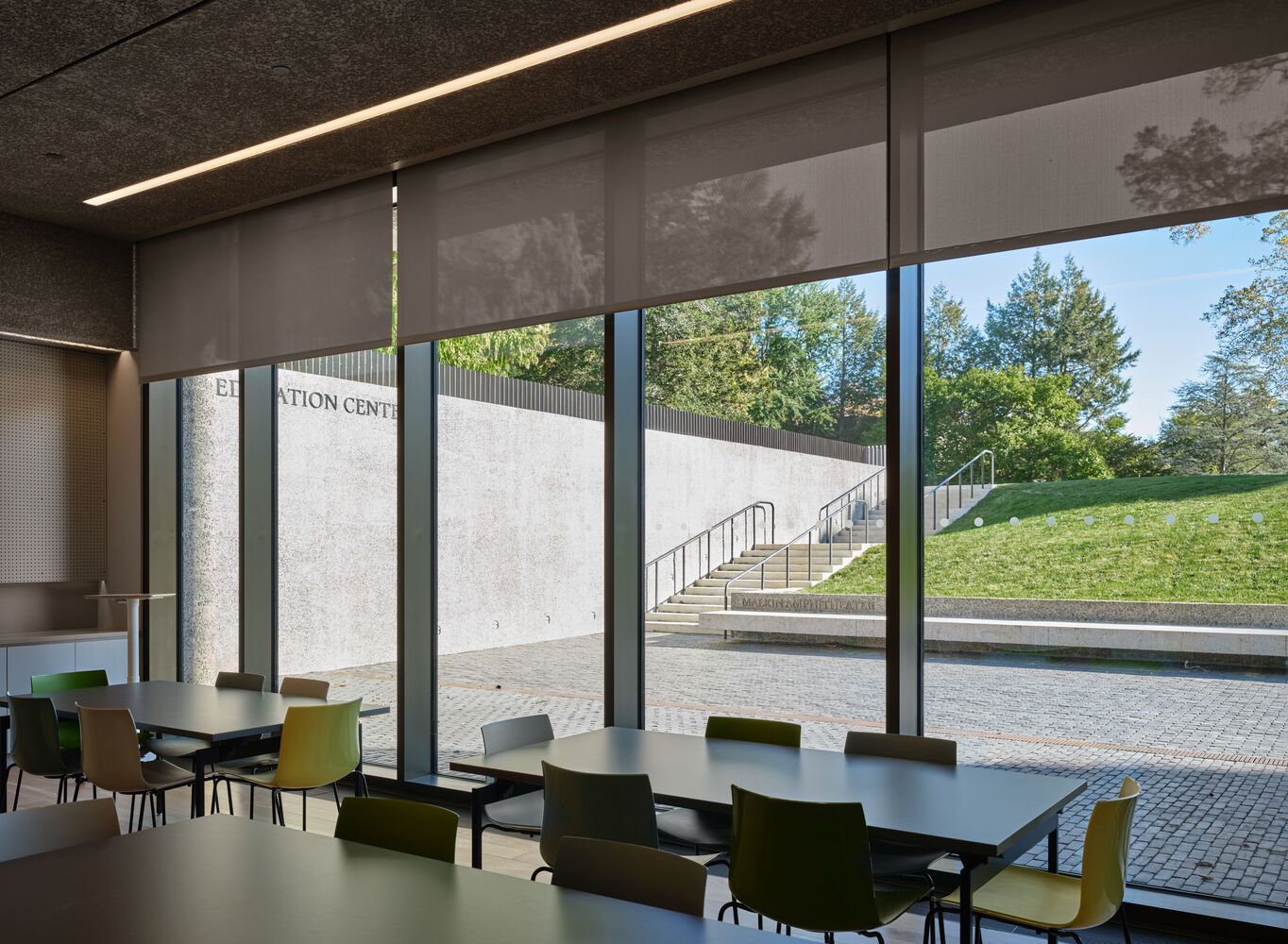
The massing responds to the site's natural gradient, stepping down to create terraces, open-air courtyards, and outdoor gathering spaces for events ranging from 200 to 2,000 people.
The landscape design preserves mature elms and beeches along McCosh Walk, relocating significant trees where possible, and introducing new green terraces that blend the museum and the topography.
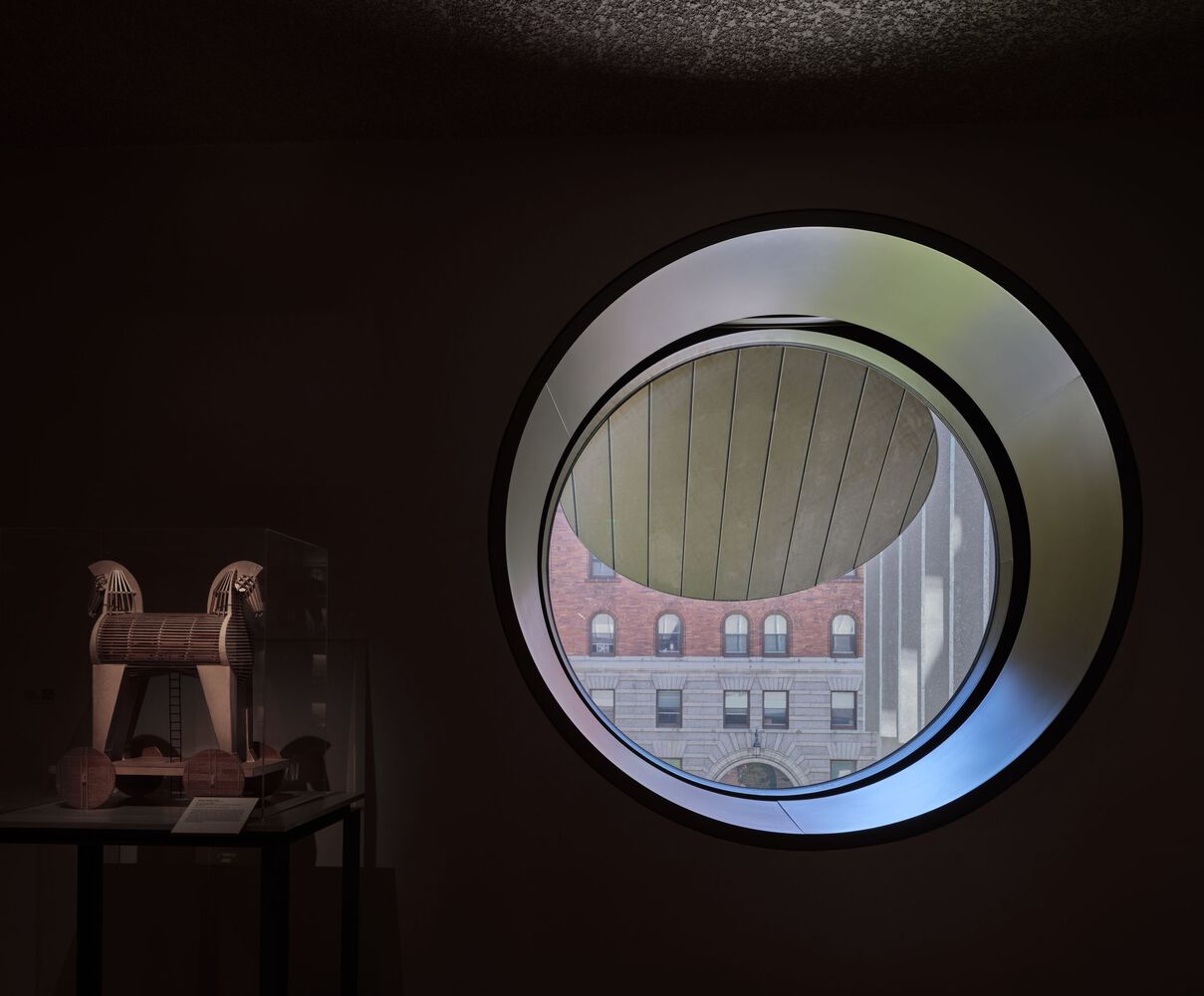
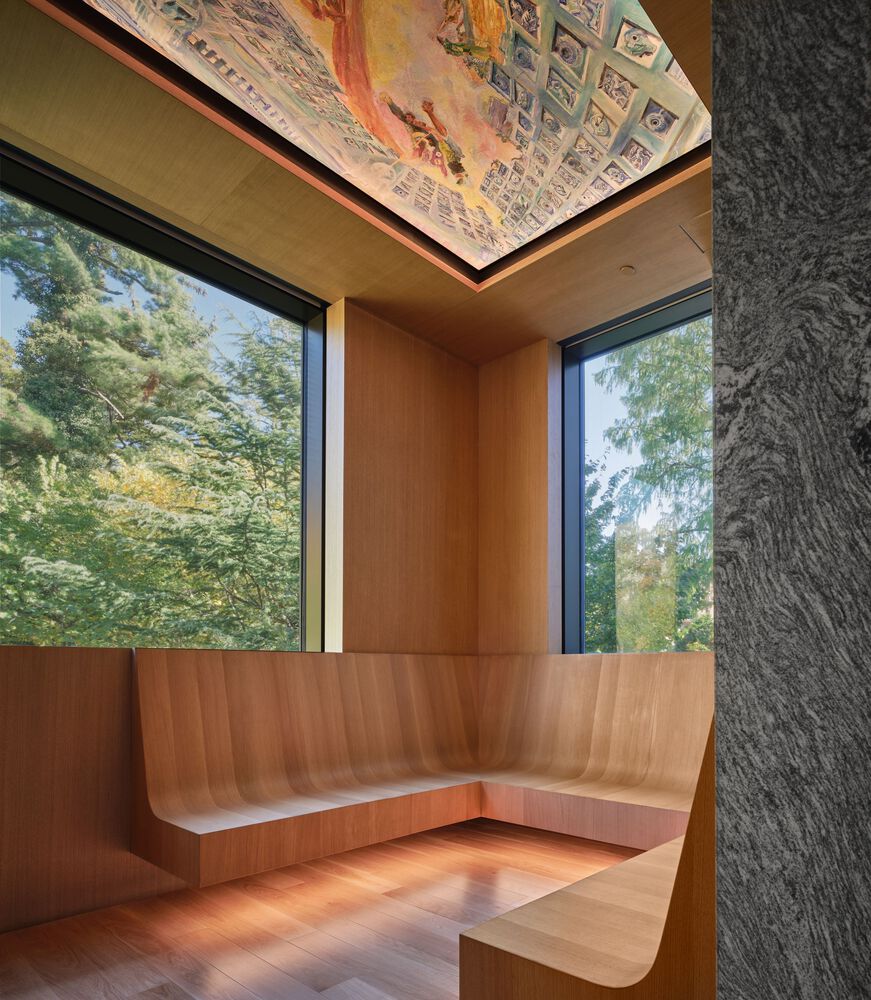
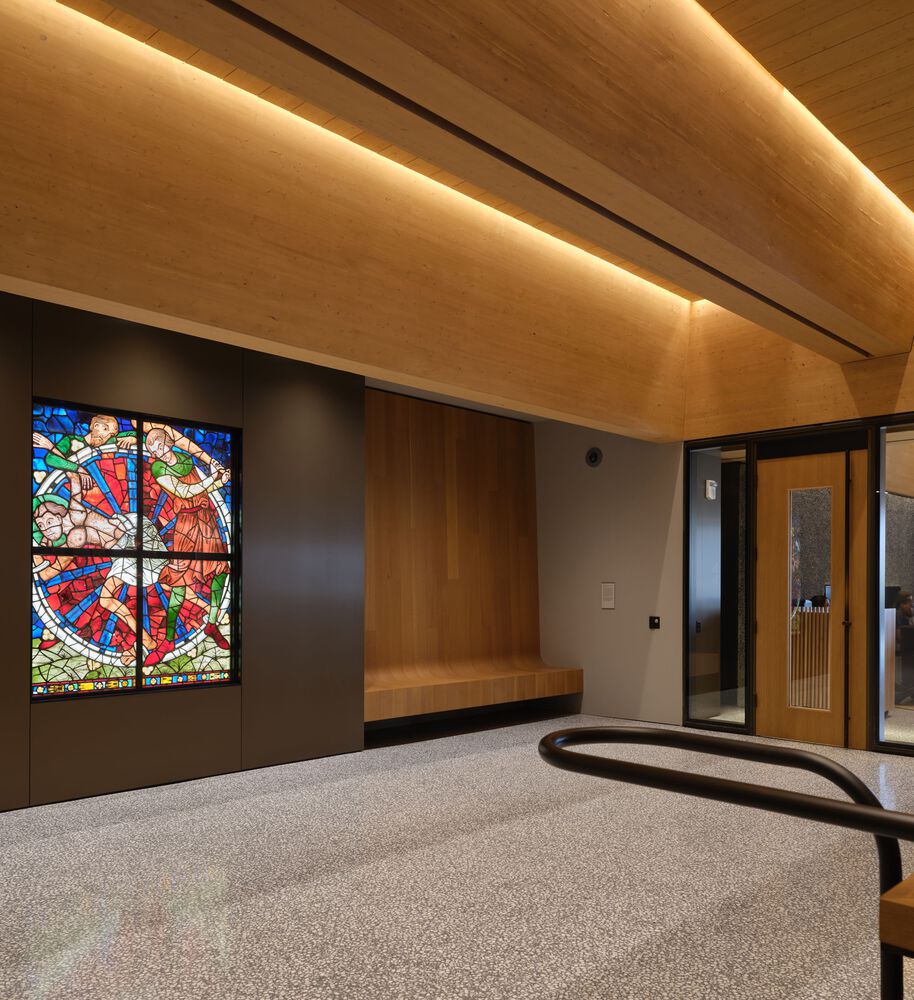
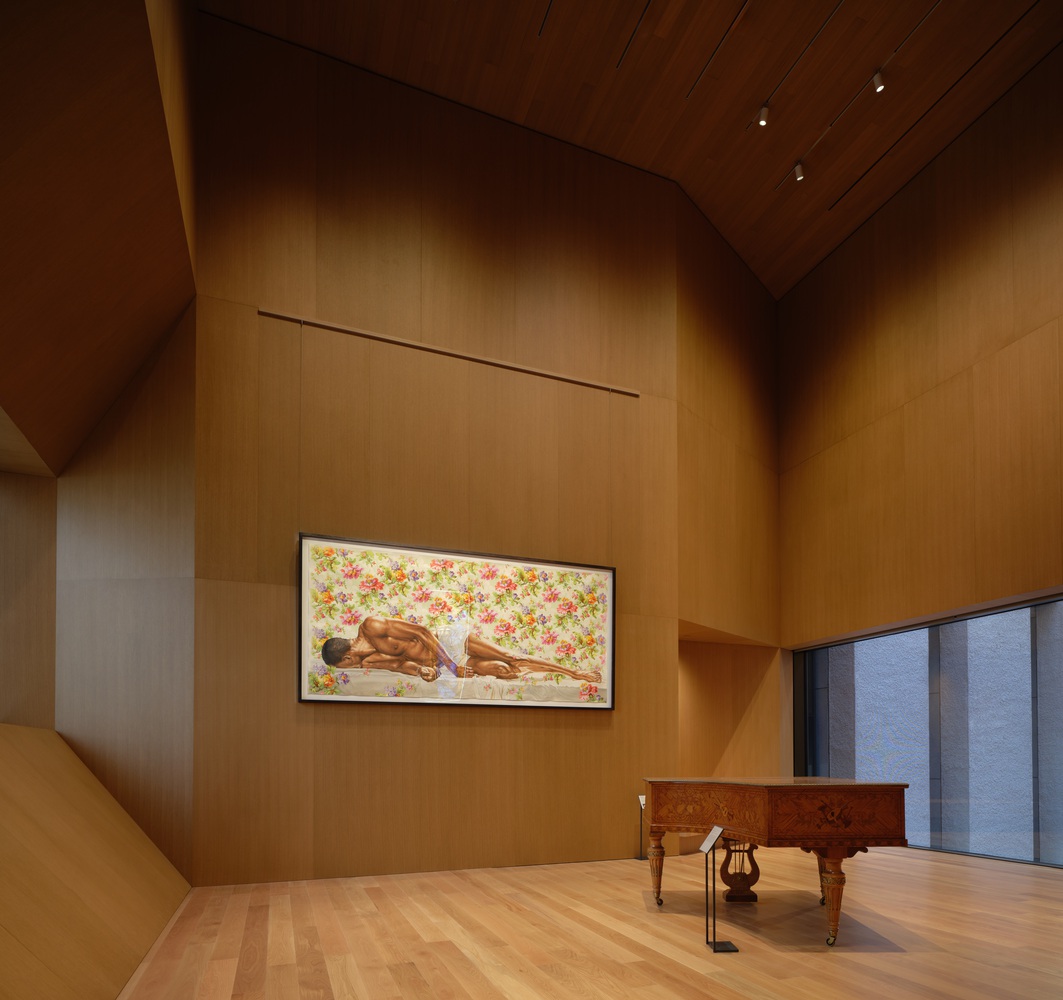
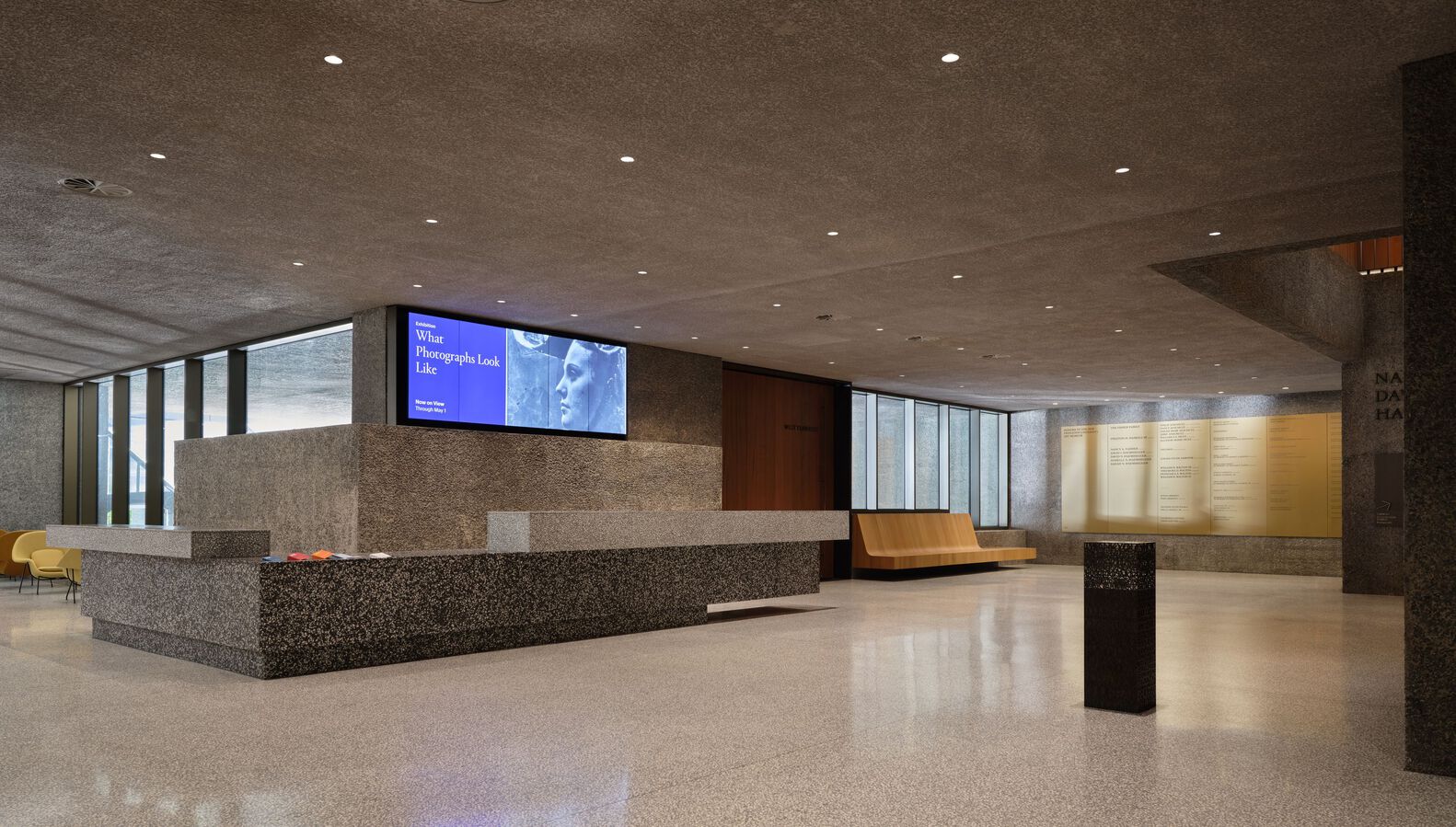
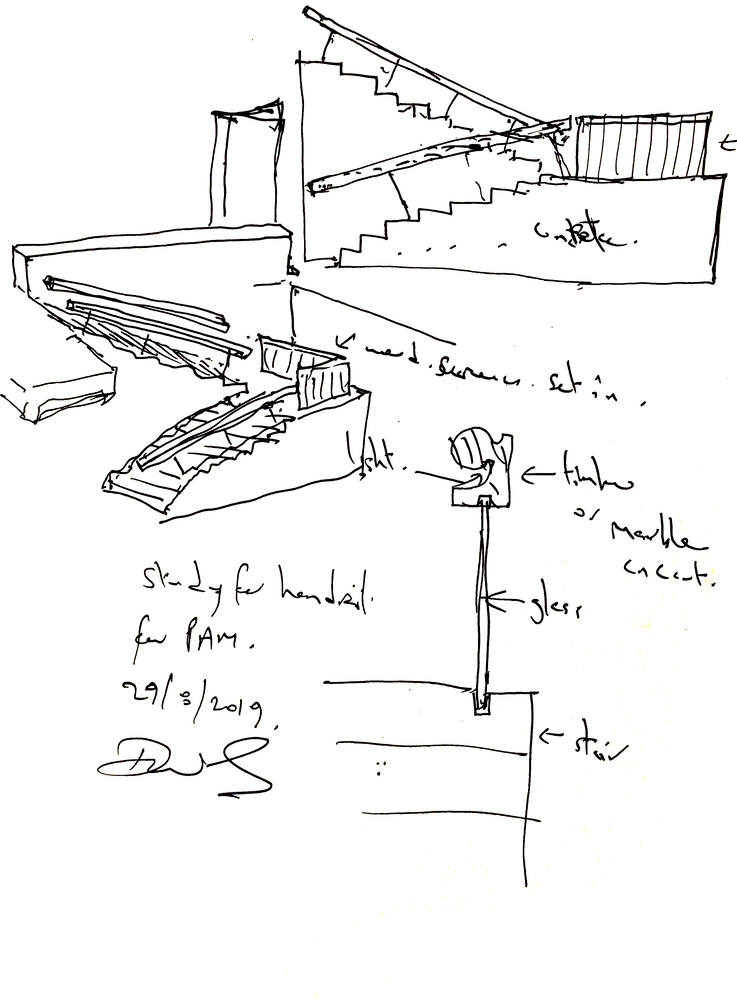
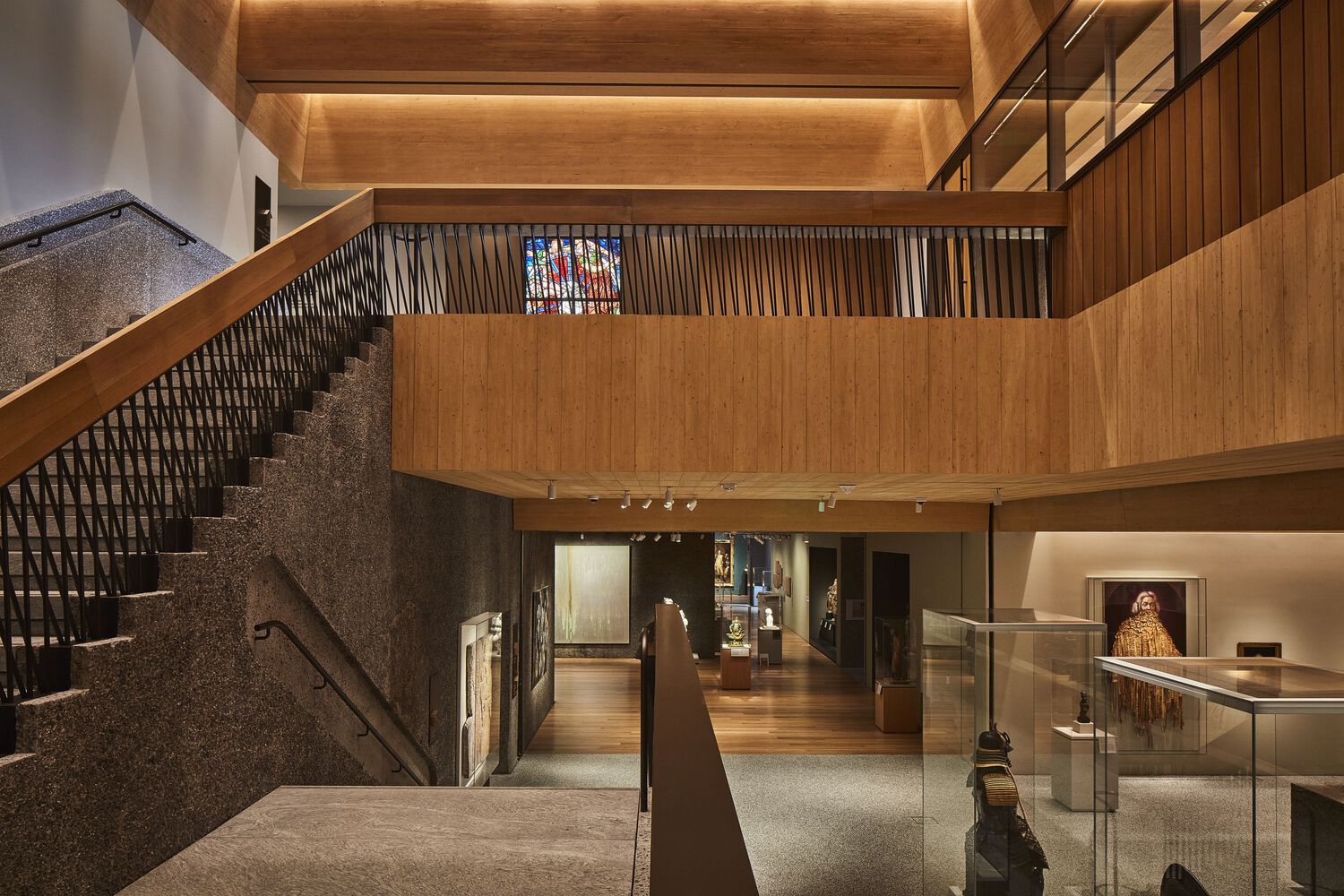
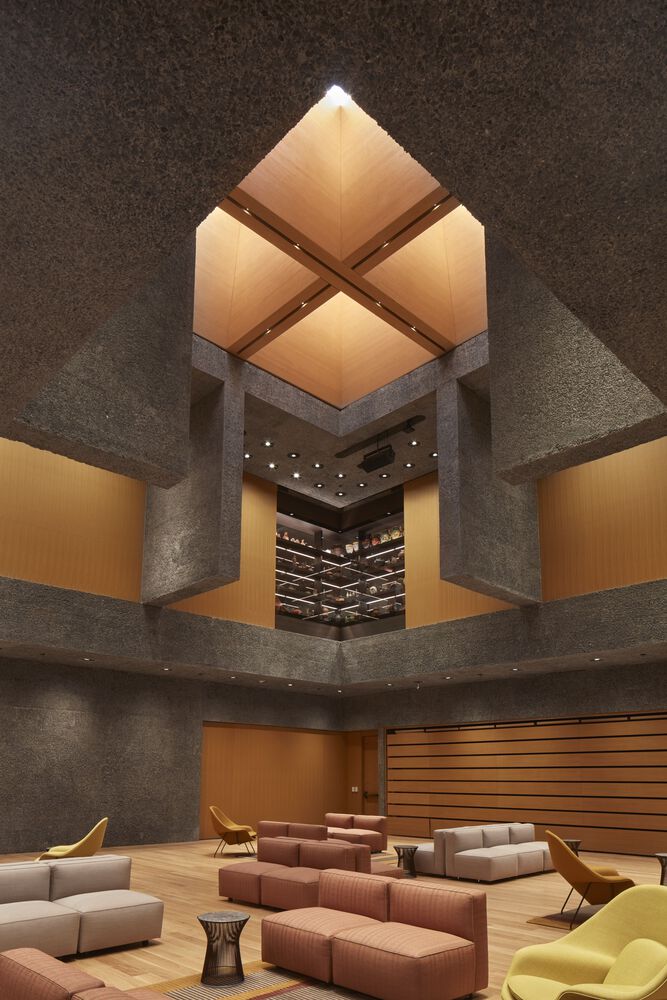
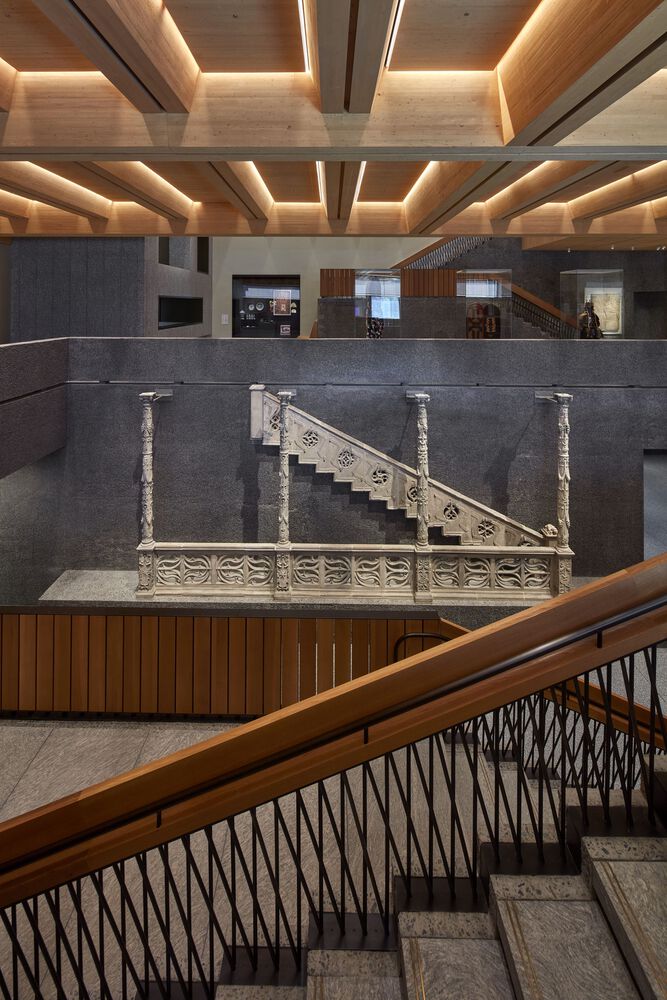
Inside, structural glulam beams and warm materials bring tactility and human scale to major spaces such as the Entrance Hall, Grand Stair Hall, and Grand Hall.
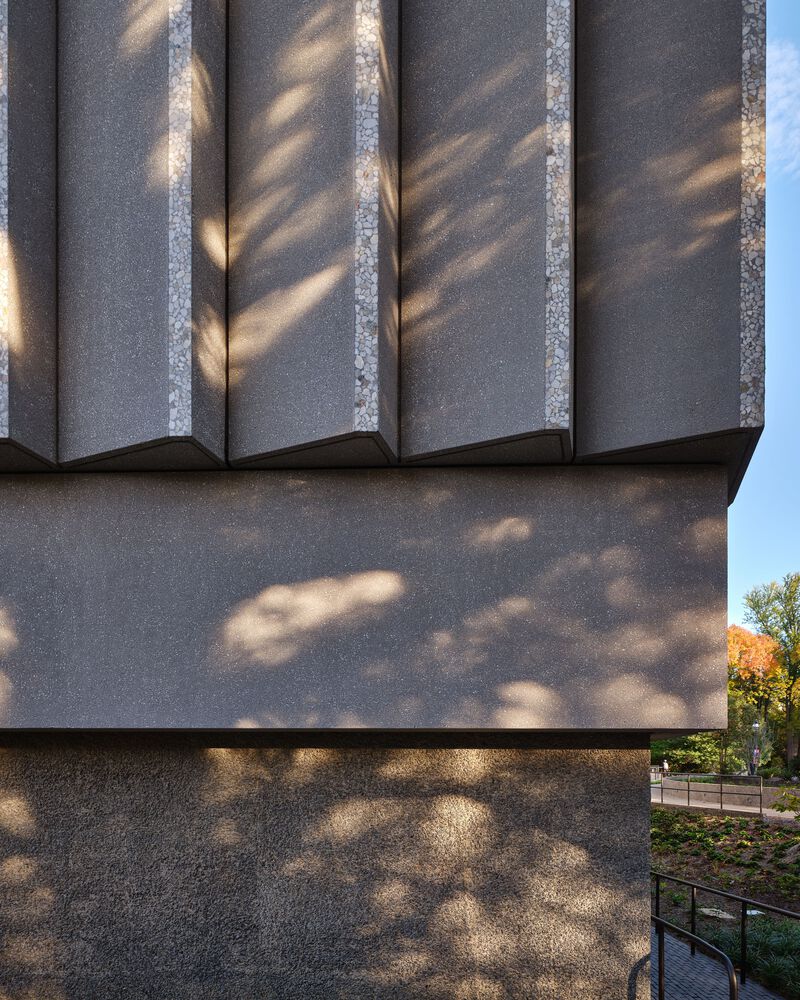
Interior finishes of terrazzo and wood reflect the same care as the façade, grounding the visitor experience in both craft and permanence.
The design is a response to an ambitious curatorial vision that prioritizes cultural contact, exchange, and storytelling.
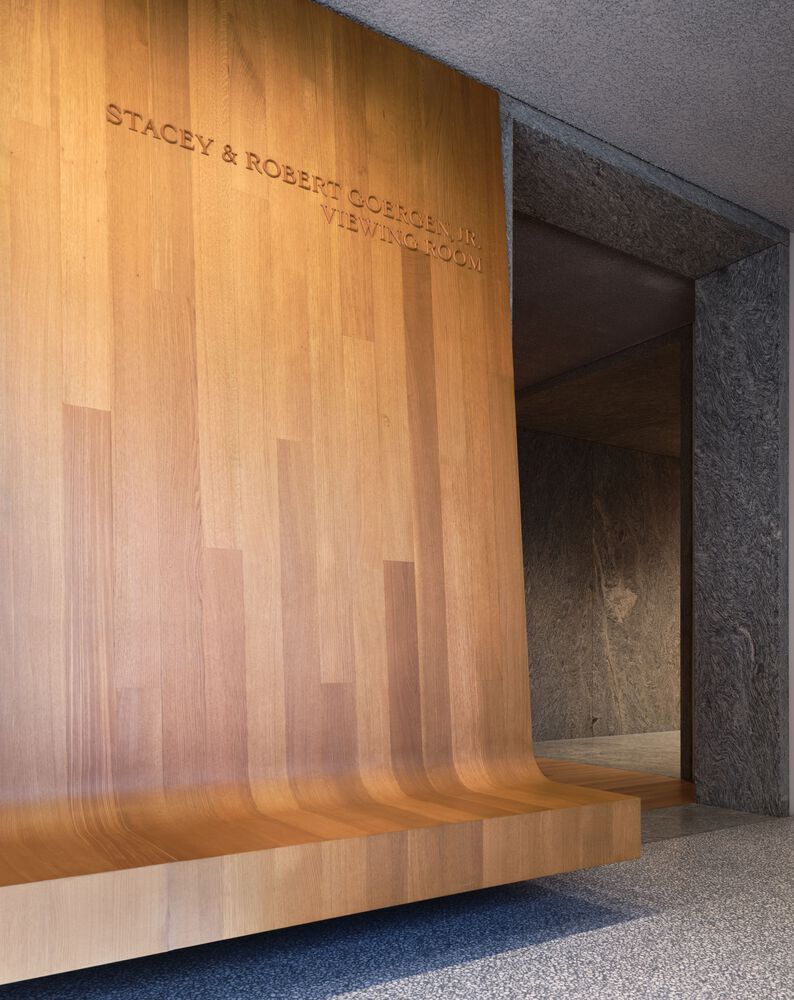
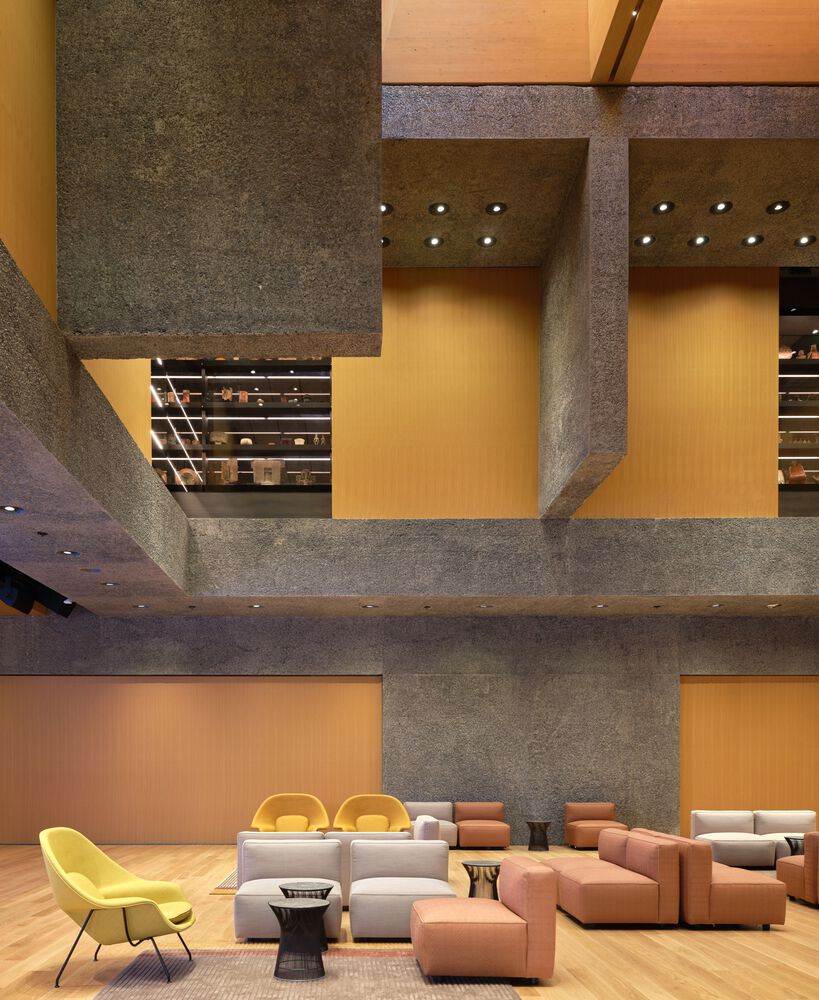
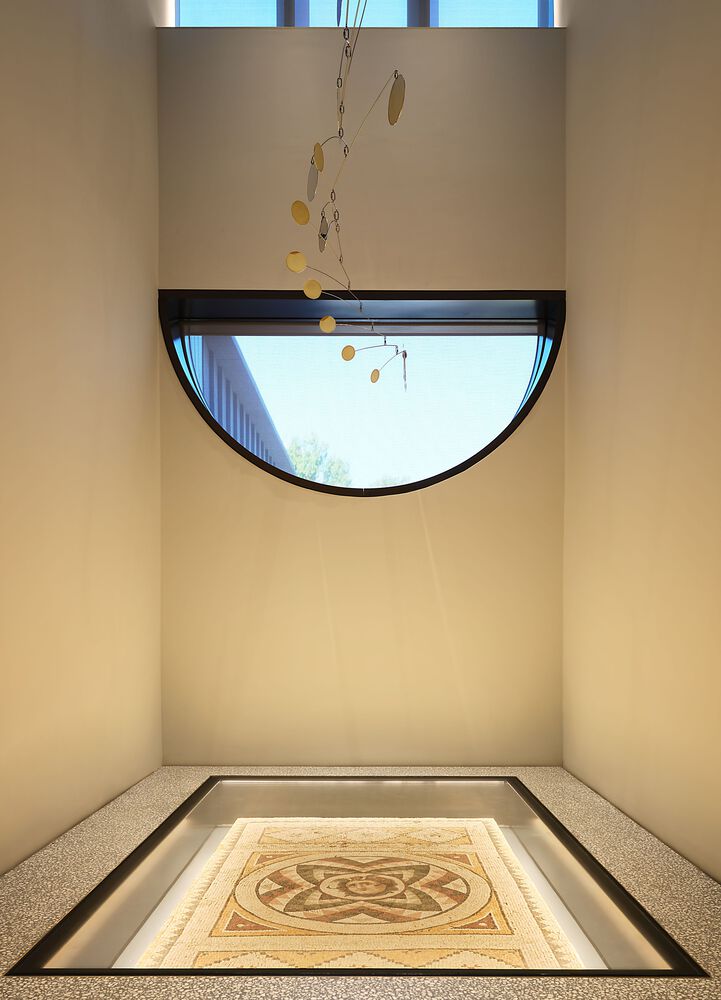
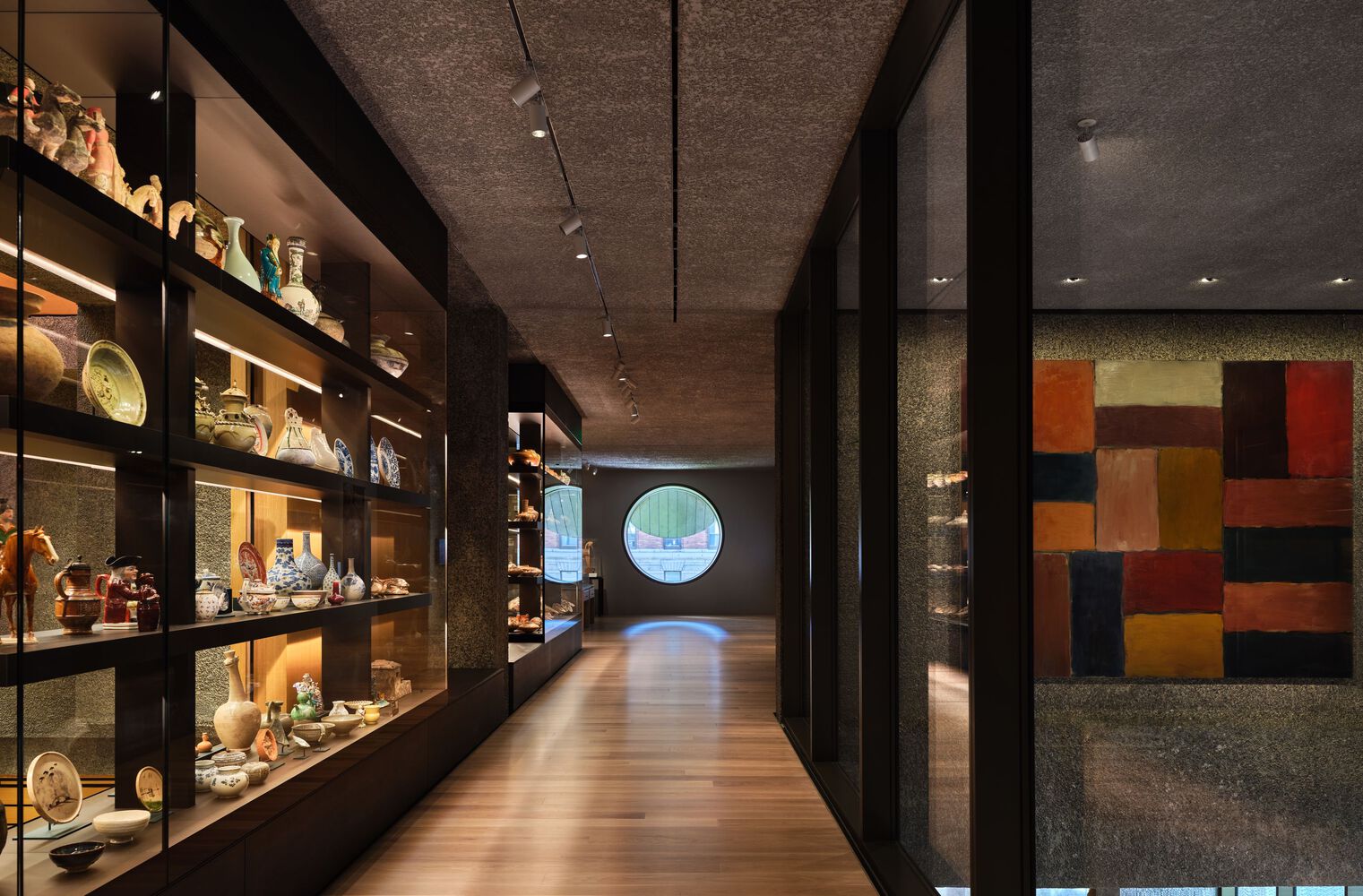
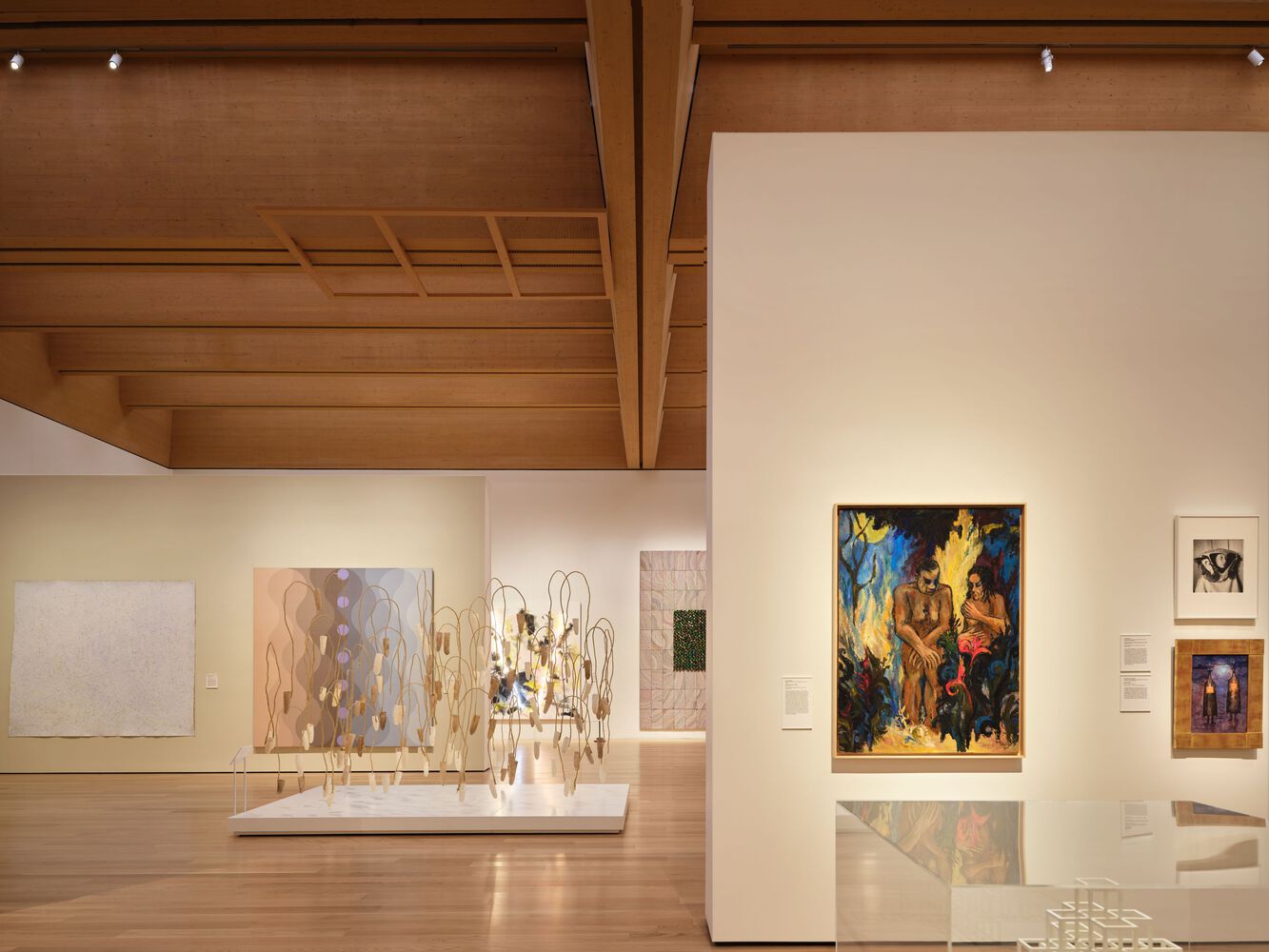
Ninety-five percent of the gallery space is located on a single level, bringing Princeton's globe-spanning collection together in ways that challenge traditional hierarchies of display, disrupting conventional art historical narratives.
The arrangement invites new encounters across geography, chronology, and culture. Visible storage, varied ceiling heights, and framed vistas allow visitors to glimpse works from circulation zones and from outside, dissolving the traditional threshold between museum and campus.
The museum's program supports teaching, research, and creative practice at all levels.
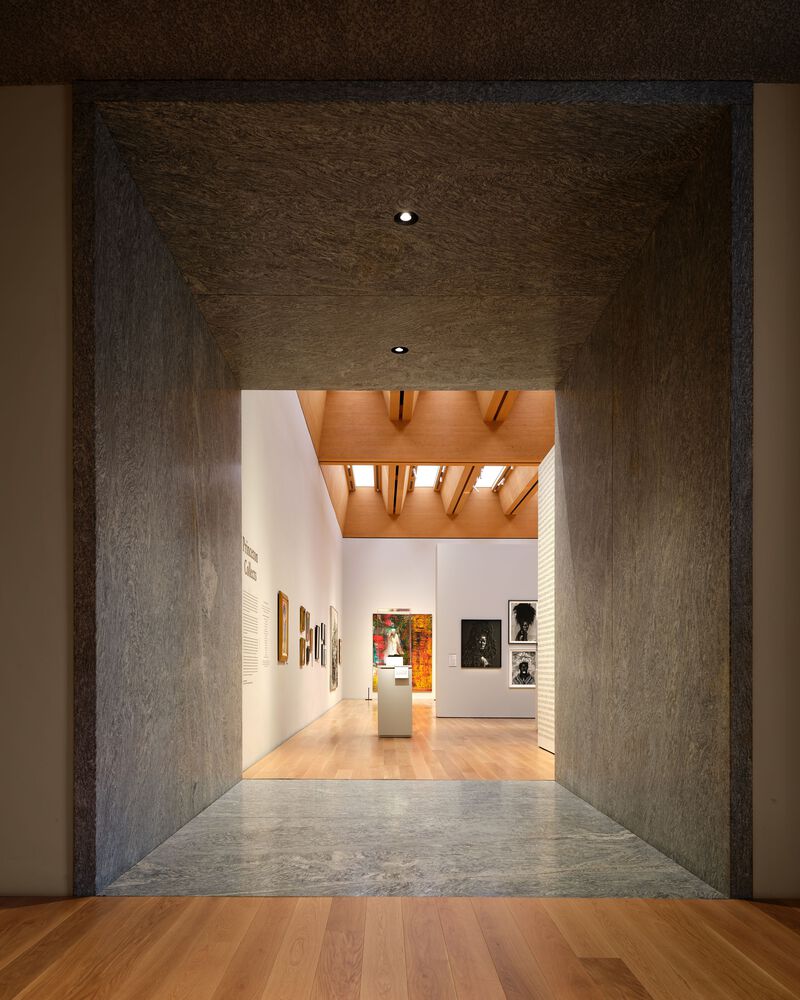
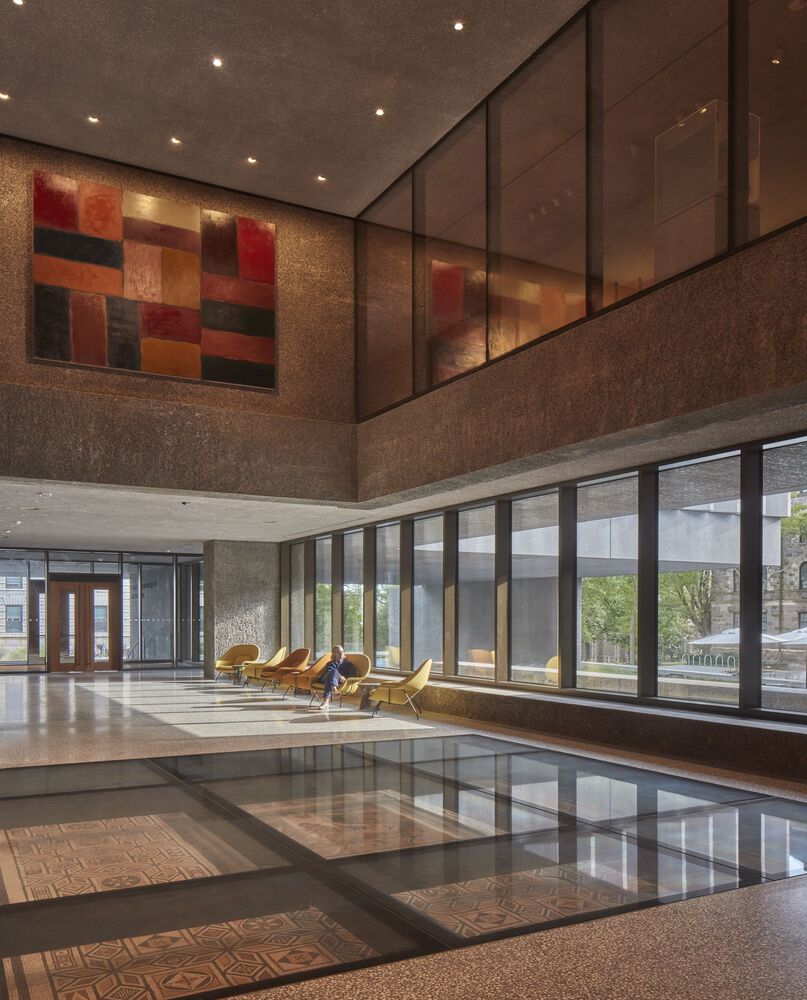
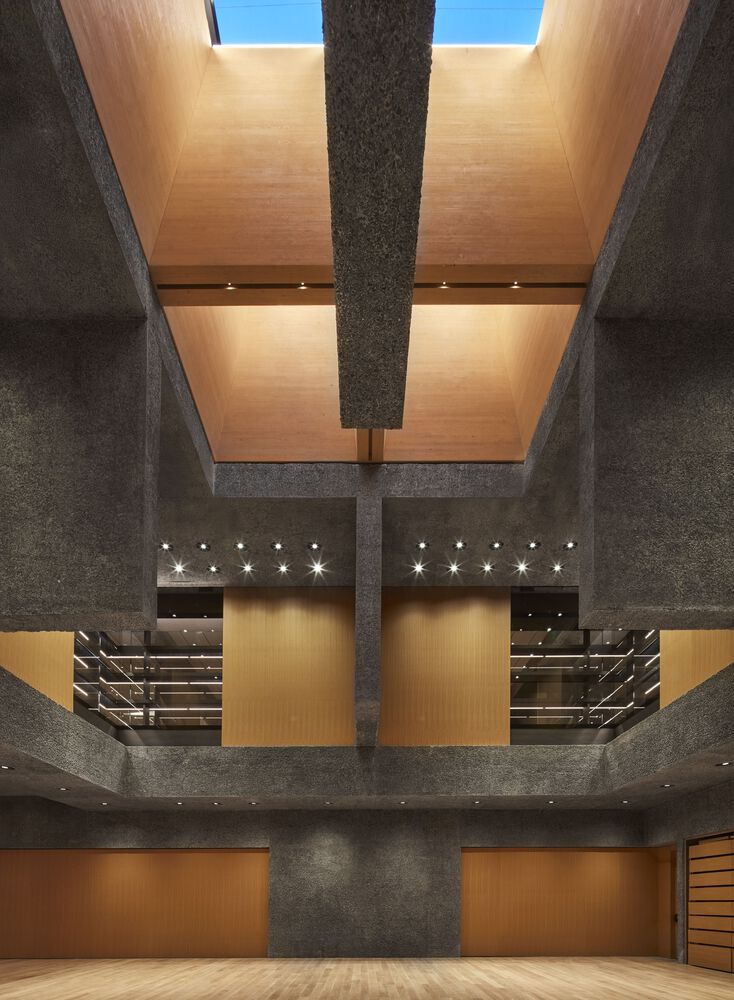
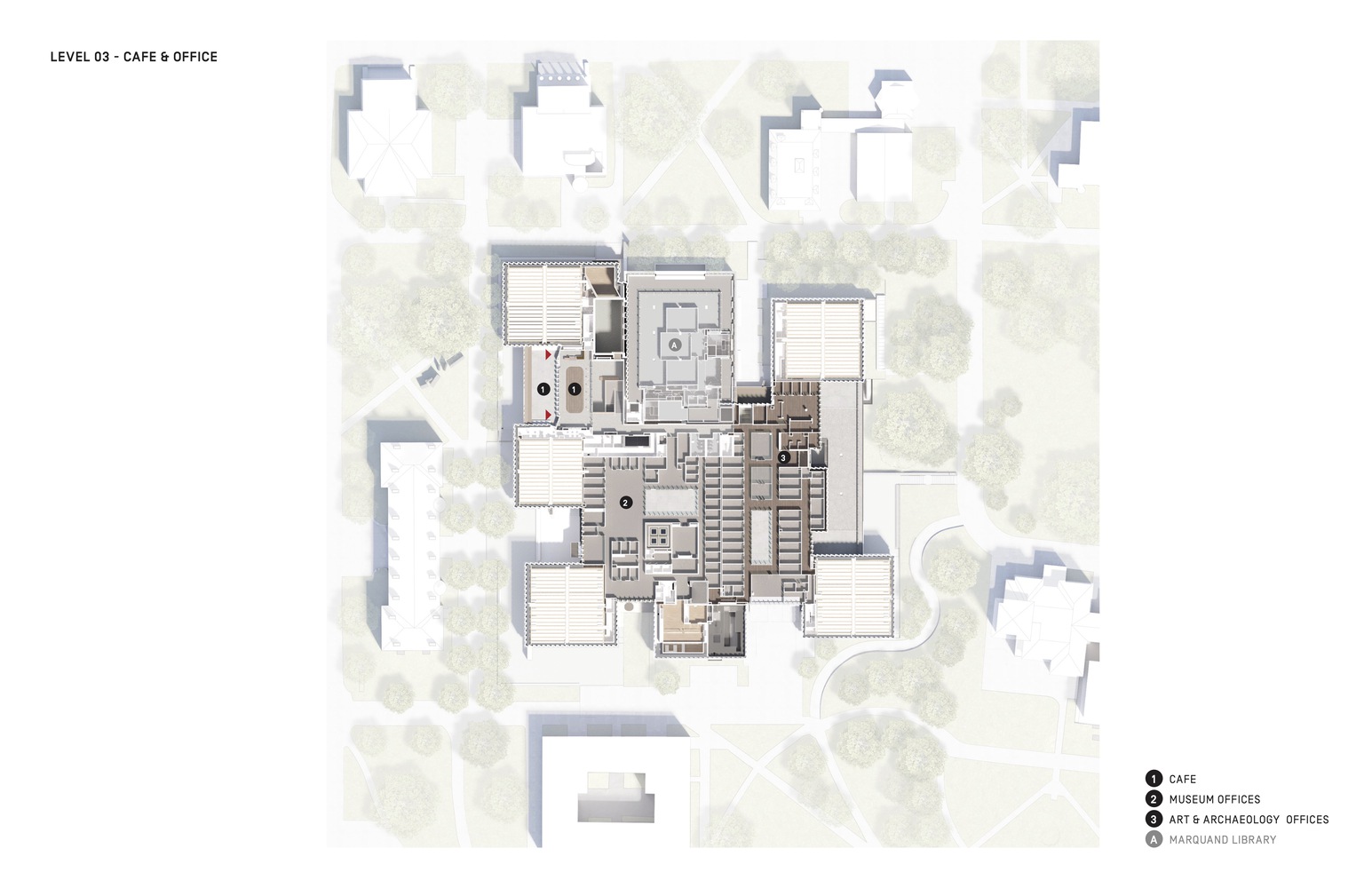
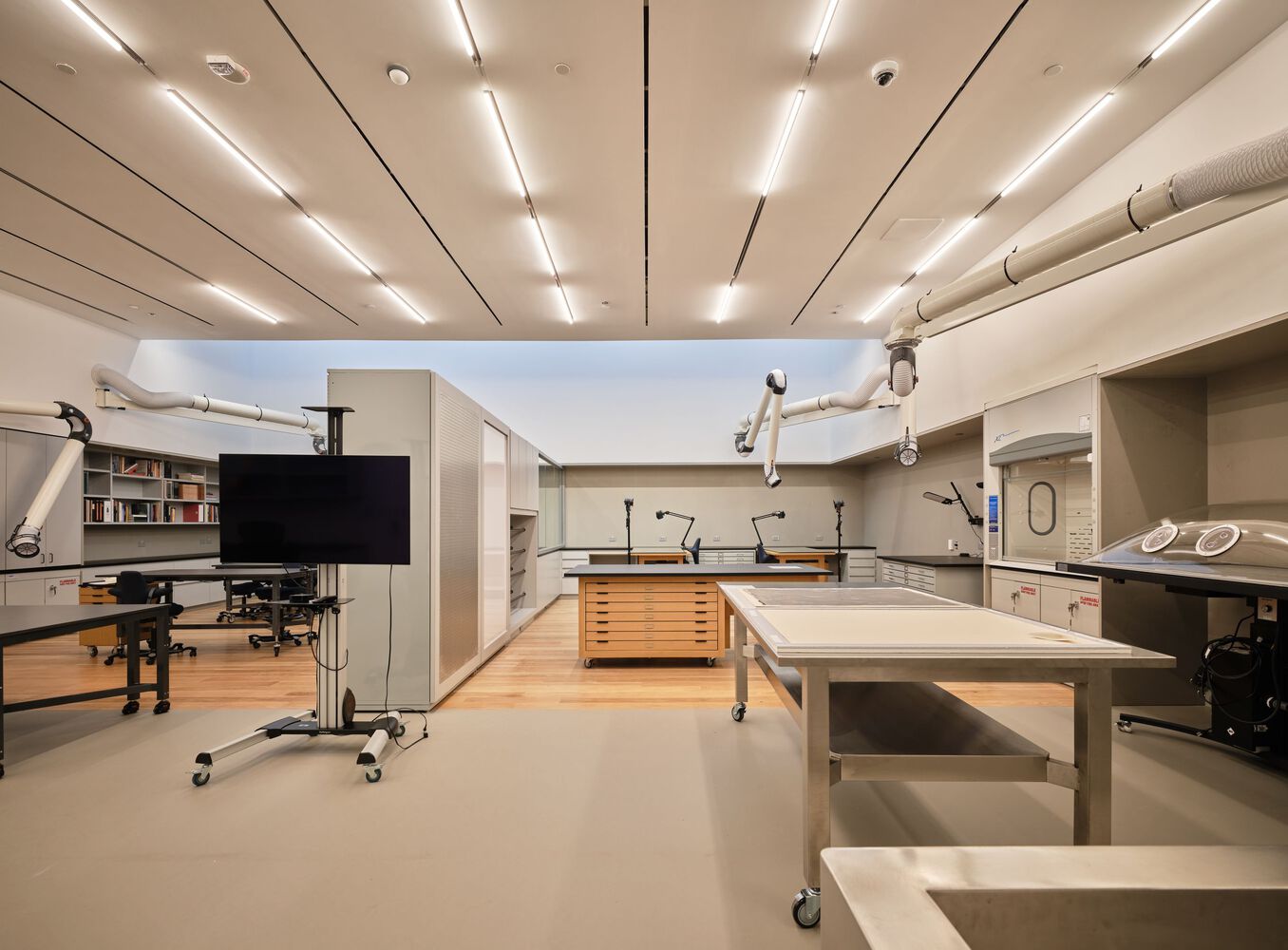
The ground floor houses public and educational spaces with object study classrooms, "creativity labs," seminar rooms, and lecture halls, while upper levels contain galleries, conservation studios, offices, and a rooftop café with indoor and outdoor seating.
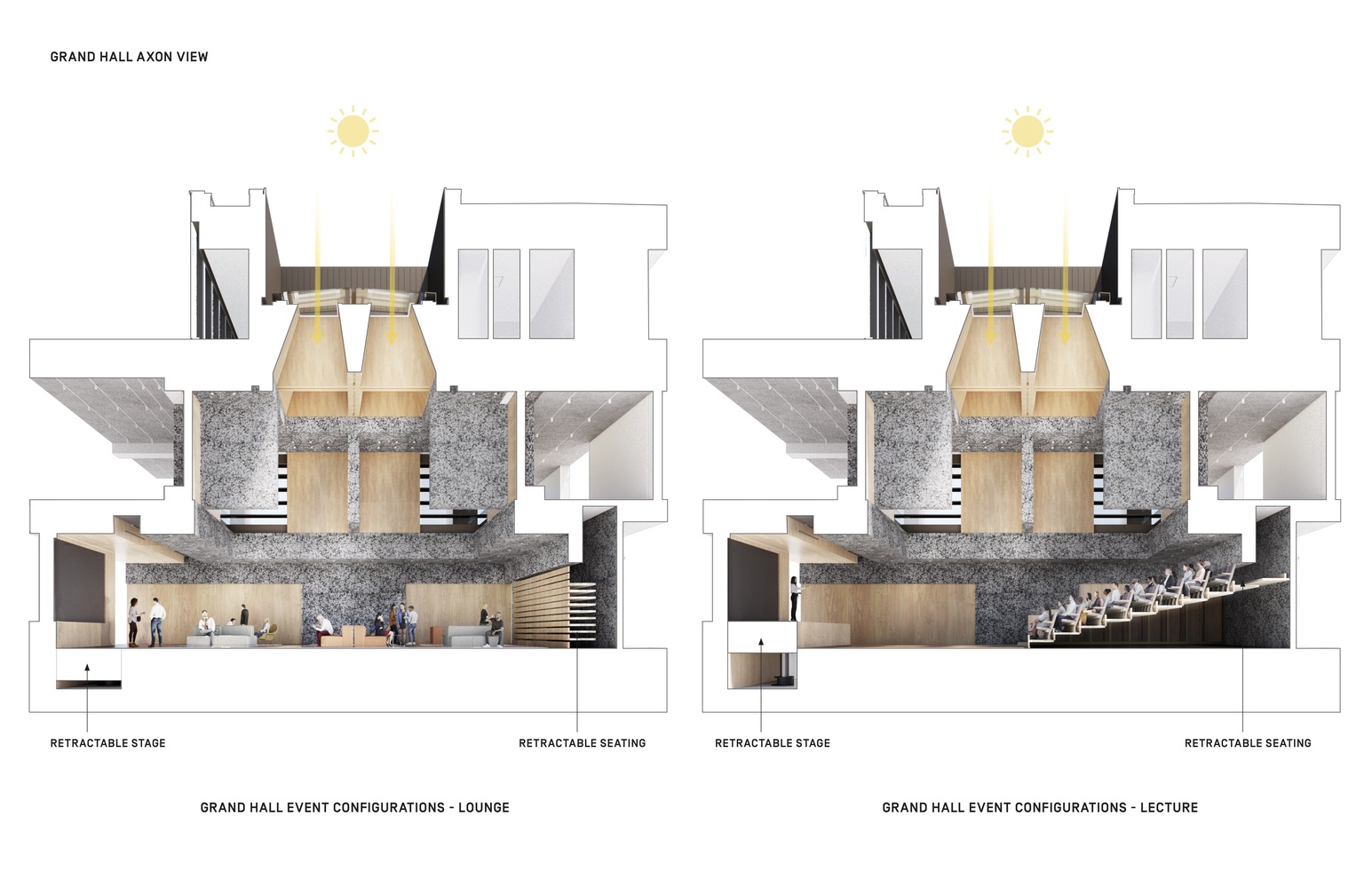
The flexible Grand Hall hosts lectures, performances, and community gatherings in multiple configurations, extending the museum's role as a site for dialogue and exchange.
Sustainability - The new building achieves LEED Gold certification and aligns with Princeton University's Sustainability Plan for net-zero carbon emissions by 2046.
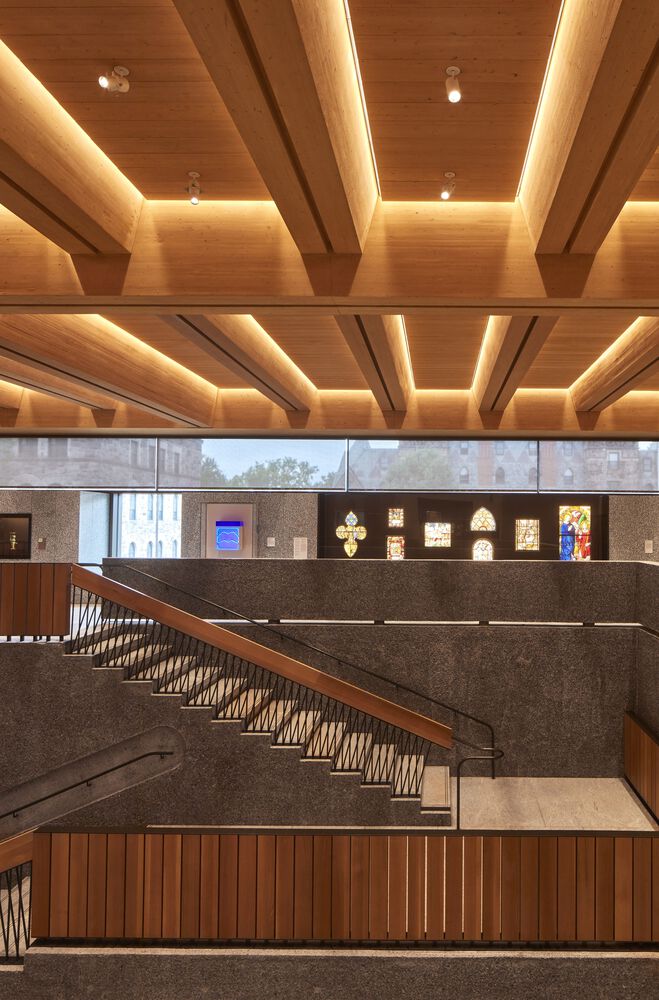
Sustainable technologies were embedded from the project's inception, enabling performance goals that extend beyond current standards.
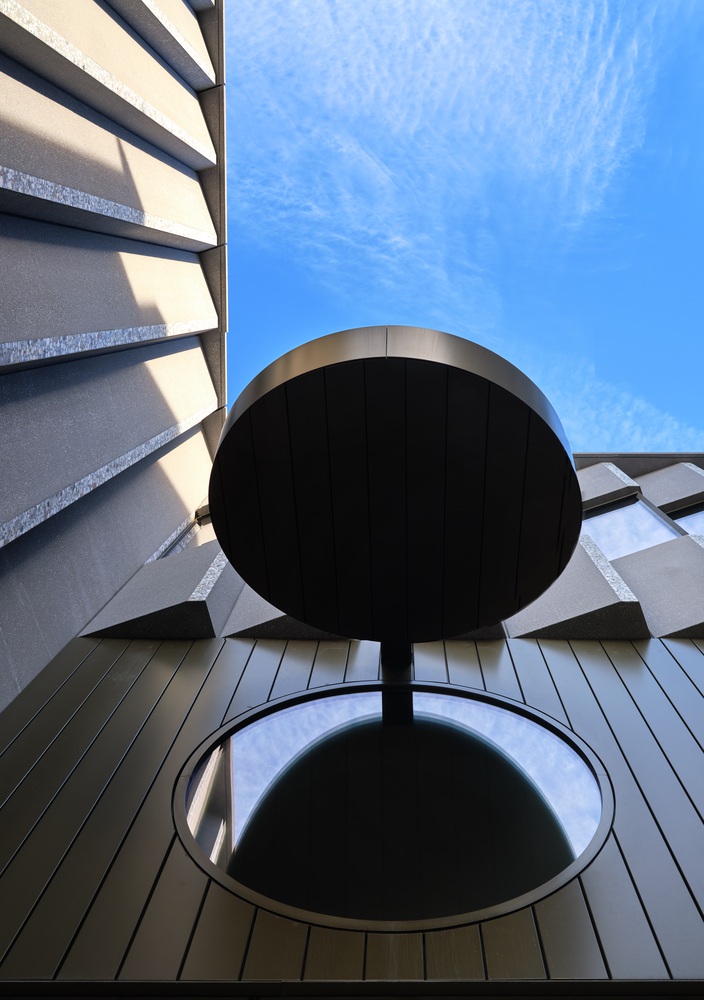
A high-performance building envelope, heavy insulation, and triple-glazed "lenses" with structural thermal breaks provide strong thermal control, while moisture and humidity systems ensure optimal conservation conditions for the collection.
The museum is also zoned for selective operation, allowing certain areas to remain open independently, minimizing energy use while keeping the building active throughout the day and into the evening.