
Mycelial Hut
MYCELIAL HUT
Yong Ju Lee Architecture
ARCHITECTS
Yong Ju Lee Architecture
LEAD ARCHITECT
Yong Ju Lee
ENGINEERING & CONSULTING > ENVIRONMENTAL SUSTAINABILITY
Earthform
TECHNICAL TEAM
Dachan Oh, Hakjoon Kim, Yejun Kim, Heon Lee, Wonseok Lee, Jeonggi Kim, Seonwoo Kim,jaegong Choi, Seongmin Hong, Songju Yi, Seoyeon Bae, Thin Haythi Aung, Donguk Sohn, Yunjin Kim, Suhyeong You
PHOTOGRAPHS
Yong Ju Lee Architecture
AREA
10 m²
YEAR
2024
LOCATION
Seoul, South Korea
CATEGORY
Cultural Architecture
English description provided by the architects.
The architecture and construction sector currently accounts for the highest carbon emissions among all global industries.
Architecture, which has evolved alongside humanity for over 10,000 years, entered the 20th century prioritizing efficiency and economy above all else, adopting concrete and steel as its near-exclusive materials.
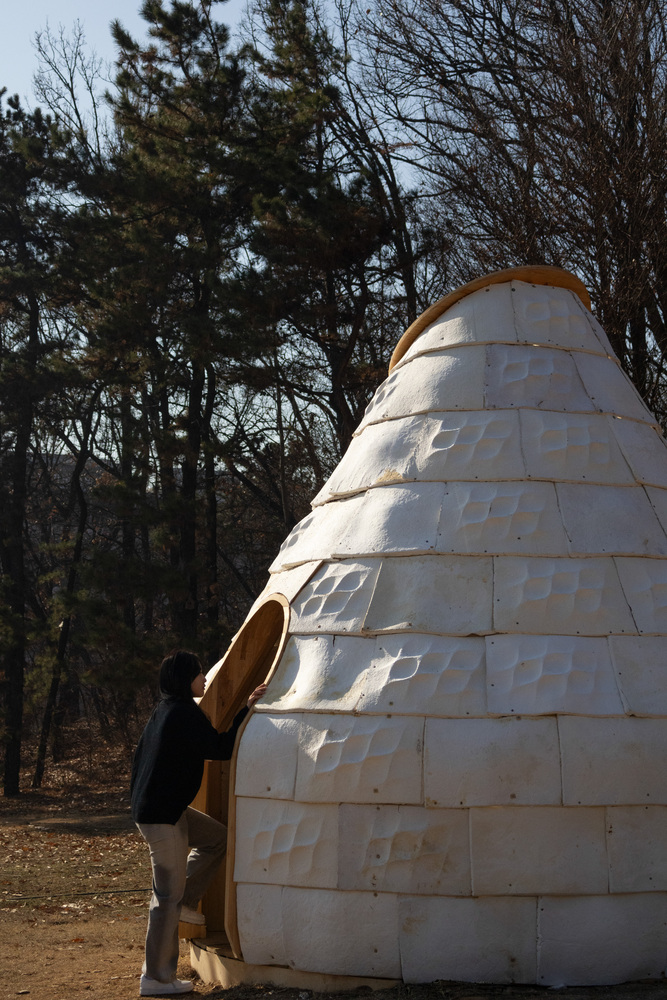
This pursuit of industrial optimization, while enabling rapid development, also detached architecture from its ecological roots and intensified the environmental burden of the built environment.
In this context, following the era of environmental crisis and the pandemic, an innovative and critical approach has emerged to redefine the concept of sustainability.
In particular, the use of organism-based composite materials presents new possibilities for architecture, challenging the non-recyclable and non-degradable nature of inorganic construction materials.
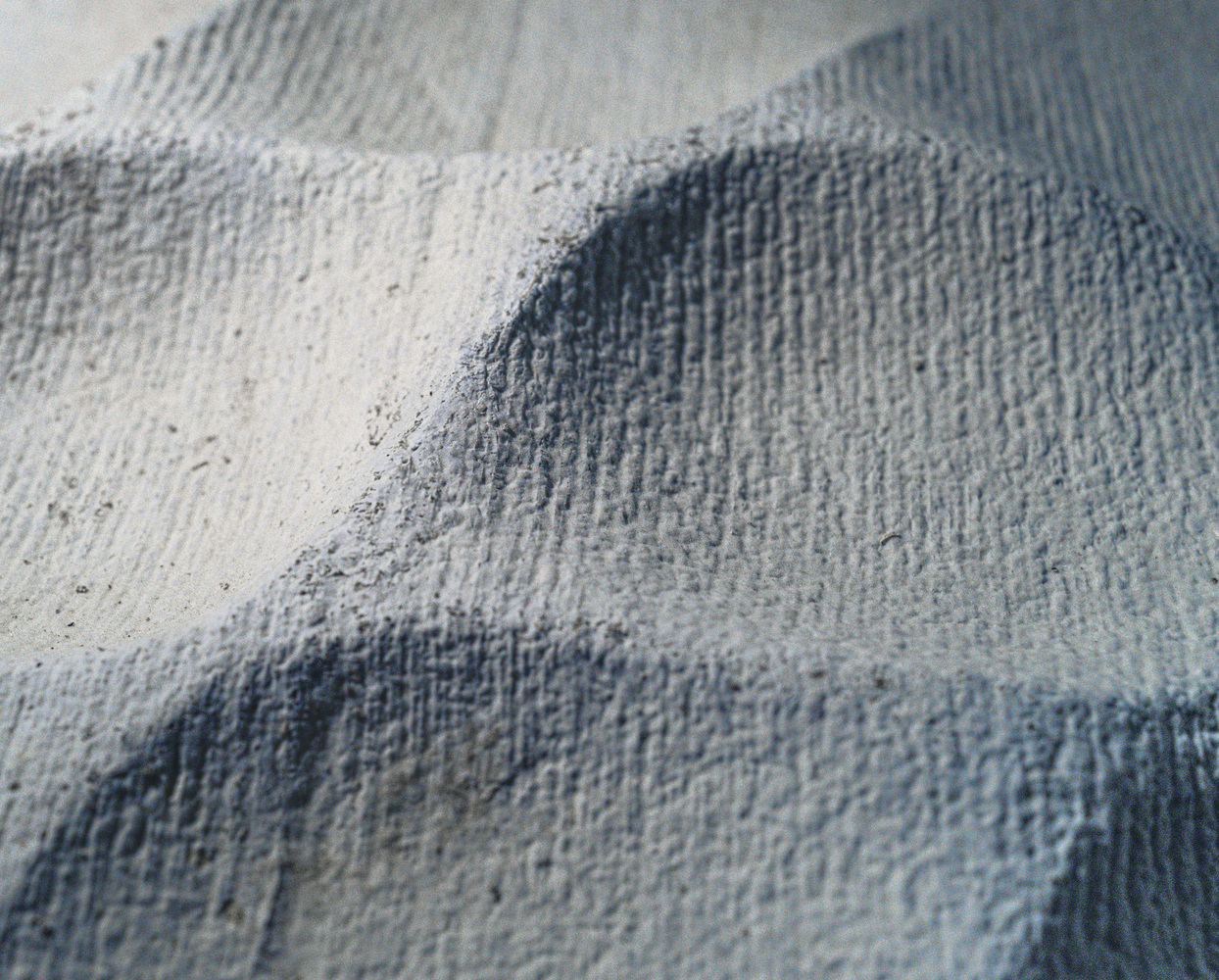
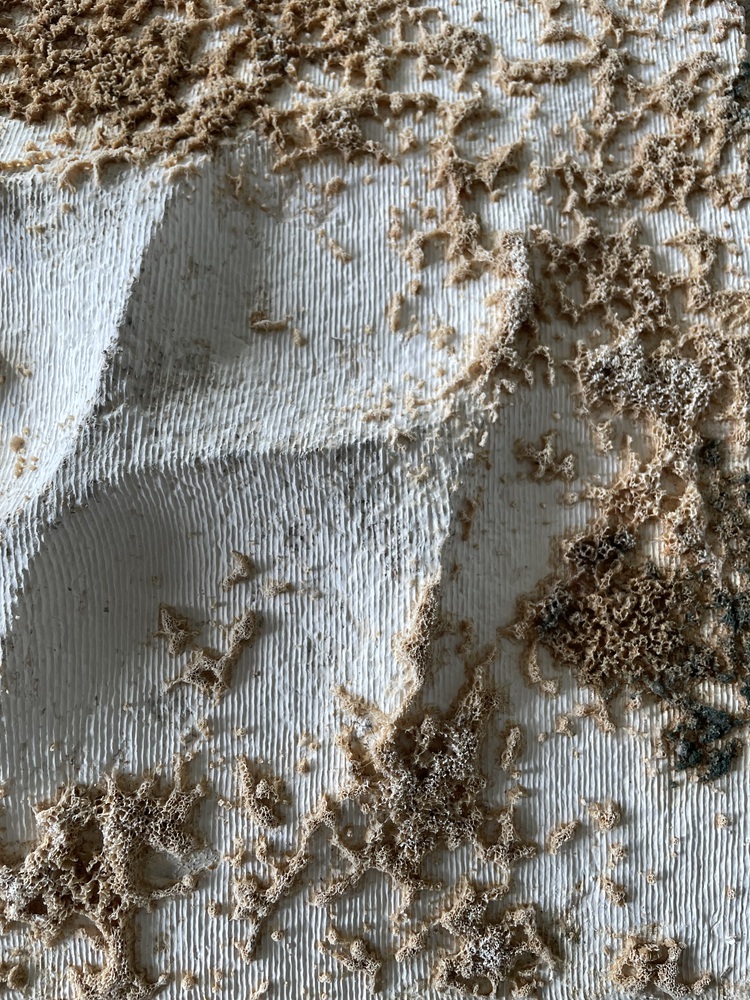
By experimenting with and showcasing mycelium — the fungal network that serves as nature's filter — this project reinterprets the idea of eco-friendly architecture and explores the potential of innovative bio-integrated fabrication methods that align growth, decay, and design within a single process.
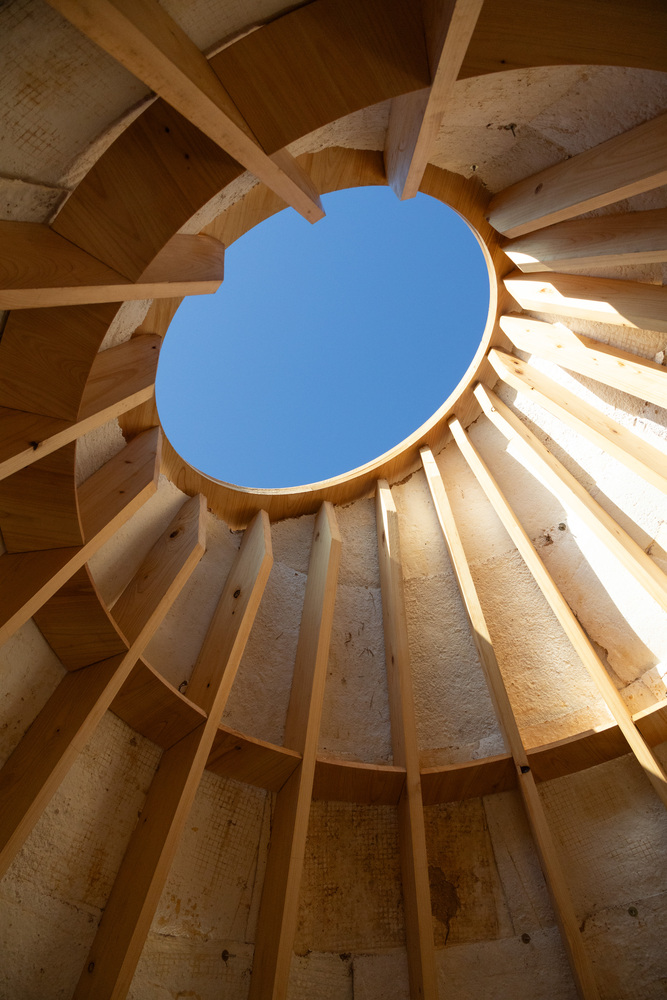
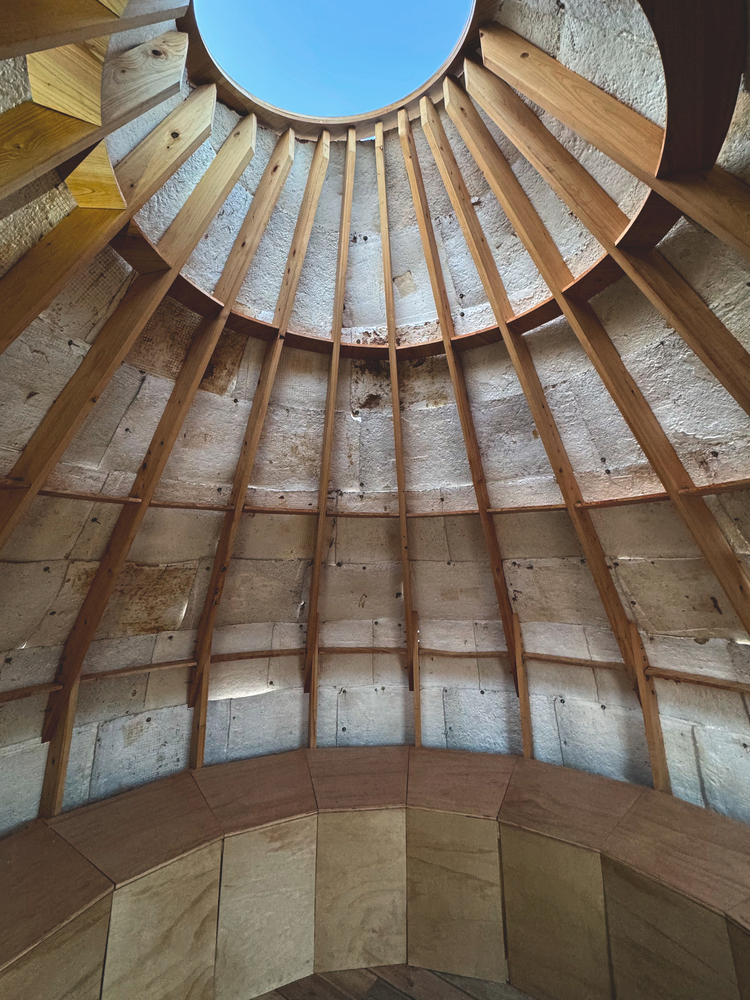
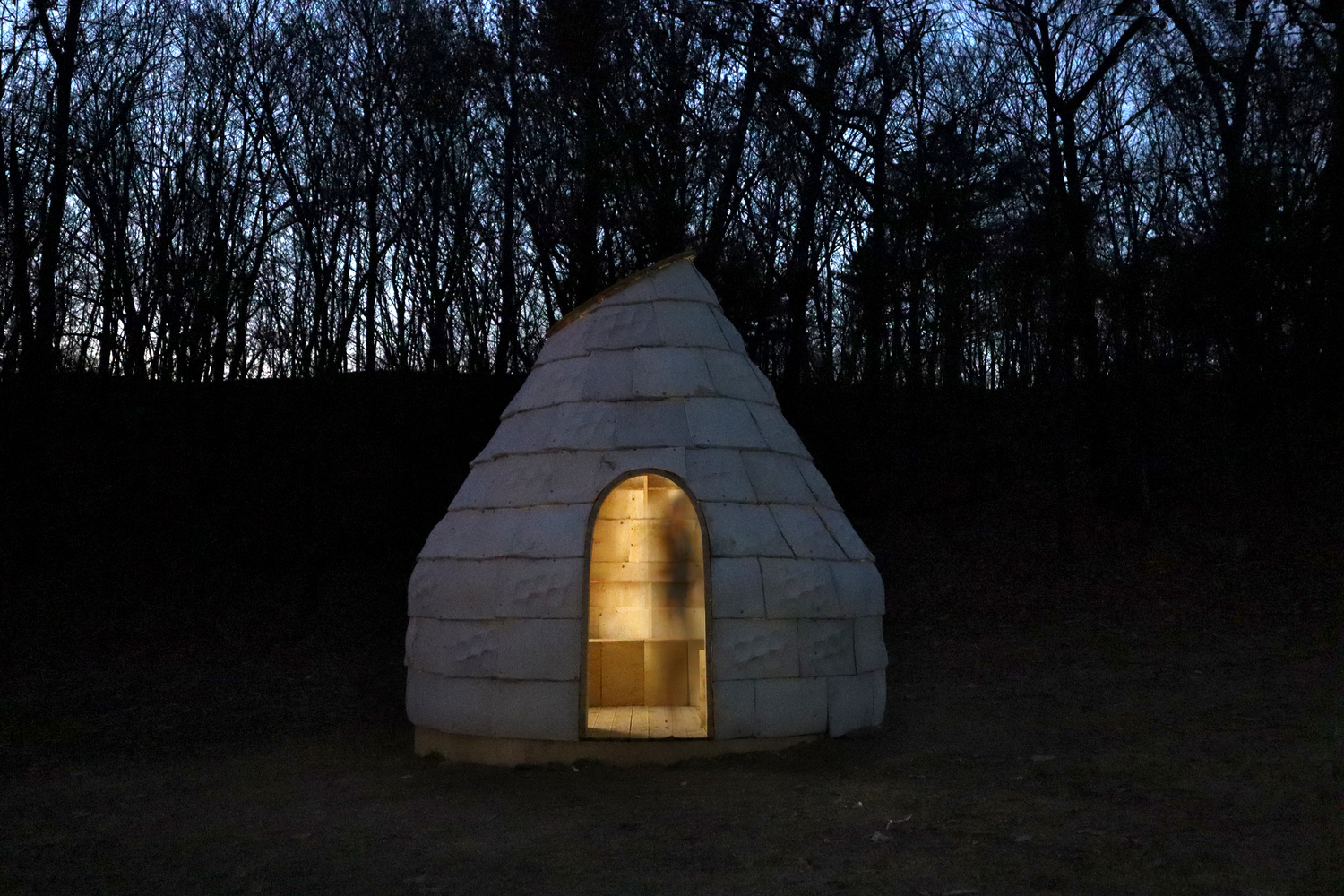
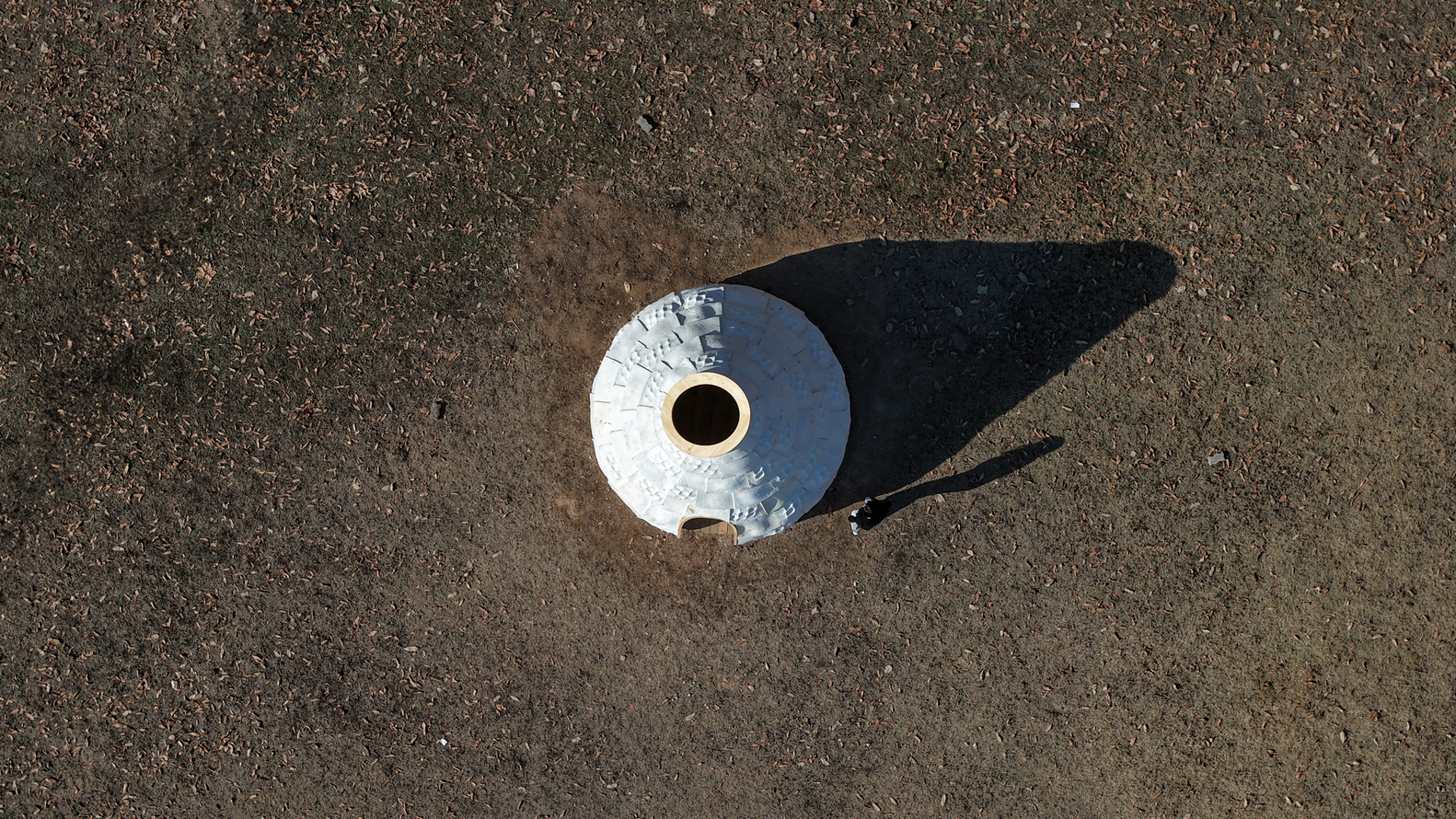
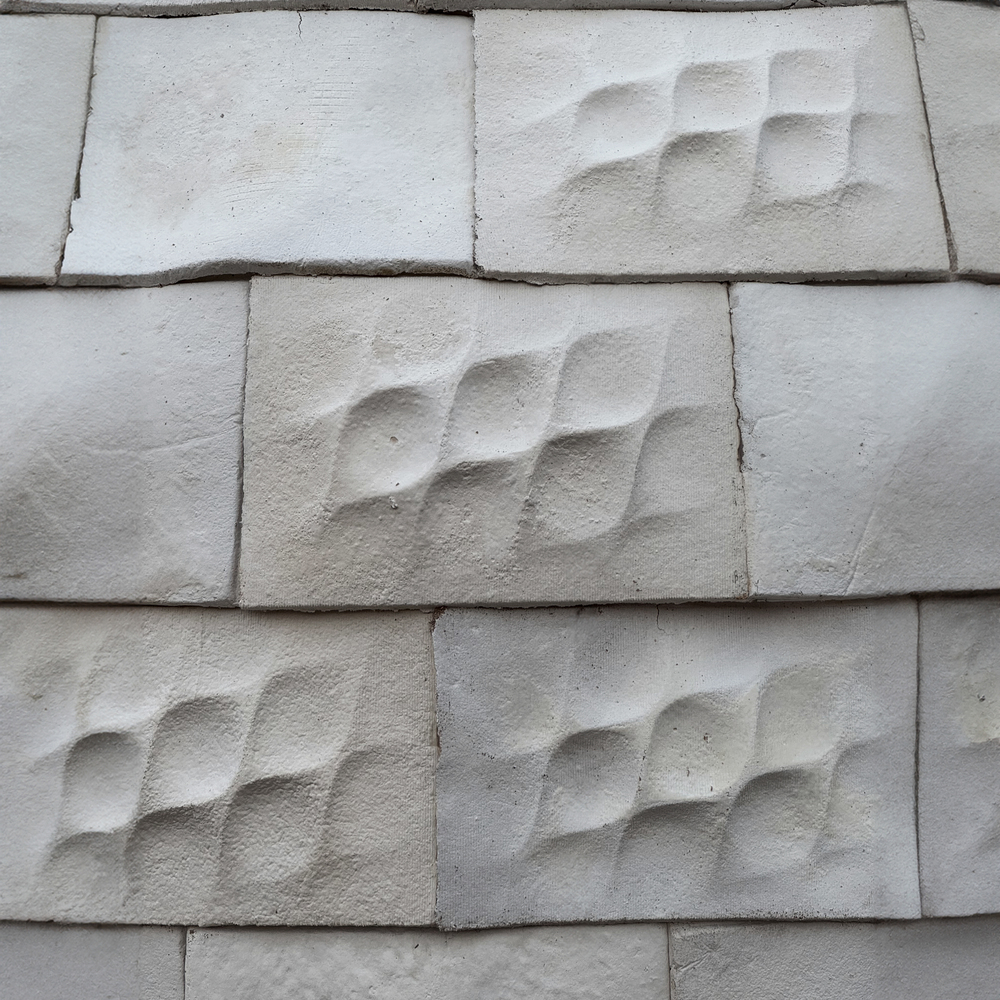
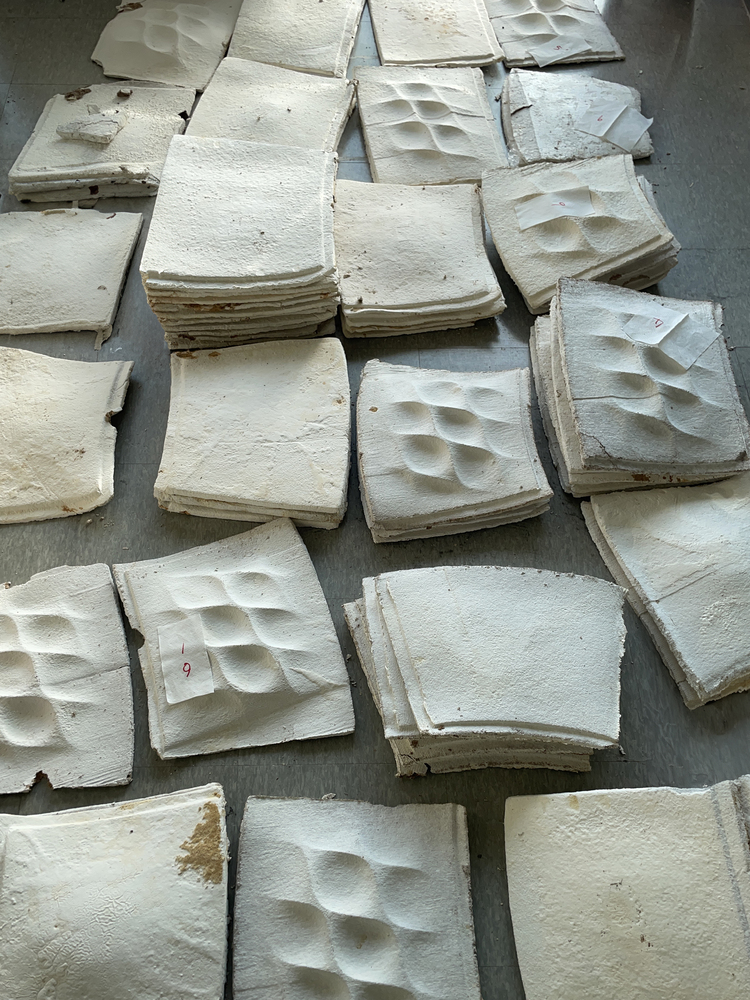
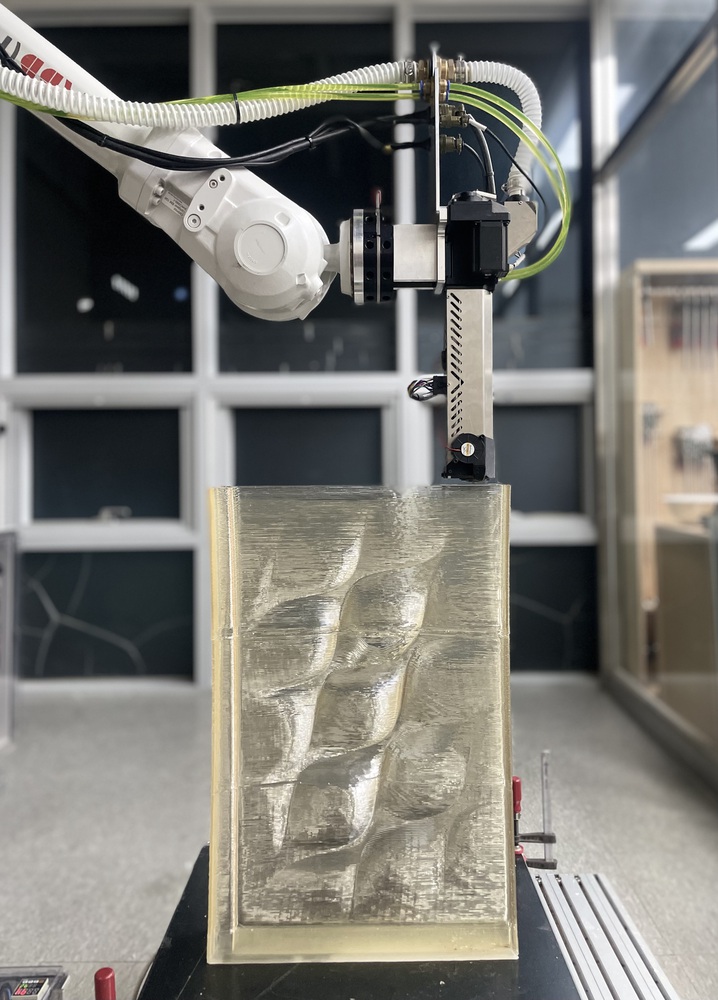
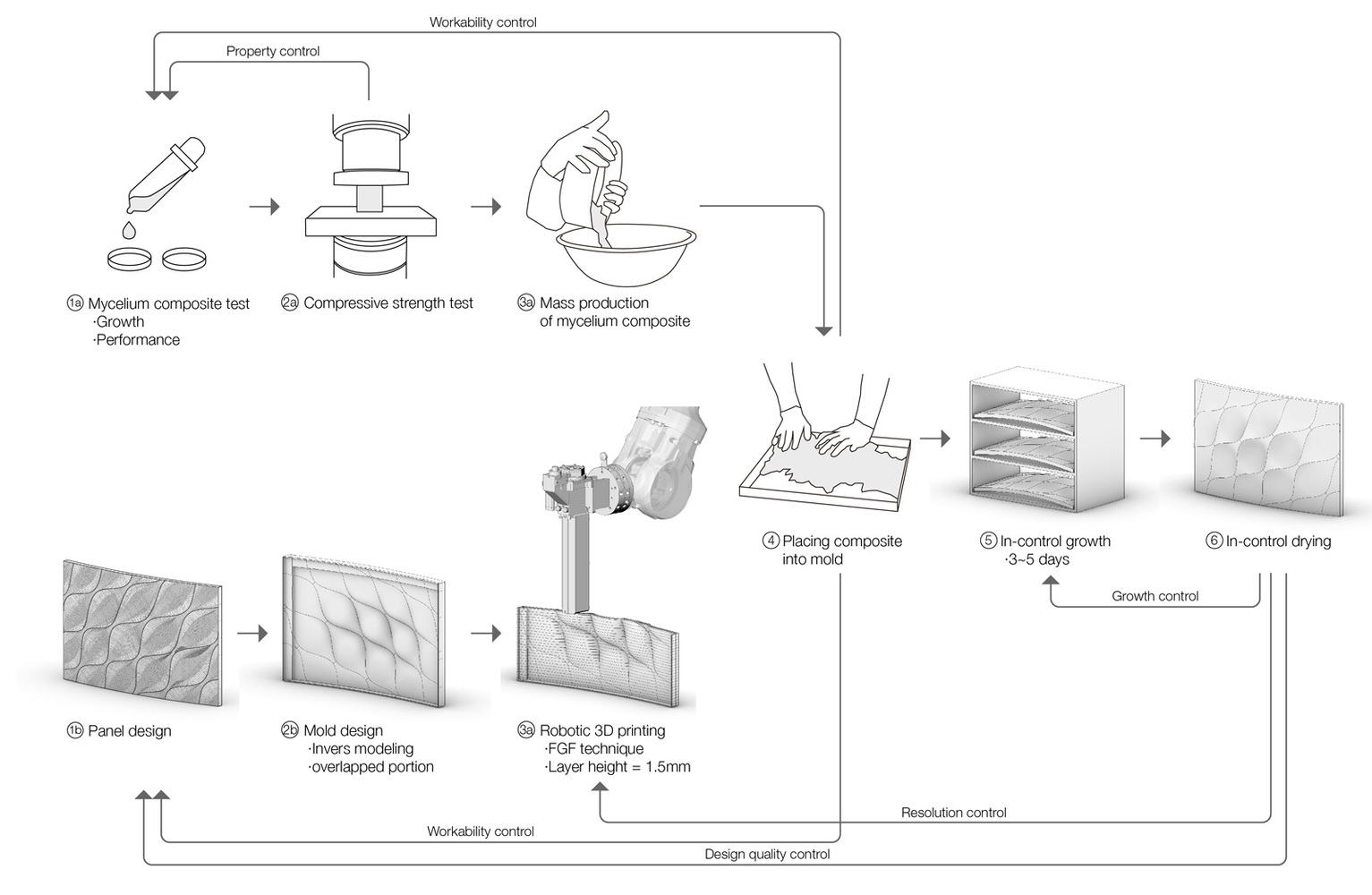
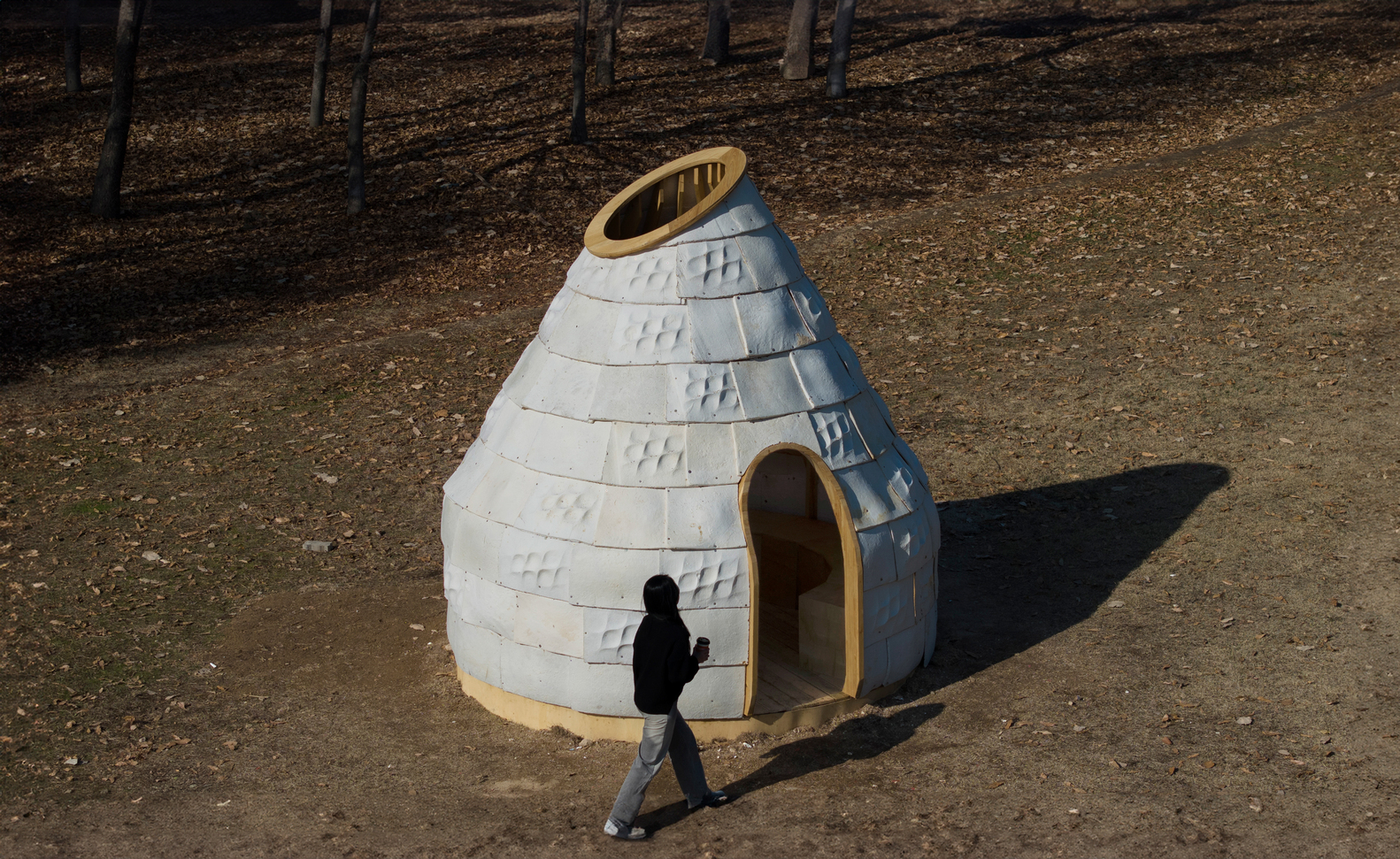
Mycelial Hut aims to demonstrate the large-scale application of mycelium as a building material through customized molds fabricated by robotic 3D printing.
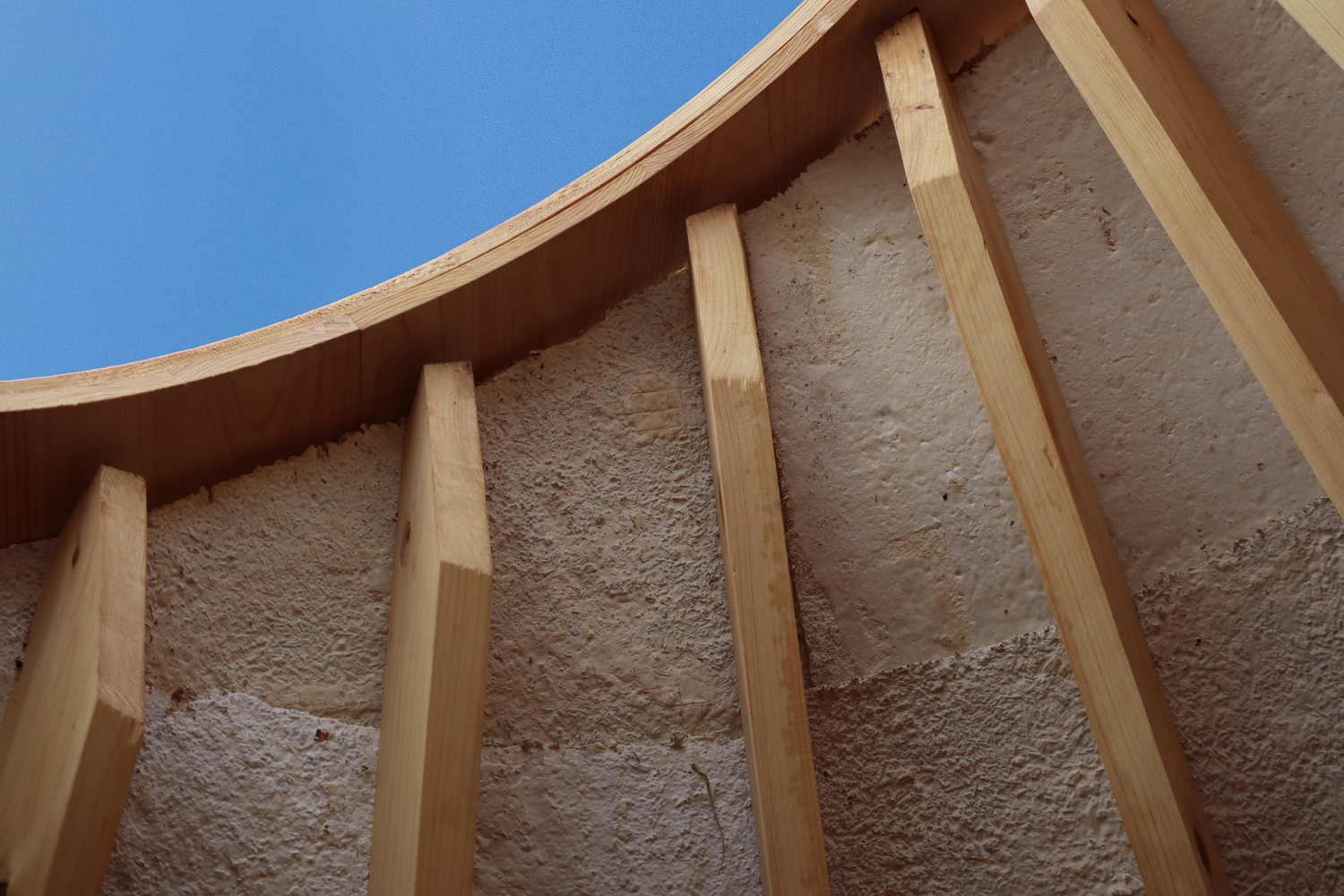
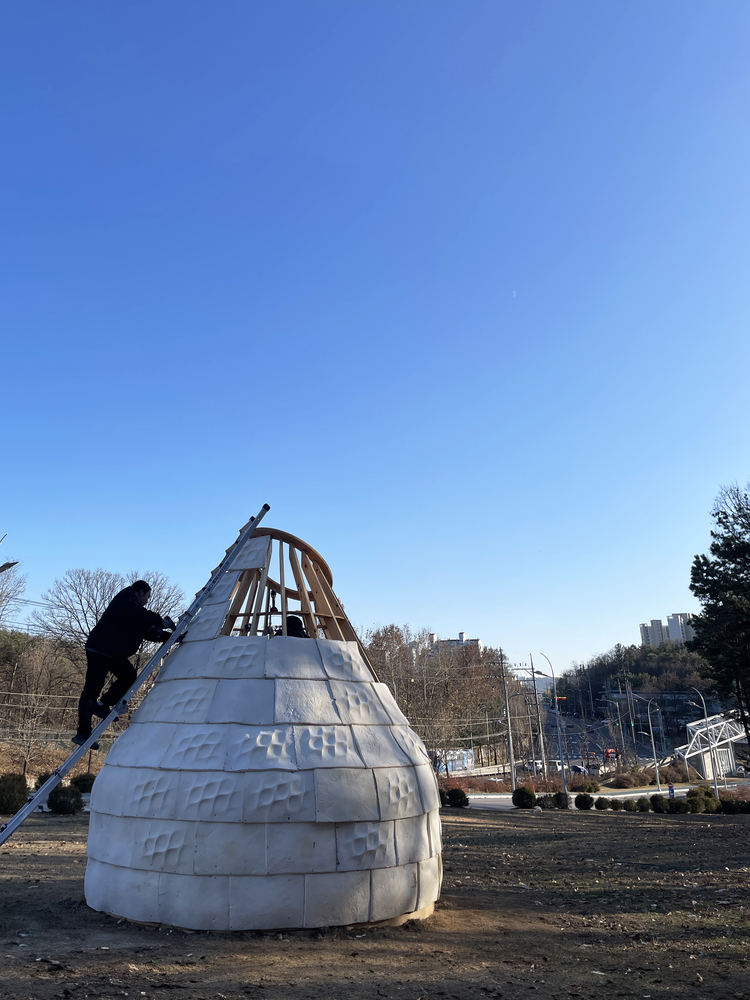
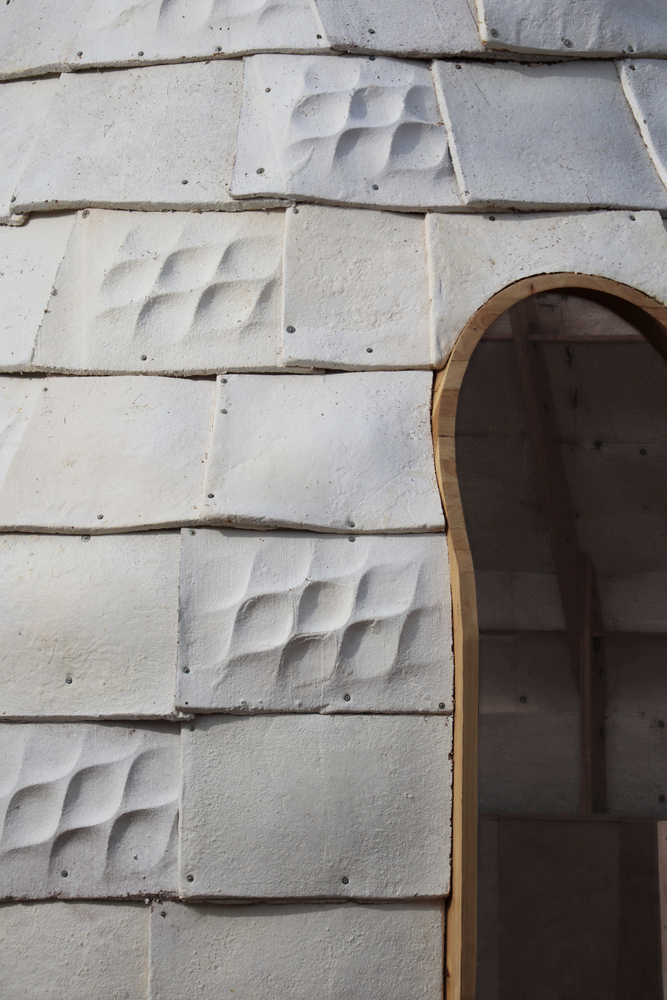
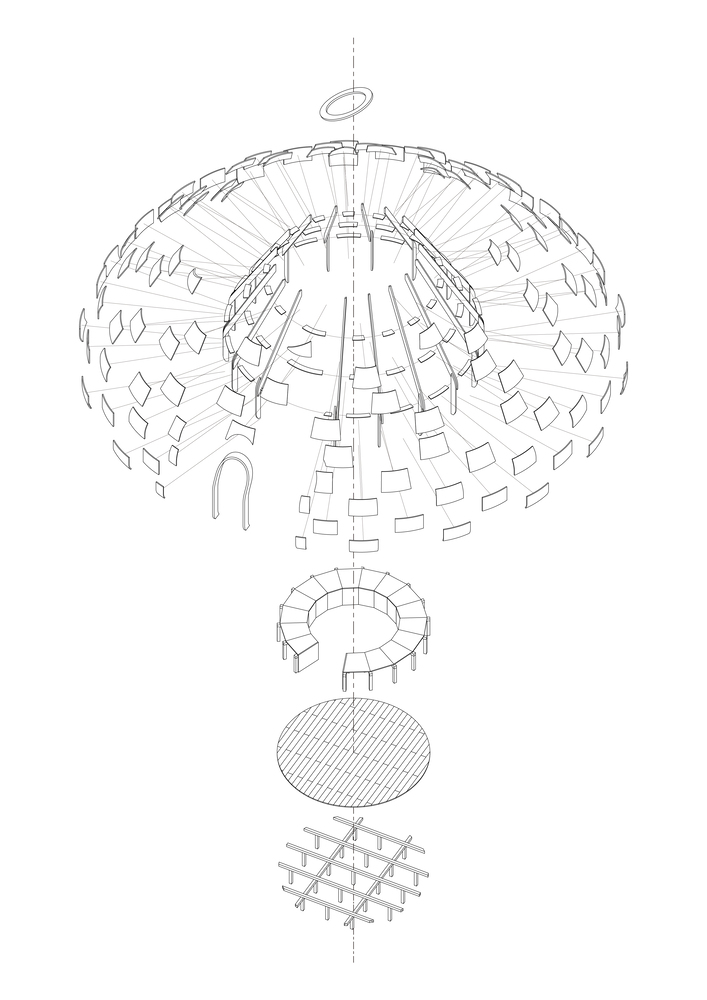
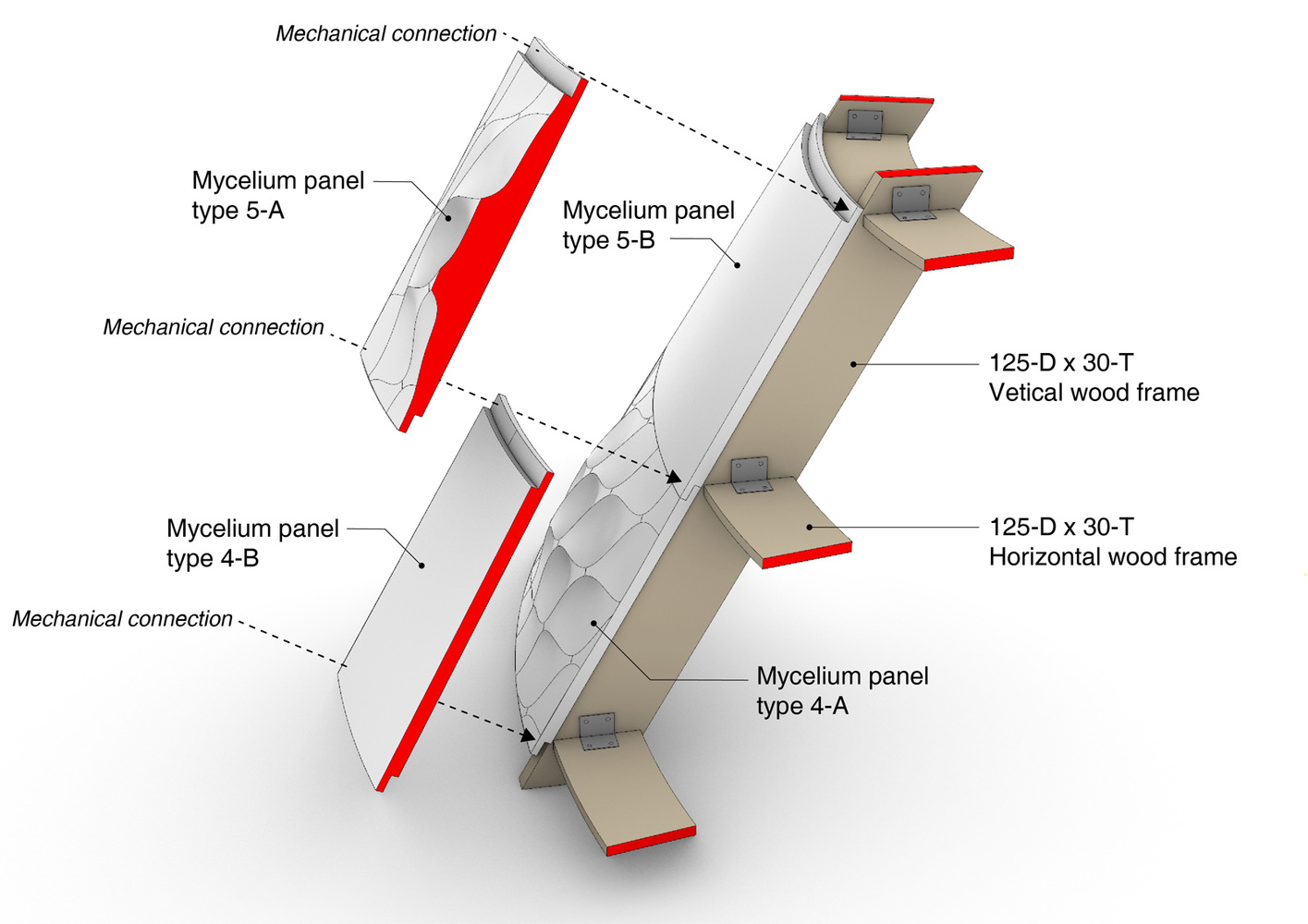
This design-based research produces a bio-hybrid pavilion in which a wooden frame serves as the structural backbone, while customized mycelium panels form the external envelope.
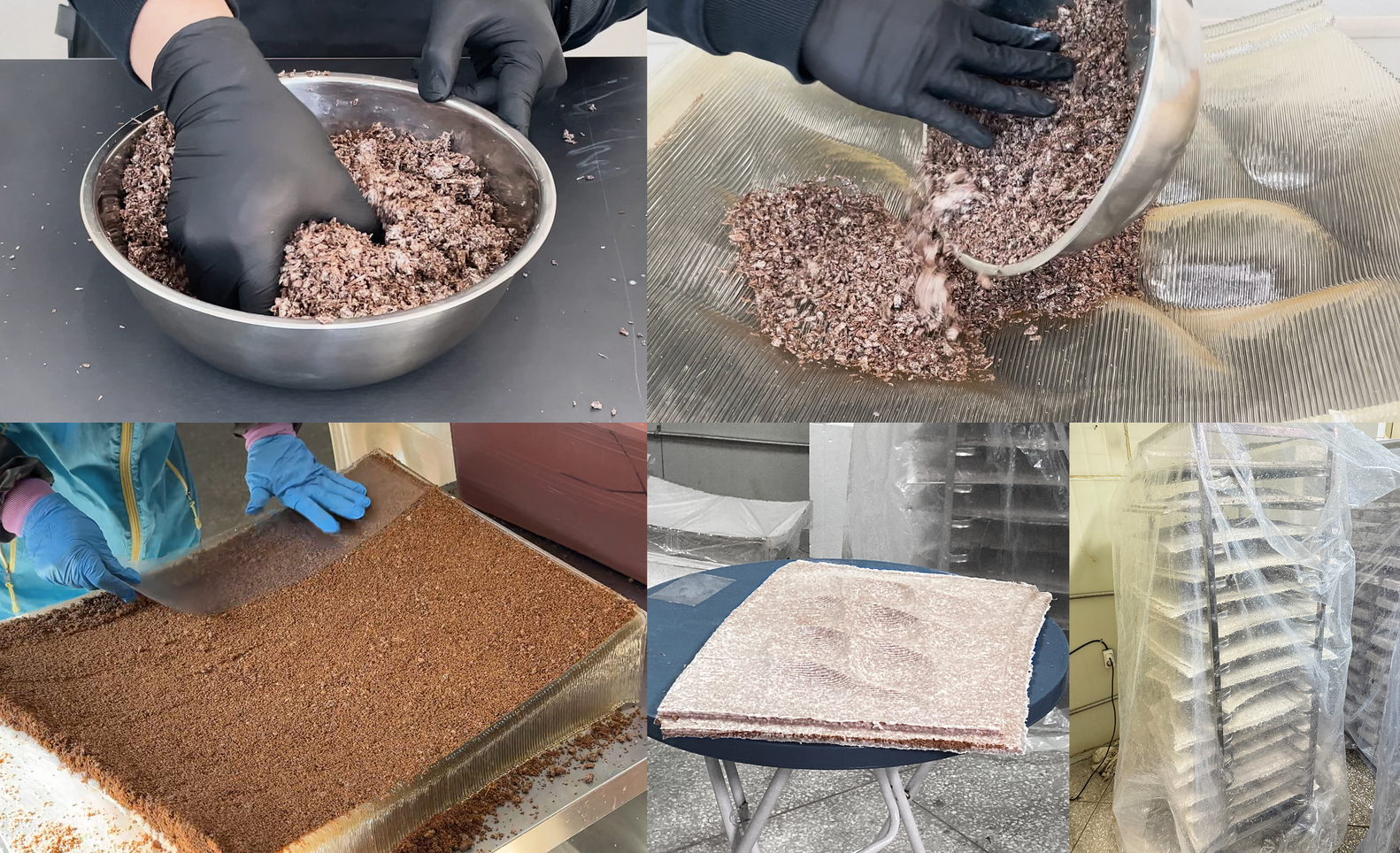
In the initial phase, various types of mycelium substrates were tested to evaluate their workability, growth, and strength. Based on these results, specific molds were fabricated using 3D printing.
Ultimately, a new workflow combining industrial robotic arms was established to merge digital processes with natural growth systems, resulting in a large-scale structure that embodies the coexistence of computation and biology.
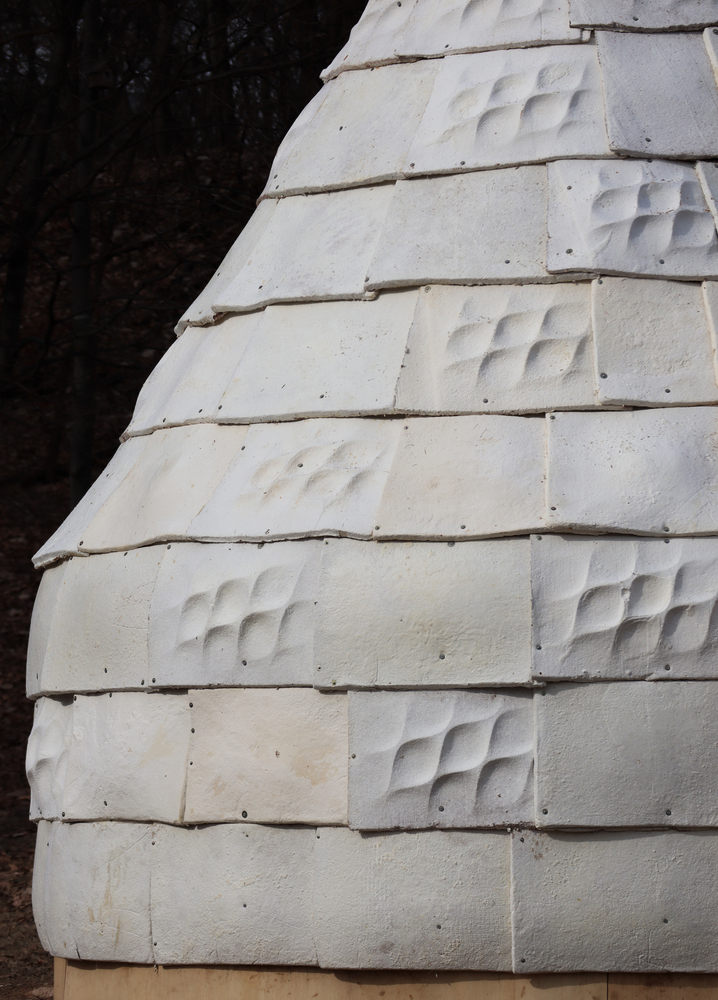
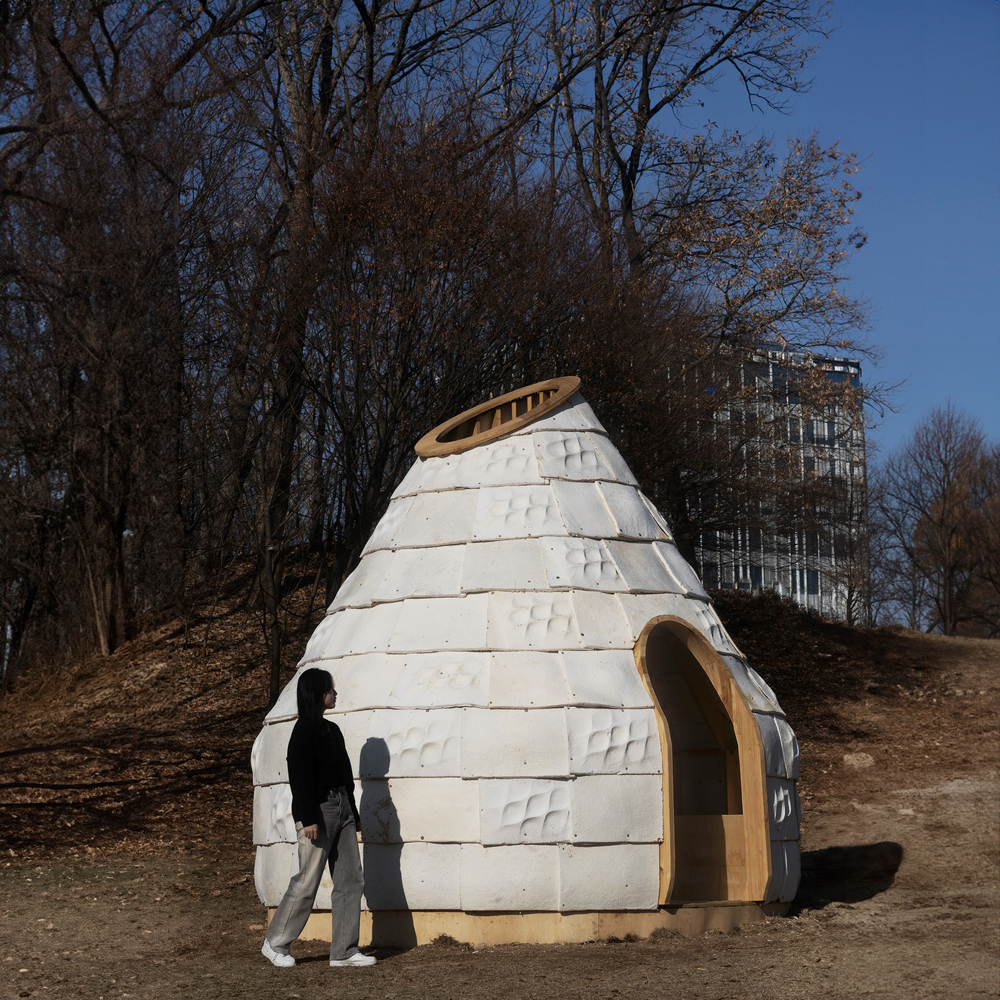
The project addresses the challenges of fungal material application and demonstrates the feasibility of bio-composites for architectural construction.
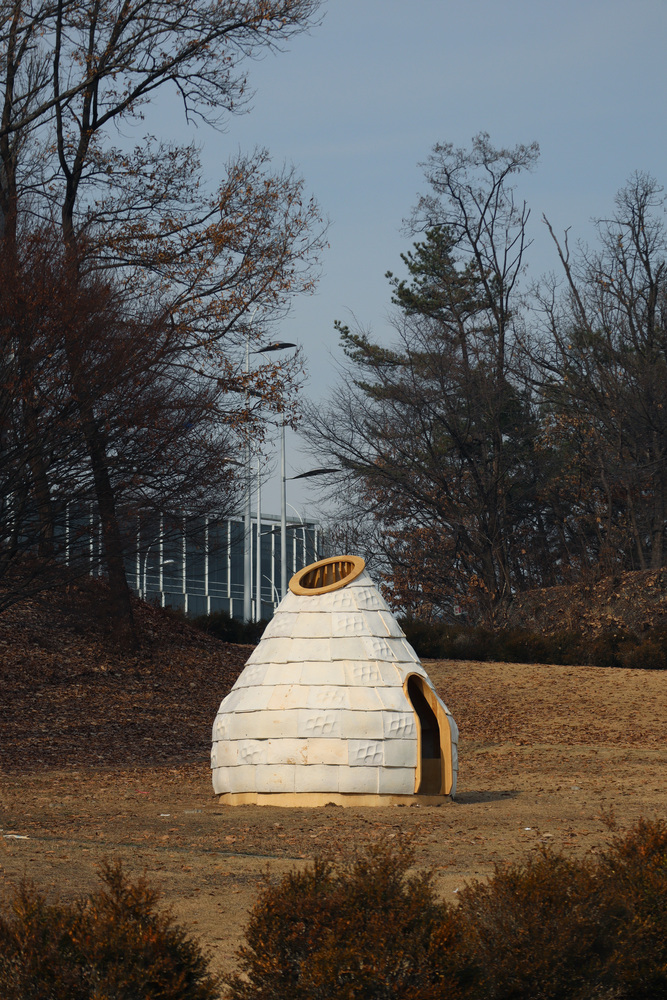
Located on the campus of Seoul National University of Science and Technology, this bold installation seeks to make the concept of sustainable architecture tangible and accessible in everyday life, inviting viewers to imagine a future where buildings are not simply constructed, but cultivated.