
Jinsha Winery Cultural Tourism Complex
JINSHA WINERY CULTURAL TOURISM COMPLEX
Hypersity Architects
ARCHITECTS
Hypersity Architects
LEAD ARCHITECT
Shi Yang
CLIENTS
Guizhou Jinsha Jiaojiu Winery Industry Co.,ltd
MANUFACTURERS
KOB, Nippon
PHOTOGRAPHS
Weiqi Jin
AREA
21966 m²
YEAR
2025
LOCATION
Bijie, China
CATEGORY
Industrial Architecture, Offices
English description provided by the architects.
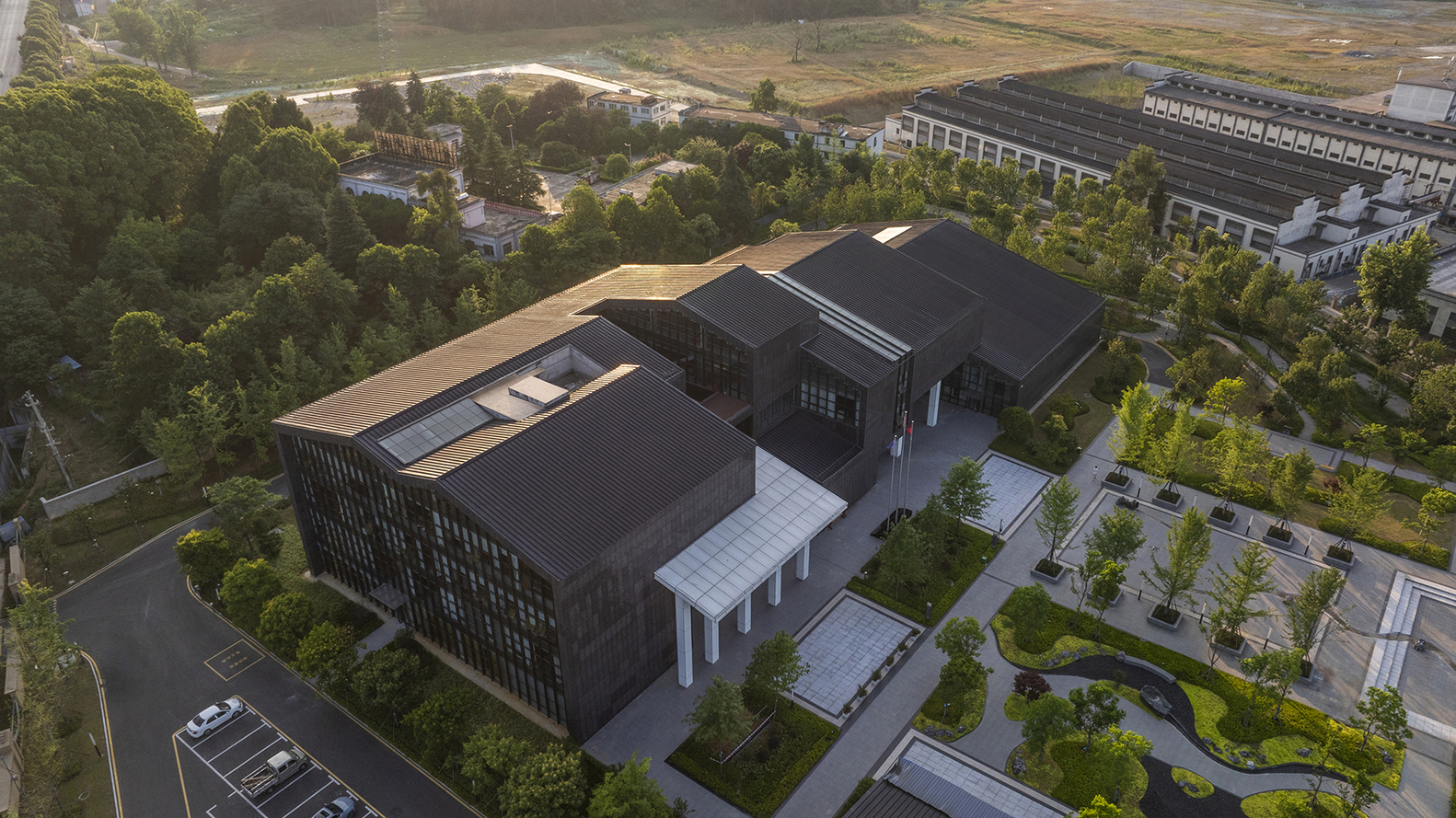
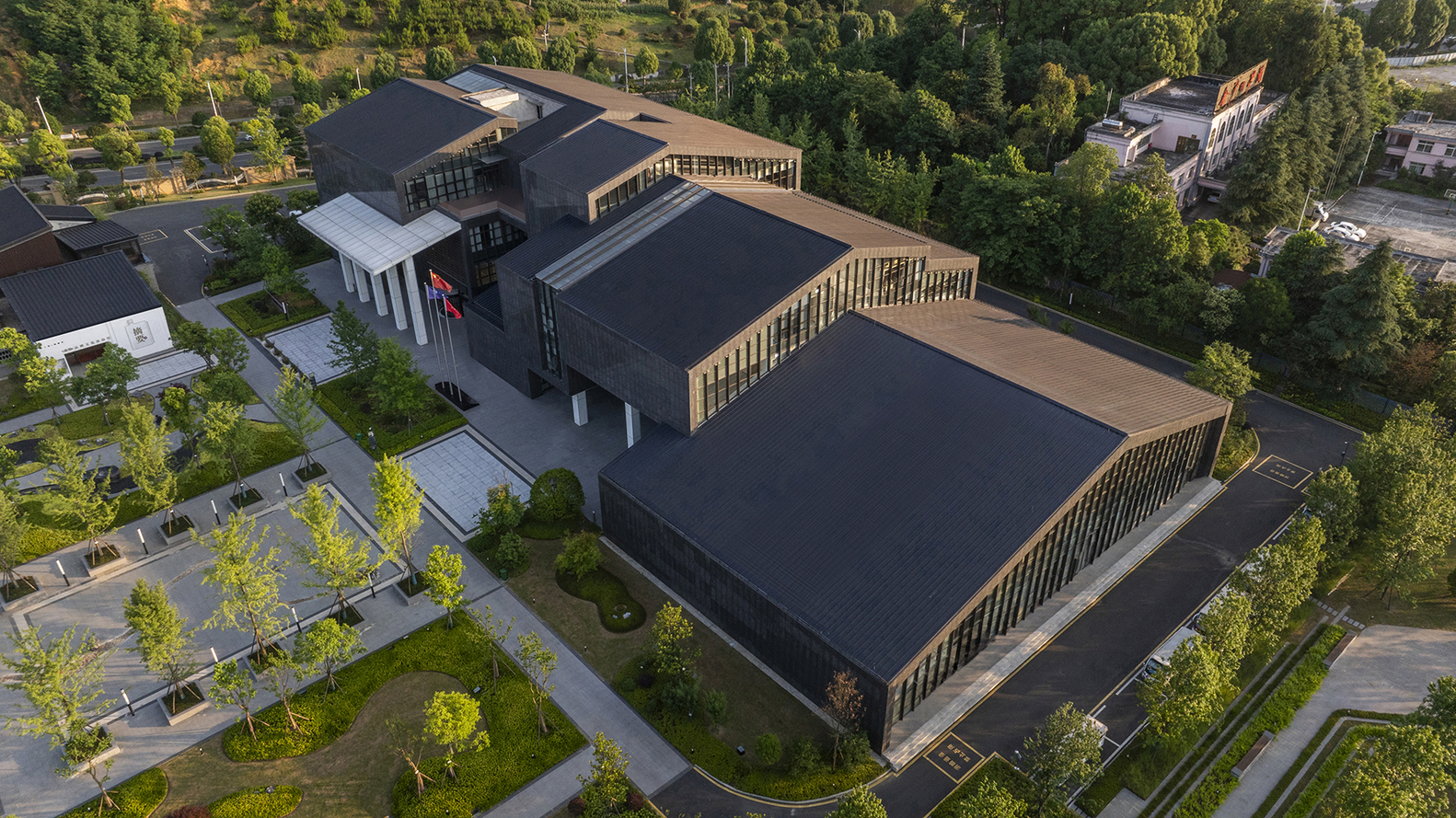
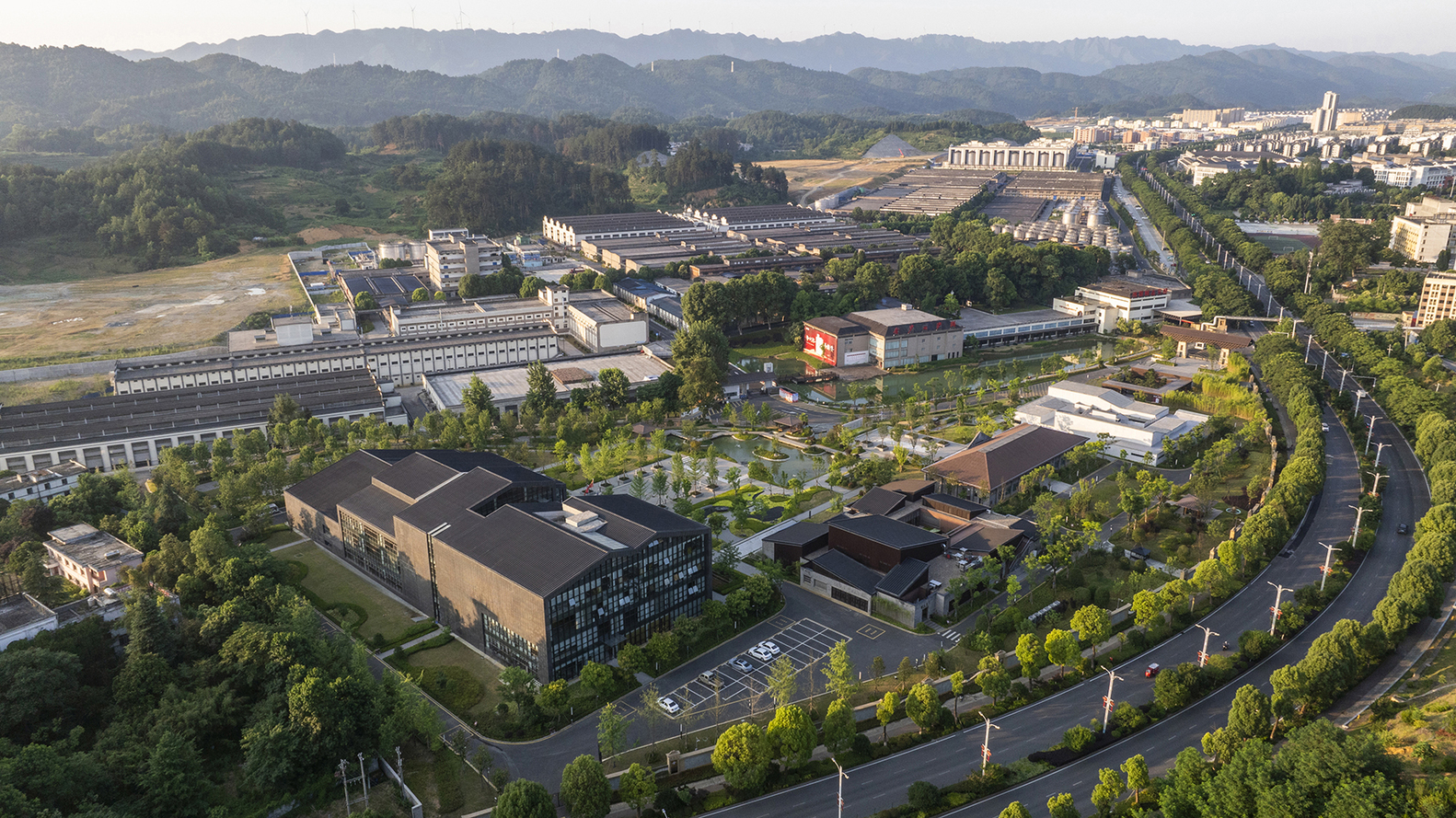
The project is located in Dashuiling, Jinsha County, Guizhou Province, in the upper reaches of the Chishui River Basin.
It is adjacent to Huanghe Avenue to the south and the production area of Jinsha Liquor Factory to the north.
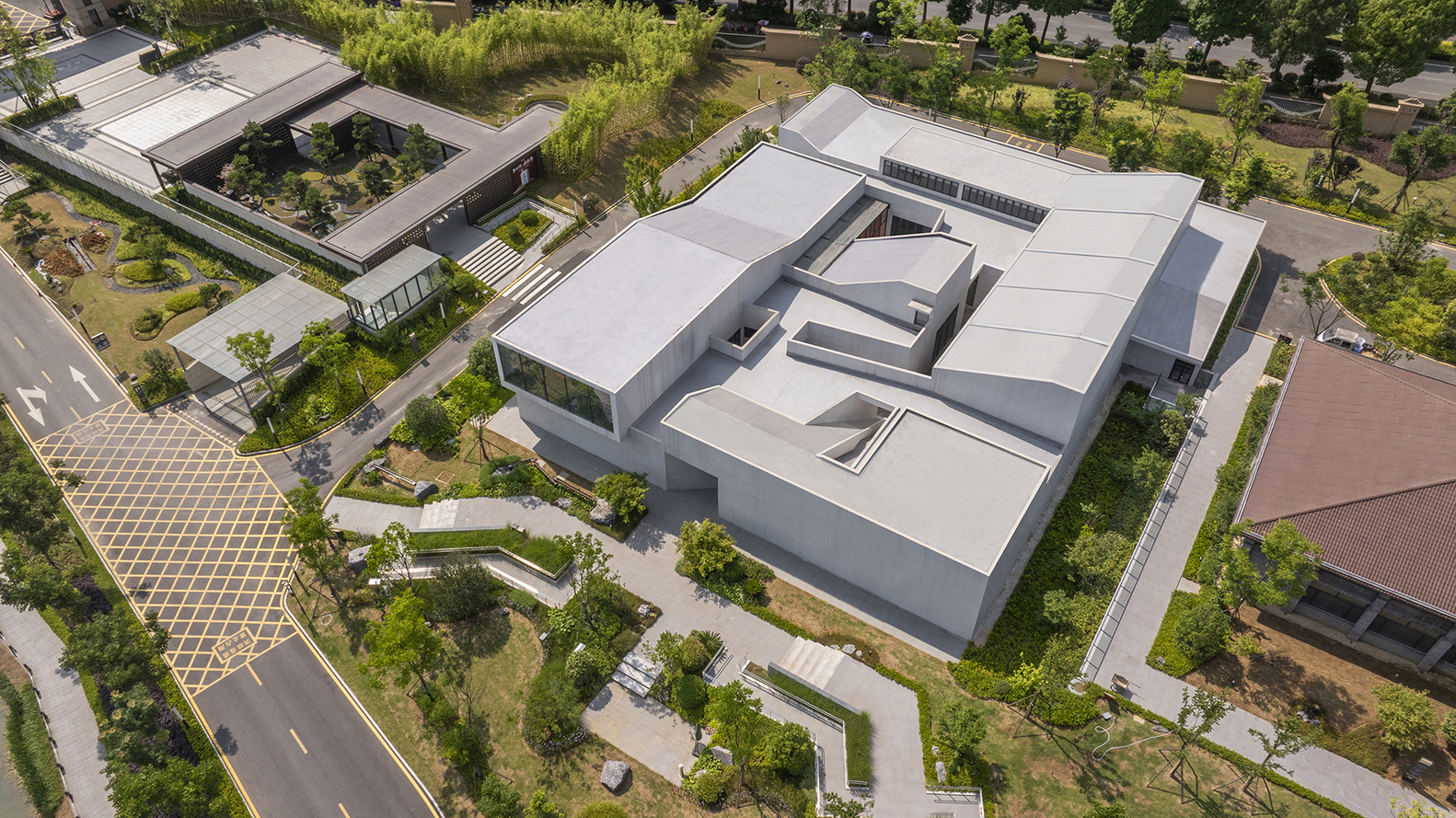
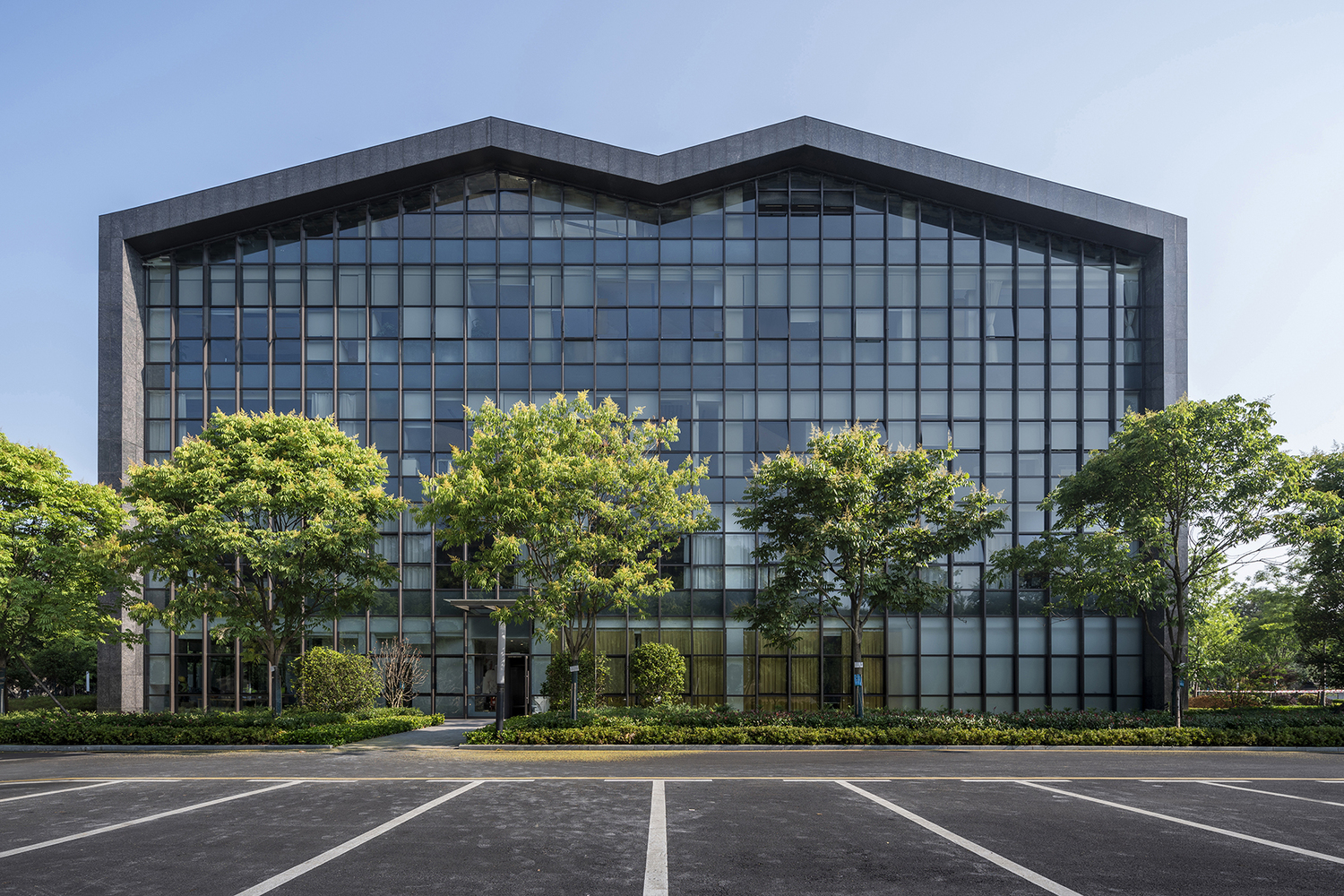
Situated in the golden liquor-making belt at 27° north latitude with an altitude of 800-1100 meters, it covers a total land area of 95 mu (70 mu for Phase I and 25 mu for Phase II).
The site was originally Dashui State-owned Farm established in 1963 during the people's commune period.
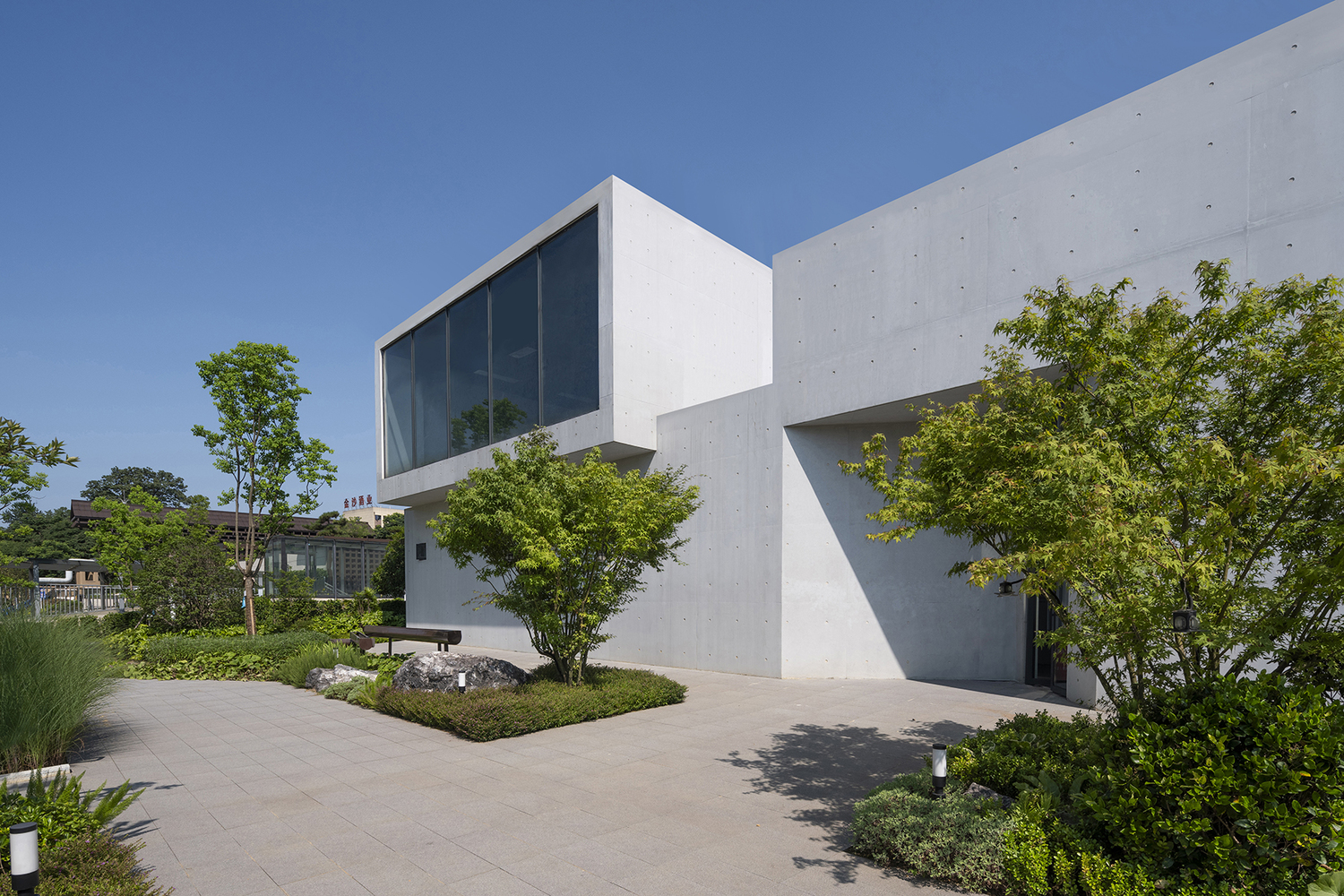
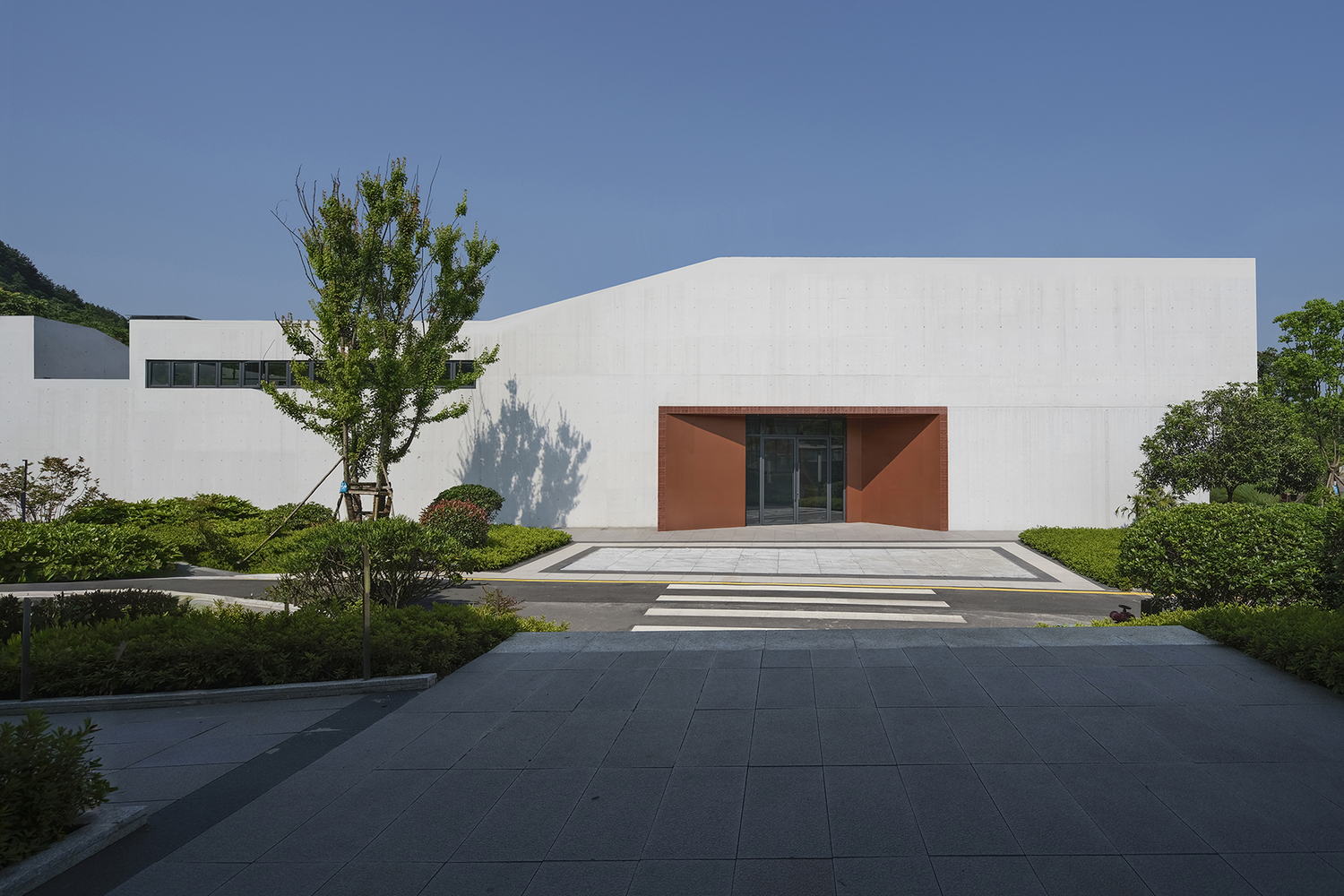
It once adopted a self-sufficient model integrating "planting + breeding + processing" before evolving into a shantytown.
Today, Jinsha Liquor has taken "deep integration of liquor production and cultural tourism experience" as its strategy to drive the brand's transformation from "selling liquor" to "selling a lifestyle."
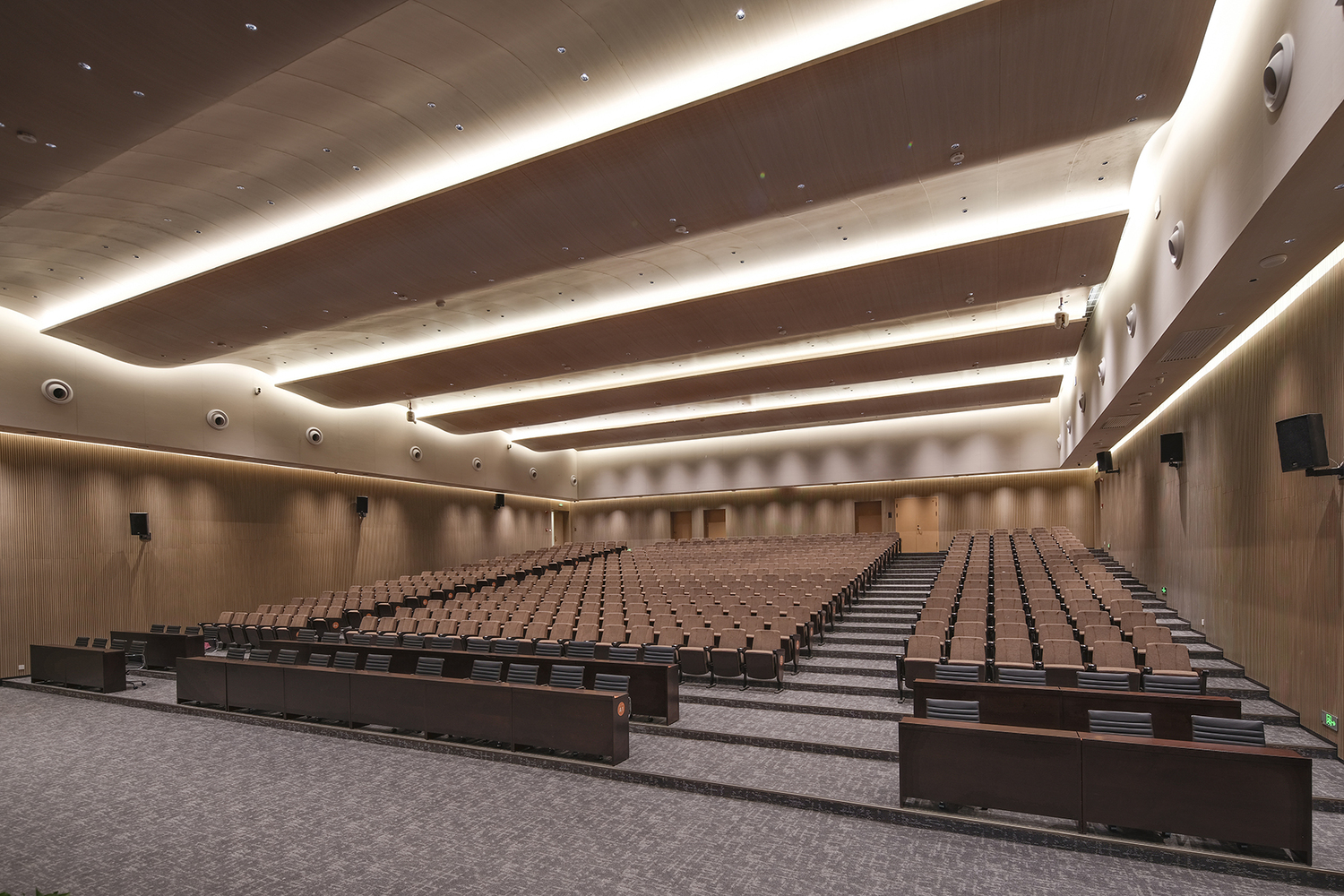
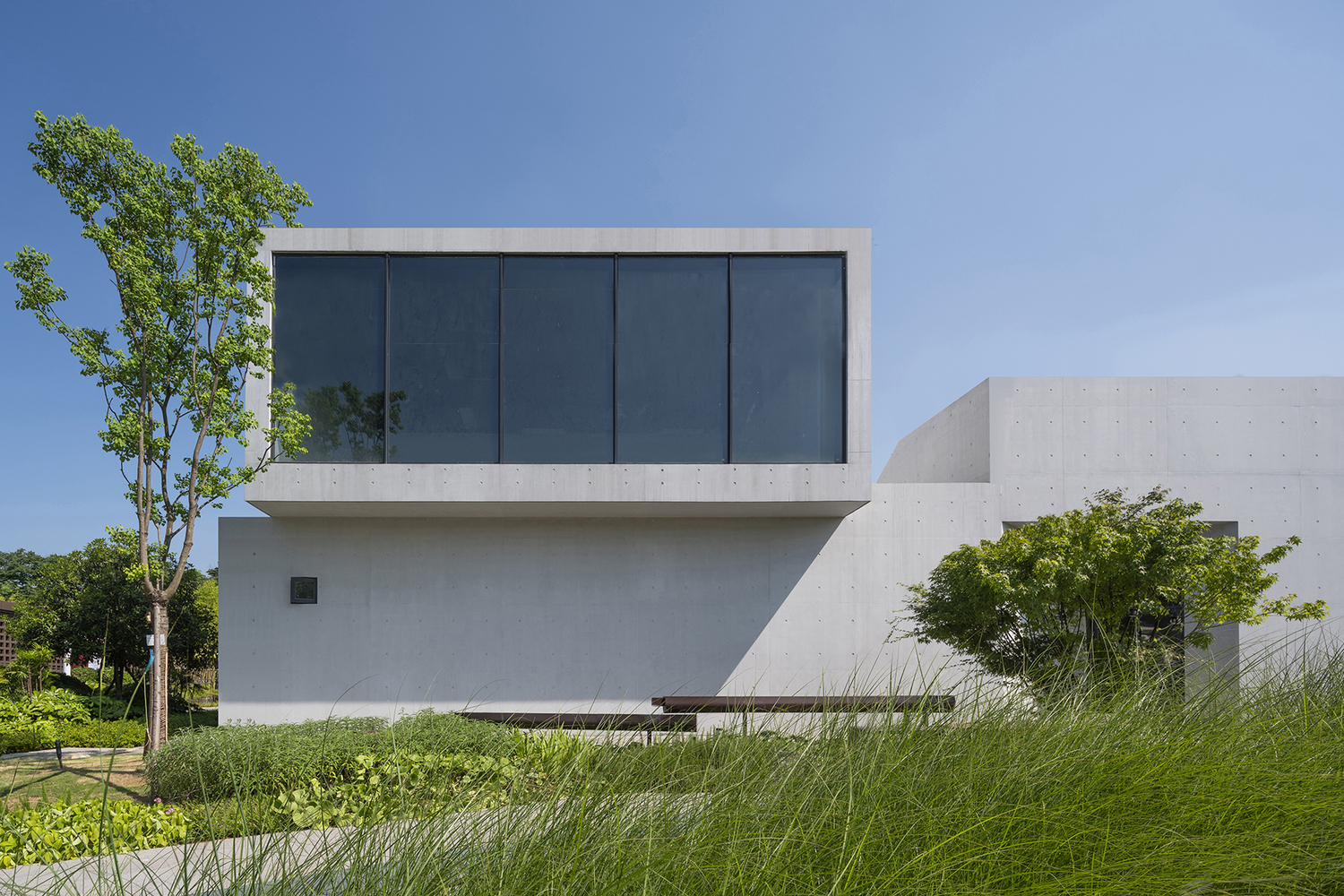
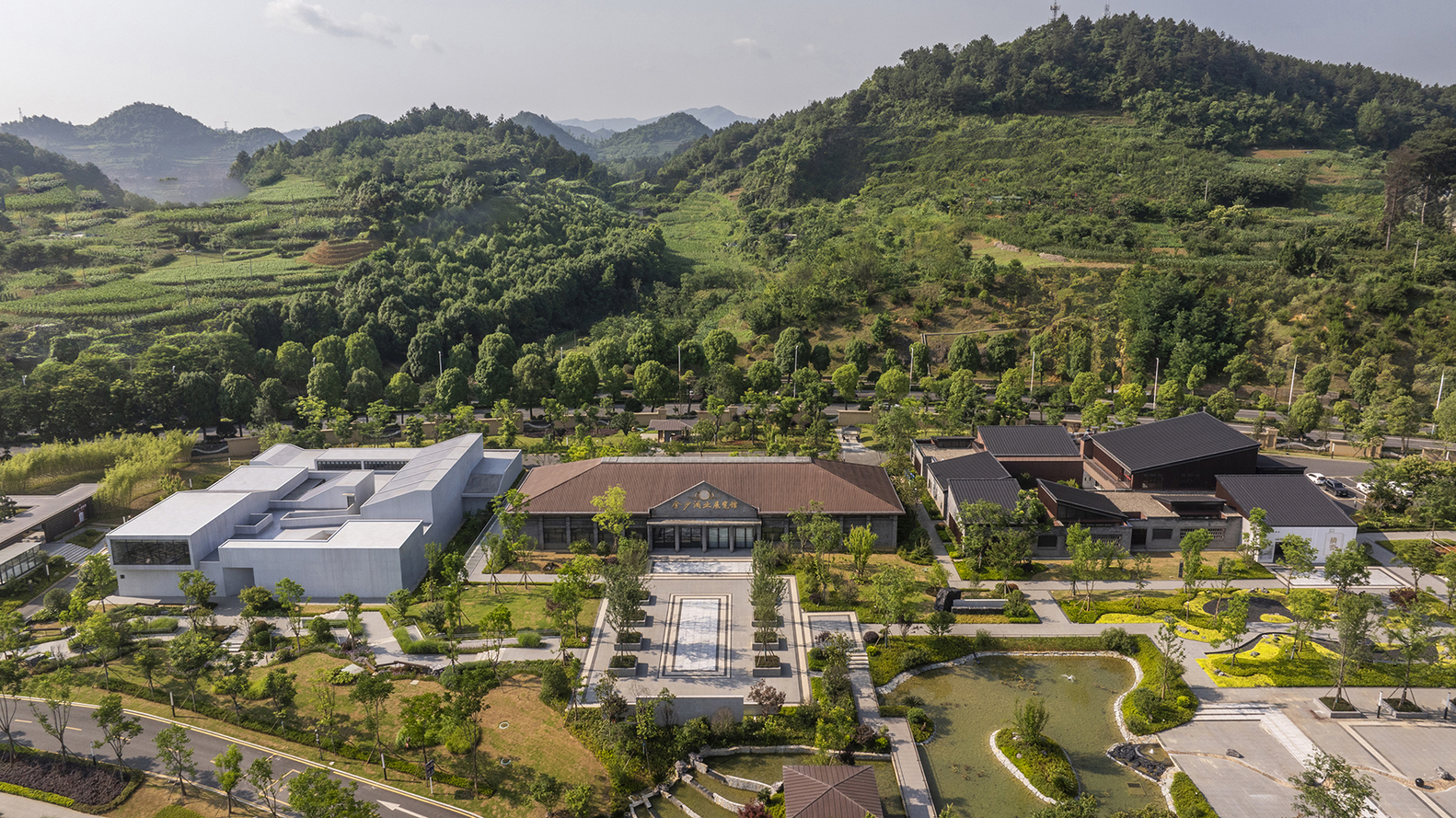
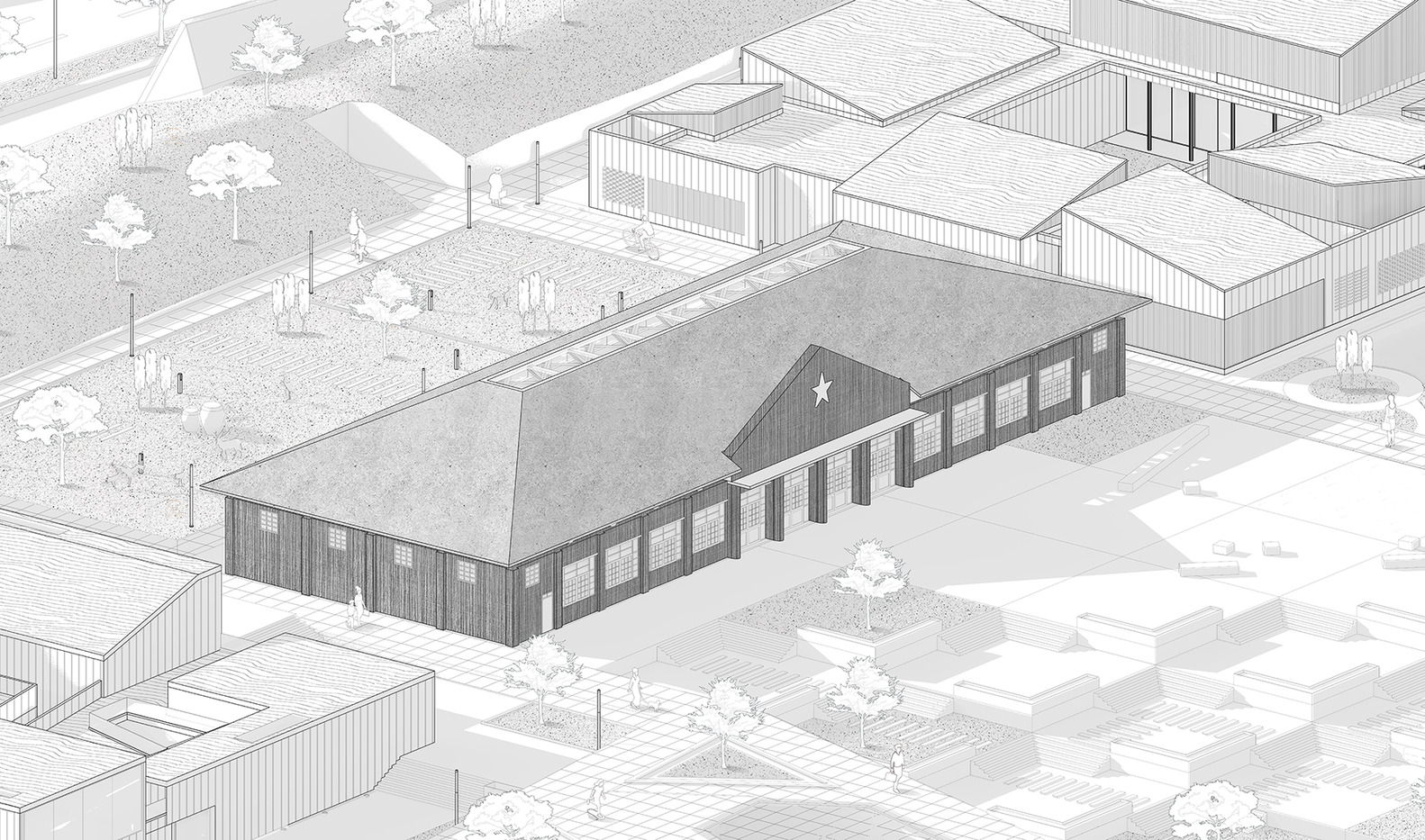
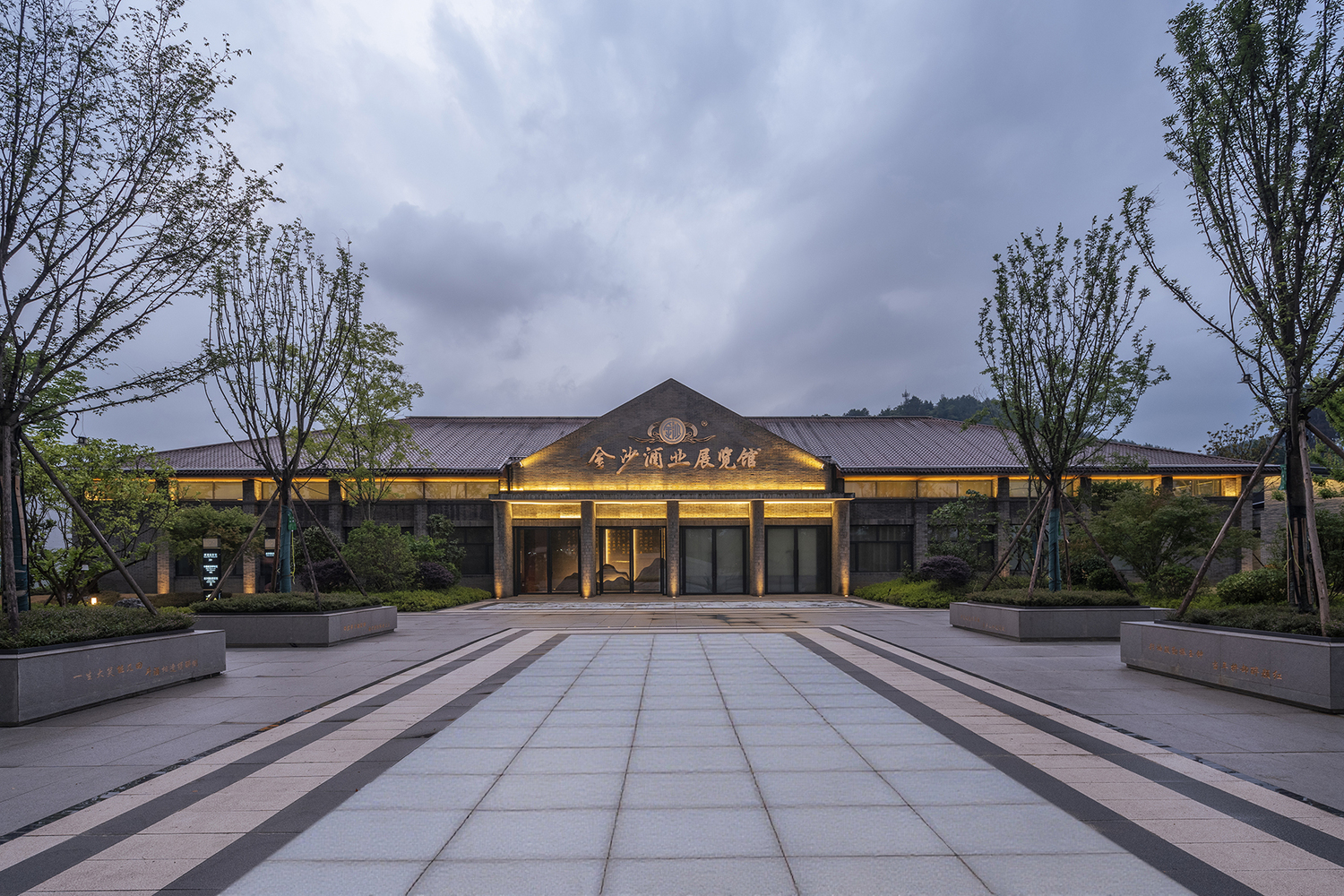
The core remaining building—the former supply and marketing cooperative auditorium—will be restored as a liquor culture exhibition hall, and the scattered brick-wood structures will also be upgraded.
GRID AND UNIT
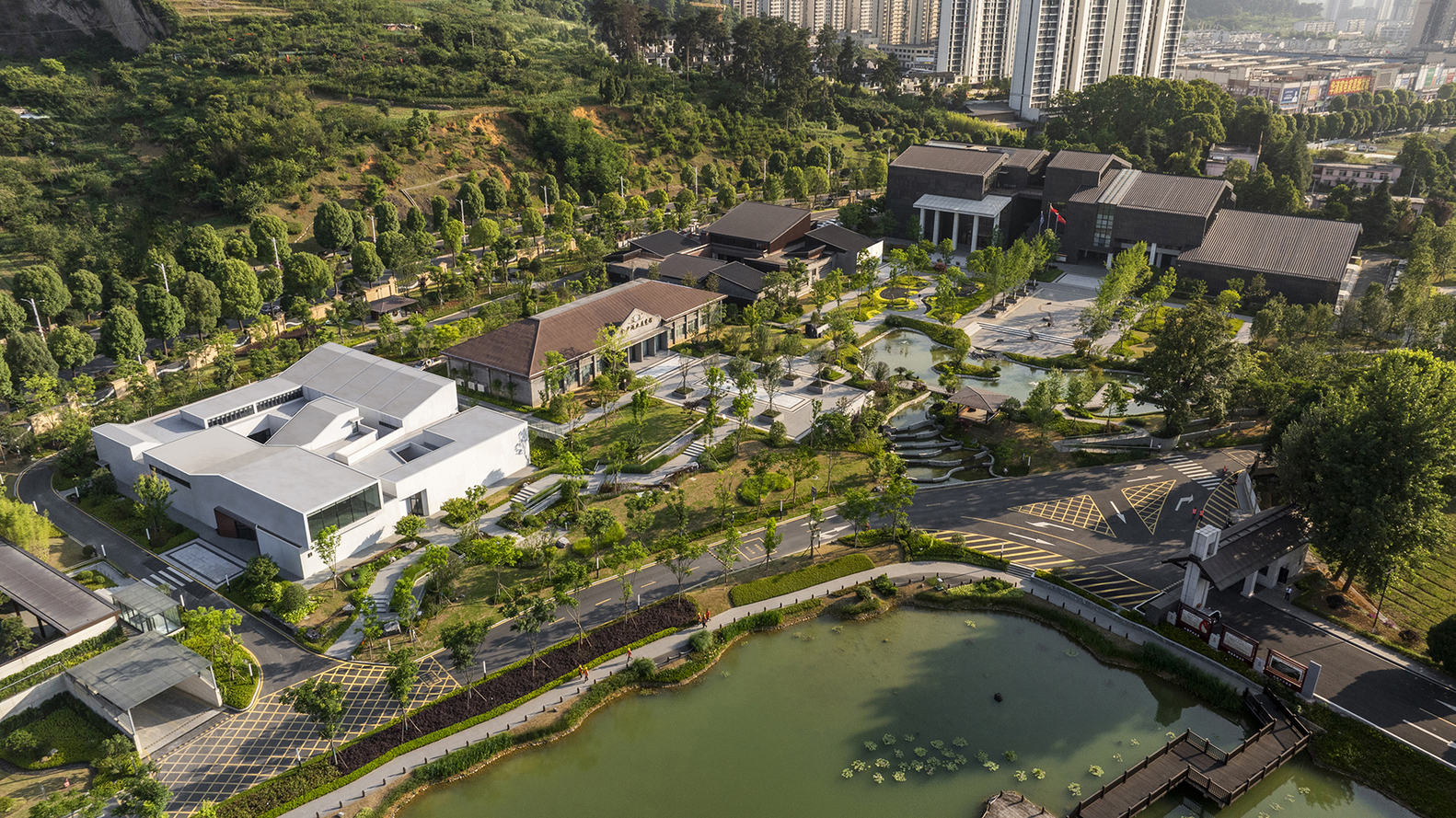
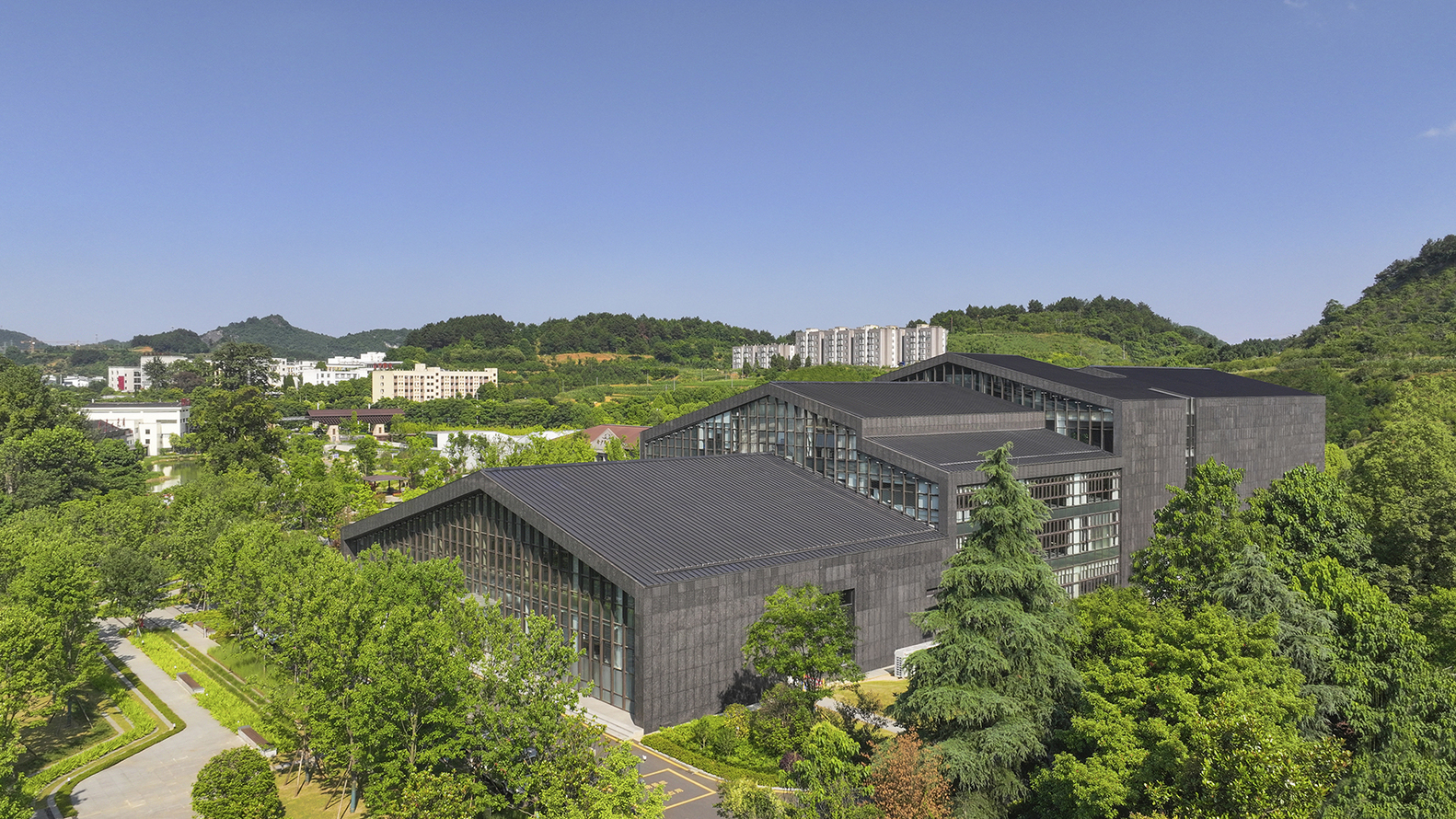
The site is positioned as a "cultural tourism complex in the factory front area," with a "garden-style liquor factory" as its foundation.
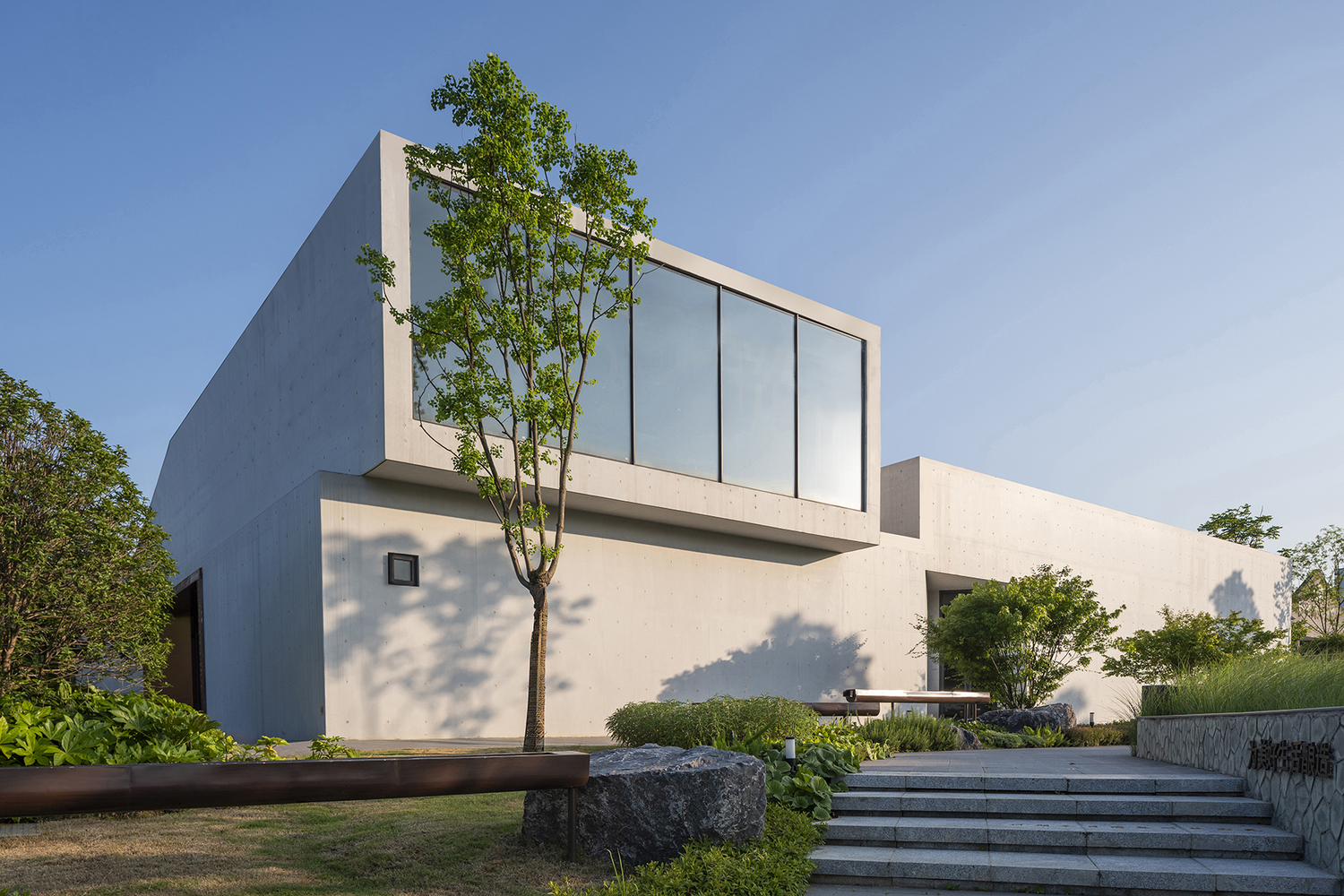
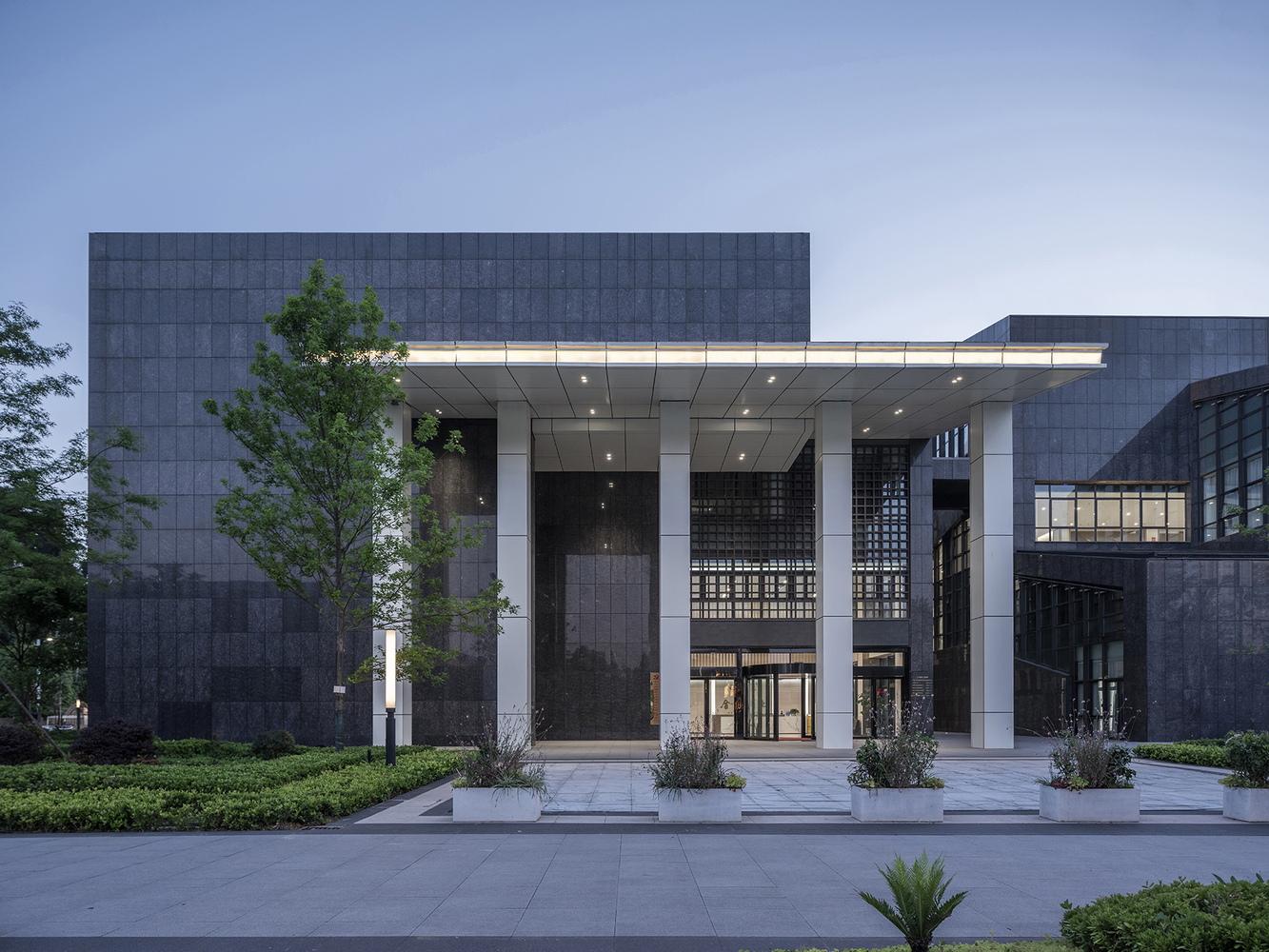
This design not only creates a suitable microenvironment for liquor-brewing microorganisms but also eliminates the industrial feel of traditional factories.
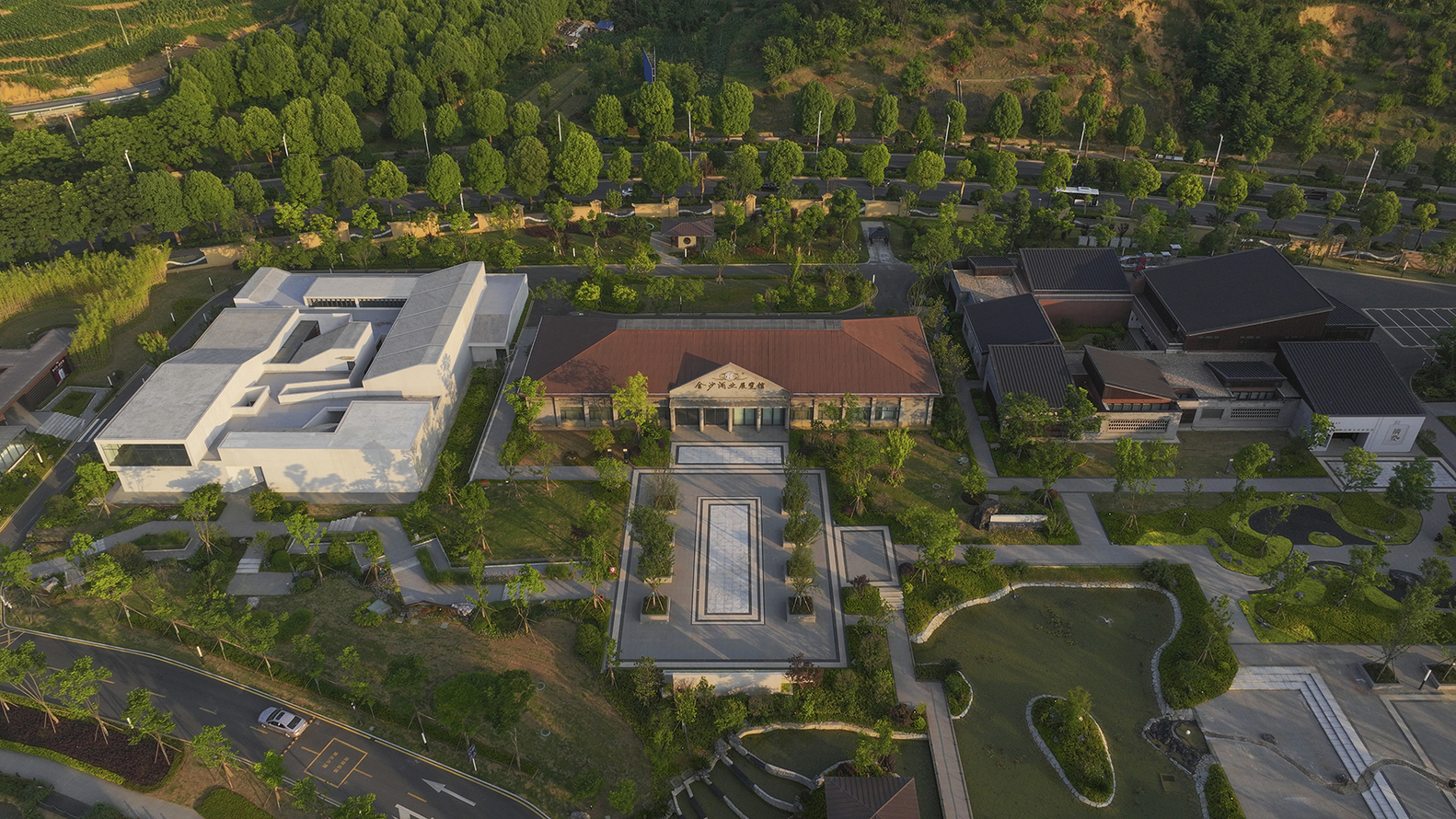
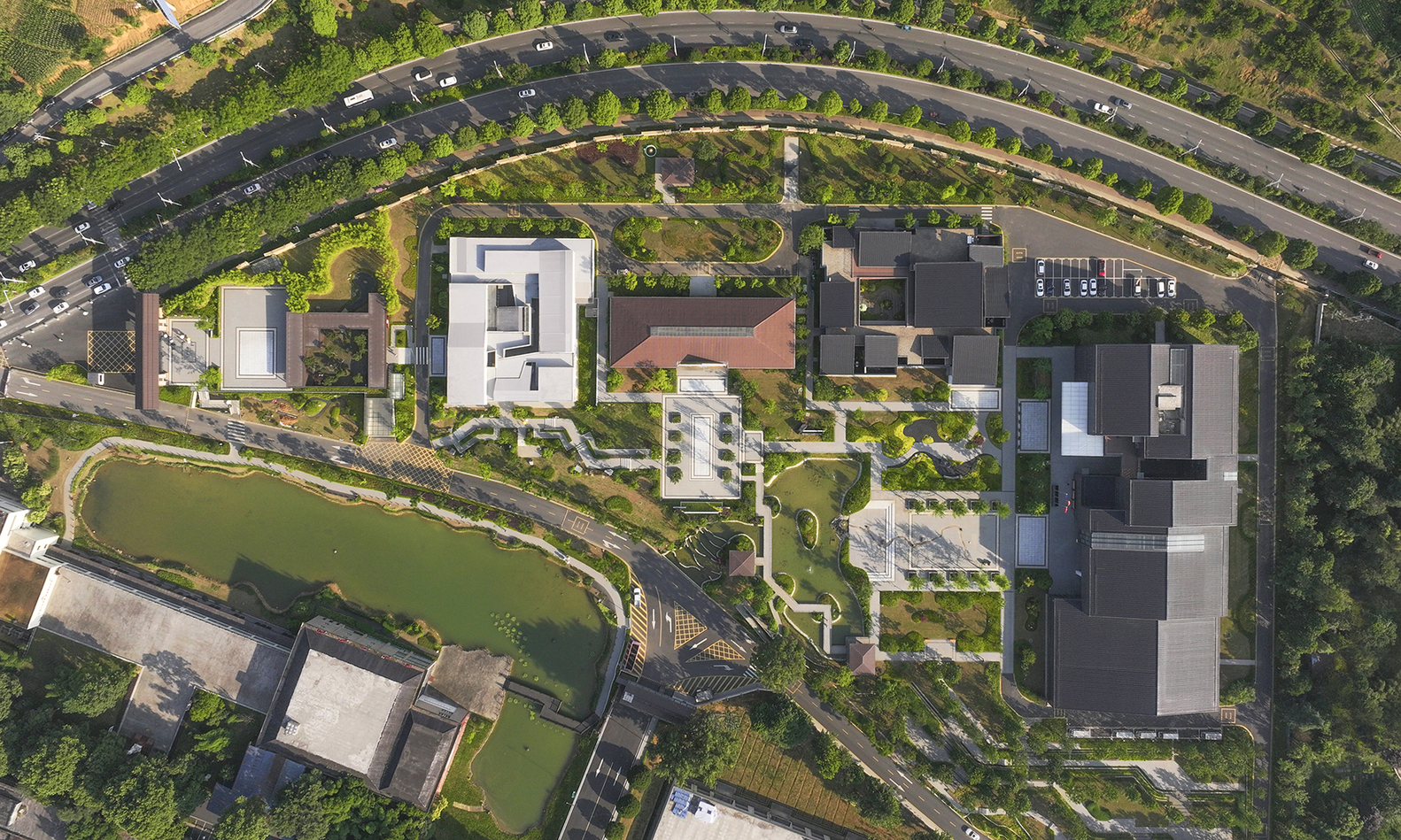
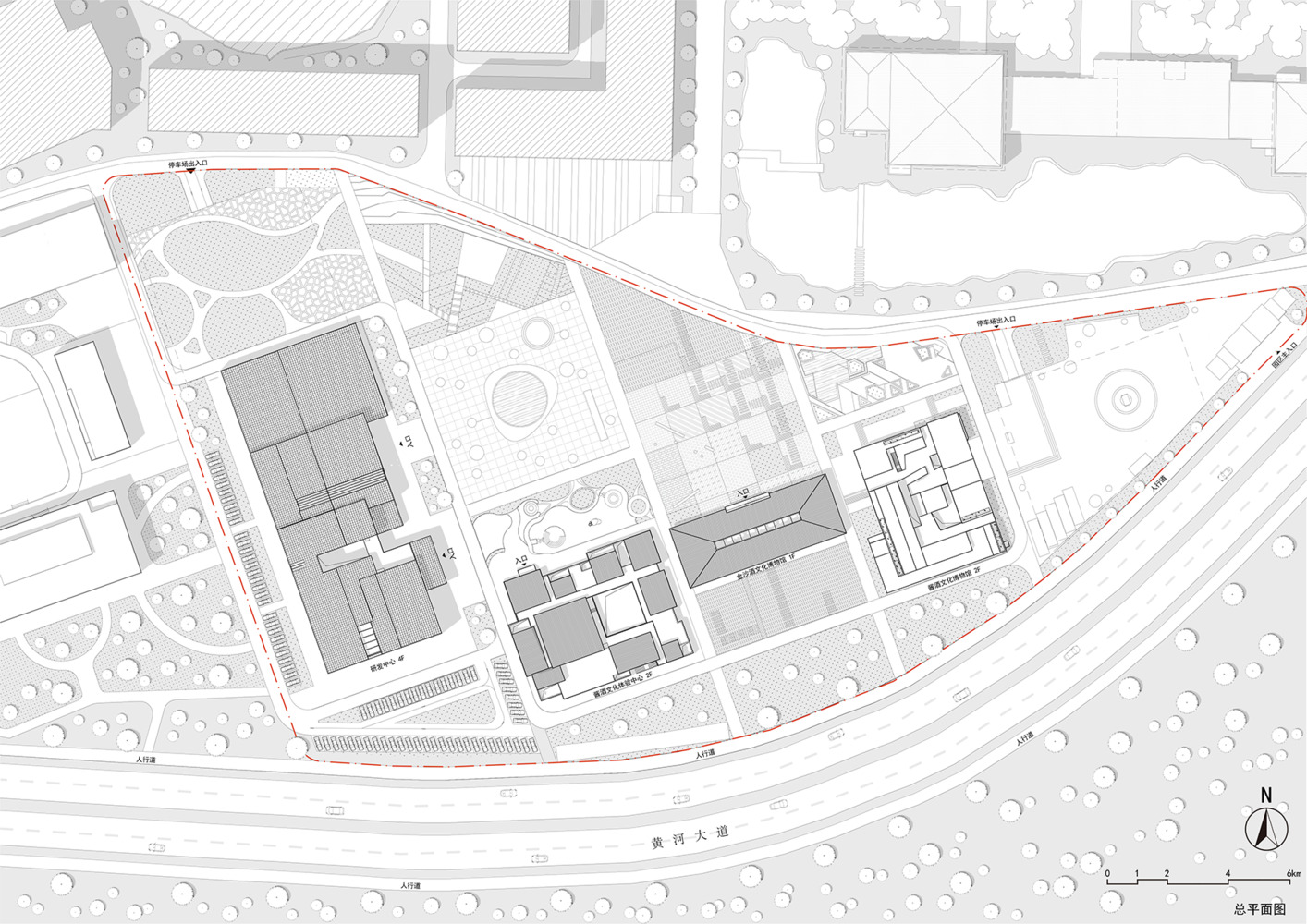
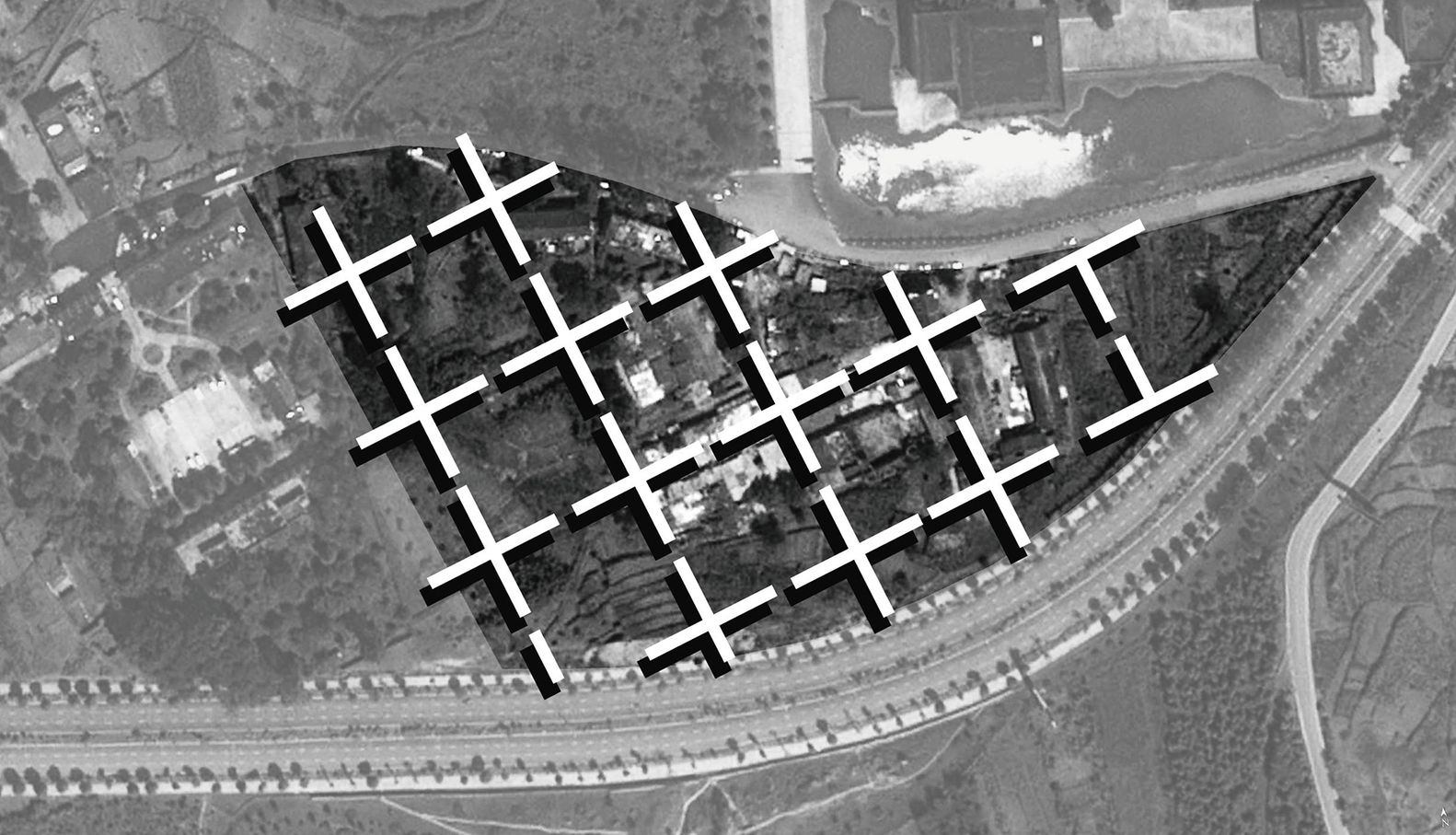
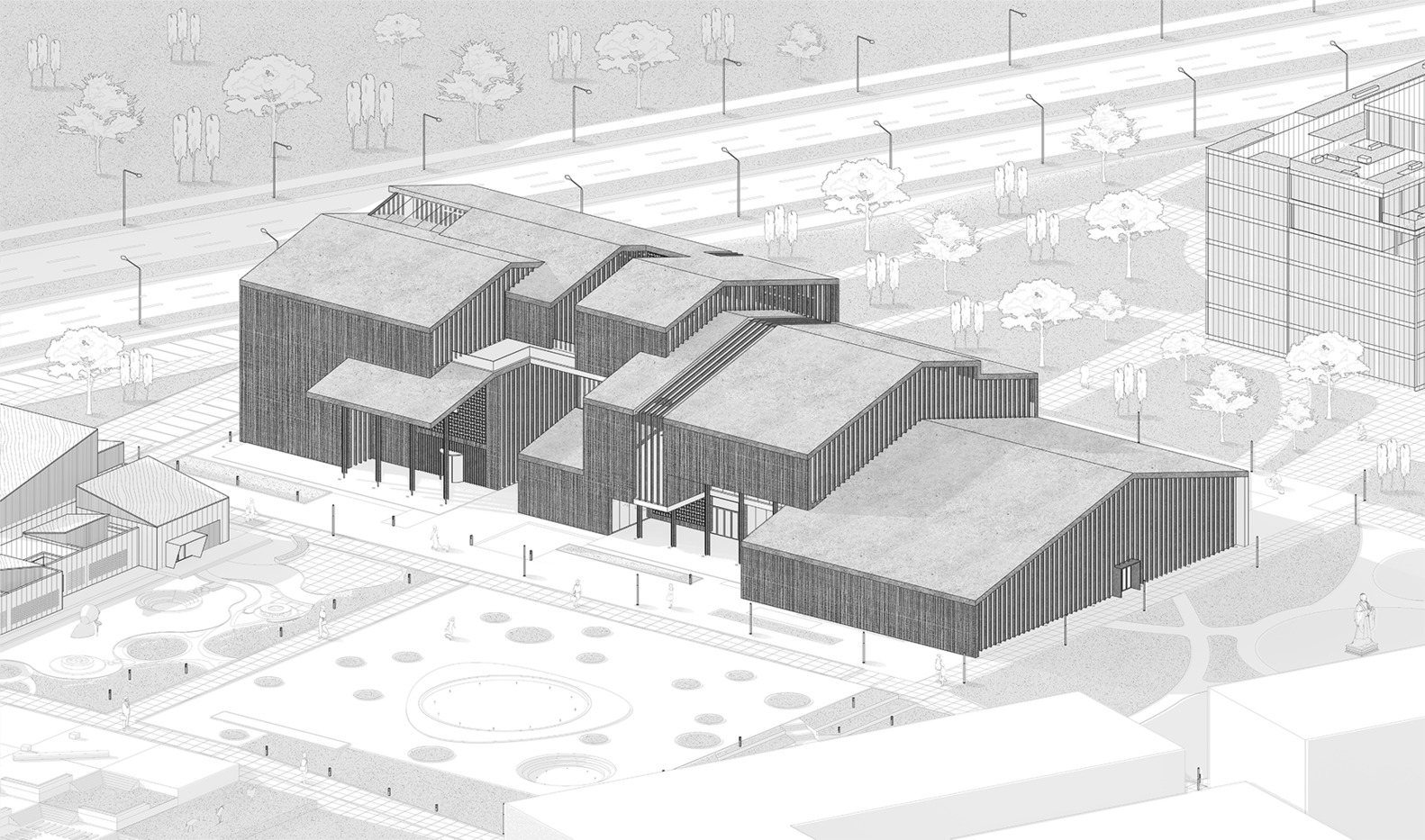
Within the 70-mu core area, a "controlling grid" is adopted. Grid units are divided based on the principle of "one-minute walk accessibility," with fixed functions such as a museum and a brewing technology demonstration area arranged in each unit.
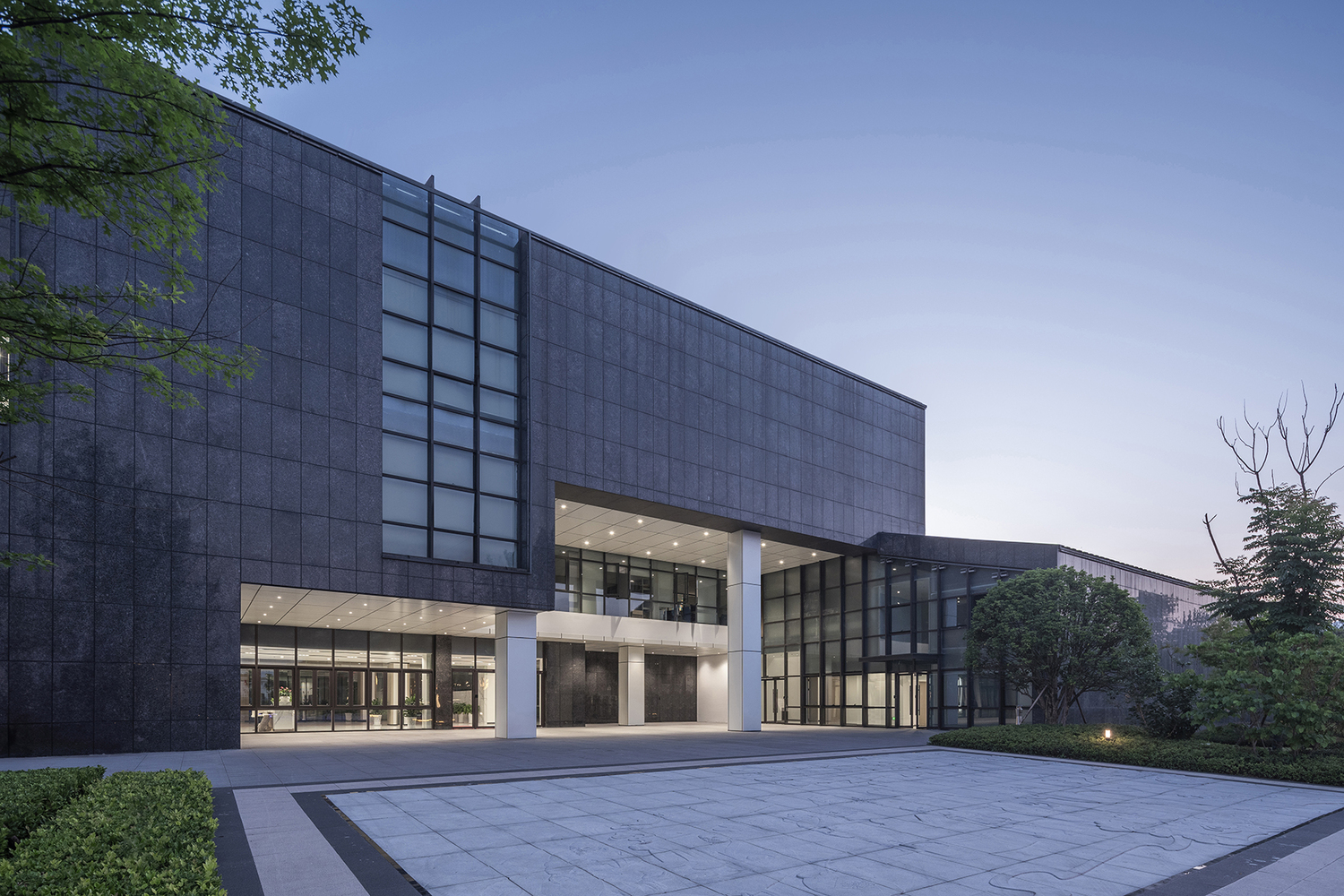
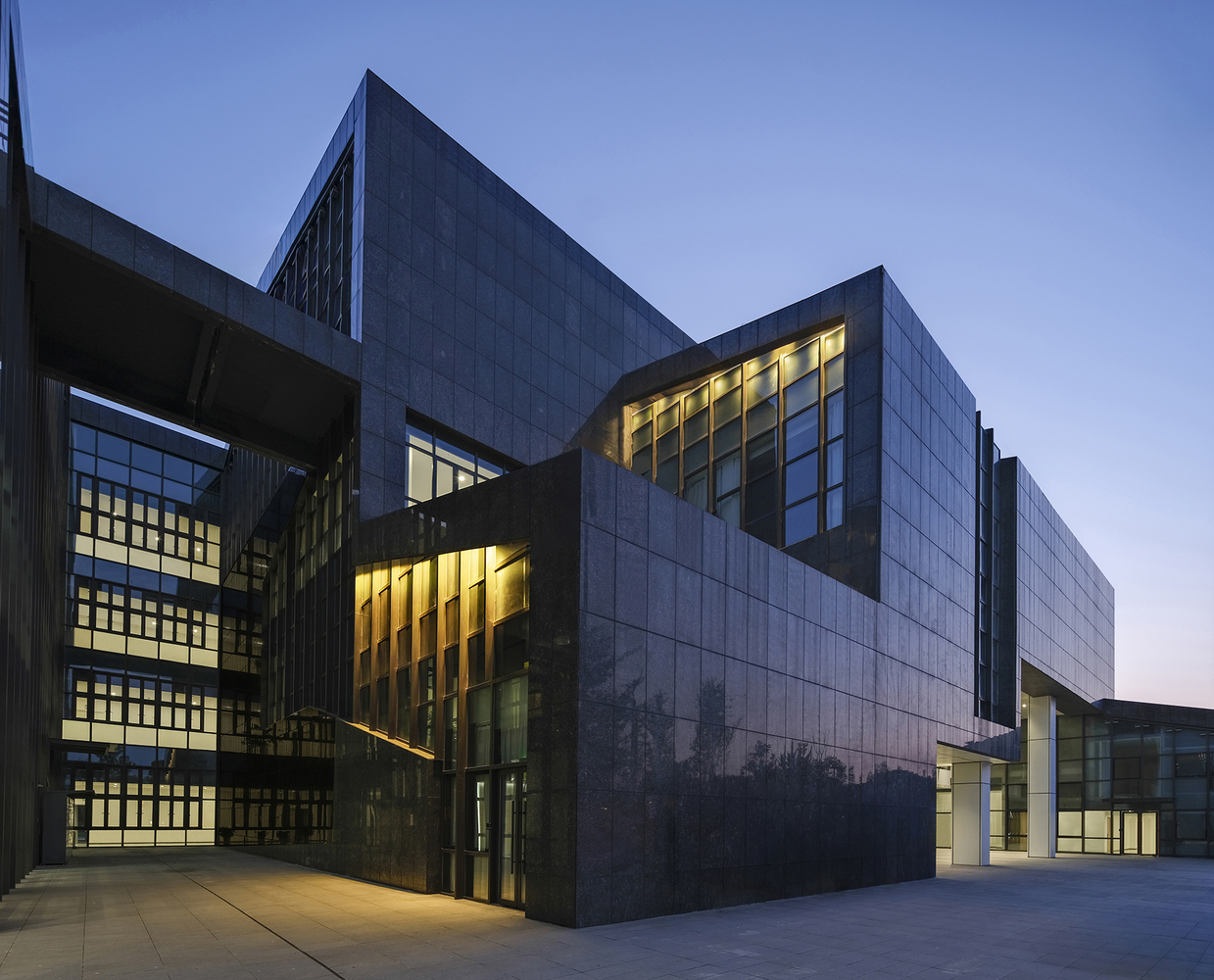
Flexible spaces are also reserved to support temporary activities. Meanwhile, the grid echoes both the order and flexibility of the "12987" brewing process (one-year production cycle, two feedings, nine steamings, eight fermentations, and seven extractions).
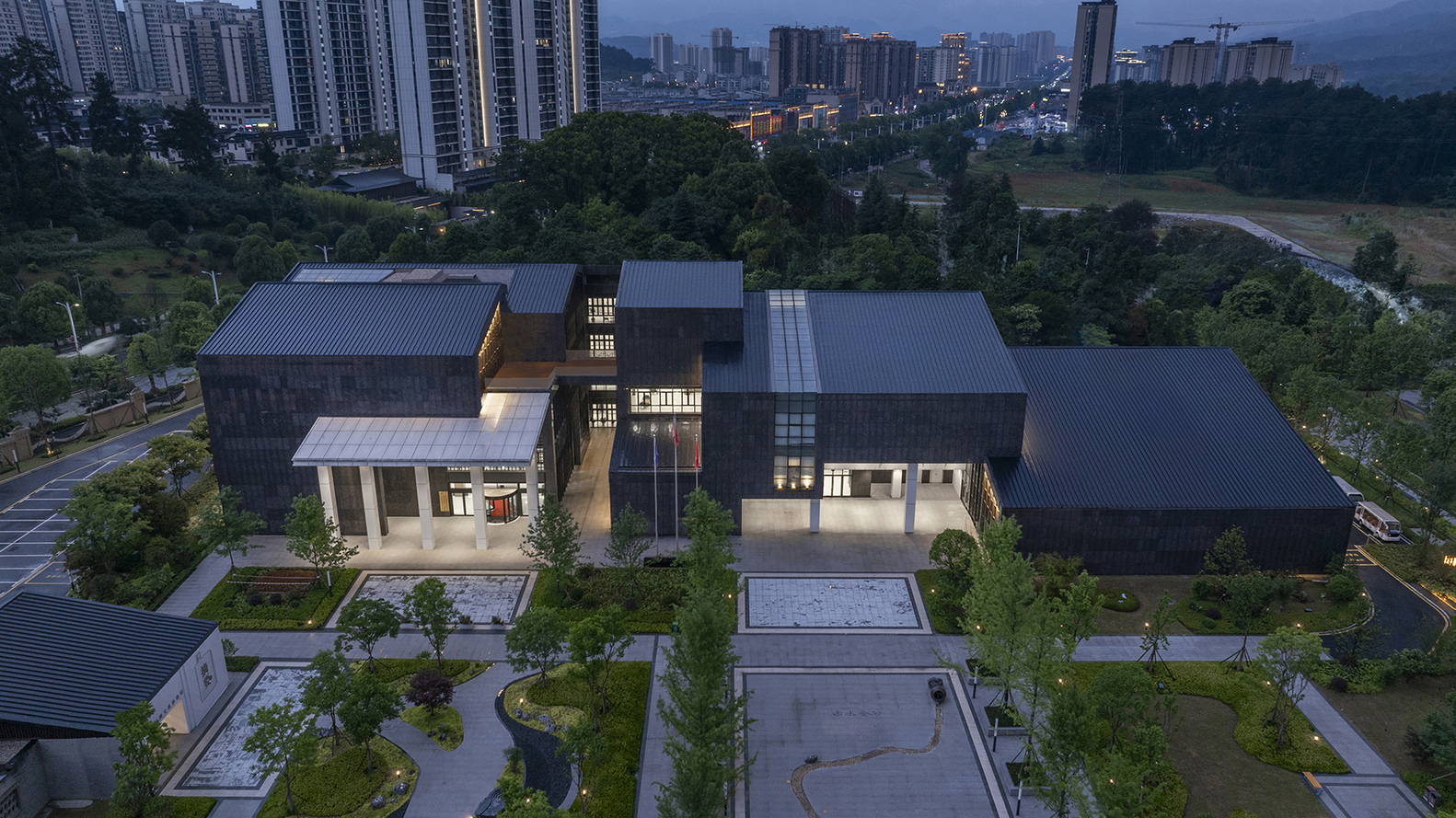
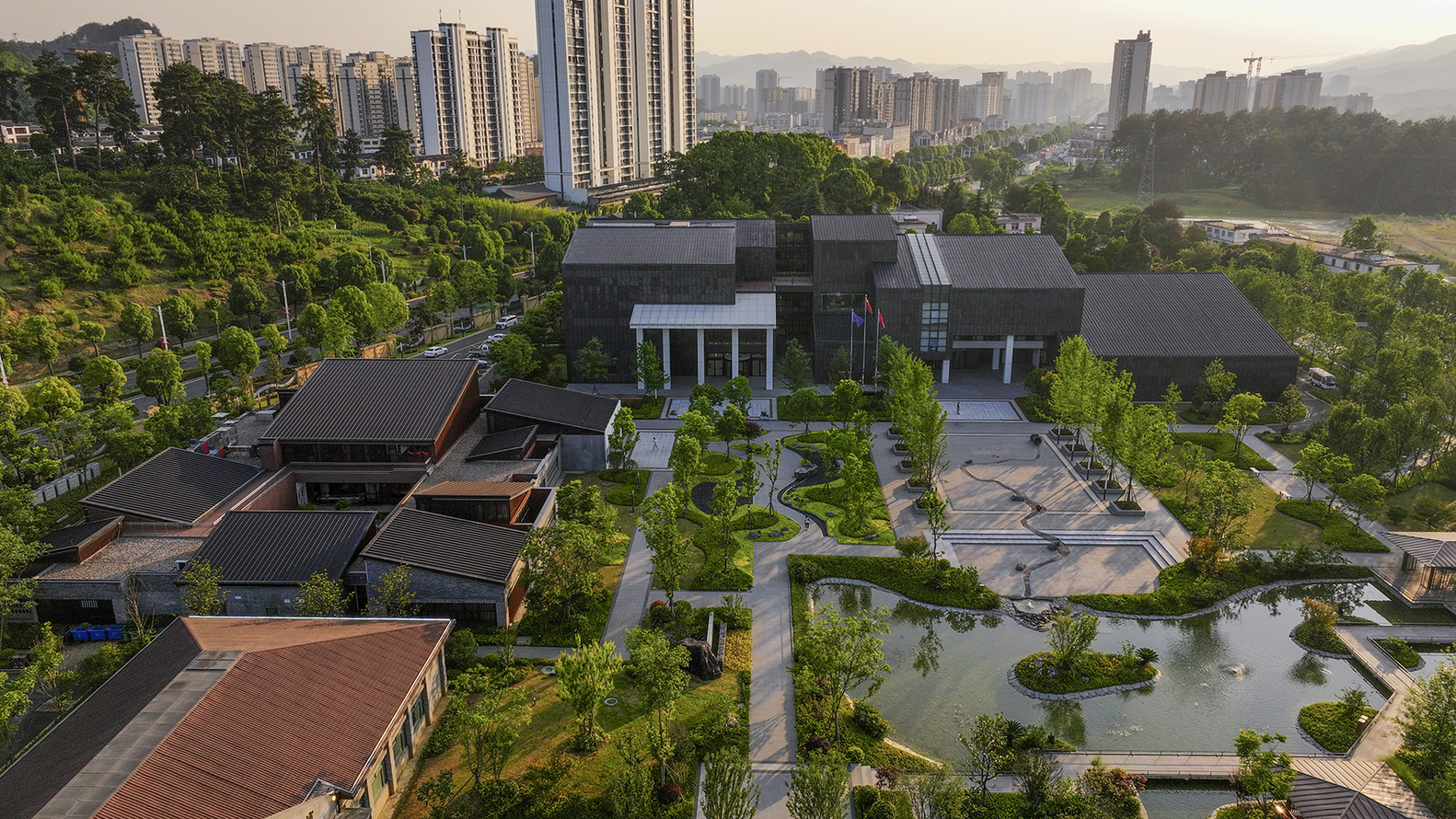
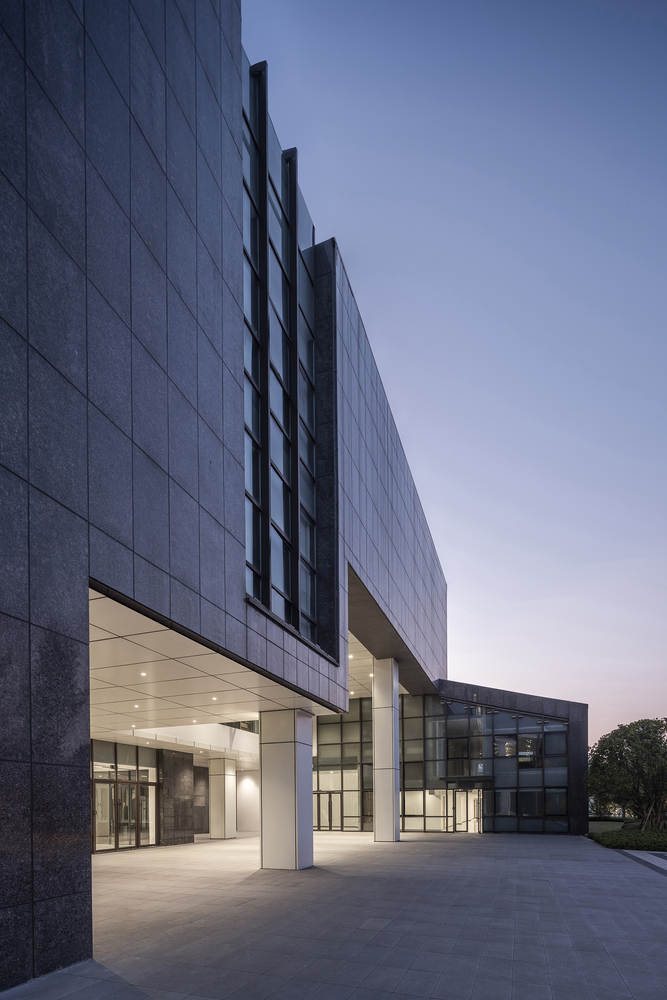
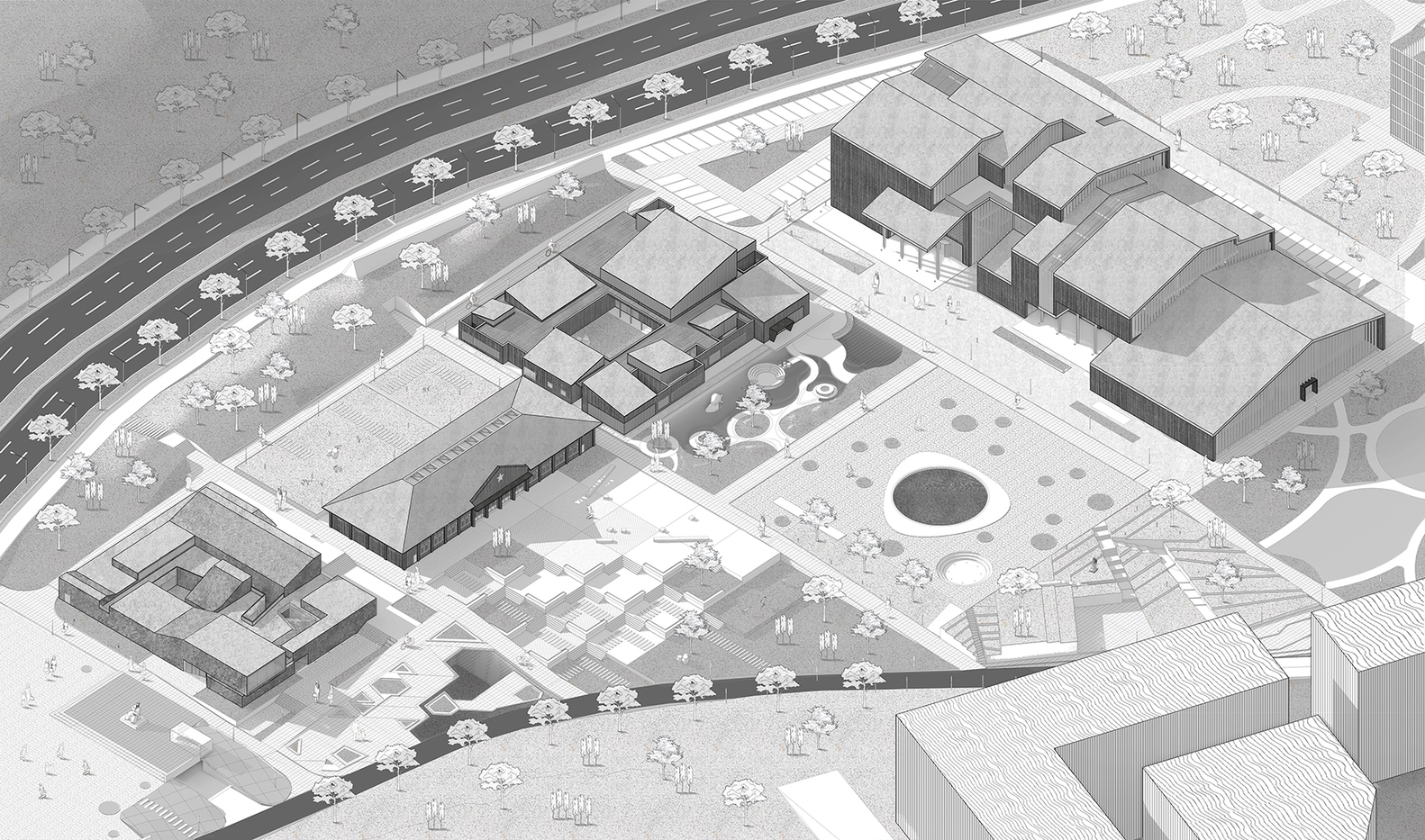
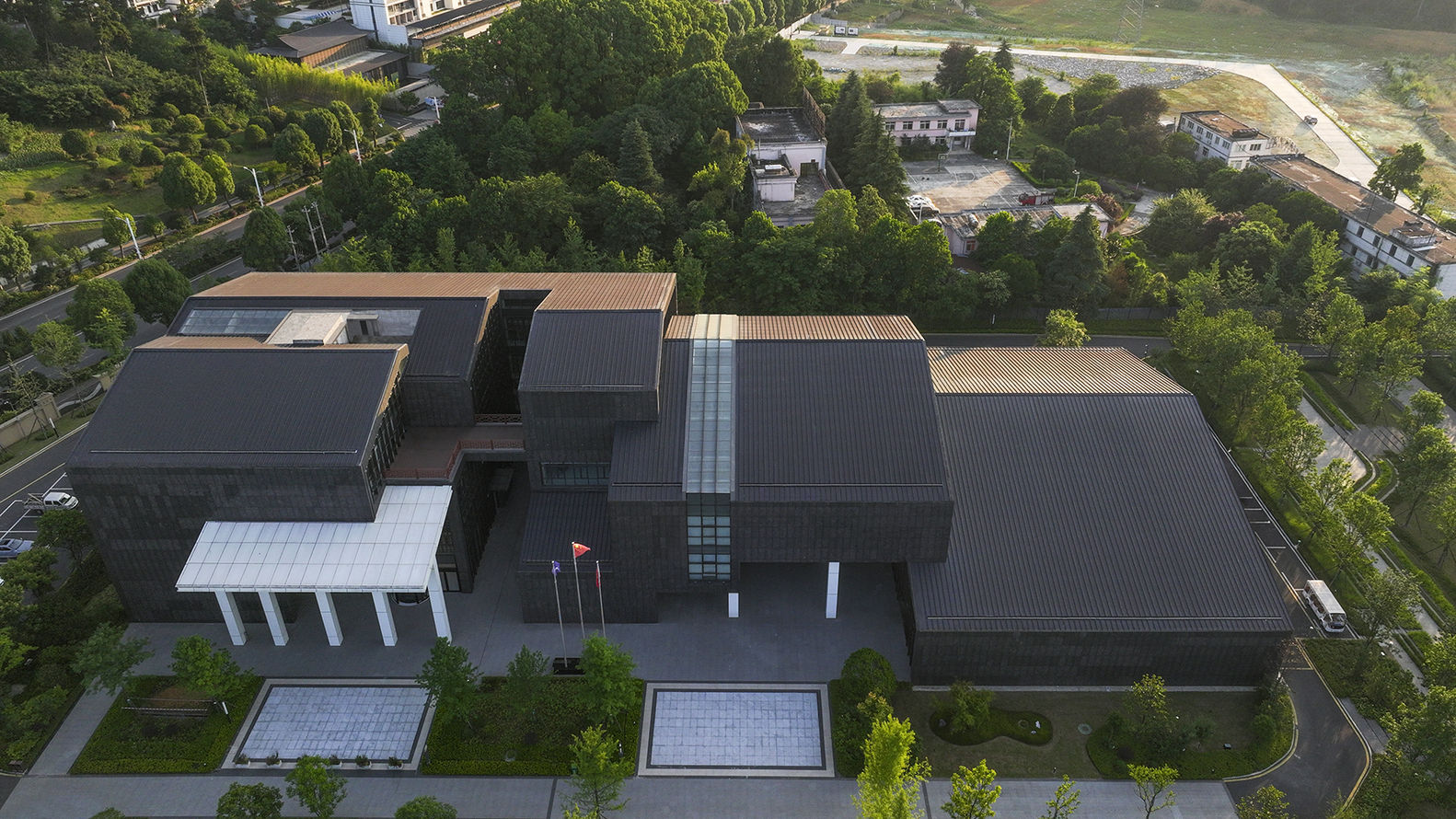
Four core buildings—the Exhibition Center, Museum, Experience Center, and R&D Center—achieve "three key connections":-Connect production and experience: Transparent corridors are built for visitors to observe light production processes;
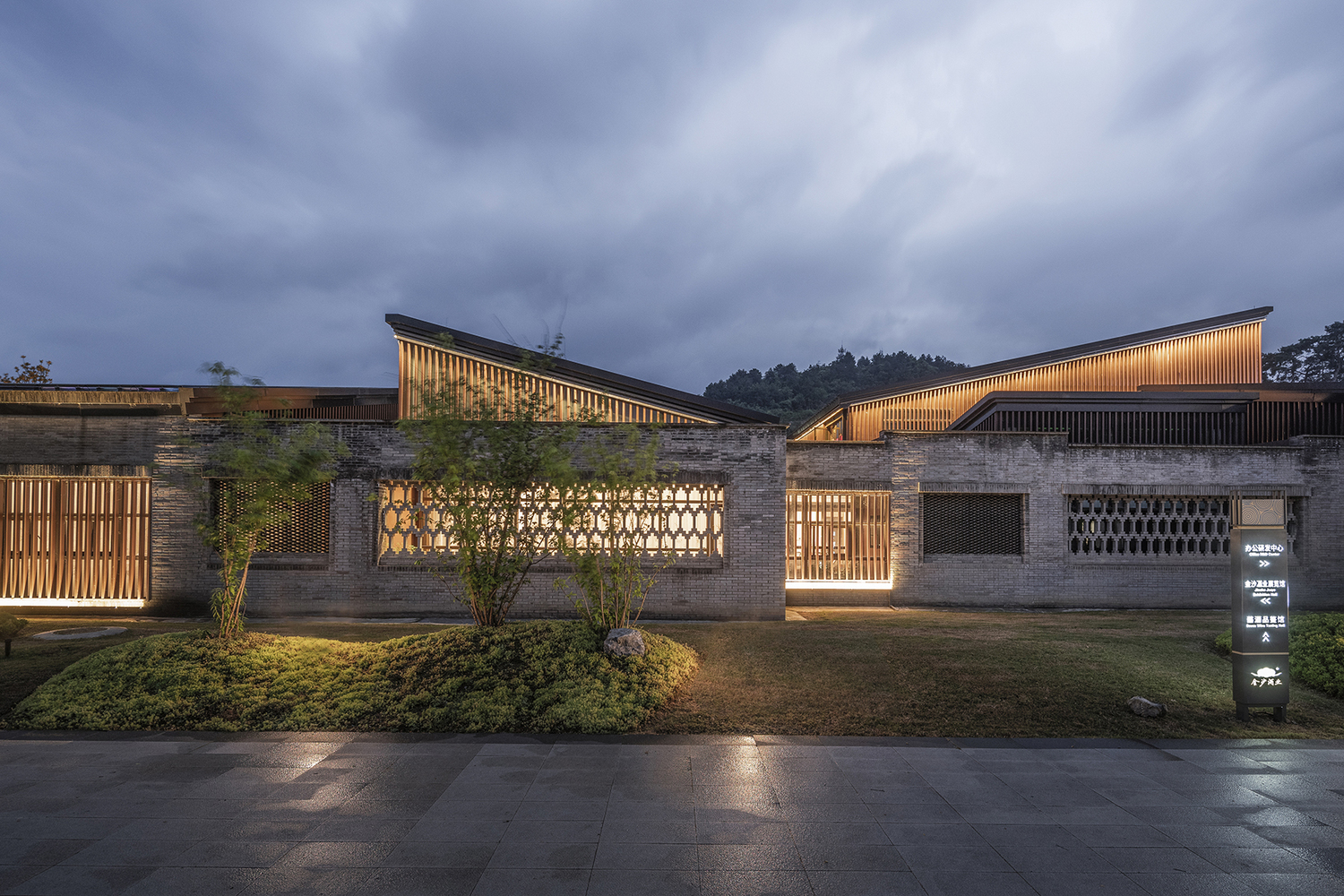
-Connect industry and the city: Green spaces and squares are open to the public;-Connect the enterprise and the public: Sauce-flavored liquor popular science activities are held regularly.
ARCHITECTURAL FORM EVOLUTION BASED ON HISTORICAL PROTOTYPES
Taking the site's "single-story blue-brick brick-wood residential buildings" as the historical prototype, the architectural design adopts the approach of "preservation - abstraction - extension - stacking": -The Exhibition Hall is restored in the original style to retain its historical features;
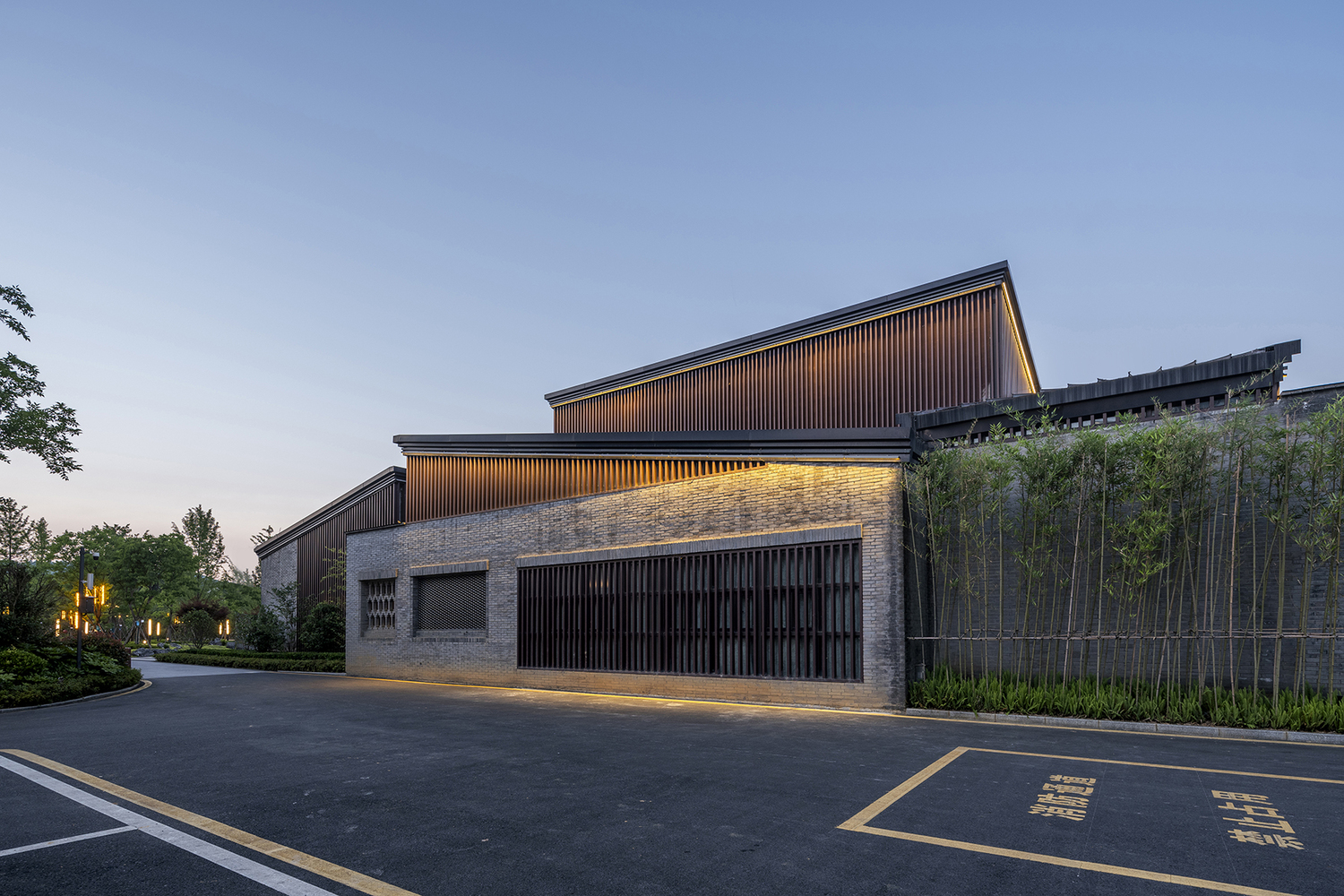
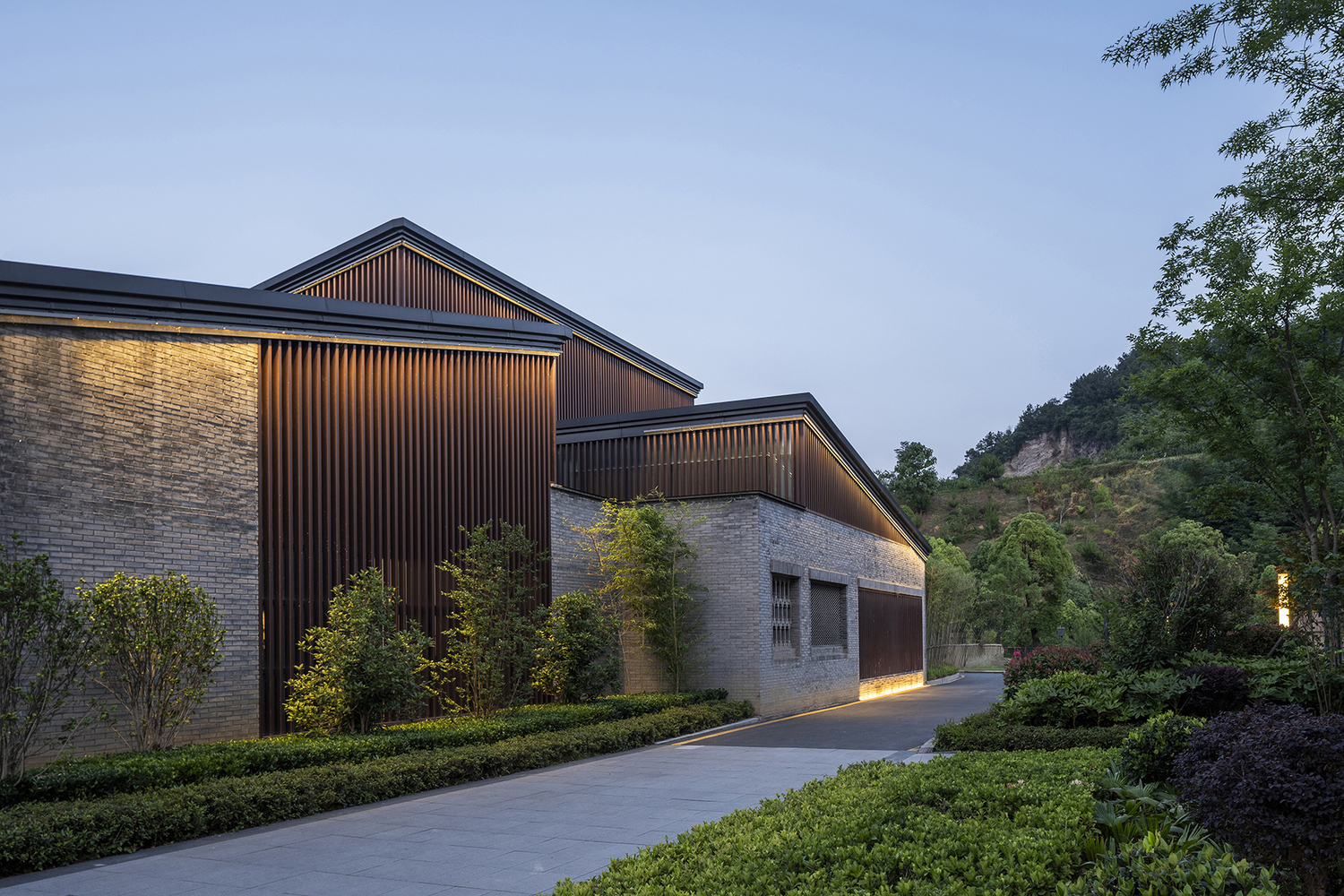
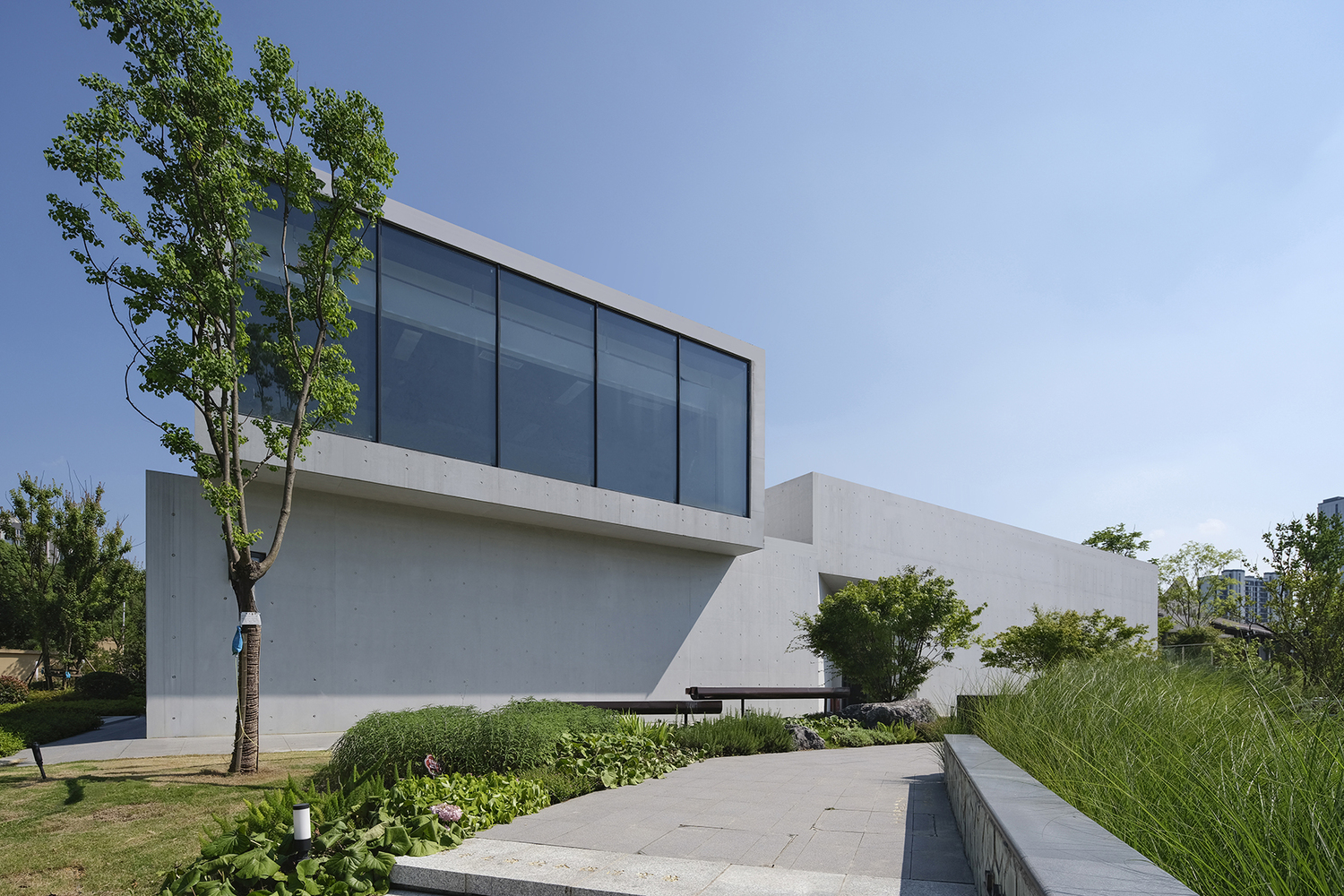
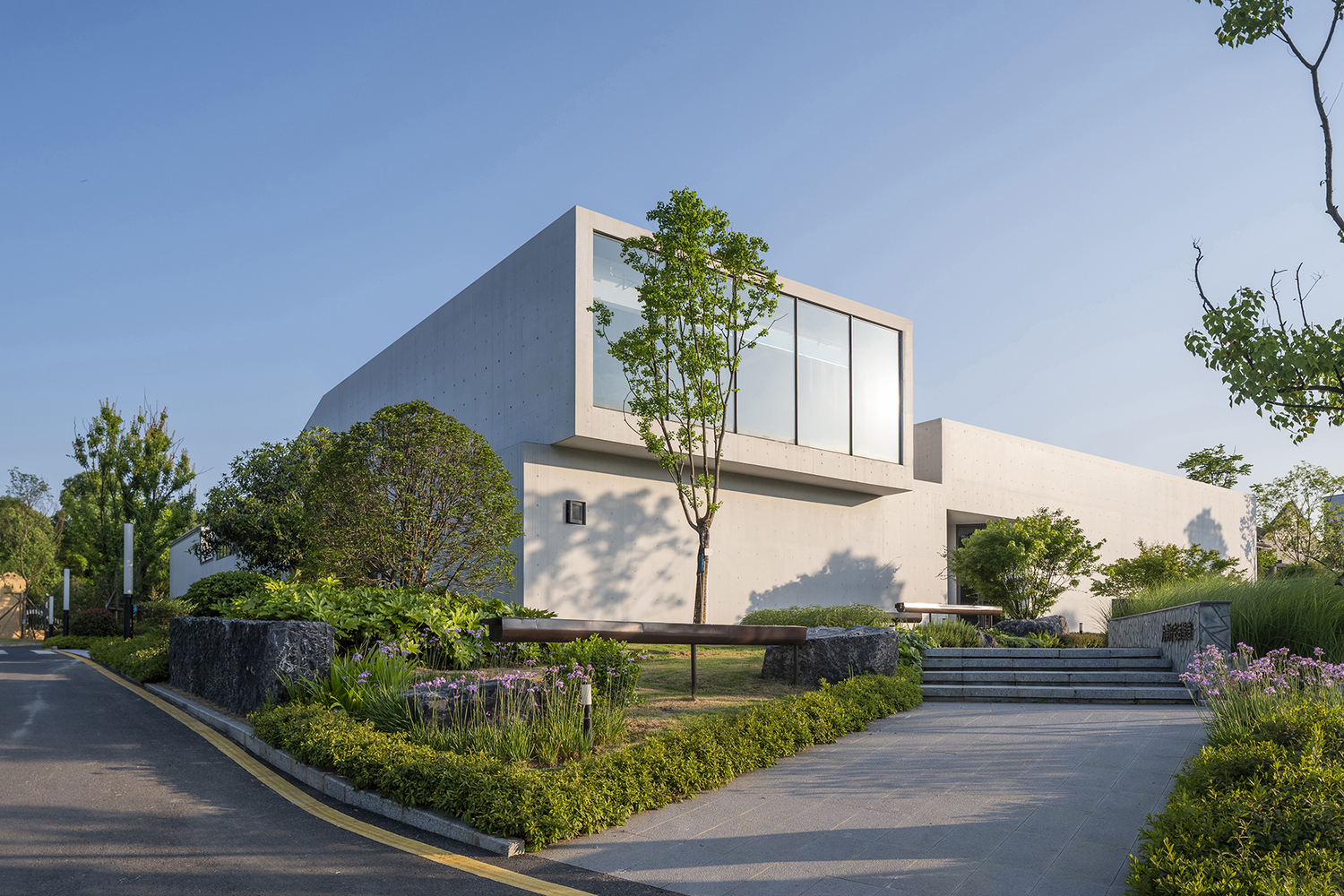
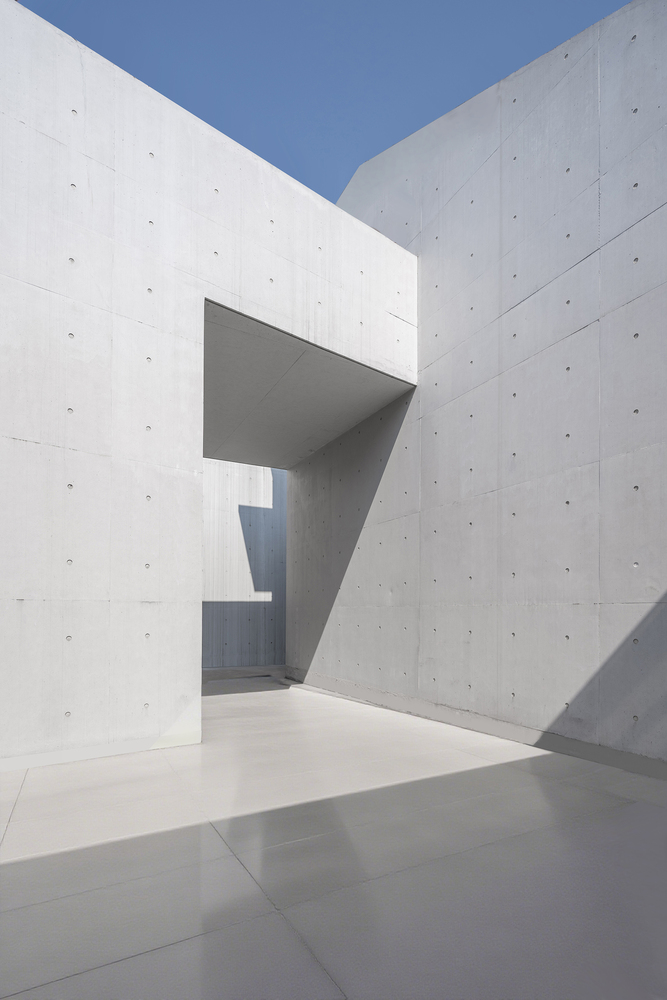
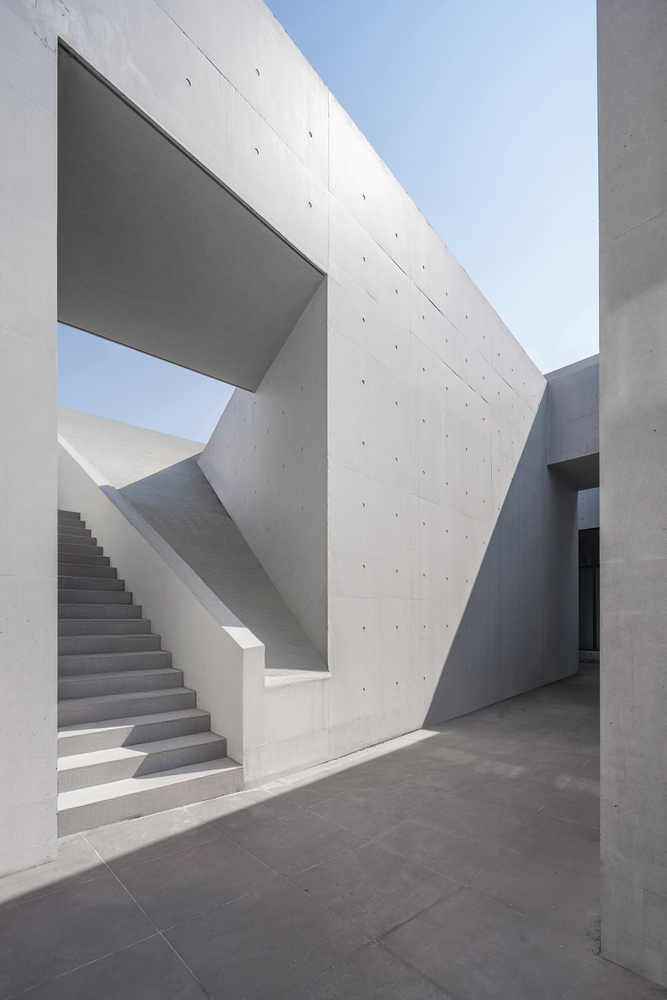
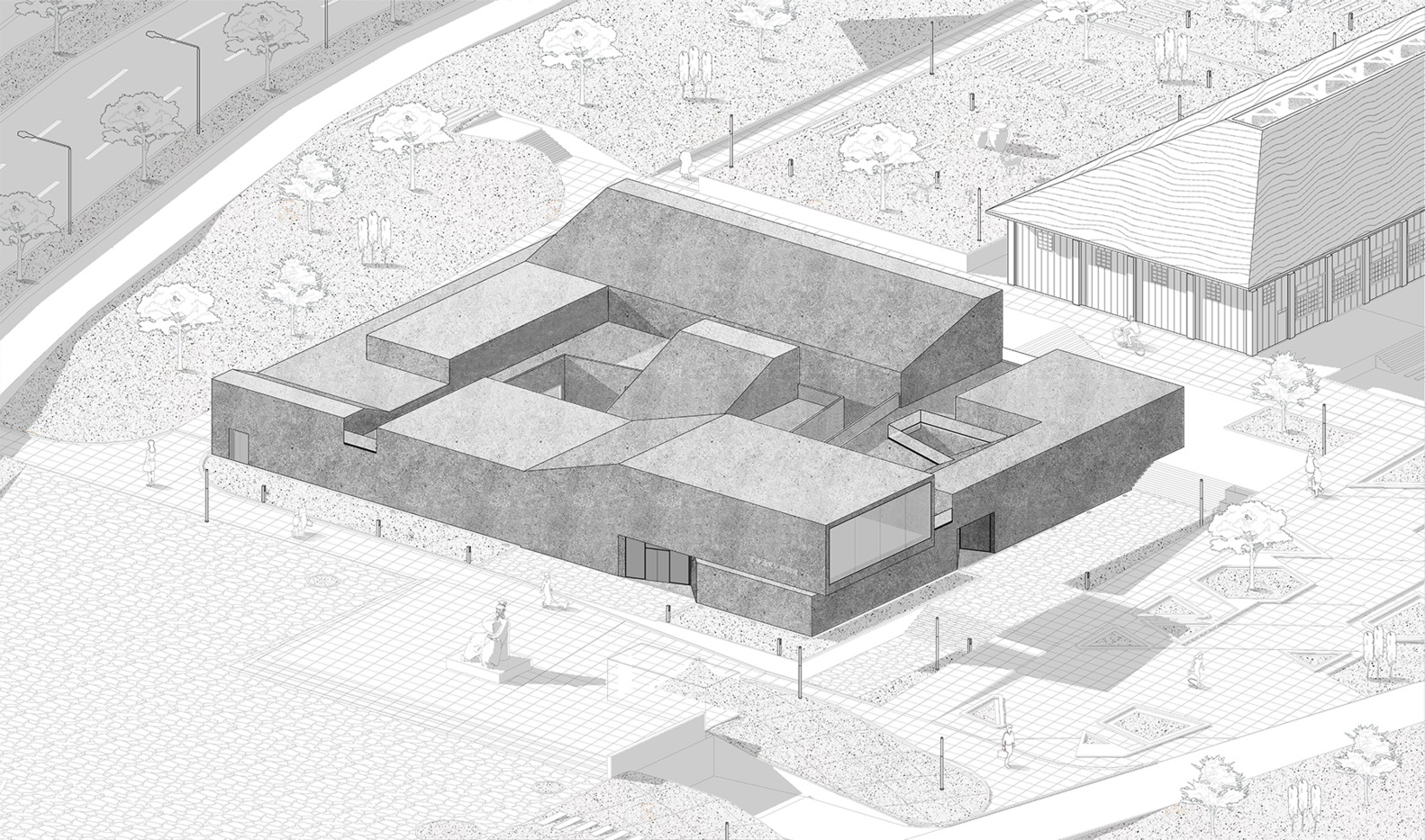
-The Museum uses geometric reconstruction, with corridors and courtyards creating a "seamless indoor-outdoor connection" for exhibitions;
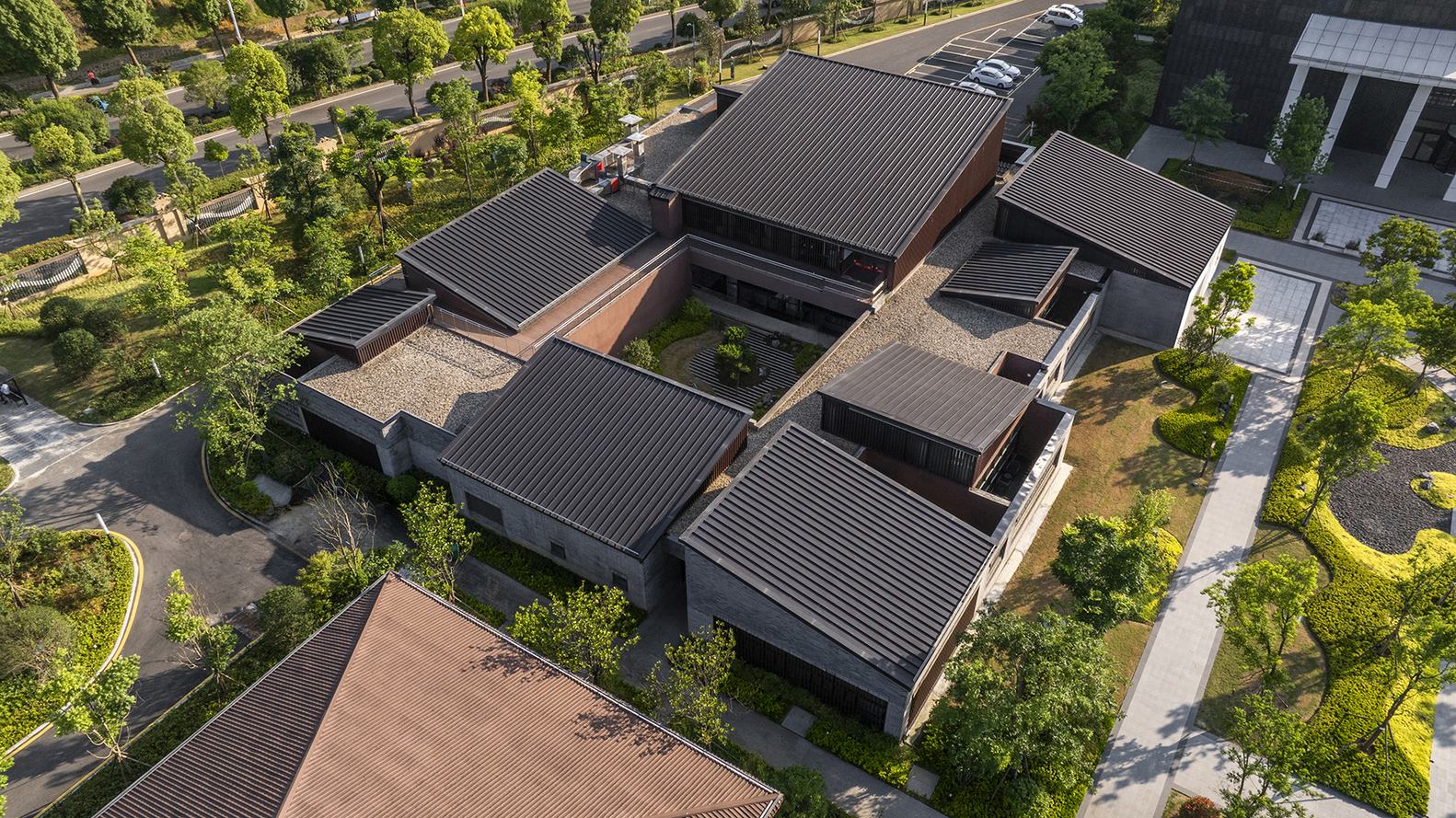
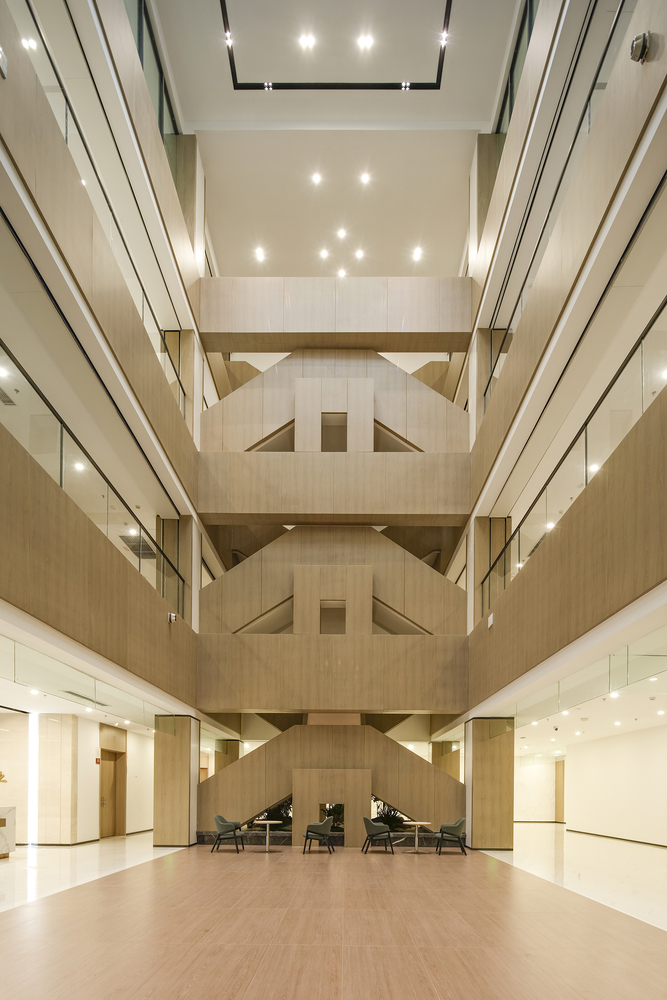
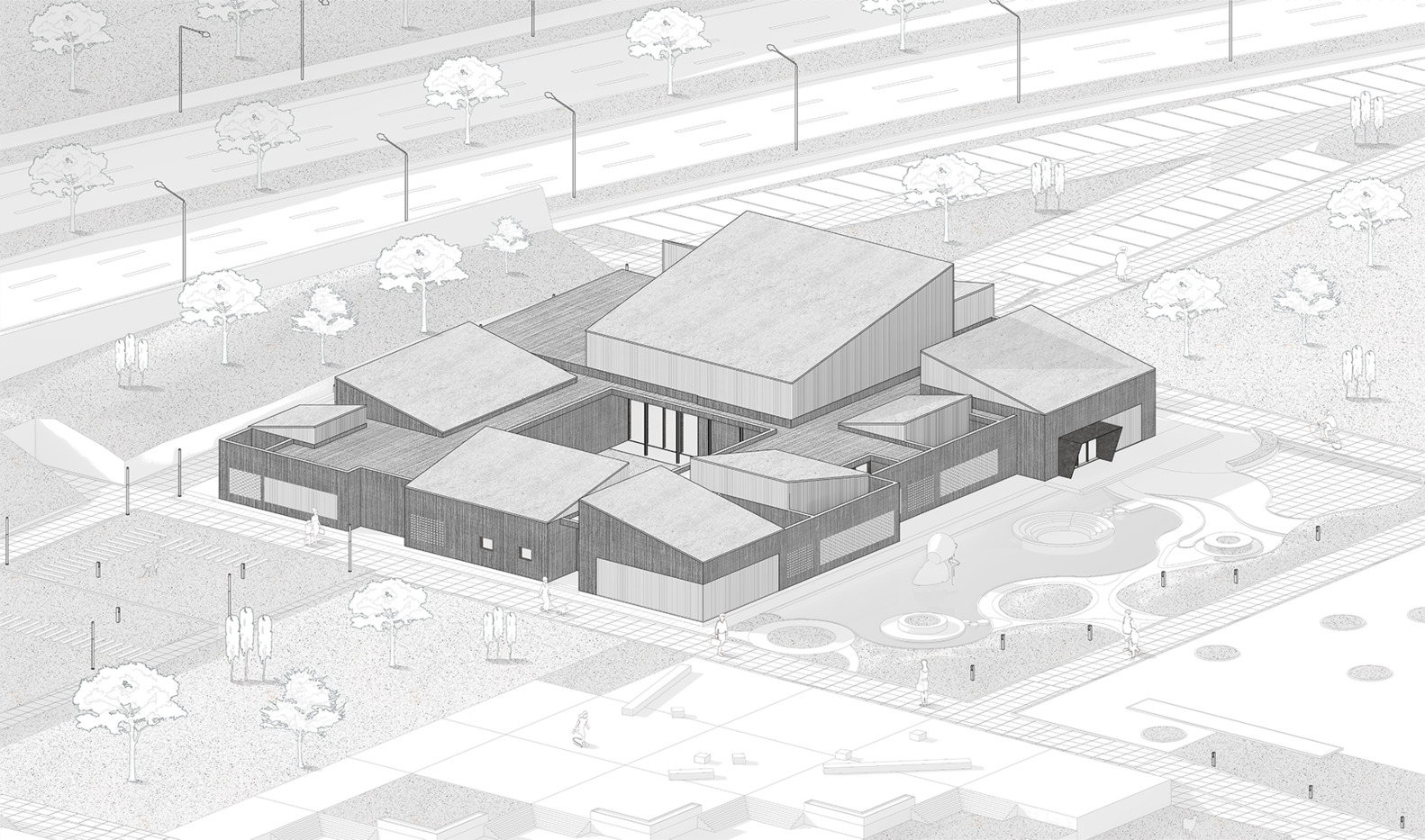
-The Experience Center adopts a layout of "large courtyards enclosing small courtyards";-The R&D Center is vertically stacked into a "mountain-like" shape, with an atrium and sky corridors embedded to enhance team interaction.
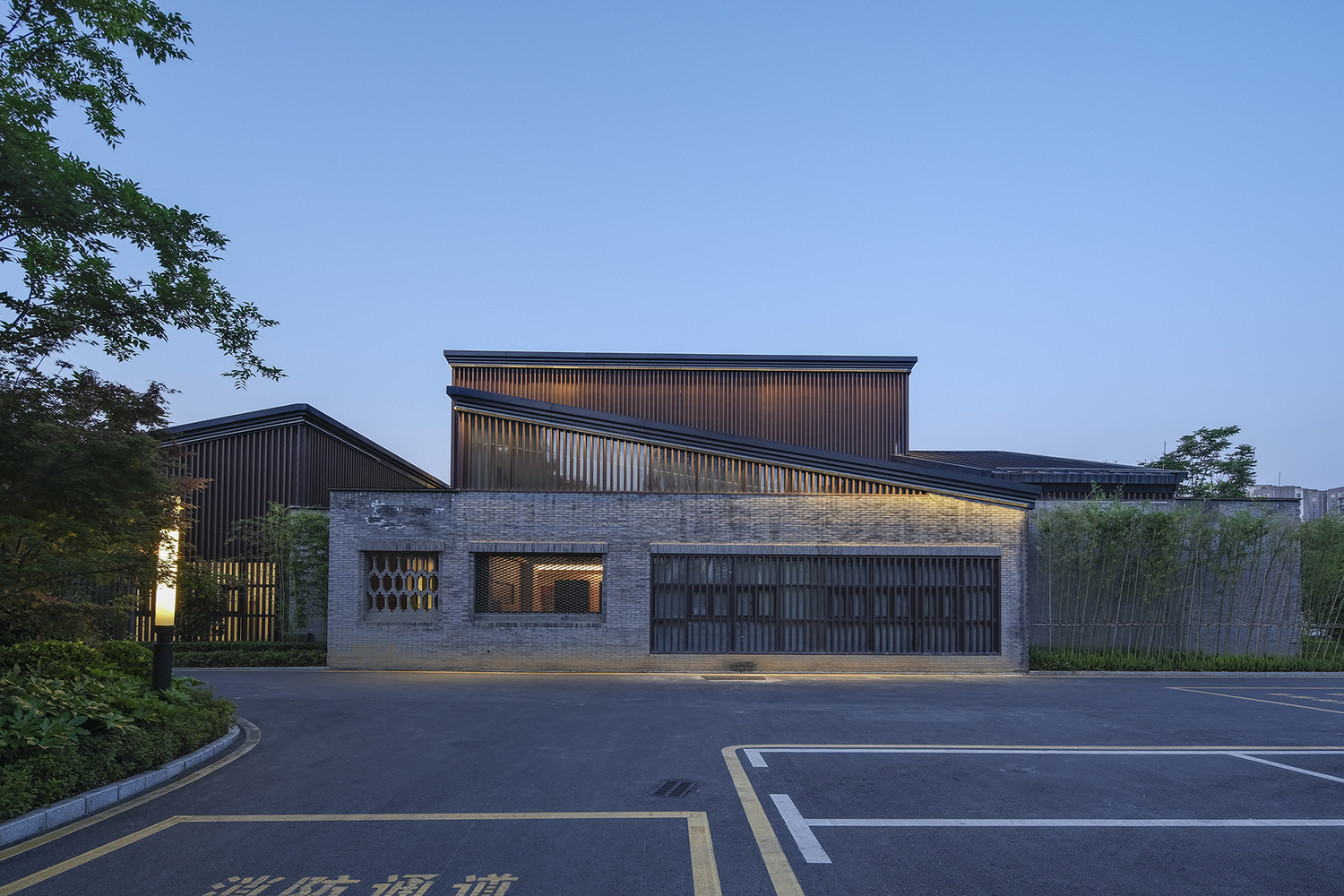
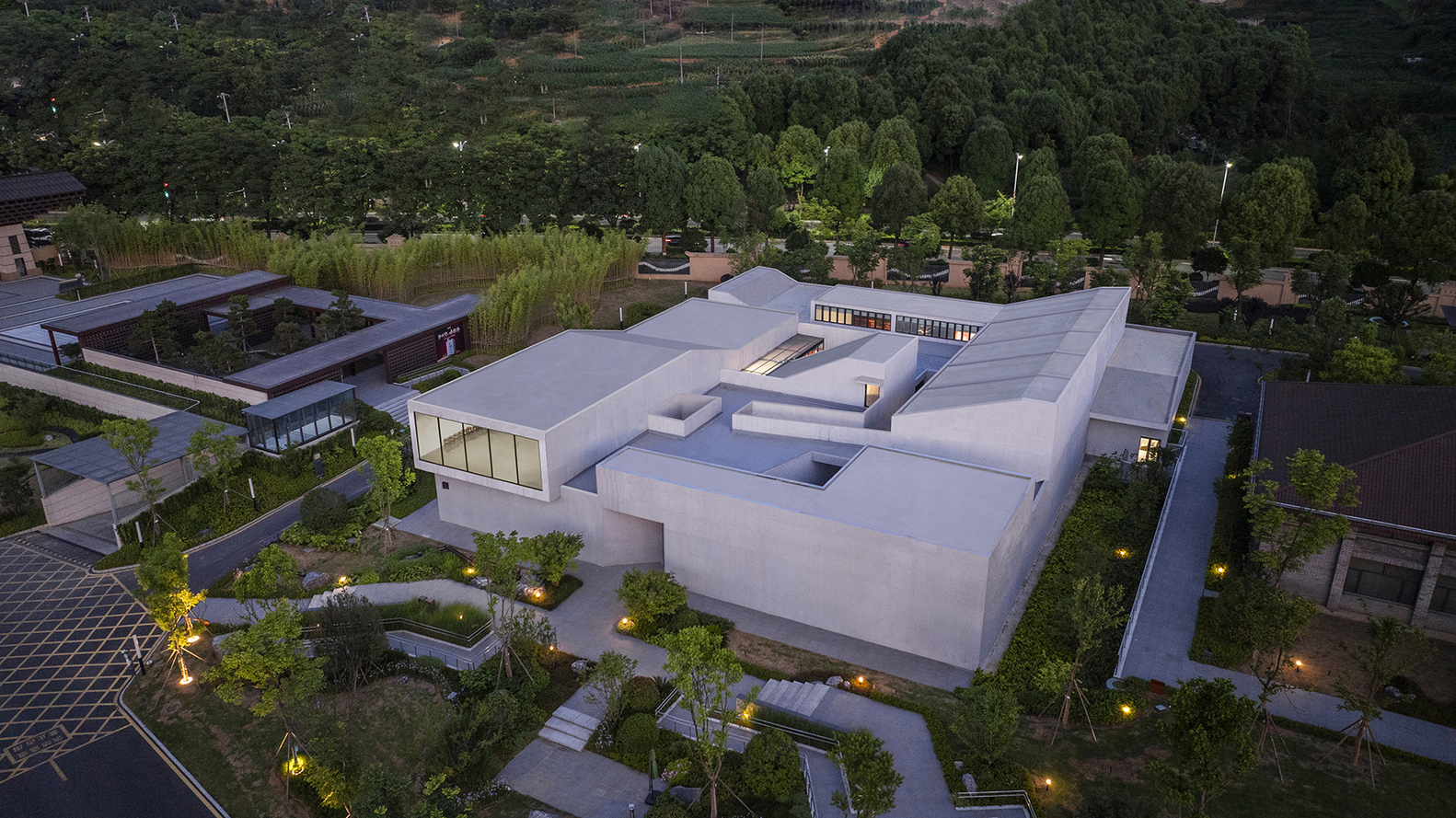
The project connects liquor production, cultural display, and daily leisure. It leverages the liquor-brewing advantages of the Chishui River Basin and reuses historical remains to break the stereotypes of "liquor factories as closed areas" and "cultural tourism as mere check-in spots," creating a composite space.
It not only provides Jinsha Liquor with an integrated "production + experience" brand window but also supplements the city's public cultural carriers. Ultimately, it realizes the value of integrating liquor culture into daily life and making the liquor factory a city card.