Half-Mountain Cloud Station
HALF-MOUNTAIN CLOUD STATION
Qing StudioArtists: Li Nu
ARCHITECTS
Qing StudioArtists: Li Nu
CONSTRUCTION TEAM
Jiao Jingjia, Hu Tianchen, Lin Yuxuan, Huang Jianjian
RESIDENT ARCHITECT
Tang Ziji
SUPERVISOR
Lü Ningjue
IMPLEMENTATION MANAGER
Zhang Jingwei
ENGINEERING MANAGEMENT
Yan Jiarun, Zou Kefei
EXECUTIVE UNIT
Shanghai Fengyuzhu Culture & Technology Co., Ltd.
ARCHITECTURAL TEAM
Hu Xing, Liu Changming, Yan Chunyang, Luo Tingkai, Tang Ziji, Xu Yanjun, Ren Shiyang, Jin Xin
CONSTRUCTION COMPANY
Wuhan Dongtong Decoration Design And Engineering Co., Ltd.
ARTIST
Li Nu
PHOTOGRAPHS
Yumeng Zhu
AREA
200 m²
YEAR
2025
LOCATION
Huizhou, China
CATEGORY
Landscape Architecture, Pavilion
English description provided by the architects.
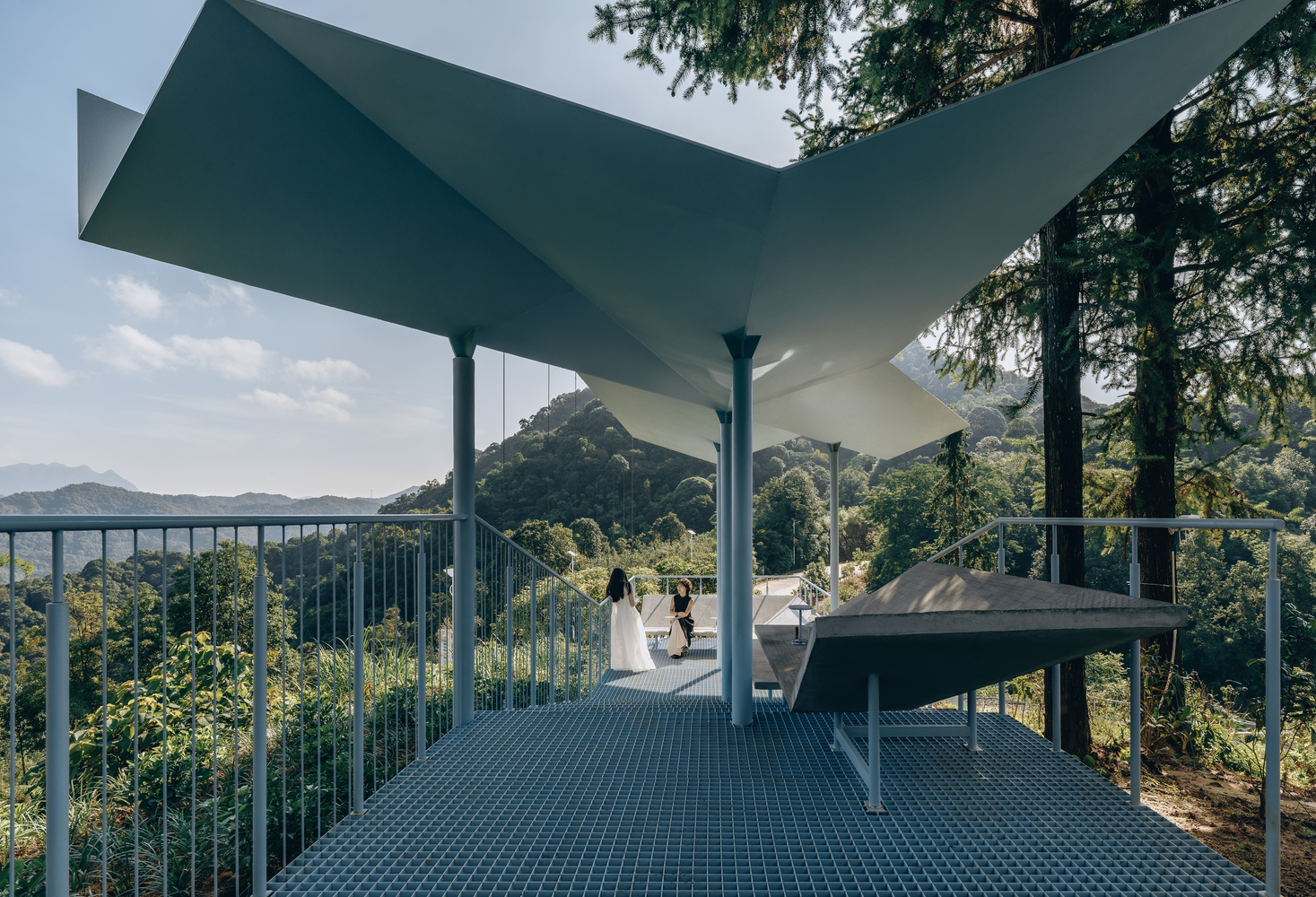
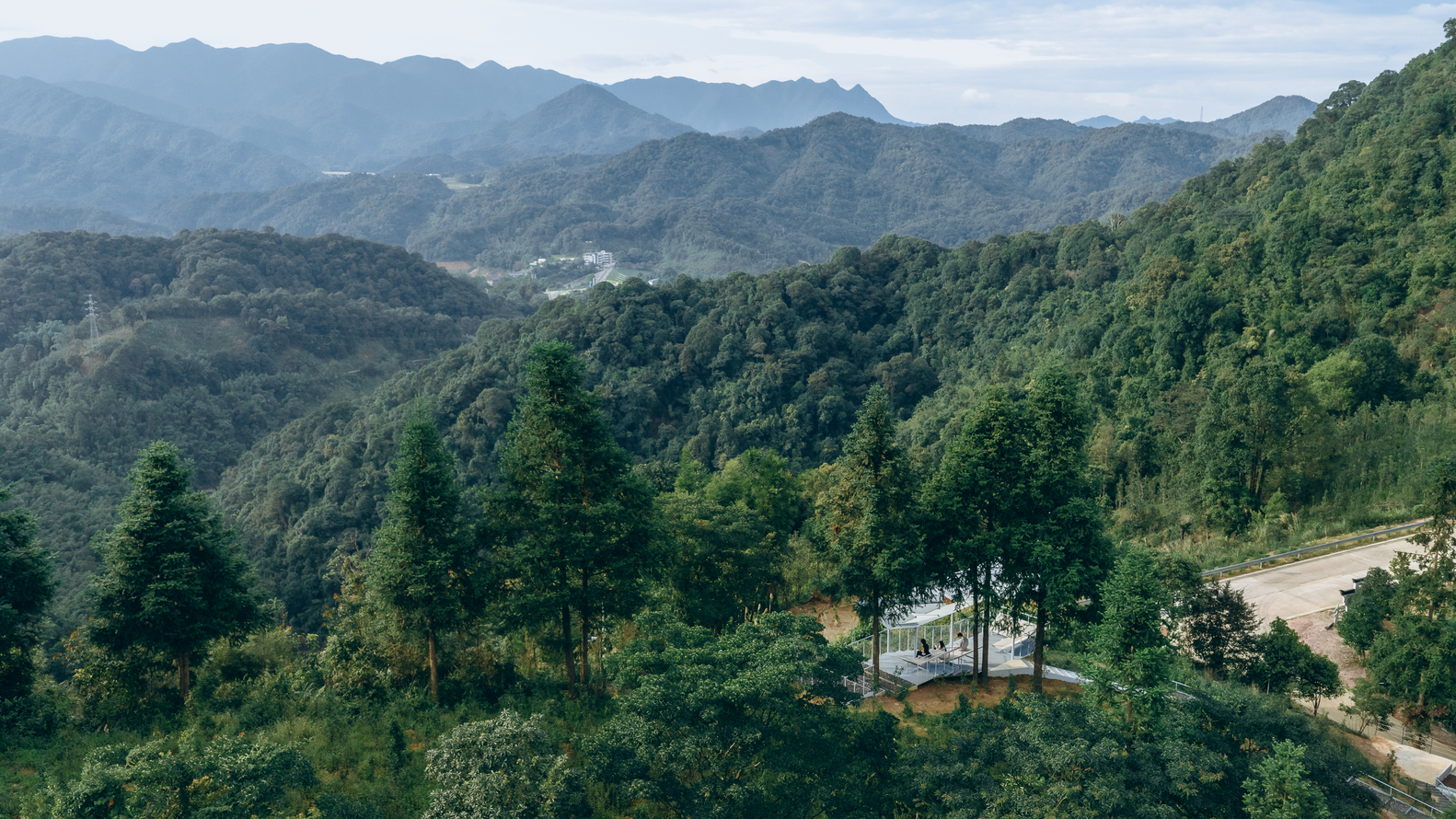
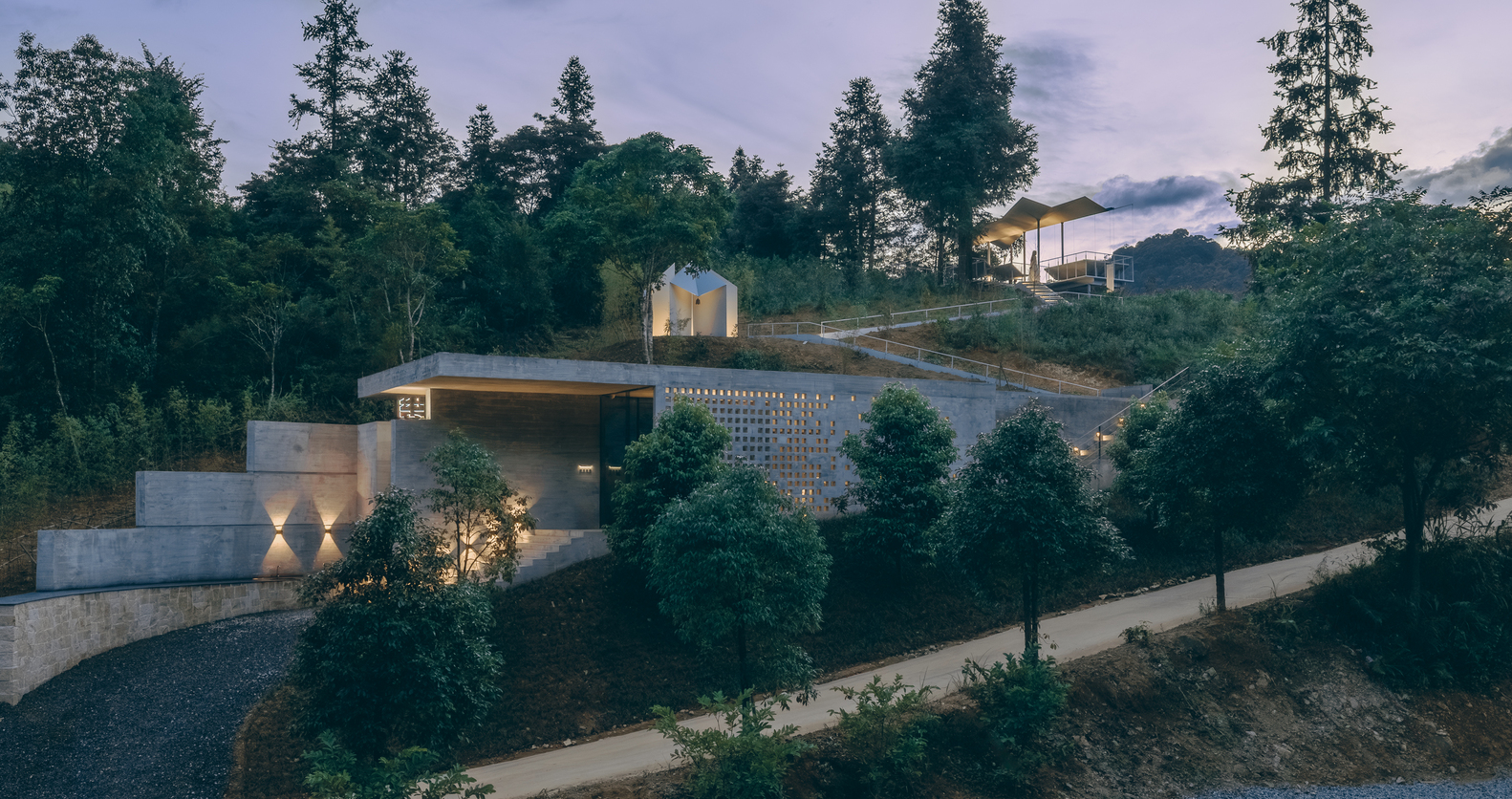
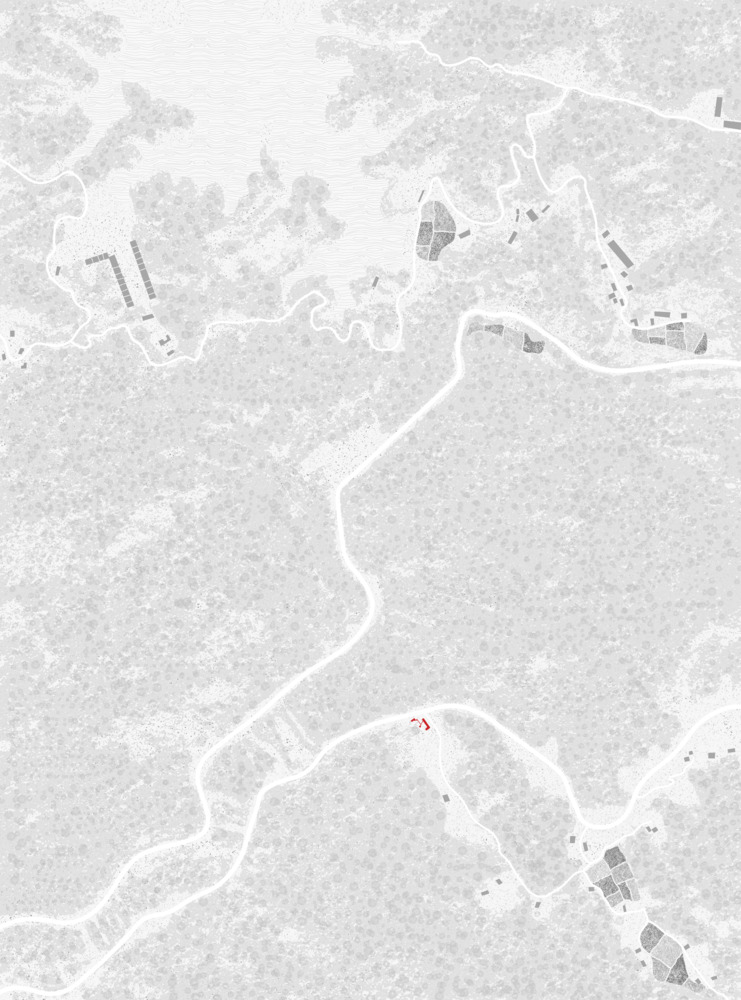
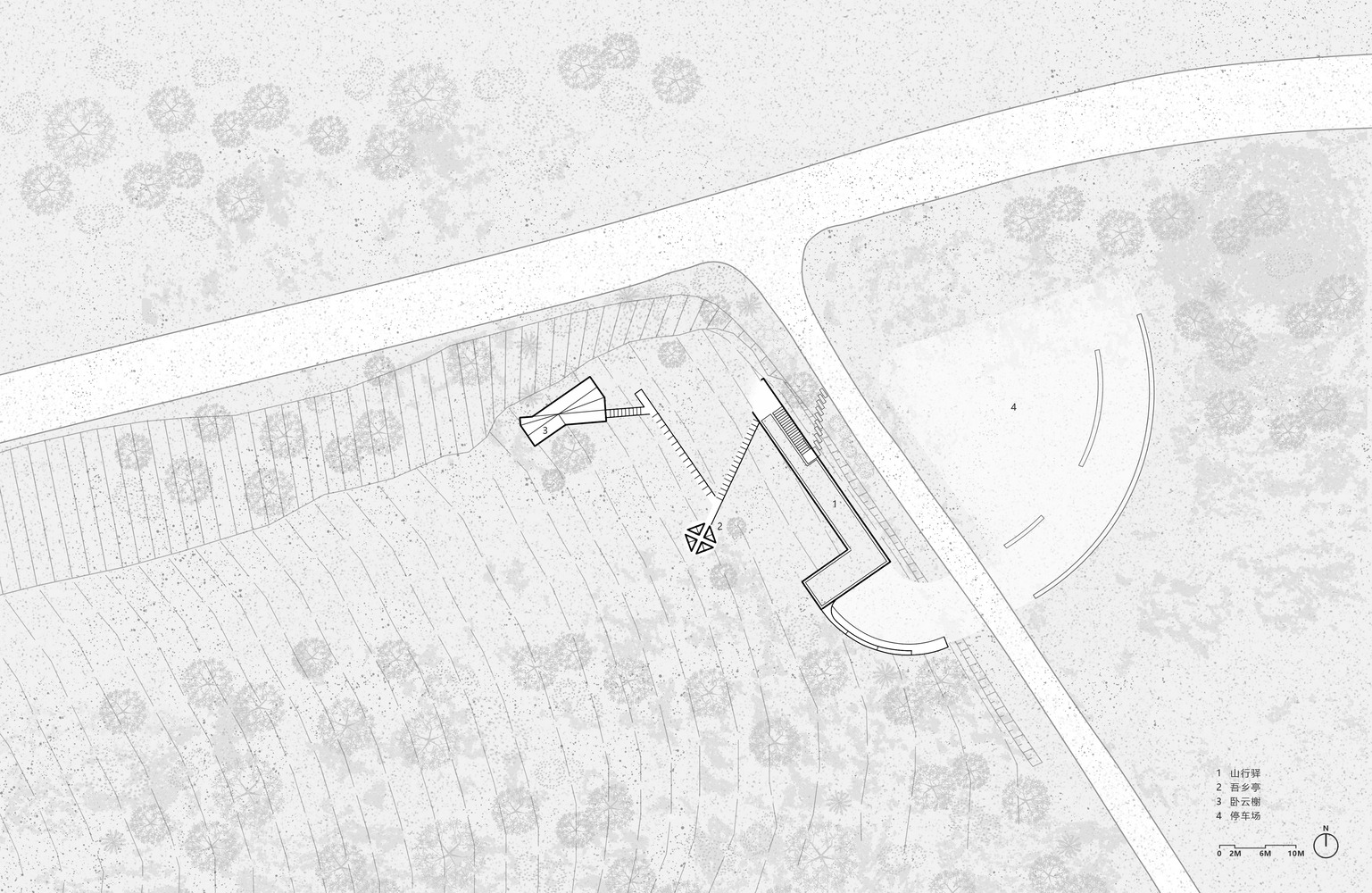
Located at the foot of Nankun Mountain in Huizhou, Guangdong, Half-Mountain Cloud Station serves as a key node in the "Two-Mountain Architectural Art Program".
Inspired by Su Dongpo's "Sixteen Joys of Life in Huizhou", specifically the verse "viewing mountains after rain from a tower", the project responds poetically to the delicate tensions between city and nature, memory and future.
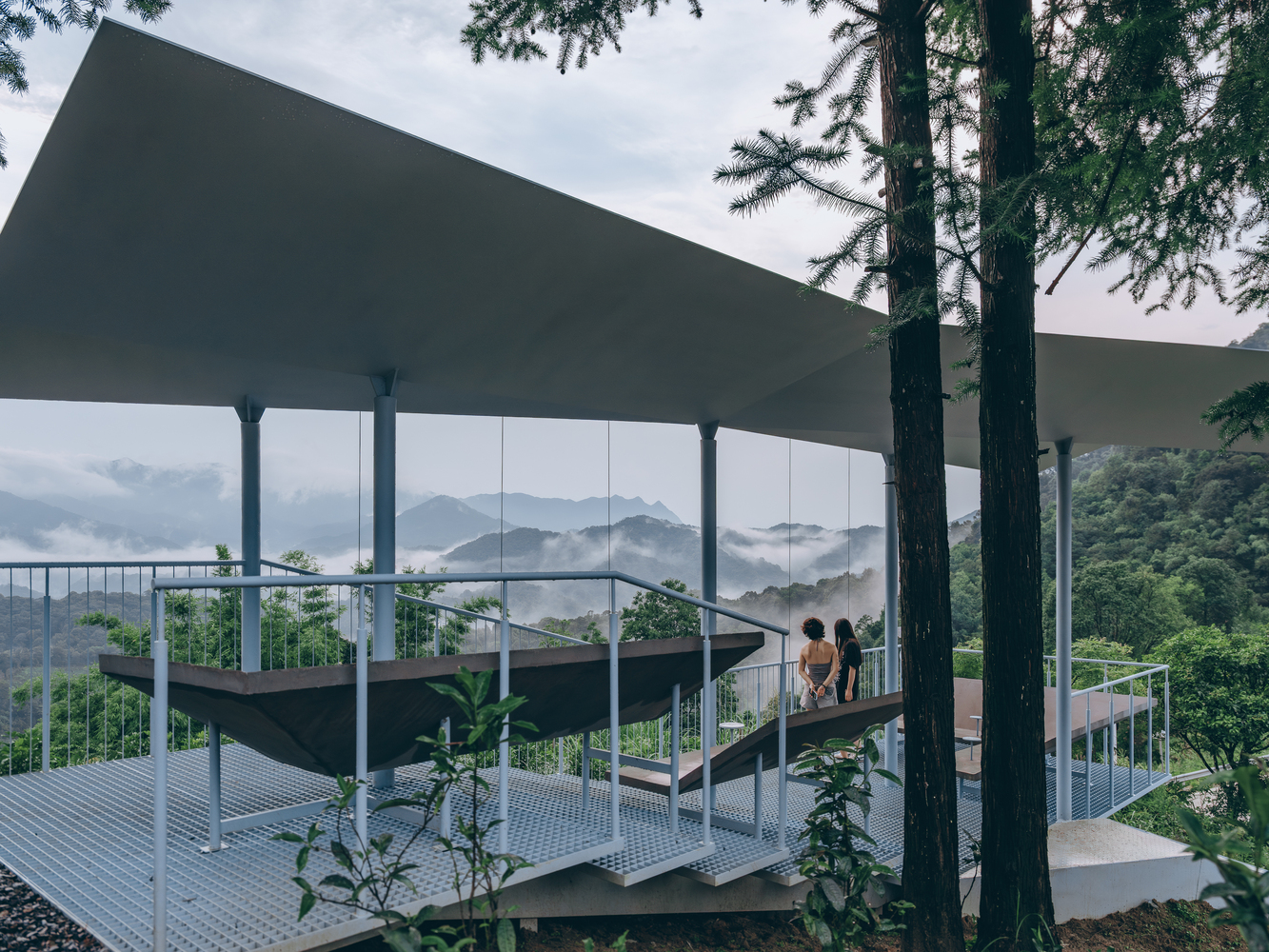
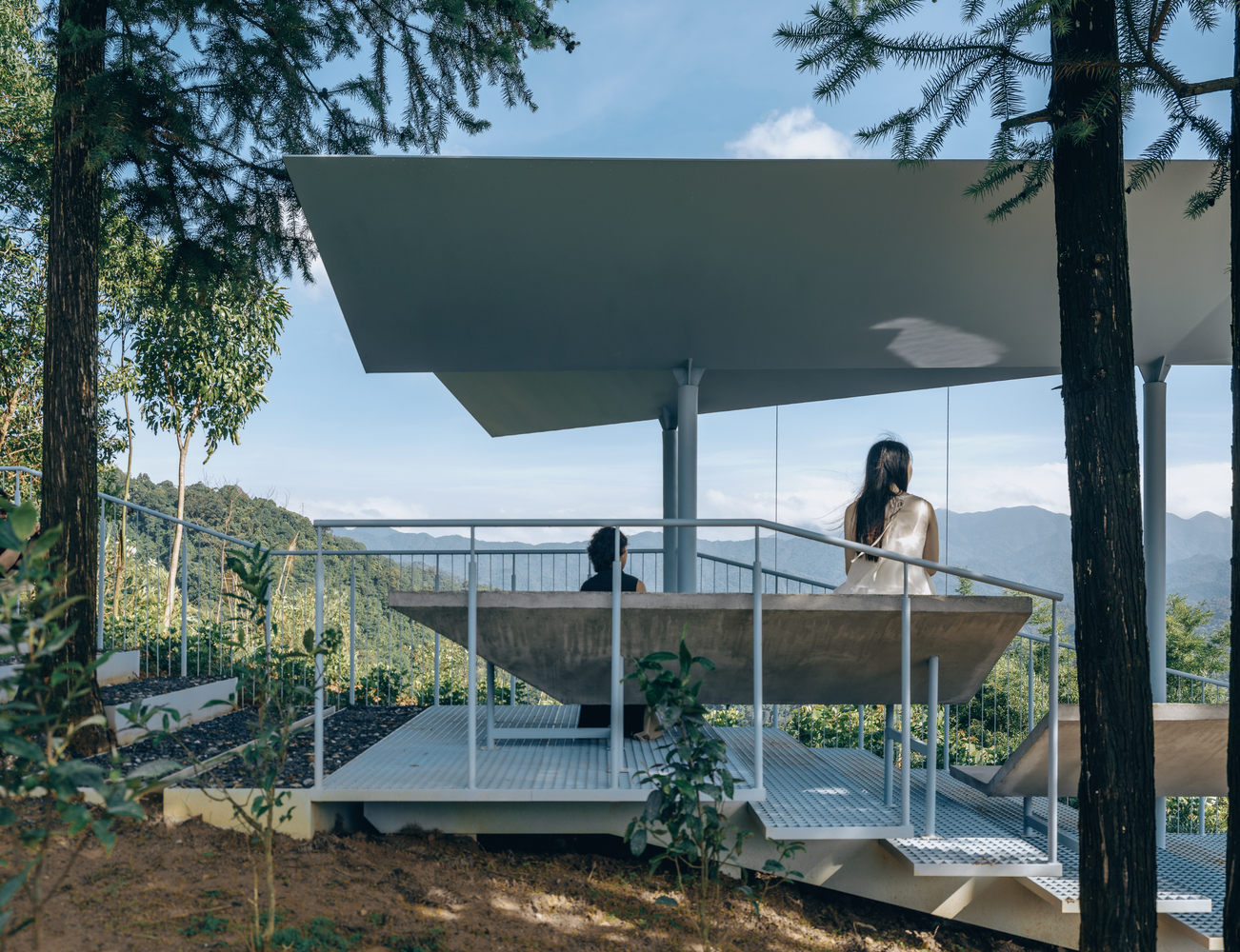
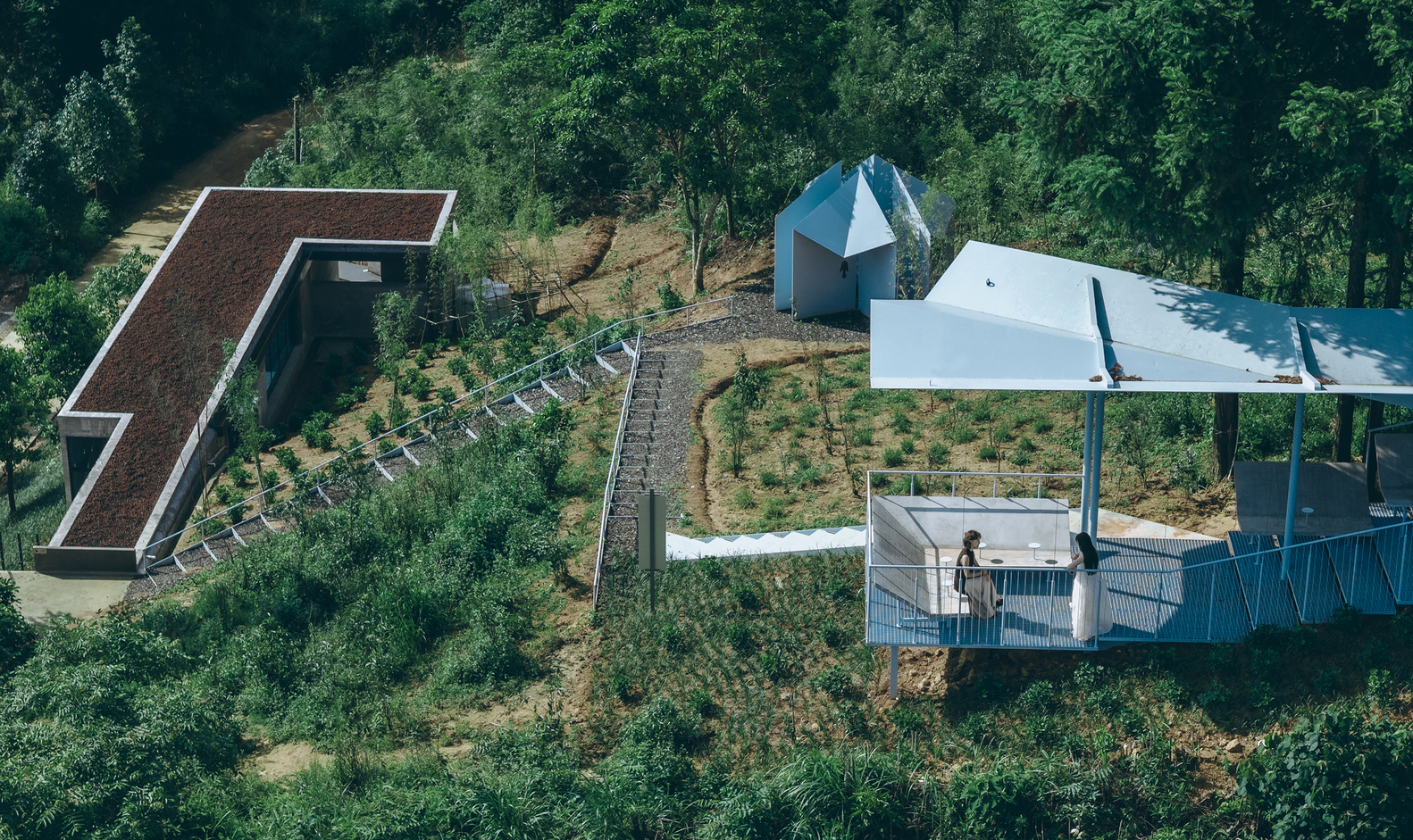
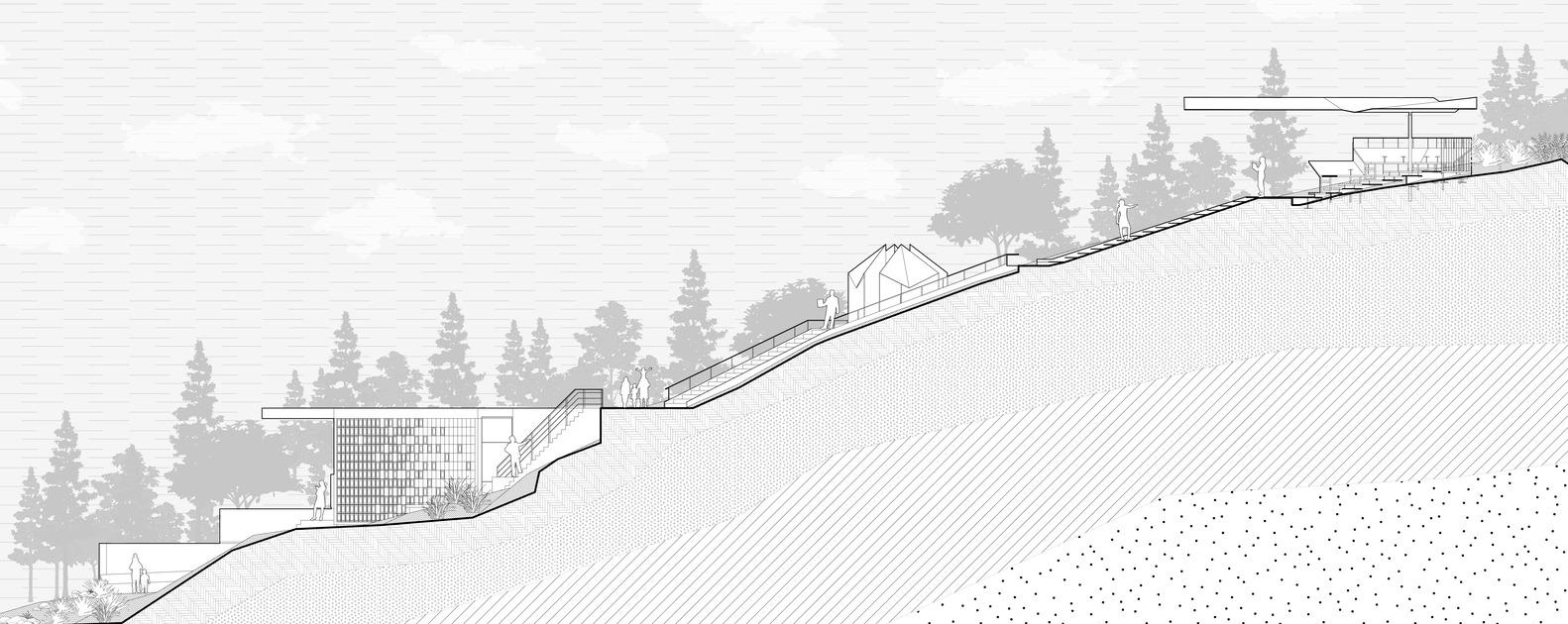
Nestled within a mountainous forest, three lightweight constructions pose three quiet questions to the landscape.
These constructions neither occupy the center nor dominate the height, rather, they find their own order within fault lines, crevices, and along the shifting path, transforming topographical undulations into a rhythm of space.
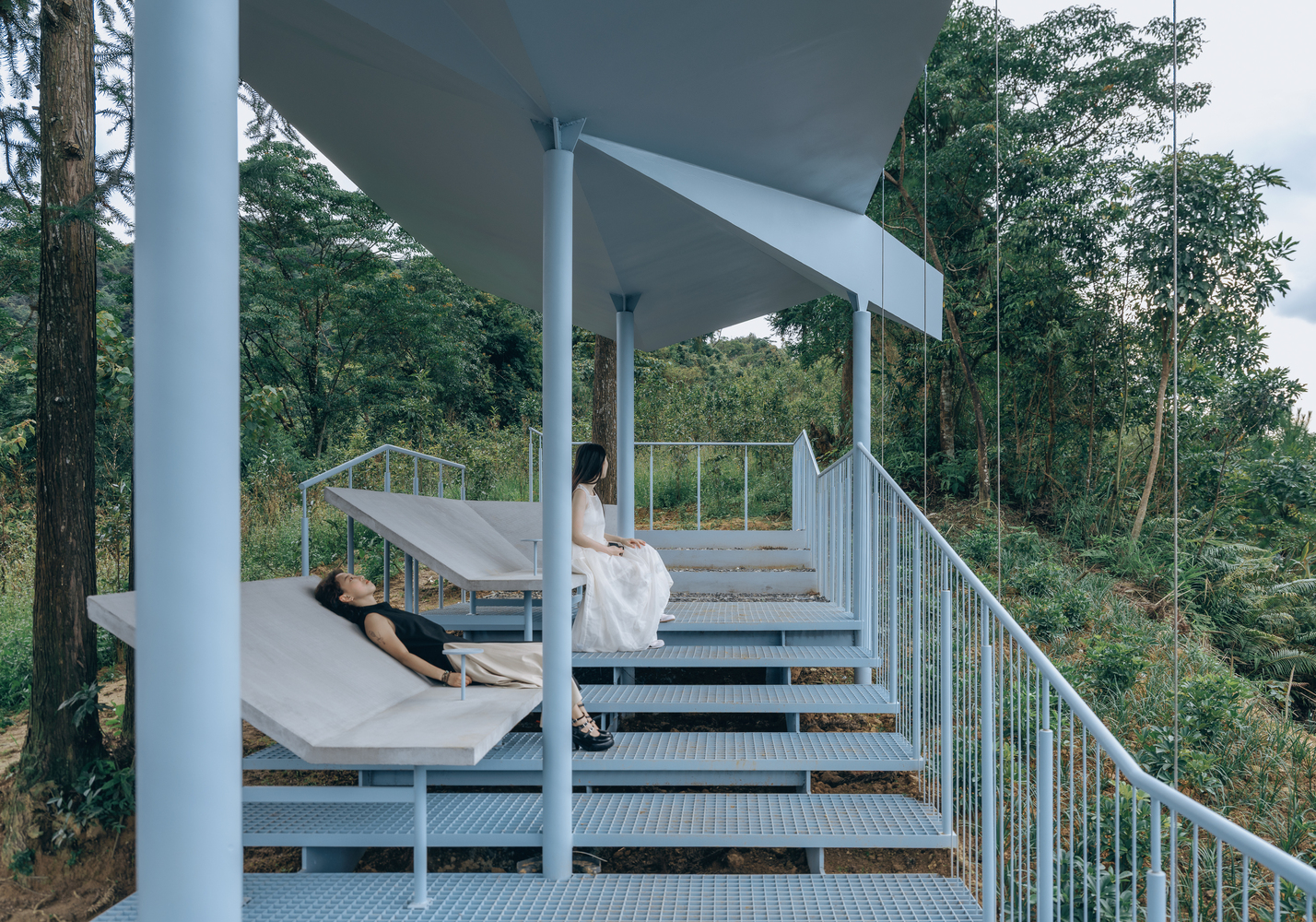
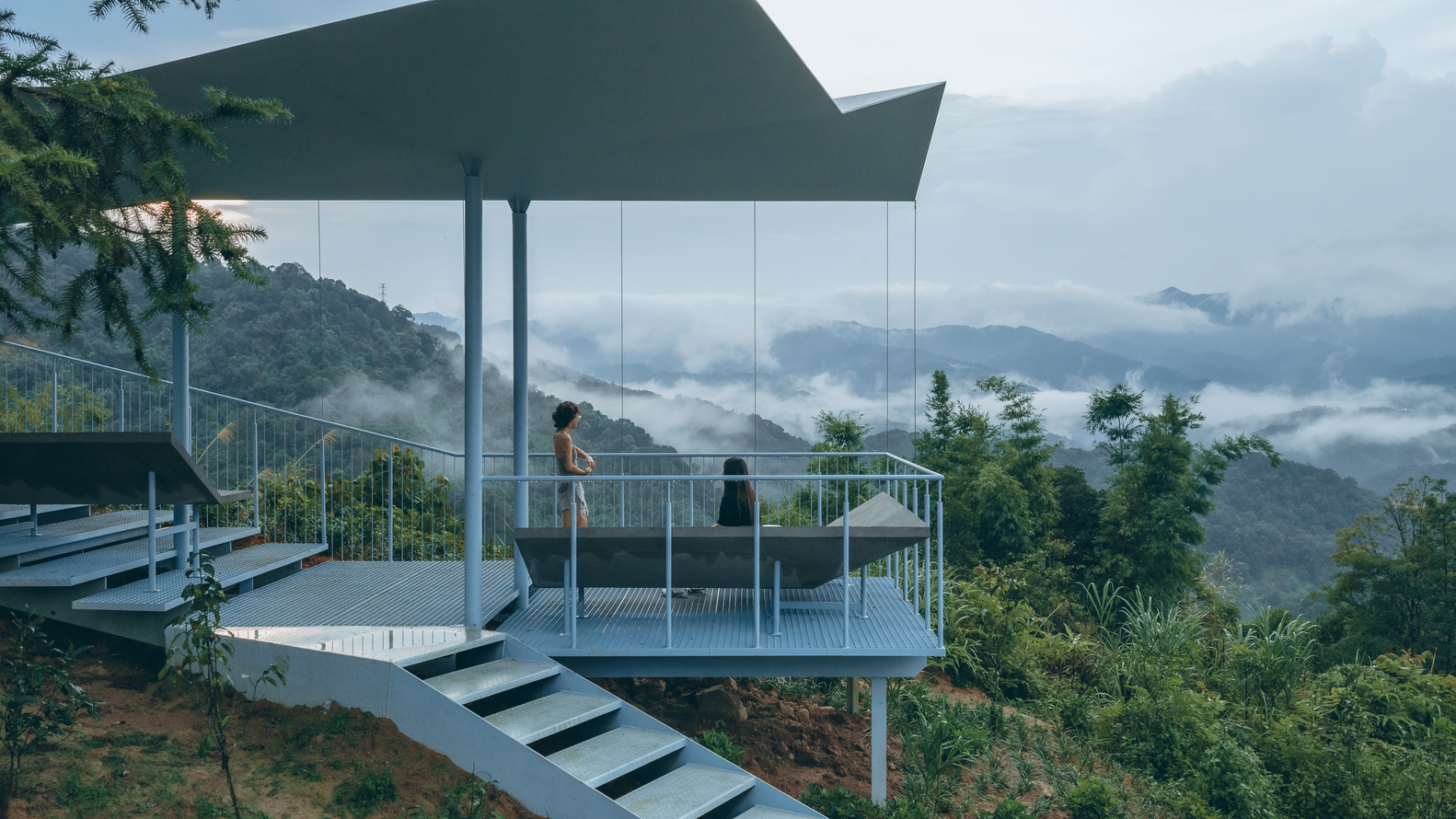
The three constructions—Mountain Post, Hometown Pavilion, and Cloud Pavilion—are like gentle knocks on the door of time, initiating a dialogue spanning millennia and a journey cradled by nature.
MOUNTAIN POST
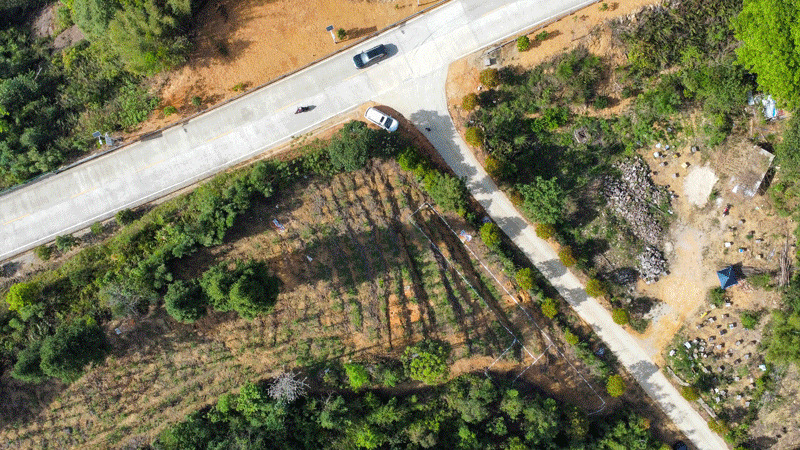
The site descends from north to south, with a local road to the east.
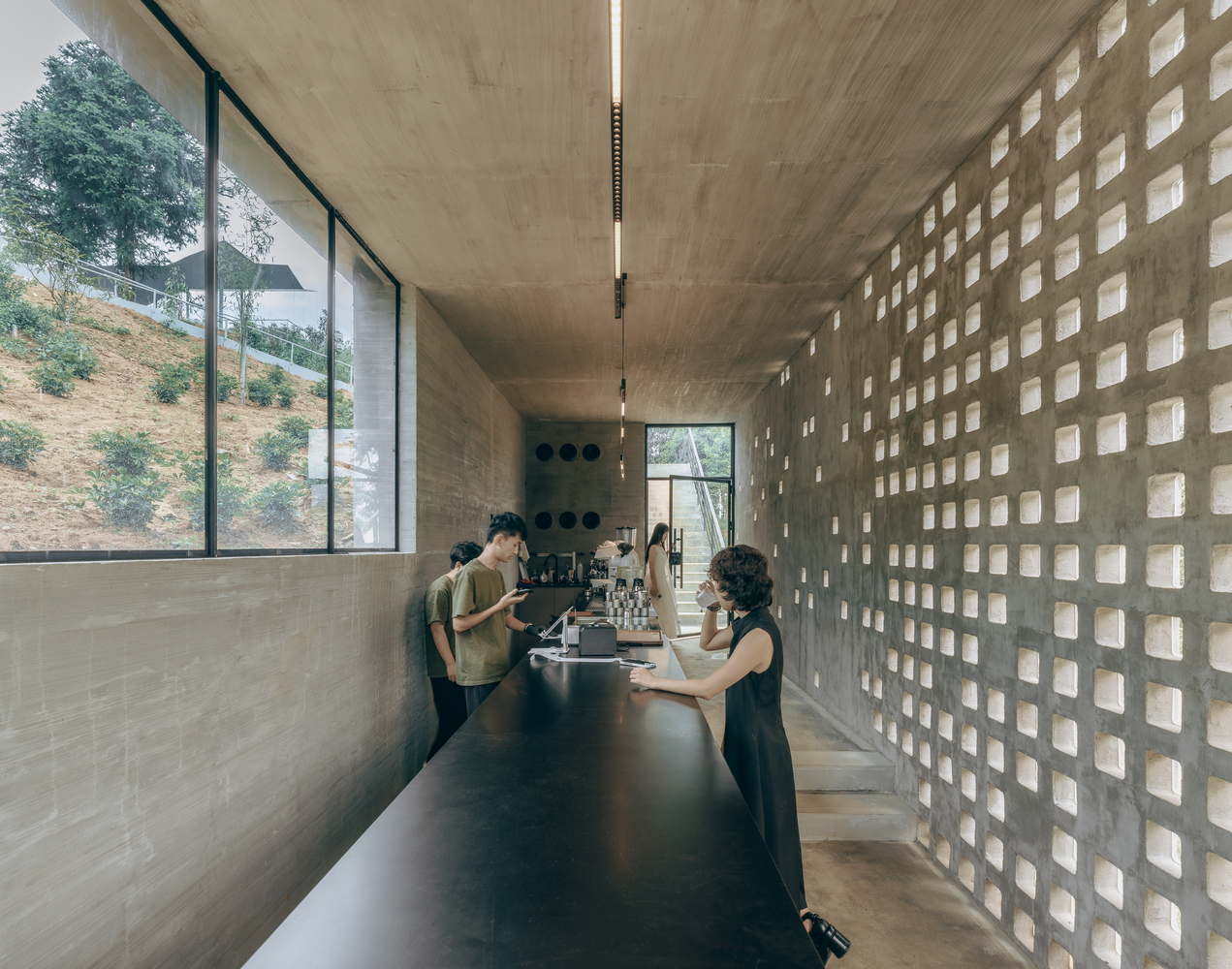
A sharp elevation difference exists between the foot of the mountain and the road, where exposed soil and fault lines mark the terrain's edge.
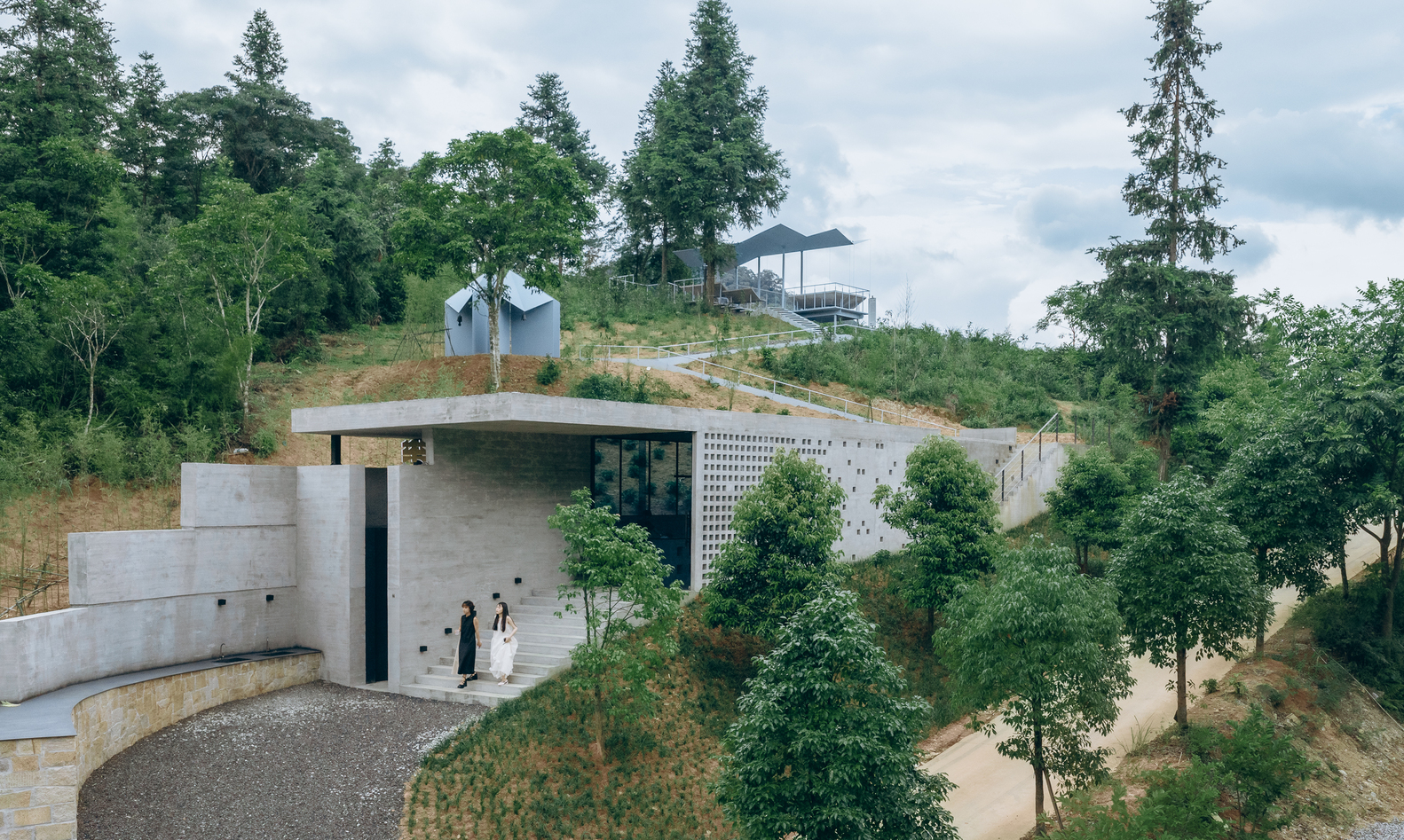
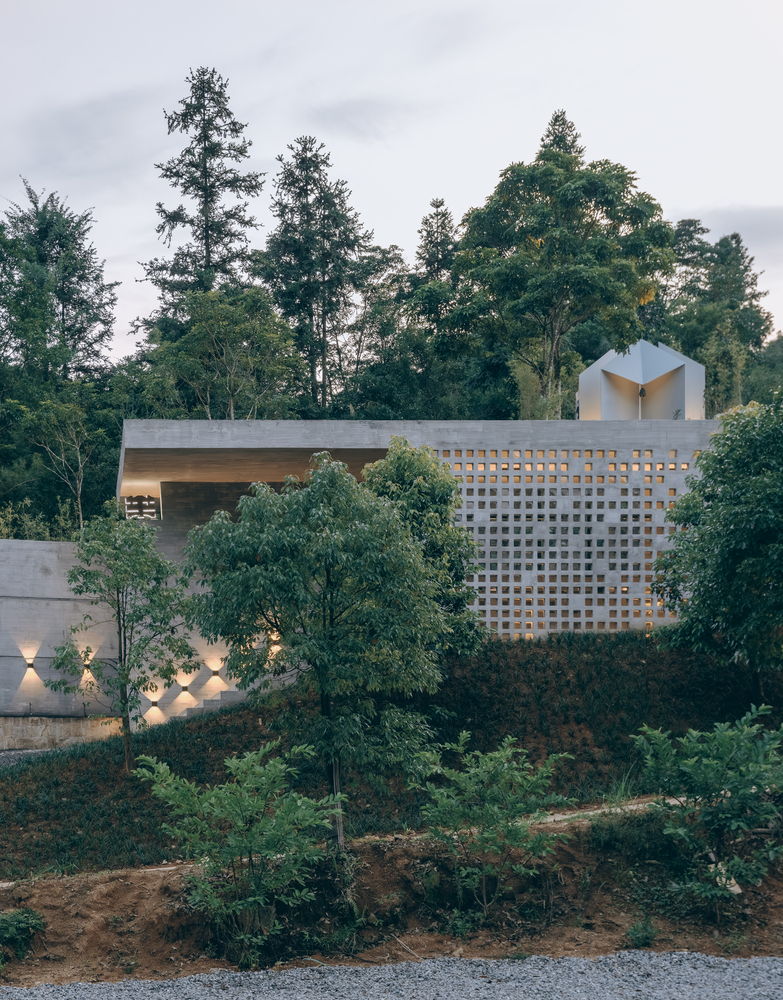
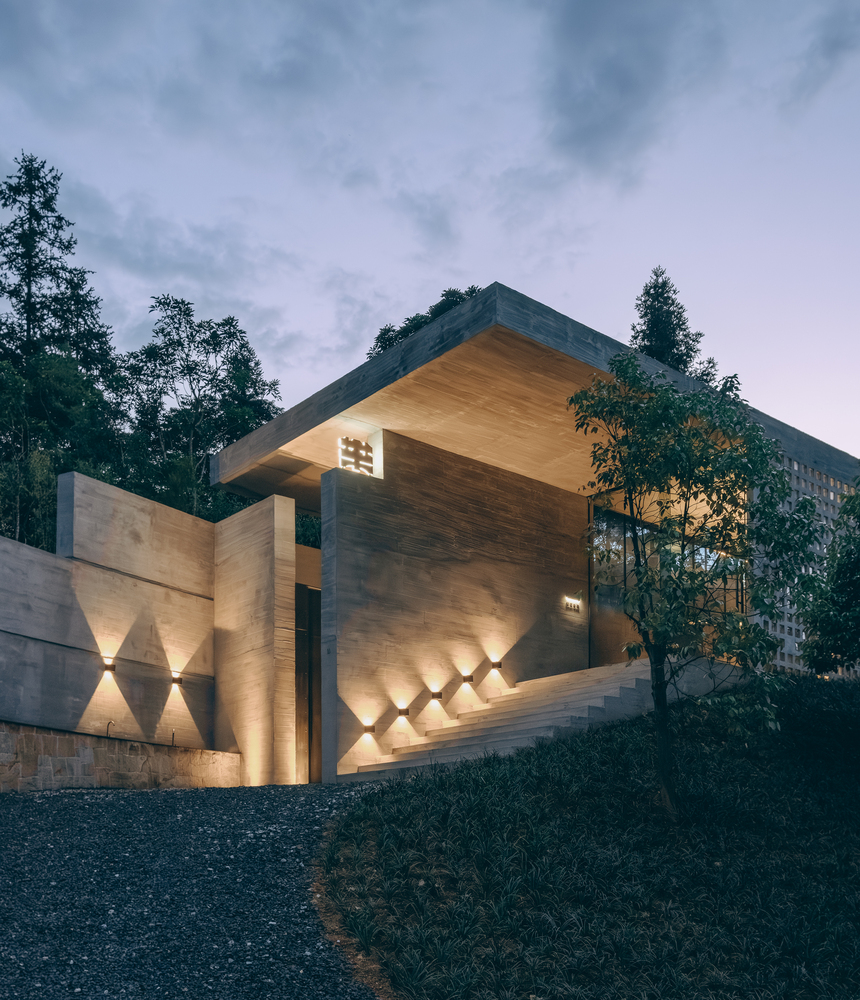
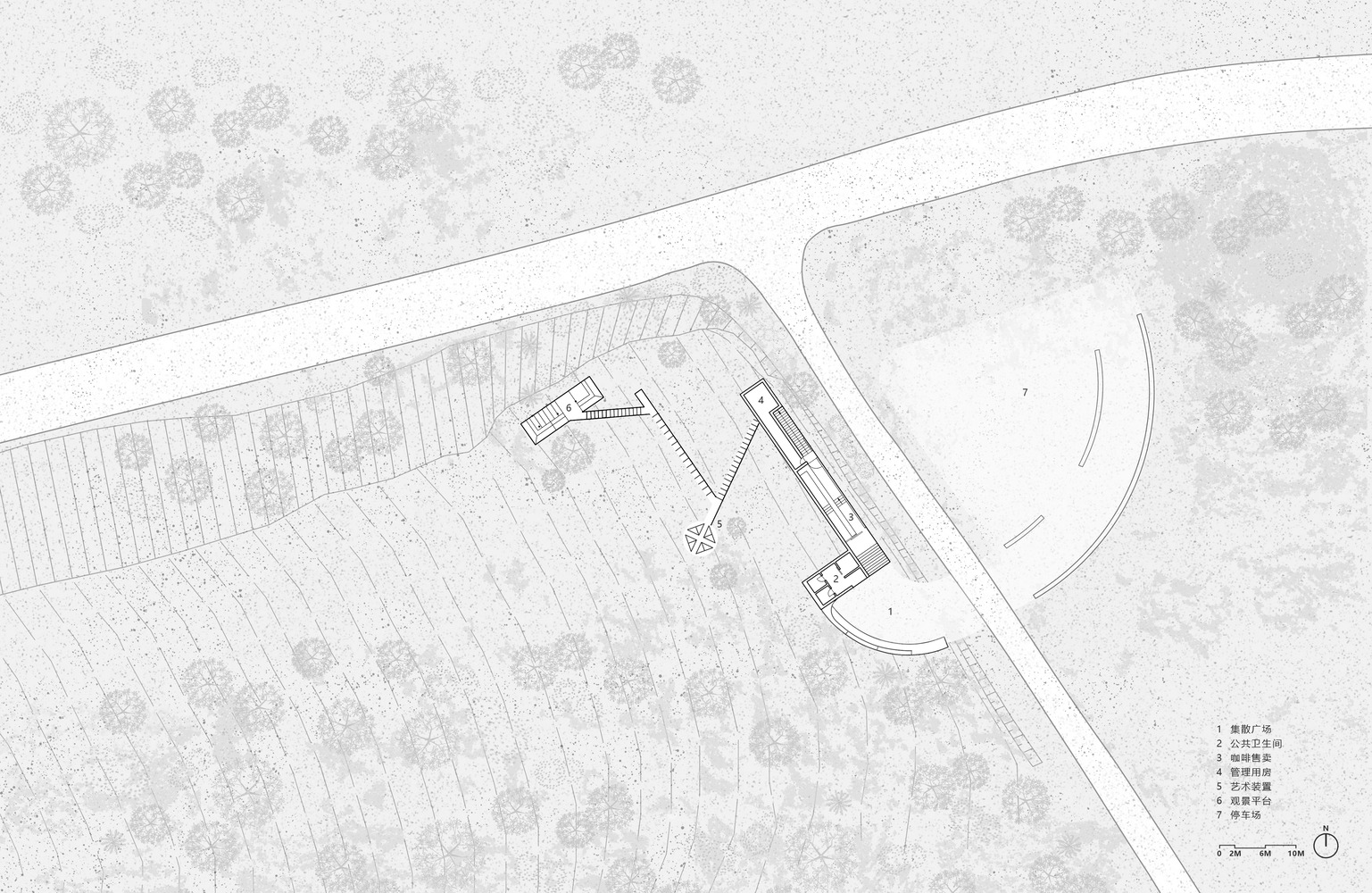
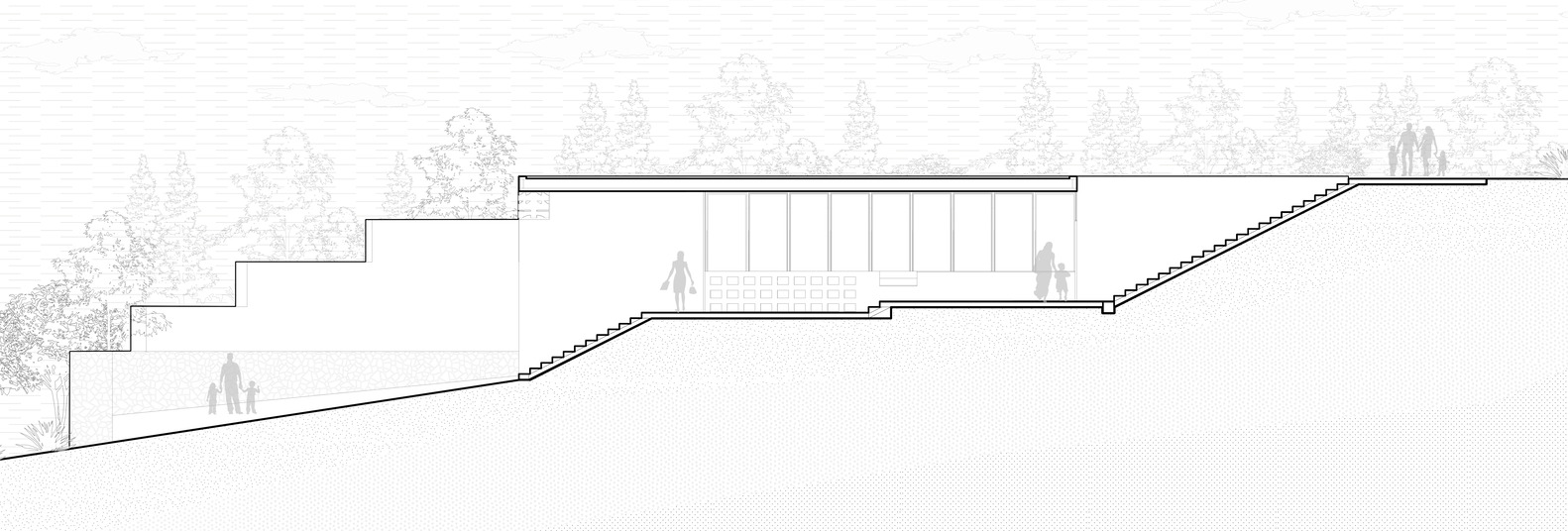
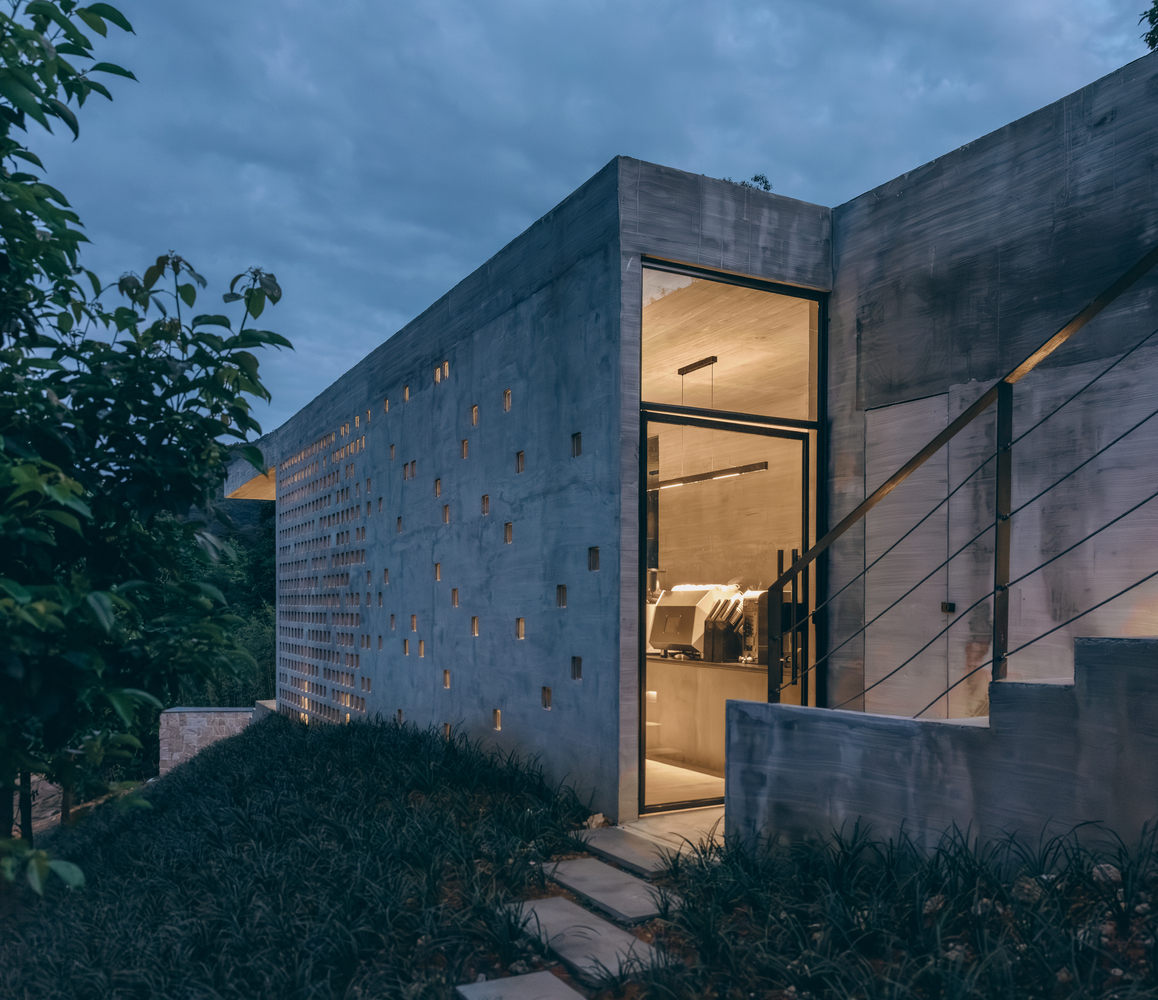
Positioned at the lowest southeastern point, Mountain Post initiates the ascent. Embedded into the gentle slope, the structure uses its volume to repair the fractured landscape.
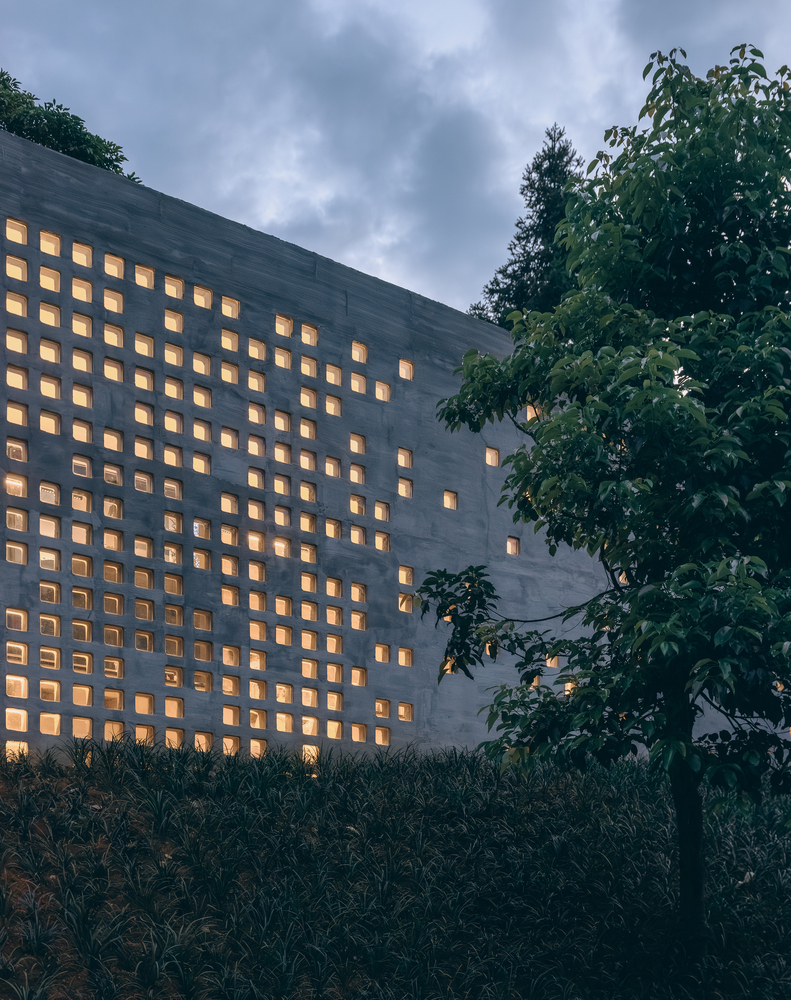
The top level aligns with the northern slope, cantilevering southward to form an interior space housing a café and public restroom.
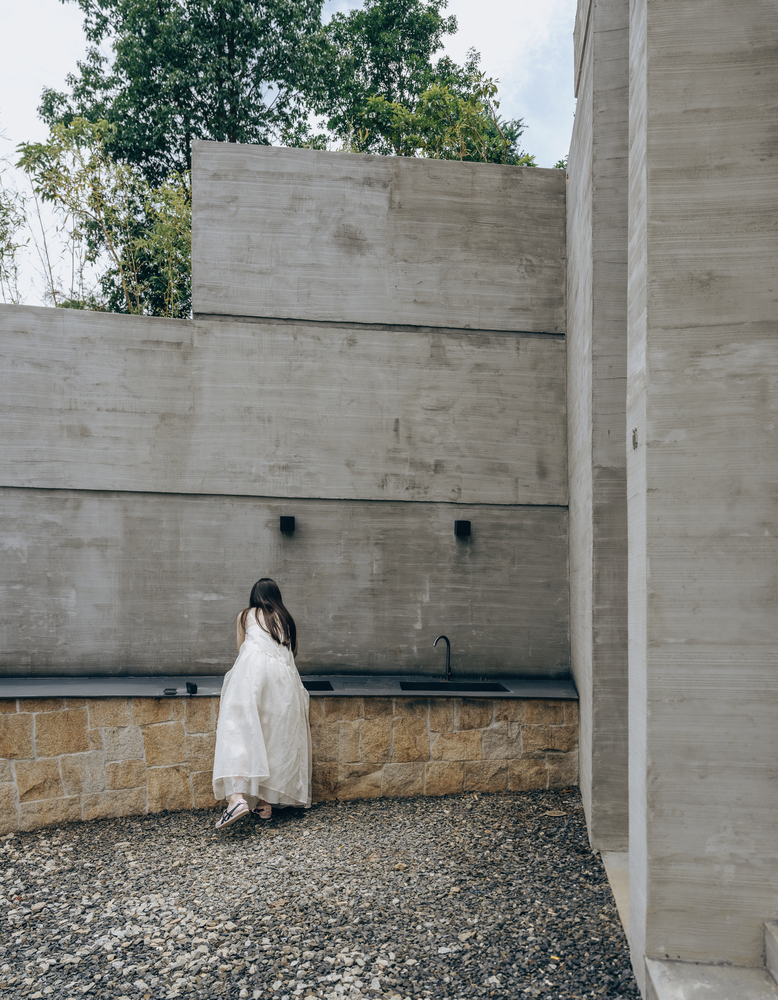
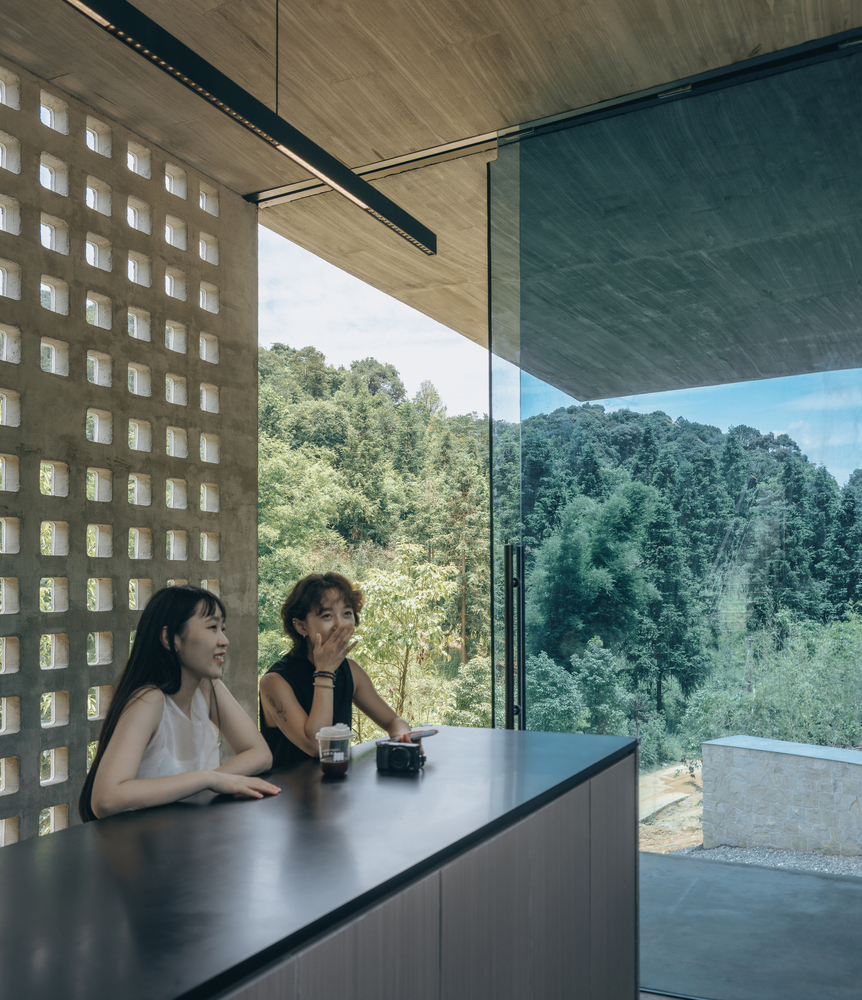
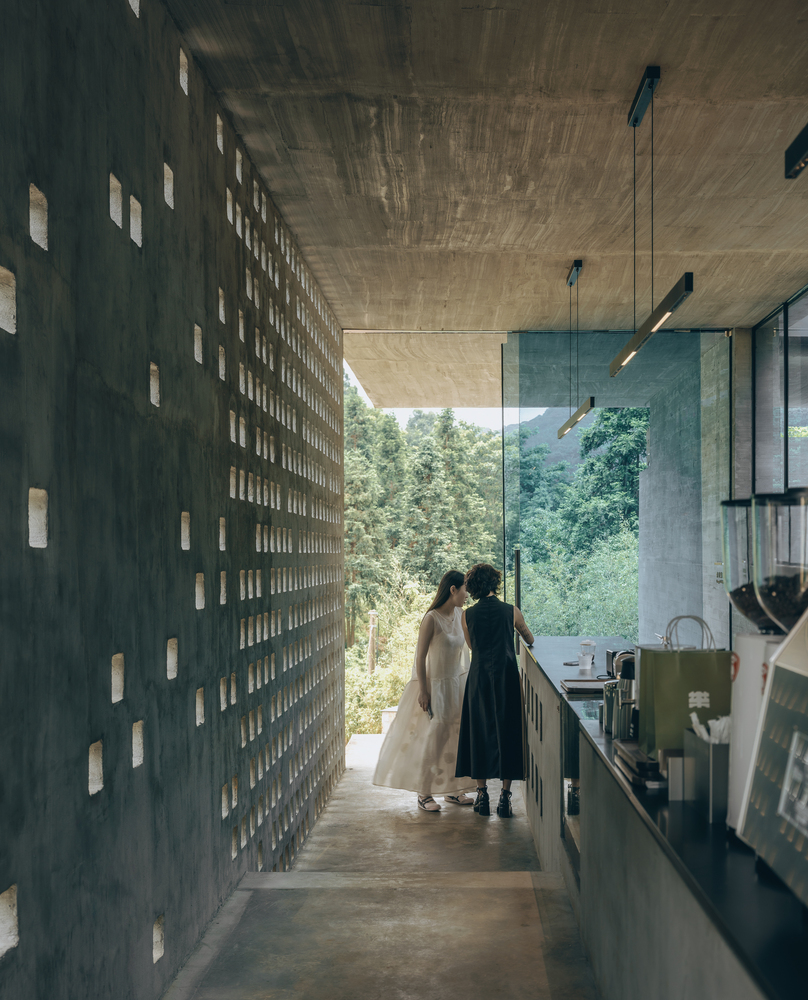
The lower level aligns with the southern road elevation and steps upward with the mountain's contour, subtly merging into the hillside.
It intersects the mountain path in height, marking the first turning point in the route and guiding visitors away from speed and linearity into a spatial polyphony of wind, rain, and shifting textures.
HOMETOWN PAVILION
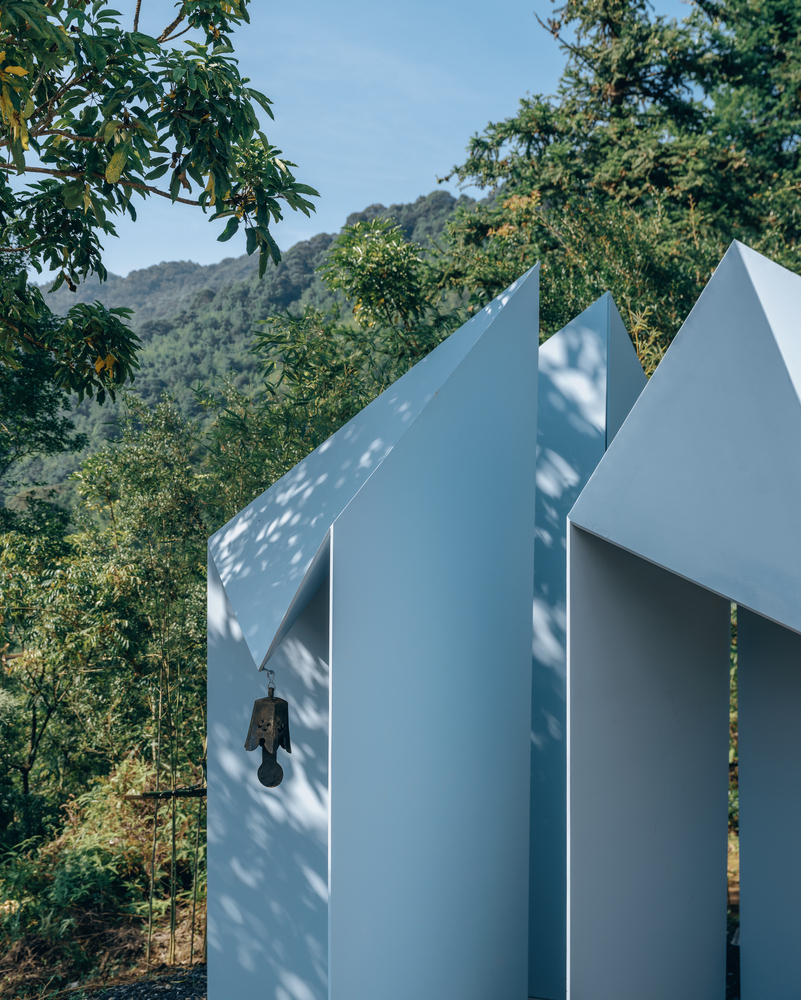
Designed by sculptor Mr. Li Nu, Hometown Pavilion stands at the site's heart as its most culturally resonant node—a semantic construct of "local identity".
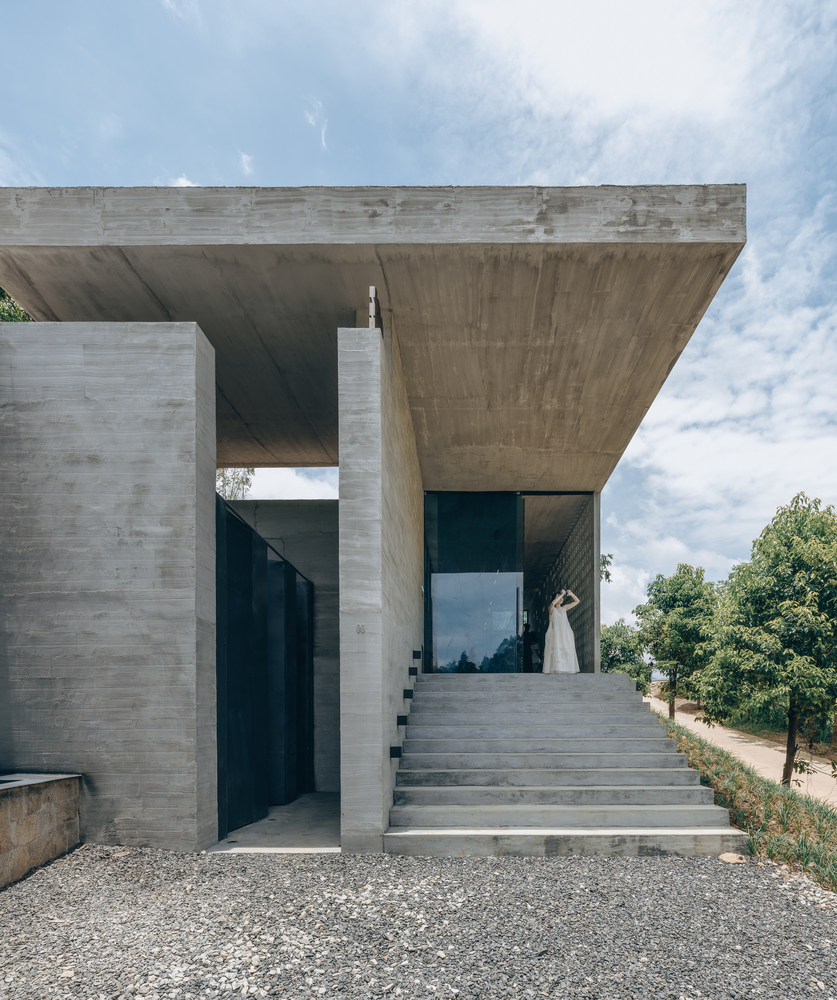
Evoking the broad sleeves of Northern Song Dynasty robes, its structure reinterprets the geometric logic of Su Dongpo's headscarf into spatial form, honoring the poet and welcoming wanderers.
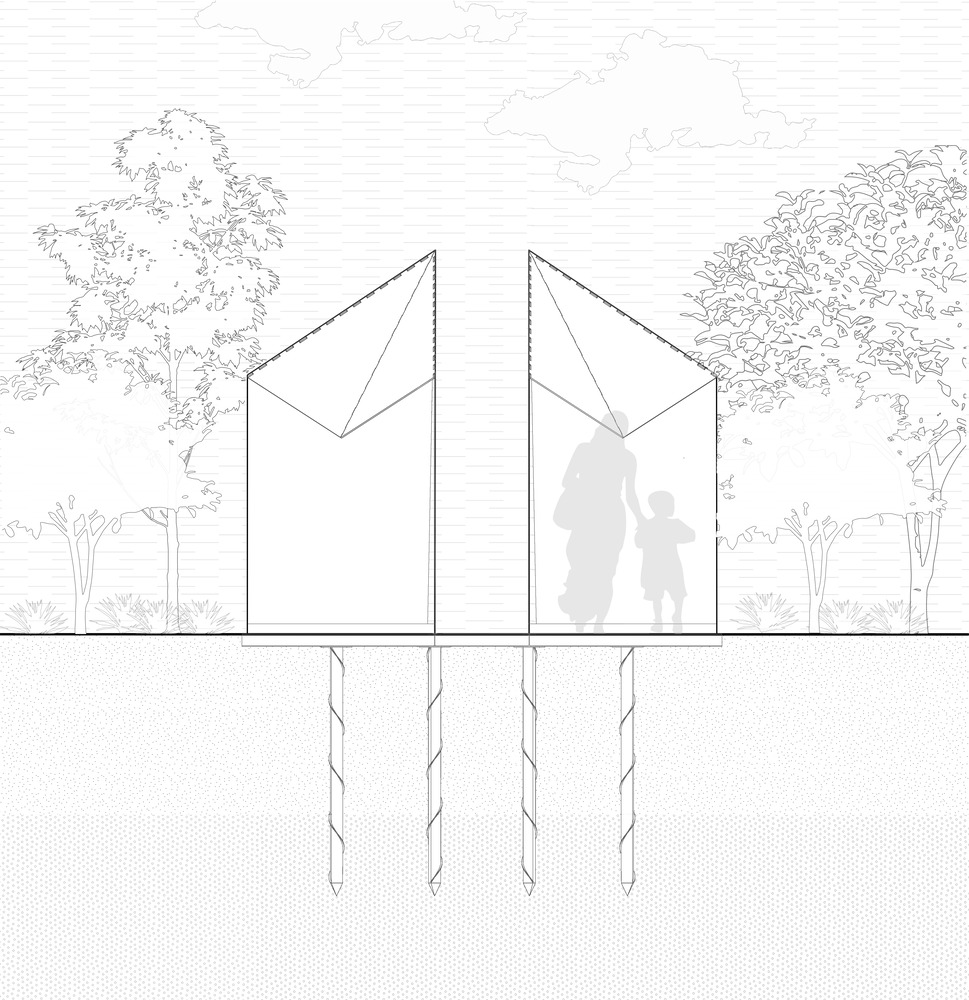
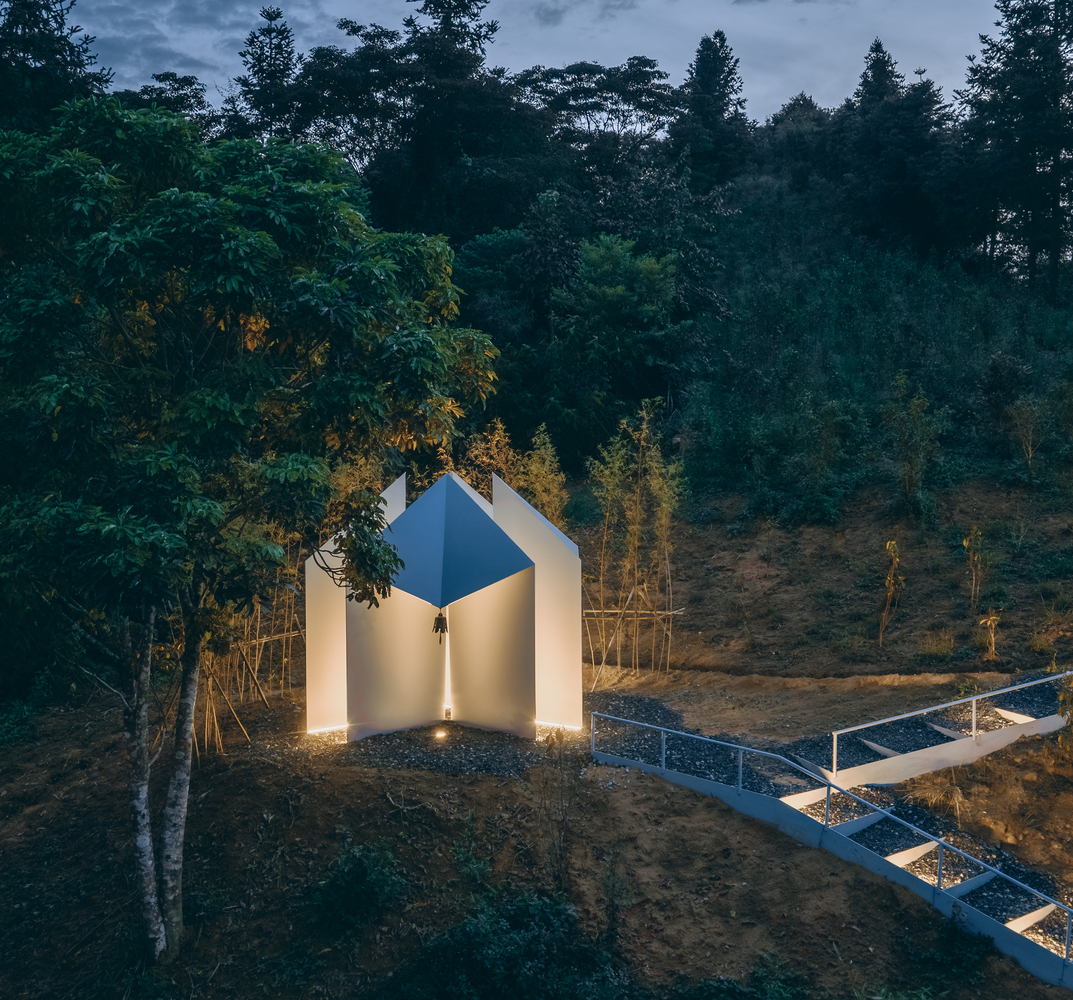
Composed of four modules, eight walls, and sixteen steel plates, the pavilion scaled between sculpture and architecture, define permeable spaces and flows:
intimate whispers within, circumambulatory gazes outside, and fissures for passage between four pavilion units.
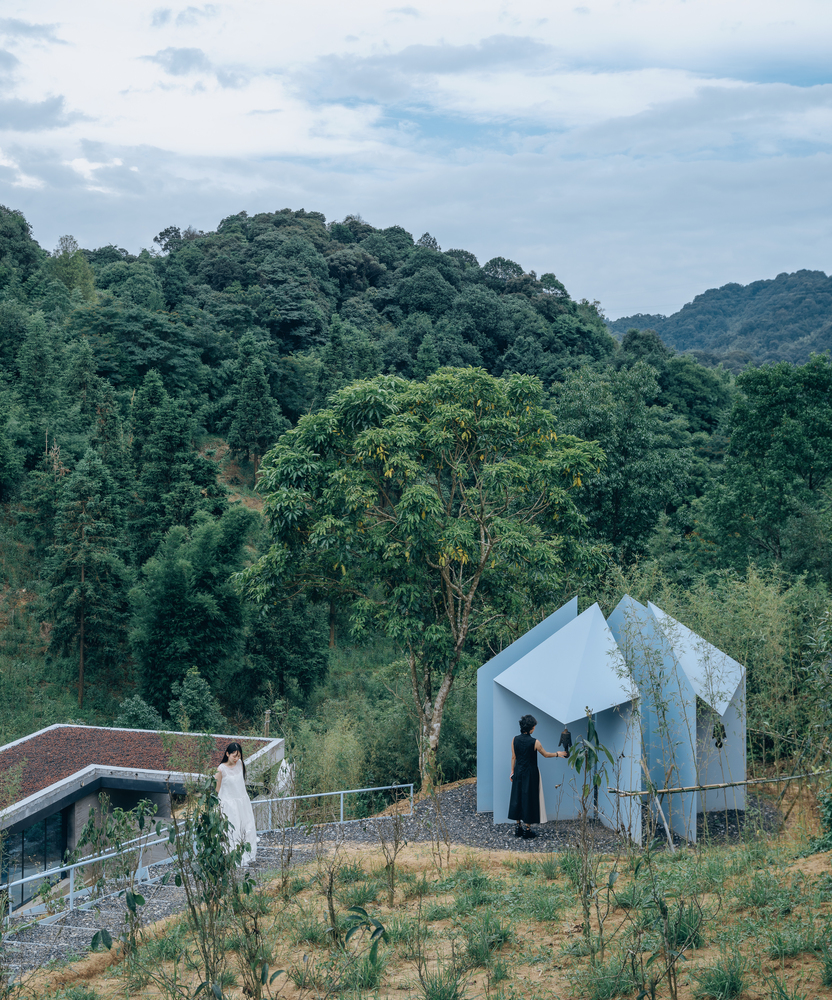
Sunlight casts steel reflections that dance with distant clouds; raindrops striking its surface echo like fragments of poetry left by ancient ink-splashing.
CLOUD PAVILION
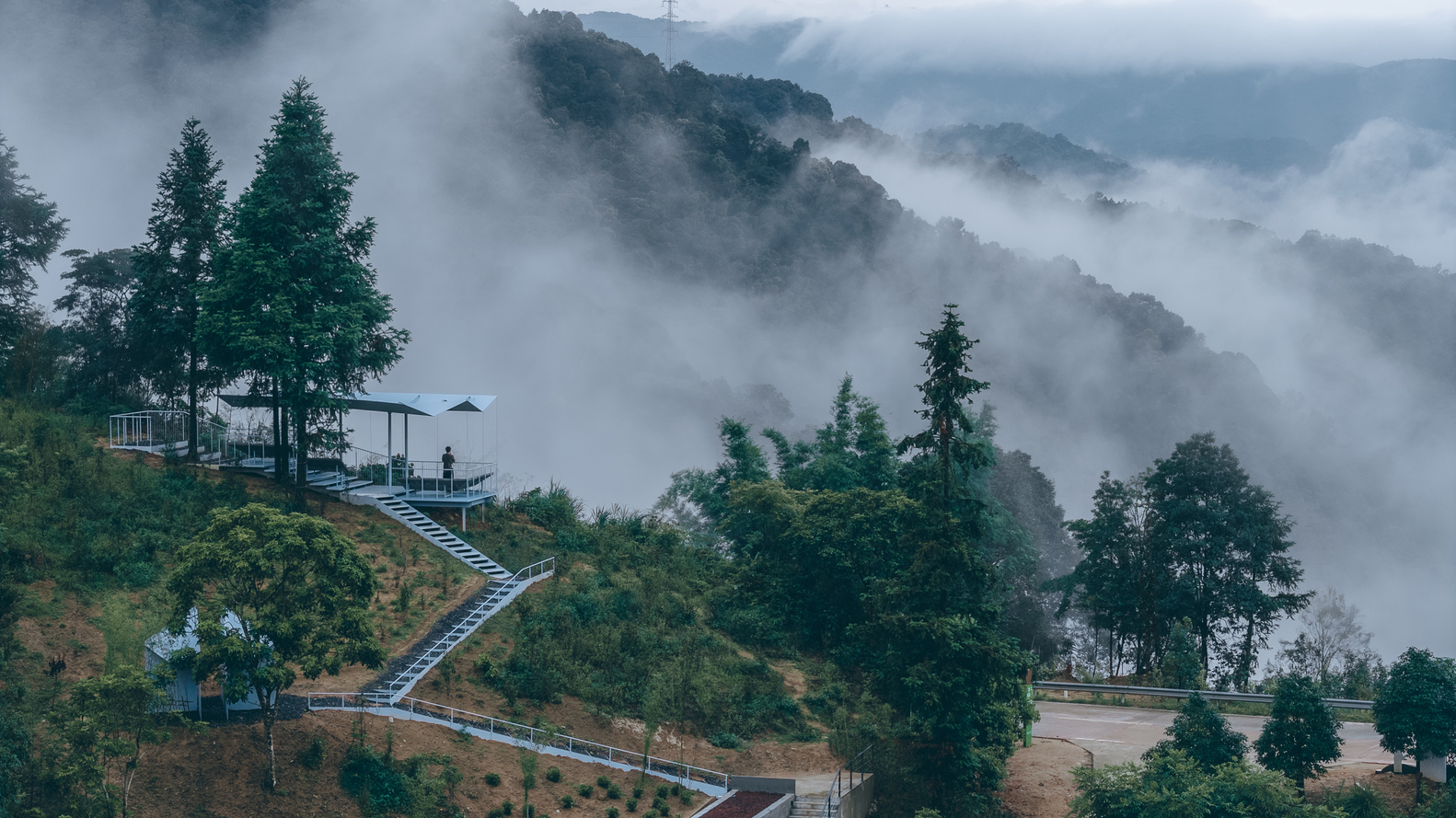
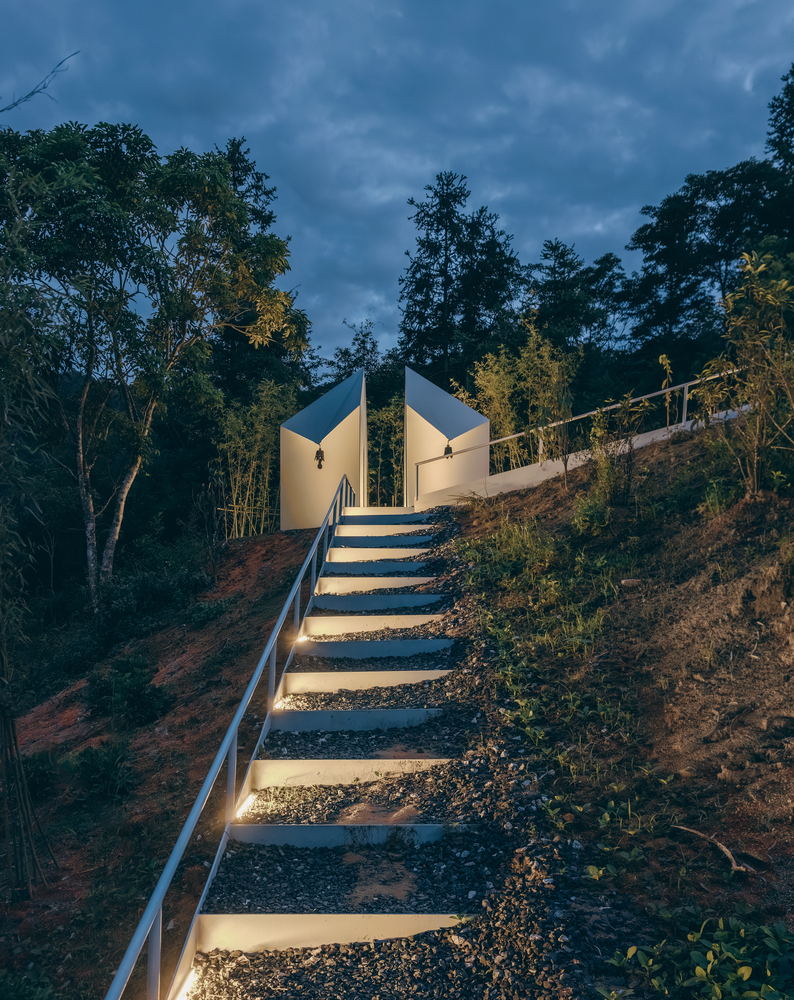
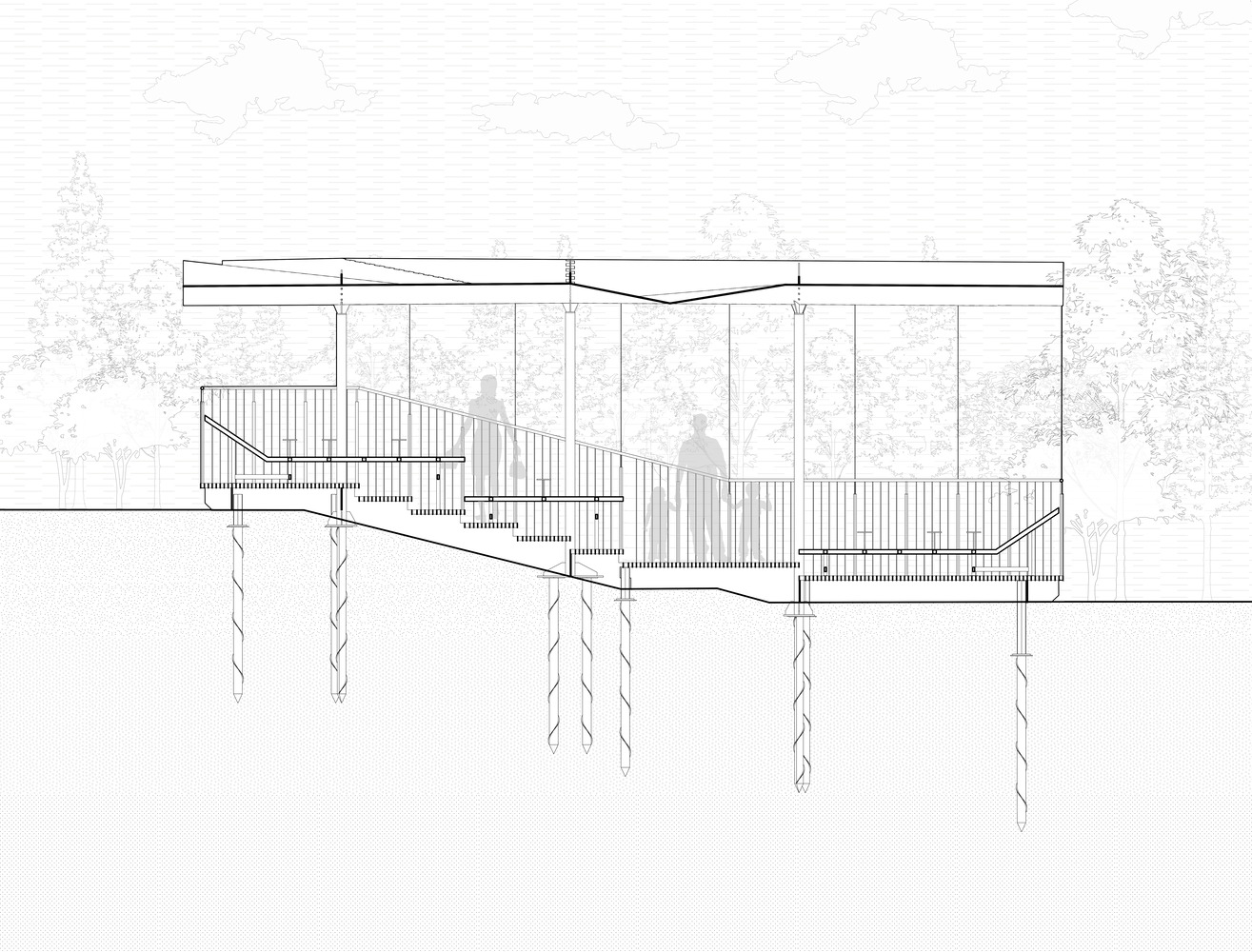
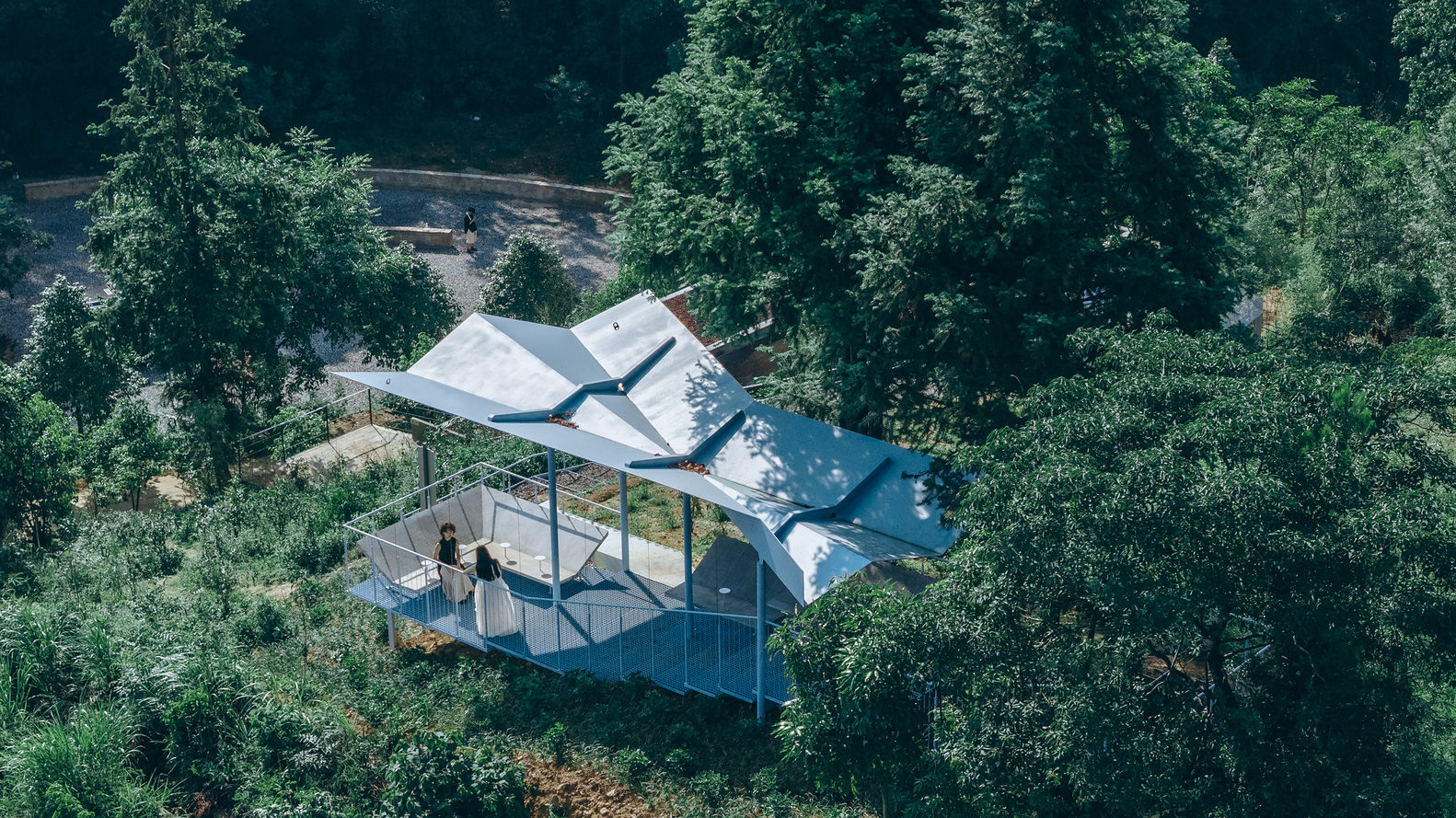
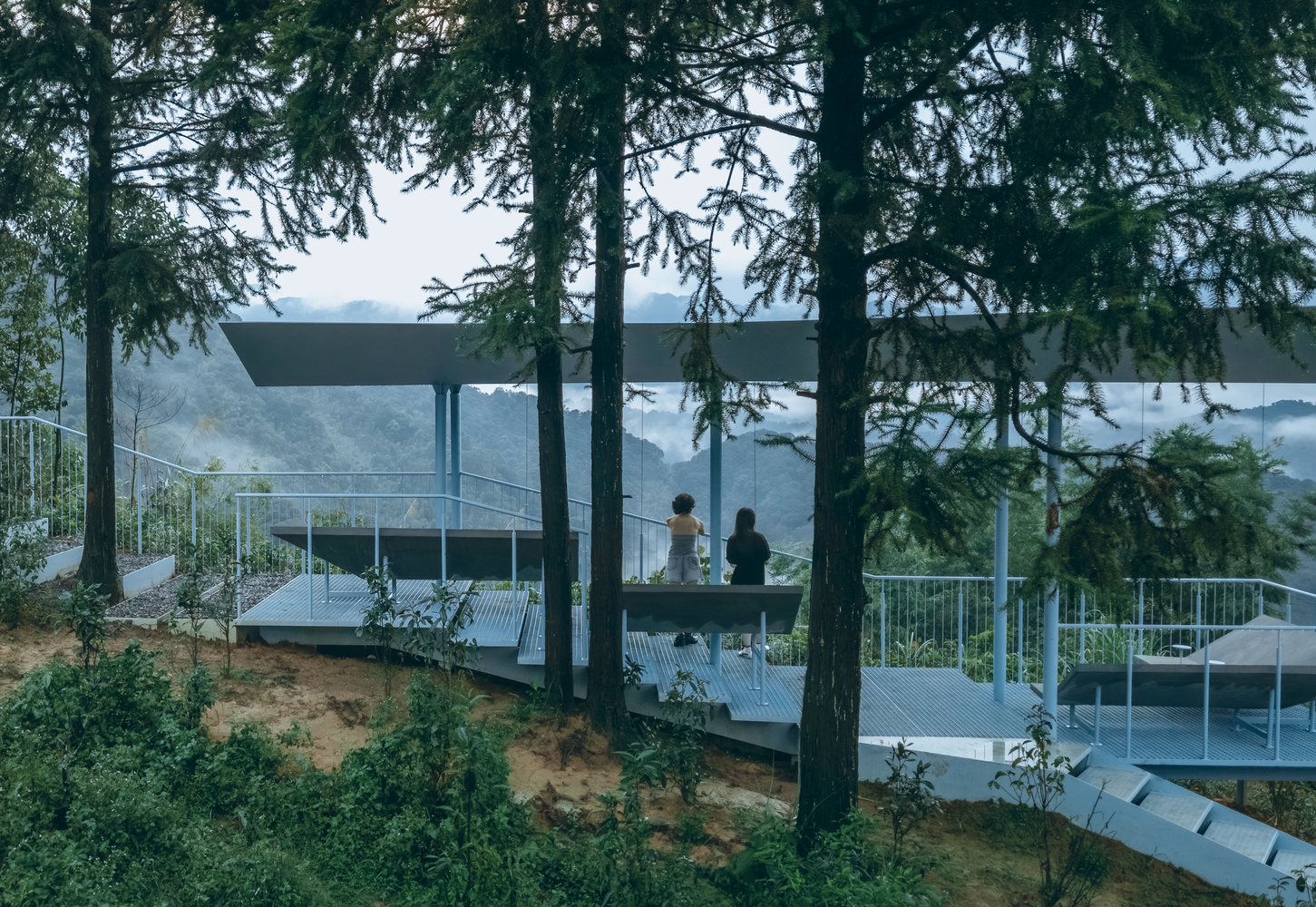
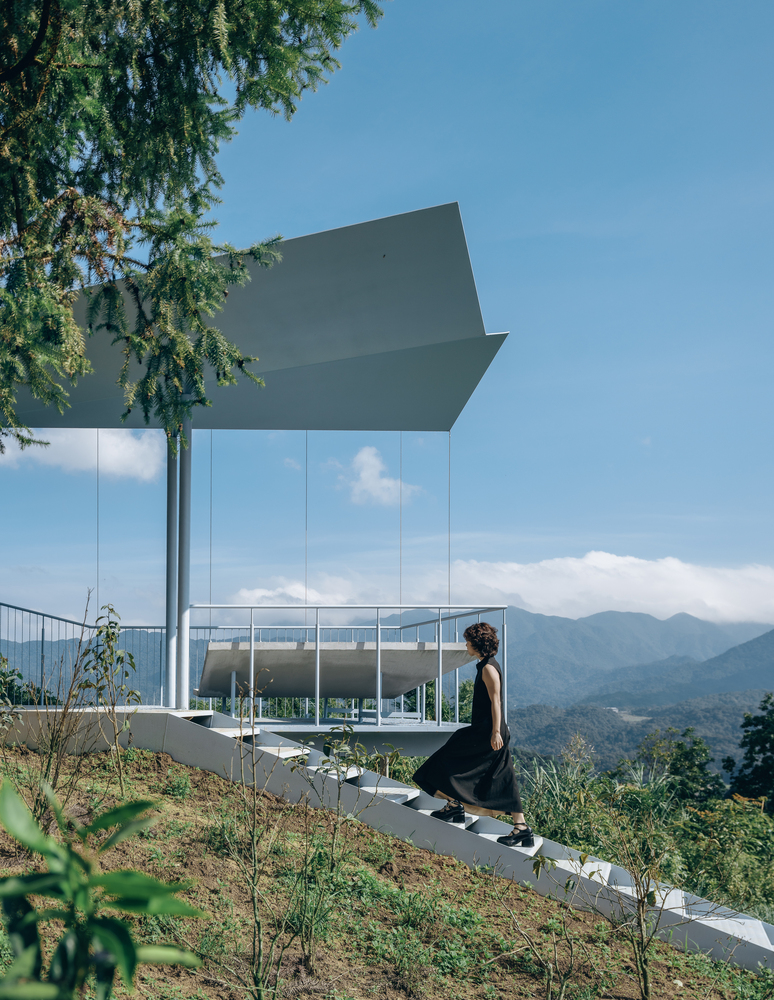
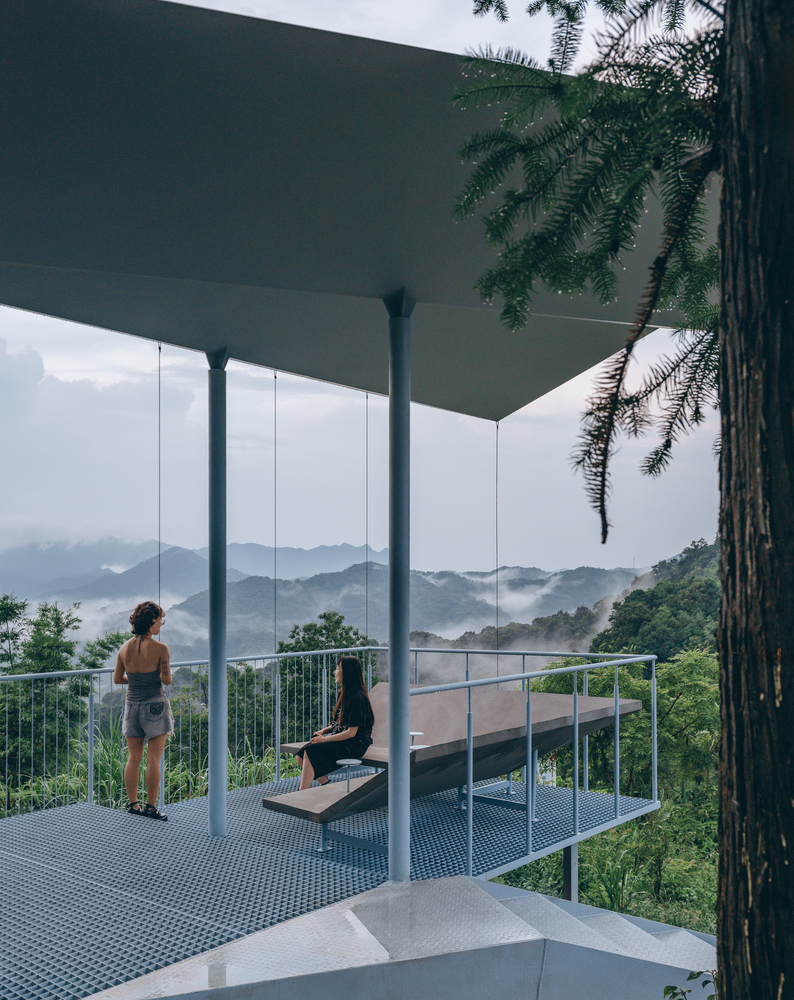
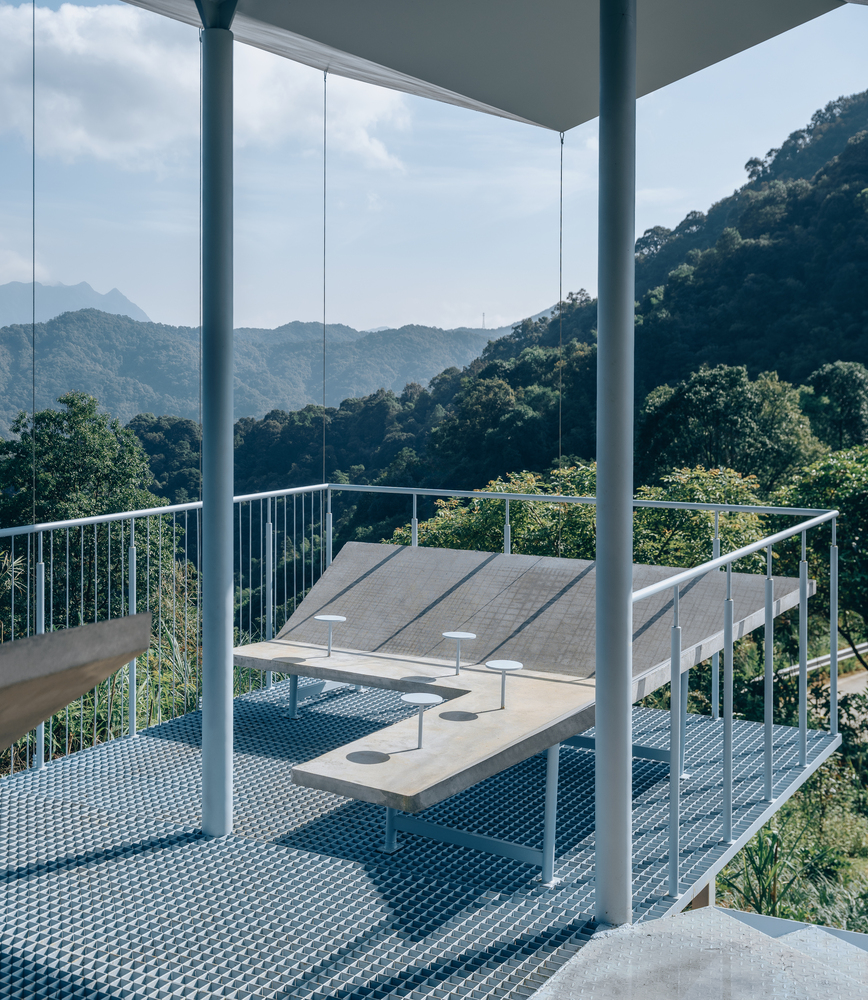
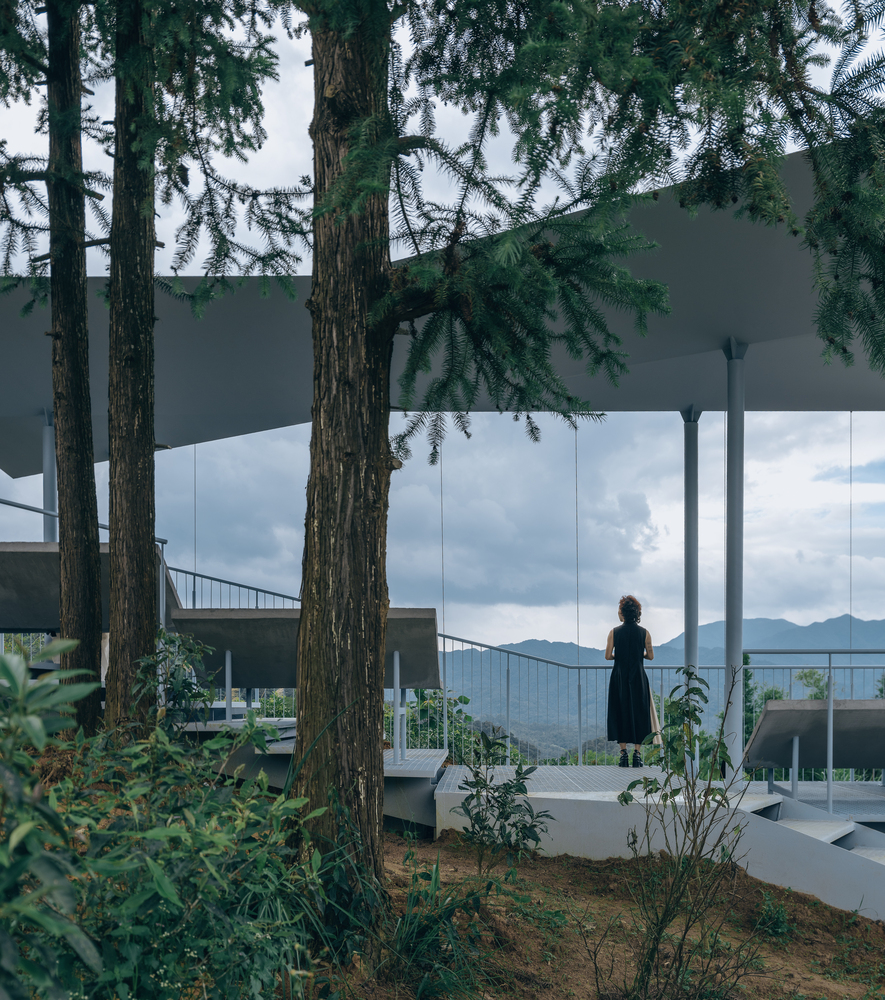
Suspended on an open slope midway up the mountain, Cloud Pavilion marks the end of the path and the opening of the view.
Its roof is formed by two interlaced V-shaped folded steel plates oriented toward the mountain path and ridge, respectively.
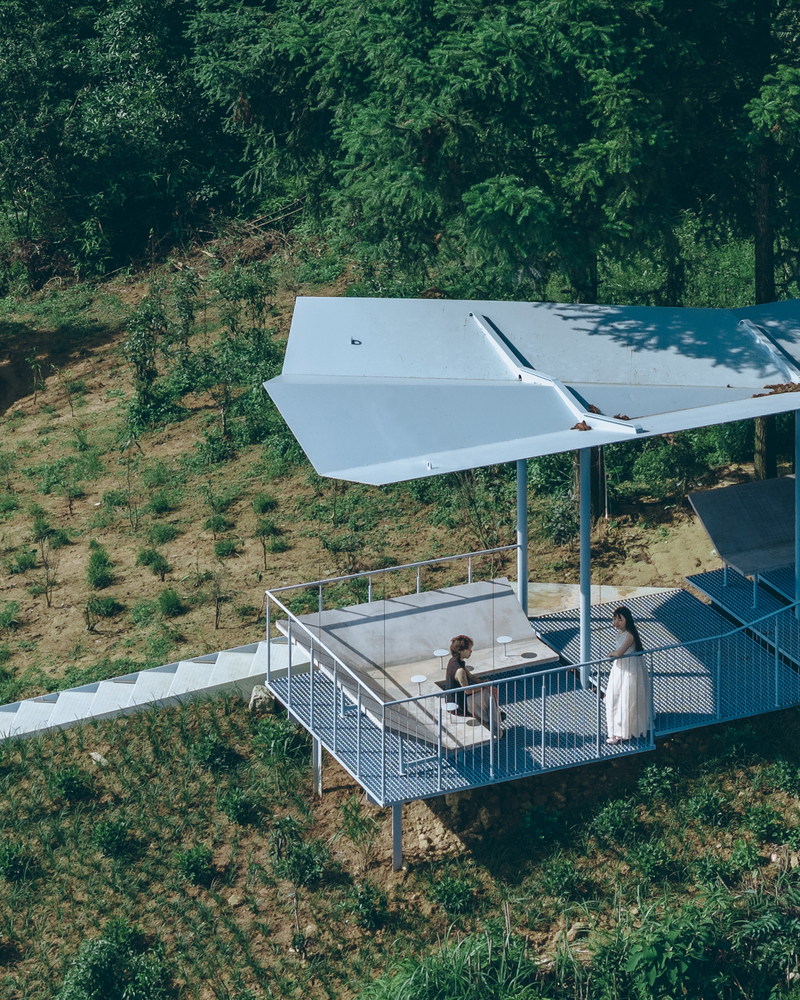
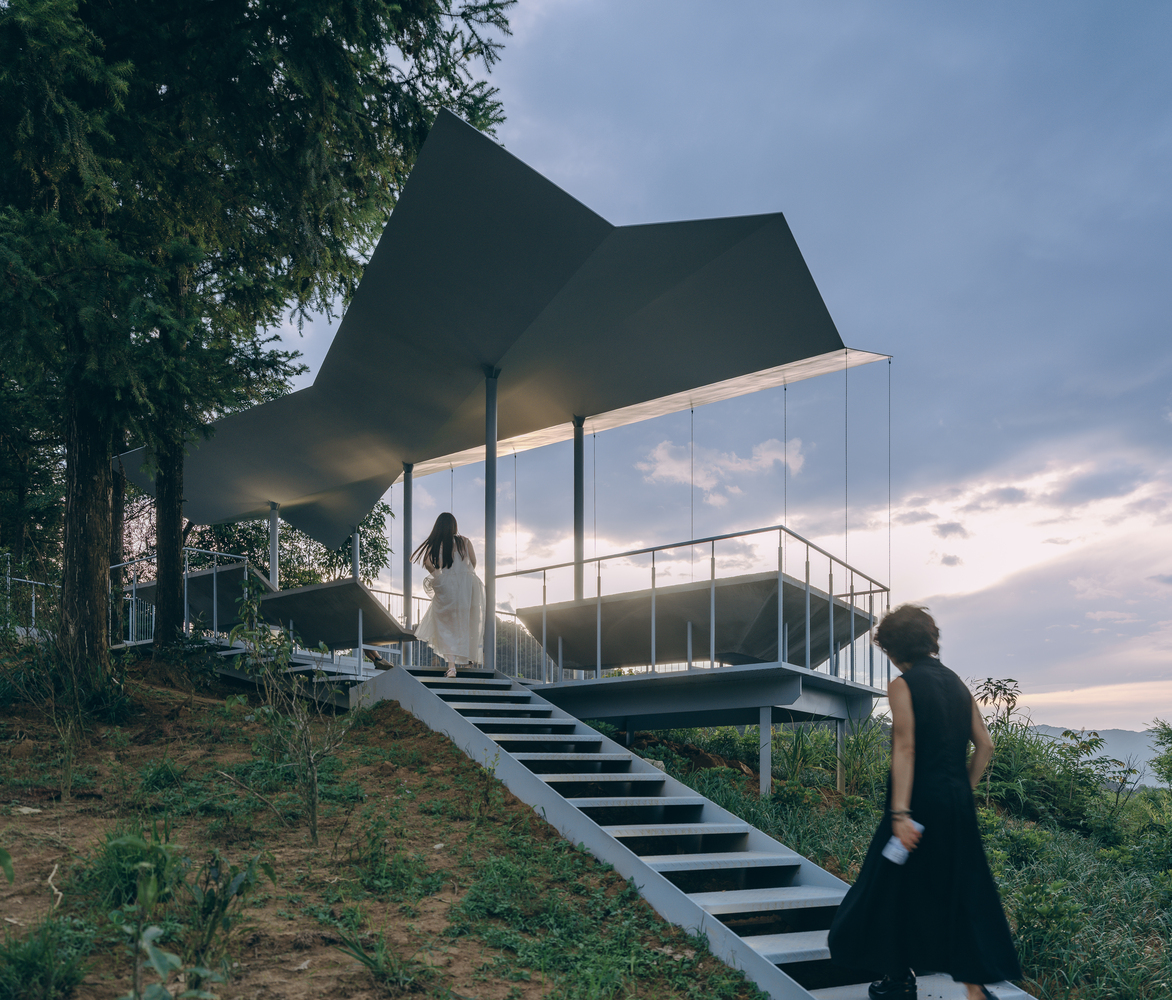
Echoing the geometric language of Hometown Pavilion, this structure adopts a lightweight steel system.
During heavy rain, the V-shapes act as natural gutters, channeling water down via steel cables, sketching Huizhou's rain into visible form.
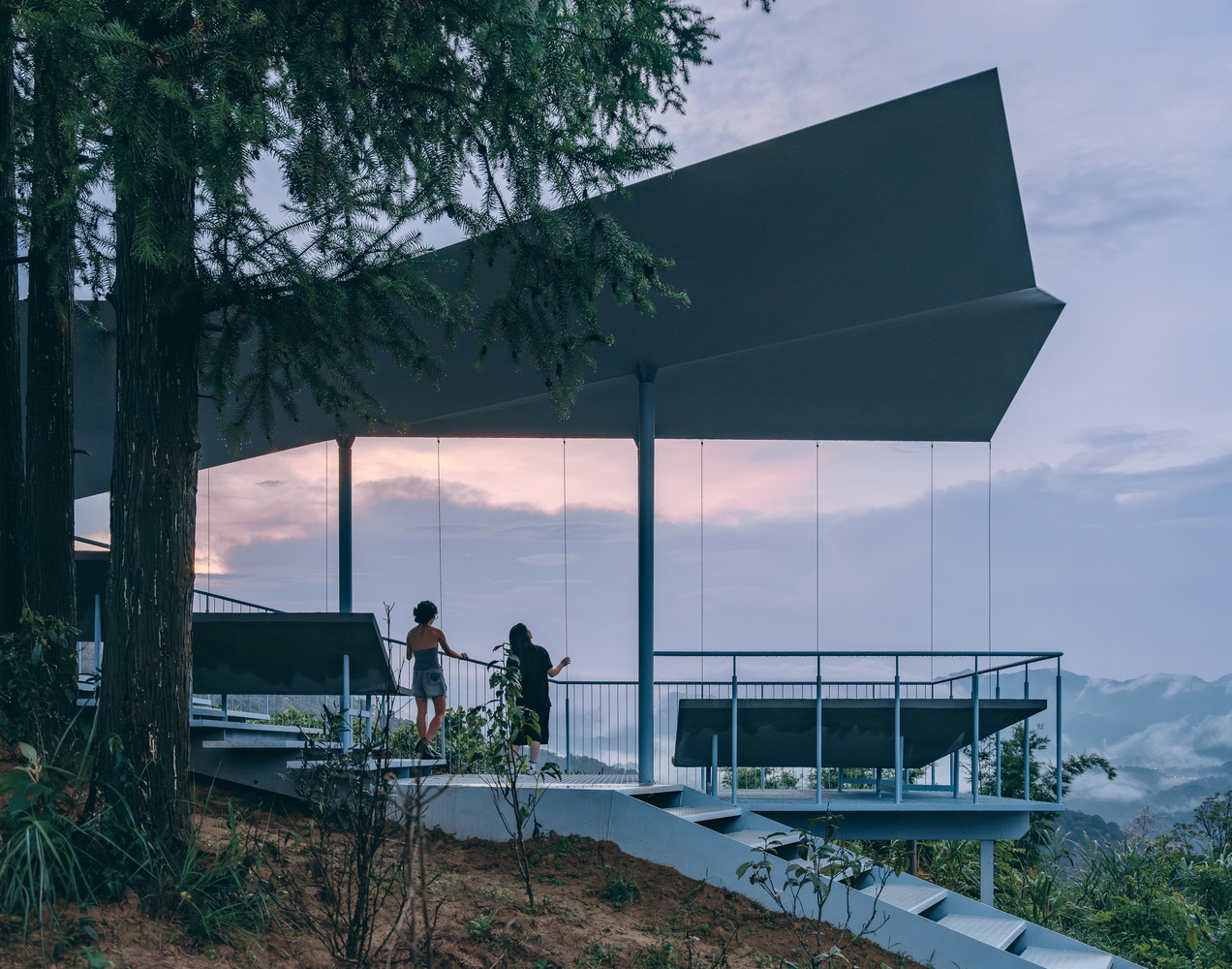
As one ascends and descends the path, the folded roof appears in dramatically different profiles.
Standing on the terrace, clouds rise beneath your feet when the wind stirs.
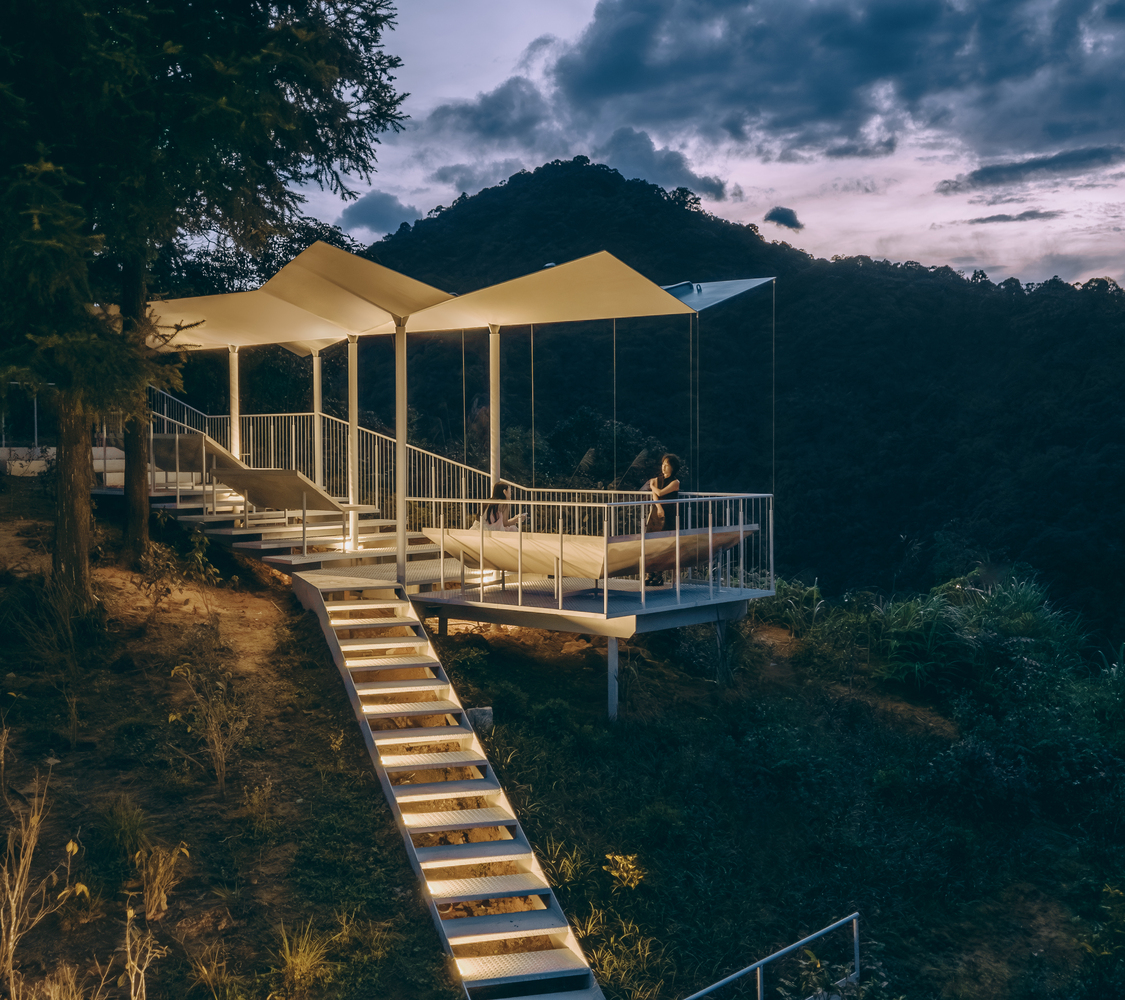
Surrounded by reclining chairs, one can gaze at the blue sky in calm, or lie back among the clouds when weary.