
Lib Earth House Model B
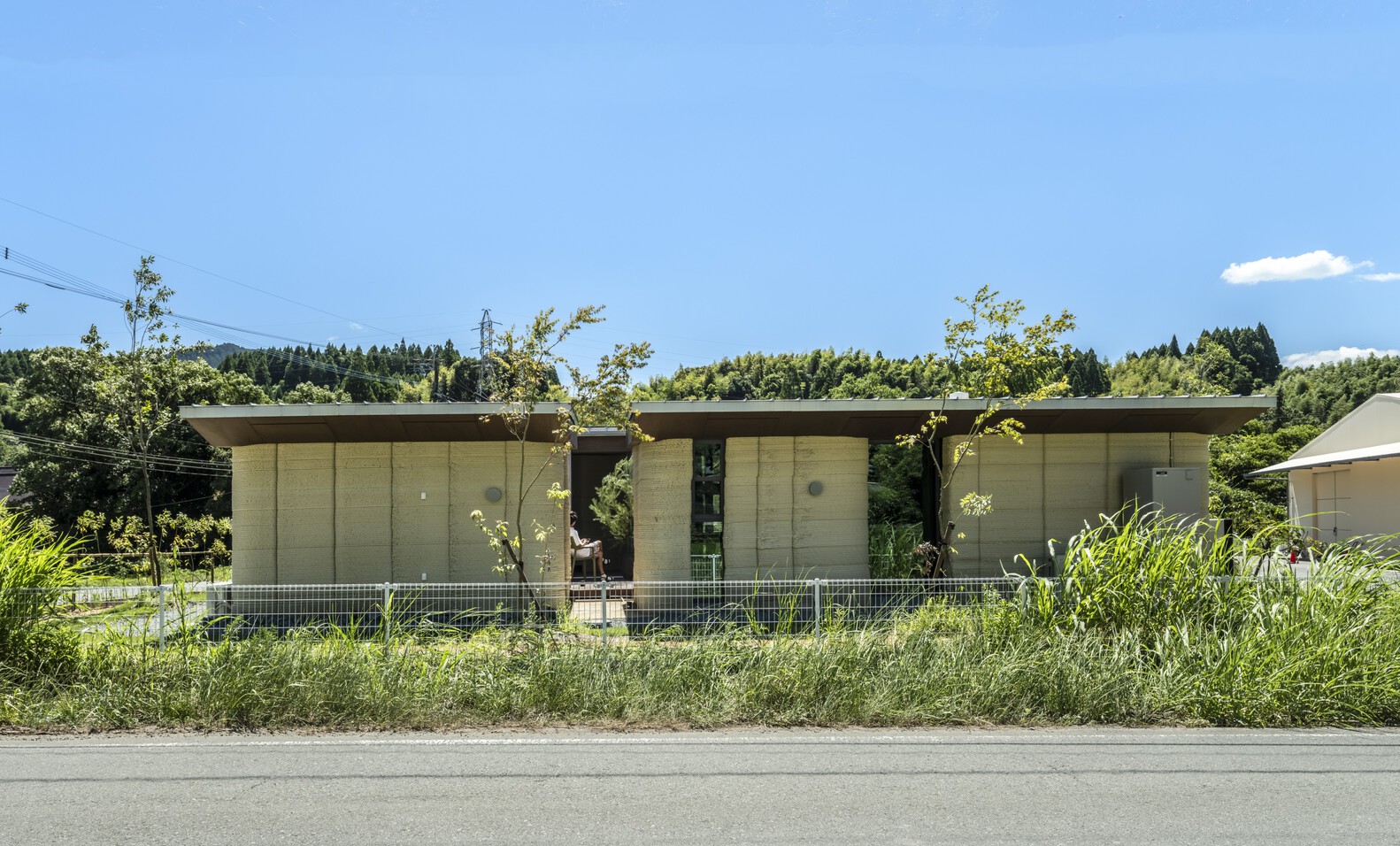
LIB EARTH HOUSE MODEL B
Arup, Lib Work Co., Ltd., Studio QTN, ogawaa design studio LLC
ARCHITECTS
Arup, Lib Work Co., Ltd., Studio QTN, ogawaa design studio LLC
LEAD ARCHITECT
Masashi Nagano, Taishi Ogawa, Yuya Kyotani
LEAD TEAM
Chikara Seguchi, Masashi Nagano, Jinsei Nishida, Yoshiki Asano, Tatsuya Furue, Yuri Nagata
TECHNICAL TEAM
Mitsuhiro Kanada, Koji Shigenaga, Kazuma Goto, Keita Tsukuhiji, Atsuya Niimi, Hiroshi Sasano
DESIGN TEAM
Taishi Ogawa, Yuya Kyotani
PHOTOGRAPHS
Akira Ito
AREA
132 m²
YEAR
2025
LOCATION
Yamaga, Japan
CATEGORY
Residential Architecture
English description provided by the architects.
The Lib Earth House Project aims to develop future housing models that embody principles of environmental sustainability and habitability.
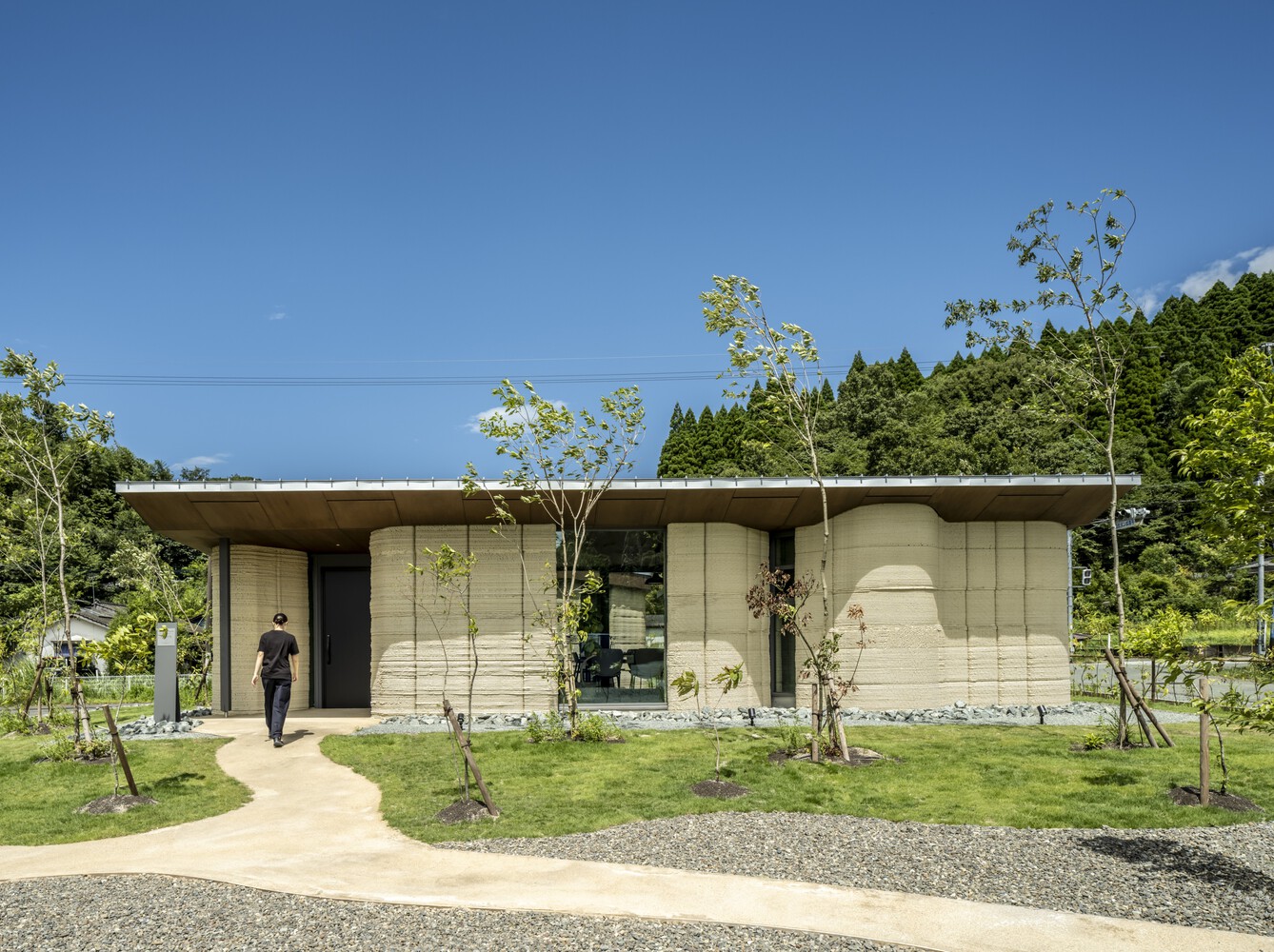
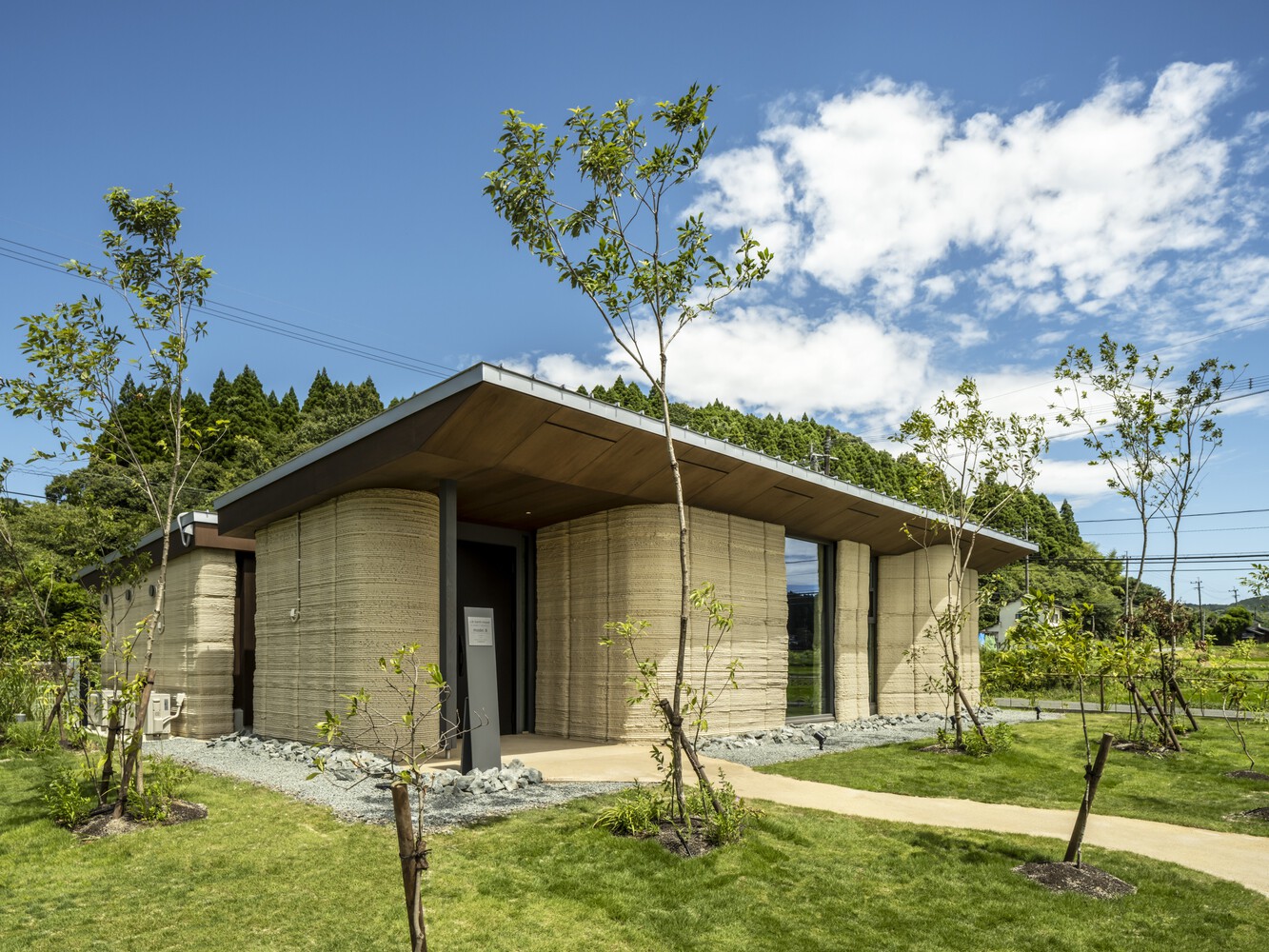
By utilizing construction-scale 3D printing technology, the project explores how buildings can be built exclusively from locally sourced, biodegradable materials, fostering long-term, harmonious habitation on Earth.
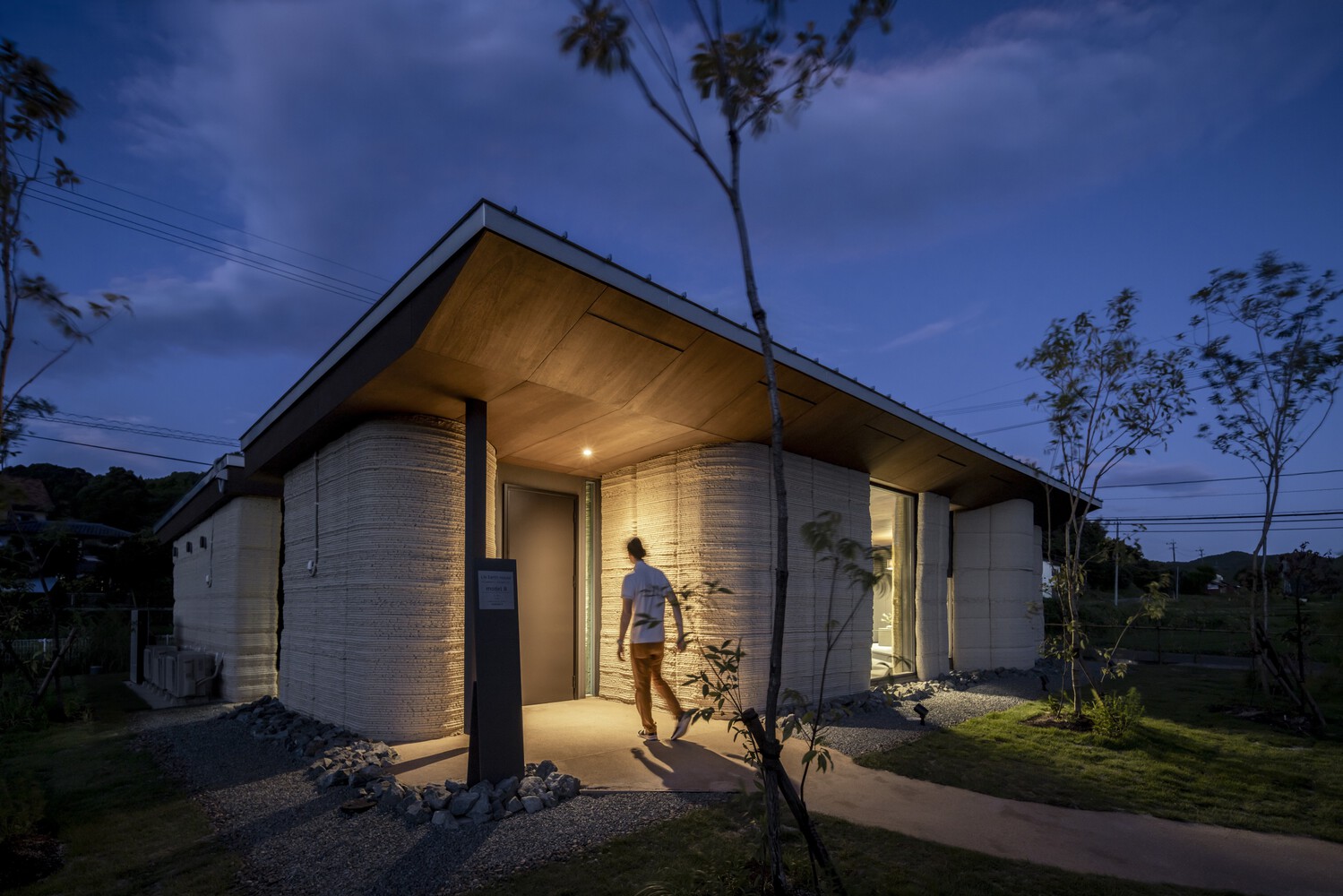
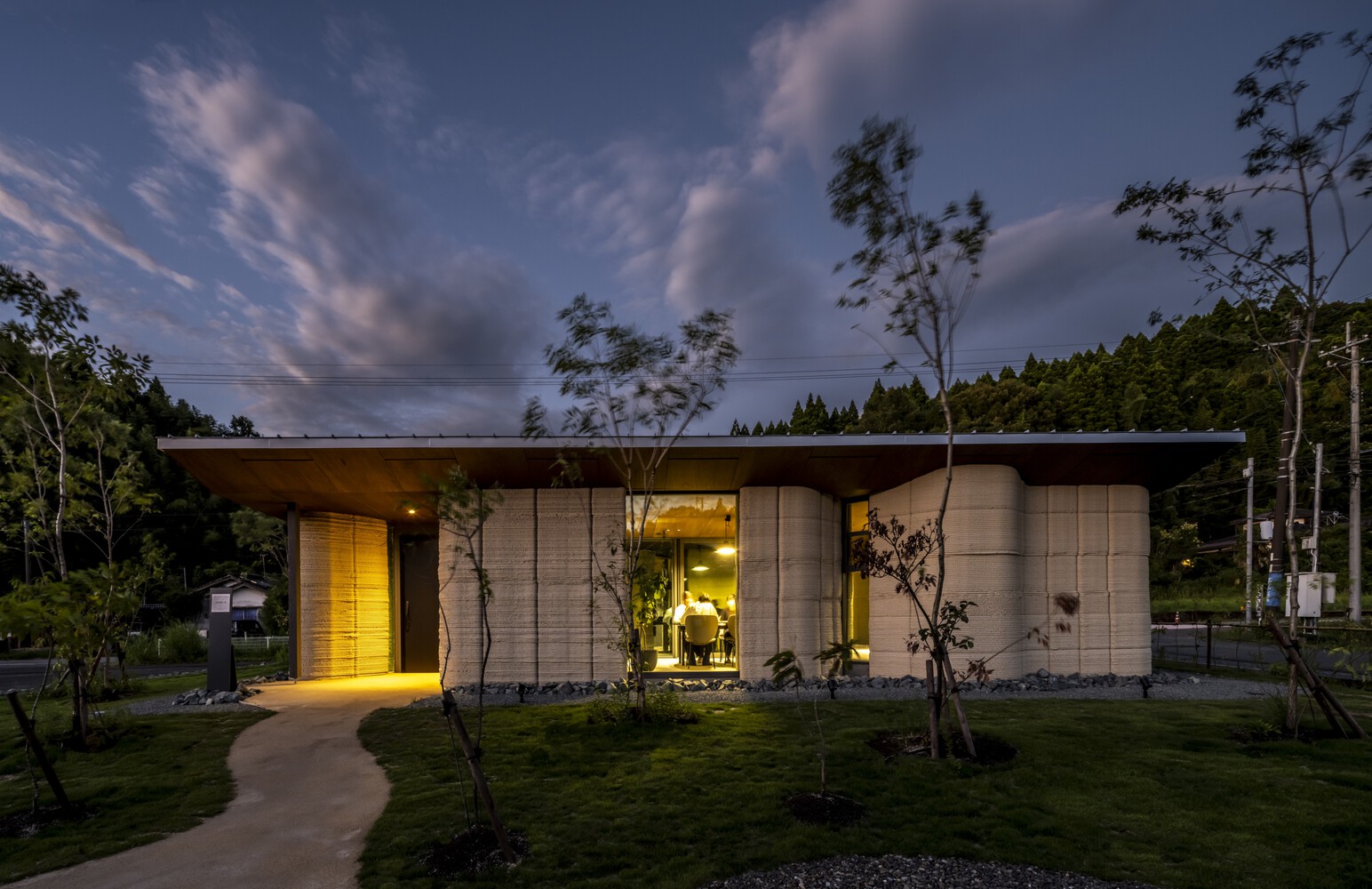
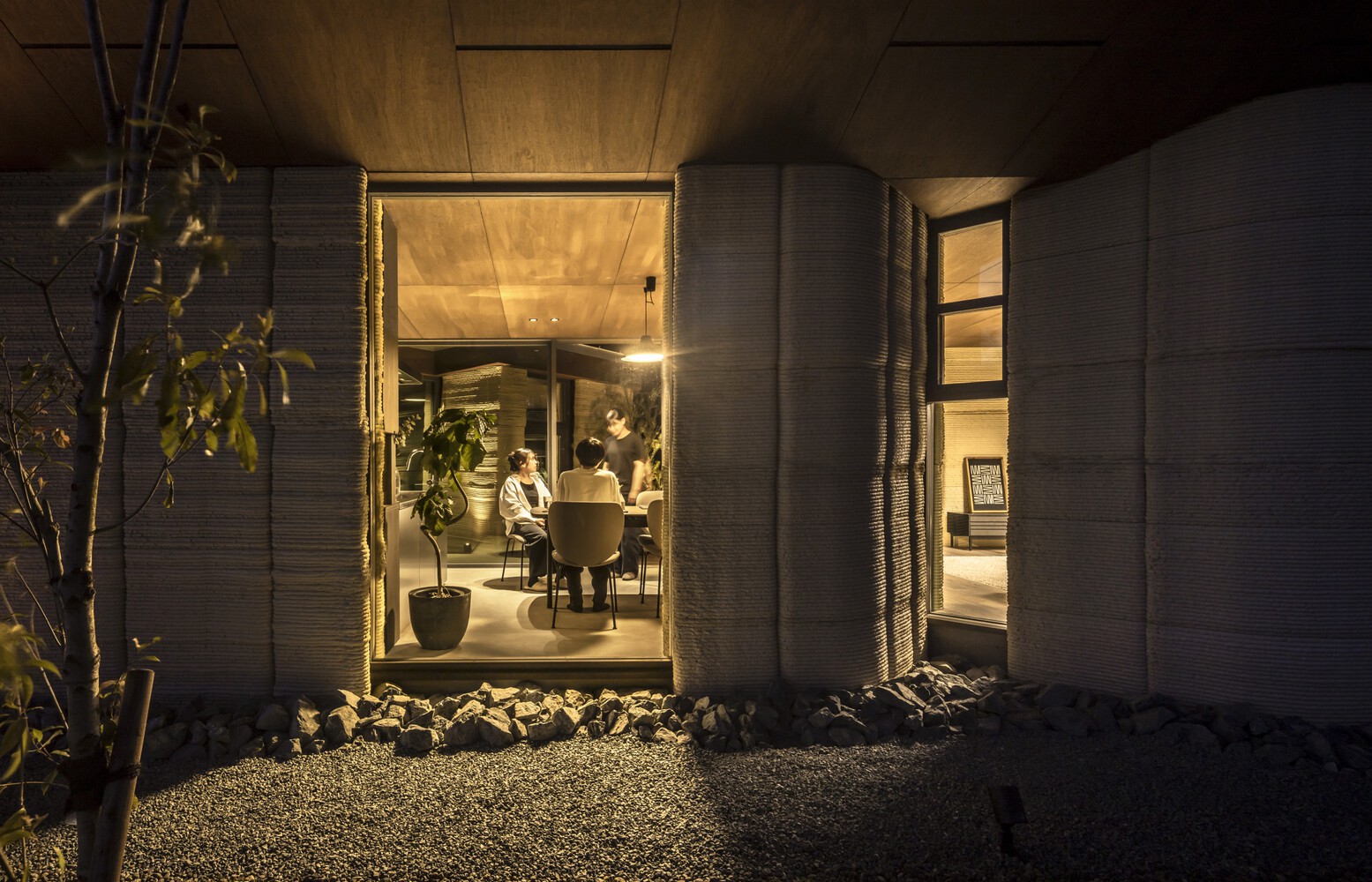
The recently completed "Lib Earth House model b" is the second prototype realized under this initiative. This single-story experimental residence spans approximately 100 sqm and is constructed using 3D-printed earthen walls
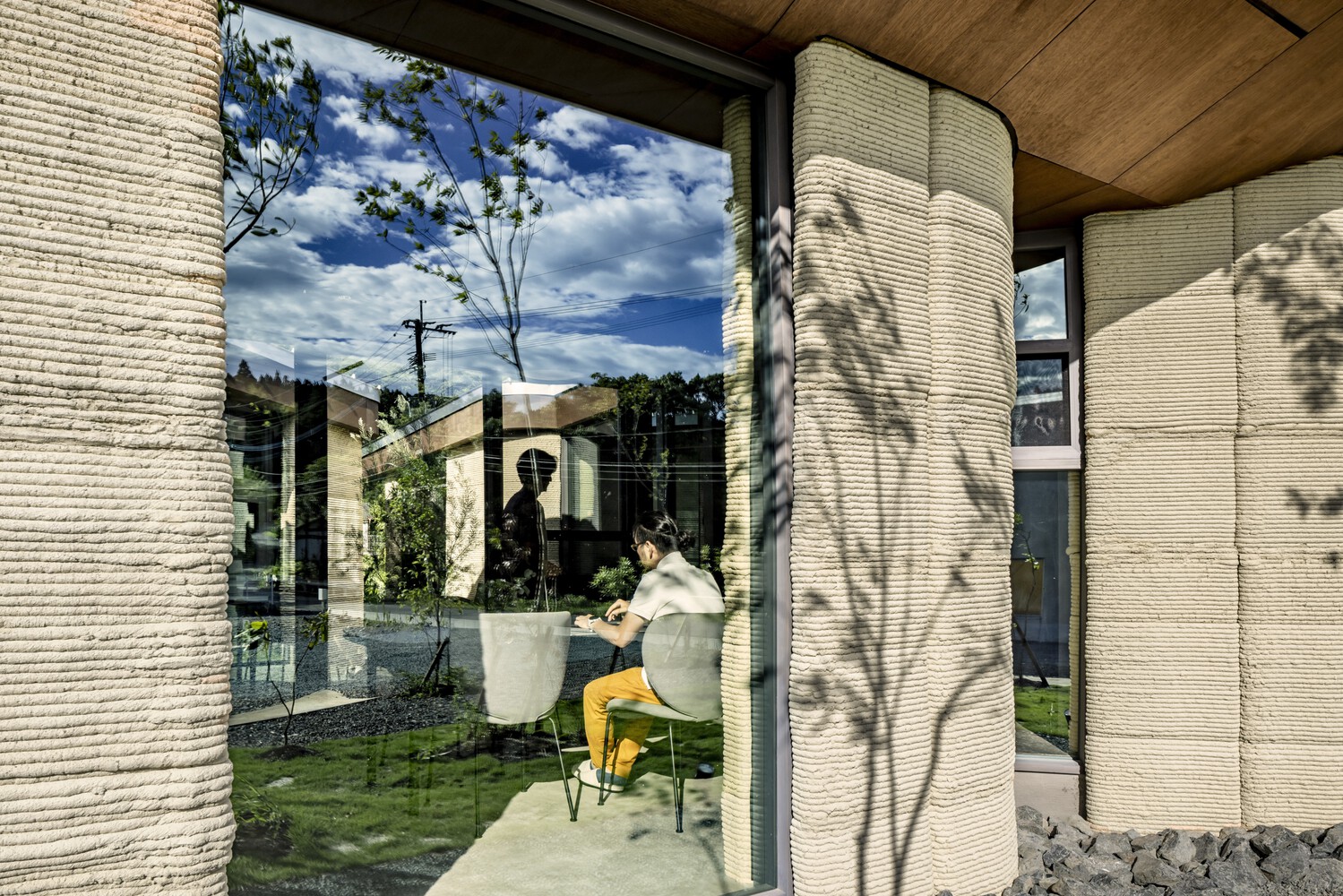
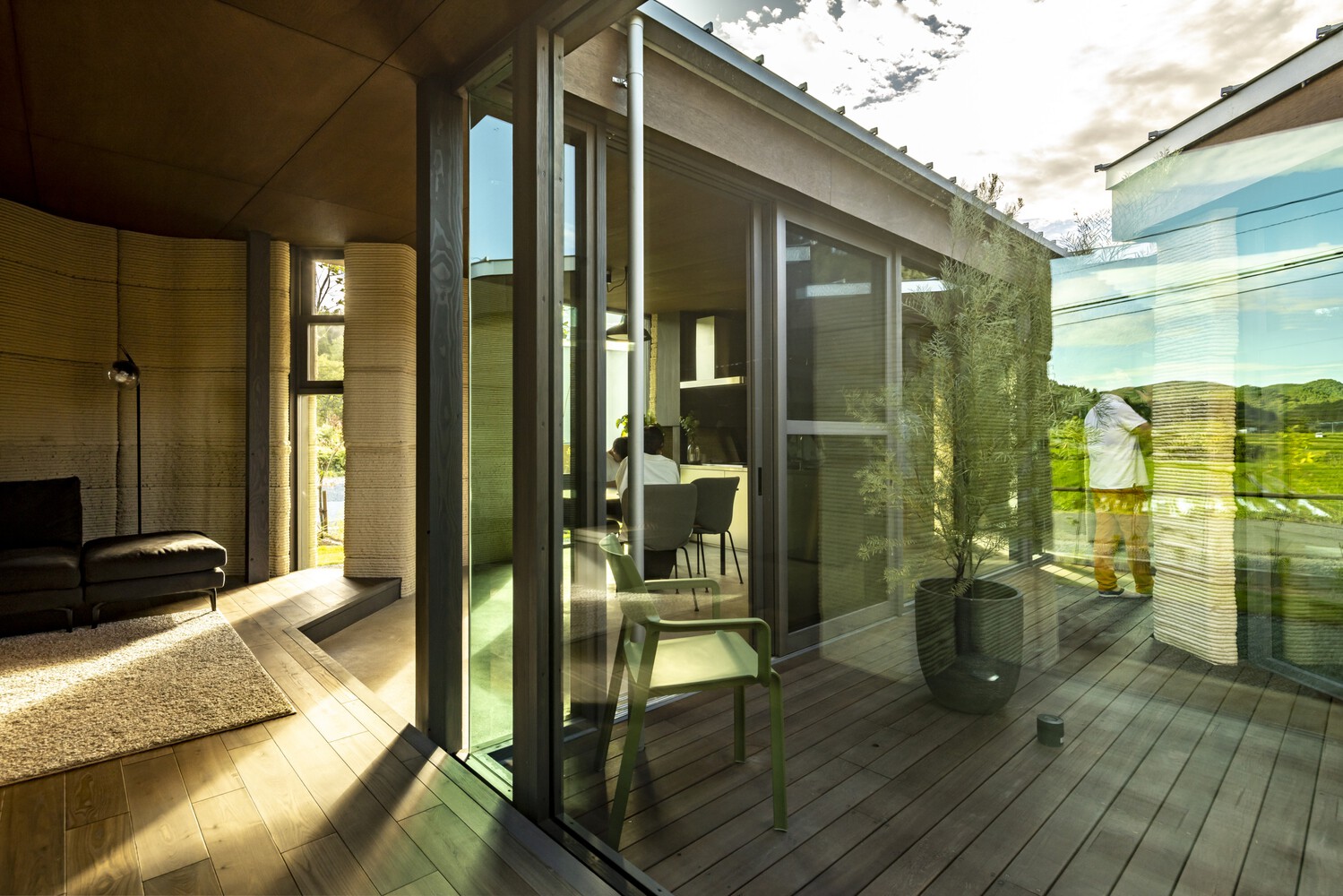
The "model b" features a hybrid structural system that combines 3D-printed earthen walls with conventional timber framing.
The printed walls are composed of soil, lime, and other natural binders, with the mix design refined through repeated testing to achieve appropriate mechanical strength, shrinkage control, workability, and surface quality.
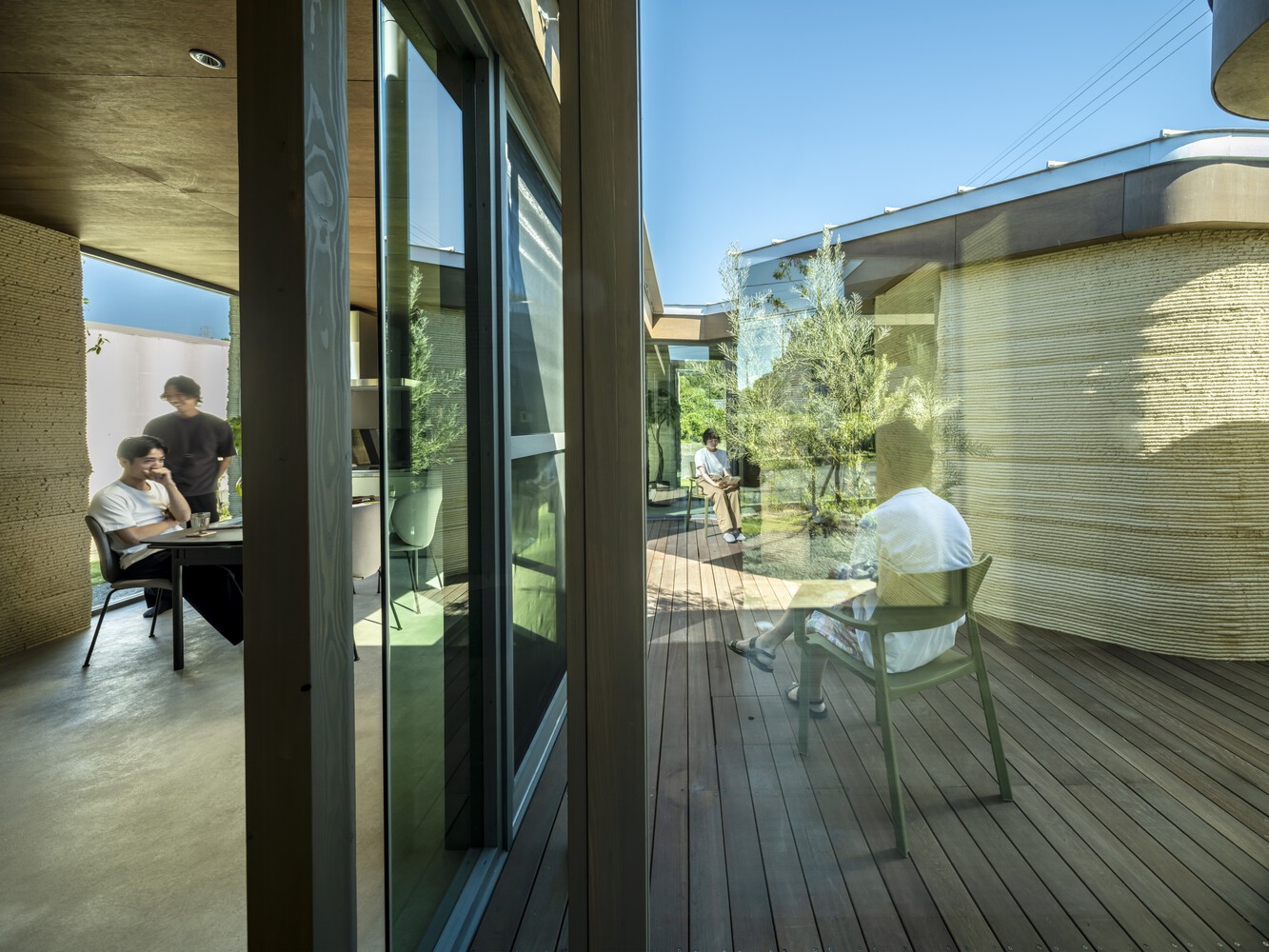
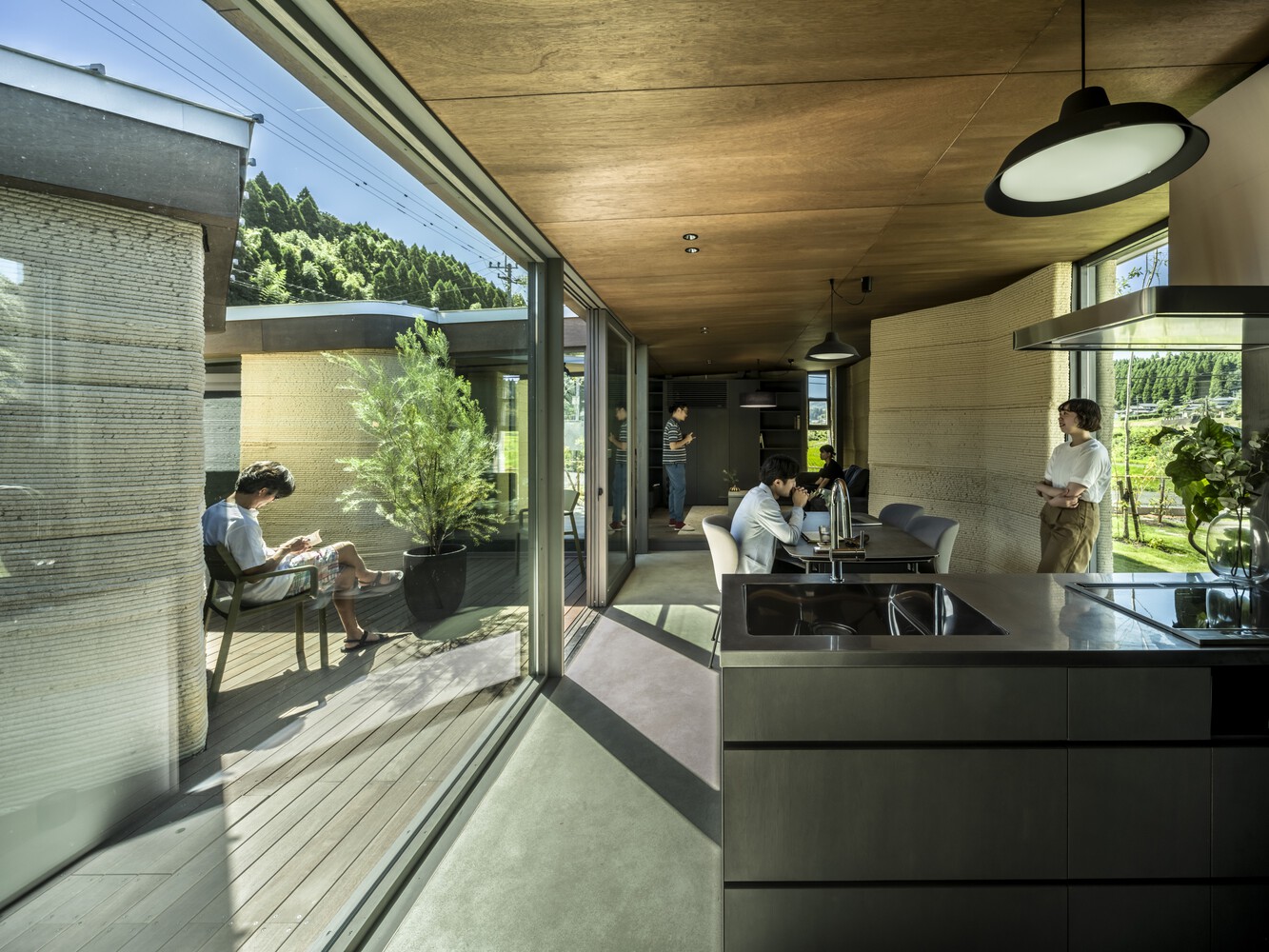
While the timber frame follows the Japanese conventional post-and-beam construction, selective integration of steel connectors and hardware ensures compatibility with the earthen components and supports spatial openness.
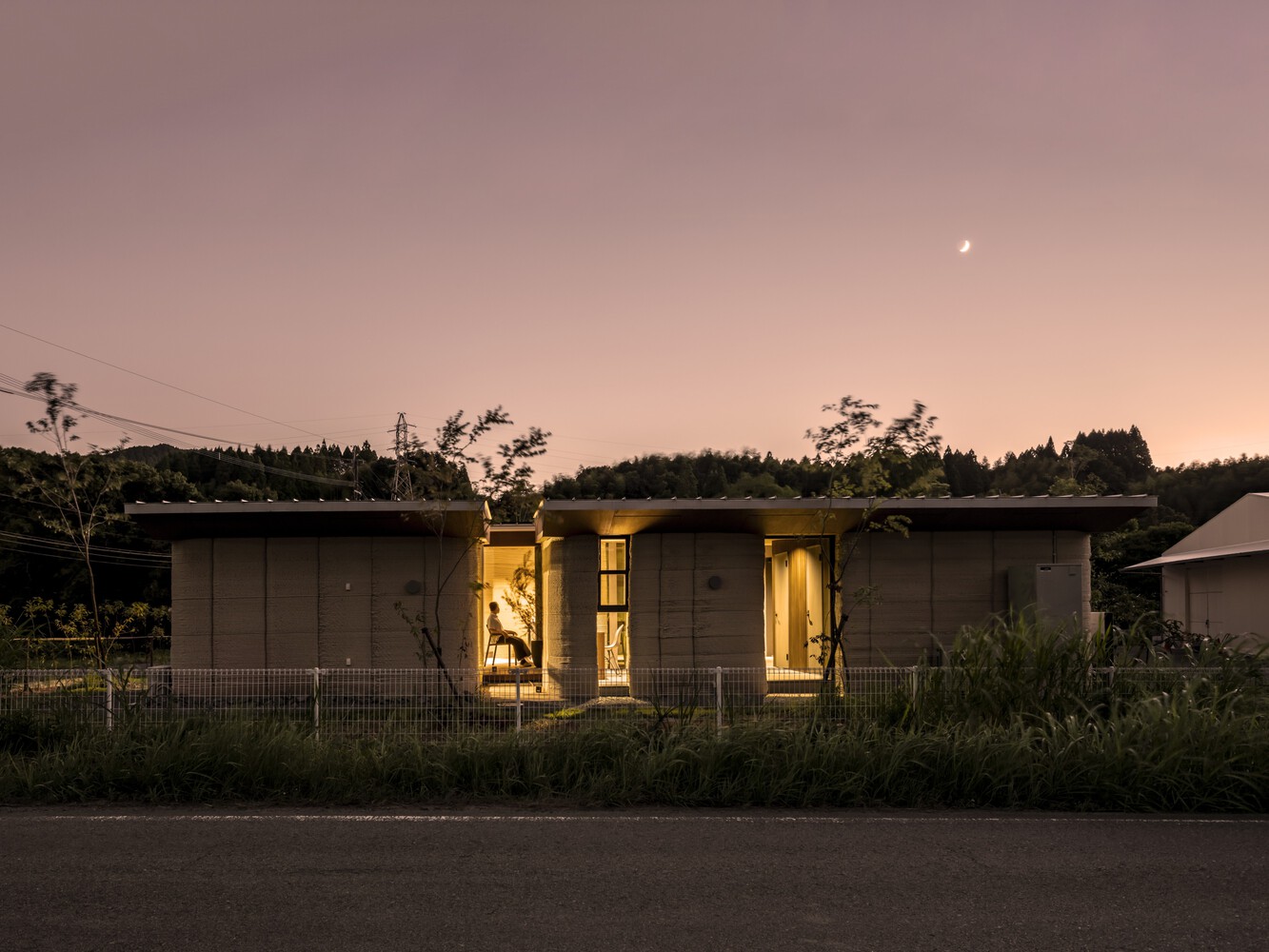
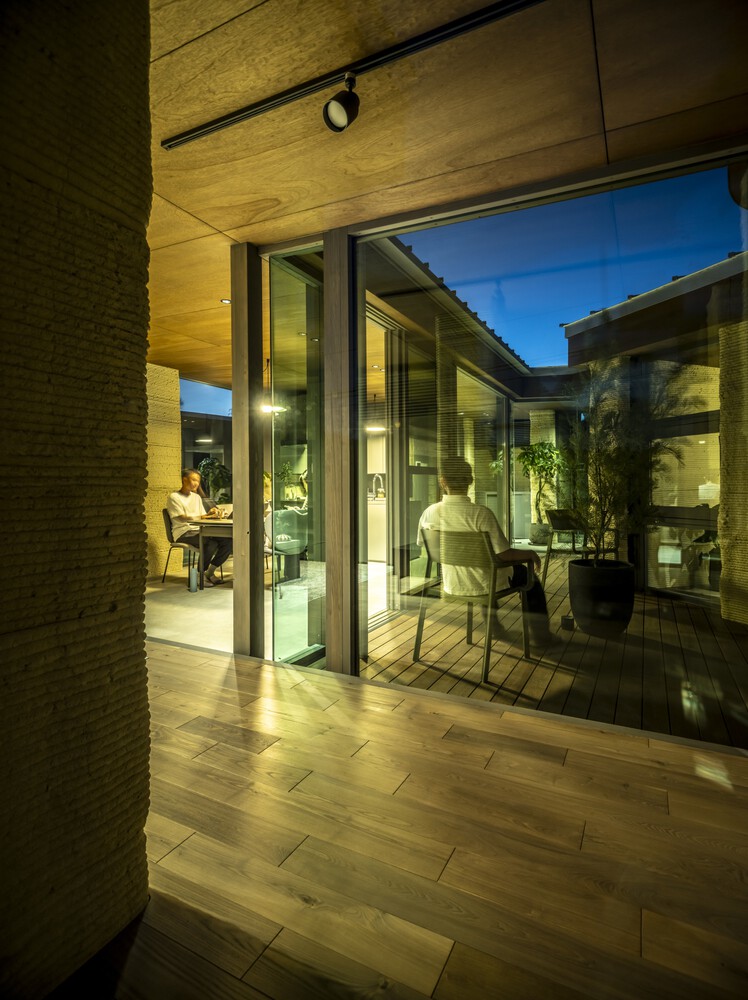
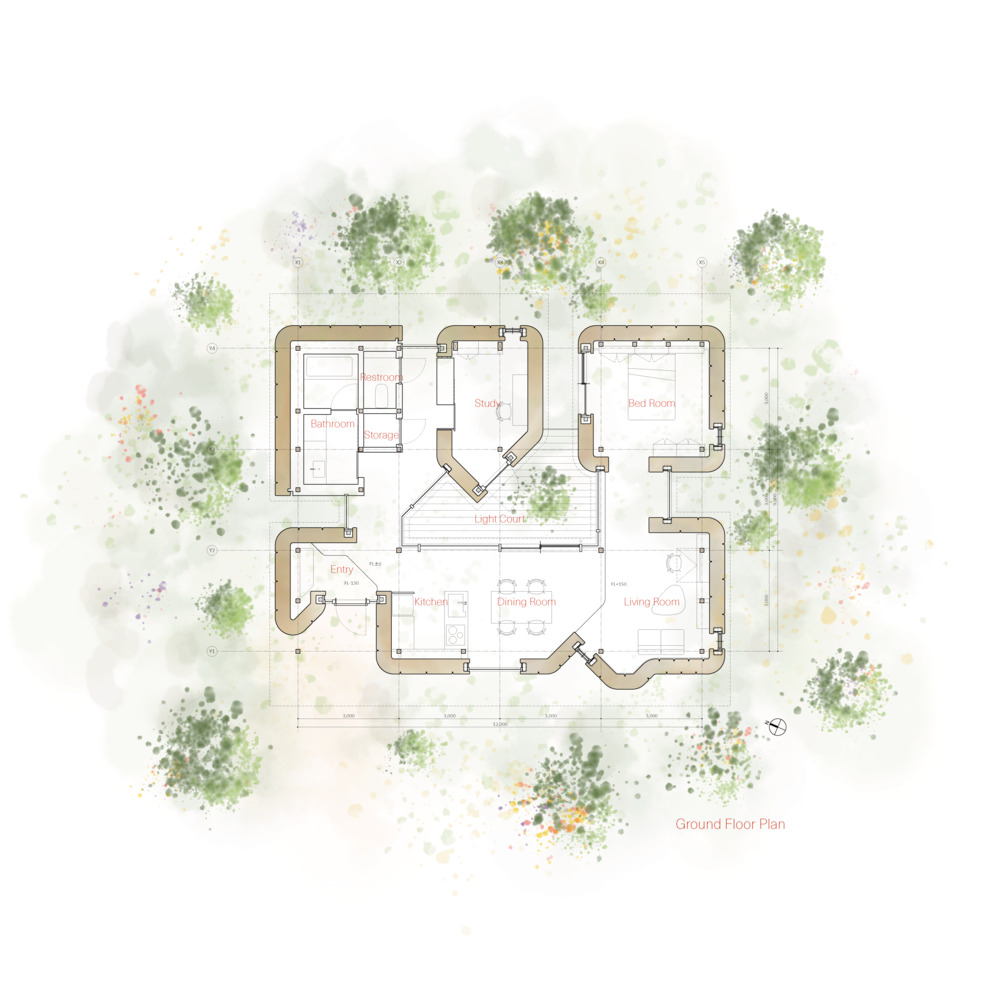
The architectural layout adopts a clustered plan, allowing outdoor spaces to penetrate between rooms and promoting a lifestyle closely connected to nature.
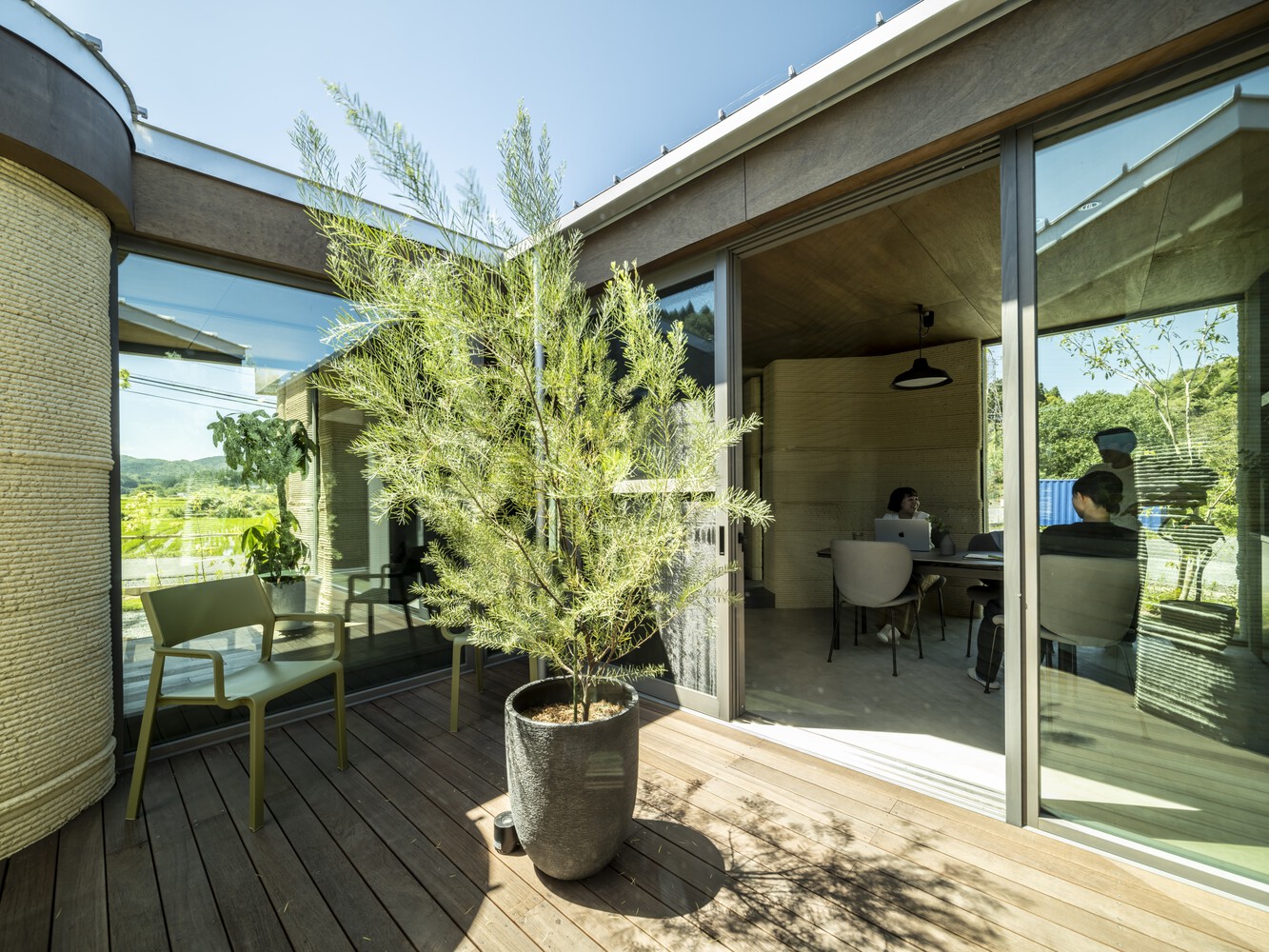
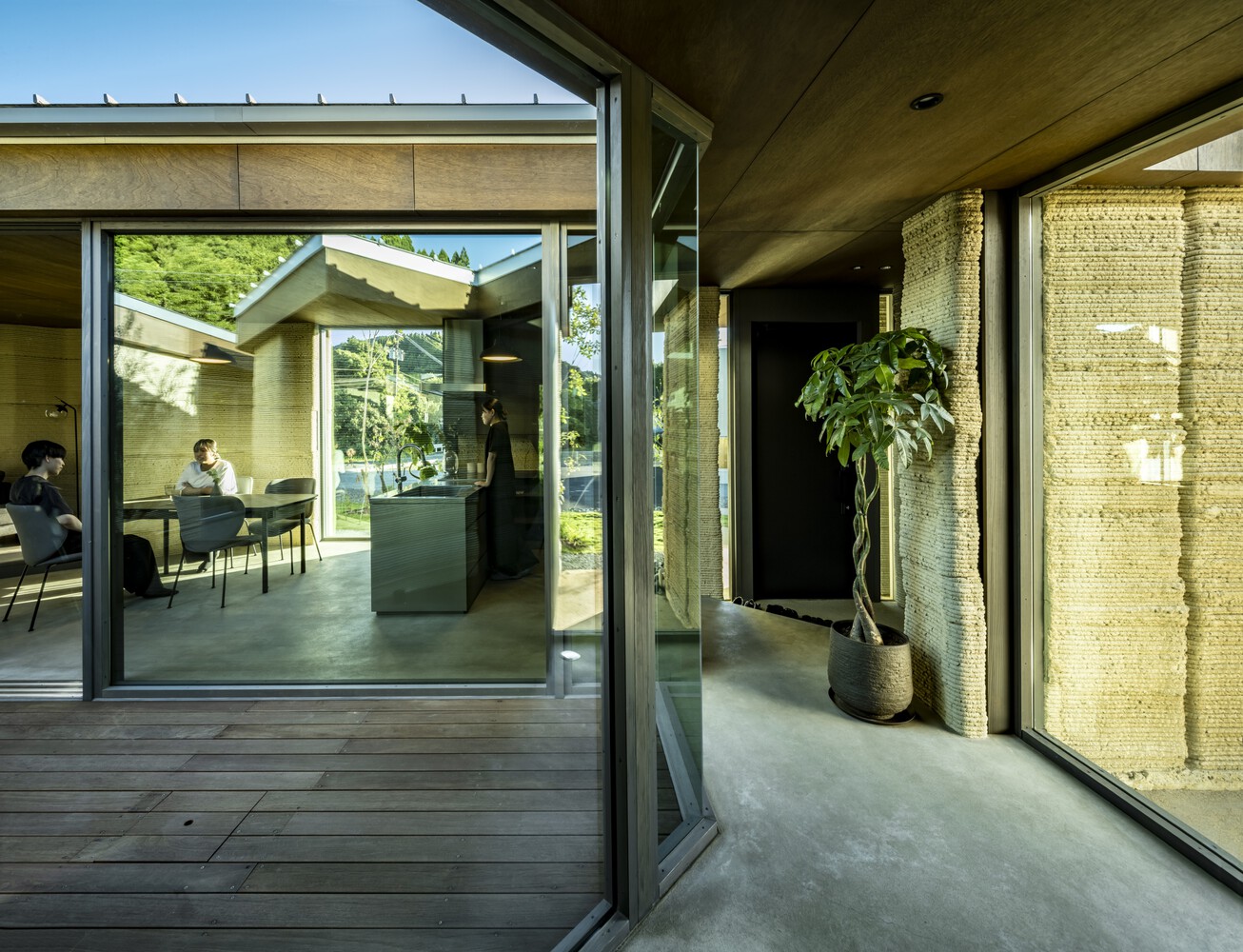
The earthen walls serve as continuous indoor-outdoor partitions, with strategically placed openings and voids enabling flexible spatial configurations tailored to occupant needs.
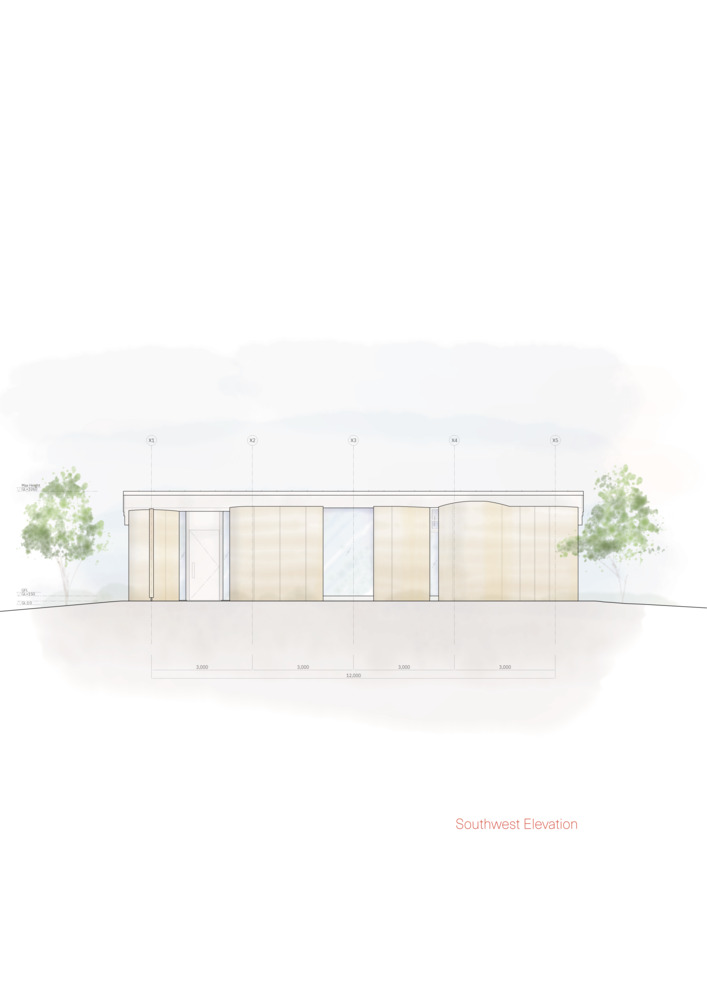
Although 3D printing allows for freeform geometries, the wall configuration of the "model b" is grounded in orthogonal and 45-degree axes to ensure structural integrity with the timber frame.
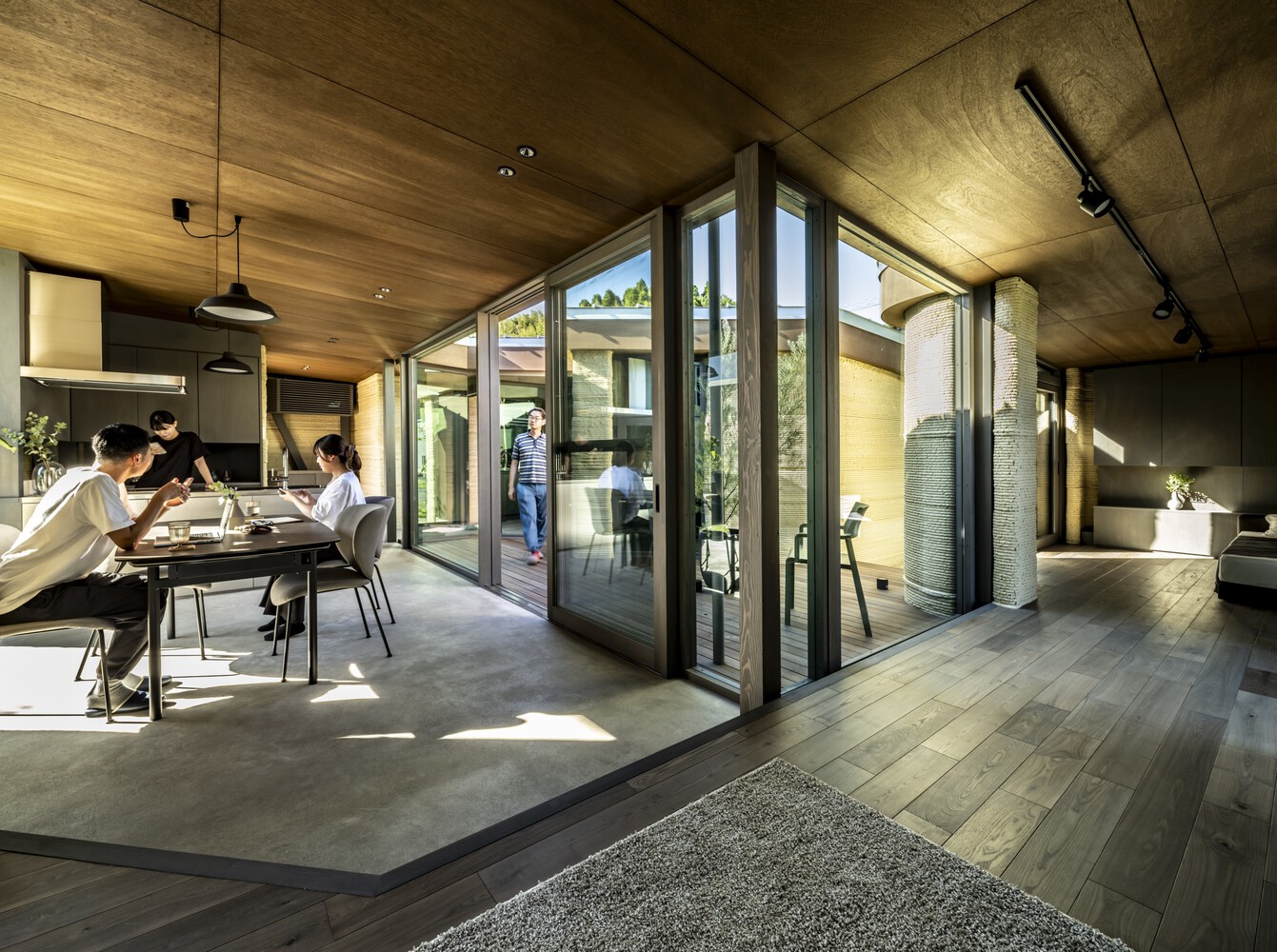
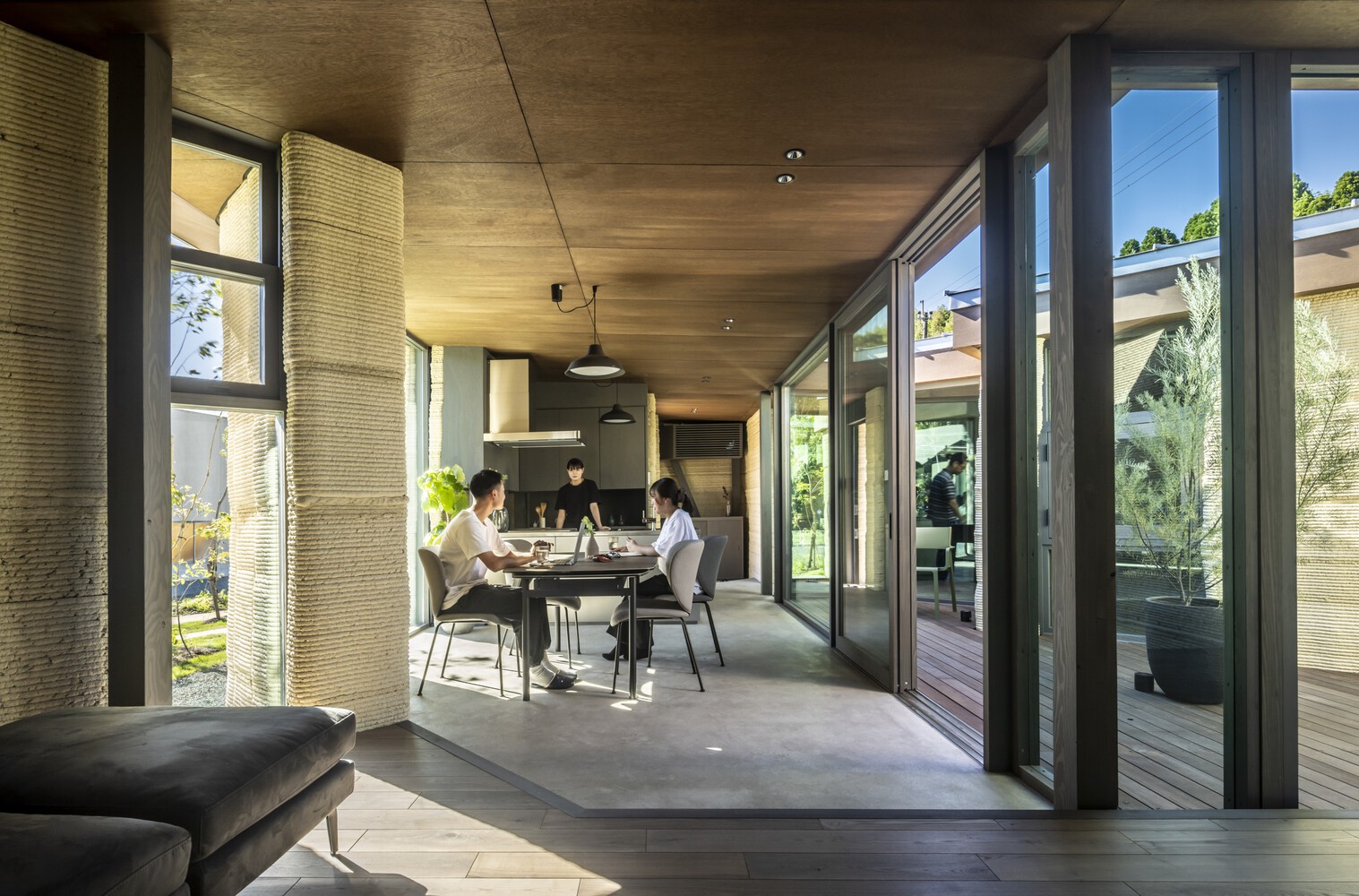
Curvilinear wall segments improve lateral stability and enrich the spatial experience.
These walls have been designed as self-supporting structures, as determined by structural analysis, meaning they do not transfer loads to the timber frame, while also providing planning flexibility.
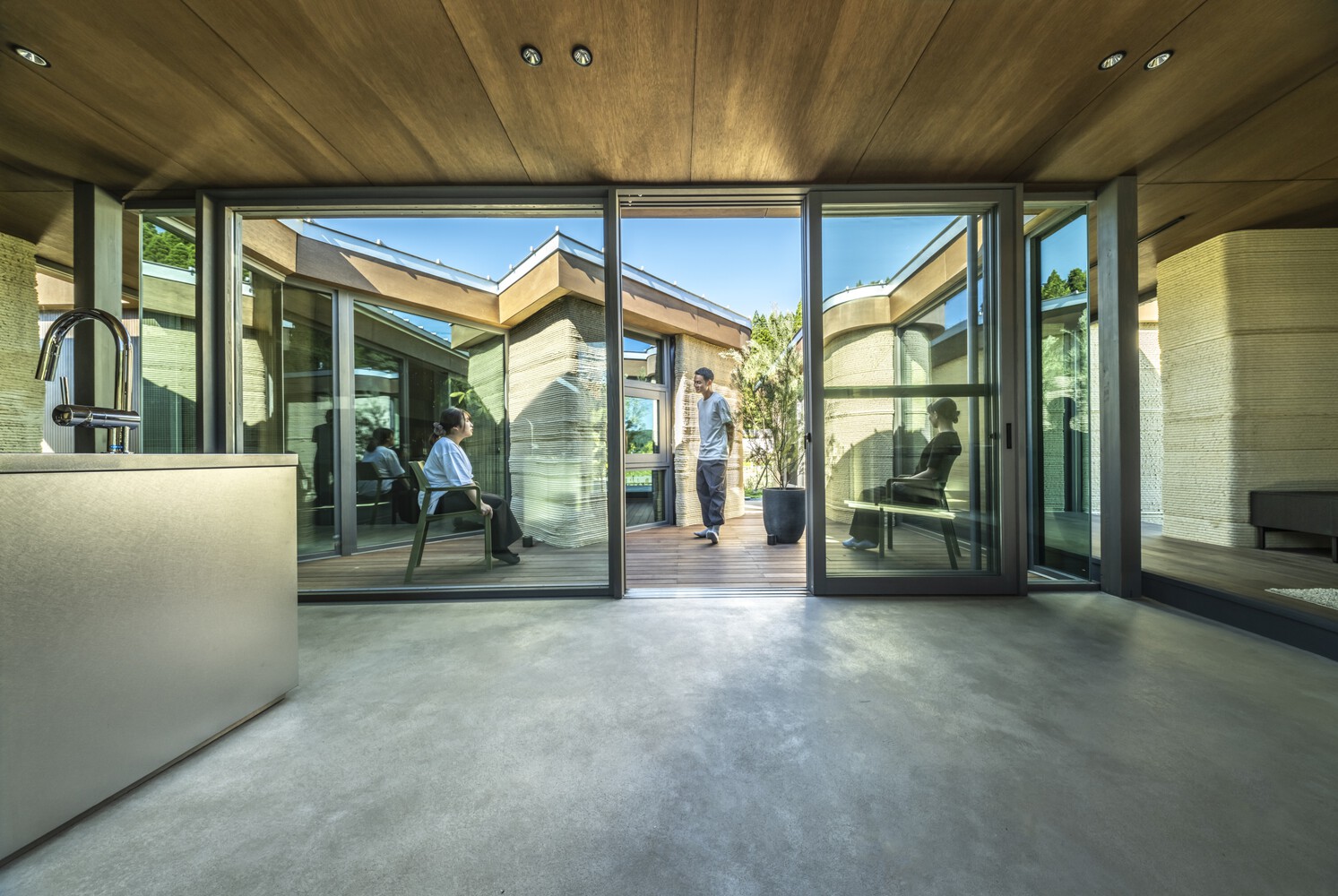
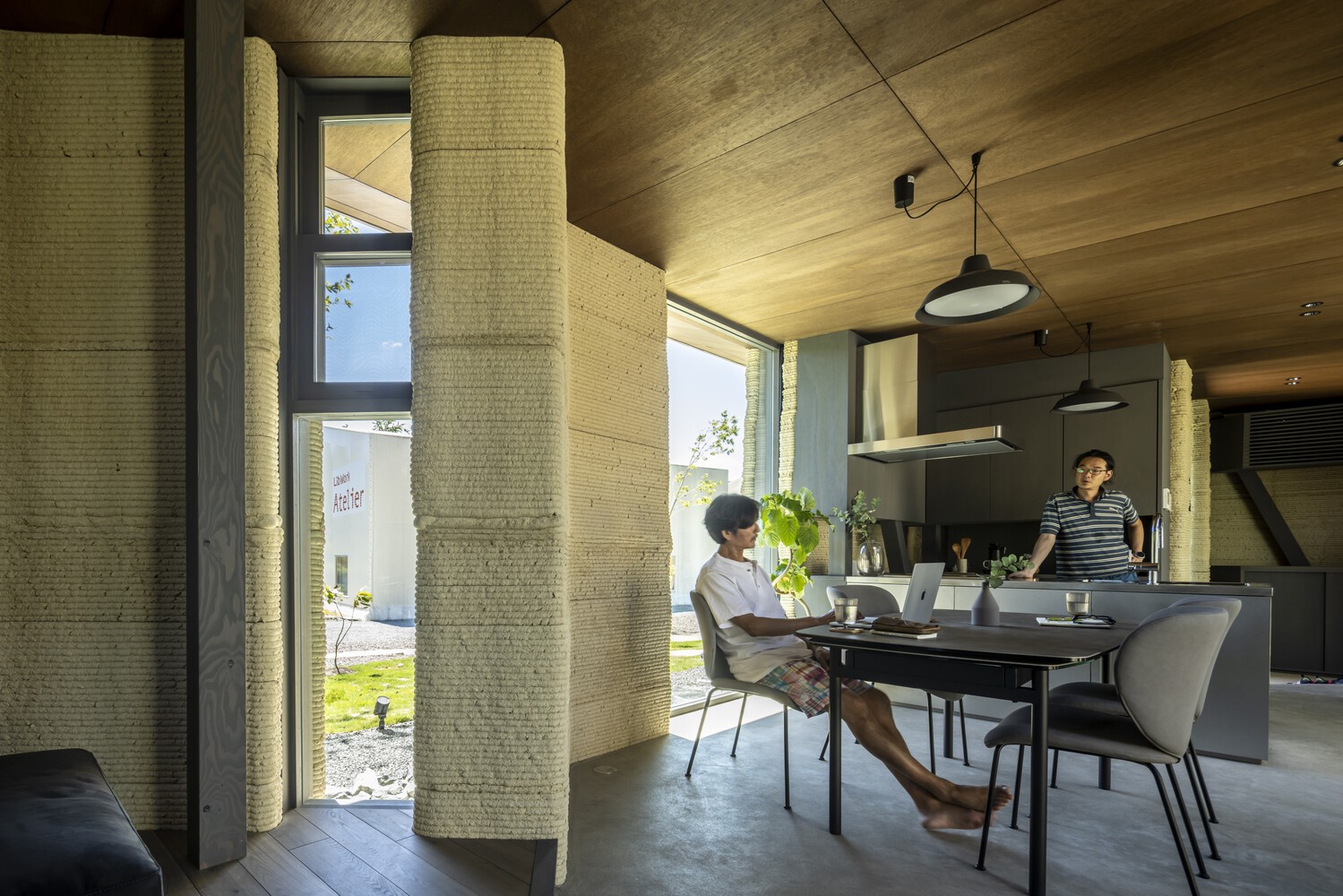
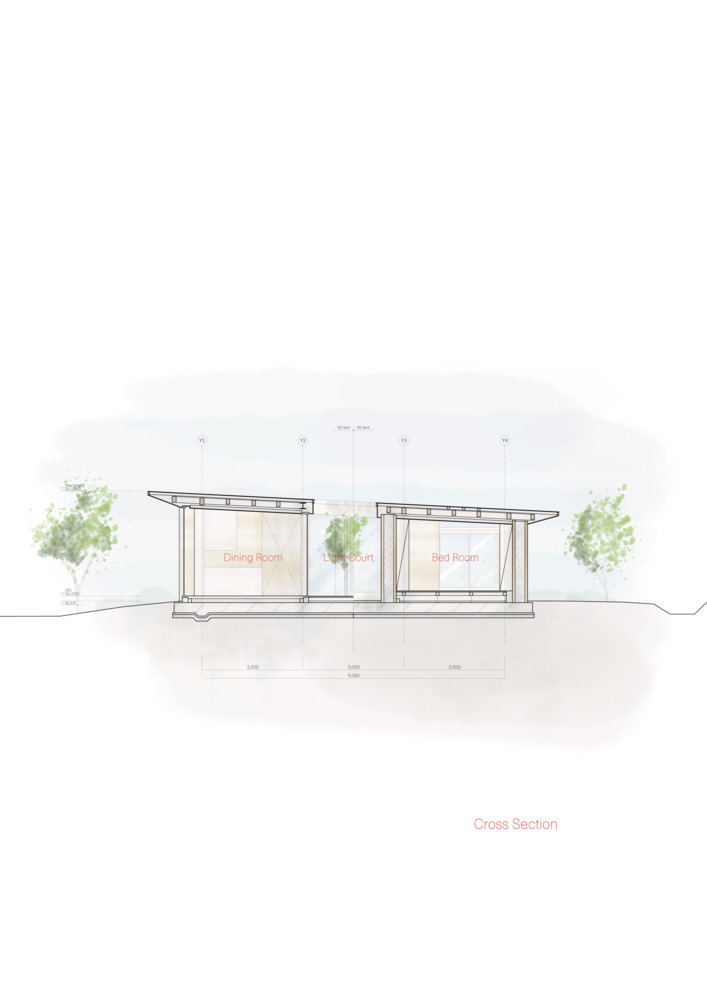
Each wall is approximately 450mm thick, consisting of inner and outer layers linked by infill. Optimizing the toolpath minimizes material consumption while ensuring seismic safety and constructability.
To mitigate cracking from drying shrinkage, contraction joints are introduced at calculated intervals based on soil behavior, with ongoing monitoring of their effectiveness.
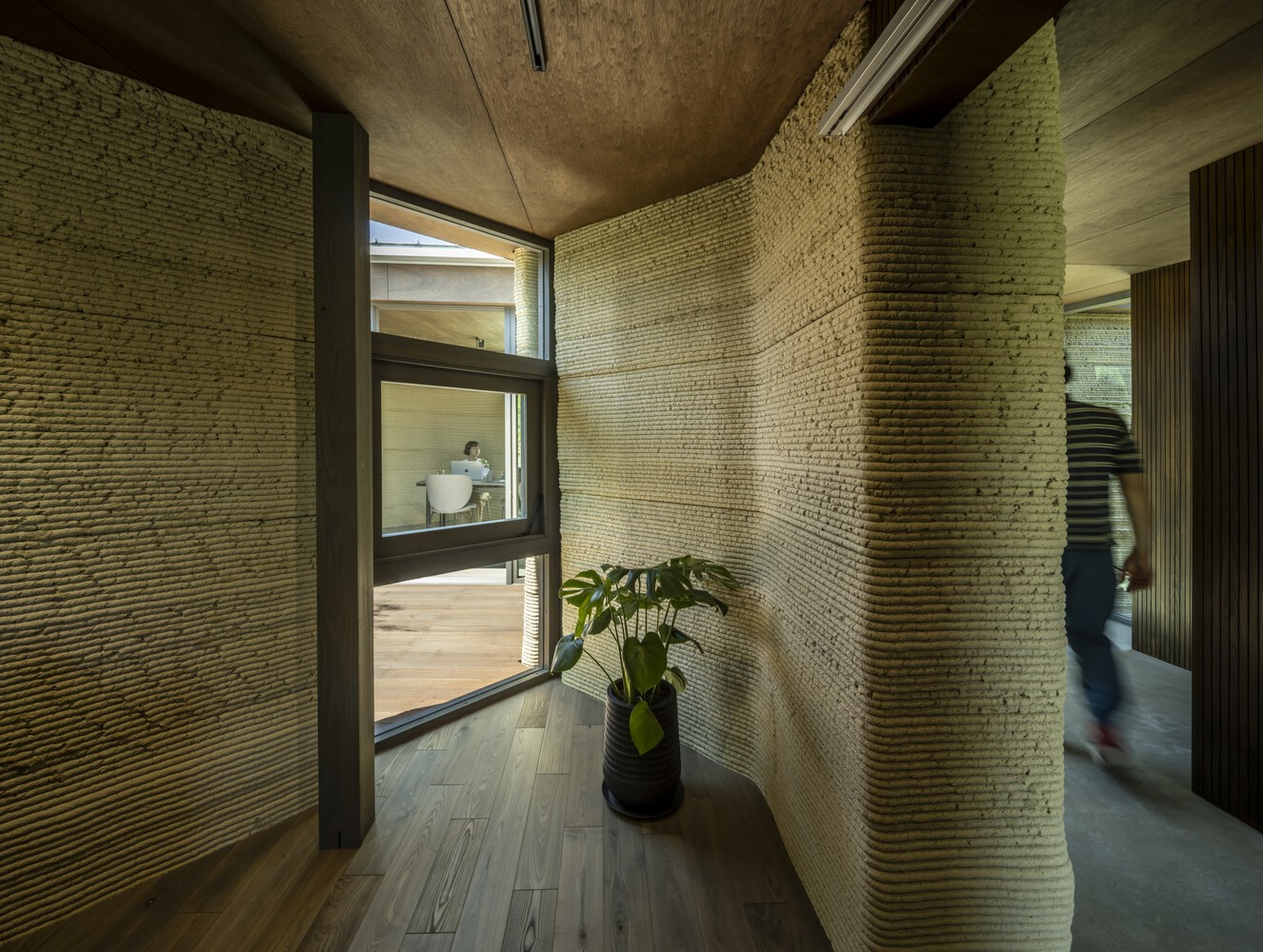
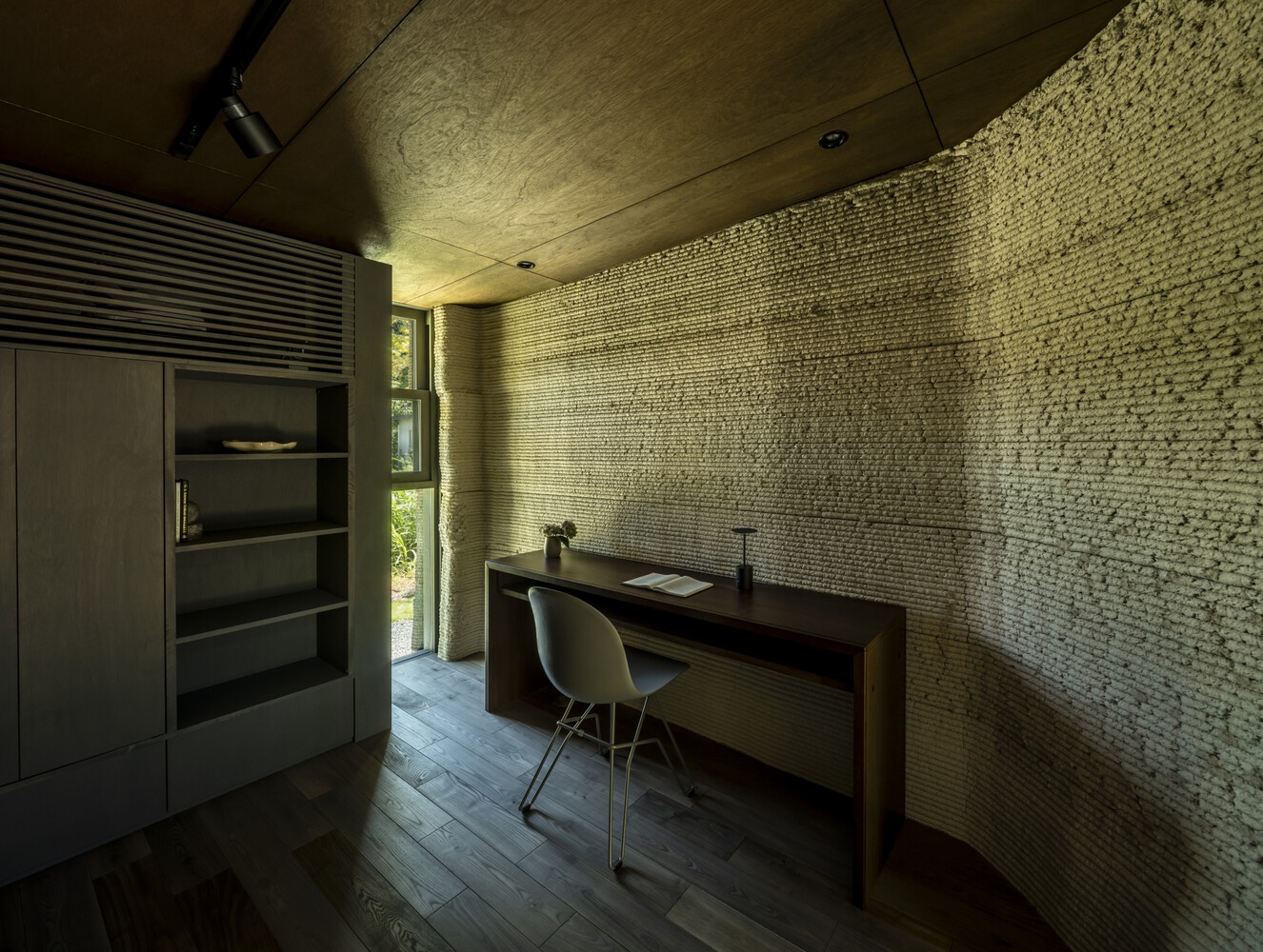
The construction sequence requires printing the earthen walls prior to timber erection, necessitating revised detailing and tolerance strategies due to the lower precision of current 3D printing systems.
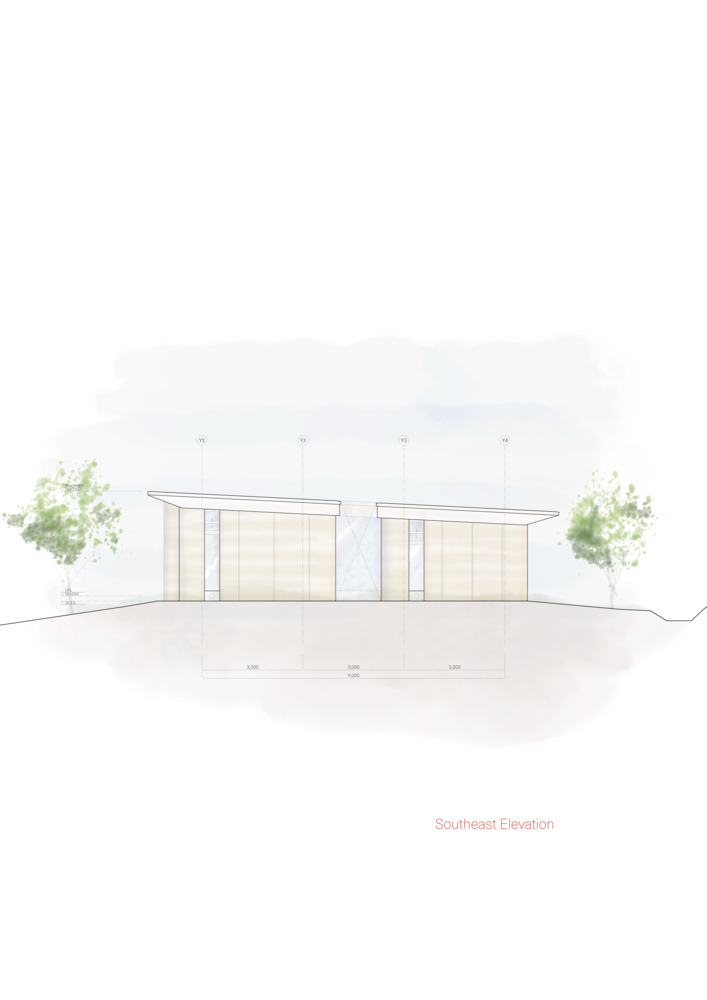
The walls intrude into the ceiling and roof volume to absorb dimensional discrepancies, facilitate insulation, and enable attic ventilation.
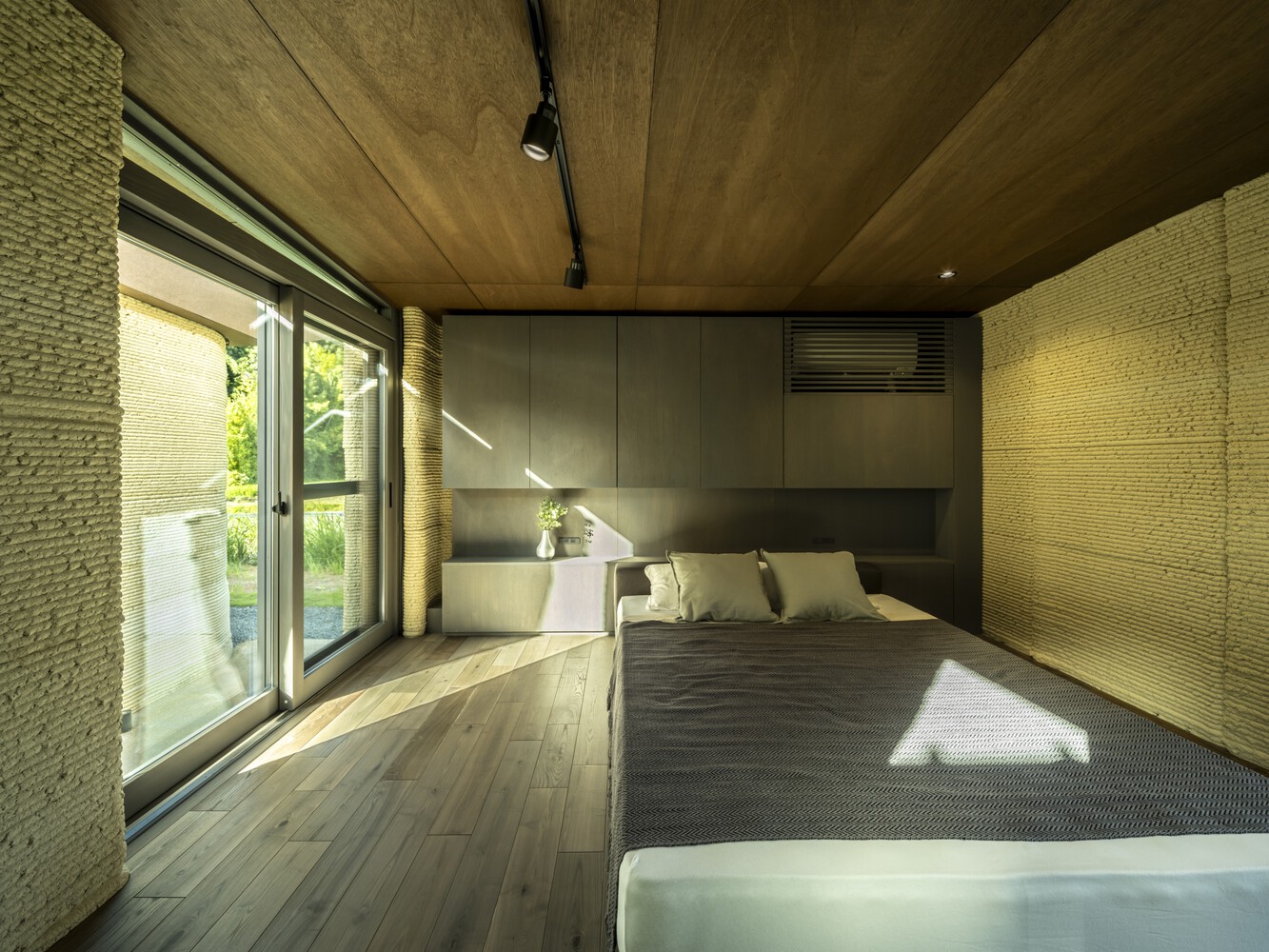
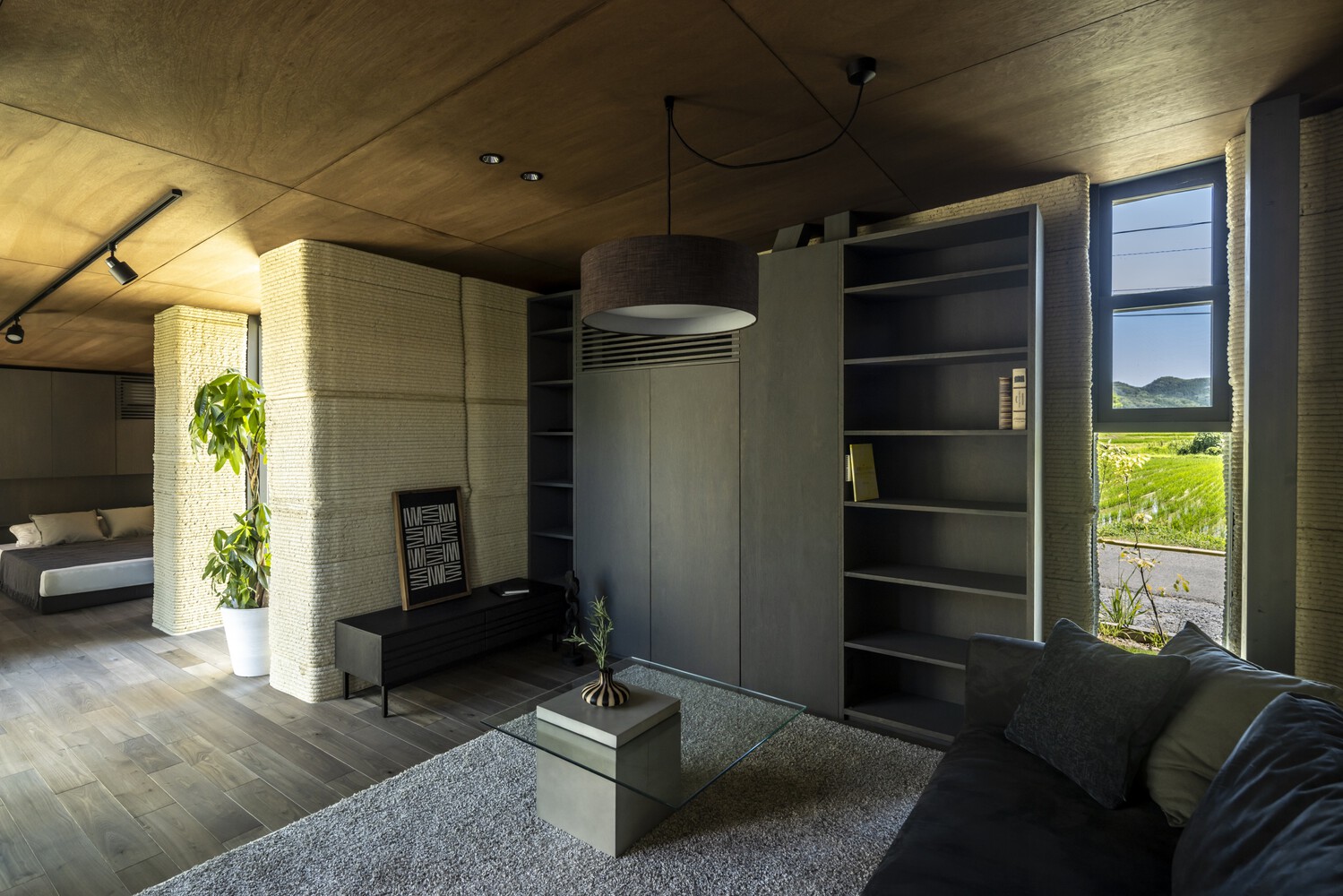
Natural insulation materials are inserted into wall cavities, with environmental performance continuously monitored via embedded sensors.
In addition to walls, openings play a vital role in defining a building's environmental specifications.
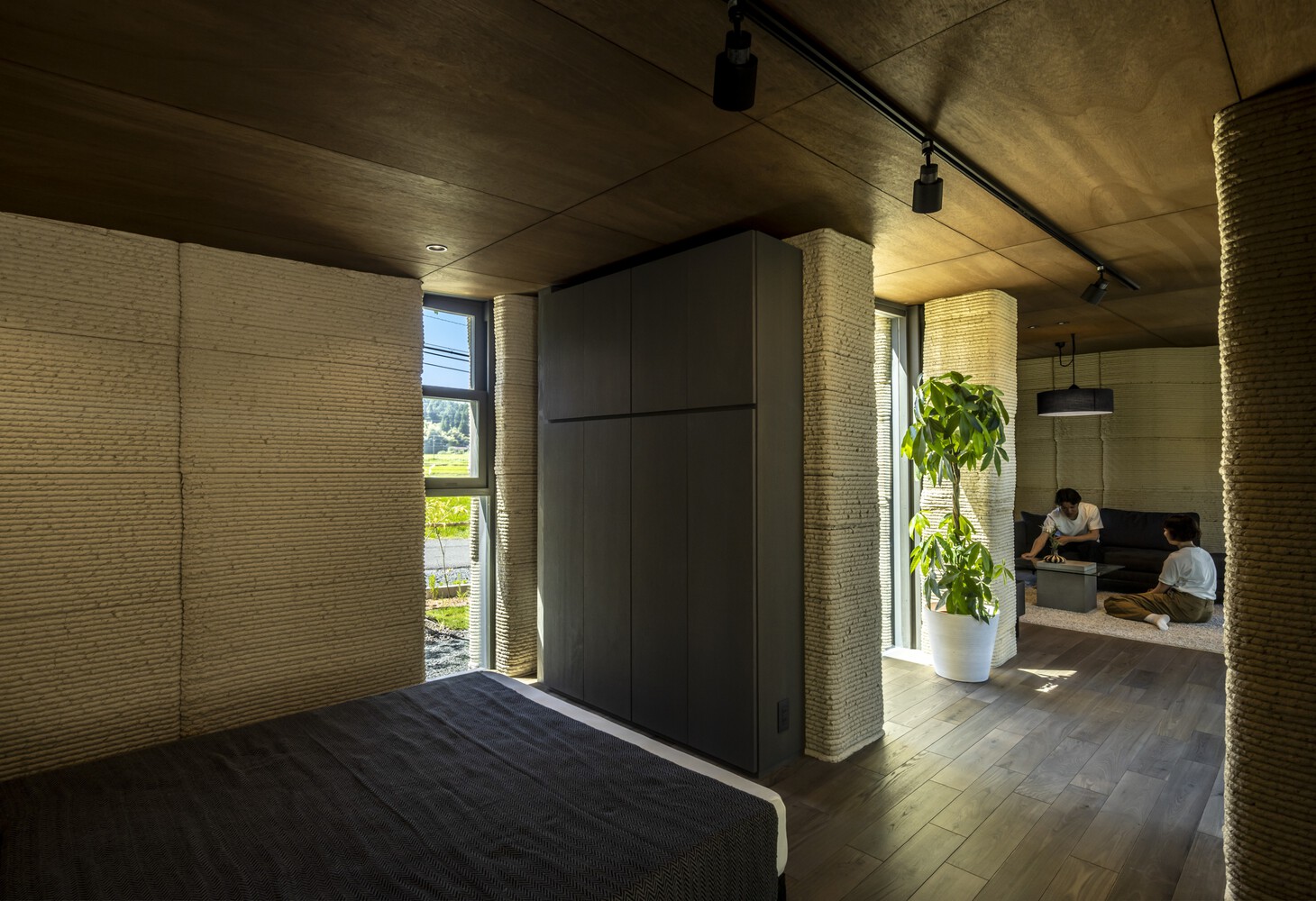
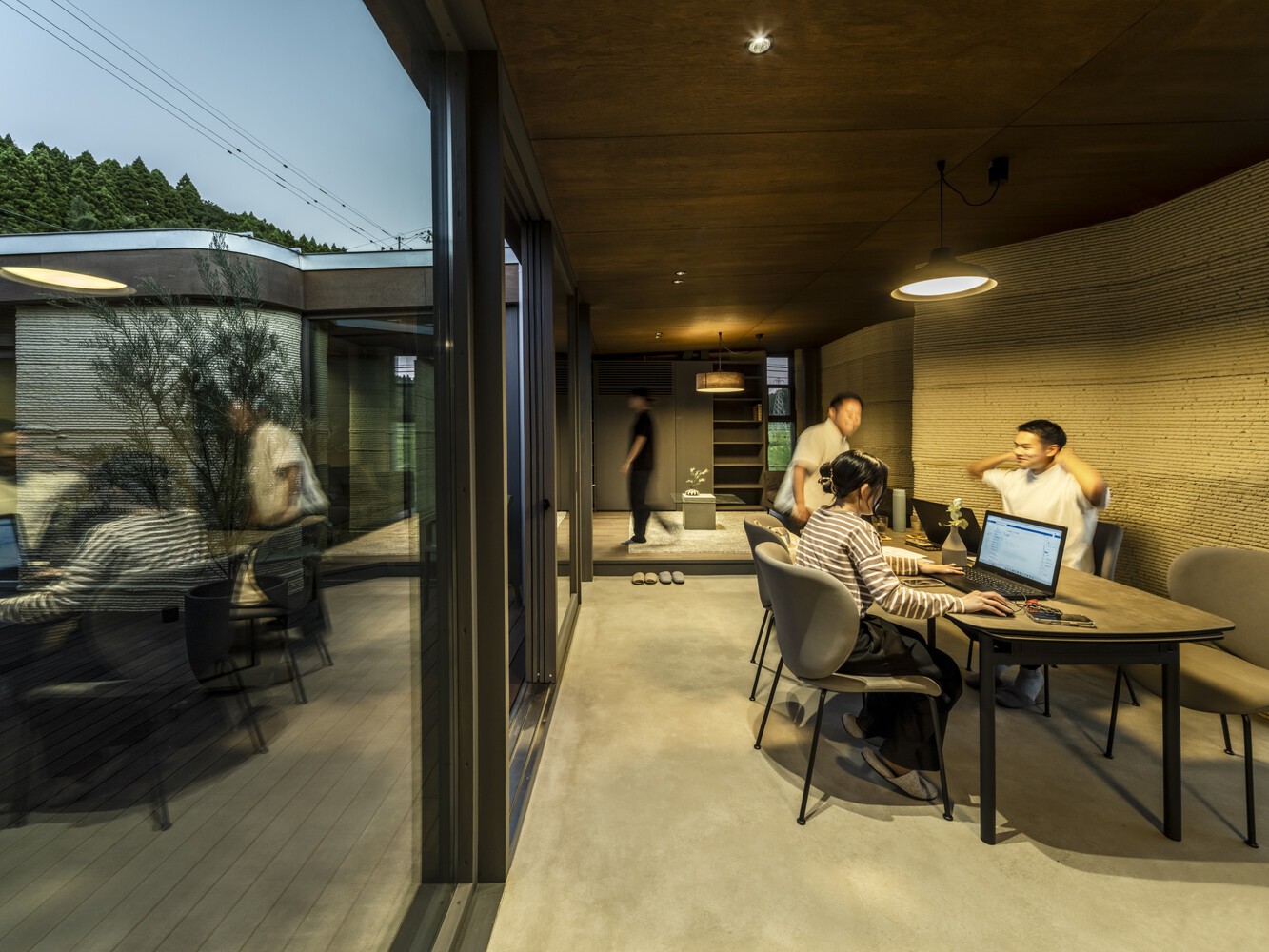
Wooden window frames are attached to the earthen walls using specially designed hardware developed for this project, which ensures structural independence from the timber frame while maintaining water and air tightness.
Interior finishes also incorporate natural and reusable materials, including site-sourced earthen coatings, plant-dyed solid wood flooring, and other low-impact construction methods.
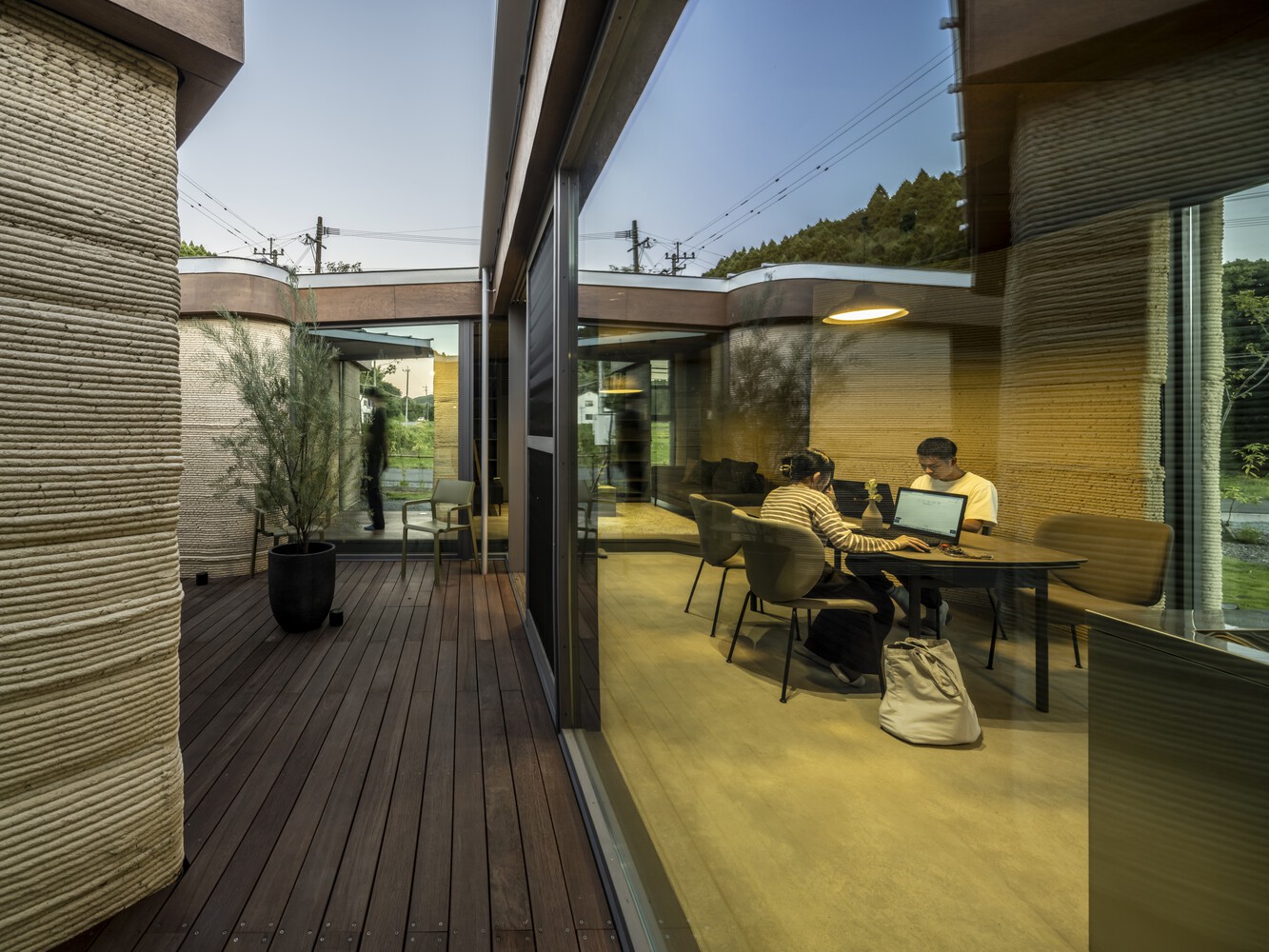
This integrated approach—balancing emerging technologies with established construction practices—forms the foundation of the Lib Earth House Project's architectural strategy.
By prioritizing habitability alongside environmental performance and construction efficiency, the project aims to advance sustainable building systems that are both technically viable and ecologically responsible.