Piracaia Eco-village
PIRACAIA ECO-VILLAGE
Arquipélago Arquitetos
ARCHITECTS
Arquipélago Arquitetos
ARCHITECTS IN CHARGE
Luís Tavares, Marinho Velloso
PROJECT TEAM
Ana Perez, Bruno Mota, Rafael Ribeiro, Rodrigo De Oliveira
ENGINEERING & CONSULTING > CIVIL
Artesania Engenharia + Alain Briatte
ENGINEERING & CONSULTING > STRUCTURAL
Guilherme Stamato - Stamade Estruturas
ENGINEERING & CONSULTING > FACILITIES
Jarreta Projetos
PHOTOGRAPHS
Pedro Kok
AREA
250 m²
YEAR
2024
LOCATION
Piracaia, Brazil
CATEGORY
Residential Architecture, Houses
English description provided by the architects.
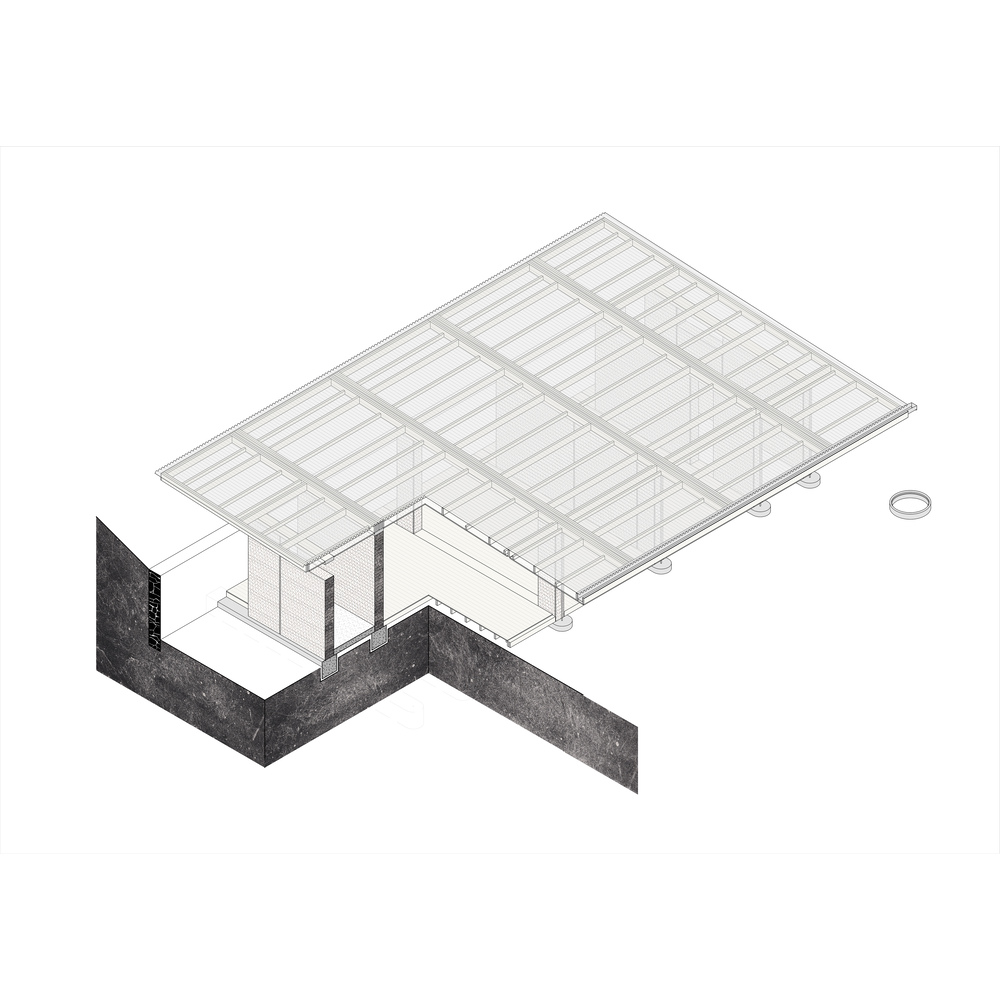
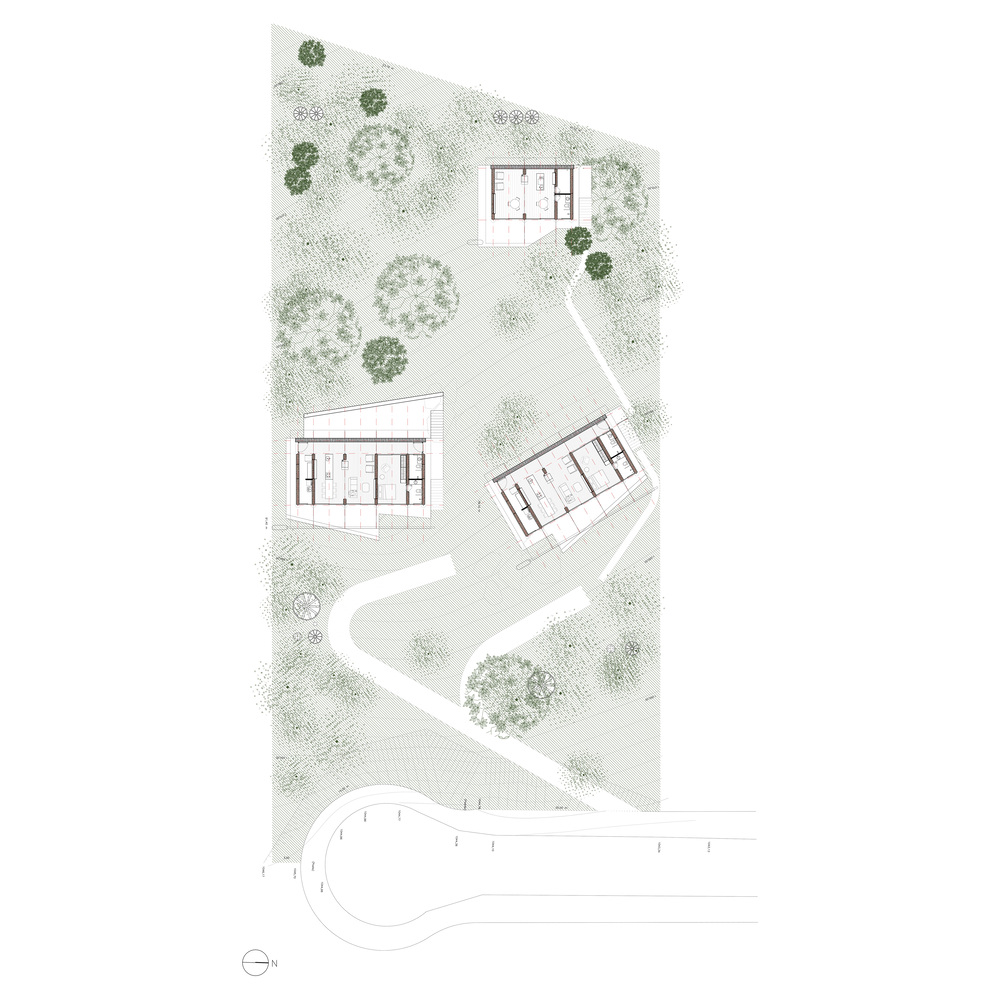
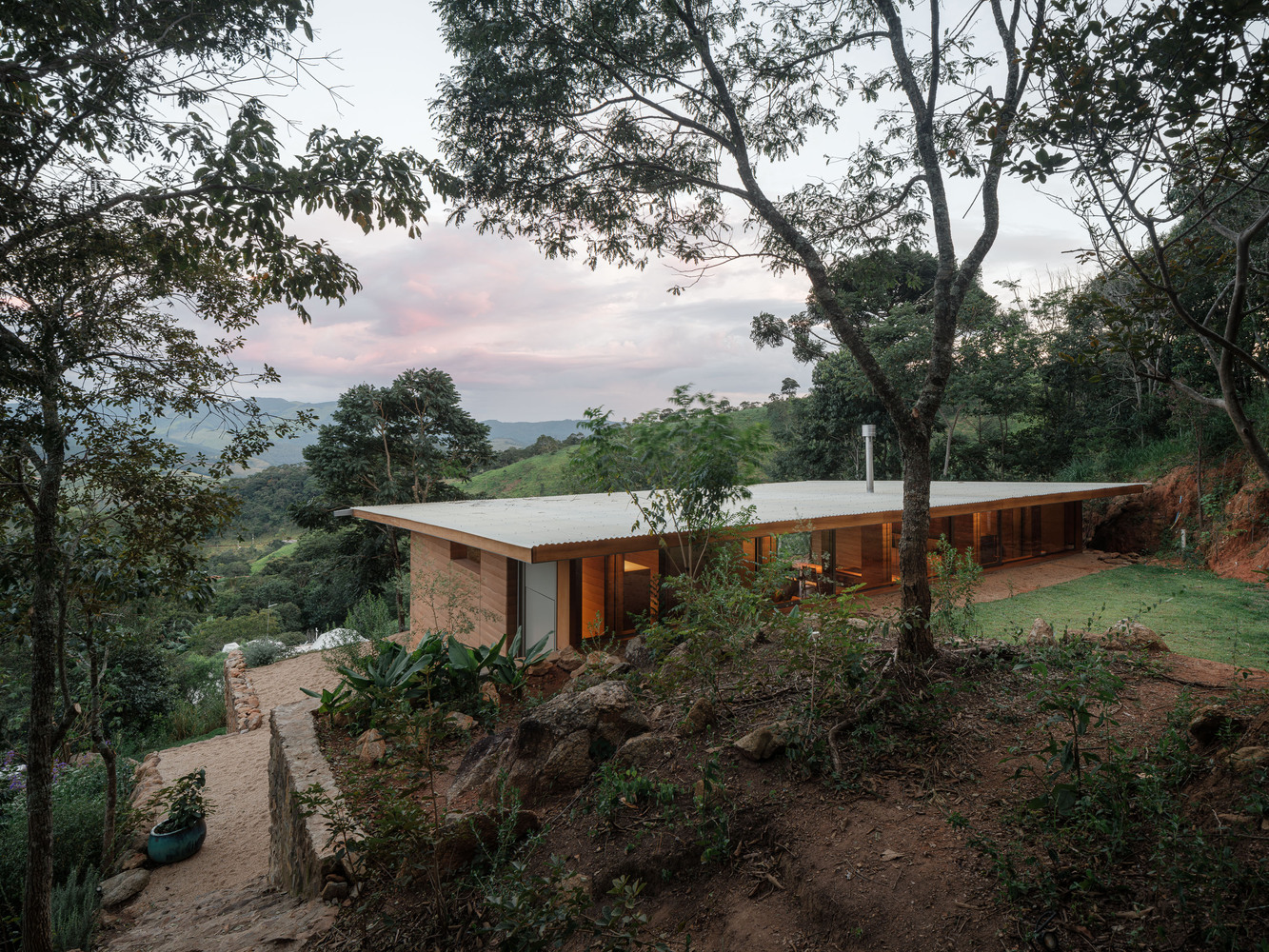
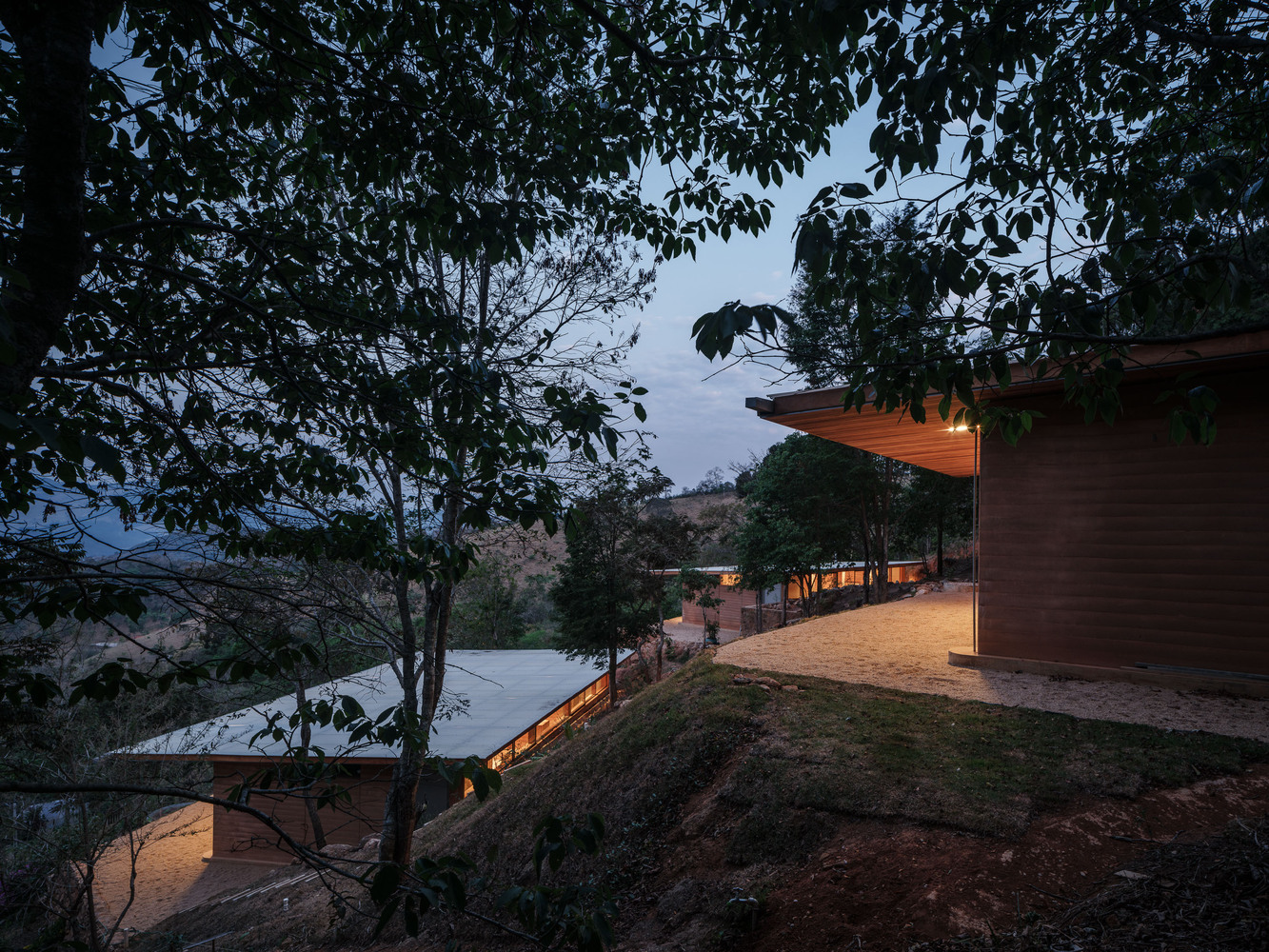
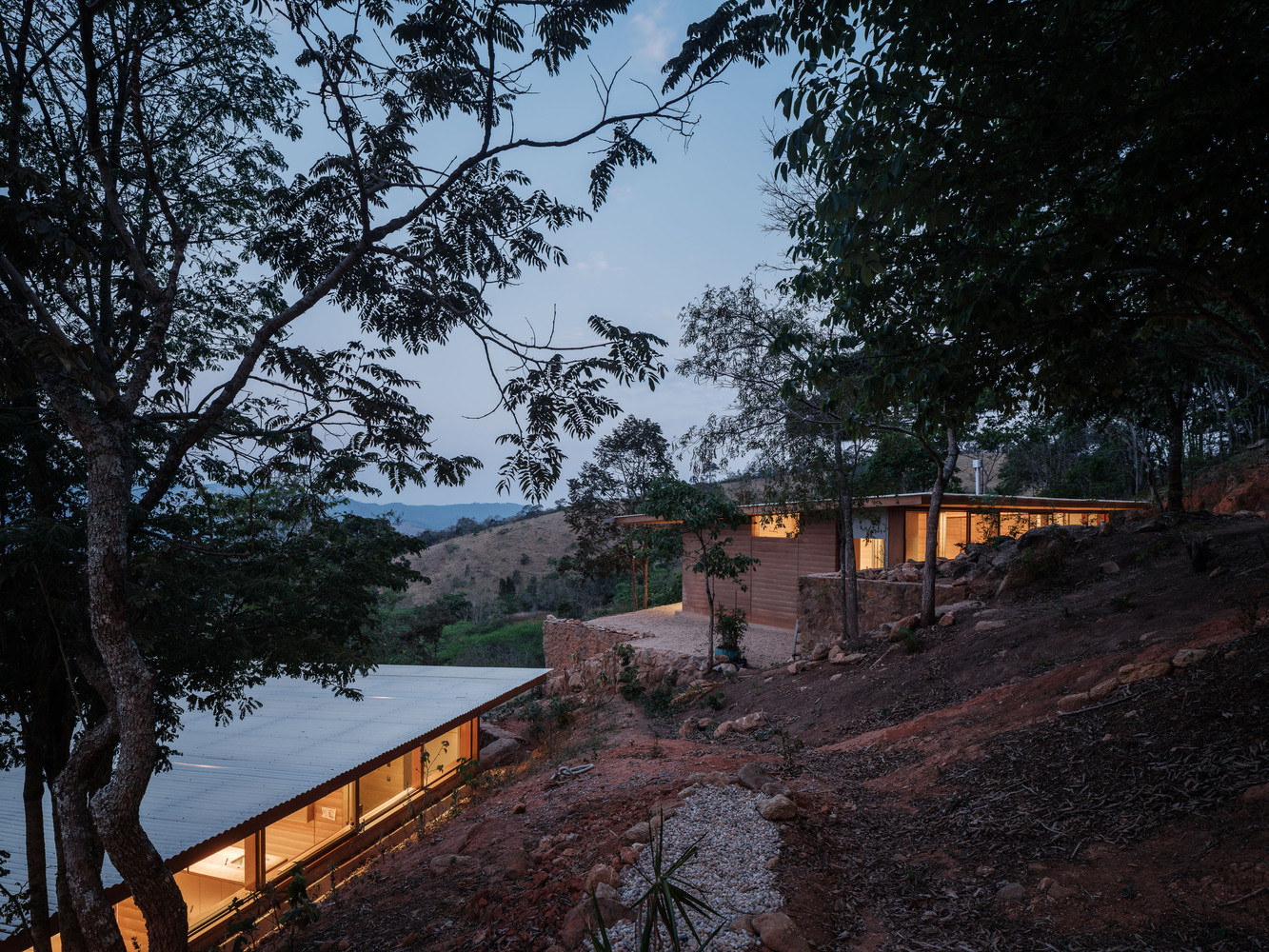
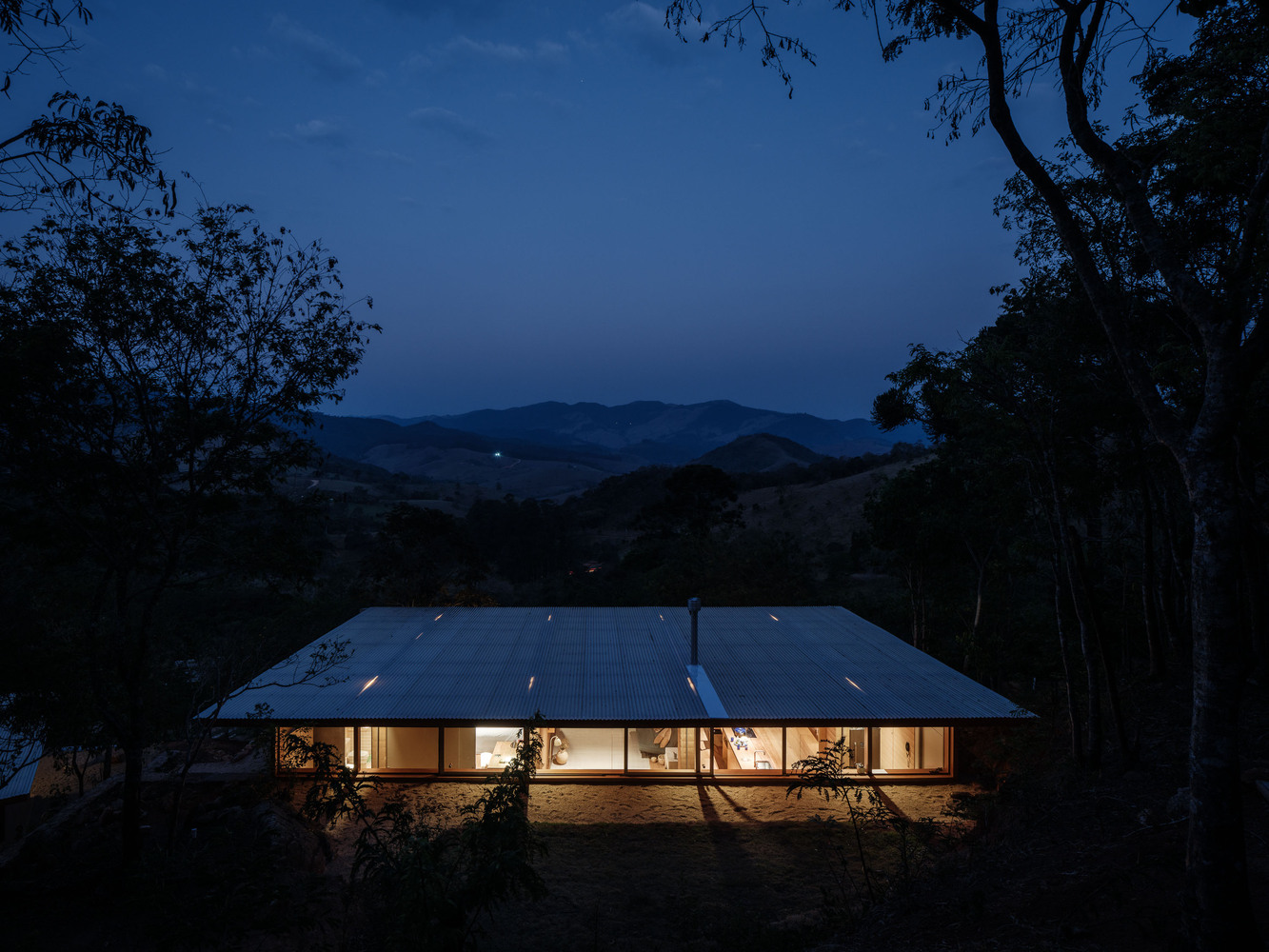
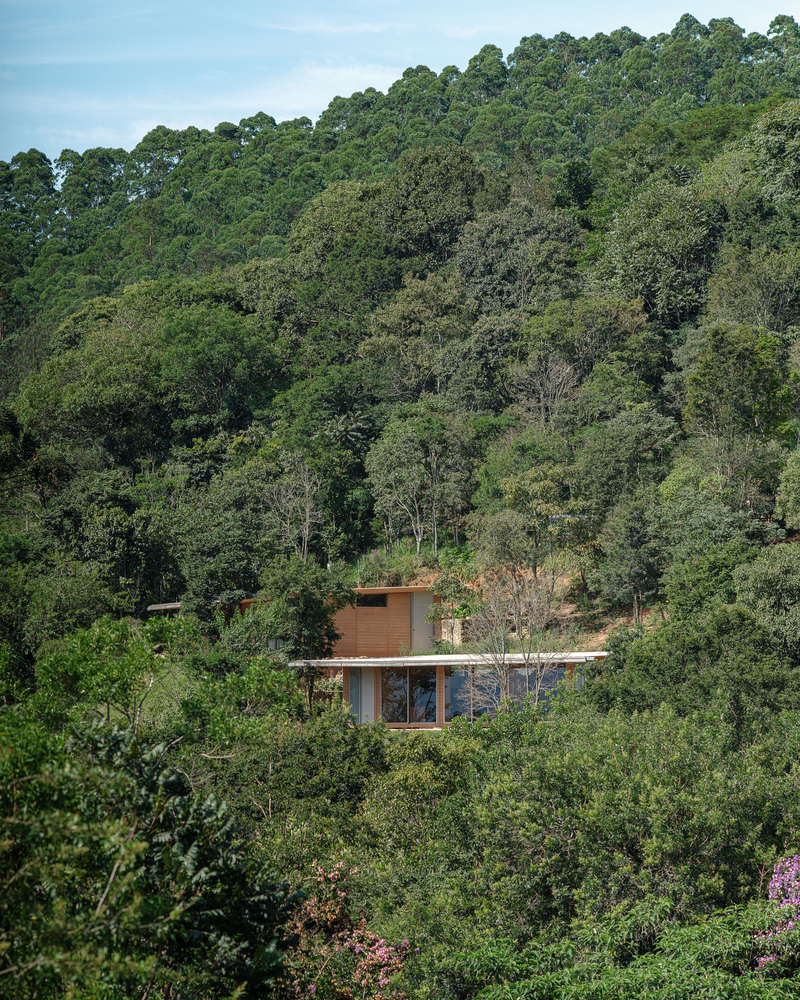
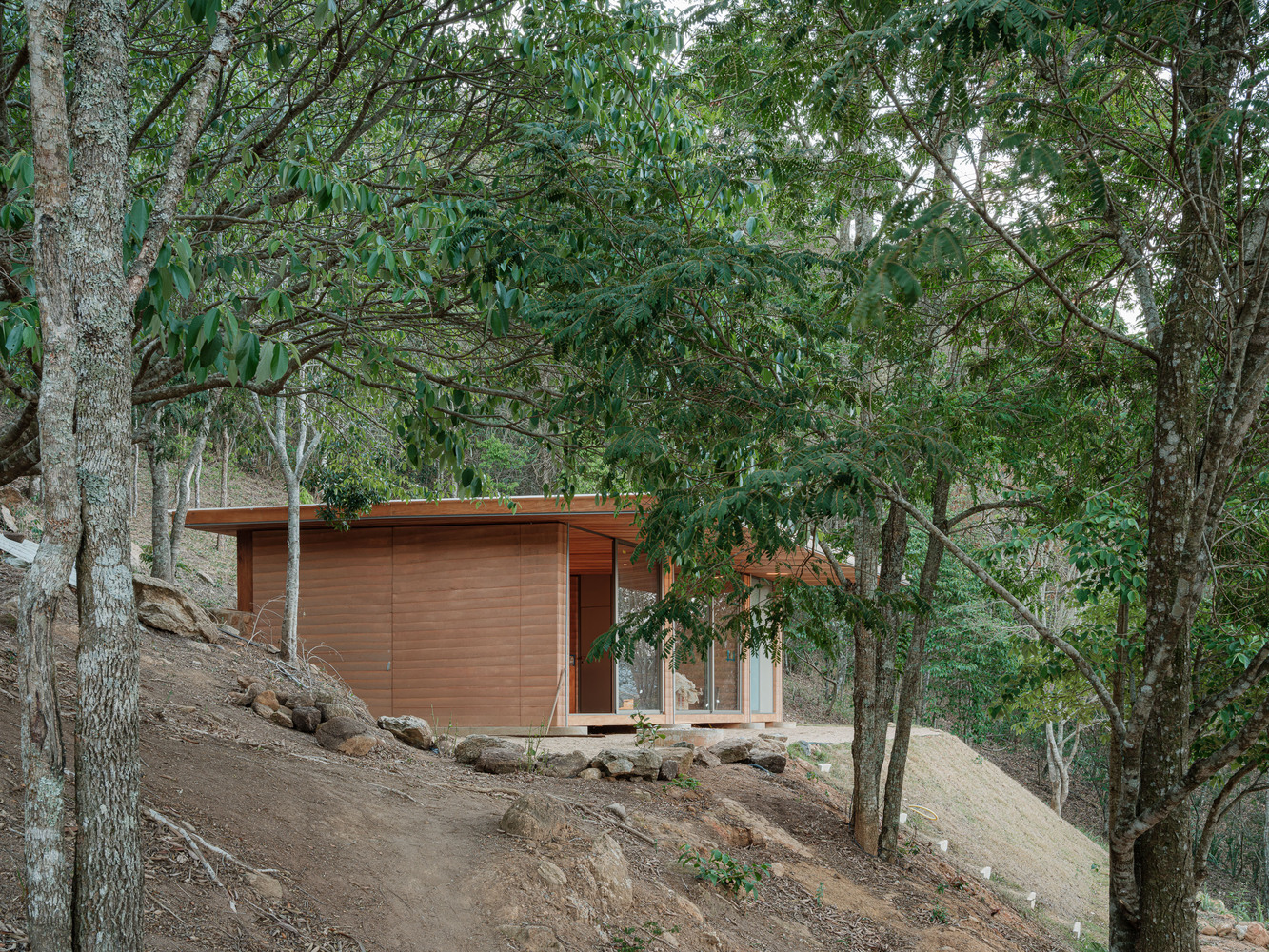
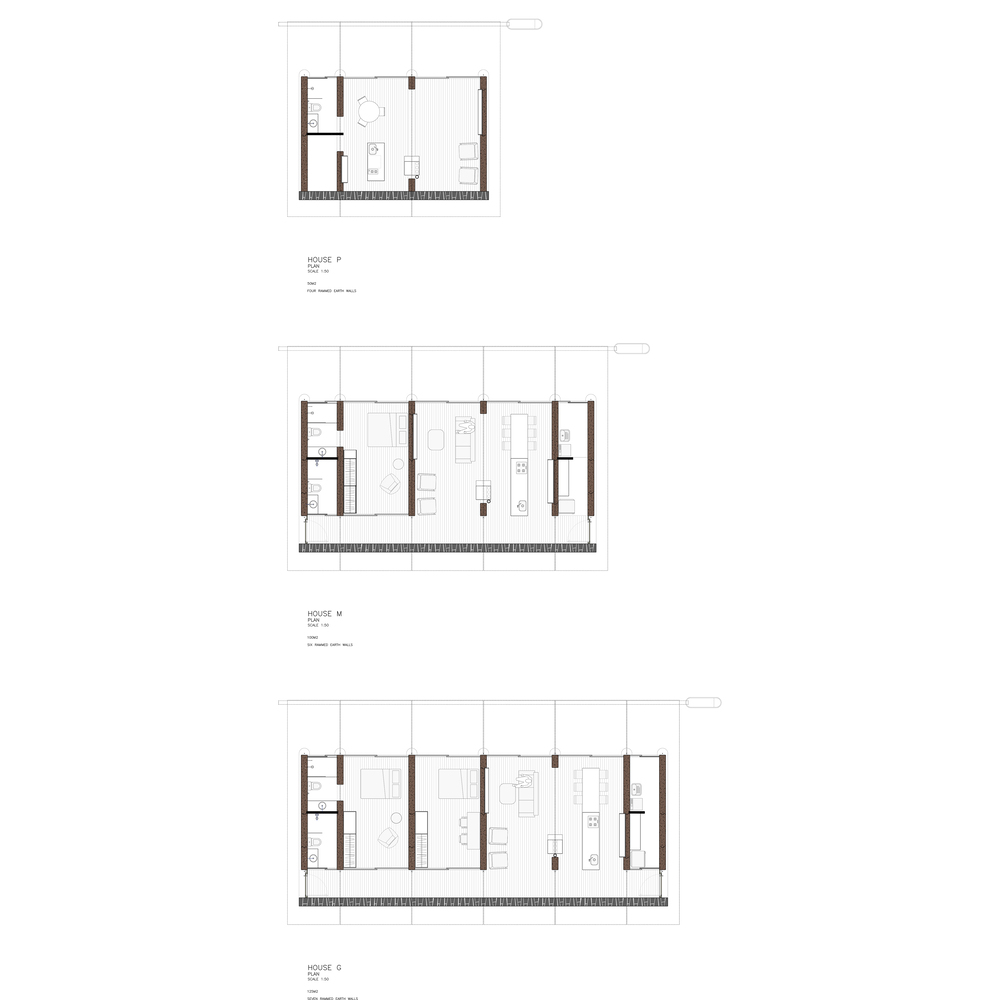
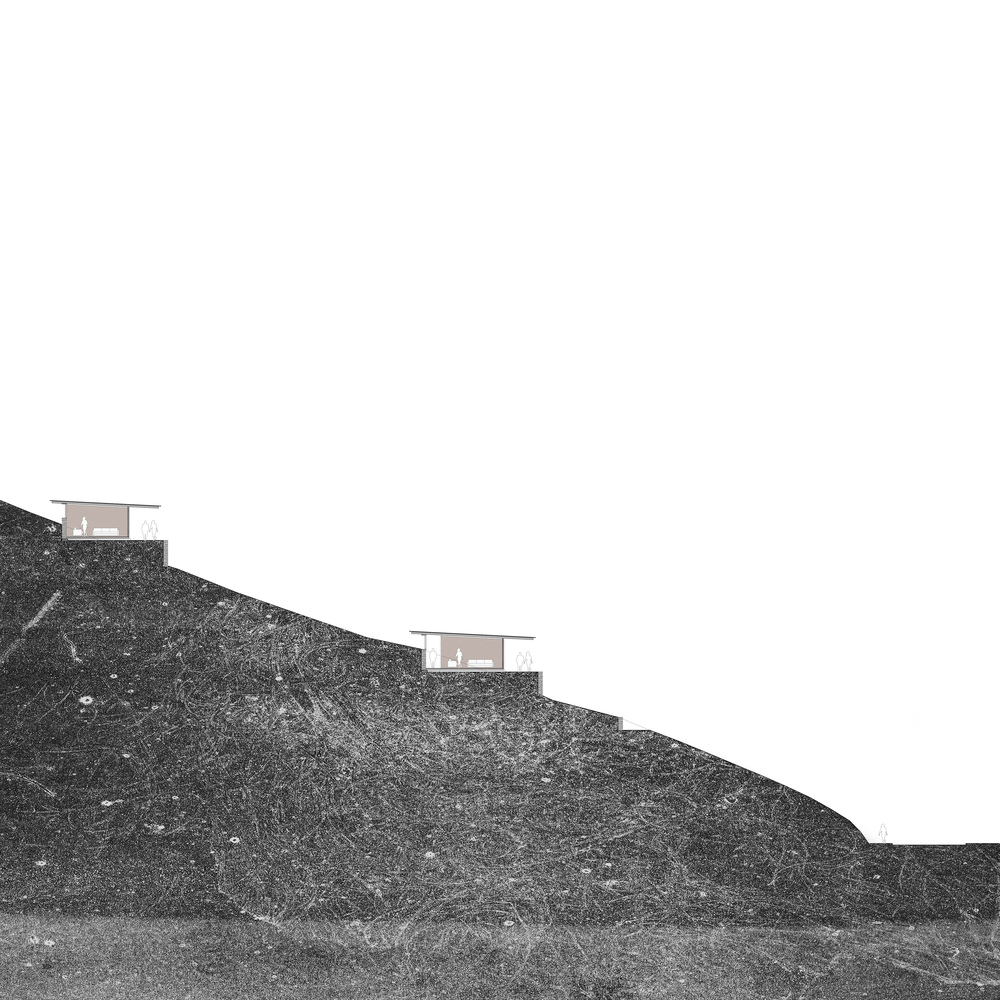
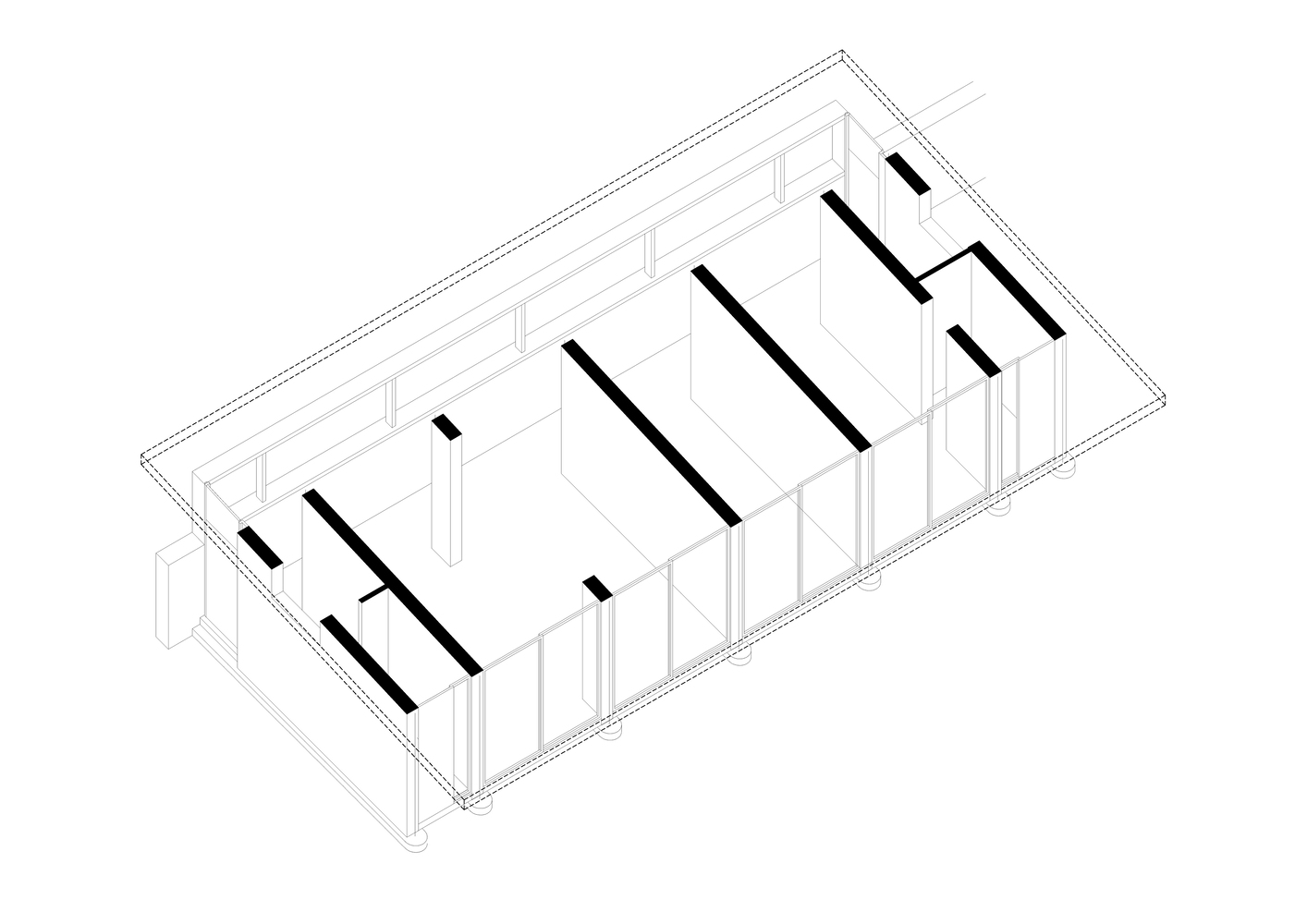
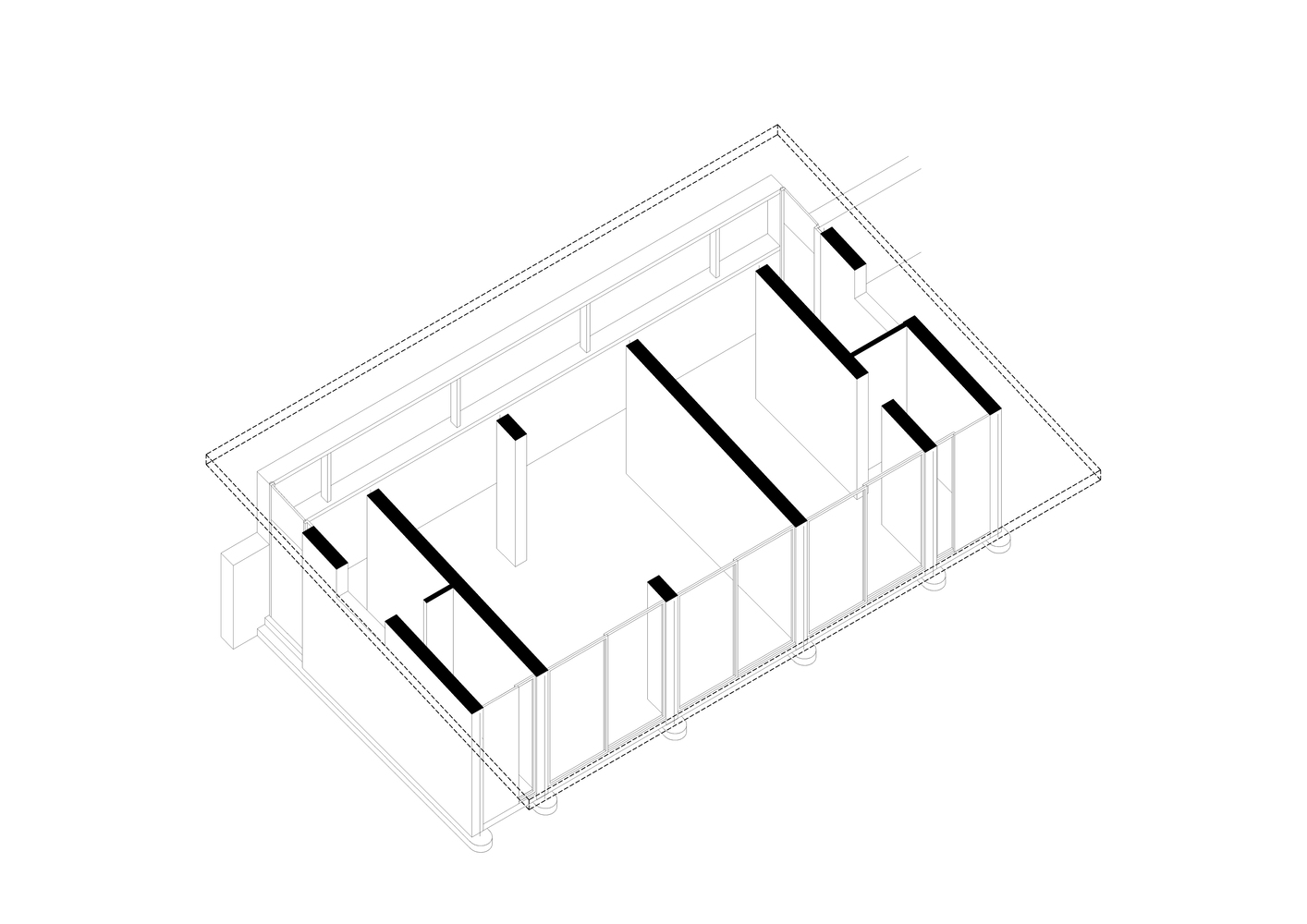
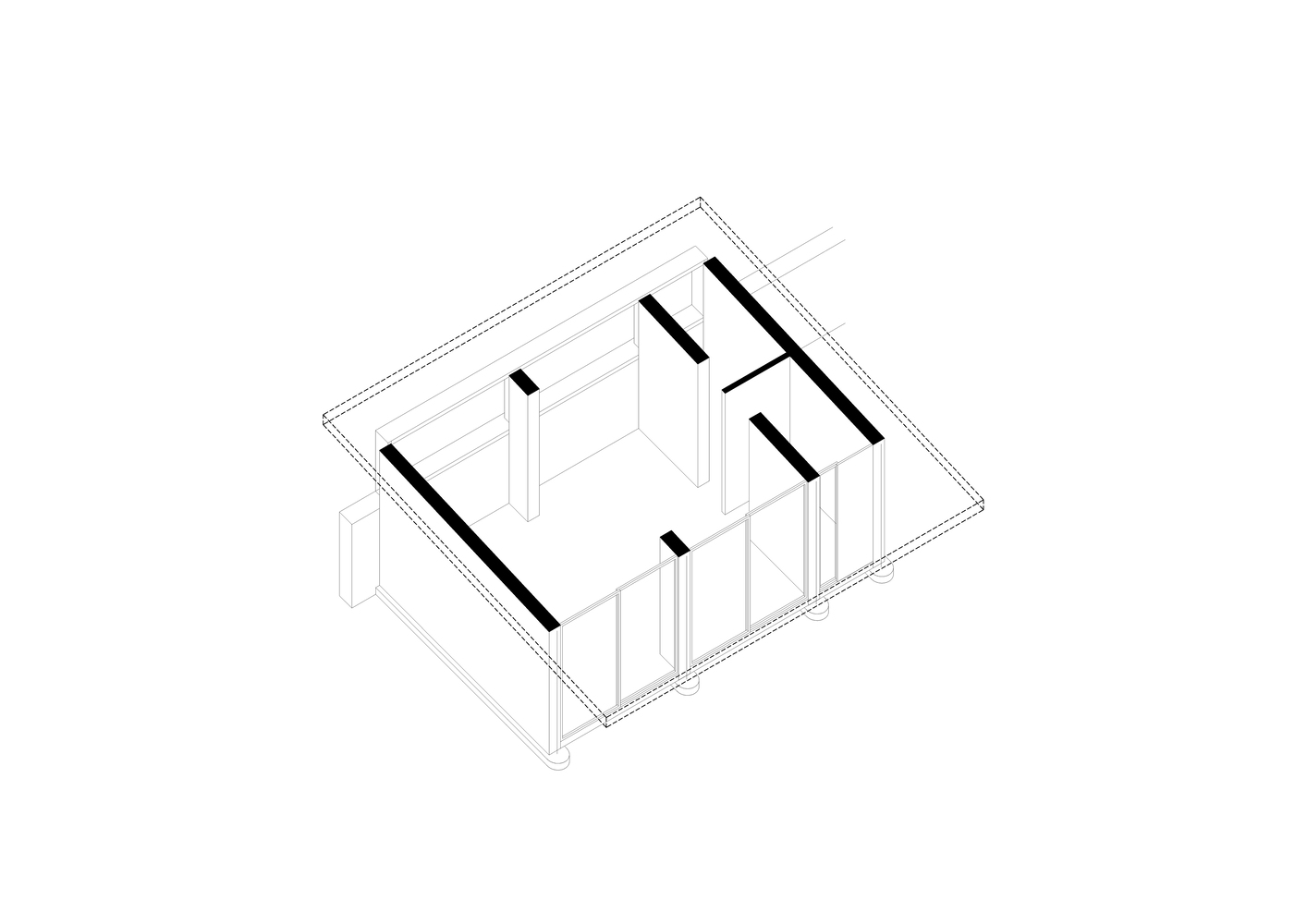
Proposal for a modular construction system of residences made of rammed earth and wood, with premises to be reproducible and accommodating three different sizes: 50, 100, and 125m2.
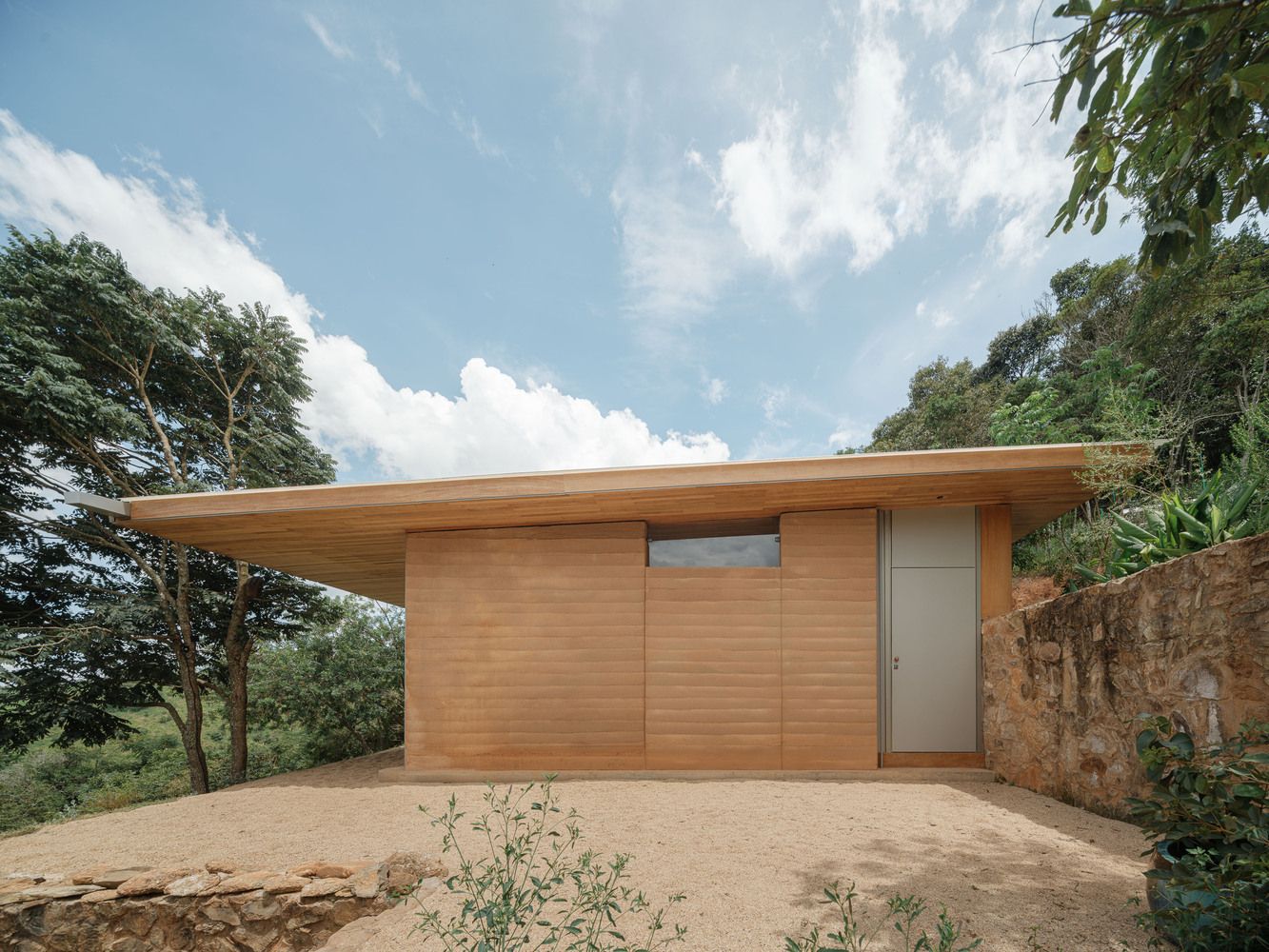
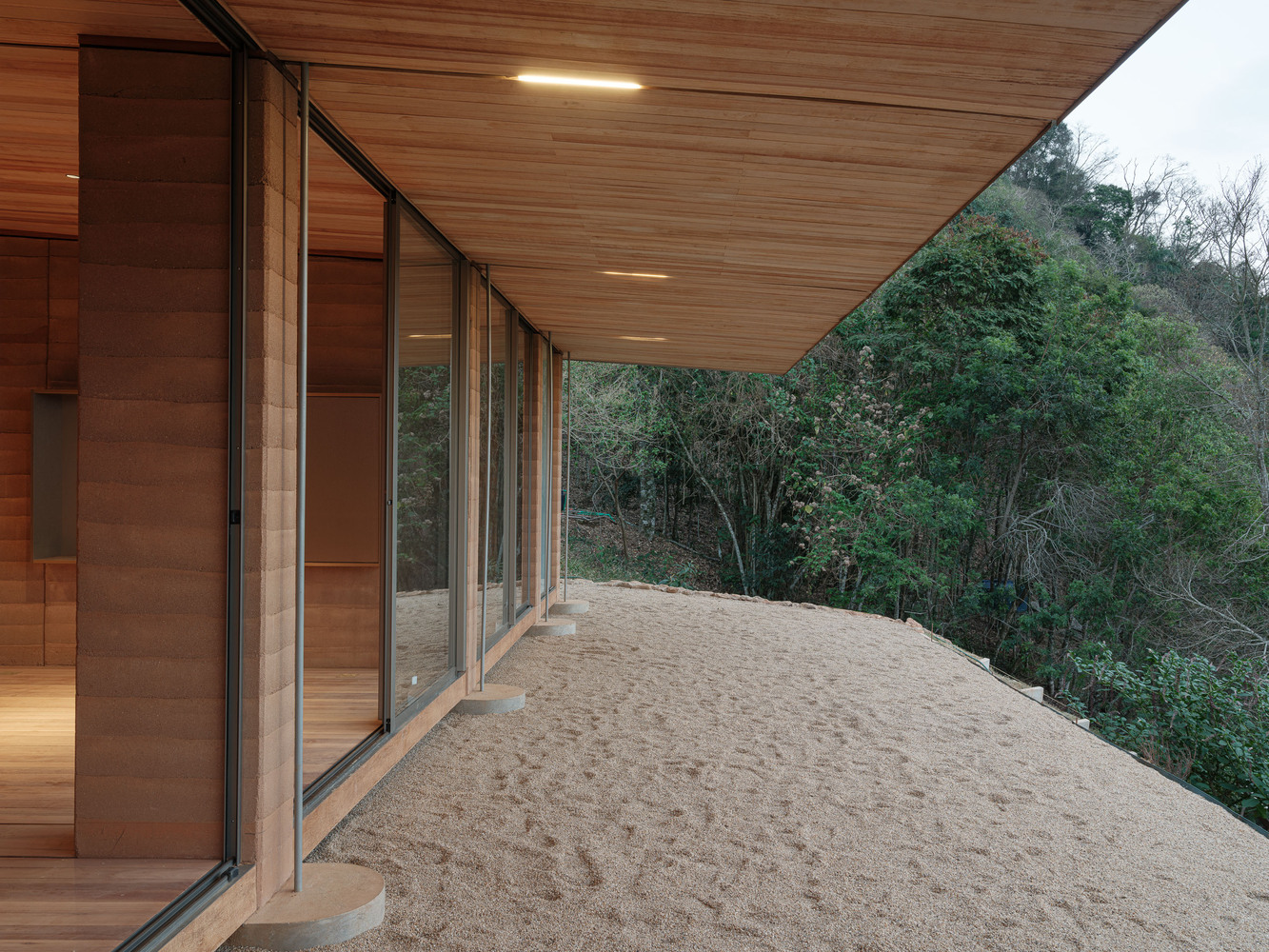
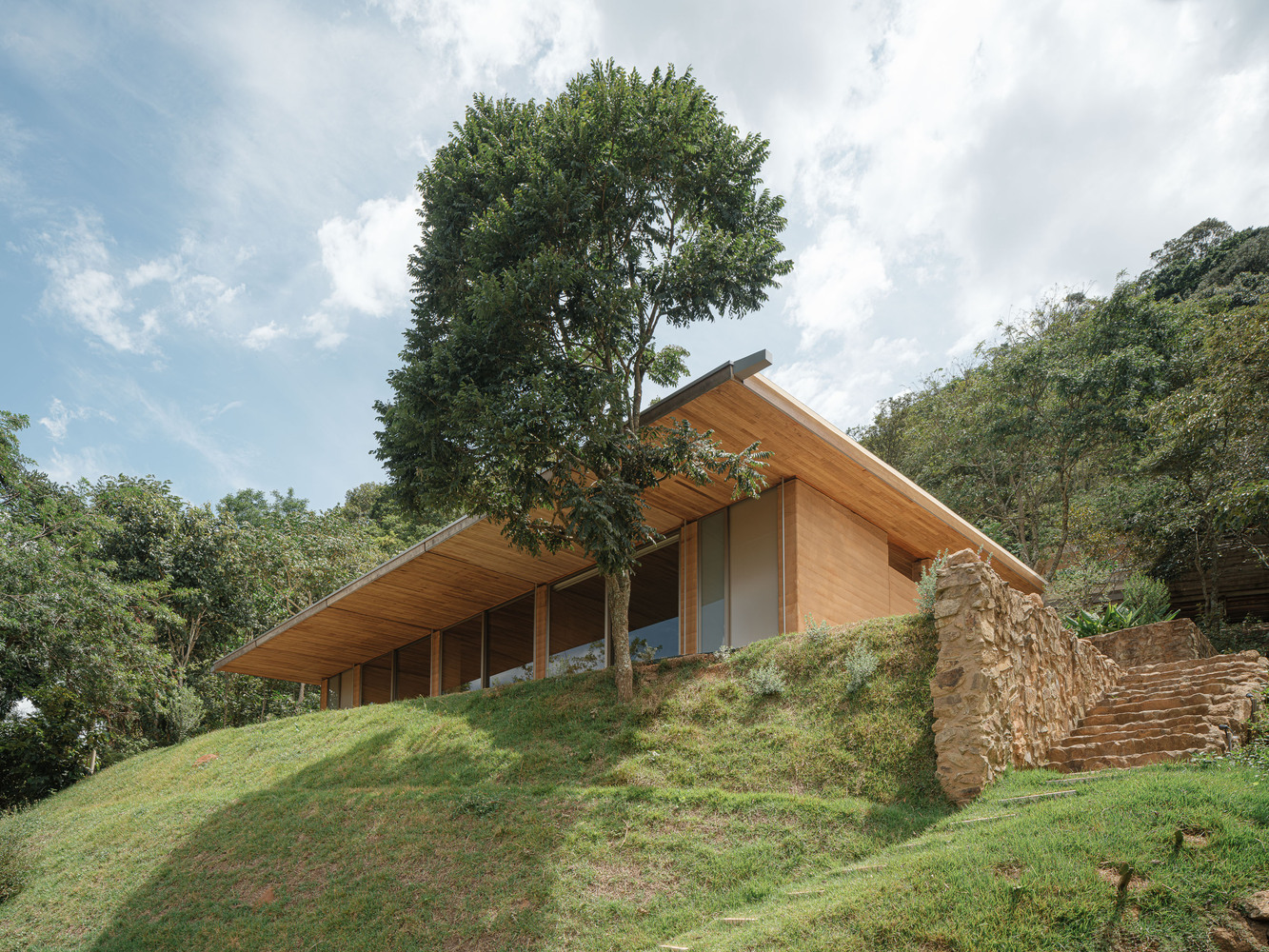
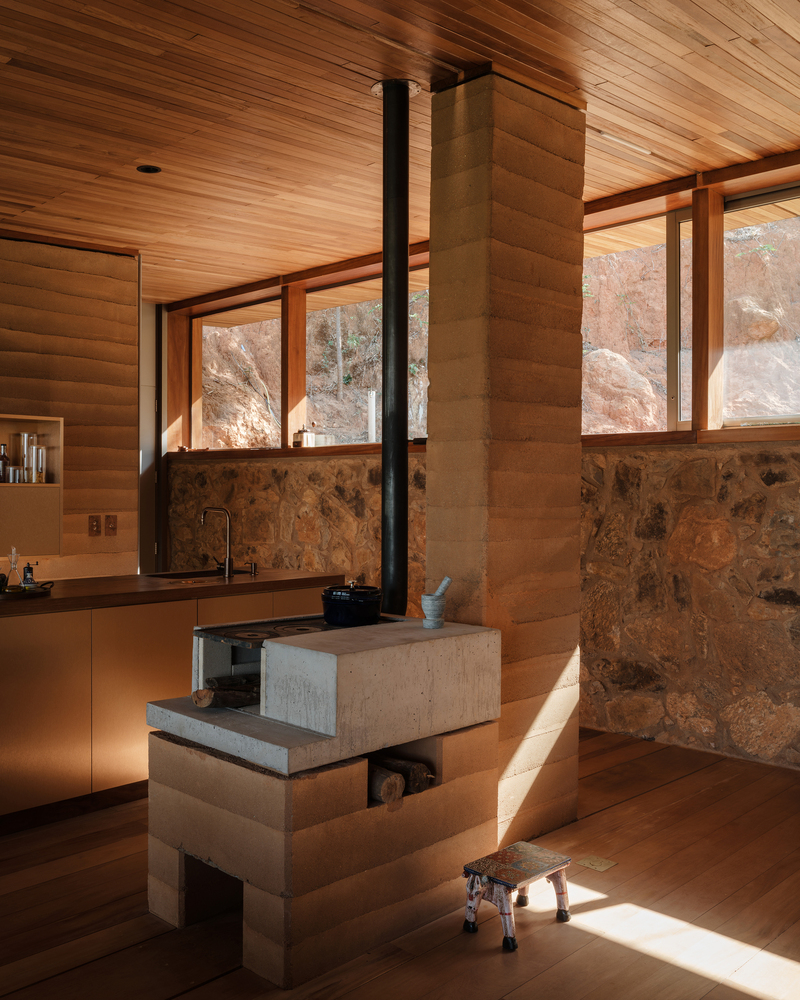
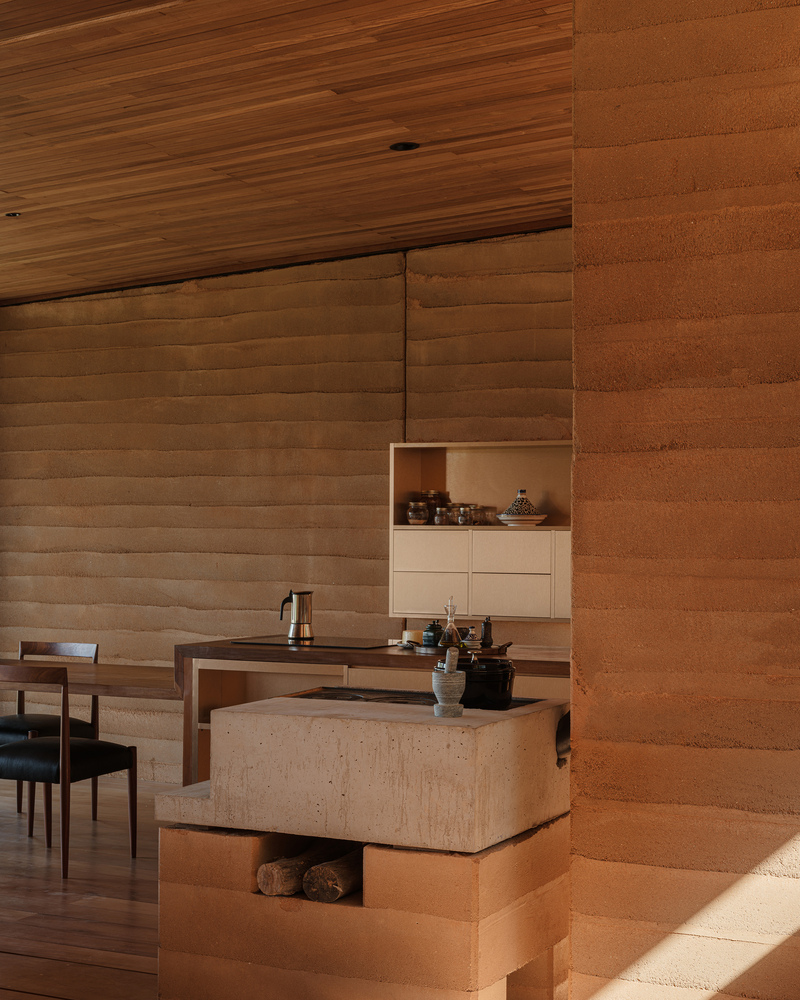
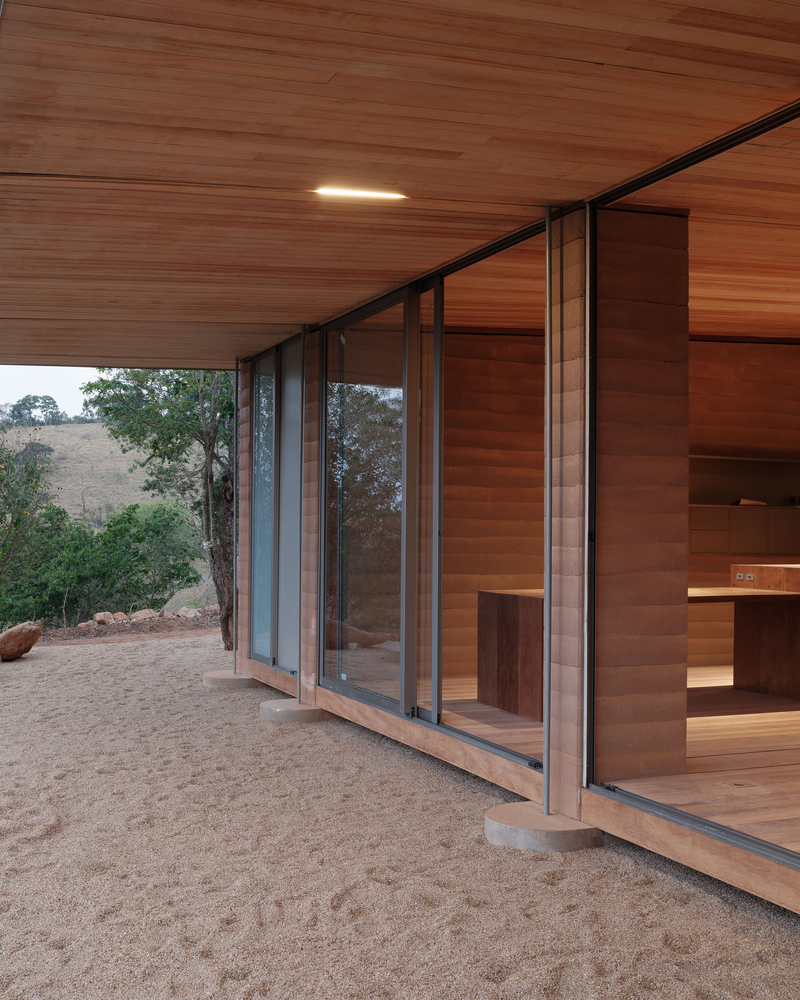
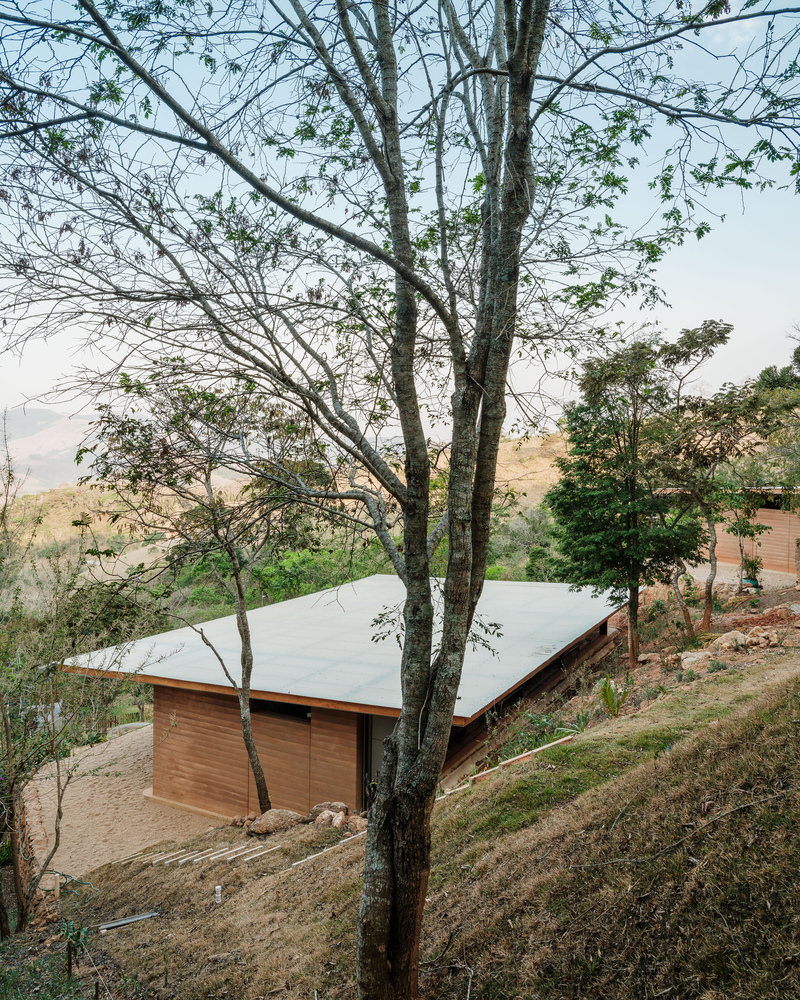
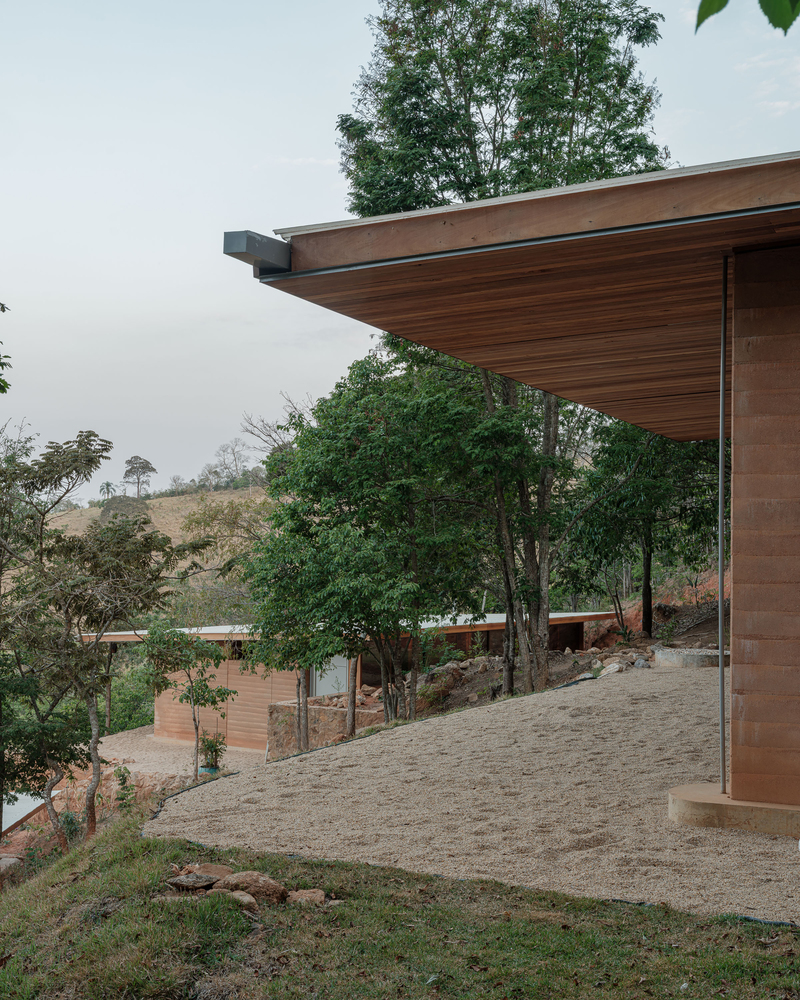
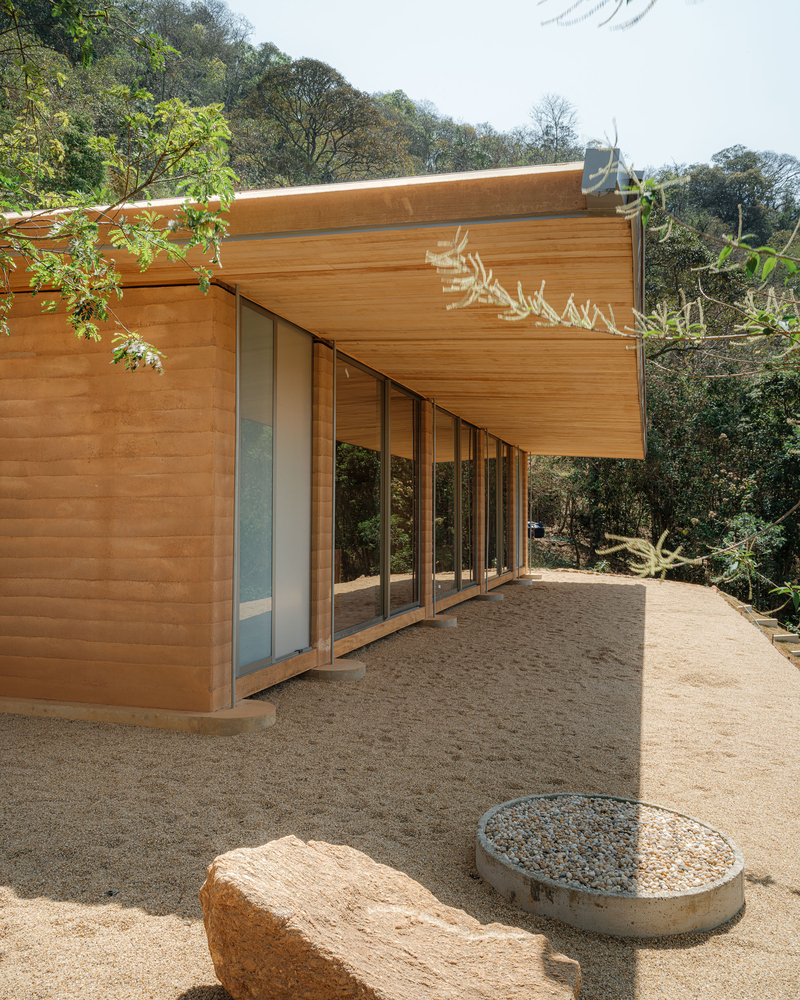
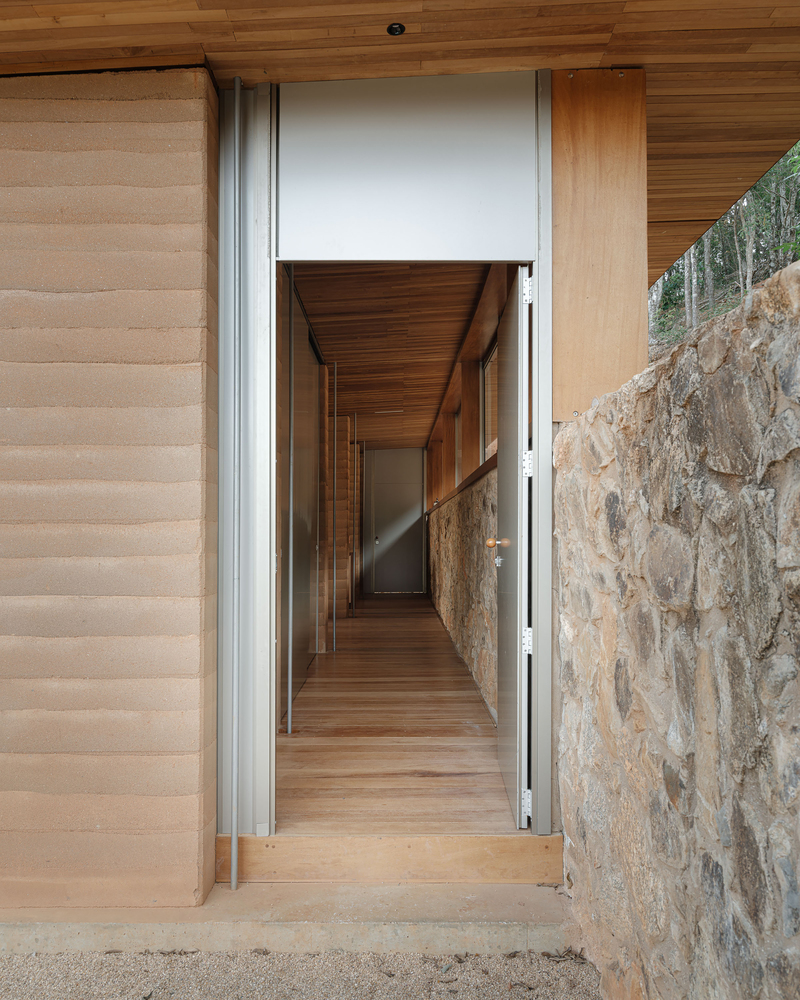
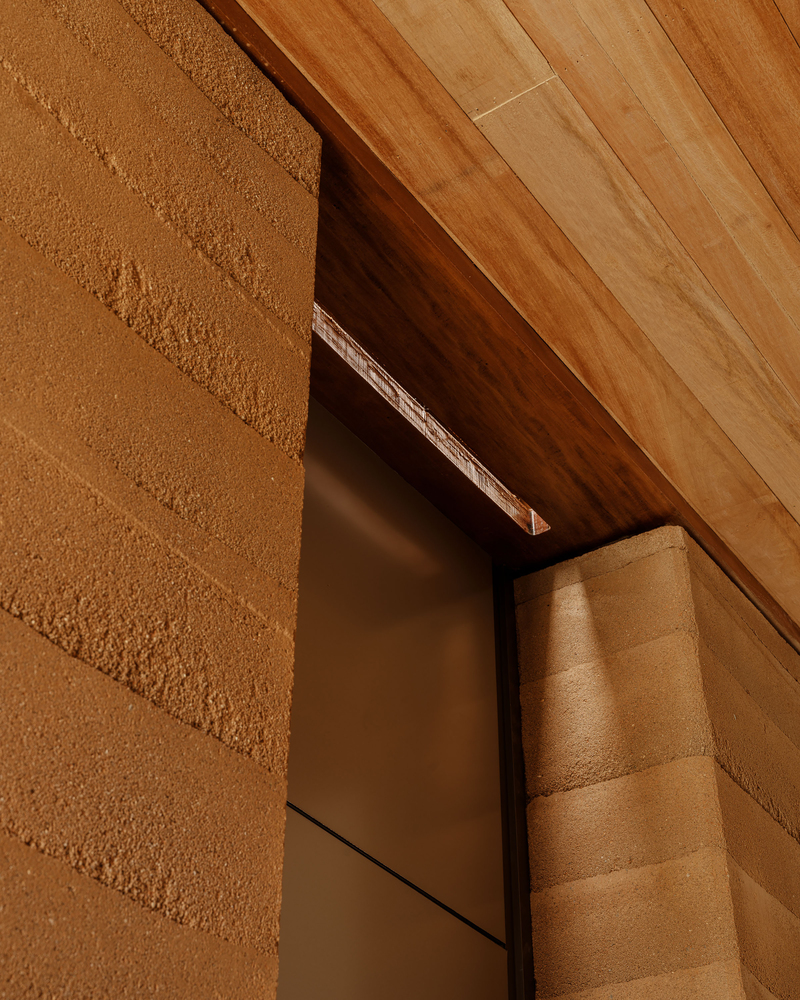
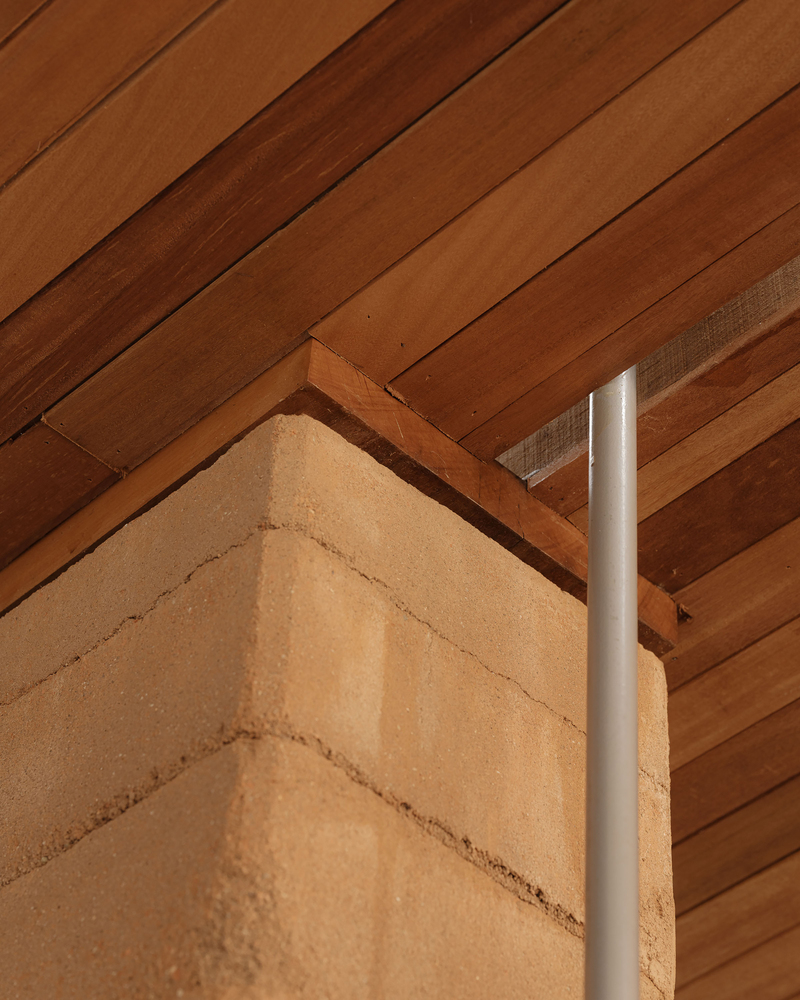
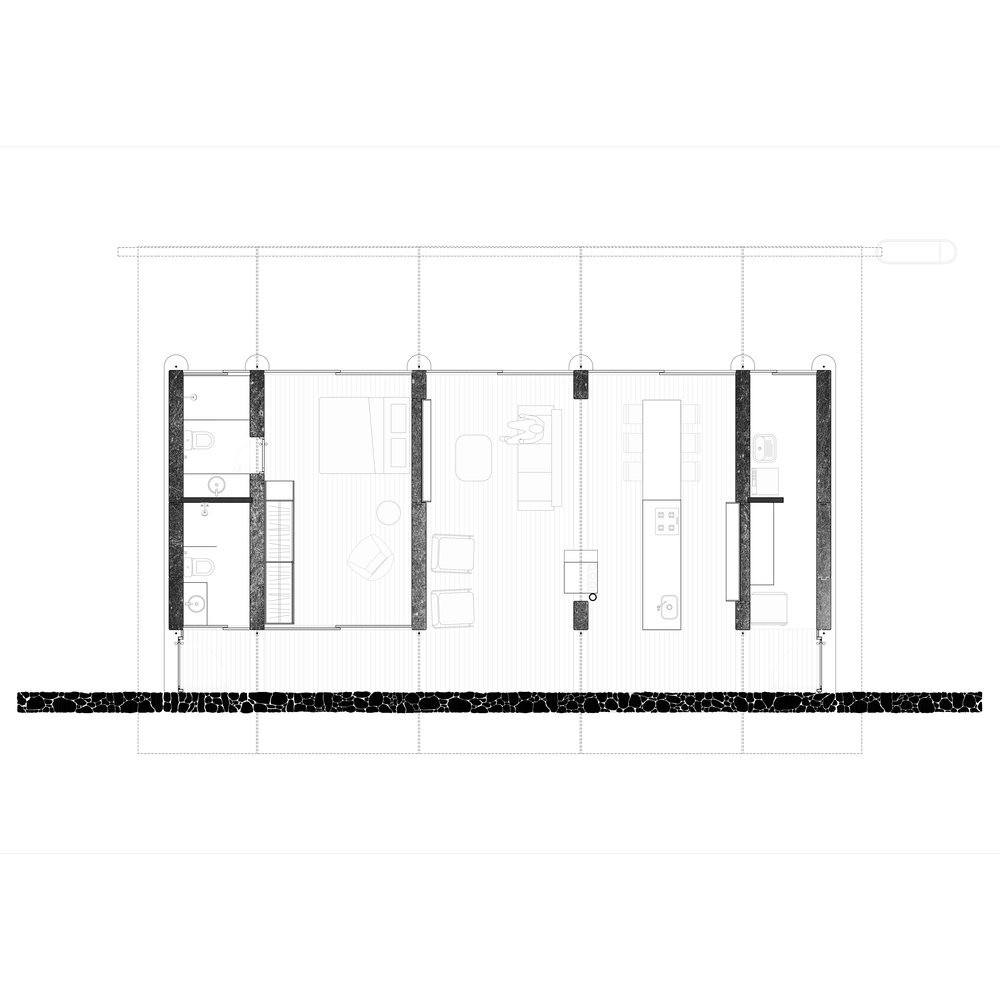
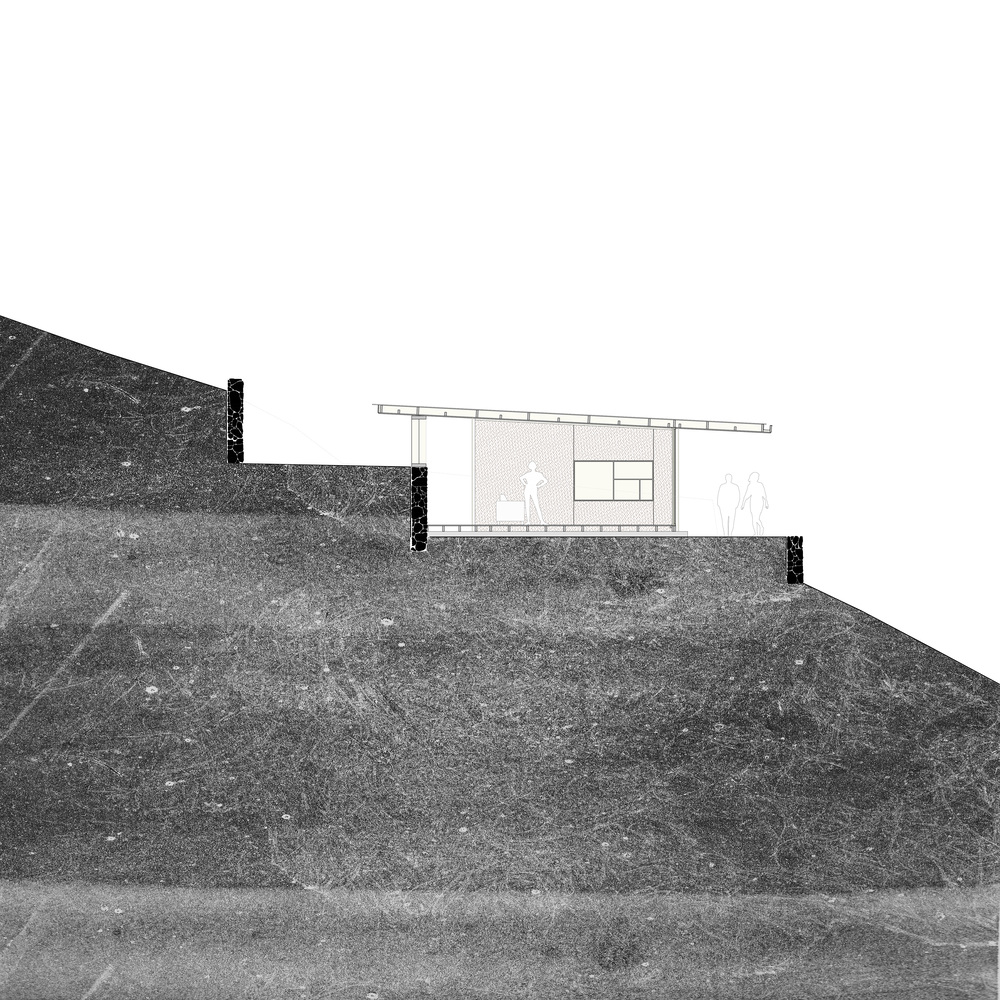
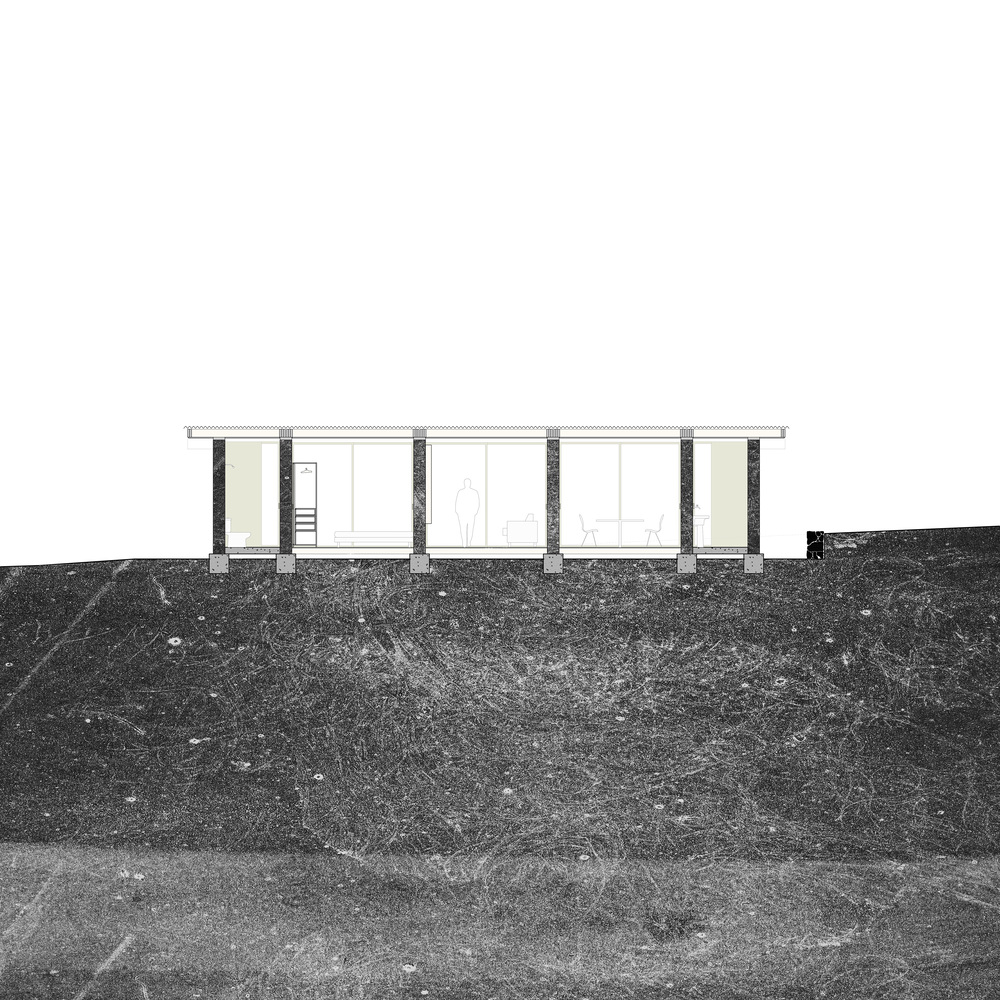
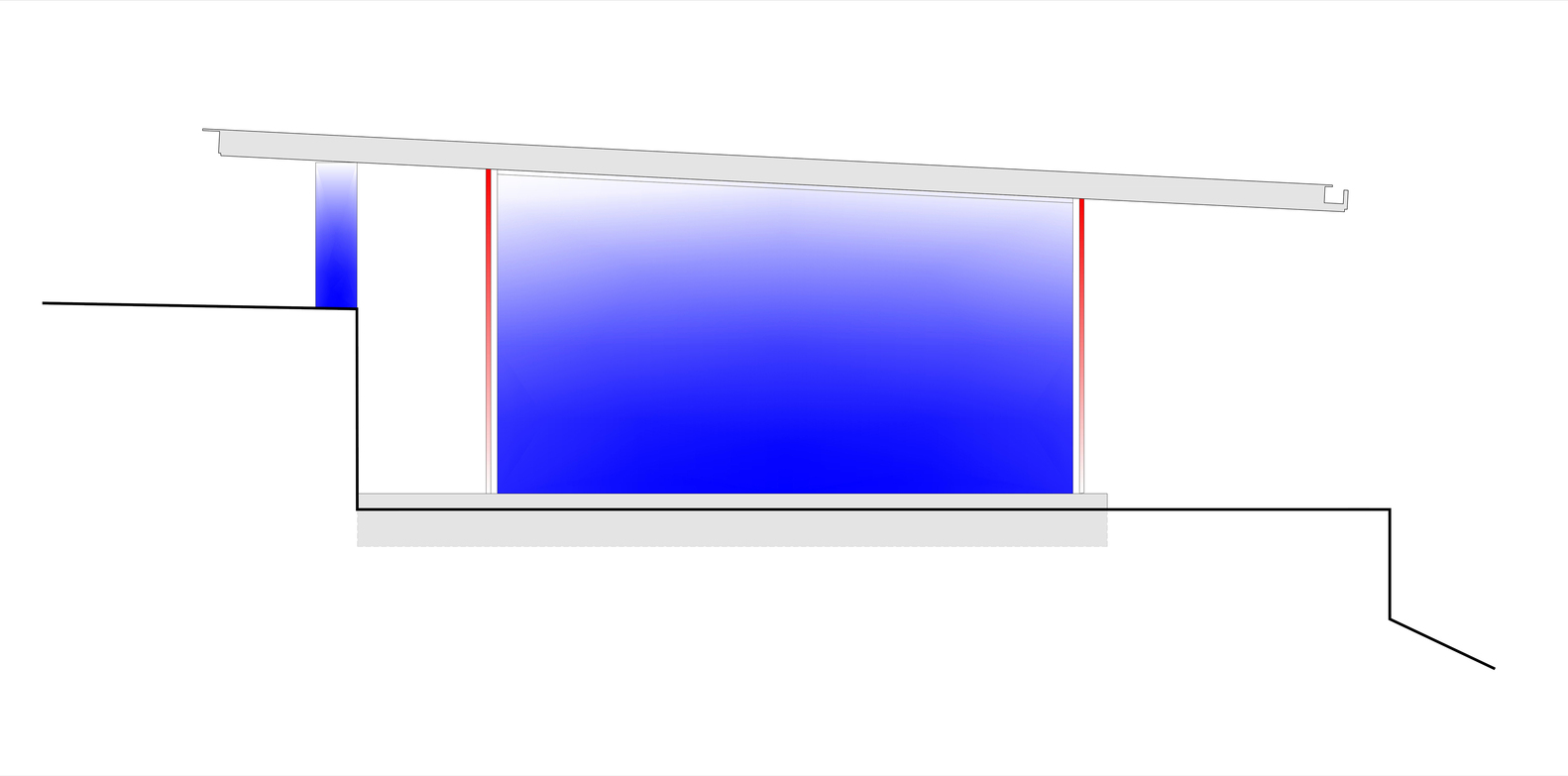
The rammed earth walls function as structural masses that support the wooden panels of the roof through compression.
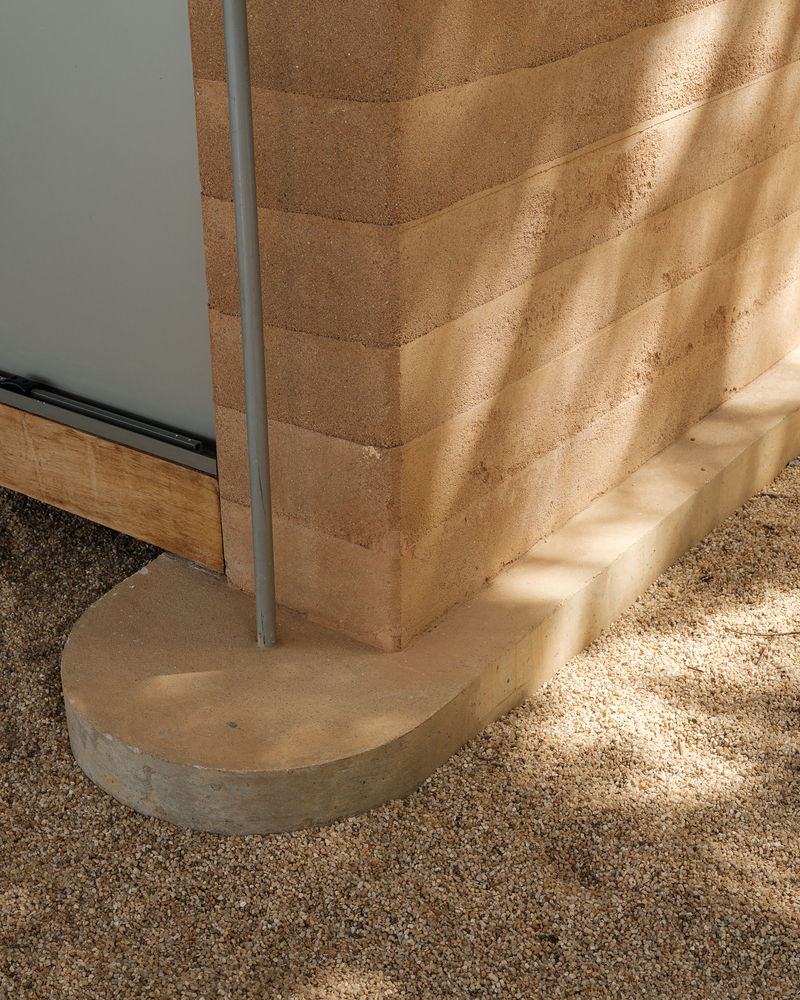
Their beams support the floor panels. In this way, they organize the layout of the residences, with the spaces always defined between the rammed earth walls.
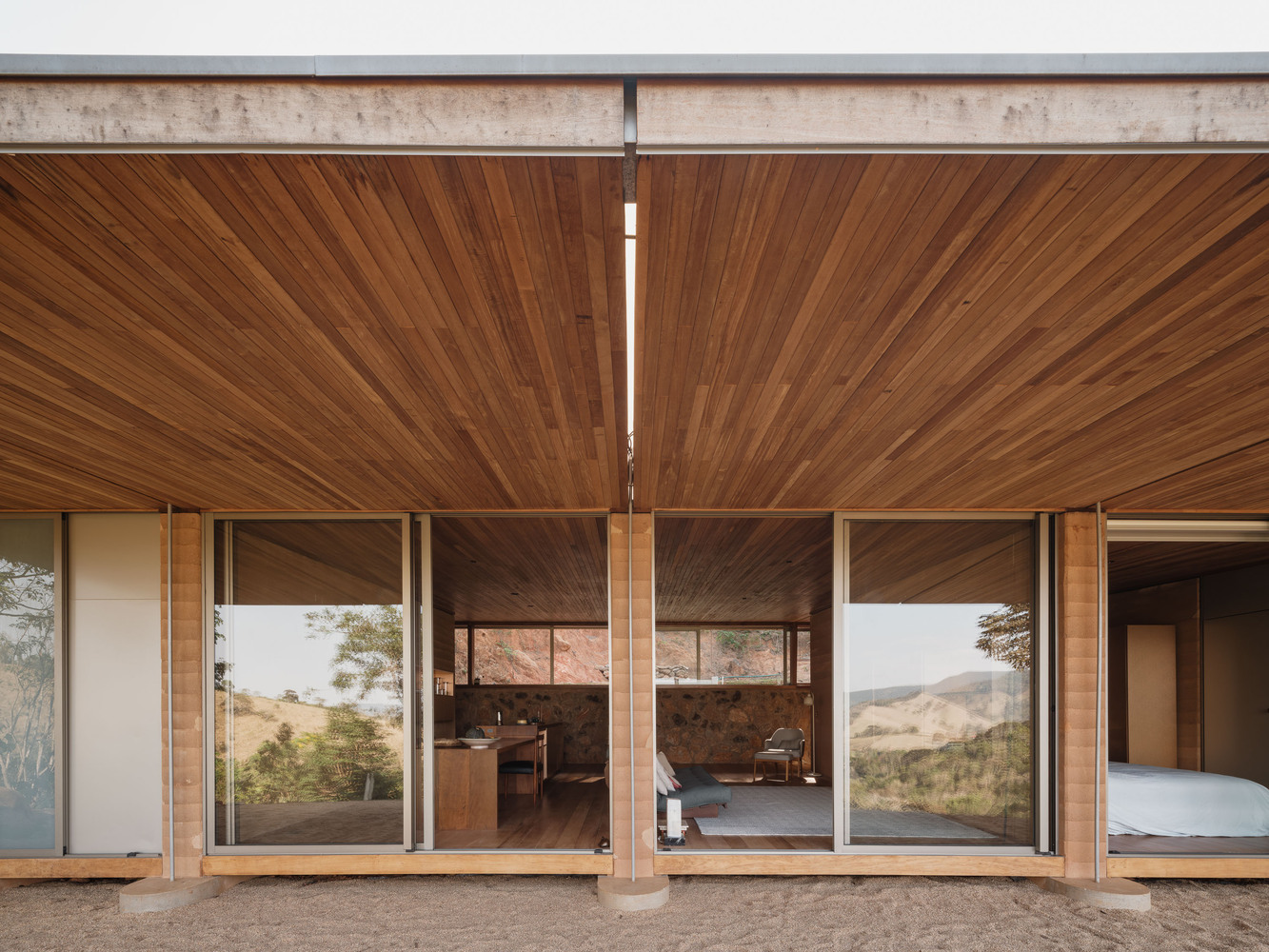
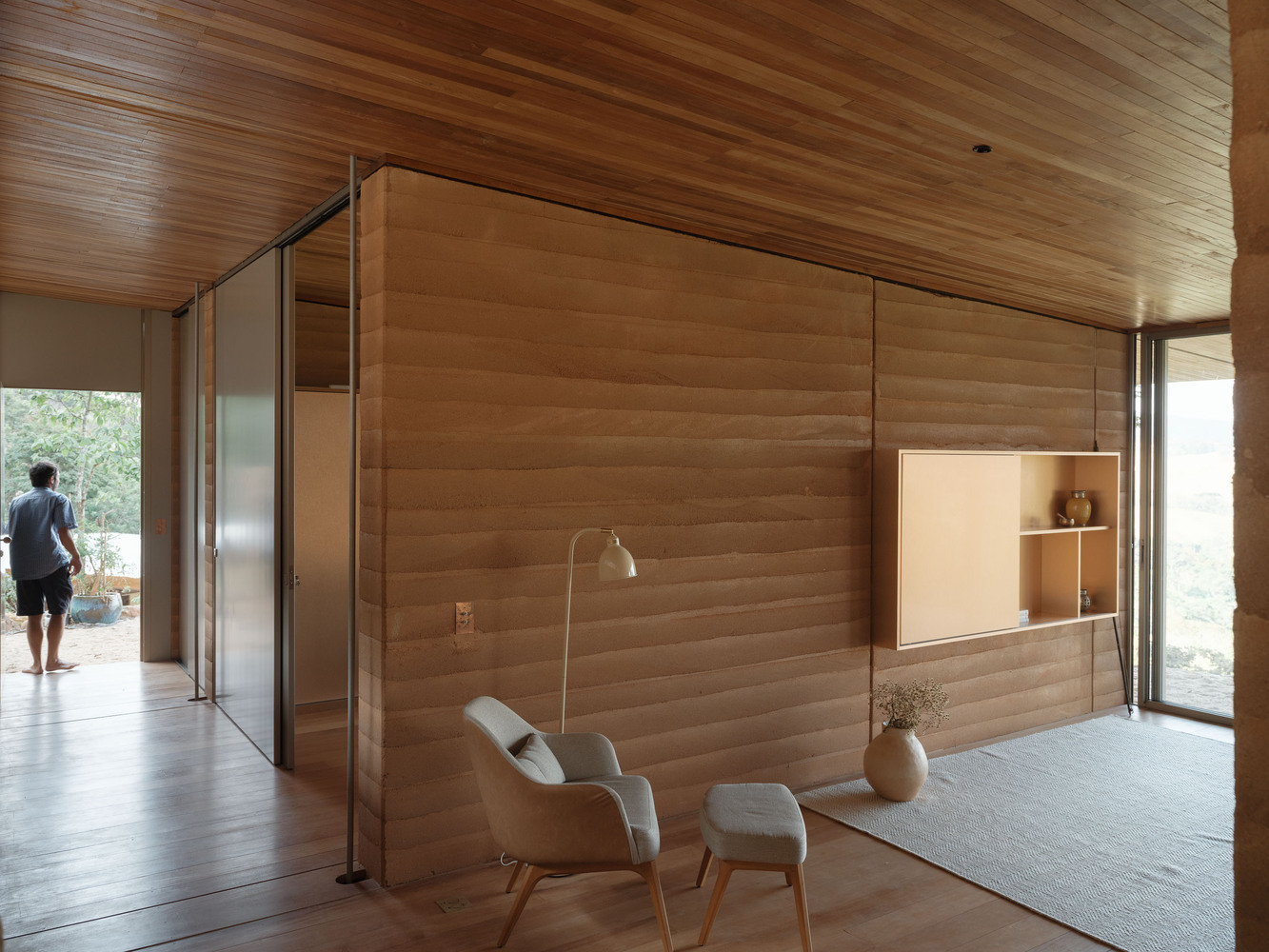
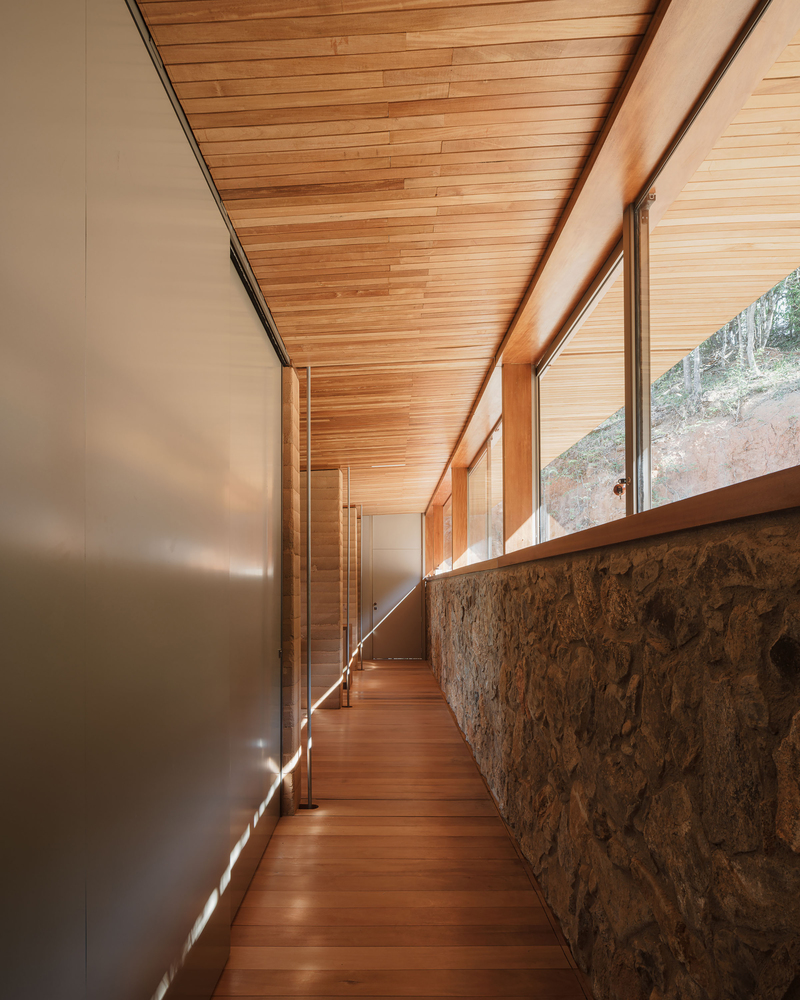
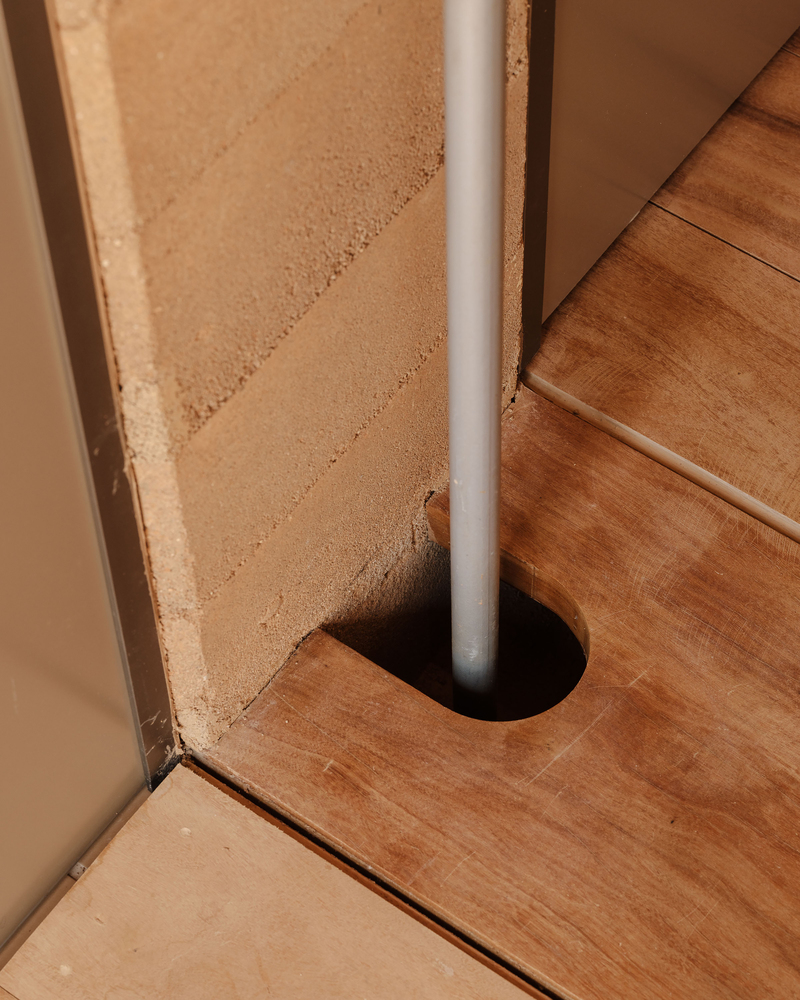
At each end of the compression walls, a tie connects the roof directly to the beams: a steel rod that handles tensile forces, creating a structural association of tension-compression.
Thus, the houses are sized according to the greater or lesser quantity of the rhythm of these rammed earth walls and metal ties.
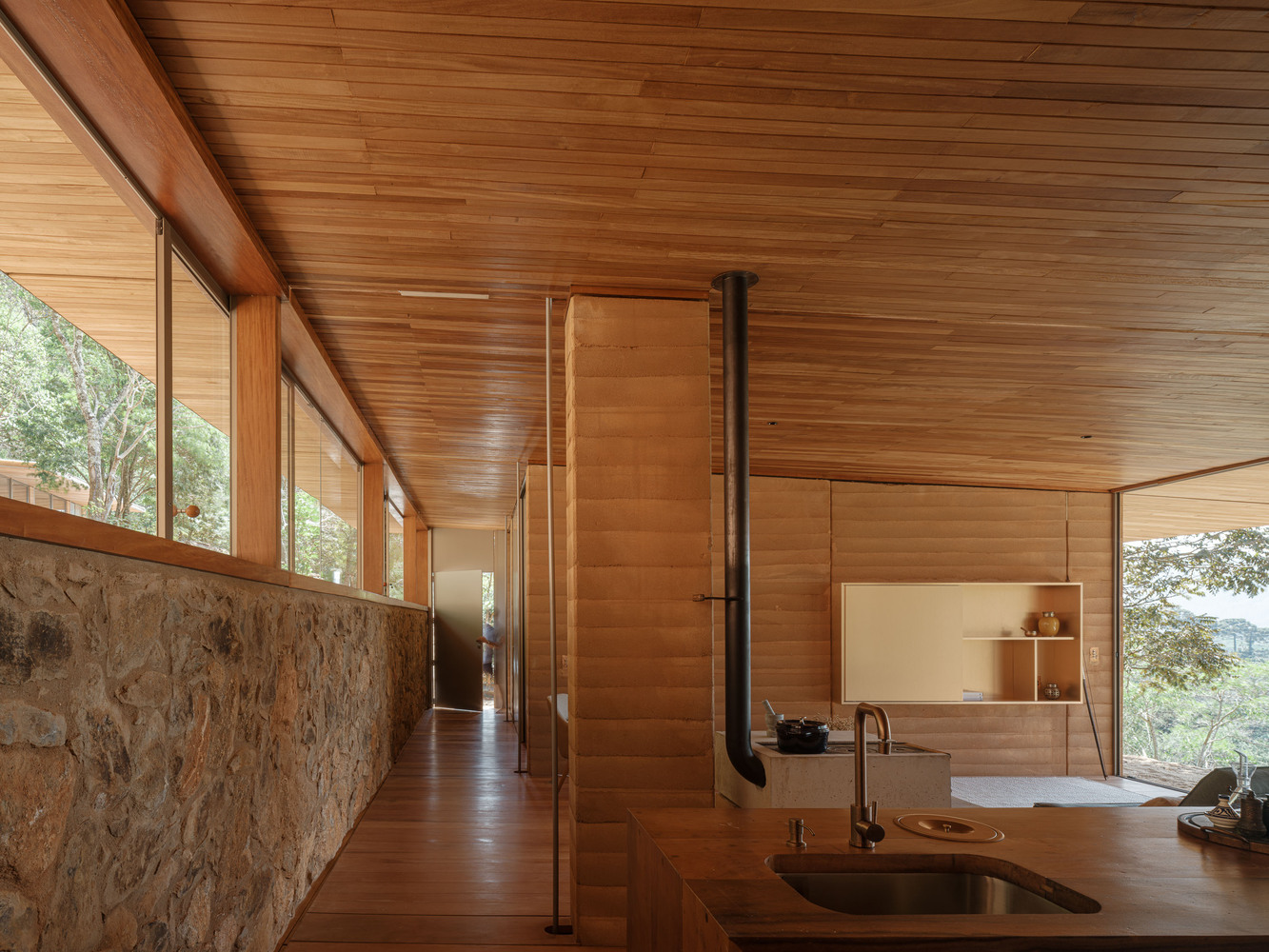
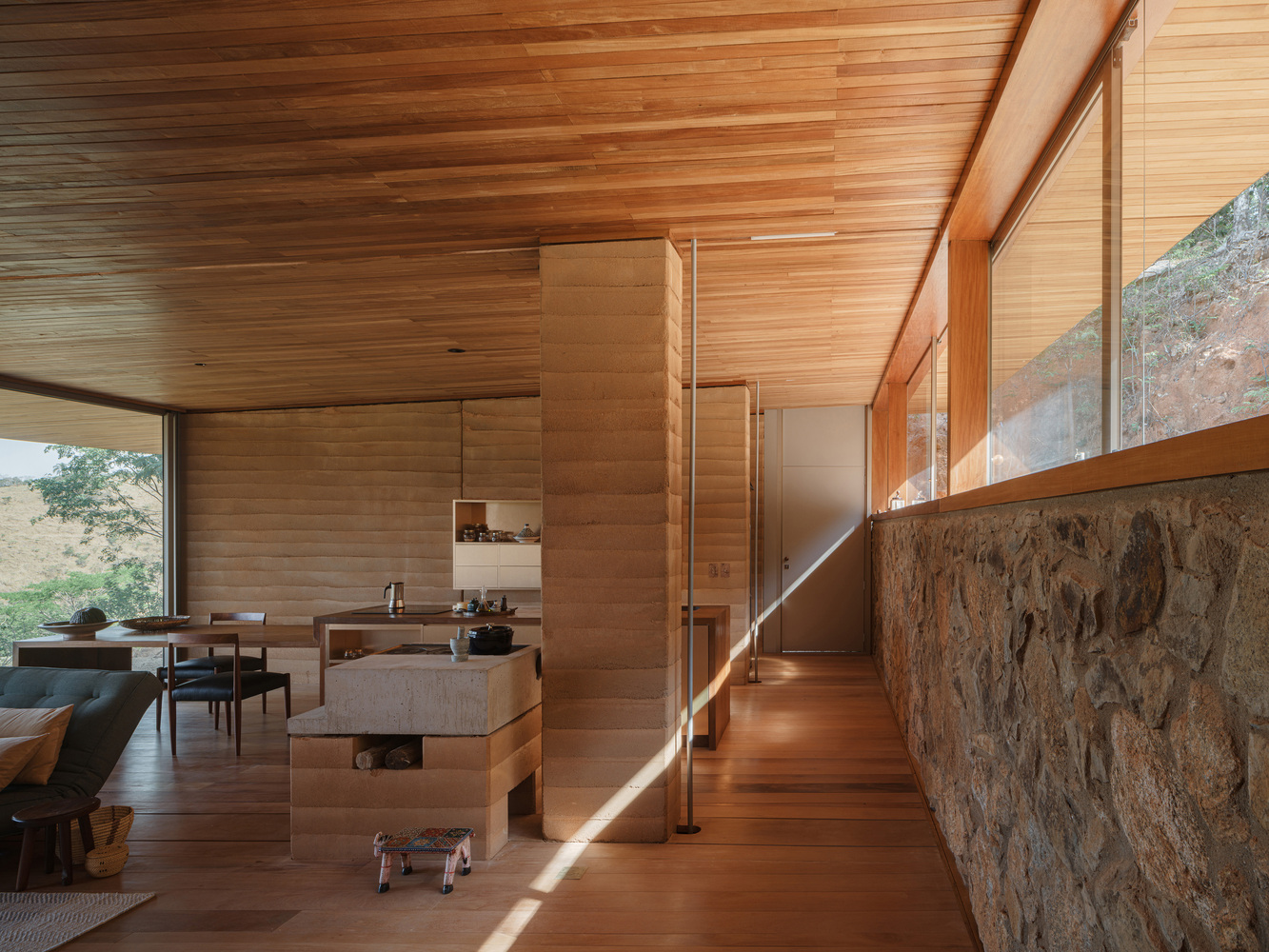
The beams raise the rammed earth walls 15cm off the ground, protecting them against rising moisture.
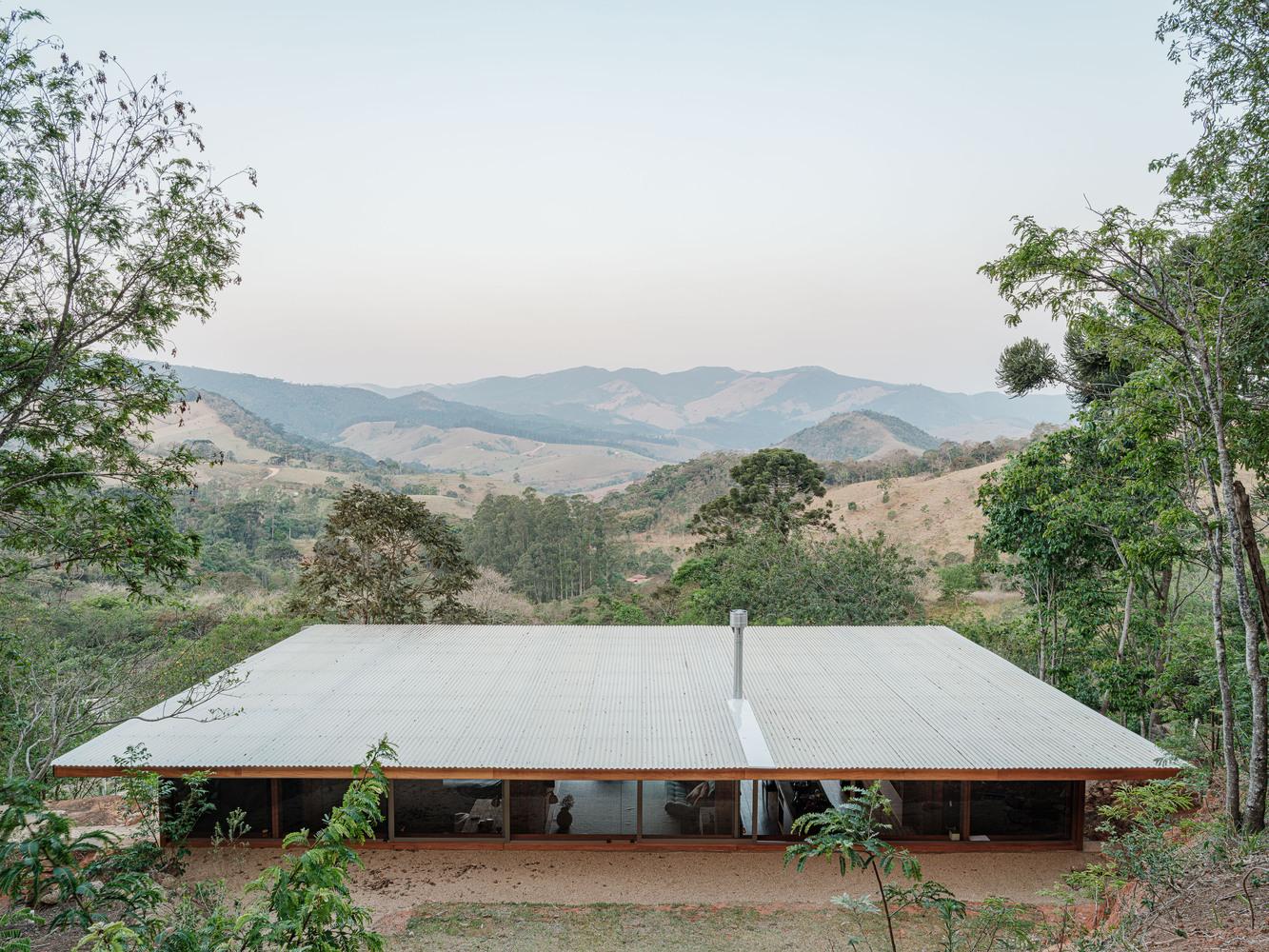
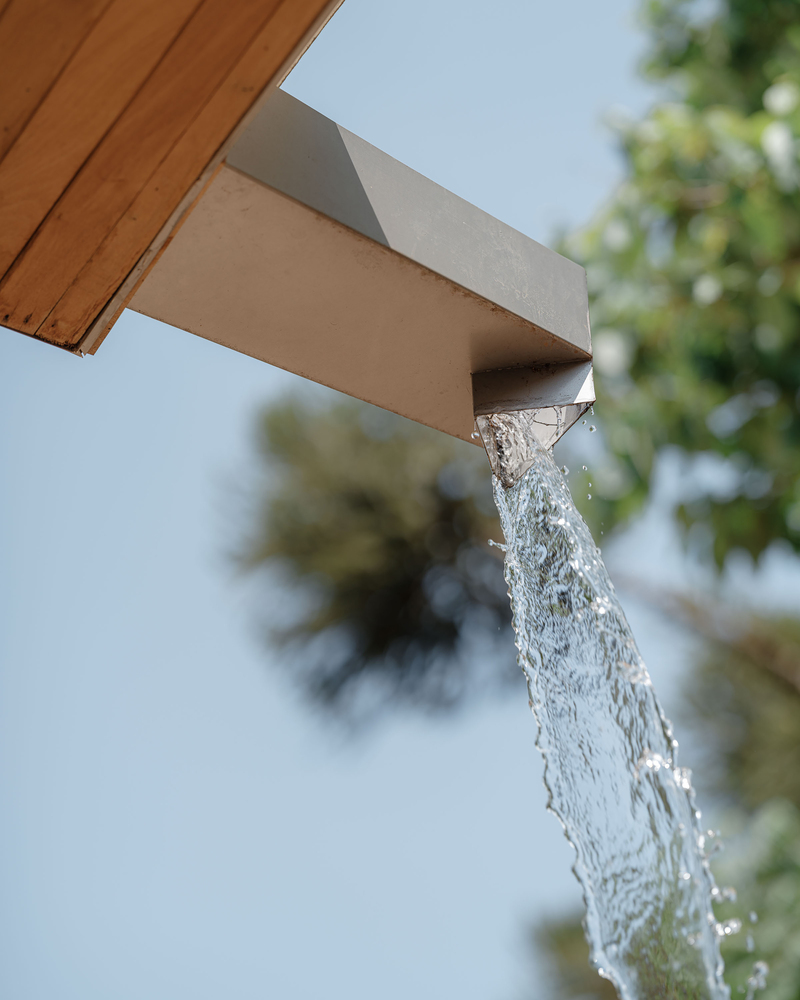
The eaves of the wooden roof provide upper protection against rain.
A fixed carpentry unit defines the countertop dedicated to food preparation and a living table.
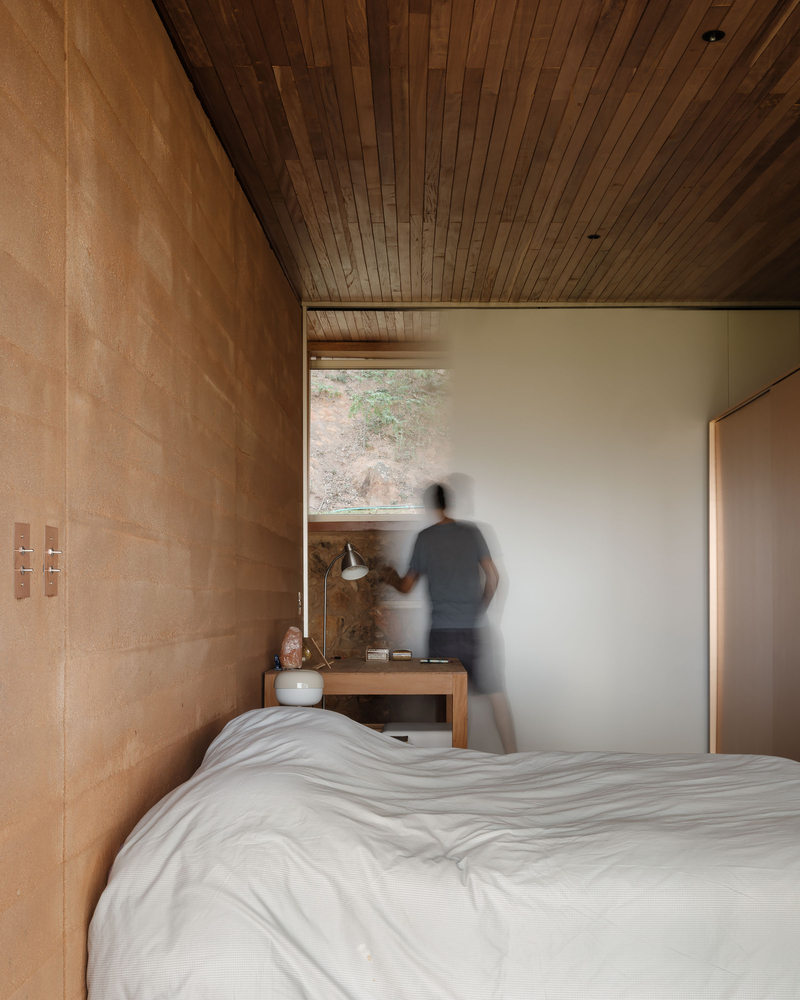
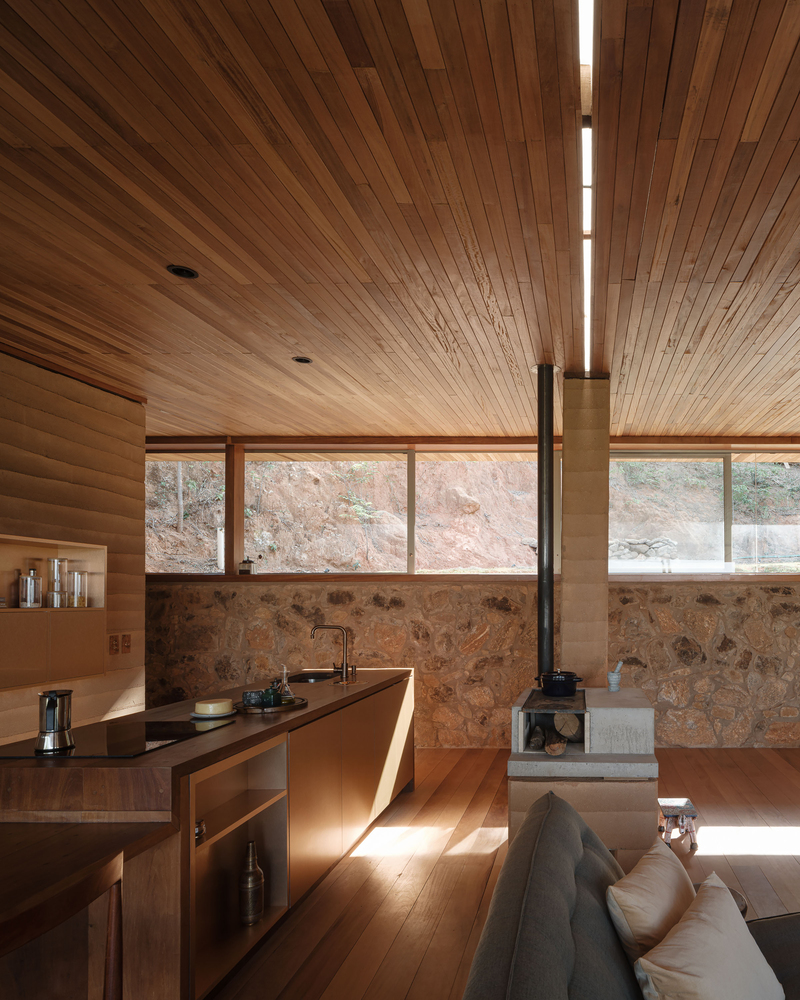
At the end of the rammed earth construction, all the wood from the molds made of itaúba used in building the walls is calculated to be used in this piece of furniture.
A wood-burning stove is situated between the countertop and the living area.
Like in traditional houses, it serves both for food preparation and for heating the environment.
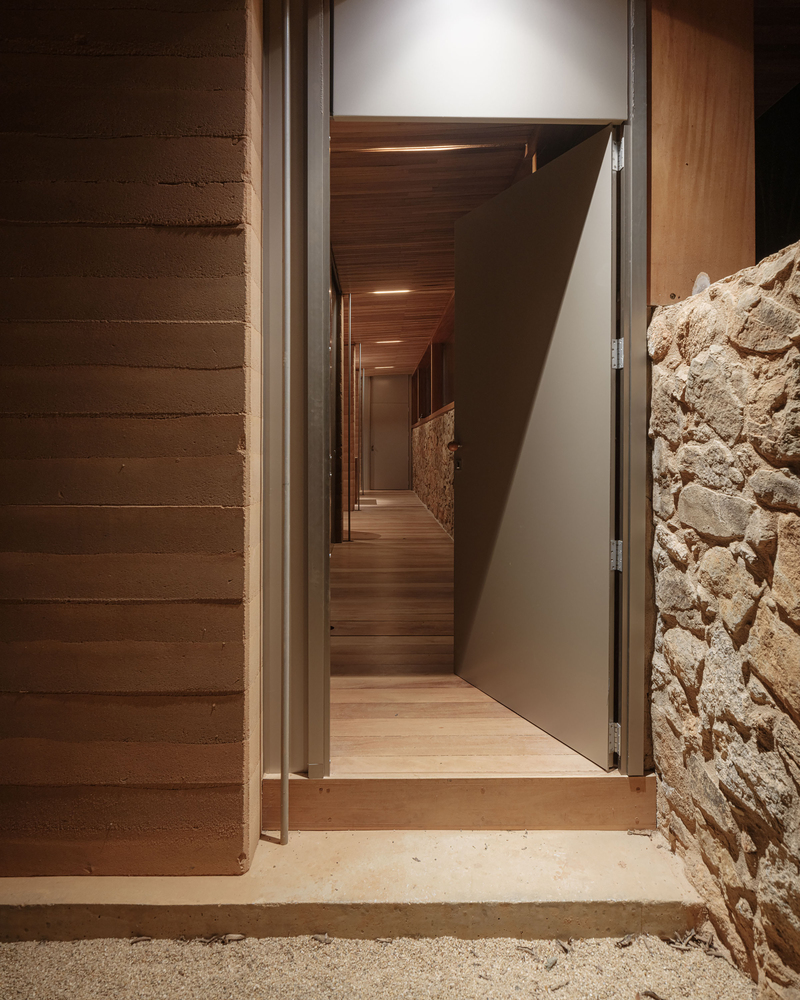
The other elements are made of aluminum, distributed in three typical spans among all the house models.
This project aimed to question the limits and virtues of manual artisanal construction techniques and the realm of industrial production, which can be reproduced.
Diagram