Bridge House
BRIDGE HOUSE
Wallmakers
ARCHITECTS
Wallmakers
LEAD ARCHITECT
Vinu Daniel
DESIGN TEAM
Preksha Shah, Ramika Gupta
PHOTOGRAPHS
Studio IKSHA
AREA
4500 ft²
YEAR
2025
LOCATION
Karjat, India
CATEGORY
Residential Architecture
English description provided by the architects.
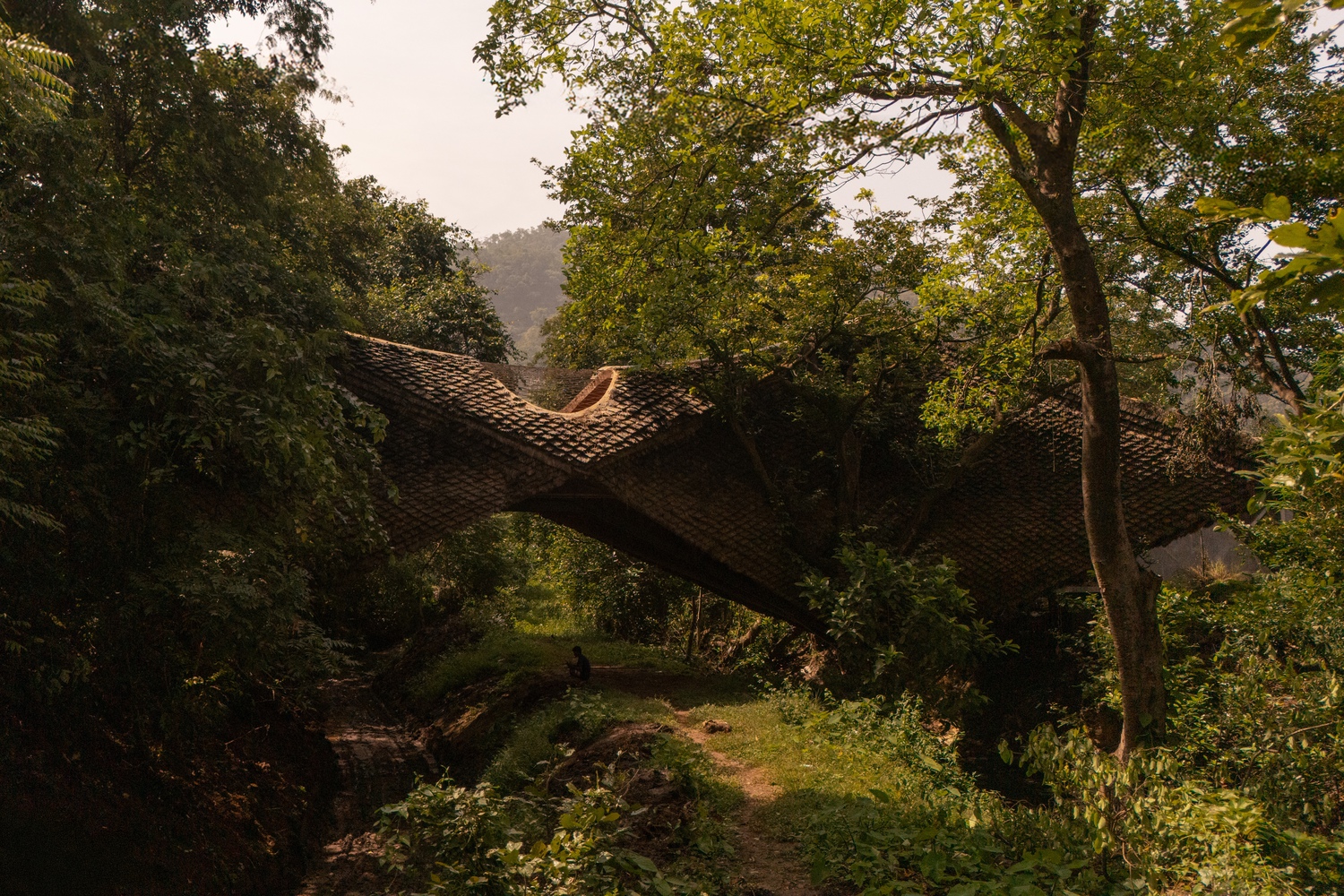
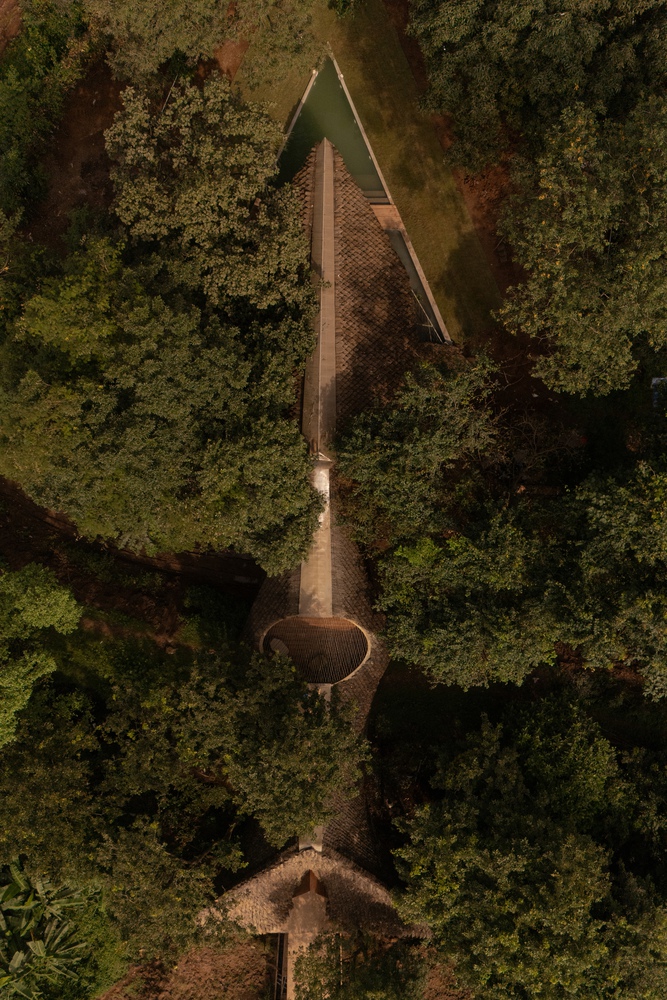
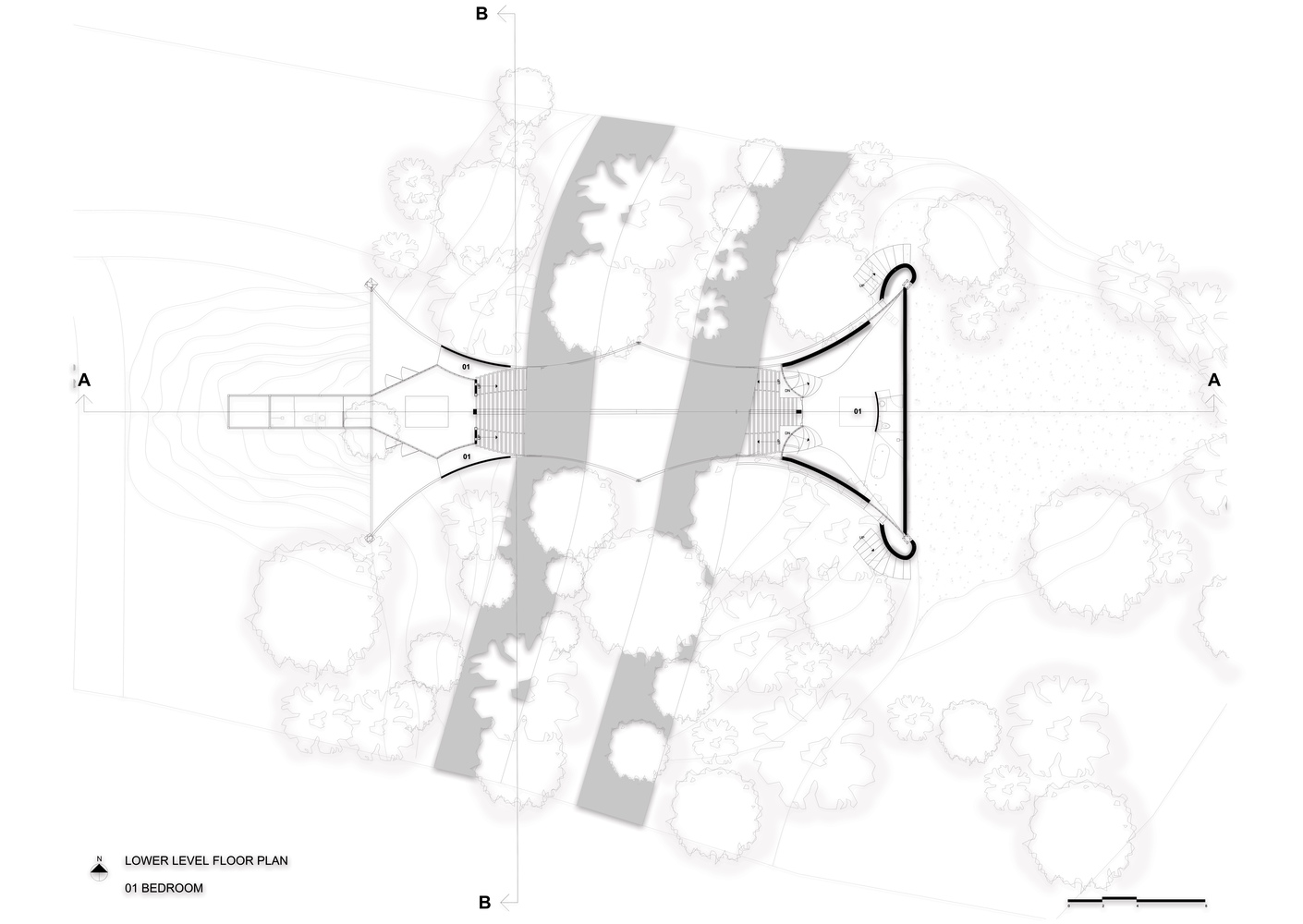
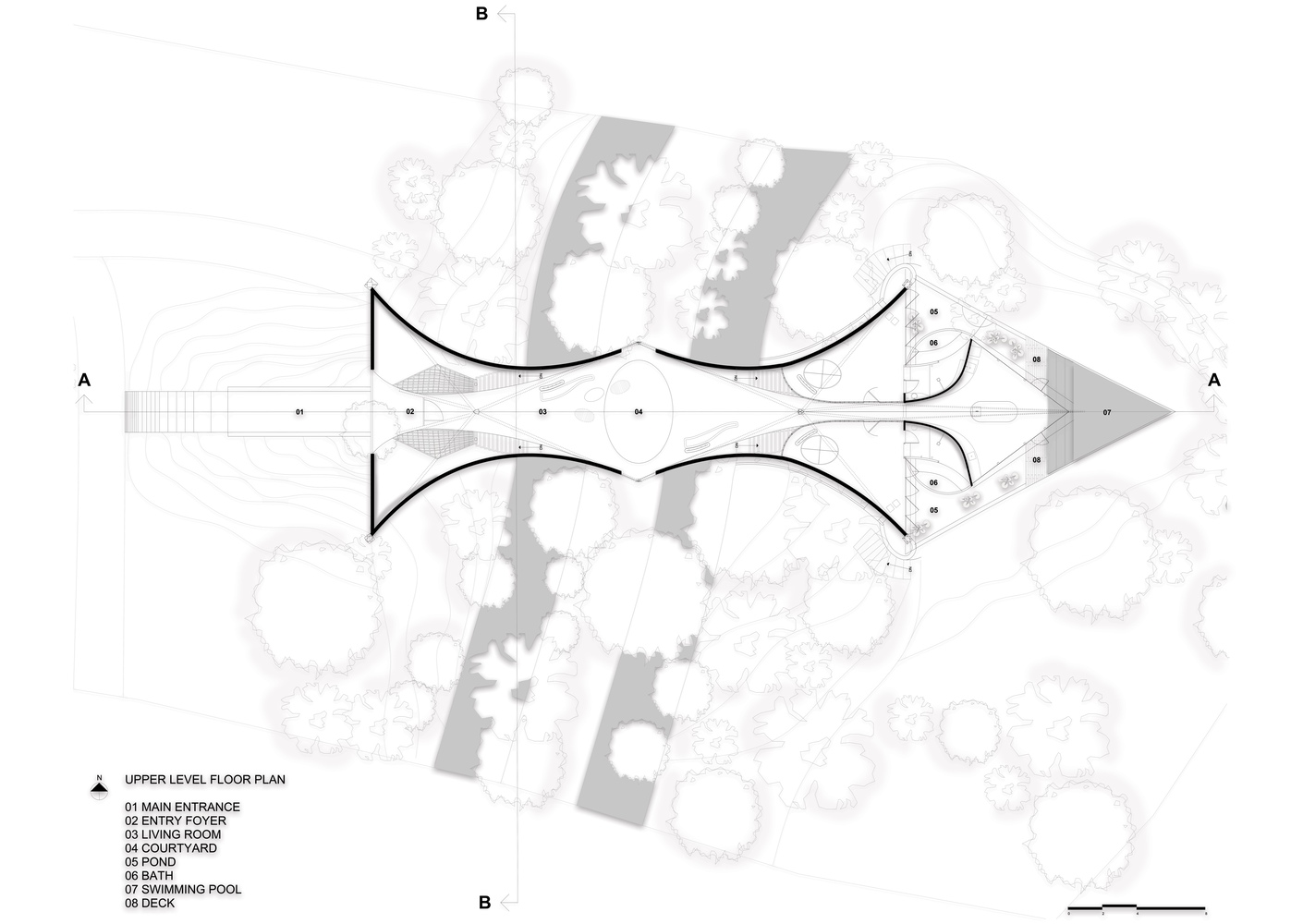
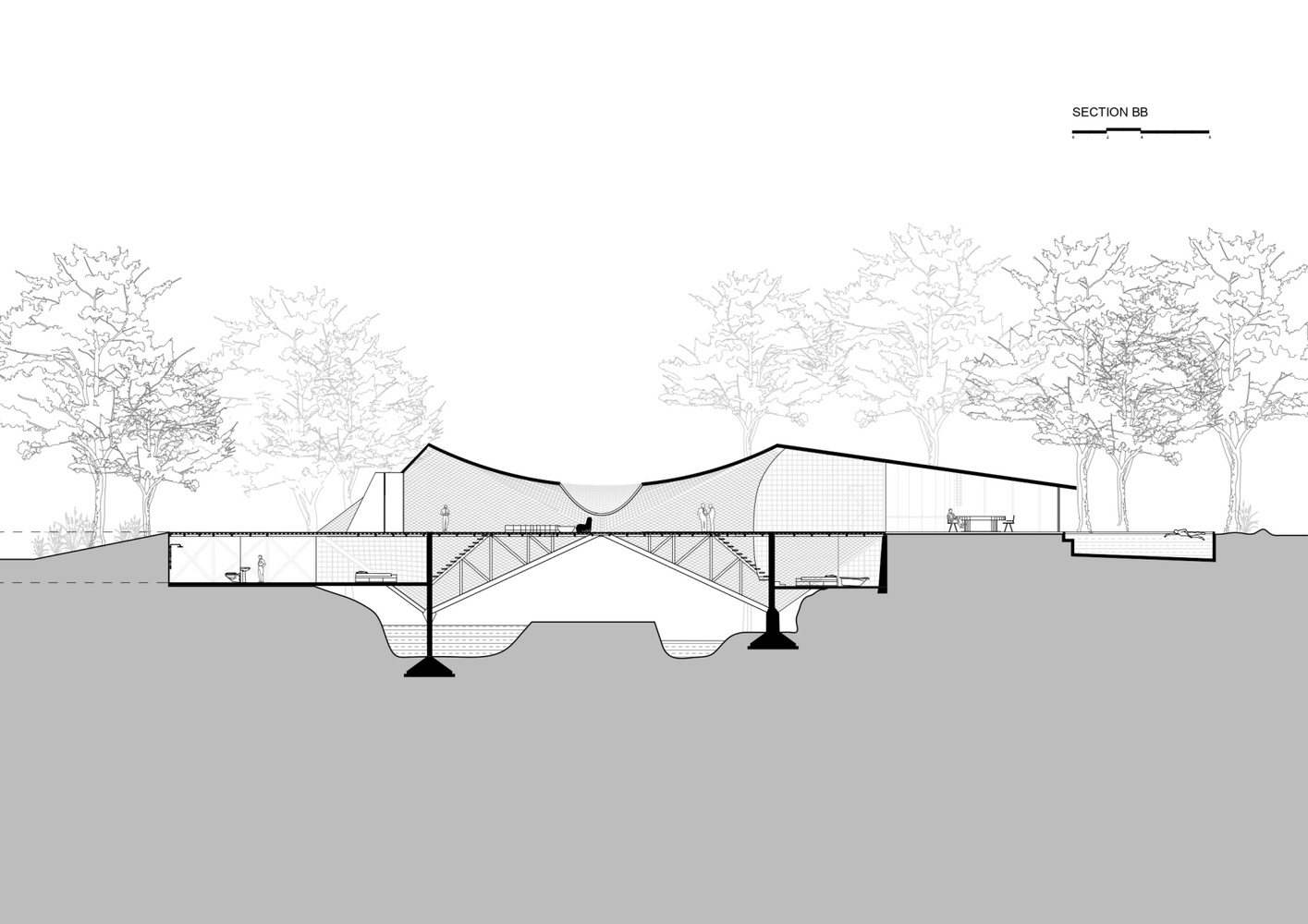
The site, situated in Karjat against the backdrop of the hills, had the TATA spillway stream cutting through the land, making a 7m deep gorge in the middle.
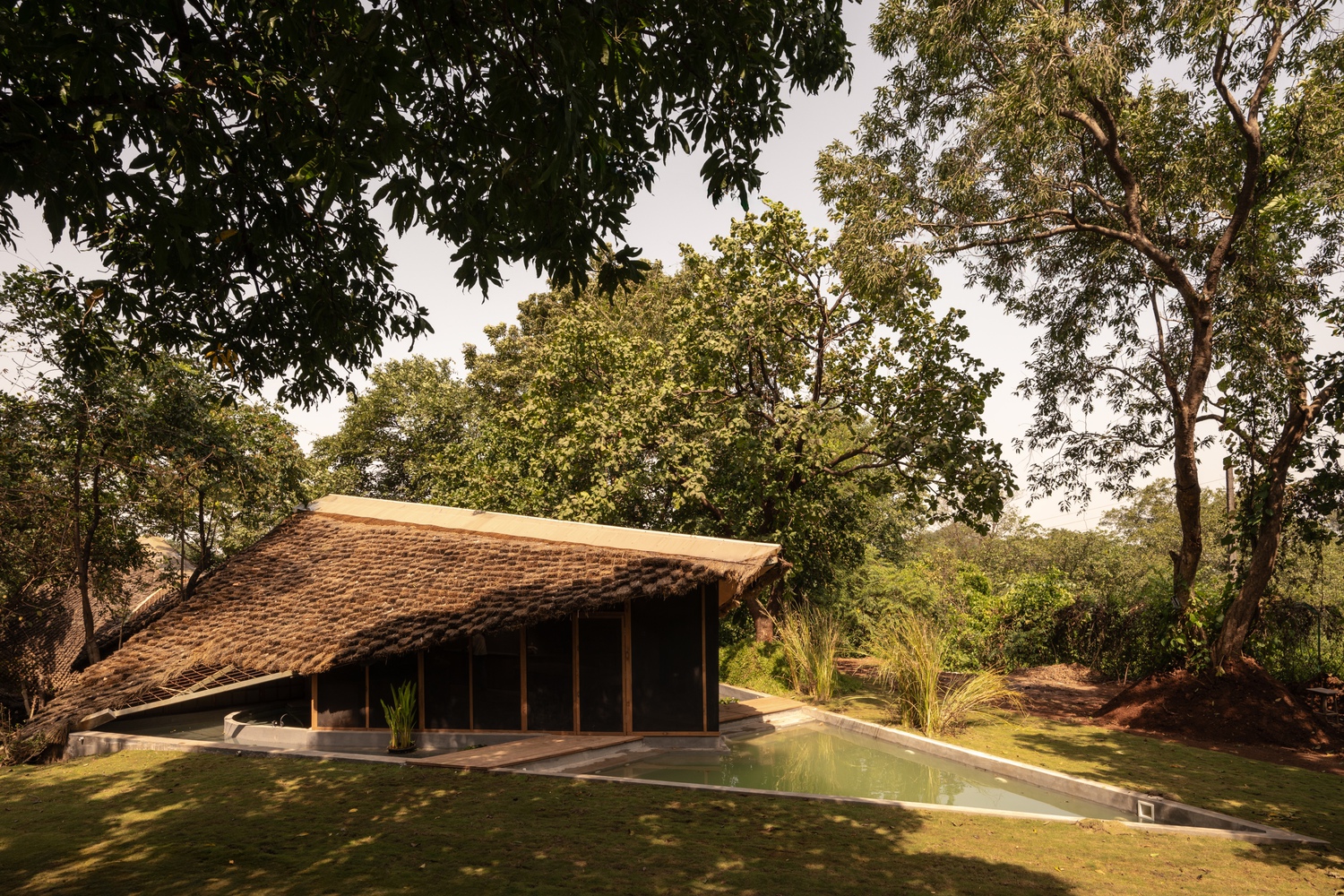
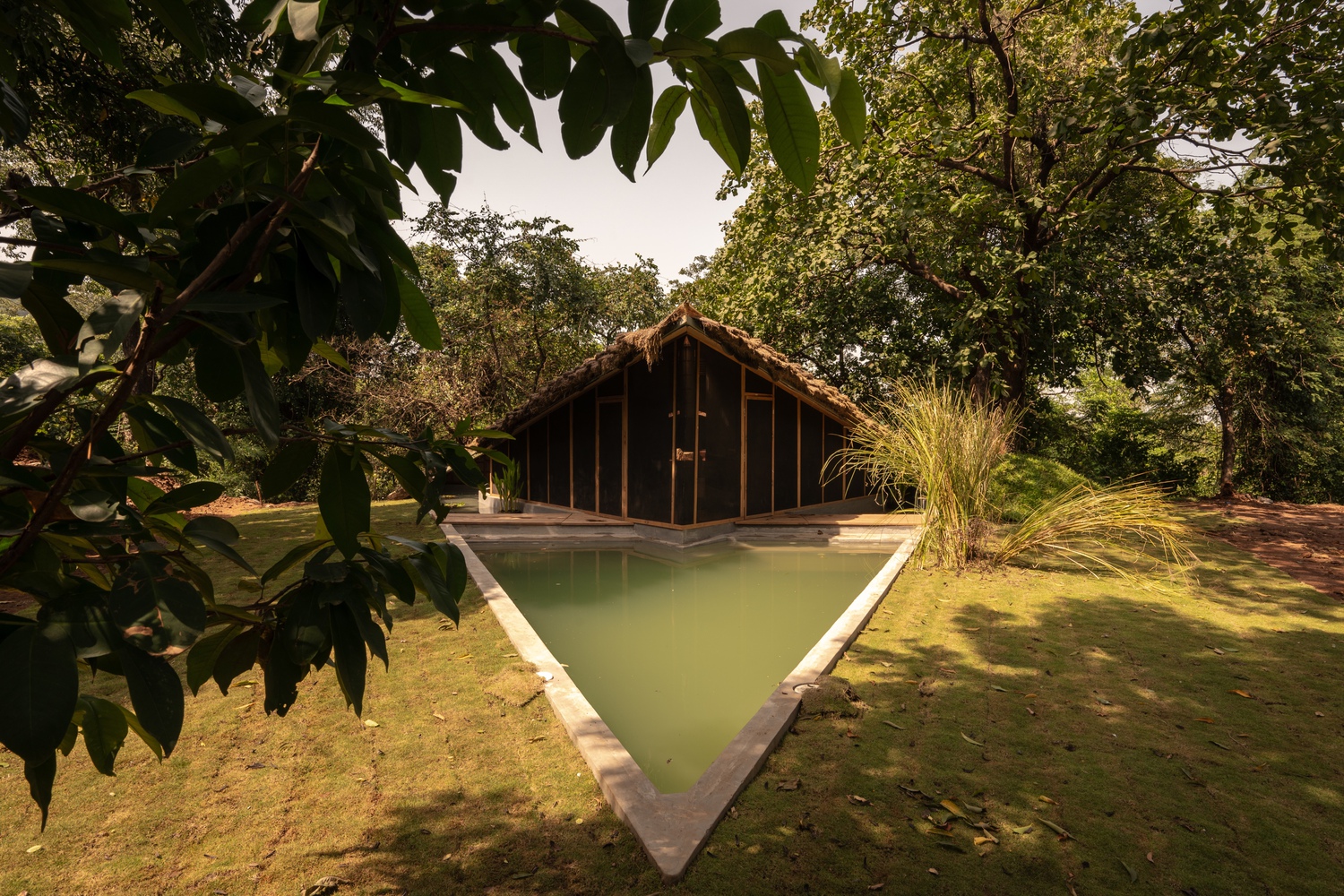
On the onset itself the project seemed to be burdened by a number of constraints: the two parcels of land had to be connected, but the foundations couldn't rest within the 100ft width of the spillway;
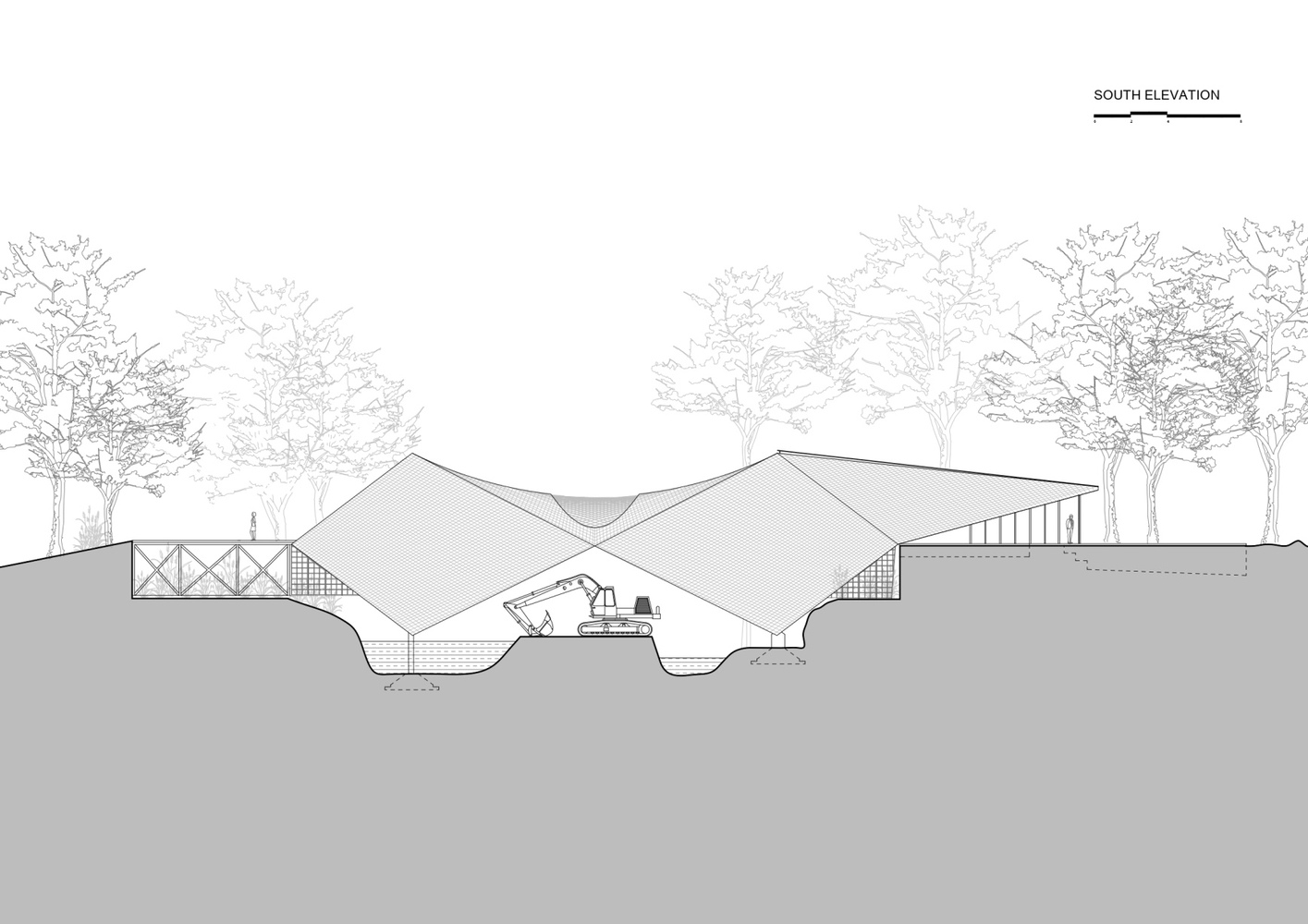
we could make a habitable bridge, but there had to be enough clearance for a JCB to clean the 2 streams underneath; we wanted to make the bridge with local materials, but wild grass seemed to be the only material within a five-mile radius.
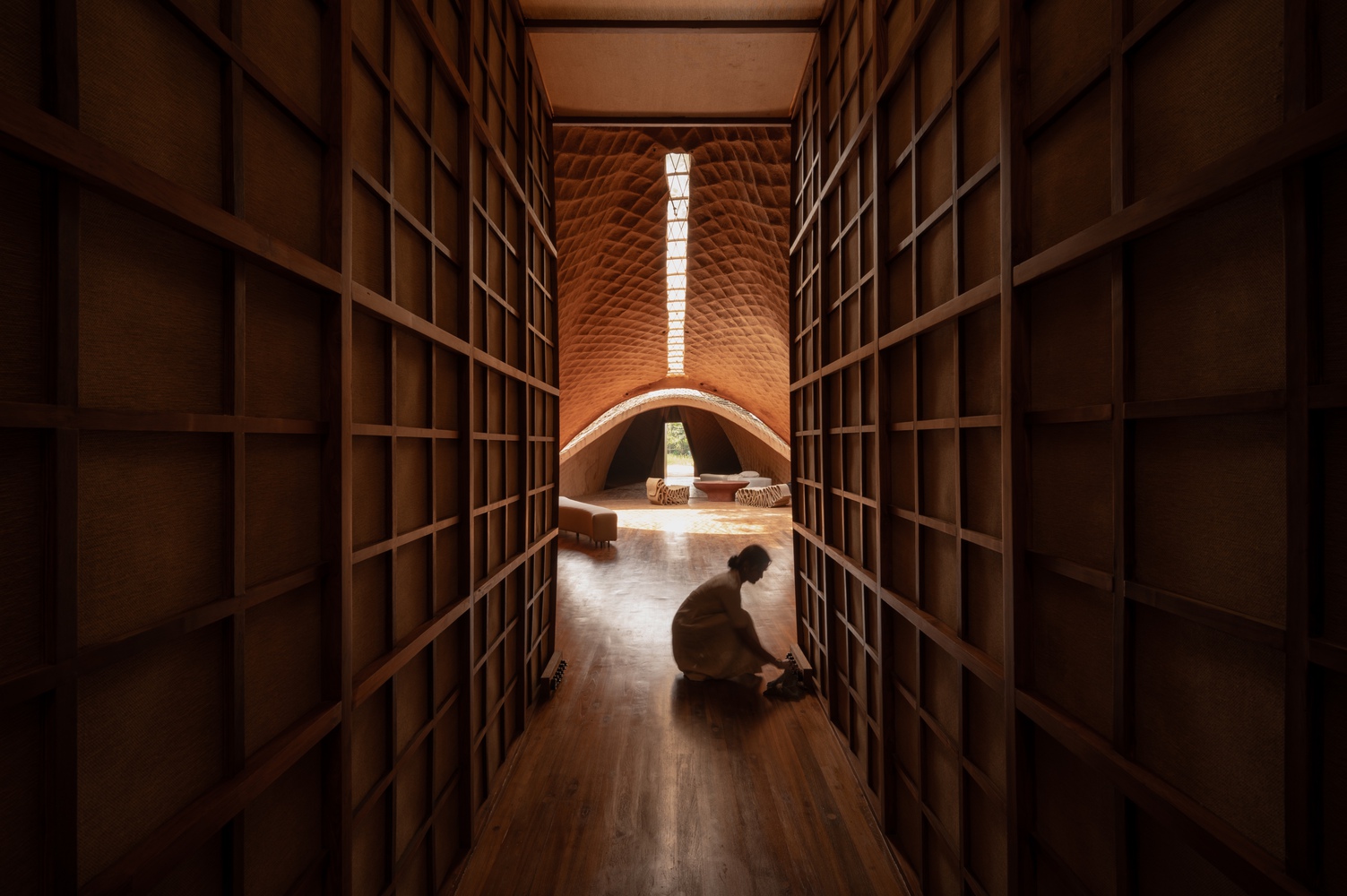
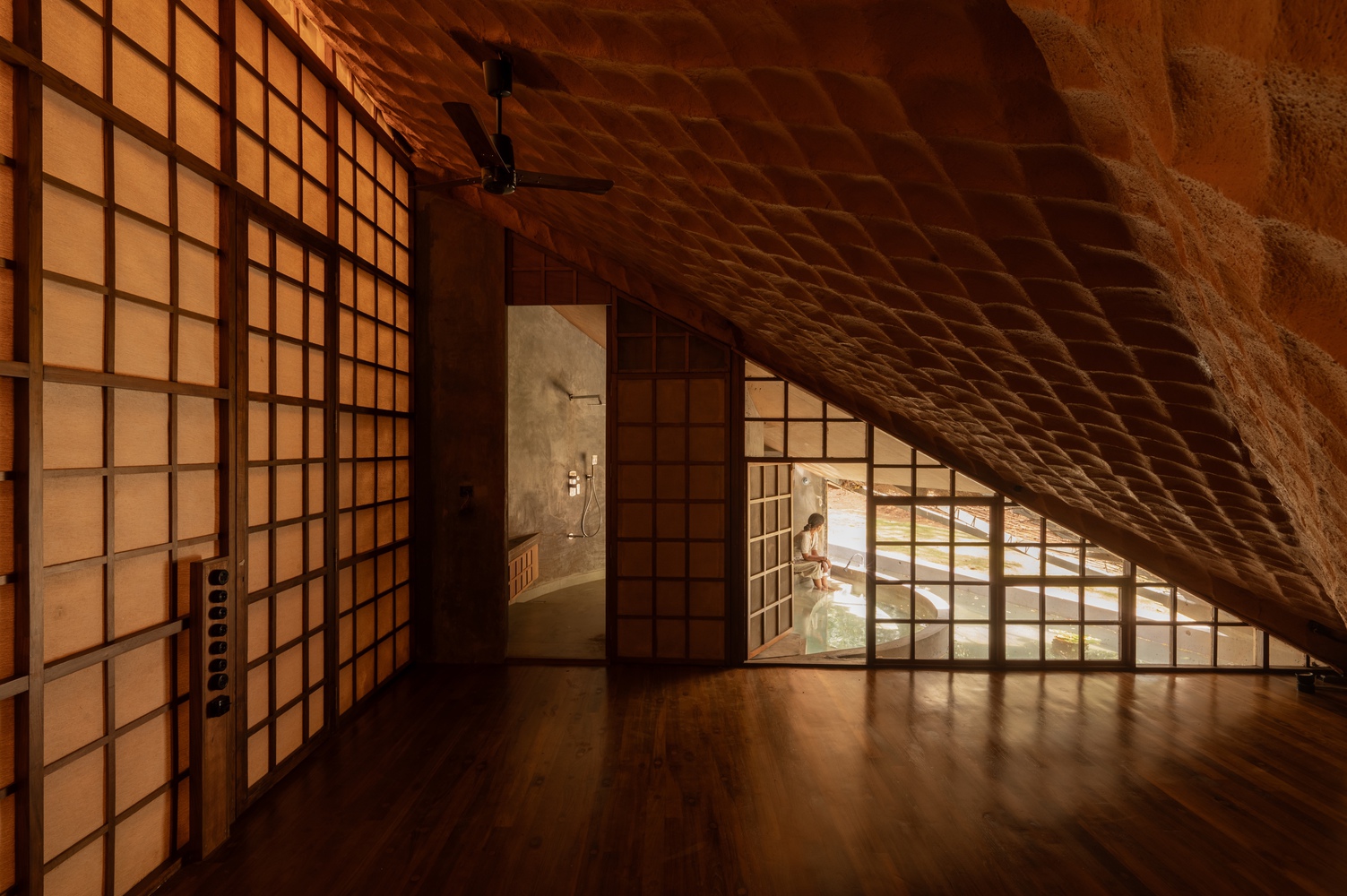
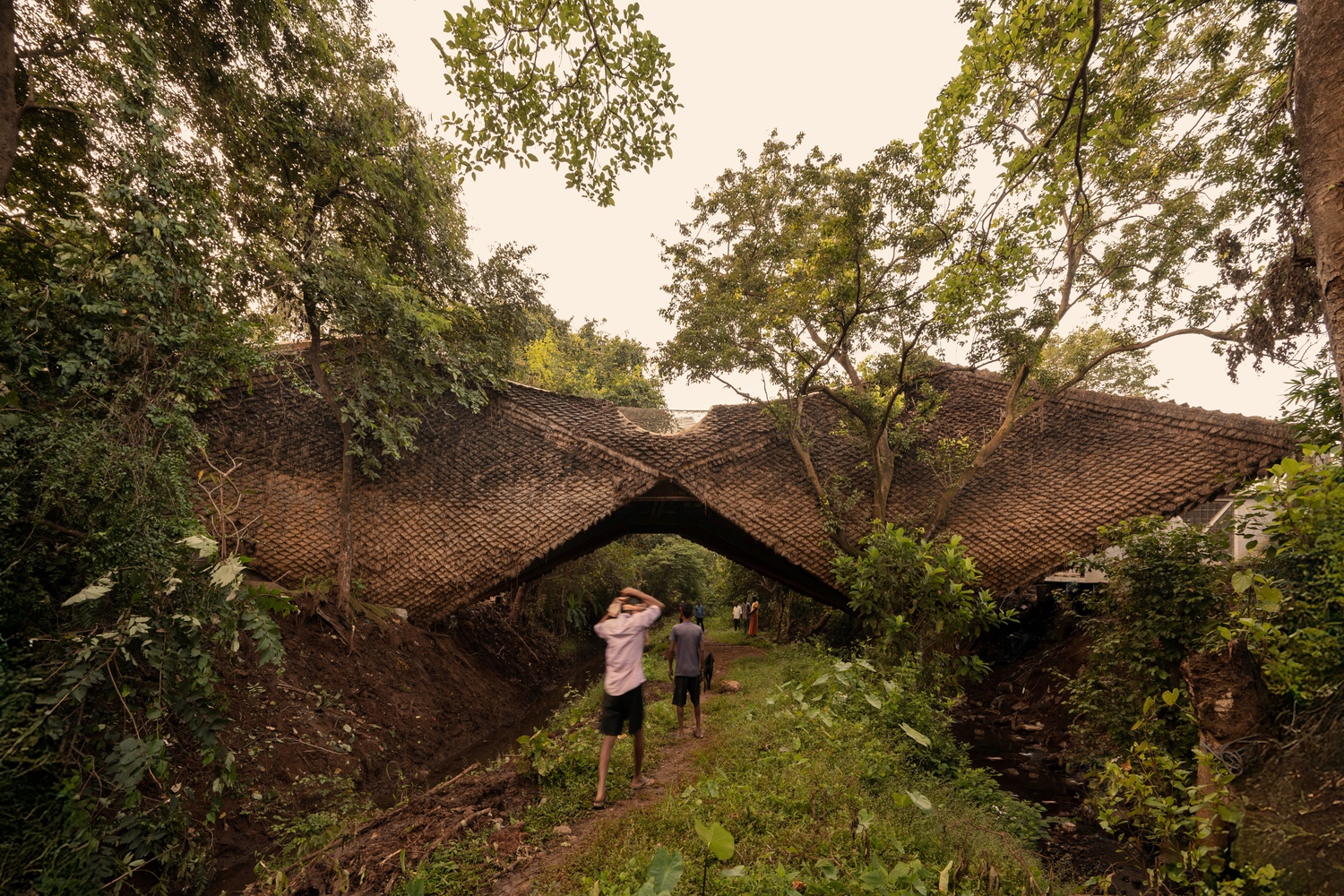
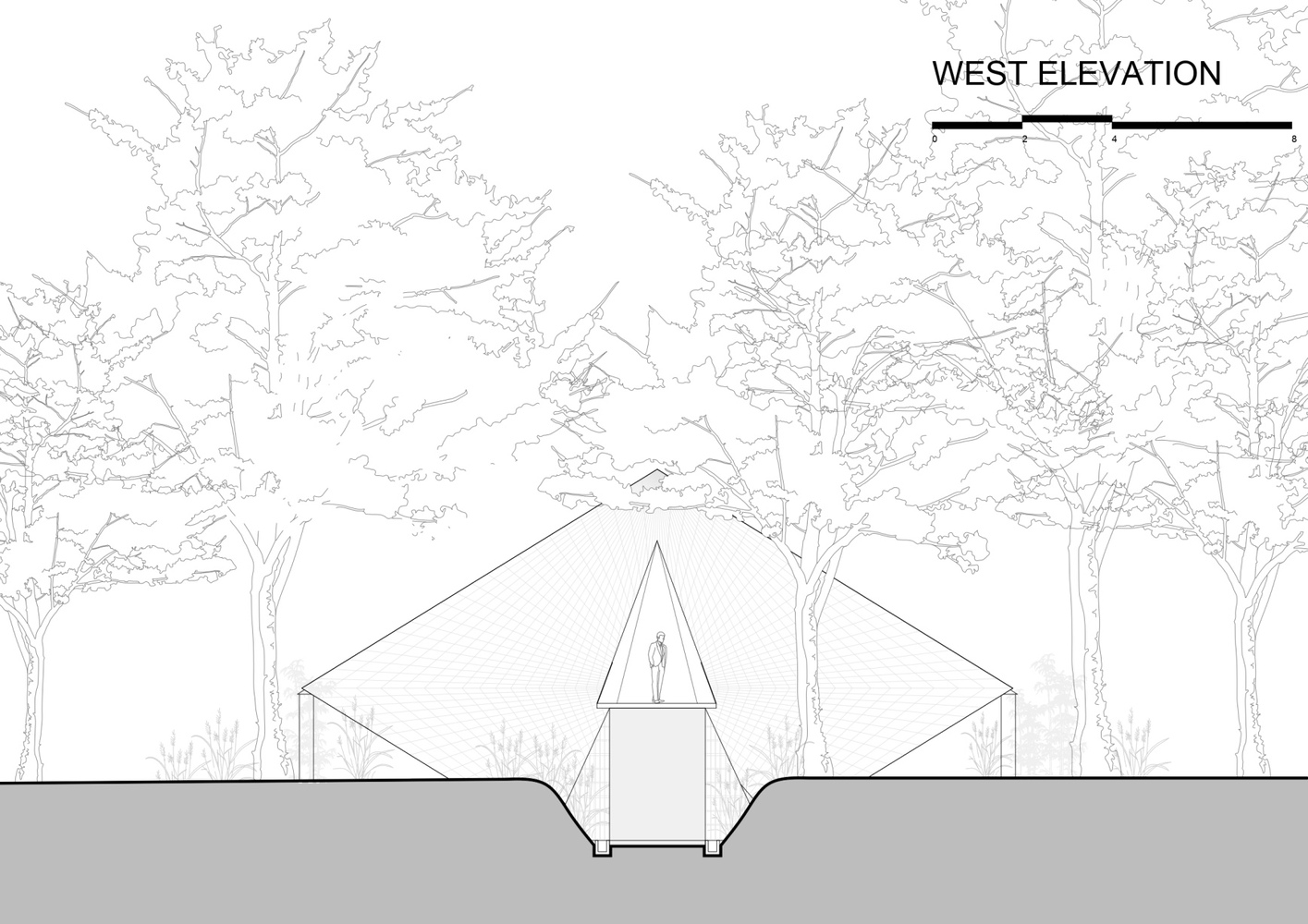
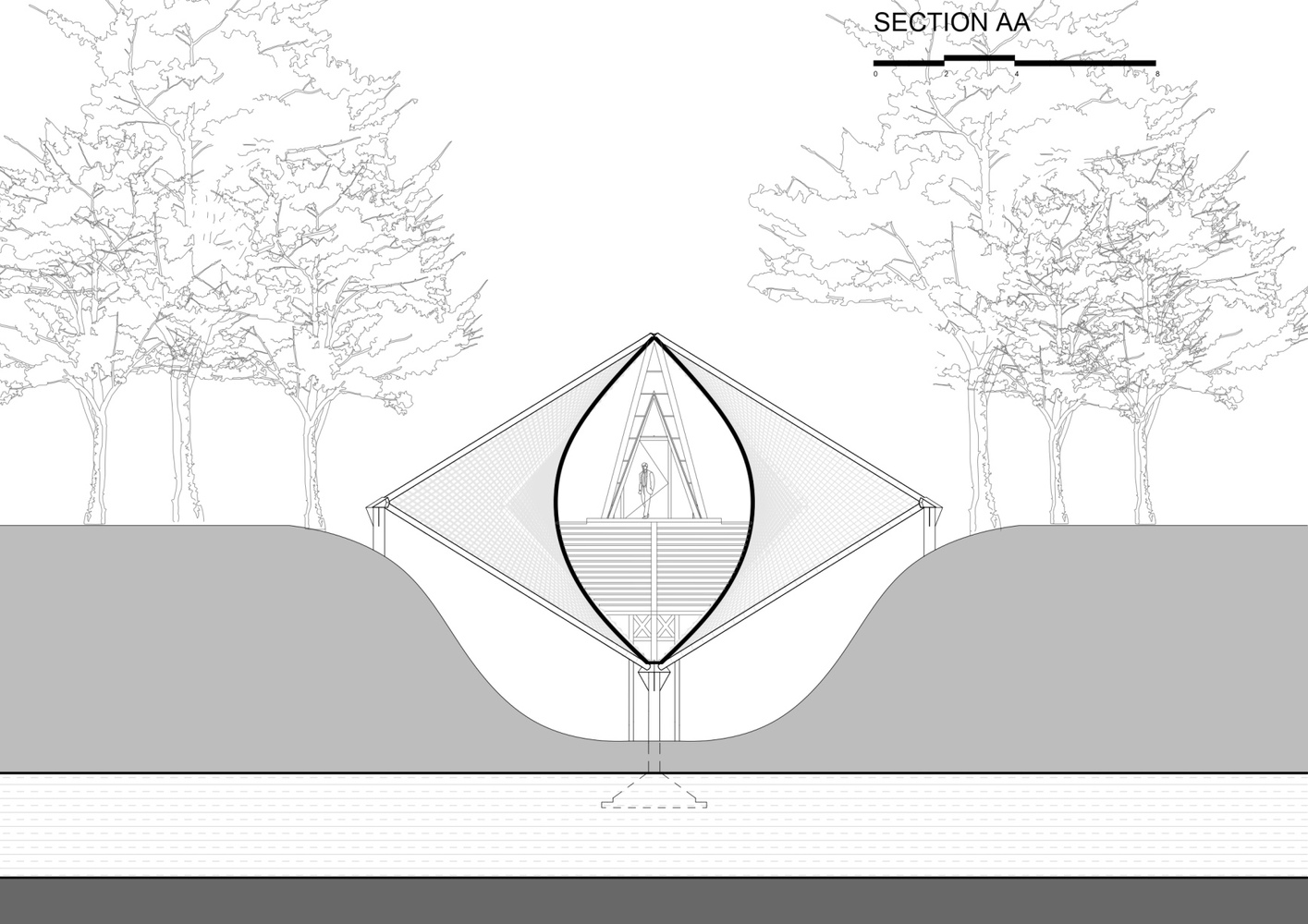
The idea for the Bridge House was conceived within these confinements: "A 100ft suspension bridge consisting of 4 hyperbolic parabolas, made with minimal steel pipes and tendons giving it tensile strength and a thatch-mud composite giving it compressive strength".
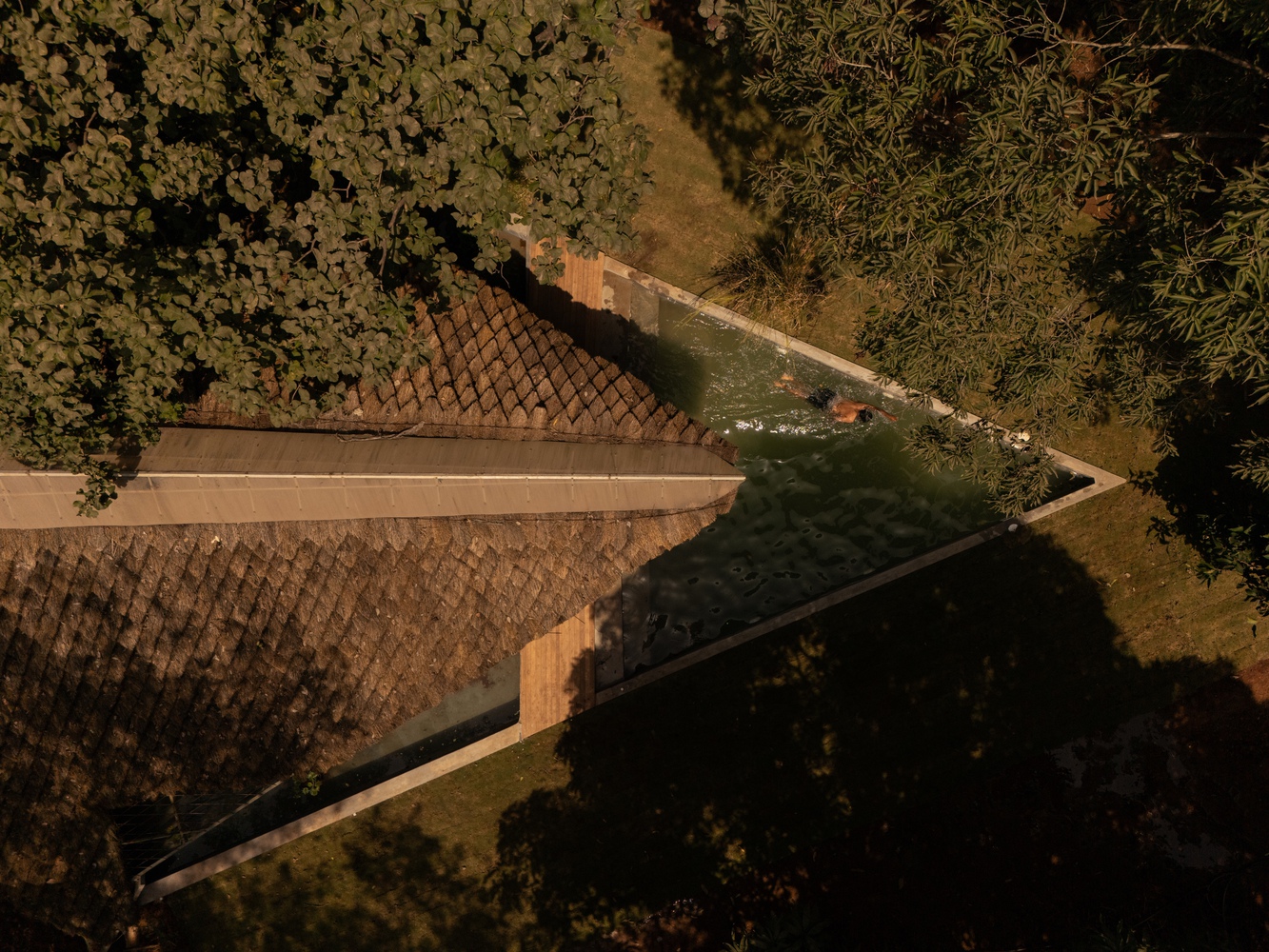
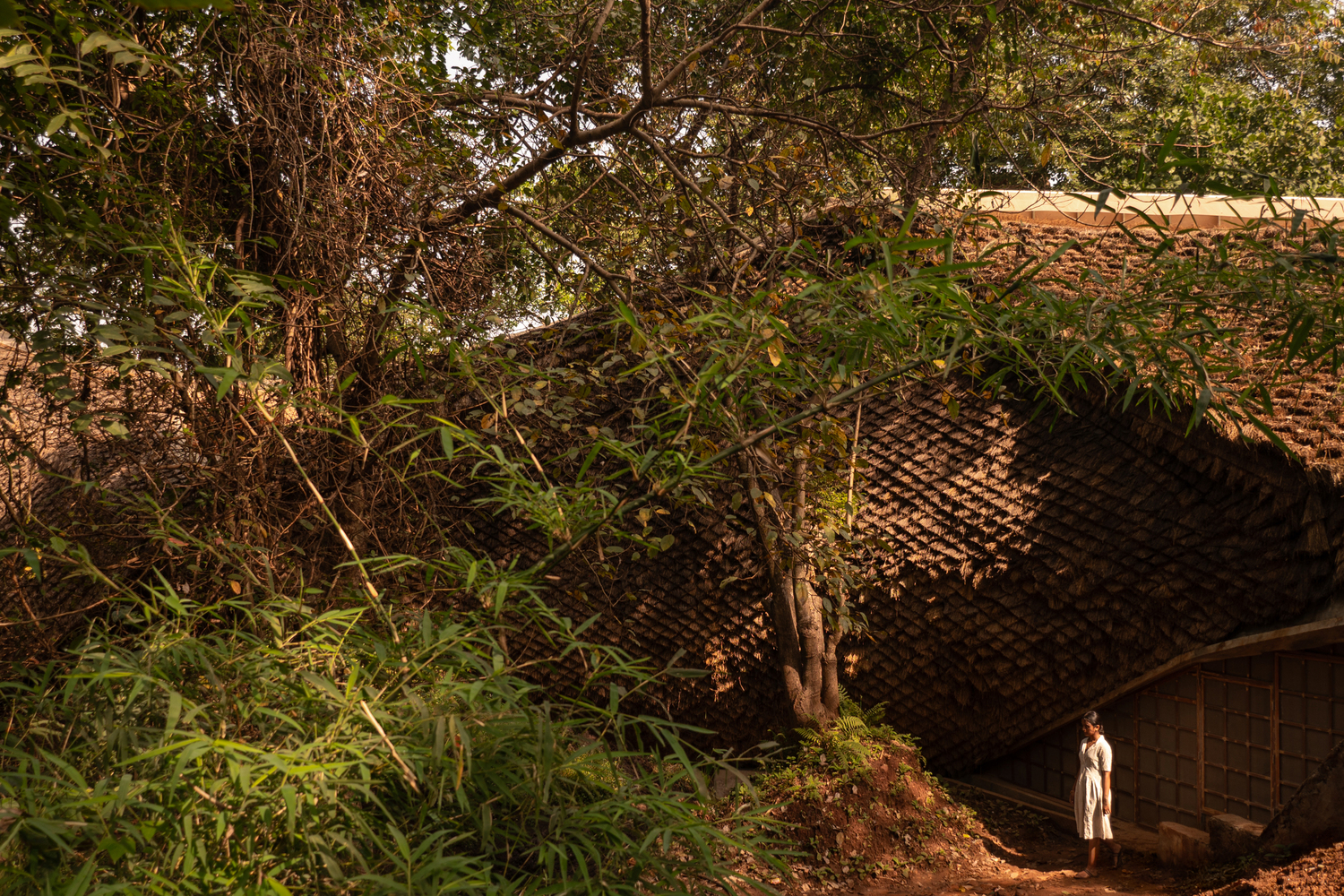
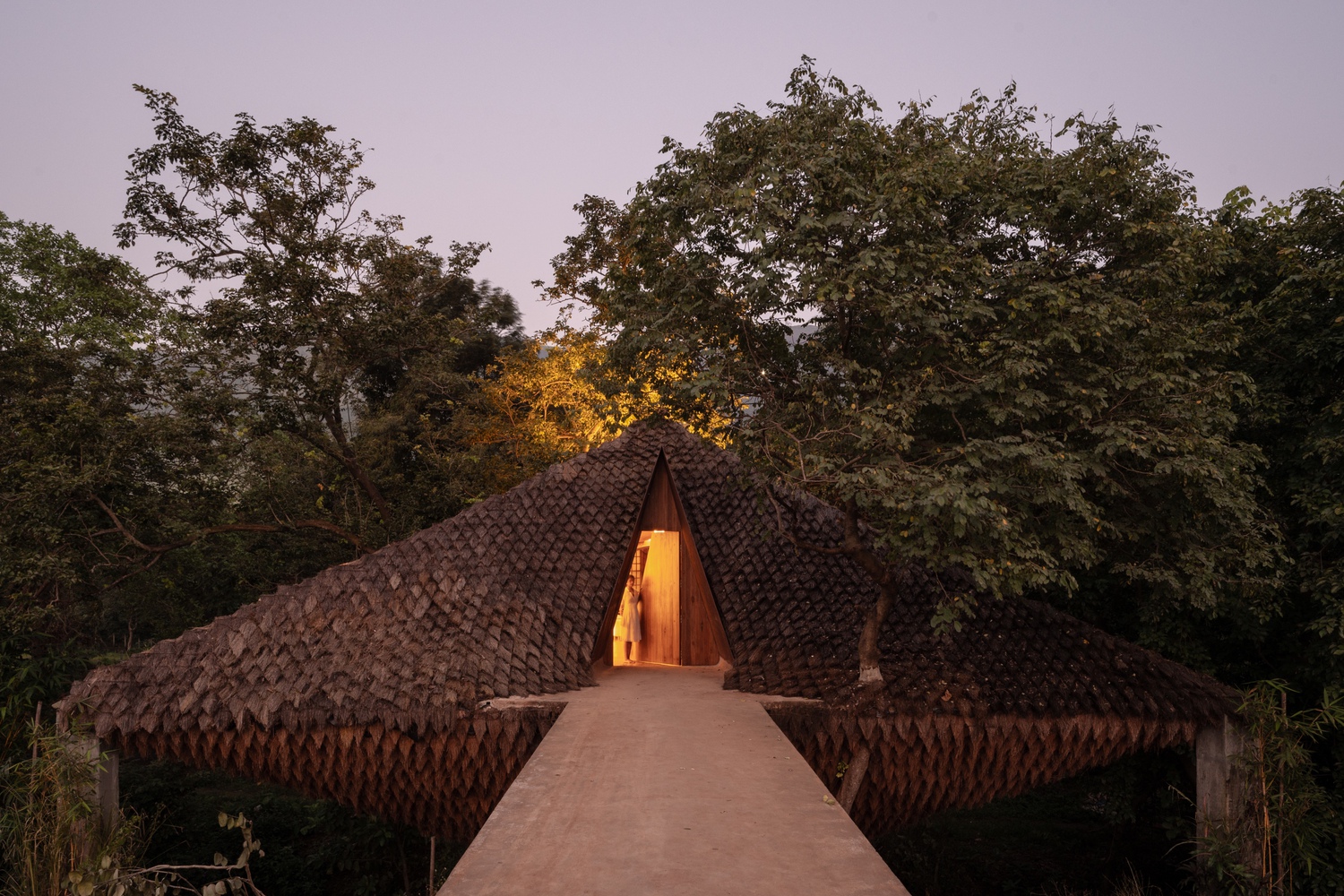
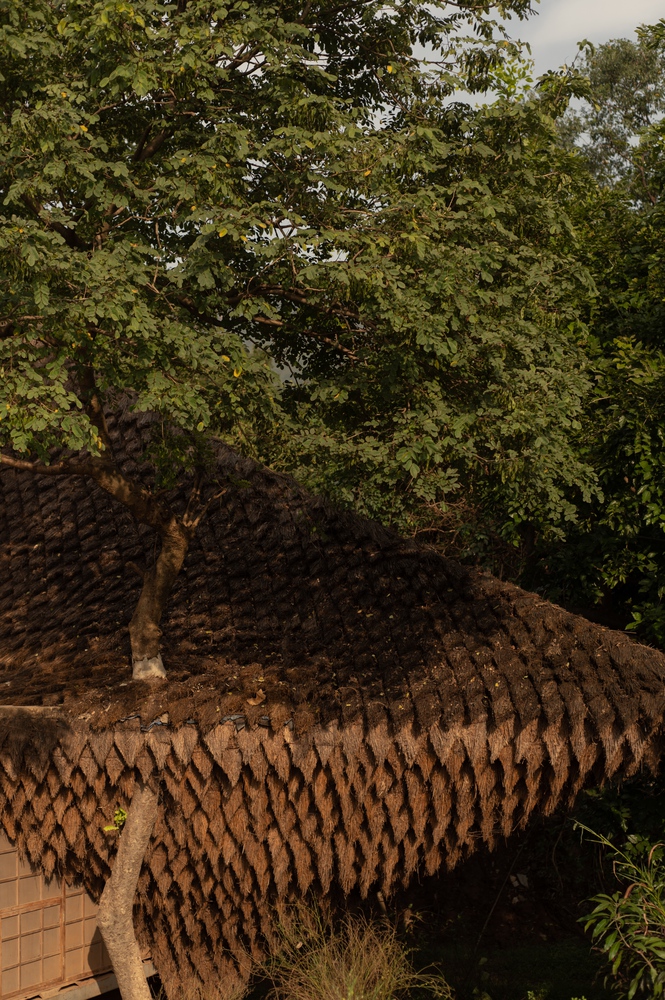
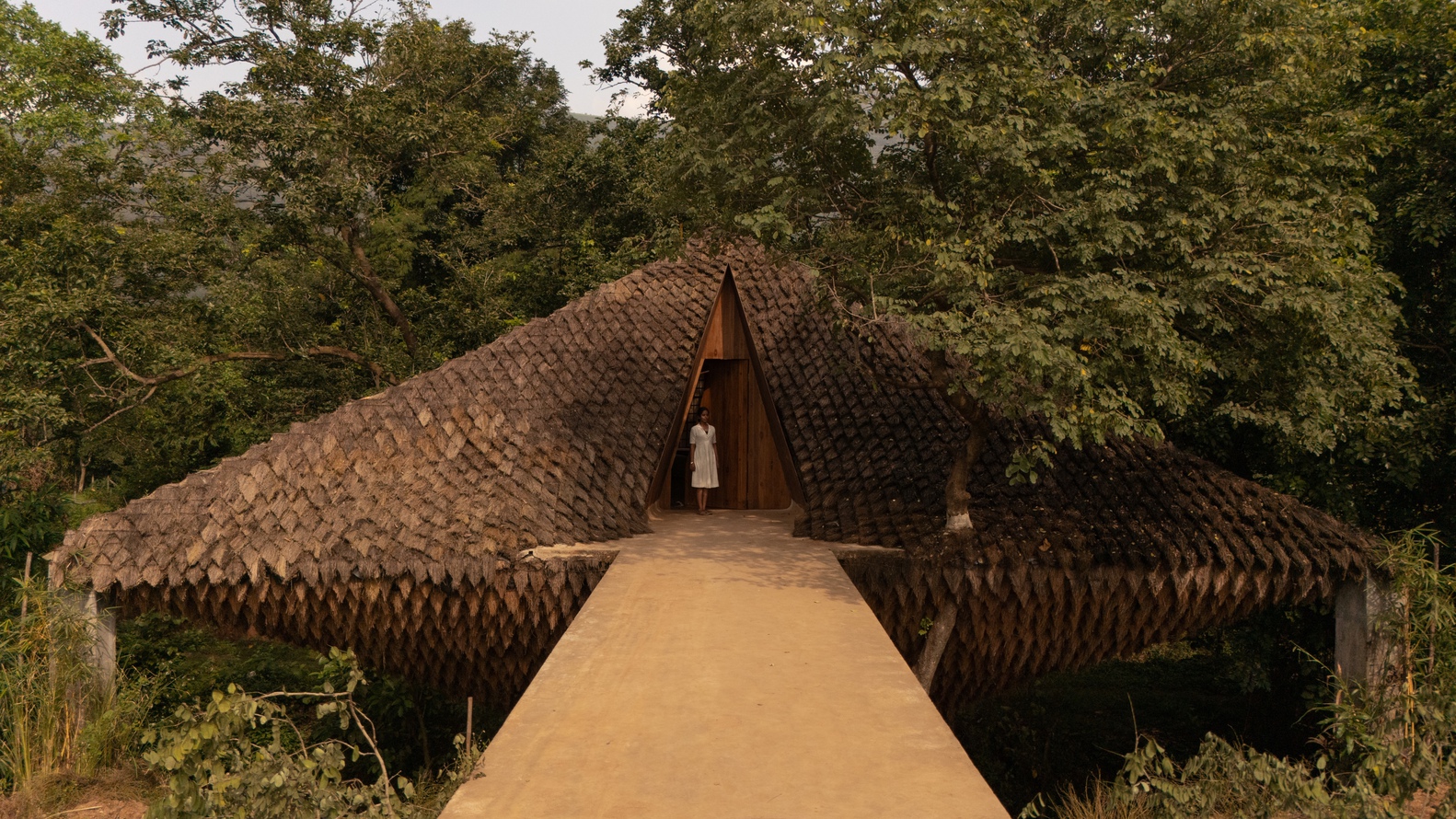
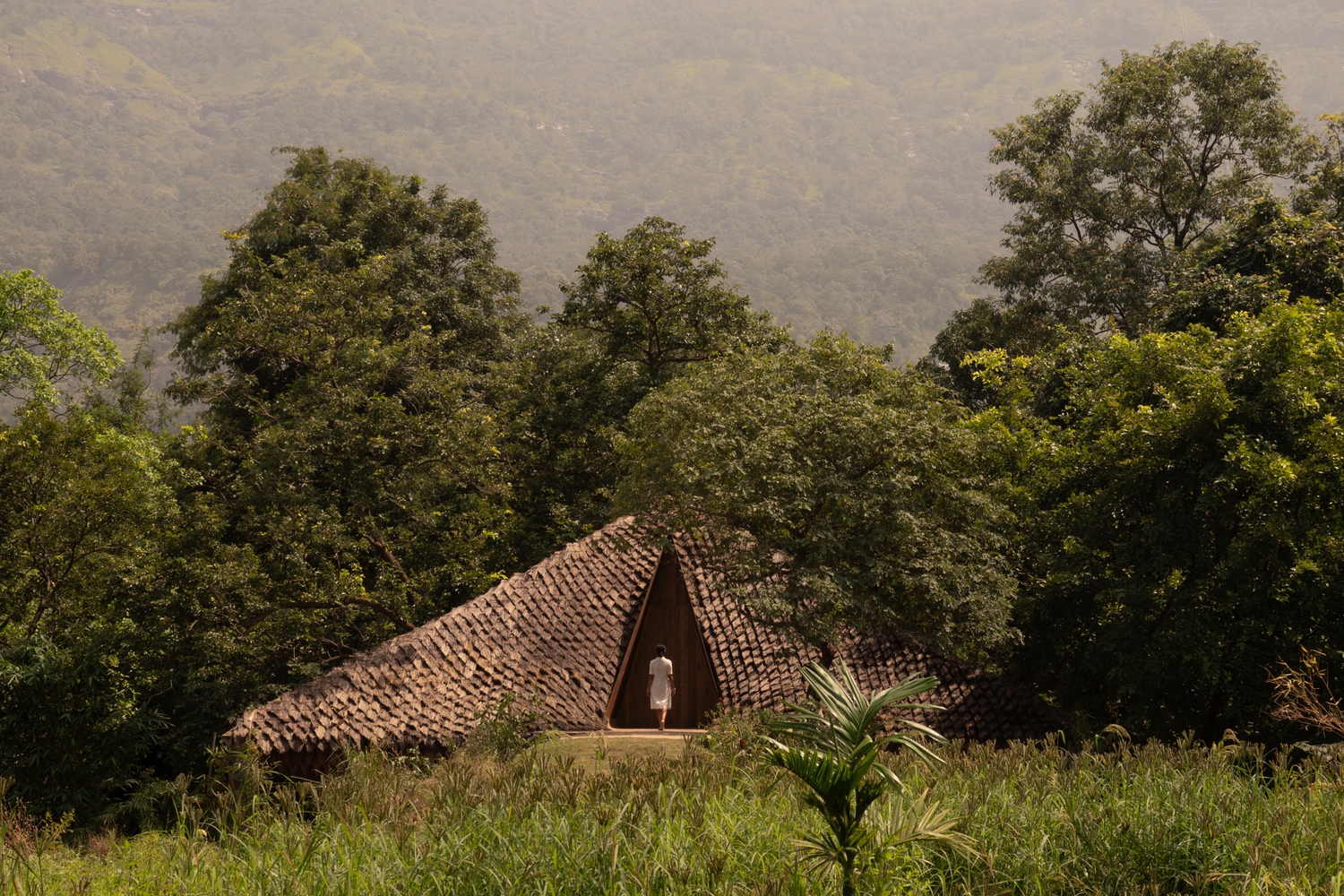
Inset between the numerous trees in the gorge, the bridge floats like a giant cocoon, camouflaging itself easily into the dense foliage.
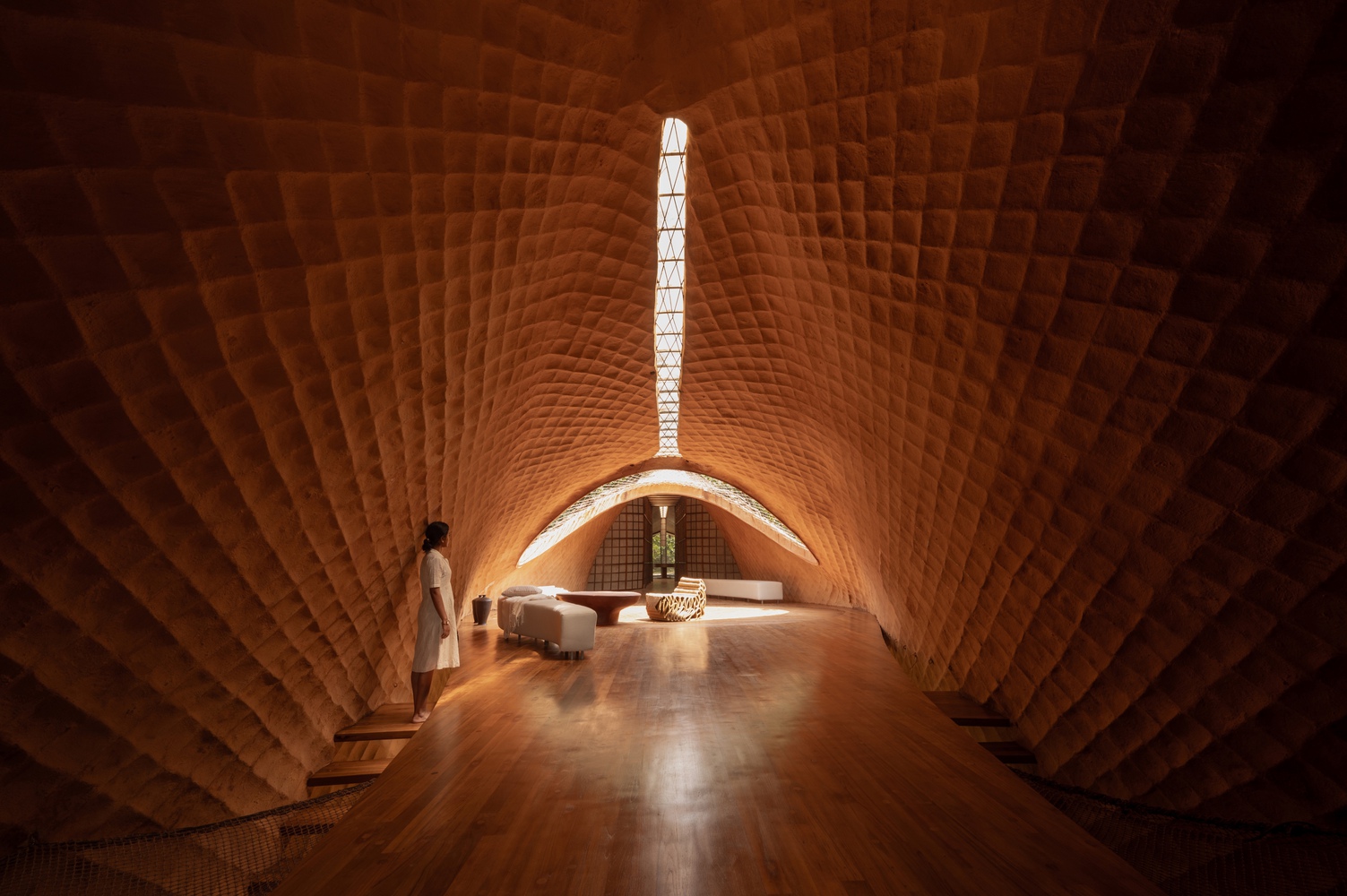
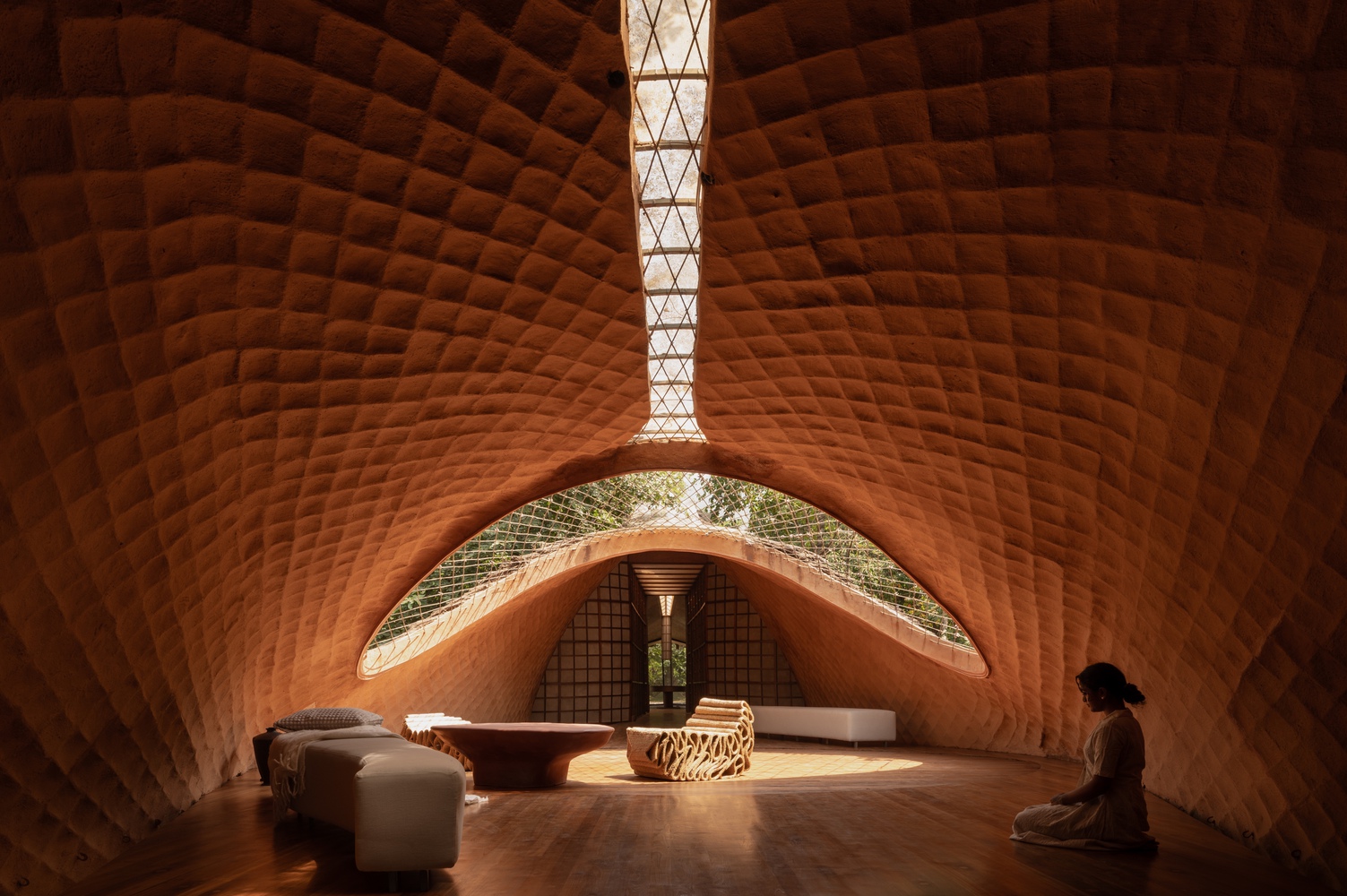
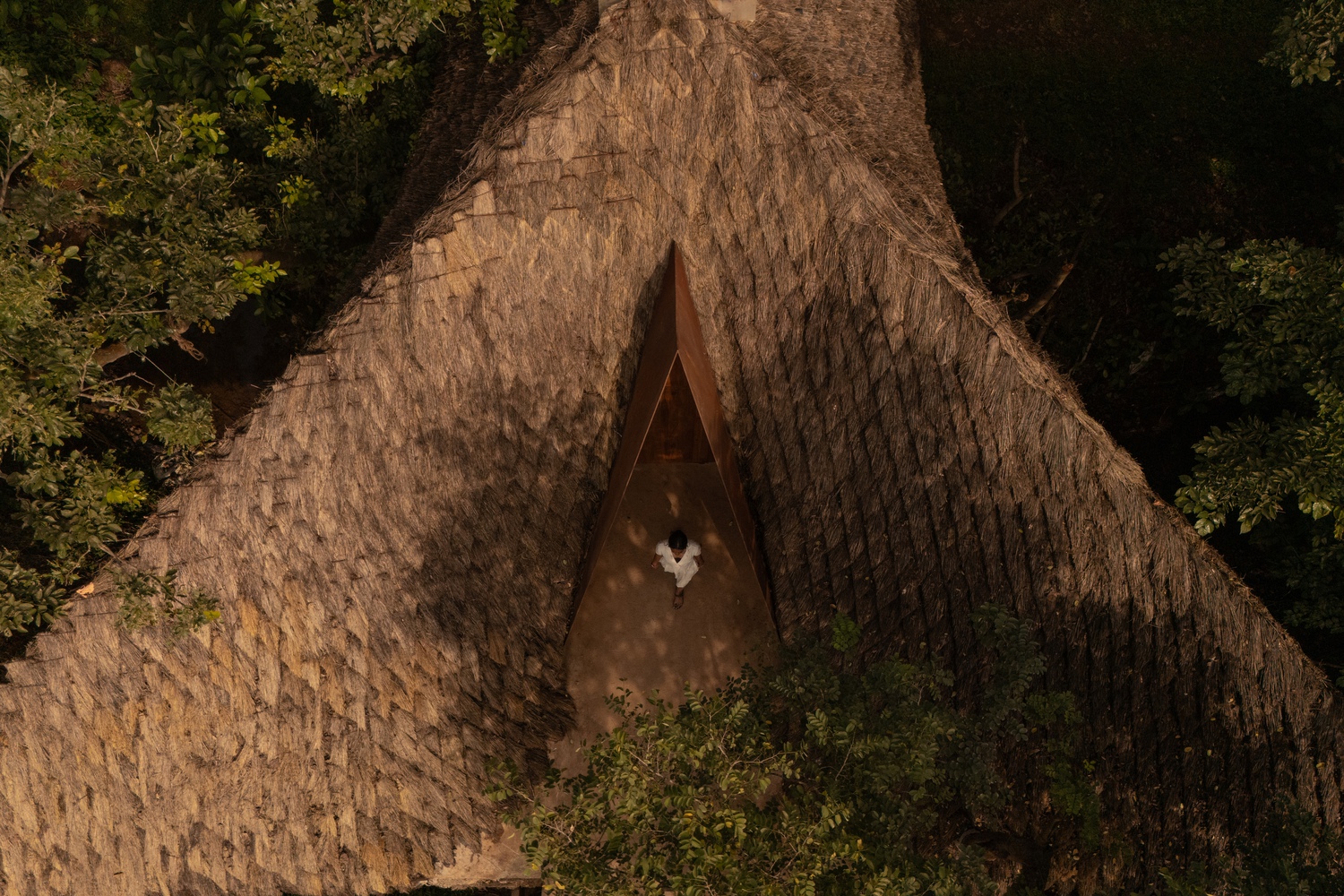
The thatch layer, inspired by the scales of a pangolin, provides thermal insulation and effective cooling, also allowing us to push for a long-span, lightweight structure with just 4 footings, ensuring very little intrusion into the natural contour of the land.
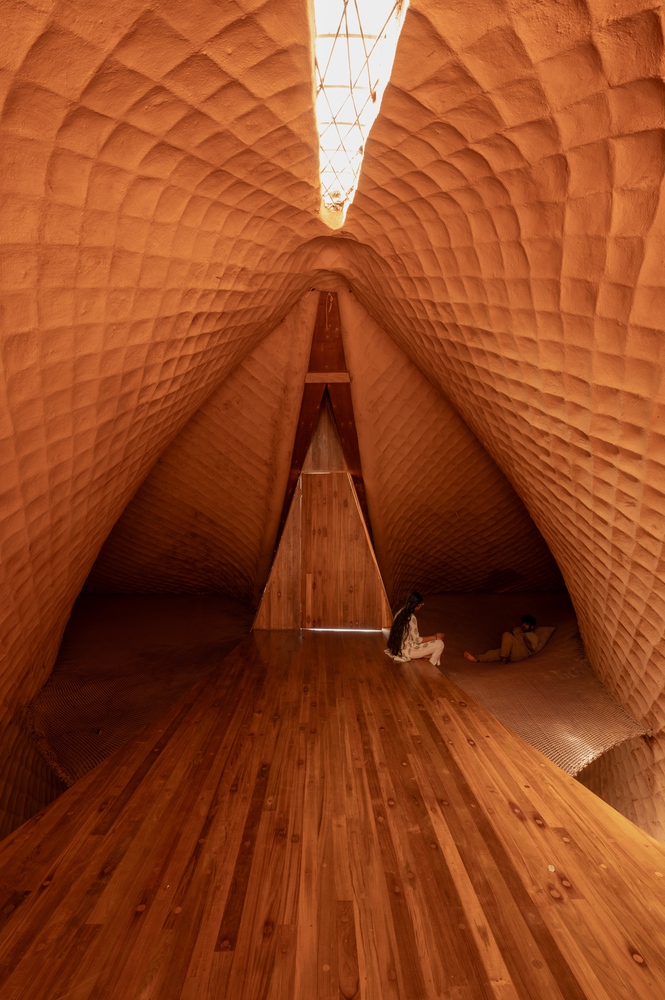
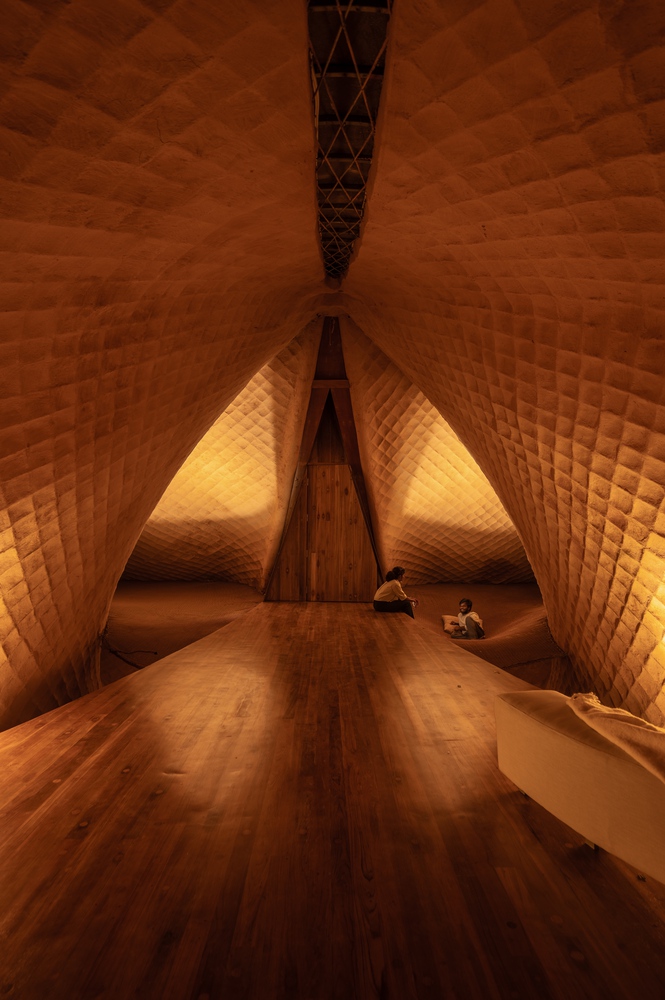
The mud plaster layer ensures that rodents or pests don't burrow their way inside the dwelling (the prime reason for thatch roofs falling out of favor) and adds compressive strength to further stabilize the structure in the absence of a vertical suspension pillar.
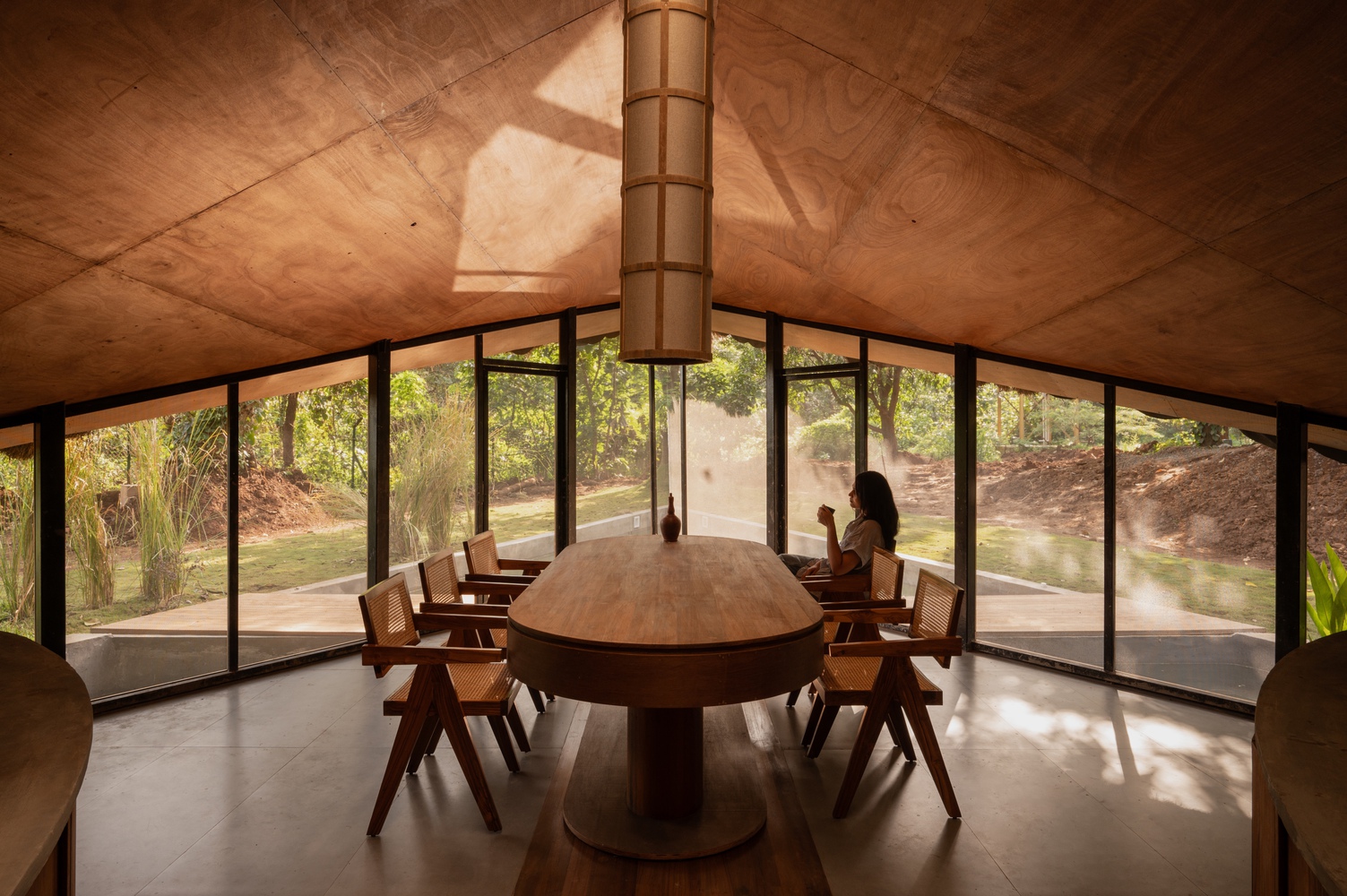
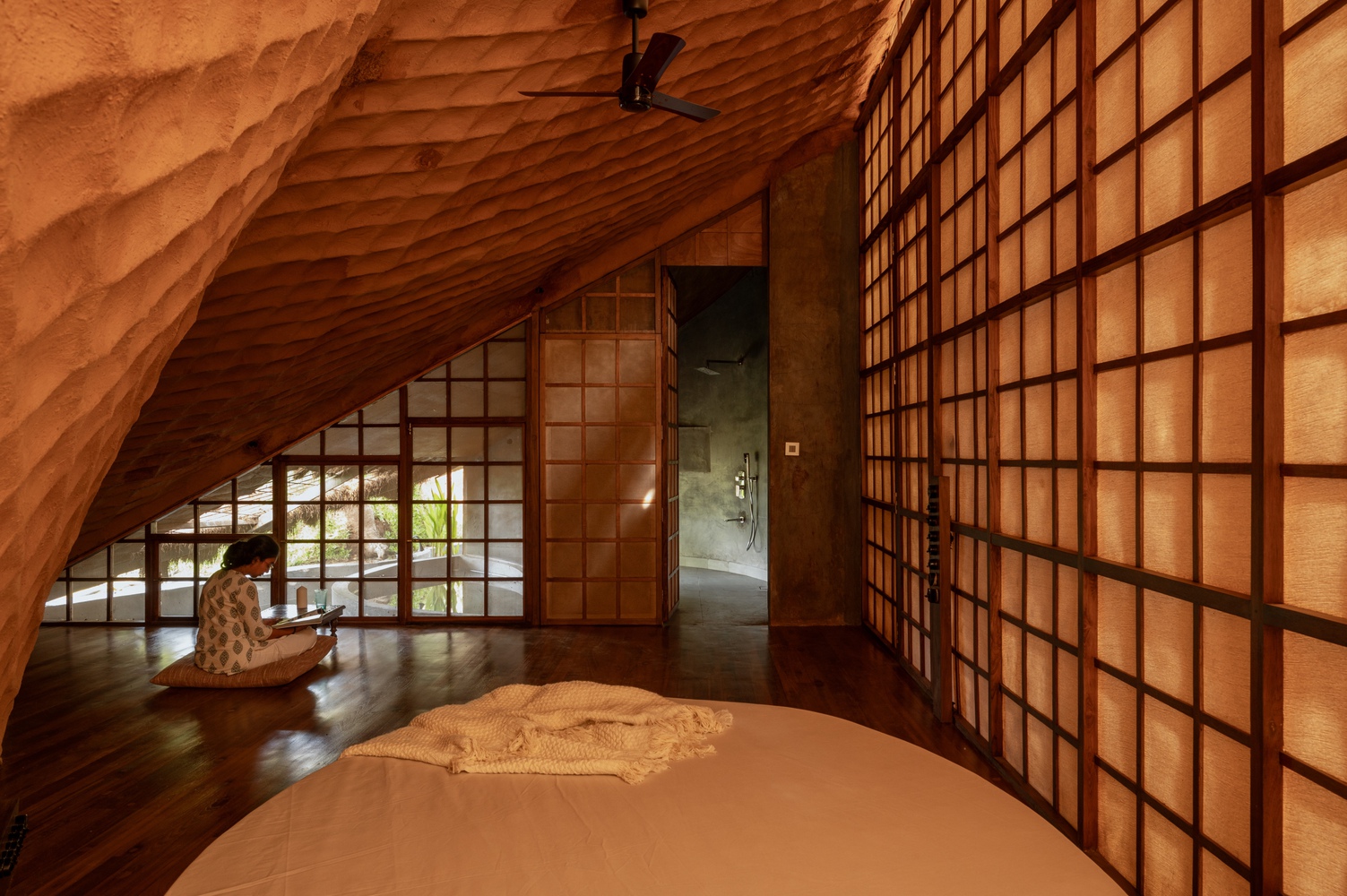
The structure becomes a living ecosystem - where humans dwell undisturbed on the inside and nature finds its place outside.
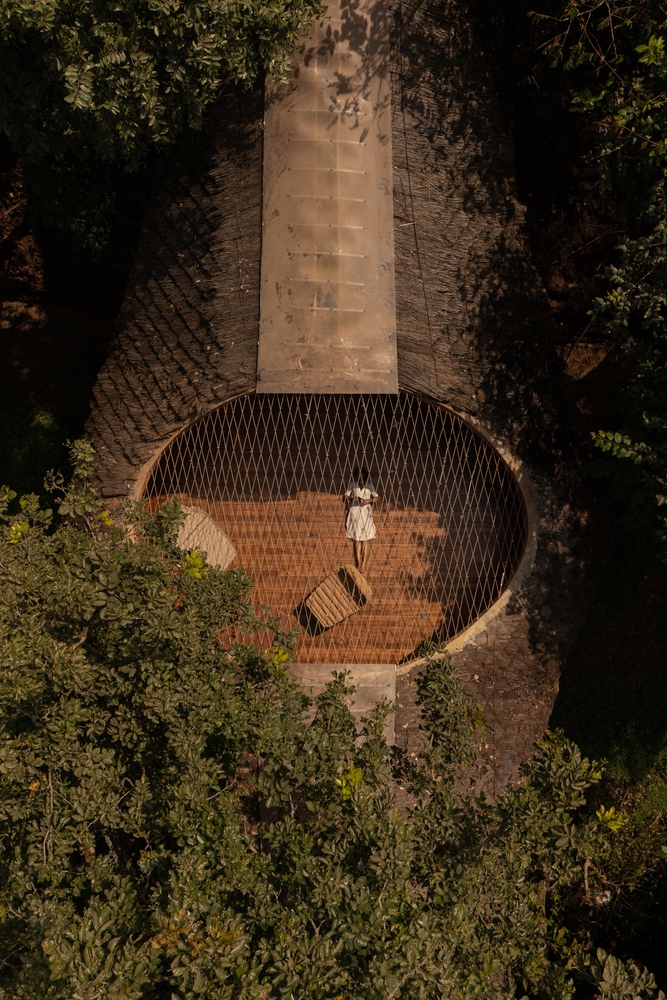
The farmstead has an open layout with an oculus in the center that acts as a courtyard through which the sky and rain can be enjoyed.
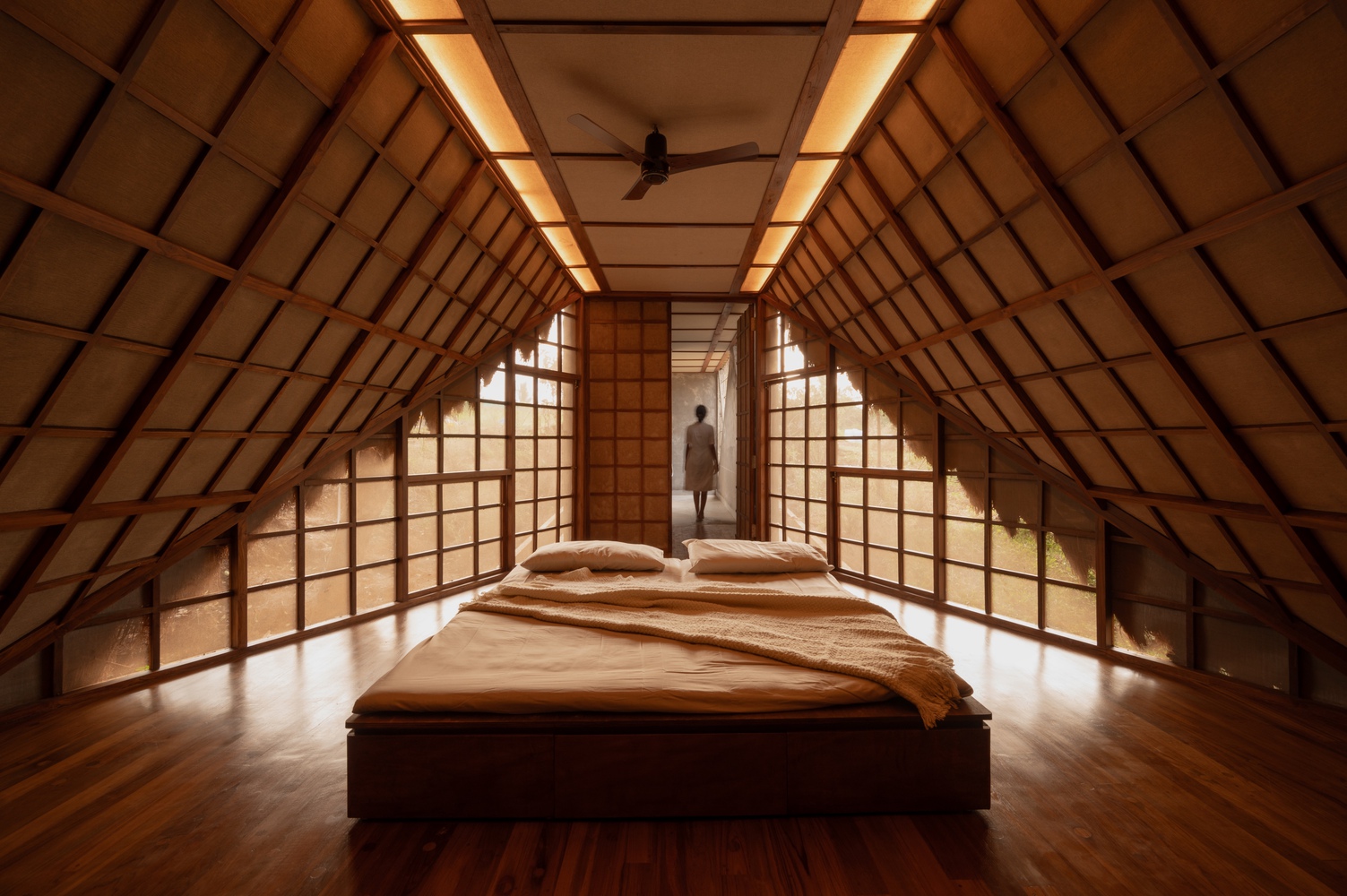
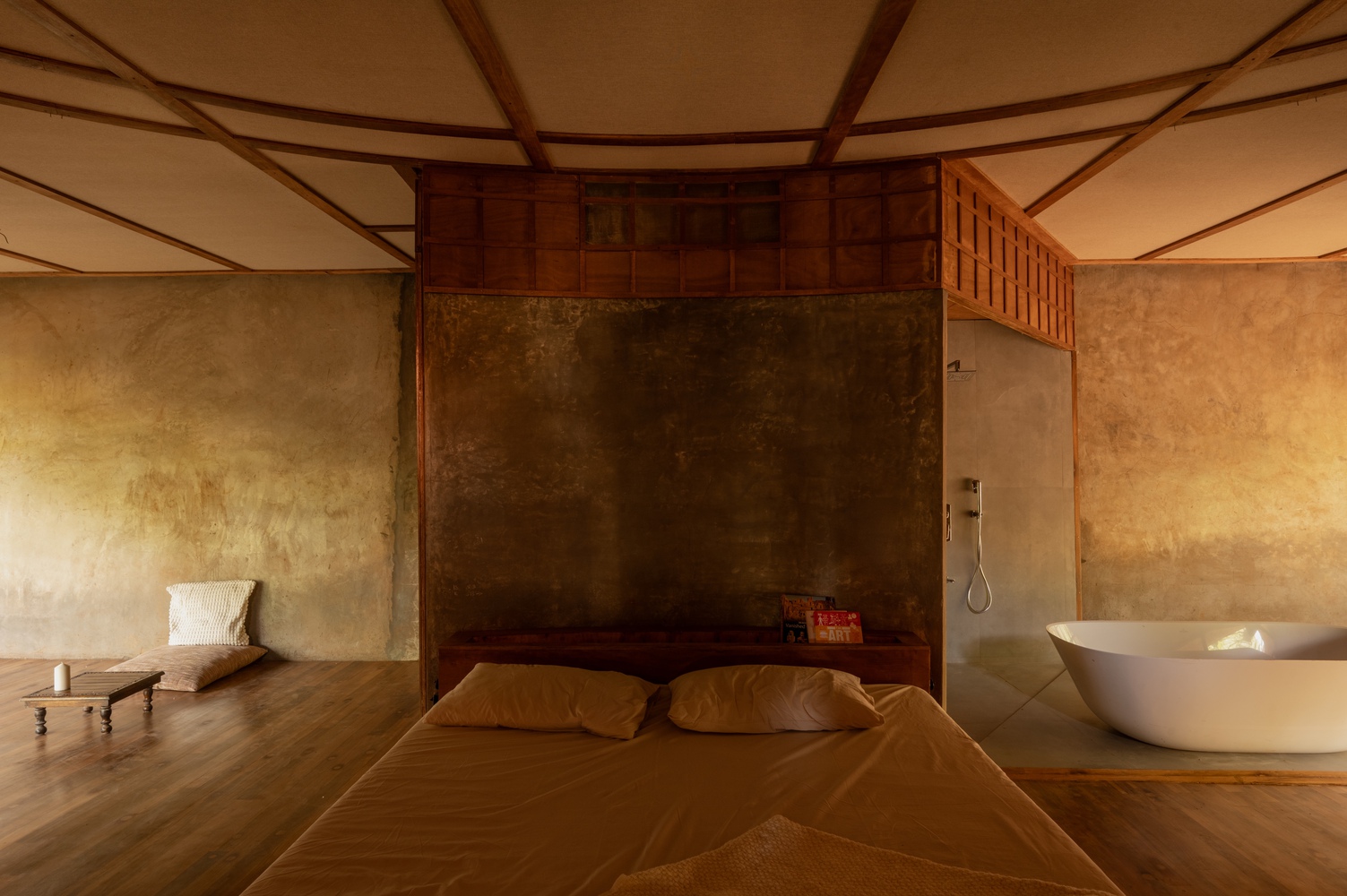
The 4 bedrooms are designed with ample openings to the forest or overlooking the stream beneath.
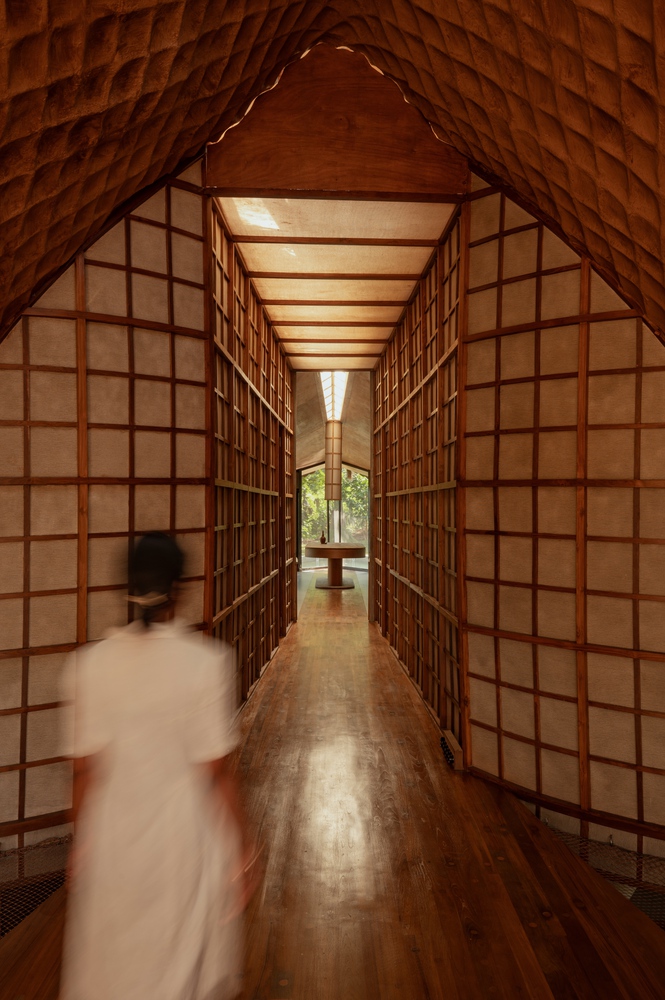
The jute screens, mesh screens, and the flooring made up of reclaimed wood from ship decks completed the simplistic look of the farmhouse and serve as an example of adaptive reuse.
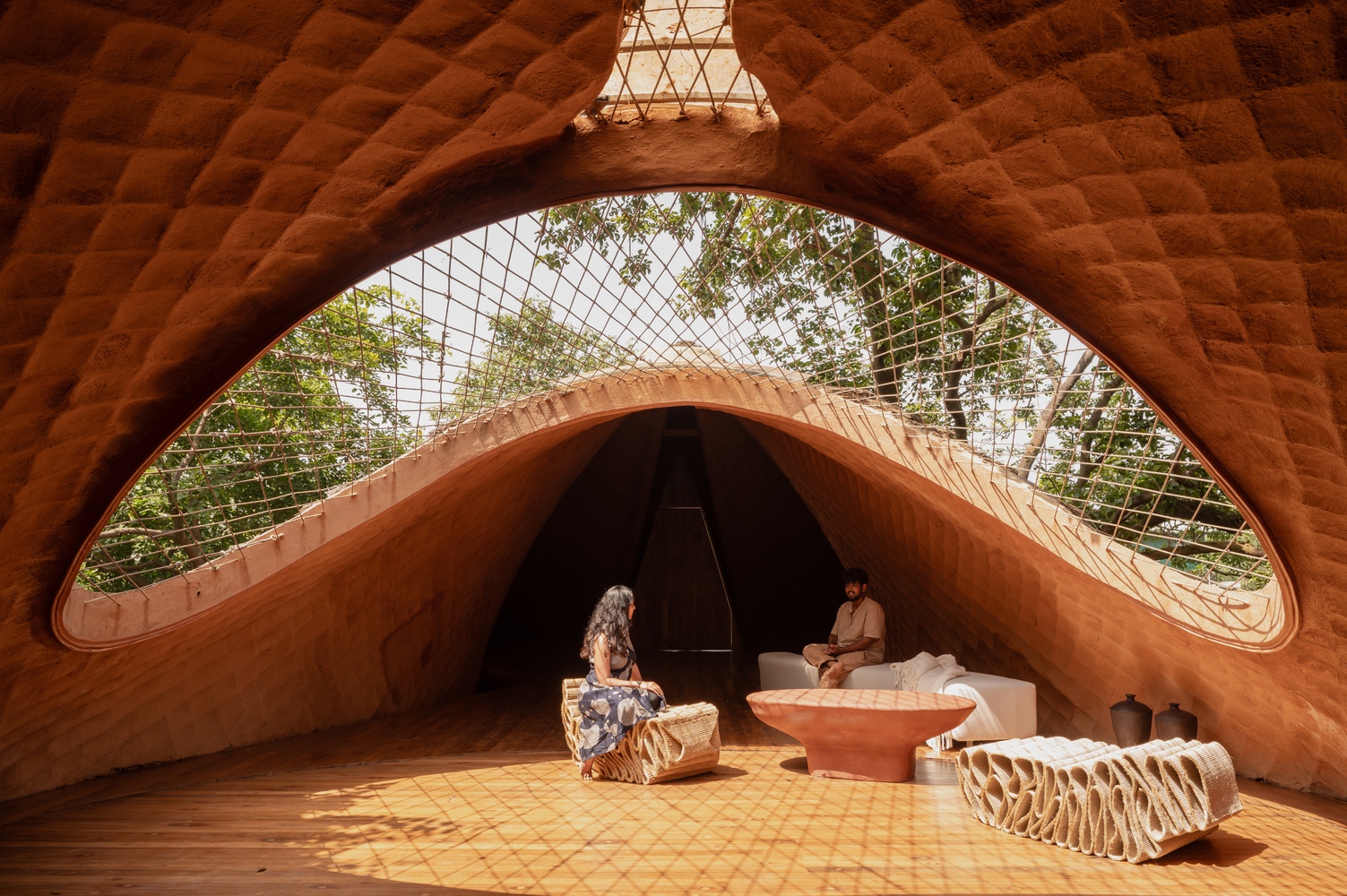
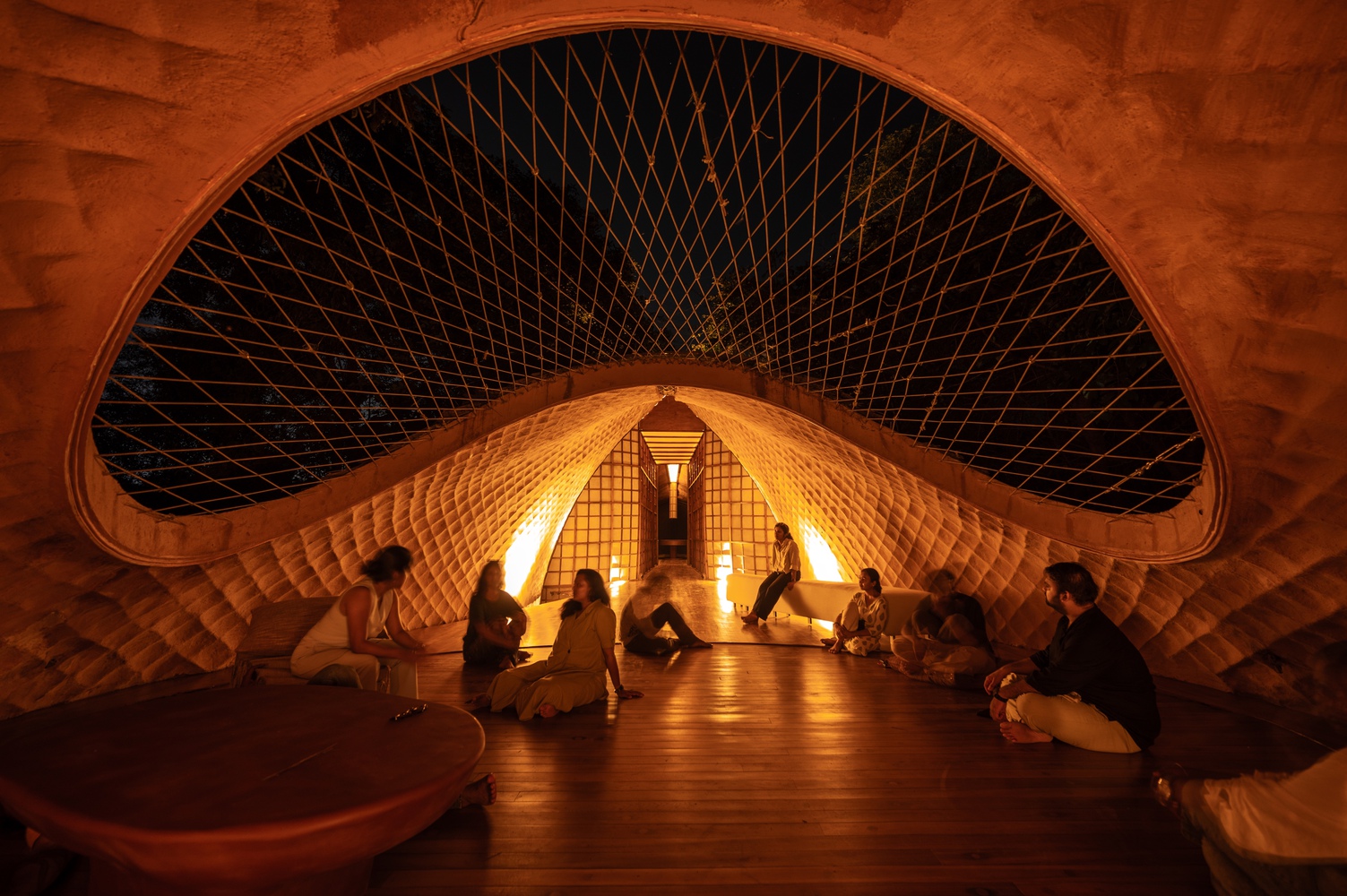
But most importantly, the Bridge House is a reminder that the hardest of adversities gives birth to innovations.