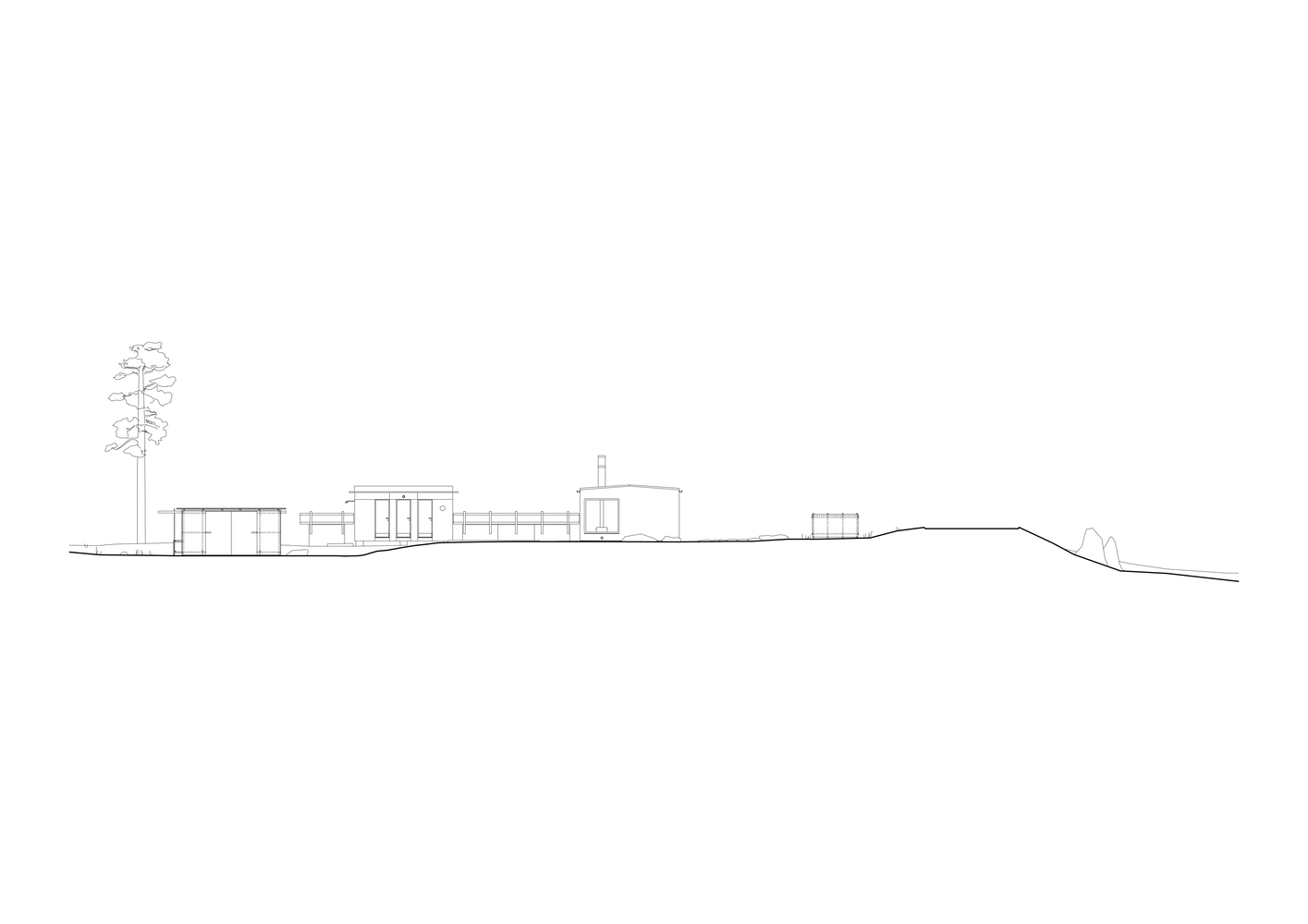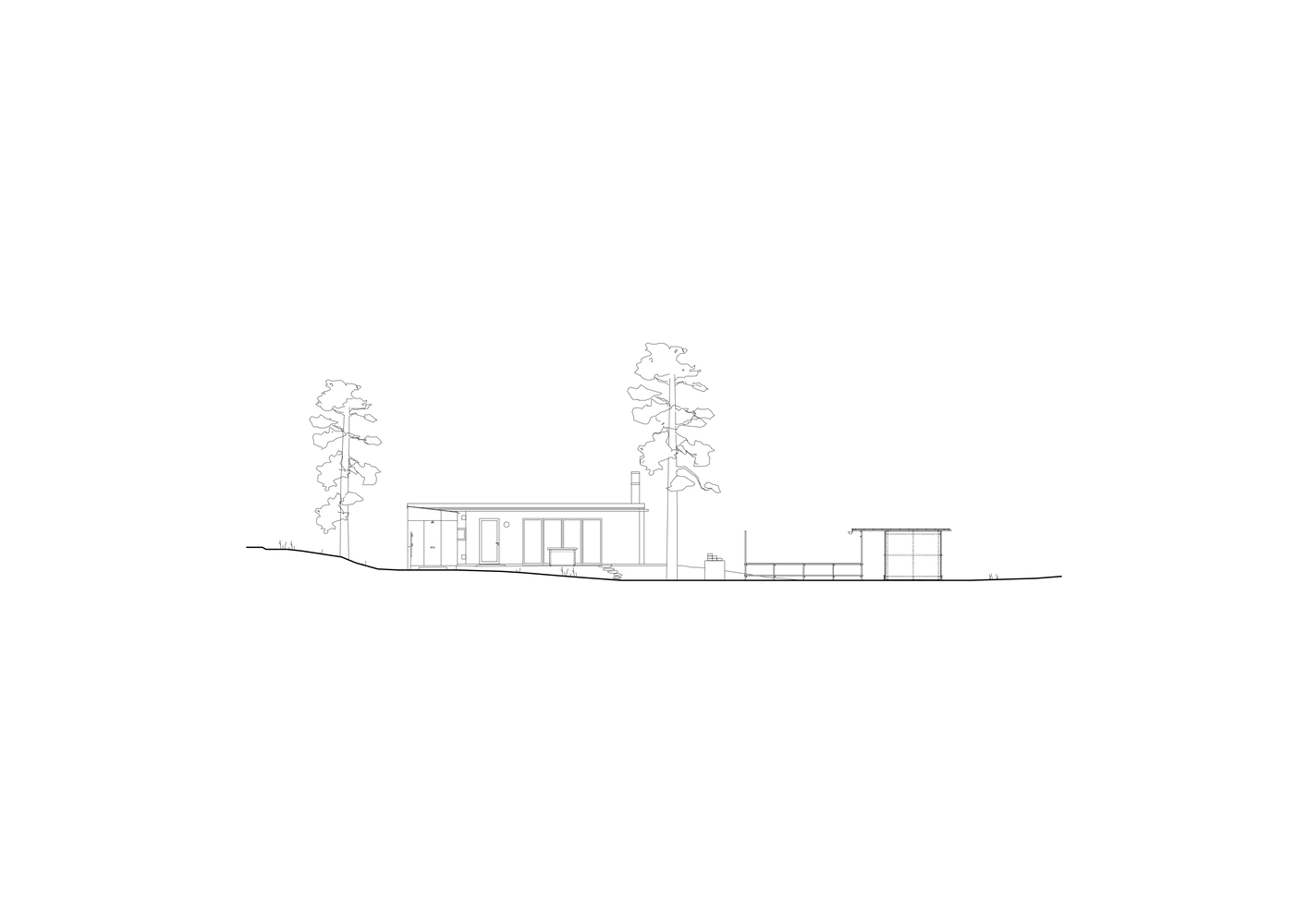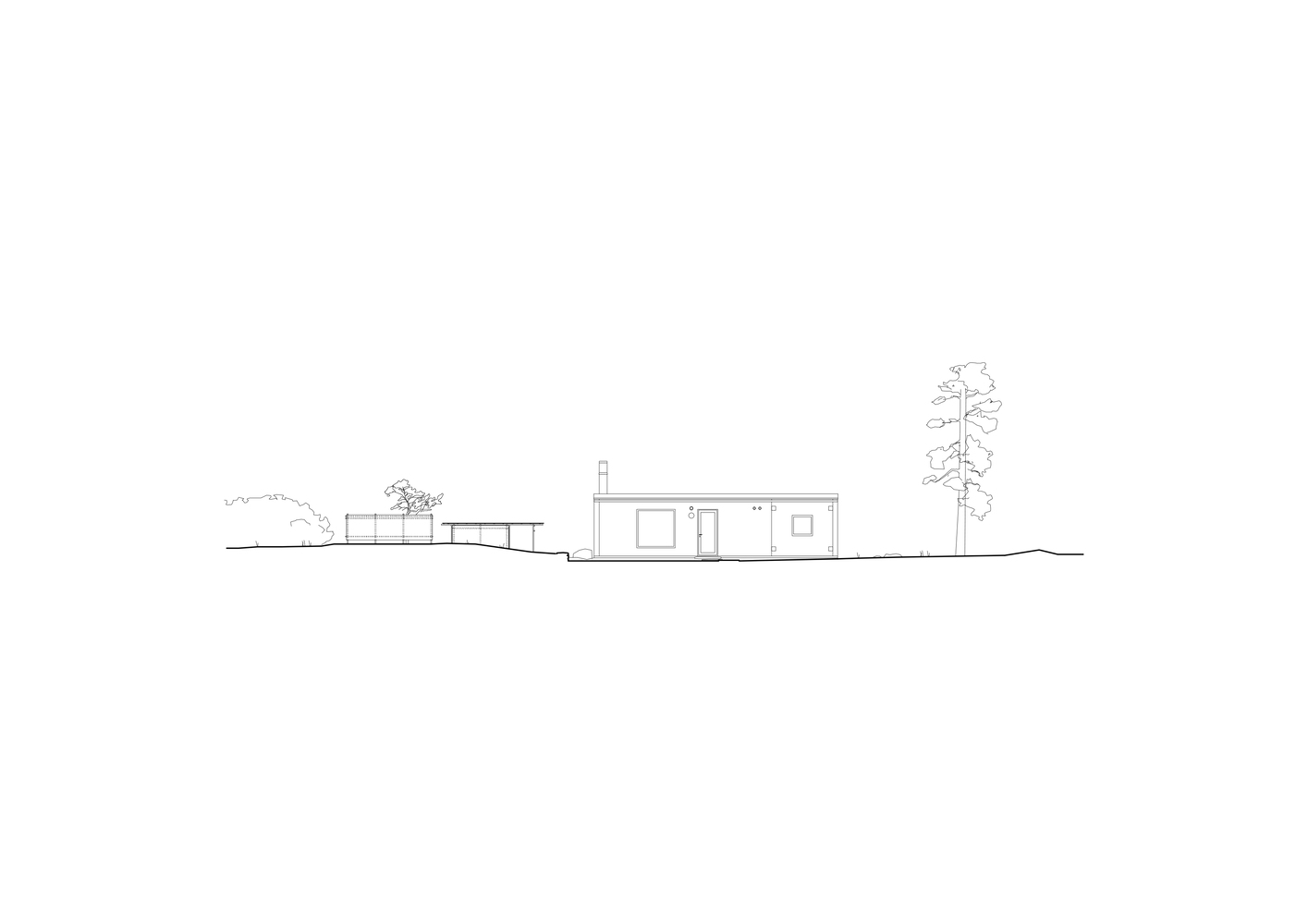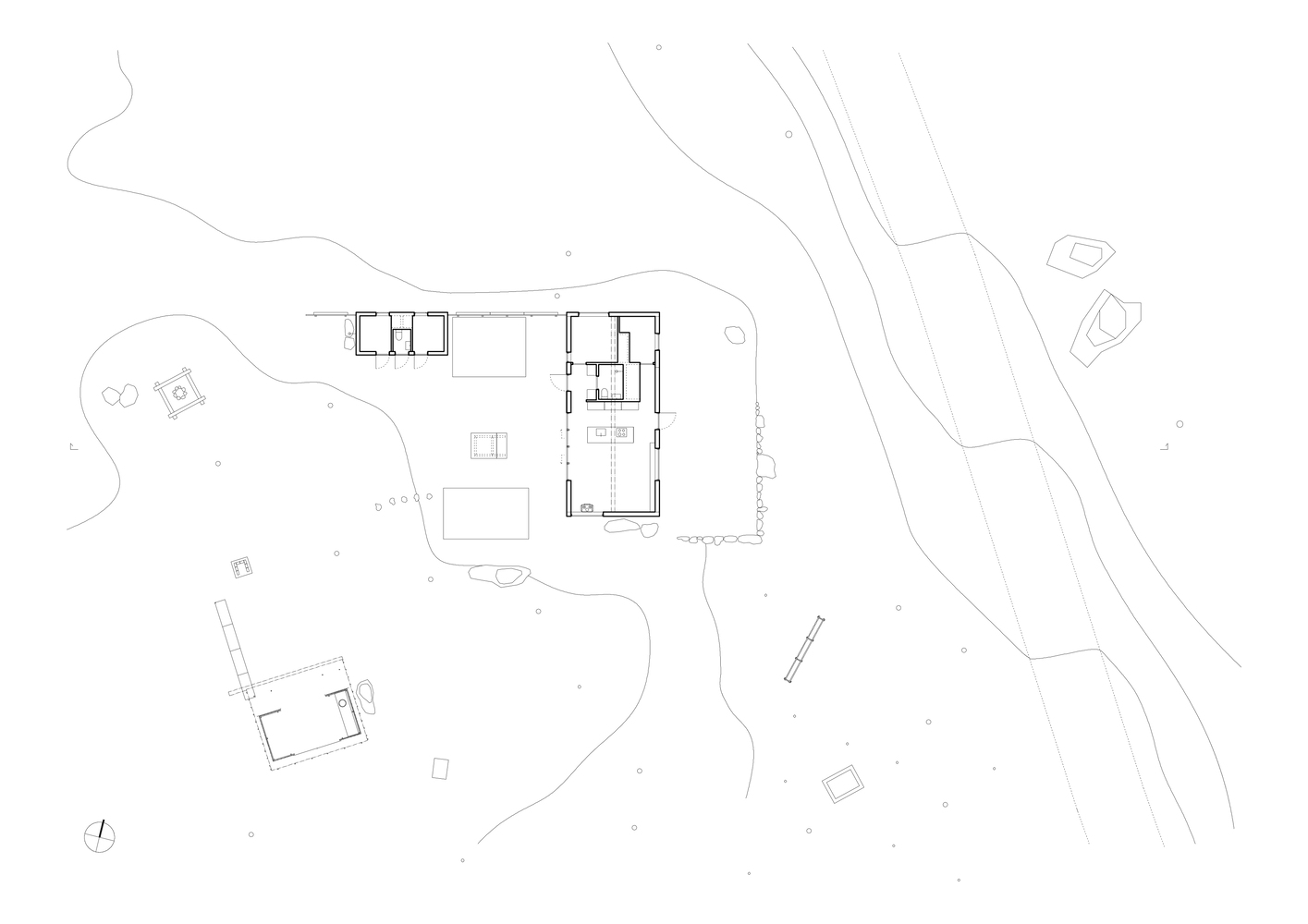

Savannah House and Savannen Pavilion
Savannah House and Savannen Pavilion
Ateljé Ö
ARCHITECTS
Atelje O
OFFICE LEAD ARCHITECTS
Joel Winsnes, Mats Wahlström Walter
DESIGN TEAM
Ateljé Ö
PHOTOGRAPHS
Andy Liffner
AREA
100 m²
YEAR
2022
LOCATION
Bungenäs, Sweden
CATEGORY
Houses
English description provided by the architects.
SAVANNAH 8
Savannah 8 is named after the architect's nickname for the small, barren field the project is built next to.
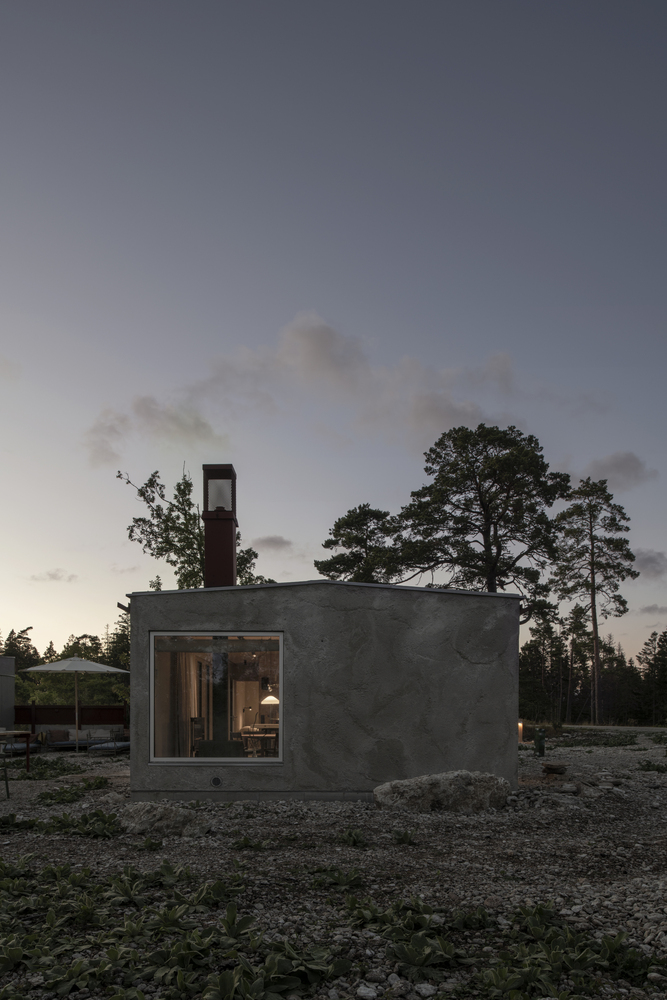
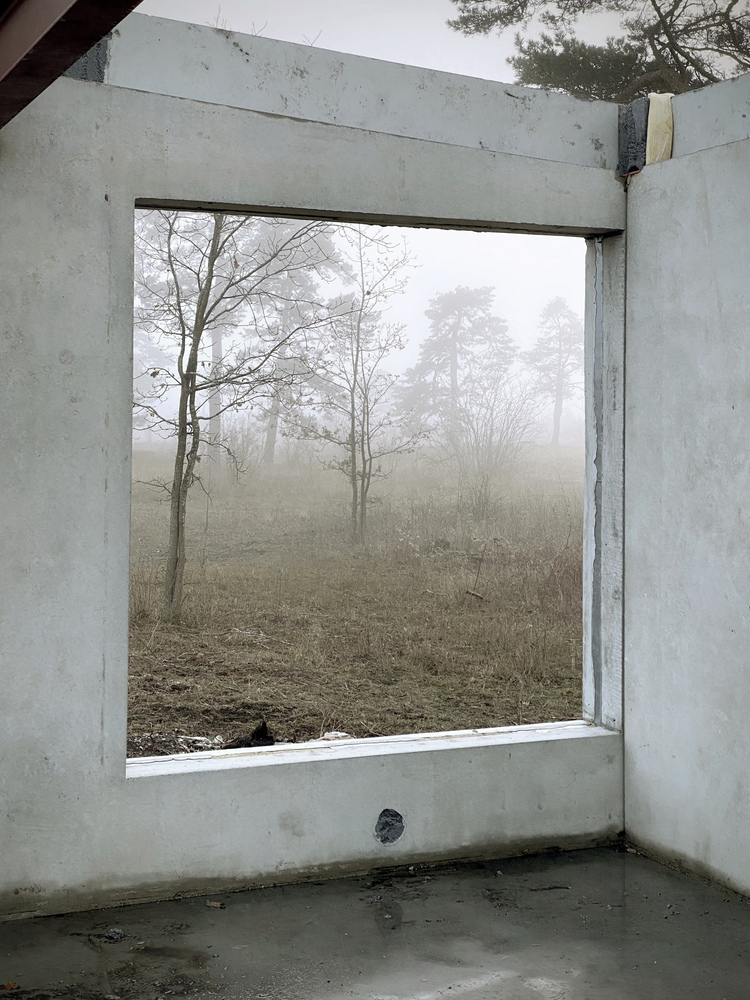
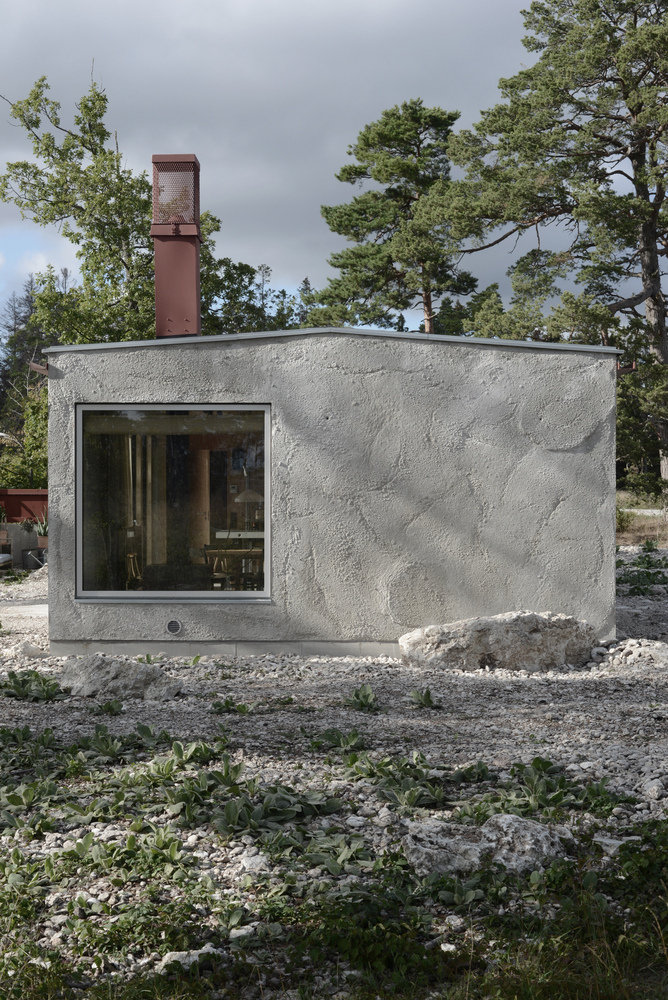
Tall grass, singular bushes, and a few crooked junipers, a Swedish little version of a savannah. Situated in Bungenäs, right next to the ocean on the island of Gotland. But the inspiration for the house comes not from nature but from industry.
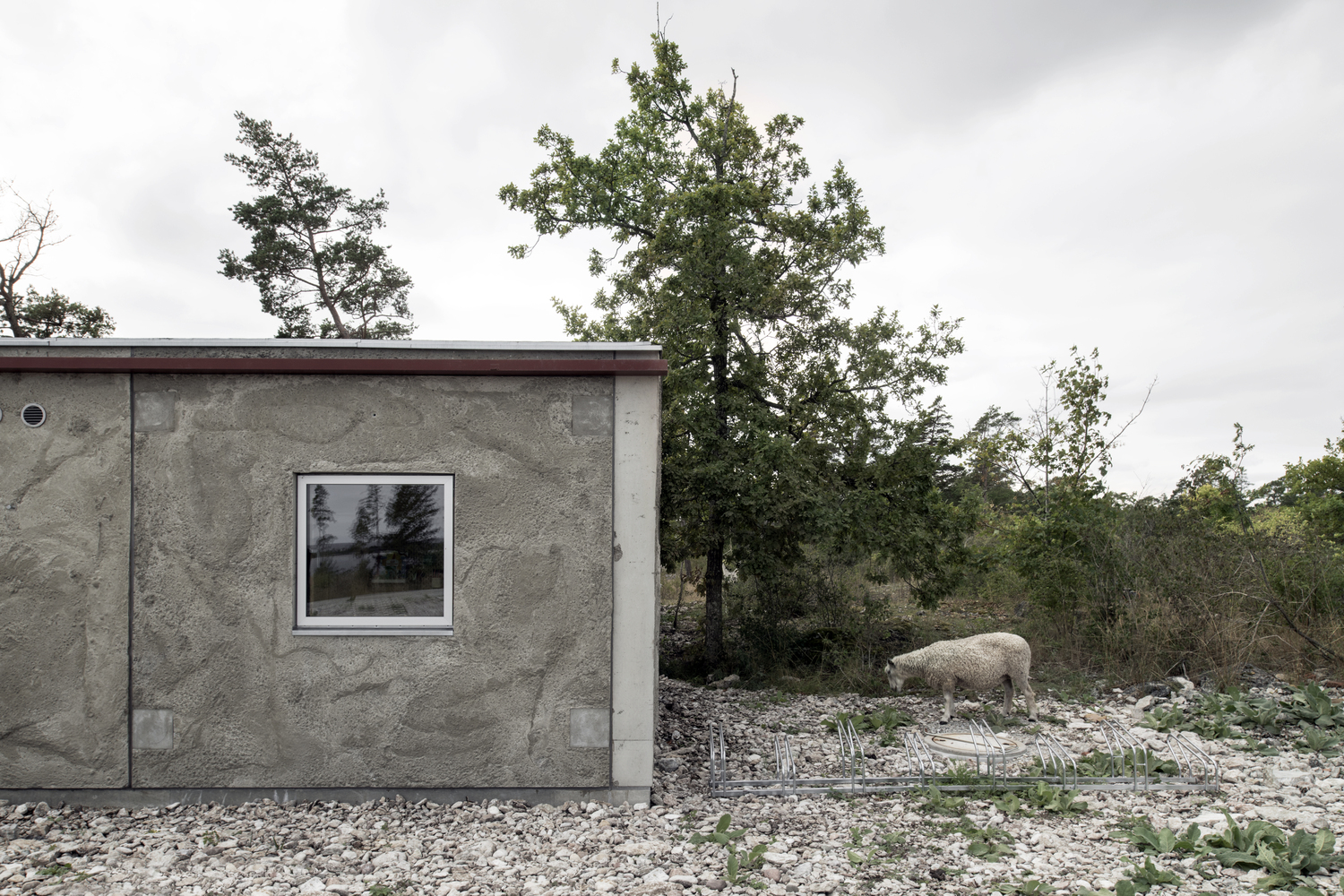
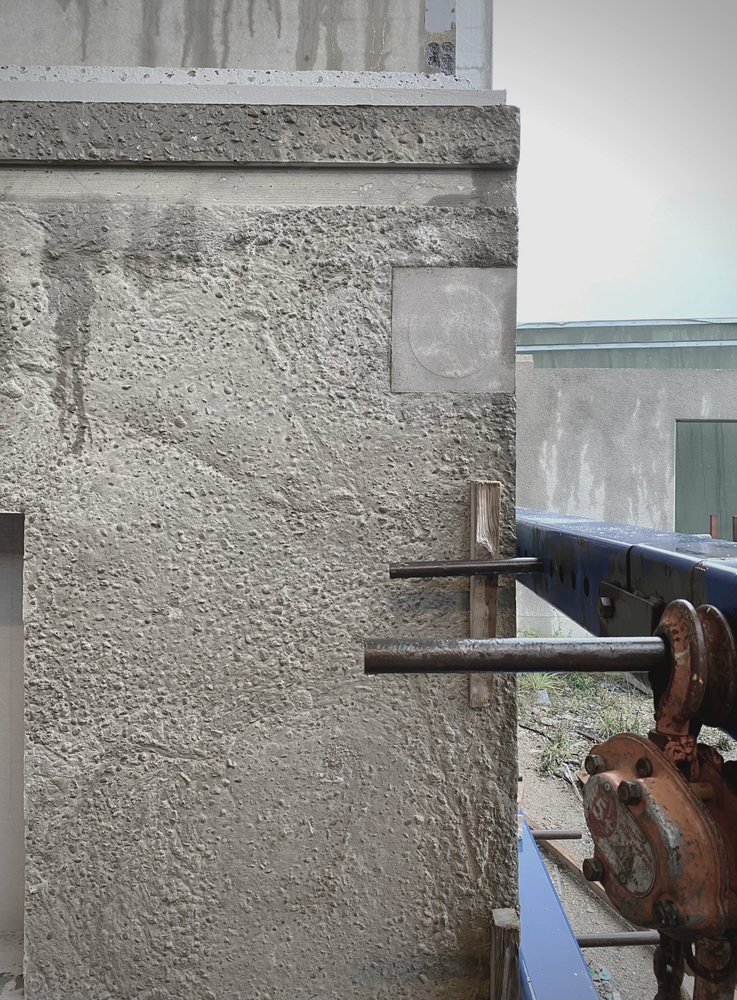
An everyday life image of a transformer substation kiosk was the first reference image when the conceptual work began. On site, a couple of old concrete blocks were found and worked around.
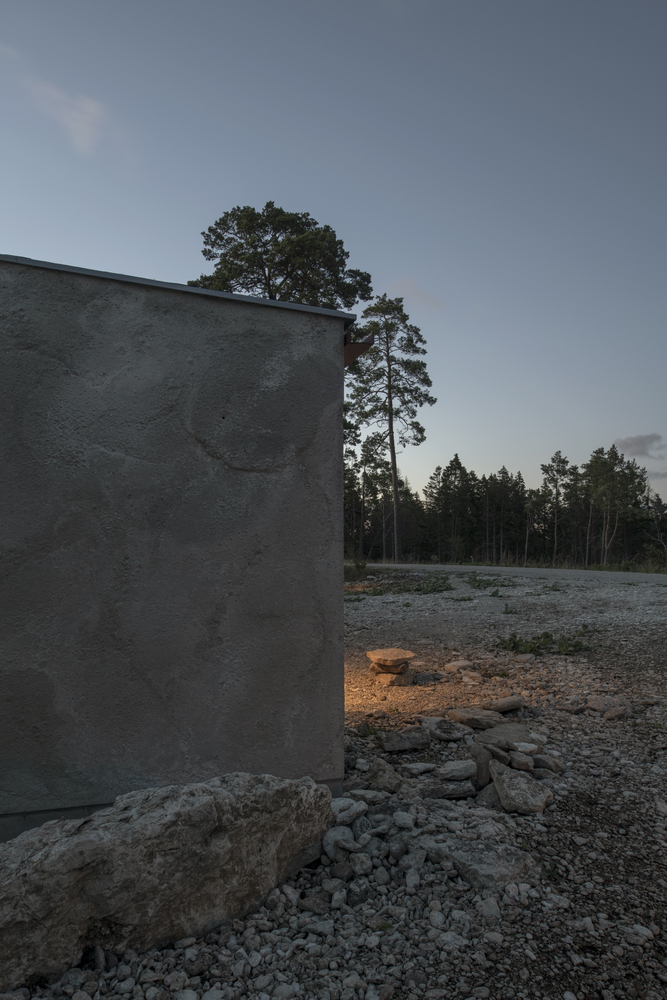
The harsh expression matches the surroundings, as the house is next door neighbor with bunkers and other remnants of military activity. The project was a dream assignment.
A restricted budget but complete artistic freedom meant both a very obvious framework in one aspect, as well as no framework at all. The limited budget forced clever solutions.
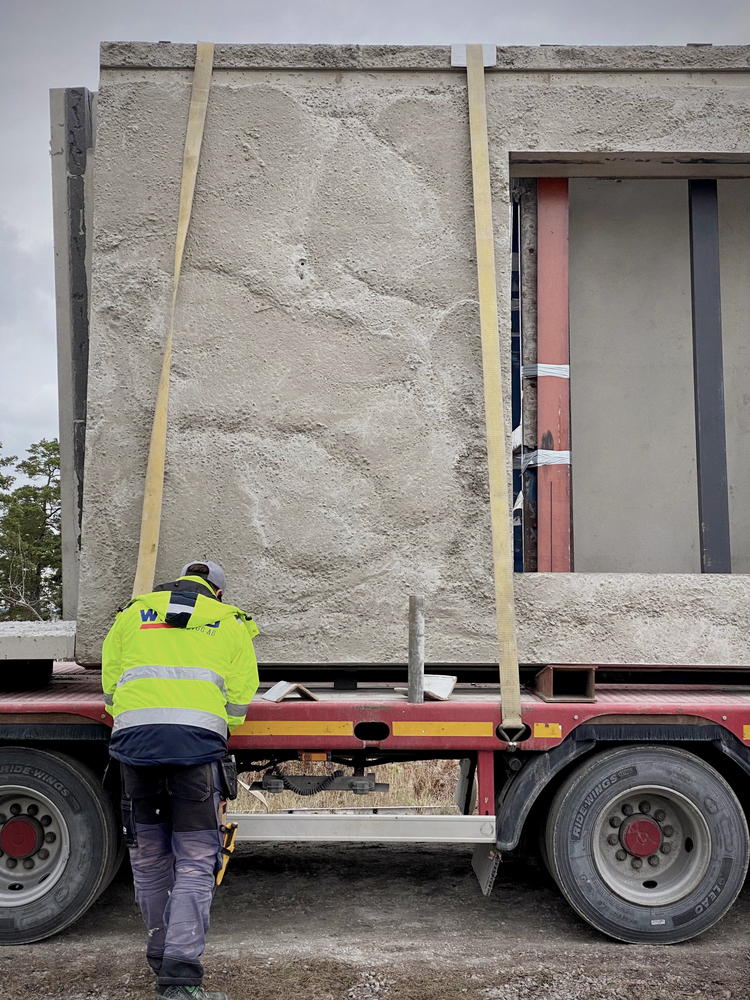
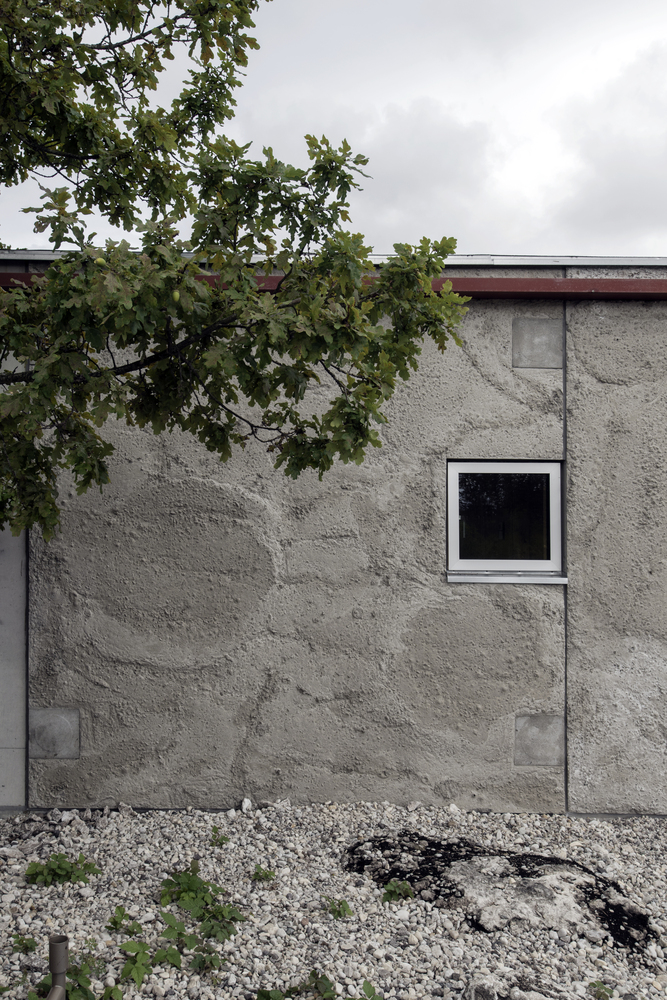
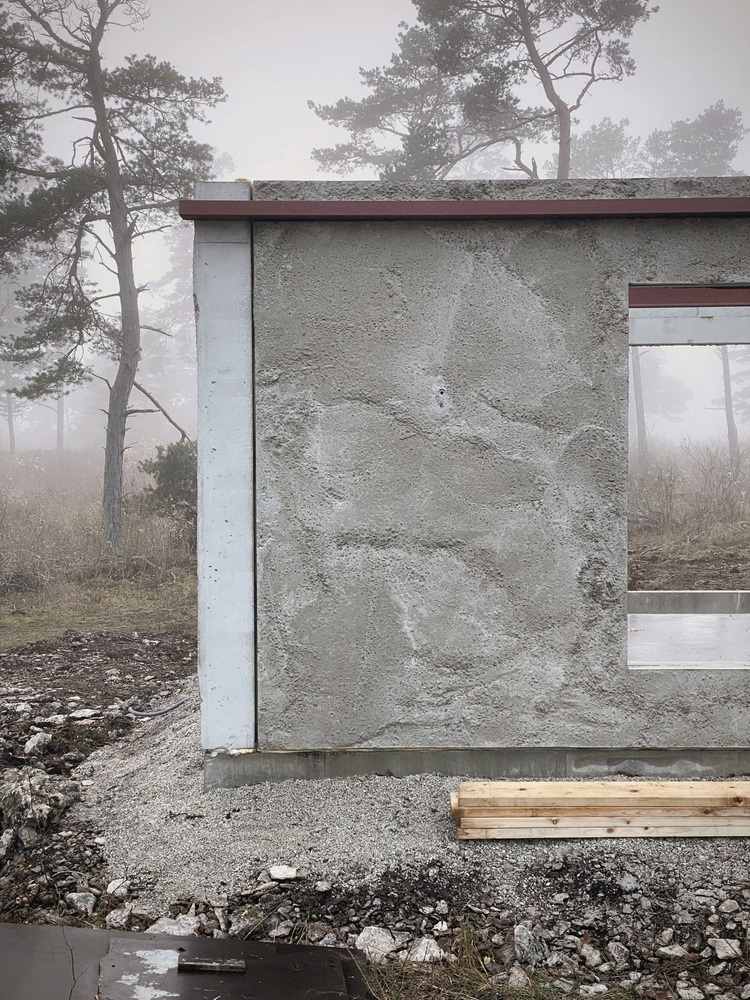
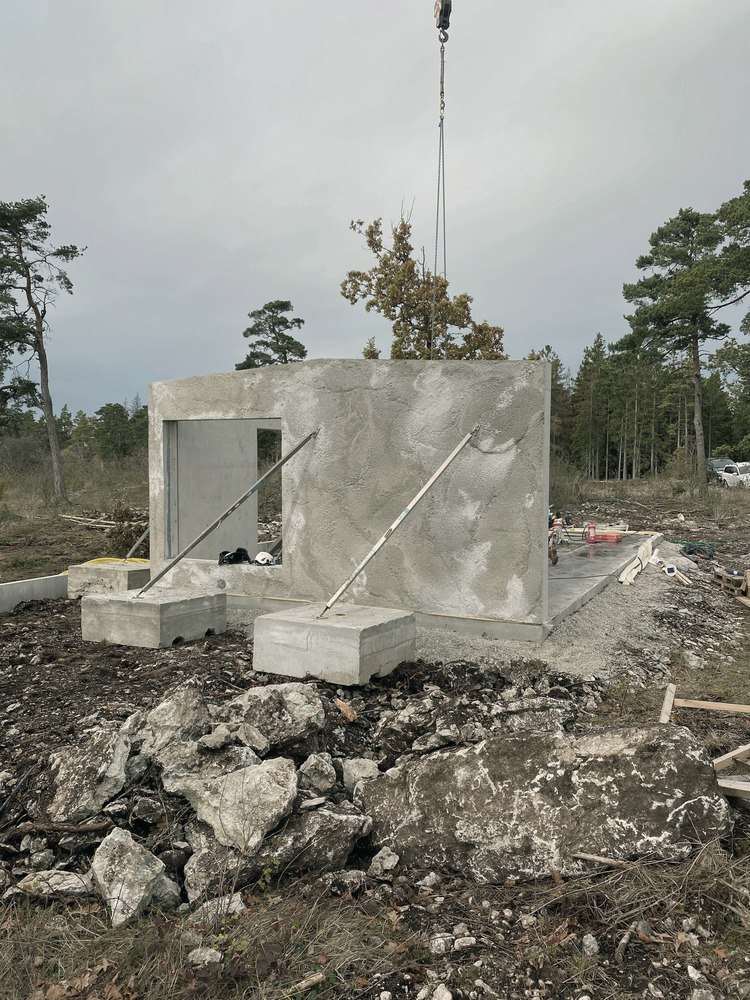
Prefabricated concrete walls were used for the rectangular-shaped house. In close cooperation with a local concrete factory, a special method was created for the house in order to get the right roughness for the facade.
A lot of Ateljé Ö`s projects contain custom-made components. Savannah 8 is no exception, but the difference is that everything in the house is industrially produced.
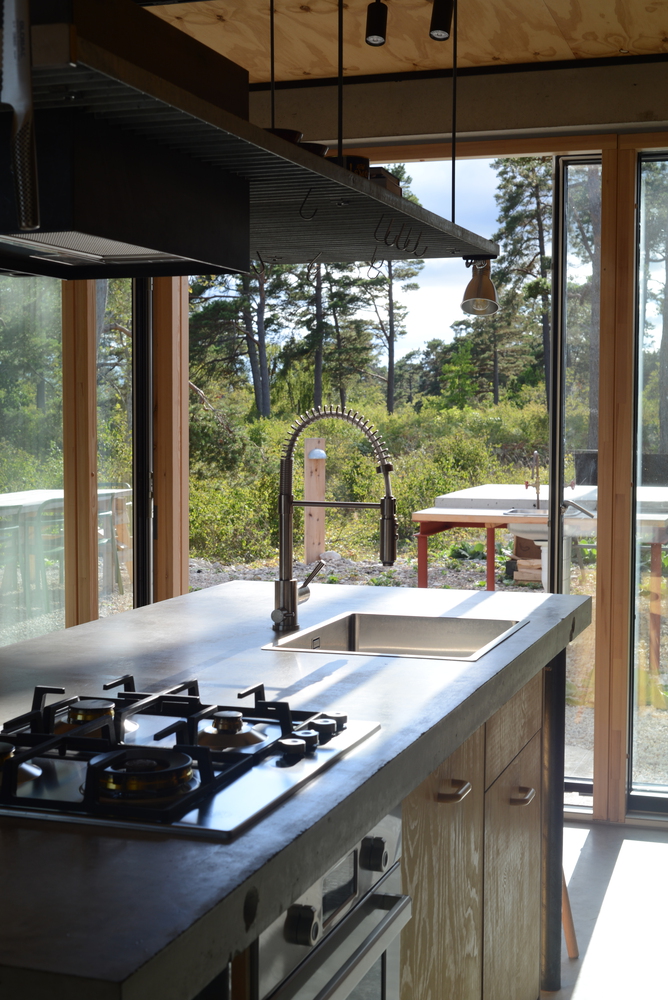
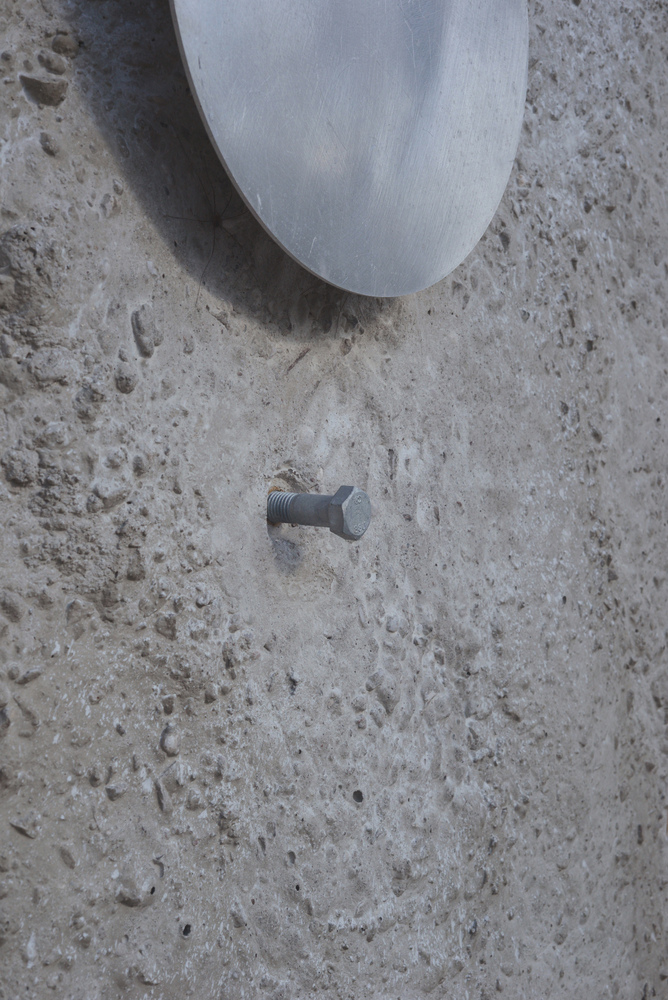
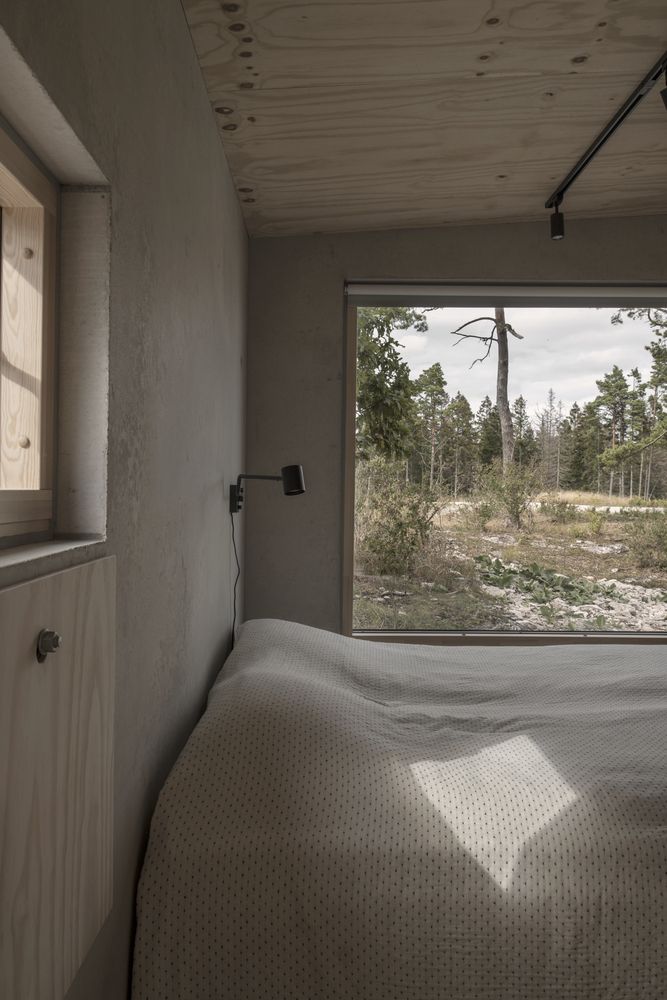
The kitchen fan, for example, was made from a galvanized steel foot grate. The interior consists of raw concrete and plywood.
Technical installations and structural elements in the house are exaggerated instead of being hidden out of sight.
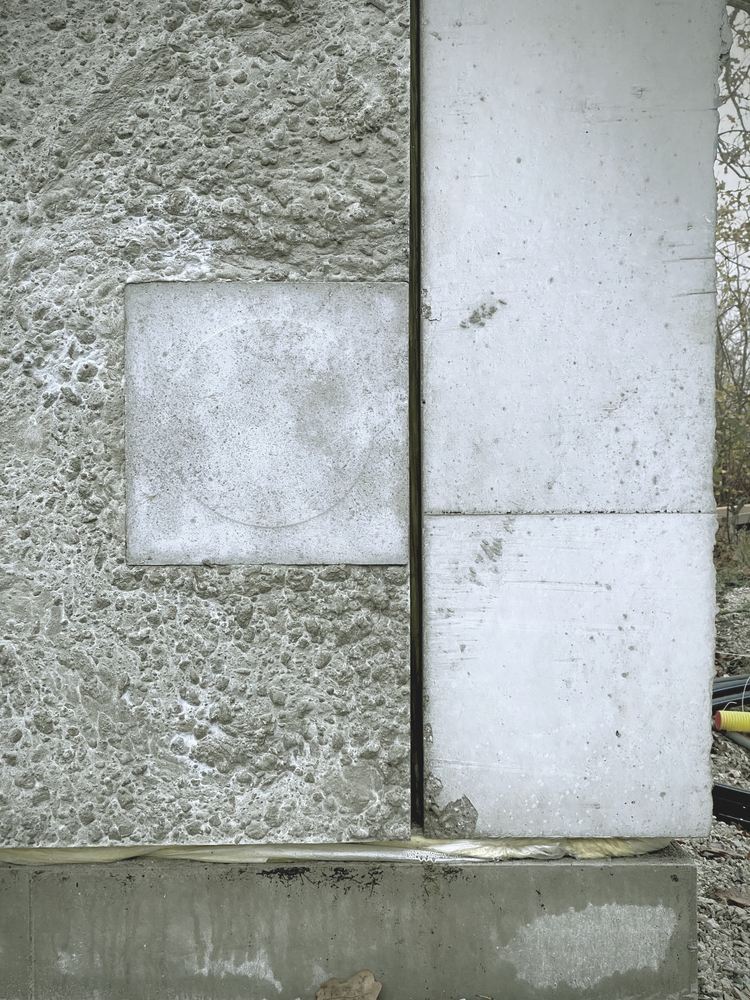
As a counterweight to the industrial way of working, a handful of tiles were pressed upside down into the concrete blocks as they were being cast. An element of ornamentation to break away from the prefab atmosphere.
SAVANNEN PAVILION
The Summer Pavilion is the latest addition to the Savanna and a result of the architect's experimental spirit.
Despite a limited budget, there was significant artistic freedom, which led to unconventional yet clever solutions.
It is based on industrial materials and construction principles.
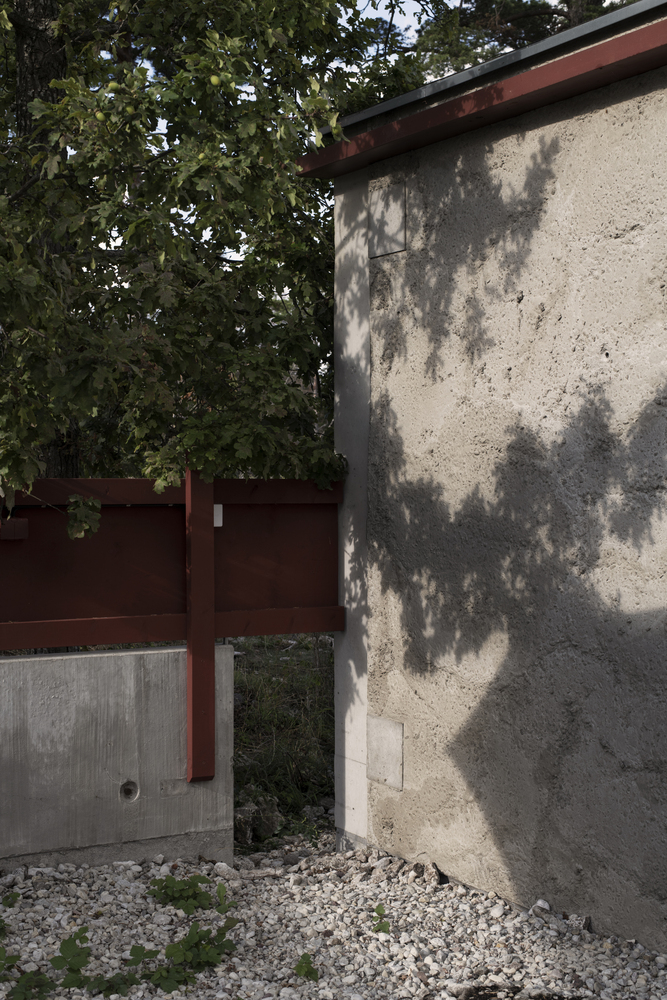
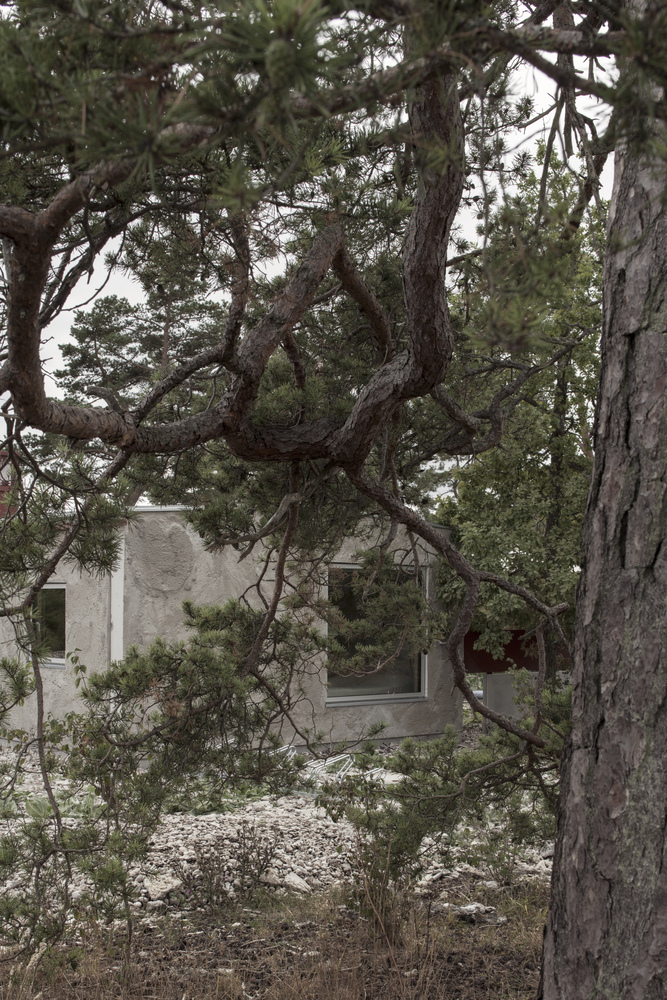
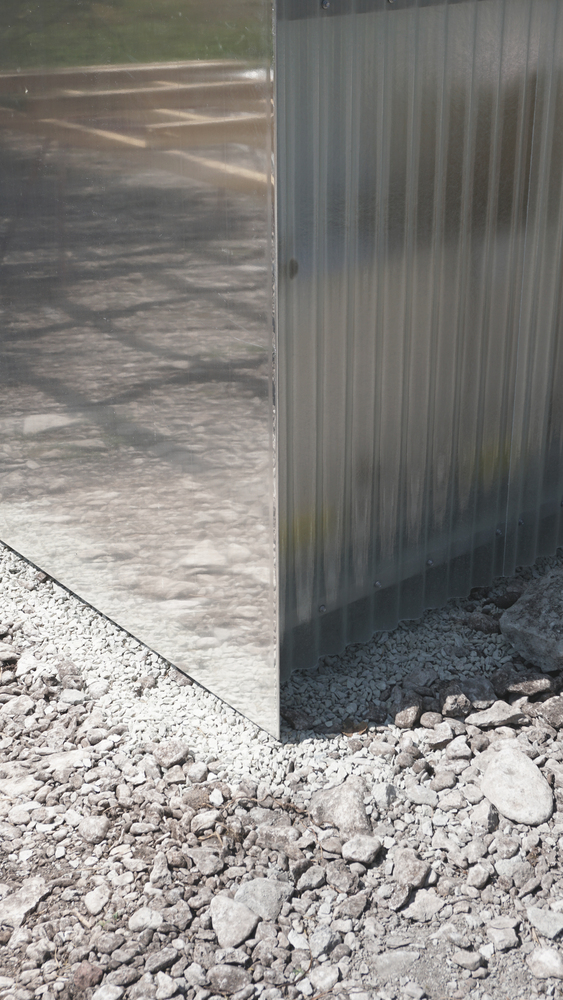
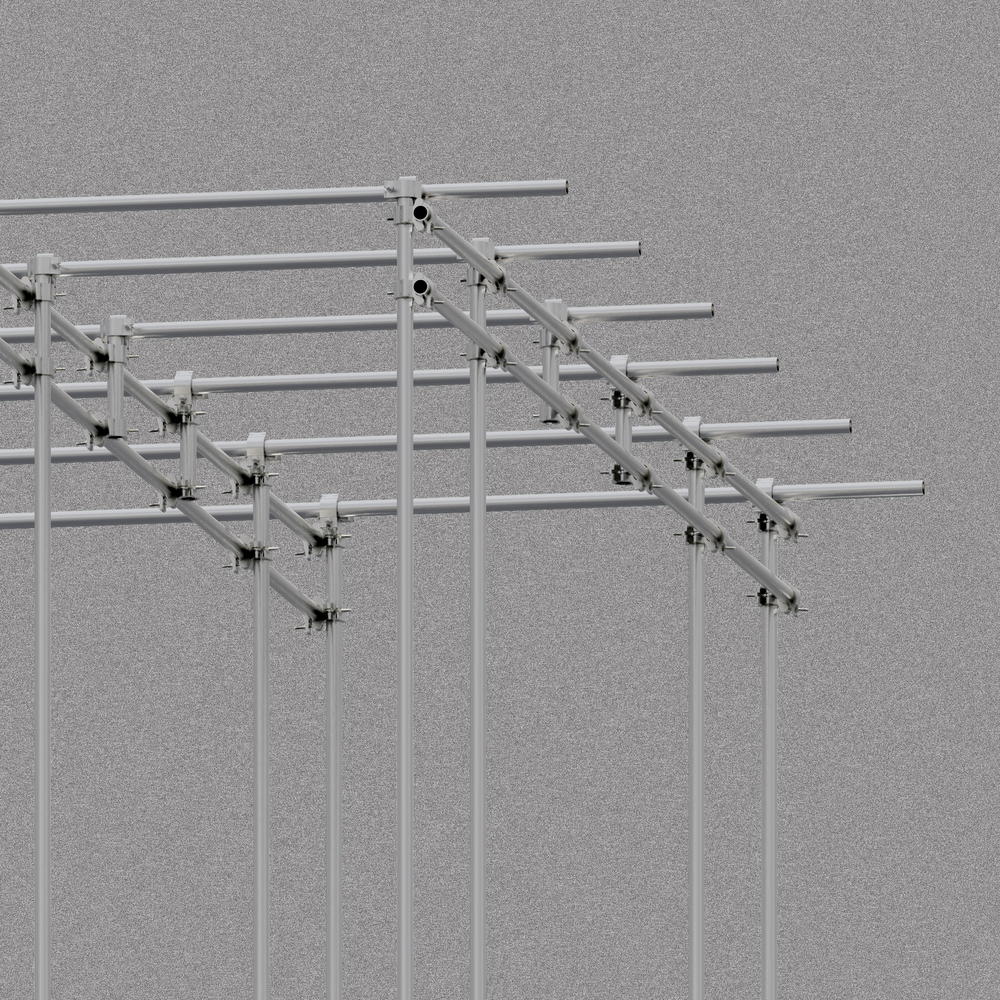
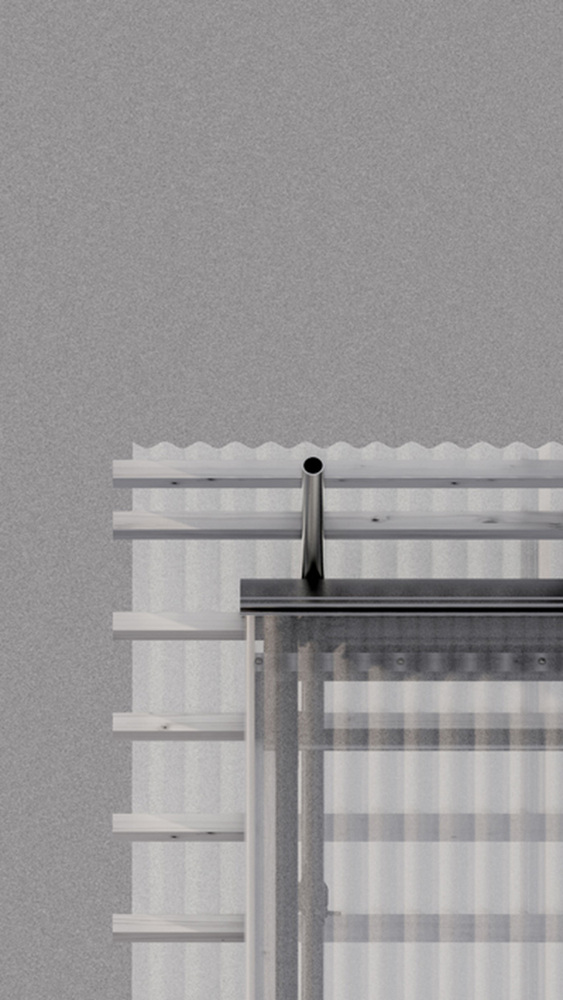
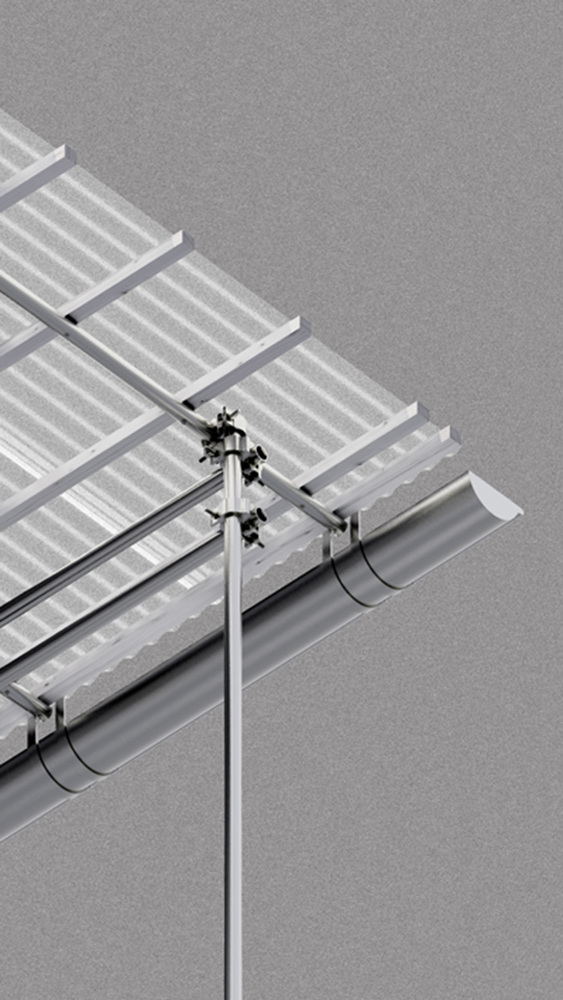
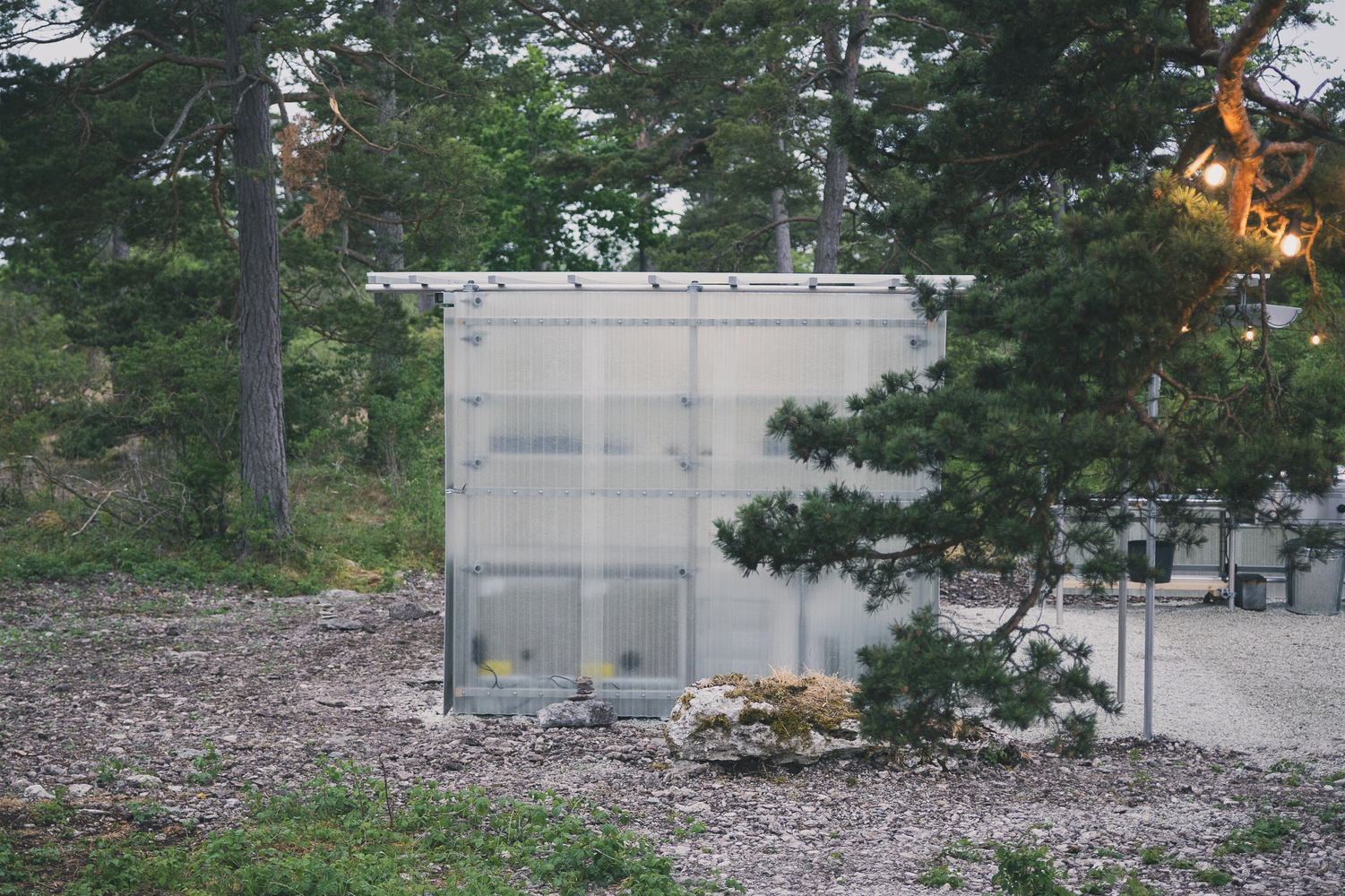
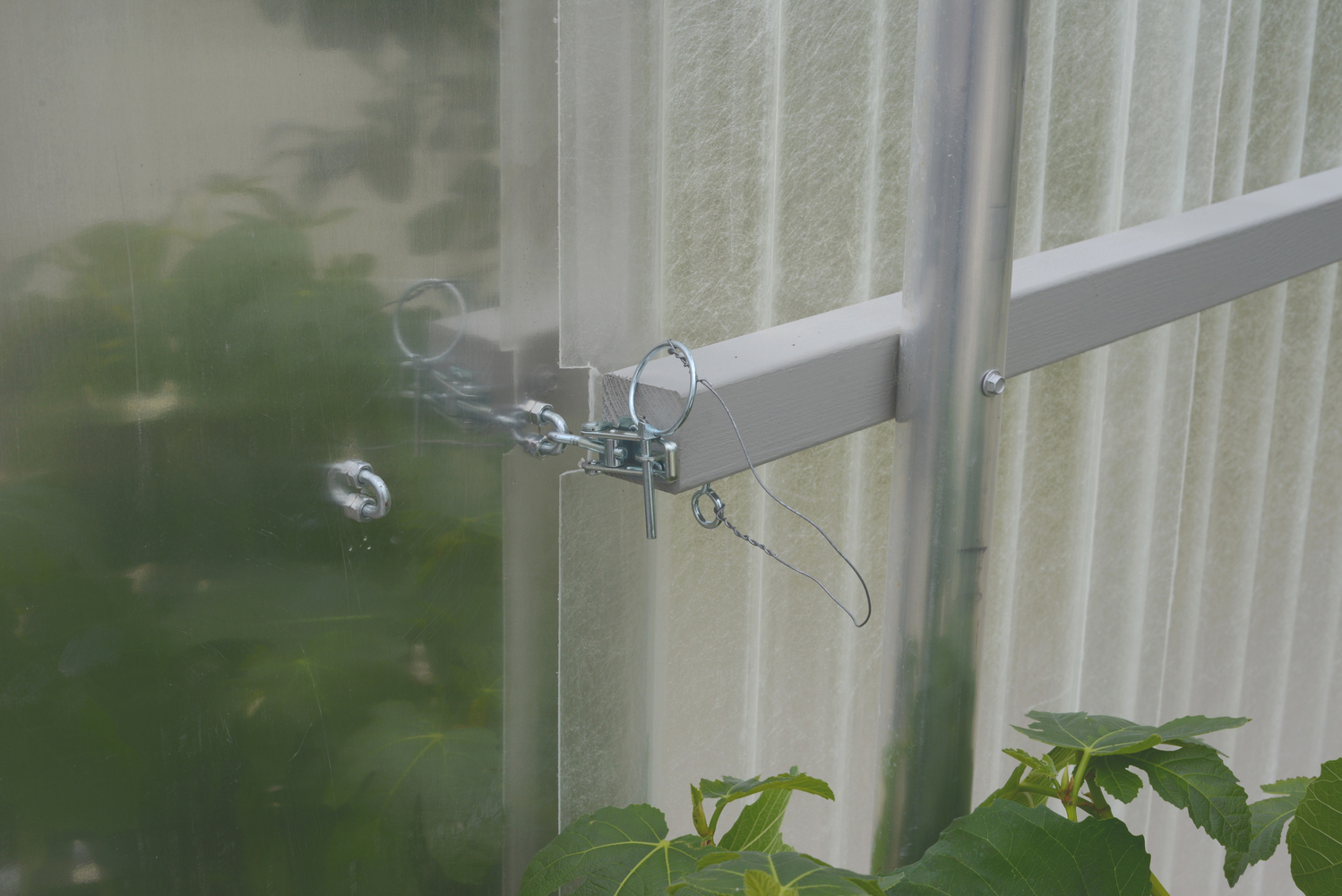
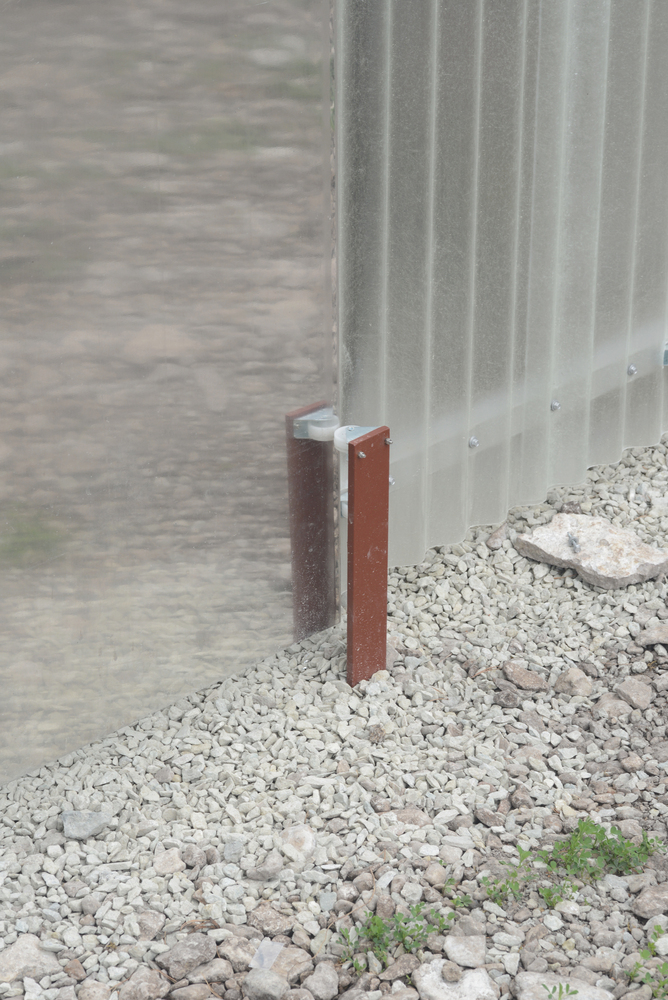
In this case, an aluminum skeleton made of scaffolding pipes is covered with a layer of corrugated plastic.
Large sliding aluminum doors placed in two directions allow for a generous openness between indoors and outdoors.
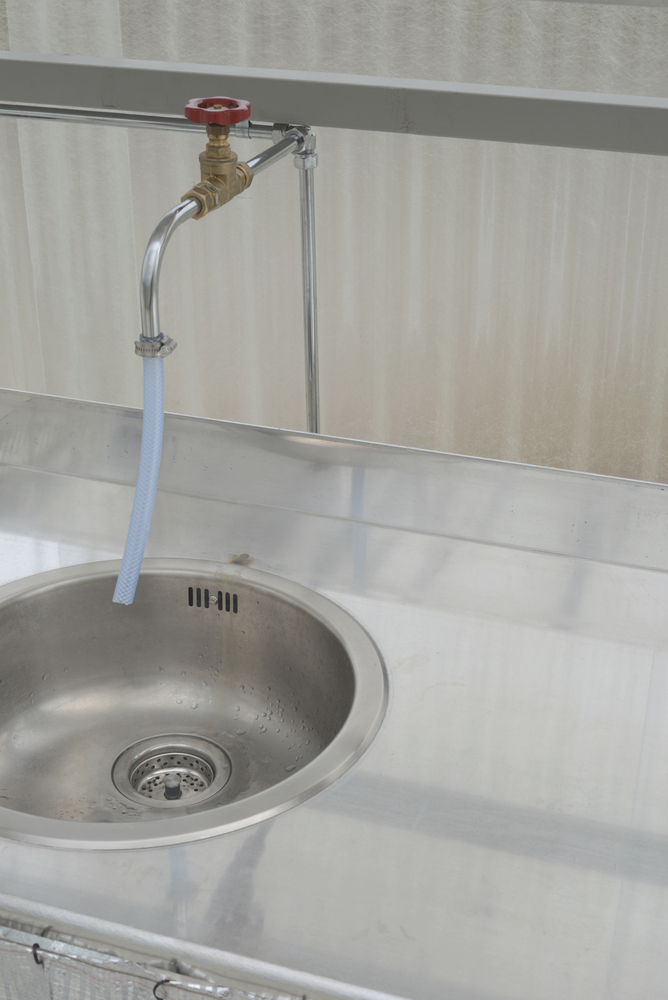
A principle of minimal material consumption gave birth to the idea of an outdoor kitchen and bicycle rack created from materials that would otherwise have gone to waste.