
São Luís Fort Square
SÃO LUÍS FORT SQUARE
JA8 Arquitetura Viva
ARCHITECTS
JA8 Arquitetura Viva
LEAD ARCHITECT
Juliana Castro
PHOTOGRAPHS
Diagram Archfilm
AREA
1980 m²
LOCATION
Florianópolis, Brazil
CATEGORY
Square
English description provided by the architects.
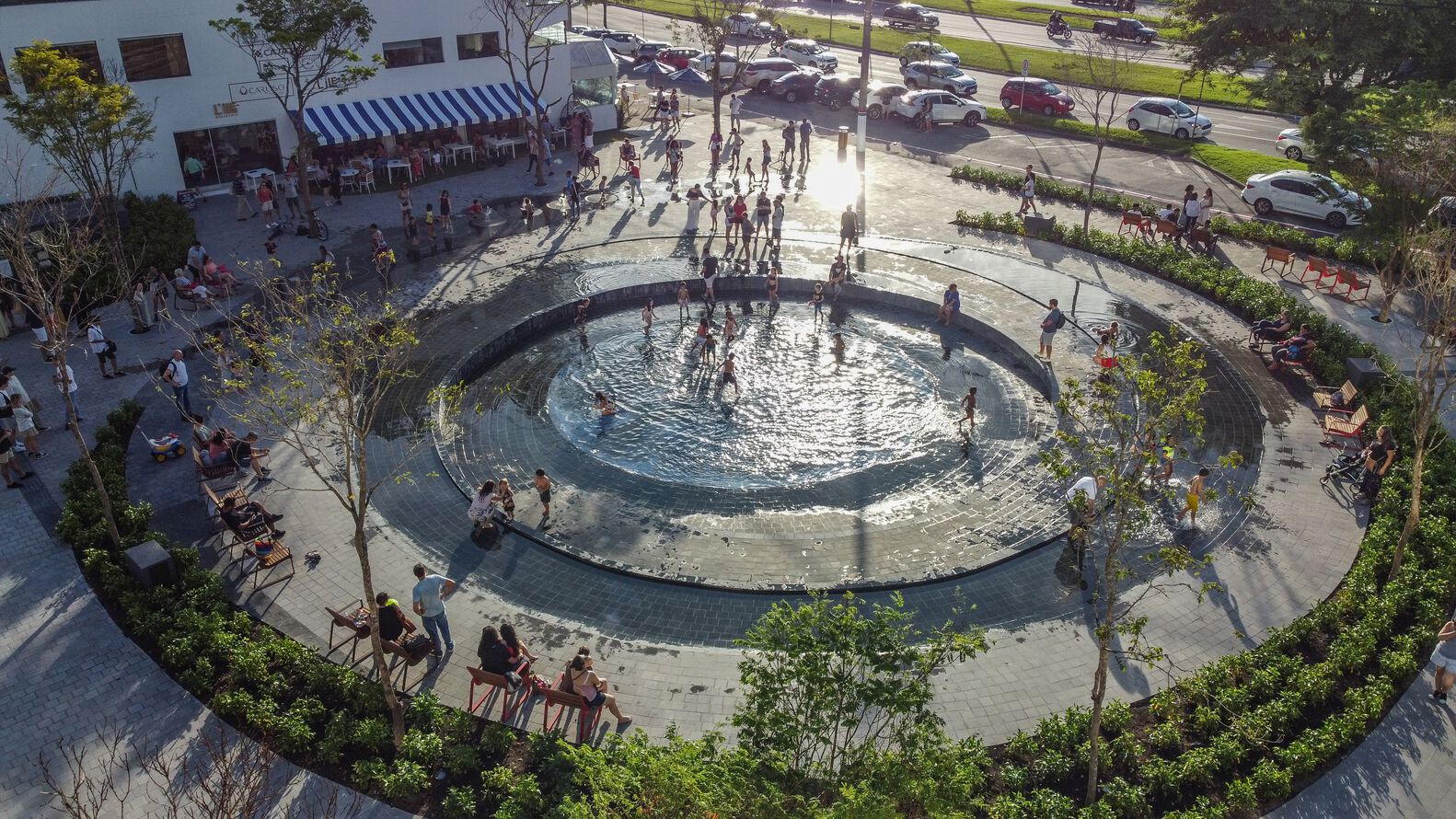
The Praça do Forte São Luís is situated in a rich urban context, particularly regarding the city's network of public spaces.
Its privileged location between important circulation axes makes it a very special place, further enhancing its symbolic value.
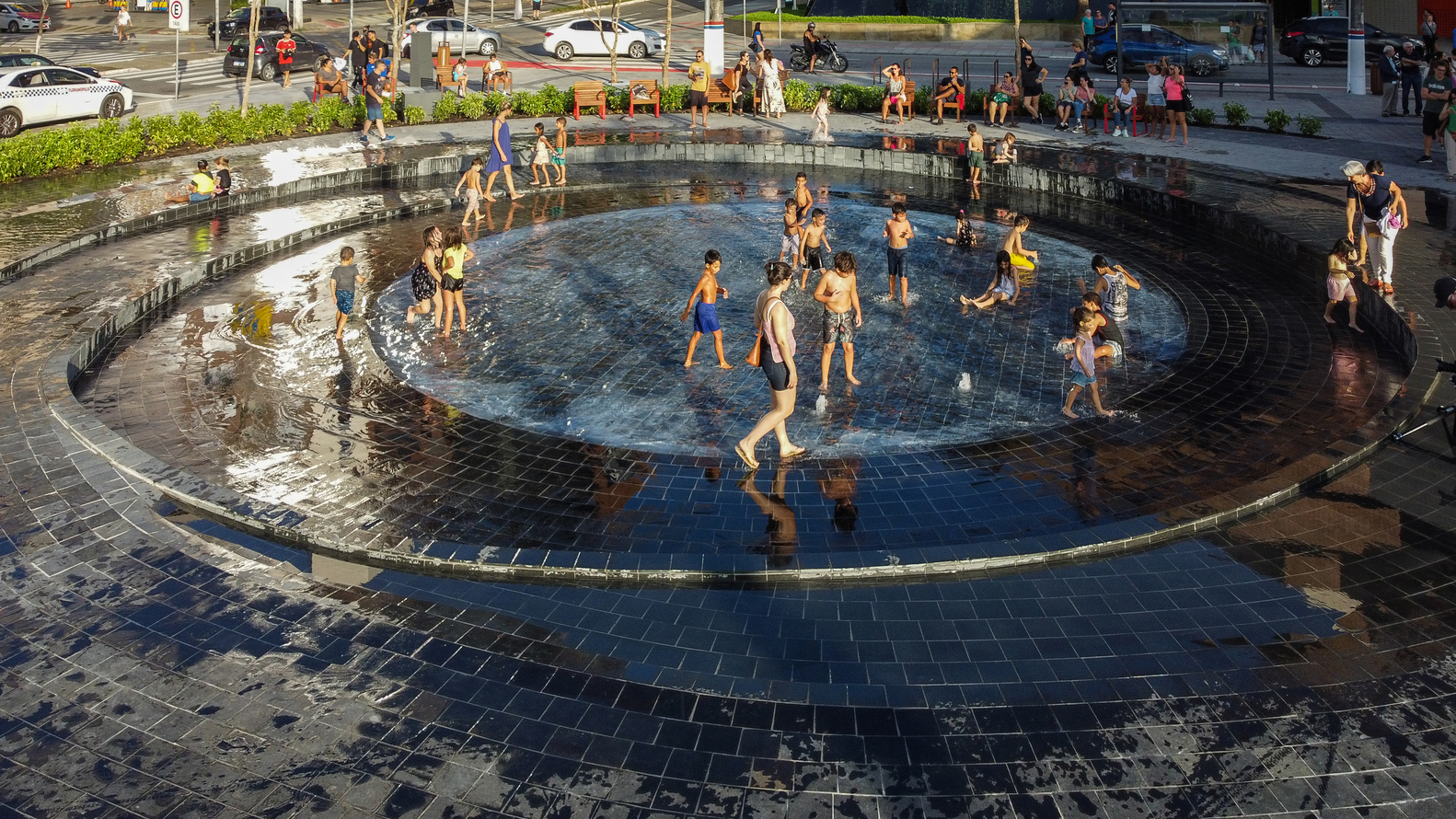
Close to the square are significant public green areas that already offer the population various activity options; the waterfront along Avenida Beira Mar, due to its scale and central location on the island, represents one of the main spaces for leisure and contemplation in the city, functioning as a long linear park that will soon house the City Marina along with new leisure infrastructures.
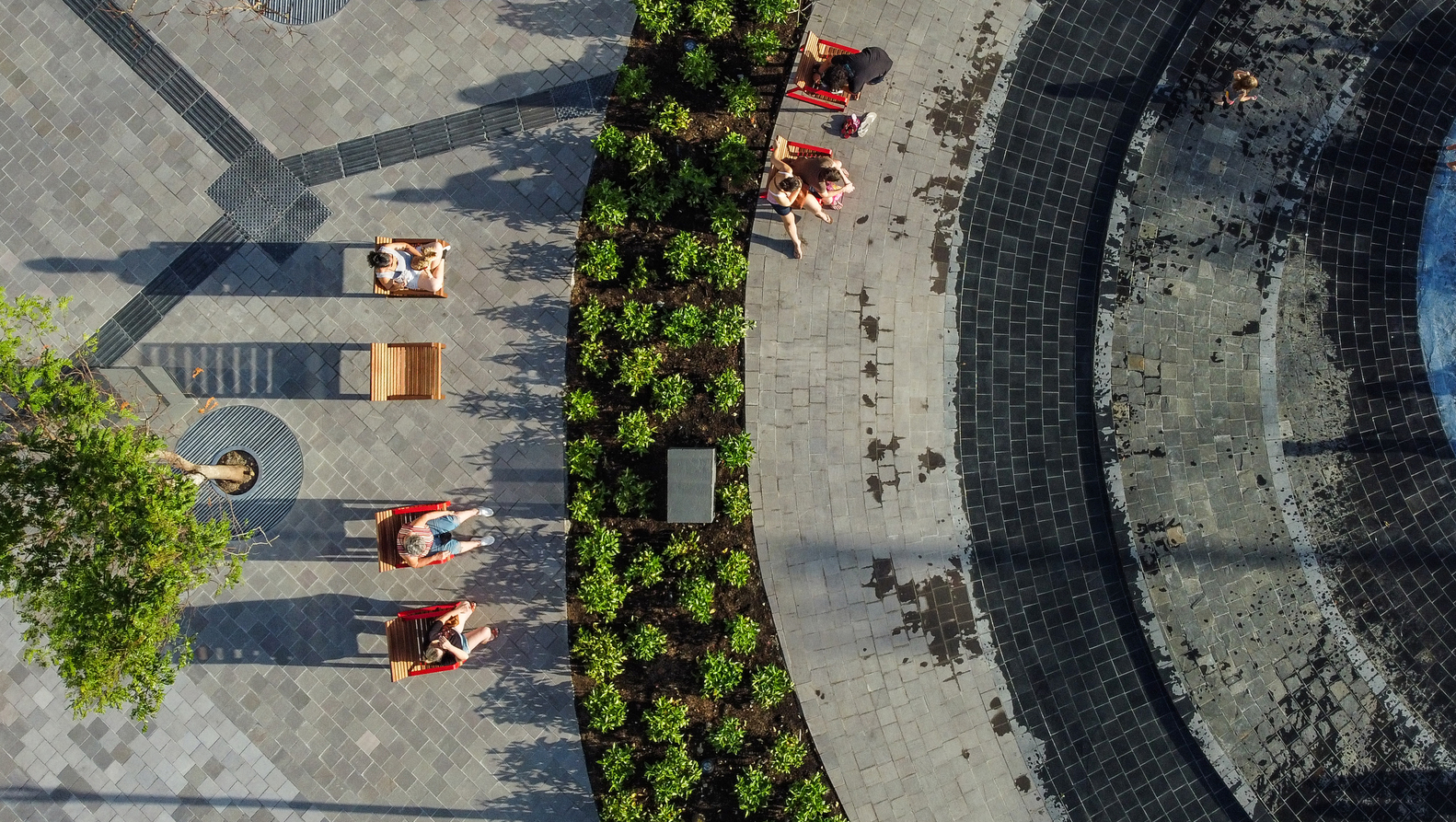
The project for this new square aims to create a place capable of becoming a reference for the residents and visitors of our city.
This new tourist destination has the potential to reflect the natural characteristics and urban quality of the state capital, while still being a pleasant location for the daily lives of its inhabitants.
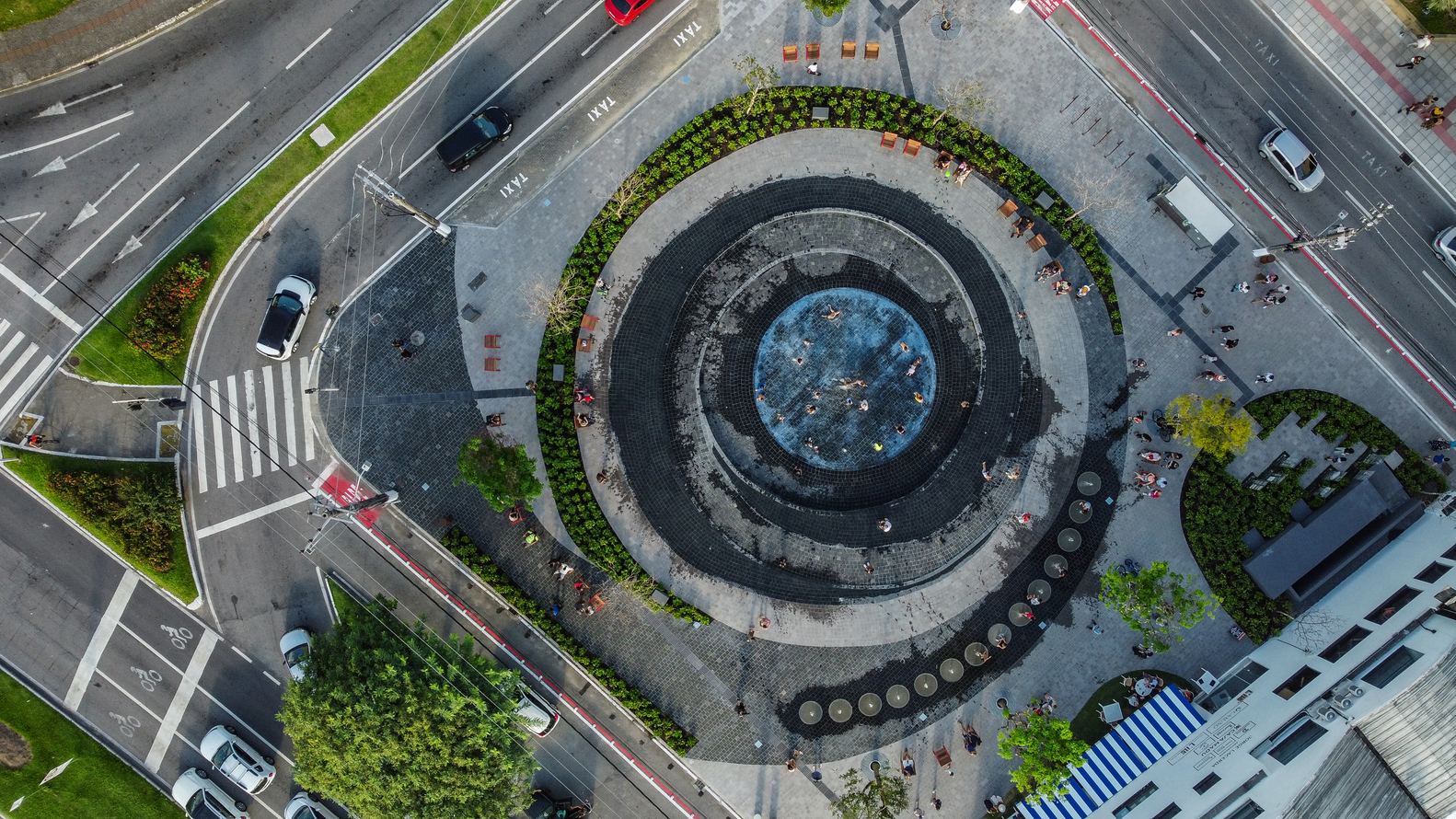
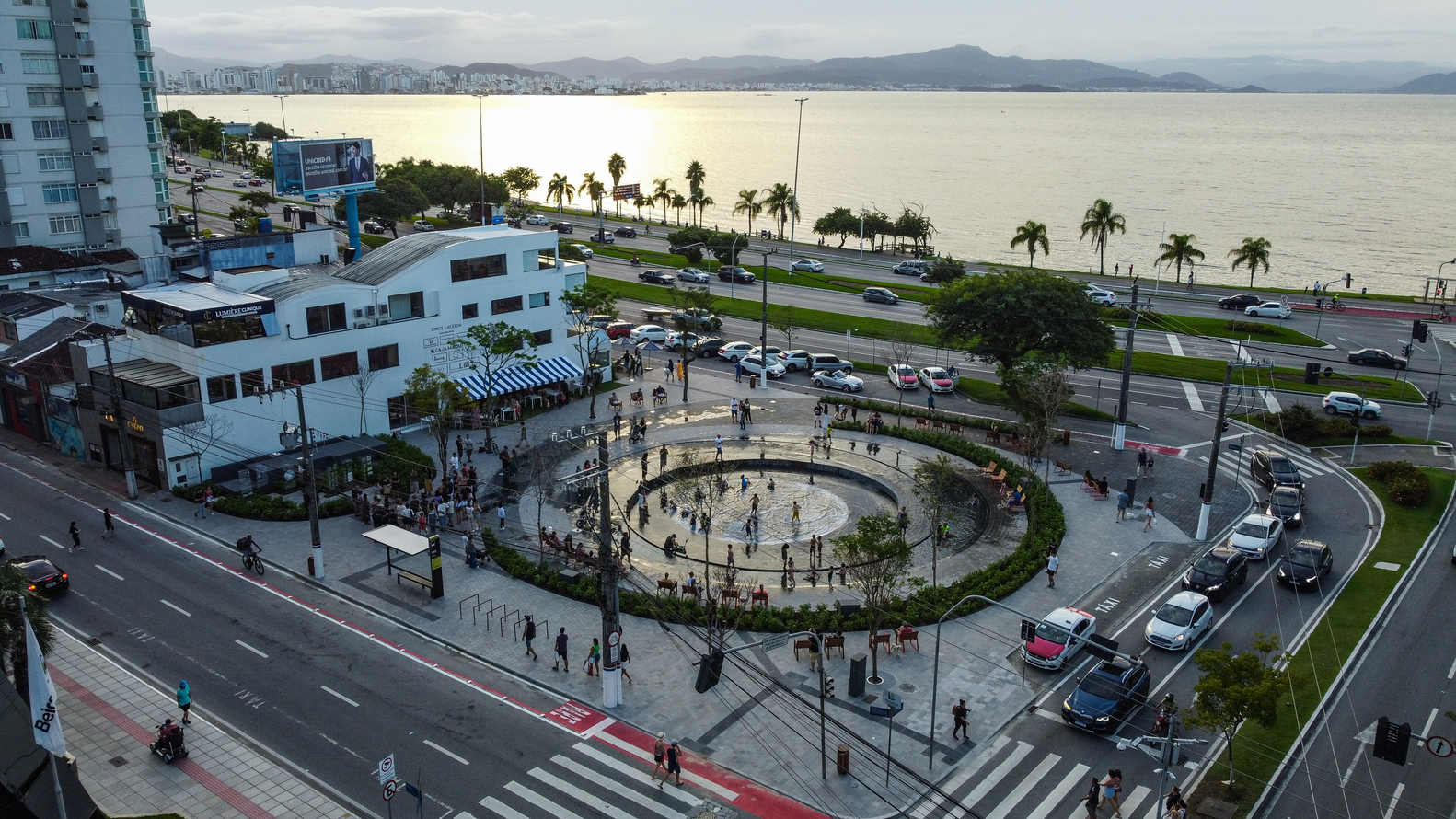
Understanding the privileged location of the square has allowed us to work with special landscaping elements, endowed with notable plasticity and also referencing the history of the site.
This land was originally part of the sea. In the 18th century, it is believed to have housed the Gunpowder House of the Fortress São Luís da Praia de Fora, located nearby and part of the island's military defense system. Subsequently, as the city grew, it was moved away from the shoreline by successive landfills, and the site, which no longer had defensive utility, became private property.
Later, in the mid-20th century, it transformed into an open space for fairs and gatherings, but soon turned into an empty parking lot that longed to be occupied again by people.
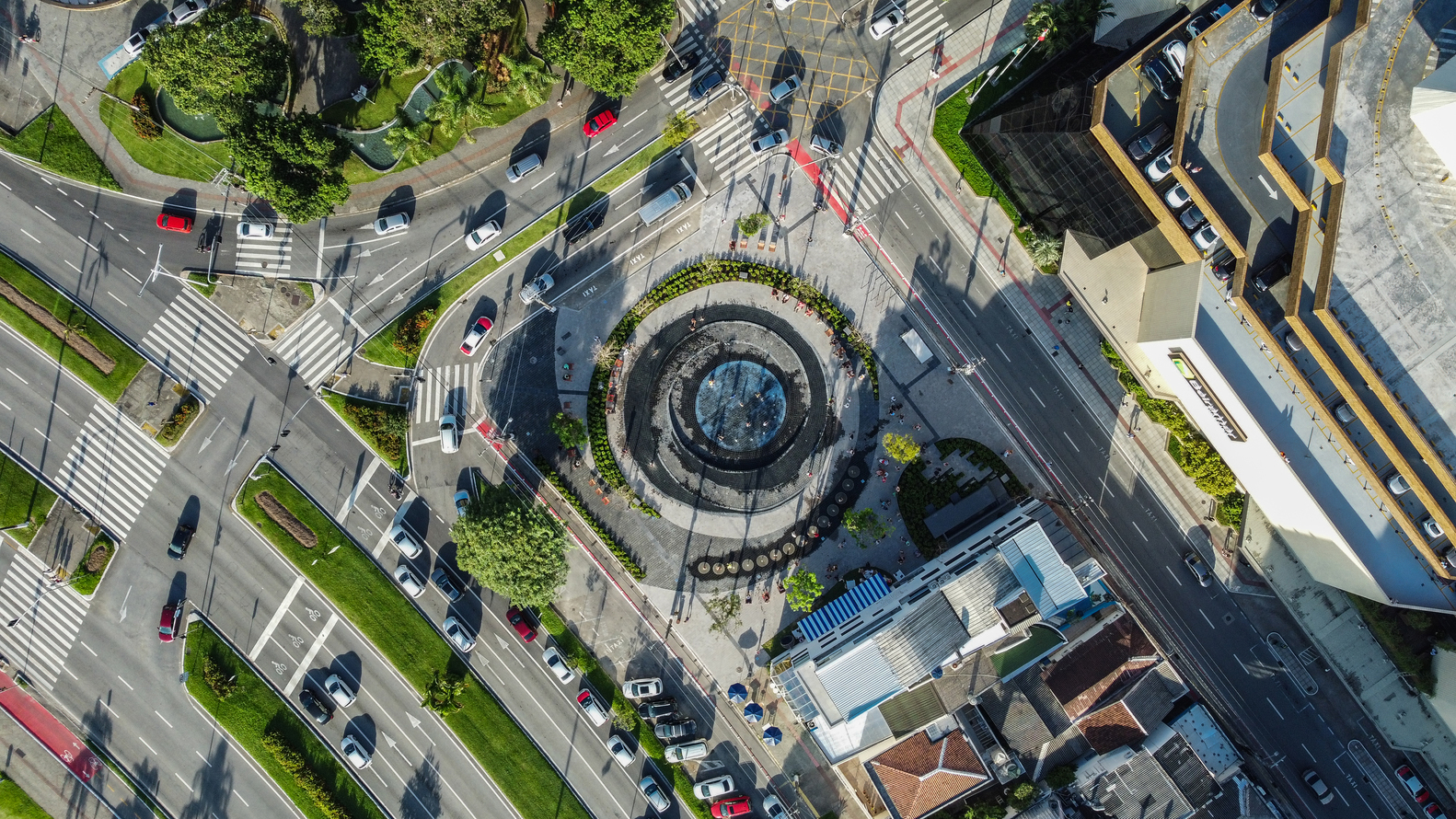
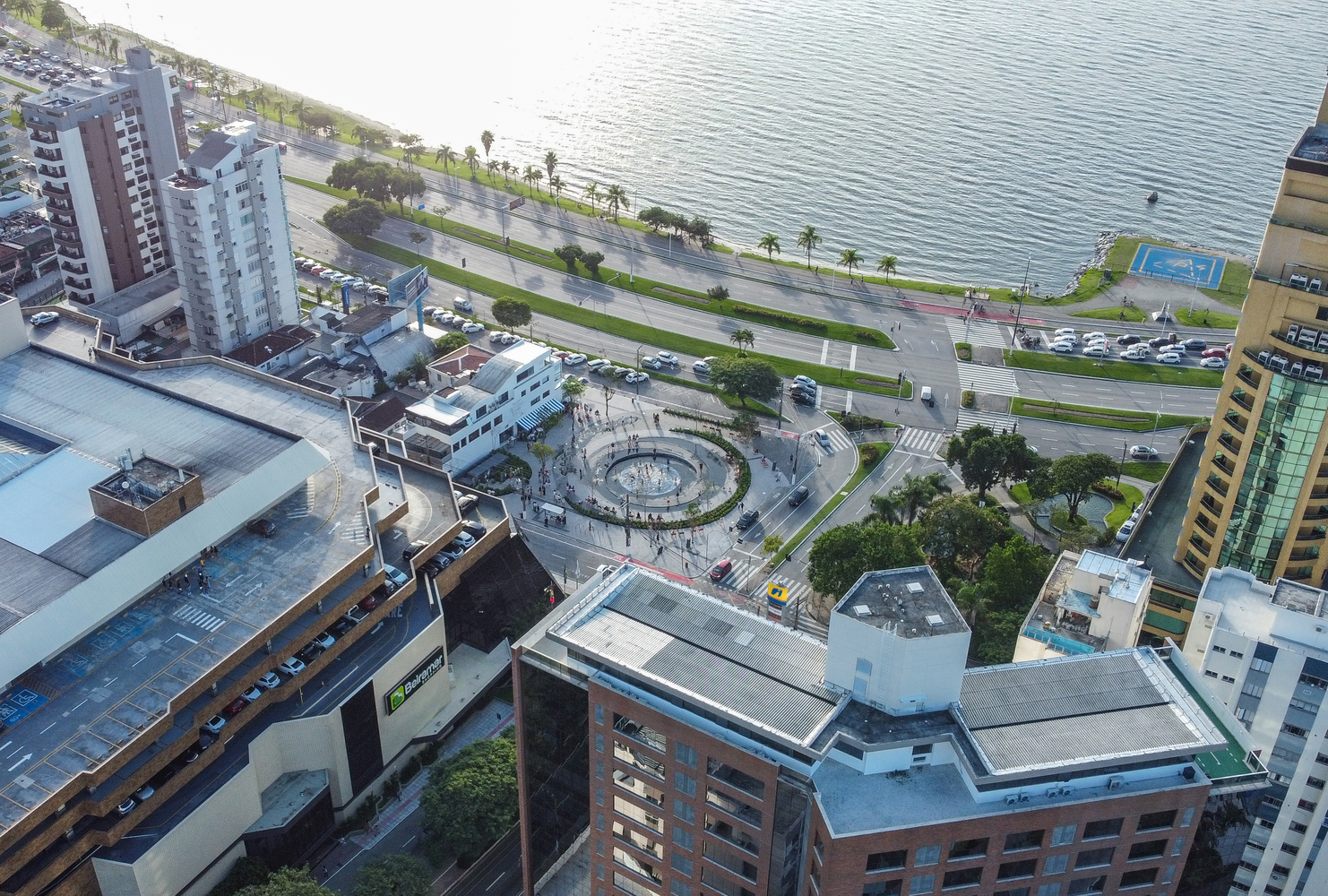
One of the main objectives of this project was to honor its rich history, but in a non-literal way. In this sense, a sculptural element could give the space a new meaning while also paying homage to its past.
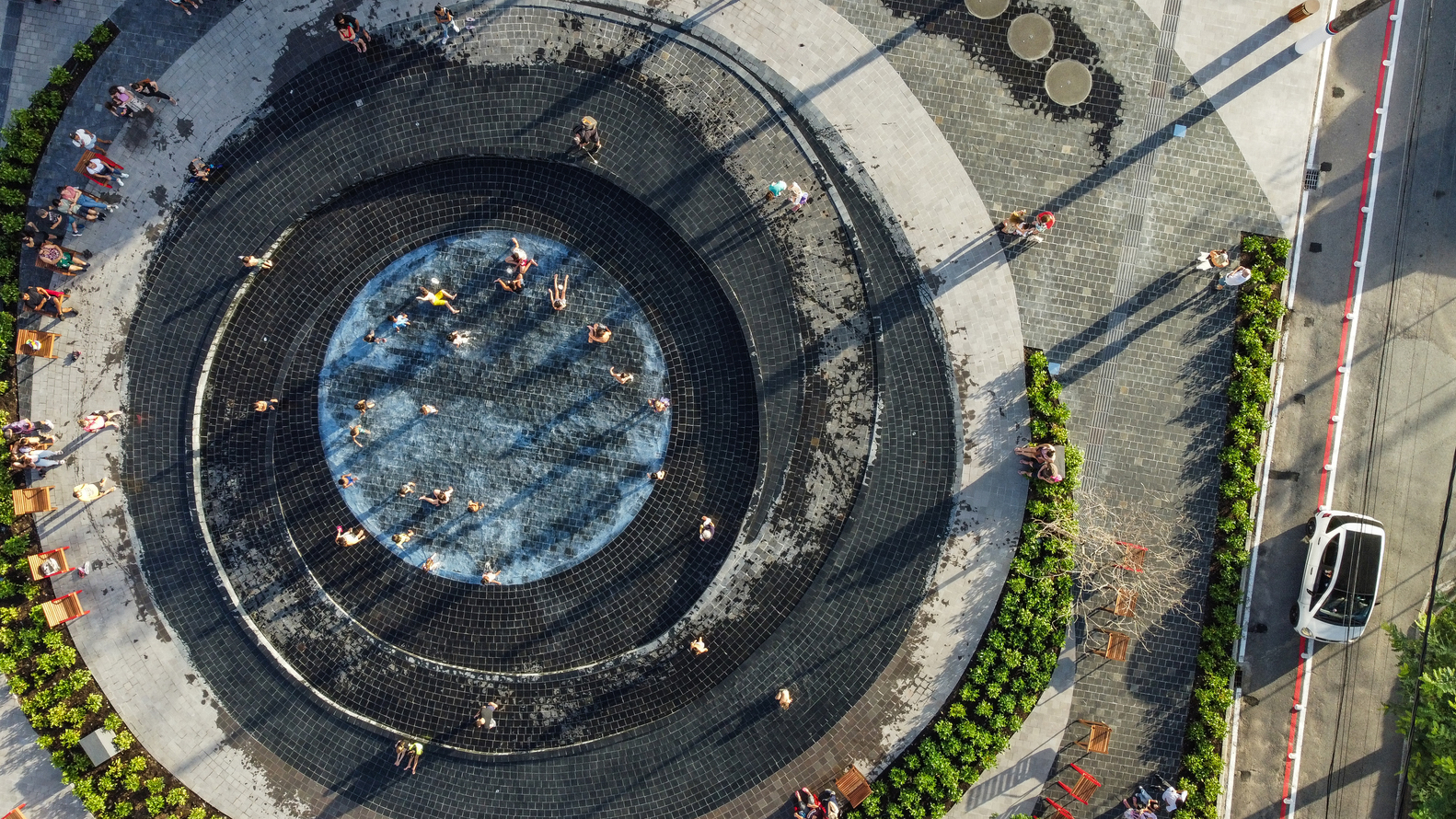
Instead of creating a raised volumetric object, the proposal was to excavate. As a central element, a sculptural path leads the visitor through the square, where water takes center stage. Its circular shape, spiraling towards the center with a gentle incline, represents the island surrounded by water, with even more water at the center, its heart. Intentionally, the object digs into the ground, conveying the message of the past held within.
At sunset, the colorful hues of the setting sun reflect on the water's surface, revealing the subtle lighting made with optical fibers that emerge between the basalt stone pieces covering the ground.
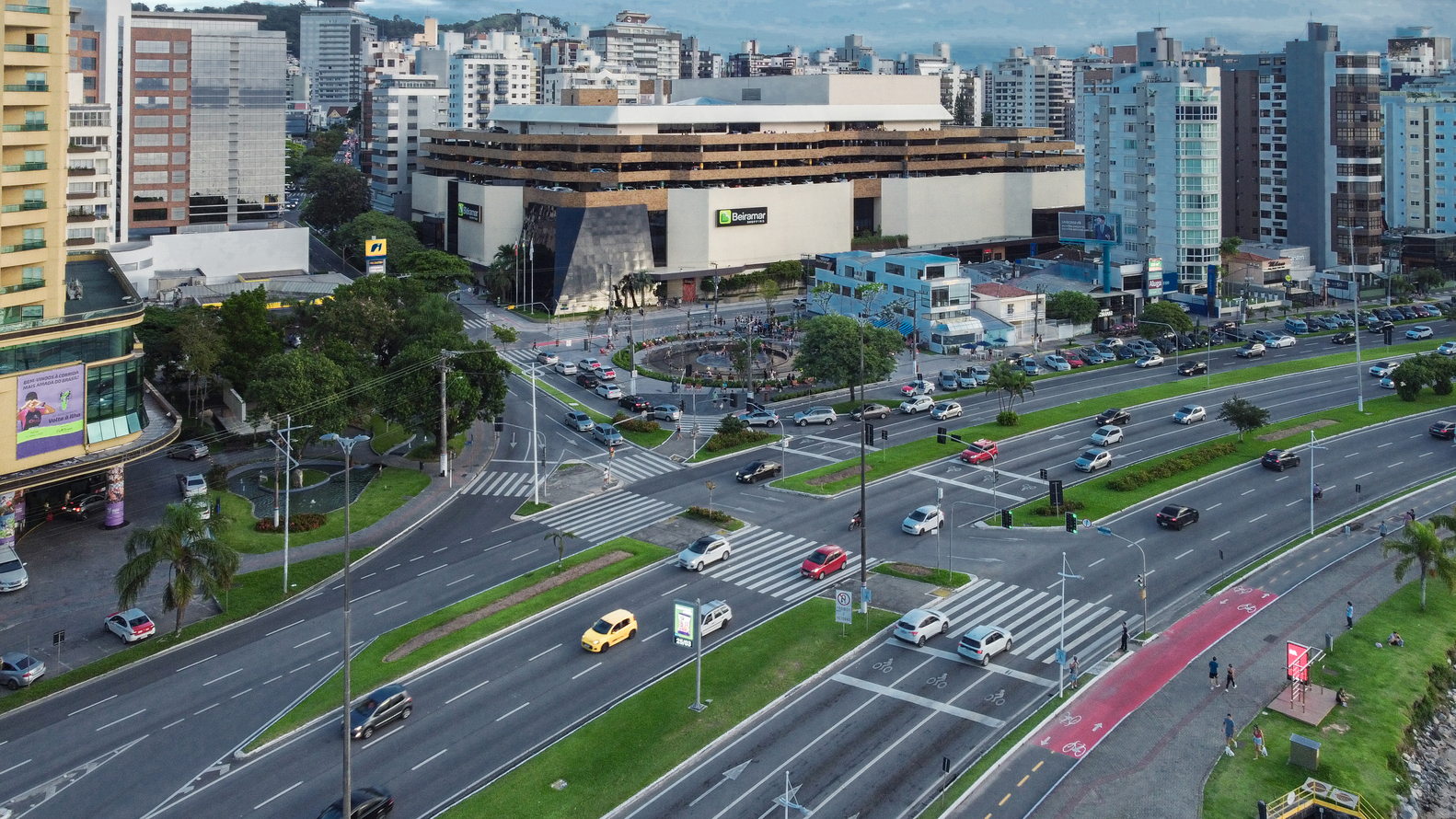
This gesture alludes to a sky full of stars right in the heart of the square and also along the path that leads to it, creating a playful atmosphere. Near the perimeter of the square, taller light poles complete the lighting scheme and enhance the feeling of safety and comfort of this public space. In the dry area of the square, visitors can read traces of the site's history on various totems that inform about its rich past.
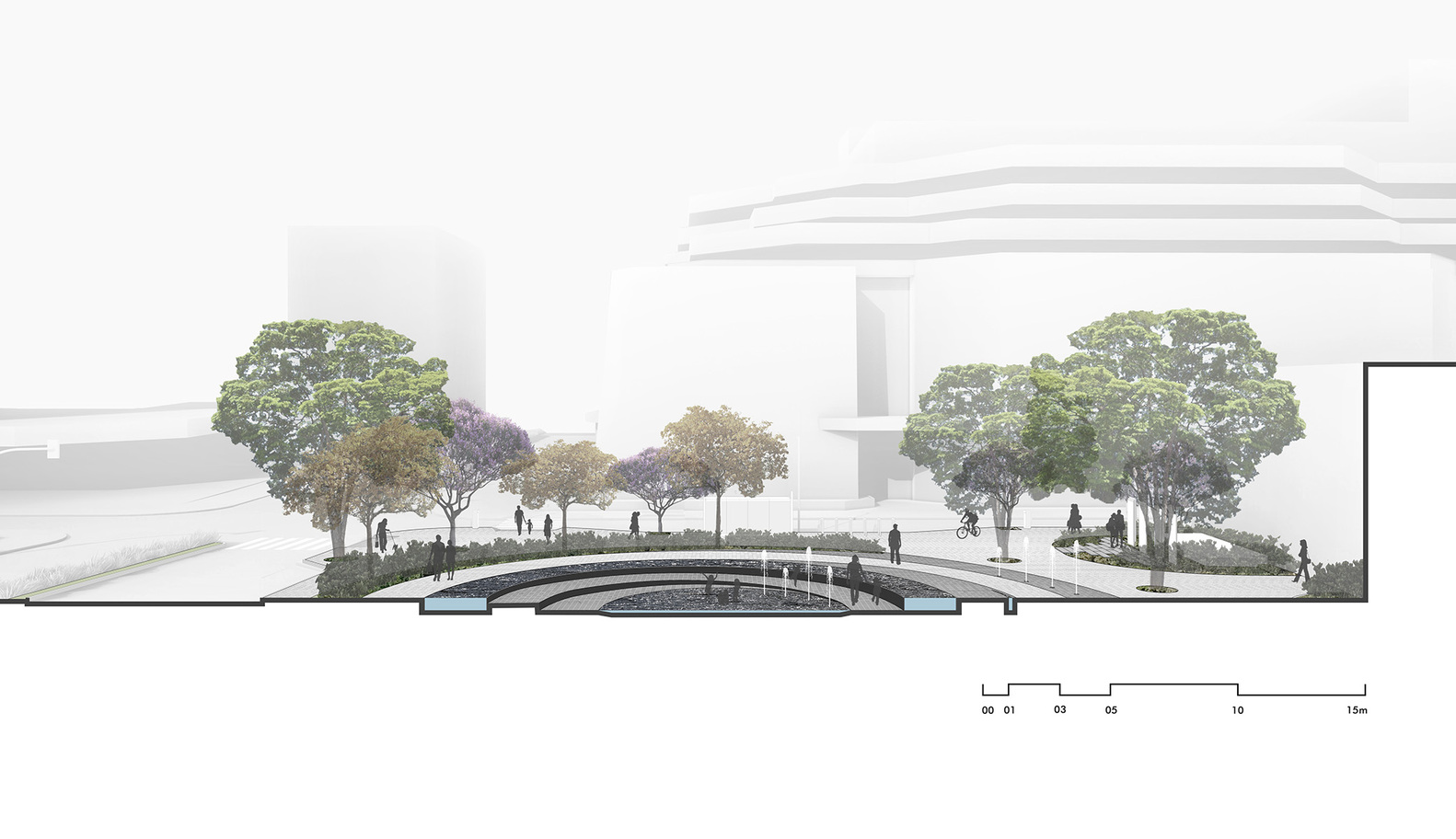
Beyond the symbolism brought to honor this special place, the square plays a crucial role in bringing different people together, a vital characteristic of public spaces.
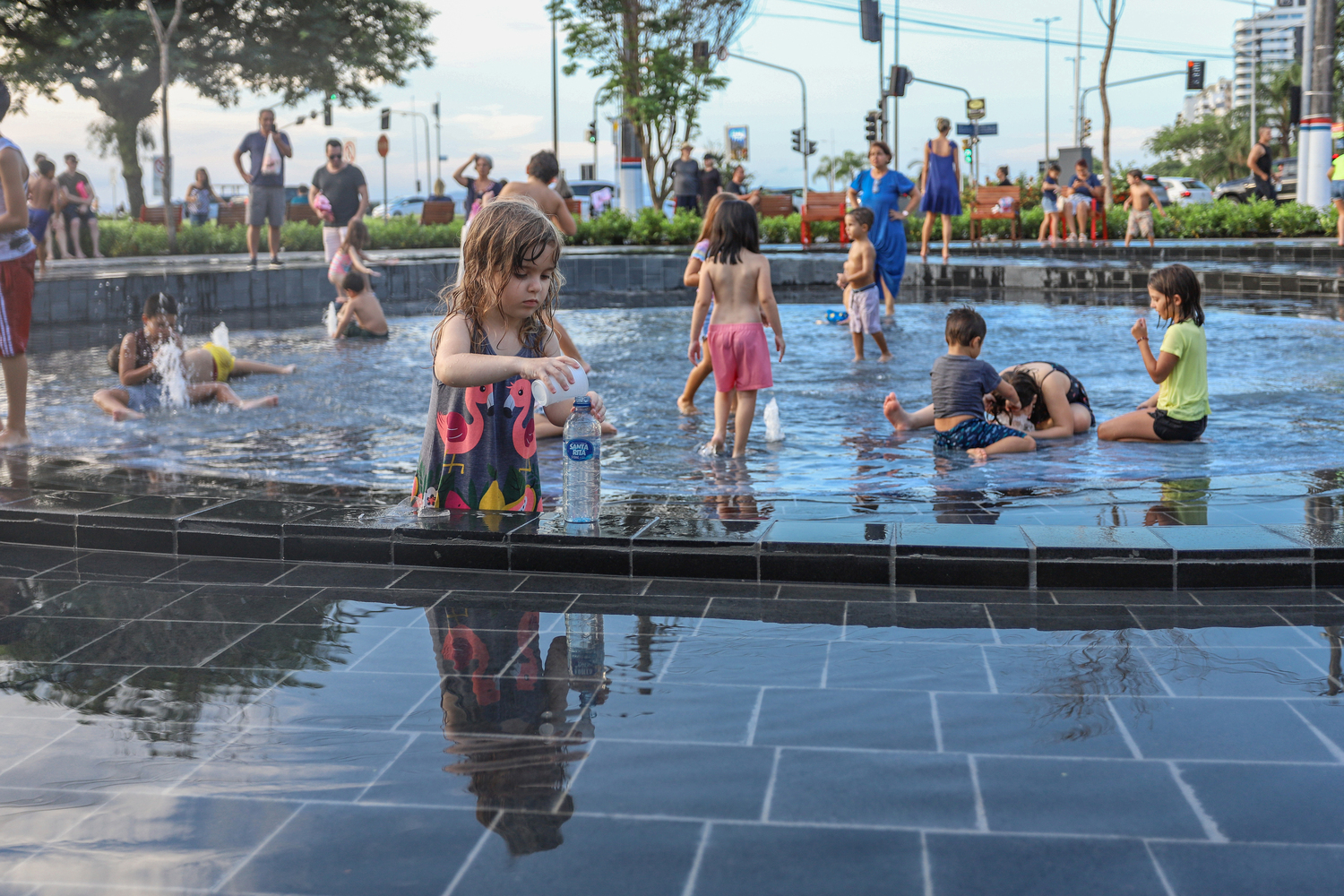
Being located in a residential area, many residents from various social strata gather to enjoy the well-designed public space. It also includes other playful elements, such as moving water, a true delight for children of all ages, and movable chairs to appreciate the beautiful sunset. Similarly to how it engages with its history, water fountains emerge from the ground like a gentle dance in various areas of the square.
From its former military use, the square is now a powerful public space, with a new meaning suitable for a contemporary city that creates spaces for people and values its natural elements. Several mature native trees have been integrated into the perimeter of the square, creating a welcoming atmosphere in relation to the surrounding streets.
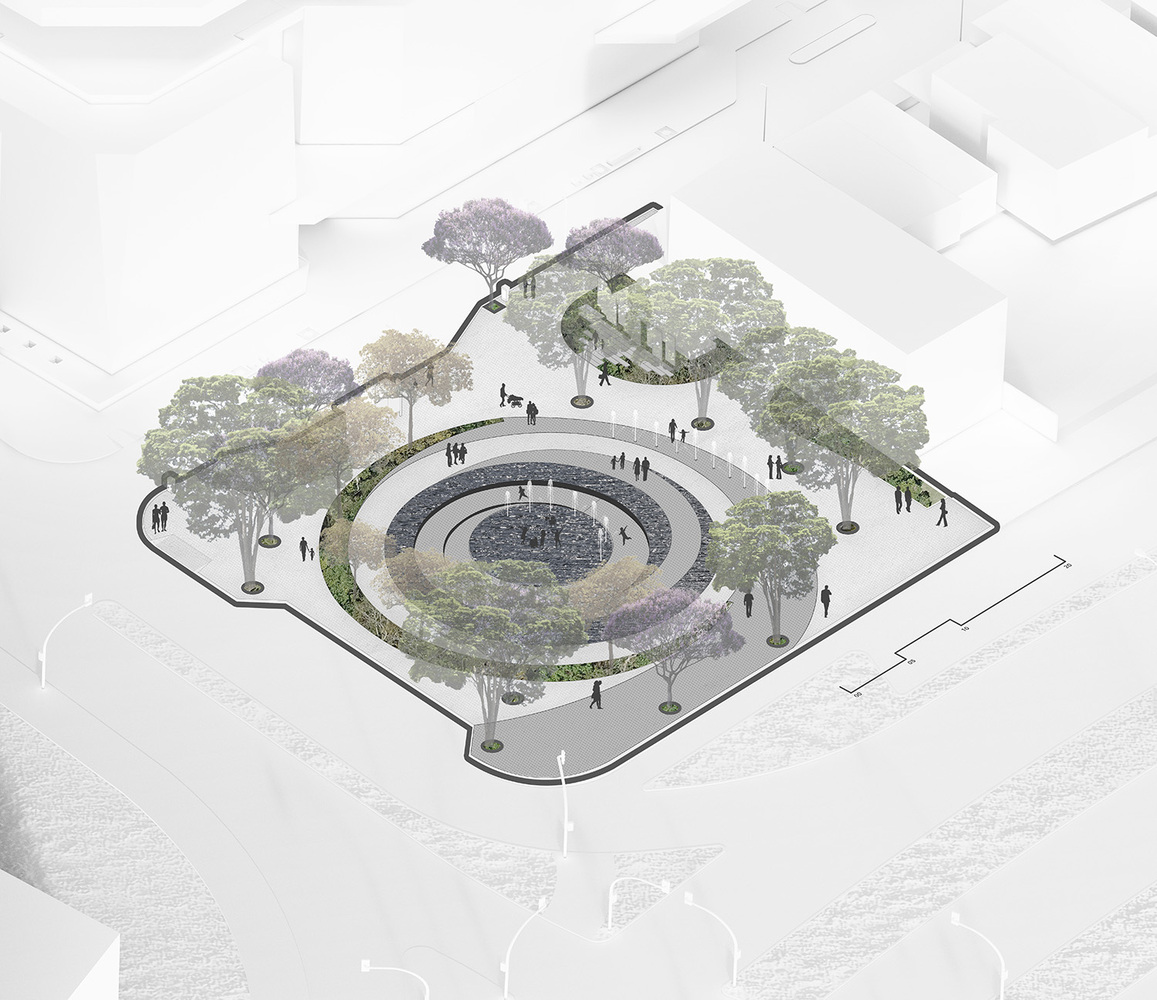
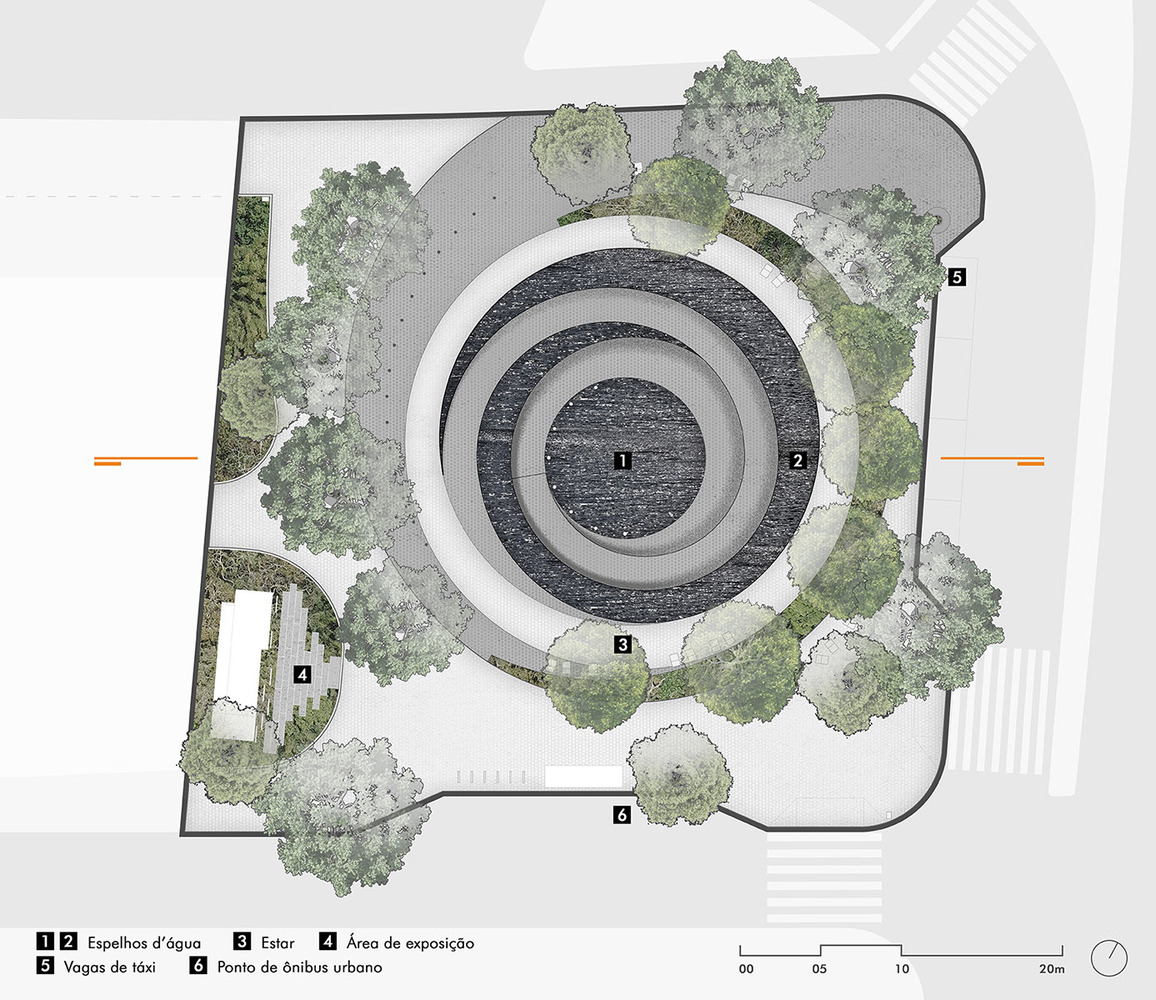
Thus, visitors are welcomed into a cozy place while also creating a sunny center, with water as the main element. Alongside this, the vegetation acts as a guide along the path, directing visitors towards the center, the heart of the square.