
House In Los Llanos
HOUSE IN LOS LLANOS
Pepa Diaz Arquitecta
ARCHITECTS
Pepa Diaz Arquitecta
MANUFACTURERS
Metra Building
DESIGN TEAM
Francisco J. Guillermo Ureña
PHOTOGRAPHS
Juan S. Calventus y Jerónimo José Montes Martínez
AREA
97 m²
YEAR
2024
LOCATION
Lorca, Spain
CATEGORY
Houses, Restoration
English description provided by the architects.
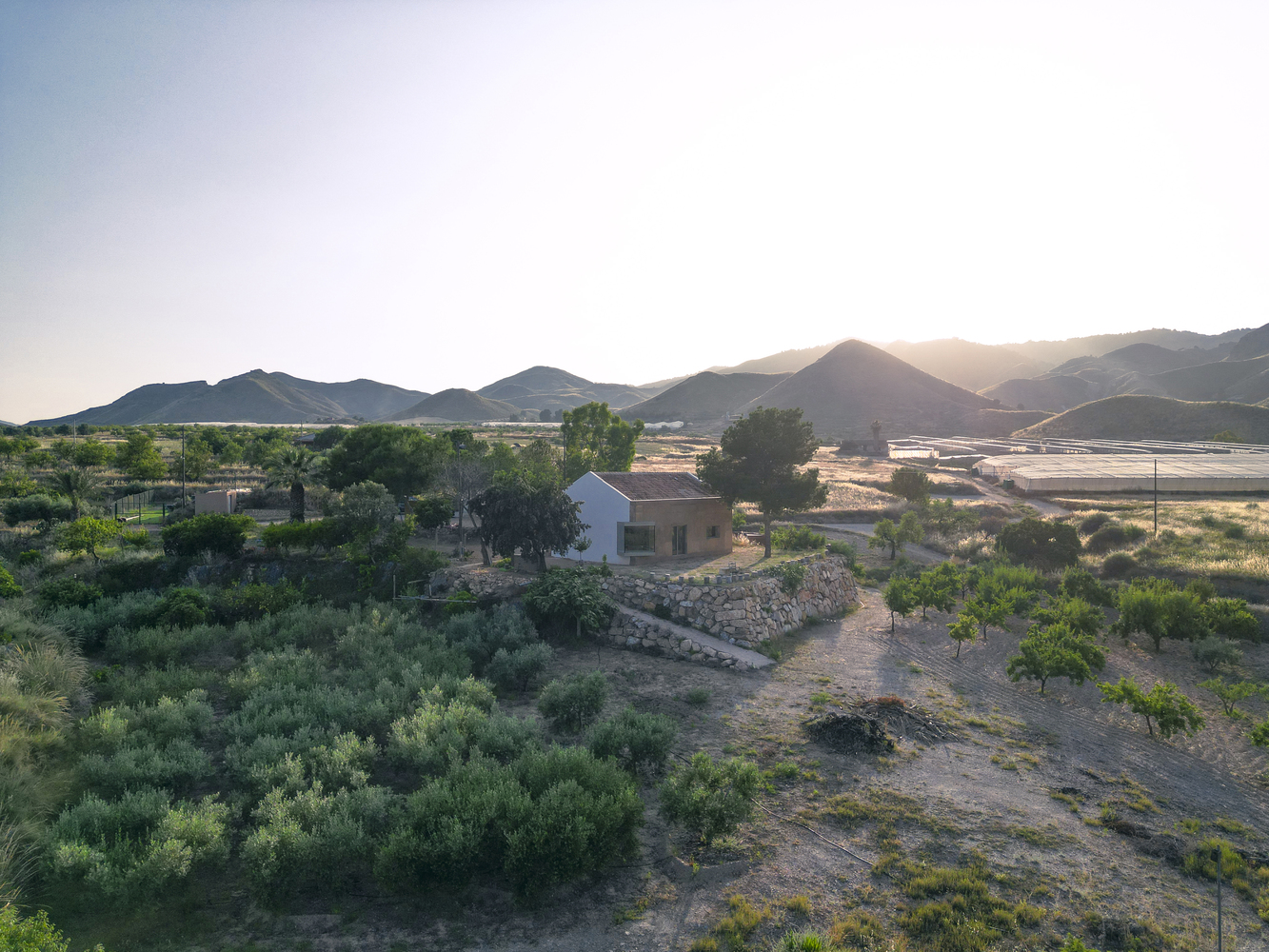
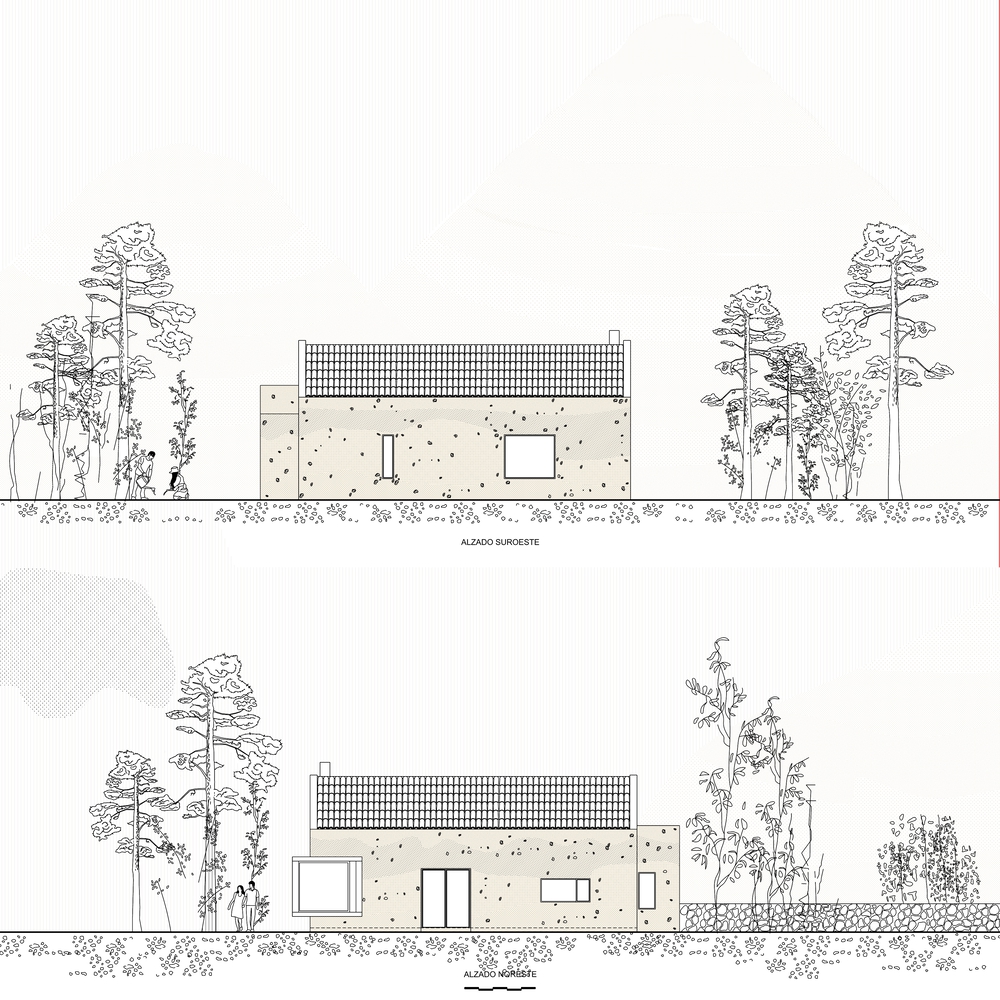
The house in the Llanos is a timeless and eclectic home, which has undergone the partial restoration of an almost ruin; little remained of it initially, but it was the childhood home of the owner.
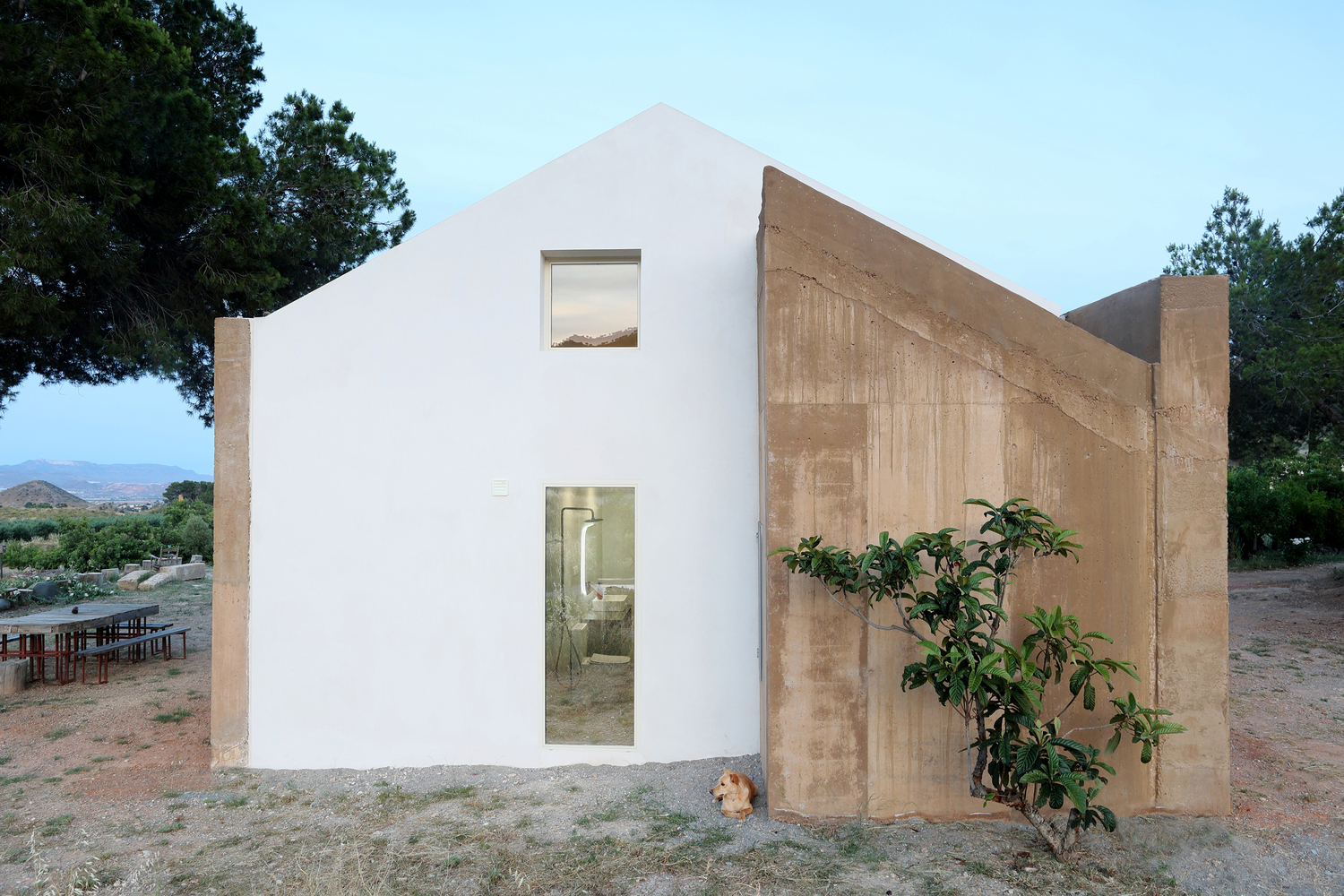
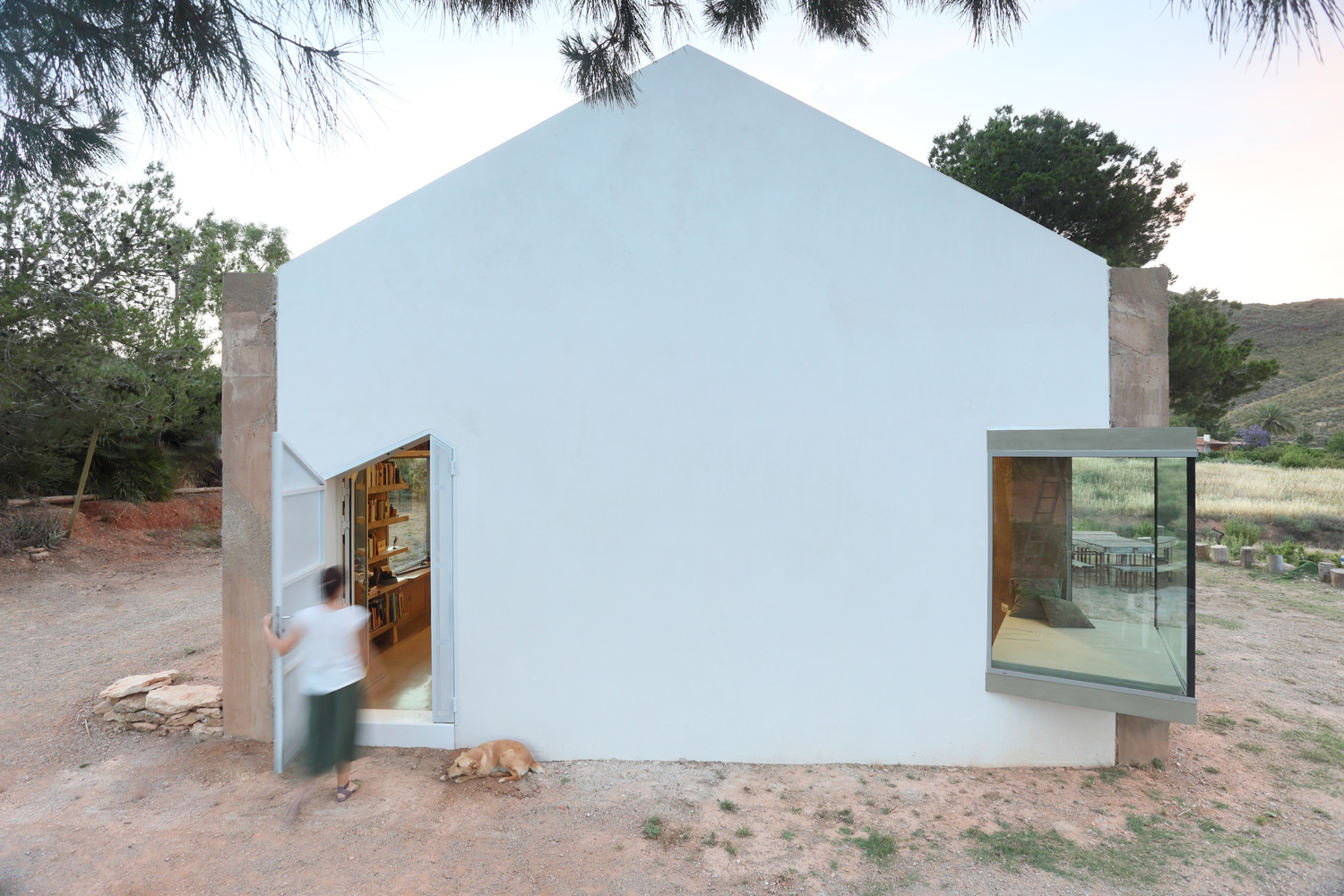
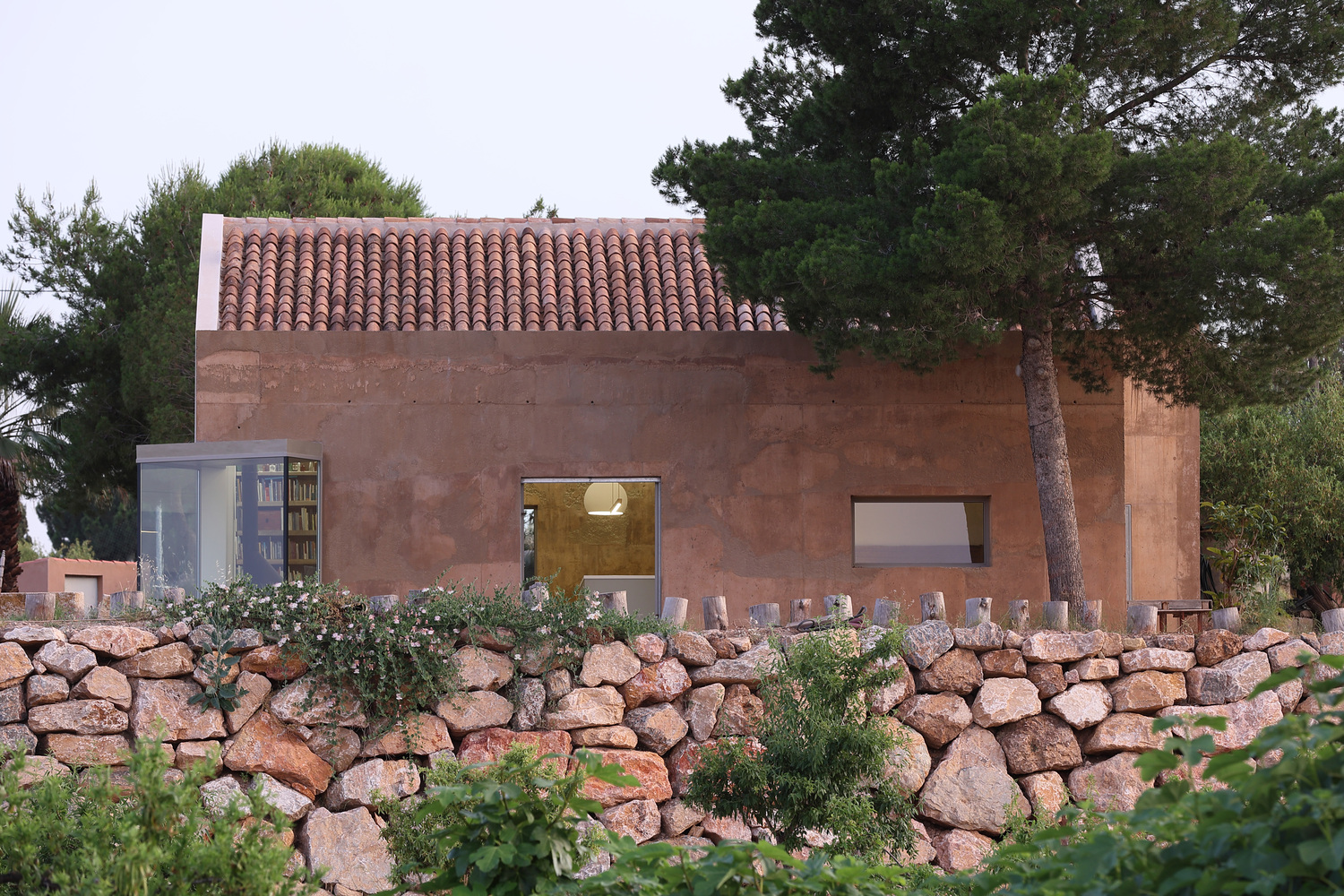
In accordance with the Architecture Quality Law, efforts have been made to harmoniously integrate it into the landscape, through a contribution adapted to economic, environmental, and social sustainability, managing local resources, reusing, and recycling materials to the extent they could be salvaged, thus contributing to a circular economy process.
It has been conceived and designed not only from a physical expression but also as a cultural and identity fact, deeply connecting the place to the inhabitant and their family.
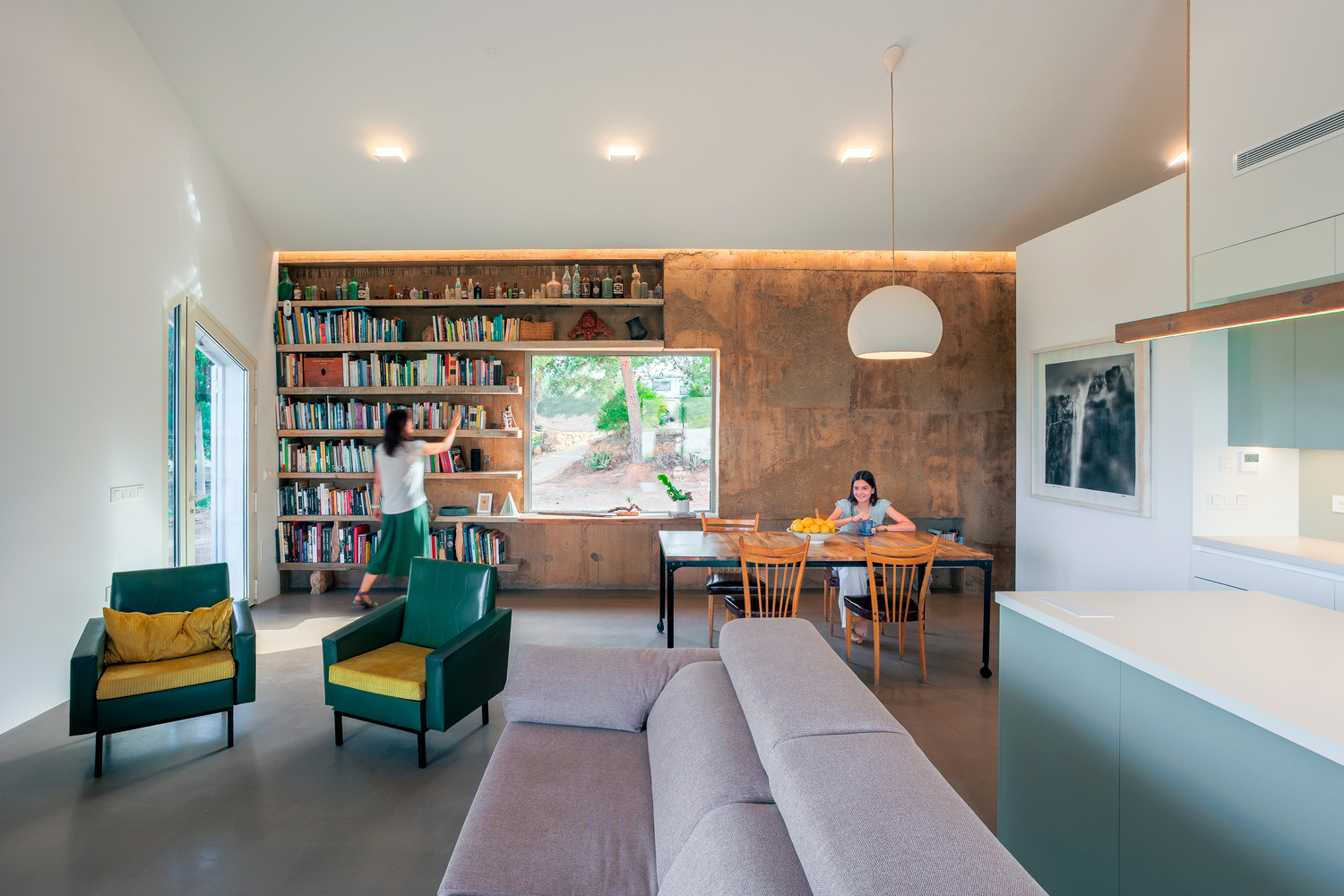
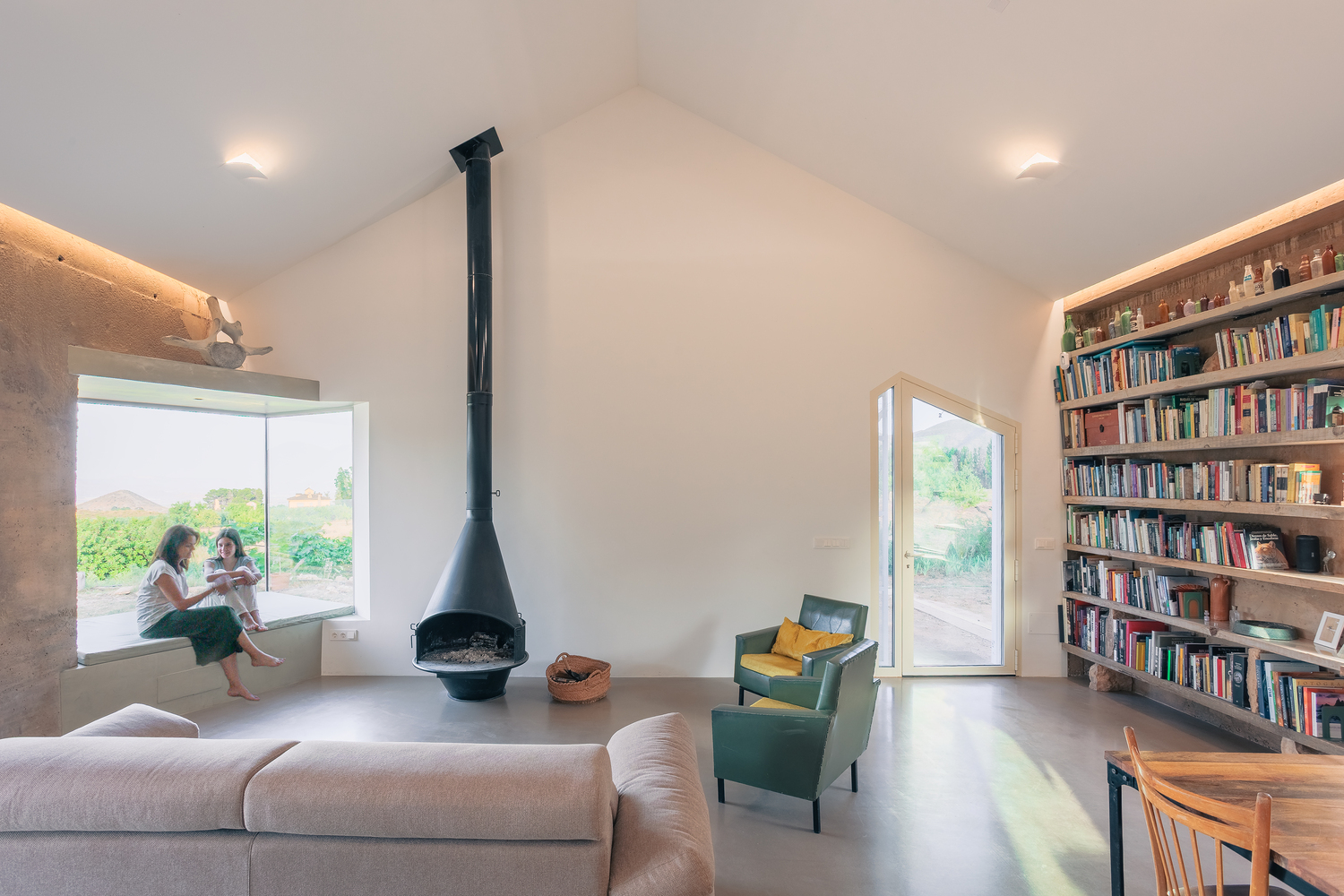
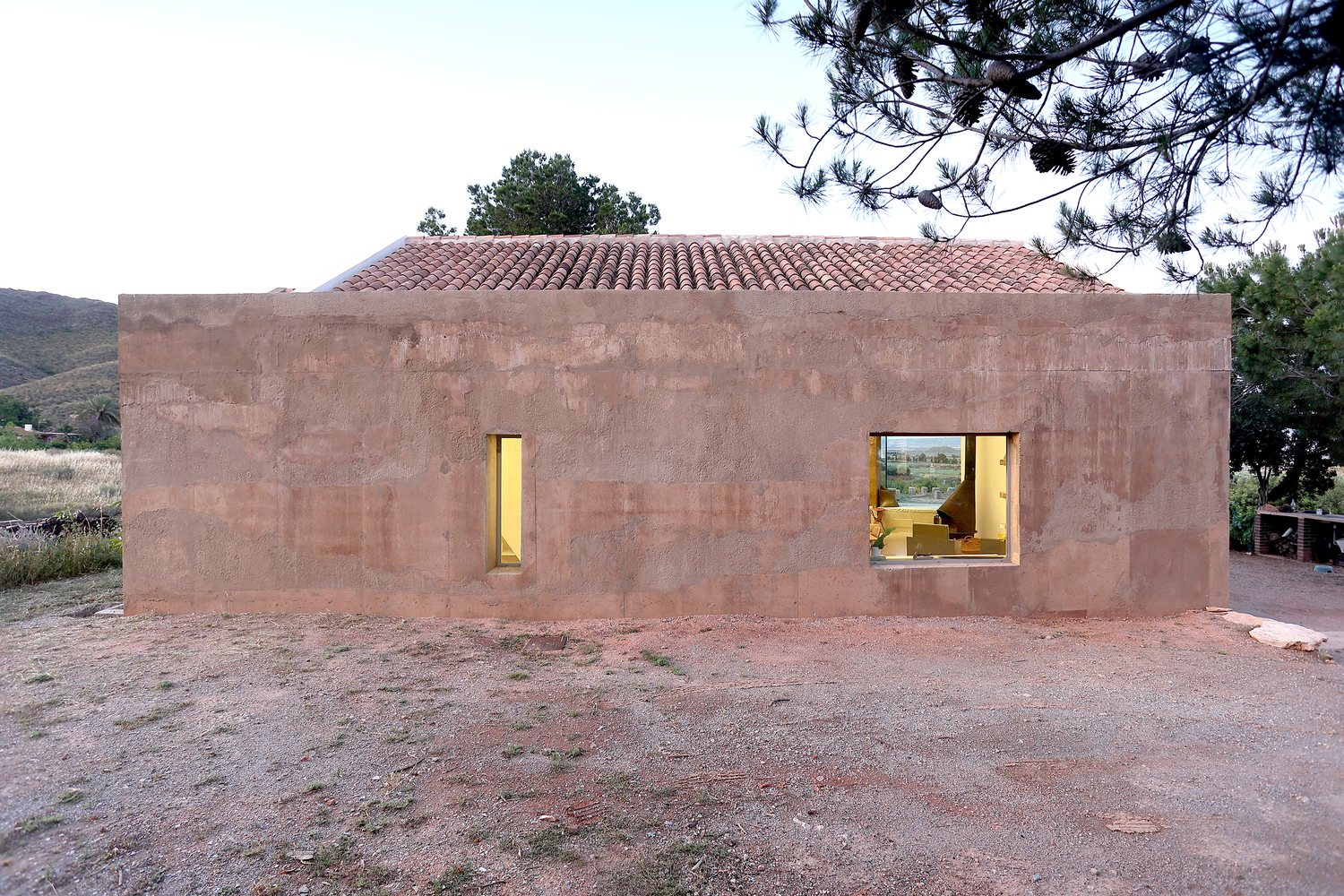
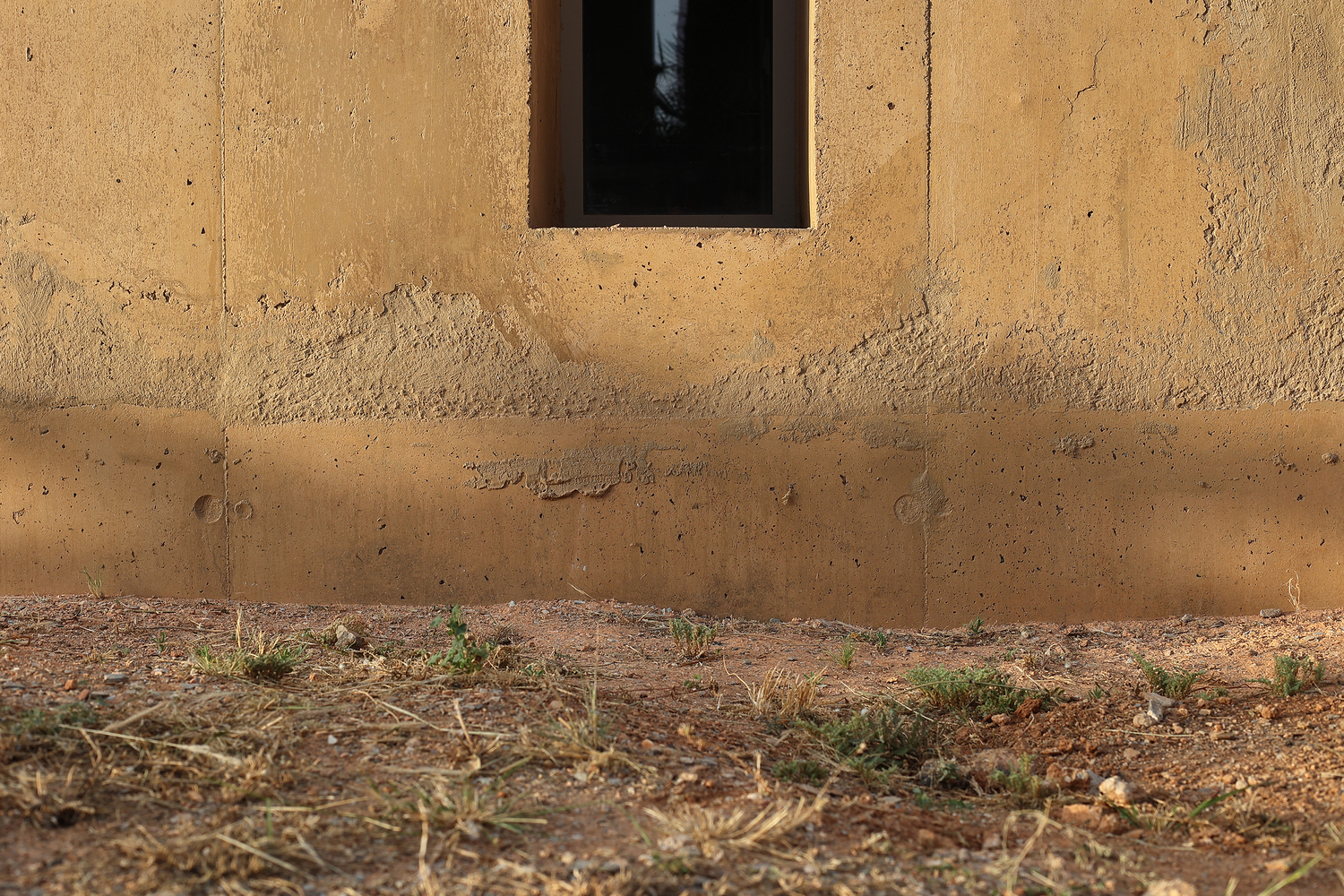
The construction of the project has been executed with a certain degree of craftsmanship, including semi-earthen walls that allow the builder to experiment with the local soil and explore its possibilities and challenges.
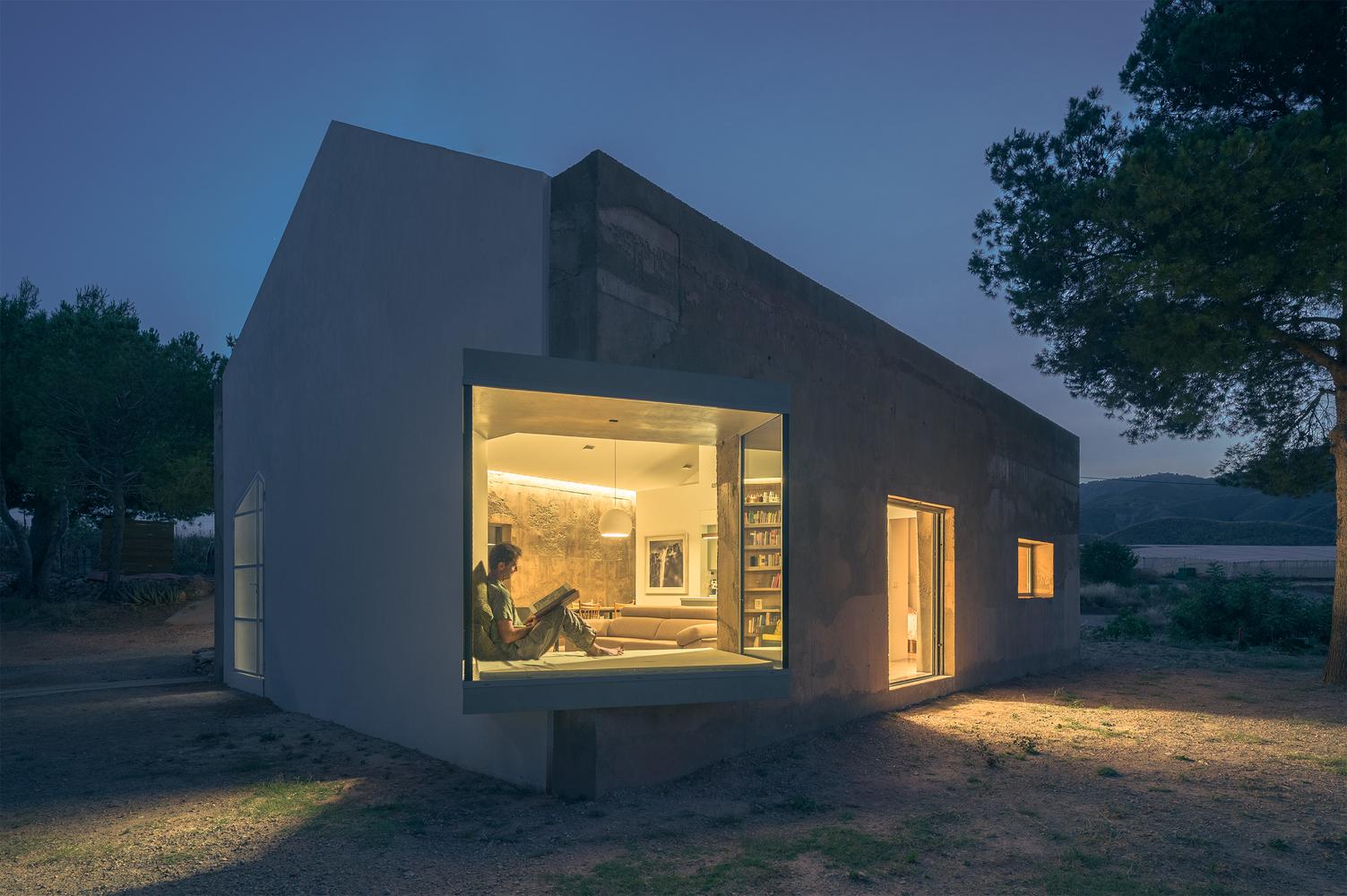
They have worked on these with the same dedication that their parents applied to the lands where the house is located, creating a parallelism and holistic connection, recovering other parts of the original structure such as the roof or materials that are reimagined to configure the interior furniture, where, for example, boards from the roof of the small stable form the shelves in the current living area.
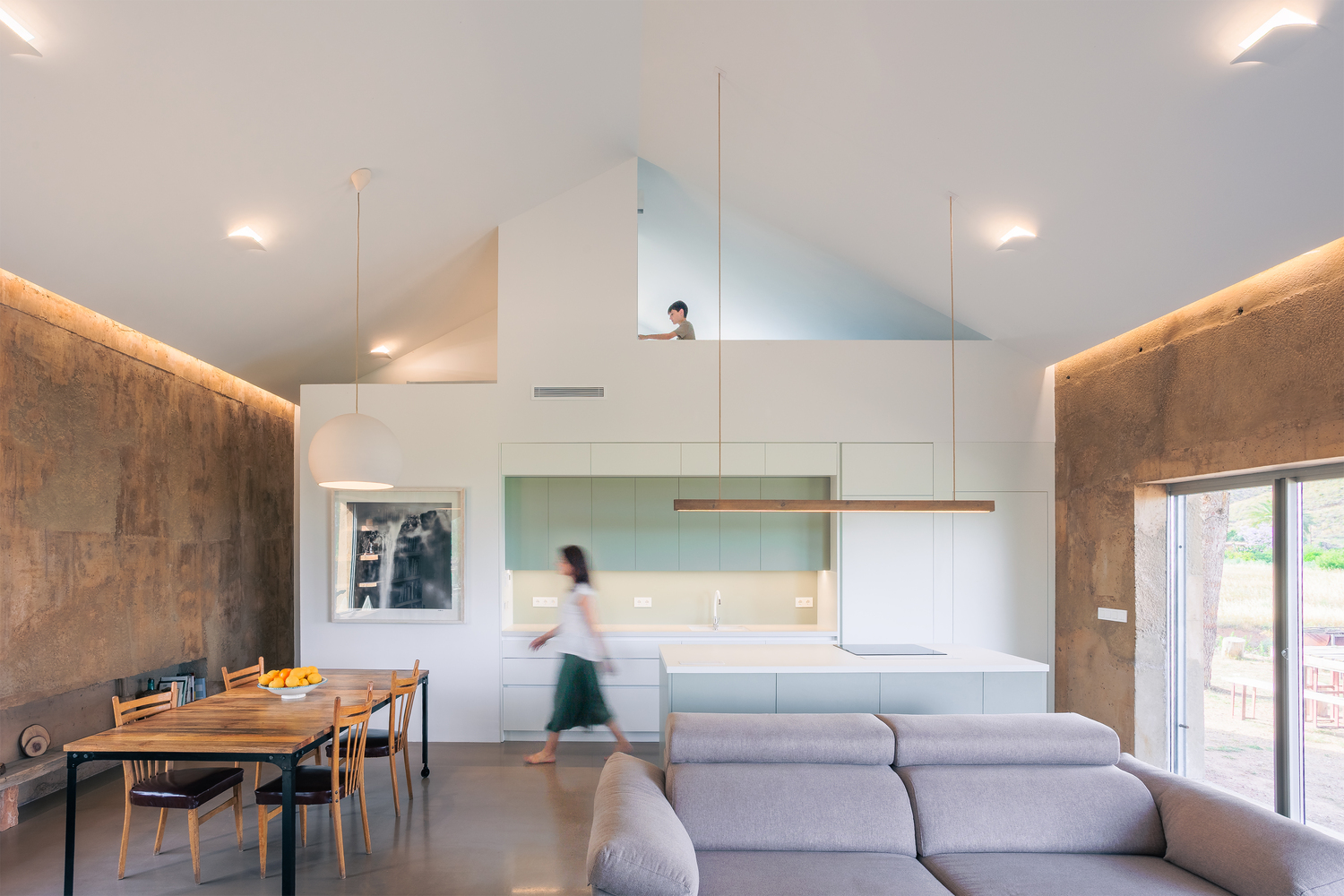
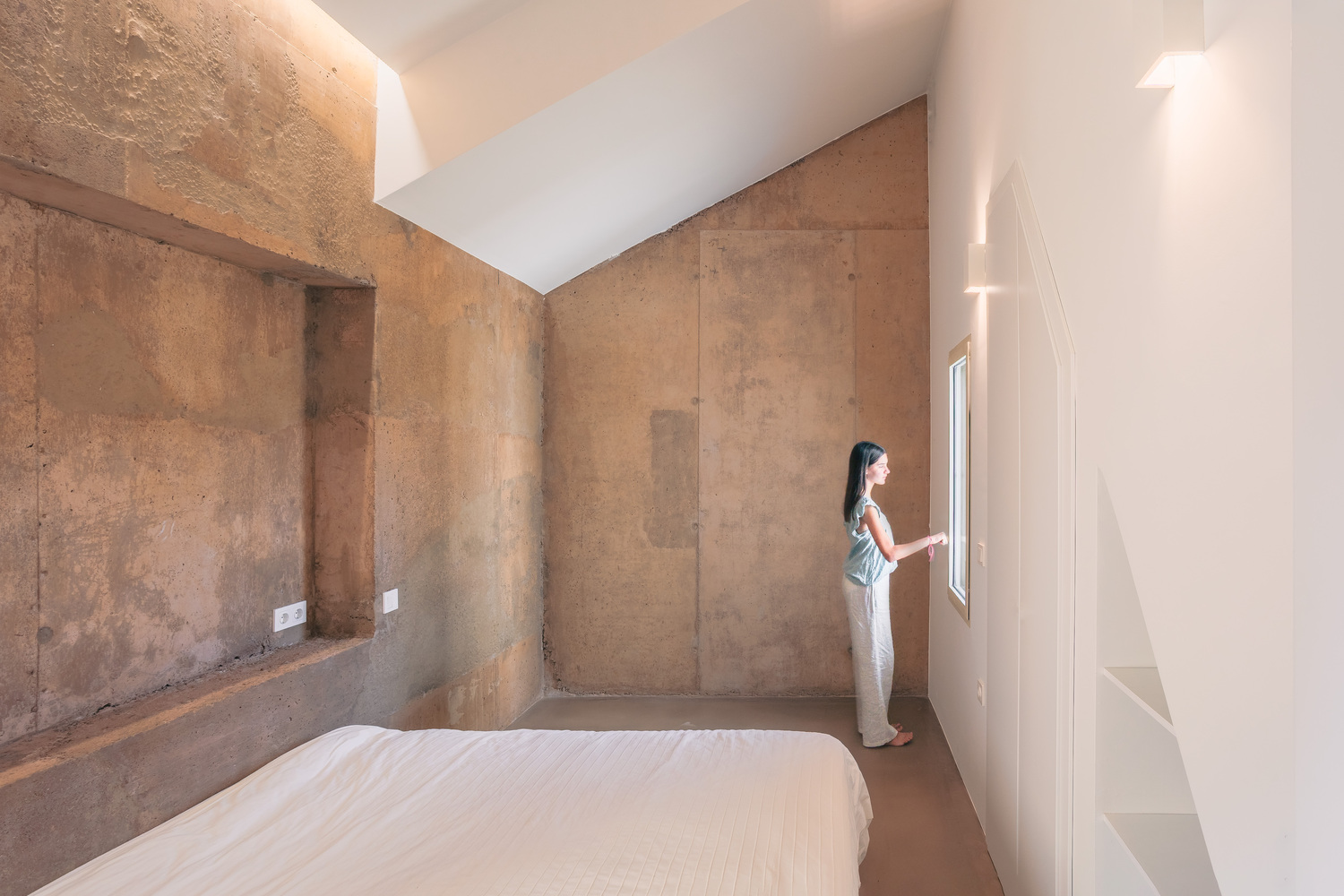
The intervention of the House in the Llanos focuses on the recovery of rurality, caring for and nurturing this architecture, which is sometimes silenced and disparaged, while also enveloping it in a new air of contemporaneity.
Recovering the essence of the homes that once served as the dwelling places of those who worked the fields and lived off agriculture means establishing that necessary connection for the inhabitants with their ancestors and future generations.
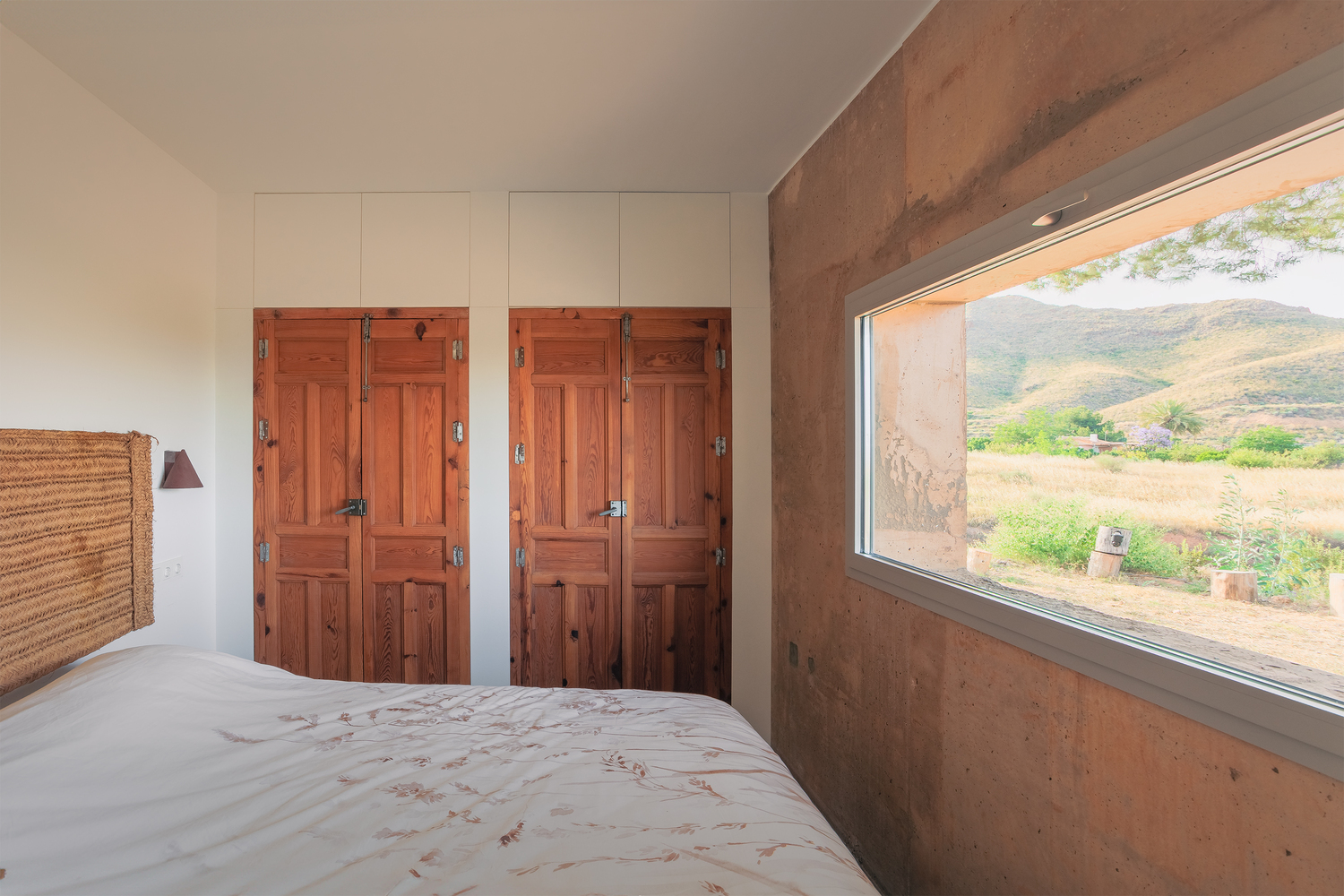
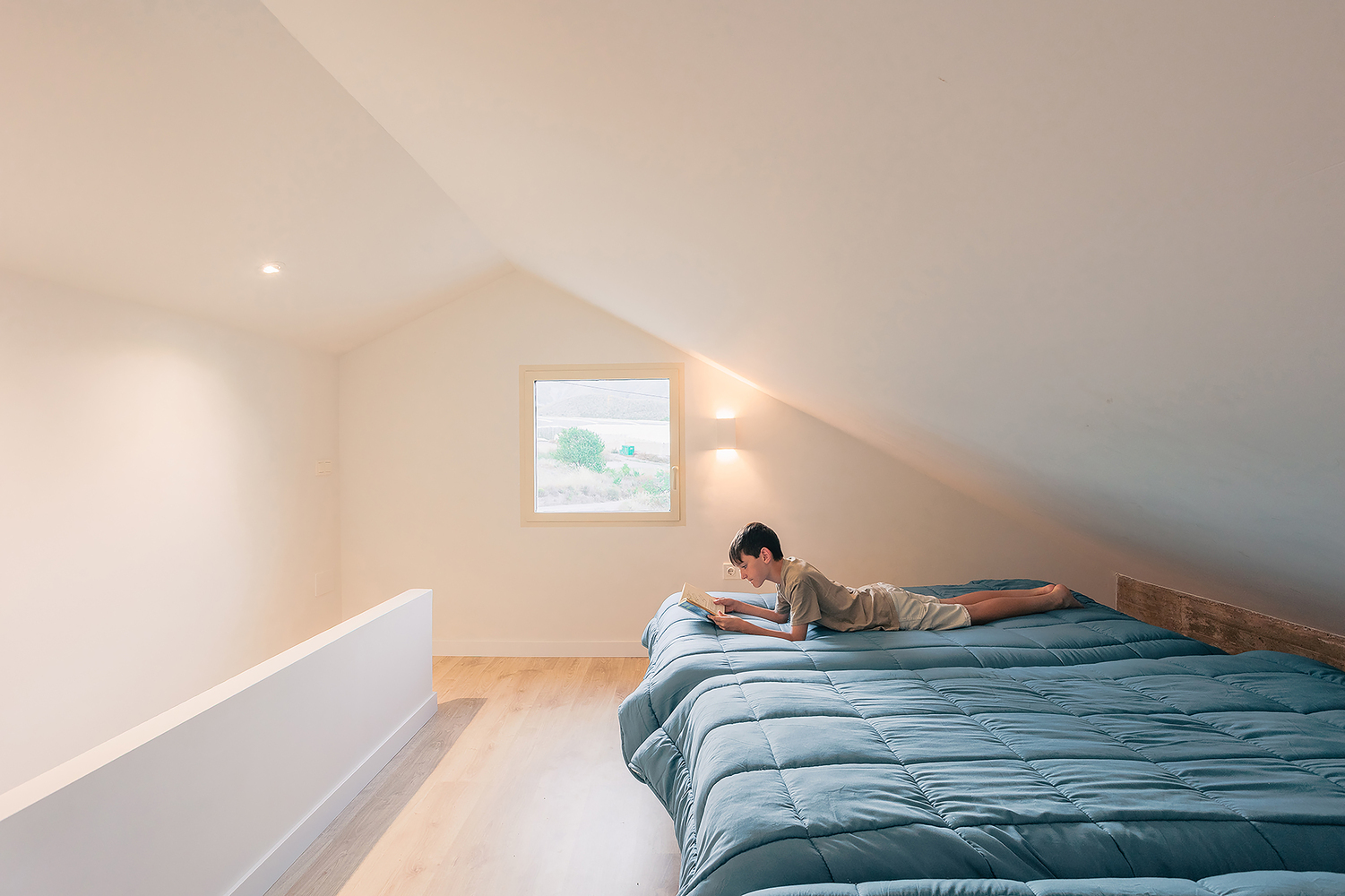
It signifies leaving a contemporary mark on something pre-existing, and maintaining the memory of those who inhabited it in their childhood.
An intemporal place protected from urban invasion. It encourages reflection on the relationship with the environment, on how to be part of it, and on new ways of inhabiting in the future.
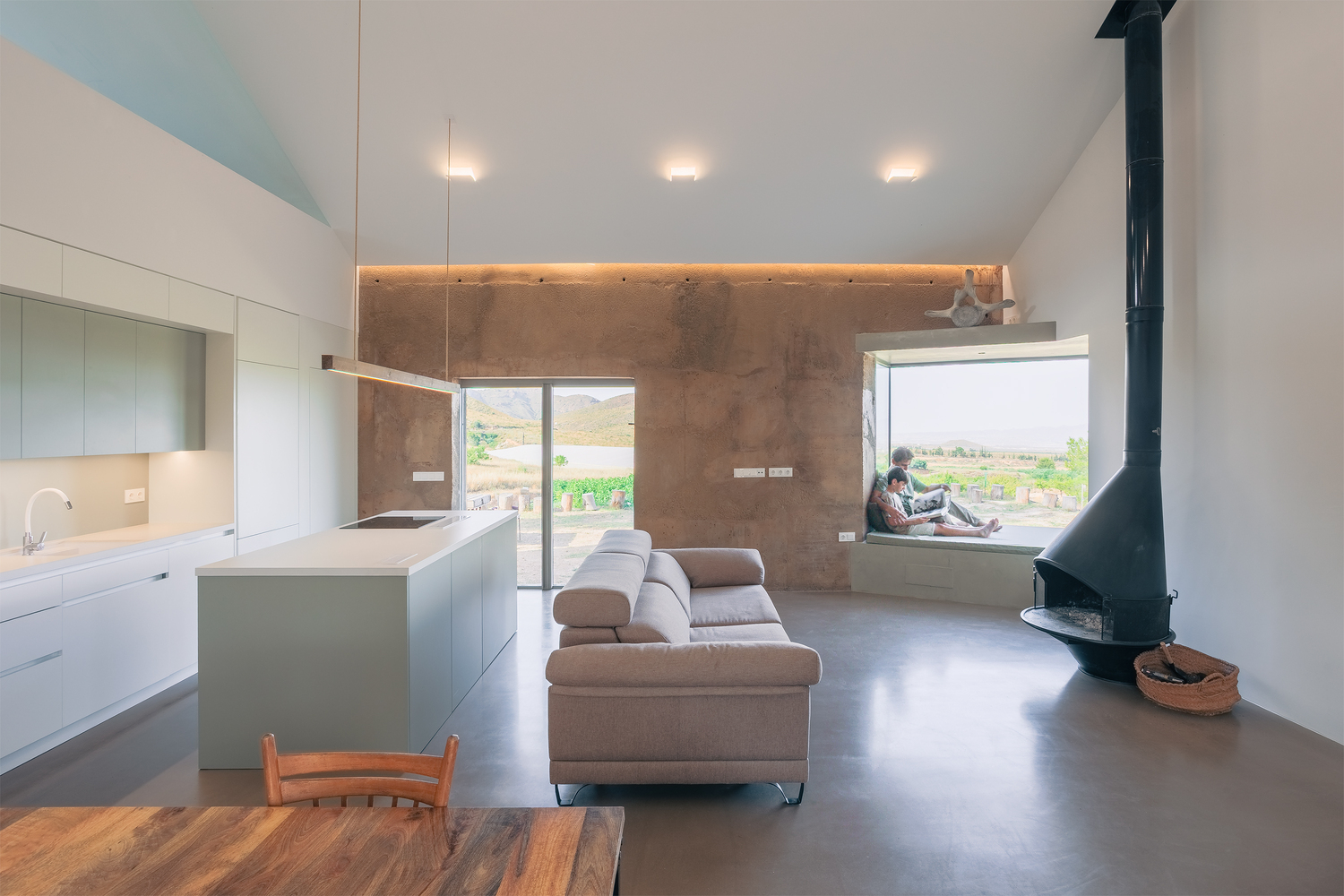
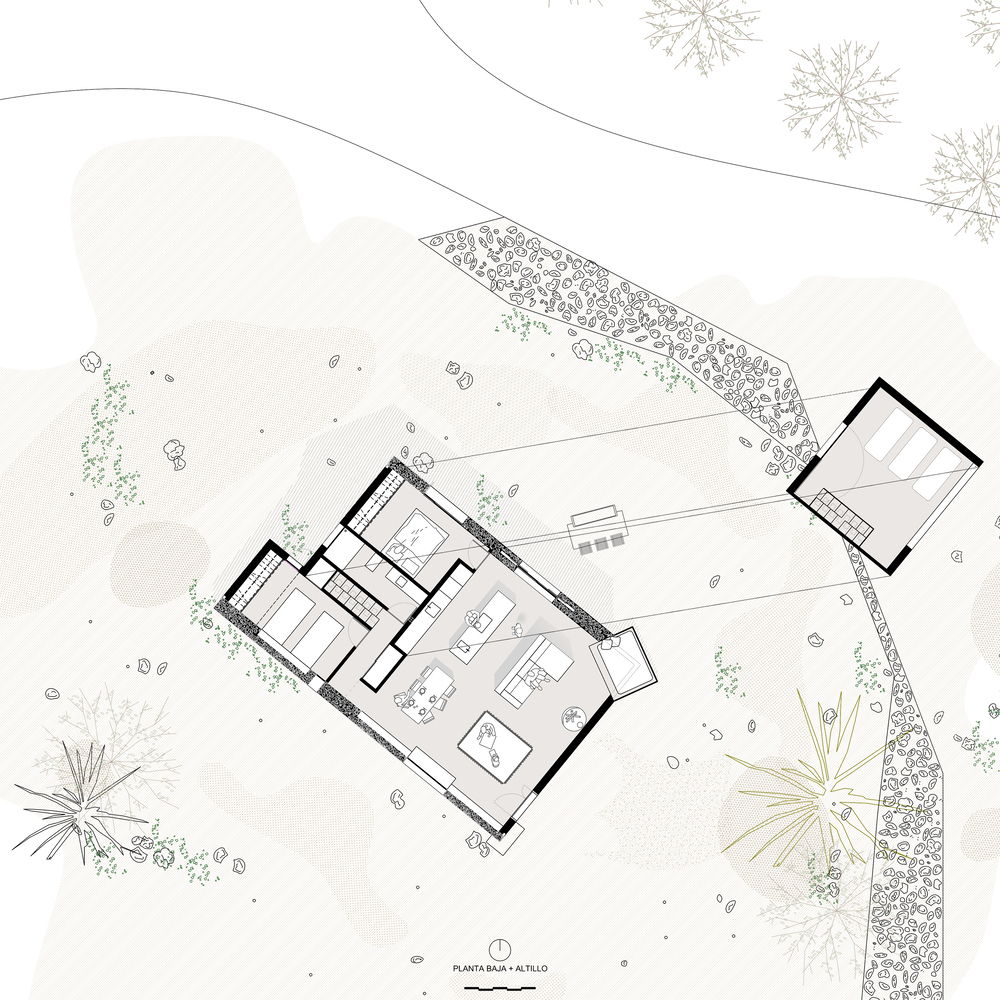
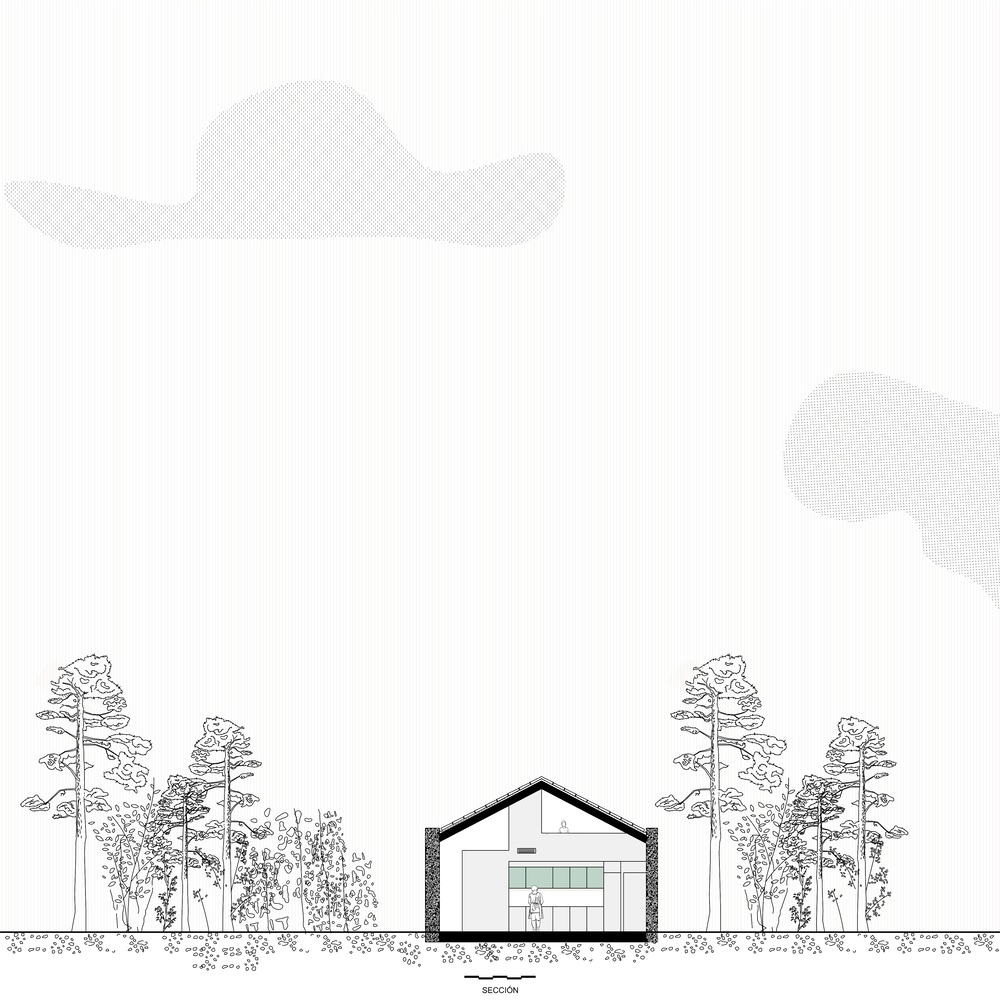
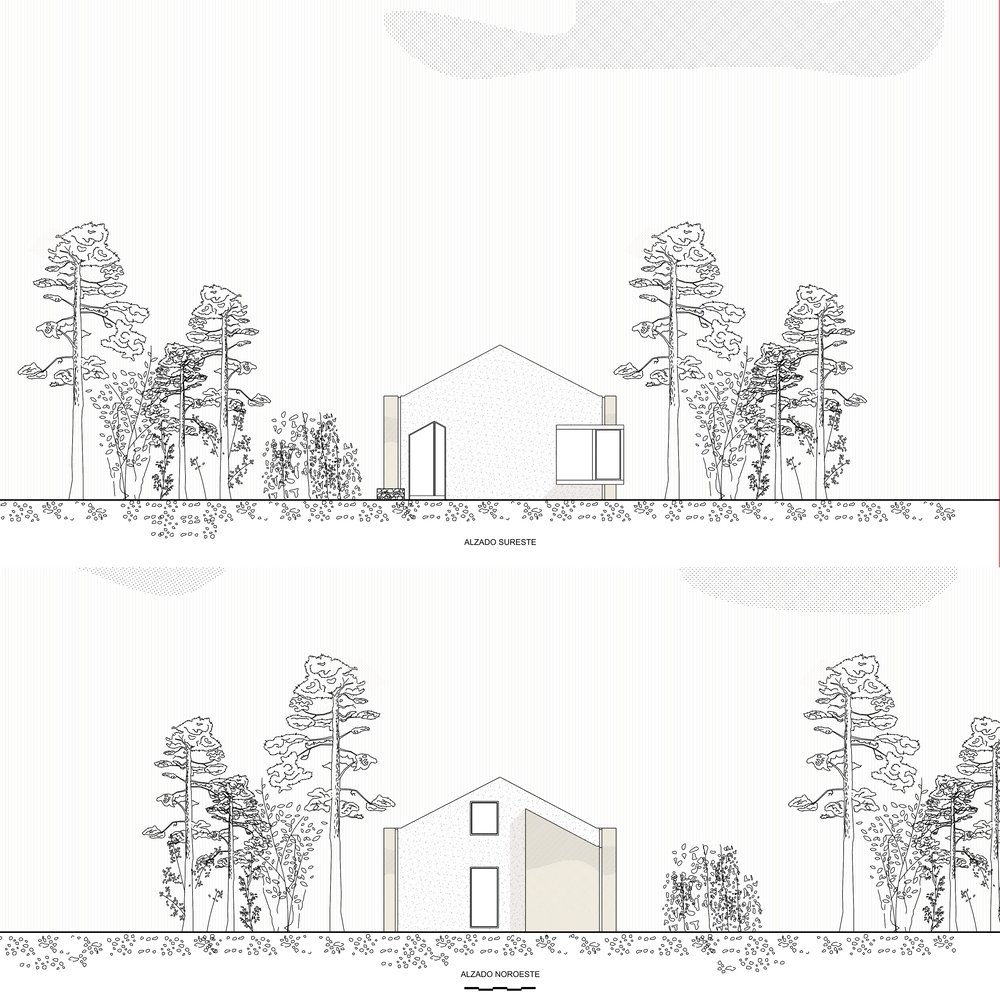
Inside, originally divided into small rooms, the inhabitants want to enjoy the contemporary concept of a main space conceived solely by the envelope, without false horizontal ceilings, allowing the family to experience the volume during activities in the living area, thus adapting to the needs and new ways of living in relation to the 1960s and 70s.
This has led to compressing the rest of the program, including bedrooms and bathrooms, into the remaining volume.