Bois Canal Footbridge
BOIS CANAL FOOTBRIDGE
Oatmeal Studio
ARCHITECTS
Oatmeal Studio
OFFICE LEAD ARCHITECTS
Thomas Motrieux, Antoine Sintes
ENGINEERING & CONSULTING > CIVIL
Ixo
GENERAL CONTRACTOR
Bgl
MANUFACTURERS
SMART UP VICAT
DESIGN TEAM
A.tm
PHOTOGRAPHS
François Baudry
AREA
30 m²
YEAR
2025
LOCATION
Cormoranche-sur-Saône, France
CATEGORY
Bridges, Pedestrian Bridge
English description provided by the architects.
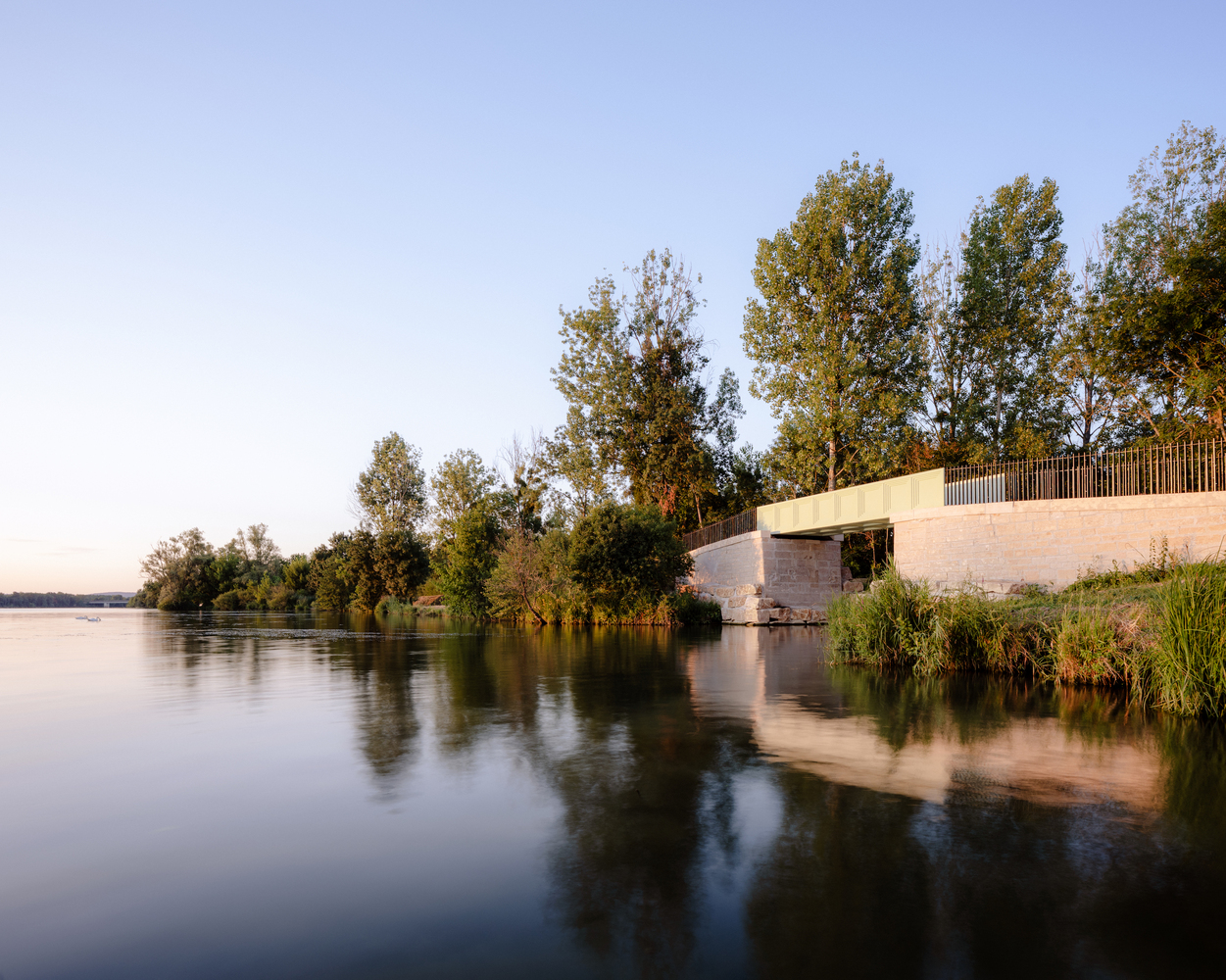
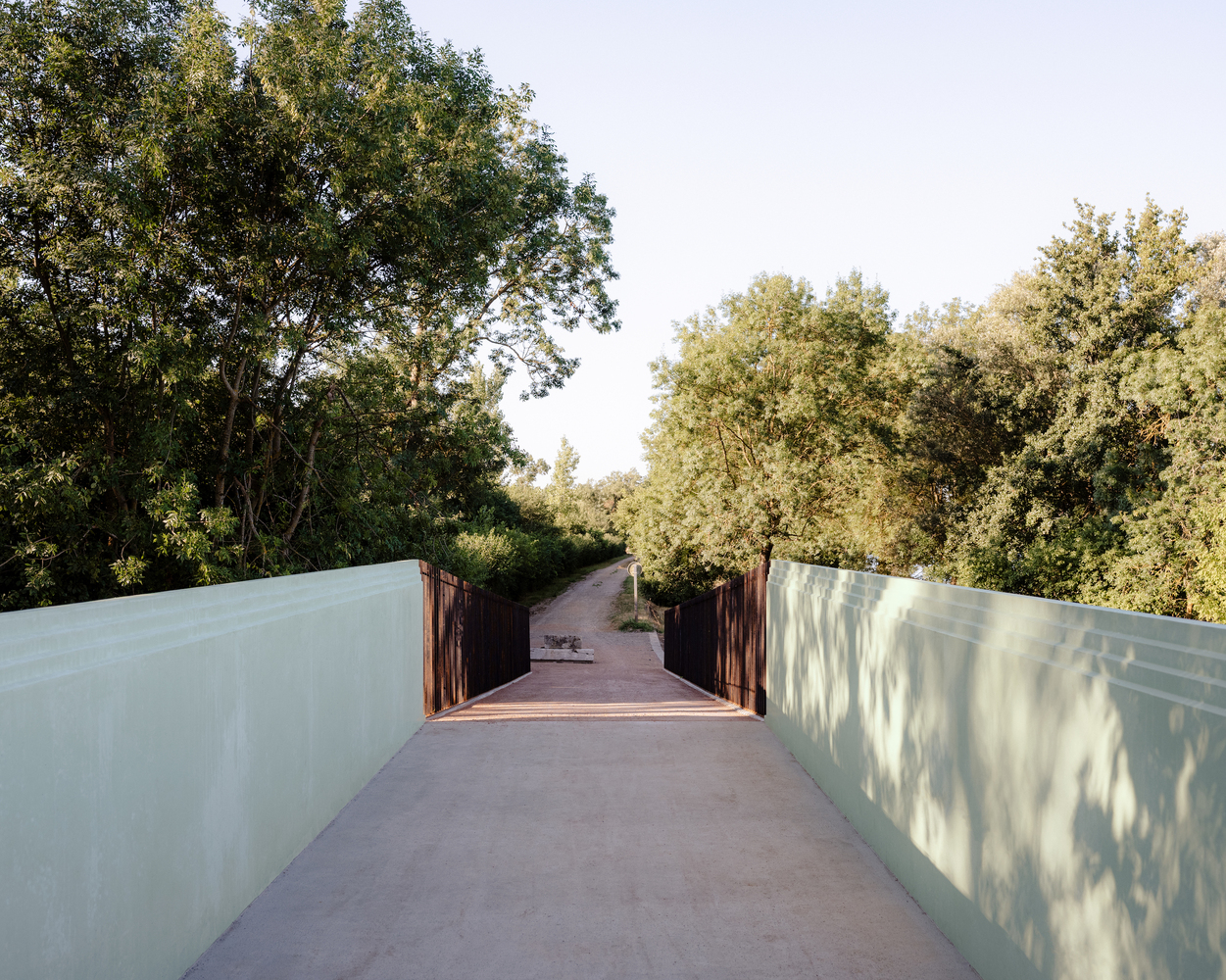
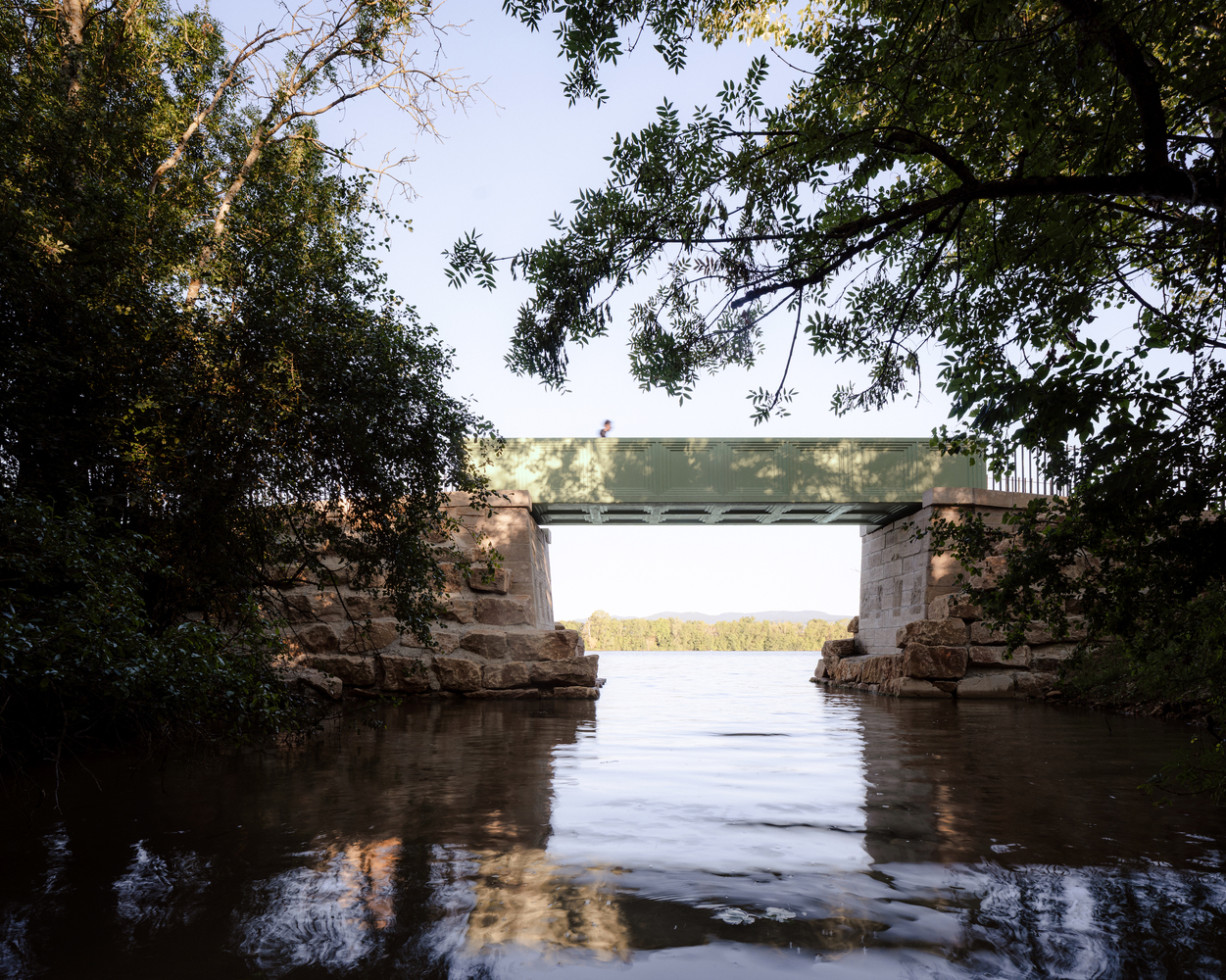
The construction project of the pedestrian and cycle bridge over the Bois Canal is located in Cormoranche-sur-Saône (France), along the Voie Bleue, a route that follows the Saône River from Lyon to Épinal.
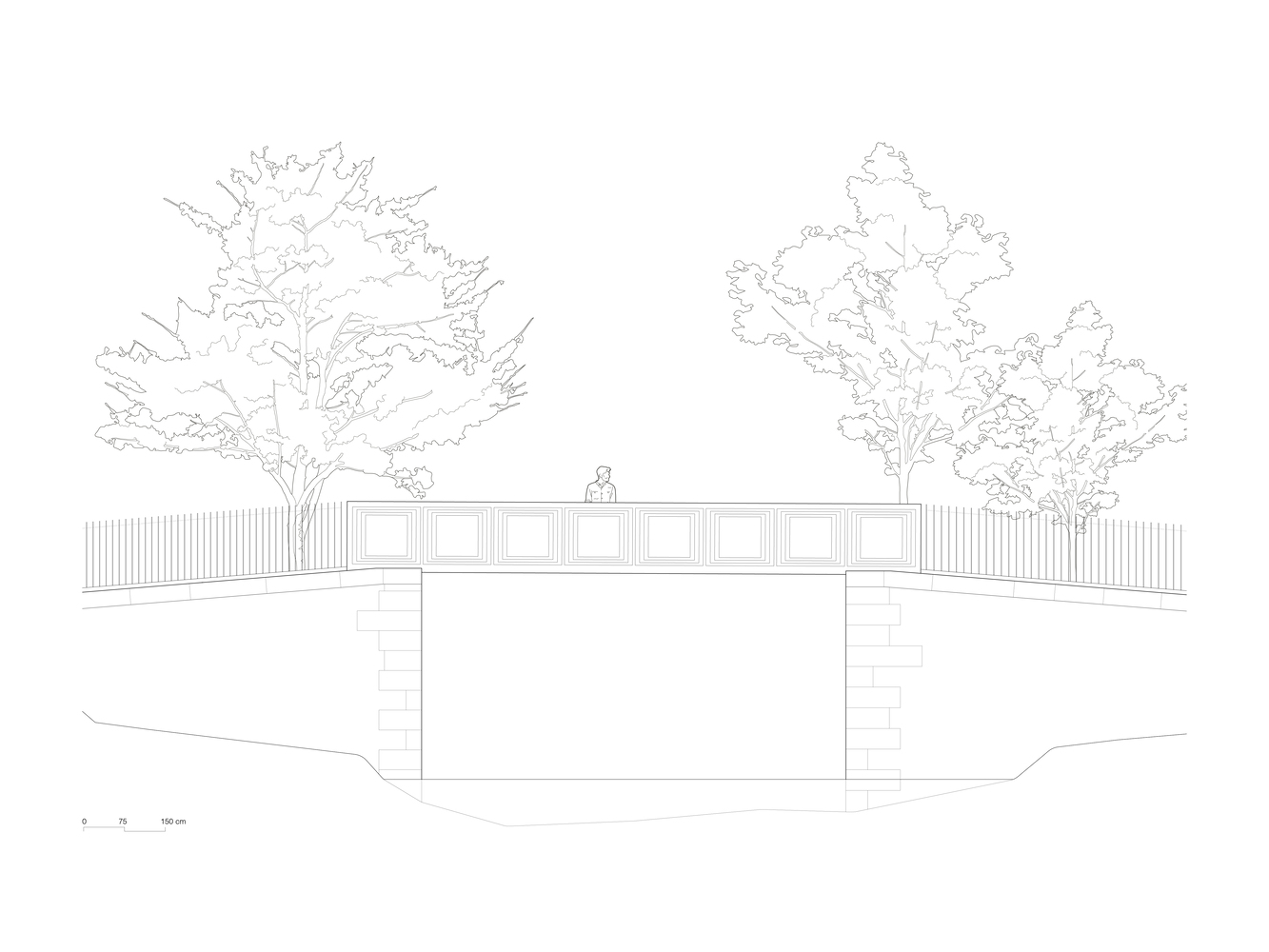
The proposal seeks to rehabilitate the existing masonry abutments, dating from the early 20th century, to preserve the natural and historical character of the site, while allocating the majority of the budget to the development of an innovative UHPC solution that highlights local expertise and the heritage of the Mâcon region.
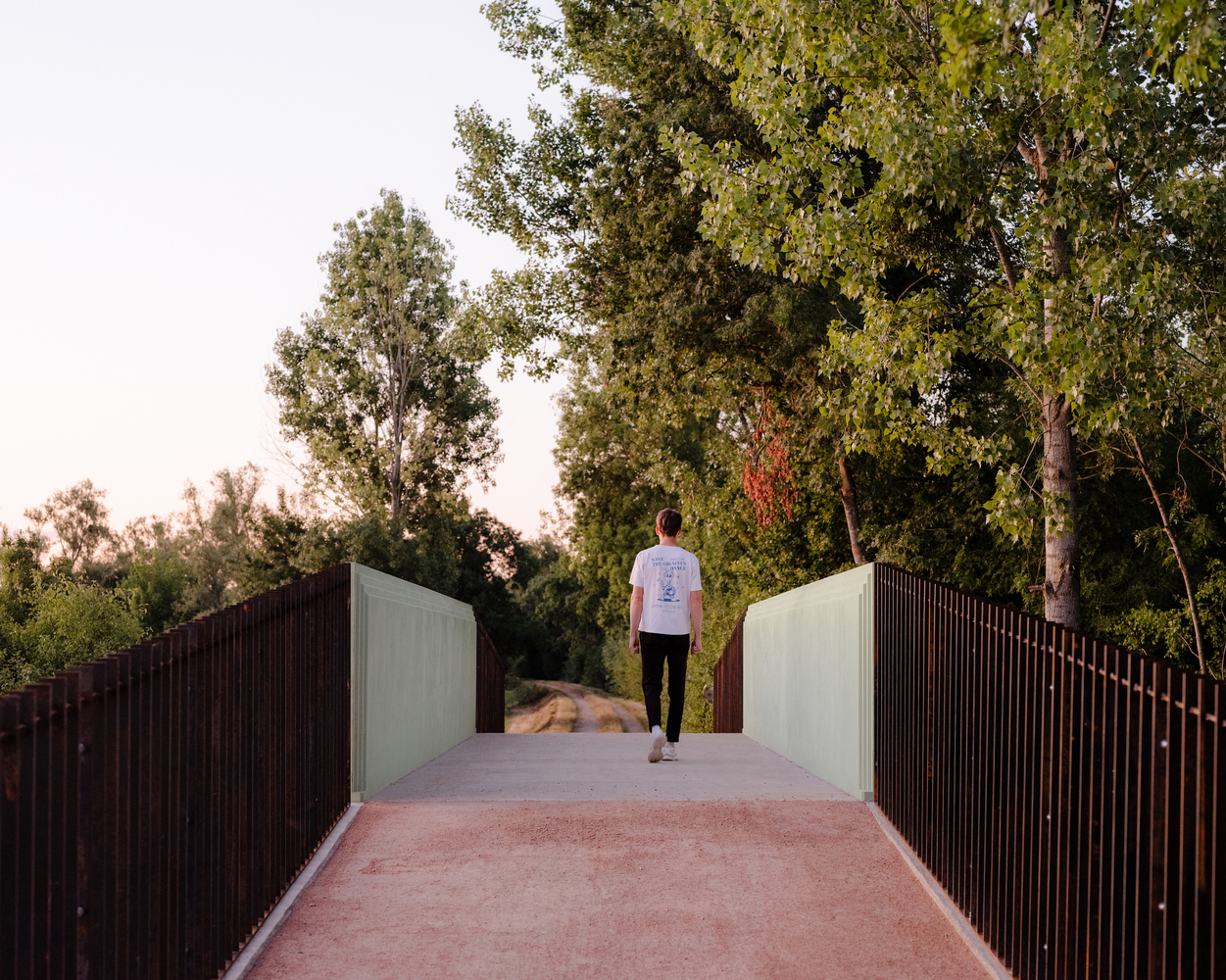
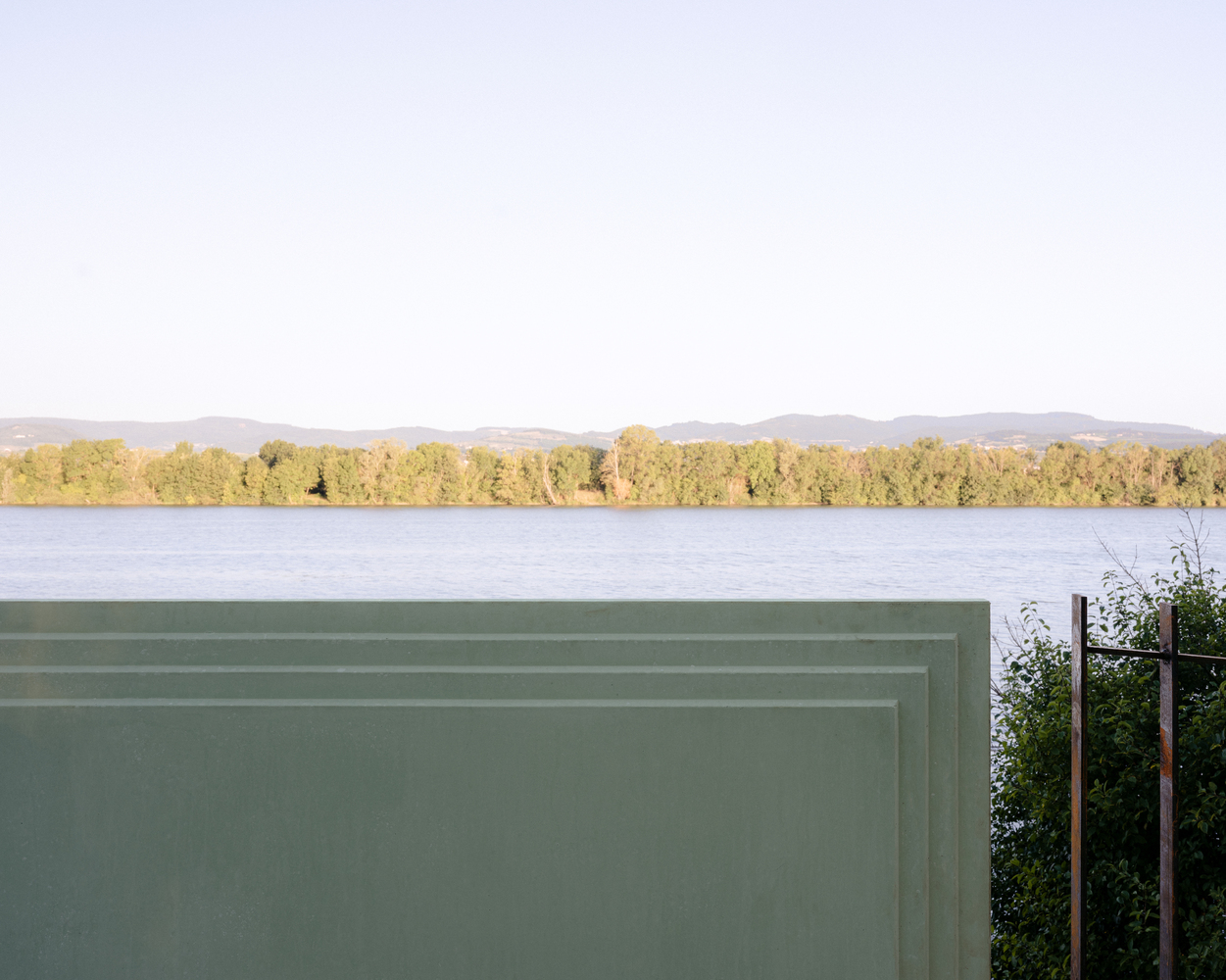
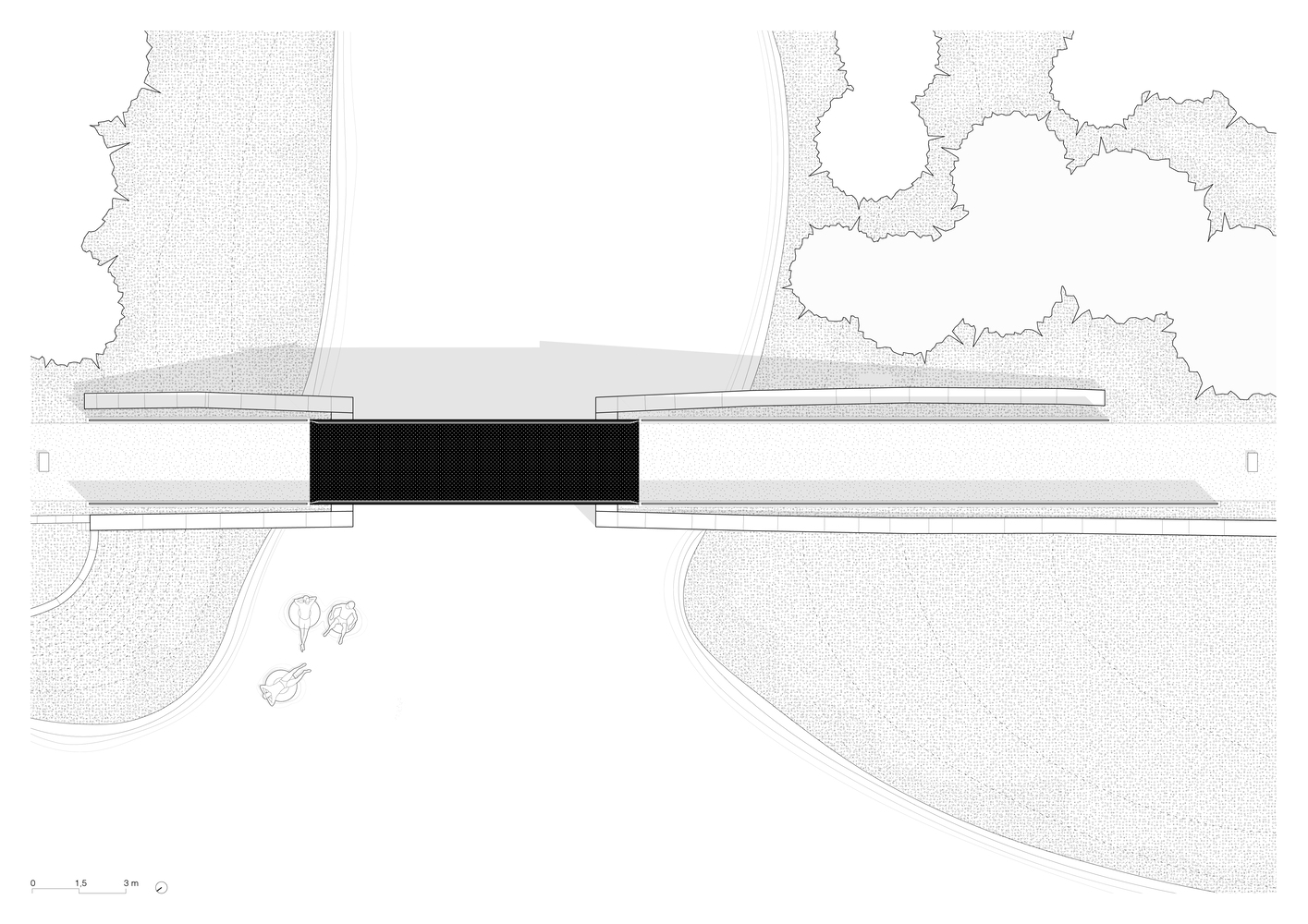
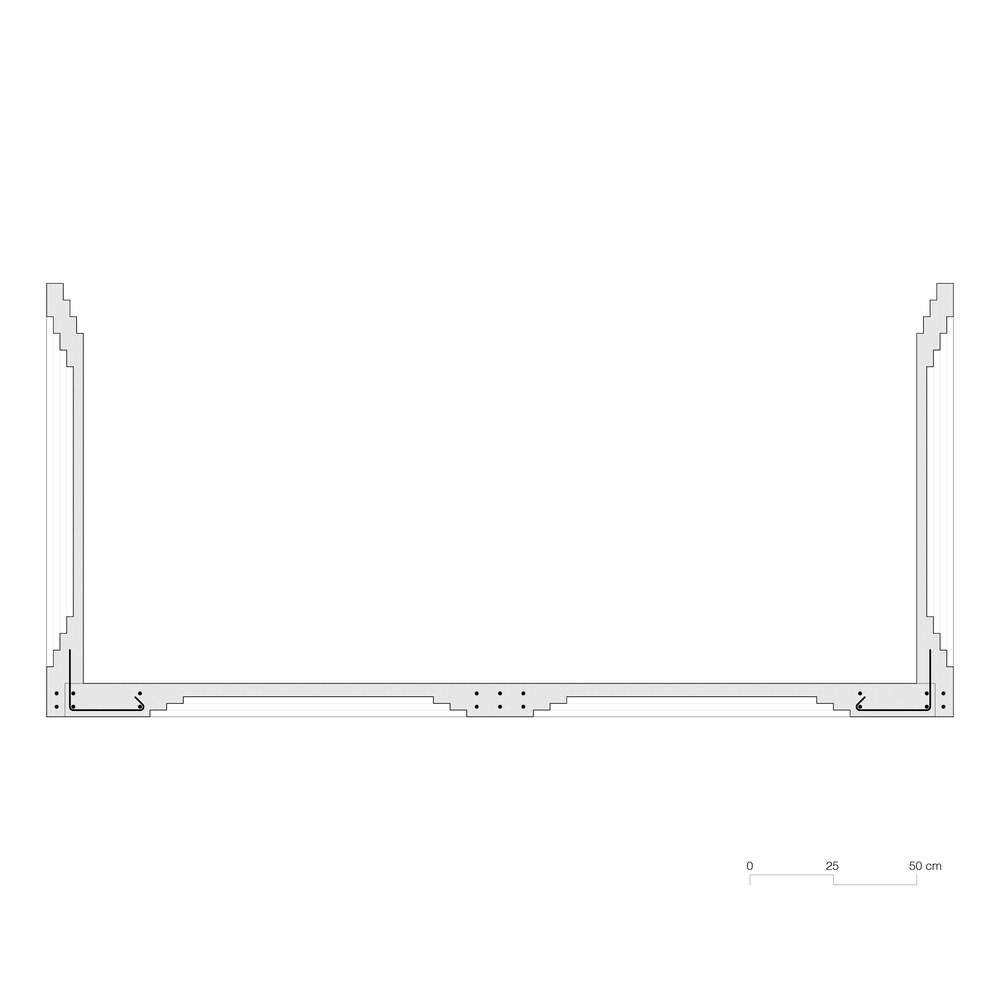
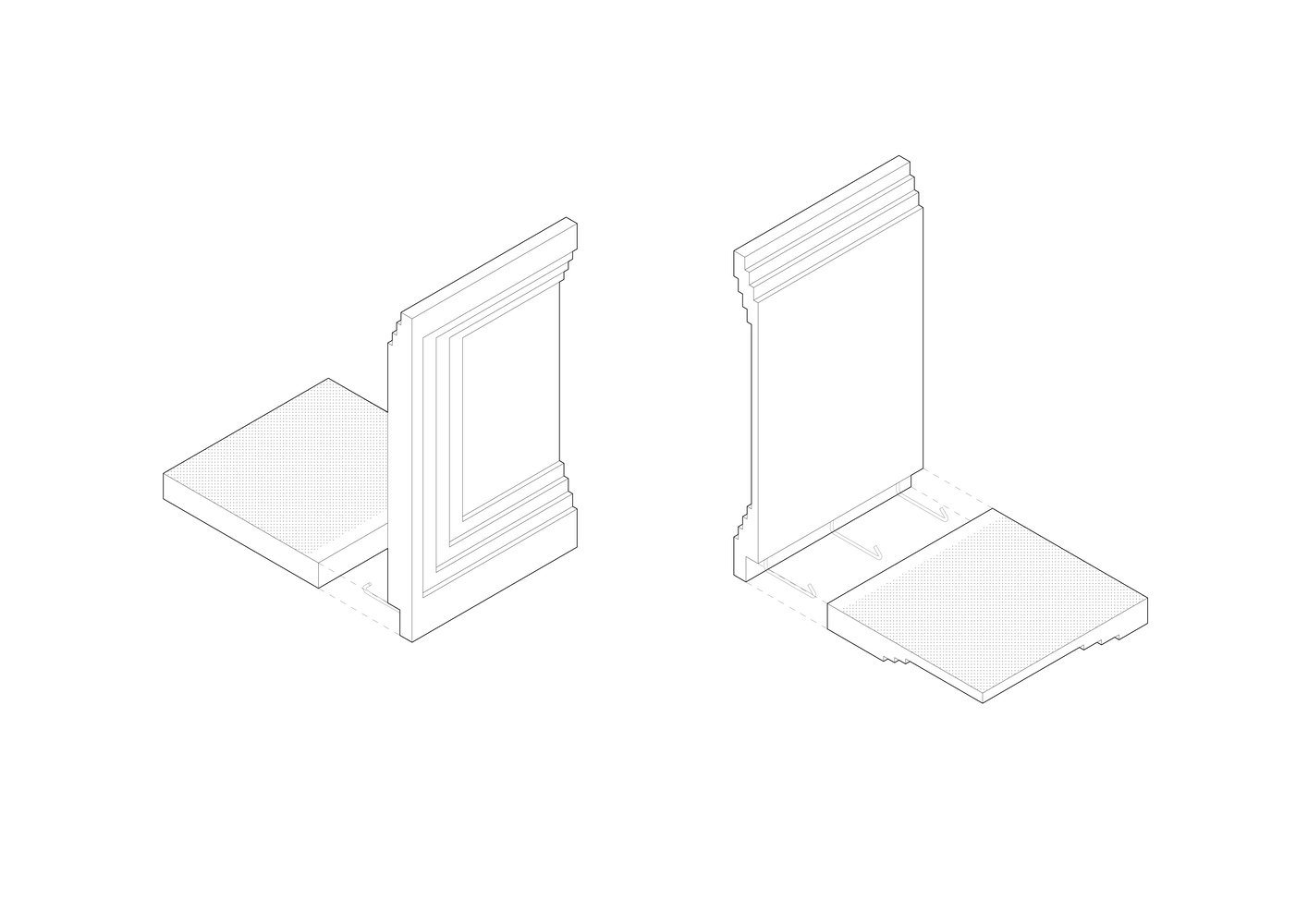
The selected structural system is a monolithic bridge with lateral girders in integrally pigmented UHPC, measuring 11 meters in length and 2.7 meters in width.
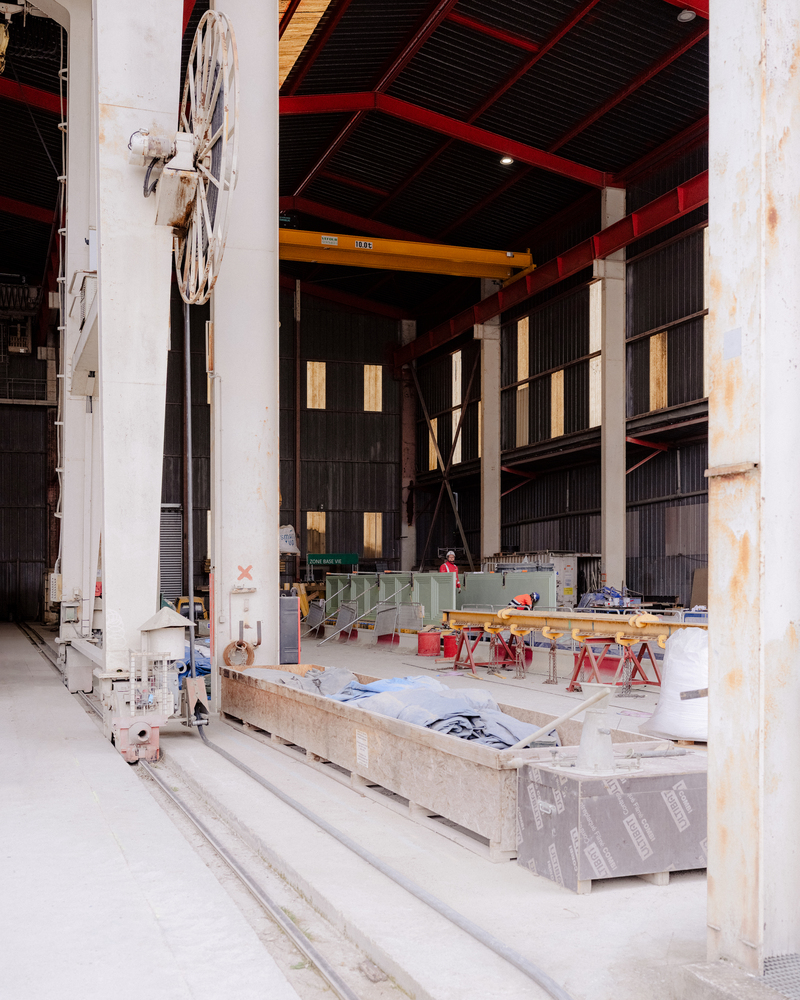
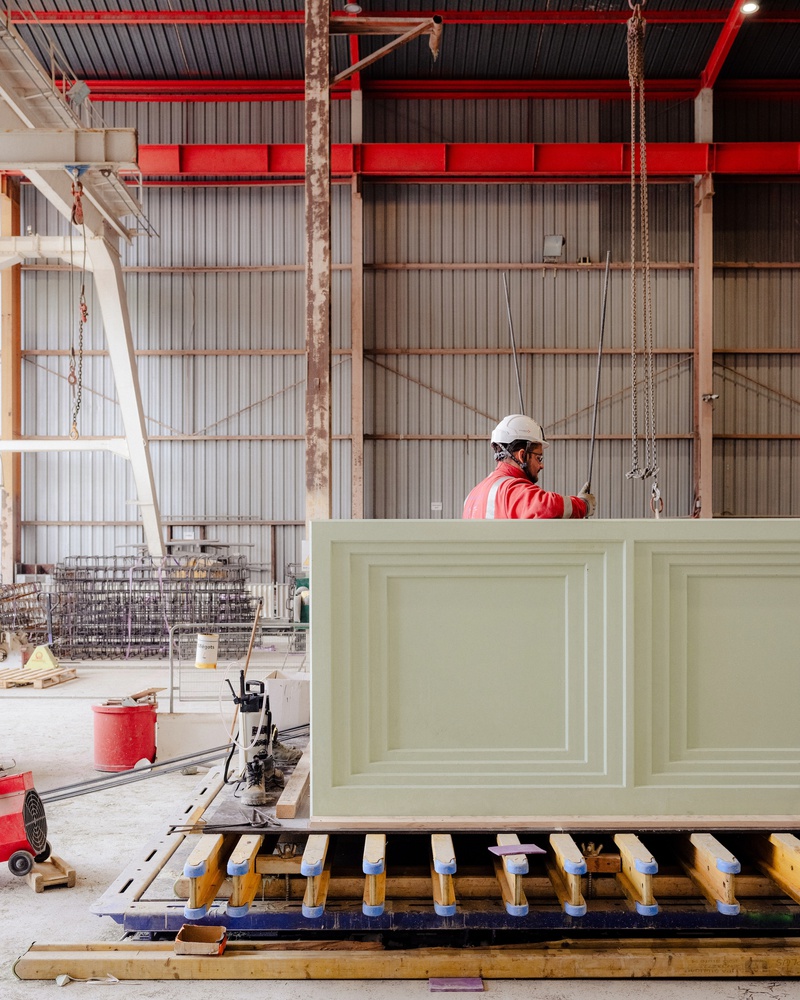
The structure was entirely prefabricated in the workshop and then lifted into place onto the restored and reinforced masonry abutments.
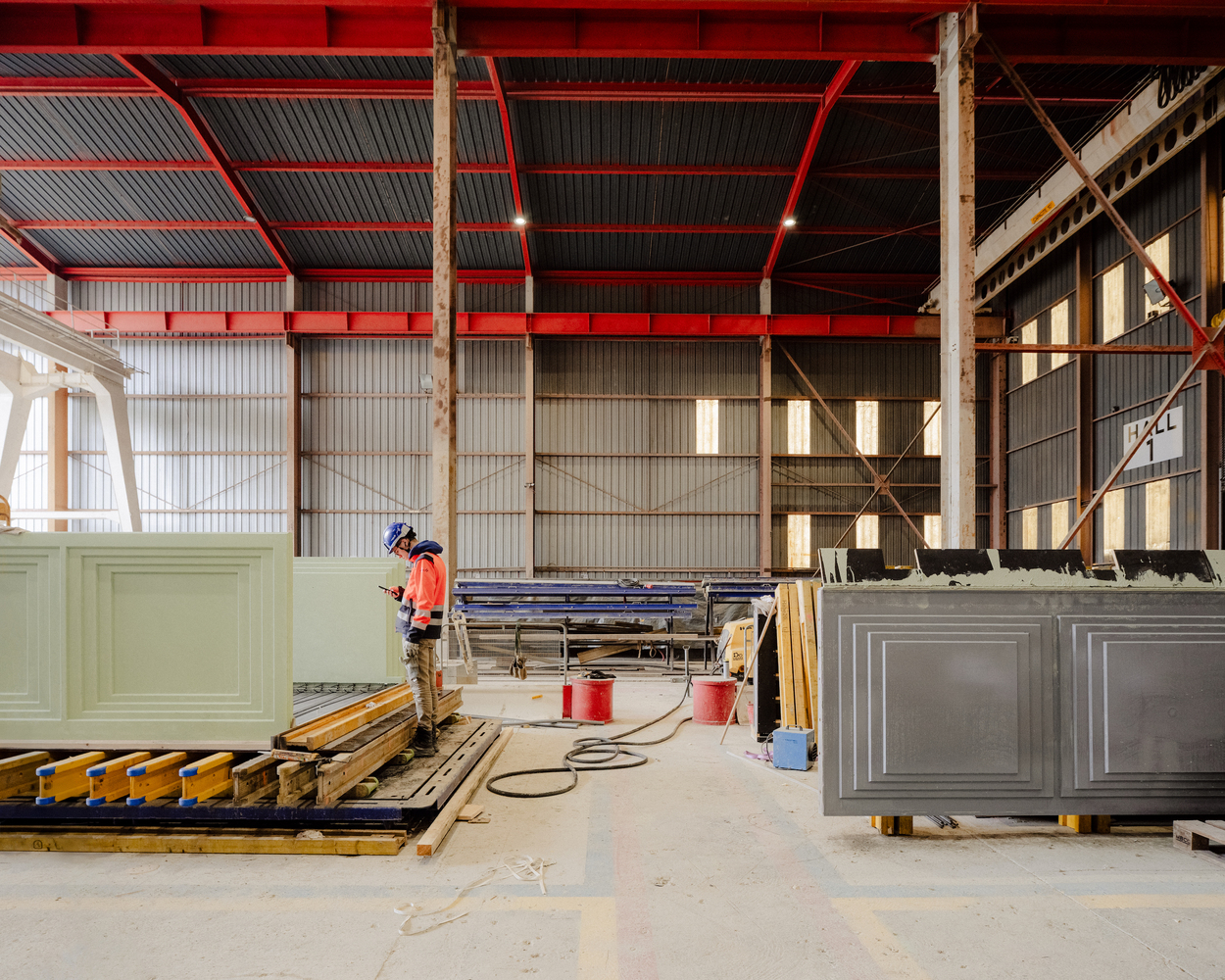
Given the strict economic constraints of the project, the formwork strategy consisted of employing a standard wall formwork table, onto which reusable "punches" made of superimposed plywood boards were fixed.
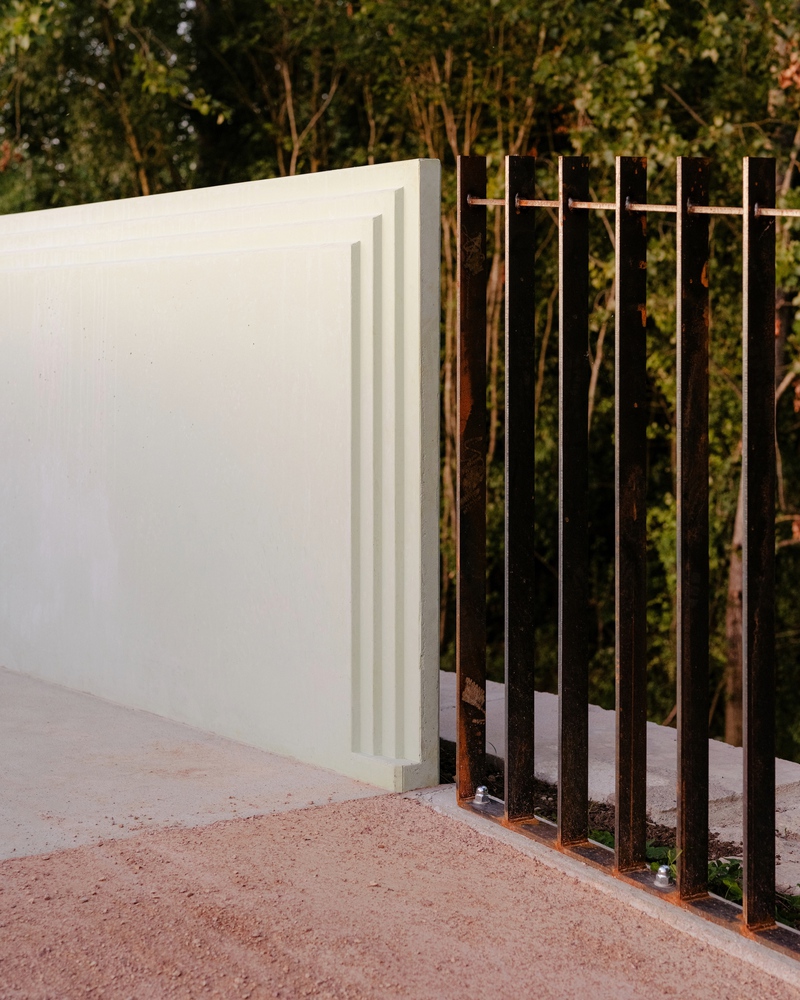
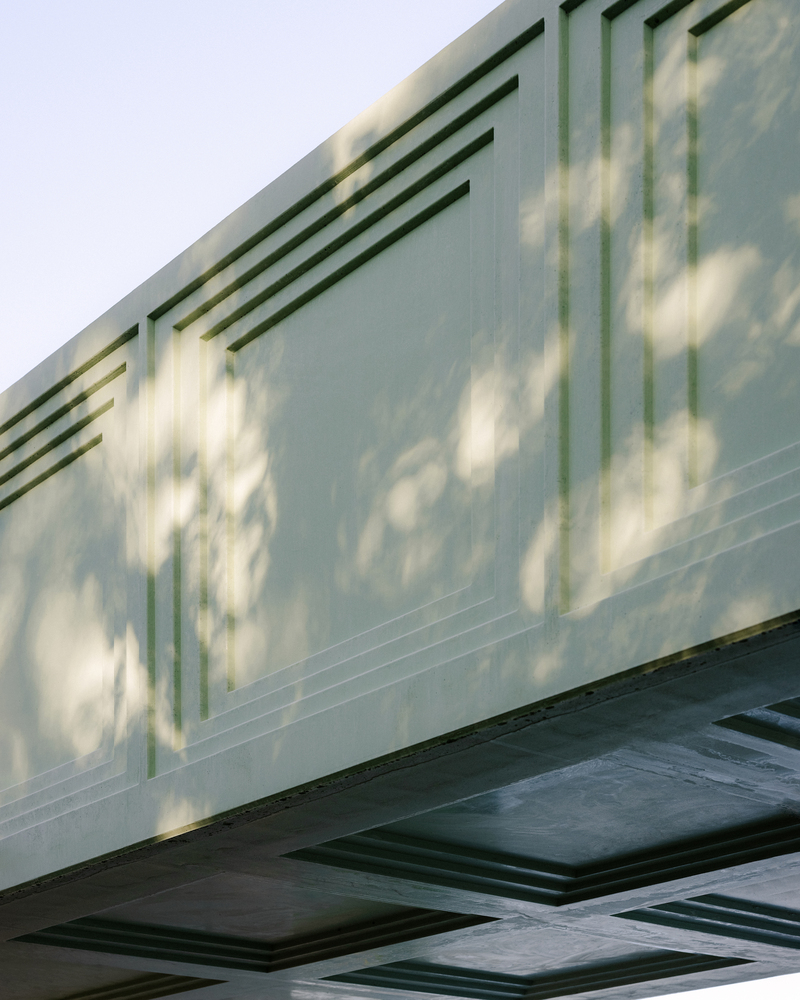
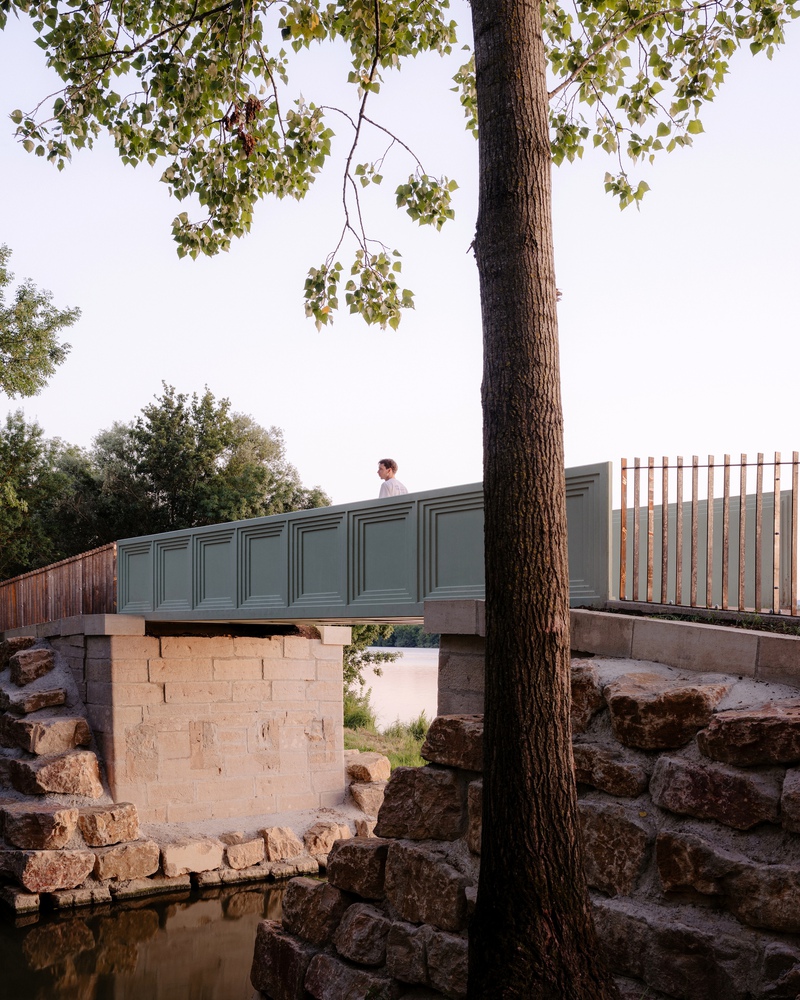
The resulting patterns evoke the numerous Art Deco footbridges in the neighboring Pont-de-Veyle park, which are key markers of local identity.
The design of the handrail further refines the structure, curving back at the extremities to connect with the external guardrails made of vertical weathering steel slats.
In this way, the riverside promenade along the Saône's meanders is extended seamlessly from the château park to the project site.
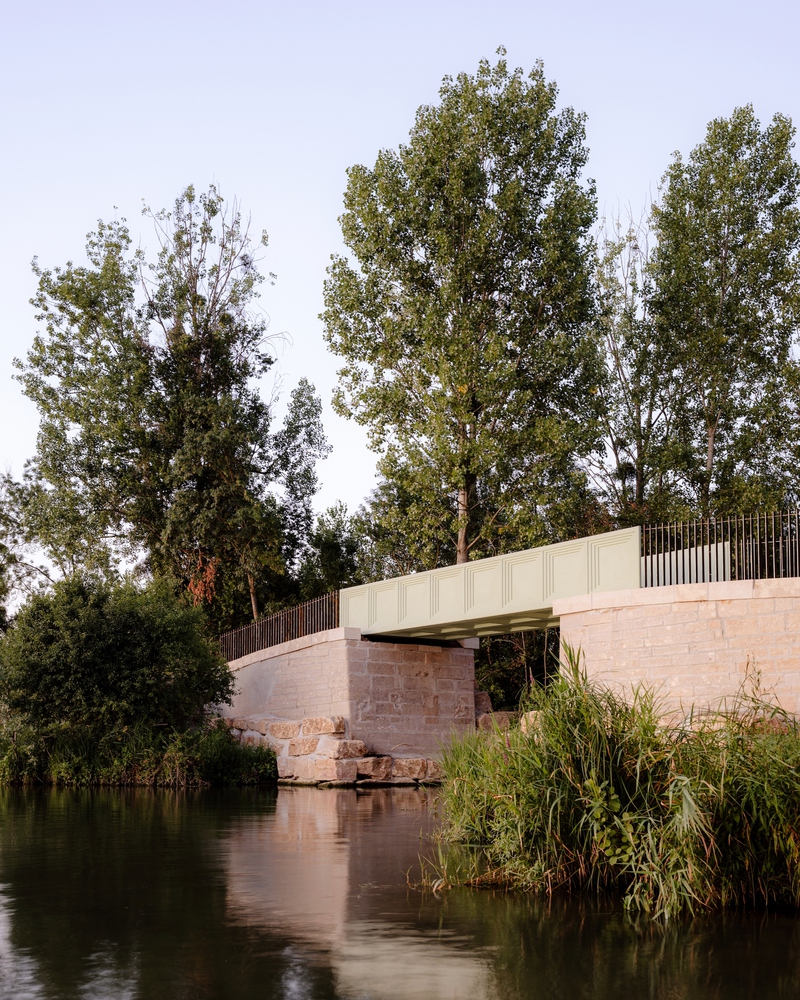
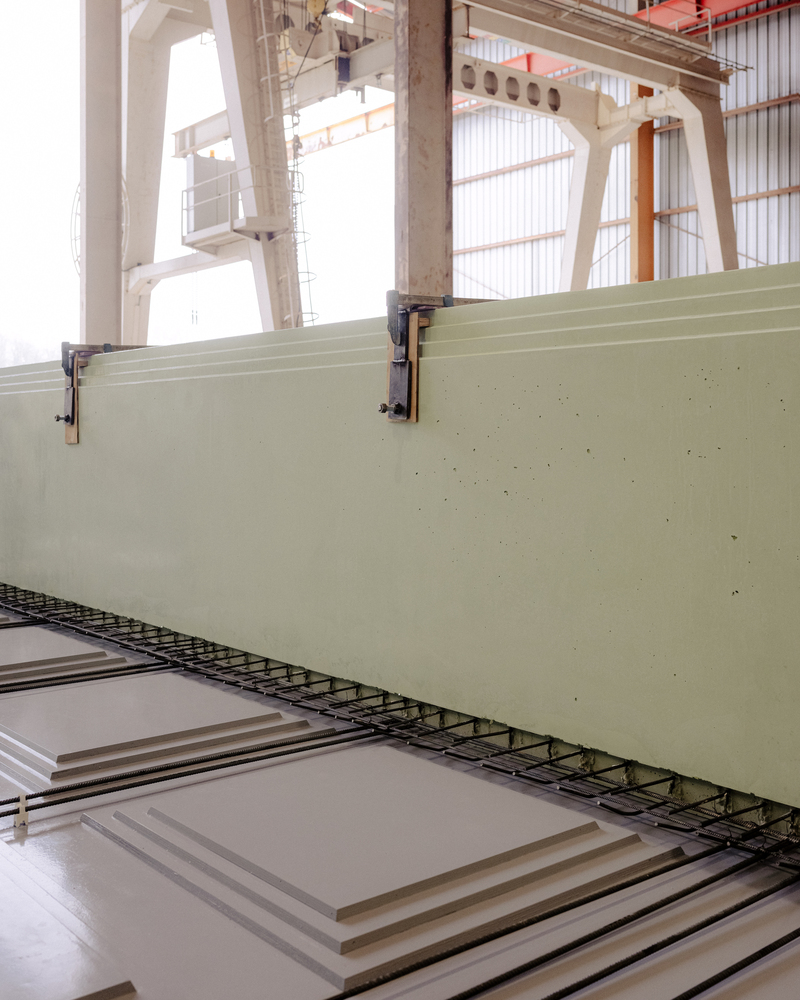
This relatively innovative typology offers numerous advantages.
Beyond its formal and aesthetic qualities, the use of Ultra-High Performance Concrete eliminates the need for conventional bridge equipment (railings, waterproofing, decking, etc.), thereby ensuring exceptional durability for a structure frequently exposed to flooding during the Saône's seasonal rises.
The optimization of material use enabled a significant reduction in thicknesses (down to 3 cm), achieved through a parametric design methodology integrating architecture and engineering within a unified process.