
Educational Area Of The Exhibition 'a River Does Not Exist Alone'
EDUCATIONAL AREA OF THE EXHIBITION 'A RIVER DOES NOT EXIST ALONE'
Estudio Flume
ARCHITECTS
Estudio Flume
LEAD ARCHITECT
Noelia Monteiro, Christian Teshirogi
COORDINATION
Noelia Monteiro
PHOTOGRAPHS
Ana Dias
AREA
70 m²
YEAR
2025
LOCATION
Belém, Brazil
CATEGORY
Temporary Installations
English description provided by the architects.
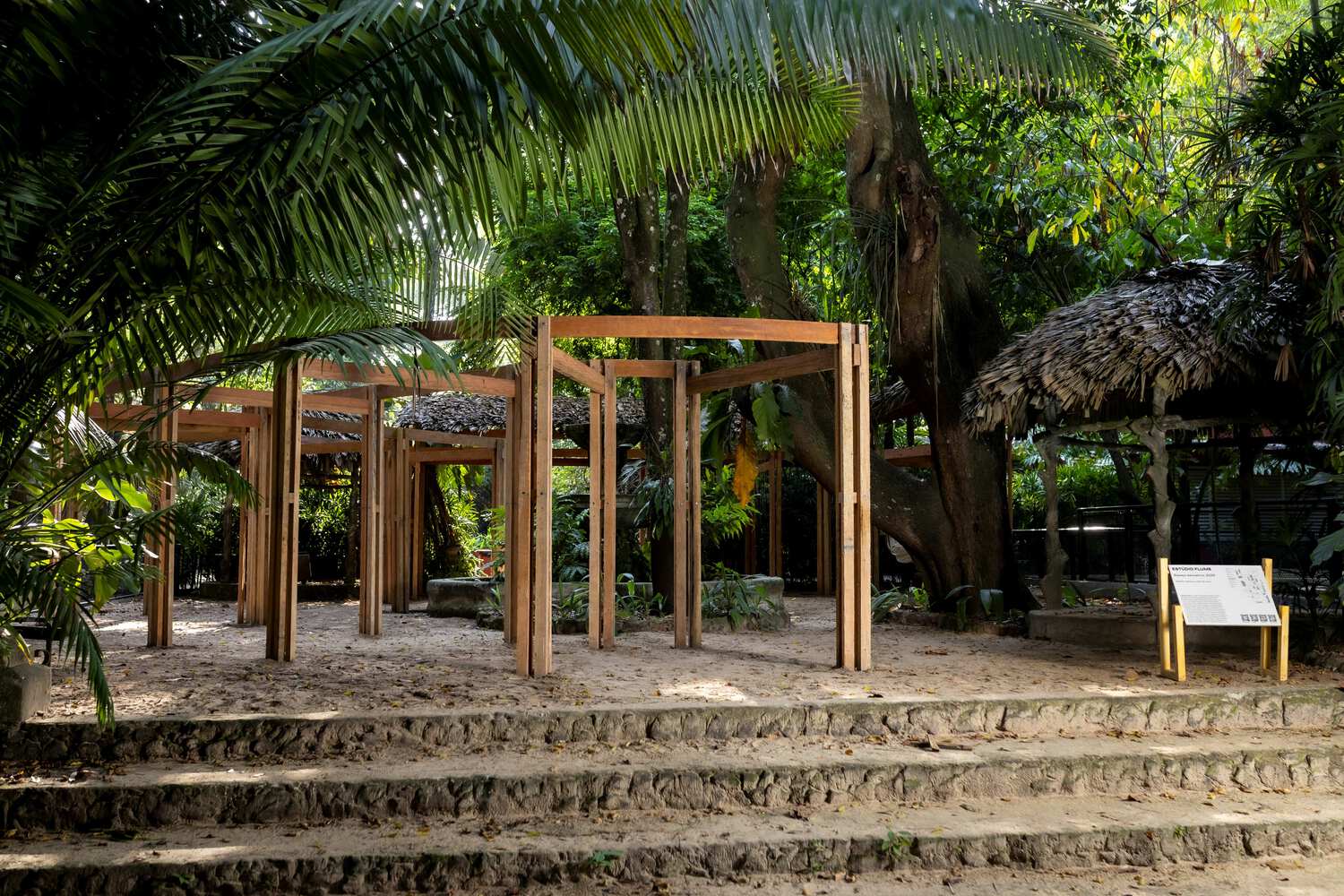
The educational pavilion integrates the exhibition "A river does not exist alone," a project by the Tomie Ohtake Institute, curated by Sabrina Fontenele and Vânia Leal, created to engage with the urgent themes brought forth by the 30th UN Conference on Climate Change (COP 30).
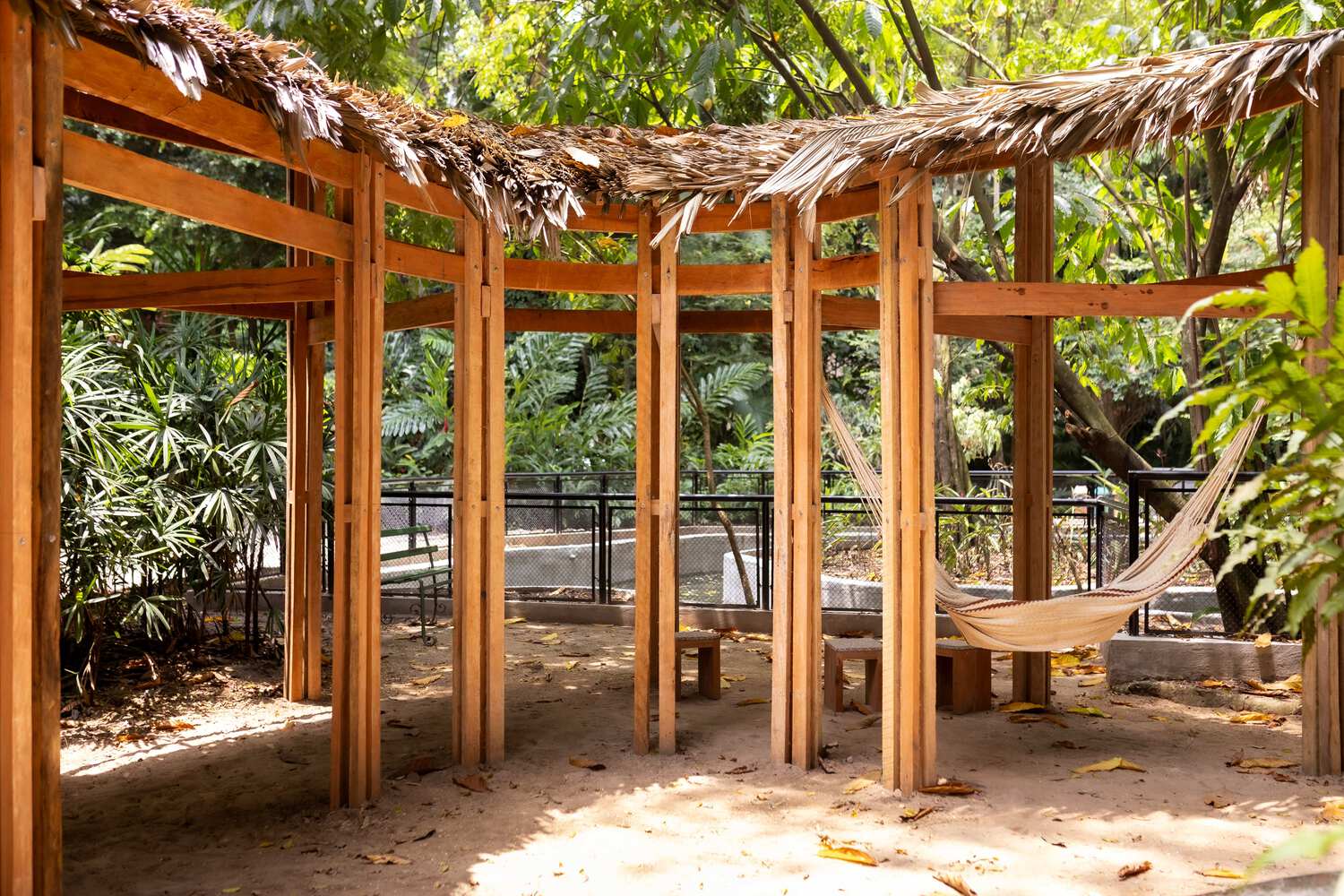
The proposal reaffirms the Flume Studio's vocation to understand architecture as a tool for social and environmental impact. The structure proposes a gesture of lightness and integration with the landscape of the Zoobotanical Park, translating principles of sustainability and territorial listening into an architectural and educational experience.
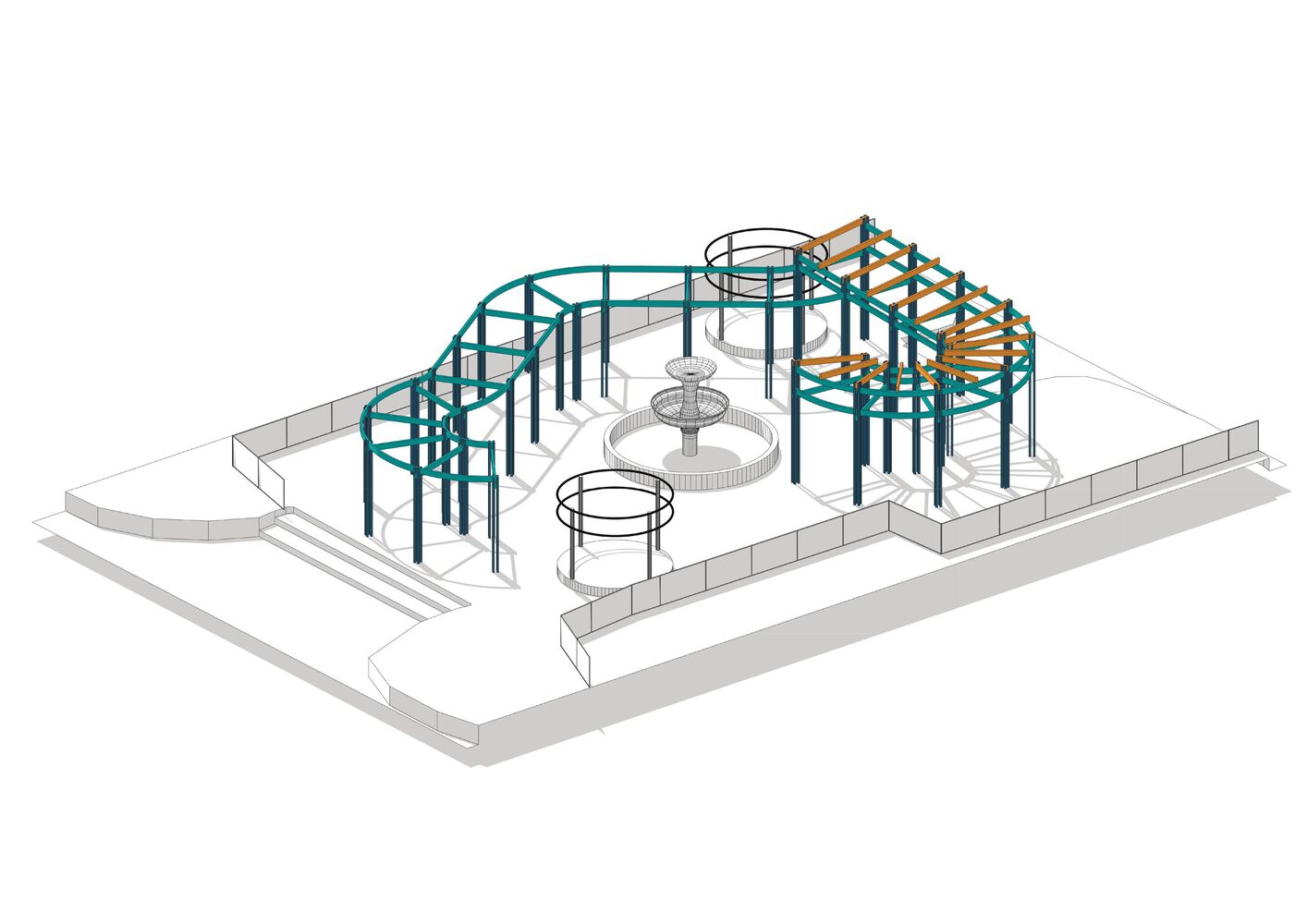
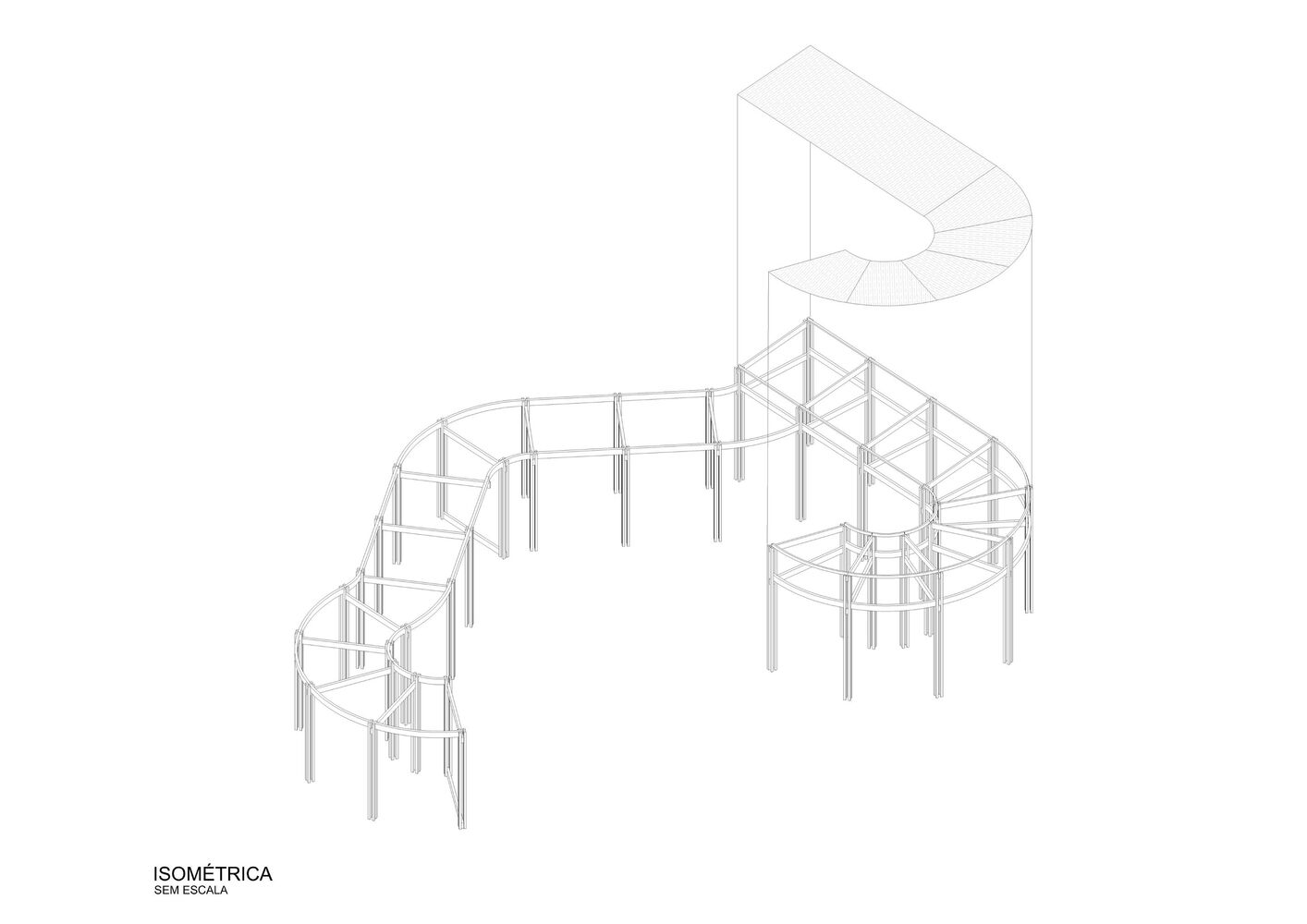
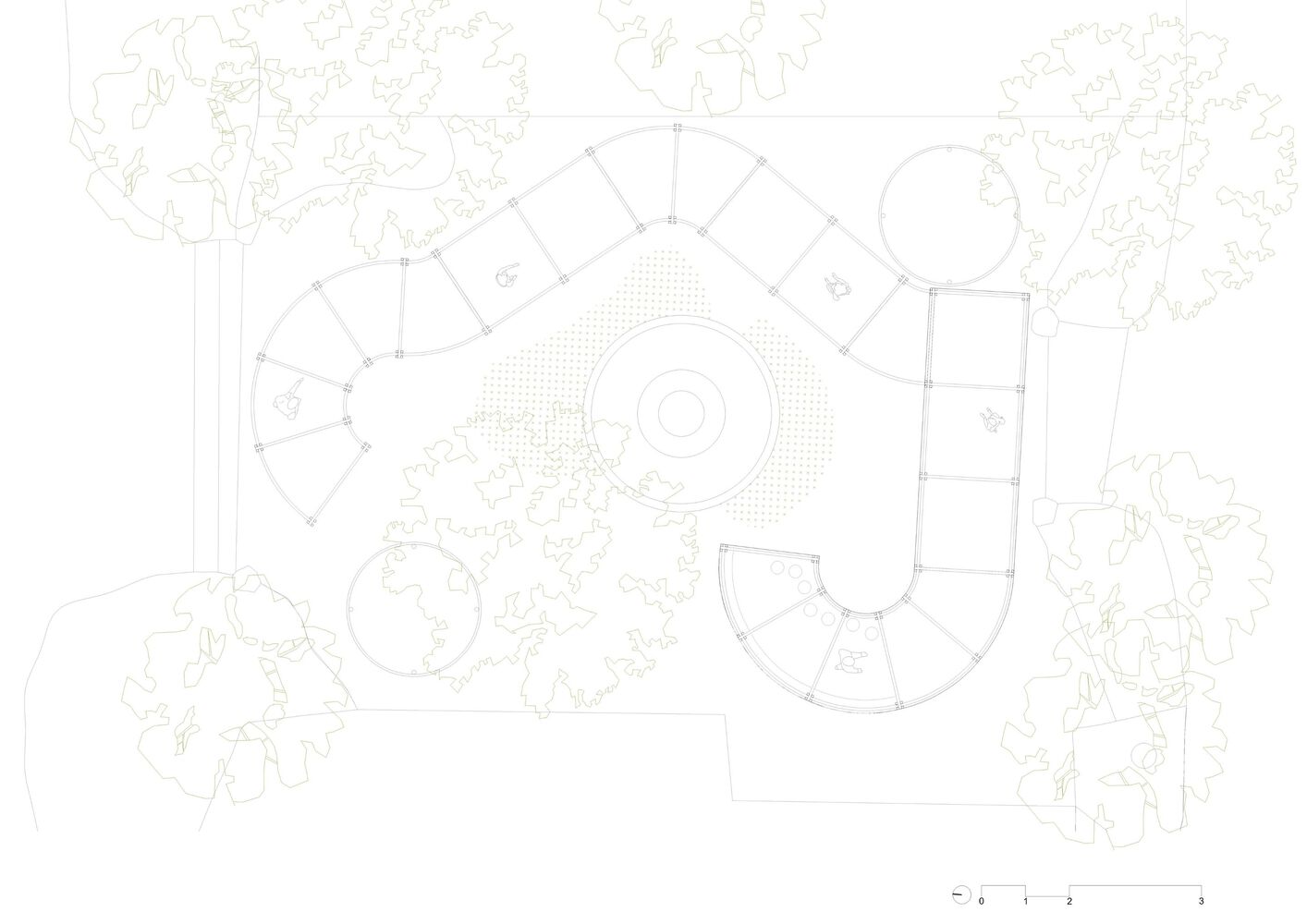
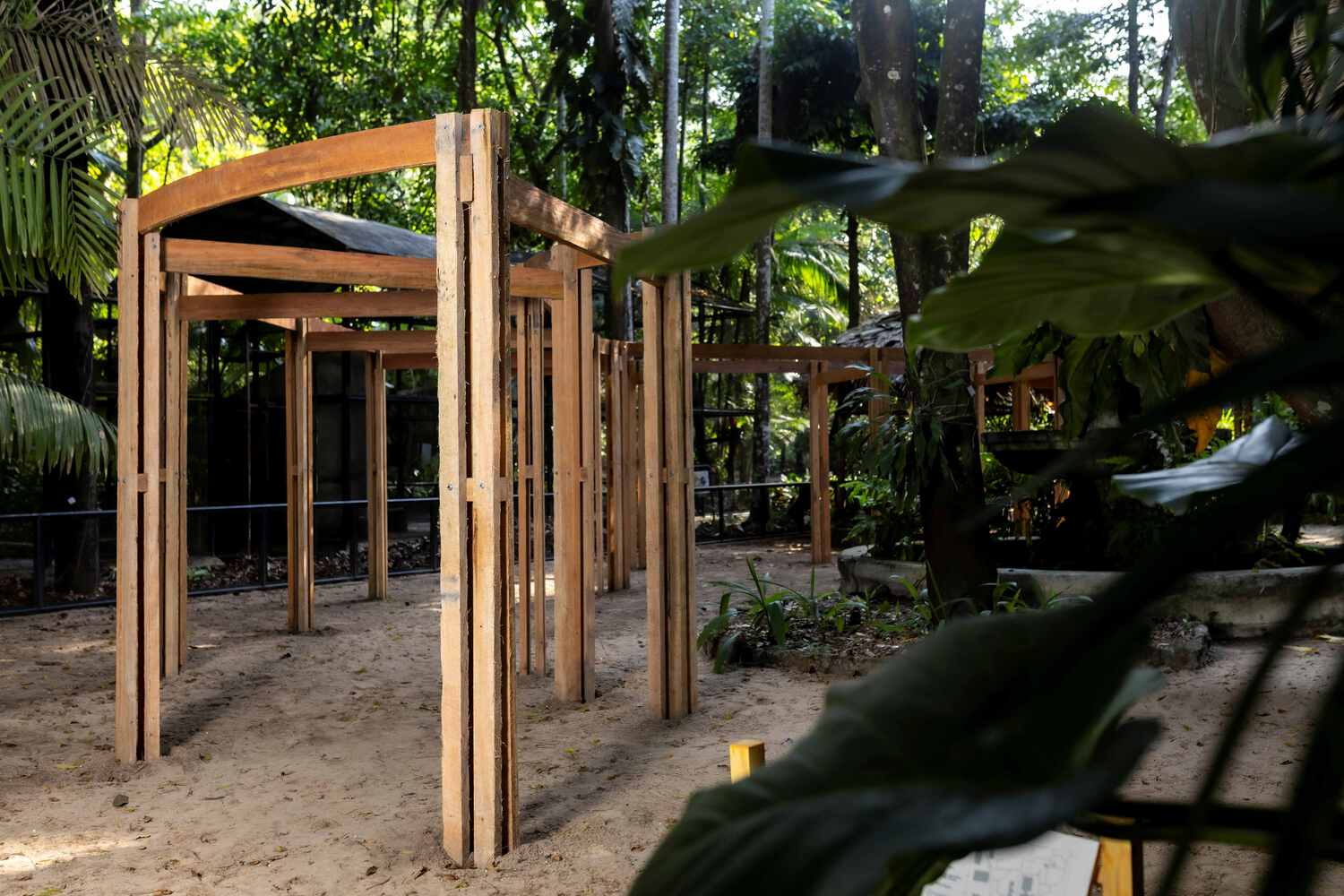
With an area of approximately 70 m², the pavilion consists of independent and adaptable modules that can be arranged in different compositions, creating covered and uncovered areas intended for educational and social activities.
The modularity ensures flexibility, simplified assembly, and low environmental impact, allowing for future expansions or reconfigurations according to usage dynamics.
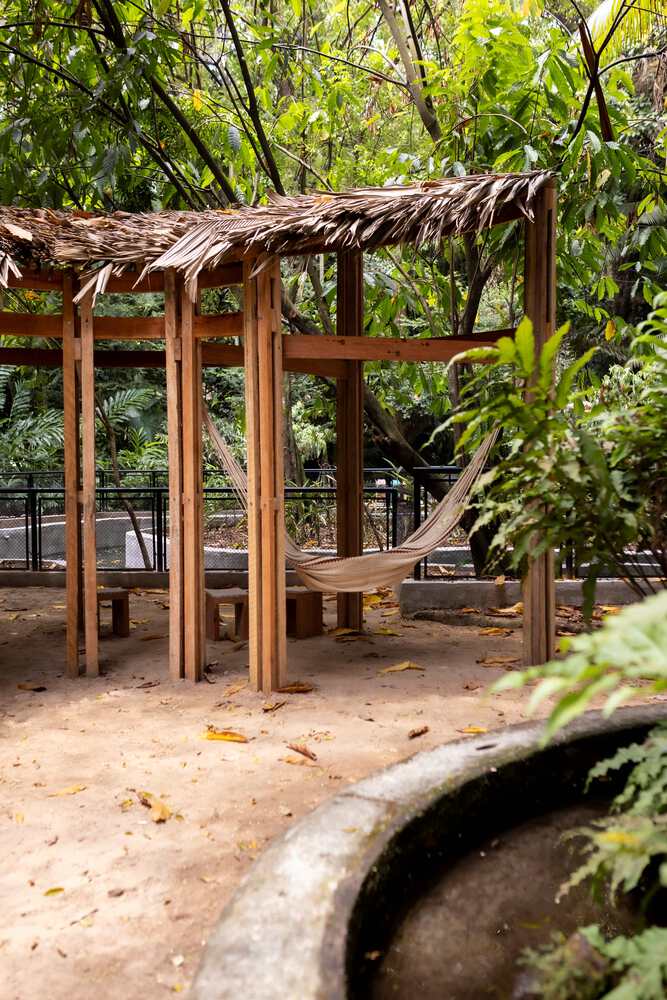
Among its highlights are the use of local techniques and materials, such as certified wood and ubuçu straw, which ensure thermal comfort and visual integration with the surroundings.
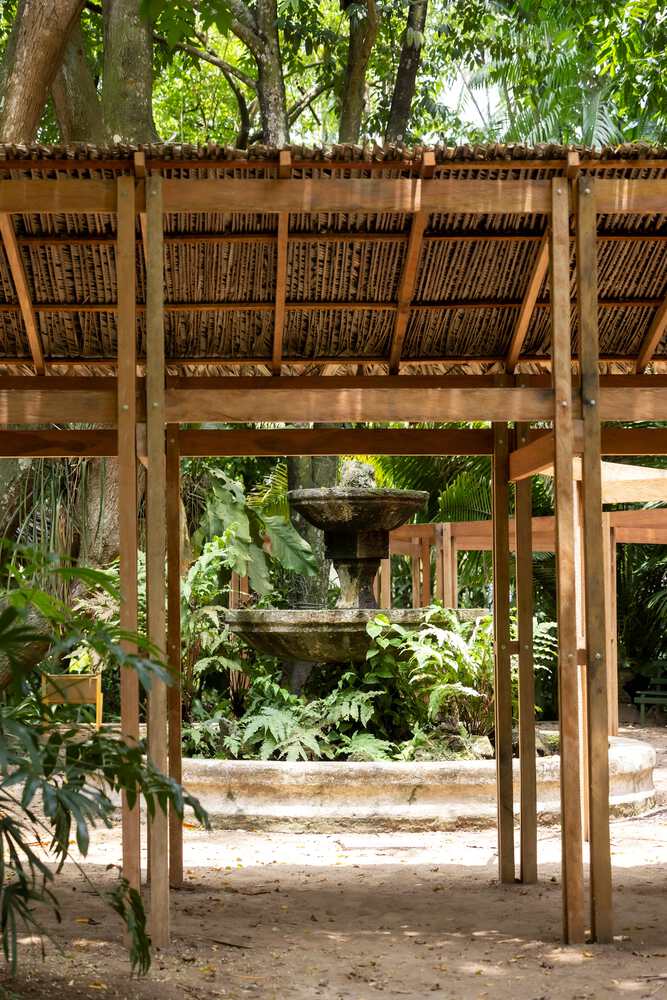
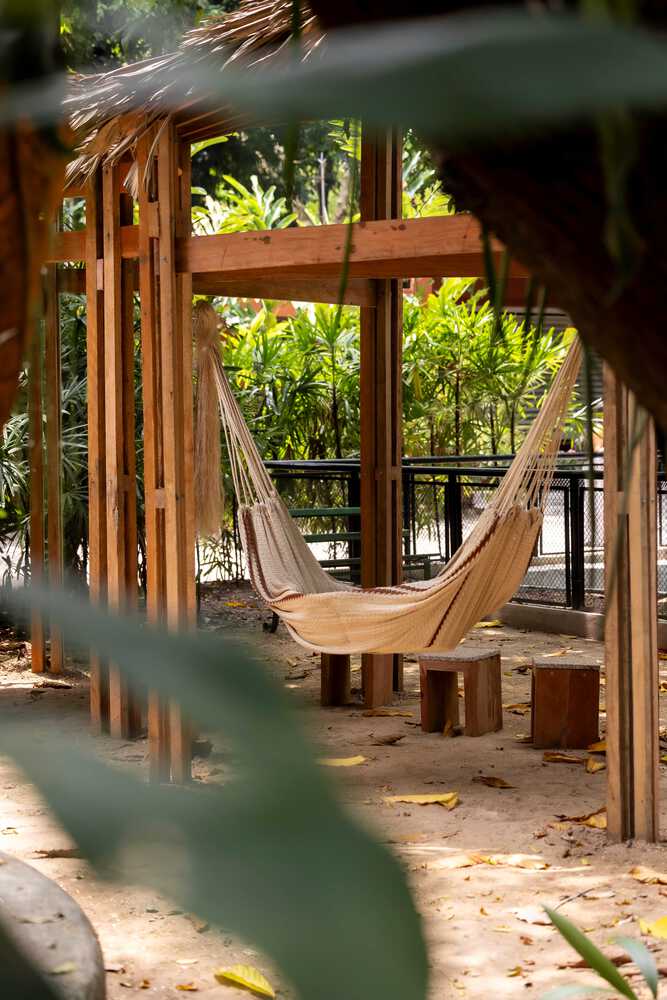
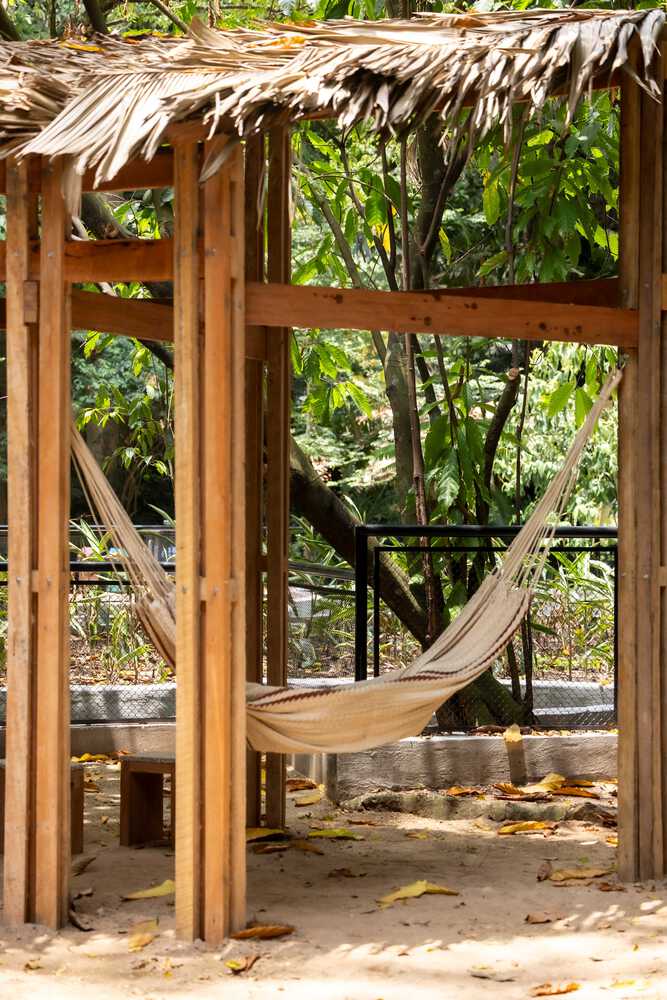
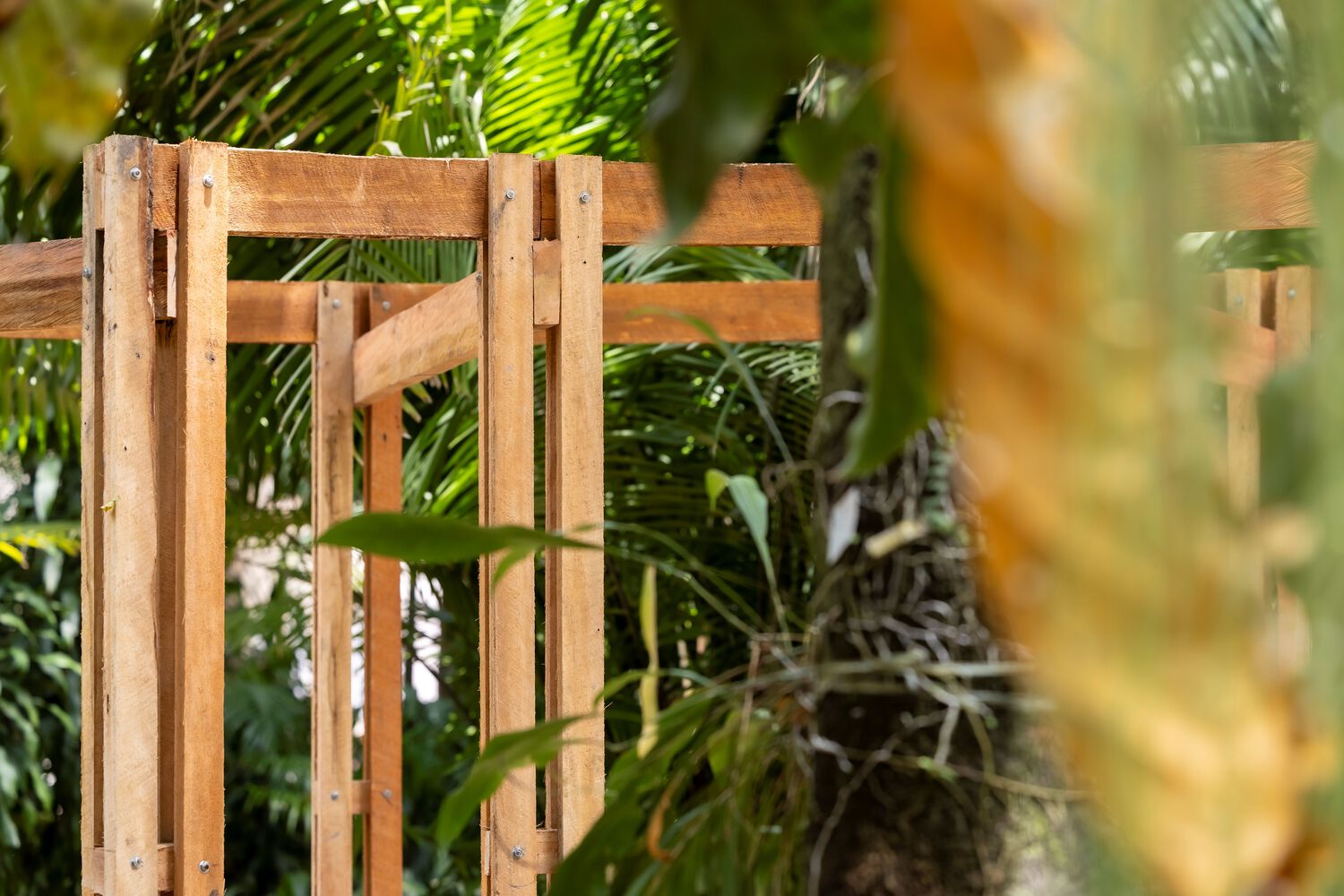
The laminated wood structure has been designed to optimize resources and reduce transportation, featuring lightweight and precise columns, beams, and trusses.
The permeable roof promotes natural ventilation and dialogue between the interior and exterior, exploring transitional zones that enhance social interaction and the sense of belonging.
More than just a shelter, the pavilion was conceived as a meeting space for visitors, educators, and the community.
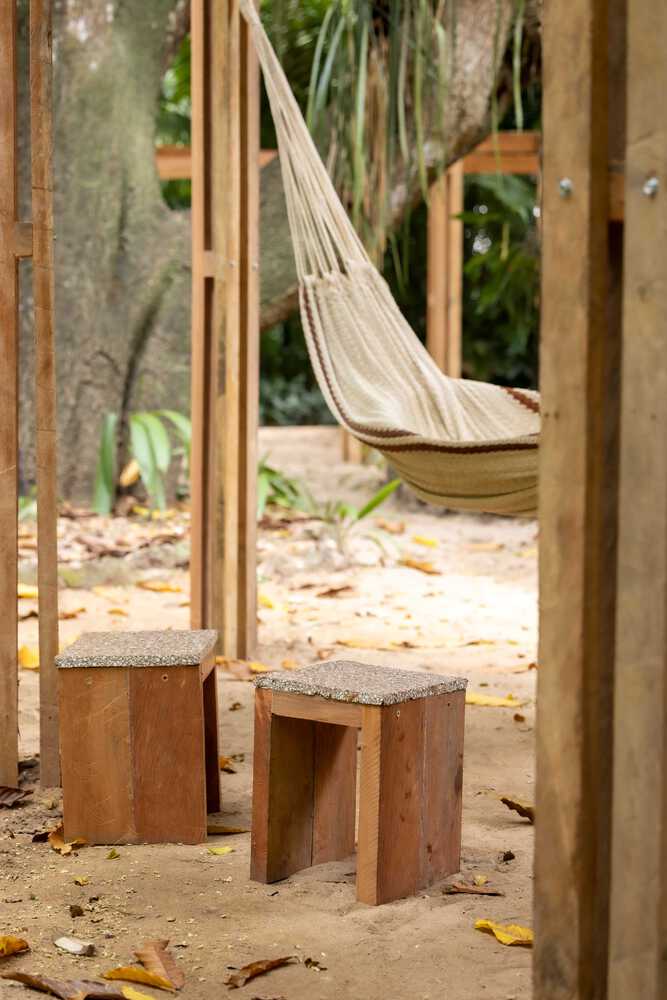
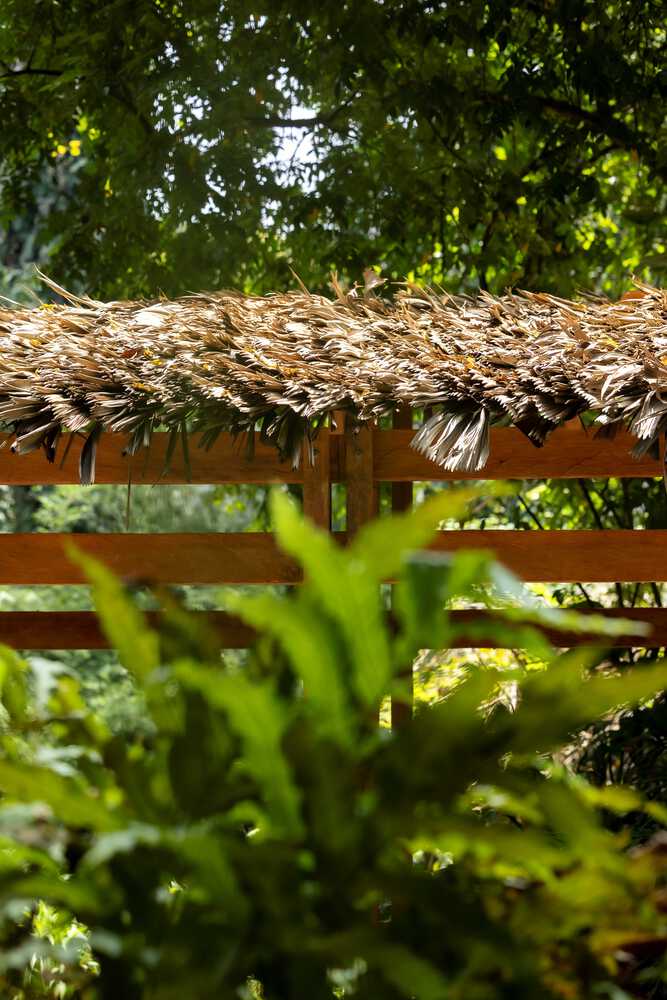
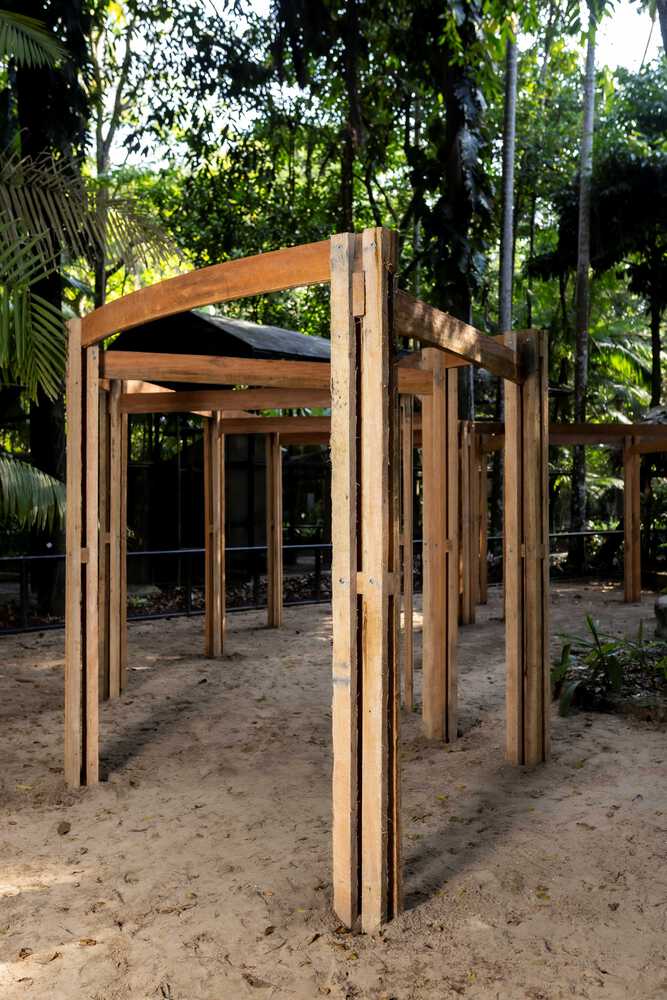
During the exhibition, it will host educational programming and collaborative activities, but it also aims to serve as a prototype for sustainable architecture in Amazonian contexts — simple, replicable, and low-impact structures intended for places where access is difficult and every constructive gesture needs to have meaning.
The project arises as an exercise in listening and experimentation: a study on how to build with the territory. The inspiration from the canoes of riverside communities in Belém and Marajó guided the gesture of bending the wood, merging technique and tradition.
To reduce distances and value the time spent in making, the glued laminated wood was produced on-site, allowing matter, climate, and process to converge.